


Original publish date: August 15, 2016
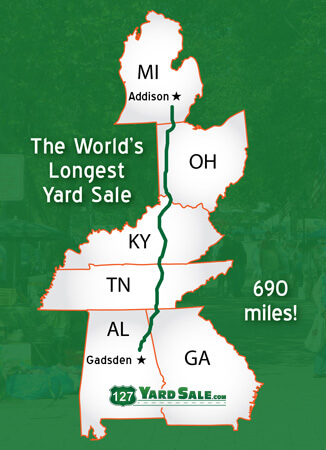
Last week, my wife and I (along with fellow antiquer buddies Chuck & Becky Hodson) decided to revisit the tortuous multi-state adventure known as The 127 Yard Sale. Also known as the World’s Longest or 127 sale, it is an annual event that officially begins on the first Thursday in August, and concludes on Sunday. The sale spans six states (Michigan, Ohio, Kentucky, Tennessee, Georgia, and Alabama) and 690 miles. This was our 6th journey into the hills and dales of Kentucky & Tennessee to essentially poke through other people’s stuff.
I wrote an article detailing one of our trips a few years ago, but I figured it was time to retrace our steps just in case any of you are considering going yourselves someday. FYI, the dates for 2017 are August 3rd to the 6th and August 2nd to the 5th in 2018. The official route begins 5 miles north of Addison, Michigan and ends in Gadsden, Alabama. While there is no official count, an estimated 100,000 shoppers visited the approximated 5,000 vendors along the route.
 According to their website, the 127 Yard Sale began in 1987. Mike Walker, former Fentress County Executive in Jamestown, TN, planned the event to encourage travelers to bypass interstate highways such as I-40 and I-75 in favor of scenic routes that would take them through rural communities and allow them to experience what the small towns and cities had to offer. With state parks, historical attractions, scenic drives, water falls, opportunities for hiking and biking, rivers and lakes for boating, train rides, horse back riding, fishing, blue grass music, arts and crafts festivals, and more, this provided a great opportunity to bring more visitors to Tennessee and the 127 Yard Sale route.
So now that you know the details, route and history of the 127 yard sale, let me give you some tips of what you can expect, guidelines you might adhere to and examples of things you are likely to find along the way. If you’re a lifetime collector of “stuff”, then you’re sure to have a ball. If you are decorating a house, room or man cave, you’ll have a blast. On the 127, there’s stuff you didn’t know existed, stuff you just have to have, and stuff you didn’t know you needed. If you don’t like traffic, have no patience or can’t stand the heat (literally not figuratively)then you might want to stay home.
Although the route begins in Southern Michigan and spans the entire state of Ohio, I recommend that you start South of Cincinnati. Oh, and that you start out on a Wednesday. Yes, “officially”, the sale starts on Thursday, but most dealers are up and running by hump-day. We spoke to many who had been set up since the previous Saturday, but I’m guessing those were only the diehards catering mostly to the locals. I have tried to start the sale in Ohio in years past but came away with little more than wasted time and needless delay. I have met people whose 127 experience involves shopping only in the Buckeye state, then heading home to sleep in their own beds the very same night. So that could be a good test run for those still sitting on the fence.
However, if you want to really experience the 127 yard sale, let me offer some pointers. First of all, take plenty of bottled water. A cooler full of ice and a case of water will be your best friends for this particular journey. Remember all those old movies about people stranded in the desert? That’s what the 127 sale is like. We went through 16 bottles of ice cold water on the first day alone. Second, wear light colored, loose fitting clothing and comfortable shoes. You’ll be walking through dirt and tall grass in many places so don’t wear your expensive sneakers but rather your sturdiest, most utilitarian pair of kicks. Third, for this trip, I bought the ladies each a cooling towel at Lowe’s. Get it wet, give it a snap then drape it around the neck and you’ll think it a worthy $ 5.00 investment I assure you. File that under the “Happy Wife, Happy Life” category.
There’s a lot of stop-and-go traffic along the route so be patient and take care while driving. It can be a hazardous drive in places where vendors occupy both sides of the two-lane road, traffic slows, sometimes coming to a complete standstill as people shop from their cars trying to decide whether a pull-off is worthy or not. You’d be surprised how many yard-salers slam on their brakes when they see a velvet Elvis leaning up against a table from the roadway. Always use your turn-signals and avoid sudden stops, don’t make U-turns and safely pull as far off the roadway as possible. Although it is a two-lane road in most places, 18-wheelers, dump trucks and farm machinery make regular appearances. So pull out with care while leaving all stops.
 Assuming you are starting South of Cincinnati, consider making hotel reservations in or around the Harrodsburg / Danville, Kentucky area for your first night’s stay. Not only will you be spending the night in historic Daniel Boone country, you’ll most likely find that, allowing for the frequent stops on your treasure hunt, you will have seen all you care to see by the time you reach this area. Go out and have a nice dinner and turn in early. If you are a people person, you’ll soon discover that most of your fellow hotel guests are coming off the sale as well. Many of them are eager to tell stories, share tips and show off their prized buys after a day of buying on the 127. Swapping tales about your shared struggle can be some of the best memories of all and are only rarely disappointing.
At least in the case of the 127 sale, the early bird does not get the worm. No need to get up early because, unlike most neighborhood garage sales, these folks rarely uncover their tables before 9:00 am. If you find yourself walking through dew soaked fields on the 127, you’re likely walking past covered tables with nothing to show for it but soggy socks and shoes for the rest of the day. Remember athlete’s foot? Sleep in, hit the continental breakfast and let the morning sun bake the dew away.
 Once you’re out on the road again, you’ll soon find that yard sales are EVERYWHERE! In the front yards of people’s homes, farm fields, cow pastures, side streets and alleyways, in empty lots, business parking lots, community parks, churches and town centers. Some areas will have large groups of vendors together (127 veterans call these ‘tent cities’), while others will be set up separately. As you weave your way from one yard sale to the next, Highway 127 winds through horse country surrounded by beautiful rural areas and interesting scenery, so be sure to enjoy the ride along the way.
There is no set “opening” or “closing” time for the individual sales along the 127 Yard Sale route. Each vendor chooses the time they want to start and many stay open until dark. Traffic along the 127 Yard Sale route gels up considerably in congested areas and small towns, so how long you stay on the 127 per day is more dependent on what your personal goals are and how much ground you want to travel each day. Obviously, if you hit every yard sale, you’ll be hitting the hay late. By the very nature of the route, you may become intrigued with a specific area once you get to it and end up spending more time there then you initially planned. However, you will see as much as you wish to see and will always reach your full point when you decide you’ve seen enough. Best advice, concentrate on what you see, appreciate what you find and don’t have undue expectations about your results. Sometimes on the 127, the visitor takes only memories and leaves only footprints.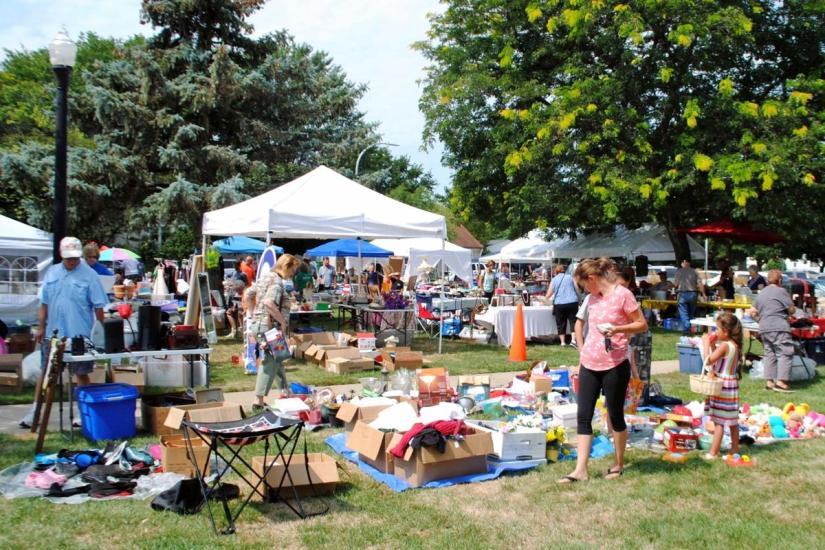
Next week: Part II- Highway 127: The World’s Longest Yard Sale. 2016.

 We started our trip on Wednesday, August 2nd south of Cincinnati. We allowed ourselves three days for the 127. We learned long ago that it would take at least five to hit every sale. We started out at nine in the morning and made it as far as Harrodsburg Kentucky that evening. Normally it would take 2 hours to drive the 120 mile route between the two locations. The next day, Thursday, August 3rd, we left around 8:30 AM and by 6 PM we had made it as far as Spring City Tennessee. This day’s route was 180 miles between locations. Normally this is a four hour trip without stops. By our third day, Friday, August 4th, between the crowds, the traffic and general fatigue, we had just about had our fill. By the time we had reached Chattanooga that afternoon, we were done.
 And what did we find on the world’s longest yard sale 2017 redux? Unlike years past, we really didn’t find anything fantastic for ourselves; we just found stuff. Don’t get me wrong, we found some cool things. We just didn’t find any life changers. My personal prize was a bronze statue of Gettysburg hero General Winfield Scott Hancock. It now rests on my desk. I found tons of old paper to play that I am still winding my way through. My favorite so far is a packet of letters written by a French woman to her soldier beau in Geneva Indiana in 1919 – 20 at the close of World War I. She pleads for news from her soldier boy and wonders why he doesn’t write. Poignant to say the least.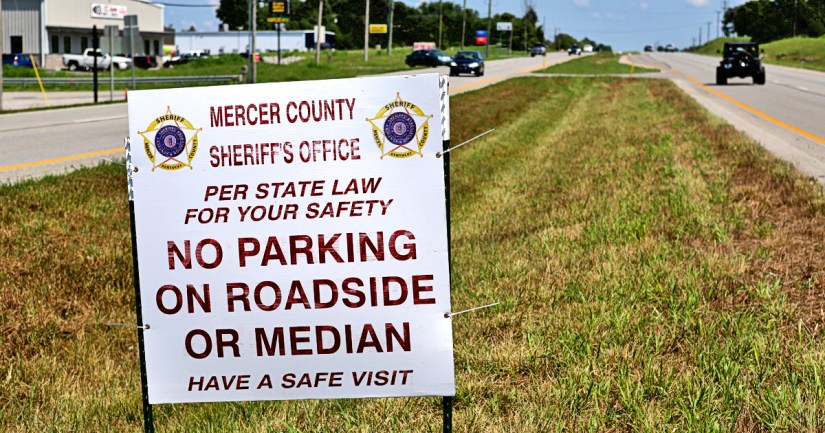
 My favorite memory comes from a gentleman I met at the Jordan Motel in Jamestown Tennessee. The motel is an important landmark on the 127 because this is the spot where the first booths were set up back in 1987 to start what would become the world’s longest yard sale. Jamestown is in the heart of Big South Fork Country which bills itself as the Trail Riding Capital of the Southeast. At first I was drawn to the booth by a large metal highway 70 sign leaning against a nearby tree. It was only 35 bucks but it wasn’t our I-70 so I passed. Let me rephrase that, Rhonda suggested I pass because I am apparently out of room for any more road signs.
 On this man’s table were a couple dirty squares of carpeting, each about 4″x4″ and each displayed in picture frames. Alongside the dingy relics were photographs of a scene that looked strangely familiar to me. It was a large hole inside a closed building that I soon recognized as the sinkhole that swallowed eight Corvettes at the National Corvette Museum in Bowling Green Kentucky around Valentine’s Day of 2014. I asked about them and was informed me that the vendor was the contractor hired to pull the cars out and repair the hole. He said, “In fact, I’m the guy that fired up that Corvette and drove it out. It didn’t have anything but an oil leak.” As he searched his cell phone to show me a video of the event as proof, he informed me that he was surprised the Corvette museum called him because, “I’m just a good old boy from Kentucky, I didn’t know thing about Corvettes or fixing sinkholes.” As Rhonda and I got back in the car and drove south, she asked me if I had asked him how much they were. Strangely, I hadn’t. I guess I was too caught up in the story.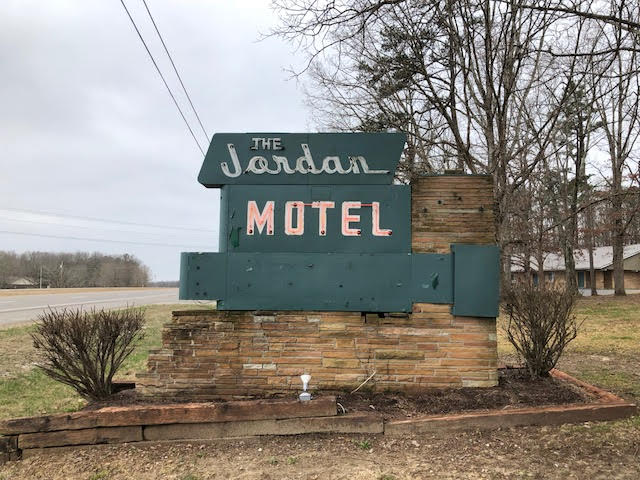
 Spring City Mayor Billy Ray Patton claims the town is one of the best places in the world to view the eclipse because it is located along the exact path the eclipse will travel. Spring City rests on the 70 mile wide “path of totality.” Residents and visitors will have two minutes and 39 seconds of totality when the moon completely blocks the view of the sun. The total solar eclipse will darken skies all the way from Oregon to South Carolina. But don’t get any ideas, the hotels in Spring City were already sold out two weeks ago. On Monday this small TVA town of 2000 is expected to swell to 50,000 with visitors hoping to catch a good view of the eclipse.






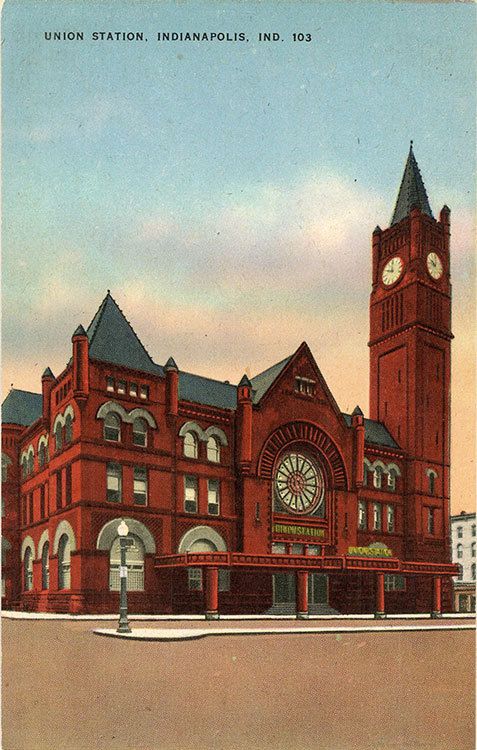
 Beginning in November 1886 a new station was constructed just north of the existing station, and soon a three-story, red brick and granite station with extensive vaulted Romanesque arches and a 185-foot clock tower began to rise towards the Hoosier heavens. It was that clock, with its four separate clock faces each nine feet in diameter, that would become an Indianapolis landmark for generations to come.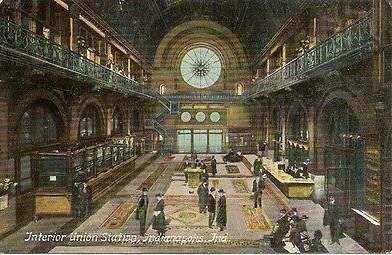
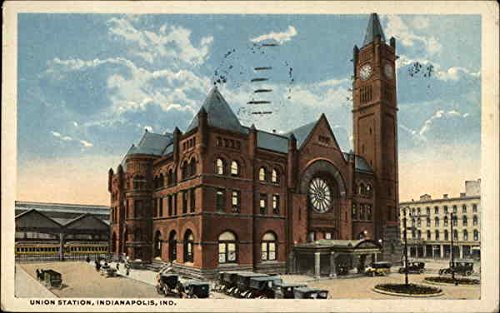 Train travel dropped in the 1930s, mostly because of the Great Depression, but rebounded during World War II because so many servicemen were on the move. After the war, passenger trains were declining as the automobile and aviation industries experienced rapid growth, all but signing the death warrant of Union Station. By 1946, as post-war passenger service fell off, only 64 trains a month operated and by 1952, barely 50 passenger trains a month used the station. Over the next generation, as rail travel continued to decline, Union Station gradually became a dark, ghostly relic of a by-gone era. During the 1960s and 1970s, it suffered from the same pattern of deferred maintenance and slow decline plaguing most urban buildings.
 Union Station was then owned by Penn Central, a “Frankenline” created by the merger of the old Pennsylvania and New York Central lines. A series of events including inflation, poor management, abnormally harsh weather and the withdrawal of a government-guaranteed $200-million operating loan forced the Penn Central to file for bankruptcy protection on June 21, 1970. Many of the once-powerful railroad firms were bankrupt and only six trains operated out of the station. Penn Central offered the station for sale and the decline continued when by 1971, the United States mail room closed and Amtrak was formed out of the few remaining rail lines. It looked like the grand station would be bulldozed into a parking lot. A “Save Union Station” committee scrambled to keep it from being demolished.
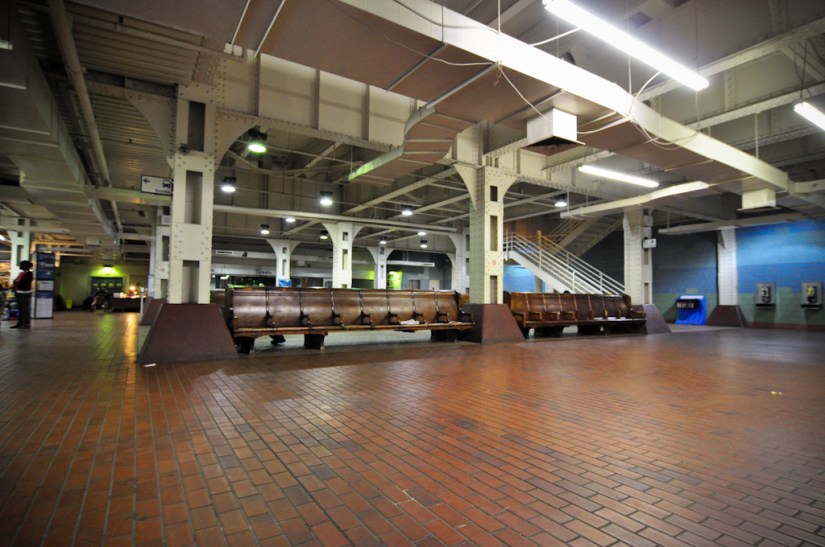
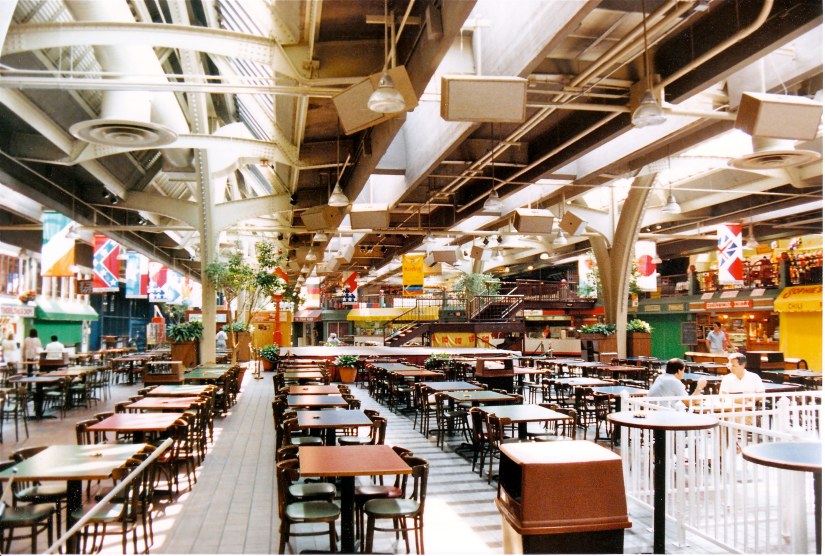
 Perhaps as an homage to the vibrant spirits of luminaries past, Twenty-eight “Ghost People” linger around the Grand Hall at Union Station. Dressed in authentic period clothing, carrying real items from their times, each have a special story. Made of white fiberglass, they were created by Indianapolis native Gary Rittenhouse, from an idea of developers Bob and Sandra Borns, who were fascinated by the history of thousands of people beginning and ending their travels in Union Station.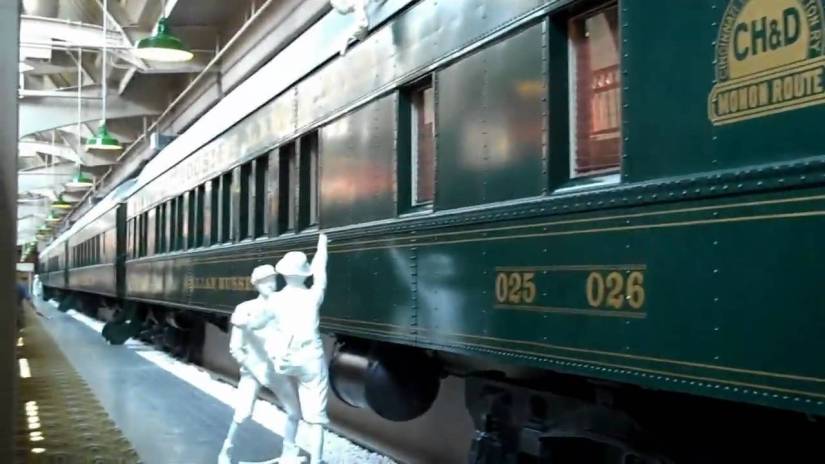


 Tom Huston (derisively called “Secret Agent X-5” behind his back by some White House officials), the White House aide who devised the plan, was a young right-wing lawyer who had been hired as an assistant to White House speech writer Patrick Buchanan. Huston graduated from Indiana University in 1966 and from 1967 to 1969, served as an officer in the United States Army assigned to the Defense Intelligence Agency and was associate counsel to the president of the United States from 1969-1971.His only qualifications for his White House position were political – he had been president of the Young Americans for Freedom, a conservative campus organization nationwide.
 Despite Huston’s warning that his namesake plan was illegal, Nixon approves the plan, but rejects one element-that he personally authorize any break-ins. Per Huston plan guidelines, the Internal Revenue Service began to harass left-wing think tanks and charitable organizations such as the Brookings Institution and the Ford Foundation. Huston writes that “making sensitive political inquiries at the IRS is about as safe a procedure as trusting a whore,” since the administration has no “reliable political friends at IRS.” He adds, “We won’t be in control of the government and in a position of effective leverage until such time as we have complete and total control of the top three slots of the IRS.” Huston suggests breaking into the Brookings Institute to find “the classified material which they have stashed over there,” adding: “There are a number of ways we could handle this. There are risks in all of them, of course; but there are also risks in allowing a government-in-exile to grow increasingly arrogant and powerful as each day goes by.”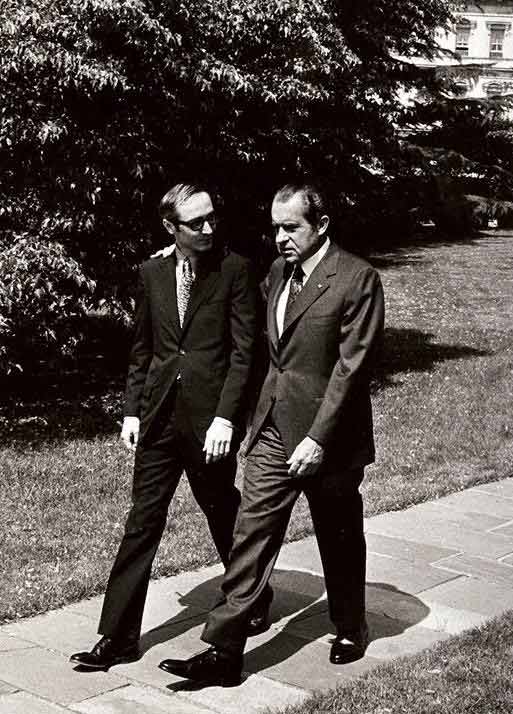


 During the question-and-answer session at that meeting, a woman stood up to relay a story of how her son was being beat up by neighborhood bullies, and how, after trying in vain to get law enforcement authorities to step in, gave her son a baseball bat and told him to defend himself. Meanwhile, the partisan crowd is chanting and cheering in sympathy with the increasingly agitated mother, and the chant: “Hooray for Watergate! Hooray for Watergate!” began to fill the room. Huston waited for the cheering to die down and says, “I’d like to say that this really goes to the heart of the problem. Back in 1970, one thing that bothered me the most was that it seemed as though the only way to solve the problem was to hand out baseball bats. In fact, it was already beginning to happen. Something had to be done. And out of it came the Plumbers and then a progression to Watergate. Well, I think that it’s the best thing that ever happened to this country that it got stopped when it did. We faced up to it…. [We] made mistakes.”
 Alan E. Hunter