BOOK LAUNCH ANNOUNCEMENT! SUNDAY FEBRUARY 16, 2025 10 AM (CST) SPRINGFIELD, ILLINOIS.
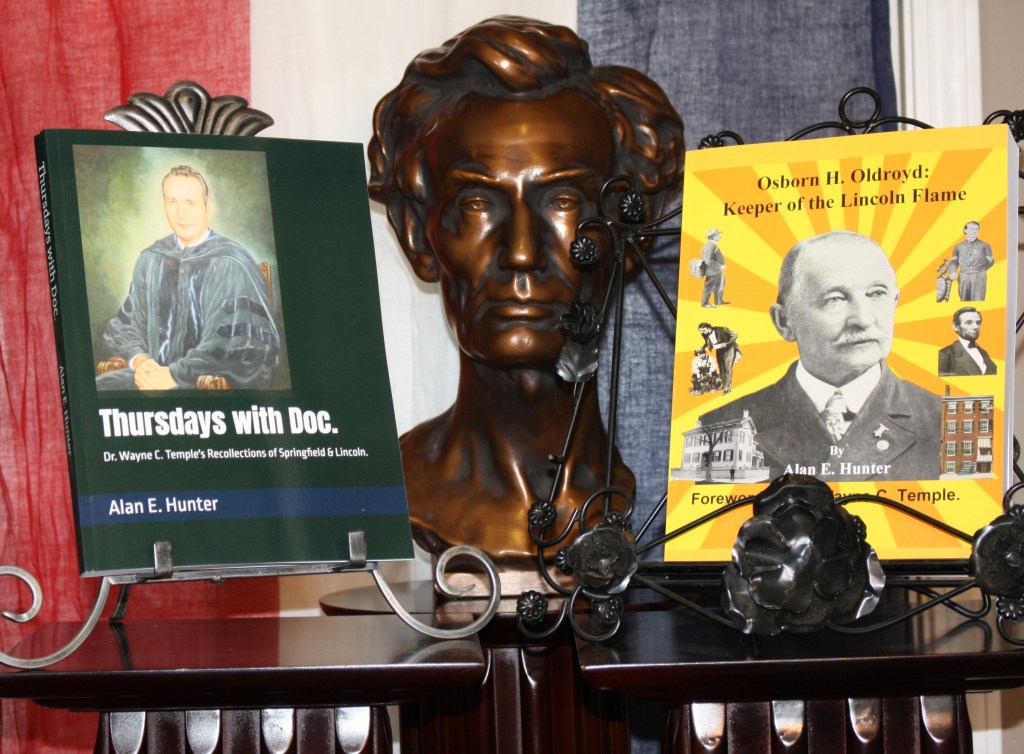
On Sunday, February 16th, 2025, the official book launch for both of my latest books, Thursdays with Doc. Dr. Wayne C. Temple’s Recollections of Springfield & Lincoln and Osborn H. Oldroyd: Keeper of the Lincoln Flame, will be held in Springfield, Illinois. 10:00 am (Central Standard Time) at Books on the Square 427 E. Washington St. Springfield, IL 62701. (217) 965-5443
https://www.booksonthesquare.com/
The author will speak about Doc and Oldroyd, their connection to each other, and Springfield, the day after the Abraham Lincoln 216th Birthday Event: Symposium & Banquet in that historic building across from the Old State Capitol Building where Lincoln served. A book signing will follow the talk. All purchases of Doc’s book that day will include a limited edition, hand-numbered bookplate signed by Doc, Dr. James Cornelius, and the author.
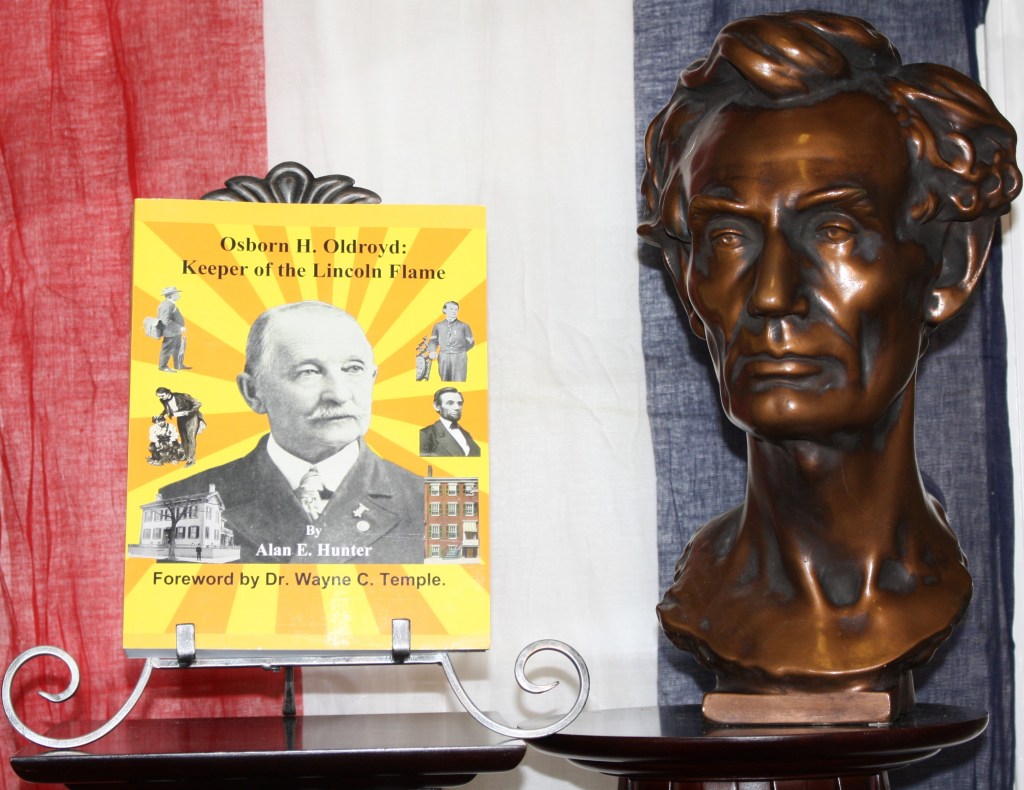
Osborn H. Oldroyd devoted his life to acquiring everything relating to Abraham Lincoln. For nearly half his life, Osborn Oldroyd made his home and displayed his collection in two houses directly associated with the 16th President: the Lincoln Homestead in Springfield, Illinois, and the House Where Lincoln Died in Washington, D.C., a feat that will never be surpassed. Oldroyd guarded a gateway between two worlds. On one side was the world of the now and on the other, the world of the past. When Lincoln passed from life to history, the nation’s grief gave way to reverence; sorrow gave way to esteem. Oldroyd, the loyal log cabin Republican and veteran soldier, did his best to ensure no one forgot. Oldroyd had the institutional memory gained from walking in Lincoln’s footsteps, talking with Lincoln’s contemporaries, and examining the objects associated with his idol. Oldroyd was never trained as a curator. He was a born collector whose experience in handling and researching objects while building his personal collection was his curatorial education. His ability to recount the story behind the object and inject it with enthusiasm, humor, and believability, made him a folk hero to the common man. Just as Oldroyd’s museums can be considered the first of their kind in American museum history, Oldroyd himself can be labeled as America’s first folk curator. To the collection and study of Lincoln, Osborn Oldroyd’s name is unavoidable, particularly in the study of his assassination. It could easily be said that without the efforts of Osborn H. Oldroyd, we may have lost the Lincoln Home in Springfield, the House Where Lincoln Died, and Ford’s Theatre itself. Oldroyd’s obsessive, idiosyncratic devotion to Abraham Lincoln brought the martyred President down from the fog of intellectualism and back to earth for everyone to rediscover in object form. Oldroyd was the last of his kind and the first of another. He arrives by adoration and departs by dedication, opening doors for every Lincoln collector, admirer, and scholar that followed. Born in an age of covered wagons and canals, Oldroyd lived to see the age of the automobile and the airplane. And, thanks mainly to Osborn Oldroyd, visitors to the Petersen house today can walk through the first floor, down the long hallway to stand inside the tiny, dimly-lit otherwise insignificant room with the slanted ceiling where the last, best hope of a nation was lost.
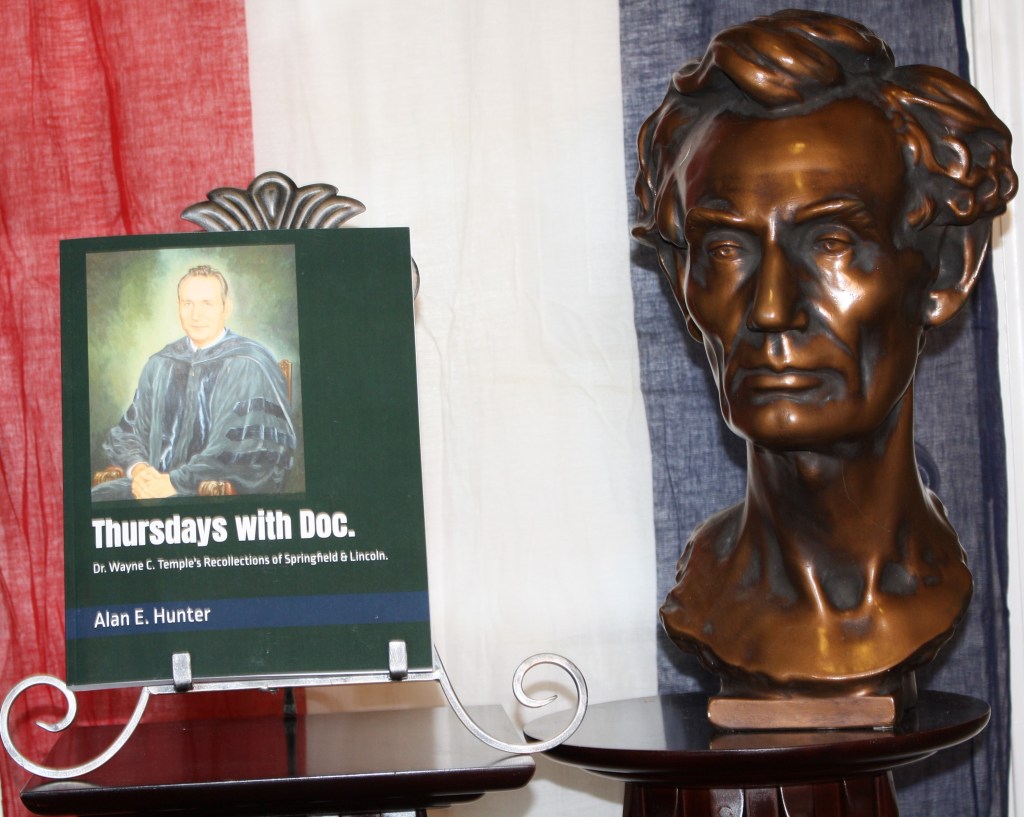
KA series of informal discussions with Springfield Illinois Lincoln scholar and author Dr. Wayne C. Temple, known affectionately as “Doc”. Who, for over 56 years, worked for nine different Illinois Secretaries of State and ten different Governors representing both parties, a remarkable feat of its own. It is a record unlikely to be equaled. Doc was with the Illinois State Archives from 1964 to 2016, much of that time as the Chief Deputy Director. Before that, Doc was editor-in-chief of the Lincoln Herald and in charge of the Dept. of Lincolniana at Lincoln Memorial University in Harrogate, Tennessee from 1958 to 1964, remaining in that position remotely from Springfield until 1973. Doc was an honorary member of the Lincoln Sesquicentennial Commission, 1959-1960, and served on the advisory council of the United States Civil War Centennial Commission, 1960-1966. Doc served in the U.S. Army from 1943 to 1946, and during that time he helped to establish General Dwight D. “Ike” Eisenhower’s communications in Europe. Doc has authored over 20 books, mostly on Lincoln, and has written over 600 articles, poems, reviews, and papers during his career. Doc graduated from the University of Illinois in 1949, studying under his mentor J.G. Randall, the “Dean of Lincoln Scholars.” Doc’s accomplishments are well covered in this volume. This book spans almost three years of interviews with Doc, James Cornelius (former Curator of the Abraham Lincoln Presidential Library and Museum), and author/newspaper columnist Alan E. Hunter. The topics cover Abraham Lincoln, the little-known history and colorful personalities of Springfield, Illinois, the Indigenous Peoples of Illinois, and the life and times of Springfield’s preeminent Lincoln scholar. Now over 100 years old, Dr. Wayne C. Temple has seen it all.
Mailing May. Parts I & II.
Original publish date February 20, 2014.
https://weeklyview.net/2014/02/20/mailing-may-part-1
A friend of mine from Chicago, Wally Dworak, recently gave me an excellent idea for a story. I’m not going to give away the punchline, but the gist of the idea revolves around the United States Postal Service and the history of Parcel Post. Wait, wait, before you roll your eyes and put down the paper, it gets better, I promise.
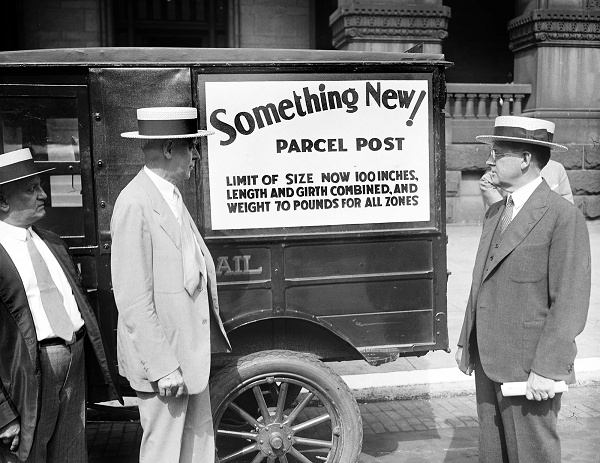
The term “Parcel Post” refers to the sending of oversized packages through the mail service. Parcel Post was developed to handle mail that was too heavy for normal letter carriers to deliver. It was usually slower than letter post and was most often associated with rural communities. It’s usefulness coincided with the development of a national railway network which enabled parcels to be carried in bulk on a regular schedule and at economical prices.
Although foreign parcel services started in 1887 and the United States was a signatory for foreign parcel delivery, domestic Parcel Post service was not instituted until 1913. Parcel Post became available to Americans on January 1, 1913 as a way to encourage economical delivery in rural America. It was an immediate smash hit.
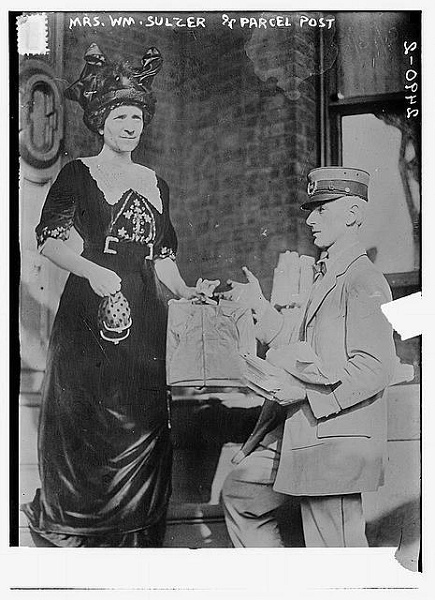
Farm families, who were largely poor, were excited about the new service because it meant they would be able to ship and receive eggs, live chicks, seeds, tobacco and food inexpensively and reliably. Soon urban dwellers began ordering through the mail more regularly, turning small mail-order companies like Montgomery Wards, L.L. Bean, J.C. Penney and Sears into icons of American industry overnight. Suddenly everyone from haircare product companies and seed companies to home appliance and automobile companies were shipping something care of the U.S. Postal Service and Parcel Post.
During the first five days of service, 1,594 post offices reported handling over 4 million Parcel Post packages. The effect on the national economy was electric. Not only did Parcel Post give rise to great mail-order businesses, it also created an immediate demand for special packaging suitable for mailing the wide array of goods deliverable under the new system. Montgomery Ward, the first mail-order house, started in 1872 with a one-page catalog. Parcel Post quickly made the mail-order catalog one of the most important books in the farmhouse, or in most cases, the outhouse. The mail order catalog quickly became “The Homesteaders Bible” or the “Wish Book.”
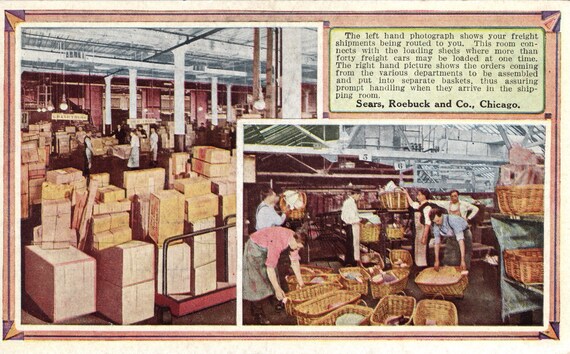
Sears, Roebuck and Company followed Montgomery Ward in 1893. By 1897, co-founder Richard Sears boasted he was selling four suits and a watch every minute, a revolver every two minutes and a buggy every ten minutes. And within five years, Sears-Roebuck had tripled its revenues.
By 1918, a large fleet of trucks were delivering Parcel Post shipments, enabling farmers to ship eggs and other produce directly to the customer. Eggs quickly became a mainstay of Parcel Post. In fact, six eggs were the first objects sent by Parcel Post from St. Louis, Missouri to Edwardsville, Illinois. The eggs were mailed at 12:05 a.m. and returned to St. Louis seven hours later baked in a cake.
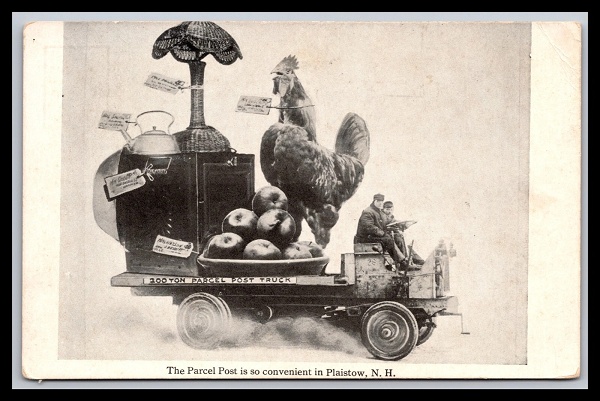
A staggering variety of goods have been mailed by Parcel Post through the years including small animals that did not require food or water while in transit. Ironically, baby chicks began to rival eggs as the most oft-shipped item via Parcel Post. Baby chicks, shipped in specially constructed boxes, were roundly disliked by carriers because of their noise, smell and tendency to die en route. In the 1920s, a rural community like New Washington, Ohio (home to over 15 hatcheries) might ship as many as 80,000 chicks through the local Post Office every day.
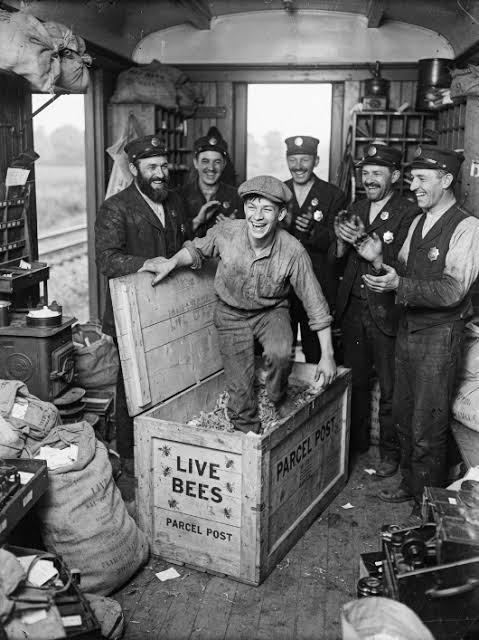
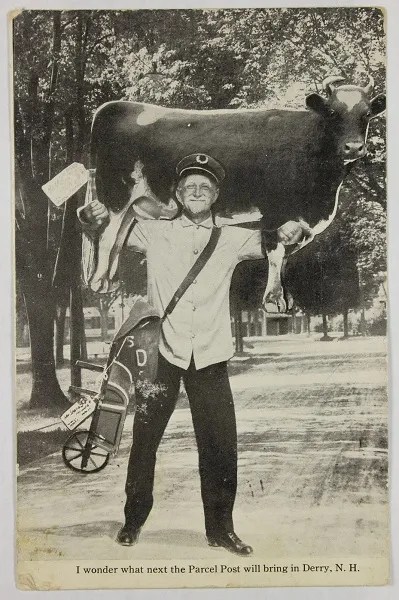
It wasn’t long before local reporters in search of a good story began to note violations of the Parcel Post system either by those who didn’t understand the rules, or by those who simply didn’t care. Although tame by today’s standards, Roaring Twenties newsmen were aghast at parcels consisting of a live lobster mailed from the New York City post office to an elite upscale Philadelphian for dinner that night, a brindle bulldog delivered to a Yonkers (New York) resident, and a coffin delivered to Zanesville, Ohio. Unimpressed? Well, consider that these items were all sent in their natural form, sans packaging, adorned only with postage stamps.
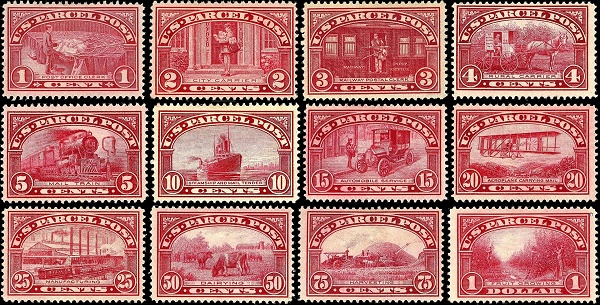
In 1917, Postmaster General Albert Burleson ordered the imposition of a maximum daily limit of 200 pounds per customer per day. His order came after William H. Coltharp used the service to ship more than 80,000 masonry bricks over 400 miles via horse-drawn wagon and train for use in the construction of a new bank building. It was the largest thing ever to be sent through the mail via Parcel Post. Burleson famously said, “It is not the intent of the U.S. Postal Service that buildings be shipped through the mail.”
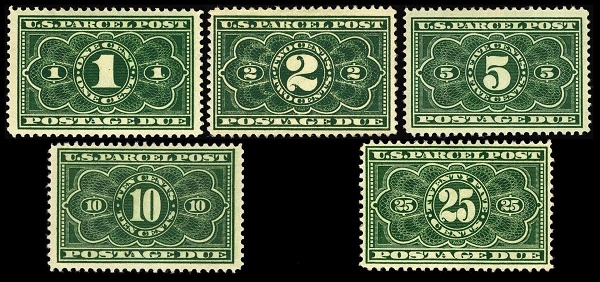
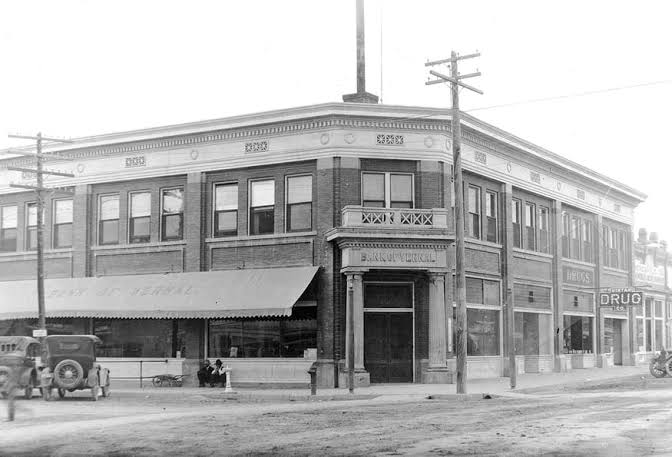
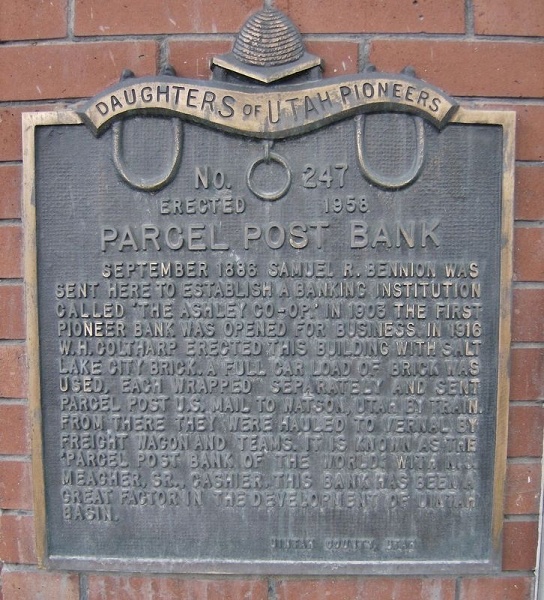
Coltharp, an enterprising young businessman, came up with the idea to construct his new bank in Vernal, Utah in 1916. He wanted the best bricks in the area and those bricks were made by the Salt Lake Pressed Brick Company. The problem was that the brick Company was located about 120 miles away from Vernal, Utah as the crow flies, and even longer on the winding roads that wove through Utah. Coltharp realized that the freight costs to haul the bricks from Salt Lake City to Vernal were about four times more expensive than the cost of the bricks themselves. In what surely must have been a stroke of creative genius, Coltharp decided he would have the bricks mailed to the small town, taking advantage of the cheap Parcel Post rates.
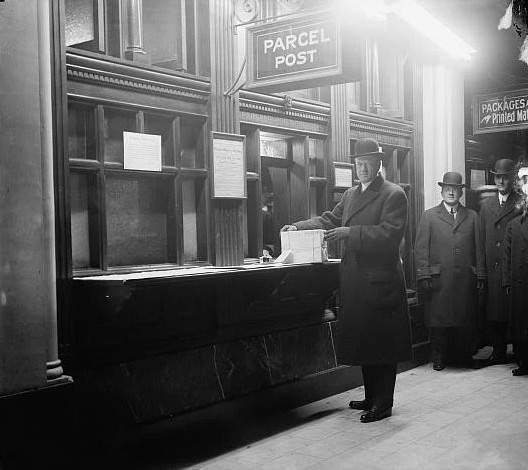
He carefully packaged the bricks in separate crates weighing less than the 50-pound weight limit. He shipped an average of 40 crates each day weighing roughly one ton collectively daily. The trek from the Salt Lake City post office to Vernal took a very circuitous route to say the least. First, the bricks were sent via the Denver and Rio Grande Railroad to Mack, Colorado. From there, they went to Watson, Colorado by way of a narrow gauge railroad. Finally the bricks were hauled the final 65 miles to Vernal by freight wagon. The total length of this route was over 400 miles. Ultimately all of the bricks were delivered, prompting the U.S. Post Office to change their regulations. The Bank of Vernal was completed and was nicknamed “The Parcel Post Bank” by some of the town’s residents. The building, located on West Main Street and occupied by Zions Bank, is still standing and a registered county landmark.
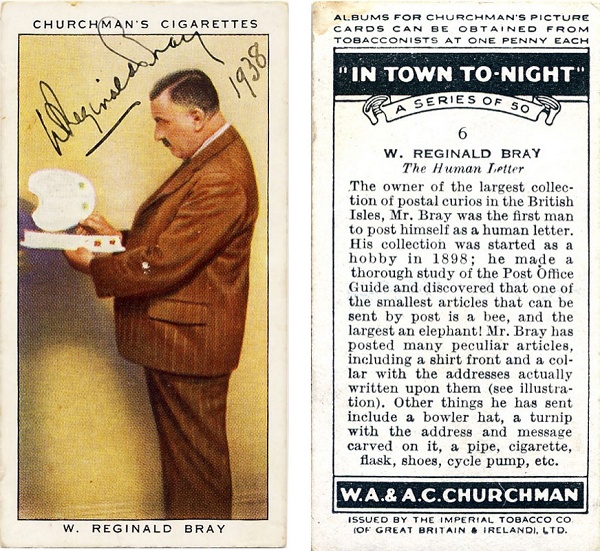
Among the items considered unmailable in the new service were intoxicants, poisons, poisonous animals, insects, reptiles, flammable materials, pistols, revolvers, live (or dead) animals, live birds or poultry, raw hides or “any article with a bad odor.” But then there was the peculiar hobby of W. Reginald Bray, who liked to send things through the mail that were not specifically prohibited, but created a challenge for the postal service nonetheless. At one point or another, Bray mailed a bowler hat, a rabbit skull (the address spelled out on the nasal bone, and the stamps pasted to the back), a purse, a slipper, a clothes brush, seaweed, shirt collars, a penny, a turnip (address and message carved into the durable tuber), an Irish Terrier, and a pipe, among other curios. Bray successfully sent himself through the mail twice, in 1900 and again in 1903, the second time by registered mail. He was not packed in a box, but was delivered by postal carriers who walked beside him.
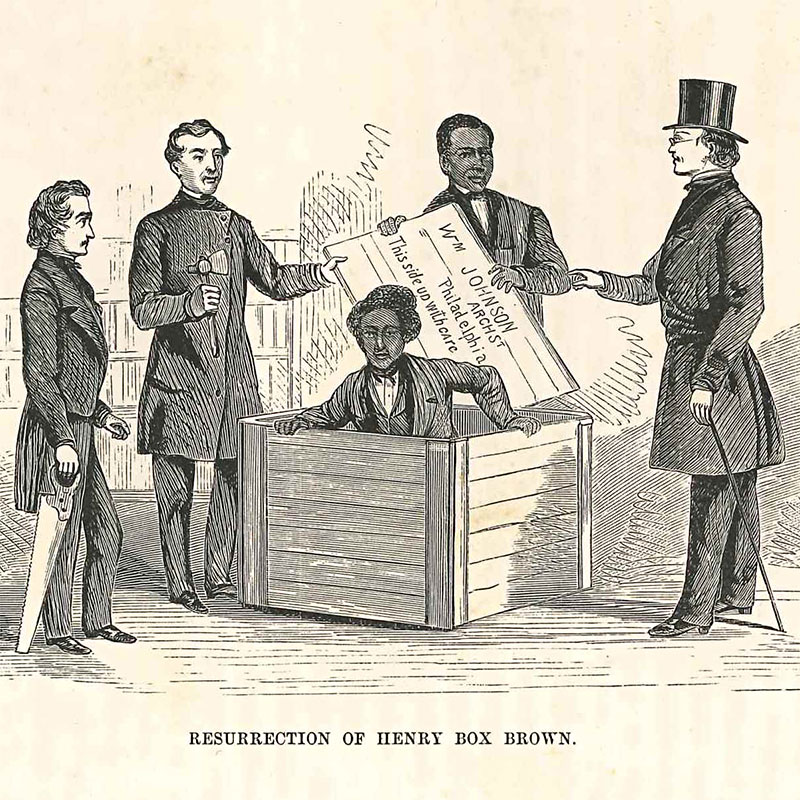
Still other unusual mailings can’t help but stir the patriot in all of us. Such as the “parceling” of Henry “Box” Brown, a slave in Antebellum Era Virginia. Brown collaborated with two white men to have himself mailed to an abolitionist in Philadelphia. Brown spent 26 hours in a wooden crate, most of it upside down! When he emerged from the crate in Philadelphia a free man, Brown said, “How do you do, gentlemen?” Afterward, he traveled and lectured for the anti-slavery movement and later became a performing magician. The middle name “Box” was added after his shipment to freedom.
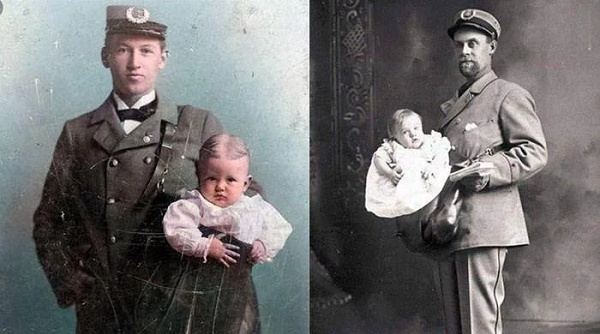
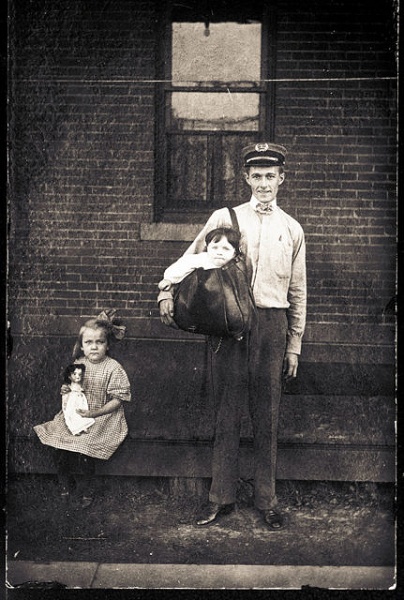
But for me, and obviously my friend Wally from Chicago, the most fascinating aspect of parcel post is the little known fact that, prior to World War I, some parents sent their children Parcel Post. The most famous example of this happening 100 years ago this week.
PART II
https://weeklyview.net/2014/02/27/mailing-may-part-2
Original publish date February 27, 2014.
Some stories just seem to have their own serendipitous rhythm. This is one of those stories. Last week I told you about the development of the United States Parcel Post service and how it changed the face of rural America and created mail order empires along the way. In between writing parts one and two, my wife Rhonda illustrated the value of Parcel Post in my own life. Seems that my son Addison went back down to Indiana University after Christmas break without taking a coat along. The temperatures went sub zero and of course, the idea occurred to him that he might need a coat. So I prepared myself for the 1 1/2 hour drive (one way) to deliver said coat.
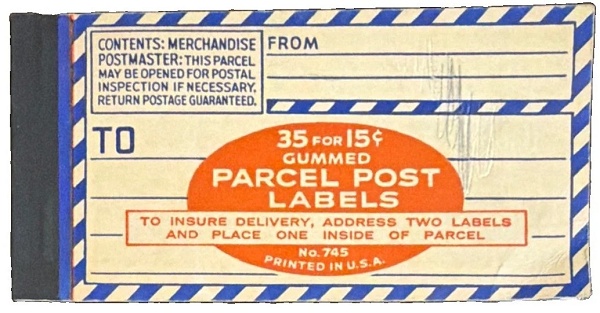
Just then, my wife said, “No problem, I’ll just mail it to him.” What? Mail a coat? She proceeded to explain to me that it would cost $4.95, far less than the gas required to drive it down to him. (About five times less to be exact.) Not only did she send the coat, she stuffed the box with other goodies, too. Thank goodness for the United States Post Office. For context, I must confess that this same child once made it all the way to South Georgia before he informed us that he had forgotten his shoes. Yes, it’s never easy traveling with children and often it can be challenging and expensive.
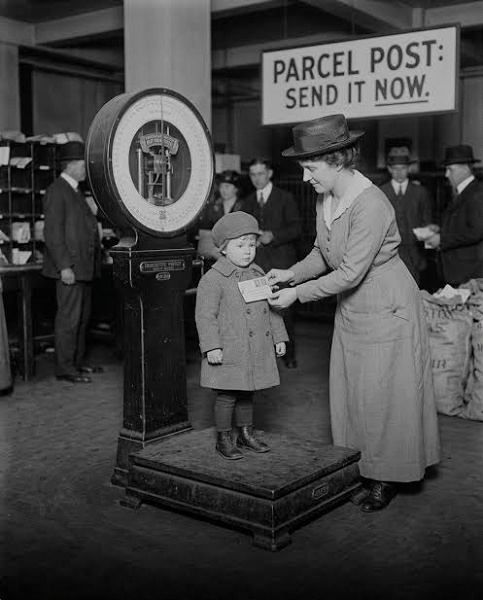
Which brings us back to the point of our story. As we discovered in Part 1 of this tale, with the advent of Parcel Post before World War I, people began to send some very strange things through the U.S. mail. But none stranger than the parcel that was sent on February 19, 1914, 100 years ago this month.
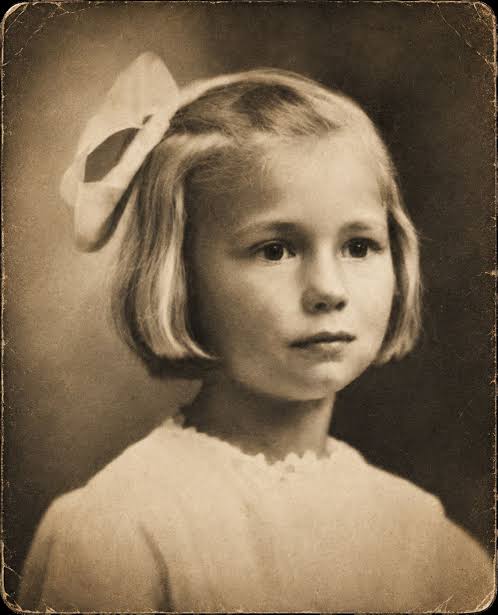
For that was the day a 48 1/2 pound package (just shy of the 50 pound limit) walked into the Grangeville Idaho post office to be mailed 75 miles away to Lewiston, Idaho. The name of this most precious package was Charlotte May Pierstorff, but everyone called her “May.” She was a blonde haired, blue-eyed little darling just three months shy of six years old. Her parents, John Elmer Peirstorff and Sarah Charlotte Vennigerholz, had attached 53-cents in Parcel Post stamps to May’s coat. This little girl traveled the entire distance to Lewiston in the train’s mail compartment and was delivered to her grandmother’s home by the mail clerk on duty, Leonard Mochel.
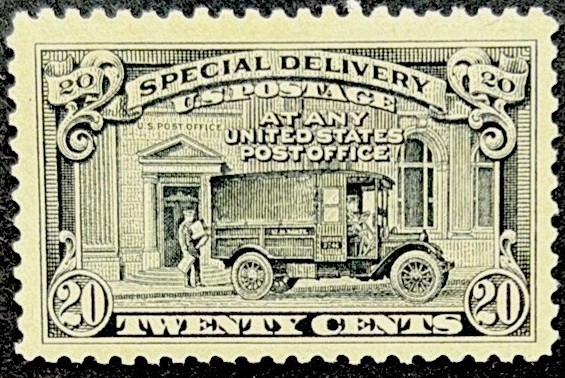
Born in Westlake, Idaho, U.S. on 12 May 1908, May was on her way across state to see her grandparents. Seems that mailing May was cheaper than buying her a train ticket. Her parents did not want to pay the exorbitant train fare, which amounted to an entire day’s pay. Instead, they chose to take advantage of the new Parcel Post system created just the year before. They first checked postal regulations to make sure that there were no laws against mailing a human, then delivered their precious little package to the astonished postal clerk. The Pierstorff’s bought 53 cents worth of stamps and the postal clerk attached them to May’s coat, labeling the shipment as a “baby chick.”
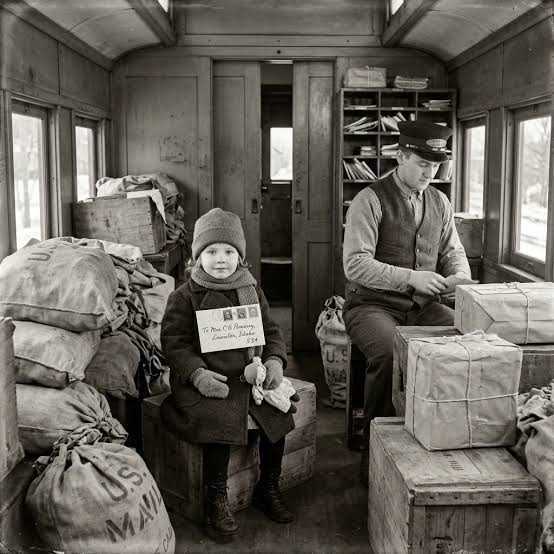
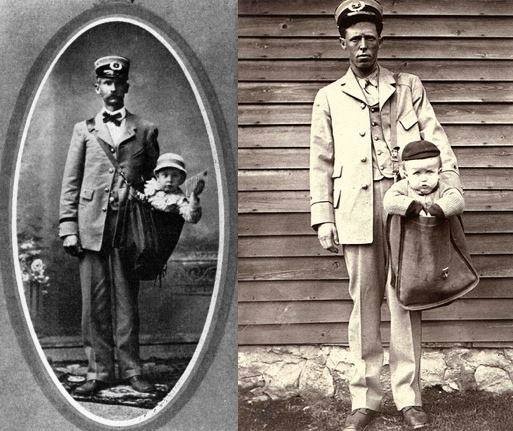
A short time later conductor Harry Morris stumbled upon the little girl sitting quietly atop a pile of mail bags. Morris inspected the tag (and no doubt tallied the postage) tied to May’s coat, and since the mother was nowhere to be seen, allowed the girl to ride in the mail car to Lewiston. May rode in the train’s mail compartment under the watchful eye of the baffled postal carrier Leonard Mochel. Some accounts claim that May was “chaperoned” on her journey by a relative who worked on the Railway Mail Train. Later a city letter carrier posed for a humorous photograph with a young boy in his mailbag in response to the unusual event. The National Postal Museum still has this humorous picture on display to note those more turbulent times in USPS history.
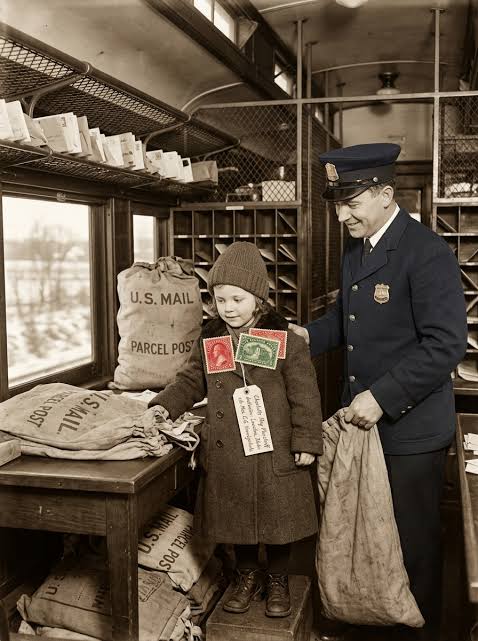
Charlotte May Pierstorff lived an unassuming, normal life, marrying twice. Her first marriage was to Mark Chaffins and her second was to Kay William Sipes, with whom she had two children. She passed away at age 79 on April 25, 1987 in Santa Cruz, California. It wasn’t until a decade after May’s death that she was finally recognized for having been mailed. In 1997, author Michael O. Tunnell wrote a popular children’s book, Mailing May, that told the story of May’s childhood and her postal adventure.
Amazingly enough, May wasn’t the first child “mailed” in the U.S. She was just the most famous. That honor belongs to a tiny 10 ¾ pound unnamed baby boy who lived near Cincinnati, Ohio. In mid January 1913, the son of Mr. and Mrs. Jesse Beauge of Glen Este, Ohio was carried by Rural Free Delivery carrier Vernon Little to his grandmother, Mrs. Louis Beague about a mile away. The boy’s parents paid 15 cents for the stamps and even insured their son for $50.
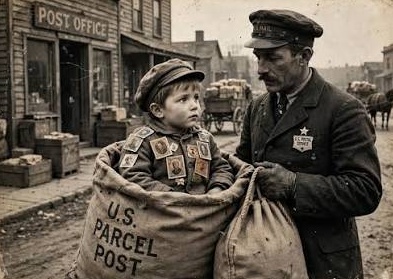
Two weeks later, on January 27, Mr. and Mrs. J.W. Savis of Pine Hollow, Pennsylvania entrusted their daughter to rural carrier James Byerly out of Sharpsville, Pennsylvania, who delivered her safely that afternoon to relatives in Clay Hollow. The daughter cost her parents 45 cents to send.
Although 1913 started out with a bang for mailing children, the rest of the year passed pretty quietly. May’s travels in early 1914 changed all that. After May’s incident, postal employees demanded the public not mail children. But the wheels of the post office move slowly, and despite Postmaster General Albert S. Burleson’s directive that all human beings were barred from the mails, the practice continued. Barely a month after the “no-humans” announcement, rural carrier B.H. Knepper in Maryland carried a 14 pound baby from its grandmother’s home in Clear Spring to the mother’s house in Indian Springs, 12 miles away. A local newspaper reported that the baby slept through the entire trip.
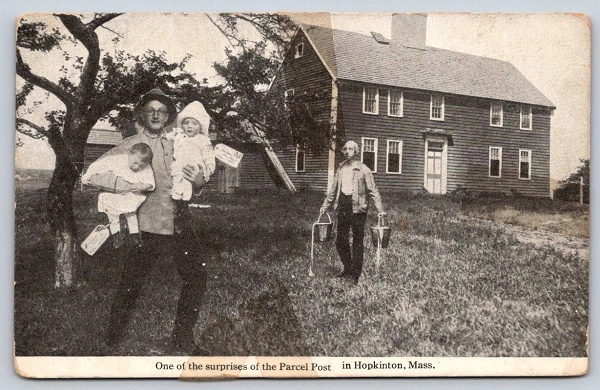
Closer to home that same year, postal workers in Stillwell, Indiana accepted a parcel post box marked “live infant.” They delivered the box to South Bend, 30 miles away, where the baby’s divorced father received and opened it. Postage on the box was 17 cents.
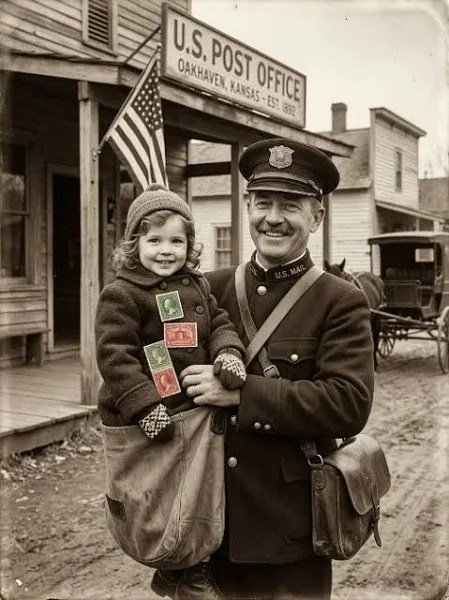
The next year, a Florida state worker mailed six-year-old Edna Neff from Pensacola to Christiansburg, Virginia — an astonishing journey of 730 miles! The girl’s parents were separated and the mother had fallen on hard times. The mother had given the child up to foster care. A Pensacola probation officer had temporary custody of little Edna, but couldn’t afford the train fare for her and an accompanying adult. So she mailed Edna to the girl’s father. There is little information on the specifics of Edna’s trip, which was made by railway mail train, other than her weight, recorded as just under the 50-pound limit resulting in a trip cost 15 cents in Parcel Post stamps.
The year 1915 would turn out to be a banner year for mailing children as two more trips were made after Edna’s that year. In March rural carrier Charles Hayes of Tarkin, Missouri carried Mr. and Mrs. Albert Combs’ daughter Helen by Parcel Post for 10 cents. Hayes delivered Helen to her grandmother, Mrs. C.H. Combs, whose home was also on his route. That September, three-year-old Maud Smith made her Parcel Post journey when she traveled from her grandparents’ home to her mother’s, Mrs. Celina Smith of Jackson, Kentucky. By now, the public was growing increasingly unsettled by this mailing of children, since the percentage of child molesters amongst the population in 1915 was about the same as it is today.
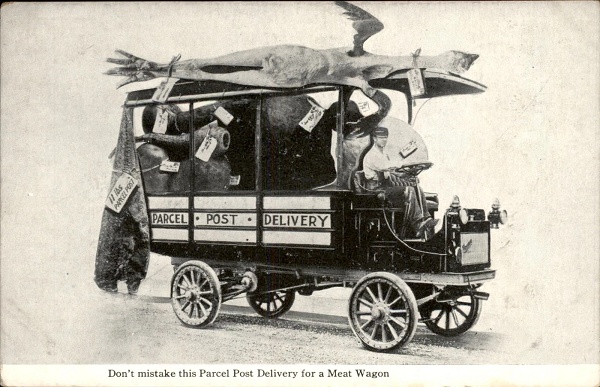
The negative publicity probably prevented another child mailing until 1919, when it appears a press agent for the Aluminum Company of America arranged for the mailing of five-year-old Marmi Hood and four-year-old Evan Hedge to their respective fathers, who were locked down inside in the company’s plant in Alco, Tennessee, surrounded by union picket lines. After a two hour tearful visit, heavily documented by the company publicity department, the children were “mailed Special Delivery” back to the Alco, Tennessee Post Office, where their mothers were anxiously waiting for them. Postage for the stunt both ways was $2.26. Negative publicity about this particular event appears to have hastened the practice and this became the final case of “child mail.” Well, the final case of mailing a live child anyway.
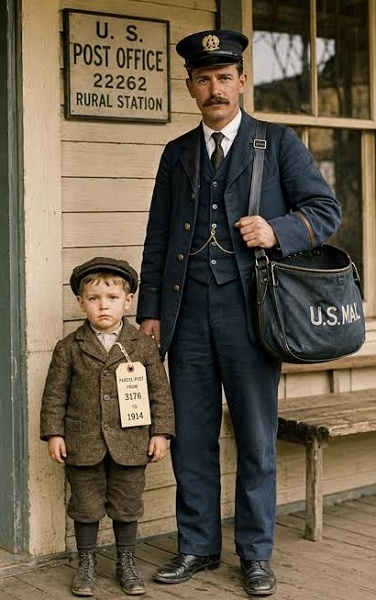
The USPS officially announced on June 13, 1920, that it would no longer accept children as Parcel Post and violation of the new regulation could carry a stiff jail sentence. On November 22, 1922 a dark-headed teenage girl brought a package to the Albany, New York Post Office to be mailed. The destination was nearby and the postal clerk asked her. “Why don’t you just walk it there yourself?” The mystery girl answered that she was “in a hurry” and that the box contained “just some laundry.” The C.O.D. (cash on delivery) package was delivered just blocks away to undertaker A. B. Kiernan.
Upon opening the package, Mr. Kiernan and his wife found a dead newborn and a $5 bill. It was a girl, approximately three days old. An autopsy showed the child had been born healthy but was smothered to death, probably by a pillow. The unknown and undoubtedly desperate parents had sent her in hopes that she would get a decent burial. The Albany Times Union reported on November 23, 1922 that “The tenderest treatment is being afforded this tiny atom of humanity. Its little body reposes in a tiny white casket especially made by Mr. Kiernan and the wee form is clothed in immaculate white, which Mrs. Kiernan made with her own hands for this forsaken and cruelly murdered baby.”
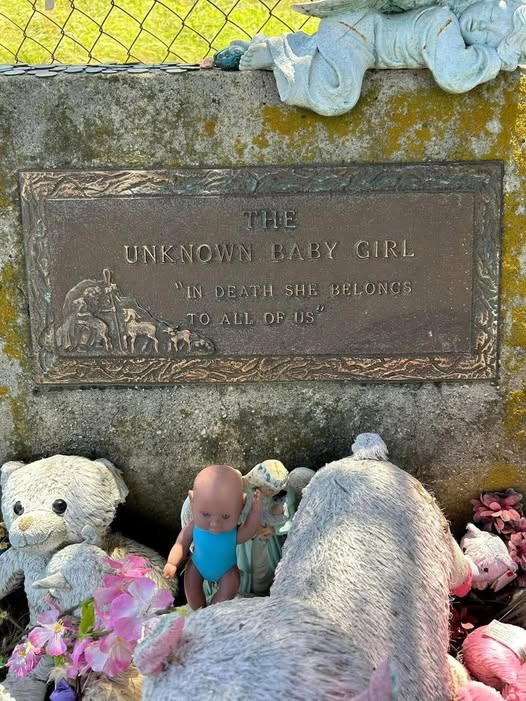
Given the baby’s unknown identity, City Coroner John Mullen named her “Parcella Post,” for the way the baby had been delivered to the funeral home. No identity was ever found for the little girl. Her headstone in Graceland Cemetery, paid for by the citizens of Albany, reads “Parcella Post Infant.”
In 1965 a car drove into the Graceland cemetery and asked where her stone was. They left flowers on the gravesite, but no one thought to question the occupants in the car until after they were gone. Today, people adorn her gravesite with toys, flowers and notes. Perhaps unsurprisingly, her story has become one of the region’s most oft-told, celebrated ghost stories. Funny how things come full circle isn’t it? That’s why the column is called “Bumps in the Night,” folks.
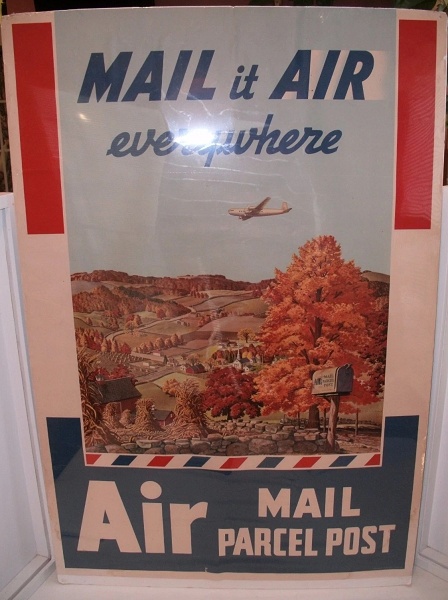
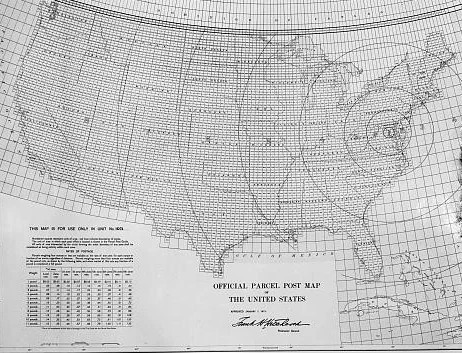
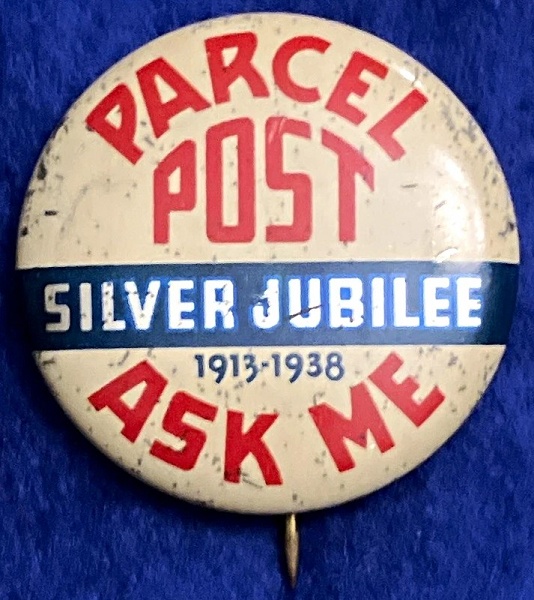
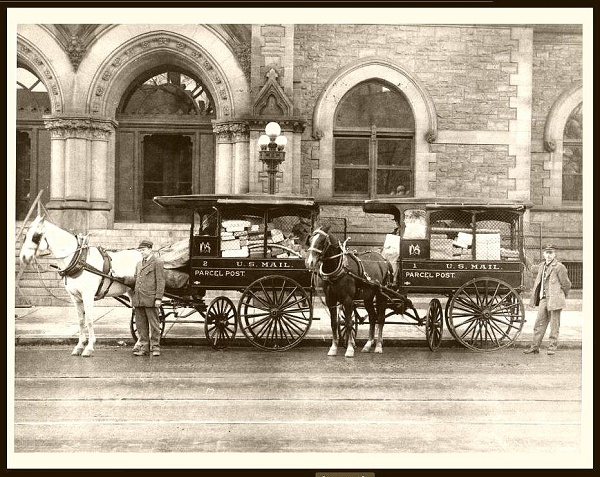
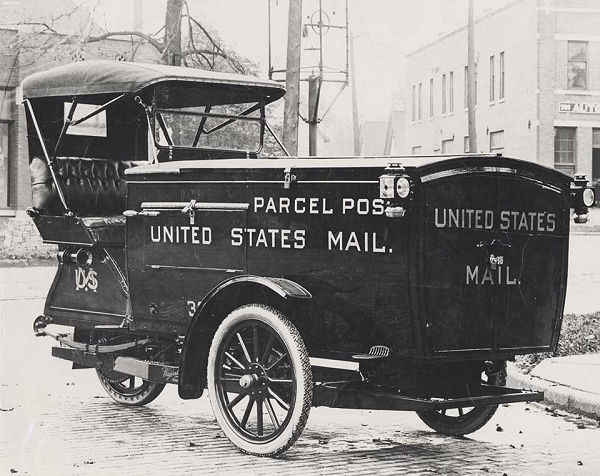
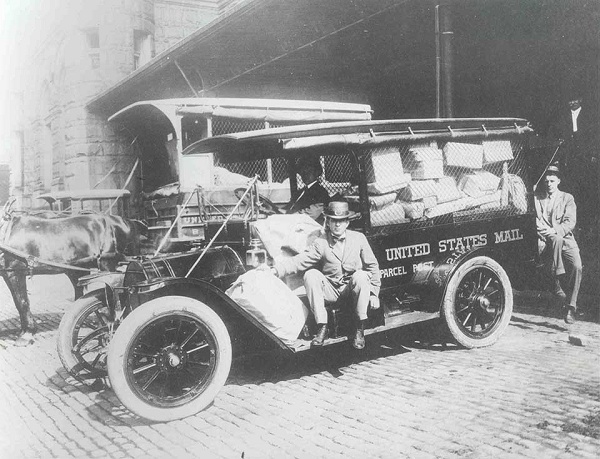
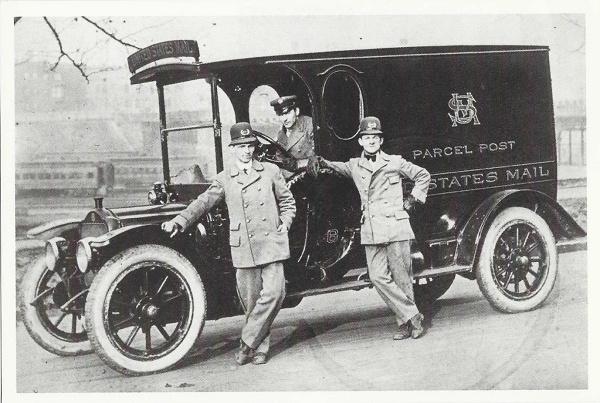
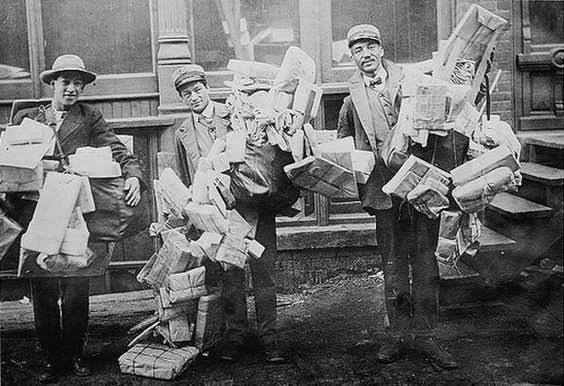
Despite the macabre nature that hastened the end of the Parcel Post “Mailing May” Era, during the decades between the World Wars, America had fun with the novelty of the system. Items produced and sold from that time period (and up to the modern day) included everything from postcards to Valentine Day cards to banks and collectible replica cars, several of which are pictured below.
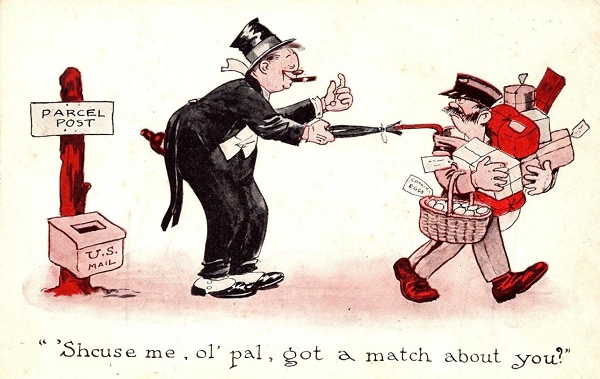
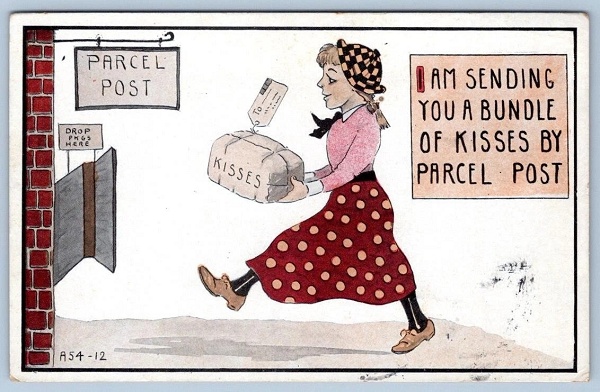
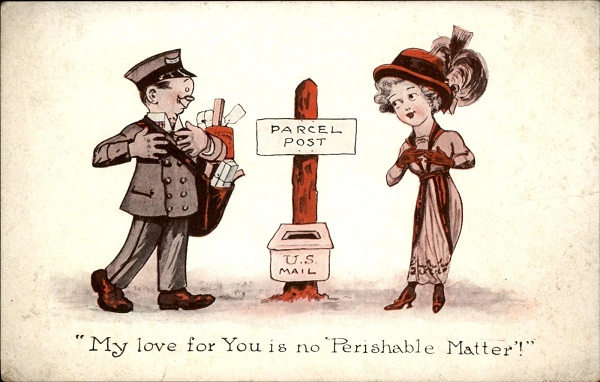
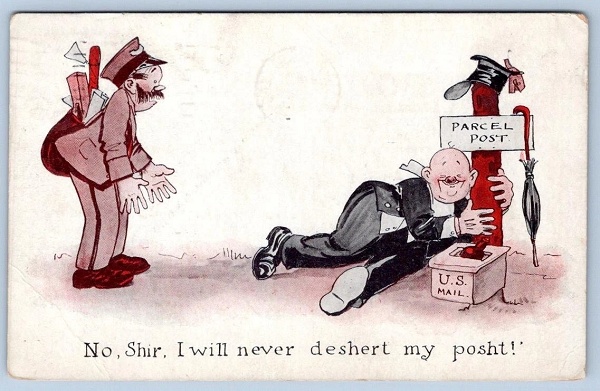
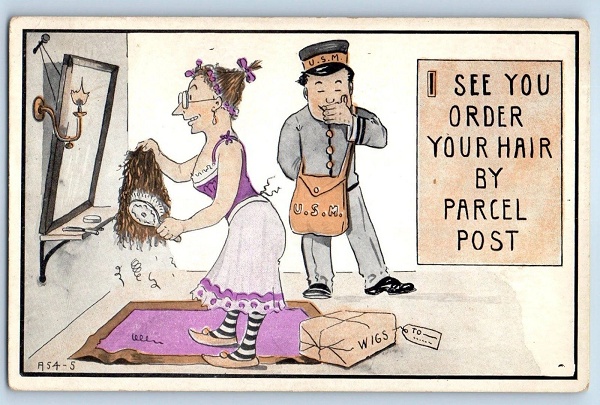
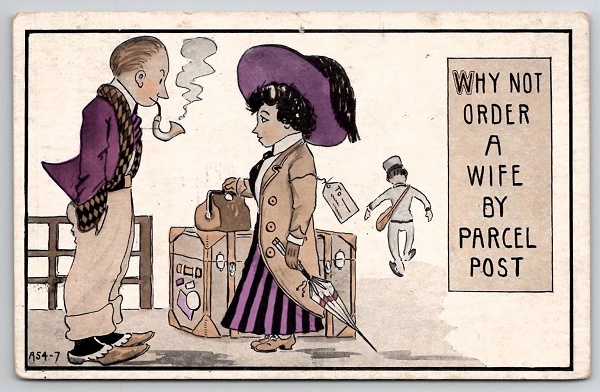
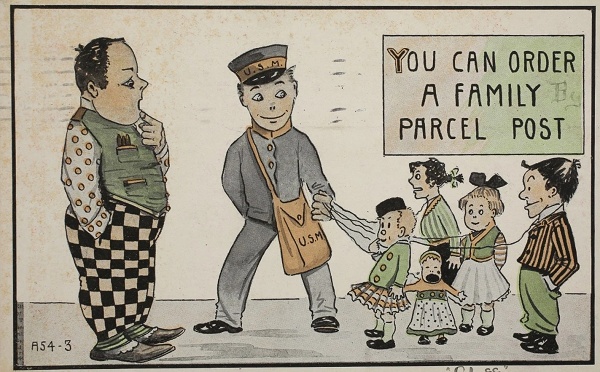
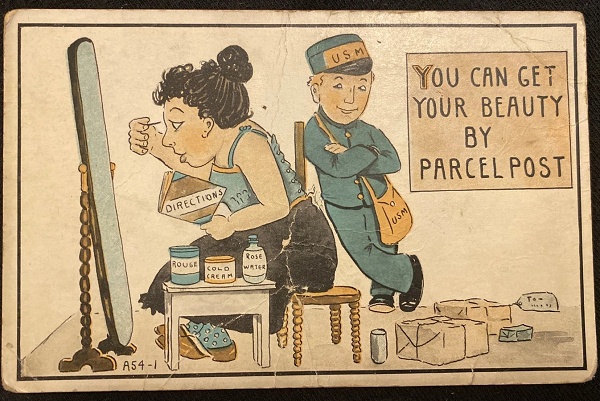
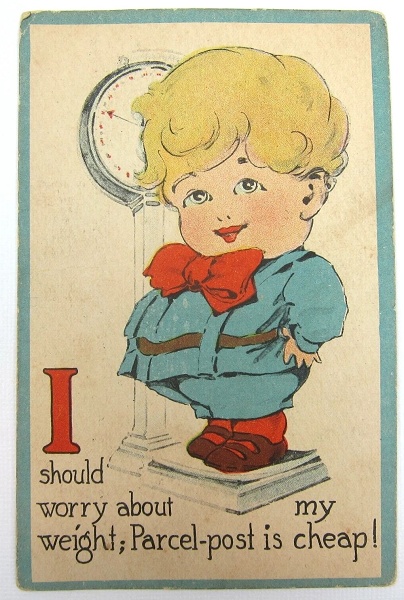
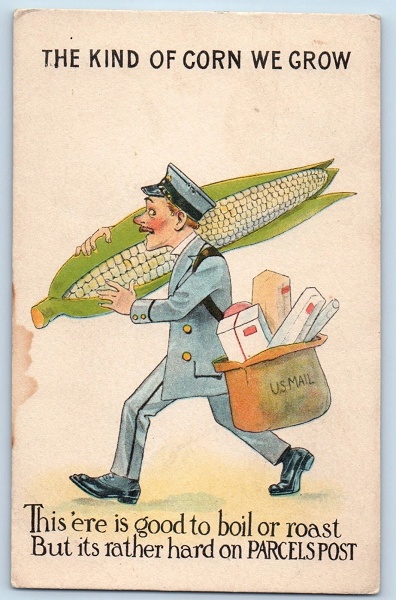
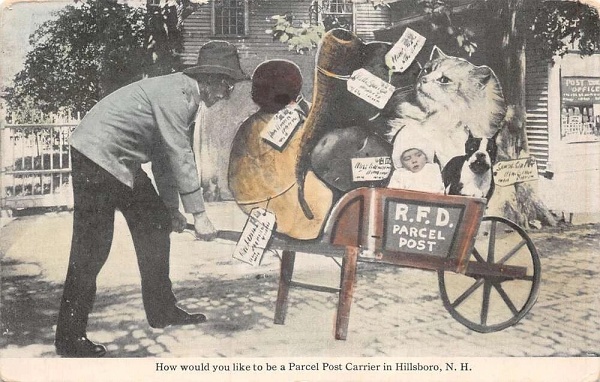
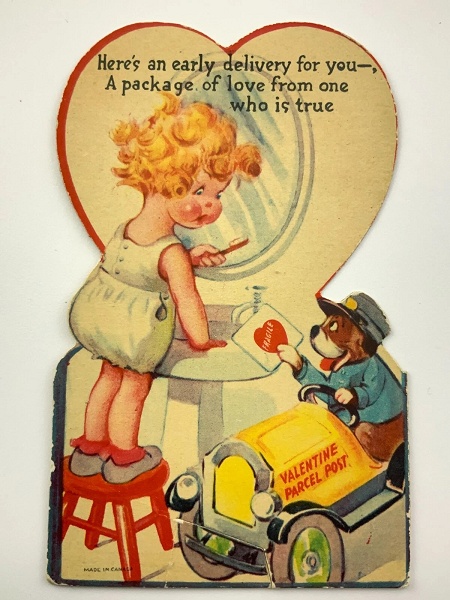
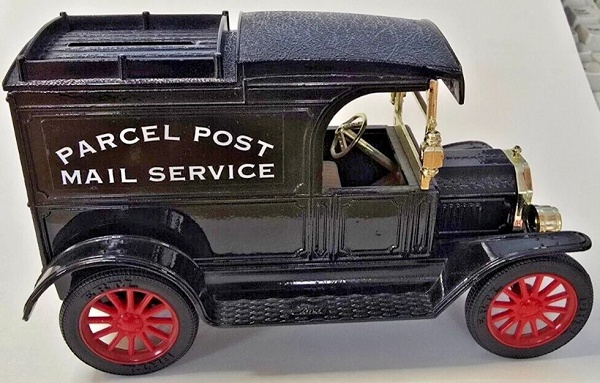
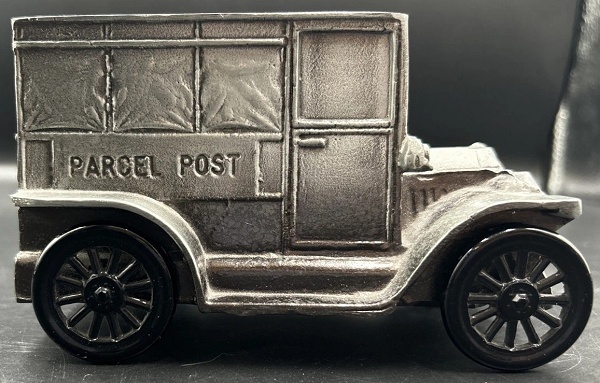
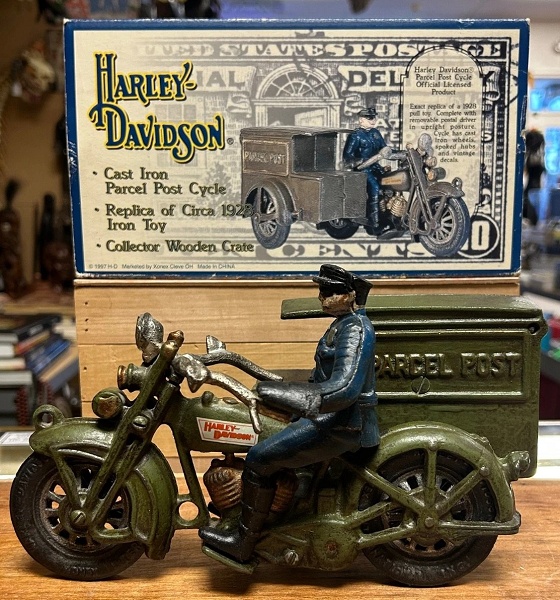
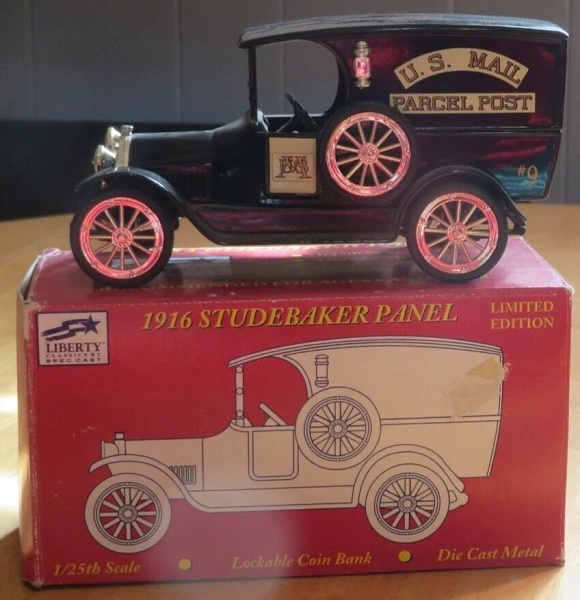
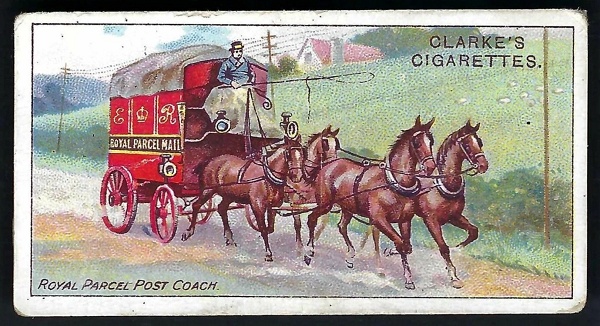
The vehicles used by Parcel Post Mail Carriers are irresistible to historians.
Break on Through to the Other Side.
Original publish date May 31, 2013. Republish date May 14, 2026.
https://weeklyview.net/2026/05/14/break-on-through-to-the-other-side-2
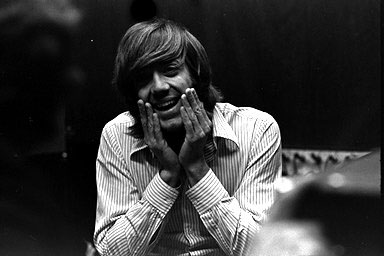
Ray Manzarek, the keyboardist of The Doors, died in Rosenheim, Germany after a long fight with cancer on May 20, 2013.
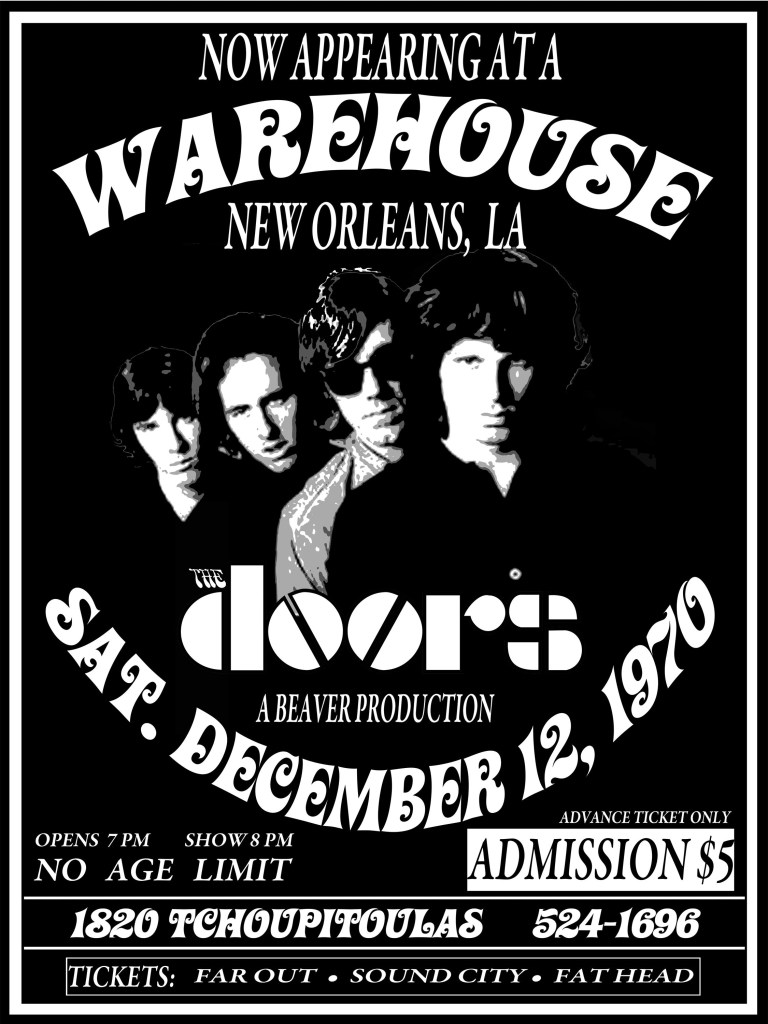
His death came 42 years, literally a lifetime, after the death of Doors’ frontman Jim Morrison. (Assuming of course that you don’t cast your lot with the conspiratorialists that believe Mr. Mojo Rising is alive and well, drinking whiskey sours on some deserted Caribbean Island.) The Doors were one of the most influential bands in the history of rock-n-roll, owing, in large part, to the innovative keyboard riffs of Ray Manzarek. It was the marriage of Manzarek’s sonic banshee keyboard style to Morrison’s haunting vocals that made the band so unique. But because Morrison died so young, the picture of The Doors I have tattooed on my mind is that of youth and Ray’s passing just doesn’t jive with that image.
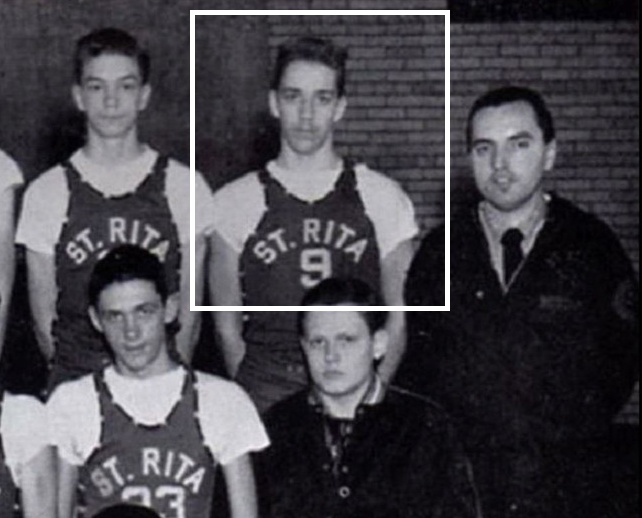
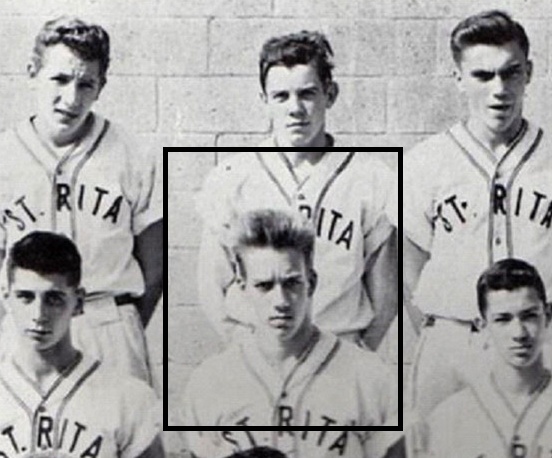
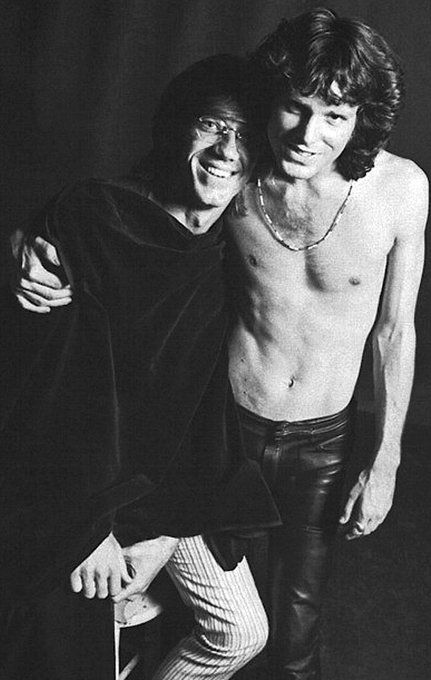
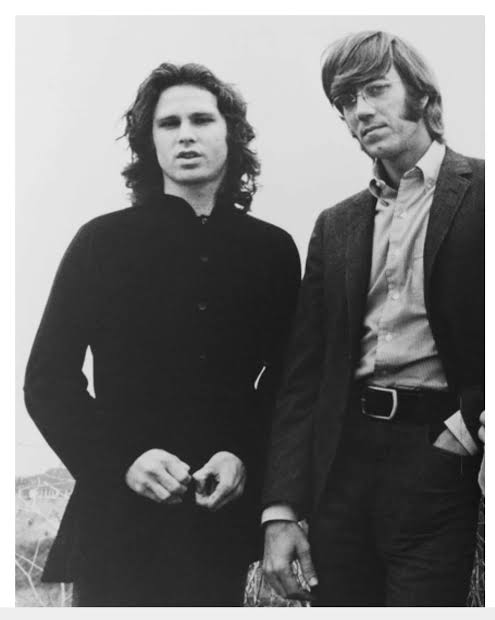
Raymond Daniel Manczarek, Jr., born February 12, 1939, was an American musician, singer, producer, film director, writer, and co-founder of The Doors from 1965 to 1973. Manzarek died of complications related to bile duct cancer. Manzarek was a gritty Polish kid, born and raised on the south side of Chicago. Growing up, he took private piano lessons but his real love was basketball. Young Ray only wanted to play power forward or center and at 6 feet 1 inch tall, that was going to be a challenge. At the age of 16 his coach insisted that he play guard, or not at all. So Ray quit the team. Manzarek said later if it was not for that ultimatum, he might never have been with The Doors. He attended St. Rita High School in Chicago and graduated from DePaul University with a degree in Economics and played keyboards in many shows at the school. In 1962–1965, he studied in the Department of Cinematography at UCLA, where he met film student Jim Morrison. Forty days after finishing film school, thinking they had gone their separate ways, Manzarek and Morrison met by chance on Venice Beach in California. Morrison said he had written some songs, and Manzarek expressed an interest in hearing them, whereupon Morrison sang a rough version of “Moonlight Drive.” Manzarek liked the songs and co-founded The Doors with Morrison at that moment.
Outwardly the two were an odd match. Morrison, strikingly tall, dark and handsome, looked the part of rock star. Manzarek, with glasses and comparatively close-cropped blonde hair, looked more like a college professor. Later, Manzarek met drummer John Densmore and guitarist Robby Krieger at a Transcendental Meditation lecture. Krieger’s Spanish-influenced guitar and Densmore’s subtle, jazz-infused drumming cemented the band’s signature sound.
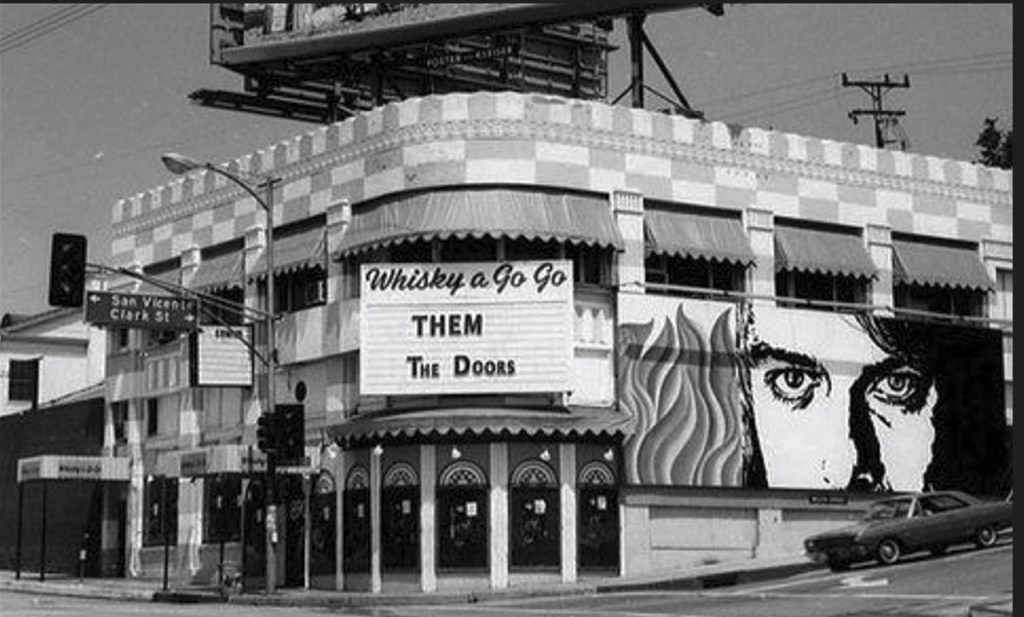
In January 1966, The Doors became the house band at The London Fog on L.A.’s Sunset Strip. According to Manzarek, “Nobody ever came in the place…an occasional sailor or two on leave, a few drunks. All in all it was a very depressing experience, but it gave us time to really get the music together.” The same day The Doors were fired from The London Fog, they were hired to be the house band of the legendary Whisky a Go Go. Their first performance at the Whisky was with the Van Morrison’s group “Them” (Remember G-L-O-R-I-A…Gloria?).
The Doors’ first recording contract was with Columbia Records. After a few months of inactivity, they learned they were on Columbia’s drop list. At that point, they asked to be released from their contract. After a few months of live gigs, the band was “rediscovered” and The Doors were signed by Elektra Records.
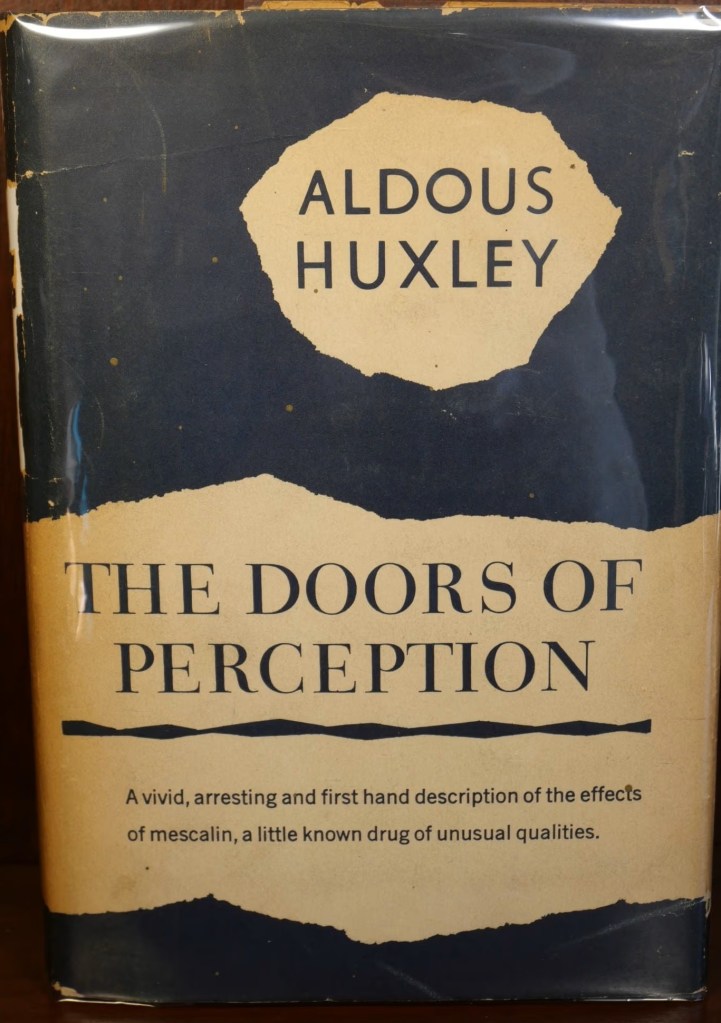
The band took their name from a line in Aldous Huxley’s book The Doors of Perception: “If the doors of perception were cleansed everything would appear to man as it is, infinite.” The line comes originally from William Blake’s The Marriage of Heaven and Hell. Together, The Doors recorded numerous multi-platinum albums and had hits with “L.A. Woman,” “Break On Through to the Other Side,” “The End” and Ray Manzarek’s masterpiece, “Light My Fire.” The Doors have sold more than 100 million albums and their music has been re-released and repackaged multiple times over the years, been featured prominently in movies, and holds a lofty perch in rock history.
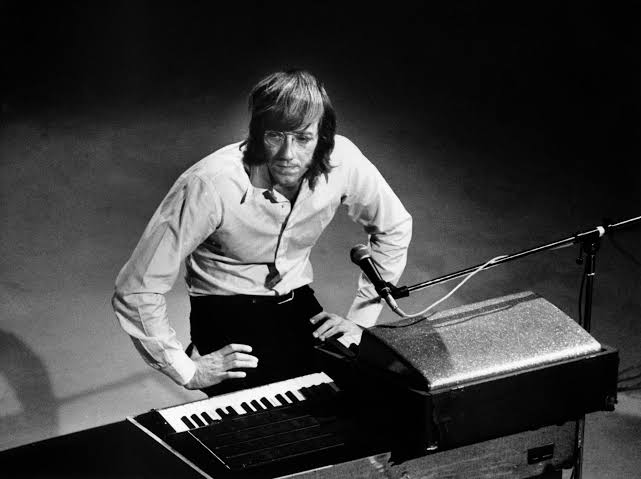
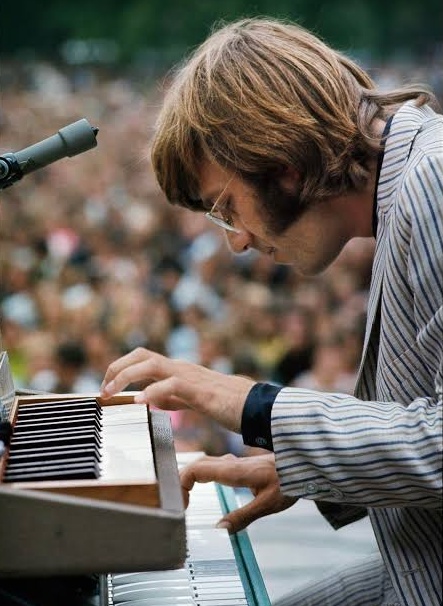
The Doors lacked a bassist, so Manzarek usually played the bass parts on a Fender Rhodes piano. His signature sound was the Vox Continental combo organ. Known for its bright, thin, breathy sound, the “Connie” was used by many other psychedelic rock bands of the era. If you’re not a devotee of The Doors, you’ve heard the “Connie” featured prominently on hit songs like “House of the Rising Sun” by The Animals, “96 Tears” by Question Mark and the Mysterians, and “In-A-Gadda-Da-Vida” by Iron Butterfly. But nobody played the Connie as well and as often as Ray Manzarek. Later Ray switched to a Gibson G-101 Kalamazoo combo organ because the Connie’s plastic keys frequently broke during Manzarek’s frenetic playing.

Manzarek occasionally sang for The Doors, including the live recordings of “Close To You” and on the B-side of “Love Her Madly,” and “You Need Meat (Don’t Go No Further).” He also sang on the last two Doors albums, recorded after Morrison’s death, Other Voices and Full Circle. Additionally, he provided one of several guitar parts on the song “Been Down So Long.”
For fans and musicians alike, The Doors’ brooding and sometimes dark sound crystallized the experimental rock music emanating from Los Angeles. The “L.A. Sound” stood in stark contrast to the lighter, soaring sound coming out of the San Francisco Bay Area typified by the Grateful Dead and Jefferson Airplane. To me, what made The Doors sound so musically different was that Ray Manzarek’s keyboard was the lead instrument. I’d never heard that before. Most bands led with a guitar, some with the drums, but The Doors led with a keyboard. I’m sure it had been done before, but it was a new sound to me. And, after all these years, it’s the sound I can remember. If you doubt it, Google “Riders on the Storm” and get back to me.
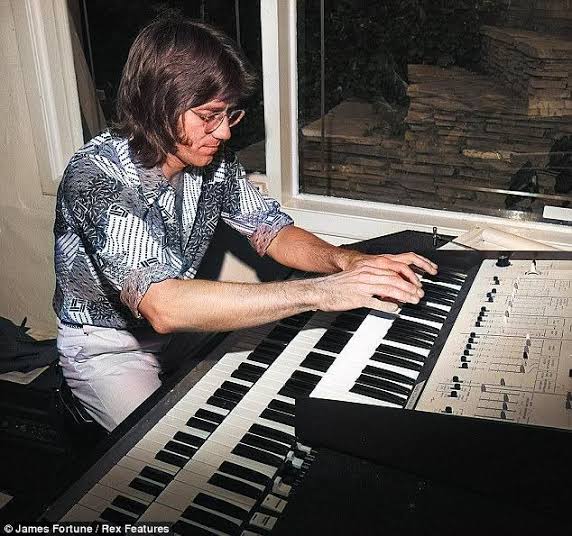
In an interview with National Public Radio in 2000, Manzarek described the band’s sound this way: “We were aware of Muddy Waters. We were aware of Howlin’ Wolf and John Coltrane and Miles Davis. Plus, Jan and Dean and The Beach Boys and the surf sound. Robby Krieger brings in some flamenco guitar. I bring a little bit of classical music along with the blues and jazz, and certainly John Densmore was heavy into jazz. And Jim brings in beatnik poetry and French symbolist poetry, and that’s the blend of The Doors as the sun is setting into the Pacific Ocean at the end, the terminus of Western civilization. That’s the end of it. Western civilization ends here in California at Venice Beach, so we stood there inventing a new world on psychedelics.”
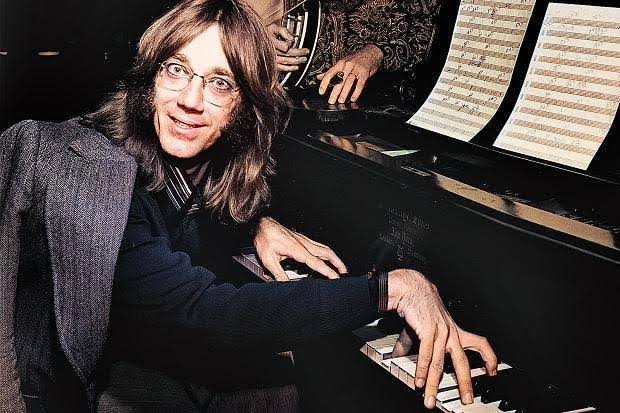
Ray Manzarek was iconic, brilliant, eccentric and way ahead of his time. From all accounts, Manzarek loved life. We should all be so lucky as to find something that makes us as happy as pounding keyboards made Ray Manzarek. The fact that he helped change the face of music while doing it, well, that’s just a bonus. Manzarek himself explained it thusly: “The only thing that ultimately matters is to eat an ice-cream cone, play a slide trombone, plant a small tree, good God, now you’re free.” In that case, make mine a triple scoop.
The Treasure Hunter and the Abraham Lincoln pocketknife unearthed.
Originally published in August 2012. Republished August 11, 2022.
https://weeklyview.net/2022/08/11/the-treasure-hunter
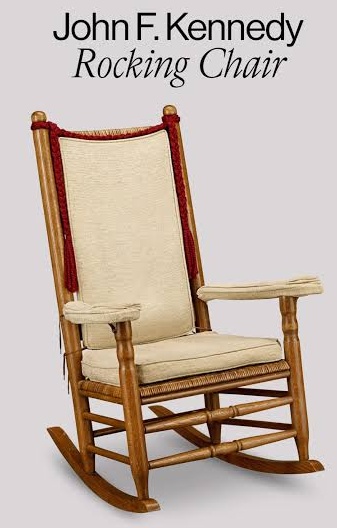
My long-suffering wife Rhonda honored me recently on the occasion of my 50th birthday with two fantastic gifts. The first was an exact replica of President John F. Kennedy’s “Carolina Rocker” rocking chair purchased from the Kennedy Museum in Massachusetts. The chair was a signature item in JFK’s life, much prized for it’s value in easing the pain of Kennedy’s aching back damaged while saving crew members of his sunken PT-109 boat during World War II. That gift alone was more than I deserved and it certainly gave my two children the giggles as they pointed out that I was getting a rocking chair as a gift on my 50th birthday. (They got me an age-defying case of Quisp cereal. Smart kids.)
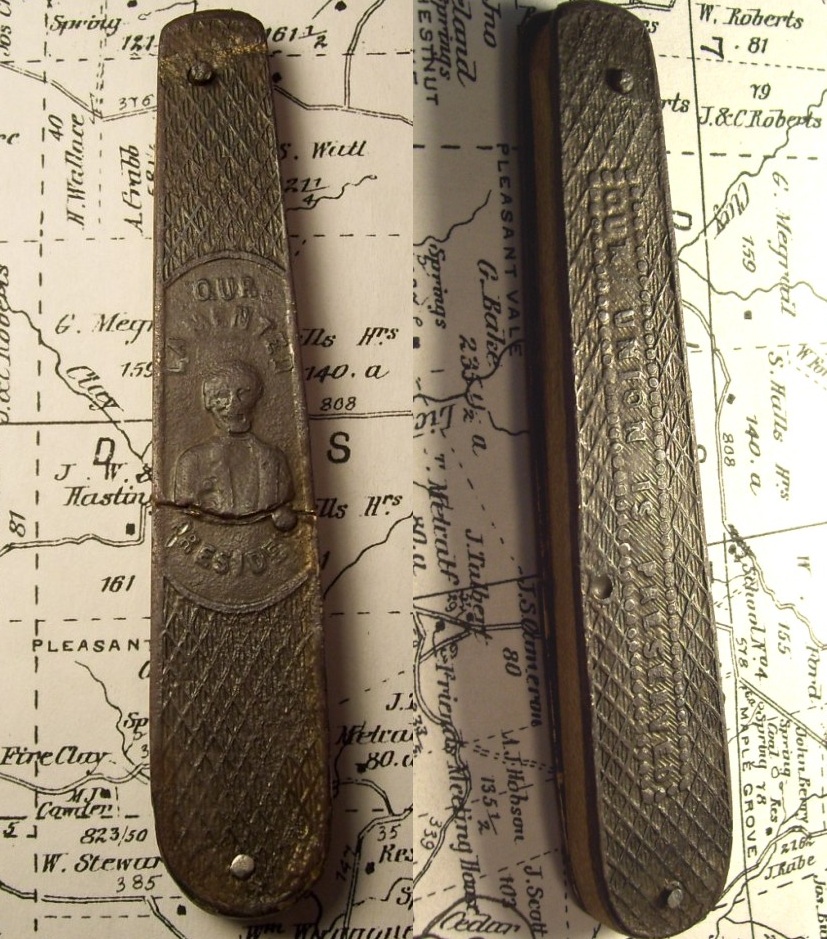
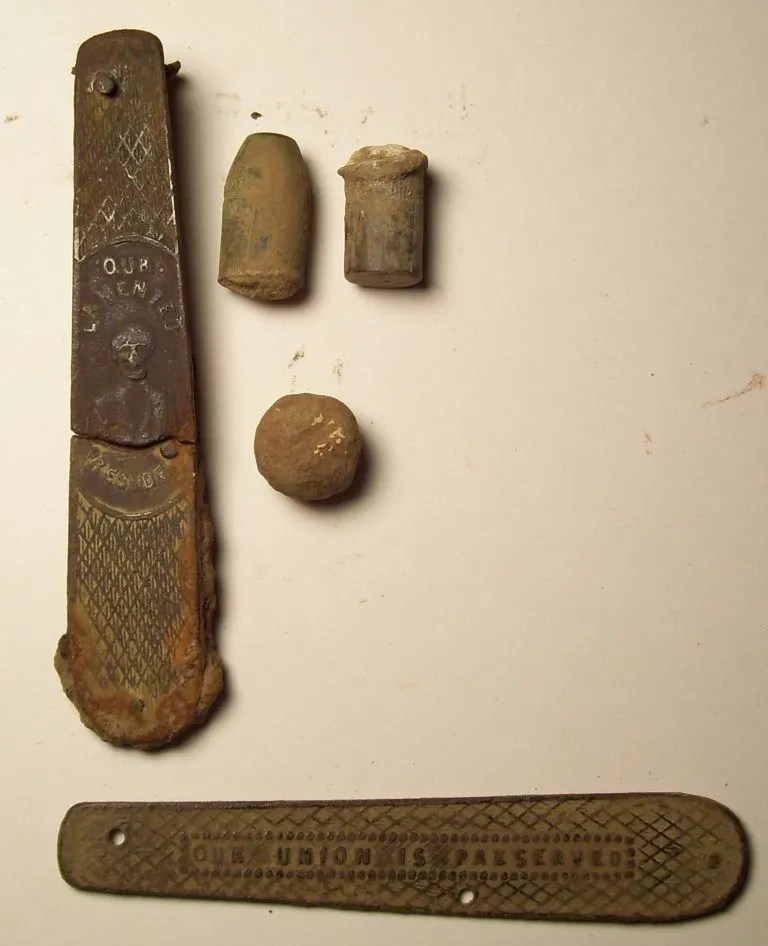
The second gift was presented to me while I was seated in my new chair. Good thing too as it may have otherwise buckled my knees. It was an 1860s-era Abraham Lincoln pocket knife. Not just any Lincoln pocket knife, but an Abraham Lincoln Mourning knife with a direct tie-in to the Civil War. The knife itself was enough to make me slap my head, but it was the story attached to it that makes it truly special to me.
Turns out that this knife is a relic rescued from the Ohio soil where it had been resting undisturbed and forgotten for nearly a 150 years. Rhonda found the knife on, where else, eBay and printed off the description to go with the prized relic. I was fascinated with both the item and the story. I just had to talk to the treasure hunter who found it. Turns out, the knife was dug from the ground surrounding an ancient schoolhouse in the woods of Northwestern Ohio by metal “detectorist” Jerry Goodwin of Richmond, Ohio. The area is located on the Ohio/Pennsylvania border about 120 miles south of Cleveland. Ironically, most Richmond residents consider themselves part of “Steeler Nation” rather than the dawg pound of the Browns. “We’re only about a half hour over the river from Pittsburgh.” said Jerry.
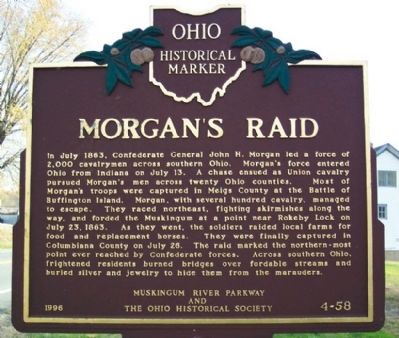
Although I’ve never been there, Richmond, Ohio holds a special place in my heart because the town was “visited” by Brig. General John Hunt Morgan during his famous Civil War raid from Southern Indiana up through Ohio in June and July of 1863. My great-great-grandfather on my mother’s side rode with the 8th Kentucky Cavalry of Morgan’s Raiders and my g-g-grandfather on my father’s side served with the 33rd Indiana Infantry of Coburn’s Brigade, who were chasing Morgan and his men. I jokingly tell my kids that if one had caught the other, I might not be here. Richmond is also the hometown of Abraham Lincoln’s powerful Secretary of War, close friend and fierce legacy protector Edwin M. Stanton.
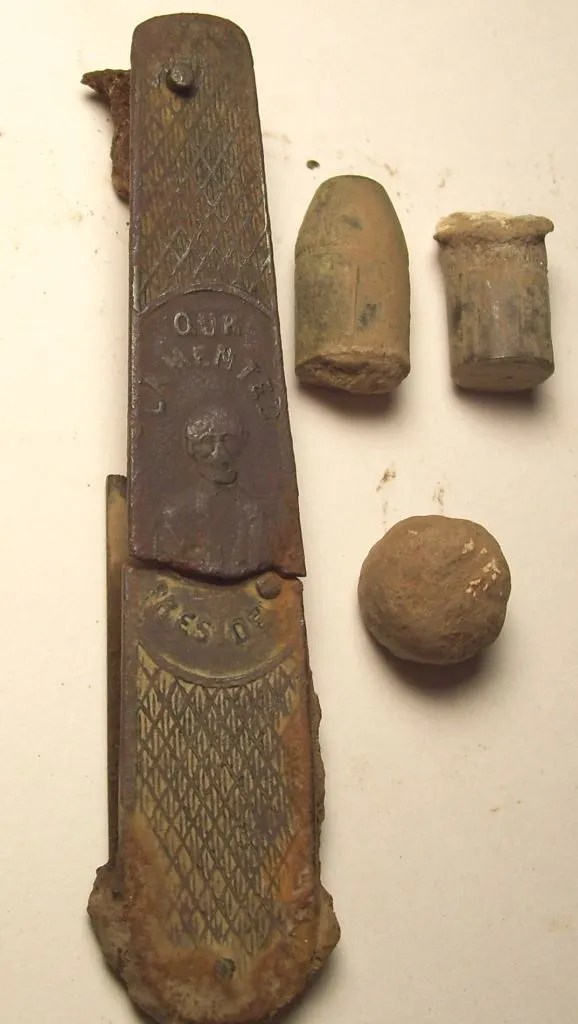
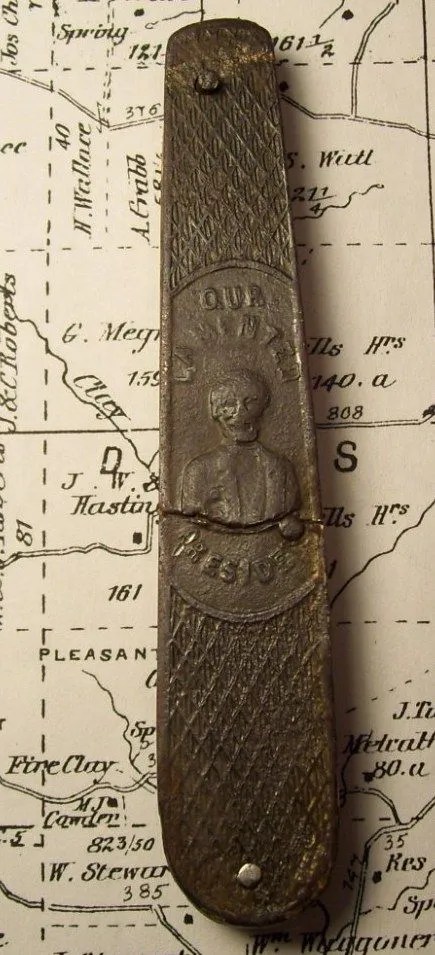
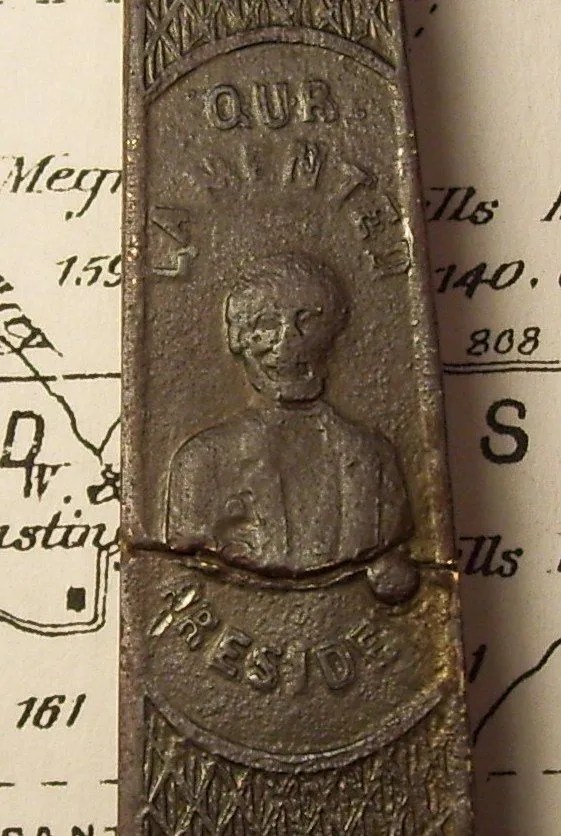
The story of the finding of the knife is priceless. I will let Jerry tell you the details in his own words. “I consider myself a historian and major Civil War buff but I must admit, this creeped me out a little. After getting permission from the landowner, I was working a site from an old 1800’s one room schoolhouse. The site produced a nice Indian Head (penny) within 10 minutes of my getting there. After a while, I dug this item and, after rubbing the dirt off, I was a little creeped out when I saw that it had the somewhat uncomfortable look of a skull!” Above the image were the words, “Our Lamented.”
Jerry had no idea what it was, but he guessed that it was made of nickel or bronze, but didn’t know much else about it. So he posted a picture of the fragment on the “What Is It?” forum of the “Treasurenet” treasure hunting site he is a member of. He figured he’d get the super sleuth’s minds working on it. Someone on the public forum suggested the image might be Abraham Lincoln. Jerry continued, “Another comment suggested (and was right on) that it may have originally said ‘President’ beneath the figure. Imagine the thrill I got when near the end of September I returned to the old schoolhouse site and I dug a signal that brought up another piece of the knife that says simply ‘President’ on it.”

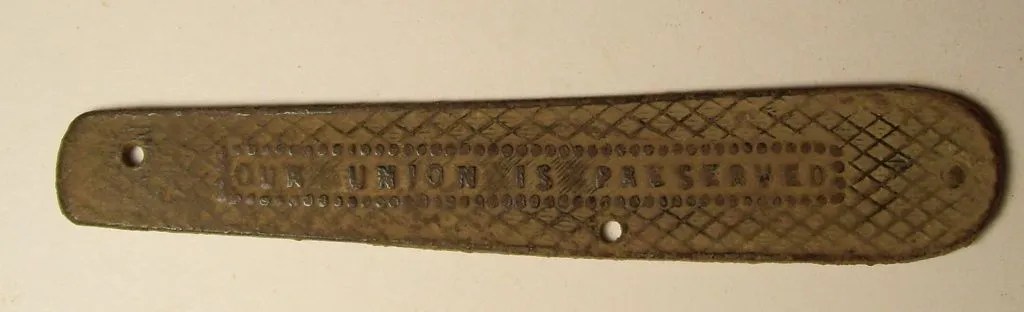
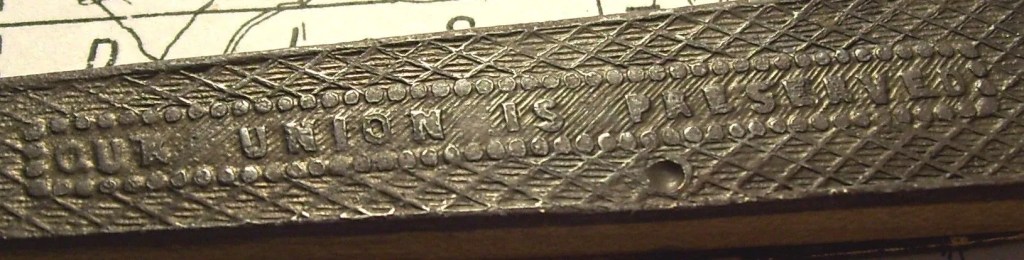
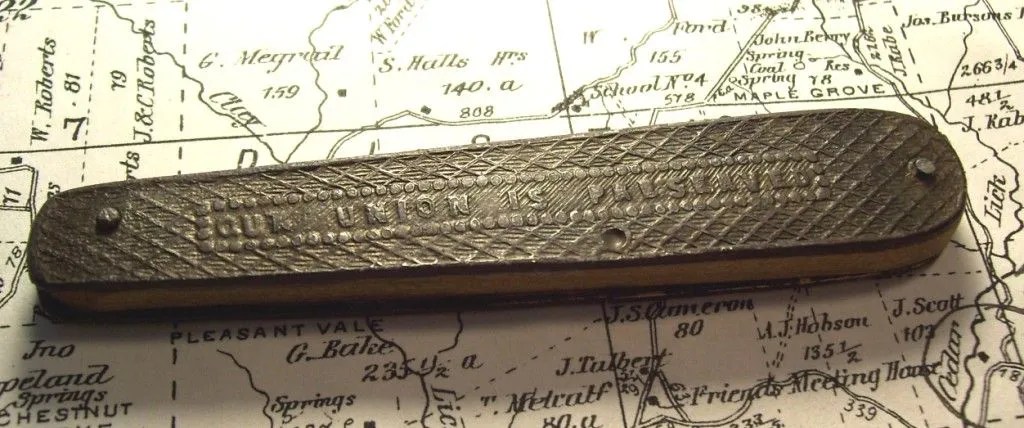
Jerry could tell by looking at the broken edge of the “President” piece that it would fit his previous find perfectly like a jigsaw puzzle. “I knew exactly what it was and couldn’t wait to get it home to match it up with the original piece I’d dug in June.” Jerry continued to search the site. ”I swung over the hole again, got another strong signal and got the other side plate intact that says ‘Our Union Is Preserved’!” It turned out to be the complete back plate of what he later found out was a pocket knife made shortly after Lincoln was assassinated. This additional find completed the puzzle. “It is always a thrill at these old one room schoolhouse sites to dig an old Indian Head penny or piece of kid’s jewelry, but this knife was one of my favorite finds.” Jerry said.
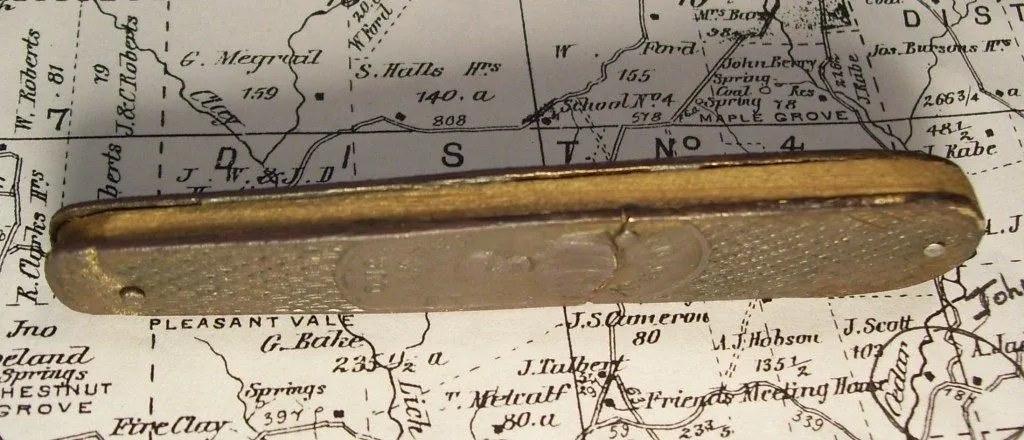
Jerry took the pieces home to clean and reassemble them. “I think Abe is a little more presentable now. I simply used some hobby wood to take up the space that the blade or blades would have occupied. I was able to salvage the entire top pin and the head of the pin below Abe’s left shoulder. The bottom pin is a cut off nail. Turns out this pocketknife was made of all brass except for the blade.
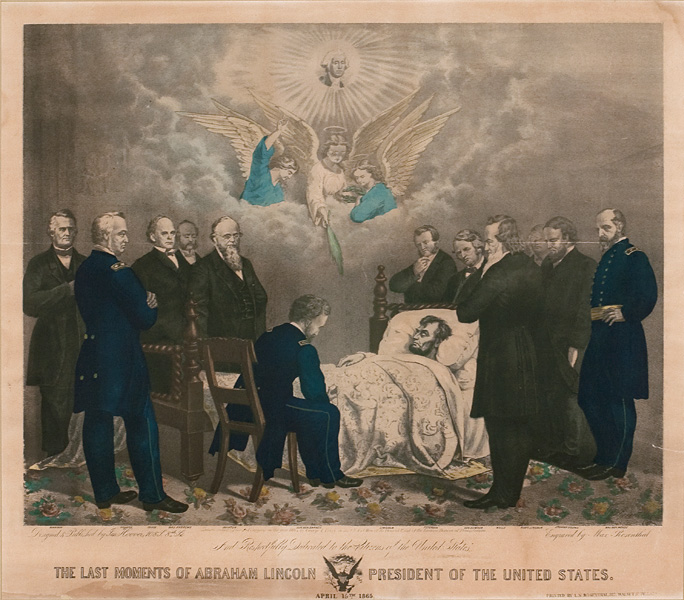
“Lincoln was assassinated on April 14, 1865 just five days after Lee’s surrender at Appomattox Court House. I’m sure our country was still in a terrible state of mourning when this knife was being produced. I wonder if it was therapeutic for the craftsman who designed it? My research has turned up nothing about this knife.” said Jerry.
Jerry meticulously documented his discovery, cleaning, restoration and reassembly of the knife on the Treasurenet forum. His find turned out to be one of the best ever presented in the magazine and the forum boards fairly lit up with congratulatory messages and praise about his special find.
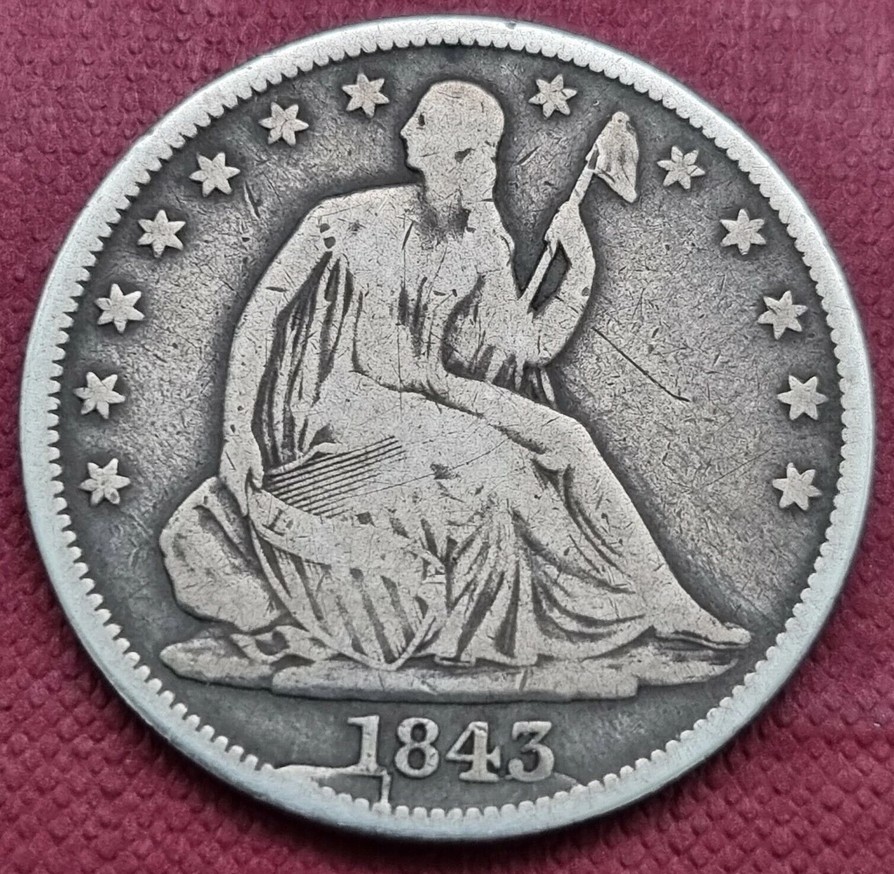
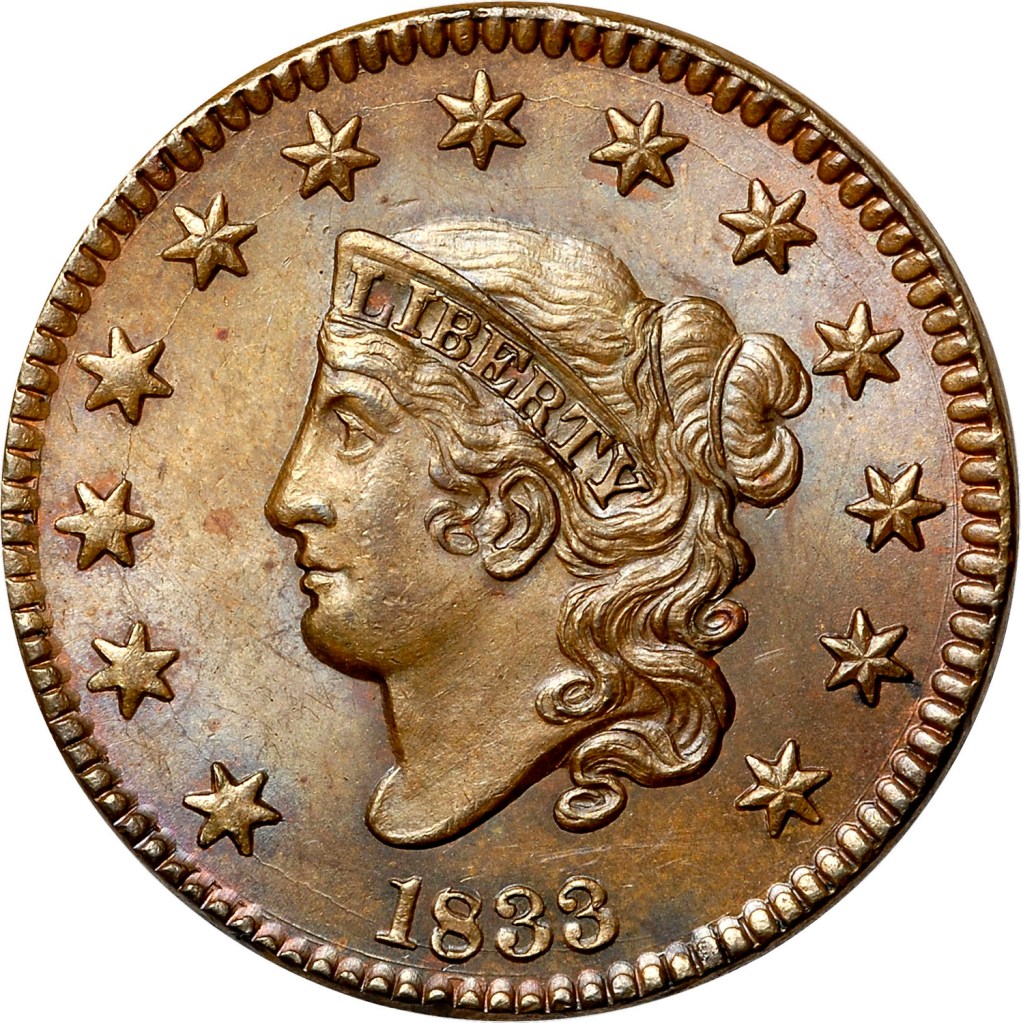
I asked Jerry if he shares his discoveries with the landowner, “Yes, always. Recently I found an 1843 silver half dollar on a farm. I took it home, cleaned it, put it in a coin sleeve and gave it back to the property owner. His family had lived on the farm for generations and he was thrilled with the discovery. He directed me to another site on the property that had been long ago abandoned where I found an 1833 one cent coin. It’s about the size of a silver dollar, really cool.” said Jerry. So it’s not necessarily the treasure that keeps him going, but the thrill of the hunt.
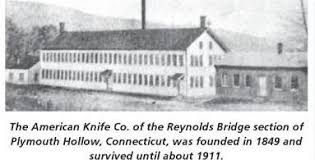
According to Jerry’s TreasureNet forum research, the knife is most likely a boy’s knife pattern; a small jack knife with a single blade. Most likely made by the American Knife Co. (1858 – 1919) of Plymouth Hollow, Connecticut. Similar knives were made for the 1876 Centennial Exposition, 1878 Paris World’s Fair, and 1892 Columbian Exposition in Chicago (of H.H. Holmes & Devil and the White City fame). The knife was most certainly only available for a short time after Mr. Lincoln’s assassination as the “Union Is Preserved” slogan fell out of favor rather quickly after the War’s end.
Naturally, upon hearing the mention of Jerry’s hand-held GPS, my questions wandered quickly to geocaching, a subject covered in depth in past columns. Turns out Jerry and his wife Angi are avid geocachers too. But Jerry points out that the GPS was purchased for metal detecting, not geocaching. Turns out, Angi is not much for metal detecting but tolerates her husband’s hobby, despite the countless hours Jerry spends out searching for buried treasure. “I tried to get her interested in metal detecting, but it didn’t work.” This despite the fact that when Jerry took Angi out for her first treasure hunt, she found a 1967 silver dime. “She’d rather geocache instead. We do that with our kids and often plan trips around it.”
Jerry stressed that if you want to get involved with metal detecting, visit the Treasurenet.com Web site first and always, ALWAYS, get permission from the landowner before you dig. Some states and state parks require permits while others don’t. “It all depends. In Pennsylvania you can’t metal detect in any state park,” he said.
For this writer’s part, I have friends who metal detect, one of whom purchased an expensive, tricked out detector in hopes of searching Civil War battlefields for just one minie’ ball bullet, (I actually accompanied him on one such hunt in Virginia and sat on the railroad tracks smoking a cigar as he searched in vain for that treasured Civil War bullet, coming away with ticks and mosquito bites instead). I have personally avoided diving into the treasure hunting hobby because I know my limitations. My OCD tendencies would quickly come out and I would most certainly spend every waking moment looking for buried treasure after I went out on that first hunt.
After all, I could search all my life and never find an item I treasured half as much as I do this knife. So, of course, I asked the question that had to be asked; “If the Lincoln knife was your best find ever, why on earth did you give it up?” To which Jerry replied, “I have lots of stuff I’ve dug up over the years in display cases all over my house. The Lincoln knife was one of my favorites but I thought it was time for someone else to enjoy it.” Believe me folks, the knife will be well loved and cared for by the Hunter family for many years to come.
If you’re interested in reading the entire story as it developed, you can go to http://www.Treasurenet.com and look at the forum sections for June 14, 2008 and September 28, 2008. Jerry has posted several other pictures of the Lincoln knife in “as found” condition, during his careful restoration into it’s final stage. It’s a fascinating story.
A Gallery of photos of the Lincoln knife discovery posted by Jerry Goodwin.
The Indianapolis Airport Ramada Inn Disaster.
Original publish date October 25, 2013. Republished October 22, 2026.
https://weeklyview.net/2026/10/22/the-indianapolis-airport-ramada-inn-disaster
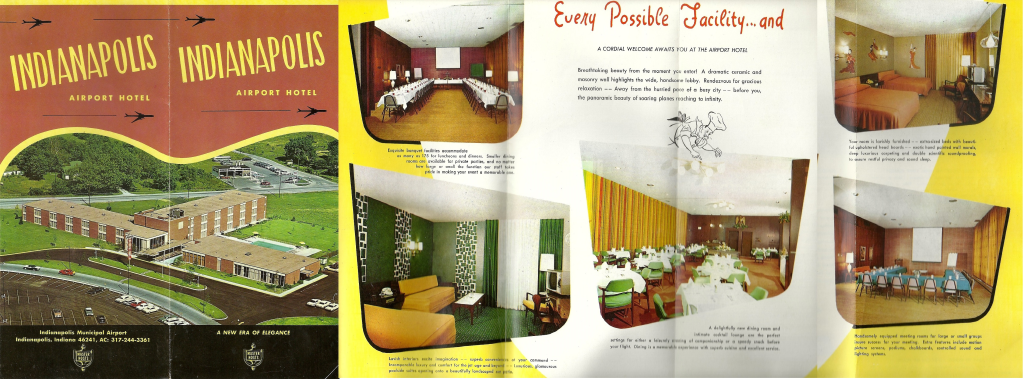
I found an old 1960s Era brochure from the Indianapolis Airport Hotel. As I looked at the sparsely populated landscape that used to surround the old Indianapolis Municipal Airport and flipped through the folded pages containing great old interior views of the “modern” hotel, my mind automatically went back to an event from the pages of Indy history. The Ramada Airport hotel plane crash.
I googled it and realized that the crash took place 39 years ago. The Ramada Inn air crash and resulting fire occurred when a United States Air Force pilot failed to reach the runway and the plane crashed into a nearby Ramada Inn. On Tuesday morning October 20, 1987 35-year-old Major Bruce L. Teagarden flew his US Air Force A-7D-4-CV Corsair II, serial 69-6207 airplane over the city of Indianapolis. Down below, at the Indianapolis Airport Ramada Inn, the housekeeping staff was busily preparing for the guests to check out. A salesman had stopped at the hotel in search of a pay phone. In short, it was a routine day.

At 9:10 a.m., Teagarden’s instrument panel went dark. The 12-year-veteran pilot notified controllers at Indianapolis International Airport that his aircraft was experiencing engine failure 15 miles southwest of the city at 31,000 feet. He requested to return for an emergency landing. Controllers directed the pilot to Runway 5L, but due to the low cloud ceiling and poor visibility, Teagarden was at 3,100 feet as he passed over the runway and he attempted to land on Runway 32 instead. The crippled corsair’s engine stalled, the joy stick locked up and now the plane had the aerodynamics of a brick.
Teagarden made a right turn eastward away from the airport and dropped to 2,000 feet just east of Interstate 465 when he disappeared from the radar. At 500 feet, the aircraft made a slight right turn towards the Park Fletcher complex. The pilot looked out at the open farm fields ahead, hoping his $7.9 million jet would crash harmlessly there. He hit the eject button and moments later, Teagarden hung helplessly from his parachute and looked on in horror as the plane headed towards the hotel. It bounced off the roof of the Bank One branch in the 5600 block of Bradbury Avenue and flew across the street before hitting an embankment. The hobbled missile now hit the berm like an Evel Knievel ramp, rocketing 25 feet through the air before crashing into the front of the Ramada Inn.
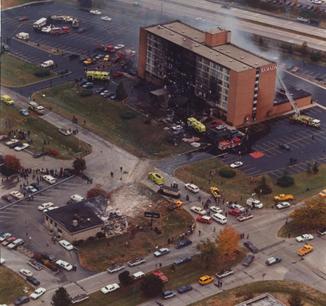
The plane’s cockpit and engine went careening into the lobby, killing nine people. Another person suffered severe burns and died a week later. The wings and fuselage flew into the upper floors and carport of the hotel. The jet fuel on board ignited on impact, causing a massive fireball that engulfed the entire front of the hotel up to the fourth floor. Indianapolis Airport crash trucks, which had been following the plane from runway to runway, arrived on the scene a minute after impact and immediately started to use foam to extinguish the fire, which was under control within four minutes. Airport fire and rescue team members, assisted by the Indianapolis Fire Department, Wishard Ambulance Service, Wayne Township Fire Department and the Decatur Township Fire Department, searched the building for survivors.
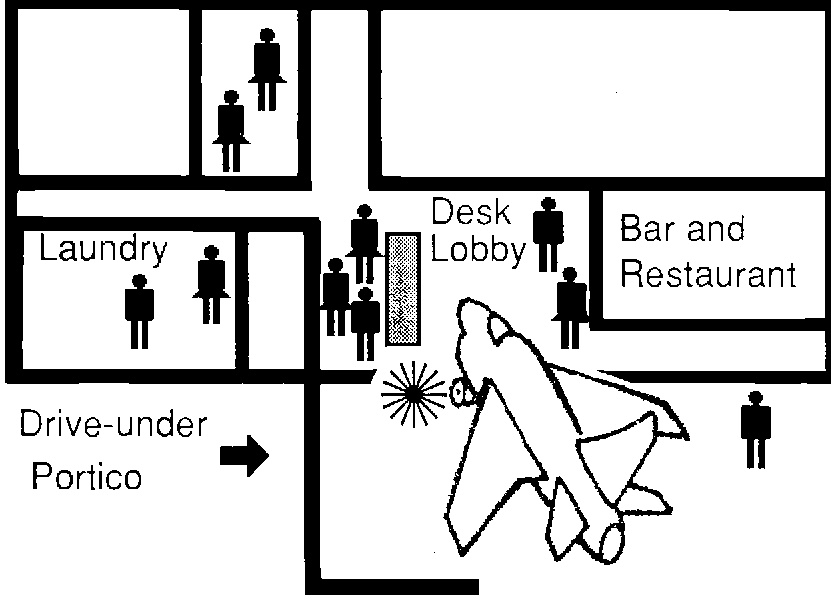
After making his call, Thomas D. Murray of Carmel stepped out into the parking lot just in time to see the plane barreling down towards him. The 37-year-old salesman watched the plane slide on its belly past him pushing cars out of the way as it passed before crashing through the lobby entrance. Murray avoided contact, but he was quickly enveloped in the resulting fireball. He suffered third-degree burns over 95 percent of his body. He held on for nine days at Wishard Memorial Hospital’s burn unit and died on Oct. 29. A handful of other employees and guests were slightly injured, but most of those present that day made it out relatively unscathed and stood in the parking lot watching helplessly as the hotel burned.

Inside the hotel, nine employees died almost instantly. Dawn Shelly Martin was the front desk clerk. Allen Dale Mantor, 18, and Chris Evans, 21, were bellboys. Brenda Joyce Henry, 26, and Emma Jean Brownlee, 37, were housekeepers. Katherine Cox, 33, managed the dining room. Mary Stuart Marsh, 29, and Beth Louise Goldberg, 30, were in charge of sales and Narinder S. Kanwar, 41, was the top financial officer. Their bodies were so badly burned that it would take several days to identify them through dental records.
Family members of the missing arrived on scene and the long, agonizing vigil for news of their loved ones began. The parents of Chris Evans told an Indianapolis Star reporter that they had gotten a phone call from their son that morning and were sure it happened after the crash. Their hopes were dashed when they realized the call had been made just moments before the disaster.
Pilot Teagarden landed safely in the parking lot of the Ace Supply Company four blocks away with only minor injuries. The cause of the crash, as revealed in the Air Force’s January 1988 final report, was a defective gear in the accessory gearbox. It sheared, causing the driveshaft to rip open the lubricating oil system, and the engine then seized up soon afterward. The Air Force eventually paid out $50,427 ($147,362 in 2026) in property damage claims on October 26. Major Teagarden remained grounded until a flight evaluation board investigated the incident. Ultimately, Teagarden was found blameless in the tragedy, because of the airport controller’s actions.
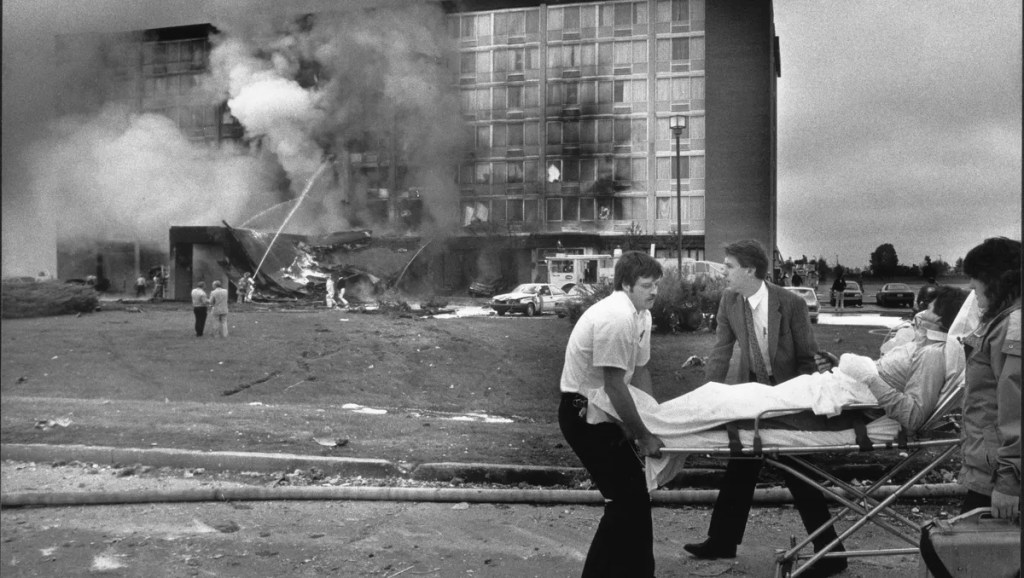
Over the years, Teagarden suffered the ire of family members and was often blamed for the tragedy. Many felt that he should have initially ditched the plane in the countryside, rather than heading back towards the airport. Wild rumors persisted that Teagarden had been drinking rum and cokes heavily the night before after attending a friend’s funeral in Pittsburgh. On that fateful day, he was headed back home to Nellis Air Force Base in Nevada. He told investigators that he couldn’t see the ground because of poor weather conditions, and therefore couldn’t pick a place to safely eject until he was below the clouds. In the transcript of his conversation with the air controllers, Teagarden twice asked to be guided away from population centers. He never spoke publicly about the crash nor gave any media interviews.
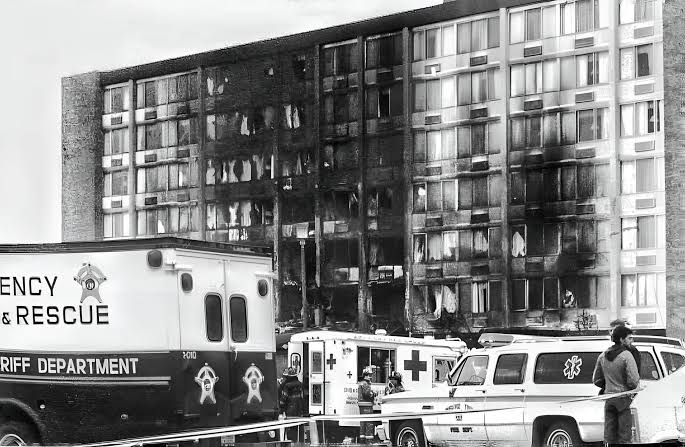
For more than two years, the charred building stood as a sad reminder of the tragedy. The hotel owners never rebuilt because they were unable to decide on an appropriate design. Today a parking lot stands on the site. The bank branch building damaged by the plane is still standing but has since been converted into a hospice, but closed its doors in 2022.

The most famous Hoosier you’ve never heard of.
Original publish date June of 2011. Republished on June 25, 2026.
https://weeklyview.net/2026/06/25/the-most-famous-hoosier-youve-never-heard-of
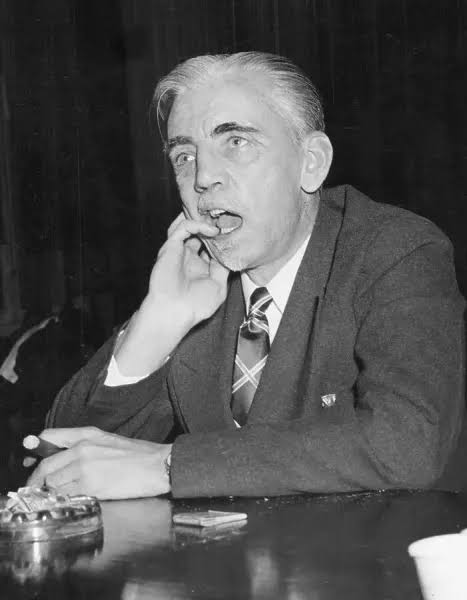
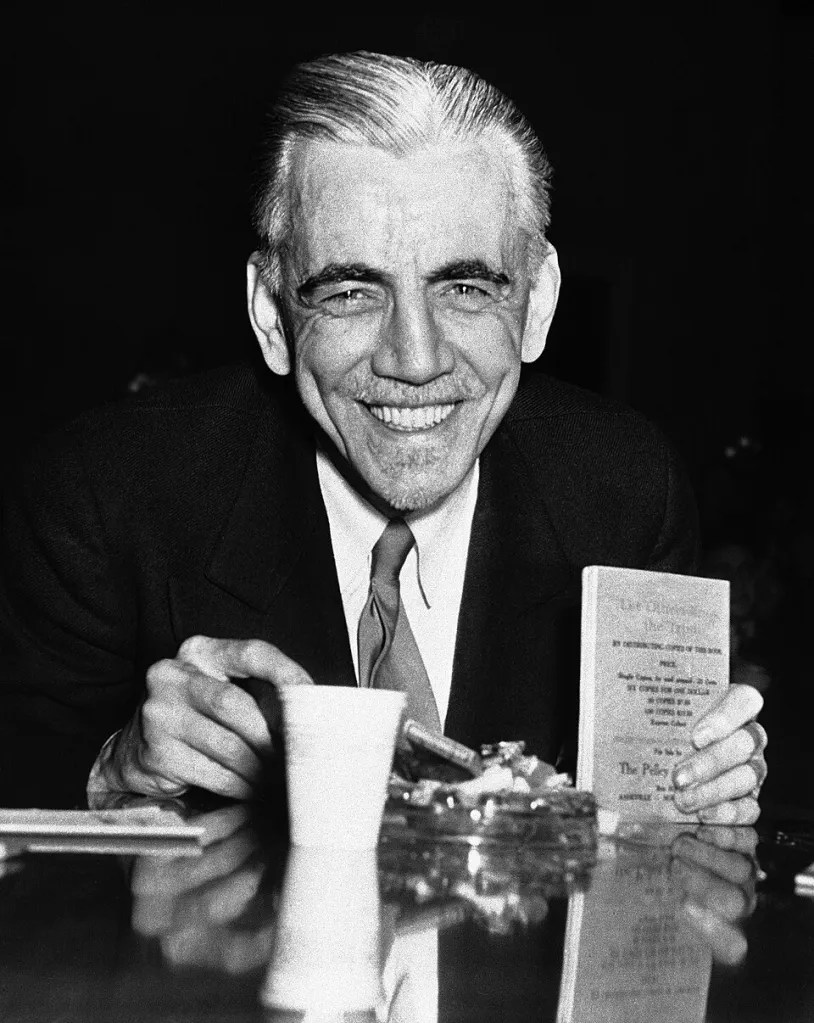
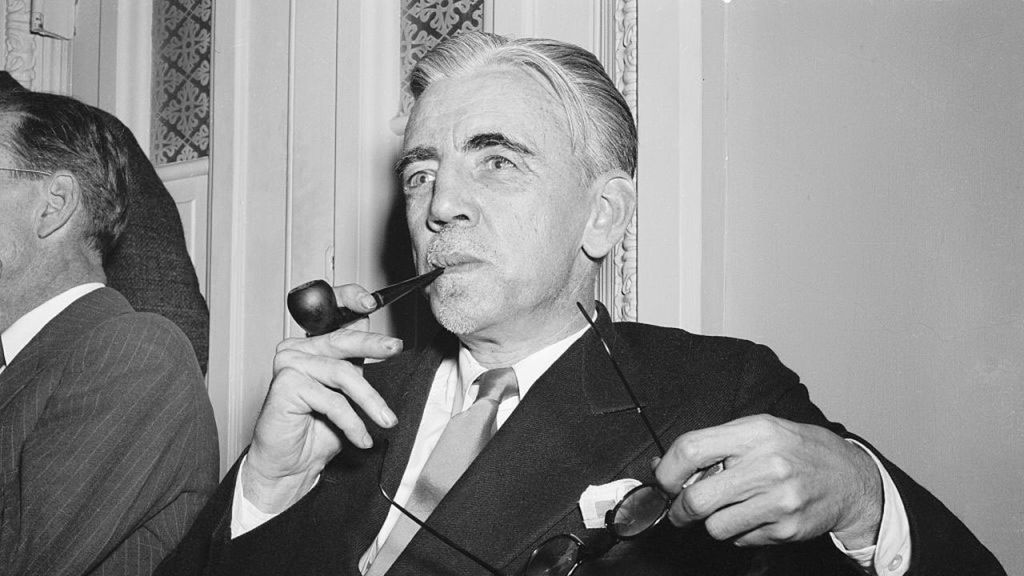
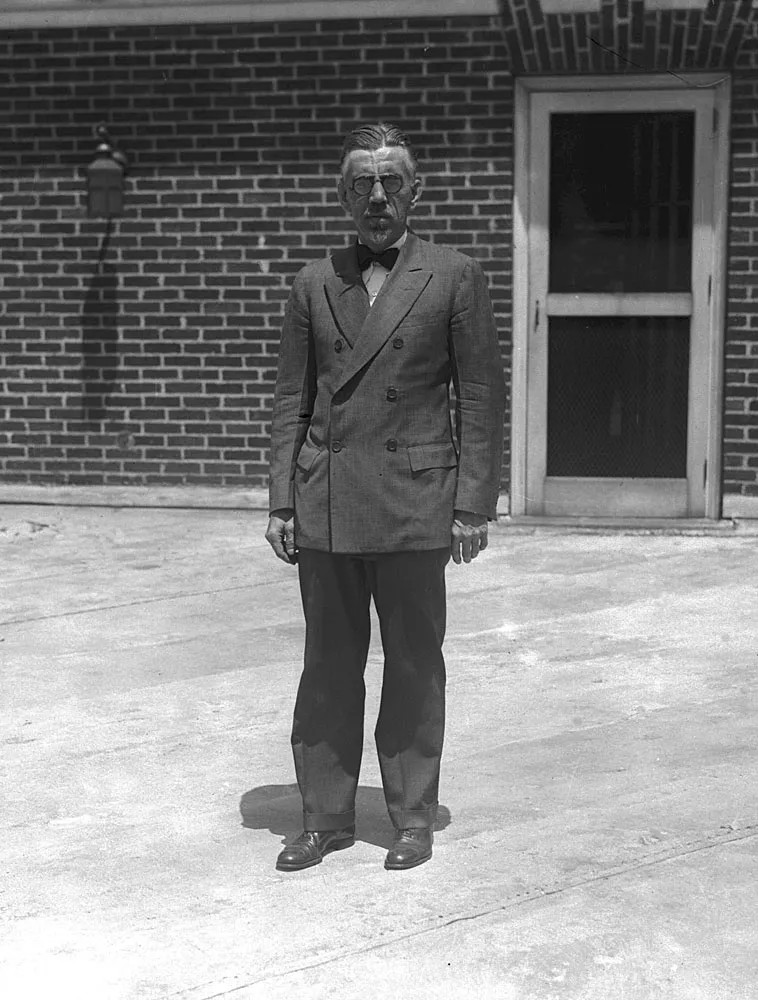
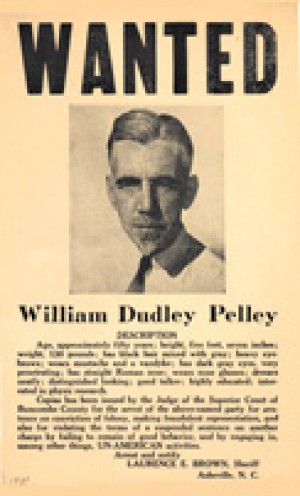
Today he is virtually unknown to all but a few dogged devotees, students of 20th century history, readers of obscure books, and researchers into the paranormal and bizarre. William Dudley Pelley, a truly fascinating fellow, was one of our countries’ best known public figures during the Great Depression. Now, he is largely forgotten and rests in peaceful anonymity in a quiet Noblesville cemetery, an ironic outcome when you consider how he lived. If you happen to encounter anyone who knows anything at all about Pelley, you are likely be told that he was a “fascist,” “Nazi,” “new age crank,” “occultist,” “racist cult leader,” or just plain “nut.” All true, to be sure, but William Dudley Pelley was viewed as a genuine threat back in his day, and the Roosevelt administration took notice.
Pelley’s political ideology essentially consisted of anti-Communism, racism, extreme patriotism and isolationism. He was perhaps the most vocal opponent of FDR’s New Deal program. His activities angered Roosevelt and his supporters so much that federal charges were drawn up against the Silver Shirts in 1940. His Asheville headquarters was raided by federal marshals, his followers there arrested, and his property seized. Pelley was called to testify before the House Un-American Activities Committee. Ironically a decade later Senator Joe McCarthy would use this same committee to root out Communists from the U.S. Government and Hollywood.
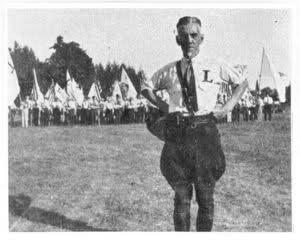
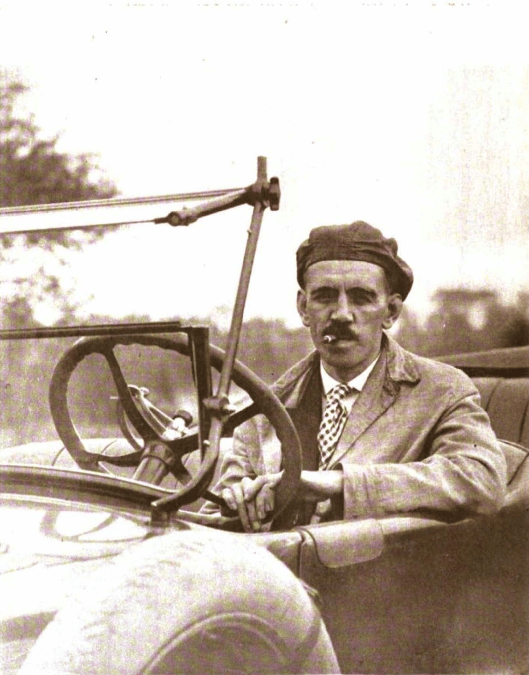
Pelley’s Silver Legion was unique in that, although there were permanent barracks for Silver Shirt training and local units in every region of the U.S., there was no central headquarters building. Instead, the Chief, as he was known to his followers, ran the Legion from his Ford touring car. Never staying in any place for more than a couple of weeks, constantly traveling from one headquarters to another, he staged outdoor rallies and mass meetings along the way. Reportedly, he went through several cars per year, traveling a then astounding 20,000 miles annually. This constant traveling served several purposes; it tied the various headquarters closely together, gave Pelley an intimate understanding of Americans at all levels, from all regions and exposed millions of people to his wicked ideology. His grassroots plan resulted in his name being placed on the presidential ballot, but he too got lost in the 1936 landslide re-election of Roosevelt.
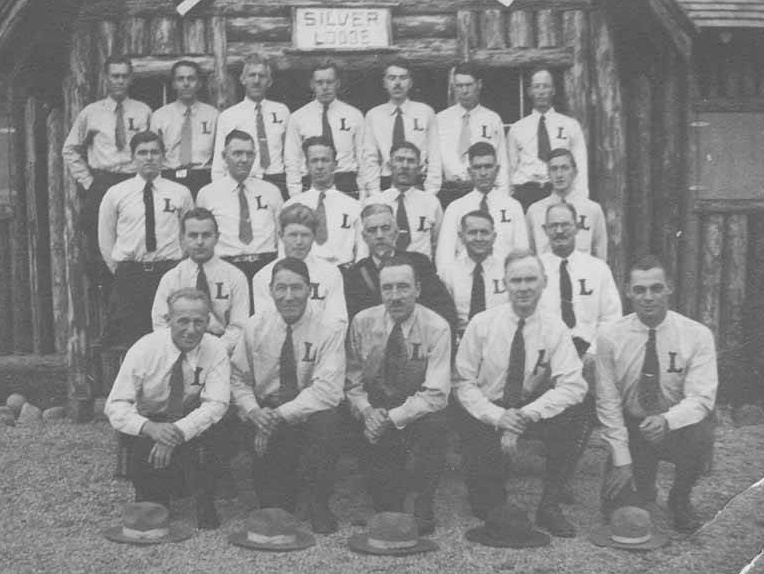
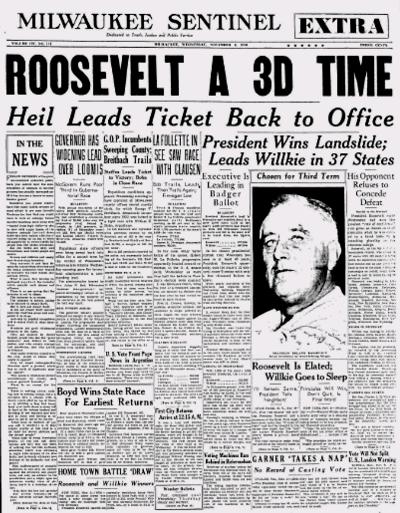
According to Pelley, FDR’s re-election brought closer the “conflict between the Light and Dark forces on earth” and he accurately predicted the coming war against the Third Reich in his first national radio speech. His failed election bid increased Silver Legion membership threefold. Soon Pelley was winning praise and support from important figures like aviator Charles A. Lindbergh, Jr. and Walt Disney — both of whom attended Silver Legion rallies and shared the podium with the Chief. Not only did Pelley and his group openly support the Nazis and Adolph Hitler, Pelley himself announced that he considered Japan to be the only true power in Asia and the only hope of blunting the Soviet attempt at total domination in the region.
Soon, the government charged Pelley with tax evasion and although he eventually beat the rap, the great expense, in both time and money, required to defend himself ruined his chances of entering the 1940 Presidential campaign. By now, Pelley was furious with the government and his Silver Shirts joined up with the American-German Bund, the Ku Klux Klan and numerous other “uber” patriotic organizations to keep America out of war. Pelley’s effort became so popular that national polls taken a week before Pearl Harbor showed more than three quarters of Americans were against war with the Axis powers. That is, unless the United States was physically attacked. As you can imagine, everything changed on December 7th, 1941 with the bombing of Pearl Harbor. Soon afterward, German atrocities in the concentration camps of Europe were revealed and Pelley and his Silver Shirts were banished from the American scene forever.
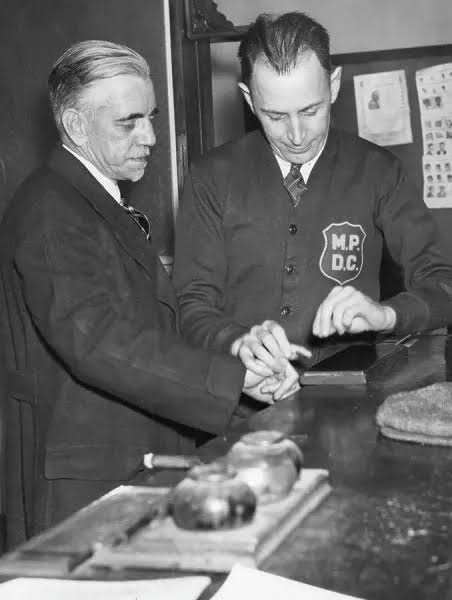
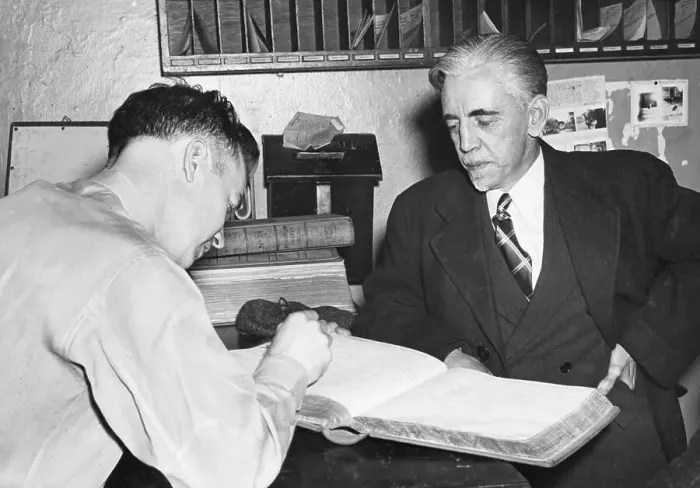
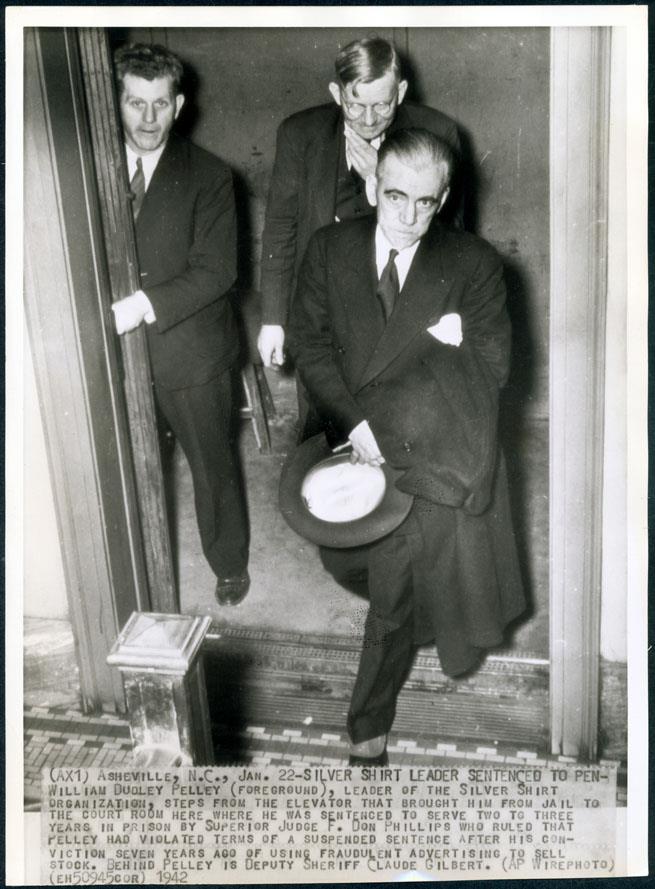
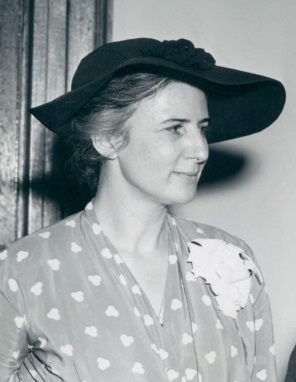
Pelley had married a Hoosier girl named Helen back in 1935, but spent little time with his new wife, by whom he had a daughter. After his fall, Pelley joined them in Noblesville, where he attempted to forget the world he had tried to save. Pelley being Pelley, he could not resist the urge to criticize FDR and his war time policies in print as he continued to publish radical newsletters and minor magazines, but he never again rose to his level of pre-war prominence.
However, Pelley just could not keep his big mouth shut. Just weeks after Pearl Harbor, he published an un-proofed article charging President Roosevelt with understating the damage caused at Pearl and claiming, contrary to FDR’s reports, that the U.S. Navy was destroyed in the attack. Pelley rushed into print with an article titled: “Japanese bombers made Pearl Harbor look like an abandoned W.P.A. project in Keokuk!” The special edition hit the streets like a bombshell, and when FDR saw it, he exploded, demanding Pelley’s arrest on April 4th. The charge: high treason!
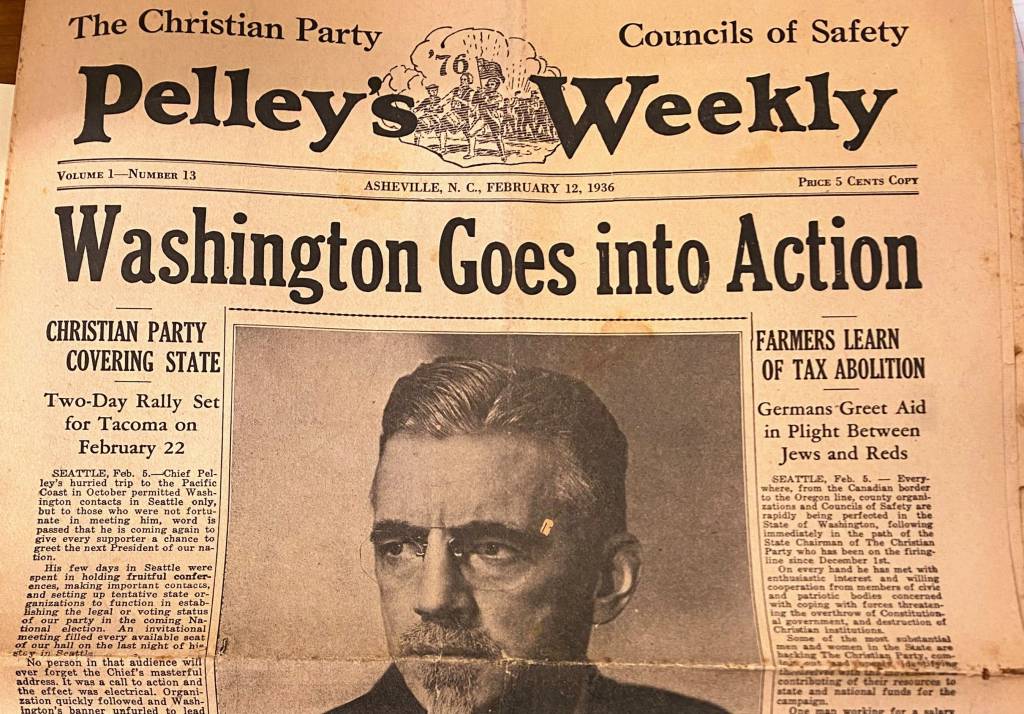
Pelley was charged with twelve felony counts of violating the Alien and Sedition Act — an obscure ancient set of laws originally designed to deport troublesome foreigners during the American Revolution. The Sedition Act provided for fines or imprisonment for individuals who criticized the government, Congress, or president in speech or print.
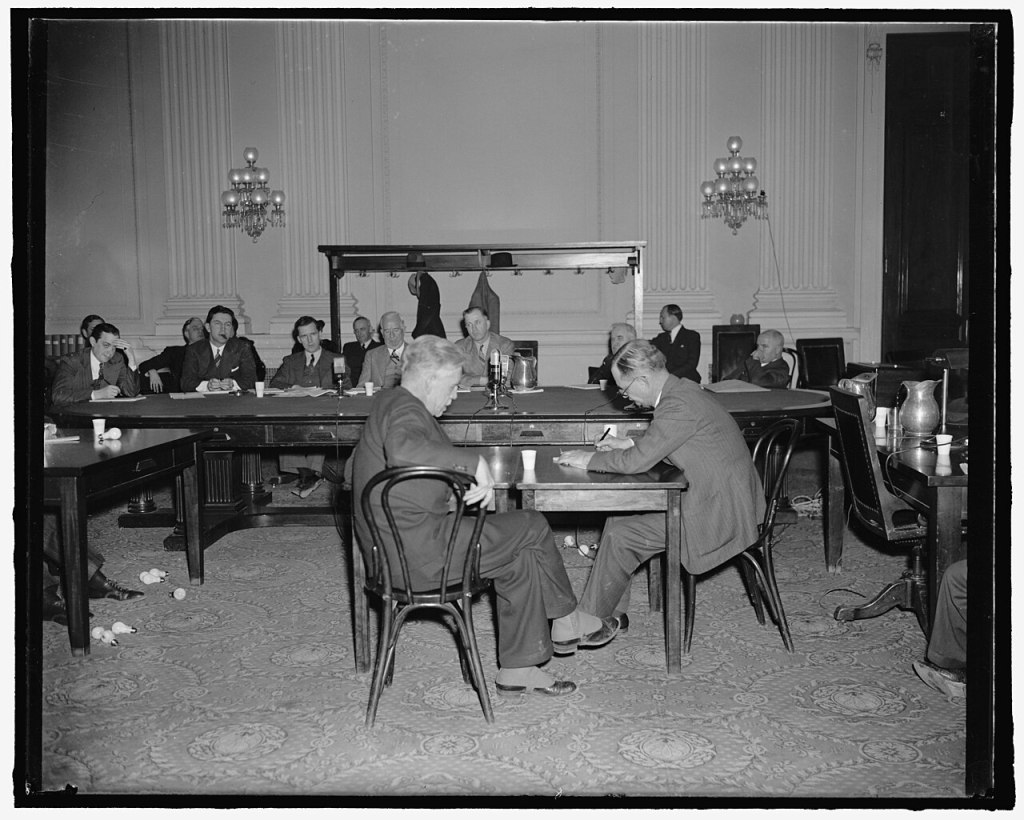
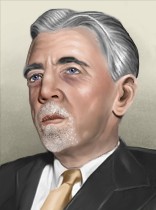
The highly publicized trial for treason of William Dudley Pelley was broadcast nationwide. National hero Charles Lindbergh personally testified as a character witness on the defendant’s behalf, to no avail as Pelley was sentenced to 15 years in a maximum security federal prison. The trial ruined Pelley in many ways, leaving him penniless and unable to mount an appeal. Lindbergh stayed true to the end, telling a Chicago Tribune reporter that Pelley was “no traitor, but a true patriot who was obviously being persecuted for saying publicly what a growing number of Americans were discussing privately.”
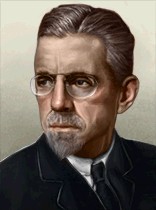
Pelley remained unrepentant throughout, saying: “Some day, we Americans will see in true perspective what an alien horde of four million Jews did to us, and why we have been so stupid to suffer it.“ In 1952, with FDR dead, World War II over and McCarthy in full “Red Scare” stride, Pelley was paroled on the condition that he participate in no “political activities of any nature,” a flagrantly unconstitutional requirement I must point out. Frail and sickly, his daughter and her husband nursed him back to health at the family home in Noblesville, Indiana.
William Dudley Pelley died peacefully in his sleep on July 1, 1965, at the age of 75. During his private viewing and funeral, someone burned a cross on the front lawn of the funeral parlor. It was never determined if the fiery cross had been set there by friend or foe. Blinded by racial hatred and intolerance, he ended up a forgotten historical footnote in a lonely Noblesville graveyard called Crownland.
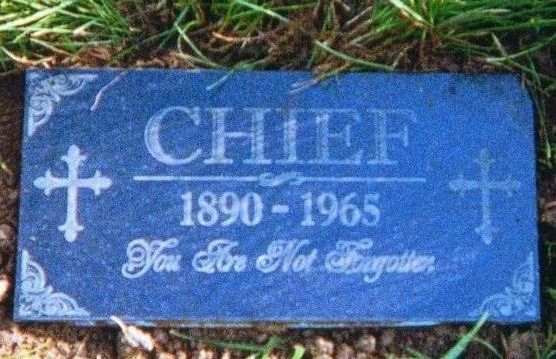
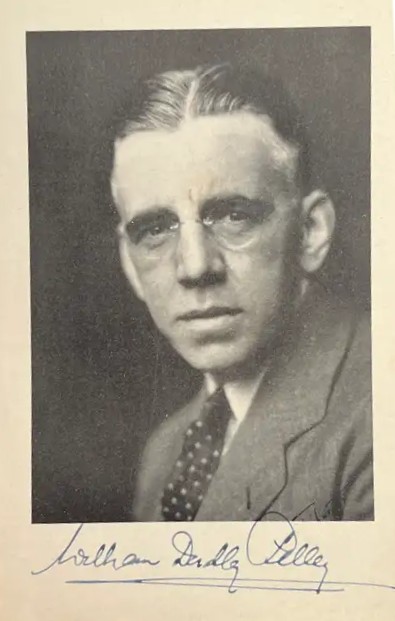
Pelley Photo Gallery.