Original publish date: June 8, 2015 Reissued: November 21, 2019
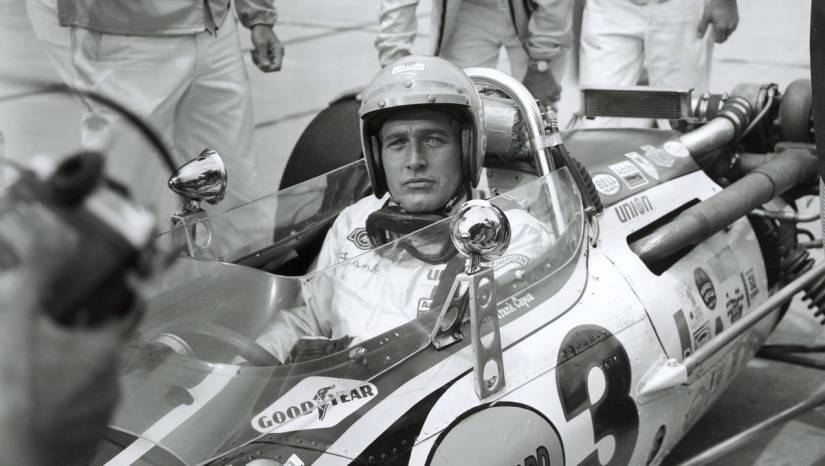
I have many heroes in my life ranging from the rich and famous (Abraham Lincoln, Jimmy Carter, Harry Truman, Franklin D. Roosevelt, Martin Luther King, Jr. to name a few) to the not-so-famous (My wife Rhonda, my kids Jasmine & Addison, and my mother Ruth McDuffee) as well as people I admire but really wouldn’t want to emulate (Hunter S.Thompson, Wilt Chamberlain, Frank Sinatra, Keith Richards). However, one of the people from my life that I admire and aspire to emulate has a strong connection to Indianapolis and the month of May is no longer with us. Paul Newman died on September 26, 2008 but his spirit lives on at Indy and he will always be one of the first things I think of when I imagine the Indy 500.
Way back in 1968, when I was a small child living on Bluebell lane (near 34th & High School Road) on Indy’s west side, I remember laying in my room in the middle of the day listening to the sounds of cars whizzing around the Indianapolis Motor Speedway track and napping to the sound of speed. A.J. Foyt was a frequent visitor to our neighborhood. A.J.’s chief mechanic lived two houses away and my dad was a time keeper in the tower for 40 years. The big deal for us was to walk over to the neighborhoods bordering the track in search of sites usually reserved for carnival sideshows. I remember seeing drunks sleeping in shopping carts and scantily clad women passed out in the grass of the coke lot. We ALWAYS found money, pop bottles to return for 8 cents a piece and coolers full of goodies left over by people watching the race who were obviously flying home.
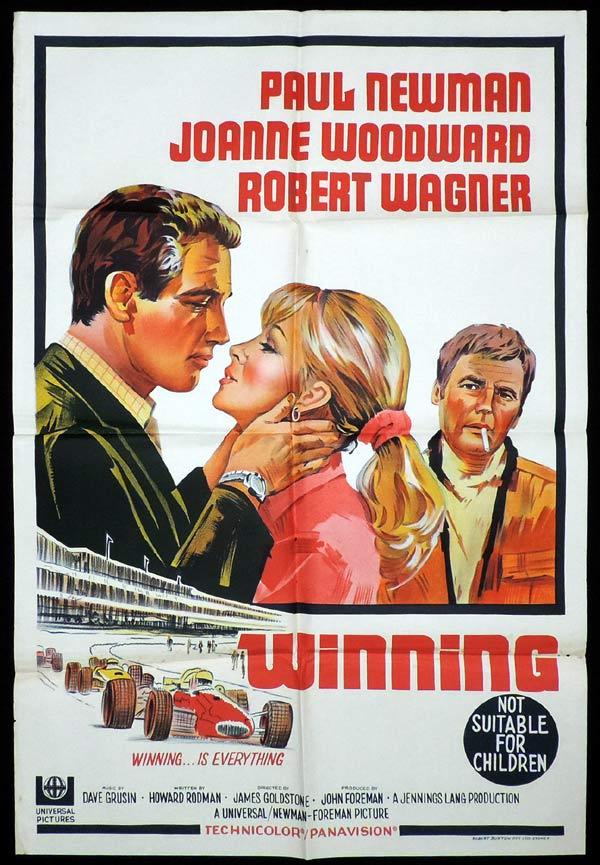 Even though I was very young, I can remember that in May of 1968, Hollywood came to town to film a major movie at the Indianapolis Motor Speedway. Although I didn’t know it at the time, the film was called “Winning,” and starred Paul Newman and his real-life wife, Joanne Woodward. The plot focused on an ambitious race driver determined to win the Indianapolis 500 in an effort to resurrect his flagging career. The film also starred Richard Thomas, soon to become more famous as “John Boy” on “The Waltons” TV series and Robert Wagner (of “Hart to Hart” TV fame). Several real-life racing figures-including the Speedway’s owner, Tony Hulman, and race driver Bobby Unser-portray themselves in the movie.
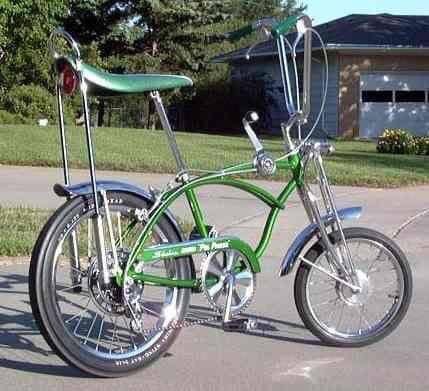
The Greenie Meanie.
I could have easily ridden my Schwinn “Greenie Meanie” 5-speed with sissy bar and wheelie poppers over to the Speedway Motel and see these guys. After all, they were filming some of the scenes in the motel itself and many of my neighbors and some of my family members could’ve gotten me access with no problem. Things were different then, there were no stalkers, no serial killers, no crazy Manson family maniacs on the Indy radar screen back then. Looking back, I sincerely wish I’d have made the trip.
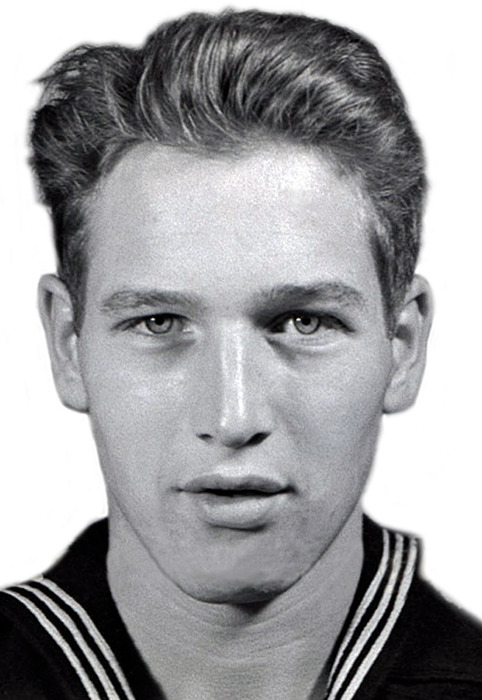
Born January 25, 1925 in Shaker Heights, Ohio, Paul Newman showed an early propensity for acting and landed his first motion-picture role in 1954. He went on to star in more than 60 movies, including “The Long Hot Summer,” “Cat on a Hot Tin Roof,” “The Hustler,” “Hud,” “Cool Hand Luke,” “Butch Cassidy and the Sundance Kid,” “The Sting,” “Slap Shot,” “Absence of Malice,” “The Verdict,” “Nobody’s Fool” and “Cars.” He garnered 10 Academy Award nominations, including eight for Best Actor. His sole Oscar win came in 1986 (Best Actor) when he reprised his role from “The Hustler” as Fast Eddie Felson alongside Tom Cruise in “The Color of Money.”
Newman began racing cars in 1972, three years after completing the movie “Winning”. Newman and Wagner attended the Bob Bondurant racing school to prepare for the movie, and Newman performed many of the racing scenes himself without a stunt driver. The experience resonated with Newman for the rest of his life, to the point that he embarked on a successful second career as a driver. Newman’s greatest accomplishment as a driver was a second-place finish in the 24 Hours of Le Mans in ’79, driving a Porsche 935. He remained active in endurance racing, making his last start at the Rolex 24 at Daytona International Speedway in 2006 at the age of 81. When he was racing, Newman kept a low profile at the track and maintained an intense focus on the task at hand. He always raced under the name P.L. Newman to avoid drawing attention to his status as a Hollywood icon.
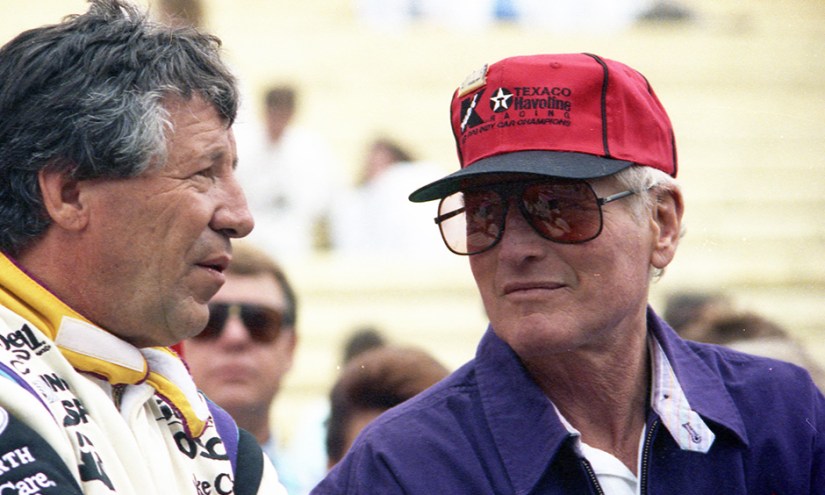
Paul Newman, who died from cancer at the age of 83, was best-known as one of the most famous actors in the world, one of the most fervent race fans on the planet, one of the best race car drivers as a second career and, as founder of the popular Newman’s Own brand of organic food products, one of the most successful private sector philanthropists in the history of the United States, donating more than $250 million of after-tax profits to charity since 1982.
It helped fuel my admiration for Paul Newman to know that many of the values he stood for in his lifetime were shared by me. For his strong support of Eugene McCarthy in 1968 and his strong opposition to the War in Vietnam, Newman was placed nineteenth on Richard Nixon’s enemies list, which he claimed was his greatest accomplishment. He attended the first Earth Day event in Manhattan on April 22, 1970. Newman was a vocal supporter of gay rights, including same-sex marriage. Newman was concerned over global warming and supported alternative energy development as a solution to our nation’s addiction to fossil fuels. In short, he was a man with a conscience.
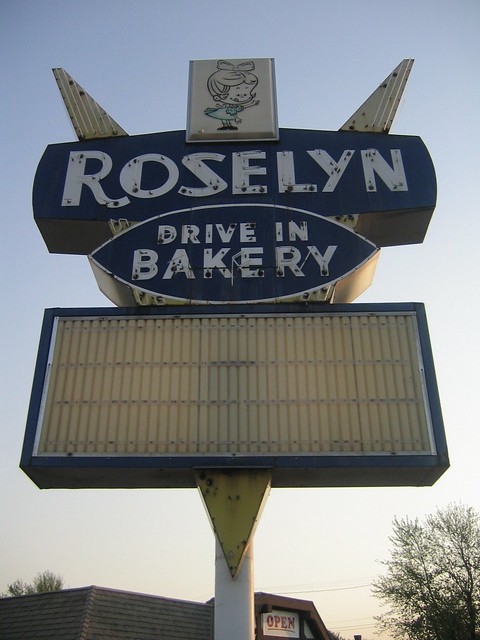
I was lucky, I got to meet Paul Newman several times at the track through my time keeper dad. Contrary to his reputation, he was always a gracious autograph signer for me and for anyone who was polite and said please and thank-you. But it was an unexpected encounter in 1992 that I will always cherish the most. I pulled into the Roselyn Bakery on Rockville road during the month of May to pick up Toffee Cookies for me and Butter Jumbles for my wife. As I waited in line behind a large crowd of people, I didn’t notice that there was a limousine parked idling on the side of the building.
I was standing in line holding my 2-year-old daughter in my arms and waiting for my turn when the crowd of people parted and Paul Newman himself stepped from the crowds wearing his trademark glasses and said “Boo” to my daughter while tickling her tiny tummy. Jasmine squealed with delight and Paul Newman formed his finger and thumb into the shape of a gun and “shot” at us saying “Get the Butter Jumbles, they’re my favorite kid.” It happened so fast that before I knew it he was in the limo and out of the lot. Paul Newman was a good husband, father, grandfather and human being. I’m just happy I had the opportunity to meet him.
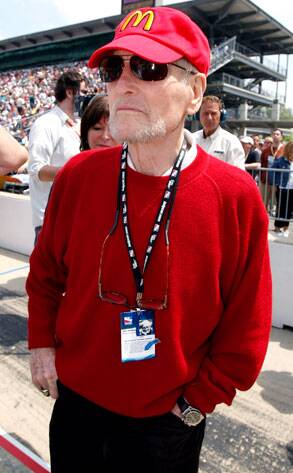
When the Speedway Motel was torn down in February of last year, I recalled a quote from Newman’s last visit to the city of my birth a short time before his death, “It’s good to be back at Indianapolis,” he added. “It brings back a lot of fond memories. My favorite tradition was that it took a whole month. Indy started at the first of May, and you had your reservation at the Speedway Motel. If you wanted a room for two days, you took it for the whole month or you wouldn’t get it.”
So, if you really think about it and take that statement literally, it can easily be said that all of the Indianapolis Motor Speedway heroes of our youth, A.J. Foyt, Mario Andretti, Al and Bobby Unser, Rick Mears, Johnny Rutherford, Rodger Ward, Gordon Johncock, the Bettenhausens’, the Vuckovichs’, and Paul Newman called our city home for one month every year. The month of May in Indianapolis.
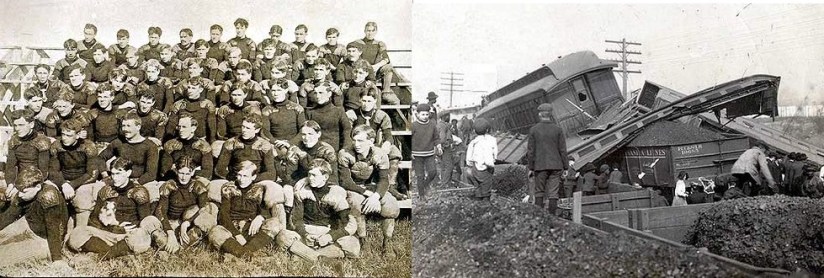
 The train was traveling on what would have been the 101st birthday of school founder and namesake John Purdue (born October 31, 1802). Purdue, a wealthy landowner, politician, educator and merchant, was the primary benefactor of the University. In 1903, if you wanted to get to Indianapolis from either school, you had three choices: ride a horse and buggy, walk or take the train. Since these were the days before automobile travel was popular, train travel was the most widely accepted form of transportation.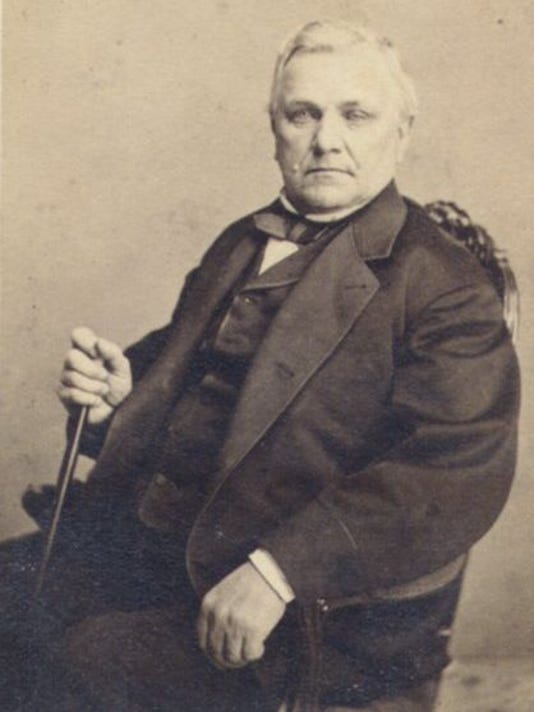
 Unlike the raucous fans traveling in the 13 plush, modern streamliner train coaches behind them, the Boilermakers team traveled in relative silence, focusing on the task at hand, mentally preparing for their upcoming rivalry game in the cozy confines of an older wooden train car. Unfortunately, the athletes had no idea that a minor mistake would lead to a major disaster. Railroad protocol specified that “Special” trains operate independent of the regular schedule. Timing was everything in the railroad game.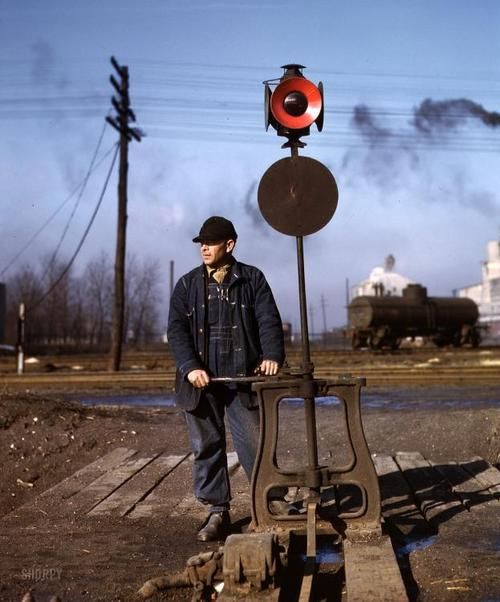
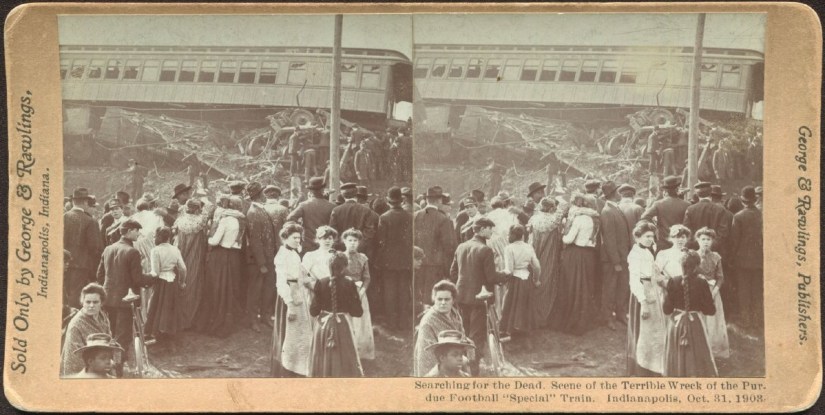 The Boilermakers never knew what hit ’em. The engine slammed into the coal car, splintering apart the first few cars while folding like an accordion. When the two trains collided, the lead car hit the debris, causing it to shoot into the air. This gave the full impact to the second train car, causing all the deaths. The wooden train cars splintered like kindling and were destroyed, and the adjacent cars careened violently off the elevated tracks, tumbling to the ground below like jack straws.
 The Indianapolis star reported, “The trains came together with a great crash, which wrecked three of the passenger coaches, in addition to the engine and tender of the special train and two or three of the coal cars. The first coach on the special train was reduced to splinters. The second coach was thrown down a fifteen-foot embankment into the gravel pit and the third coach was thrown from the track to the west-side and badly wrecked. The coal cars plowed their way into the engine and demolished it completely. The coal tender was tossed to the side and turned over. A wild effort on the part of the imprisoned passengers to escape from the wrecked car followed the crash. Immediately following the wreck the students and the others turned their attention to the work of rescuing the injured, and by the time the first ambulances arrived many of the dead and suffering young men had been carried out and placed on the grass on both sides of the track.”
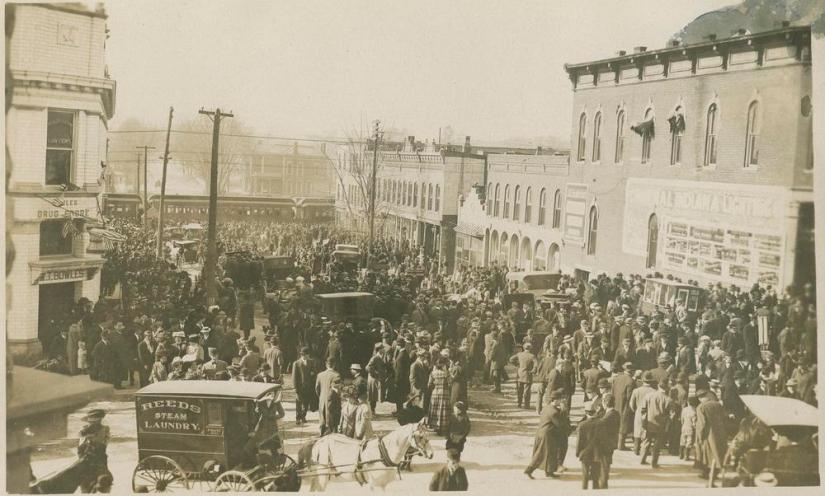 The fans at the rear of the train were unaware of what happened and only felt a slight jolt as the train came to a sudden stop. These rearmost passengers wasted no time in coming to the assistance of the victims up ahead. The erstwhile revelers skidded to a stop at the scene of carnage and were horrified at the devastation before them. Acts of unselfish action made heroes out of athletes and ordinary people alike.
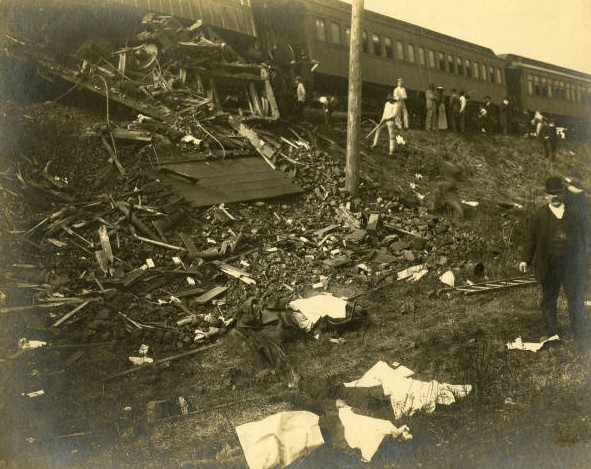 Seventeen passengers in the first coach were killed. Thirteen of the dead were members of the Purdue football team. Walter Bailey, a reserve player from New Richmond, although grievously injured, refused aid so that others could be helped. Team Captain Skeets Leslie was covered up for dead, his body transported to the morgue with the others. It was the first catastrophe to hit a major college sports team in the history of this country. The affects would be felt for decades to come and one of those players would rise from the dead, shake off accusations of association with Irvington KKK leader D.C. Stephenson, and lead his state and country through the Great Depression.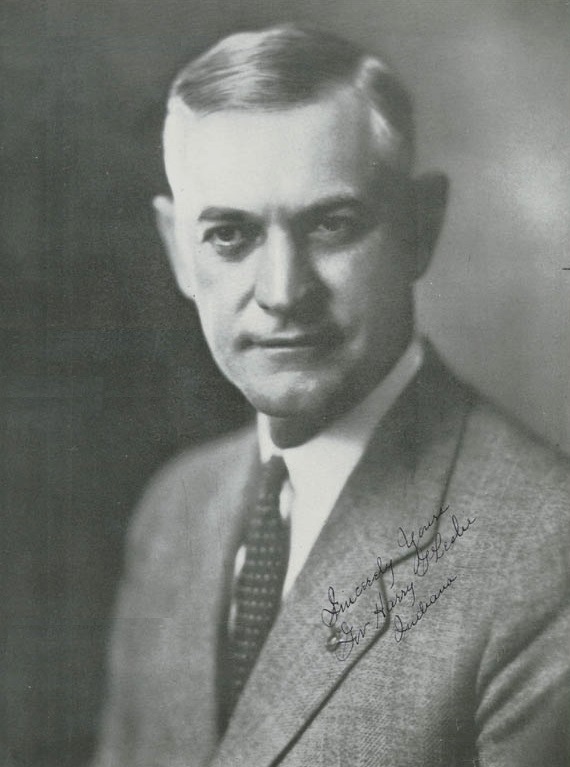

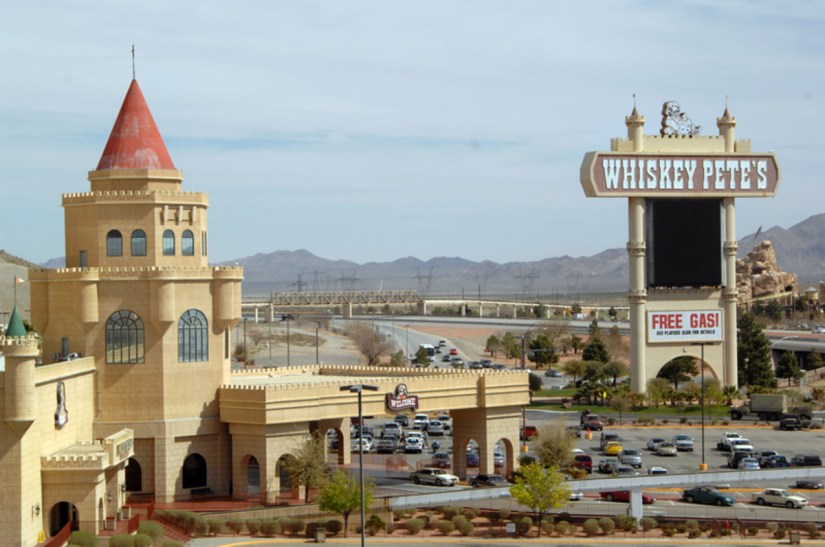 One of those “must see” old timey casinos is located about 30 miles southwest of the Vegas strip in a desert town called Primm, Nevada not far from the California border. Known as “Whiskey Pete’s”, the casino covers 35,000 square feet, has 777 rooms, a large swimming pool, gift shop and four restaurants. The casino is named after gas station owner Pete MacIntyre. “Whiskey Pete” had a difficult time making ends meet selling gas, so he resorted to bootlegging and an idea was born. When Whiskey Pete died in 1933, he was secretly buried standing up with a bottle of whiskey in his hands so he could watch over the area. Decades later, his unmarked grave was accidentally exhumed by workers building a connecting bridge from Whiskey Pete’s to Buffalo Bill’s (on the other side of I-15). According to legend, the body was reburied in one of the caves where Pete once cooked up his moonshine.
 Oh, I forgot to mention that Whiskey Pete’s is also home to the Bonnie and Clyde death car. As detailed in part III of this series, the car has had a long strange trip to Primm. The bullet-ridden car toured carnivals, amusement parks, flea markets, and state fairs for decades before being permanently parked on the plush carpet between the main cashier cage and a lifesize caged effigy of Whiskey Pete himself. According to the “Roadside America” website, “For a time it was in the Museum of Antique Autos in Princeton, Massachusetts, then in the 1970s it was at a Nevada race track where people could sit in it for a dollar. A decade later it was in a Las Vegas car museum; a decade after that it was in a casino near the California / Nevada state line. It was then moved to a different casino on the other side of the freeway, then it went on tour to other casinos in Iowa, Missouri, and northern Nevada.
  Complicating matters was the existence of at least a half-dozen fake Death Cars and the Death Car from the 1967 Bonnie and Clyde movie (which was in Louisiana and then Washington, DC, but now is in Tennessee).” Just in case of any remaining confusion, the Primm car is accompanied by a bullet riddled sign reading: “Yes, this is the original, authentic Bonnie and Clyde death car” (in all caps for emphasis).
 The walls surrounding the death car are festooned with authentic newspapers detailing the outlaw lover’s demise and letters vouching to the vehicle’s authenticity. Cases contain other Bonnie and Clyde relics like a belt given by Clyde to his sister and classic candid photos of the star-crossed lovers and their families.
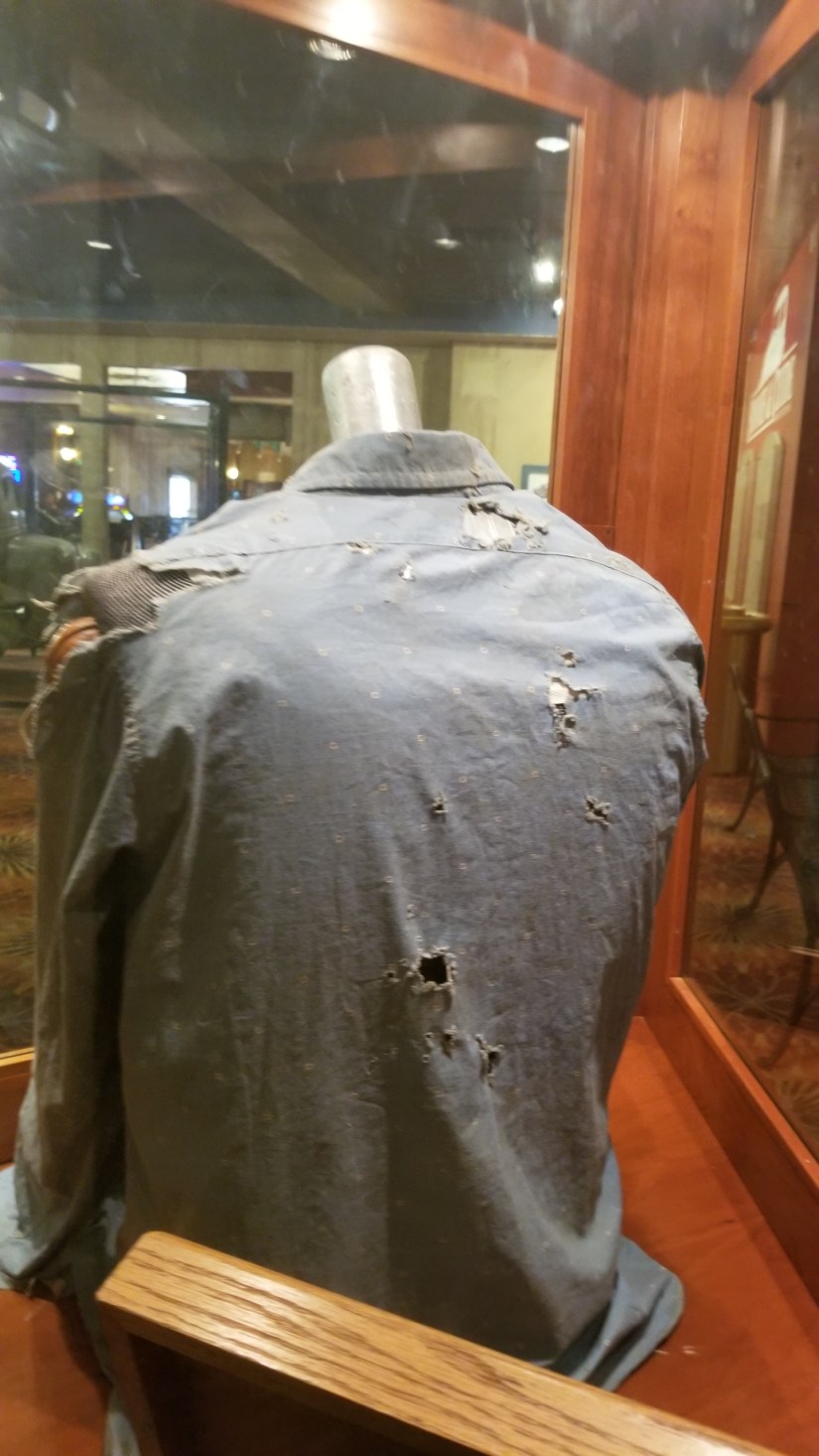
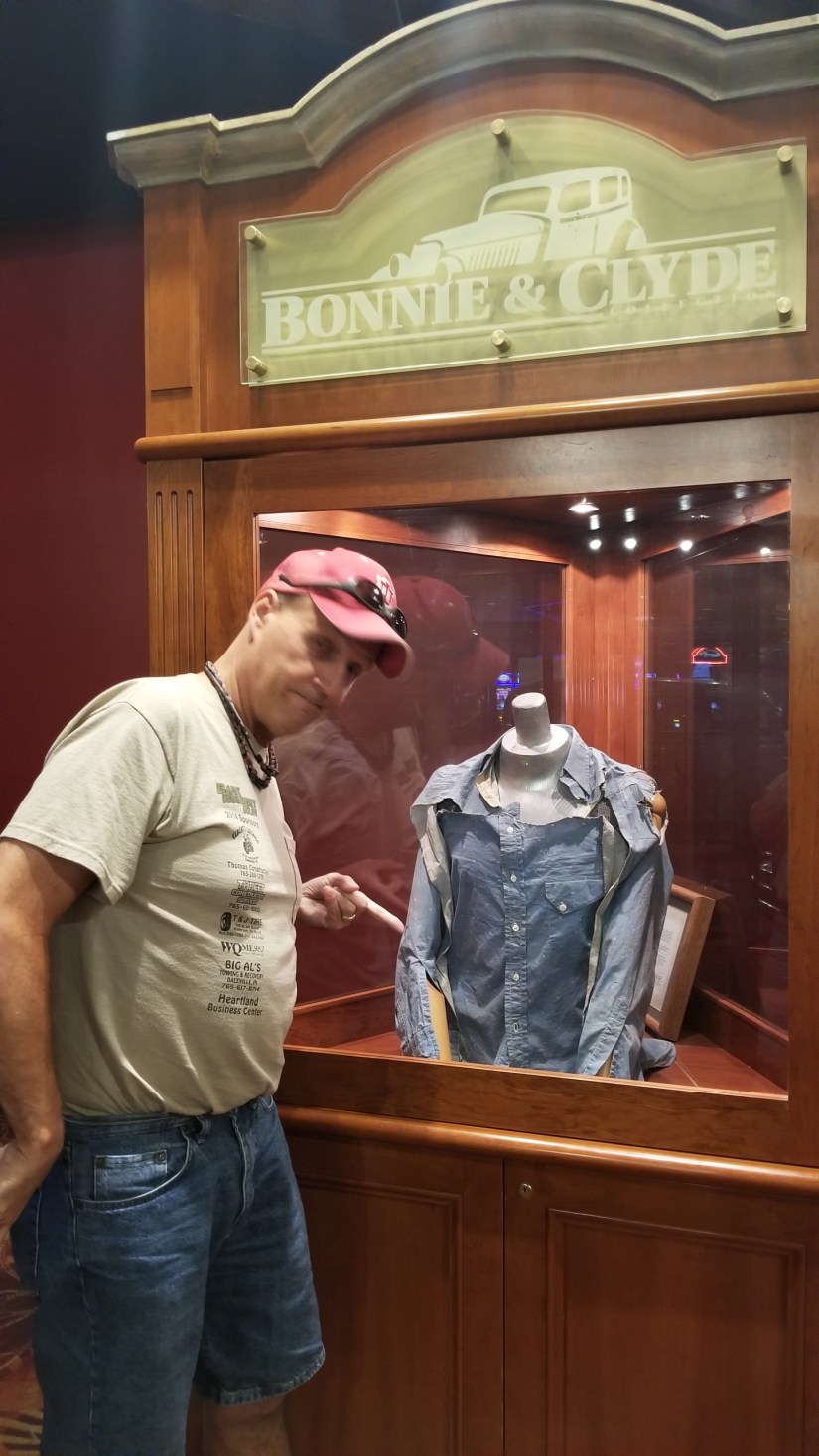
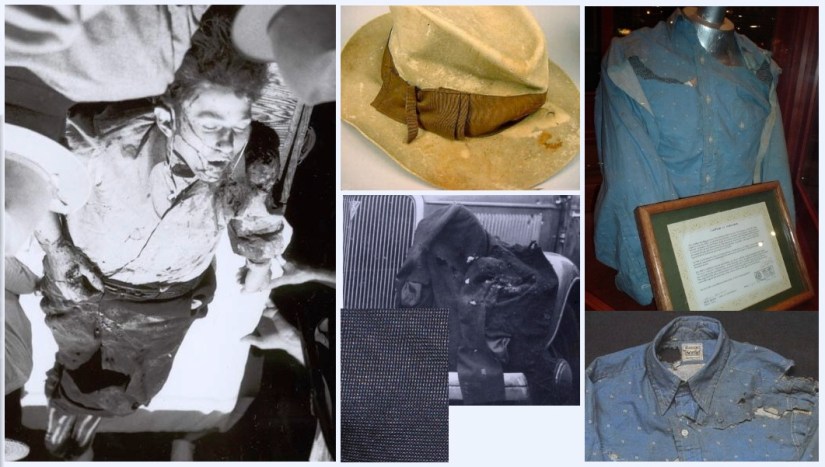 A movie, obviously created many years ago, recreates the event using newsreel footage, landscape photography and contemporary interviews with family members and eyewitnesses. Here, it is revealed that the shirt was found, decades after the outlaw’s death, secreted away in a sealed metal box along with Clyde’s hat. The film itself has become a piece of Americana and the images of Bonnie’s torn and tattered body left twitching in the car, resting silently mere yards away, are equally breathtaking. Nearby, although not nearly as shocking as the Bonnie and Clyde death car, another bullet-scarred automobile is on display. This one first belonged to gangster Dutch Schultz and later, Al Capone. Signs around the car proclaim that the doors are filled with lead and, judging by the pockmarks of the bullets denting the exterior, it is true. Although, like every casino, Whiskey Pete’s job remains separating gamblers from their money, both cars are on display 24 hours a day for free.
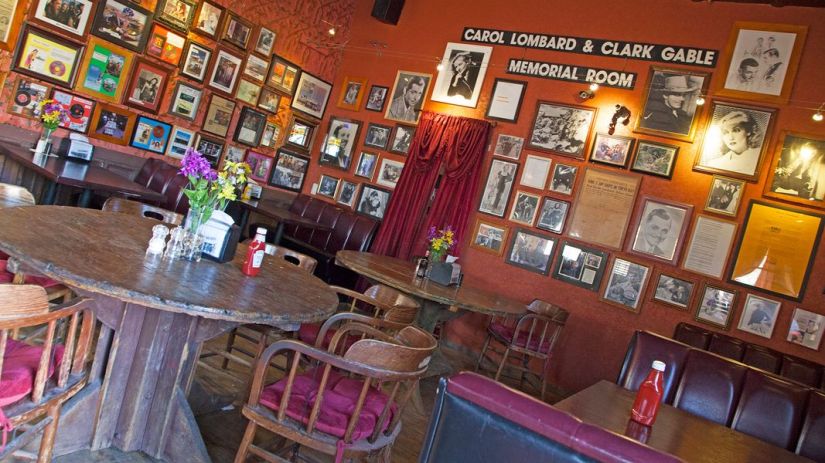 The interior of the Pioneer Saloon remains unchanged. It is easy to imagine Gone with the Wind star Gable drowning his sorrows at a rickety table or bracing himself against the cowboy bar and it’s brass boot rail. Ask and the bartender will point out the cigarette burn holes in the bar caused by Gable when he passed out from a mixture of grief and alcohol during his somber vigil. The tin ceiling remains as do the ancient celing fans (it gets HOT in the desert) and the walls are peppered with bullet holes left by cowboys who rode off into the sunset generations ago. The bar’s backroom is a shrine to the Lombard / Gable tragedy but sadly most of the relics on display there are modern photocopies and recreations. Locals claim that Carole Lombard’s ghost haunts the saloon in a desperate attempt to contact her grieving husband. The saloon is also reportedly haunted by the ghost of an old “Miner 49er” who appears drinking alone at the far end of the bar before vanishing into thin air. Millennials flock to the bar as the birthplace of the game “Fallout: New Vegas” which also has a small shrine located there.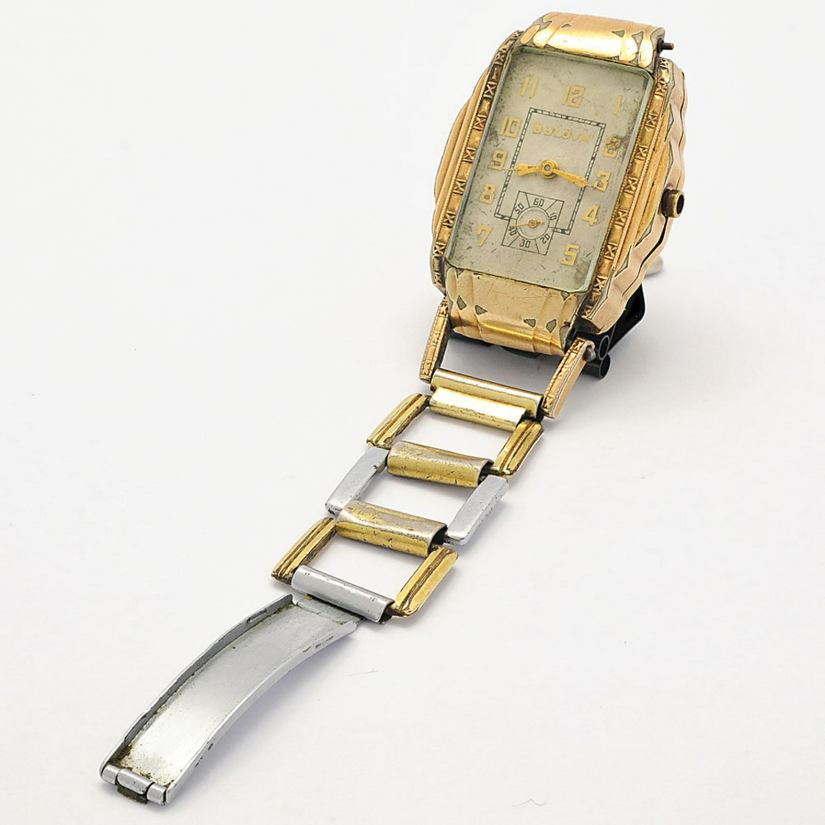

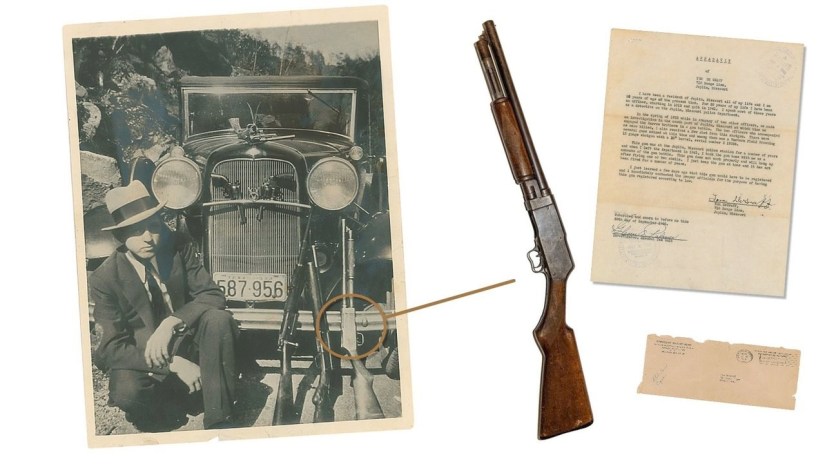


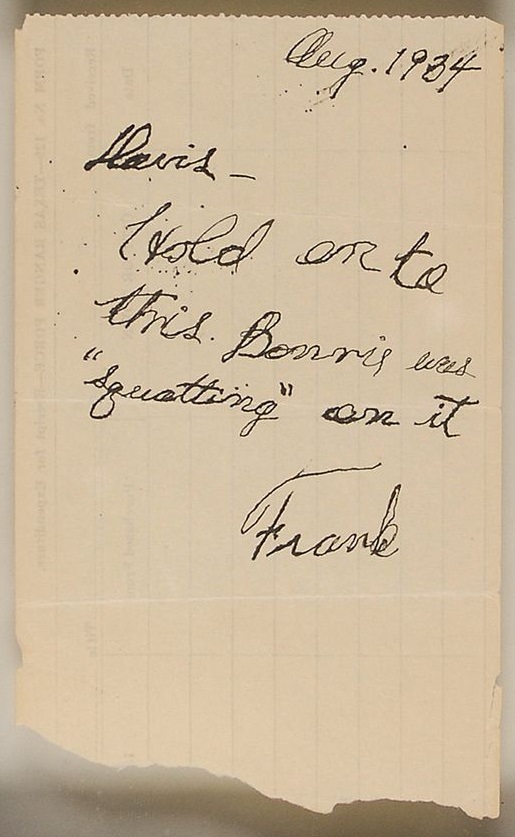


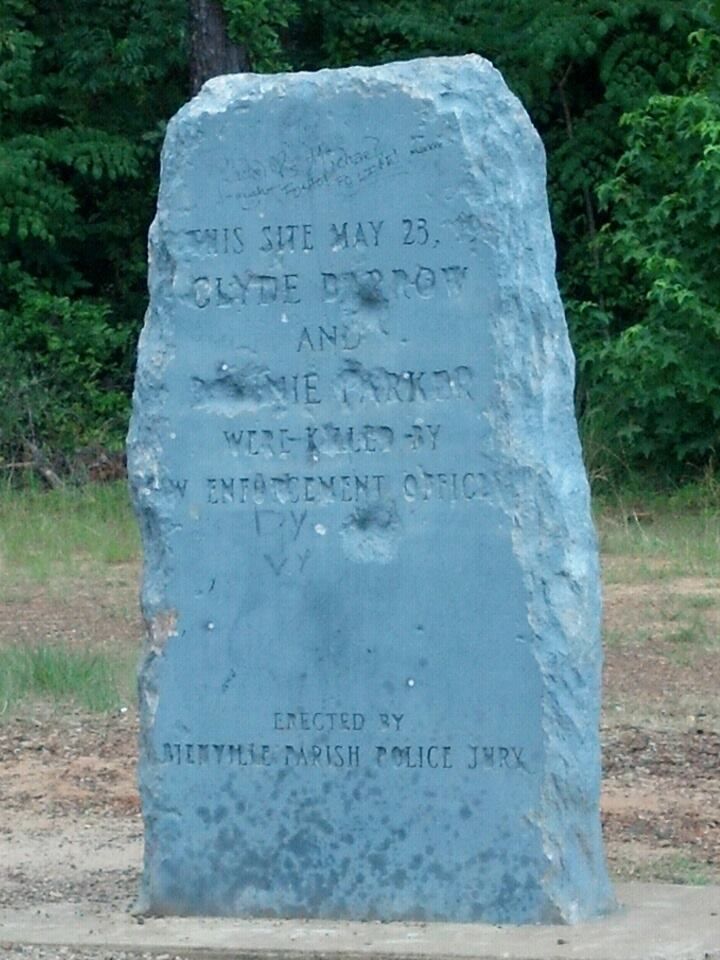
 During the Great Depression, some viewed the duo as near folk heroes, like Robin Hood and Maid Marian. And, although Hoosier outlaw John Dillinger reportedly once told a reporter that Bonnie and Clyde were “a couple of punks”, he and his fellow gang member Pretty Boy Floyd reportedly sent flowers to their funeral homes. The Barrow gang killed a total of 13 people, including nine police officers. They finally met their match on May 23, 1934, when six police officers ambushed them and shot some 130 rounds into the car. Dillinger outlasted Bonnie and Clyde by about two months – he met his maker on July 22, 1934. Truth is, proceeds from auctions of items associated with these outlaws over the past two decades (which number in the millions of dollars) far outdistance the proceeds of all of their robberies combined.
 For my part, when we told our 25-year-old son about our anniversary trip to Las Vegas, he remained nonplussed by saying, “I would only want to go out there to see a town called Primm.” To which we said “been there, done that.” His reply, “I’d also like to go to a little town called Good Springs.” We answered, “Been there too.” He concluded by saying he’d like to see an old dive bar named the “Pioneer Saloon.” He was shocked when we said we went there too. Of course, the reason he wants to venture out there is video game related, not history related. Nonetheless, he was chagrined by our answers. I guess we old folks aren’t so square after all.



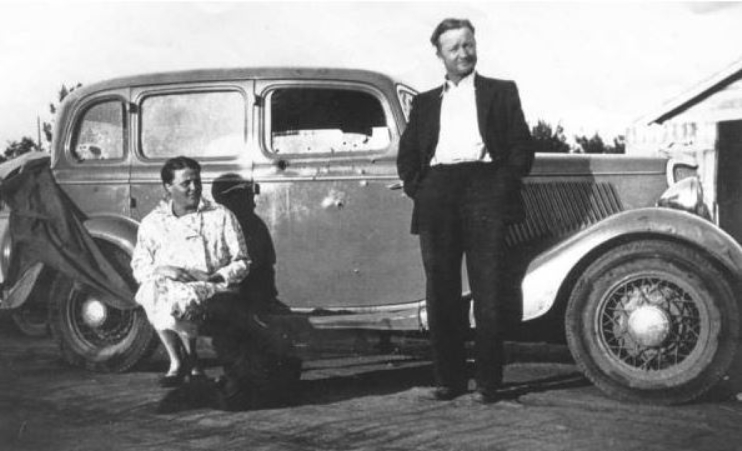
 She called the police and reported the car as stolen. According to the police report, shortly after one o’clock, neighbors saw a man and a woman circling the block in a Plymouth coupe. Later the mystery couple returned, this time with a man riding on the right running board. He jumped off, climbed into the Warren’s car, started it, backed out of the driveway, and sped away. The Warrens wouldn’t see their new Ford for three months.
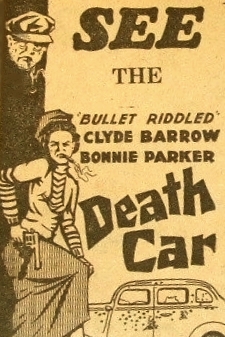
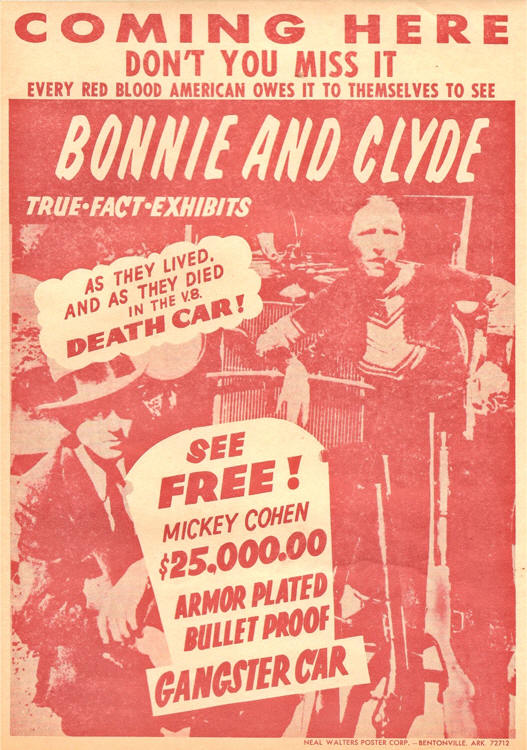 Ruth then rented the death car to carnival operator Charles Stanley, who exhibited it on the Hennies Brothers Midways in his 1939 crime show. Stanley displayed the car outside of his tent and charged admission to see the film of the actual ambush on the inside. Eventually, multiple bullet-riddled 1934 Ford Fordor sedans began appearing on the county fair and carnival circuit over the next few years, all claiming to be the actual death car. The various owners sometimes vigorously defended their claims, too, casting doubt on the authenticity of the real death car. Aside from the damage to historical accuracy, the frauds cut into the revenue generated by Ruth Warren as the death car toured the country.
 After Ruth divorced her husband Jesse, she kept the title to the car and sold it to Stanley for $3,500.The car was then exhibited at Coney Island amusement park in Cincinnati from 1940-1960. After World War II, memories faded and interest waned in the “Public Enemies” Era, pushing the car further-and-further into obscurity. In a 1960 issue of Billboard magazine, Stanley offered the Bonnie and Clyde Death Car for sale. Ted Toddy purchased the car in 1960 for $14,500. The car then sat in a warehouse for years until the popularity of the 1967 movie “Bonnie & Clyde” brought it out of retirement.

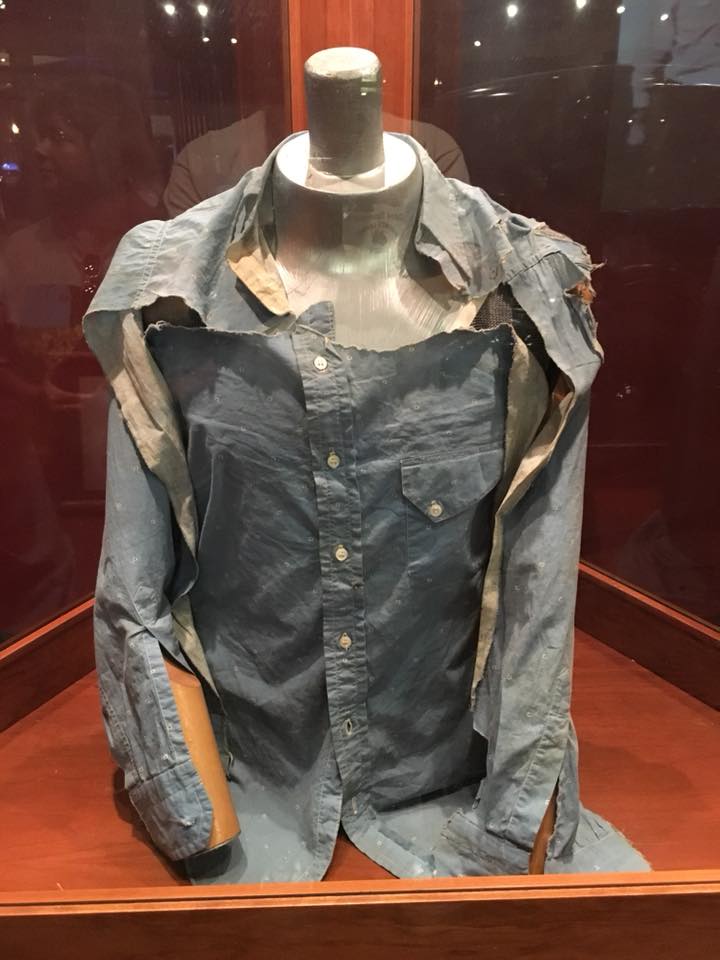

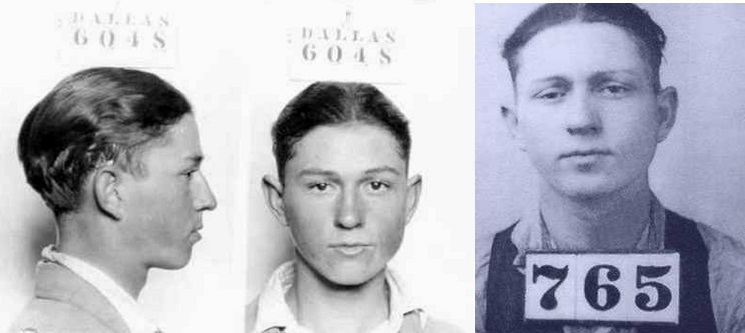
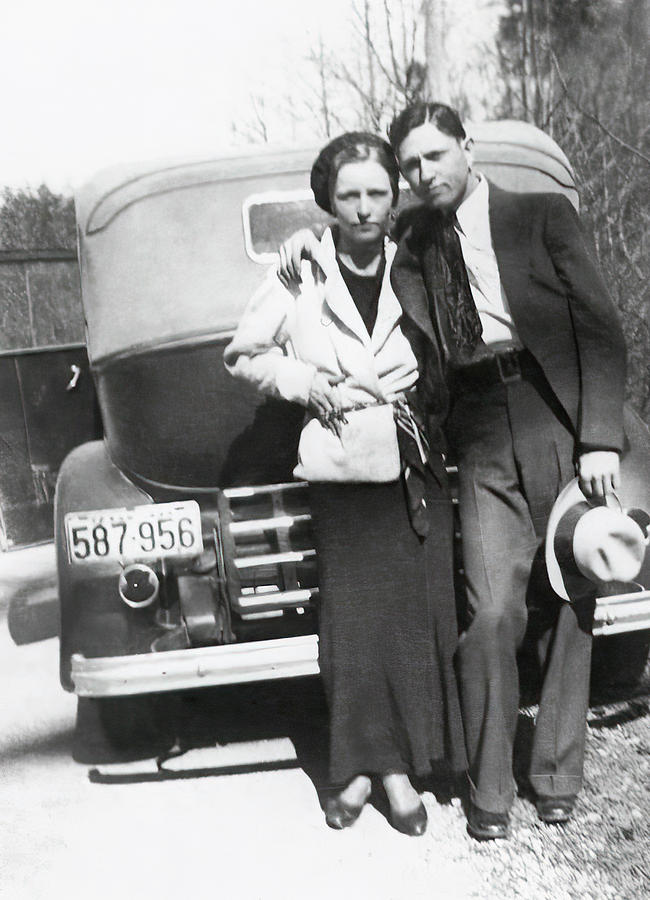
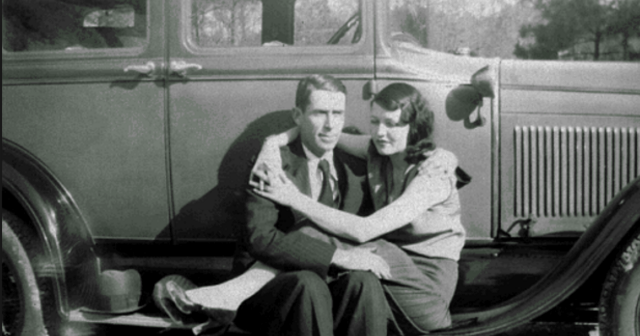
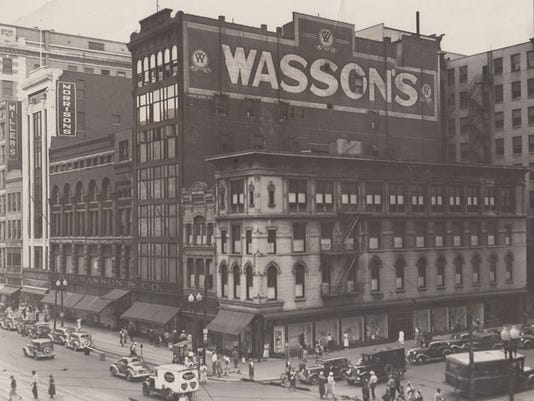
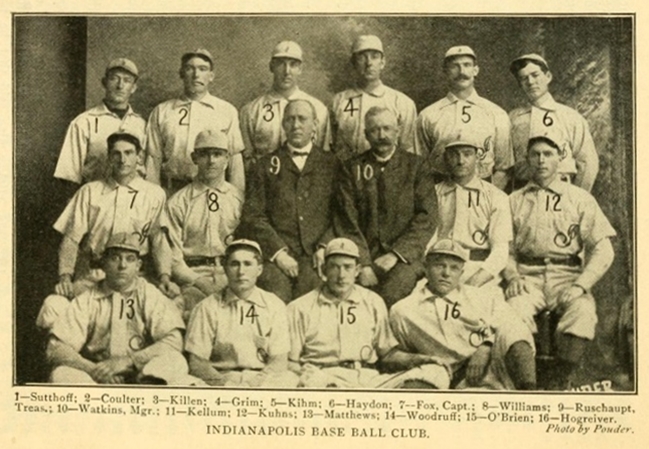
 Clyde was wearing a size 14-32 western style shirt of light blue cotton print with “one patch pocket and pearl buttons” when he was shot to death near Gibsland, Louisiana. The neck label on the shirt reads: “Wasson V Towne shirt/Indianapolis”. The shirt was removed from Clyde Barrow’s body by the coroner who performed the autopsy. Hit by over twenty rounds (Including buckshot), Clyde’s bullet-riddled body slumped against the shattered steering wheel, his 12-gauge shotgun, damaged by the gun fire, slid to the floorboard beside him. Bonnie, with a half-eaten sandwich and magazine at her side, was also struck over twenty times. Both of the star crossed lovers died instantly.