
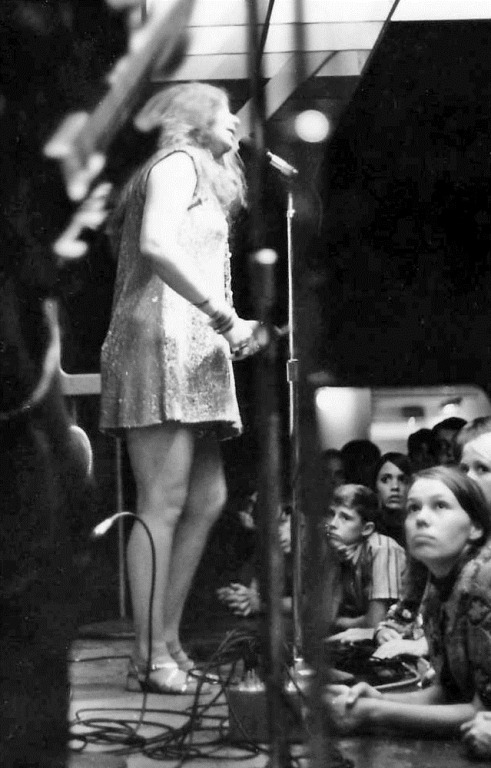
Janis Joplin on stage at Indiana Beach August 14, 1968.
Original publish date: August 18, 2014 Reissue date: August 13, 2020
As the last gasps of summer slowly wheeze out of our lungs, I wanna take you back to 1968. America seemed to be coming apart at the seams. It was a presidential election year in the United States. The nation was divided by disputes about civil rights and the war in Vietnam. This seminal year became the backdrop for a confluence of independent yet related phenomena. It marked the end of LBJ’s “Great Society”, the country was ensnared in an unpopular war, campuses were alive with dissent, years of racial unrest were reaching a boiling point, women were burning bras, divorce was on the rise and the youth of the nation were finding their collective voice.

The culture was getting younger, like it or not. Styles and indulgences were taken to revolutionary status; drugs, music, clothing, sexual liberties, you name it and it was changing. There wasn’t a single institution left unchallenged by the nation’s youth. To top it all off, Martin Luther King, Jr. and Bobby Kennedy were tragically removed from the National stage at at time when both were needed most. In the critical year of 1968, as the atmosphere of threats, distrust, and violence poisoned the nation’s politics and public life, “Don’t trust anyone over 30” became the mantra. The blows to the national psyche were catastrophic, and were only exacerbated by the urban violence that accompanied both major parties’ political conventions that August.
But 1968 was a golden age for music..artistic expression..and political thesis. On August 14, 1968, 46 years ago this week, an iconic symbol of the sixties was breezing through Indiana. Was it Richard Nixon? Hubert Humphrey? The Beatles? No, it was Janis Joplin and she was rockin’ the main stage in the “Beach Ballroom” at Indiana Beach. Yes, Indiana Beach in Monticello, Indiana.
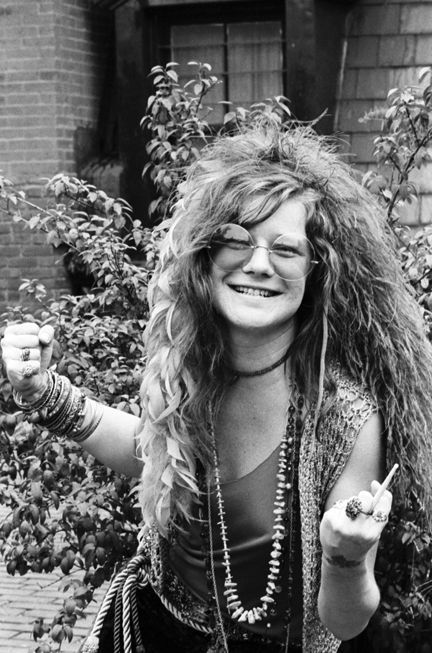
At the time, 25-year-old Janis Lyn Joplin was the lead singer of the psychedelic-acid rock band Big Brother and the Holding Company. Her performance at Indiana Beach came a year after her breakthrough performance at the Monterey Pop Festival and a year and 3 days before she stormed Woodstock with the Kozmic Blues Band on her way to becoming an American Rock n’ Roll legend.
Janis and Big Brother played for a crowd of about 100 people on that Wednesday night. Before the show, while the roadies were setting up the equipment, Janis casually strolled the midway through the games and rides and none of the park visitors bothered her. She later told friends that she “was just having a good old time.” No-one hassled Janis, no-one asked her for autographs, no-one screamed or hollered or caused a scene. Half the people didn’t even know who she was.
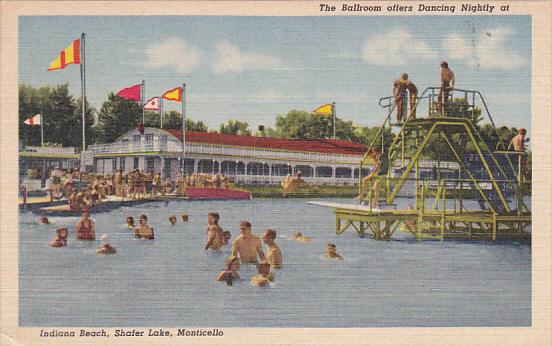
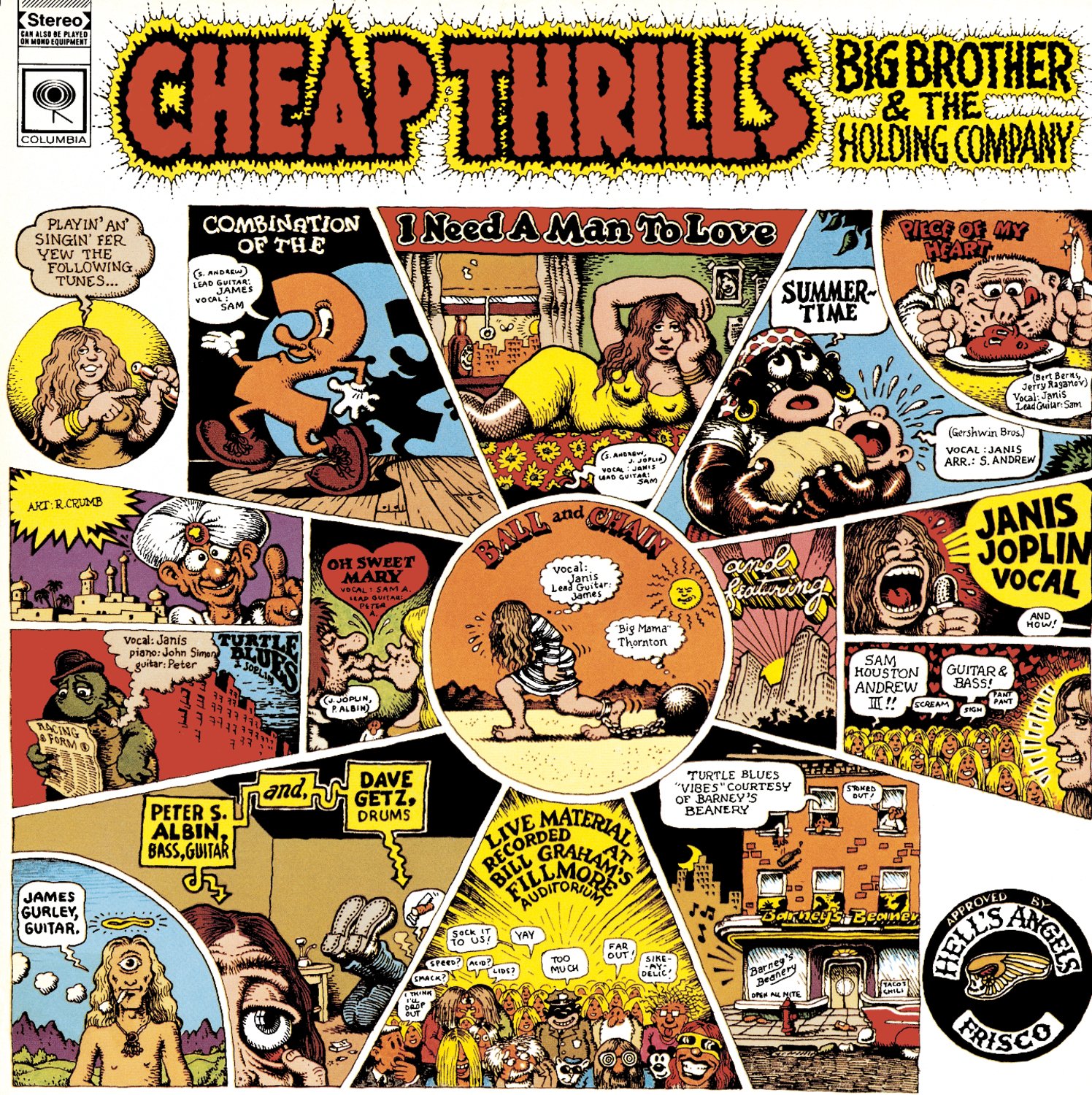
For the show, Janis and the band performed on the north stage that faced south. Although no playlist from that particular show exists, the Indiana Beach concert came just two days after the band released their second album, “Cheap Thrills” on August 12, 1968. So it is reasonable to deduce that Janis belted out classics like “Down on me” and “Easy Rider” from their self titled 1967 debut album along with new standards like “Summertime”, “Ball and chain” and “Piece of my heart” from the new album.
A concert at Indiana Beach in the 1960s was like going to the State Fair with the smell of grilling burgers and popping popcorn wafting in from the midway. “It had that carnival atmosphere,” one fan remembered. “It was like going to a big party.” Those who had front-row seats left with unforgettable memories. But with the passage of time, physical evidence has faded away and memorabilia has been long ago tossed in the trash or stowed away in long-forgotten boxes in the attics of Northern Indiana.
The White County Historical Museum is one of the very few places where memorabilia from Indiana Beach Concerts may be found. The museum has a collection of 1960s Era newsletters from the venue known as the “Indiana Beach Preview” and later “Happenings”. Even these newsletters change tone as the decade marches on with the early versions promoting what the park rather innocently called “Dance-In Experiences”. By the late 1960s, these same events were being called a “Psychedelic Experience & Musical Explosion”. Browse through these newsletters today and you will find bubblegum acts like Brenda Lee (I’m sorry, Sweet Nothin’s, Rockin around the Christmas Tree) to Big Bands to Beach Boy look-alike garage bands to the Beach Boys themselves. In these newsletters, music trends and styles change before the reader’s eyes. By 1968, psychedelic and hard rocker bands sporting mutton chops, long hair and wearing dashikis were showing up at Indiana Beach.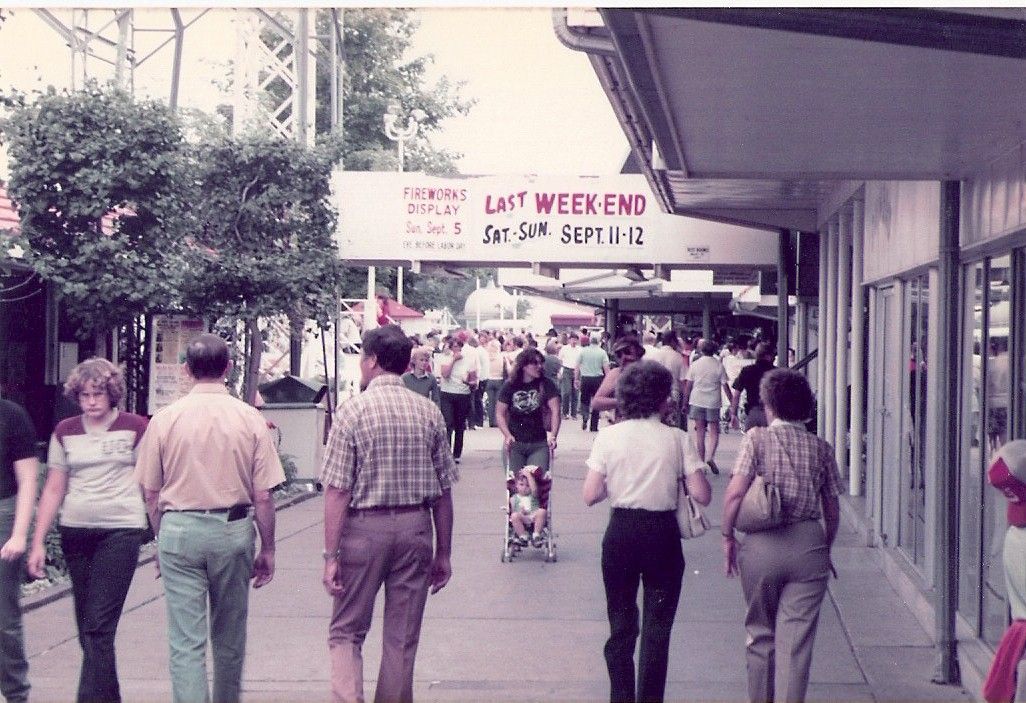
Some concert photographs and ticket stubs survive, but posters, contracts and other documentation have essentially vanished. Not even the Spackman family, former owners of Indiana Beach, know where such memorabilia can be found. Nobody was thinking in terms of posterity or Rock ‘n Roll history back then, they were just trying to get more kids into the amusement park to spend money on rides, midway games and food. Had they realized back then that today, those contracts and memorabilia would sell for a day’s receipts at auction, they most certainly would have saved them. By the way, a ticket to see Janis Joplin with Big Brother and the holding company sold for $ 3.10. Amazing huh?
Today, the Beach ballroom sits quietly behind the Indiana Beach arcade never betraying the Rock n’ Roll history it once held sway over. Few people enter the ballroom or even take notice of it. Inside, there’s an odd mix of outdated furniture as well as the old DJ booth. The cement floor remains that once withstood thousands of feet each summer all dancing to the sounds of rock ‘n’ roll royalty. The old stage stood on the north side of the ballroom allowing for a large space for standing room only crowds. The walls opened up to allow people from the outside as well as those docked on their boats, to see and hear the bands if necessary. (Did I mention only 100 people showed up to see Janis?) The ballroom can still be reserved for events, but most live bands now choose to play in the Rooftop Lounge, a bar just a short walk from the historic ballroom. A newer stage was built in the 1970s long after Janis Joplin’s raw, emotional voice pierced the summer air along Lake Shafer.
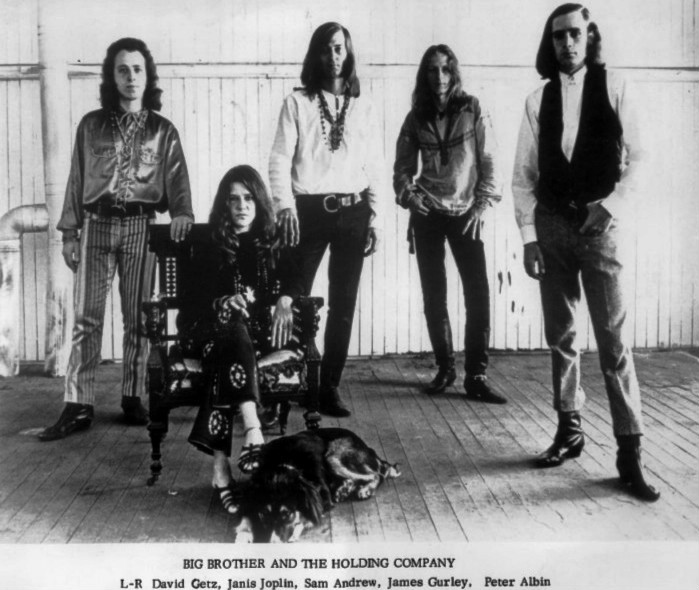
By the time Janis Joplin finished her set at Indiana Beach, she was on her way to becoming a legend. Big Brother and The Holding Company left Indiana for a gig at the Aragon ballroom in Chicago on August 16-17. By now publicists and media were calling the band “Janis Joplin and Big Brother and The Holding Company”, which led to dissension among the band. The other members thought that Joplin was on a “star trip”, while others were telling Joplin that Big Brother was a terrible band and that she ought to dump them. On August 18 Big Brother played the Tyrone Guthrie Theater in Minneapolis. On August 23 they were playing the Singer Bowl in New York City and just over 2 weeks after performing at Indiana Beach, Big Brother was playing the Palace of Fine Arts in San Francisco. It was at this show where Janis Joplin announced that she will leave the band at the end of fall tour.
In 1968, Time magazine called Joplin “probably the most powerful singer to emerge from the white rock movement”, and Richard Goldstein wrote for the May issue of Vogue magazine that Joplin was “the most staggering leading woman in rock… she slinks like tar, scowls like war… clutching the knees of a final stanza, begging it not to leave… Janis Joplin can sing the chic off any listener.” Her final show as a member of Big Brother was December 1, 1968 at the Family Dog Benefit in San Francisco. She had been a member of the band for two and a half years. From that day on, although she toured with a backup band, she would become Janis Joplin. By early 1969, Joplin was allegedly shooting at least $200 worth of heroin per day. But for that one brief shining moment in Monticello, Indiana, Janis Joplin innocently strolled the carnival midway as just another average kid. The rest, as they say, is history.
If this article about Indiana Beach “blows your mind”, wait til next week when I tell you about some other big name acts that played there. It will be groovy man. Tune in, turn on, tune out…next week.
Next Week: Indiana Beach Part II
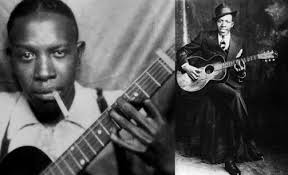
 Legend claims this song tells the story of the most famous guitar player you’ve probably never heard of. Robert Johnson was born in Hazelhurst, Mississippi on May 8, 1911. He died under mysterious circumstances 75 years ago this week, on August 16, 1938. Johnson’s life has ascended into legend and it is often hard to separate fact from fiction, where this Mississippi bluesman’s life is concerned.
 Johnson’s haunting, spiritual lyrics survive in songs such as “Cross Road Blues”, “Sweet Home Chicago” and “Me and the Devil Blues”. Robert Johnson’s shortlist of 29 landmark recordings from 1936 & 1937 display a combination of singing, guitar skills, and songwriting talent that influenced future generations of musicians. The American Record Corporation released eleven 78rpm records on their Vocalion label during Johnson¹s lifetime, and one more after his death.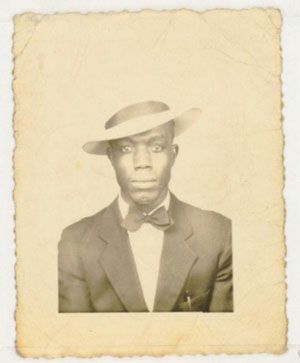
 Contemporaries described him as well mannered, soft spoken, and most often, indecipherable. As for his character, everyone seems to agree that, while he was pleasant and outgoing in public, in private he was reserved and liked to go his own way. Musicians who knew Johnson testified that he was a nice guy and fairly average—except, of course, for his musical talent, his weakness for whiskey and women, and his commitment to the road.
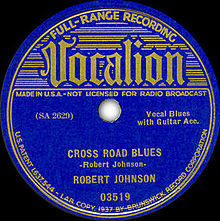 Johnson’s poorly documented life and shadowy death at age 27, fueled the Faustian myth that he sold his soul to the devil to achieve success. This self-perpetuating legend states that sometime in the early-1930s Johnson strolled down a Clarksdale, Mississippi county road and was stopped at the intersection of highways 61 and 49 by Lucifer himself. It was here that he sold his soul to become the best blues guitarist that ever lived. Robert Johnson actually recorded songs alluding to this legend of the devil’s crossroads, and his untimely death only fed the legend.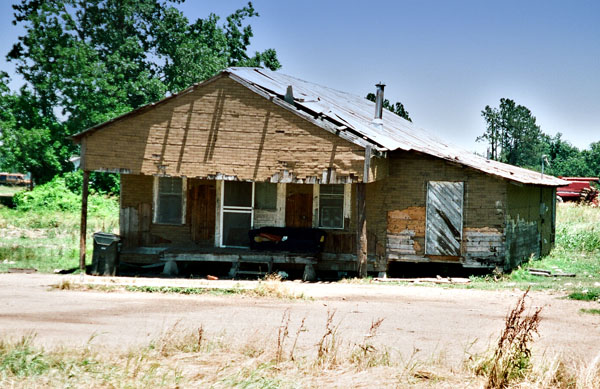
 The capstone to Robert Johnson’s legend is cemented by the details of his early death at the age of 27. On the night of Saturday, August 13, 1938, Johnson was playing in a juke joint 15 miles outside of Greenwood, Mississippi when he was allegedly murdered by the jealous husband of a woman with whom he had flirted. In an account by fellow blues legend Sonny Boy Williamson, Johnson had been flirting with a married woman at a dance, where she gave him a bottle of whiskey poisoned (reportedly with strychnine or lye) by her husband. When Johnson took the bottle, Williamson knocked it out of his hand and advised him to never drink from a bottle that he had not personally seen opened. Johnson replied, “Don’t ever knock a bottle out of my hand.”
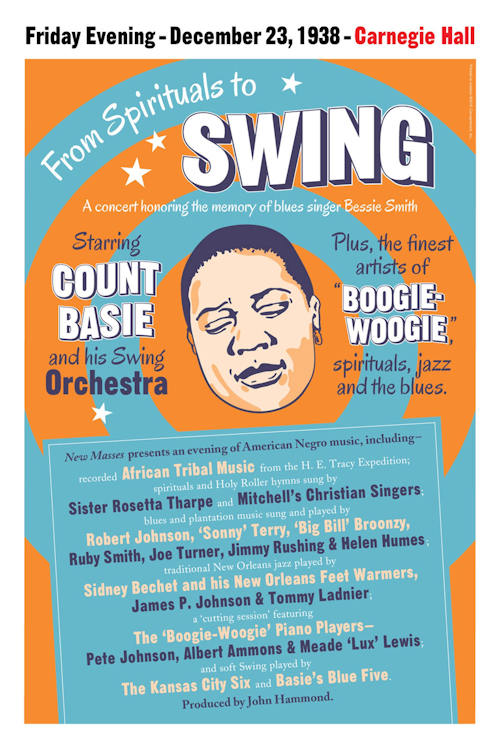 Ironically, 75 years ago this week, while Robert Johnson was thrashing back and forth in agony on his deathbed in 1938, Columbia Records producer John H. Hammond was frantically searching for Johnson to book him for the first “From Spirituals to Swing” concert at Carnegie Hall in New York. Robert Johnson’s “Big break” never reached him.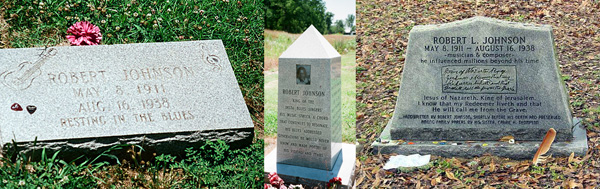
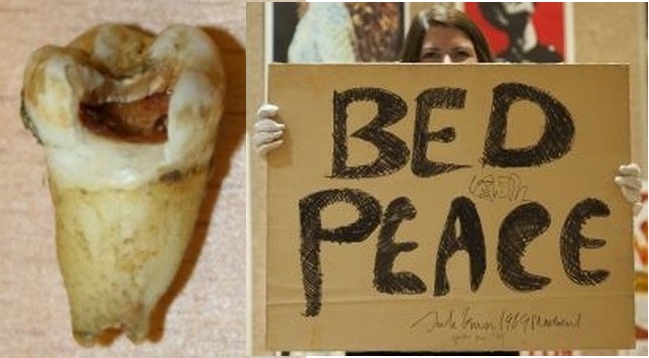
 The molar, slightly yellowed with heavy coffee stains and a large cavity, was given to Dorothy “Dot” Jarlett, John Lennon’s housekeeper for half-a-decade. The story goes that one day Lennon encountered the housekeeper in the kitchen of his Kenwood home in Weybridge, Surrey. John, having just returned home from a trip to the dentist, gave Dot the tooth wrapped in a piece of paper and asked her to dispose of it for him. Then John paused for a moment and suggested that Dot give it to her daughter as a souvenir, since she was such a huge Beatles fan. Dot Jarlett’s daughter cherished the sacred relic and when she married a Canadian, she brought her Beatle biting bicuspid into the marital union. The tooth has been “living” in Canada for all but a couple of the last 45 years.
 While “Aunty Dot” is selling the tooth, she plans to keep a leather wallet and a pearl necklace Lennon gave to her after returning from a concert tour of Japan. Lennon gave the Jarlett family many gifts over the years. A few years ago, Dot sold the jacket worn by John on the “Rubber Soul” album cover, also given to her by Lennon. Dot, who is now 90-years-old, said it was the right time to pass it on rather than to risk the tooth getting lost. Auction house experts have determined that the tooth is too fragile to conduct a DNA test but they have no doubt about its authenticity and point to the impeccable provenance that accompanies it.
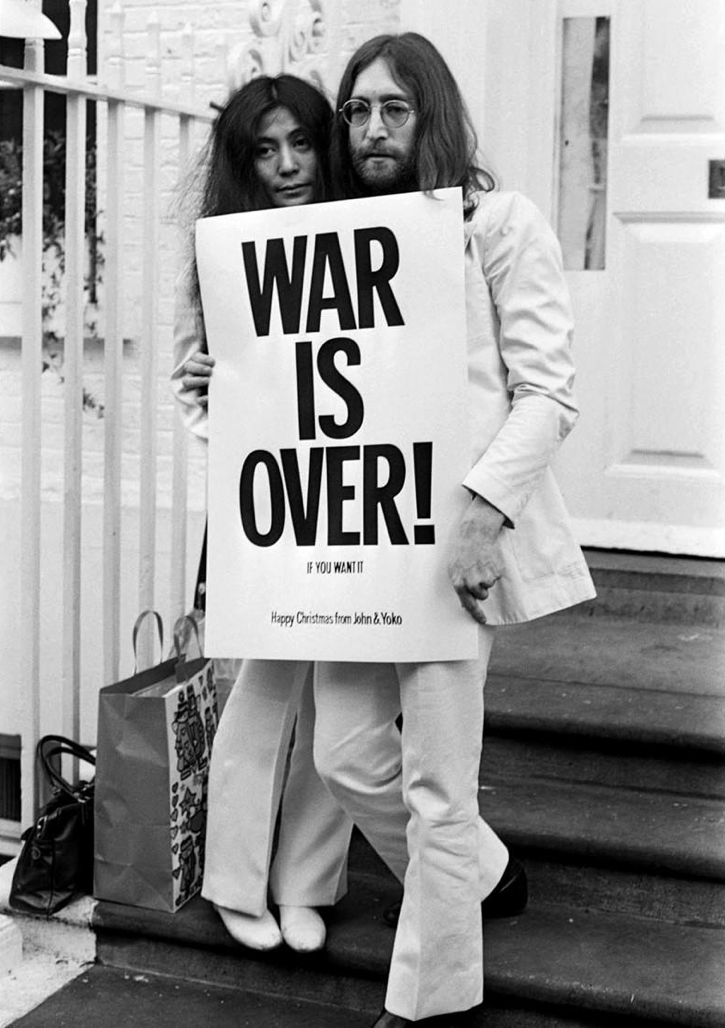
 The Montreal bed-in came two months after the couple’s honeymoon bed-in in Amsterdam and was their take on a sit-in. Lennon’s idea was for protesters to stay in bed and grow their hair rather than doing anything violent. The couple opened their hotel room door to the world’s media and spoke to journalists, politicians and artists trying to promote the idea of peace in the world. They also found time to record the anthem Give Peace a Chance. Many artworks and placards were created over the week and were moved around and given away but the Bed Peace sign was a constant.
 The sign is not the only item from the Montreal “Bed-In” to be auctioned by the famed auction house recently. On July 10, 2008, Lennon’s hand-written lyrics for “Give Peace a Chance” sold for $800,000 at Christie’s. When Lennon gave teenager Gail Renard his scribbled lyrics to “Give Peace a Chance” in 1969, he told her to hold on to the cue card. “It will be worth something someday,” predicted Lennon. She did, and it was.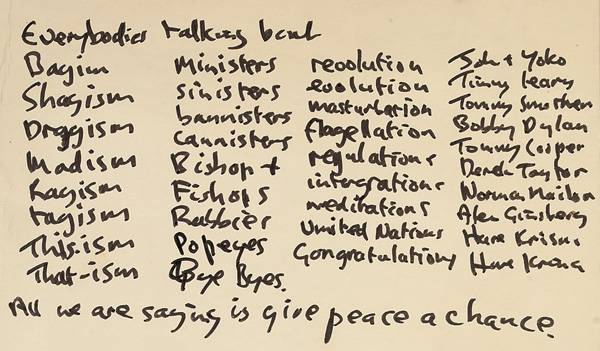
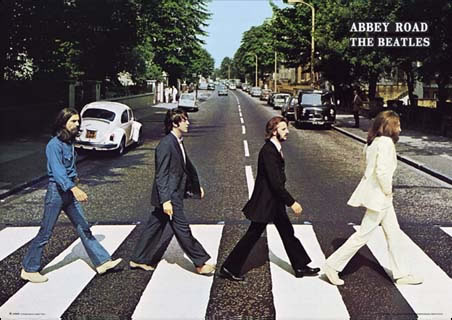
 Almost immediately conspiratorialists saw the Abbey Road album cover as a funeral procession. Leading the procession is John dressed in white, symbolizing the clergy. Next comes Ringo, dressed in black like an undertaker. Paul, the presumed corpse, is third in line and walks out of step with the other Beatles, he is barefoot and his eyes are closed. George brings up the rear, dressed in work clothes the supposed gravedigger. Also, Paul is smoking a cigarette, also known as a “coffin nail”. The fact that he is holding the cigarette in his right hand, even though the “real” Paul McCartney was left handed, only added to the belief that this was an impostor posing as the dead bassist.
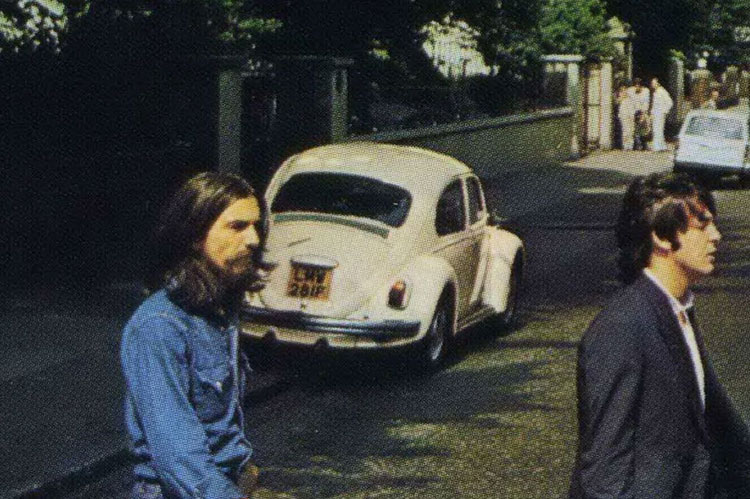 The death clues were not confined to the image of the lads in the crosswalk however. For behind the Beatles on the left side of the street is a Volkswagen Beetle with a license plate reading “LMW 28IF”, suggesting that Paul would have been 28 if he were still alive. Actually Paul would have been 27 when Abbey Road was released. This seeming miscalculation was explained away by the rumorists with the fact that Paul studied mysticism in the Near East. Most mystics believe we are all one year old at birth (counting the nine months of pregnancy) confirming that Paul would have been 28 IF he had lived!.” The first three letters on the license place, “LMW,” were interpreted as “Linda McCartney Weeps”. On the right side of the road is a police van, seen as a reference to the cover up of Paul’s death by police.
 Perhaps as expected, the clues are not only confined to the front cover, for devoted clueseekers, many hidden secrets can be found on the back cover as well. To the left of the tiles spelling out “Beatles” are eight dots, which when connected form the number “3”, so the back cover actually reads “3 Beatles”. Also, there is a crack in the “S” at the end of “Beatles”. Some say that to the right of the tiles is an odd shadow that looks like a skull.
 Finally, on the “Let It Be” cover, the album cover is black. Said to symbolize the end, or death, of the Beatles. Or maybe it was to symbolize the death of a Beatle? The background squares of John, George, and Ringo’s photos are all adorned in white. While Paul’s square is depicted with a blood red background. Also, Paul is shown facing forward rather than in three-quarter profile. Another indication of Paul’s death is seen by the fact that he grew a beard, seen by some religions as a sign of death and mourning. The rest of The Beatles’ beards are clues as well, as they all indicate that the three surviving members are in mourning for their lost bandmate.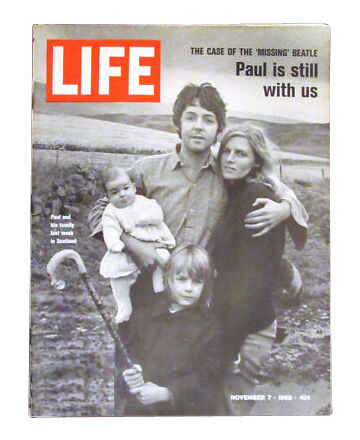
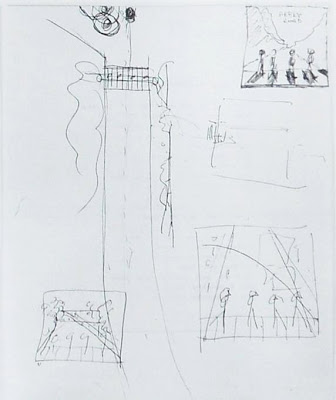
 Cole, a Florida salesman, was on vacation with his wife, who wanted to go see “yet another museum.” Mr. Cole decided to wait outside on the north London thoroughfare. Cole watched as photographer Iain McMillan stood on a stepladder in the middle of the street, photographing the four Beatles as they walked, single-file, across Abbey Road. The entire shoot lasted 10 minutes. “I just happened to look up, and I saw those guys walking across the street like a line of ducks,” Cole remembered. “A bunch of kooks, I called them, because they were rather radical-looking at that time. You didn’t walk around in London barefoot.”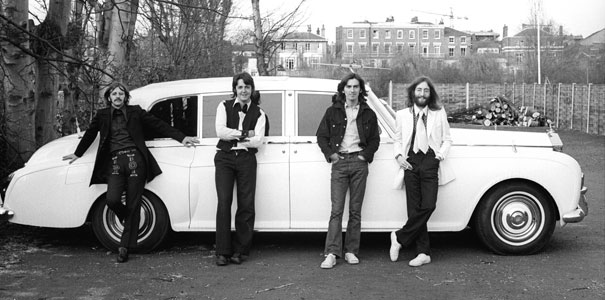
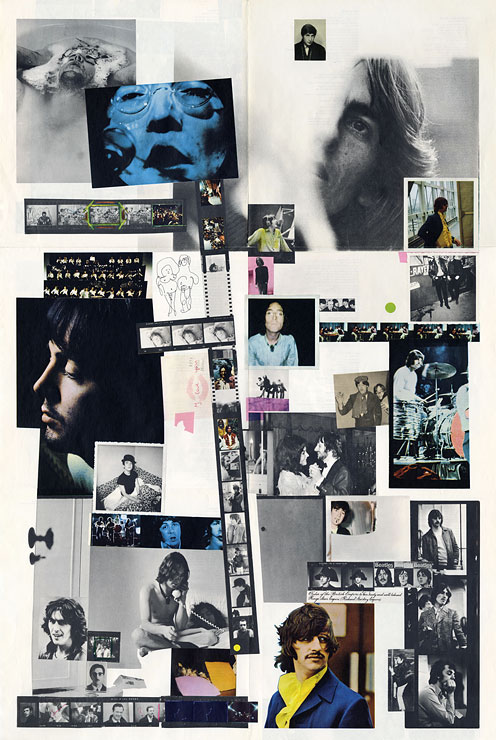
 The stark snow white album cover was seen as an obvious reference to the white light of heaven, where Paul was supposed to be at its release. But it was the poster issued inside the white album (a collage featuring a number of random images of the Fab Four) that came under the scrutiny of those looking for “Paul is Dead” clues. In the lower right hand corner of the poster (page 7 of the CD booklet) is a grainy B&W photo of Paul dancing. Upon close examination, a pair of ghostly hands can be seen reaching toward Paul from behind.
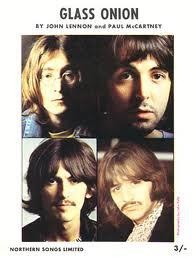 The song “Glass Onion” makes a number of references to Beatle songs and events. John mentions “The Fool on the Hill” and states, “I tell you man he living there still” thought by some to symbolize heaven. However, perhaps the most intriguing line in the song is “Well here’s another clue for you all…The walrus was Paul.” Seen as a final bow to his fallen bandmate and co-songwriter. Some sources have suggested that the phrase “goo goo g’joob” is from Finnegans Wake by James Joyce (Alas, the phrase “googoo goosth” is the closest Joyce gets in th book.) Never fear, the “Paul is Dead” rumorists claim that “goo goo g’joob” are the last words uttered by Humpty Dumpty before his fall. A fall that cracked his head open, much like Paul’s supposed fatal car accident.
 Revolution 9 was an innovative sound collage that, quite frankly, soared over most listener‘s heads. Later transcripts of the dialog heard early in the song reveals two men who can be heard saying “I know all about it George. I’m sorry. Will you forgive me? Yes.” Theorists claimed that this was John talking with George Martin about the secret placement of clues on Beatles records. However, the biggest clue to Paul’s death on the track is the title itself, whose repeated phrase “Number 9” is said to sound like “turn me on, dead man” when played backwards. A dark recall to the line “I’d love to turn you on” from “A Day in the Life”.
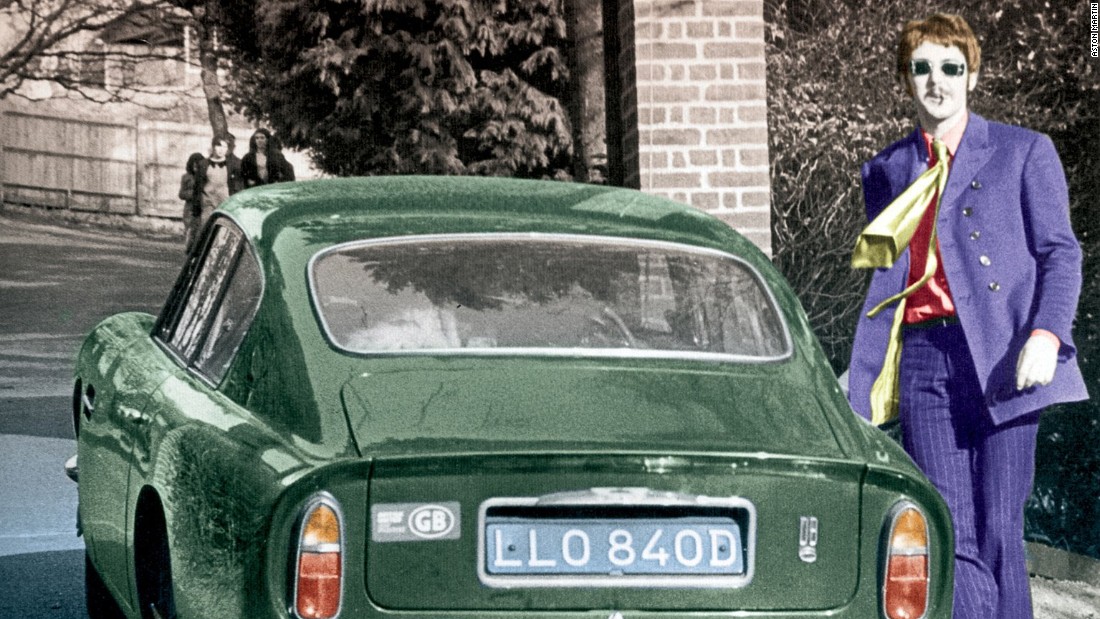 Ardent believers believed that other “Backwards” clues could be found on the track “I’m so tired / Blackbird” when some random mumbling is heard that they believe sounds like John and Yoko right after the abrupt ending of “I’m So Tired” and before the beginning of the next song, “Blackbird“. This passage makes no sense when played forwards. However, when played backwards, they believe that you can hear John say, “Paul is a dead man. Miss him. Miss him. MISS HIM!” John Lennon was said to be expressing his grief over Paul’s death in this line of the song followed by the very next line on the record, sung by Paul, “Blackbird singing in the dead of night”, that mentions death.
 Alan E. Hunter