

Original Publish Date: October 24, 2024. https://weeklyview.net/2024/10/24/shrek-for-real/
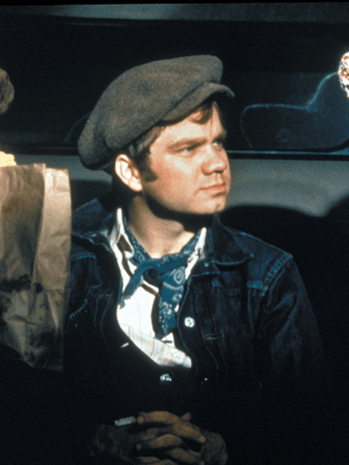
The low spark of high-heeled boys is the title track from the 1971 album by British rock band Traffic. The 11-minute, 44-second song, was written by Jim Capaldi and Steve Winwood. Capaldi credits diminutive actor Michael J. Pollard (Bonnie & Clyde) for coming up with the term while the two were in Morocco planning a movie (that was ultimately never made). In a 2009 radio interview, Capaldi said, “Pollard and I would sit around writing lyrics all day, talking about Bob Dylan and The Band, thinking up ridiculous plots for the movie…Pollard wrote in my book ‘The Low Spark of High Heeled Boys’. For me, it summed him up. He had this tremendous rebel attitude. He walked around in his cowboy boots, his leather jacket. At the time he was a heavy little dude. It seemed to sum up all the people of that generation who were just rebels.” For this writer, that lyric succinctly sums up the creation of the most iconic cartoon character of our time: Shrek. And since it is Halloween week, I’m going to tell you why.
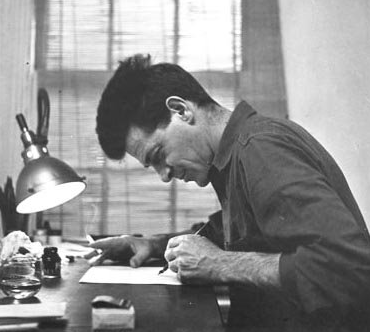
Shrek was created by William Steig (1907-2003) who, during his lifetime, was hailed as the “King of Cartoons.” Steig began drawing illustrations for The New Yorker magazine in 1930, ultimately producing more than 2,600 drawings and 117 covers for the magazine. Steig began his “second career” writing children’s books at the age of 61. In 1990, Steig published his picture book Shrek! which formed the basis for the 2001 DreamWorks Animation film. After the 2004 release of Shrek 2, Steig became the first sole creator of an animated movie franchise to gross over $1 billion after only one sequel. Eventually, three sequels and three spin-offs were produced. When asked his opinion about the movie, Steig responded: “It’s vulgar, it’s disgusting-and I loved it.”

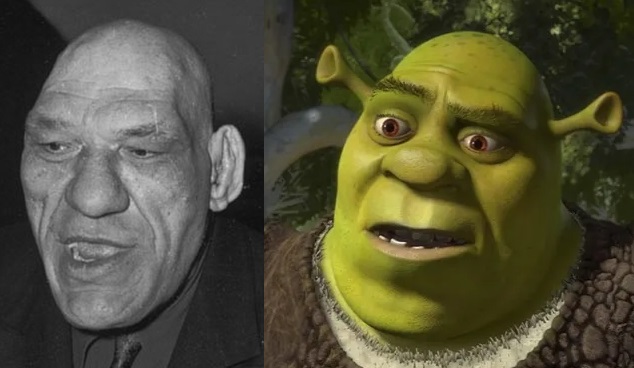
Maurice Tillet “The French Angel” (1903 –1954)
It is widely believed that Steig based his Shrek character on the professional wrestler Maurice Tillet aka “The Angel”, a nickname given to him by his mother when he was a boy. Maurice Tillet (1903-1954), a Russian/French professional wrestler, was a two-time World Heavyweight Champion and a leading box office draw in the early 1940s. Tillet was born in 1903 in St. Petersburg, Russia. His mother was a teacher of languages and his father was a railroad engineer involved in the construction of the Trans-Siberian railroad. Tillet’s father died when he was young. In 1917, Tillet and his mother fled Russia to avoid the Revolution, settling in Reims, France. When Tillet was twenty years old, his feet, hands, and head began to swell uncontrollably. A doctor diagnosed him with acromegaly, a rare condition usually caused by a benign tumor on the pituitary gland, which causes the body to produce too much growth hormone. The condition causes the body tissues and bones to grow rapidly resulting in bone overgrowth and thickening. Over time, acromegaly leads to an abnormally large head, oversized hands and feet, and a wide range of other symptoms. Maurice had a head almost twice the size of normal for a man of his size and he could shuffle three decks of cards at once in his mammoth hands.

Although Tillet’s acromegaly resulted in an abnormally grotesque appearance, in truth, “The Angel” was a highly intelligent man. He spoke 14 languages, played chess brilliantly, and despite his massive size and frightening face, was known as a modest, gentle, and friendly man. Tillet completed his law degree at the University of Toulouse but felt he would never be successful as a lawyer due to his deep voice and imposing physical appearance. Tillet joined the French Navy and served as an engineer in the submarine service for five years, rising to the rank of Chief Petty Officer. Always a good athlete, Tillet excelled at rugby. After being named to an all-France rugby team in 1926, Tillet earned the honor of shaking hands with King George V. at a game in London, a feat he considered one of his greatest achievements. In February 1937, Tillet met Lithuanian light-heavyweight champion wrestler Karl Pojello in Singapore who talked Tillet to enter the ring. Tillet wrestled for two years in France and England from 1937 to 1939 until World War II forced them to leave for the U.S.

In Boston in 1940, Tillet began wrestling as “The French Angel” and was billed as the closest living specimen of a Neanderthal man known to exist. Tillet went unbeaten for nineteen consecutive months and became an instant attraction in the area. At his American debut at Boston Garden on January 24, 1940, Maurice walked down the aisle, climbed into the ring, leaned over the ropes, and roared at the crowd. The crowds flocked to see this monster of a man who was a throwback to prehistoric times. He was hawked as the unstoppable man and was AWA World Heavyweight Champion from May 1940 until May 1942. Maurice was 5 foot 8.5 inches in height, 276 pounds with a 47-inch chest. The bear hug became his signature move. Tillet reported to the U.S. Army in 1942 to enlist in the war effort but was turned away after being told that he would be a curiosity and distraction.
As a result of his success and unique look, several Angel imitators emerged during World War II, including “Angels” from Sweden, Russia, Canada, Poland, Czechoslovakia, Ireland, and several ubiquitous American versions emerged including the Golden Angel, Black Angel, and Lady Angel, most of whom were also suffering the effects of acromegaly. The most famous imitator was Tor Johnson known as the “Super Swedish Angel.” Johnson is best remembered not as a wrestler, but as an actor who appeared in many B-movies, including the famously bad 1957 Ed Wood movie Plan 9 from Outer Space.

Maurice proved incredibly strong and highly popular. He staged highly publicized stunts where he would pull a bus or street car with his massive hands. By 1945, after many years of punishment in the ring combined with the fact that most people suffering from acromegaly didn’t live past the age of 30, Maurice Tillet’s health began to fail and he was no longer advertised as unstoppable. He briefly considered a movie career, but the B-movie genre was years away and the Drive-in theatre craze had not yet swept America. The Mid-1940s / Early 1950s were a long, slow ride to irrelevance and the once mighty Angel was little more than a curiosity now billed as the “Ugliest Man in the World.” A highlight came in February 1947 when Maurice took the oath of citizenship to the United States. He was a devout Catholic who attended church every Sunday and that same year he was given an audience with the Pope. In his final wrestling match, in Singapore on Valentine’s Day of 1953, Angel agreed to lose to Bert Assirati, the British World Champion recalled as being one of the strongest men to ever enter the ring.
Suffering from an enlarged heart caused by his acromegaly, Tillet died of a heart attack in Chicago’s County Hospital on September 4, 1954. He was buried at the Lithuanian National Cemetery in Justice, Illinois. As for the “low spark of high-heeled boys” reference, I find it infinitely interesting that Shrek, one of the crudest, yet most beloved animated characters of the past 50 years, was created by the principal artist of one of the most high-brow publications in the country: The New Yorker. And it was all inspired by a highly-intelligent participant in one of the world’s most low-brow professions: Pro wrestling. Things are not always what they seem my friends. Happy Halloween!






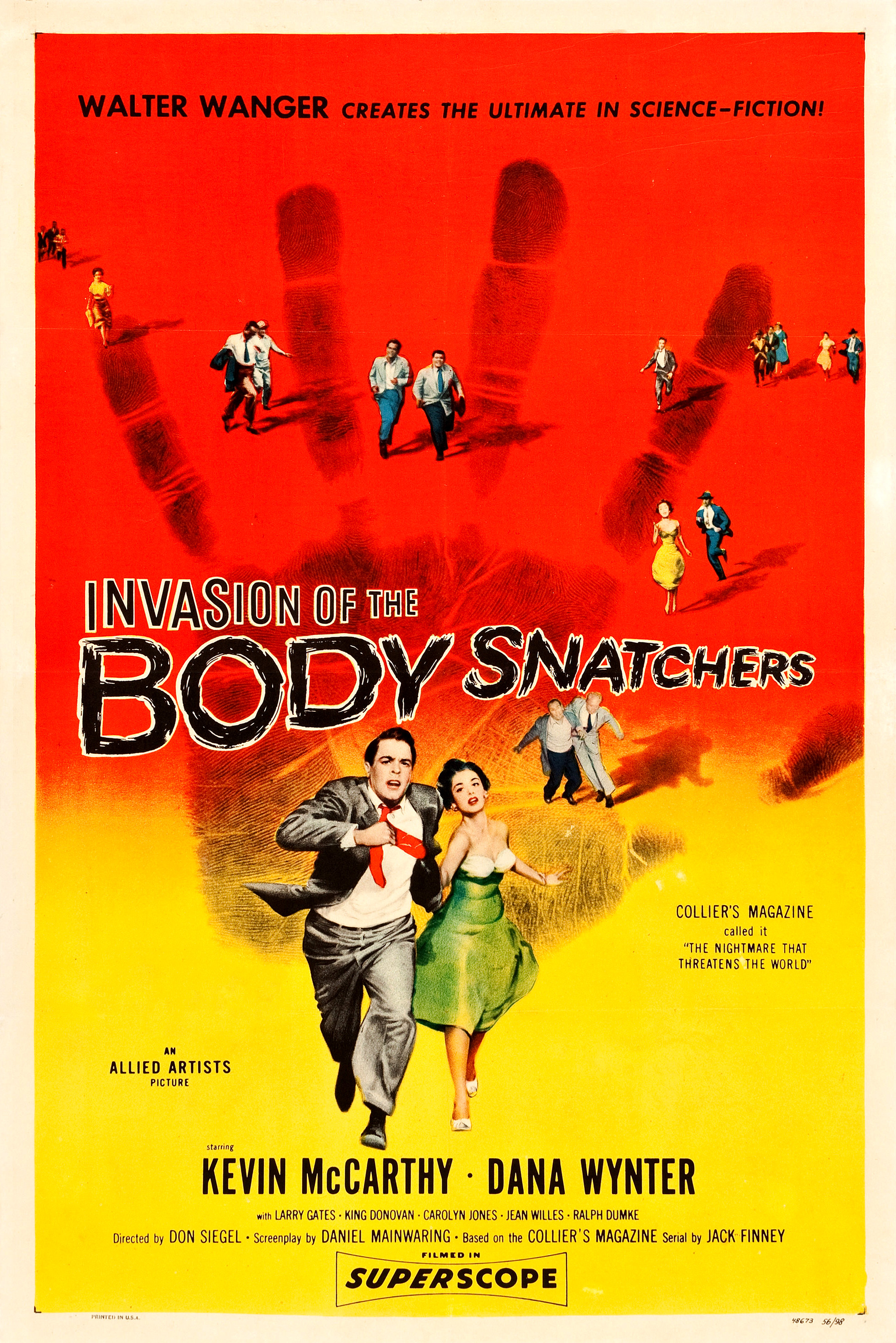 I had the opportunity to meet Kevin McCarthy in Chicago back in 1992 and he was gracious enough to sign a photo for me. It remains a cherished possession. Not only was he a great actor, he was a cousin of former U.S. senator and presidential candidate Eugene McCarthy and one actor Montgomery Clift’s best friends. I could not help but smile wryly when I learned of McCarthy’s death last year on 9/11. He lived to the ripe old age of 96 (we should all be so lucky) and lived a life that most of us can only dream about. The irony of his dying on 9/11, one of the most controversial politically charged dates in American history, was not lost on me. For “Invasion of the body snatchers” remains one of the most controversial politically charged movies of all-time.
 Invasion of the Body Snatchers was selected for preservation in the United States National Film Registry by the Library of Congress as being “culturally, historically, or aesthetically significant”. The American Film Institute ranked “Invasion number nine on its “Ten top Ten” best ten films in the science fiction category. The film ranked number 47 on AFI’s “100 Years… 100 Thrills”, a list of America’s most heart-pounding films.
 Bennell is picked up by the police and questioned in a clinic. The policemen in charge do not believe his account until they receive news of an accident in which a truck carrying strange giant bean pods is opened. The police are quick to alert the authorities; the message has been received, but the actual end of the story is left open. What cannot be denied is the central theme of the heroic struggle of one helpless but determined man of conscience, a small-town doctor (McCarthy), to vainly combat and quell a deadly, indestructible threat. An oft repeated theme of Sci-Fi films of today
 The film is widely viewed as an indictment of McCarthyism and the Red Scare Anti-Communist Era. The unmistakable metaphor: the turning of people into soulless doubles while they sleep represents the dangers faced of America turning a blind eye to McCarthyism. Over the years, others have interpreted the film as a metaphor for the loss of the individual in modern mass civilization, or paranoia about the spread of socialistic Communism, or blacklisting of Hollywood, or as a representation of the loss of personal freedom in the Soviet Union, or the spread of an unknown malignancy or virulent germ (a metaphor within a metaphor about the fear of annihilation by ‘nuclear war’), or of bland conformity in postwar Eisenhower-era America. Still others argue the film is an indictment of the damage to the human personality caused by ideologies of Right versus Left, a theme that resonates today.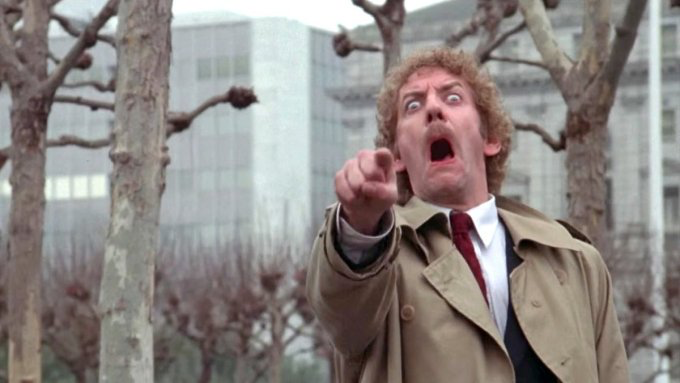
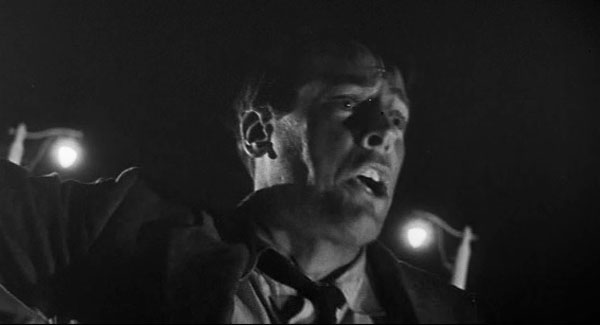
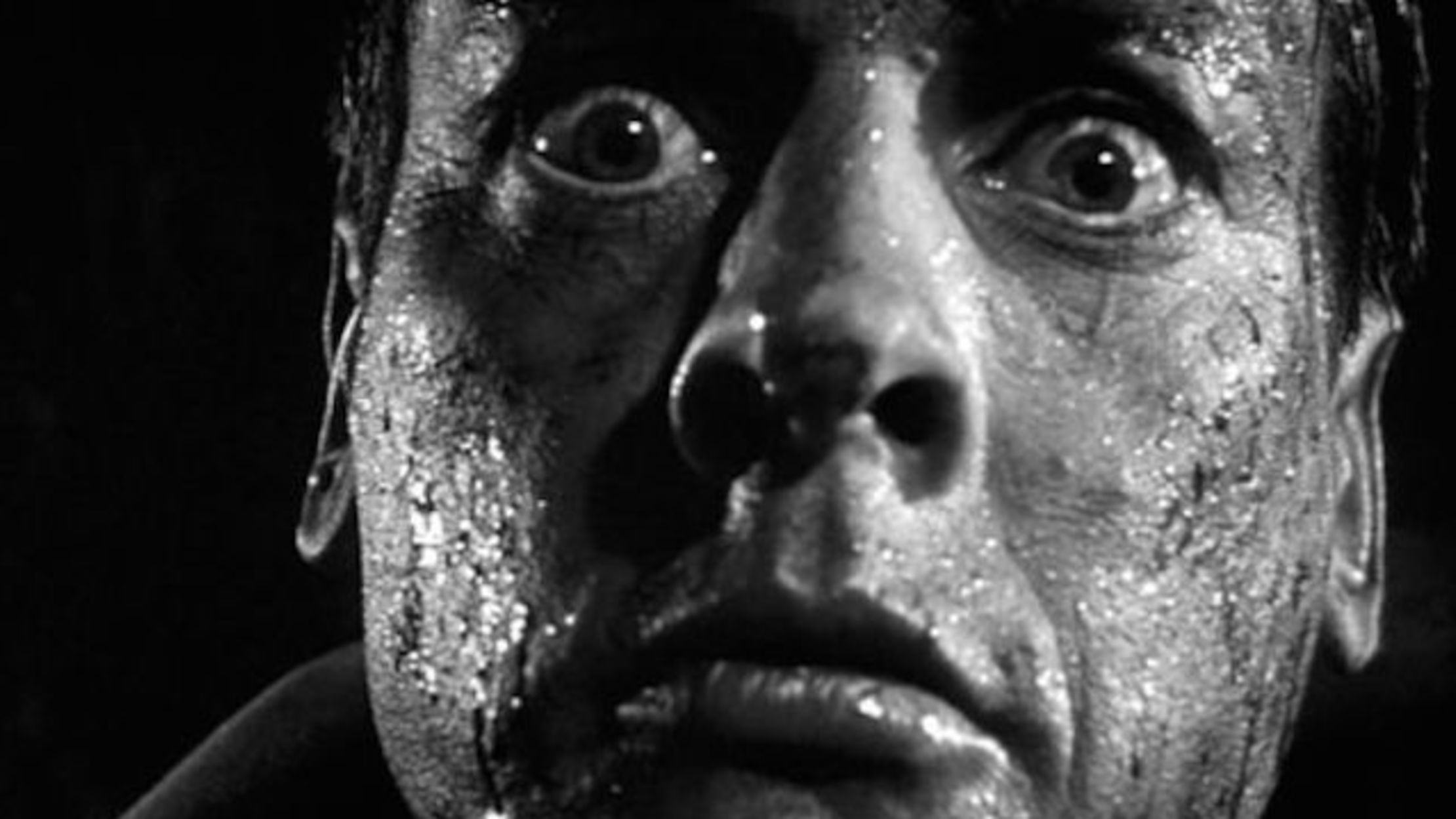 And whenever I wish, I can conjure up an image in my mind of the wide-eyed sweat and grime covered face of McCarthy as a crazed prophet of doom pointing directly into the camera desperately speaking his warning to humanity: “Look, you fools. You’re in danger. Can’t you see? They’re after you. They’re after all of us. Our wives, our children, everyone. They’re here already. YOU’RE NEXT!” Rest in Peace Kevin McCarthy.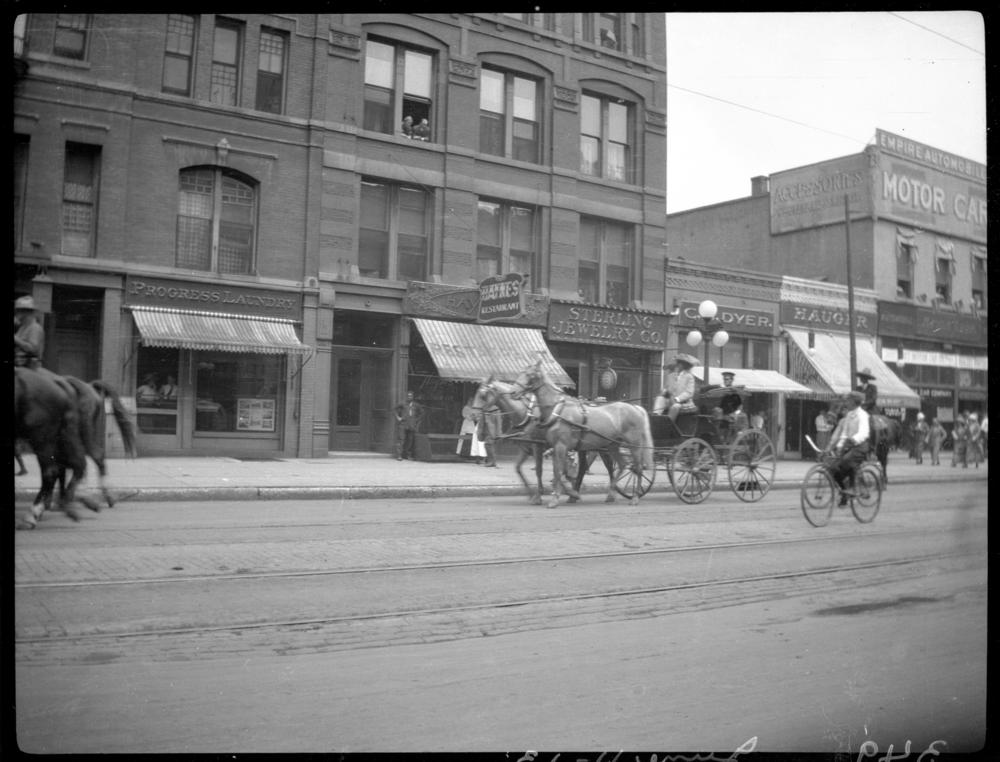
 Buffalo Bill Cody was the real deal-he had fought Indians, hunted buffalo, and scouted the Northern Plains for General Phil Sheridan and Lieutenant Colonel George Armstrong Custer along America’s vast Western frontier. He was a fur-trapper, gold-miner, bullwhacker, wagon master, stagecoach driver, dude rancher, camping guide, big game hunter, hotel manager, Pony Express rider, Freemason and inventor of the traveling Wild West show. Oh, yeah, and he was awarded the Medal of Honor in 1872 for, unsurprisingly, “Gallantry” during the Indian Wars. His medal, along with medals of 910 other recipients, was revoked in February of 1917 when Congress retroactively tightened the rules for the honor. Luckily, the action came one month after Cody died in 1917. It was reinstated in 1989.
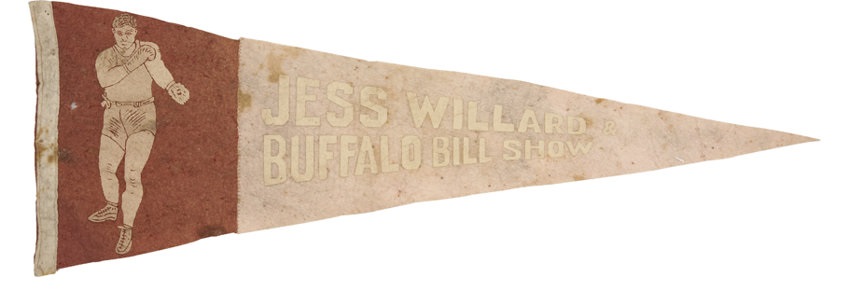
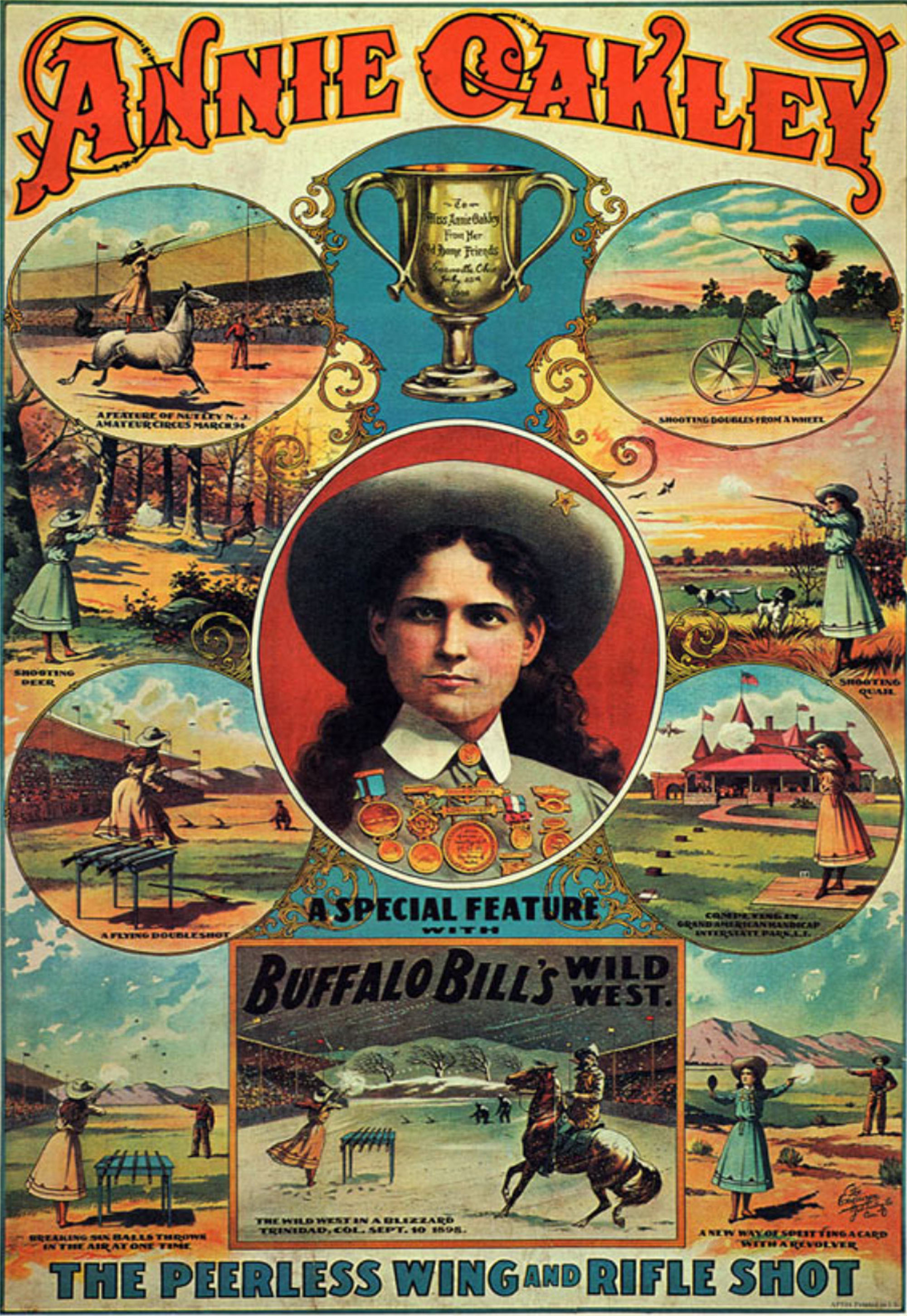 But Cody’s biggest achievement came as the wild west frontier he had helped create was vanishing. Buffalo Bill’s “Wild West” shows featured western icons like Wild Bill Hickok, Annie Oakley, Frank Butler, Bill Pickett, Mexican Joe, Adam Bogardus, Buck Taylor, Geronimo, Red Cloud, Chief Joseph, Texas Jack, Pawnee Bill, Tillie Baldwin, Bronco Bill, Coyote Bill, May Lillie, and a “Congress” of cowboys, soldiers, Native American Indians and Mexican vaqueros. Movie stars Will Rogers and Tom Mix and World Heavyweight Champion Jess Willard kicked off their careers as common cow punchers for Buffalo Bill. Cody performed for Kings, Queens, Presidents, Generals, Dignitaries and just plain folk in small towns, at World’s Fairs, stadiums and arenas all over the world.
 During the late 19th century, the troupe included as many as 1,200 performers.The shows consisted of historical scenes punctuated by feats of sharpshooting, military drills, staged races, rodeo events, and sideshows. Real live Native American Indians were portrayed as the “Bad Guys”, most often shown attacking wagon trains with Buffalo Bill or one of his colleagues riding in and saving the day. Other staged scenes included Pony Express riders, stagecoach robberies, buffalo-hunting and a melodramatic re-enactment of Custer’s Last Stand in which Cody himself portrayed General Custer.
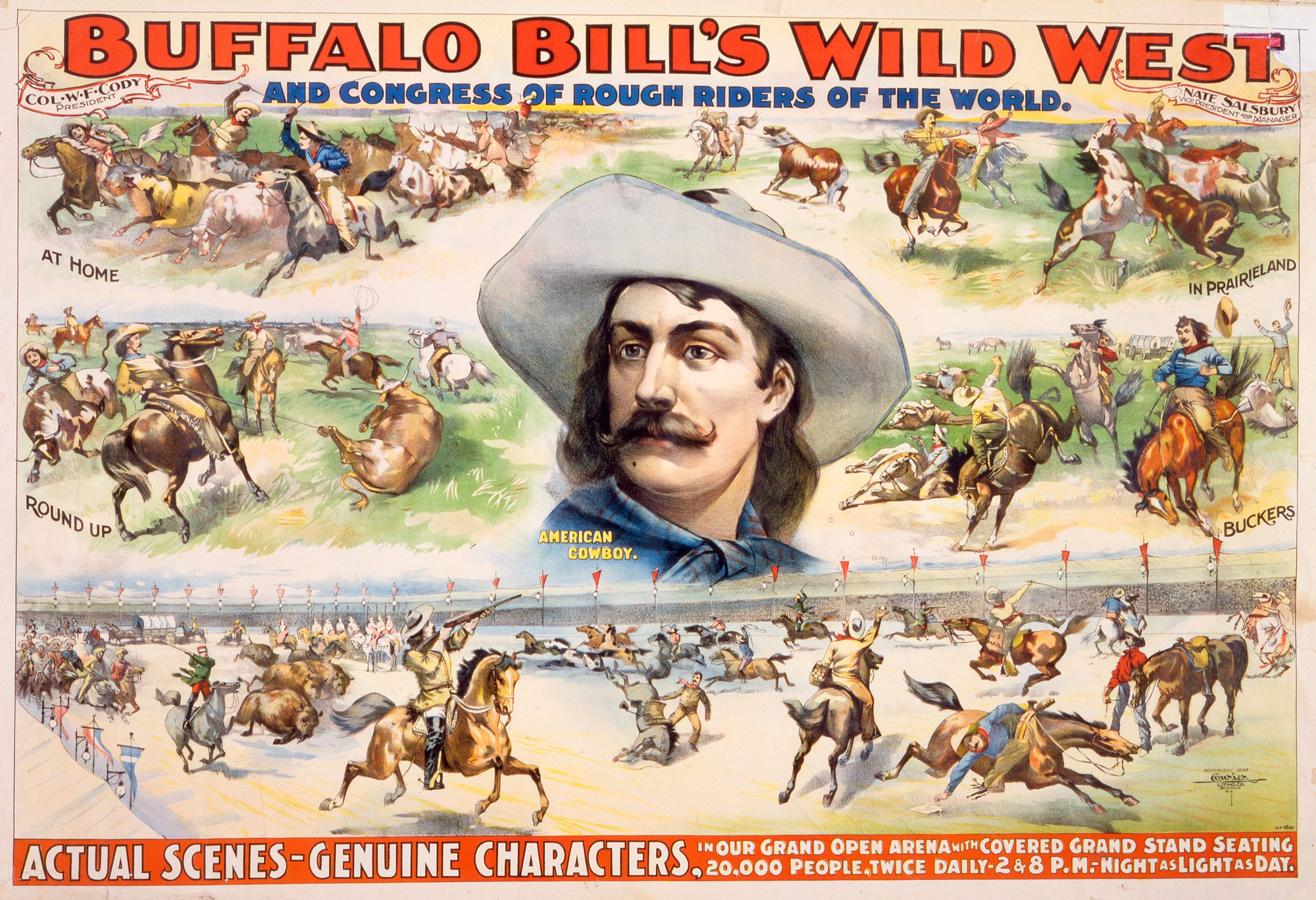 By the turn of the 20th century, William F. Cody was probably the most famous American in the world. Cody symbolized the West for Americans and Europeans, his shows seen as the entertainment triumphs of the ages. In Indiana, entire towns turned out to see the people and scenes they had read about in the dime novels and newspaper stories they grew up on and continued to read daily. Buffalo Bill’s performances were usually preceded by a downtown parade of stagecoaches, soldiers, acrobats, wild animals, chuckwagons, calliopes, cowboys, Indians, outlaws and trick shooters firing off birdshot at targets thrown haphazardly in the air. In 1898, admission to the show was half-a-buck for adults, two bits for children under 9. The Buffalo Bill show traveled by their own special train, usually arriving early in the morning and giving two shows before packing up to travel all night to the next town.
 According to the official “Buffalo Bill Museum and Grave in Golden, Colorado” website, from 1873 to 1916 William F. “Buffalo Bill” Cody appeared in Indiana 155 times, touring 38 different Hoosier cities. Some of those cities are obvious, some obscure. Anderson (3 times), Auburn, Bedford, Bluffton, Columbus, Crawfordsville (2 times), Elkhart (3 times), Evansville (12 times), Fort Wayne (12 times), Frankfort, Gary (2 times), Goshen (2 times), Huntington, Kendallville, Kokomo (4 times), La Porte, Lafayette (14 times), Lawrenceburg, Logansport (8 times), Madison, Marion (3 times), Michigan City, Muncie (7 times), New Albany (3 times), North Vernon (4 times), Peru, Plymouth, Portland, Richmond (8 times), Shelbyville, South Bend (8 times), Tell City, Terre Haute (17 times), Valparaiso, Vincennes (4 times), Warsaw (2 times), Washington and of course Indianapolis (19 times). Strangely, although Buffalo Bill appeared in the Circle City more than any other during his career, his tour did not stop here for his final tour in 1916. preferring instead to swing thru the far northern section of our state on the way to Chicago.
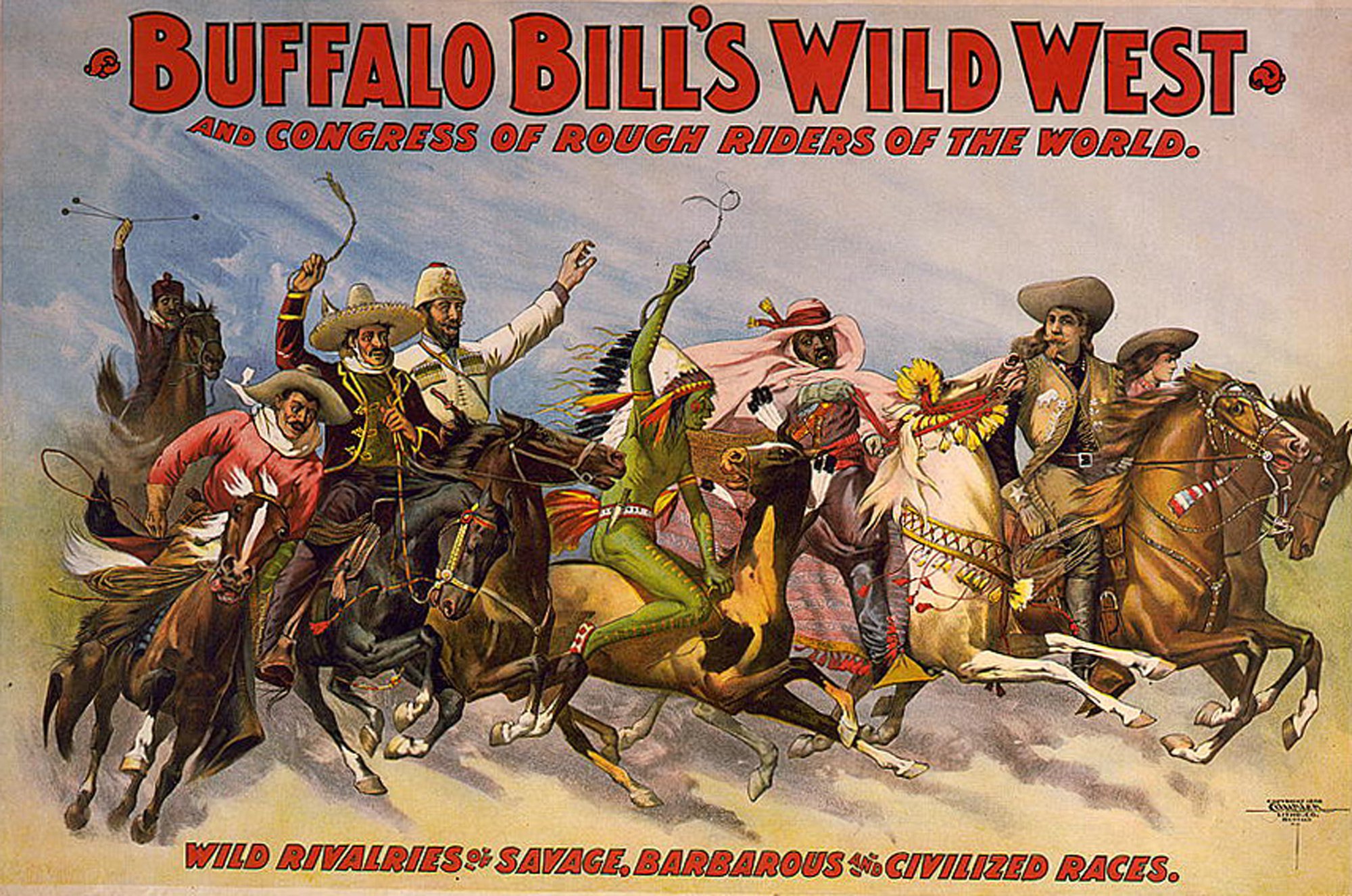 Buffalo Bill traveled with five different shows during his lifetime: 1872 – 1886: Buffalo Bill’s Combination acting troop / 1884 – 1908: Buffalo Bill’s Wild West / 1909 – 1913: Buffalo Bill’s Wild West and Pawnee Bill’s Far East / 1914 – 1915: Sells-Floto Circus and Buffalo Bill’s Wild West / 1916: Buffalo Bill and the 101 Ranch Combined. By the end, Buffalo Bill had to be strapped onto his saddle to keep from falling off (after all, he was over 70-years old at the time). Despite the perceived exploitation of his Wild West Shows, Cody respected Native Americans, was among the earliest supporters of women’s rights and was a pioneer in the conservation movement and an early advocate for civil rights. He described Native Americans as “the former foe, present friend, the American” and once said that “every Indian outbreak that I have ever known has resulted from broken promises and broken treaties by the government.” He also said, “What we want to do is give women even more liberty than they have. Let them do any kind of work they see fit, and if they do it as well as men, give them the same pay.”
 Although many reports make it seem that Buffalo Bill died a pauper, at the time of his death on January 10, 1917, Cody’s fortune had “dwindled” to less than $100,000 (approximately $2 million today). So you see, there is more to Buffalo Bill Cody than meets the eye. Although often portrayed in pantomime as a grossly exaggerated caricature of a buckskin clad circus act, he really was the real deal.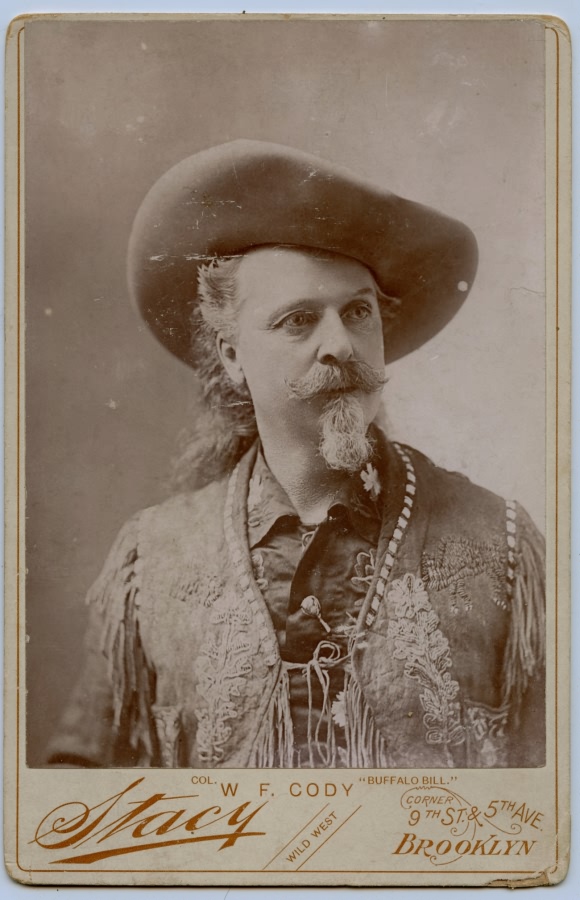
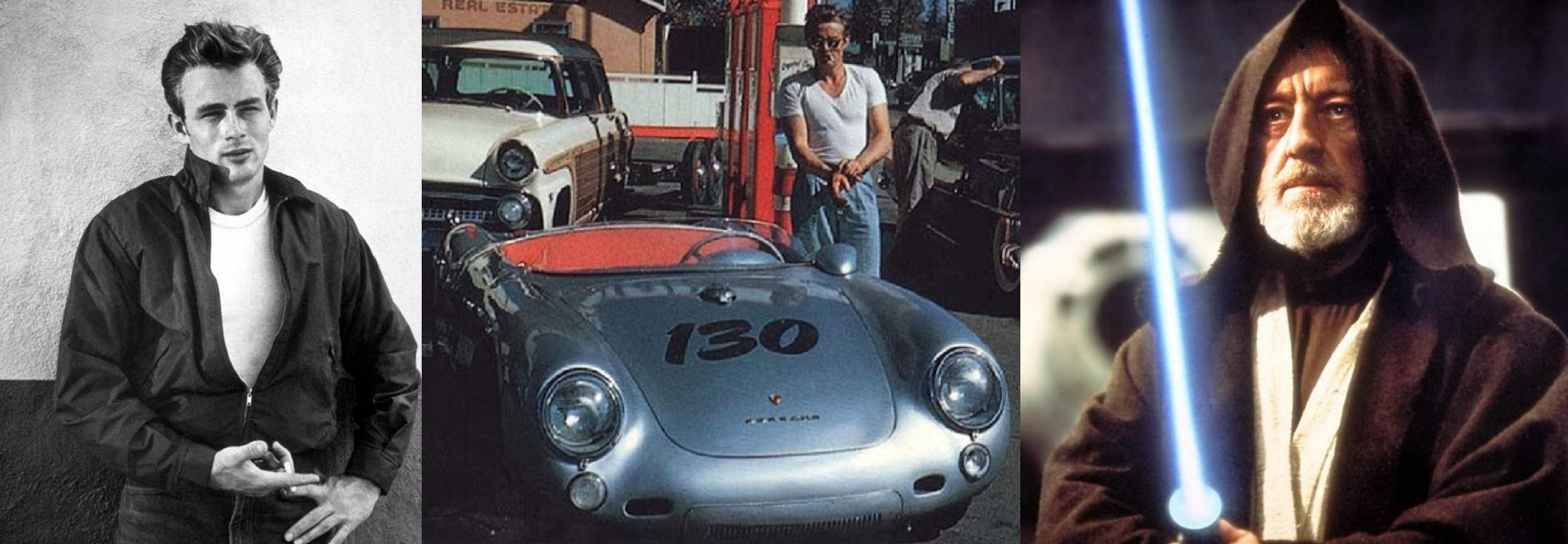
 James Dean’s aluminium-bodied Porsche was launched into the air, torn and crushed. But that was not the end of the car’s story. The “curse” of James Dean’s car has become a part of America’s cultural mythology. Some claim that the source of that “curse” was none other than iconic Pop Culture car creator known as the “King of the Kustomizers”, George Barris. It was Barris who created the Batmobile, the Beverly Hillbillies truck, the Munster Koach and Grandpa Munster’s “Drag-U-La” casket car used in the 1960s TV series. It was Barris who painted the number 130 on the doors, front hood and rear trunk of Dean’s Posche Spyder. It was Barris who also stenciled the name “Little Bastard” on the back of the car. And it was Barris who eventually came to own the deathcar.
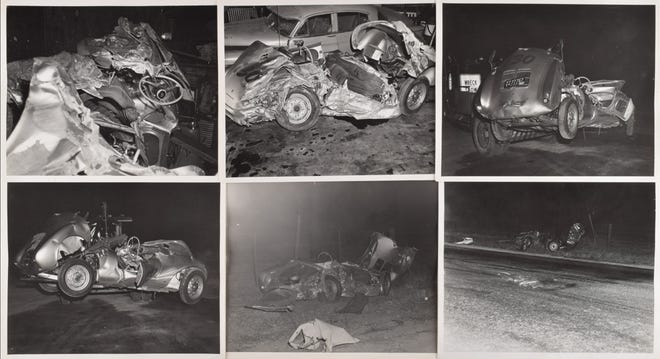 After Dr. Eschrich striped the car of it’s engine and any other salvageable racing components, he evidently sold the Spyder’s mangled chassis to Barris. It is not known exactly how Barris knew Eschrich, but in late-1956, Barris announced that he would rebuild the Porsche. However, as the wrecked chassis had no remaining integral strength, a rebuild proved to be a Herculean task, even for a wizard like Barris. Barris welded aluminum sheet metal over the caved-in left front fender and cockpit. He then beat on the aluminum panels with a 2×4 to try to mimic collision damage. So, likely to protect his investment and reputation, Barris promoted the “curse” by placing the wreck on public display.
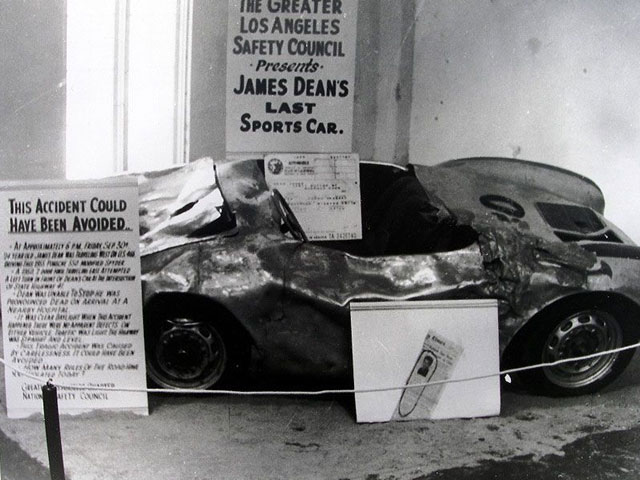 First, Barris loaned the car out to the Los Angeles chapter of the National Safety Council for a local custom car show in 1956. The gruesome display was promoted as: “James Dean’s Last Sports Car”. From 1957 to 1959, the exhibit toured the country in various custom car shows, movie theatres, bowling alleys, and highway safety displays throughout California. It even made an appearance at Indianapolis Raceway Park during the NHRA Drag Racing Championship track’s grand opening in 1960. According to Barris, during those years 1956 to 1960, a mysterious series of accidents, not all of them car crashes, occurred involving the car resulting in serious injuries to spectators and even a truck driver’s death.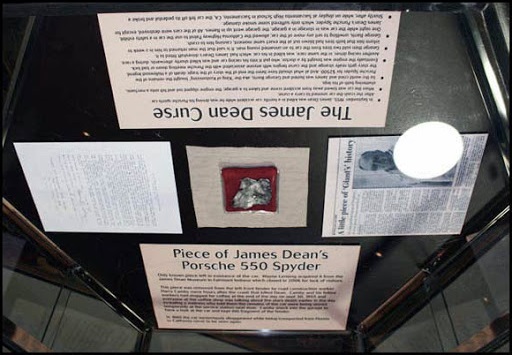
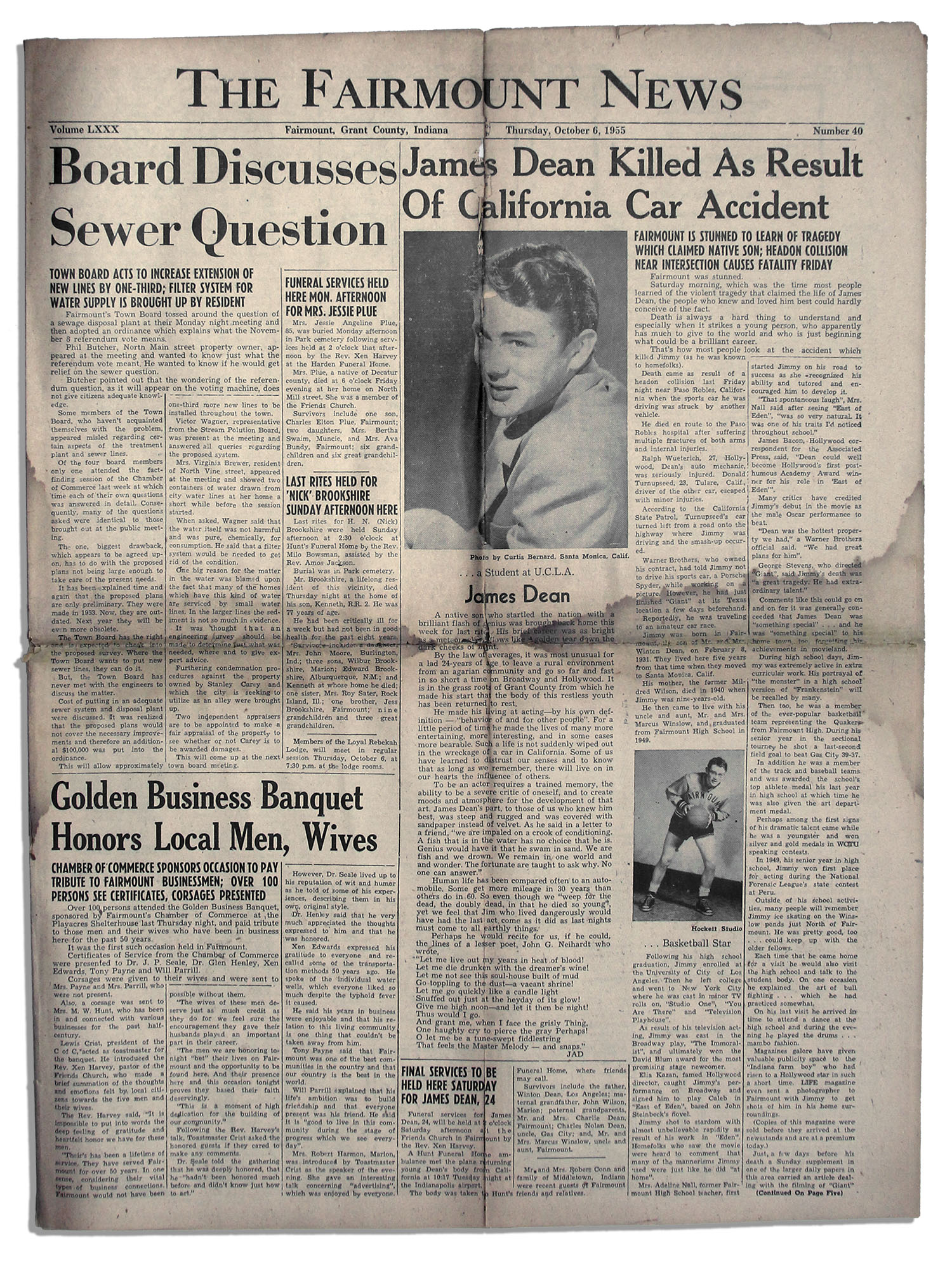
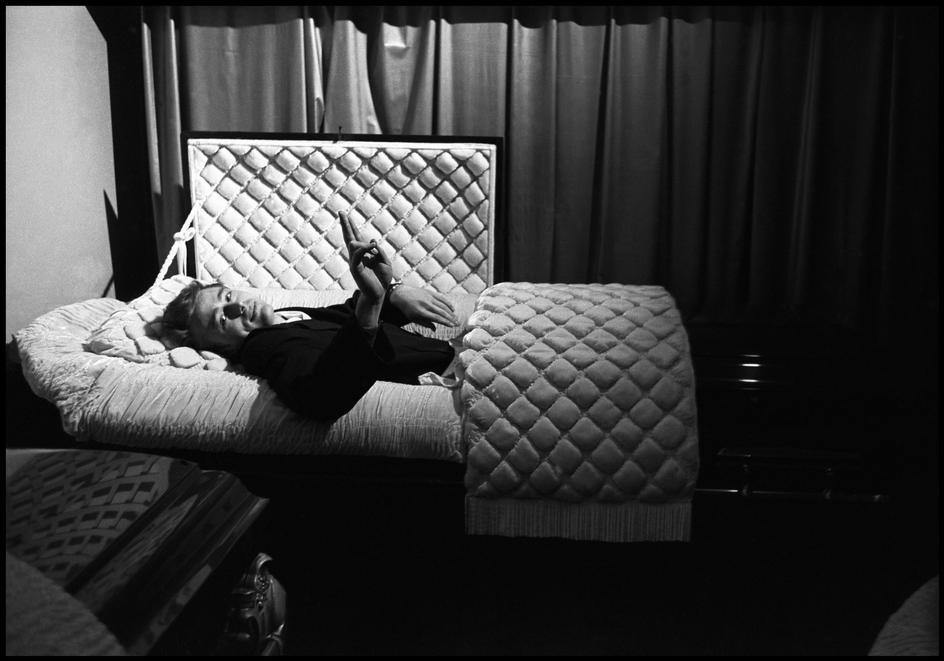
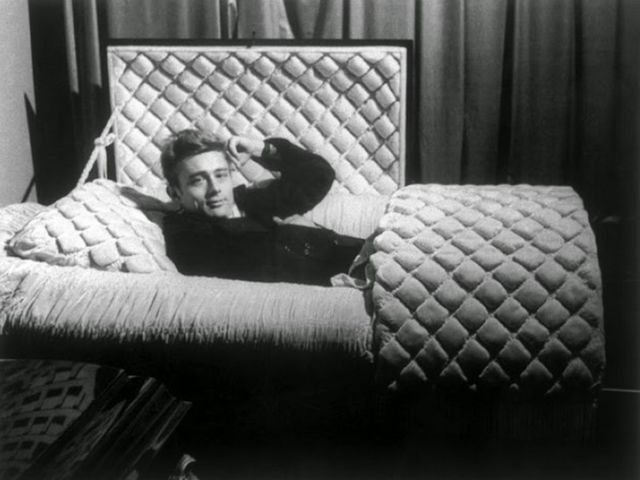
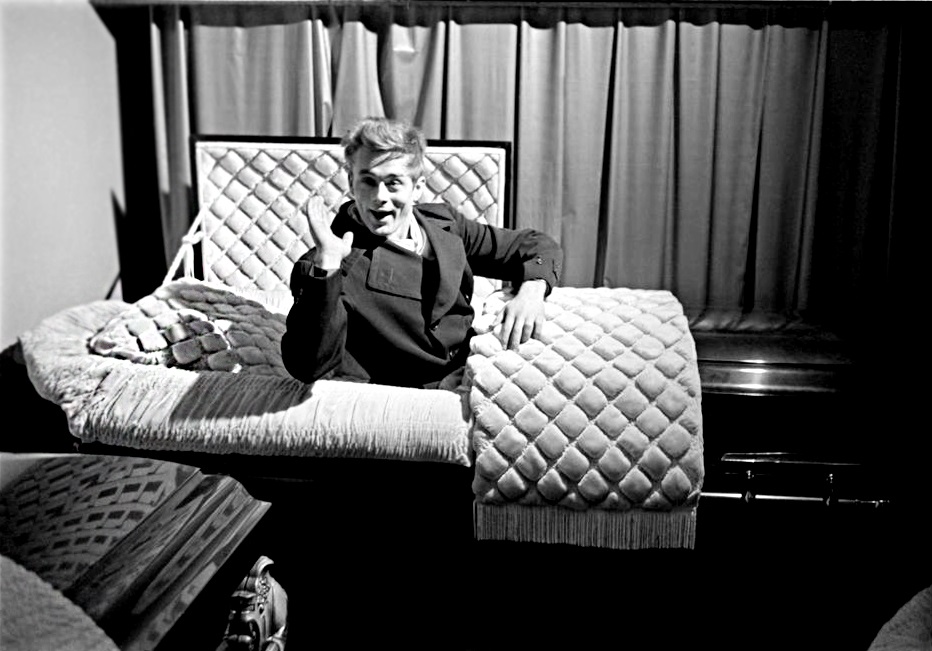
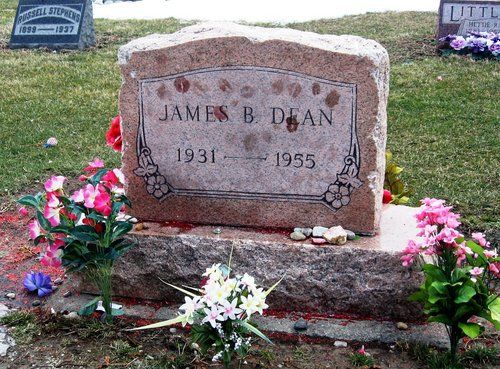 Like many a Hoosier youth, I too had my “James Dean phase”. Some twenty years ago, my wife Rhonda and I took a trip up to Fairmount to visit James Dean country. We were toured around the community by a couple of older gentlemen who graciously pointed out spots the young actor frequented including the family farm, Dean’s old high school, a few of the old stores Dean used to frequent, the cemetery and the funeral home where Dean was prepared for burial. One of the men mentioned, “He had a closed-casket funeral to conceal his severe injuries from his hometown friends and family.” These men had been underclassmen at Fairmount high school and relayed stories of encounters with Dean from their school days. They remarked that when the young method actor returned to Fairmount after making a Pepsi commercial and a bit part on TV, Dean attended a high school dance. “We didn’t like him because he had all of the girls in the room fawning all over him and we couldn’t get a dance.” they said. “We didn’t see him as a big shot from Hollywood, we saw him as a guy trying to steal our dates.”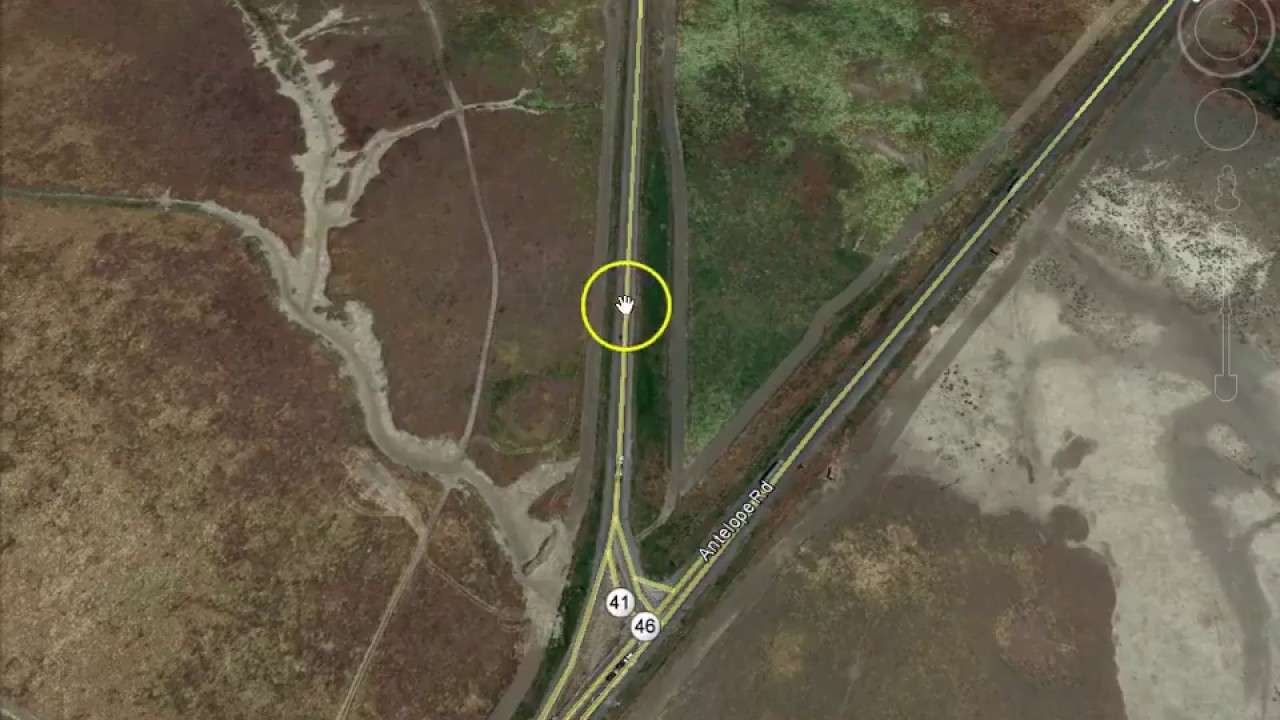
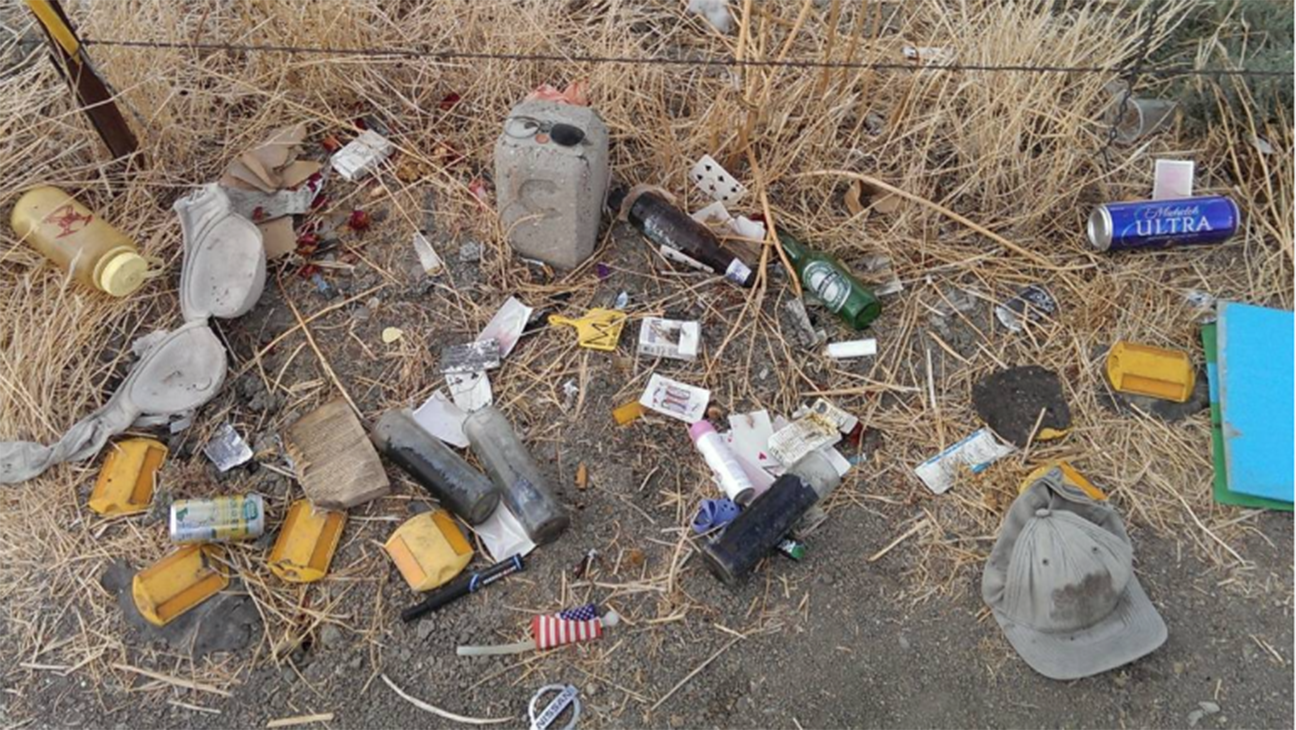
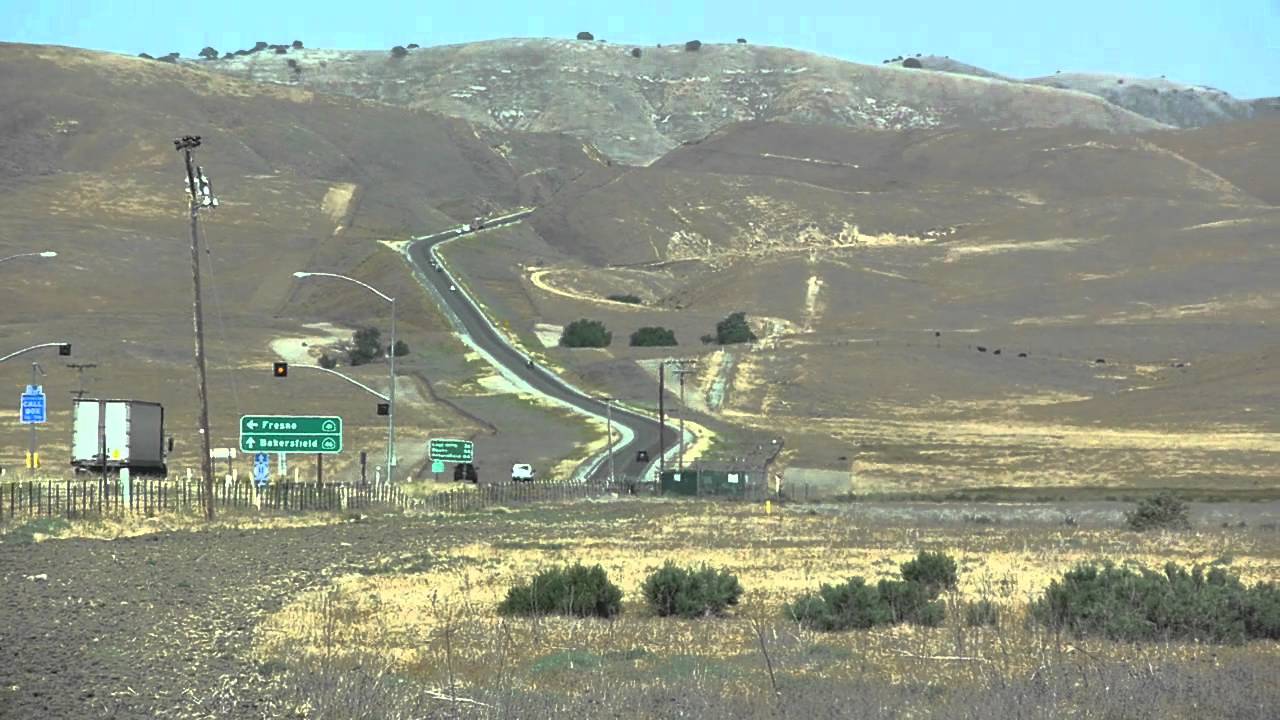 Driving along that long two-lane stretch of Central California highway, it’s easy to imagine what James Dean’s last hour was like even though much of today’s road isn’t the same one James Dean traveled on. The route was upgraded and moved slightly north in the 1960s. However, parts of the original can still be found. As you drive west on the last mile to the crash site and look off to your left and you can still see what’s left of the original two-lane road. If you pull off to the side of the road, it’s still possible to walk on part of the crumbling pavement, with weeds sprouting in the middle, and imagine that little silver Porsche speeding past.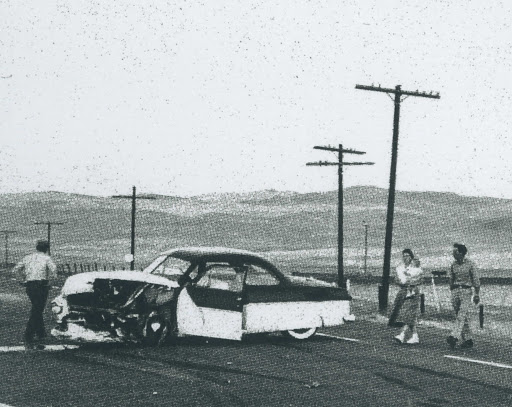


 Alan E. Hunter