Original publish date September 11, 2014.
https://weeklyview.net/2014/09/11/the-curse-of-bewitched
Okay, I’m on a tangent. Over the past two weeks I’ve shared the story of “The Curse of Family Affair” about the strange circumstances and tragedies surrounding the popular 1960s TV show, particularly those involving West Lafayette born actress Anissa Jones, who played Buffy on the show. I thought, what better way to kick off the Halloween season than to explore another classic TV show from the same era also judged to be “cursed”? Here is the story of the curse of Bewitched.
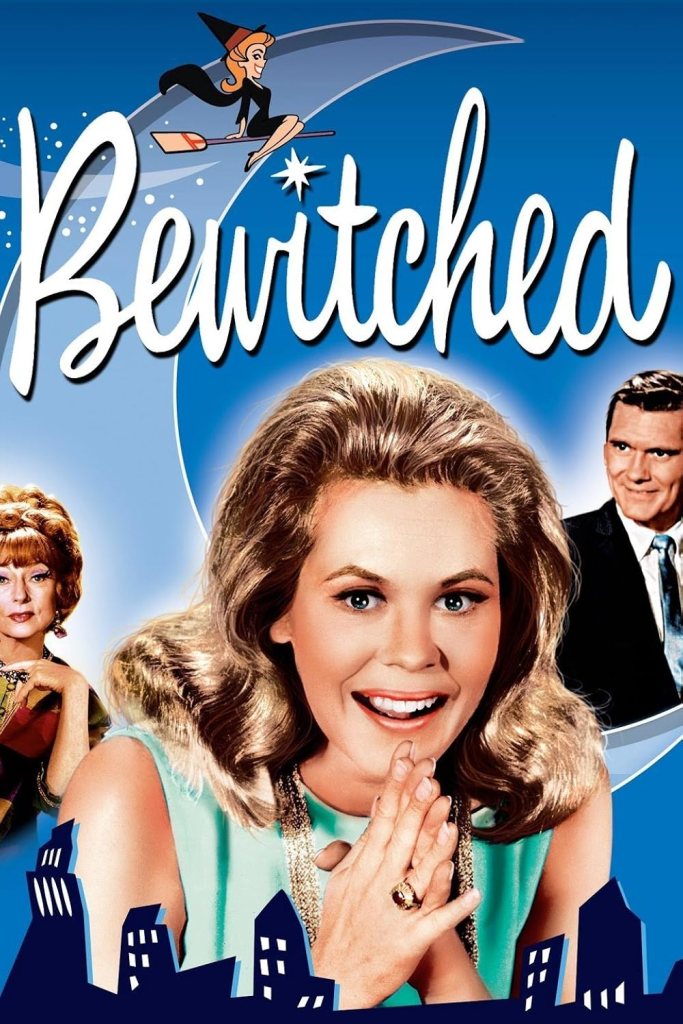
Before I assume that everyone remembers the show, here’s the back story. Bewitched was a sitcom that ran for eight seasons on ABC from 1964 to 1972. It starred actress Elizabeth Montgomery as the witch Samantha, Dick York (1964–1969) & Dick Sargent (1969–1972) as the mortal husband Darrin Stephens and Agnes Moorehead as the disapproving witch of a mother-in-law, Endora. The show is about an ordinary mortal man who marries a witch who then tries to assimilate to the life of a typical suburban housewife. The show finished as the number two show in America during its debut season, and became the longest-running supernatural-themed sitcom of the 1960s–1970s. The show was in the Nielsen top 10 for its first three seasons, top 25 for the next three seasons and fell out of the top 30 during it last two seasons. The show remains popular in syndication and is a top seller on DVD. In 2002, Bewitched was ranked # 50 on “TV Guide’s 50 Greatest TV Shows of All Time”.
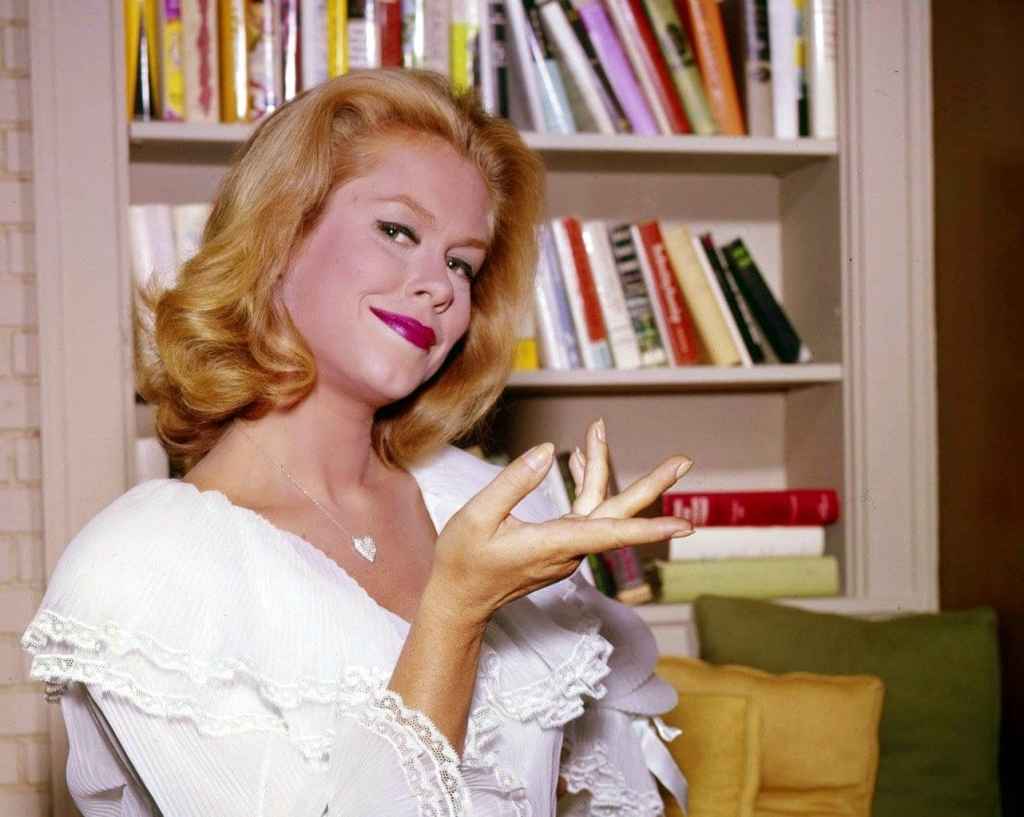
The plot: Samantha pledges to forsake her powers and become a typical suburban housewife but her magical family disapproves of the mixed marriage and frequently interferes in the couple’s lives. Episodes often begin with Darrin becoming the victim of a spell cast by his wife’s mystical family or a miscast spell by Samantha. The effects of these spells wreak havoc with mortals, particularly Darrin’s boss, clients, parents, and neighbors. By show’s end, Darrin and Samantha overcome the devious elements that failed to separate them with episodes most often ending with a kiss and a hug.
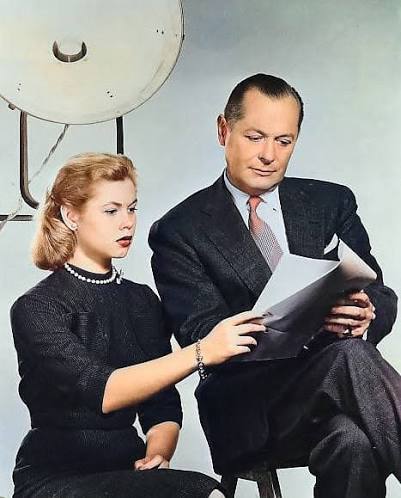
Although the plots were often well thought out and history based, what made the show a screaming success was the enchantingly beautiful Elizabeth Montgomery. Elizabeth was the daughter of Hollywood heartthrob leading man Robert Montgomery, who played the on screen love interests of Greta Garbo, Carole Lombard and Norma Shearer during his career and who was nominated for an Academy Award in 1948. She was on her way to becoming a movie star in her own right. After narrowly missing out on the co-starring role alongside Marlon Brando in “On the Waterfront” in 1954, she turned her attention to television.
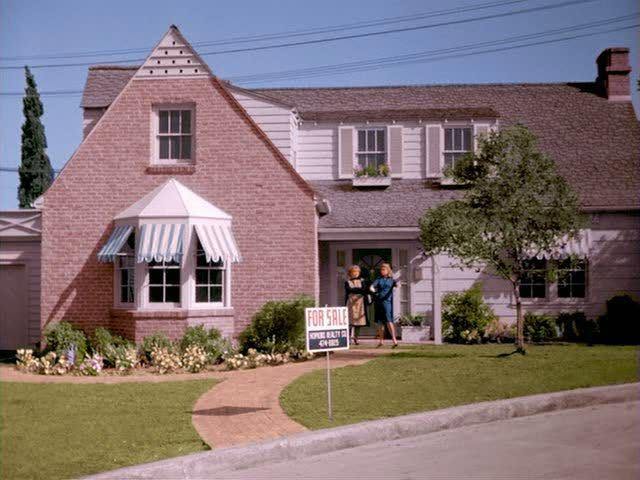
The main setting for most scenes is the Stephens’ house at 1164 Morning Glory Circle (in either Westport, Connecticut or Patterson, New York depending on who you believe). Many scenes also take place at the Madison Avenue advertising agency “McMann and Tate” where Darrin works. Samantha’s mother, Endora (Agnes Moorehead), is Darrin’s chief antagonist. Endora loathes mortals and disapproves of Darrin, as do most of Samantha’s relatives. Endora refuses to speak Darrin’s name, alternatively calling him “Durwood”, “What’s-his-name”, “Darwin”, “Dum-Dum”, etc., all much to his annoyance. She refers to him as “Darrin” only eight times during the entire series, an average of once per year. Endora’s ploys to provoke a breakup always fail as Samantha and Darrin’s love overcomes every obstacle.
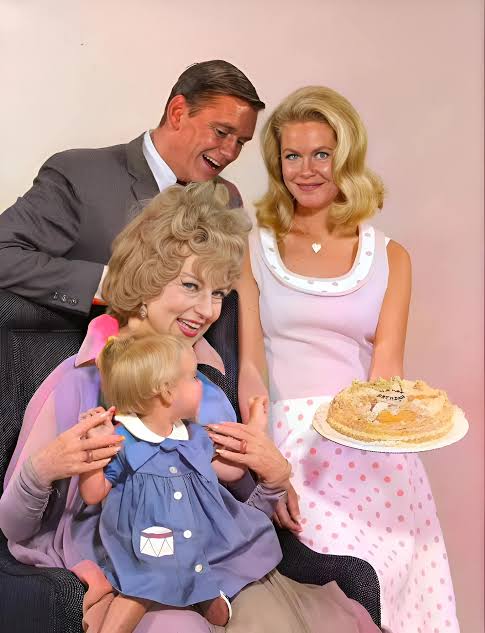
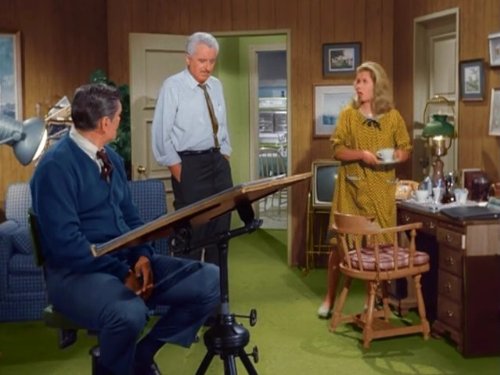
Darrin works as an executive at the McMann and Tate advertising agency under his profit-obsessed boss Larry Tate (David White). Tate’s opinions turn on a dime to appease any client in an attempt to land a deal. Across the street from Darrin and Samantha lives a retired couple, the nosy and tactless Gladys Kravitz (played by Alice Pearce & Sandra Gould) and her husband Abner (George Tobias). Gladys’ snooping often results in her witnessing witchcraft or its strange side effects. She frequently tries to prove Samantha is a witch, only to fail and be branded delusional by Abner. Samantha’s father, Maurice Evans, is an over-the-top thespian who often embellishes his entrances and exits with strained Shakespearean verse.
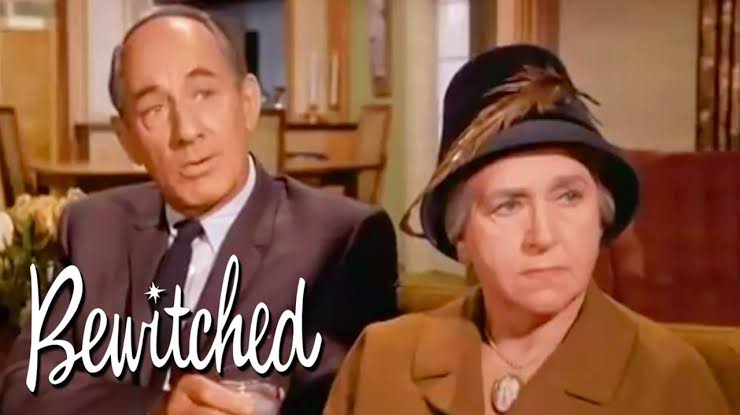

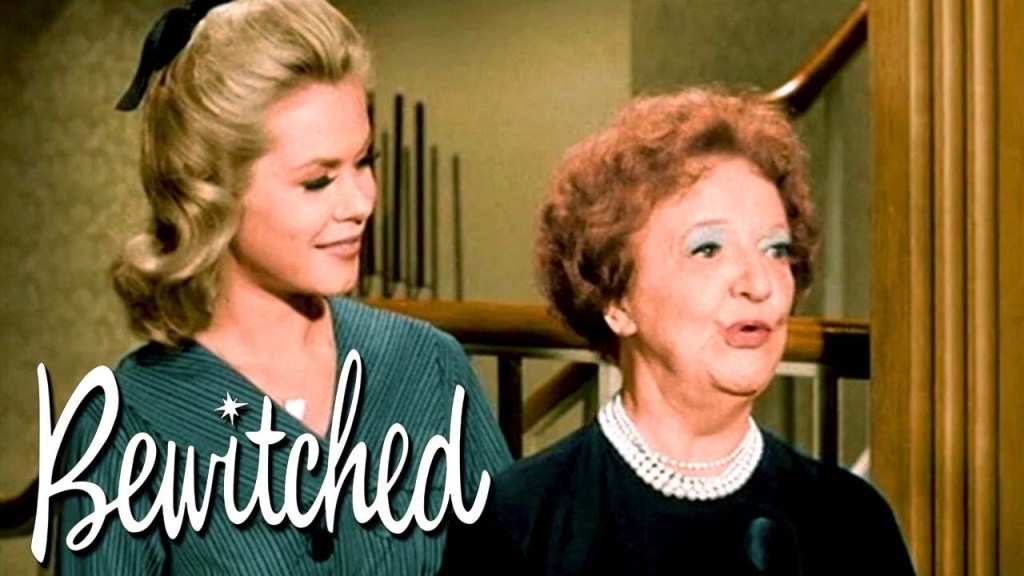
Darrin’s parents, the strait-laced Phyllis (Mabel Albertson) and laid-back Frank Stephens (Robert F. Simon & Roy Roberts), visit occasionally but never learn of Samantha’s supernatural powers. Phyllis makes inopportune surprise visits, and often complains of “a sick headache” after accidentally witnessing a spell in motion. Samantha’s Uncle Arthur (Paul Lynde), Endora’s prank-loving brother, makes several appearances. Undoubtedly, the most beloved supporting cast member was Samantha’s Aunt Clara (Marion Lorne). The bumbling, elderly, absent-minded-but-lovable Aunt Clara’s spells usually backfire, and her entrances and exits become her trademark: plopping down a chimney or colliding with a wall. She has a collection of over a thousand doorknobs (inspired by Lorne’s real-life collection).
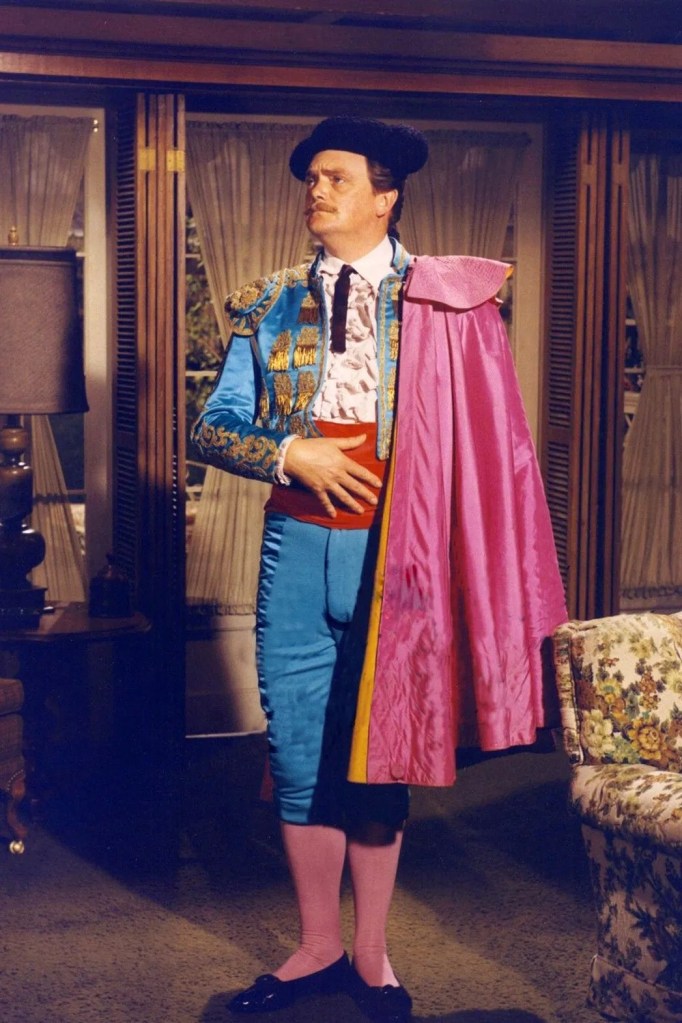
In the second season, Samantha gives birth to a daughter, Tabitha and later in the series has a son, Adam. Both eventually prove to have supernatural powers. When illness befalls the family, Samantha seeks assistance from the warlock Dr. Bombay (Bernard Fox), a womanizer most often accompanied by a buxom assistant, and who constantly cracks bad jokes. He could be summoned by the phrase, “Dr. Bombay, calling Dr. Bombay. Emergency, come right away.” When Dr. Bombay proves ineffective, help is occasionally sought from the unnamed witches’ apothecary (Bernie Kopell of Loveboat fame), an amorous old warlock.
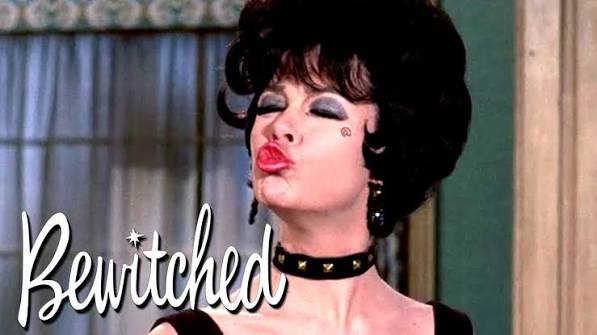
Bewitched not only led the league in improbable plot devices, the series itself seemed to defy reasonable logic. From 1969 to 1971, Samantha’s cousin Serena was also played by Elizabeth Montgomery, who in the credit roll is identified as “Pandora Spocks” (a spin on the phrase “Pandora’s box”). The producers made little attempt to disguise Serena. Aside from having coal black hair and a beauty mark on her cheek, Serena is identical to Samantha in everything except demeanor. She wears mini-skirts and openly flirts with Darrin’s boss Larry Tate just for sport.
But the strangest pill for fans to swallow was the riddle of the “Two Darrin’s”. Right in the middle of the show, Dick York disappeared and was replaced by Dick Sargent. Like his costar Montgomery, York was on his way to movie stardom after his appearance in the 1960 Spencer Tracy film “Inherit the Wind” along with high profile episodes of The Twilight Zone, Gunsmoke, Wagon Train, I Dream of Jeannie, and Adam-12. York was so popular with his fans and peers that he was nominated for an Emmy for his portrayal of Darrin in 1968. Things seemed to be going great for both York and Bewitched.
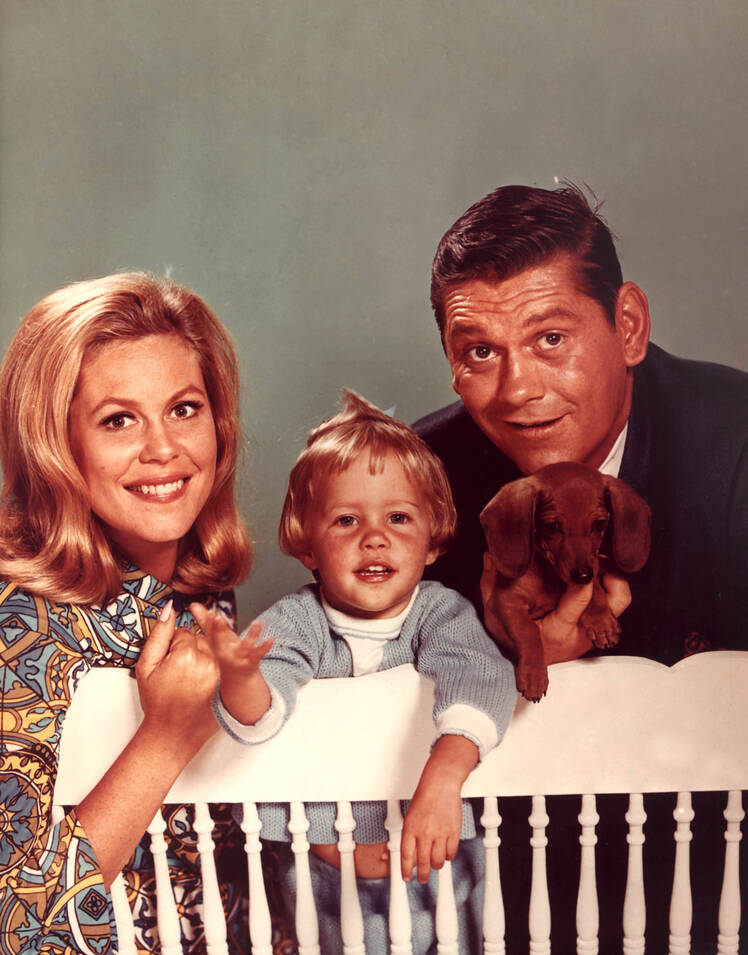
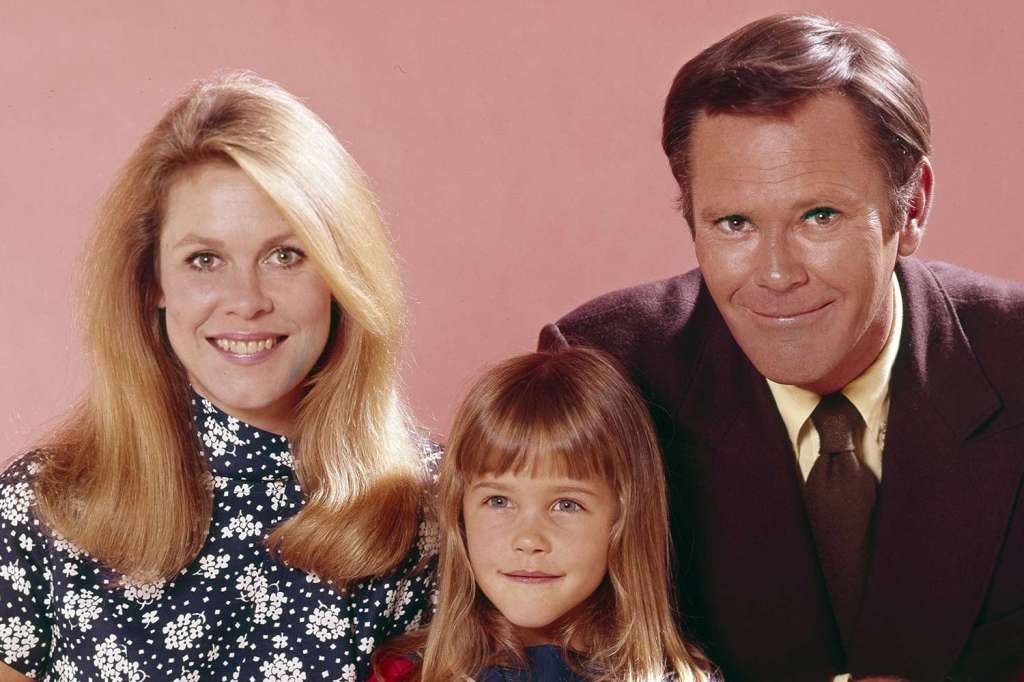
But Dick York had a secret he didn’t tell the show’s producers when he accepted the role back in 1964. In 1959 York appeared in a movie called “They Came to Cordura”. The western starred Gary Cooper, Rita Hayworth, Van Heflen, and Tab Hunter and during filming York severely injured his back. This injury caused constant excruciating pain and led to a daily ritual of drugs, pills, and painkillers. That ritual became an addiction. Eventually, everyone noticed and it became routine to have scenes and plots rewritten so Darrin could be filmed seated, lying down, or reclining (usually at his office desk, in bed or on the couch at home) as much as possible. But due to the physical slapstick comedy nature of the sitcom, situations often arose that made filming in such a manner an impossibility.
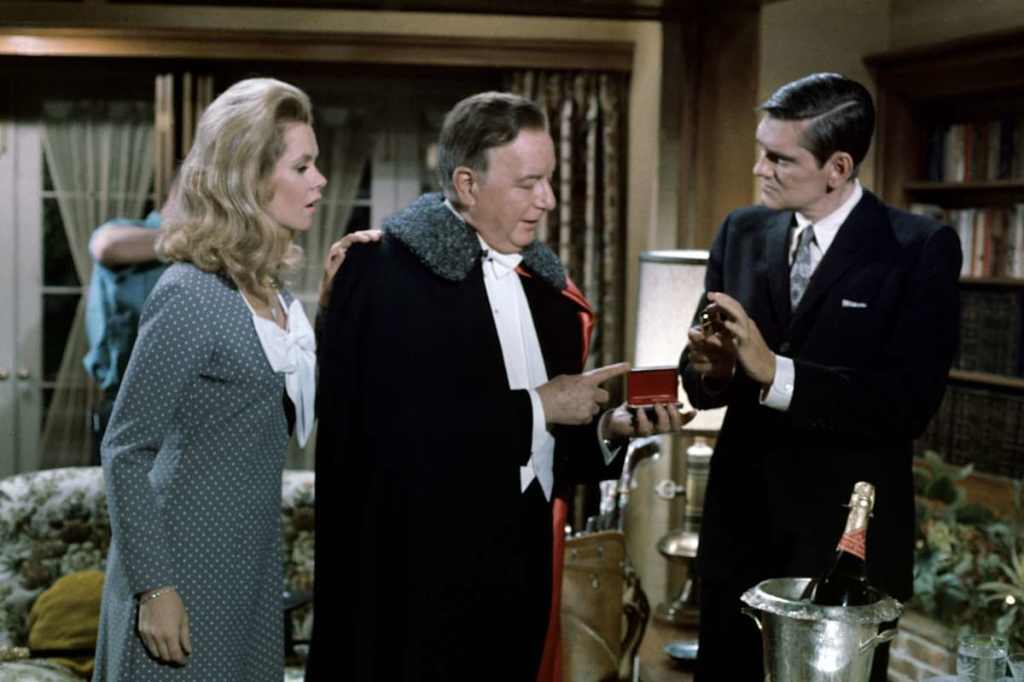
In one such episode, York was hanging 15 feet in the air, alongside warlock father-in-law (Maurice Evans) on the show. It had been a bad day already for York; he was taking pills to sleep at night and receiving shots of Novocaine and cortisone in his back to keep working. While atop the elevated platform, York felt dizzy and weak in the knees and ask that the lift be lowered to the ground. Once down, the naturally shaky actor collapsed and was rushed to the hospital. The show’s producer, Bill Asher (Elizabeth Montgomery’s husband in real life) visited York in the hospital as he was recuperating. There he learned the details of York’s affliction and asked him point blank if he wanted to quit the show. York said yes. Dick Sargent was immediately hired to replace Dick York as “Darrin number 2.” Bewitched fans tuned in and were aghast at the change. To paraphrase Timothy Leary’s popular slogan of the day, the fans “Tuned in, were turned off and dropped out”. Unlike York before him, Sargent’s Darrin openly challenged his witchy in-laws, much to the disdain of viewers. The show’s dynamic changed and the ratings plummeted. In 1969, Dick York’s final season as Darrin, the show was a ratings hit at #11, but when Sargent took over, ratings dropped and the show sank to #24. Little did they know, the “Two Darrin’s” switch signaled the end of the series and the beginning of the curse of Bewitched.
PART II.
Original publish date September 18, 2014.
https://weeklyview.net/2014/09/18/the-curse-of-bewitched-part-2
Okay, if you read last week’s article on the Curse of Bewitched, you’re up to speed. If not, Google it and you’ll be just fine. The show ran for 8 seasons from 1964 to 1972 on ABC-TV. For decades after the sitcom ceased production, rumors of a curse attached to the show persisted; undoubtedly fueled by the supernatural nature of the show’s theme. Deaths, both during and after production, seemed to plague the show.
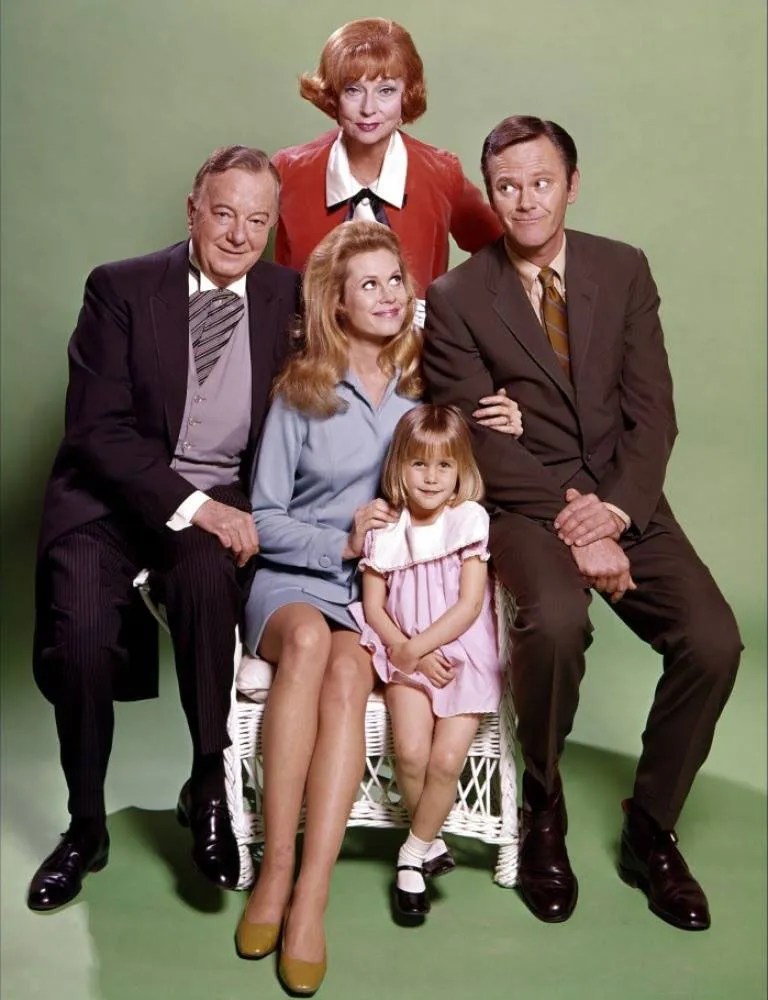
While the show was in production, Alice Pearce, who played nosey neighbor Gladys Kravitz died of ovarian cancer on March 3, 1966. Pearce had been diagnosed with terminal cancer before Bewitched began but kept her illness a secret. Her rapid weight loss was quite evident during the second season of the sitcom. She died at age 48 from ovarian cancer towards the end of the second year of Bewitched. Although Pearce absence was noted by fans, she was quickly replaced by Sandra Gould.
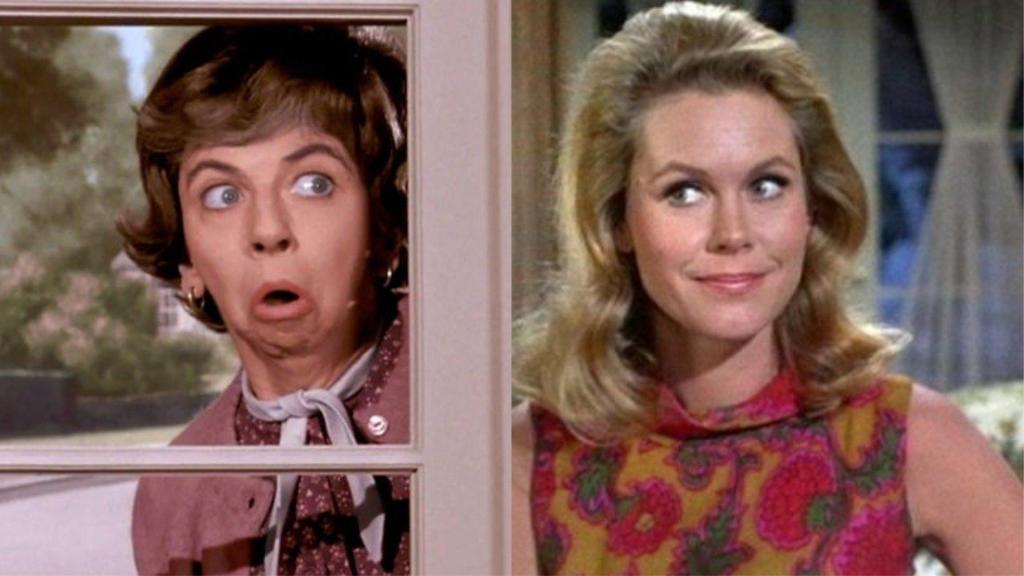
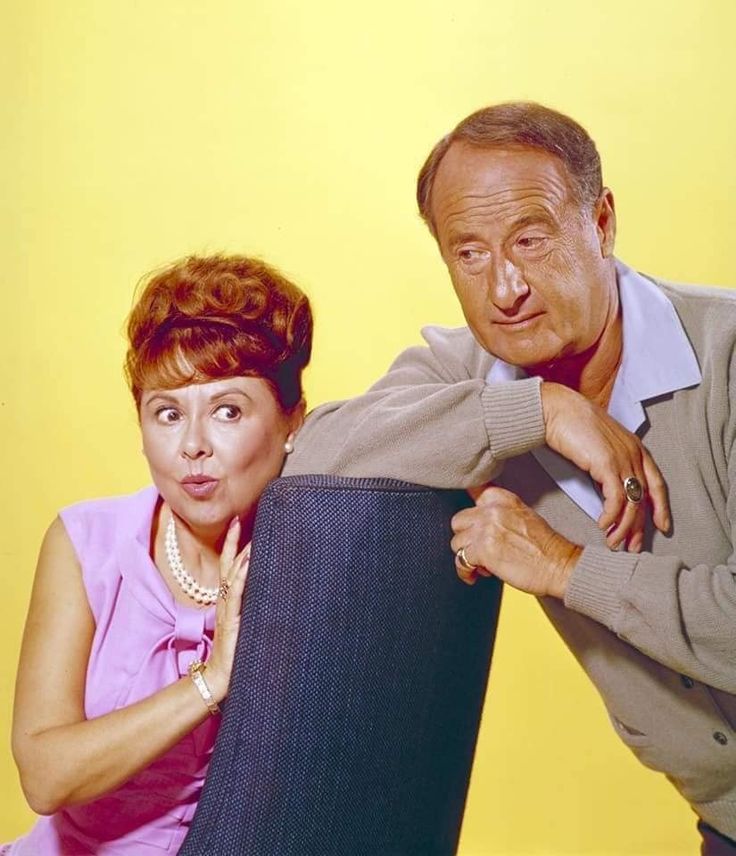
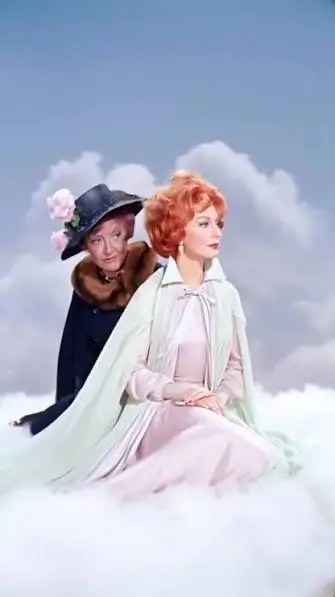
The next death on Bewitched hit the fans much harder. On May 9, 1968 Marion Lorne, who played the beloved, bumbling Aunt Clara, died at age 82 of a heart attack in her Manhattan apartment, just prior to the start of production of the show’s fifth season. She had appeared in twenty-seven episodes of Bewitched. She received a posthumous Emmy Award for Outstanding Supporting Actress in a Comedy Series for her work on the show. The statue was accepted by Bewitched star Elizabeth Montgomery. The producers of Bewitched recognized that Aunt Clara could never be replaced by another actress so actress Alice Ghostley was cast as “Esmeralda”, a different type of befuddled witch whose magic spells often went astray.
Two years after the show ended but while the sitcom was still quite fresh in the hearts and minds of viewers, Agnes Moorehead, who played Samantha’s mother Endora died of uterine cancer on April 30th, 1974 at age 73. Moorehead had appeared in the 1956 movie “The Conqueror”, which was filmed in Utah-downwind from the Yucca Flat, Nevada, nuclear test site. She was one of over 90 (of 220) cast and crew members- including co-stars Susan Hayward, John Wayne, and Pedro Armendariz, as well as director-producer Dick Powell-who developed cancer; at least 46 died from the disease. No bombs were tested during the filming of The Conqueror, but eleven explosions occurred the year prior. As she lay dying, she reportedly said: “I should never have taken that part.” Moorehead was nominated for an Oscar four times and played Orson Welles’ mother in the legendary Citizen Kane. She is buried at Dayton Memorial Park in Dayton, Ohio.
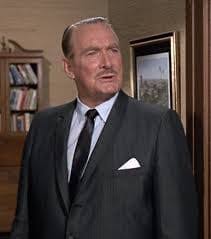
After Moorehead’s death, Bewitched cast members started dropping like flies. Roy Roberts (Frank Stephens) died of a heart attack in May 1975 at age 75. George Tobias (Abner Kravitz): February 1980, age 78, bladder cancer. Paul Lynde (Uncle Arthur): January 1982, age 55, heart attack. Mabel Albertson (Phyllis Stephens): September 1982, age 81, Alzheimer’s disease. Maurice Evans (Maurice): March 1989, age 87, cancer. Robert F. Simon (Frank Stephens): November 1992, age 83, heart attack. Irene Vernon (Louise Tate): April 1998, age 76, unspecified illness. Sandra Gould (Gladys Kravitz): July 1999, age 82, complications following heart surgery. Kasey Rogers (Louise Tate): July 2006, age 80, stroke. Alice Ghostley (Esmeralda): September 2007, age 81, colon cancer and stroke. Looking over that list and at the ages of the deceased, it can be argued that nature was simply taking it’s natural course.
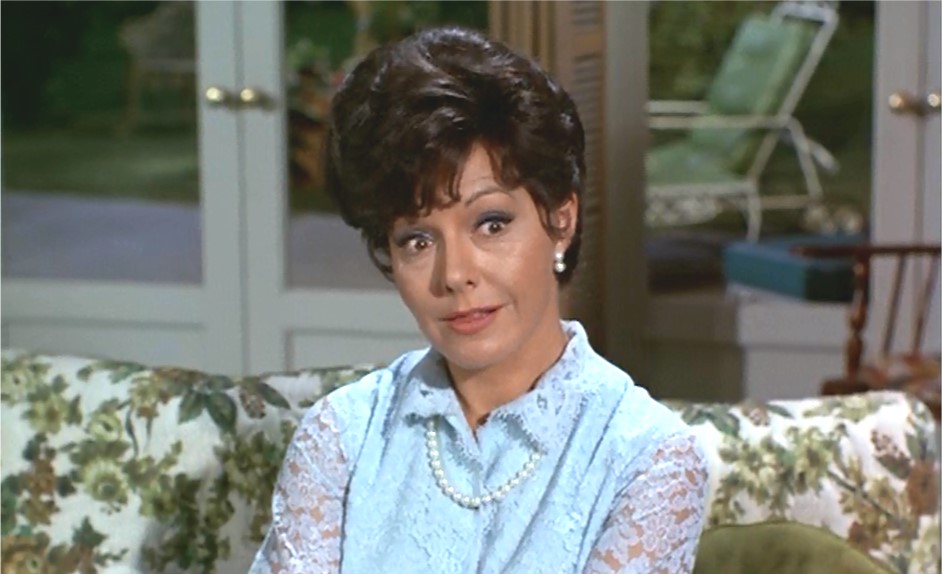
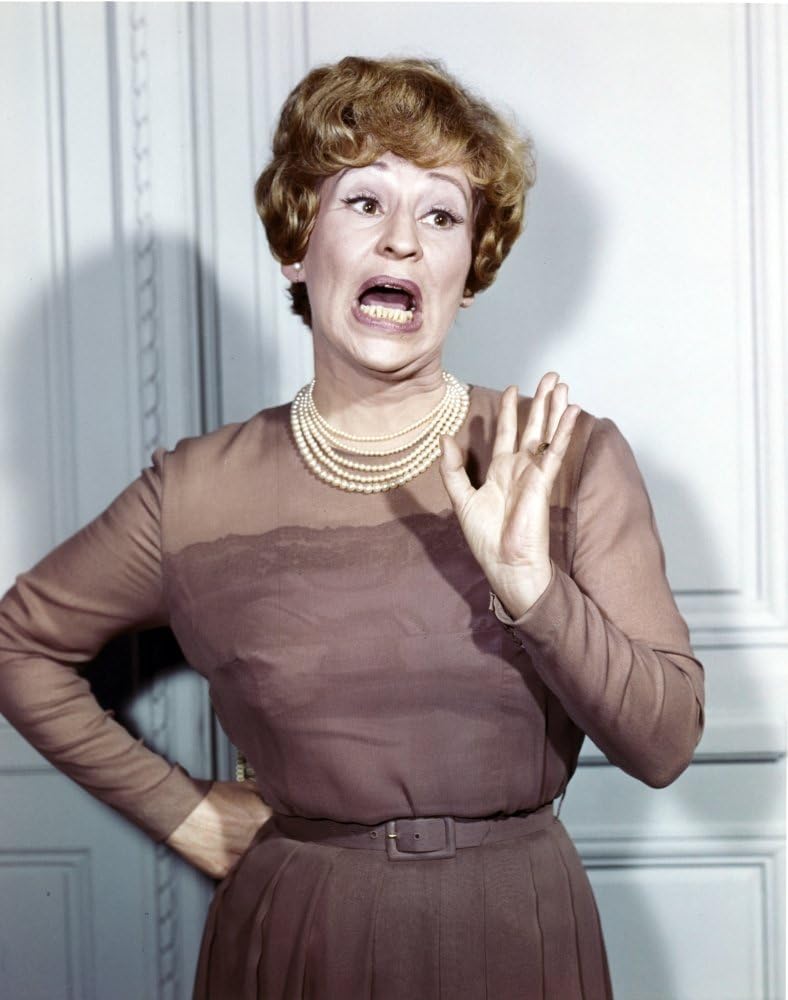
But conspiracy theorists point to the deaths of four other main cast members in the early 1990s as the driving force behind the curse of Bewitched. David White who played Darrin’s boss Larry Tate became a recluse in the last years of his life after his son, Jonathan, was killed in the 1988 Lockerbie bombing. By a tragic twist, the actor lost his wife, Mary Welch, as she was giving birth to Jonathan in 1958. White continued to work in TV regularly after Bewitched in shows such as Columbo and The Rockford Files. Although he remarried after his first wife’s death, he disappeared from public life for a year after his son died. He died in November 1990 from a heart attack.
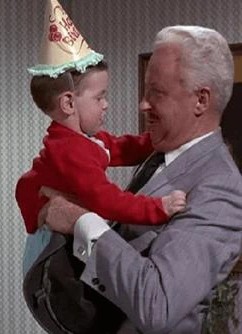
Dick York, the original Darrin, continued to battle his back pain induced addiction to prescription pain killers or ever came to grips with the loss of his career. After leaving Bewitched, Dick York’s career dried up and he faded into relative obscurity. Word of drug addiction spreads like wildfire in a town like Hollywood where time is money and schedules are tight. York’s career pretty much died on the vine. It didn’t help that Elizabeth Montgomery didn’t get along with him either. He remained on his back for a full year after leaving Bewitched and was nearly destitute soon after. Bad investments had left him broke, and his teeth rotted out (a common problem for drug abusers), so he and his wife were reduced to cleaning houses for a living. He appeared on several prime-time television series including Simon & Simon and Fantasy Island, but York remained a three-pack-a-day smoker. York died of complications at the age of 63 from emphysema in East Grand Rapids, Michigan, on February 20, 1992. He is buried in Plainfield Cemetery in Rockford, Michigan.
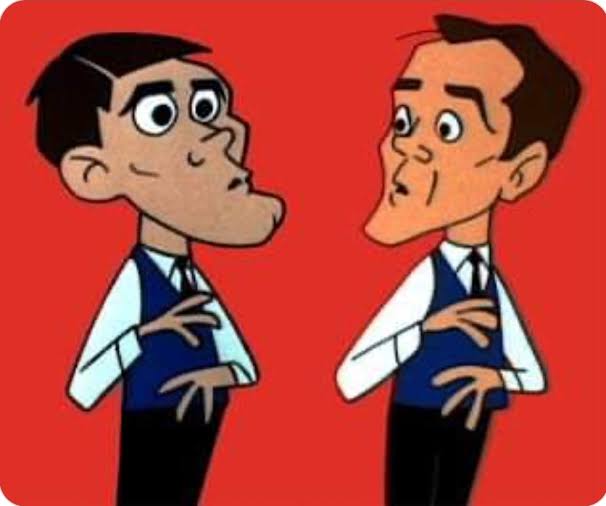
Ironically, Dick Sargent, Darrin # 2 was next. Dick Sargent never really caught on with the show’s loyal viewers. Many blamed the show’s cancellation 3 years later on him. Fans didn’t realize that the similar-looking Sargent had originally been offered the part before York in 1964. Like York, Sargent had a secret. He was gay. Had the producers known this, it is highly unlikely he would have been offered the role in the first place. Hollywood was a very different place in the 1960s. Sargent was diagnosed with prostate cancer in 1989. In 1991, he came out of the closet and bravely became an early gay role model. Sargent died on July 8, 1994 at age 64. His remains were cremated. Elizabeth Montgomery commented, “He was a great friend, and I will miss his love, his sense of humor and his remarkable courage.” Sadly, less than a year after making those comments, Montgomery was gone.
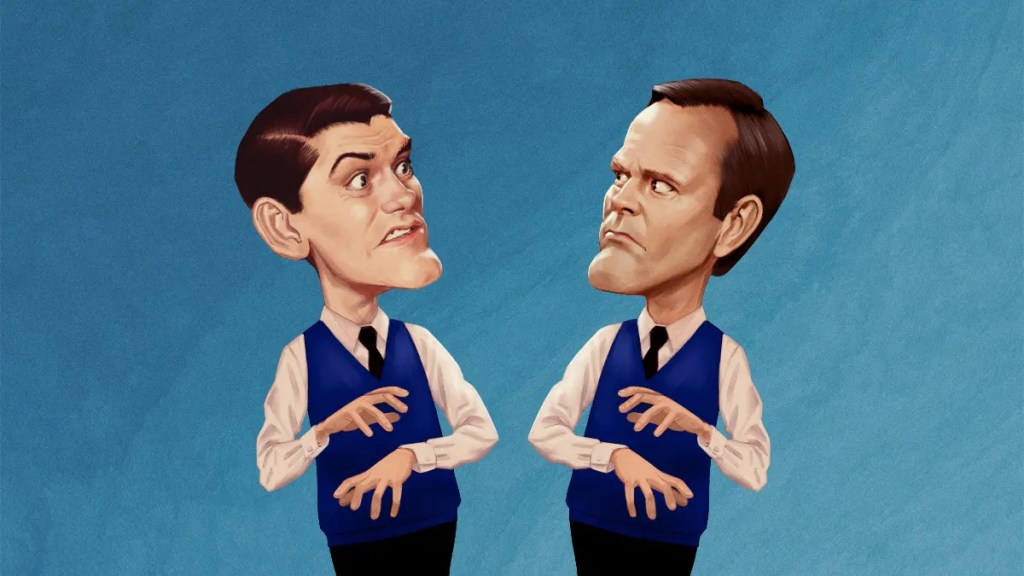
The premature passing of actress Elizabeth Montgomery appears to have been the catalyst that sparked rumors about a curse. Coming so close upon the heels of the deaths of two of her Bewitched co-stars it prompted whispers that a malevolent force was at work. Other than the children in the show, the trio of Samantha and the two Darrin’s were the youngest characters in Bewitched. Montgomery’s death caused those looking for the workings of dark forces to re-examine the deaths of the two actors who had played Darrin Stephens in the series. The modes of death of cast members (cancer, heart attack, stroke, emphysema, Alzheimer’s) were deemed by conspiratorialists as unnatural and untimely. It may be closer to the truth to say that fans just couldn’t deal with the death of their favorite TV witch, Elizabeth Montgomery.
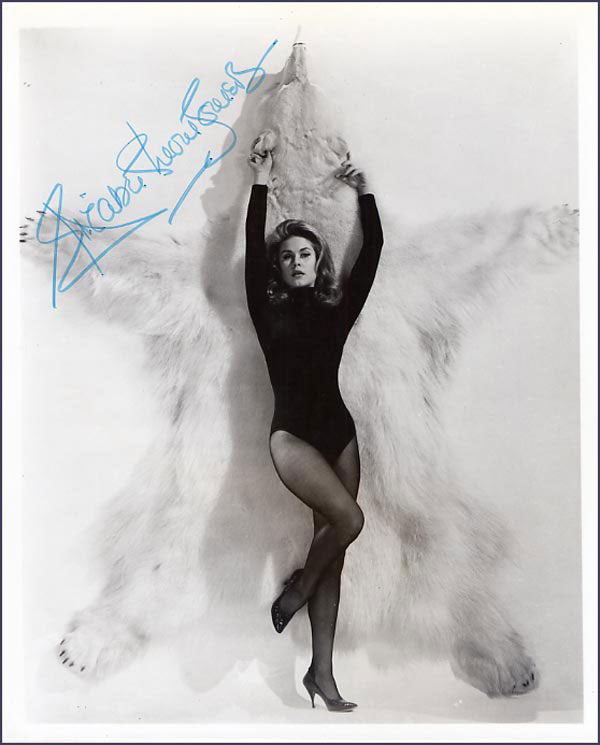
Wriggling her witch’s nose, Elizabeth Montgomery was America’s sweetheart. Samantha Stephens’ trademark nose-twitch was a natural quirk of Montgomery’s; Elizabeth unconsciously twitched her nose when she was frustrated. Her TV character could get anything she desired with just a magical twitch of her nose accompanied by a xylophone sound effect. But off-screen the blonde beauty struggled to find happiness, running through four tumultuous marriages and bewitching many of Hollywood’s leading men along the way. She cast a spell on stars as Elvis Presley, Dean Martin and Gary Cooper. Despite her privileged upbringing she was very down-to-earth. Perhaps that’s why she bewitched so many of the men in her life. She shunned the Hollywood lifestyle and didn’t like the fakeness of Hollywood and its people. But the daughter of movie legend Robert Montgomery suffered from a “father complex”, often falling in love with older men and hopeless relationships.
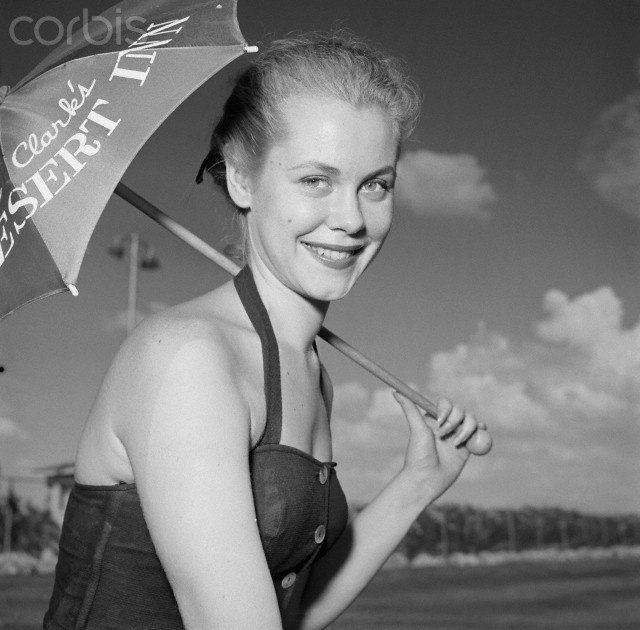
Elizabeth was a teen when her parents divorced which strained her relationship with her father even further. She was forever conflicted, trying to please her father but also rebelling against him. She wanted him to play her father on Bewitched but he refused. Allegedly because he resented the fact that his daughter had become a bigger star than he was. Later when she appeared in the TV movie “The Legend of Lizzie Borden”, about a woman accused of killing her parents with an axe, Robert Montgomery was horrified and scolded his daughter by telling her: “You would!” He took it as a personal affront-as if she secretly wanted to kill her own father. Robert Montgomery was a staunch Republican and Elizabeth became a fervent Democrat, fighting for social causes that antagonized her father.
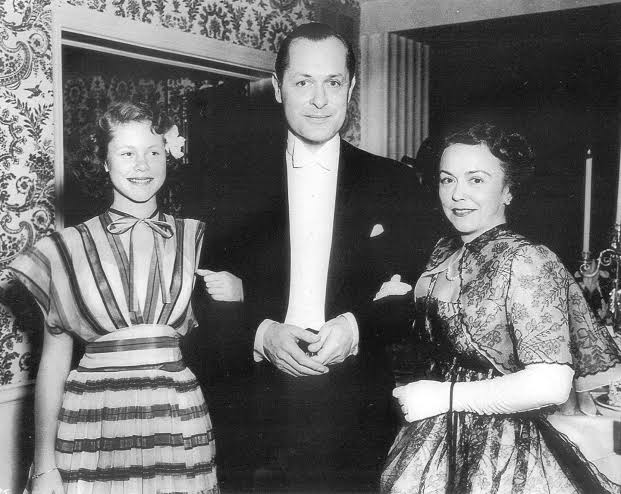
Her first husband was rich New York socialite Frederick Gallatin Cammann, a decade older than Elizabeth, he wanted her to quit acting and be a stay-at-home wife but Elizabeth took off for California and a career and their marriage went south a year later.
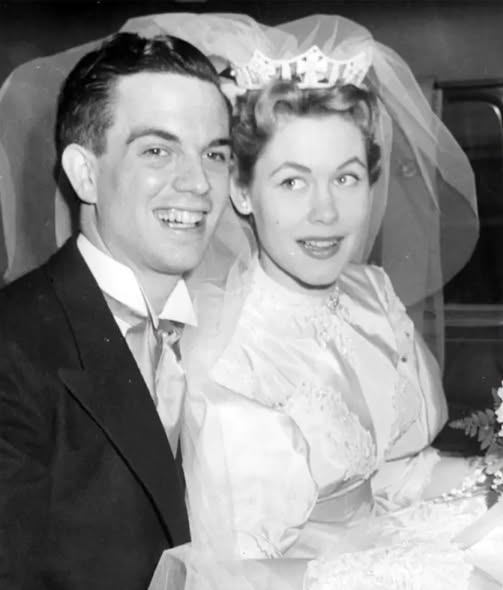
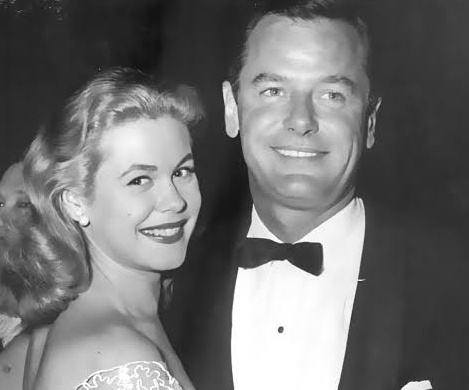
Her second husband was Oscar winning movie star Gig Young, 25 years her senior and at 48 almost her father’s age. Elizabeth was 22 and infatuated but Gig Young was an alcoholic and their marriage broke down after seven years. (Young later shot his fith wife to death and killed himself in a murder-suicide in 1978).
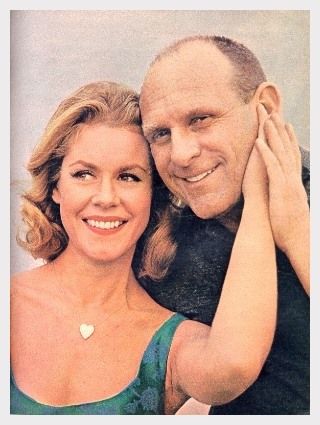
Elizabeth’s third husband was Bewitched producer Bill Asher another older man. That marriage ended in divorce in 1973.
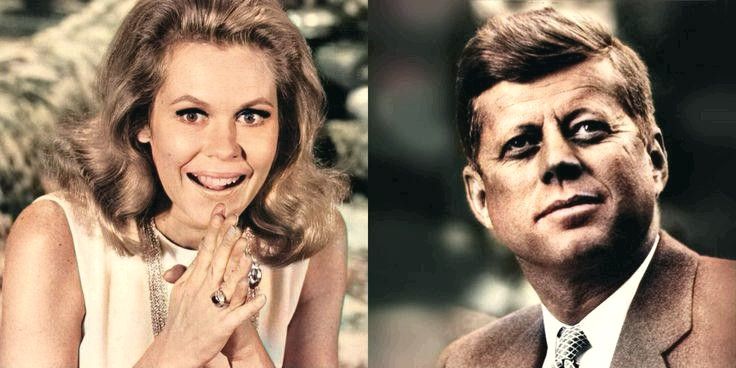
She was a close friend of President John F Kennedy and considering JFK’s unquenchable thirst for beautiful women, it is not hard to suppose that there were encounters between them. But if anything happened Elizabeth never talked about it. Despite enjoying a popularity that bordered on mania, Montgomery never won an Emmy, although she was nominated for eight of them (and four Golden Globe awards). Elizabeth refused to play the Hollywood social game and never took out ads begging for award consideration. She wanted her work to speak for itself.
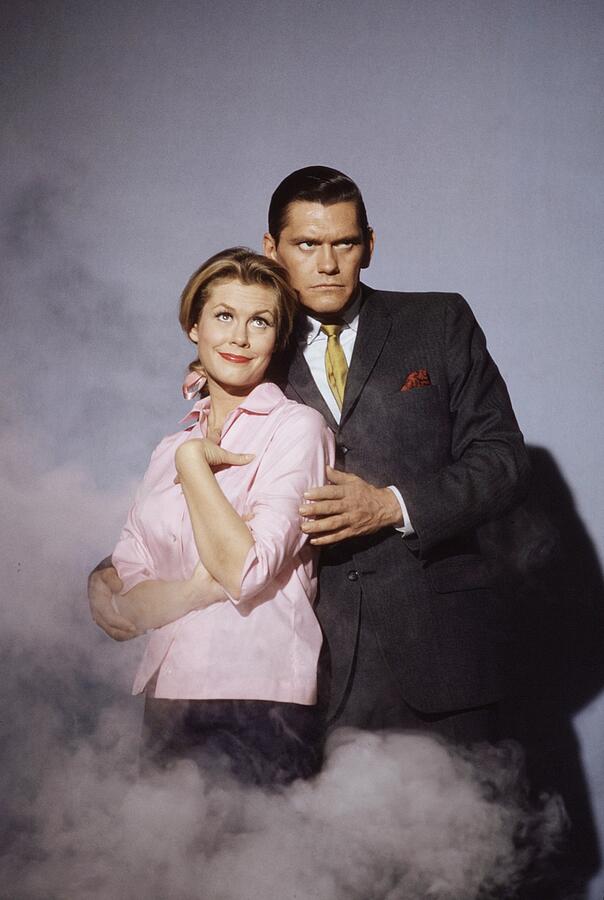
Bewitched was one of the Sixties’ biggest hit TV comedies but behind the scenes lay a turbulent drama. Elizabeth Montgomery didn’t get along with Dick York. Like every other man who ever encountered her, York was in love with her. York’s attraction made Elizabeth uncomfortable and when York’s addiction to painkillers caused him to repeatedly miss episodes, it became evident to everyone that he had to go. Agnes Moorehead was very fond of Dick York and didn’t want to see him go. She and Sargent had great on set battles , which reduced Sargent to tears on several occasions. Montgomery and Sargent became lifelong friends based largely on these squabbles.
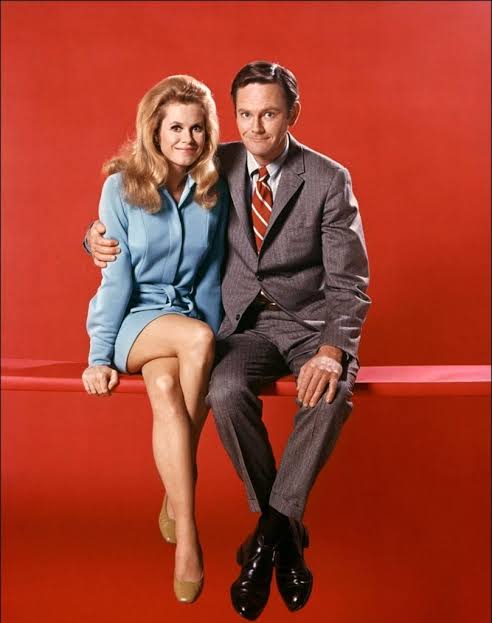
The caustic atmosphere of a divisive set caused Elizabeth to quit the show after the fifth season but ABC offered her so much money she couldn’t refuse. By the show’s final season Elizabeth began to appear in episodes bra-less as a nod to the women’s liberation, and if you watch the later shows, you can tell. Although the fans often blame Sargent for the show’s demise in 1972, the truth is that when her contract was up ABC offered her another fortune to stay but she turned it down. The show had been the highest rated series ever for the network and had been renewed for a ninth season to run from 1972 to 1973. But after eight seasons she’d had enough. She wanted to get as far away from Samantha Stephens as she could. She sought out challenging roles, playing a sexual assault victim in “A Case Of Rape” (1974). an axe killer in “The Legend Of Lizzie Borden” (1975) and a pioneer woman facing hardship in 1820s Ohio in the mini-series “The Awakening Land” (1978). She became known as the “Queen of the TV Movie.”
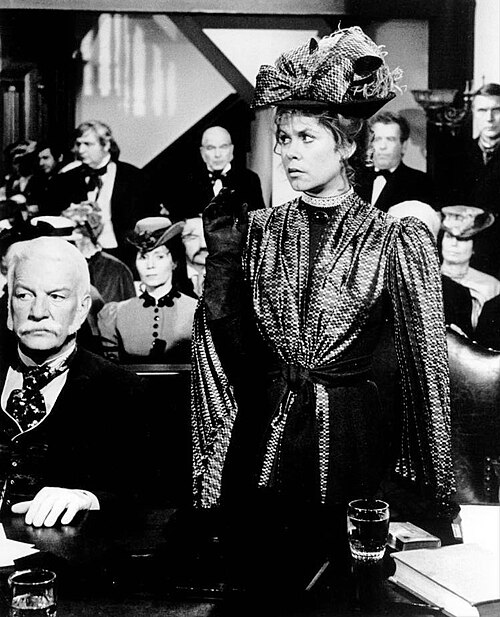
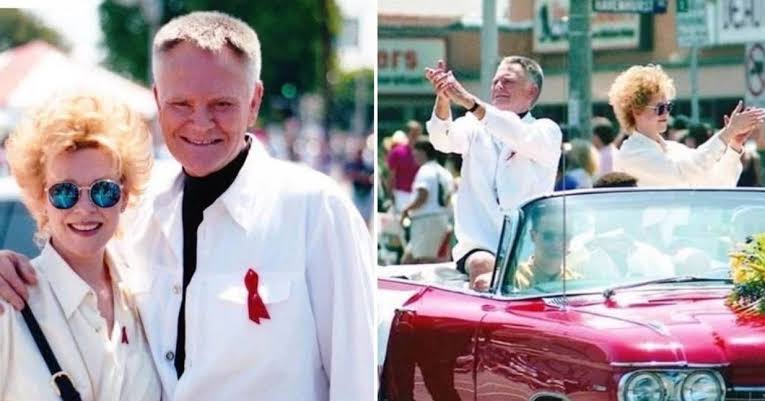
Montgomery lined a wall of her home with photos from all her movies – but none from Bewitched. Though she wearied of Bewitched Montgomery had the last laugh: she owned 20 percent of the show and made millions from residuals. During Bewitched’s run, she was a vocal critic of the Vietnam War. In the late 1980s and early 1990s she narrated a series of political documentaries, including “Coverup: Behind the Iran Contra Affair” (1988) and the Academy Award winning “The Panama Deception” (1992). She was one of the earliest stars to support Aids victims by actively campaigning for gay rights. In June 1992, Montgomery and Dick Sargent were Grand Marshals at the Los Angeles Gay Pride Parade. Montgomery was an outspoken champion of abortion, women’s rights and gay rights throughout her life.
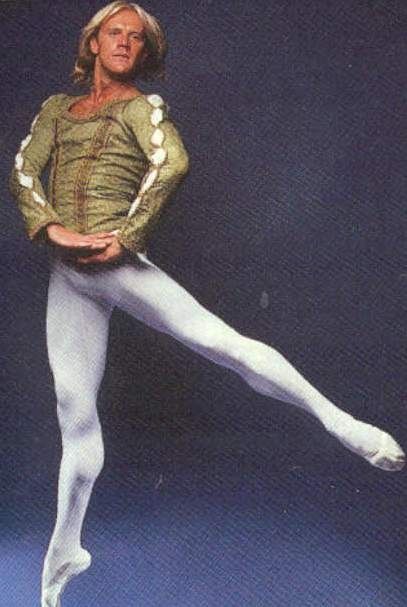
Among her most tormented lovers was former ballet star Alexander Godunov turned actor (Witness and Die Hard). However, he was a hopeless alcoholic who was rumored to be abusive and self-destructive. In 1973, Elizabeth began her longest personal relationship when she met former Falcon Crest star Robert Foxworth, nine years her junior. They were a couple for 20 years before they finally wed in 1993-soon after she ended her affair with Alexander Godunov who descended into an alcohol fueled nose dive at the news.
In the spring of 1995, Montgomery was diagnosed with colorectal cancer only 18 months after the couple was wed. She experienced (and ignored) flu-like symptoms during the filming of the “Deadline for Murder” TV series, which wrapped in late March 1995. By the time the cancer was diagnosed, it was too late for medical intervention. With no hope of recovery and unwilling to die in a hospital, she chose to return to the home that she shared with Foxworth. Her death came quickly, only eight weeks after the diagnosis. She joked that she wanted pina colada in her IV drip and when the end came in her 26-room Beverly Hills mansion she sent her family away from her deathbed, wishing to die alone. Early on the morning of May 18, 1995, Montgomery died peacefully in her bed. Ironically Godunov died that same day. Elizabeth Montgomery was 62 and she was still gorgeous.
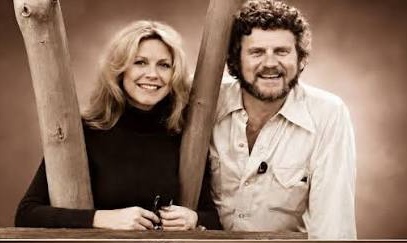
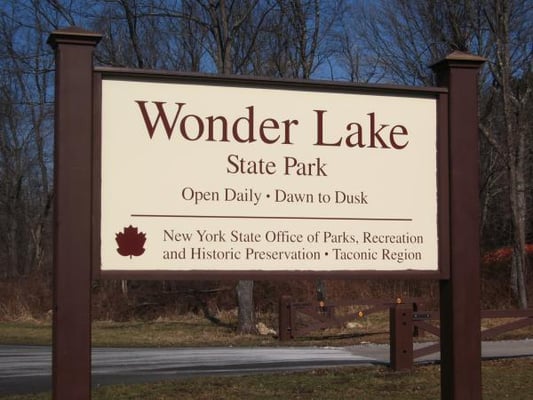
On June 18, 1995, a memorial service was held at the Canon Theatre in Beverly Hills. Herbie Hancock provided the music, and Dominick Dunne spoke about their early days as friends in New York City. Other speakers included her husband, Robert Foxworth, who read out sympathy cards from fans, friends and family. Her remains were cremated at Westwood Village Memorial Park Cemetery and scattered. Elizabeth Montgomery had a summer home in Patterson, New York. Following her death, the 800-acre estate became Wonder Lake State Park.
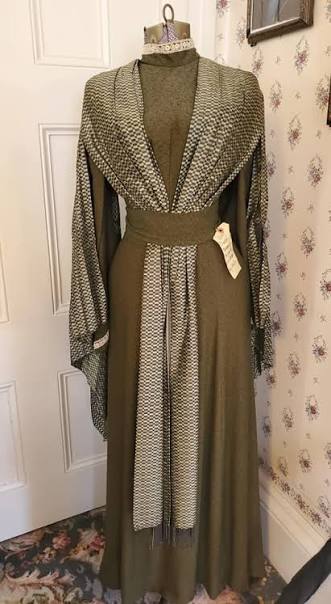
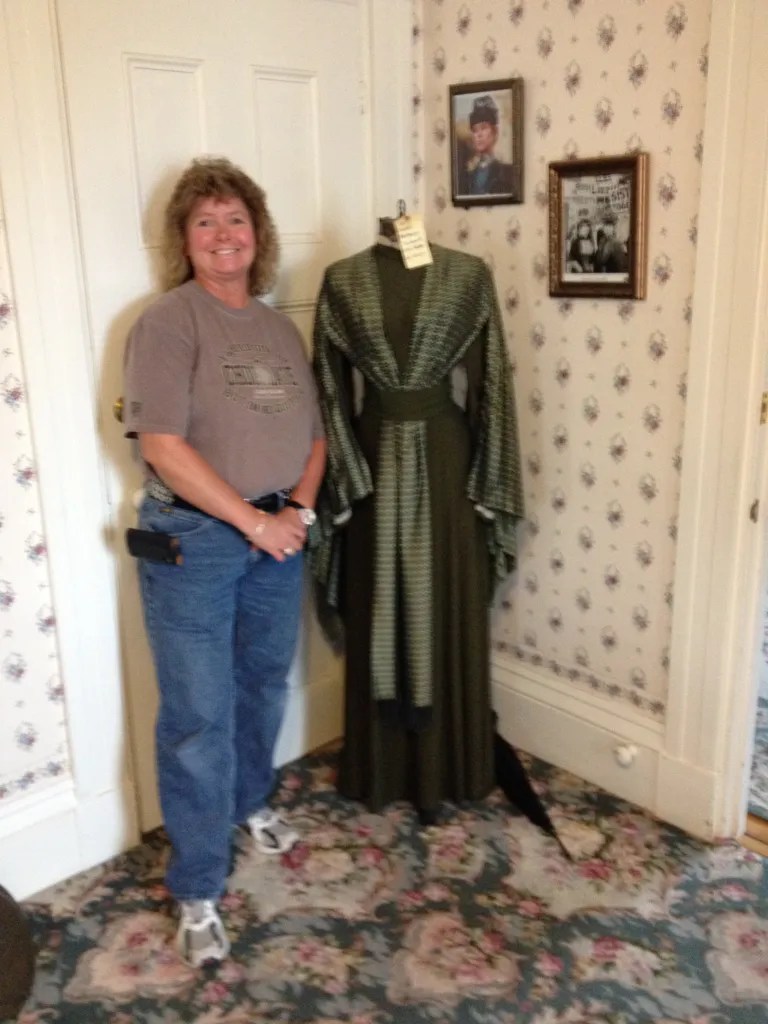
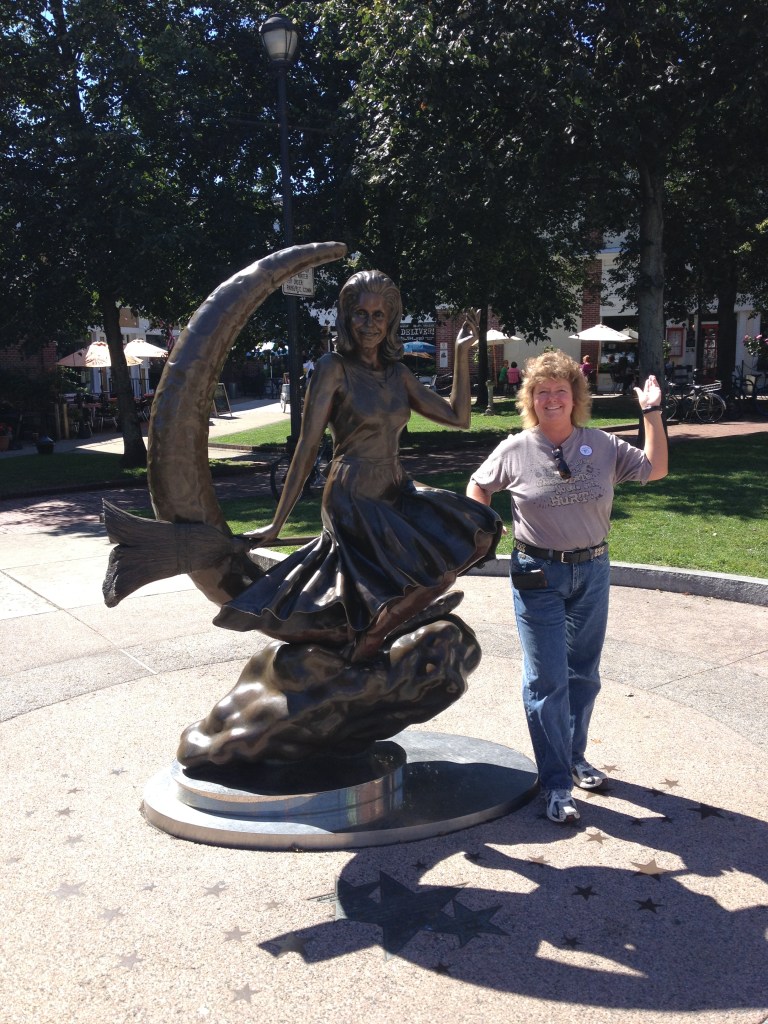
On April 19, 1998, an auction and sale of Montgomery’s clothing was held by her family to benefit the AIDS Healthcare Foundation of Los Angeles. Erin Murphy, who played Tabitha on the series, modeled the clothing that was auctioned. In June 2005, a bronze statue of Montgomery as Samantha Stephens was erected in Salem, Massachusetts. Ironically, Elizabeth and Lizzie Borden were sixth cousins once removed, both descending from 17th-century Massachusetts resident John Luther. It is hard to escape the irony that America’s TV sweetheart, Elizabeth Montgomery, is associated with two of the Commonwealth of Massachusetts most popular, yet spooky, destinations: Salem and Fall River. Next week, I’ll take you on a tour of both.

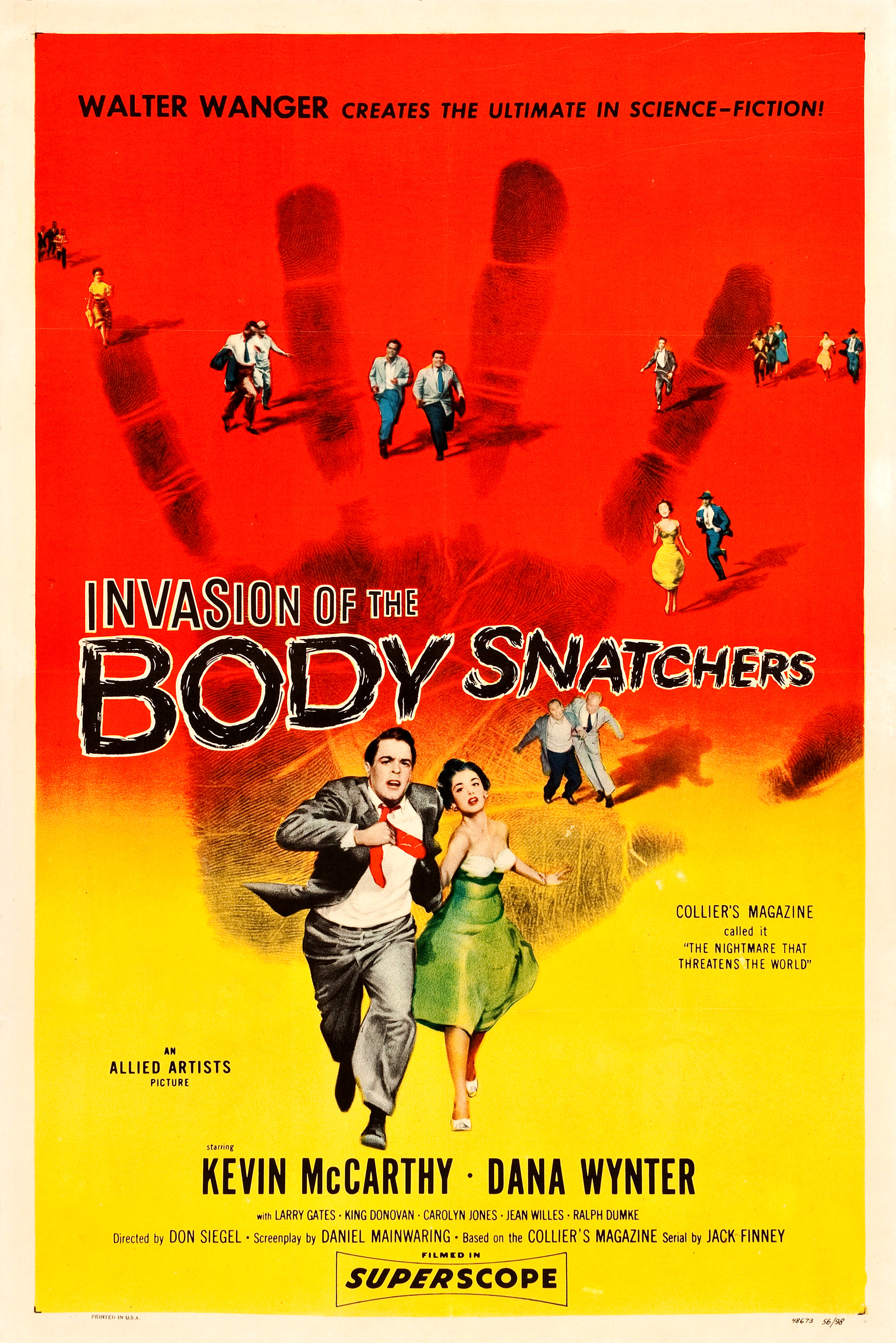 I had the opportunity to meet Kevin McCarthy in Chicago back in 1992 and he was gracious enough to sign a photo for me. It remains a cherished possession. Not only was he a great actor, he was a cousin of former U.S. senator and presidential candidate Eugene McCarthy and one actor Montgomery Clift’s best friends. I could not help but smile wryly when I learned of McCarthy’s death last year on 9/11. He lived to the ripe old age of 96 (we should all be so lucky) and lived a life that most of us can only dream about. The irony of his dying on 9/11, one of the most controversial politically charged dates in American history, was not lost on me. For “Invasion of the body snatchers” remains one of the most controversial politically charged movies of all-time.
 Invasion of the Body Snatchers was selected for preservation in the United States National Film Registry by the Library of Congress as being “culturally, historically, or aesthetically significant”. The American Film Institute ranked “Invasion number nine on its “Ten top Ten” best ten films in the science fiction category. The film ranked number 47 on AFI’s “100 Years… 100 Thrills”, a list of America’s most heart-pounding films.
 Bennell is picked up by the police and questioned in a clinic. The policemen in charge do not believe his account until they receive news of an accident in which a truck carrying strange giant bean pods is opened. The police are quick to alert the authorities; the message has been received, but the actual end of the story is left open. What cannot be denied is the central theme of the heroic struggle of one helpless but determined man of conscience, a small-town doctor (McCarthy), to vainly combat and quell a deadly, indestructible threat. An oft repeated theme of Sci-Fi films of today
 The film is widely viewed as an indictment of McCarthyism and the Red Scare Anti-Communist Era. The unmistakable metaphor: the turning of people into soulless doubles while they sleep represents the dangers faced of America turning a blind eye to McCarthyism. Over the years, others have interpreted the film as a metaphor for the loss of the individual in modern mass civilization, or paranoia about the spread of socialistic Communism, or blacklisting of Hollywood, or as a representation of the loss of personal freedom in the Soviet Union, or the spread of an unknown malignancy or virulent germ (a metaphor within a metaphor about the fear of annihilation by ‘nuclear war’), or of bland conformity in postwar Eisenhower-era America. Still others argue the film is an indictment of the damage to the human personality caused by ideologies of Right versus Left, a theme that resonates today.
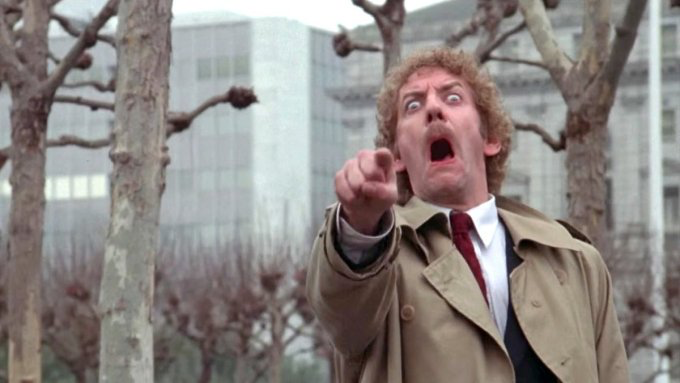
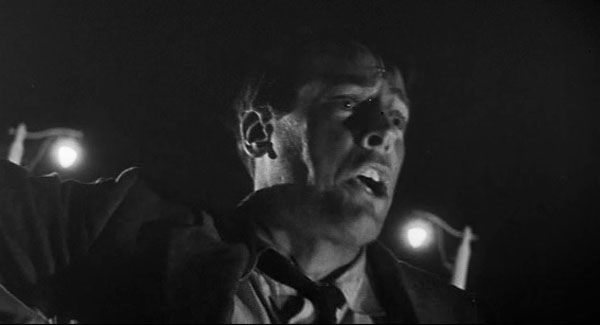
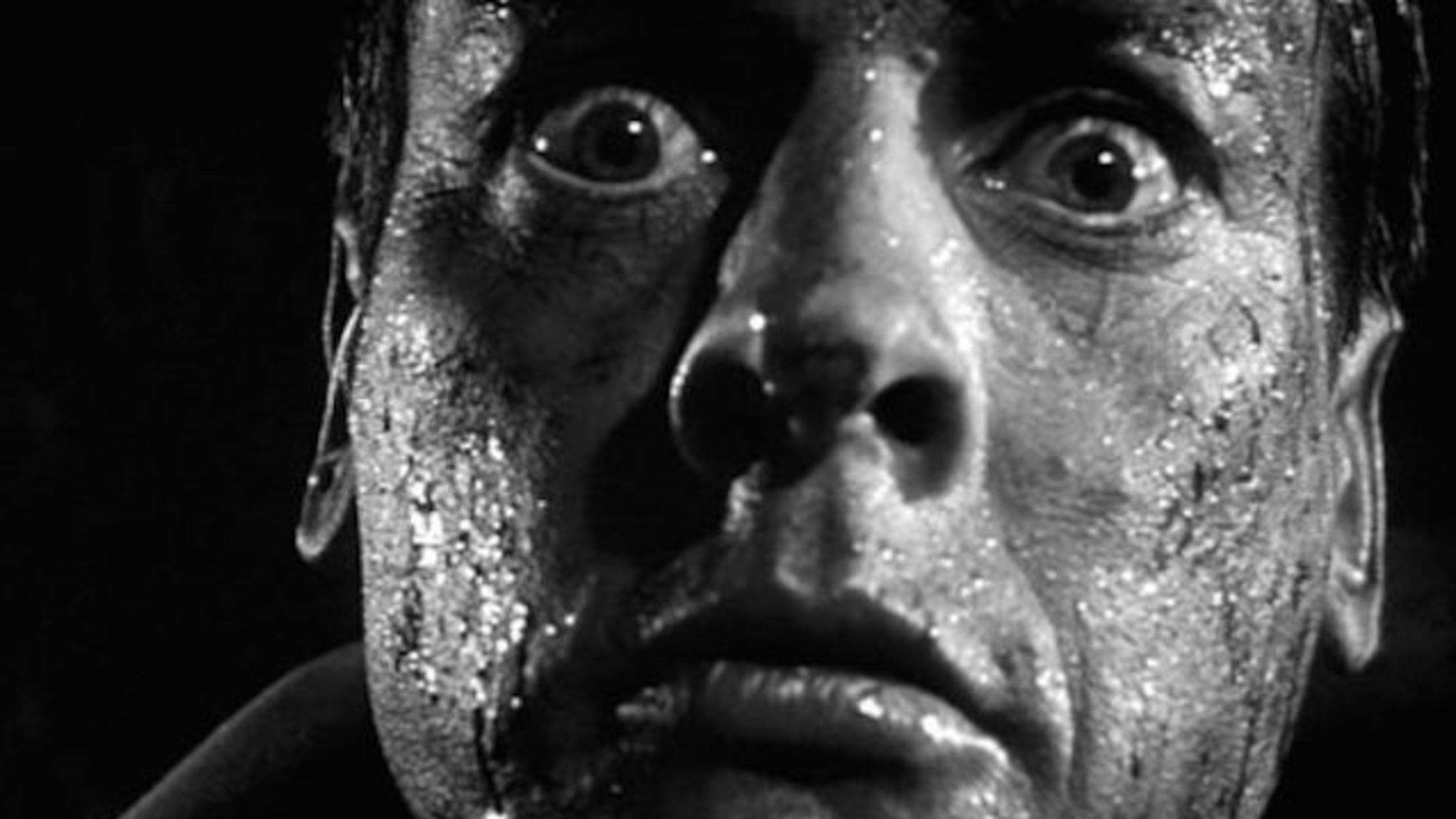 And whenever I wish, I can conjure up an image in my mind of the wide-eyed sweat and grime covered face of McCarthy as a crazed prophet of doom pointing directly into the camera desperately speaking his warning to humanity: “Look, you fools. You’re in danger. Can’t you see? They’re after you. They’re after all of us. Our wives, our children, everyone. They’re here already. YOU’RE NEXT!” Rest in Peace Kevin McCarthy.
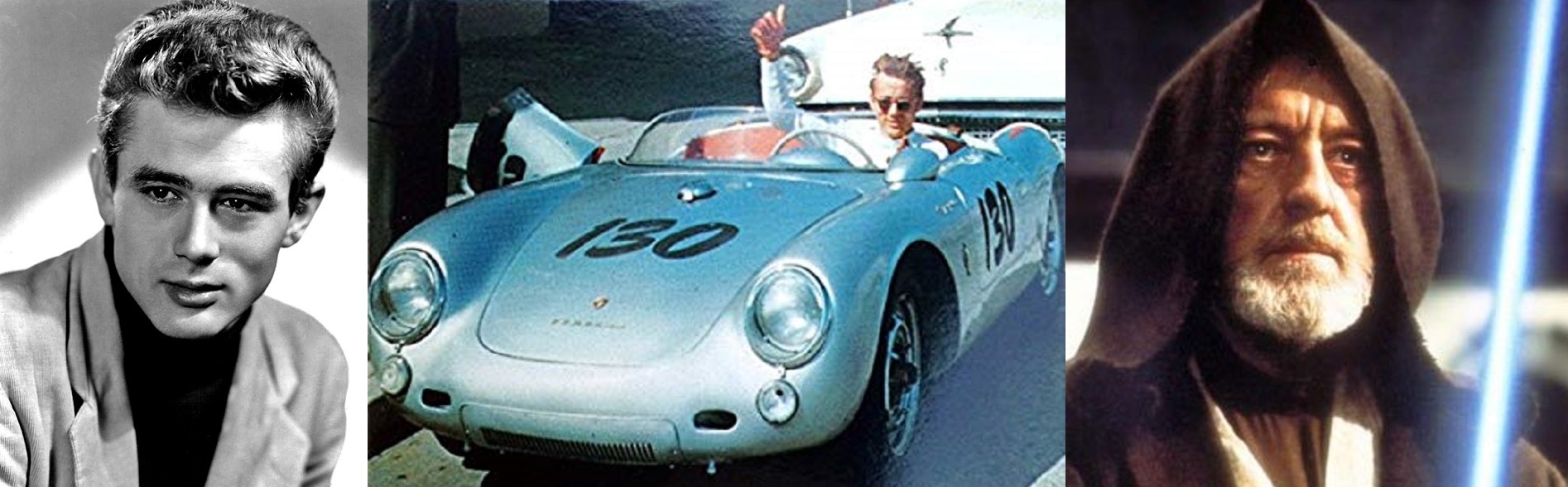
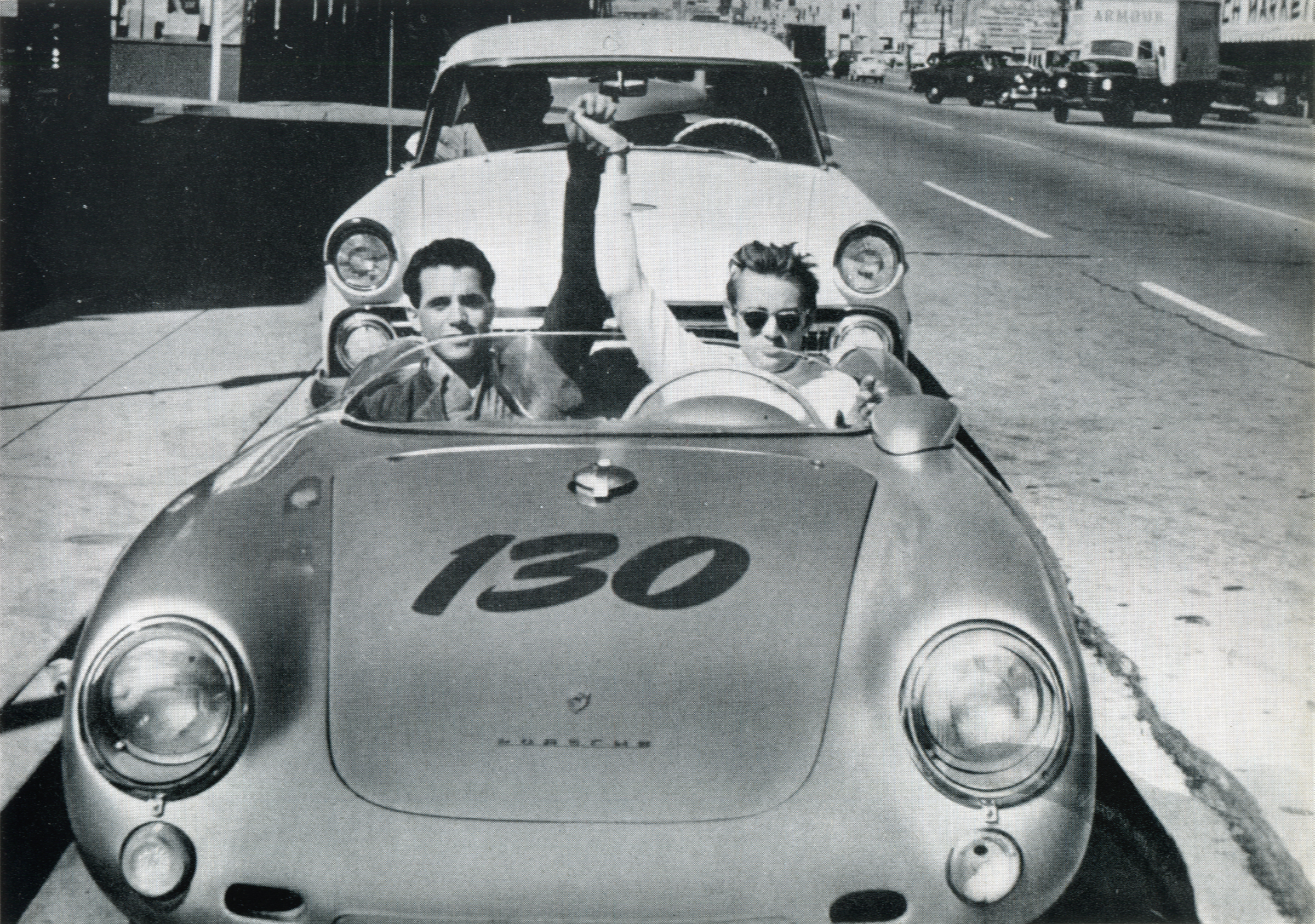
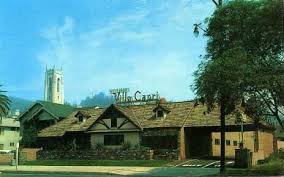
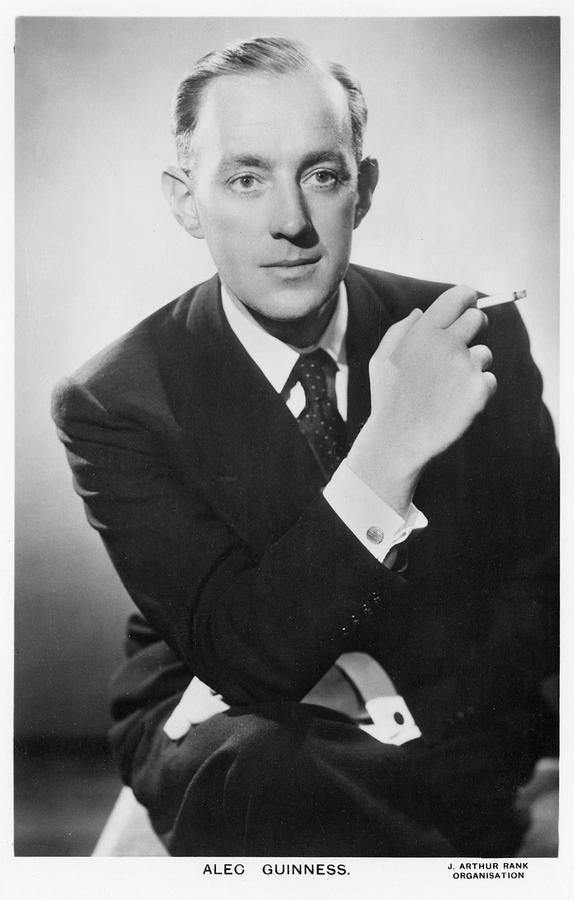 Guinness and Moss followed Dean to the restaurant, but before they reached the door, Dean stopped and said, “I’d like to show you something.” Years later, Guinness recalled “There in the courtyard of this little restaurant was this little silver thing, very smart, all done up in cellophane with a bunch of roses tied to its bonnet.” The young method actor told his new British star, “It’s just been delivered,” said Dean “I haven’t even been in it at all.” Guinness thought the car looked “sinister”. “How fast is it?” he asked. “She’ll do a hundred and fifty,” replied Dean.
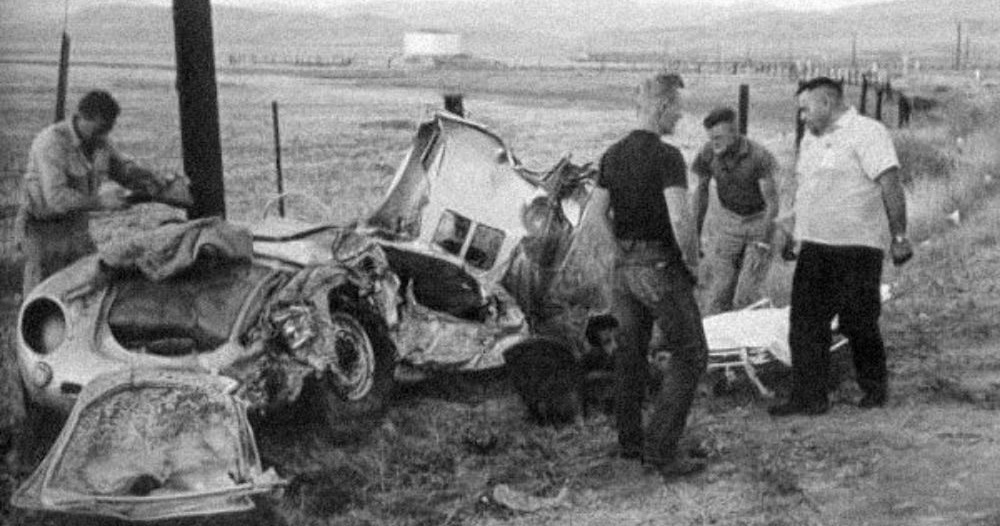
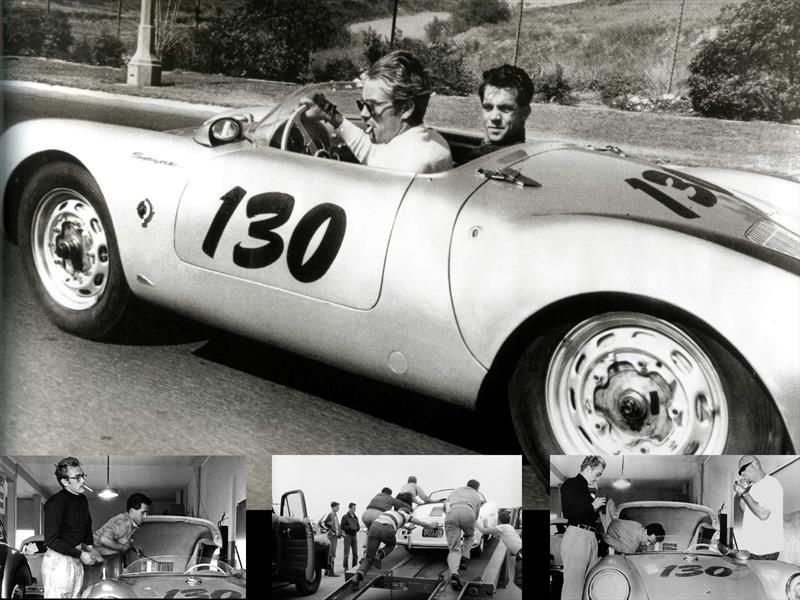 At 3:30 p.m., Dean was stopped by California Highway Patrolman O.V. Hunter at Mettler Station on Wheeler Ridge, just south of Bakersfield, for driving 65 mph in a 55 mph zone. Hickman, following the Spyder in Dean’s Ford “woodie” station wagon pulling the trailer, was also ticketed for driving 20 mph over the limit, as the speed limit for all vehicles towing a trailer was 45 mph. After receiving the citations, Dean and Hickman turned left onto SR 166 / 33 to bypass Bakersfield’s congested downtown district. This bypass became known as “the racer’s road”, a popular short-cut for sports car drivers going to Salinas. The racer’s road went directly to Blackwells Corner at U.S. Route 466 (later SR 46). Around 5:00 p.m., Dean stopped at Blackwells Corner for “apples and Coca-Cola” and met up briefly with fellow racers Lance Reventlow and Bruce Kessler, who were also on their way to Salinas in Reventlow’s Mercedes-Benz 300 SL coupe. As Reventlow and Kessler were leaving, they all agreed to meet for dinner that night in Paso Robles.