Original publish date: May, 2014 Reissue date: October 3, 2019
The ambush of Bonnie and Clyde some 80 years ago this month proved to be the beginning of the end of the “Public Enemy” gangster era of the 1930s. By the time of their bloody, bullet riddled deaths on May 23, 1934, new federal statutes made bank robbery and kidnapping federal offenses; and the growing relationship between local jurisdictions and the FBI, plus two-way radios in police cars, combined to make the outlaw bandit sprees much more difficult to carry out. Two months after the Bonnie and Clyde massacre, Hoosier John Dillinger was ambushed and killed in a Chicago alleyway beside the Biograph theatre; three months later, Charles Arthur “Pretty Boy” Floyd was killed by 14 FBI bullets fired into his back in a Clarkson, Ohio cornfield; and one month after that, Lester Gillis, aka “Baby Face Nelson”, shot it out, and lost, in Barrington, Illinois.

Everyone knows of Dillinger’s connection to our state and city. Many know that Pretty Boy Floyd spent time here assisting Dillinger in the robbery of an East Chicago bank on January 15, 1934 where Police Sargent William Patrick O’Malley died at the hands of the gang. Devoted Hoosier crime buffs also recognize that Baby Face Nelson coasted through the state during a robbery of the Merchants National Bank in South Bend on June 30, 1934, during which a police officer was shot and killed. But what about Bonnie & Clyde? Do they have Indiana connections?
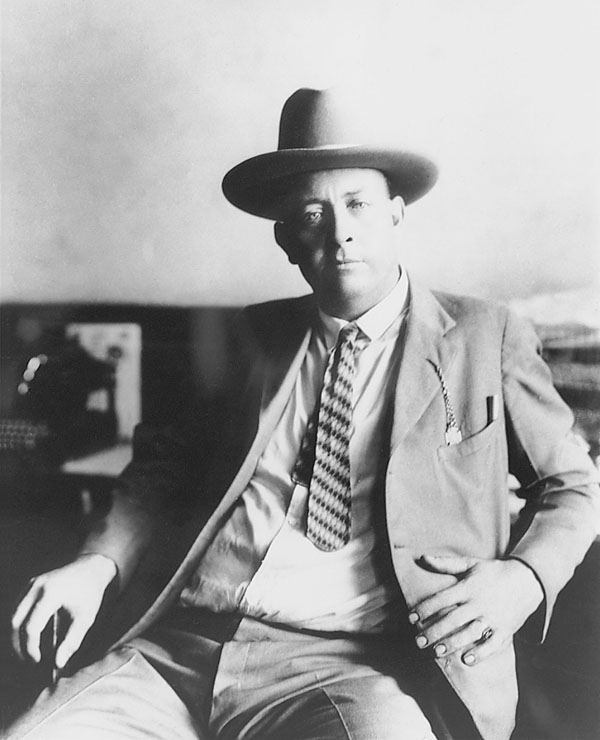
Of course! The more your research, the more you find that EVERYTHING has an Indiana connection. For one, the posse that signed on to hunt down the duo to the death, led by the legendary Frank Hamer, had begun tracking the pair on February 12, 1934. Hamer studied the gang’s movements and found they swung in a circle skirting the edges of five Midwestern states, including Indiana, exploiting the “state line” rule that prevented officers in one jurisdiction from pursuing a fugitive into another. Barrow was a master of that pre-FBI rule, but he became quite predictable in his movements, so the experienced Hamer charted his path and easily predicted where he would go next.
On May 12, 1933, during Hamer’s heightened observation, Bonnie and Clyde and the Barrow Gang robbed the Lucerne State Bank in Lucerne Indiana. Some say the gang netted $300, other accounts say they left empty-handed. Lucerne, an unincorporated community founded by Swiss immigrants in Cass County, seems to have forgotten their connection to the deadly duo.
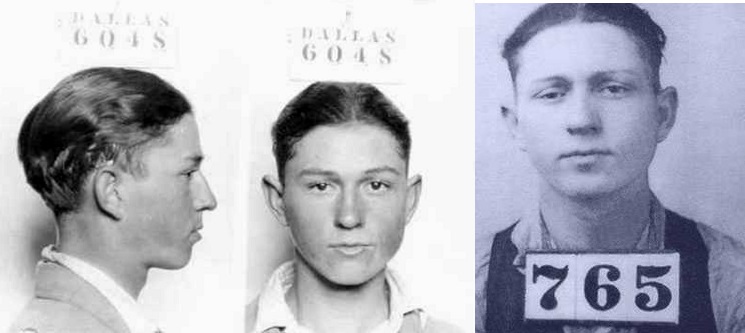
On Thursday May 11, Clyde and Buck cased the place. Later that night, Bonnie dropped the pair off and drove their most recent stolen Ford V-8 out of sight. The duo broke into the building and waited for clerks to arrive to open the bank in the morning. Clyde figured that he could get the drop on the unsuspecting employees before customers arrived to interfere. Great idea, in theory at least. Turns out, it was a fiasco.
Employees Everett Gregg and Lawson Selders arrived at 7:30 Friday morning. As soon as the tellers entered the room, closing the door behind them, the Barrow boys jumped out from their hiding places, ordering the startled workers to put their hands up. But this was 1933 and the rash of bank robberies across the state had made everyone jumpy. The bank managers had hidden a shotgun behind the cashier’s desk. Seems that although the Barrow brothers were alone in the building for hours before the robbery, neither thought to search the place. Cashier Gregg and the Barrow boys exchanged several shots, but no one was hit.
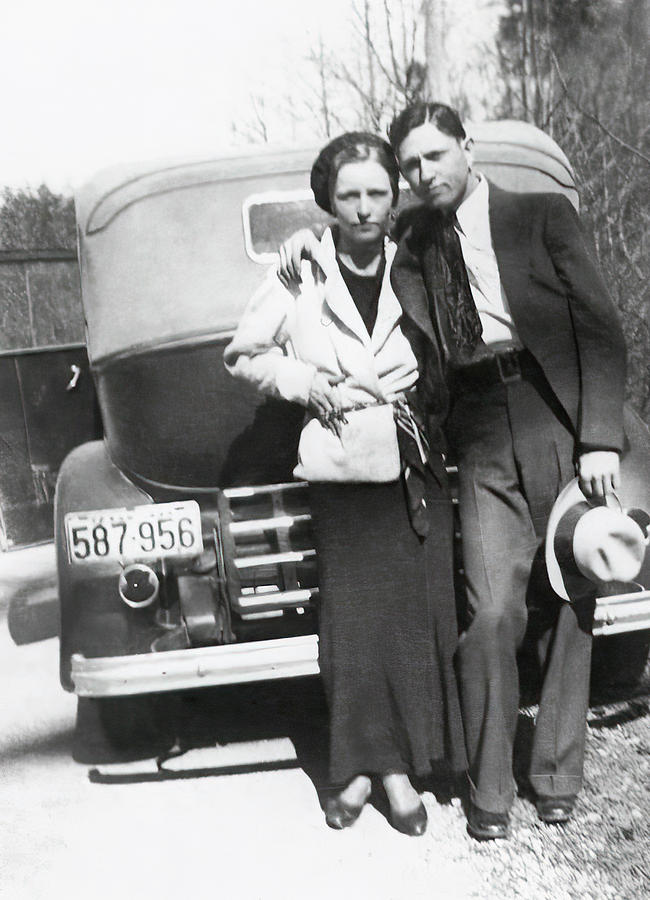
Charging to the sound of the gunfire, Bonnie and Buck’s wife Blanche roared to the rescue in their Flathead Ford. Bonnie was driving. The girls expected to see the boys running out of the bank, arms full of bank bags stuffed with cold hard cash. Instead, their husbands came sprinting towards them firing wildly over their shoulders apparently empty handed. Clyde jumped into the driver’s seat and, despite his well known prowess as a world class driver, getting out of town proved as difficult as the robbery. Locals were out for their morning stroll as the car roared through the small town.
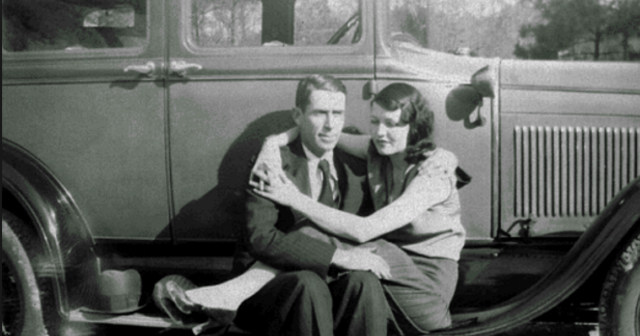
One good citizen deduced that there was a robbery in progress. He quickly picked up a large chunk of wood and threw it in front of the speeding automobile. Clyde swerved into a nearby yard to avoid it. Another man jumped onto the hood of the Ford and Clyde yelled at Bonnie to “shoot him, shoot him!” She grabbed a gun and began to shoot, but failed to hit her prey. The ersatz hitchhiker fled in panic, gunpowder peppered through his thinning white hair. Bonnie later told her family that she deliberately missed because she “didn’t want to hurt an old man.”
By now, the whole town of Lucerne seemed to be descending on the outlaws. Guns were sprouting out of every doorway as nervous townsfolk took potshots at the fleeing robbers. Trouble was, the outlaws were shooting back. Two women, Ethel Jones and Doris Minor, were slightly wounded in the melee. The women were luckier than the livestock though. Clyde plowed his car straight through a pack of hogs, killing two of them, making these the only fatalities of the encounter. By all accounts, the robbery did not go well and Clyde, with Bonnie, his brother Buck and Blanche, had to shoot their way out of town for a paltry reward. According to the official Lucerne report in the FBI files, the gang’s getaway car was recovered in Rushville a couple days later.
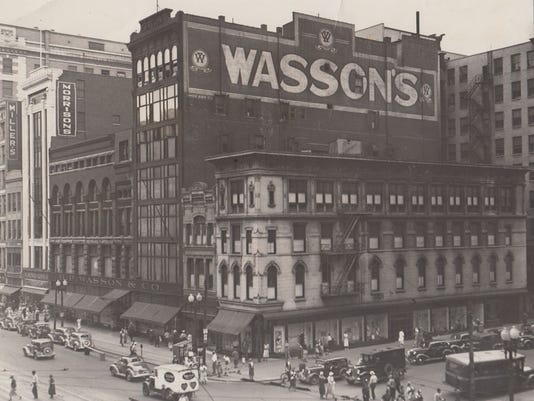
Evidently, perhaps hyped by their adrenaline infused escape, Clyde and his crew stopped into Indianapolis to do some shopping before leaving the Hoosier state forever. As promised in part I of this story, the most famous grisly blood relic associated with Bonnie & Clyde came from a well known department store in downtown Indy. Clyde Barrow’s death shirt came from the H.P. Wasson and Company (aka Wasson’s department store) located at the intersection of Washington and Meridian Streets in Indianapolis.
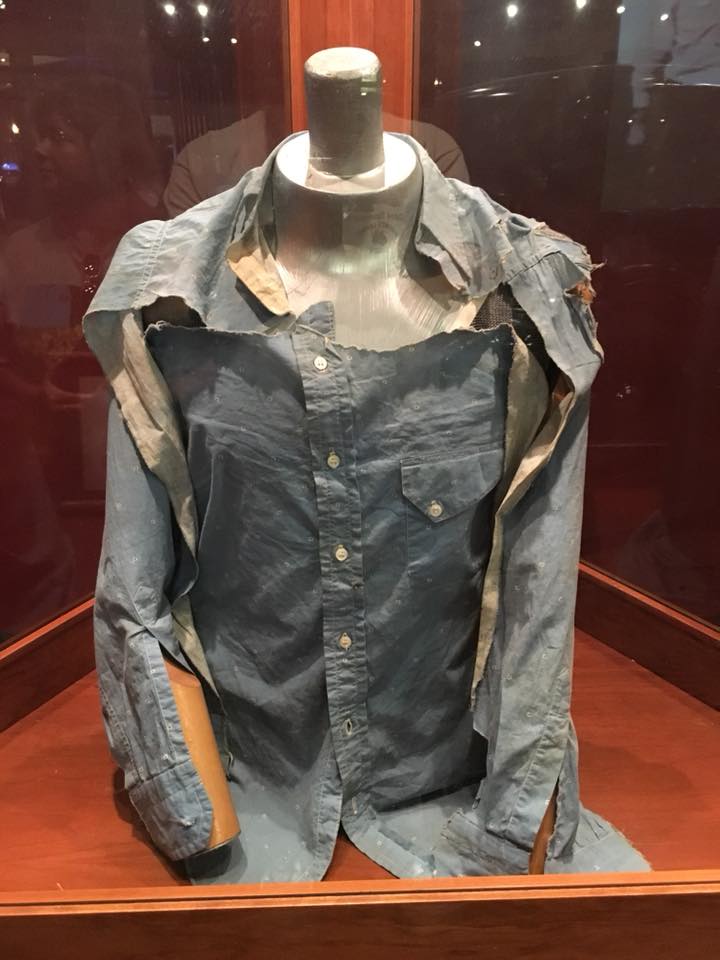
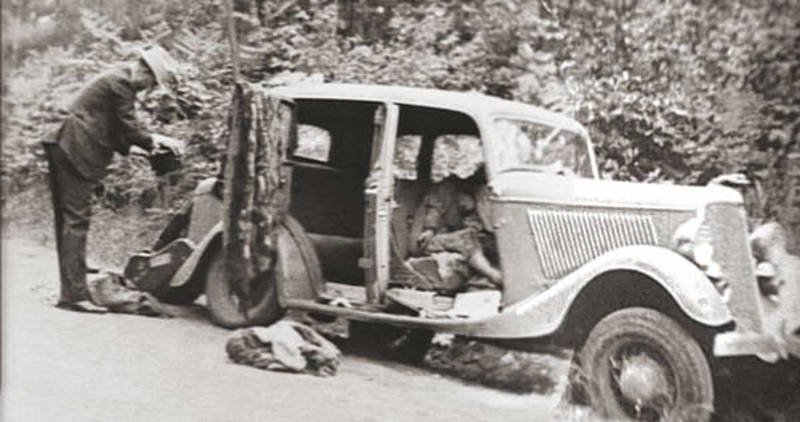
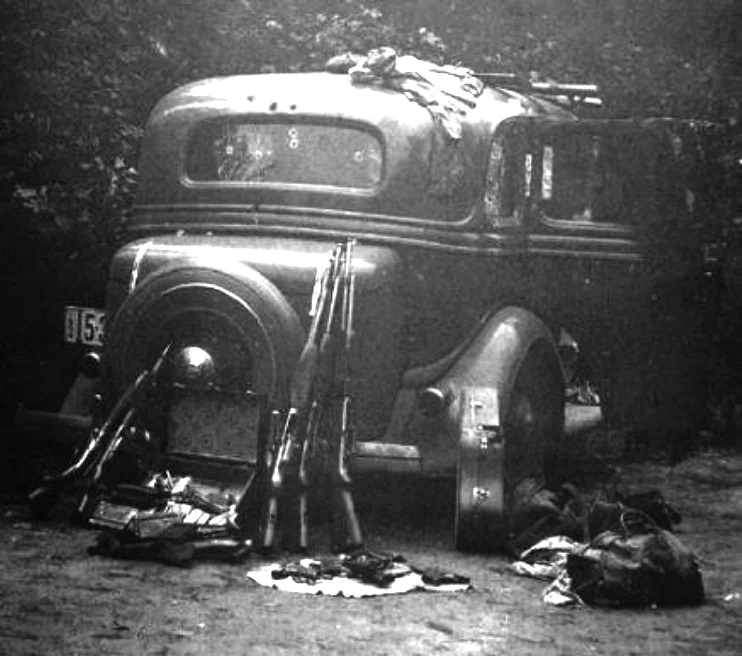
 Clyde was wearing a size 14-32 western style shirt of light blue cotton print with “one patch pocket and pearl buttons” when he was shot to death near Gibsland, Louisiana. The neck label on the shirt reads: “Wasson V Towne shirt/Indianapolis”. The shirt was removed from Clyde Barrow’s body by the coroner who performed the autopsy. Hit by over twenty rounds (Including buckshot), Clyde’s bullet-riddled body slumped against the shattered steering wheel, his 12-gauge shotgun, damaged by the gun fire, slid to the floorboard beside him. Bonnie, with a half-eaten sandwich and magazine at her side, was also struck over twenty times. Both of the star crossed lovers died instantly.
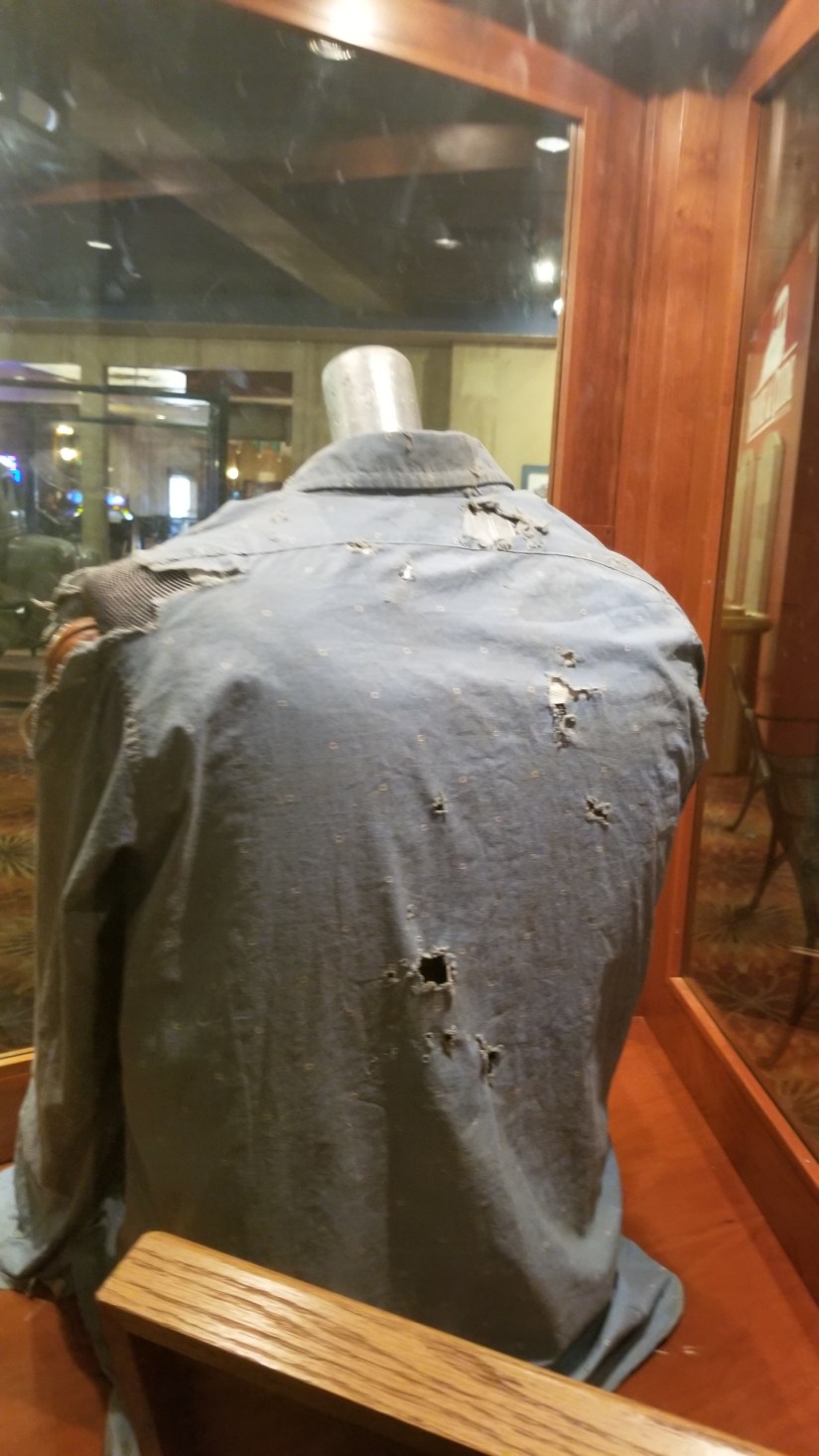
The Clyde Barrow death shirt contains over 30 bullet or buckshot holes and the cuts made by the mortician when the shirt was removed. An inked inscription on the shirt tail reads: “This is Clyde Barrow’s shirt worn on May 23, 1934 when be was killed.” and is signed by his youngest sister Marie Barrow as its witness. Traces of bloodstains remain in Parts of fabric. The shirt was given to Clyde’s mother, Connie Barrow, after his death. Marie said her mother kept the shirt in a cedar chest for years before passing it on to her.
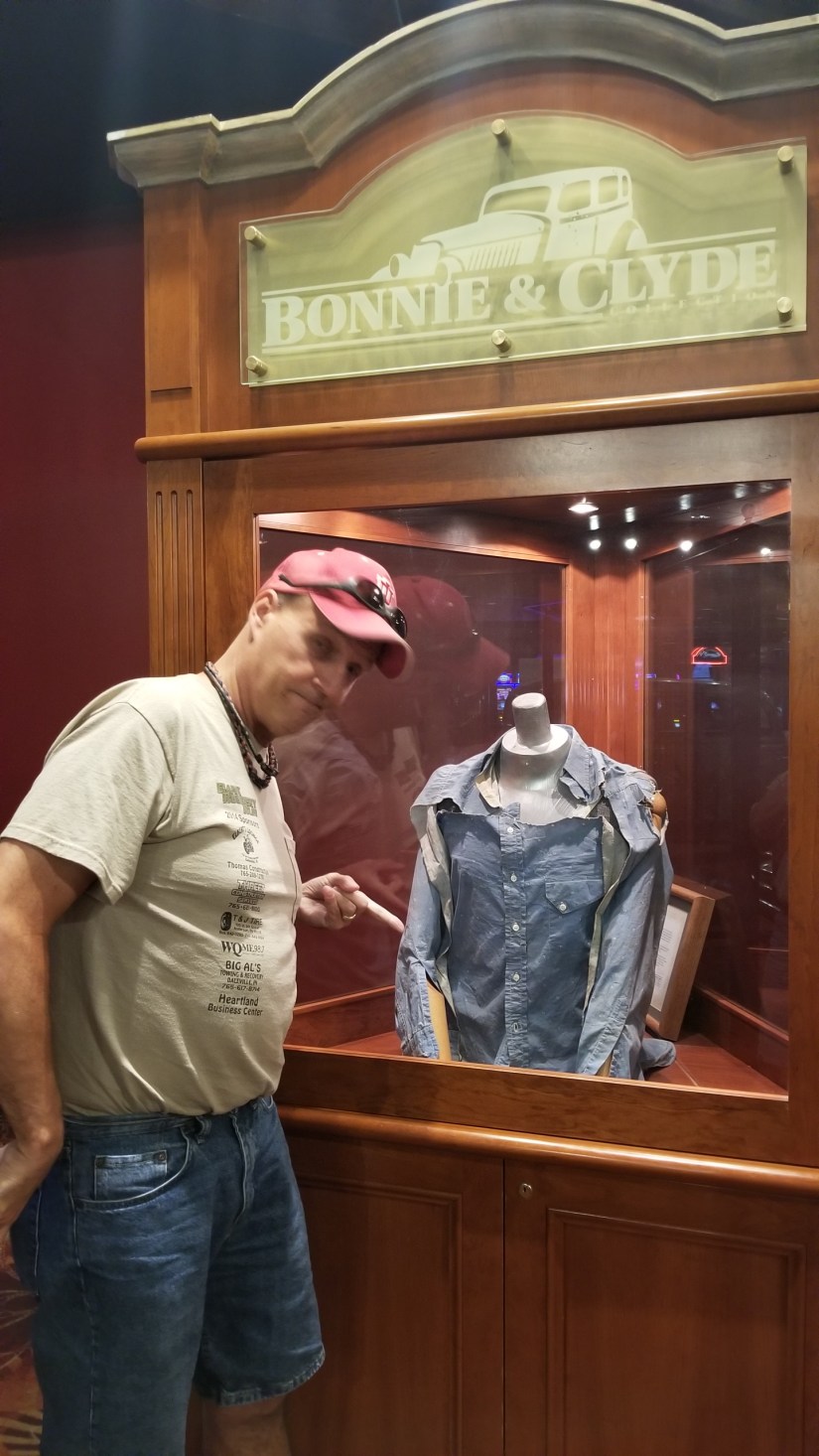
The shirt was sold, ironically, on tax day of 1997 by a San Francisco auction house. The bidding was fast and furious and in the end, a Nevada casino known as “Whisky Pete’s ” paid $85,000 for the bloodstained shirt. Much more than Clyde ever stole in his lifetime. That number does not include the $ 10,000 buyer’s premium. The rest of Clyde Barrow’s belongings including a belt and necklace made by Barrow while in prison, a handmade mirror and 17 Barrow family photos, brought $187,809, most of which went to Marie Barrow, Clyde’s sister (She died in 1999).
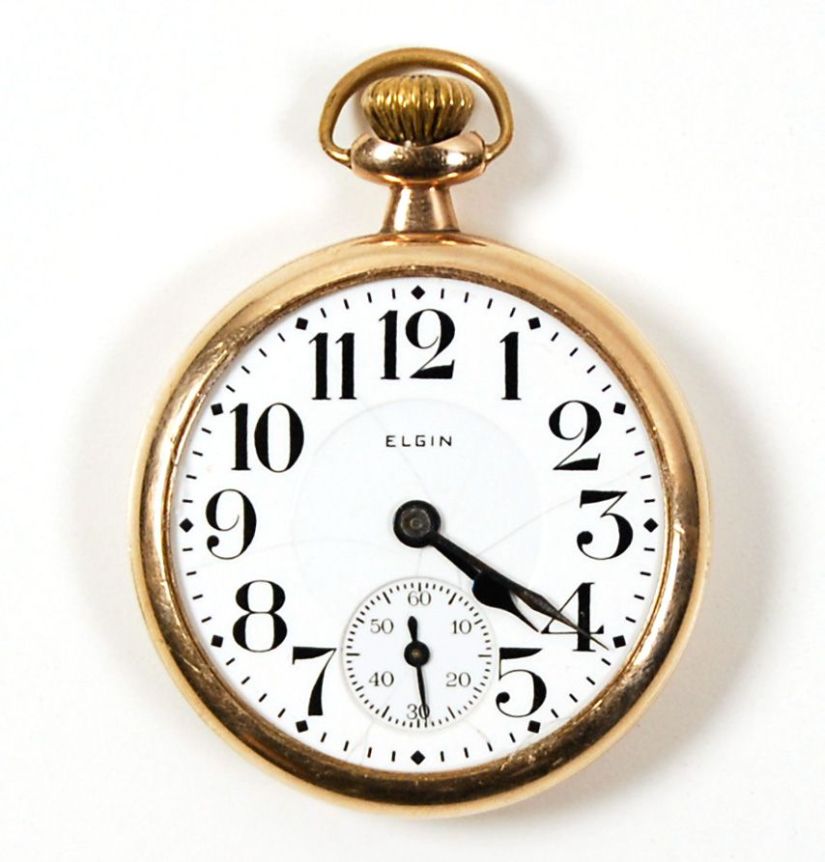
One of the more prized personal relics that hit the auction block that day was Clyde’s 17-jewel, 10-carat gold-filled Elgin pocket watch. Expected to bring in $3,000, it was sold to an anonymous phone bidder for $20,770, including buyers’ fees. All items in the Barrow lot sold for amounts in excess of their estimated value, often doubling and tripling those estimates. The remaining Barrow family was at the auction to take a final look at the items before they changed hands. That Elgin pocket watch had an “Indianapolis movement.” Did I mention that Wasson’s also sold pocket watches?
Next Week: Part III of Bonnie & Clyde-Saga of he Death Car
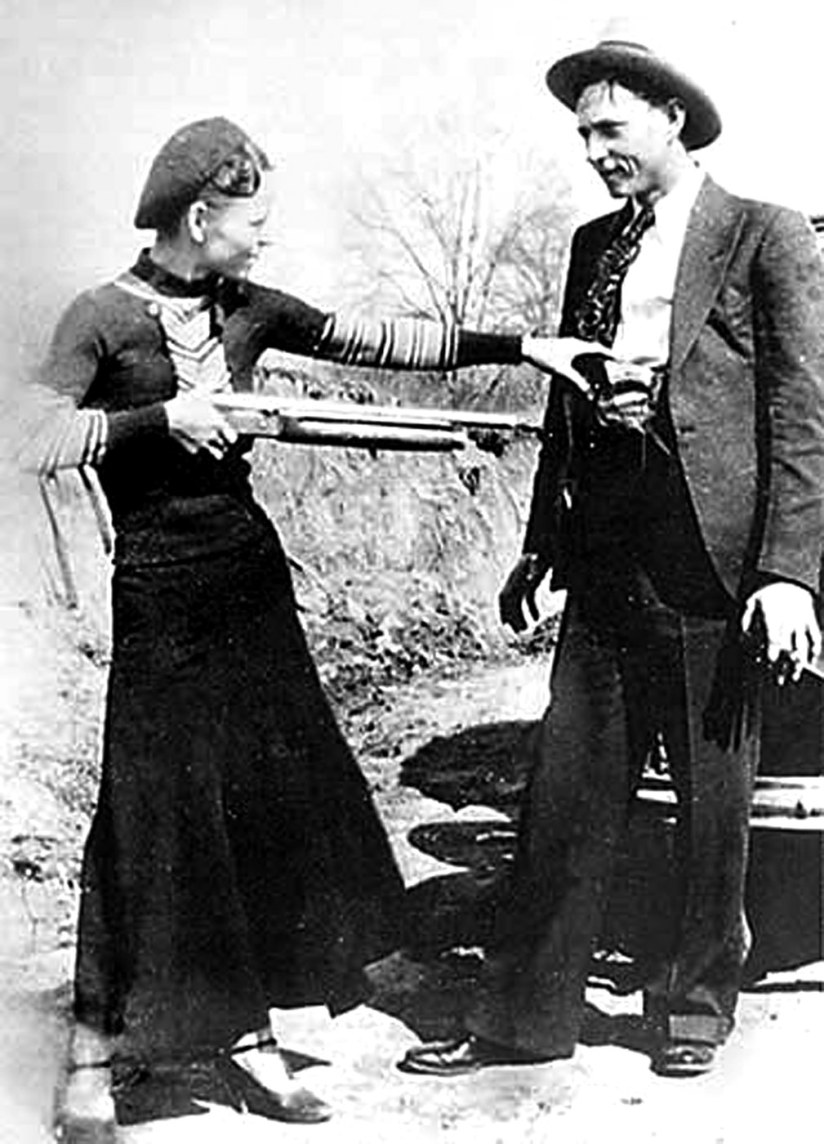
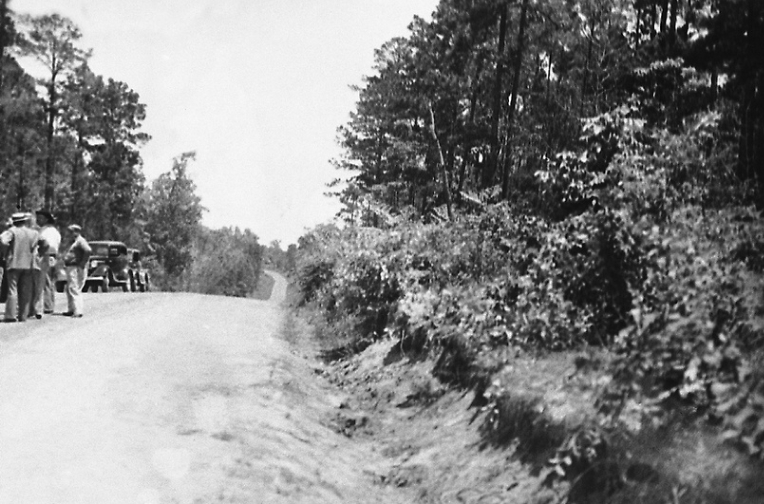

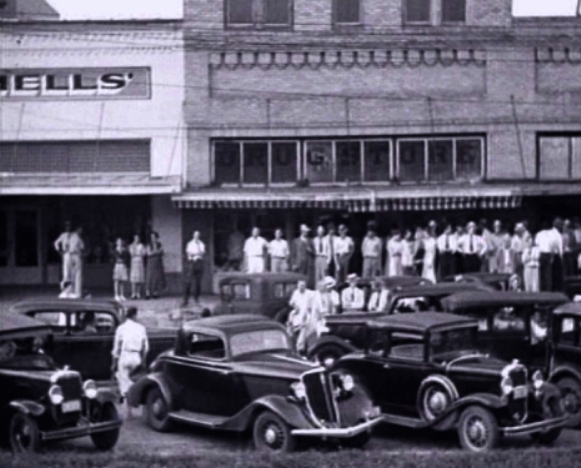
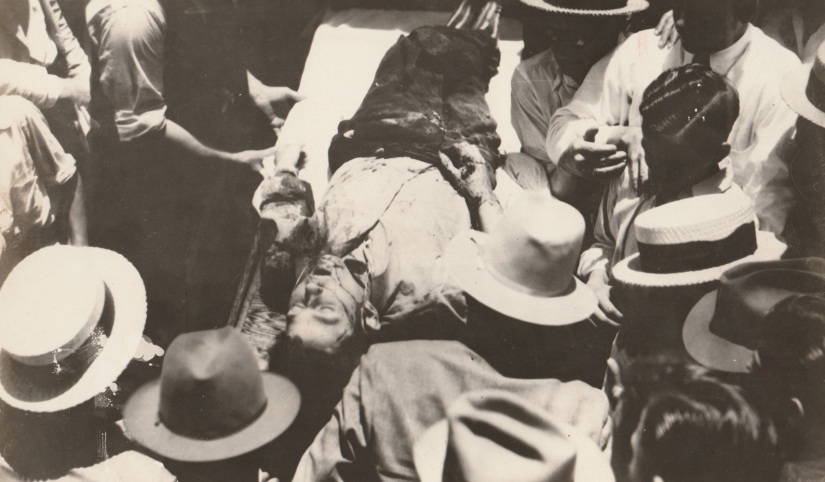
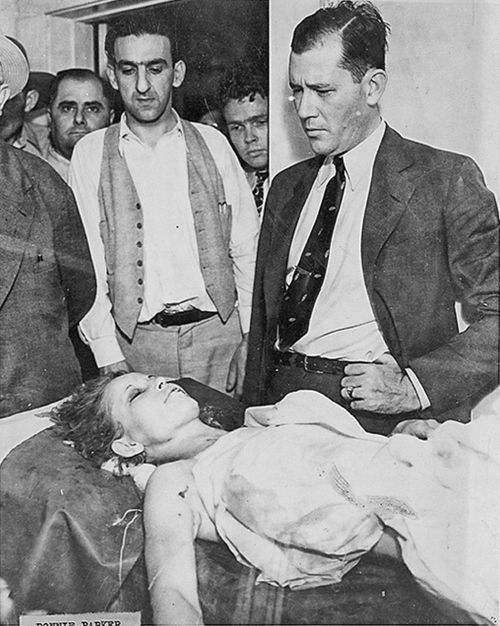
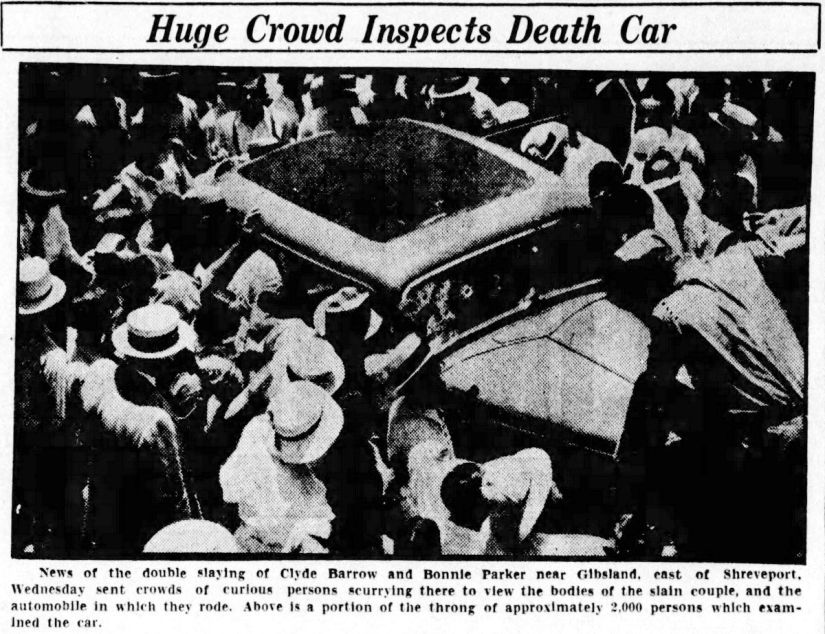 Word of the ambush quickly spread after the officers drove into town to telephone their respective bosses. A raucous crowd soon flooded the death scene and the car that was still resting there. Two members of the posse were left to guard the bodies, but they quickly lost control of the bloodthirsty souvenir hunters. Locals pushed and shoved their way to the death car; one woman cut off bloody locks of Bonnie’s hair and pieces from her dress. She was later seen back in town selling them as grisly souvenirs. Hinton returned just in time to keep a man from cutting off Clyde’s trigger finger. Arriving at the scene, the coroner observed the following: “nearly everyone had begun collecting souvenirs such as shell casings, slivers of glass from the shattered car windows, and bloody pieces of clothing from the garments of Bonnie and Clyde. One eager man had opened his pocket knife, and was reaching into the car to cut off Clyde’s left ear.” The coroner enlisted Hamer for help in controlling the “circus-like atmosphere” and Clyde’s ear remained intact.


 Needless to say, I was pleased with my visit to and pleasantly reminded how invaluable places and people like these are to the preservation and education of history. After the ACHS helped fill in some blanks in my research, I turned my attention to author Bill Frassanito. He is intensely private, yet unassuming and modest in demeanor. Although an author by trade and historian by nature, Mr. Frassanito has the soul of a teacher.

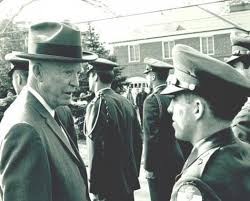
 When asked what first drew him to Gettysburg, he explains, “My first trip to Gettysburg was in 1956 when I was nine years old, and I was just awed by all the monuments, cannons and stuff. I started my research when I was a kid and much of the research for Journey in Time was done when I worked it into a Masters thesis (he is a proud Gettysburg College alum). “When you went to Gettysburg College, I was the high school class of ’64, college class of ’68, at that time all the male students had to take either phys ed or ROTC for two years, after that you made the decision whether you continued on to advanced ROTC, then you were a part of the Army and you got paid. From there you are committed to, after graduation, serving for two years as a second lieutenant, then on to grad school.”

 Bill’s collecting interests are not solely confined to Gettysburg. “All of my stuff is going to the Adams County Historical Society. It will be called the Frassanito collection. Including all my stuff that goes beyond Gettysburg and Adams County. My interest in military history includes World War I and Franco Prussian war, it’s very expansive.” Mr. Frassanito’s interest in all things military came when he saw the 1956 movie “War and Peace” starring Audrey Hepburn and Henry Fonda and, he states, “from that time on I’ve been fascinated by Russian history including the Crimean War” (October 1853 to February 1856 in which the Russian Empire lost to an alliance of the Ottoman Empire, France, Britain and Sardinia).

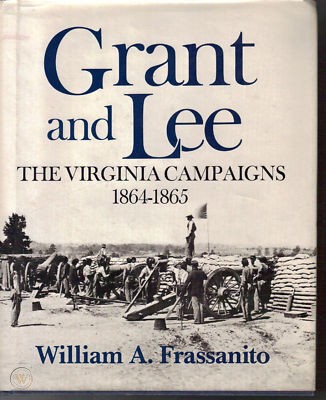
 Bill continued, “I fortunately survived Vietnam and I put it (his book research) all together when I got out of the Army. I tried to get a job in the museum field but the book took off when I signed with one of the top publishers, Charles Scribner’s. It was later picked up for the Book-of-the-Month club. That became the first of seven books on Civil War photography. I spent eight years and eight months on that project.” One of Bill’s most important discoveries was the “Slaughter Pen” near Devil’s Den. Bill’s book included detailed maps. Bill explains, “The whole purpose of the book was to enable people to re-experience standing where the photographer was. One of the questions I often get is why I don’t update the modern photographs. I’ll never do that as I see them as sort of a time capsule in themselves and I want people to know what the battlefield looked like when I spent five years looking for these spots.”
 Frassanito notes that the publication of that photo started a search that is still going on 44 years later. There have been two dozen sites that have been suggested as the site of the photograph. “When people make their discoveries it becomes a religious experience. Every one of those sites has major problems. As far as I’m concerned I don’t want to see a faulty location declared the site and have the search end. That’s the biggest mystery for Civil War photography at Gettysburg. And I’m hoping that one day a pristine 1863 version of the original stereoview or negative surfaces.”
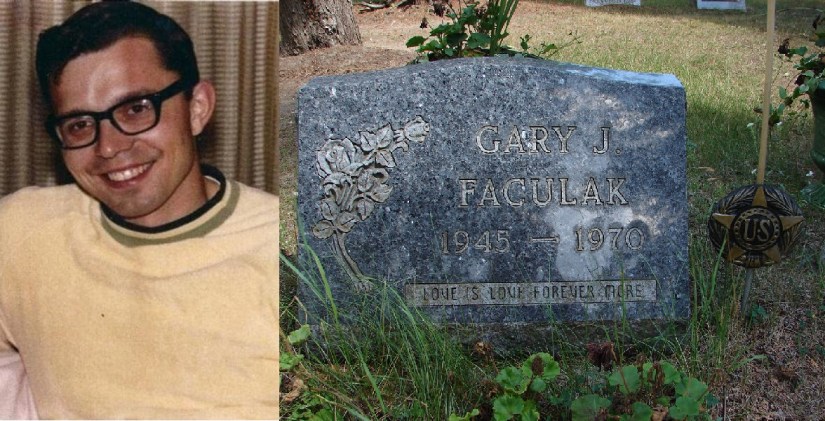
 “I lived about 2 miles away in kind of a slum area of Saigon, it was a hotel we rented from the Vietnamese called Horn Hall. On the main floor was a narrow lobby, and there were two shifts requiring a duty officer, you had to spend six hours just sitting there. You had a pistol and if anything happened, you were in charge. One of the shifts was midnight to six. On the 16th of December 1970 I was assigned night duty at MACV headquarters so my name was removed from the night duty at Horne Hall. Later, we got a phone call that a bomb had gone off that night at Horne Hall and the Lieutenant on duty was instantly killed. And I realized that had I been sitting there, all of my discoveries would have gone with me. And these classic photos of the 24th Michigan and 1st Minnesota would still be misidentified.”


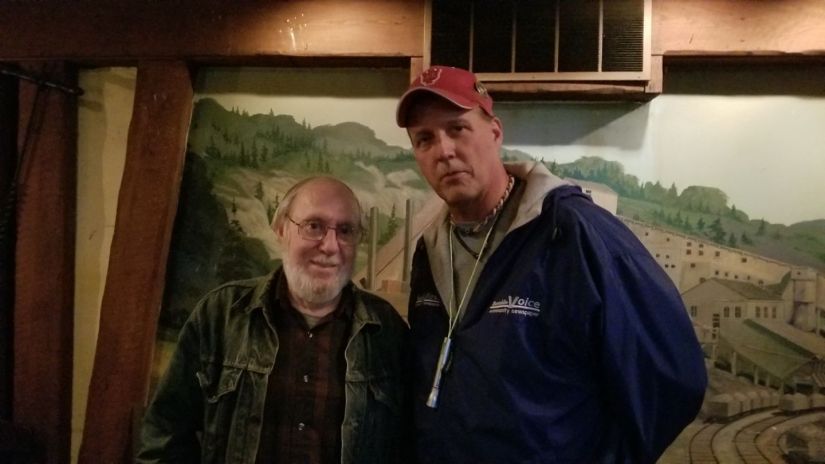
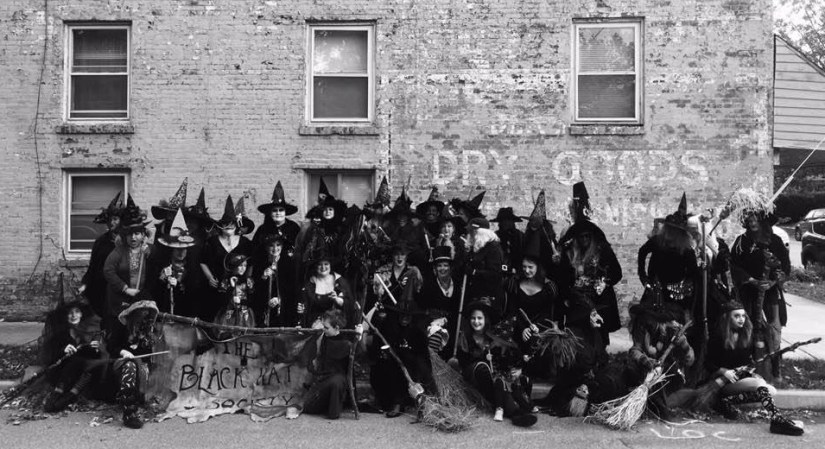
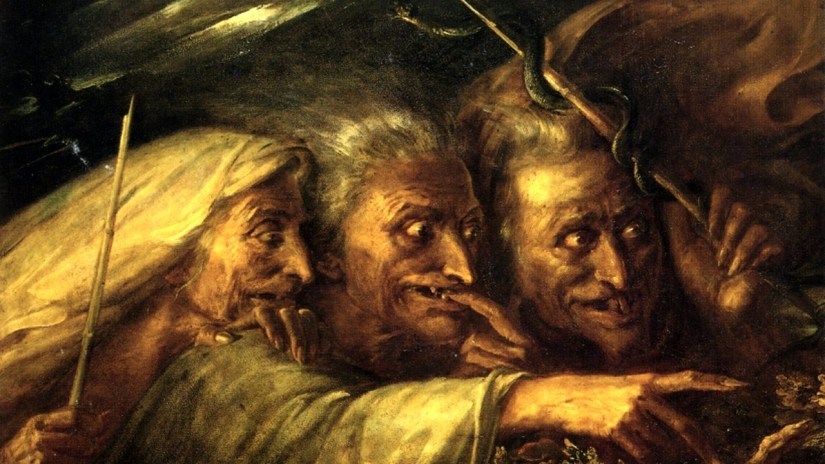
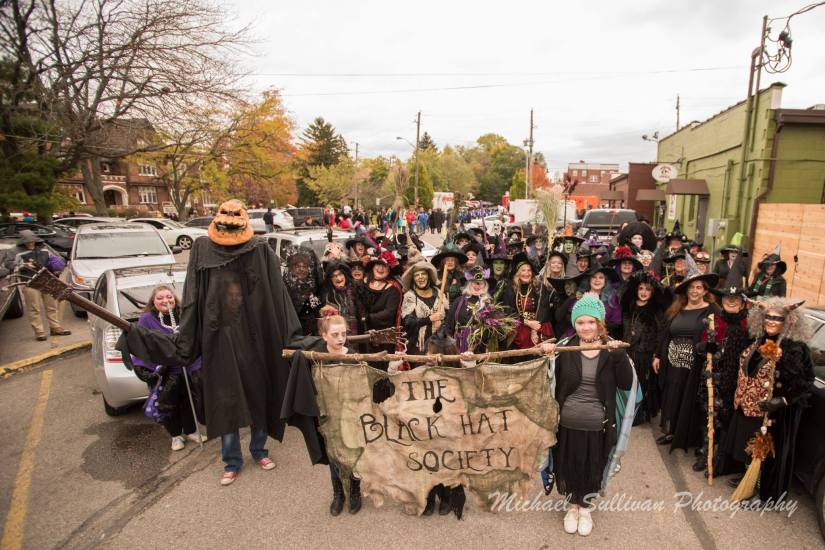
 The charities involved are the Diabetes Youth Foundation summer camp in Noblesville, Helping Paws Pet Rescue and The PourHouse Street Outreach Center. The Black Hat Society hopes to raise $ 10,000 for these worthy charities. In addition, there will be a donation box placed at the entrance of the Irving Theatre during the event. The Black Hat Society requests donations of men’s socks, pet food and cleaning supplies, all of which are in almost constant need by these institutions. Karin informs me that Eric Wilson at Irvington Insurance has helped mightily in spearheading the group’s donation efforts.
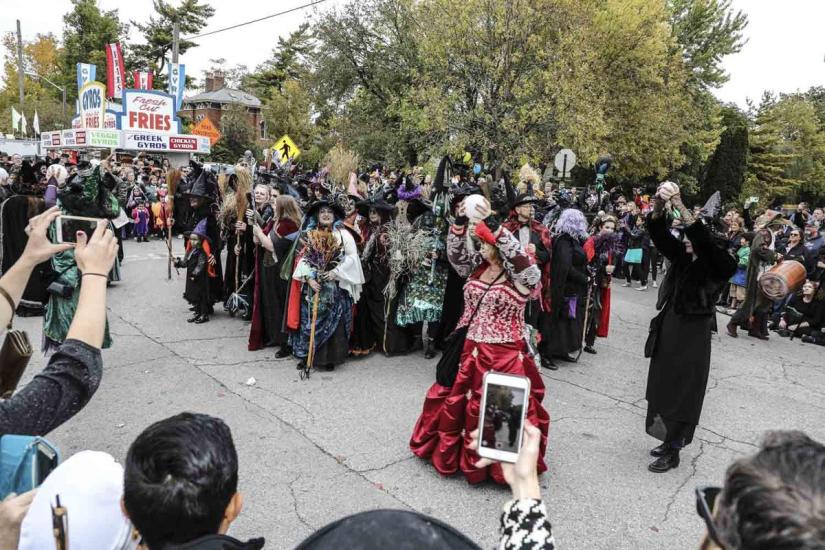 From there, the Black Hat Society marched in the Indy St. Patrick’s Day parade, Pride parade and they recently won a $ 100 prize in a parade in Fountain Square. Should you miss the releases party, never fear, the witches will have their calendars for sale at their booth at the Halloween Festival. The calendars can be ordered on line at theblackhatsociety.org and on their facebook page.
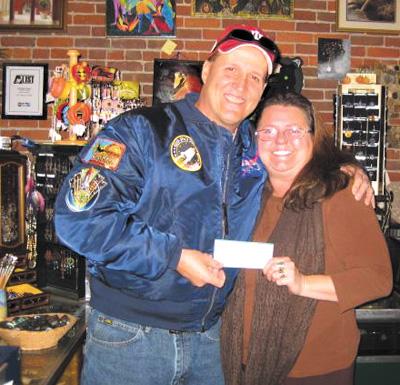
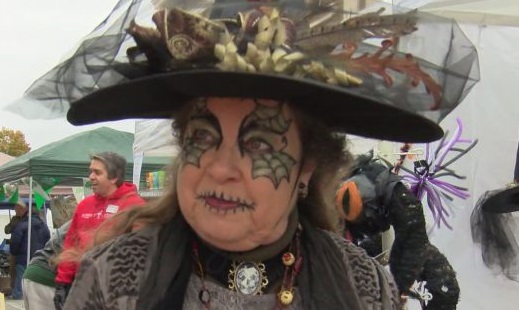
 When I asked Craig what it is like to be a male witch surrounded by so many women, he answered succinctly, “It’s lonely.” Craig would like to see more guys join the group. “At last year’s St. Patrick’s Day Parade, I made eight drums for our drum line, but we only had 4 drummers. We need more guys!” Craig is amazed by just how generous the witches in the Black Hat Society are, “If I need something for a prop or help in building a set, I get 30 or 40 responses within minutes.”

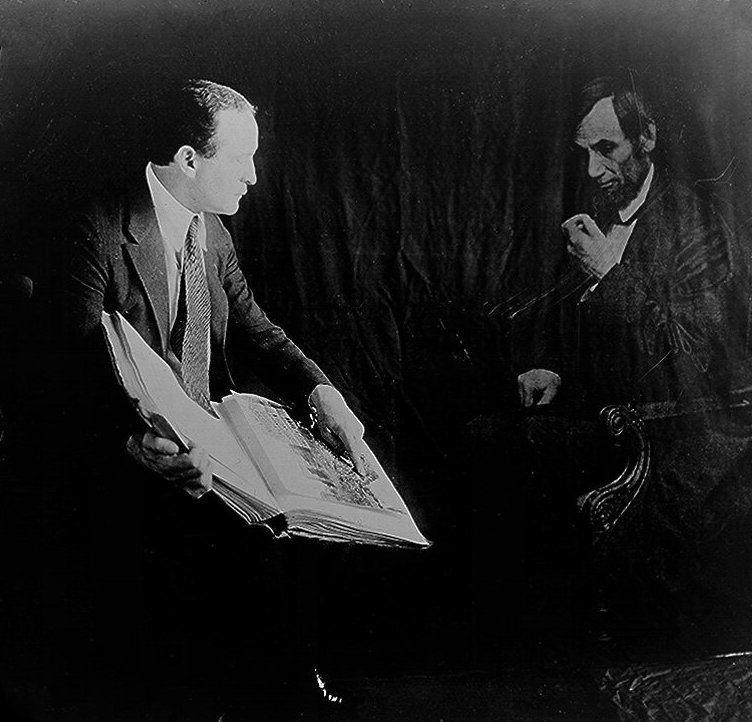
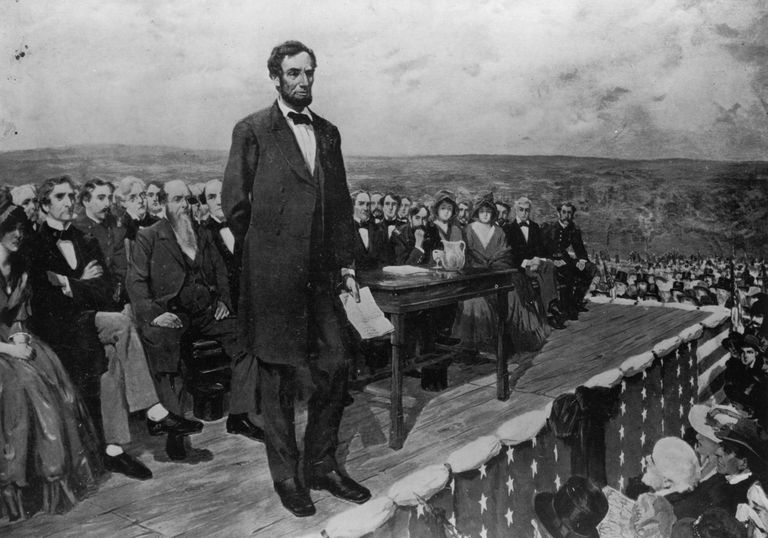
 In Kenneth Silverman’s 1996 Biography “Houdini!!!: The Career of Ehrich Weiss : American Self-Liberator, Europe’s Eclipsing Sensation, World’s Handcuff King & Prison Breaker”, the author relays how Houdini referred to Lincoln as “my hero of heroes.” Houdini claimed to have read every book about Lincoln by the time he was a teenager. In William Kalush’s 2006 biography “The Secret Life of Houdini: The Making of America’s First Superhero”, there is a story of young Houdini attending a seance where the medium produced a message from our 16th President. Houdini, Lincoln expert that he was, then asked a question to Lincoln via the medium and was puzzled when the answer that came back was not correct. This encounter led to Houdini’s early discovery that most Spiritualists were fake.
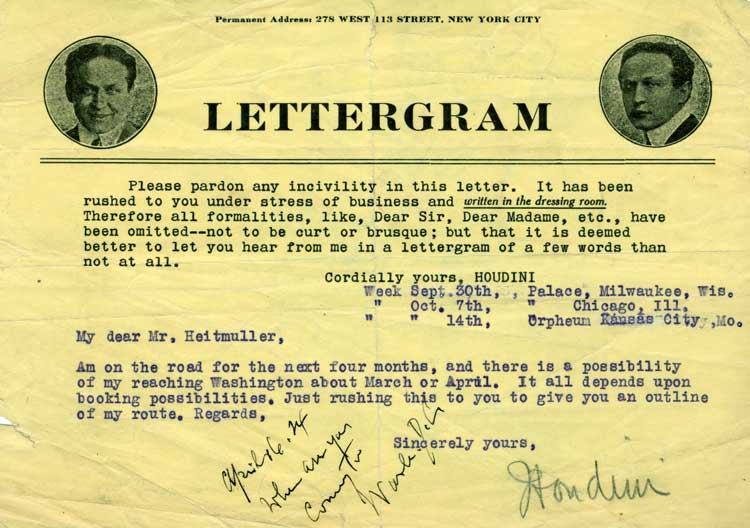
 As he grew older and more financially secure, Houdini began to amass a personal collection of Lincoln memorabilia, particularly letters and autographs of the Great Emancipator. He also collected handwritten letters of every member of the assassin John Wilkes Booths family, several in response to letters sent by Houdini himself. Spending much of his adult life on the road, in hotels and traveling for days on ships and trains, Houdini became a prolific man of letters. One such letter survives that illustrates his desire and devotion to add to his Lincoln collection, despite the constraints of his vagabond lifestyle.
 On Feb. 13, 1924, a day after the 115th anniversary of Abraham Lincoln’s birth, Houdini typed out a letter to Mary Edwards Lincoln Brown, the grand-daughter of Ninian and Elizabeth Edwards, Mary Lincoln’s sister. The letter, written from the dressing room of the State Lake Theatre in Chicago, Illinois, reads: “My dear Mrs. Brown: Enclosed you will find a Spirit Photograph of your renowned ancestor, and although the Theomonistic Society in Washington, D.C. claim that it is a genuine spirit photograph, as I made this one, you have my word for it, that it is only a trick effect. Mrs. Houdini joins me in sending you kindest regards, Sincerely yours, Houdini.”
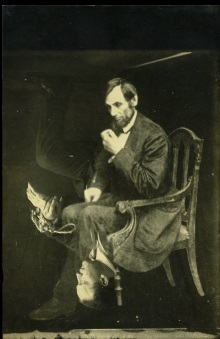 Furthermore, Houdini also produced ‘fake spirit messages’ from Lincoln during his lectures to debunk spiritualism. Many spiritualists attempted to back up their fake photos and messages by claiming that Abraham Lincoln himself was a devoted spiritualist who had held seances in the White House. As proof, they cited a piece of British sheet music, published while Lincoln was President, which portrayed Honest Abe holding a candle while violins and tambourines flew about his head. The piece of music was called The Dark Séance Polka and the caption below the illustration of the president read “Abraham Lincoln and the Spiritualists”.