Criminals, Politics

The most famous Hoosier you’ve never heard of.

Original publish date June of 2011. Republished on June 25, 2026.

https://weeklyview.net/2026/06/25/the-most-famous-hoosier-youve-never-heard-of
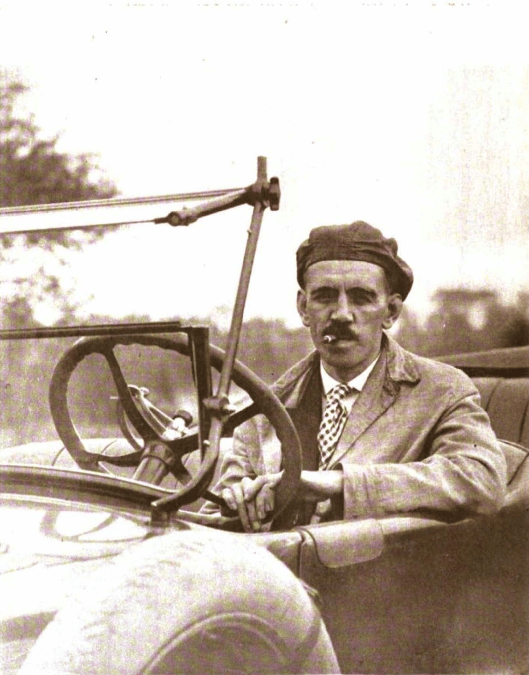
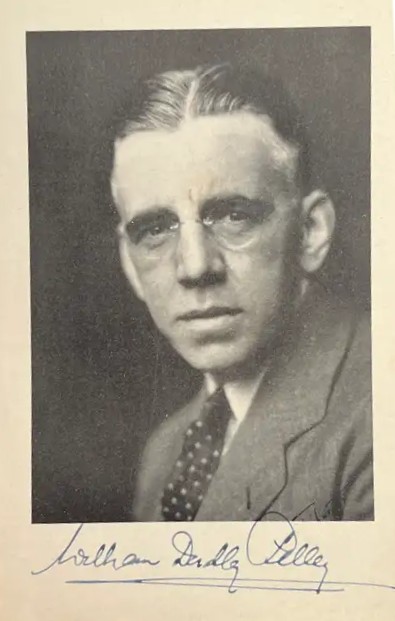
Pelley in The American Magazine (March 1918).

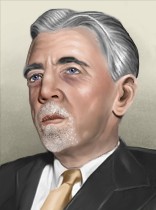
Today he is virtually unknown to all but a few dogged devotees, students of 20th century history, readers of obscure books, and researchers into the paranormal and bizarre. William Dudley Pelley, a truly fascinating fellow, was one of our countries’ best known public figures during the Great Depression. Now, he is largely forgotten and rests in peaceful anonymity in a quiet Noblesville cemetery, an ironic outcome when you consider how he lived. If you happen to encounter anyone who knows anything at all about Pelley, you are likely be told that he was a “fascist,” “Nazi,” “new age crank,” “occultist,” “racist cult leader,”  or just plain “nut.” All true, to be sure, but William Dudley Pelley was viewed as a genuine threat back in his day, and the Roosevelt administration took notice.
Pelley’s political ideology essentially consisted of anti-Communism, racism, extreme patriotism and isolationism. He was perhaps the most vocal opponent of FDR’s New Deal program. His activities angered Roosevelt and his supporters so much that federal charges were drawn up against the Silver Shirts in 1940. His Asheville headquarters was raided by federal marshals, his followers there arrested, and his property seized. Pelley was called to testify before the House Un-American Activities Committee. Ironically a decade later Senator Joe McCarthy would use this same committee to root out Communists from the U.S. Government and Hollywood.
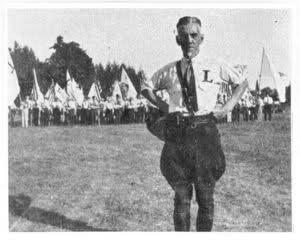
William Dudley Pelley, leader of the Silver Shirts.


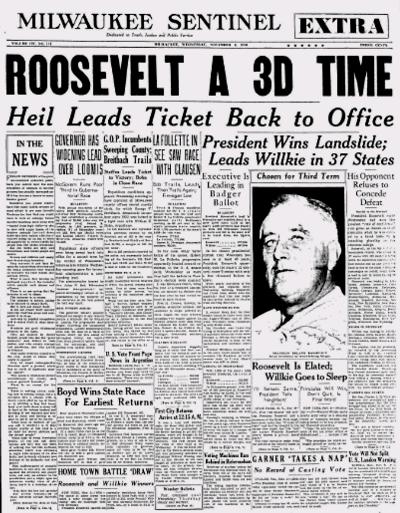
Pelley’s Silver Legion was unique in that, although there were permanent barracks for Silver Shirt training and local units in every region of the U.S., there was no central headquarters building. Instead, the Chief, as he was known to his followers, ran the Legion from his Ford touring car. Never staying in any place for more than a couple of weeks, constantly traveling from one headquarters to another, he staged outdoor rallies and mass meetings along the way. Reportedly, he went through several cars per year, traveling a then astounding 20,000 miles annually. This constant traveling served several purposes; it tied the various headquarters closely together, gave Pelley an intimate understanding of Americans at all levels, from all regions and exposed millions of people to his wicked ideology. His grassroots plan resulted in his name being placed on the presidential ballot, but he too got lost in the 1936 landslide re-election of Roosevelt.
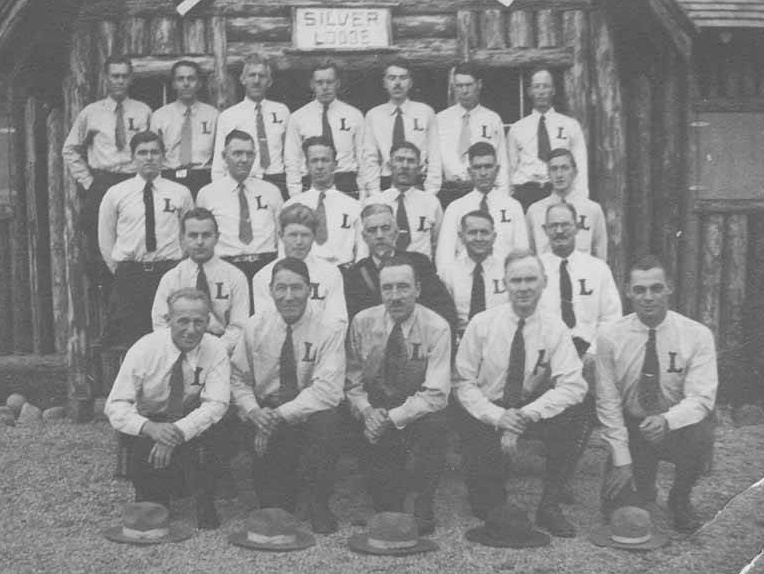
William Pelley (center) and Silver Legion members in front of the Silver Lodge, Redmond, Washington, 1936.


According to Pelley, FDR’s re-election brought closer the “conflict between the Light and Dark forces on earth” and he accurately predicted the coming war against the Third Reich in his first national radio speech. His failed election bid increased Silver Legion membership threefold. Soon Pelley was winning praise and support from important figures like aviator Charles A. Lindbergh, Jr. and Walt Disney — both of whom attended Silver Legion rallies and shared the podium with the Chief. Not only did Pelley and his group openly support the Nazis and Adolph Hitler, Pelley himself announced that he considered Japan to be the only true power in Asia and the only hope of blunting the Soviet attempt at total domination in the region.


Soon, the government charged Pelley with tax evasion and although he eventually beat the rap, the great expense, in both time and money, required to defend himself ruined his chances of entering the 1940 Presidential campaign. By now, Pelley was furious with the government and his Silver Shirts joined up with the American-German Bund, the Ku Klux Klan and numerous other “uber” patriotic organizations to keep America out of war. Pelley’s effort became so popular that national polls taken a week before Pearl Harbor showed more than three quarters of Americans were against war with the Axis powers. That is, unless the United States was physically attacked. As you can imagine, everything changed on December 7th, 1941 with the bombing of Pearl Harbor. Soon afterward, German atrocities in the concentration camps of Europe were revealed and Pelley and his Silver Shirts were banished from the American scene forever.
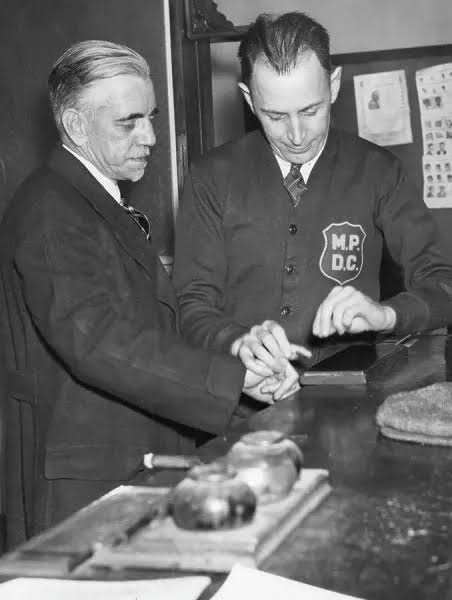
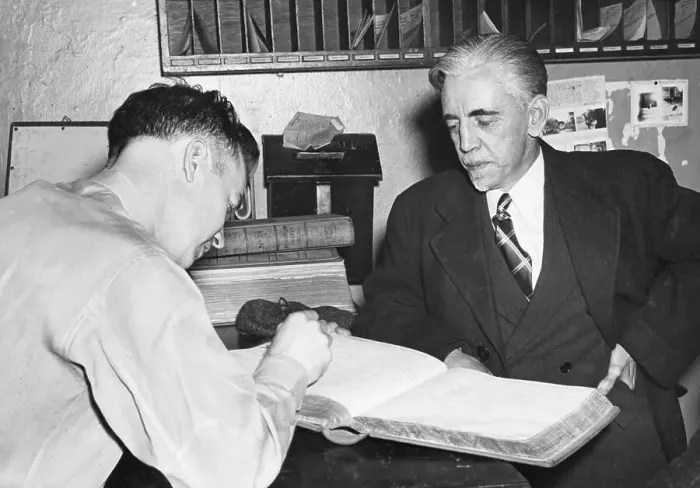
William Dudley Pelley is booked.
William Dudley Pelley is processed at the Washington Police Headquarters.
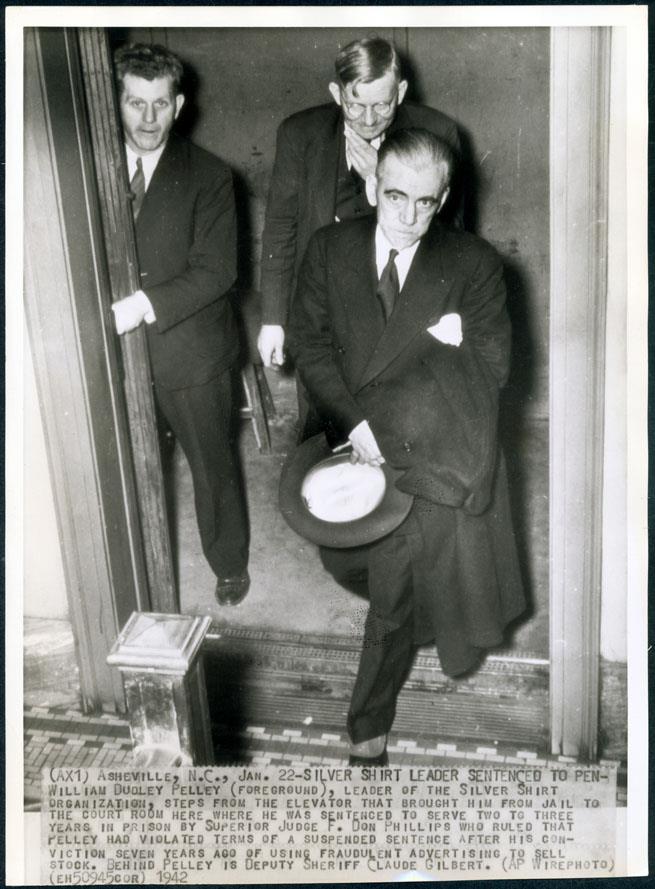
Pelley exiting the elevator of the Buncombe County Courthouse after his trial and conviction on state charges in Buncombe County Superior Court, 1942.
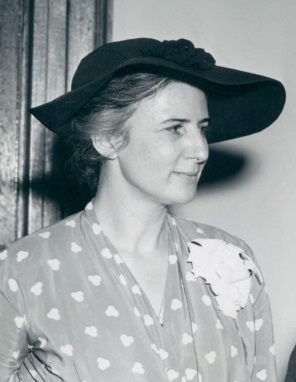
Agnes Marion Henderson Pelley (1898-1970)


Pelley had married a Hoosier girl named Helen back in 1935, but spent little time with his new wife, by whom he had a daughter. After his fall, Pelley joined them in Noblesville, where he attempted to forget the world he had tried to save. Pelley being Pelley, he could not resist the urge to criticize FDR and his war time policies in print as he continued to publish radical newsletters and minor magazines, but he never again rose to his level of pre-war prominence.


However, Pelley just could not keep his big mouth shut. Just weeks after Pearl Harbor, he published an un-proofed article charging President Roosevelt with understating the damage caused at Pearl and claiming, contrary to FDR’s reports, that the U.S. Navy was destroyed in the attack. Pelley rushed into print with an article titled: “Japanese bombers made Pearl Harbor look like an abandoned W.P.A. project in Keokuk!” The special edition hit the streets like a bombshell, and when FDR saw it, he exploded, demanding Pelley’s arrest on April 4th. The charge: high treason!
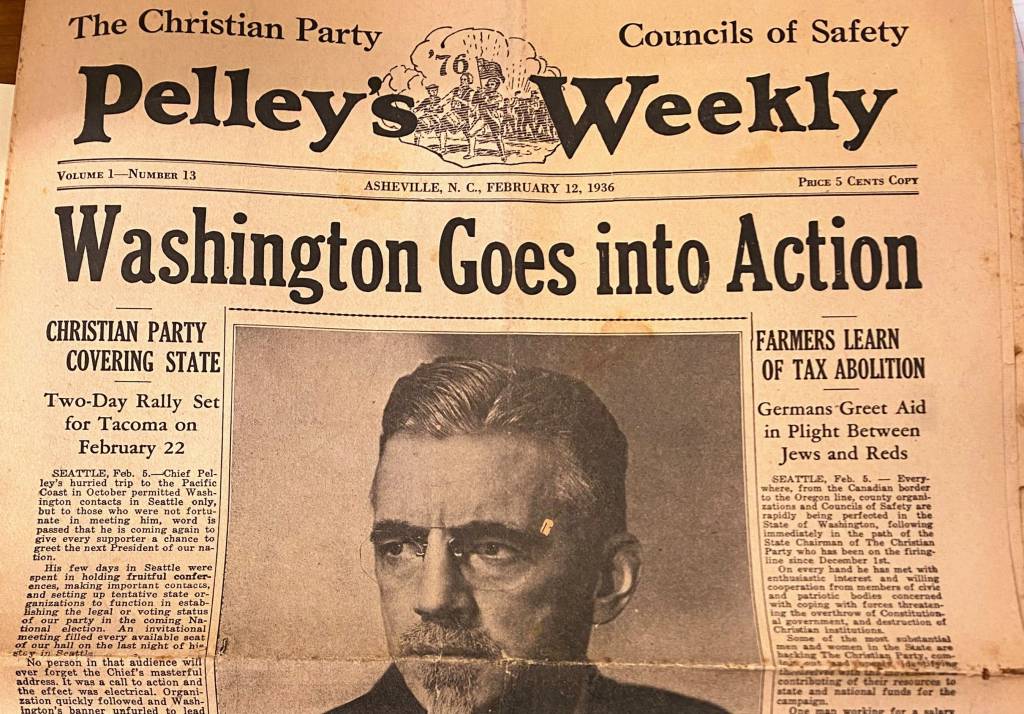
February 12, 1936 (Lincoln’s birthday) issue of Pelley’s Weekly magazine.


Pelley was charged with twelve felony counts of violating the Alien and Sedition Act — an obscure ancient set of laws originally designed to deport troublesome foreigners during the American Revolution. The Sedition Act provided for fines or imprisonment for individuals who criticized the government, Congress, or president in speech or print.
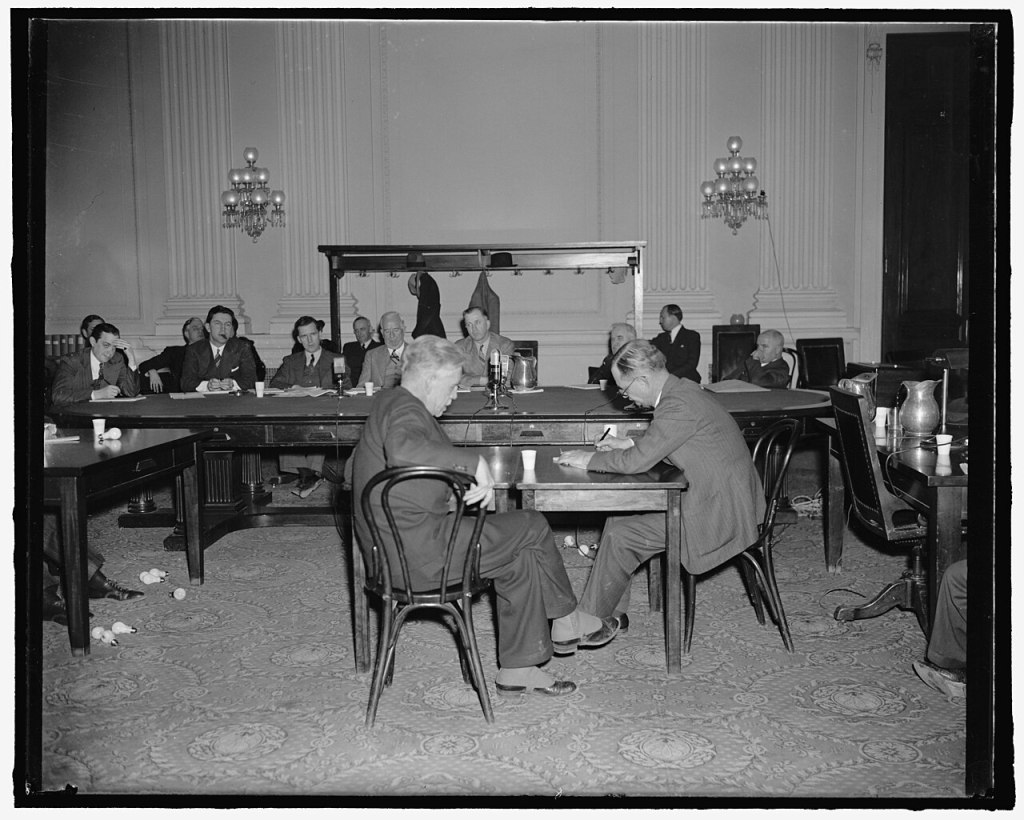
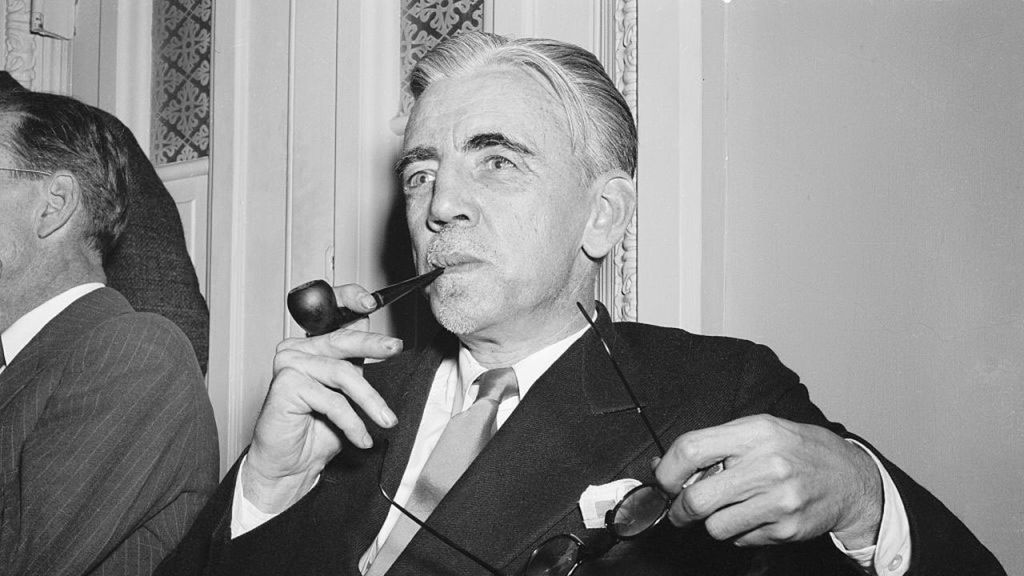
Pelley (left with legs crossed) testifies before the Dies Committee, February 8, 1940.
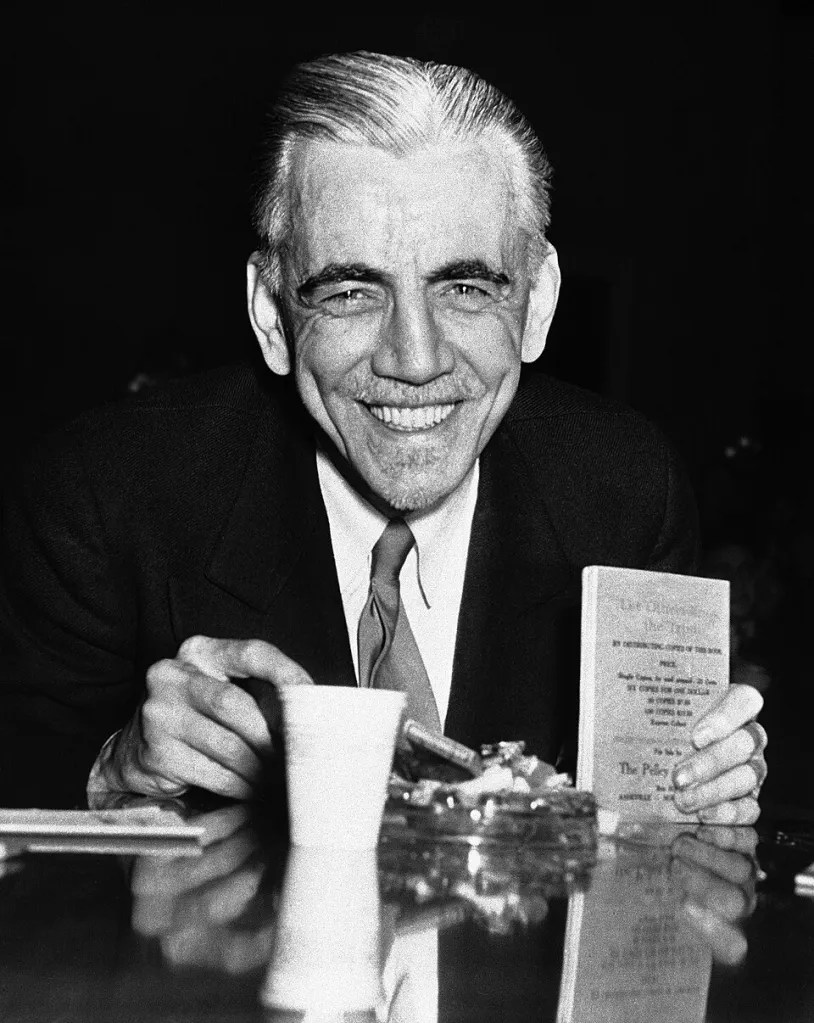
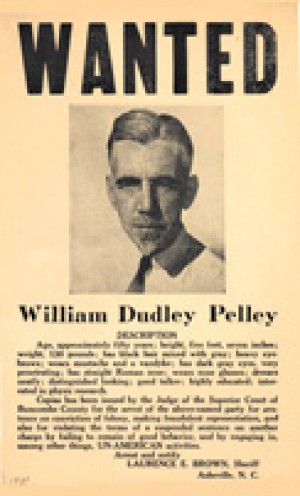
William Dudley Pelley.


The highly publicized trial for treason of William Dudley Pelley was broadcast nationwide. National hero Charles Lindbergh personally testified as a character witness on the defendant’s behalf, to no avail as Pelley was sentenced to 15 years in a maximum security federal prison. The trial ruined Pelley in many ways, leaving him penniless and unable to mount an appeal. Lindbergh stayed true to the end, telling a Chicago Tribune reporter that Pelley was “no traitor, but a true patriot who was obviously being persecuted for saying publicly what a growing number of Americans were discussing privately.”
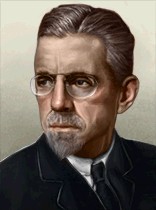
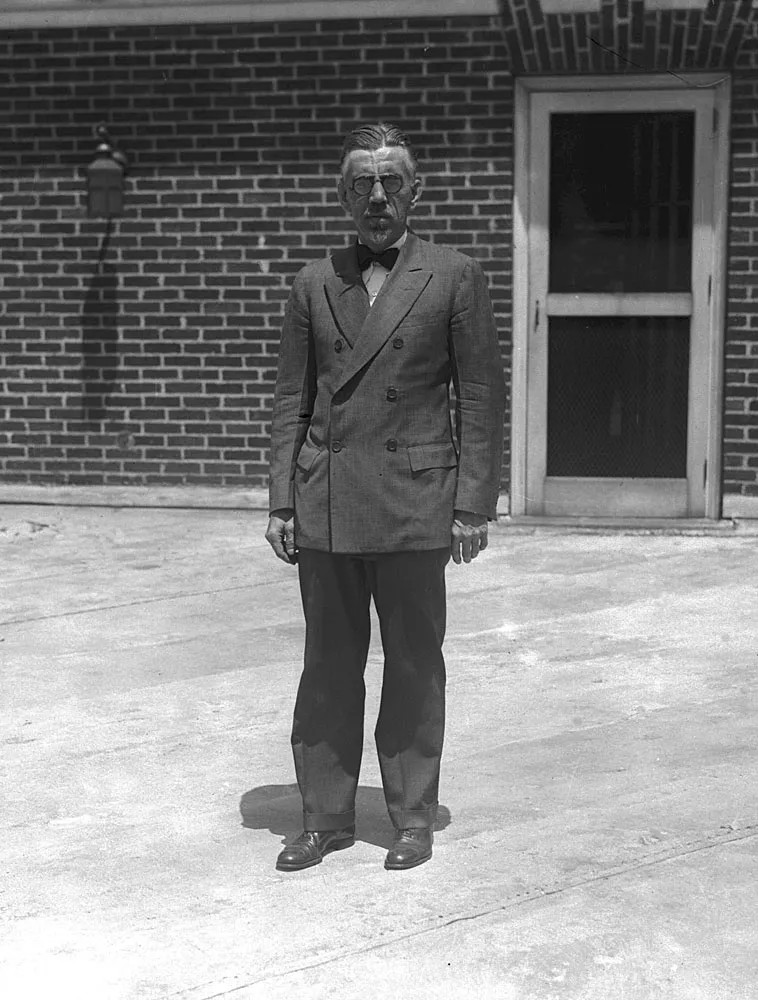
William Dudley Pelley.


Pelley remained unrepentant throughout, saying: “Some day, we Americans will see in true perspective what an alien horde of four million Jews did to us, and why we have been so stupid to suffer it.“ In 1952, with FDR dead, World War II over and McCarthy in full “Red Scare” stride, Pelley was paroled on the condition that he participate in no “political activities of any nature,” a flagrantly unconstitutional requirement I must point out. Frail and sickly, his daughter and her husband nursed him back to health at the family home in Noblesville, Indiana.


William Dudley Pelley died peacefully in his sleep on July 1, 1965, at the age of 75. During his private viewing and funeral, someone burned a cross on the front lawn of the funeral parlor. It was never determined if the fiery cross had been set there by friend or foe.  Blinded by racial hatred and intolerance, he ended up a forgotten historical footnote in a lonely Noblesville graveyard called Crownland.
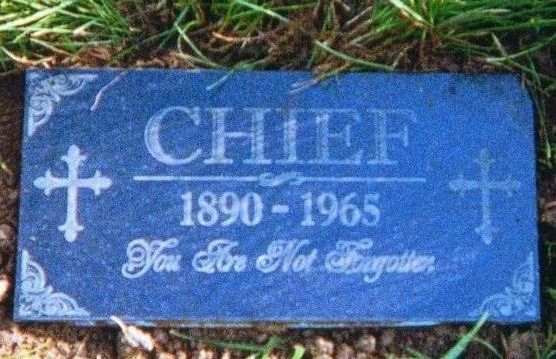
William Dudley Pelley’s “Chief” headstone Crownland Cemetery Noblesville, Indiana.
Autographed photo of William Dudley Pelley.

Pelley Photo Gallery.

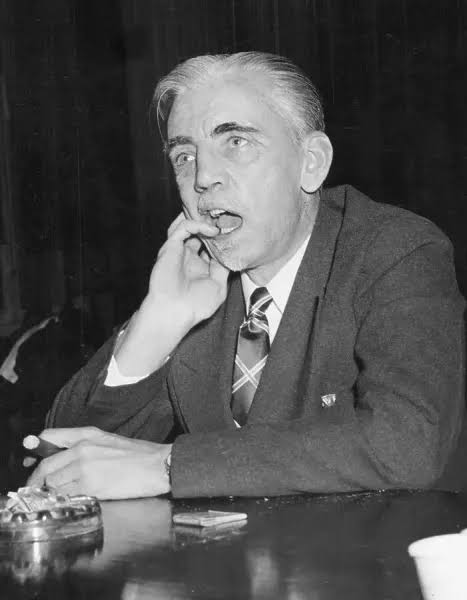
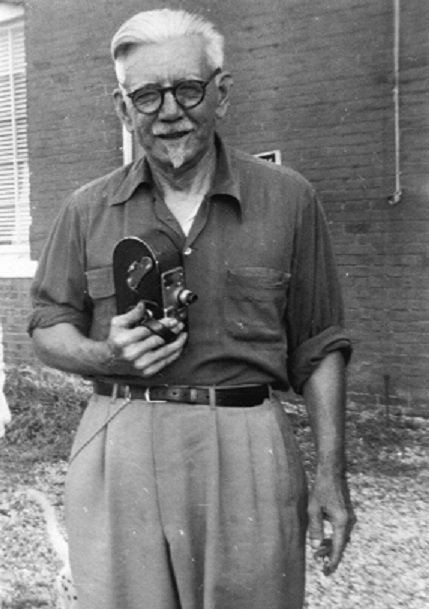
One of the last known photos of Williams Dudley Pelley.
Assassinations, Auctions, Politics, Presidents

Eleanor Roosevelt’s Pistol.

Eleanor permit

Original publish date:  November 14, 2019

Eleanor Roosevelt is widely acknowledged as the most influential First Lady in our country’s history. She routinely ranks first or second with Jacqueline Kennedy whenever public opinion polls are tallied. Dolley Madison, Abigail Adams and Martha Washington usually round out the top five but rarely displace either of these two ladies for the top spots. Her White House tenure is littered with firsts. She was the first presidential spouse to hold regular press conferences, write a daily newspaper column, write a monthly magazine column, host a weekly radio show, and speak at a national party convention.
Eleanor served longer than any other first lady, from March 4, 1933, to April 12, 1945, during her husband’s record four terms in office. But make no mistake about it, Eleanor Roosevelt was her own woman. On several occasions, she publicly disagreed with her own husband’s policies. After her husband’s sudden death, Mrs. Roosevelt served as the first United States Delegate to the United Nations General Assembly from 1945 to 1952. President Harry S. Truman once called her the “First Lady of the World” in tribute to her human rights achievements.

z chronoer008
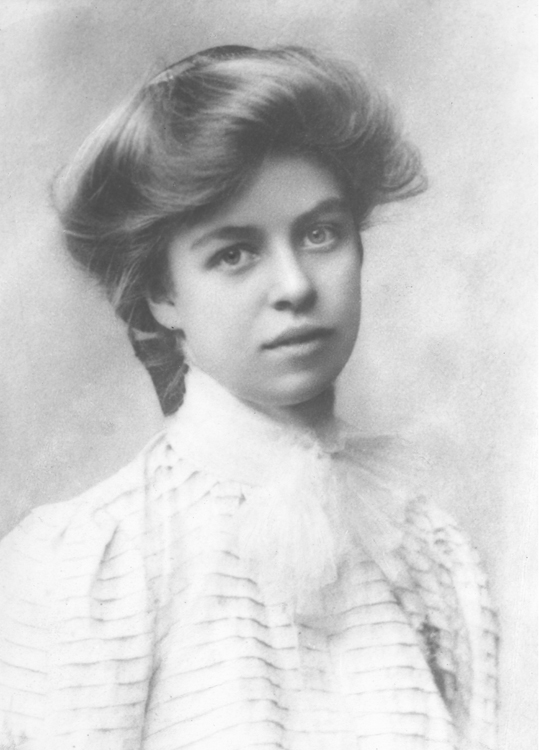
A young Anna Eleanor Roosevelt.

Anna Eleanor Roosevelt was born on October 11, 1884 into the prominent American Roosevelt and Livingston families. She had an unhappy childhood, having suffered the deaths of both parents and one of her brothers at a young age. The memory of her mother, the beautiful socialite Anna Hall Roosevelt, a notoriously shallow and vain woman, was forever marked in her daughter’s memory for telling her she was as ugly as an old lady. It was her mother who nicknamed her “Granny.” In 1905 she married her fifth cousin once removed, Franklin Delano Roosevelt. The Roosevelts’ union was complicated from the beginning by her acrimonious relationship with Franklin’s controlling mother, Sara. After Eleanor discovered her husband’s 1918 affair with Lucy Mercer, she resolved to seek fulfillment in leading a public life of her own.
She was the driving force behind her husband’s decision to stay in politics after FDR was stricken with polio in 1921, which cost him the normal use of his legs. It was Eleanor who toured the country giving speeches and appearing at campaign events in his place. Following Franklin’s election as Governor of New York in 1928, and for the rest of Franklin’s life, Eleanor regularly made public appearances on his behalf, and as First Lady, she significantly reshaped and redefined the role of First Lady.

z eleanor_franklin_roosevelt_a_l
Eleanor & Franklin D. Roosevelt.

Her quiet, respectful, matronly countenance effectively masked an acerbic wit and her grace and poise disarmed some of the most powerful men in the world. Though widely respected in her later years, Roosevelt was a controversial First Lady at the time for her outspokenness, particularly on civil rights for African-Americans and Asian Americans, a subject her husband often dodged. She advocated for expanded roles for women in the workplace and the human rights of World War II refugees.
Following her husband’s death in 1945, Roosevelt remained active in politics for the remaining 17 years of her life. She served as the first chair of the UN Commission on Human Rights and oversaw the drafting of the Universal Declaration of Human Rights. Later, she chaired the John F. Kennedy administration’s Presidential Commission on the Status of Women. By the time of her death, Roosevelt was regarded as “one of the most esteemed women in the world”; The New York Times called her “the object of almost universal respect” in an obituary. In 1999, her gender became a non-issue when she was ranked ninth in the top ten of Gallup’s List of Most Widely Admired People of the 20th Century.
7dd06433-577d-4b6d-d838-560c04c7ae38Oh, and by the way, Eleanor Roosevelt, the First lady of the world, icon of liberalism, fighter for civil rights, champion of the poor and marginalized and powerful advocate for women’s rights was a gun owner. Yes, Eleanor Roosevelt, mother of six, grandmother to twenty, was packing heat. Her application for a pistol permit in New York’s Dutchess County can be found at the Franklin D. Roosevelt Presidential Library and Museum in Hyde Park. With debate raging around the nation about gun control and Second Amendment rights, the fact that one of the icons of the Democratic womanhood not only owned a gun, but carried it for protection, may come as a surprise.
It should be remembered that Eleanor Roosevelt received several death threats during her public career and her husband had survived an assassination attempt in Miami while awaiting his first presidential inauguration. That attempt killed Chicago Mayor Anton Cermak and no doubt left an impact on the young first lady. Who knows how many threats were fielded while FDR was governor of New York from 1928-32. That Miami assassination attempt in February 1933 prompted FDR to suggest to his wife that she let the Secret Service protect her. A protection she declined.

z side_1
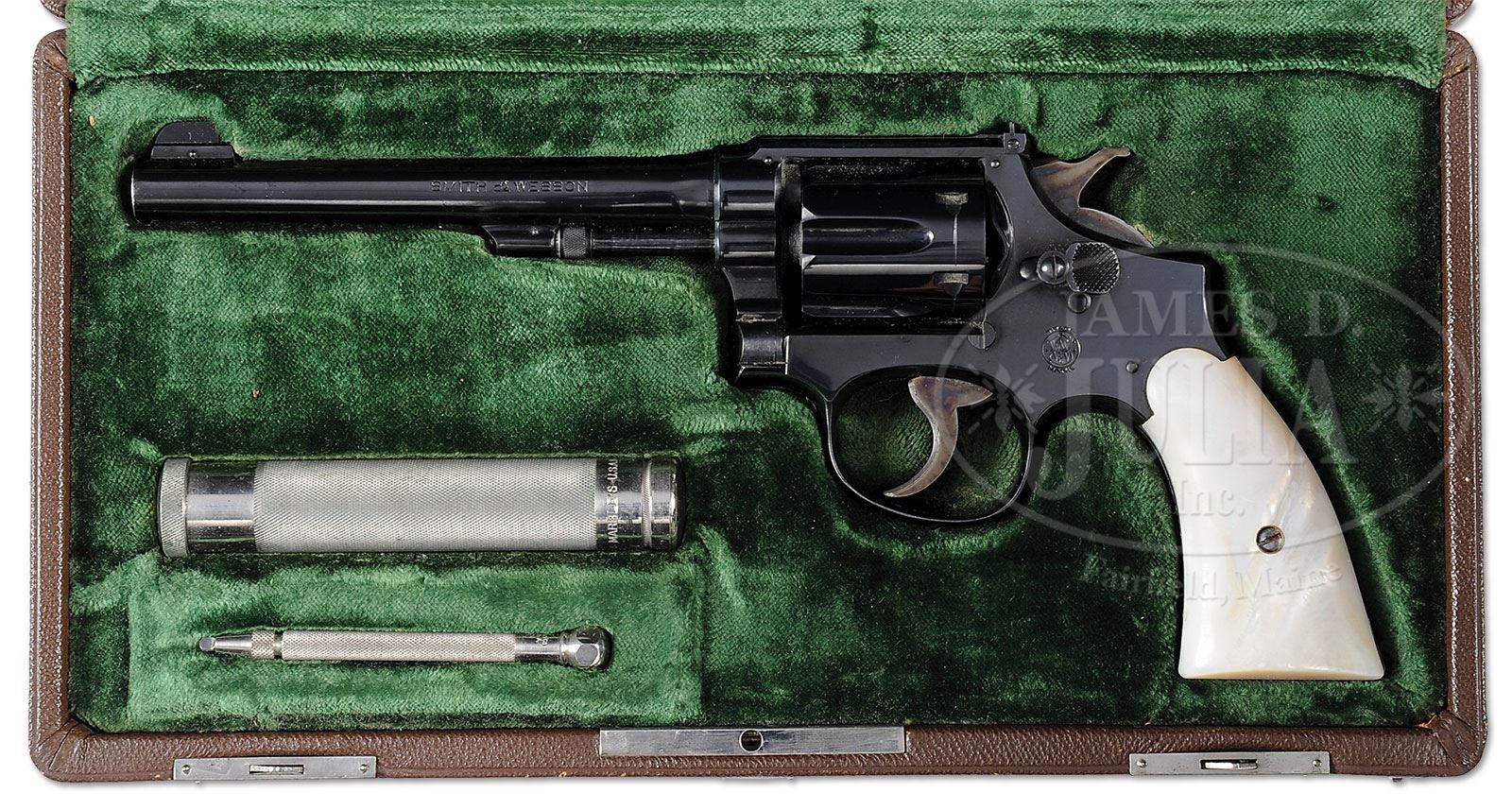
Eleanor’s pistol.

Mrs. Roosevelt did not like traveling with a large entourage, preferring instead to travel alone whenever possible. Regardless, in October 1933, Eleanor Roosevelt received a gift or her 49th birthday from her bodyguard, New York State Trooper Earl Miller. It was a .22 caliber High luster blue finish Smith & Wesson pistol with a 6-inch barrel, partridge front sight and a round top frame with an adjustable rear sight. Mounted with smooth 2-pc pearl grips and accompanied by original silver medallion, diamond checkered walnut grips matching numbered to this revolver. The pistol rested inside a green velvet lined, brown leatherette covered hard case with silver plaque on the lid engraved “OCT. 11, 1933 / May your aims always be perfect / EARL”. The case interior is recessed it fit the revolver and included a nickeled brass, marbled pocket cleaning rod and a small collapsible screw driver.

z 54300
Eleanor’s pistol and case photo from James D. Julia auction house catalog.

Earl Miller served in the Navy during World War I and during this period, he became the Navy’s middleweight boxing champion. Handsome and athletic, Miller was an alternate for the 1920 US Olympic boxing team and even spent time working as a circus acrobat. After joining the New York State Police, he taught boxing and judo to cadets. He later served as the personal bodyguard of Governor of New York and 1928 Democratic presidential candidate Al Smith.
Miller gave Eleanor a chestnut mare named Dot and gave the first lady riding lessons, coached her in tennis and swimming, and taught her how to shoot targets with her new pistol. He also encouraged her to develop self-confidence, a trait Eleanor often lacked. Eleanor considered herself not photogenic, and attempted to hide from photographers early in her political career; Miller encouraged her to face reporters and smile, on occasion standing behind photographers to make faces at her. Scholars continue to discuss whether the pair’s relationship was romantic in nature.

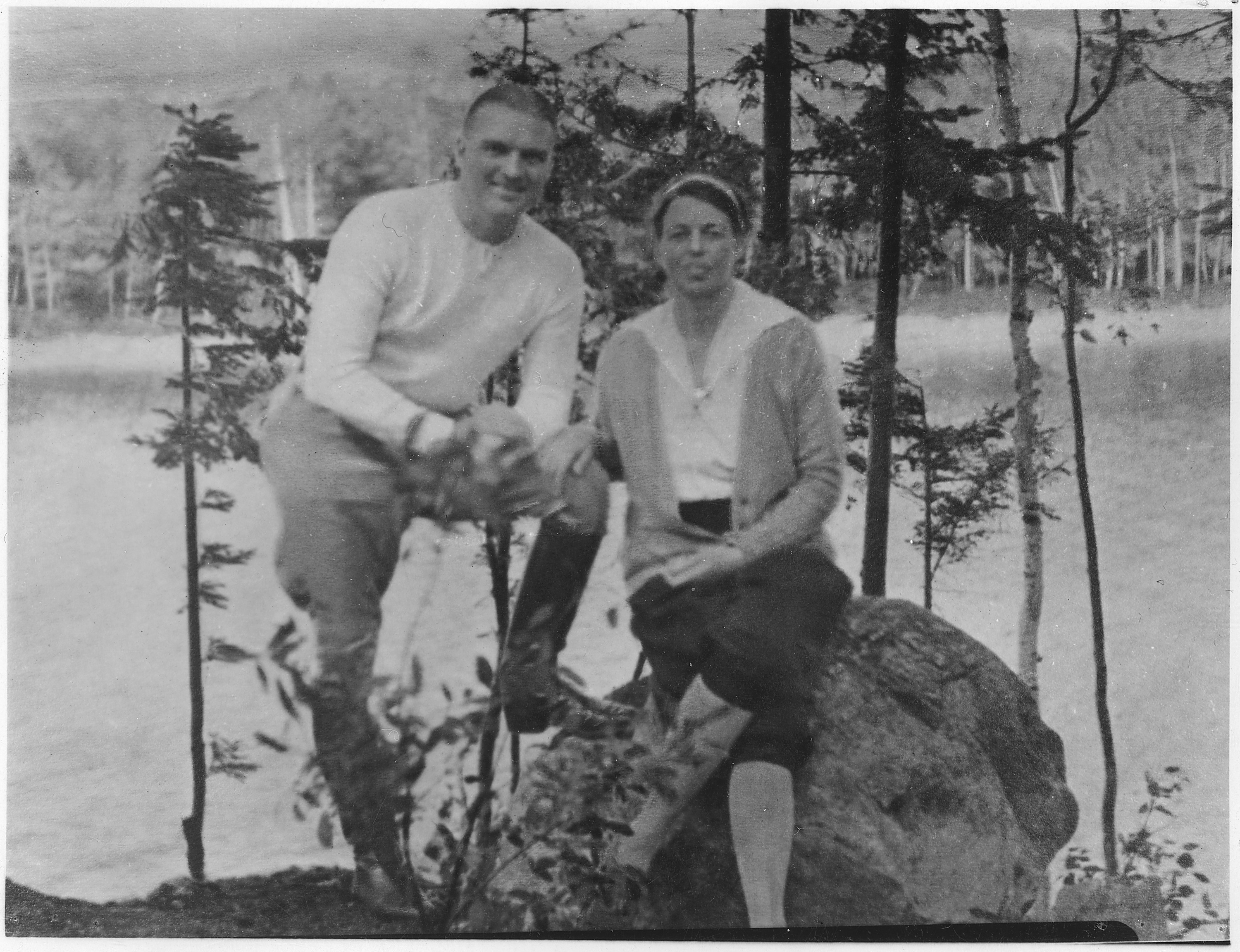
Eleanor_Roosevelt_and_Earl_Miller_at_Chazy_Lake,_New_York_-_NARA_-_197233
Bodyguard Earl Miller & Eleanor Roosevelt.

Eleanor’s son James described the relationship as the “one real romance in mother’s life outside of marriage”, stating that Miller “encouraged her to take pride in herself, to be herself, to be unafraid of facing the world. He did a lot for her. She seemed to draw strength from him when he was by her side, and she came to rely on him … He became part of the family, too, and gave her a great deal of what her husband and we, her sons, failed to give her. Above all, he made her feel that she was a woman.”
In 1937, the First Lady traveled to New Orleans and was accompanied by bodyguards. She made an off-handed comment at that event that she “sometimes did carry a gun when she traveled and knew how to use it.” At the same event, she also made the comment, ‘I hate guns.’” Oddly, she didn’t feel the security was necessary when she traveled in New York or Washington, because people knew who she was.

o-ELEANOR-ROOSEVELT-570
The First Lady at Target Practice.

After her days in the White House were over, Mrs. Roosevelt carried the unloaded gun in the locked glove compartment of her car. The story of Eleanor’s gun ownership is confirmed by that 1957 pistol permit granted in Dutchess County when she was 72 years old. The permit was among the items in Eleanor Roosevelt’s wallet when she died on Nov. 7, 1962. The date on the pistol permit was Aug. 5, 1957. Her address on the permit is listed as “ValKill Cottage, Hyde Park.” Her occupation is listed as “Writer & Lecturer.” She wrote that she was employed by “Self.” The permit is on display at the library.
Ironically, in 2008, Dutchess County Clerk Brad Kendall, revealed that Eleanor Roosevelt’s pistol permit remained active 51 years after it was issued. A stunning example of how the deaths of permit holders can make the the accuracy of many handgun databases difficult to maintain. Mrs. Roosevelt’s pistol application revealed that she had previously been granted a pistol license in 1933. No further information was available. But the application was accompanied by a document with her fingerprints.
635721149610783934-15-15-1-The application was processed by the Dutchess County Sheriff’s Office and signed by then-Sheriff C. Fred Close. It included a photo of Eleanor Roosevelt wearing a hat, fur stole and double strand of pearls. The reason for the pistol, according to Eleanor Roosevelt’s application, was “protection.” The timing of the pistol permit coincided with Eleanor Roosevelt’s travels throughout the South-by herself-in advocacy of civil rights. Those trips prompted death threats.
After the application was discovered at the county clerk’s office, it was returned to long-term storage. When the older pistol permits were purged and, after consulting with the county historian and New York State Archives, it was turned over to the FDR Library. Perhaps fittingly, the formal transfer of the permit took place after a naturalization ceremony conducted at the FDR Library’s Henry A. Wallace Visitor and Education Center. Although the gun license rests safely in the archives of the Roosevelt’s Hyde Park museum, Eleanor Roosevelt’s pistol was sold at a Maine auction in October 2014 to a private collector for $50,600.
635721153559949249-15-15-2-Viewed from the perspective of 21st century politics, where Republicans and Democrats have lined up on opposing sides of the gun control debate, Eleanor Roosevelt’s pistol offers a fresh take on the ongoing debate over the rights of gun owners, the Democrats who want to curtail them and the Republicans who want to expand them.
Eleanor Roosevelt once said, “It isn’t enough to talk about peace. One must believe in it. And it isn’t enough to believe in it. One must work at it.” Knowing that her statement was made while the First Lady was packing heat, one can’t help but think of Teddy Roosevelt’s famous credo to “speak softly and carry a big stick.” After all, Eleanor was the favorite niece of Rough Rider President Theodore Roosevelt. Bully for her!

z Roosevelt_Big_Stick_dbloc_Puck