

Original publish date: December 7, 2017
Al Franken resigned this week. The Democratic Senator from Minnesota left office under a cloud of sexual misconduct accusations that surfaced in the autumn of last year. It was the end of a fairytale career by the former Saturday Night Live comedian who first came to Washington DC after a narrow victory in 2008. Narrow might be too tame a word to describe Franken’s surprise win. He won his seat by the scant margin of 312 votes out of nearly three million votes cast. I asked then, and with the news of Franken’s resignation, I will ask again, what’s the matter with Minnesota?

I am a native Hoosier who has followed politics all my life. I know that, in the arena, Midwestern states follow observational patterns that earn reputations. Indiana is the cradle of Vice-Presidents, Ohio is the home of Presidents, Illinois Governors go to prison and Minnesota elects unconventional candidates. I guess when you are talking about the state that gave us Prince, Bob Dylan, Judy Garland, Charles Schulz, F. Scott Fitzgerald, Roger Maris, Wolfman Jack, Jane Russell, Billy Graham, Charles Lindbergh, Monty Python’s Terry Gilliam, Dr. Demento. Fred Zollner of the Zollner Pistons, unconventional may be the watchword. Don’t forget, Minnesota was also home to Paul Bunyan, the Jolly Green Giant and Rocky and Bullwinkle.
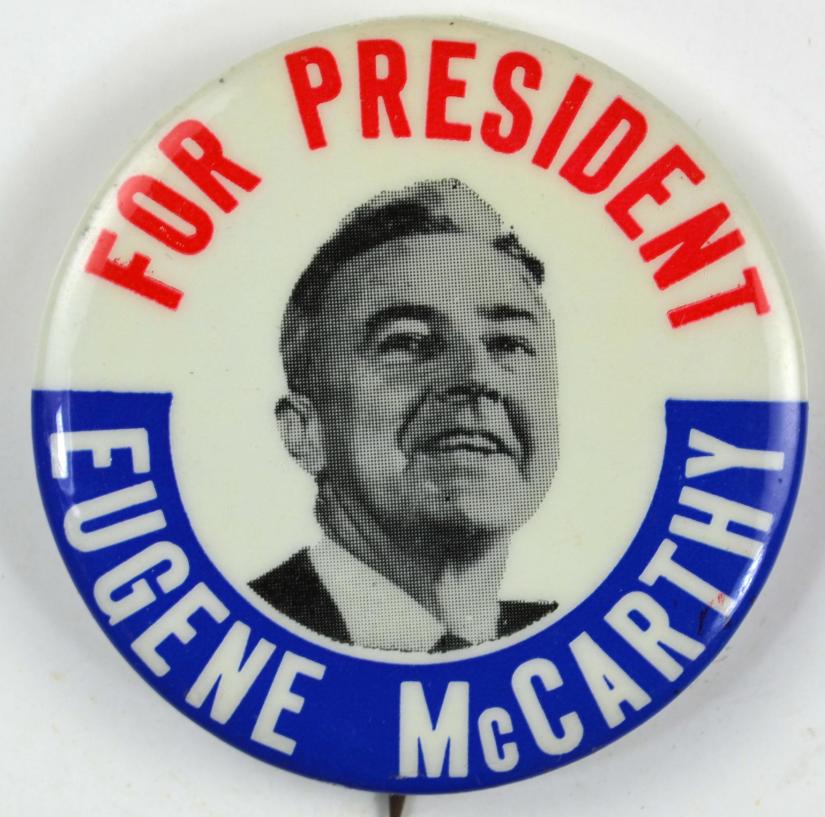
 To be sure, Minnesota has given us very normal politicians like Lyndon B. Johnson’s Vice-President Hubert H. Humphrey and Jimmy Carter’s Vice-President Walter Mondale and Senator Eugene McCarthy. All 3 men ran for President (Humphrey and McCarthy against each other in 1968) and all 3 men lost. Although mainstream, all 3 were unconventional in their own ways. McCarthy was the grandfatherly looking darling of the Anti-Vietnam War Hippy protesters, most of whom were one third his age. Humphrey was a peace seeking dove who became the hawkish voice of the LBJ administration during the Vietnam War. And Mondale was the first to chose a woman as his running mate (Geraldine Ferraro 1984).
 You may not realize just how prolific Minnesota has been in baby boomer’s collective national political conversation until you realize that Mondale, McCarthy or Hubert Humphrey were on the Democratic ticket as candidates for President or Vice President in the 1964, 1968, 1972, 1976, 1980, 1984, 1988 and 1992 elections. Minnesota is known for a politically active citizenry, with populism being the driving force among the state’s political parties. Minnesota has consistently high voter turnout, in the 2008 U.S. presidential election, 77.8% of eligible Minnesotans voted – the highest percentage of any U.S. state or territory – versus the national average of 61.7%.
To understand what’s wrong with Minnesota, we must first understand the North Star State’s Democratic party. But, although Humphrey, McCarthy, Mondale and Franken were all elected as Democrats, officially, Minnesota does not have a Democratic Party. In Minnesota, the party goes by a different name: the Democratic-Farmer-Labor Party, or DFL for short. Formed by a merger of the Minnesota Democratic Party and the social democratic Minnesota Farmer–Labor Party in 1944, Minnesotans claimed that although their state may have space for a thousand lakes, there wasn’t room for two left-of-center political parties. Although the Farmer-Labor Party achieved great success in the state, electing a number of statewide candidates, including the rabble-rousing Gov. Floyd Olsen, Minneapolis mayor Hubert H. Humphrey and Minnesota Attorney General Walter Mondale, the party eventually merged with the Democrats. Today, Minnesota Democrats identify themselves as “DFLers”
 The history of Minnesota electing non-conventionals goes back to 1876 when the state elected John Pillsbury as their 8th Governor. Name sound familiar? Yes, he was the namesake of the Pillsbury doughboy and served from 1876 to 1882. He died in 1901. Following the food theme, Minesota also elected Frank B. Kellogg tot he Senate in 1916. No, he wasn’t the cereal guy, but he did become Secretary of State, British Ambassador and a Nobel Prize winner in 1929.
 Then came (and came-and came-and came) Harold Stassen, Minnesota Governor (it’s youngest ever) from 1939 to 1943. Stassen was a candidate for the Republican Party nomination for President nine times between 1944 and 1992 (1944, 1948, 1952, 1964, 1968, 1980, 1984, 1988, and 1992). He never won the Republican nomination, much less the presidency; in fact, after 1952, he never even came close, but continued to campaign actively and seriously for President until just a year before his death. When you add Stassen’s name alongside those of McCarthy, Mondale and Humphrey, a Minnesotan was on the ballot for every Presidential election for six decades.
 Then came Jesse Ventura. The former navy seal turned pro wrestler known as “The Body” was born James George Janos in Minneapolis in 1951. In the Minnesota gubernatorial election of 1998 he was elected the 38th Governor of Minnesota and served from 1999 to 2003 but did not seek a second term. Ventura ran as a candidate for the Reform Party of Minnesota. Ventura went on to gain the highest approval rating of any governor in Minnesota history, with some polls ranking his public approval as high as the 73% in 1999. Ventura is widely regarded as one of the first candidates to effectively use the Internet in a national political campaign.
The last name on my list of unconventional Minnesota candidates is the very first name mentioned in this article: Al Franken. Alan Stuart “Al” Franken (born May 21, 1951) first gained notoriety in the 1970s and 1980s as a writer and performer on Saturday Night Live. Franken, along with his stand up partner Tom Davis, was one of the original SNL writers back in 1975. Born in New York City, Franken moved to the Twin Cities after attending Harvard College. Franken received seven Emmy nominations and three awards for his television writing and producing but his most famous character was self-help guru Stuart Smalley.
Franken has acknowledged using cocaine and other illegal drugs while working in television, stating that he stopped after John Belushi died of an overdose in 1982. In 1995, Franken left the show in protest over losing the role of Weekend Update anchor to Norm Macdonald. In 1995, Franken wrote and starred in the film Stuart Saves His Family, based on his SNL Stuart Smalley character. The film was a flop and its aggregate rating of 30% on Rotten Tomatoes is one of the all-time lowest.
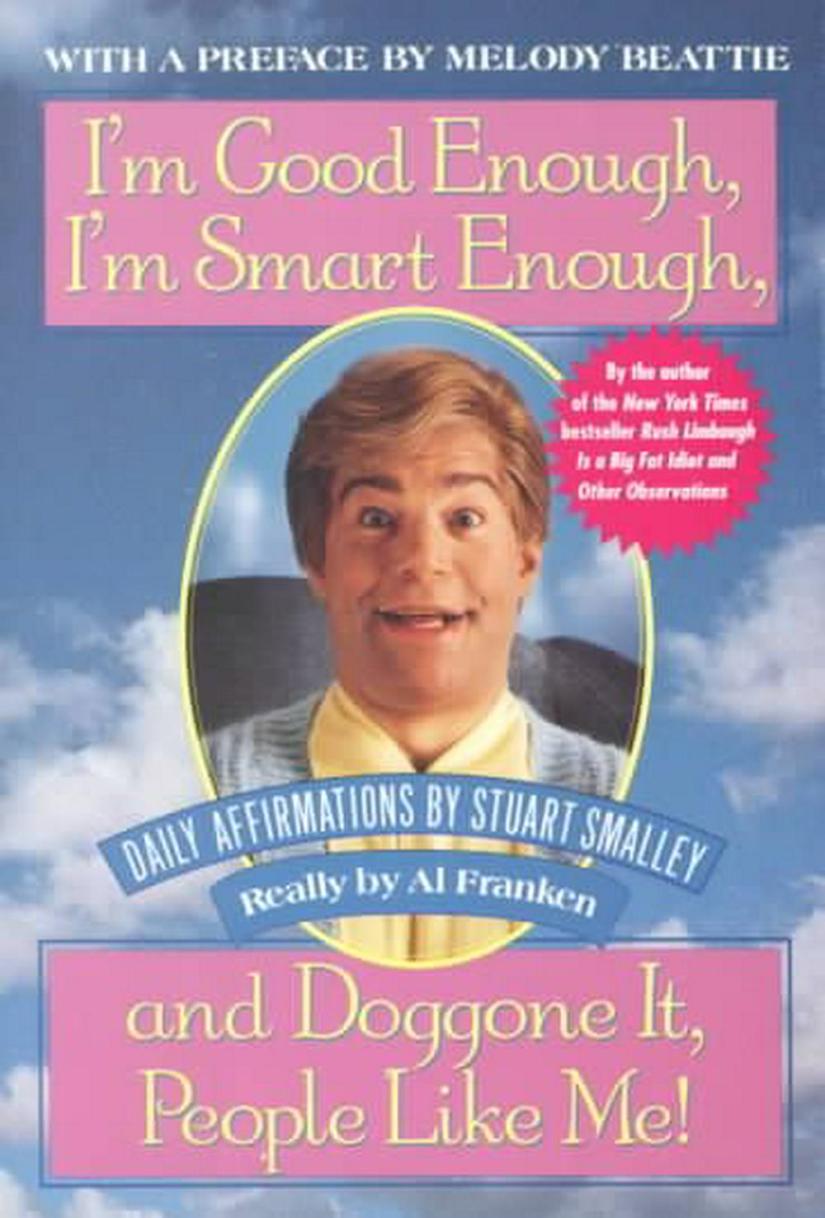 Franken then hosted a nationally syndicated, political radio talk show, The Al Franken Show, and authored six books, four of which are political satires critical of conservative politics. The success of his radio show and books led Franken to run for the U.S. Senate. Franken’s narrow victory was challenged but upheld. The most famous incident that emerged revolved around a ballot that would come to epitomize Franken’s victory. It was a ballot that had been marked twice, once for Franken and once for a write-in candidate known as “Lizard People.” This ballot gained infamy, not only for the absurd nature of a vote being cast for Lizard People but also for whether it should be counted for Franken or for lizard people. Eventually, the ballot was thrown out altogether. Franken was sworn into the Senate on July 7, 2009 (seven months after the congressional session had started) and was re-elected to a second term in office in 2014.
How can this state of 5.5 million people resting closer to Canada than Washington DC be so politically relevant yet so quirkily unconventional? Minnesota is the 12th largest but only the 21st most populated, dontcha know. Minnesota is made up of 13,136,357 acres of total surface water, more area than the size of Hawaii and New Jersey combined, yet they can claim more golfers than any other state in the union. Uff da! The Gopher state’s official bird is a loon, Skol! So, seriously, what is the matter with Minnesota? The world may never know. One thing’s for sure, Minnesota has led the league unorthodox political relevancy for most of our lives. Do I think that reputation will continue in the 21st century? You betcha.


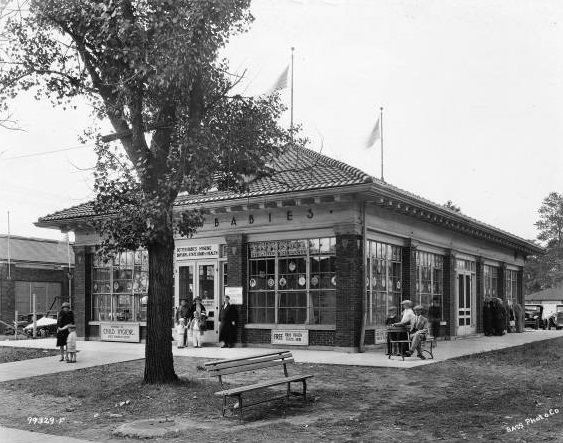
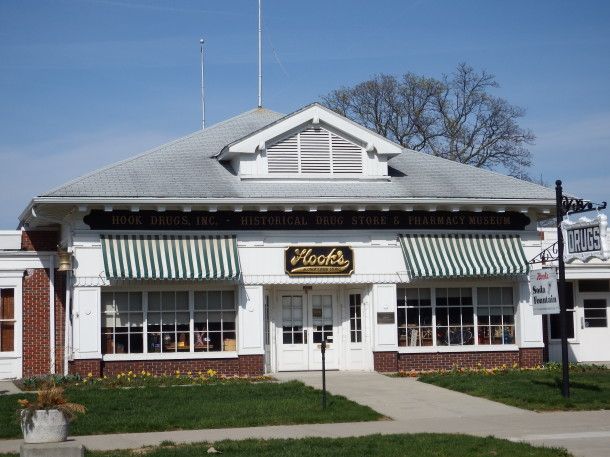

 If the criteria were based solely on demography and topography, Indiana was the perfect test case for the larger National Eugenics movement. In 1920, the state’s population approached 3 million residents, 95% of whom were native-born and 97% of whom were White. The bulk of Indiana’s African American and immigrant communities lived in segregated communities within the cities of Indianapolis, Gary, and East Chicago. Unlike other more racially diverse, multilingual states such as New York, Illinois, and California, Indiana’ Eugenics project did not have to translate their message into foreign languages or tailor their “Americanization” campaigns to foreign speaking populations. Instead, the Hoosier project targeted poor and working-class Whites, especially impoverished farm dwellers living in undeveloped rural communities. (Keep in mind that most rural Hoosier farms and homes did not have indoor plumbing or electricity until the 1940s.)
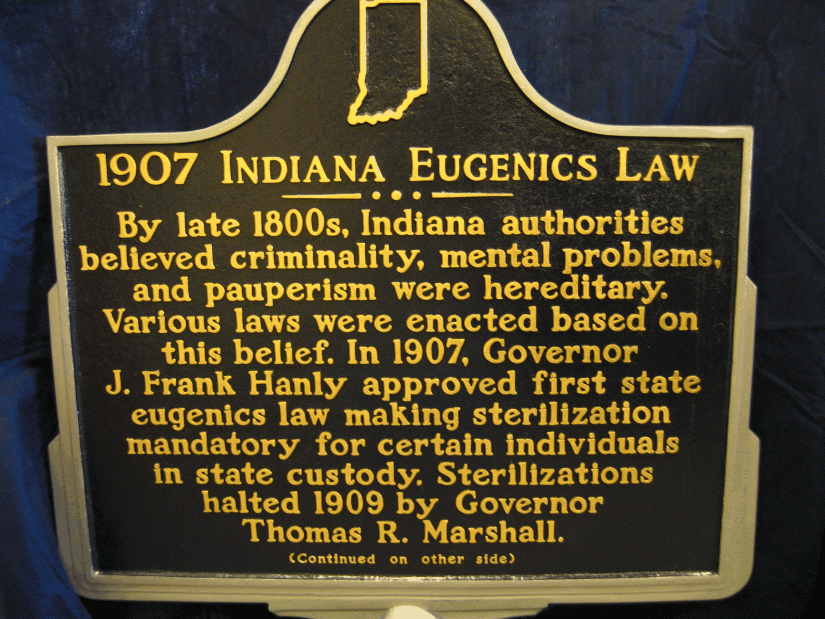 As a Hoosier, although others may argue otherwise, the connection between Eugenics and the Ku Klux Klan cannot be denied. Implicit to be sure, both organizations shared undeniable common goals, the first being the assurance of racial purity and the second being the improved survival of the Anglo-Saxon race. Luckily for us, the fall from favor of the Eugenics movement in our state and nation coincides with the fall of the KKK.
 The sad truth is that 2,424 people were medically sterilized in Indiana institutions. There was near parity between males and females in that number: 1,167 males and 1,257 females were sterilized. 1,751 of these people were considered mentally deficient and 667 mentally ill. That figure does not reflect the number of sterilizations performed in the years before the law was passed. As many as 800 of those sterilizations were carried out in the Indiana State Reformatory by one man, Dr. Harry Sharp. It was Dr. Sharp who is credited with performing the very first vasectomy in the United States and the procedure has changed little since he created it in 1899.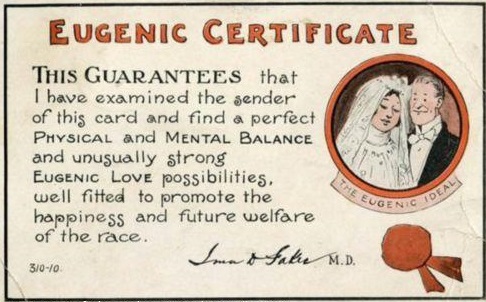
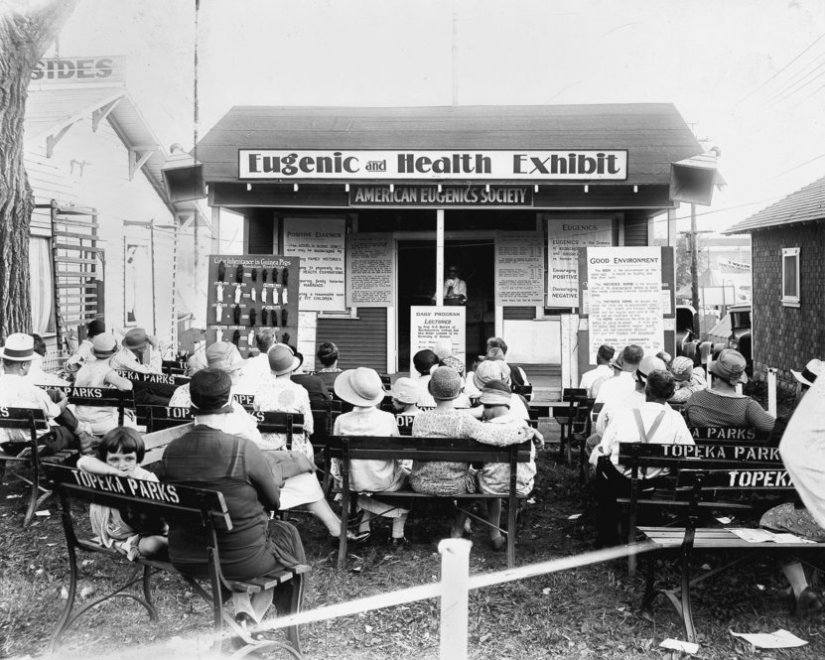
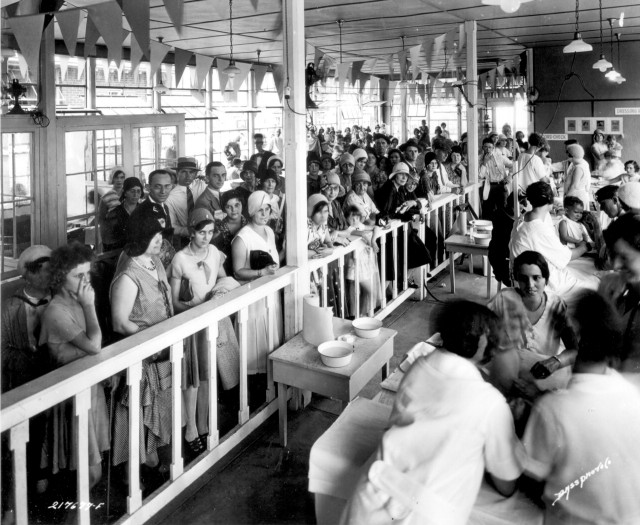
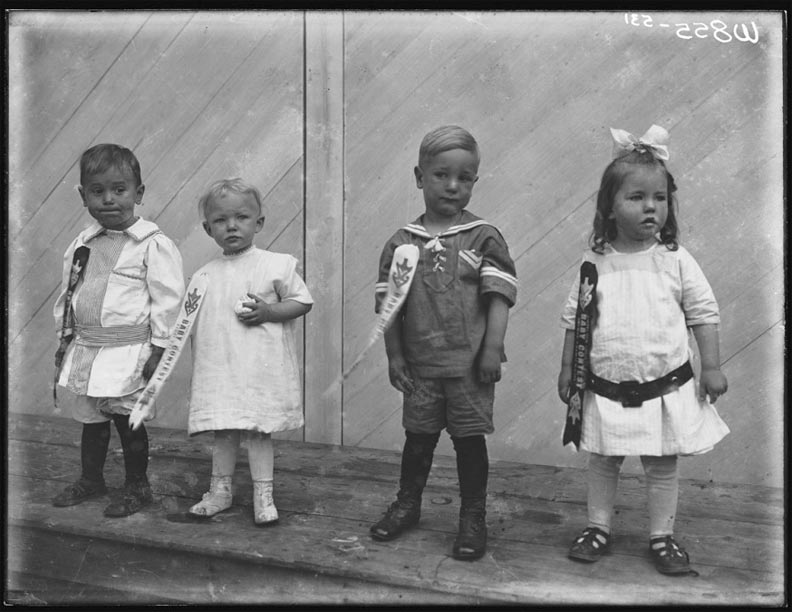 Over 19 million people attended this “West Coast World’s Fair Exposition” during 10 months from February 20 to December 4, 1915. The fair was devoted to extolling the virtues of a rapidly progressing nation, with particular emphasis devoted to new developments in science, agriculture, manufacturing and technology. The display generating the most interest among fairgoers was devoted to medical developments concerning health and disease, particularly theories on race betterment or, the promotion of eugenic studies. Expo promoters noted the interest of excited visitors and soon, Eugenics, billed as the advancement of civilization, became the main theme of the fair.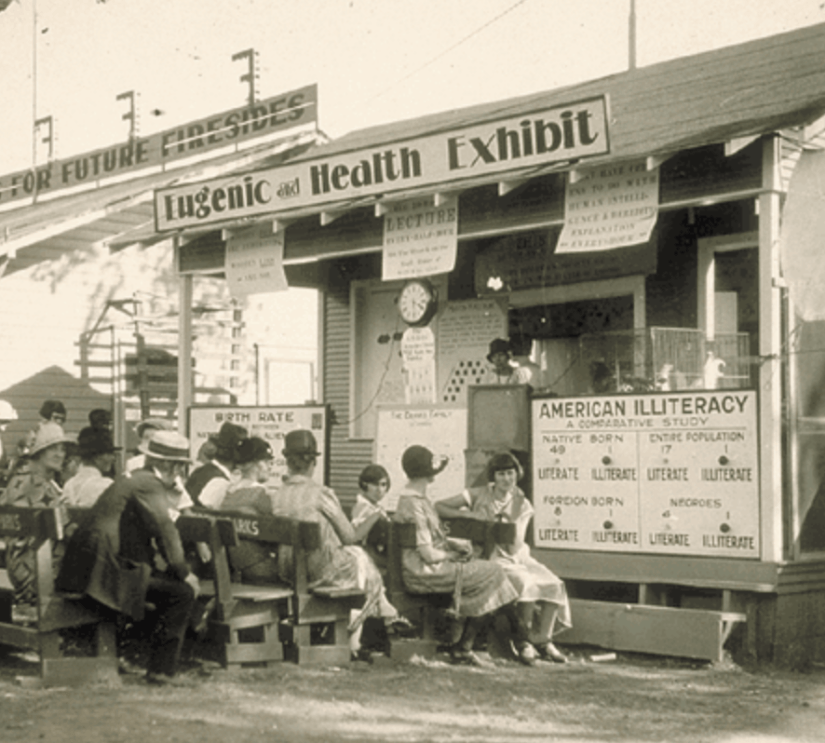


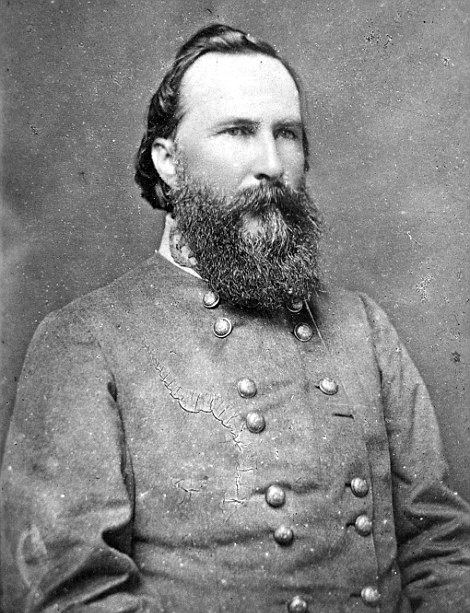


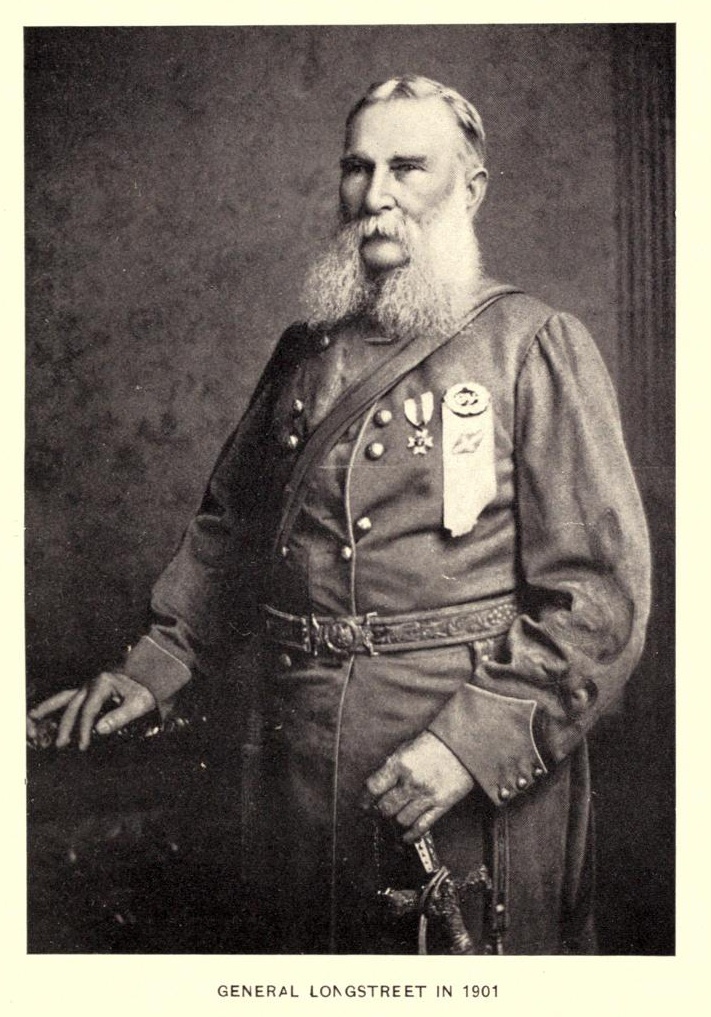 The attacks on Longstreet began in earnest on January 19, 1872, the anniversary of Robert E. Lee’s birth and less than two years after Lee died. In a speech at Washington College, former Rebel General Jubal Early exonerated Lee for the defeat at Gettysburg: Early said Longstreet was late. Early claimed Longstreet’s delay on the second day somehow led to the debacle on the third. The following year at the same venue, Lee’s artillery chief William N. Pendleton, charged that Longstreet disobeyed an explicit order to attack at sunrise on July 2. Although both allegations were false, Longstreet failed to rebuke them publicly for three years. The delay damaged his reputation, and by 1875, the Lost Cause mythology had taken root.


 Alan E. Hunter