
Original publish date: November 8, 2016
My wife and I spent this last Presidential election day in Florida, a refuge for us for over 25 years now. As I write this article, the outcome of the race is still undecided. By the time this article runs, the race will be over and our country will have a newly elected President. Truth is, we quickly discovered that the TV ads down here are even more vicious than they were back home. And THAT is saying something! Having cast our votes early, we were in need of a distraction.
I found it while watching the morning news. Orlando Mayor Buddy Dyer announced that the city had reached a deal to buy Pulse nightclub for $2.25 million. In case you need a refresher, Pulse was a gay bar, dance hall, and nightclub in downtown Orlando. On June 12, 2016, the club gained international attention as the scene of the deadliest mass shooting by a single gunman in U.S. history, the deadliest incident of violence against LGBT people in U.S. history, and the deadliest terrorist attack on U.S. soil since 9-11. 49 people were killed and 53 were injured.
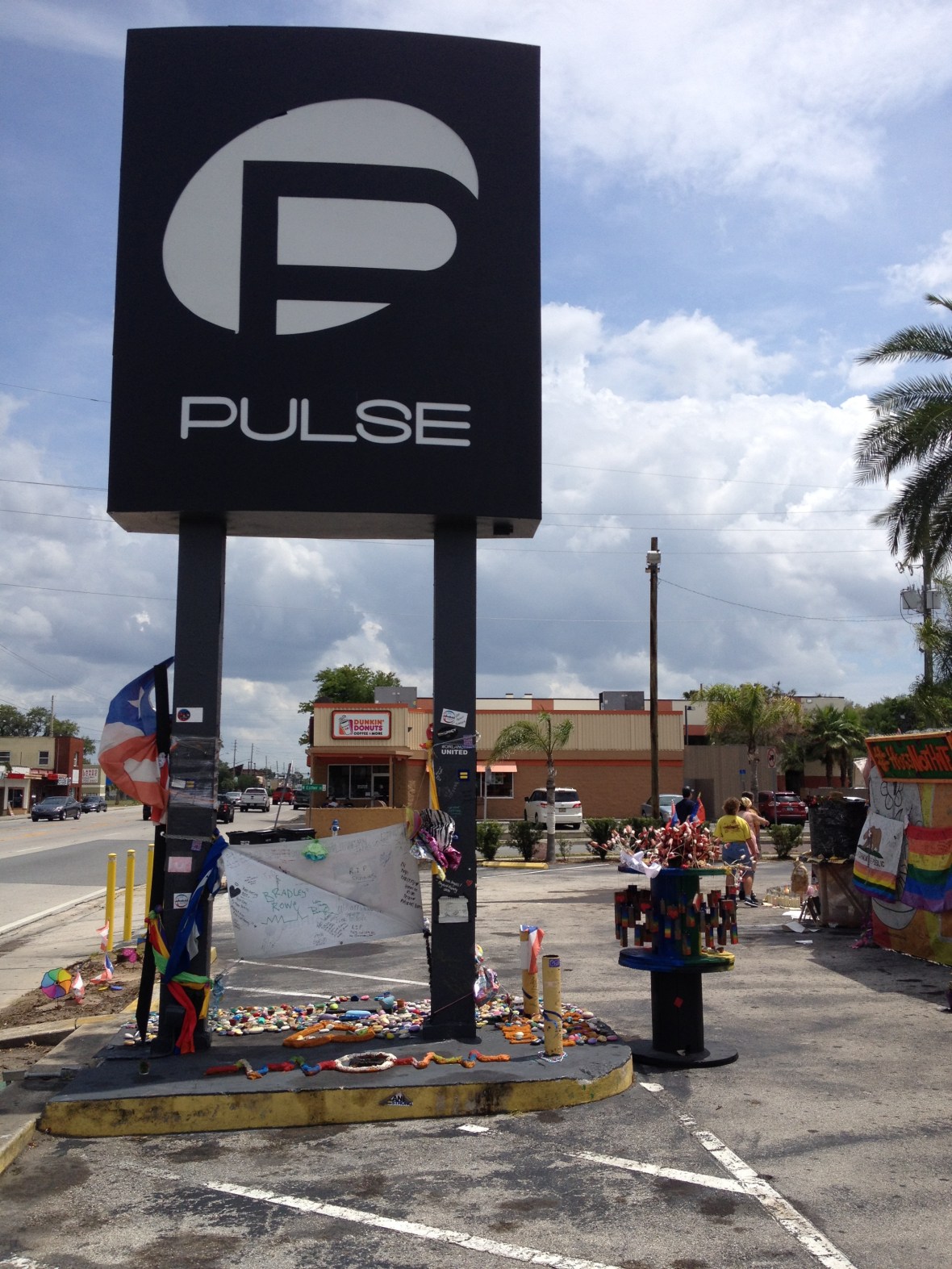 Dyer said the site will probably remain as-is for the next year or more, as it has become a popular gathering place for mourners. The purchase price was $600,000 more than its appraised value. He said the city will reach out to both LBGT groups and local community for advice on how the memorial should proceed. I didn’t tell Rhonda where we were going, I just said “Let’s go for a drive.” Good sport that she is, she agreed without reservation and off we went. While just about everyone knows the story of the massacre, not many know the history of the nightclub itself.
 The Orlando Weekly newspaper once described Pulse as featuring “three glitzy, throbbing rooms of twinks, club boys and twinks at heart. Every night has something different in store, but Pulse is known to have some pretty impressive drag shows, and the bar’s dancers are usually gorgeous.” However, Pulse was more than just a party spot for the LBGT, it hosted themed performances each night and had a monthly program featuring educational events geared towards the LGBT community. The Washington Post described its first 12 years as “a community hub for HIV prevention, breast-cancer awareness and immigrant rights”, and reported it had partnered with educational and advocacy groups such as Come Out with Pride, Equality Florida, and the Zebra Coalition. President Obama once described Pulse as both a refuge for LGBT and for Puerto Rican people.
 Top 10 Orlando called it a “firm favorite for the Orlando gay crowd”, The Rough Guide to Florida deemed it “justifiably popular”, citing its “great lighting and sound plus cabaret performers, drag acts, and erotic dancers.” The entire premises, including the washrooms, were handicap accessible. Using “periodic consumer surveys”, Zagat rated Pulse 25/30 for atmosphere, 25/30 decor, and 22/30 service.
 Before Pulse was founded, the building site was home to the Sarasota Herald Company, a 1930s Era daily newspaper. In 1985 it became Lorenzo’s pizza restaurant. By 1999, it had become Dante’s, a bar with live music. Dante’s closed in January 2003. Pulse was founded on July 2, 2004 by Barbara Poma and Ron Legler. Poma’s brother, John, died in 1991 from AIDS, and the club was “named for John’s pulse to live on”, according to their website. Legler was President of the Florida Theatrical Association at the time of the club’s foundation.
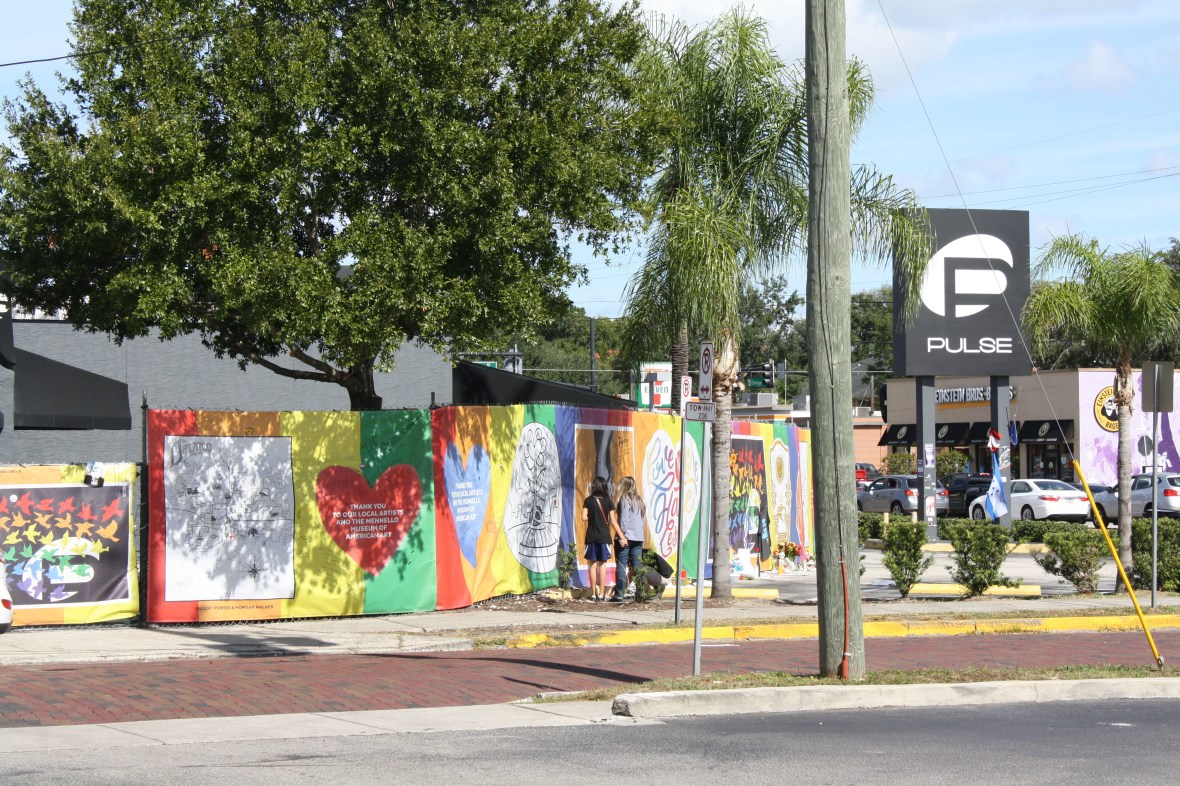
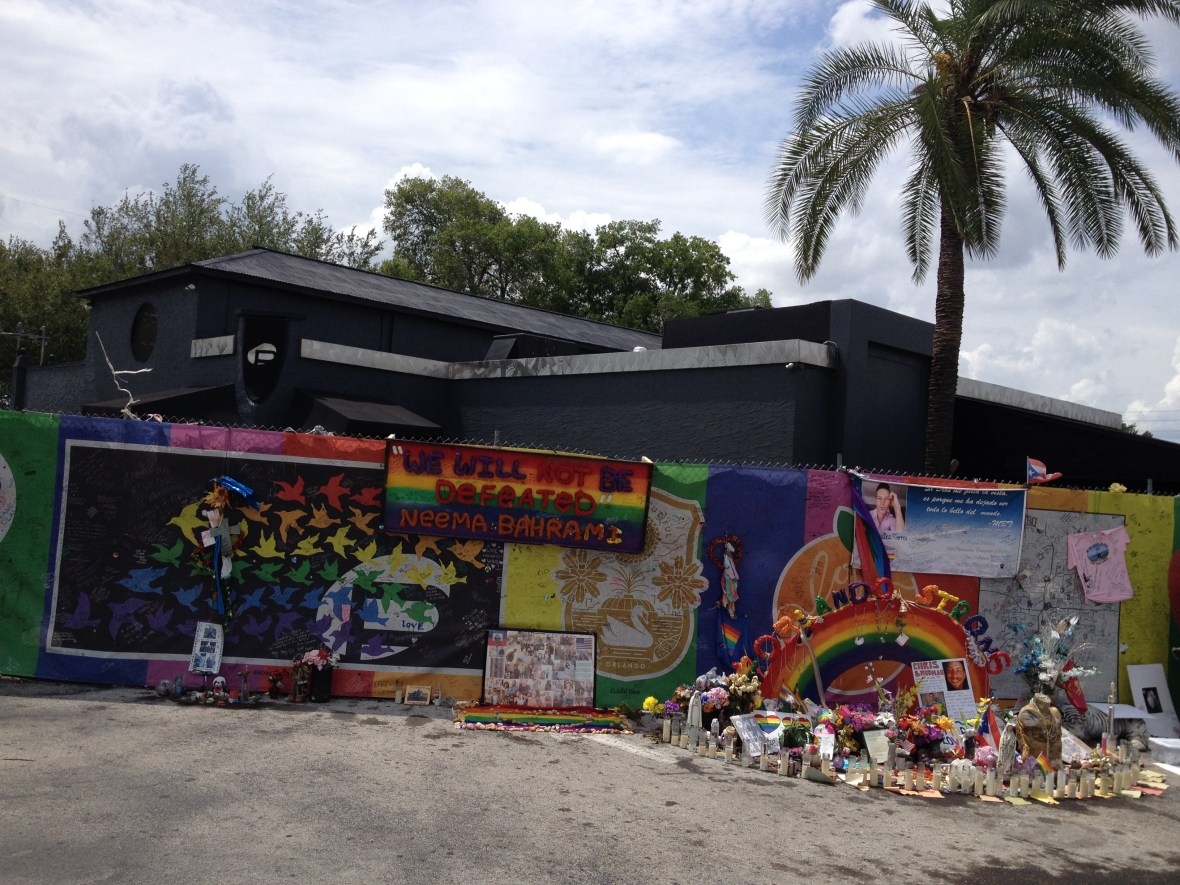
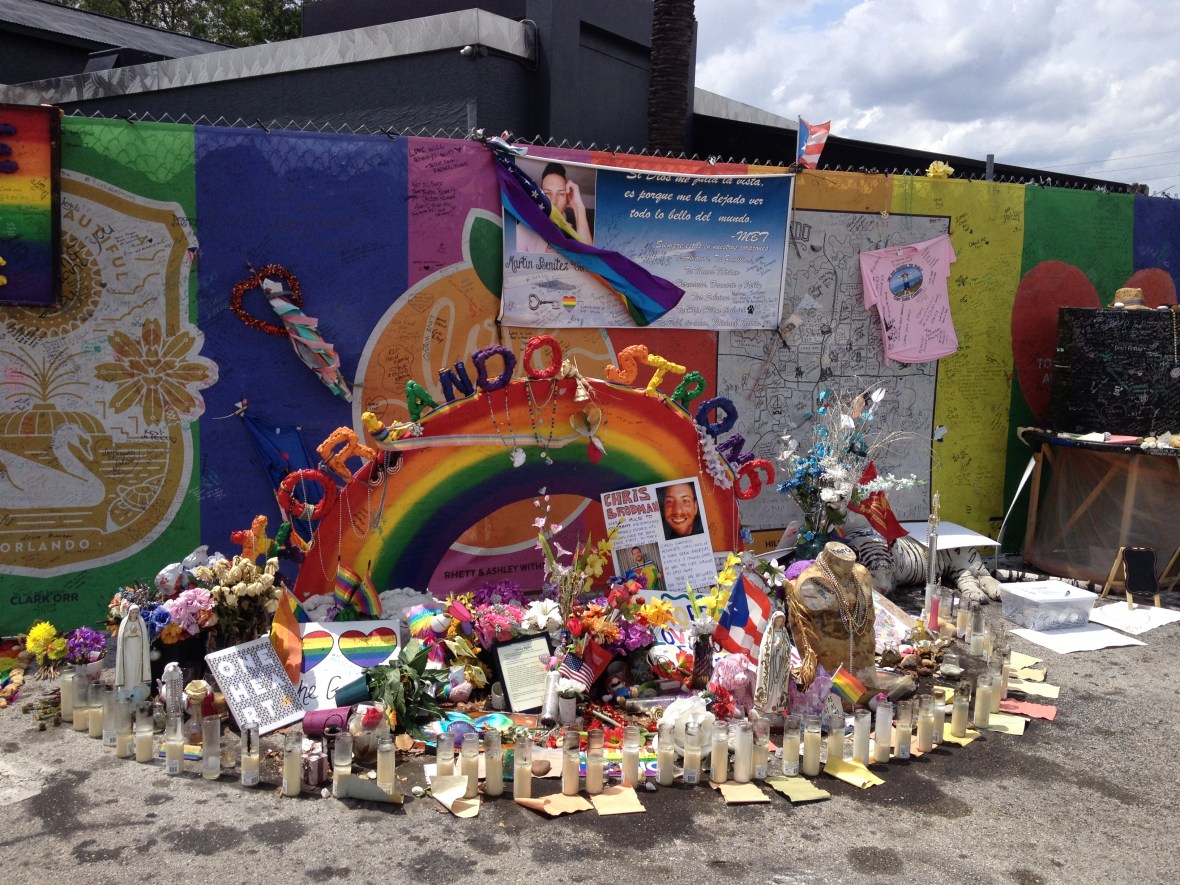
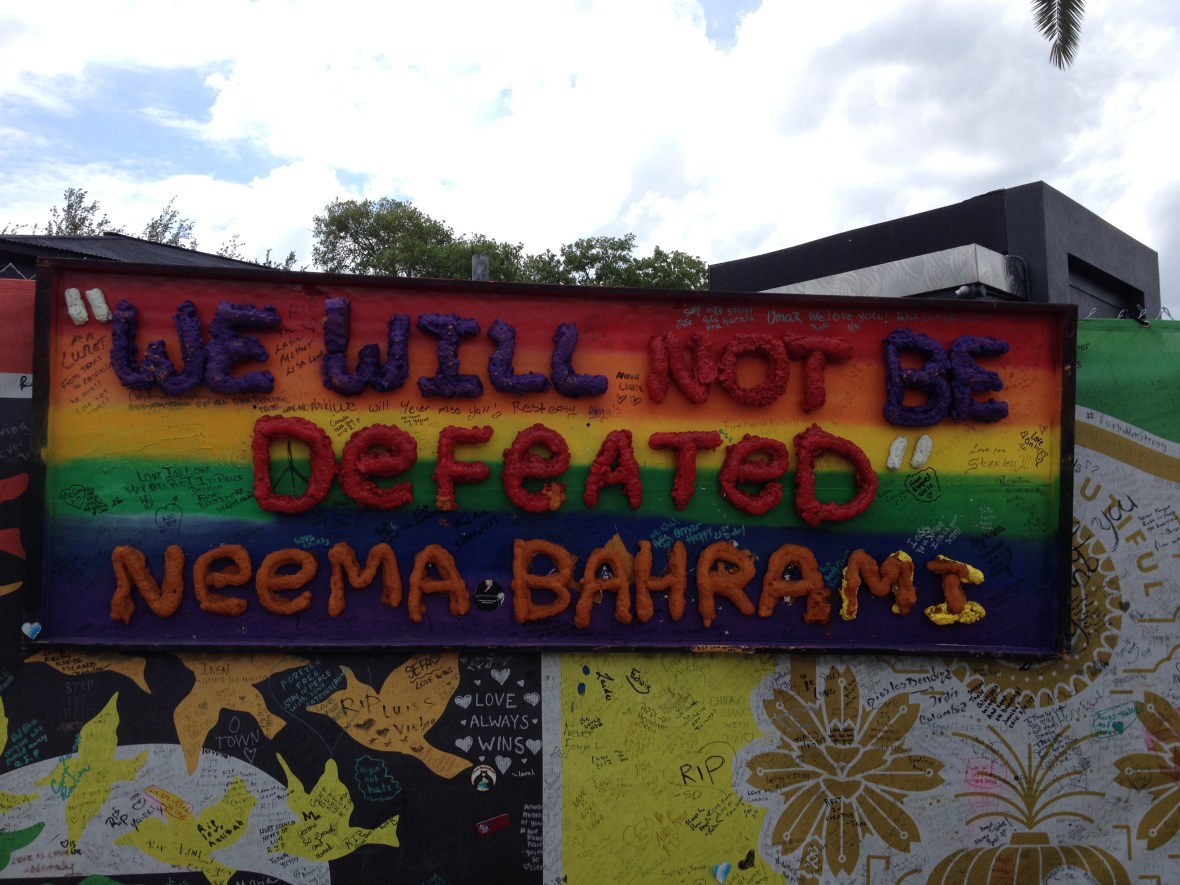
I was hoping that our visit to this hallowed ground would somehow help us put things back into proper perspective and remind us about what is truly important in this world. It did not disappoint. Pulse, located at 1912 S. Orange Avenue in Orlando, Florida, is today encircled in a 7-foot tall chain link fence with another solid plywood wall inside to act as a double barrier. The chain link fence is adorned with banners memorializing the event and its victims in a tasteful, solemn way.
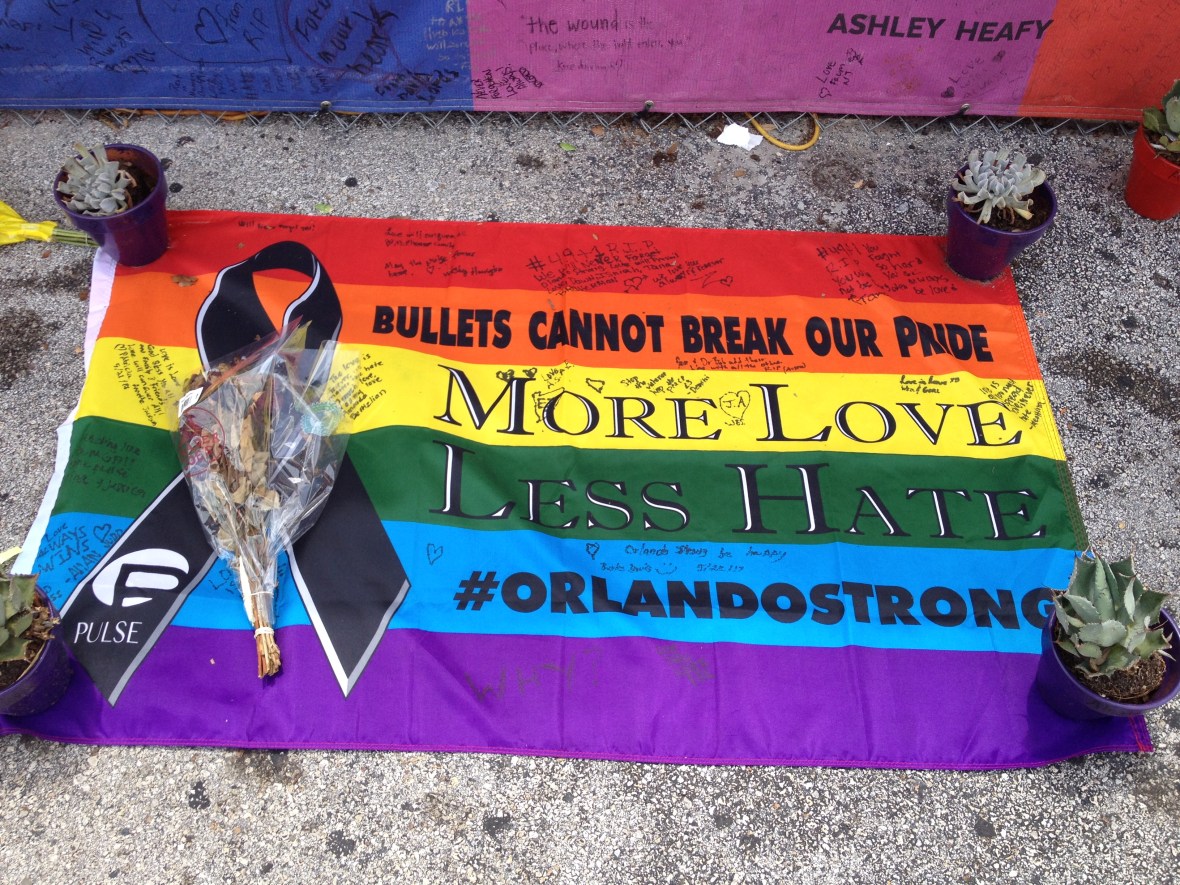 Visitors have written messages of hope on the canvas signs. Some designed to cheer the future, others to toast the past, while more still are there to nourish the soul and soothe an unquiet mind. A few scrawlings just want it to be known that Jake from Iowa was there and that Jake from Iowa understands and is sorry it happened. Some messages are from friends, many are from family and others from Orlando residents paying respect, like Orlando Boy Scout Troop 534 who proudly proclaim that they are Orlando Strong.
As of this writing, no-one knows for sure what will become of the site. I’m sure that many, myself included, hope that the city of Orlando will turn it into a fitting memorial. Perhaps a museum in the same vein as the Lorraine Motel in Memphis, the site of the assassination of Dr. Martin Luther King, Jr. that is now home to the National Civil Rights Museum. Like the 9-11 site of recent memory, a place of terrible tragedy and heartbreak can sometimes become a place of healing. A place of education and, most importantly, a place of understanding.
 I’m a firm believer that seeing, touching and walking the paths of important events leads to better understanding of what happened there. The Pulse site could be a perfect place to reflect and remember. Orange Avenue is a busy road but what strikes a first time visitor like me is that no farther than 100 yards behind the site are neighborhoods full of homes and average everyday people. One can only imagine how that tragedy affected these folks.
 Sadly, our nation’s historical landscape is pock-marked with sites where tragedy has defined a region. All too often these sites involved the attempted eradication of human rights, whether individually or as a group. One need only recall the evils of slavery and horrors of reconstruction to understand the impact of a failed ideology. Every group has had to climb its own mountain to affect change; some sadder and more tragic than others.
Native American Indians at wounded knee, Mexicans at San Jacinto, Mormons at Mountain Meadow, black soldiers at Fort Pillow & Battery Wagner, abolitionists at Lawrence, Kansas, Chinese laborers on the transcontinental railroad, union laborers at Ludlow, Colorado and women workers at the Triangle factory fire in New York City. All of these sad episodes are viewed as landmarks of change for our country. The Pulse nightclub massacre can count themselves among them and the site could be their change landmark. Only time will tell.
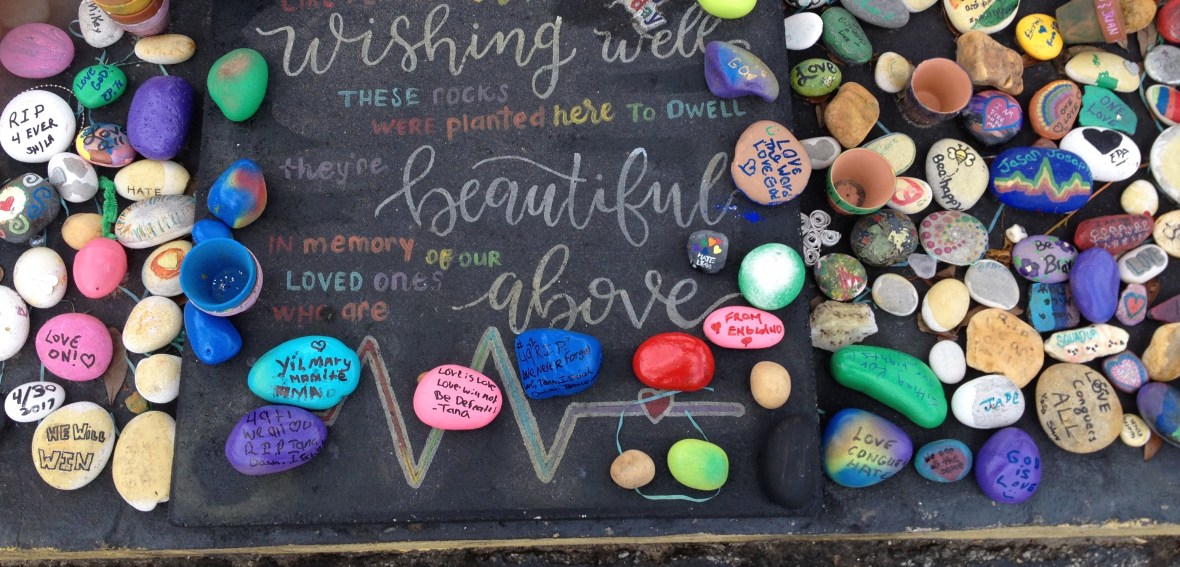
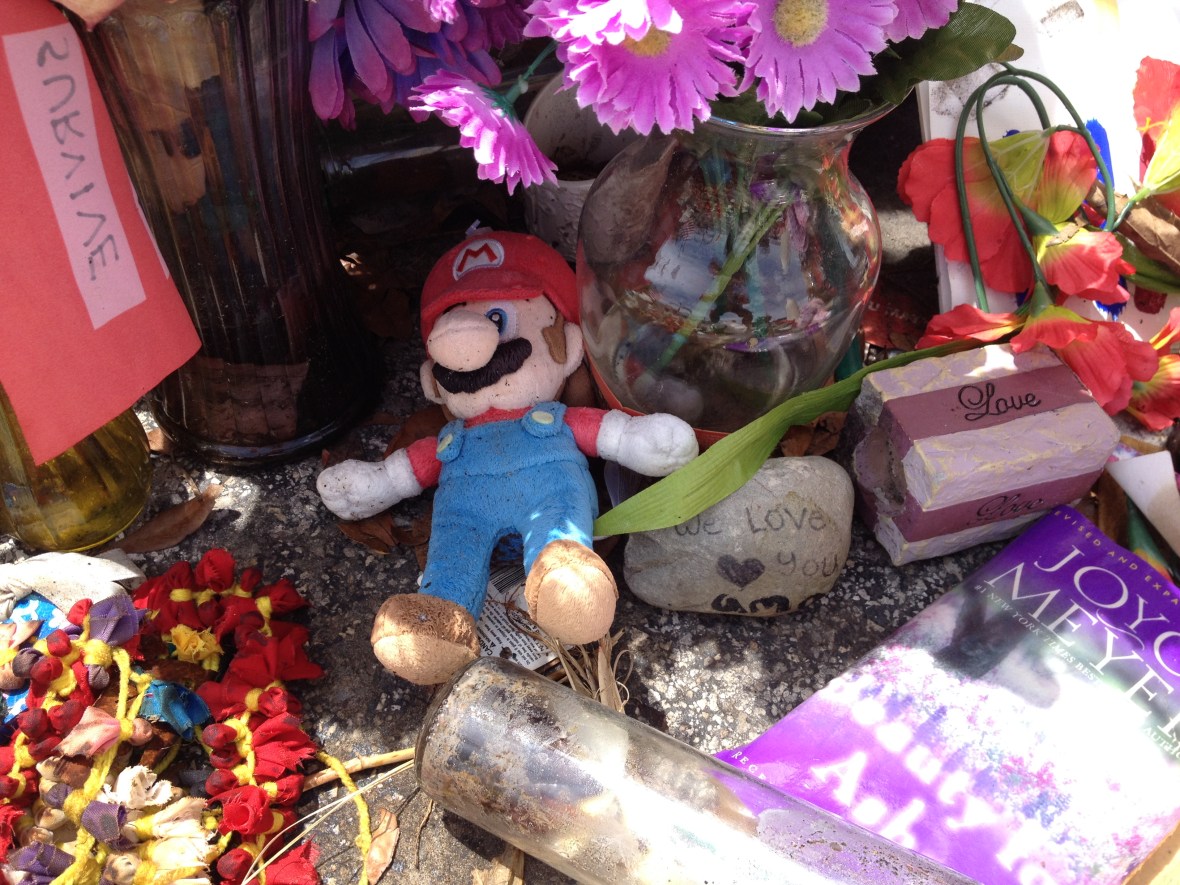
On our brief half hour visit, we saw about a half dozen people visiting the memorial, reading the sympathy cards, looking at the cherished talismans and mourning remembrances placed on the fence and arranged on the ground before it. Most, like us, took photos to remember their visit. While others pulled up to the curb and never got out of their cars. But they took the time to be there, nonetheless.
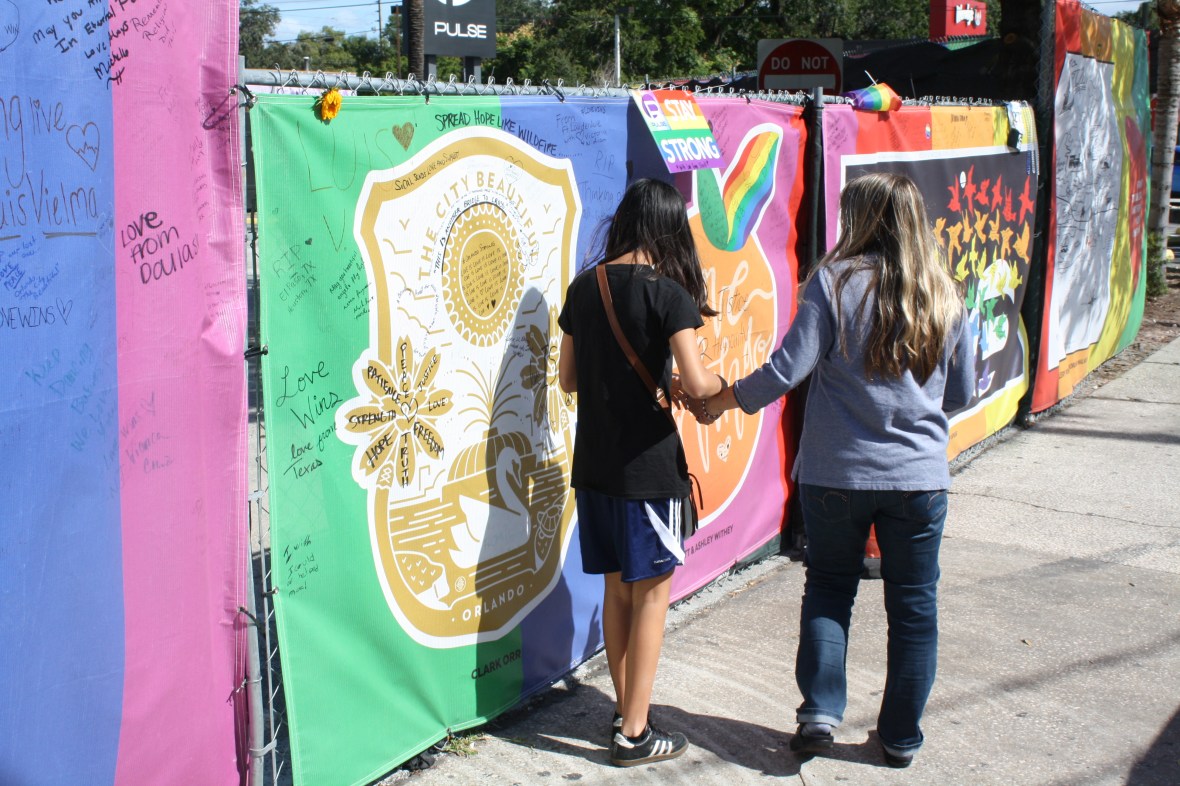 The memory that I will take with me is of a pair of young women who appeared and walked slowly down the fence. It was a young teacher escorting a beautiful blind student. The teacher stopped at every banner, reading it aloud to her sightless charge.
 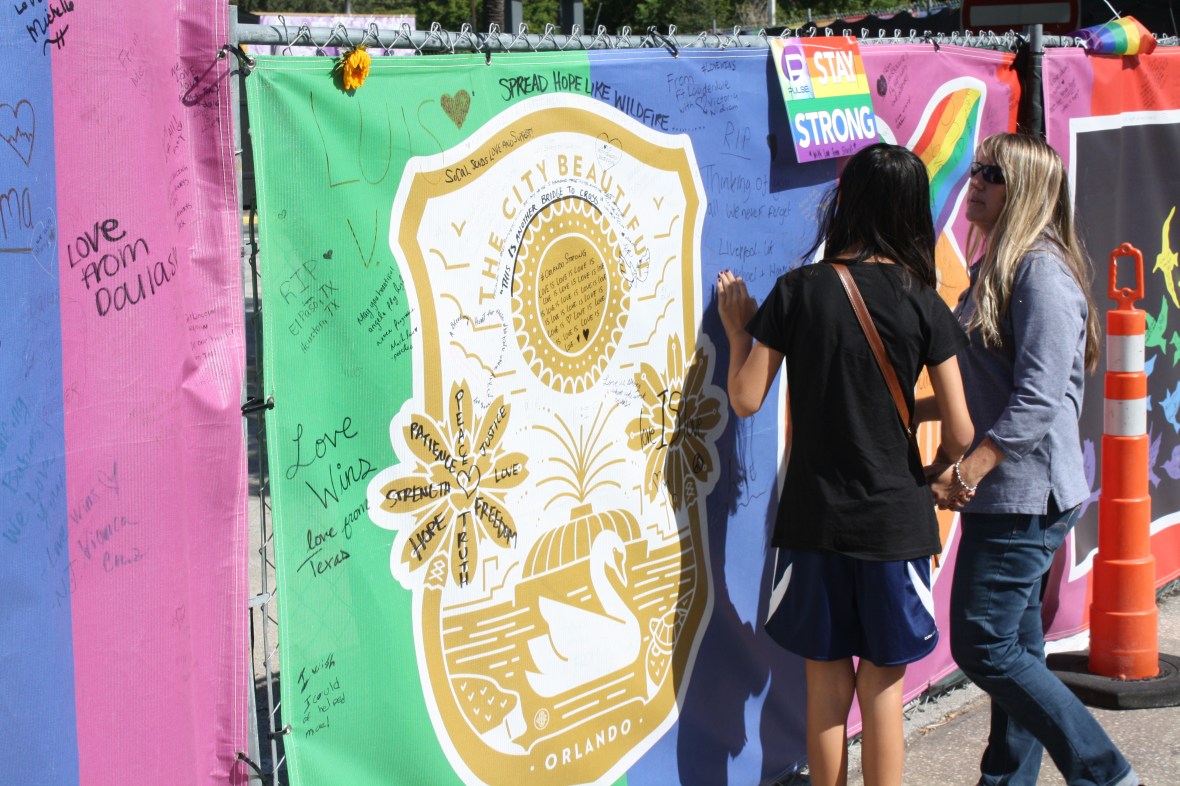 The young student then reached out and touched every banner gently with her fingertips, as if absorbing the moment for her own personal posterity. Our daughter Jasmine and two of her / our close friends, Elise and Jada, work at the Indiana School for the Blind. I’d like to think that if any one of those three young women were in the same position, they’d do the same for their students. Please Orlando, transform the Pulse nightclub site into a memorial that all Americans can be proud of.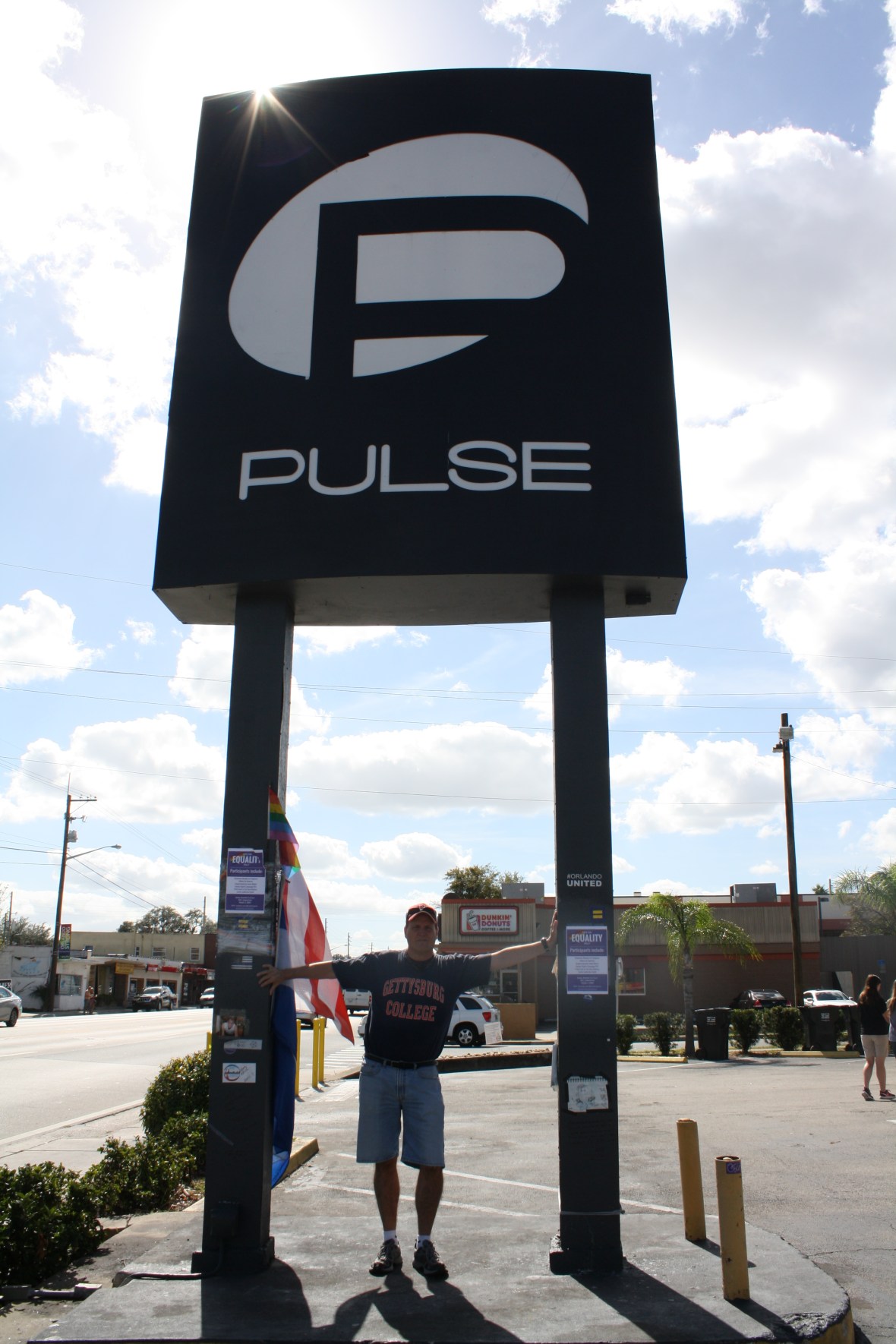
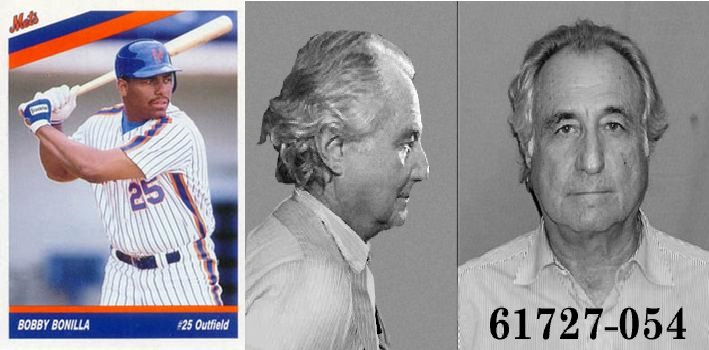
 Many of these athletes are notoriously bad at managing their own money. Their teams often take care of all travel, meal and lodging expenses as part of their contracts. They see their salaries as instant, disposable income and make terrible investment decisions. When they retire or injury ends their career, they continue to spend wildly even though there is no more money coming in. Curt Schilling lost every cent of the $50 million he made playing baseball on a failed video game company. Allen Iverson squandered a $150 million fortune on gambling, houses, jewelry, child support and a 50-person entourage. Mike Tyson blew through a $300 million fortune. Evander Holyfield blew through a $250 million fortune. Phillies star Len Dykstra lost his fortune, then regained it only to lose it again. Locally, former Colts Quarterback Art Schlicter lost his fortune to drugs and gambling and he has been in-and-out of prison since his playing days ended.
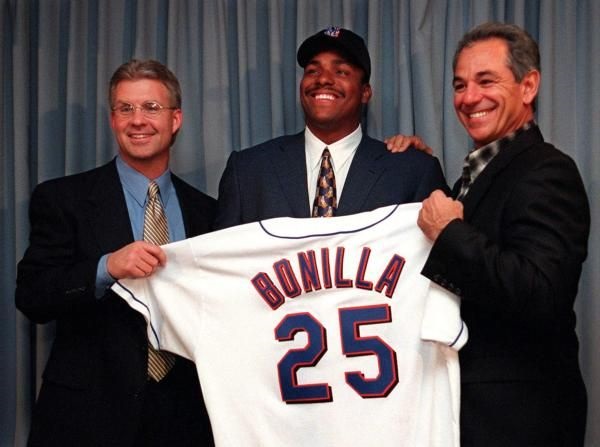
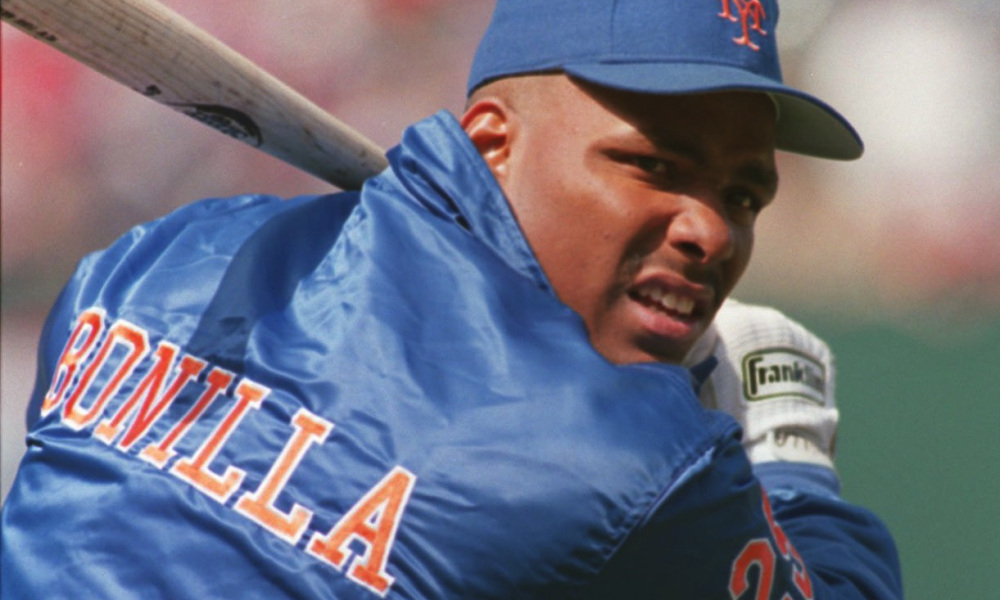 $1.9 million annual salary a decade after an employee leaves the job? What does all that mean? Well, nothing really. That is nothing to everyone except Bobby Bonilla. Keep in mind that an average annual teacher’s salary in Indiana is $ 53,000, a Hoosier cop makes about $ 50.000, a Circle City Fireman makes about $ 45,000 and the President of the United States makes $ 400,000 per year. To me it means that it’s the Major League All-Star game break again and I felt like writing a baseball story. True, the Bonilla deal remains a trivial footnote from the pages of sports history, but it’s a footnote that I find infinitely interesting.
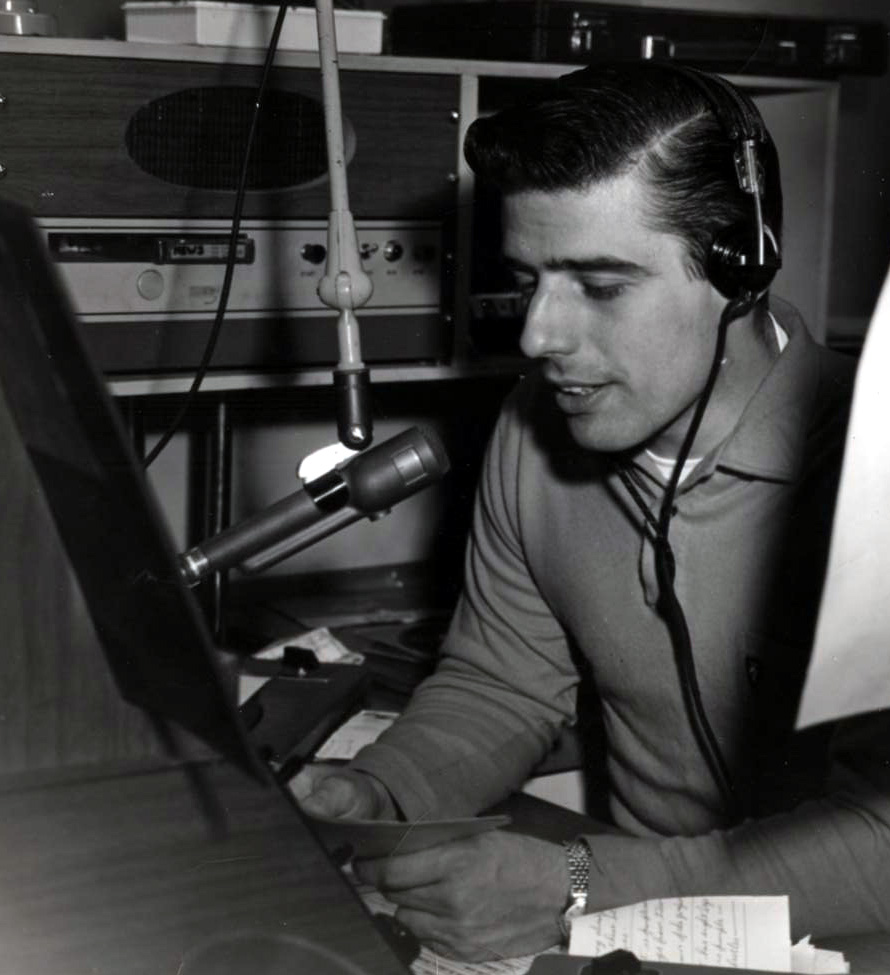
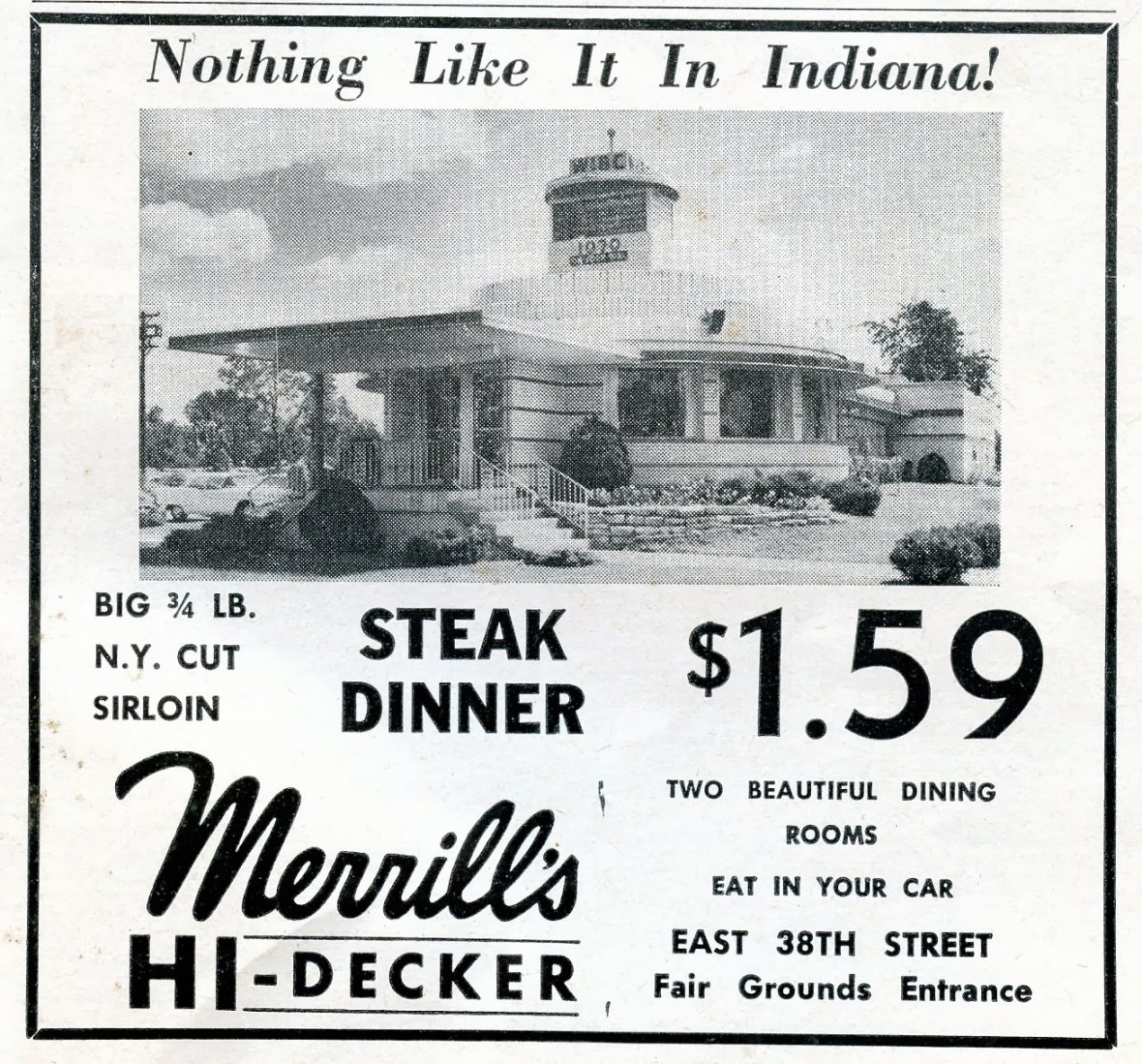 Another Summer gimmick was to slowly bite into a juicy hamburger before he kicked off every commercial during his show. Doesn’t sound like much now, but apparently back in the day it drove customers crazy. Not to mention it sold a lot of hamburgers. The only way into the glass booth studio was up a fire escape ladder leading up to the roof, and then into the tiny studio via a trap door in the floor. Legend claims that George Lucas used Summer’s “Skyline Studio” as the inspiration for Wolfman Jack’s studio in his movie American Graffiti. You’d have to rent the movie and see for yourself because Merrill’s Hi-Decker and the radio booth are long gone now.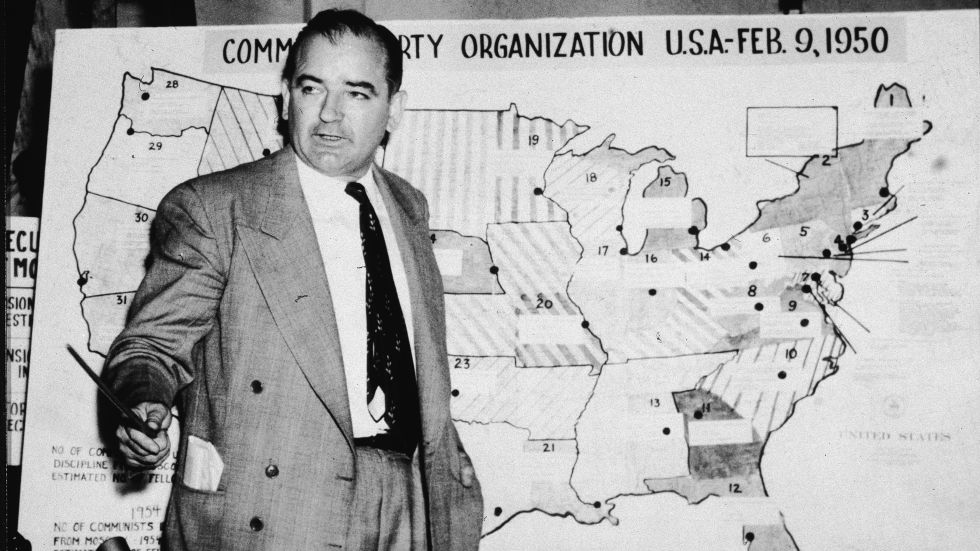
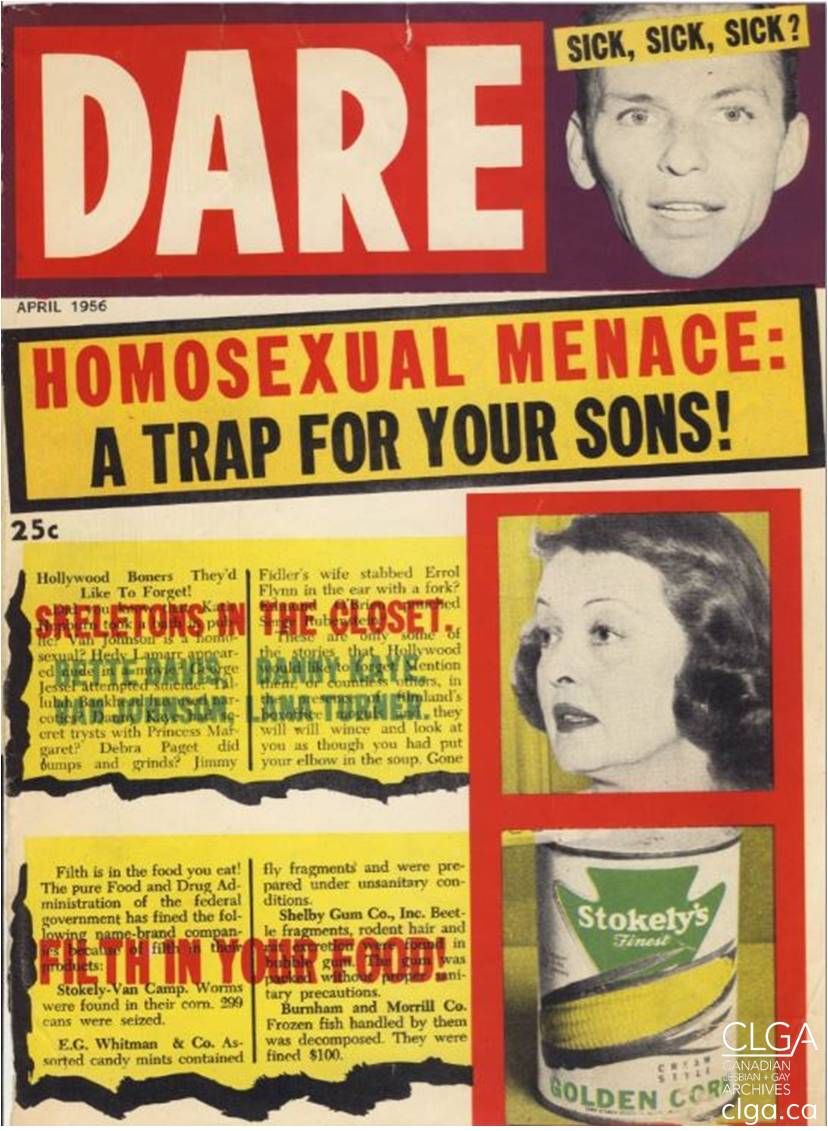
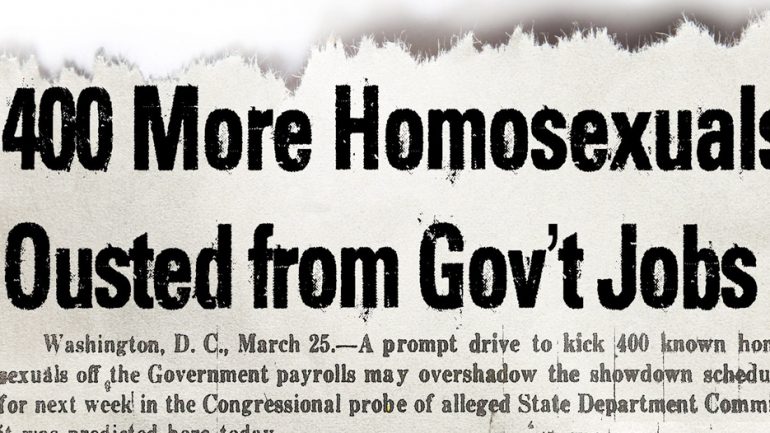 The media knew a controversy when they saw it and soon newspapers and magazines helped whip the frenzy into a fevered pitch. The New York Times took the lead, running at least seven stories promoting this anti-homosexual campaign in May of 1950. A month later, the Senate authorized an official investigation, the first of its kind in U.S. history. It was popularly dubbed the “pervert inquiry.”
 Nebraska GOP Senator Kenneth Wherry concluded in December, “You can’t hardly separate homosexuals from subversives… Mind you, I don’t say that every homosexual is a subversive, and I don’t say every subversive is a homosexual. But [people] of low morality are a menace in the government, whatever [they are], and they are all tied up together.” In 1950, a Senate investigation chaired by Clyde R. Hoey noted in a report, “It is generally believed that those who engage in overt acts of perversion lack the emotional stability of normal persons.”, and said all of the government’s intelligence agencies “are in complete agreement that sex perverts in Government constitute security risks.”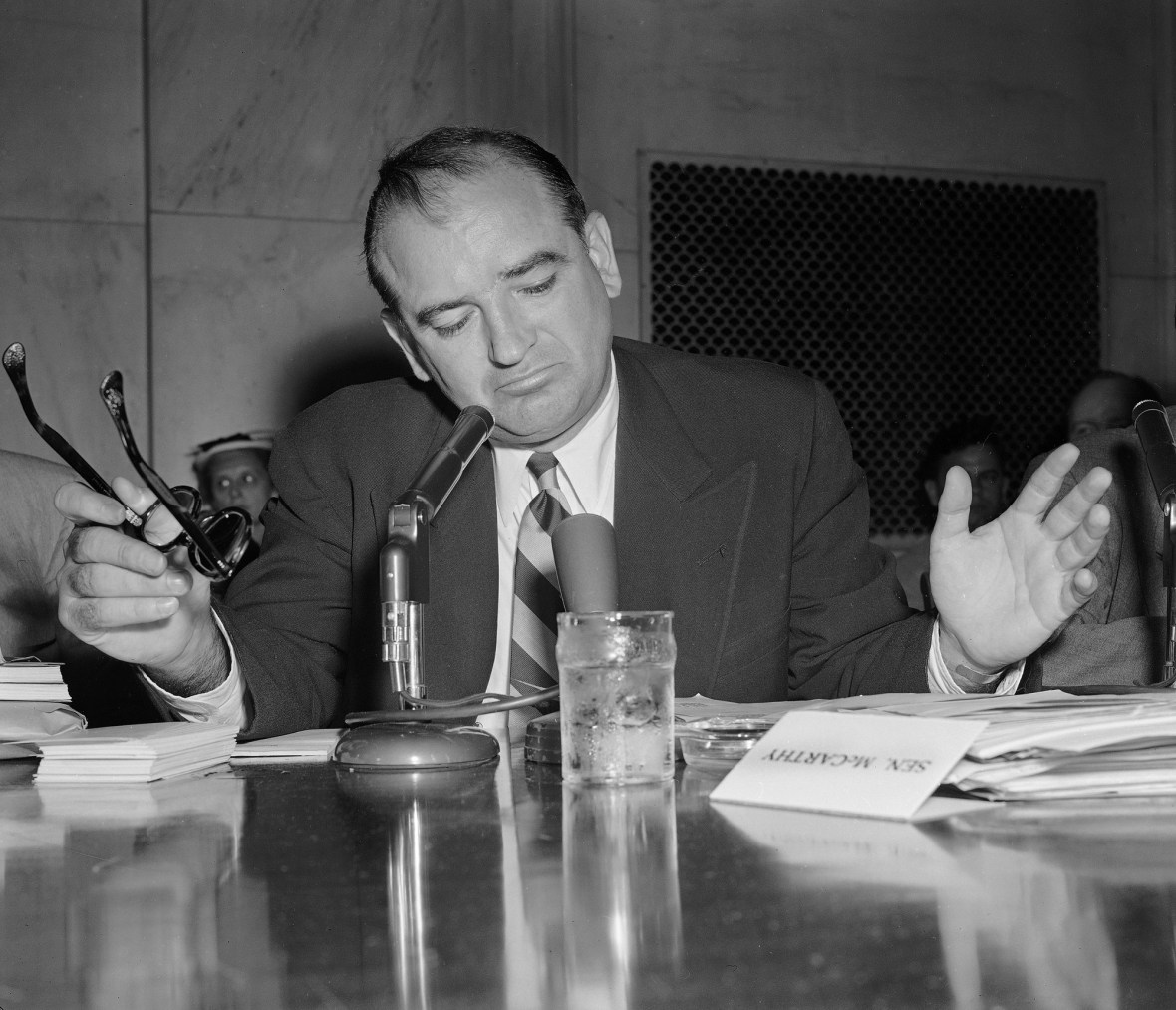
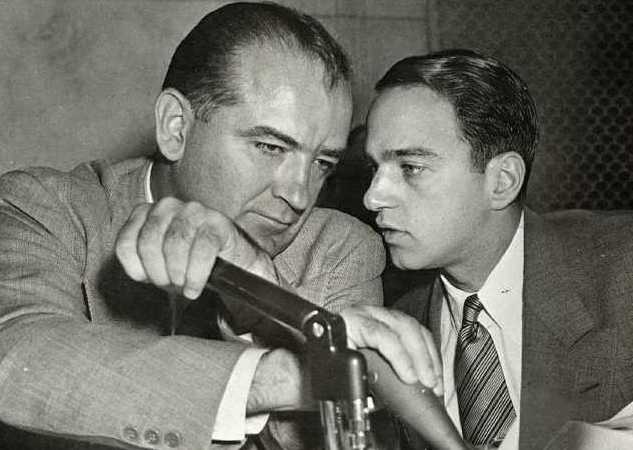
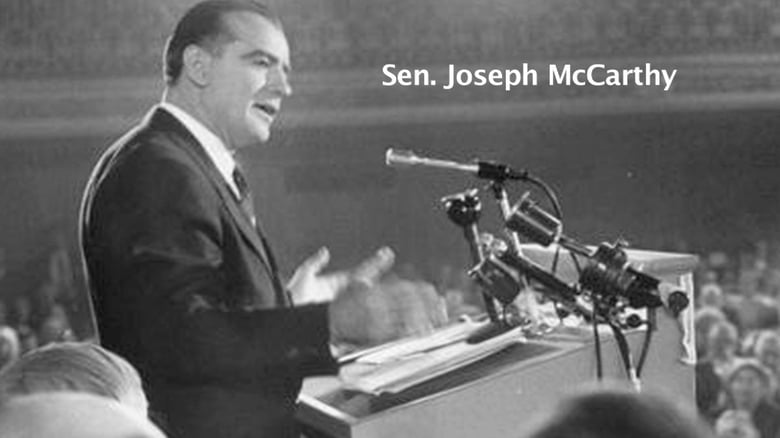
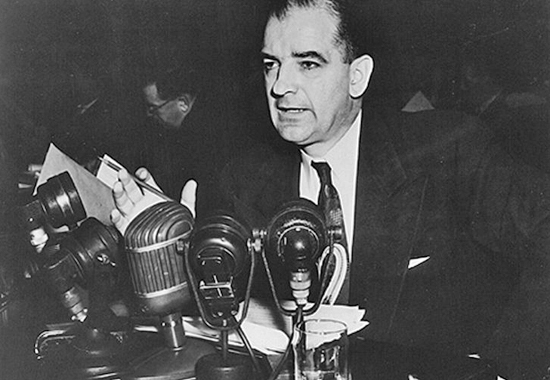
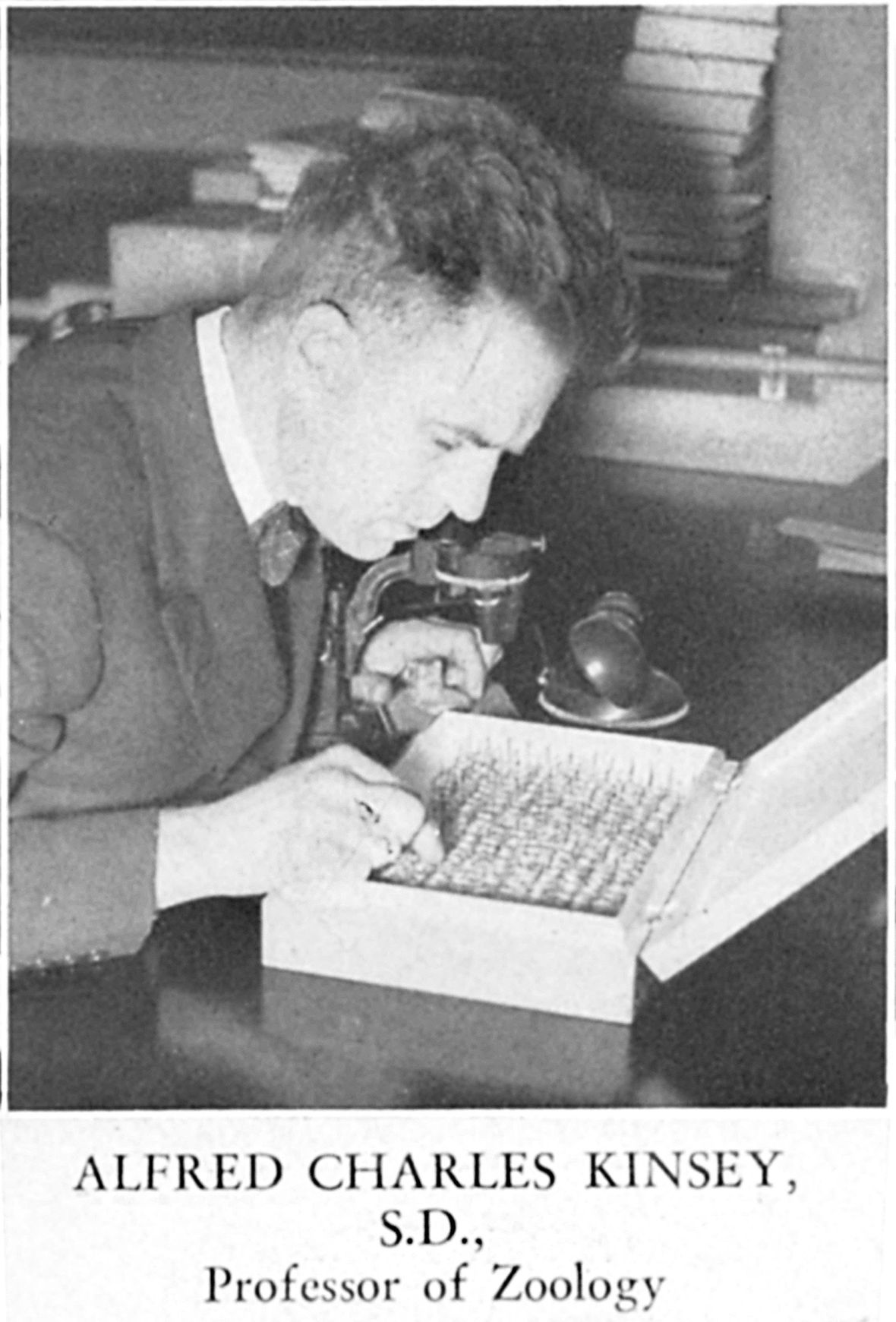 Until the election of John Fitzgerald Kennedy as President, no other politician of Irish descent had achieved a national impact comparable with McCarthy’s in twentieth century America. McCarthy took a serious issue, undermined it through reckless behavior and destroyed the lives of many people in the process. McCarthy’s Red Scare didn’t come to an end until he dared to attack the Army with his accusations. A very bad idea when the Oval office is occupied by the most famous General of his generation.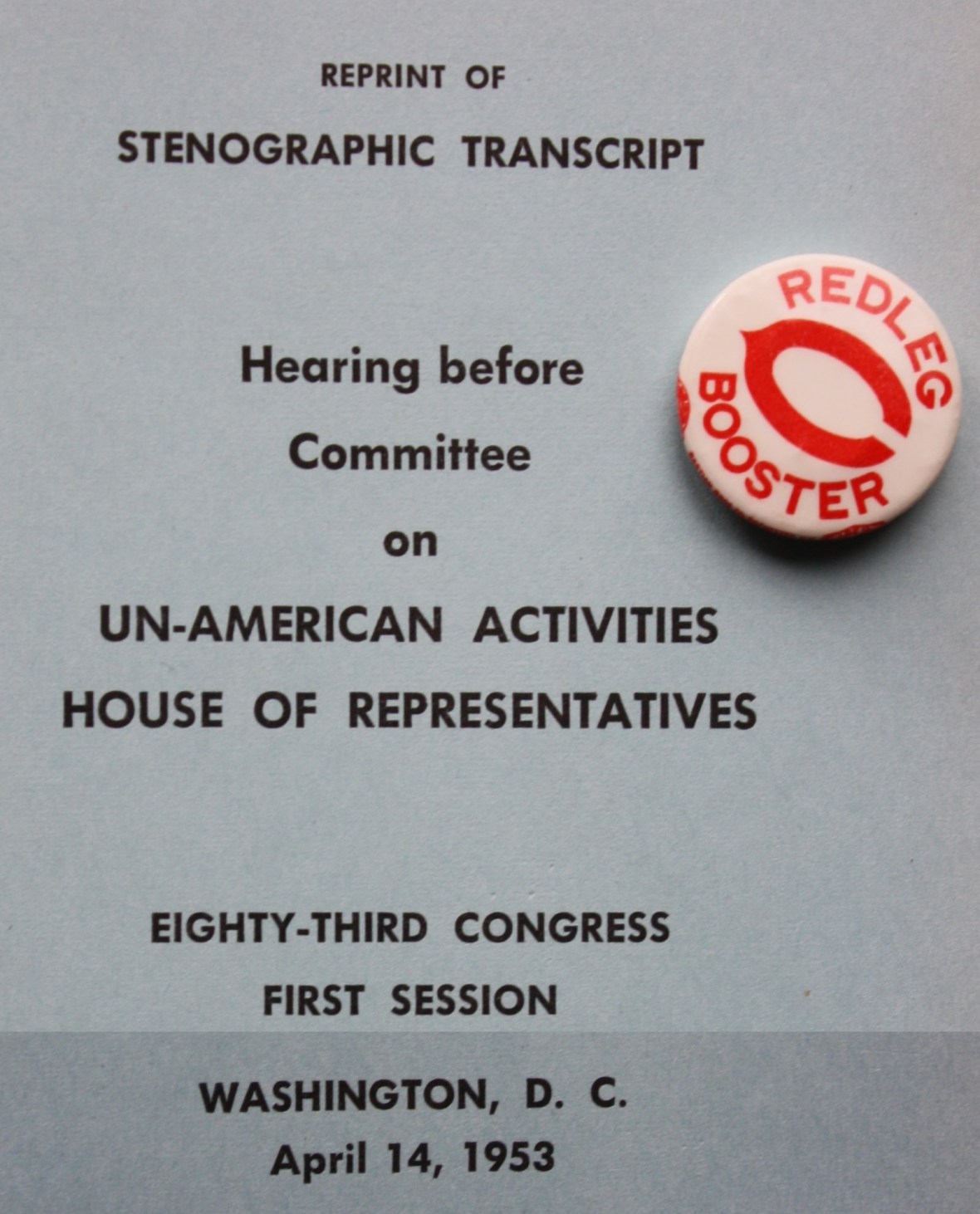

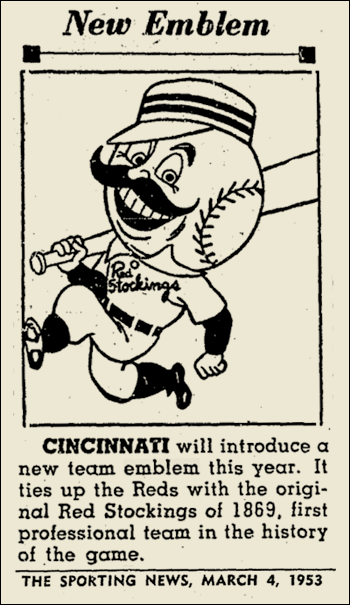 Irregardless of all that storied history, in 1953 the Reds decided to rename themselves the “Cincinnati Redlegs” to avoid the social stigma, potential money-losing prospects and career-ruining repercussions of being viewed as the “Reds”. Think about it, newspaper headlines like “The Reds bomb St. Louis” or “Reds murder Senators” might spread War of the Worlds style pandemonium. Okay,okay the Senators and Yankees were American League teams, but you get the idea.
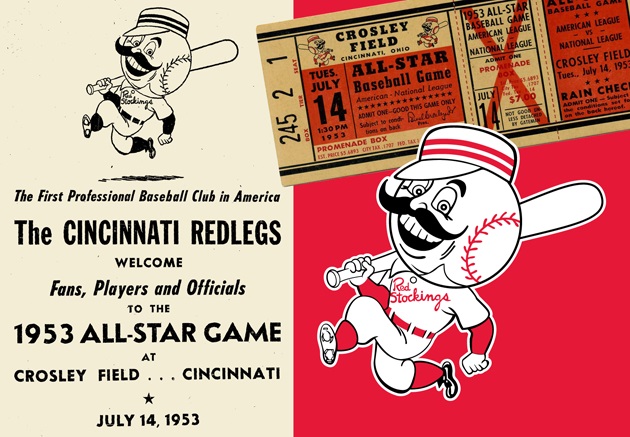 Sometimes peer pressure and cultural hysteria make businessmen do strange things.
