Original publish date: April 4, 2019
So you say you have a scratchy throat? Runny nose? Nagging cough? Blaming all those hugs, handshakes and office hours for catching a bug? Well here’s a reminder that it could be worse. This reminder reaches all the way back to the Civil War and comes with a twist that extends to the present day.
Private Willis V. Meadors (erroneously identified as W.V. Meadows for decades) was a Confederate Veteran who served alongside his brothers and cousins in Company G of the 37th Alabama Volunteer Infantry. The 37th was involved in nearly every campaign of the western theater of the war between the states. Meadors was a sharpshooter with the Rebel army commanded by Lt. General John C. Pemberton posted at Vicksburg, the last major Confederate stronghold on the Mississippi River. General Ulysses S. Grant’s army had besieged the city since May 25.
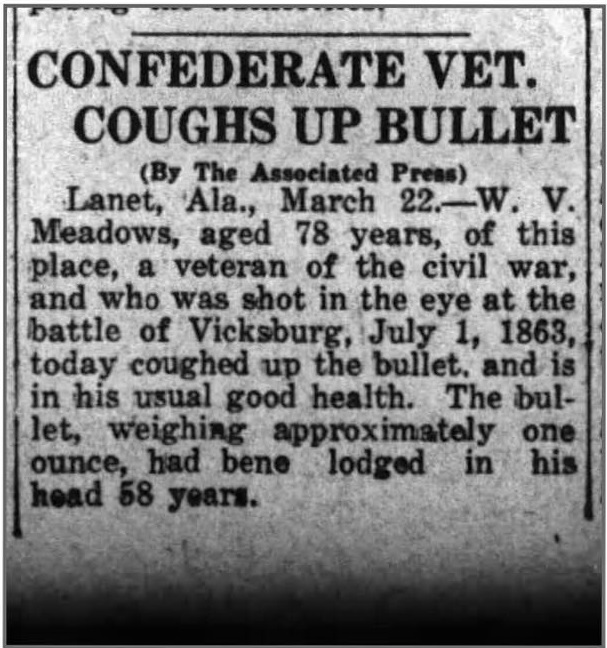 It was July 1st, 1863, the day before the pivitol battle of Gettysburg commenced. After holding out for more than forty days, with no reinforcements and supplies nearly gone, things were getting desperate. While languishing in the trenches, Pvt. Meadors cobbled together a shield made of pig-iron. His crudely constructed armored bulwark had one hole to see through and another to fire his weapon. The shield worked well at first, allowing the Rebel sharpshooter to fire with impunity and relative security. Then, like a scene from a Hollywood movie, as the sharpshooter lined up his next shot, he was shot in the eye through his very own peephole. Miraculously, he survived.
Meadors was found and brought to a field hospital where Union surgeons probed for the bullet, but were unable to locate it. The bullet was resting perilously close to the soldier’s brain and the doctors didn’t feel it was safe to perform an operation. He was put aboard a POW ship and transported to a Union hospital. Later, he was paroled to a Confederate hospital, where he spent the rest of the war. In time, Meadors recoved well enough to serve as an aide at the Rebel hospital. His official medical records confirm that he’d been “severely wounded” in the head by a minie ball.
After the war, Meadors returned to his farm in Lanett, Ala., just east of the Georgia state line. The bullet cost Meadors his right eye and would remain lodged in his head for the next 57 years. He married, but had no children. He probably would have died in obscurity had it not been for a coughing fit in March of 1920. 78-year-old Willis Meadows had been steadily coughing all day long. His coughs soon turned to violent spasms. To Meadors, it felt like something was caught in his throat. Finally, with one great whoop, that something flew out of Meadors’ mouth and landed with a clatter on the floor a few feet away. It was the one-ounce bullet, trapped in Meadors’ head for over two generations.
Instantly, the “Coughs Up Bullet” story became headline news. It ran in every major newspaper in the U.S. When the story made it into Ripley’s Believe It or Not, Meador’s story got even more unbelievable. Union veteran Peter Jones Knapp, who served at Vicksburg and Shiloh, saw the story and realized he was the one who fired the bullet that lodged near Meadors’ brain. In 1863, 21-year-old Knapp was serving with the 5th Iowa Volunteer Infantry. On July 1st, Knapp and three other Union soldiers of his Company were approaching from the east with specific orders to kill Confederate snipers. Knapp spotted Meadors, aimed his rifle at the boiler plate peephole and fired. Meadors fell to the side, blood running from his right eye. Knapp was sure his man was dead and the trio moved on.
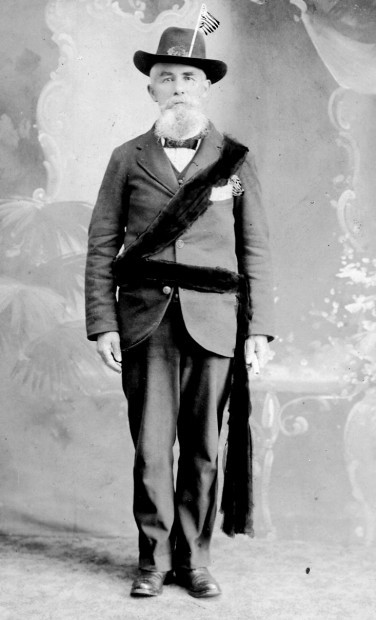
Knapp was captured a few months later at the Battle of Missionary Ridge and was held in a number of Confederate prisons, including the notorious Andersonville in Southern Georgia, where almost 13,000 Union soldiers died. After the war, he farmed in Michigan, married, and in 1887, moved to Kelso, Washington. Knapp contacted Meadors and when the two old soldiers compared notes, they made the connection. Once mortal enemies sworn to kill each other, now, the aging veterans would spend their last few years as friends, exchanging letters, photographs and wishing each other good health.
Willis V. Meadors died at his home on October 10, 1927. His obituary stated that his health had been exceptionally good until the past few months except for a cancer on his face, which caused his death. He is buried at Oakwood Cemetery in Lanett, Alabama. Peter Knapp, the man who’d made that incredible shot at Vicksburg so many years before, preceded his target in death on April 13, 1924. His obituary states he died peacefully in the arms of his wife on April 13, 1924. His remains were sent to the Old Portland Crematorium. When Knapp’s wife Georgianna died in 1930, her remains also were cremated in Portland and placed next to those of her husband.
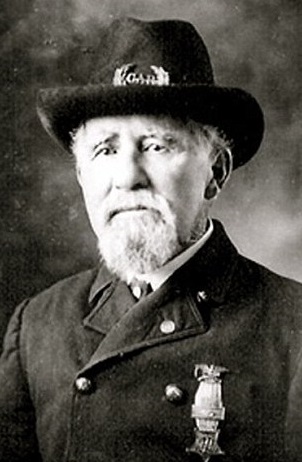
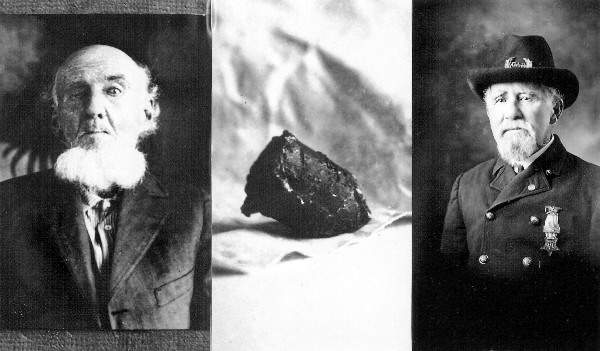
You’d think, that was the end of this fascinating story. But it turns out that in 1990, the story takes an even more bizarre turn. A man named Henry Kilburn was doing some genealogy research. Mr. Kilburn has the personal diary of Peter Knapp. Kilburn circulates a photograph of the coughed-up bullet flanked by photographs of Willis Meadows and Peter Knapp, which rekindles interest in the story. Kilburn admits that he is no blood relative of Peter Knapp, which prompts the question, how did Henry Kilburn end up with those items?
Turns out, Peter Knapp and his wife, who were childless, adopted Henry Kilburn’s younger sister, Minnie Mae. Their mother had been divorced and abandoned by her husband. She must have decided that adoption by the Knapps would provide her daughter with a better life. It was Mae who gave the items to Henry. The story fades from the pages of history once again for another generation. In 2012, Alice Knapp, the wife of the 3rd great nephew of Peter Knapp is researching the Knapp family history. In particular, she was searching for the burial site of Peter and Georgianna Knapp. She finds an obituary for Peter stating he had been cremated but it made no ,mention of the final resting place. Fortunately, the Old Portland Crematorium is still in business as Wilhelm’s Funeral Home in Portland, Washington.
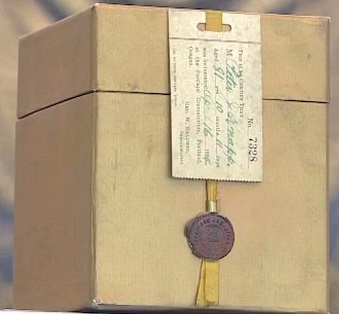
Alice contacted the crematorium and was told no one had ever claimed the cremains of Mr. & Mrs. Knapp. She was told that the couple’s ashes were still on a shelf in the back room where they had been resting for decades. Astonished at the news, she then made contact with the Oregon Military Department of Veteran’s Affairs. She reasoned that because Peter Knapp was a Veteran of the U.S. Army he deserved a military funeral. On April 13, 2012 he got it.
Peter Knapp was laid to rest in Willamette National Cemetery, the first Civil War veteran to be buried in Oregon’s largest military graveyard. Knapp received full military honors from the Oregon National Guard 88 years to the day of his 1924 death. The funeral also fell on the 151st anniversary of the Confederate victory at Fort Sumter, S.C., which ignited the Civil War.
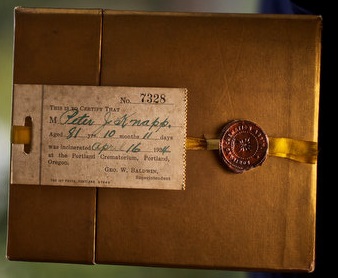
The burial attracted a mix of veterans, historians, Civil War re-enactors and people who were simply curious. Eras collided as cellphone and digital cameras recorded men and women dressed as Union soldiers and civilians marching alongside Patriot Riders holding 50-star American flags perched on shiny Harley Davidson motorcycles. The hearse carrying the twin gold boxes containing the ashes led the procession. The speakers largely focused on what Peter Knapp endured as a soldier, his incredible reunion with the man he shot and his commitment to his wife of more than 53 years.
The Sons of the Union Veterans of the Civil War performed a ritual for the dead based on a Grand Army of the Republic ceremony from 1873. The funeral also included a bagpiper playing “Amazing Grace,” a bugler who performed “Taps,” and culminated with the laying of wreaths. Following a musket salute, a folded U.S. flag was presented to Alice Knapp. And, despite his connection to one of the strangest incidents of the Civil War, there was not a Confederate in sight.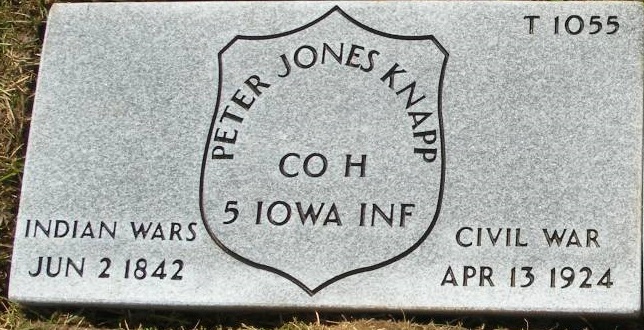
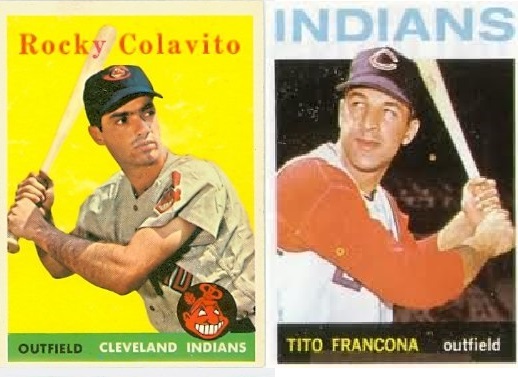
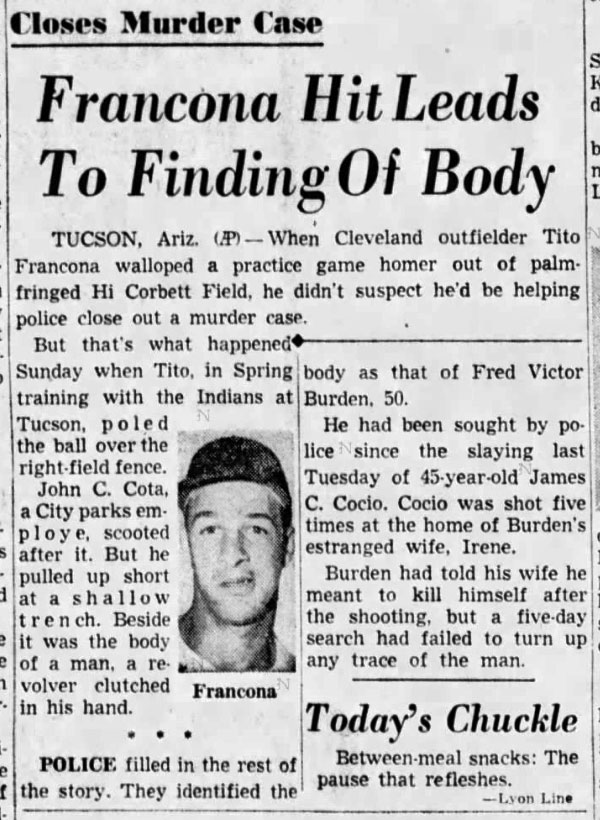 The front page of the Tucson Daily Citizen on March 27, 1961 ran a story headlined, “Practice Homer Leads To Body”. The story detailed, “An over-the-wall smash by Cleveland Indians’ Tito Francona yesterday led to the discovery that Frederick Victor Burden had carried out his threat to commit suicide after killing a man in the home of his estranged wife. Burden’s body, with a bullet in the head, was found by city parks employee John C. Cota, 52, of 238 E. E. 19th St., while he was looking for a ball that had just been knocked over the west wall during the practice at Hi Corbett Field in Randolph Park. The partially concealed body was found lying in a shallow watering trench under low – hanging palm fronds when discovered about 11:30 a m.”
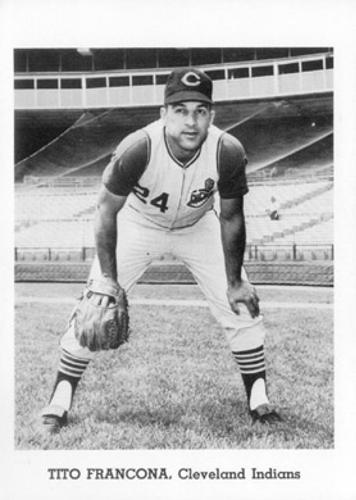 Despite having emerged as the best defensive left fielder in the league, Francona was shifted to first base during spring training in 1962 and finished the season leading the American League in double plays turned as a first baseman. He finished with 14 homers, 28 doubles and batted .272. When Birdie Tebbetts took over as Indians manager in 1963, Francona was moved back into left, but his numbers fell drastically. His .228 batting average was a career low, and his ten home runs and 41 RBIs were his fewest over a full season. The Indians acquired All-Star Leon “Daddy Wags” Wagner to play left field prior to the 1964 season, so Francona split time between right and first base. After the season, he was dealt to the St. Louis Cardinals for a player to be named later and cash.
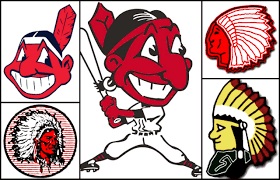 And what about that curse? The curse of Rocky Colavito? Well, in recent years, it has dampened a little with the Indians “rebuilding years” of the past two decades. But. although they’ve played in three World Series Championships since 1995, they still haven’t won one. Here are just a few of the mishaps blamed on that curse since Colavito’s 1960 trade. September 1961: Fireballer “Sudden Sam” McDowell breaks two ribs throwing a fastball. June 1964: Third Baseman Max Alvis suffers an attack of spinal meningitis on a team flight. January 1965: The Indians reacquire Rocky Colavito from the Kansas City A’s in exchange for Rookie of the Year winner Tommie Agee and future 286-game winner Tommy John. July 1970: Reds star Pete Rose plows over catcher Ray Fosse in the All-Star game, effectively ending Fosse’s career in Cleveland. June 1974: Drunken fans pour onto the Cleveland Stadium field during ten-cent beer night, forcing a forfeit while destroying the diamond. March 1977: 20-game winner Wayne Garland hurts his arm in Spring training, effectively ending his career. March 1978: Indians trade Hall of Famer Dennis Eckersley to the Red Sox. July 1981: Cleveland hosts the All-Star game which is delayed until August by the MLB strike. August 1981: 1980 AL Rookie of the Year “Super Joe” Charboneau is sent down to AAA, never to be heard of again. April 1987: Sports Illustrated picks the Indians to win the pennant but they lose 101 games and finish last. March 1993: three Indians pitchers die in car crashes and a fourth is seriously injured. July 1994: Indians are speeding towards the World Series when the season is cancelled by a player’s strike.
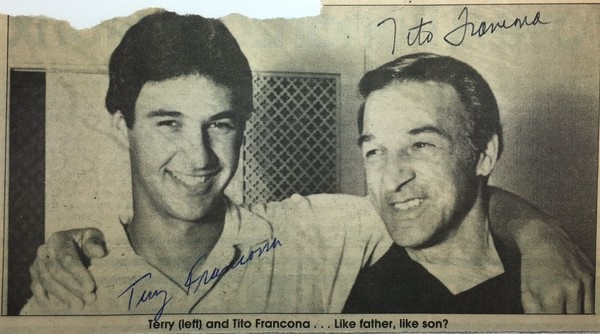 There is so much about Tito Francona that typifies that which makes baseball so interesting. Aside from one of the greatest nicknames in sports history, he was considered a journeyman for most of his career, but a damned good one. Tito Francona was a baseball player, a great husband and father and an even better teammate. When he died at the age of 84 he left a lasting legacy. Tito was there at the beginning of “The Curse” and although he’s gone, he’s likely to be there when the curse ends because “Little Tito” just might lead the Indians to a World Series Championship this season. After all, it was Francona who broke the Boston Red Sox Curse of Babe Ruth by winning two World’s Series titles in four years. Yep, baseball is a funny game.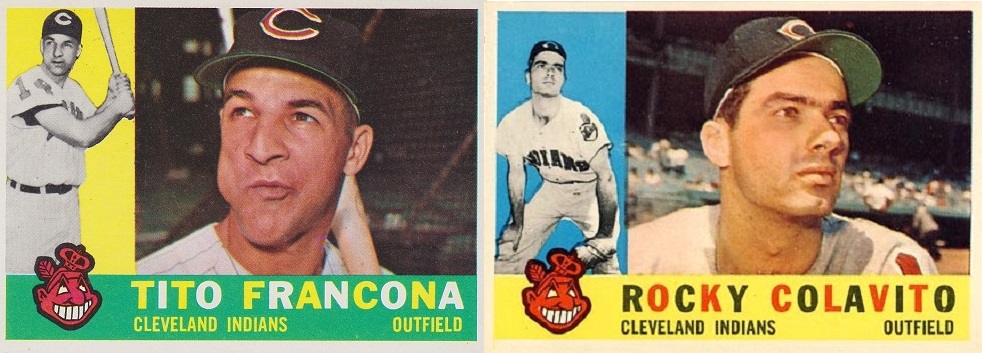
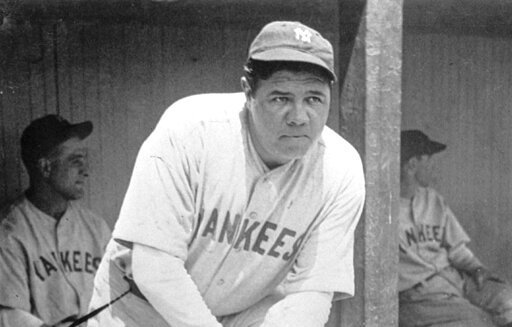 My grandparents retired to Cape Coral in the late 1970s and I recall one of their oldster neighbors showing me a photo album from the 1930s with pictures of the New York Yankees at Spring Training down there. Turns out his family lived near the facility, Fort Lauderdale if memory serves, where the Yankees trained. I can remember the photos in there of Lou Gehrig in a bathing suit (MAN that dude was HUGE!) and Babe Ruth in full uniform on the beach, two bats resting on his shoulder with his fielder’s glove and cleats hanging from the back like a hobo pouch. In his pin striped uniform! On the Beach! Everything in that photo would be worth a small fortune today, including the photo itself!
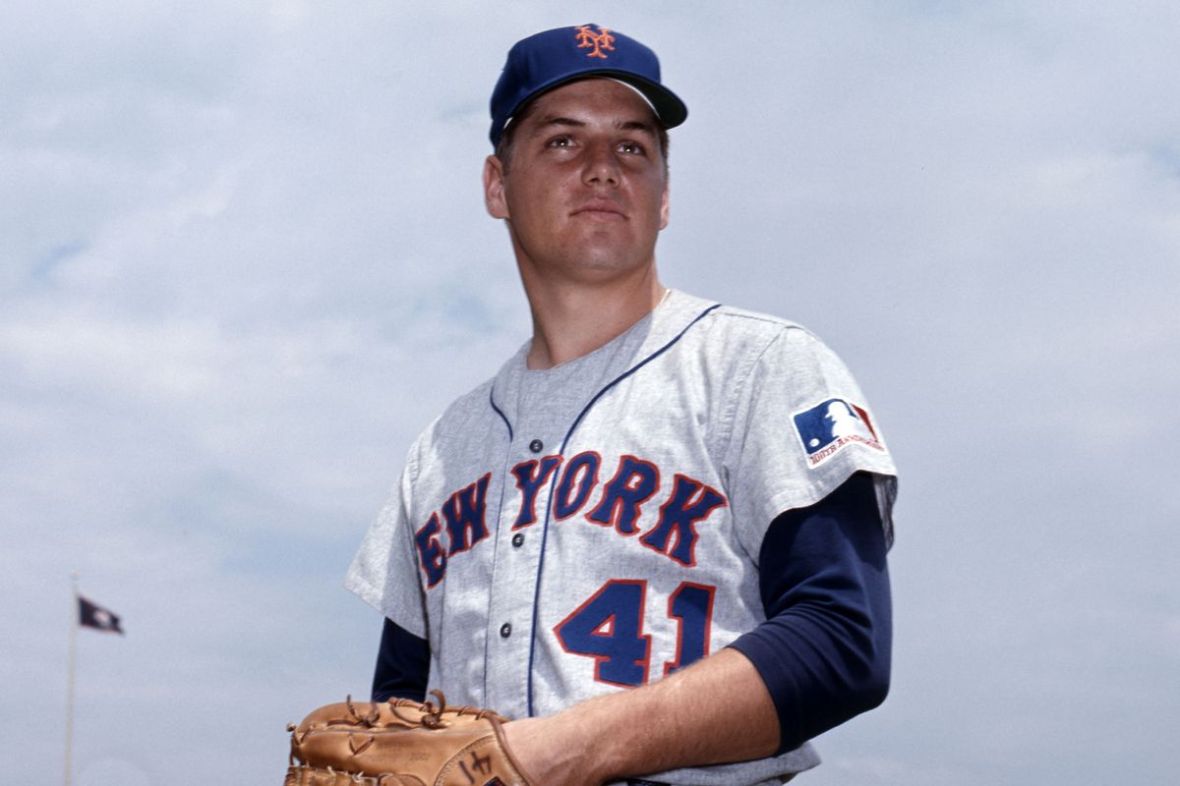 Somehow, I became a Blue Jays fan. Probably because I went to their first spring training game in franchise history in Dunedin. March 11, 1977 they beat the Mets 3-1 at Grant Field, which was built in 1930 and looked like it. I went to a few games that year. I distinctly recall sitting on a wooden bleacher seat right next to Tom Seaver who was talking to me like it was no big deal. And he was pitching that day. Within a few weeks, he was traded to the Cincinnati Reds “Big Red Machine.” Florida meant Spring Training, period. Somewhere along the line that changed.
 March of 1961 was a busy time: America’s brand new President John F. Kennedy creates the Peace Corps, The Beatles start performing at the Cavern Club, Nine African-American students from Mississippi’s Tougaloo College made the first peaceful attempt to end segregation by staging a “read-in” at the whites-only main branch of the Jackson municipal public library, NASA launches a Mercury-Redstone BD rocket from Cape Canaveral as one final test flight to certify its safety for human transport. Alan Shepard had volunteered to take the flight and become the first man to travel into outer space, but was stopped by Wernher von Braun from going, Less than three weeks later, Soviet cosmonaut Yuri Gagarin would, on April 12, would reach the milestone, Actor Ronald Reagan bursts onto the political scene with his speech “Encroaching Control” before the Phoenix chamber of commerce and the Boston Strangler Albert DeSalvo is captured.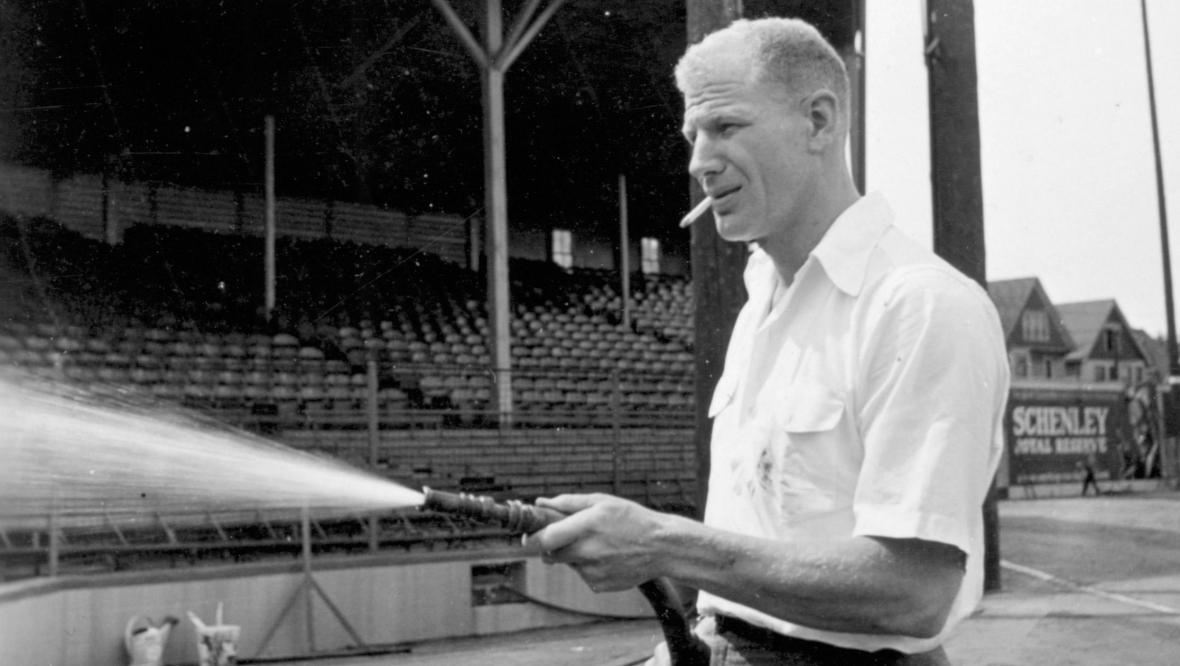
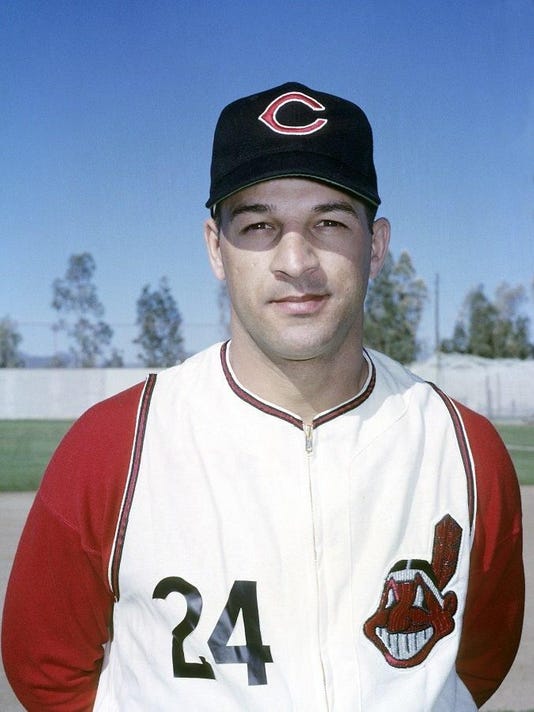 Last year, John Patsy Francona, a Cleveland Indians fan favorite better known as “Tito” died on the eve of spring training. It was the day before Valentine’s Day and the Indians’ pitchers & catchers were just trickling in to their spring training park in Goodyear, Arizona. The passing was made all the more bittersweet when you consider that the team was managed by Tito’s son, Terry Francona. Terry grew up in the Indians dugout where players called him “Little Tito.” As a member of the Montreal Expos, Terry played against our Indians here in Indianapolis at the old 16th street stadium. Before that he played college ball for Arizona State and led his team to the 1980 College World Series Championship. Terry Francona’s dad’s nickname of “Tito” was naturally passed down to his son, and although the broadcasters and news media still call him “Terry”, Tito is what the manager’s friends and players call him.
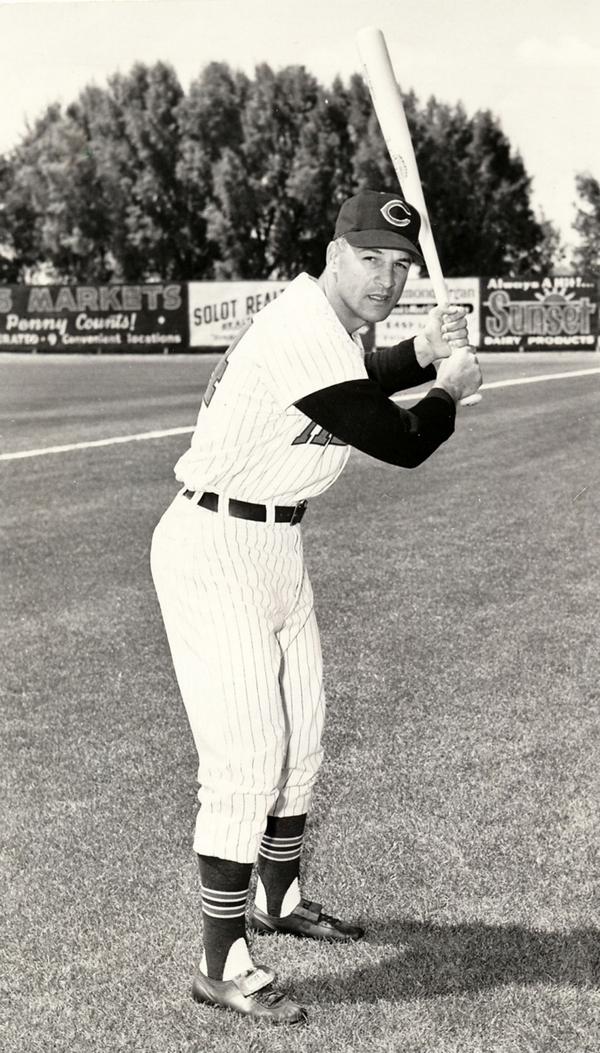 That season Tito batted .363 with a career high twenty home runs and 79 RBIs to help the Indians to an 89–65 record and second place in the American League. His .363 average would have led the league, however, he fell 34 at-bats short of the 3.1 per game necessary to qualify. The batting championship went to the Detroit Tigers’ Harvey Kuenn, with a .353 batting average, ten points below Tito. Francona finished fifth in balloting for the AL Most Valuable Player Award that season. He compiled 20 home runs, 17 doubles, 79 RBIs, 68 runs scored, 145 hits, a .414 on-base percentage and a .566 slugging percentage in 122 games.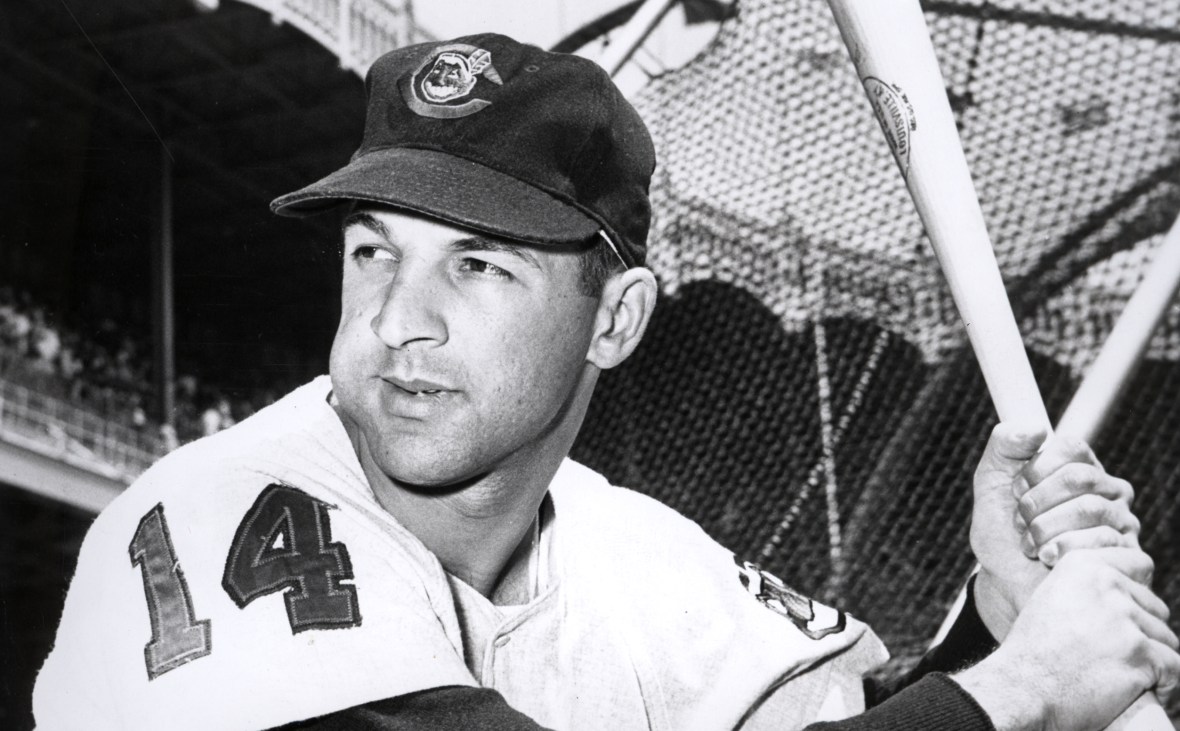
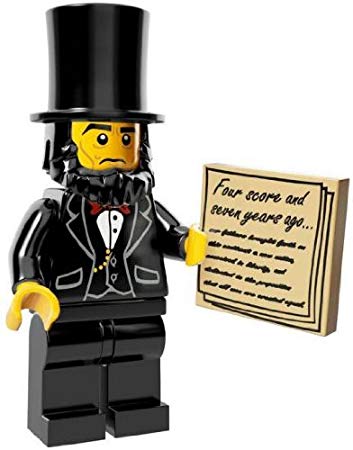
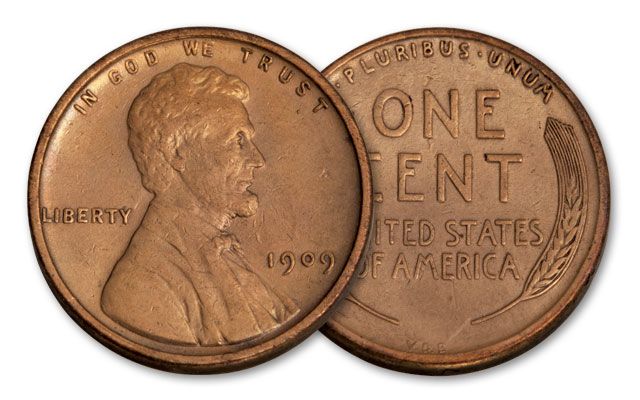
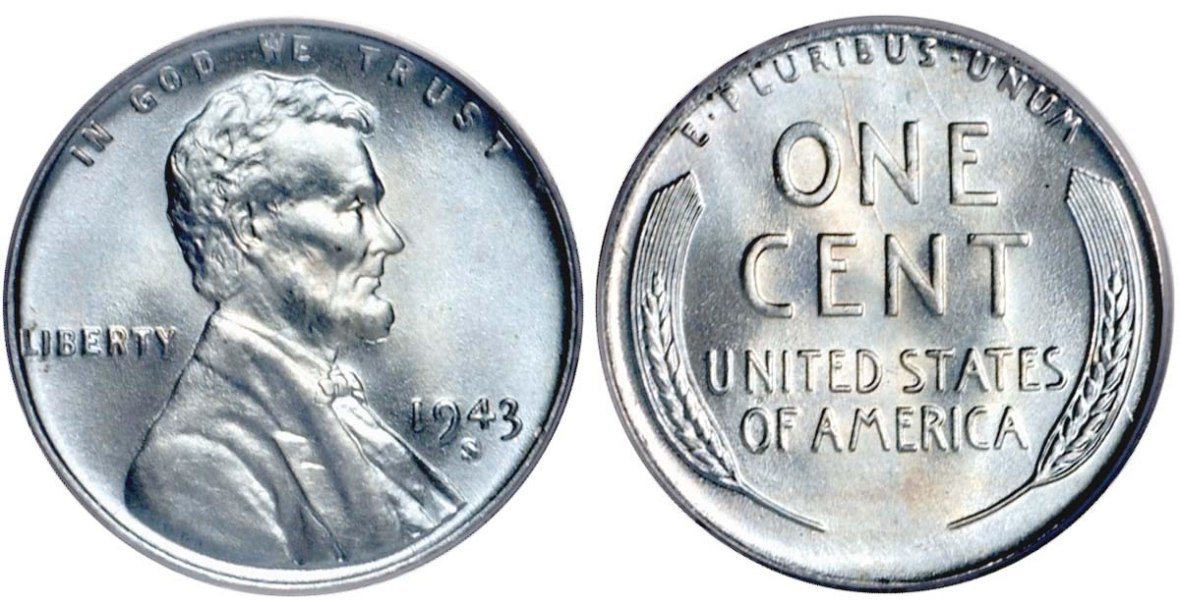
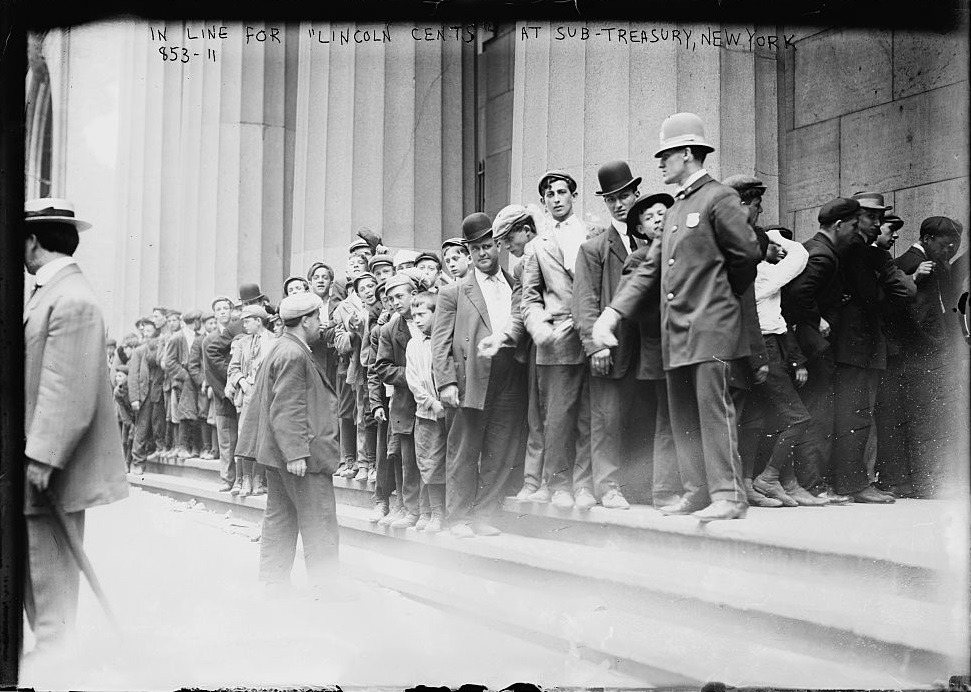
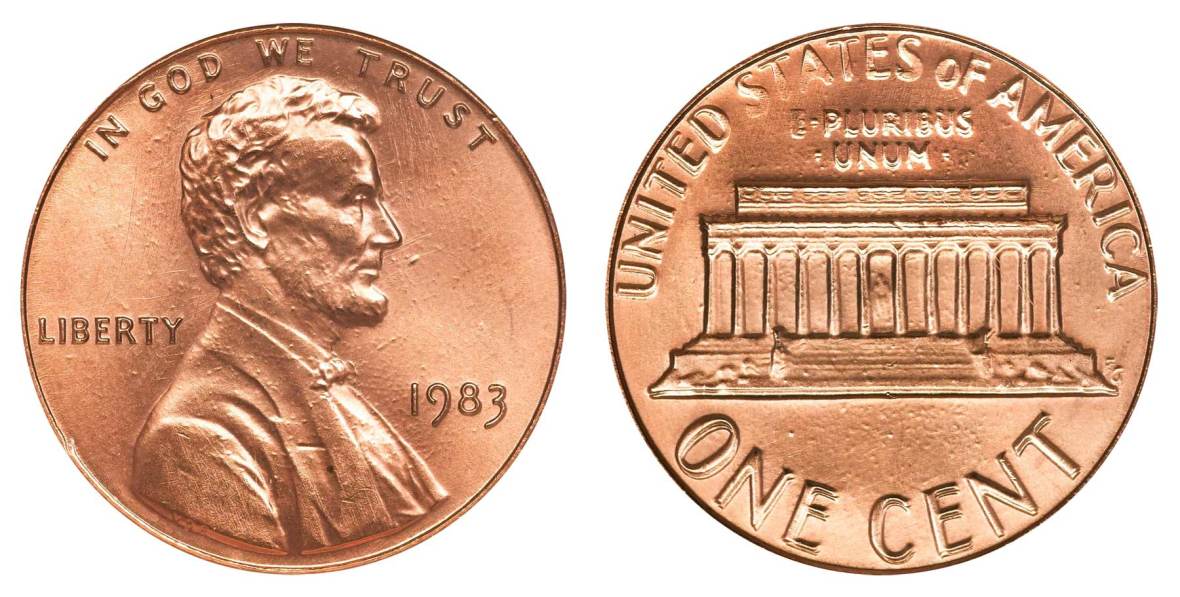 In 1983, the copper was replaced with lighter, cheaper zinc- which explains why penny bending bar bets got easier to win during the Reagan years. And businesses continued to give Lincoln pennies away. Every visitor to the old Lincoln Financial Museum in Fort Wayne received a Lincoln penny in change as did visitors to the House Where Lincoln Died museum in Washington, DC during the fifties and sixties. Today, the few people who still bend over to pick them up are invariably those least able to stoop.
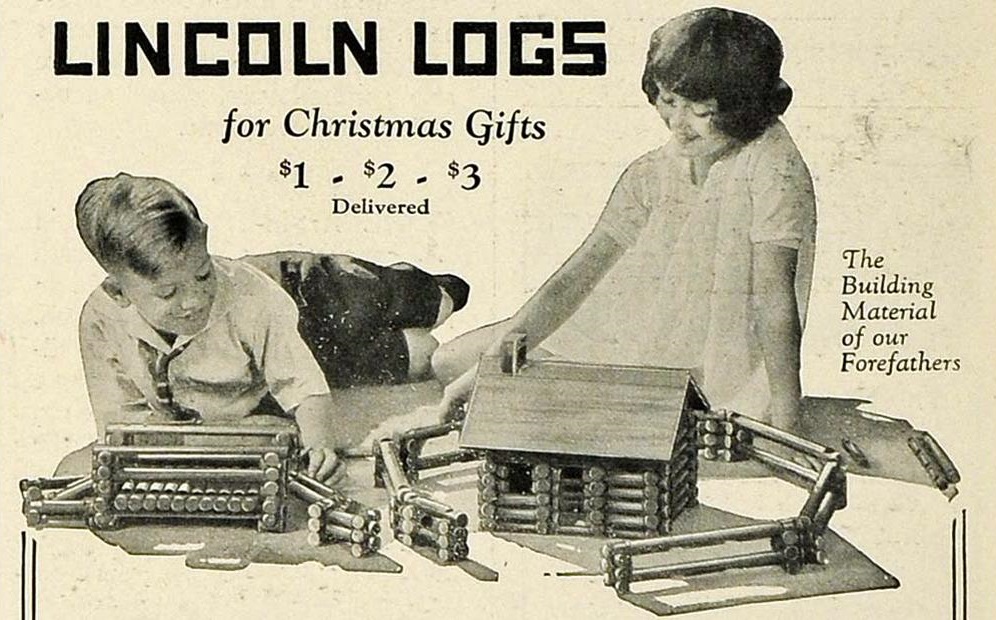 Lincoln Logs is a U.S. children’s toy consisting of notched miniature logs, used to build small forts and buildings. They were invented by the son of architect Frank Lloyd Wright. 24-year-old John Lloyd Wright came up with the idea for Lincoln Logs on a visit to Tokyo, Japan, while working as chief assistant for his father in 1916. John was working side-by-side with his father on the design of Tokyo’s Imperial Hotel. The foundation of the hotel was designed with interlocking log beams, making the structure one of the first “earthquake-proof” buildings in the world. The Imperial Hotel ‘s design that allowed the hotel to sway but not collapse in case of a tremor, would be one of the few buildings that remained standing after the 1923 Great Kanto Earthquake that devastated Tokyo.
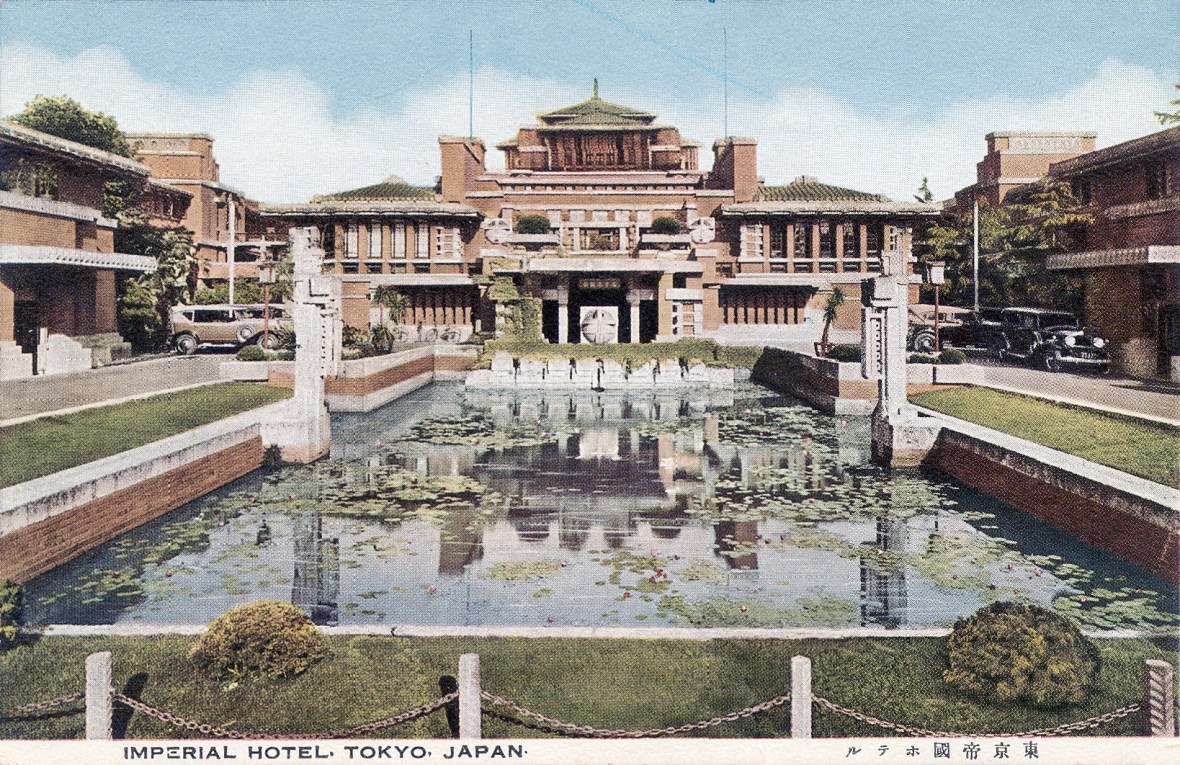 Unlike the hotel, the relationship between father and son crumbled long before the hotel was ever completed. Suddenly out-of-work, John Lloyd Wright decided to construct a miniature model that could be used to teach children the basics of construction and engineering while encouraging imaginative play. Using the blueprint for the Imperial Hotel as a model, he created a toy construction set that consisted of notched pieces of wood that children could stack to build log cabins, forts and other rustic buildings. Unlike standard building blocks before them, the interlocking system of miniature logs could withstand the shockwaves unleashed by children’s playing roughly with the toys. When Wright created the toy, the First World War was well underway, although America had not yet entered the fray.
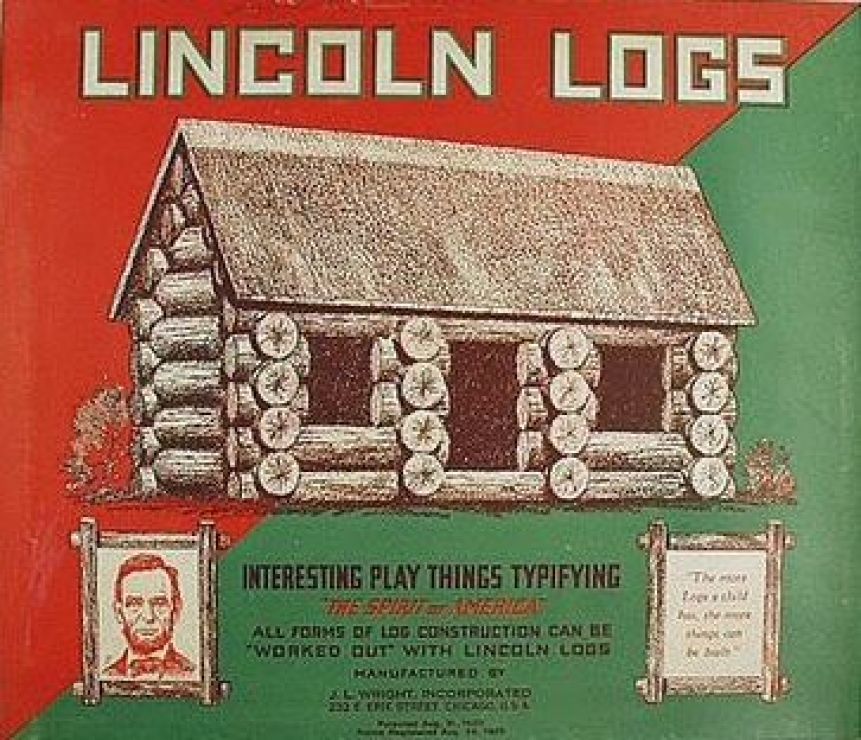 John Lloyd Wright organized The Red Square Toy Company (named after his father’s famous symbol), and unveiled the toy in 1918. Wright was issued U.S. patent 1,351,086 on August 31, 1920, for a “Toy-Cabin Construction”. Soon after, he changed the name to J. L. Wright Manufacturing. The original Lincoln Log set came with instructions on how to build Uncle Tom’s Cabin as well as Abraham Lincoln’s cabin. Lincoln Logs makes a lot more sense than “Uncle Tom’s” logs now doesn’t it? The instruction sheet featured a simple drawing of a log cabin, a small portrait of Lincoln and the slogan “Interesting playthings typifying the spirit of America.”
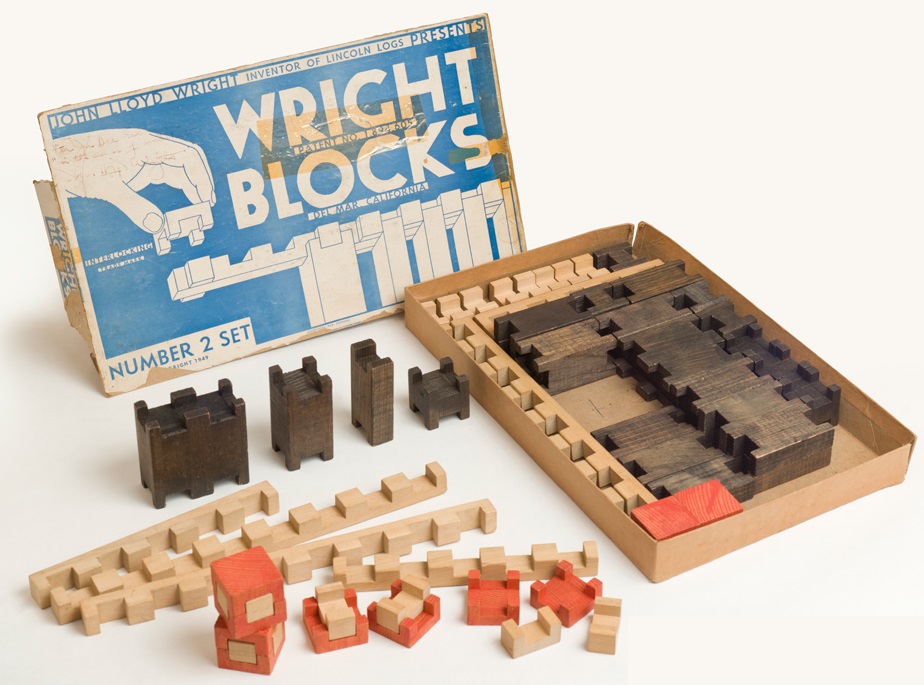 In the 1930s, Wright attempted to build on the success of Lincoln Logs with Wright Blocks, a toy construction set with interlocking wooden shapes that allowed budding architects to build castles or other complex designs. Wright Blocks, however, proved too intricate and lacked the same appeal as Lincoln Logs. John Lloyd Wright sold his company to Playskool in 1943 for only $800. The copyright for Lincoln Logs eventually passed to toy companies Milton Bradley and Hasbro and finally, K’NEX. In 1949, a company in Denmark developed “Legos” based in large part on Wright’s original design. In February 2015, Lego replaced Ferrari as the “world’s most powerful brand”. Can you imagine, the Ghostbusters Firehouse Headquarters, Star Wars Millennium Falcon, Harry Potter’s Hogwarts Castle…all made out of Lincoln Legos? It was just that close.
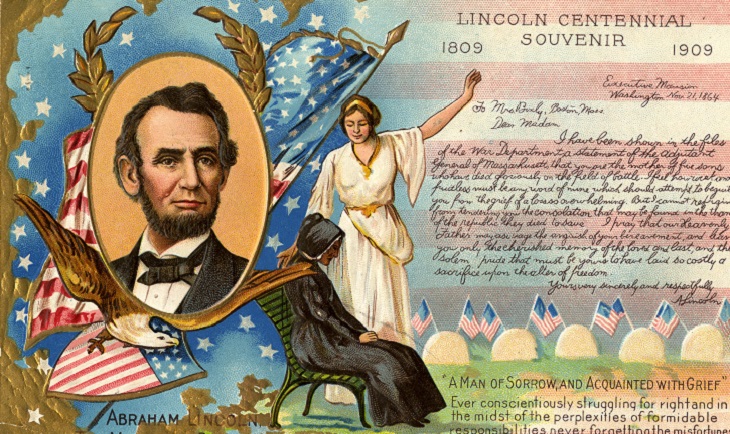 Inside the House chamber guests listened to historian George Bancroft (former Secretary of the Navy and the man who established the Naval Academy at Annapolis) talk about “the life, character, and services of Lincoln…forming one of the most imposing scenes ever witnessed in the land.” The address took nearly two hours. The push for a formal celebration quickly spread to state capitals, legislatures and city councils. Most northern states quickly warmed to the idea but bitterness over Reconstruction and the cult of the “Lost Cause” among southerners scuttled attempts to make Lincoln’s birthday a Federal holiday.
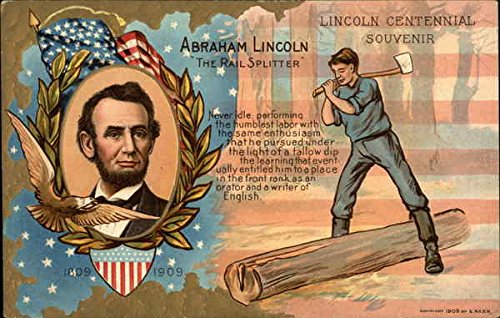 In 1971 Congress passed the Uniform Monday Holiday Act. The law shifted several holidays (Veteran’s Day, Washington’s Birthday, Memorial Day, Labor Day, Lincoln’s Birthday and Columbus Day to name a few) from specific days to a Monday. The reason behind the change was seen as a way to create more three-day weekends and reduce employee absenteeism. The birthdays of George Washington and Lincoln were only 10 days apart, so they were blended into Presidents’ Day.
 Eventually, individual states created their own Presidents’ Day holidays to be observed on the third Monday in February. This celebration has been enacted in some fashion by 38 states, though never federally, and each varies by state. Some mark the day as a specific remembrance of Washington and Lincoln while others view it as a day to recognize all U.S. presidents. Alabama celebrates Washington and Jefferson. A few states still recognize Lincoln’s birthday on February 12 as its own official holiday. Most notably, Kentucky, his birth state and Illinois,his adopted home state, both celebrate Lincoln’s birthday as an official state holiday, along with a few other states including New York, Connecticut, and Missouri. However, this number has declined in recent years, when California, Ohio and New Jersey ended the celebration of Lincoln’s birthday as paid holidays to cut budgetary costs. Unfortunately, more states now celebrate Black Friday as a holiday than celebrate Lincoln’s birthday. Indiana and Georgia are a couple states that recognize Lincoln’s Birthday on the day after Thanksgiving aka Black Friday.
 In most states, Lincoln’s birthday is not celebrated separately, as a stand-alone holiday. Instead Lincoln’s Birthday is combined with a celebration of President George Washington’s birthday (also in February) and celebrated either as Washington’s Birthday or as Presidents’ Day on the third Monday in February, concurrent with the federal holiday. Good for George Washington. Sad for Abraham Lincoln. Once upon a time, Lincoln’s birthday was a milestone for Americans to pause and honor greatness.