
Original publish date: January 9, 2020
Nearly thirty years ago, I was cutting the grass on an ancient, unreliable Sears Craftsman riding lawn mower when my new bride came rushing out of the door of our first apartment excitedly waving her arms. Of course, I shut the mower off to see what was the matter. I was chagrined when Rhonda said, “You’ve got a phone call.” I should point out that it took me 45 minutes to get the mower started in the first place and I was not sure that I could replicate that action. “A phone call? Couldn’t you have taken a message for me to call them back?” I asked. “It’s Baretta,” she answered, “Robert Blake is on the phone…for you…Baretta’s on the phone.”
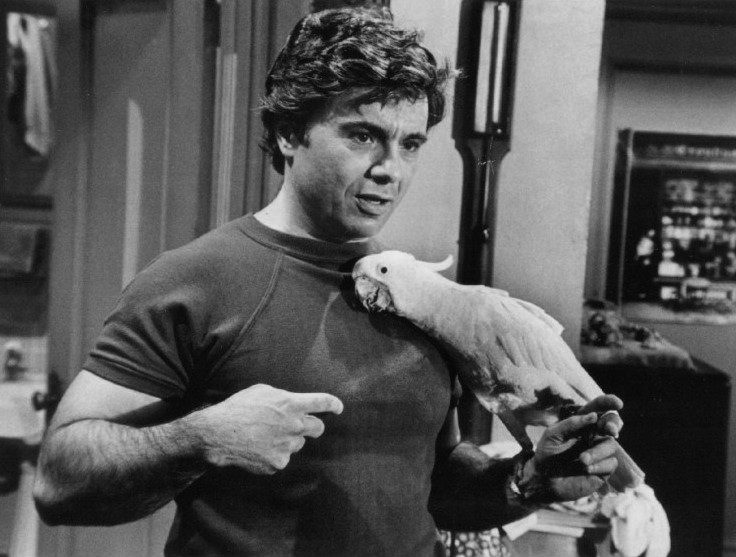
I was certain someone was pulling my leg as I walked inside and picked up the phone. “Alan, this is Robert Blake” the voice on the other end of the line responded. “I just found a letter you wrote me several years ago,” he said. “I have moved around a lot over the years and it got packed away in a box and forgotten. I have it now.” I was stunned. It really was Baretta! Turns out I had written a long forgotten fan letter to Mr. Blake years before, while still a teenager, asking him to sign a photo of the Our Gang crew. Blake (real name Mickey Gubitosi) had been part of the cast from 1939 to 1944 as well as Red Ryder’s sidekick “Little Beaver” from 1944 to 1947.
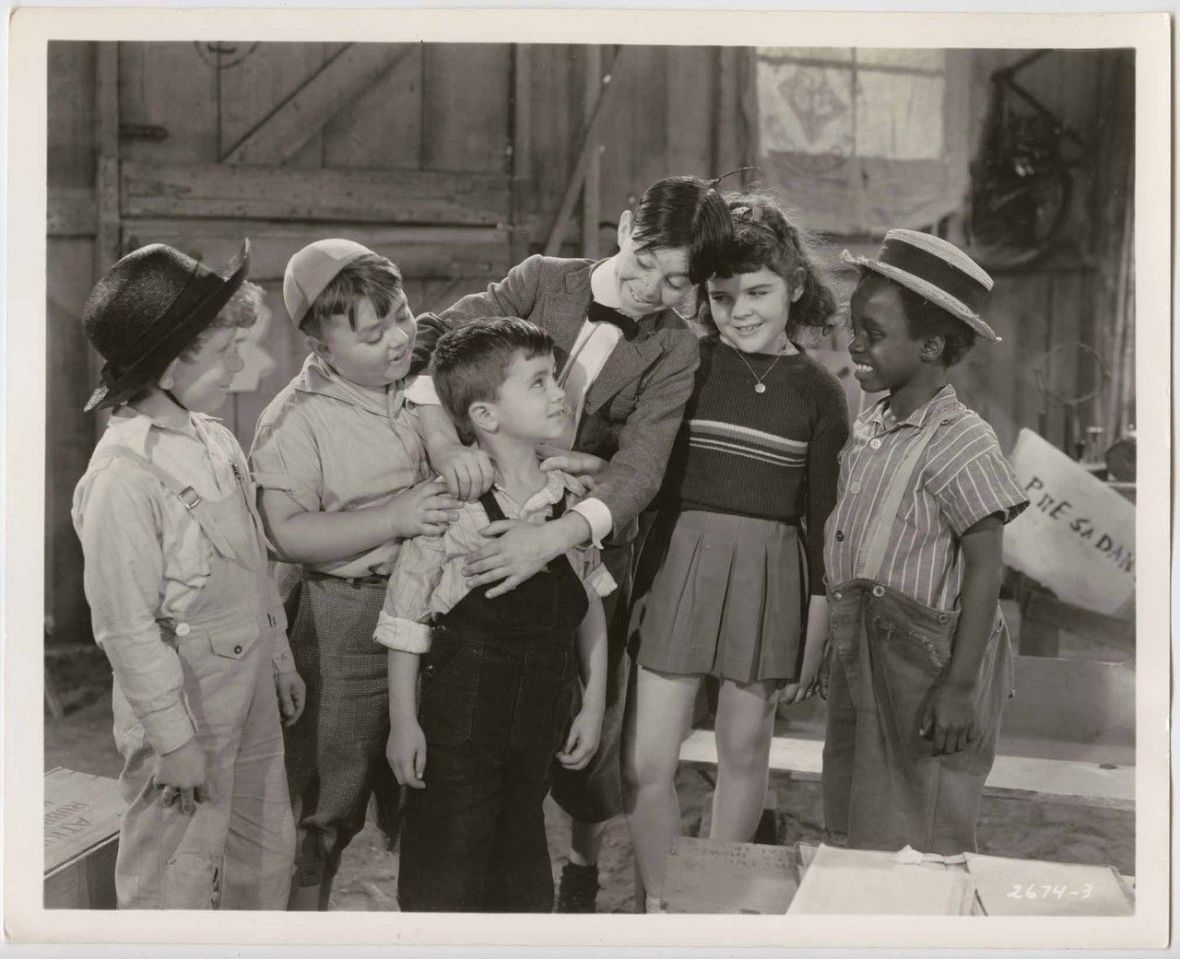
“I wanted to ask a favor of you,” Mr Blake responded, “I have never seen this photo before. Could I swap you for it?” Well, uh yes, you can, you’re Baretta was my thought. “I’ll send it out today,” he said. “Here’s my phone number. Call me when you get it.” Sure enough, a week or so later, the package arrived and it was full of several photos of Blake as Mickey in Our Gang, from Red Ryder, from Baretta, from Electra Glide in Blue and there were a couple images of his character Perry Smith (playing the guitar) from the Truman Capote classic “In Cold Blood.” All hand signed and inscribed to me. I called him back to thank him for the photos and we talked for quite some time.
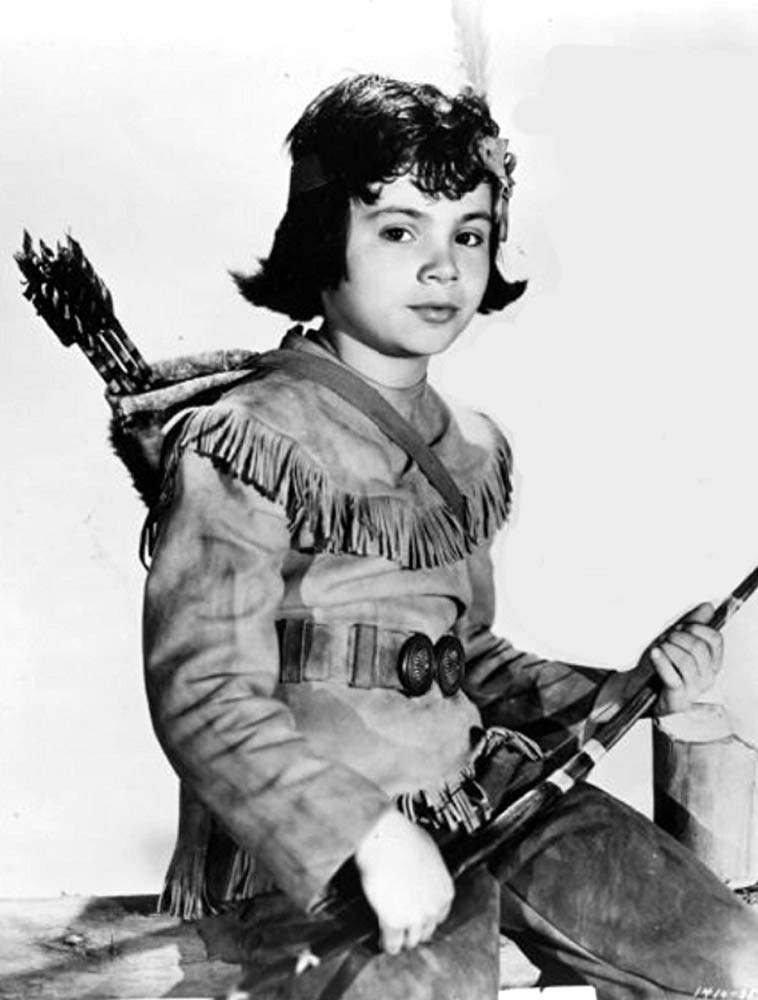
Turns out, he was a collector of Lone Ranger memorabilia. “My folks never saved anything. My old man was a drunk. My mom stole all my money and sold all my stuff. I ran away at fourteen and never looked back.” Blake’s father ultimately killed himself and he cut off all ties with his mother. Turned out to be the first in a series of several phone conversations. So, from that time forward, anytime I went out “junkin” and found a Lone Ranger item, I’d send it to him. Posters, photos, adverts, movie programs, even one lobby card written entriely in Spanish. He would call and share some great Hollywood trivia. For instance, he informed me that he turned down the role of Little Joe on Bonanza, a role that made Michael Landon famous. He also turned down roles in The Godfather, The Wild Bunch, All That Jazz, Funny Lady and Ratso Rizzo in Midnight Cowboy. Over the years, we lost touch and, well, soon he had bigger issues to deal with.
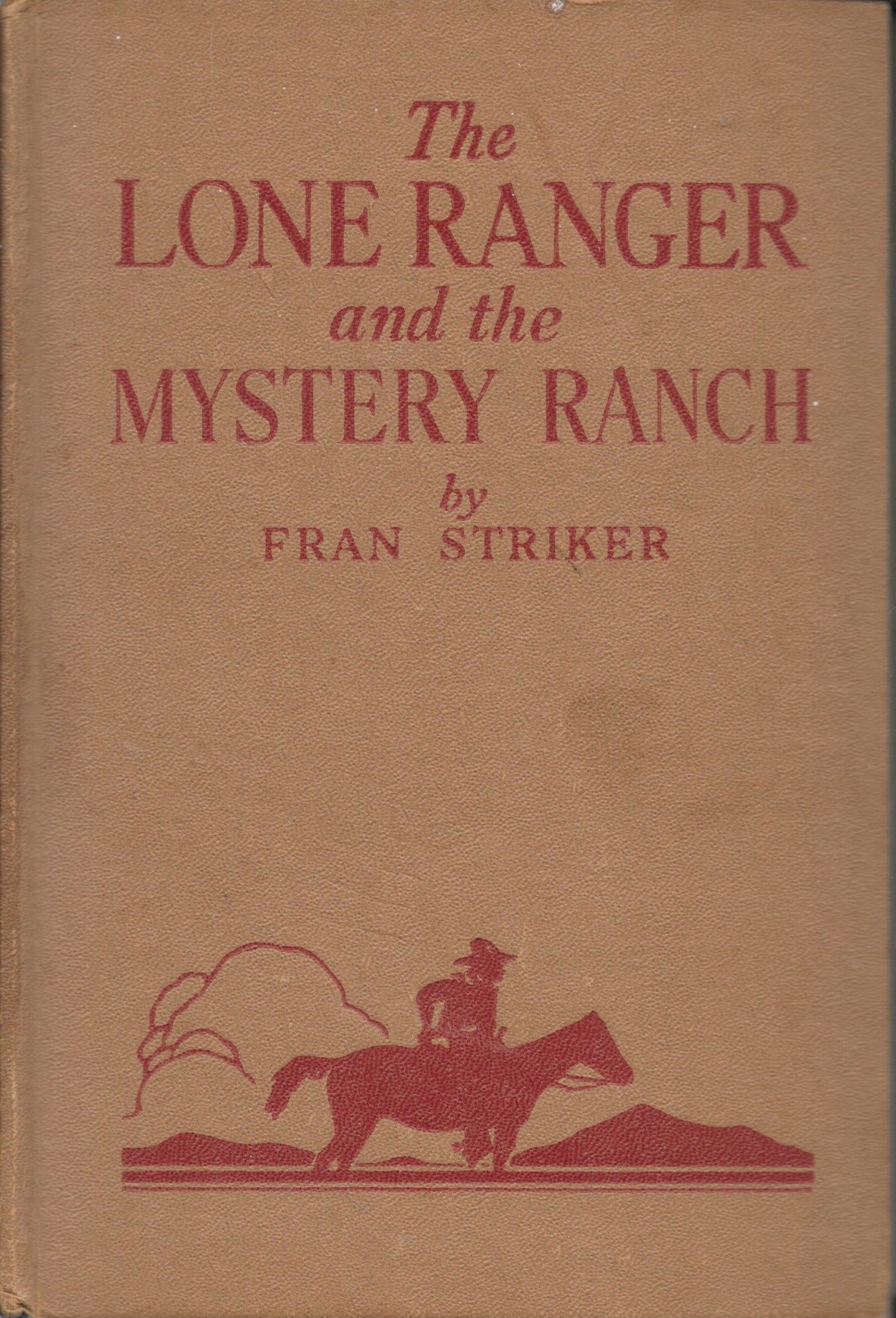 He also shared stories of the Lone Ranger from movie, television and real life. “The closest I ever got to the part was in 1945 when I played Little Beaver with Wild Bill Elliott in the Red Ryder serial “Lone Texas Ranger.” Blake said, “I always modeled Little Beaver after Tonto you know.” Keep in mind, this was WAY before Google in an age when these tidbits were only known to the participants. It was Robert Blake who first told me the true story of the Lone Ranger.
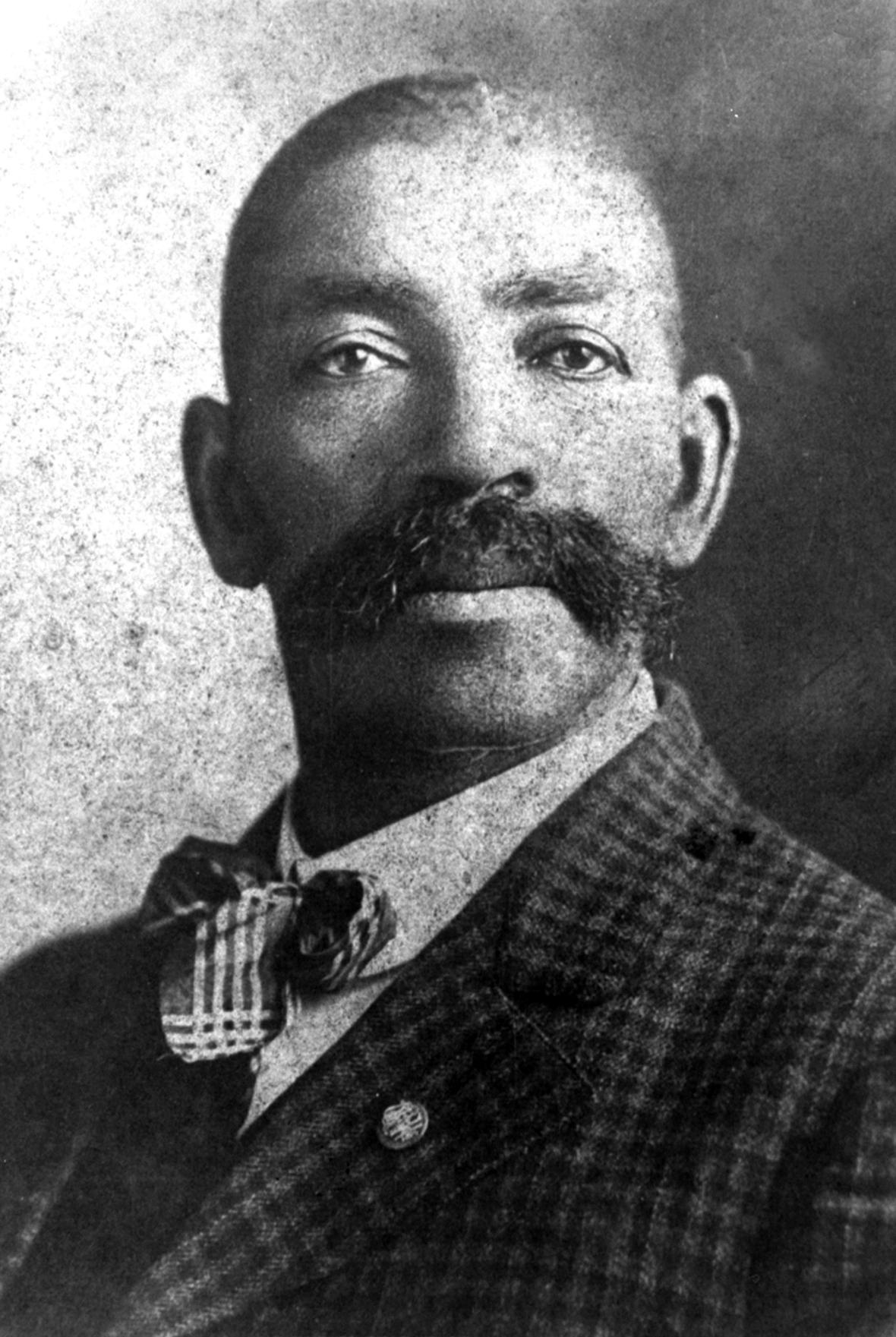
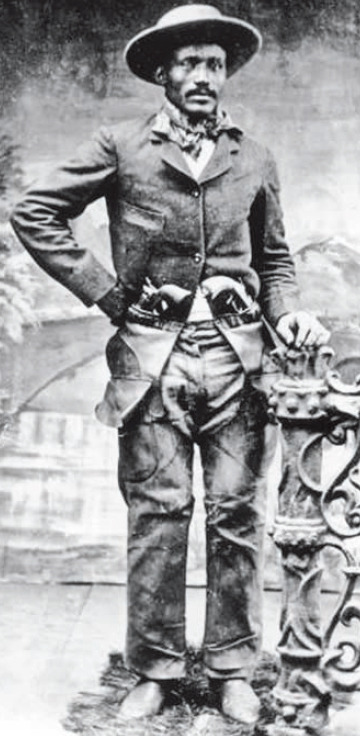
The real Lone Ranger, it turns out, was based on an African American man named Bass Reeves, the first black Deputy U.S. Marshal west of the Mississippi River. Reeves worked mostly in Arkansas and the Oklahoma Indian Territory. During his long law enforcement career, he was credited with arresting more than 3,000 felons and he shot and killed 14 people (in self-defense of course). Although Reeves the man is mostly unrecognizable in much of the Lone Ranger legend, some of the basic aspects remain intact. Both were lawman hunting bad guys, both were accompanied by a Native American, both rode a white horse, and both gave away a silver trademark to people they encountered. Historians of the American West have, until recently, mostly ignored the fact that this man was African American, a free black man who headed West to find himself less subject to the racist structure of the established Eastern and Southern states.
 Reeves, born a slave in July of 1838, accompanied his “master” Arkansas state legislator William Steele Reeves’ son, Colonel George R. Reeves, as a personal servant when he went off to fight with the Confederate Army during the Civil War. Col. Reeves, of the CSA’s 11th Texas Cavalry Regiment, was a sheriff, tax collector, legislator, and a one-time Speaker of the Texas House of Representatives. During the Civil War, the Texas 11th Cavalry was involved in some 150 battles and skirmishes. Records are sketchy, but one report states that although 500 men served with the unit, less than 50 returned home at the end of the war.
It is unclear how, and exactly when, Bass Reeves gained his freedom during the Civil War. One account states that Bass Reeves and his owner had an altercation over a card game. Reeves severely beat his owner, and, knowing that there was no way he would be allowed to live if he stuck around, fled to the Indian Territory (today known as the state of Oklahoma). Here Bass lived harmoniously as a fugitive slave among the Cherokee, Creeks and Seminoles. Bass stayed in the Indian Territories, assimilating to their culture and learning their languages, until he was freed by the Thirteenth Amendment, which abolished slavery, on January 31, 1865.
Interestingly, like a plot from a Hollywood serial, in 1882, Bass Reeves “owner” Col. Reeves was bitten by a rabid dog while protecting a young child from danger. During his final days, Col. Reeves was placed in a wooden shed padded with mattresses to protect him from the potential self-inflicted violent tendencies associated with the disease. He died of hydrophobia in September of that year. During those intermittent years, his former slave, Bass Reeves, married and eventually fathered ten children (five boys and five girls) and tried his hand at farming.
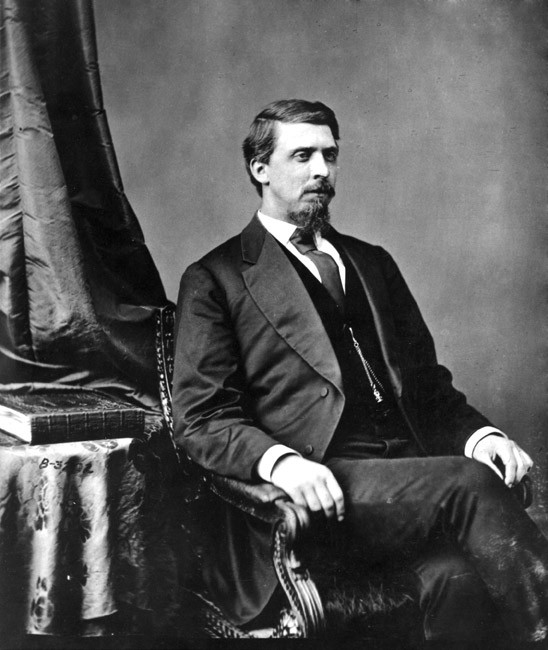
Bass Reeves big break came when former Missouri Congressman Isaac Parker was appointed federal judge for the Indian Territory and Reeves was assigned as a deputy U.S. marshal for the Western District of Arkansas. Parker, known as the “Hanging Judge”, hired 200 deputy U.S. marshals and the Reeves hire was highly prized because he knew the Indian Territory and could speak several Indian languages. In 21 years on the federal bench, Judge Parker sentenced 160 people to death (out of 344 charges carrying the death penalty that came before him); 79 of them were executed. Many of these men were brought to justice by Deputy Marshal Bass Reeves.
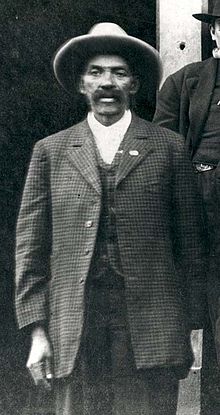
Like the Lone Ranger, Reeves was a master of disguises. He often used these disguises to track down outlaws by dressing similarly and adopting their mannerisms to infiltrate the fugitive gangs, ultimately to identify and arrest them. Just like the Lone Ranger’s silver bullets, Bass Reeves always carried, and often gave out, silver coins as a personal trademark or calling card of sorts. Reeves handed out these valuable coins with a dual purpose; to ingratiate himself to the townspeople and as a future incentive for intel while collecting bounties. Thus insuring that a visit from Bass Reeves, the real Lone Ranger, brought only good fortune for the town by virtue of a criminal off the street and the gift of a lucky silver coin. Reeves was an expert with a gun who, according to legend, was barred from entering shooting competitions, not because of his race, but rather because no one could beat him. Reeves rode a white horse throughout his career, riding a light grey horse for a short while only. In addition to being a marksman with a rifle and pistol, Reeves developed superior detective skills during his long career, some of which are still in use by law enforcement today.
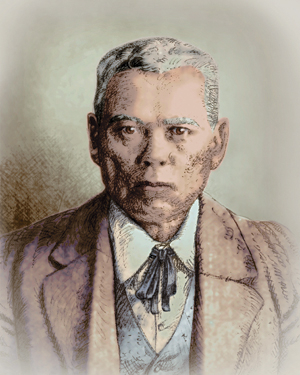
And, like the Lone Ranger, Reeves worked with a Native American companion. Reeves’ “Tonto” was a capable Deputy U.S. Marshal in his own right named Grant Johnson. Johnson was an expert tracker and posse man who often accompanied Reeves into the Indian Territory in search of the most wanted outlaws hiding there. Johnson was a Native American Indian whose lineage included two tribes; his father was a Chickasaw, his mother a Creek. Born in north Texas during the Civil War, Johnson began his career as a Deputy U.S. Marshal in 1888 working out of Judge Parker’s court at Fort Smith, Arkansas where he teamed up with Bass Reeves. Judge Parker often cited both men as his best deputies ever to work for his court.
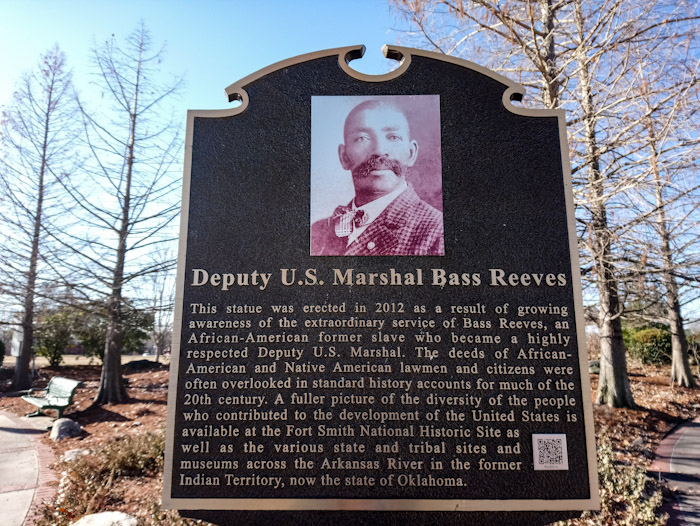 Ironically, Bass Reeves was himself once charged with murdering a posse cook. At his trial before Judge Parker, Reeves was represented by former United States Attorney W. H. H. Clayton, who had been his colleague and friend. Reeves was acquitted. On another instance, Reeves arrested his own son for murder. One of his sons, Bennie Reeves, was charged with the murder of his wife. Although understandably disturbed and shaken by the incident, Deputy Marshal Reeves nonetheless demanded the responsibility of bringing Bennie to justice. Bennie was eventually tracked and captured, tried, and convicted. He served his time in Fort Leavenworth in Kansas before being released, and reportedly lived the rest of his life as a responsible and model citizen.
Bass continued to serve as a U.S. Marshal in the Indian Territory until 1893. That year he transferred to the Eastern District of Texas in Paris, Texas. In 1897, he was transferred again, serving at the Muskogee Federal Court in the Indian Territory where he once again teamed with Grant Johnson. When Oklahoma became a state in 1907, 68-year-old Bass Reeves became an officer of the Muskogee Police Department. He served for two years before he became ill and retired. Reeves worked for 32 years as a federal peace officer in the Indian Territory, and during his career he brought in some of the most dangerous criminals of the time, but was never wounded, despite having his hat and belt shot off on separate occasions.
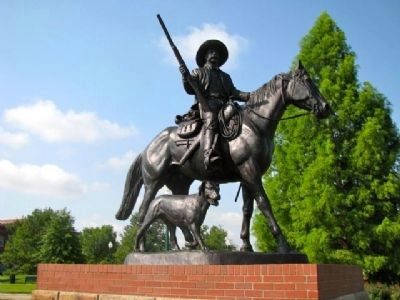
In 1909, Bass Reeves’ health began to fail, and he died of Bright’s disease (nephritis) on January 12, 1910. That day, a comet of almost unrivaled brilliance burst onto the celestial stage. Known historically as the “Great January Comet of 1910, it is most often referred to as the “Daylight Comet”. As Deputy Bass Reeves breathed his last, it was already visible to the naked eye. At its brightest, it outshone the planets Venus and Mercury, and was possibly the brightest comet of the 20th century. The comet’s approach had been slightly hidden by the daylight until its growing luster pierced the approaching dusk by unfurling a gossamer tail against a pure azure sky. One hundred and ten years ago this Sunday, the real Lone Ranger died as his silver Deputy star streaked brightly across the sky one last time.
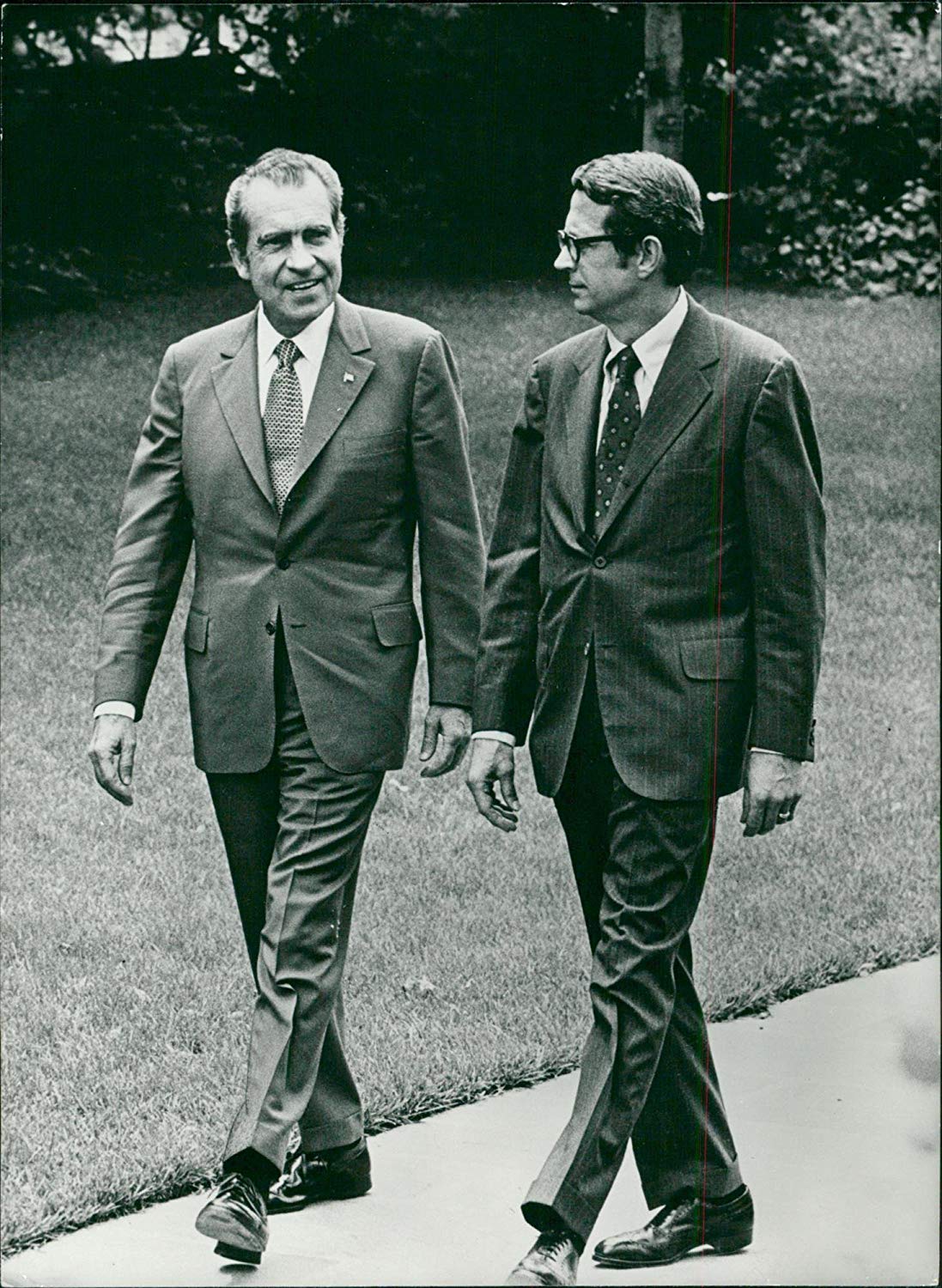
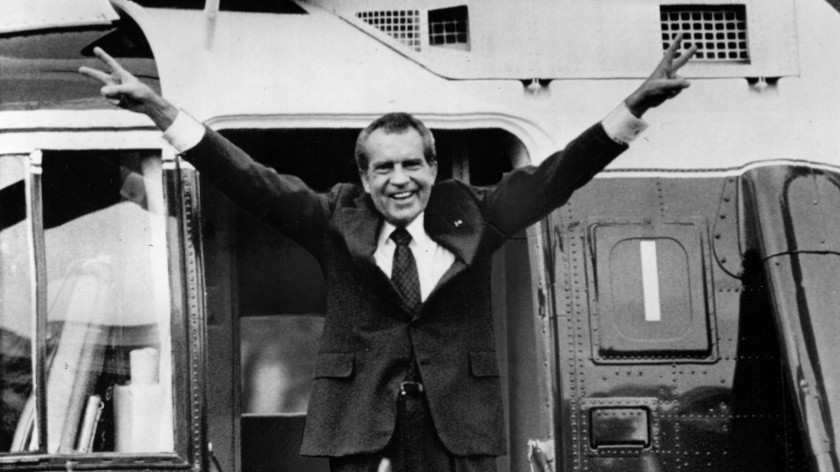 That Friday, President Richard Nixon refused to honor a subpoena by the Senate Watergate Committee to hand over tape recordings and documents during the impeachment proceedings. It would prove to be the beginning of the end of his Presidency and would lead to his resignation in disgrace eight months later. In Nixon’s hometown of San Clemente, California, the newspaper proclaimed, “President Nixon declined flatly today to produce any of the more than 500 documents subpoenaed by the Senate Watergate committee, branding the request “an overt attempt to intrude into the executive office to a degree that constitutes an unconstitutional usurpation of power.”
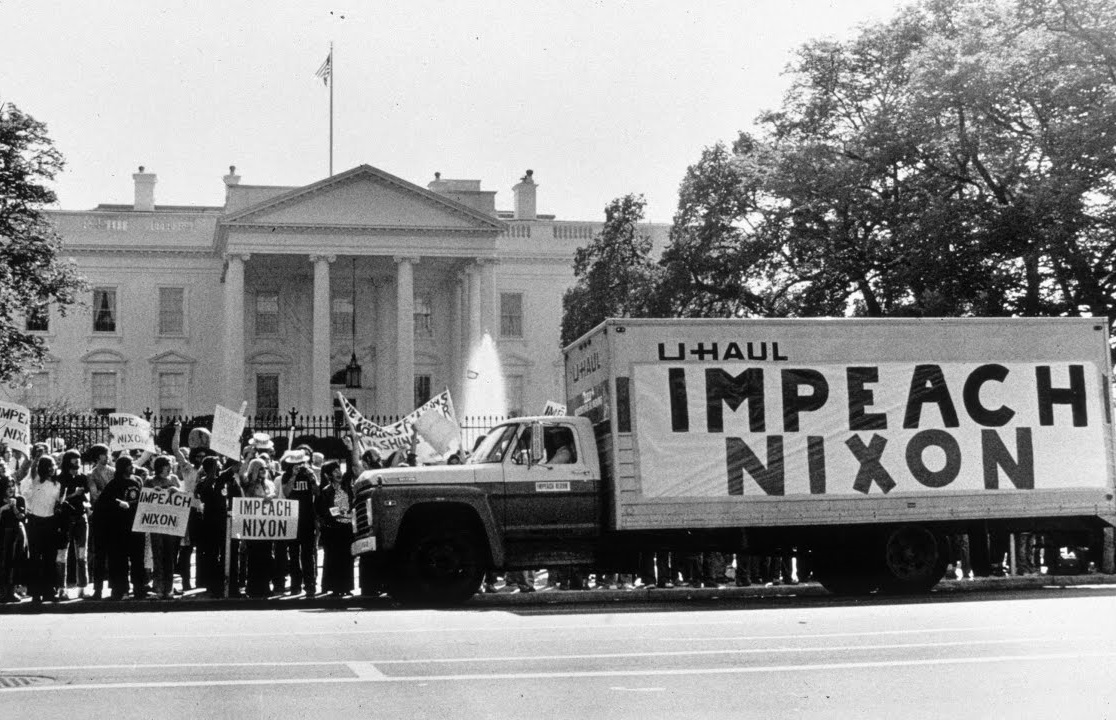 In a letter addressed to committee chairman (North Carolina Senator Sam J. Ervin Jr. Democrat), Nixon refused to supply recordings of his Oval Office conversations or any related written materials. The letter arrived on Capitol Hill three hours past the deadline set by the committee to hand over the documents. Speaking to reporters at the Western White House, “La Casa Pacifica” in San Clemente, Deputy Presidential Press Secretary Gerald L. Warren declined to say what his boss’s next move would be, or to comment on Federal Judge John J. Sirica’s threat of contempt-of-court action against Nixon.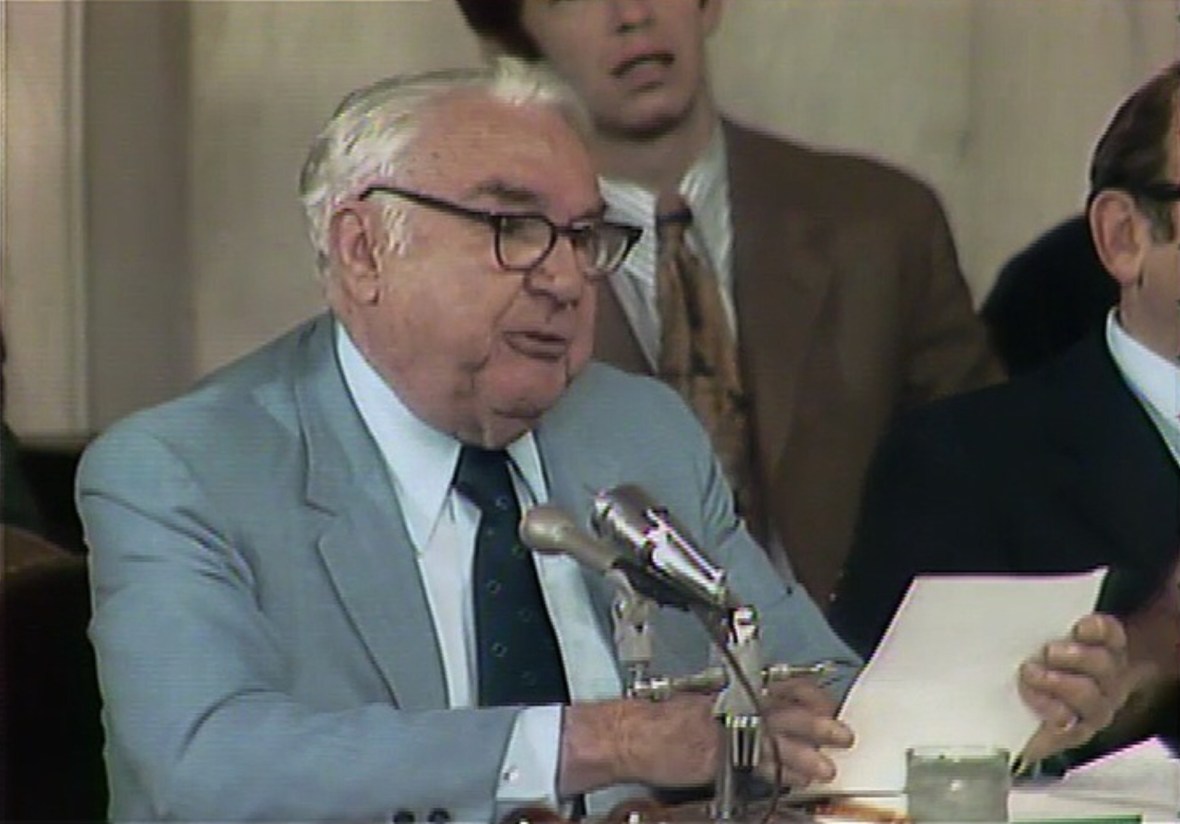
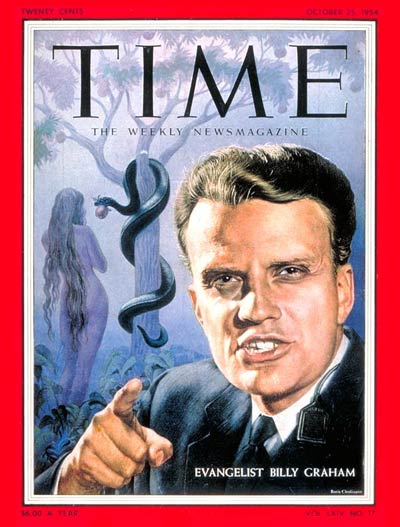 Graham instead remained more general in his remarks, even eschewing humorous suggestions by his inner circle that he preach on tithing in light of recent disclosures that Nixon reported less than $14,000 in total charitable contributions while reporting nearly $1 million over the past four years. The closest the evangelist came to the alleged scandal came when he spoke out on social justice. “We must remake the unjust structures that have taken advantage of the powerless and broken the hearts of the poor and dispossessed,” he asserted. But, he cautioned, “we all admit that we need some sweeping social reforms—and in true repentance we must determine to do something about it—our greatest need is a change in the heart.”
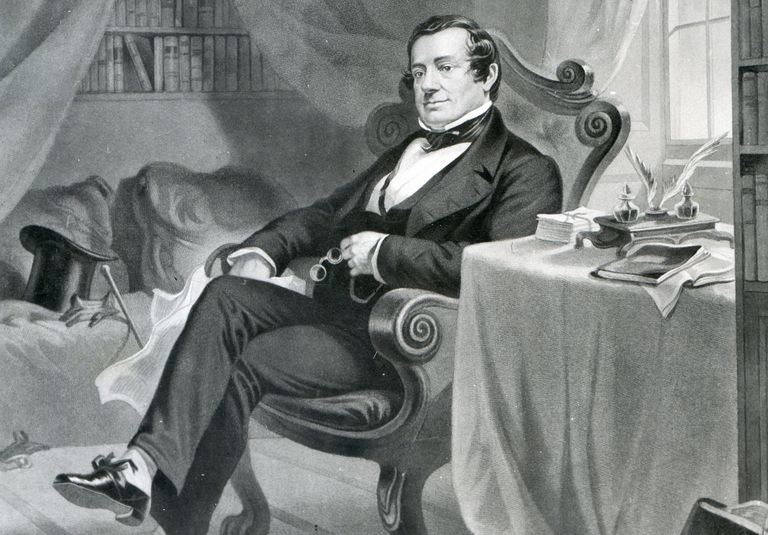
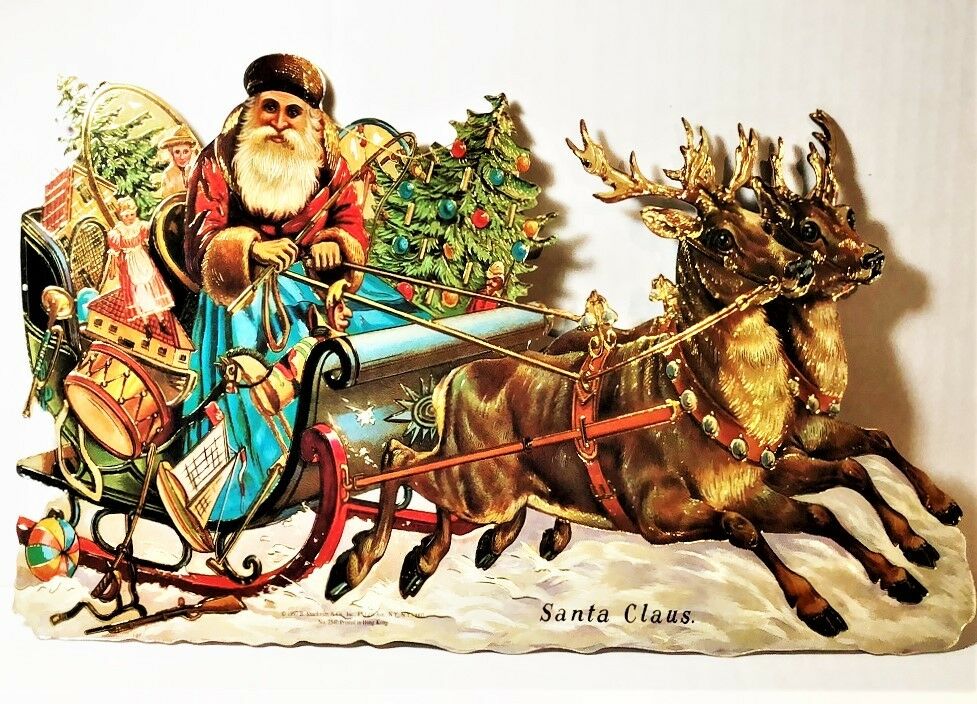 In 1808, Irving created an updated version of Old St. Nick that rode over the treetops in a horse-drawn wagon “dropping gifts down the chimneys of his favorites.” Irving described Santa as a jolly Dutchman who smoked a long-stemmed clay pipe and wore baggy breeches and a broad-brimmed hat. Irving’s work also included the familiar phrase, “laying a finger beside his nose” some 14 years before a Troy, New York newspaper published the iconic children’s poem “Twas the night before Christmas,” which turned Santa’s wagon into a sleigh powered by reindeer.
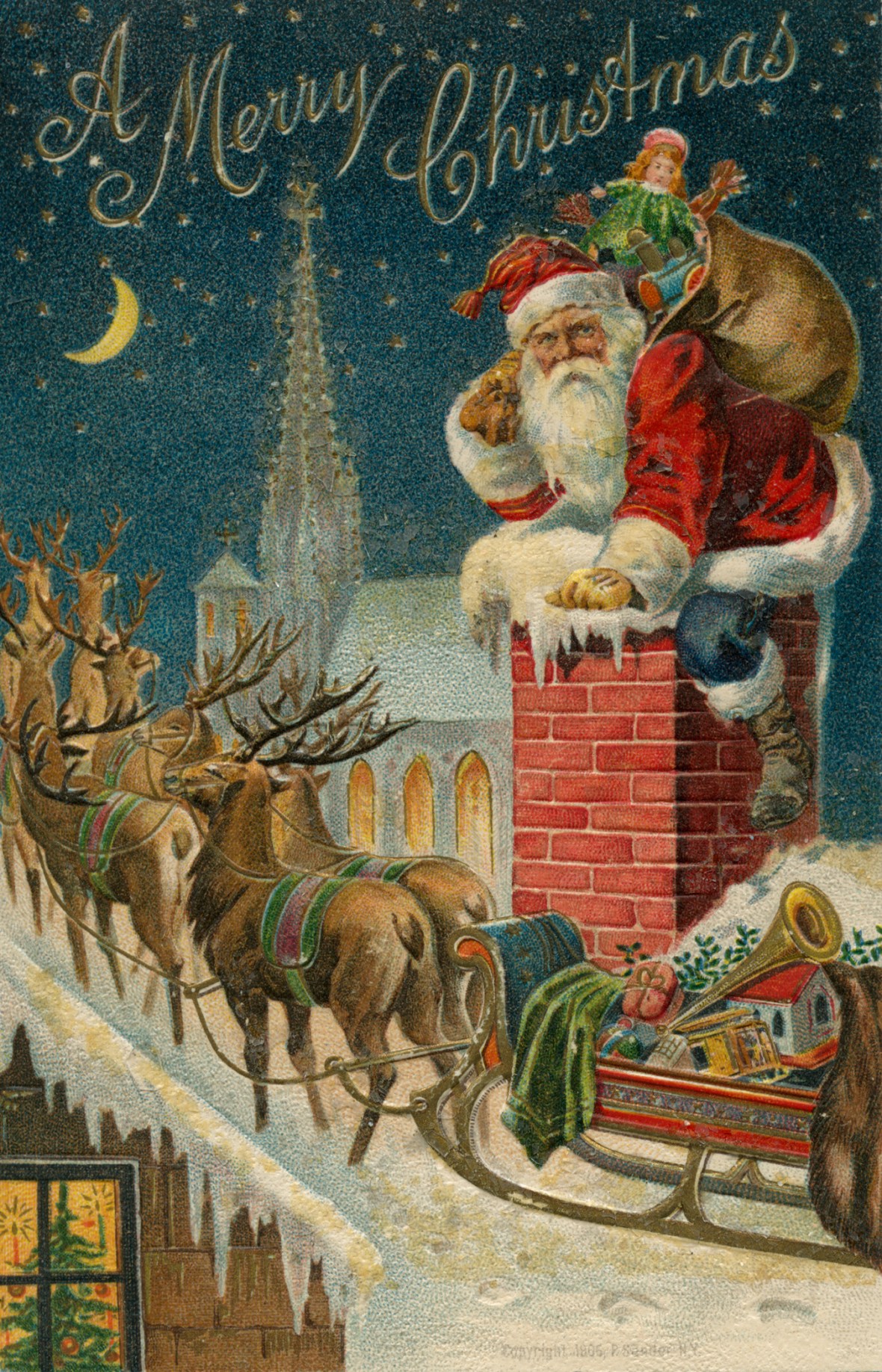 Irving’s stories are full of mistletoe and evergreen wreaths, Christmas candles and blazing Yule logs, singing and dancing, carolers at the door and the preacher at the church, wine and wassail, and, of course, the festive Christmas dinner. The description of Old Christmas as Irving experienced it in “Merrie Olde England,” helped to popularize these traditions in his native land.
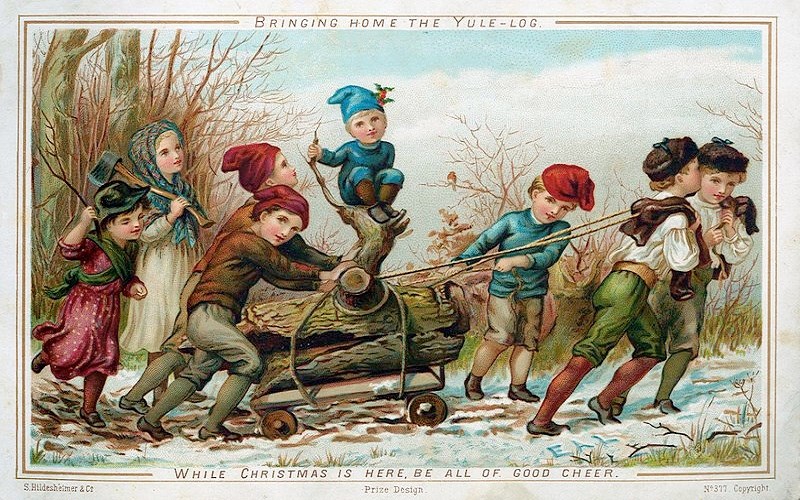 The Yule-log is a great log of wood, sometimes the root of a tree, brought into the house on Christmas eve, laid in the fireplace, and lighted with a piece of last year’s log. While it burned there was great drinking, singing, and telling of tales. The Yule-log was to burn all night; if it went out, it was considered bad luck. If a squinting person come to the house while it was burning, or a barefooted person, it was considered bad luck. A piece of the Yule-log was carefully put away to light the next year’s Christmas fire.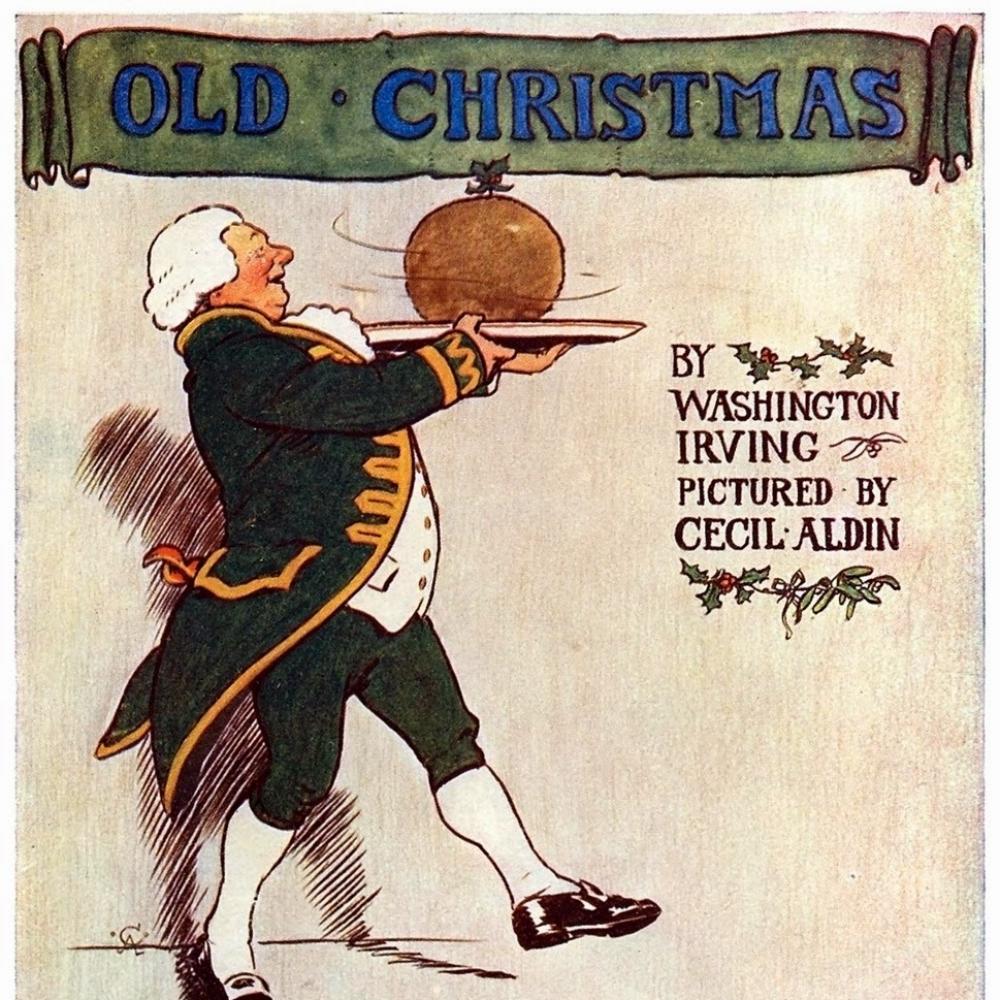
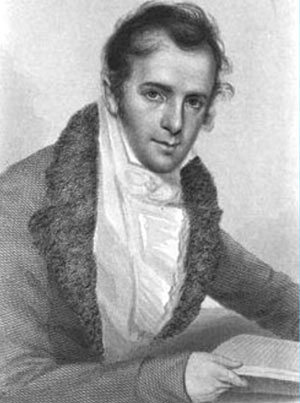
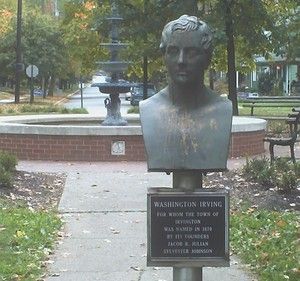
 Dickens’s memorable descriptions of Christmas scenes in “A Christmas Carol” owe a great deal to Irving. In February of 1842, while attending a New York dinner hosted by Irving, Dickens amusingly revealed his devotion to the great American author when he rose his glass in a toast and said, “I say, gentlemen, I do not go to bed two nights out of seven without taking Washington Irving under my arm upstairs to bed with me.”
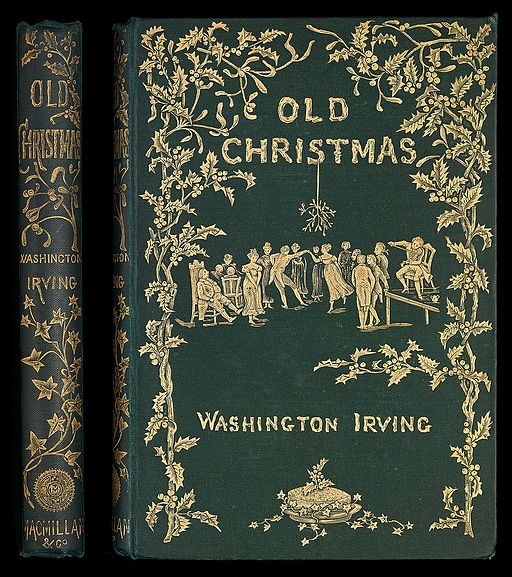 Irving’s descriptions of the short and cold winter days in his story “Old Christmas” make their way into the moral landscape lacking in Scrooge’s character in Dickens “A Christmas Carol”: “In the depth of winter, when nature lies despoiled of every charm, and wrapped in her shroud of sheeted snow, we turn for our gratifications to moral sources. The dreariness and desolation of the landscape, the short gloomy days and darksome nights, while they circumscribe our wanderings, shut in our feelings also from rambling abroad, and make us more keenly disposed for the pleasures of the social circle. Our thoughts are more concentrated; our friendly sympathies more aroused. We feel more sensibly the charm of each other’s society, and are brought more closely together by dependence upon each other for enjoyment. Heart calleth unto heart; and we draw our pleasures from the deep wells of living kindness, which lie in the quiet recesses of our bosoms; and which, when resorted to, furnish forth the pure element of domestic felicity.”
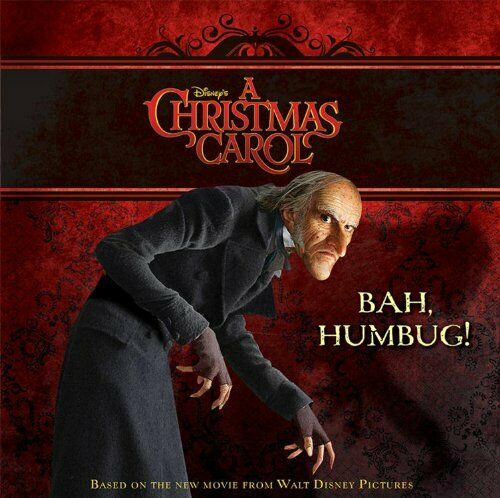 Dickens Washington Irving inspired story popularized the phrase “Merry Christmas” and introduced the name ‘Scrooge’ and exclamation ‘Bah! Humbug!’ to the English language. However the book’s legacy is the powerful influence it has exerted upon its readers. A Christmas Carol” is widely credited with the “Spirit” of charitable giving associated so closely with the holiday today. Victorian Era examples can be found many places; in 1874, “Treasure Island” author Robert Louis Stevenson vowed to give generously after reading Dickens’s Christmas book, a Boston, Massachusetts merchant, expressed his generous hospitality by hosting two Christmas dinners after attending a reading of the book on Christmas Eve in 1867, and was so moved he closed his factory on Christmas Day and sent every employee a turkey and in 1901, the Queen of Norway sent gifts to London’s crippled children signed “With Tiny Tim’s Love.”
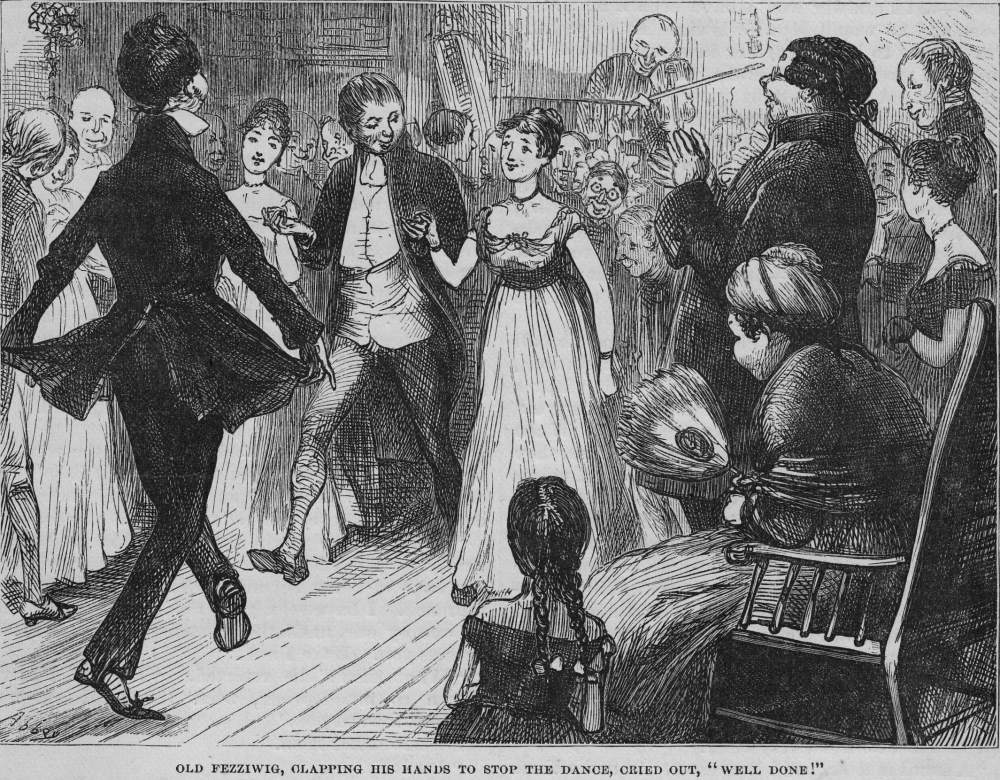 Speaking solely for myself, I often find myself drawing upon Dickens description of Old Fezziwig when I think of how others may observe me. In the novel, the Ghost of Christmas Past conjures up the memory of Scrooge’s old employer, Mr. Fezziwig, who converts his warehouse into a festive hall in which to celebrate Christmas: “Clear away. There is nothing they [Fezziwig’s employees] wouldn’t have cleared away, with old Fezziwig looking on. It was done in a minute. Every movable was packed off, as if it were dismissed from public life for evermore; the floor was swept and watered, the lamps were trimmed, fuel was heaped upon the fire; and the warehouse was as snug, and warm, and dry, and bright a ball-room, as you would desire to see upon a winter’s night.” Thus the ledger books, the daily grind, and the cold give way to music, dance, games, food, and fellowship.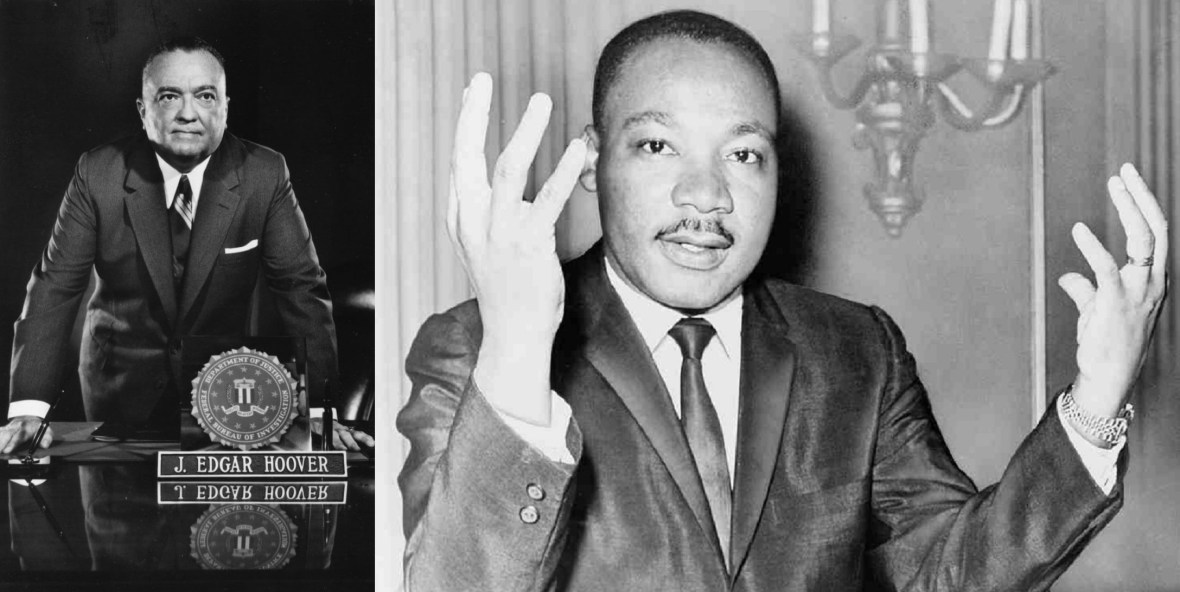

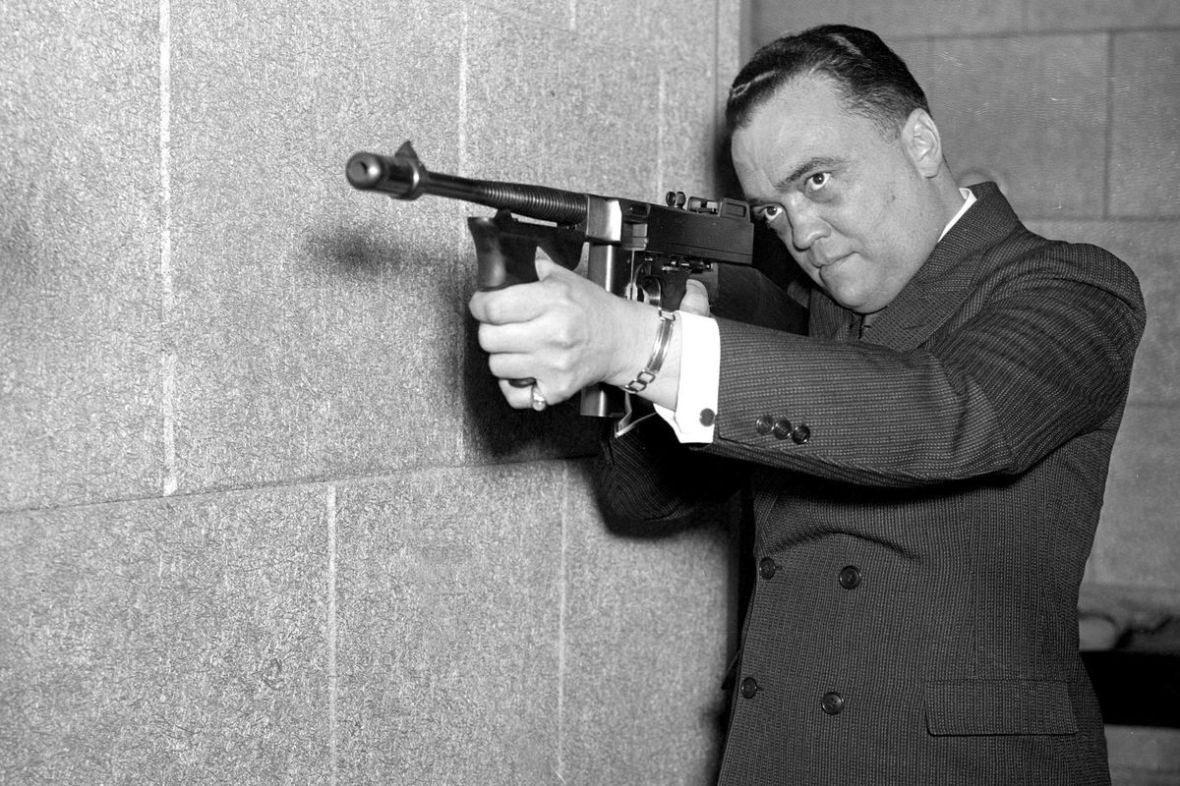
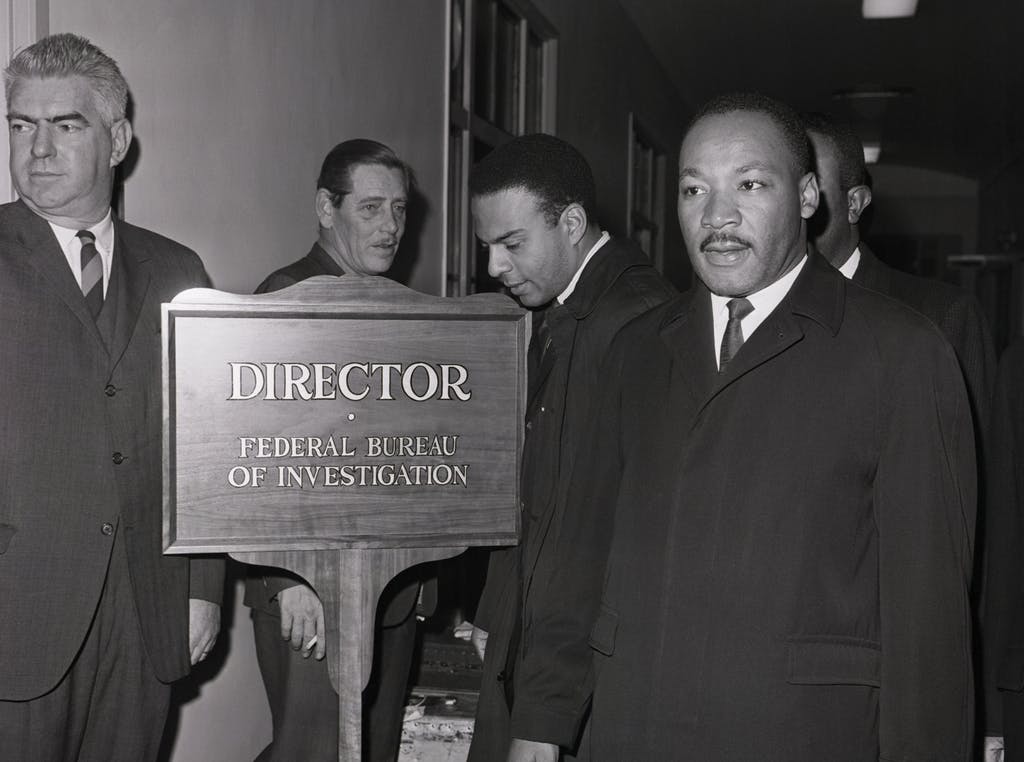
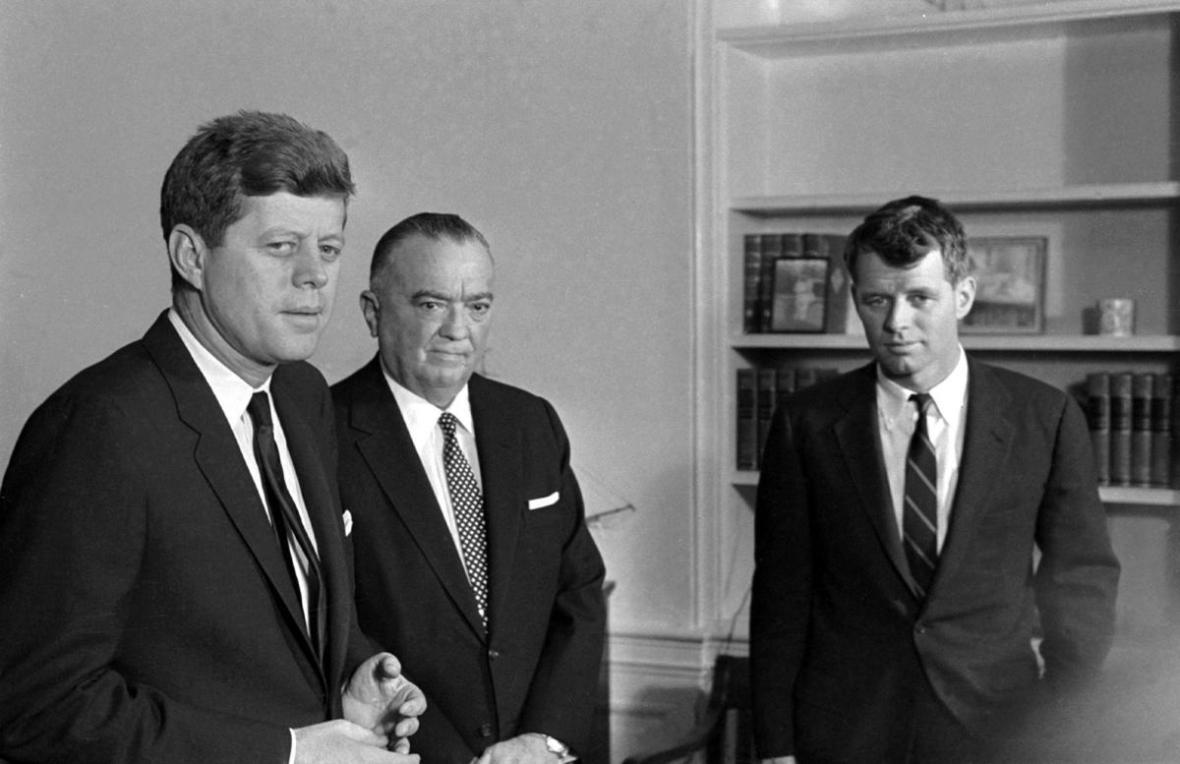
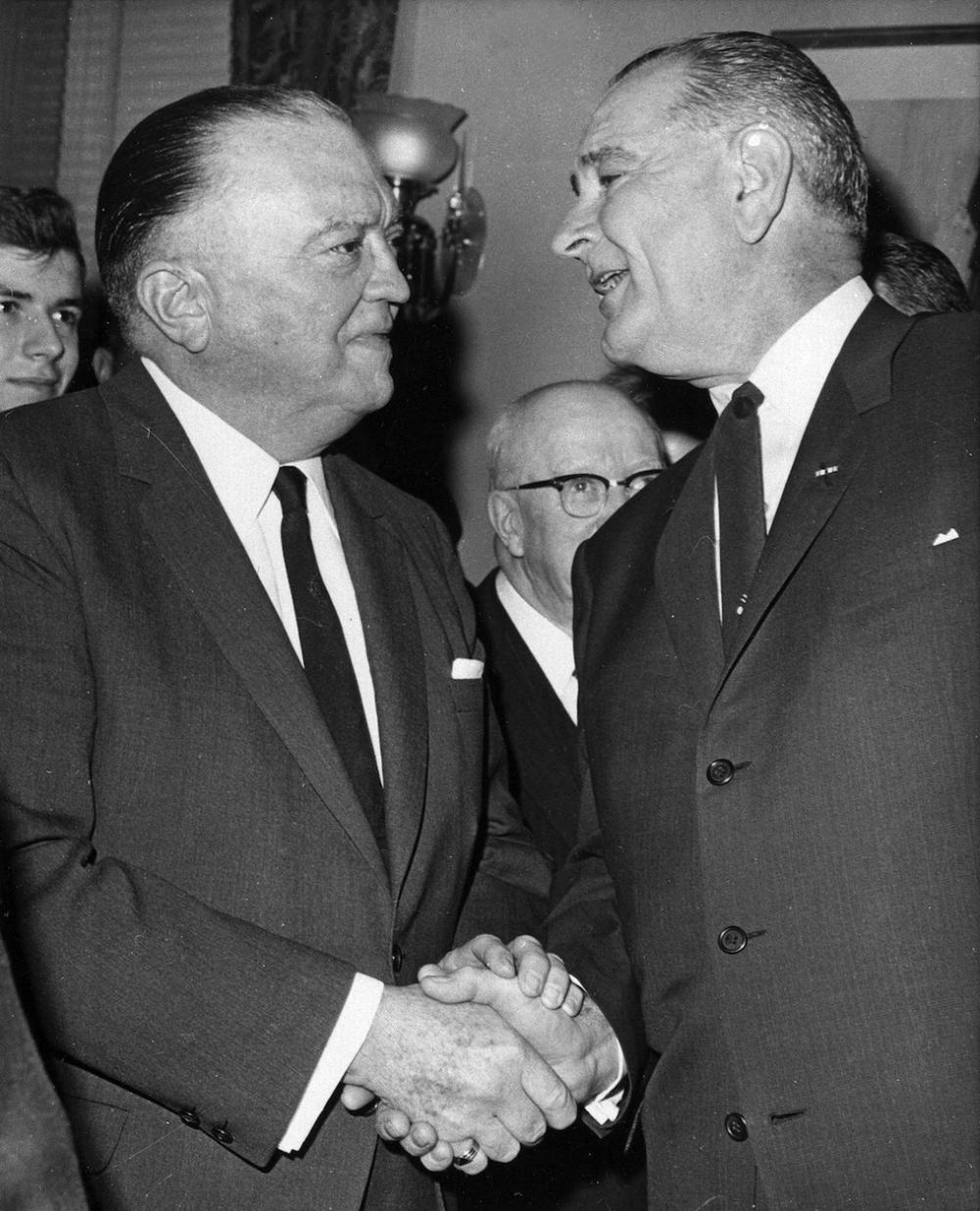
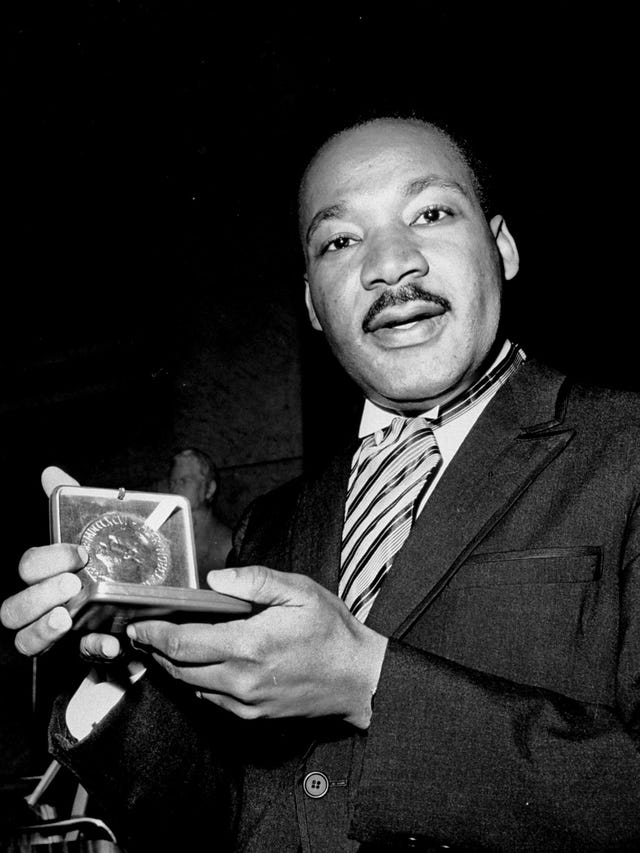
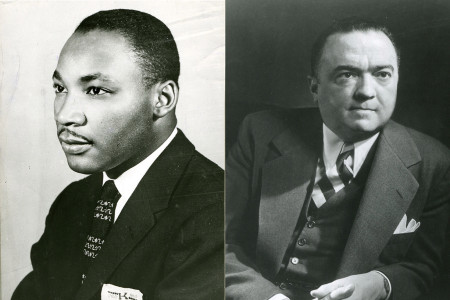
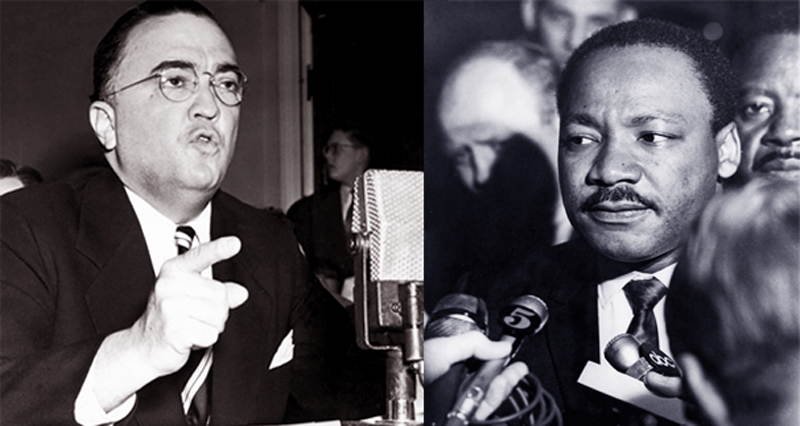 In 1970, two years after King’s assassination, Hoover told a Time reporter. “King was very suave and smooth. He sat right there where you’re sitting and said he never criticized the FBI. I said, ‘Mr. King’-I never called him reverend- ‘stop right there. You’re lying….If you ever say anything that’s a lie again, I’ll brand you a liar again.’ Strange to say, he never attacked the Bureau again for as long as he lived.” Nobody else present that day remembered that confrontation-not Young, not Abernathy, not even Deputy Director Deke DeLoach, who was taking notes that afternoon.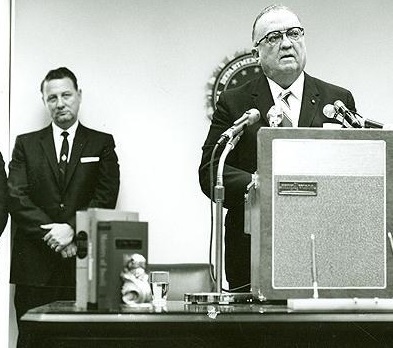
 Alan E. Hunter