

Invasion of the Body Snatchers.
Original publish date: February 6, 2011 Reissue Date: April 16, 2020
September 11 is an important date in this country. Its a date as important to our generation as December 11, 1941 (Pearl Harbor) and November 23, 1963 (John F.Kennedy’s assassination) were to the two generations preceding ours. It is the date the date of the World Trade Center terrorist attacks in New York City. However, it has another meaning to me. On September 11, 2010, Kevin McCarthy died. Kevin McCarthy was an actor, a character actor to be precise. You’ve seen his face in countless films over the past half century but probably never knew his name.
Midwestern born McCarthy appeared in over two hundred television and film roles and an equal number of stage plays and productions for over a half century. For his role in the 1951 film version of Death of a Salesman, he was nominated for an Academy Award for Best Supporting Actor and won a Golden Globe Award for New Star of the Year . However, I remember McCarthy for his starring role in the original 1956 version of the classic Sci-Fi / Horror movie “Invasion of the Body Snatchers”, a film with a strong Cold War Era Anti-Communist theme.
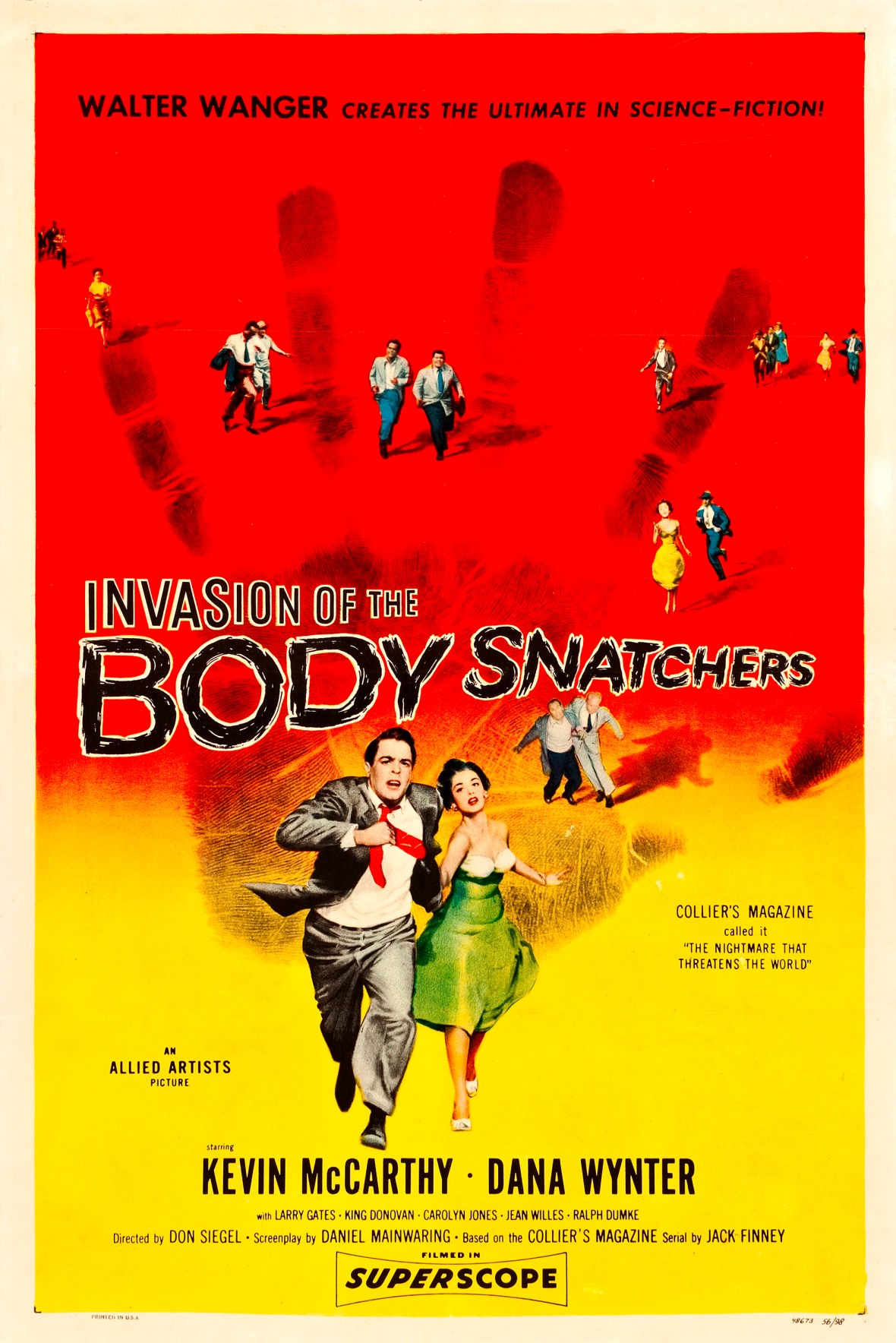 I had the opportunity to meet Kevin McCarthy in Chicago back in 1992 and he was gracious enough to sign a photo for me. It remains a cherished possession. Not only was he a great actor, he was a cousin of former U.S. senator and presidential candidate Eugene McCarthy and one actor Montgomery Clift’s best friends. I could not help but smile wryly when I learned of McCarthy’s death last year on 9/11. He lived to the ripe old age of 96 (we should all be so lucky) and lived a life that most of us can only dream about. The irony of his dying on 9/11, one of the most controversial politically charged dates in American history, was not lost on me. For “Invasion of the body snatchers” remains one of the most controversial politically charged movies of all-time.
Invasion is based on the novel “The Body Snatchers” by Jack Finney and was first featured in several installments in Saturday Evening Post magazines in 1954-55. It stars Kevin McCarthy, Dana Wynter, King Donovan, and Carolyn Jones (Morticia Addams of the Addams Family). The screenplay was adapted from Finney’s novel by Daniel Mainwaring, along with an uncredited Richard Collins, and was directed by Don Siegel. The film is the first and most critically acclaimed of the novel’s four film adaptations to date.
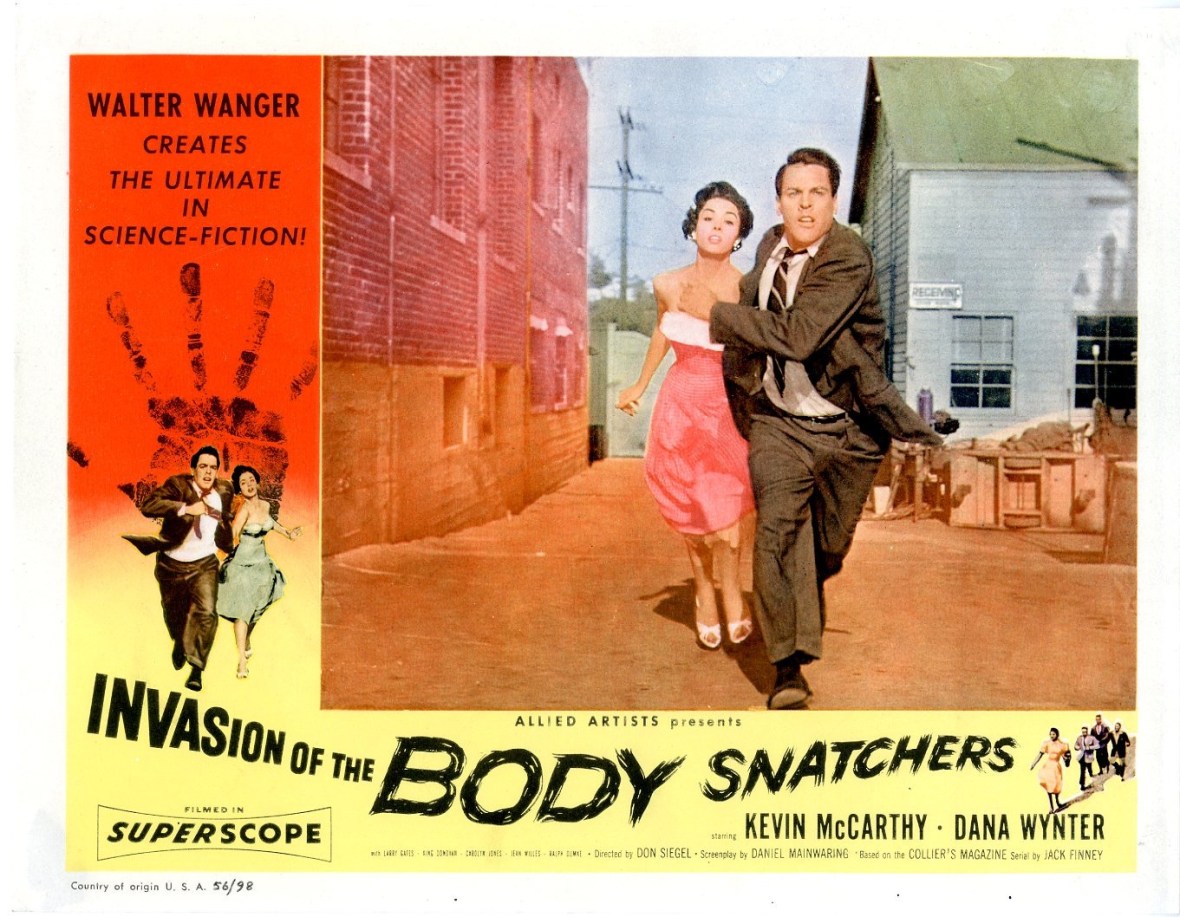 Invasion of the Body Snatchers was selected for preservation in the United States National Film Registry by the Library of Congress as being “culturally, historically, or aesthetically significant”. The American Film Institute ranked “Invasion number nine on its “Ten top Ten” best ten films in the science fiction category. The film ranked number 47 on AFI’s “100 Years… 100 Thrills”, a list of America’s most heart-pounding films.
Set in the fictional town of Santa Mira, California (In the novel, the town is Mill Valley, north of San Francisco), McCarthy plays Dr. Miles Bennell, a local doctor who finds that several of patients are accusing their loved ones of being impostors. Assured at first by the town psychiatrist that the cases are nothing but “epidemic mass hysteria,” Bennell soon discovers that the townspeople are being systematically replaced by perfect physical duplicates, simulacrums grown from giant plant-like pods (found in basements, automobile trunks, a greenhouse, and on a pool table). The Pod People are indistinguishable from normal people, except for their lack of human emotion. The Pod People work together to secretly spread more pods which the film explains grew from “seeds drifting through space for years” in order to replace the entire human race.
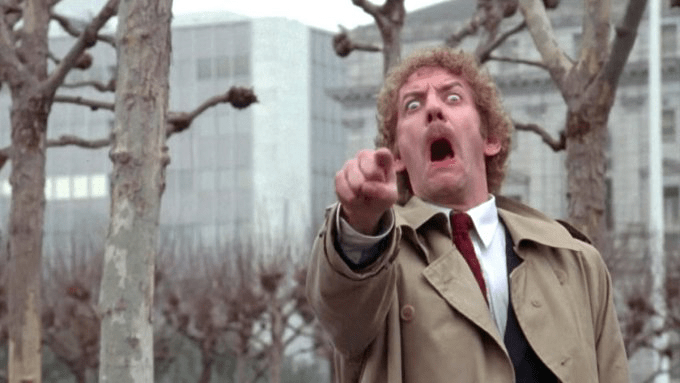
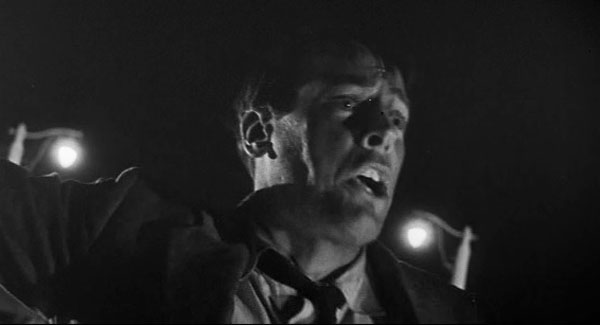
The film climaxes with Bennell and a friend attempting to escape the Pod People, intent on warning the rest of humanity. While they hide, the doctor’s friend played by actress Dana Wynter fights an overwhelming urge to sleep and when she briefly doses off, she is instantly transformed into one of the Pod People. With the Pod People close behind, Bennell runs onto the highway frantically screaming about the alien force which has overrun the town to the passing motorists and (in a moment that is considered a breaking of the Fourth Wall) looks into the camera and yells, “They’re here already! You’re next! You’re next!”
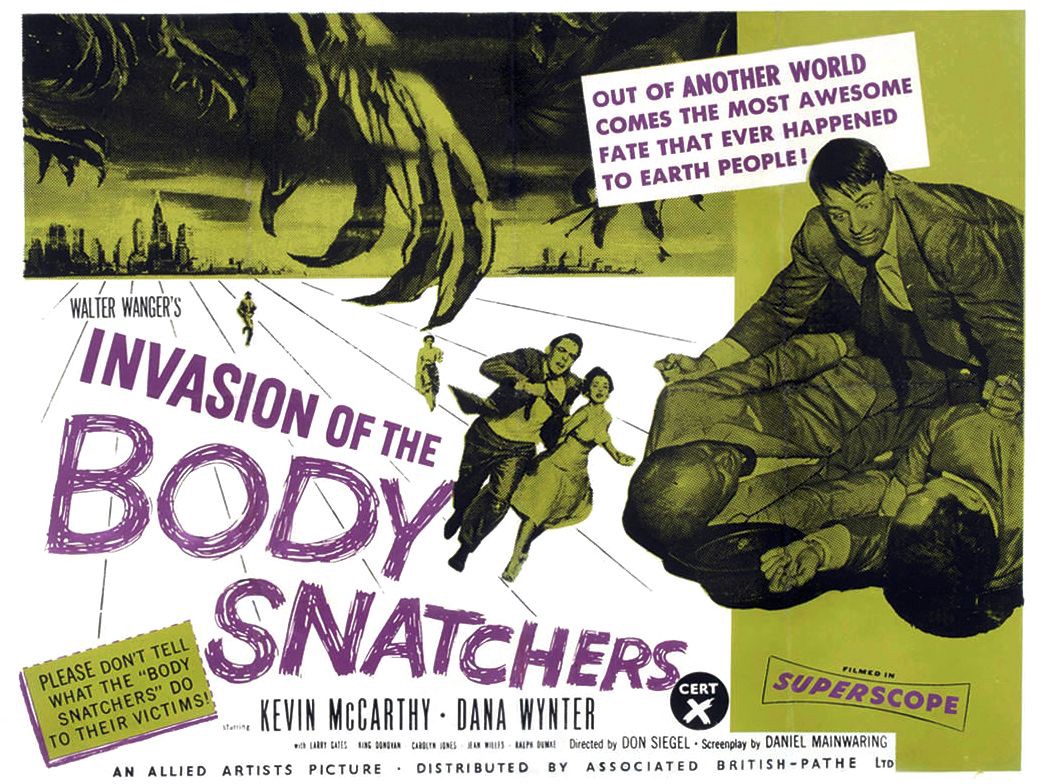 Bennell is picked up by the police and questioned in a clinic. The policemen in charge do not believe his account until they receive news of an accident in which a truck carrying strange giant bean pods is opened. The police are quick to alert the authorities; the message has been received, but the actual end of the story is left open. What cannot be denied is the central theme of the heroic struggle of one helpless but determined man of conscience, a small-town doctor (McCarthy), to vainly combat and quell a deadly, indestructible threat. An oft repeated theme of Sci-Fi films of today
The film had a few preliminary titles: Sleep No More, Better Off Dead, and They Came From Another World before the final choice was made. At first, studios considered established Hollywood stars like Gig Young, Dick Powell, Joseph Cotten for the male lead. For the female lead, Anne Bancroft, Donna Reed, Kim Hunter, and Vera Miles were initially considered. However the lower budget led producers to cast two relative newcomers in the lead roles: McCarthy and Wynter. The film was shot in just 23 days between March 23, 1955 and April 18, 1955 by working a six-day week with only Sundays off. The final budget was $382,190. When released in 1956, the movie made over $1 million in its first month and over $2.5 million in the USA for the entire year. British ticket sales raised that figure by a half million dollars. When the film was released, many theatres displayed several of the pods (made of paper) in theatre lobbies along with lifesize cutouts of McCarthy and Wynter frantically running away from a mob.
The film was originally intended to end with Miles screaming hysterically as truckloads of pods pass him by. The studio insisted on adding an ending that suggested a more optimistic outcome. The studio tried to get Orson Welles to voice the preface and a trailer for the film, but was unsuccessful. The film holds a 97% “Fresh” rating on the review aggregate website Rotten Tomatoes. In recent years, critics have hailed the film as a “genuine Sci-Fi classic” and one of the “most resonant” and “one of the simplest” of the genre. Even though the movie has no monsters, minimal special effects, no overt violence, and no deaths. The BBC wrote, “The sense of post-war, anti-communist paranoia is acute, as is the temptation to view the film as a metaphor for the tyranny of the McCarthy era.”
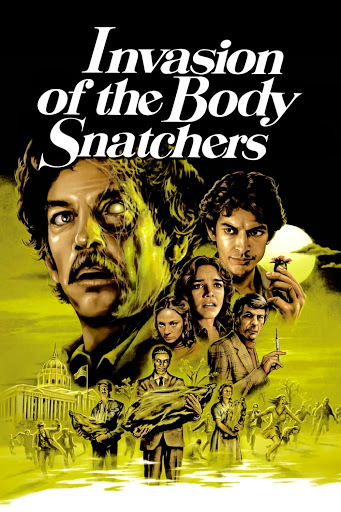 The film is widely viewed as an indictment of McCarthyism and the Red Scare Anti-Communist Era. The unmistakable metaphor: the turning of people into soulless doubles while they sleep represents the dangers faced of America turning a blind eye to McCarthyism. Over the years, others have interpreted the film as a metaphor for the loss of the individual in modern mass civilization, or paranoia about the spread of socialistic Communism, or blacklisting of Hollywood, or as a representation of the loss of personal freedom in the Soviet Union, or the spread of an unknown malignancy or virulent germ (a metaphor within a metaphor about the fear of annihilation by ‘nuclear war’), or of bland conformity in postwar Eisenhower-era America. Still others argue the film is an indictment of the damage to the human personality caused by ideologies of Right versus Left, a theme that resonates today.
One of the things I loved about Kevin McCarthy is that he often said that he felt that the film had no political allegory at all, at least not by the actors or filmmakers. McCarthy backed it up by stating that in his talks with novelist Jack Finney, he too professed that there was no intended specific political allegory in the book.
The producer of the 1956 Invasion of the Body Snatchers was Walter Wanger, a man not free from personal controversy himself. Wanger had just been released from prison for attempted murder after serving a 4-month jail term for the 1951 shooting of the lover of his unfaithful movie-star wife, Joan Bennett. Wanger’s attorney successfully offered a “temporary insanity” defense resulting in the light sentence.
The psychological sci-fi film was re-made three times starring Donald Sutherland, (1978), Gabrielle Anwar 1993 and Nicole Kidman (2007), although well-made, the remakes were inferior to the original, as were the lead star. The original 1956 film received no Academy Award nominations but has become more and more revered and distinctive as time passed.
Kevin McCarthy would go on to make film cameos in other sci-fi films including: The Howling (1981), Twilight Zone: The Movie (1983), Innerspace (1987), and a memorable appearance as his Dr. Bennell character (now elderly) in Looney Tunes: Back in Action (2003) that appeared clutching a seed pod repeatedly muttering “You’re next.”
I think that the reason this movie spoke to me in particular and resonates in my memory today is the time frame that I associate it with. I saw the film in the late 1960s an era framed in my mind by political mistrust, conspiracy theories and assassination. Everything from who killed Martin Luther King, Jr. and Robert F. Kennedy to whether the moon landing was real or staged in a Hollywood studio to whether or not the Beatles Paul McCartney was alive or dead seemed to be surrounded by cover-up and controversy. This movie with its Zombie-like alien invaders bodily brain-washing their naive, unsuspecting victims could be conformed to any theory, right or left. As a child of the ’60s, this movie spoke to me like no other.
Meeting Kevin McCarthy was a lifetime thrill. I think often of McCarthy’s eloquent speech from the movie describing the shocking changes he’s seen in his fellow citizens, “I’ve seen how people have allowed their humanity to drain away. Only it happened slowly instead of all at once. They didn’t seem to mind…All of us – a little bit – we harden our hearts, grow callous. Only when we have to fight to stay human do we realize how precious it is to us, how dear.”
Followed by an unconvincing sales pitch by an antagonist colleague to McCarthy’s character, “Less than a month ago, Santa Mira was like any other town. People with nothing but problems. Then, out of the sky came a solution. Seeds drifting through space…Your new bodies are growing in there. They’re taking you over cell for cell, atom for atom…they’ll absorb your minds, your memories and you’re reborn into an untroubled world…Tomorrow you’ll be one of us…There’s no need for love…Love. Desire. Ambition. Faith. Without them, life is so simple, believe me.”
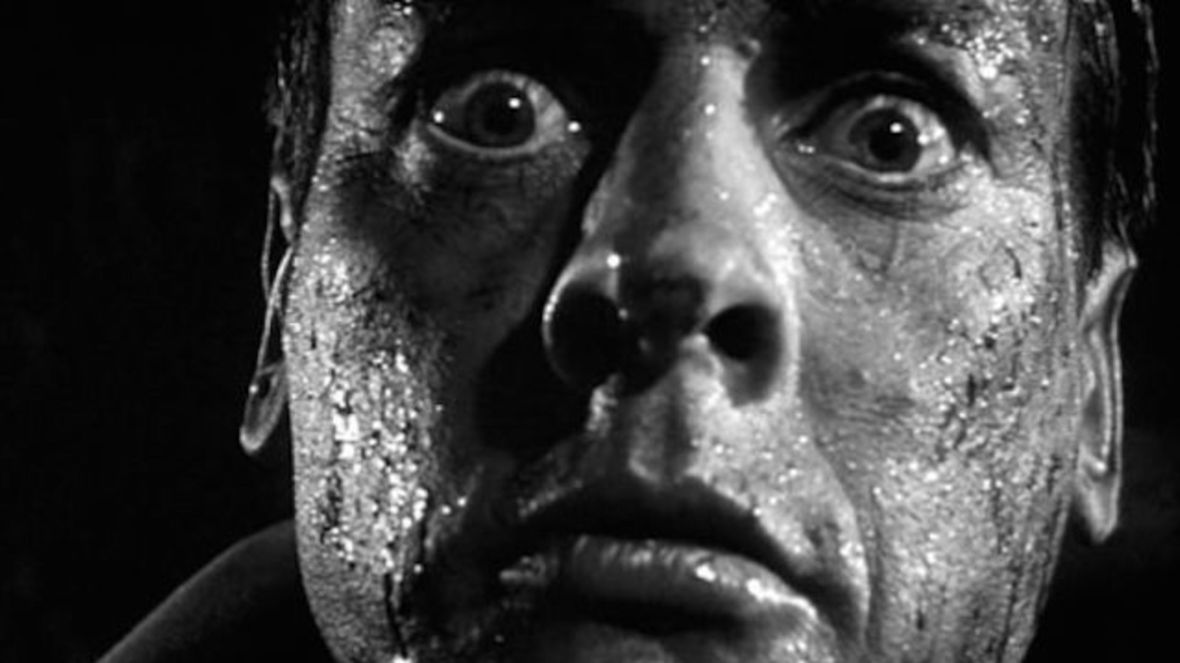 And whenever I wish, I can conjure up an image in my mind of the wide-eyed sweat and grime covered face of McCarthy as a crazed prophet of doom pointing directly into the camera desperately speaking his warning to humanity: “Look, you fools. You’re in danger. Can’t you see? They’re after you. They’re after all of us. Our wives, our children, everyone. They’re here already. YOU’RE NEXT!” Rest in Peace Kevin McCarthy.
Buffalo Bill’s Wild West Show.
Original publish date: April 9, 2020
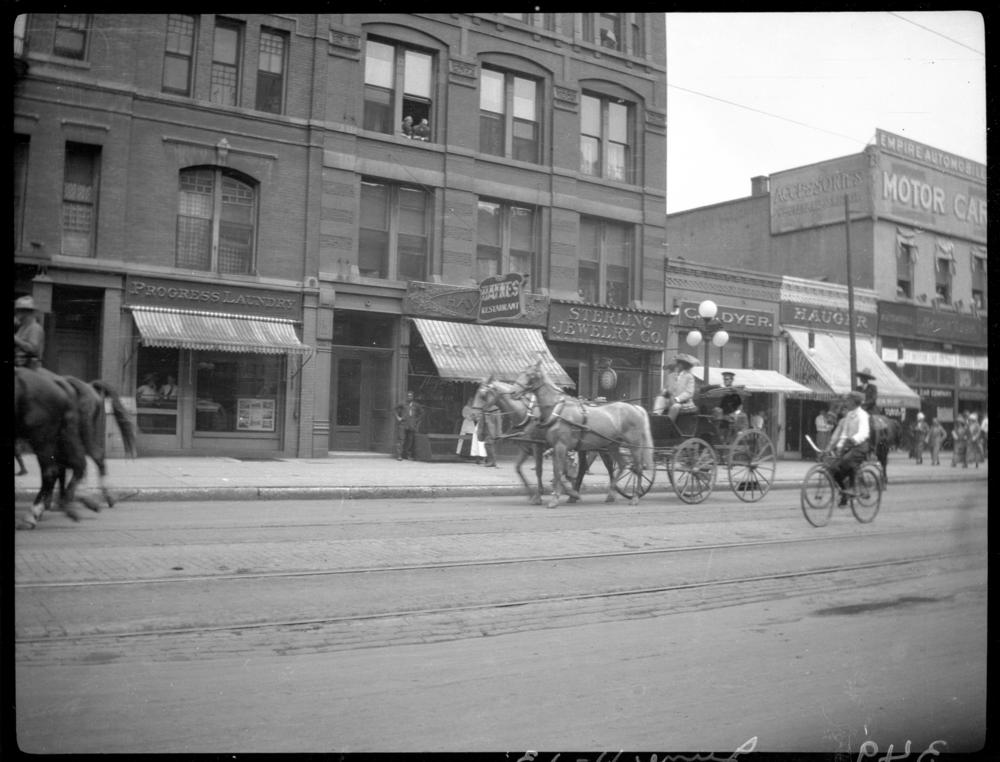
We’re all cooped up, trying to avoid the Coronavirus by surfing the net, checking social media and (gulp) shopping on-line. Hoosiers are stressing out bandwidth capacity like a hippo in bicycle shorts by binge watching every form of entertainment available on line. So, I have decided to help alleviate your boredom by giving you an article full of dates, names and events to Google. After you read this shorter than normal offering, do yourself a favor, search the names listed here and lose yourself in history. You’ll be amazed, intrigued and informed at the same time. This week’s offering: Buffalo Bill’s Wild West Show in Indiana.
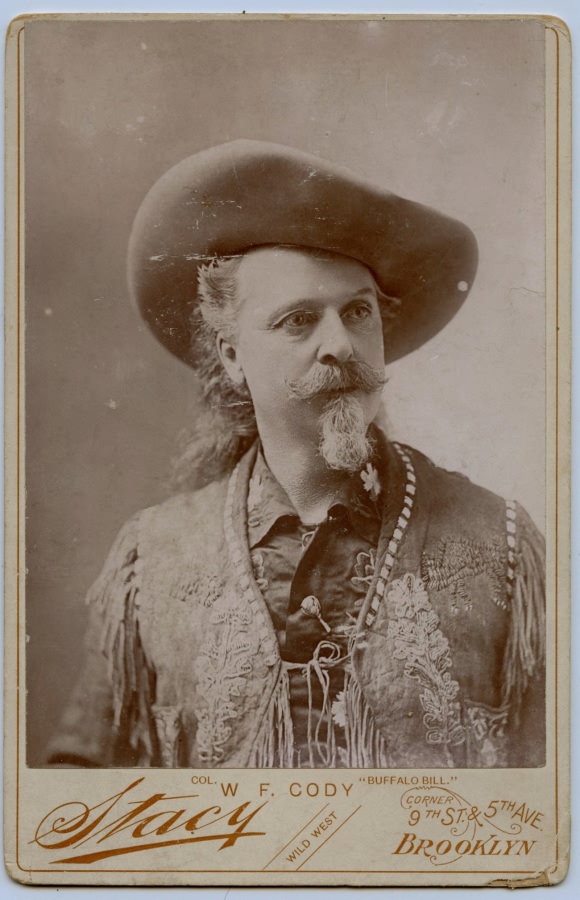
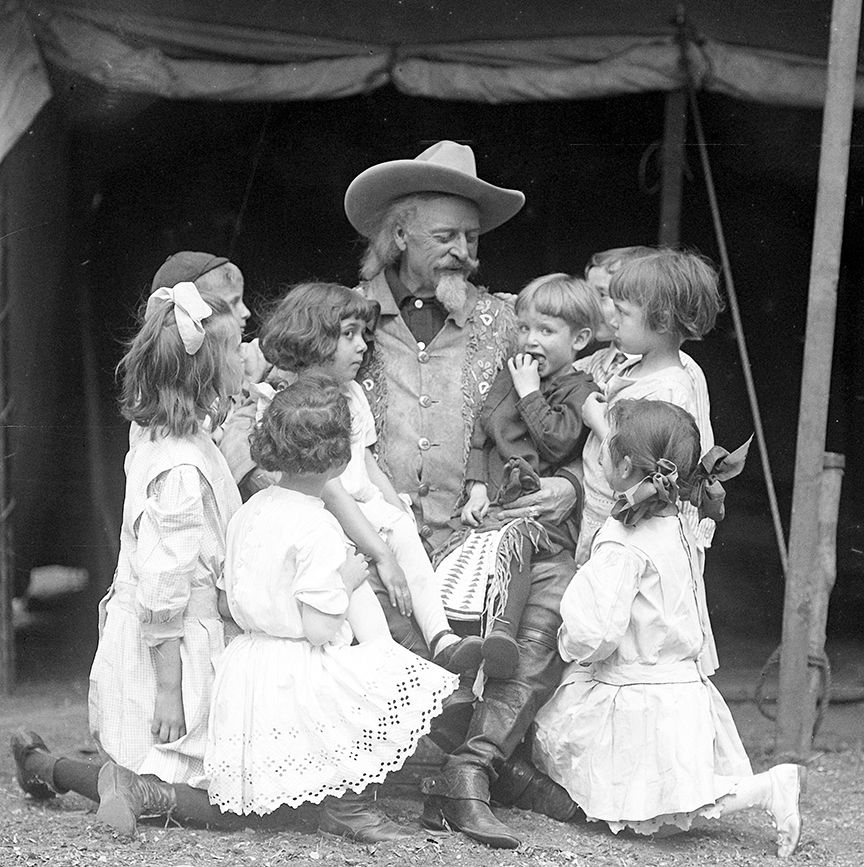 Buffalo Bill Cody was the real deal-he had fought Indians, hunted buffalo, and scouted the Northern Plains for General Phil Sheridan and Lieutenant Colonel George Armstrong Custer along America’s vast Western frontier. He was a fur-trapper, gold-miner, bullwhacker, wagon master, stagecoach driver, dude rancher, camping guide, big game hunter, hotel manager, Pony Express rider, Freemason and inventor of the traveling Wild West show. Oh, yeah, and he was awarded the Medal of Honor in 1872 for, unsurprisingly, “Gallantry” during the Indian Wars. His medal, along with medals of 910 other recipients, was revoked in February of 1917 when Congress retroactively tightened the rules for the honor. Luckily, the action came one month after Cody died in 1917. It was reinstated in 1989.
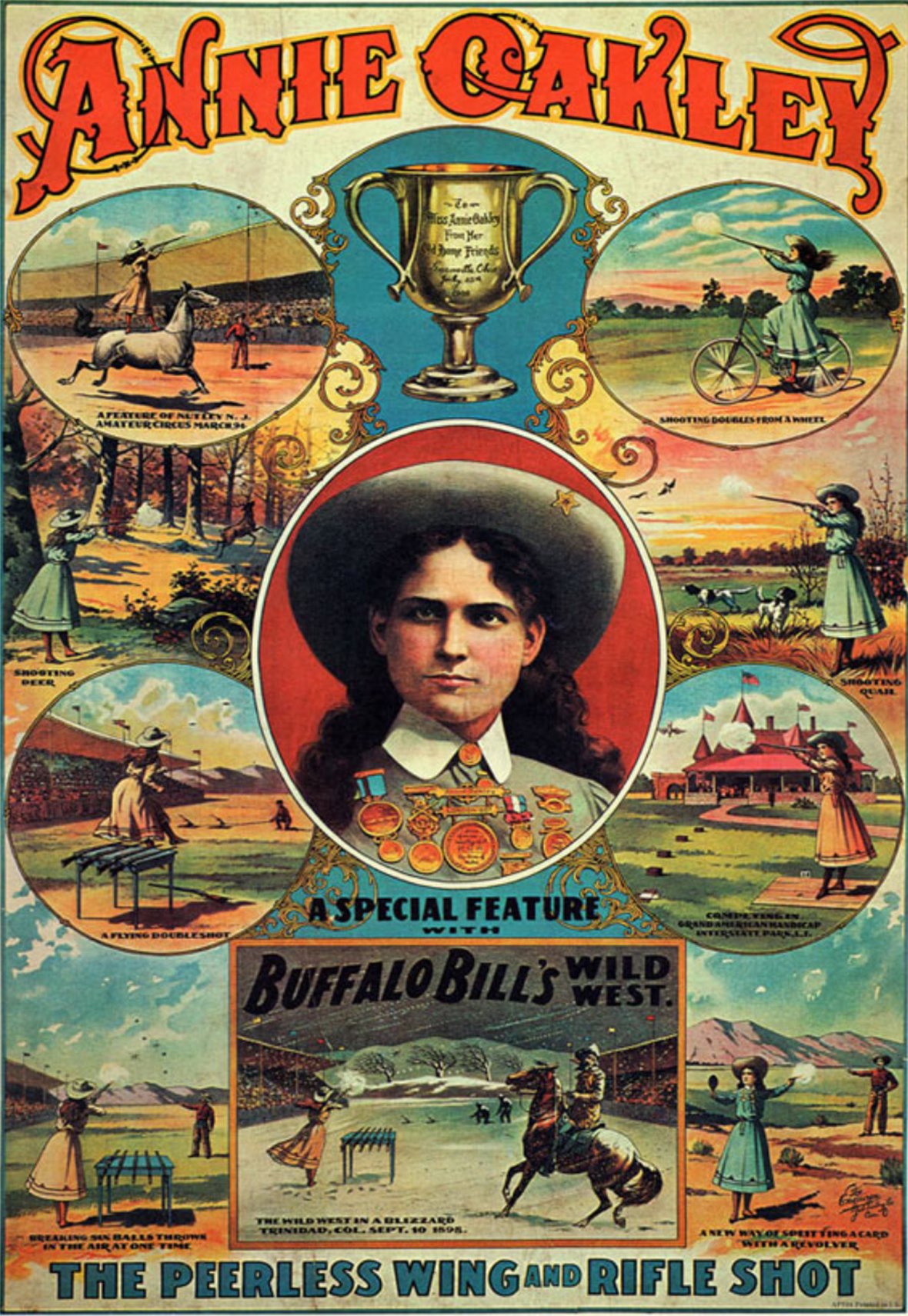 But Cody’s biggest achievement came as the wild west frontier he had helped create was vanishing. Buffalo Bill’s “Wild West” shows featured western icons like Wild Bill Hickok, Annie Oakley, Frank Butler, Bill Pickett, Mexican Joe, Adam Bogardus, Buck Taylor, Geronimo, Red Cloud, Chief Joseph, Texas Jack, Pawnee Bill, Tillie Baldwin, Bronco Bill, Coyote Bill, May Lillie, and a “Congress” of cowboys, soldiers, Native American Indians and Mexican vaqueros. Movie stars Will Rogers and Tom Mix and World Heavyweight Champion Jess Willard kicked off their careers as common cow punchers for Buffalo Bill. Cody performed for Kings, Queens, Presidents, Generals, Dignitaries and just plain folk in small towns, at World’s Fairs, stadiums and arenas all over the world.
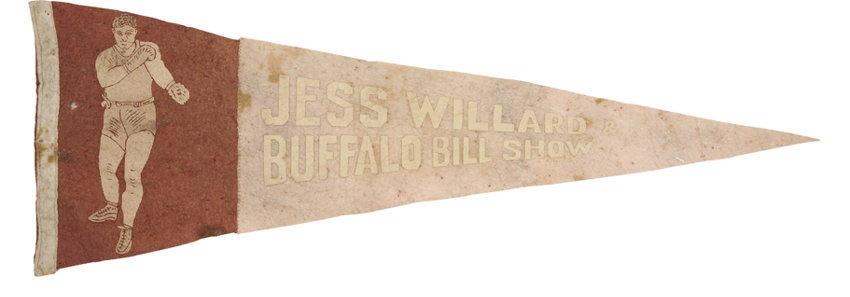 During the late 19th century, the troupe included as many as 1,200 performers.The shows consisted of historical scenes punctuated by feats of sharpshooting, military drills, staged races, rodeo events, and sideshows. Real live Native American Indians were portrayed as the “Bad Guys”, most often shown attacking wagon trains with Buffalo Bill or one of his colleagues riding in and saving the day. Other staged scenes included Pony Express riders, stagecoach robberies, buffalo-hunting and a melodramatic re-enactment of Custer’s Last Stand in which Cody himself portrayed General Custer.
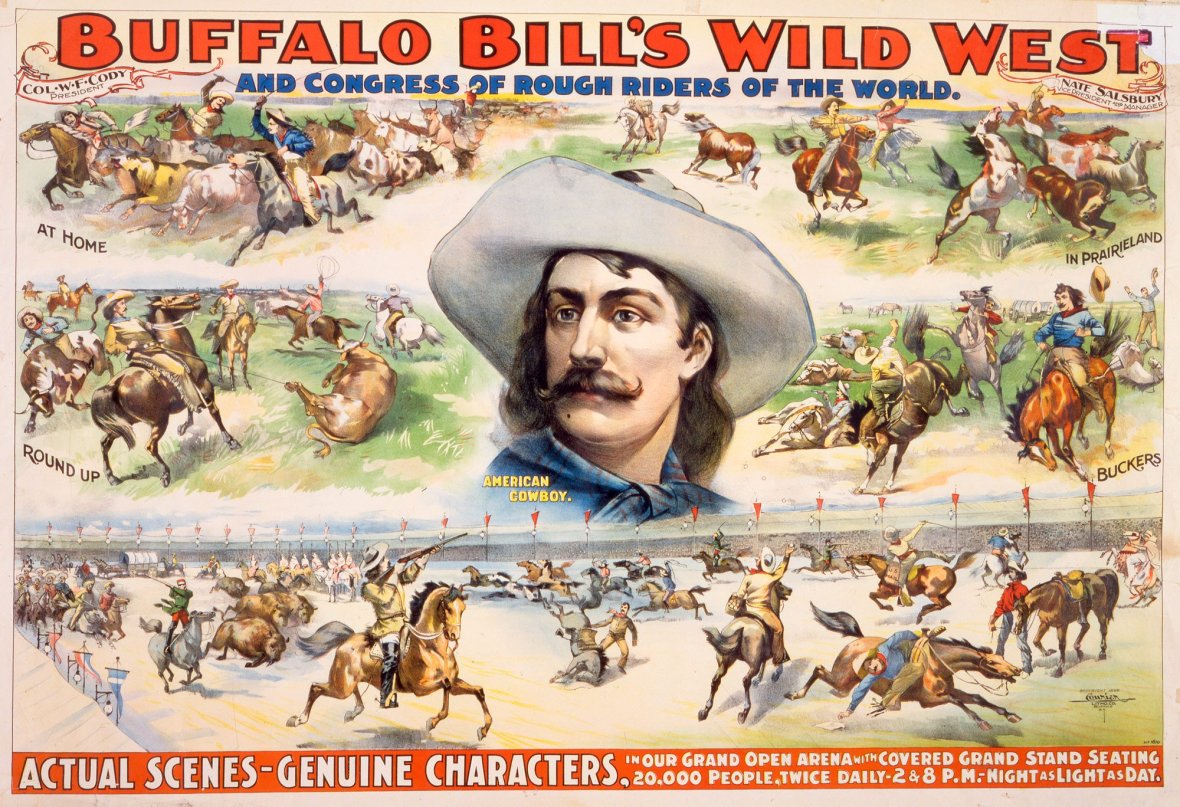 By the turn of the 20th century, William F. Cody was probably the most famous American in the world. Cody symbolized the West for Americans and Europeans, his shows seen as the entertainment triumphs of the ages. In Indiana, entire towns turned out to see the people and scenes they had read about in the dime novels and newspaper stories they grew up on and continued to read daily. Buffalo Bill’s performances were usually preceded by a downtown parade of stagecoaches, soldiers, acrobats, wild animals, chuckwagons, calliopes, cowboys, Indians, outlaws and trick shooters firing off birdshot at targets thrown haphazardly in the air. In 1898, admission to the show was half-a-buck for adults, two bits for children under 9. The Buffalo Bill show traveled by their own special train, usually arriving early in the morning and giving two shows before packing up to travel all night to the next town.
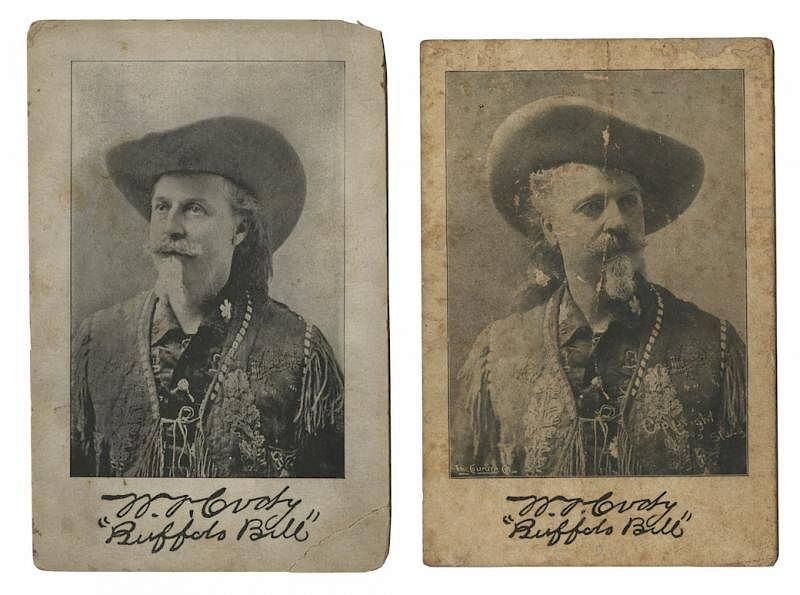 According to the official “Buffalo Bill Museum and Grave in Golden, Colorado” website, from 1873 to 1916 William F. “Buffalo Bill” Cody appeared in Indiana 155 times, touring 38 different Hoosier cities. Some of those cities are obvious, some obscure. Anderson (3 times), Auburn, Bedford, Bluffton, Columbus, Crawfordsville (2 times), Elkhart (3 times), Evansville (12 times), Fort Wayne (12 times), Frankfort, Gary (2 times), Goshen (2 times), Huntington, Kendallville, Kokomo (4 times), La Porte, Lafayette (14 times), Lawrenceburg, Logansport (8 times), Madison, Marion (3 times), Michigan City, Muncie (7 times), New Albany (3 times), North Vernon (4 times), Peru, Plymouth, Portland, Richmond (8 times), Shelbyville, South Bend (8 times), Tell City, Terre Haute (17 times), Valparaiso, Vincennes (4 times), Warsaw (2 times), Washington and of course Indianapolis (19 times). Strangely, although Buffalo Bill appeared in the Circle City more than any other during his career, his tour did not stop here for his final tour in 1916. preferring instead to swing thru the far northern section of our state on the way to Chicago.
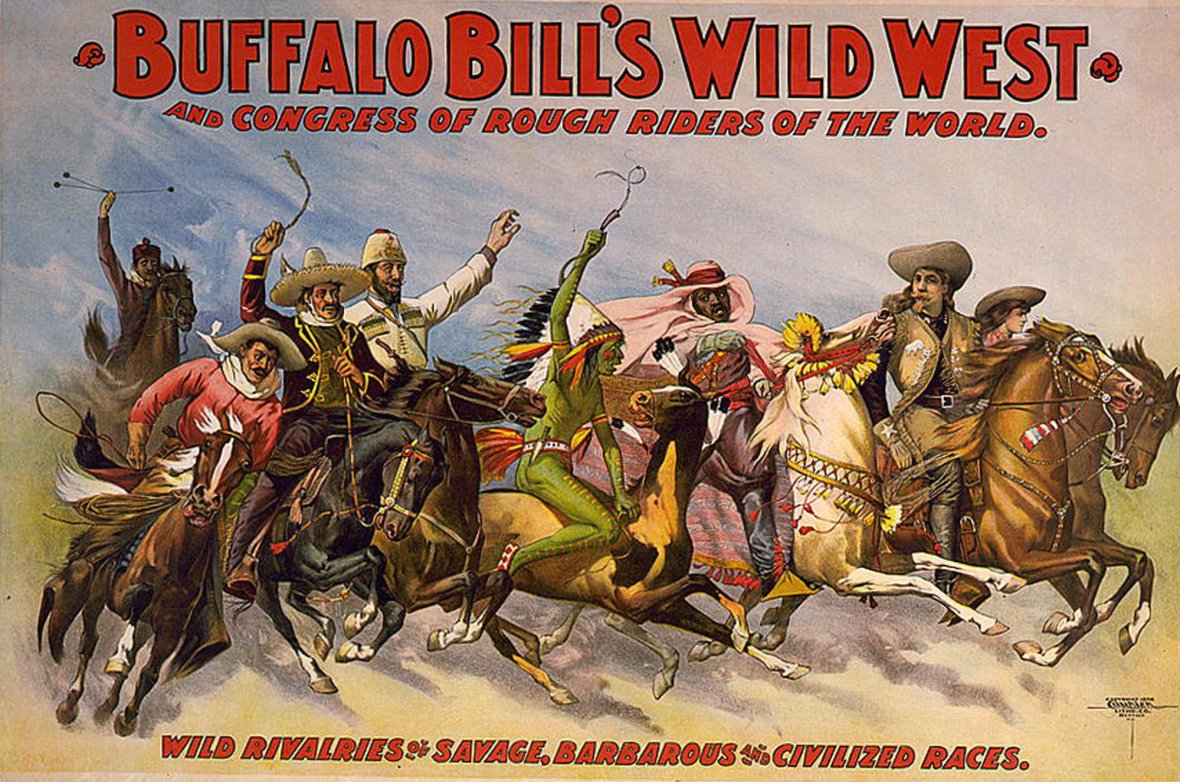 Buffalo Bill traveled with five different shows during his lifetime: 1872 – 1886: Buffalo Bill’s Combination acting troop / 1884 – 1908: Buffalo Bill’s Wild West / 1909 – 1913: Buffalo Bill’s Wild West and Pawnee Bill’s Far East / 1914 – 1915: Sells-Floto Circus and Buffalo Bill’s Wild West / 1916: Buffalo Bill and the 101 Ranch Combined. By the end, Buffalo Bill had to be strapped onto his saddle to keep from falling off (after all, he was over 70-years old at the time). Despite the perceived exploitation of his Wild West Shows, Cody respected Native Americans, was among the earliest supporters of women’s rights and was a pioneer in the conservation movement and an early advocate for civil rights. He described Native Americans as “the former foe, present friend, the American” and once said that “every Indian outbreak that I have ever known has resulted from broken promises and broken treaties by the government.” He also said, “What we want to do is give women even more liberty than they have. Let them do any kind of work they see fit, and if they do it as well as men, give them the same pay.”
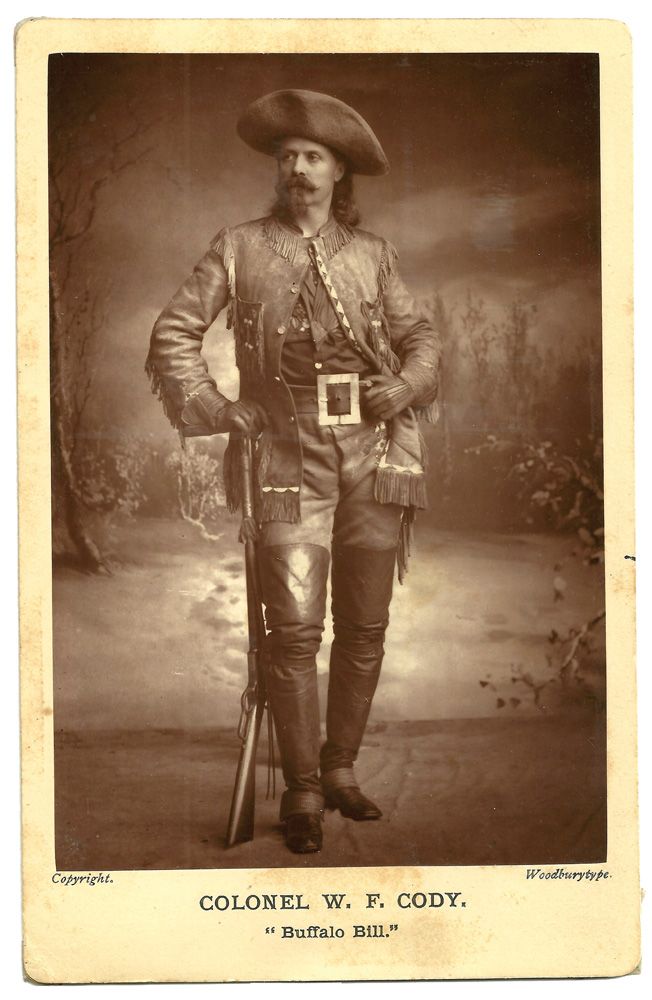 Although many reports make it seem that Buffalo Bill died a pauper, at the time of his death on January 10, 1917, Cody’s fortune had “dwindled” to less than $100,000 (approximately $2 million today). So you see, there is more to Buffalo Bill Cody than meets the eye. Although often portrayed in pantomime as a grossly exaggerated caricature of a buckskin clad circus act, he really was the real deal.
John Dillinger Throwback.
Original publish date: June 10, 2011 Reissue Date April 2, 2020
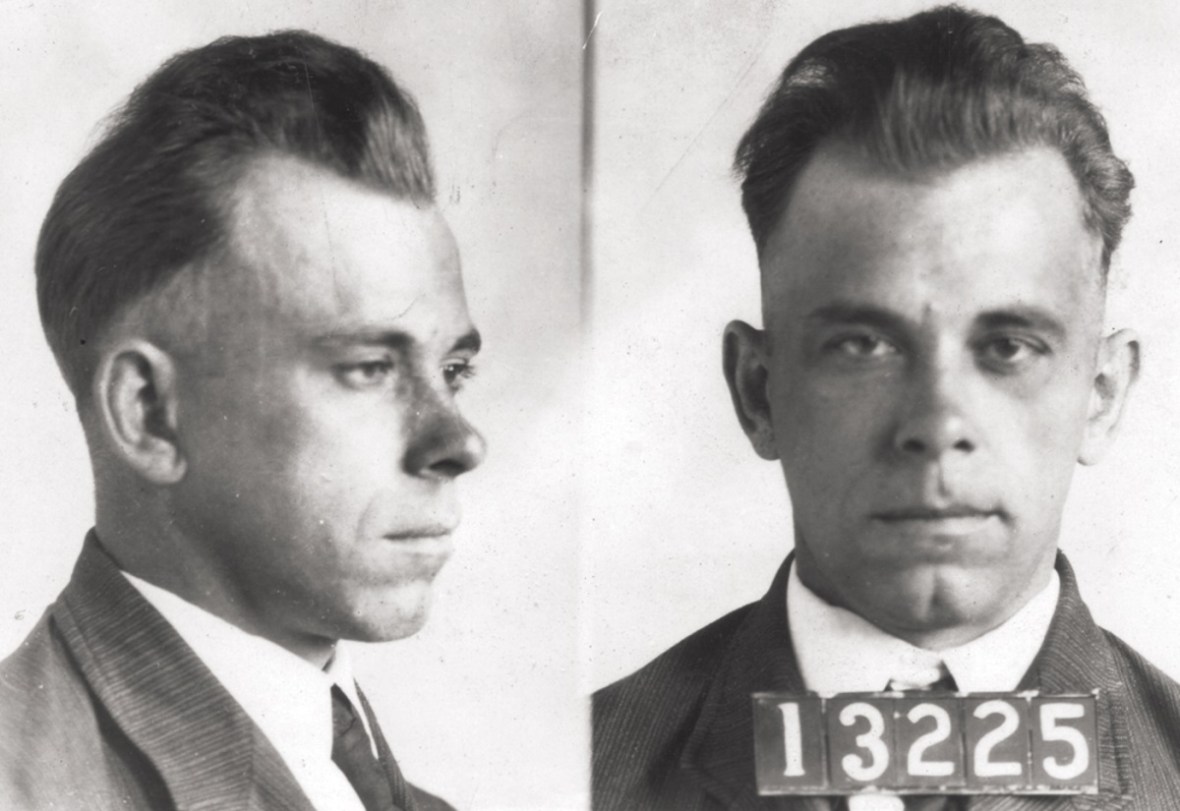
2009 was the year of John Dillinger. 75 years after being gunned down in a Chicago alley, the Hoosier bandit was the subject of a hit movie starring Johnny Depp this past summer. Did you know that Dillinger’s only Indianapolis bank robbery occurred just around the corner from Irvington? On Wednesday September 6, 1933, Dillinger, along with Hilton Crouch and his cousin John Vinson, robbed the Massachusetts Avenue State Bank of nearly $ 24,000 in cash.
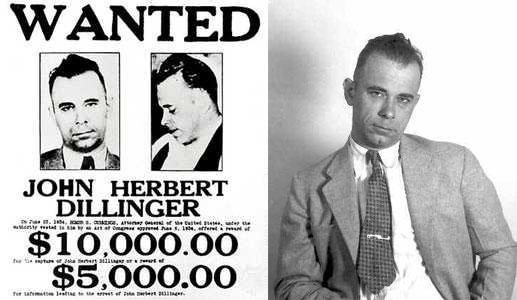 Located at 815 Massachusetts Avenue near the headquarters of the Indiana State Police, Dillinger and Vinson brazenly strolled into the bank with guns drawn. Assistant manager Lloyd Rinehart, seated at his desk chatting casually on the telephone, heard someone yell: “This is a stickup! We mean business.” He later told police that he thought it was a joke and didn’t even look up to interrupt his conversation. “Get off that damned telephone,” Dillinger snarled. Rinehart looked up from his desk to find he was staring into the barrel of a .45 automatic.
Two bank patrons, George Alexander and Francis Anderson, upon seeing the 2 armed bandits, instinctively raised their arms into air. Dillinger yelled at them to put their arms down, fearing the overt submissive gesture would draw immediate attention from passersby on the streets outside. While gracefully leaping over the bank railing with his pistol aimed at the teller’s head, Dillinger ordered cashier A.J. Krueger to open the cash drawers and fill the cloth sacks with loot.
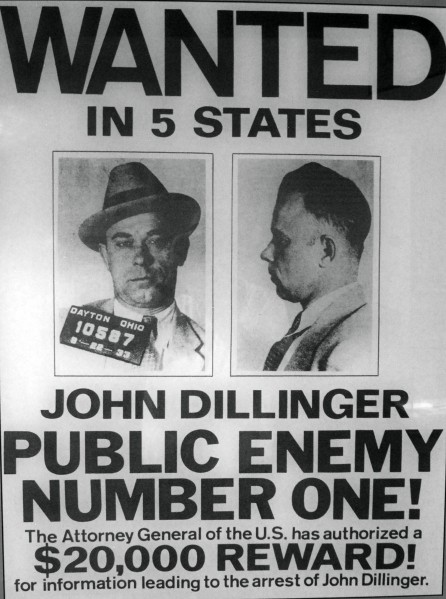 While nervously adjusting his handkerchief-mask and waving his pistol in the air, Vinson pestered Dillinger to “Hurry Up, Hurry Up.” Dillinger casually emptied all of the cash drawers and made his way to the vault. There he discovered a cache of 1,000 half dollars which he gleefully threw over the top of the teller cage bars to Vinson as the Hoosier bandit giggled like a schoolboy. Unbeknownst to them, the bandits had stumbled upon the payroll of the “Real Silk Hosiery Company”, which was the nation’s largest shipper of c.o.d. parcel post packages whose headquarters were located in the Lockerbie Square area. (The building has since been converted to stylish apartments and condominiums.)
From his exterior lookout position, driver Crouch gunned the engine of the recently stolen blue Desoto and the trio made a clean getaway up Michigan Avenue headed for Chicago. Dillinger divided the loot on the way and the trio parted company forever. Crouch openly flaunted his newfound riches, buying a Chicago tavern and marrying a 17 year old socialite after publicly wining and dining her. By December, Crouch was behind bars. Vinson, on the other hand, took his eight grand and disappeared. He was never heard from again. Dillinger, well, you know what happened to him.
The Tuberculosis War in Indianapolis
Original publish date: November 12, 2008 Reissue date: March 26, 2020
Sometimes it’s just a photo that starts the discussion. Such was the case with the photo I ran across in the archives of the Indianapolis Commercial Club’s collection. It’s a curious photo of a group of Boy Scouts in Indianapolis in 1907. The serious faced group of young men are holding signs with the official “National Tuberculosis Association” (Now the American Lung Association) Red Cross symbols on the front with ominously humorous slogans that read “Join the Drive against the Spitter…A Spotless Town is a Spitless Town…Don’t Spit-A Clean City is a Safe City…Save the Children-Don’t Spit.” What could possibly have caused these fresh faced kids to parade around Indiana’s Capitol City carrying signs with such frightening messages? The Tuberculosis War in Indianapolis.
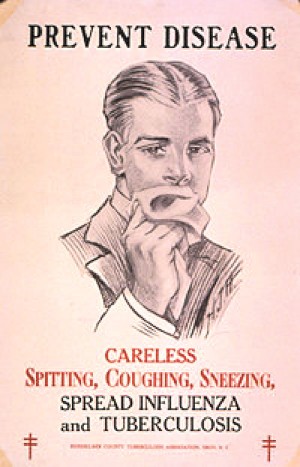
Tuberculosis , or T.B. for short, is a respiratory disease that mainly effects the lungs but can also effect the central nervous system, bones, joints, and even the skin. The symptoms of T.B. include a chronic raspy bronchial cough, fever, night sweats, weight loss, and bloody expectorations or spit. T.B. is spread through the air when infected victims cough, sneeze or spit.
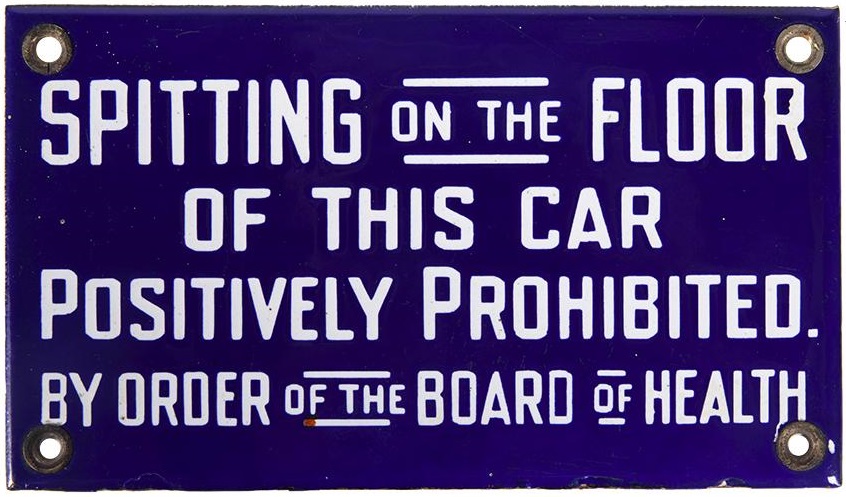
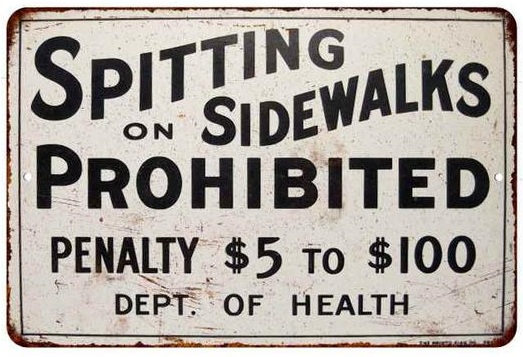
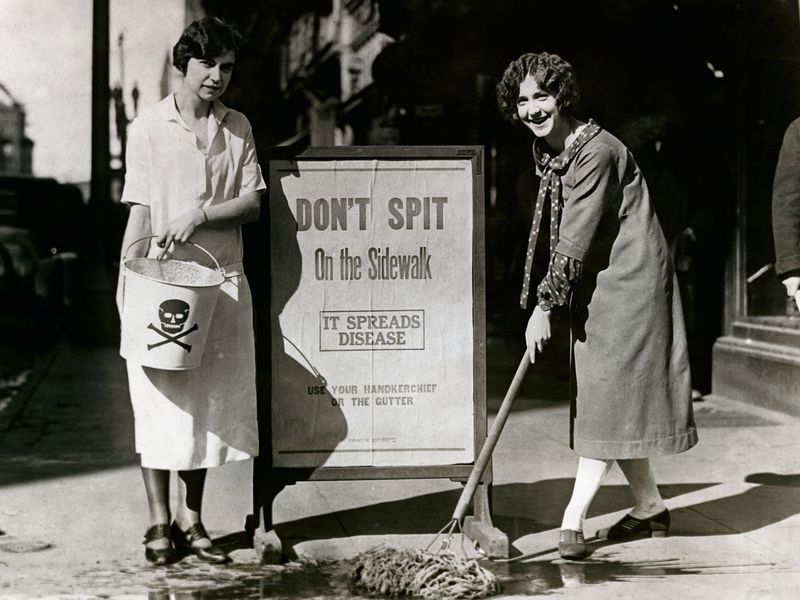 According to a 1907 article in the New York Times, “The anti-spitting movement, a thing of comparatively recent growth, has spread all over the union. The purpose of the anti-spitting ordinance is two fold: first, to abate a nuisance; second, to prevent disease. While the nuisance is a very real one, and from that stand point, if from no other, spitting should be prohibited, the danger of the spreading of disease by spitting in public places has been exaggerated…Spitting upon the sidewalks, in street cars and public places is not nearly so dangerous as the spitting in tenement houses, cheap lodging houses, factories and workshops, and other places which the average spitting law does not presume to prohibit.”
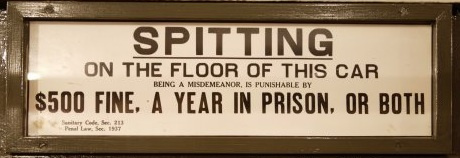 More precisely, the article goes on to note that in 1907, there were 20 arrests in Indianapolis for spitting in public. All of these arrests were made by health officers, not policemen. The article went on to say “If you have to spit, don’t spit in Buffalo, N.Y., for it may cost you $25. The cheapest place to spit is Indianapolis, where people paid an average of 78 cents.” In 1907 tuberculosis was the second leading cause of death behind pneumonia /influenza.
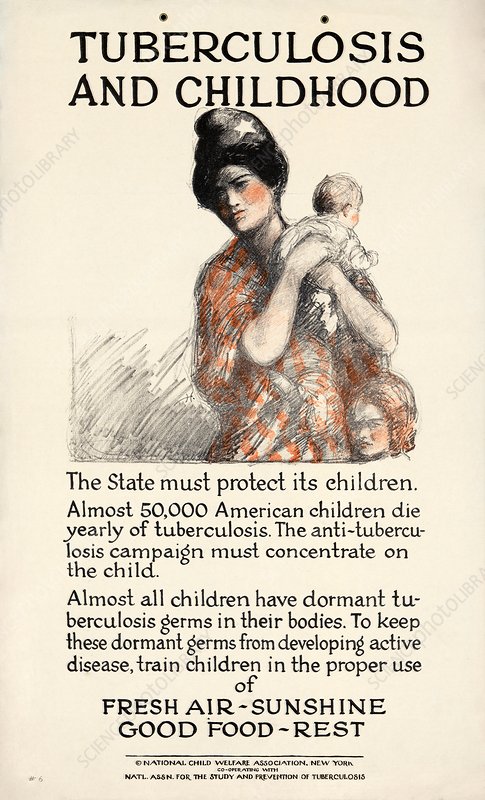 During this period, no fewer than four tuberculosis hospitals were built in and around Indianapolis. The Flower Mission Pavilion for Incurables was added to the grounds of the city hospital. The revolutionary design of the building featured open air verandas built at the height of 822 feet containing 2 wards with 10 beds each and 6 private rooms. This hospital was unique in that it charged no fee for services and was available only to patients with advanced, incurable cases of “Consumption.”
The other hospitals were located in Danville, known as the Rockwood Tuberculosis Sanitarium and the State Tuberculosis Hospital in Rockville. The Danville facility was used chiefly for early cases of T.B. with rates ranging from $15 to $25 per week. It had a capacity of 50 patients. An ad for the facility read, “The Rockwood Tuberculosis Sanitarium is located twelve miles west of Indianapolis on the Indianapolis and Danville Interurban Electric line. Cars run hourly in each direction. The institution is located in wooded hill country, and overlooks White Lick Creek. All patients are accommodated in individual cottages, and are kept in touch with physicians and nurses by an electric call-bell system.” The State T.B. hospital was located on 527 acres near the Sand Creek station of the Vandalia Railroad. Started in 1908, it would not open until 1909.
 But by far the most interesting of these four T.B. hospitals was the Day Camp of the Women’s Improvement Club, located in the Brightwood area of Indianapolis. It’s capacity was only 7 patients. Literature of the era described the facility as being “For colored women in incipient or convalescent stages of tuberculosis. The camp is located in a grove near Brightwood, a suburb of Indianapolis. The equipment used is largely tents. This is one of the few camps in the United States exclusively for colored women. It is conducted by the Women’s Improvement Club, composed of twenty colored women of Indianapolis.”
I could not be true to the “spirit” of this column if I failed to speak of the folklore that surrounded the dread disease tuberculosis. Before the Industrial Revolution, tuberculosis was regarded as vampirism. When one family member died of T.B., the rest of the family would inevitably contract the disease and their health would slowly begin to fail. People mistakenly believed that the original victim was draining the life out of the remaining family members. Symptoms of T.B. closely mimicked those historically connected to the victims of vampires, including red, swollen eyes (which naturally caused a sensitivity to bright light), pale skin, extremely low body heat, a weak heart and coughing blood, suggesting that the only way for these T.B. victims to replenish themselves was by sucking blood. As with most medical maladies, the pain associated with tuberculosis seemed to multiply in the nighttime hours, causing the victim to stay awake all night and sleep most of the day. All are classic symptoms associated with vampires.
 It was mistakenly believed that the only way the epidemic could be stopped within a family was to visit the cemetery at night and disinter the deceased subject and remove it’s heart. There was a well documented case of this very thing happening in Rhode Island in 1892. Nineteen-year-old Mercy Brown had died of consumption and as her family began to suffer from the same symptoms, her father went to the family tomb two months after her death and, assisted by the family physician, removed her heart and burnt it to ashes. These fears and old wive’s tales about T.B. surely existed in 1907, undoubtedly contributing to the ferocity of the Tuberculosis War in Indianapolis.
Although this article concentrates on the 1907 TB epidemic, it should be noted that tuberculosis is making a modern day comeback. This new strain of T.B. is resistant to today’s antibiotics. It’s estimated that one third of the world’s current population is infected with tuberculosis, and new infections occur at a rate of one per second. However, only a small percentage of these infections will develop into full blown TB. These hosts with latent T.B. cannot transmit the disease. The disease can only be transmitted by those TB victims with active tuberculosis. Most will remain dormant or latent with little effect to the infected host. Eighty percent of these new T.B. infections occur in Asia and Africa with only 5 to 10 percent occurring here in the United States.
Some interesting trivia from the world of 1907. The average life expectancy was 47. The average wage was 22 cents per hour. Ninety-five percent of all births took place at home. There were 230 murders reported in the entire U.S., marijuana, heroin, and morphine were all available over the counter at local drugstores. Back then pharmacists claimed, “Heroin clears the complexion, gives buoyancy to the mind, regulates the stomach and bowels, and is, in fact, a perfect guardian of health.” That last bit of trivia casts a somewhat dubious level of importance to Indianapolis’ Tuberculosis War. Wouldn’t you agree?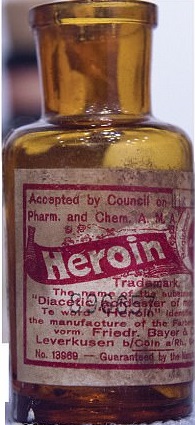
 Alan E. Hunter