
Original publish date: July 16, 2020
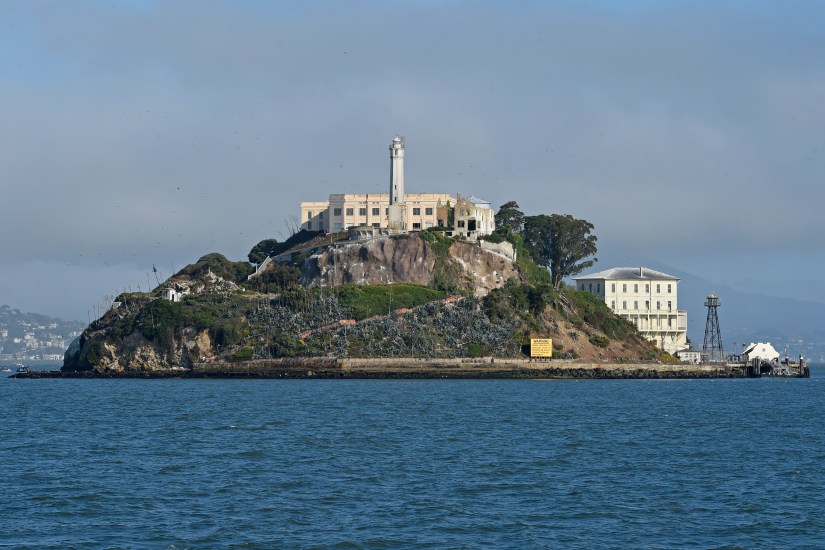
A couple of weeks ago, with Covid-19 restrictions finally easing up, I traveled west on the National Road to Terre Haute with my wife Rhonda and friends Kris and Roger Branch to see a couple of Hoosier legends that I hadn’t seen in almost a decade. Jim and Cathy Albright welcomed our little band of intrepid historians into their home to catch up and listen to stories as only they could tell them. Jim was the last guard off the Island prison in San Francisco Bay known as Alcatraz. No, it doesn’t mean that Jim was the last man to board the final boat off the island when it closed on March 21, 1963, rather, Jim and his wife Cathy remained living on Alcatraz for weeks after it’s closing. As detailed in part one of this series last week, when the prison closed, the Albright’s daughter Donna Sue was only 11 days old and suffering from a foot abnormality that required surgery. The child could not be moved in her fragile condition, so the family remained on the island for 3 more months before leaving on June 22, 1963.
Social distancing guidelines and masks in place, we sat down for a talk about “The Rock.” Ironically, the couple celebrated their 65th anniversary in April during Indiana’s stay at home lockdown period. And Jim Albright knows a thing or tow about lockdown. On their 60th anniversary the couple renewed their vows on Alcatraz, “The biggest surprise I had when we got remarried out there was that she said yes the second time,” Jim says with a smile. Cathy recalls that she can still gaze up at their old apartment in Building 64 and see the curtains she made hanging in the window, although, “You can’t go into the building now, the floors and stairs are all falling apart and it’s not safe,” Cathy says.

From time-to-time, the couple still visit different civic organizations and talk about their years at Alcatraz. “You name the organization, we’ve spoken to ’em.” Jim says, “We have been going back to Alcatraz every year in August for a long time now. (Cathy recalls that first visit was on the 35th anniversary of the prison’s closing-“to the day”-she says) We take the train out but we are going to cancel this year because of the virus.” Jim recalled his first visit to his old island home so many years ago, “John Cantwell (NPS Ranger) offered to escort us around the island and it turned out to be a six-and-a-half hour tour.” To which Cathy laughs and says, “That’s because you were talking so much.” Jim’s recall of events on the island is remarkable. During that first tour, Jim shared details which Ranger Cantwell had never heard before. According to the former guard, Cantwell remarked, “Jim, we’ve had a lot of guys come back here, but they don’t remember the things that you do.” Jim continued, “That’s because wherever I went on the island, and we went EVERYWHERE; the east gun gallery, up on the roof, the old officer’s dining room, every time that I go somewhere, when I step in it seems to trigger something, and I remember…”
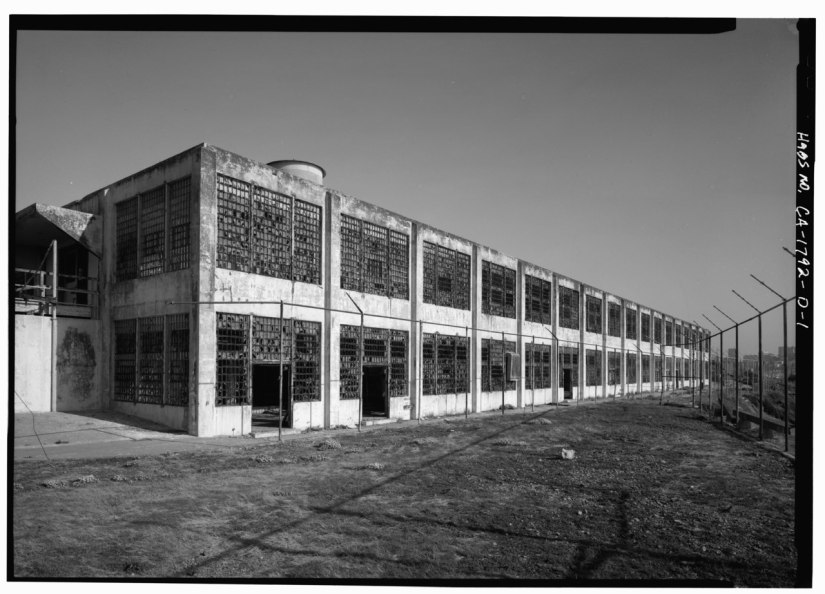
Cantwell took them to the old Industries building where there were “Great big, probably 8 foot by 10 foot, photographs of the prison and Jim was in several of them, so that was neat to go see that.” Jim says with a chuckle. Cathy adds, “He says he remembers stuff all the time, brings it up, he used to be able to tell you every inmate that was in there when he was there…their name, number, where they worked, where they lived.” Jim chimes in, “But I can’t anymore. It’s all gotten away. When I went there on August 24, 1959, that was my original starting date, and the low number of the inmates at that time was a guy named Clark, number 242, and of course when I left, 1576, Frank Weatherman was the high number. So we had not quite that many inmates cause if you came back, you got another number, I can think of one inmate who was there three different times under three different numbers. I come in August of 1959 and left the island June 22 of ’63.”
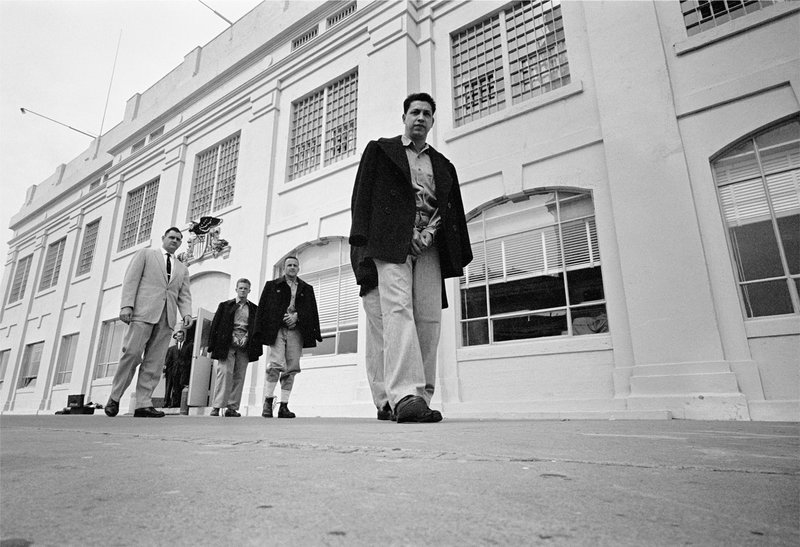
I asked Jim if he still had relics and souvenirs from his time as a guard and he shared that he still had his uniform but not the jacket. “I had to turn that in. I don’t know why, I was the only one left on the island and I shoulda kept it.” To which Cathy replied, “Then he found out later that they took all of those coats and stuff like that and dumped it out in the bay.” Jim adds, “Lt. Robbins came on the boat with a whole box of keys and dumped ’em into the bay. Fortunately, I was working the control center when it closed up so I have a key to the main gate. Being in the right place at the right time…I’ve also got a key to the main visiting room.”
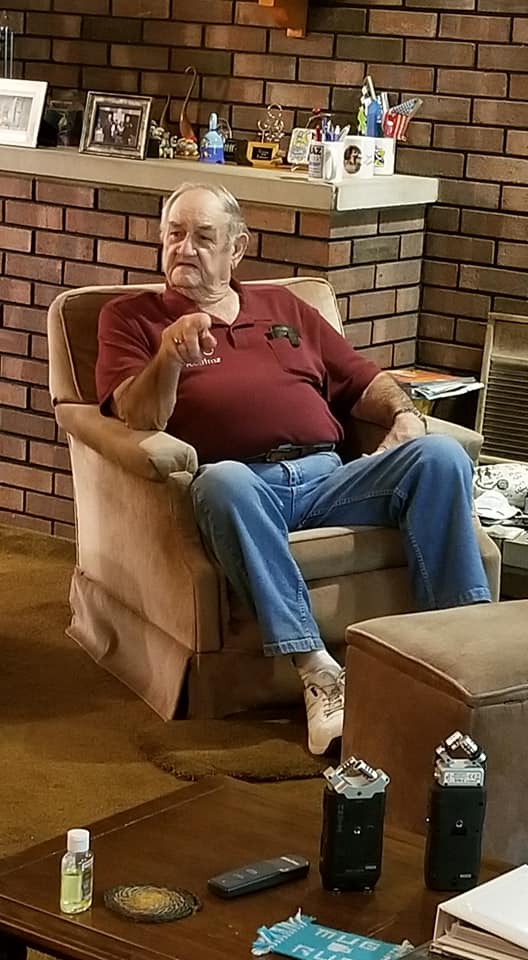
And, since we we all seated in the Albright’s living room, I recalled that Jim had once told me that they also bought much of the de-accessioned furniture from Alcatraz. Cathy giggles as Jim reveals that the chair he is seated in, and that from which Kris was filming from, were all once located in the furnished apartments for guards and officials on the island. Jim points out, “that magazine rack, is off the island.” Cathy reports, “We bought most of it out of the warden’s house, they were selling it, when they closed the island, you could go up there and buy it and we did.” Cathy notes that the furniture is marked with a small metal tag reading “USP Alcatraz Survey” on the bottom. Jim further reports, “that tag has a number stamped on it and they had a book that they could tell exactly what that was and where it was.” He points over his shoulder and states, “That one bedroom down there, most of the furniture is Alcatraz, two or three items in our bedroom are all Alcatraz, the dining room table and chairs, a couple items out here and on the back porch. Red Ball moving company came to the island moved it for us. Everything had to go by barge over to Fort Mason”
Jim recalls that his duties were light during the three months he remained on Alcatraz as the last guard. “There were others there, we weren’t alone on the island. There was a caretaker, a few maintenance workers and the lighthouse operators. I still spent my time patrolling the island with my bullhorn cause everybody wanted to board that island so I ran around yelling ‘you gotta stay off, this is Government property.'” When Jim left Alcatraz, he went to Marion, Illinois. “That was one of the seven places,” Cathy replies. The couple settled in Terre Haute and Jim retired here. “Three miles from my door to the prison gate. Last April I’m retired 35 years and I enjoy every minute of it.” he states. When I asked if his Alcatraz service helped him later on in his career, Jim said, “Because I had worked at Alcatraz, they didn’t even question what I did or how I did it. You know, it really helped as I went to different places.”

I asked how Alcatraz compared to other duty, especially considering that the guards lived with their families alongside the prisoners. Cathy replied, “Well, we could go anywhere but ‘up top’ that’s what we called where the cellhouse was located. The only time we ever went up there was when the warden’s wife had a party and then we were escorted up there and when the party was done, we were escorted back down.” Cathy further stated that the families could travel into San Francisco whenever they wanted. “When we’d go to the grocery store, if they found out we were from Alcatraz, people would just back away from you. They had a big park there and our son would want to go so I’d let him run all over there. When the women found out that we lived on Alcatraz, he couldn’t play with them anymore. The kids didn’t care what the moms said, they’d just play, you know.” Jim recalls, “there was like twelve boats a day” going into San Francisco, “somewhere around here I still have the boat schedule. The last boat ran back at 12:20 am for the guys working midnight shift, if you missed that boat, you were in town all night.”




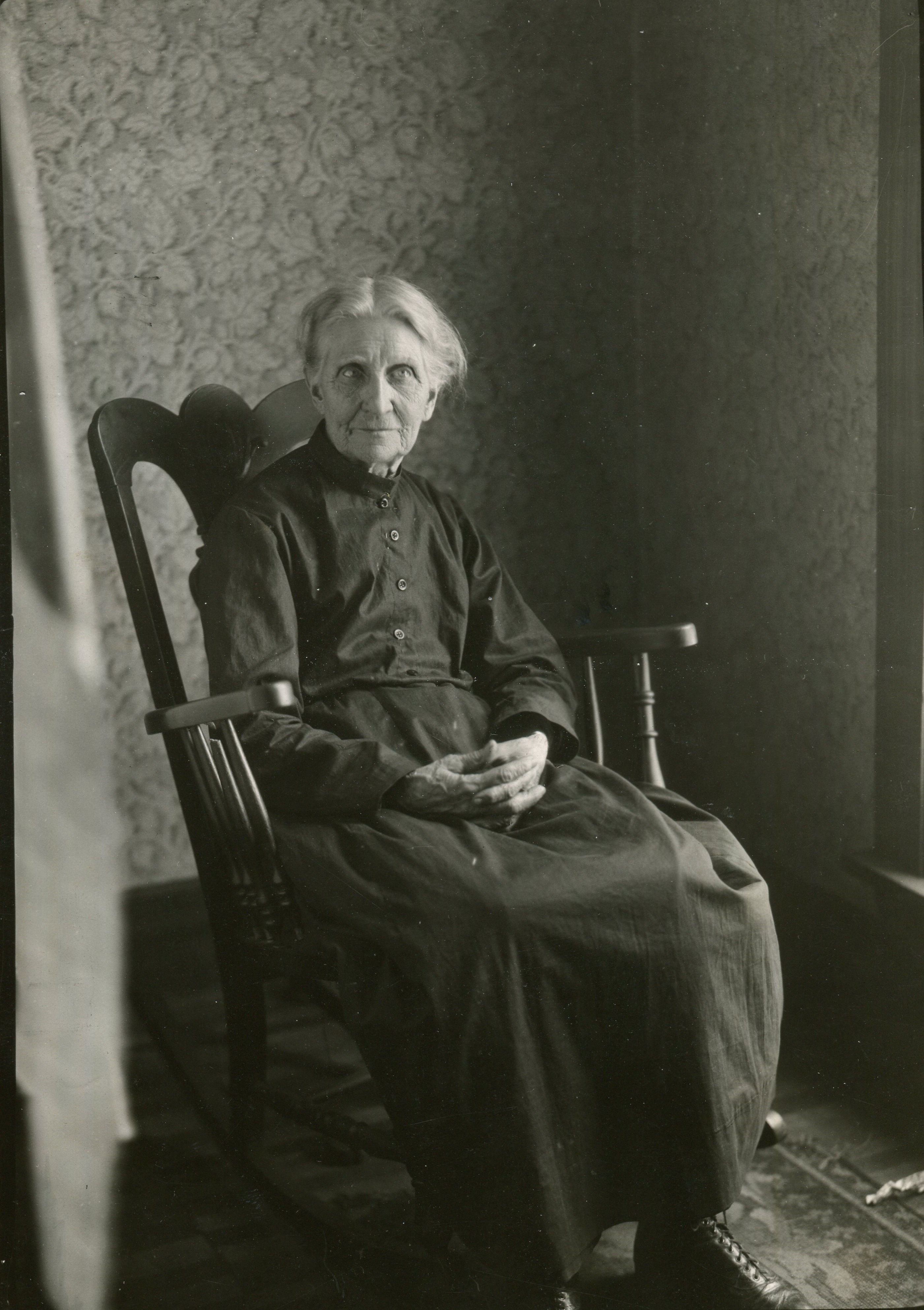
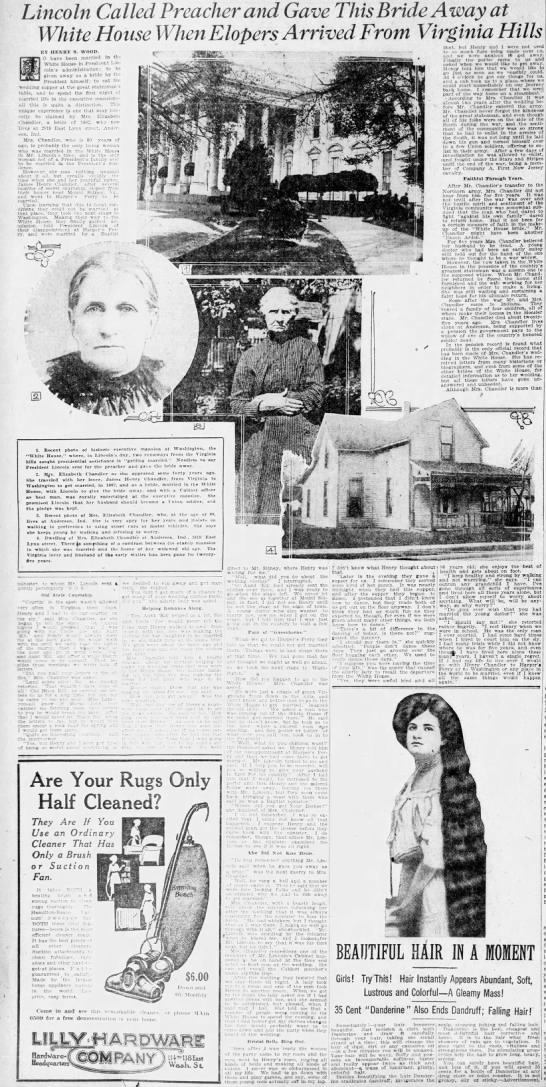
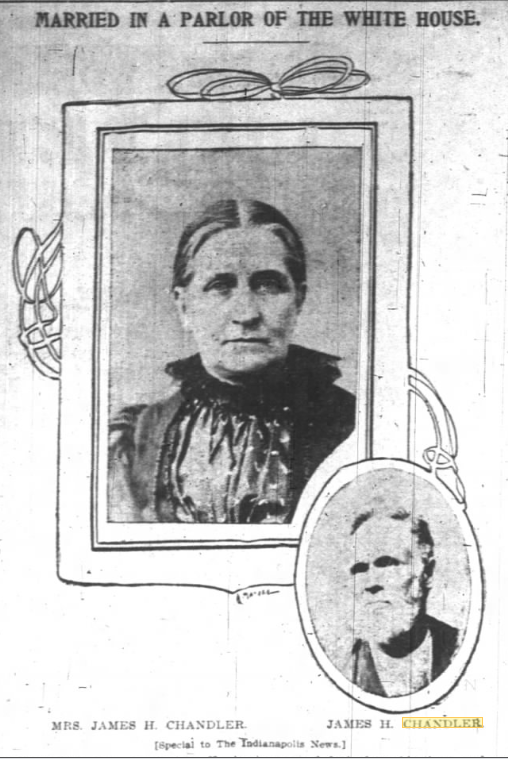
 After the minister’s arrived, Lincoln rang a bell and then led the wedding party into a big room, Elizabeth recalled. The president stood alongside the minister and not only did he give the bride away but also acted as the groom’s best man. Elizabeth recalled how he smiled throughout the ceremony. She stated that a Cabinet member stood up with them, but couldn’t recall his name or that of the minister. Mr. and Mrs. Lincoln were the first to shake the newlyweds’ hands. Elizabeth’s most vivid recollection of the nuptials was how scared she was. The president chatted with them awhile and then returned to his office with the unnamed Cabinet member. Elizabeth had worn a plain white cashmere dress for the ceremony. Afterwards, the couple was taken to separate rooms in the White House to change clothes, where Elizabeth changed into a navy blue cashmere dress.
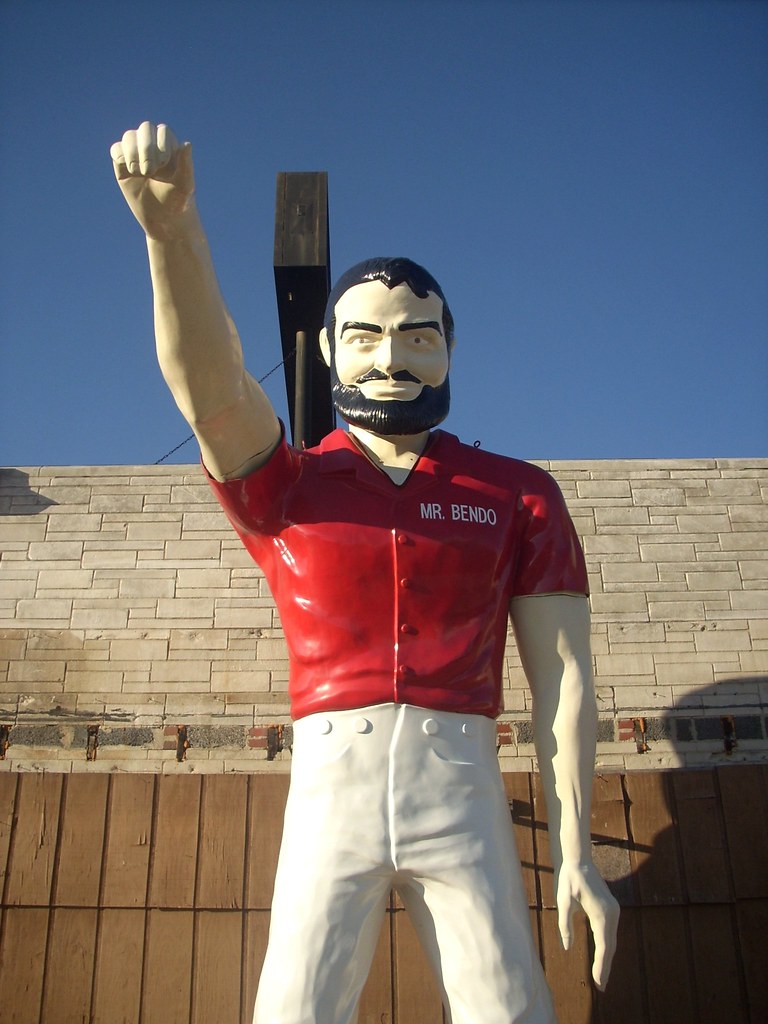
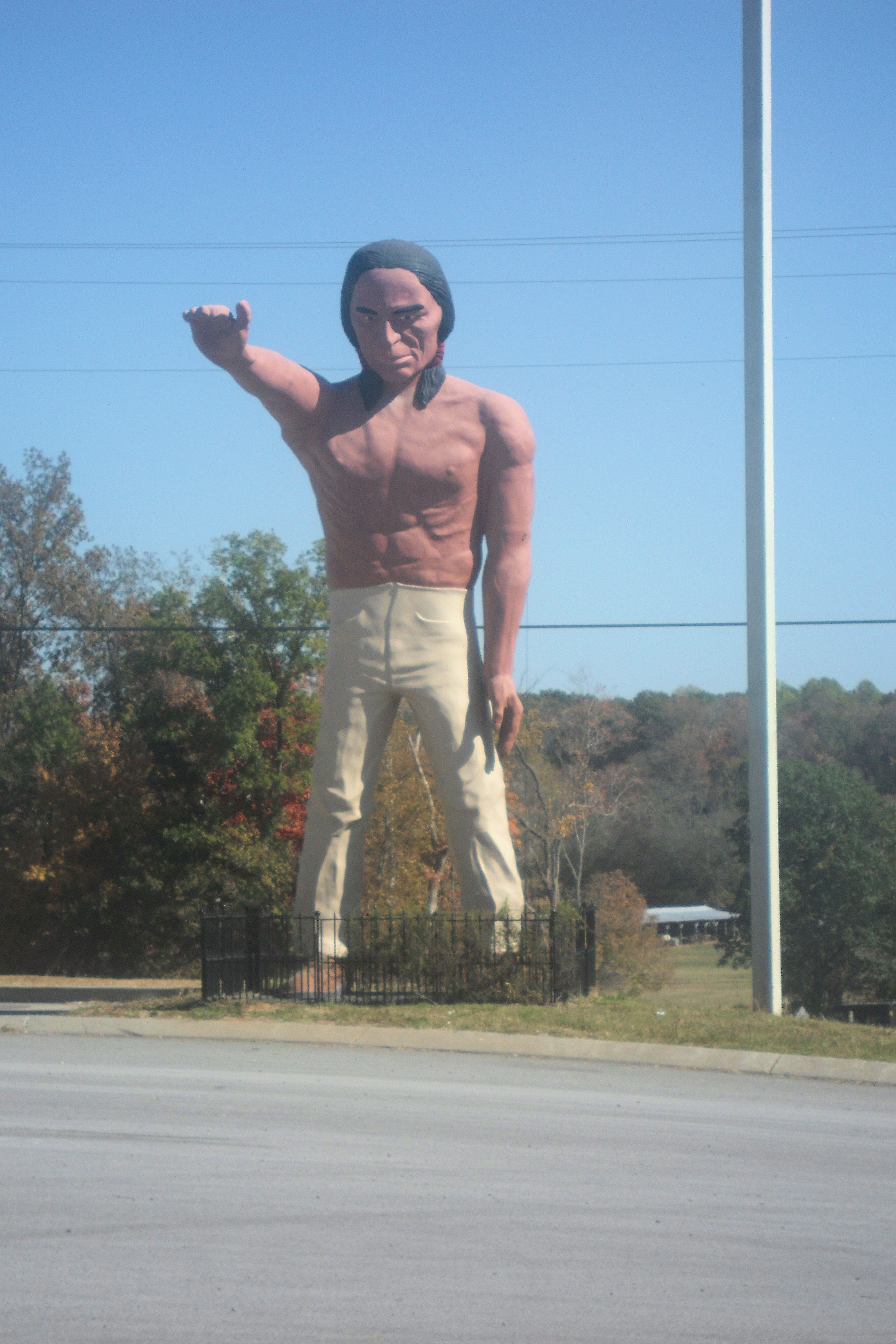 These unique roadside attractions began popping up along our highways in the 1930s and flourished into the 1960s. But the 1950s were their heyday. The Ike Era fifties was the decade of car culture; gas was cheap and families took to the open road, many for the very first time. The US interstate highway system was authorized in 1956 and construction began almost immediately in many states. Until then, families relied on connecting state road systems that took them on meandering journeys through big cities and small towns alike.
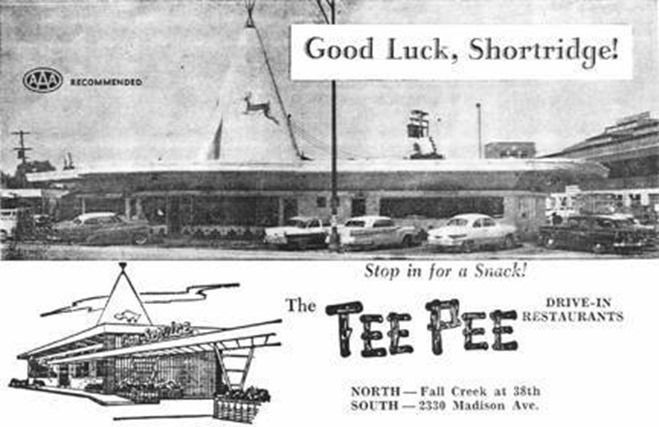 Although modern construction has ensured that you are never far from fast food and gas, if you drive highway 40 today, it is easy to imagine how that drive must have felt back in the day. Today, driving along many of Indiana’s classic highways (Michigan Road, Brookville Road, Washington Street, Lincoln Highway) traces of old gift shops, restaurants, amusement parks and motels dot the landscape. Many of you can easily recall the giant TeePees that crowned the roof of the aptly named “TeePee” restaurants on the grounds of the state fairgrounds and on the cities southside. For me, I’ll always remember the giant coffee pot that formed the roof of the “Coffee Pot” restaurant in Pennville near Richmond on the National Road.
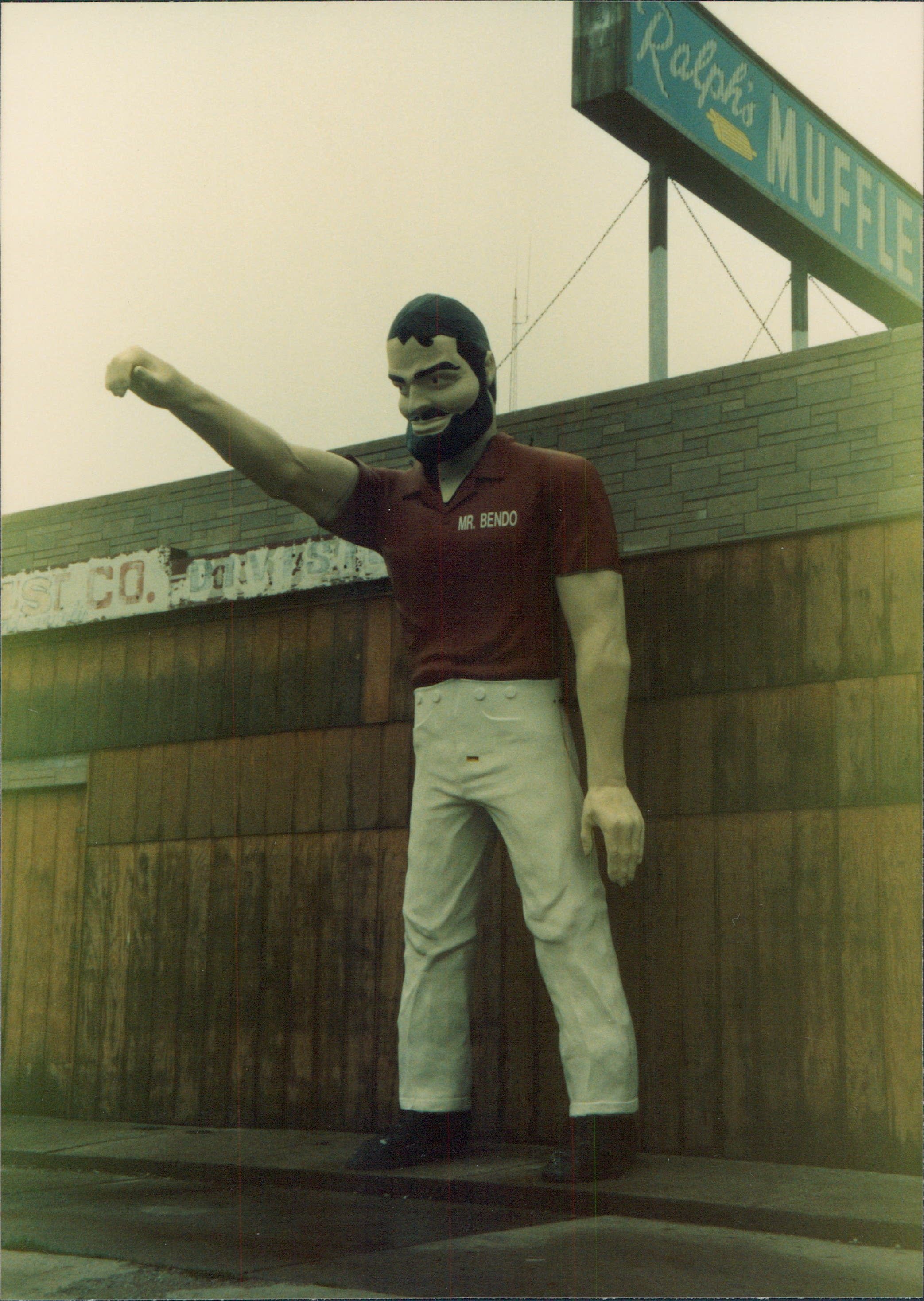 But, who remembers the “Mr. Bendo”, the muffler man? These giant statues routinely stood outside auto shops, usually with one arm outstretched while towering over the road with a muffler resting in his curved hand. Spotted in various incarnations all over the United States, these advertising icons were extraordinarily popular throughout the 1960s and 1970s. Legend claims that all of the original Muffler Men came from a single mold owned by Prewitt Fiberglass (later International Fiberglass). The first Muffler Man was allegedly a giant Paul Bunyan developed for a café on Route 66 in Arizona. Later incarnations were Native Americans, cowboys, spacemen and even the Uniroyal girl, who appeared in both a dress and a bikini. These behemoths either elicited fear or joy, but never failed to spur the imagination. Locally, you can find one of these “Mr. Bendo” statues at 1250 W. 16th St.
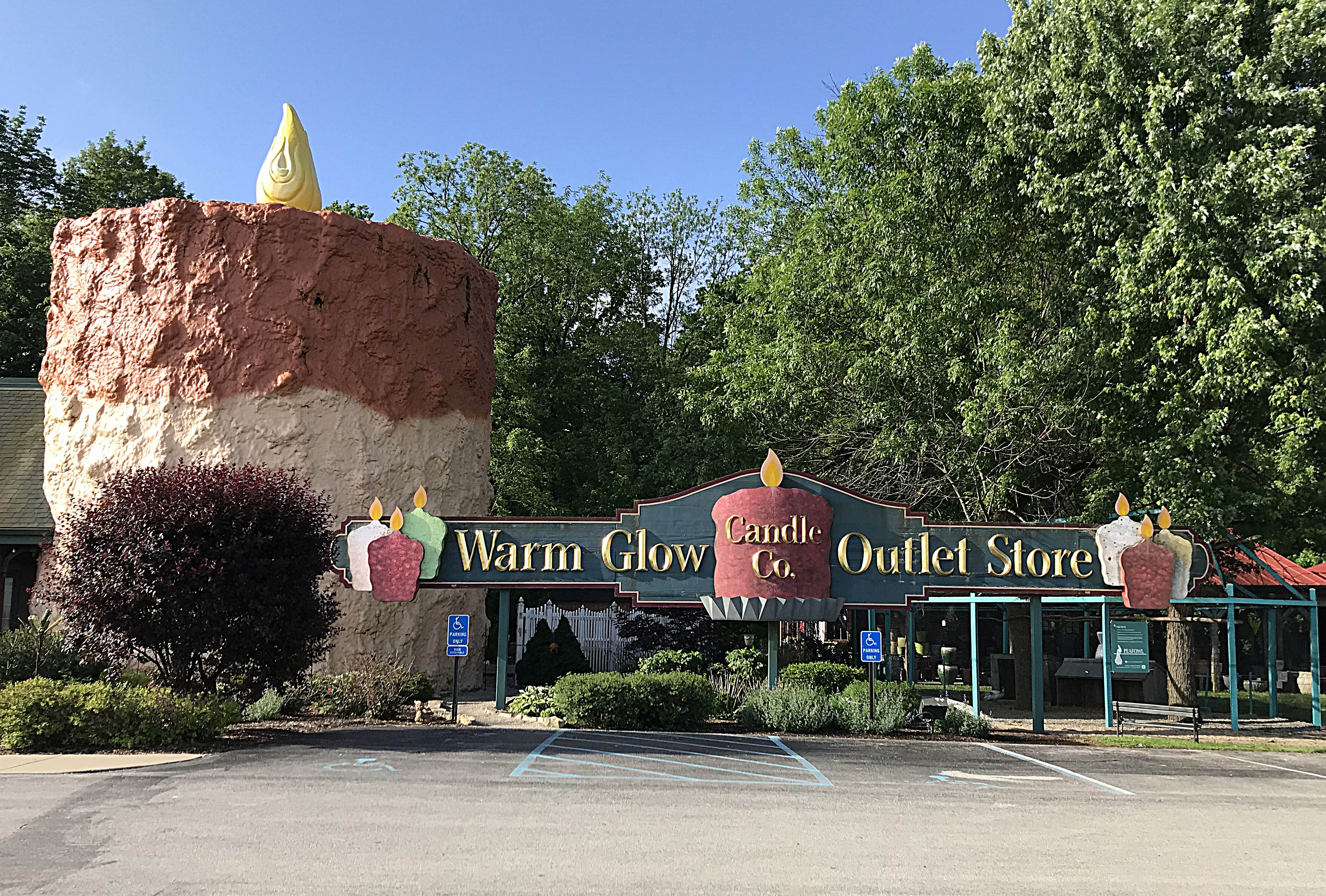 Closeby, there is a giant Uncle Sam and his two smaller nephews on Shadeland Ave (between Washington St and 10th). There are two giant globes, one on Michigan Road on the way to Zionsville and the other near the pyramids visible from the interstate. There is a large dairy cow on South Shortridge Rd (between Washington St and Brookville Rd) sitting behind a 10-foot chain link fence topped with barbed wire and guard at the gate. There are two large swans in the middle of ponds, one on Mitthoffer (Between 21st St and 30th St) and the other on Pendleton Pike. Incidently there is a big fiberglass cow at 9623 Pendleton Pike near the afore mentioned swan.
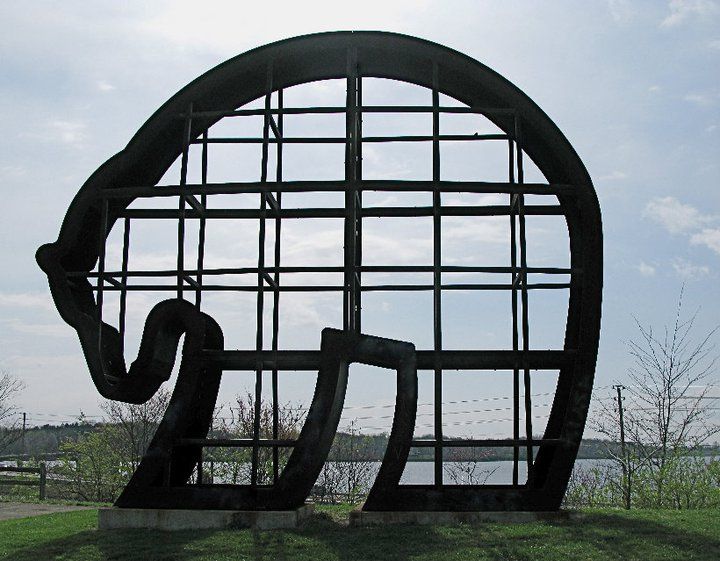 The old Galyan’s bear statue sits on the edge of the Eagle Creek Reservoir. When Dick’s Sporting Goods purchased Galyan’s, the company donated the statue to the City of Indianapolis. There are two huge bowling pins, one at Woodland bowl on the northside and the other at Expo bowl on the southside (visible from I-465). Don’t forget about the giant dinosaurs hatching from eggs at the Children’s Museum on the corner of 30th and N. Meridian Streets near downtown.
 If you’re traveling to Logansport, you can visit three giant statues in the same town; Mr. Happy Burger on the corner of US Hwy 24/W. Market St. and W. Broadway St. features a fiberglass black bull wearing a chef’s hat and a bib as does the Mr. Happy Burger located at 3131 E. Market St. along with a giant chicken statue at 7118 W. US Hwy 24 (on the north side) that you can see from the road. Muncie has two giants; A big fiberglass muffler man stands alongside the scissor-lifts & heavy equipment in the Mac Allister rental lot at 3500 N. Lee Pit Rd. and a Paul Bunyan statue is the mascot of a bar named Timbers at 2770 W. Kilgore Ave.
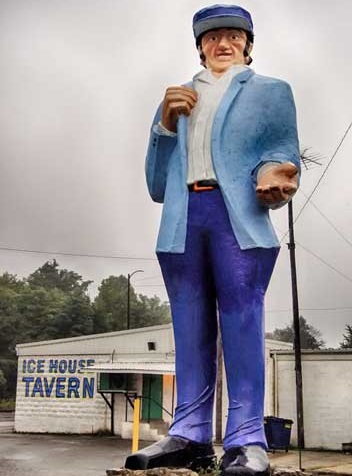
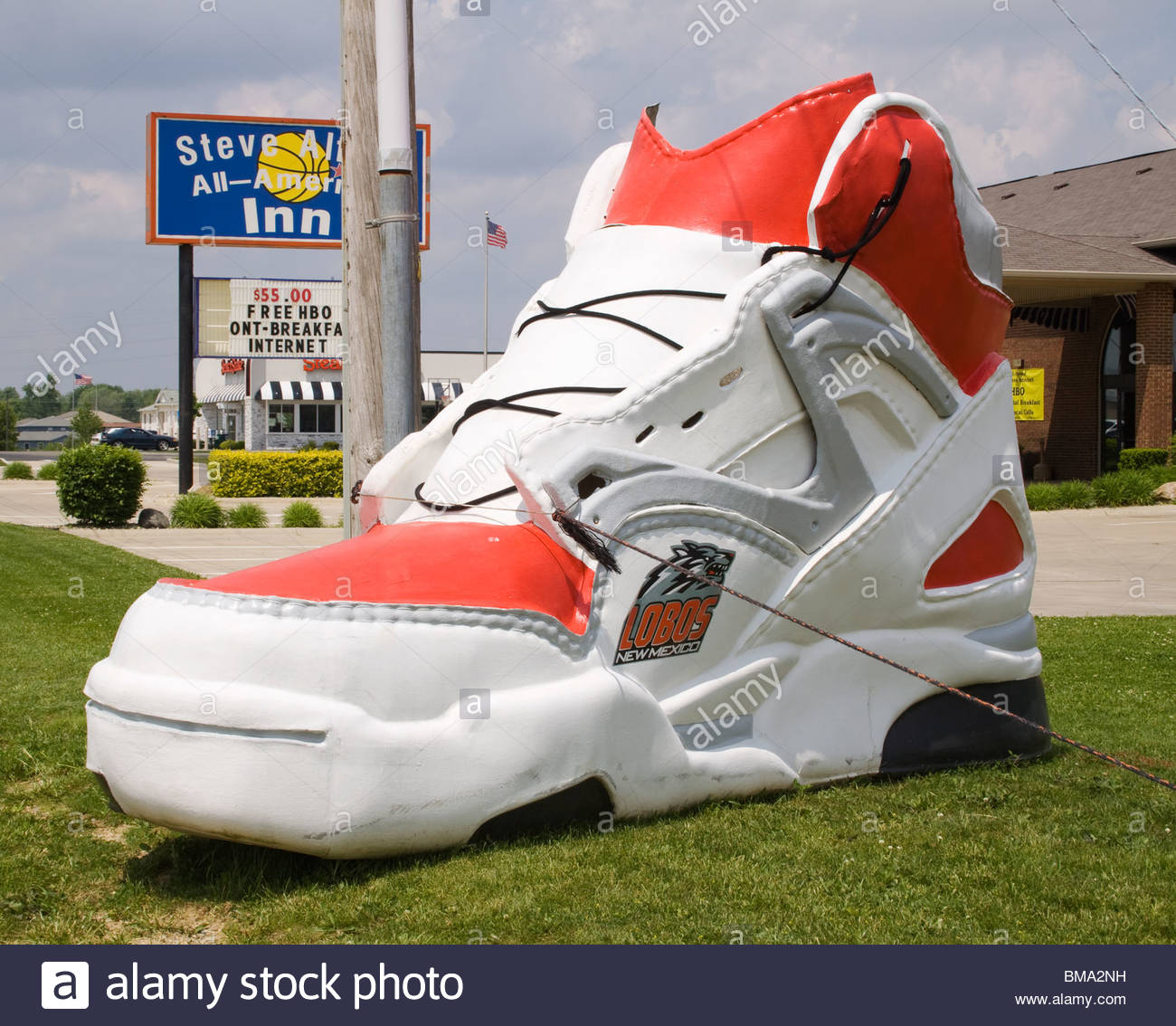 There is a car-sized basketball shoe at the Steve Alford All-American Inn on State Road 3 in New Castle and you can visit the towering, thickly-clothed “Icehouse man” painted in cool blue colors, the mascot of a bar named Icehouse at 1550 Walnut St. in New Castle. A balloon-shaped man with a chef’s hat, known by locals as “The Baker Man” is perched atop a pole with his arm raised in a friendly wave at 315 S. Railroad St. in Shirley, Indiana. And of course, who can forget the giant Santa Claus that greets visitors to Santa Claus, Indiana.
 I’m sure I’m forgetting a few, perhaps many, but if this list helps stir up some old roadside memories among you, or better yet, gets you charged up to take an inexpensive holiday in search of roadside oddities, well, then it was a worthwhile read.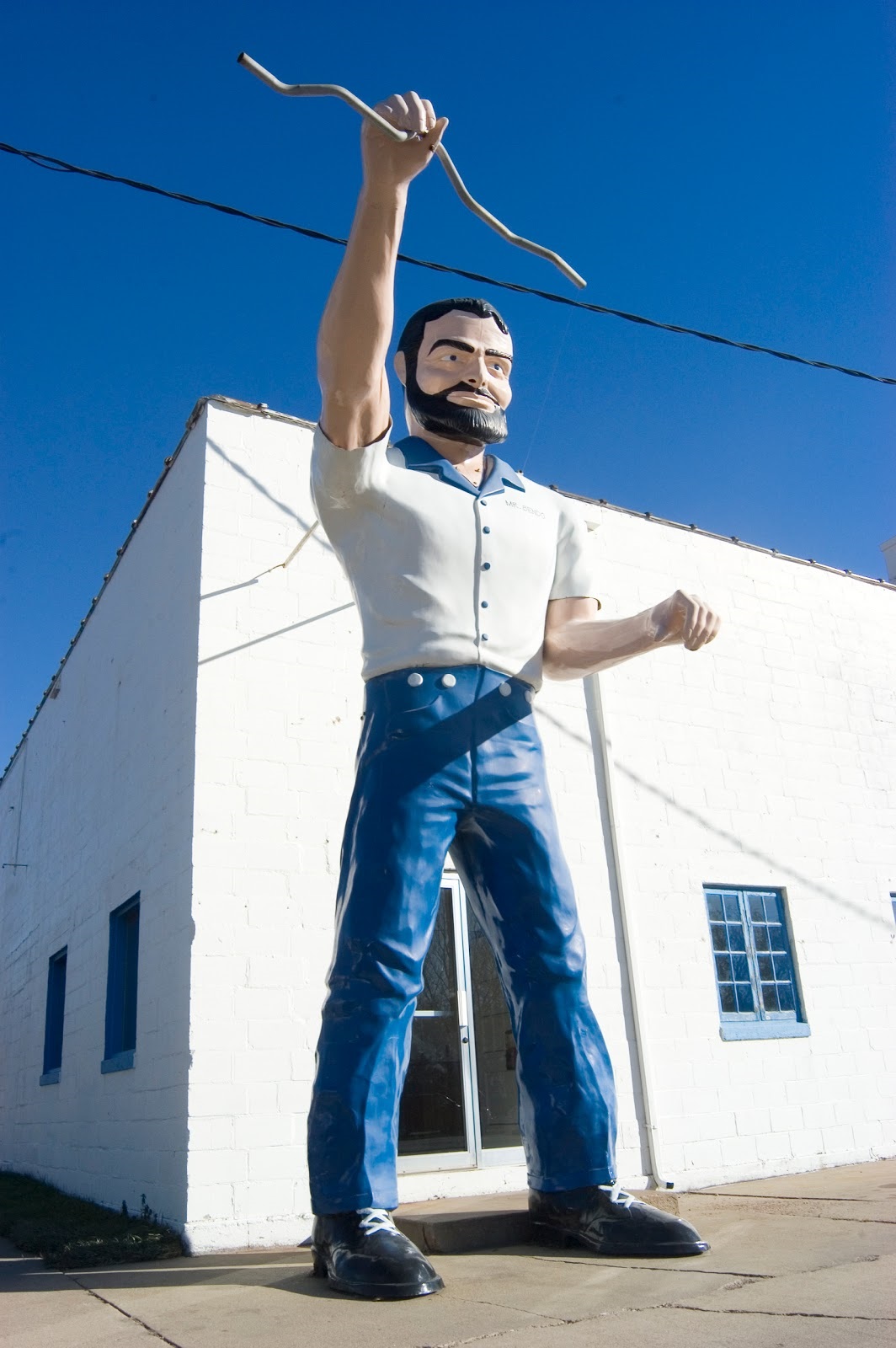
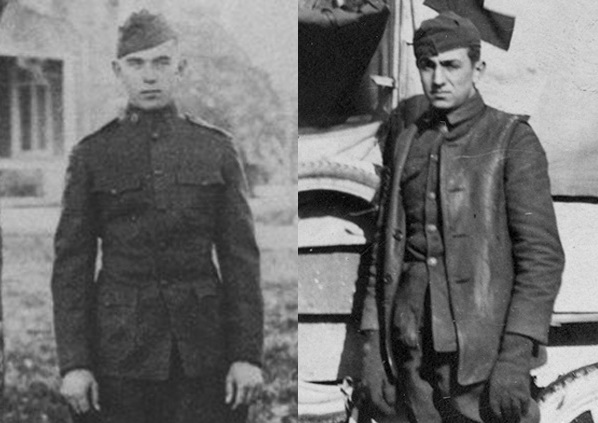
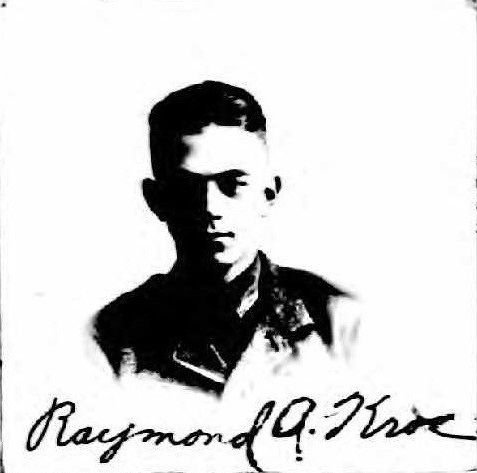
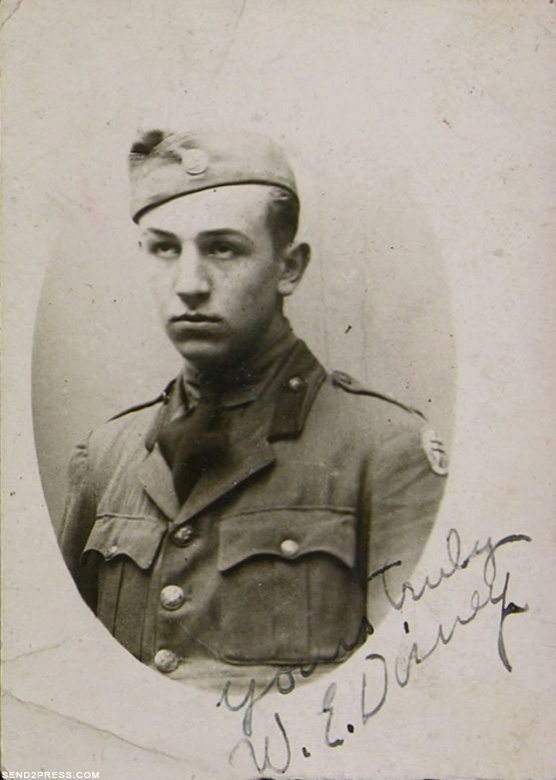
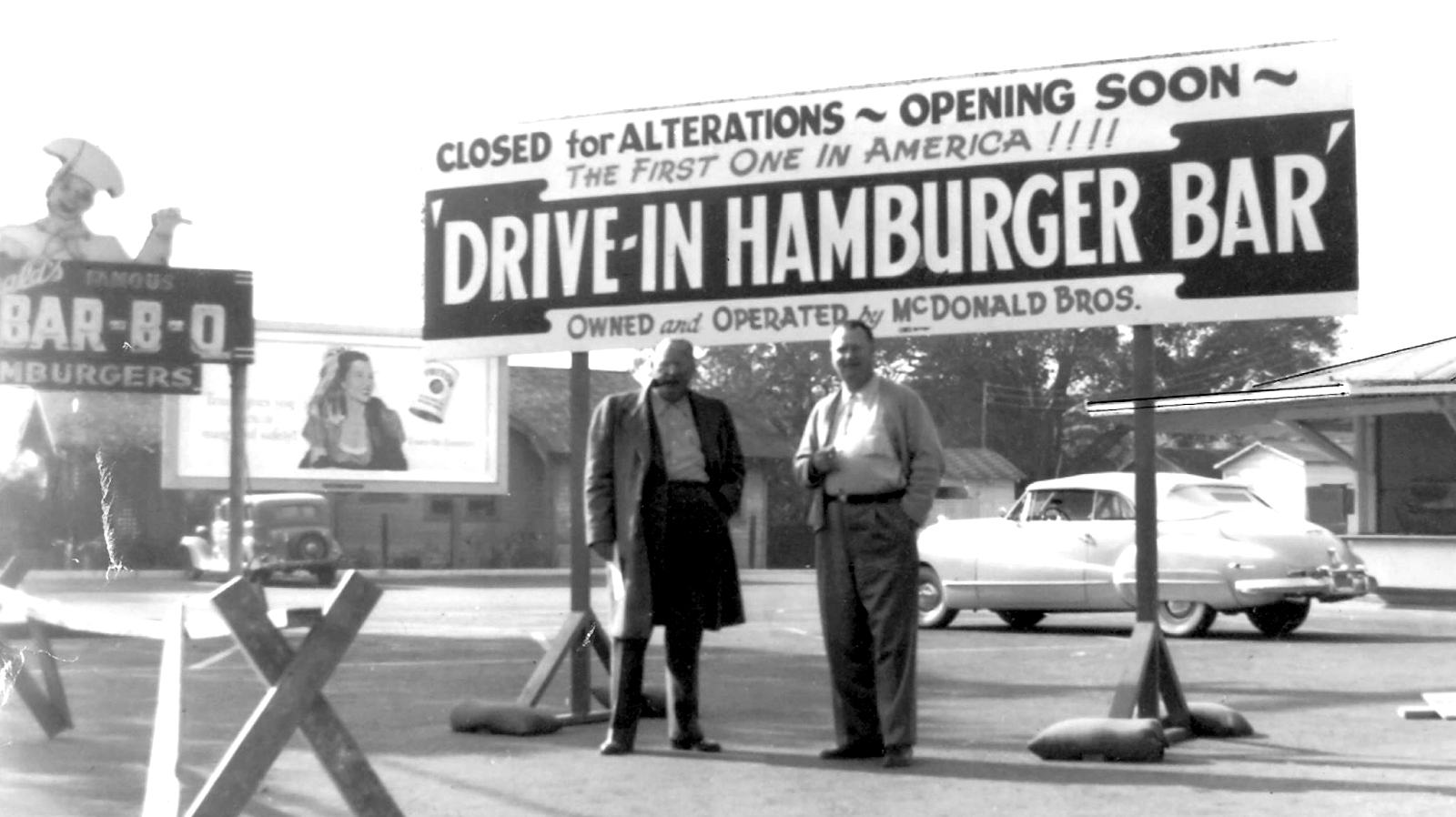
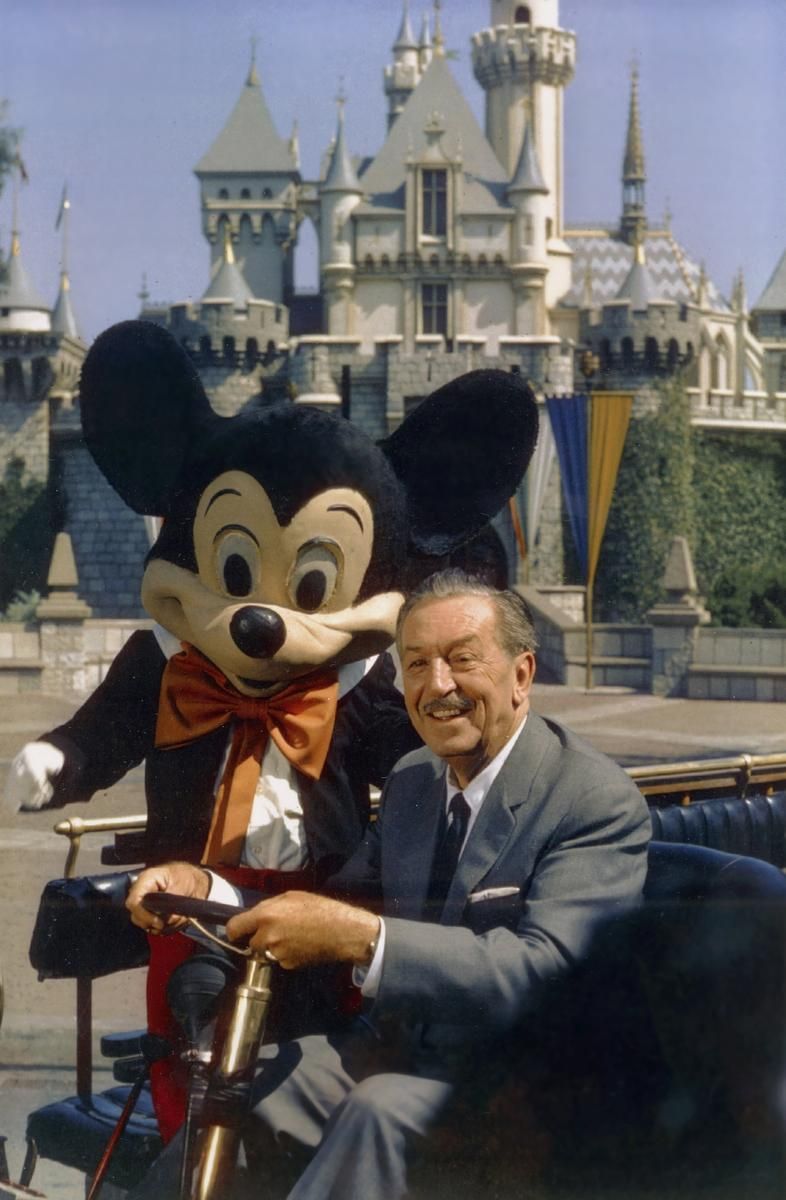
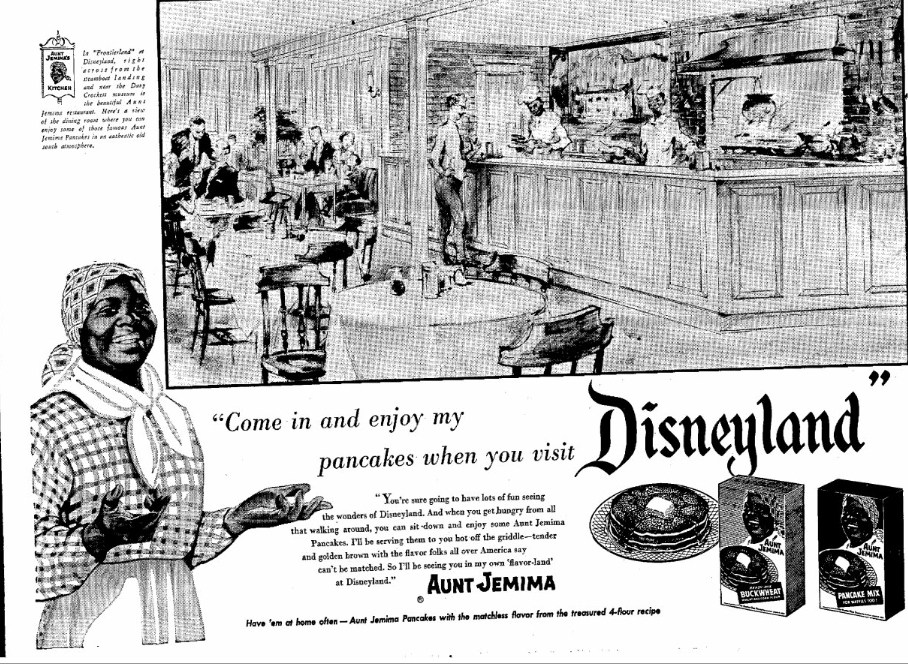 From there, well, nobody knows. For the answer, you need look no further than the fact that there are no McDonald’s at Disney. It should be noted that there were SOME franchise restaurants in Disneyland during those first first years. They included the Aunt Jemima pancake and waffle house in Frontierland and the Chicken of the Sea Pirate Ship in Fantasyland.
 To his dying day, Ray Kroc insisted that the reason the “world’s first McDonald’s” was not featured inside Disneyland at the park’s July 17, 1955 grand opening was because the head of concessions had tried to force Ray to raise the price of his french fries by a nickle (from 10 cents to 15 cents) for the Disneyland crowd. Kroc, the man in charge of McDonald’s franchising, believed that he was being charged a franchise fee by virtue of Walt Disney Productions tacking on a concessionaire’s fee. Kroc, the consummate businessman, said he wasn’t about to give away 1/3 of his profits while gouging his customers. Great story, but by the time Disneyland debuted, Kroc had only opened one McDonald’s franchise (in Des Plaines, Illinois on April 15, 1955). So he had no loyal customers to offend…yet. Well, no customers within 2,000 miles anyway.
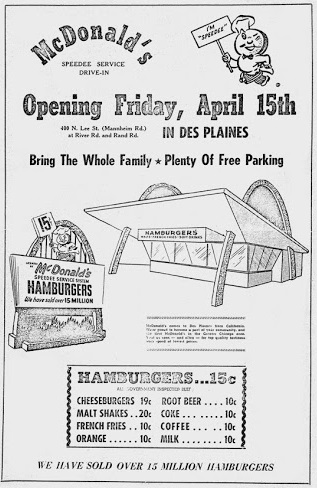 It is more likely to say that while the executives in charge of Disneyland’s concessions were undoubtedly intrigued by Ray’s “fast food” proposal, “war buddy” or not, Kroc just didn’t have enough experience in the restaurant business to take that gamble. So, despite how Kroc spun the tale to reporters from the 1950s forward, while there was some discussion of putting a McDonald’s inside the theme park, the project never really made it past the talking stage. But Ray Kroc would never let the truth stand in the way of a good story.