
Original publish date: October 12, 2017
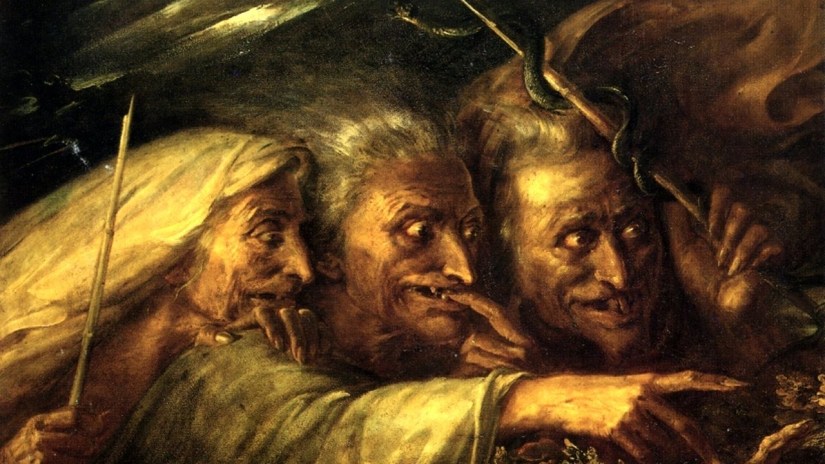
A dark cave. In the middle, a boiling cauldron. Thunder. Enter the three Witches. “Round about the cauldron go; In the poison’d entrails throw…Eye of newt and toe of frog, Wool of bat and tongue of dog,..Scale of dragon, tooth of wolf, Witches’ mummy, maw and gulf…Ditch-deliver’d by a drab, Make the gruel thick and slab: Add thereto a tiger’s chaudron, For the ingredients of our cauldron…Double, double, toil and trouble; Fire burn and cauldron bubble.” Witches Chant Macbeth by William Shakespeare .
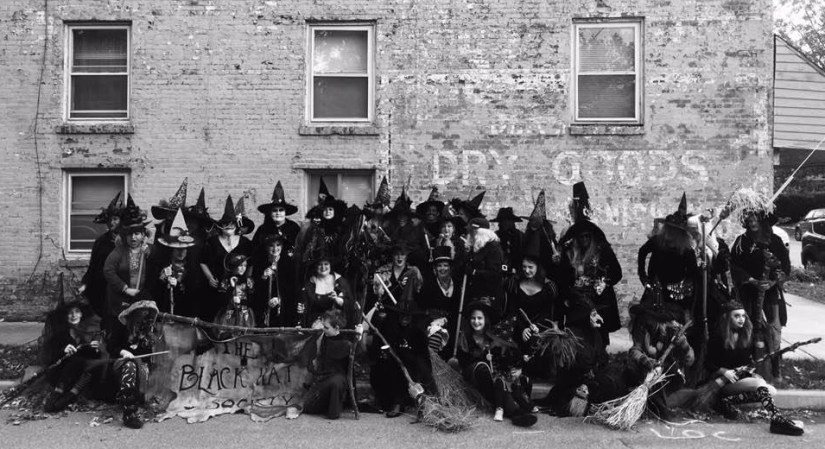
The coolest thing to come to Irvington in a very long time has arrived. The Black Hat Society has taken the eastside of Indianapolis by storm. Since their debut at the 2016 Historic Irvington Halloween Festival, their membership has grown as fast as their popularity. The coven of friendly witches was the brainchild of Karin Mullens. In the summer of 2016, Karin saw a video of German witches on facebook and immediately thought of her Irvington neighborhood.
Irvington has long been home to spooky stories, legends and tales of ghosts and goblins. Why not witches too? After all, Irvington is home to the countries longest running Halloween festival, which this year celebrates its 71st annual street festival and costume parade along the Historic National Road. The tradition of the Black Hat Society kicks off this Friday the 13th (would you expect anything less?) with a calendar release at the Irving Theatre at 7:00 pm.
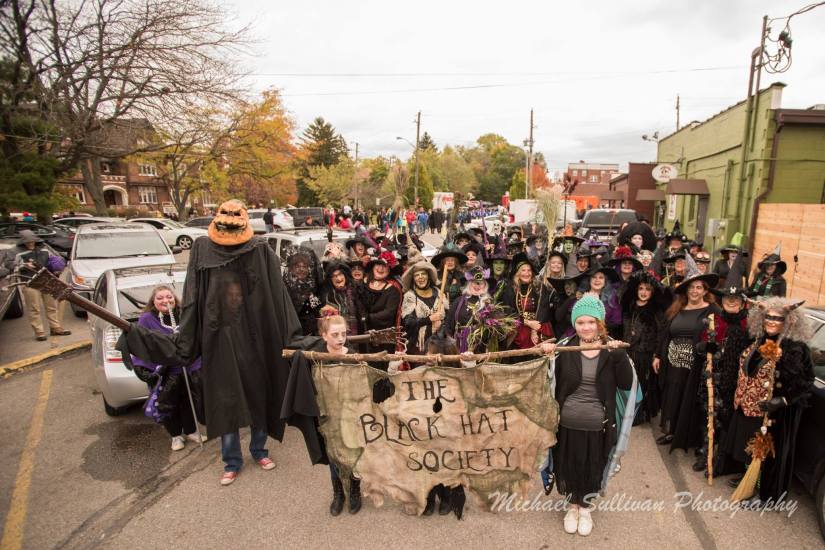
The public is cordially invited to attend this first ever event free of charge. The Black Hat Society will be out in all their glory to greet fans, well-wishers and friends. The calendar will be available for purchase for $ 20 and if you are lucky, you can get the members to autograph your calendar up close and in person. Dont miss your chance to obtain your very own treasure that is destined to become a cherished memento of Irvington lore in the years to come. Oh, and by the way, you’ll be helping out some local charities at the same time.
The calendar features images of the Black Hat Society witches posed in settings and scenes in and around Irvington. The images, created by photographer Michael Sullivan, are fantastic and each month captures the whimsy of the witches posed in seasonal themes and familiar Irvington businesses. Settings include The Irving Theatre, Jockamos Upper Crust Pizza, Snips Salon & Spa, Lincoln Square Pancake House, Black Sheep Gifts, Artisan Realtors, Irvington Insurance, Coal Yard Coffee, Two Poodles and a Cake, the Irvington Wellness Center, 10 South Johnson Coffee House and of course, the Oakley-Hammond Funeral Home. They are all represented in this debut calendar. What makes the calendar even more fun is the way photographer Sullivan has posed his coven. But you’ll have to discover that on your own because I’m sworn to secrecy and even I know that a promise to a witch is one that should not be broken.
 The charities involved are the Diabetes Youth Foundation summer camp in Noblesville, Helping Paws Pet Rescue and The PourHouse Street Outreach Center. The Black Hat Society hopes to raise $ 10,000 for these worthy charities. In addition, there will be a donation box placed at the entrance of the Irving Theatre during the event. The Black Hat Society requests donations of men’s socks, pet food and cleaning supplies, all of which are in almost constant need by these institutions. Karin informs me that Eric Wilson at Irvington Insurance has helped mightily in spearheading the group’s donation efforts.
Weekly View readers will not be surprised that the ranks of the Black Hat Society are populated by Irvingtonians and east-siders. Karin informs, “We are about 30% Irvingtonians, 20% east-siders (Little Flower, Emerson Heights, Bosart Brown) and the remaining 50% come from nearby communities like Carmel, Greenfield, Franklin, Greenwood and the West side.” The group started out with about 50-60 members, “But we’re up to over 100 members now.” says Karin. “We practiced two times a week for six weeks before we marched in the parade but had out debut at last year’s Spooky Stories on the Circle.”
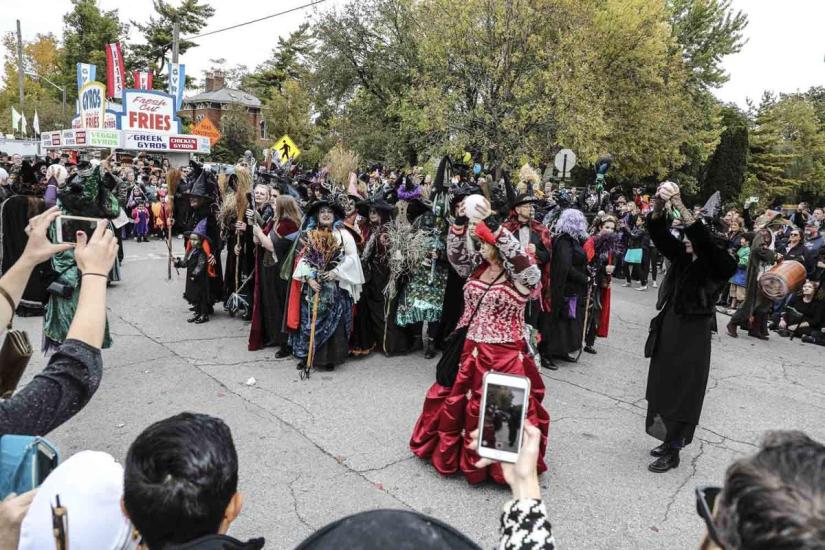 From there, the Black Hat Society marched in the Indy St. Patrick’s Day parade, Pride parade and they recently won a $ 100 prize in a parade in Fountain Square. Should you miss the releases party, never fear, the witches will have their calendars for sale at their booth at the Halloween Festival. The calendars can be ordered on line at theblackhatsociety.org and on their facebook page.
I am fortunate, as are many of you, to say that several of the witches are friends of mine. Nancy Tindall-Sponsel, a founding member, may be the most enthusiastic of all the witches. Nancy has her hands full this time of year with her duties as chair of the Halloween Festival, but she always has time to talk about the witches. “It was a big surprise,” she states, “how the group came together so fast. We’re just a group of women that have formed a sisterhood. There are no qualifications for membership, just a willingness to have fun and enjoy.” Nancy states that the group has formed a fellowship that is so close that they can now “haunt” Goodwill stores and thrift shops looking for costume additions. “If we find something for our costume that we already have, we’ll pick it up and share it with other members.” says Nancy.
Dawn Briggs, another founding member, also speaks glowingly of the group. “Most of us are just girls who never got to play dress up,” Dawn says. “We are a Fraternity of friends. There are no cliques. It was instant bonding. We all have fun lifting each other up and raising money for charity.” Dawn continues, “Some of the ladies are shy by nature but when they put on that costume, they change. Even though we’re mostly women, there is no cattiness involved.”
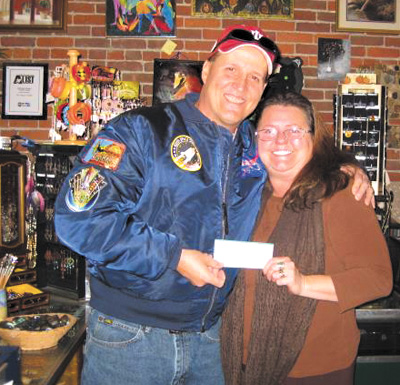
Jan DeFerbrache, owner of the Magic Candle, is the unofficial historian of the group. Jan guides the membership in the do’s and don’t’s of witchcraft and makes sure that the members appearances are accurate. Jan’s knowledge helped out during the St. Patrick’s Day parade when most of the marchers wore “earth witch” costumes to better keep within the theme of the holiday.
Paula Nicewanger, creative director of this newspaper, and her husband Steve, are members of the troupe. During last year’s parade Paula was in the coven, but not as a member. She was taking photos of the witches for her newspaper and was swept up inside of the coven as they marched along Washington Street. She had such a good time that she joined the Black Hat Society shortly afterwards. Paula, an accomplished artist, created an original painting that will be turned into a poster that will also be sold at the witches’ Halloween festival booth. The poster depicts five of the witches (Paula, Dawn Briggs, Renee Cotterman, Karin Mullens & Kitty Fenstermaker) in full costume posed around a cauldron.
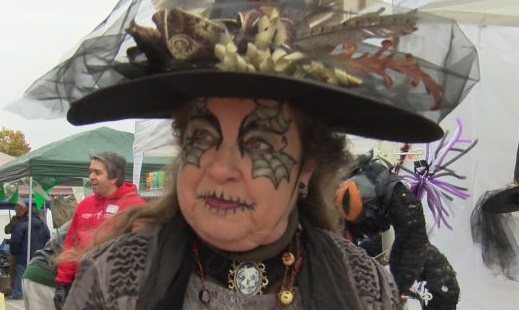
Other founding members include Michelle Roberts, Karen Davis, Sue Beecher, and Leslie Walsh. Michelle has just recently been named Vice-President of the group. Molly McPherson is the official choreographer for the group and helps with the music. Nancy Lynch acts as creative director and arranged the sites used for the calendar photos. I’m repeatedly told that Christy Raymer is the witch to seek out and shake hands with. Apparently Christy has an eyeball on the back of her hand that looks so realistic it’s scary.
It may come as a surprise to some that the Black Hat Society is not entirely made up of women. The group includes a few men too. Along with Steve Nicewanger, Tim Lynch, Dylan Roahrig and Craig Rutherford are among the warlocks in the group. Roger Disher, whose wife Kim is a founding member, is described by some of the girls as a coven member too but I’m told he doesn’t dress up. Kim says, “He’s a quiet member. Support system of sorts.” Kim confirms what many of the other witches say by relating that above all else, the group is “FUN!” and loves supporting the neighborhood and the fact that “we welcome ALL!”
While Steve calls himself a warlock, Dylan wears a kilt for his costume, and Kim calls Roger a quiet member, Black Hat Society member Craig Rutherford proudly calls himself a “male witch.” Craig, the unofficial prop maker for nearly every Halloween Festival event including the Black Hat Society, didn’t march with the witches last year but plans on marching in this year’s parade. And about this year’s parade, every Black Hat Society member agrees that something BIG is in the works for this year. What that something big is has become the best kept secret in Irvington. None of the witches are talking but Craig came closer to anyone by admitting that his role this year will be as a witches’ minion.
 When I asked Craig what it is like to be a male witch surrounded by so many women, he answered succinctly, “It’s lonely.” Craig would like to see more guys join the group. “At last year’s St. Patrick’s Day Parade, I made eight drums for our drum line, but we only had 4 drummers. We need more guys!” Craig is amazed by just how generous the witches in the Black Hat Society are, “If I need something for a prop or help in building a set, I get 30 or 40 responses within minutes.”
I’d suggest you make plans now to attend the Halloween festival parade on October 28th. The route is such that you can stake out your optimal viewing position well before it starts. The parade will commence from the Irvington United Methodist Church and head West on Washington Street, then backtrack to the east on Washington to Audubon. The parade will then head South on Audubon and end at Bonna. So bring a chair, stake out your spot and get ready to enjoy the show. But first, head out to the Irving Theatre Friday the 13th from 7:00 to 9:00 and get your calendar before they sell out. As the witches of Shakespeare’s Macbeth lamented, “By the pricking of my thumbs, Something wicked this way comes. Open locks, Whoever knocks!” The witches will be expecting you.

![IMG_3526[1]](https://alanehunter.com/wp-content/uploads/2019/07/img_35261.jpg?w=825)

![IMG_3525[1]](https://alanehunter.com/wp-content/uploads/2019/07/img_35251.jpg?w=825)
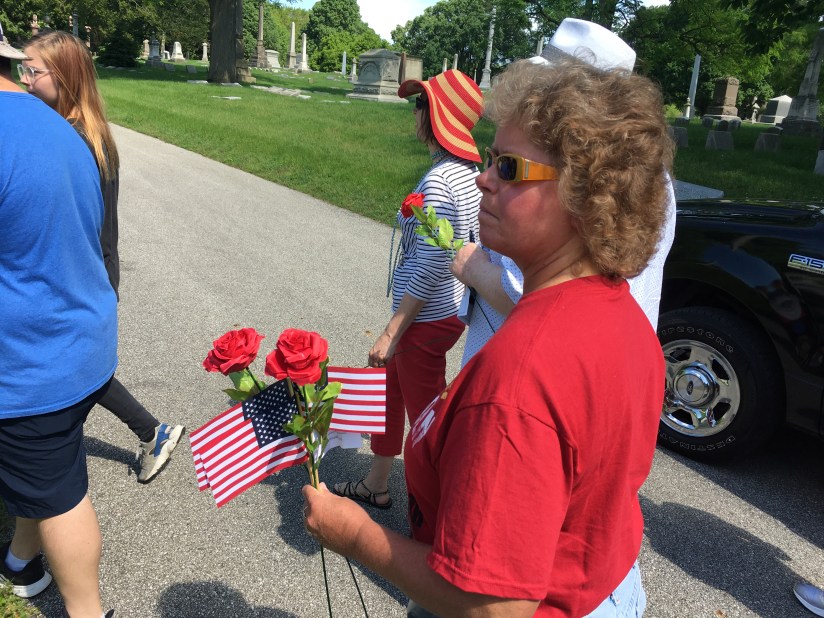
 This memorial day, the Ben Harrison camp honored Hoosier Civil War soldier Captain Richard Burns. With temperatures in Indianapolis hovering above or around the 90 degree mark for nearly two months now, Captain Burns’ story seems apropos to the moment. For you see, Captain Richard Burns died of sunstroke. At 5′ 10″ and weighing 143 pounds, Richard Burns was light skinned with piercing blue eyes and prematurely gray hair. Burns first enlisted on September 21, 1861 as a private in Third Battery, Indiana Light Artillery. The unit was organized in Connersville, Indiana, and mustered in at Indianapolis on August 24, 1861. Ironically, the unit would muster out nearly 4 years to the day (August 21, 1865) at the same place.




 I have always attributed the genesis of the F.B.I. to another infamous Hoosier with Irvington ties, John Dillinger, who robbed an Irvington drug store and soda fountain in the summer of 1933. The building still stands and is home today to DuFours restaurant on the northwest corner of Washington and Audubon (now the Lincoln Square Pancake House). At the time, Dillinger allegedly lived on a property known as “Rickett’s Farm” near the Kile Oak in Irvington. I knew that J. Edgar Hoover, the man most people credit with forming the present day F.B.I., was a little known Washington D.C. bureaucrat until Dillinger came along. Hoover made his reputation by expanding the law enforcement powers of his obscure bureau to track down Dillinger. Dillinger became the bureau’s first “Public Enemy # 1” on June 22,1934, which ironically was John’s 31st birthday. Hoover’s G-men would kill Dillinger barely a month later outside of Chicago’s Biograph Theatre on July 23, 1934. Hoover would display Dillinger’s death mask on the wall outside of his office for the next 40 years.
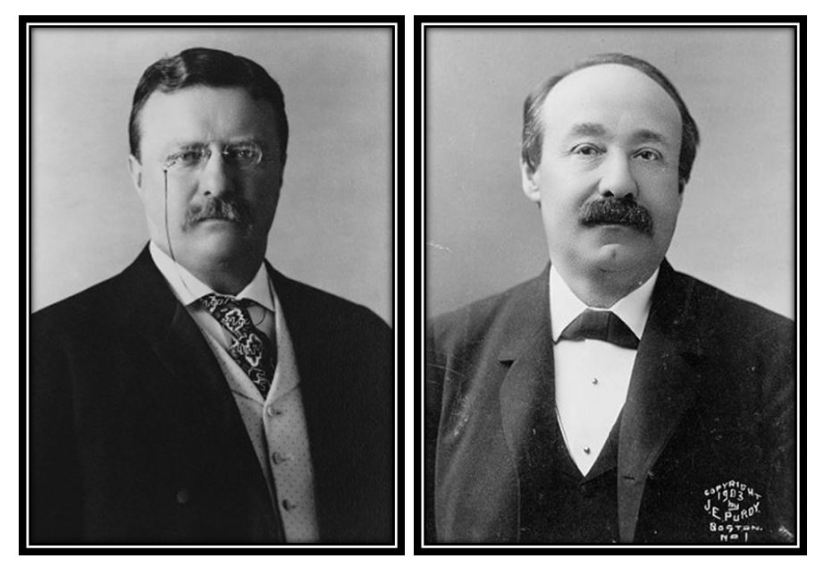
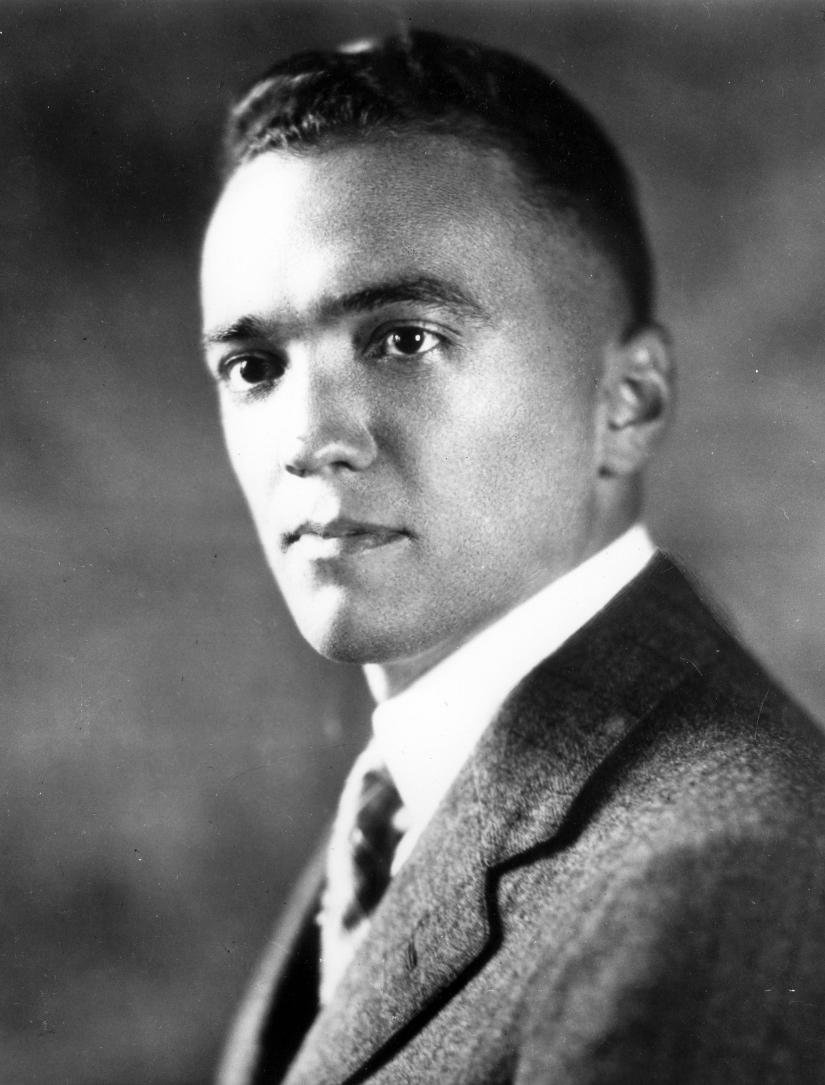

 This coming Saturday, October 20th at 2 PM, several of those famous friends will be here in Irvington at the Irving theater to share their talent with our community in a program I have called, “Whispers from the Grave. Testimony of Irvington’s Most Famous Crimes.” Over the past decade and a half I have gathered testimony, witness accounts, personal statements and personality sketches of the characters, both good and bad, from the stories I share on the tours. This Saturday, local celebrities, journalists and members of the media will lend their talents to the voices of these characters. Much of this spoken word performance will offer accounts that have not been heard for over a century. This testimony, told in its entirety using the words of the subjects themselves, is always poignant, sometimes shocking and often scandalous.
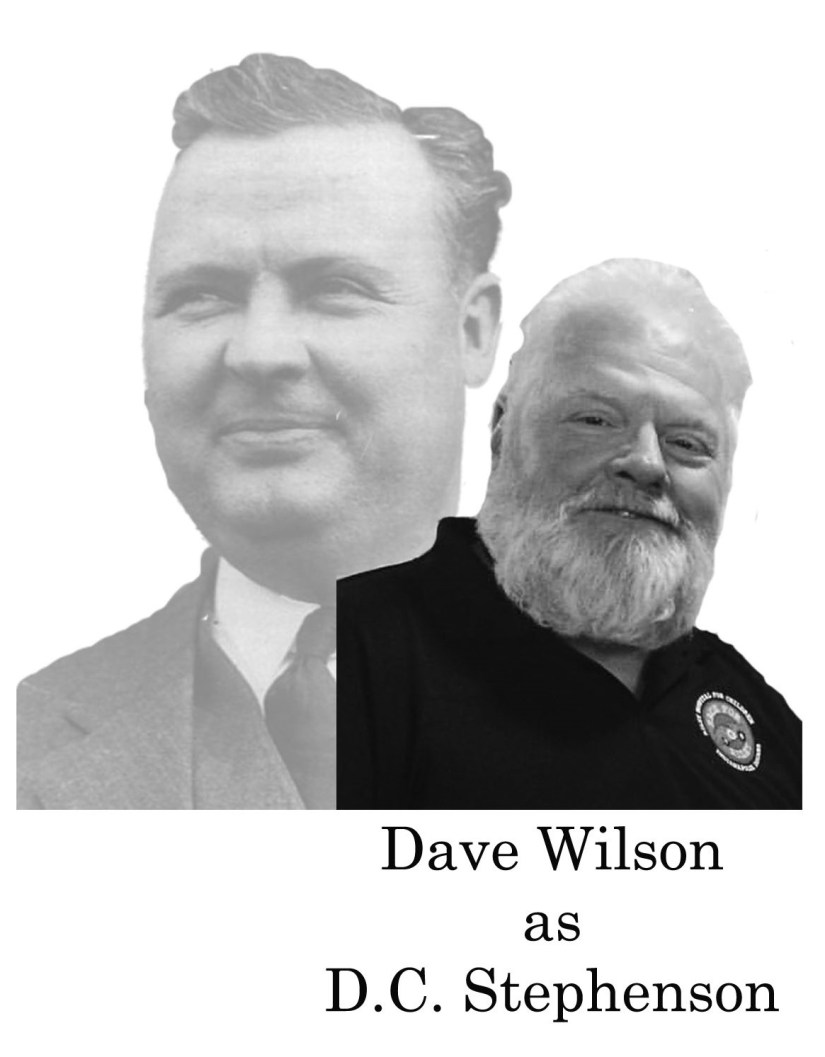 Joining us Saturday will be long time Q 95 star and stand up comic Dave “the King” Wilson reading the words of DC Stephenson. David Curtis Stephenson was the Grand Dragon of the Indiana Ku Klux Klan who reigned supreme here in central Indiana during The Roaring 20s. Stephenson controlled Indiana politics from the governor’s office to the mayor’s office with Klan money and influence from his University Avenue home here in Irvington. Gathering testimony and statements from Stephenson’s made all the more harder by the fact that after his 1925 trial for murder concluded, the official court papers mysteriously disappeared.
 2 – time Emmy award-winning former WTHR on air personality & meteorologist Nicole Misencik who will be voicing Madge Oberholtzer. Tragically, Madge was the undeserving victim of DC Stephenson’s crime in the spring of 1925. Madge was an Irvingtonian and former student at Butler College whose death at the hands of Stephenson brought down the Ku Klux Klan, which was the most powerful organization in the country at the time. Madge’s testimony was so graphically detailed that when it was read aloud in open court in Noblesville Indiana, women fainted and grown men got up and left the room. Nicole will recount Madge’s 9 – page deathbed declaration and its entirety for the first time in public and nearly a century.
 Former WTHR reporter Brandon Kline will be voicing Pinkerton detective Frank Geyer, the man who brought America’s first serial killer to justice. Brandon will wear the hero cape by voicing this legendary Pinkerton agent who is dogged determination alone solved Irvington’s first murder, that of 10-year-old Howard Pitezel. Brandon’s hero duty will be doubled when he also voices Irvingtonian lawyer Asa J Smith who recorded Madge’s deathbed declaration in what promises to be a most memorable exchange with his wife Nicole.
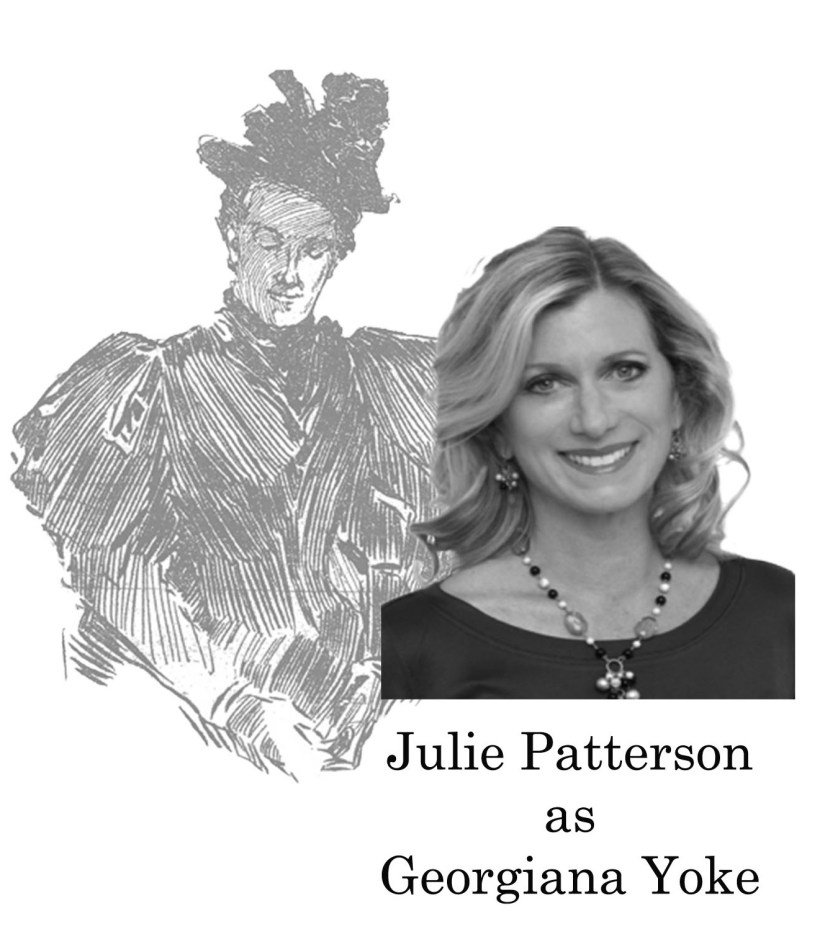 Boomer TV personality, longtime WZPL radio host and former WISH – TV alumni Julie Patterson will be voicing the last wife of HH Holmes, Georgiana Yoke. Ms. Yoke, a native of Franklin Indiana, is easily the most unknown character in the presentation. Georgiana’s family has deep connections to Indianapolis’east side at both Garfield Park and Holliday Park. Georgiana narrowly escaped death at the hands of her husband and, after his death by hanging, could not escape the cloud of suspicion that hung over her in Indianapolis after her husband’s crimes were revealed. Julie’s interpretation of Georgiana will also include her court testimony, some of which was delivered by her husband HH Holmes while acting as his own counsel.
 Ed Wenck, long time local radio host, journalist, author and on-air television personality, will be voicing America’s first serial killer HH Holmes. Allegedly responsible for over 200 murders, Holmes admitted to killing 27. The arch fiend came to Irvington in October 1894 on the heels of the 1893 Chicago world’s fair. His crimes are numerous, gruesome and unspeakable. Ed will voice America’s first serial killer using Holmes’ own words which are guaranteed to make your skin crawl.
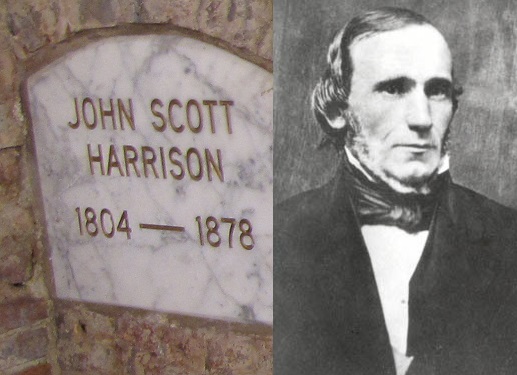
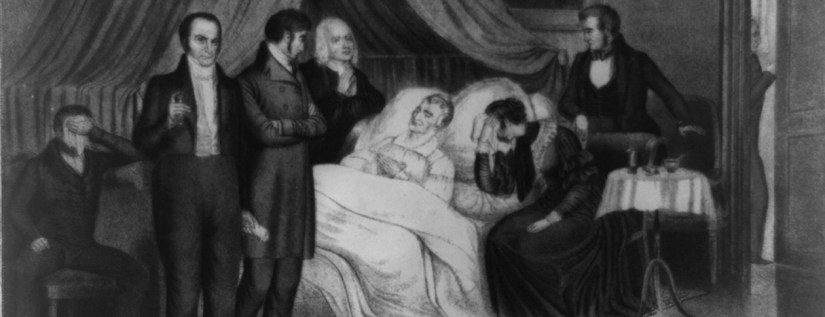
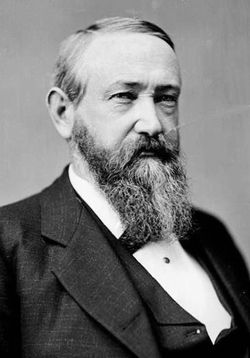
 The first order of business was to hide the fact from Devin’s widowed mother until the body could be recovered, and the second was to take precautions for safeguarding John Scott Harrison’s remains. Benjamin Harrison and his younger brother John carefully supervised the lowering of his father’s body into an eight-foot-long grave. At the bottom, they placed the state-of-the-art metallic casket into a secure brick vault with thick walls and a solid stone bottom. Three flat stones, eight or more inches thick were procured for a cover. With great difficulty the stones were lowered over the casket, the largest at the upper end and the two smaller slabs crosswise at the foot. All three of these slabs were carefully cemented together. The brothers waited patiently beside the open hole for several hours as the cement dried. Finally, with their father’s remains still under guard, a massive amount of dirt was shoveled into the hole and the brothers departed secure in the notion that their father would rest in peace for all eternity.
 John Harrison shrugged off the discovery knowing that his cousin Augustus Devin, the subject of their search, was a very young man. Still, the body was lain flat on the floor and the cloth was cast aside with the aid of a nearby stick. As the dead man’s face was revealed, John Harrison gasped in horror that the dead body was none other than that of his father, John Scott Harrison.

 Alan E. Hunter