Original publish date: June 8, 2015 Reissued: November 21, 2019
I have many heroes in my life ranging from the rich and famous (Abraham Lincoln, Jimmy Carter, Harry Truman, Franklin D. Roosevelt, Martin Luther King, Jr. to name a few) to the not-so-famous (My wife Rhonda, my kids Jasmine & Addison, and my mother Ruth McDuffee) as well as people I admire but really wouldn’t want to emulate (Hunter S.Thompson, Wilt Chamberlain, Frank Sinatra, Keith Richards). However, one of the people from my life that I admire and aspire to emulate has a strong connection to Indianapolis and the month of May is no longer with us. Paul Newman died on September 26, 2008 but his spirit lives on at Indy and he will always be one of the first things I think of when I imagine the Indy 500.
Way back in 1968, when I was a small child living on Bluebell lane (near 34th & High School Road) on Indy’s west side, I remember laying in my room in the middle of the day listening to the sounds of cars whizzing around the Indianapolis Motor Speedway track and napping to the sound of speed. A.J. Foyt was a frequent visitor to our neighborhood. A.J.’s chief mechanic lived two houses away and my dad was a time keeper in the tower for 40 years. The big deal for us was to walk over to the neighborhoods bordering the track in search of sites usually reserved for carnival sideshows. I remember seeing drunks sleeping in shopping carts and scantily clad women passed out in the grass of the coke lot. We ALWAYS found money, pop bottles to return for 8 cents a piece and coolers full of goodies left over by people watching the race who were obviously flying home.
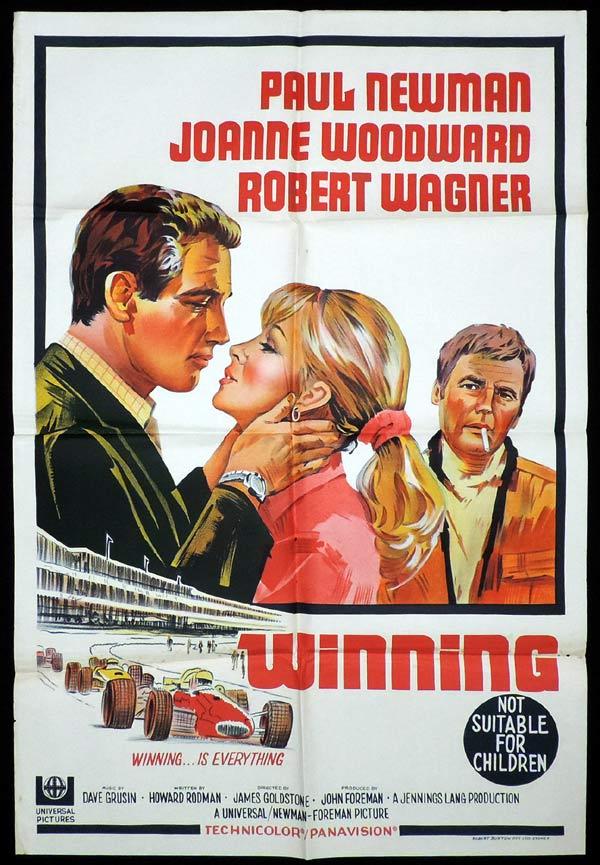 Even though I was very young, I can remember that in May of 1968, Hollywood came to town to film a major movie at the Indianapolis Motor Speedway. Although I didn’t know it at the time, the film was called “Winning,” and starred Paul Newman and his real-life wife, Joanne Woodward. The plot focused on an ambitious race driver determined to win the Indianapolis 500 in an effort to resurrect his flagging career. The film also starred Richard Thomas, soon to become more famous as “John Boy” on “The Waltons” TV series and Robert Wagner (of “Hart to Hart” TV fame). Several real-life racing figures-including the Speedway’s owner, Tony Hulman, and race driver Bobby Unser-portray themselves in the movie.
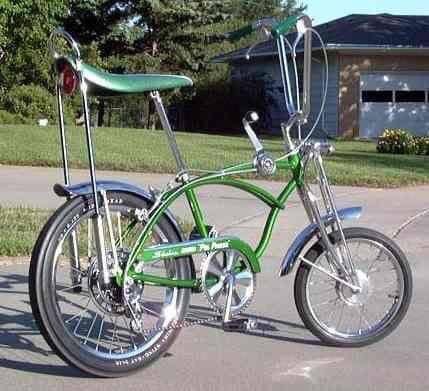
The Greenie Meanie.
I could have easily ridden my Schwinn “Greenie Meanie” 5-speed with sissy bar and wheelie poppers over to the Speedway Motel and see these guys. After all, they were filming some of the scenes in the motel itself and many of my neighbors and some of my family members could’ve gotten me access with no problem. Things were different then, there were no stalkers, no serial killers, no crazy Manson family maniacs on the Indy radar screen back then. Looking back, I sincerely wish I’d have made the trip.
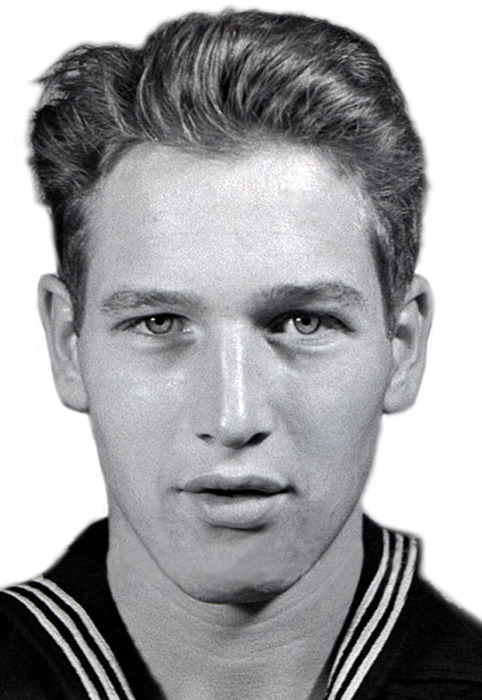
Born January 25, 1925 in Shaker Heights, Ohio, Paul Newman showed an early propensity for acting and landed his first motion-picture role in 1954. He went on to star in more than 60 movies, including “The Long Hot Summer,” “Cat on a Hot Tin Roof,” “The Hustler,” “Hud,” “Cool Hand Luke,” “Butch Cassidy and the Sundance Kid,” “The Sting,” “Slap Shot,” “Absence of Malice,” “The Verdict,” “Nobody’s Fool” and “Cars.” He garnered 10 Academy Award nominations, including eight for Best Actor. His sole Oscar win came in 1986 (Best Actor) when he reprised his role from “The Hustler” as Fast Eddie Felson alongside Tom Cruise in “The Color of Money.”
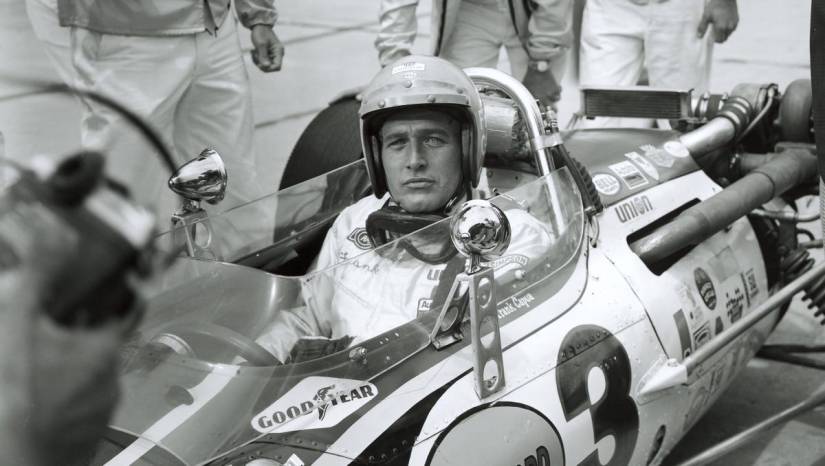
Newman began racing cars in 1972, three years after completing the movie “Winning”. Newman and Wagner attended the Bob Bondurant racing school to prepare for the movie, and Newman performed many of the racing scenes himself without a stunt driver. The experience resonated with Newman for the rest of his life, to the point that he embarked on a successful second career as a driver. Newman’s greatest accomplishment as a driver was a second-place finish in the 24 Hours of Le Mans in ’79, driving a Porsche 935. He remained active in endurance racing, making his last start at the Rolex 24 at Daytona International Speedway in 2006 at the age of 81. When he was racing, Newman kept a low profile at the track and maintained an intense focus on the task at hand. He always raced under the name P.L. Newman to avoid drawing attention to his status as a Hollywood icon.
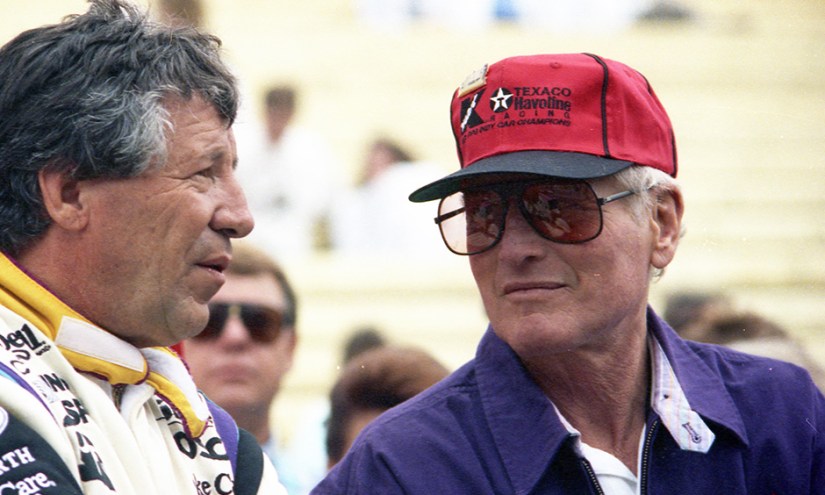
Paul Newman, who died from cancer at the age of 83, was best-known as one of the most famous actors in the world, one of the most fervent race fans on the planet, one of the best race car drivers as a second career and, as founder of the popular Newman’s Own brand of organic food products, one of the most successful private sector philanthropists in the history of the United States, donating more than $250 million of after-tax profits to charity since 1982.
It helped fuel my admiration for Paul Newman to know that many of the values he stood for in his lifetime were shared by me. For his strong support of Eugene McCarthy in 1968 and his strong opposition to the War in Vietnam, Newman was placed nineteenth on Richard Nixon’s enemies list, which he claimed was his greatest accomplishment. He attended the first Earth Day event in Manhattan on April 22, 1970. Newman was a vocal supporter of gay rights, including same-sex marriage. Newman was concerned over global warming and supported alternative energy development as a solution to our nation’s addiction to fossil fuels. In short, he was a man with a conscience.
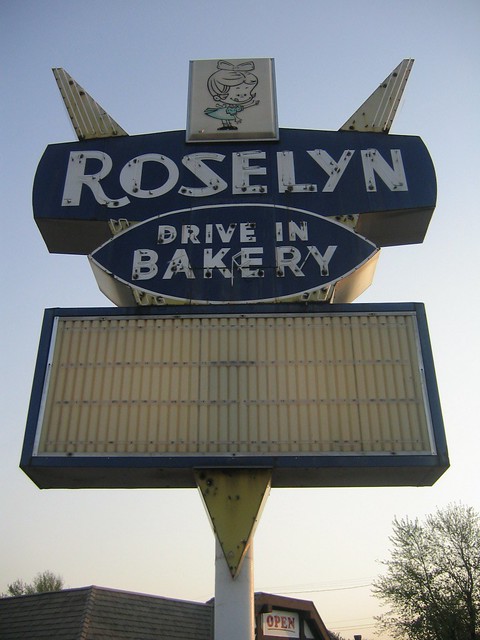
I was lucky, I got to meet Paul Newman several times at the track through my time keeper dad. Contrary to his reputation, he was always a gracious autograph signer for me and for anyone who was polite and said please and thank-you. But it was an unexpected encounter in 1992 that I will always cherish the most. I pulled into the Roselyn Bakery on Rockville road during the month of May to pick up Toffee Cookies for me and Butter Jumbles for my wife. As I waited in line behind a large crowd of people, I didn’t notice that there was a limousine parked idling on the side of the building.
I was standing in line holding my 2-year-old daughter in my arms and waiting for my turn when the crowd of people parted and Paul Newman himself stepped from the crowds wearing his trademark glasses and said “Boo” to my daughter while tickling her tiny tummy. Jasmine squealed with delight and Paul Newman formed his finger and thumb into the shape of a gun and “shot” at us saying “Get the Butter Jumbles, they’re my favorite kid.” It happened so fast that before I knew it he was in the limo and out of the lot. Paul Newman was a good husband, father, grandfather and human being. I’m just happy I had the opportunity to meet him.
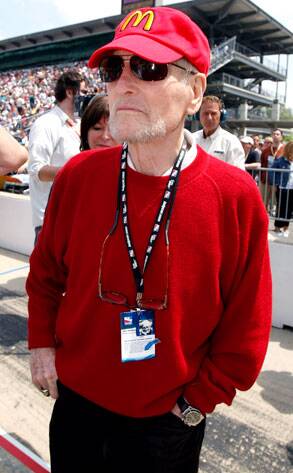
When the Speedway Motel was torn down in February of last year, I recalled a quote from Newman’s last visit to the city of my birth a short time before his death, “It’s good to be back at Indianapolis,” he added. “It brings back a lot of fond memories. My favorite tradition was that it took a whole month. Indy started at the first of May, and you had your reservation at the Speedway Motel. If you wanted a room for two days, you took it for the whole month or you wouldn’t get it.”
So, if you really think about it and take that statement literally, it can easily be said that all of the Indianapolis Motor Speedway heroes of our youth, A.J. Foyt, Mario Andretti, Al and Bobby Unser, Rick Mears, Johnny Rutherford, Rodger Ward, Gordon Johncock, the Bettenhausens’, the Vuckovichs’, and Paul Newman called our city home for one month every year. The month of May in Indianapolis.

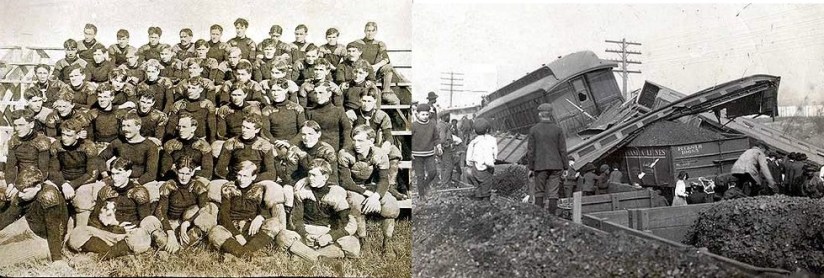
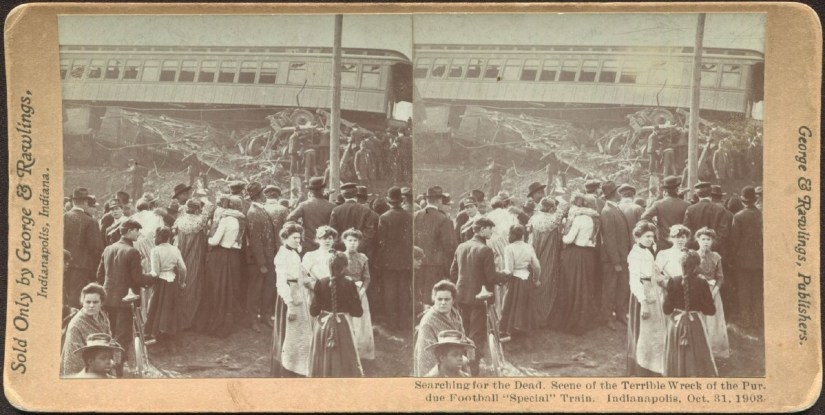 A total of 17 people died immediately, including 13 players, a coach, a trainer, a student manager and a booster. One member of the team miraculously landed on his feet and was unharmed after being thrown out a window. All the casualties were limited to the team’s railcar. Twenty-nine more players were hospitalized, several of whom suffered crippling injuries that would last the rest of their lives. Further tragedy was averted when several people, led by the “John Purdue Special” brakeman, ran up the track to slow down the second special train that was following 10 minutes behind the first. This heroic action undoubtedly saved many lives by preventing another train wreck. One of the survivors of the wreck was Purdue University President Winthrop E. Stone who remained on the scene to comfort the injured and dying.
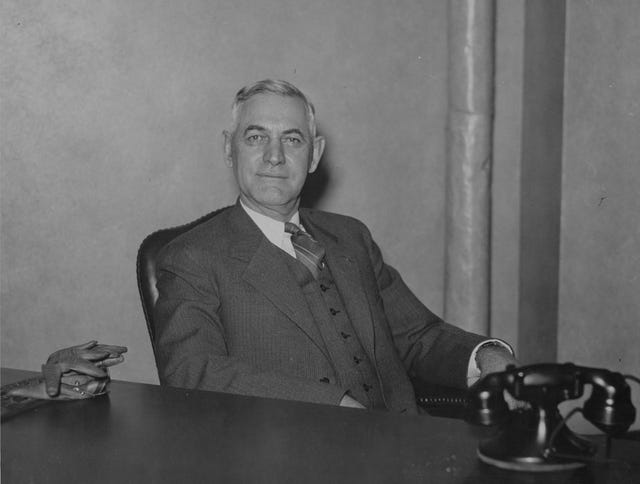
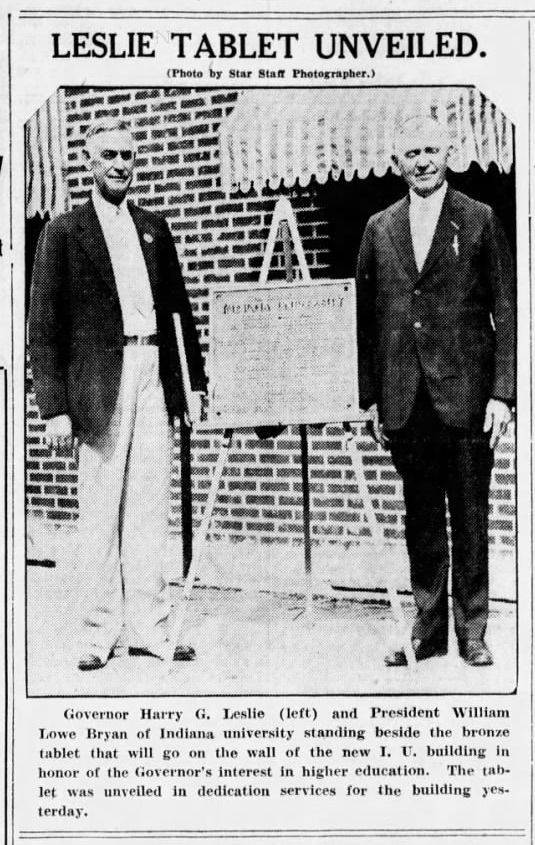
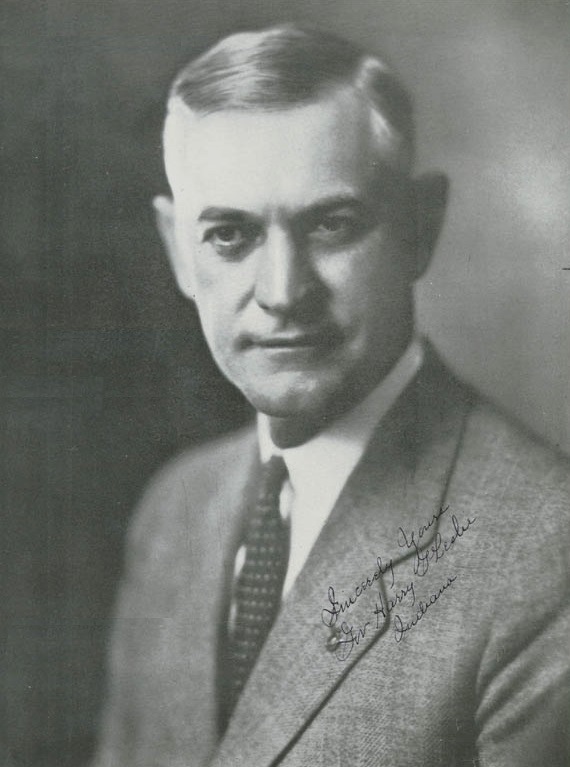
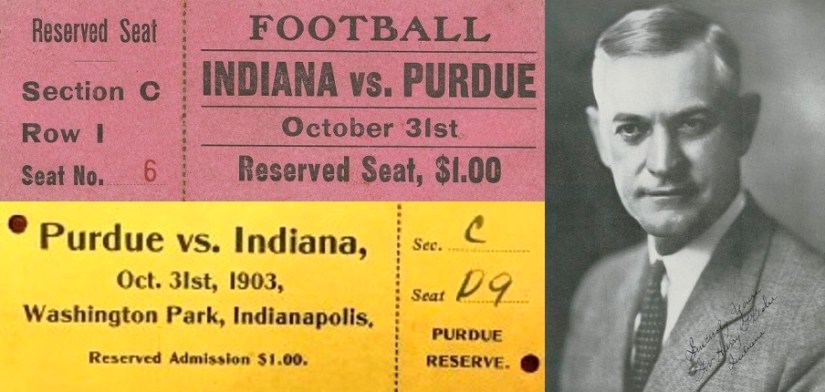 Walter Bailey, a reserve player from New Richmond, was grievously injured but refused aid so that others could be helped before him. Bailey would die a month later at the hospital from complications from his injuries and massive blood loss. Purdue team Captain Harry “Skeets” Leslie was found with ghastly wounds and covered up for dead. His body was transported to the morgue with the others. Leslie would later be upgraded to “alive” when, while his body lay on a cold slab at the morgue, someone noticed his right arm move slightly and he was found to have a faint pulse. Skeets was clinging to life for several weeks and needed several operations before he was out of the woods. Leslie would later go on to become the state of Indiana’s 33rd governor, the only Purdue graduate to ever hold that office. As a reminder of that Halloween train disaster, Skeets would walk with a limp for the rest of his life.

 The train was traveling on what would have been the 101st birthday of school founder and namesake John Purdue (born October 31, 1802). Purdue, a wealthy landowner, politician, educator and merchant, was the primary benefactor of the University. In 1903, if you wanted to get to Indianapolis from either school, you had three choices: ride a horse and buggy, walk or take the train. Since these were the days before automobile travel was popular, train travel was the most widely accepted form of transportation.
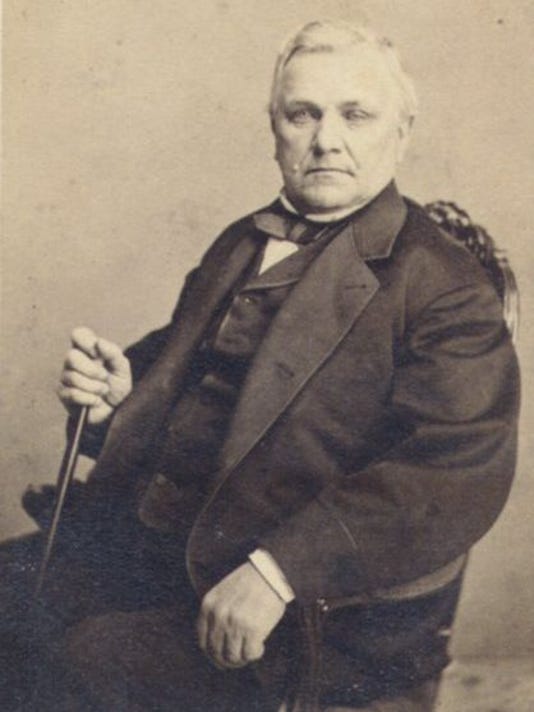
 Unlike the raucous fans traveling in the 13 plush, modern streamliner train coaches behind them, the Boilermakers team traveled in relative silence, focusing on the task at hand, mentally preparing for their upcoming rivalry game in the cozy confines of an older wooden train car. Unfortunately, the athletes had no idea that a minor mistake would lead to a major disaster. Railroad protocol specified that “Special” trains operate independent of the regular schedule. Timing was everything in the railroad game.
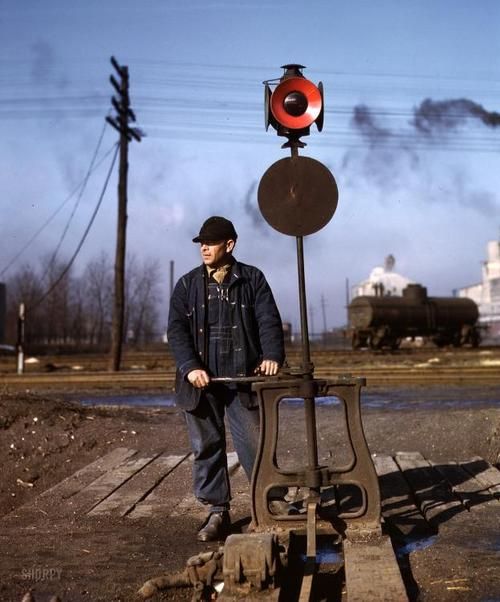
 The Indianapolis star reported, “The trains came together with a great crash, which wrecked three of the passenger coaches, in addition to the engine and tender of the special train and two or three of the coal cars. The first coach on the special train was reduced to splinters. The second coach was thrown down a fifteen-foot embankment into the gravel pit and the third coach was thrown from the track to the west-side and badly wrecked. The coal cars plowed their way into the engine and demolished it completely. The coal tender was tossed to the side and turned over. A wild effort on the part of the imprisoned passengers to escape from the wrecked car followed the crash. Immediately following the wreck the students and the others turned their attention to the work of rescuing the injured, and by the time the first ambulances arrived many of the dead and suffering young men had been carried out and placed on the grass on both sides of the track.”
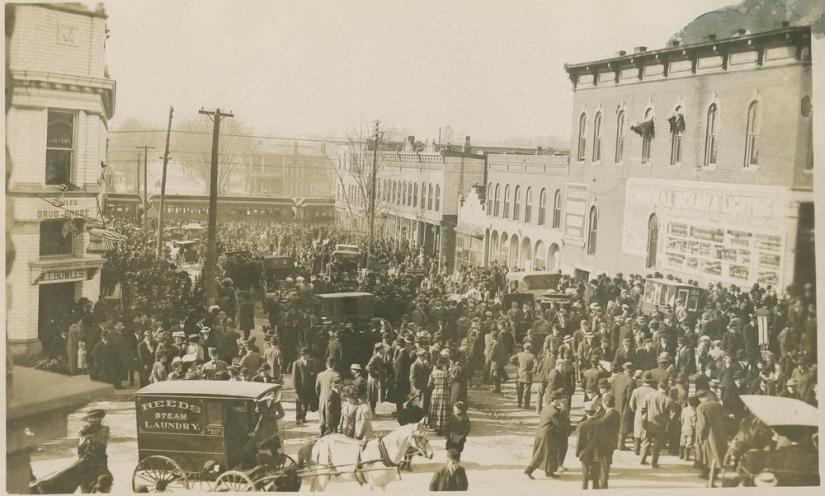 The fans at the rear of the train were unaware of what happened and only felt a slight jolt as the train came to a sudden stop. These rearmost passengers wasted no time in coming to the assistance of the victims up ahead. The erstwhile revelers skidded to a stop at the scene of carnage and were horrified at the devastation before them. Acts of unselfish action made heroes out of athletes and ordinary people alike.
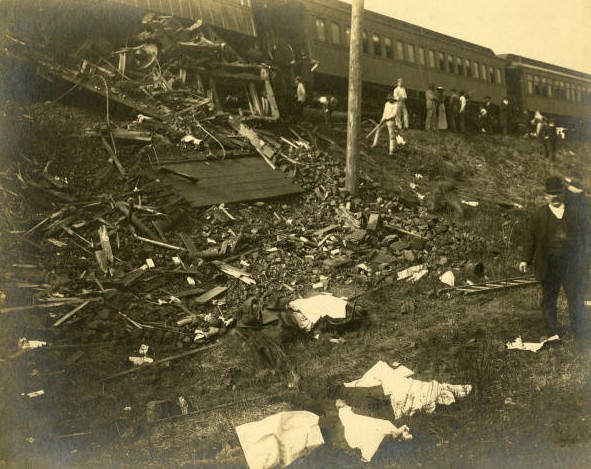 Seventeen passengers in the first coach were killed. Thirteen of the dead were members of the Purdue football team. Walter Bailey, a reserve player from New Richmond, although grievously injured, refused aid so that others could be helped. Team Captain Skeets Leslie was covered up for dead, his body transported to the morgue with the others. It was the first catastrophe to hit a major college sports team in the history of this country. The affects would be felt for decades to come and one of those players would rise from the dead, shake off accusations of association with Irvington KKK leader D.C. Stephenson, and lead his state and country through the Great Depression.
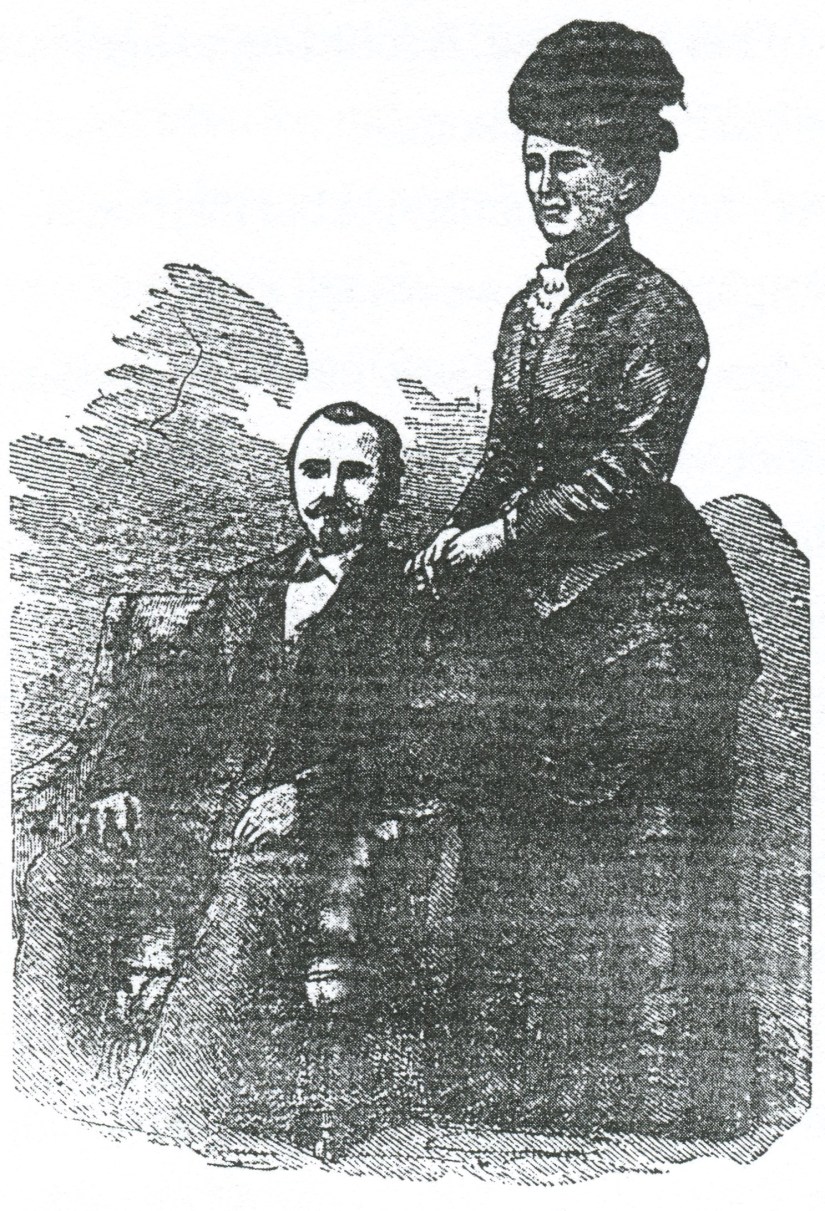
 If he was fearful, Joseph Brown did not show it as he sat down for what would be his last meal. At 5:30 PM, Mary Brown sent her two older children to the Smith’s, neighbors whose home was frequently visited by Wade, the children and Mary Brown. Mary instructed the children that she would come to get them after dinner and that Wade would play fiddle that evening to entertain at the Smith home. During the course of the evening, Wade asked Brown to borrow his buggy. He stated that he wanted to sell a horse to Irvington’s Dr. long. Brown agreed. As dinner ended, Brown went into the front yard to work on an ax handle. Wade was hitching the horse to the buggy.
 The investigation by Coroner George Wishard, namesake of today’s Wishard Hospital, was thorough and damning to Wade. During his investigation at the Brown farm, Wishard “found a board, probably a small kneading tray, hidden away under the shed… Which is bespattered with blood.” Signs of a violent struggle and blood were found in the yard. The mountain of evidence was building against Wade. But did he act alone? Or was “Bloody Mary” Brown, as one of the contemporary newspapers dubbed her, more involved than she claimed?


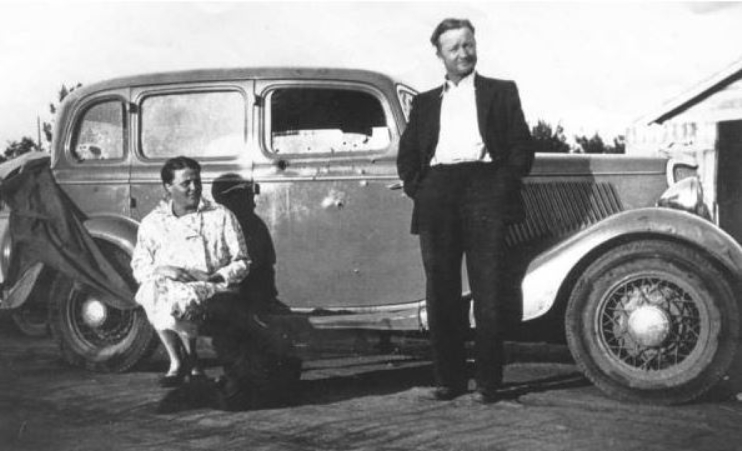
 She called the police and reported the car as stolen. According to the police report, shortly after one o’clock, neighbors saw a man and a woman circling the block in a Plymouth coupe. Later the mystery couple returned, this time with a man riding on the right running board. He jumped off, climbed into the Warren’s car, started it, backed out of the driveway, and sped away. The Warrens wouldn’t see their new Ford for three months.

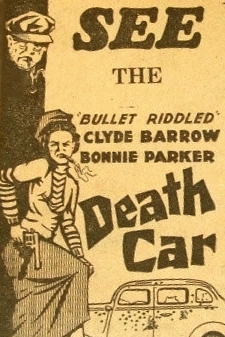
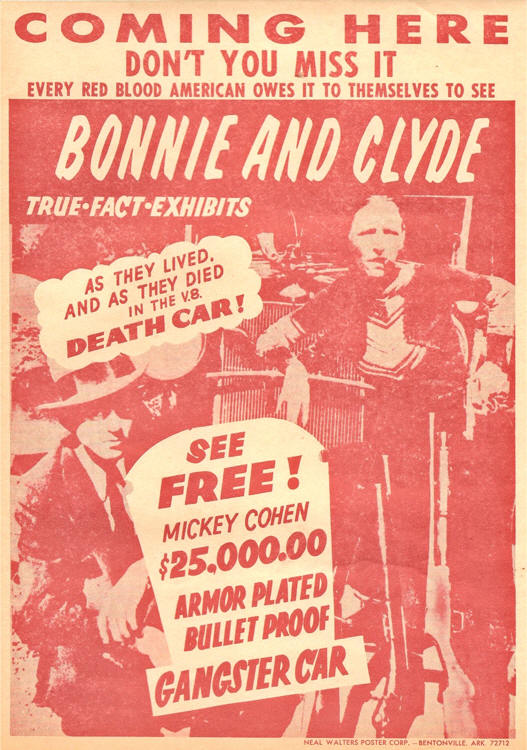 Ruth then rented the death car to carnival operator Charles Stanley, who exhibited it on the Hennies Brothers Midways in his 1939 crime show. Stanley displayed the car outside of his tent and charged admission to see the film of the actual ambush on the inside. Eventually, multiple bullet-riddled 1934 Ford Fordor sedans began appearing on the county fair and carnival circuit over the next few years, all claiming to be the actual death car. The various owners sometimes vigorously defended their claims, too, casting doubt on the authenticity of the real death car. Aside from the damage to historical accuracy, the frauds cut into the revenue generated by Ruth Warren as the death car toured the country.
 After Ruth divorced her husband Jesse, she kept the title to the car and sold it to Stanley for $3,500.The car was then exhibited at Coney Island amusement park in Cincinnati from 1940-1960. After World War II, memories faded and interest waned in the “Public Enemies” Era, pushing the car further-and-further into obscurity. In a 1960 issue of Billboard magazine, Stanley offered the Bonnie and Clyde Death Car for sale. Ted Toddy purchased the car in 1960 for $14,500. The car then sat in a warehouse for years until the popularity of the 1967 movie “Bonnie & Clyde” brought it out of retirement.