
Original publish date: March 12, 2020
Hoosier James Dean died in an automobile accident on a desolate stretch of highway in Cholame, California nearly 65 years ago, yet he remains ever present in the collective memory of fans born well after his death. It is ironic that Cholame sits within a mile of the San Andreas Fault-line because on September 30, 1955, the death of James Dean caused a seismic shift in pop culture history that resonates to this day. Dean became a cultural icon immediately after his death. He remains the symbol of teenage angst to millions of young people whose grandparents were more familiar with him than them. Part of his remaining allure involves his small town genesis, the curse of his death car and an unexpected connection to the Star Wars franchise.
Although tiny Cholame (population 116) makes Dean’s hometown of Fairmount, Indiana (population @ 2,600 in 1955) look like a metropolis, it would be hard to find a more typical California town. Like James Dean himself, Cholame is frozen in time. One of the town’s founders was Robert Edgar Jack. During the Civil War, Jack enlisted in the 56th New York Volunteer Infantry. He fought at the Battle of Gettysburg and was part of the unit dispatched to New York City to quell the infamous draft riots there. Near the end of the war, he moved to California and soon became the largest wool grower in Central California. He later switched to cattle and agriculture. Jack’s land was eventually sold to the William Randolph Hearst Corporation in 1966 and is still a working cattle ranch today. Can’t get much more California than that now can you?
24-year-old James Dean was killed when his Porsche 550 Spyder collided when 23-year-old college student Donald Turnupseed’s 1950 Ford Tudor Custom coupe as it made a left turn at the junction of State Highways 41 and 46. Dean was at the wheel of his sleek silver Porsche Spyder was headed to a sports car race (his fourth) at Salinas Municipal Airport. With him in the car was his Porsche factory-trained mechanic, Rolf Wütherich. The car’s mirror finish was accented by the number 130 on the front hood, rear trunk and side doors and the name “Little Bastard” (designated as such by Dean himself) on the back. The original plan was to tow the high performance car on a trailer behind Dean’s 1955 Ford “woodie” style station wagon the actor had purchased just three months before.
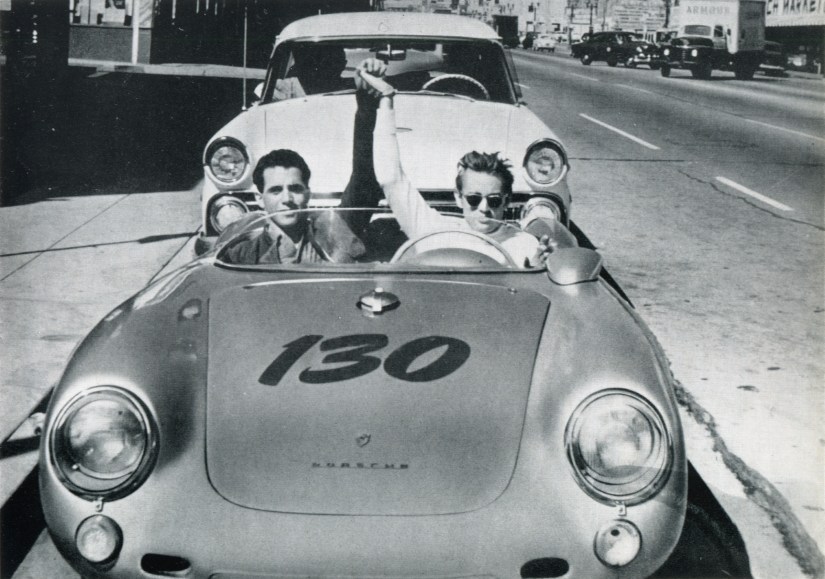
However Dean’s riding mechanic Wütherich, a former Luftwaffe glider pilot, recommended that they “unloose” the car instead by driving it the 300 miles from Hollywood to Salinas so Dean could get “more seat time” behind the wheel before the race. Dean’s first races were run in a Porsche 356 Speedster, which he bought in March 1955. He won a race for novices at Palm Springs, Calif. driving his No. 23F, a 1954 Porsche Speedster. As his star (and income) began to rise, he graduated to the Spyder 550, an ultra-low, rear-engined sports-racer that cost $7000 in the States, the equivalent of two new Cadillacs in 1955. He traded in his Speedster for the Spyder on September 21, and his new buddy Wütherich was part of the deal.
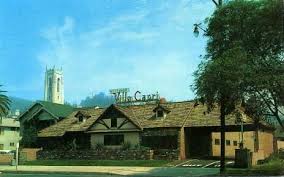
Just after purchase, Dean was driving his new car around Hollywood on September 23, 1955 when he ran into British actor Alec Guinness outside the Villa Capri restaurant. Guinness, exhausted after a long flight from Copenhagen, was having dinner with Thelma Moss, an actress and screenwriter. Because Moss was wearing trousers, the duo had been turned away from a number of restaurants so they traveled to the less formal Italian restaurant. But there were no available tables at the Villa Capri either. As they left the restaurant, Guinness heard the sound of “running, sneakered feet” behind them. He turned and found himself face to face with James Dean. “I was in that restaurant and you couldn’t get a table. My name is James Dean, would you please come and join me?”
Guinness didn’t know Dean (by this time, of Dean’s three movies, only East of Eden had been released) but Dean sure knew Guinness. Guinness had already received an Academy Award nomination for Best Supporting Actor in The Lavender Hill Mob in 1951. Sir Alec (1914-2000) won an Oscar portraying Col. Nicholson in The Bridge on the River Kwai (1957), but he is best remembered by modern fans for portraying Obi-Wan Kenobi in the original Star Wars trilogy. Guinness appeared in nine of the British Film Institute’s 100 greatest British films of the 20th century.
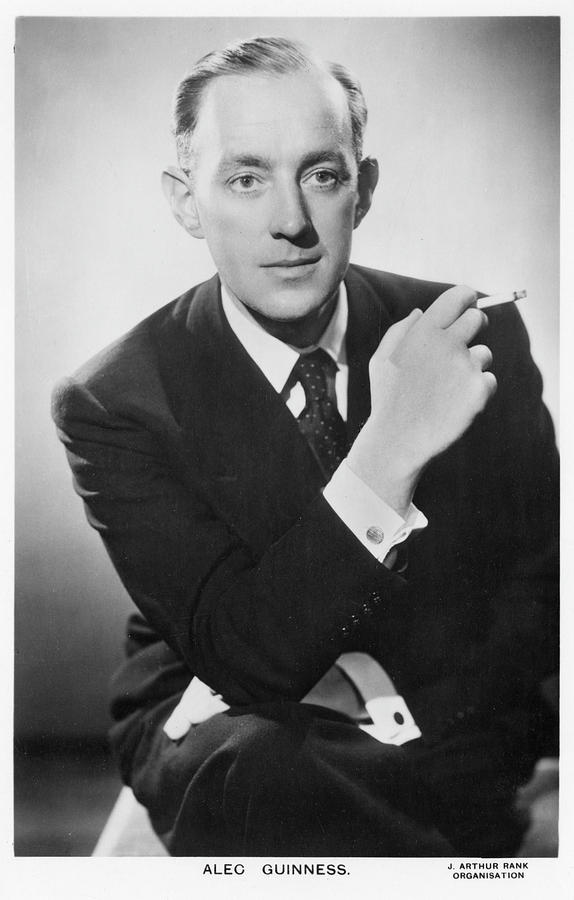 Guinness and Moss followed Dean to the restaurant, but before they reached the door, Dean stopped and said, “I’d like to show you something.” Years later, Guinness recalled “There in the courtyard of this little restaurant was this little silver thing, very smart, all done up in cellophane with a bunch of roses tied to its bonnet.” The young method actor told his new British star, “It’s just been delivered,” said Dean “I haven’t even been in it at all.” Guinness thought the car looked “sinister”. “How fast is it?” he asked. “She’ll do a hundred and fifty,” replied Dean.
In a 1977 interview on BBC television, Guinness recounted a prophetic premonition: “Exhausted, hungry, feeling a little ill-tempered in spite of Dean’s kindness, I heard myself saying in a voice I could hardly recognize as my own, ‘Please, never get in it.’ Guinness said. “And some strange thing came over me. Some almost different voice and I said, ‘Look, I won’t join your table unless you want me to, but I must say something: Please do not get into that car, because if you do’ — and I looked at my watch — and I said, ‘if you get into that car at all, it’s now Friday, 10 o’clock at night and by 10 o’clock at night next Friday, you’ll be dead if you get into that car.'” “Dean laughed. ‘Oh, shucks! Don’t be so mean!’” After Dean brushed off the warning, the group proceeded to have a “charming dinner.” Guinness recalled, then closed his story by saying, “It was one of those odd things. It was a very, very odd, spooky experience. I liked him very much, too. I would have loved to have known him more.” Would you expect any less from Obi-Wan Kenobi?
Sir Alec’s prediction came true. A week after that dinner at the Villa Capri, James Dean was dead. Details of James Dean’s last hours on earth have been well documented but are worth revisiting. Dean’s posse that day consisted of Porsche mechanic Rolf Wütherich, Warner Bros. Studios stuntman and close friend Bill Hickman and photographer Sanford H. Roth who was shooting photos for an upcoming story of Dean at the races for Collier’s magazine. The group gathered for coffee and donuts at the Hollywood Ranch Market on Vine Street before leaving around 1:15 p.m. They stopped at a nearby Mobil station on Ventura Blvd. at Beverly Glen Blvd. in Sherman Oaks around 2:00 p.m. to gas up for the 300 mile trip up to Salinas. The group then headed north on the Golden State Freeway and then headed out on Interstate 5 (aka the “Grapevine”) toward Bakersfield.
 At 3:30 p.m., Dean was stopped by California Highway Patrolman O.V. Hunter at Mettler Station on Wheeler Ridge, just south of Bakersfield, for driving 65 mph in a 55 mph zone. Hickman, following the Spyder in Dean’s Ford “woodie” station wagon pulling the trailer, was also ticketed for driving 20 mph over the limit, as the speed limit for all vehicles towing a trailer was 45 mph. After receiving the citations, Dean and Hickman turned left onto SR 166 / 33 to bypass Bakersfield’s congested downtown district. This bypass became known as “the racer’s road”, a popular short-cut for sports car drivers going to Salinas. The racer’s road went directly to Blackwells Corner at U.S. Route 466 (later SR 46). Around 5:00 p.m., Dean stopped at Blackwells Corner for “apples and Coca-Cola” and met up briefly with fellow racers Lance Reventlow and Bruce Kessler, who were also on their way to Salinas in Reventlow’s Mercedes-Benz 300 SL coupe. As Reventlow and Kessler were leaving, they all agreed to meet for dinner that night in Paso Robles.
At approximately 5:15 p.m., Dean’s party hit the road, driving west on Route 466 toward Paso Robles, approximately 60 miles away. Dean unleashed his Porsche 550 and left Hickman and the Ford station wagon far behind. The Porsche crested Polonio Pass and headed west down Route 466’s long Antelope Grade, passing cars along the way while heading straight toward the junction of Route 41. Around 5:45 p.m., a black-and-white 1950 Ford Tudor Custom coupe traveling at high speed was headed east on Route 466 just west of the town of Shandon. Allegedly, James Dean’s last words, uttered right after Wütherich warned Dean to slow down as the Ford Tudor rolled into their lane just before the impact were, “That guy’s gotta stop… He’ll see us”.
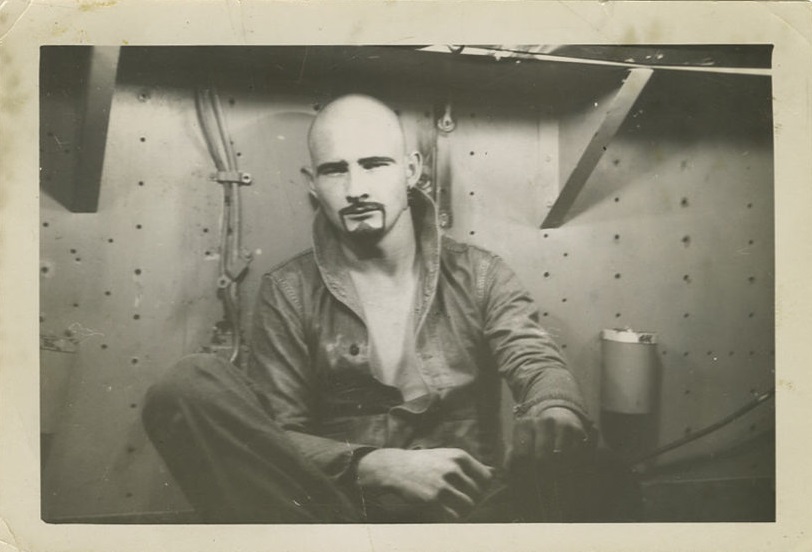
The driver, 23-year-old US Navy veteran and Cal Poly student Donald Turnupseed, made a left turn onto Route 41 headed north, toward Fresno. The skid marks suggested that, as Turnupseed’s Ford crossed over the center line, Dean tried to avoid the impact by steering the Spyder in a “side stepping” racing maneuver, but it was too late and the two cars collided almost head-on. A witness, John Robert White, reportedly saw the Spyder fly into the air and tumble two or three times in cartwheels before landing in a gully beside the shoulder of the road, northwest of the junction. The impact sent the much-heavier Ford sliding 39 feet down Route 466 in the opposite lane. The collision was witnessed by several passersby who stopped to help. A woman with nursing experience attended to Dean and detected a weak pulse in his neck, but according to the woman, “death appeared to have been instantaneous”.
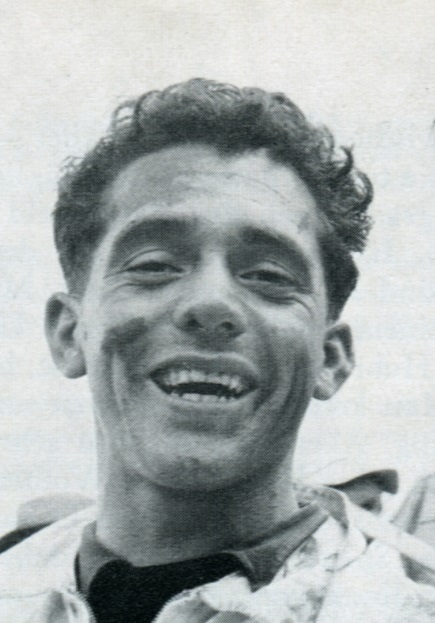
California Highway Patrol Capt. Ernest Tripke and his partner, Corp. Ronald Nelson were called to the scene. Before the CHP officers arrived, Dean had been pulled from the Spyder’s mangled cockpit, his left foot having been crushed between the clutch and brake pedal. He suffered a broken neck and massive internal and external injuries. Nelson arrived just in time to see an unconscious and dying Dean being placed into an ambulance. Wütherich, who had been in the passenger seat, was thrown from the Spyder, where he lay barely conscious on the shoulder of the road beside the wrecked vehicle. Dean and Wütherich traveled in the same ambulance to the Paso Robles War Memorial Hospital, 28 miles away. Dean was pronounced dead on arrival at 6:20 p.m. by the attending emergency room physician, Dr. Robert Bossert. The cause of death listed on James Dean’s death certificate is listed as “a broken neck, multiple fractures of the upper and lower jaw, both right and left arms broken, and internal injuries.”
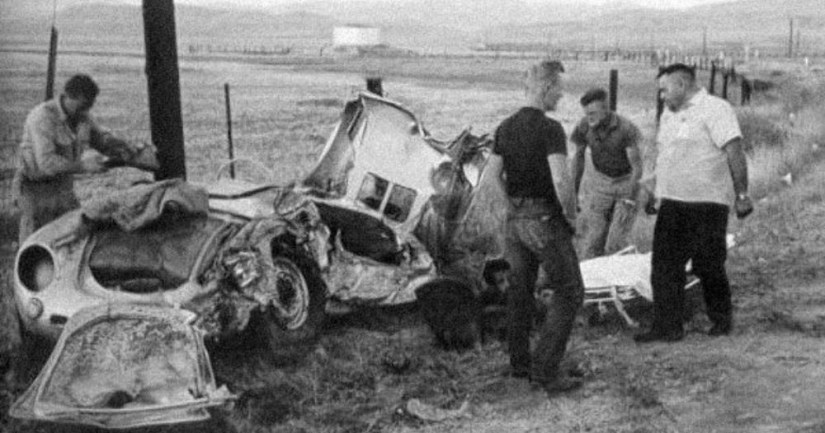
Despite reports of Dean’s speed being around 85 mph, Corp. Nelson estimated that the actual speed was around 55 mph, based on the wreckage and position of Dean’s body. It was later determined that Turnupseed was speeding at around 85 mph before impact. Hickman and Roth arrived on scene some ten minutes after the crash. Hickman assisted in extricating Dean from the wreckage while Roth took photographs of the crash. Wütherich survived with a broken jaw and serious hip and femur injuries that required immediate surgery. Turnupseed was only slightly injured with facial bruises and a bloody nose. After being interviewed by the CHP, Turnupseed hitch-hiked in the dark to his home in Tulare. He was not ticketed or ever charged with any wrongdoing and he remained a recluse for the rest of his life. Turnupseed died of cancer in 1995. Wütherich returned to Germany where he became a successful rally co-driver in the 1960s but reportedly never got over the 1955 crash physically or emotionally. In 1981 he too died in a car crash.
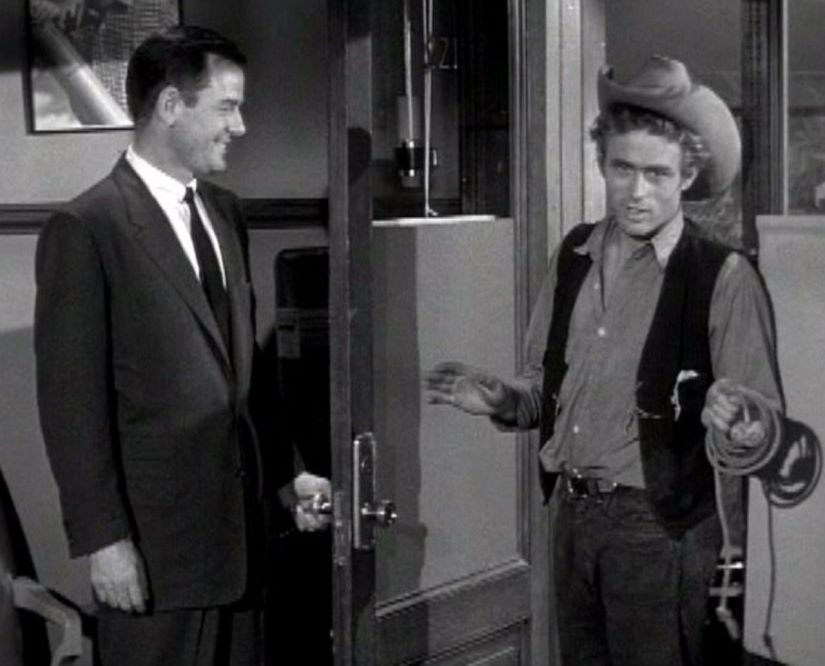
Shortly before the accident, Dean, dressed as his cowboy character from Giant, filmed a road safety television spot with Hollywood star Gig Young. In it, Dean fiddles nervously with a rope lasso and ends the spot by saying, “Take it easy driving – the life you save may be mine”. Four days after the crash, “Rebel Without a Cause” was released. Dean’s performance as Jim Stark, the confused teenager with doting but clueless parents, came to epitomize brooding adolescent behavior. At the time of the crash, Dean had completed one other film, 1956’s “Giant,” which starred Rock Hudson and Elizabeth Taylor. Although billed below them, Dean’s Jet Rink character stole the movie by playing a character who over the course of 40 years goes from cowboy to oil tycoon. Ironically, in this film, we see Dean go from a young man to an old man on screen. Something that never materialized in real life.
Next Week-PART II of Obi-Wan Kenobi and the Curse of James Dean.
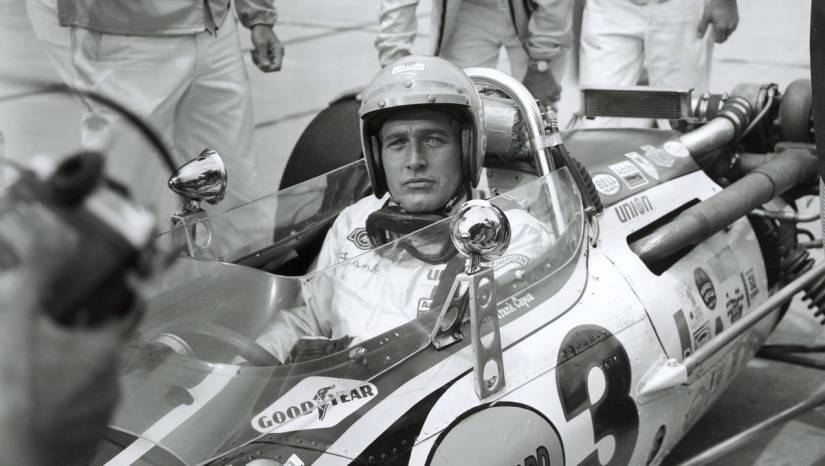
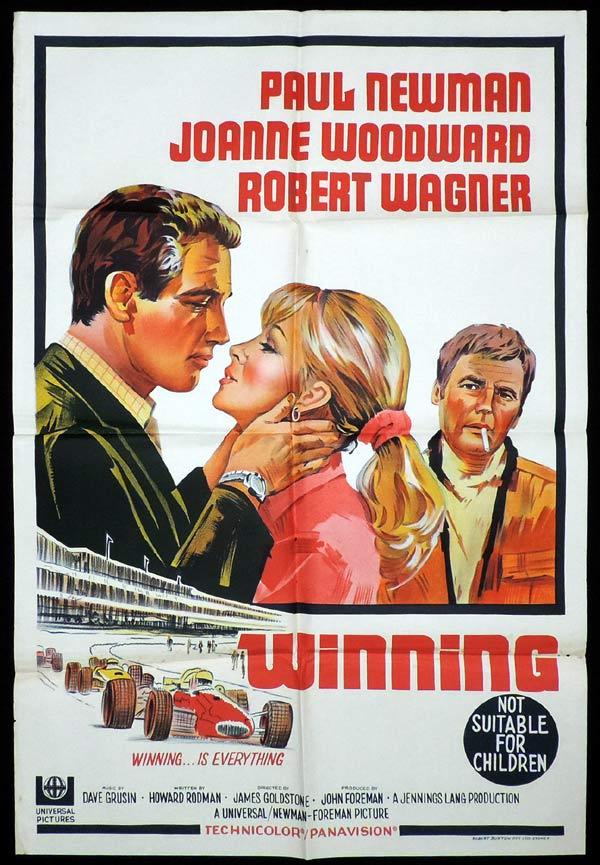 Even though I was very young, I can remember that in May of 1968, Hollywood came to town to film a major movie at the Indianapolis Motor Speedway. Although I didn’t know it at the time, the film was called “Winning,” and starred Paul Newman and his real-life wife, Joanne Woodward. The plot focused on an ambitious race driver determined to win the Indianapolis 500 in an effort to resurrect his flagging career. The film also starred Richard Thomas, soon to become more famous as “John Boy” on “The Waltons” TV series and Robert Wagner (of “Hart to Hart” TV fame). Several real-life racing figures-including the Speedway’s owner, Tony Hulman, and race driver Bobby Unser-portray themselves in the movie.

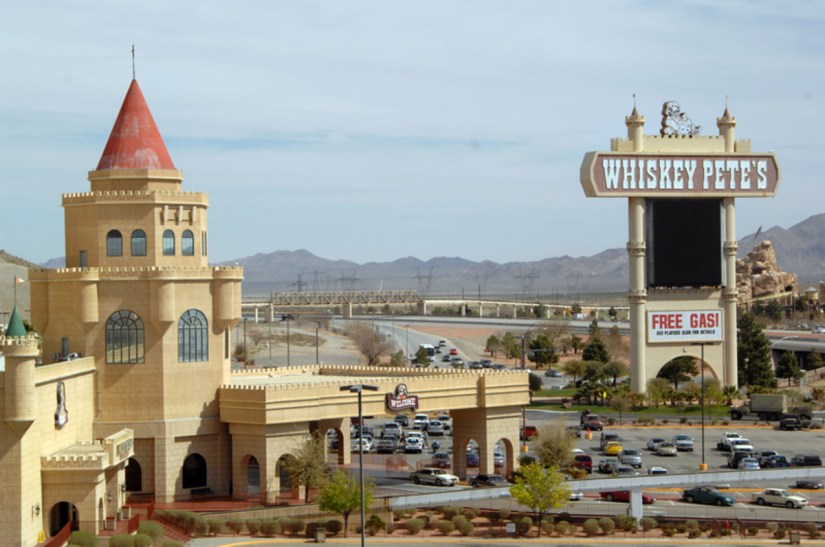 One of those “must see” old timey casinos is located about 30 miles southwest of the Vegas strip in a desert town called Primm, Nevada not far from the California border. Known as “Whiskey Pete’s”, the casino covers 35,000 square feet, has 777 rooms, a large swimming pool, gift shop and four restaurants. The casino is named after gas station owner Pete MacIntyre. “Whiskey Pete” had a difficult time making ends meet selling gas, so he resorted to bootlegging and an idea was born. When Whiskey Pete died in 1933, he was secretly buried standing up with a bottle of whiskey in his hands so he could watch over the area. Decades later, his unmarked grave was accidentally exhumed by workers building a connecting bridge from Whiskey Pete’s to Buffalo Bill’s (on the other side of I-15). According to legend, the body was reburied in one of the caves where Pete once cooked up his moonshine.
 Oh, I forgot to mention that Whiskey Pete’s is also home to the Bonnie and Clyde death car. As detailed in part III of this series, the car has had a long strange trip to Primm. The bullet-ridden car toured carnivals, amusement parks, flea markets, and state fairs for decades before being permanently parked on the plush carpet between the main cashier cage and a lifesize caged effigy of Whiskey Pete himself. According to the “Roadside America” website, “For a time it was in the Museum of Antique Autos in Princeton, Massachusetts, then in the 1970s it was at a Nevada race track where people could sit in it for a dollar. A decade later it was in a Las Vegas car museum; a decade after that it was in a casino near the California / Nevada state line. It was then moved to a different casino on the other side of the freeway, then it went on tour to other casinos in Iowa, Missouri, and northern Nevada.
  Complicating matters was the existence of at least a half-dozen fake Death Cars and the Death Car from the 1967 Bonnie and Clyde movie (which was in Louisiana and then Washington, DC, but now is in Tennessee).” Just in case of any remaining confusion, the Primm car is accompanied by a bullet riddled sign reading: “Yes, this is the original, authentic Bonnie and Clyde death car” (in all caps for emphasis).
 The walls surrounding the death car are festooned with authentic newspapers detailing the outlaw lover’s demise and letters vouching to the vehicle’s authenticity. Cases contain other Bonnie and Clyde relics like a belt given by Clyde to his sister and classic candid photos of the star-crossed lovers and their families.
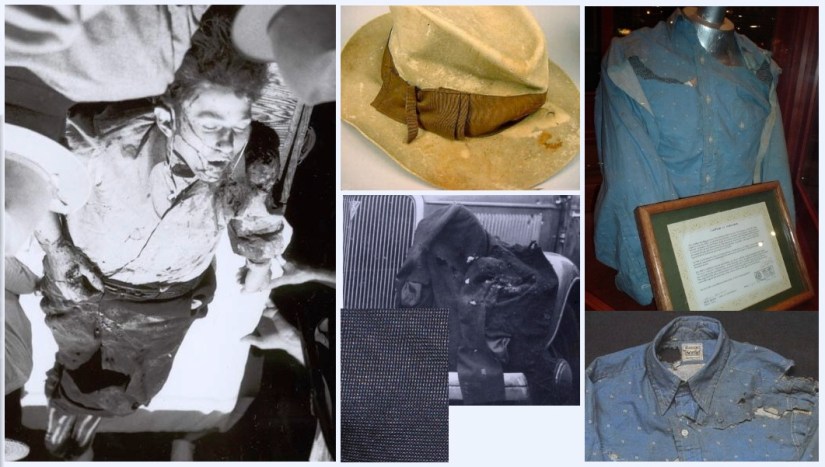 A movie, obviously created many years ago, recreates the event using newsreel footage, landscape photography and contemporary interviews with family members and eyewitnesses. Here, it is revealed that the shirt was found, decades after the outlaw’s death, secreted away in a sealed metal box along with Clyde’s hat. The film itself has become a piece of Americana and the images of Bonnie’s torn and tattered body left twitching in the car, resting silently mere yards away, are equally breathtaking. Nearby, although not nearly as shocking as the Bonnie and Clyde death car, another bullet-scarred automobile is on display. This one first belonged to gangster Dutch Schultz and later, Al Capone. Signs around the car proclaim that the doors are filled with lead and, judging by the pockmarks of the bullets denting the exterior, it is true. Although, like every casino, Whiskey Pete’s job remains separating gamblers from their money, both cars are on display 24 hours a day for free.
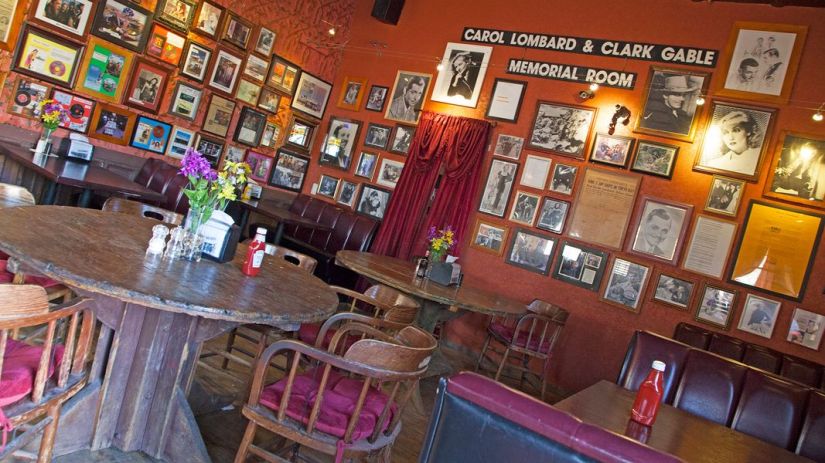 The interior of the Pioneer Saloon remains unchanged. It is easy to imagine Gone with the Wind star Gable drowning his sorrows at a rickety table or bracing himself against the cowboy bar and it’s brass boot rail. Ask and the bartender will point out the cigarette burn holes in the bar caused by Gable when he passed out from a mixture of grief and alcohol during his somber vigil. The tin ceiling remains as do the ancient celing fans (it gets HOT in the desert) and the walls are peppered with bullet holes left by cowboys who rode off into the sunset generations ago. The bar’s backroom is a shrine to the Lombard / Gable tragedy but sadly most of the relics on display there are modern photocopies and recreations. Locals claim that Carole Lombard’s ghost haunts the saloon in a desperate attempt to contact her grieving husband. The saloon is also reportedly haunted by the ghost of an old “Miner 49er” who appears drinking alone at the far end of the bar before vanishing into thin air. Millennials flock to the bar as the birthplace of the game “Fallout: New Vegas” which also has a small shrine located there.

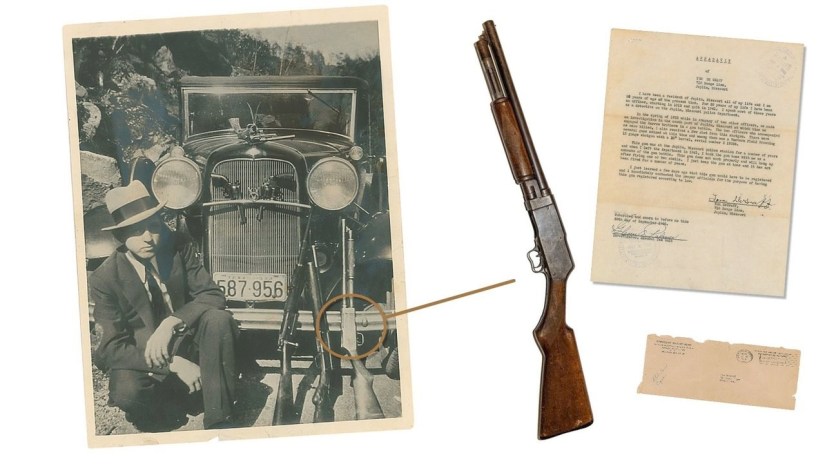


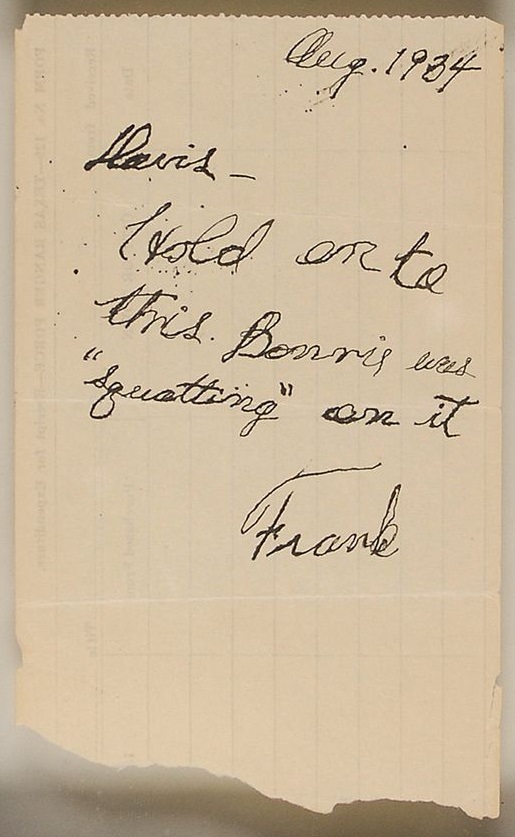


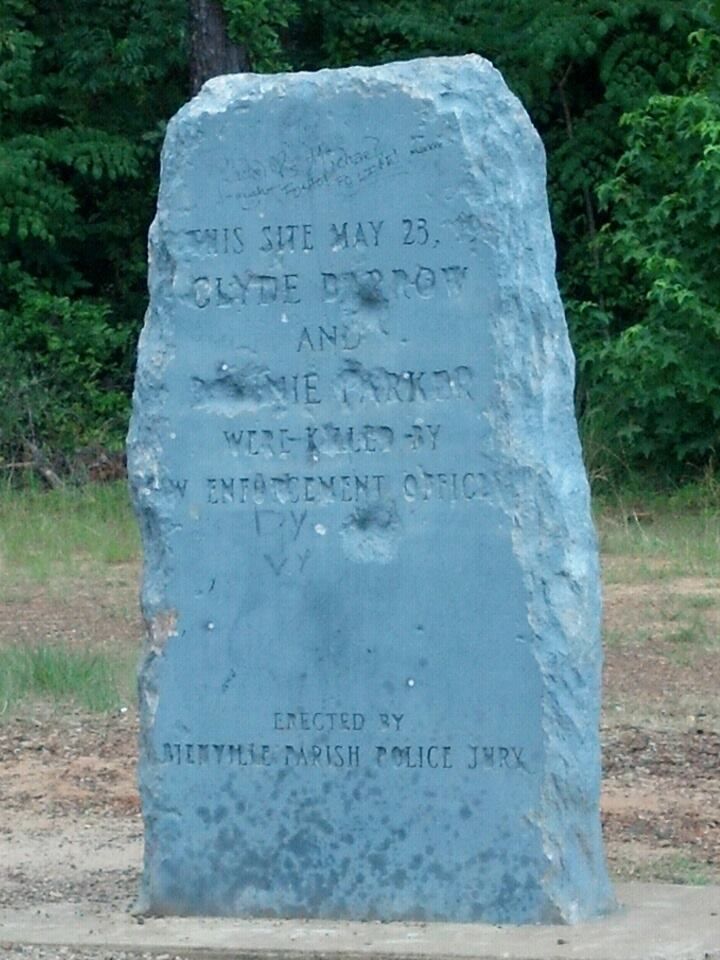
 During the Great Depression, some viewed the duo as near folk heroes, like Robin Hood and Maid Marian. And, although Hoosier outlaw John Dillinger reportedly once told a reporter that Bonnie and Clyde were “a couple of punks”, he and his fellow gang member Pretty Boy Floyd reportedly sent flowers to their funeral homes. The Barrow gang killed a total of 13 people, including nine police officers. They finally met their match on May 23, 1934, when six police officers ambushed them and shot some 130 rounds into the car. Dillinger outlasted Bonnie and Clyde by about two months – he met his maker on July 22, 1934. Truth is, proceeds from auctions of items associated with these outlaws over the past two decades (which number in the millions of dollars) far outdistance the proceeds of all of their robberies combined.
 For my part, when we told our 25-year-old son about our anniversary trip to Las Vegas, he remained nonplussed by saying, “I would only want to go out there to see a town called Primm.” To which we said “been there, done that.” His reply, “I’d also like to go to a little town called Good Springs.” We answered, “Been there too.” He concluded by saying he’d like to see an old dive bar named the “Pioneer Saloon.” He was shocked when we said we went there too. Of course, the reason he wants to venture out there is video game related, not history related. Nonetheless, he was chagrined by our answers. I guess we old folks aren’t so square after all.

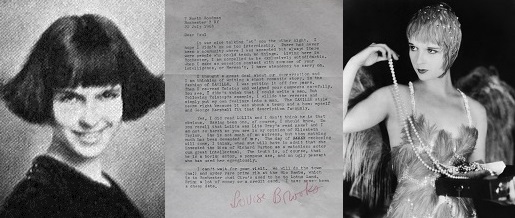
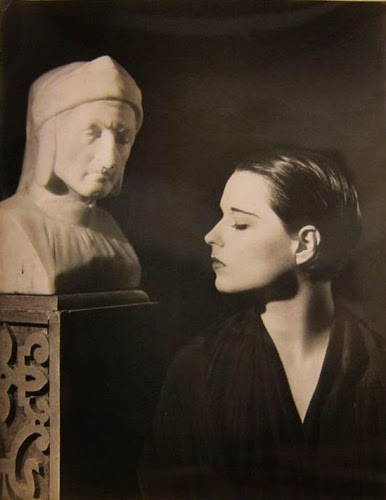

 Beginning in 1925, she starred in seventeen silent films and eight ‘talkies’ before retiring in 1938. She would forever be remembered as the iconic symbol of the flapper, and for popularizing the short ‘Bob’ haircut. Google Louise Brooks’ images and you will see why. In short, she was gorgeous at a time when classic Hollywood photographers were at their peak.
 Brooks began her career in 1922 as a dancer, joining the legendary Denishawn modern dance company in L.A., whose members included founders Ruth St. Denis and Ted Shawn, as well as a young Martha Graham. Her perceived closeness to Shawn (husband of Ruth St. Denis) got her booted from the troupe. Thanks to her friend Barbara Bennett (sister of Constance and Joan), Brooks almost immediately found employment as a chorus girl in George White’s Scandals and as a featured dancer in the Ziegfeld Follies. From there, her career caught fire.
 Despite French film historians proclaiming Brooks skill surpassing Marlene Dietrich and Greta Garbo as a film icon, she lived in relative obscurity for years in New York City and Rochester, N.Y. Despite her two marriages, she never had children, referring to herself as “Barren Brooks”. Her many lovers once included a young William S. Paley, the founder of CBS along with a veritable who’s who of Hollywood leading men and women.
 By her own admission, Brooks was a sexually liberated woman, not afraid to experiment, even posing fully nude for art photography in her golden years. Brooks enjoyed fostering speculation about her sexuality, cultivating friendships with lesbian and bisexual women. She admitted to some lesbian dalliances, including a one-night stand with Greta Garbo. She later described Garbo as masculine but a “charming and tender lover”.
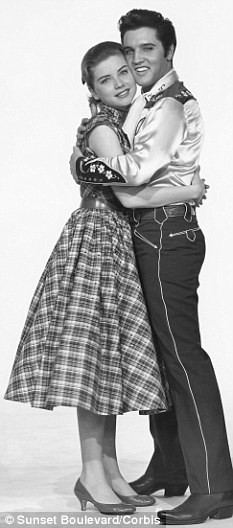

 In 1963, she broke off her engagement and the 25-year-old actress joined the Benedictine Abbey of Regina Laudis in Bethlehem, Connecticut as a Roman Catholic nun. She would ultimately become the Prioress of the Monastery. Legend claims that while on the final leg of a promotional tour for her last movie, “Come Fly with Me” starring Hugh O’Brian, Ms. Hart literally stepped out of a Hollywood limousine and into the abbey.
 In 2012 Benedictine nun Mother Prioress Dolores made a rare foray from her isolated life at the Abbey of Regina Laudis and traveled from her Connecticut home to Hollywood to celebrate an Oscar-nominated HBO documentary film titled, “God Is Bigger Than Elvis”. The film chronicles her life as an actress and a nun, including her close friendship with spurned fiancé, Don Robinson, who never married and who has visited Sister Dolores at the Connecticut monastery faithfully. One of the most touching moments in the film features Robinson and Prioress Dolores casually talking, Robinson referring to Hart as “Mother” while looking, and acting, like a typical elderly married couple. The scene takes on added significance when you realize that Don Robinson died shortly after the film was made, ending a platonic love affair that lasted a half a century.
 Alan E. Hunter