Baseball, Politics, Pop Culture, Presidents, Sports

Foul Ball!

Original publish date May 15, 2025.

https://weeklyview.net/2025/05/15/foul-ball/
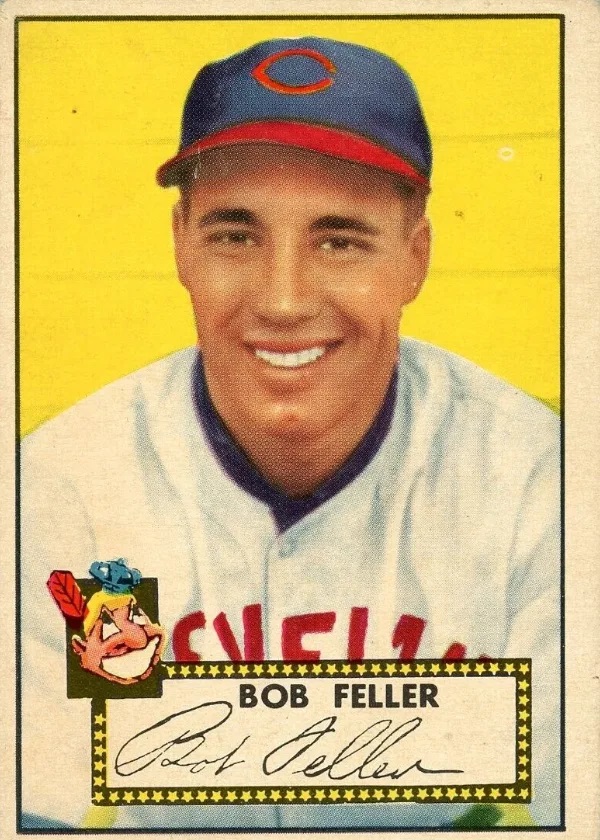
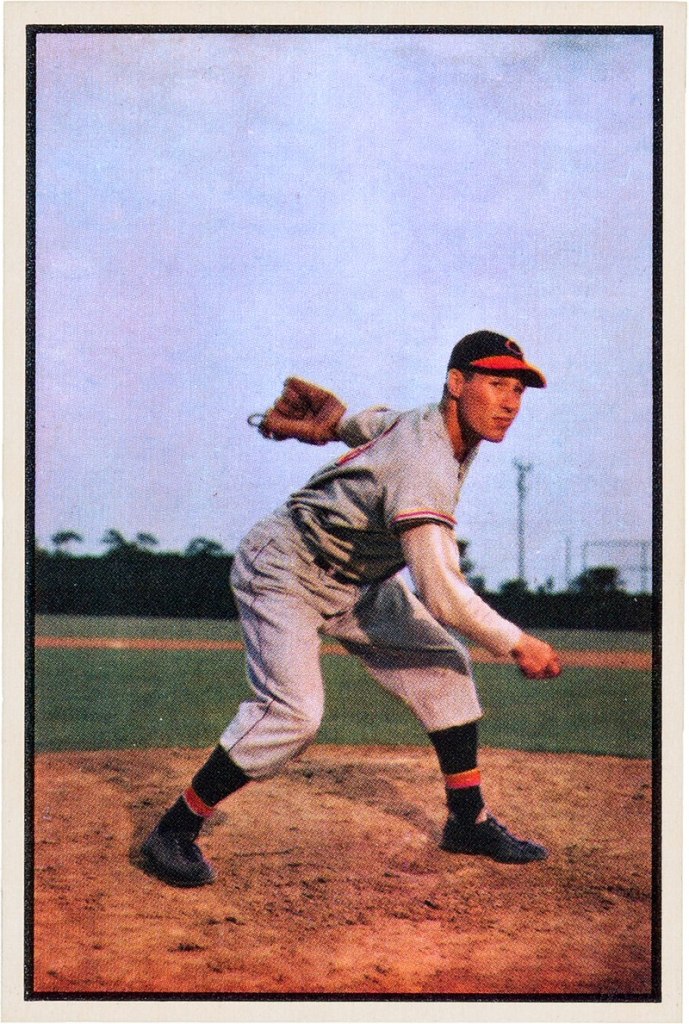
Bob Feller’s 1952 Topps card.

Last week, I ran a story about Cleveland Indians phenom Bob Feller’s pitched foul ball that hit and injured his mother during a game against the White Sox at old Comiskey Park in Chicago. That got me thinking about other foul ball stories and legends I’d heard about. Growing up, I spent a lot of time at old Bush Stadium on 16th Street in Indy. My dad, Robert Eugene Hunter, a 1954 Arsenal Tech grad, had worked there as a kid selling Cracker Jack/popcorn in the stands during the Victory Field years. He recalled with pleasure seeing Babe Ruth in person there and could name his favorites from those great Pittsburgh Pirates farm club teams from the late 1940s/early 1950s. I can’t tell you how many RCA Nights at Bush Stadium he took me to back in the 1970s during the team’s affiliation with the Cincinnati Reds Big Red Machine. During those outings, nothing was more exciting than chasing foul balls.
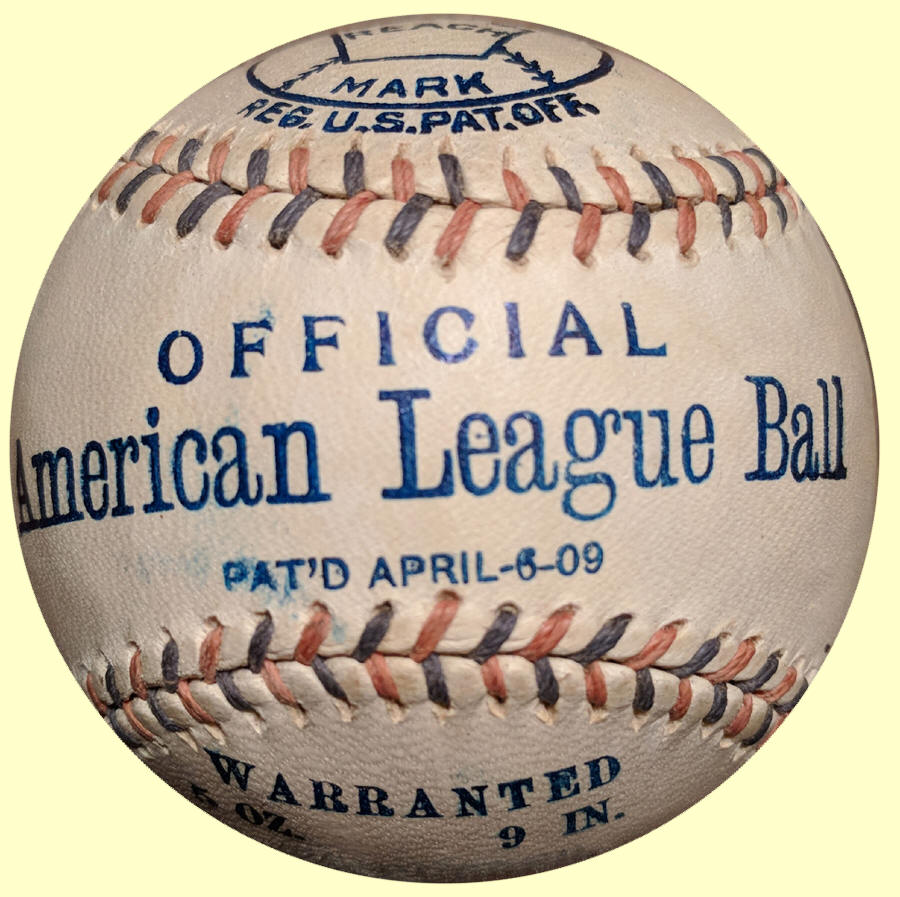
Not all foul balls are fun adventures, though; some are crazy, and others are just plain scary. Growing up, I loved reading about the exploits of those players who played before World War I. Back in those days, baseballs were considered team property and quite expensive. Fans were expected to return any ball hit into the stands (including homeruns), and balls hit out of the stadium were meticulously retrieved. In 1901, the National League rules committee, as a way of cutting costs, suggested fining batters for excessively fouling off pitches. Beginning in 1904, per a newly created league rule, teams posted employees in the stands whose sole job was to retrieve foul balls caught by the fans. Fans had a keen sense of humor, though, and they would often hide them from the “goons” or frustrate the hapless employees by throwing them from row to row. Sometimes, the games of keep-away in the stands were more fun to watch than the ones on the field. But those early WWI stories mostly involved the exploits of the players, not the fans. There were some characters in the league back then. Some of them are long forgotten and some made the Baseball Hall of Fame.
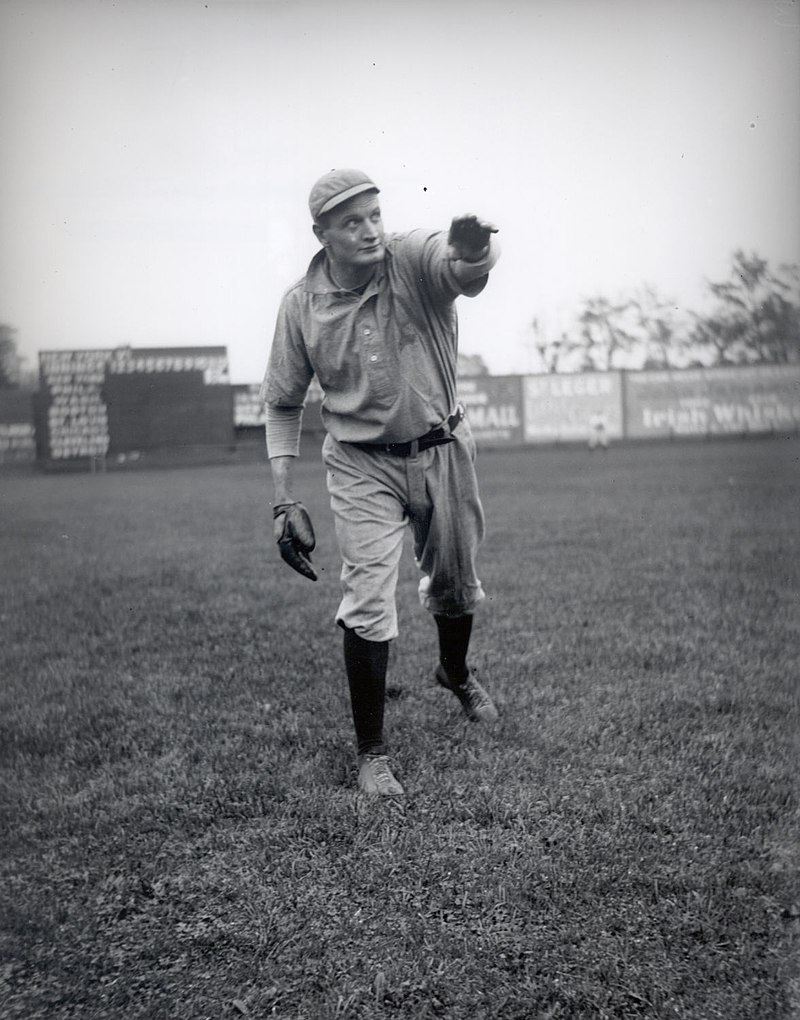
Rube Waddell 1905.

One of my favorite players from that hardball era was a square-jawed eccentric left-handed pitcher from the oil town of Bradford, Pa. named George Edward “Rube” Waddell (1876-1914). Rube played for 5 teams in 13 years. His lifetime 193-143 record, 2,316 strikeouts, and 2.16 ERA landed him in the Hall of Fame. And if there were a hall of fame for flakes in baseball, Rube would have been a first-ballot electee. If a plane flew above the field, Rube would stop in the middle of a game. If Rube heard the siren of a firetruck, he’d drop his glove and chase it. He once left in the middle of a game to go fishing. Opposing fans knew that Rube was easily distracted so they brought puppies to the game and held them up in the stands to throw him off. Rival teams brought puppies into the dugout for the same reason, knowing that Rube would drop his glove and run over to play with them every time. Shiny objects seemed to put Rube in a trance. His eccentric behavior led to constant battles with his managers and scuffles with bad-tempered teammates. Even though he was a standout pitcher, Rube’s foulball stories came off his bat, not out of his hand.
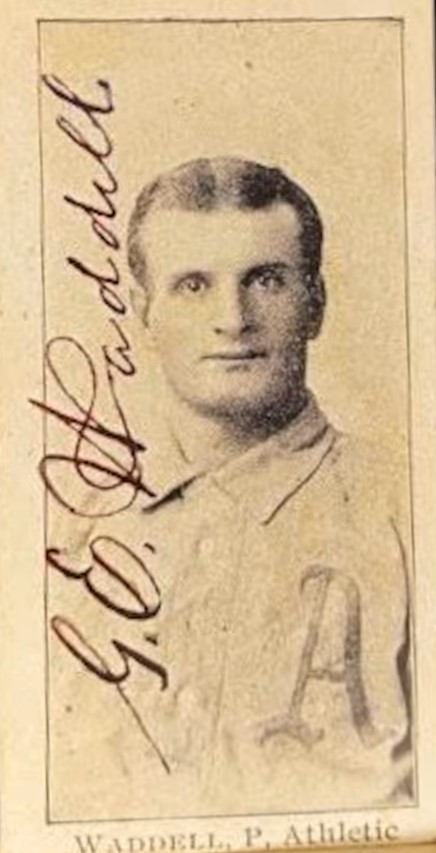
On August 11, 1903, the Philadelphia Athletics were visiting the Red Sox. In the seventh inning, Rube Waddell was at the plate. Waddell lifted a foul ball over the right field bleachers that landed on the roof of a Boston baked bean cannery next door. The ball rolled to a stop and became wedged in the factory’s steam whistle, which caused it to go off. It wasn’t quitting time yet, but the workers abandoned their posts, thinking it was an emergency. The employee exodus caused a giant caldron full of beans to boil over and explode. Suddenly, the ballpark was showered by scalding hot beans. Nine days before, on August 2, another foul ball off the bat of Waddell hit a spectator, supposedly igniting a box of matches in the fan’s pocket and ultimately setting the poor guy’s suit on fire and causing an uproar.

Waddell’s 1903 E107 Card.

George Burns Detroit Tigers.

Still, a foul ball hit by the aptly named George Burns of the Tigers in 1915 is worth mentioning in the same breath. His “scorching” foul liner struck an unlucky fan in the area of his chest pocket, where he was carrying a box of matches. The ball ignited the matches, and a soda vendor had to come to the rescue, dousing the flaming fan with bubbly to put out the fire.
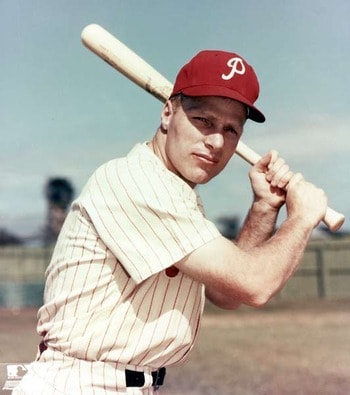
Richie Ashburn Philadelphia Phillies.

Richie Ashburn figures in many of the best foul ball stories in baseball lore. A contact hitter, Ashburn had the ability to foul off many consecutive pitches till he found one he liked. On one occasion, he fouled off fourteen consecutive pitches against Corky Valentine of the Reds. Another time, he victimized Sal “The Barber” Maglie for “18 or 19″ fouls in one at-bat. ”After a while,” said Ashburn, “he just started laughing. That was the only time I ever saw Maglie laugh on a baseball field.” Ashburn’s bat control was such that one day he asked teammates to pinpoint a particularly offensive heckler seated five or six rows back. The next time up, Ashburn nailed the fan in the chest. On another occasion, Ashburn unintentionally injured a female fan who was the wife of a Philadelphia newspaper sports editor. Play stopped as she was given medical aid. Action resumed as the stretcher wheeled her down the main concourse, and, unbelievably, Ashburn’s next foul hit her again. Thankfully, she escaped with minor injuries.
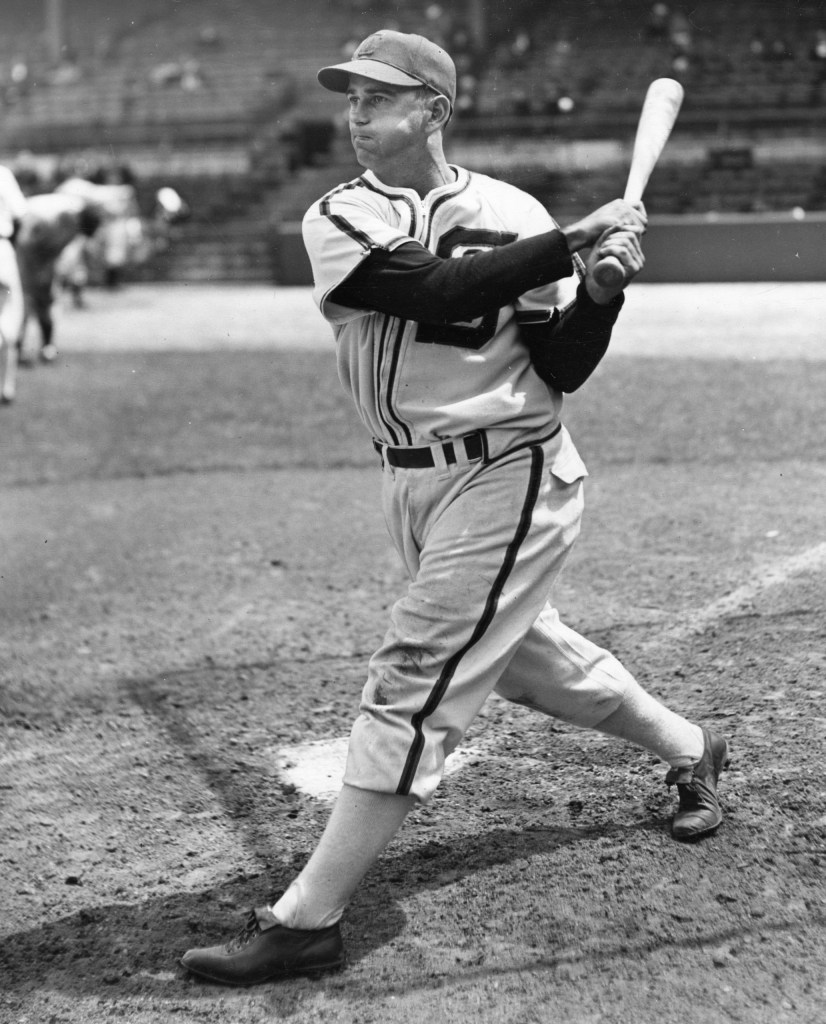
Luke Appling Chicago White Sox.

Another notable foul ball hitter was Luke Appling, the Hall of Fame shortstop with a career batting average of .310. As the story goes, Appling once asked White Sox management for a couple of dozen baseballs, so he could autograph them and donate them to charity. Management balked, citing a cost of several dollars per baseball. Appling bought the balls from his team, then went out that day and fouled off a couple dozen balls, after which he tipped his hat toward the owner’s box. He never had to pay for charity balls again, the legend goes.
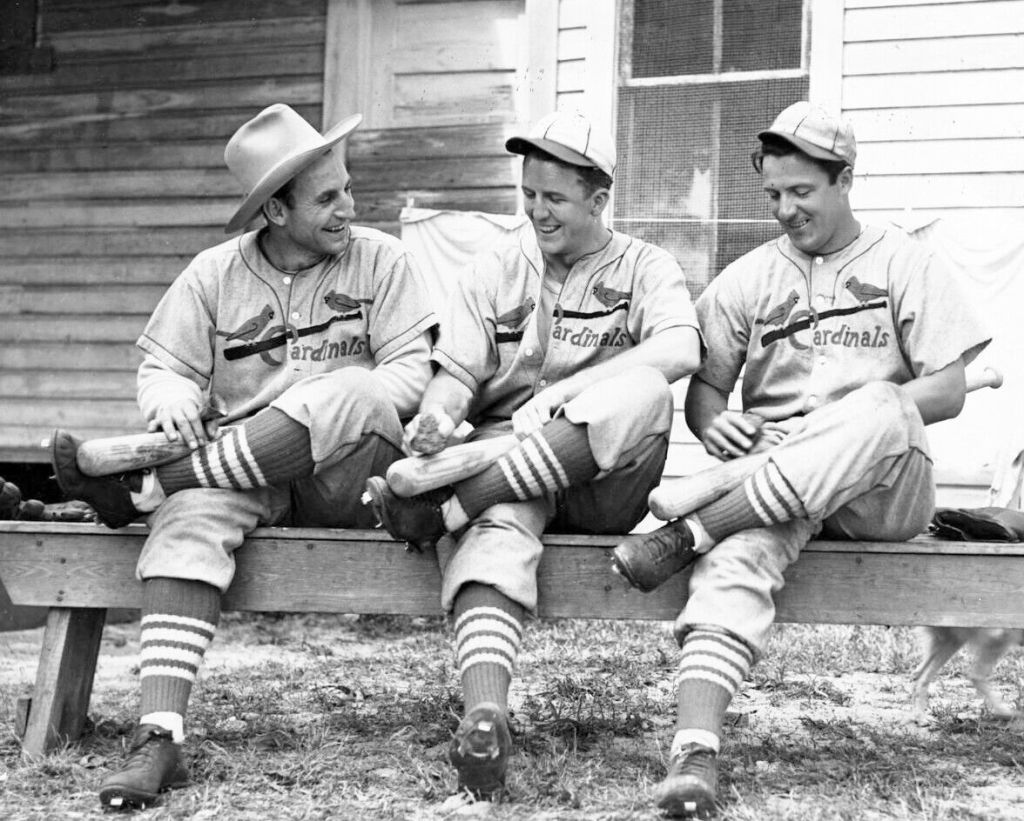
1934 Cardinals The Gashouse Gang:
Pepper Martin, Terry Moore & Ducky Medwick.

Another great foul ball story involves Pepper Martin and Joe Medwick of the St. Louis Cardinals famous Gas House Gang teams of the mid-1930s. With Martin at bat, Medwick took off from first base, intending to take third on the hit-and-run. Martin fouled the ball into the stands, and Reds catcher Gilly Campbell reflexively reached back to home plate umpire Ziggy Sears for a new ball. Then, just for fun, Campbell launched the ball down to third, where Sears, forgetting that a foul had just been hit and that he had given Campbell a new ball, called Medwick out. The Cardinals were furious, but not wanting to admit his error, Sears refused to reverse his call, and Medwick was thrown out-on a foul ball!
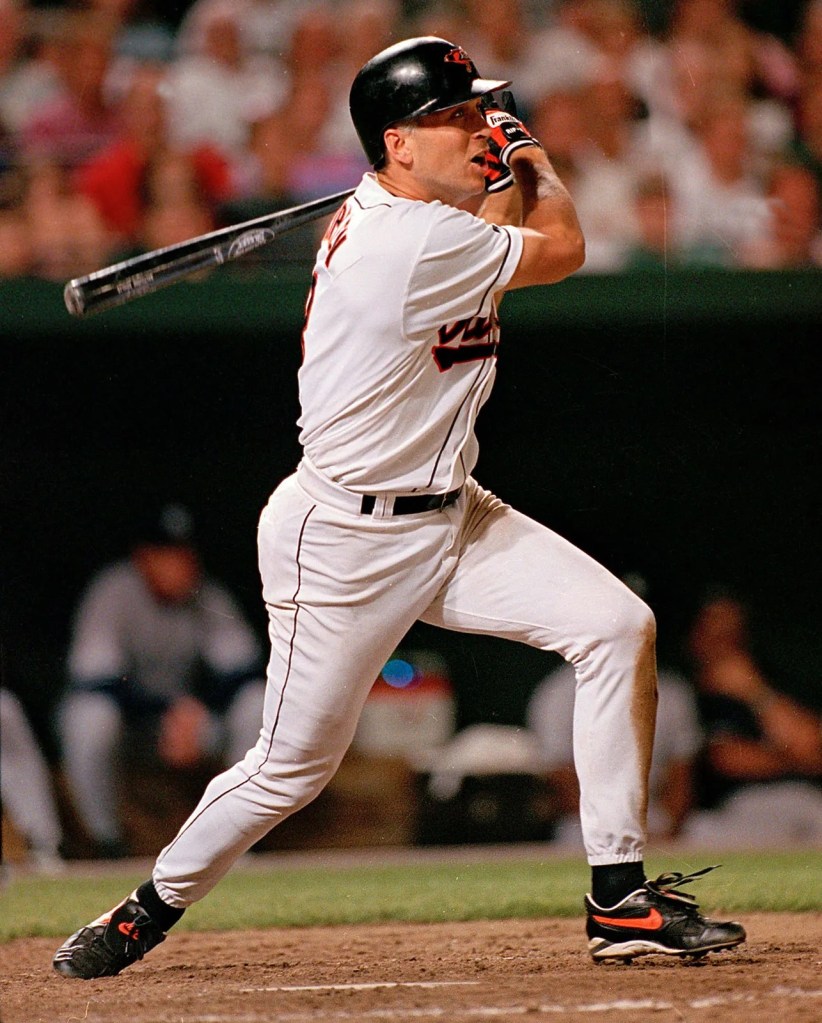
Cal Ripken, Jr.

The great Cal Ripken Jr. made life imitate art with a foul ball in 1998. In the movie The Natural, Roy Hobbs lofts a foul ball at sportswriter Max Mercy, as Mercy sits in the stands drawing a critical cartoon of the slumping Hobbs. Baltimore Sun columnist Ken Rosenthal faced a similar wrath of the baseball gods after he wrote a column in 1998 suggesting that it might be time for Ripken to voluntarily end his streak, at that point several hundred games beyond Lou Gehrig’s old record, for the good of the team. Ripken responded by hitting a foul ball into the press box, which smashed Rosenthal’s laptop computer, ending its career. When told of his foul ball’s trajectory, Ripken responded with one word: “Sweet.”

Another sweet story involves a father and son combination. In 1999, Bill Donovan was watching his son Todd play center field for the Idaho Falls Braves of the Pioneer League. Todd made a nice diving catch and threw the ball back into the second baseman, who returned it to the pitcher. On the next pitch, a foul ball sailed into the outstretched hands of the elder Donovan. “I was like a kid when I caught it,” said the proud papa. “It made me wonder when was the last time that a father and son caught the same ball on consecutive pitches.”
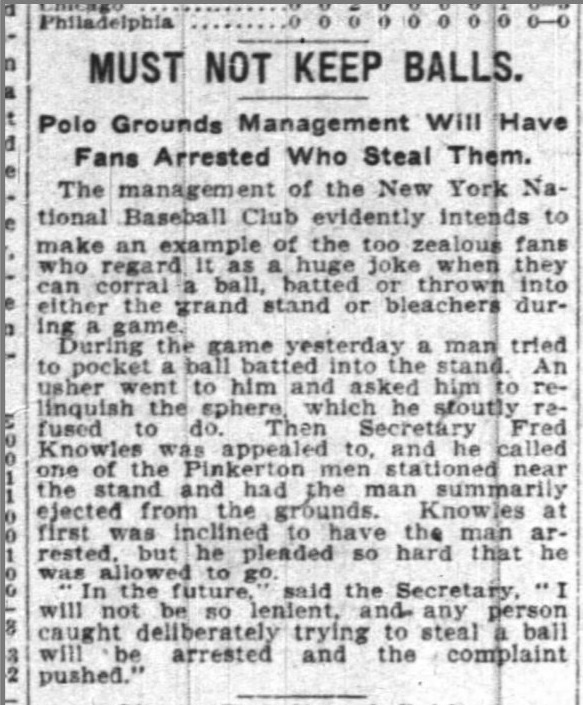
One day in 1921, New York Giants fan Reuben Berman had the good fortune to catch a foul ball, or so he thought. When the ushers arrived moments later to retrieve the ball, Reuben refused to give it up, instead tossing it several rows back to another group of fans. The angered usher removed Berman from his seat, took him to the Giants’ offices, and verbally chastised him before depositing him in the street outside the Polo Grounds. An angry and humiliated Berman sued the Giants for mental and physical distress and won, leading the Giants, and eventually other teams, to change their policy of demanding foul balls be returned. The decision has come to be known as “Reuben’s Rule.”
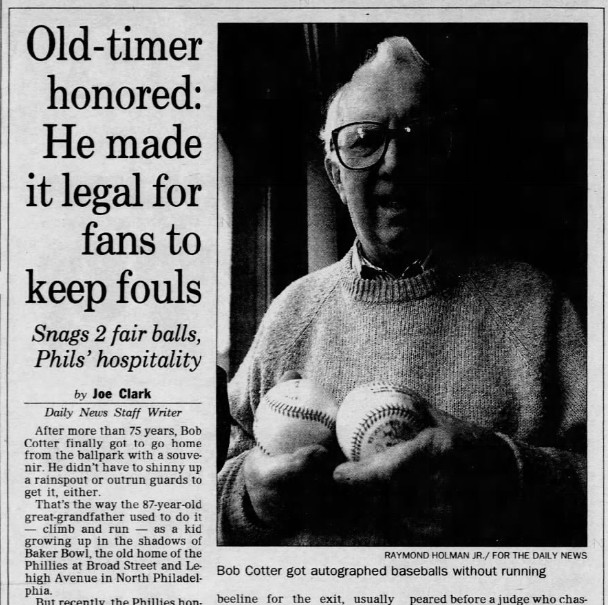
While Berman’s case was influential, the influence had not spread as far as Philadelphia by 1922, when 11-year-old fan Robert Cotter was nabbed by security guards after refusing to return a foul ball at a Phillies game. The guards turned him over to police, who put the little tyke in jail overnight. When he faced a judge the next day, young Cotter was granted his freedom, the judge ruling, “Such an act on the part of a boy is merely proof that he is following his most natural impulses. It is a thing I would do myself.” The tide eventually changed for good, and the practice of fans keeping foul balls became entrenched. World War II was another time when patriotic fans and owners worked together to funnel the fouls off to servicemen. A ball in the Hall of Fame’s collection is even stamped “From a Polo Grounds Baseball Fan,” one of the more than 80,000 pieces of baseball equipment donated to the war effort by baseball by June 1942.
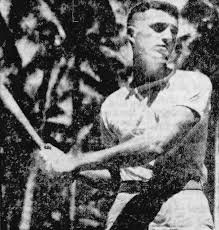
Marine Private First Class George Benson Jr.

One of those baseballs may well have been involved in one of the strangest of all foul ball stories. In a military communique datelined “somewhere in the South Pacific,” the story is told of a foul ball hit by Marine Private First Class George Benson Jr., which eventually traveled 15 miles. Benson’s batting practice foul looped up about 40 feet in the air, where it smashed through the windshield of a landing plane. The ball hit the pilot in the face, fracturing his jaw and knocking him unconscious. A passenger, Marine Corporal Robert J. Holm, muttering a prayer, pulled back on the throttle and prevented the plane from crashing, though he had never flown before. The pilot recovered momentarily and brought the plane to a landing at the next airstrip, 15 miles away.
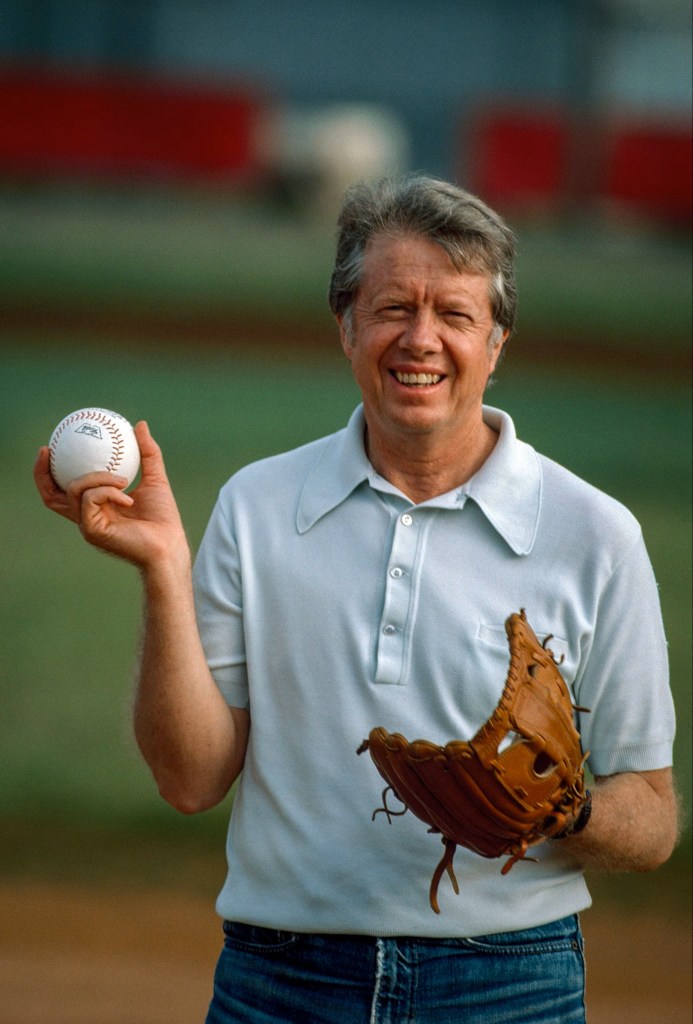
President Jimmy Carter.

In 1996, at the age of 71, former President Jimmy Carter made a barehanded catch of a foul ball hit by San Diego’s Ken Caminiti, while attending a Braves game. “He showed good hands,” said Braves catcher Javy Lopez.

With foul balls by this time an undeniable right for fans at the ballpark, what are your actual chances of catching a foul ball at a game? Well, to start with, the average baseball is in play for six pitches these days, which makes it sound as though there will be many chances to catch a foul ball in each game. While comprehensive statistics are not available, various newspapers have sponsored studies which, uncannily, seem quite often to come down to 22 or 23 fouls into the stands per game.
That seems like a healthy number until you look at average major league attendance at games. In the year 2000, the average game was attended by 29,938 fans. With 23 fouls per game, that works out to a 1 in 1,302 chance of catching a foul ball. With numbers like that, no wonder it feels so special to catch a foul ball. Nevertheless, those who yearn to catch a foul ball can improve their chances. I have listed some tips to help you bring home that elusive foul ball. Good luck!
Baseball, Creepy history, Pop Culture

Bob Feller’s Happy Mother’s Day.

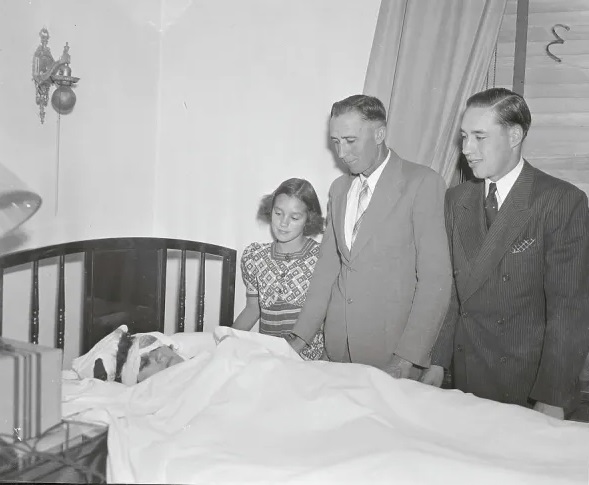
Bob Feller visiting his mom in the hospital.

Original Publish date May 8, 2025.

https://weeklyview.net/2025/05/08/bob-fellers-happy-mothers-day/

So what did you get for Mother’s Day this year? I hope it was something fun, delicious, or useful, but just in case the answer was nothing, this article might make you feel a little better. Every year, as the boys of summer take the field anew, I try to dig up a baseball story that you may have never heard of before. Or, if you’ve heard of it, perhaps you’re not familiar with or don’t recall all the details. I was lucky enough to meet Baseball Hall of Famer Bob Feller on several occasions. I suppose the most memorable was on July 27, 1984. That was the day of the Cracker Jack Baseball Old-Timers Dream Game at the Hoosier Dome Downtown. I was midway through my term as Deputy Auditor for the state of Indiana, and my office was a short walk to the Dome and an even shorter walk to the Embassy Suites Hotel where the players were staying. So I strolled over and took an extended lunch hour to see if I could meet any of the players as they checked in. I was fortunate that day and had the opportunity to meet Joe DiMaggio, Sal “The Barber” Maglie, Billy Williams, Tony Oliva, Don Larsen, Minnie Minoso, Don Newcombe, Luke Appling, and Bob Feller. Mr. Feller was a gentleman and we talked for a little bit after he checked in. I told him that in my opinion, he was (along with Nolan Ryan and Bob Gibson) one of the three greatest pitchers of my lifetime. I asked him if he could still throw (I think he was 66 at the time) and if so, how fast can he bring it. He answered, “Well, I could still hit 85-90 mph, I guess. If I didn’t want to comb my hair for a month.”

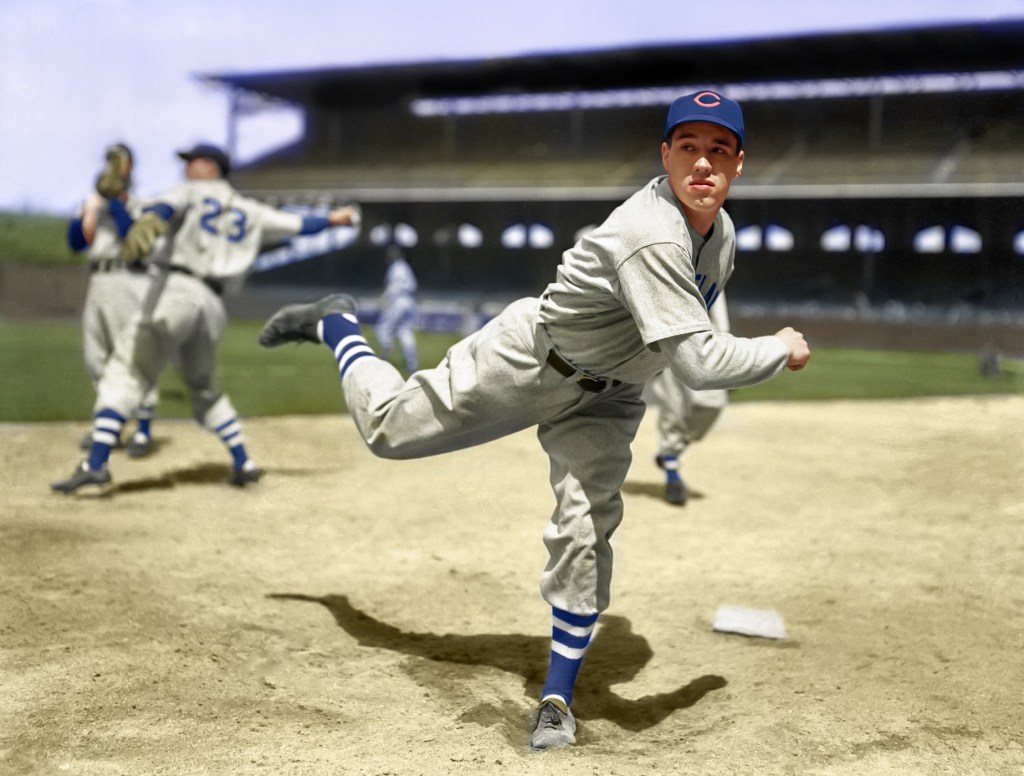
Bob Feller of the Cleveland Indians.

This story is about Bob Feller and his mom on Mother’s Day 1939. Robert William Andrew Feller, nicknamed “the Heater from Van Meter”, “Bullet Bob”, and “Rapid Robert”, was born on November 3, 1918, in Van Meter, Iowa. As a teenager, Feller was a shortstop/outfielder, but by the age of 15, he began to pitch and never looked back. In 1936, Feller was signed by legendary Cleveland Indians scout Cy Slapnicka for one dollar and an autographed Indians team baseball. A prodigy who bypassed baseball’s minor leagues, Feller made his Major League debut at the age of 17 in a relief appearance against the Washington Senators on July 19, 1936. A month later, on August 23, Feller made his first career start against the St. Louis Browns. Feller struck out all three batters he faced in the first inning on his way to recording 15 strikeouts (highest ever at the time for a starting pitcher’s debut) and earned his first career win. Three weeks later, he struck out 17 in a win over the Philadelphia Athletics, tying Dizzy Dean’s single-game strikeout record. He finished that first season with a 5–3 record over 14 games, 47 walks and 76 strikeouts in 62 innings. Then, Feller traveled back to Van Meter for his Senior Year of high school. The governor of Iowa met him at the door on that first day.

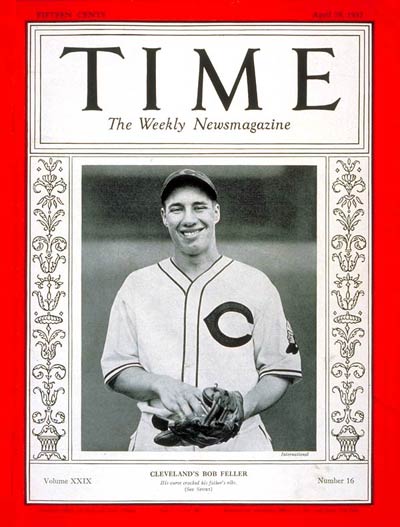
For the start of the 1937 season, Feller appeared on the cover of the April 19, 1937, issue of Time magazine. Rookies appearing on magazine and video game covers have been a longtime curse in the sports world. Feller was no different. After that Time cover, during his first appearance of the season on April 24, Feller blew out his elbow throwing a curveball. He spent April and May healing and traveled back to Van Meter to graduate high school in May in a ceremony that was aired nationally on NBC Radio. For the 1937 season, Feller finished 9-7 despite his 0-4 start. He allowed only 116 hits while striking out 150 batters against a paltry 106 walks pn just under 149 innings.

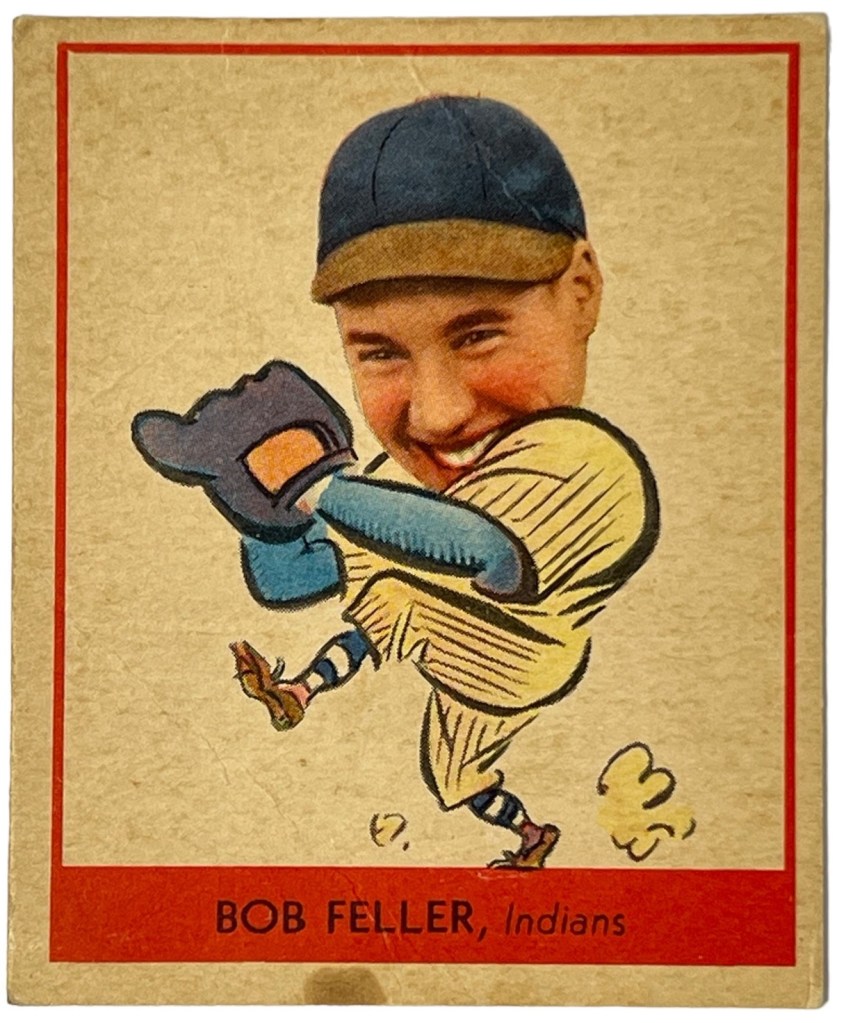
Bob Feller’s 1938 Goudey Card.

For the 1938 season, Feller led all pitchers with 208 walks and 240 strikeouts. Feller pitched in 39 Major League games during the 1938 regular season finishing with 17 wins, 11 losses, and 1 save. He allowed 225 hits and finished with a 4.08 E.R.A. with no hit batters, no wild pitches, and no intentional walks. On April 20, 1938, Feller pitched the first of his 12 career one-hitters in the Cleveland Indians’ 9-0 win over the St. Louis Browns. His biggest fan, his mother Lena, was bedridden and sick with pneumonia, so she could only listen to her son’s milestone game on the radio and cheer from home. It was the Indians’ second game of the new season Cleveland’s fireballing right-hander was nearly unhittable. The only hit came in the sixth inning off a weak grounder back to the mound by St. Louis Browns’ catcher Billy Sullivan who beat out an infield hit. Two-time all-star and 1935 batting champion Buddy Myer told the papers, “Bob Feller’s fastball comes at you looking like a shirt button-and as easy to hit.”

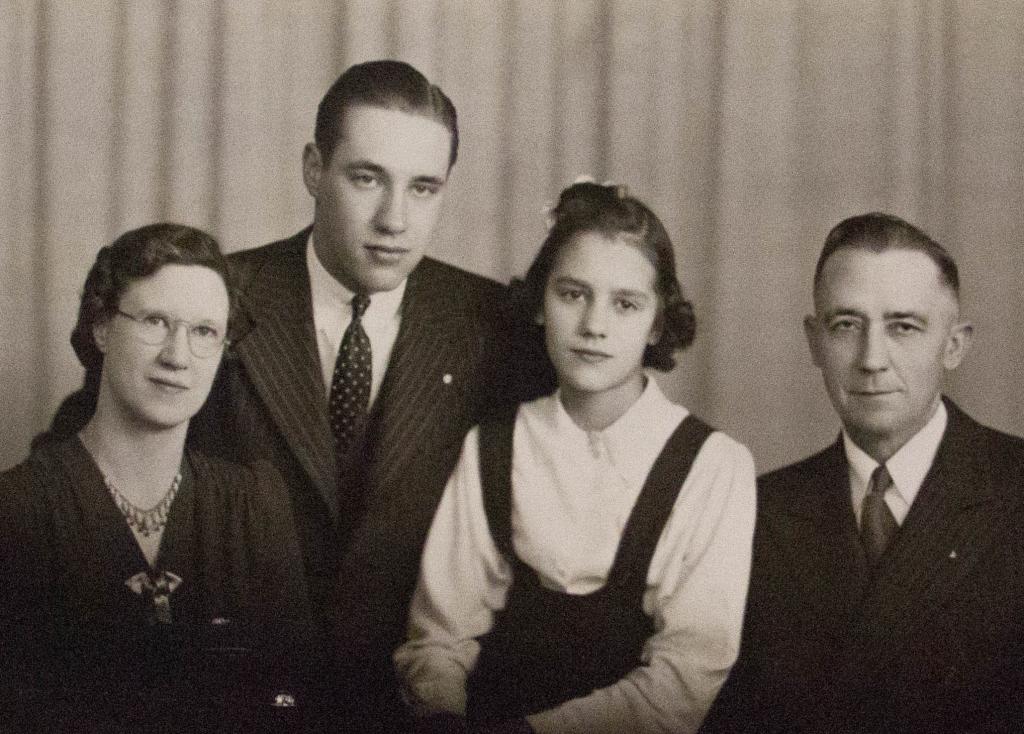
The Feller Family.

Since it was her son’s first game of the season, the Feller house was full of Iowa newspaper reporters, hungry for quotes and reactions from the phenom’s parents. “That’s fine,” Feller’s mother said to her husband, “but it’s a shame he couldn’t have had a no-hit game.” Her nonplussed reaction was no surprise when it came to her son’s prowess on the mound. Lena C. Feller was quite used to her son’s greatness and habit of throwing no-hitters. In 1936, he pitched five no-hitters for Van Meter High School before he went on to help the Indians in the season, all before graduating high school in 1937. Growing up on a farm west of Des Moines, Feller developed great strength and broad shoulders while performing his daily chores. That work helped him throw blazing fastballs. When he was 8 years old, he threw a baseball so hard it broke three of his father William Andrew Feller’s ribs. The elder Feller built his son a ballfield one-quarter mile east of the farmhouse, complete with bleachers and a concession stand. The ballfield has been called the “original Field of Dreams”. That farm was federally designated as a historic site in 1999. In his 2012 biography, Feller stated that if he could relive any moment of his life, it would be “Playing catch with my dad between the red barn and the house.”

Bob Feller in 1939.

Although already an all-star, 1939 was Bob Feller’s breakout season. He would lead the American League in wins (24), complete games (24), and innings pitched (296 and 2⁄3), and he led the majors for a second consecutive year in both walks (142) and strikeouts (246). And while Feller would repeat as an all-star in 1939, it was an incident on Sunday, May 14, 1939, Mother’s Day, that would be remembered by baseball fans for generations to come. Lena and Bill Feller, along with their 10-year-old daughter Marguerite and over 700 fans from Van Meter, made the 5-hour, 350-mile trip from Iowa to Comiskey Park in Chicago to see their 20-year-old hometown hero pitch against the White Sox in front of 28,000 fans. The Feller family sat in front-row box seats on the first baseline behind the visitors’ dugout.

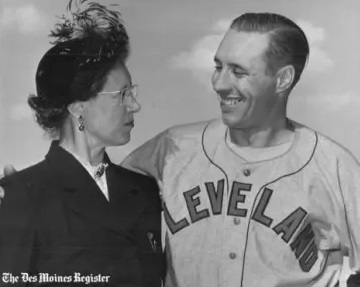
Lena Feller and her son Bob.

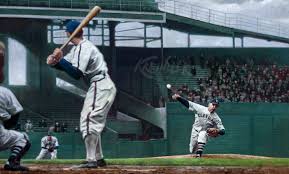
In the last half of the third inning, Indians up 6 to 0, Feller delivered a pitch to right-handed palehose 3rd baseman Marv Owen. Feller threw a fastball at which Owen swung on hard but late. The foul ball screamed towards the first baseline and into the stands behind the Indians’ dugout, and a horrific CRACK! echoed onto the field. Instinctively, Rapid Robert Feller watched helplessly as the ball struck his mother above her eye, breaking her eyeglasses. News accounts differ as to whether it was her left eye or right eye, but the result was certain: the lenses shattered, lacerating her nose, eyes, and forehead. Blood poured from her eyelid and forehead. The crowd gasped, the Iowa fans shrieked, and Bob Feller froze on the pitcher’s mound. For a few moments stood “stark still,” visibly shaken and agonizing over the drama in the stands. Bob dashed to the box and watched helplessly as she was led off to Chicago’s Mercy Hospital, where stitches were required. The game was delayed as Cleveland Indians trainer Max “Lefty” Weisman rushed into the stands to tend to Mrs. Feller. Lefty escorted her “to a spot below the stands” where he gave Mrs. Feller emergency treatment. He assured his young pitcher that the wounds were not serious before, aided by Lena’s husband and daughter, helping her to a nearby car and driving her to Mercy Hospital. As soon as Lena was safely on her way, Feller retook the mound and struck Owen out. “There wasn’t anything I could do,” Feller later said, “so I went on pitching.” The incident shook him up, and unable to fully concentrate on the game, Feller allowed the White Sox to score three runs before he regained his composure. Settling down, Feller won the game 9 to 4.

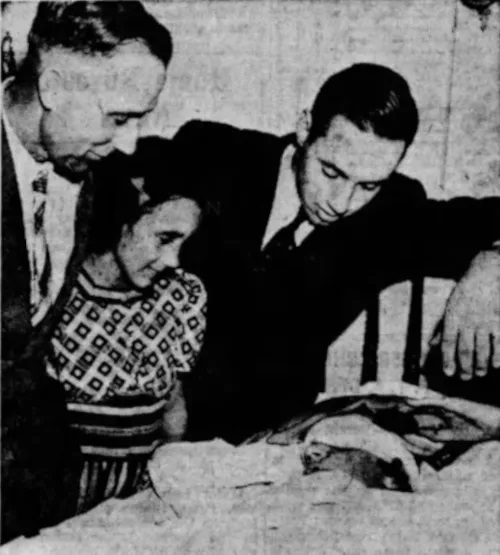
William, Marguerite, and Pitcher Bob Feller Visiting Lena at the hospital.

At the hospital, 45-year-old Lena received six stitches to close the deepest cut. Doctors determined that Lena probably suffered a mild concussion, but luckily, an X-ray examination determined that her skull was not fractured and no bones were broken. The hospital announced that they expected her to make a full recovery. With the game now over, Bob sped to the hospital to check on his mom. He walked into Lena’s hospital room to find her sitting up in the hospital bed with her head swathed in bandages. He rushed to the bedside and embraced his mother in a hug and she said, “Everything is all right, I just didn’t see that ball coming.” Seeing that his mom was battered and bruised, but otherwise all right, Bob reminded her of his promise to win the game as a Mother’s Day present, which he did. Ironically, it was Bob Feller Day at the ballpark, so Bob was the one who received a gift that day in the form of a brand new portable radio presented before the game from the Iowa delegation. It was his sixth victory of the season, and Feller held the White Sox to six hits, seven walks, and struck out six batters. Another visitor to Lena’s room that day was Kennesaw Mountain Landis, former Hoosier (Delphi & Logansport) and sitting Commissioner of Major League Baseball, whose office was in Chicago.

Bob Feller’s no-hit game against the Chicago White Sox.

One newspaper, the May 15, 1939, Lancaster (Ohio) Eagle-Gazette, snarked off after the incident. “Bob Feller will ring up around $10,000 (in today’s money) on the side this year from his endorsements of candy, baseball equipment, breakfast foods, and what have you. That little sum should take care of Master Robert’s [problems].” As detailed above, Feller would recover nicely from the incident and have one of the best seasons of his career. It must be noted that the next year on April 16th, Opening Day of the 1940 season, Bob Feller threw his first no-hitter against, you guessed it, the Chicago White Sox at Comiskey Park. This time Marv Owen was not in the lineup, having been sold to the Boston Red Sox in December 1939, and Feller’s parents were safely at home listening to the game on the radio.

Baseball, Politics

John Glenn & Ted Williams: The Flying Leathernecks.

Ted Williams and John Glenn

Original Publish Date March 3, 2022. https://weeklyview.net/2022/03/03/john-glenn-ted-williams-the-flying-leathernecks/

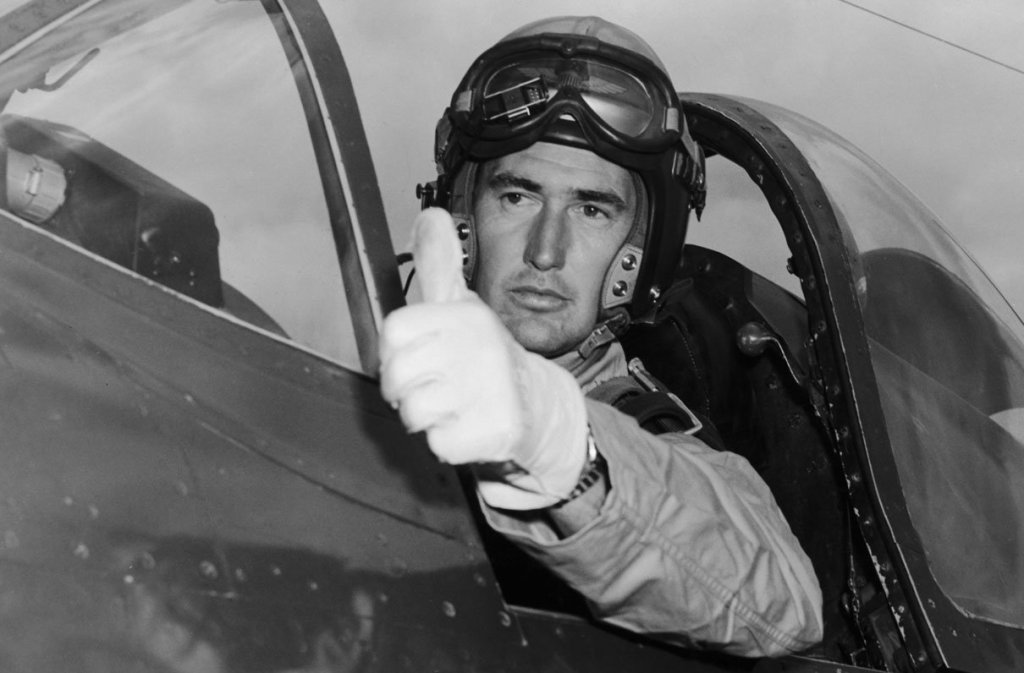
On February 16, 1953, a wounded fighter jet approached the airfield at Suwon, Korea. The plane’s radio was inoperable, its hydraulic system gone, and it was trailing smoke and bleeding fluids. Its streaming 30-foot ribbon of fire all indicated serious danger. The pilot brought his hobbled midnight-blue F9F Grumman “Panther” jet in for a dangerous wheels-up belly landing, skidding the length of the tarmac in a cloud of sparks and debris. An already tense situation became worse as the nose promptly burst into flames below the cockpit. The trapped aviator blew off the canopy, struggled out of the plane, and limped away as fire and rescue crews quickly blanketed the burning aircraft with foam. The plane was a total loss but the pilot survived.
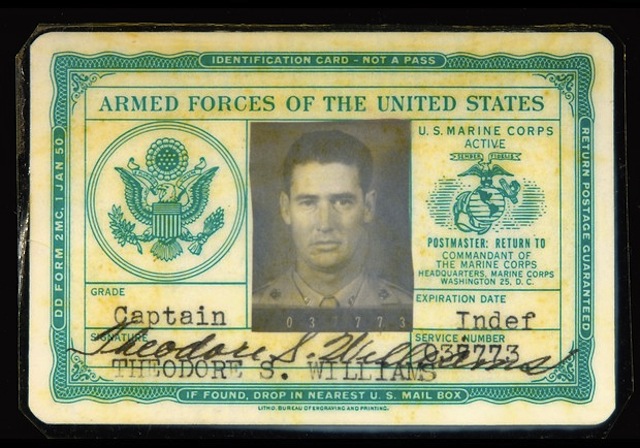
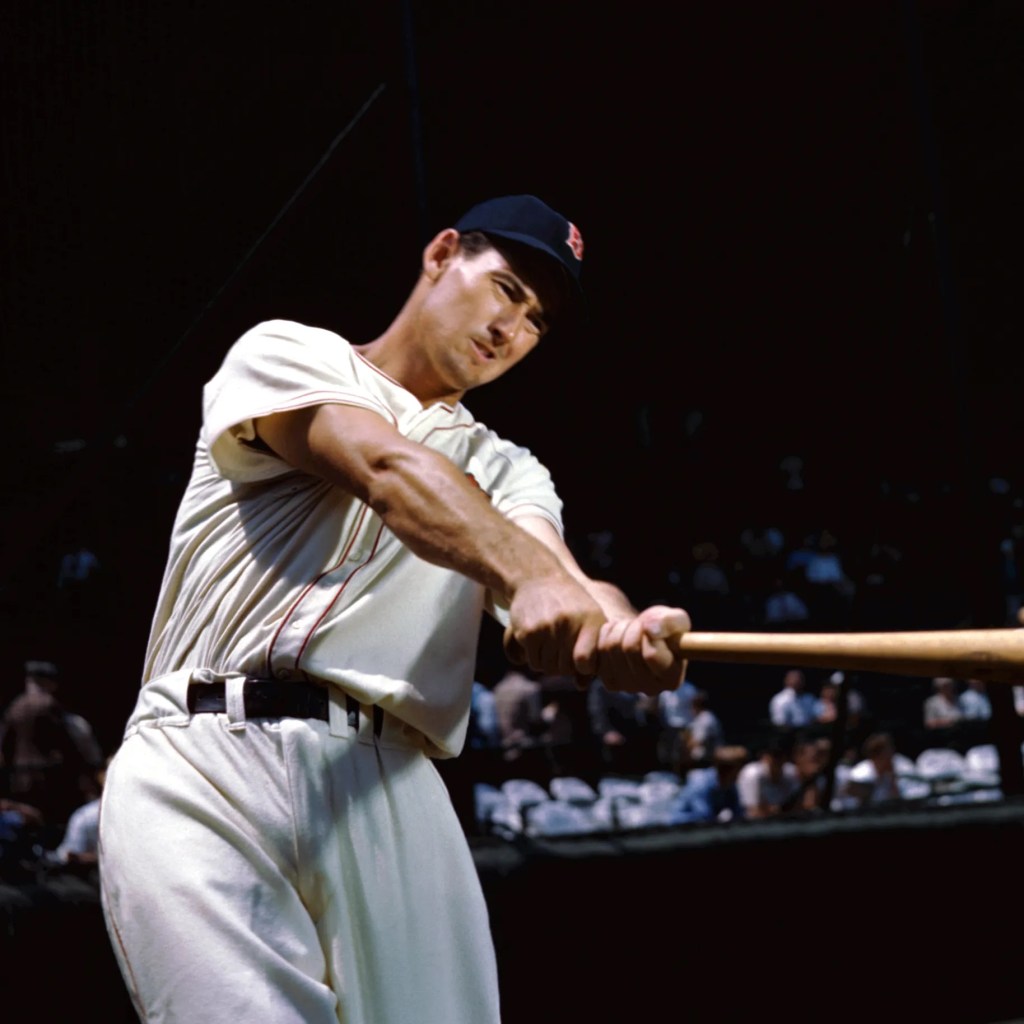
Later, the airmen at Suwon learned they had just witnessed the dramatic escape of the most famous flying leatherneck in Korea; Captain Theodore S. Williams, better known as Ted Williams of the Boston Red Sox. Williams was arguably the best baseball hitter of all time. “Teddy Ballgame” was a six-time American League batting champ, two-time AL MVP, and the last man to hit .400 for a season. He was inducted into the Baseball Hall of Fame in 1966 five years after hitting a homerun in his last at bat.

Ted Williams.

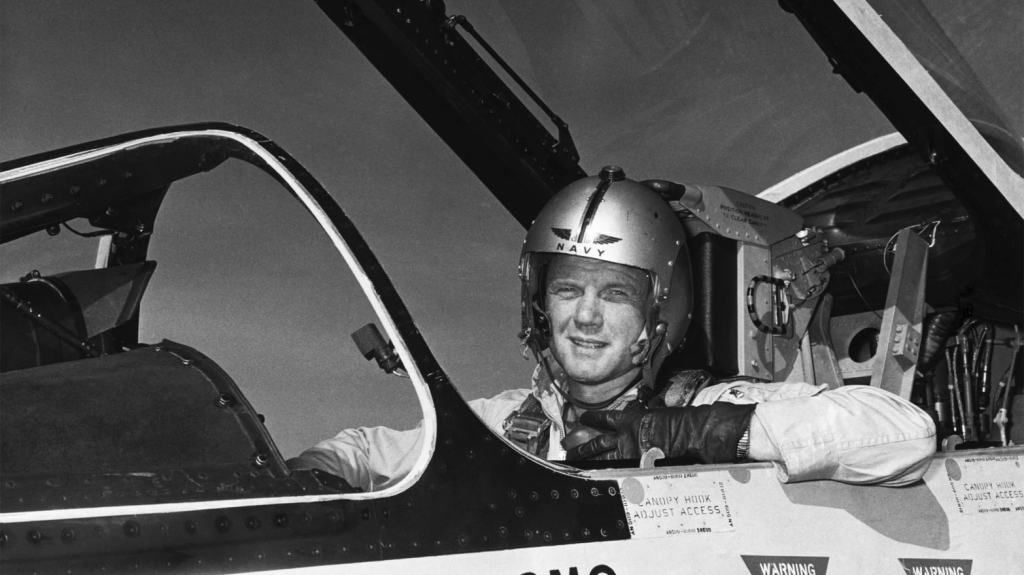
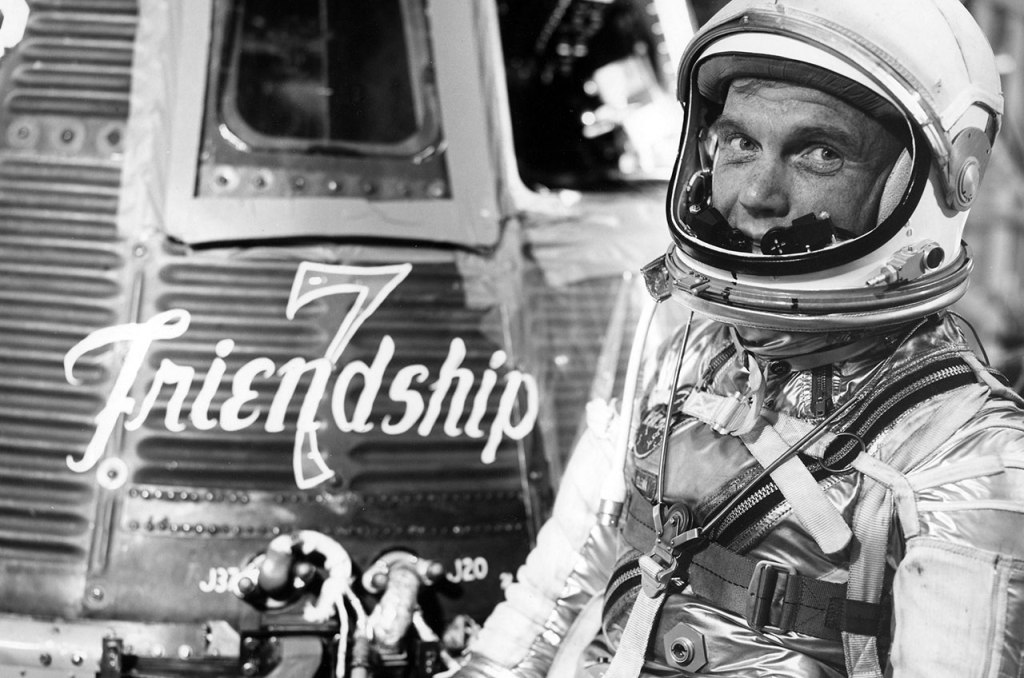
His stats as an airman were equally impressive. Ted flew 39 combat missions in Korea and his planes were hit by enemy fire three times. On this mission, as with many, Williams was flying as wingman for his squadron’s operations officer, John H. Glenn, Jr.: Ohio’s Mercury astronaut, former senator, and 1984 presidential candidate. Glenn and Williams were both Marine pilots during World War II but did not know each other well. Shortly after Pearl Harbor, Glenn dropped out of Muskingum College in New Concord, Ohio, and enlisted in the Marines. Williams joined the Marines at the end of the 1942 season after leading the league with a .356 batting average.
The two met and became friends in Korea. Glenn flew 63 combat missions in Korea and was nicknamed “Old Magnet Ass” because of the number of flak hits he took on low-level close air support missions. He returned to base with over 250 holes in his plane twice. But on that Feb. 16th mission, Williams’ plane was the one that took the heavy hits. When Glenn saw that his wingman’s plane was on fire, he flew to Williams’ wingtip and pointed up. The duo went up into thinner air and the fire went out.
Other pilots gestured for Williams to bail out but the slugger wouldn’t do it. Ted was 6-foot-4 and thought his knees might “catch the hatch” during ejection and that would be the end of his baseball career. Instead, Williams flew back to the base, zeroed in on the runway, and skidded to a stop. The hall of famer leaped from the cockpit and ran from the plane just as the aircraft caught fire again.
While much is known about Ted Williams the ballplayer, little is known about Williams the Marine pilot. In January 1942, Williams was drafted into the military, being put into Class 1-A (Available; fit for general military service). A friend suggested that Ted appeal his classification to the governor’s Selective Service board, since Williams was the sole support of his mother, arguing that he should be reclassified to Class 3-A (Men with dependents, not engaged in work essential to national defense). The “Splendid Splinter” was reclassified to 3-A ten days later.
Afterward, the public reaction was extremely negative. Quaker Oats stopped sponsoring Williams, and Williams, who previously had eaten Quaker products “all the time”, never ate Quaker products again. Williams took more flak by signing a new contract with the BoSox for $30,000 in 1942. That season, Williams won the Triple Crown, with a .356 batting average, 36 home runs, and 137 RBIs. On May 21, Williams hit his 100th career home run, and the next day he was sworn into the US Navy Reserves. Williams grew up in San Diego (a “Navy town”) and aviator Charles Lindbergh was one of his childhood heroes. Williams later noted that he first became interested in flying after seeing the Navy’s majestic lighter-than-air ship “Shenandoah” as a kid.

Naval aviation cadet T. S. Williams was sent to Amherst College in Massachusetts for a 90-day stint in preflight training, described as “Officer candidate school with a crash course in advanced science.” The school is where prospective pilots were whipped into shape, learned how to be military officers, and studied basic theories of how airplanes operated. Those cadets who did not wash out were then moved to Chapel Hill, N.C., for three months of preflight training. While the academic load was more strenuous, here the pilots actually got to fly airplanes. Ground-school training included subjects like engines, ordnance, aircraft characteristics, aerodynamics, and navigation.
Here the cadets flew small two-seat, single-engine, high-wing Piper NE-1 “Grasshopper” trainers to acquire the skills to fly an airplane. Next, Ted Williams was sent to the “Naval Air Station Bunker Hill” in Kokomo (Now Grissom Air Force Base) for basic flight training. There he learned more theory but also spent time flying Vultee SNV and North American SNJ trainers over the skies of Central Indiana. Upon graduation, Williams opted for the Marine Corps and moved south to Pensacola, Florida for advanced flight training as a fighter pilot.
Williams learned about tactics and weapons as he practiced advanced navigation, aerial combat maneuvering, and formation flying. His athletic ability, steady hand, and excellent eyesight made him a very good pilot. In fact, he was good enough to set the Marine gunnery record at Jacksonville. Williams once again was having an outstanding “rookie” season. Williams played on the baseball team (along with his Red Sox teammate Johnny Pesky) while in pre-flight training with the Civilian Pilot Training Course. While on the baseball team, Williams was sent back to Fenway Park on July 12, 1943, to play on an All-Star team managed by Babe Ruth. Upon meeting Williams the newspapers reported that Babe Ruth said, “Hiya, kid. You remind me a lot of myself. I love to hit. You’re one of the most natural ballplayers I’ve ever seen. And if my record is broken, I hope you’re the one to do it”. Williams later said he was “flabbergasted” by the incident, as “after all, it was Babe Ruth”. In the game, Williams hit a 425-foot home run to help give the A.L. All-Stars to a 9–8 win.

Ted Williams aka The Splendid Splinter.

Williams went on active duty in 1943 and was commissioned a second lieutenant in the United States Marine Corps as a Naval Aviator on May 2, 1944. In mid-1944, Marine aviation in the Pacific was on the wane. Japanese fighters had all but disappeared from the skies, and the days of dogfighting fighters crisscrossing the skies over the “Solomons Slot” were gone. With fighter pilots no longer in high demand, the most promising student aviators were made flight instructors, and that is what happened to Ted Williams.
When, in the summer of 1945, Ted finally received orders for the combat zone, he was in San Francisco. On September 2, 1945, when the war ended, Second Lieutenant Theodore S. Williams USMC was in Pearl Harbor, Hawaii playing baseball in the eight-team Navy League alongside Joe DiMaggio, Joe Gordon, and Stan Musial. The Service World Series games featuring Army versus the Navy attracted crowds of 40,000. The players said it was even better than the actual World Series between the Detroit Tigers and Chicago Cubs that year.
Williams was discharged by the Marine Corps on January 28, 1946, in time to begin preparations for the upcoming baseball season. For the 1946 season, Williams hit .342 with 38 home runs and 123 RBIs. He ran away as the MVP winner and helped the Red Sox win the pennant. That season, Williams hit the only inside-the-park home run in his Major League career and topped that with the longest home run in Fenway Park history, at 502 feet (the landing zone marked by a single red seat in the Fenway bleachers).
The name Theodore S. Williams was swapped from the list of inactive reserves to active duty on January 9, 1952. As the Korean War heated up the Marines desperately needed pilots and the 33-year-old married father was one of the best. Williams returned to active duty six games into the 1952 season. After hitting a 2-run home run in his last at-bat to beat the Detroit Tigers 5-3, Williams traded his uniform for a flight suit.
Although initially bitter at being called up (he’d only been in a plane once since World War II ended), Williams realized that going to Korea was the right thing to do. Still, Williams believed his call-up had more to do with the publicity it would generate for the Marines than the true need for his services. Right before he left for Korea, the Red Sox held a “Ted Williams Day” at Fenway Park. Williams was given a Cadillac and a memory book signed by 400,000 fans. The governor of Massachusetts and the mayor of Boston were there and at the end of the ceremony, the fans in the stands held hands and sang “Auld Lang Syne” to their hero.
Williams reported to Willow Grove (Pa.) Naval Air Station for flight-refresher training and then headed to Cherry Point, N.C., for ground school before transitioning into jets. From there, Williams traveled to Pohang on Korea’s eastern coast in early 1953. Captain Williams flew 39 combat missions, sustaining heavy enemy on many occasions, and he was awarded three Air Medals before being sent home with a severe ear infection and recurring viruses in June. Williams was formally discharged from active duty on July 28, 1953, the day after a cease-fire in Korea went into effect.
Williams’ squadron commander at his North Carolina training station said of him, “He was a spoiled-brat… He had too much money and had too many people rooting for him.” Unlike Williams, Major John H. Glenn, Jr. remained in the Marines after World War II. In Korea, it would have been easy for Glenn, the operations officer in Williams’ squadron in charge of assigning pilots to their daily missions, to adopt the same attitude toward Williams but he never did.

John Glenn

In the early 1950s, Glenn was a hotshot Marine pilot no one outside the military had ever heard of. In the early 1950s, Williams was one of the most famous big-league players on the planet. In his 1999 memoir, Glenn described Williams as anything but a prima donna. “I had just joined the squadron and was sitting in the pilots’ ready room one day when he walked in and came over and introduced himself,” Glenn writes of their first meeting. “I had been a baseball fan since I was a boy, and meeting Ted was a thrill.”
Glenn described Williams as a pilot, “He was just great. The same skills that made him the best baseball hitter ever — the eye, the coordination, the discipline — are what he used to make himself an excellent combat pilot.” As for their shared sky duty in Korea, Glenn describes, “We would be over one of their supply roads. Then we would drop down and follow the road back toward the front, hoping to catch their troops and trucks in the open . . . We leapfrogged, with one of us flying at treetop level and the other at 1,000 or 1,500 feet above and behind in order to see farther down the road and relay advice to the `shooter’ on targets ahead. We would switch positions every 10 minutes.”
Williams later described Glenn as “Absolutely fearless. The best I ever saw. It was an honor to fly with him.” In his memoir, Glenn emphasizes his fondness for Williams and recalls how the famously zipper-thin Williams developed an appetite for the fudge Glenn’s sister-in-law would send through the mail. “Ted and I flew together a lot,” Glenn recalled, “Ted flew about half his missions as my wingman. He was a fine pilot, and I liked to fly with him.”
Williams’ two major career disruptions for military service eventually cost the slugger nearly four years of playing time at the very peak of his career. Most articles about Williams focus on his sports achievements, hardly mentioning his military service. The only question usually asked is, “Where would Ted Williams be in the record book had he not lost four prime baseball seasons serving his country?” It may be more accurate to ask, “Where would the United States be without men like Ted Williams?” Ted’s baseball achievements take a backseat to his performance as a “Flying Leatherneck.” Williams was a baseball star for nineteen years and a proud Marine for five. In the words of Senator John Glenn, “Ted may have batted .400 for the Red Sox, but he hit a thousand as a U.S. Marine.”

John Glenn Mercury Astronaut
Baseball, candy, Pop Culture

The God Squad versus the Garbage Pail Kids.

Original Publish Date March 17, 2022

Looks like Major League baseball is on again. Right now, diehard hardball fans are on their knees thanking the baseball Gods that this Billionaires versus Millionaires battle is over and the season is set to start. I usually try and write a baseball article every Spring to kinda kick the season off and get my head on straight. But this year, since baseball fans are all “prayed out”, I thought it might be appropriate to write a story with a religious tint: The San Diego Padres God Squad versus Topps Garbage Pail Kids.
The Padres became a Major League franchise in 1969, but the namesake team was in existence long before then. The Padres’ first season came in 1936 in the Pacific Coast League after Hollywood Stars owner Bill Lane opted to move his team to San Diego. Lane built a stadium on the waterfront in downtown San Diego and gave birth to a new team that would carry its moniker to the Major Leagues and into the 21st century.
The “Padres” name is a tribute to the city’s history. It was the Franciscan Friars who founded the first Spanish colony in southern California. “Padre,” of course, is Spanish for “Father” (or “Friar”). Their mascot is the “Swinging Friar,” a sandal-clad Padre swinging a bat. They were known as the perennial cellar-dwelling team that often traded away their best players for little in return. That all changed in 1985. The 1986 defending National League champion Padres, led by manager Dick Williams, were coming off the best season in franchise history. The Padres’ gregarious owner, McDonald’s magnate Ray Kroc, had died the previous year.
The Topps Trading Card Company, Inc. (founded in 1938) was best known as the leading producer of American football, baseball, basketball, ice hockey, soccer, and other sports and non-sports-themed trading cards. After being privately held for several decades, Topps offered stock to the public for the first time in 1972. The company returned to private ownership in 1984 when it was acquired in a leveraged buyout led by Forstmann, Little & Company, a private equity firm specializing in leveraged buyouts.
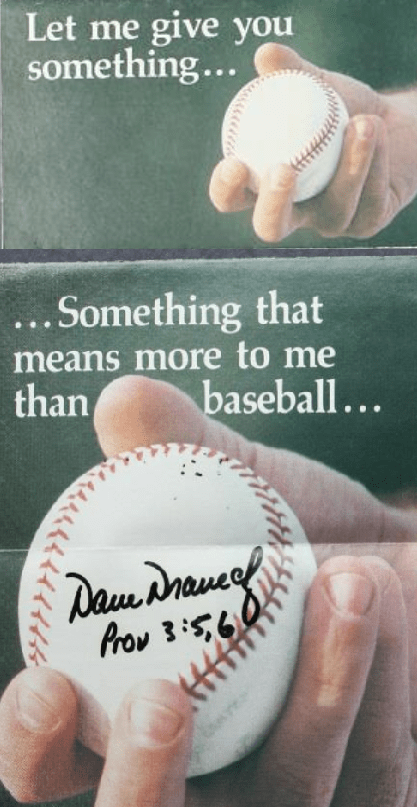
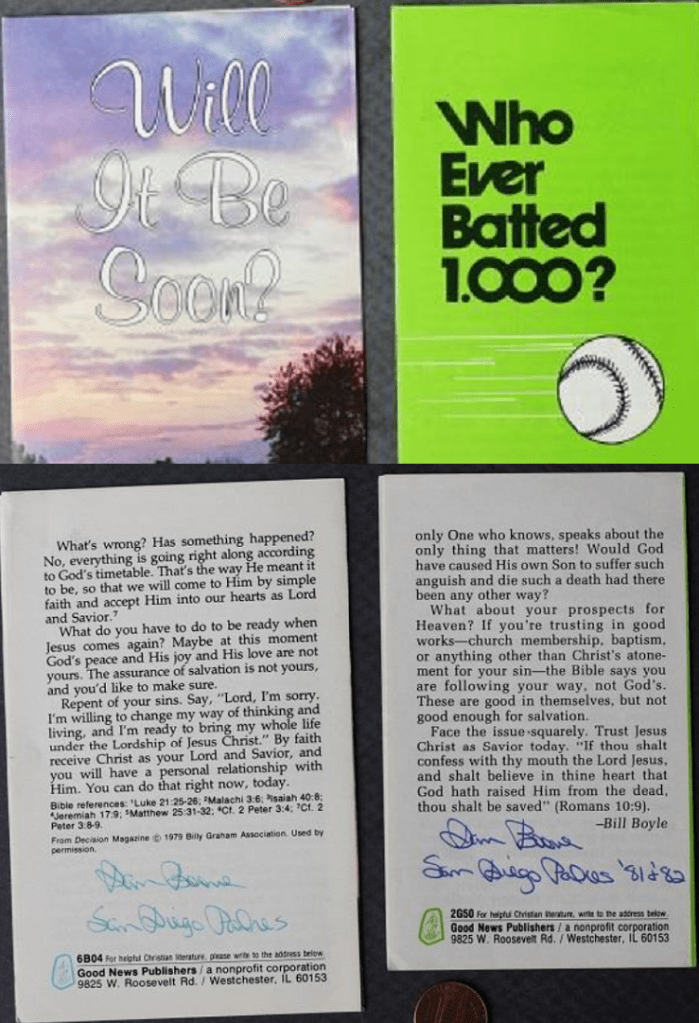
Although both the Padres and Topps were hopeful about the upcoming season, things were about to come to a head between the two entities. The Padres were led by a group of young idealistic pitchers whose strong Christian faith would earn them the nickname of “The God Squad.” The pitchers were Eric Show, Mark Thurmond, and Dave Dravecky and together they comprised three-fifths of the Padres’ starting rotation. Their strong religious ideology, coupled with their even stronger anti-Communist leanings, made them the darlings of organized religion, the John Birch Society, and local media.
Press conferences in the Padres clubhouse often devolved into a discourse on political conservatism and a lecture on the evils of Capitalism. The Padres pitchers were proud members of the John Birch Society, a right-wing group that had become infamous in the ’60s by warning of communist infiltration of America. By the time of its resurgence in the Padres locker room, they were viewed as a fringe group and these Padres hurlers as fringees spouting political dogma.
Once these pitchers’ quotes were published in newspaper stories and columns, they began to creep across the entire country. The reaction was electric, like the first time Colin Kaepernick took a knee on the sideline. The most vocal of the “God Squad” Padres was 28-year-old Eric Show, the team leader in victories. In 1984 Show was Birching  (the society’s word for political evangelizing)  all the way through the Padres’ run to the World Series.

San Diego Padres Eric Show,


Show, a skinny pitcher with a prominent mustache, resented the stereotype that baseball players should be unthinking robot athletes. In the Birch Society’s New American magazine, he listed his hobbies as “philosophy, history, economics, astronomy, real estate, political affairs, business management — and, of course, God.” Show was a good pitcher (he is still the Padres’ all-time wins leader with 100), known for his fastball and his slider.

28-year-old Dave Dravecky went from the team’s best middle-reliever with 9 wins in 1984 to a 13-game winner in the starting rotation in 1985. Dravecky became a born-again Christian while playing Double-A ball in Amarillo, Texas in 1981. Padres players regarded him as an ideal teammate and moral conscience of the clubhouse . One teammate described Dravecky as having angel wings. Dravecky once told a reporter: “I think if Jesus Christ were in my shoes, he’d be one of the most aggressive pitchers around.”

Mark Thurmond, 27, a second-year pitcher out of Texas A&M, was definitely the quietest of the trio. Thurmond flip-flopped with Dravecky over those two seasons, winning 14 games as a starter in 1984 then moving to middle-reliever where he won 7 games the next year. In August of 1984, Thurmond, Show, and Dravecky were guests of honor at a giant “anti-sin” rally that took aim at abortion and homosexuality in San Diego. Most members of the Padres were content to ignore their teammates’ views on religion and politics. And in a baseball desert-like San Diego, fans didn’t seem to mind as long as they could hang on to that World Series appearance from the year before.
Instead, in 1985, baseball fans and players alike found a common nuisance to rally against. For that was the year that the Topps company came out with their Garbage Pail Kids cards. Cards is a misnomer though. Garbage Pail Kids was a series of sticker trading cards originally created to parody the wildly popular Cabbage Patch Kids dolls from the same era. Each sticker card featured a Garbage Pail Kid character having some comical abnormality, deformity, and/or suffering a terrible painful fate/death with a humorous wordplay character name such as Adam Bomb or Blasted Billy. Collectors will recall the card backs that featured puzzle pieces that together form comic murals, humorous licenses, awards, and comic strips.
Garbage Pail Kids characters, with names like Luke Puke, Slobby Robbie, Oozy Susie, Fat Matt, and Messy Tessie, were the talk of the schoolyard in the mid-1980s. During those first couple of years, Topps exercised restraint by holding back a few cards deemed too offensive to distribute. One reject was of a baby in a pickle jar; another, of a kid receiving Garbage Pail Kids cards like Moses receiving the 10 Commandments, another zonk featured a little girl and her dog standing near a pile of feces, and one, this writer’s personal favorite veto, depicted Abraham Lincoln with bullet holes through his top hat and a copy of a Slaybill in his hand.
The first Garbage Pail Kids were released in June 1985 and sold for 25 cents a pack. They were sold in slick-looking displays featuring the atomic detonation of Adam Bomb’s own head. Kids were hooked immediately. With a sense of humor straight out of Mad magazine, stores couldn’t keep the cards in stock. Garbage Pail Kids came out at a time when kids were buying up disgusting toys like D. Compose, the action figure that could open its rib cage to reveal entrails, Slime, the gelatinous green goop that got into carpets and never came out, He-Man Masters of the Universe Stinkor, who carried a very unpleasant smell. No doubt about it in the mid-1980s, gross toys were becoming big business.
The series was the brainchild of Pulitzer Prize-winning New Yorker magazine cartoonist Art Spiegelman. Garbage Pail Kids cards were known variously as Bukimi Kun (Mr. Creepy) in Japan, The Garbage Gang in Australia and New Zealand, Les Crados (The Filthies) in France and Belgium, La Pandilla Basura (The Garbage Gang) in Spain, Basuritas (Trashlings) in Latin America, Gang do Lixo/Loucomania (Trash Gang/Crazymania) in Brazil, Sgorbions (Snotlings) in Italy, Havurat Ha-Zevel (The Garbage Gang) in Israel, and Die Total Kaputten Kids (The Totally Broken Kids) in Germany. The cards inspired an animated television series and a live-action movie, The Garbage Pail Kids Movie, in 1987.
The 1985 series included characters like Junkfood John, Valerie Vomit aka Barfin’ Barabra, Gory Laurie, Drillin’ Dylan the nose-picker, Stuck Chuck the Voodoo doll, Rundown Rhonda (flattened by a steam-roller), and Woody Alan a wooden doll be-scarred by saw marks, nail/screw holes and a woodpecker pecking a hole in his head. Because the characters looked like Cabbage Patch Kids, the company was sued and forced to forfeit the royalties and change the design. Garbage Pail Kids were banned in many schools; teachers cited them as class distractions. A group calling themselves Parents Against Sadistic Toys (or PAST) successfully lobbied several Toys ‘R Us locations to stop selling the cards in their stores.
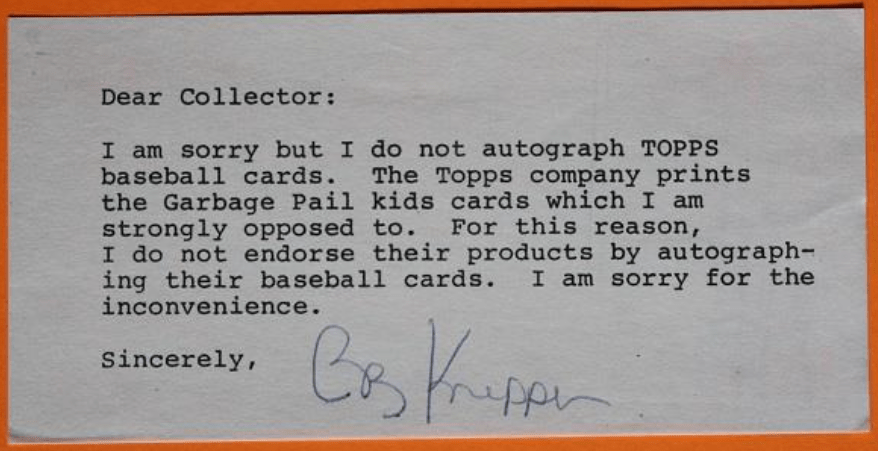
Enter the San Diego Padres “God Squad.” It was about this time that Padres players Show, Dravecky, and Thurmond stopped signing baseball cards. Not all cards mind you, only those cards produced by Topps. The trio continued to sign cards from fans made by the Fleer and Donruss card companies, but inquiries by mail were sent back unsigned with an explanatory note. “Dear Collector: I am sorry but I do not autograph Topps baseball cards. The Topps company prints the Garbage Pail kids cards which I am strongly opposed to. For this reason, I do not endorse their products by autographing their baseball cards. I am sorry for the inconvenience. Sincerely, Dave Dravecky.”

Note to fans from Houston Astros Bob Knepper.

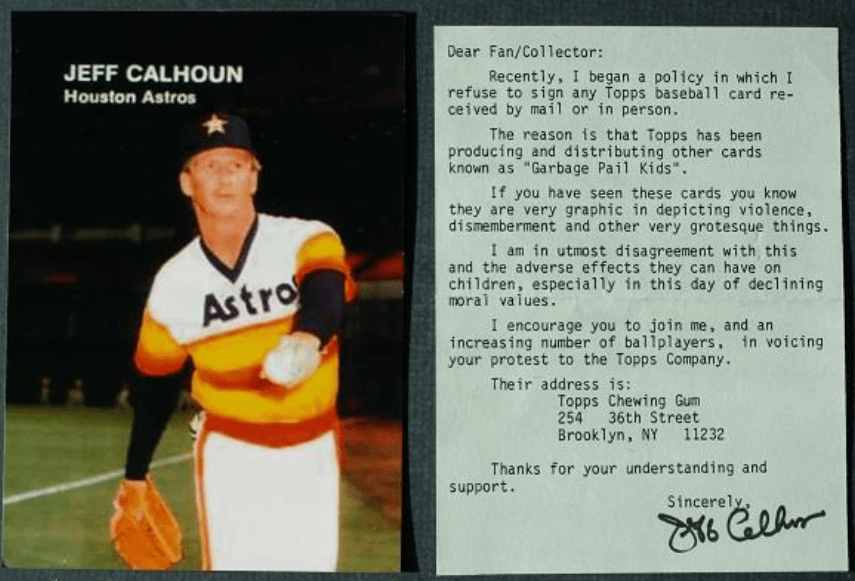
Soon other players around the league took the same posture. The San Diego Padres Dan Boone, NY Yankees Mike Armstrong, Baltimore Orioles Storm Davis, Houston Astros players Bob Knepper and Jeff Calhoun adopted the same practice. Calhoun’s note to fans was a little stronger in tone than Dravecky’s. “If you have seen these cards you know they are very graphic in depicting violence, dismemberment, and other very grotesque things. I am in utmost disagreement with this and the adverse effects they can have on children, especially in this day of declining moral values. I encourage you to join me, and an increasing number of ballplayers, in voicing your protest to the Topps company.” Calhoun ends his note with the mailing address of the Topps company.

By 1988, the handwriting was on the wall for Topps Garbage Pail Kids. That year Mexico banned all Garbage Pail Kids as part of an Export and Import Law outlawing all representations of minors “in a degrading or ridiculous manner, in attitudes of incitement to violence, self-destruction or in any other form of behavior antisocial.” After an adverse lawsuit from Original Appalachian Artworks (makers of Cabbage Patch Kids), and a movie that bombed, despite selling some 800 million cards, the fad seemed to have run its course. Topps released a total of 15 sets of Garbage Pail Kids. By the time a 16th set was nearly completed, they opted not to release it due to a lack of interest. In the ensuing years, Topps sporadically continued the production of Garbage Pail Kids in limited numbers.
After Dave Dravecky was traded to the San Francisco Giants in 1987, he resurrected the God Squad with teammates Scott Garrelts, Atlee Hammaker, and Jeff Brantley. These players eschewed the hard-partying lifestyle of many of their teammates, preferring instead to hold Bible studies in their hotel rooms while on the road. After the God Squad vacated San Diego, reporters asked future Padres Hall of fame reliever Rich Gossage for his thoughts on the issue. Goose responded, “Heck, it’s just like being a Catholic, I guess.” After Gossage was traded from the Padres, he created a controversy of a different kind aimed at the owner of his former team by saying, “Joan Kroc is poisoning the world with her cheeseburgers”.
The Padres God Squad played together for parts of two seasons before splitting for other teams. Ironically, God Squad leader Eric Show became a victim of the moral decay he so strongly railed against. After his baseball career ended in 1991, he began using meth and cocaine. In 1994, Show died in a rehab center after ingesting a speedball (a mixture of cocaine with heroin or morphine taken intravenously or by nasal insufflation). In 1988, while pitching for the Giants, Dave Dravecky was diagnosed with a cancerous tumor in his left arm. A year later, he made a dramatic comeback, only to have his humerus bone shatter in his second start; his arm was later amputated, ending his career. Mark Thurmond pitched six more seasons in the bigs before retiring to Texas to sell insurance. Nowadays, the “God Squad” and “Garbage Pail Kids” seem tame compared with our net-driven society. But back in the mid-1980s, it was the talk of the town
.

Dave Dravecky after the loss of his arm.
Baseball, Indianapolis, Pop Culture, Sports

“The Purdue Football Team’s Halloween Train Disaster” PART I

1903-Purdue Part 1

Original publish date:  October 31, 2019

It was Saturday, October 31, 1903. The college football season was half over as the Purdue Boilermakers geared up for their annual in-state rivalry game against Indiana University. (The “Old Oaken Bucket” trophy was still 20 years in the future.) The rivalry had started a dozen years before in 1891 and for awhile it looked like a clean sweep for the Purdue squad with the Boilers taking the first 6 games outscoring the boys from Bloomington 227 to 6. Then I.U. reeled off 3 in a row to shock the West Lafayette faithful before Purdue took the 1902 contest by once again swamping the cream & crimson 39-0.
The competition for gridiron glory between these two in-state titans was so hot and intense that, for the 1903 contest, both schools agreed that games should be held on neutral ground to quell “potential hooliganism” on the part of the students and fans. To this point eight games had been played in West Lafayette and two in Bloomington. In the spirit of fair play, officials from both schools decided to play the 11th contest on a neutral field at Washington Park in Indianapolis. Washington Park was located at 3001 East Washington Street where it meets Gray Street (in the southwest corner of that intersection). The ballpark, built in 1900 just a stone’s throw from Irvington, was home to the 1902 defending American Association champion Indianapolis Indians.

1902_Indianapolis_Indians
1902 Indianapolis Indians

To get to the new state capital location, both teams joined what seemed like the entire student body as they piled into separate special service trains to travel to the game from north and south of the city. Two special trains, operated by the “Big Four Railroad” (the Cleveland, Cincinnati, Chicago and St. Louis Railway), were chartered to carry over 1,500 passengers from Lafayette to Indianapolis for the annual rivalry game. Purdue’s team train was cobbled together like a patchwork quilt and included modern steel streamliner coaches coupled to older wooden coaches. The Boilermakers football team rode in the wooden cars at the front of the train procession.
wash park baseball for web 1The train was traveling on what would have been the 101st birthday of school founder and namesake John Purdue (born October 31, 1802). Purdue, a wealthy landowner, politician, educator and merchant, was the primary benefactor of the University. In 1903, if you wanted to get to Indianapolis from either school, you had three choices: ride a horse and buggy, walk or take the train. Since these were the days before automobile travel was popular, train travel was the most widely accepted form of transportation.
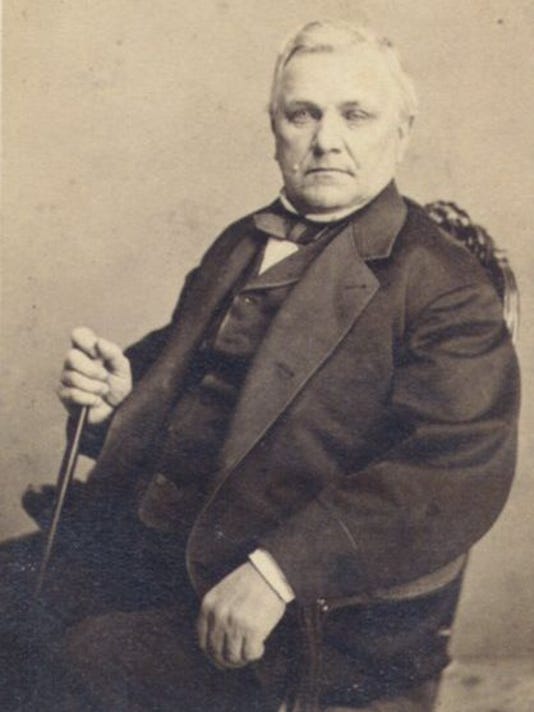
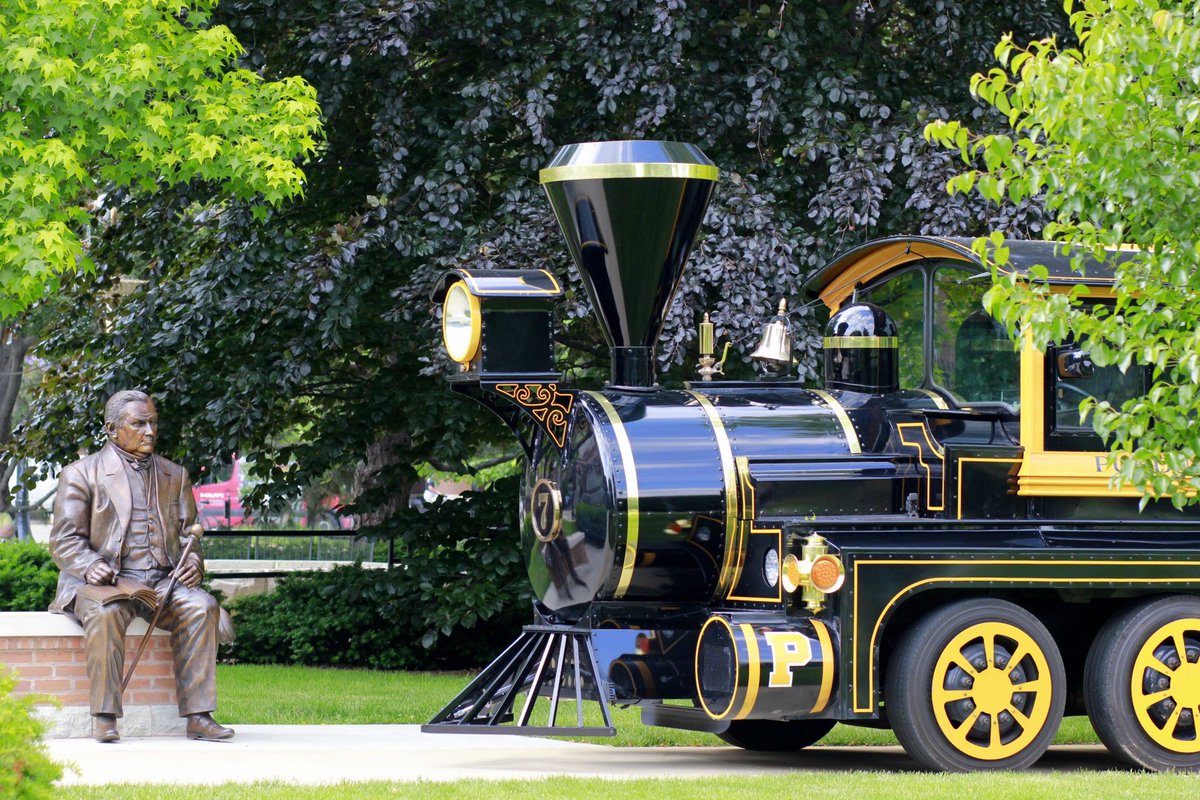
It was Halloween in 1903; late October in the Hoosier Heartland. It is hard for our modern sensibilities to imagine those pre-electricity rural landscapes dotted by farmhouses scattered in a wide swath like checkers on a checkerboard. In this era, Hoosiers generally lived in small communities and held tight to their neighbors. News traveled slowly and so did the traffic. As the Gilded age of Mark Twain collided with the Progressive Era of Teddy Roosevelt, it became apparent that something’s gotta give. Safety was an issue in this gargantuan game of rock, paper, scissors where iron and steel trumped wood every time.

635889175453088633-LAFTab-08-18-2014-ST-1-R024-2014-08-13-IMG-3-john-purdue-1-1-3C864SO1-L463649851-IMG-3-john-purdue-1-1-3C864SO1
Namesake John Purdue.

In West Lafayette, it was a festive atmosphere and the town was buzzingly, excited for the match up against the Hoosiers. Like I.U.’s Bloomington, West Lafayette draws so much of its identity from their University and the entire community was looking forward to the weekend. Purdue was 4-2 on the season with a big win over rival Wabash College, but losses to Chicago and Illinois. Purdue enjoyed a 7-3 overall advantage in the series against I.U. and was feeling confident. Running at the rate of thirty miles an hour, the John Purdue Big Four special was carrying 954 students and spectators, including the football team, University President and star fullback and team captain Harry “Skillet” Leslie.
z Dq2VB3-XQAA21c8Unlike the raucous fans traveling in the 13 plush, modern streamliner train coaches behind them, the Boilermakers team traveled in relative silence, focusing on the task at hand, mentally preparing for their upcoming rivalry game in the cozy confines of an older wooden train car. Unfortunately, the athletes had no idea that a minor mistake would lead to a major disaster. Railroad protocol specified that “Special” trains operate independent of the regular schedule. Timing was everything in the railroad game.
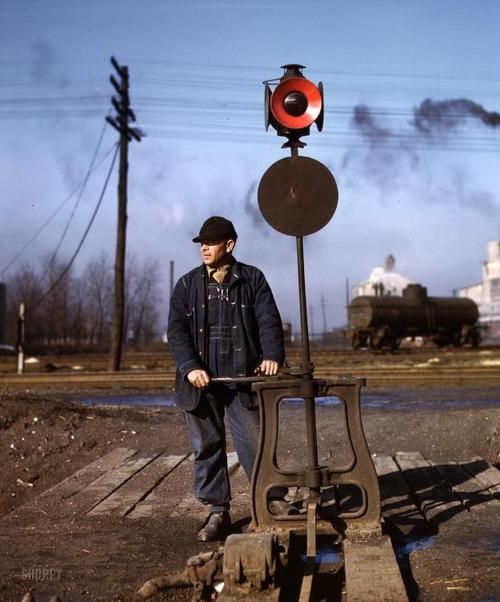
In the early 1900s, the rail service depended on many human components: conductors and their assistants, dining car stewards, ticket collectors, train baggage men, brakemen, and train flagmen on the vehicle itself and yardmasters, yard conductors, switch tenders, foremen, flagmen, brakemen, switchmen, car tenders, operators, hump riders, and car operators on the ground. In 1903, railroad track “switches” were manually operated by lantern carrying tenders fluent in the language of railway lantern semaphore, which, strictly defined, means the act of waving a lantern as a warning.

ba0d7b8e5719db47daacc7fe8e4cc1c6
Switchman

Switch tenders communicated with brakemen who most often stood atop boxcars waving happily at his railyard cohorts and locals as the train glided past. As the train traveled down the rails, some of these daredevils ran along the top of the cars, adjusting the brake wheels sticking up from each car as they went. The complexities of switching, congestion, and rearranging cars made freight yards a far more perilous workplace and working on a moving train could be downright treacherous. One railyard superintendent, when talking about his workers, once famously said, “Men are cheaper than shingles. . . There’s a dozen waiting when one drops out.”
The trouble was, this apparent dispensability of railway workers could cause havoc in areas where tracks needed to be switched to avoid collisions. As the Purdue Special steamed towards the Circle City at over 30 miles per hour, a clerk up the line from Lafayette failed to inform the yardmaster near 18th Street in Indianapolis that the trains were coming. The first train, carrying the team, rounded a curve at the Mill Street Power House and saw a coal train being pushed back on the tracks. The engineer immediately slammed the engine in reverse, locked the emergency brake, and leapt off the moving train.
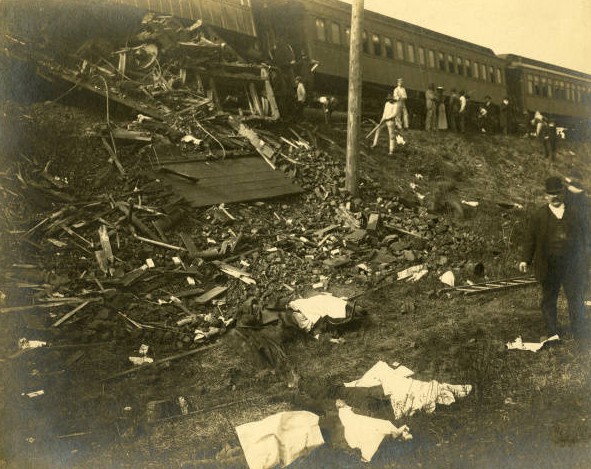
Z purdue 2The Boilermakers never knew what hit ’em. The engine slammed into the coal car, splintering apart the first few cars while folding like an accordion. When the two trains collided, the lead car hit the debris, causing it to shoot into the air. This gave the full impact to the second train car, causing all the deaths. The wooden train cars splintered like kindling and were destroyed, and the adjacent cars careened violently off the elevated tracks, tumbling to the ground below like jack straws.
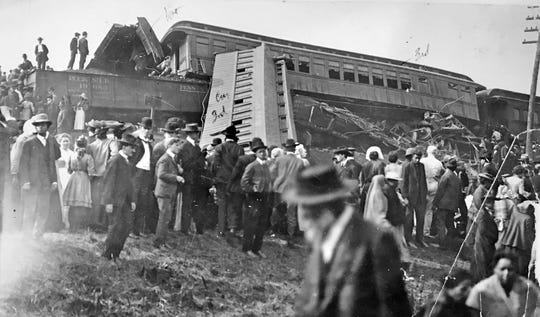
Z purdue 1The Indianapolis star reported, “The trains came together with a great crash, which wrecked three of the passenger coaches, in addition to the engine and tender of the special train and two or three of the coal cars. The first coach on the special train was reduced to splinters. The second coach was thrown down a fifteen-foot embankment into the gravel pit and the third coach was thrown from the track to the west-side and badly wrecked. The coal cars plowed their way into the engine and demolished it completely. The coal tender was tossed to the side and turned over. A wild effort on the part of the imprisoned passengers to escape from the wrecked car followed the crash. Immediately following the wreck the students and the others turned their attention to the work of rescuing the injured, and by the time the first ambulances arrived many of the dead and suffering young men had been carried out and placed on the grass on both sides of the track.”
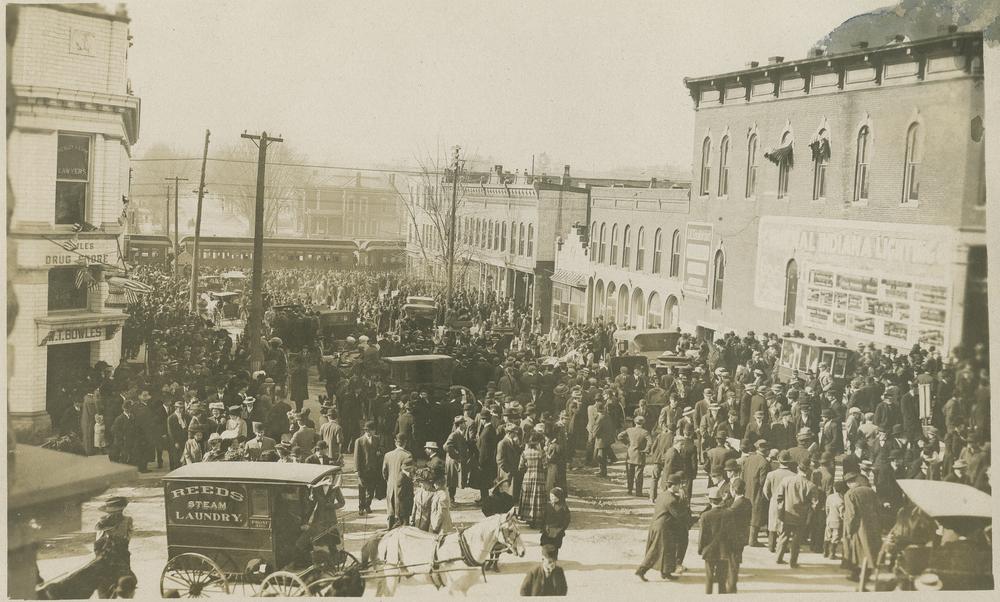
z LARGE (1)The fans at the rear of the train were unaware of what happened and only felt a slight jolt as the train came to a sudden stop. These rearmost passengers wasted no time in coming to the assistance of the victims up ahead. The erstwhile revelers skidded to a stop at the scene of carnage and were horrified at the devastation before them. Acts of unselfish action made heroes out of athletes and ordinary people alike.
According to Purdue student Joseph Bradfield who was riding in the procession, “We began carrying the people out, the injured ones. There was a line of horse-and-buggies along the whole stretch there for half a mile. We didn’t stop for ceremony; we simply loaded the injured people into the buggies and sent the buggies into town, got them to a hospital…There was no ambulance, no cars…”
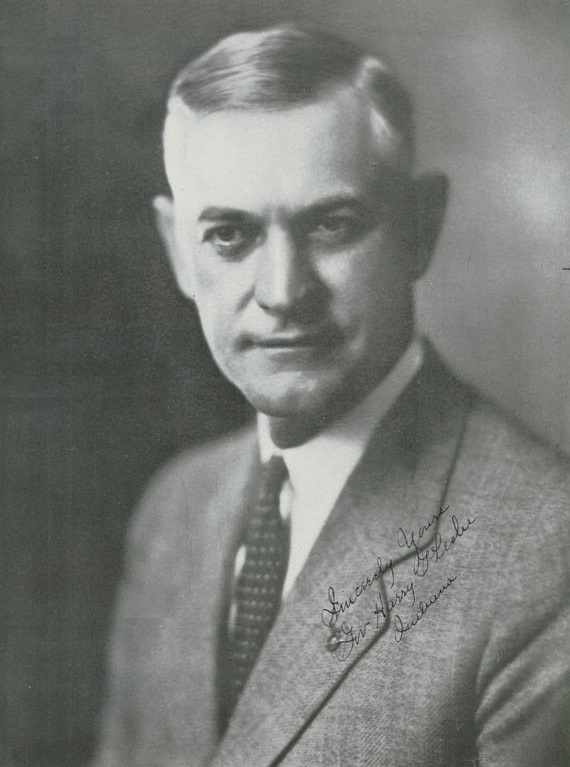
z purdue_football_wreck_8Seventeen passengers in the first coach were killed. Thirteen of the dead were members of the Purdue football team. Walter Bailey, a reserve player from New Richmond, although grievously injured, refused aid so that others could be helped. Team Captain Skeets Leslie was covered up for dead, his body transported to the morgue with the others. It was the first catastrophe to hit a major college sports team in the history of this country. The affects would be felt for decades to come and one of those players would rise from the dead, shake off accusations of association with Irvington KKK leader D.C. Stephenson, and lead his state and country through the Great Depression.
z 11191_1418241724
Harry “Skeets” Leslie.