
Original publish date August 10, 2010 Reissue date: August 27, 2020
Recently the Leslie Hindman auction house in Chicago caused a flap when it was announced that they would be auctioning off the instruments used to embalm Elvis Presley after his untimely death at the age of 42. The auction house was planning to sell the macabre Elvis relics in two separate lots: one with a pre-sale value of $4,000 to $6,000, and the other estimated at $6,000 to $8,000. Elvis may have left the building, but the man’s ability to get people “all shook up” has not diminished as the announcement sent shock waves through the media and wrought havoc among fans, collectors, historians and auctioneers alike.
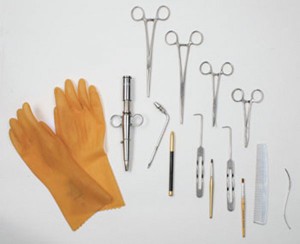
The items in question, which included a comb, eye liner, rubber gloves, forceps, needle injectors, an arterial tube, aneurysm hooks, and a toe tag, came from an unidentified former employee who worked for the Memphis funeral home where Elvis’ body was last attended to. They were used only once — to embalm Elvis’ body, apply makeup to his face, and dye his graying hair to the jet-black color his fans knew so well. The replacement toe tag, marked “John Doe,” was attached to the King’s body after an eager fan stole Elvis’s original tag during the chaos at the hospital where he was taken. Other items in the grouping include the coffin shipping invoice, autopsy room preparation paperwork and the hanger that Elvis Presley’s funeral suit and tie arrived on.
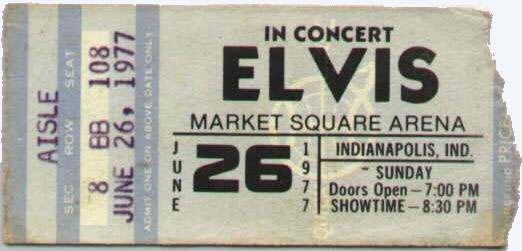
Elvis Presley’s last concert at MSA in Indianapolis.

According to the auction house, the items were used to prepare the King’s body for a private viewing for family and friends only in the morning after his death. Presley died August 16, 1977, in the bathroom of his Graceland estate of an irregular heartbeat. “The senior embalmer at the Memphis Funeral Home at the time of Presley’s death saved the items for the last 33 years and decided to sell them after he realized someone might value them,” said Mary Williams, director of books and manuscripts for Leslie Hindman Auctioneers.
Presley’s autopsy involved draining all body fluids and removal of all vital organs which were then sent to a pathology lab for testing to ascertain the cause of death. The coroner, Dr. Jerry Francisco, along with Dr. Eric Muirhead and Dr. Noel Florredo, presided over the autopsy of Presley. The trio initially concealed the facts by attributing the cause of death to a massive heart attack. They later claimed their motive “was not to tarnish the image by a scandal of a drug habit.” For decades, when asked about the rumors that Elvis is not dead, Francisco consistently replied, “If Elvis is NOT dead, he’s walking around without his major organs as Elvis’ brain and heart are still in storage at Memphis Memorial Hospital.”
When the sale was announced, a spokesman for the auction house admitted the auction may be controversial as some people “are going to be disappointed” by the sale of these items. However, Elvis memorabilia remains in strong demand with a lock of his hair selling for $18,300, a red ultra-suede shirt worn by Elvis in publicity photos garnering a $34,000 bid, and an inscribed record sleeve selling for $10,370 at a Hindman’s auction in October 2009. The proposed sale of these creepy collectibles combined with the fact that he’s been dead for 33 years, keeps Presley intact as one of the highest grossing celebrities, bringing in $55 million in 2009 according to Forbes.com. Presley’s posthumous popularity notwithstanding, why would anyone want to buy these things?

Luckily, that question will remain unanswered because these sad rock-n-roll souvenirs were removed from the August 12th auction after doubts were raised about their provenance and authenticity. According to the auction house, the items have been given back to the Memphis Funeral Home, following a dispute between the home and the potential consignor. “Due to questions of ownership, the retired embalmer and his son have decided to turn over the property to the Memphis Funeral Home and its parent company, Service Corporation International, with the intention of donation,” Hindman said in a post on their Web site.
Shortly after the auction was announced, the Memphis Funeral Home claimed that those tools were taken without the home’s consent. The funeral home thought the embalmer was dead, but he’s not. He’s in his 80s. The funeral home contacted the elderly man and told him he can’t sell the items and if they were not returned, legal steps would be taken to reclaim them. According to funeral home president E.C. Daves, “We are awaiting word from the Elvis Presley estate on its preferences for the items. The items could be donated to a funeral history museum in Houston or they could be destroyed. Either way, the funeral home is not going to do anything until the Presley estate agrees with it.”

Now, maybe you’re thinking, “But you never answered the question, who would buy this stuff?” Well, before the items were pulled from the sale, Hindman’s auction house specialist Williams explained, “It’s really about owning a piece of the celebrity themselves… and how much closer can you get than the actual embalming instruments?” Okay that’s a creepy statement. However, I can help add some clarity to the issue for you. If you’ve been paying attention to past columns, you’ve learned that I’ve been an antique dealer for 30 years and a memorabilia collector for even longer than that. As with many collectors, I’ve bought, traded and sold many collections over the years.

One of those collections was a group of crime related autographs, artwork and paintings featuring infamous names like serial killers John Wayne Gacy and Ted Bundy, Manson family members Charles Manson, Tex Watson and Squeaky Fromme and political assassins James Earl Ray, Jack Ruby, Lee Harvey Oswald, and Charles Guiteau. I have owned signatures of Bob Ford, the “dirty little coward” who killed Jesse James and a personal check signed and written out by Bruce Lee made payable to and endorsed by his hairstylist Jay Sebring, who died alongside Sharon Tate in the Manson family massacre. Most of these items lost their appeal to me as I grew older but the urge of the infamous and their misdeeds never fully went away, for I still own a signed photo of John Wilkes Booth and a few other assorted macabre mementos from our country’s history.
I have seen many similar grisly relics offered for sale in the past, and held many of these macabre items in my hands including several items connected to the Lincoln assassination conspirators, the blood stained glasses that John Lennon wore the night he was murdered, the “Double Fantasy” record album Lennon signed for Mark David Chapman just a short time before Chapman killed Lennon, the watch that was in Notre Dame coach Knute Rockne’s pocket when he died in a plane crash, the watch Buddy Holly wore on his wrist when he likewise perished in a plane crash, and countless locks of hair and death masks from celebrities in every field across the board. Within the “hobby” they are commonly known as “blood relics” and they are in high demand. Whether you agree or disagree with their relevance, there exists a lucrative market for these sad souvenirs.
Collecting is an addiction. There is the thrill of the chase, the negotiation for acquisition, the elaborate planning for display and the final realization that you now possess the object of your desired search. For those collectors whose fandom goes beyond collecting rare records, signed merchandise and other conventional methods of capturing a performer’s essence, it’s only natural that they would be interested in something that would bring them a little closer to the performer. And friends, it doesn’t get much “closer” than this. So ask yourself: if you had the chance to own, possess or simply handle one of these unique items, what would you do?

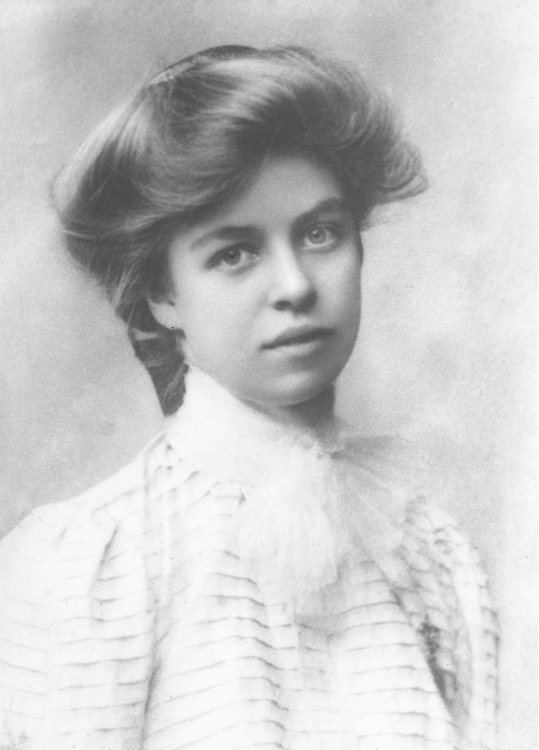

 Oh, and by the way, Eleanor Roosevelt, the First lady of the world, icon of liberalism, fighter for civil rights, champion of the poor and marginalized and powerful advocate for women’s rights was a gun owner. Yes, Eleanor Roosevelt, mother of six, grandmother to twenty, was packing heat. Her application for a pistol permit in New York’s Dutchess County can be found at the Franklin D. Roosevelt Presidential Library and Museum in Hyde Park. With debate raging around the nation about gun control and Second Amendment rights, the fact that one of the icons of the Democratic womanhood not only owned a gun, but carried it for protection, may come as a surprise.
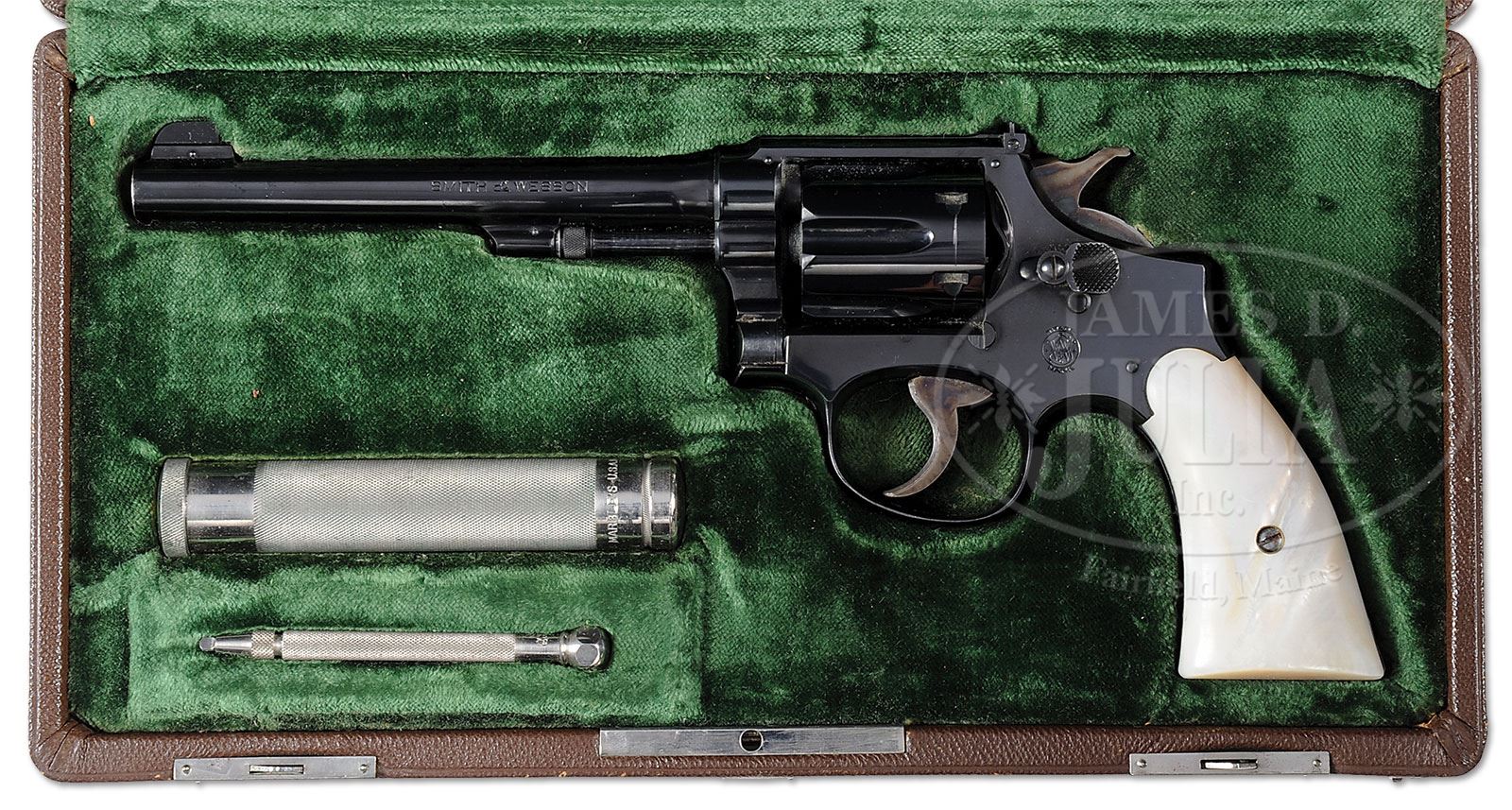
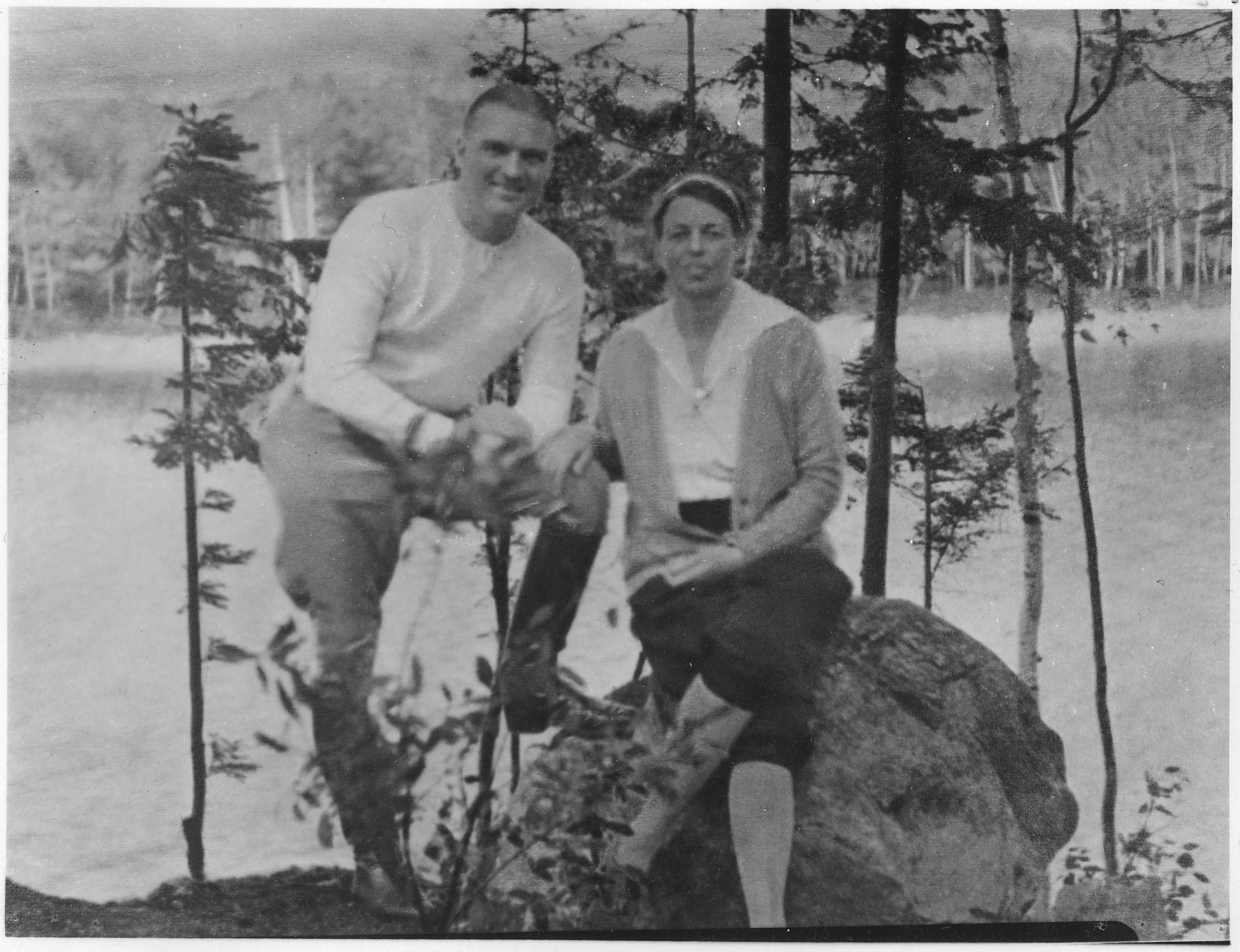

 The application was processed by the Dutchess County Sheriff’s Office and signed by then-Sheriff C. Fred Close. It included a photo of Eleanor Roosevelt wearing a hat, fur stole and double strand of pearls. The reason for the pistol, according to Eleanor Roosevelt’s application, was “protection.” The timing of the pistol permit coincided with Eleanor Roosevelt’s travels throughout the South-by herself-in advocacy of civil rights. Those trips prompted death threats.
 Viewed from the perspective of 21st century politics, where Republicans and Democrats have lined up on opposing sides of the gun control debate, Eleanor Roosevelt’s pistol offers a fresh take on the ongoing debate over the rights of gun owners, the Democrats who want to curtail them and the Republicans who want to expand them.

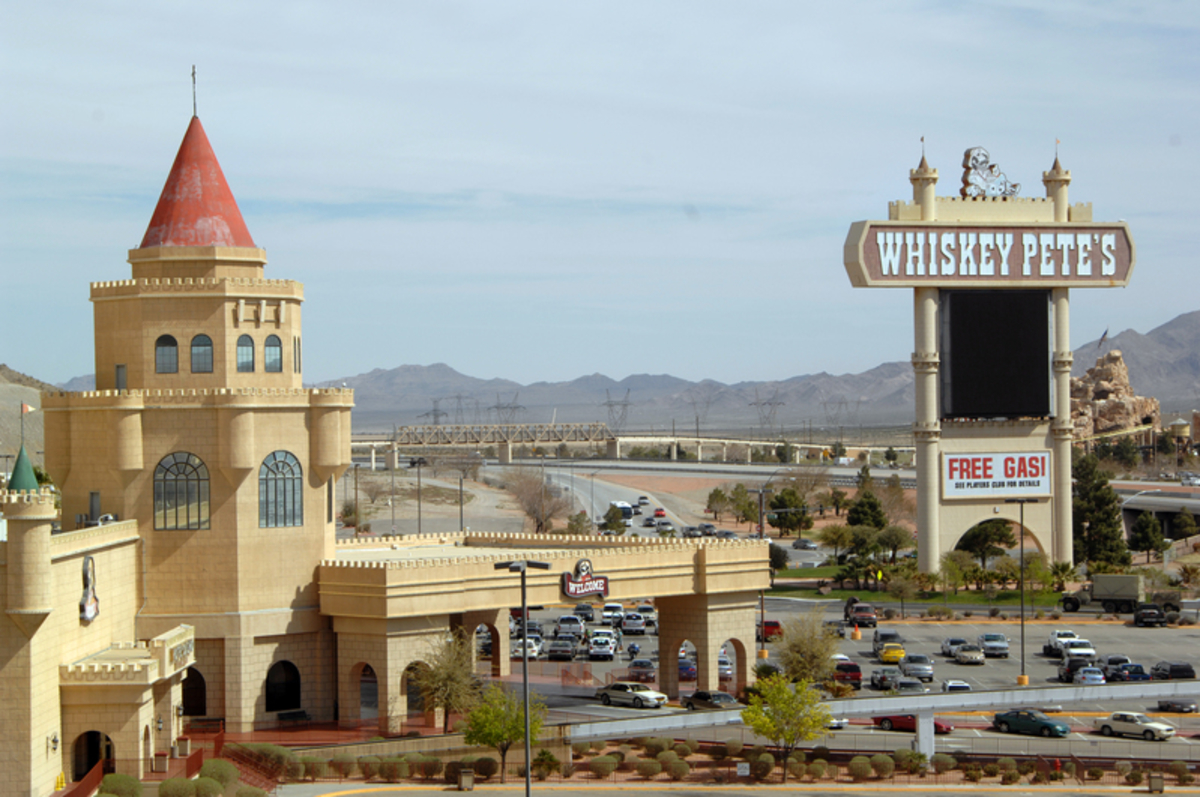 One of those “must see” old timey casinos is located about 30 miles southwest of the Vegas strip in a desert town called Primm, Nevada not far from the California border. Known as “Whiskey Pete’s”, the casino covers 35,000 square feet, has 777 rooms, a large swimming pool, gift shop and four restaurants. The casino is named after gas station owner Pete MacIntyre. “Whiskey Pete” had a difficult time making ends meet selling gas, so he resorted to bootlegging and an idea was born. When Whiskey Pete died in 1933, he was secretly buried standing up with a bottle of whiskey in his hands so he could watch over the area. Decades later, his unmarked grave was accidentally exhumed by workers building a connecting bridge from Whiskey Pete’s to Buffalo Bill’s (on the other side of I-15). According to legend, the body was reburied in one of the caves where Pete once cooked up his moonshine.
 Oh, I forgot to mention that Whiskey Pete’s is also home to the Bonnie and Clyde death car. As detailed in part III of this series, the car has had a long strange trip to Primm. The bullet-ridden car toured carnivals, amusement parks, flea markets, and state fairs for decades before being permanently parked on the plush carpet between the main cashier cage and a lifesize caged effigy of Whiskey Pete himself. According to the “Roadside America” website, “For a time it was in the Museum of Antique Autos in Princeton, Massachusetts, then in the 1970s it was at a Nevada race track where people could sit in it for a dollar. A decade later it was in a Las Vegas car museum; a decade after that it was in a casino near the California / Nevada state line. It was then moved to a different casino on the other side of the freeway, then it went on tour to other casinos in Iowa, Missouri, and northern Nevada.
 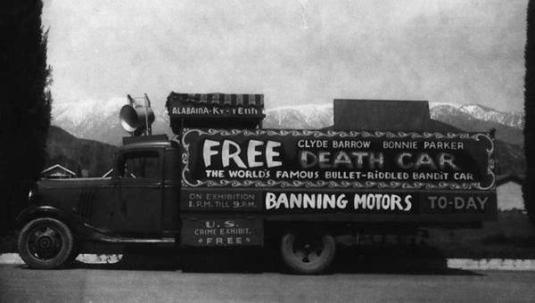 Complicating matters was the existence of at least a half-dozen fake Death Cars and the Death Car from the 1967 Bonnie and Clyde movie (which was in Louisiana and then Washington, DC, but now is in Tennessee).” Just in case of any remaining confusion, the Primm car is accompanied by a bullet riddled sign reading: “Yes, this is the original, authentic Bonnie and Clyde death car” (in all caps for emphasis).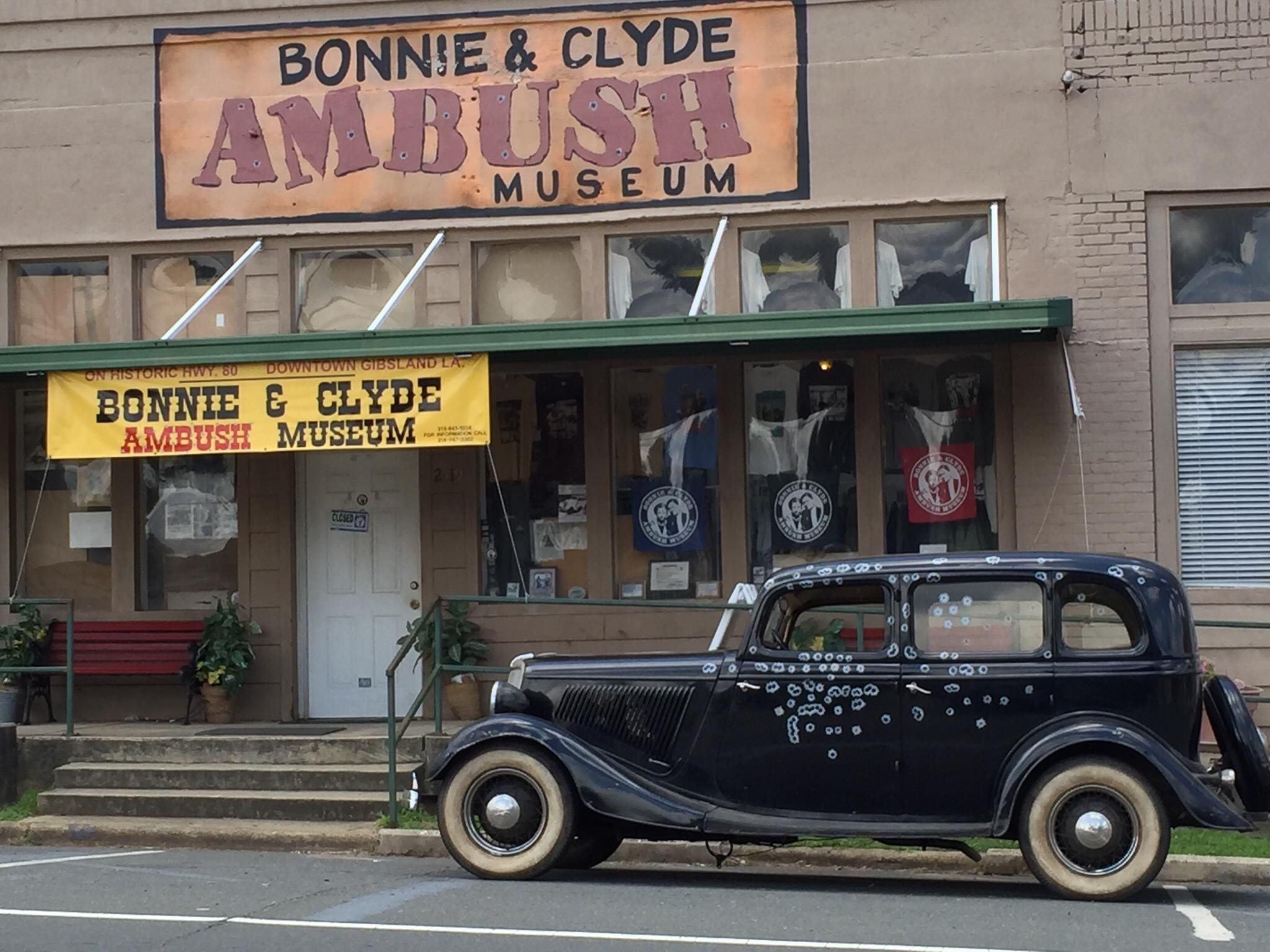
 The walls surrounding the death car are festooned with authentic newspapers detailing the outlaw lover’s demise and letters vouching to the vehicle’s authenticity. Cases contain other Bonnie and Clyde relics like a belt given by Clyde to his sister and classic candid photos of the star-crossed lovers and their families.
 A movie, obviously created many years ago, recreates the event using newsreel footage, landscape photography and contemporary interviews with family members and eyewitnesses. Here, it is revealed that the shirt was found, decades after the outlaw’s death, secreted away in a sealed metal box along with Clyde’s hat. The film itself has become a piece of Americana and the images of Bonnie’s torn and tattered body left twitching in the car, resting silently mere yards away, are equally breathtaking. Nearby, although not nearly as shocking as the Bonnie and Clyde death car, another bullet-scarred automobile is on display. This one first belonged to gangster Dutch Schultz and later, Al Capone. Signs around the car proclaim that the doors are filled with lead and, judging by the pockmarks of the bullets denting the exterior, it is true. Although, like every casino, Whiskey Pete’s job remains separating gamblers from their money, both cars are on display 24 hours a day for free.
 The interior of the Pioneer Saloon remains unchanged. It is easy to imagine Gone with the Wind star Gable drowning his sorrows at a rickety table or bracing himself against the cowboy bar and it’s brass boot rail. Ask and the bartender will point out the cigarette burn holes in the bar caused by Gable when he passed out from a mixture of grief and alcohol during his somber vigil. The tin ceiling remains as do the ancient celing fans (it gets HOT in the desert) and the walls are peppered with bullet holes left by cowboys who rode off into the sunset generations ago. The bar’s backroom is a shrine to the Lombard / Gable tragedy but sadly most of the relics on display there are modern photocopies and recreations. Locals claim that Carole Lombard’s ghost haunts the saloon in a desperate attempt to contact her grieving husband. The saloon is also reportedly haunted by the ghost of an old “Miner 49er” who appears drinking alone at the far end of the bar before vanishing into thin air. Millennials flock to the bar as the birthplace of the game “Fallout: New Vegas” which also has a small shrine located there.
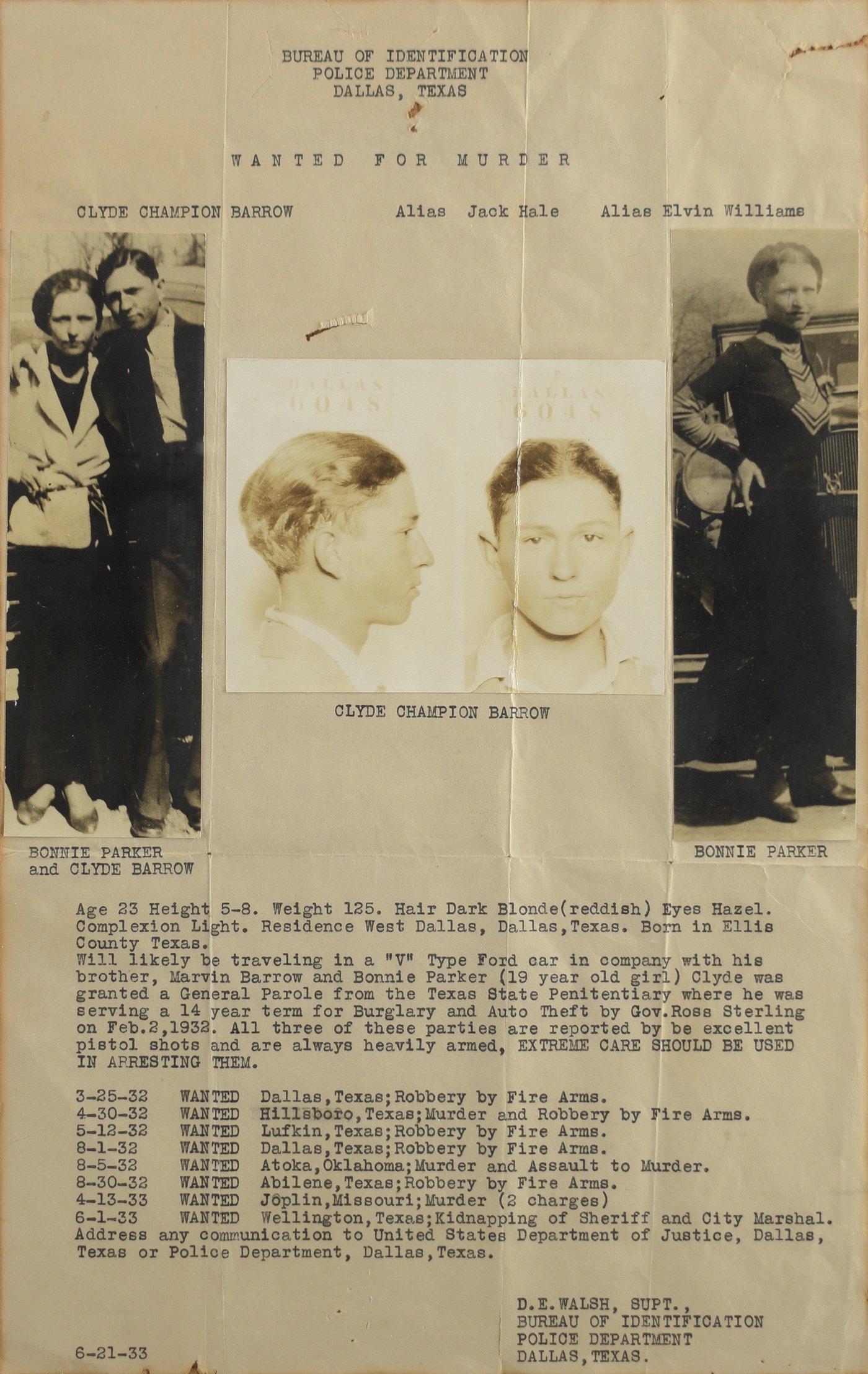
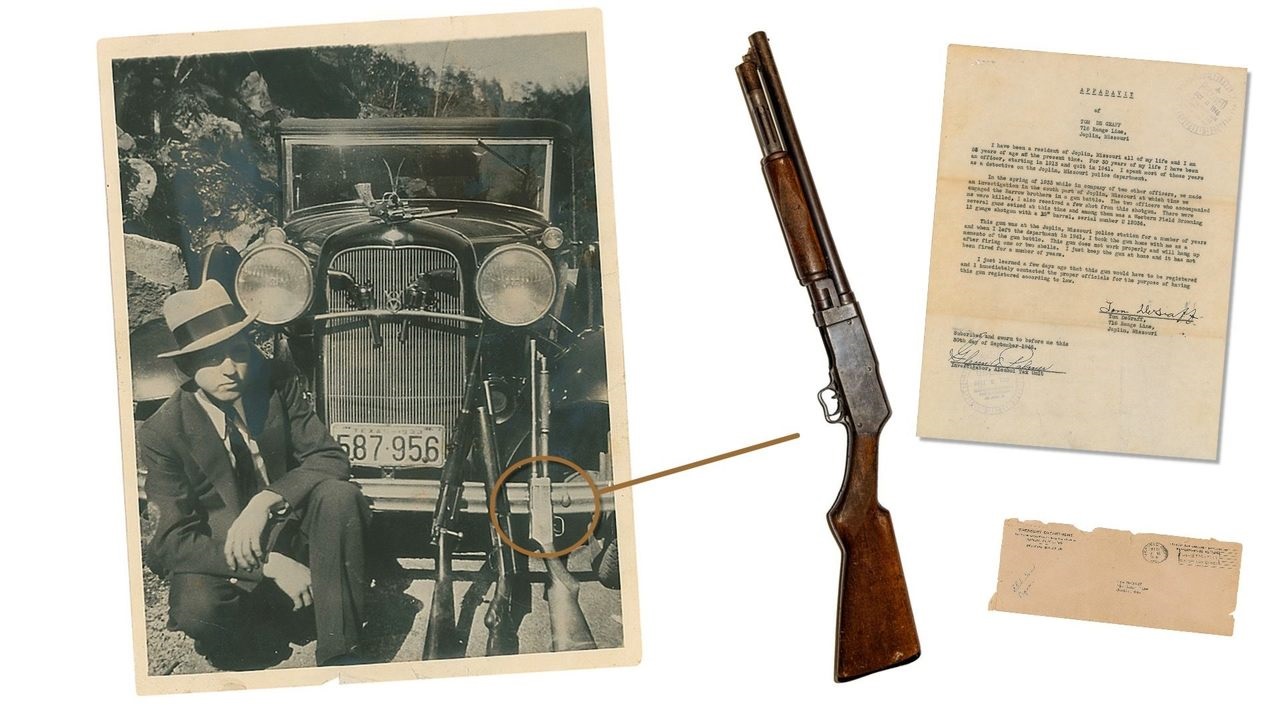
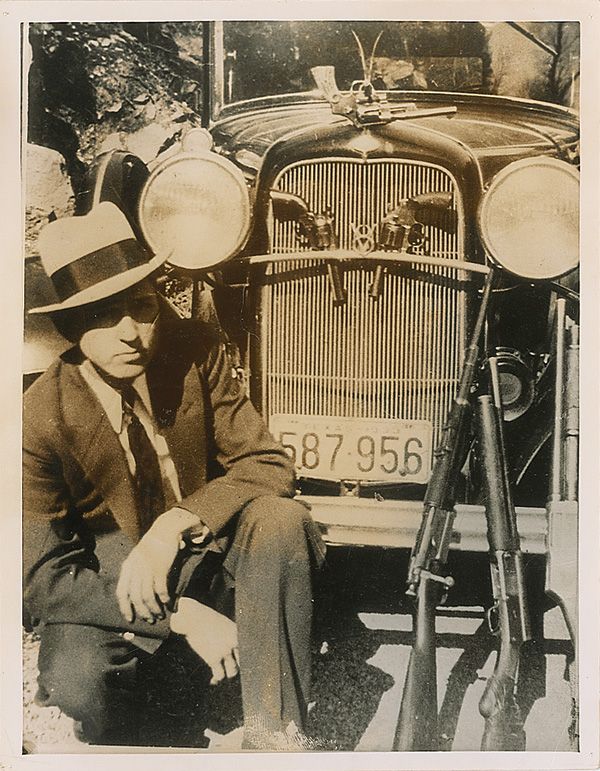
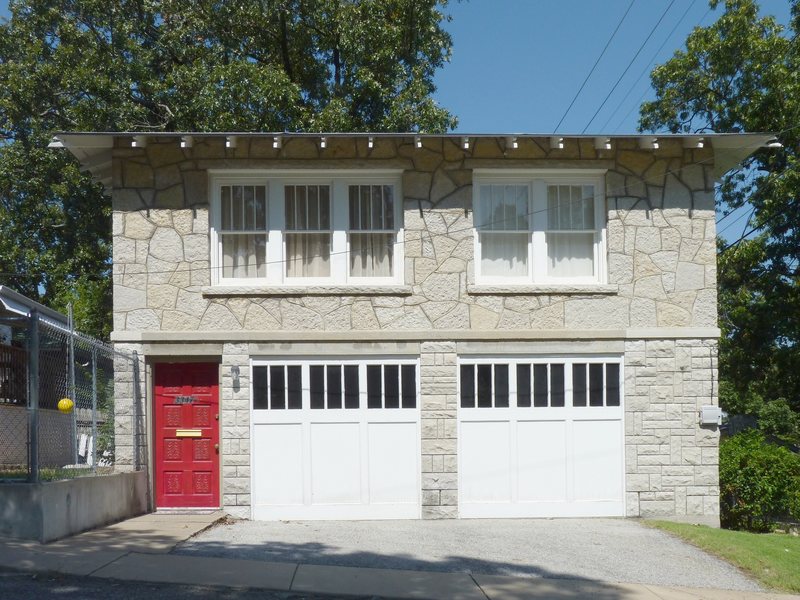
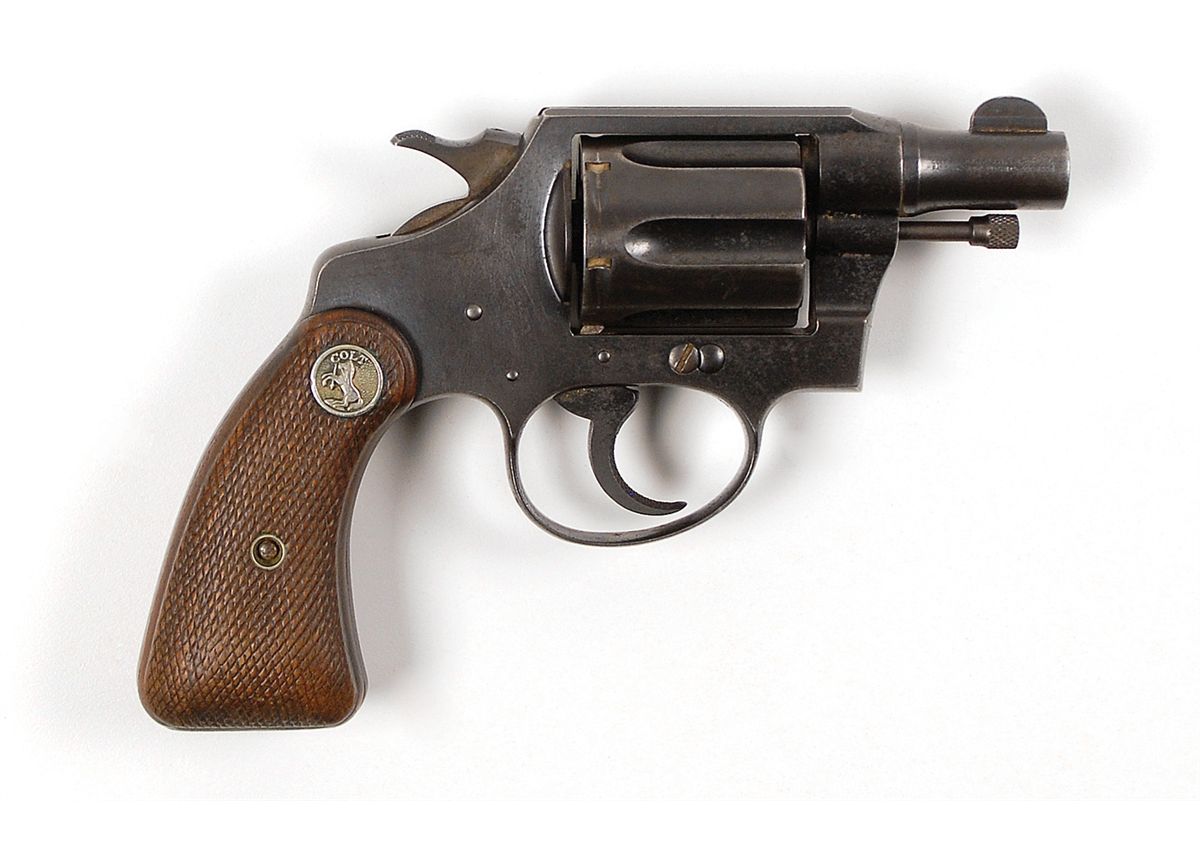
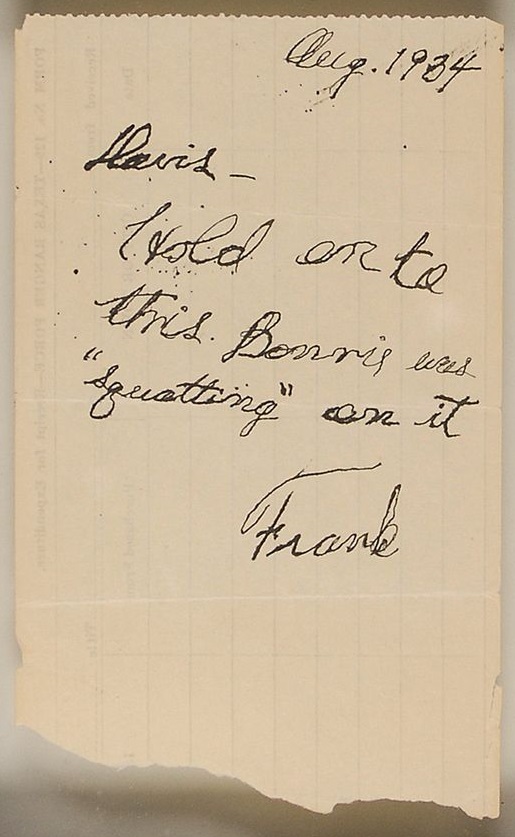
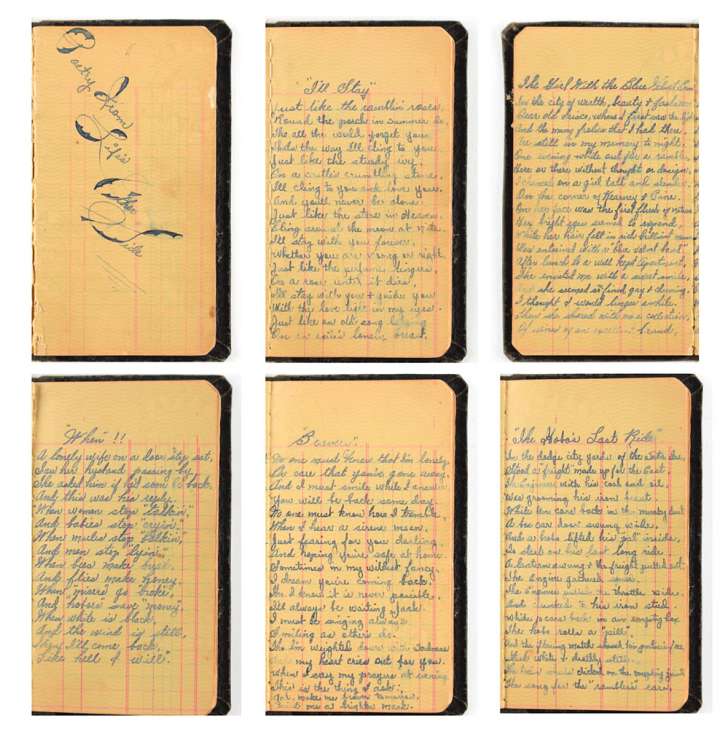
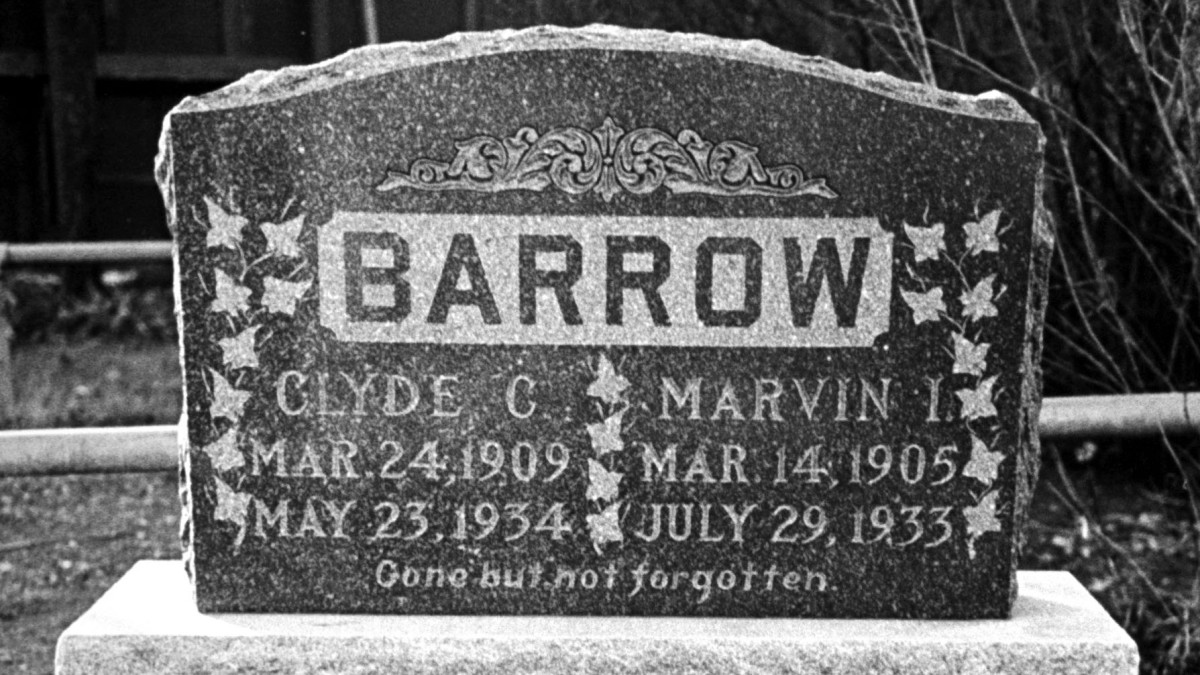
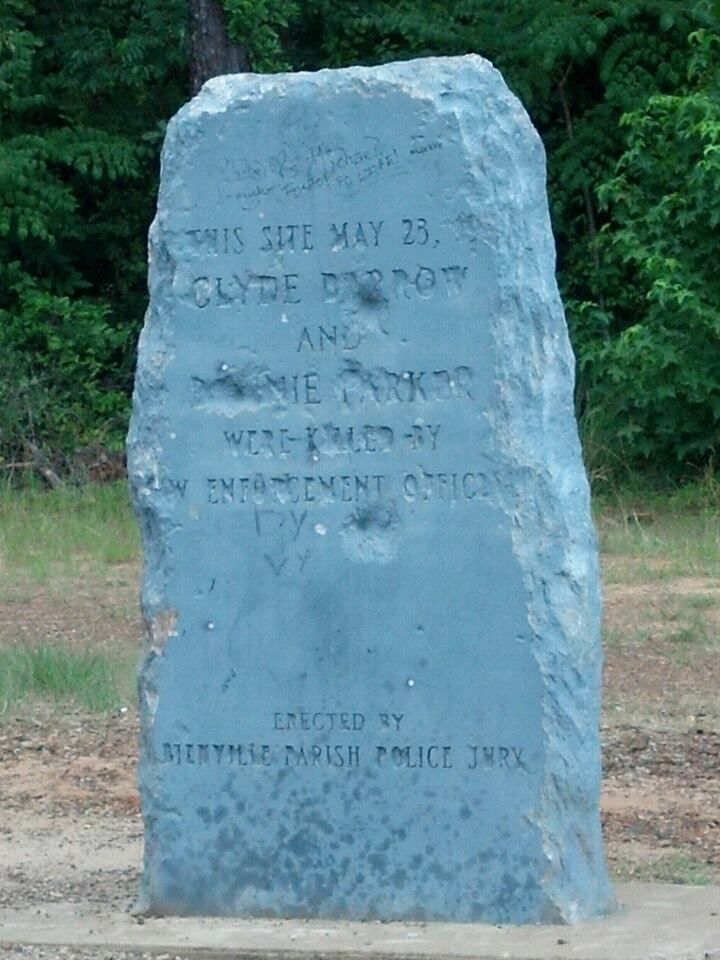
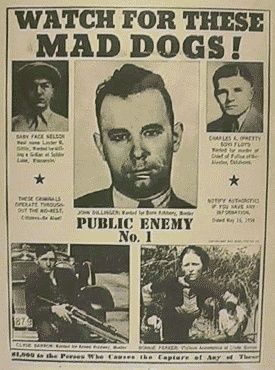 During the Great Depression, some viewed the duo as near folk heroes, like Robin Hood and Maid Marian. And, although Hoosier outlaw John Dillinger reportedly once told a reporter that Bonnie and Clyde were “a couple of punks”, he and his fellow gang member Pretty Boy Floyd reportedly sent flowers to their funeral homes. The Barrow gang killed a total of 13 people, including nine police officers. They finally met their match on May 23, 1934, when six police officers ambushed them and shot some 130 rounds into the car. Dillinger outlasted Bonnie and Clyde by about two months – he met his maker on July 22, 1934. Truth is, proceeds from auctions of items associated with these outlaws over the past two decades (which number in the millions of dollars) far outdistance the proceeds of all of their robberies combined.
 For my part, when we told our 25-year-old son about our anniversary trip to Las Vegas, he remained nonplussed by saying, “I would only want to go out there to see a town called Primm.” To which we said “been there, done that.” His reply, “I’d also like to go to a little town called Good Springs.” We answered, “Been there too.” He concluded by saying he’d like to see an old dive bar named the “Pioneer Saloon.” He was shocked when we said we went there too. Of course, the reason he wants to venture out there is video game related, not history related. Nonetheless, he was chagrined by our answers. I guess we old folks aren’t so square after all.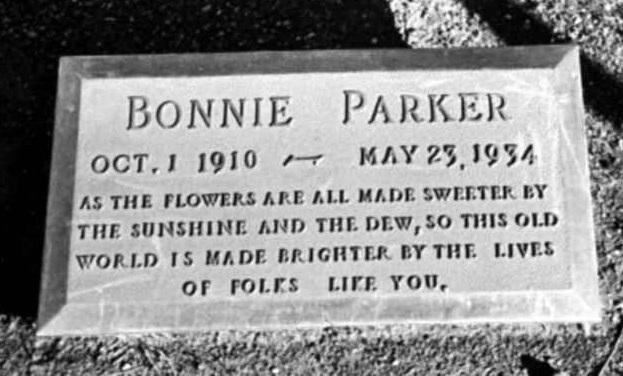
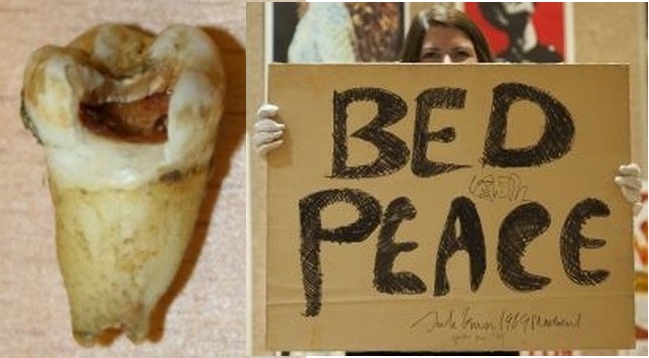
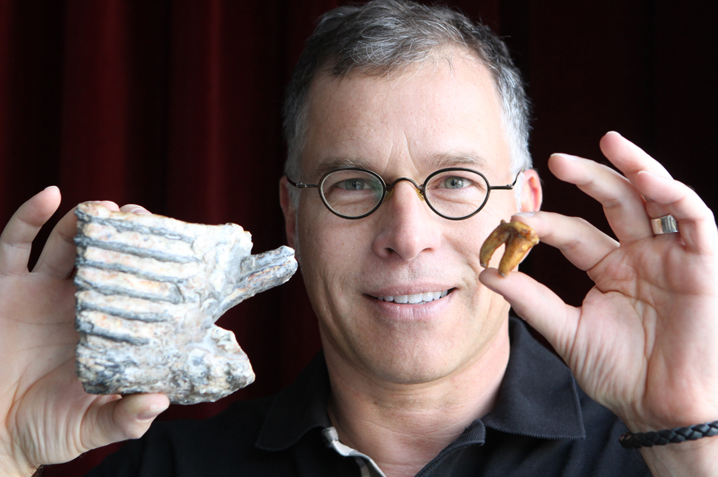
 The molar, slightly yellowed with heavy coffee stains and a large cavity, was given to Dorothy “Dot” Jarlett, John Lennon’s housekeeper for half-a-decade. The story goes that one day Lennon encountered the housekeeper in the kitchen of his Kenwood home in Weybridge, Surrey. John, having just returned home from a trip to the dentist, gave Dot the tooth wrapped in a piece of paper and asked her to dispose of it for him. Then John paused for a moment and suggested that Dot give it to her daughter as a souvenir, since she was such a huge Beatles fan. Dot Jarlett’s daughter cherished the sacred relic and when she married a Canadian, she brought her Beatle biting bicuspid into the marital union. The tooth has been “living” in Canada for all but a couple of the last 45 years.
 While “Aunty Dot” is selling the tooth, she plans to keep a leather wallet and a pearl necklace Lennon gave to her after returning from a concert tour of Japan. Lennon gave the Jarlett family many gifts over the years. A few years ago, Dot sold the jacket worn by John on the “Rubber Soul” album cover, also given to her by Lennon. Dot, who is now 90-years-old, said it was the right time to pass it on rather than to risk the tooth getting lost. Auction house experts have determined that the tooth is too fragile to conduct a DNA test but they have no doubt about its authenticity and point to the impeccable provenance that accompanies it.
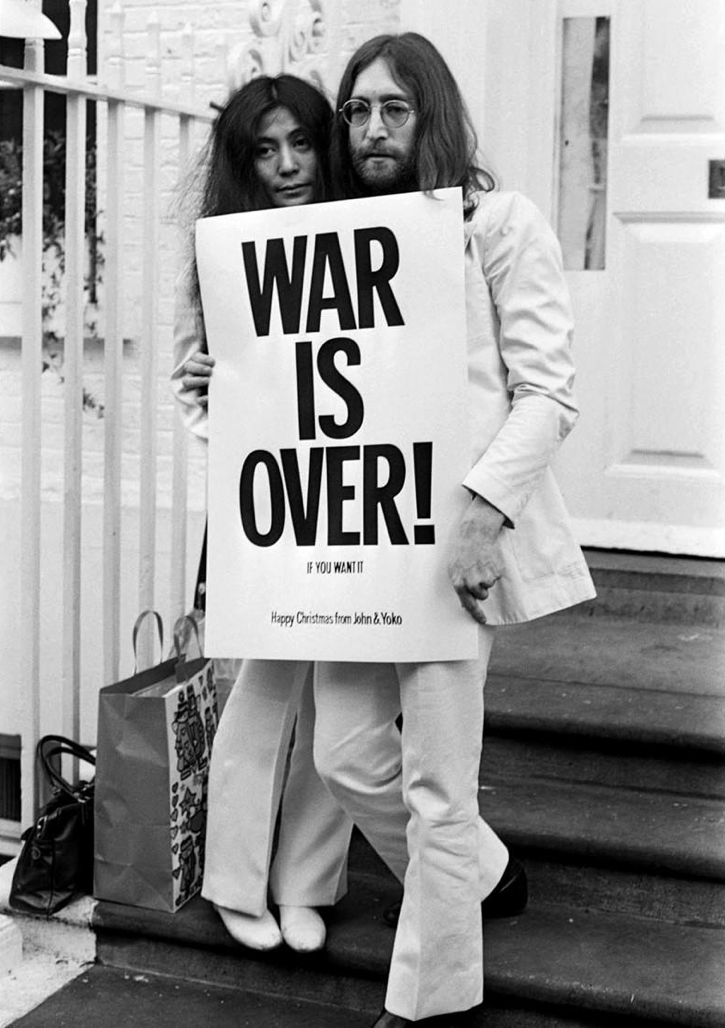
 The Montreal bed-in came two months after the couple’s honeymoon bed-in in Amsterdam and was their take on a sit-in. Lennon’s idea was for protesters to stay in bed and grow their hair rather than doing anything violent. The couple opened their hotel room door to the world’s media and spoke to journalists, politicians and artists trying to promote the idea of peace in the world. They also found time to record the anthem Give Peace a Chance. Many artworks and placards were created over the week and were moved around and given away but the Bed Peace sign was a constant.
 The sign is not the only item from the Montreal “Bed-In” to be auctioned by the famed auction house recently. On July 10, 2008, Lennon’s hand-written lyrics for “Give Peace a Chance” sold for $800,000 at Christie’s. When Lennon gave teenager Gail Renard his scribbled lyrics to “Give Peace a Chance” in 1969, he told her to hold on to the cue card. “It will be worth something someday,” predicted Lennon. She did, and it was.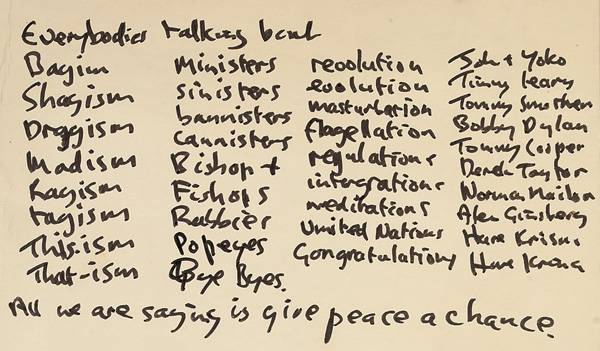

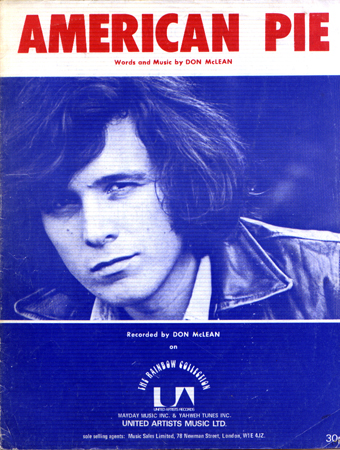
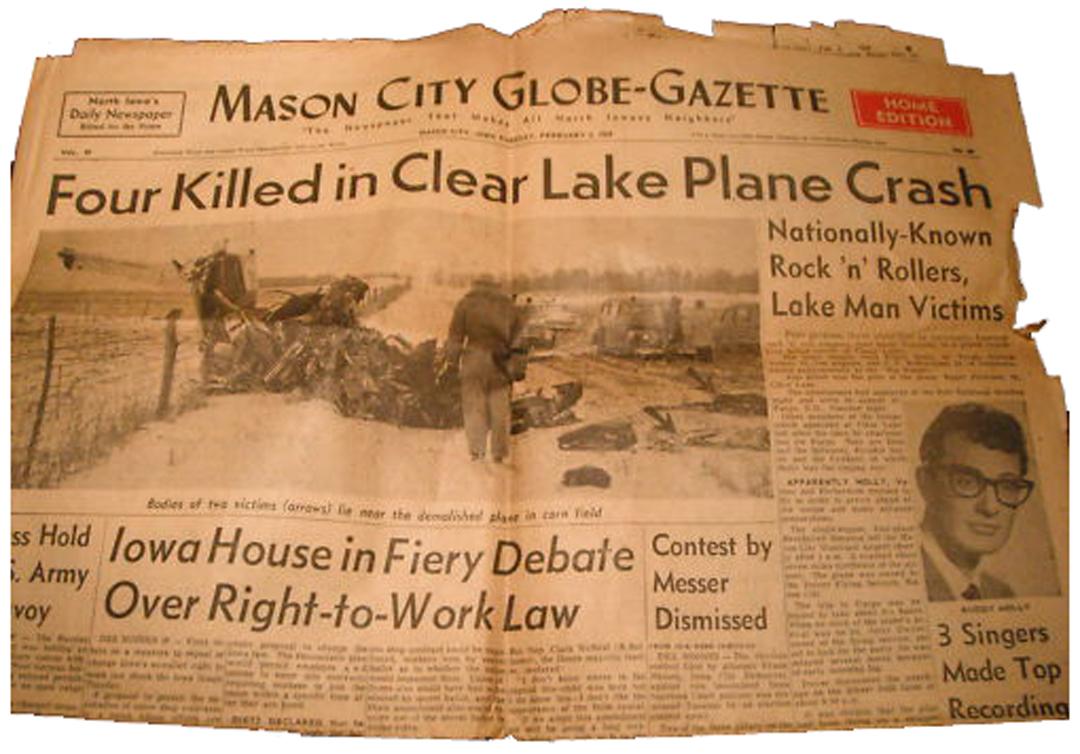 The album launched two number one hits in the title song and “Vincent”. American Pie’s success made McLean an international star. The title track went on to become an anthem for late stage baby boomers. Decyphering the song’s lyrics became a national pasttime, sparking rumors that persist to this day. “American Pie” was the number-one US hit for four weeks in 1972. The song was listed as the No. 5 song on the RIAA project Songs of the Century and was selected for preservation in the National Recording Registry by the Library of Congress.
 McLean has really never divulged the song lyrics meanings. He has said: “They’re beyond analysis. They’re poetry.” His silence has simply added fuel to the speculation. In 2009, on the 50th anniversary of the crash, he stated that writing the first verse of the song exorcised his long-running grief over Holly’s death and that he considers the song to be “a big song … that summed up the world known as America”. It should be noted that McLean dedicated his album to Holly. Every line of the 8 1/2 minute song has been carefully culled over and, rightly or wrongly, “explained” by fans and pundits alike ever since. Some of them are simple, others, not so much.
 “A long, long time ago.”: American Pie was written in 1971 but talks about the 1950’s. “I can still remember how that music used to make me smile.”: McLean’s favorite music were the golden oldies of the 50’s. “And I knew if I had my chance, that I could make those people dance, and maybe they’d be happy for a while…”: Fifities music was primarily made for school dances and sock hops and McLean was waxing nostalgic about creating the same atmosphere with his music. “But February made me shiver.”: His idol, Buddy Holly died in a February plane crash in Iowa. “With every paper I’d deliver.”: He was a newspaper delivery boy in New Rochelle, New York. “Bad news on the doorstep, I couldn’t take one more step.”: Denotes the day he got the news of the plane crash. “I can’t remember if I cried, when I read about his widowed bride.”: Buddy Holly’s wife was pregnant when the accident occurred and soon after had a miscarriage. “But something touched me deep inside, the day the music died.”: Holly, Richie Valens and the Big Bopper died together on the same day and fans felt that these three were that only major artists left. Elvis got drafted, Little Richard turned gospel, Bill Haley was forgotten, Jerry Lee Lewis was scandalous and Chuck Berry was a convicted criminal.
 “Did you write the book of love?”:”The Book of Love” was a hit in 1968 by the Monotones. “And do you have faith in God above, if the Bible tells you so?”: Don Cornell’s book “The Bible Tells Me So” (1955) and the Sunday School song “Jesus Loves Me,” with the line “For the Bible tells me so.” were presumed memories from McLean’s childhood. “Now do you believe in rock & roll?”: McLean was a former folk singer, a medium supplanted by Rock n’ Roll. “Can music save your mortal soul?”: Music may be the only thing that can save the listener from the social upheaval of the sixties. “And, can you teach me how to dance real slow?”: another perceived reference to the innocence of the 1950s. “Now I know that you’re in love with him, ’cause I saw you dancing in the gym.”: Buddy’s widow Maria Elena remarried. “You both kicked off your shoes.”: 1950s sock hop reference. “Man, I dig those rhythm and blues.”: Buddy Holly was living in Greenwich Village at the time of his death and frequenting the Jazz bars with his young wife. “I was a lonely teenage broncin’ buck with a pink carnation and a pickup truck.”: likely a tip of the cap to Marty Robbins 1957 song A White sport Coat (And a Pink Carnation). “But I knew I was out of luck, the day the music died.”: Holly’s death presaged an end of innocence.
 “Now for ten years we’ve been on our own.”: It was a decade after Holly’s death when McLean put out his first album in 1969. “And moss grows fat on a rolling stone.”: Bob Dylan’s song “Like a Rolling Stone” signified (to many) the death of folk music. “but that’s not how it used to be.”: Again referring to Dylan’s musical changes. “When the jester sang for the king and queen.”: A veiled reference to Dylan as the jester. The king was Peter Seger and the queen Joan Baez. The two biggest names in folk music in the ’60’s. “In a coat he borrowed from James Dean.”: Although some see this as reference of Dylan’s “Freewheelin'” album cover where he is wearing a red windbreaker, it has also been explained as the movie idol’s death coming so close to Holly’s. “And a voice that came from you and me.”: again a reference to Dylan being the voice of his generation. “Oh, and while the king was looking down the jester stole his thorny crown.”: When Elvis “The King” left for the Army, Dylan stepped up to take his place. “The courtroom was adjourned, no verdict was returned.”: Dylan left the folk scene and went electric, then had his motorcycle wreck and disappeared for awhile. “And while Lennon read a book of Marx.”: Like Dylan, John Lennon and The Beatles switched genres from a pop band to serious musicians with an even more serious message. “The quartet practiced in the park and we sang dirges in the dark, the day the music died.”: The Beatles performed their last live concert at Candlestick Park and were broken up by the time this song became well known. There are many music aficionados out there who will argue that this verse is not about Bob Dylan at all but rather about the Kennedys. In that case, the lyrics should be pretty self explanatory.
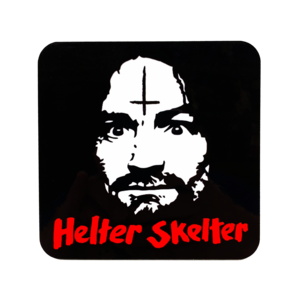 “Helter Skelter in a summer swelter.”: In the summer of 1968, Charles Manson massacred an entire family spurred on by the Beatles song “Helter Skelter” from the white album. “The Byrd flew off with to a fallout shelter.”: The Byrd’s were a popular folk-rock group who had a hit with Dylan’s “Mr. Tambourine Man,” in 1965. Dylan’s “Mr. Tambourine Man” appeared on his “Bringing It All Back Home” record, which features the image of a fallout shelter sign in the lower left corner. “Eight miles high and falling fast then landed in the foul grass.”: Eight Miles High was the first ever psychedelic song by the Byrds and tall grass refers to marijuana. “The players tried for a forward pass with the jester, on the sidelines in a cast.” Bob Dylan’s 1966 motorcycle wreck sidelined him and led to the success (out of necessity) of his back-up band, “The Band” whose 1968 and 1969 albums are considered classics. “Now the half time air was sweet perfume while sergeants played a marching tune.” Perceived reference to Dylan’s time off and the 1967 Beatles album Sgt. Pepper. “We all got up to dance, but we never got the chance.”: reference to the protests at the 1968 Chicago DNC and Kent State massacre of 1970. “Cause the players tried to take the field.”: The National Guard at Kent State University. “The marching band refused to yield.”: resulting in the deaths of of four students and wounding of nine others. “Do you recall what was revealed, the day the music died.”: Kent State University in Kent, Ohio.
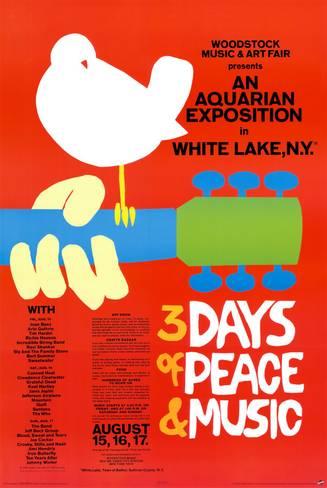 “And then we were all in one place.”: The Woodstock Festival took place in August 1969. 400,000 of McLean’s generation were there. “A generation lost in space.”: with the Apollo 11 moonlanding, the kids who grew up watching Lost in Space were coming of age. “With no time left to start again.”: The deaths of Buddy Holly and James Dean were harbingers for assassinations of the 1960s that could not be undone. “So come on Jack be nimble, Jack be quick, Jack flash sat on a candlestick.”: Reference to the Rolling Stones song Jumpin’ Jack Flash. “cause fire is the devil’s only friend.”: The Rolling Stones 1968 album Sympathy for the devil. “Oh, and as I watched him on the stage.”: In December of 1969, the Stones attempted another Woodstock at Altamont Speedway. A free concert with the Hell’s Angel’s handling the security. The Stones paid them with beer and handfuls of acid and during the performance of “Sympathy for the Devil,” a black man was beaten and stabbed to death by the Hell’s Angels. “My hands were clenched in fists of rage no angel born in hell could brake that Satan’s spell.”: The Hell’s Angels. “As the flames climbed high into the night, to light the sacrificial rite.”: The stones were helicoptered out after the murder and mayhem ensued. “I saw Satan laughing with delight, the day the music died.”: Historians point to the Stones at Altamont as the death of the sixties and good no longer triumphed over evil.
 This song’s refrain may be the hardest part of the song to explain. “So bye, bye Miss American Pie. Drove my Chevy to the levee but the levee was dry. And them good old boys were drinking whiskey and rye singing This will be the day that I die, this will be the day that I die.” The rumor was that American Pie was the name of the doomed plane carrying Holly, Valens and Richardson. Not true. It was also suggested that McLean was dating a Miss America contestant while writing the song. Also not true. Years later, McLean stated that Miss American Pie is as “American as apple pie, so the saying goes.” When taken on the face of it, I believe the refrain came together as a chorus simply because it was catchy. All hidden meanings aside, that may also be true about the entire song. Practically speaking “Chevy” rhymes with “levee”, it’s that simple. Still, theorists propose that the song’s refrain comes from Buddy Holly’s “That’ll be the day,” that eventually says “that I die.”
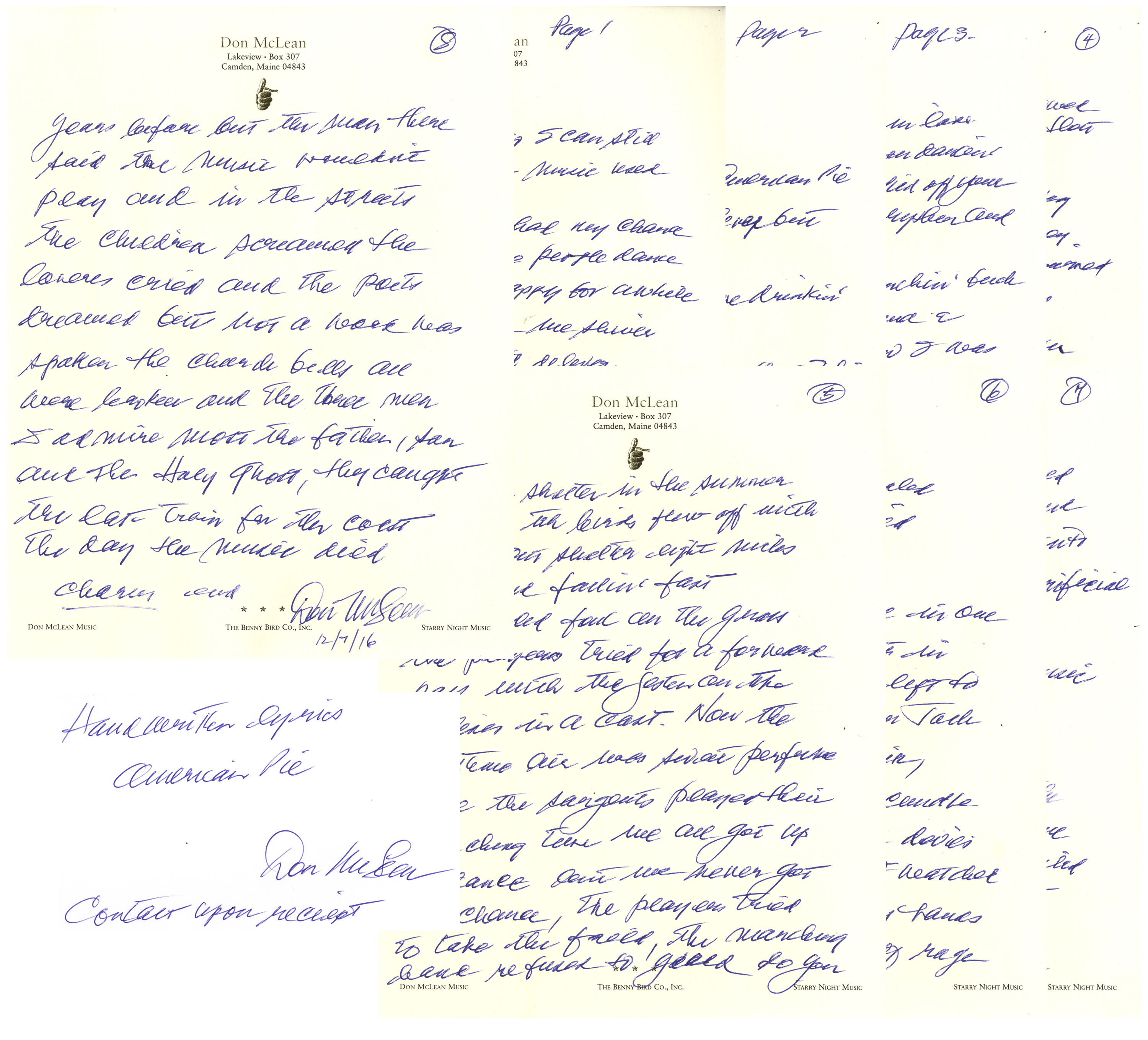 In February 2015, McLean announced that Christies Auction House in New York City would sell his original lyrics for the iconic song. McLean explained his reasoning in Rolling Stone magazine: “I’m going to be 70 this year. I have two children and a wife, and none of them seem to have the mercantile instinct. I want to get the best deal that I can for them. It’s time.” The lyrics are 18 pages and contain 237 lines of manuscript and 26 lines of typed text and includes lines that didn’t make the final version as well as extensive notes. Christie’s described the lot as “Comprising: 4 pages manuscript in pencil on four sheets of blue paper stock, 11 pages manuscript on 10 sheets in pencil and ink on ruled spiral paper (including one a half sheet), 2 pages manuscript in pencil on two sheets of yellow paper stock, and one page typed manuscript on blue paper (with four lines holograph notes on verso in purple ink and pencil). Together 18 pages of manuscript on 17 sheets. ” The lot sold on April 7, 2015 for $1.2 million ($1.57 million with buyer’s premium).
 Alan E. Hunter