

Original publish date: July 25, 2019
I travel a lot and for years my editors have been trying to get me to write a travel article. I have always resisted because I just didn’t believe the trips I take were meant for everyone. Most of the places I visit revolve around history and not everybody likes history, at least not everybody likes history the way I like history. However, for all you history lovers out there, I think I’ve found a perfect trip for a long weekend. I’ve visited Springfield, Illinois many times over the years and have written a few articles about my visits there too, but here’s a Springfield trip with a new twist that I can highly recommend.
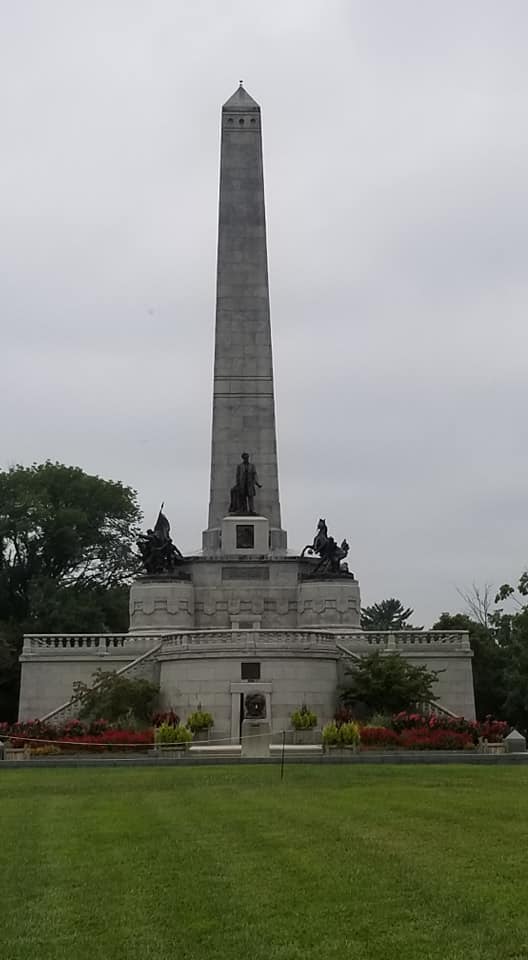
If you’re looking for a nice 3-night / 4-day getaway, consider driving first to Springfield for a night and then journeying on to Hannibal, Missouri for the next two. Springfield, of course, is best known as the 17-year home of President Abraham Lincoln. Here you will find the only home he ever owned and visit his tomb in Oak Ridge cemetery. Springfield is the state capitol, so finding a place to spend the night is pretty easy and will fit any budget. But in Springfield, it’s not really about the hotel because you’ll be spending most of your time out of doors anyway. Should you experience Lincoln overload, no problem. Springfield is also home to the famous Route 66 Highway and offers many sites connected to that famous road well worth visiting.

Springfield is an easy 3 1/2 hour drive from Indianapolis. So you can leave Indy after rush hour and avoid the headaches that go along with all that. The landscape will comfort the traveler by offering views and scenes familiar to every Hoosier eye; flat, rolling fields of corn and soybeans dotted by old family farms and crowned by Midwestern blue skies. Danville, just over the Indiana state line, is a pretty good place to stop and stretch your legs. It was home to the last surviving Burger Chef restaurant until just a few years ago, and, should you need to refuel, you can stop at the McDonald’s. I’d recommend you skip the drivethru, park, and go into this Mickey D’s because it is a literal shrine to Danville’s favorite sons; Dick Van Dyke and his brother Jerry. The walls are lined with photos sure to make you smile.

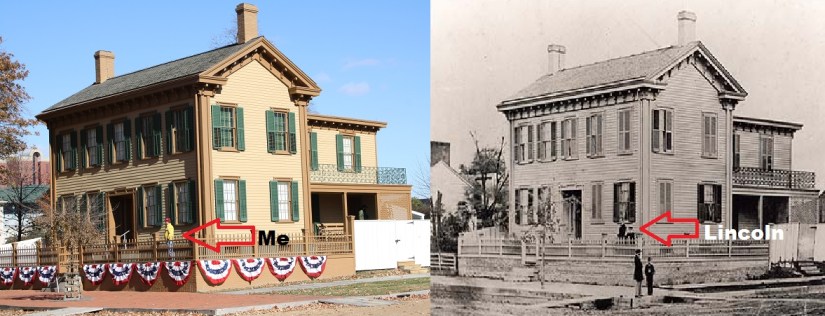
When you get into Springfield and check into the hotel, head to the old downtown district and tour the Lincoln home and old State Capitol building. Both of these sites are free. The Lincoln Homestead is run by the National Park Service and tours depart regularly every half an hour or so. The Park service has done a fantastic job with re-creating the Lincoln home (located at eighth and Jackson) and the surrounding neighborhood to look the way it looked when the old rail splitter and his family lived there. Wooden sidewalks, pebbled streets, pioneer gardens and outhouses (for demonstration purposes only) add to the interpretive plaques and audio tours made easily accessible by cell phone for visitors at all hours. If you are an early riser (like me) you’ll find no better place in Springfield to watch the sun come up than from in front of the Lincoln home. The tourists are not yet stirring at that hour and you usually will have the place all to yourself for at least a couple hours. From here, the old State Capitol is an easy walk (and even easier drive) away.
The old State Capitol building is impressive and a must-see. A visitor will surely stand in awe of the massive Greek revival columns during the walk up and once the massive doors are swung open, that awestruck feeling continues. Here the prairie lawyer practiced his trade. Here he delivered his famous “house divided” speech in June 1858 and here his lifeless body was carried up the stairs to lie in the same spot seven years later. From here I would recommend walking across the plaza to Mangia’s (518 E. Adams St. ) for a fine Italian dinner. The old exposed brick walls stand as mute witnesses to the spot where Abraham Lincoln gathered with friends on election night to learn he had won the Presidential Election.

The old Capitol Square in Springfield is a worthy, standalone complex of historic sites and buildings that should be made a part of any visit to Lincoln’s city. The Lincoln – Herndon law office has been restored to its appearance as Lincoln would have known it, right down to the frontier post office Lincoln visited daily downstairs. Also worth visiting is a classic bookstore known as the “Prairie Archives” located on the square. The old-fashioned bookstore is stacked top to bottom with books, documents, publications, leaflets, posters, artwork, and bric-a-brac from the pages of Springfield’s history including a good selection of Lincoln items as should be expected. If you’re hunting antiques on the square, “Abe’s Old Hat & Country Store” is worth a visit. There are many other quaint stores, coffee shops and restaurants located on the square as well.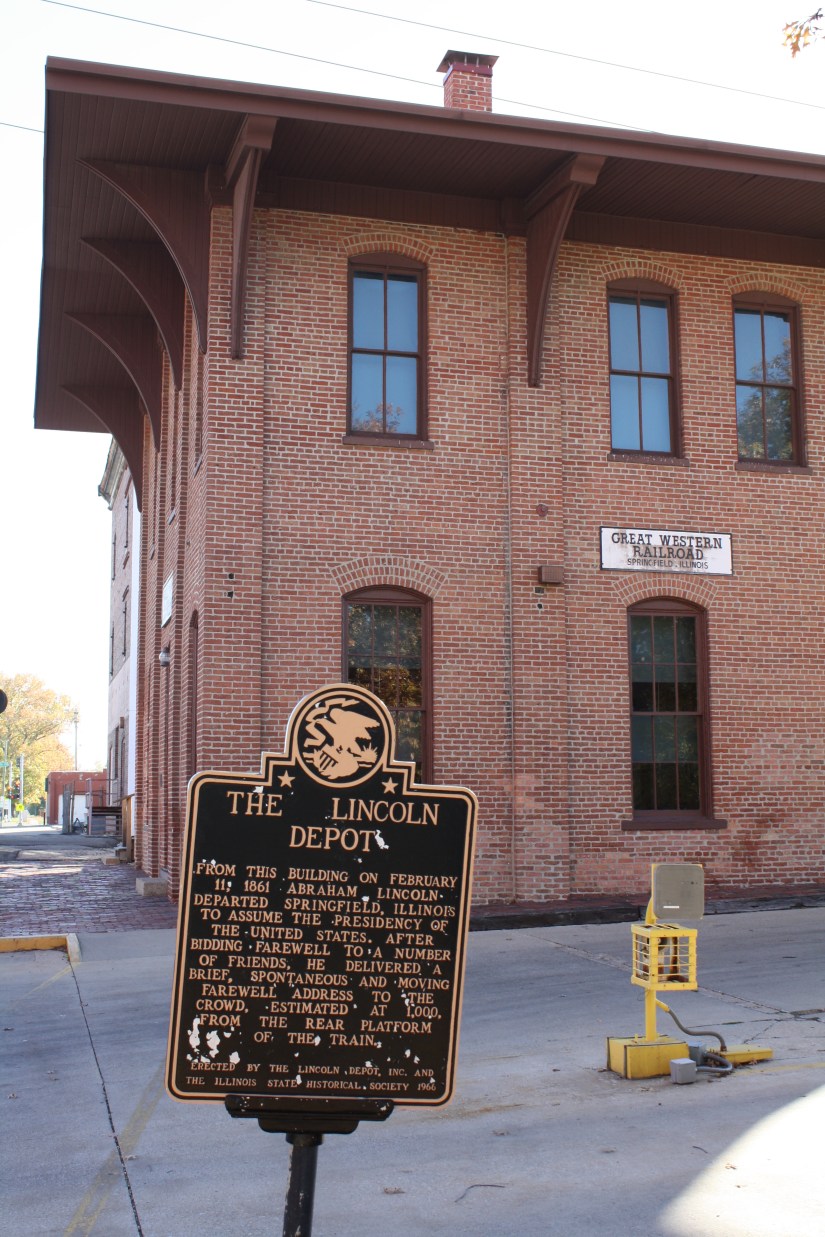
The Great Western Railroad depot is located not far from the historic town square and is well worth a visit. Here is the spot from which Lincoln departed Springfield never to return. Of interest to Hoosiers is that Lincoln’s first stop after leaving his hometown was the Bates House Hotel in Indianapolis on his way east to assume the presidency of the United States. It was at the Bates House (where the Embassy Suites now stand) that Lincoln spent his 52nd birthday and also where his son Robert momentarily lost the inauguration speech. If you’re lucky you can catch the depot building when it’s open, but that can be sporadic. Better yet you may witness an old-fashioned train crossing on your visit here because the tracks are still very active.

There are many other Lincoln related sites in and around the old Capitol Square. The Abraham Lincoln Presidential Library and Museum, a short trip away, offers a cool respite for visitors to view Lincoln relics and memorabilia in a state of the art atmosphere (for a small admission fee). The library also offers a generous slate of free lectures and discussions as well as a free tour of Lincoln’s old haunts which no longer stand in the downtown area (consult their website for schedules).
If you are feeling more “Route 66ish” than Lincoln, head over to the Cozy Dog Drive-in. Originally located on old Route 66, the Cozy Dog is credited as the inventor of the corndog. The walls are full of classic memorabilia and although it would never be considered as fine dining, the atmosphere is worth the trip. Should you find yourself eating elsewhere in Springfield, the locals will insist that you try the “horseshoe”, an open-faced sandwich invented in Springfield. It consists of thick-sliced toasted bread (often Texas toast), a hamburger patty, cheese sauce; smothered by french fries & gravy.
Next a visit to Oak Ridge cemetery is a must. If you happen to plan your visit in such a way that you are here on a Tuesday night, visit the cemetery around 7 PM and you can witness the American flag retirement ceremony hosted by uniformed Civil War soldiers, complete with a 21 gun salute, a canon firing and presentation of the retired flag to a lucky family in attendance. It is a perfect way to end an evening. After you’ve visited the Lincoln tomb, make sure you venture around to the back and stop a minute in front of the ornate wrought iron door with the Lincoln name inset in a laurel wreath. Behind this door, which once guarded a large open area, rested Lincoln’s sarcophagus for over 50 years before he and the family were removed and placed inside the tomb.

Take the stairs located behind the tomb down to the spot of Lincoln’s two temporary tombs where his body rested during construction of the current tomb. Make sure you go over to the belltower (it still rings out every hour) which has incorporated into its side the original slab upon which Lincoln’s body lay when it first arrived in Springfield awaiting burial. The cemetery also features the final resting places of many Lincoln Associates, friends and family members alongside luminaries from all fields dotted throughout the burial yard. It is a perfect place to spend time and reflect.
Be sure to stop in at the “Lincoln Souvenir & Gift Shop” (1407 Monument Ave.) and see my friend Melissa Price-King, whom I profiled in a previous article. This fantastic log cabin gift shop, owned and operated by Melissa and her family since before the Great Depression, is a trip back in time and has something for everyone. Before you leave Springfield for the next leg of your journey, a stop at “Mel–O– Cream” donuts (Mel’s for short) is a must. They have two locations, their doughnuts are legendary and will travel well on your way to Mark Twain’s Hannibal, Missouri.
Next Week- Part II- The Perfect Summer Getaway:
Chasing Lincoln and Mark Twain: Hannibal, Missouri

 “The advantage of our facility, aside from it being in Indiana, was our technical ability. We could have any object or artifact digitized, on the web and available to researchers in no more than three days.” That may seem like a given to researchers nowadays, but a decade ago, most research facilities were still working with copy and fax machines; not exactly on the cutting edge of the digital universe.
 According to Gastineau, “I work entirely with the part of the collection housed at the Allen County Public Library. The LFFC is supported by an endowment under the Friends of the Lincoln Collection of Indiana. The Allen County Public Library provides our space and supports programming at the library, but all other financial support (salaries, travel for conferences, supplies, digitizing expenses, acquisitions, etc.) are paid through the Friends endowment.”
 “For whatever reason, it was a slow day and I was poking through some uncatalogued material from the James Hickey collection. I ran across this scrap of paper.” At this point Jane removes the protective jet black cover from a locked case at one side of the room to reveal several documents written and signed by Abraham Lincoln himself. She directs my attention to a small note in the familiar handwriting of our sixteenth President. “Read it,” Jane states, “See if you notice the one word that makes people chuckle when they see it.”


![IMG_3526[1]](https://alanehunter.com/wp-content/uploads/2019/07/img_35261.jpg?w=825)

![IMG_3525[1]](https://alanehunter.com/wp-content/uploads/2019/07/img_35251.jpg?w=825)
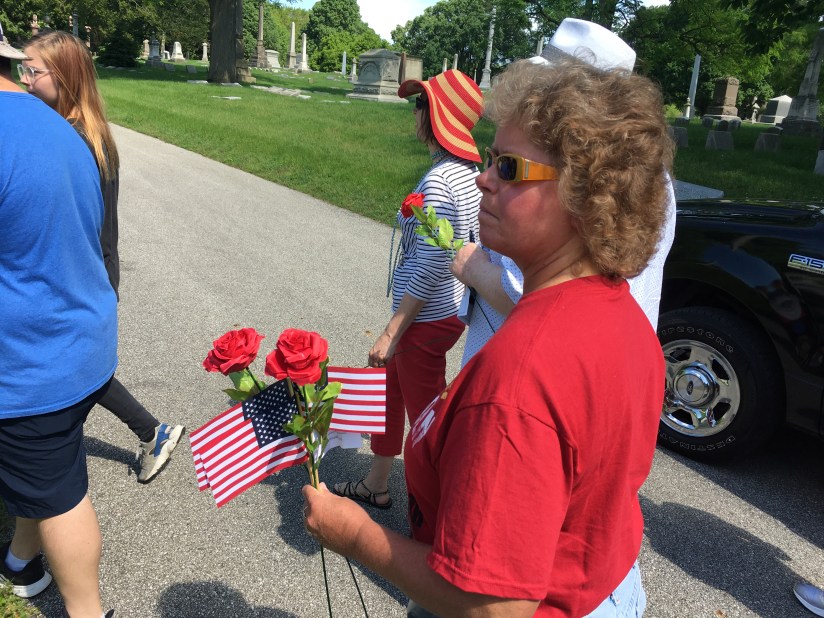
 This memorial day, the Ben Harrison camp honored Hoosier Civil War soldier Captain Richard Burns. With temperatures in Indianapolis hovering above or around the 90 degree mark for nearly two months now, Captain Burns’ story seems apropos to the moment. For you see, Captain Richard Burns died of sunstroke. At 5′ 10″ and weighing 143 pounds, Richard Burns was light skinned with piercing blue eyes and prematurely gray hair. Burns first enlisted on September 21, 1861 as a private in Third Battery, Indiana Light Artillery. The unit was organized in Connersville, Indiana, and mustered in at Indianapolis on August 24, 1861. Ironically, the unit would muster out nearly 4 years to the day (August 21, 1865) at the same place.






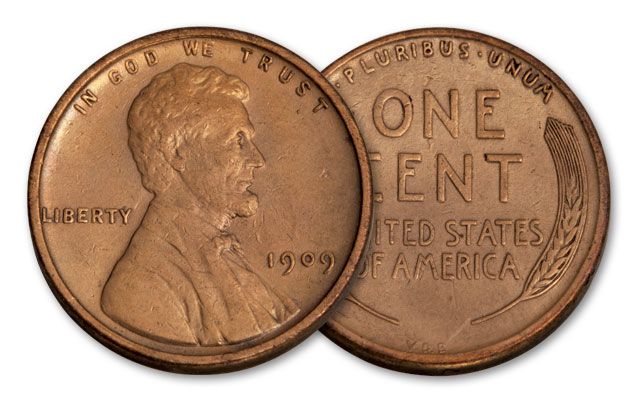
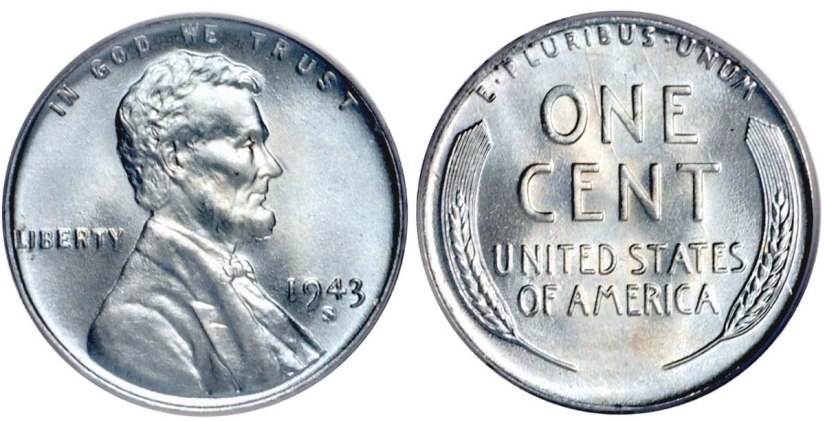
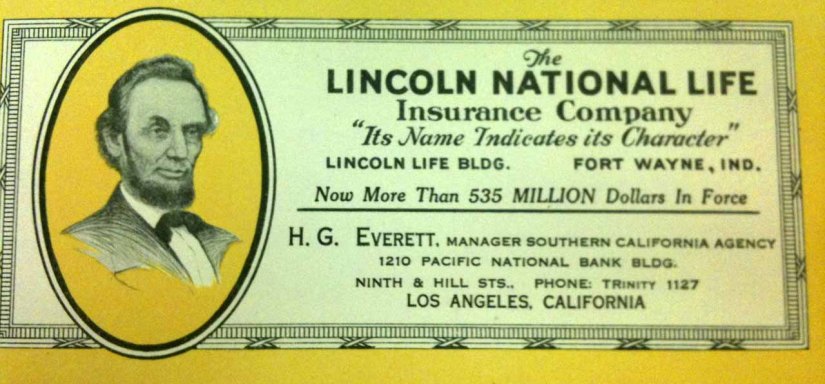
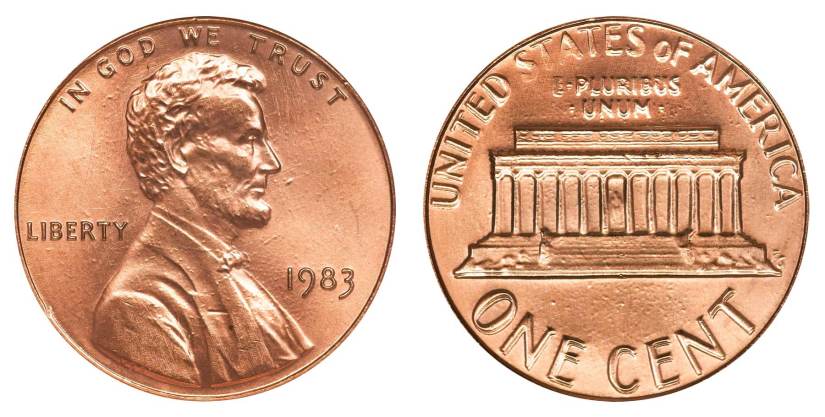 In 1983, the copper was replaced with lighter, cheaper zinc- which explains why penny bending bar bets got easier to win during the Reagan years. And businesses continued to give Lincoln pennies away. Every visitor to the old Lincoln Financial Museum in Fort Wayne received a Lincoln penny in change as did visitors to the House Where Lincoln Died museum in Washington, DC during the fifties and sixties. Today, the few people who still bend over to pick them up are invariably those least able to stoop.
 Lincoln Logs is a U.S. children’s toy consisting of notched miniature logs, used to build small forts and buildings. They were invented by the son of architect Frank Lloyd Wright. 24-year-old John Lloyd Wright came up with the idea for Lincoln Logs on a visit to Tokyo, Japan, while working as chief assistant for his father in 1916. John was working side-by-side with his father on the design of Tokyo’s Imperial Hotel. The foundation of the hotel was designed with interlocking log beams, making the structure one of the first “earthquake-proof” buildings in the world. The Imperial Hotel ‘s design that allowed the hotel to sway but not collapse in case of a tremor, would be one of the few buildings that remained standing after the 1923 Great Kanto Earthquake that devastated Tokyo.
 Unlike the hotel, the relationship between father and son crumbled long before the hotel was ever completed. Suddenly out-of-work, John Lloyd Wright decided to construct a miniature model that could be used to teach children the basics of construction and engineering while encouraging imaginative play. Using the blueprint for the Imperial Hotel as a model, he created a toy construction set that consisted of notched pieces of wood that children could stack to build log cabins, forts and other rustic buildings. Unlike standard building blocks before them, the interlocking system of miniature logs could withstand the shockwaves unleashed by children’s playing roughly with the toys. When Wright created the toy, the First World War was well underway, although America had not yet entered the fray.
 John Lloyd Wright organized The Red Square Toy Company (named after his father’s famous symbol), and unveiled the toy in 1918. Wright was issued U.S. patent 1,351,086 on August 31, 1920, for a “Toy-Cabin Construction”. Soon after, he changed the name to J. L. Wright Manufacturing. The original Lincoln Log set came with instructions on how to build Uncle Tom’s Cabin as well as Abraham Lincoln’s cabin. Lincoln Logs makes a lot more sense than “Uncle Tom’s” logs now doesn’t it? The instruction sheet featured a simple drawing of a log cabin, a small portrait of Lincoln and the slogan “Interesting playthings typifying the spirit of America.”
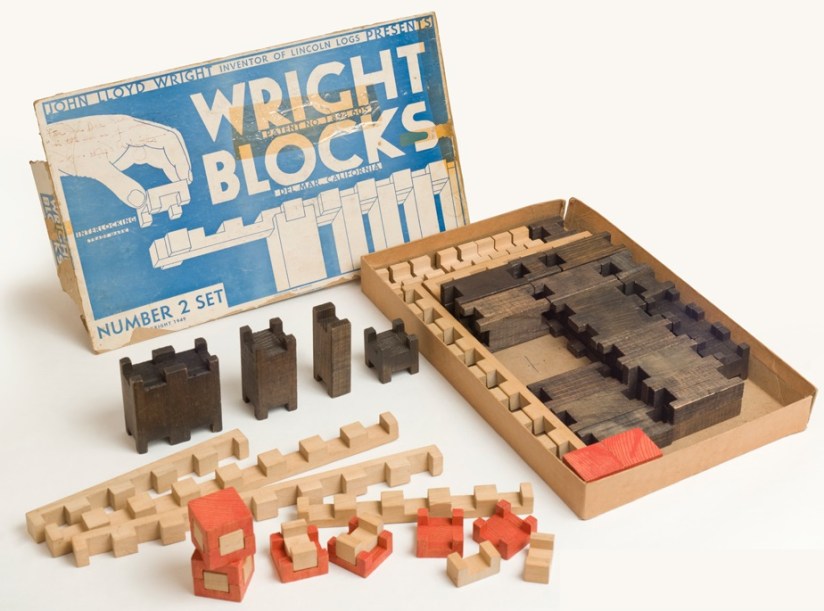 In the 1930s, Wright attempted to build on the success of Lincoln Logs with Wright Blocks, a toy construction set with interlocking wooden shapes that allowed budding architects to build castles or other complex designs. Wright Blocks, however, proved too intricate and lacked the same appeal as Lincoln Logs. John Lloyd Wright sold his company to Playskool in 1943 for only $800. The copyright for Lincoln Logs eventually passed to toy companies Milton Bradley and Hasbro and finally, K’NEX. In 1949, a company in Denmark developed “Legos” based in large part on Wright’s original design. In February 2015, Lego replaced Ferrari as the “world’s most powerful brand”. Can you imagine, the Ghostbusters Firehouse Headquarters, Star Wars Millennium Falcon, Harry Potter’s Hogwarts Castle…all made out of Lincoln Legos? It was just that close.
 Alan E. Hunter