
Original publish date: August 17, 2017
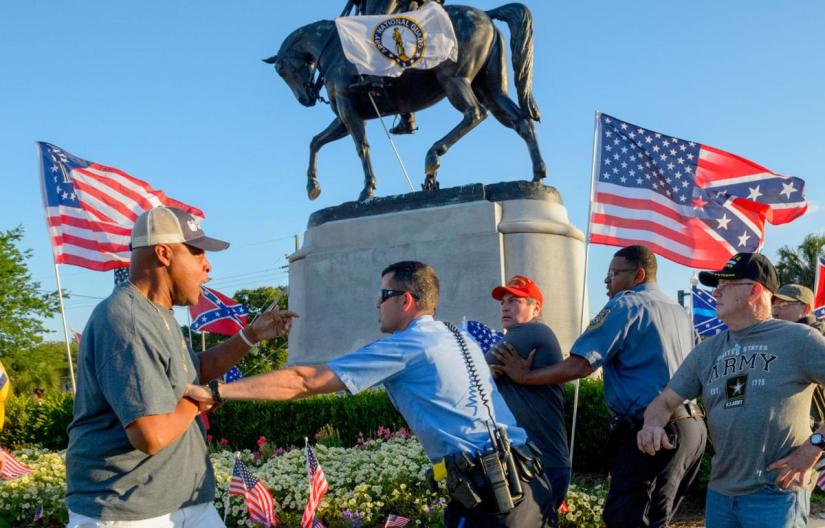
There has been a lot of talk lately Confederate Civil War monuments and what they stand for. In fact recently, several of those monuments to rebel leaders and soldiers toppled by protesters and removed in the dark of the night by officials. My wife and I traveled to Gettysburg 2 to 3 times every year and a fairly wear out my Facebook friends with the many pictures I post from that famous battlefield. The monuments on the Gettysburg battlefield had escaped the relevant racial scrutiny and have often been viewed as untouchable and different from the ones being protested across the nation until last week when the debate hit the pages of the Gettysburg compiler newspaper.
Scott Hancock, an associate professor of History and Africana studies at Gettysburg College, says it may be time to question the Confederate monuments on the Gettysburg battlefield. “As an African American, I’m glad for one that we seem to have a broader public movement consensus of people that want to get the history right,” Hancock said.

Hancock explained that, in the last decade or so, a majority of historians have concluded that slavery was the central issue of the Civil War. As a result, the monuments dedicated to the Confederacy and Confederate figures represent a “narrow, twisted version of history,” Hancock said. For some, the Confederate monuments on the battlefield help tell the full story of the Battle of Gettysburg. If nothing else, Hancock’s story begs the question: Is there a difference between Confederate monuments found in public parks and those found on battlefields? What about Confederate monuments in cemeteries?
The root of the question may be historical context. Should Confederate soldier’s sacrifices, and in many cases their deaths, be recalled and remembered at the spot of their struggle? In my opinion, the battlefield monuments to both sides speak to all who view them. Not only do they represent the soldiers that fought there, they are also valuable pieces of public art. Often, they are made of stone native to that soldier’s state or placed upon a sacred spot of battlefield relevance.

One need only look as far as Abraham Lincoln’s Gettysburg address to understand why those monuments are placed there. Lincoln said, ” Now we are engaged in a great civil war, testing whether that nation, or any nation so conceived and so dedicated, can long endure. We are met on a great battle-field of that war. We have come to dedicate a portion of that field, as a final resting place for those who here gave their lives that that nation might live. It is altogether fitting and proper that we should do this. But, in a larger sense, we can not dedicate—we can not consecrate—we can not hallow—this ground. The brave men, living and dead, who struggled here, have consecrated it, far above our poor power to add or detract. The world will little note, nor long remember what we say here, but it can never forget what they did here. It is for us the living, rather, to be dedicated here to the unfinished work which they who fought here have thus far so nobly advanced. It is rather for us to be here dedicated to the great task remaining before us—that from these honored dead we take increased devotion to that cause for which they gave the last full measure of devotion—that we here highly resolve that these dead shall not have died in vain—that this nation, under God, shall have a new birth of freedom—and that government of the people, by the people, for the people, shall not perish from the earth.”
To most Americans that should be reason enough to leave the Confederate Civil War monuments found on battlefields in cemeteries in place. The question is not only consigned to the Gettysburg battlefield however. Indianapolis, although never the scene of a major Civil War battle, has monuments to Confederate dead as near as Garfield Park and Crown Hill Cemetery. Undoubtedly, the question of whether or not they should remain there will be debated soon.
The argument as to whether these monuments are part of our cultural landscape will most likely continue. As for their presence on battlefields and in cemeteries, these site-specific memorials were designed to be educational markers to interpret history. From Professor Hancock’s perspective is it appropriate to have markers of any kind honoring the Confederacy placed on public land and maintained by public money? For the record, that debate goes on within the Hunter household. But, I guess I’m just a late stage baby boomer who grew up during the Cold War and who is proud to have been born during the centennial celebration of the Civil War. So I guess it’s a generational thing.
I’m not prepared to make a personal political statement in this article but I did want to share an item from my collection that I feel speaks to the issue from a different perspective. Among the many collections I obsess over is my gathering of items of all sorts relating to the battle of Gettysburg. One such item is a set of documents I bought several years ago from January 1903.

One is a two-page handwritten document on legal sized paper from the Grand Army of the Republic (G. A. R.) Headquarters post Bradberry Pennsylvania near Philadelphia dated January 28, 1903. The official resolution document reads: “Whereas the War of the Rebellion is over, and its memories alone remain. Among these memories none are more sacred or vivid than the three days fight on the Battlefield of Gettysburg. We remember the invasion of our soil by the Army of Rebels under the command of General Robert E Lee. Three days we fought the faux under the command of one who had sworn to support the Constitution and Sons of Our Country. Who had been educated at the nation’s expense, and honored by all the people: yet who in the hour of the country’s need proved himself an Arch Traitor.
What Gettysburg is we and our comrades have made it. The glory, the fame, the sentiment and reverence that cluster around that historic field, is all ours, and that of our fallen comrades. And whereas, it is proposed to erect a monument on the field of Gettysburg to the memory of this traitor Gen. Robert E Lee, at the joint expense of this Commonwealth and that of Virginia.
Therefore resolved, that we appeal to the Senators and Representatives of Pennsylvania in General Assembly met to defeat this insult to the memory of our dead comrades not only of Pennsylvania but of the whole country; as well as to those who survive, who gave the best efforts of their youth, to drive from Pennsylvania’s soil, the rebel hordes under the command of the Rebel General, to whom it is now proposed to honor.

Resolved. That Thomas V. Cooper, a comrade of this post in presenting this bill and favoring its passage, voices but one comrade and does not speak for post-149. Resolved. That a copy of these resolutions under the seal of the post attested by the commander and adjutant, be sent to the Senate and House of Representatives of the State: and a copy of the same, sent to Headquarters of This Department.” The document is signed by three members of the post, (Thos. J. Dolphin, O. F. Bullard, & James H Worrall) All of whom I’m sure our former Union soldiers.
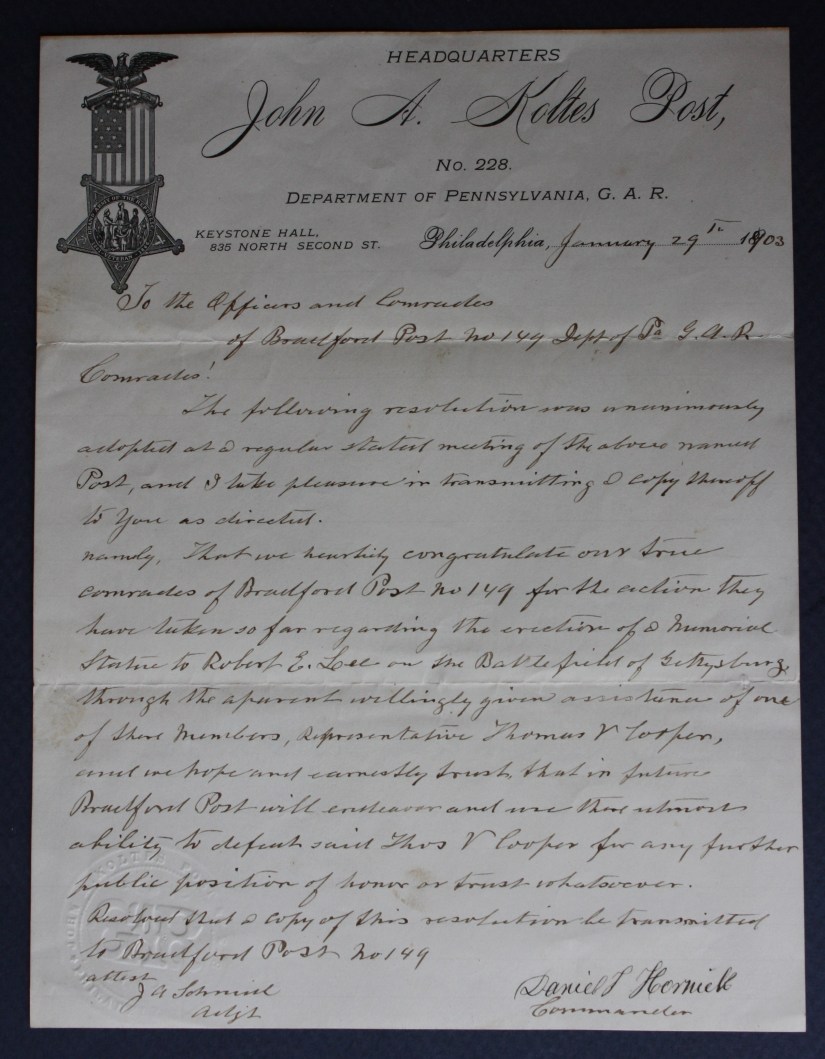
The other is an 8.5 x 11 handwritten letter dated January 29, 1903 on the ornate letterhead of the “Headquarters John A Koltes Post No. 228 Department of Pennsylvania, G. A. R. Keystone Hall, 835 North Second St., Philadelphia” the letterhead features an image of the G.A.R. soldier’s badge at the top. The letter reads: “To the Officers and Comrades of Bradford Post No 149 Department of Pa. G. A. R. Comrades! The following resolution was unanimously adopted at a regular slated meeting of the above named Post, and I take pleasure in transmitting a copy thereof to you as directed. Namely, that we heartily congratulate our brave comrades of Bradford Post No 1494 the action they have taken so far regarding the erection of a memorial statue to Robert E Lee on the Battlefield of Gettysburg, through the apparent willingly given assistance of one of those members, Representative Thomas V Cooper, and we hope and earnestly trust, that in future Bradford post will endeavor and use the utmost ability to defeat said Thomas V Cooper for any further public position of honor or trust whatsoever. Resolved that a copy of this resolution be transmitted to Bradford Post No 149. Daniel L Hornick Commander.”
The letters illustrate that this debate was going on 40 years after the close of the Civil War and was being waged by the soldiers who participated in it. Think about the strife and turmoil that must’ve been swirling within the walls of this lodge as they protested the placement of the statue to the Rebel General they fought so bravely against. The ex-soldiers were so vehement in their opposition that they were willing to take on one of their most accomplished lodge members, Senator “Red Headed and Hopeful” Tom Cooper.
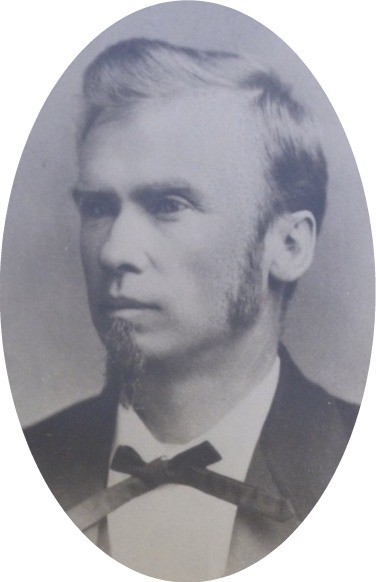
Cooper served as a delegate to the 1860 Chicago Republican Convention and played a pivotal role in the nomination of Mr Lincoln. At the outset of the Civil War, Thomas helped organize Company F of the Fourth Pennsylvania Regiment and later enlisted in Hartranft’s Company C, 26th Regiment, serving three years in the Army of the Potomac. He mustered-out at Independence Hall, June 14, 1864, having served in 13 major engagements, including Second Bull Run, Chancellorsville, Fredericksburg, Gettysburg, the Wilderness, and Spotsylvania Court House. Thomas represented Delaware County in the State House of Representatives, 1870-72, and was elected to the state Senate in 1872. He served 17 consecutive years in the upper house. Cooper was a Mason, a member of the Bradbury G.A.R. Post . Cooper died in his home on December 19, 1909 after a freak fire engulfed his room, most likely, the result of an ash falling from his trademark cigar. Cooper had as much right to protest the placement of the Robert E Lee statue as anyone. His patriotic credentials were unquestioned. Yet he supported the placement of a Confederate monument on a battlefield he risked his life fighting on.

Despite the Bradford Post’s attempt to thwart the placement of the Lee Monument at Gettysburg, the iconic landmark was indeed placed there in the days just before World War I. The Virginia monument, located on West Confederate Avenue, was the first of the Confederate State monuments at Gettysburg. It was dedicated on June 8, 1917 and unveiled by Miss Virginia Carter, a niece of Robert E Lee. It is the largest of the Confederate monuments on the Gettysburg battlefield, a fitting tribute for the state that provided the largest contingent to the Army of Northern Virginia, its commander, and its name. Lee’s figure, topping the monument astride his favorite horse, Traveler, was created by sculptor Frederick Sievers from photographs and life masks of the general. He even went to Lexington, Virginia to study Traveler’s skeleton, preserved at Washington and Lee University. The monument stands 41 feet high. The statue of Lee and Traveler stands 14 feet high. The total cost of the monument was $50,000. Virginia contributed over 19,000 men to the Army of Northern Virginia at Gettysburg, the largest contingent from the twelve Confederate states. Almost 4,500 of these – almost 1 out of 4 – became casualties, the second highest state total at Gettysburg.
When it comes to the battlefield, Hancock pointed out that, while most of the park’s monuments and markers were constructed in the late 19th and early 20th century, several Confederate memorials were erected in the 1960s and 1970s. Hancock points out that many of those monuments to the Confederacy were erected before, during and after the civil rights movement and deserve particular scrutiny “because of the social and racial context of the time.” Hancock singled out the Confederate monuments along Confederate Avenue, in particular that of Mississippi, which was erected in the early 1970s. The monument speaks of Mississippians fighting for the “righteous cause” and “sacred heritage of honor.”
Voices on both sides of the issue will certainly attempt to add clarity in the days ahead. For instance, former Martin Luther King Jr. right-hand man, UN representative under Jimmy Carter and Atlanta Mayor Andrew Young recently said, “I think it’s too costly to continue to fight the Civil War.” Condoleezza Rice, former Secretary of State under George W. Bush, said this: “”When you start wiping out your history, sanitizing your history to make you feel better, it’s a bad thing.” The debate promises to continue. But let’s not forget this is a debate that has been going on for over 150 years now.

 Her efforts worked and today, Pickett is widely remembered as a tragic hero of the disastrous charge at Gettysburg that bears his name. Rather than place blame at the feet of the South’s “Marble Man”, Robert E. Lee, LaSalle shifted blame to James Longstreet. Her effort was well received by the purveyors of the Lost Cause and Pickett’s reputation was posthumously restored.
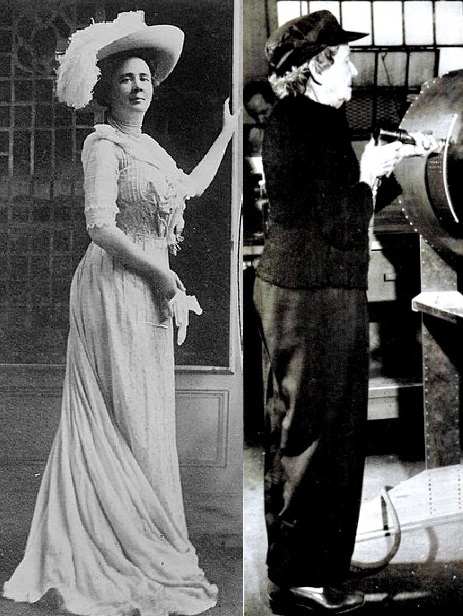
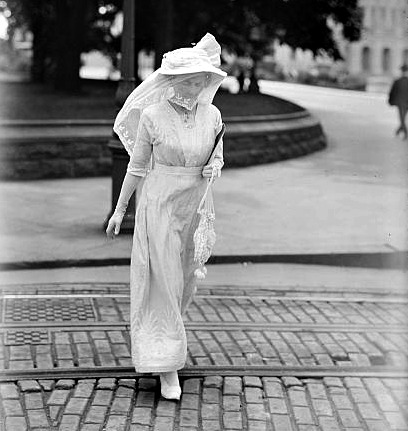
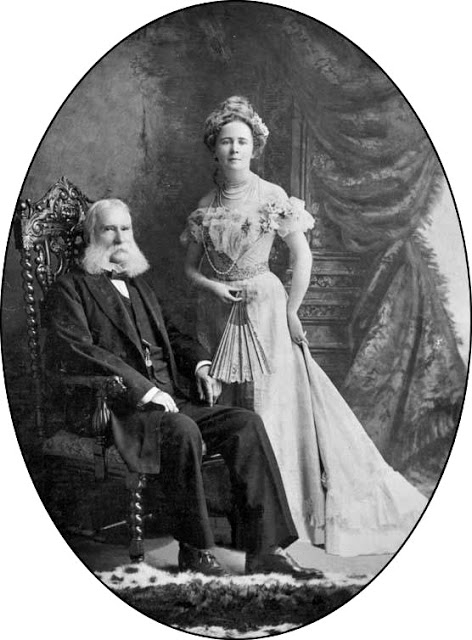 But General Longstreet had a secret weapon of his own: his young bride, Helen Dortch Longstreet. The General married her in 1897 in a ceremony at the governor’s mansion in Atlanta. She was 34 and he was 76. She would outlive her husband by 58 years, passing away in 1962 during the National Centennial Celebration of the Civil War. By the time of her death, she had accomplished more than most any other woman of her era and helped restore her husband’s legacy along the way. And I have the letters to prove it.
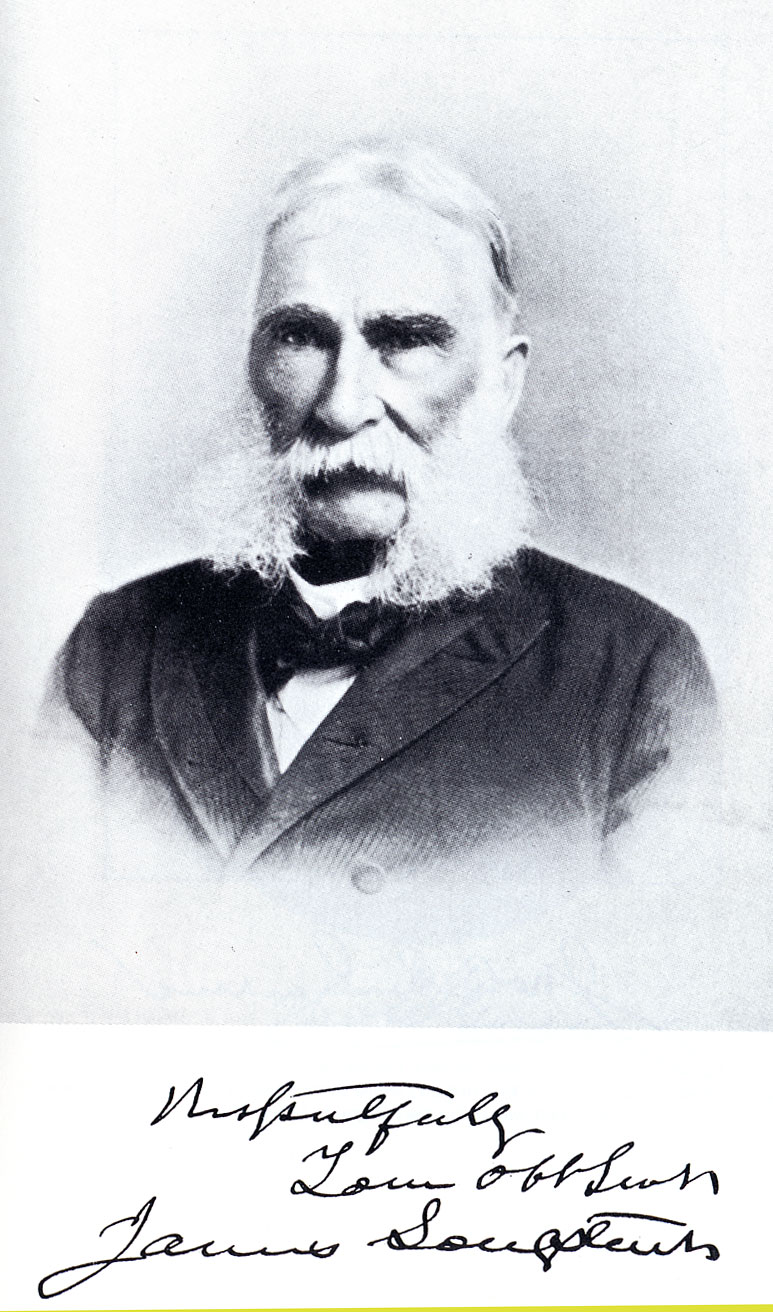
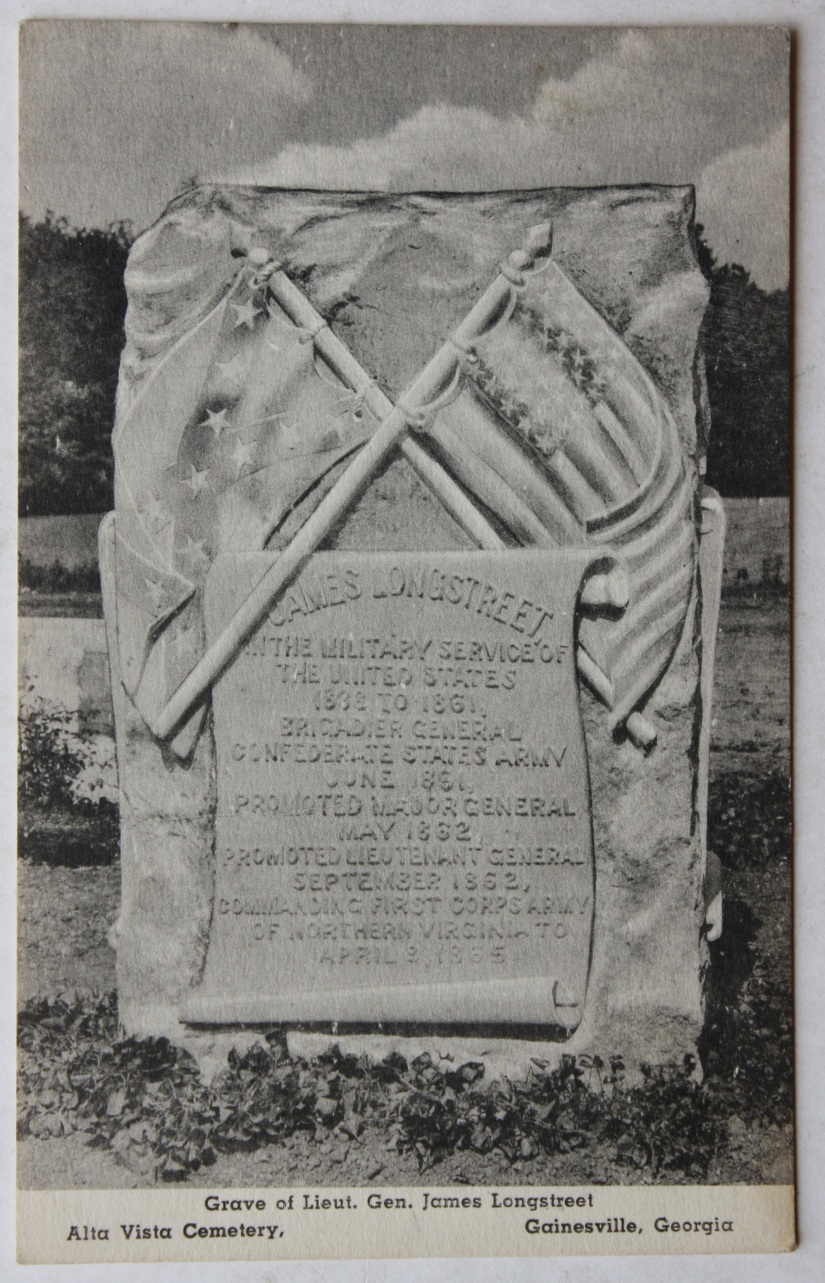 Longstreet served in a variety of government positions after the war, including ambassador to Turkey and as a Federal Marshall. He served as a railroad commissioner and spent his final years trying to refute continued attacks on his character raised by his former friends and brothers in arms who labeled him as a traitor to a failed ideal. His 1896 memoirs, a labor of five years titled “From Manassas to Appomattox”, he attempted to set the record straight.
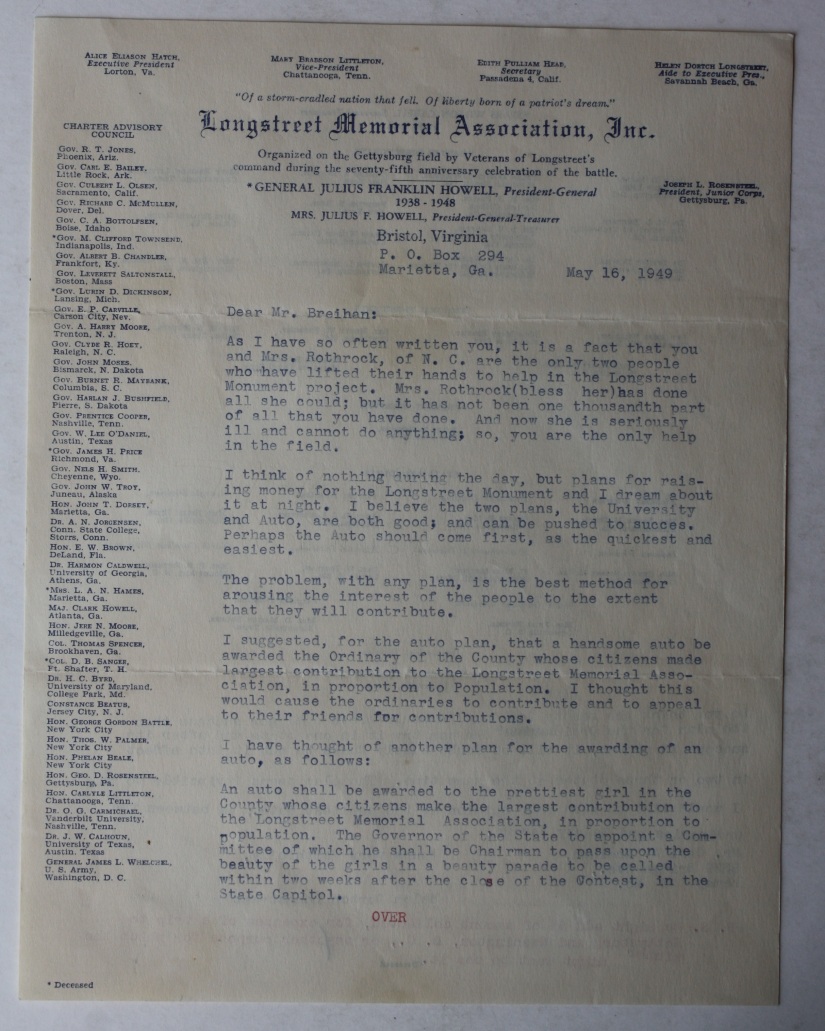
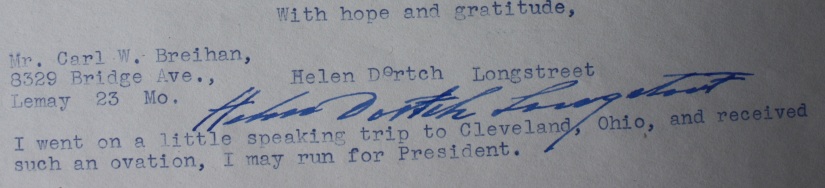 The letter continues, “The auto dealers will pay more attention to the plan if presented by a young, vigorous, intelligent gentleman like yourself, than by an old woman….I could never make them understand that behind the wrinkles and gray hairs the vigor and enthusiasm of youth still lives…When the monument stands finished on the field of glory, Carl W. Breihan, more than any other person in the world will deserve the credit.” She added the postscript, “I went on a little speaking trip to Cleveland, Ohio and received such an ovation, I may run for President.”
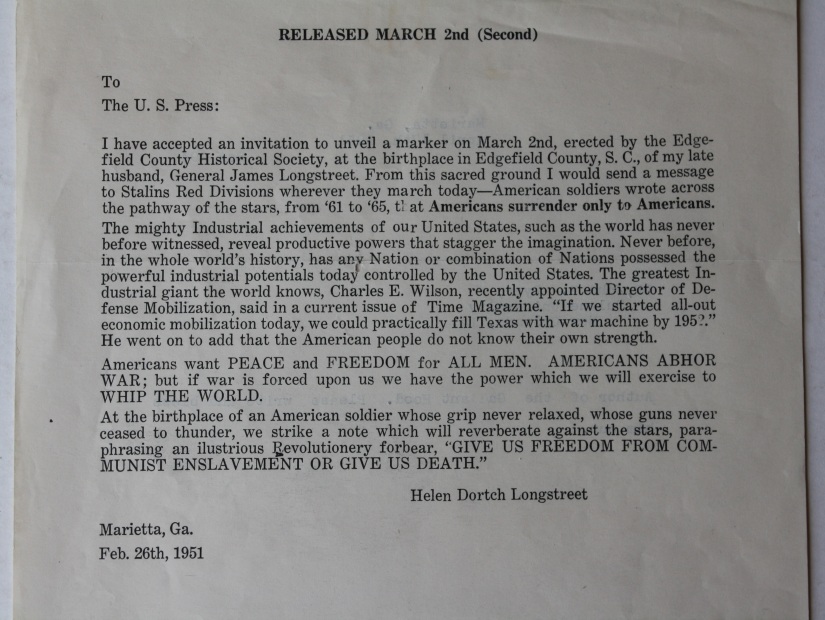 The next letter is in the form of a press release. Dated Feb. 26, 1951, it mentions the unveiling of a marker at General Longstreet’s South Carolina birthplace that likely includes excerpts from her planned speech at the ceremony. “I would send a message to Stalin’s Red Divisions wherever they march today-American soldiers wrote across the pathway of the stars, from ’61 to ’65, that Americans surrender only to Americans….Americans want PEACE and FREEDOM for ALL MEN. AMERICANS ABHOR WAR; but if war is forced upon us we have the power which will exercise to WHIP THE WORLD…At the birthplace of an American soldier whose grip never relaxed, whose guns never ceased to thunder, we strike a note which will reverberate against the stars.”
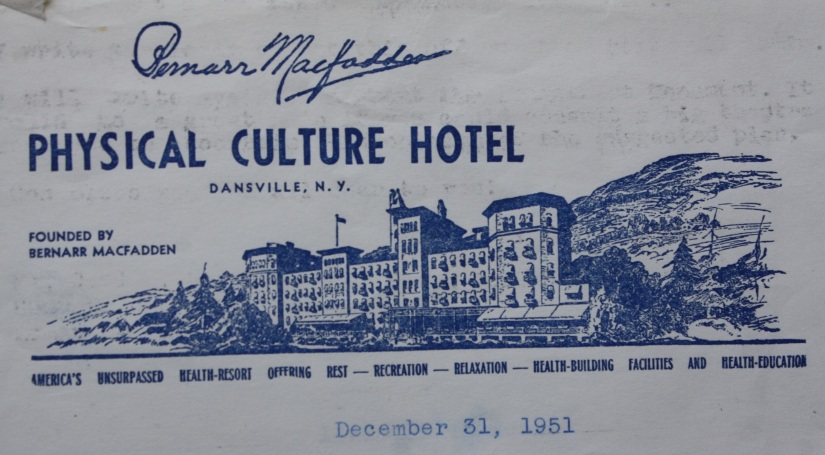
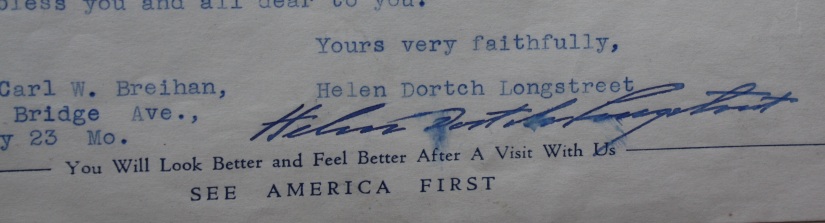 The Physical Culture Hotel, founded by former professional wrestler and magazine mogul Bernarr MacFadden, began life as the “Jackson Sanitorium” (founded in 1854), a health spa credited with inventing granola and launching the Kellogg cereal company. The Hotel was a pioneer in the use of hydrotherapy but also emphasized recreation and social activities such as swimming, sunbathing, tennis, and dancing. McFadden and his hotel were on the cutting edge of the physical fitness movement in America and at age 88, Helen Dortch Longstreet was right in the center of it. To me, this letter is emblematic of the widow Longstreet. She was ahead of her time, unpredictable and most of all, she never gave up.
 Further research reveals that, during World War II, Mrs. Longstreet was a Rosie the Riveter assembling B-29 bombers at the Bell Aircraft plant in Atlanta. She explained, “I was at the head of my class in riveting school. In fact I was the only one in it.” She worked in the factory for two years, refused to join the union, never missed a day of work or showed up late for a shift. Widow Longstreet told Life magazine reporters, surprised to find a Civil War General’s widow alive and well and working for the war effort, “I just want to build bombers to bomb Hitler.”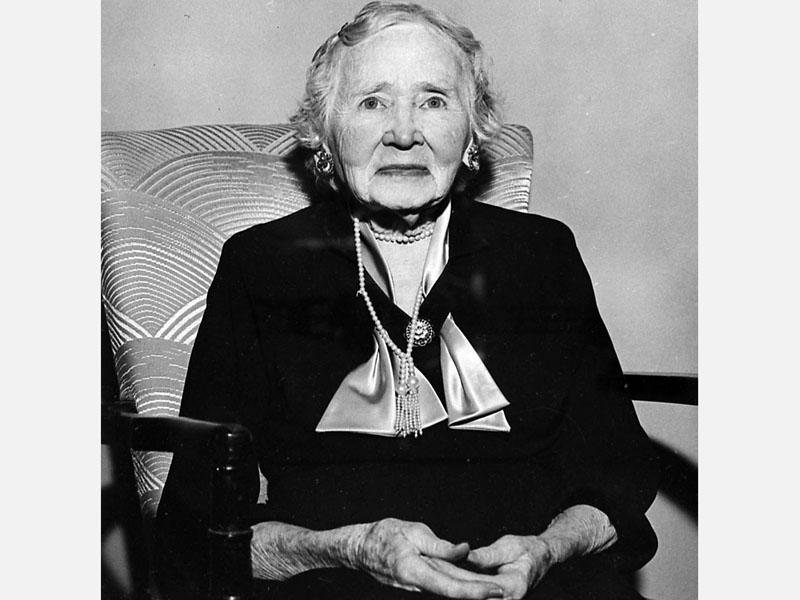
 In 1998, the Military Order of the Stars and Bars and United Daughters of the Confederacy worked together to pay for LaSalle’s disinterment and reburial in front of the George E. Pickett Memorial in Hollywood Cemetery. Widow Pickett was buried on Saturday, March 21, 1998. She was the first woman interred in the Confederate military burial section. On July 3 of that same year, one of the last monuments was erected on the Gettysburg National Military Park. It was an equestrian statue of General James Longstreet on his horse “Hero” in Pitzer Woods on Confederate Avenue. Perhaps most astonishingly, 135 years after the battle, Jamie Longstreet Paterson, the 67-year-old granddaughter of General Longstreet was there to see it.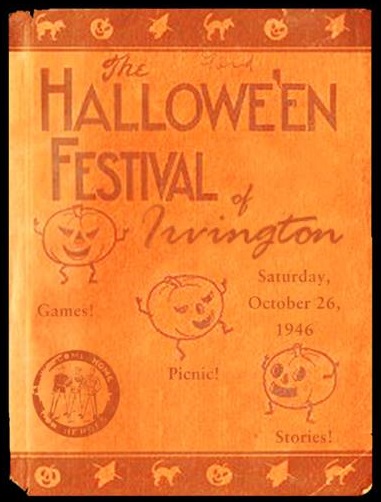
 We’ve all heard the stories, legends and rumors surrounding that now legendary first event. It was sponsored by the Walt Disney company featuring costumed characters with a Disney based theme. The Disney folks gave away potentially priceless hand painted film production cels right here on the streets of old Irvington town. Walt Disney himself was seen walking down Audubon with Mickey Mouse at his side. It’s hard to separate fact from fiction nowadays.
 A week later on May 5, 1942, every United States citizen received their much anticipated “War Ration Book Number One”, good for a 56-week supply of sugar. Initially, each stamp was good for one pound of sugar and could be redeemed over a specified two-week period. Later on, as other items such as coffee and shoes were rationed, each stamp became good for two pounds of sugar over a four-week period. The ration book bore the recipient’s name and could only be used by household members. Stamps had to be torn off in the presence of the grocer. If the book was lost, stolen, or destroyed, an application had to be submitted to the Ration Board for a new copy. If the ration book holder entered the hospital for greater than a 10-day stay, the ration book had to be brought along with them. Talk about your red tape!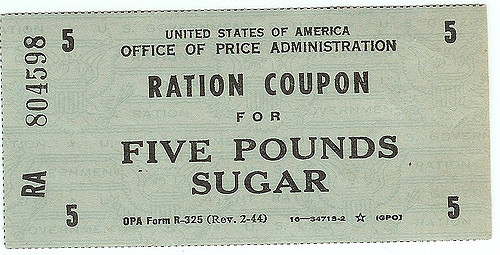
 To make matters worse, just because you had a sugar stamp didn’t mean sugar was available for purchase. Shortages occurred often throughout the war, and in early 1945 sugar became nearly impossible to find in any quantity. As Europe was liberated from the grip of Nazi Germany, the United States took on the main responsibility for providing food to those war ravaged countries. On May 1, 1945, the sugar ration for American families was slashed to 15 pounds per year for household use and 15 pounds per year for canning – roughly eight ounces per week per household. Sugar supplies remained scarce and, just as sugar had the distinction of being the first product rationed at the start of the war, sugar was the last product to be rationed after the war. Sugar rationing continued until June of 1947, over six months after the first Irvington Halloween festival in October of 1946.
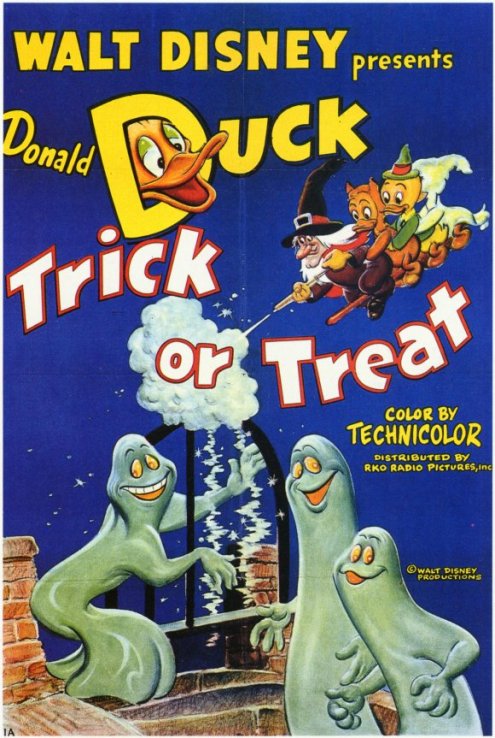
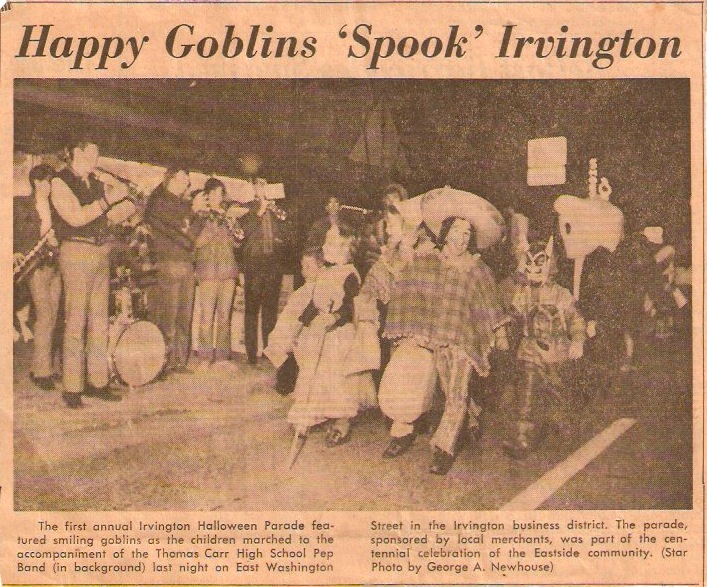 An argument can be made that it was events like the First Irvington Halloween Festival that kicked off the tradition of trick-or-treating as we know it today. Although the Halloween holiday was certainly well known in America before that first Irvington celebration, it was predominantly a holiday for adult costume parties and a chance to cut loose with friends playing party games while consuming hard cider. Early national attention to trick-or-treating in popular culture really began a year later in October of 1947. That’s when the custom of passing out the playful “candy bribes” began to appear in issues of children’s magazines like Jack and Jill and Children’s Activities, and in Halloween episodes of network radio programs like The Baby Snooks Show, The Jack Benny Show and The Adventures of Ozzie and Harriet. Trick-or-treating was first depicted in a Peanuts comic strip in 1951, perhaps the image most identified with the children’s holiday in the hearts and minds of baby boomers today. The custom had become firmly established in popular culture by 1952, when Walt Disney debuted his Donald Duck movie “Trick or Treat”, and again when Ozzie and Harriet were besieged by trick-or-treaters on an episode of their popular television show. In 1953, less than a decade after that first festival in Irvington, the tradition of Halloween as a children’s holiday was fully accepted when UNICEF conducted it’s first national children’s charity fund raising campaign centered around trick-or-treaters.
 Most of this column’s readers are aware that part of my passion for history revolves around collecting, cataloging, displaying and observing antiques and collectibles. There exists in the collecting world a strong group of enthusiasts devoted to the pursuit and preservation of Halloween memorabilia of all types. Costumes, decorations, photographs, publications and postcards in particular. The origins of Halloween as we now know it might best be traced in the postcards issued to celebrate the tradition. The thousands of Halloween postcards produced between the turn of the 20th century and the 1920s commonly show costumed children, but do not depict trick-or-treating. It is believed that the pranks associated with early Halloween were perpetrated by unattended children left to their own devices while their parents caroused and partied without them. Some have characterized Halloween trick-or-treating as an adult invention to curtail vandalism previously associated with the holiday. Halloween was not widely accepted and many adults, as reported in newspapers from the 1930s and 1940s, typically saw it as a form of extortion, with reactions ranging from bemused indulgence to anger. Sometimes, even the children protested. As late as Halloween of 1948, members of the Madison Square Boys Club in New York City carried a parade banner that read “American Boys Don’t Beg.” Times have certainly changed since that first Halloween festival 65 years ago.
 A 2005 study by the National Confectioners Association reported that 80 percent of American households gave out candy to trick-or-treaters, and that 93 percent of children, teenagers, and young adults planned to either venture out trick-or-treating or to participate in other Halloween associated activities. In 2008, Halloween candy, costumes and other related products accounted for $5.77 billion in revenue. An estimated $2 billion worth of candy will be passed out during this Halloween season and one study claims that “an average Jack-O-Lantern bucket carries about 250 pieces of candy amounting to about 9,000 calories and containing three pounds of sugar.” Yes, 65-years ago, Halloween looked quite different than it does today. Next week, doorbells all over Irvington will ring, doors will be opened and wide-eyed gaggles of eager children will unanimously cry out “Trick-or-Treat” from Oak Avenue to Pleasant Run Parkway.
 Costumed kids will be rewarded for their efforts with all sorts of tribute in the form of coins, nuts, popcorn balls, fruit, cookies, cakes, and toys. As a casual observer born long after that first Irvington Halloween Festival and an active participant in the festivities that will begin next week, I’m glad that our Irvington forefathers skirted government regulations all those years ago. In fact, as a fan of all things Irvington, I’d go so far as to say that this community has played a big part in the Halloween holiday as we know it today. Because, grammar notwithstanding, nobody does Halloween like Irvington do.
 My first thought, where the heck is Bloomfield, Indiana? Well, if you didn’t know, it is a small town of some 2,400 people located in Greene County not far from, and currently considered a part of, Bloomington. Its best known for having one of the most well preserved covered bridges in the state and for its long association with the Native American Indian tribes including the Miami, Kickapoo, Piankeshaw, and Wesa tribes. That settled, I was on to the next question. What is this thing? I’m guessing some of you already know the answer, but it was unknown to me. It is a book, distributed by the electric company to their wartime, homefront customers to read their own meters and pay the fees associated with usage based on the honor system. That’s right, the honor system. With the electric company. An Oxymoron if you ever heard one right?
 The customer would record the electricity their household used, pay the bill, and the electric company trusted them. Seriously? The electric company…trust you? Could that be possible? Can you imagine such a system? I gotta tell ya, when I see things like this I’m convinced that I was born in the wrong era. I must admit, I’m one of those people that believes that the World War II Generation was truly our greatest. Life was simpler, people were nicer, and businesses were staffed by friends and neighbors who were really rooting for our success. Whenever I see things like this I realize that back then, everyone pulled together to do their part. All for one and one for all. Corny, but true. I didn’t realize that this little booklet was a first generation relic of the rural electrification movement that began in 1935 as part of an effort to bring electricity, telephone and indoor plumbing to the rural communities all over the state. Something we take for granted today.


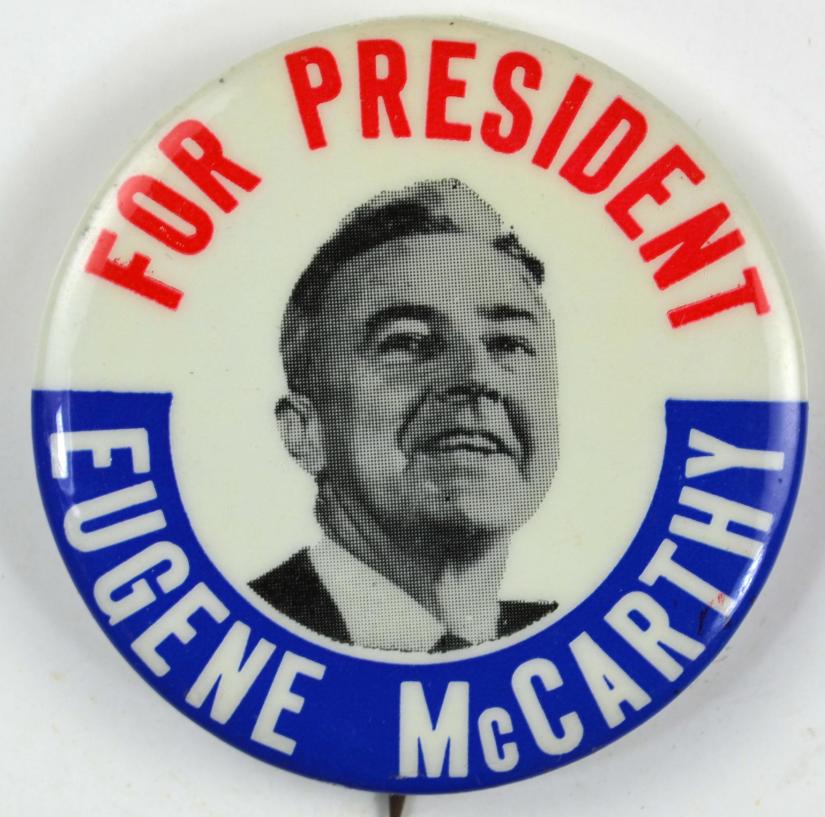
 To be sure, Minnesota has given us very normal politicians like Lyndon B. Johnson’s Vice-President Hubert H. Humphrey and Jimmy Carter’s Vice-President Walter Mondale and Senator Eugene McCarthy. All 3 men ran for President (Humphrey and McCarthy against each other in 1968) and all 3 men lost. Although mainstream, all 3 were unconventional in their own ways. McCarthy was the grandfatherly looking darling of the Anti-Vietnam War Hippy protesters, most of whom were one third his age. Humphrey was a peace seeking dove who became the hawkish voice of the LBJ administration during the Vietnam War. And Mondale was the first to chose a woman as his running mate (Geraldine Ferraro 1984).
 You may not realize just how prolific Minnesota has been in baby boomer’s collective national political conversation until you realize that Mondale, McCarthy or Hubert Humphrey were on the Democratic ticket as candidates for President or Vice President in the 1964, 1968, 1972, 1976, 1980, 1984, 1988 and 1992 elections. Minnesota is known for a politically active citizenry, with populism being the driving force among the state’s political parties. Minnesota has consistently high voter turnout, in the 2008 U.S. presidential election, 77.8% of eligible Minnesotans voted – the highest percentage of any U.S. state or territory – versus the national average of 61.7%.
 The history of Minnesota electing non-conventionals goes back to 1876 when the state elected John Pillsbury as their 8th Governor. Name sound familiar? Yes, he was the namesake of the Pillsbury doughboy and served from 1876 to 1882. He died in 1901. Following the food theme, Minesota also elected Frank B. Kellogg tot he Senate in 1916. No, he wasn’t the cereal guy, but he did become Secretary of State, British Ambassador and a Nobel Prize winner in 1929.
 Then came (and came-and came-and came) Harold Stassen, Minnesota Governor (it’s youngest ever) from 1939 to 1943. Stassen was a candidate for the Republican Party nomination for President nine times between 1944 and 1992 (1944, 1948, 1952, 1964, 1968, 1980, 1984, 1988, and 1992). He never won the Republican nomination, much less the presidency; in fact, after 1952, he never even came close, but continued to campaign actively and seriously for President until just a year before his death. When you add Stassen’s name alongside those of McCarthy, Mondale and Humphrey, a Minnesotan was on the ballot for every Presidential election for six decades.
 Then came Jesse Ventura. The former navy seal turned pro wrestler known as “The Body” was born James George Janos in Minneapolis in 1951. In the Minnesota gubernatorial election of 1998 he was elected the 38th Governor of Minnesota and served from 1999 to 2003 but did not seek a second term. Ventura ran as a candidate for the Reform Party of Minnesota. Ventura went on to gain the highest approval rating of any governor in Minnesota history, with some polls ranking his public approval as high as the 73% in 1999. Ventura is widely regarded as one of the first candidates to effectively use the Internet in a national political campaign.
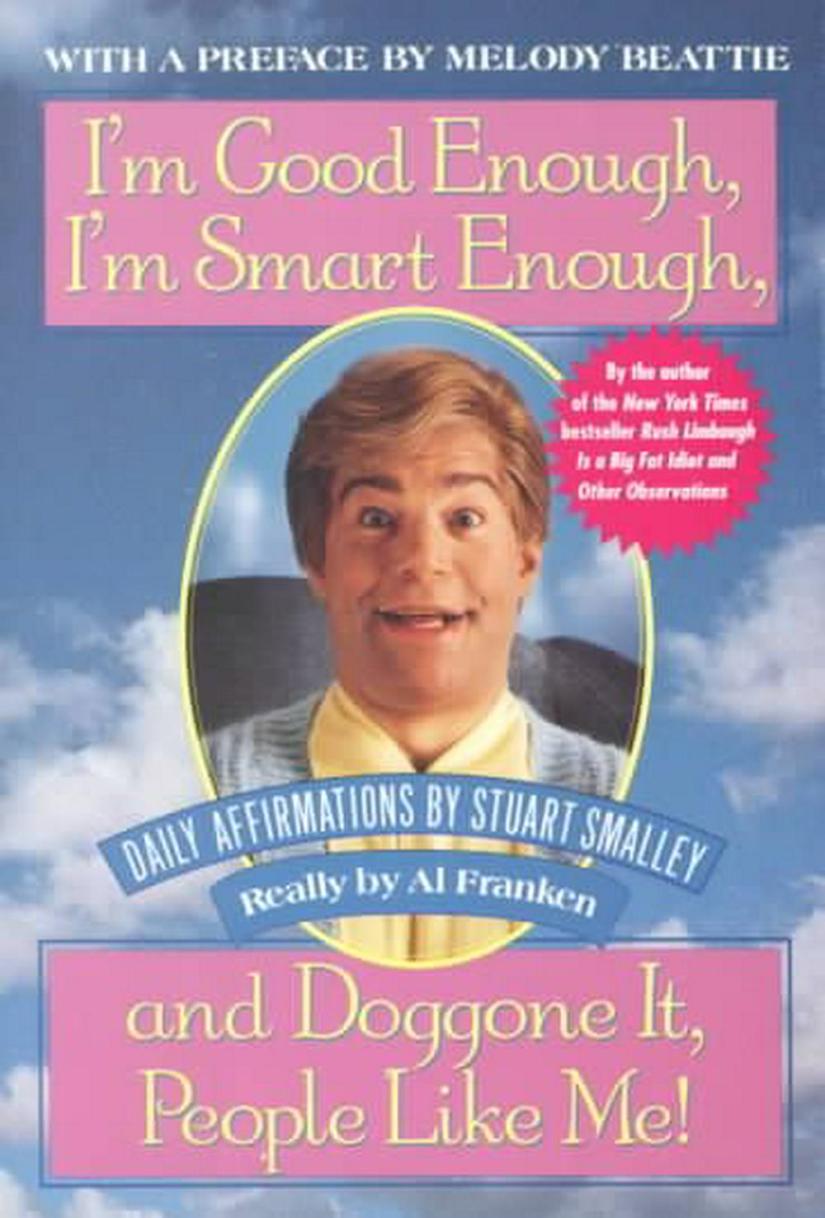 Franken then hosted a nationally syndicated, political radio talk show, The Al Franken Show, and authored six books, four of which are political satires critical of conservative politics. The success of his radio show and books led Franken to run for the U.S. Senate. Franken’s narrow victory was challenged but upheld. The most famous incident that emerged revolved around a ballot that would come to epitomize Franken’s victory. It was a ballot that had been marked twice, once for Franken and once for a write-in candidate known as “Lizard People.” This ballot gained infamy, not only for the absurd nature of a vote being cast for Lizard People but also for whether it should be counted for Franken or for lizard people. Eventually, the ballot was thrown out altogether. Franken was sworn into the Senate on July 7, 2009 (seven months after the congressional session had started) and was re-elected to a second term in office in 2014.
