
Creepy history, Ghosts, Indianapolis, Irvington Ghost Tours, Weekly Column

The Ghosts of Playground Productions in Irvington.

Andrea and Adam Long of Playground Productions.

Original publish date October 16, 2025.

https://weeklyview.net/2025/10/16/the-ghosts-of-playground-productions-in-irvington/

One of the enjoyable aspects of leading ghost tours in Irvington every October is hearing the new ghost stories and spooky tales associated with the buildings we pass along the route. For the past few years, Adam Long and his wife, Andrea, have allowed the tours access to their building, Playground Productions Studio at 5529 N. Bonna Ave., as a jumping-off point to rest and recover after tours. Some of you may know Adam by his stage name, Adam Riviere, a homage to his mother’s whose maiden name. Most importantly, the studio hosts the crew from the Magick Candle every Friday and Saturday night during October for psychic readings for our tour guests and visitors, with the proceeds going to fund the food bank at Gaia Works (6125 E. Washington St.).
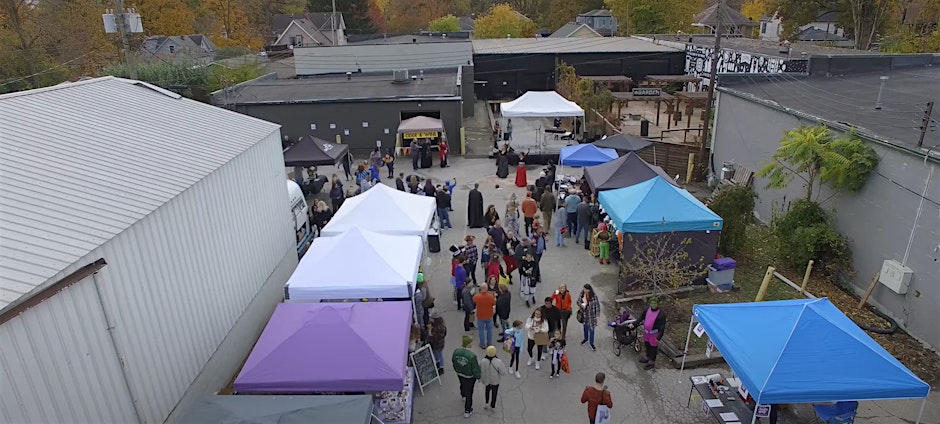
Playground Productions Studio at 5529 N. Bonna Ave. during the Halloween Festival.

Adam graduated from Martinsville High School, studied at Butler University, and attended IUPUI for his graduate work. Adam is an accomplished musician and an artist in his own right. Andrea, originally from London, Kentucky, graduated from North Laurel High School there and from IUPUI in Indianapolis. Andrea is quiet, but when she talks, she speaks with an easy southern drawl that somehow soothes the listener’s ears. As I write this, the couple is celebrating their eleventh wedding anniversary. Adam and Andrea were married in 2014, but have been together since 2008. I first met Adam over a decade ago, when he was a guest on one of my ghost tours. After hearing the Abraham Lincoln ghost train story, which concludes each tour, Adam was sprung. He later informed me that the story resonated with him so deeply that he commissioned an artist friend to create a painting of the ethereal visage for display in his studio office. It comes as no surprise that Adam’s studio is located along the historic corridor of the railroad tracks upon which Lincoln’s funeral train traveled back on April 30, 1865.
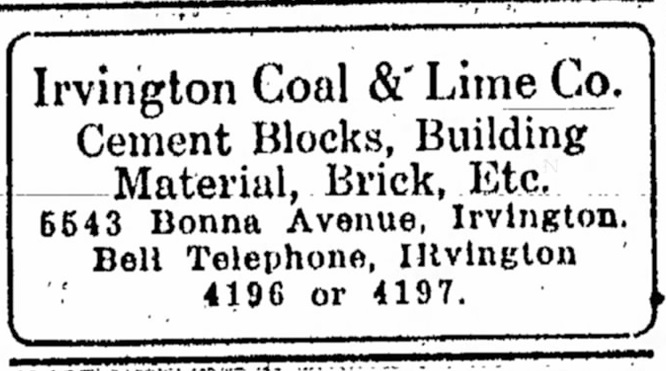
Indianapolis Star Sunday December 25, 1921.

Adam’s studio has an interesting history. Adam stated, “It was originally the Coal & Lime Company in Irvington. That was why they wanted to call this area the Coal Yard district, because this is the spot where the trucks would come and pick up the coal to deliver to the areas close by.” The name is a bit of a misnomer, however. While it is true that the company sold “Hoosier Red Pepper Coal” harvested “clean” and “hand picked” from “Indiana’s Richest Coal Mines,” contrary to it’s strict definition, the company specialized in providing hydrated mason’s lime used in the manufacture of common bedrock building materials like glazed tile, fire brick, cement blocks, and common bricks.
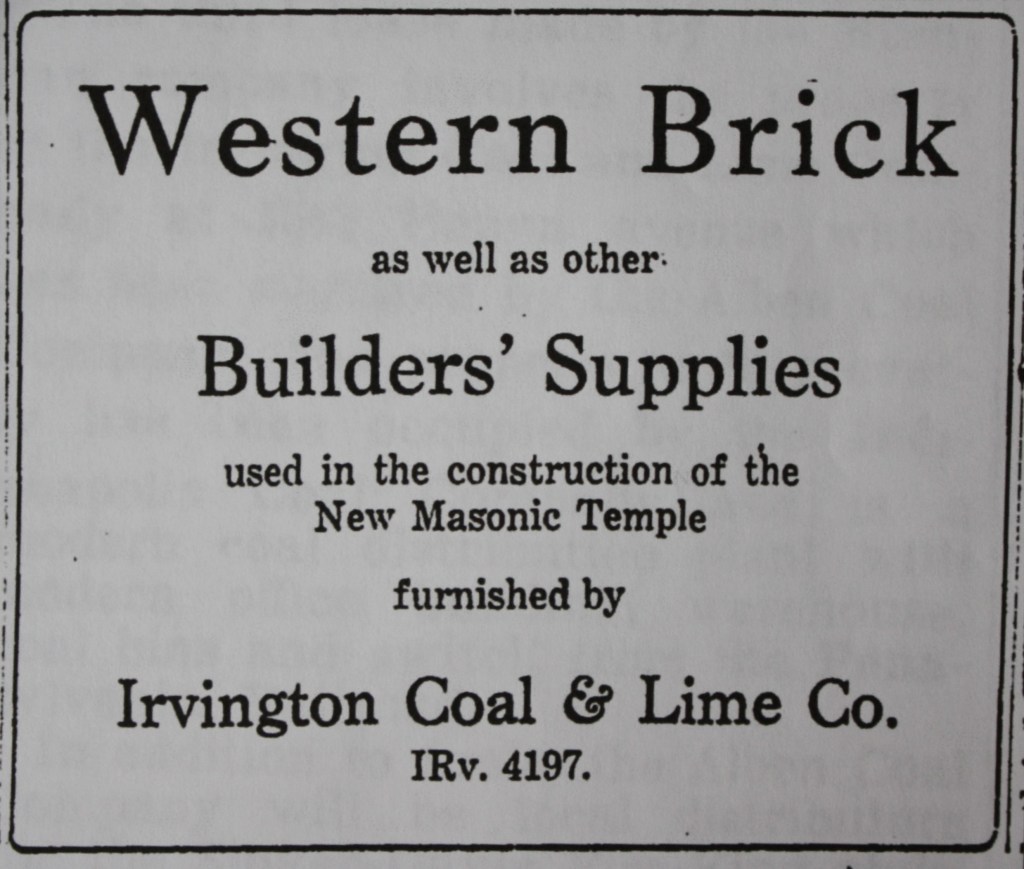
August 3rd, 1922, Indianapolis Star ad.
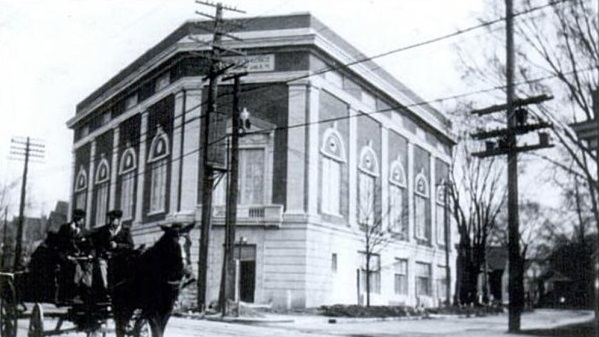
Irvington Masonic Lodge 666 in 1922.

On August 3rd, 1922, an ad on page 10 of the Indianapolis Star boasted that the Irvington Coal & Lime Company supplied the “Western Brick as well as other builder’s supplies used in the construction of the new Masonic Temple,” a.k.a. Irvington Masonic Lodge 666, whose cornerstone was laid the year before. Adam was quick to point out to visitors to the property that a portion of the foundation for the old brick factory remains in place several yards away from his studio entrance. Adam informed, “In the early 1950s, a company called Foamcraft bought the building.”
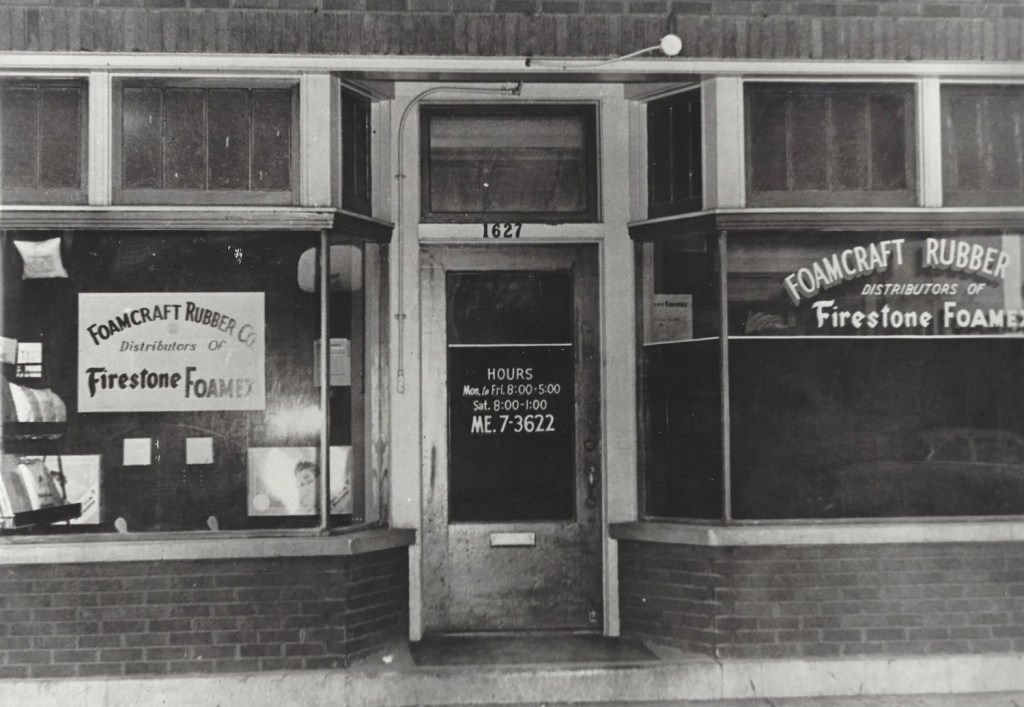
Foamcraft with Firestone ad.

Foamcraft still exists. According to their website, “In 1952, Robert T. Elliott, the founder of our company, started the Foamcraft Rubber Company. As a District Sales Manager for the Firestone Tire and Rubber Company, he was responsible for helping to start several foam rubber distributors. Foamcraft was his special passion, though, and in founding our company, he set a foundation for business integrity and dedication to service, as well as a vision to develop long-term relationships with our customers.” Foamcraft makes specialized cushioning used in furniture, beds, minivans, boats, and other products. The company buys large blocks of foam rubber called “Buns” or “Blocks” and cuts them to smaller sizes and shapes as needed by their customers. It was, and remains, a family-run operation with a very high-tenured workforce staffed by generations of families working “cutting foam” for a variety of customer products. The company boasts a 99.9% on-time production and delivery reputation.
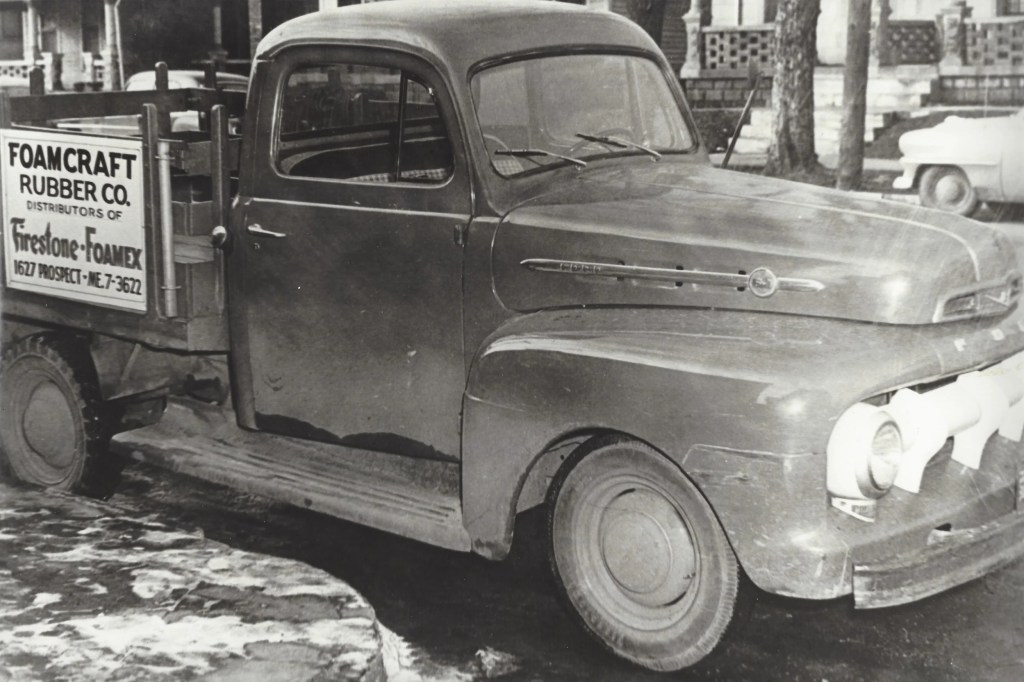
Foamcraft Truck in 1952.

Elliott opened his Irvington foam factory on Bonna Avenue in 1957, and it remained there for the next 44 years. Foamcraft briefly relocated in 2001 to a leased building on Post Road before moving to a much larger facility in Greenfield in 2016, where it remains today. Company headquarters are located at 9230 Harrison Park Ct. in between the Fort Benjamin branch library and Peyton Manning Children’s Hospital in Lawrence. Foamcraft also has a manufacturing facility in Elkhart. They never forgot their ties to Irvington, though. Employees referred to the old 20,000 square foot factory, made up of several buildings, simply as the “Bonna.” According to their Web site, employees remember the Bonna facility as “dark and spread out with rooms everywhere. It was sort of claustrophobic with low ceilings, and we worked elbow-to-elbow. It had slippery floors throughout the facility, which sometimes required us to spread sand or sawdust in certain areas.” Despite the distinctly ominous Irvington location’s appearance, inside and out, Foamcraft’s employees described the working atmosphere as “Valhalla.”
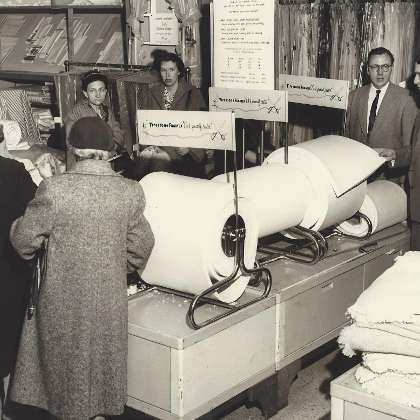
Foamcraft Interior 1950s Era.

One former employee, Jim Quakenbush, recalls that Foamcraft Inc. “ was located on Bonna Ave. just east of Ritter Ave. I worked there for two summers, unloading railroad cars in 1970 & 1971. I have fond memories of working there. Rob Elliott, whose father owned the company, worked with me unloading train cars full of large refrigerator-sized foam rubber “buns”. I think Rob became the CEO and may still be. The warehouse building still stands, but the office building is gone. The railroad track is gone. I really enjoyed the people. My supervisor was Dave Fisher. Great guy. Don Scruggs was a truck driver, funny as hell. Larry Harding worked with me. [The] Sewing department had Ursie Hert, Ralph Wainwright, from Jamaica. Clayton Sneed was a saw operator. Paul was an autistic laborer who used to irritate Ralph. I laughed so hard listening to them argue back and forth. All in good fun. Good memories.”
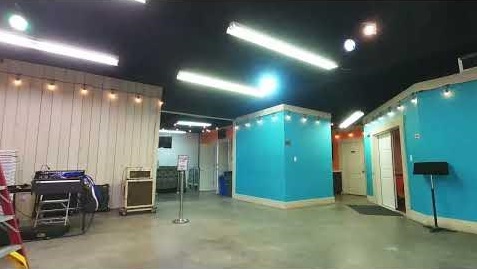
Interior of Playground Productions Studio.

The old Foamcraft building has quite a history to it, and apparently, a few ghosts as well. Adam recalled, “When I first moved in here, while I locked up at night, stepping out the door, there was a feeling. It wasn’t really ominous, but it definitely gave you a creepy feeling. “ When asked if he feels a presence in the building, Adam stated, “Yes, sometimes when I’m alone in the building, I can hear sharp knocks on the wood in the studio. When I check, nothing is there to explain it.” Adam and Andrea say they don’t ever feel uncomfortable in their building, and they don’t think there is any dark energy connected to their workspace. “We just take it as it comes, we’re used to it now.”
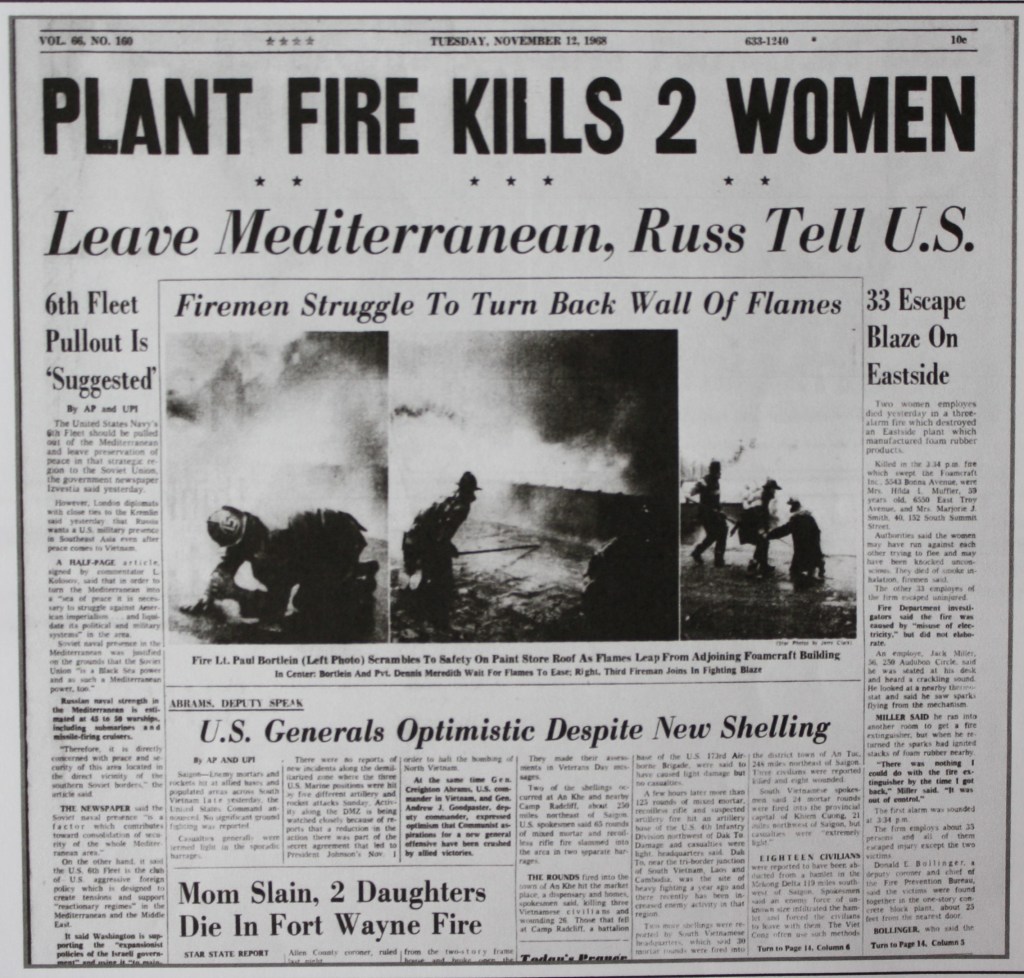
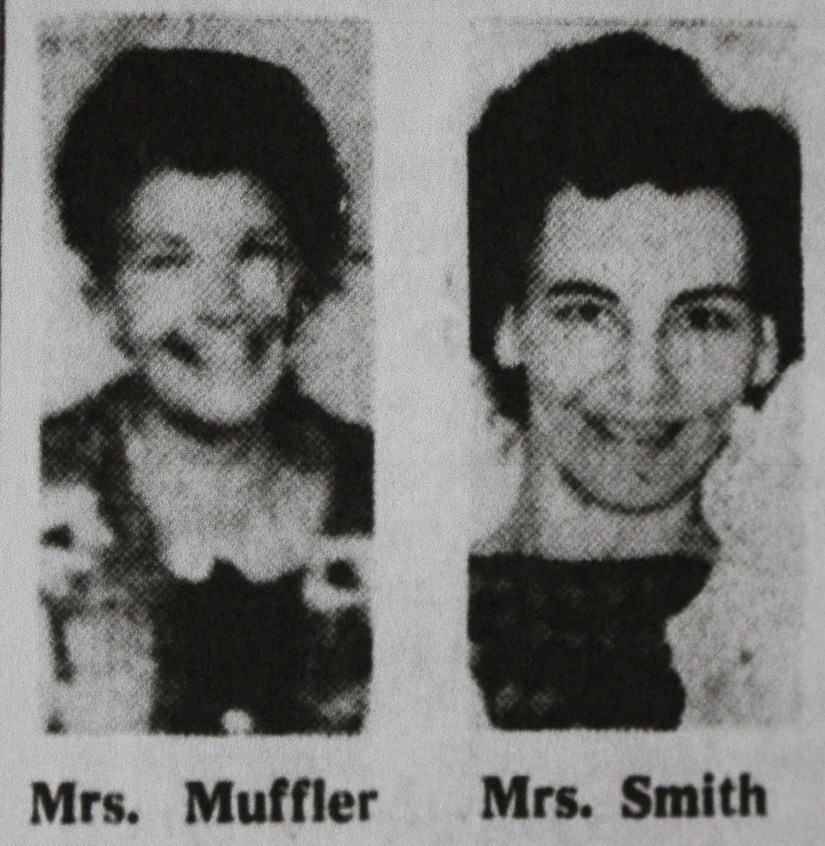
The factory site was visited by tragedy in the autumn of 1968. The front page of the November 12, 1968, Indy News announced “Plant Fire Kills Two Women. 33 Escape Blaze on Eastside.” At 3:34 in the afternoon, firefighters responded to a three-alarm fire at the Foamcraft factory plant. Mrs. Hilda F. Muffler, 59, of 6550 East Troy Avenue, and Mrs. Marjorie J. Smith, 40, of 152 South Summit Street, were killed in the blaze. Mrs. Muffler was employed as a seamstress, and Mrs. Smith as a cutter. Authorities theorized that the two women may have collided and been knocked unconscious during the frenzy to escape the fire. The women died of smoke inhalation and heat. According to the article, Fire Department investigators said the fire was caused by ‘misuse of electricity,’ but did not elaborate.
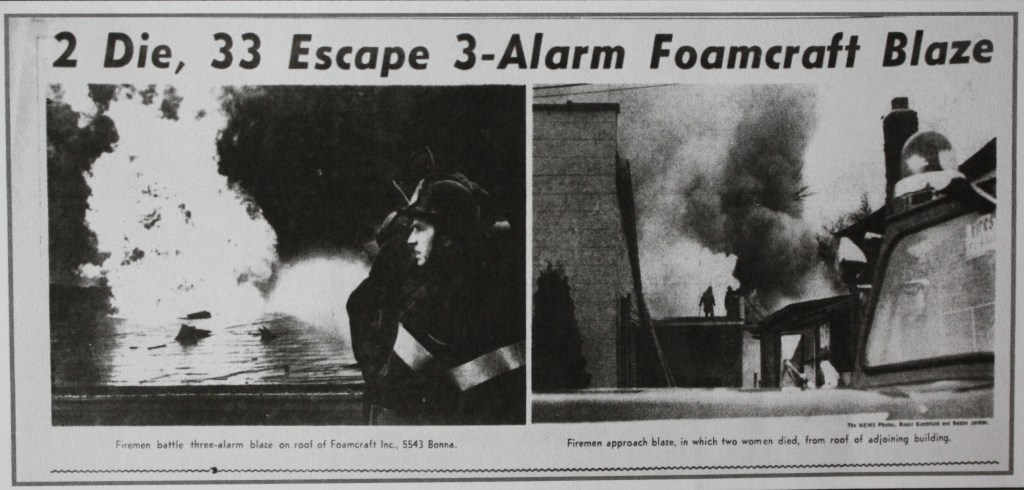
The article further reports, “An employee, Jack Miller, 56, 250 Audubon Circle, said he was seated at his desk and heard a crackling sound. He looked at a nearby thermostat and said he saw sparks flying from the mechanism. Miller said he ran into another room to get a fire extinguisher, but when he returned, the sparks had ignited stacks of latex foam rubber nearby. There was nothing I could do with the fire extinguisher by the time I got back. It was out of control.” Another Star article quotes Miller as saying he saw a “flash of lightning” come from the wall thermostat and strike a pile of foam. Deputy Marion County Coroner and chief of the fire prevention bureau, Donald E. Bollinger, said the victim’s bodies suffered no burns and were found lying face down perpendicular,  one atop the other, in the one-story concrete block plant. The women were found within 4 feet of an office door and only 8 feet from the nearest exit door.
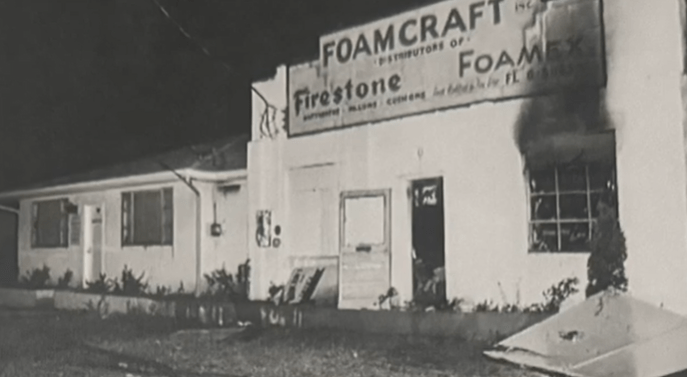
Foamcraft Building Exit Door After The Fire in 1968.

They were discovered to be some 70 feet from the nearest fire damage about 25 minutes after the first alarm had sounded. Other employees challenged the notion that the women panicked trying to escape. Bollinger later theorized that since Mrs. Smith’s coat was found lying next to her body, the women may have attempted to reach a restroom to retrieve their coats and purses before being overcome by smoke.
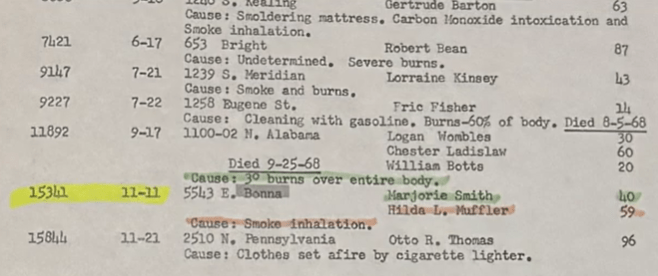
Coroner’s Report From the Foamcraft Fire.

The fire was spectacular, with flames shooting over 100 feet high in the sky, and the massive plumes of heavy black smoke could be seen from all over the city of Indianapolis. The high-intensity heat hampered firefighters’ efforts to extinguish it quickly. The first alarm came at 3:34, the second at 3:44, and the third at 4:42 pm. Emergency first responders arrived quickly with over 20 pieces of firefighting equipment and 65 firefighters. John T. O’Brien, owner of the Bonna Printing Company at 5543 Bonna Avenue, reported that his adjacent building suffered only minor smoke and water damage during the conflagration. Other adjacent businesses, Krauter Equipment Company & the Firestone Tire & Rubber Company, also reported minor damage. At 12:17 am, the blaze briefly reignited, and firemen were again called to extinguish the flames. That second fire had ignited beneath the collapsed roof of the factory and was brought under control at 1:17 am.
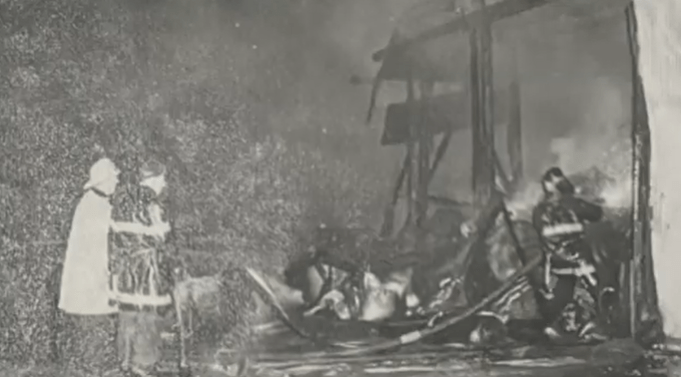
Foamcraft Fire.

The Foamcraft building was destroyed in the inferno. Investigators determined the fire started along the north wall of the “blackened pillow room” on the northeast corner of the building. Deputy Chief Bollinger later speculated that the fire could have been prevented if the wall receptacle box, which contained the mechanism controlling the heating blowers, had been properly covered. One unnamed employee told Bollinger that he tried to make a metal cover for the box the week before the blaze, but was shocked during the attempted installation and was unable to do so. That same employee said that he had informed company officials of the problem, but it had not been fixed yet.

Learning that Adam and Andrea’s building may have a resident ghost, one could believe that the spirits of Playgorund Productions Studio are those of the tragic victims of the Foamcraft factory fire from 1968, but that does not appear to be the case. Tim Poynter, intuitive psychic empath who has worked with me on the tours for decades and now spends every October Friday and Saturday night in the building, admits that he encounters those spirits regularly, “But they aren’t necessarily attached to the building. They seem to be just passing through. Sometimes the tour guests bring them, and at other times, they are brought in by the readers.” Likewise, longtime tour volunteer Cindy Adkins, who was featured as a psychic intuitive in an episode of Zak Bagans’ Ghost Adventures in 2019, does not feel a resident ghost in the building. “They’re not in here permanently. I don’t feel them inside, but I do think some spirits are roaming around outside the building.” said Cindy. Indeed, it should be noted that the spot where the two employees died is located outside the studio, about 20-30 yards northwest of the door.
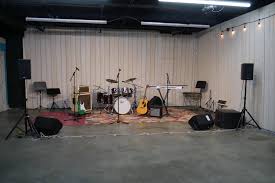
Inside Stage at Playground Studios.

Today, Playground Productions Studio is a far cry from the old, dark, and spooky, chopped-up Foamcraft factory. The working studio is now full of light and texture. Walls are constructed of a naturally grounded hardwood facia and are peppered by soft blankets buffering any echoes and sounds that might affect the recording work. The artists, bands, and performers who regularly work or visit the Playground are joyful and carefree whenever there is an event or party going on. Knowing the depth of feeling that former Foamcraft employees have for the old “Bonna” location, it is easy to imagine that if there are spirits hovering around the property, inside or out, they do so with mirth and glee.

https://www.linkedin.com/posts/foamcraft-inc-_the-story-of-foamcraft-inc-activity-7089985534889975808-y92J/


Foamcraft has created a fantastic, informative, and historical video with scenes shot at the old factory on Bonna. It can be found on the Web at: https://www.linkedin.com/posts/foamcraft-inc-_the-story-of-foamcraft-inc-activity-7089985534889975808-y92J/

Creepy history, Indianapolis, Politics, Weekly Column

Nazi’s in Irvington radio show. “Hoosier History Live hosted by Nelson Price” June 21 (2025) on WICR-FM 88.7.

Here is the radio show companion to my March 13th & 20th and June 19, 2025 articles in the Weekly View newspaper, all of which are available to read on this site.

Art, Indianapolis, World War II

Nazi Ideology on the Eastside; a Continuance.

Original publish date June 19, 2025.

https://weeklyview.net/2025/06/19/nazi-ideology-on-the-eastside-a-contnuance/

Last March, I wrote a two-part article on Eastsider Charles Soltau, the “Nazi at Arsenal Tech”. This Saturday (June 21st) at noon, I will revisit those articles on Nelson Price’s “Hoosier History Live” radio show WICR 88.7 FM. Nelson, a longtime friend of Irvington, has a personal connection to that story, which he will share for the first time ever during that broadcast. As it happens, weeks after that article appeared, quite by accident, I ran across a few documents that spoke directly to that time in Indianapolis history.

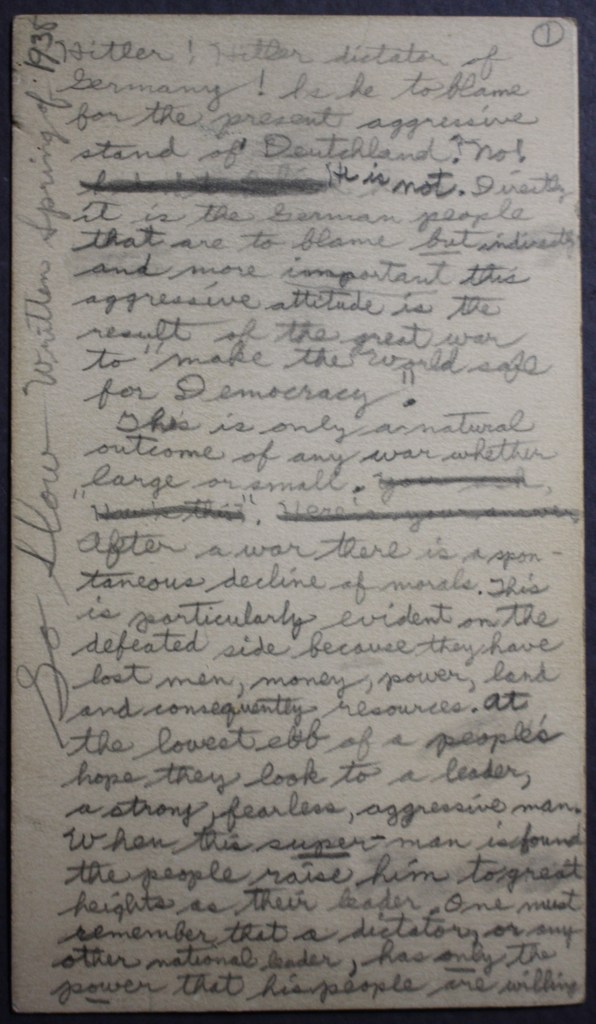
Card # 1

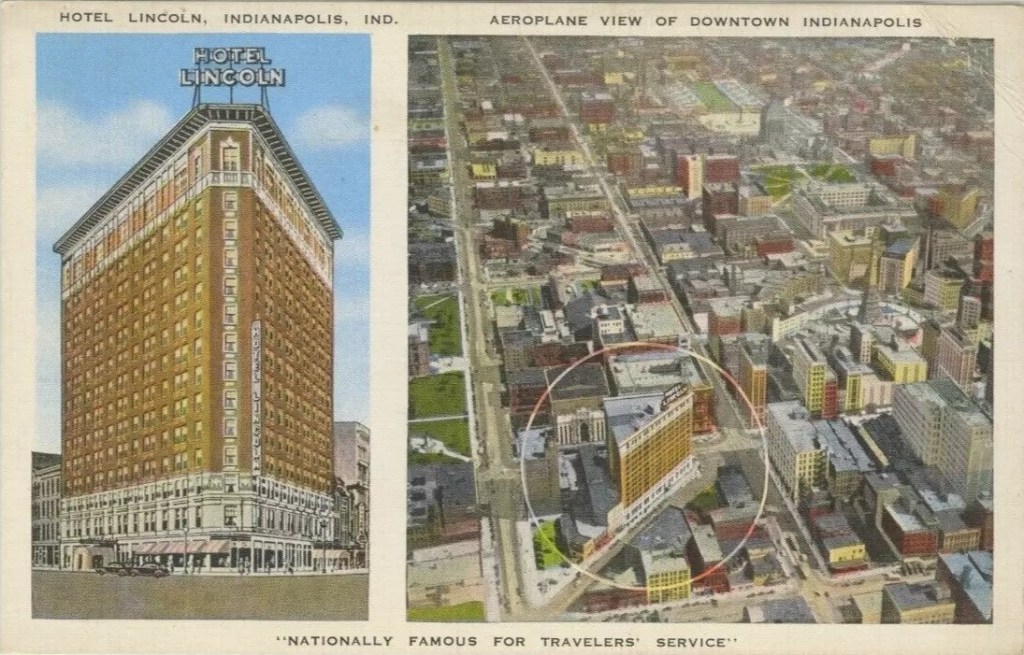
While perusing a few boxes of vintage paper at a roadside antiques market, I found a pair of cards from February 1938, advertising one of the first 35 mm camera photo exhibitions in Indianapolis at the Hotel Lincoln. The Hotel Lincoln, built in 1918, was a triangular flat-iron building located on the corner of West Washington St. and Kentucky Ave. The hotel was named in honor of Abraham Lincoln, who made a speech from the balcony of the Bates House across the street in 1861. Afterwards, that block became known as “Lincoln Square.” The Hotel displayed a bust of Abraham Lincoln on a marble column in its lobby for decades. The Lincoln was a popular convention center and was once the tallest flat-iron building in the city. The Lincoln was the site of the arrest of musician Ray Charles (a subject covered in depth in one of my past columns). It also served as the headquarters for Robert Kennedy and his campaign staff, who leased the entire eleventh floor of the hotel during the 1968 Indiana primary. The Lincoln was intentionally imploded in April of 1973.

Hotel Lincoln Postcard.

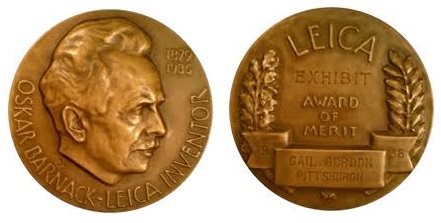
It was the Hotel Lincoln’s history that originally piqued my interest. The front of each card read, “You are invited to attend the Fourth International Leica Exhibit on display in the Hotel Lincoln, Parlor A, Mezzanine Floor, Indianapolis, Ind., from February 23 to 26 [1938], inclusive. Hours: 11 A.M. to 9 P.M. (on February 26, the exhibit will close at 5 P.M.) More than 200 outstanding Leica pictures will be on display, representing the use of the camera in various fields…Candid, Amateur, Commercial, Press and Scientific Photography. Do not fail to view this show which represents the progress in miniature camera photography throughout the year. Illustrated Leica Demonstration will be given at the American United Life Insurance Co., Auditorium, Indianapolis, February 24, 8:30 P.M. by Mrs. Anton F. Baumann. ADMISSION FREE. E. Leitz, Inc. New York, N.Y.” Research reveals that the winner of the contest was W.R. Henkel, who resided at 2936 E. Washington Street. Henkel received the Oscar Barnak Medal, named for the inventor of the Leica camera.

Oscar Barnak Leica Exhibition Medal.

The Leica was the first practical 35 mm camera designed specifically to use standard 35 mm film. The first 35 mm film Leica prototypes were built by Oskar Barnack at Ernst Leitz Optische Werke, Wetzlar, in 1913. Some sources say the original Leica was intended as a compact camera for landscape photography, particularly during mountain hikes, but other sources indicate the camera was intended for test exposures with 35mm motion picture film. Leica was noteworthy for its progressive labor policies which encouraged the retention of skilled workers, many of whom were Jewish. Ernst Leitz II, who began managing the company in 1920, responded to the election of Hitler in 1933 by helping Jews to leave Germany, by “assigning” hundreds (many of whom were not actual employees) to overseas sales offices where they were helped to find jobs. The effort intensified after Kristallnacht in 1938, until the borders were closed in September 1939. The extent of what came to be known as the “Leica Freedom Train” only became public after his death, well after the war.

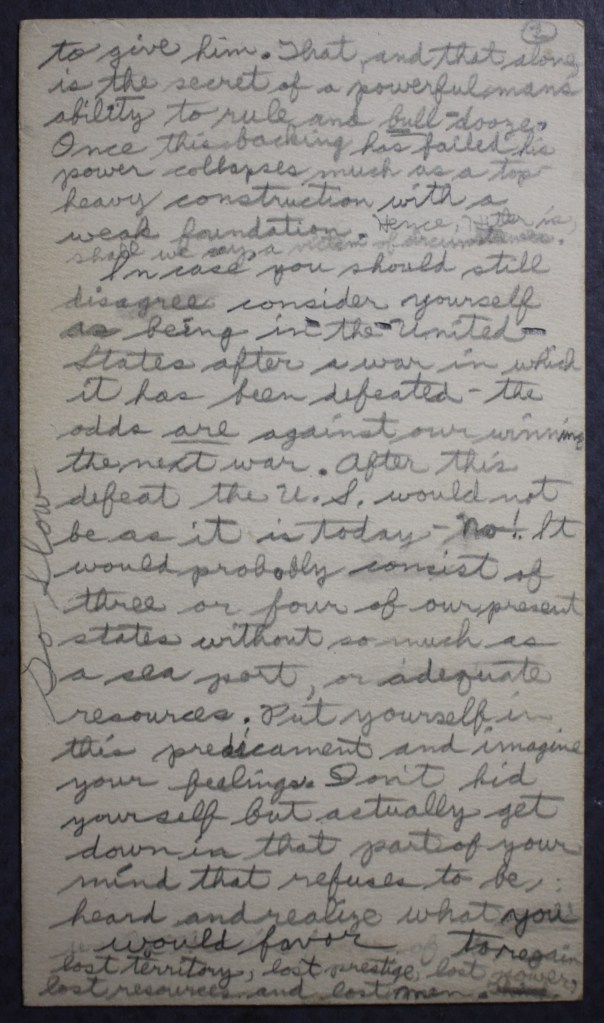
Card # 2

While my interest was drawn to the printed text, it was the handwritten pencil notations on the back of the cards that sparked that purchase. The cards contained a contemporary essay about the political atmosphere in the Circle City less than a month after the Soltau family’s Nazi incident. Written in pencil, the cards, numbered 1 and 2, read: “Hitler! Hitler Dictator of Germany! Is he to blame for the present aggressive stand of Deutchland? No! He is not. Directly, it is the German people that are to blame but additionally and more importantly, this aggressive attitude is the result of the great war to “make the world safe for Democracy!!” This is only a natural outcome of any war, whether large or small. After a war there is a spontaneous decline of morals. This is particularly evident on the defeated side because they have lost men, money, power, land, and consequently, resources. At the lowest ebb of a people’s hope they look to a leader, a strong, fearless, aggressive man. When this superman is found, the people raise him to great heights as their leader. One must remember that a dictator, or any other national leader, has only the power that his people are willing to give him. That, and that alone, is the secret of a powerful man’s ability to rule and bulldoze. Once the backing has failed, his power collapses much as a top-heavy construction with a weak foundation. Hence, Hitler is, shall we say, a victim of circumstance. In case you should still disagree, consider yourself as being in the United States after a war in which it has been defeated; the odds are against ever winning the next war. After this defeat the U.S. would not be as it is today. It would probably consist of three or four of our present states without so much as a seaport or adequate resources. Put yourself in this predicament and imagine your feelings. Don’t kid yourself but actually get down in that part of your mind that refuses to be heard and realize what you would favor to regain lost territory, lost prestige, lost power, lost resources, and lost men.”

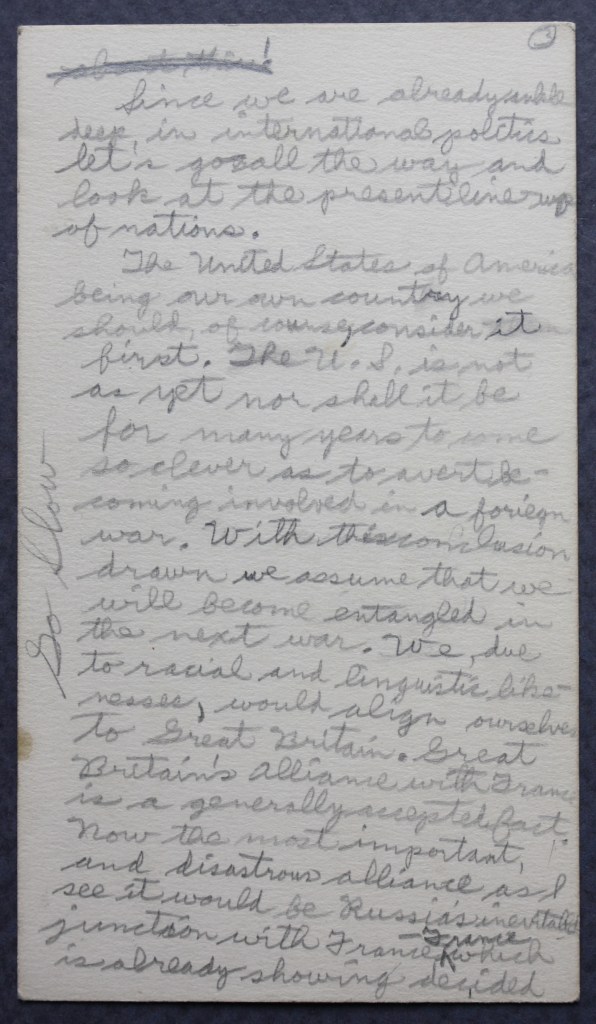
Card # 3

The next week, I revisited that roadside market. Lo and behold, the same dealer was there, and he brought more boxes of paper. I found two more of those cards, numbered 3 & 7, with more of that essay featured on the reverse. “Since we are already ankle deep in international politics, let’s go all the way and look at the present lineup of nations. The United States of America, being our own country, we should, of course, consider it first. The U.S. is not as yet, nor shall it be for many years to come so clever as to ever become involved in a foreign war. With this conclusion drawn, we assume that we will become entangled in the next war. We, due to racial and linguistic likenesses, would align ourselves to Great Britain. Great Britain’s alliance with France ia a generally accepted fact . Now the most important and, disastrous as I see it, would be Russia’s inevitable junction with France, which is already showing decided…Couldn’t we be a little more consistent one way or the other?”

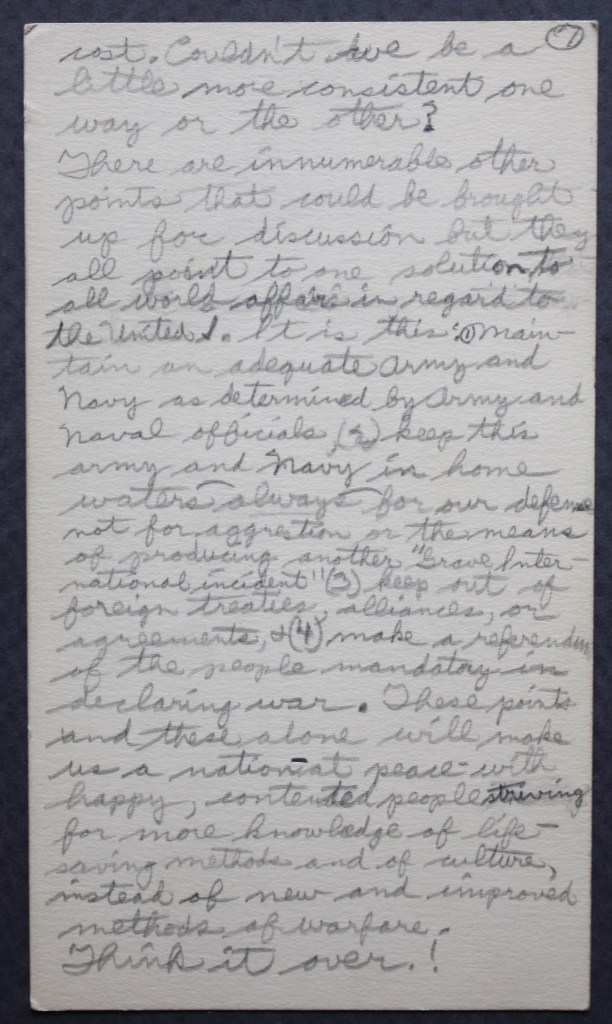
Card # 7

There are innumerable other points that could be brought up for discussion, but they all point to one solution to all world affairs in regard to the United States. (1) It is this: maintain an adequate army and navy as determined by Army and Navy officials. (2) Keep this army and navy in home waters always for our defense and not aggression or the means of producing another “Grave international incident.” (3) Keep out of foreign treaties, alliances, or agreements. (4) Make a referendum of the people mandatory in declaring war. These points, and these alone, will make us a nation at peace with happy, interested people striving for more knowledge of lifesaving methods and of culture, instead of new and improved methods of warfare. Think it over!”

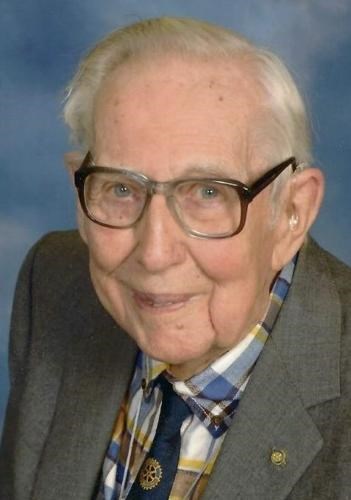
Robert W. Shoemaker, Jr. (1921-2022)

All four of these cards were authored (and signed) by Bob Shoemaker, Jr. of Anderson, IN. Robert W. Shoemaker, Jr. (1921-2022) Bob was born in New Philadelphia, Ohio, the only child of Robert W. Shoemaker, Sr. (1898-1968) and Irene English Shoemaker (1900-1988). The family moved to Anderson in 1935. Shortly after settling in Indiana, Bob became a Boy Scout. While attending the 1937 National Boy Scout Jamboree in Washington DC, Bob received his Eagle Scout award. It is likely that the seeds of this essay were planted when he sailed to Europe to participate in the 1937 World Jamboree in the Netherlands. Here, young Bobby Shoemaker witnessed the changes taking place in Hitler’s Germany firsthand. After graduating from Anderson High School in 1939, Bob enrolled in Harvard College and was on course to graduate with the Class of 1943 when the war came calling. Among Bob’s hobbies and interests were amateur radio, reading, history, and photography. Through slides, home movies, and videos, Bob compiled a remarkable visual history of his life and the life of his family from the 1920s to the current century. His many slides and movies taken during the 1937 Jamboree trips provide a fascinating glimpse of life in Washington DC, and Europe before the tragic onset of World War II. It was that love of photography that drew Bob to that Leica Exhibit at the Hotel Lincoln in Indianapolis back in 1938.

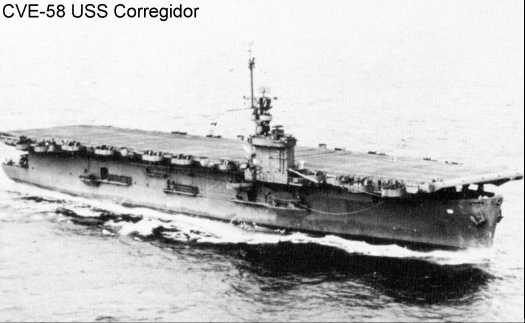
Bob was commissioned as an ensign in the U.S. Naval Reserve in 1942 and attended officers’ training programs in the Bronx, NY, and Washington, D.C, before being assigned to the Naval Mine Warfare Test Station at Solomons Island, MD, where he served as Naval personnel officer. After requesting a shipboard assignment, Bob was transferred to the Pacific for duty aboard the escort aircraft carrier U.S.S. Corregidor (CVE-58) as Lieutenant Junior Grade and Signal Officer until the ship’s decommissioning after the war in 1946. After World War II, Bob earned two graduate degrees from Harvard: an MBA and a Bachelor of Arts Degree in Government in 1947. Upon his return to Anderson in 1947, Bob remained active in the U.S. Naval Reserve Division 9-31. In 1949, Bob and his parents purchased Short Printing, Inc., then located on 20th Street near Fairview Street in Anderson. He successfully operated the business as President for almost five decades, which included building a larger one on Madison Avenue in 1961 and changing the name to Business Printing, Inc. He retired and sold the business in 2000. Bob was a Scoutmaster and Skipper of a Sea Scout ship in Anderson. He also held a variety of district and council leadership positions in Scouting for many years.

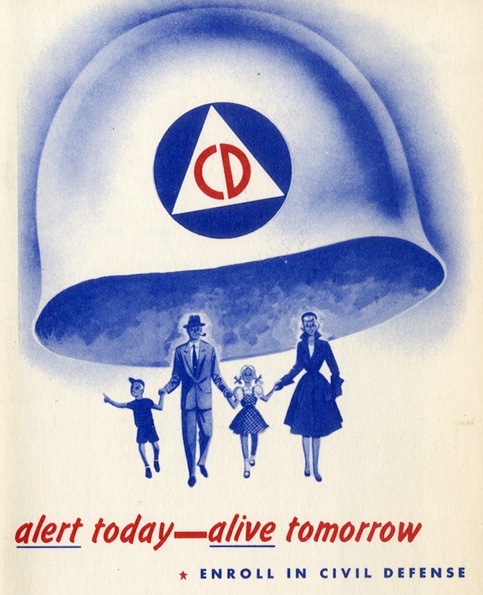
In 1946, Bob obtained his amateur radio license, and in 1952, he was asked to organize amateur radio communications for the Madison County Civil Defense, which led to his appointment as County Civil Defense Director, a position he held for 12 years. This period witnessed rising tensions with the Soviet Union and the threat of nuclear attacks, including the 1962 Cuban Missile Crisis. As CD Director, Bob gave many educational slide presentations regarding proper preparations in the face of nuclear threats, oversaw the selection and stocking of emergency fallout shelters throughout the county, and helped organize the conversion of the old Lindbergh School north of town into a CD emergency command headquarters. His slide show included photos taken in his capacity as an official observer at the Yucca Flats, Nevada, nuclear test in 1955. Later, Bob was invited by NASA to Cape Canaveral to observe the launch of Apollo 8, which carried astronauts into orbit around the moon for the first time, and the Apollo 15 moon mission launch. As a seven-decade member and officer of the Rotary Club, Bob secured NASA astronaut Al Worden, command module pilot for Apollo 15 and one of 24 people to have flown to the Moon, as a special speaker for the Madison County Rotary Club in 1971.

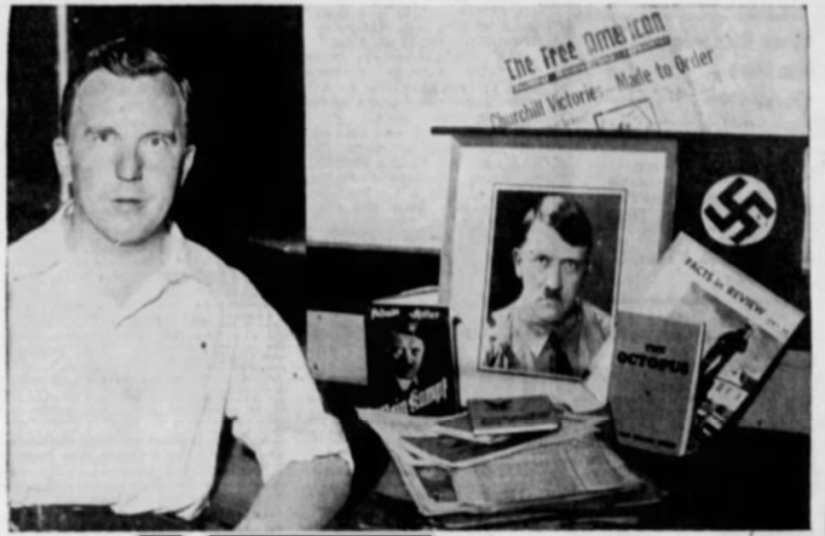
Arsenal Tech’s Nazi Charles Soltau.

When Bob Anderson Jr.’s life is measured against that of his “peer,” Arsenal Tech grad Charles Soltau, it is easy to see that while both shared the same isolationist mentality as young men, one chose to follow that Nazi ideology of Adolf Hitler and the other followed that of Uncle Sam. Soltau faded into the obscurity that Gnaw Bone, Indiana, maintains to this day. Anderson became a public-spirited pillar of Madison County society whose shadow is still cast in that community — proving that idealogy comes and goes with the flow of generations. What often sounds like an attractive idea can easily morph into an unexpectedly bad outcome. Mark Twain is often quoted as having said, “History doesn’t repeat itself, but it often rhymes,” and, if so, it applies today.

I will be talking about this series of articles with Nelson Price on his radio show “Hoosier History Live” this Saturday June 21, 2025 noon to 1 (ET) on WICR 88.7 fm, or stream on phone at WICR HD1. See the link below.

https://www.facebook.com/www.hoosierhistorylive.org

Disney, Hollywood, Indianapolis, Music

Irvington’s Disney Prince — Bill Shirley

Originally published in 2008, this article was reprinted on December 5, 2024. https://weeklyview.net/2024/12/05/irvingtons-disney-prince-bill-shirley-2/

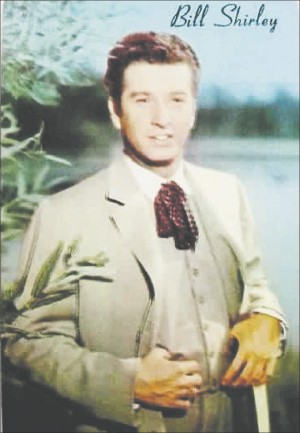
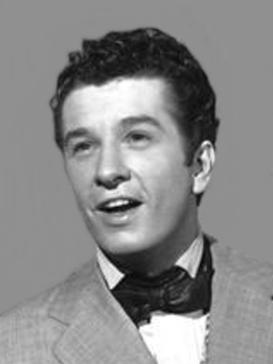
Bill Shirley on his 1953 “Mother’s Cookies” trading card.

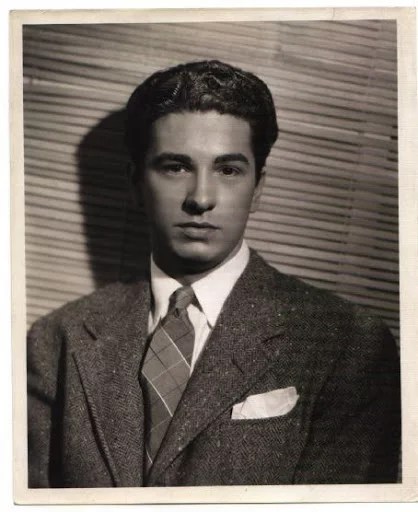
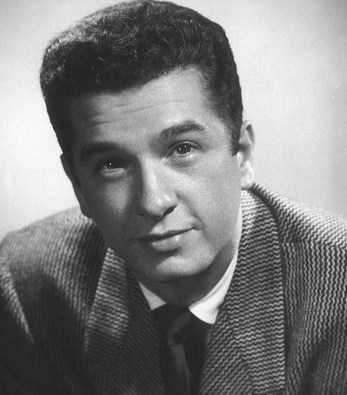
During World War II through the I Like Ike years in America, Irvington had its own representative in Tinseltown. Irvingtonian Bill Shirley made fifteen movies starting in 1941 starring alongside Hollywood luminaries like John Wayne, Abbott and Costello, Ward Bond, and the beautiful Audrey Hepburn. Bill played the part of legendary American songwriter Stephen Foster of “”Swanee River” fame and worked with the great Walt Disney as the voice of Prince Phillip in the 1959 Disney classic Sleeping Beauty.

Disney’s Prince Phillip 1959.

Bill Shirley was born in Irvington on July 6, 1921, and attended George Washington Julian School number 57. From his earliest days, Bill Shirley had a natural talent for singing and acting. He would spend his afternoons daydreaming about becoming a star in Hollywood, and his weekends were spent watching his idols on the big screen at the Irving Theatre, located to this day on Washington Street between the intersection of Ritter and Johnson Streets. By the tender age of 7, blessed with a beautiful singing voice, Bill had the rare honor of singing at the Easter sunrise services held annually from 1929 to 1938 on Monument Circle until age 16. Bill gained his acting abilities while performing in musicals and plays at the Irvington Playhouse and Civic Children’s Theater.

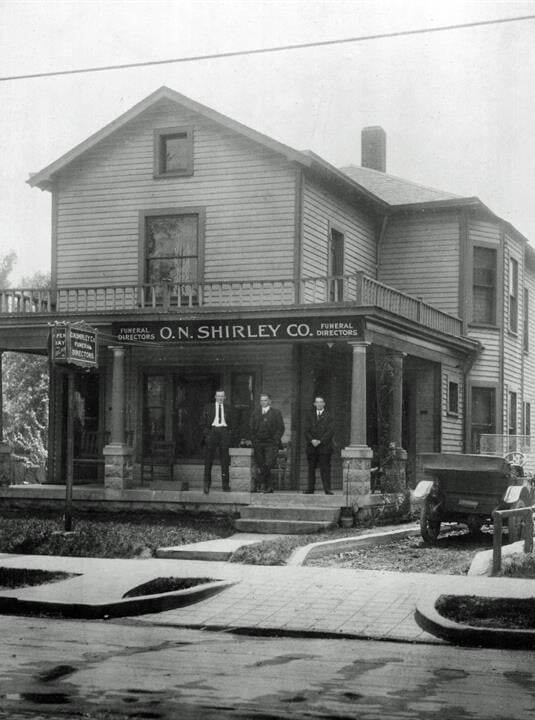
The original O.N. Shirley Funeral Home at 2755 East Washington Street in Indianapolis.

Bill’s father Ottie N. Shirley, along with his uncles Luther and Arley Shirley, formed the Shirley Brothers Funeral Home located at 2755 East Washington St. Bill lived with his family in their home at 5377 East Washington Street until he graduated from Shortridge High School at the age of 18. Immediately after Bill graduated, the family home was remodeled and opened as Irving Hill Chapel, part of the Shirley Brothers mortuary. As soon as Bill completed his studies at Shortridge, his mother packed up their bags and headed for Hollywood. She very wisely hooked Bill up with a voice coach in Los Angeles and almost immediately began to see results. His good looks, along with his mannish voice and natural acting ability, landed Bill a seven-year contract with Republic Pictures at the improbable age of 19. Bill made his first film in early 1941, a musical titled Rookies on Parade starring Bing’s brother Bob Crosby in the lead role. Within a year of arriving in Hollywood, Bill Shirley was cast in seven films for Republic Studios including the John Wayne war film Flying Tigers in 1942. Bill also appeared with one of his childhood idols, Roy Acuff in the 1942 film Hi, Neighbor shot at the Grand Ole Opry in Nashville, Tenn. His other films for Republic included Sailors on Leave and Doctors Don’t Tell in 1941, Ice Capades Review in 1942, Three Little Sisters in 1944, and Oh, You Beautiful Doll in 1949. Bill was uncredited in the film but sang the opening theme for Dancing in the Dark in 1949.

A very young Bill Shirley.

In the summer of 1942, Shirley joined the Army. When he returned at the close of the war, Bill found it hard to pick up his movie career where he had left off. He found a home as a radio announcer in Los Angeles but yearned to return to the big screen. He kept his acting skills sharp by performing on stage in the Hollywood area. He caught a break in 1947 when he was hired to dub the singing of actor Mark Stevens who was starring as Joe Howard, the man who invented kissing, in the entirely forgettable film I Wonder Who’s Kissing Her Now. This voice-over work came back to haunt him later in his career.

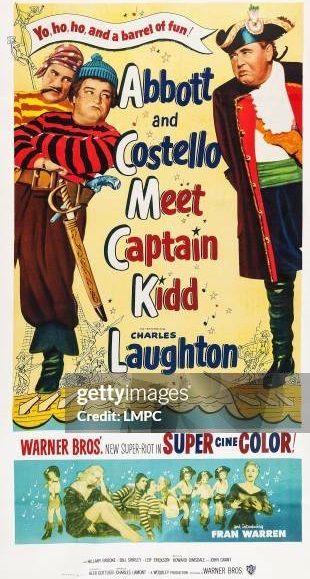
His next big break would come in 1952 when he landed a lead role as Bruce Martingale alongside the comedy team of Abbott & Costello and shared the screen with Academy Award-nominated British actor Charles Laughton in the Warner Brothers film Abbott & Costello Meet Captain Kidd. The critics hated it but the audiences loved this campy film.

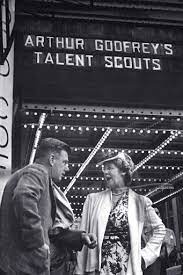
Bill landed the role of historic southern songwriter Stephen Foster in the 1952 film I Dream of Jeannie. He returned to Republic Pictures in 1953 to make the film Sweethearts on Parade. In this role, Shirley, along with co-star Ray Middleton, were being touted as Republic’s answer to the Bob Hope and Bing Crosby duo. It didn’t work. It was a critical and box office disappointment. Today the film is most remembered for the staggering 26 different songs in the film. Bill was a winning contestant on Arthur Godfrey’s “Talent Scouts” TV show which ran from 1948 to 1958. “Talent Scouts” was the highest rated TV show in America and was responsible for discovering stars like Tony Bennett, Lenny Bruce, Jonathan Winters, Connie Francis, and Don Knotts. Bill’s winning accomplishment is notable when you consider that Elvis Presley and Buddy Holly auditioned but were not chosen to appear on the show. It would take Bill six years before he made another film. But it was worth the wait.

In 1959, Bill Shirley made the film appearance he is most remembered for by today’s fans when he appeared as the voice of Prince Phillip in Walt Disney Pictures’ Sleeping Beauty. It was an impressive feat considering that he was one of only three lead voices in the entire film. The film would take nearly an entire decade to produce. The story work began in 1951, the voices were recorded in 1952 and the animation production began in 1953 and did not conclude until 1958 with the musical score recorded in 1957. During the original release on January 29, 1959, the film was considered a box office bust, returning only one-half of the Disney Studios’ investment of $6 million. It was widely criticized as slow-paced with little character development. Time has been much kinder to the film and today’s Disney fans and critics alike hail it as one of the best animated films ever made with successful releases in 20 foreign countries. To date the film has grossed nearly $500 million, placing it in the top 30 highest-grossing films of all time.

Bill Shirley.

In 1959, Bill Shirley made the film appearance he is most remembered for by today’s fans when he appeared as the voice of Prince Phillip in Walt Disney Pictures’ Sleeping Beauty. It was an impressive feat considering that he was one of only three lead voices in the entire film. The film would take nearly a decade to produce. The story work began in 1951, the voices were recorded in 1952 and the animation production began in 1953 and did not conclude until 1958 with the musical score recorded in 1957. During the original release on January 29, 1959, the film was considered a box office bust, returning only one-half of the Disney Studios’ investment of $6 million. It was widely criticized as slow-paced with little character development. Time has been much kinder to the film and today’s Disney fans and critics alike hail it as one of the best animated films ever made with successful releases in 20 foreign countries. To date the film has grossed nearly $500 million, placing it in the top 30 highest-grossing films of all time.

Bill Shirley.

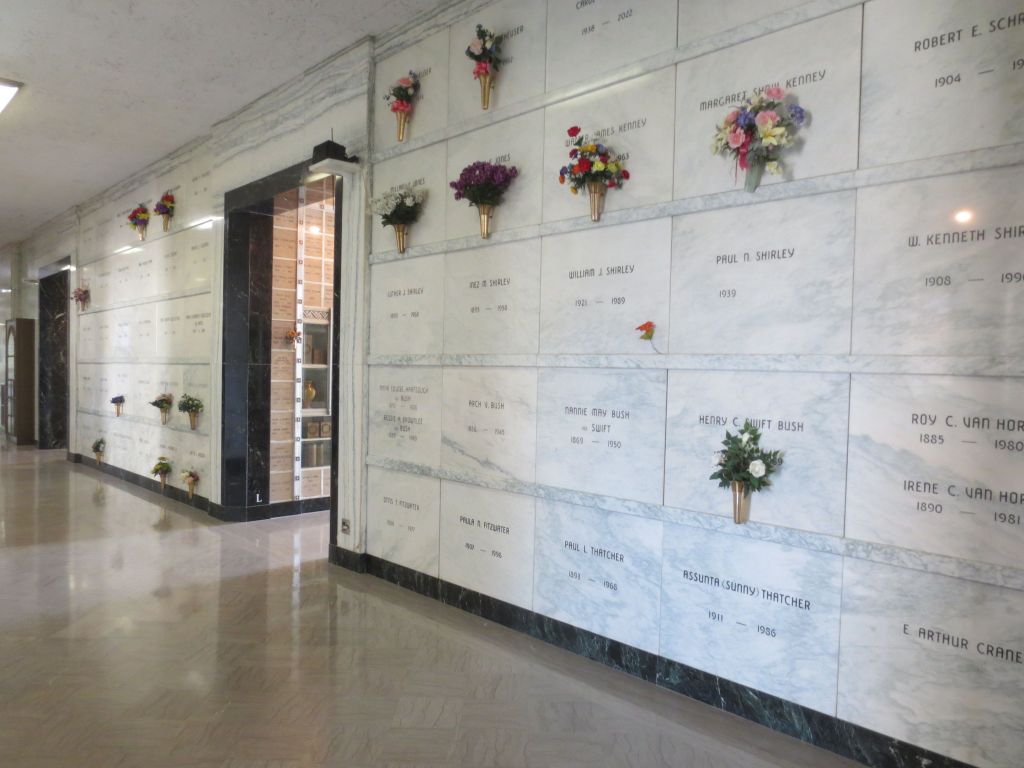
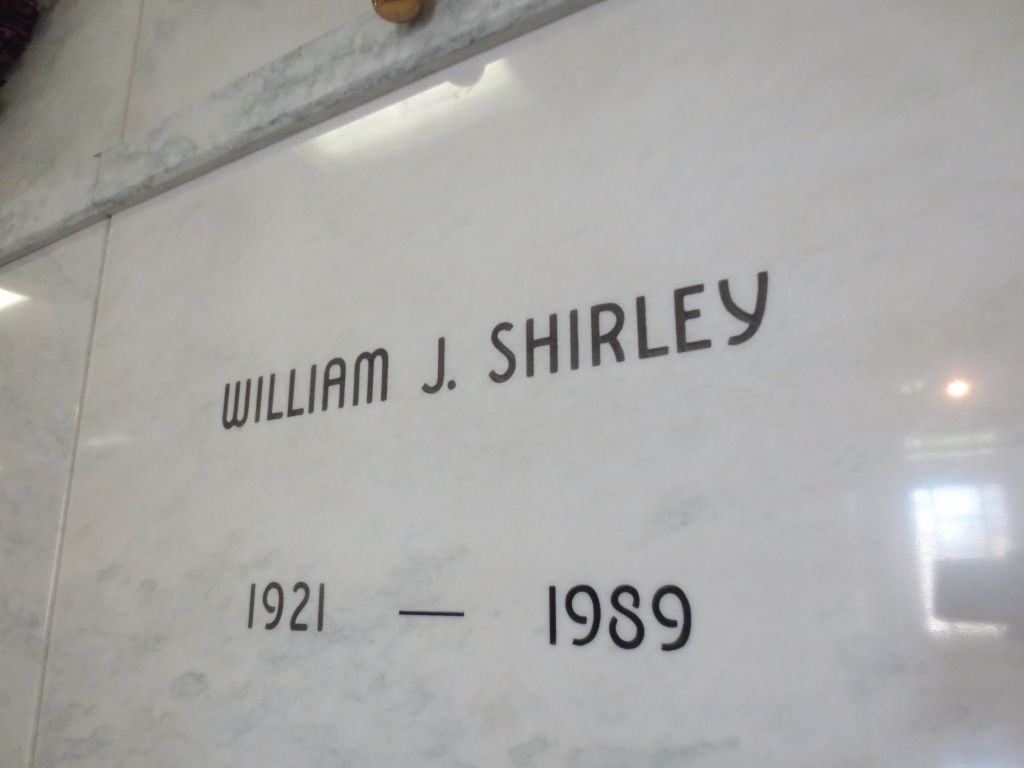
Bill Shirley died of lung cancer on August 27, 1989, in Los Angeles, California. He is buried in Crown Hill Cemetery. By the way, what is the trivia question attached to Irvington’s Bill Shirley? Prince Phillip was the first of the Disney Princes to have a first name. Cinderella’s and Snow White’s previous princes had gone nameless. Bill Shirley’s name may be all but forgotten by most of Indy’s eastsiders, but I assure you that not only has he attained a lasting measure of fame in the film industry, but he has also been immortalized in a way that not even his wildest dreams could have predicted. You see, Bill Shirley appeared in the 1953 “Mother’s Cookies” baseball-style trading card set of up-and-coming movie stars. He’s card # 33 out of the 63 card set of these premium cards that were given away in packs of Mothers Cookies sold in the Oakland/San Francisco region. The card is pretty rare and if you can find it at all, it’ll cost you about $25.

Bill Shirley’s Grave at Crown Hill Cemetery in Indianapolis, Indiana.

Abe Lincoln, Museums, Presidents, Travel

A Gift from a Friend. Abraham Lincoln, Art Sieving, and the Long Nine Museum.

Original publish date October 3, 2024. https://weeklyview.net/2024/10/03/a-gift-from-a-friend/

Art Sieving’s Long Nine Museum Plaque.

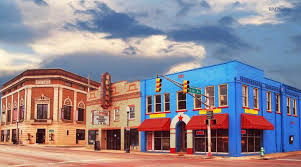
Rhonda and I strolled through Irvington last week to reconnect with some old friends. We visited Ethel Winslow, my long-suffering editor at the Weekly View, and then stopped in to see Jan and Michelle at the Magick Candle. From there we went down to see Dale Harkins at the Irving and then popped into Hampton Designs to check in with Adam. After that, we tried (in vain) to track down Dawn Briggs for a stop-and-chat, then traveled over to see Randy and Terri Patee for a 3-hour porch talk over a fine cigar. Why do I retrace our visit with you? Simply because I hope that anyone reading this article either is, or will, make a similar stroll through the Irvington neighborhood this Fall season and visit their old haunts as well.

Hampton Designs & Irving Theatre Irvington Indianapolis.

I am blessed to know these folks and every one of them has been kind, giving, and thoughtful to us over the years, particularly lately as Rhonda has faced some difficult health challenges. The gals at the Magick Candle have gifted me treasures over the years connected to the people and places they know I love (Disney’s Haunted Mansion and Abraham Lincoln come to mind), the Patees have given me relics from the pages of history, and yesterday, Adam stopped me in my tracks by stating, “Wait, Carter found something for you.” Adam fumbled around gracefully behind the counter before finding the object of his search. As he handed it to me, I felt certain that he believed it to be just another Lincoln item, but I knew immediately what it was.

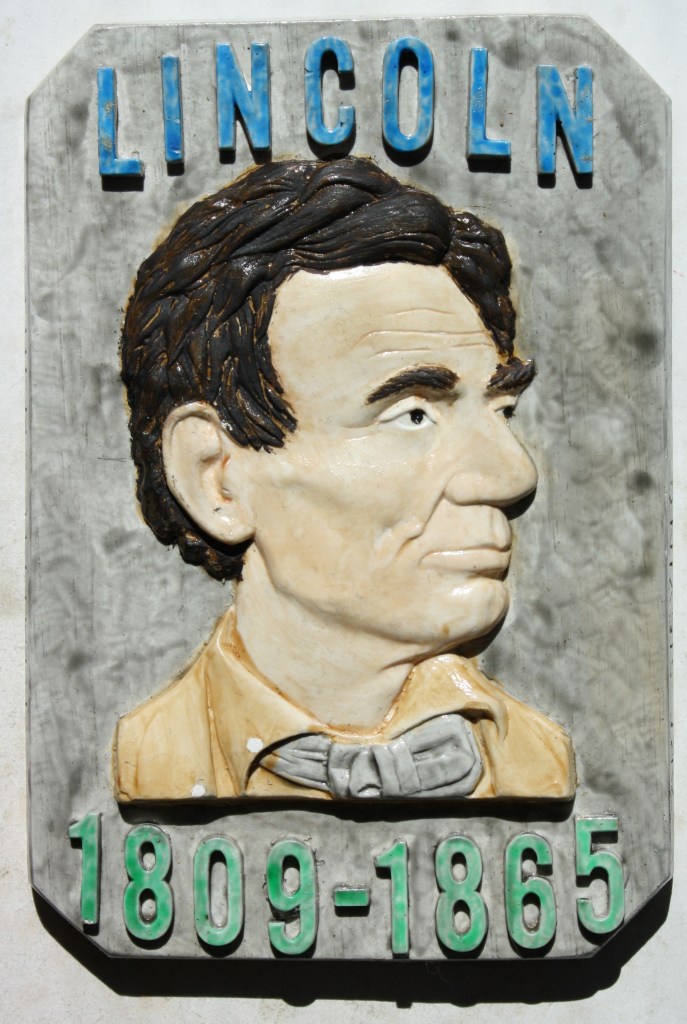
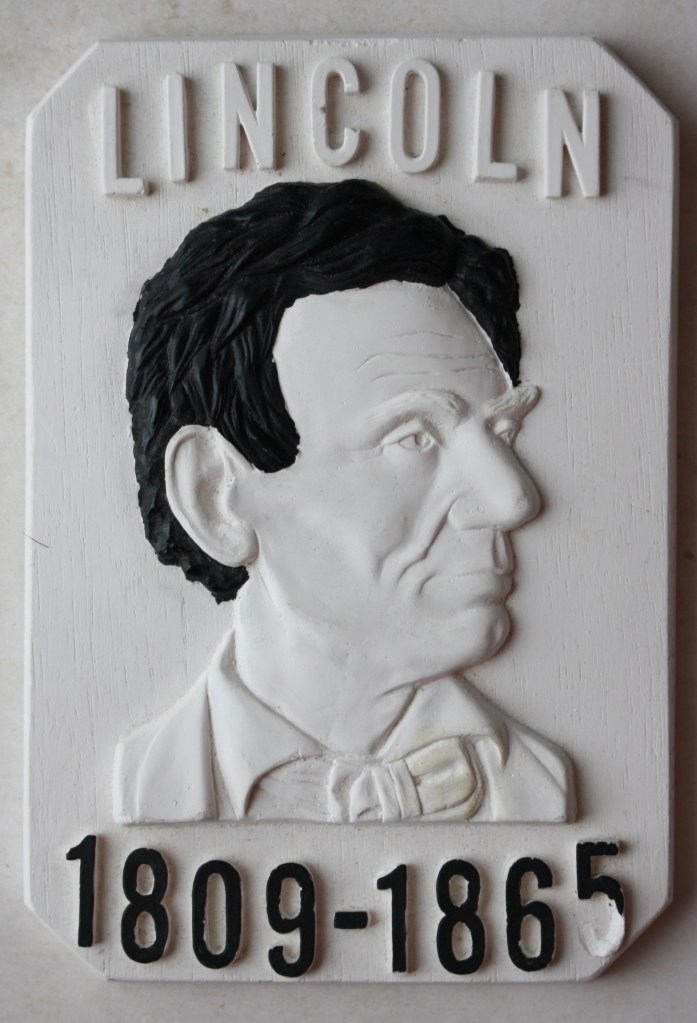
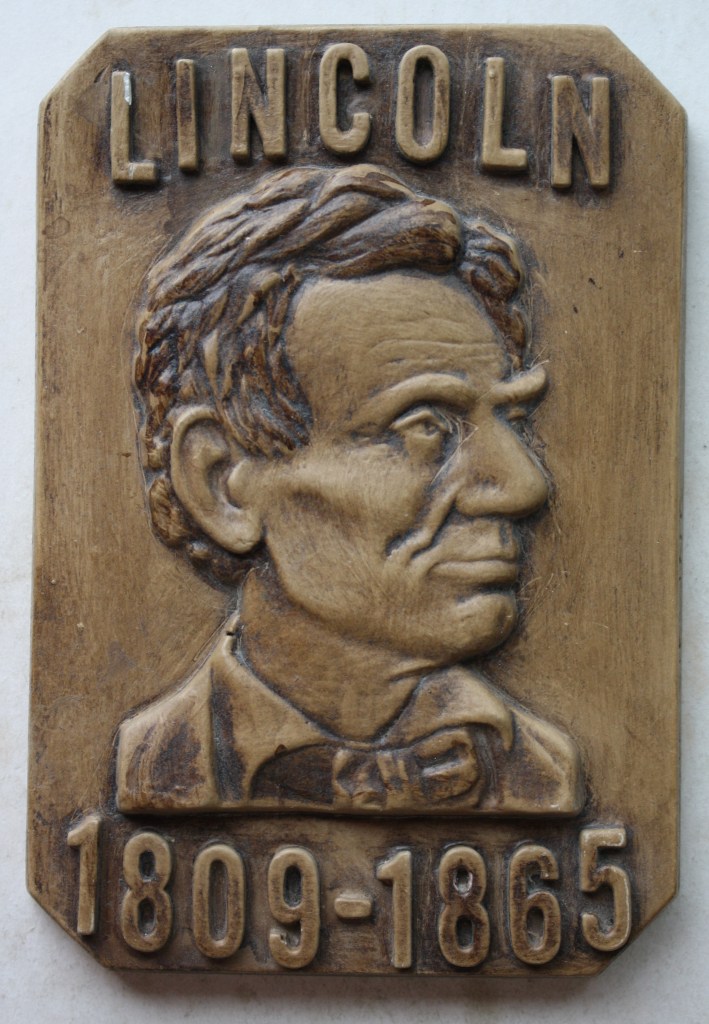
Lincoln plaque in its barest form.

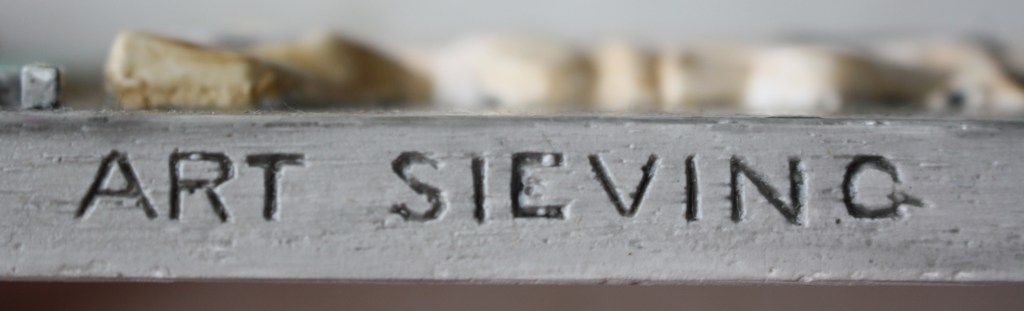
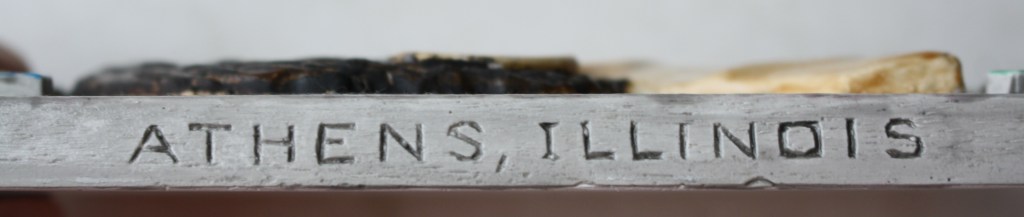
The object is a ceramic plaque about the size of a paperback novel picturing a young, beardless Abraham Lincoln with his birth and death dates inset in raised / relief lettering on the front. It is painted in bright Victorian Era colors that teeter on the edge of being gaudy but are always irresistibly attractive. Rhonda was standing by my side (as always) and when I showed it to her she oohed and aahed at it simply because she understands what such things mean to me. When I told her that it had a secret surprise attached to it, she looked closer at it. Knowing what was in store, I turned the plaque sideways in my hand to reveal the artist’s name, Art Sieving, on the right edge and then turned it over to the left edge to show the town name of Athens, Illinois. Since she has listened patiently to my historical ramblings for 35 years now, she wisely responded, “Oh, the Long Nine Museum.” Ding, ding, ding, we have a winner!

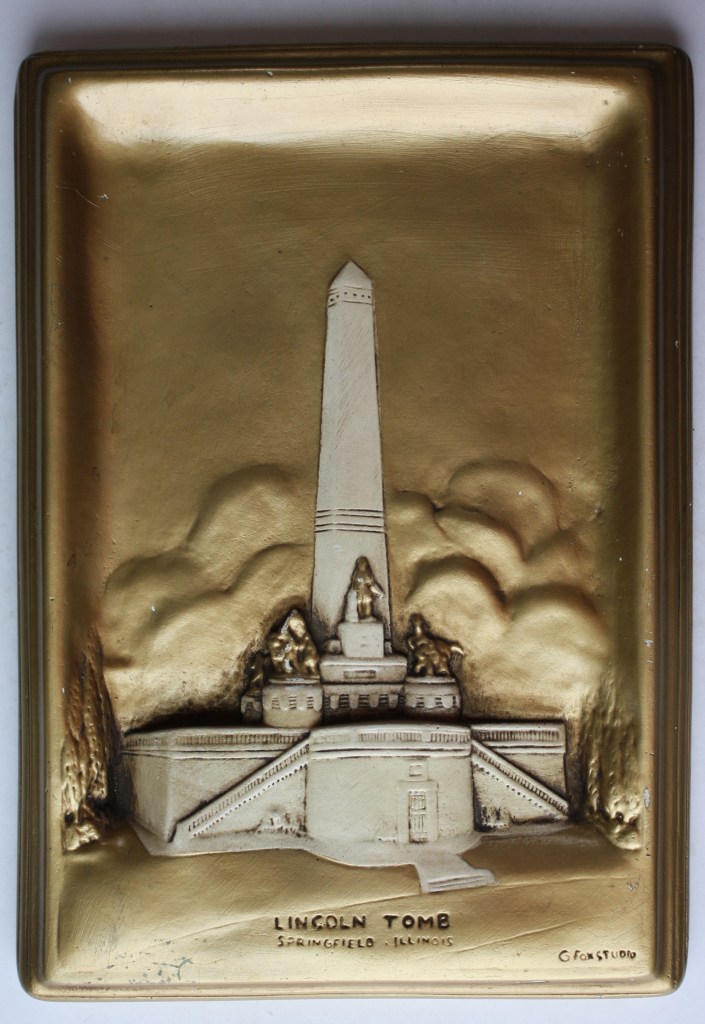
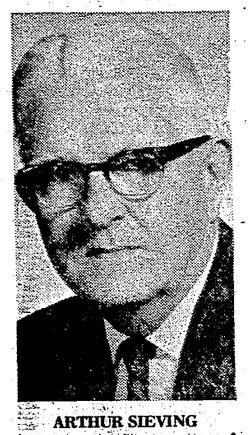
Carter and Adam had no idea, since, unlike me, they have lives outside of history books and museums, but with this gift, they had hit me in my sweet spot. I knew what it was because I already have a version, but mine, while still interesting to me, is a bland matte-finish version that pales in comparison to this one. These plaques were created by Arthur George Sieving (1902-1974) from Springfield, Ill. He was a wood carver, magician, sculptor, and ventriloquist who created many fine architectural carvings, clocks, and ventriloquist figures. At the time of his death, Art was working on the diorama displays at the Long Nine Museum in Athens. He is buried in Springfield’s Oak Ridge Cemetery final resting place of Abraham Lincoln. I was introduced, unknowingly, to Sieving’s work when, many years ago, I purchased a stunning metallic gold plaque depicting the Abraham Lincoln Tomb. About the size of a college diploma, like Carter’s plaque, it depicts the Tomb in a raised/relief style so realistically that it casts its own shadow depending on the lighting.

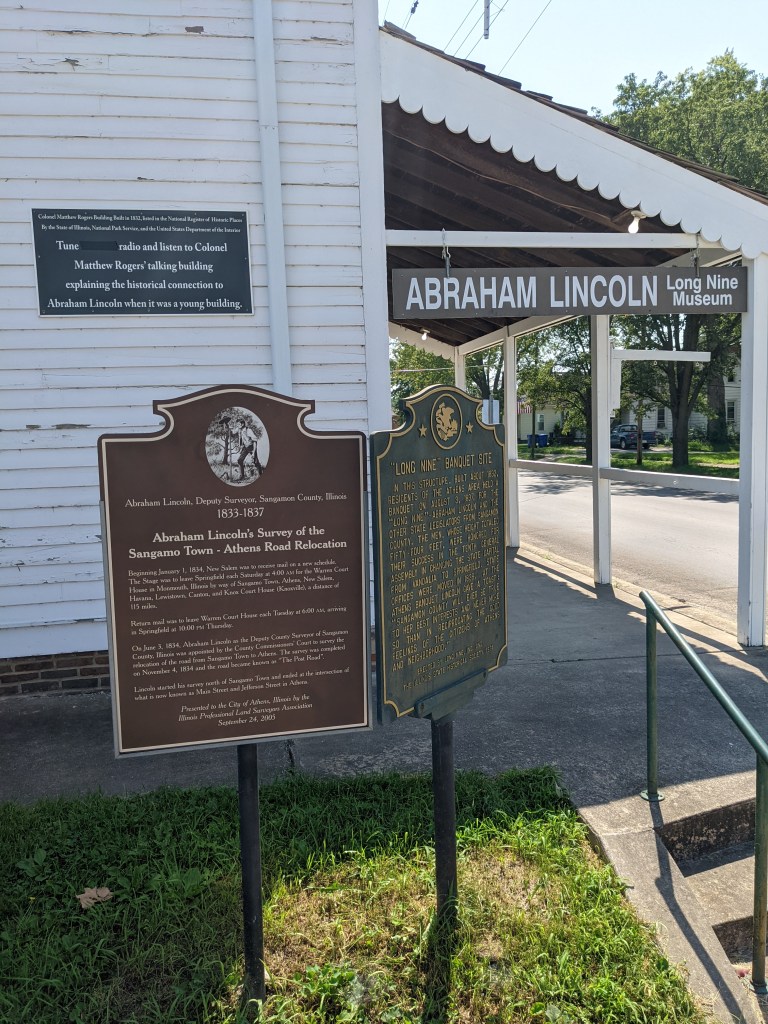
The Long Nine Museum Athens, Illinois.

I had no idea who created the piece until I traveled to Athens (Pronounced Ay-thens) just a stone’s throw north of Springfield. I ventured there to meet with Jim Siberell, curator of the Long Nine Museum, who travels from his home in Portsmouth, Ohio during the summertime months to keep the museum open. Jim and I share a mentor in Dr. Wayne C. “Doc” Temple, the subject of my upcoming biography. As Mr. Siberell toured me through the museum, I spotted the exact plaque on display there. Of course, I asked for the history and Jim explained the artist’s connection to the museum. For those of you unaware, the Long Nine building is an important waymark of Illinois history. It was in this building, on the second floor, where Abraham Lincoln and six other state legislators (two of the members did not attend) decided to move the Illinois state capitol from Vandalia (near St. Louis) to the more centralized location of Springfield.

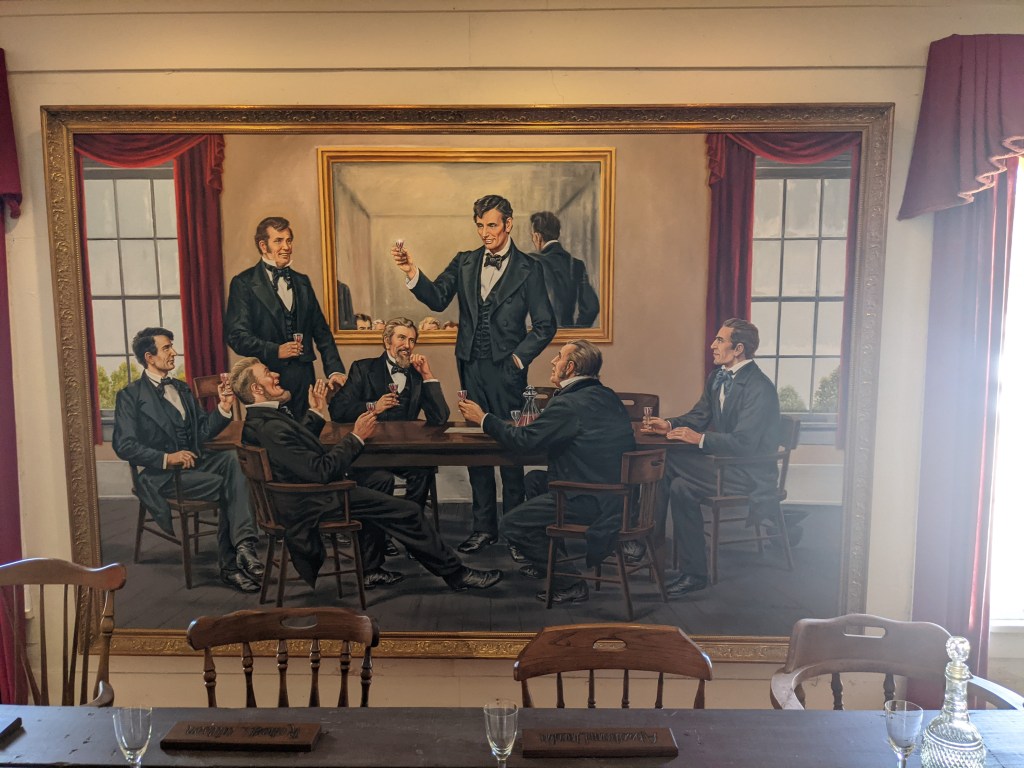
In 1837, a dinner party was held in the banquet room on the second floor to honor those legislators who were effective in passing a bill to relocate the capital. They earned the sobriquet of “The Long Nine” because together their height totaled 54 feet, each man being over 6′ tall or taller. Among the attendees was Abraham Lincoln, who at age twenty-seven was the youngest of the group. Lincoln gave the evening’s toast by saying, “Sangamon County will ever be true to her best interest and never more so than in reciprocating the good feeling of the citizens of Athens and neighborhood.” What this Hoosier finds most interesting is that when the delegates carved out the boundaries of Sangamon County, the home of the new state capitol, they left Athens out. Athens became a part of Menard County as did their neighbor, Lincoln’s New Salem.

Dayton Ohio Artist Lloyd Ostendorf’s massive Long Nine Banquet painting in the museum.

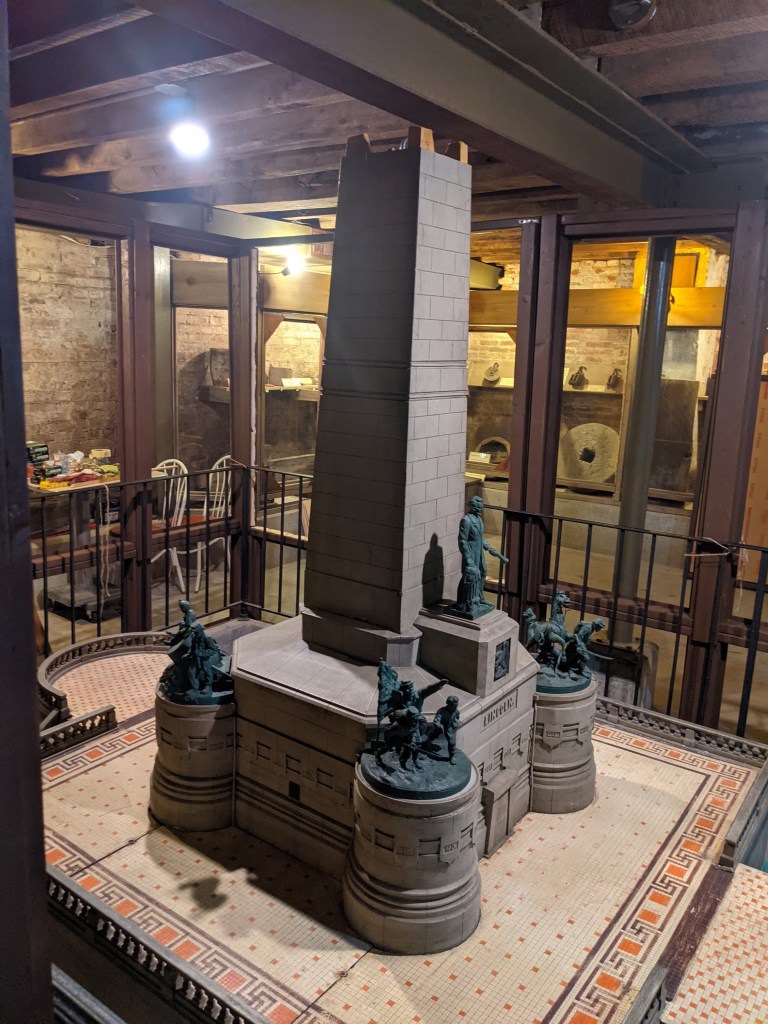
Mr. Siberell toured me through the building and explained how Art Seiving had created the dioramas in the museum that recounted the stories of the men of The Long Nine in hand-carved wooden miniature displays. Each diorama’s characters were created by Seiving and the backgrounds were painted by artist, Lloyd Ostendorf. Siberell escorted me up the original stairway to the second-floor banquet room which features a stunning, massive oil painting by the late artist Lloyd Ostendorf showing Lincoln in formal dress toasting his colleagues. The mural covers an entire wall and is set against a table arranged much the same as it would have been on that fateful night. The visitor stands upon the original flooring of the banquet room where Lincoln gave his famous toast. The history room downstairs is a researcher’s dream. It contains many copies of Lincoln’s handwritten letters, documents from the history and restoration of the building, newspapers from the era, and historic photos. A trip to the basement reveals the building’s original fireplace, an arrray of period artifacts, and a scale model of Lincoln’s Tomb so big that it required the construction of a special pit to accommodate its massive size.

Lincoln Tomb model at Long Nine Museum.

The March 23, 1973, Jacksonville (Illinois) Journal Courier reported. “Seiving has been working hard since January making the “Lincoln Head” plaques in his basement. He used a rubber mold taken from a carving…he pours into it the powdered molding material and fashions a Lincoln head of great exactness and beauty. During the past weeks, he has made enough of them to fill every available space in his basement. When he makes a few hundred more they will be delivered to a central point for use in Athens; he will then start on larger statues. The plaques being furnished are in white plaster material, but will be finished into a walnut appearance with a high polish and most attractive “feel” and “look”.

Art Sieving’s Lincoln Tomb bas relief plaque.

The article continues, “The classic dioramas made by Art Seiving will present all of those documented events which presented Lincoln in Athens, including hand-carved wooden figures, utensils, tools, buildings, and animals carved from wood.” One of Art’s carvings was titled, “Lincoln goes to school in Indiana”…It takes two people (himself and his wife) three nights to cut out 800 little paper leaves, and it’s no short job, either, to glue them to the branches, one by one. Others have taken longer. Mr. Seiving was five or six days just putting in 3,000 “tufts” of grass in his last completed scene. The grass is frayed rope strands, cut and dried and then glued down…And while you’d swear that the miniature pots and pans were made of metal, in actuality, most are simply wrapping paper glued to metal rings.” Sieving stated that it took him five to seven days to carve each figure, and one diorama alone featured 11 figures. His preferred medium was walnut with augmentations of birch wood.

Seiving is described as an “internationally known magician, sculptor and ventriloquist” whose “dummy” partner was known as “Harry O’Shea.” Of course, Art carved all of the ventriloquist dummies used in his acts himself. Art’s magic act was called the “Art Seiving and his Art of Deceiving.” Aside from the Long Nine Museum, he is best known for his dioramas at the Illinois State Museum, ‘Model of New Salem Village’ and wood sculptures including the ‘Egyptian Motif Clock’. Seiving’s George Washington carving is in the Smithsonian Institution’s collection.

Sieving’s Lincoln plaque in walnut finish.

Art’s Lincoln plaques are by no means rare but cannot be classified as common in the “collectorsphere”. I believe the Long Nine Museum still has a few for sale if memory serves, and one would set you back about the cost of a Starbucks coffee nowadays. To me, the value is not a monetary one, but rather the story the item tells. The version that Carter discovered (and so kindly gifted to me) is signed “Love, Laurie” on the back, making it all the more special to me. I tend to love these little travel souvenirs from the 1960-70s. I’m a space race Bicentennial kid who enjoys discovering these little treasures. They represent a vacation, a trip, a moment in someone’s life. Usually a kid, they are never confined to age, race, or gender. I appreciate that, in this age where everything handmade seems to come from China, most of these old travel souvenirs originate from where they were being sold. At that moment, they were the most important thing in that person’s life. Hand-picked with a smile and a “wow” to be taken home and enjoyed long after the trip concluded. A physical manifestation of a cherished memory. So thank you “Laurie” whomever or wherever you are for saving this little treasure for a history nerd like me. And most importantly, thank you Carter for thinking of me.