Original publish date: July 16, 2018
By the time you read this, the Indiana Transportation Museum (ITM) in Noblesville will be gone. If you are a fan of trains, or a lover of history in general, no doubt you’ve been keeping tabs on the sad demise of this central Indiana institution. Reports of problems at the ITM have been circulating for quite some time now. Over two years ago, the port authority ordered the museum to halt one of its most popular excursions, the Indiana State Fair train from Noblesville to the fairgrounds, deeming the tracks unsound.
Before the issue could be addressed, Fishers, Noblesville and Hamilton County leaders announced plans to remove a 9-mile section of the tracks and turn the rail bed into a walking trail. Soon after that, the port authority and the Noblesville Parks Board terminated its 50+ year lease agreement with the ITM at Forest Park. In early 2018, the City of Noblesville accused the ITM of contaminating the site. The city reportedly based their accusations on unfounded complaints about leaking oil drums, which turned out to be trash cans used by the Forest Park garage, not belonging to the ITM. By late June, the ITM had been given two weeks to vacate the property. The decision was signed off on by Mayor John Ditslear, who was the chief critic of the way the museum had maintained the property.
“The ITM has not shown good stewardship with the resources entrusted to them for more than fifty years,” Ditslear said in a statement. “The City of Noblesville is taking these proactive measures now to protect our residents and our heritage, to ensure Forest Park is cleaned up and to bring the trains back to our community with a new operator.” Former museum Chairman John McNichols claimed the move was part of a strategy by the city to bankrupt the museum and seize its equipment. It should be noted that McNichols resigned the day of my initial visit.
I was contacted Friday morning July 6th by my former President Meg Purnsley, late of the Indiana National Road Association. I seved as Meg’s INRA Vice-President some time ago and we have kept in touch in the years since. Meg sent me a message informing me that the museum was closing and inventory was being liquidated, and in some cases, destroyed. A tragedy to be sure, but what made Meg’s message most disturbing was the revelation that the ITM was home to the last surviving Indianapolis streetcar. Within minutes, I was in my car and on my way to the museum.
When I arrived at the ITM, located at the back of Forest Park, the site was a frenzy of activity. Paver bricks were being pried up in front of the Hobbs Station depot, the sign was being removed, massive cranes were crawling into position and workers in hardhats were scurrying about the grounds in a controlled panic. Workmen armed with acetylene torches and driving backhoes grimly stalked the yard. Everyone was doing something. The scene must have resembled a busy rail yard from the turn of the last century. Train cars of every type and era littered the rails like silent sentinels over last stand hill. In short, it was a sad sight. If there ever was a railroad triage, this was surely it.
Before we go any further, I think it is important to understand just what was lost here.The Indiana Transportation Museum dates back to 1960. It began as an all-volunteer effort to preserve the state’s history of railroads. The museum signed its first lease with the city of Noblesville on Jan.1,1965. The group operated over the former Nickel Plate Road line stretching over a distance of about 38-miles from Indianapolis and Tipton originally built for the Indianapolis and Peru Railroad. The rail line originally connected to the Norfolk Southern railroad in Tipton, the CSX railroad in Indianapolis, and the Belt Railroad owned by Eli Lilly and Company. The rail line operated as a freight railroad hauling coal to the Cicero power generating plant until 2003.
Today it is the property of the Hoosier Heritage Port Authority which is owned by the cities of Fishers, Indianapolis, and Noblesville. Aside from the ITM’s excursion trips (State Fair train, corporate outings & the seasonal Polar Bear Express) they also ostensibly operated a working museum of engines, railcars and trolleys for interested tourists and school groups for decades. The ITM’s all-volunteer not-for-profit facility was dedicated to preserving, protecting and restoring the railroads of Indiana. The ITM’s charter was to inform and educate the public by operating trains to demonstrate how people traveled in the past. The ITM’s train yard stored around $3 million in equipment on site, tallying 100 pieces on it’s roles, including eight locomotives, innumerable box cars. historic tolleys and countless historical artifacts. About 30,000 people visit the museum each year.
The museum is home to many pieces of railroading history, with an emphasis on locomotives and equipment connected to the Nickel Plate Railroad. As of this date, the fate of many of those pieces remains uncertain. A number of pieces in the ITM collection have been cut up, as the museum struggles to obey a local circuit judge’s order to vacate the property by July 12. Technically, anything left on the site after that deadline is considered abandoned and, according to the court order, would become the property of the city of Noblesville.
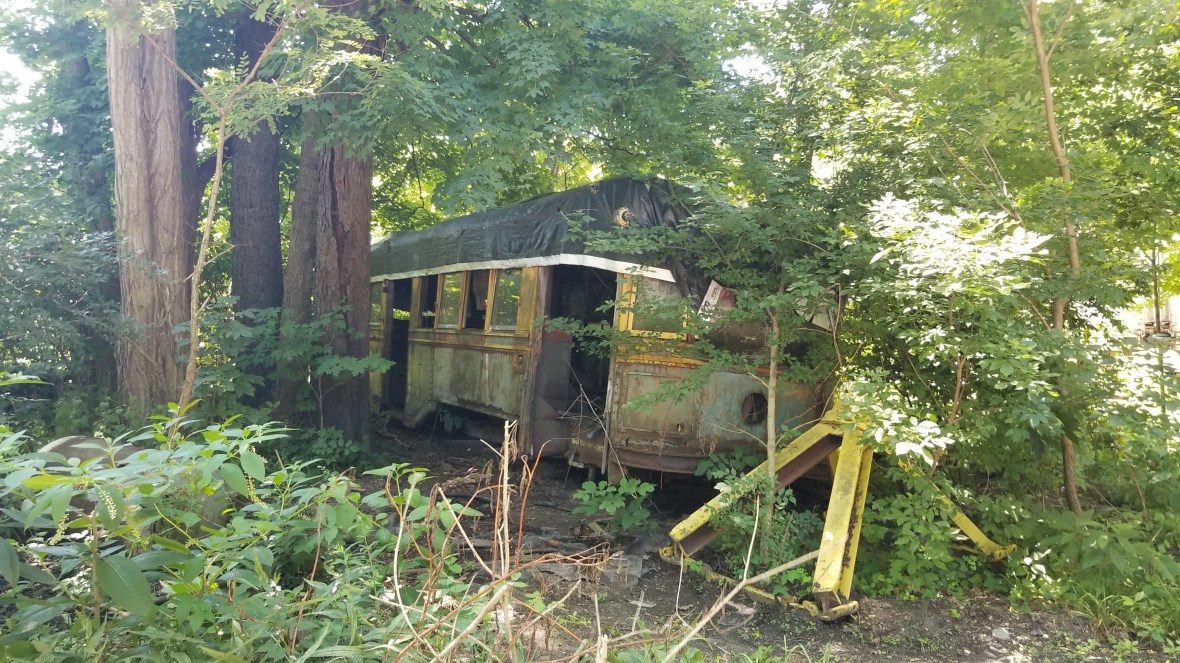
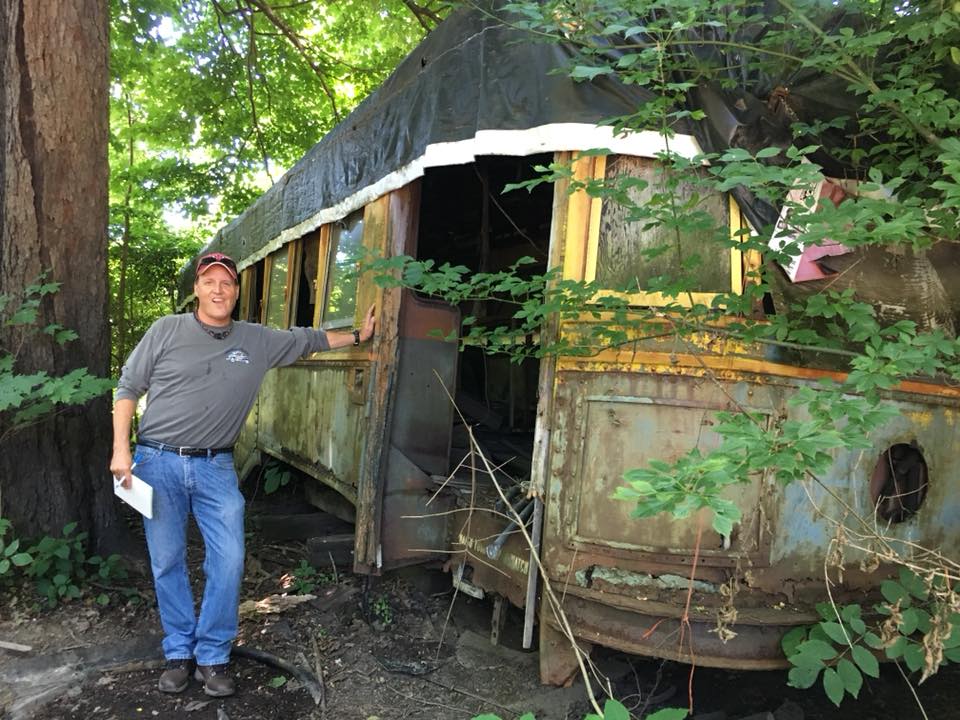
Knowing this, it can be easy to understand the depth of my concern for the streetcar that brought me here, the last survivor: Indianapolis Street Railway car # 153. During my visit, I was fortunate to run into Laddie Vitek of the Illinois Railway Museum who generously shared his wealth of streetcar knowledge with me. It should be noted that the old car is in pretty rough shape. The seats are gone, as are the wheels, doors, steering wheel, many of the windows and just about anything else that would make it track worthy. But the shell is there and it is easy to see the ghost of the old trolley hidden in the leafy environs of Forest Park.
Thankfully, the roof of the streetcar was tarped by some forward-thinking ITM volunteer, undoubtedly saving what was left of the old trolley. I noticed what appeared to be two gas tanks, one on each side. Laddie corrects me by saying, “Those aren’t gas tanks, they’re sand tanks. The conductor could release sand onto the rails for traction when needed. After all, it was an electric streetcar.” Did I mention I’m a preservation minded amateur historian, not a train guy? Laddie crawls under the trolley and slaps his hand on a massive steel plate. “Plate’s solid, the wheels could still attach here.” he says.
Laddie informs me that this was a Peter Witt design front entrance, center exit car made by the Brill Company out of Philadelphia in 1935. “This was a 600 roll PCC Dynamic Friction car, wooden tongue-in-groove and brass window sashes. Very sturdy and very restorable.” he explains. In laymen’s terms that means it ran on 600 volts of electricity, using a dynamic friction brake system and the ceiling was made of intricate wood parquet fitted tightly together. Brass window sashes, I understood. “It could be saved.” said Laddie.
It should be noted that while the fate of this particular car is still in limbo, a number of important cars and locomotives have been saved. While perusing car 153, I was joined by William Whitmer, a longtime museum volunteer and dedicated train enthusiast, who understood the importance of saving this car. He explained that he and his group, “Hoosier Heartland Trolley Co.” are already in the process of saving three other historic trolley cars in the museum’s collection.
William reports, “Cars # 429 and # 437 are both cars built by the St. Louis Car Company in 1925. They are both considered to be standard coach interurban cars. # 437 is known as the Marion and car # 429 is known as the Noblesville. # 81 is a car built by Jewett for the Indianapolis & Martinsville in 1902. Also a coach interurban.” William is not sure whether the last surviving Indianapolis streetcar was built in 1932 or 1935 but confirms that is was built by Brill for the Indianapolis Street Railway. “If we find out that it was built in 1932, that would make it even more important historically.” Regardless, the importance of saving this particular car cannot be understated.
However, the crown jewel of the museum is the 1898 private railcar of Henry Morrison Flagler’s Florida East Coast Railroad (FEC) #90. Fortunately, I had the good fortune to have Craig Presler as my tour guide for the Flagler car that day. I met Craig in the trolley barn where he introduced himself kindly, “That’s Presler, like Elvis with an r instead of a y.” he said. Craig knows as much about the ITM and these rail cars as anyone else on the property. Most importantly, Craig knows more about the Flagler car than anyone else at the ITM. And fortunately for you, Craig will tell us all about that car and the current situation at the ITM next week, in part two of this article.
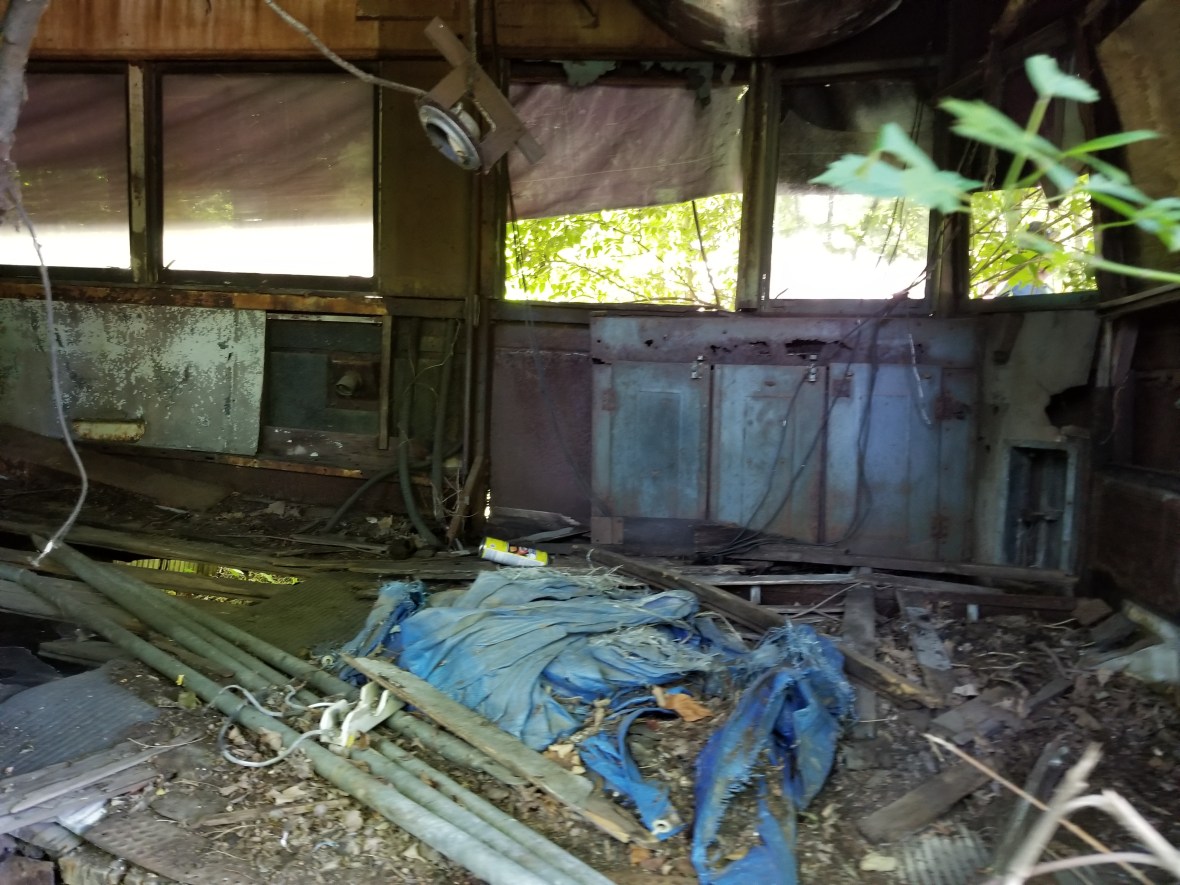
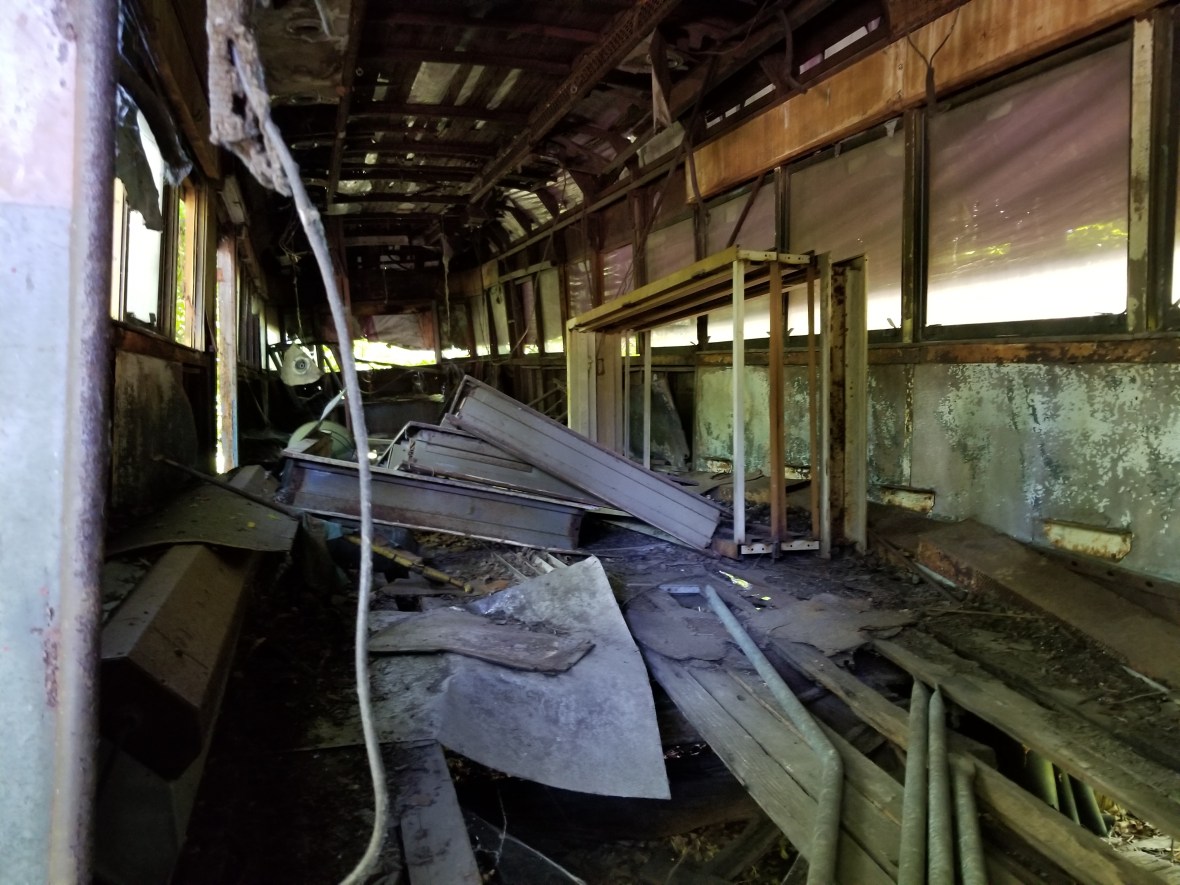
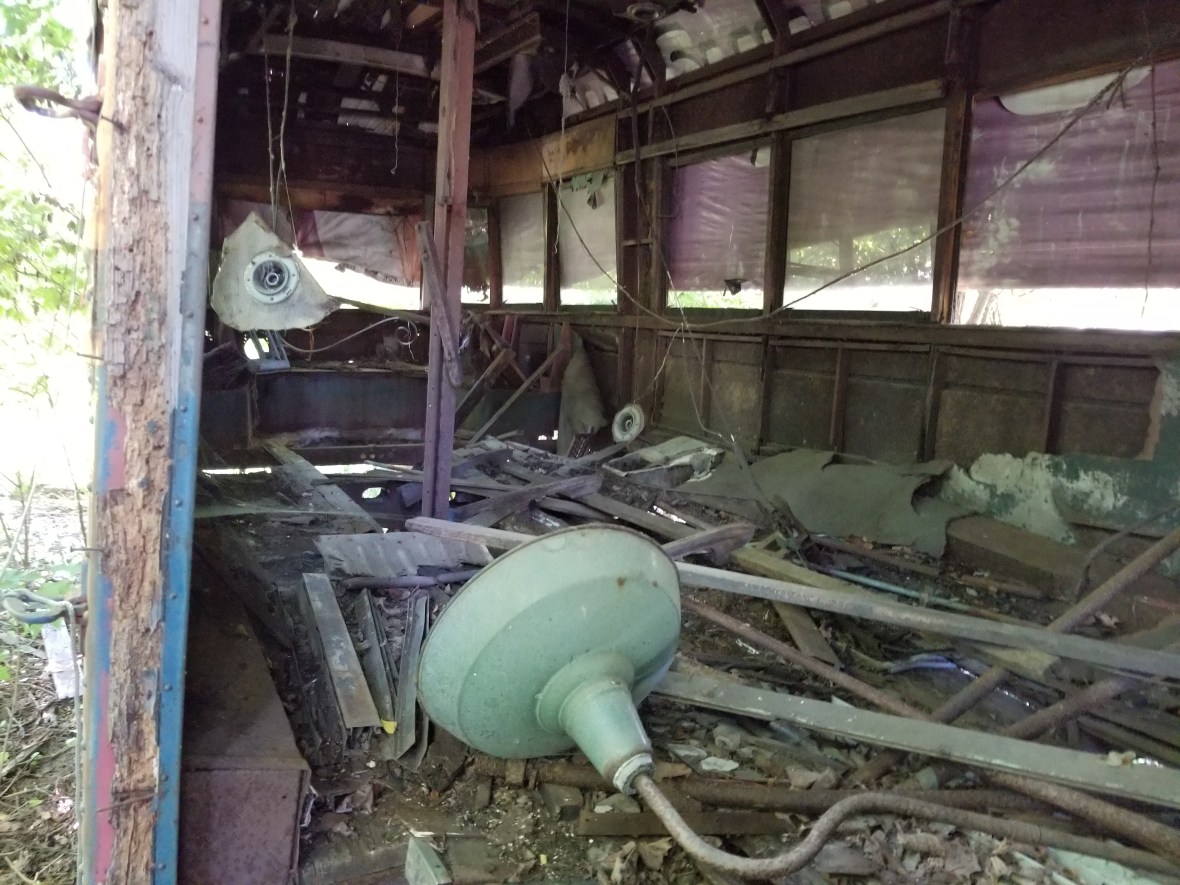
Photos of the interior of the last Indiana Streetcar as found in the woods.
Photos by Kris Branch.
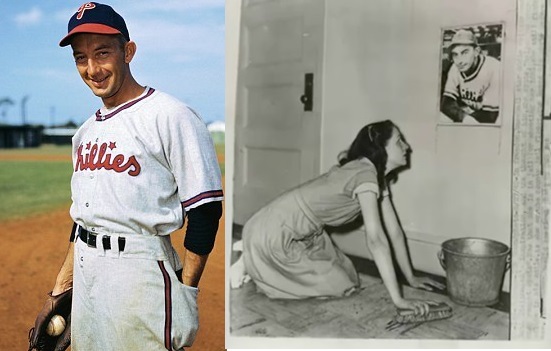
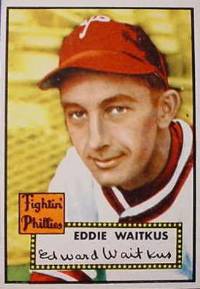 individual player. On June 14, 1949 Philadelphia Phillies “Whiz Kids” (and former Chicago Cub) first baseman Eddie Waitkus was shot by an obsessed fan named Ruth Ann Steinhagen in a Chicago Hotel Room. The comparison between Waitkus and the movie character pretty much ends there. But it is a Helluva story.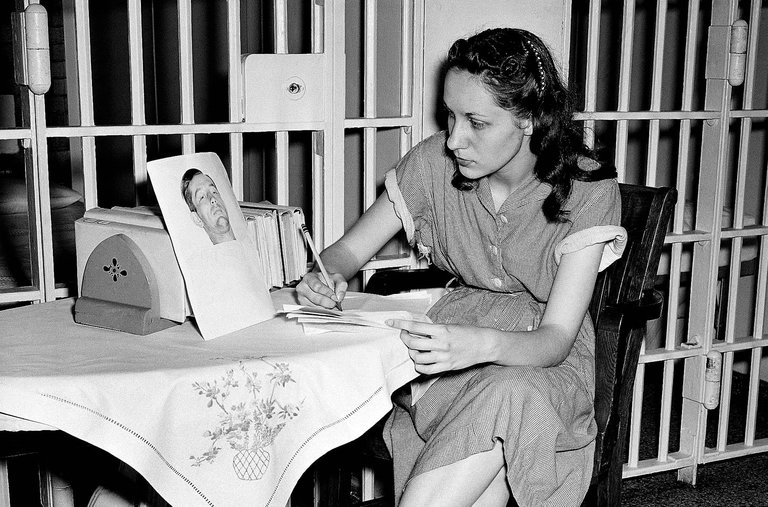
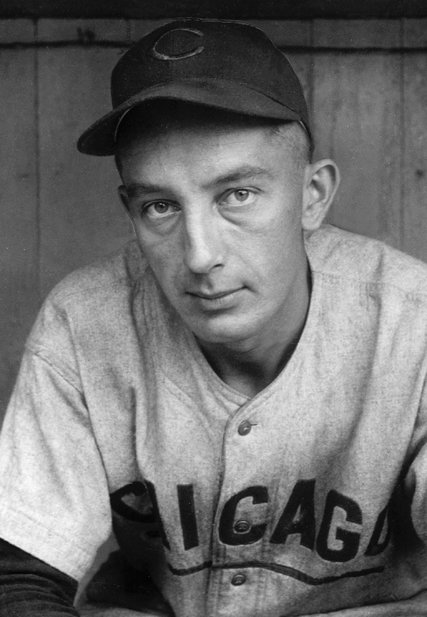
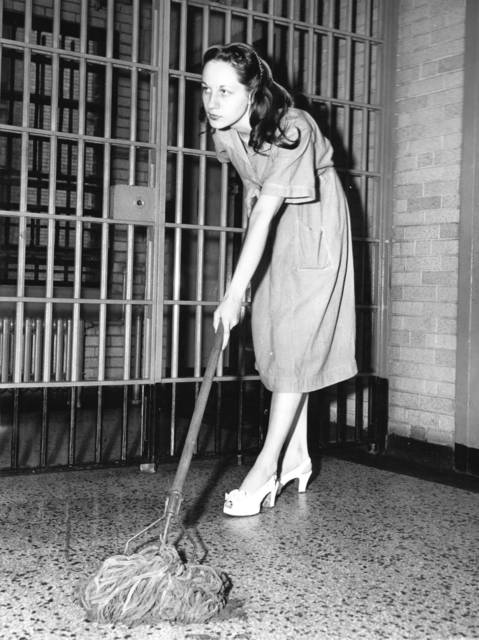
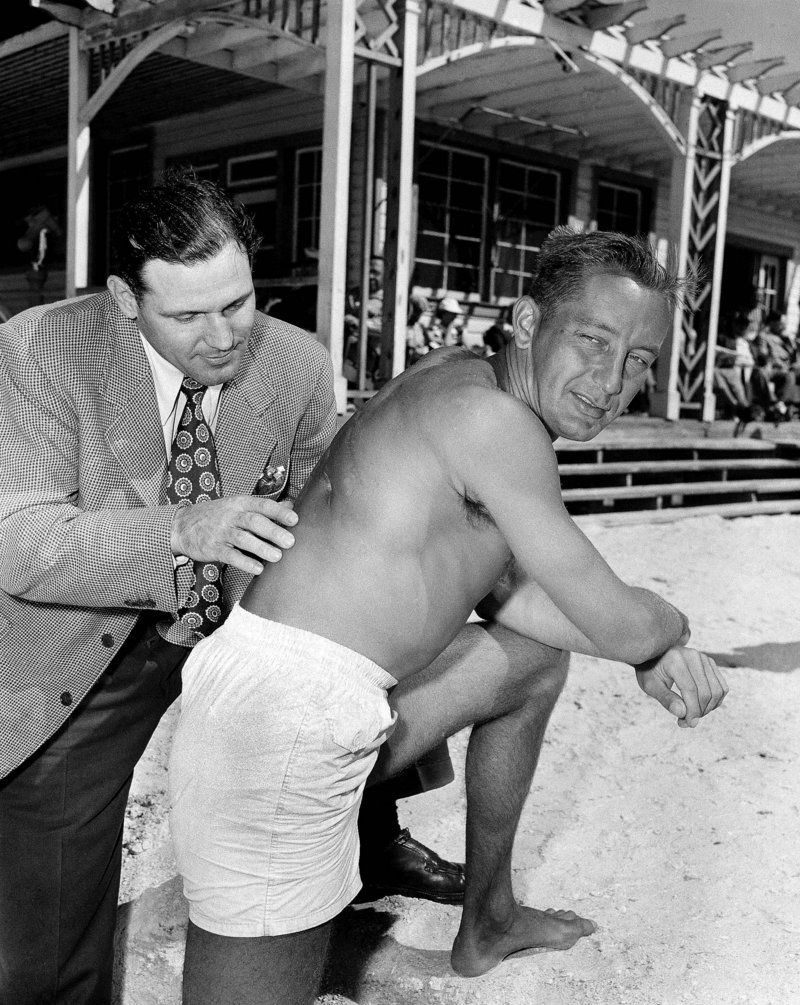
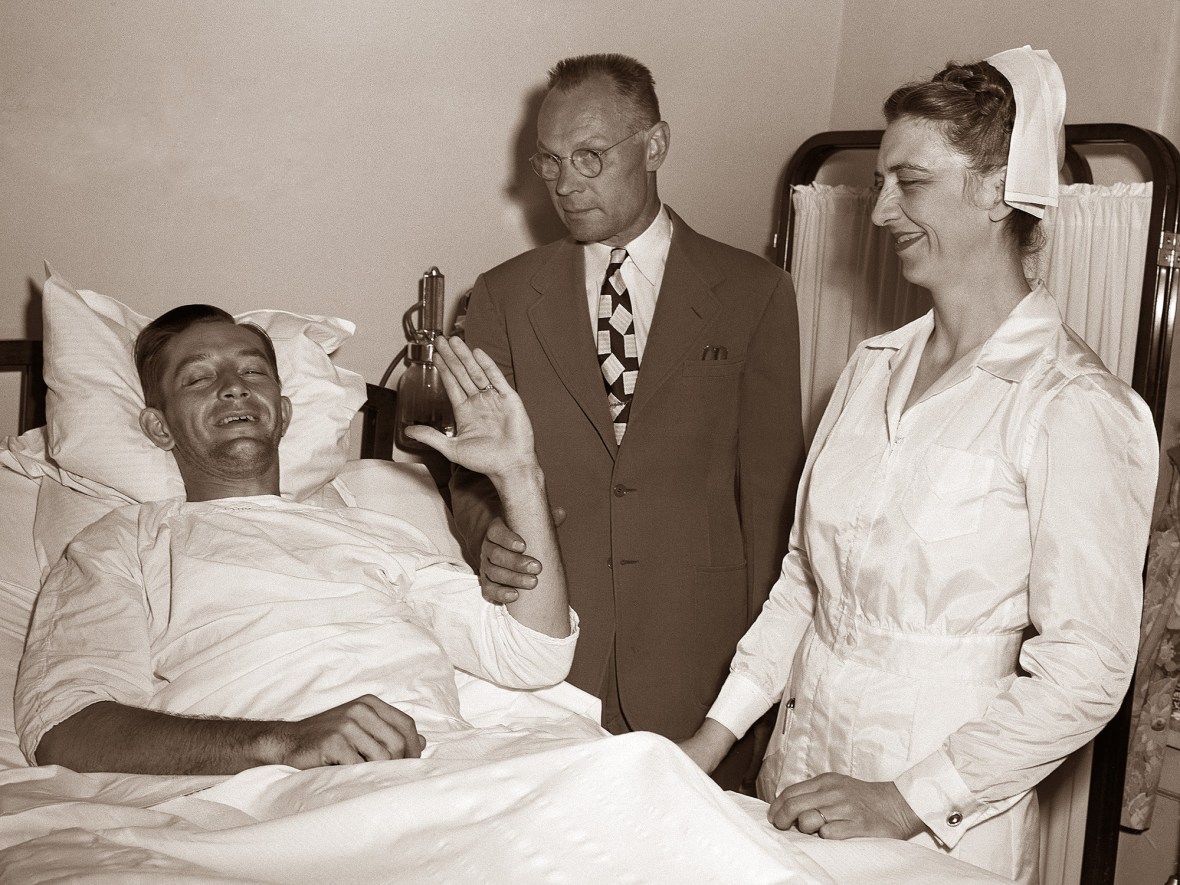 The Waitkus shooting is regarded as the inspiration for Bernard Malamud’s 1952 baseball book The Natural, which was made into a film by Barry Levinson in 1984. Other than the shooting, its hard to make a comparison between Eddie Waitkus and Roy Hobbs, the character played by Robert Redford in the film. In The Natural, Hobbs was shot as a teenage phenom before ever reaching the majors and the shooting kept him from reaching the big leagues until the age of 34, at which point he immediately started hitting like Babe Ruth with his miracle bat “Wonder Boy”. When shot, Waitkus was a 29-year-old veteran of both World War II and 448 major league games.
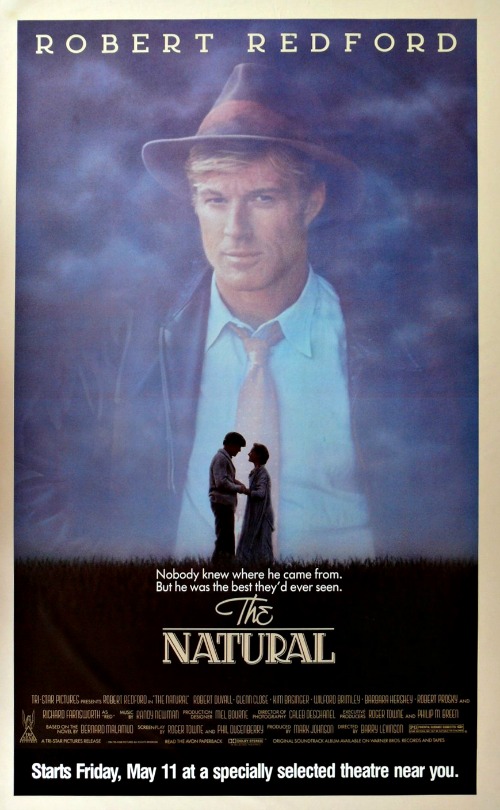 Miraculous comeback aside, Waitkus, who died in 1972, was no Hobbs at the bat. Though he was enjoying his finest season when he was shot, he had just one home run in 246 plate appearances, and when he retired in 1955 at age 35, he had just 24 home runs in 4,681 at bats. Waitkus hit for respectable averages (.304 in 1946, .306 in 1949 before the shooting, .285 for his career), but they were empty. He hit for little power and drew only an average number of walks. He did make a pair of All-Star teams and drew some low-ballot MVP votes in two seasons, but was by no means a Hall of Fame candidate.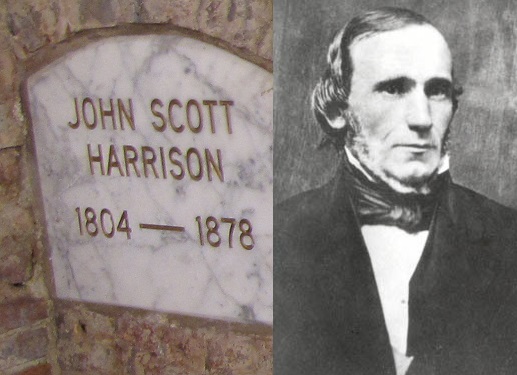
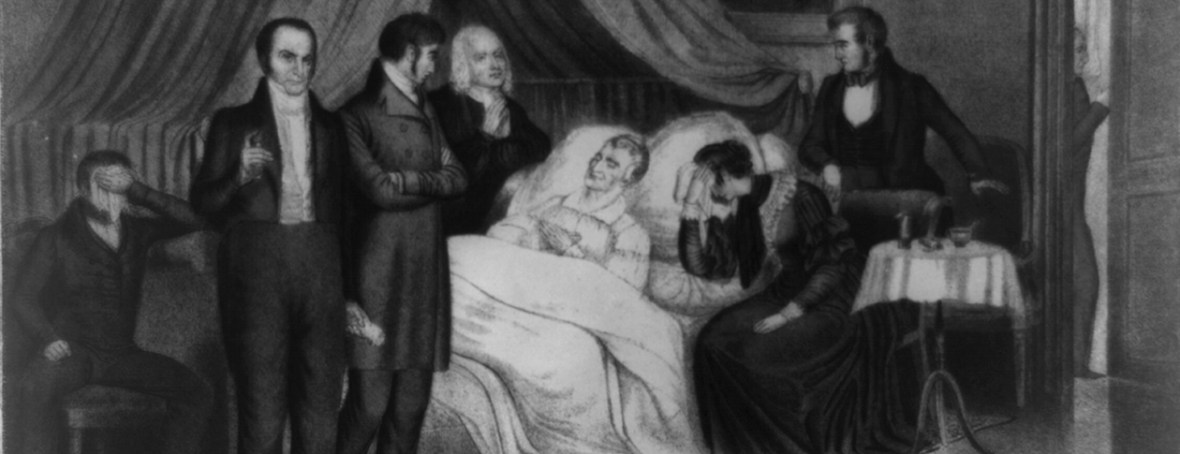
 The first order of business was to hide the fact from Devin’s widowed mother until the body could be recovered, and the second was to take precautions for safeguarding John Scott Harrison’s remains. Benjamin Harrison and his younger brother John carefully supervised the lowering of his father’s body into an eight-foot-long grave. At the bottom, they placed the state-of-the-art metallic casket into a secure brick vault with thick walls and a solid stone bottom. Three flat stones, eight or more inches thick were procured for a cover. With great difficulty the stones were lowered over the casket, the largest at the upper end and the two smaller slabs crosswise at the foot. All three of these slabs were carefully cemented together. The brothers waited patiently beside the open hole for several hours as the cement dried. Finally, with their father’s remains still under guard, a massive amount of dirt was shoveled into the hole and the brothers departed secure in the notion that their father would rest in peace for all eternity.
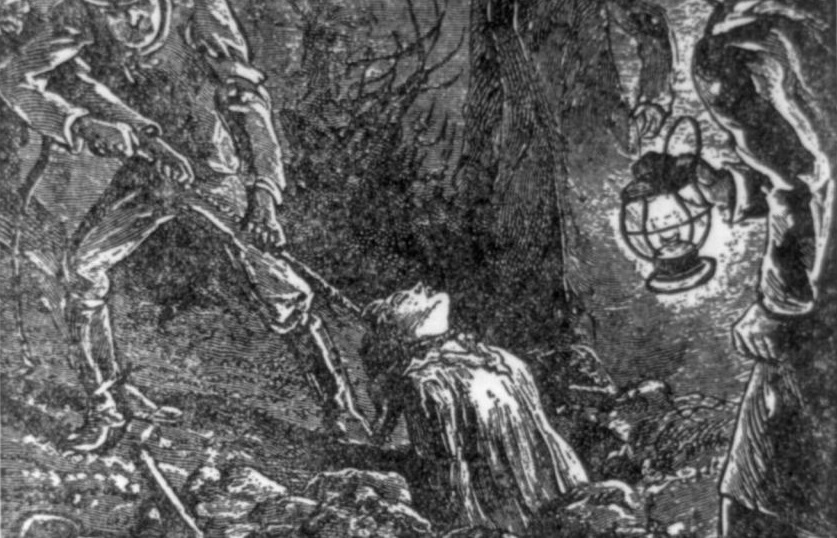 John Harrison shrugged off the discovery knowing that his cousin Augustus Devin, the subject of their search, was a very young man. Still, the body was lain flat on the floor and the cloth was cast aside with the aid of a nearby stick. As the dead man’s face was revealed, John Harrison gasped in horror that the dead body was none other than that of his father, John Scott Harrison.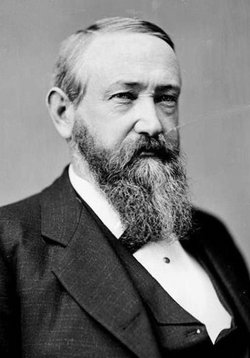
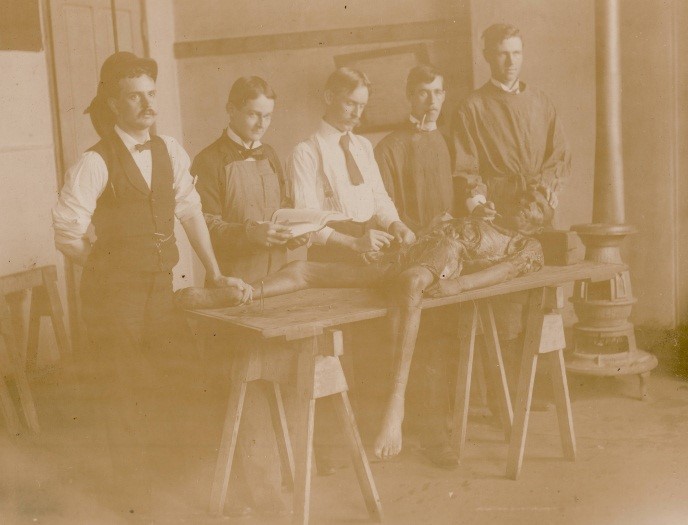
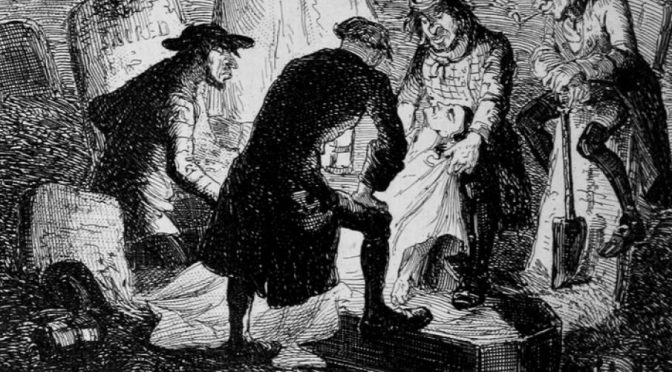
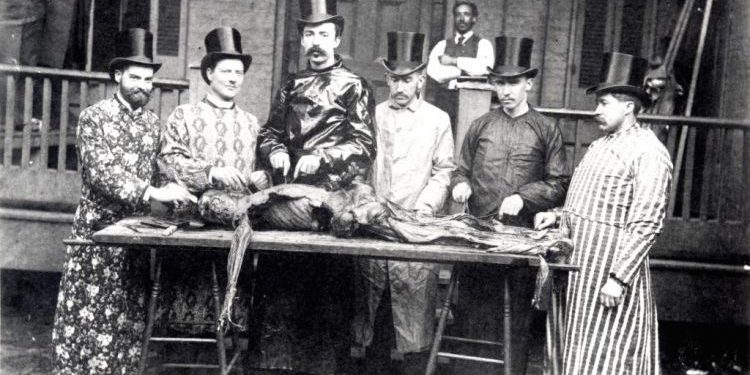
 is a rope with a hook at one end, a short crowbar, and a spade and a pick. He generally has a “pard,” as it is easier to hunt in couples. He is notified of the “plant” (body), and by personal inspection makes himself familiar with all the surroundings, before the attempt is made. The pick and spade remove the earth from the grave as far as the widest part of the coffin, and with the crowbar, the coffin is shattered, and the rope with the hook end fastened around the cadaver’s neck, when it is drawn out through the hole without disturbing the earth elsewhere. As soon as the cadaver is sacked, the earth replaced, and the grave made to look as near like it was as possible. There are some bunglers however, who have been guilty of leaving the grave open, with fragments of the cadaver’s clothing lying around. They are a disgrace to the profession, and have done much to foster an unfriendly public sentiment in this city.”
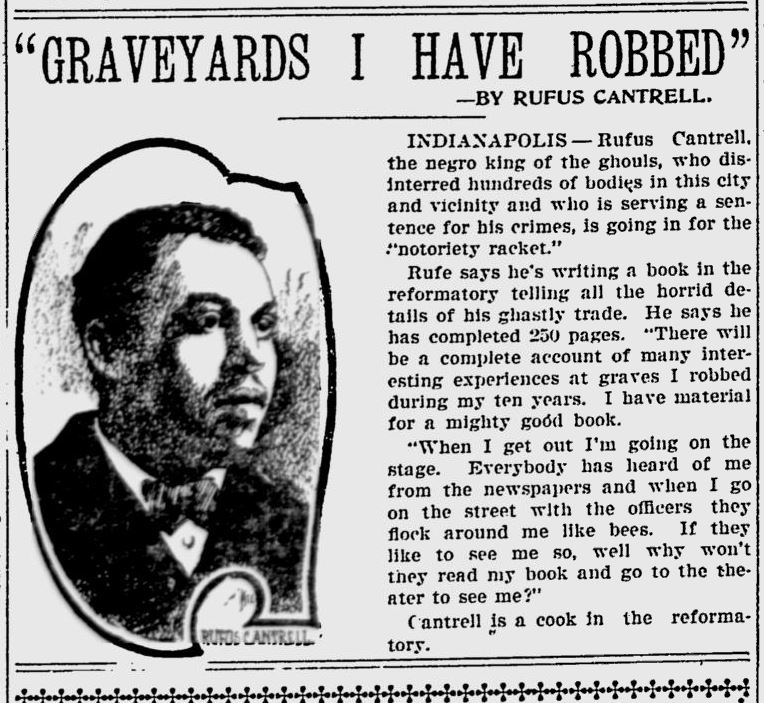 THE MOST FRUITFUL FIELDS: “The most of the stiffs are raised at Greenlawn cemetery (in Franklin, south of the city), at the Mt. Jackson cemetery (on the grounds of Central State hospital), and at the Poor Farm cemetery (Northwest of the city). So far as I know Crown Hill has never been troubled. Many of the village cemeteries in the neighboring counties are also visited, however, and made to contribute their quota to the cause of science. Some of these village cadavers are those of people who moved in the best society, and besides their value in material for dissection, are rich in jewelry, laces, velvets, etc. The hair of a female subject is alone worth $25. Nothing is wasted, you may be sure. Even the ornaments on the coffin lids are used again..”
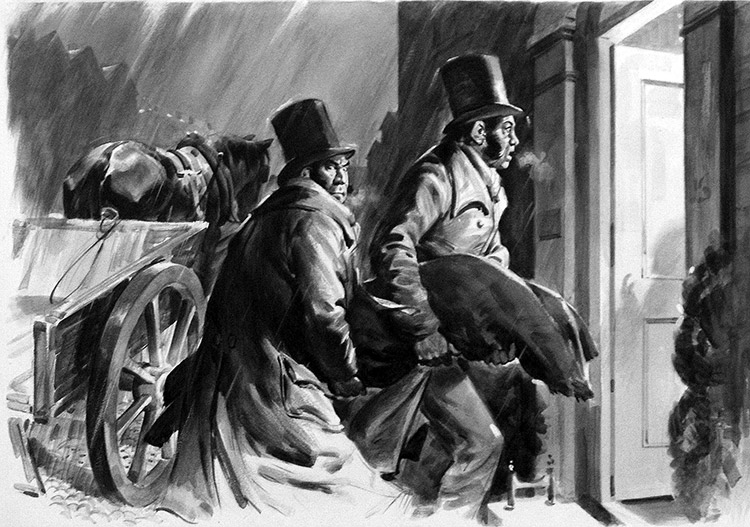
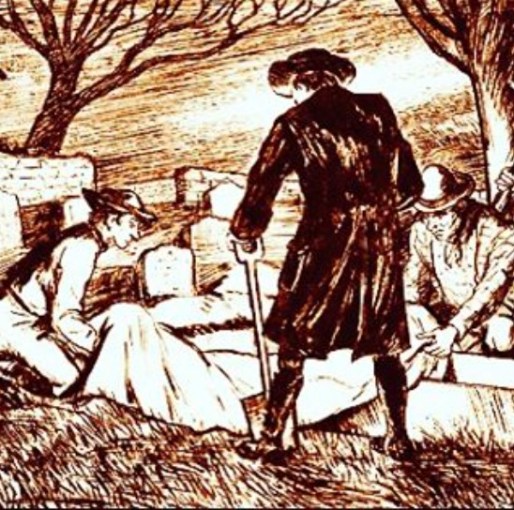 The night was a graverobber’s best friend. He lived in it, worked in it, played in it and hid in it. Late at night, these ghouls would steal into cemeteries where a burial had just taken place. In general, fresh graves were best, since the earth had not yet settled and digging was easy work. Laying a sheet or tarp beside the grave, the dirt was shoveled on top of it so the nearby grounds were undisturbed. Most body snatchers could remove the body in less time than it took most people to saddle a horse. They would carefully cover the telltale hole with dirt again, making sure the grave looked the same as it had before they came. Then hurriedly take the body away via the alleyways and sewers of the city, finally delivering the anonymous dearly departed to the back door of a medical school. In time, several of these ghouls began to furnish fresh corpses for sale by murdering the poor, homeless citizens of the city who once stood silent vigil in the alleys as the graverobbers crept past with their macabre cargo in tow.
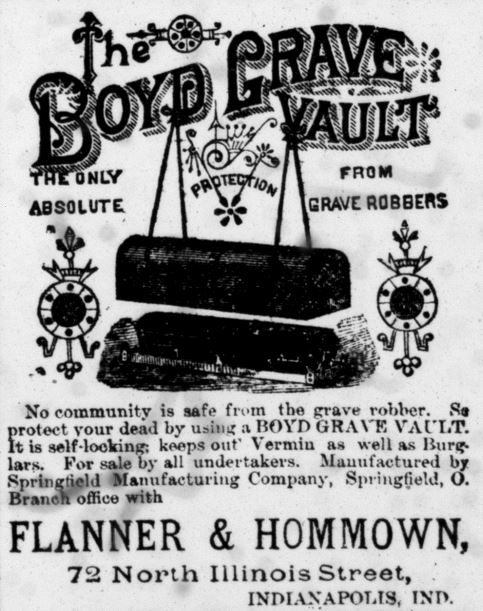 In the late 1800s in Indiana, it has been estimated that between 80 to 120 bodies each year were purchased from grave robbers to be used for medical instruction at medical schools and teaching facilities in Indianapolis. An end to the “big business” of grave robbing came as a result of twentieth-century legislation in Indiana which allowed individuals to donate their bodies for this purpose. In 1903, the Indiana General Assembly enacted legislation that created the state anatomical board that was empowered to receive unclaimed bodies from throughout the state and distribute them to medical schools. The act was “for the promotion of anatomical science and to prevent grave desecration.”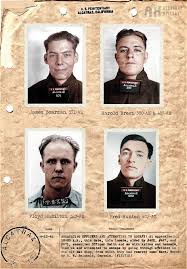
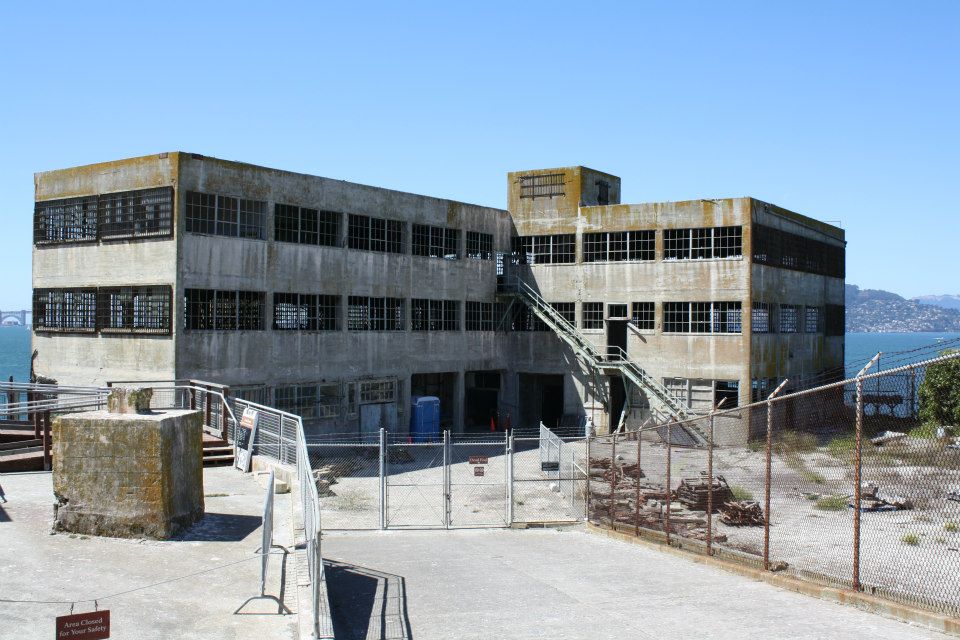
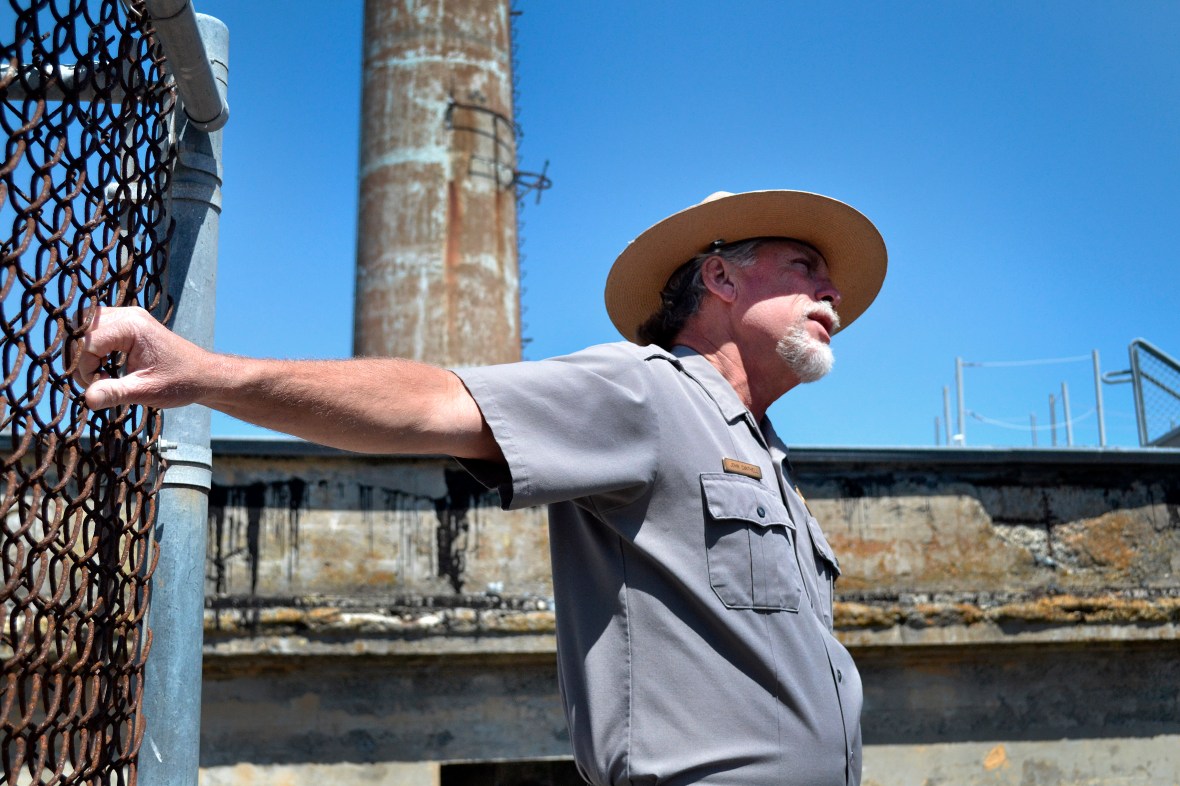
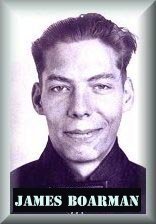 What didn’t change was the fact that 24-year-old Indianapolis resident and “baby” of the Alcatraz escape outfit, James A. Boarman was dead, the victim of the prison guards’ gunfire. Ranger John Cantwell took me to the old Model Industries Building, now off limits to the public and home to the protected nesting California waterfowl that populate the island in summertime, to show me the approximate place of Boarman’s demise. Over his years of service, Cantwell has become an expert on Alcatraz escapes and the 34 men who attempted them. One former inmate, “Alcatraz from the Inside” author Jim Quillen, was a close friend of Cantwell’s. The dedicated park ranger did not miss the opportunity to ask Quillen about that 1943 escape. Quillen, a bank robber and kidnapper imprisoned on the island for ten years from 1942 to 1952, knew James Boarman.