
Original publish date: February 28, 2019
It would be harder to find a more quintessential Victorian Era Englishman than Oscar Wilde, especially if you were to ask a literate American. Who was Oscar Wilde you ask? Oscar Fingal O’Flahertie Wills Wilde (October 16,1854-November 30, 1900) was THE flamboyant Irish poet and playwright. He became one of London’s most popular playwrights in the early 1890s and is perhaps best remembered for his novel The Picture of Dorian Gray, and the peculiar circumstances of his imprisonment and early death. What is largely forgotten is his visit to America in 1882, including two stops in the Hoosier state.
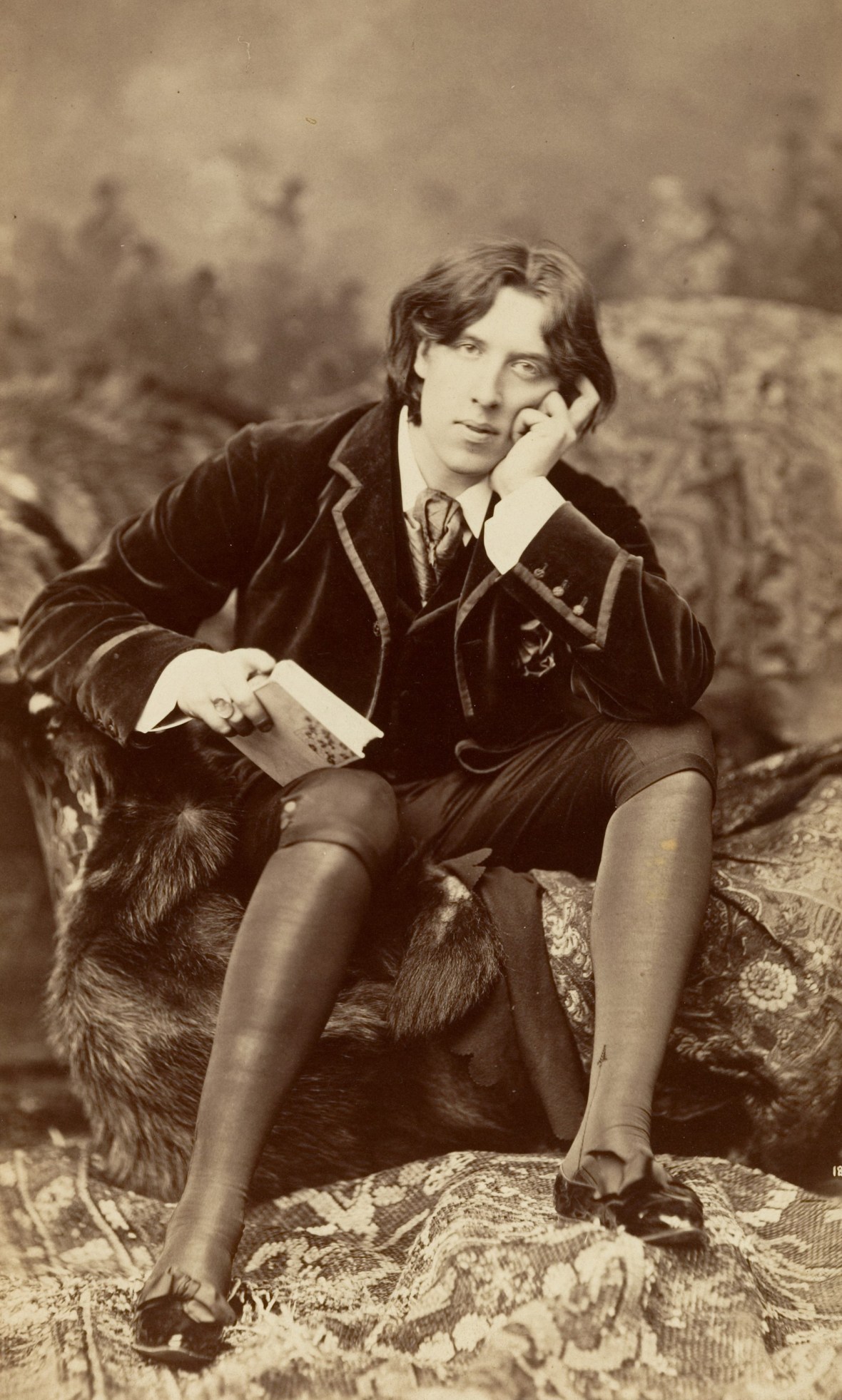
On January 3, 1882, 27-year-old Oscar Wilde arrived in New York on what would become a year long 15,000 mile visit to 150 American cities. The Dublin-born Oxford educated man was at the pinnacle of his personal eccentricity. His garish fashion sense, acerbic wit, and extravagant passion for art and home design had made such a spectacle in London that none other than Gilbert & Sullivan penned an operetta named “Patience” that lampooned Wilde as the champion of England’s aesthetic movement of the 1870s and ’80s . He was hired to go to America to lecture on interior decorating but in the end, it turned out to be a way for Wilde to promote himself. His visit may well have been one of the very first examples of “branding” as we know it today. It was on this lecture tour where most of the iconic photographic images so associated with Wilde and his “fierce” fashion sense were made.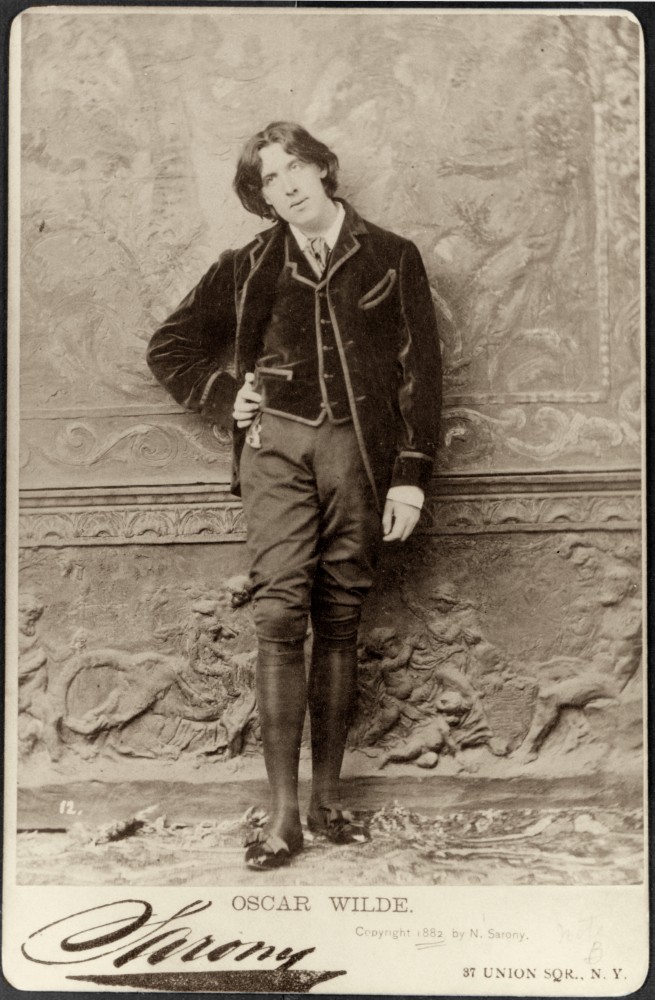
Despite the fact that at the time of his visit, Wilde was only the author of one self-published book of poems and a single unproduced play, he often proclaimed himself a “star”. His established routine was to appear on stage dressed in satin breeches and a velvet coat with lace trim crowned by a velvet feathered slouch hat perched at a jaunty angle as he advocated the importance of sconces and embroidered pillows—and himself. Wilde was among the first “celebrity” to understand that fame for it’s own sake could launch a career and sustain one. Good or bad, no matter, Wilde’s only concern what that they spell his name right.
According to biographer David M. Friedman (Wilde in America) Widle’s tour of nineteenth-century America ranged “from the mansions of Gilded Age Manhattan to roller-skating rinks in Indiana, from an opium den in San Francisco to the bottom of the Matchless silver mine in Colorado—then the richest on earth—where Wilde dined with twelve gobsmacked miners, later describing their feast to his friends in London as “First course: whiskey. Second course: whiskey. Third course: whiskey.” Wilde gave 100 interviews in America, more than anyone else in the world in 1882. Wilde arrived in an America whose news headlines were populated by outlaws (Jesse James), Presidential assassins (Charles Guiteau), legendary showmen (P.T. Barnum), and inventors (Thomas Edison). Where grabbing headlines are concerned, Oscar Wilde went toe-to-toe with them all. The difference being that Oscar Wilde was the first to become famous for being famous.
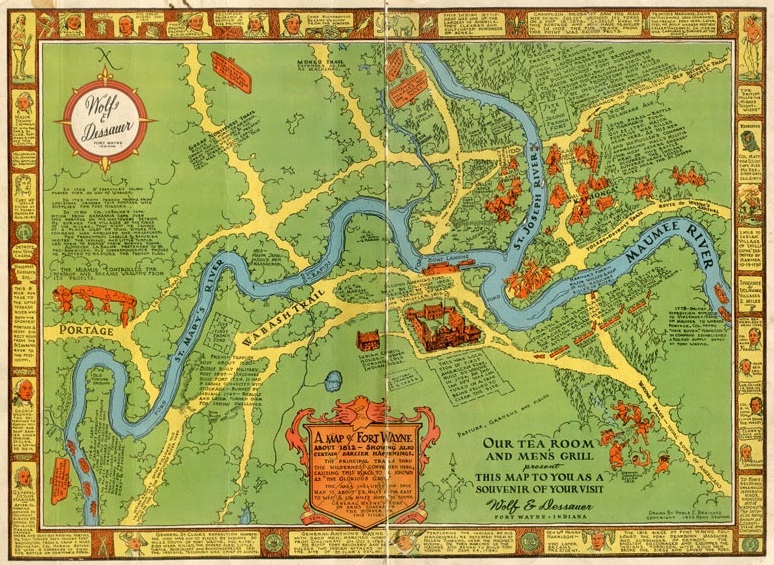
The first stop in Indiana on Wilde’s tour came in Fort Wayne on February 16, 1882. Wilde appeared at a facility known as “The Rink” located at 215 East Berry St. in the city (between Clinton and Barr streets). As the name denotes, it was opened as a rollerskating rink in 1869 and was converted into a public house known as “The Academy of Music” for the next decade before it became “The People’s Theatre” before being demolished in 1901. According to the “Pictorial History of Fort Wayne” the building stood on the site of the present Lincoln Memorial Life Insurance Building and was 60 feet wide by 150 feet long with a floor space capable of accommodating 500 ice skaters.
The Fort Wayne daily Gazette reported, “the Academy was about three quarters filled last night to hear Oscar Wilde, the greatly advertised lecturer, who has carried with him the lovers of the beautiful and his ideas of art. His lecture, in the main, is certainly an elaborately written, beautifully worded piece of literature; but for Oscar Wilde he is not an elocutionist, his voice is as effeminate as a school girl’s, and he becomes very tiresome to his auditors, even those who admire the lily and sunflower theory of the aesthetic genius. That Oscar Wilde is a cultured man no one will deny, that he is an orator, every one will hold up their hands in horror against such an insinuation.” The Fort Wayne News called the talk a “languid, monotonous stream of mechanically arranged words … scholarly but pointless; as instructive as a tax list to a pauper, and scarcely as interesting.” From Fort Wayne, Wilde circled around to Detroit, Cleveland, Cincinnati, Louisville, and Indianapolis.
Wilde’s February visit to Indianapolis came at a busy time in the city with 3 major conventions taking place: A veterans of the Mexican War reunion, the GAR reunion of Civil War Vets and the Greenback Party convention. Wilde appeared in person for one of his fashion lectures at the English Opera House on the northwest quadrant Monument Circle on February 22, 1882. A full color poster inside the opera house’s marble entryway declared that Wilde’s visit would be “The Fashionable event of the season.” The building was constructed by the Honorable William H. English, a businessman, banker, historian, and politician. Opened on September 20, 1880, the English immediately became the city’s leading theatre and remained so for the next 68 years. Widle’s visit came two years after Hancock ran for Vice-President with Civil War Hero of Gettysburg, General Winfield Scott Hancock.
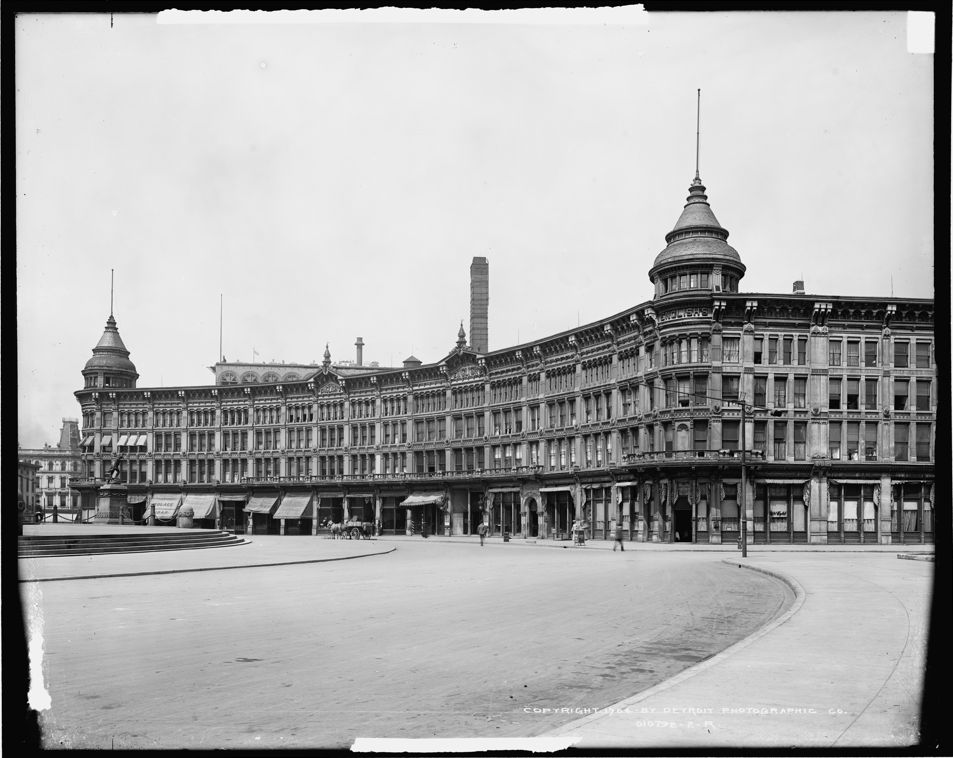
A crowd of 500 people crowded the opera house to witness Wilde’s 75 minute performance titled “The Decorative Arts”. The Feb. 23, 1883 issue of the Indianapolis News reported, “Oscar Wilde delivered his lecture on “The English Renaissance” last evening at English’s Opera House, to a large audience. He appeared half an hour late, and was greeted with a tender murmur of applause. He came upon the stage alone and proceeded to his lecture without formal introduction. He was dressed partly in the style made familiar to most of his hearers by “Grosvernor” in “Patience.” He wore a dress coat, double-breasted white vest, exposing a wide expanse of unsullied shirt front, in the middle of which glowed a single stud of gold, a standing collar, dead white silk necktie most artistically knotted, knee breeches, black silk stockings and low-cut shoes… Mr. Wilde has been has been variously criticized, but all agree that he is well worth seeing and listening to. Some can make nothing out of his lecture while others are delighted with it. The only way to judge is for each to go and hear for yourself.”
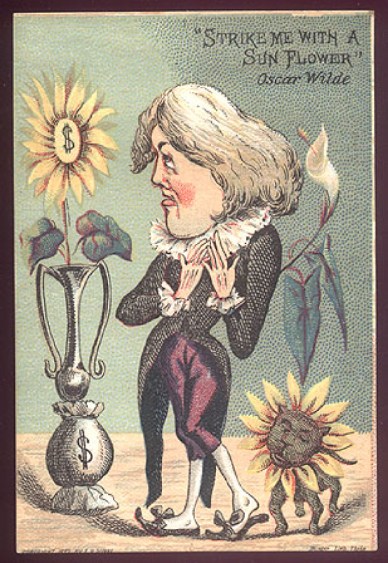 No less than five separate newspaper columns excoriated Wilde or his performance. The Indianapolis Journal newspaper said “We have grown sunflowers for many a year, suddenly, we are told there is a beauty in them our eyes have never been able to see. And hundreds of youths are smitten with the love of the helianthus. Alackaday! We must have our farces and our clowns. What fool next?” Soon, gaggles of admiring young men sporting sunflowers in their velvet lapels formed clubs known as “sunflower boys” to sit front and center at Wilde’s appearances. At Wilde’s other appearances, so many young street toughs interrupted Wilde’s shows that he sent advance notice to Denver that he would no longer act the gentleman and that he was “practicing with my new revolver by shooting at sparrows on telegraph wires from my car. My aim is as lethal as lighting. — O. Wilde.”

“He knows uncommonly well what he is doing,” said the Indianapolis News. The Indianapolis Daily Sentinel reported that “from pit to dome,” most came to make fun of him, but many soon realized that he had something to say. “It would be safe to wage a cigar that if Oscar can be induced by his manager to be a little more utilitarian, he will not want for appreciate or applause.” Wilde took the conservative criticism seriously and decided to tone down his outlandish stage costumes. Wilde later noted that his next night’s audience was “dreadfully disappointed at Cincinnati at my not wearing knee breeches.” Of the Queen City, Wilde quipped, “I wonder that no criminal has ever pleaded the ugliness of your city as an excuse for his crimes.”
 Morris Ross, one of the “legendary foursome” staff of writers and editors for the Indianapolis News (including Hilton U. Brown, Meredith Nicholson and Louis Howland), said that Wilde gained attention “mainly by adopting knee breeches and a lily. The latter’s lecture at the last-named city was by no means successful. One reporter caught him using the word “handicrawftsmen” seventeen times and noted his pronunciation of “teel-e-phone,” “eye-solate,” and “vawse.” The same newsman disliked Wilde’s legs, which he said had no more symmetry than the same length of garden hose. Wilde was invited to the governor’s party that evening and on the way he was asked why he came to America. “For recreation and pleasure,” he answered with his typical wit, “but I have not, as yet, found any Americans. There are English, French, Danes, and Spaniards in New York; but I have yet to see an American.” This was a common British criticism of this country during the nineteenth century. At dinner with the governor and his family, Wilde ate greedily. The Saturday Review reported that when he was introduced to ice cream he spooned it up “with the languor of a debilitated duck.”29 Indiana of the 1880’s was truly unsympathetic to Wilde and the aesthetic movement.”
 On his 1882 lecture tour of America drank elderberry wine with Walt Whitman in Camden (of whom he said, “I have the kiss of Walt Whitman still on my lips.”), conversed chillily with Henry James in Washington (who called Wilde “the most gruesome object I ever saw”), lectured in Saint Joseph, Missouri (two weeks after the death of Jesse James), called on an elderly Jefferson Davis at his Mississippi plantation (of whom Wilde inexplicably remarked, “The principles for which Jefferson Davis and the South went to war cannot suffer defeat.”), and fell prey to a con-man in New York’s Tenderloin (he lost $ 5,000 to legendary Gotham City conman Hungry Joe Lewis in a rigged Bunco game).
However, my favorite encounter story from Wilde’s American tour comes from his visit to Hildene. the New Hampshire estate of President Abraham Lincoln’s son Robert Todd Lincoln. Wilde ate dinner with the former Secretary of War and his wife Mary. Mrs. Lincoln was apparently entranced by Wilde but Robert remained silent throughout the encounter. The visit culminated with Mr. Lincoln’s sudden rise and push back from the table followed by a slamming of his napkin onto his dinner plate and announcement, “I do not care for that man!” Years after Lincoln’s death in 1926, an imperial sized cabinet photo of Wilde (dressed in all his finery) was found in the Secretary’s estate signed “To Robert T. Lincoln, with my very best wishes, Oscar Wilde”. Oh, if they only knew.
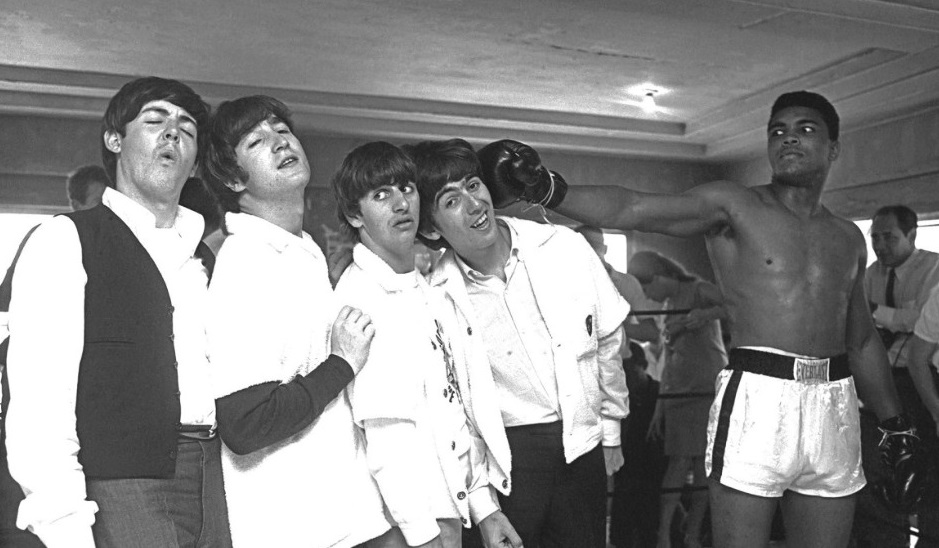
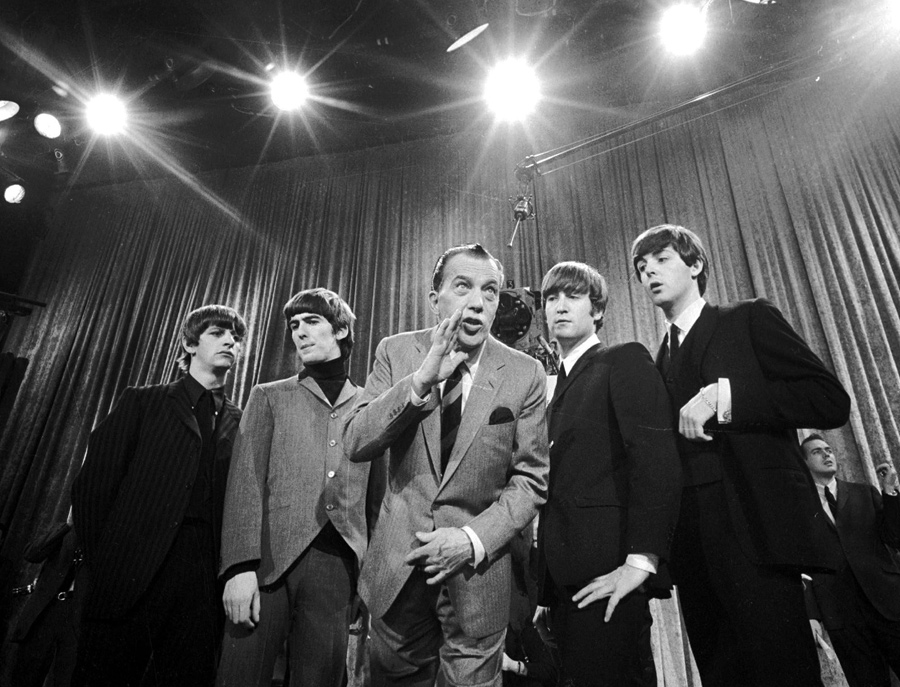

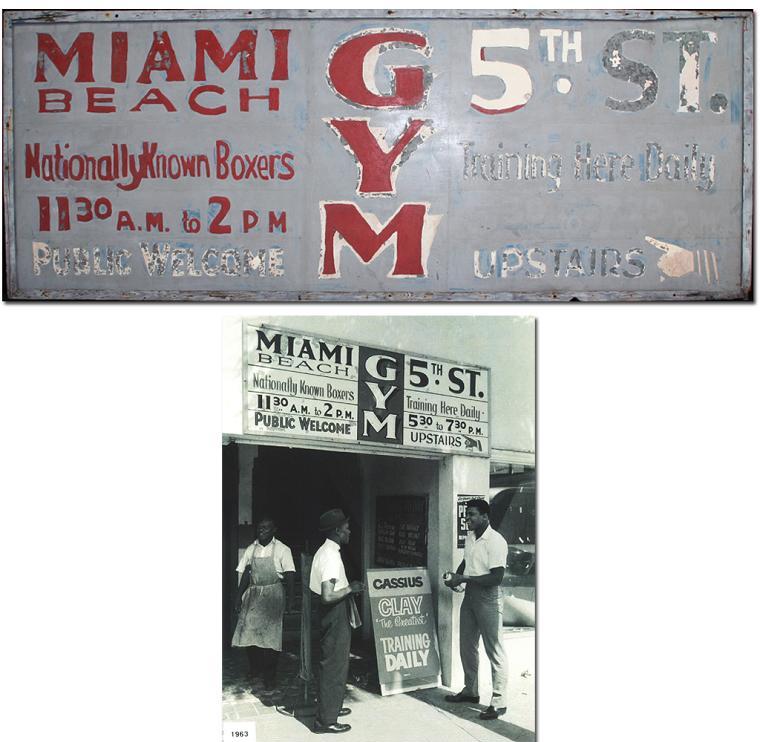
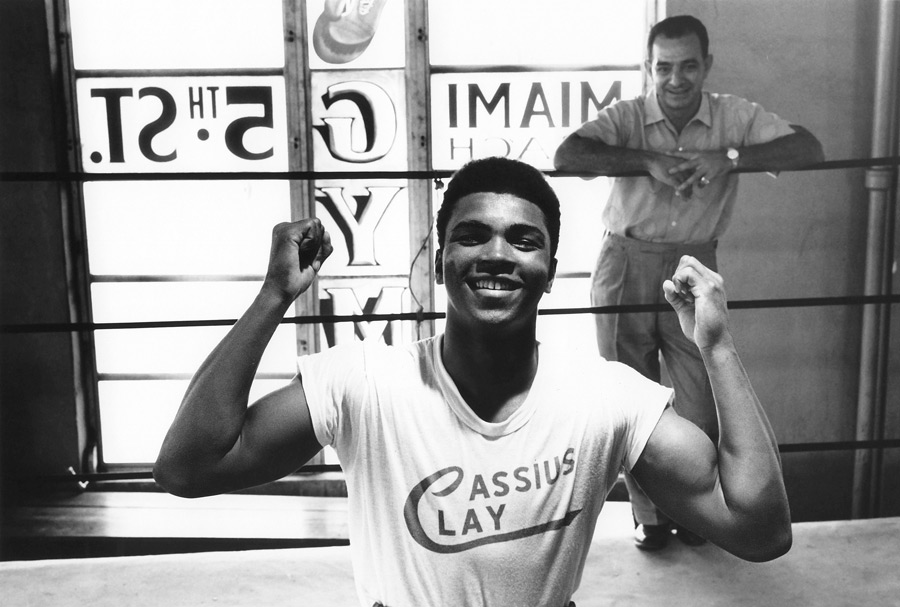
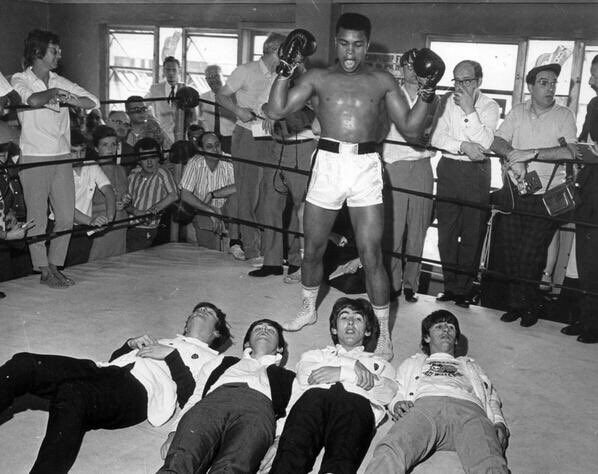
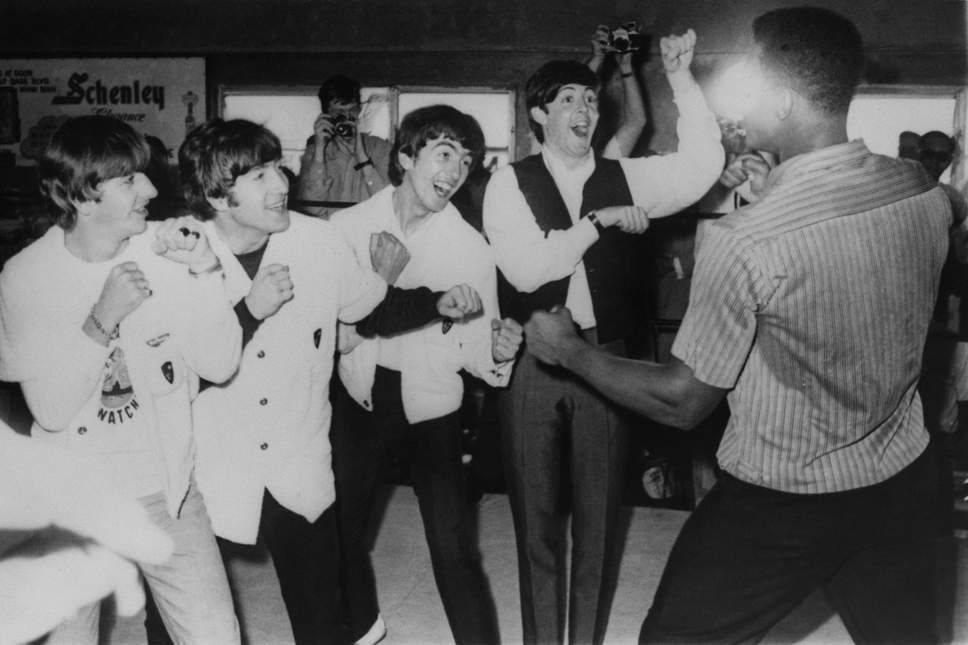
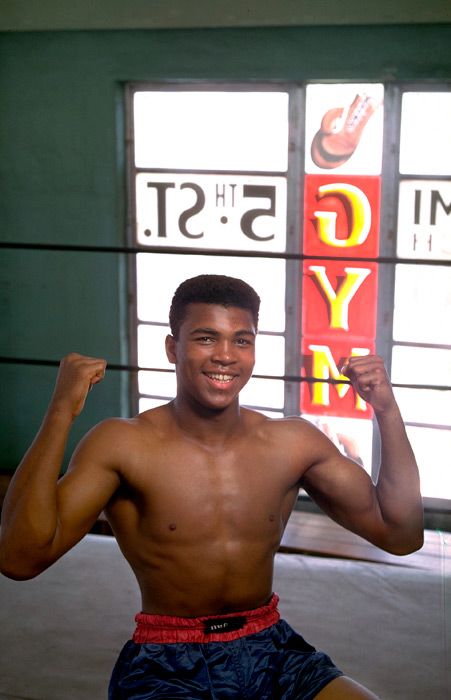
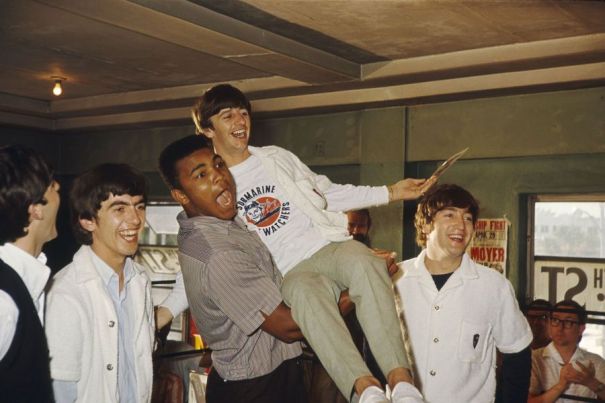 The exhausted Beatles were thunderstruck by the encounter. As the dunned Fab Four fled the gym and piled back into their limo, they swore oaths to photographer Benson that they’d never speak to him again, with one unidentified Beatle carping that the whole experience had been “degrading. You made a fool of us!” The feeling was apparently mutual. Back at the gym, Clay completed his workout, then hit the dressing room for a rubdown as the press prodded him for details. Cassius turned to Lipsyte with a puzzled look and asked about the four long-haired young Englishmen he’d spent the morning clowning with earlier by asking, “Who were those little sissies?”
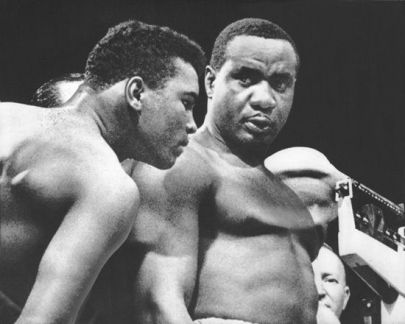
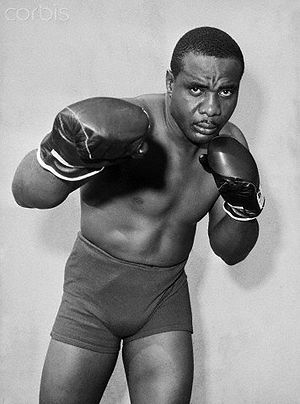
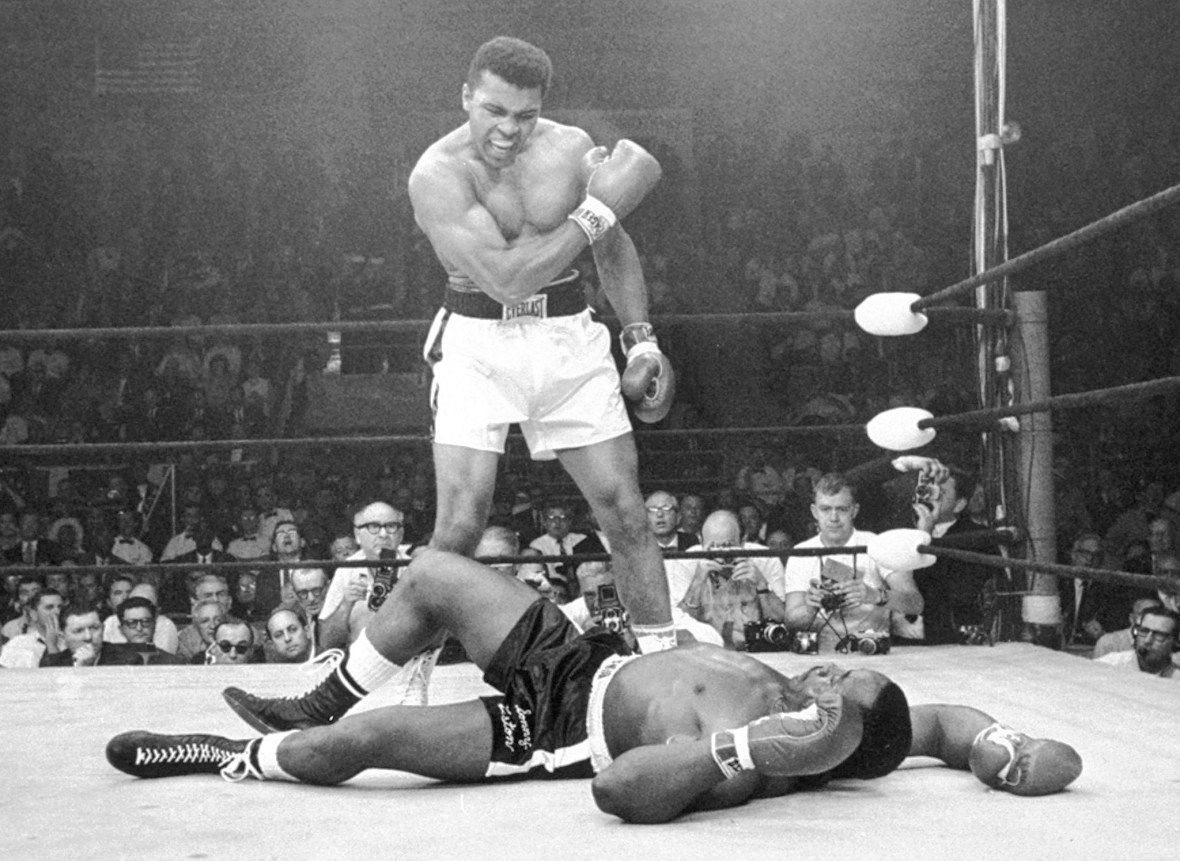 A week later Sonny Liston threw in the towel by refusing to come out of his corner for the seventh round of the title fight. Of the encounter, reporter Robert Lipsyte later wrote, “In 1964 my time was not very valuable. I was a utility night rewrite writer and speechwriter at the Times when Sonny Liston fought Cassius Clay for the first time. The Times, in its wisdom, did not feel it was worth the time to send the real boxing writer. So they sent me down to Miami Beach and my instructions were, as soon as I got there, to rent a car and drive back and forth a couple of times between the arena, where the fight was going to be held in a week, and the nearest hospital. They did not want me wasting any deadline time following Cassius Clay into intensive care.”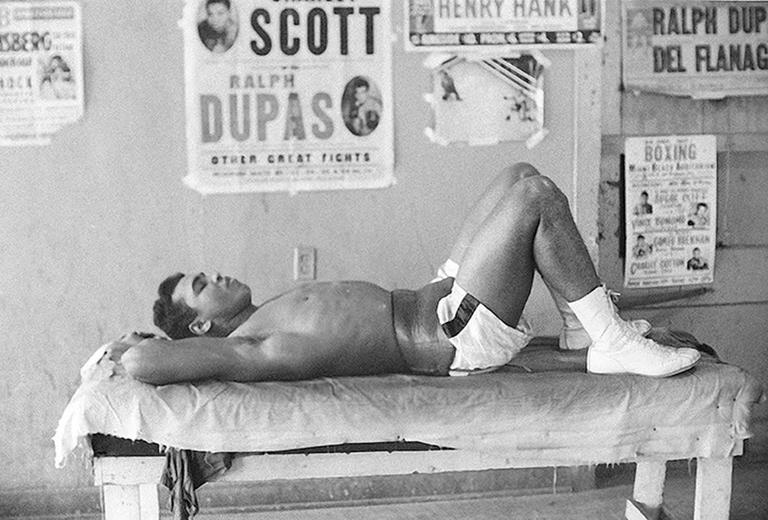
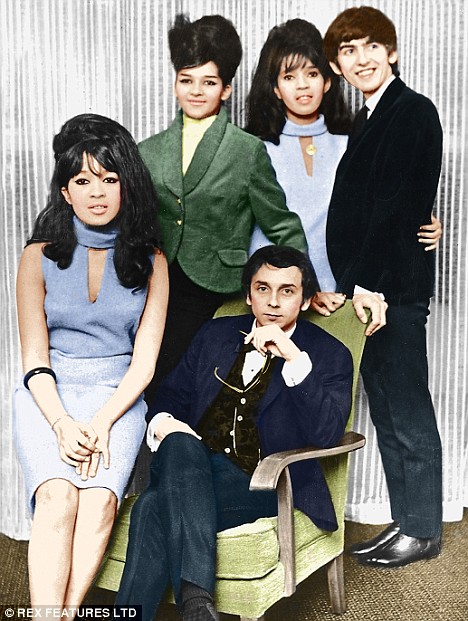
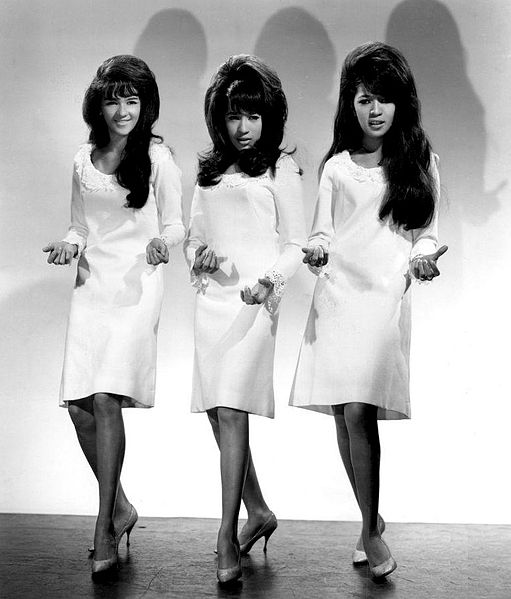

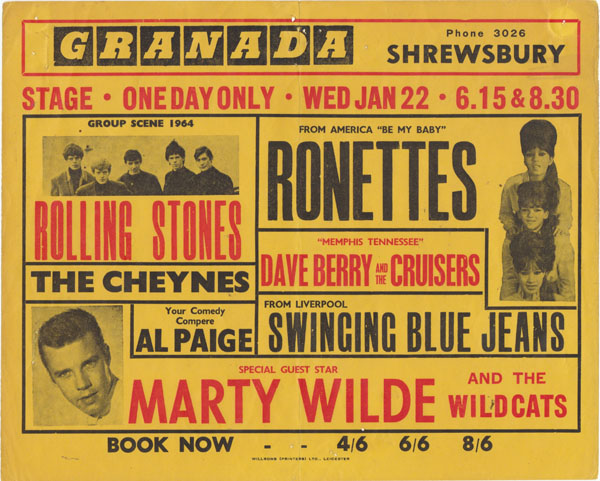
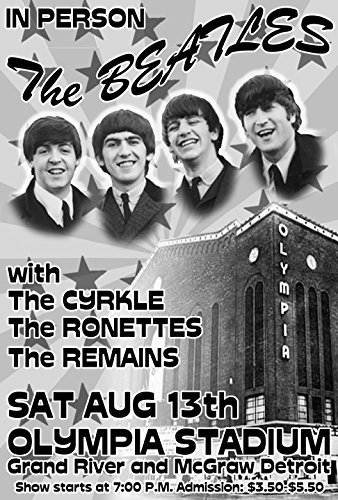 By the time the girls signed with Phil Spector in 1963, thanks mostly to Estelle, the Ronettes had their look precisely calibrated. In August of 1963 “Be My Baby” was released and by October, it had shot to No. 2 on the Billboard pop chart, making the Ronettes instant stars. The girls embarked on a tour of Britain in December of 1963 into early 1964. The Ronettes were the only girl group to tour with the Beatles. The Rolling Stiones were their opening act. When they toured, the Ronettes always traveled with at least one family member. In late 1964, the group released their only studio album, Presenting the Fabulous Ronettes Featuring Veronica, which entered the Billboard charts at number 96.
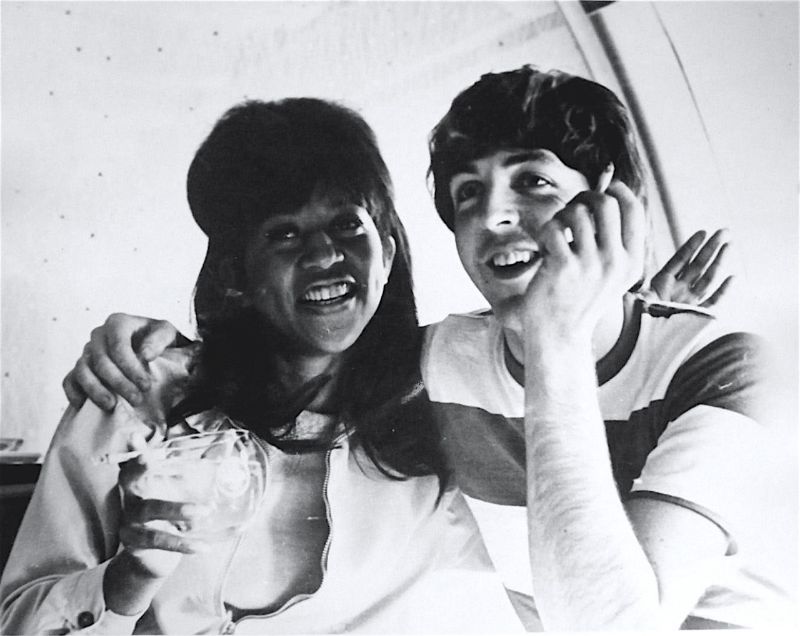 The duo were inseperable for the remainder of the English tour until The Beatles left for Paris. When The Beatles came to America, the Ronettes met them at their hotel in New York City. The Ronettes, in fact, were on hand February 8, 1964 to welcome the Beatles as they arrived in New York for their first U.S. visit and Ed Sullivan Show appearance. But the relationship fizzled out, Estelle saying, “We saw each other many times. I was with him at the party after their concert and on other evenings when we just sat around the hotel with the rest of the group. But somehow things weren’t the same. We couldn’t recreate the same relationship we had when I was in London…Over there he’s at his best, he’s relaxed, he’s George Harrison, Englishman and not George Harrison, Beatle.”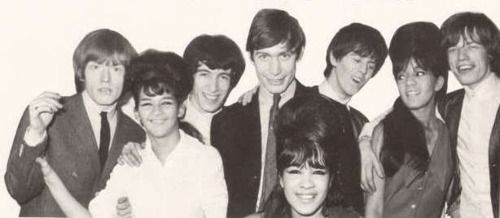
 In Keith Richards autobiography “Life” he admitted that he was dating Ronnie when the Stones toured with the Ronettes in 1963. He recalled there that Mick Jagger got with Estelle because she was less “chaperoned” than Ronnie. The pairings were viewed as controversial for a couple of reasons. One was that management, particularly The Beatles’ Brian Epstein, wanted “the boys” to remain single for fans’ sake. And two, interracial pairings were taboo back in those days. Frowned upon in the U.K. and nearly suicidal in parts of the U.S.A.
 In 1965, the Ronettes continued to record and tour while making a few appearances on television, including a CBS special and the NBC pop music show, Hullabaloo. However by this time, Phil Spector was busy with other artists. The 1965 song “You’ve Lost That Lovin’ Feelin’,” produced and co-written by Spector for The Righteous Brothers, became a No. 1 hit. And by early 1966, he was preoccupied with Ike & Tina Turner. By now, The Ronettes were being moved to the back burner by Spector and some of their songs, such as “I Wish I Never Saw the Sunshine”, and two songs co-written by Harry Nilsson, “Paradise” and “Here I Sit,” were held back for decades. They had one last hurrah in August 1966 when the Ronettes (minus Ronnie) joined the Beatles on their 14-city U.S./Canada tour as one of the opening acts. As for the Rolling Stones, during one visit they made to New York in the 1960s, Ronnie’s mother ended up cooking for them at her Gotham City home.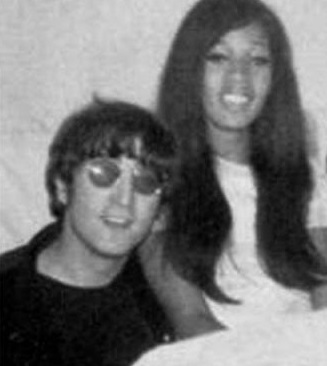
 Fellow 1960s singer Darlene Love, who once described The Ronettes as Rock’s tough girls, said the last time she saw Estelle, “She didn’t remember me.” By the early 2000s, Estelle Bennett was homeless. In 2007, The Ronettes were inducted into the Rock and Roll Hall of Fame. Love recalled seeing Estelle at the induction ceremony. “They cleaned her up and made her look as well as possible…She looked the best she could for somebody who lived on the street. It broke my heart.” It was decided that she was too fragile to perform. A back-up singer with Ronnie Specter’s new group stood in for an encore performance of “Be My Baby”.
 Posthumously, all agreed that growing up, Estelle had been a force in creating the Ronettes’ style and act – and that she had a heart of gold. “Estelle had such an extraordinary life,” said her cousin, Nedra. “To have the fame, and all that she had at an early age, and for it all to come to an end abruptly. Not everybody can let that go and then go on with life.” “Not a bad bone in her body,” said her sister Ronnie in a press statement. “Just kindness.” At that 2007 Hall of Fame ceremony, Estelle spoke only two sentences during her acceptance speech, “I would just like to say, thank you very much for giving us this award. I’m Estelle of the Ronettes, thank you.” No, Estelle, we thank you.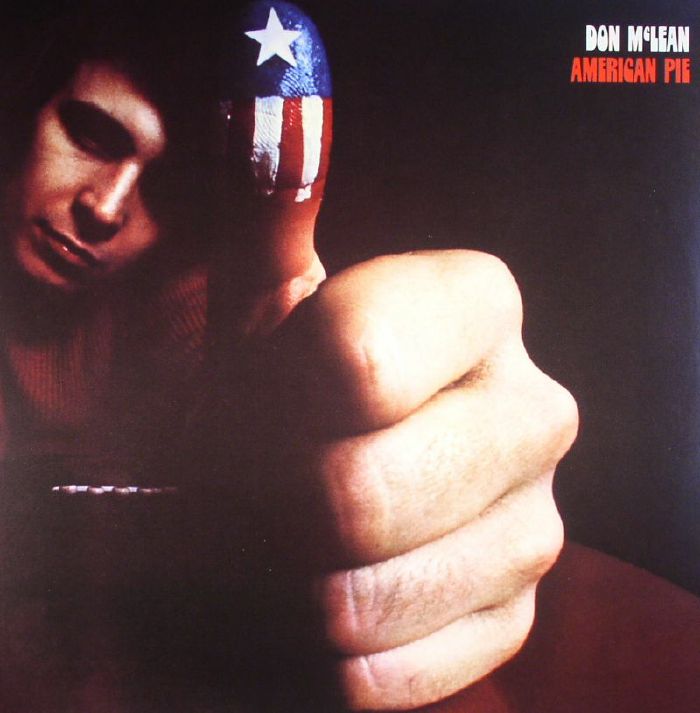
 The album launched two number one hits in the title song and “Vincent”. American Pie’s success made McLean an international star. The title track went on to become an anthem for late stage baby boomers. Decyphering the song’s lyrics became a national pasttime, sparking rumors that persist to this day. “American Pie” was the number-one US hit for four weeks in 1972. The song was listed as the No. 5 song on the RIAA project Songs of the Century and was selected for preservation in the National Recording Registry by the Library of Congress.
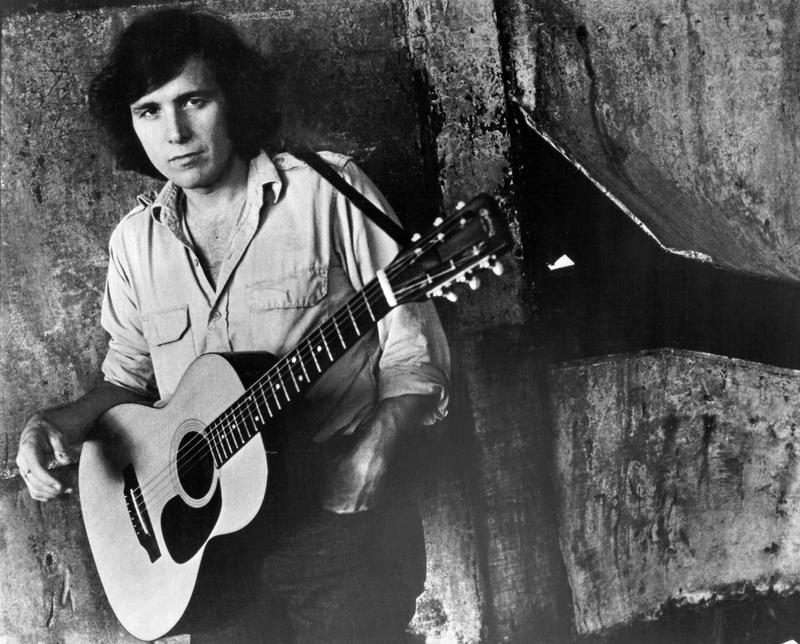 McLean has really never divulged the song lyrics meanings. He has said: “They’re beyond analysis. They’re poetry.” His silence has simply added fuel to the speculation. In 2009, on the 50th anniversary of the crash, he stated that writing the first verse of the song exorcised his long-running grief over Holly’s death and that he considers the song to be “a big song … that summed up the world known as America”. It should be noted that McLean dedicated his album to Holly. Every line of the 8 1/2 minute song has been carefully culled over and, rightly or wrongly, “explained” by fans and pundits alike ever since. Some of them are simple, others, not so much.
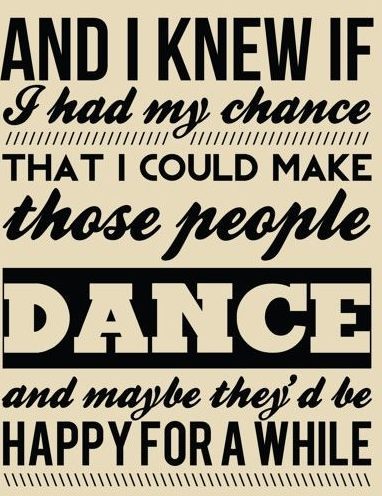
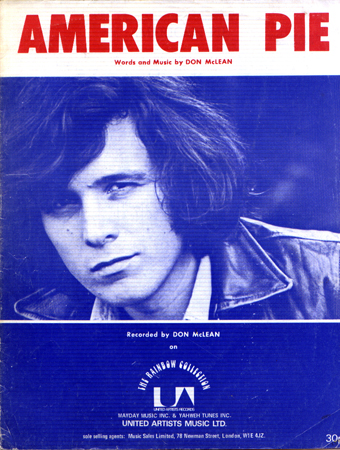 “A long, long time ago.”: American Pie was written in 1971 but talks about the 1950’s. “I can still remember how that music used to make me smile.”: McLean’s favorite music were the golden oldies of the 50’s. “And I knew if I had my chance, that I could make those people dance, and maybe they’d be happy for a while…”: Fifities music was primarily made for school dances and sock hops and McLean was waxing nostalgic about creating the same atmosphere with his music. “But February made me shiver.”: His idol, Buddy Holly died in a February plane crash in Iowa. “With every paper I’d deliver.”: He was a newspaper delivery boy in New Rochelle, New York. “Bad news on the doorstep, I couldn’t take one more step.”: Denotes the day he got the news of the plane crash. “I can’t remember if I cried, when I read about his widowed bride.”: Buddy Holly’s wife was pregnant when the accident occurred and soon after had a miscarriage. “But something touched me deep inside, the day the music died.”: Holly, Richie Valens and the Big Bopper died together on the same day and fans felt that these three were that only major artists left. Elvis got drafted, Little Richard turned gospel, Bill Haley was forgotten, Jerry Lee Lewis was scandalous and Chuck Berry was a convicted criminal.
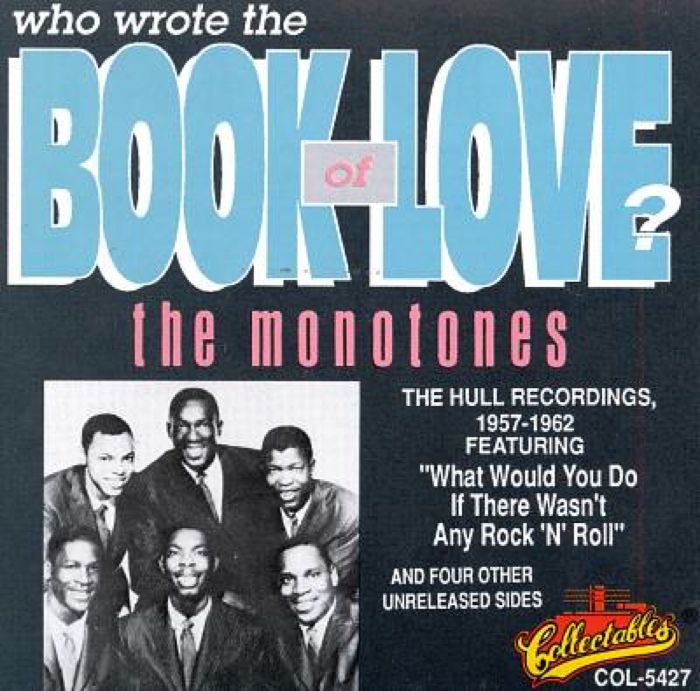 “Did you write the book of love?”:”The Book of Love” was a hit in 1968 by the Monotones. “And do you have faith in God above, if the Bible tells you so?”: Don Cornell’s book “The Bible Tells Me So” (1955) and the Sunday School song “Jesus Loves Me,” with the line “For the Bible tells me so.” were presumed memories from McLean’s childhood. “Now do you believe in rock & roll?”: McLean was a former folk singer, a medium supplanted by Rock n’ Roll. “Can music save your mortal soul?”: Music may be the only thing that can save the listener from the social upheaval of the sixties. “And, can you teach me how to dance real slow?”: another perceived reference to the innocence of the 1950s. “Now I know that you’re in love with him, ’cause I saw you dancing in the gym.”: Buddy’s widow Maria Elena remarried. “You both kicked off your shoes.”: 1950s sock hop reference. “Man, I dig those rhythm and blues.”: Buddy Holly was living in Greenwich Village at the time of his death and frequenting the Jazz bars with his young wife. “I was a lonely teenage broncin’ buck with a pink carnation and a pickup truck.”: likely a tip of the cap to Marty Robbins 1957 song A White sport Coat (And a Pink Carnation). “But I knew I was out of luck, the day the music died.”: Holly’s death presaged an end of innocence.
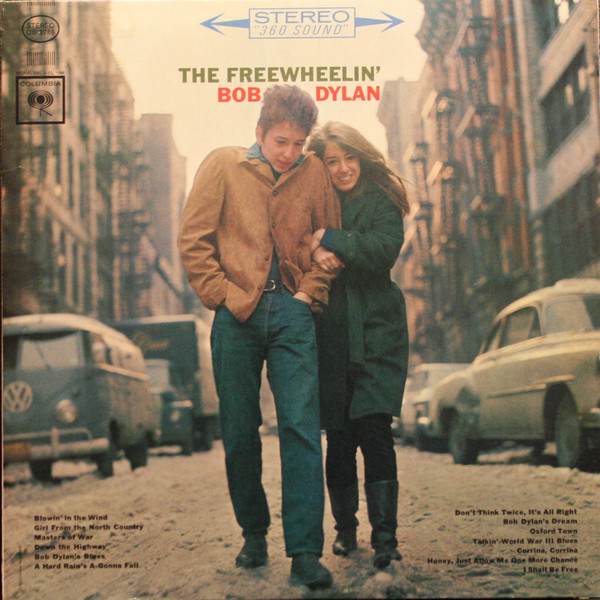 “Now for ten years we’ve been on our own.”: It was a decade after Holly’s death when McLean put out his first album in 1969. “And moss grows fat on a rolling stone.”: Bob Dylan’s song “Like a Rolling Stone” signified (to many) the death of folk music. “but that’s not how it used to be.”: Again referring to Dylan’s musical changes. “When the jester sang for the king and queen.”: A veiled reference to Dylan as the jester. The king was Peter Seger and the queen Joan Baez. The two biggest names in folk music in the ’60’s. “In a coat he borrowed from James Dean.”: Although some see this as reference of Dylan’s “Freewheelin'” album cover where he is wearing a red windbreaker, it has also been explained as the movie idol’s death coming so close to Holly’s. “And a voice that came from you and me.”: again a reference to Dylan being the voice of his generation. “Oh, and while the king was looking down the jester stole his thorny crown.”: When Elvis “The King” left for the Army, Dylan stepped up to take his place. “The courtroom was adjourned, no verdict was returned.”: Dylan left the folk scene and went electric, then had his motorcycle wreck and disappeared for awhile. “And while Lennon read a book of Marx.”: Like Dylan, John Lennon and The Beatles switched genres from a pop band to serious musicians with an even more serious message. “The quartet practiced in the park and we sang dirges in the dark, the day the music died.”: The Beatles performed their last live concert at Candlestick Park and were broken up by the time this song became well known. There are many music aficionados out there who will argue that this verse is not about Bob Dylan at all but rather about the Kennedys. In that case, the lyrics should be pretty self explanatory.
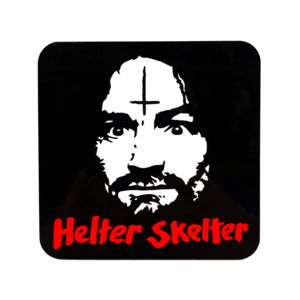 “Helter Skelter in a summer swelter.”: In the summer of 1968, Charles Manson massacred an entire family spurred on by the Beatles song “Helter Skelter” from the white album. “The Byrd flew off with to a fallout shelter.”: The Byrd’s were a popular folk-rock group who had a hit with Dylan’s “Mr. Tambourine Man,” in 1965. Dylan’s “Mr. Tambourine Man” appeared on his “Bringing It All Back Home” record, which features the image of a fallout shelter sign in the lower left corner. “Eight miles high and falling fast then landed in the foul grass.”: Eight Miles High was the first ever psychedelic song by the Byrds and tall grass refers to marijuana. “The players tried for a forward pass with the jester, on the sidelines in a cast.” Bob Dylan’s 1966 motorcycle wreck sidelined him and led to the success (out of necessity) of his back-up band, “The Band” whose 1968 and 1969 albums are considered classics. “Now the half time air was sweet perfume while sergeants played a marching tune.” Perceived reference to Dylan’s time off and the 1967 Beatles album Sgt. Pepper. “We all got up to dance, but we never got the chance.”: reference to the protests at the 1968 Chicago DNC and Kent State massacre of 1970. “Cause the players tried to take the field.”: The National Guard at Kent State University. “The marching band refused to yield.”: resulting in the deaths of of four students and wounding of nine others. “Do you recall what was revealed, the day the music died.”: Kent State University in Kent, Ohio.
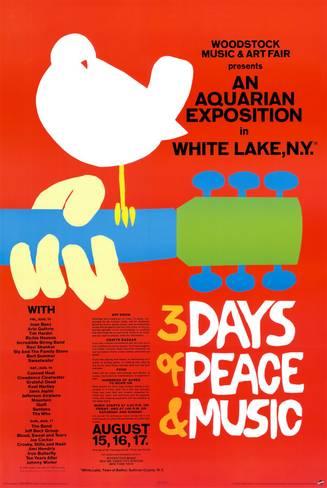 “And then we were all in one place.”: The Woodstock Festival took place in August 1969. 400,000 of McLean’s generation were there. “A generation lost in space.”: with the Apollo 11 moonlanding, the kids who grew up watching Lost in Space were coming of age. “With no time left to start again.”: The deaths of Buddy Holly and James Dean were harbingers for assassinations of the 1960s that could not be undone. “So come on Jack be nimble, Jack be quick, Jack flash sat on a candlestick.”: Reference to the Rolling Stones song Jumpin’ Jack Flash. “cause fire is the devil’s only friend.”: The Rolling Stones 1968 album Sympathy for the devil. “Oh, and as I watched him on the stage.”: In December of 1969, the Stones attempted another Woodstock at Altamont Speedway. A free concert with the Hell’s Angel’s handling the security. The Stones paid them with beer and handfuls of acid and during the performance of “Sympathy for the Devil,” a black man was beaten and stabbed to death by the Hell’s Angels. “My hands were clenched in fists of rage no angel born in hell could brake that Satan’s spell.”: The Hell’s Angels. “As the flames climbed high into the night, to light the sacrificial rite.”: The stones were helicoptered out after the murder and mayhem ensued. “I saw Satan laughing with delight, the day the music died.”: Historians point to the Stones at Altamont as the death of the sixties and good no longer triumphed over evil.
 This song’s refrain may be the hardest part of the song to explain. “So bye, bye Miss American Pie. Drove my Chevy to the levee but the levee was dry. And them good old boys were drinking whiskey and rye singing This will be the day that I die, this will be the day that I die.” The rumor was that American Pie was the name of the doomed plane carrying Holly, Valens and Richardson. Not true. It was also suggested that McLean was dating a Miss America contestant while writing the song. Also not true. Years later, McLean stated that Miss American Pie is as “American as apple pie, so the saying goes.” When taken on the face of it, I believe the refrain came together as a chorus simply because it was catchy. All hidden meanings aside, that may also be true about the entire song. Practically speaking “Chevy” rhymes with “levee”, it’s that simple. Still, theorists propose that the song’s refrain comes from Buddy Holly’s “That’ll be the day,” that eventually says “that I die.”
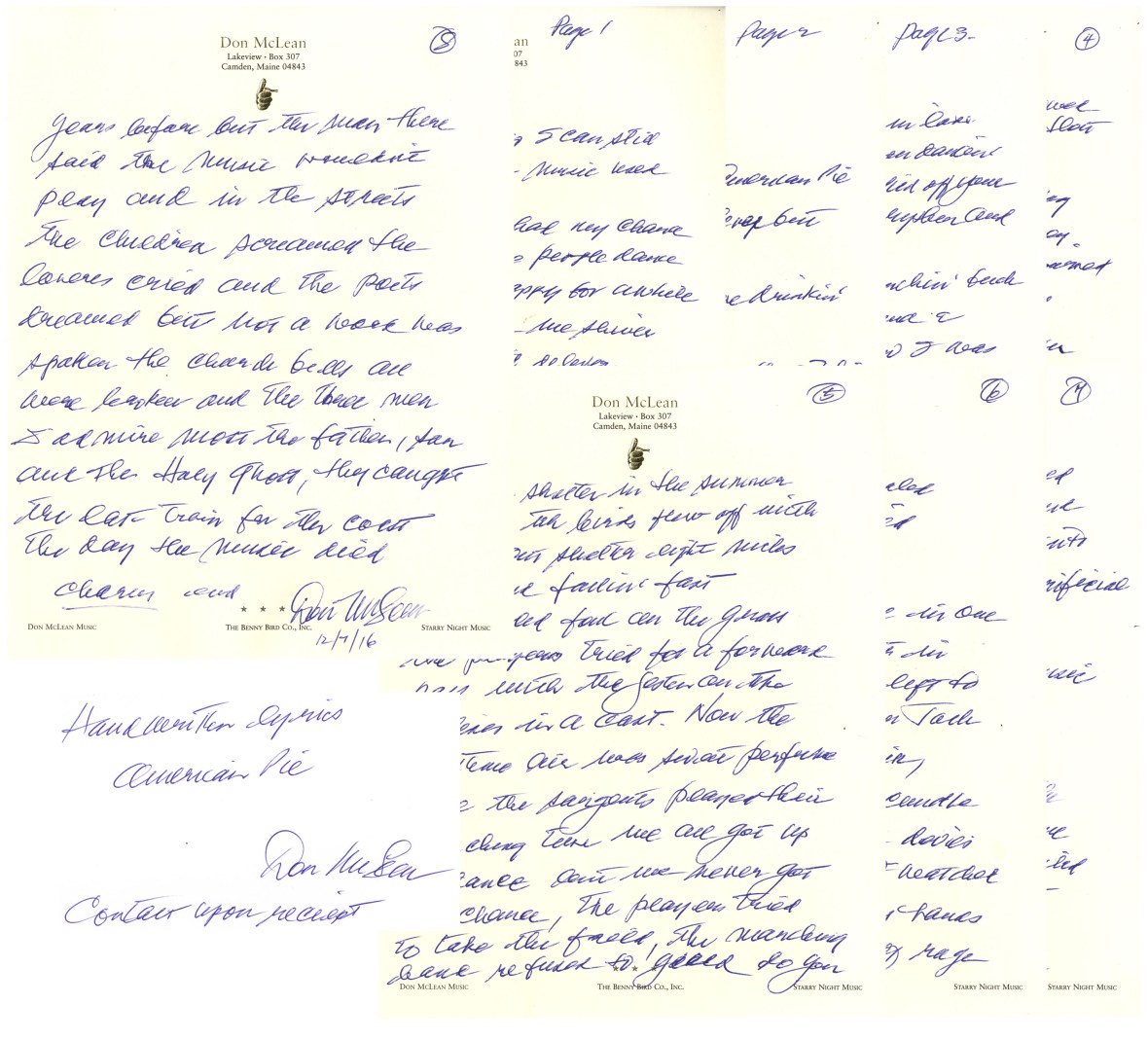 In February 2015, McLean announced that Christies Auction House in New York City would sell his original lyrics for the iconic song. McLean explained his reasoning in Rolling Stone magazine: “I’m going to be 70 this year. I have two children and a wife, and none of them seem to have the mercantile instinct. I want to get the best deal that I can for them. It’s time.” The lyrics are 18 pages and contain 237 lines of manuscript and 26 lines of typed text and includes lines that didn’t make the final version as well as extensive notes. Christie’s described the lot as “Comprising: 4 pages manuscript in pencil on four sheets of blue paper stock, 11 pages manuscript on 10 sheets in pencil and ink on ruled spiral paper (including one a half sheet), 2 pages manuscript in pencil on two sheets of yellow paper stock, and one page typed manuscript on blue paper (with four lines holograph notes on verso in purple ink and pencil). Together 18 pages of manuscript on 17 sheets. ” The lot sold on April 7, 2015 for $1.2 million ($1.57 million with buyer’s premium).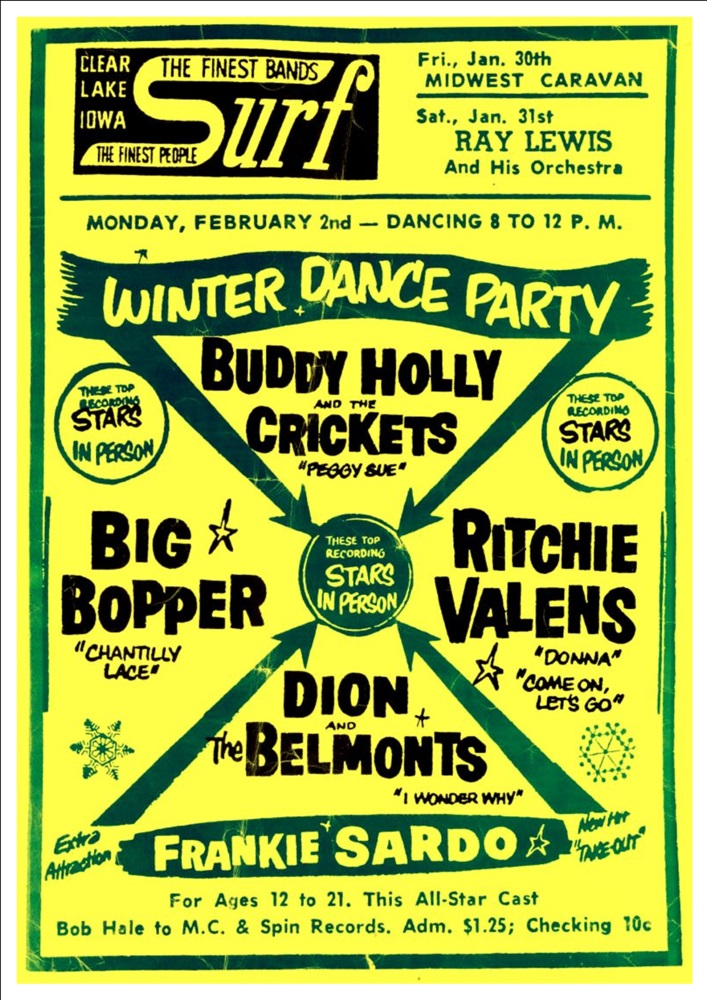
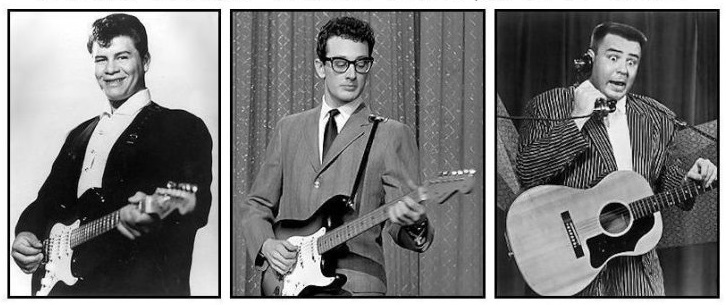
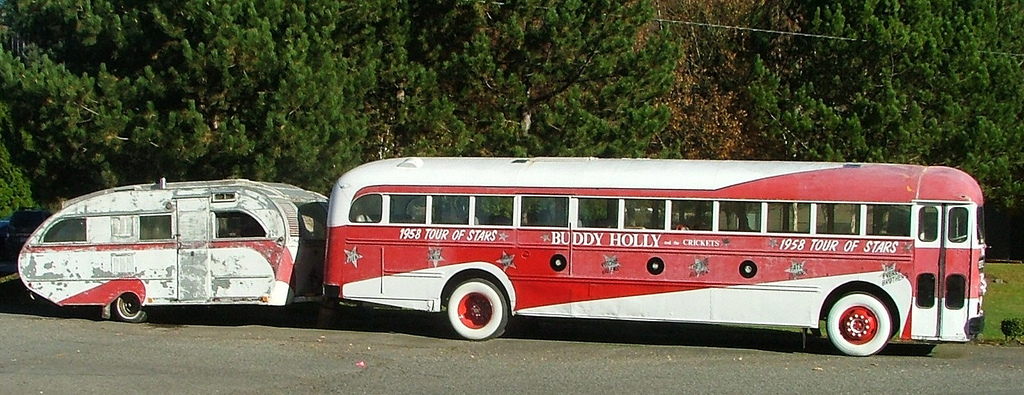
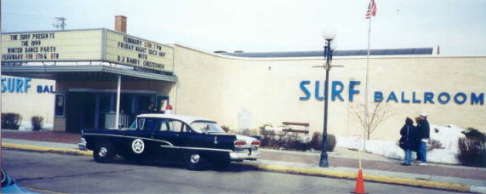
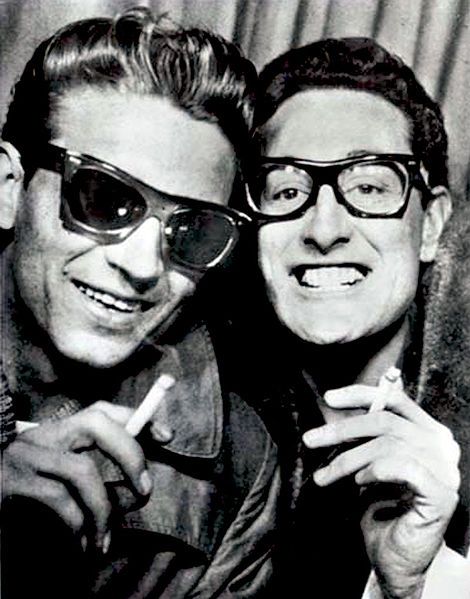
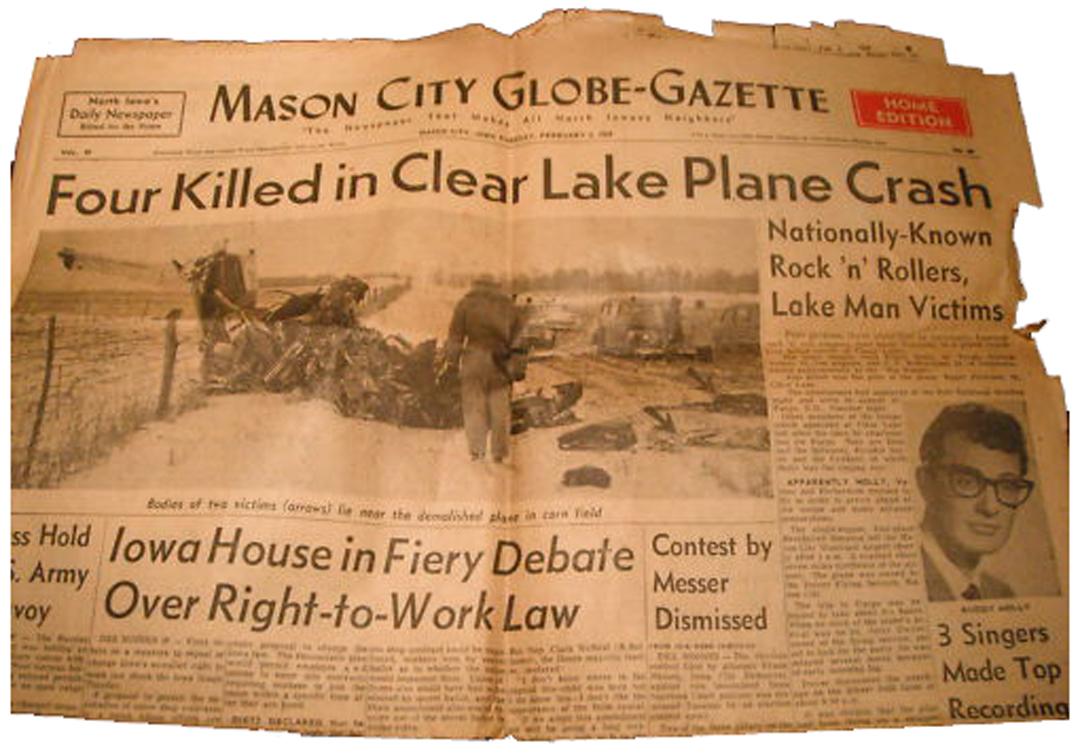
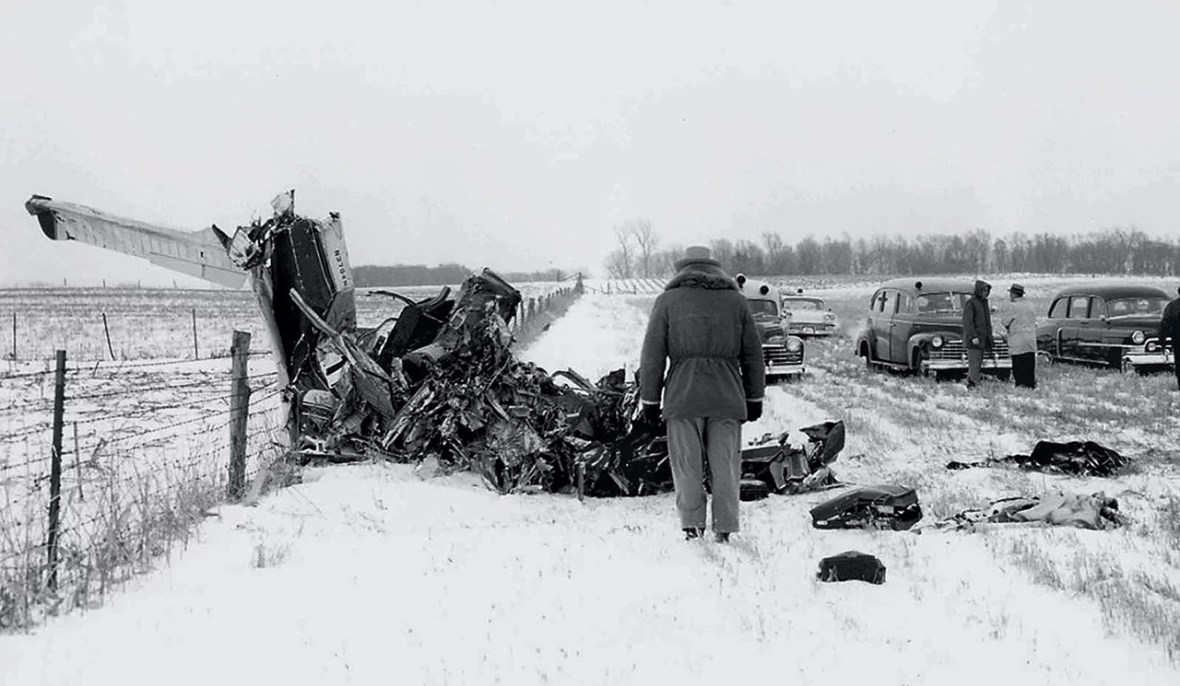 The Bonanza had banked steeply to the right and entered a nose-down death spiral before it augured in at around 170 mph. The right wing tip hit the ground first, sending the aircraft cartwheeling across the frozen field for 540 feet before coming to rest against a wire fence at the edge of Juhl’s property. The bodies of Holly and Valens had been ejected from the torn fuselage and lay near the plane’s wreckage. Richardson’s body had been thrown over the fence and into the cornfield of Juhl’s neighbor Oscar Moffett, while Peterson’s body was entangled in the wreckage. The County coroner certified that all four victims died instantly, citing the cause of death as “gross trauma to brain” for the three artists and “brain damage” for the pilot.
 The charter plane’s wreckage was strewn across nearly 300 yards of snow-covered cornfields. The death certificate issued by the Cerro Gordo County Coroner noted the clothing Holly was wearing, the presence of a leather suitcase near his body and the following personal effects: Cash $193.00 less $11.65 coroner’s fees – $181.35, 2 Cuff links: silver 1/2 in. balls having jeweled band, Top portion of ball point pen. Notably missing from the list were Holly’s signature eyeglasses.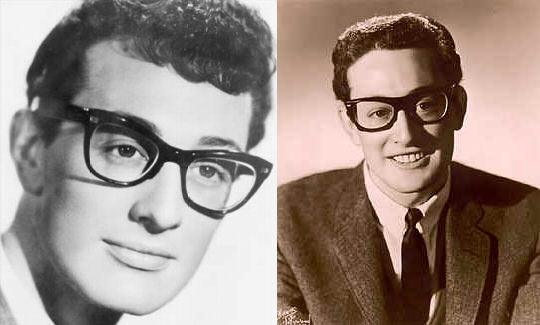
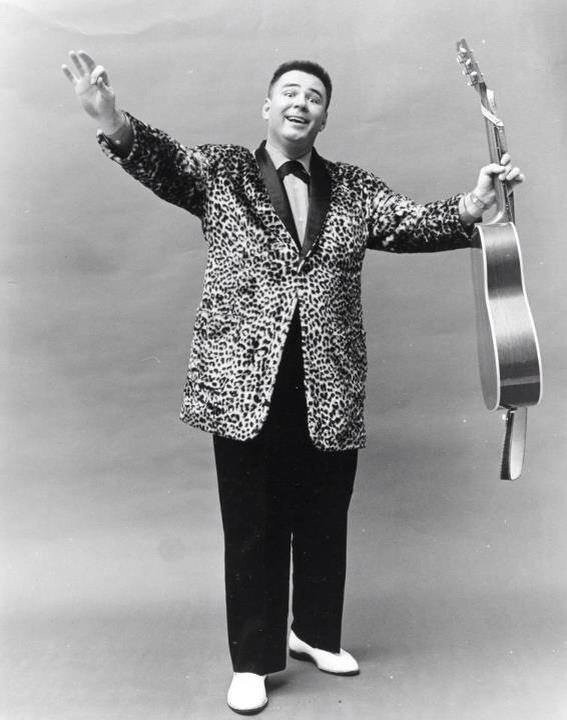
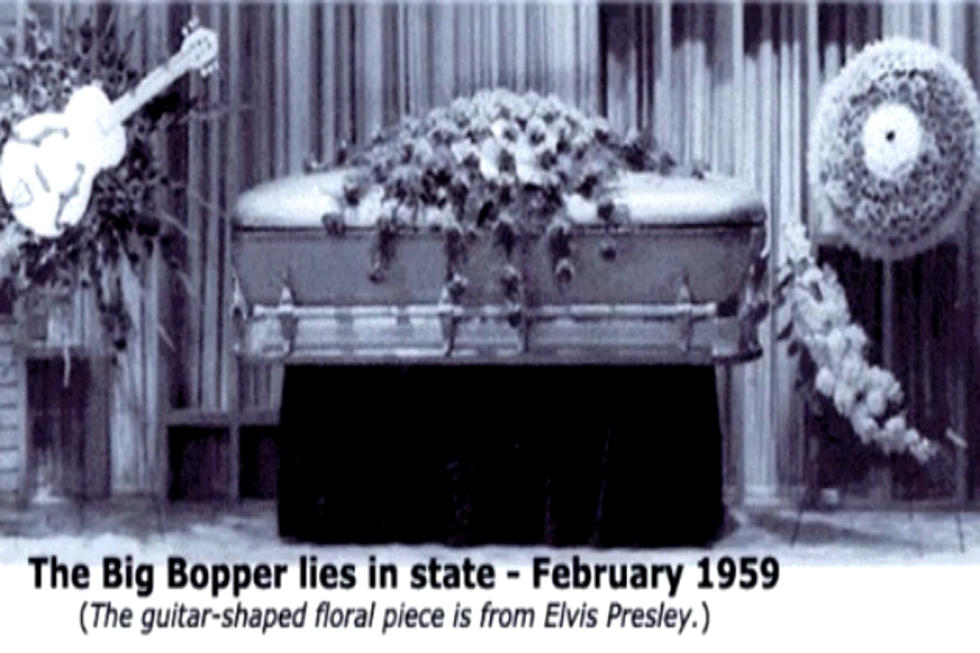 Remarkably, The Bopper’s thick brown hair was “still perfectly coiffed in his familiar, 1950s flat-top.” Strangely, the Bopper’s son Jay was present during the entire autopsy. On the subject of the Bopper’s still perfect flattop, his son stated, “It was awesome.” and went on to say, “I talked to him. I got to know my dad a little better.” Jay, showing signs that he inherited his father’s droll humor, joked that the Big Bopper would never have chosen to be buried in such a tie. The Bopper was re-interred in a replacement casket donated by the Batesville Casket Co. of Batesville, Indiana in March of 2007.
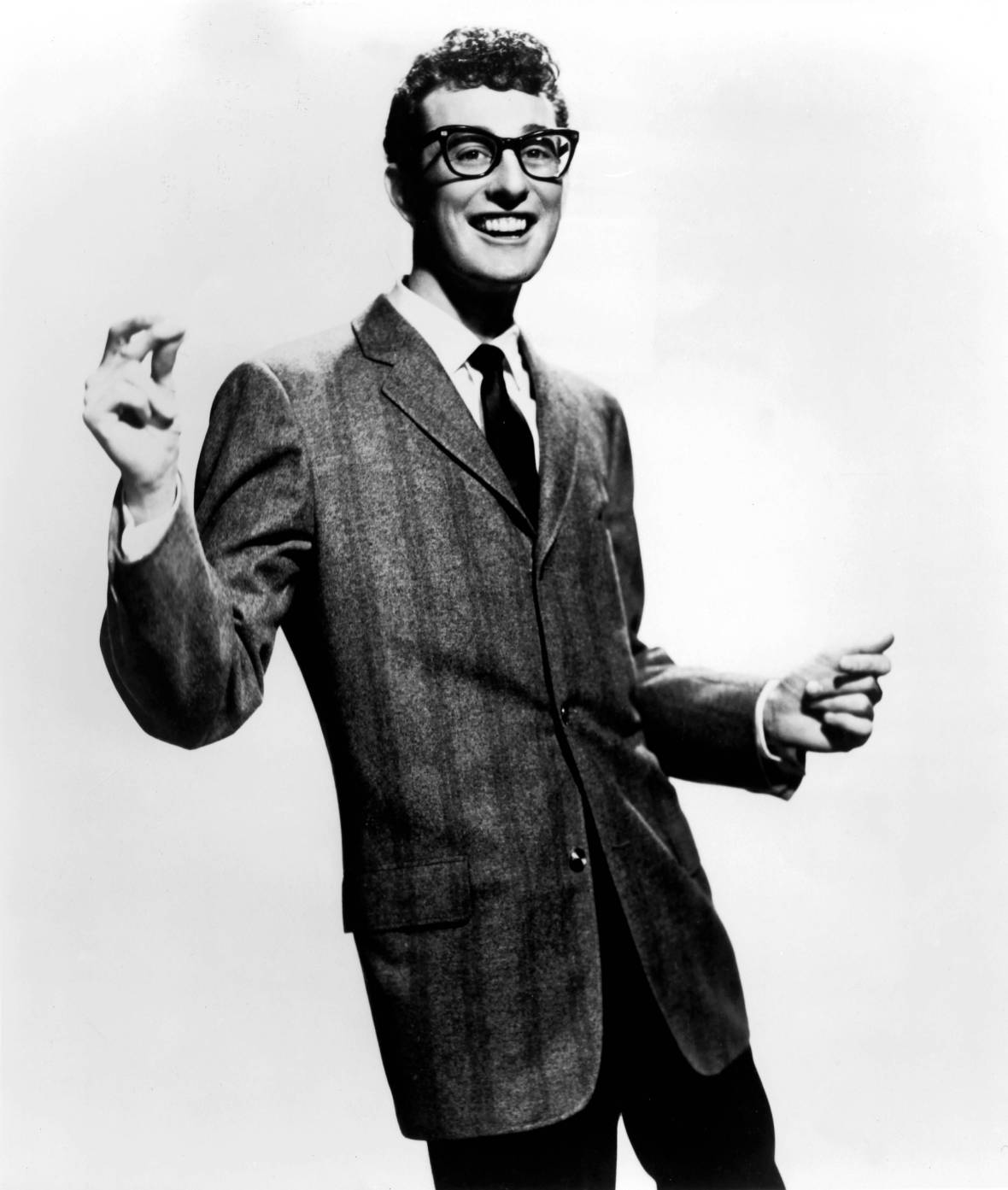 And whatever happened to those glasses? When that envelope was discovered, Holly’s parents claimed the glasses, as did his widow, and on March 20, 1981, a judge awarded the eyeglasses to María Elena in the same Mason City courthouse where they were discovered. Maria kept them until October 1998, when she sold them to Civic Lubbock, the nonprofit cultural organization that created the Buddy Holly Center. The price was $80,000. Today the glasses, visibly scarred from the plane crash, are on exhibit at the center, in a case near Holly’s Fender Strato-caster guitar. Other pieces in the collection include Buddy’s stage clothing, letters, photos, and a book containing handwritten song lyrics.
