
Original publish date: January 16, 2020
There has been a lot of hubbub going around lately about the latest Star Wars movie “The Rise of Skywalker” from Walt Disney studios and the new Star Wars themed lands in Disneyland and Disneyworld’s Hollywood Studios known as “Star Wars: Galaxy’s Edge.” Disney purchased Star Wars parent company, Lucasfilms, for $4.05 billion in cash and stock on Oct. 30, 2012 and recouped their investment in just a few short years. The four Disney Star Wars movies alone grossed more than $4.8 billion at the box office. That figure doesn’t even count any monies generated by the franchise in merchandising or at the theme parks, which opened in 2019.
What would you think if I were to tell you that the Disney / Star Wars merger was not the first “big idea” to land on the house of the mouse doorstep? There was another big idea that was nearly floated out of Anaheim over fifty years ago. And this one came from “Uncle Walt” himself. Well, to paraphrase Winnie the Pooh, Walt Disney’s rumbly tummy anyway. Believe it or not, there was a time when Disneyland and McDonald’s nearly partnered up.
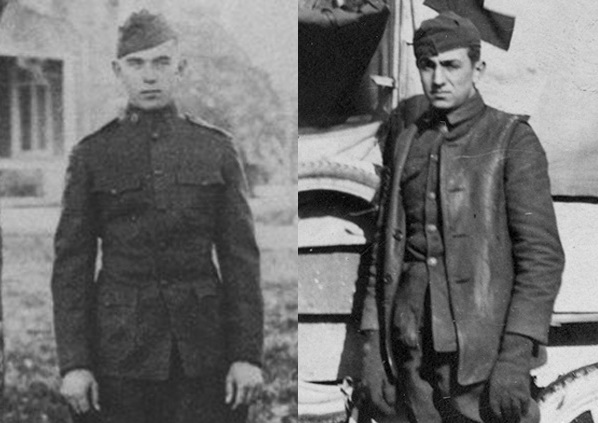
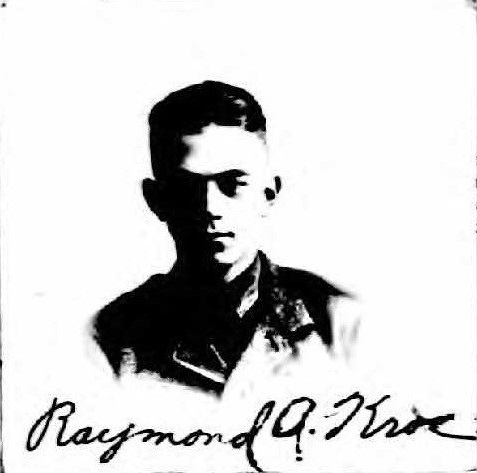
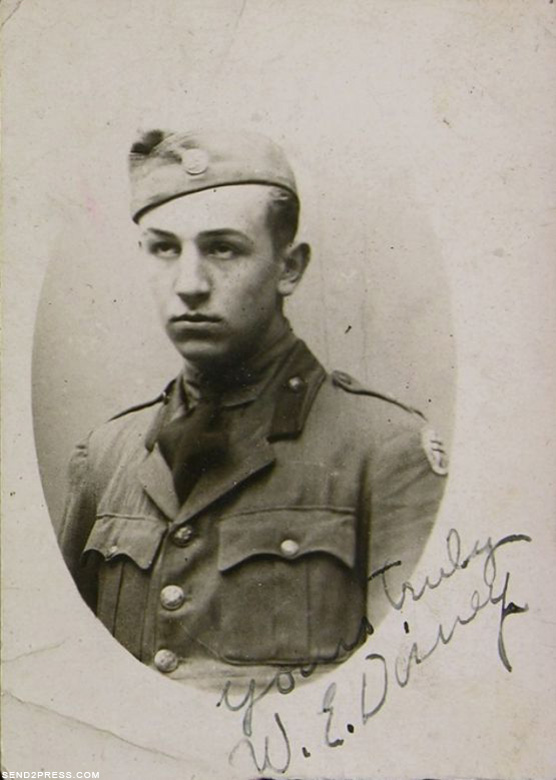
This was not a proposal made by a couple of opportunistic bandwagon jumpers, there was history behind this love affair. Walt Disney and Ray Kroc first met in a Connecticut Army camp in 1918 while both were teenaged dreamers known only to their families. Both men were born near Chicago, Illinois less than a year apart. Walter Elias Disney in Chicago’s Hermosa neighborhood on December 5, 1901 and Ray Albert Kroc in Oak Park, Illinois, on October 5, 1902.
In mid-1918, Walt Disney dropped out of high school at 16 and attempted to join the United States Army to fight against the Huns, but he was rejected because he was too young. Undeterred, Disney forged the date on his birth certificate and joined the Red Cross in September 1918 as an ambulance driver. Ironically, Walt began his ambulance corps training at a burned down amusement park near the University of Chicago where he was taught by mechanics from the Yellow Cab Company how to repair motors and drive cars over rough terrain.
Likewise, Ray Kroc dropped out of school, lied about his age and joined the Red Cross as an ambulance driver at the age of 15. Disney was shipped to France, arriving in November, after the armistice. The only action Disney participated in was drawing cartoons on the side of ambulances. As for Kroc, the war ended shortly after he enlisted. In his 1977 autobiography “Grinding It Out: The Making of McDonald’s”, Ray Kroc said this about his old war buddy, “In my company, which assembled in Connecticut for training, was another fellow who had lied about his age to get in. He was regarded as a strange duck, because whenever we had time off and went out on the town to chase girls, he stayed in camp drawing pictures. His name was Walt Disney.”
While training to be a driver in Ambulance Company A, Disney and Kroc became friends. Ironically, at the same time, a couple of young idealistic writers, also from Chicago, were serving in the ambulance corps; Ernest Hemingway and John Dos Passos. These four men shared not only an occupation but a desire to revolutionize American writing, entertainment and pop culture. However, this article ain’t that deep and talking about Hemingway and Dos Passos is above my pay grade. This article is about pop culture at it’s finest.
After Ray and Walt returned to the US, independently, they both headed out to Southern California seeking fame and fortune. Disney as an animator, even though the cartoon industry was headquartered in New York City, and Kroc as a businessman, even though California was still a relative unknown in the business world. Disney struggled for a time but finally caught on in 1928 with a cartoon about a mouse called “Steamboat Willie”—the first cartoon with synchronized sound. For Kroc, it would take a little bit longer for his ship to come in: 26 years to be specific.
Disney’s story is well known, but Kroc’s story might be worth a revisit. Kroc was working as a traveling salesman for the Mixmaster Corporation when he met two brothers who were tearing it up in San Bernardino. Richard and Maurice “Mac” McDonald, who curiously shared the same middle name (James), developed a restaurant using what they called the “Speedee Service System.” The new restaurant proved a rousing success, especially with teenagers, and the brothers were soon making $40,000 a year, big money back then.
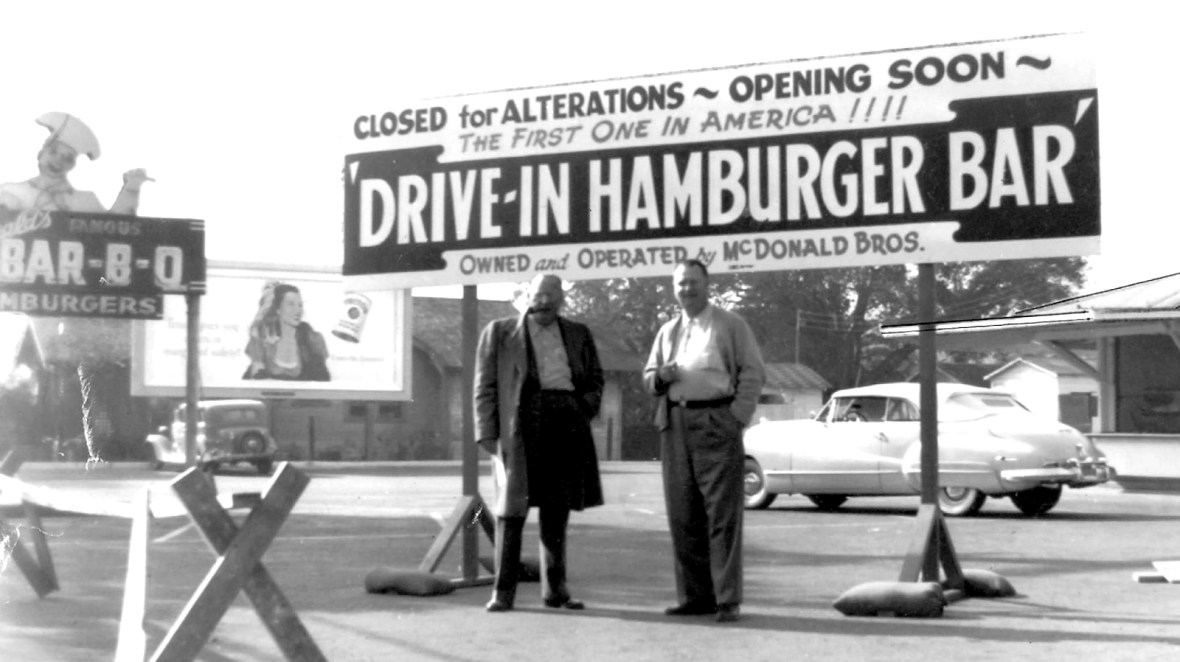
By 1953, the brothers had set their sights on franchising with a goal of making $1 million before they turned 50. Their first step was to buy eight shiny new milkshakes machines. Curious why one business would need eight machines, Ray visited the McDonalds’, took one glance at the brothers’ method of cooking hamburgers “assembly-line-style” to get the food out to the customers more quickly and he immediately saw dollar signs. In 1954, the McDonald brothers partnered with Ray Kroc. Around this same time (April 1954) Walt Disney unveiled his plans for a bold new concept in family fun parks he planned to call Disneyland.
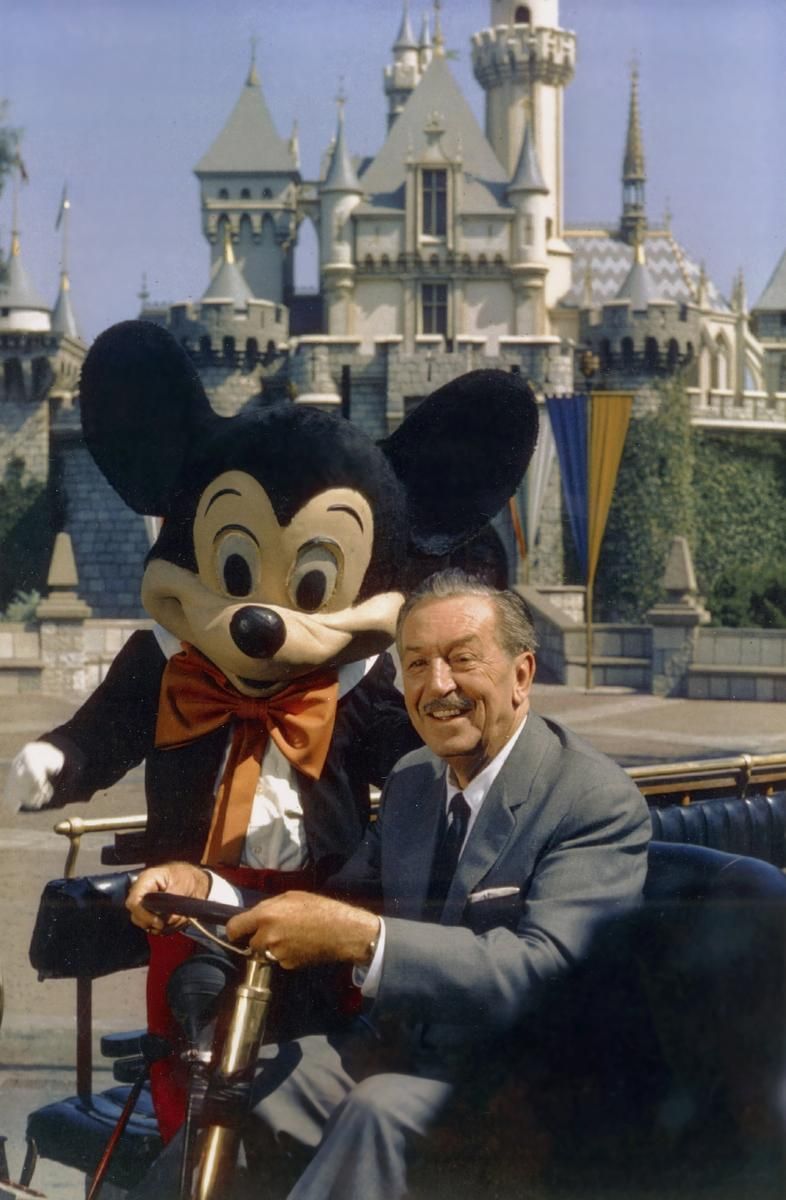
As soon as Ray Kroc heard the news about this new mega-fun park, he knew that hungry teenagers would flock to it by the carload. Kroc knew that he’d finally found the perfect place to build his first McDonald’s franchise. In late 1954, Ray sent a letter to his old ambulance corps buddy, it read, in part, “Dear Walt…I look over the Company A picture we had taken in Sound Beach, Conn. many times and recall a lot of pleasant memories.” Then Kroc cut to the chase, “I have very recently taken over the national franchise of the McDonald’s system. I would like to inquire if there may be an opportunity for a McDonald’s in your Disneyland Development.”
Walt responded cordially to the former Red Cross ambulance driver’s note by saying that he would be handing the proposal over to the Disneyland executive in charge of concessions. Walt explained that he was “currently confining his activities to the creative side” while the Disney Company “raced to complete the theme park on time.” The Disney Archives has a copy of Kroc’s letter and Walt’s response. Kroc claimed he never received a response from the vice president in charge of concessions.
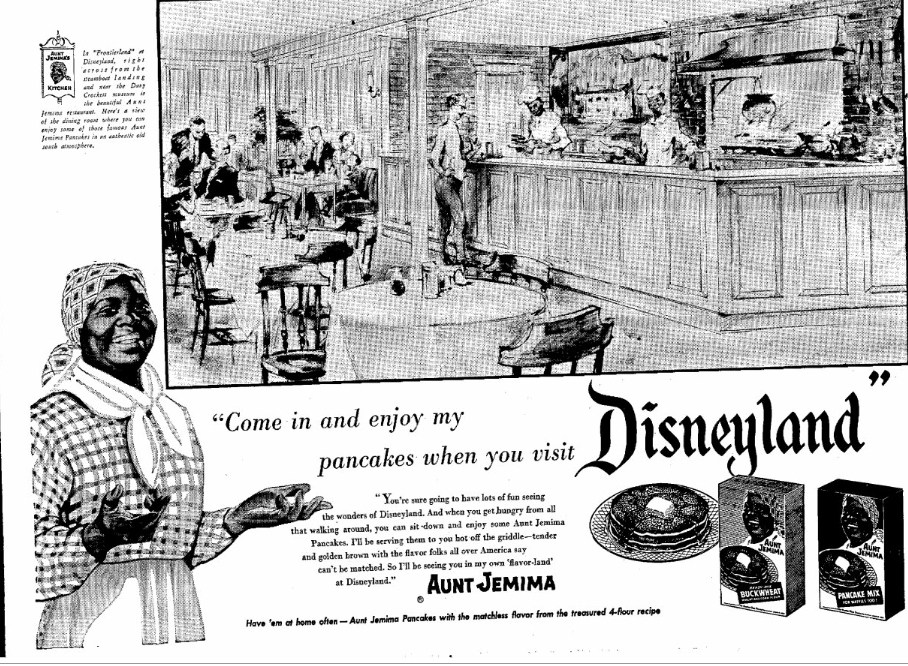 From there, well, nobody knows. For the answer, you need look no further than the fact that there are no McDonald’s at Disney. It should be noted that there were SOME franchise restaurants in Disneyland during those first first years. They included the Aunt Jemima pancake and waffle house in Frontierland and the Chicken of the Sea Pirate Ship in Fantasyland.
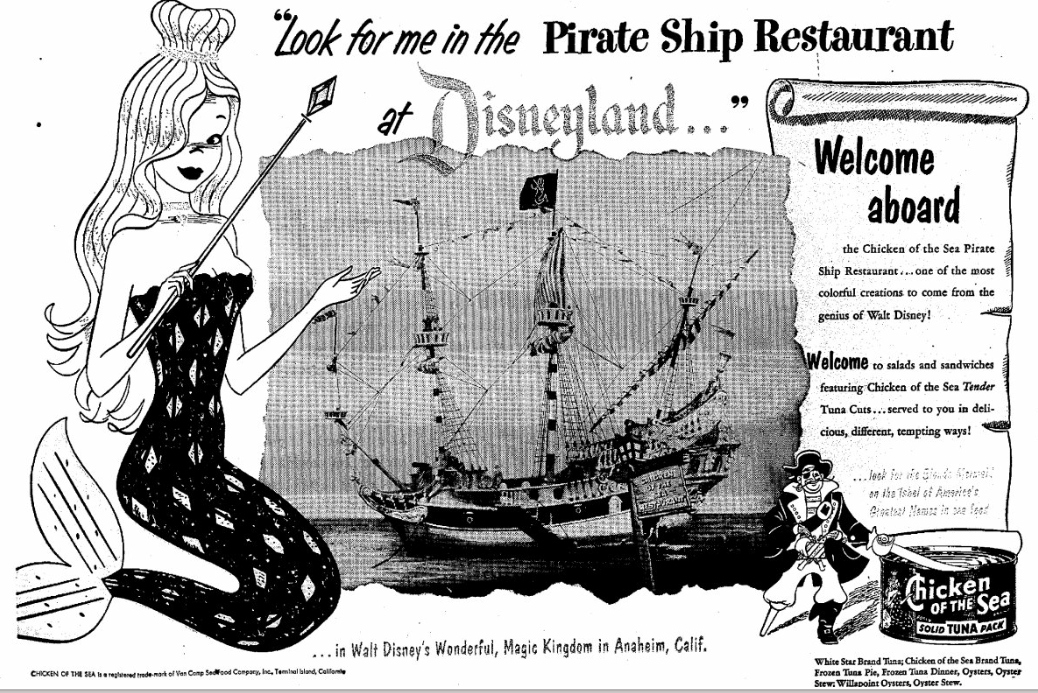 To his dying day, Ray Kroc insisted that the reason the “world’s first McDonald’s” was not featured inside Disneyland at the park’s July 17, 1955 grand opening was because the head of concessions had tried to force Ray to raise the price of his french fries by a nickle (from 10 cents to 15 cents) for the Disneyland crowd. Kroc, the man in charge of McDonald’s franchising, believed that he was being charged a franchise fee by virtue of Walt Disney Productions tacking on a concessionaire’s fee. Kroc, the consummate businessman, said he wasn’t about to give away 1/3 of his profits while gouging his customers. Great story, but by the time Disneyland debuted, Kroc had only opened one McDonald’s franchise (in Des Plaines, Illinois on April 15, 1955). So he had no loyal customers to offend…yet. Well, no customers within 2,000 miles anyway.
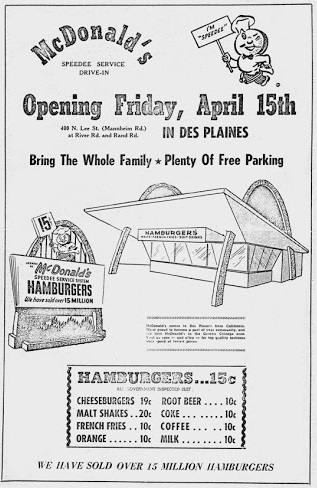 It is more likely to say that while the executives in charge of Disneyland’s concessions were undoubtedly intrigued by Ray’s “fast food” proposal, “war buddy” or not, Kroc just didn’t have enough experience in the restaurant business to take that gamble. So, despite how Kroc spun the tale to reporters from the 1950s forward, while there was some discussion of putting a McDonald’s inside the theme park, the project never really made it past the talking stage. But Ray Kroc would never let the truth stand in the way of a good story.
Ray Kroc eventually bought the brothers out in 1961, a year after Walt Disney received TWO stars on the Hollywood walk of fame: one for movies, the other for television. All business partnership questions aside, the parallels between the two men continued. Both men were vehement conservative Republicans. Disney famously wore a Barry Goldwater for President pin to the White House in 1964 when President Lyndon B. Johnson presented the Presidential medal of Freedom to the animator. Kroc donated $255,000 to Richard Nixon’s reelection campaign in 1972, and was accused by some, including N.J. Senator Harrison Williams, of trying to influence Nixon to veto a minimum wage bill making its way through Congress (which was a $ 1.60 per hour by the way).
Both men were brilliant businessmen. Both were always looking to the future. Both would be categorized as “control freaks” today. And both men were among the first to market their product specifically to children. But there was one major difference. While Kroc had a legendary temper and was famous for holding a grudge, Disney retained a childlike innocence and truly enjoyed people. While it is true that the Golden Arches never made it onto Main Street USA, they still found a place in Walt Disney’s heart. Or maybe it is more accurate to say, his stomach.
Perhaps unsurprisingly, Walt Disney , the ultimate imagineer, was one of the first businessmen in America to utilize a personal airplane for business and travel. Actually, he had three. Although Walt never got a pilot’s license, he frequently sat in the co-pilot’s seat. Lillian Disney disapproved strongly of her husband’s desire to fly. Once, after Walt announced from the cockpit: “This is your captain speaking”, Lillian jumped from her seat and stormed towards the cabin. Walt quickly backed off by saying: “No, not the captain. This is the commander in chief of the whole damned outfit!”
Walt’s first plane was an eight passenger Beechcraft Queen Air Model 80, which Walt bought in February of 1963 and used until 1965. The twin engine turboprop, nicknamed “The Queen” by Disney, had a top speed of 247 mph, a list price of $135,000 and a large circular logo of the “Mickey Mouse Club” near the nose. Legend states that it was this plane that Walt used to fly over central Florida to pick the spot for his Disney World complex nine months after purchase.
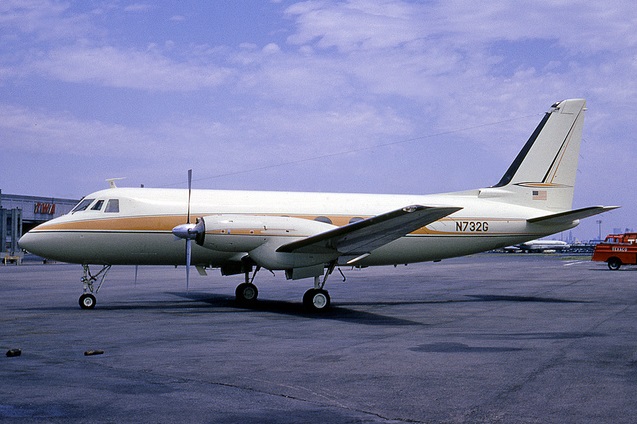
In March of 1964, the small cabin of the Queen Air necessitated an upgrade to a used Grumman Gulfstream G-159 one, tail number N732G. This new tan and brown plane was a significant upgrade with a cruising speed of 350 mph at 30,000 feet. It was a smooth ride to the 1964-65 New York World’s Fair, while Walt was busy working on his “Great Moments with Mr. Lincoln” and “It’s a Small World” projects. At one time it was the most highly utilized Gulfstream I in the country.
In July of 1965, Walt purchased a Beechcraft King Air Model 90, which he used from 1965 to 1967. The Beechcraft could carry 10 passengers, including a flight crew of two. It was powered by a pair of Pratt and Whitney PT-6 Turboprop engines, capable of cruising at 270 mph at 23,000 feet. Fully equipped, its list price was $320,000. Perhaps most importantly, this new plane carried the tail number N234MM. The King Air was fast and quiet, but the Gulfstream could get in and out of smaller airports much easier. So by 1967, the Gulfstream eventually ended up with the N234MM tail number and the forever designation as “Walt’s Plane”.
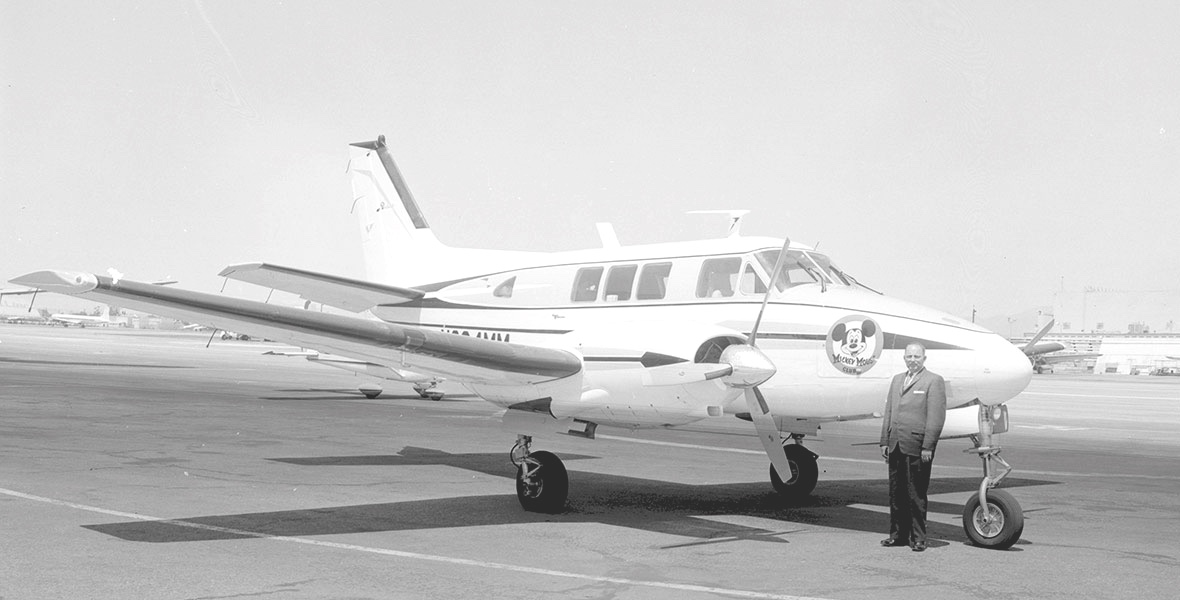
Disney pilots originally used “two-three-four-Metro-Metro” as their radio call sign but it soon morphed into “two-three-four-Mickey-Mouse” which was not a standard ICAO Aircraft call. Soon the FAA enroute controllers were also calling it “Mickey Mouse.” According to friends, Walt took delight in every aspect of flying. He loaded the luggage, served the drinks and supervised the galley. Even those with a passing knowledge of McDonald’s Ray Kroc’s personality realize it would find it hard to imagine the Golden Arches CEO doing any of that. 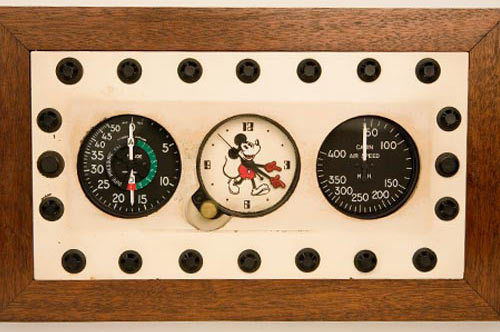
Walt’s “problem” was that he always liked to fly as low as possible, to study the landscape. Perhaps by decree of Lillian (or the insurance company) Walt ended up with his own personal seat in the back equipped with an altimeter and air speed indicator on the wall and a telephone direct to the pilot. During the 1960s, as Walt Disney was flying around the country overseeing World’s Fair attractions, selecting movie sets, participating in lawn bowling events (yes, he was a world class lawn-bowler) and planning more self-titled mega-theme parks, he would often land his plane to search for… a McDonald’s hamburger.
NEXT WEEK: Part II of Disney East McDonald’s
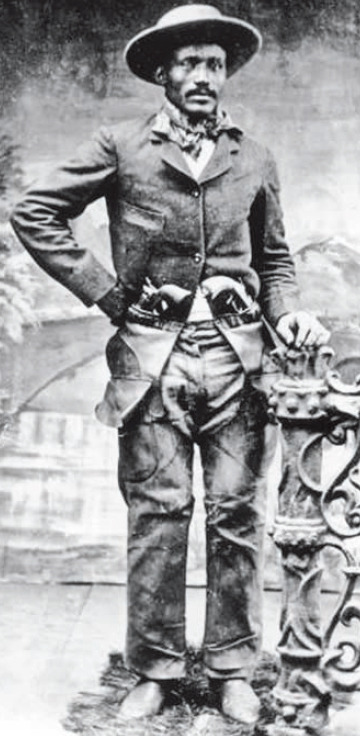
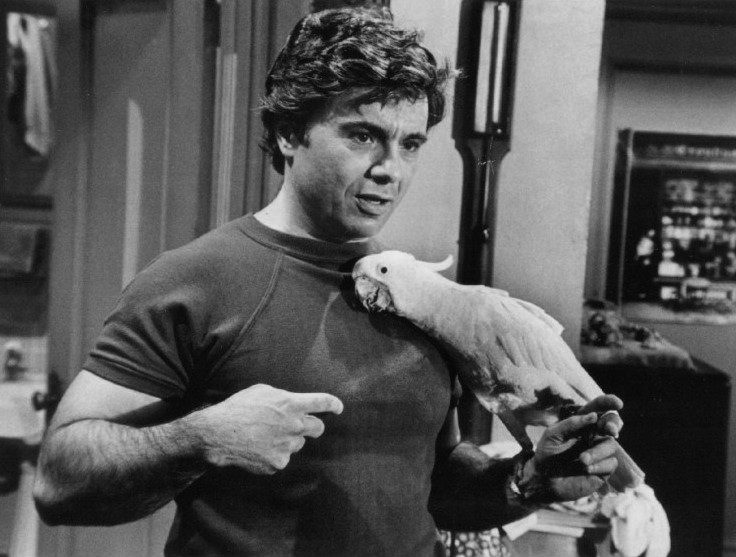
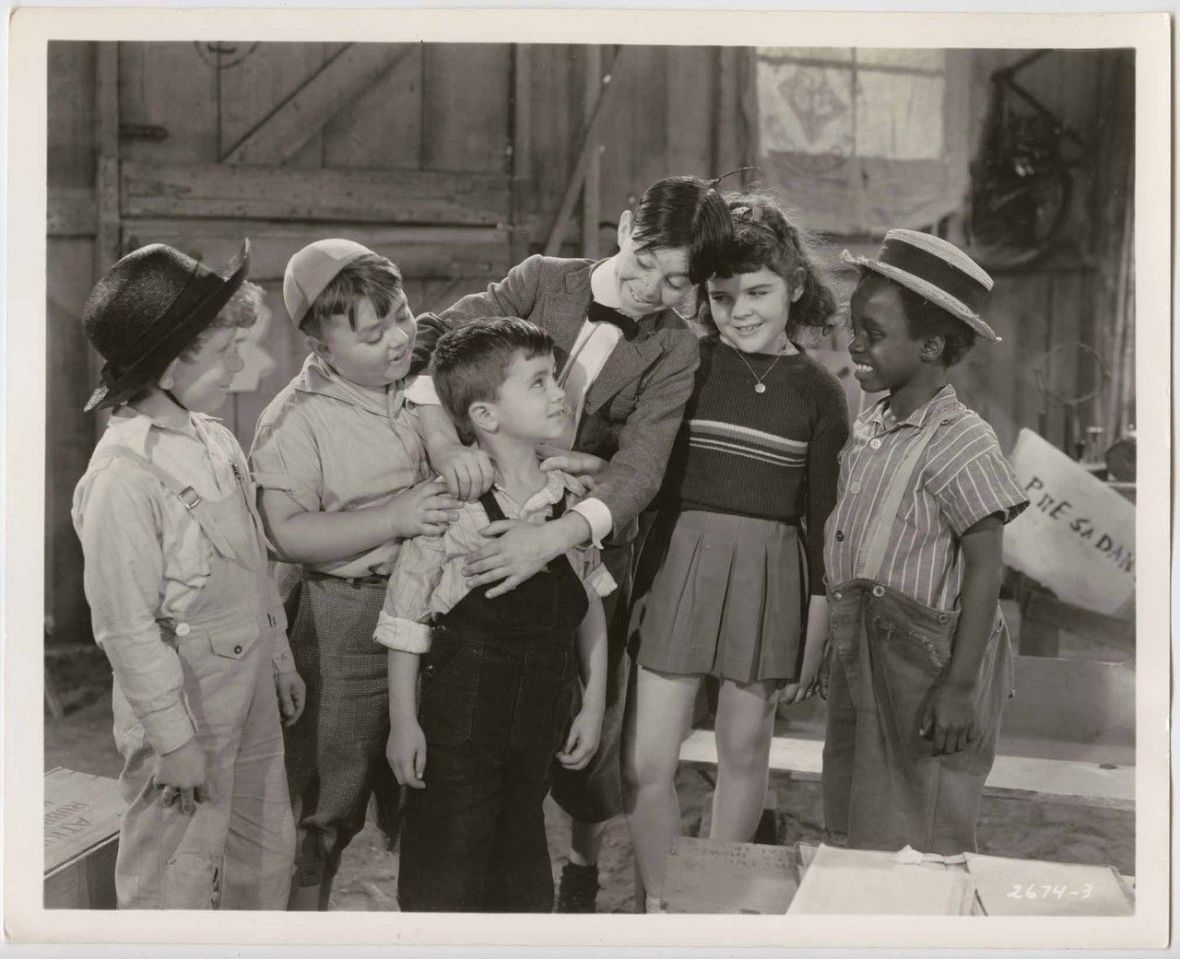
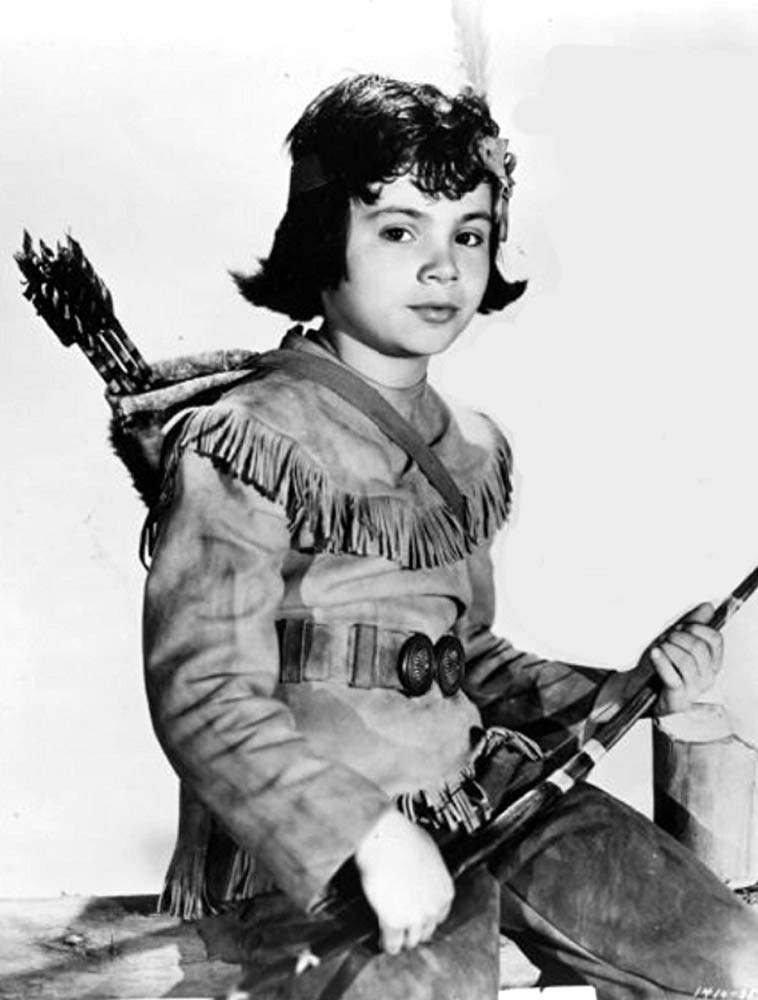
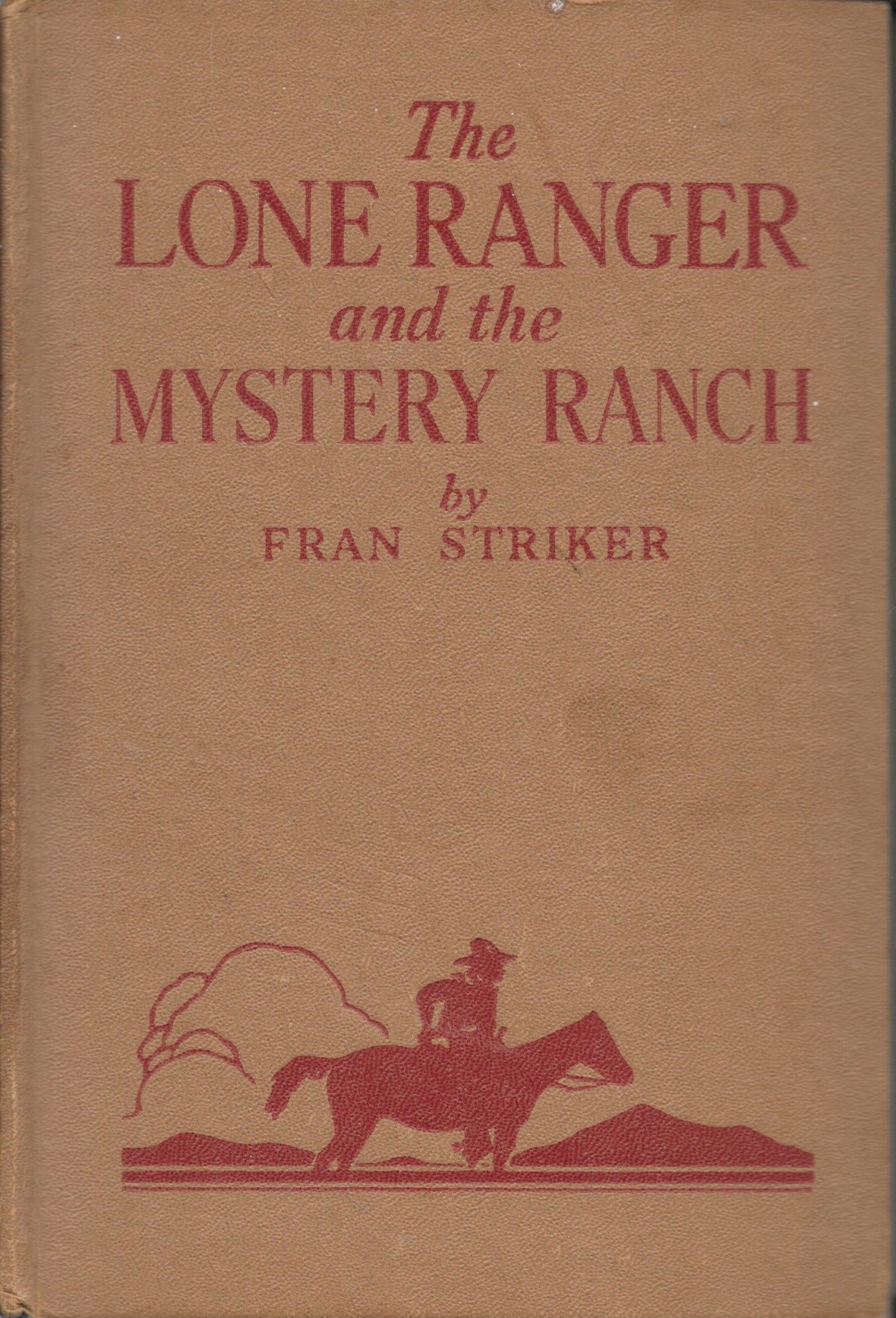 He also shared stories of the Lone Ranger from movie, television and real life. “The closest I ever got to the part was in 1945 when I played Little Beaver with Wild Bill Elliott in the Red Ryder serial “Lone Texas Ranger.” Blake said, “I always modeled Little Beaver after Tonto you know.” Keep in mind, this was WAY before Google in an age when these tidbits were only known to the participants. It was Robert Blake who first told me the true story of the Lone Ranger.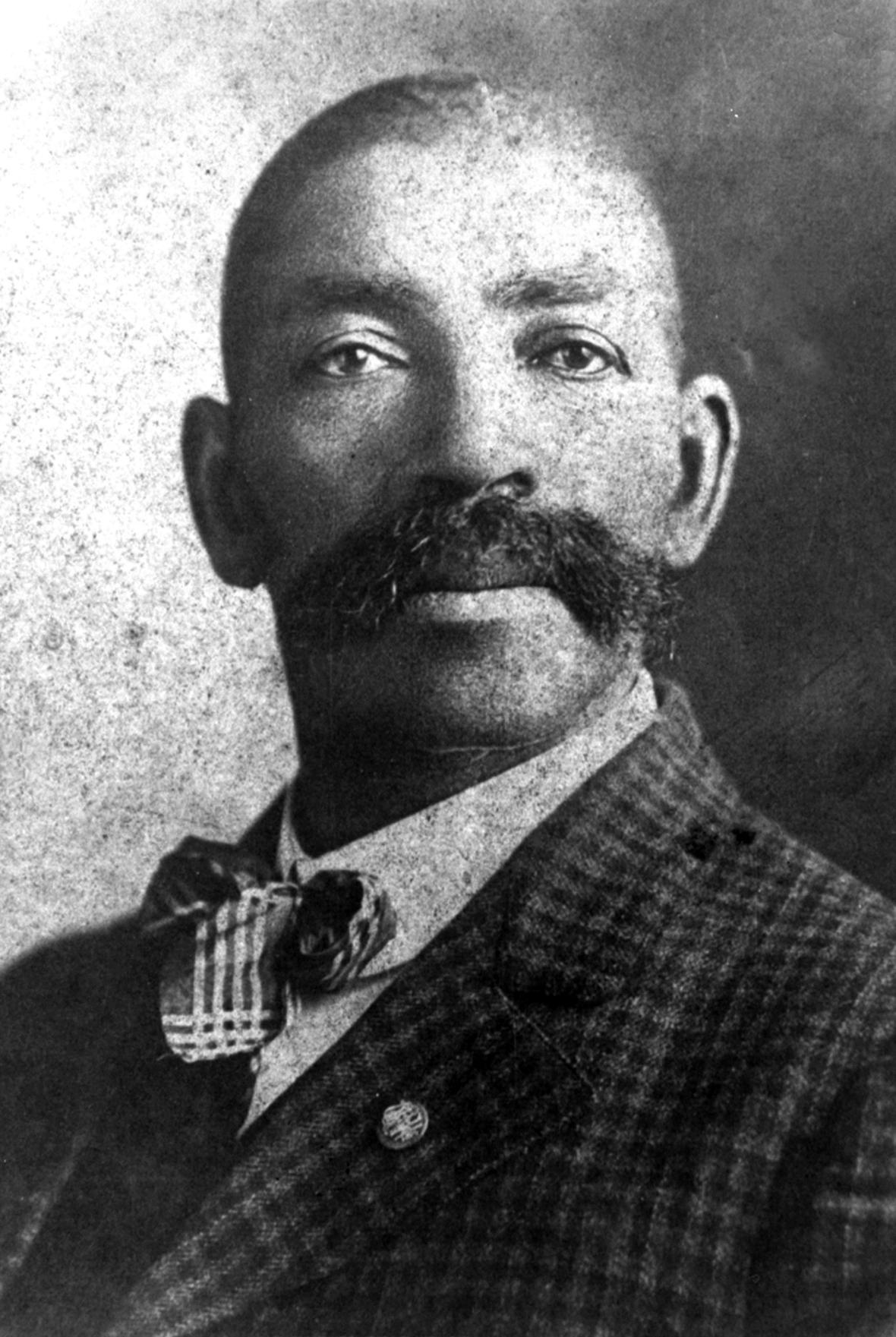
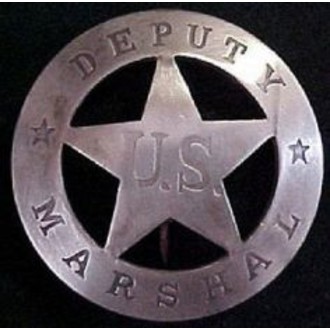 Reeves, born a slave in July of 1838, accompanied his “master” Arkansas state legislator William Steele Reeves’ son, Colonel George R. Reeves, as a personal servant when he went off to fight with the Confederate Army during the Civil War. Col. Reeves, of the CSA’s 11th Texas Cavalry Regiment, was a sheriff, tax collector, legislator, and a one-time Speaker of the Texas House of Representatives. During the Civil War, the Texas 11th Cavalry was involved in some 150 battles and skirmishes. Records are sketchy, but one report states that although 500 men served with the unit, less than 50 returned home at the end of the war.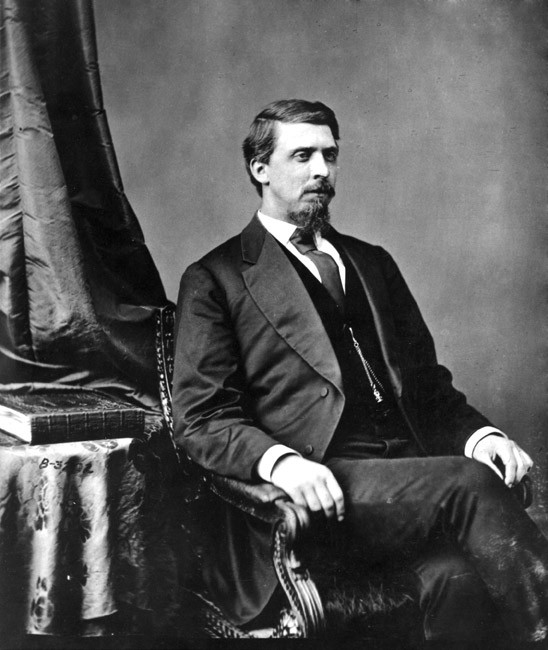
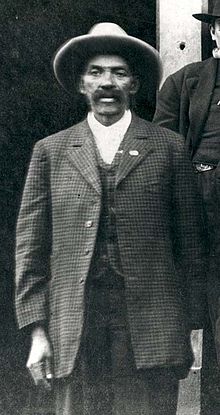
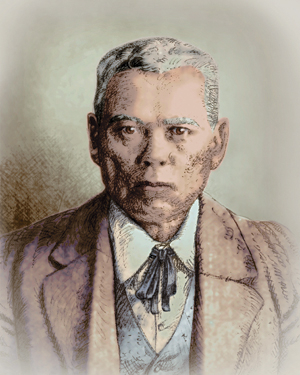
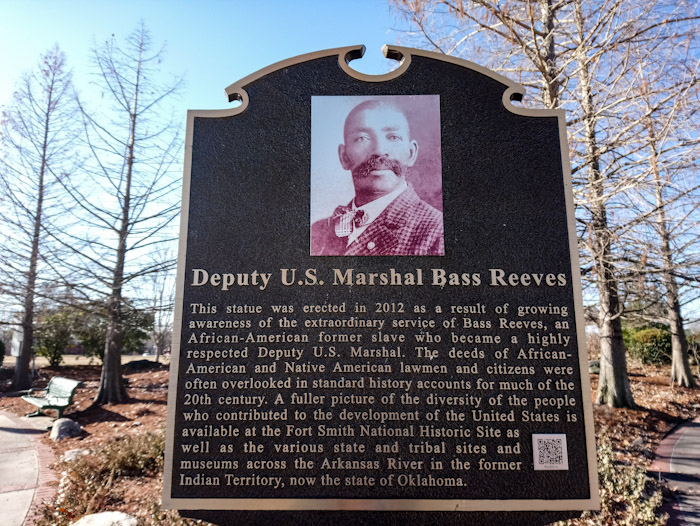 Ironically, Bass Reeves was himself once charged with murdering a posse cook. At his trial before Judge Parker, Reeves was represented by former United States Attorney W. H. H. Clayton, who had been his colleague and friend. Reeves was acquitted. On another instance, Reeves arrested his own son for murder. One of his sons, Bennie Reeves, was charged with the murder of his wife. Although understandably disturbed and shaken by the incident, Deputy Marshal Reeves nonetheless demanded the responsibility of bringing Bennie to justice. Bennie was eventually tracked and captured, tried, and convicted. He served his time in Fort Leavenworth in Kansas before being released, and reportedly lived the rest of his life as a responsible and model citizen.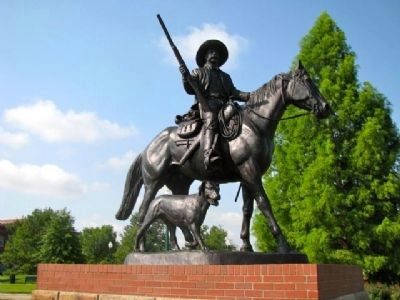
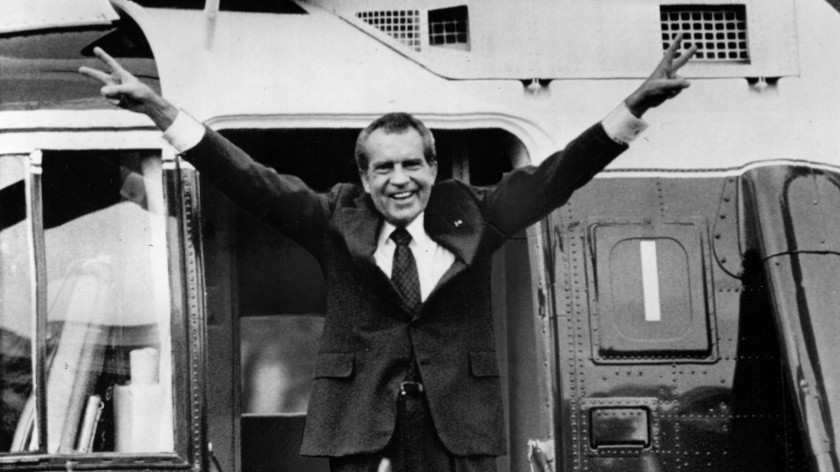 That Friday, President Richard Nixon refused to honor a subpoena by the Senate Watergate Committee to hand over tape recordings and documents during the impeachment proceedings. It would prove to be the beginning of the end of his Presidency and would lead to his resignation in disgrace eight months later. In Nixon’s hometown of San Clemente, California, the newspaper proclaimed, “President Nixon declined flatly today to produce any of the more than 500 documents subpoenaed by the Senate Watergate committee, branding the request “an overt attempt to intrude into the executive office to a degree that constitutes an unconstitutional usurpation of power.”
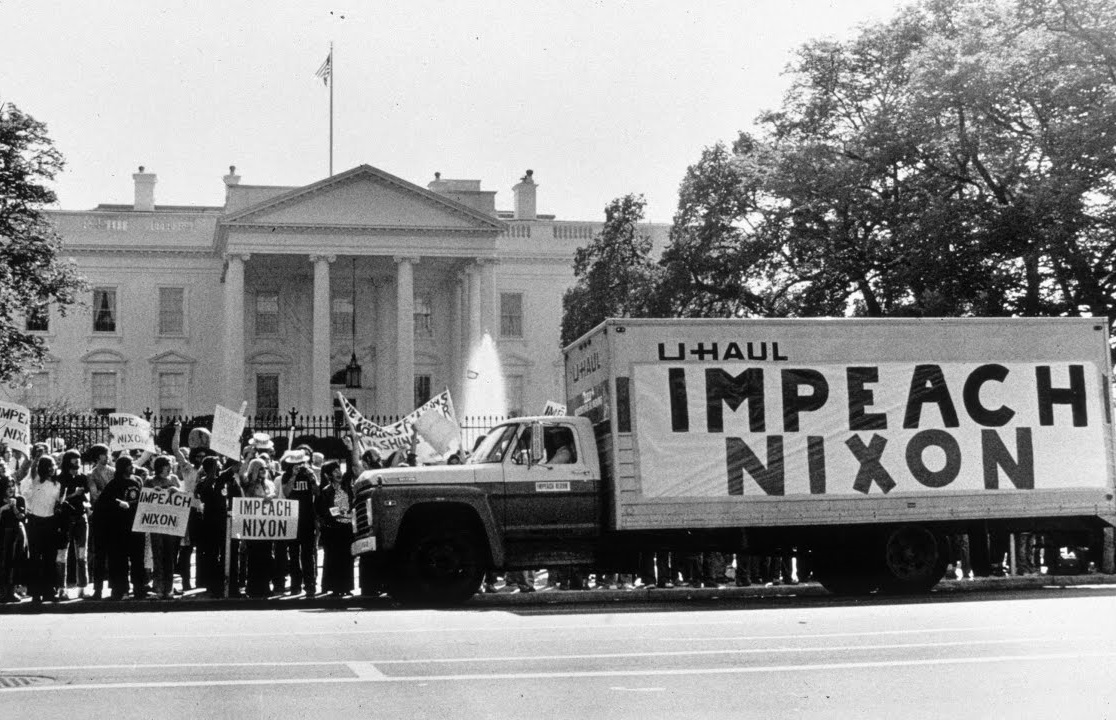 In a letter addressed to committee chairman (North Carolina Senator Sam J. Ervin Jr. Democrat), Nixon refused to supply recordings of his Oval Office conversations or any related written materials. The letter arrived on Capitol Hill three hours past the deadline set by the committee to hand over the documents. Speaking to reporters at the Western White House, “La Casa Pacifica” in San Clemente, Deputy Presidential Press Secretary Gerald L. Warren declined to say what his boss’s next move would be, or to comment on Federal Judge John J. Sirica’s threat of contempt-of-court action against Nixon.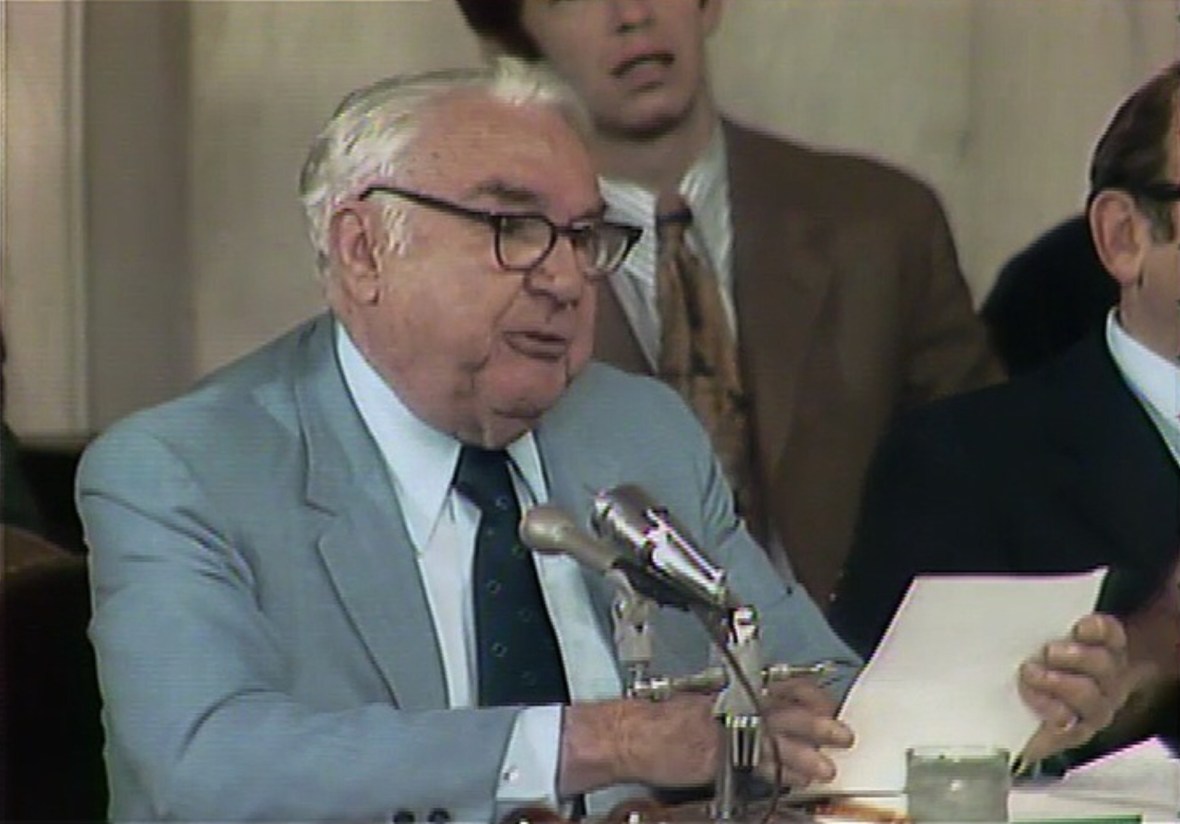
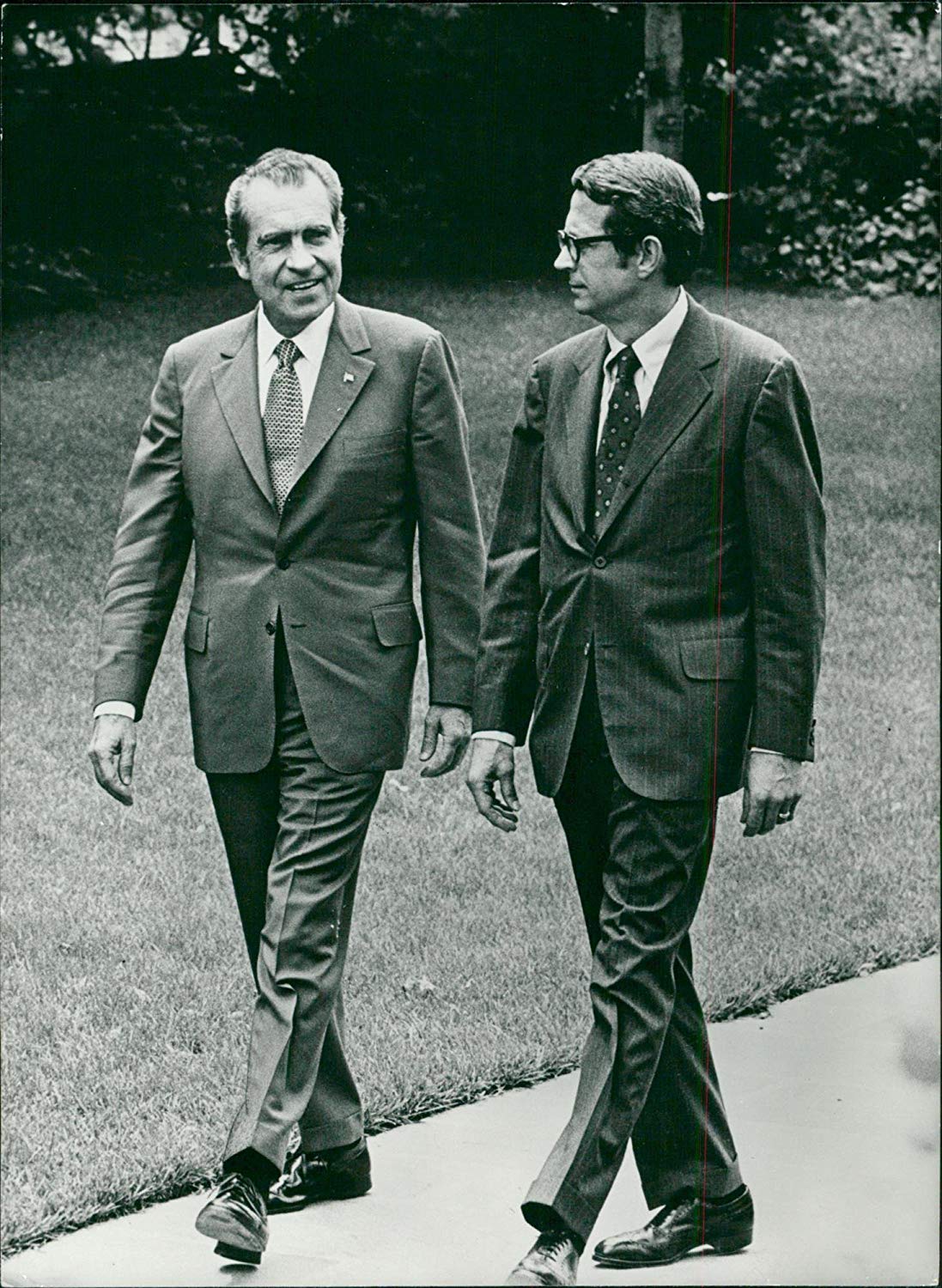
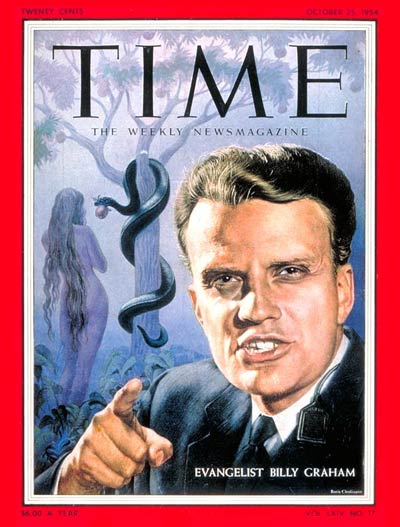 Graham instead remained more general in his remarks, even eschewing humorous suggestions by his inner circle that he preach on tithing in light of recent disclosures that Nixon reported less than $14,000 in total charitable contributions while reporting nearly $1 million over the past four years. The closest the evangelist came to the alleged scandal came when he spoke out on social justice. “We must remake the unjust structures that have taken advantage of the powerless and broken the hearts of the poor and dispossessed,” he asserted. But, he cautioned, “we all admit that we need some sweeping social reforms—and in true repentance we must determine to do something about it—our greatest need is a change in the heart.”
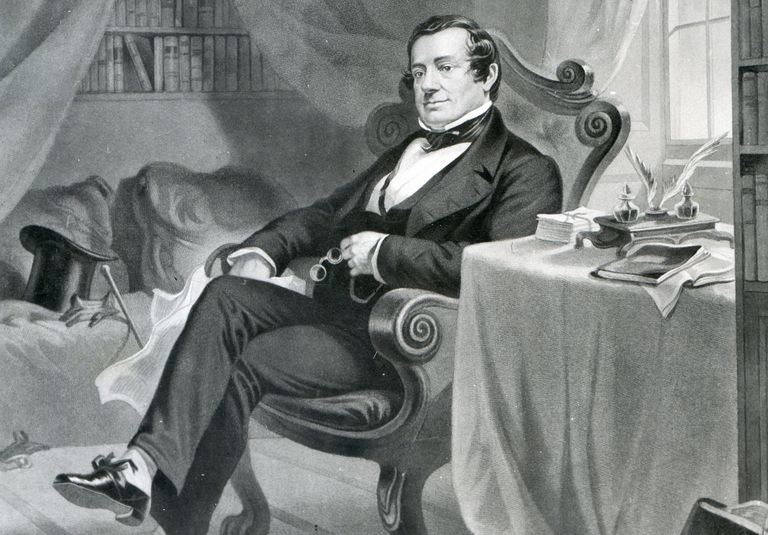
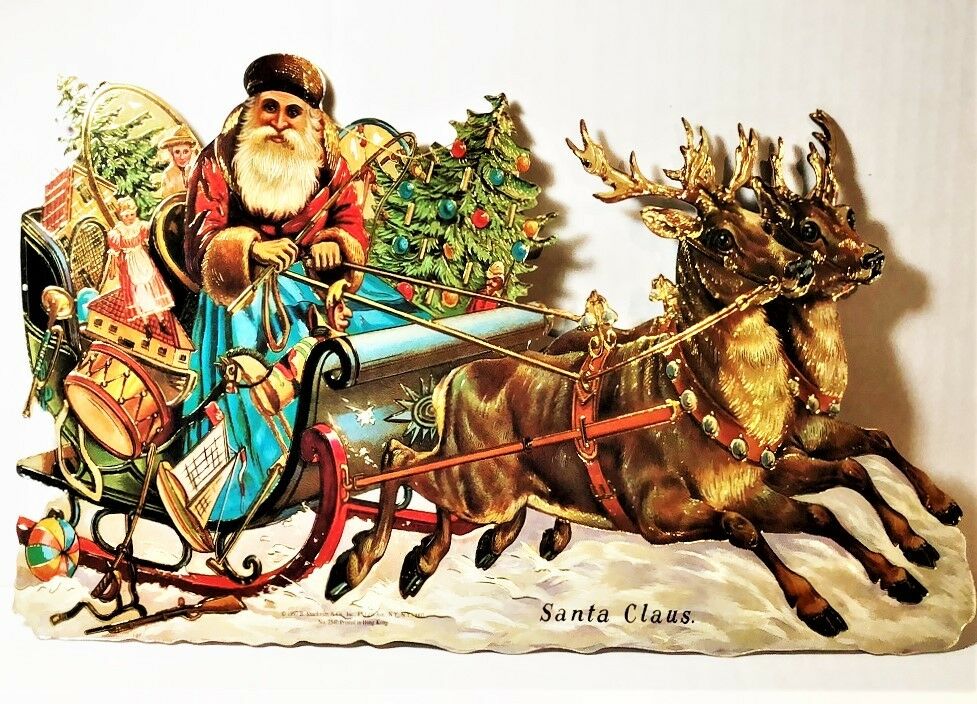 In 1808, Irving created an updated version of Old St. Nick that rode over the treetops in a horse-drawn wagon “dropping gifts down the chimneys of his favorites.” Irving described Santa as a jolly Dutchman who smoked a long-stemmed clay pipe and wore baggy breeches and a broad-brimmed hat. Irving’s work also included the familiar phrase, “laying a finger beside his nose” some 14 years before a Troy, New York newspaper published the iconic children’s poem “Twas the night before Christmas,” which turned Santa’s wagon into a sleigh powered by reindeer.
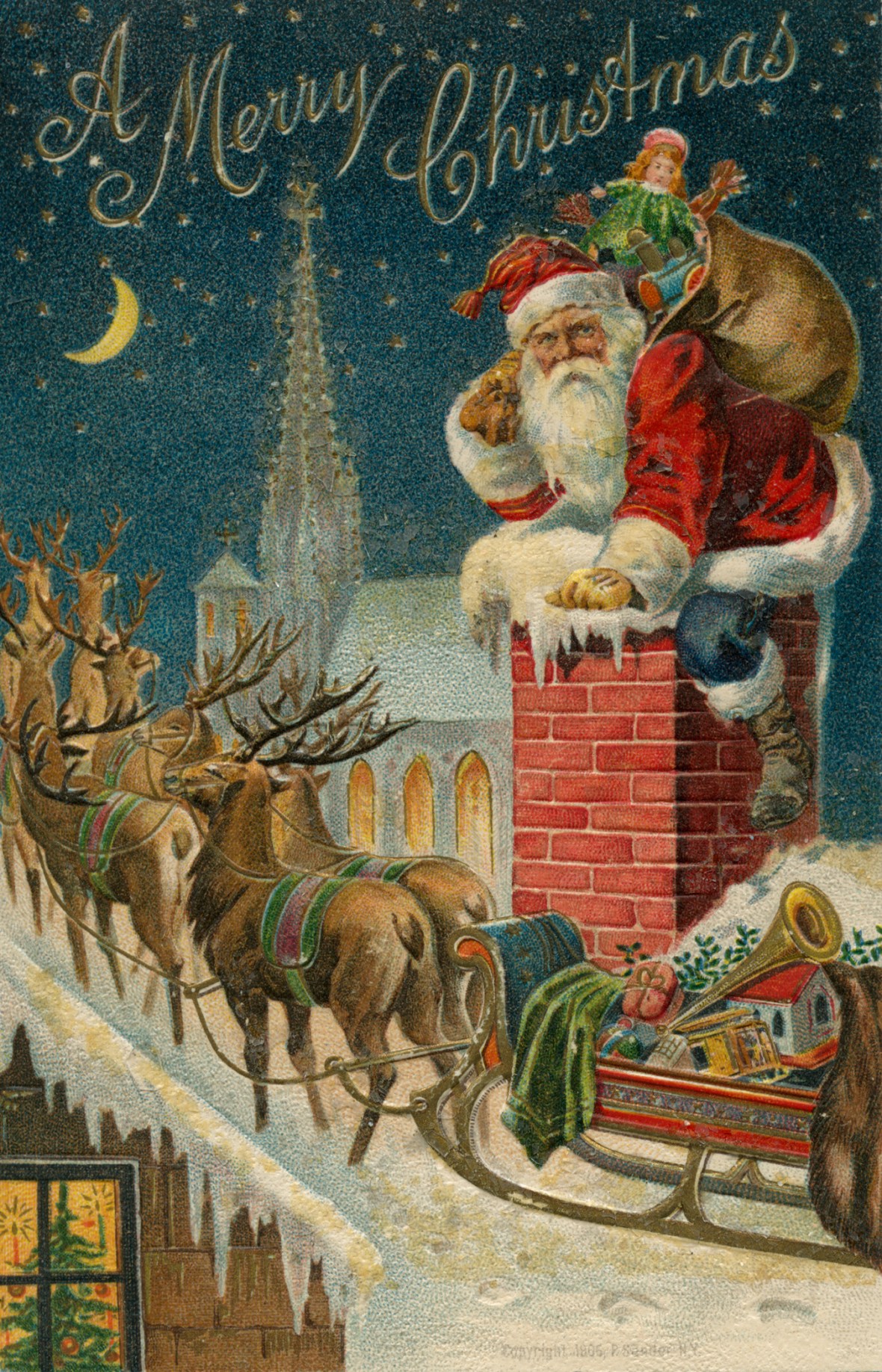 Irving’s stories are full of mistletoe and evergreen wreaths, Christmas candles and blazing Yule logs, singing and dancing, carolers at the door and the preacher at the church, wine and wassail, and, of course, the festive Christmas dinner. The description of Old Christmas as Irving experienced it in “Merrie Olde England,” helped to popularize these traditions in his native land.
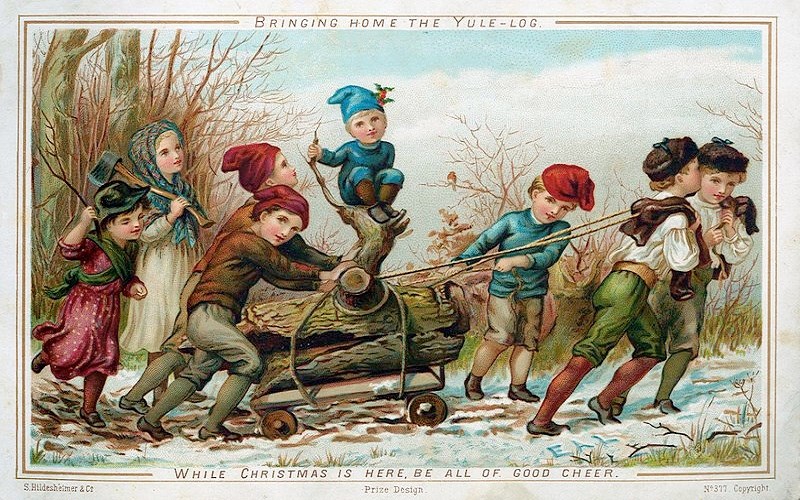 The Yule-log is a great log of wood, sometimes the root of a tree, brought into the house on Christmas eve, laid in the fireplace, and lighted with a piece of last year’s log. While it burned there was great drinking, singing, and telling of tales. The Yule-log was to burn all night; if it went out, it was considered bad luck. If a squinting person come to the house while it was burning, or a barefooted person, it was considered bad luck. A piece of the Yule-log was carefully put away to light the next year’s Christmas fire.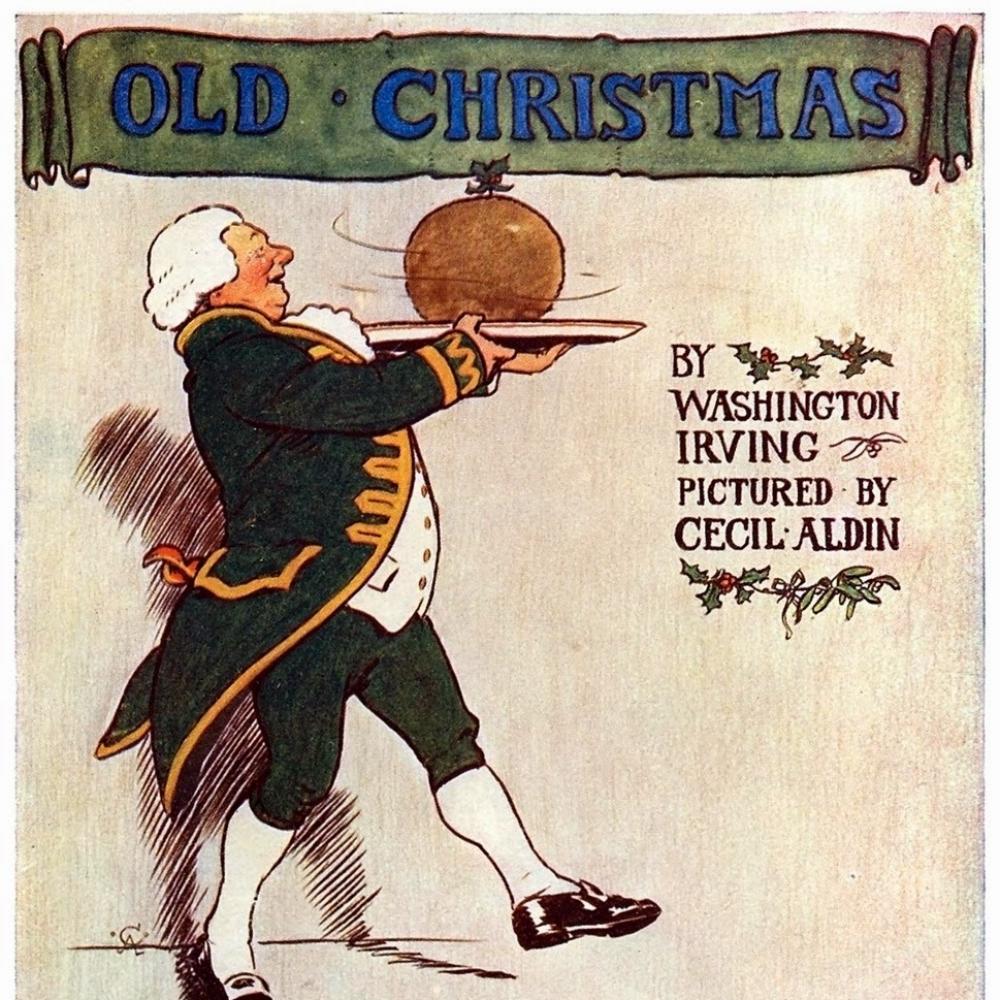
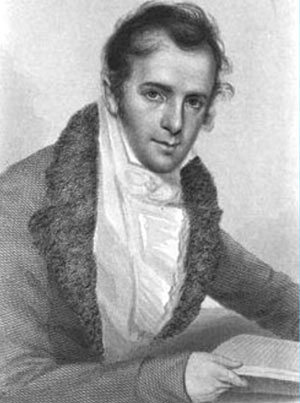
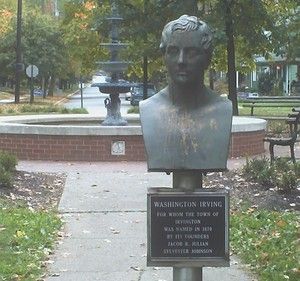
 Dickens’s memorable descriptions of Christmas scenes in “A Christmas Carol” owe a great deal to Irving. In February of 1842, while attending a New York dinner hosted by Irving, Dickens amusingly revealed his devotion to the great American author when he rose his glass in a toast and said, “I say, gentlemen, I do not go to bed two nights out of seven without taking Washington Irving under my arm upstairs to bed with me.”
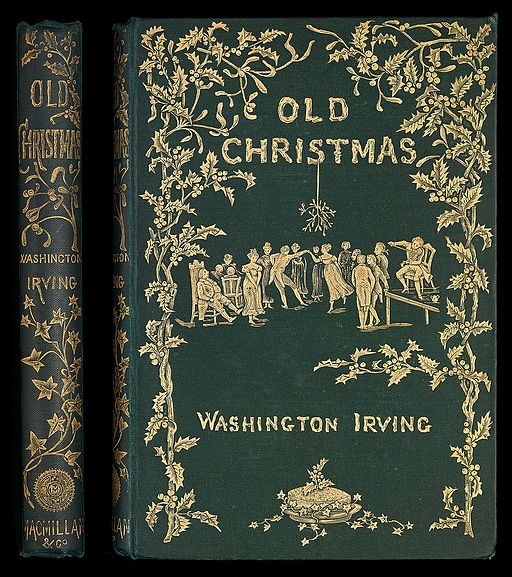 Irving’s descriptions of the short and cold winter days in his story “Old Christmas” make their way into the moral landscape lacking in Scrooge’s character in Dickens “A Christmas Carol”: “In the depth of winter, when nature lies despoiled of every charm, and wrapped in her shroud of sheeted snow, we turn for our gratifications to moral sources. The dreariness and desolation of the landscape, the short gloomy days and darksome nights, while they circumscribe our wanderings, shut in our feelings also from rambling abroad, and make us more keenly disposed for the pleasures of the social circle. Our thoughts are more concentrated; our friendly sympathies more aroused. We feel more sensibly the charm of each other’s society, and are brought more closely together by dependence upon each other for enjoyment. Heart calleth unto heart; and we draw our pleasures from the deep wells of living kindness, which lie in the quiet recesses of our bosoms; and which, when resorted to, furnish forth the pure element of domestic felicity.”
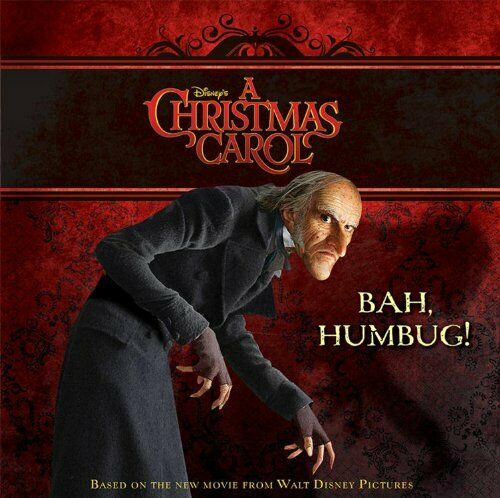 Dickens Washington Irving inspired story popularized the phrase “Merry Christmas” and introduced the name ‘Scrooge’ and exclamation ‘Bah! Humbug!’ to the English language. However the book’s legacy is the powerful influence it has exerted upon its readers. A Christmas Carol” is widely credited with the “Spirit” of charitable giving associated so closely with the holiday today. Victorian Era examples can be found many places; in 1874, “Treasure Island” author Robert Louis Stevenson vowed to give generously after reading Dickens’s Christmas book, a Boston, Massachusetts merchant, expressed his generous hospitality by hosting two Christmas dinners after attending a reading of the book on Christmas Eve in 1867, and was so moved he closed his factory on Christmas Day and sent every employee a turkey and in 1901, the Queen of Norway sent gifts to London’s crippled children signed “With Tiny Tim’s Love.”
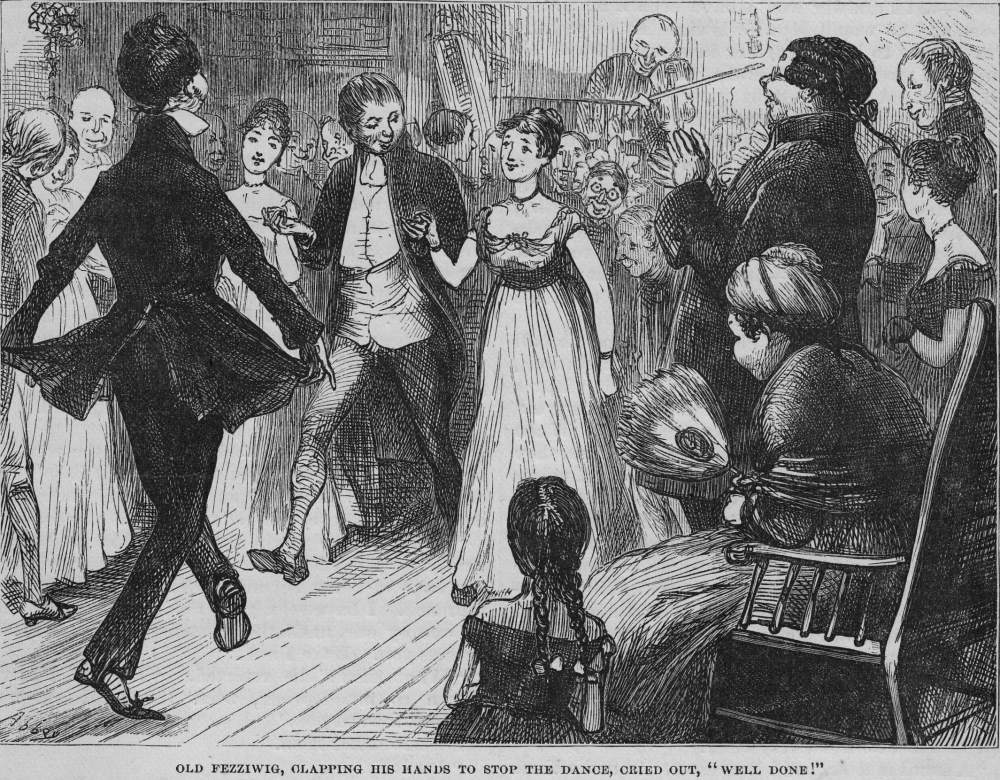 Speaking solely for myself, I often find myself drawing upon Dickens description of Old Fezziwig when I think of how others may observe me. In the novel, the Ghost of Christmas Past conjures up the memory of Scrooge’s old employer, Mr. Fezziwig, who converts his warehouse into a festive hall in which to celebrate Christmas: “Clear away. There is nothing they [Fezziwig’s employees] wouldn’t have cleared away, with old Fezziwig looking on. It was done in a minute. Every movable was packed off, as if it were dismissed from public life for evermore; the floor was swept and watered, the lamps were trimmed, fuel was heaped upon the fire; and the warehouse was as snug, and warm, and dry, and bright a ball-room, as you would desire to see upon a winter’s night.” Thus the ledger books, the daily grind, and the cold give way to music, dance, games, food, and fellowship.
