

Original publish date: August 13, 2011 Republished August 8, 2019
The world’s longest yardsale. The name alone is intriguing, right? This reporter just returned from an exhausting three day trip from Cincinnati to Chattanooga spent poking through piles of other people’s discards, with a few antiques and collectibles mixed in. Like driving cross country, everyone should do the world’s longest yardsale at least once in their lifetime.

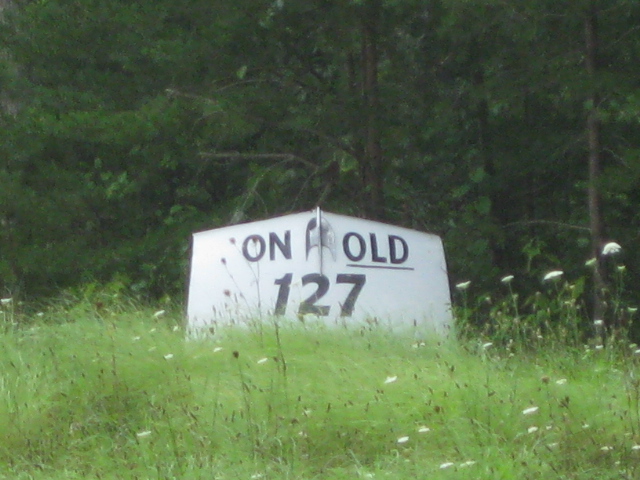
The event stretches from Hudson Michigan to Gadsden Alabama, a span of 675 miles along highway 127, tracing the route of the old Dixie highway. The official website (www.127sale.com ) describes it as: “Hundreds of thousands of folks join us each year for this fun-filled event, spanning 654 miles and five states. It’s impossible to keep track of how many shoppers and vendors we have, but it’s grown to be the biggest and best event of its kind in the world. You’ll find homeowners selling stuff they’ve accumulated throughout the years as well as professional dealers and vendors. It’s almost impossible for shoppers to cover the entire route in four days, so be prepared to pick up where you leave off next year! You’re going to discover some neat places, interesting people, and quaint stops that you’ll probably want to visit again and again. So pack your camera, sunglasses, a good pair of walking shoes, and plenty of cash- you’re in for the World’s Longest Yardsale!”
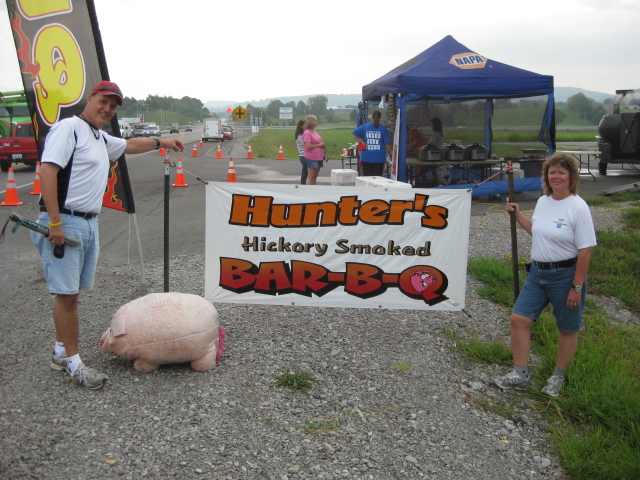
The website is correct (despite the conflicting mileage tally) in that it is nearly impossible to traverse the route in four days. I can attest because I tried to do most of it in two. Our little group of four (Me, my wife Rhonda and friends Chuck and Becky Hodson) departed in the pre-dawn hours on Thursday bound for our starting point just below the Queen City in Northern Kentucky. We managed to make it to Cumberland Falls State Park in Jamestown Kentucky that first night and then to Chickamauga battlefield in Southern Tennessee / Northern Georgia that second night. It was exhausting.
This was my third attempt in four years. You’d think by now I’d have a system, but I’ve learned that systems don’t really work very well for this event. The heat, pushing 100 degrees both days, zaps you and has the undesirable affect of kicking up wicked nighttime storms that destroy vendor’s booths, merchandise and morale. The event always starts the first Thursday of August and lasts through Sunday. So you can be sure it’s gonna be hotter than the Devil’s underpants, traffic will be a factor, parking will be a challenge and hotel rooms along the route will always be booked way ahead of time. But, if you like this kind of thing, you can also be sure it will be fun.
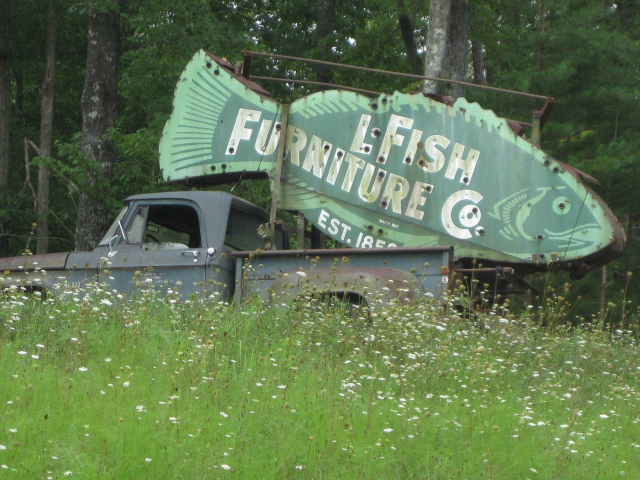
Highway 127 ambles through some of the most beautiful country you’ll ever see featuring quaint historic towns full of Antebellum homes peppered with references to folk heroes like Daniel Boone, Andrew Jackson, Abraham Lincoln, and Alvin C. York. There are massive horse farms with gleaming white fences enclosing rolling bluegrass hills that surround barns featuring colorful Dutch hex signs or family names adorning the exterior. Not to mention, you’ll find more “See Rock City” and “See Ruby Falls” signs then you can possibly imagine. Whiskey distilleries and tobacco barns are not an uncommon sight as well.

The roadsides are verily dotted with sales booths of every size, style and description. Ranging from the lone seller seated behind a single table with only a few unwanted items on display to entire “tent cities” of 100-or-more vendors tightly packed in farmer’s fields and church parking lots. If I had to describe what you could expect to find on these tables, I’d say clothing, glassware, audio / video, kitchen widgets, books, toys and tools. But if you look hard enough, you can find antiques and collectibles hidden among the bric-a-brac.
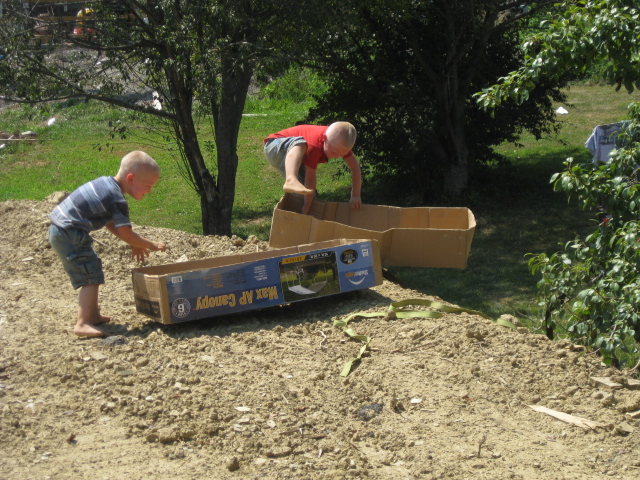
There are two trains of thought for this event. You can go out looking for one particular thing and narrow your focus, in which case you’ll save time but probably end up disappointed. Or you can simply go-with-the-flow and let fate rule your search, in which case you’re likely to be richly rewarded. As an example, my neighbor Richai Riggs asked me to search for size 6 boys jeans for her young son Riley, but added, “Make sure the knees aren’t ripped out.” Piece-of-cake I assured her. I’ve since discovered that there are no size 6 boys jeans that do not already have the knees ripped out on this planet (outside of a department store).
On the other hand, I stumbled across a tattered old manila envelope from 1962 that contained the first two printer’s proofs of newsletters from the Troy Donahue Fan Club complete with an autographed photo that Troy personally gave to the fan club president. Troy was an international teen heart throb and 1960s Era icon best remembered as Sandra Dee’s costar in “A Summer Place.” Okay, maybe not that exciting, but fun and certainly one of last things I’d ever expect to find on a hillside in Chattanooga, Tennessee. The point is, you never know what you’re going to find until you look for it.
The people you’re bound to encounter along the route help to make the trip more memorable, to be sure. That extends to both sellers and shoppers. Some sellers are on you as soon as you enter the booth: “What do you collect?…Can I help you?…Where ya’ll from?” while others barely take notice that you’ve entered their space. On more than a couple of occasions, the seller I encountered behind the table was asleep! Many sellers embrace the expected “hillbilly” reputation of the sale by bringing along props and oddities like log cabin outhouses and horses that make homemade ice cream by walking on a tread mill, not to mention the “overalls with no shirt” fashion statement seen surprisingly often along the route.

The shoppers come in all shapes, sizes and demeanors. They come with children, neighbors, spouses, friends, pets, and pickin’ partners. Chances are you’ll never guess what they’re looking for, unless you happen to see them make a purchase and even then that doesn’t always make sense. I have witnessed great big burly men purchase glassware and children’s clothes as well as dainty looking women buying auto parts and sporting goods. You just never know.
Part of the fun in shopping the highway 127 sale is just plain people watching. I will share a couple incidents in particular from this year’s sale that you may find as amusing as I did. During one stop, our quartet was shopping a one house setup when an older man (65+ at least) walked up with his obviously much younger bride that looked like she might have migrated from the Philippines. We were in a confined area and it quickly became obvious that she spoke no English. Another shopper, not of our party, was heard to mutter something about a mail-order bride out of earshot of the couple before walking back to their car. Sadly, this older gentleman was sporting one of the worst toupees I’ve ever seen (we’re talking a real hair divit here). He walked a few feet away, picked up a pistol shaped hand held hair dryer and asked the seller, “How much?” The seller responded, “Two bucks.” Hairpiece guy then asked, “Does it work?” and proceeded to find an outlet to plug it into. I have no idea what he was going to use it for, but he bought it. Before you start judging, keep in mind I’ve been fighting a losing battle with hair loss for ten years or more, so no one understands the irony better than I.
At another stop, I watched a nearby seller pick up a framed knick-knack contained in it’s original box and ask the seller, “How much?” The seller hesitated for a moment before saying, “Three dollars.” Then continued, “It was the only thing I got for Christmas this year, so yeah, three bucks.” You can’t make this stuff up and that’s the point. The Highway-127 yardsale must be experienced to be believed. There are so many things I love about regional sales like the highway 38 yard sale, National Road yard sale or the world’s longest yardsale. They enable you the opportunity to get out and experience America, help the local economies of the towns you visit along the way and meet unforgettable characters while driving the roads that made America. I just wish they’d rename this particular event, “The Dixie Highway” sale, sounds so much more…historic.


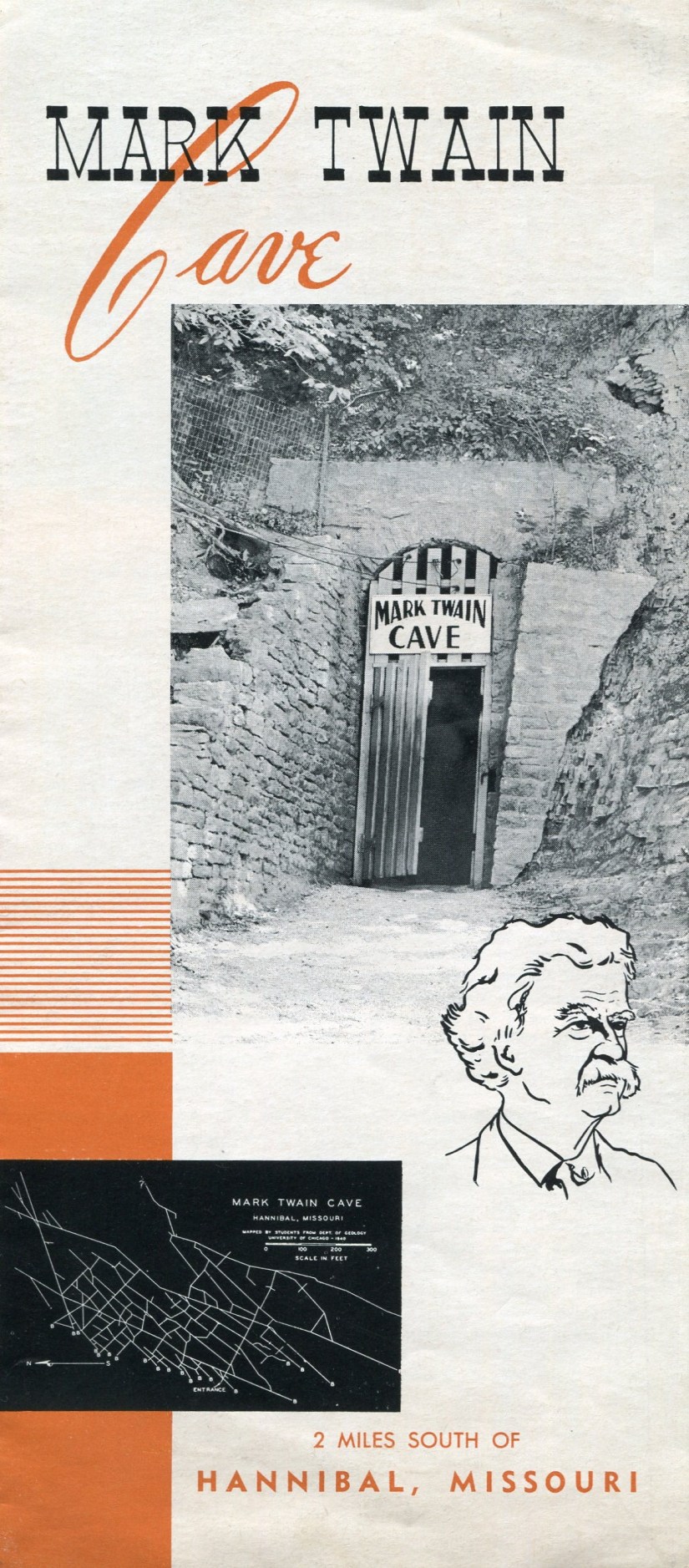 I wasn’t quite sure what to expect with Hannibal and arrived there hoping to chase Mark Twain’s shadow the same as I had done with Lincoln in Springfield. The town rests in a valley between two large cliffs directly on the Mississippi River. A lighthouse rests atop one cliff and a romantic, jagged crest known as “Lover’s Leap” rests atop the other. While beautiful to look at, the result for today’s visitors is terrible cell phone reception. That is unless you find yourself on top of one of those cliffs, where service zips right along. And, just like the land of Lincoln, Mark Twain casts a large shadow in Hannibal, Missouri.
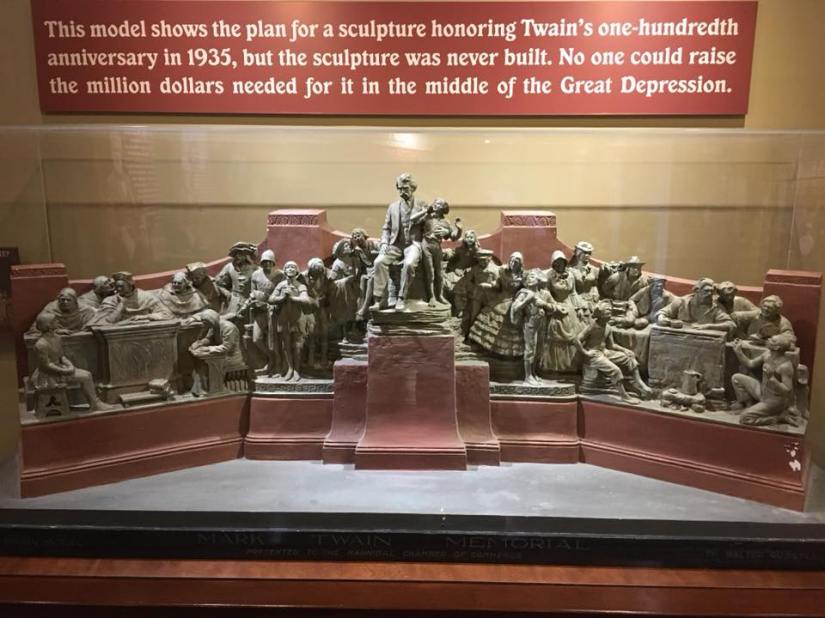 The Mark Twain House offers an excellent tour for a reasonable $12 per person that encompasses the homes of all of those familiar Tom Sawyer characters found in Mark Twain’s books. The tour concludes in the Mark Twain Museum located in the historic downtown district and features priceless relics, mementos, artwork, furniture and assorted objects once owned by and associated with Samuel Clemens (aka Mark Twain). After the tour, it is highly recommended that you take the short walk down to the shore of the Mississippi River.
 Suddenly I was a 10-year-old boy joyfully picking up bits of glass, rusted metal and broken crockery all the while convincing myself that any one of which surely belonged to a steamboat captain, riverboat gambler or a pirate. Such are the trinkets that dreams are made of. Should you prefer your treasure of a more cultivated nature, Hannibal has many hole-in-the-wall antique shops featuring more relics from the past. Hannibal is unique among tourist river towns because it has not yet been overtaken by commercialized establishment chain restaurants or stores. Its streets are not overrun by the Harley crowd. Oh, there is an upper-class motorcycle crowd element here, but these riders seem content to park their bikes and walk the town rather than to ride it.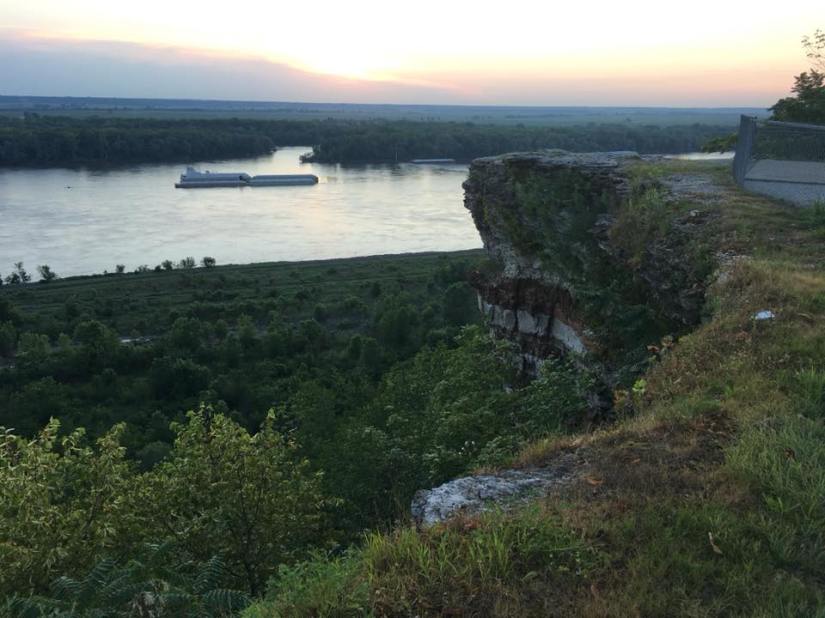
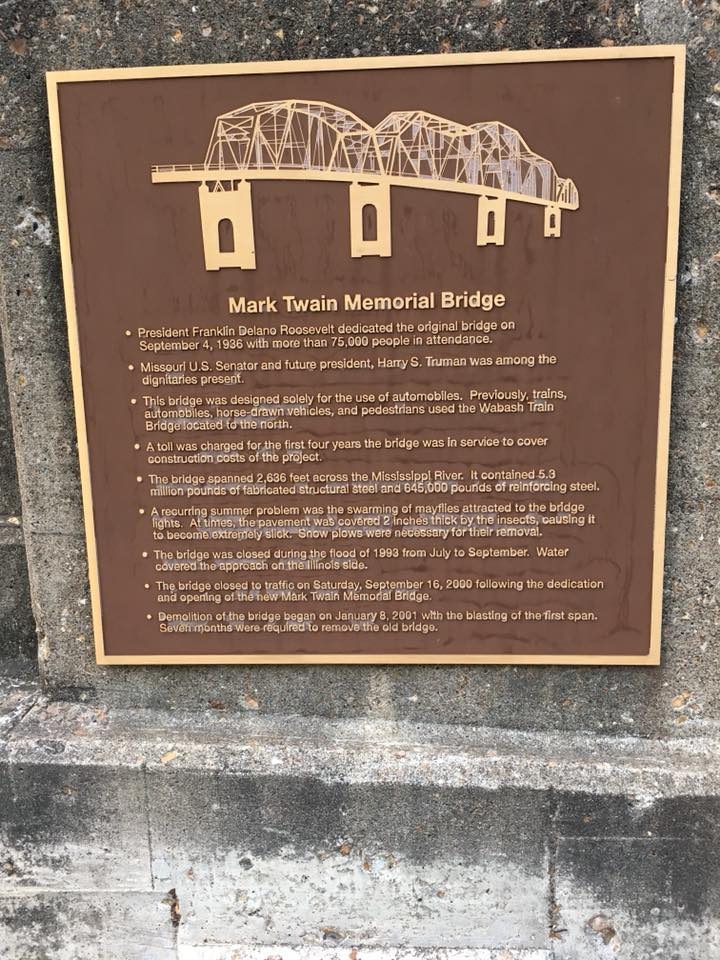 I took his advice and ventured up the hillside. There I found a quaint little pocket park created from an abandoned roadway and concrete bridge footing of a steel suspension bridge that once spanned the mighty Mississippi to Illinois on the other side. The bridge had been dedicated in the 1930s by Franklin D. Roosevelt himself with then-Senator Harry S Truman assisting. As I sat there puffing and reflecting, an older gentleman, climbing the stairs for exercise, walked by and said good evening. He stopped for a moment and, excited by my discovery, I said something silly like “Cool to think that FDR and Truman were here.” He shook his head and continued with his exercise.










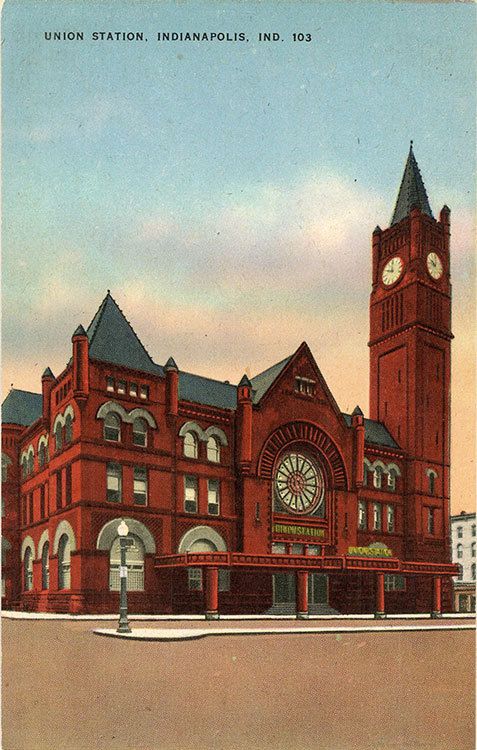
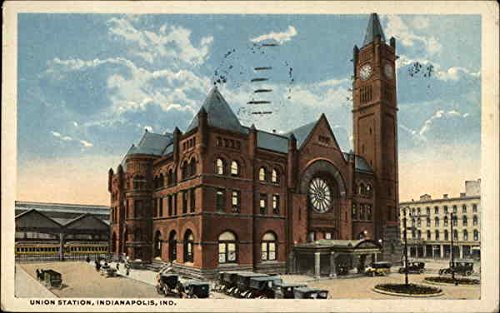
 Beginning in November 1886 a new station was constructed just north of the existing station, and soon a three-story, red brick and granite station with extensive vaulted Romanesque arches and a 185-foot clock tower began to rise towards the Hoosier heavens. It was that clock, with its four separate clock faces each nine feet in diameter, that would become an Indianapolis landmark for generations to come.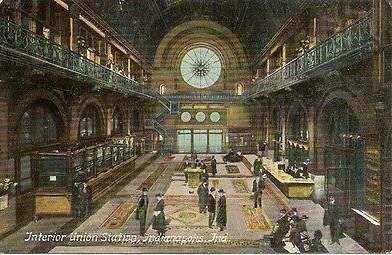
 Train travel dropped in the 1930s, mostly because of the Great Depression, but rebounded during World War II because so many servicemen were on the move. After the war, passenger trains were declining as the automobile and aviation industries experienced rapid growth, all but signing the death warrant of Union Station. By 1946, as post-war passenger service fell off, only 64 trains a month operated and by 1952, barely 50 passenger trains a month used the station. Over the next generation, as rail travel continued to decline, Union Station gradually became a dark, ghostly relic of a by-gone era. During the 1960s and 1970s, it suffered from the same pattern of deferred maintenance and slow decline plaguing most urban buildings.
 Union Station was then owned by Penn Central, a “Frankenline” created by the merger of the old Pennsylvania and New York Central lines. A series of events including inflation, poor management, abnormally harsh weather and the withdrawal of a government-guaranteed $200-million operating loan forced the Penn Central to file for bankruptcy protection on June 21, 1970. Many of the once-powerful railroad firms were bankrupt and only six trains operated out of the station. Penn Central offered the station for sale and the decline continued when by 1971, the United States mail room closed and Amtrak was formed out of the few remaining rail lines. It looked like the grand station would be bulldozed into a parking lot. A “Save Union Station” committee scrambled to keep it from being demolished.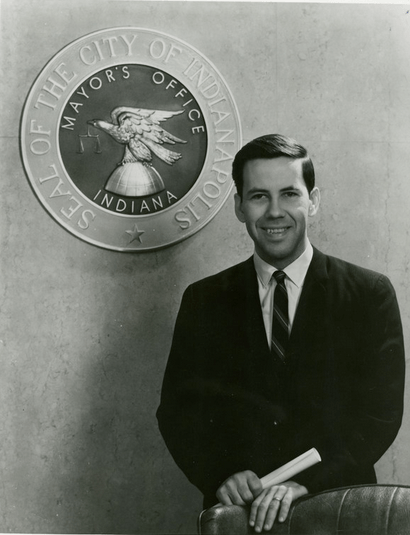
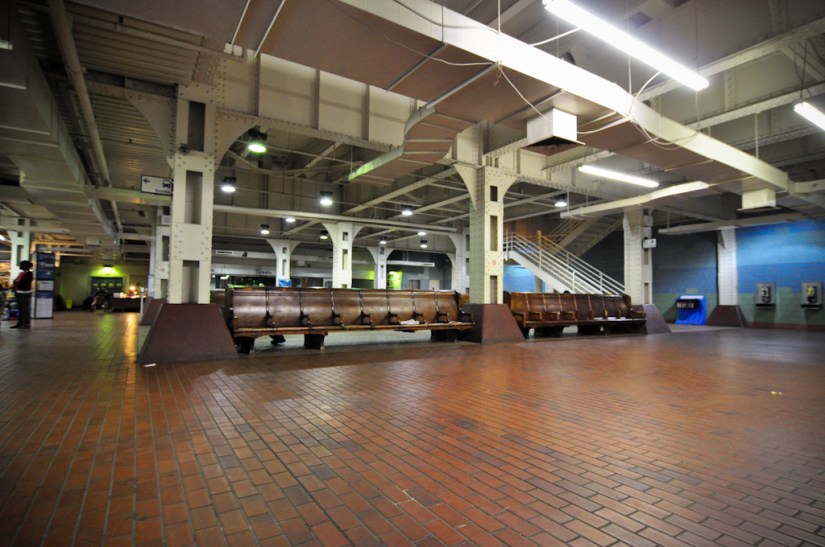
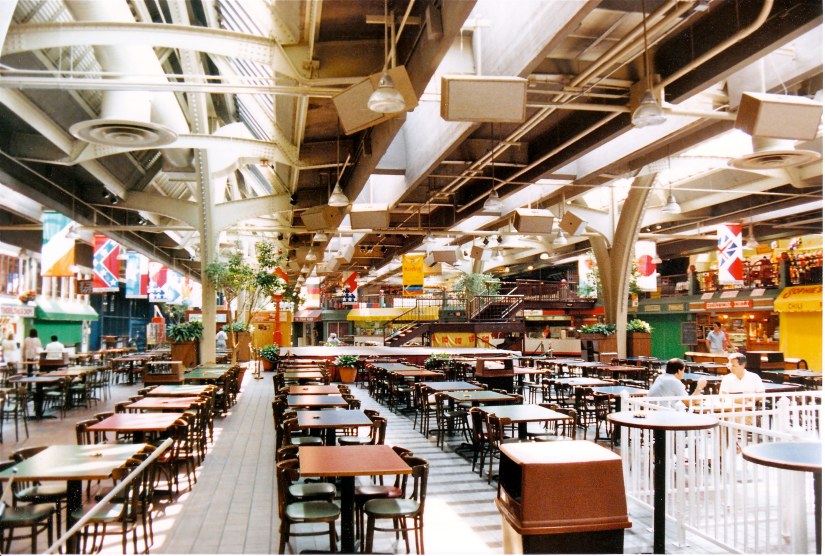
 Perhaps as an homage to the vibrant spirits of luminaries past, Twenty-eight “Ghost People” linger around the Grand Hall at Union Station. Dressed in authentic period clothing, carrying real items from their times, each have a special story. Made of white fiberglass, they were created by Indianapolis native Gary Rittenhouse, from an idea of developers Bob and Sandra Borns, who were fascinated by the history of thousands of people beginning and ending their travels in Union Station.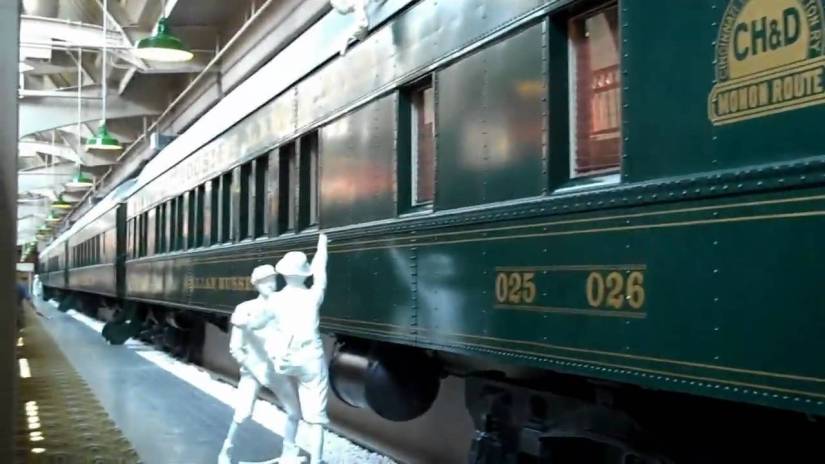

 Dyer said the site will probably remain as-is for the next year or more, as it has become a popular gathering place for mourners. The purchase price was $600,000 more than its appraised value. He said the city will reach out to both LBGT groups and local community for advice on how the memorial should proceed. I didn’t tell Rhonda where we were going, I just said “Let’s go for a drive.” Good sport that she is, she agreed without reservation and off we went. While just about everyone knows the story of the massacre, not many know the history of the nightclub itself.
 The Orlando Weekly newspaper once described Pulse as featuring “three glitzy, throbbing rooms of twinks, club boys and twinks at heart. Every night has something different in store, but Pulse is known to have some pretty impressive drag shows, and the bar’s dancers are usually gorgeous.” However, Pulse was more than just a party spot for the LBGT, it hosted themed performances each night and had a monthly program featuring educational events geared towards the LGBT community. The Washington Post described its first 12 years as “a community hub for HIV prevention, breast-cancer awareness and immigrant rights”, and reported it had partnered with educational and advocacy groups such as Come Out with Pride, Equality Florida, and the Zebra Coalition. President Obama once described Pulse as both a refuge for LGBT and for Puerto Rican people.
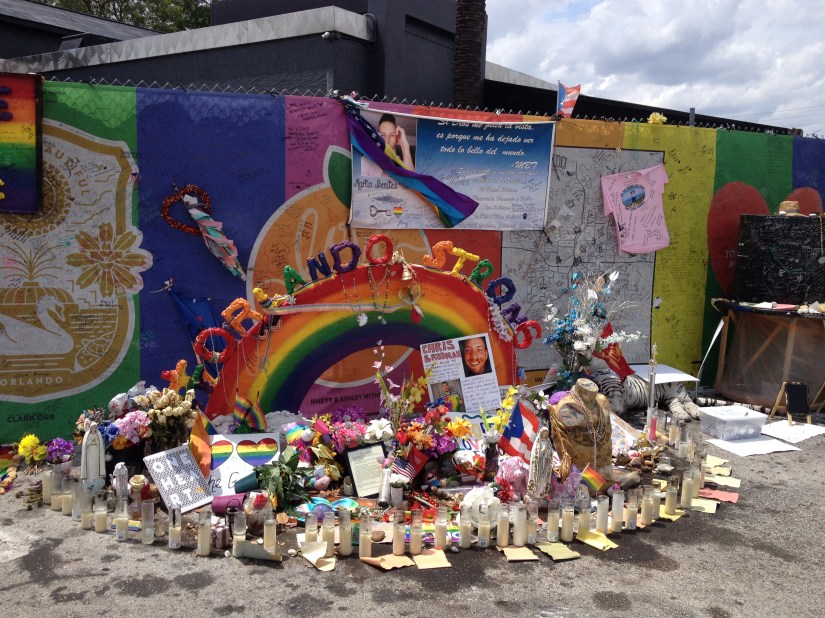 Top 10 Orlando called it a “firm favorite for the Orlando gay crowd”, The Rough Guide to Florida deemed it “justifiably popular”, citing its “great lighting and sound plus cabaret performers, drag acts, and erotic dancers.” The entire premises, including the washrooms, were handicap accessible. Using “periodic consumer surveys”, Zagat rated Pulse 25/30 for atmosphere, 25/30 decor, and 22/30 service.
 Before Pulse was founded, the building site was home to the Sarasota Herald Company, a 1930s Era daily newspaper. In 1985 it became Lorenzo’s pizza restaurant. By 1999, it had become Dante’s, a bar with live music. Dante’s closed in January 2003. Pulse was founded on July 2, 2004 by Barbara Poma and Ron Legler. Poma’s brother, John, died in 1991 from AIDS, and the club was “named for John’s pulse to live on”, according to their website. Legler was President of the Florida Theatrical Association at the time of the club’s foundation.
 Visitors have written messages of hope on the canvas signs. Some designed to cheer the future, others to toast the past, while more still are there to nourish the soul and soothe an unquiet mind. A few scrawlings just want it to be known that Jake from Iowa was there and that Jake from Iowa understands and is sorry it happened. Some messages are from friends, many are from family and others from Orlando residents paying respect, like Orlando Boy Scout Troop 534 who proudly proclaim that they are Orlando Strong.
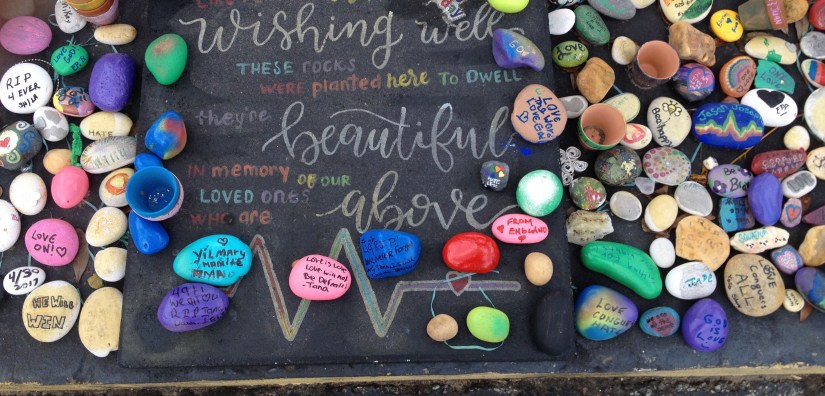 I’m a firm believer that seeing, touching and walking the paths of important events leads to better understanding of what happened there. The Pulse site could be a perfect place to reflect and remember. Orange Avenue is a busy road but what strikes a first time visitor like me is that no farther than 100 yards behind the site are neighborhoods full of homes and average everyday people. One can only imagine how that tragedy affected these folks.
 Sadly, our nation’s historical landscape is pock-marked with sites where tragedy has defined a region. All too often these sites involved the attempted eradication of human rights, whether individually or as a group. One need only recall the evils of slavery and horrors of reconstruction to understand the impact of a failed ideology. Every group has had to climb its own mountain to affect change; some sadder and more tragic than others.
 The memory that I will take with me is of a pair of young women who appeared and walked slowly down the fence. It was a young teacher escorting a beautiful blind student. The teacher stopped at every banner, reading it aloud to her sightless charge.
 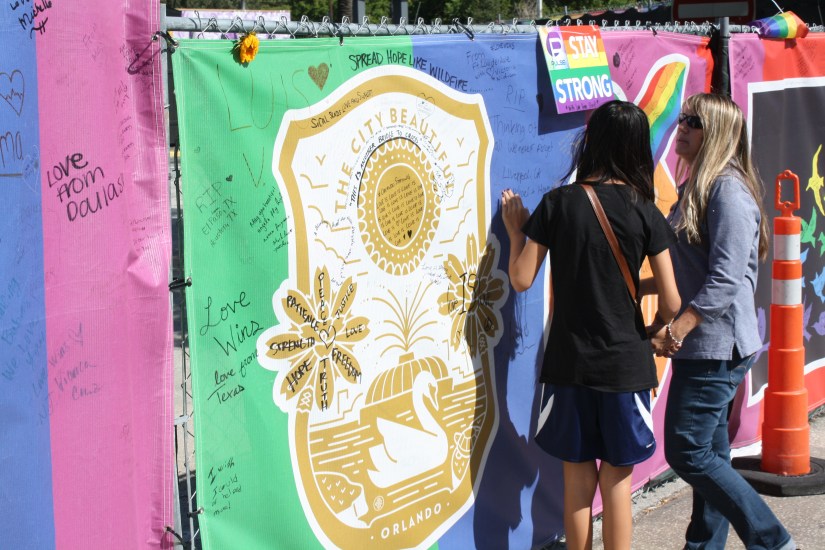 The young student then reached out and touched every banner gently with her fingertips, as if absorbing the moment for her own personal posterity. Our daughter Jasmine and two of her / our close friends, Elise and Jada, work at the Indiana School for the Blind. I’d like to think that if any one of those three young women were in the same position, they’d do the same for their students. Please Orlando, transform the Pulse nightclub site into a memorial that all Americans can be proud of.


