Creepy history, Indianapolis, Pop Culture

Nazi’s at Arsenal Tech…What?

Part I

https://weeklyview.net/2025/03/13/nazis-at-arsenal-tech-what-part-1/

Original publish date March 13, 2025.
It’s true. In the years leading up to World War II, there was at least one eastside Indianapolis family openly identifying with the American Nazi Party. And three of those proud young Nazis graduated from Arsenal Technical High School. It all came to a head 87 years ago this Saturday when the Soltau home on North Summitt Street (where the La Parada Mexican restaurant now stands) came under attack by an angry mob of Circle City citizens seeking to enact their own “Night of Broken Glass” on March 15, 1938, seven months before Adolph Hitler’s Kristallnacht in Berlin, Germany in November of that same year. In March of 1938, Indianapolis newspapers were dominated by reports of German Wehrmarcht invaders poised at the gate, prepared to annex Austria into a “greater German Reich” and threatening the entire Western European theatre. Those same front pages reported on an organization of Hoosier ethnic Germans who were resolutely pro-Nazi, vehemently anti-Communist, deeply anti-Semitic, and staunchly American isolationists. In 1938, an estimated 25,000 Americans were members of this German American Bund. Indianapolis boosters hoped to swell that number by appealing to the large German immigrant community by advocating “clean American nationalism against Communist international outlawry.”
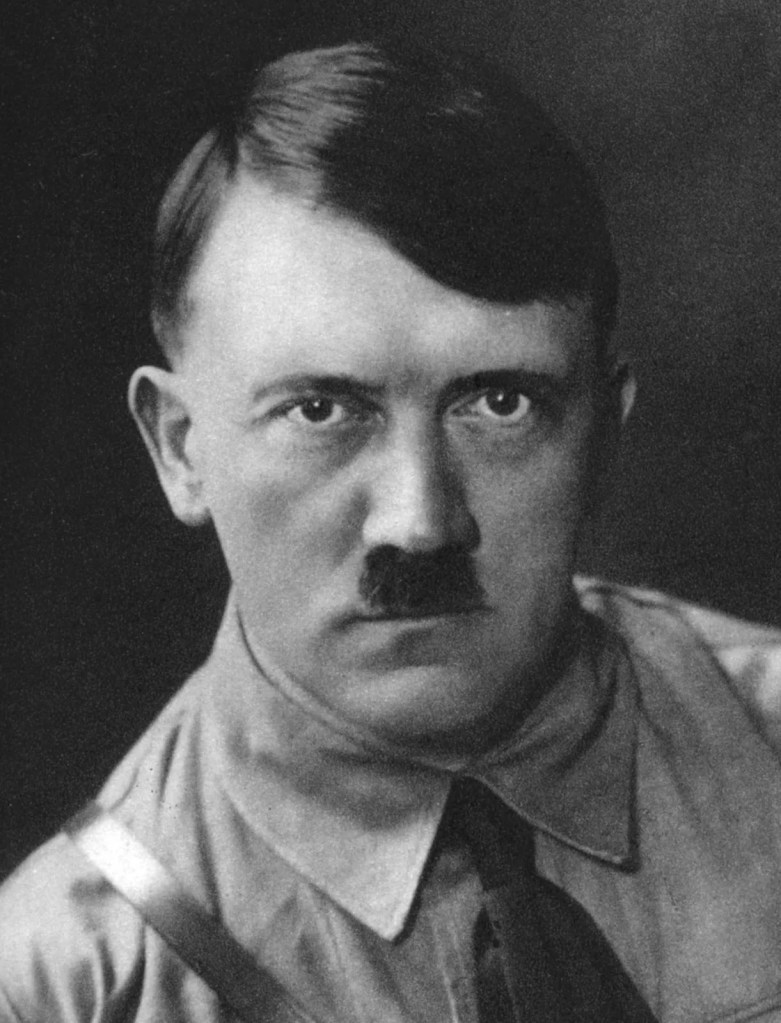
Adolph Hitler.

However, the German-American Bund secured very few Hoosier followers and gained little sympathy for their cause. Indiana had a well-deserved reputation for xenophobia and white nationalism that is most clearly reflected in the Ku Klux Klan’s ascent to power just over a decade before. The number of Hoosiers in league with the German-American Bund was certainly much smaller than the number of members of the 1920s KKK. Still it was committed to many of the same ideological issues as the Klan. Its history confirms the complex range of xenophobic sentiments simmering in the 20th-century Circle City.
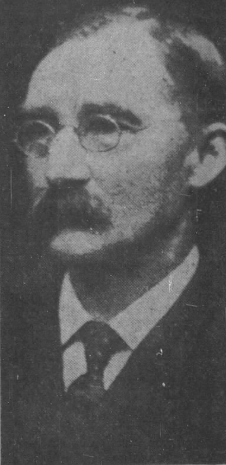
John A. Soltau

The Soltau family was closely associated with Indianapolis, particularly the east side and Irvington. John Albert Soltau (1847-1938) was a German immigrant who founded the first grocery chain in Indianapolis, the Minnesota Grocery Company. Soltau arrived here in 1873 at the age of 10. After marrying Miss Elizabeth Koehler (1851-1920), Soltau opened the first of what would become a chain of twelve grocery stores at 208 North Davidson Street. The couple had five children: William, Edward, James, John, and Benjamin. The elder Soltau remained in the grocery business for over fifty years. Three of his sons joined him, managing stores of their own. Mr. Soltau was a member of the First Evangelical Church near Lockerbie Square (where New York crosses East Street). The family residence was located at 837 Middle Drive in Woodruff Place.
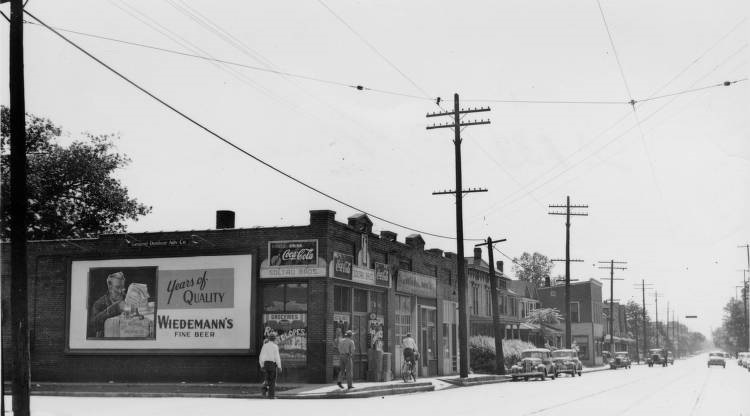

Edward B. and John H. Soltau grocery store at 2133 E. Michigan Street in Indianapolis.
837 Woodruff Place Middle Dr, Indianapolis

In 1894, John was a Republican Ward delegate in Indianapolis. In 1902, he was an unsuccessful candidate for Marion County Recorder on the Prohibition ticket, and in 1916, he was a delegate to the national Prohibition Party convention. His long adherence to the temperance cause smacks of social conservativism, but offers no clear evidence for why his family embraced the Nazi ideology. Hoosier Prohibitionists allied themselves with the Klan’s cause in the 1920s, and in 1923, John’s brother James Garfield Soltau (1881-1932) was identified as one of the first 12,208 Ku Klux Klan members in Indianapolis. John died of “uremia and carcinoma of the prostate” on July 18, 1938, and is buried alongside his wife, Elizabeth, at Crown Hill Cemetery in Indianapolis.
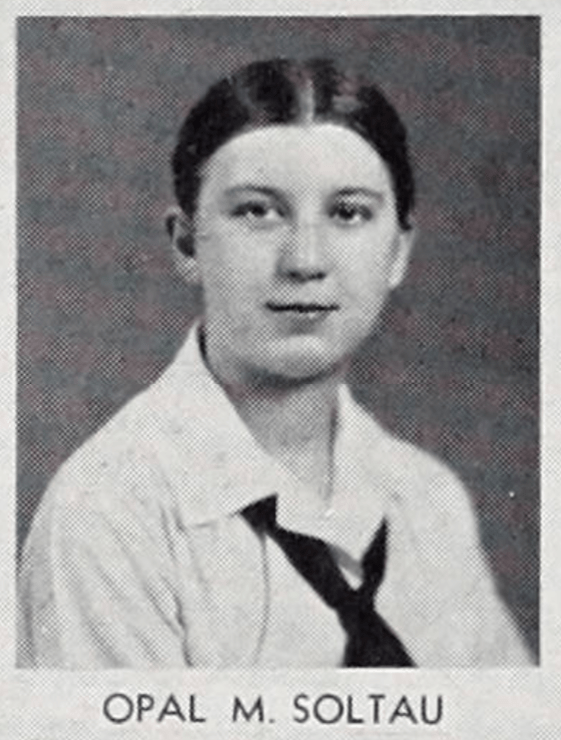
Opal’s Tech Yearbook Photo 1938.

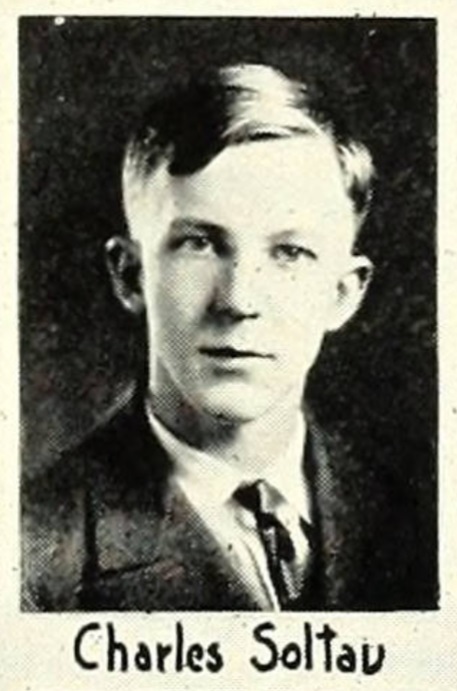
John’s eldest son, William Soltau, was a realtor who operated his agency in room 202 of the Inland Building at 160 East Market Street in the city for a quarter century. William and his wife Laura E. (Hansing) Soltau (1879-1943) were the parents of three children: Pearl Brilliance Soltau (1905-1968), Charles William Soltau (1909-1971), and Opal Margaret Soltau (1920-2008). All three children graduated from Arsenal Technical High School, Pearl, in 1922, Charles in 1926, and Opal in 1938. Pearl graduated from Butler University in 1925, Charles from Purdue in 1931 (with honors and a perfect 6.5 GPA), and Opal attended Butler University until at least 1940. The Soltau’s moved to 339 North Summit Street in 1916 and while the Soltau family was residing under that roof, it appears that all five were emersed in and sympathetic to the Nazi cause.
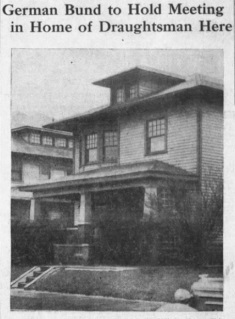
The Soltau Home Indianapolis.

The front page of the March 9, 1938, Indianapolis News ran a photo of the Soltau House with a notice that a meeting of the German American Bund, described as a “Patriotic Fighting Organization of the German Americans”, was to be held there. Regardless, the Soltau family denied that a meeting was to be held in their home. The next day, the news ran a copy of the invitation with the address of the home and the announcement that Wilhelm Kunze, National Publicity Director of the Bund, would be the speaker and that admission was free and open to the public, especially to “All Truth-Seeking Americans”. Again, the family denied that Kunze was in the city at all, let alone scheduled to appear at the house. Kunze was fresh off his January 1938 appearance in a March of Time newsreel that the Library of Congress called “the first commercially released anti-Nazi American motion picture.” The News article announced the meeting’s date as Monday, March 14, at 8:30 pm.
Charles Soltau’s Letter.

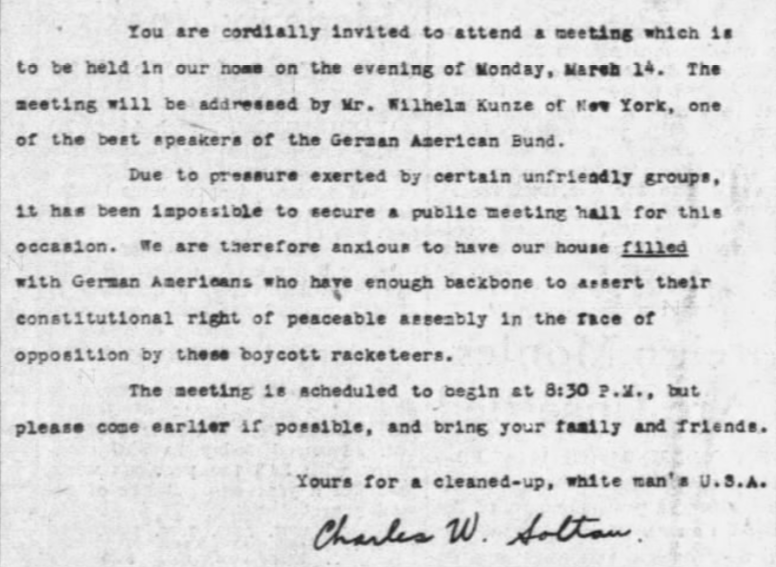
Hoosiers were shocked. After all, in February, the Athenaeum, the Liederkranz Hall (1417 E. Washington St.), and the Syrian-American Brotherhood Hall (2245 East Riverside) had all canceled the Bund’s reservation and refused to host the event. On February 25th the Indianapolis Star identified “an American-born Nazi agent…born in Indiana” attempted to secure a venue “to organize Brown Shirt Nazi units in Indianapolis.” That local organizer was revealed as Charles W. Soltau from the near-Eastside. Charles wrote a letter to the Star complaining that “the German-American Bund has been accused, maligned and condemned without a trial” and suggested that the Bund’s right to meet had been undermined by “Jewish business interests”, arguing that “a certain powerful minority group, which seems to have gained almost complete control of the press, fears the effect of public enlightment.(sic)” Charles further declared that the Soltau family was “anxious to have our house filled with German-Americans who have enough backbone to assert their constitutional right of peaceable assembly in the face of opposition by these boycott racketeers.” He closed his letter as “Yours for a cleaned-up, white man’s U.S.A. Charles Soltau.” Shortly after that revelation, 27-year-old Soltau announced that the meeting was called off.
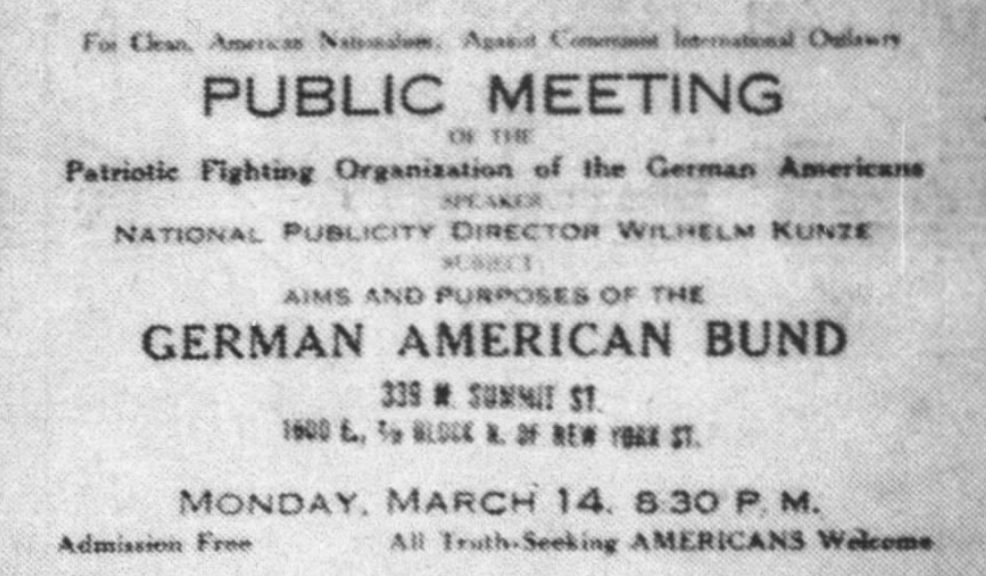
Indianapolis News Notice March 10, 1938.

The front page of the March 15, 1938, Indianapolis Star reported, “Rocks hurled through the windows at the home of William A. Soltau, 339 North Summit Street, broke up an organization meeting of the Indianapolis affiliate of the Nazi Amerika Deutschen Volksbundes (German American bund) late last night.” William Albert Soltau (1875-1950) called the police for help after it was learned that Gerhard Wilhelm “Fritz” Kunze (1882-1958) and a small entourage had joined the Soltau family for dinner earlier that evening. Fritz Kuhn, often referred to as the “American Führer”, was the leader of the fledgling German-American Bund (Federation). Fearing for his dinner guests’ safety, Soltau asked police to escort Kunze and his guests to safety. Although Kunze refused to divulge his identity to any of the officers present, his “tooth-brush mustache”, proper Sturmabteilung brownshirt, and swastika tie-clasp made the physical connection to German Chancellor Adolph Hitler unmistakable.
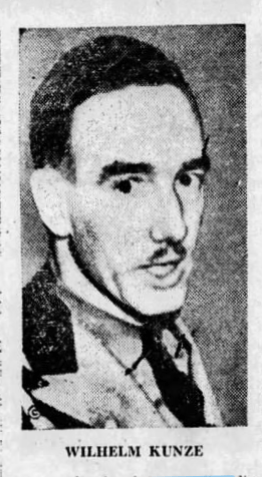
Fritz Kunze 1938.

When escorted from the home, Kunze declared to the officers and crowd gathered on the sidewalk, “I am a guest of Mr. Soltau, and he does not want my name known.” Kunze eventually admitted his identity to the police after they discovered the Bund application blanks Kunze held in his hands, wrapped up in a newspaper. An Indianapolis News article claimed that visible through the broken windows were, “Fifteen chairs had been arranged around a dining room table, and on it were application blanks for Bund membership.” The article noted that the “photographer for the Associated Press was ordered off the Soltau property by a man who carried a gun.” Soltau repeated his denials that a Bund meeting had been held in his home, claiming it was just “a few guests in for dinner.” The shades of the house were drawn, and a police squad car remained in front of the house from dusk to 10:30 pm when the officers went off duty. At 10:43 pm, a barrage of rocks crashed through the north windows of the Soltau house. Cars buzzed Summit Street for days afterward as curious motorists drove past the Soltau home and a near-constant gang of 40 or 50 youngsters “milled in the neighborhood”. Further exacerbating the situation, on July 18, 1938, just 4 months after the attack at his son’s home, family patriarch and Indianapolis grocery chain magnate John Albert Soltau died at age 90. Over the years, the elder Soltau and his son had purchased 4 tracts of land totaling 234 acres along State Road 46 in Gnaw Bone, 8 miles east of Nashville in Brown County. Newspapers speculated that the land was to be used as a Bund camp for Nazi activities, but the Soltau’s denied it.
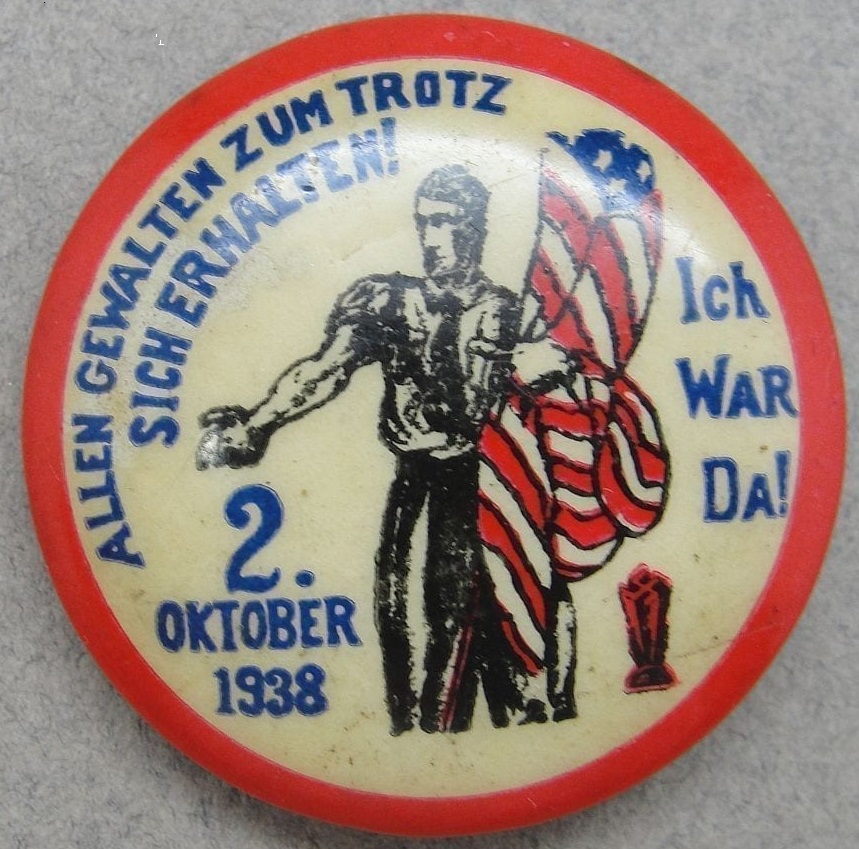

Next Week: Part II: Nazi’s at Arsenal Tech…What?

Nazi’s at Arsenal Tech…What?

Part II

https://weeklyview.net/2025/03/20/nazis-at-arsenal-tech-what-part-2/

Original publish date March 20, 2025.
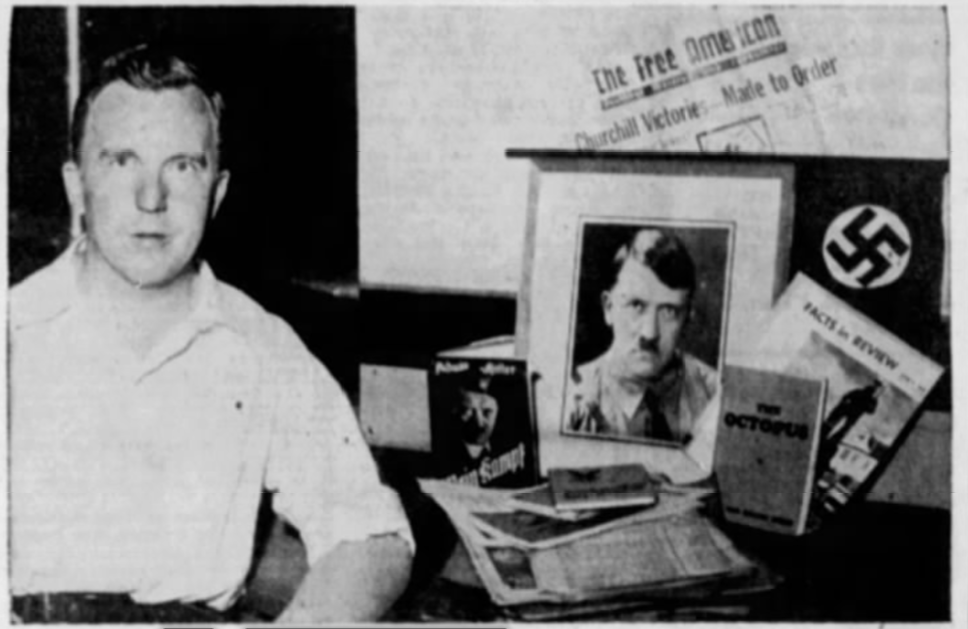
Charles Soltau.

On March 15, 1938, an eastside Indianapolis house was rocked (quite literally) by an angry crowd after the city learned about a formational meeting of the German-American Bund, an organization formed to follow the ideals and edicts of Adolph Hitler’s Nazi party. The Soltau family, who lived at 339 North Summit Street, welcomed a controversial visitor to their home, a German transplant named Fritz Kunze. The Nazi’s visit was greeted by Circle-City residents hurling rocks through the front windows of the Soltau home. Gerhard Wilhelm Kunze was the Bund’s publicity director who invented derogatory names for people (Franklin D. Rosenfeld) and programs (The Jew Deal) he disapproved of while extolling Jim Crow laws, warned against immigrants, and advocated for the Chinese Exclusion Act. Fritz warned white Americans: “You, Aryan, Nordic, and Christians…wake up” and “demand our government be returned to the people who founded it…It has always been very much American to protect the Aryan character of this nation.”
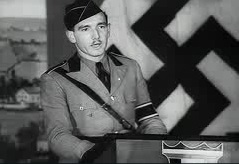
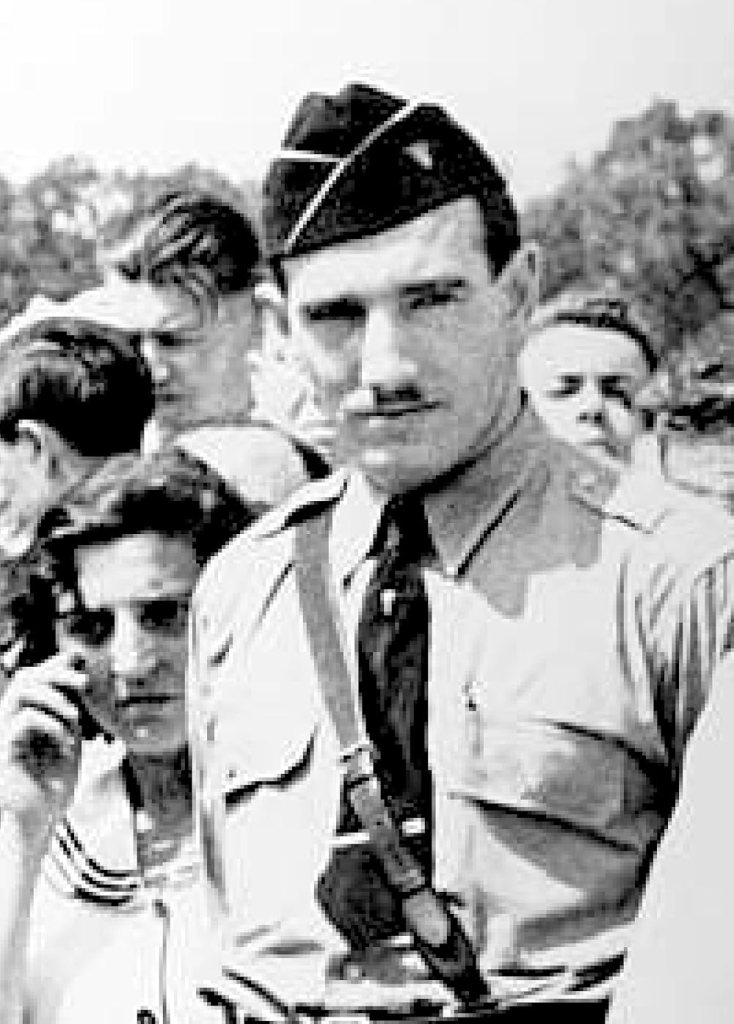
Wilhelm Kunze German American Bund Rally.1938.
Gerhard Wilhelm Kunze.

Despite the Eastside Indianapolis Nazi recruitment session debacle, the Soltau family stayed committed to Nazi ideology. In November 1938, Charles and his youngest sister, Opal, fresh off her graduation from Tech High School, returned from a Bund indoctrination trip to Germany. Some of these trips included meetings with Joseph Goebbels, Heinrich Himmler, and Hitler himself. Whether the siblings were in the Rhineland to attend a German youth camp or to enjoy a post-graduation vacation is unknown. While 18-year-old Opal fit the profile, Charles was almost 30 and may have aged out of that group. They left Hamburg on November 3rd, arriving back in New York on the 11th. The Soltau family quietly supported the Bund cause by subscribing to The Free American newsletter and other Nazi propaganda publications including a liturgy of anti-Semitic tracts like The Protocols of the Elders of Zion and Hitler’s Mein Kampf manifesto. A November 1941 FBI investigation identified the Soltau family as 4 of 38 stockholders in the Press (The publishing house had issued 5000 shares of preferred stock at $10 a share in 1937). The FBI noted that the Soltau family were the only stockholders from Indiana. While the Free American had local news columns in Fort Wayne and South Bend, there were none in Indianapolis.
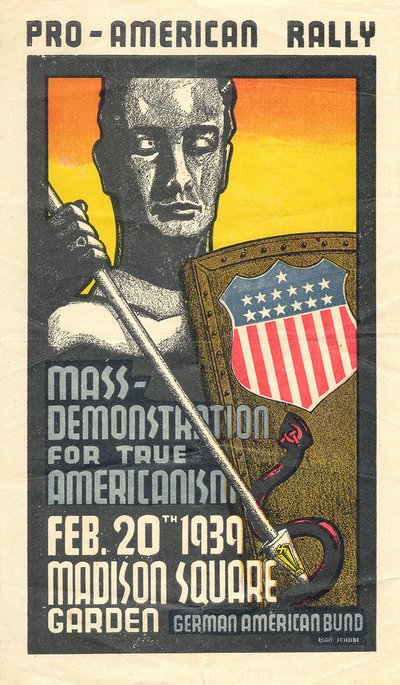
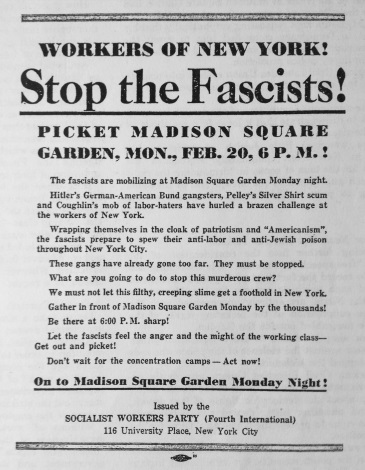
The German-American Bund was at its zenith in 1938-39, but after 20,000 people attended a Bund rally at Madison Square Garden in February 1939, New York City Mayor Fiorello La Guardia instigated a series of investigations that would ultimately bring them down. In September 1939, after the Nazis invaded Poland the FBI and federal government went after the Bund. Fritz Kunze was detained by the South Bend Police on May 12, 1941.
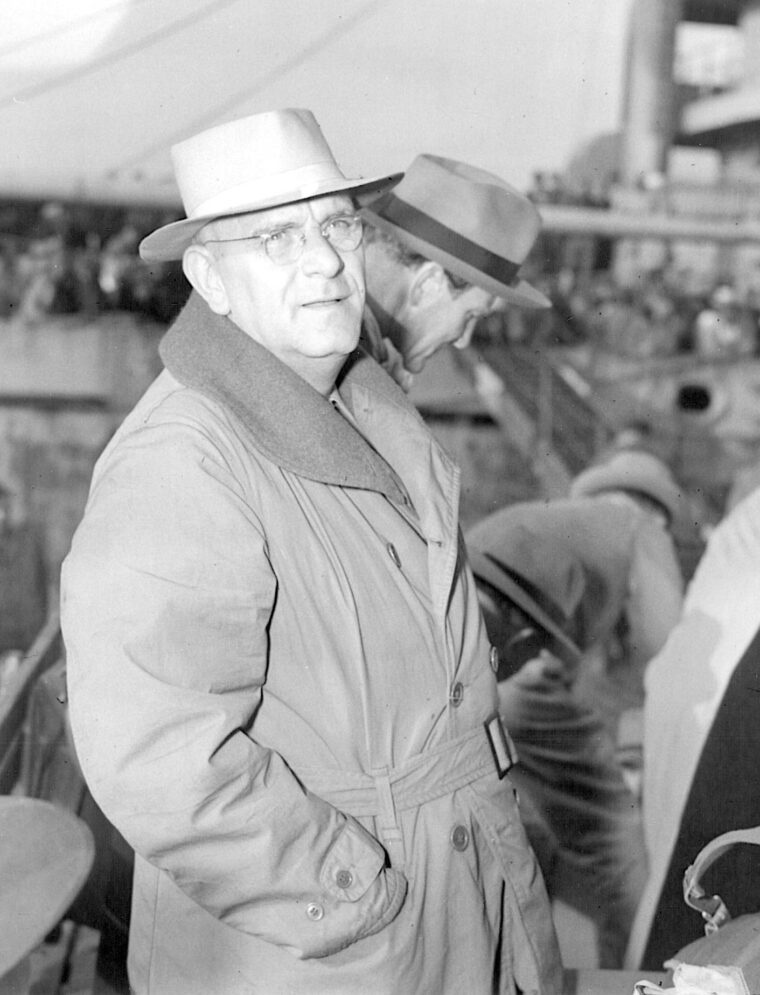
Kunze upon deportation in 1945.

In the inventory of Kunze’s papers confiscated by the Police were cards with the names and addresses of Bund members, including the Soltau family, the only members from Indiana. Kunze was charged with espionage, and in November 1941, just a month before Pearl Harbor, he fled to Mexico, hoping to escape to Germany. Kunze was captured by the Feds in Mexico in June 1942 and sent to jail for espionage, where he spent the rest of the war. The German-American Bund disbanded officially immediately after Pearl Harbor. Regardless, some Bund members had their American citizenship revoked and were deported, while others were prosecuted for refusing to register for the draft. Kunze was eventually deported himself in 1945.
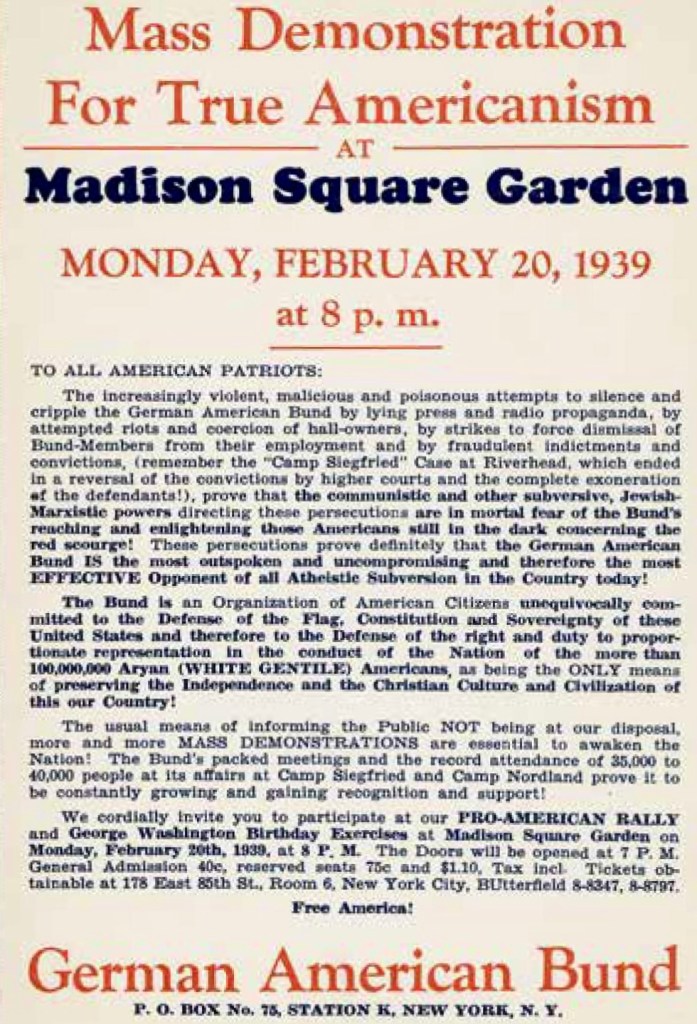
In September 1940, when the draft began, the Bund instructed its members to boycott registration, and soon, former Bundist members began to be prosecuted by the Selective Service System for failure to register. 33-year-old Hoosier Charles William Soltau was among those who refused to report for induction. In August 1942, draft dodger Soltau was arrested, and his home was raided by US Marshals who discovered a large cache of Nazi propaganda there. It included issues of The Free American, a portrait of Hitler, Swastika banners, and Nazi memorabilia. In a four-page letter to President Franklin D. Roosevelt, Soltau argued that “in all my association with the German-American Bund I never was guilty of any subversive activity.” After spending a couple of nights in jail, Soltau posted a $5000 cash bond. When he appeared in court in November, he argued that, “My conscience will not permit me to bear arms against the German people.” He informed the court that “This war is a war of aggression by the United States against the Germans. I am a man of German blood, and I don’t think it is right or fair or just for a man of German blood to bear arms against the German people.” It took the jury six minutes to deliberate and deliver a five-year sentence to Soltau. Judge Robert C. Baltzell concluded that “I have never seen a more contemptuous fellow in this court,” and “I am going to do all I can to see that you serve as much [time] as possible.” In December 1943, while serving his sentence at the Federal Correctional Institute in Milan, Michigan federal prison, Soltau’s mother Laura died. Charles was released in 1946, and with his sisters, Opal and Pearl, he moved to their secluded Brown County property near Gnaw Bone.
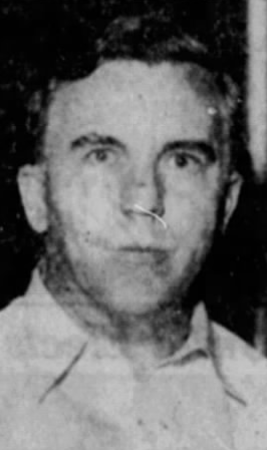
Charles Soltau 1942.

Their father, William Albert Soltau, died there on October 6, 1950, at age 75. His funeral service was held at Shirley Brothers Central Chapel in Irvington, and he is buried at Memorial Park Cemetery on Washington Street alongside his brothers, whose funeral services were also held at Shirley Brothers. At least one brother, Benjamin Harrison “Ben” (1889-1963), was a member of Irvington Masonic Lodge 666, and another, James Garfield Soltau (1881-1932), was an admitted member of the KKK. The Soltau siblings quietly left Indianapolis and moved to Gnaw Bone, where they lived together in Brown County for the remainder of their lives, and none of the three ever married. The siblings started with three goats in 1952, and by 1962, their “trip” (or tribe) had reached 44 head, so they created Pleasant Valley Goat Farm on their 200-acre Gnaw Bone property. The family sold goat’s milk and yogurt in local farm markets. Pearl Soltau also moonlighted as an accountant for a local hosiery mill, preparing tax returns on the farm. After a two-year illness, Pearl died at the Gnaw Bone farm in May 1968 at the age of 62. Charles died there on July 5, 1971, at age 61. Although Charles’s membership in the “German-American National Congress” was mentioned in his obit, Pearl betrayed no history of continued xenophobic activism after the war. Both are buried at Henderson Cemetery in Gnaw Bone.

Charles Soltau 1942.

However, the youngest sibling, Opal, remained committed to neo-Nazi causes for more than a half-century after the war. Even after the deaths of her siblings, Opal continued to agitate for unpopular political causes. Opal had been a standout at Arsenal Tech High School. She was a straight-A Honor Roll Student and received the scholarship medal from the Tech faculty in 1938. In the 1980s, Opal Soltau was accused of mailing neo-Nazi propaganda from the post office in Nashville, In. In September 1996, Opal sold her parcel of 120 acres in Brown County and by January 1997, she had moved to Nebraska. That same month, she became a Director for the National Socialist German Workers’ Party-Overseas Organization. Opal Soltau died in Lincoln in August 2008 and is presumed buried there. No one knows how the pilot light of Nazi fervor was lit in the Soltau family and, for that matter, how it burned out of control within the hearts and minds of these three Arsenal Tech graduates. Political ideology grows unchecked when surrounded only by like-minded individuals living in a silo of misinformation. Sometimes, it is the better part of valor to explore divergent opinions. The flame of Nazism burns through everything it touches. Characterized by extreme nationalism and steered by blind faith in misguided authoritarianism, its victims don’t realize what has happened until it’s too late. And by then, no matter what, they will never admit that they were ever wrong in the first place.

For a more thorough study of the Soltau family, I recommend the blog Nazis in the Heartland: The German-American Bund in Indianapolis by the late Paul R. Mullins (1962-2023), Anthropology Professor at IU Indianapolis (formerly IUPUI).
Christmas, Hollywood, Music, Pop Culture, The Beatles

21 Top Grossing Songs of All Time.

Original Publish Date September 21, 2023.

https://weeklyview.net/2023/09/21/21-top-grossing-songs-of-all-time/

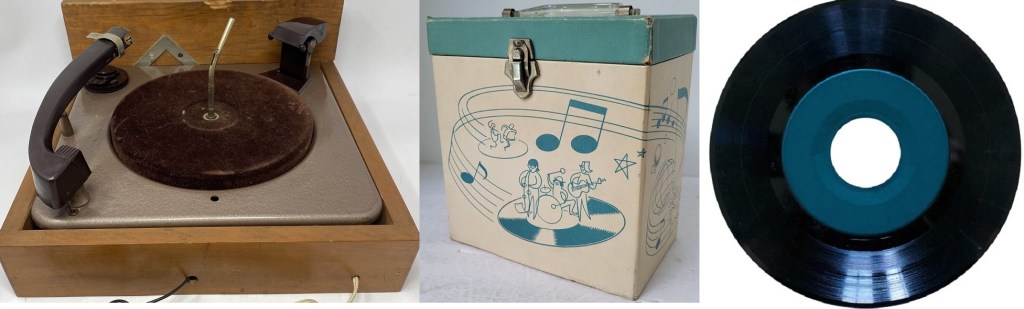
So, I’m down in Florida celebrating my 34th wedding anniversary with my bride, Rhonda, who is still the prettiest girl I’ve ever seen. Down here, I’m a thousand miles away from cutting the lawn, watering the flowers, and a honey-do list as long as my arm. So what better time to write about music? I wondered what a list of the top twenty-one money-making songs of all time would look like. Not best-selling albums. Not best-selling song catalogs. Not even best-selling singles. Rather, what songs have made the most money? So, here’s a list for you to ponder. There will be obvious titles, obscure titles, and some surprises, and by the end, I’ll throw some sand in the Vaseline. Only then will you understand what put the thought in my mind.

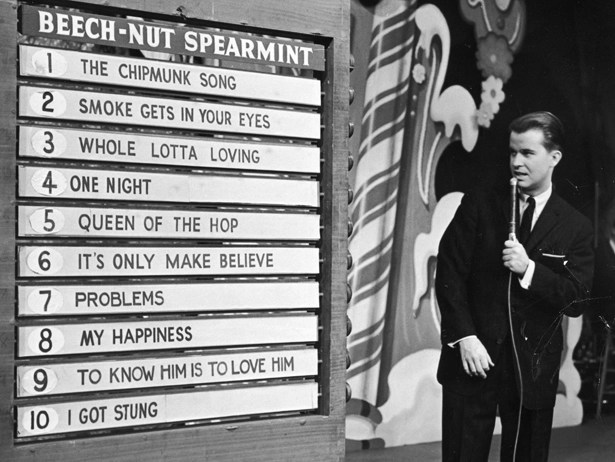
Dick Clark counting down American Bandstand hits August 5, 1957.

Many songs have made over $10 million including The Village People “YMCA,” Gene Autry’s “Rudolph the Red-Nosed Reindeer,” The Beatles “I Want to Hold Your Hand,” and, should you consult that black hole that is the Internet, names like Taylor Swift, Justin Bieber, Ed Sheehan, and a liturgy of mysterious electronic dance will muddy the issue. But for the purposes of this article, I have consulted more reputable sources for the numbers: Billboard, Music Grotto, Rolling Stone, and the Guinness Book of World Records.

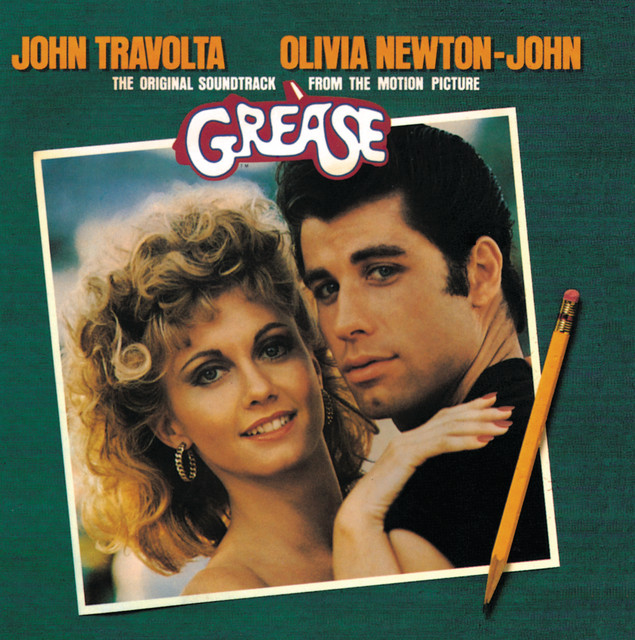
Number 21: “You’re The One That I Want,” by John Travolta and Olivia Newton-John from the 1978 film Grease. Estimated earnings: $15 million. The song featuring Travolta’s greaser Danny Zuko and Olivia’s good girl temporarily gone bad, Sandy Dombrowski, propelled the film into one of the highest-grossing musical films of all time and the soundtrack became a worldwide hit. Fun fact, Richard Gere and Barry Bostwick portrayed the Travolta character on Broadway in 1972/1973.

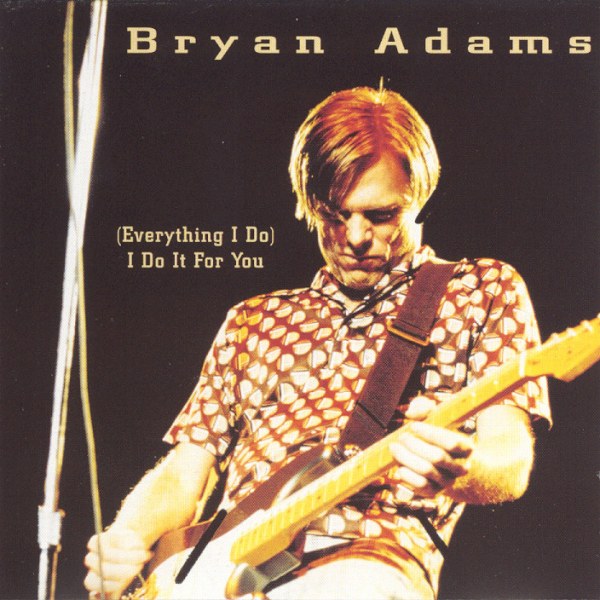
Number 20: “(Everything I Do) I Do It For You” by Bryan Adams (1991). Estimated earnings: $15 million. The song appeared on the soundtrack for the film Robin Hood: Prince of Thieves and on the Canadian singer’s sixth studio album, Waking Up the Neighbours.
Number 19: “All I Want For Christmas Is You” by Mariah Carey (1994). Estimated earnings: $16 million. This holiday standard (or earworm depending on your point of view) is the most loved and hated song on the list by a longshot. Every holiday season it returns to the number one spot on the Billboard charts, much to the dismay of seasonal retail workers. Love it or hate it, you gotta give Mariah a tip of the cap for her skimpy Santa suit: an homage to Ronnie Spector and the Ronettes.

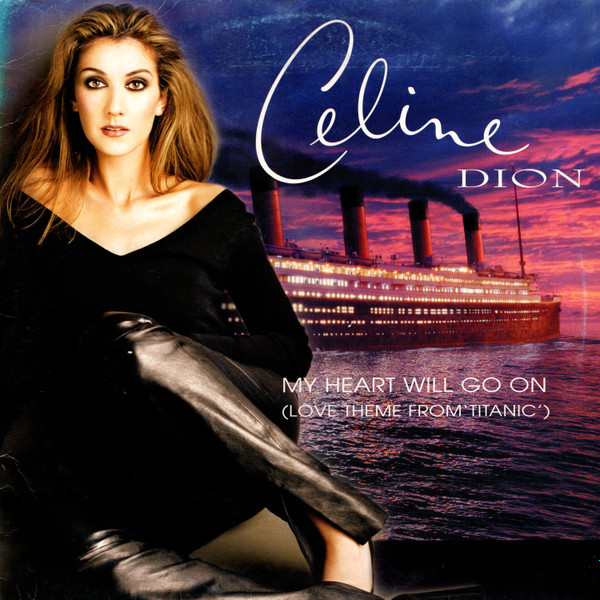
Number 18: “My Heart Will Go On” by Céline Dion (1997). Estimated earnings: $18 million. Better known as the theme song for the film Titanic, it has become Dion’s signature song and is the second-best-selling single by a woman in music history.

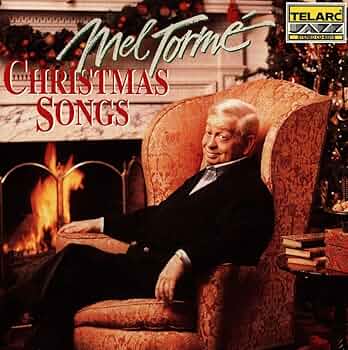
Number 17: “The Christmas Song” by Mel Torme (1944). Estimated earnings: $19 million. While the title may not ring a bell, when you hear Torme (a.k.a. “The Velvet Fog”) croon “chestnuts roasting on an open fire,” you know what time it is. The song is ironic in a couple of different ways. First Torme is Jewish. Second, Torme wrote the Christmas song “Jack Frost Nipping at Your Nose” in 45 minutes on a blistering hot California day.

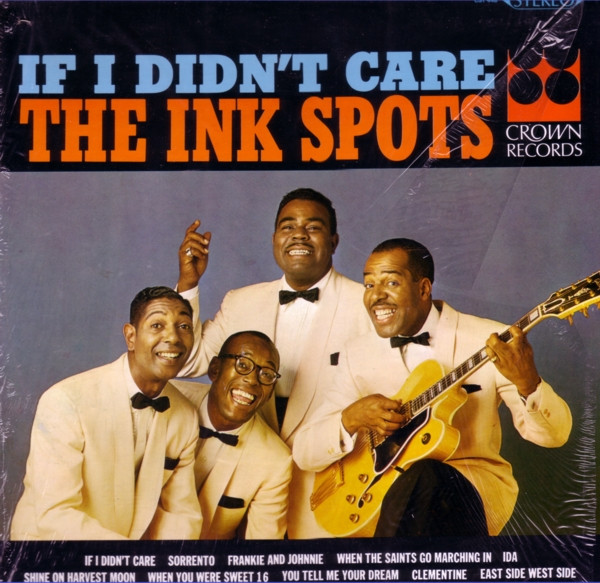
Number 16: “If I Didn’t Care” by The Ink Spots (1939). Estimated earnings: $19.75 million. The Ink Spots were one of the first all-black bands to be widely accepted in both the white and black communities. The group traces its origin to Indianapolis and in 1989 they were inducted into the Rock ‘n Roll Hall of Fame.

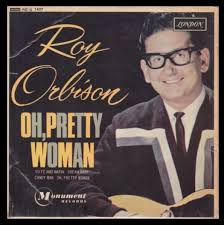
Number 15: “Oh Pretty Woman” by Roy Orbison and Bill Dees (1964). Estimated earnings: $19.75 million. Most movies form the song but this song formed the movie. The song was released as a single in August 1964 and the movie didn’t come along until 1980. The Richard Gere and Julia Roberts movie was originally intended to be a dark cautionary tale about class and prostitution in Los Angeles but the film was re-imagined as a romantic comedy and was mostly shot at Walt Disney studios. As for Orbison’s original song? It was inspired when his wife, Claudette, interrupted a conversation to announce she was going out. When Orbison asked if she had enough cash, his co-writer Bill Dees interjected, “A pretty woman never needs any money.”

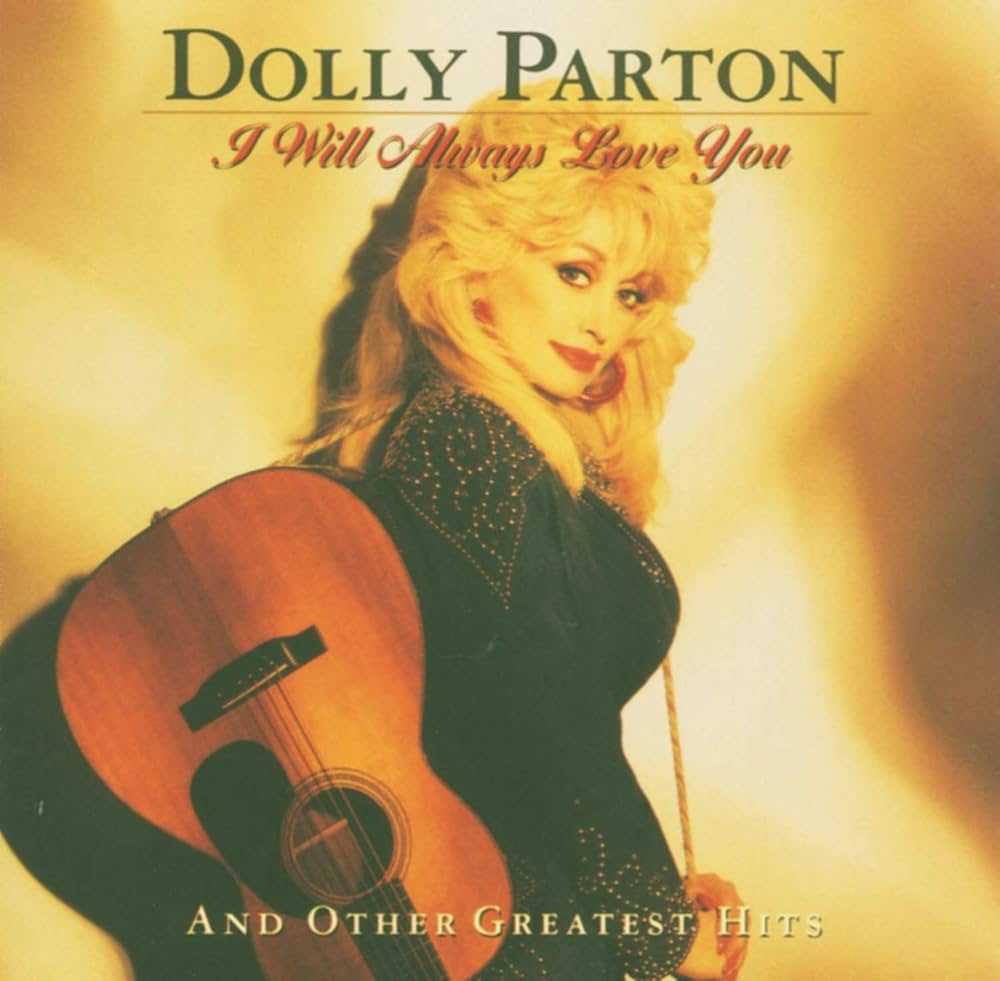
Number 14: “I Will Always Love You” by Dolly Parton (1972). Estimated earnings: $20.5 million. Dolly wrote the song to honor her early mentor, Porter Wagoner. The song helped Dolly win CMA’s Female Vocalist of the Year in 1975 but had its biggest impact in 1992 when Whitney Houston covered it for her 1992 movie, The Bodyguard. Houston’s version is the best-selling single by a woman in music history. The song has earned Dolly over $10 million which she famously donated to charities serving black communities. 

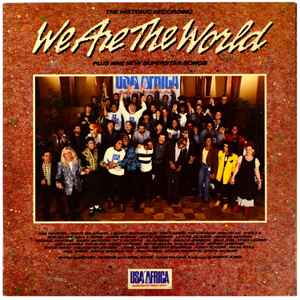
Number 13: “We Are The World” by USA For Africa (1985). Estimated earnings: $20.5 million. This charity single was written by Michael Jackson and Lionel Richie. The song featured some of the biggest musicians of the time, including Stevie Wonder, Billy Joel, Paul Simon, Kenny Rogers, Tina Turner, Diana Ross, Willie Nelson, Bruce Springsteen, Kenny Loggins, Steve Perry, Daryl Hall, Huey Lewis, Cyndi Lauper, Ray Charles, and Bob Dylan (who, when chastised by Producer Quincy Jones for singing “off-key”, responded, “That’s my style, man.”) .The chorus was equally notable: Dan Aykroyd, Harry Belafonte, Lindsey Buckingham, Sheila E., Waylon Jennings, Bette Midler, Smokey Robinson, the Pointer Sisters, and the other 4 members of the Jackson Five. The album raised a whopping $63 million in relief funds.

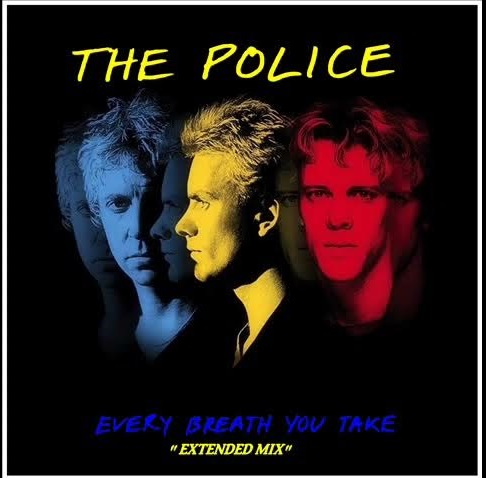
Number 12: “Every Breath You Take” by Sting (1983). Estimated earnings: $20.5 million. Although officially a song by The Police, it has become Sting’s signature song and was, for many years, a popular wedding song until it was revealed to be about a stalker with an unhealthy obsession. In 2010, Sting’s former business manager claimed that the song “is responsible for more than 1/4 of all the singer’s lifetime publishing income and today still produces $2,000 a day ($730,000 per year) in royalties income for Sting.” The songwriting for “Every Breath You Take” is credited 100% to Sting (AKA Gordon Sumner).

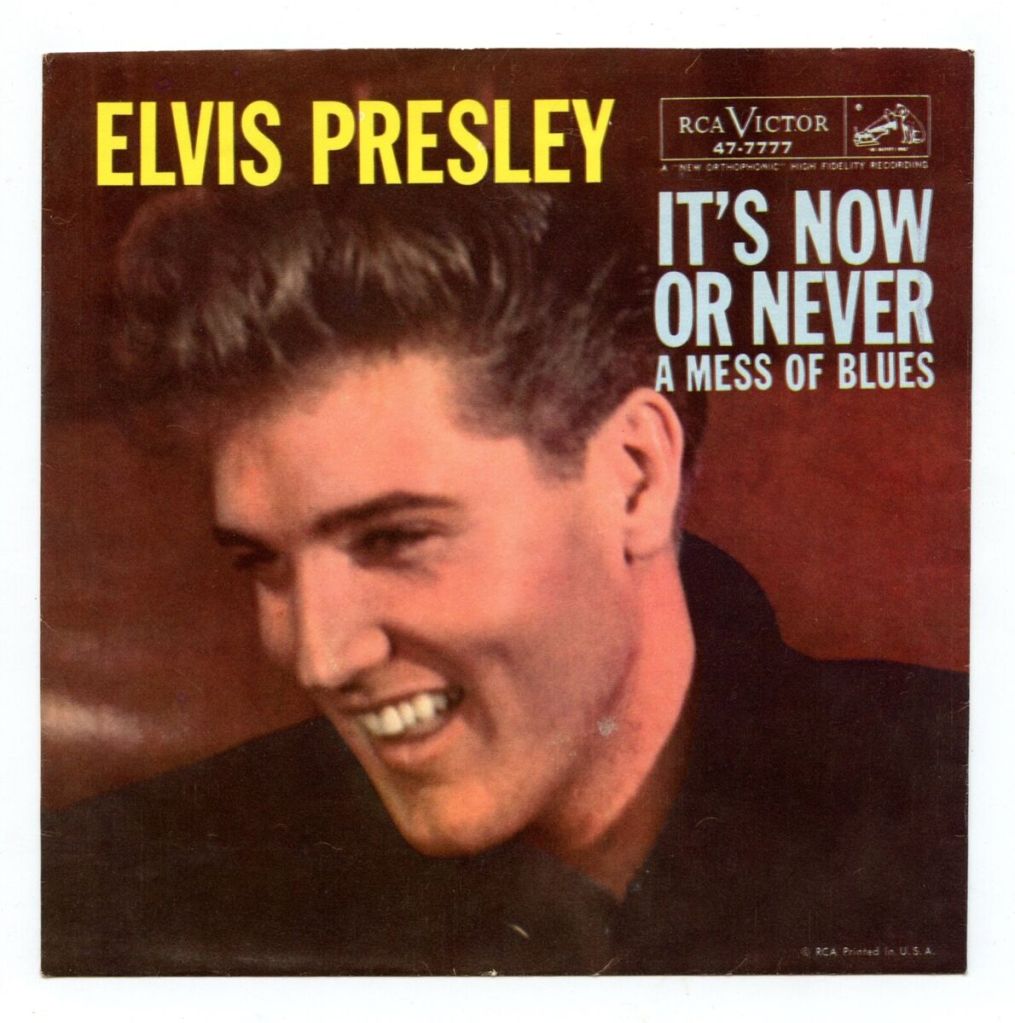
Number 11: “It’s Now Or Never” by Elvis Presley (1960). Estimated earnings: $22 million. I know, I know, why THIS Elvis song in particular? Elvis had so many great ones. When Presley wrote the song, he was serving in the military, stationed in Germany. When he returned to the States after his stint, “Now or Never” became one of his first releases, so fans raided the record stores by the millions in search of it.

Number 10: “Rock Around The Clock” by Bill Haley & His Comets (1954). Estimated earnings: $25 million. Most of us remember it as the theme song for the Happy Days TV show, “Rock Around the Clock” was one of the earliest successful mainstream records of the rock ‘n roll era. It was the first rock and roll record to hit number one on the U.S. pop charts. Here’s a mind-bender for you: “Rock Around The Clock” was written to the tune of Hank Williams’ “Move It On Over.”

Number 9: “Santa Claus Is Coming To Town” by Haven Gillespie And Fred J. Coots (1934).  Estimated earnings: $27 million. Another head-scratcher, but as they say, timing is everything. Although the original artist who recorded it is long forgotten (Harry Reser and His Band), in November 1934 when it was covered by Eddie Cantor on his radio show, within 24 hours, 500,000 copies of sheet music and more than 30,000 records were sold and it just kept selling. The song has been recorded by over 200 artists including Bing Crosby, Neil Diamond, Fred Astaire, Bruce Springsteen, Mariah Carey, Frank Sinatra, the Temptations, the Carpenters, and the Jackson 5.

Number 8: “Stand By Me” by Ben E. King, Jerry Leiber, and Mike Stoller (1961).  Estimated earnings: $27 million. According to King, the title was inspired by a spiritual written by Sam Cooke and J. W. Alexander called “Stand by Me Father.” “Stand By Me” was successful on its own, but it shot to prominence when it was used in the Stephen King blockbuster movie of the same name twenty years later and found itself at the top of the charts in 1986. In March of 1974, John Lennon recorded two takes of the song with former Beatles bandmate Paul McCartney on the drums and Lennon on guitar. The unreleased recordings would eventually be included in a bootleg album A Toot and a Snore in ‘74.

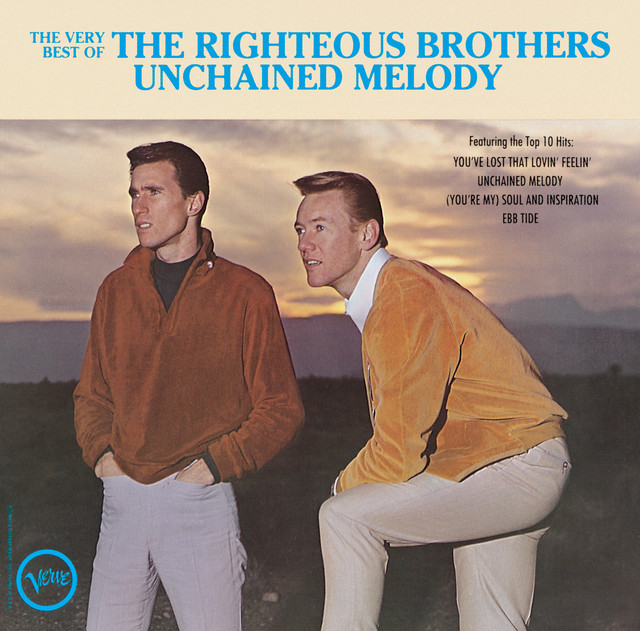
Number 7: “Unchained Melody” by Alex North And Hy Zaret (1955). Estimated earnings: $27.5 million. The song was written for a movie, Unchained, which was not a success and is remembered ONLY for starring football Hall of Famer Elroy “Crazylegs” Hirsch, Perry Mason’s Barabara Hale and Dick Van Dyke’s dentist neighbor Jerry Paris. However, the song would go on to be one of the most covered songs in recorded history; more than 650 artists at last count. The 1965 version by the Righteous Brothers is the most famous version, but the song re-emerged after it was used in the 1990 Oscar-winning movie Ghost starring Demi Moore and Patrick Swayze.

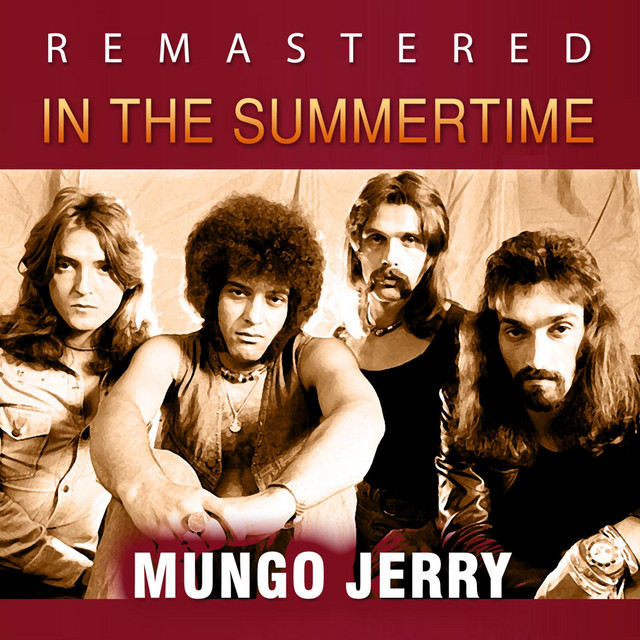
Number 6: “In The Summertime” by Mungo Jerry (1970). Estimated earnings: $30 million. I guess we should think of this as the seasonal song for summer. Just like Christmas, summer comes around every year. Impressive when you consider it was Mungo Jerry’s debut single and that lead singer Ray Dorset said it only took him 10 minutes to write. Dorset later recalled writing it “on a second-hand Fender Stratocaster while I was on break from my day job, working in a lab for Timex.” Initially, the song was only two minutes long; to make it longer, the sound of a motorcycle was added in the middle. But they didn’t have a motorcycle, so “the engineer had a Triumph sports car, which he drove past the studio microphone. So he got the stereo effects from left to right or right to left, whatever. And that was it.” That scene is made even more comical when you watch the music video for the song (one of the earliest such videos you’re likely to find) and see one of the musicians pretend to create the sound by blowing into a water jug.

Number 5: “Yesterday” by John Lennon and Paul McCartney (1965). Estimated earnings: $30 million. Although Paul McCartney was 100% responsible for the writing and singing of the song, the songwriting credit goes to both men. From the start the duo agreed to share equal credit for their songs, no matter how much either of them contributed to the song. “Yesterday” would become the second-most-played song in the history of radio. It has been covered by more than 2200 different artists. Yoko Ono, John Lennon’s sole heir, has received millions in royalties from the song. BMI asserts that it was performed over seven million times in the 20th century.

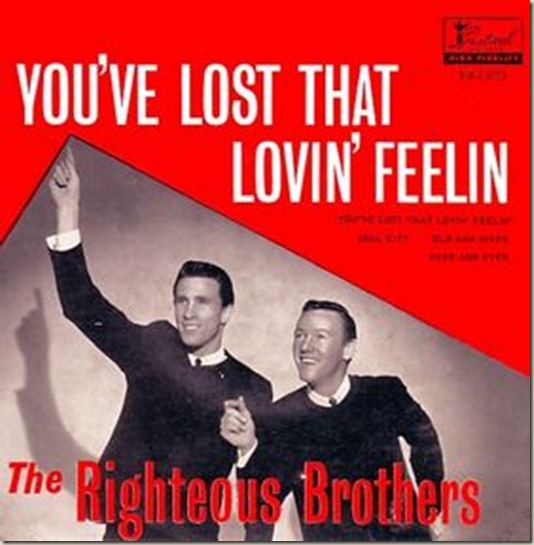
Number 4: “You’ve Lost That Feeling” by Barry Mann, Cynthia Weil, and Phil Spector (1964). Estimated earnings: $32 million. Notable as the ONLY song to crack the top 21 that was written by a convicted murderer: Phil Spector. Ironically, Spector’s sole contribution to the songwriting was the line, “and he is gone, gone, gone, Whoa, whoa, whoa.” This Spector-produced song is cited by music critics as the ultimate example of his Wall of Sound recording technique. The song became a massive hit after it was recorded by The Righteous Brothers but resurfaced in a big way in 1986 after it was included in the soundtrack for Top Gun, starring Tom Cruise. The song has been covered by over 2200 different artists and went on to become one of the most-played songs in radio history.

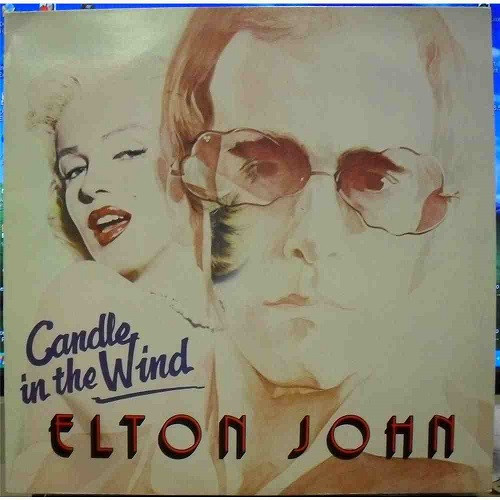
Number 3: “Candle In The Wind” by Elton John and Bernie Taupin (1973). Estimated earnings: $32 million. The song was originally written about the death of Marilyn Monroe, but, in 1997, Elton did a rewrite as a memorial for his close friend Princess Diana. The rewritten version had greater success than the original version. During a concert on April 7, 1990, at Farm Aid IV, Elton dedicated the song to Cicero, Indiana AIDS patient Ryan White, who died of AIDS complications the next day.

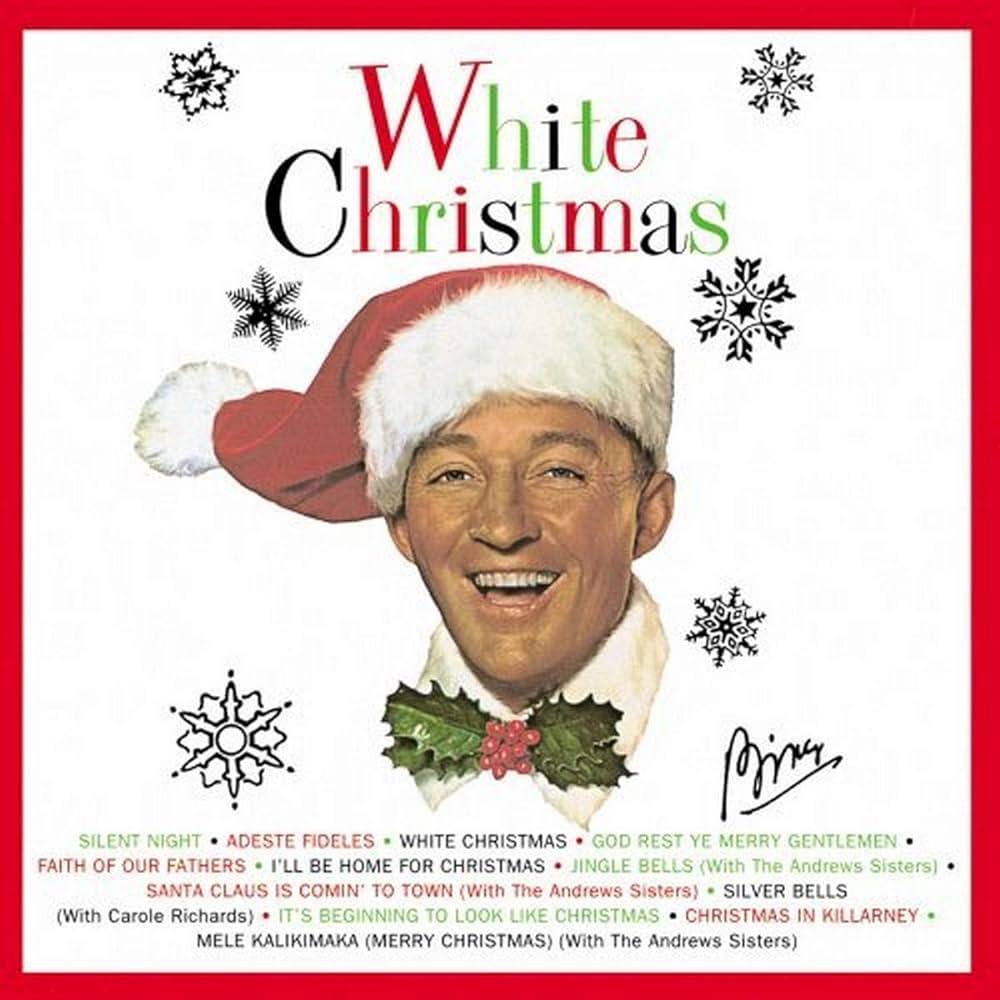
Number 2: “White Christmas” by Irving Berlin (1940). Estimated earnings: $36 million. Ironically, this standard of all Christmas songs was written by a Jewish immigrant from Russia: Irving Berlin. Though the song has been covered by countless artists, the most famous version will always be Bing Crosby’s version which sold over 100 million copies worldwide. According to Crosby’s nephew, Howard Crosby, “I once asked Uncle Bing about the most difficult thing he ever had to do during his entertainment career…He said in December 1944, he was in an outdoor USO show in northern France… he had to stand there and sing ‘White Christmas’ with 100,000 G.I.s in tears without breaking down himself. Of course, a lot of those boys were killed in the Battle of the Bulge a few days later.” Think of that the next time you hear this song.

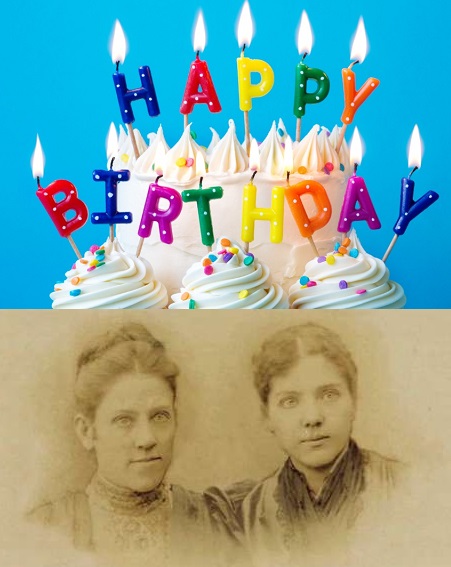
Mildred (left) and Patty (right) Hill.

Number 1: “Happy Birthday” by The Hill Sisters (1893). Estimated earnings: $50 million. The ONLY song on the list that has been sung by every generation of your family you ever knew. You know the song, but do you know the story? Mildred Jane Hill was a musicologist from Louisville, Kentucky. Born two years before the start of the Civil War in 1859, Mildred studied music, teaching, composing, and performing, specializing in the study of Negro spirituals. Hill and her sister Patty were honored at the 1893 Chicago World’s Fair for their work in the progressive education program at the experimental Louisville Experimental Kindergarten School. Her progressive 1892 article, “Negro Music,” suggested that the existing body of black music would be the basis of a distinctive American musical style in the years to come. In 1893, the Hill sisters found themselves in need of a song for their kindergarten class to sing on birthdays. 130 years later, we are still singing the Hill sisters song. Today, “Happy Birthday” brings in a reported $5,000 a day, and $2 million a year in royalties. The cost of using the song in a movie or on TV is $25,000. It is actually against the law to sing “Happy Birthday” in a large group of unrelated people, but good luck trying to enforce that one.

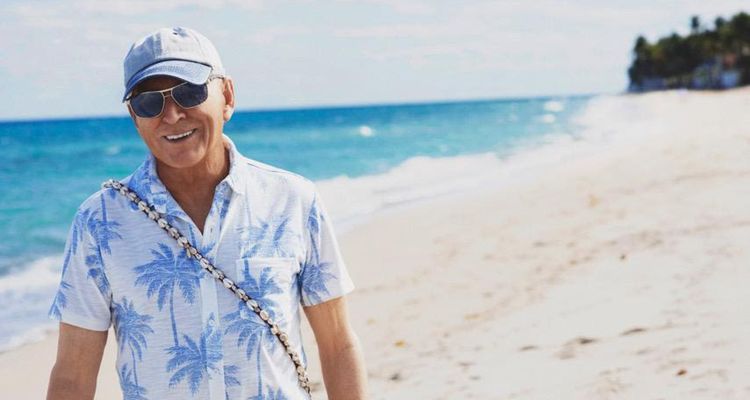
Jimmy Buffett.

There you have it. Those numbers will change in the years to come. No doubt, by scanning the list, you have deduced that all it takes for a song to make (or jump up on) the list is for a movie or TV show to pick it up as a theme song. But, as I told you earlier, I am in Florida as I write this, and for that reason, I would like to submit a song that is not on anyone’s list. Governor DeSantis of Florida has ordered that flags be lowered to half-staff from Thursday, Sept. 7, to Friday, Sept. 8th to commemorate the ‘life and legacy’ of Jimmy Buffett, the “Margaritaville” singer who died on Sept. 1st.

Buffet’s 1977 “Margaritaville” song was on his album Changes in Latitudes, Changes in Attitudes. Buffet claimed that the lyrics were taken directly from a bad day at the beach and that he really lost a flip-flop, stepped on a pop top, and cut his heel on the way back home. And, oh yes, he lost his salt shaker that day too. The song has a “lost verse” which he sometimes added when performing in concert but was cut from the original song. “Old men in tank tops, Cruisin’ the gift shops, Checkin’ out chiquitas, down by the shore. They dream about weight loss, Wish they could be their own boss, Those three-day vacations can become such a bore.” Although Buffet’s Margaritaville earned him millions, by itself, it never could have cracked the top 21.

However, Buffet’s song about life in this euphoric place has morphed into a global brand that has earned more than $4.8 billion and sees $1.5 billion in annual sales. Buffet’s Margaritaville Holdings company began in 1985 with the opening of a string of Margaritaville-themed stores and restaurants, the first of which was a store in Key West, Florida, that was followed in 1987 with the first Margaritaville Café nearby. Over the course of the next two decades, several more of each opened throughout Florida, New Orleans, and California.  In 2002, Buffet partnered with Outback Steakhouse to develop the first Cheeseburger in Paradise Restaurant in Southport, Indiana. Margaritaville resorts by Wyndham have sprouted up all over the place and most recently, a plan to develop Latitude Margaritaville: new active adult communities for those “55 and better.” At the time of his death, Buffet had amassed a personal fortune of $1 billion. That’s BILLION with a “B”, a figure that cannot be surpassed, even if you added all of the top 21 together. Apparently, Margaritaville was a pretty good place to be.

Creepy history, Gettysburg, Hollywood, Pop Culture, Weekly Column

James Dean in Gettysburg.

Originally Published in December 2011. Republish Date December 21, 2023.

https://weeklyview.net/2023/12/21/james-dean-in-gettysburg/

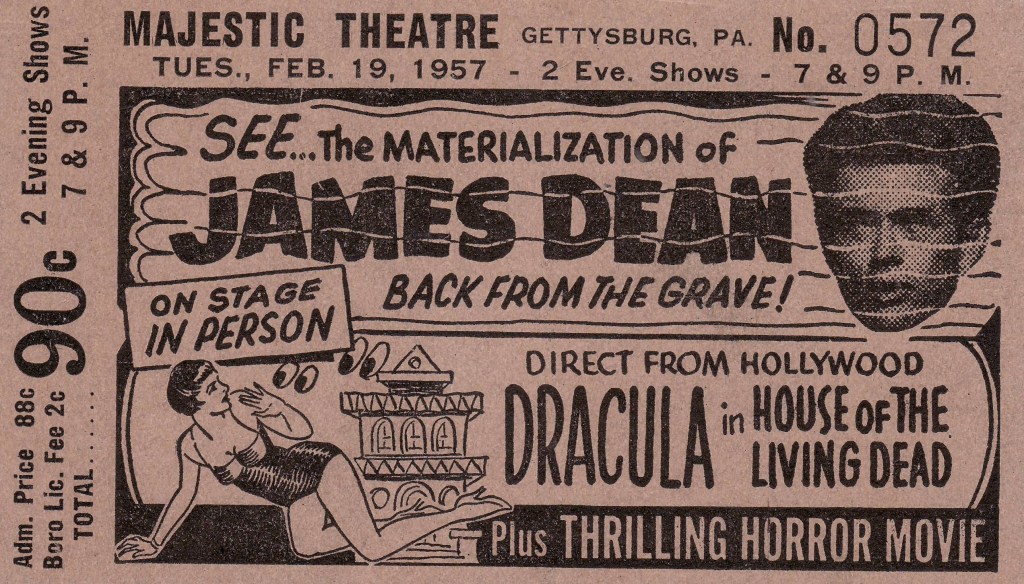
There is an item on my office desk that calls to me every time my mind wanders, I’m gathering my thoughts, or most often, while I’m waiting for a document to load on the computer. It’s a ticket stub, smaller than an index card, from a Tuesday, February 19, 1957, double feature movie at the Majestic Theatre in Gettysburg, Pennsylvania. I bought the ticket in an antique mall just off the Gettysburg town square while on a trip with friends to the famous Civil War battlefield this past Spring. Native Hoosier that I am, my heart jumps a little whenever I see something with an Indiana connection so far away from home.

The ticket is for a movie touted as being “Direct from Hollywood” (Where else would it be from in 1957?) called “Dracula in House of the Living Dead”. The ticket features the cartoon image of a young woman on her hands and knees crawling away from a house whose disembodied eyes follow her, and oh yeah, she’s in a skimpy bathing suit. I’m not an expert on Dracula movies, but my guess is that this movie was just a rehash of an old well-known film with a brand new title designed to lure unsuspecting people into the theatre believing they were seeing a new release. A despicable practice common amongst studios back in the 1950s Era.

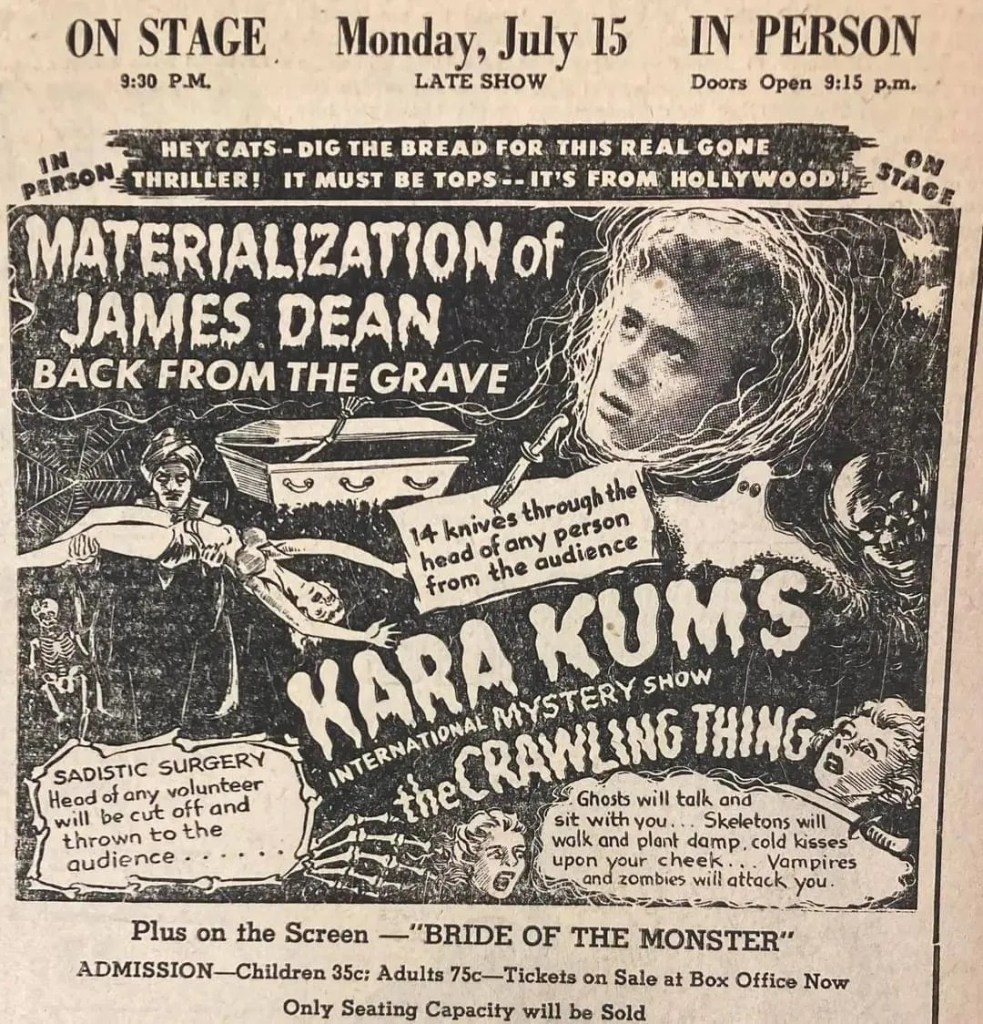
While the Dracula ticket and its promise of an additional unannounced “Thrilling Horror Movie”, were intriguing to be sure, they were not the reason for my purchase. Above the terror-stricken swimsuit-clad woman, there was an eerie floating head of someone very familiar to me and many of my fellow Hoosier baby boomers. It was Fairmount’s own James Dean. The printed promise near his image read: “See…the materialization of James Dean BACK FROM THE GRAVE!” On Stage in Person” Cool, James Dean in Gettysburg, why that’s so…Wait, that’s…impossible. James Dean died in a car crash on September 30, 1956, and this ticket is dated after Valentine’s Day of 1957! How could that be?

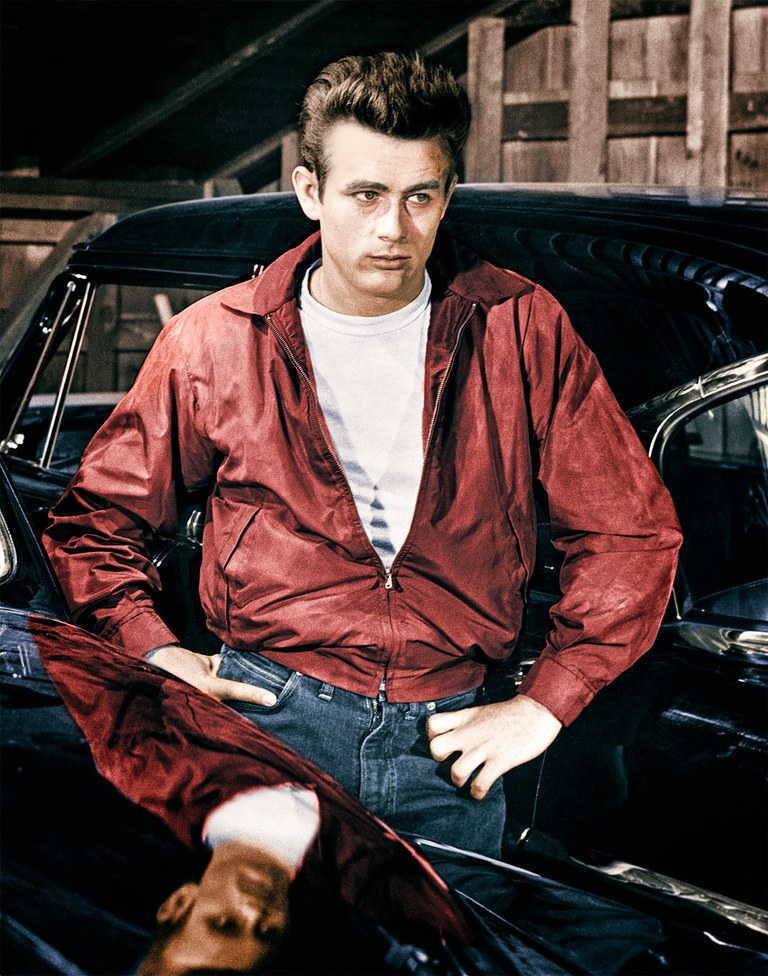
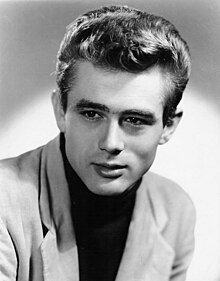
James Dean.

After a few minutes, I realized that this surely must be one of the earliest attempts at the exploitation of a dead celebrity ever attempted. Today, Hollywood barely waits for the body to get cold before cranking out biopics and making cable movies about dead celebrities. Anna Nicole-Smith, Heath Ledger, and Michael Jackson are recent examples. But in 1957 Gettysburg, really? One can only imagine the theatre owner dreaming up this stunt to draw a crowd, finding a good looking blonde haired kid from nearby Gettysburg College, paying him a small fee, and instructing him to walk out on stage wearing blue jeans, a white t-shirt, a red cloth jacket, and sunglasses before exiting speedily amid the gasps, squeals and screams of the frenzied teens in attendance.

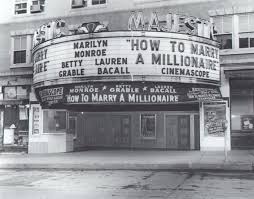
Gettysburg’s Majestic Theatre in 1953.

Did I mention that the Majestic Theatre is built so close to the historic Lincoln train depot station that you can almost touch it? The very same train depot where Lincoln arrived the night before he delivered his incomparable Gettysburg Address on the battlefield, on November 18, 1863. A spot many consider to be hallowed ground. But how could this be? Was this an isolated incident of gross exploitation or part of a larger movement? A little research reveals that shortly after James Dean’s death on a lonely California highway, a “James Dean Lives” cult was born.

Brochure/leaflet from Magician Kara Kum’s conjuring of James Dean.

The first indication that the “James Dean Lives” cult was getting out of hand appeared in January of 1956, just three months after Dean died on the last day of September of 1955. Since October, Warner Brothers studio had been deluged with frantic fan letters expressing shock and disbelief that the teen idol was really dead. The letters continued to flow into the studio past Thanksgiving, but by December, the letter stream dramatically increased, both in volume and in spiritual tone. It now seemed that fans didn’t believe Jimmy was gone at all. New rumors claimed that he was being kept alive in a California nursing home and that the studios were stalling for time, just waiting for his recovery and a comeback. Hollywood Gossip columnist Walter Winchell printed the rumor that Dean was disfigured but still alive in his column. Other stories insisted that it wasn’t Dean at all who died in the car wreck, but rather a hitchhiker. Still more farfetched was the rumor that the actor was in hiding learning to operate his artificial limbs or that he had been placed in a sanitarium to recover. Three thousand letters came in during January and increased so steadily that by July, that number had increased to seven thousand. By the first anniversary of his death, Warner Brothers had received over fifty thousand fan letters from all over the world.

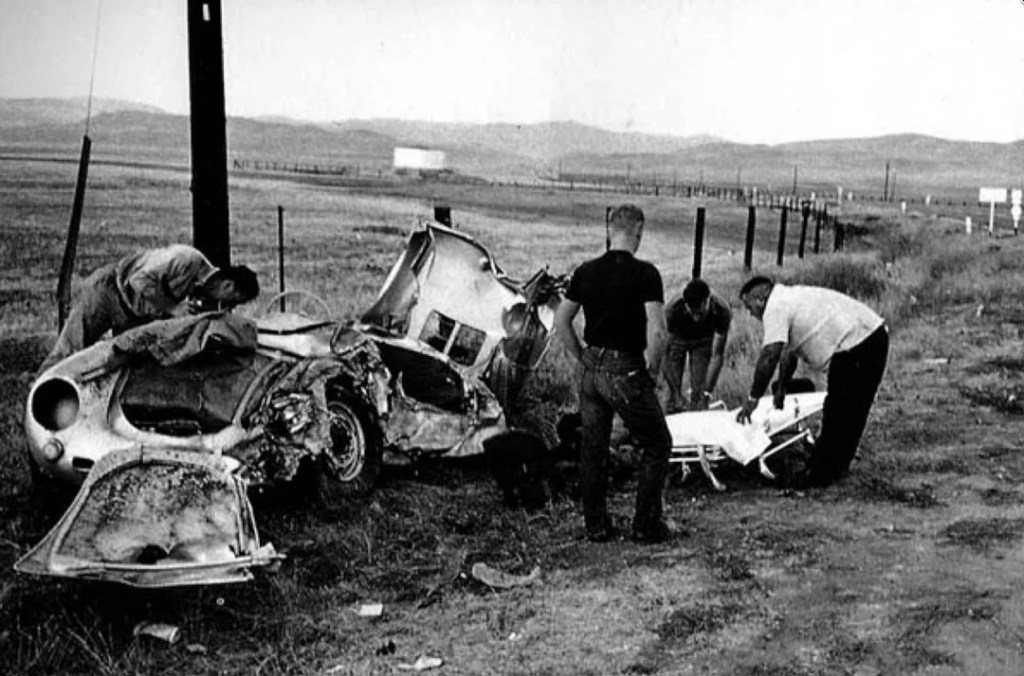
The automobile crash that killed James Dean on Sept. 30, 1955, in Cholame, California.

However, some of the “Mass hysteria” attributed to the “James Dean Lives” rumors can be rationally explained away. Much of this fan mail came from remote regions of South America, Australia, and Western Europe. While these areas still received the movies, albeit posthumously, they did not receive much news and were most likely unaware that James Dean was dead. Many times, these letters were addressed simply to: “James Dean Warner Brothers Studios Burbank California USA” and contained notes that read “Dear James Dean-I love your movies. Will you send me a picture?” That first year, the studio obliged and sent out the photos as requested, which undoubtedly did little to quell the rumors.

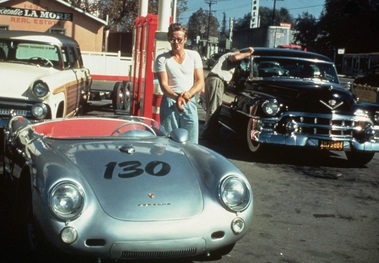
James Dean next to his Porsche 550, a few hours before his death.

But that didn’t explain all of the letters. From the day of his death, it seemed that young people would not let Dean die. Warner Brothers hired a special fan mail agency, the first of its kind in Hollywood, to deal with the deluge of mail that poured into the studio addressed to the dead star. Mattson’s, a Hollywood clothing shop, received hundreds of orders for red jackets identical to the one Dean had worn in Rebel Without a Cause. Griffith Park, where pivotal scenes from the movie were shot, became a tourist attraction overnight. Fans lined up inside the Observatory, hoping for a chance to sit in the same seat Dean had occupied in the film.

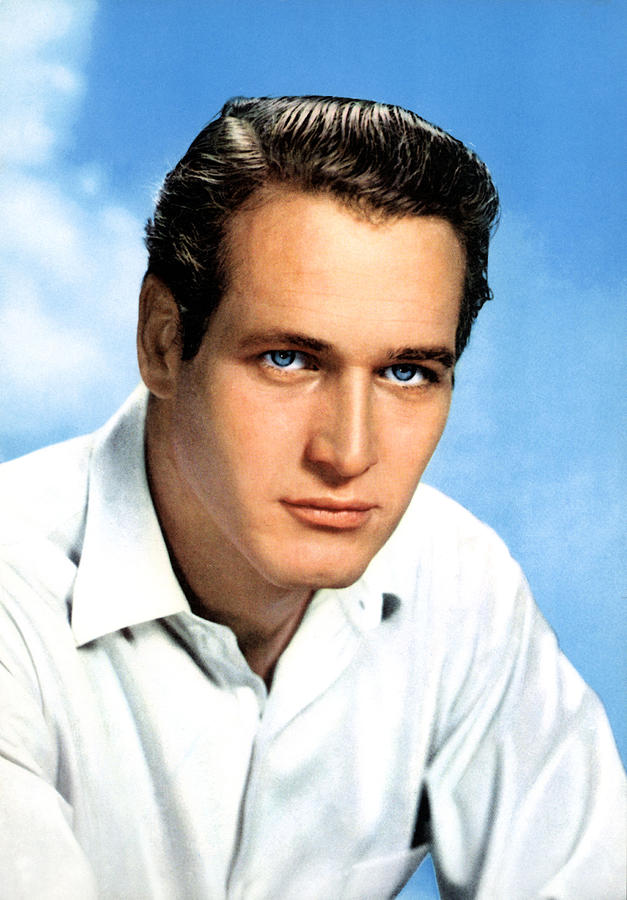
Paul Newman 1950s.

Although today’s generations might not be familiar with James Dean, over the years, an impressive list of actors and performers have claimed to have been influenced by him, including Bob Dylan, Al Pacino, Martin Sheen, and the late Jim Morrison, poet and lead singer for the Doors. Humphrey Bogart, who outlived Dean by two years and also knew a thing or two about cool, once said: “Dean died at just the right time. He left behind a legend. If he had lived, he’d never have been able to live up to his publicity.” Eventually, the realization that James Dean was gone set in. The world of cool moved on to others like Elvis Presley, The Beatles, Terre Haute’s own Steve McQueen, and Paul Newman, to name just a few. The Paul Newman comparison is not a random one. Not only will readers of my column recognize my admiration for Newman, but they might also be surprised by the ethereal connection between Newman and Dean.

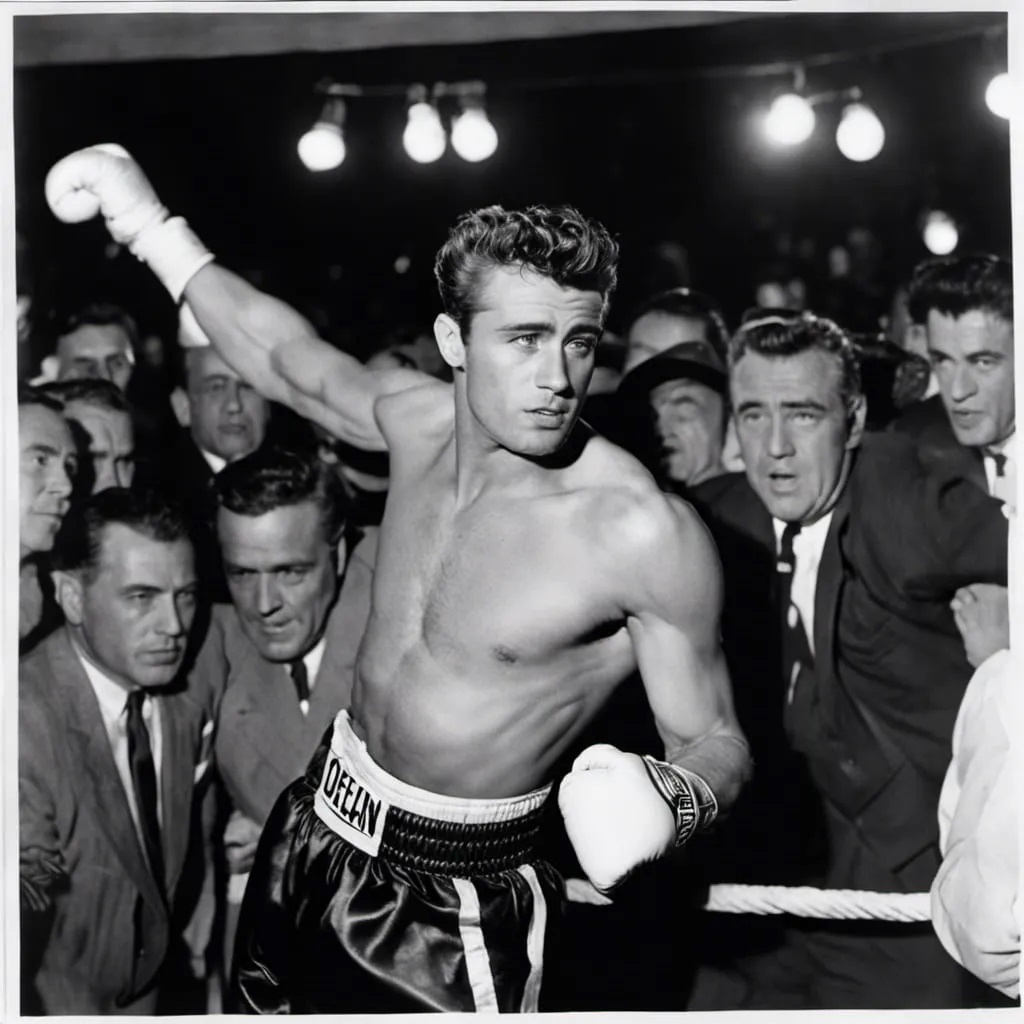
Fantasy photo of James Dean as Rocky Graziano.

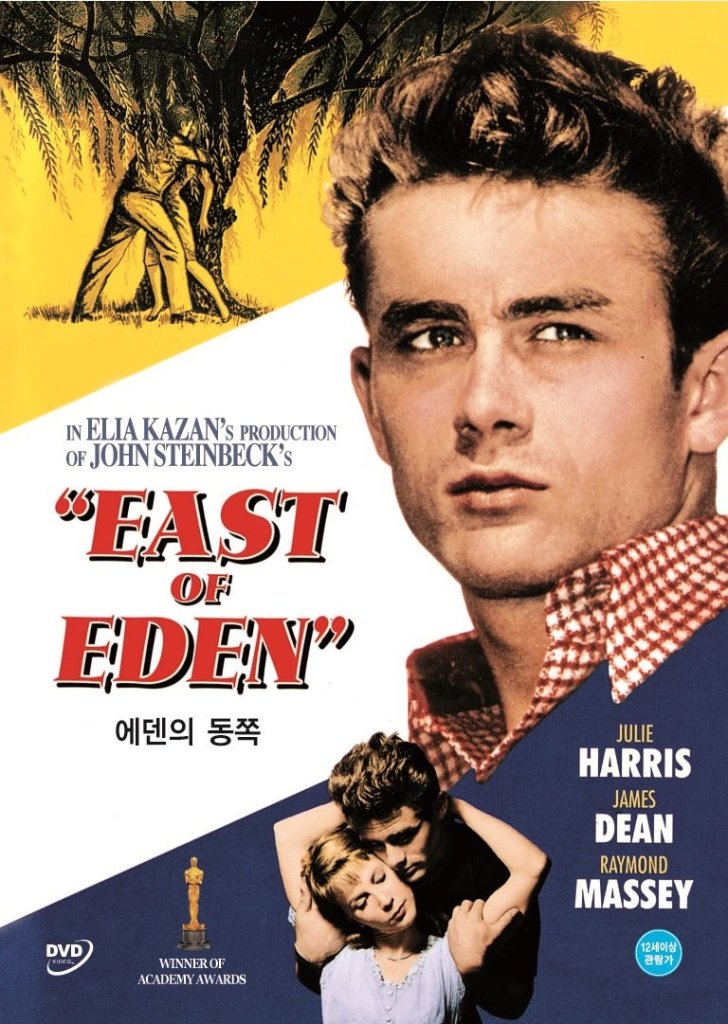
James Dean’s final screen test for East of Eden (1955) was shot with Paul Newman, who also was in the final running for the role of Dean’s character Cal’s fraternal twin brother Aron. At the time of his death, Dean was signed to star as the lead (as Boxer Rocky Graziano) in the 1956 MGM movie “Somebody Up There Likes Me” and the 1958 Warner Brothers movie “The Left Handed Gun” (as Billy the Kid). Both roles subsequently were taken by Paul Newman and both helped make him a star. Some film experts have claimed that Newman’s career may never have gotten off the ground at all if Dean had lived. Both young actors often competed for the same roles and there just weren’t enough scripts to go around. When Dean died, he was signed to play in “The Battler” on the “Playwrights ’56” television series. The role went instead to Paul Newman. To further illustrate the Dean-Newman connection, Jimmy was the front-runner to star alongside Elizabeth Taylor in Cat on a Hot Tin Roof (Released in 1958), when he died, the role went to Paul Newman. The role earned Newman an Academy Award nomination and established Newman as a star once and for all.

The two megastars mug for the camera for a few seconds when Dean says to Newman, “Kiss Me” to which the older Newman replies “Can’t here.” Watch closely and you’ll see that Newman is sweating profussely under his armpits. More importantly, the clip instantly transports the viewer back to a time before James Dean climbed into the driver’s seat of his Porsche Spider and rode towards the California horizon, and immortality.

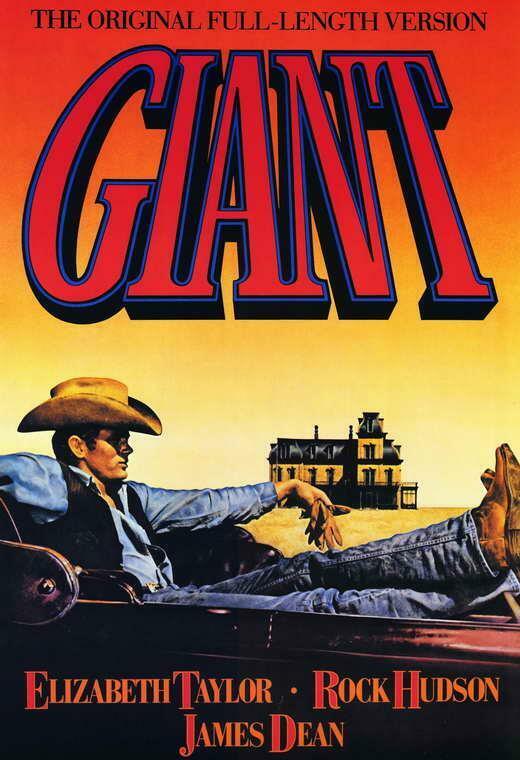
Just before his death, Dean’s agent, Jane Deacy, negotiated a 9-picture deal over 6 years with Warner Bros. worth $900,000. In 1956, Dean became the first actor to receive an Academy Award nomination posthumously, for his role in East of Eden (1955). He did not win. A year later, in 1957 Jimmy was nominated for his second Oscar for “Giant”, thereby becoming the only actor in history to receive more than one Oscar nomination posthumously. James Dean was nominated for Academy Awards in two-thirds of his films, a record which will probably never be bettered.

Hollywood, Indianapolis, Music, Pop Culture

The Lyric Theatre. Part I

Original Publish Date January 6, 2016. Republished January 23, 2025.

https://weeklyview.net/2016/01/14/the-lyric-theatre-part-1/

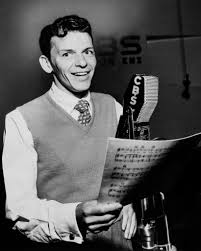
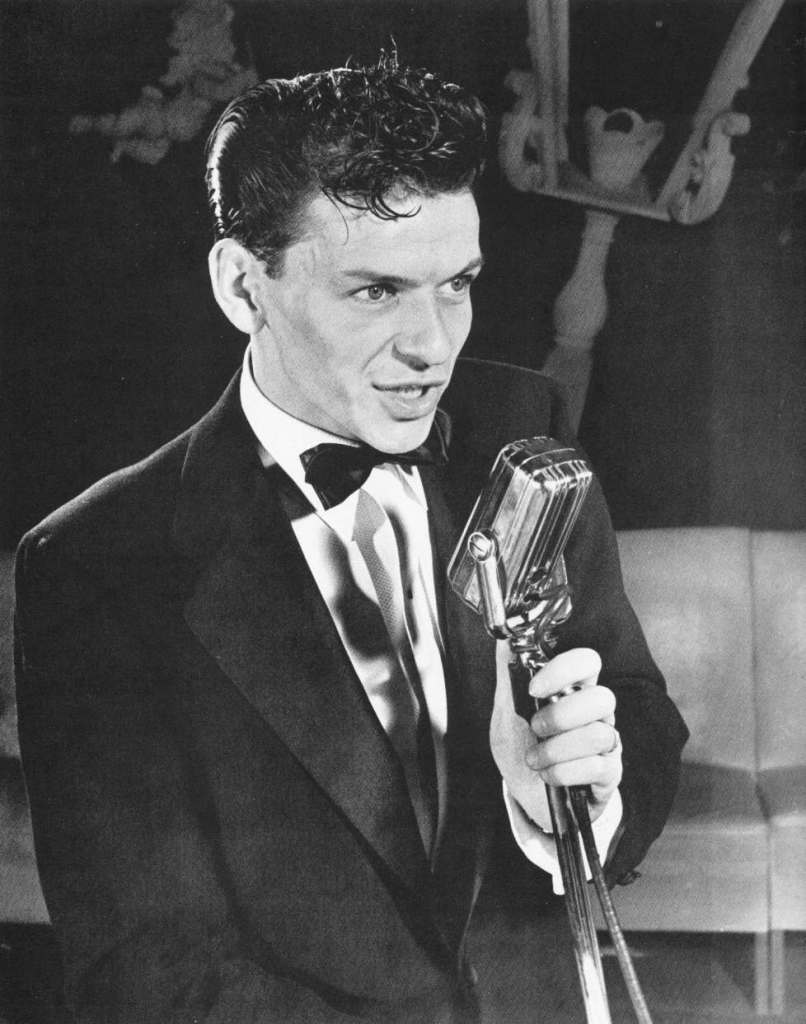
Frank Sinatra.

This week the Smithsonian Institution in Washington, D.C. will open a new exhibit called “Sinatra at 100” honoring Frank Sinatra’s 100th birthday last December 12th. The National Museum of American History will surely put up a classy display, but I seriously doubt that our fair city will be mentioned at all… but we should be.

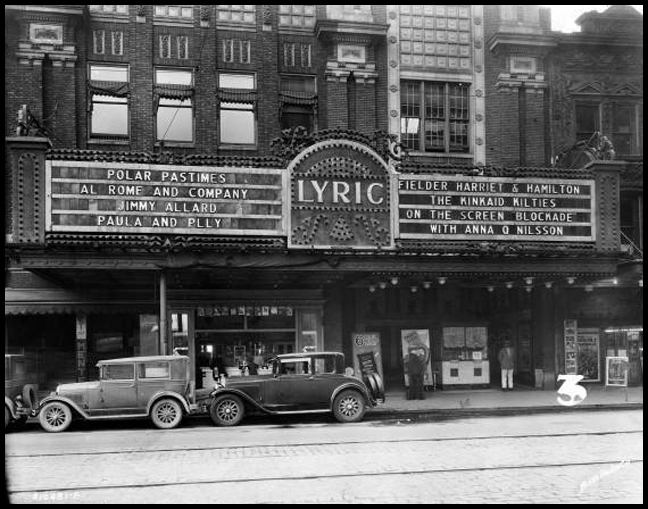
Located at 135 N. Illinois Street there once stood a theatre with as rich a pop-culture history as any in Indianapolis. When the Lyric Theatre opened in February of 1906, it was a room with about 200 folding chairs arranged in rows. A carbon arc light projector rested on a tripod in the rear of the theatre. The film was mounted on a reel and fed at a rate of 16-18 frames per second between the arc light and the projector lens, which magnified the image so that it could be projected onto a screen. Early projectors simply dumped the projected film into a basket on the floor. Projectors were hand-cranked, and the projectionist could speed up or slow down the action on the screen by “over-cranking” or “under-cranking.”

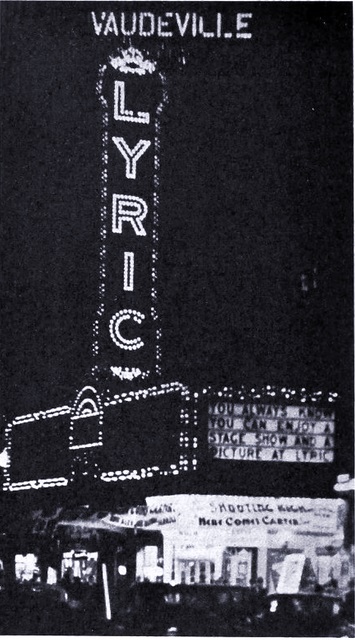
The Lyric in the 1930s – Photo cinematreasures.com

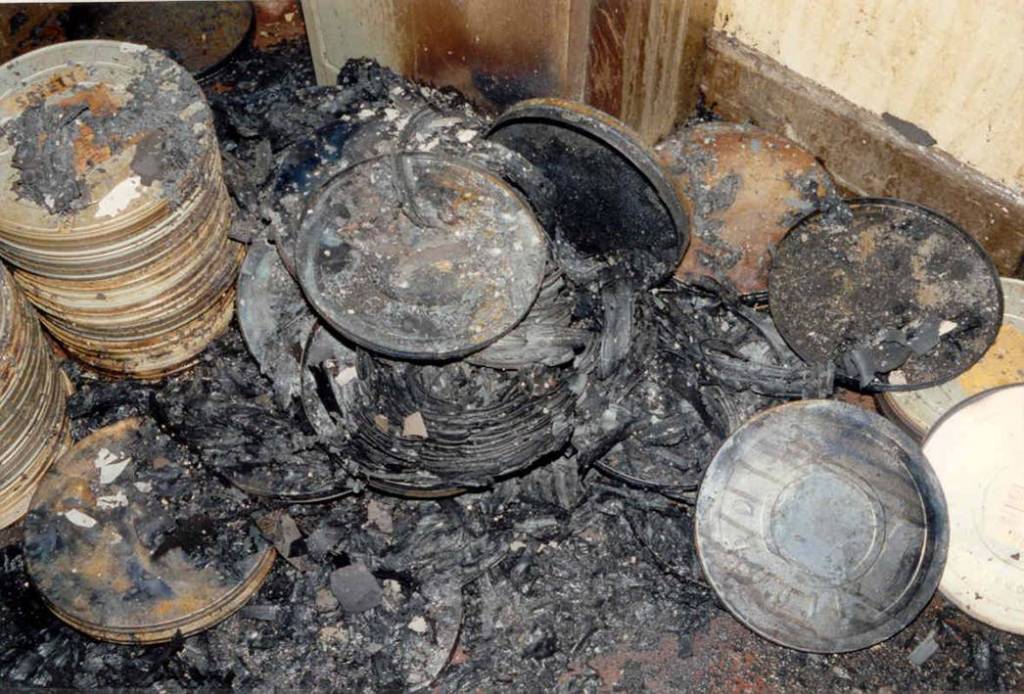
The film stock itself was made from nitrocellulose, a chemical cousin to explosives used by the military in World War I. The highly flammable film and the extremely hot light source meant that fire was a very real threat. In fact, the incidence of projector-related fires over the first ten years of movie houses produced some of the worst tragedies in our country’s history, capable of killing hundreds of people in an instant. For this reason, a larger 1400-seat Lyric theatre was built on the property six years later.

Nitrocellulose film canister disaster.

The new Lyric was constructed by the Central Amusement Co. for $75.000, built by the Halstead-Moore Co., and designed by architect Herman L. Bass, who designed Indianapolis Motor Speedway co-founder James A. Allison’s mansion, now on the campus of Marian College. This upgrade included fireproof materials inside and exterior walls of concrete, steel, and artistic brick accented by white terra-cotta trim.

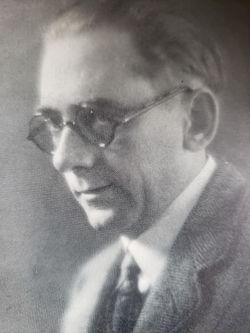
Kurt Vonnegut Sr. (1884-1956)

On April 20, 1919, the Lyric was again closed for remodeling, this design courtesy of architect Kurt Vonnegut Sr., a well-known name that still resonates through town to this day. This facelift left only three original walls standing and created a new lobby on the south. The stage that originally faced west now faced south. It had its grand reopening on September 1, 1919. The Lyric underwent its last major remodel in 1926, adding state-of-the-art air conditioning and modern stage lighting systems. This remodel cost $185,000 and included construction of a new four-story building featuring a new main entrance, and lobby with executive offices above.

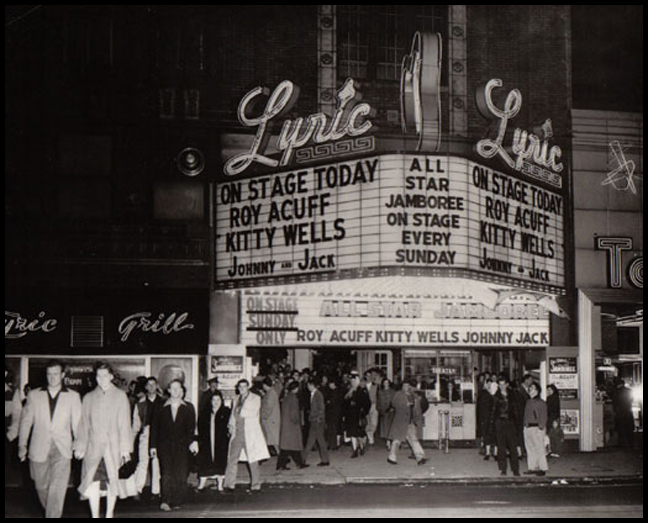
Patrons spill out of the Lyric in 1955 – Photo cinematreasures.com

The new Lyric, with its shiny marble and gold lobby lined with French mirrors and six French crystal chandeliers, was considered to be one of the finest theaters in Indiana. 300 more seats were added as was a new basement that housed rehearsal areas and dressing rooms named for cities on its doors. A new marquee was added above the front door. At 10 feet high, 50 feet long, and 16 feet deep, it held up to 440 letters and was said to be the largest of its kind in the state. The following year a new Marr-Colton pipe organ was added for $30,000.00, which, like the marquee, was the largest in the state.

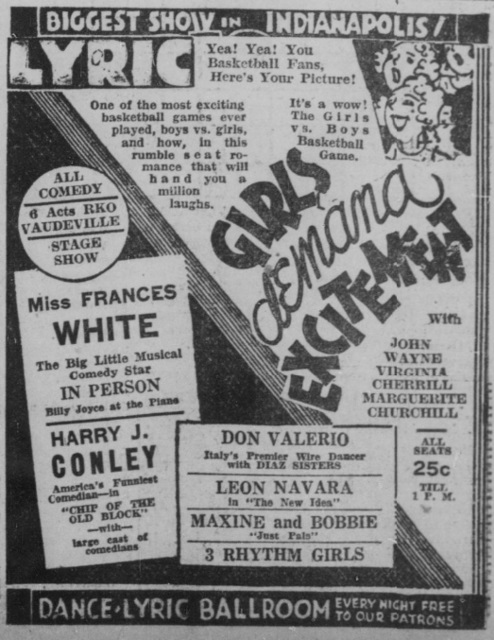
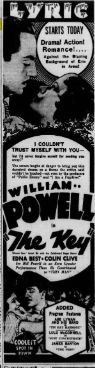
March 21, 1931, Lyric Vaudeville Ad.

The Lyric began life showing films scored with music provided by live musicians. Then came Vaudeville, talkies, and finally big screen epics similar to today. World War I led to the Roaring Twenties, then to the Great Depression, and into the gangster era whose Hoosier outlaw roots extended to the doorway of the Lyric itself. The Lyric survived the Depression by featuring an eclectic mix of movies, Vaudeville acts, stage shows and live musicals.

July 4, 1934, Lyric Indy Star Ad.
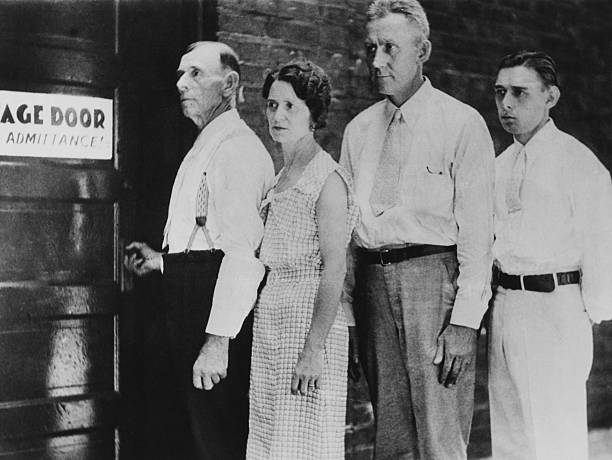
The family of John Dillinger waits outside the Lyric Theatre in Indianapolis, where they will be regaling the audience with tales of the famous outlaw, in July 1934. Left to right, they are John Dillinger, Sr., Mrs Audrey Hancock (sister), Emmett Hancock (brother-in-law), and Hubert Dillinger (his half-brother).
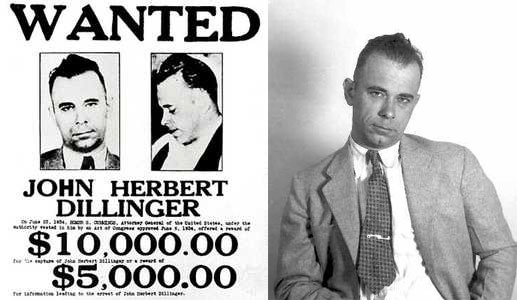
Hoosier Outlaw John Dillinger.

A week after the death of Hoosier Public Enemy # 1 John Dillinger on July 22, 1934, his family signed a 5-month vaudeville contract at the Lyric theatre that expired on New Year’s Eve. Crowds mobbed the theatre to hear stories from and ask questions of, John Dillinger, Sr. about his famous outlaw son. The 15-minute show was billed as “Crime doesn’t pay” even though it cost patrons an extra 15 cents to see it. Here, Dillinger Sr. and his sister Audrey fielded questions from the crowd. The show traveled to the Great Lakes, Texas Centennial and San Diego Expositions, and Chicago World’s Fair, which gangster Dillinger had famously visited while alive. Rumor persists that the Lyric was also a favorite hangout for John Dillinger. After all, everyone knows that Dillinger died outside of a Chicago movie theatre.

Lyric Vaudeville Theatre 1936.

Edgar Bergen (only weeks before he introduced his “dummy” Charlie McCarthy) played the Lyric in 1934 in a vaudeville act that included a trio of sisters calling themselves the “Queens of Harmony” who later became known as The Andrews Sisters. Red Skelton was a 1930s performer at the Lyric known as “The Canadian Comic” even though he was a Hoosier born in Vincennes. Hoagy Carmichael was a regular. The standard 1930s Era Lyric theatre contract awarded “Fifty percent (50%) of gross receipts after the first dollar”. Ticket prices in 1936 were defined as: “25 cents to 6 p.m.- 40 cents on the lower floor at night and 30 cents in balcony weekdays, and Saturday. On Sunday, 30 cents in balcony and 40 cents on the lower floor all day.”

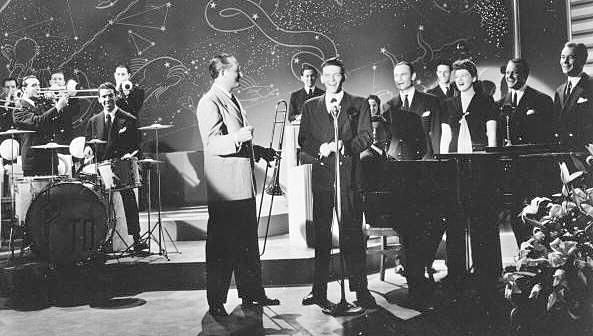
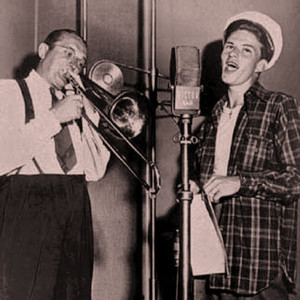
Tommy Dorsey & Frank Sinatra at the Lyric Theatre February 1940.

The Lyric’s next step towards pop culture immortality came on February 2, 1940, when the Tommy Dorsey Orchestra came to town. Dorsey began his career in a Big Band with his brother Jimmy in the late 1920s. That band also included Glenn Miller. Dorsey had a reputation for being a micromanaging perfectionist with a volatile temper. He often fired musicians based on his mood, only to rehire them a short time later. Dorsey had a well-deserved reputation for raiding other bands for talent. If he admired a vocalist, musician, or arranger, he thought nothing of taking over their contracts and careers.

Frank Sinatra 1939.

In November 1939 a relatively unknown “skinny kid with big ears” from Hoboken New Jersey signed on as the lead singer of the Tommy Dorsey band. Frank Sinatra signed a contract with Dorsey for $125 a week at Palmer House in Chicago, where Ole Blue Eyes was appearing with the Harry James orchestra. Mysteriously, but not unsurprisingly, Harry James agreed to release Sinatra from his contract. An event that would come back to haunt Dorsey a couple years later.

Dorsey was a major influence on Sinatra and quickly became a father figure. Sinatra copied Dorsey’s mannerisms and often claimed that he learned breath control from watching Dorsey play trombone. He made Dorsey the godfather of his daughter Nancy in June 1940. Sinatra later said that “The only two people I’ve ever been afraid of are my mother and Tommy Dorsey”.

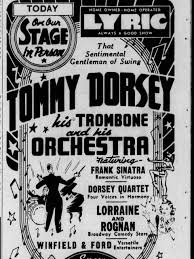
From February 2-8, 1940, when the Dorsey band opened at the Lyric, the theater’s ad in the Indianapolis Star listed Tommy’s name in inch-high letters. At the bottom, in 1/8-inch type, was a listing for “Frank Sinatra, Romantic Virtuoso.” The songs he sang during that week of shows on the eve of World War II are lost to the pages of history. But we do know that Frank Sinatra made eighty recordings in 2 years with the Dorsey band.

By May 1941, Sinatra topped the male singer polls in Billboard and Down Beat magazines, becoming the world’s first “Rock Star”. His appeal to bobby-soxers created “Pop Music” and opened up a whole new market for record companies, which had been marketing primarily to adults up to that time. The phenomenon would become officially known as “Sinatramania”. Manic female fans often wrote Sinatra’s song titles on their clothing, bribed hotel maids for an opportunity to touch his bed, and chased the young star often stealing clothing he was wearing, usually his bow tie.

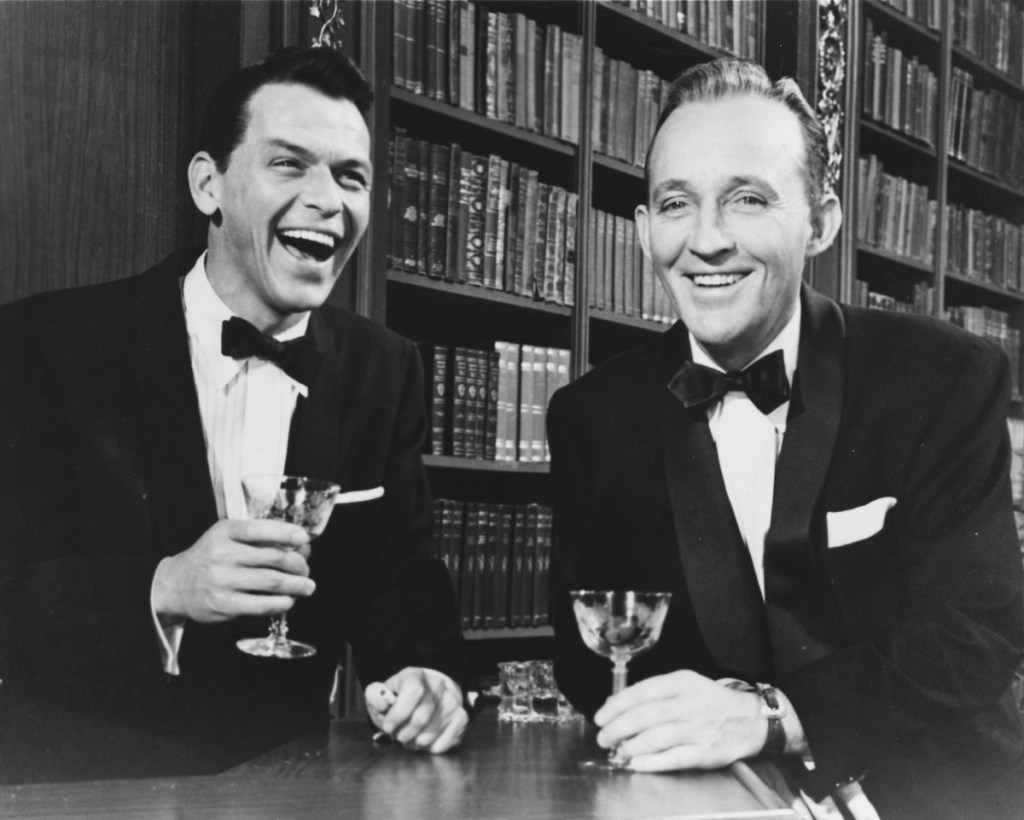
Frank Sinatra & Bing Crosby.

By 1942, Sinatra believed he needed to go solo, with an insatiable desire to compete with Bing Crosby, his childhood idol. Sinatra grew up with a picture of Crosby in his bedroom, and in 1935 young Frankie met his idol briefly backstage at a Newark club. Within a decade, Sinatra would be contending for Crosby’s throne. A series of appearances at New York’s Paramount Theatre in December 1942 established Sinatra as the hot new star. When Sinatra sang, young girls in the audience swooned, screaming so loud that it drowned out the orchestra. The girls never swooned and screamed when Bing Crosby sang. Sinatra decided early not merely to imitate Crosby, but to develop his own style. In a 1965 article, Sinatra explained: “When I started singing in the mid-1930s everybody was trying to copy the Crosby style — the casual kind of raspy sound in the throat. Bing was on top, and a bunch of us … were trying to break in. It occurred to me that maybe the world didn’t need another Crosby. I decided to experiment a little and come up with something different.”

Dorsey & Sinatra.

Frank’s singing evoked frailty, innocence, and vulnerability and inflamed the passions of his young female fans. Some older listeners, however, rejected Sinatra’s gentle sighing, moaning, and cooing as not real singing. Crosby joked: “Frank Sinatra is the kind of singer who comes along once in a lifetime — but why did it have to be my lifetime!”
Sinatra was hamstrung by his contract with the Dorsey band, which gave Dorsey 43% of Frank’s lifetime earnings in the entertainment industry. On September 3, 1942, Dorsey famously bid farewell to Sinatra by telling Frankie, “I hope you fall on your ass”. Rumors began spreading in newspapers that Sinatra’s mobster godfather, Willie Moretti, coerced Dorsey to let Sinatra out of his contract for a few thousand dollars by holding a gun to Tommy’s head and telling him that “either your signature or your brains will be on this contract.” Apparently, Sinatra made him an “offer he could not refuse”. Yes, that famous scene in The Godfather is based on this encounter.

Dorsey died in 1956, but not before telling the press this of his one-time protege, “he’s the most fascinating man in the world, but don’t put your hand in the cage”. Regardless of the way it ended between the duo. It all began at the Lyric Theatre in Indianapolis.

If you are interested in learning more about the Lyric and other legendary Circle City theatres, I highly recommend you read “The Golden Age of Indianapolis Theaters” (IU Press) by Howard Caldwell, former WRTV-Channel 6 anchor and friend of Irvington.

The Lyric Theatre. Part II.

Original Publish Date January 21, 2016. Republished January 23, 2025.

https://weeklyview.net/2016/01/21/the-lyric-theatre-part-2/

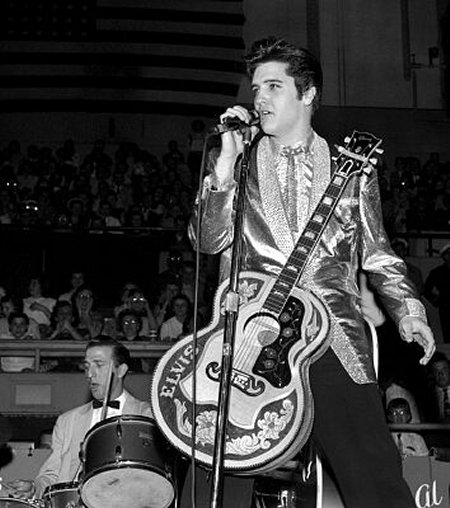
Elvis Presley 1956,

Frank Sinatra’s career began at the Lyric Theatre in Indianapolis on February 2, 1940, with the Tommy Dorsey Orchestra. Sinatra stuck with Dorsey for a couple years before he went solo. Allegedly, Dorsey only let go of Frankie at the gentle urging of Ole Blue Eyes’ Mafia Godfather, who was holding a gun to Dorsey’s head. Dorsey and Sinatra, who had once been very close, never patched up their differences. Ironically, Dorsey had a hand in the Lyric Theatre’s second step towards immortality for the next bobby-soxer generation.

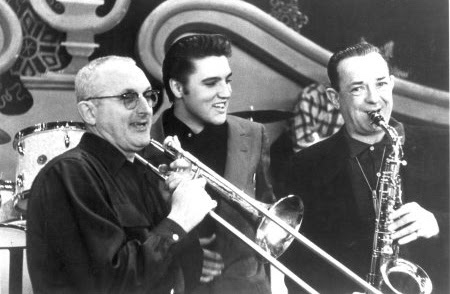
On January 28, 1956, another pop culture icon burst onto the American scene via The Dorsey Brothers TV Show. Tommy Dorsey introduced Cleveland disc jockey Bill Randle, who then introduced Elvis Presley to his first national audience by saying: “We’d like at this time to introduce to you a young fellow who…came out of nowhere to be an overnight big star…We think tonight that he’s going to make television history for you. We’d like you to meet him now – Elvis Presley”. That night the show aired from CBS Studio 50. The same studio that launched the careers of the Beatles, who would themselves eventually dethrone Elvis 8 years later. Years later, Indianapolis Native David Letterman would broadcast his Late Nite show from the same studio- yet another Hoosier pop culture connection.

Elvis on the Dorsey Brothers TV Show 1956.

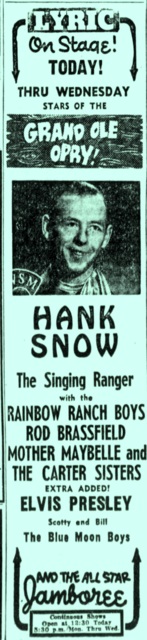
A little more than a month before that national television debut, Elvis Presley played the Lyric theatre for four days: Sunday, December 4th through Wednesday, December 7th. Elvis was paid $ 1,000 for 4 shows. 20-year-old Presley was part of Hank Snow’s tour that played the Lyric, once located in the 100 block of North Illinois Street. Presley, who never received formal music training or learned to read music, studied and played by ear. He also frequented record stores with jukeboxes and listening booths, where he memorized all of Hank Snow’s songs.

Hank Snow was the headliner and his name appeared on the Lyric theatre marquee in giant letters. Snow, a regular at the Grand Ole Opry, persuaded the Opry to allow a young Elvis Presley to appear on stage in 1954. Snow used Presley as his opening act and introduced him to the infamous Colonel Tom Parker. The Opry believed Elvis’ style didn’t fit with their image so they suggested he go the the Louisiana Hayride radio show instead. By the time Elvis came to the Lyric, he was a hayride regular. Seems Elvis’s performance at the Lyric, although one of his first, may have been one of his last without controversy.

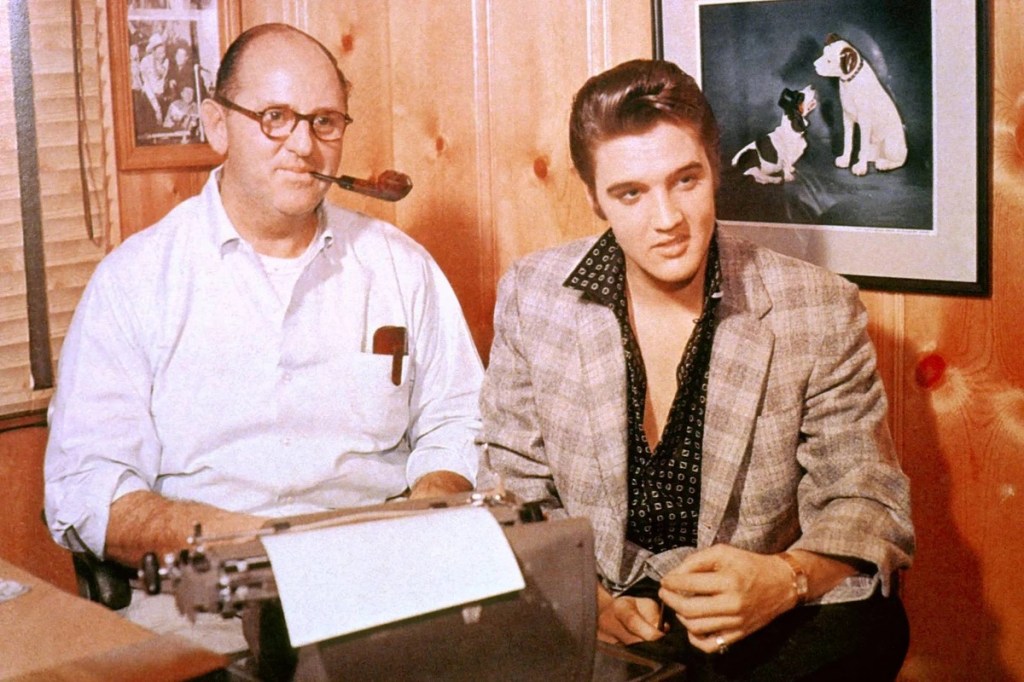
In August 1955, Colonel Tom Parker joined Hank Snow’s Attractions management team just as Presley signed his first contract with Snow’s company. Elvis, still a minor, had to have his parents sign the contract on his behalf. Before long, Snow was out and Parker had total control over the rock singer’s career. When Snow asked Parker about the status of their contract with Elvis, Parker told him, “You don’t have any contract with Elvis Presley. Elvis is signed exclusively to the Colonel.” Forty years later, Snow (who died in 1999) stated, “I have worked with several managers over the years and have had respect for them all except one. Tom Parker (he refused to call him the Colonel) was the most egotistical, obnoxious human being I’ve ever had dealings with.”

Colonel Tom Parker & Elvis.

When Elvis breezed through Indianapolis just before Christmas of 1955, he was young, he was raw, he was pure and he was blonde. Yes, Elvis Presley was a natural blonde. Elvis’s signature jet-black raven hair was actually a dye job courtesy of Miss Clairol 51D and Black Velvet & Mink Brown by Paramount. The future King of Rock ‘n Roll thought that dying his hair black gave him an edgier look. Elvis once confessed to dying his hair with black shoe polish in his earliest days. So who knows? Maybe he was traveling through the Circle City with a can or two of Shinola in his ditty bag back in ’55.

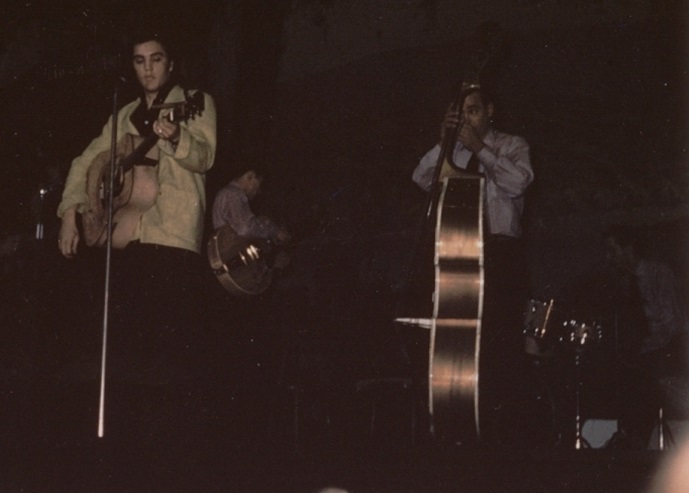
Elvis, Scotty, Bill &DJ onstage at the Lyric Theatre – Dec. 1955.

Elvis was accompanied to the Lyric by guitarist Scotty Moore, bass player Bill Black, and drummer D.J. Fontana. The Lyric bill included headliner Hanks Snow, Mother Maybelle, and the Carters and comic Rod Brasfield, for a four-day gig. Black, Moore, and Fontana toured extensively during Presley’s early career. Bill Black played stand-up bass, and his on-stage “clown” persona fueled memorable comedy routines with Presley. Black often performed as an exaggerated hillbilly with blacked-out teeth, straw hat, and overalls. Black’s on-stage personality was a sharp contrast to the introverted, consummate professionalism of veterans Moore and Fontana. The balance fit the group’s Lyric performances perfectly.

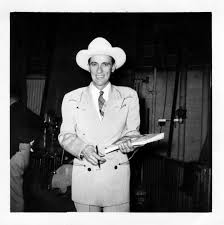
Ernest Tubb on stage at the Lyric.

The newspaper ads billed Elvis (in very small print face) as “a county and bop singer.” According to a later report in the August 8, 1956, Indianapolis Times, headliner Hank Snow missed the first show (Sunday, December 4th) due to a winter storm. Showing amazing resolve at a very young age, Elvis stood in for his childhood hero and carried on with the supporting acts to perform a seamless show. The original contract called for Elvis to be paid $750 for the four-day engagement, but Elvis was paid an extra $ 250 for saving Snow’s bacon during that first show.

Carl Smith & fan at the Lyric stage door. Dec. 1954

Two weeks later, on December 20th, RCA released Elvis’ four earlier Sun records singles: “That’s All Right”/”Blue Moon of Kentucky,” “Good Rockin’ Tonight”/”I Don’t Care If the Sun Don’t Shine,” “Milkcow Blues Boogie”/”You’re a Heartbreaker,” and “Baby Let’s Play House”/”I’m Left, You’re Right, She’s Gone.” Now the King was off and running. Elvis, Scotty, Bill, and D.J. would only make one other appearance together in the state of Indiana, in Fort Wayne when they performed at the Allen County Memorial Coliseum on Mar 30, 1957. Elvis’ Lyric Theatre band broke up a year later although Fontana, Moore, and Elvis still played and recorded together regularly throughout the 1960s.

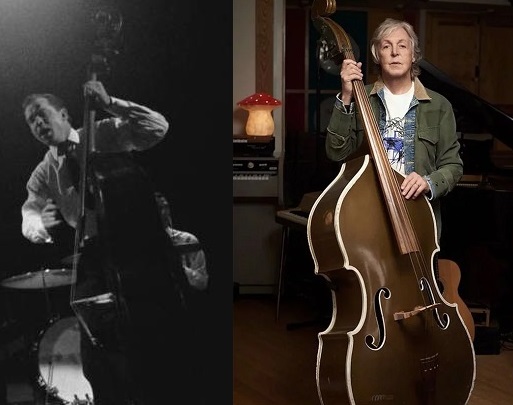
Elvis Bassist Bill Black & Paul McCartney with Bill’s bass.

After 1958, Bassist Bill Black never played with the band again; he died of a brain tumor on October 21, 1965, at the age of thirty-nine. Moore and Fontana performed together on a 2002 recording of “That’s All Right (Mama)” with ex-Beatle Paul McCartney who performed on the recording using Black’s original stand-up “slap” bass. McCartney received the instrument as a birthday present from his wife Linda in the late 1970s. In the documentary film “In the World Tonight”, McCartney can be seen playing the bass and singing his version of “Heartbreak Hotel”.

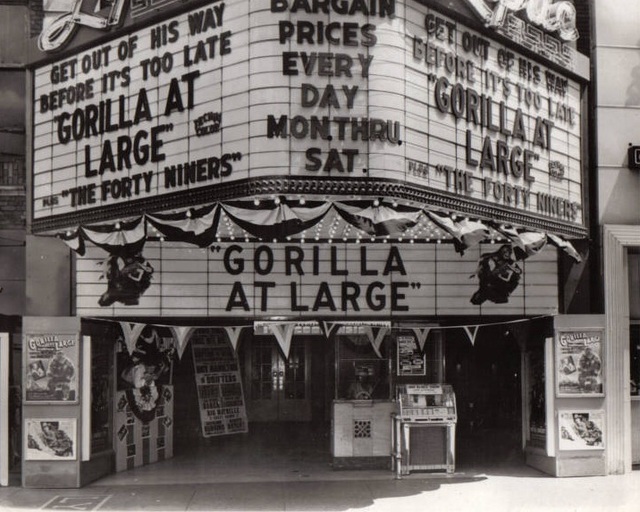
Lyrid Marque for Gorilla at Large movie 1954.

But what about the Lyric in the years before and after Elvis burst onto the scene? Well, we know that Sinatra’s idol Bing Crosby played the Lyric way before Ole Blue Eyes or Elvis ever knew the address. We know that Chuck Berry played the Lyric on October 19, 1955, just after signing with Chess Records and recording the classic “Maybelline”. We also know that the Lyric closed briefly on May 24, 1956, for a summer remodel and reopened on August 29, 1956. With the installation of Norelco 70-35 projectors it could now show 70mm film. Continuing the Lyric’s tradition as a pioneer in theatre sound performance (it was the first theater in the city to show a Stereophonic Sound Film, Fantasia in 1942) it was the first in Indianapolis to feature the Todd-AO sound system. A new screen measured 50 feet by 25 feet. The opening film was “Oklahoma” which lasted for six months.

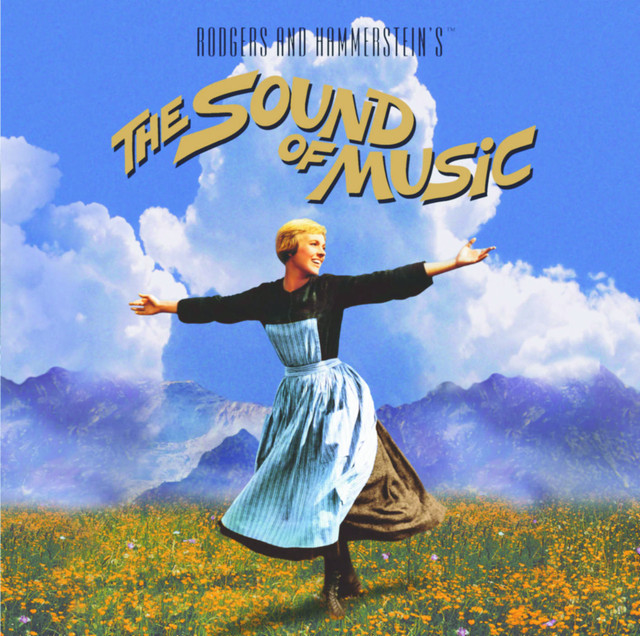
In the sixties, the Lyric was a part of the Indianapolis Amusement group which also included the Circle and Indiana theaters, still standing at the time. On March 31, 1965, the “Sound of Music” opened at the Lyric and ran until January 17, 1967, the longest run for a motion picture at the Lyric. But the glory days of the Lyric were fading fast. Urban flight and suburban relocation led to multiplexes and the death of golden-age theatres like the Lyric. The theatre that helped to introduce pop icons Frank Sinatra and Elvis Presley closed in 1969. “Shoes of the Fisherman” and “Where Eagles Dare” were the last two movies shown there. The magnificent movie house, once touted as Indianapolis’ finest theater, located at 135 North Illinois Street is just a memory today, replaced by a parking garage.

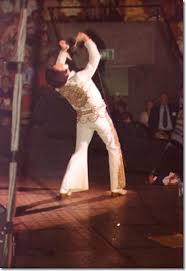
Elvis on stage in Indianapolis June 26, 1977.

Elvis would return to Indianapolis 22 years later to perform his last concert ever before 17,000 adoring fans on June 26, 1977, at Market Square Arena, which was also demolished. Reviews of the show criticized the performance as a “tacky circus sideshow at which the star was sloppy and lethargic”. Like the Lyric, Elvis became a victim of changing times and more sophisticated attitudes. The King died on August 16, 1977, 51 days after his appearance at MSA and 21 years, 8 months, and 12 days after he first strolled into the Lyric theatre to cover for his idol Hank Snow. [The MSA stage that Elvis resides in now rests inside the Irving Theatre in Irvington.]

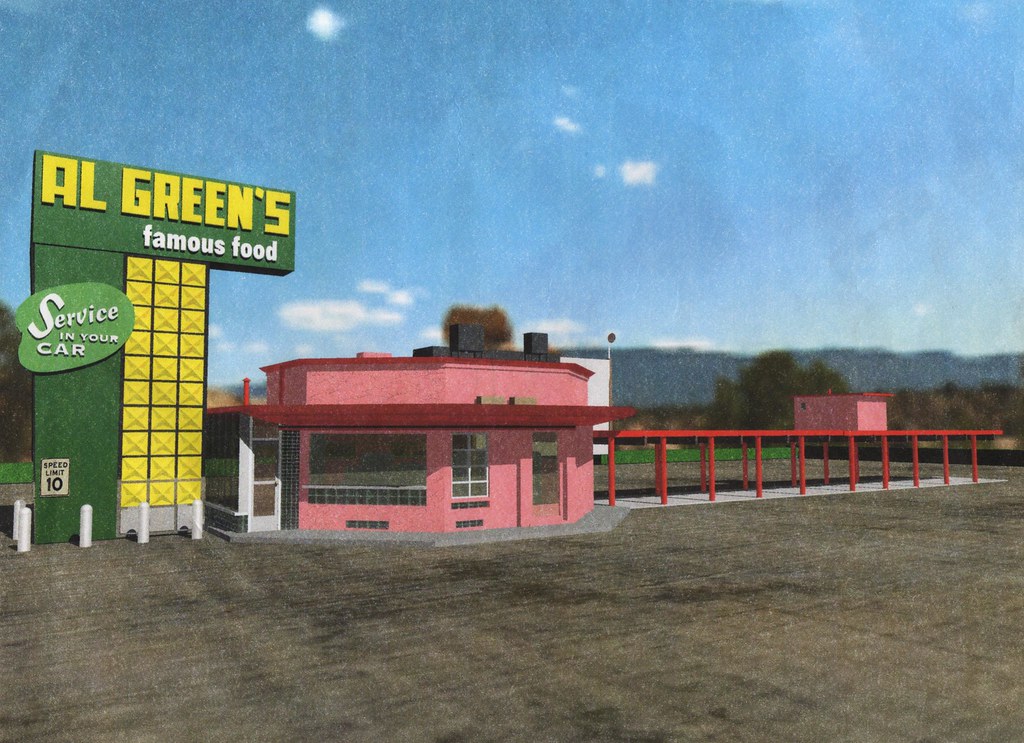
Al Green’s Drive-In Restaurant 7101 E. Washington Street Indianapolis In.

As for me, I’d prefer to remember Elvis for his trip through Indy’s eastside a year after he played the Lyric. Sometime in late 1956, Presley was reported to have stopped at the Jones and Maley automotive garage, a stone’s throw from Irvington at 3421 E. Washington St., to have the two front whitewall tires on his baby blue Cadillac balanced. According to mechanics working on the vehicle, Presley’s car had girls’ names scratched into the paint. An urban legend has Elvis driving that same Cadillac car on that same day just up the road to Al Green’s for a snack before heading on to a tour stop in Ohio. That, like the image of the Lyric Theatre’s marquee glowing brightly on a Saturday night, is the image I choose to keep with me of the King in Indianapolis.

If you are interested in learning more about the Lyric and other legendary Circle City theatres, I highly recommend you read “The Golden Age of Indianapolis Theaters” (IU Press) by Howard Caldwell, former WRTV-Channel 6 anchor and friend of Irvington.

Abe Lincoln, Assassinations, candy, food, Museums, National Park Service, Politics, Pop Culture, Presidents

Osborn H. Oldroyd’s Greatest Fear.

Original Publish Date March 6, 2025.

https://weeklyview.net/2025/03/06/osborn-h-oldroyds-greatest-fear/

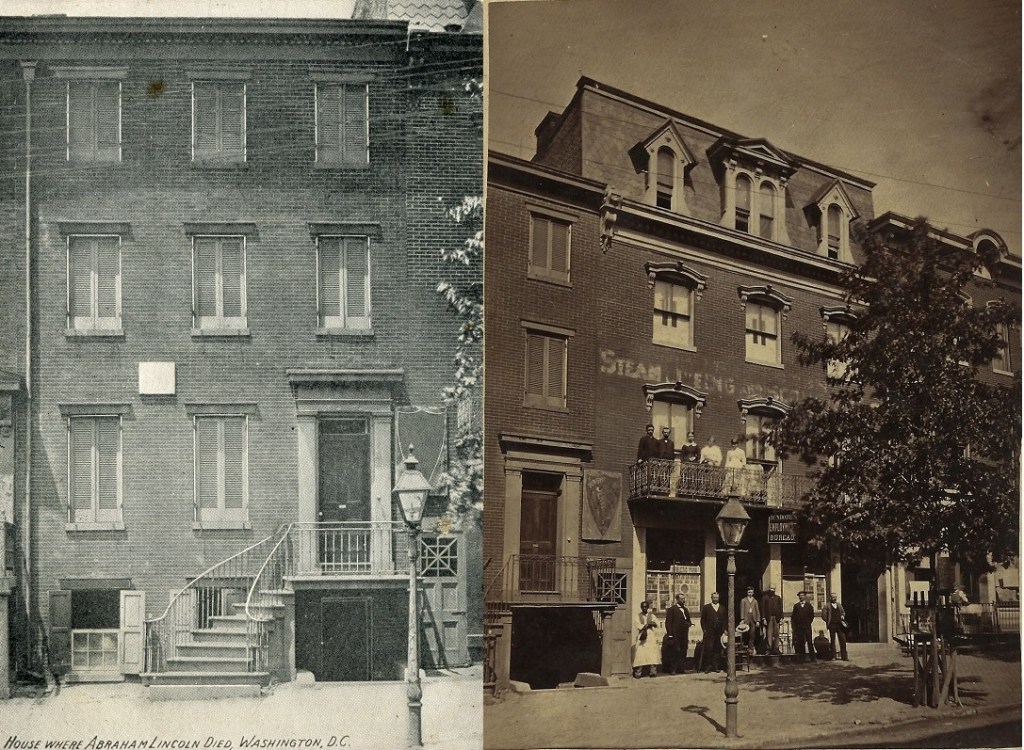
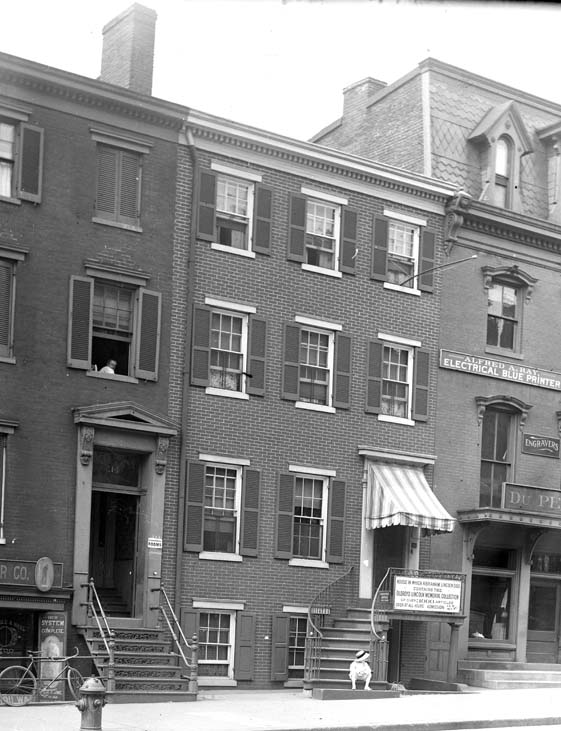
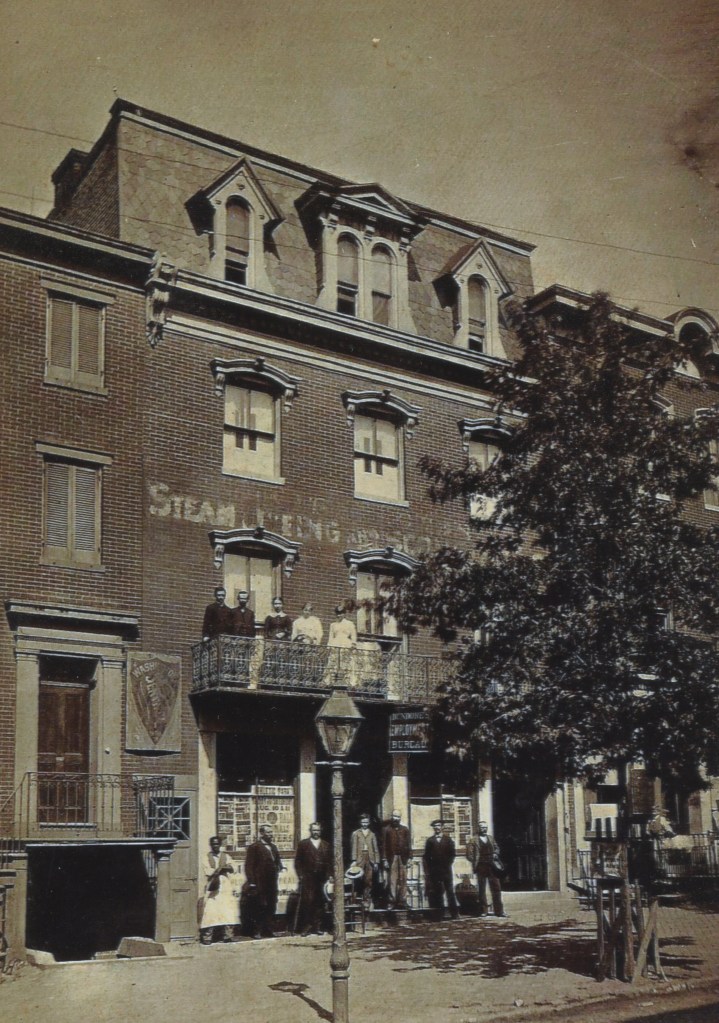
House Where Lincoln Died and the Logan Cafe next door in the 1880s.

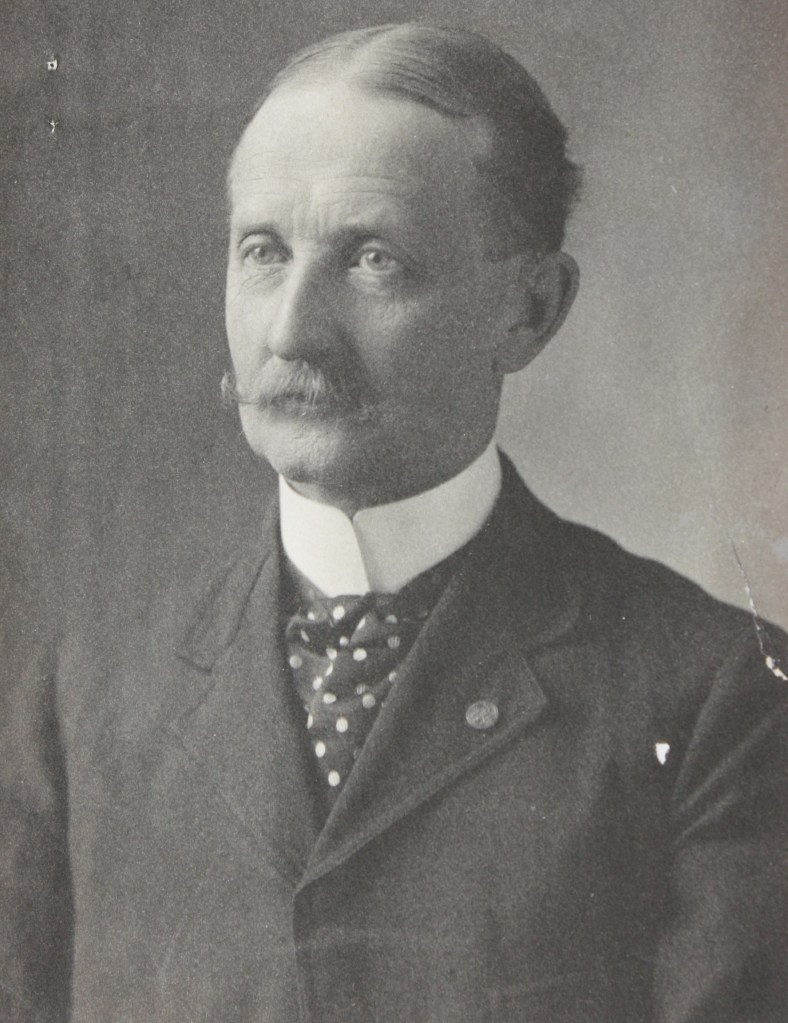
My wife and I recently traveled to Springfield, Illinois for a book release event (actually two books). One book on Springfield’s greatest living Lincoln historian, Dr. Wayne C. “Doc” Temple, and the other on my muse for the past fifteen years, Osborn H. Oldroyd. I have fairly worn out my family, friends, and readers with the exploits of Oldroyd over the years. He has been the subject of two of my books and a bevy of my articles. Oldroyd was the first great Lincoln collector. He exhibited his collection in Lincoln’s Springfield home and then in the House Where Lincoln Died in Washington DC from 1883 to 1926. Oldroyd’s collection survives and forms much of the objects in Ford’s Theatre today.

Osborn H. Oldroyd 1880s.

For this trip, we traveled up from the south to Springfield through parts of northwest Kentucky and southeast Missouri. What struck us most were the conditions of the small towns we drove through. Today many of these little burgs and boroughs are in sad shape, littered by once majestic brick buildings featuring the names of the merchants that built them above the doorways, eaves, and peaks of their frontispieces in a valiant last stand. Most had boarded-up windows and doors and some with ghost signs of products and services that disappeared generations ago.

They are tightly packed and many share common walls. We were amazed how many of them have caved-in or worse, burnt down. The caved-in buildings are the work of Father Time and Mother Nature, but the burnt ones look as if the fires were extinguished just recently. My wife deduces that these are likely the result of the many meth labs that blight these long-forgotten, empty buildings. Indeed, a little research reveals that these rural areas do lead the league in these hastily constructed, outlaw drug factories.

Oldroyd’s Museum before World War I.

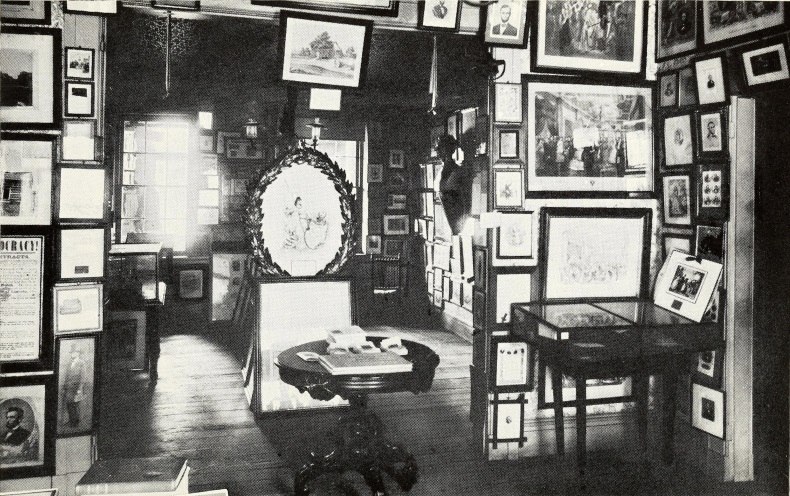
Of course, that got me thinking about Oldroyd’s museum. Oldroyd lobbied for decades to have his collection purchased by the U.S. government and preserved for future generations to explore. The Feds eventually purchased it in 1926 for $50,000 (around $900,000 today). For over half a century while assembling his collection, Oldroyd had one great fear: Fire. Visiting the House Where Lincoln Died today, the building remains unique in size and architecture compared to those around it. In Oldroyd’s day, smoking cigars, pipes, and cigarettes indoors was as prevalent as carrying cell phones and water bottles are today. The threat of fire was very real for Oldroyd.

Cramped 10th Street with Oldroyd’s Museum in Center.

The March 20, 1903, Huntington Indiana Weekly Herald ran an article titled “A Visit to the Lincoln Museum in Washington City.” After describing the relics in the collection, columnist H.S. Butler states, “It is hoped the next Congress will purchase this collection and care for it. Mr. Oldroyd is not a man of means such as would enable him to do all he would like, and it seems to me a little short of criminal to expose such valuable relics, impossible to replace, to the great risk of fire. I understand Congressman [Charles] Landis, of Indiana, is trying to get the collection stored in the new Congressional Library, in itself the handsomest structure, interiorly, in Washington. I hope that his brother, the congressman from the Eleventh District [Frederick Landis], will lend his influence to Senators [Charles] Fairbanks and [Albert] Beveridge to urge forward the same end.”

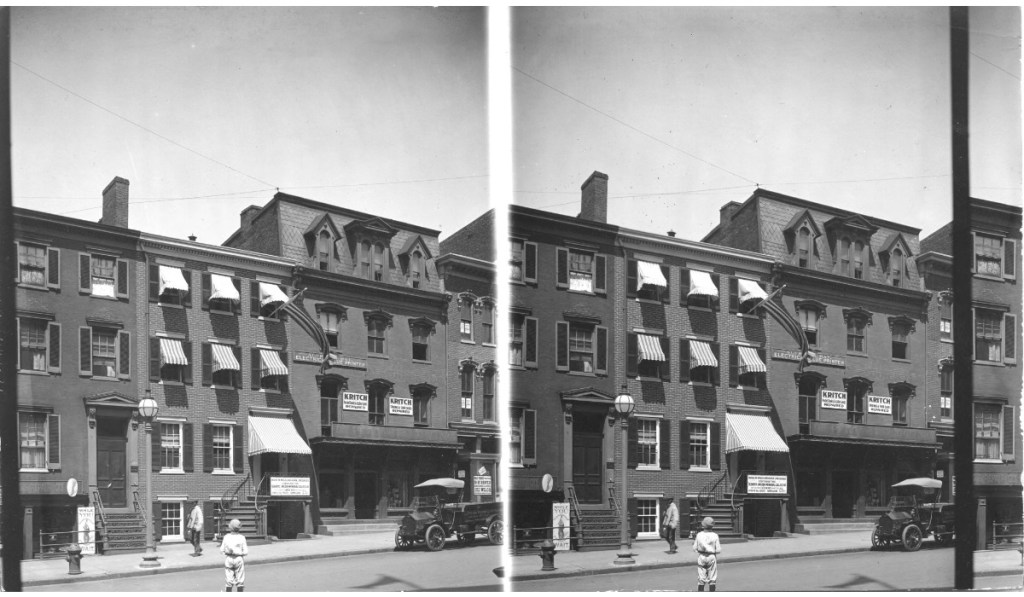
Stereoview of the HWLD with Kritch sign in place next door.

Fifteen years later, the Topeka State Journal described an event that fueled Oldroyd’s concern. “May 21 [1918]-a few days ago the Negro cook in the kitchen of a dairy lunch spilled some fat on the fire and the resulting blaze was extinguished with some difficulty. The unique feature of this trifling accident was that, had the blaze gotten beyond control, it would probably have destroyed a neighboring house in which is the greatest collection in the world of relics, manuscripts, and books bearing upon the life and death of Abraham Lincoln…Sixty feet away from the room in which Lincoln died are three kitchens of restaurants and a hotel. More than one recent fire scare has caused alarm over the danger that threatens these relics.”

Interior of Oldroyd’s crowded museum.

The February 11, 1922, Dearborn [Michigan] Independent reported, “A vagrant spark, a carelessly tossed cigarette or cigar stub, an exposed electric wire might at any time mean the destruction of the collection and the building which, of course, is itself a sacred bit of Lincolniana.” The January 21, 1924, Daily Advocate of Belleville, Ill. reported “The collection is contained in a small and overcrowded room of the house opposite Ford’s Theatre, with two restaurants across a narrow alleyway constituting a constant fire menace…it is likely that the U.S. Government will request that the Illinois Historical Society return the bed in which Lincoln died, that it may again be placed in the room it occupied on that fateful night and the entire setting restored.” Due to that unresolved fire threat the bed was never returned and is today on display at the Chicago History Museum. A 1924 Christmas day article in the Washington Standard 1924 described, “There are a number of restaurants in the block at the rear, and once an oil supply house did business close at hand. On two occasions there have been fires in the neighborhood.”

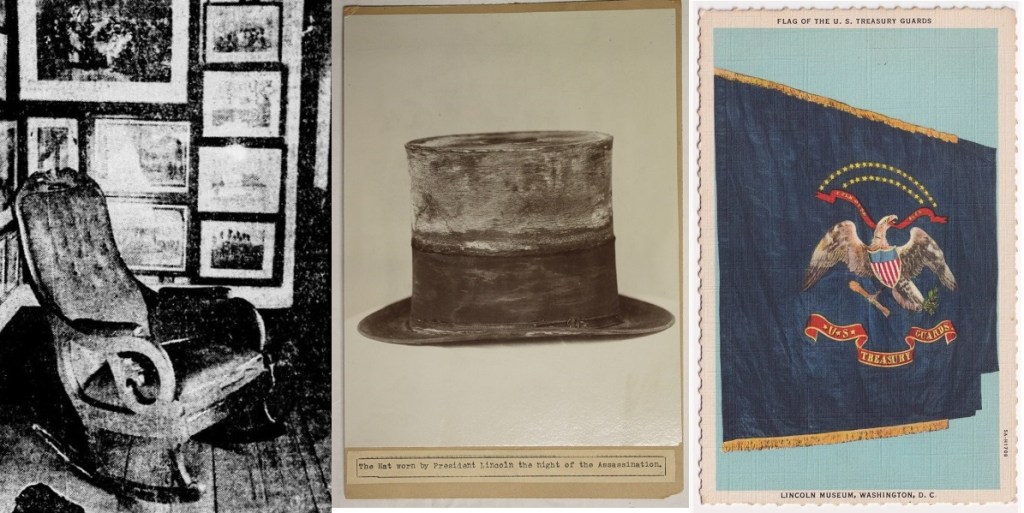
The Lincoln Rocker, Top Hat, & Treasury Guard Flag from Oldroyd’s Museum.

The July 6, 1926, Indianapolis News speculated, “The government will add to the collection the high silk hat Lincoln wore to the theatre that fatal night, the chair in which he sat in the presidential box, and the flag in which Booth’s foot caught. The flag now hangs in the treasury, while the hat and chair are in storage. These articles formerly were in the Oldroyd collection, but after a fire in the neighborhood some years ago, officials of the government took them back, fearing that they might be destroyed.” The February 18, 1927, Greenfield [Indiana] Reporter stated, “The plan proposed by Senator Watson, of Indiana, and Rep. Rathbone of Illinois, is to remodel the building to protect it against the danger of fire and the ravages of age. They would…place in it the famous Oldroyd collection of Lincoln relics.” Fire remained a nightmare for Oldroyd right up to the day he died on October 8, 1930.

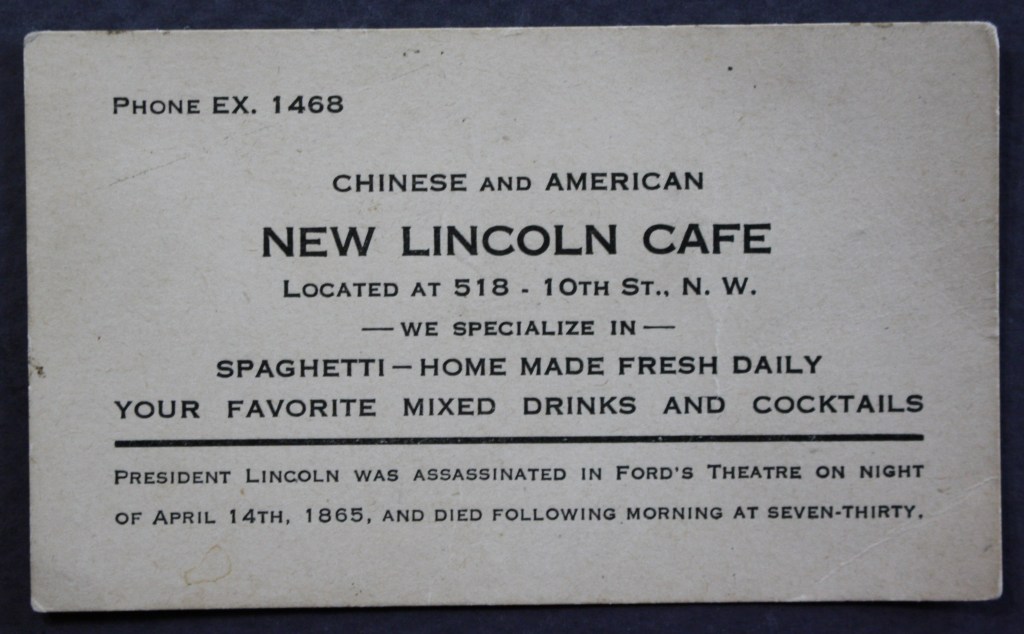
Ironically, after that book signing I found myself browsing the bookstore. I found there a 2 1/2” x 4” business card from the New Lincoln Cafe in the adjoining building to the north of Oldroyd’s Museum (at 516 10th St. NW). Putting aside the fact that I have a personal affinity for old business cards, the item called out to me and made me wonder about the businesses that had been neighbors to this hallowed spot over the generations.

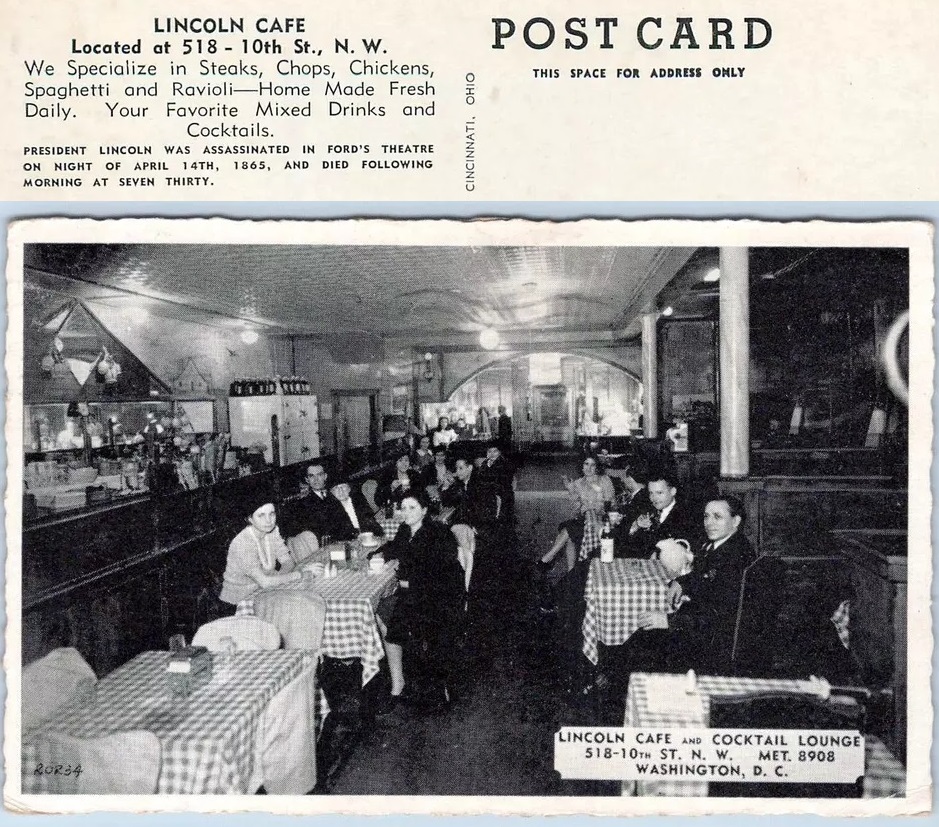
Postcard with an interior view of the Lincoln Cafe.

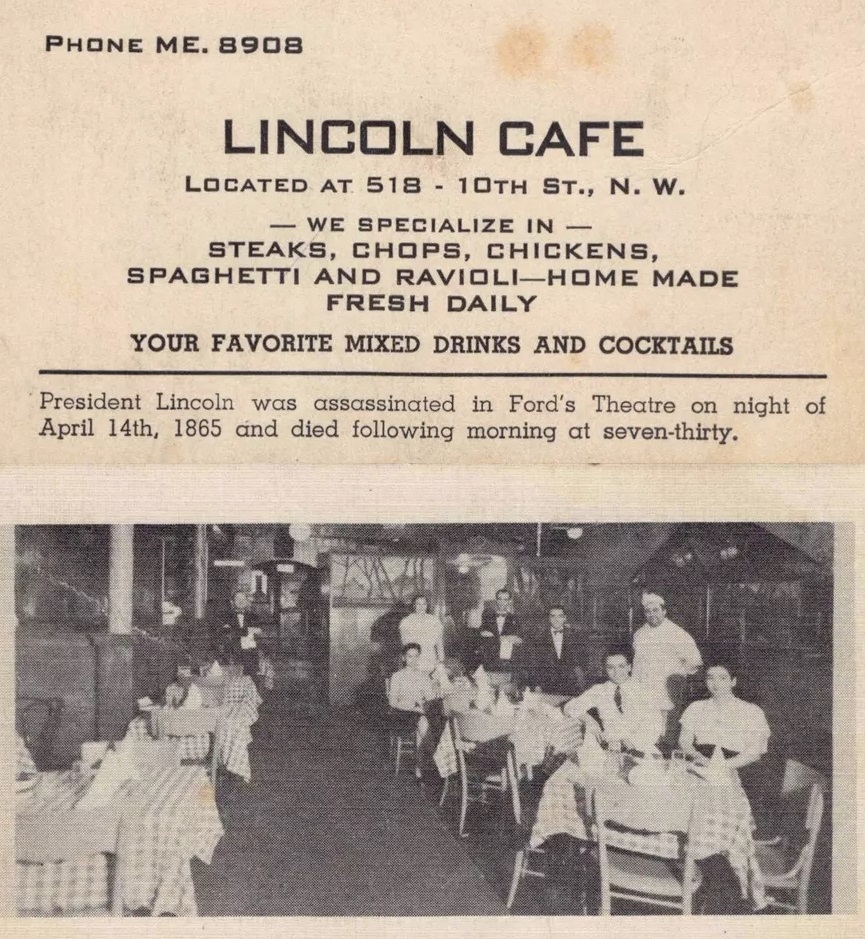
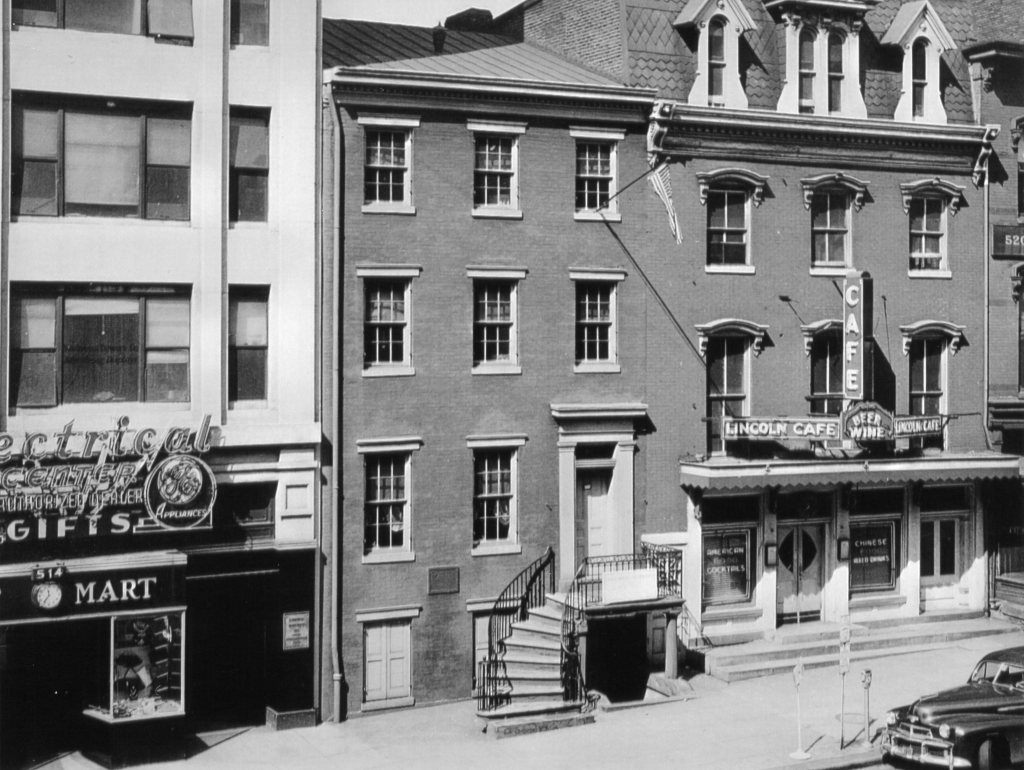
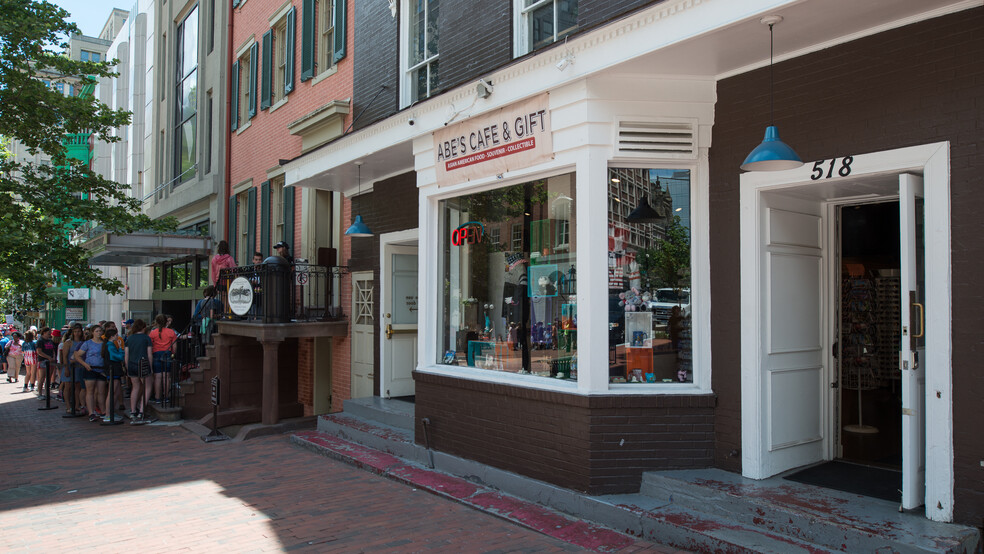
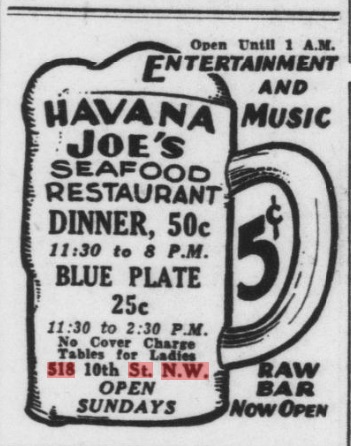
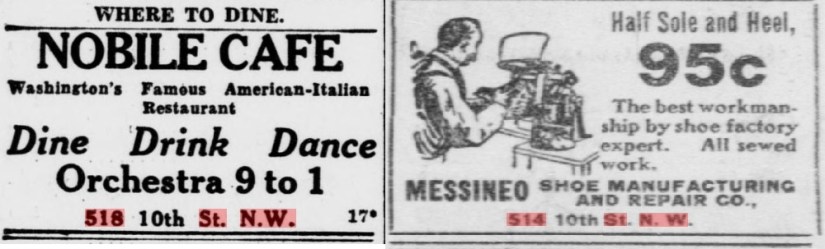
The card reads: “Chinese and American New Lincoln Cafe. Located at 518 10th St., N.W. Phone EX. 1468. We Specialize In Spaghetti-Home Made Fresh Daily. Your Favorite Mixed Drinks And Cocktails. President Lincoln Was Assassinated In Ford’s Theatre On Night Of April 14th, 1865, And Died Following Morning At Seven-Thirty.” A check of the records indicates that this restaurant remained next to the museum from the late 1930s to the early 1960s. This was just one of the businesses to call that space home over the generations.

Another view of the interior of the Lincoln Cafe.

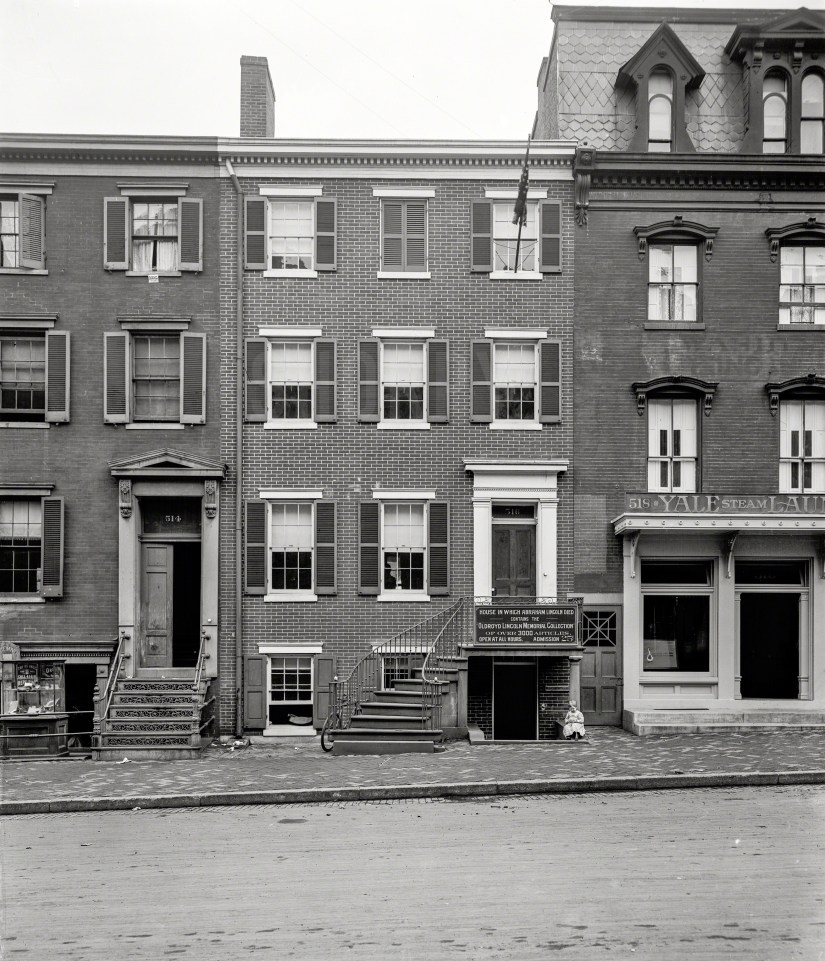
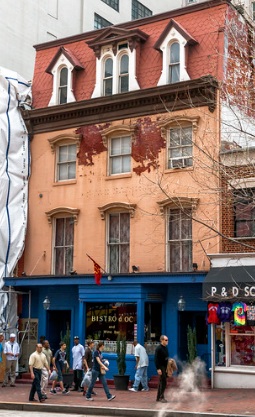
Located in the Penn Quarter section of DC, the building was built sometime between 1865 to 1873. It envelopes the entire north side and part of the northwest back of the HWLD. It is 4 stories tall and features 11,904 square feet of retail space. One of the earliest storefronts to appear there was Dundore’s Employment Bureau which served D.C. during the 1870-90s. Ironically, when Dundore’s moved three blocks south to 717 M Street NW, the agency regularly advertised jobs at businesses occupying their old address for generations to come. Above the Dundore agency was Mrs. A. Whiting’s Millinery, which created specialty hats for women. The Washington Evening Star touted Mrs. Whiting’s “Millinery Steam Dyeing and Scouring” business for their “Imported Hats and Bonnets”. A 3rd-floor hand-painted sign on the bricks of the building advertising Whiting’s remained for years after the business vacated the premises, creating a “ghost sign” visible for many years as it slowly faded from view.

Photo of 516 W. 10th St. with Whiting’s ghost sign visible and Dundore’s Employment signs in windows.

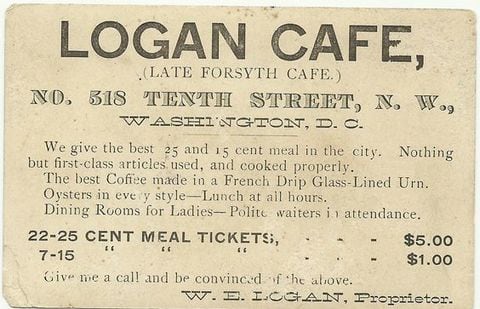
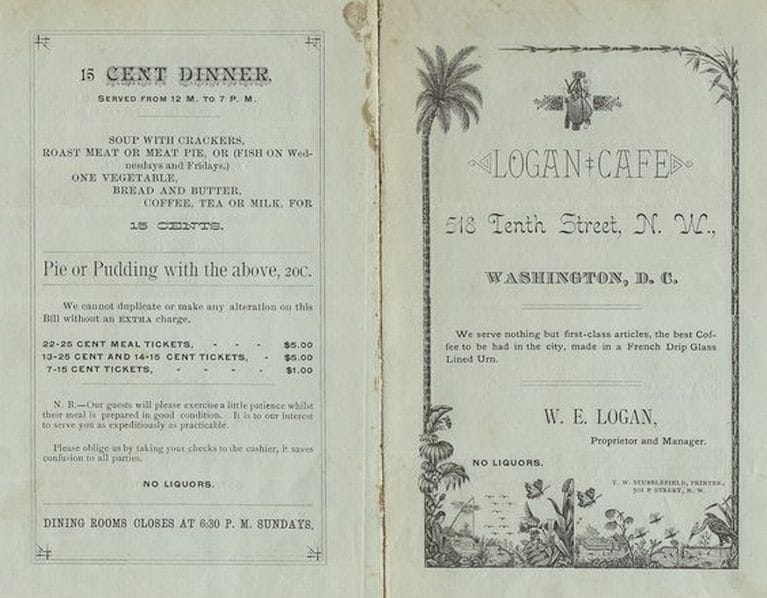
The Forsyth Cafe seems to have been the first bistro to pop up next to the Oldroyd Museum. In late February/March 1885 (in the leadup to Grover Cleveland’s first Presidential Inauguration), DC’s Critic and Record newspaper’s ad for the cafe decries, “Yes, One Dollar is cheap for the Inauguration supper, but what about those excellent meals at the Forsythe Cafe for 15 Cents?” The Forsyth continued to advertise their meals from 15 to 50 cents but by late 1886, they were gone, replaced by the Logan Cafe. The Logan offered 15 and 25-cent breakfasts, “Big” 10-cent lunches, and elaborate 4-course dinners of Roast beef, stuffed veal, lamb stew, & oysters. Proprietor W.E. Logan’s claim to fame was “the best coffee to be had in the city, made in French-drip Glass-Lined Urn” and “Special Dining Rooms for Ladies-Polite waiters in attendance” and his menus warned “No Liquors” served.

Business card from the Logan Cafe (Late Forsyth Cafe).

The June 4, 1887, Critic and Record reported on a “friendly scuffle” at the Logan between two “colored” employees when cook Charles Sail tripped waiter William Butler who hit his head on the edge of a table and died the next morning at Freedman’s Hospital. The men were described as best friends and the death was deemed an accident. By late 1887, the Logan disappears from the newspapers. From 1897 to 1897, the building was home to the Yale Laundry. The Jan. 7, 1897, DC Times Herald reported on an event that likely added to Oldroyd’s anxiety. The article, titled “Laundry is Looted” details a break-in next door to the museum during which a couple of safecrackers got away with $85 cash including an 1883 $5 gold piece.

Logan Cafe Menu.

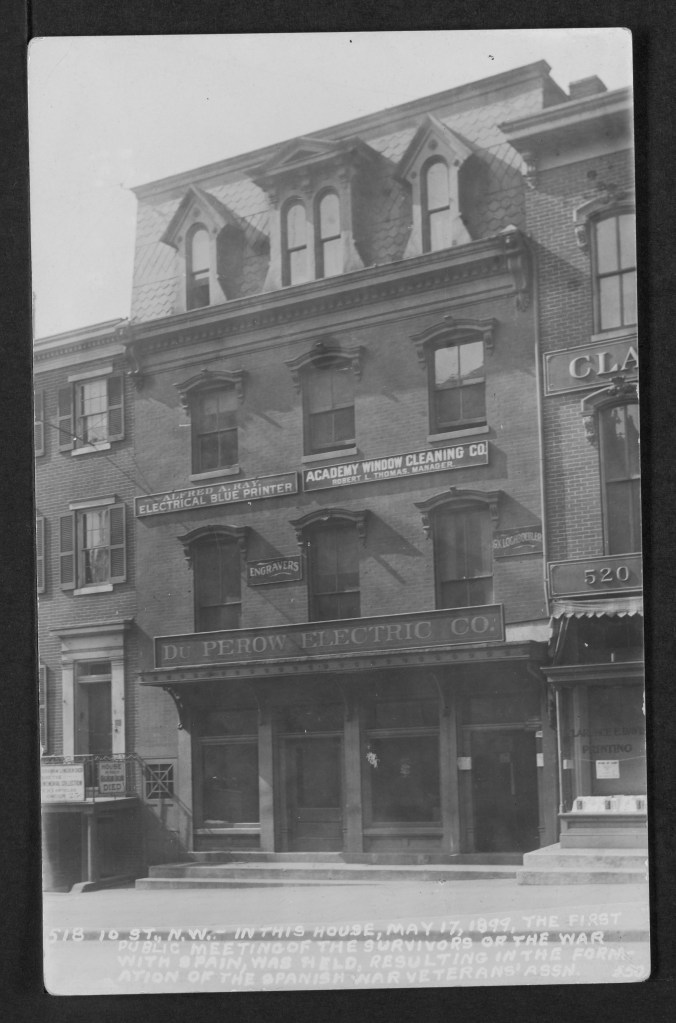
A real photo postcard in the collection of the District of Columbia Public Library pictures the building during Yale Laundry’s tenure captioned, “In this house the first public meeting of the survivors of the war with Spain, was held on May 17, 1899, resulting in the formation of the Spanish War Veterans’ Association.” The Dec. 1, 1900, Washington Star notes the addition of Harry Clemons Miller’s “Teacher of Piano” Studio and by 1903, the “Yale Steam Laundry” appeared in the DC newspapers at the address.

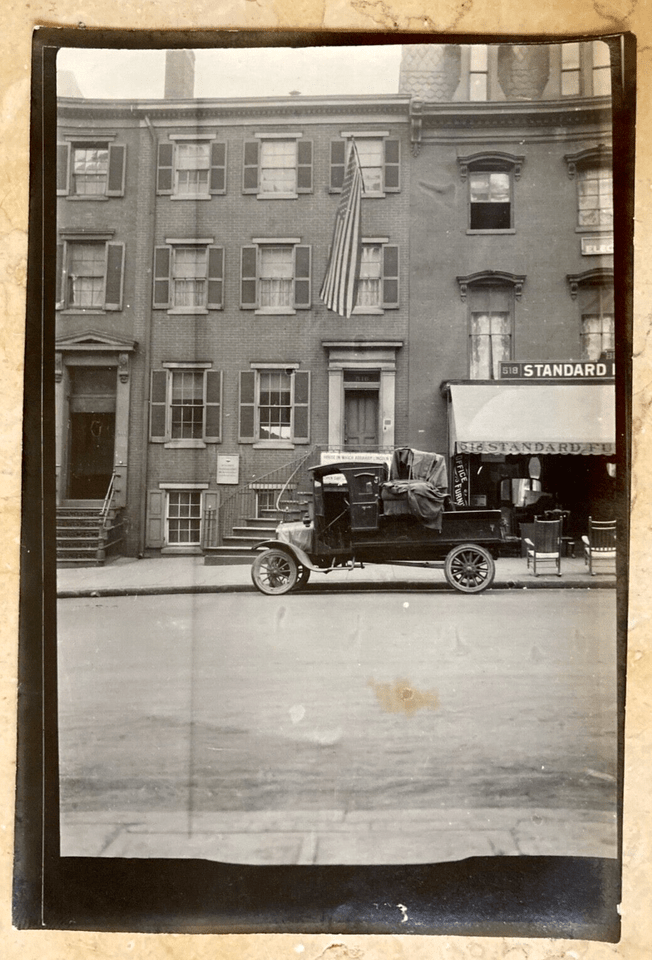
Furniture Truck Blocking Front of Oldroyd’s Museum.

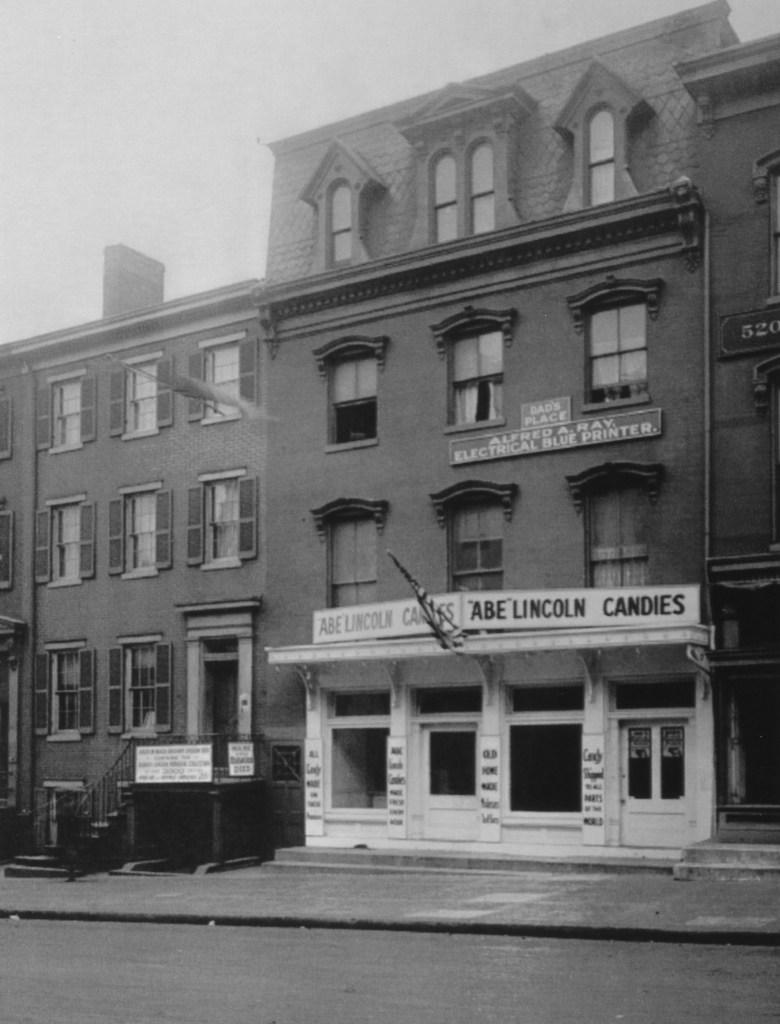
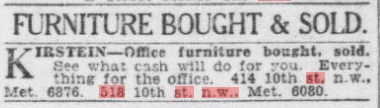
In 1909, Du Perow Electric Co. (AKA as “Du Pe”) and partner Alfred A. Ray “Electrical Blueprints” occupied the building. A window cleaning company occupied room # 9 and a leather goods store was located there during this same period. By 1912, the storefront was occupied by the Standard Furniture Co. At least one photo survives presenting an amusing scene of a furniture truck blocking the entrance to Oldroyd’s museum. Amusing to the viewer today but most assuredly not to the museum curator back in the day. Eventually, the restaurants, bars, and cafes that worried Oldroyd began to come and go, among them, the Lincoln Cafe & Cocktail Lounge, whose sign was dominated by the words “Beer Wine.” It appears that during the 1920-50s, a Pontiac, DeSoto, Plymouth Motor Car dealer known as “News & Company” kept an office in the building, with the car lot and gas station across the street.

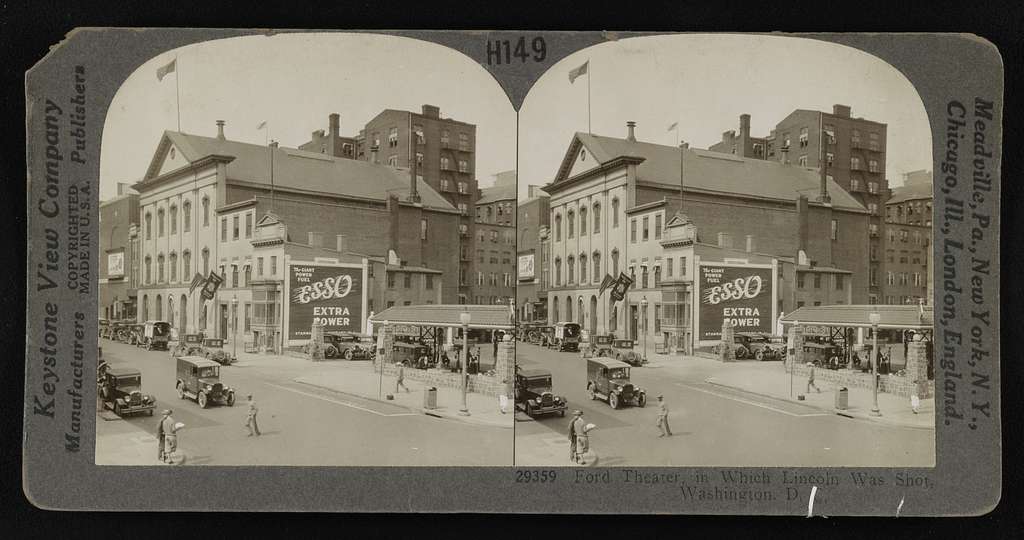
Esso Gas Station Next to Ford’s Theatre and across from the House Where Lincoln Died.
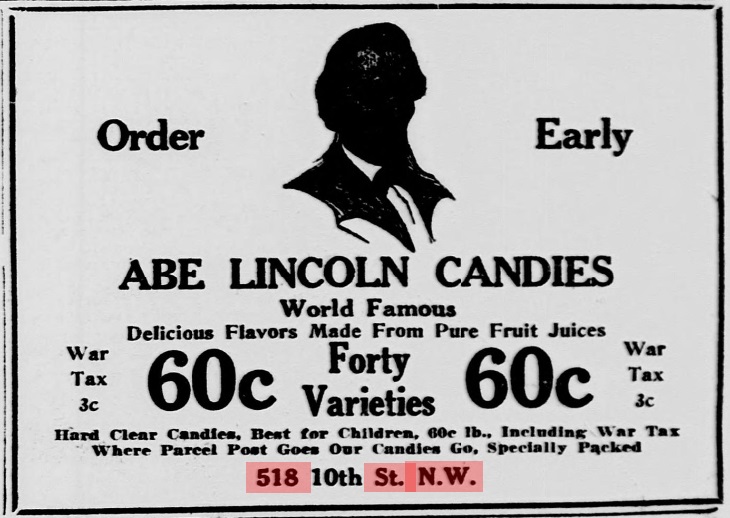
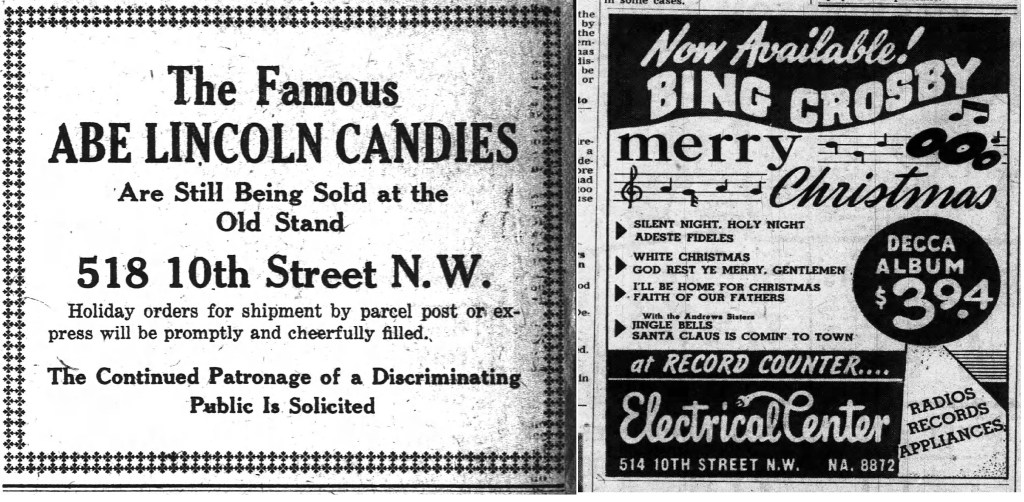
The Abe Lincoln Candy Store Nextdoor to the HWLD.

Old-timers remember a long-term tenant known as “Abe Lincoln Candies” that occupied the space from the 1950-70s. Other recent tenants included Abe’s Cafe & Gift Shop, Bistro d’Oc and Wine Bar, Jemal’s 10th Street Bistro, Mike Baker’s 10th St Grill, and the I Love DC gift store, and last year, The Inauguration-Make America Great Again Store, who one Yelp reviewer complained was crowded with outdated, sketchy clothing and that “they make u give them a good review before they give u a refund kinda scummy.”

View of the new high-rise building at 514 Tenth St. NW.

As for the building on the opposite side of Oldroyd’s museum at 514 Tenth St. NW, it remained a residence until 1922 when a $55,000, 10-story concrete & steel building with steam heat and a flat slag roof was built. Designed by architect Charles Gregg and built by Joseph Gant, the sky-scraper, known as the Lincoln Building, dwarfed the Oldroyd Museum. It was home to several businesses, including the Electrical Center (selling General Electric TVs, radios, and appliances) and the Garrison Toy & Novelty Co, its modern construction alleviated any concern of fire.

The Great Chicago Fire of 1871.

It must be noted that many great collections of Lincolniana fell victim to fire in the century and a half after Lincoln’s death. The Great Chicago Fire of 1871 consumed many Lincoln objects, documents, and personal furniture that had been removed from the Springfield home after the President’s departure to Washington DC. On June 15, 1906, Major William Harrison Lambert (1842-1912), recipient of the Congressional Medal of Honor and one of the Lincoln “Big Five” collectors, lost much of his collection in a fire at his West Johnson St. home in Germantown, Pa. Among the items lost were a bookcase, table, and chair from Lincoln’s Springfield law office and the chairs from Lincoln’s White House library. The threat of fire was a constant waking nightmare in Oldroyd’s life. While he did his best to control what went on inside his museum, he had no control over what happened outside. His life’s work of collecting precious Lincoln objects, over 3,500 at last count, could be gone in the flash of a pan.

ADDITIONAL IMAGES.

Abe’s Cafe & Gift Shop.
Bistro d’Oc and Wine Bar.
Garrison Toy & Novelty Company at 514 10th Street NW.