

Original publish date: April 9, 2020
We’re all cooped up, trying to avoid the Coronavirus by surfing the net, checking social media and (gulp) shopping on-line. Hoosiers are stressing out bandwidth capacity like a hippo in bicycle shorts by binge watching every form of entertainment available on line. So, I have decided to help alleviate your boredom by giving you an article full of dates, names and events to Google. After you read this shorter than normal offering, do yourself a favor, search the names listed here and lose yourself in history. You’ll be amazed, intrigued and informed at the same time. This week’s offering: Buffalo Bill’s Wild West Show in Indiana.
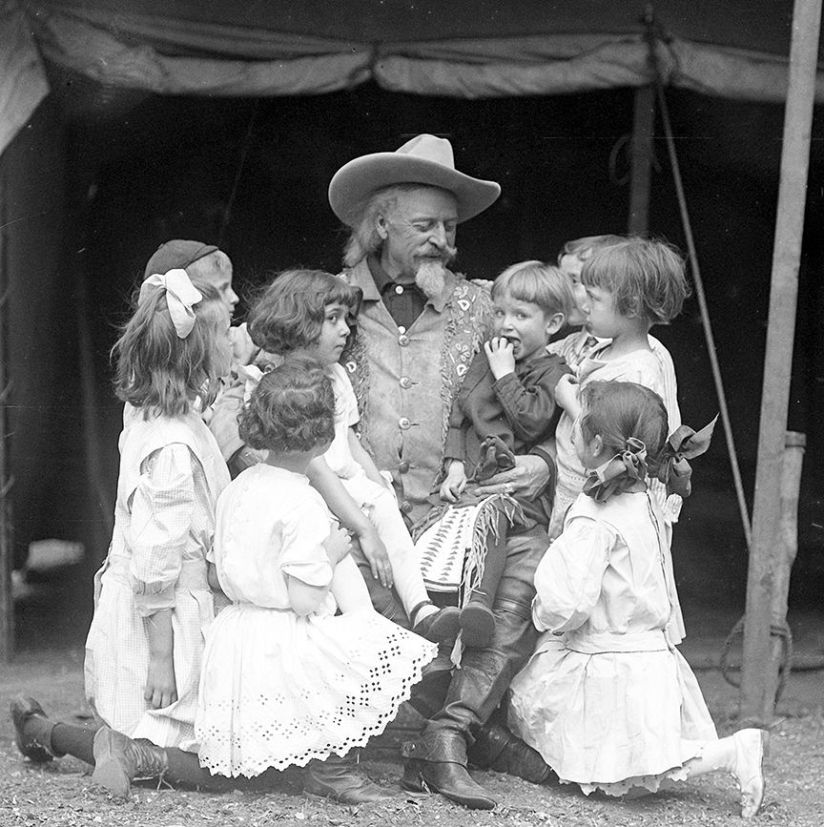 Buffalo Bill Cody was the real deal-he had fought Indians, hunted buffalo, and scouted the Northern Plains for General Phil Sheridan and Lieutenant Colonel George Armstrong Custer along America’s vast Western frontier. He was a fur-trapper, gold-miner, bullwhacker, wagon master, stagecoach driver, dude rancher, camping guide, big game hunter, hotel manager, Pony Express rider, Freemason and inventor of the traveling Wild West show. Oh, yeah, and he was awarded the Medal of Honor in 1872 for, unsurprisingly, “Gallantry” during the Indian Wars. His medal, along with medals of 910 other recipients, was revoked in February of 1917 when Congress retroactively tightened the rules for the honor. Luckily, the action came one month after Cody died in 1917. It was reinstated in 1989.
 But Cody’s biggest achievement came as the wild west frontier he had helped create was vanishing. Buffalo Bill’s “Wild West” shows featured western icons like Wild Bill Hickok, Annie Oakley, Frank Butler, Bill Pickett, Mexican Joe, Adam Bogardus, Buck Taylor, Geronimo, Red Cloud, Chief Joseph, Texas Jack, Pawnee Bill, Tillie Baldwin, Bronco Bill, Coyote Bill, May Lillie, and a “Congress” of cowboys, soldiers, Native American Indians and Mexican vaqueros. Movie stars Will Rogers and Tom Mix and World Heavyweight Champion Jess Willard kicked off their careers as common cow punchers for Buffalo Bill. Cody performed for Kings, Queens, Presidents, Generals, Dignitaries and just plain folk in small towns, at World’s Fairs, stadiums and arenas all over the world.
 During the late 19th century, the troupe included as many as 1,200 performers.The shows consisted of historical scenes punctuated by feats of sharpshooting, military drills, staged races, rodeo events, and sideshows. Real live Native American Indians were portrayed as the “Bad Guys”, most often shown attacking wagon trains with Buffalo Bill or one of his colleagues riding in and saving the day. Other staged scenes included Pony Express riders, stagecoach robberies, buffalo-hunting and a melodramatic re-enactment of Custer’s Last Stand in which Cody himself portrayed General Custer.
 By the turn of the 20th century, William F. Cody was probably the most famous American in the world. Cody symbolized the West for Americans and Europeans, his shows seen as the entertainment triumphs of the ages. In Indiana, entire towns turned out to see the people and scenes they had read about in the dime novels and newspaper stories they grew up on and continued to read daily. Buffalo Bill’s performances were usually preceded by a downtown parade of stagecoaches, soldiers, acrobats, wild animals, chuckwagons, calliopes, cowboys, Indians, outlaws and trick shooters firing off birdshot at targets thrown haphazardly in the air. In 1898, admission to the show was half-a-buck for adults, two bits for children under 9. The Buffalo Bill show traveled by their own special train, usually arriving early in the morning and giving two shows before packing up to travel all night to the next town.
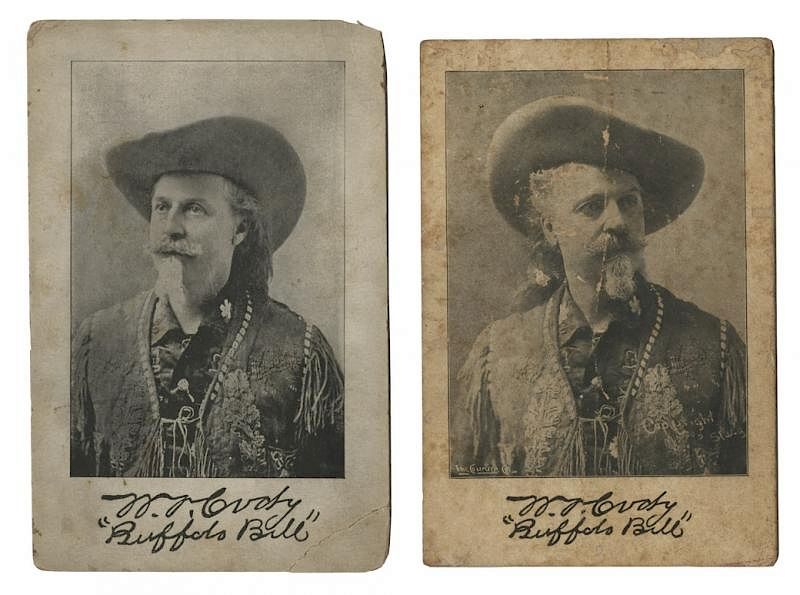 According to the official “Buffalo Bill Museum and Grave in Golden, Colorado” website, from 1873 to 1916 William F. “Buffalo Bill” Cody appeared in Indiana 155 times, touring 38 different Hoosier cities. Some of those cities are obvious, some obscure. Anderson (3 times), Auburn, Bedford, Bluffton, Columbus, Crawfordsville (2 times), Elkhart (3 times), Evansville (12 times), Fort Wayne (12 times), Frankfort, Gary (2 times), Goshen (2 times), Huntington, Kendallville, Kokomo (4 times), La Porte, Lafayette (14 times), Lawrenceburg, Logansport (8 times), Madison, Marion (3 times), Michigan City, Muncie (7 times), New Albany (3 times), North Vernon (4 times), Peru, Plymouth, Portland, Richmond (8 times), Shelbyville, South Bend (8 times), Tell City, Terre Haute (17 times), Valparaiso, Vincennes (4 times), Warsaw (2 times), Washington and of course Indianapolis (19 times). Strangely, although Buffalo Bill appeared in the Circle City more than any other during his career, his tour did not stop here for his final tour in 1916. preferring instead to swing thru the far northern section of our state on the way to Chicago.
 Buffalo Bill traveled with five different shows during his lifetime: 1872 – 1886: Buffalo Bill’s Combination acting troop / 1884 – 1908: Buffalo Bill’s Wild West / 1909 – 1913: Buffalo Bill’s Wild West and Pawnee Bill’s Far East / 1914 – 1915: Sells-Floto Circus and Buffalo Bill’s Wild West / 1916: Buffalo Bill and the 101 Ranch Combined. By the end, Buffalo Bill had to be strapped onto his saddle to keep from falling off (after all, he was over 70-years old at the time). Despite the perceived exploitation of his Wild West Shows, Cody respected Native Americans, was among the earliest supporters of women’s rights and was a pioneer in the conservation movement and an early advocate for civil rights. He described Native Americans as “the former foe, present friend, the American” and once said that “every Indian outbreak that I have ever known has resulted from broken promises and broken treaties by the government.” He also said, “What we want to do is give women even more liberty than they have. Let them do any kind of work they see fit, and if they do it as well as men, give them the same pay.”
 Although many reports make it seem that Buffalo Bill died a pauper, at the time of his death on January 10, 1917, Cody’s fortune had “dwindled” to less than $100,000 (approximately $2 million today). So you see, there is more to Buffalo Bill Cody than meets the eye. Although often portrayed in pantomime as a grossly exaggerated caricature of a buckskin clad circus act, he really was the real deal.


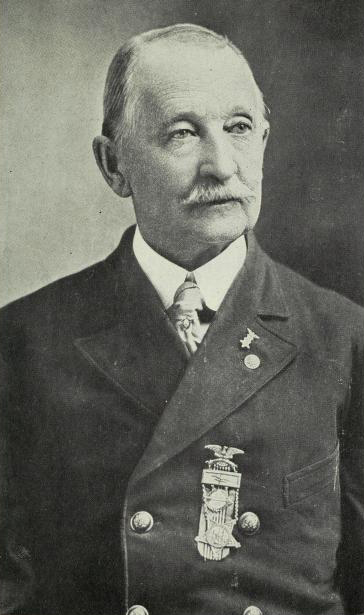

 The Reynolds leaflet further reveals,”Father and mother were at Ford’s Theatre the night of the assassination, and although it was late when they returned home, the general excitement of the night had reached our neighborhood. The newsboys shrill cries of “Extra! Extra! President Lincoln Shot” had awakened everybody in the boarding house. I, too, was awake. Young as I was, I realized what dreadful thing had happened, and I lay wide-eyed in my little trundle bed while father and mother related to the others their personal story of the tragedy. Father, accompanied by several of the men guests, went back to the scene and did not return until after the fateful hour of 7:22 the next morning. I remember as clearly as though it were of yesterday, wearing a wide band of black around the sleeve of my bright plaid jacket, and, carried in father’s arms, of passing the somber catafalque in the rotunda of the Capitol, which inclosed (sic) all that was mortal of the beloved Lincoln. A few weeks later I witnessed the Grand Review of the Army – that wonderful spectacle of the returning boys in blue – which took several days in its passing.”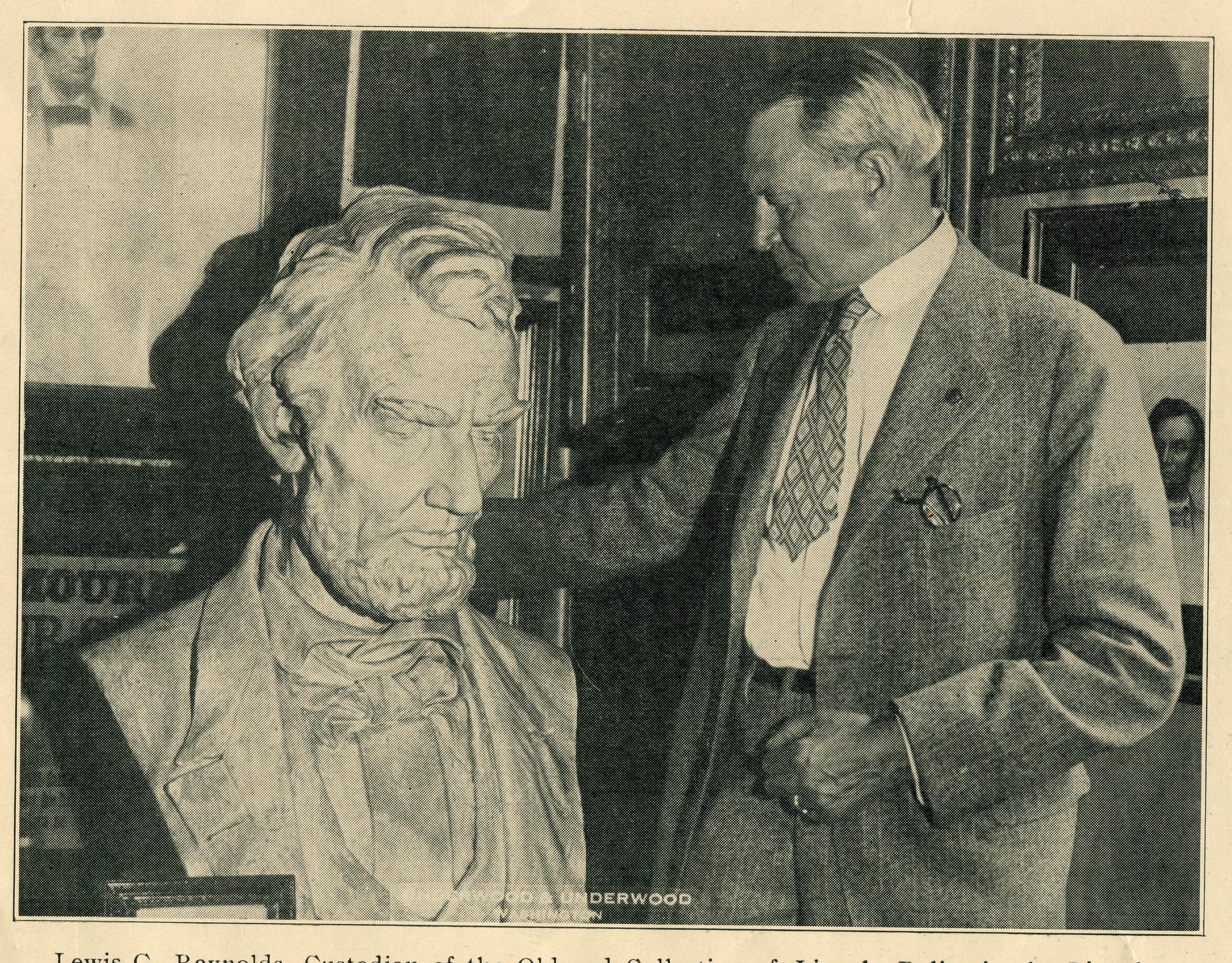

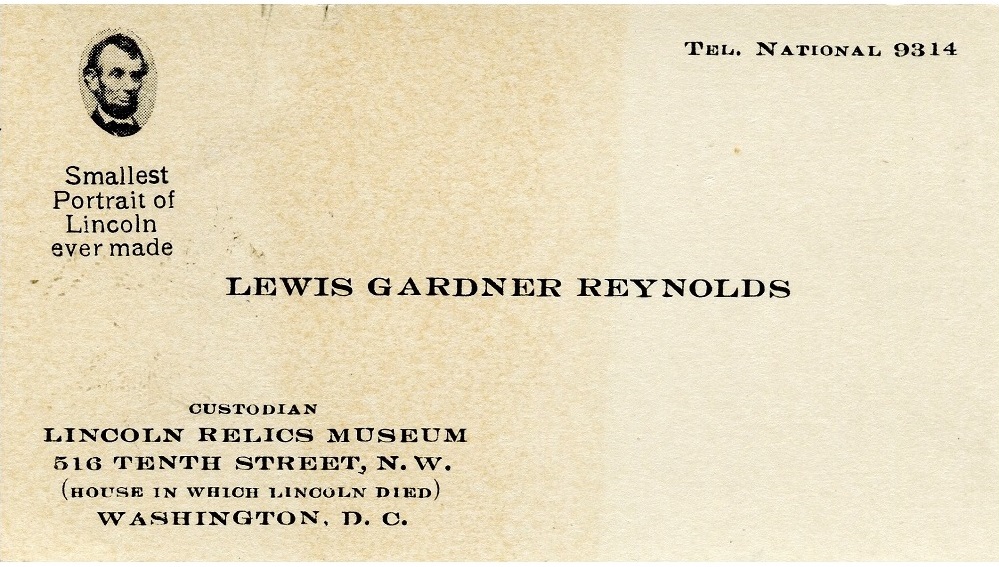 Two decades later, in 1960, the Richmond Palladium-Item newspaper profiled the widow of the former curator, offering new insight. The article is titled: “Local Woman Conducted Tours In House Where Lincoln Died.” It reveals, “Mrs. Reynolds and her husband lived on the second floor of the house at 516 Tenth Street, Washington, DC, at the time Mr. Reynolds was curator of the Oldroyd Lincoln Memorial collection. This was from 1928 through 1936. “I never heard anyone ask Mr. Reynolds a question about Mr. Lincoln he could not answer,” Mrs. Reynolds recalls. Her husband acquired the job as curator when he heard Oldroyd wanted to retire… “I have had visitors say to me doesn’t it give you a creepy feeling?” (sleeping in the house where Lincoln died.) Her answer was always “No.” To the reporter, she said, “I never had a creepy feeling. When I thought about it, it was just a feeling of awe and reverence.” Mr. Reynolds described the collection via radio from the Petersen house several times.“

 Most Americans remember President William McKinley solely for the way he died. His image a milquetoast chief executive from the age of American Imperialism who was at the helm for the dawn of the 20th century. McKinley’s ordinary appearance belied the fact that he was the last president to have served in the American Civil War and the only one to have started the war as an enlisted soldier. It is long forgotten that McKinley led the nation to victory in the Spanish-American War, protected American industry by raising tariffs, and kept the nation on the gold standard by rejecting free silver. Most notably, his assassination at the 1901 Pan-American Exposition in Buffalo, New York unleashed the central figure who would come to personify the new century; his Vice-President Teddy Roosevelt.
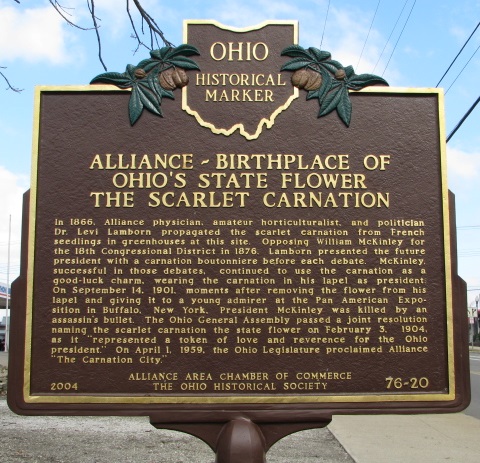
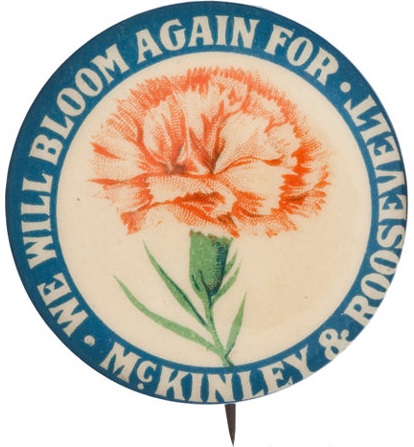
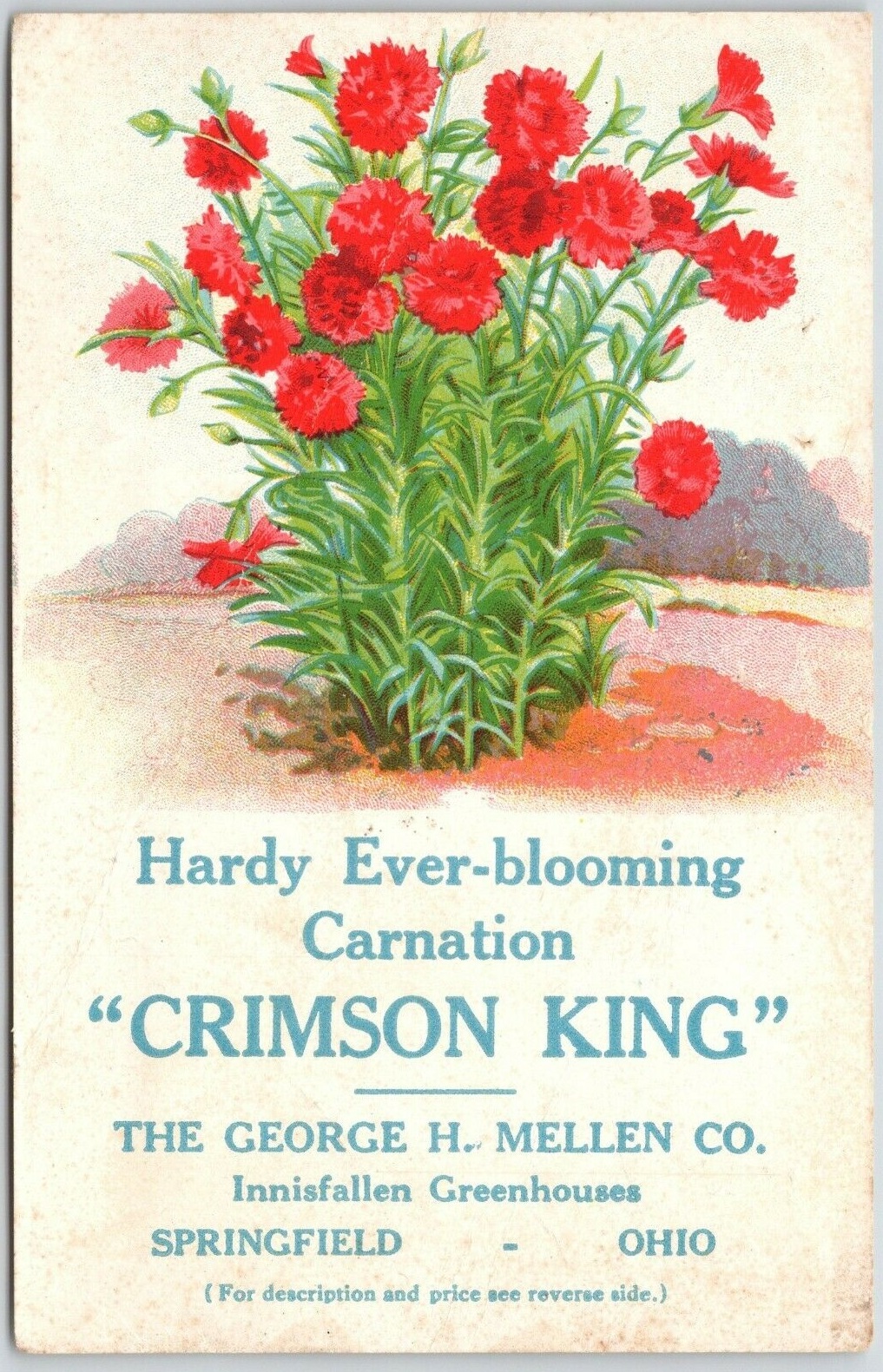
 McKinley’s favorite flower was a red carnation. He displayed his affection by wearing one of the bright red florets in his lapel every day. The carnation boutonnière soon became McKinley’s personal trademark. As President, bud vases filled with red carnations were conspicuously placed around the White House (known as the “Executive Mansion” back then). Whenever a guest visited the President, McKinley’s custom was to remove the carnation from his lapel and present it to the star-struck visitor. For men, he would often place the souvenir blossom into the lapel himself and suggest that it be given to an absent wife, mother, or child. Afterward, he would replace his boutonnière with another from a nearby vase and repeat the transfer again and again for the rest of the day. McKinley was superstitious about these carnations, believing that they brought good luck to both him and his recipient.
 One account alleges that McKinley’s “Genus Dianthus” custom began early in his presidency when an aide brought his two sons to the White House to meet the President. McKinley, who loved children dearly, presented his carnation to the older boy. Seeing the disappointment in the younger boy’s face, the President deftly retrieved a replacement carnation and pinned it on his own lapel. Here the flower remained for a few moments before he removed it and gave to the younger child, explaining “this way you both can have a carnation worn by the President.”
 However, McKinley’s ubiquitous floral tradition can be traced to the election of 1876, when he was running for a seat in Congress. His opponent, Dr. Levi Lamborn, of Alliance, Ohio, was an accomplished amateur horticulturist famed for developing a strain of vivid scarlet carnations he dubbed “Lamborn Red.” Dr. Lamborn presented McKinley with a “Lamborn Red” boutonniere before their debates. After he won the election, McKinley viewed the red carnation as a good luck charm. He wore one on his lapel regularly and soon began his custom of presenting them to visitors. He wore one during his fourteen years in Congress, his two gubernatorial wins and both 1896 and 1900 presidential campaigns.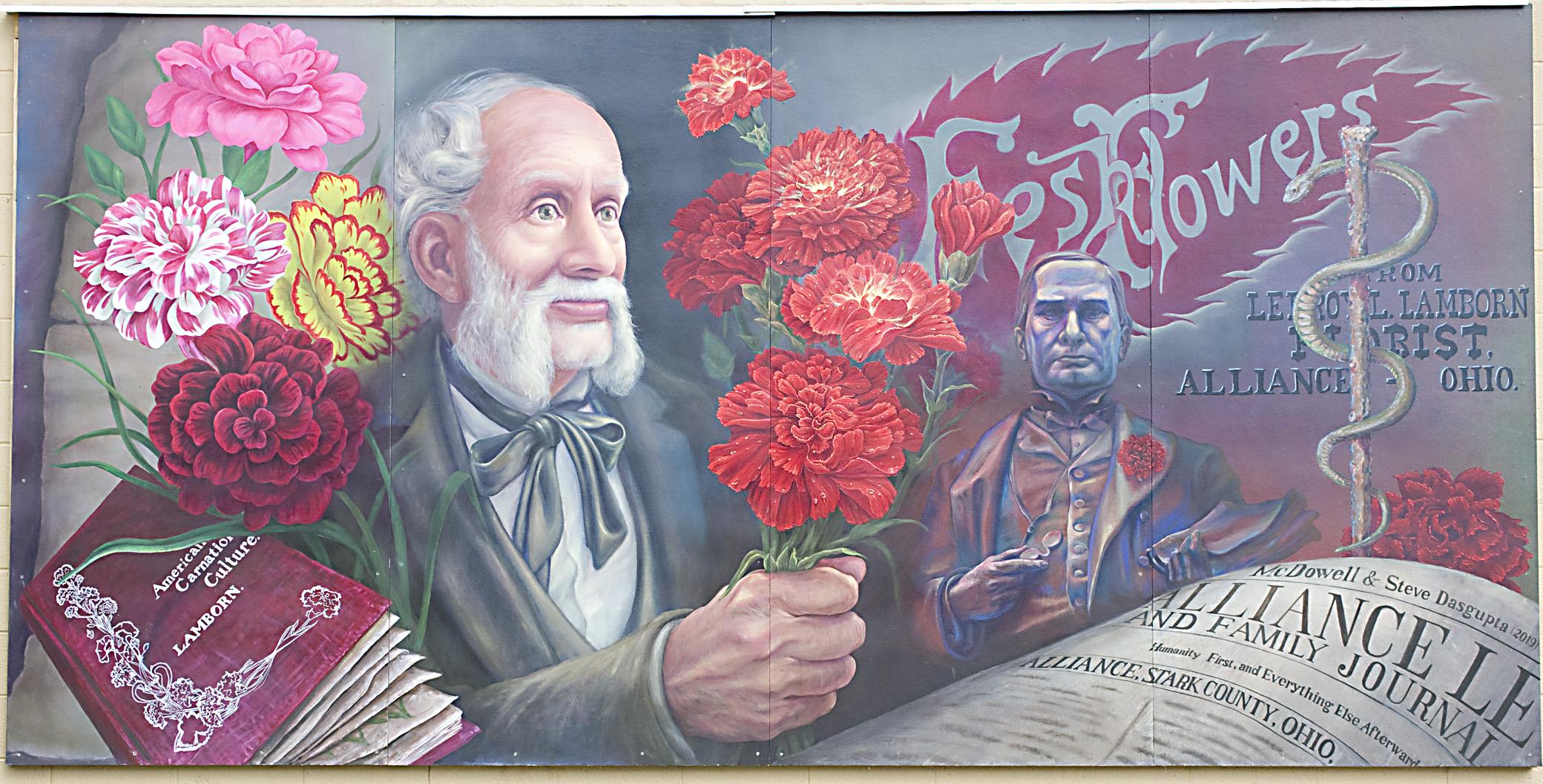
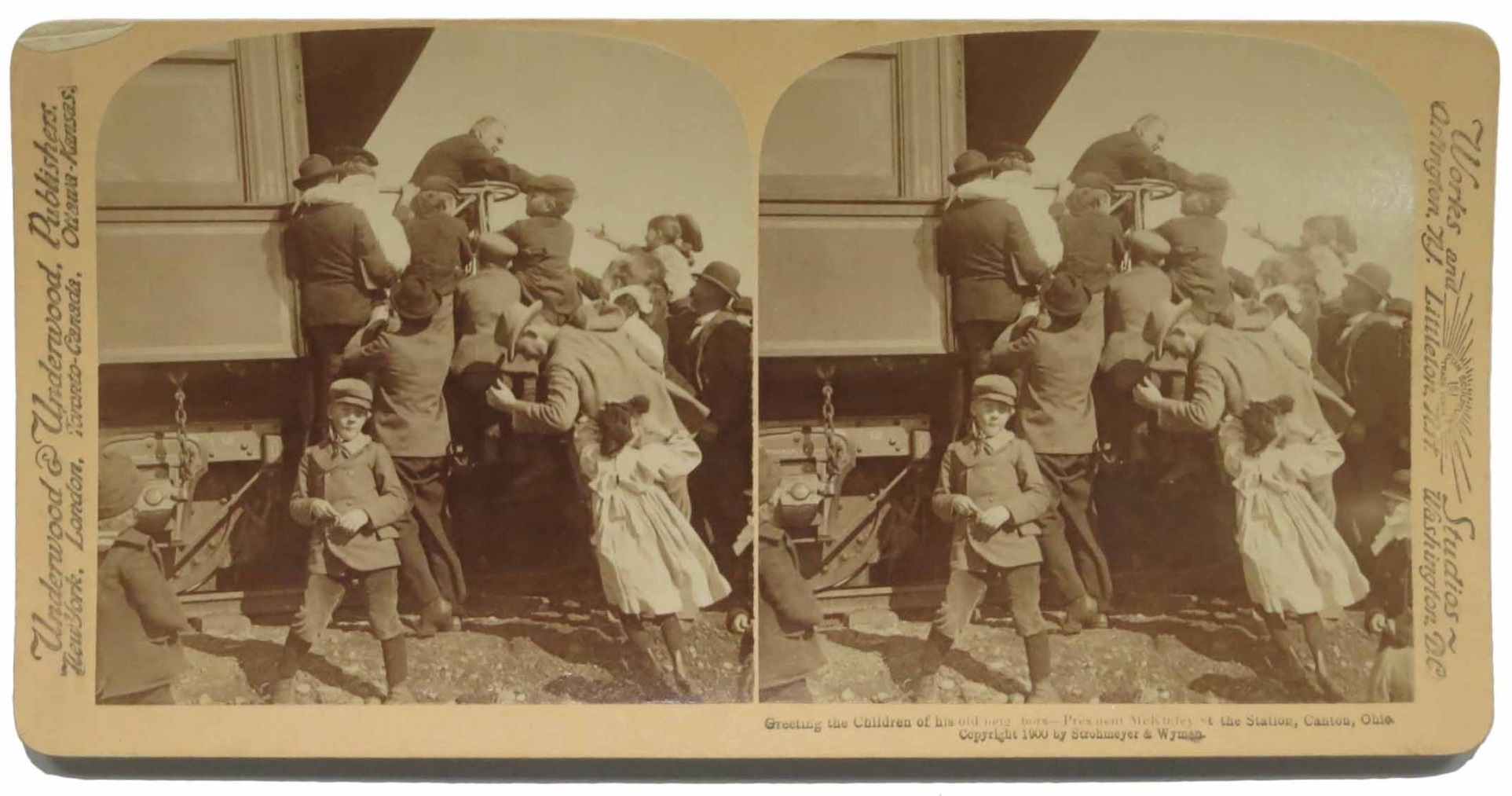
 After his second inauguration on March 4, 1901, William and Ida McKinley departed on a six-week train trip of the country. The McKinleys were to travel through the South to the Southwest, and then up the Pacific coast and back east again, to conclude with a visit to the Buffalo Exposition on June 13, 1901. However, the First Lady fell ill in California, causing her husband to limit his public events and cancel a series of planned speeches. The First family retreated to Washington for a month and then traveled to their Canton, Ohio home for another two months, delaying the Expo trip until September.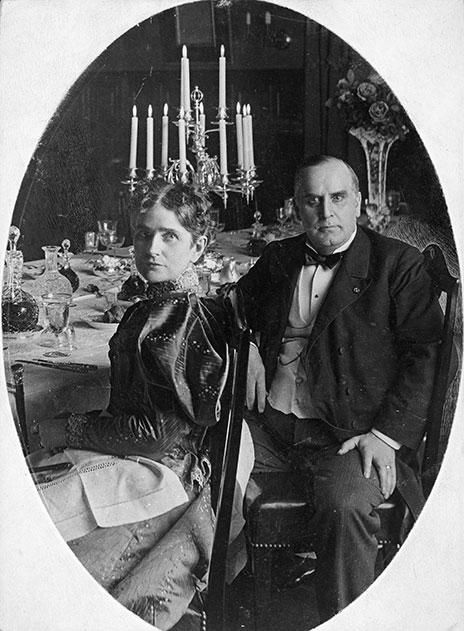
 As McKinley fell backwards into the arms of his aides, members of the crowd immediately attacked Czolgosz. McKinley said, “Go easy on him, boys.” McKinley urged his aides to break the news gently to Ida, and to call off the mob that had set on Czolgosz, thereby saving his assassin’s life. McKinley was taken to the Exposition aid station, where the doctor was unable to locate the second bullet. Ironically, although a newly developed X-ray machine was displayed at the fair, doctors were reluctant to use it on the President because they did not know what side effects. Worse yet, the operating room at the exposition’s emergency hospital did not have any electric lighting, even though the exteriors of many of the buildings were covered with thousands of light bulbs. Amazingly, doctors used a pan to reflect sunlight onto the operating table as they treated McKinley’s wounds.
 McKinley drifted in and out of consciousness all day. By evening, McKinley himself knew he was dying, “It is useless, gentlemen. I think we ought to have prayer.” Relatives and friends gathered around the deathbed. The First Lady sobbed over him, “I want to go, too. I want to go, too.” Her husband replied, “We are all going, we are all going. God’s will be done, not ours” and with final strength put an arm around her. Some reports claimed that he also sang part of his favorite hymn, “Nearer, My God, to Thee” while others claim that the First Lady sang it softly to him. At 2:15 a.m. on September 14, President McKinley died. Czolgosz was sentenced to death and executed by electric chair on October 29, 1901.
 Loyal readers will recognize my affinity for objects and will not be surprised by the query, “What became of that assassination carnation?” In an article for the Massillon, Ohio Daily Independent newspaper on Sept. 7, 1984, Myrtle Ledger Krass, the 12-year-old-girl to whom the President gave his lucky flower moments before he was killed, reported that the McKinley’s carnation was pressed and kept in the family Bible. Myrtle, at the time a well-known painter living in Largo, Florida, explained how, many years later while moving, “The old Bible had been put away for years, when I took it out to wrap it for moving, it just crumbled in my hand. Just fell away to nothing.”
 In 1902, Lewis Gardner Reynolds (born in 1858 in Bellefontaine, Ohio) found himself in Buffalo on business on the first anniversary of McKinley’s death. While there he found that the mayor of Buffalo had declared the day a legal holiday. Gardner recalled, “without thinking at the time that I was doing something that would become a national custom, I purchased a pink carnation which I placed in the buttonhole of my coat after tying a small piece of black ribbon on it. As I went through Buffalo I explained to questioners the reason for the flower and the black ribbon. Many of those who questioned me followed my example.” On his return to Ohio, he explained to his friend Senator Mark Hannah what he had done in Buffalo. Later, in Cleveland, Reynolds met with Hannah and Governor Myron T. Herrick. Soon plans were made to celebrate Jan. 29, the anniversary of McKinley’s birth, as “Carnation Day.”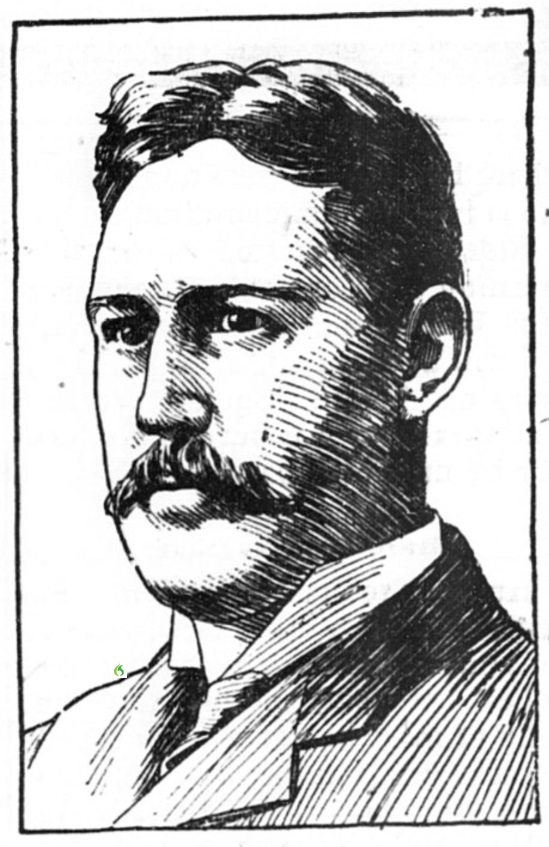
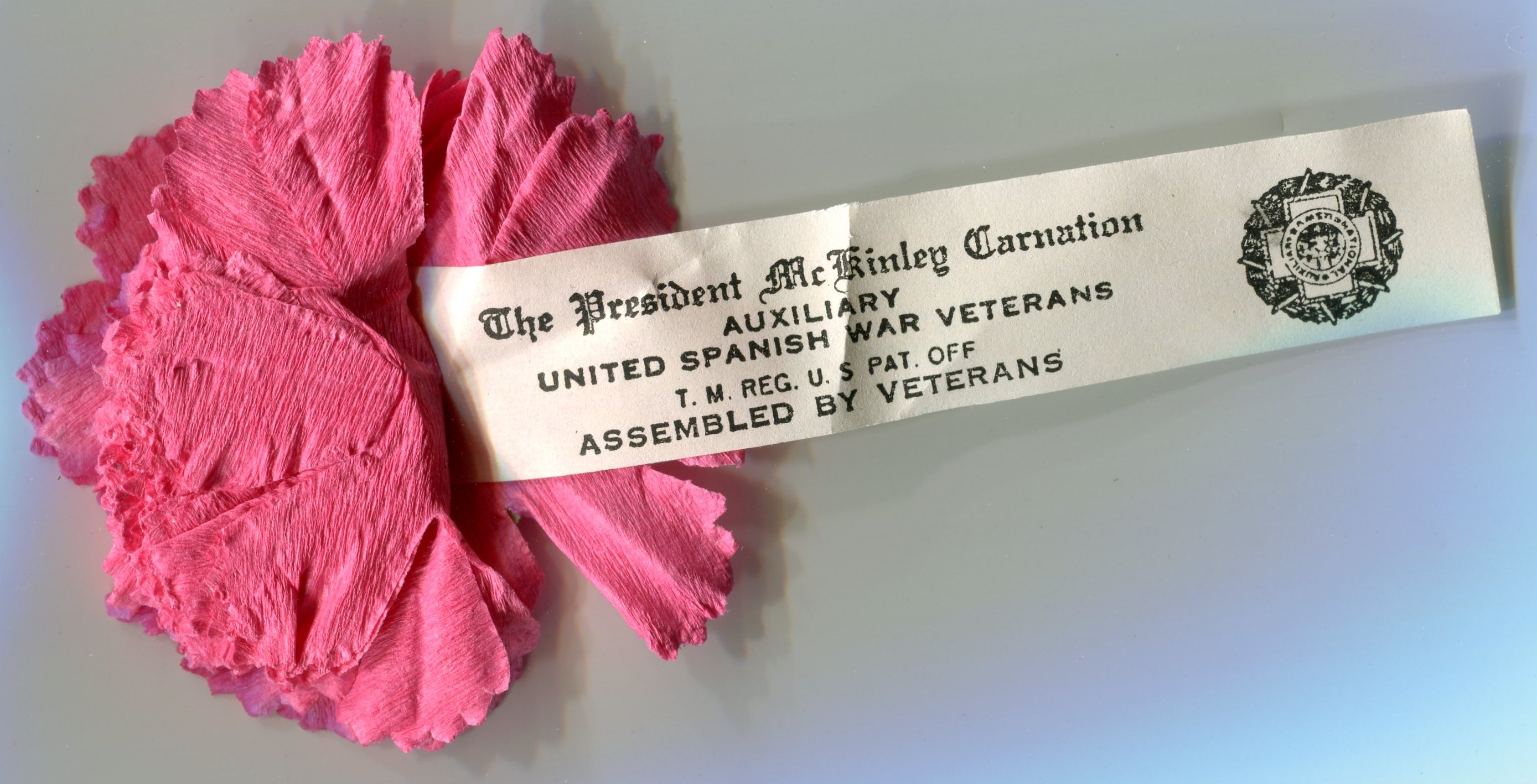 Today, the Ohio Statehouse in Columbus continues observing Red Carnation Day every January 29 by installing a small display honoring the assassinated President. Last year, the Statehouse Museum Shop and on-site restaurant offered special discounts to anyone wearing a red carnation or dressed in scarlet on that day. Yes, the sentimental association of the carnation with McKinley’s memory is due to Lewis Gardner Reynolds.


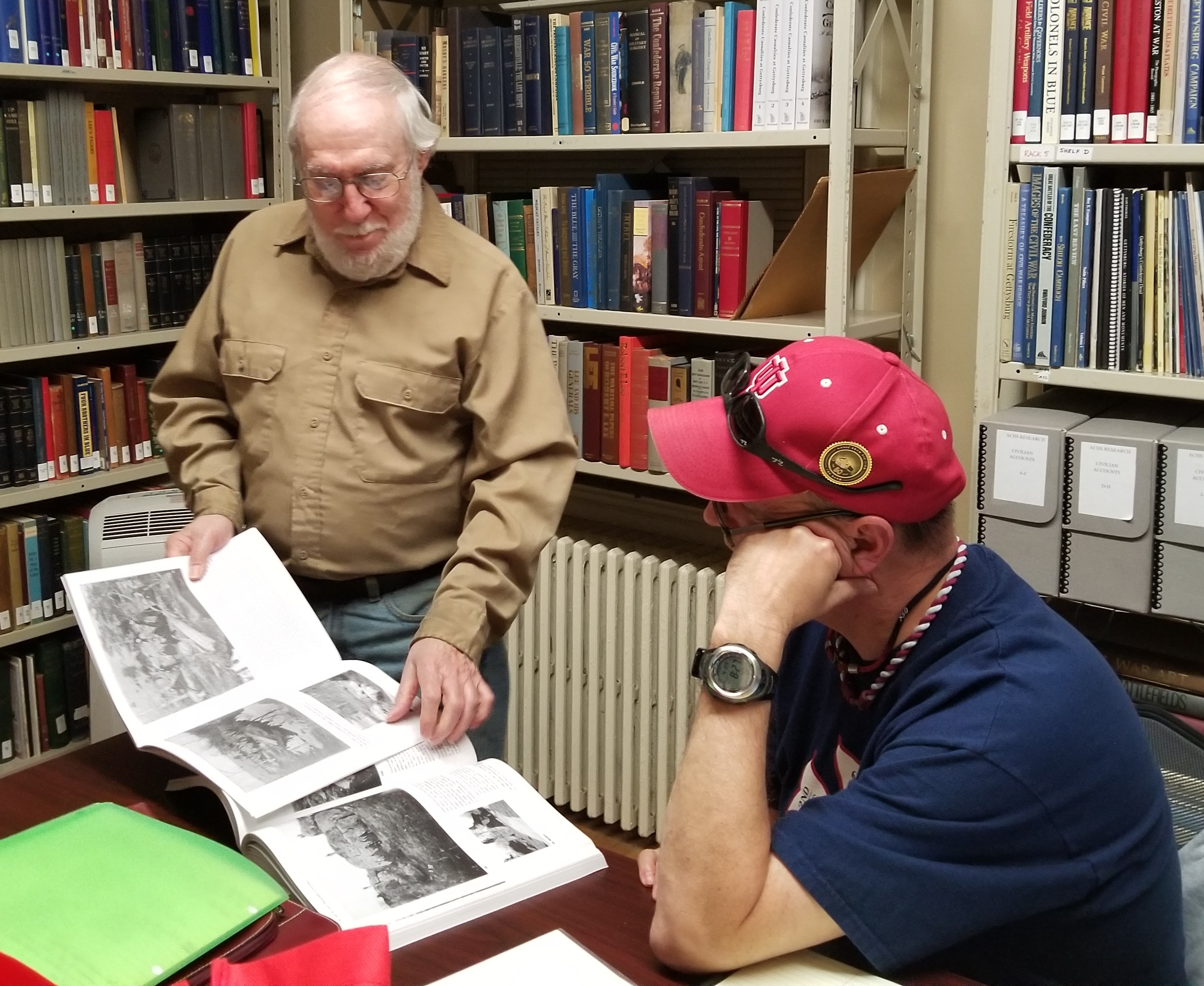
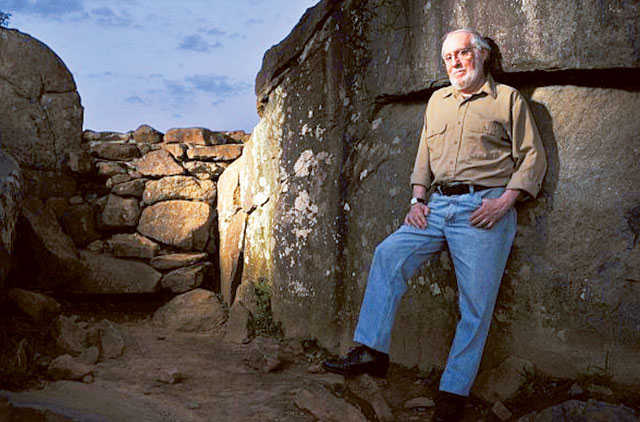
 Needless to say, I was pleased with my visit to and pleasantly reminded how invaluable places and people like these are to the preservation and education of history. After the ACHS helped fill in some blanks in my research, I turned my attention to author Bill Frassanito. He is intensely private, yet unassuming and modest in demeanor. Although an author by trade and historian by nature, Mr. Frassanito has the soul of a teacher.
 When asked what first drew him to Gettysburg, he explains, “My first trip to Gettysburg was in 1956 when I was nine years old, and I was just awed by all the monuments, cannons and stuff. I started my research when I was a kid and much of the research for Journey in Time was done when I worked it into a Masters thesis (he is a proud Gettysburg College alum). “When you went to Gettysburg College, I was the high school class of ’64, college class of ’68, at that time all the male students had to take either phys ed or ROTC for two years, after that you made the decision whether you continued on to advanced ROTC, then you were a part of the Army and you got paid. From there you are committed to, after graduation, serving for two years as a second lieutenant, then on to grad school.”
 Bill’s collecting interests are not solely confined to Gettysburg. “All of my stuff is going to the Adams County Historical Society. It will be called the Frassanito collection. Including all my stuff that goes beyond Gettysburg and Adams County. My interest in military history includes World War I and Franco Prussian war, it’s very expansive.” Mr. Frassanito’s interest in all things military came when he saw the 1956 movie “War and Peace” starring Audrey Hepburn and Henry Fonda and, he states, “from that time on I’ve been fascinated by Russian history including the Crimean War” (October 1853 to February 1856 in which the Russian Empire lost to an alliance of the Ottoman Empire, France, Britain and Sardinia).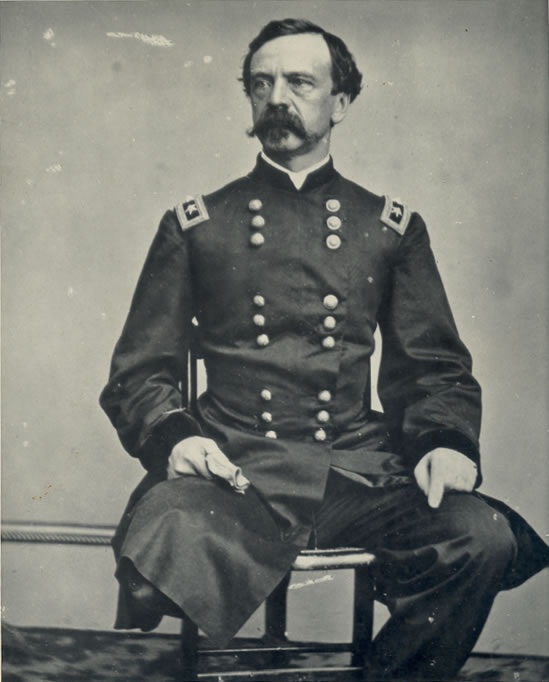
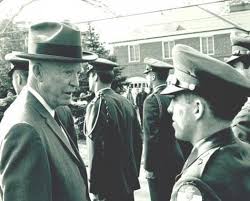
 Bill continued, “I fortunately survived Vietnam and I put it (his book research) all together when I got out of the Army. I tried to get a job in the museum field but the book took off when I signed with one of the top publishers, Charles Scribner’s. It was later picked up for the Book-of-the-Month club. That became the first of seven books on Civil War photography. I spent eight years and eight months on that project.” One of Bill’s most important discoveries was the “Slaughter Pen” near Devil’s Den. Bill’s book included detailed maps. Bill explains, “The whole purpose of the book was to enable people to re-experience standing where the photographer was. One of the questions I often get is why I don’t update the modern photographs. I’ll never do that as I see them as sort of a time capsule in themselves and I want people to know what the battlefield looked like when I spent five years looking for these spots.”
 Frassanito notes that the publication of that photo started a search that is still going on 44 years later. There have been two dozen sites that have been suggested as the site of the photograph. “When people make their discoveries it becomes a religious experience. Every one of those sites has major problems. As far as I’m concerned I don’t want to see a faulty location declared the site and have the search end. That’s the biggest mystery for Civil War photography at Gettysburg. And I’m hoping that one day a pristine 1863 version of the original stereoview or negative surfaces.”
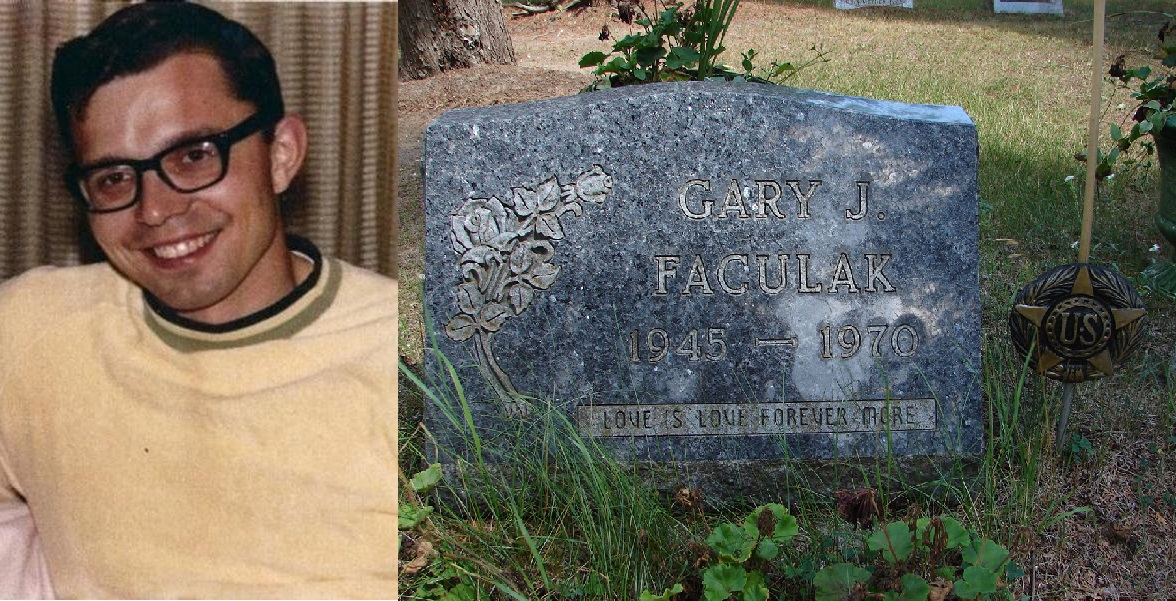
 “I lived about 2 miles away in kind of a slum area of Saigon, it was a hotel we rented from the Vietnamese called Horn Hall. On the main floor was a narrow lobby, and there were two shifts requiring a duty officer, you had to spend six hours just sitting there. You had a pistol and if anything happened, you were in charge. One of the shifts was midnight to six. On the 16th of December 1970 I was assigned night duty at MACV headquarters so my name was removed from the night duty at Horne Hall. Later, we got a phone call that a bomb had gone off that night at Horne Hall and the Lieutenant on duty was instantly killed. And I realized that had I been sitting there, all of my discoveries would have gone with me. And these classic photos of the 24th Michigan and 1st Minnesota would still be misidentified.”


 Our tour guide explains, “The house had been in the Peter Baker family since 1847.” As a youngster, Dean listened to stories under the old tree that is still there near the house. He continues, “This is where the original guides used to gather under the tree and smoke cigars and drink a little whiskey. The Baker boys were bachelors and always had time to tell stories.” Dean has an encyclopedic knowledge of the battle, but also has personal stories told to him by the legendary figures of this battlefield town. As a youngster, Dean recalls visits by “Pappy Rosensteel who had a huge collection of battlefield relics that he took me to on many occasions.” George D. Rosensteel (1884-1971) had a fantastic lifetime collection of battle relics and displays, including the interpretive Battle of Gettysburg map, acquired by the National Park Service for use in the Gettysburg National Military Park museum and visitor center from 1974-2008. “But they didn’t get it all,” Dean says, “They didn’t get it all.”
 We are standing at the base of Wolf Hill near Rock Creek on the far right of the Union Army infantry line; the sounds of traffic whizzing by us on the Baltimore Pike, but it feels like we have traveled back in time. Dean leads us up the slope, we walk about a football field’s length away as he stops in some shady spot, relights his pipe, and explains about cattle grazing in the woods or points out where soldiers were once temporarily buried. This amazing octogenarian halts often, not for his sake but for ours. He climbs these slopes with the agility of a man half his age. He is not winded, but we are.
 As we reach the entrance to Lost Avenue, Dean explains with a sweep of his hand, “This was an orchard at the time of the battle, the bodies of many soldiers were buried in rows right over there.” Former resident Cora Baker’s (1890-1977) grandmother told how, after the battle as the bodies were picked up for reburial, “the grass just quivered with lice and bugs where they laid and when the soldiers would roll up their bedrolls in the morning, the grass was alive with lice and bugs from the bodies of the living soldiers as well.”
 Upon entering Lost Avenue, Dean explains that General Neill was sent here to guard the rear flank of the Union Army and, most importantly, to protect the Baltimore Pike. Dean states, “When I was a boy I used to visit Lost Avenue with Arthur Baker (1893-1970), who as a lad had walked the fields with the old soldiers that visited the property and actually fought over this ground. Arthur would go and grab a bayonet, left here after the battle, from one of the farm buildings. He’d attach it to his walking stick, hide behind the stone wall and charge out screaming the Rebel Yell.”
 Dean maintains the avenue. “The park service never comes out here. Most of the guides have never been out here. The only one I’ve ever seen up here was Barb Adams.” Lost Avenue is the last section of the battlefield that looks exactly as it did when the soldiers fought, and died, here. Dean further explains, “Monuments were set on grass lined strips with no thought of ever paving them. The roads you know now were paved much later. Lost Avenue is the last “pristine section” of unpaved roadway. The 40 foot wide strip is lined by the original stone fence that the 2nd Virginians & 1st North Carolinians fought behind. It was made of field stones picked up by farmers over the years and predates the battle. The second stone wall, the 1895 section, was built later after Sickles took over.”


 Alan E. Hunter