
Original publish date: March 20, 2014
 When you hear the term “Gypsy”, what comes to mind? A vagabond road wanderer? A classic motorcycle? Maybe a Sonny and Cher song? Well, let me share with you a real gypsy story from a century ago that happened just up the National Road in Terre Haute. On May 16, 1914 three bodies were interred in “Terry Hot’s” Highland Lawn cemetery. According to newspaper accounts of the day, at the burial site “strange balls of incense” were placed around the graves. As the caskets were slowly lowered into the ground, veiled women wailed, tore at their clothing and pounded their chests. Their grief cut through the thick sickly sweet smoke hovering over the graves like a switchblade. When the graves were closed wine bottles were opened and their contents pored atop each grave in the shape of a cross.
Socca Demetro, her father Bob Riska and son-in-law Joe Riska were gone. The trio had been part of a group of about thirty Gypsies who had traveled north from their winter quarters in Kentucky to set up camp on the outskirts of West Terre Haute, arriving on May 1st, 1914 . They parked their wagons and pitched their tents along Paris Avenue, an area that 100 years later still carries a seedy reputation populated by strip clubs, bars, liquor stores and cheap motels. West Terre Haute was a known “friendly” stopover for Gypsy caravans and railroad hobos. The self described “King of the Hobos”, known only as “A-No1”, lauded the area in his 1911 book “Hobo Camp Fire Tales” as a place with two great “hobo jungles” and very tolerant citizens.
No small feat when you consider that back then, Gypsies were a much despised group most associated with “curses, kidnapping, thievery and general chicanery”. Stories were told of how the “filthy gypsies” would kidnap children and steal everything in sight. The gypsies encamped here sustained themselves by fortune telling, horse-trading, and selling their handmade goods to the townsfolk. It was considered high risk entertainment to brave a walk through these camps to witness the exotic women and ethnic traditions not usually found in the American heartland. Shopkeepers were eager to sell their visitors staple goods but were forever keeping a keen eye out for shoplifting connected to the Gypsy people.
 The May Day visit began like any other visit to town by the Gypsies. But Sunday May 3rd would prove to be an especially raucous day in camp. No-one knows what the Gypsies were celebrating, but celebrating they were. During the day (and through most of the night) 8 kegs of beer, wine and ale were consumed in camp. Neighbors reported the “camp was a scene of brawling and hilarity.” Eventually, most of the Gypsies passed out cold in their bunks. But in the predawn hours of Monday, one man still stalked the camp: John Demetro.
John (Pronounced Tsine in the Gypsy culture), was a large, surly man with a commanding presence. He was a 55 year-old Brazilian who listed his profession as coppersmith, and most considered him to be a leader of the band. By 5:30 AM, a drunken Demetro was convinced that his wife Socca had been unfaithful to him and he felt his in-laws were covering it up. Around 6:00 the camp was startled awake by the sound of gunshots. Panic spread through the camp after 3 dead bodies were found in the Demetro tent. Big John was not among them. Terrified clan members ran to a nearby saloon and adjacent farmhouse to report the crime. West Terre Haute police were notified and quickly responded.
 Camp residents warned officers to be careful as Demetro was still stalking around the camp, most likely armed with his 16-shot Remington rifle, and was sure not to go down without a fight. Officers found him sitting in front of his tent, gun laid across his lap, staring blankly at the ground. Policemen cautiously approached, guns drawn, ready for a gunfight. But instead of resisting, Old John placidly handed over his gun and calmly surrendered. When they drew back the tent flap, they learned that Demetro had first bludgeoned, then shot, his wife to death. He then turned the gun on her father Bob Riska and shot Joe Riska in the face. Socca and Bob were DOA but Joe, despite missing half of his head, was still clinging to life. They took John to jail and Joe to the hospital were he died of his awful shotgun wound the next day.
After John was taken to jail, the Gypsy “tribe” set about the task of the burying their dead. The bodies were taken to Hickman’s funeral home and the tribe moved east of Terre Haute away from the death scene. The tribe asked for the most expensive caskets and purchased them with cash. Soon, the upscale stores in town were visited by groups of exotically attired Gypsies who purchased the best clothing available for their dead. Socca was dressed in an expensive “silk dress of brilliant colors and oriental design.” Her head was wrapped a crimson red silk scarf, her feet covered by red silk stockings and red leather slippers. Her father, Bob, wore a fine dark suit and crisp felt hat. Son-in-law Joe was dressed in a light suit, expensive Panama hat and low cut tan shoes. Both men wore silk underwear. Pipes and exotic tobacco were placed in each coffin. The bodies were covered with white silk sheets.
When a reporter attempted to ask an aged woman a few questions, she broke down, wailing between statements in broken English and murmuring Demetro’s name in a thick accent while she mimicked the signs of a hanging. In the meantime, John was arraigned in city court on May 8th, ironically the day after Congress declared Mother’s Day a National holiday and the day before President Woodrow Wilson signed it into law. After entering a plea of not guilty, he was charged with murder four days later and a September trial scheduled. It was the beginning of a two-year process.
After two continuances, the trial commenced in September of 1915. Although nearly a year and a half later, members of the tribe flooded the town for the event, most staying in a boarding house on North 4th Street. The night before the trial, police responded to the boarding house on a report noted as a “babblement” by the dispatcher. A scuffle had started in one of the rooms when a supporter of the accused bellowed that he was going to pay $300 to get Demetro out of jail. Police had to push through a crowd of curious locals to get into the house. Once inside, police drew their revolvers when they were confronted by an angry crowd of Gypsies fighting among themselves. To diffuse the situation, they hustled seven men outside to a waiting paddy wagon and off to jail. After the situation calmed down, aided by nearly every police officer in Terre Haute, all but one of the men were released.
Later, around midnight, a member of the clan walked into the station to file a complaint against boarding house owner Charles Grubb. He accused the innkeeper of stealing $ 40 from under the pillow of Demetro John’s mother. Grubb was arrested. The next day at the trial the Gypsies were searched before being allowed entry into the courtroom. The accused sat in a chair surrounded by his son and 3 nervous deputies. After much legal wrangling, the case was postponed yet again. Prosecutor “Little” Dick Wereneke argued against it, citing costs of once again bringing back witnesses to testify, but failed. Defense lawyers argued that their client could not possibly get a fair trial in this town and asked for a change of venue, and succeeded.
The trial was moved to nearby Rockville in covered bridge country. In January, 1915 the court convened but this time, the John Demetro who appeared in court was a broken man. He had lost 60 pounds and he was pale as a ghost. Seems that jail had taken a toll on the man who had previously lived a life unbound by walls or borders. Jailers reported he had collapsed while making the short trip from the jail to the courthouse. They told the judge that John “worries about his problems and seldom eats.” In addition, Demetro was broke. He entered jail in 1914 with $ 5,000 in his possession but the costs of his defense had made him a pauper.
Once again, the trial was postponed. In April, 1916, a plea bargain was made. Two of the murder charges were dropped and the defendant plead guilty to the second degree murder of his wife. On April 20th he was taken to the Indiana State Prison in Michigan City to serve out a life sentence. The long ordeal was over. By now, he was 58-years-old and prison records list his mental condition as insane. He spent most of his time in the prison hospital. Astonishingly, the government of Indiana wanted this sickly Gypsy prisoner off its hands. On December 12th, 1916, within 18 months of Old John’s imprisonment and against the wishes of his own Board of Pardons, Governor James P. Goodrich paroled Demetro (longtime rumors persist that a bribe was passed). The parole stated that John “had no previous criminal record, was in poor health, bordering on insanity, and suffering from ‘locomotor attaxis’ which prevented him from walking.” He was to be transported back to Brazil by his son to die. He was released on December 13th.
 John Demetro’s wife and other victims lay in a Terre Haute Cemetery far from the lands of their birth. In Terre Haute’s Highland Cemetery Gypsies make almost annual pilgrimages to visit the graves each summer. Of course, there are numerous reports that the gravesites are haunted by “Gypsy Ghosts”, but most consider these stories as mere folklore designed to scare girlfriends and make kids nervously giggle. But, like every historical ghost story, there is truth behind the legend.
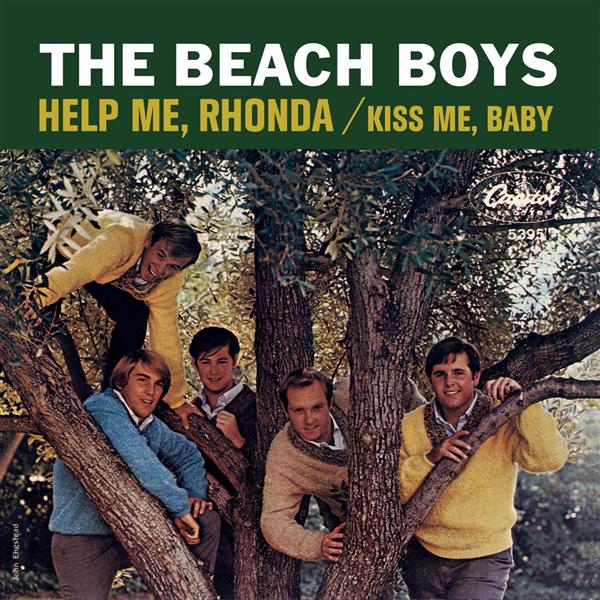
 The banter among the bandmates and “Wrecking Crew” studio musicians is typical witty chatter with hints of the Era in which the recording was made scattered thourhgout. Mike Love saying “I got Vietnam-itus in here.” Al Jardine replying with a giggle: “I was just thinking of that, you know that?” Mike: “What?” Al: “Vietnam…for some reason, I don’t know why…” and Brian yelling from the booth: “Get in the front of the mic, Carl!”
 At this point, Murry departs with the boy’s mother Audree in tow and the Beach Boys continued on with the session. Emotionally devastated by the evening’s drama, the Boys called it a night, returning the next day to redo the vocals. Brian would have the last laugh in this battle by sneaking the song “I’m Bugged At My Ol’ Man” onto the album at the last minute. It would be another three years before Murry again attended a Beach Boys recording session. Legend claims that from that point on, the band purchased a fake audio console for their sessions, so Murry could twiddle knobs on the fake mixing board to his heart’s delight without destroying anything.
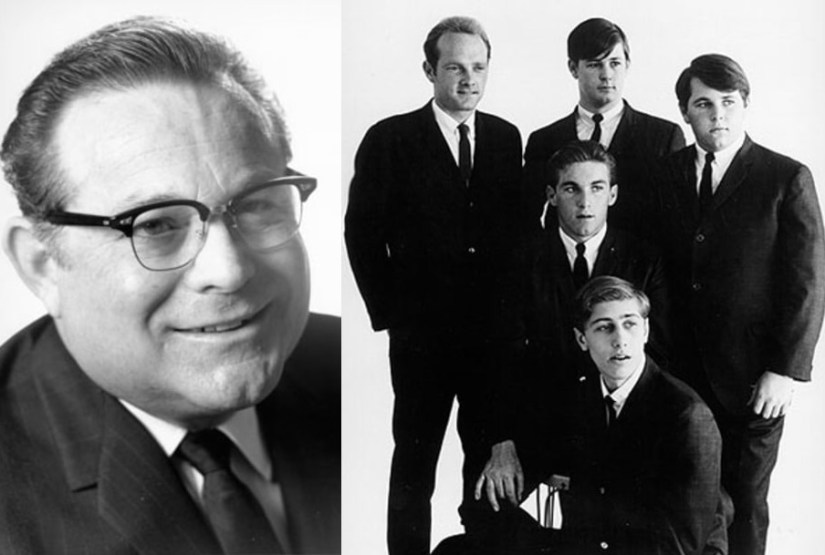
 In 1964, Murry Wilson’s wife Audree left him and they separated. The marriage ended in divorce in 1966. In a letter written on May 8, 1965, just a few months before Brian recorded what is arguably the band’s masterpiece, “Pet Sounds”, Murry gives a glimpse into the complicated, psychologically messed up relationship with his son.
 I am over the big hurt of losing my three sons as a manager for their benefit and good fortune, but I am not over the fact that I have lost my three sons’ love, and I mean real love, because you are all in a distorted world of screams, cheers and financial success. The money will not mean a damn thing to any of my sons if they are not happy when the job is done and it is a sad thing for three young beautiful sons to place their life’s success on the success of a record album or a 45 RPM disc or to how successful they are in the eyes of the music world from how many seats they sell in a live concert. I hope to God that you and your brothers review your thinking now before it is too late, because only more damage can arise from this temporary, fleeting image of success known as The Beach Boys.
 Although a marginally successful songwriter and musician, the self-aggrandizing and ostensibly talented Murry Wilson’s primary claim to fame was as the patriarch of the Beach Boys. Once the Beach Boys established themselves, Murry managed to finagle a solo album deal for himself in 1967; “The Many Moods of Murry Wilson.” It was not commercially successful. Murry Wilson died on June 4, 1973 after suffering a heart attack at the age of 55.
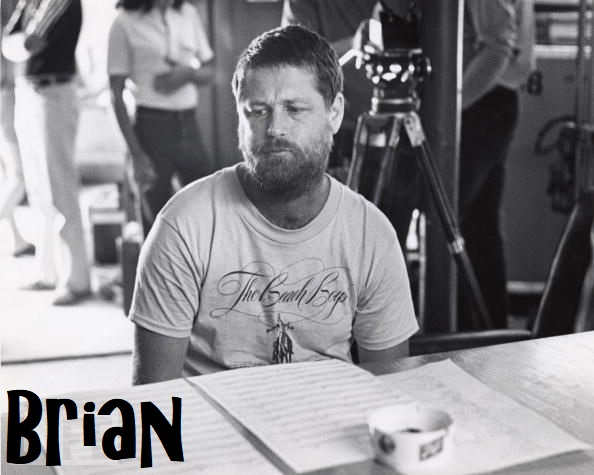 Brian Wilson spent the bulk of the two years after his father’s death hiding in the chauffeur’s quarters of his home; sleeping, abusing alcohol, taking drugs (including heroin), overeating, and exhibiting self-destructive behavior. He attempted to drive his vehicle off a cliff, and at another time, demanded that he be pushed and buried into a grave he had dug in his backyard. Although reclusive during the day, Wilson spent his nights fraternizing with Hollywood colleagues known as the “Vampires” including Alice Cooper, Iggy Pop, Harry Nilsson, John Lennon, Ringo Starr, and Keith Moon. The Monkees Micky Dolenz recalls dropping LSD with Wilson, Lennon, and Nilsson, while Wilson “played just one note on a piano over and over again.” During this period, his voice deteriorated significantly as a result of his mass consumption of cocaine and incessant chain smoking.
 On December 28, 1983, three weeks after his 39th birthday, Dennis Wilson drowned at Marina Del Rey in Los Angeles. After drinking all day, he dove into the Marina searching for items he had thrown overboard from his yacht three years before. He never resurfaced. Carl Wilson died of cancer in Los Angeles on February 6, 1998, just two months after the death of his mother, Audree.
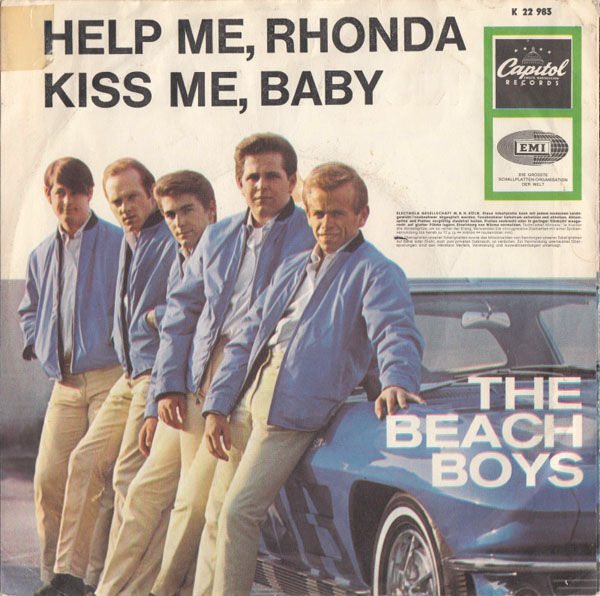 “Help Me, Rhonda” came at a time of amazing creativity and overwhelming psychological turmoil for Brian Wilson and the Beach Boys. Wilson was trying to come up with enough material to fill three albums and four singles per year, material good enough to compete with the Beatles, all while undertaking grueling tours with the band. In December 1964, Wilson suffered a nervous breakdown and stopped touring with the Beach Boys, but the relentless schedule of record releases did not let up. Just two months later, the “Help Me Rhonda” sessions took place. Who knew such turmoil and drama could surround such a catchy little tune?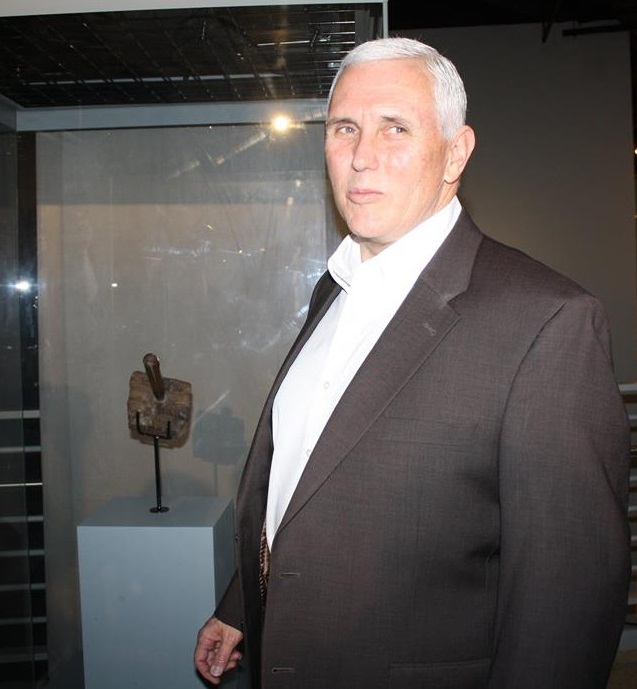
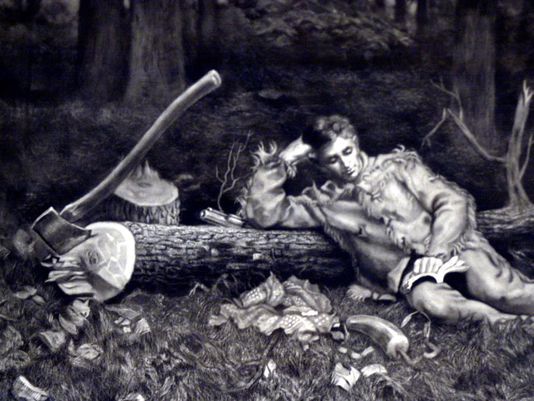
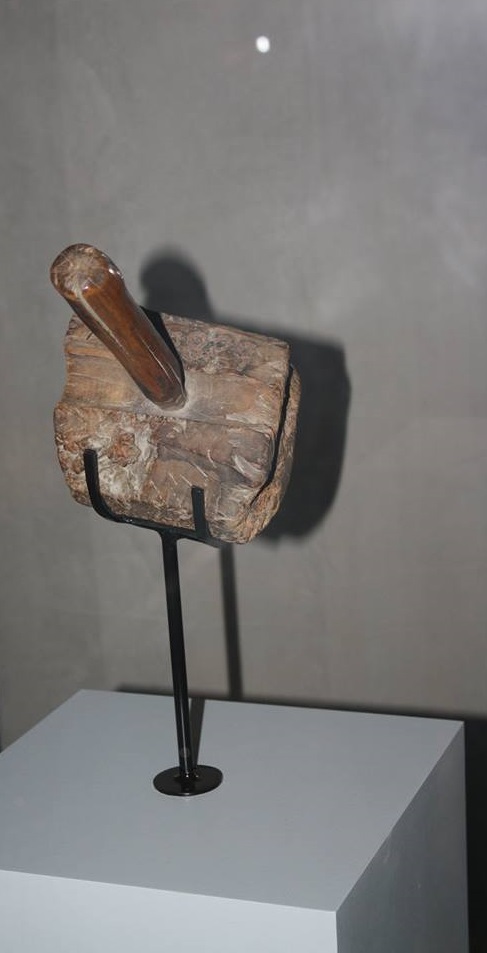 The primitive looking hammer seems perfectly matched to the muscular 20-year-old young man who wielded it back in 1829. The mallet is made from the trunk of a tree cut from the virgin timber forest that once populated Spencer County, Indiana. No doubt Thomas Lincoln cut the tree from the unbroken forest surrounding the family cabin for use by his young son Abraham in splitting wood. Those famous “rail splitting” images we all remember from our history books? Well they all picture Honest Abe using this mallet.
 Before Governor Pence dropped the curtain to reveal the relic, he took off his jacket to reveal rolled up shirt sleeves in a workingman’s fashion to honor the Indiana Railsplitter. “I thought it was appropriate for the occasion,” the Governor explained. Staying in the moment, Pence harkens back to a predecessor by repeating Governor Otis Bowen’s quote, “Lincoln made Illinois, but Indiana made Lincoln.” He made sure to mention his trip to Southern Indiana a couple days before to bury another predecessor, Edgar Whitcomb, who died February 6th. Make no mistake about it, Mike Pence loves Indiana history.
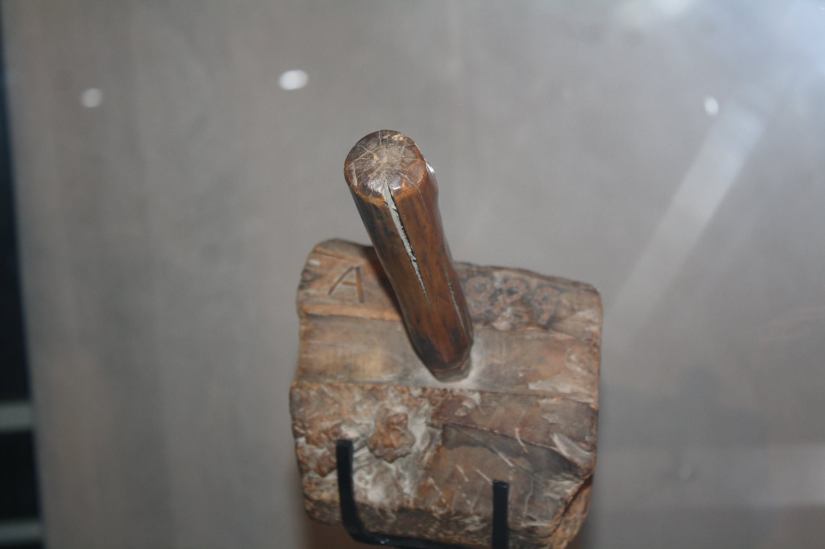 The mallet most closely resembles a carnival strongman’s prop,or Thor’s hammer, but a closer examination immediately reveals it’s cryptic secret. Above the handle’s stem lay the initials “A.L.” with a year date of “1829.” Steve Haaff explains that the initials and date are not carved as one may surmise, but rather they are metal inlays. Haaff states, “Thomas Lincoln was a carpenter and Abe was his only apprentice. Thomas hoped that his young son would follow him into carpentry, but Abe Lincoln wanted to be a blacksmith. These metal pieces were inserted into the mallet by Abe Lincoln himself.”
 ISM’s Ogden further explains, “He didn’t put those initials and that date into the mallet because he was Abraham Lincoln, he put them there to mark the tool as his own. He was just a Hoosier farm-boy at the time with no idea he was on his way to becoming a legend.” Ogden, whose fervor for Lincoln is rivaled by few, explains the mallet’s secret by identifying it as the only known item that ties Abraham Lincoln to Indiana. “The Lincoln’s were Indiana pioneers, they arrived here just a week before we were made a state in the Union. While they were not poor, they were also not wealthy.” says Ogden. “The Lincoln family used everything they owned, in most cases using it all up. When they moved to Illinois in 1830, they couldn’t take everything with them and this mallet was among those things left behind. Whether Abe gave the mallet to his neighbors, or whether the Carter family simply picked it up from the pile of discards is debatable. But we’re certainly glad it survived and are delighted to be able to display it for our guests.”
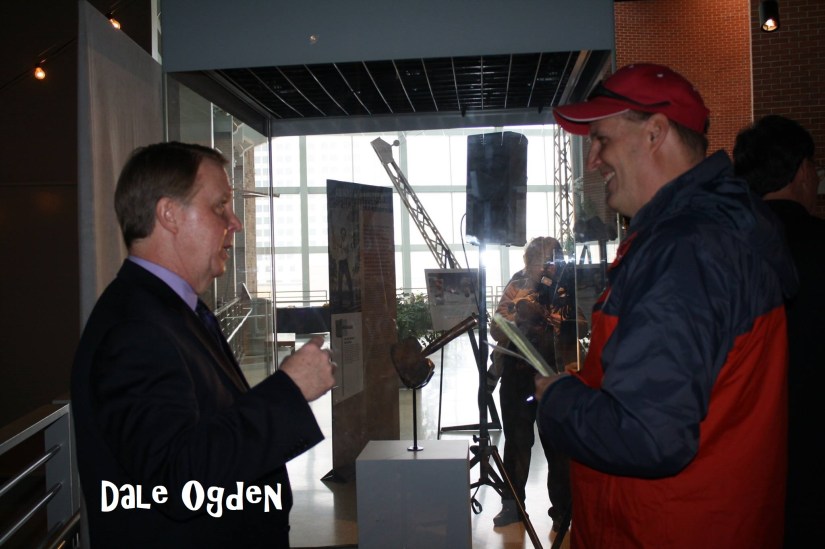 Ogden explains that the ISM was fortunate to obtain the collection and although it is vast and comprehensive, he says that the question he got the most from visitors was, “Where is the Indiana material? and I always had to reply, There is no Indiana material. This mallet changes all that. Those railsplitter legends were all we had. This mallet confirms that folklore and brings all of those stories together.”
 Lincoln’s mother Nancy died of milk sickness in October of 1818. Haaff states that the planks were made from a log from the leftovers pile used to make the family cabin. “Thomas made the coffin while 9-year-old Abe sat nearby and whittled the pegs for his mother’s coffin.” His mother’s death, and that of his beloved elder sister Sarah’s death 10 years later, devastated Lincoln and laid the foundation for the depression that haunted him for the rest of his life. No doubt, Thomas and Abraham made the coffin for Sarah too.


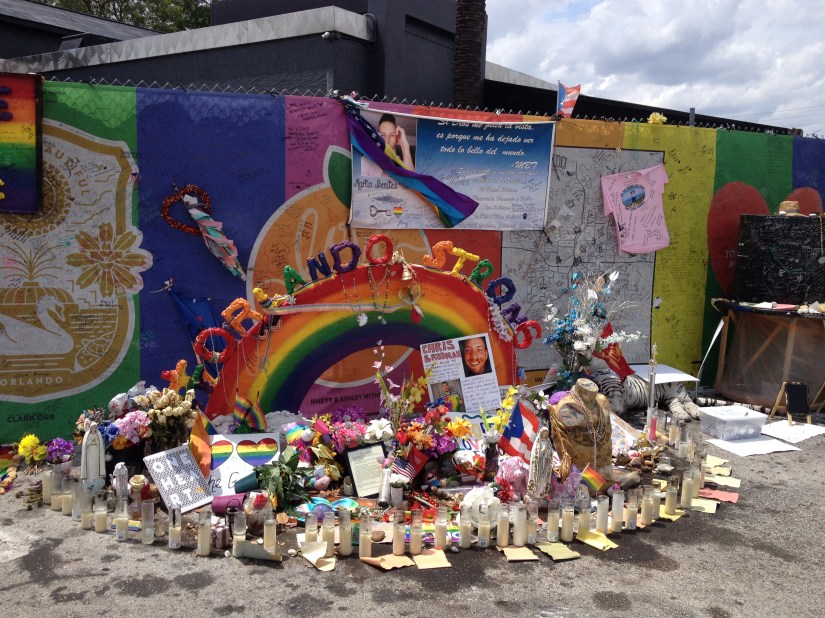
 Dyer said the site will probably remain as-is for the next year or more, as it has become a popular gathering place for mourners. The purchase price was $600,000 more than its appraised value. He said the city will reach out to both LBGT groups and local community for advice on how the memorial should proceed. I didn’t tell Rhonda where we were going, I just said “Let’s go for a drive.” Good sport that she is, she agreed without reservation and off we went. While just about everyone knows the story of the massacre, not many know the history of the nightclub itself.
 The Orlando Weekly newspaper once described Pulse as featuring “three glitzy, throbbing rooms of twinks, club boys and twinks at heart. Every night has something different in store, but Pulse is known to have some pretty impressive drag shows, and the bar’s dancers are usually gorgeous.” However, Pulse was more than just a party spot for the LBGT, it hosted themed performances each night and had a monthly program featuring educational events geared towards the LGBT community. The Washington Post described its first 12 years as “a community hub for HIV prevention, breast-cancer awareness and immigrant rights”, and reported it had partnered with educational and advocacy groups such as Come Out with Pride, Equality Florida, and the Zebra Coalition. President Obama once described Pulse as both a refuge for LGBT and for Puerto Rican people.
 Top 10 Orlando called it a “firm favorite for the Orlando gay crowd”, The Rough Guide to Florida deemed it “justifiably popular”, citing its “great lighting and sound plus cabaret performers, drag acts, and erotic dancers.” The entire premises, including the washrooms, were handicap accessible. Using “periodic consumer surveys”, Zagat rated Pulse 25/30 for atmosphere, 25/30 decor, and 22/30 service.
 Before Pulse was founded, the building site was home to the Sarasota Herald Company, a 1930s Era daily newspaper. In 1985 it became Lorenzo’s pizza restaurant. By 1999, it had become Dante’s, a bar with live music. Dante’s closed in January 2003. Pulse was founded on July 2, 2004 by Barbara Poma and Ron Legler. Poma’s brother, John, died in 1991 from AIDS, and the club was “named for John’s pulse to live on”, according to their website. Legler was President of the Florida Theatrical Association at the time of the club’s foundation.
 Visitors have written messages of hope on the canvas signs. Some designed to cheer the future, others to toast the past, while more still are there to nourish the soul and soothe an unquiet mind. A few scrawlings just want it to be known that Jake from Iowa was there and that Jake from Iowa understands and is sorry it happened. Some messages are from friends, many are from family and others from Orlando residents paying respect, like Orlando Boy Scout Troop 534 who proudly proclaim that they are Orlando Strong.
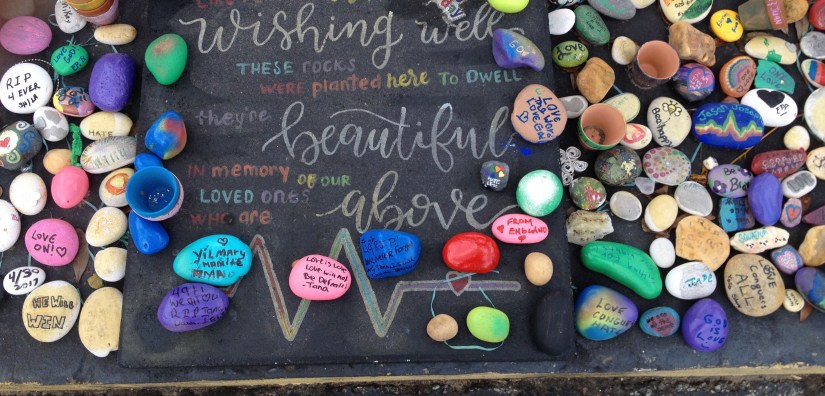 I’m a firm believer that seeing, touching and walking the paths of important events leads to better understanding of what happened there. The Pulse site could be a perfect place to reflect and remember. Orange Avenue is a busy road but what strikes a first time visitor like me is that no farther than 100 yards behind the site are neighborhoods full of homes and average everyday people. One can only imagine how that tragedy affected these folks.
 Sadly, our nation’s historical landscape is pock-marked with sites where tragedy has defined a region. All too often these sites involved the attempted eradication of human rights, whether individually or as a group. One need only recall the evils of slavery and horrors of reconstruction to understand the impact of a failed ideology. Every group has had to climb its own mountain to affect change; some sadder and more tragic than others.
 The memory that I will take with me is of a pair of young women who appeared and walked slowly down the fence. It was a young teacher escorting a beautiful blind student. The teacher stopped at every banner, reading it aloud to her sightless charge.
 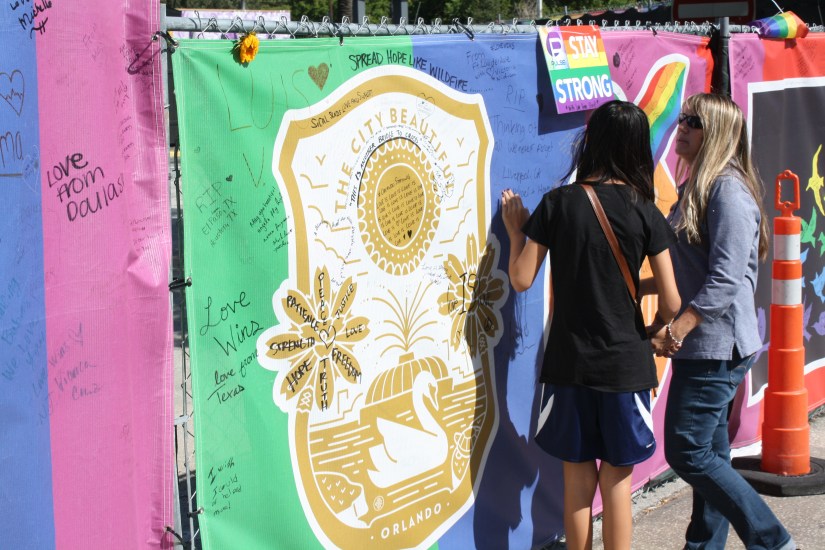 The young student then reached out and touched every banner gently with her fingertips, as if absorbing the moment for her own personal posterity. Our daughter Jasmine and two of her / our close friends, Elise and Jada, work at the Indiana School for the Blind. I’d like to think that if any one of those three young women were in the same position, they’d do the same for their students. Please Orlando, transform the Pulse nightclub site into a memorial that all Americans can be proud of.

 Alan E. Hunter