Baseball, Creepy history, Pop Culture

Bob Feller’s Happy Mother’s Day.

Bob Feller visiting his mom in the hospital.

Original Publish date May 8, 2025.

https://weeklyview.net/2025/05/08/bob-fellers-happy-mothers-day/

So what did you get for Mother’s Day this year? I hope it was something fun, delicious, or useful, but just in case the answer was nothing, this article might make you feel a little better. Every year, as the boys of summer take the field anew, I try to dig up a baseball story that you may have never heard of before. Or, if you’ve heard of it, perhaps you’re not familiar with or don’t recall all the details. I was lucky enough to meet Baseball Hall of Famer Bob Feller on several occasions. I suppose the most memorable was on July 27, 1984. That was the day of the Cracker Jack Baseball Old-Timers Dream Game at the Hoosier Dome Downtown. I was midway through my term as Deputy Auditor for the state of Indiana, and my office was a short walk to the Dome and an even shorter walk to the Embassy Suites Hotel where the players were staying. So I strolled over and took an extended lunch hour to see if I could meet any of the players as they checked in. I was fortunate that day and had the opportunity to meet Joe DiMaggio, Sal “The Barber” Maglie, Billy Williams, Tony Oliva, Don Larsen, Minnie Minoso, Don Newcombe, Luke Appling, and Bob Feller. Mr. Feller was a gentleman and we talked for a little bit after he checked in. I told him that in my opinion, he was (along with Nolan Ryan and Bob Gibson) one of the three greatest pitchers of my lifetime. I asked him if he could still throw (I think he was 66 at the time) and if so, how fast can he bring it. He answered, “Well, I could still hit 85-90 mph, I guess. If I didn’t want to comb my hair for a month.”

Bob Feller of the Cleveland Indians.

This story is about Bob Feller and his mom on Mother’s Day 1939. Robert William Andrew Feller, nicknamed “the Heater from Van Meter”, “Bullet Bob”, and “Rapid Robert”, was born on November 3, 1918, in Van Meter, Iowa. As a teenager, Feller was a shortstop/outfielder, but by the age of 15, he began to pitch and never looked back. In 1936, Feller was signed by legendary Cleveland Indians scout Cy Slapnicka for one dollar and an autographed Indians team baseball. A prodigy who bypassed baseball’s minor leagues, Feller made his Major League debut at the age of 17 in a relief appearance against the Washington Senators on July 19, 1936. A month later, on August 23, Feller made his first career start against the St. Louis Browns. Feller struck out all three batters he faced in the first inning on his way to recording 15 strikeouts (highest ever at the time for a starting pitcher’s debut) and earned his first career win. Three weeks later, he struck out 17 in a win over the Philadelphia Athletics, tying Dizzy Dean’s single-game strikeout record. He finished that first season with a 5–3 record over 14 games, 47 walks and 76 strikeouts in 62 innings. Then, Feller traveled back to Van Meter for his Senior Year of high school. The governor of Iowa met him at the door on that first day.

For the start of the 1937 season, Feller appeared on the cover of the April 19, 1937, issue of Time magazine. Rookies appearing on magazine and video game covers have been a longtime curse in the sports world. Feller was no different. After that Time cover, during his first appearance of the season on April 24, Feller blew out his elbow throwing a curveball. He spent April and May healing and traveled back to Van Meter to graduate high school in May in a ceremony that was aired nationally on NBC Radio. For the 1937 season, Feller finished 9-7 despite his 0-4 start. He allowed only 116 hits while striking out 150 batters against a paltry 106 walks pn just under 149 innings.

Bob Feller’s 1938 Goudey Card.

For the 1938 season, Feller led all pitchers with 208 walks and 240 strikeouts. Feller pitched in 39 Major League games during the 1938 regular season finishing with 17 wins, 11 losses, and 1 save. He allowed 225 hits and finished with a 4.08 E.R.A. with no hit batters, no wild pitches, and no intentional walks. On April 20, 1938, Feller pitched the first of his 12 career one-hitters in the Cleveland Indians’ 9-0 win over the St. Louis Browns. His biggest fan, his mother Lena, was bedridden and sick with pneumonia, so she could only listen to her son’s milestone game on the radio and cheer from home. It was the Indians’ second game of the new season Cleveland’s fireballing right-hander was nearly unhittable. The only hit came in the sixth inning off a weak grounder back to the mound by St. Louis Browns’ catcher Billy Sullivan who beat out an infield hit. Two-time all-star and 1935 batting champion Buddy Myer told the papers, “Bob Feller’s fastball comes at you looking like a shirt button-and as easy to hit.”

The Feller Family.

Since it was her son’s first game of the season, the Feller house was full of Iowa newspaper reporters, hungry for quotes and reactions from the phenom’s parents. “That’s fine,” Feller’s mother said to her husband, “but it’s a shame he couldn’t have had a no-hit game.” Her nonplussed reaction was no surprise when it came to her son’s prowess on the mound. Lena C. Feller was quite used to her son’s greatness and habit of throwing no-hitters. In 1936, he pitched five no-hitters for Van Meter High School before he went on to help the Indians in the season, all before graduating high school in 1937. Growing up on a farm west of Des Moines, Feller developed great strength and broad shoulders while performing his daily chores. That work helped him throw blazing fastballs. When he was 8 years old, he threw a baseball so hard it broke three of his father William Andrew Feller’s ribs. The elder Feller built his son a ballfield one-quarter mile east of the farmhouse, complete with bleachers and a concession stand. The ballfield has been called the “original Field of Dreams”. That farm was federally designated as a historic site in 1999. In his 2012 biography, Feller stated that if he could relive any moment of his life, it would be “Playing catch with my dad between the red barn and the house.”

Bob Feller in 1939.

Although already an all-star, 1939 was Bob Feller’s breakout season. He would lead the American League in wins (24), complete games (24), and innings pitched (296 and 2⁄3), and he led the majors for a second consecutive year in both walks (142) and strikeouts (246). And while Feller would repeat as an all-star in 1939, it was an incident on Sunday, May 14, 1939, Mother’s Day, that would be remembered by baseball fans for generations to come. Lena and Bill Feller, along with their 10-year-old daughter Marguerite and over 700 fans from Van Meter, made the 5-hour, 350-mile trip from Iowa to Comiskey Park in Chicago to see their 20-year-old hometown hero pitch against the White Sox in front of 28,000 fans. The Feller family sat in front-row box seats on the first baseline behind the visitors’ dugout.

Lena Feller and her son Bob.

In the last half of the third inning, Indians up 6 to 0, Feller delivered a pitch to right-handed palehose 3rd baseman Marv Owen. Feller threw a fastball at which Owen swung on hard but late. The foul ball screamed towards the first baseline and into the stands behind the Indians’ dugout, and a horrific CRACK! echoed onto the field. Instinctively, Rapid Robert Feller watched helplessly as the ball struck his mother above her eye, breaking her eyeglasses. News accounts differ as to whether it was her left eye or right eye, but the result was certain: the lenses shattered, lacerating her nose, eyes, and forehead. Blood poured from her eyelid and forehead. The crowd gasped, the Iowa fans shrieked, and Bob Feller froze on the pitcher’s mound. For a few moments stood “stark still,” visibly shaken and agonizing over the drama in the stands. Bob dashed to the box and watched helplessly as she was led off to Chicago’s Mercy Hospital, where stitches were required. The game was delayed as Cleveland Indians trainer Max “Lefty” Weisman rushed into the stands to tend to Mrs. Feller. Lefty escorted her “to a spot below the stands” where he gave Mrs. Feller emergency treatment. He assured his young pitcher that the wounds were not serious before, aided by Lena’s husband and daughter, helping her to a nearby car and driving her to Mercy Hospital. As soon as Lena was safely on her way, Feller retook the mound and struck Owen out. “There wasn’t anything I could do,” Feller later said, “so I went on pitching.” The incident shook him up, and unable to fully concentrate on the game, Feller allowed the White Sox to score three runs before he regained his composure. Settling down, Feller won the game 9 to 4.

William, Marguerite, and Pitcher Bob Feller Visiting Lena at the hospital.

At the hospital, 45-year-old Lena received six stitches to close the deepest cut. Doctors determined that Lena probably suffered a mild concussion, but luckily, an X-ray examination determined that her skull was not fractured and no bones were broken. The hospital announced that they expected her to make a full recovery. With the game now over, Bob sped to the hospital to check on his mom. He walked into Lena’s hospital room to find her sitting up in the hospital bed with her head swathed in bandages. He rushed to the bedside and embraced his mother in a hug and she said, “Everything is all right, I just didn’t see that ball coming.” Seeing that his mom was battered and bruised, but otherwise all right, Bob reminded her of his promise to win the game as a Mother’s Day present, which he did. Ironically, it was Bob Feller Day at the ballpark, so Bob was the one who received a gift that day in the form of a brand new portable radio presented before the game from the Iowa delegation. It was his sixth victory of the season, and Feller held the White Sox to six hits, seven walks, and struck out six batters. Another visitor to Lena’s room that day was Kennesaw Mountain Landis, former Hoosier (Delphi & Logansport) and sitting Commissioner of Major League Baseball, whose office was in Chicago.

Bob Feller’s no-hit game against the Chicago White Sox.

One newspaper, the May 15, 1939, Lancaster (Ohio) Eagle-Gazette, snarked off after the incident. “Bob Feller will ring up around $10,000 (in today’s money) on the side this year from his endorsements of candy, baseball equipment, breakfast foods, and what have you. That little sum should take care of Master Robert’s [problems].” As detailed above, Feller would recover nicely from the incident and have one of the best seasons of his career. It must be noted that the next year on April 16th, Opening Day of the 1940 season, Bob Feller threw his first no-hitter against, you guessed it, the Chicago White Sox at Comiskey Park. This time Marv Owen was not in the lineup, having been sold to the Boston Red Sox in December 1939, and Feller’s parents were safely at home listening to the game on the radio.

Creepy history, Indianapolis, Pop Culture

Nazi’s at Arsenal Tech…What?

Part I

https://weeklyview.net/2025/03/13/nazis-at-arsenal-tech-what-part-1/

Original publish date March 13, 2025.
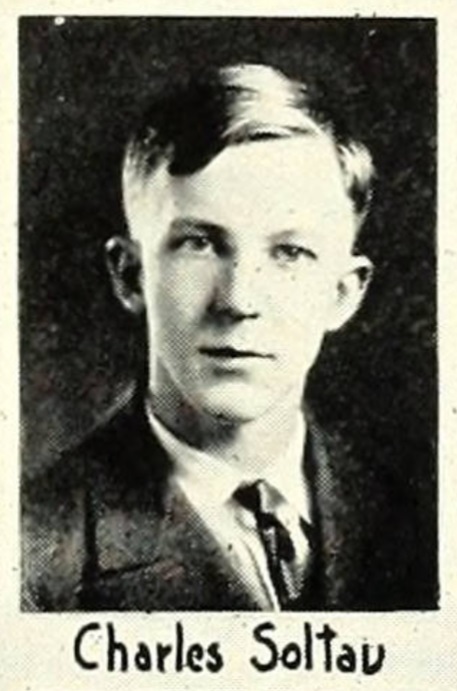
It’s true. In the years leading up to World War II, there was at least one eastside Indianapolis family openly identifying with the American Nazi Party. And three of those proud young Nazis graduated from Arsenal Technical High School. It all came to a head 87 years ago this Saturday when the Soltau home on North Summitt Street (where the La Parada Mexican restaurant now stands) came under attack by an angry mob of Circle City citizens seeking to enact their own “Night of Broken Glass” on March 15, 1938, seven months before Adolph Hitler’s Kristallnacht in Berlin, Germany in November of that same year. In March of 1938, Indianapolis newspapers were dominated by reports of German Wehrmarcht invaders poised at the gate, prepared to annex Austria into a “greater German Reich” and threatening the entire Western European theatre. Those same front pages reported on an organization of Hoosier ethnic Germans who were resolutely pro-Nazi, vehemently anti-Communist, deeply anti-Semitic, and staunchly American isolationists. In 1938, an estimated 25,000 Americans were members of this German American Bund. Indianapolis boosters hoped to swell that number by appealing to the large German immigrant community by advocating “clean American nationalism against Communist international outlawry.”
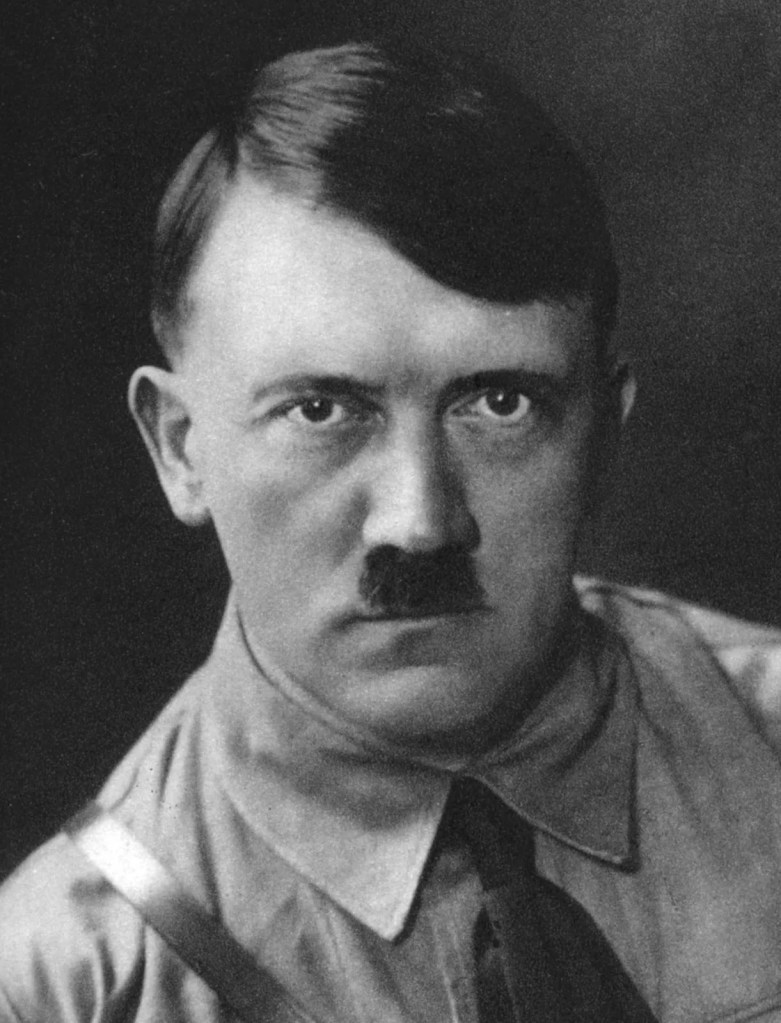
Adolph Hitler.

However, the German-American Bund secured very few Hoosier followers and gained little sympathy for their cause. Indiana had a well-deserved reputation for xenophobia and white nationalism that is most clearly reflected in the Ku Klux Klan’s ascent to power just over a decade before. The number of Hoosiers in league with the German-American Bund was certainly much smaller than the number of members of the 1920s KKK. Still it was committed to many of the same ideological issues as the Klan. Its history confirms the complex range of xenophobic sentiments simmering in the 20th-century Circle City.
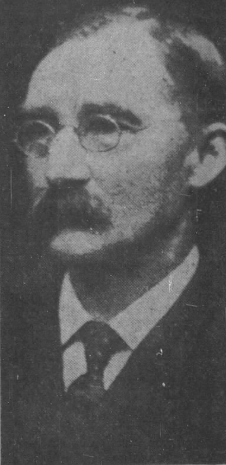
John A. Soltau

The Soltau family was closely associated with Indianapolis, particularly the east side and Irvington. John Albert Soltau (1847-1938) was a German immigrant who founded the first grocery chain in Indianapolis, the Minnesota Grocery Company. Soltau arrived here in 1873 at the age of 10. After marrying Miss Elizabeth Koehler (1851-1920), Soltau opened the first of what would become a chain of twelve grocery stores at 208 North Davidson Street. The couple had five children: William, Edward, James, John, and Benjamin. The elder Soltau remained in the grocery business for over fifty years. Three of his sons joined him, managing stores of their own. Mr. Soltau was a member of the First Evangelical Church near Lockerbie Square (where New York crosses East Street). The family residence was located at 837 Middle Drive in Woodruff Place.
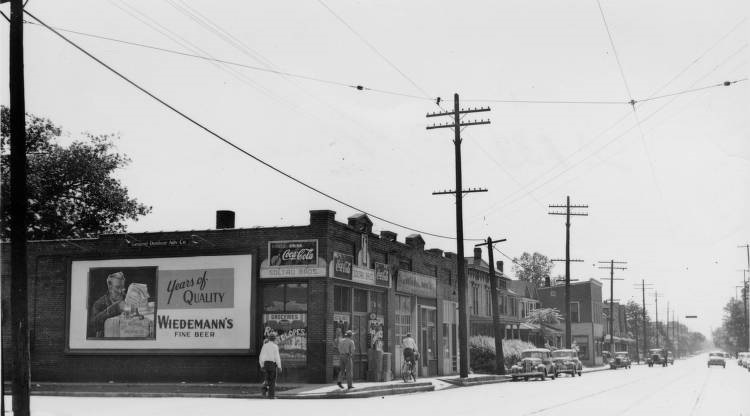

Edward B. and John H. Soltau grocery store at 2133 E. Michigan Street in Indianapolis.
837 Woodruff Place Middle Dr, Indianapolis

In 1894, John was a Republican Ward delegate in Indianapolis. In 1902, he was an unsuccessful candidate for Marion County Recorder on the Prohibition ticket, and in 1916, he was a delegate to the national Prohibition Party convention. His long adherence to the temperance cause smacks of social conservativism, but offers no clear evidence for why his family embraced the Nazi ideology. Hoosier Prohibitionists allied themselves with the Klan’s cause in the 1920s, and in 1923, John’s brother James Garfield Soltau (1881-1932) was identified as one of the first 12,208 Ku Klux Klan members in Indianapolis. John died of “uremia and carcinoma of the prostate” on July 18, 1938, and is buried alongside his wife, Elizabeth, at Crown Hill Cemetery in Indianapolis.
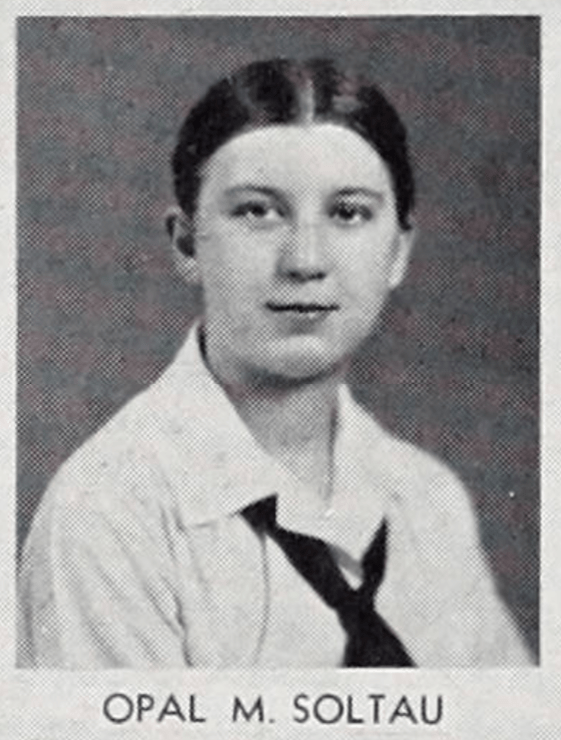
Opal’s Tech Yearbook Photo 1938.

John’s eldest son, William Soltau, was a realtor who operated his agency in room 202 of the Inland Building at 160 East Market Street in the city for a quarter century. William and his wife Laura E. (Hansing) Soltau (1879-1943) were the parents of three children: Pearl Brilliance Soltau (1905-1968), Charles William Soltau (1909-1971), and Opal Margaret Soltau (1920-2008). All three children graduated from Arsenal Technical High School, Pearl, in 1922, Charles in 1926, and Opal in 1938. Pearl graduated from Butler University in 1925, Charles from Purdue in 1931 (with honors and a perfect 6.5 GPA), and Opal attended Butler University until at least 1940. The Soltau’s moved to 339 North Summit Street in 1916 and while the Soltau family was residing under that roof, it appears that all five were emersed in and sympathetic to the Nazi cause.
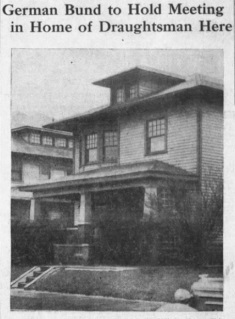
The Soltau Home Indianapolis.

The front page of the March 9, 1938, Indianapolis News ran a photo of the Soltau House with a notice that a meeting of the German American Bund, described as a “Patriotic Fighting Organization of the German Americans”, was to be held there. Regardless, the Soltau family denied that a meeting was to be held in their home. The next day, the news ran a copy of the invitation with the address of the home and the announcement that Wilhelm Kunze, National Publicity Director of the Bund, would be the speaker and that admission was free and open to the public, especially to “All Truth-Seeking Americans”. Again, the family denied that Kunze was in the city at all, let alone scheduled to appear at the house. Kunze was fresh off his January 1938 appearance in a March of Time newsreel that the Library of Congress called “the first commercially released anti-Nazi American motion picture.” The News article announced the meeting’s date as Monday, March 14, at 8:30 pm.
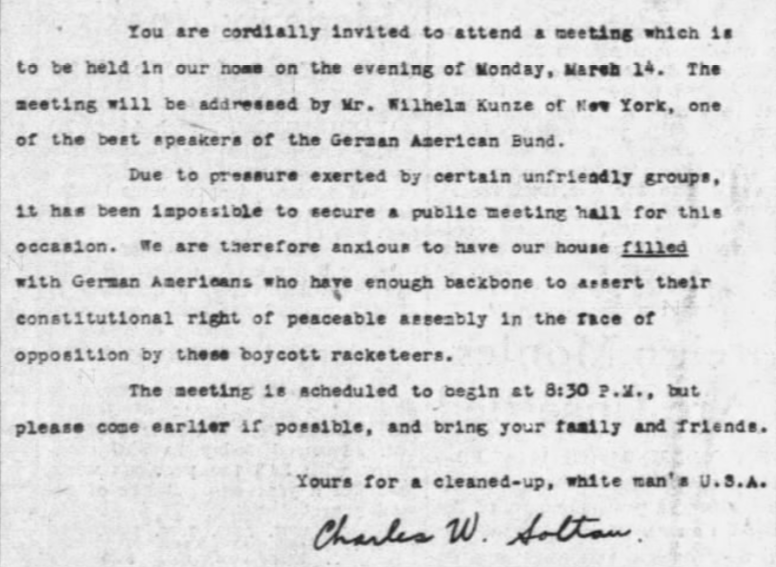
Charles Soltau’s Letter.

Hoosiers were shocked. After all, in February, the Athenaeum, the Liederkranz Hall (1417 E. Washington St.), and the Syrian-American Brotherhood Hall (2245 East Riverside) had all canceled the Bund’s reservation and refused to host the event. On February 25th the Indianapolis Star identified “an American-born Nazi agent…born in Indiana” attempted to secure a venue “to organize Brown Shirt Nazi units in Indianapolis.” That local organizer was revealed as Charles W. Soltau from the near-Eastside. Charles wrote a letter to the Star complaining that “the German-American Bund has been accused, maligned and condemned without a trial” and suggested that the Bund’s right to meet had been undermined by “Jewish business interests”, arguing that “a certain powerful minority group, which seems to have gained almost complete control of the press, fears the effect of public enlightment.(sic)” Charles further declared that the Soltau family was “anxious to have our house filled with German-Americans who have enough backbone to assert their constitutional right of peaceable assembly in the face of opposition by these boycott racketeers.” He closed his letter as “Yours for a cleaned-up, white man’s U.S.A. Charles Soltau.” Shortly after that revelation, 27-year-old Soltau announced that the meeting was called off.
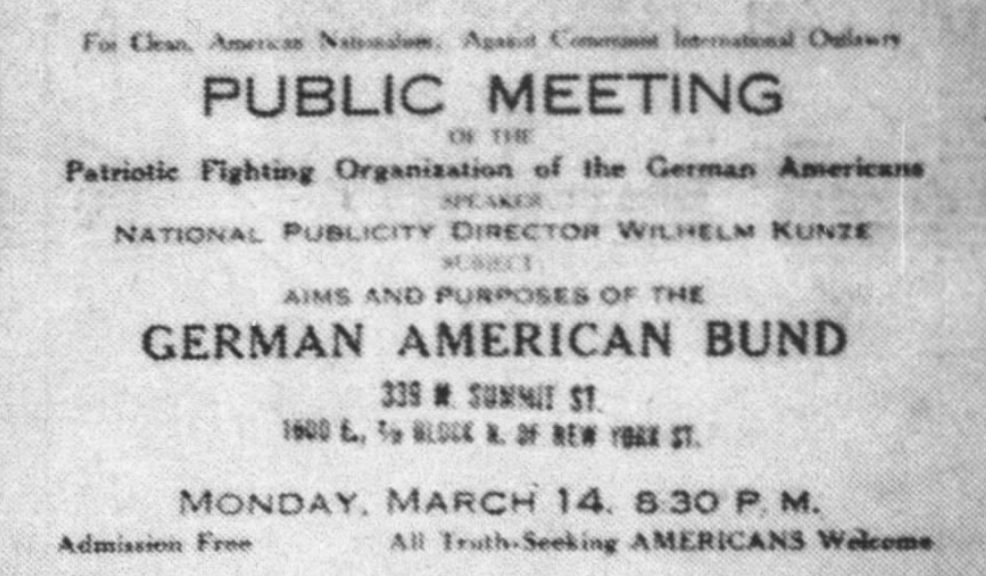
Indianapolis News Notice March 10, 1938.

The front page of the March 15, 1938, Indianapolis Star reported, “Rocks hurled through the windows at the home of William A. Soltau, 339 North Summit Street, broke up an organization meeting of the Indianapolis affiliate of the Nazi Amerika Deutschen Volksbundes (German American bund) late last night.” William Albert Soltau (1875-1950) called the police for help after it was learned that Gerhard Wilhelm “Fritz” Kunze (1882-1958) and a small entourage had joined the Soltau family for dinner earlier that evening. Fritz Kuhn, often referred to as the “American Führer”, was the leader of the fledgling German-American Bund (Federation). Fearing for his dinner guests’ safety, Soltau asked police to escort Kunze and his guests to safety. Although Kunze refused to divulge his identity to any of the officers present, his “tooth-brush mustache”, proper Sturmabteilung brownshirt, and swastika tie-clasp made the physical connection to German Chancellor Adolph Hitler unmistakable.
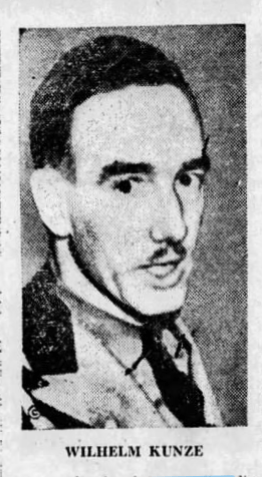
Fritz Kunze 1938.

When escorted from the home, Kunze declared to the officers and crowd gathered on the sidewalk, “I am a guest of Mr. Soltau, and he does not want my name known.” Kunze eventually admitted his identity to the police after they discovered the Bund application blanks Kunze held in his hands, wrapped up in a newspaper. An Indianapolis News article claimed that visible through the broken windows were, “Fifteen chairs had been arranged around a dining room table, and on it were application blanks for Bund membership.” The article noted that the “photographer for the Associated Press was ordered off the Soltau property by a man who carried a gun.” Soltau repeated his denials that a Bund meeting had been held in his home, claiming it was just “a few guests in for dinner.” The shades of the house were drawn, and a police squad car remained in front of the house from dusk to 10:30 pm when the officers went off duty. At 10:43 pm, a barrage of rocks crashed through the north windows of the Soltau house. Cars buzzed Summit Street for days afterward as curious motorists drove past the Soltau home and a near-constant gang of 40 or 50 youngsters “milled in the neighborhood”. Further exacerbating the situation, on July 18, 1938, just 4 months after the attack at his son’s home, family patriarch and Indianapolis grocery chain magnate John Albert Soltau died at age 90. Over the years, the elder Soltau and his son had purchased 4 tracts of land totaling 234 acres along State Road 46 in Gnaw Bone, 8 miles east of Nashville in Brown County. Newspapers speculated that the land was to be used as a Bund camp for Nazi activities, but the Soltau’s denied it.
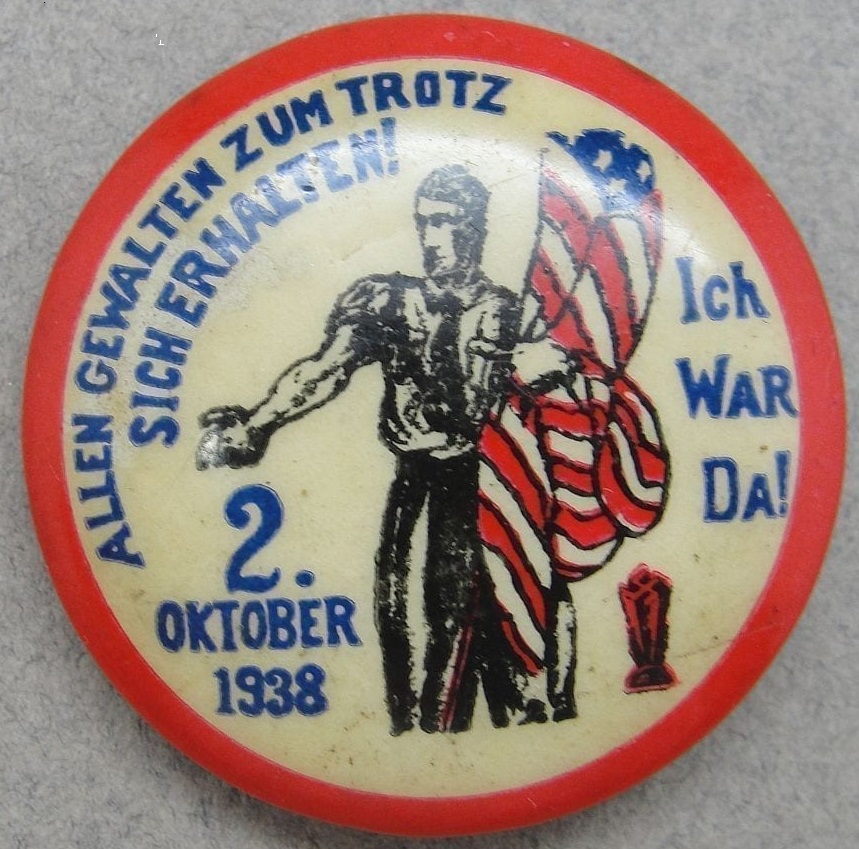

Next Week: Part II: Nazi’s at Arsenal Tech…What?

Nazi’s at Arsenal Tech…What?

Part II

https://weeklyview.net/2025/03/20/nazis-at-arsenal-tech-what-part-2/

Original publish date March 20, 2025.
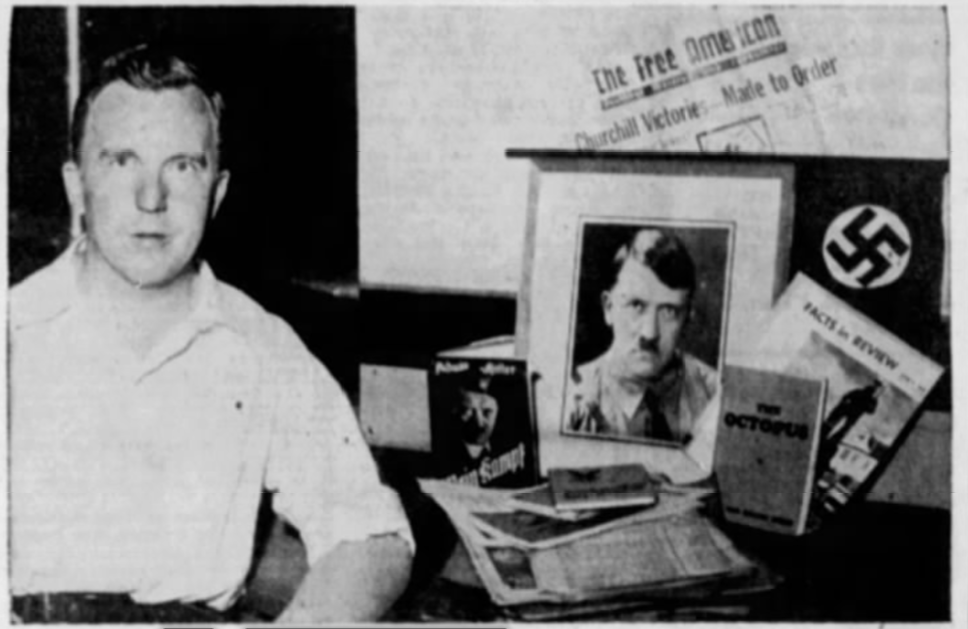
Charles Soltau.

On March 15, 1938, an eastside Indianapolis house was rocked (quite literally) by an angry crowd after the city learned about a formational meeting of the German-American Bund, an organization formed to follow the ideals and edicts of Adolph Hitler’s Nazi party. The Soltau family, who lived at 339 North Summit Street, welcomed a controversial visitor to their home, a German transplant named Fritz Kunze. The Nazi’s visit was greeted by Circle-City residents hurling rocks through the front windows of the Soltau home. Gerhard Wilhelm Kunze was the Bund’s publicity director who invented derogatory names for people (Franklin D. Rosenfeld) and programs (The Jew Deal) he disapproved of while extolling Jim Crow laws, warned against immigrants, and advocated for the Chinese Exclusion Act. Fritz warned white Americans: “You, Aryan, Nordic, and Christians…wake up” and “demand our government be returned to the people who founded it…It has always been very much American to protect the Aryan character of this nation.”
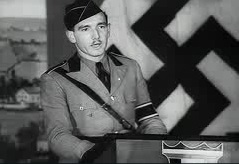
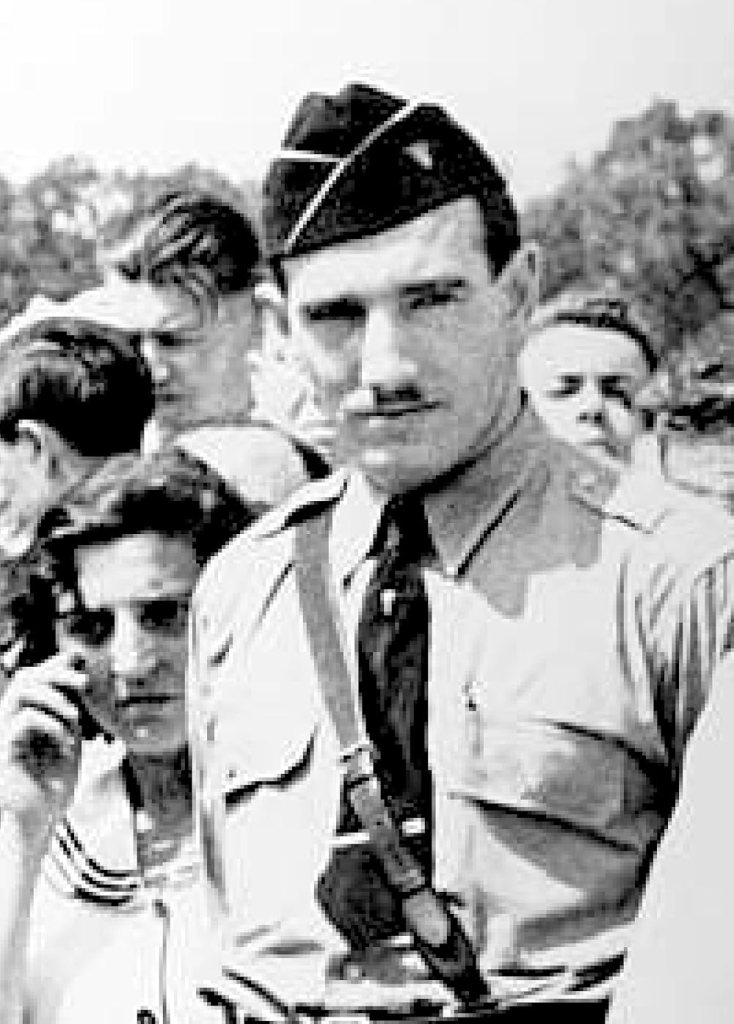
Wilhelm Kunze German American Bund Rally.1938.
Gerhard Wilhelm Kunze.

Despite the Eastside Indianapolis Nazi recruitment session debacle, the Soltau family stayed committed to Nazi ideology. In November 1938, Charles and his youngest sister, Opal, fresh off her graduation from Tech High School, returned from a Bund indoctrination trip to Germany. Some of these trips included meetings with Joseph Goebbels, Heinrich Himmler, and Hitler himself. Whether the siblings were in the Rhineland to attend a German youth camp or to enjoy a post-graduation vacation is unknown. While 18-year-old Opal fit the profile, Charles was almost 30 and may have aged out of that group. They left Hamburg on November 3rd, arriving back in New York on the 11th. The Soltau family quietly supported the Bund cause by subscribing to The Free American newsletter and other Nazi propaganda publications including a liturgy of anti-Semitic tracts like The Protocols of the Elders of Zion and Hitler’s Mein Kampf manifesto. A November 1941 FBI investigation identified the Soltau family as 4 of 38 stockholders in the Press (The publishing house had issued 5000 shares of preferred stock at $10 a share in 1937). The FBI noted that the Soltau family were the only stockholders from Indiana. While the Free American had local news columns in Fort Wayne and South Bend, there were none in Indianapolis.
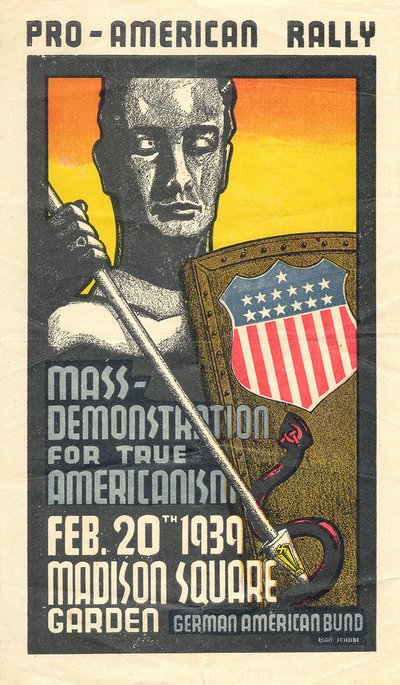
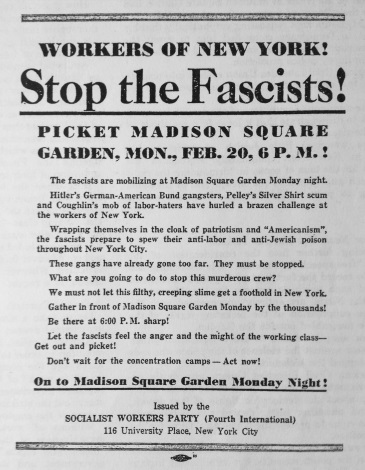
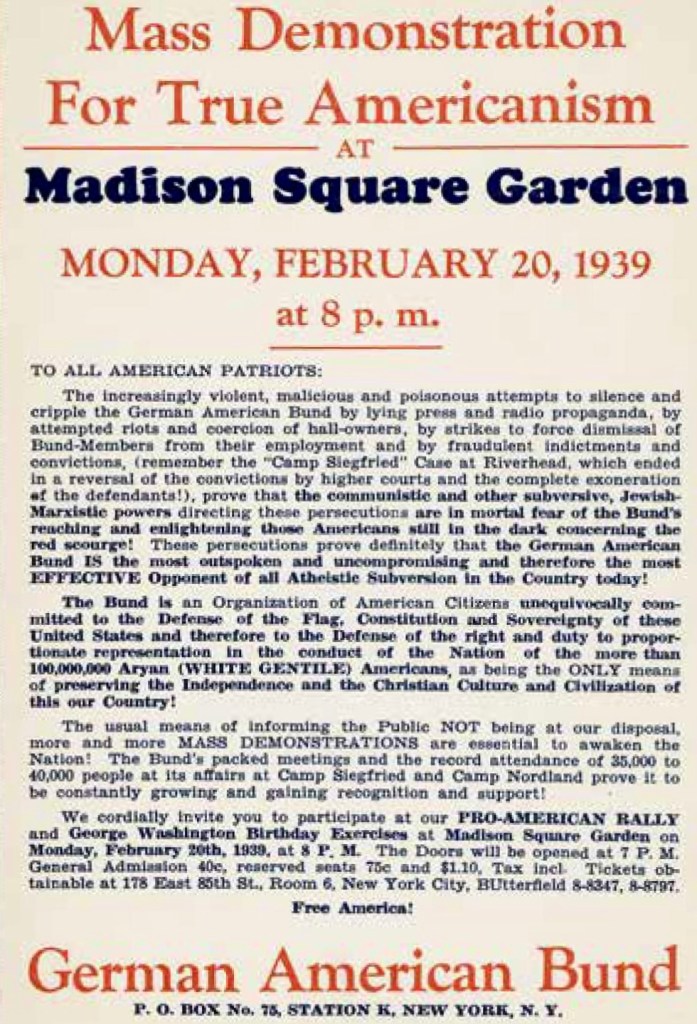
The German-American Bund was at its zenith in 1938-39, but after 20,000 people attended a Bund rally at Madison Square Garden in February 1939, New York City Mayor Fiorello La Guardia instigated a series of investigations that would ultimately bring them down. In September 1939, after the Nazis invaded Poland the FBI and federal government went after the Bund. Fritz Kunze was detained by the South Bend Police on May 12, 1941.
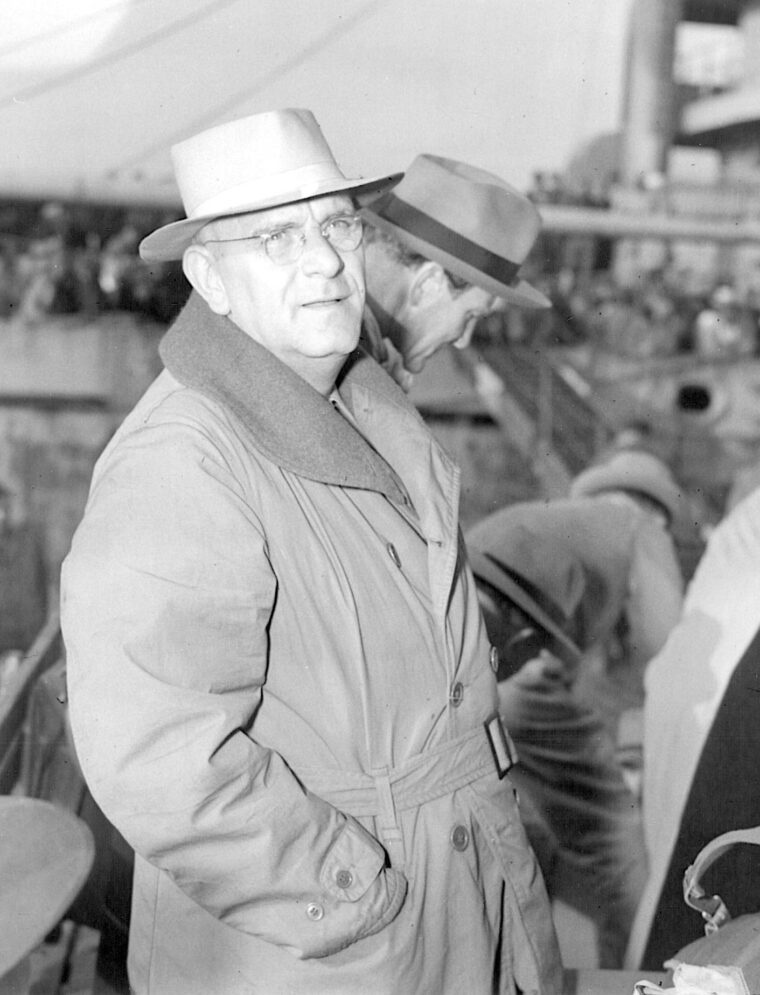
Kunze upon deportation in 1945.

In the inventory of Kunze’s papers confiscated by the Police were cards with the names and addresses of Bund members, including the Soltau family, the only members from Indiana. Kunze was charged with espionage, and in November 1941, just a month before Pearl Harbor, he fled to Mexico, hoping to escape to Germany. Kunze was captured by the Feds in Mexico in June 1942 and sent to jail for espionage, where he spent the rest of the war. The German-American Bund disbanded officially immediately after Pearl Harbor. Regardless, some Bund members had their American citizenship revoked and were deported, while others were prosecuted for refusing to register for the draft. Kunze was eventually deported himself in 1945.
In September 1940, when the draft began, the Bund instructed its members to boycott registration, and soon, former Bundist members began to be prosecuted by the Selective Service System for failure to register. 33-year-old Hoosier Charles William Soltau was among those who refused to report for induction. In August 1942, draft dodger Soltau was arrested, and his home was raided by US Marshals who discovered a large cache of Nazi propaganda there. It included issues of The Free American, a portrait of Hitler, Swastika banners, and Nazi memorabilia. In a four-page letter to President Franklin D. Roosevelt, Soltau argued that “in all my association with the German-American Bund I never was guilty of any subversive activity.” After spending a couple of nights in jail, Soltau posted a $5000 cash bond. When he appeared in court in November, he argued that, “My conscience will not permit me to bear arms against the German people.” He informed the court that “This war is a war of aggression by the United States against the Germans. I am a man of German blood, and I don’t think it is right or fair or just for a man of German blood to bear arms against the German people.” It took the jury six minutes to deliberate and deliver a five-year sentence to Soltau. Judge Robert C. Baltzell concluded that “I have never seen a more contemptuous fellow in this court,” and “I am going to do all I can to see that you serve as much [time] as possible.” In December 1943, while serving his sentence at the Federal Correctional Institute in Milan, Michigan federal prison, Soltau’s mother Laura died. Charles was released in 1946, and with his sisters, Opal and Pearl, he moved to their secluded Brown County property near Gnaw Bone.
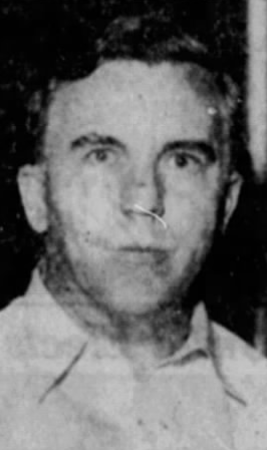
Charles Soltau 1942.

Their father, William Albert Soltau, died there on October 6, 1950, at age 75. His funeral service was held at Shirley Brothers Central Chapel in Irvington, and he is buried at Memorial Park Cemetery on Washington Street alongside his brothers, whose funeral services were also held at Shirley Brothers. At least one brother, Benjamin Harrison “Ben” (1889-1963), was a member of Irvington Masonic Lodge 666, and another, James Garfield Soltau (1881-1932), was an admitted member of the KKK. The Soltau siblings quietly left Indianapolis and moved to Gnaw Bone, where they lived together in Brown County for the remainder of their lives, and none of the three ever married. The siblings started with three goats in 1952, and by 1962, their “trip” (or tribe) had reached 44 head, so they created Pleasant Valley Goat Farm on their 200-acre Gnaw Bone property. The family sold goat’s milk and yogurt in local farm markets. Pearl Soltau also moonlighted as an accountant for a local hosiery mill, preparing tax returns on the farm. After a two-year illness, Pearl died at the Gnaw Bone farm in May 1968 at the age of 62. Charles died there on July 5, 1971, at age 61. Although Charles’s membership in the “German-American National Congress” was mentioned in his obit, Pearl betrayed no history of continued xenophobic activism after the war. Both are buried at Henderson Cemetery in Gnaw Bone.

Charles Soltau 1942.

However, the youngest sibling, Opal, remained committed to neo-Nazi causes for more than a half-century after the war. Even after the deaths of her siblings, Opal continued to agitate for unpopular political causes. Opal had been a standout at Arsenal Tech High School. She was a straight-A Honor Roll Student and received the scholarship medal from the Tech faculty in 1938. In the 1980s, Opal Soltau was accused of mailing neo-Nazi propaganda from the post office in Nashville, In. In September 1996, Opal sold her parcel of 120 acres in Brown County and by January 1997, she had moved to Nebraska. That same month, she became a Director for the National Socialist German Workers’ Party-Overseas Organization. Opal Soltau died in Lincoln in August 2008 and is presumed buried there. No one knows how the pilot light of Nazi fervor was lit in the Soltau family and, for that matter, how it burned out of control within the hearts and minds of these three Arsenal Tech graduates. Political ideology grows unchecked when surrounded only by like-minded individuals living in a silo of misinformation. Sometimes, it is the better part of valor to explore divergent opinions. The flame of Nazism burns through everything it touches. Characterized by extreme nationalism and steered by blind faith in misguided authoritarianism, its victims don’t realize what has happened until it’s too late. And by then, no matter what, they will never admit that they were ever wrong in the first place.

For a more thorough study of the Soltau family, I recommend the blog Nazis in the Heartland: The German-American Bund in Indianapolis by the late Paul R. Mullins (1962-2023), Anthropology Professor at IU Indianapolis (formerly IUPUI).
Abe Lincoln, Civil War, Museums, World War II

Obituary for Wayne C. “Doc” Temple”

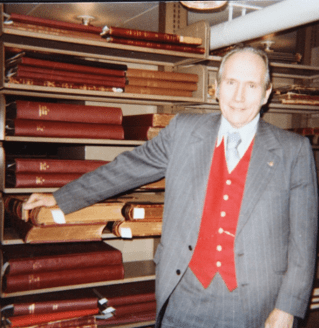
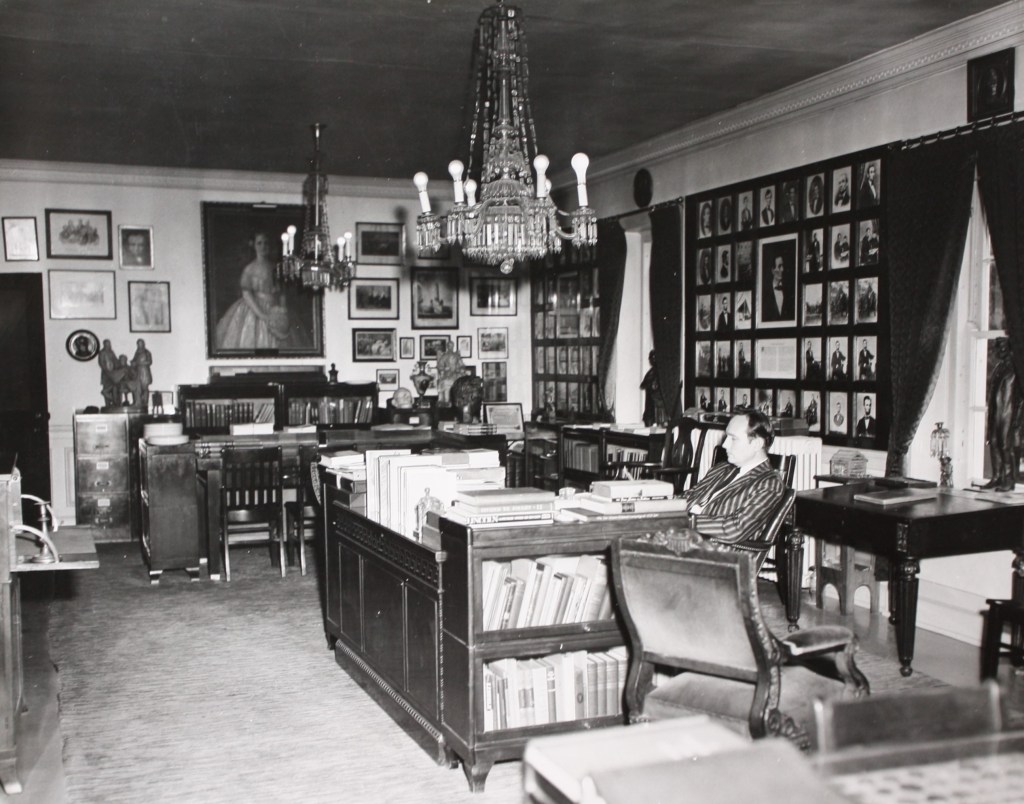
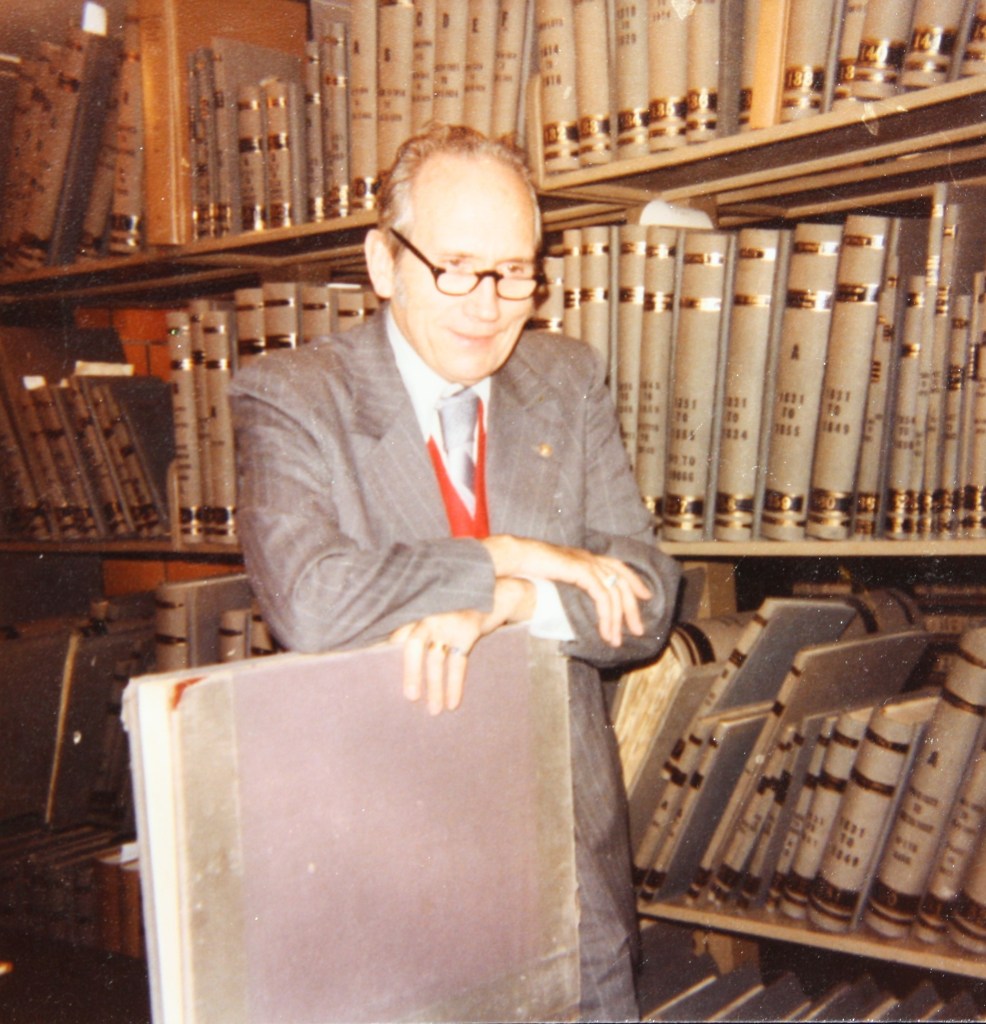
Wayne C. “Doc” Temple at his post of 56 years & 7 months in the Illinois State Archives Springfield, Illinois.

Doc Temple’s century of service is complete, his earthly journey concluded, and he has embarked on the most anticipated trip of his long and happy life, carried on the wings of cardinals to reunite in heaven with his beloved wife Sunderine. Doc’s life, by his own admission, was a dream come true. Born in Ohio’s fields of plenty, Doc was an old soul from the start. With nary a penny in his pocket, at the age of five he carried an old broken pocket watch and chain found abandoned in a farmer’s field as part of his daily attire. He turned that love of timepieces into the preeminent collection of Illinois Watch Company pocket watches known in the state. Governors, senators, congressmen, generals, scholars, and friends today carry an “A. Lincoln” or “Bunn Special” pocket watch with them today, courtesy of Wayne C. Temple. Other creatures received his bounty, too: he fed the cardinals outside his home on Fourth Street Court assiduously and considered every red bird that benefited from his efforts as an earthly manifestation of his wife Sandy, reminding him, over the past three years, that she stood with open arms on the rainbow bridge, awaiting his arrival.

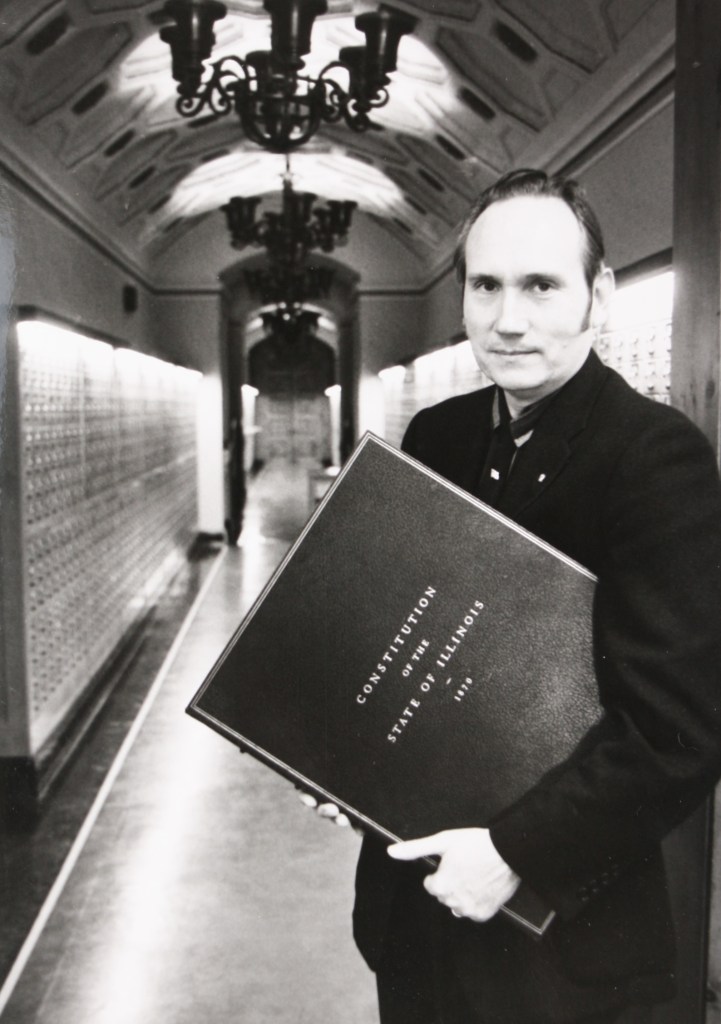
Doc holding the Illinois State Constitution at the archives.

While historians know that Doc was chosen as one of the top 150 graduates of all time from the University of Illinois during its sesquicentennial year of 2017, not many realize that Doc was also an accomplished poet, living his life with poetry in his soul. He sprouted as a poor Ohio farm boy with an unquenchable thirst for history, education, and life, with his first love the English language.  He put that adoration for the printed word to good use in elocution contests and essays that were the first signs of his innate talent. From those humble beginnings, Doc served his country in Europe, slept on castle floors, befriended a General named Eisenhower who would soon become President, and drank the wine of emperors gifted to him by grateful war-torn communities that he literally brought back to life with his engineering skills. Of course, Doc shared Napoleon’s wine with his battle buddies. Doc’s flame burned brighter than any other historian in Illinois’s history, and the prowess of his Lincoln scholarship was unchallenged for half a century. He spent a career burning holes in the pages of others’ older history by his meticulous research, yet Doc’s flame always warmed, never burned those around him. He was quick to share information with all who sought his advice. Whether you were a budding scholar, land surveyor, dentist (yes, Doc was an honorary dentist), lawyer, politician, historical enthusiast, tourist, or student, Doc always had time to lend a hand in the most generous fashion. He never concerned himself about attribution or credit; his mantra was always “Get the information out there.”  Some of it was new information, too: Each year he wrote Sandy an original poem, in rhyme, for her birthday or anniversary.

Doc Temple at work in the archives.

Although Doc stood front and center for every important Illinois event, commemoration, or big reveal for the past seven decades, you’d never know it by his demeanor. If he wasn’t on the dais, he was in the front row. During his career in the Archives, he was just as excited to meet Hoss Cartwright’s school teacher as he was to meet the Vice-President of the United States. Doc’s presence will be sorely missed, his record of 54 years, 7 months service to the state of Illinois may never be surpassed, and his space in the Lincoln field will remain unfilled. His passing came with typical military precision, bisecting the clock at precisely 1230 hours, the hands on the clock in an upswing, moving up, not down, on the final day of March. Doc’s transition occurred exactly at the conclusion of his life’s seasonal winter to burst forth to the heavenly spring we all hope awaits our final journey. Doc would remind us all, with a wink and a smile, that he also waited until after the St. Louis Cardinals home opener had arrived.

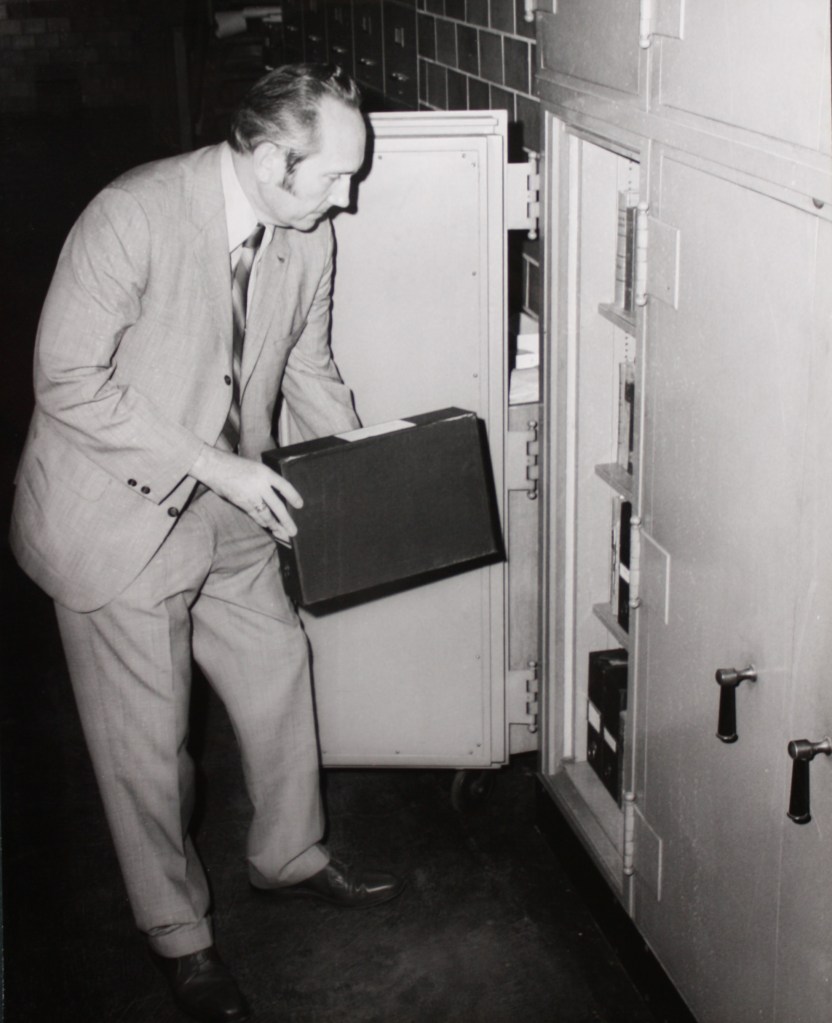
Doc Temple in the safe at the archives.

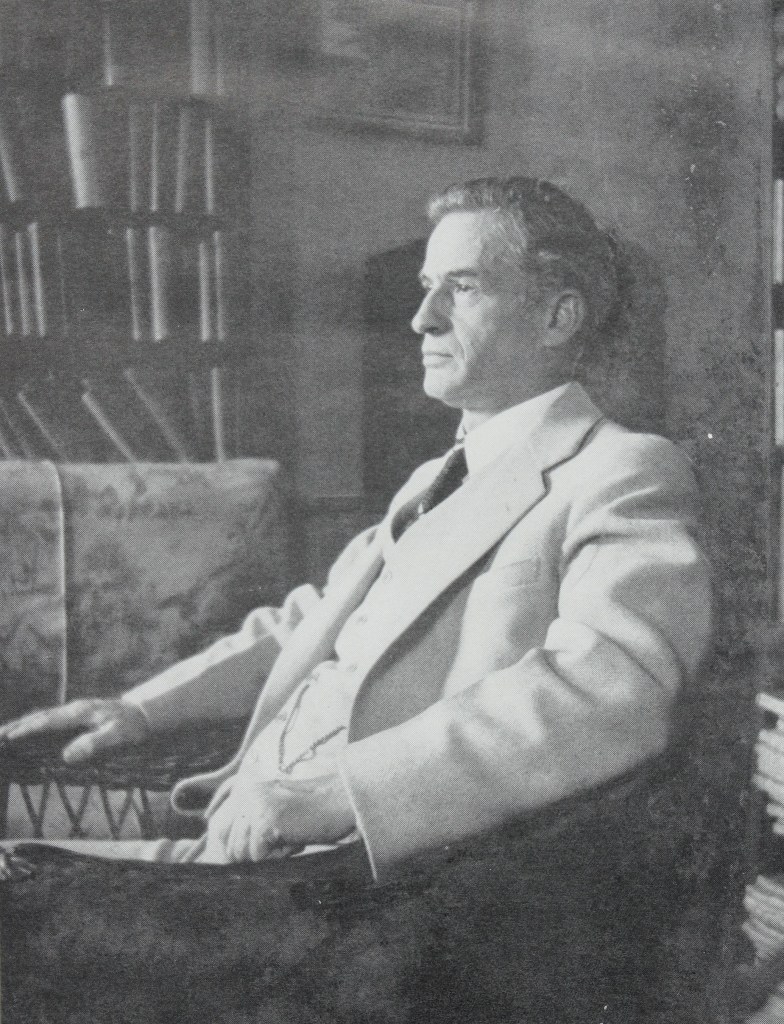
Wayne Calhoun Temple, the dean of Lincoln studies and for half a century the mainstay of the Illinois State Archives, died peacefully on March 31, 2025, at a care facility in Chatham, Illinois.  Devoted friends Teena Groves and Sharon Miller were present Wayne Calhoun Temple, the dean of Lincoln studies and for half a century the mainstay of the Illinois State Archives, died peacefully on March 31, 2025, at a care facility in Chatham, Illinois.  Devoted friends Teena Groves and Sharon Miller were present and biographer Alan E. Hunter was on the phone with them at the time of his passing. He was predeceased by his beloved wife Sandy (2022), and by his parents Howard (1971) and Ruby (1978) Temple, of Richwood, Ohio.. He was predeceased by his beloved wife Sandy (2022), and by his parents Howard (1972) and Ruby (1977) Temple, of Richwood, Ohio.

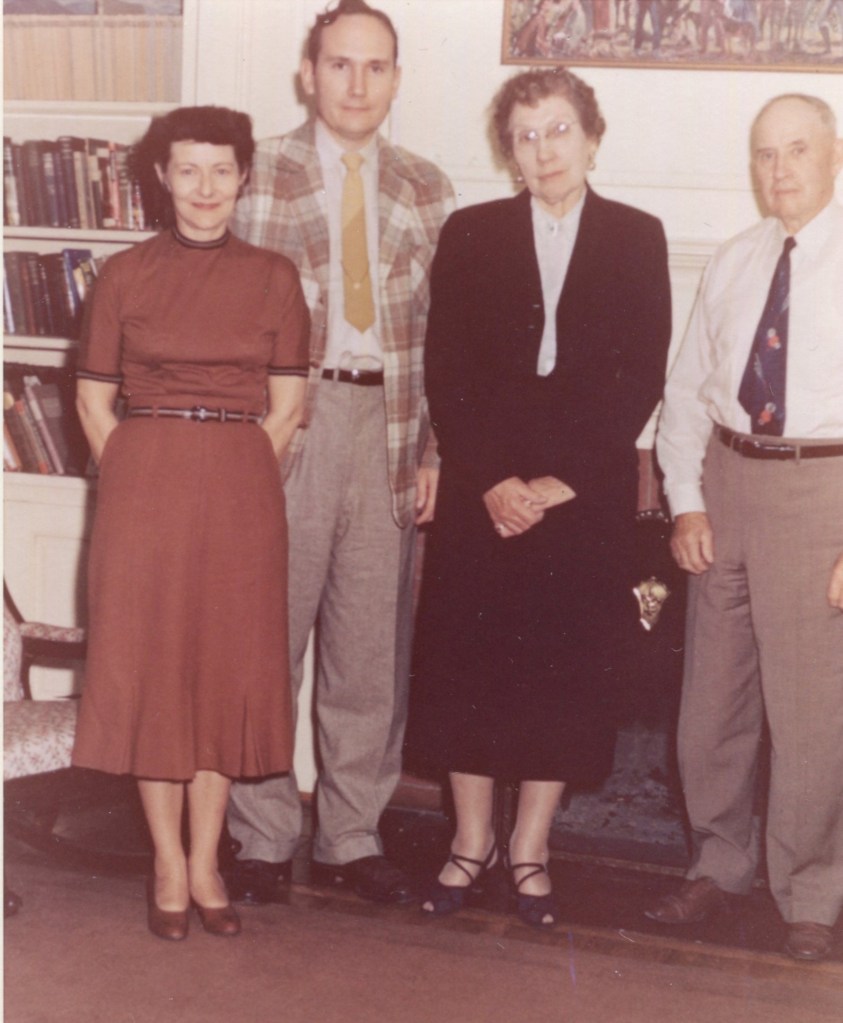
Loi & Doc with his parents Roby & Howard Temple.

Temple, known to all for 60 years as “Doc,” was born on a small family farm two miles east of Richwood (about 40 miles north of Columbus), on Feb. 5, 1924. He liked to note that he shared a birthday with Lincoln’s mother, Nancy Hanks Lincoln.  He was an only child. From his mother, a teacher, he learned literature, history, and music; from his father, he learned how to ride, how to shoot, how to plant and reap. An oft-repeated story is how at age 9 years he encouraged his parents to go see the fair in Chicago in 1933 as they wished. He persuaded them that he’d be fine and he was – he had the horse, the cart, and the rifle.

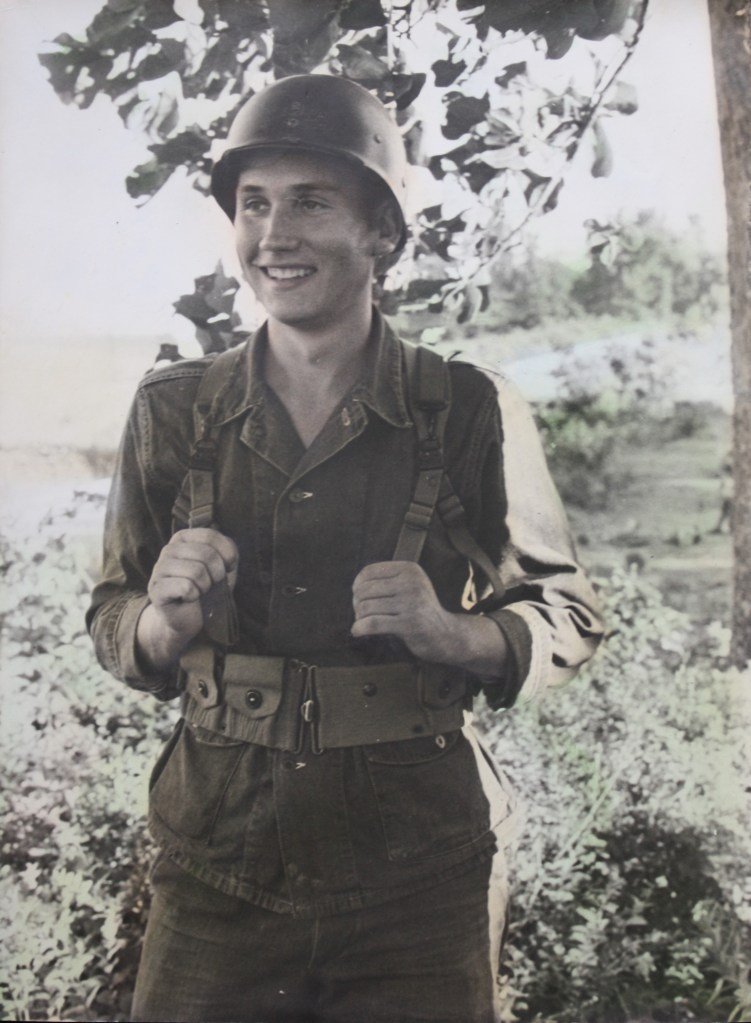
Doc Temple World War II.

After a one-room-schoolhouse start, in high school he was valedictorian and ran on a championship 1,500-yard 4-man relay team. He played clarinet in a traveling band of adult men. In 1941, he entered Ohio State University on a football scholarship, intending to study chemistry. He was soon drafted into the Army Air Corps and sent to Urbana, Illinois, for training as an engineer. He and his mates were sent to North Carolina for special training; then to Kansas for ordnance production.

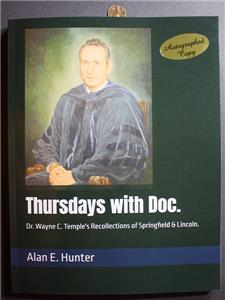
He spent 1945-46 in Europe, and at age 21 as a Tec 5 in the Signal Corps (grade of a sergeant), he helped install new airfields and radio communications, some of it personally for General-in-Chief Eisenhower.  Many more details are found in Alan E. Hunter’s remarkable oral-history-as-life-study, Thursdays with Doc (2025), copies of which Temple signed in his last months of life.

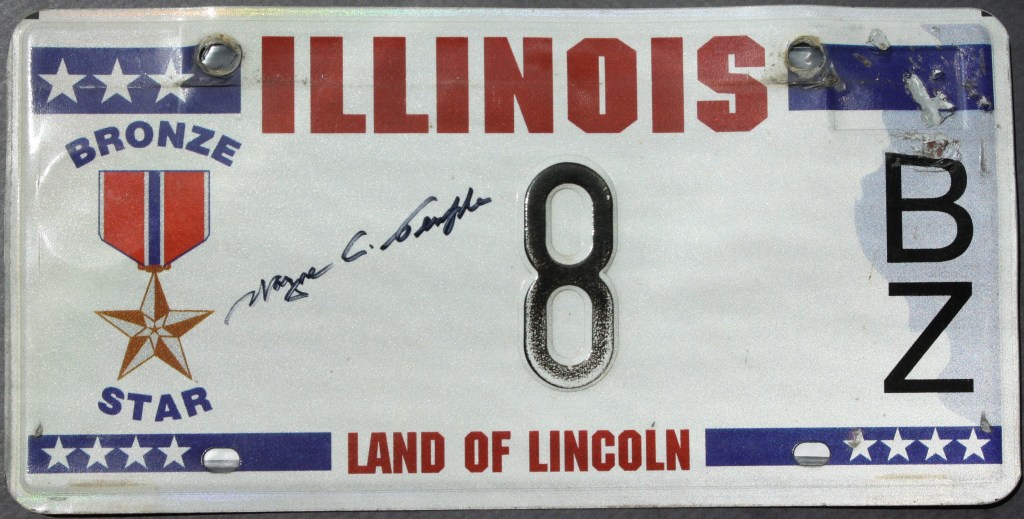
Doc’s Bronze Star license plate.

He was awarded the Bronze Star for his one-man battle with a Luftwaffe pilot who strafed their camp on the Franco-German border in the last weeks of the war.  While others dove for the ditch, Doc used his favorite weapon, the Thompson submachine gun, to fire upward at the plane. “Did you hit him?” Doc was later asked. “I don’t know, but he didn’t come back.”

James Garfield Randall Univ. of Illinois.

After the war he returned to the U. of Illinois, earning a war-interrupted B.A. in History and English. Here, he was discovered by Prof. James G. Randall, the first academic historian of Lincoln, and became his graduate student and research assistant until “Jim’s” death in 1953. Temple helped him write vol. 3 of the tetralogy Lincoln the President (1945-55) and rough out vol. 4 although a more senior scholar got credit as co-author. Temple also helped Ruth Randall with her popular and “junior” histories about the Lincolns and women of the Civil War era, and corresponded with her until her death in 1971.

Doc in his office, the “Lincoln Room”, at Lincoln Memorial University Harrogate, Tennessee.

His first book was commissioned and remunerated handsomely by Thorne Deuel of the Illinois State Museum, on Indian Villages of the Illinois Country (1958), still considered a model of research and analysis. From there Temple took his wife Lois McDonald Temple to Lincoln Memorial University, Harrogate, Tennessee, to head up the history department. They remained in touch for decades with some of the young women who assisted in the department. He edited The Lincoln Herald there, making it the best periodical in the field, and remained as editor till the mid-1970s, long after the Illinois State Archives in 1964 brought him on staff. For decades before his retirement there in 2016 he was permanent Chief Deputy Director. (Lois died in 1978; Doc and Sandy met and married in 1979.) He no longer taught classrooms, helping instead an average of 150 people per month for a half-century who called, wrote, or walked in with questions at the Archives – in addition to speaking and writing publicly more than most fulltime professors. Land surveying, one of Temple’s many skills, proved invaluable for the dozen survey questions a month on that topic, alongside tracing the course of legislative bills old or new, gubernatorial proclamations, or judicial rulings. He mastered the use of old registers, microfilm, and the typewriter, but never took to computers. Nine secretaries of State, of both parties, kept Temple on, recognizing his value to the state and to the public; tech-savvy assistants like his friend Teena Groves made the office efficient, complementing Doc’s top-notch research work.

Doc with his longtime friend,
Dayton Ohio artist Lloyd Ostendorf.

At the popular level he engaged artist Lloyd Ostendorf to illustrate the Lincoln Herald with Temple’s precise historical notes on people’s heights, demeanor, clothing, armaments, supported by background architecture and horsetack, for the best historic illustrations of any American’s circle of friends and colleagues.  These scenes were set in dozens of Illinois cities and towns around the legal or political circuit, plus Lincoln’s White House years. Supporting local-history projects with Phil Wagner, John Eden of Athens, the Masonic Lodge, and towns themselves, Temple also helped re-create dramatic moments of the past.  The Lincoln Academy of Illinois made him a Regent in the 1960s with a nomination by a governor from each party, and he was elected a Laureate in 2009, the highest honor in the State’s gift.  Helping in 1969 to reactivate the 114th Illinois Volunteer Infantry of the Civil War era, he rose in its ranks from Lt. Col. to full General, presiding at dozens of ceremonies.  Nationally he was a member of the U.S. Civil War Centennial Commission (1960-1965); was invited to recite the Gettysburg Address on the steps of the Lincoln Memorial with President Nixon and other officials present in 1971, then to speak to the Senate about the Lincoln boys’ Scottish-born tutor Alexander Williamson; and in 1988 was present for the commissioning of the aircraft carrier U.S.S. Abraham Lincoln. Privately and at work he was asked to weigh in on the authenticity of dozens of Lincoln documents owned by private collectors.

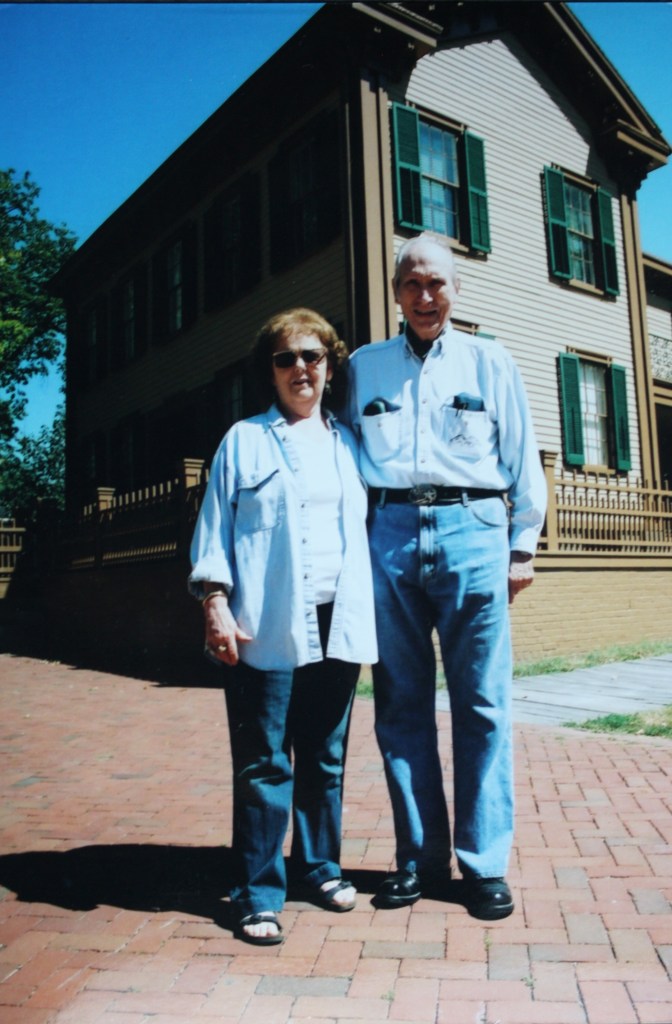
Sandy & Doc Temple in front of the Abraham Lincoln Home Springfield.

Temple’s published works remain the testament to his great energies and skill.  With wife Sunderine, a.k.a. Sandy, who for 40 years was a head docent at the Old State Capitol, he wrote Illinois’ Fifth Capitol: The House that Lincoln Built and Caused to Be Rebuilt (1837-1865) (1988), the standard work on its initiation, contracts, costs, furnishing, refurbishing, and historic moments such as Lincoln’s “House Divided” speech in 1858. In like vein he wrote up the Lincoln Home, in By Square and Compasses (1984; updated 2002). For shorter works he found or recovered the stories of people high and low, including Mariah Vance, the Lincolns’ African-American laundress; Barbara Dinkel, a German-born widow down the block; two Portuguese immigrants nearby; Robert Lincoln’s ability to play the piano; and father Abraham’s formal commission as an Illinois militia officer after the Black Hawk War of 1832, which he maintained throughout his life by attending the annual muster.  C. C. Brown, namesake of the oldest continuous business in Illinois – the law firm Brown, Hay, & Stephens (est. 1828) — offered some thoughts on working with Lincoln which Temple found and turned into a booklet in 1963.   Probably his most enduring book will be Abraham Lincoln: From Skeptic to Prophet (1995), on the religious views, which Temple called not merely a religious study but “really a biography of the Lincoln family.” Lincoln’s many connections to Pike County introduced a book about the area’s Civil War record; his trip through the Great Lakes in 1849 gave rise to a booklet about the Illinois & Michigan Canal and Lincoln’s patented invention. Some of the best of Temple’s 500 to 600 articles are being collected into a book edited by Steven Rogstad.

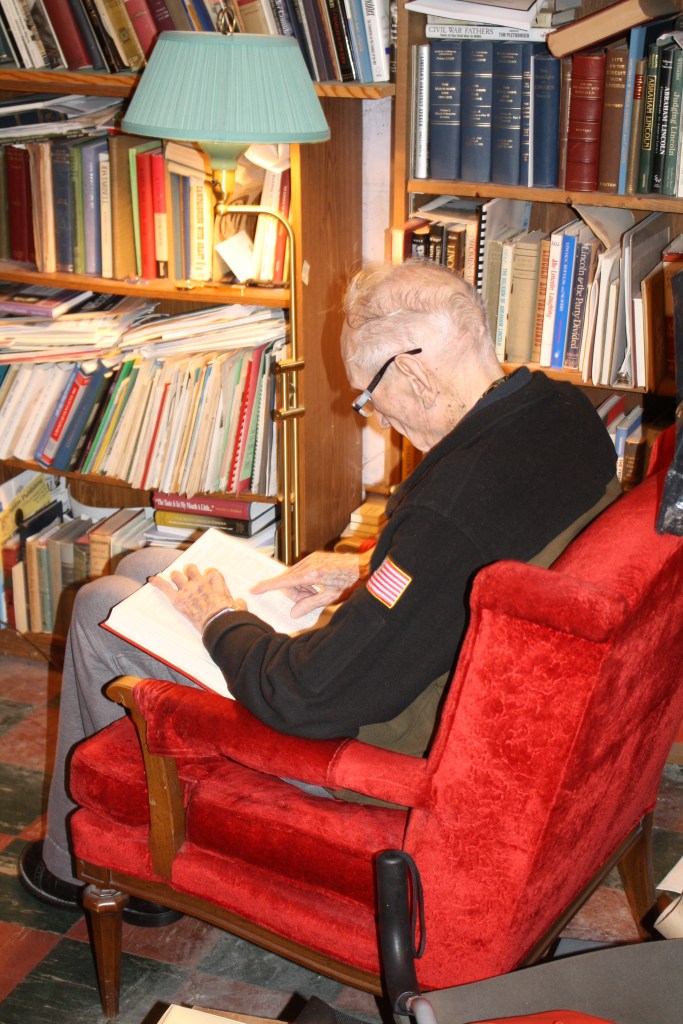
Doc at work in his basement library.

Personally Temple was highly generous, helping Sandy’s distant family when in need, serving as an Elder and teacher at the First Presbyterian Church, and endowing the UI Urbana History Dept. with funds from his estate. On behalf of wife Lois’s nephew, Temple headed a Boy Scout troop in town.  Doc gave his father’s canful of ancient Indian artifacts dug from the Ohio farm to the public library in Richwood, Ohio, as one of his last acts, though he could have sold them for many thousands of dollars. When Temple learned that his barber, a father of five, could not afford to send his bright youngest son to college, Temple spoke to Congressman Paul Findley, who got the young man appointed to the Academy at West Point, and a successful military career was launched.  Temple’s collection of 3,000 books is bound for UI Springfield’s Lincoln Studies Center, while his fine collection of artworks as well as personal papers will go to the Presidential Library and Museum.

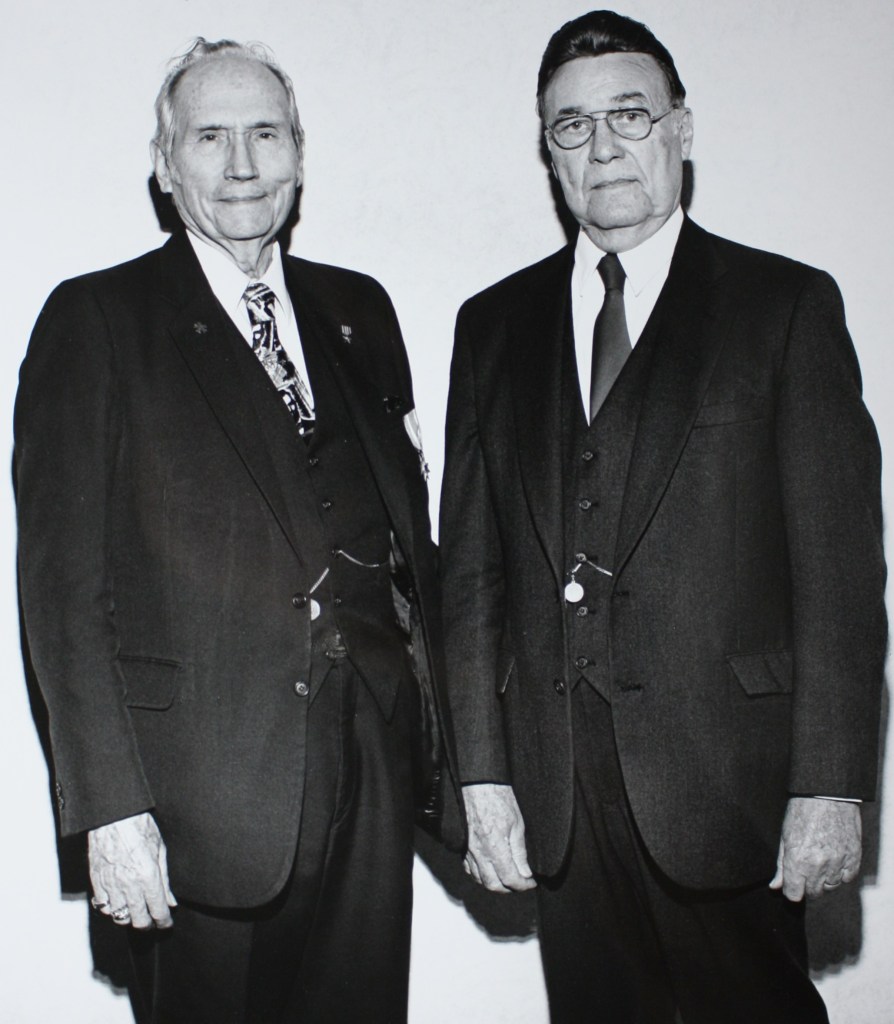
Doc Temple and the author in their first meeting back in February of 2011.

In the opinion of the person who succeeds Temple as the dean of Lincoln historians, Prof. Michael Burlingame of UI Springfield, Doc “displayed an uncanny ability to unearth new information about Lincoln through painstaking research … For over eight decades, he tenaciously filled many niches in the Lincoln story.” His neighbor of 43 years, Sharon Miller, said, “Doc was simply a wonderful man. But he missed Sandy too much to keep going.”

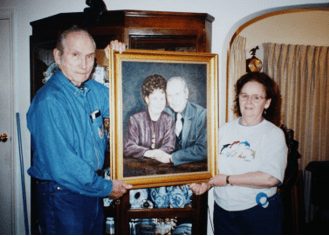
Doc and Sandy in their home holding Lloyd Ostendorf’s painting of the couple.

A memorial service will be held on Thursday, April 10th, at 10:00 a.m. at Staab Funeral Home, S. 5th St. in Springfield.  Burial will take place at 1:00 p.m. at Camp Butler National Cemetery, next to Sandy temple’s gravesite. A reception at the St. Paul’s #500 A.F. & A.M. Lodge on Rickard Drive will follow.

Christmas, Hollywood, Music, Pop Culture, The Beatles

21 Top Grossing Songs of All Time.

Original Publish Date September 21, 2023.

https://weeklyview.net/2023/09/21/21-top-grossing-songs-of-all-time/

So, I’m down in Florida celebrating my 34th wedding anniversary with my bride, Rhonda, who is still the prettiest girl I’ve ever seen. Down here, I’m a thousand miles away from cutting the lawn, watering the flowers, and a honey-do list as long as my arm. So what better time to write about music? I wondered what a list of the top twenty-one money-making songs of all time would look like. Not best-selling albums. Not best-selling song catalogs. Not even best-selling singles. Rather, what songs have made the most money? So, here’s a list for you to ponder. There will be obvious titles, obscure titles, and some surprises, and by the end, I’ll throw some sand in the Vaseline. Only then will you understand what put the thought in my mind.

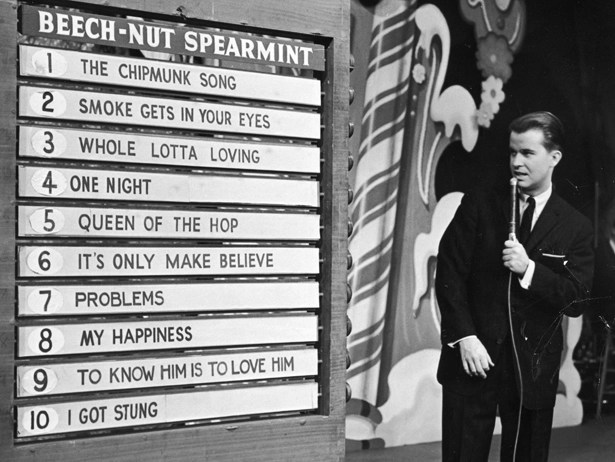
Dick Clark counting down American Bandstand hits August 5, 1957.

Many songs have made over $10 million including The Village People “YMCA,” Gene Autry’s “Rudolph the Red-Nosed Reindeer,” The Beatles “I Want to Hold Your Hand,” and, should you consult that black hole that is the Internet, names like Taylor Swift, Justin Bieber, Ed Sheehan, and a liturgy of mysterious electronic dance will muddy the issue. But for the purposes of this article, I have consulted more reputable sources for the numbers: Billboard, Music Grotto, Rolling Stone, and the Guinness Book of World Records.

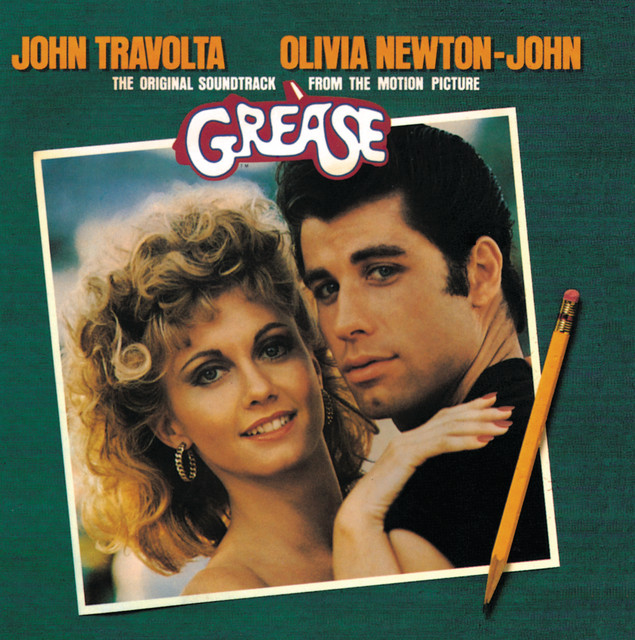
Number 21: “You’re The One That I Want,” by John Travolta and Olivia Newton-John from the 1978 film Grease. Estimated earnings: $15 million. The song featuring Travolta’s greaser Danny Zuko and Olivia’s good girl temporarily gone bad, Sandy Dombrowski, propelled the film into one of the highest-grossing musical films of all time and the soundtrack became a worldwide hit. Fun fact, Richard Gere and Barry Bostwick portrayed the Travolta character on Broadway in 1972/1973.

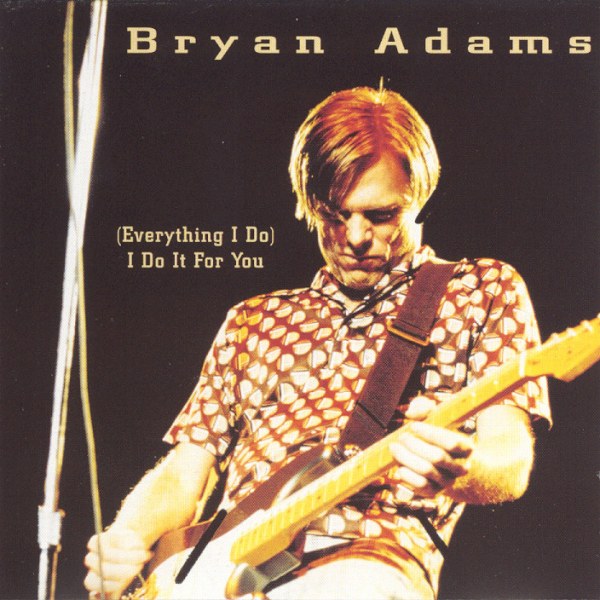
Number 20: “(Everything I Do) I Do It For You” by Bryan Adams (1991). Estimated earnings: $15 million. The song appeared on the soundtrack for the film Robin Hood: Prince of Thieves and on the Canadian singer’s sixth studio album, Waking Up the Neighbours.

Number 19: “All I Want For Christmas Is You” by Mariah Carey (1994). Estimated earnings: $16 million. This holiday standard (or earworm depending on your point of view) is the most loved and hated song on the list by a longshot. Every holiday season it returns to the number one spot on the Billboard charts, much to the dismay of seasonal retail workers. Love it or hate it, you gotta give Mariah a tip of the cap for her skimpy Santa suit: an homage to Ronnie Spector and the Ronettes.

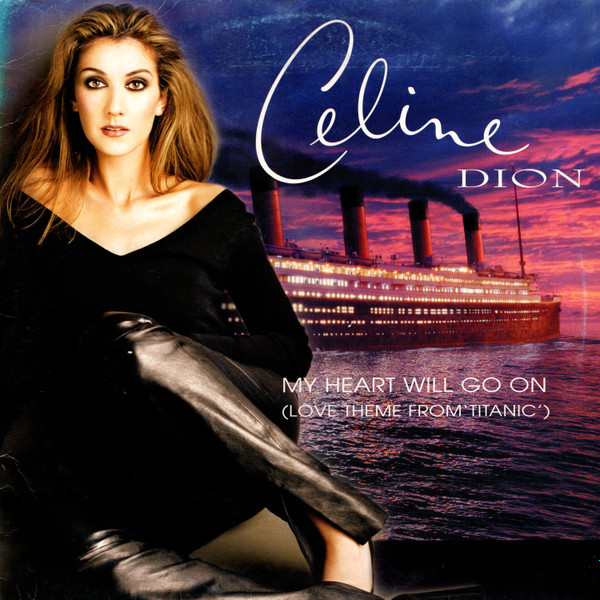
Number 18: “My Heart Will Go On” by Céline Dion (1997). Estimated earnings: $18 million. Better known as the theme song for the film Titanic, it has become Dion’s signature song and is the second-best-selling single by a woman in music history.

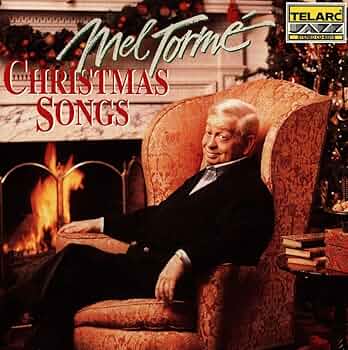
Number 17: “The Christmas Song” by Mel Torme (1944). Estimated earnings: $19 million. While the title may not ring a bell, when you hear Torme (a.k.a. “The Velvet Fog”) croon “chestnuts roasting on an open fire,” you know what time it is. The song is ironic in a couple of different ways. First Torme is Jewish. Second, Torme wrote the Christmas song “Jack Frost Nipping at Your Nose” in 45 minutes on a blistering hot California day.

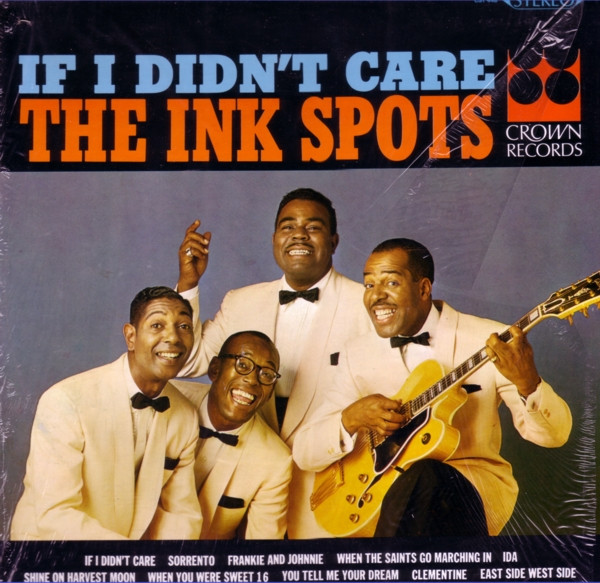
Number 16: “If I Didn’t Care” by The Ink Spots (1939). Estimated earnings: $19.75 million. The Ink Spots were one of the first all-black bands to be widely accepted in both the white and black communities. The group traces its origin to Indianapolis and in 1989 they were inducted into the Rock ‘n Roll Hall of Fame.

Number 15: “Oh Pretty Woman” by Roy Orbison and Bill Dees (1964). Estimated earnings: $19.75 million. Most movies form the song but this song formed the movie. The song was released as a single in August 1964 and the movie didn’t come along until 1980. The Richard Gere and Julia Roberts movie was originally intended to be a dark cautionary tale about class and prostitution in Los Angeles but the film was re-imagined as a romantic comedy and was mostly shot at Walt Disney studios. As for Orbison’s original song? It was inspired when his wife, Claudette, interrupted a conversation to announce she was going out. When Orbison asked if she had enough cash, his co-writer Bill Dees interjected, “A pretty woman never needs any money.”

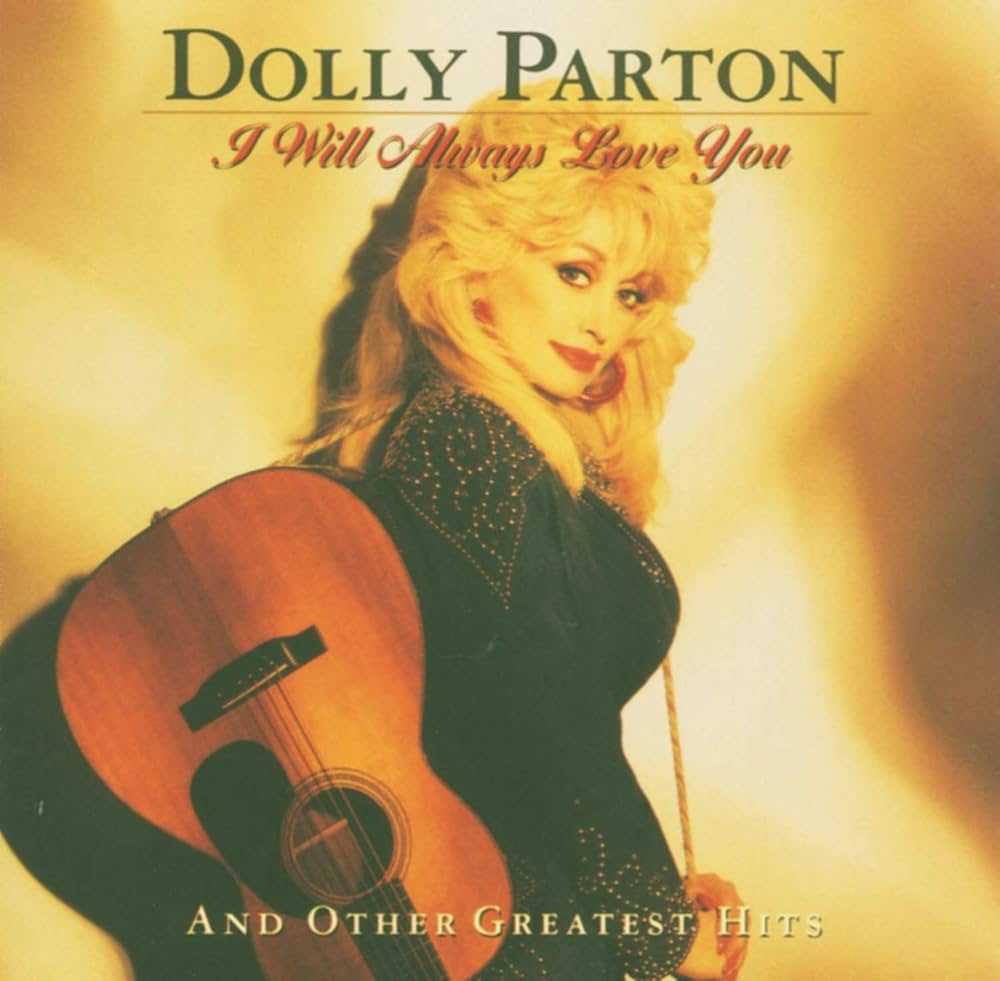
Number 14: “I Will Always Love You” by Dolly Parton (1972). Estimated earnings: $20.5 million. Dolly wrote the song to honor her early mentor, Porter Wagoner. The song helped Dolly win CMA’s Female Vocalist of the Year in 1975 but had its biggest impact in 1992 when Whitney Houston covered it for her 1992 movie, The Bodyguard. Houston’s version is the best-selling single by a woman in music history. The song has earned Dolly over $10 million which she famously donated to charities serving black communities. 

Number 13: “We Are The World” by USA For Africa (1985). Estimated earnings: $20.5 million. This charity single was written by Michael Jackson and Lionel Richie. The song featured some of the biggest musicians of the time, including Stevie Wonder, Billy Joel, Paul Simon, Kenny Rogers, Tina Turner, Diana Ross, Willie Nelson, Bruce Springsteen, Kenny Loggins, Steve Perry, Daryl Hall, Huey Lewis, Cyndi Lauper, Ray Charles, and Bob Dylan (who, when chastised by Producer Quincy Jones for singing “off-key”, responded, “That’s my style, man.”) .The chorus was equally notable: Dan Aykroyd, Harry Belafonte, Lindsey Buckingham, Sheila E., Waylon Jennings, Bette Midler, Smokey Robinson, the Pointer Sisters, and the other 4 members of the Jackson Five. The album raised a whopping $63 million in relief funds.

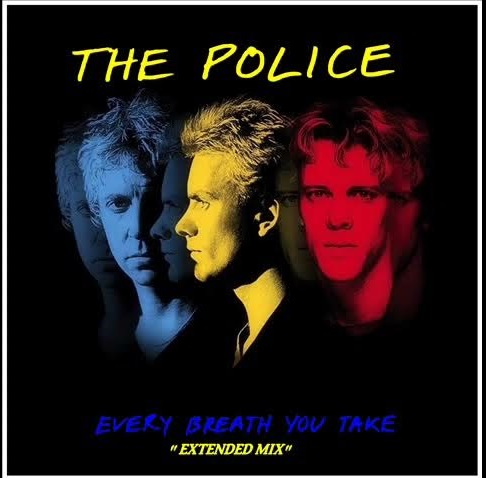
Number 12: “Every Breath You Take” by Sting (1983). Estimated earnings: $20.5 million. Although officially a song by The Police, it has become Sting’s signature song and was, for many years, a popular wedding song until it was revealed to be about a stalker with an unhealthy obsession. In 2010, Sting’s former business manager claimed that the song “is responsible for more than 1/4 of all the singer’s lifetime publishing income and today still produces $2,000 a day ($730,000 per year) in royalties income for Sting.” The songwriting for “Every Breath You Take” is credited 100% to Sting (AKA Gordon Sumner).

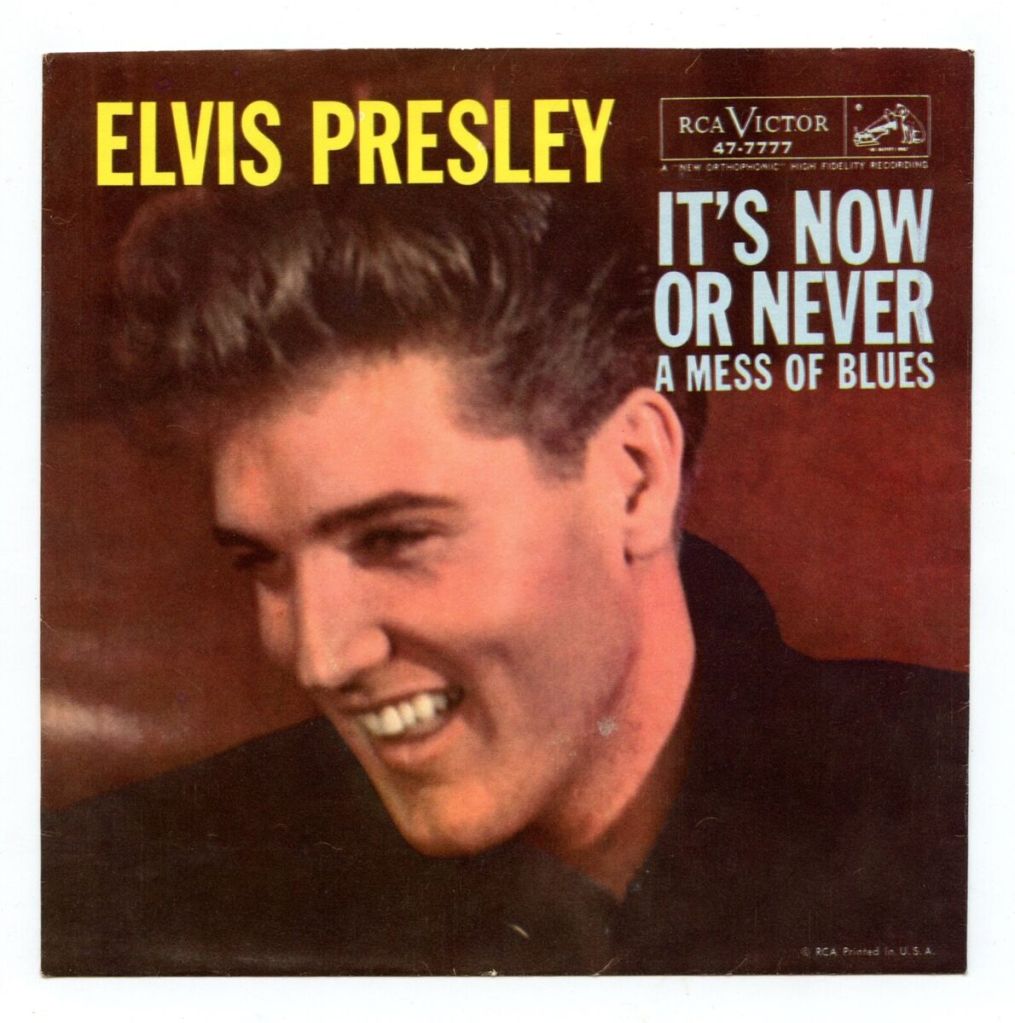
Number 11: “It’s Now Or Never” by Elvis Presley (1960). Estimated earnings: $22 million. I know, I know, why THIS Elvis song in particular? Elvis had so many great ones. When Presley wrote the song, he was serving in the military, stationed in Germany. When he returned to the States after his stint, “Now or Never” became one of his first releases, so fans raided the record stores by the millions in search of it.

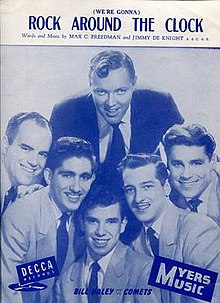
Number 10: “Rock Around The Clock” by Bill Haley & His Comets (1954). Estimated earnings: $25 million. Most of us remember it as the theme song for the Happy Days TV show, “Rock Around the Clock” was one of the earliest successful mainstream records of the rock ‘n roll era. It was the first rock and roll record to hit number one on the U.S. pop charts. Here’s a mind-bender for you: “Rock Around The Clock” was written to the tune of Hank Williams’ “Move It On Over.”

Number 9: “Santa Claus Is Coming To Town” by Haven Gillespie And Fred J. Coots (1934).  Estimated earnings: $27 million. Another head-scratcher, but as they say, timing is everything. Although the original artist who recorded it is long forgotten (Harry Reser and His Band), in November 1934 when it was covered by Eddie Cantor on his radio show, within 24 hours, 500,000 copies of sheet music and more than 30,000 records were sold and it just kept selling. The song has been recorded by over 200 artists including Bing Crosby, Neil Diamond, Fred Astaire, Bruce Springsteen, Mariah Carey, Frank Sinatra, the Temptations, the Carpenters, and the Jackson 5.

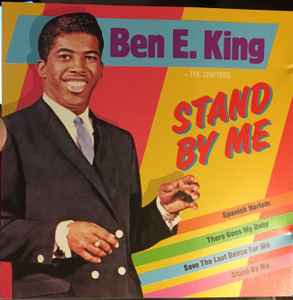
Number 8: “Stand By Me” by Ben E. King, Jerry Leiber, and Mike Stoller (1961).  Estimated earnings: $27 million. According to King, the title was inspired by a spiritual written by Sam Cooke and J. W. Alexander called “Stand by Me Father.” “Stand By Me” was successful on its own, but it shot to prominence when it was used in the Stephen King blockbuster movie of the same name twenty years later and found itself at the top of the charts in 1986. In March of 1974, John Lennon recorded two takes of the song with former Beatles bandmate Paul McCartney on the drums and Lennon on guitar. The unreleased recordings would eventually be included in a bootleg album A Toot and a Snore in ‘74.

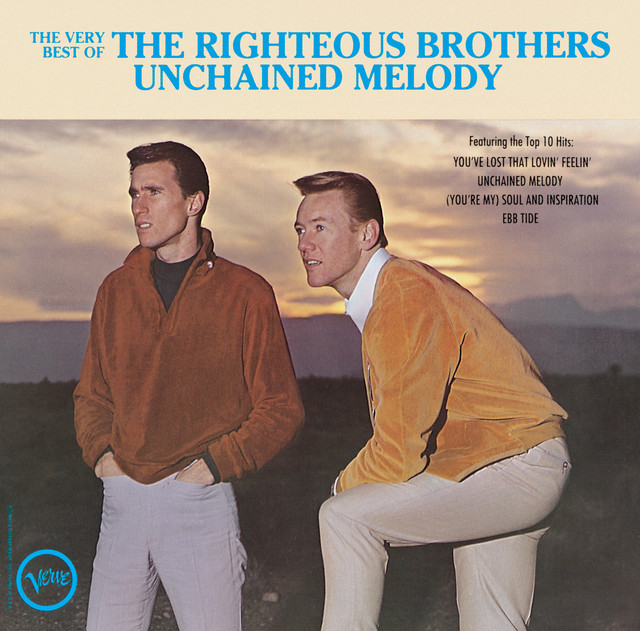
Number 7: “Unchained Melody” by Alex North And Hy Zaret (1955). Estimated earnings: $27.5 million. The song was written for a movie, Unchained, which was not a success and is remembered ONLY for starring football Hall of Famer Elroy “Crazylegs” Hirsch, Perry Mason’s Barabara Hale and Dick Van Dyke’s dentist neighbor Jerry Paris. However, the song would go on to be one of the most covered songs in recorded history; more than 650 artists at last count. The 1965 version by the Righteous Brothers is the most famous version, but the song re-emerged after it was used in the 1990 Oscar-winning movie Ghost starring Demi Moore and Patrick Swayze.

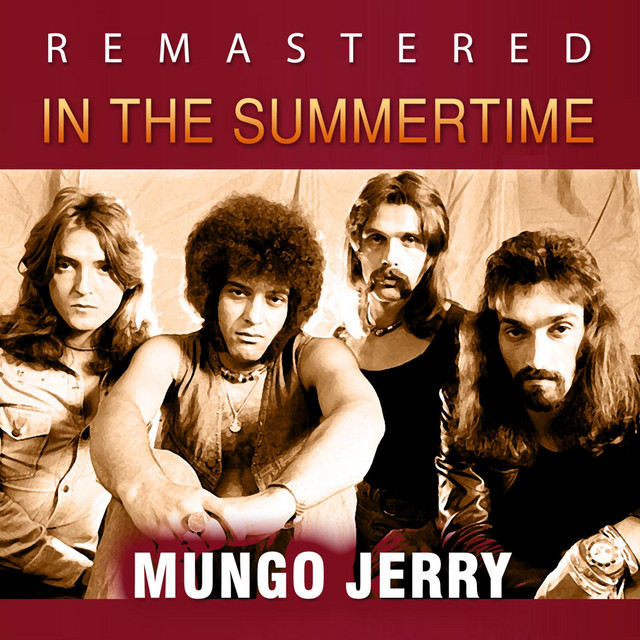
Number 6: “In The Summertime” by Mungo Jerry (1970). Estimated earnings: $30 million. I guess we should think of this as the seasonal song for summer. Just like Christmas, summer comes around every year. Impressive when you consider it was Mungo Jerry’s debut single and that lead singer Ray Dorset said it only took him 10 minutes to write. Dorset later recalled writing it “on a second-hand Fender Stratocaster while I was on break from my day job, working in a lab for Timex.” Initially, the song was only two minutes long; to make it longer, the sound of a motorcycle was added in the middle. But they didn’t have a motorcycle, so “the engineer had a Triumph sports car, which he drove past the studio microphone. So he got the stereo effects from left to right or right to left, whatever. And that was it.” That scene is made even more comical when you watch the music video for the song (one of the earliest such videos you’re likely to find) and see one of the musicians pretend to create the sound by blowing into a water jug.

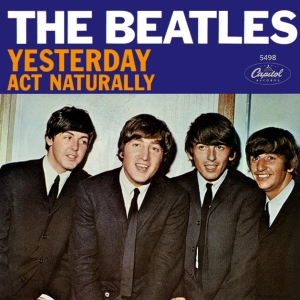
Number 5: “Yesterday” by John Lennon and Paul McCartney (1965). Estimated earnings: $30 million. Although Paul McCartney was 100% responsible for the writing and singing of the song, the songwriting credit goes to both men. From the start the duo agreed to share equal credit for their songs, no matter how much either of them contributed to the song. “Yesterday” would become the second-most-played song in the history of radio. It has been covered by more than 2200 different artists. Yoko Ono, John Lennon’s sole heir, has received millions in royalties from the song. BMI asserts that it was performed over seven million times in the 20th century.

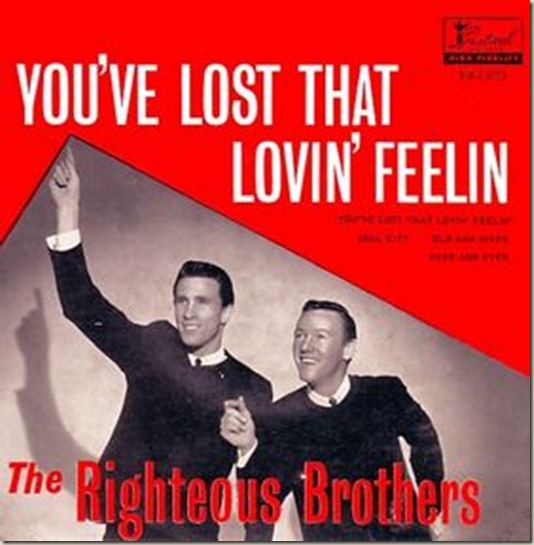
Number 4: “You’ve Lost That Feeling” by Barry Mann, Cynthia Weil, and Phil Spector (1964). Estimated earnings: $32 million. Notable as the ONLY song to crack the top 21 that was written by a convicted murderer: Phil Spector. Ironically, Spector’s sole contribution to the songwriting was the line, “and he is gone, gone, gone, Whoa, whoa, whoa.” This Spector-produced song is cited by music critics as the ultimate example of his Wall of Sound recording technique. The song became a massive hit after it was recorded by The Righteous Brothers but resurfaced in a big way in 1986 after it was included in the soundtrack for Top Gun, starring Tom Cruise. The song has been covered by over 2200 different artists and went on to become one of the most-played songs in radio history.

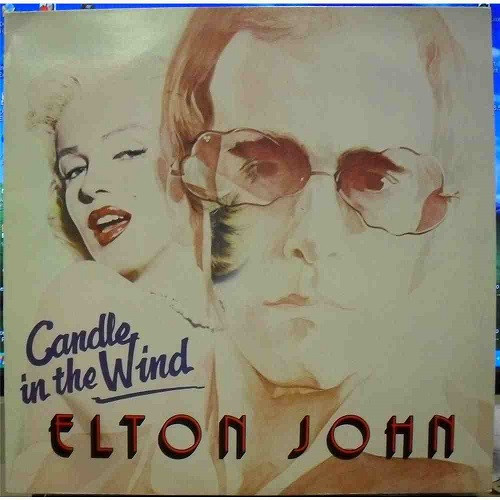
Number 3: “Candle In The Wind” by Elton John and Bernie Taupin (1973). Estimated earnings: $32 million. The song was originally written about the death of Marilyn Monroe, but, in 1997, Elton did a rewrite as a memorial for his close friend Princess Diana. The rewritten version had greater success than the original version. During a concert on April 7, 1990, at Farm Aid IV, Elton dedicated the song to Cicero, Indiana AIDS patient Ryan White, who died of AIDS complications the next day.

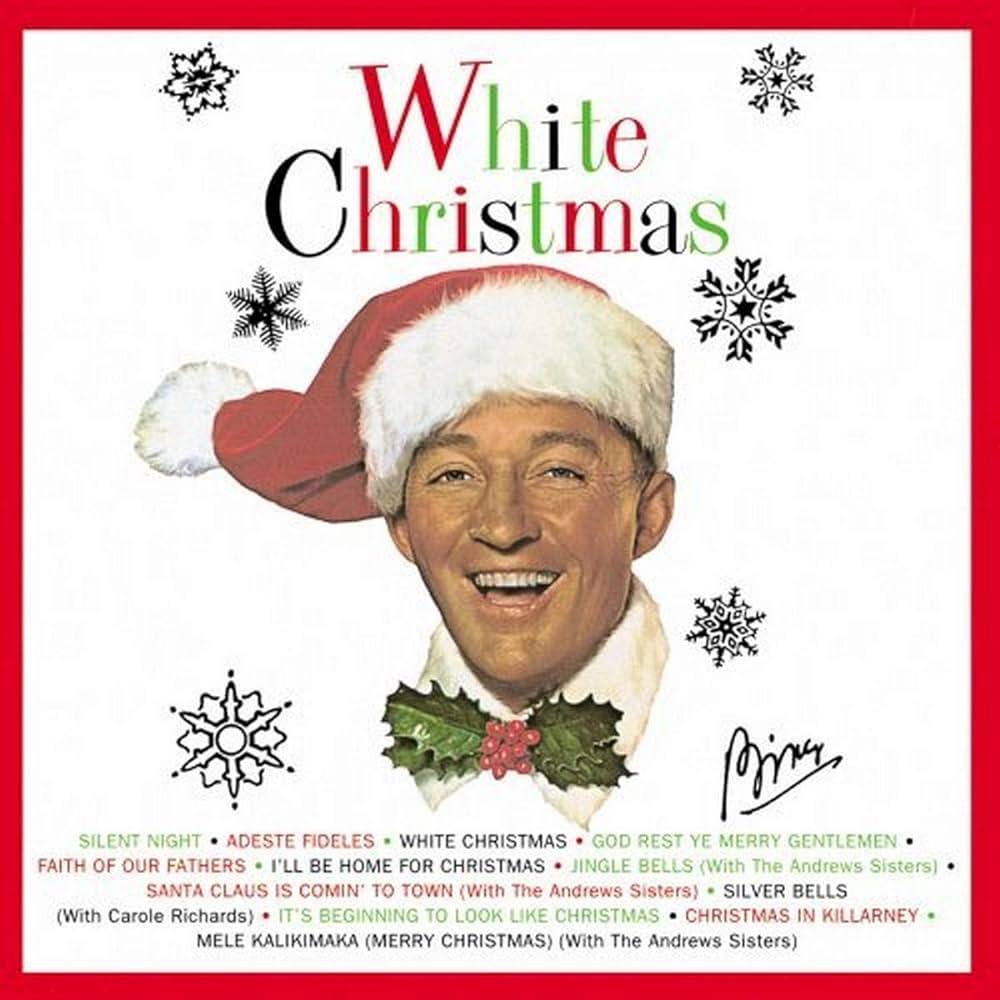
Number 2: “White Christmas” by Irving Berlin (1940). Estimated earnings: $36 million. Ironically, this standard of all Christmas songs was written by a Jewish immigrant from Russia: Irving Berlin. Though the song has been covered by countless artists, the most famous version will always be Bing Crosby’s version which sold over 100 million copies worldwide. According to Crosby’s nephew, Howard Crosby, “I once asked Uncle Bing about the most difficult thing he ever had to do during his entertainment career…He said in December 1944, he was in an outdoor USO show in northern France… he had to stand there and sing ‘White Christmas’ with 100,000 G.I.s in tears without breaking down himself. Of course, a lot of those boys were killed in the Battle of the Bulge a few days later.” Think of that the next time you hear this song.

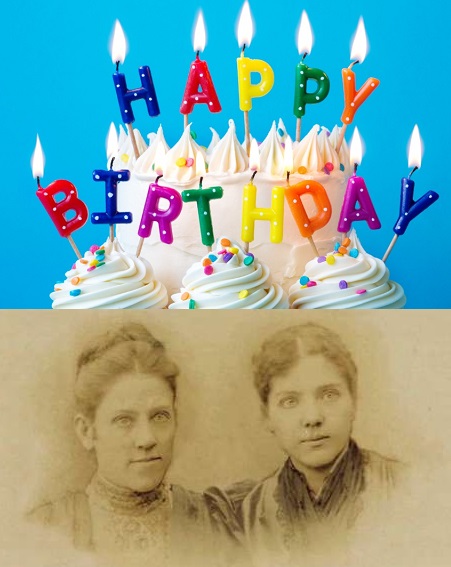
Mildred (left) and Patty (right) Hill.

Number 1: “Happy Birthday” by The Hill Sisters (1893). Estimated earnings: $50 million. The ONLY song on the list that has been sung by every generation of your family you ever knew. You know the song, but do you know the story? Mildred Jane Hill was a musicologist from Louisville, Kentucky. Born two years before the start of the Civil War in 1859, Mildred studied music, teaching, composing, and performing, specializing in the study of Negro spirituals. Hill and her sister Patty were honored at the 1893 Chicago World’s Fair for their work in the progressive education program at the experimental Louisville Experimental Kindergarten School. Her progressive 1892 article, “Negro Music,” suggested that the existing body of black music would be the basis of a distinctive American musical style in the years to come. In 1893, the Hill sisters found themselves in need of a song for their kindergarten class to sing on birthdays. 130 years later, we are still singing the Hill sisters song. Today, “Happy Birthday” brings in a reported $5,000 a day, and $2 million a year in royalties. The cost of using the song in a movie or on TV is $25,000. It is actually against the law to sing “Happy Birthday” in a large group of unrelated people, but good luck trying to enforce that one.

Jimmy Buffett.

There you have it. Those numbers will change in the years to come. No doubt, by scanning the list, you have deduced that all it takes for a song to make (or jump up on) the list is for a movie or TV show to pick it up as a theme song. But, as I told you earlier, I am in Florida as I write this, and for that reason, I would like to submit a song that is not on anyone’s list. Governor DeSantis of Florida has ordered that flags be lowered to half-staff from Thursday, Sept. 7, to Friday, Sept. 8th to commemorate the ‘life and legacy’ of Jimmy Buffett, the “Margaritaville” singer who died on Sept. 1st.

Buffet’s 1977 “Margaritaville” song was on his album Changes in Latitudes, Changes in Attitudes. Buffet claimed that the lyrics were taken directly from a bad day at the beach and that he really lost a flip-flop, stepped on a pop top, and cut his heel on the way back home. And, oh yes, he lost his salt shaker that day too. The song has a “lost verse” which he sometimes added when performing in concert but was cut from the original song. “Old men in tank tops, Cruisin’ the gift shops, Checkin’ out chiquitas, down by the shore. They dream about weight loss, Wish they could be their own boss, Those three-day vacations can become such a bore.” Although Buffet’s Margaritaville earned him millions, by itself, it never could have cracked the top 21.

However, Buffet’s song about life in this euphoric place has morphed into a global brand that has earned more than $4.8 billion and sees $1.5 billion in annual sales. Buffet’s Margaritaville Holdings company began in 1985 with the opening of a string of Margaritaville-themed stores and restaurants, the first of which was a store in Key West, Florida, that was followed in 1987 with the first Margaritaville Café nearby. Over the course of the next two decades, several more of each opened throughout Florida, New Orleans, and California.  In 2002, Buffet partnered with Outback Steakhouse to develop the first Cheeseburger in Paradise Restaurant in Southport, Indiana. Margaritaville resorts by Wyndham have sprouted up all over the place and most recently, a plan to develop Latitude Margaritaville: new active adult communities for those “55 and better.” At the time of his death, Buffet had amassed a personal fortune of $1 billion. That’s BILLION with a “B”, a figure that cannot be surpassed, even if you added all of the top 21 together. Apparently, Margaritaville was a pretty good place to be.

Creepy history, Gettysburg, Hollywood, Pop Culture, Weekly Column

James Dean in Gettysburg.

Originally Published in December 2011. Republish Date December 21, 2023.

https://weeklyview.net/2023/12/21/james-dean-in-gettysburg/

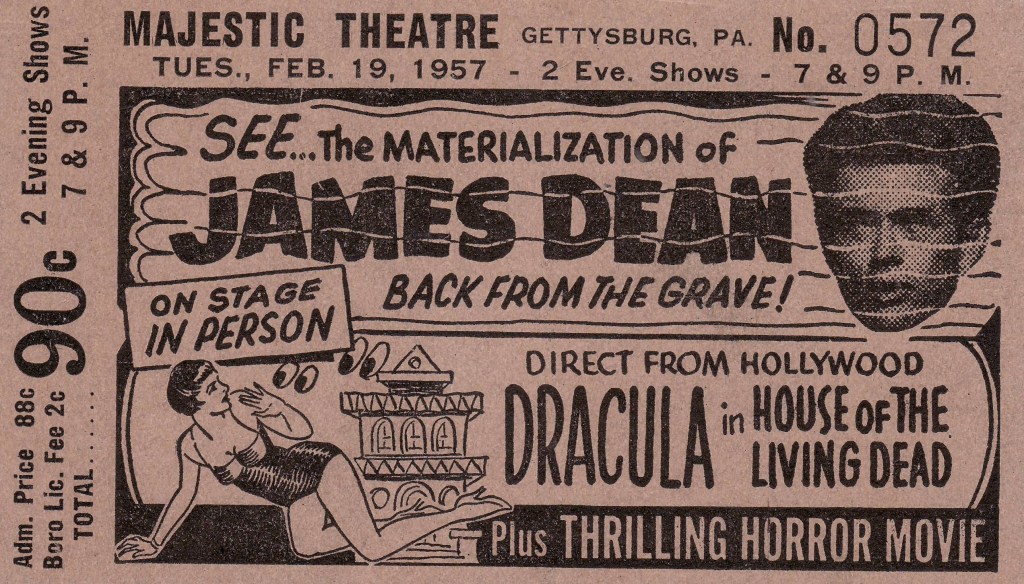
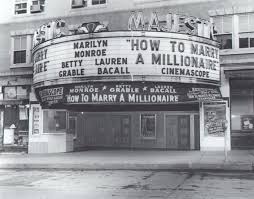
There is an item on my office desk that calls to me every time my mind wanders, I’m gathering my thoughts, or most often, while I’m waiting for a document to load on the computer. It’s a ticket stub, smaller than an index card, from a Tuesday, February 19, 1957, double feature movie at the Majestic Theatre in Gettysburg, Pennsylvania. I bought the ticket in an antique mall just off the Gettysburg town square while on a trip with friends to the famous Civil War battlefield this past Spring. Native Hoosier that I am, my heart jumps a little whenever I see something with an Indiana connection so far away from home.

The ticket is for a movie touted as being “Direct from Hollywood” (Where else would it be from in 1957?) called “Dracula in House of the Living Dead”. The ticket features the cartoon image of a young woman on her hands and knees crawling away from a house whose disembodied eyes follow her, and oh yeah, she’s in a skimpy bathing suit. I’m not an expert on Dracula movies, but my guess is that this movie was just a rehash of an old well-known film with a brand new title designed to lure unsuspecting people into the theatre believing they were seeing a new release. A despicable practice common amongst studios back in the 1950s Era.

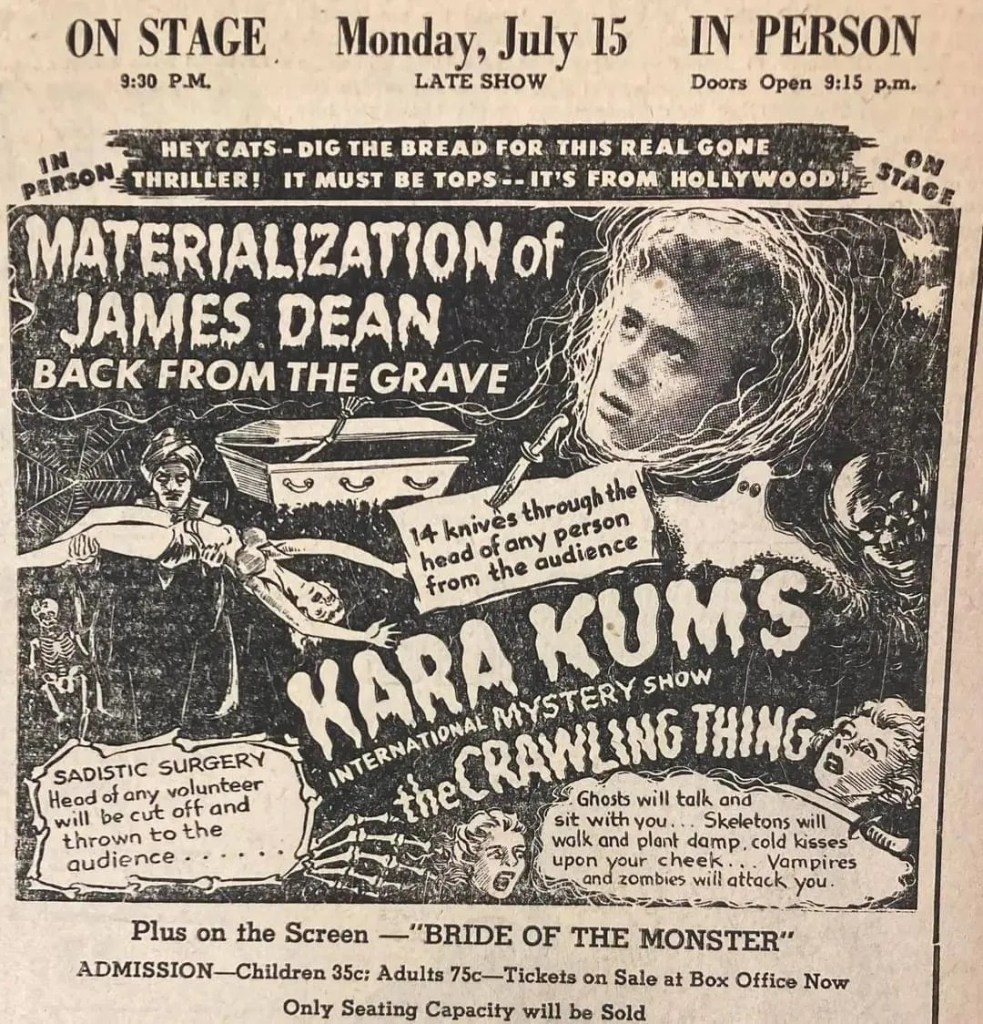
While the Dracula ticket and its promise of an additional unannounced “Thrilling Horror Movie”, were intriguing to be sure, they were not the reason for my purchase. Above the terror-stricken swimsuit-clad woman, there was an eerie floating head of someone very familiar to me and many of my fellow Hoosier baby boomers. It was Fairmount’s own James Dean. The printed promise near his image read: “See…the materialization of James Dean BACK FROM THE GRAVE!” On Stage in Person” Cool, James Dean in Gettysburg, why that’s so…Wait, that’s…impossible. James Dean died in a car crash on September 30, 1956, and this ticket is dated after Valentine’s Day of 1957! How could that be?

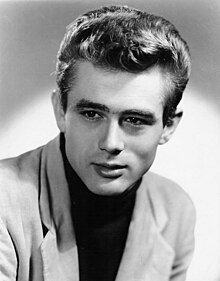
James Dean.

After a few minutes, I realized that this surely must be one of the earliest attempts at the exploitation of a dead celebrity ever attempted. Today, Hollywood barely waits for the body to get cold before cranking out biopics and making cable movies about dead celebrities. Anna Nicole-Smith, Heath Ledger, and Michael Jackson are recent examples. But in 1957 Gettysburg, really? One can only imagine the theatre owner dreaming up this stunt to draw a crowd, finding a good looking blonde haired kid from nearby Gettysburg College, paying him a small fee, and instructing him to walk out on stage wearing blue jeans, a white t-shirt, a red cloth jacket, and sunglasses before exiting speedily amid the gasps, squeals and screams of the frenzied teens in attendance.

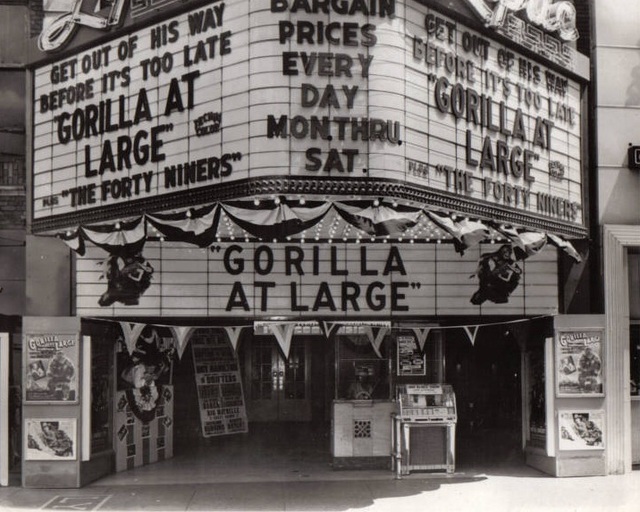
Gettysburg’s Majestic Theatre in 1953.

Did I mention that the Majestic Theatre is built so close to the historic Lincoln train depot station that you can almost touch it? The very same train depot where Lincoln arrived the night before he delivered his incomparable Gettysburg Address on the battlefield, on November 18, 1863. A spot many consider to be hallowed ground. But how could this be? Was this an isolated incident of gross exploitation or part of a larger movement? A little research reveals that shortly after James Dean’s death on a lonely California highway, a “James Dean Lives” cult was born.

Brochure/leaflet from Magician Kara Kum’s conjuring of James Dean.

The first indication that the “James Dean Lives” cult was getting out of hand appeared in January of 1956, just three months after Dean died on the last day of September of 1955. Since October, Warner Brothers studio had been deluged with frantic fan letters expressing shock and disbelief that the teen idol was really dead. The letters continued to flow into the studio past Thanksgiving, but by December, the letter stream dramatically increased, both in volume and in spiritual tone. It now seemed that fans didn’t believe Jimmy was gone at all. New rumors claimed that he was being kept alive in a California nursing home and that the studios were stalling for time, just waiting for his recovery and a comeback. Hollywood Gossip columnist Walter Winchell printed the rumor that Dean was disfigured but still alive in his column. Other stories insisted that it wasn’t Dean at all who died in the car wreck, but rather a hitchhiker. Still more farfetched was the rumor that the actor was in hiding learning to operate his artificial limbs or that he had been placed in a sanitarium to recover. Three thousand letters came in during January and increased so steadily that by July, that number had increased to seven thousand. By the first anniversary of his death, Warner Brothers had received over fifty thousand fan letters from all over the world.

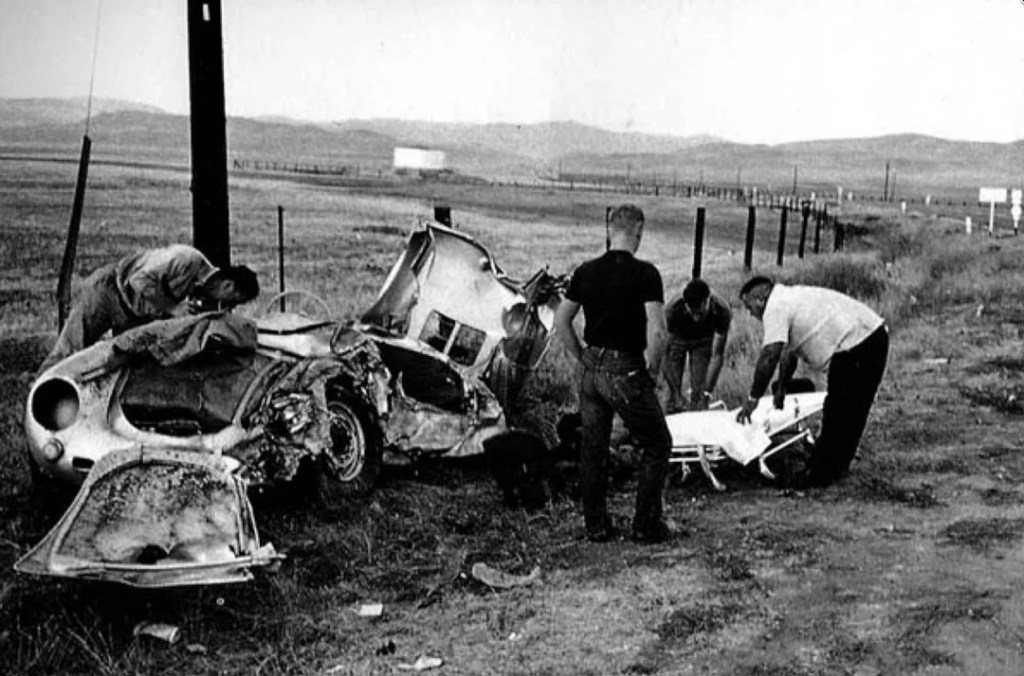
The automobile crash that killed James Dean on Sept. 30, 1955, in Cholame, California.

However, some of the “Mass hysteria” attributed to the “James Dean Lives” rumors can be rationally explained away. Much of this fan mail came from remote regions of South America, Australia, and Western Europe. While these areas still received the movies, albeit posthumously, they did not receive much news and were most likely unaware that James Dean was dead. Many times, these letters were addressed simply to: “James Dean Warner Brothers Studios Burbank California USA” and contained notes that read “Dear James Dean-I love your movies. Will you send me a picture?” That first year, the studio obliged and sent out the photos as requested, which undoubtedly did little to quell the rumors.

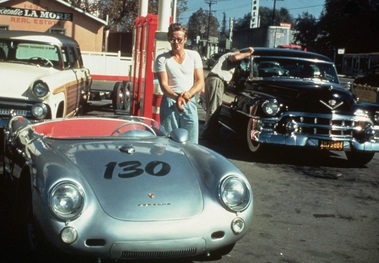
James Dean next to his Porsche 550, a few hours before his death.

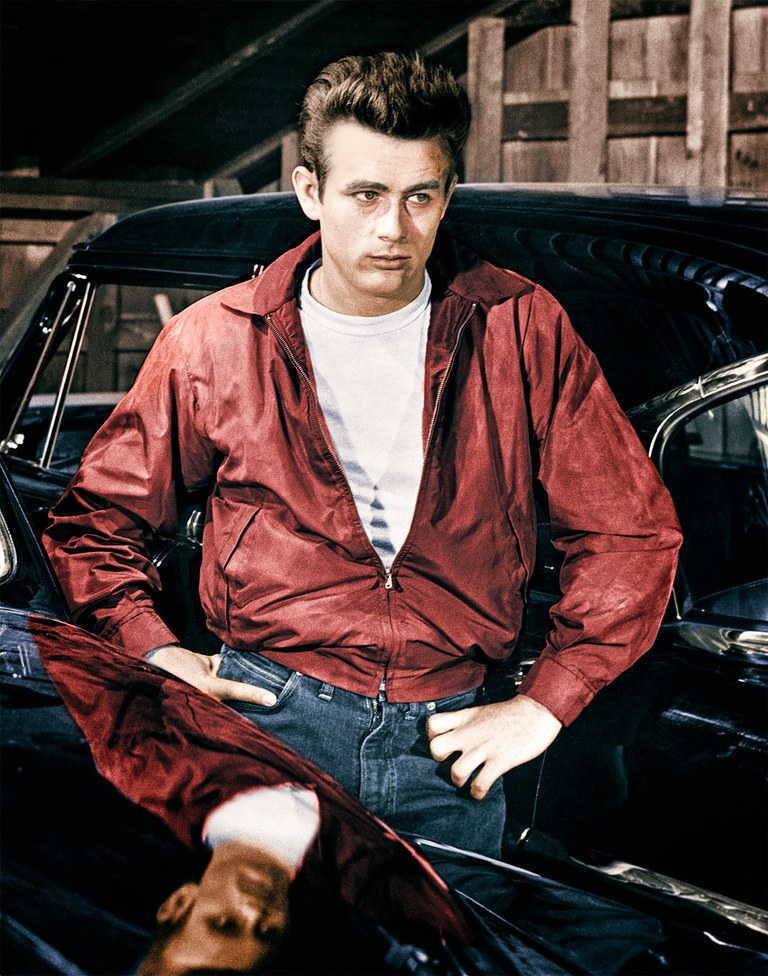
But that didn’t explain all of the letters. From the day of his death, it seemed that young people would not let Dean die. Warner Brothers hired a special fan mail agency, the first of its kind in Hollywood, to deal with the deluge of mail that poured into the studio addressed to the dead star. Mattson’s, a Hollywood clothing shop, received hundreds of orders for red jackets identical to the one Dean had worn in Rebel Without a Cause. Griffith Park, where pivotal scenes from the movie were shot, became a tourist attraction overnight. Fans lined up inside the Observatory, hoping for a chance to sit in the same seat Dean had occupied in the film.

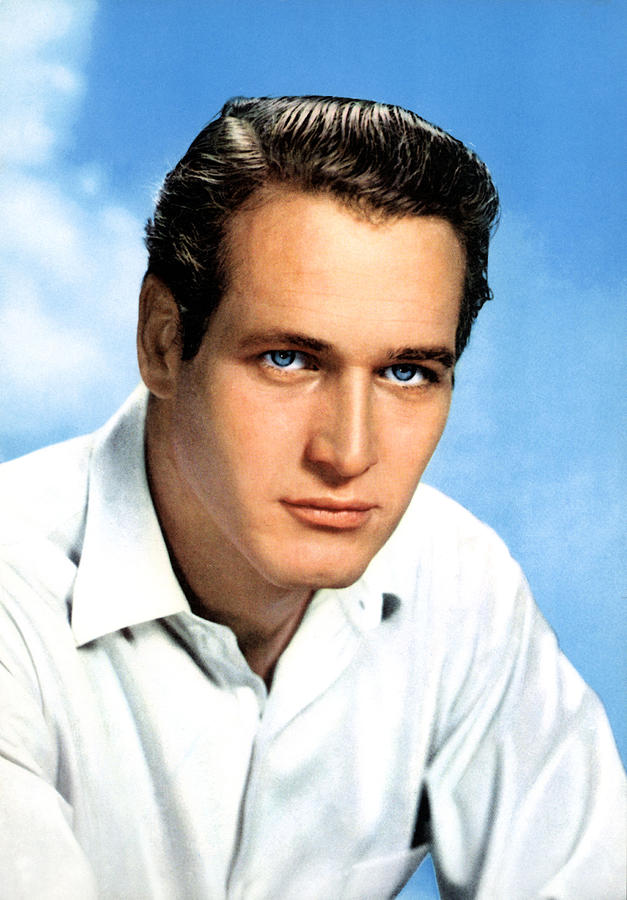
Paul Newman 1950s.

Although today’s generations might not be familiar with James Dean, over the years, an impressive list of actors and performers have claimed to have been influenced by him, including Bob Dylan, Al Pacino, Martin Sheen, and the late Jim Morrison, poet and lead singer for the Doors. Humphrey Bogart, who outlived Dean by two years and also knew a thing or two about cool, once said: “Dean died at just the right time. He left behind a legend. If he had lived, he’d never have been able to live up to his publicity.” Eventually, the realization that James Dean was gone set in. The world of cool moved on to others like Elvis Presley, The Beatles, Terre Haute’s own Steve McQueen, and Paul Newman, to name just a few. The Paul Newman comparison is not a random one. Not only will readers of my column recognize my admiration for Newman, but they might also be surprised by the ethereal connection between Newman and Dean.

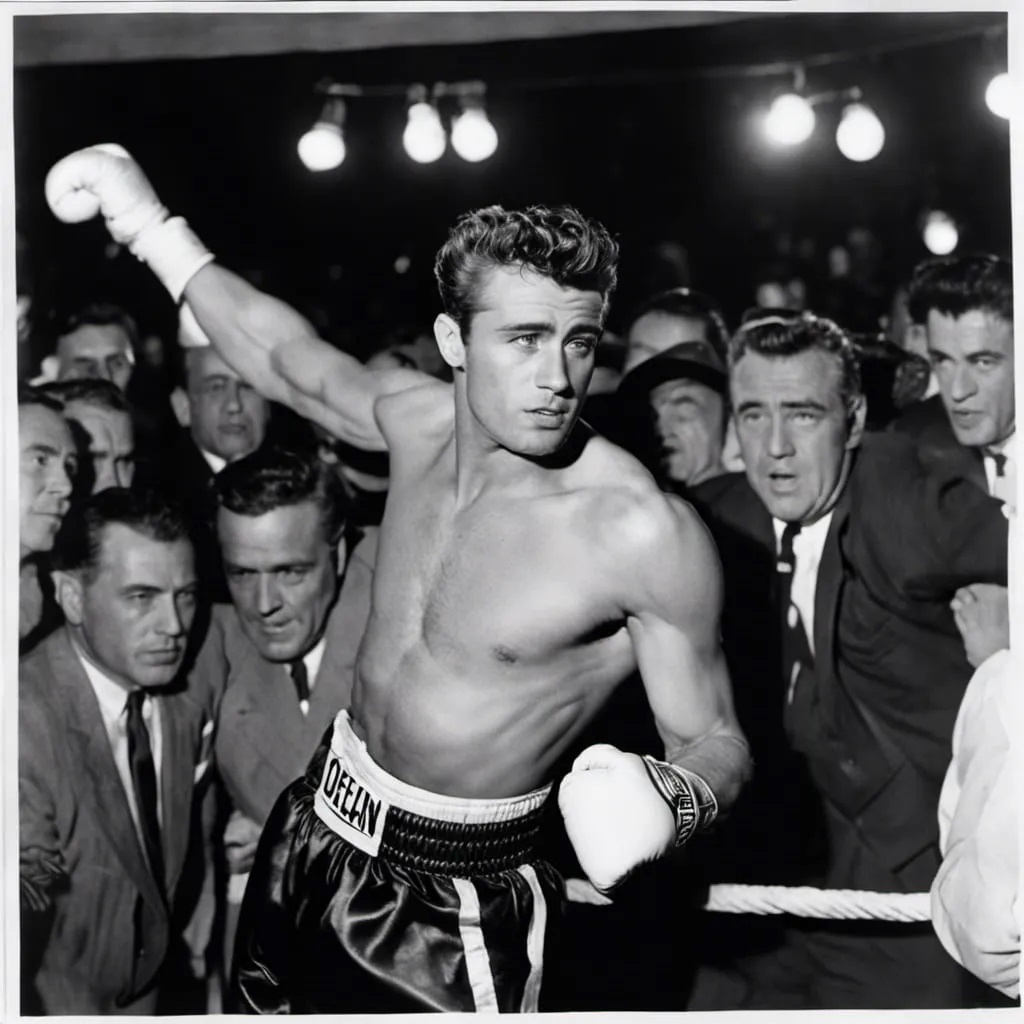
Fantasy photo of James Dean as Rocky Graziano.

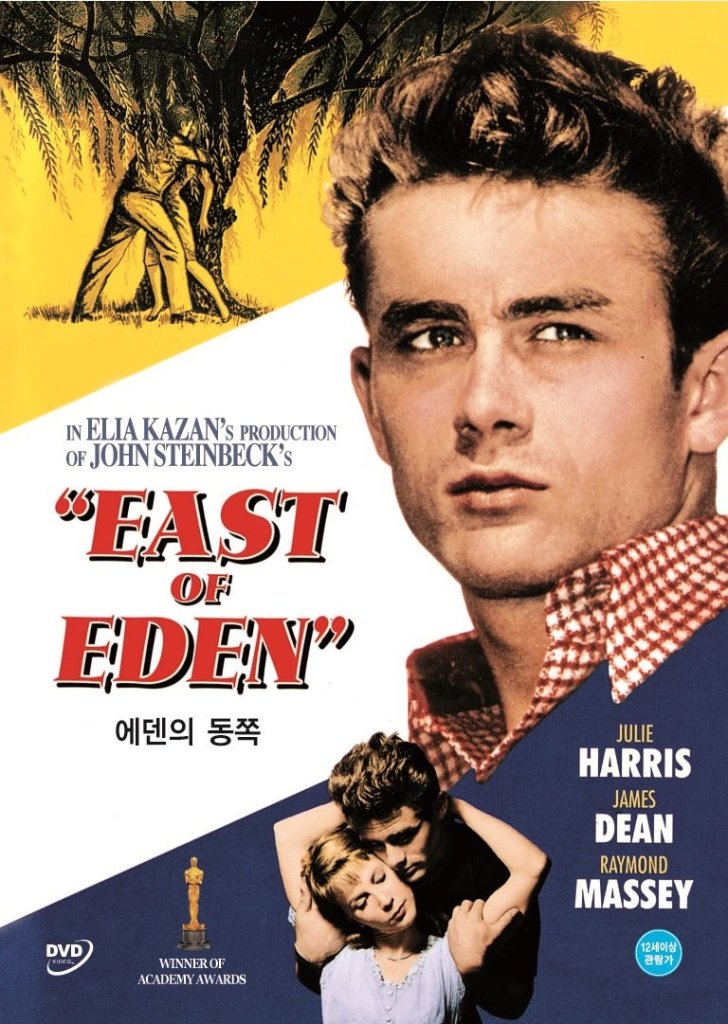
James Dean’s final screen test for East of Eden (1955) was shot with Paul Newman, who also was in the final running for the role of Dean’s character Cal’s fraternal twin brother Aron. At the time of his death, Dean was signed to star as the lead (as Boxer Rocky Graziano) in the 1956 MGM movie “Somebody Up There Likes Me” and the 1958 Warner Brothers movie “The Left Handed Gun” (as Billy the Kid). Both roles subsequently were taken by Paul Newman and both helped make him a star. Some film experts have claimed that Newman’s career may never have gotten off the ground at all if Dean had lived. Both young actors often competed for the same roles and there just weren’t enough scripts to go around. When Dean died, he was signed to play in “The Battler” on the “Playwrights ’56” television series. The role went instead to Paul Newman. To further illustrate the Dean-Newman connection, Jimmy was the front-runner to star alongside Elizabeth Taylor in Cat on a Hot Tin Roof (Released in 1958), when he died, the role went to Paul Newman. The role earned Newman an Academy Award nomination and established Newman as a star once and for all.

The two megastars mug for the camera for a few seconds when Dean says to Newman, “Kiss Me” to which the older Newman replies “Can’t here.” Watch closely and you’ll see that Newman is sweating profussely under his armpits. More importantly, the clip instantly transports the viewer back to a time before James Dean climbed into the driver’s seat of his Porsche Spider and rode towards the California horizon, and immortality.

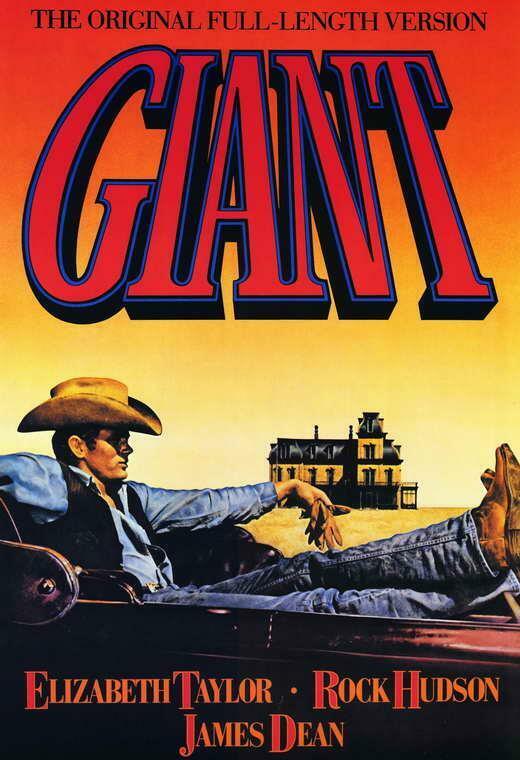
Just before his death, Dean’s agent, Jane Deacy, negotiated a 9-picture deal over 6 years with Warner Bros. worth $900,000. In 1956, Dean became the first actor to receive an Academy Award nomination posthumously, for his role in East of Eden (1955). He did not win. A year later, in 1957 Jimmy was nominated for his second Oscar for “Giant”, thereby becoming the only actor in history to receive more than one Oscar nomination posthumously. James Dean was nominated for Academy Awards in two-thirds of his films, a record which will probably never be bettered.