
Original publish date: December 12, 2010
Reissue date: December 12, 2019
Perhaps no single Indianapolis community has a stronger connection to the Victorian Era than Irvington. The Victorian era is defined as the period of British Queen Victoria’s reign from 1837 until her death in 1901. Irvington was founded in 1870 at the height of the Victorian Era. The man widely acknowledged as the most prolific chronicler of this Era is English novelist, Charles Dickens. It is Dickens whom we look to when we envision a Victorian Christmas and it is Dickens beloved story “A Christmas Carol” that most Irvingtonians think of at Christmas. After all, it just wouldn’t be Christmas in Irvington without the ghosts of Christmas past, present and future, now would it?
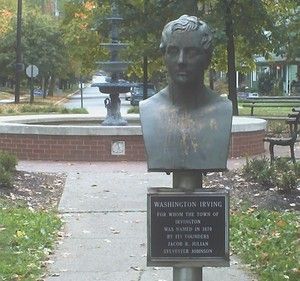
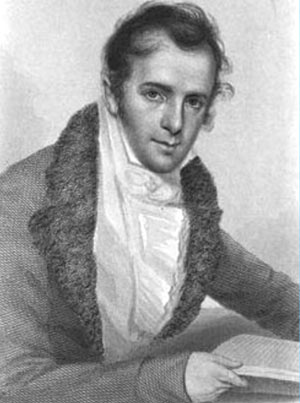
However, Irvington’s ties to a Dickensian Christmas are stronger than you might think. Charles Dickens drew upon many personal memories and influences while writing “A Christmas Carol”; grim memories of his father’s imprisonment for debt, his depressing year spent working in the cellar of a shoe factory as a 10-year-old, his outrage over the condition of the poor and uneducated (especially the children working in the mines and industry), and remarkably the influences he found in the works of his literary hero, famed American author and Irvington namesake Washington Irving.
 Dickens’s memorable descriptions of Christmas scenes in “A Christmas Carol” owe a great deal to Irving. In February of 1842, while attending a New York dinner hosted by Irving, Dickens amusingly revealed his devotion to the great American author when he rose his glass in a toast and said, “I say, gentlemen, I do not go to bed two nights out of seven without taking Washington Irving under my arm upstairs to bed with me.”
Dickens drew upon Irving’s, “The Sketchbook of Geoffrey Crayon Gent”, to recreate the joyful warehouse party scenes that the ghost of Christmas past reveals to Ebenezer Scrooge at the start of Dickens classic novel. Irving’s “Sketchbook” featured a squire who invited the peasants into his home for the holiday. In Irving’s mind, Christmas should be a peaceful, warm-hearted holiday bringing groups together across lines of wealth or social status. Irving’s influence can be found elsewhere in the novel as Mr. Wardle tells the party that it is customary for party guests to play games or tell ghost stories until Midnight on Christmas Eve.
Irving traveled extensively throughout Europe recording his experiences in notebooks, and he was especially fond of England and its old world character. He spent a couple of years living in Birmingham, where he wrote “Bracebridge Hall” in 1822, a blend of fact and fiction centered on an old manor house, its residents and guests, and their elaborate parties and tales. It was here that Irving enjoyed and later chronicled the grand Christmas festivities and rituals that had largely faded from English history. Irving’s descriptions of the Bracebridge Hall Christmas celebrations, with their dancing, singing, games, tales, mistletoe and holly clearly helped to shape those seen in Dingley Dell, site of Mr. Fezziwig’s ball, and at the home of Scrooge’s nephew, Fred. Not coincidentally, these Irving inspired Dickensian images are now the visions we dream of when we conjure up a Victorian Christmas.
 Irving’s descriptions of the short and cold winter days in his story “Old Christmas” make their way into the moral landscape lacking in Scrooge’s character in Dickens “A Christmas Carol”: “In the depth of winter, when nature lies despoiled of every charm, and wrapped in her shroud of sheeted snow, we turn for our gratifications to moral sources. The dreariness and desolation of the landscape, the short gloomy days and darksome nights, while they circumscribe our wanderings, shut in our feelings also from rambling abroad, and make us more keenly disposed for the pleasures of the social circle. Our thoughts are more concentrated; our friendly sympathies more aroused. We feel more sensibly the charm of each other’s society, and are brought more closely together by dependence upon each other for enjoyment. Heart calleth unto heart; and we draw our pleasures from the deep wells of living kindness, which lie in the quiet recesses of our bosoms; and which, when resorted to, furnish forth the pure element of domestic felicity.”
Irving’s romantic memories of Christmas clash with his characteristic dark writing style prompting Dickens to offer his own vision, shaped by personal painful childhood memories from his past and his sympathy with the suffering of children brought on by the Industrial Revolution from his contemporary reality. Irving’s ancient Christmas rituals were set in an idyllic country mansion populated by stage coaches crowded with cheerful travelers over a broad, snow-covered landscape. Dickens places his Christmas tale squarely in the heart of London. Dickens setting is a claustrophobic fog choked, bone-chilling city seemingly caught in the grip of a final ice age: “the fog and darkness thickened so, that people ran about with flaring links, proffering their services to go before horses in carriages, and conduct them on their way. The ancient tower of a church, whose gruff old bell was always peeping slily down at Scrooge out of a gothic window in the wall, became invisible, and struck the hours and quarters in the clouds, with tremulous vibrations afterwards, as if its teeth were chattering in its frozen head up there. The cold became intense. In the main street, at the corner of the court, some labourers were repairing the gas-pipes, and had lighted a great fire in the brazier, round which a party of ragged men and boys were gathered: warming their hands and winking their eyes before the blaze in rapture. The water-plug being left in solitude, its overflowings sullenly congealed, and turned to misanthropic ice.”
 Dickens Washington Irving inspired story popularized the phrase “Merry Christmas” and introduced the name ‘Scrooge’ and exclamation ‘Bah! Humbug!’ to the English language. However the book’s legacy is the powerful influence it has exerted upon its readers. A Christmas Carol” is widely credited with the “Spirit” of charitable giving associated so closely with the holiday today. Victorian Era examples can be found many places; in 1874, “Treasure Island” author Robert Louis Stevenson vowed to give generously after reading Dickens’s Christmas book, a Boston, Massachusetts merchant, expressed his generous hospitality by hosting two Christmas dinners after attending a reading of the book on Christmas Eve in 1867, and was so moved he closed his factory on Christmas Day and sent every employee a turkey and in 1901, the Queen of Norway sent gifts to London’s crippled children signed “With Tiny Tim’s Love.”
Historians claim that our modern day Christmas celebrations are largely the result of a mid-Victorian revival of the holiday spearheaded by “A Christmas Carol”. Charles Dickens restructured Christmas as a family-based festival of generosity in place of the community-based and church-centered observations most prevalent during the 18th and 19th centuries. Dickens Washington Irving inspired story influenced many aspects of current Christmas traditions found in Western culture, such as family gatherings, seasonal food and drink, dancing, games, and a festive generosity of spirit.
Despite Dickens description, the cold London streets do not preclude the warmth of Christmas. Christmas, Dickens seems to be saying, can now be celebrated by anyone, that its rituals and joys are no longer the exclusive province of the upper classes in their country estates, but can be found in a London warehouse or in a simple London home, such as that of the Cratchit family. Because the population of London was growing exponentially its inhabitants could look to A Christmas Carol for much needed inspiration during a period of great economic and social stress.
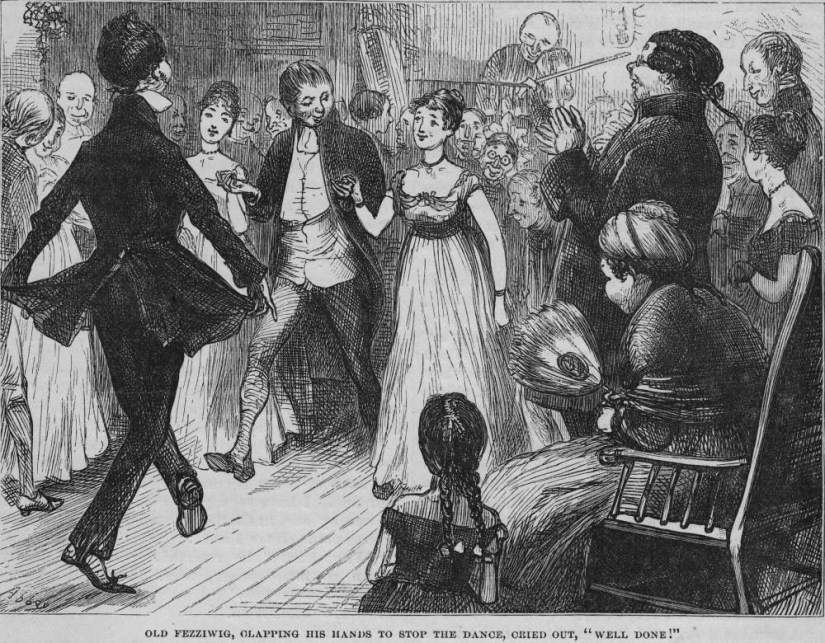 Speaking solely for myself, I often find myself drawing upon Dickens description of Old Fezziwig when I think of how others may observe me. In the novel, the Ghost of Christmas Past conjures up the memory of Scrooge’s old employer, Mr. Fezziwig, who converts his warehouse into a festive hall in which to celebrate Christmas: “Clear away. There is nothing they [Fezziwig’s employees] wouldn’t have cleared away, with old Fezziwig looking on. It was done in a minute. Every movable was packed off, as if it were dismissed from public life for evermore; the floor was swept and watered, the lamps were trimmed, fuel was heaped upon the fire; and the warehouse was as snug, and warm, and dry, and bright a ball-room, as you would desire to see upon a winter’s night.” Thus the ledger books, the daily grind, and the cold give way to music, dance, games, food, and fellowship.
As the ghost observes Scrooge wistfully watching the spirit riddled vision from his past he remarks, “A small matter,” mocks the Ghost of Christmas Past, “to make these silly folks so full of gratitude. He has spent but a few pounds of your mortal money: three or four perhaps. Is that so much that he deserves this praise?” To which Scrooge replies, “Fezziwig had the power to render us happy or unhappy; to make our service light or burdensome; a pleasure or a toil. Say that his power lay in words and looks; in things so slight and insignificant that it is impossible to add and count them up: what then? The happiness he gave was quite as great as if it cost a fortune.” I’ve often thought of this passage when I lament the high cost of Christmas and marvel at the eloquence of Dickens prose. I’m even prouder to learn that Washington Irving’s talent for the turn of a phrase contributed to that eloquence.
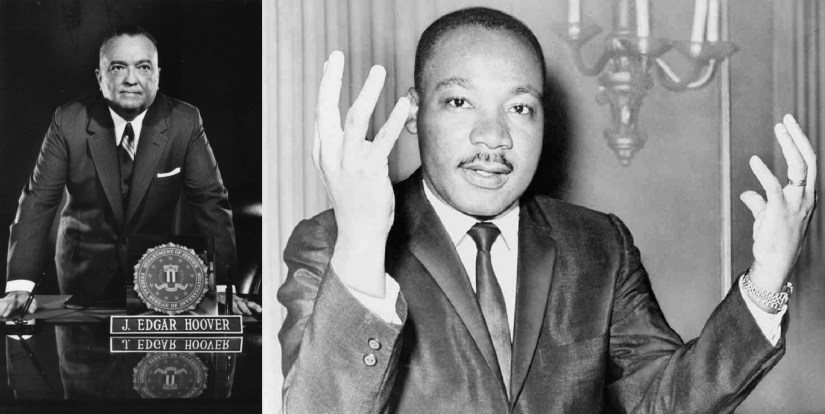

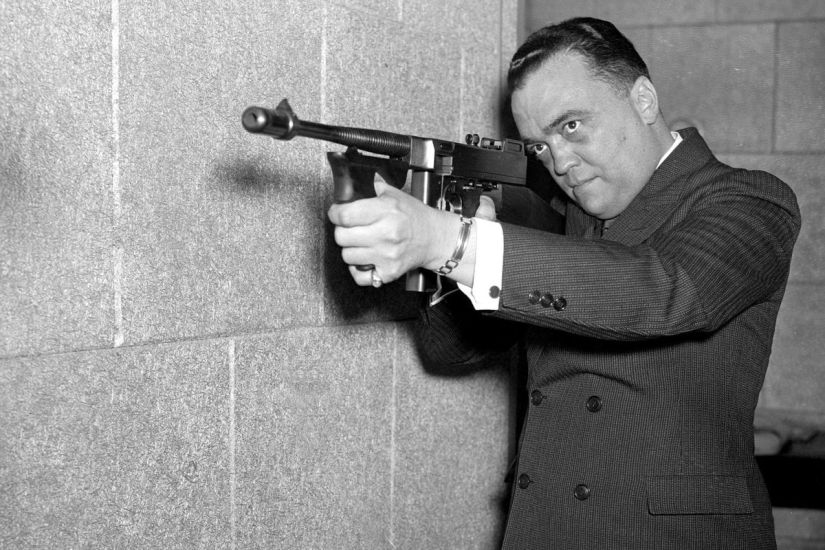
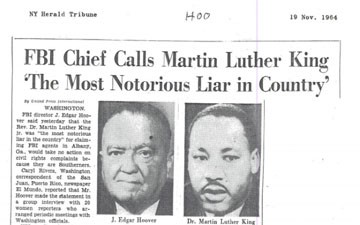
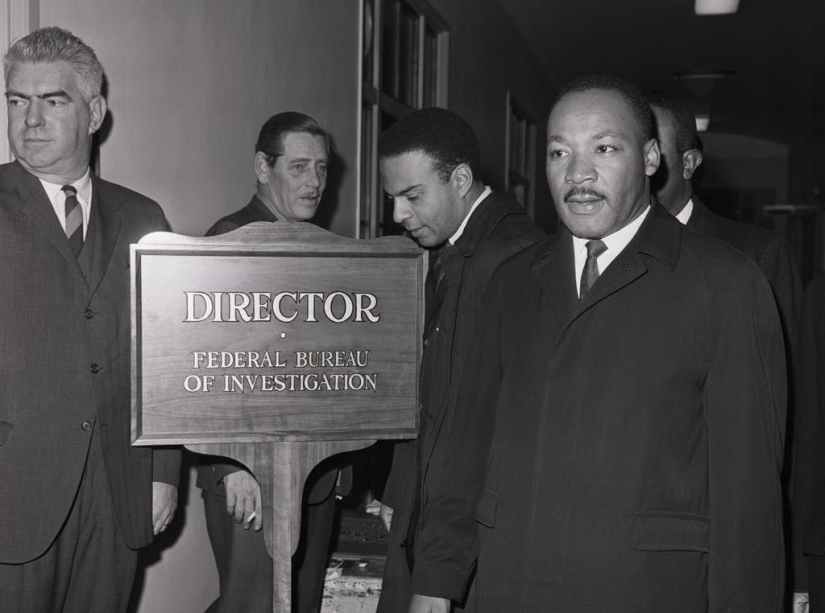
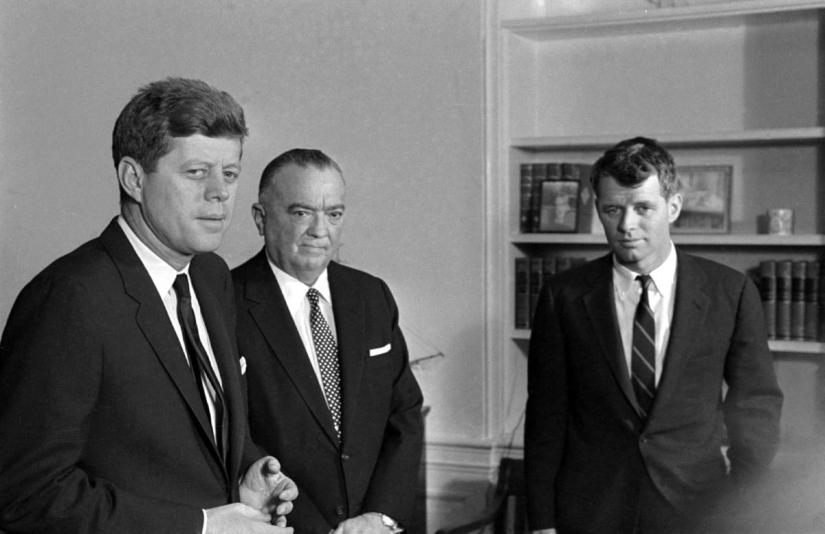
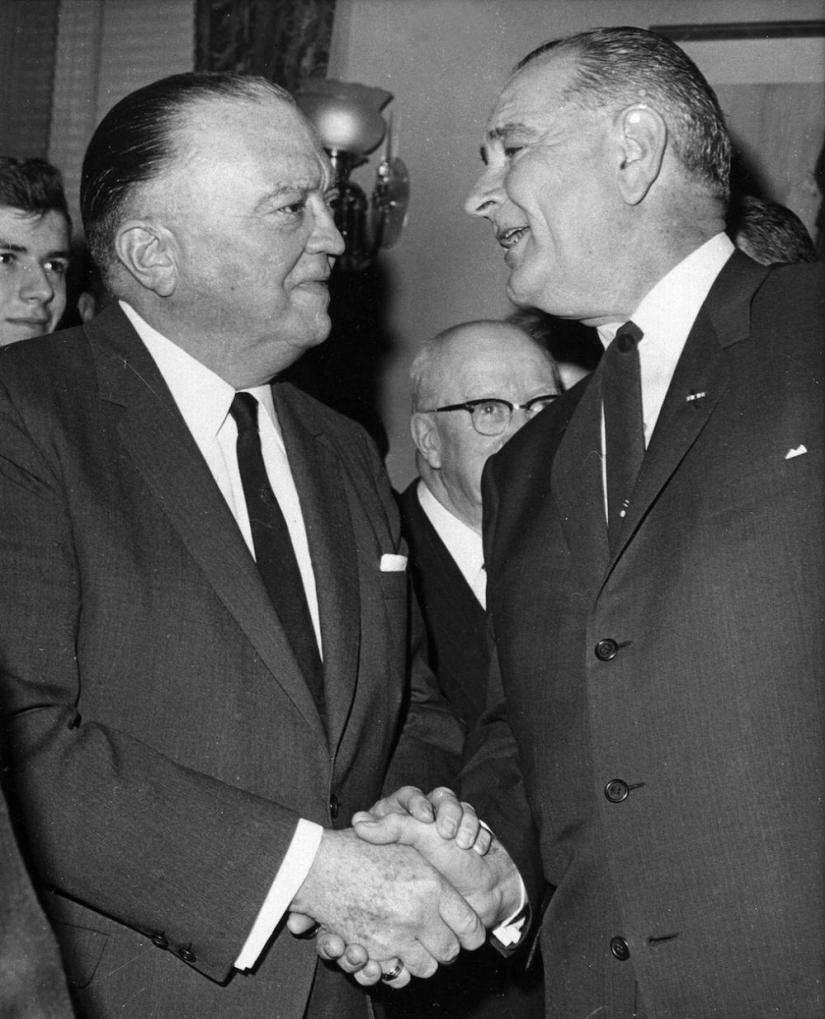
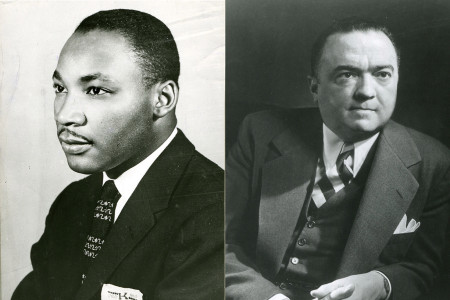
 In 1970, two years after King’s assassination, Hoover told a Time reporter. “King was very suave and smooth. He sat right there where you’re sitting and said he never criticized the FBI. I said, ‘Mr. King’-I never called him reverend- ‘stop right there. You’re lying….If you ever say anything that’s a lie again, I’ll brand you a liar again.’ Strange to say, he never attacked the Bureau again for as long as he lived.” Nobody else present that day remembered that confrontation-not Young, not Abernathy, not even Deputy Director Deke DeLoach, who was taking notes that afternoon.

 Although Lincoln was the first to officially recognize the U.S. holiday of Thanksgiving, Halloween was just beginning to take root during the Civil War. Some historians credit the Irish for “inventing” Halloween in the United States. Or more specifically, the Irish “little people” with a tendency toward vandalism, and their tradition of “Mischief Night” that spread quickly through rural areas. According to American Heritage magazine (October 2001 / Vol. 52, Issue 7), “On October 31, young men roamed the countryside looking for fun, and on November 1, farmers would arise to find wagons on barn roofs, front gates hanging from trees, and cows in neighbors’ pastures. Any prank having to do with an outhouse was especially hilarious, and some students of Halloween maintain that the spirit went out of the holiday when plumbing moved indoors.”
 So it is that the origins of our two most celebrated autumnal holidays trace their American roots directly to our sixteenth President. And no President in American history is more closely associated with ghosts than Abraham Lincoln. However, where did all of these Lincoln ghost stories originate? After all, they had to start somewhere because one thing is for certain, they didn’t come from Abraham Lincoln. Many historians believe that most of those stories (at least the Lincoln ghost stories in the White House) came from a middle-aged freedman born in Anne Arundel County Maryland who worked as a White House “footman” serving nine Presidents from U.S. Grant to Teddy Roosevelt. His duties as footman included service as butler, cook, doorman, light cleaning and maintenance.


 Jeremiah would often spin yarns for visiting reporters. Most of these tall tales were pure Americana always designed to bolster the reputation of his employer and their families, but some of Jerry’s best remembered tales were spooky ghost stories. Smith claimed that he saw the ghosts of Presidents Lincoln, Grant, and McKinley, and that they tried to speak to him but only produced a buzzing sound.

 One Chicago reporter said this about Smith: “He is a firm believer in ghosts and their appurtenances, and he has a fund of stories about these uncanny things that afford immense entertainment for those around him. But there is one idea that has grown into Jerry’s brain and is now part of it, resisting the effects or ridicule, laughter, argument, or explanation. He firmly believes that the White House is haunted by the spirits of all the departed Presidents, and, furthermore, that his Satanic majesty, the devil, has his abode in the attic. He cannot be persuaded out of the notion, and at intervals he strengthens his position by telling about some new strange noise he has heard or some additional evidence he has secured.”


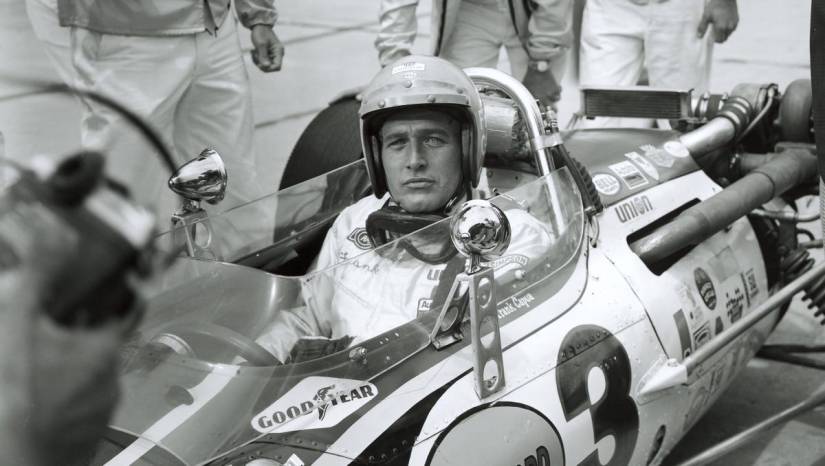
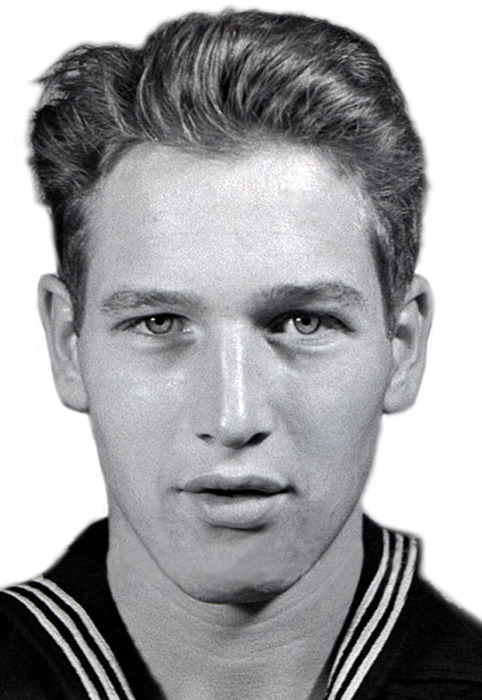
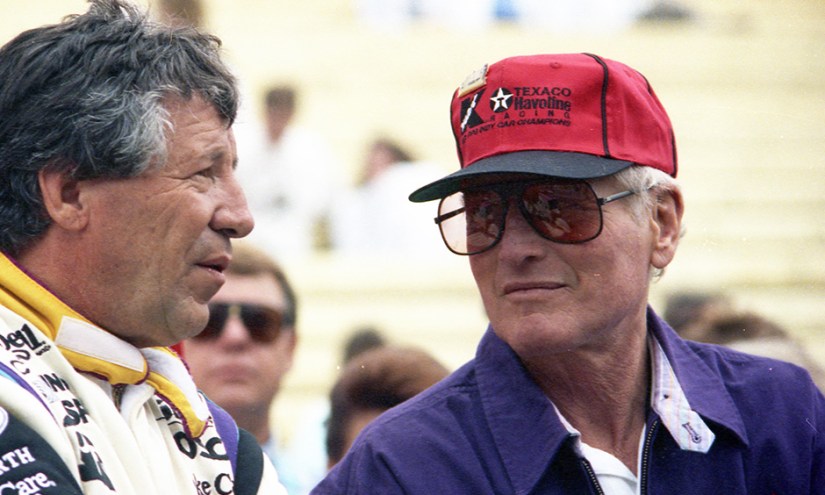
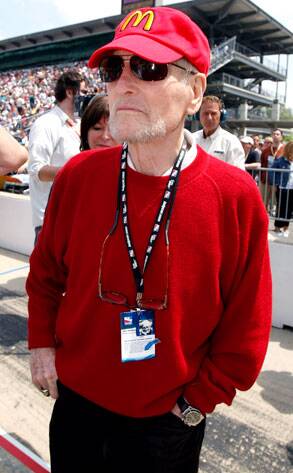
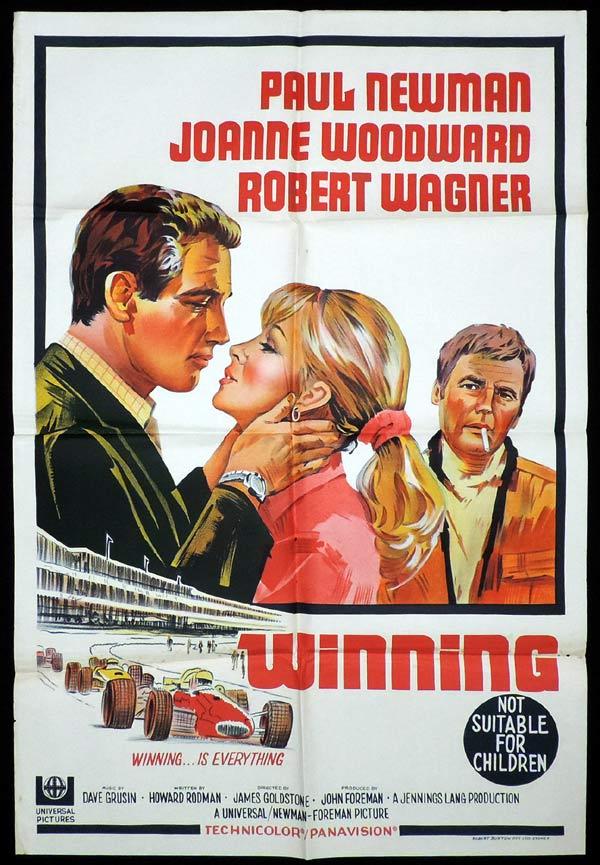 Even though I was very young, I can remember that in May of 1968, Hollywood came to town to film a major movie at the Indianapolis Motor Speedway. Although I didn’t know it at the time, the film was called “Winning,” and starred Paul Newman and his real-life wife, Joanne Woodward. The plot focused on an ambitious race driver determined to win the Indianapolis 500 in an effort to resurrect his flagging career. The film also starred Richard Thomas, soon to become more famous as “John Boy” on “The Waltons” TV series and Robert Wagner (of “Hart to Hart” TV fame). Several real-life racing figures-including the Speedway’s owner, Tony Hulman, and race driver Bobby Unser-portray themselves in the movie.



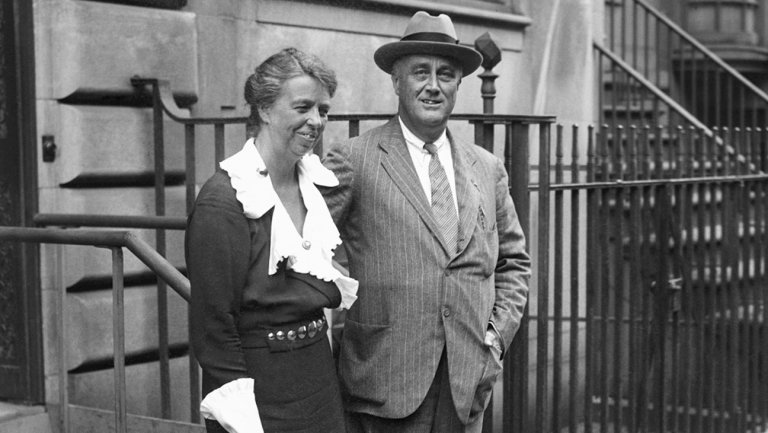
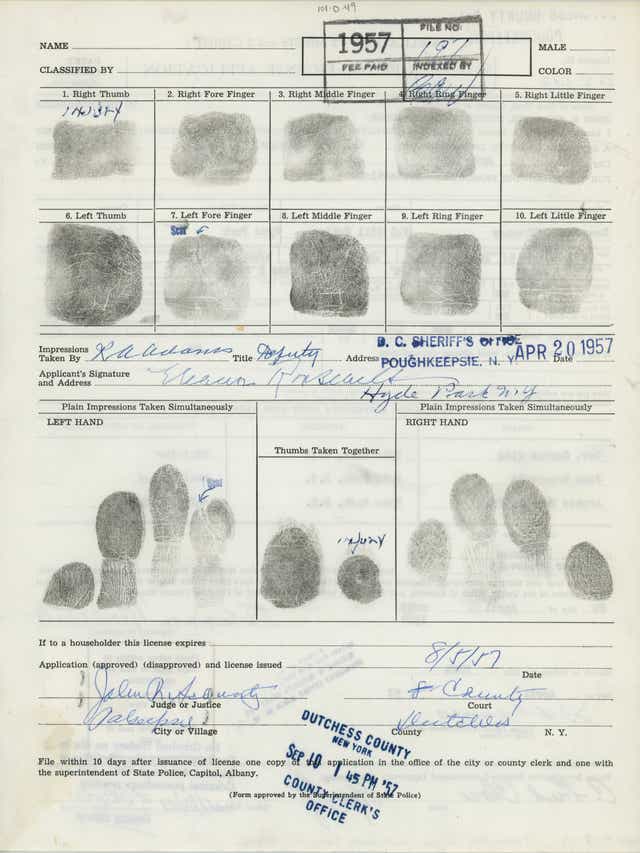
 Oh, and by the way, Eleanor Roosevelt, the First lady of the world, icon of liberalism, fighter for civil rights, champion of the poor and marginalized and powerful advocate for women’s rights was a gun owner. Yes, Eleanor Roosevelt, mother of six, grandmother to twenty, was packing heat. Her application for a pistol permit in New York’s Dutchess County can be found at the Franklin D. Roosevelt Presidential Library and Museum in Hyde Park. With debate raging around the nation about gun control and Second Amendment rights, the fact that one of the icons of the Democratic womanhood not only owned a gun, but carried it for protection, may come as a surprise.

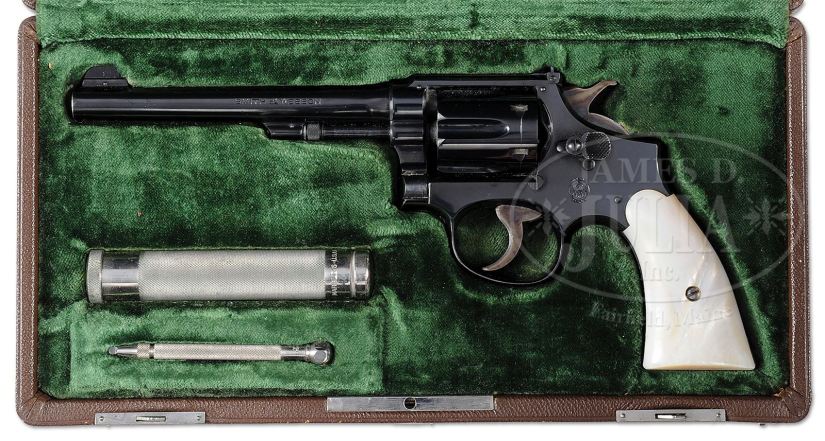

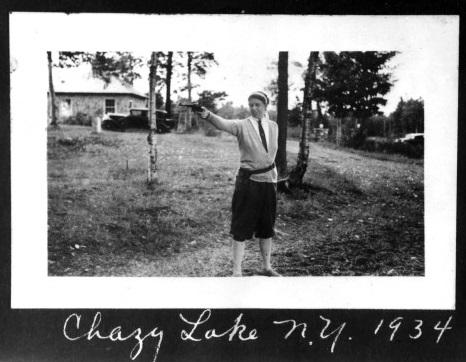
 The application was processed by the Dutchess County Sheriff’s Office and signed by then-Sheriff C. Fred Close. It included a photo of Eleanor Roosevelt wearing a hat, fur stole and double strand of pearls. The reason for the pistol, according to Eleanor Roosevelt’s application, was “protection.” The timing of the pistol permit coincided with Eleanor Roosevelt’s travels throughout the South-by herself-in advocacy of civil rights. Those trips prompted death threats.
 Viewed from the perspective of 21st century politics, where Republicans and Democrats have lined up on opposing sides of the gun control debate, Eleanor Roosevelt’s pistol offers a fresh take on the ongoing debate over the rights of gun owners, the Democrats who want to curtail them and the Republicans who want to expand them.


