Original publish date February 20, 2014.
https://weeklyview.net/2014/02/20/mailing-may-part-1
A friend of mine from Chicago, Wally Dworak, recently gave me an excellent idea for a story. I’m not going to give away the punchline, but the gist of the idea revolves around the United States Postal Service and the history of Parcel Post. Wait, wait, before you roll your eyes and put down the paper, it gets better, I promise.
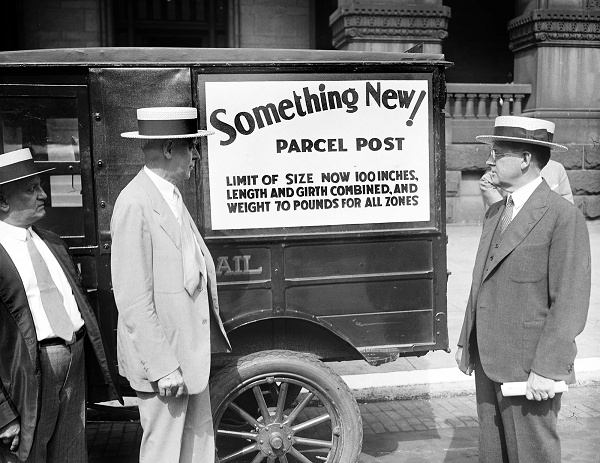
The term “Parcel Post” refers to the sending of oversized packages through the mail service. Parcel Post was developed to handle mail that was too heavy for normal letter carriers to deliver. It was usually slower than letter post and was most often associated with rural communities. It’s usefulness coincided with the development of a national railway network which enabled parcels to be carried in bulk on a regular schedule and at economical prices.
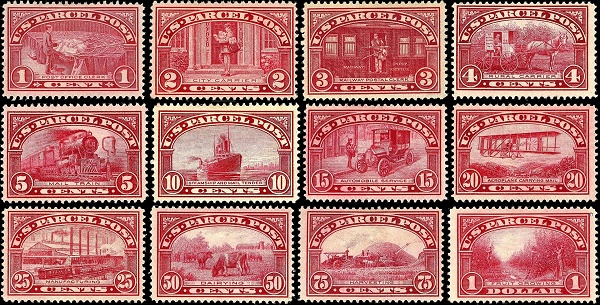
Although foreign parcel services started in 1887 and the United States was a signatory for foreign parcel delivery, domestic Parcel Post service was not instituted until 1913. Parcel Post became available to Americans on January 1, 1913 as a way to encourage economical delivery in rural America. It was an immediate smash hit.
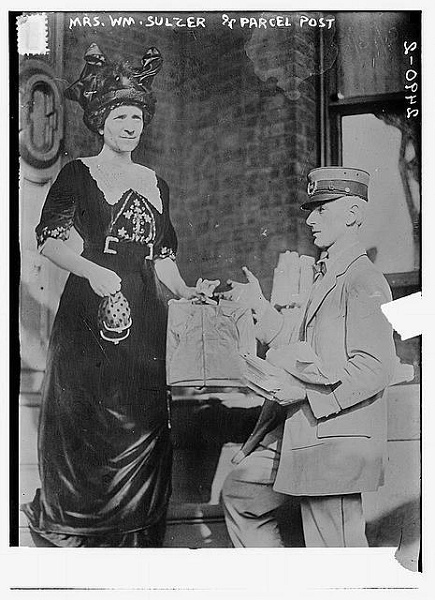
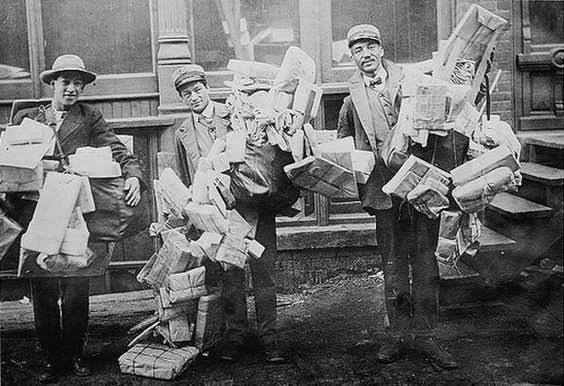
Farm families, who were largely poor, were excited about the new service because it meant they would be able to ship and receive eggs, live chicks, seeds, tobacco and food inexpensively and reliably. Soon urban dwellers began ordering through the mail more regularly, turning small mail-order companies like Montgomery Wards, L.L. Bean, J.C. Penney and Sears into icons of American industry overnight. Suddenly everyone from haircare product companies and seed companies to home appliance and automobile companies were shipping something care of the U.S. Postal Service and Parcel Post.
During the first five days of service, 1,594 post offices reported handling over 4 million Parcel Post packages. The effect on the national economy was electric. Not only did Parcel Post give rise to great mail-order businesses, it also created an immediate demand for special packaging suitable for mailing the wide array of goods deliverable under the new system. Montgomery Ward, the first mail-order house, started in 1872 with a one-page catalog. Parcel Post quickly made the mail-order catalog one of the most important books in the farmhouse, or in most cases, the outhouse. The mail order catalog quickly became “The Homesteaders Bible” or the “Wish Book.”
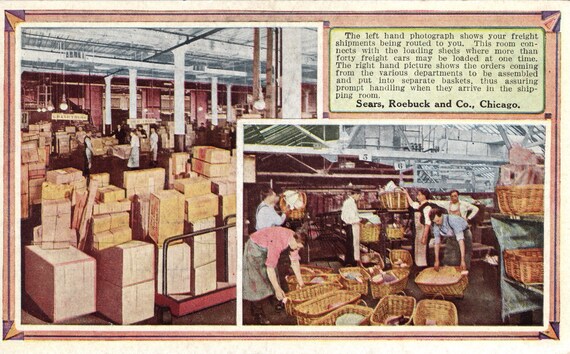
Sears, Roebuck and Company followed Montgomery Ward in 1893. By 1897, co-founder Richard Sears boasted he was selling four suits and a watch every minute, a revolver every two minutes and a buggy every ten minutes. And within five years, Sears-Roebuck had tripled its revenues.
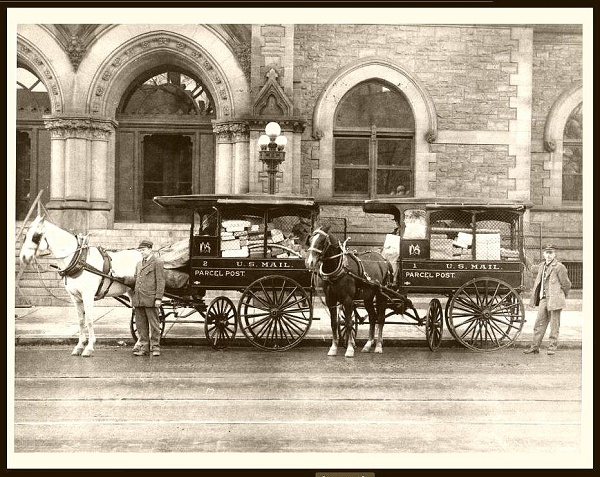
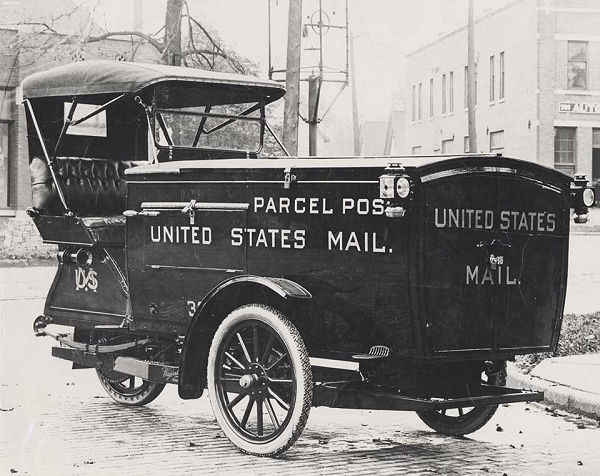
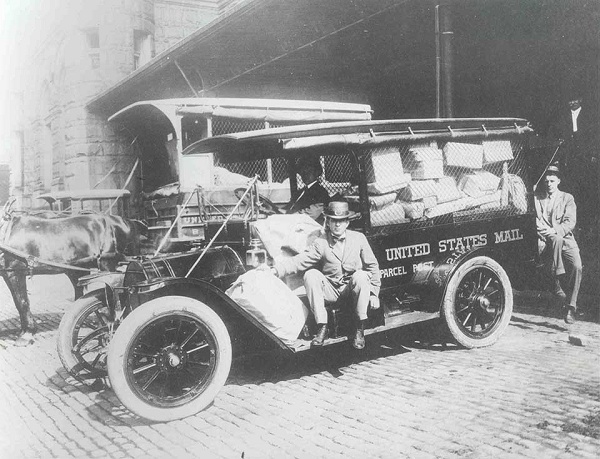
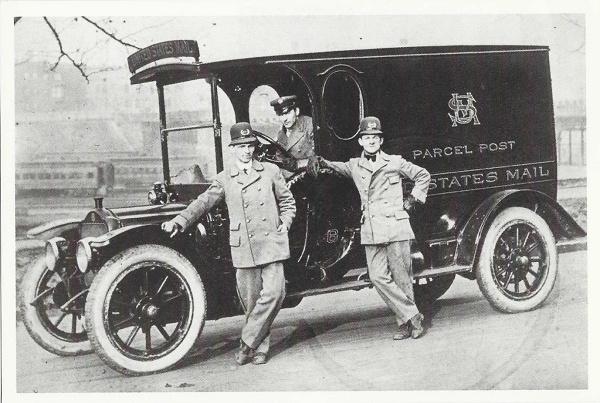
By 1918, a large fleet of trucks were delivering Parcel Post shipments, enabling farmers to ship eggs and other produce directly to the customer. Eggs quickly became a mainstay of Parcel Post. In fact, six eggs were the first objects sent by Parcel Post from St. Louis, Missouri to Edwardsville, Illinois. The eggs were mailed at 12:05 a.m. and returned to St. Louis seven hours later baked in a cake.
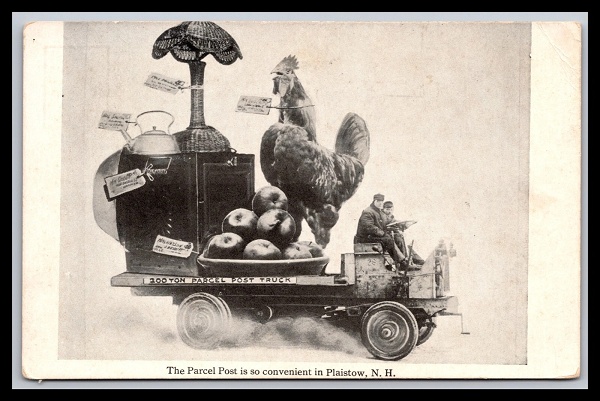
A staggering variety of goods have been mailed by Parcel Post through the years including small animals that did not require food or water while in transit. Ironically, baby chicks began to rival eggs as the most oft-shipped item via Parcel Post. Baby chicks, shipped in specially constructed boxes, were roundly disliked by carriers because of their noise, smell and tendency to die en route. In the 1920s, a rural community like New Washington, Ohio (home to over 15 hatcheries) might ship as many as 80,000 chicks through the local Post Office every day.
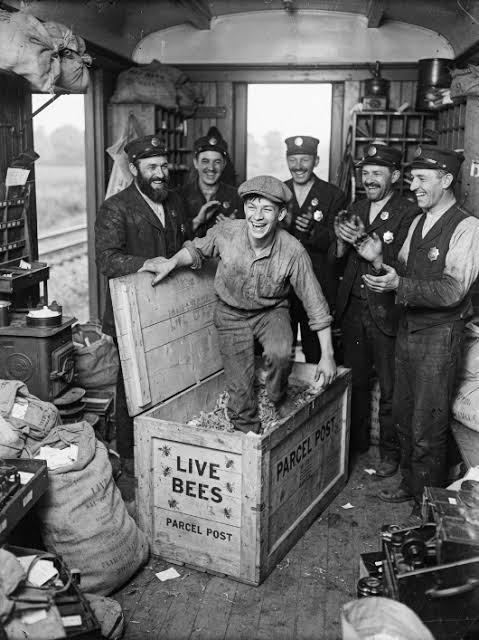
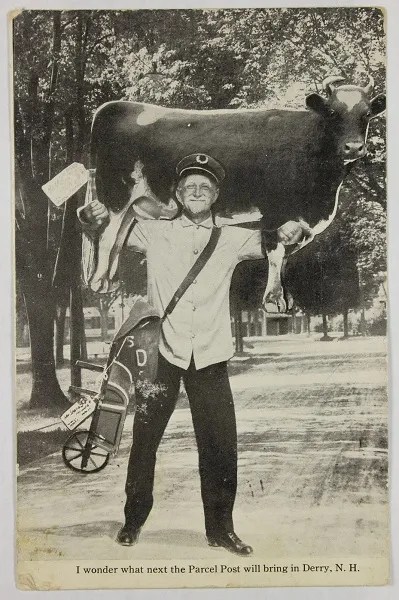
It wasn’t long before local reporters in search of a good story began to note violations of the Parcel Post system either by those who didn’t understand the rules, or by those who simply didn’t care. Although tame by today’s standards, Roaring Twenties newsmen were aghast at parcels consisting of a live lobster mailed from the New York City post office to an elite upscale Philadelphian for dinner that night, a brindle bulldog delivered to a Yonkers (New York) resident, and a coffin delivered to Zanesville, Ohio. Unimpressed? Well, consider that these items were all sent in their natural form, sans packaging, adorned only with postage stamps.
In 1917, Postmaster General Albert Burleson ordered the imposition of a maximum daily limit of 200 pounds per customer per day. His order came after William H. Coltharp used the service to ship more than 80,000 masonry bricks over 400 miles via horse-drawn wagon and train for use in the construction of a new bank building. It was the largest thing ever to be sent through the mail via Parcel Post. Burleson famously said, “It is not the intent of the U.S. Postal Service that buildings be shipped through the mail.”
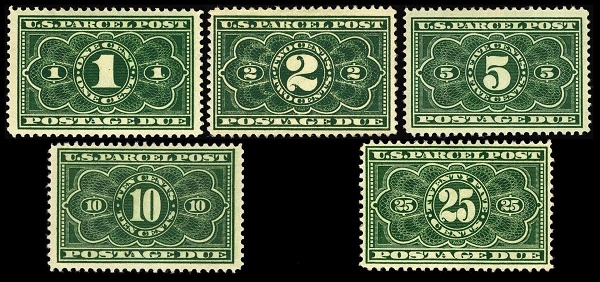
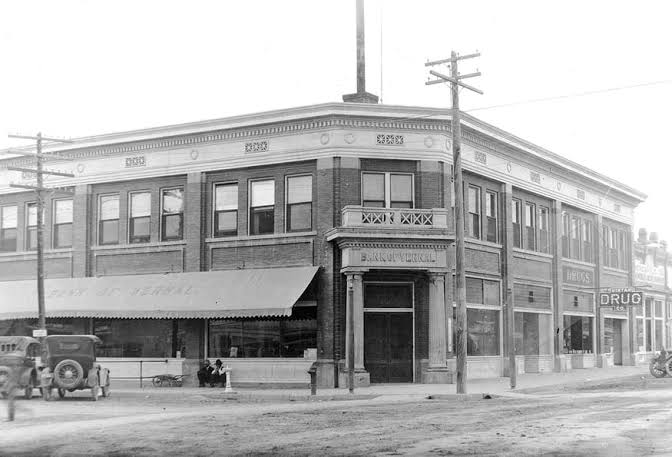
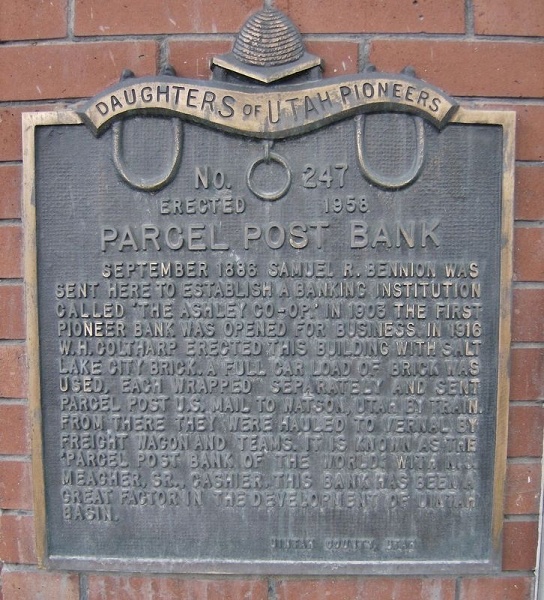
Coltharp, an enterprising young businessman, came up with the idea to construct his new bank in Vernal, Utah in 1916. He wanted the best bricks in the area and those bricks were made by the Salt Lake Pressed Brick Company. The problem was that the brick Company was located about 120 miles away from Vernal, Utah as the crow flies, and even longer on the winding roads that wove through Utah. Coltharp realized that the freight costs to haul the bricks from Salt Lake City to Vernal were about four times more expensive than the cost of the bricks themselves. In what surely must have been a stroke of creative genius, Coltharp decided he would have the bricks mailed to the small town, taking advantage of the cheap Parcel Post rates.
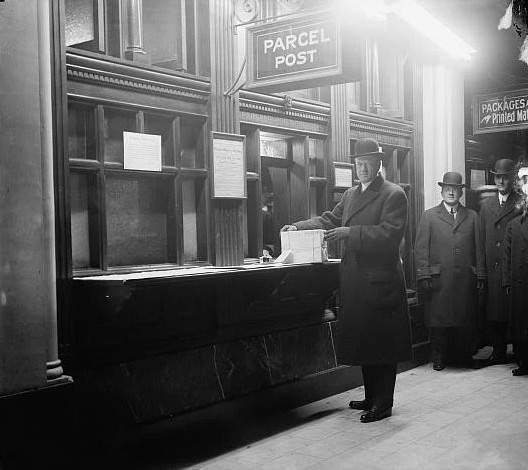
He carefully packaged the bricks in separate crates weighing less than the 50-pound weight limit. He shipped an average of 40 crates each day weighing roughly one ton collectively daily. The trek from the Salt Lake City post office to Vernal took a very circuitous route to say the least. First, the bricks were sent via the Denver and Rio Grande Railroad to Mack, Colorado. From there, they went to Watson, Colorado by way of a narrow gauge railroad. Finally the bricks were hauled the final 65 miles to Vernal by freight wagon. The total length of this route was over 400 miles. Ultimately all of the bricks were delivered, prompting the U.S. Post Office to change their regulations. The Bank of Vernal was completed and was nicknamed “The Parcel Post Bank” by some of the town’s residents. The building, located on West Main Street and occupied by Zions Bank, is still standing and a registered county landmark.
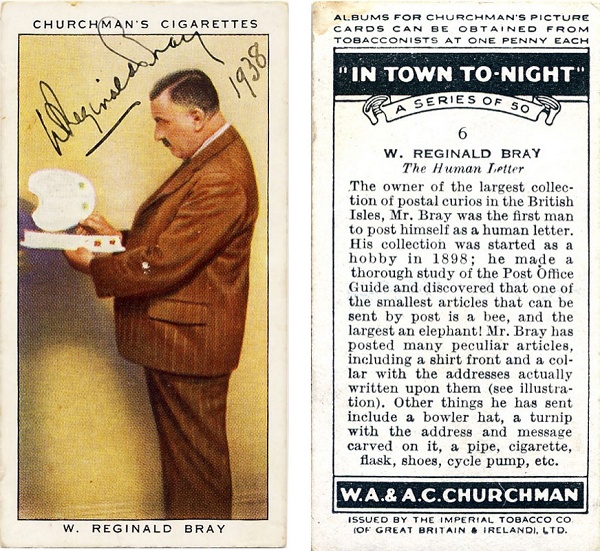
Among the items considered unmailable in the new service were intoxicants, poisons, poisonous animals, insects, reptiles, flammable materials, pistols, revolvers, live (or dead) animals, live birds or poultry, raw hides or “any article with a bad odor.” But then there was the peculiar hobby of W. Reginald Bray, who liked to send things through the mail that were not specifically prohibited, but created a challenge for the postal service nonetheless. At one point or another, Bray mailed a bowler hat, a rabbit skull (the address spelled out on the nasal bone, and the stamps pasted to the back), a purse, a slipper, a clothes brush, seaweed, shirt collars, a penny, a turnip (address and message carved into the durable tuber), an Irish Terrier, and a pipe, among other curios. Bray successfully sent himself through the mail twice, in 1900 and again in 1903, the second time by registered mail. He was not packed in a box, but was delivered by postal carriers who walked beside him.
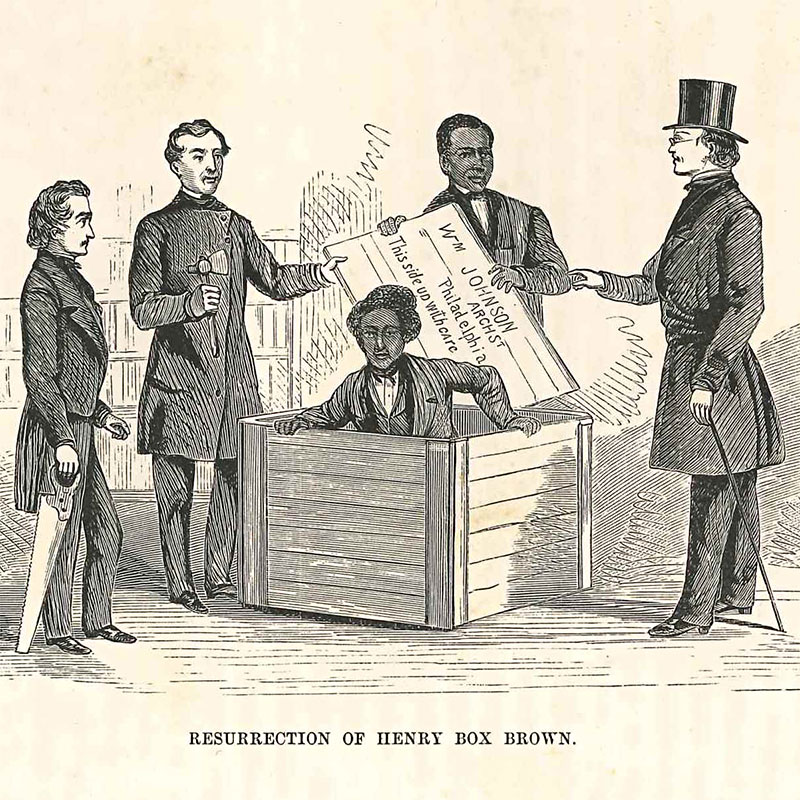
Still other unusual mailings can’t help but stir the patriot in all of us. Such as the “parceling” of Henry “Box” Brown, a slave in Antebellum Era Virginia. Brown collaborated with two white men to have himself mailed to an abolitionist in Philadelphia. Brown spent 26 hours in a wooden crate, most of it upside down! When he emerged from the crate in Philadelphia a free man, Brown said, “How do you do, gentlemen?” Afterward, he traveled and lectured for the anti-slavery movement and later became a performing magician. The middle name “Box” was added after his shipment to freedom.
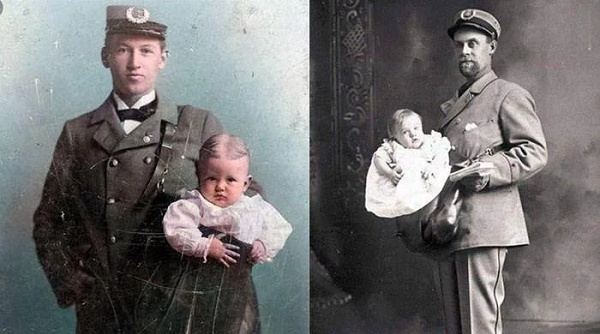
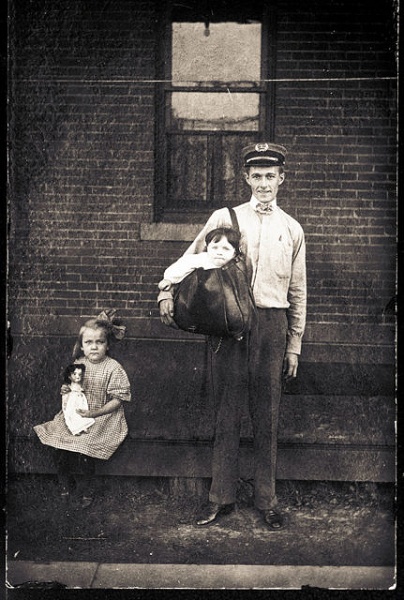
But for me, and obviously my friend Wally from Chicago, the most fascinating aspect of parcel post is the little known fact that, prior to World War I, some parents sent their children Parcel Post. The most famous example of this happening 100 years ago this week.
PART II
https://weeklyview.net/2014/02/27/mailing-may-part-2
Original publish date February 27, 2014.
Some stories just seem to have their own serendipitous rhythm. This is one of those stories. Last week I told you about the development of the United States Parcel Post service and how it changed the face of rural America and created mail order empires along the way. In between writing parts one and two, my wife Rhonda illustrated the value of Parcel Post in my own life. Seems that my son Addison went back down to Indiana University after Christmas break without taking a coat along. The temperatures went sub zero and of course, the idea occurred to him that he might need a coat. So I prepared myself for the 1 1/2 hour drive (one way) to deliver said coat.
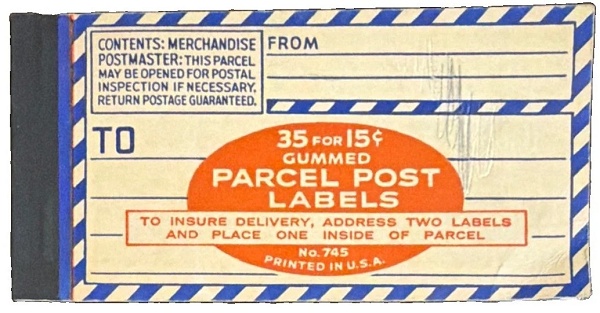
Just then, my wife said, “No problem, I’ll just mail it to him.” What? Mail a coat? She proceeded to explain to me that it would cost $4.95, far less than the gas required to drive it down to him. (About five times less to be exact.) Not only did she send the coat, she stuffed the box with other goodies, too. Thank goodness for the United States Post Office. For context, I must confess that this same child once made it all the way to South Georgia before he informed us that he had forgotten his shoes. Yes, it’s never easy traveling with children and often it can be challenging and expensive.
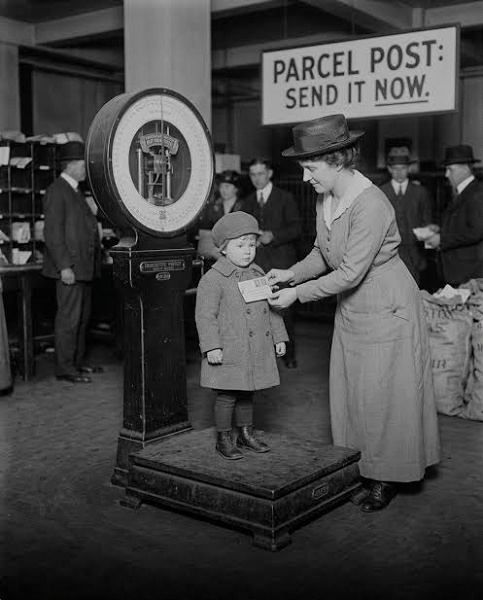
Which brings us back to the point of our story. As we discovered in Part 1 of this tale, with the advent of Parcel Post before World War I, people began to send some very strange things through the U.S. mail. But none stranger than the parcel that was sent on February 19, 1914, 100 years ago this month.
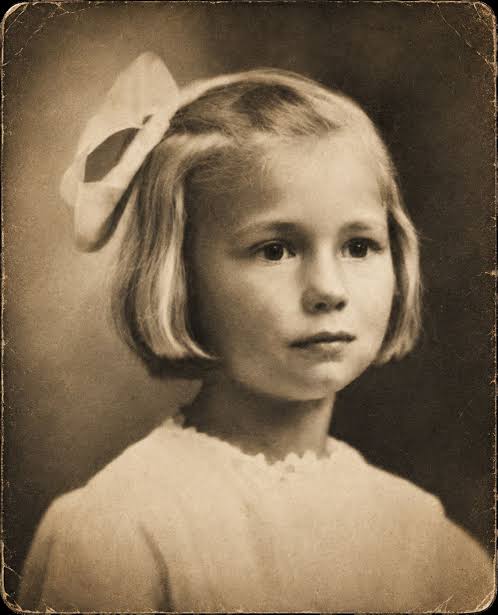
For that was the day a 48 1/2 pound package (just shy of the 50 pound limit) walked into the Grangeville Idaho post office to be mailed 75 miles away to Lewiston, Idaho. The name of this most precious package was Charlotte May Pierstorff, but everyone called her “May.” She was a blonde haired, blue-eyed little darling just three months shy of six years old. Her parents, John Elmer Peirstorff and Sarah Charlotte Vennigerholz, had attached 53-cents in Parcel Post stamps to May’s coat. This little girl traveled the entire distance to Lewiston in the train’s mail compartment and was delivered to her grandmother’s home by the mail clerk on duty, Leonard Mochel.
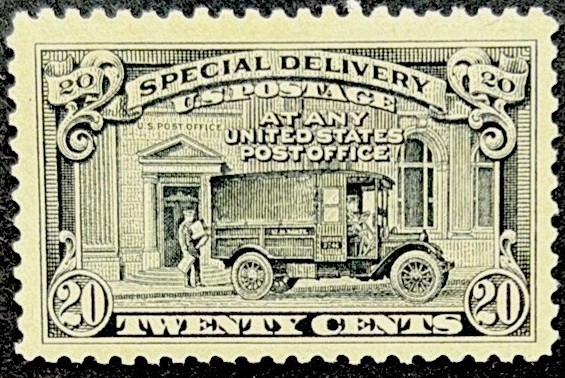
Born in Westlake, Idaho, U.S. on 12 May 1908, May was on her way across state to see her grandparents. Seems that mailing May was cheaper than buying her a train ticket. Her parents did not want to pay the exorbitant train fare, which amounted to an entire day’s pay. Instead, they chose to take advantage of the new Parcel Post system created just the year before. They first checked postal regulations to make sure that there were no laws against mailing a human, then delivered their precious little package to the astonished postal clerk. The Pierstorff’s bought 53 cents worth of stamps and the postal clerk attached them to May’s coat, labeling the shipment as a “baby chick.”
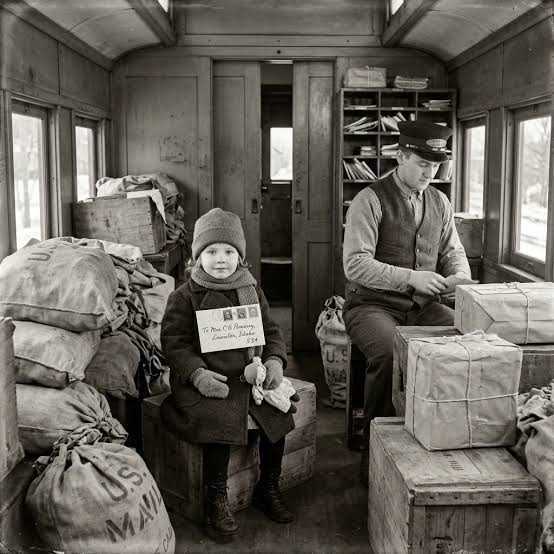
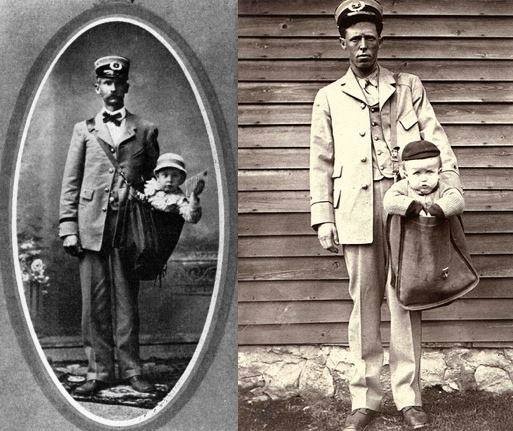
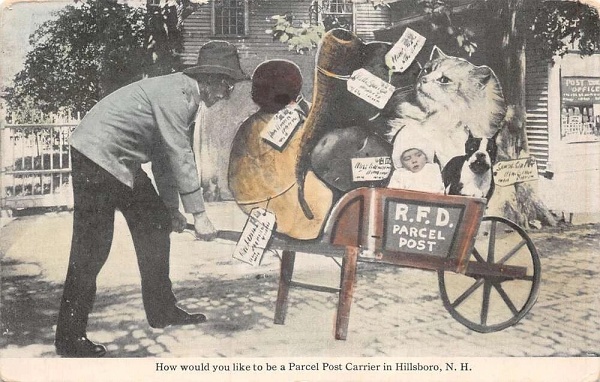
A short time later conductor Harry Morris stumbled upon the little girl sitting quietly atop a pile of mail bags. Morris inspected the tag (and no doubt tallied the postage) tied to May’s coat, and since the mother was nowhere to be seen, allowed the girl to ride in the mail car to Lewiston. May rode in the train’s mail compartment under the watchful eye of the baffled postal carrier Leonard Mochel. Some accounts claim that May was “chaperoned” on her journey by a relative who worked on the Railway Mail Train. Later a city letter carrier posed for a humorous photograph with a young boy in his mailbag in response to the unusual event. The National Postal Museum still has this humorous picture on display to note those more turbulent times in USPS history.
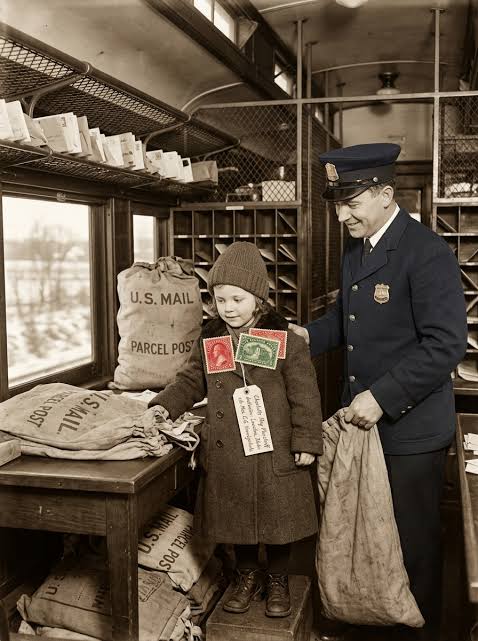
Charlotte May Pierstorff lived an unassuming, normal life, marrying twice. Her first marriage was to Mark Chaffins and her second was to Kay William Sipes, with whom she had two children. She passed away at age 79 on April 25, 1987 in Santa Cruz, California. It wasn’t until a decade after May’s death that she was finally recognized for having been mailed. In 1997, author Michael O. Tunnell wrote a popular children’s book, Mailing May, that told the story of May’s childhood and her postal adventure.
Amazingly enough, May wasn’t the first child “mailed” in the U.S. She was just the most famous. That honor belongs to a tiny 10 ¾ pound unnamed baby boy who lived near Cincinnati, Ohio. In mid January 1913, the son of Mr. and Mrs. Jesse Beauge of Glen Este, Ohio was carried by Rural Free Delivery carrier Vernon Little to his grandmother, Mrs. Louis Beague about a mile away. The boy’s parents paid 15 cents for the stamps and even insured their son for $50.
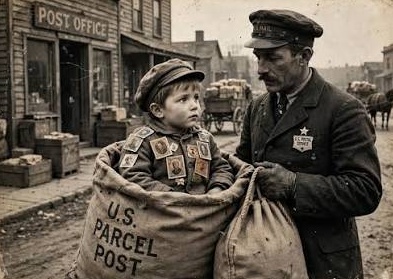
Two weeks later, on January 27, Mr. and Mrs. J.W. Savis of Pine Hollow, Pennsylvania entrusted their daughter to rural carrier James Byerly out of Sharpsville, Pennsylvania, who delivered her safely that afternoon to relatives in Clay Hollow. The daughter cost her parents 45 cents to send.
Although 1913 started out with a bang for mailing children, the rest of the year passed pretty quietly. May’s travels in early 1914 changed all that. After May’s incident, postal employees demanded the public not mail children. But the wheels of the post office move slowly, and despite Postmaster General Albert S. Burleson’s directive that all human beings were barred from the mails, the practice continued. Barely a month after the “no-humans” announcement, rural carrier B.H. Knepper in Maryland carried a 14 pound baby from its grandmother’s home in Clear Spring to the mother’s house in Indian Springs, 12 miles away. A local newspaper reported that the baby slept through the entire trip.
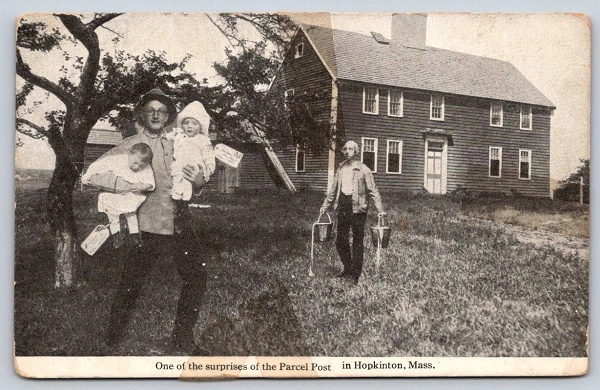
Closer to home that same year, postal workers in Stillwell, Indiana accepted a parcel post box marked “live infant.” They delivered the box to South Bend, 30 miles away, where the baby’s divorced father received and opened it. Postage on the box was 17 cents.
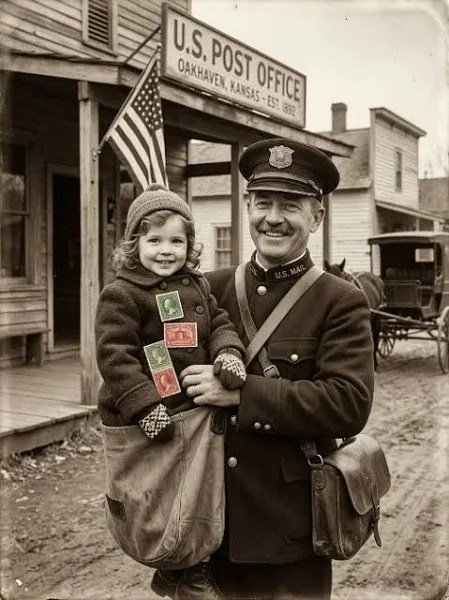
The next year, a Florida state worker mailed six-year-old Edna Neff from Pensacola to Christiansburg, Virginia — an astonishing journey of 730 miles! The girl’s parents were separated and the mother had fallen on hard times. The mother had given the child up to foster care. A Pensacola probation officer had temporary custody of little Edna, but couldn’t afford the train fare for her and an accompanying adult. So she mailed Edna to the girl’s father. There is little information on the specifics of Edna’s trip, which was made by railway mail train, other than her weight, recorded as just under the 50-pound limit resulting in a trip cost 15 cents in Parcel Post stamps.
The year 1915 would turn out to be a banner year for mailing children as two more trips were made after Edna’s that year. In March rural carrier Charles Hayes of Tarkin, Missouri carried Mr. and Mrs. Albert Combs’ daughter Helen by Parcel Post for 10 cents. Hayes delivered Helen to her grandmother, Mrs. C.H. Combs, whose home was also on his route. That September, three-year-old Maud Smith made her Parcel Post journey when she traveled from her grandparents’ home to her mother’s, Mrs. Celina Smith of Jackson, Kentucky. By now, the public was growing increasingly unsettled by this mailing of children, since the percentage of child molesters amongst the population in 1915 was about the same as it is today.
The negative publicity probably prevented another child mailing until 1919, when it appears a press agent for the Aluminum Company of America arranged for the mailing of five-year-old Marmi Hood and four-year-old Evan Hedge to their respective fathers, who were locked down inside in the company’s plant in Alco, Tennessee, surrounded by union picket lines. After a two hour tearful visit, heavily documented by the company publicity department, the children were “mailed Special Delivery” back to the Alco, Tennessee Post Office, where their mothers were anxiously waiting for them. Postage for the stunt both ways was $2.26. Negative publicity about this particular event appears to have hastened the practice and this became the final case of “child mail.” Well, the final case of mailing a live child anyway.
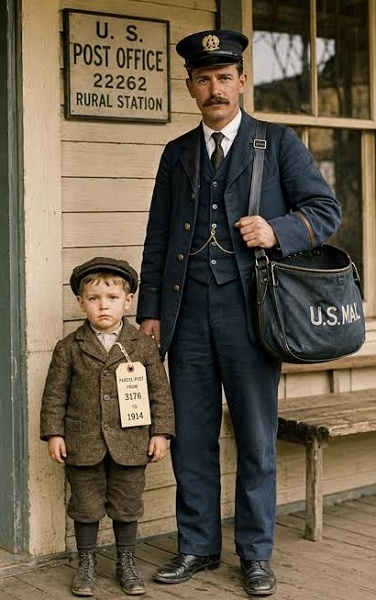
The USPS officially announced on June 13, 1920, that it would no longer accept children as Parcel Post and violation of the new regulation could carry a stiff jail sentence. On November 22, 1922 a dark-headed teenage girl brought a package to the Albany, New York Post Office to be mailed. The destination was nearby and the postal clerk asked her. “Why don’t you just walk it there yourself?” The mystery girl answered that she was “in a hurry” and that the box contained “just some laundry.” The C.O.D. (cash on delivery) package was delivered just blocks away to undertaker A. B. Kiernan.
Upon opening the package, Mr. Kiernan and his wife found a dead newborn and a $5 bill. It was a girl, approximately three days old. An autopsy showed the child had been born healthy but was smothered to death, probably by a pillow. The unknown and undoubtedly desperate parents had sent her in hopes that she would get a decent burial. The Albany Times Union reported on November 23, 1922 that “The tenderest treatment is being afforded this tiny atom of humanity. Its little body reposes in a tiny white casket especially made by Mr. Kiernan and the wee form is clothed in immaculate white, which Mrs. Kiernan made with her own hands for this forsaken and cruelly murdered baby.”
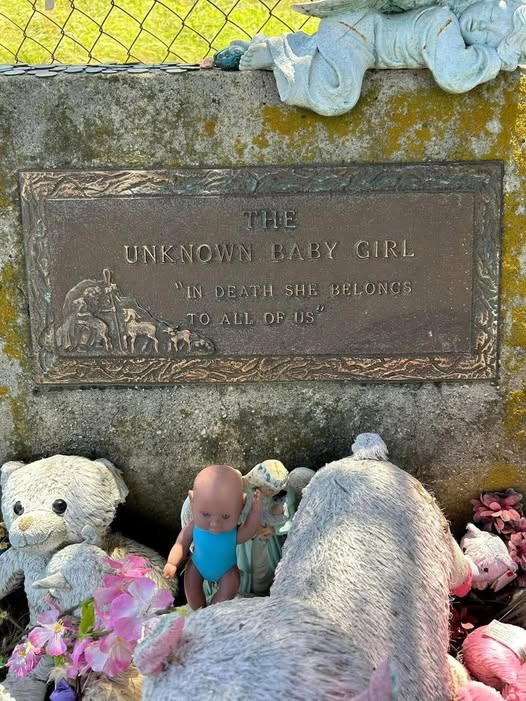
Given the baby’s unknown identity, City Coroner John Mullen named her “Parcella Post,” for the way the baby had been delivered to the funeral home. No identity was ever found for the little girl. Her headstone in Graceland Cemetery, paid for by the citizens of Albany, reads “Parcella Post Infant.”
In 1965 a car drove into the Graceland cemetery and asked where her stone was. They left flowers on the gravesite, but no one thought to question the occupants in the car until after they were gone. Today, people adorn her gravesite with toys, flowers and notes. Perhaps unsurprisingly, her story has become one of the region’s most oft-told, celebrated ghost stories. Funny how things come full circle isn’t it? That’s why the column is called “Bumps in the Night,” folks.
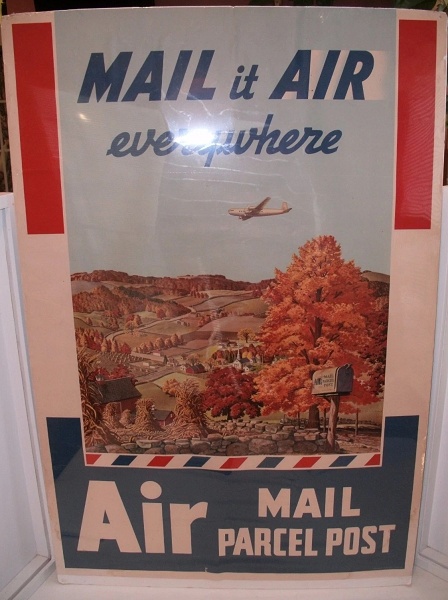
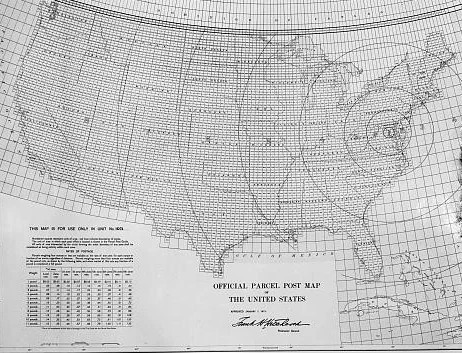
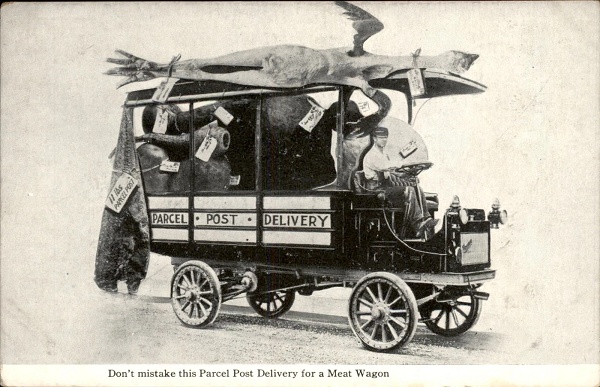
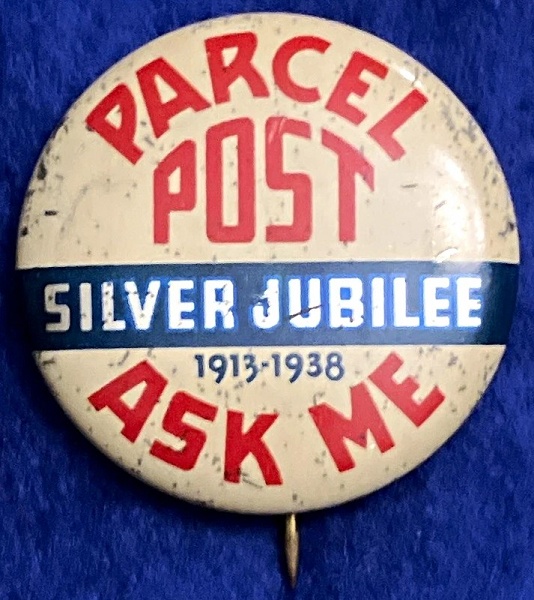
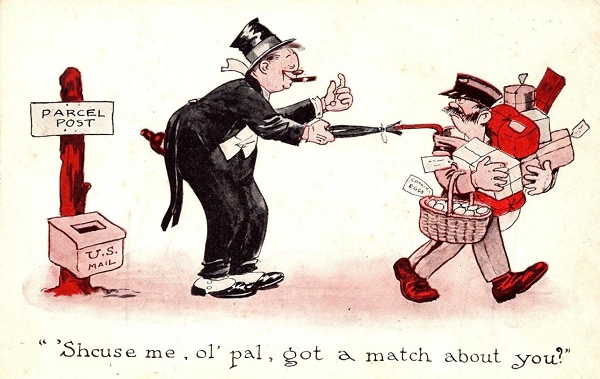
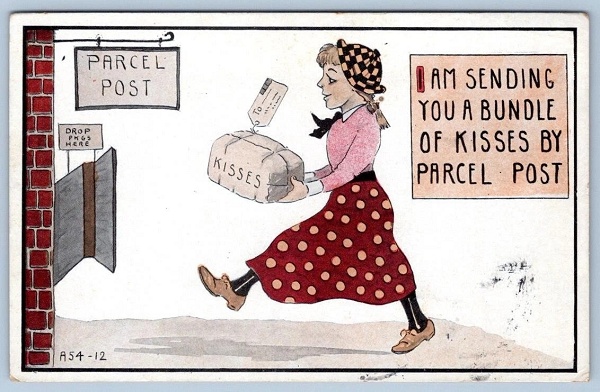
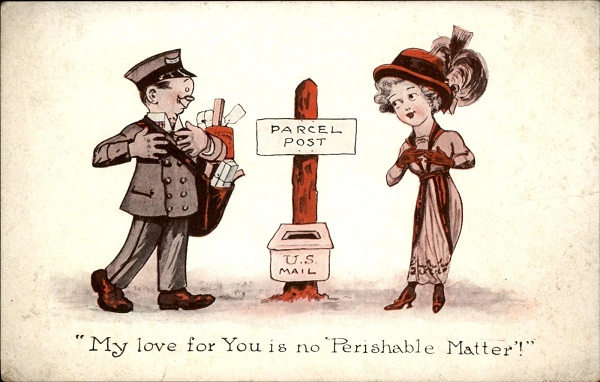
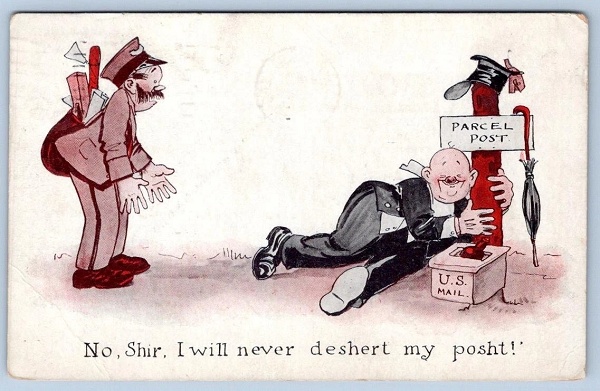
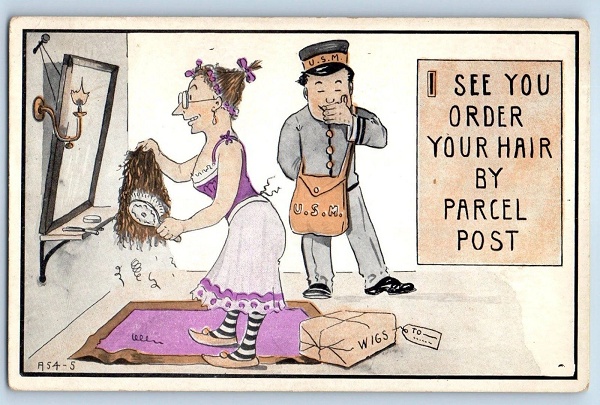
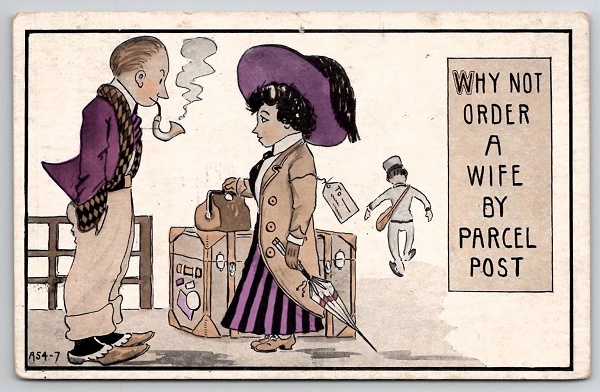
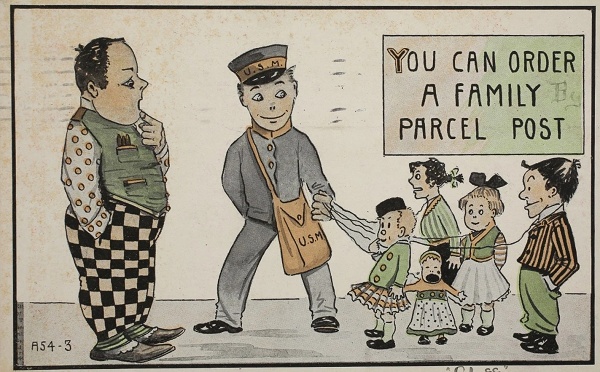
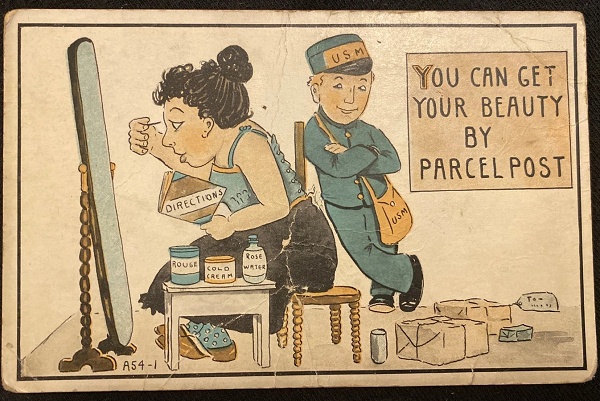
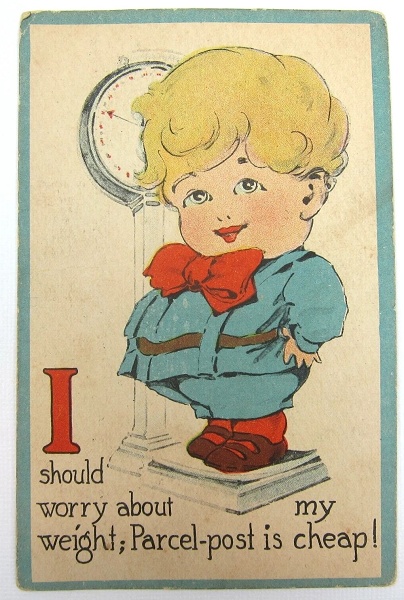
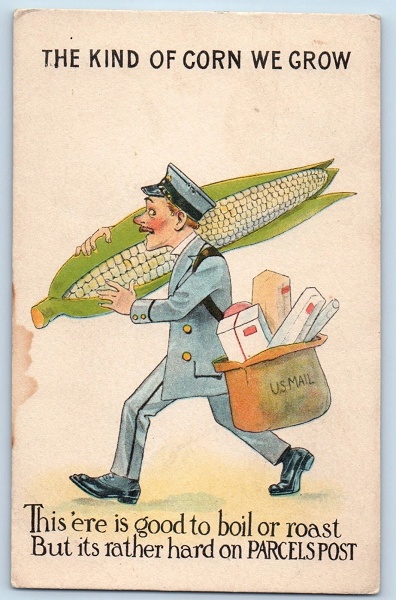
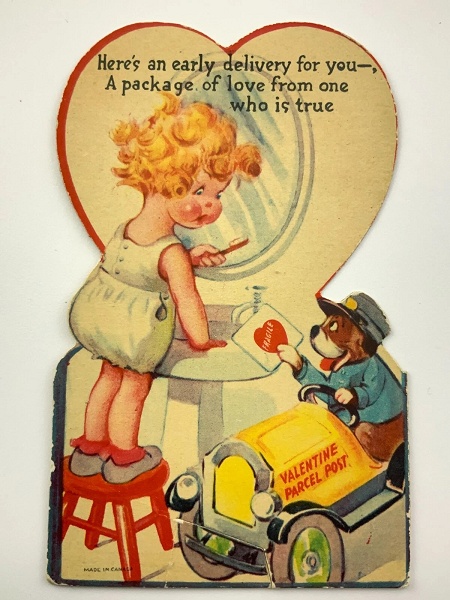
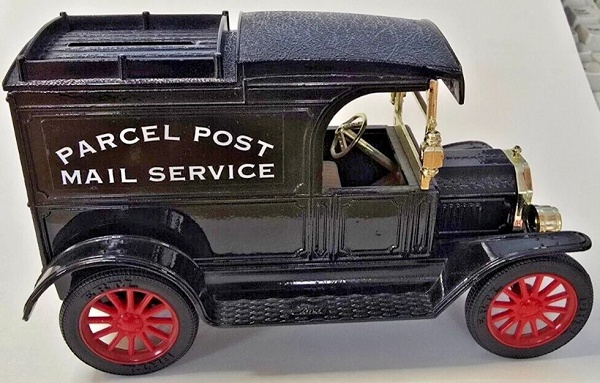
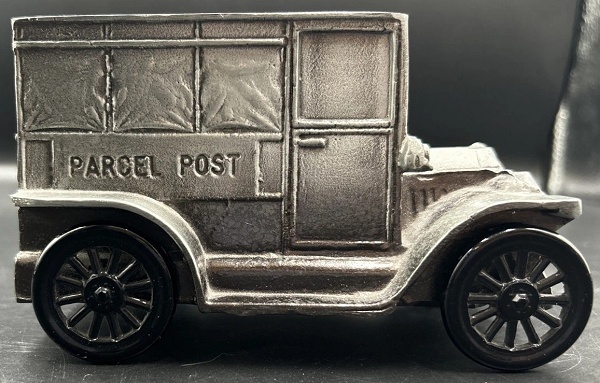
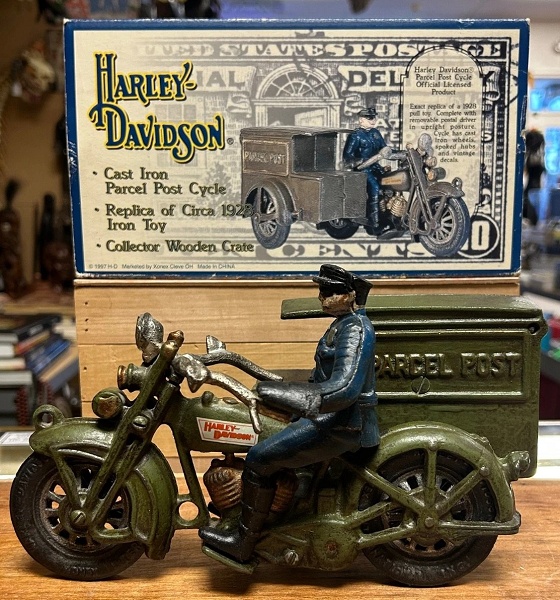
Despite the macabre nature that hastened the end of the Parcel Post “Mailing May” Era, during the decades between the World Wars, America had fun with the novelty of the system. Items produced and sold from that time period (and up to the modern day) included everything from postcards to Valentine Day cards to banks and collectible replica cars, several of which are pictured below.
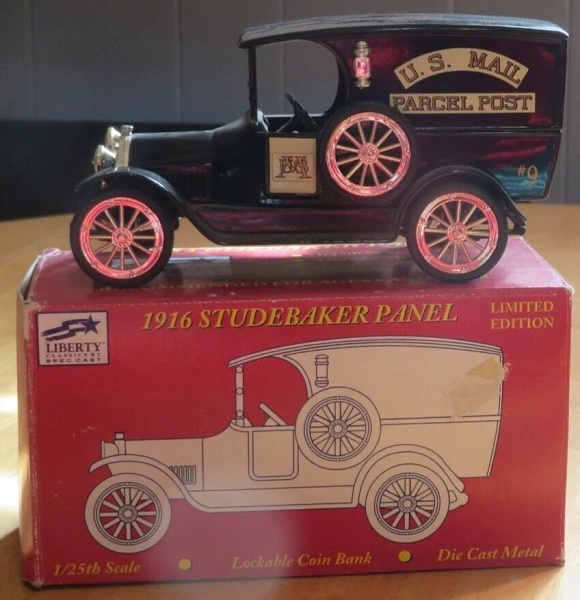
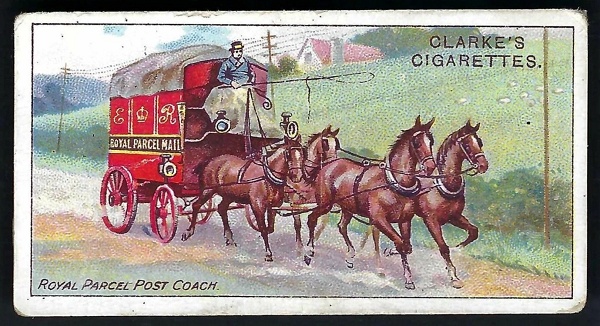
The vehicles used by Parcel Post Mail Carriers are irresistible to historians.