

Original publish date: January 23, 2020
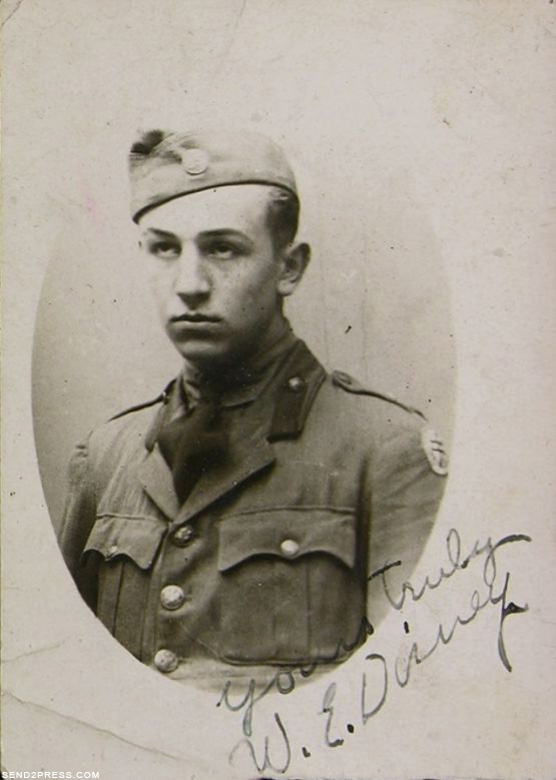
Last week, In part I of this article, I discussed the relationship between two titans of Pop Culture whose brand has flourished worldwide to unprecedented levels: Walt Disney and Ray Kroc of McDonald’s. It is amazing to think that both men served in the same ambulance company at the tail end of World War I. Even more amazing to think that authors Ernest Hemingway and John Dos Passos were products of that same ambulance service. The similarities between the four men end with the close of the Great War, but Disney and Kroc would remain linked for nearly a century.
While Walt Disney was flying around the country in one of his three private airplanes searching for Disney World, meeting with executives for the 1964 New York Worlds Fair, planning movies or sporting events aboard Mickey Mouse One, he’d sometimes get a little hungry. Whenever “Uncle Walt” got that Winnie the Pooh “rumbly in the tumbly” feeling, Disney would reportedly ask, usually from the co-pilot seat: “Where are we?” The pilot would invariably reply,”We’re over Tulsa, Walt.” Or Indianapolis. Or Cleveland. Or wherever. To which Disney would cryptically reply. “Do you think there’s one down there?”
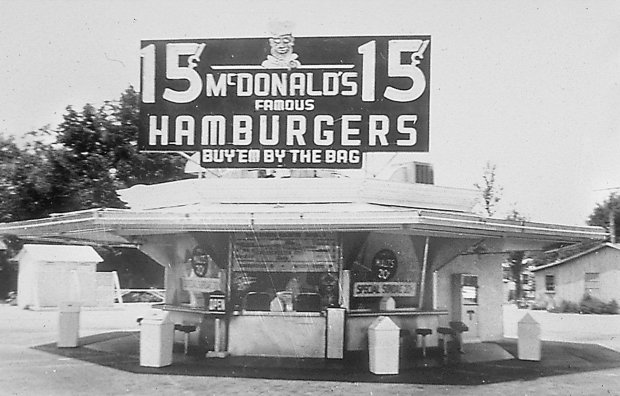
On cue, the pilot would hand his boss a booklet listing the location of every single McDonald’s in the continental United States. If there was a McDonald’s down below in whatever city the Disney corporate plane was flying over, Walt would order the pilot to land. Once safely on the ground, Disney would call for a cab and the entire party would pile in and head out for the nearest McDonald’s to get a bite to eat. This is made all the more ironic when you consider that, as detailed in part I of this article, Ray Kroc’s pitch to place his first McDonald’s restaurant inside Walt Disney’s Disneyland was rejected in 1955. Whether Ray Kroc knew that his old war-buddy was hooked on his hamburgers is unknown, but I’d bet he’d have gotten a kick out of it were it so.
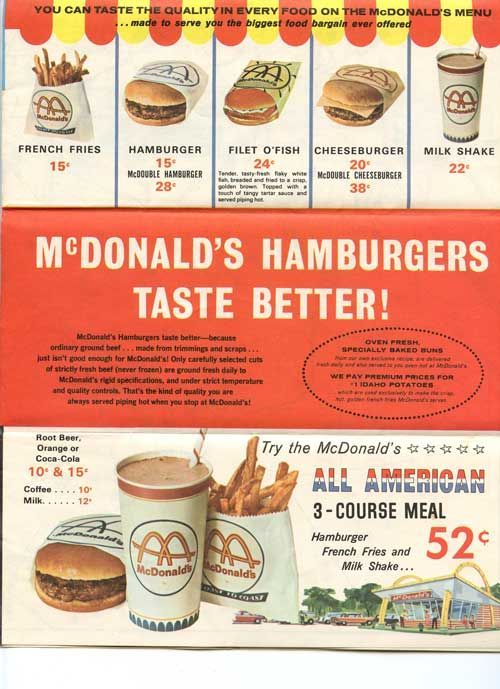
Walt Disney died on December 15, 1966. That same year, McDonald’s stock split for the very first time: 3 for 2. The year after Walt’s death, Disney stock split 2 to 1. Disney studios’ success continued that year with the groundbreaking of the Disney World theme park and addition of the Pirates of the Caribbean at Disneyland. The next few years continued the Disney shine with the Love Bug, debut of the Disneyland’s Haunted Mansion and grand opening of Disney World in Orlando. McDonald’s over that same period flourished with the introduction of the Big Mac, Quarter Pounder and television ad campaigns that boosted their brand like never before.
Fast forward to the early 1980s, McDonald’s was winning the fast food wars, having driven away most of the competition. Meanwhile, Walt Disney Productions was reeling from low theme park attendance and a string of box office flops (remember Popeye, Condorman and Return to Oz?). Suddenly Disney found itself under attack by corporate raiders like Ivan Boesky and Saul Steinberg and then nearly sold out to Coca-Cola in 1982. Disney was scrambling for someone who could come to the Magic Kingdom’s rescue. So who did Disney’s senior management approach? Uncle Walt’s old ambulance corps buddy, Ray Kroc and the McDonald’s Corporation.
 By this time, Ray Kroc was relegated to the sidelines serving in a largely ceremonial role as McDonald’s “senior chairman”. Kroc had given up day-to-day operations of McDonald’s in 1974. Ironically, the same year he bought the San Diego Padres baseball team. The Padres were scheduled to move to Washington, D.C., after the 1973 season. Legend claims that the idea to buy the team formulated in Kroc’s mind while he was reading a newspaper on his private jet. Kroc, a life-long baseball fan who was once foiled in an attempt to buy his hometown Chicago Cubs, turned to his wife Joan and said: “I think I want to buy the San Diego Padres.” Her response: “Why would you want to buy a monastery?” Five years later, frustrated with the team’s performance and league restrictions, Kroc turned the team over to his son-in-law, Ballard Smith. “There’s more future in hamburgers than baseball,” Kroc said. Ray Kroc died on January 14, 1984 and the San Diego Padres won the N.L. pennant that same year (They lost in the World Series to the Detroit Tiger 4 games to 1).
 By the 1980s, Disney was a corporation that seemed to be creatively exhausted. The entertainment giant was seriously out of touch with what consumers wanted to buy, what moviegoers wanted to see. McDonald’s had introduced their wildly popular “Happy Meal” nationwide in 1979. Disney saw an opportunity for revival by proposing the idea of adding Disney toys and merchandising to Happy Meals. In 1987, the first Disney Happy Meal debuted, offering toys and prizes from familiar characters like Cinderella, The Sword In The Stone, Mickey Mouse, Aladdin, Simba, Finding Nemo, Jungle Book, 101 Dalmatians, The Lion King and other classics. For a time, changing food habits, mismanagement and failure to recognize trends, placed the Disney corporation in an exposed position. Rumors circulated that the Mouse was on the brink of being swallowed up by Mickey D’s.
The relationship came to a head when McDonald’s suggested that Disney offer discounted VHS copies of classic Disney films in their restaurants. Also, as time passed, Disney wanted to emphasize healthier eating and they became concerned about McDonald’s being tied so closely to childhood obesity. The McDonald’s-Disney agreement officially expired on January 1, 2007. Over that time, as the Disney company grew into the corporate giant it is today, McDonald’s realized their mistake. For the next several years, McDonald’s tried to reestablish the relationship, with limited success.
For awhile, McDonald’s found a presence in the food and beverage locations at the Disney theme parks. One was the McDonald’s Fry Cart that opened in Magic Kingdom’s Frontierland in 1999. Since it IS Disney after all, the imagneers fitted the location with a back story. It went like this: “With the rush of prospectors passing through Frontierland in search of gold, lots of folks in town started looking for ways to cash in on all the excitement. Back in 1853, ol’ McDonald (who had a farm, ei-ei-o), a potato farmer, decided to set up his cook wagon on the hill under the big oak tree, just off the main trail.”
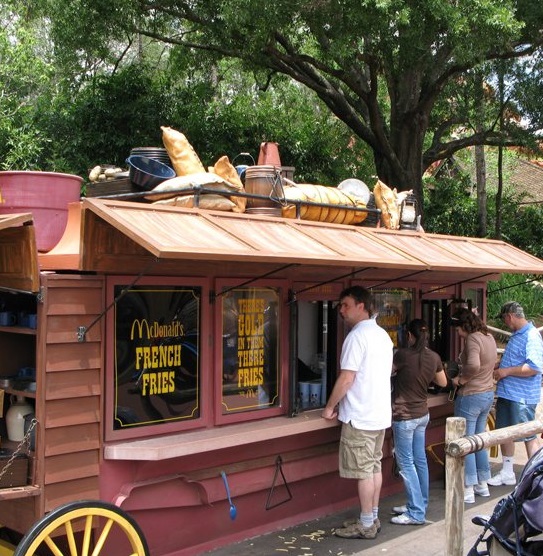
The story continues, “Business was booming for a couple of good years, right up until the great flood of 1855. Legend has it that men disturbed the spirits of the mountain by removing gold from Big Thunder, causing all sorts of havoc from earthquakes and avalanches to storms and floods. In fact, the nearby river rose so much, the water reached right up to McDonald’s wagon on the hill. The wagon survived, but when the water receded, the wagon started to go with it. It slid down the hill, crashed through a fence (and sharp-eyed guests could see the poorly repaired fence near the cart), and got lodged in the mud down below. This didn’t stop ol’ man McDonald, though. He just laid down some planks so folks wouldn’t get their boots muddy, and he has kept right on selling his delicious French fried potatoes to this day.”
McDonald even came up with a catch phrase and posted it on the front of the wagon: “There’s gold in them thar fries!” There was also a sign placed nearby that pictured the familiar Golden Arches and proclaimed, “Same location since ’53.” The “53” was scratched out and painted over with a “55.” The McDonald’s Frontierland Fry Cart closed in late 2008. There were McDonald’s restaurants at Disney’s Animal Kingdom as well. The Boneyard, Restaurantosaurus and the “Petrifries” french fries stand which came with it’s own backstory as well. That backstory is not as interesting though as it involves a former fishing lodge where the first dinosaur fossil was found in 1947 by an unnamed amateur fossil hunter and it was hard to decipher. The Dino Institute featured a small lab, a clubhouse for student volunteers and a commissary to round out the McDonald’s connection. Although the McDonald’s french fries served there were popular with visitors, at least the few who could find it, the venue also closed.
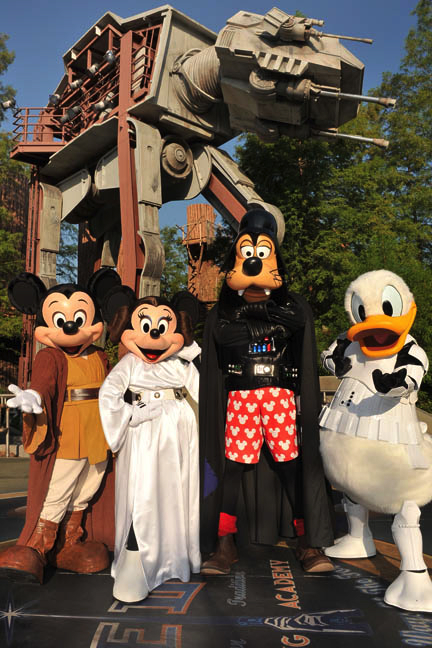
 Additionally, there once was a McDonald’s at downtown Disney (before it became Disney Springs). At the Magic Kingdom, visitors could munch on french fries at the Village Fire Shoppe. At Disney’s Hollywood Studios, McDonald’s sponsored Fairfax Fries at the Sunset Ranch March. Fairfax is a reference to the street where the famous Los Angeles Farmers Market (the inspiration for the Sunset Ranch Market) is located. At Epcot, on the World Showcase promenade, is the Refreshment Port where sometimes international cast members from Canada would bring Canadian Smarties (similar to M&Ms) for the food and beverage location to make a Smarties McFlurry. The exclusive contract with Disney did not allow McDonald’s to tie in with blockbuster movies such as the Star Wars franchise even though movie studios would have preferred the tie in since McDonald’s had a higher profile and market share.
There are many Disney fans and park visitors who have fond memories of eating McDonald’s Chicken McNuggets or an Egg McMuffin during a fun day at a Disney theme park. After all, could it get any better than to receive a Disney prize in your Disney Happy Meal while on Disney property? Today, the only McDonald’s presence on Disney property is the restaurant at Disney’s All-Star sport complex hotel. Although it was briefly closed on Halloween of 2019 for renovation, it is scheduled to reopen in March of 2020. However, it is unlikely that we’ll ever see another “Hotdog-osaurus” or a “Dino-Sized Double Cheeseburger” any time soon.
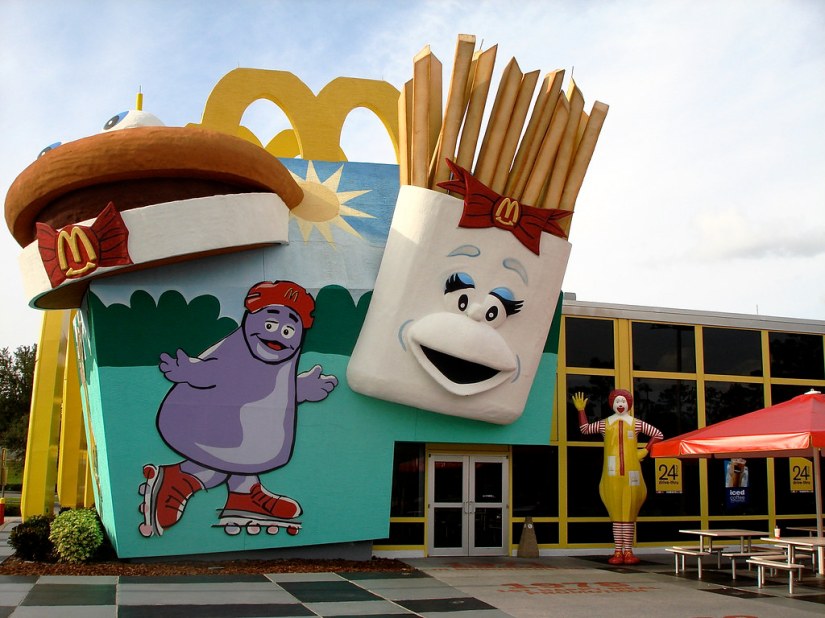
While Disney netted more than $100 million dollars during the partnership, McDonald’s netted more than $1 billion dollars even while promoting Disney’s box office bombs. It was not unusual for a McDonald’s promotion for a film to exceed Disney’s budget for advertising the very same film. Disney got the royalties and increased advertising exposure and McDonald’s sold the food. Seems like a match made in heaven. Yeah, well, Burt Reynolds & Lonnie Anderson / Brad Pitt & Jennifer Aniston / Lee Majors & Farrah Fawcett didn’t work out either.
Both Disneyland and McDonald’s have become worldwide icons of America. Walt Disney and Ray Kroc are ranked # 9 and 10 on Baylor Univeristy’s list of Greatest American Entrepreneurs and/or Businesspeople behind Henry Ford (1), Bill Gates (2), John D. Rockefeller (3), Andrew Carnegie (4), Thomas Edison (5), Sam Walton (6), J.P. Morgan (7), G.M.’s Alfred Sloan (8). McDonald’s now operates more than 35,000 restaurants in 118 countries, serving 68 million people every day. A new branch opens every 14.5 hours, more than 75 hamburgers are sold every second and 68 million people eat something from McDonald’s each day-that’s 1% of the world’s population. McDonald’s’ estimates that one in eight American workers has been employed by the company at one stage of their careers. McDonald’s is the world’s largest distributor of toys, with the Happy Meal included in 20% of all sales.
Conversely, there are 12 Disney theme parks worldwide, welcoming 157 million visitors annually and serving a half-million guests every day. Disney has 201,000 employees, 100,000 of whom work at the two resorts in the USA. Every year, Disney World alone serves 10 million hamburgers, 6 million hot dogs, 9 million pounds of French fries, 300,000 pounds of popcorn, and 1.6 million turkey drumsticks along with 13 million bottles of water and 75 million Coca-Colas to wash them down. According to one study, Walt Disney’s logo is the fifth most recognizable logo in the world behind Starbucks (4), McDonald’s (3), Coca-Cola (2) and Nike (1).
 During his lifetime, Walt Disney received 59 Academy Award nominations, including 22 awards: both totals are records. Walt Disney’s net worth was equal to roughly $1 billion at the time of his death in 1966 (after adjusting for inflation). At the time of his death, Disney’s various assets were worth $100-$150 million in 1966 dollars which is the same as $750 million-$1.1 billion today. By the time of Kroc’s death in 1984, his net worth was $600 million. That’s the same as $1.4 billion after adjusting for inflation. One can only imagine how the pop culture landscape might have changed back in 1955 if those two former ambulance corps buddies had formed a partnership. But wait, would that make it Mickey D’s Mouse?
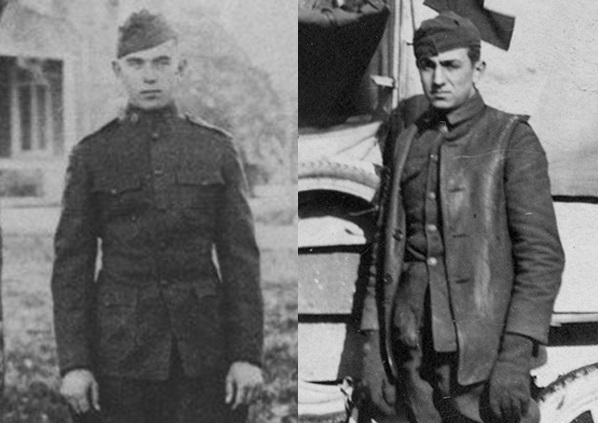
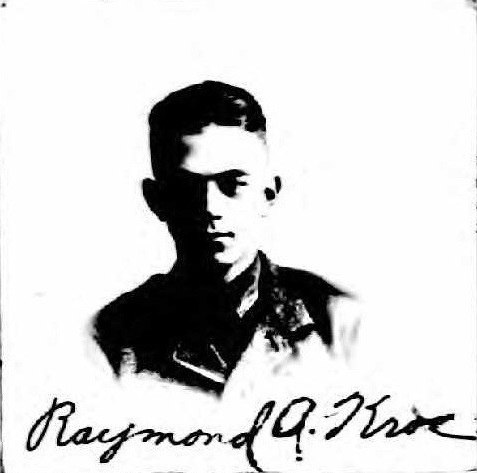


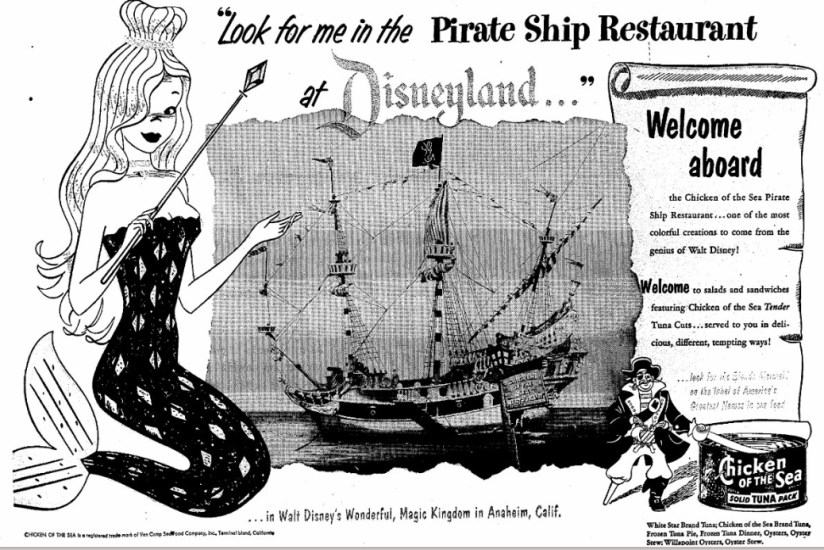
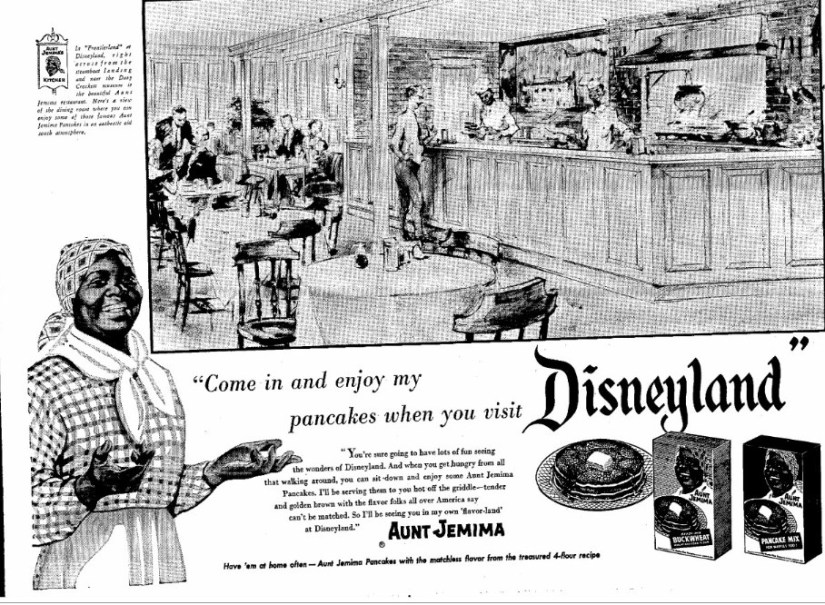 From there, well, nobody knows. For the answer, you need look no further than the fact that there are no McDonald’s at Disney. It should be noted that there were SOME franchise restaurants in Disneyland during those first first years. They included the Aunt Jemima pancake and waffle house in Frontierland and the Chicken of the Sea Pirate Ship in Fantasyland.
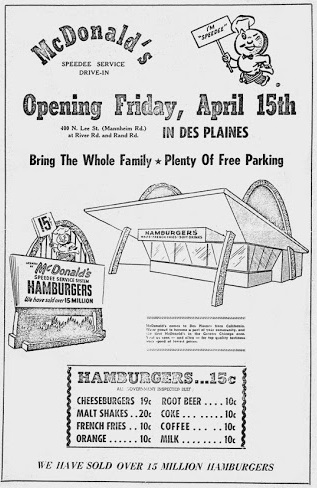
 To his dying day, Ray Kroc insisted that the reason the “world’s first McDonald’s” was not featured inside Disneyland at the park’s July 17, 1955 grand opening was because the head of concessions had tried to force Ray to raise the price of his french fries by a nickle (from 10 cents to 15 cents) for the Disneyland crowd. Kroc, the man in charge of McDonald’s franchising, believed that he was being charged a franchise fee by virtue of Walt Disney Productions tacking on a concessionaire’s fee. Kroc, the consummate businessman, said he wasn’t about to give away 1/3 of his profits while gouging his customers. Great story, but by the time Disneyland debuted, Kroc had only opened one McDonald’s franchise (in Des Plaines, Illinois on April 15, 1955). So he had no loyal customers to offend…yet. Well, no customers within 2,000 miles anyway.
 It is more likely to say that while the executives in charge of Disneyland’s concessions were undoubtedly intrigued by Ray’s “fast food” proposal, “war buddy” or not, Kroc just didn’t have enough experience in the restaurant business to take that gamble. So, despite how Kroc spun the tale to reporters from the 1950s forward, while there was some discussion of putting a McDonald’s inside the theme park, the project never really made it past the talking stage. But Ray Kroc would never let the truth stand in the way of a good story.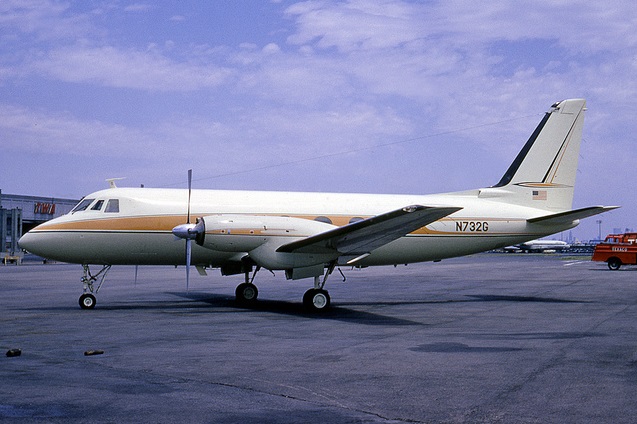


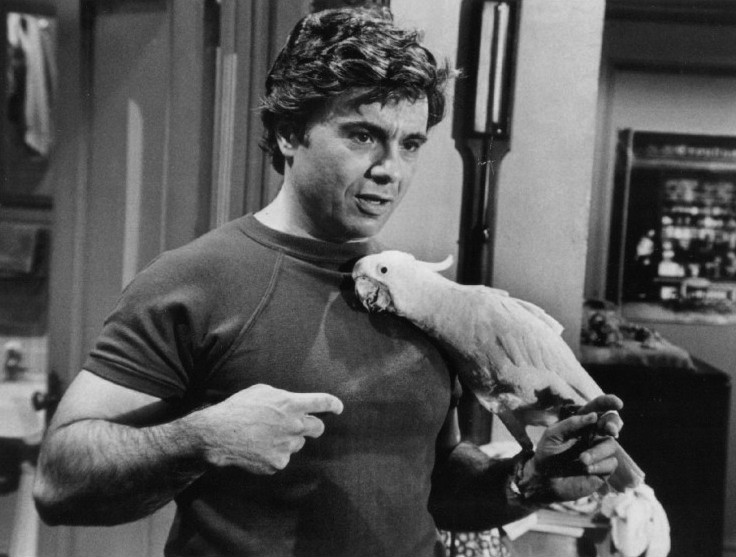


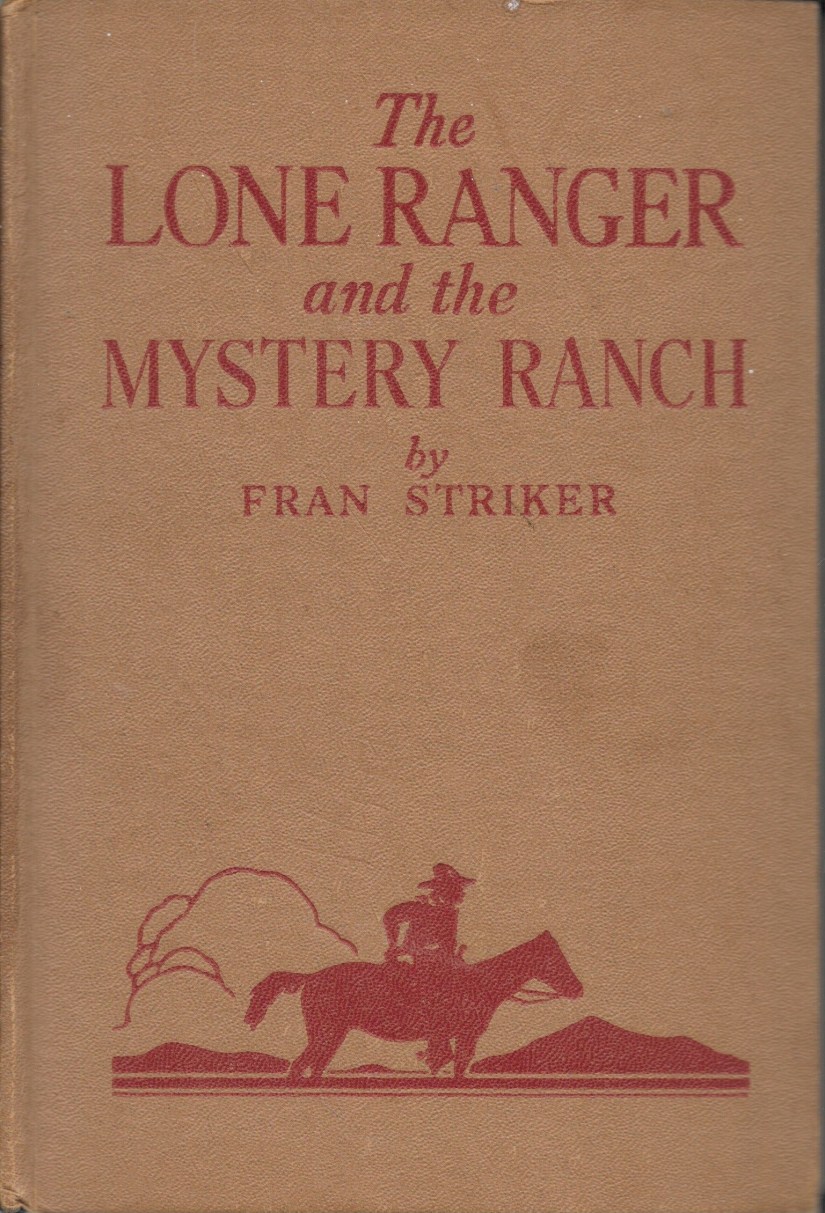 He also shared stories of the Lone Ranger from movie, television and real life. “The closest I ever got to the part was in 1945 when I played Little Beaver with Wild Bill Elliott in the Red Ryder serial “Lone Texas Ranger.” Blake said, “I always modeled Little Beaver after Tonto you know.” Keep in mind, this was WAY before Google in an age when these tidbits were only known to the participants. It was Robert Blake who first told me the true story of the Lone Ranger.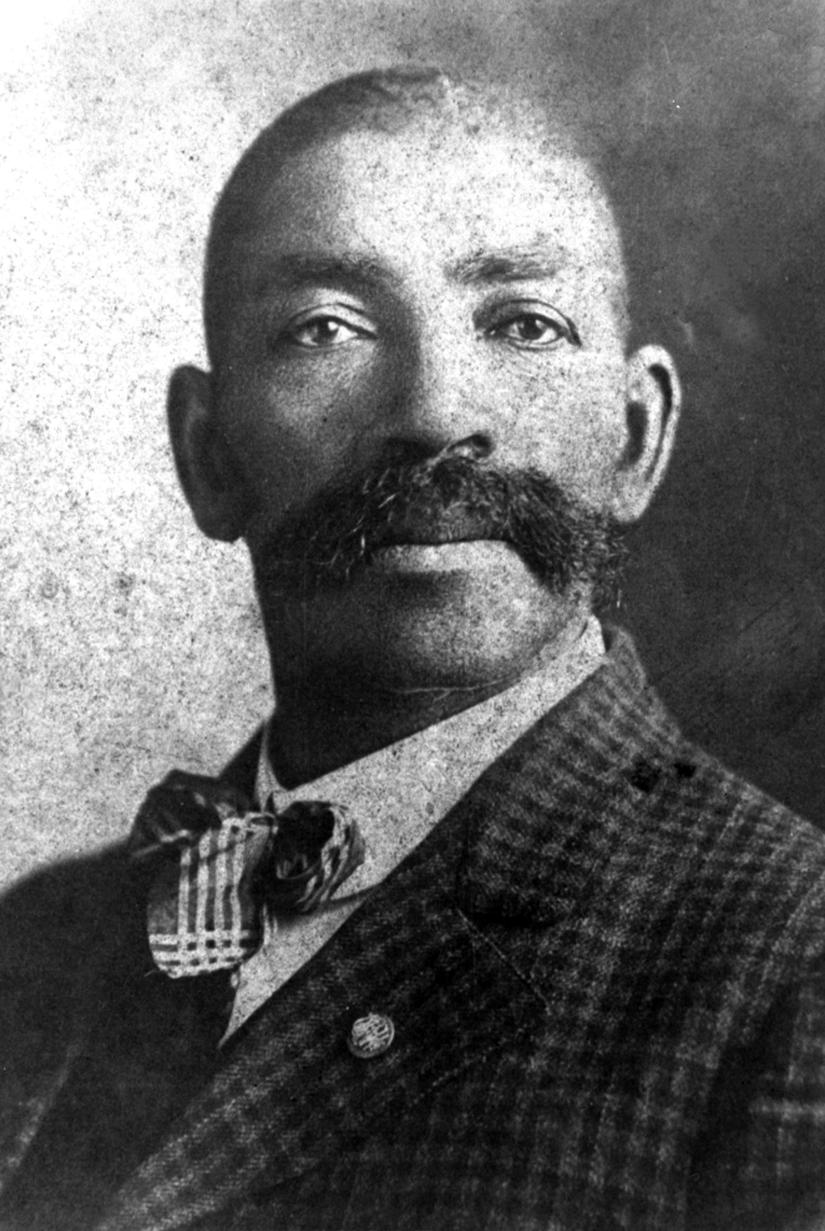
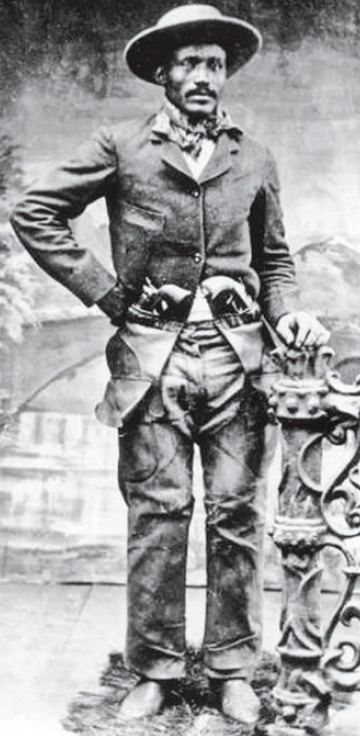
 Reeves, born a slave in July of 1838, accompanied his “master” Arkansas state legislator William Steele Reeves’ son, Colonel George R. Reeves, as a personal servant when he went off to fight with the Confederate Army during the Civil War. Col. Reeves, of the CSA’s 11th Texas Cavalry Regiment, was a sheriff, tax collector, legislator, and a one-time Speaker of the Texas House of Representatives. During the Civil War, the Texas 11th Cavalry was involved in some 150 battles and skirmishes. Records are sketchy, but one report states that although 500 men served with the unit, less than 50 returned home at the end of the war.
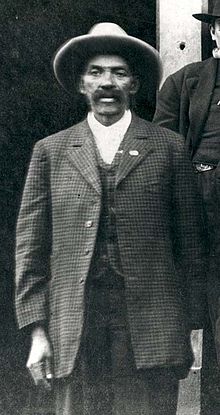
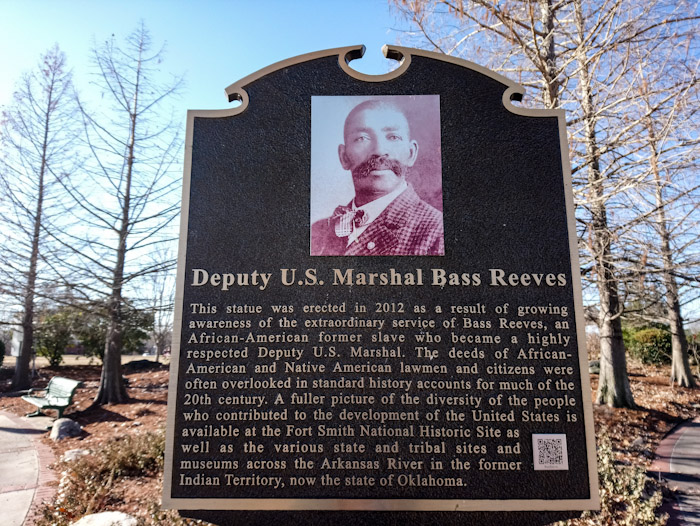 Ironically, Bass Reeves was himself once charged with murdering a posse cook. At his trial before Judge Parker, Reeves was represented by former United States Attorney W. H. H. Clayton, who had been his colleague and friend. Reeves was acquitted. On another instance, Reeves arrested his own son for murder. One of his sons, Bennie Reeves, was charged with the murder of his wife. Although understandably disturbed and shaken by the incident, Deputy Marshal Reeves nonetheless demanded the responsibility of bringing Bennie to justice. Bennie was eventually tracked and captured, tried, and convicted. He served his time in Fort Leavenworth in Kansas before being released, and reportedly lived the rest of his life as a responsible and model citizen.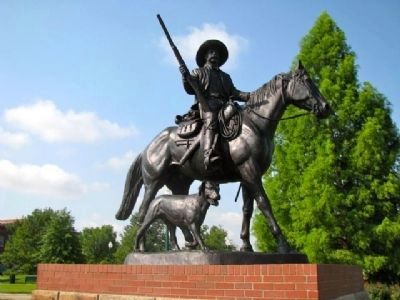

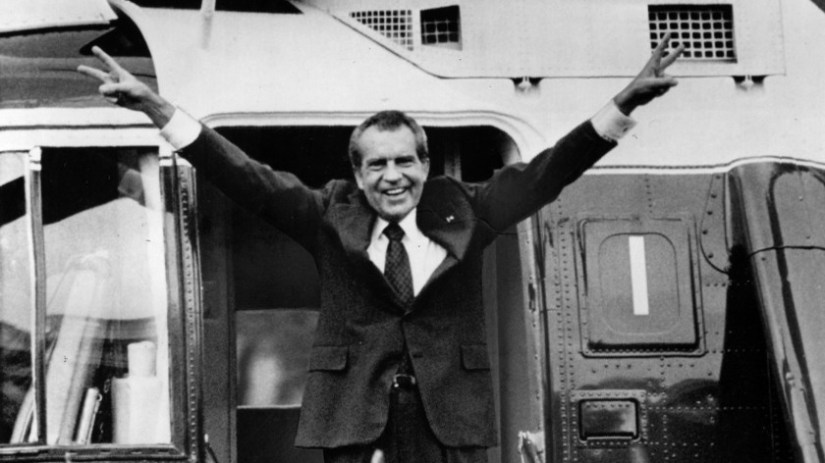 That Friday, President Richard Nixon refused to honor a subpoena by the Senate Watergate Committee to hand over tape recordings and documents during the impeachment proceedings. It would prove to be the beginning of the end of his Presidency and would lead to his resignation in disgrace eight months later. In Nixon’s hometown of San Clemente, California, the newspaper proclaimed, “President Nixon declined flatly today to produce any of the more than 500 documents subpoenaed by the Senate Watergate committee, branding the request “an overt attempt to intrude into the executive office to a degree that constitutes an unconstitutional usurpation of power.”
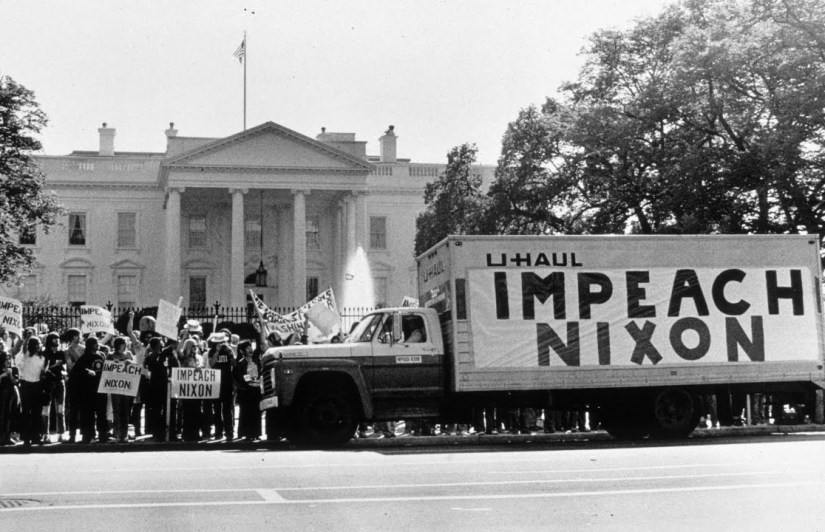 In a letter addressed to committee chairman (North Carolina Senator Sam J. Ervin Jr. Democrat), Nixon refused to supply recordings of his Oval Office conversations or any related written materials. The letter arrived on Capitol Hill three hours past the deadline set by the committee to hand over the documents. Speaking to reporters at the Western White House, “La Casa Pacifica” in San Clemente, Deputy Presidential Press Secretary Gerald L. Warren declined to say what his boss’s next move would be, or to comment on Federal Judge John J. Sirica’s threat of contempt-of-court action against Nixon.

 Graham instead remained more general in his remarks, even eschewing humorous suggestions by his inner circle that he preach on tithing in light of recent disclosures that Nixon reported less than $14,000 in total charitable contributions while reporting nearly $1 million over the past four years. The closest the evangelist came to the alleged scandal came when he spoke out on social justice. “We must remake the unjust structures that have taken advantage of the powerless and broken the hearts of the poor and dispossessed,” he asserted. But, he cautioned, “we all admit that we need some sweeping social reforms—and in true repentance we must determine to do something about it—our greatest need is a change in the heart.”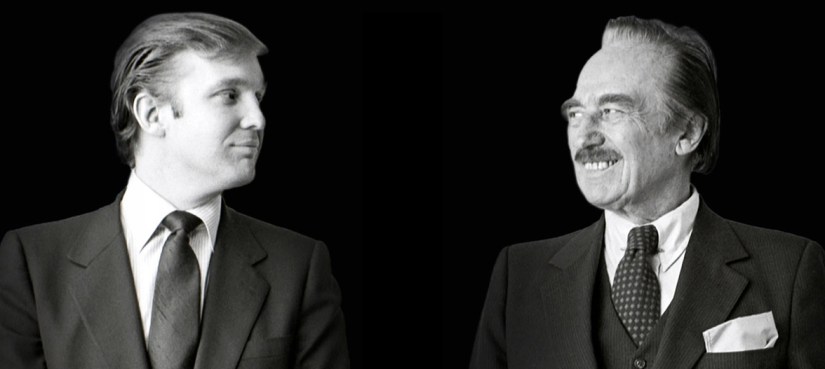


 Alan E. Hunter