Health & Medicine, Medicine, Pop Culture

Rhonda Hunter’s Cancer Journey.

Original Publish Date: August 21, 2025.

https://weeklyview.net/2025/08/21/rhonda-hunters-cancer-journey/
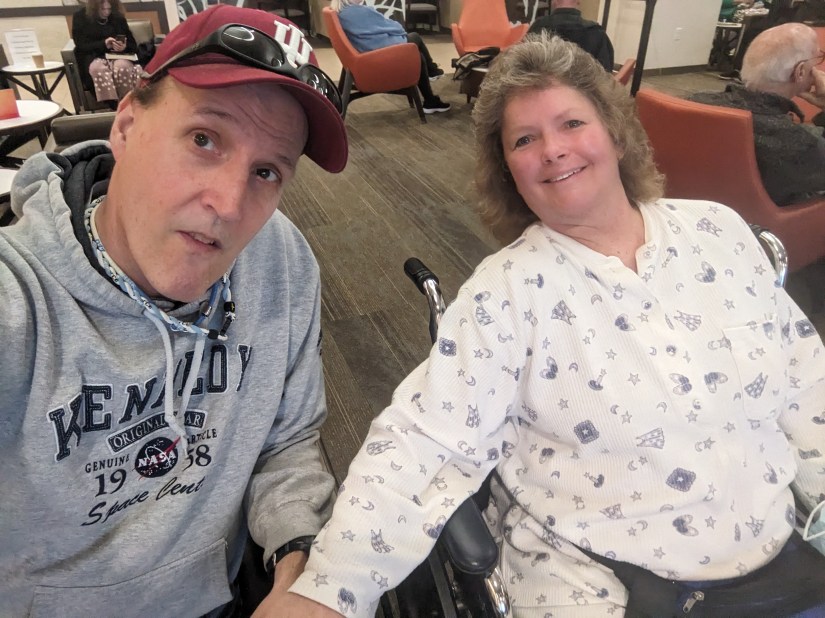
Alan & Rhonda Hunter at MD Anderson Cancer Center.

Warning. This is a self-serving article about my hero (my wife, Rhonda) and her year-and-a-half-long cancer ordeal. During our 2023 Irvington ghost tour season, she discovered a bad spot on one of the toes on her left foot. The ring toe to be specific (the little piggy that got no roast beef). At first, she thought it was a bad case of athlete’s foot. Rhonda called around the Indy area searching for a dermatologist: no openings anywhere until Christmas. She found her savior in the form of Megan Rahn, nurse practitioner at Pinnacle Dermatology in Crawfordsville, Ind. Within two days, they got her in and diagnosed it as one of the worst cases of melanoma they had ever seen. Rhonda recalls, “Megan asked if I wanted her to tell me the truth. I said, yes, and she said, ‘It’s cancer.'” We got that news on the Friday of Halloween festival weekend. Rhonda recalls, “During that weekend, longtime regular tour guests kept coming up to me and asking, ‘What’s the matter with Al? He’s not himself tonight.’ Needless to say, it was a rough weekend.
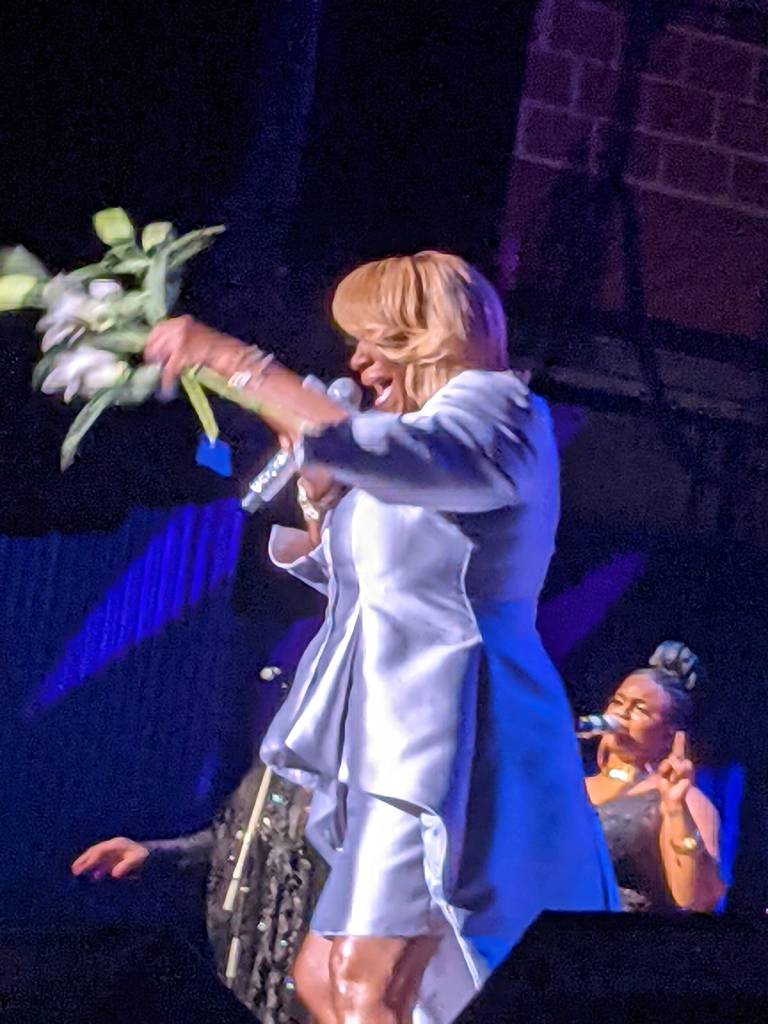
Patti LaBelle holding the white lillies.

After the tours concluded, we traveled down to our little Ricky and Lucy Ricardo efficiency time share in Daytona Beach, Florida, a luxury we bought ourselves over thirty years ago when we didn’t have two nickels to rub together. Over the years, we discovered that soaking anything in salt water cured almost everything. But this time, it didn’t work. Our trip concluded with a live concert by Patti LaBelle. At the end of the show, Patti walked over to Rhonda and handed her a bouquet of white lilies from a vase on her piano. Traditionally, white lilies symbolize purity and rebirth. Little did we know, it was an omen.
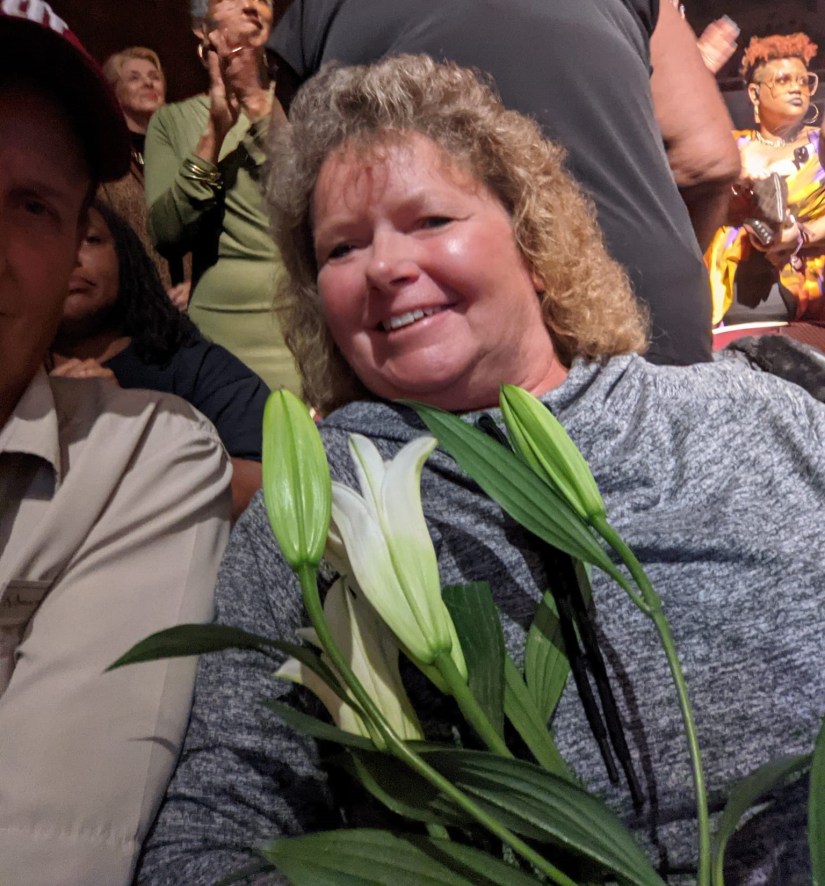
Rhonda with Patti’s gift.

Returning to Indiana, we learned that the good folks at Pinnacle Dermatology had secured an appointment with Dr. Jeffrey Wagner, melanoma reconstruction surgeon at MD Anderson Cancer Center Community North in Indy. By now, the toe was black. Dr. Wagner, who has seen over 20,000 melanoma cases in his decades-long career, said the toe’s gotta go. Her skin cancer was now categorized as a very aggressive form of malignant melanoma, the fastest spreading of all cancers (it can spread to dangerous levels in a month). She went under the knife, and they removed the toe and carved out three more spots, two on the top of her foot and one deep patch on the back of her calf.
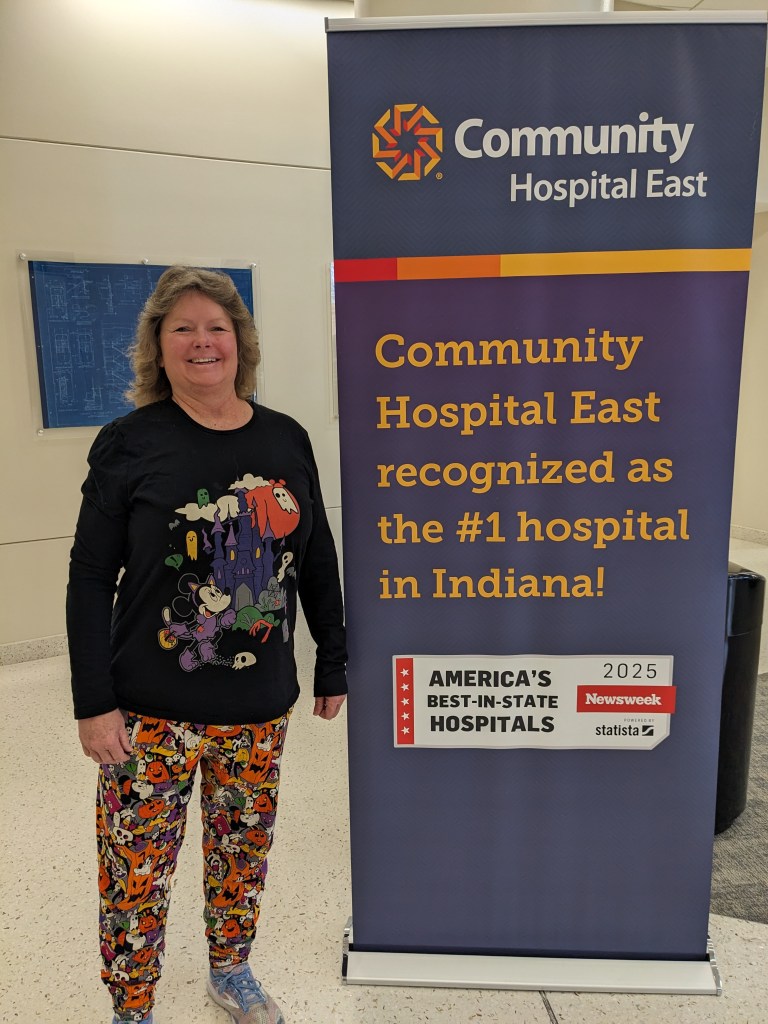
Rhonda at Community East.

They also removed a leaking Lymph Node in the groin. The result was two months in bed and a very uncomfortable Christmas season. We quickly learned that being diagnosed with melanoma is not unlike being an alcoholic, a drug addict, a diabetic, or bipolar: it’s a life sentence. It means a lifetime of treatment, scans, and medical supervision. We are now regulars at Pinnacle Dermatology, where we discovered that more than a few folks from Irvington are regulars. They now refer to Rhonda as “the lady with the toe.”
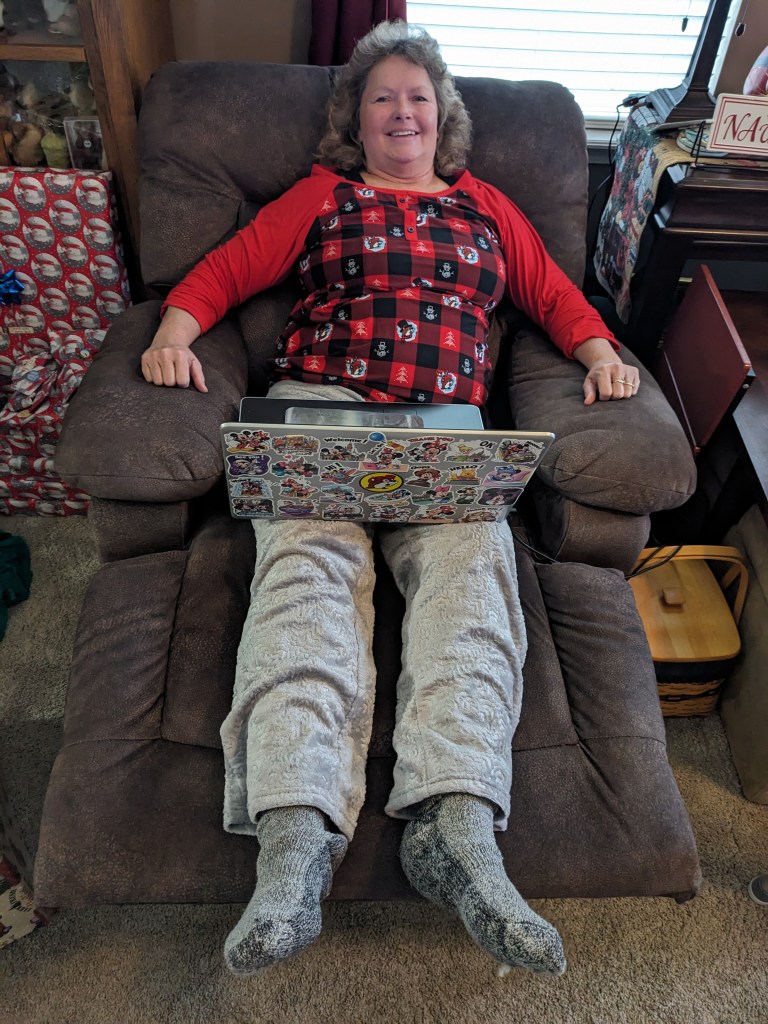
Rhonda at Christmas sans toe.

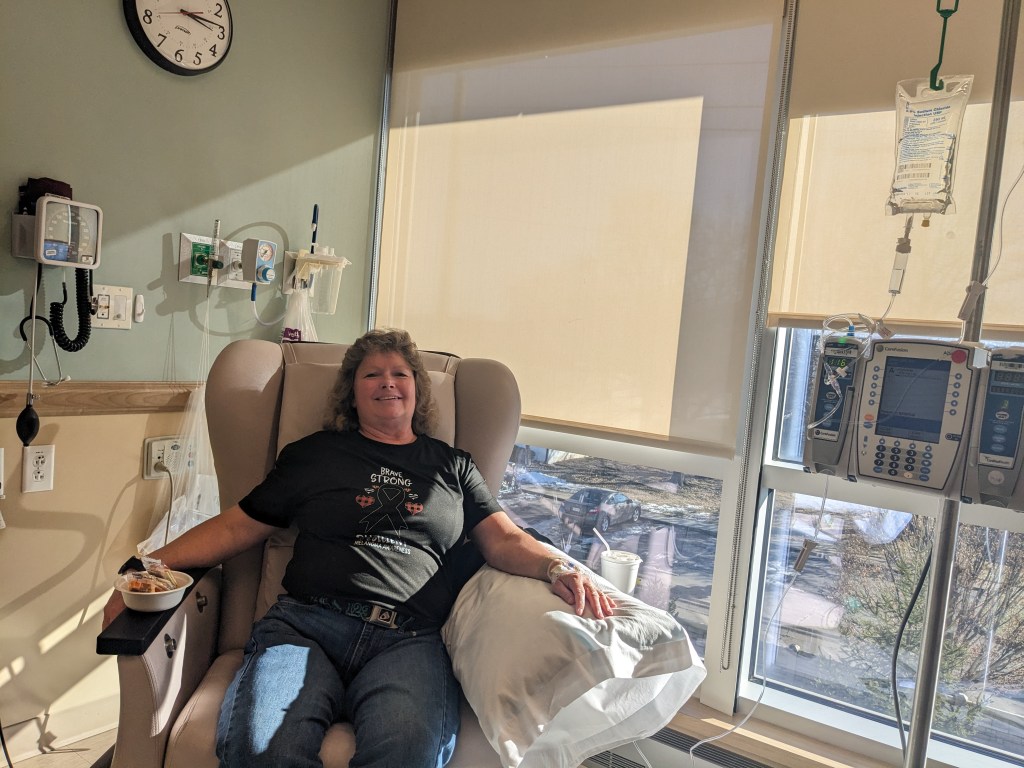
As pilgrims on this journey, we quickly learned that everyone has a skin cancer story. And, sadly, because of that, skin cancer is often minimized as a passing ailment that elicits a dismissive rejoinder. In our case, nothing could be further from the truth. Once everything was removed, we thought that was the end of it. That is, until we learned that a leaking Lymph Node had been detected and Rhonda needed to see Oncologist Dr. Sumeet Bhatia at MD Anderson. Coming a mere three days before Christmas, this was a devastating surprise; Rhonda wasn’t even out of a wheelchair yet. She was placed on Keytruda, a relatively new medicine used to treat melanoma. These monthly treatments, administered intravenously, were accompanied by endless blood work (that alone will make most readers cringe), and regular scans: PET Scans, CT scans, and MRIs. For all of 2024, we became accustomed to bi-weekly visits to MD Anderson, Community North, and Community East.
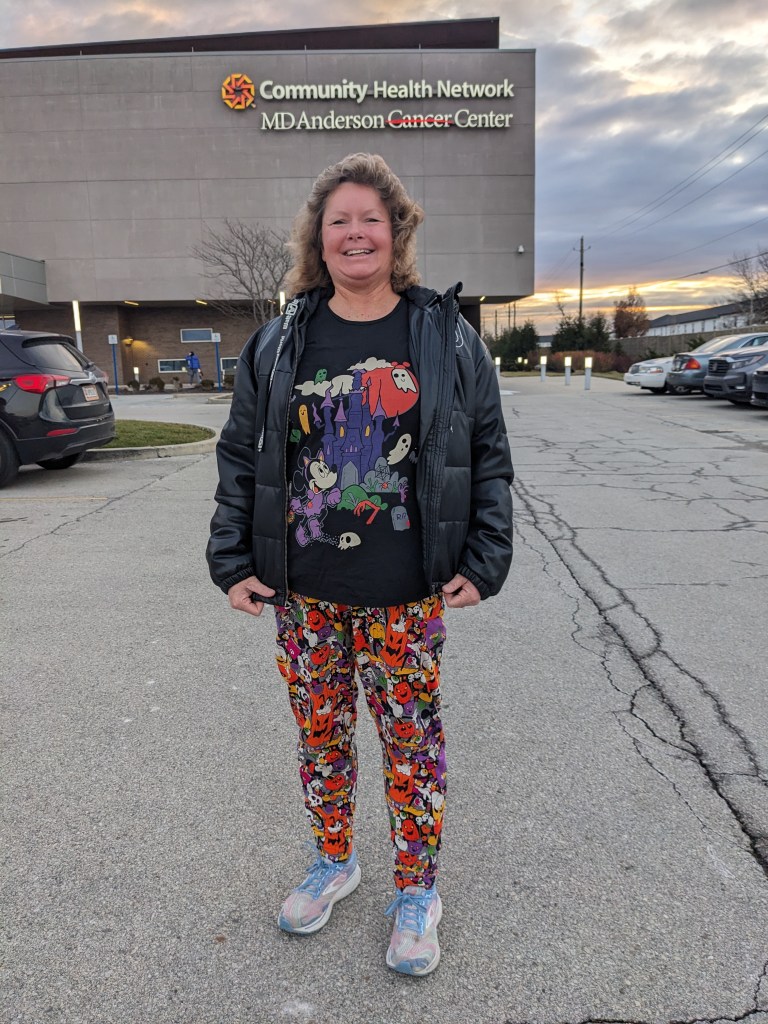
Rhonda at MD Anderson.

Sometimes with Oncology nurse Jennifer Chapman, sometimes with cancer navigator & advocate Andrea Oliver, and sometimes with Dr. Bhatia. As her last treatment concluded, we expected to walk out and ring the cancer-free bell. Suddenly, the treatment room door swung open, and in walked her entire team. The melanoma had now spread to her brain. Game changer.

Within moments, the nurse was crying, the advocate was crying, Rhonda was crying, and the doctor was crying. Surprisingly, the only person not crying was me, which is odd, because I’m the guy who tears up at Bambi, Old Yeller, and Steve Hartman stories. The doctor told us he’d give us time to decide whether we wanted to continue with a new treatment, with the warning not to wait too long because it could be too late. I had only two questions: Are they going to cut her and will she lose her hair? The answer was no. Long story short, our 10:30 checkup turned out to be an 11:30 fitting for a Radiation Therapy Thermoplastic Mask. Whenever I saw that mask, I couldn’t help but think of Boston Bruins goalie Gerry Cheevers. Google his mask and you’ll see what I mean.
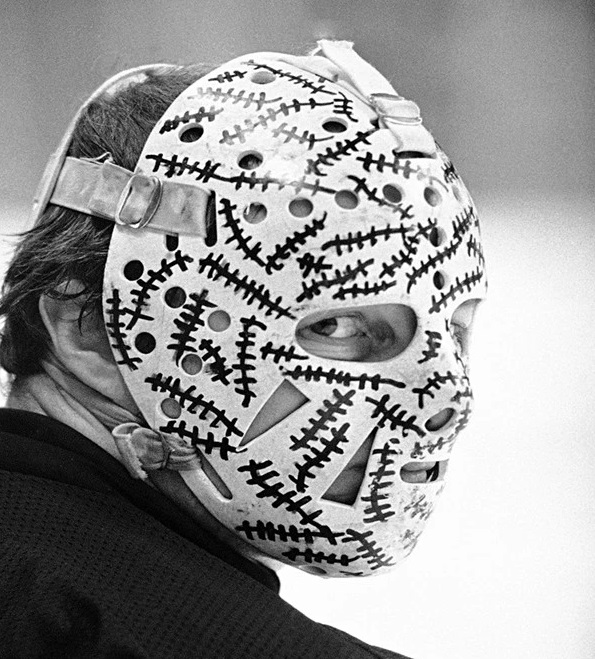
Gerry Cheever’s mask.

Within 1 week, she underwent radiology for one spot on the brain. I expected her to be zapped (pardon the pun) of energy and looking for a long nap. Instead, she came bouncing off that table and insisted on heading to Jockamos Pizza and Midland Antiques Market for the afternoon. A few months later, after another MRI discovered she had three more spots on the brain, she underwent another radiation treatment. This time, she had to be helped off the table and out the door. It was a long procedure extending past regular business hours. I was eerily alone in the cancer center and managed to lock myself out of the office, but that’s another story. She still came out smiling, though.
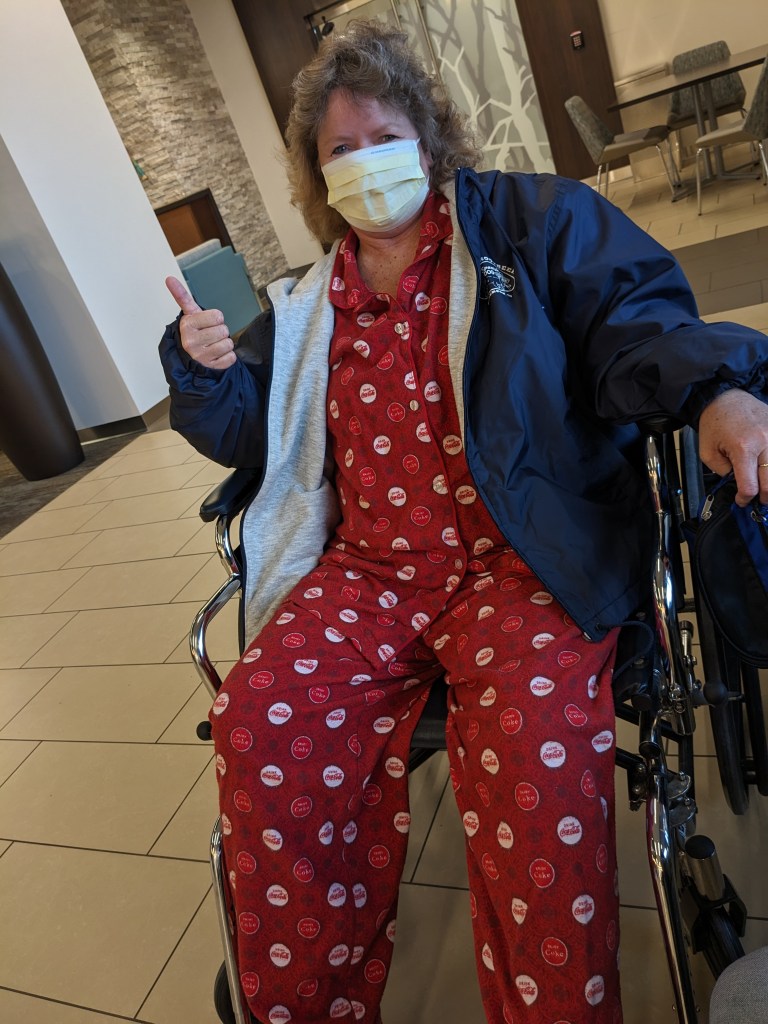
Early summer 2025 was rough as we nervously anticipated a four-month wait for new scan results. Faith & Begorra, the scans were clear! There were other challenges, including an emergency weekend hospitalization for internal bleeding, but it was not cancer-related. Now you know the details of one person’s cancer journey from an observer’s viewpoint. But how about the patient’s view?
“This is the same cancer that killed Bob Marley, and it started on his toe. It got Jimmy Buffett, too. Jimmy Carter was diagnosed with melanoma on his head and neck at the age of 90 in 2015. It spread to his brain, but after a year of treatment, the spots disappeared.
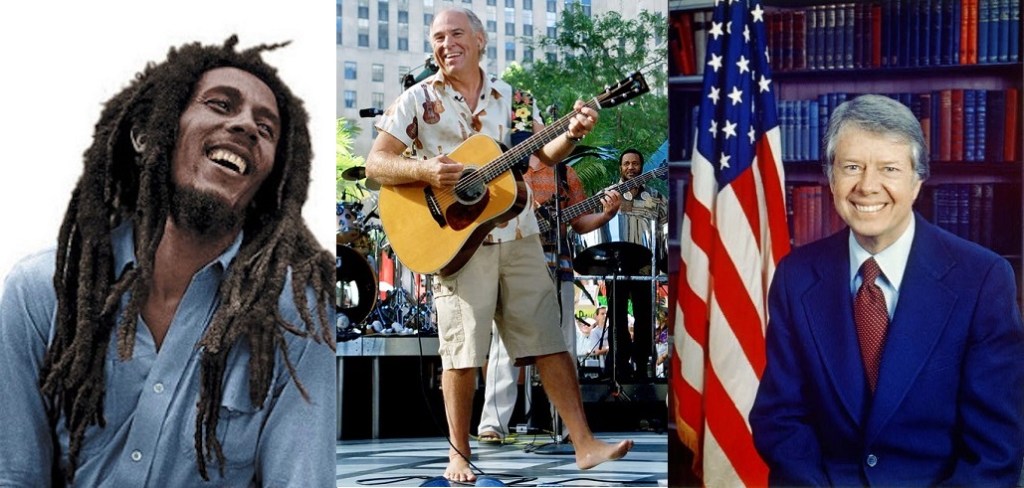
Bob Marley, Jimmy Buffett, & Jimmy Carter.

He died last year at the age of 100, but he didn’t die of melanoma; he died from bleeding in the brain caused by falls.” Rhonda says. “If you get skin cancer, take it seriously. And above all else, stay out of tanning beds. Tanning beds have been labeled as “carcinogenic to humans” by both the World Health Organization and the International Agency for Research on Cancer (IARC). So, if you must have those tan lines, spray tanning is safer. Or, just rock that Disney Princess skin!”

My wife is a Disco girl and a creature of the eighties (No lie: her office has a mirrored disco ball, movie posters from Grease and Saturday Night Fever, and a velvet painting of Donna Summer). Like most young people of that era, especially girls, she spent a lot of time (and no little money) in tanning beds.
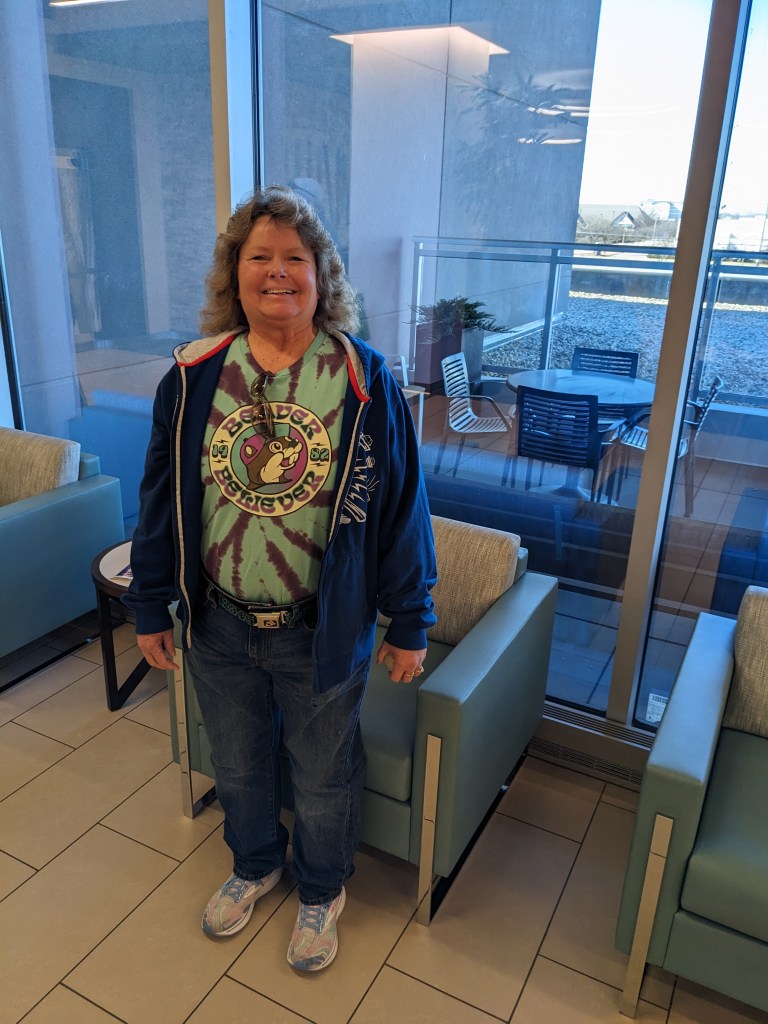
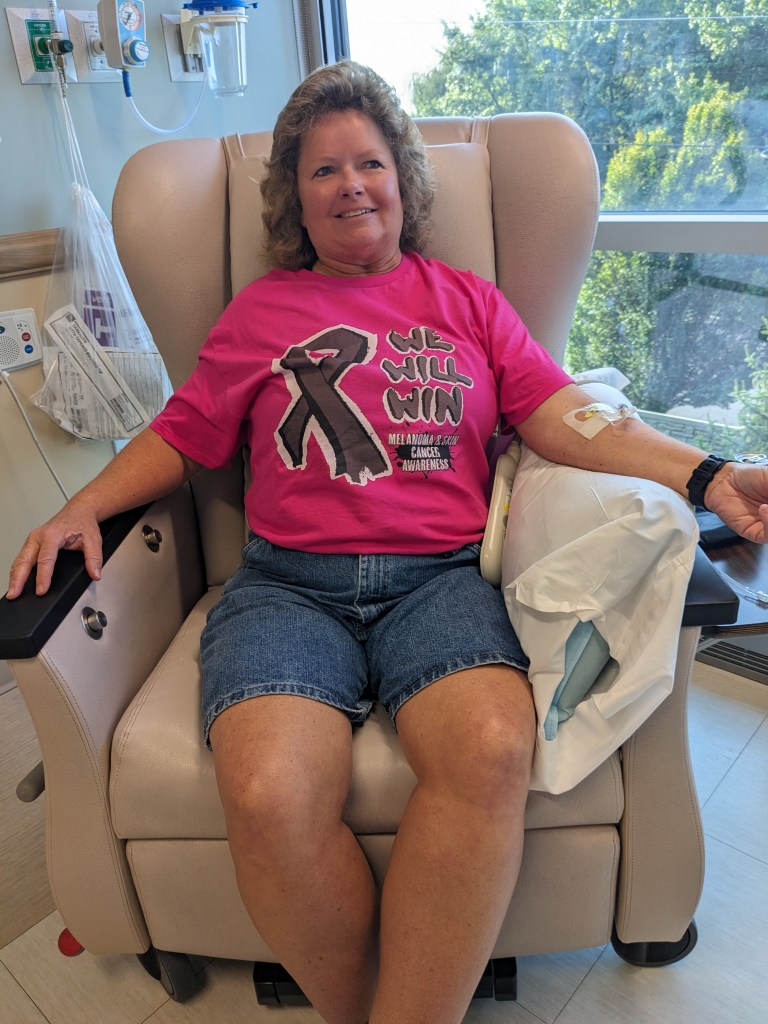
When I point out that I doubt Marley, Buffett, or Carter ever saw a tanning bed their entire lives, she answers, “Very true. Proof that the sun can damage you, too. Additionally, IARC studies show that if you’ve ever had a severe sunburn before the age of 18, you are 60% more likely to have melanoma, and that tanning-bed use before the age of 35 drives up the risk of melanoma by 75%. Worse, 70% of all melanoma travels to the brain. I never knew how aggressive this type of cancer was until I got it. Back then, not only were there tanning huts in every strip mall, but people of our generation remember using baby oil, cocoa butter, and tanning oil with no SPF whatsoever, straight up turkey basting! Even with all the bad publicity about the dangers of tanning bed use over the past quarter century, the Journal of the American Medical Association reports that 30% of white, female high school students and women ages 18 to 34 have used a tanning bed in the past year.”
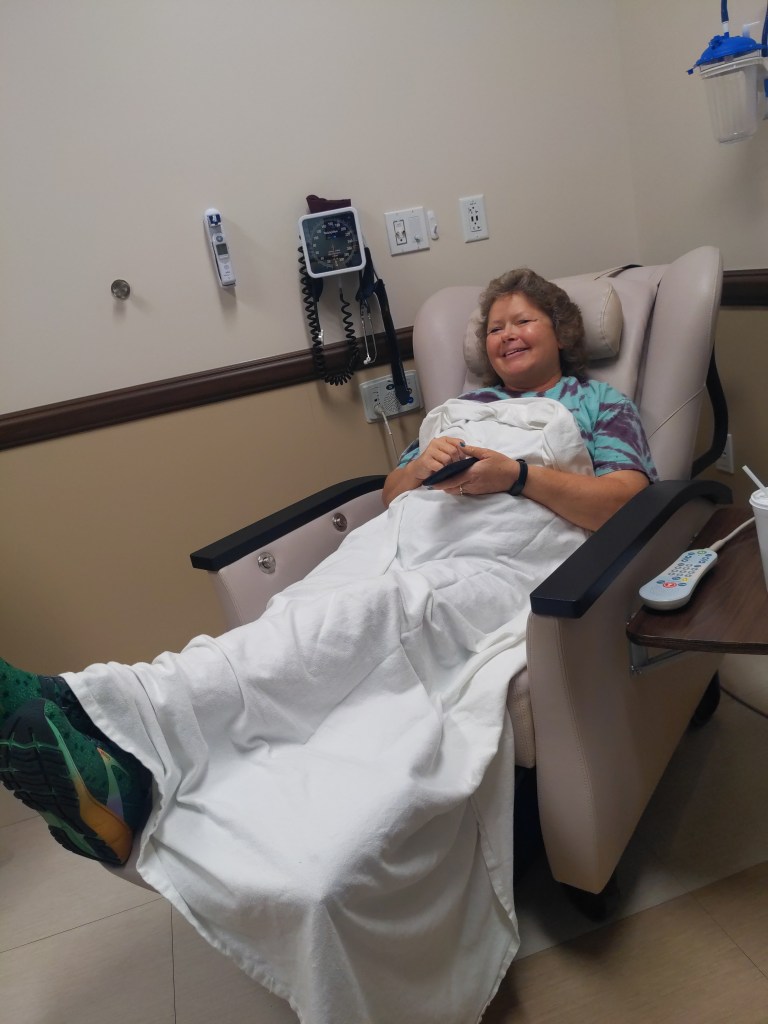
I asked Rhonda to retrace her cancer journey, both highs and lows. She answered, “The lows are pretty much what you would expect: fear, discomfort, and pain. I never smoked. I never did drugs, not even when they were prescribed to me. I don’t drink, so I went through a “Why me?” phase. But you get over all that in time. As for the medications, I did very well on Keytruda for the year I was on it. I was worried about it since I’d heard stories about people doing poorly on it and lasting for only one or two treatments. The Keytruda worked on my body, but not on my brain. So they switched my medication twice. They put me on Opdivo and Yervoy for two months (Jan.-Feb.), but it kicked my tail. I lost feeling in my hands and feet and experienced shortness of breath, flu-like pain all over, and I couldn’t even walk up a short flight of stairs.
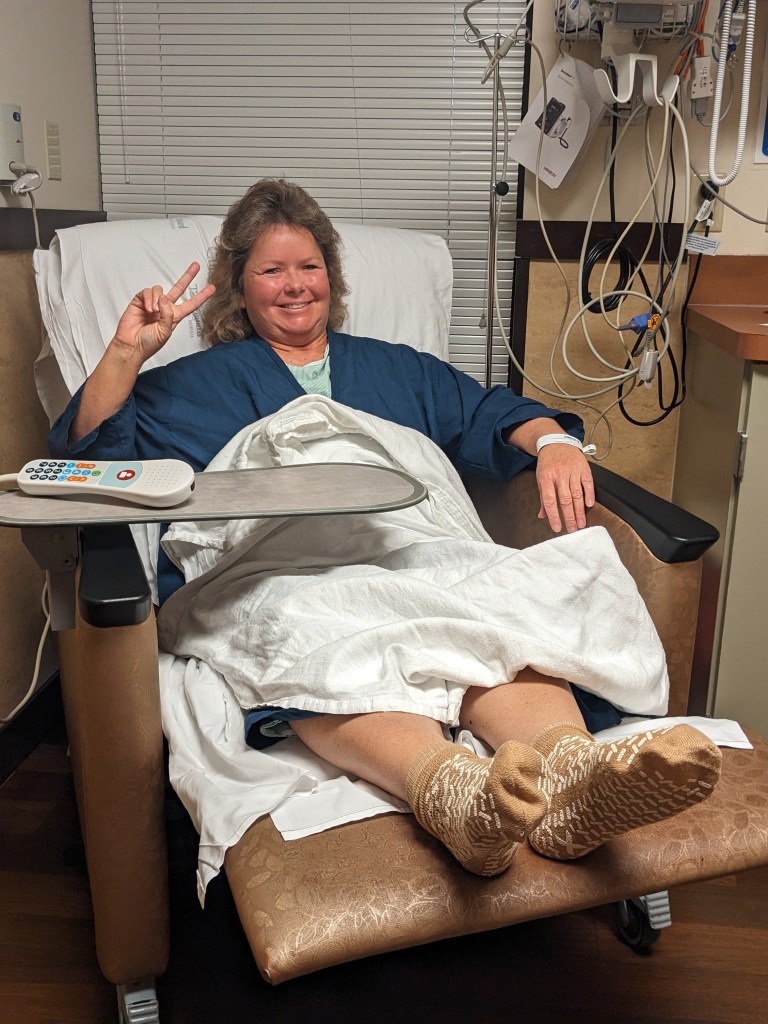
They put me on steroids, which alleviated the pain but pumped me up like the Michelin Man. They weaned me off of them slowly, but it came with an unfortunate side effect. I was tired all the time, with abdominal pain, muscle soreness, nausea, and vomiting. Worse, when I quit steroids, I went through wicked withdrawals; I was dope sick, like an addict. It’s starting to go away, but now the pain and discomfort are coming back. I am now on Braftovi and Mektovi. It makes me nauseous, weak, and tired. I don’t have many good days anymore, and even the good days aren’t great (It hurts to brush my hair). But I know there are many patients in much worse shape than me, so I’m going to keep fighting.”
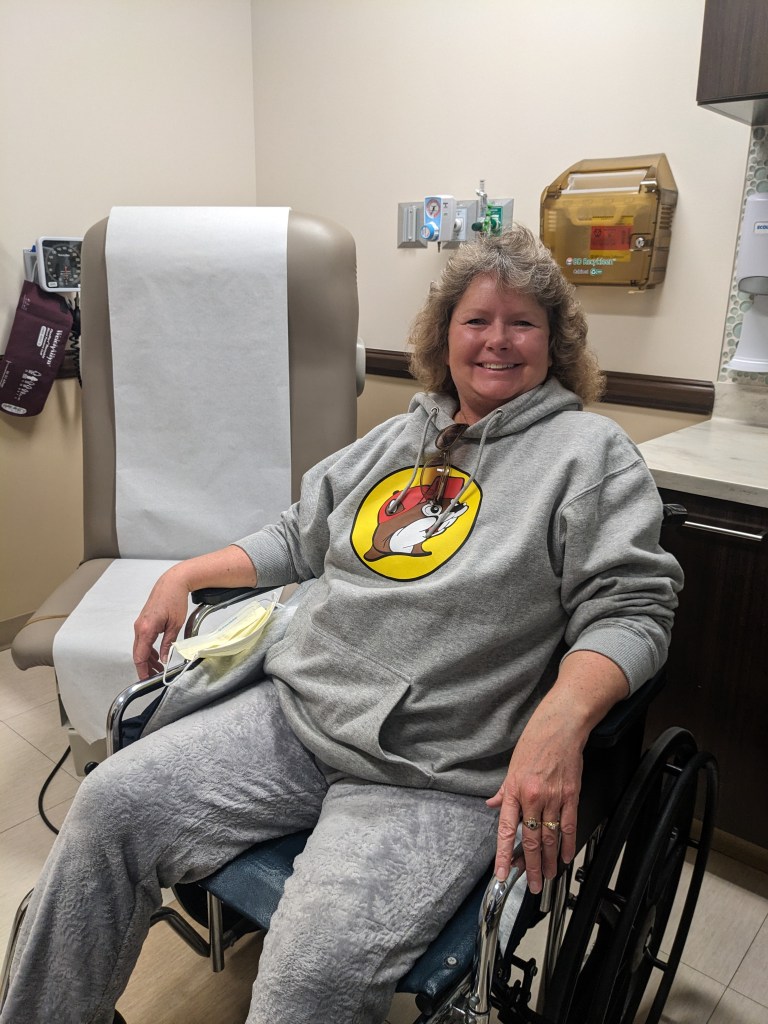
“I have been blessed with friends and family who love and support me. The value of those connections can’t be understated. My mom, Kathy Hudson, has been there from the beginning; diagnosis, treatment, and home-care. My dad, Ron Musick, has been a constant support, both by phone and in person. My children, Jasmine and Addison, have been better than I ever could have imagined. Addison, my mom, and you were the first faces I saw coming out of surgery. Jasmine, a former IU Med student, has made researching melanoma her new hobby. She discovered a web community on Reddit called “Melahomies” which has been quite helpful and informative. My sister Rennee, who works in the medical industry, has been a fountain of youth and support from Florida. I am equally blessed to have friends to lean on as well.
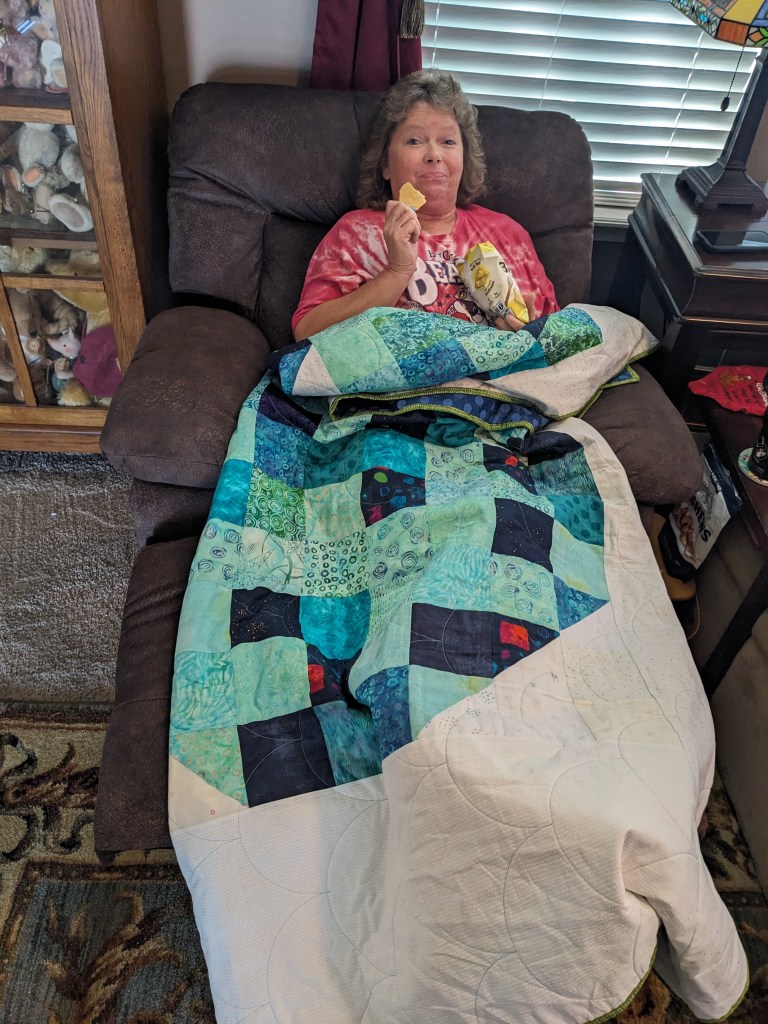
Thanks to Becky Hodson, Kris Branch, Cindy Adkins, Tim Poynter, Karen Newton, Kathleen Kelly, and Jodie Hall for being there. I am grateful for the continued support of Irvingtonians like Jan and Michelle at the Magick Candle, Adam and Carter at Hampton Designs, Dale Harkins at the Irving Theatre, and, of course, the girls at the Weekly View. Not to mention the support of your friends in the historic field. Barb Adams, Bruce & Deb Vanisacker, our Gettysburg friends and friends in the Lincoln community: Doc Temple (who passed earlier this year), Dr. James Cornelius, Bill and Teena Groves, and Richard Sloan. People like them rarely get the praise they deserve. If you ever find yourself in my position, or any traumatic medical condition for that matter, don’t be afraid to lean on your friends and family. They are as important to your healing process as the doctors and nurses. And of course, you Al, you are my rock.”
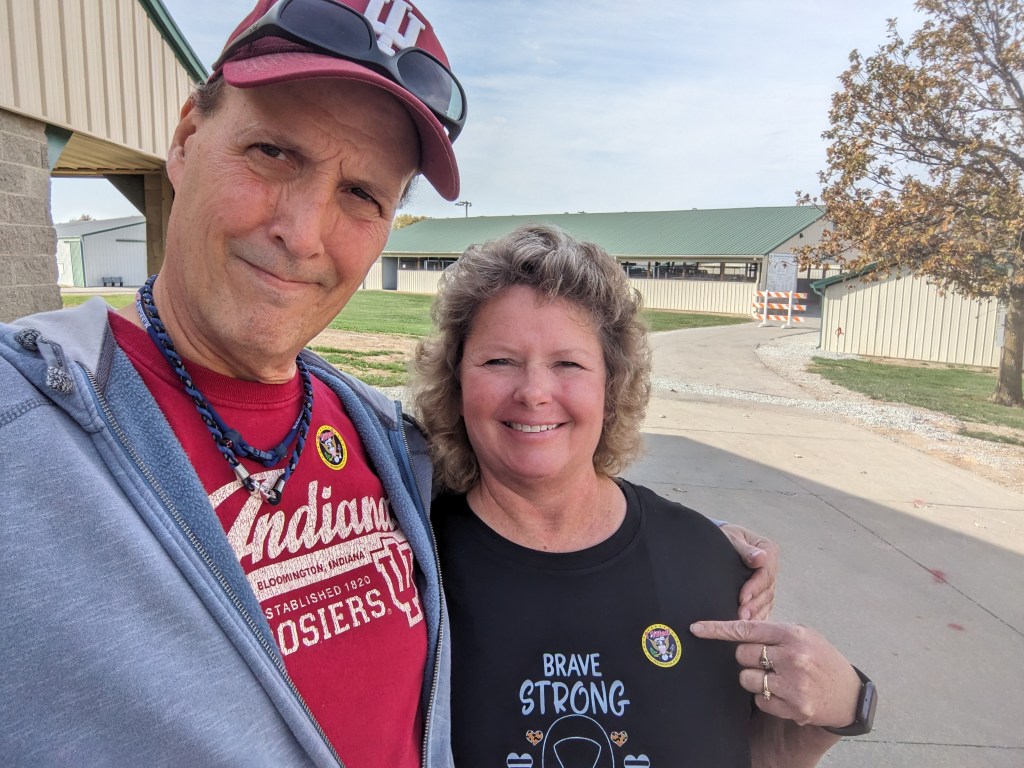
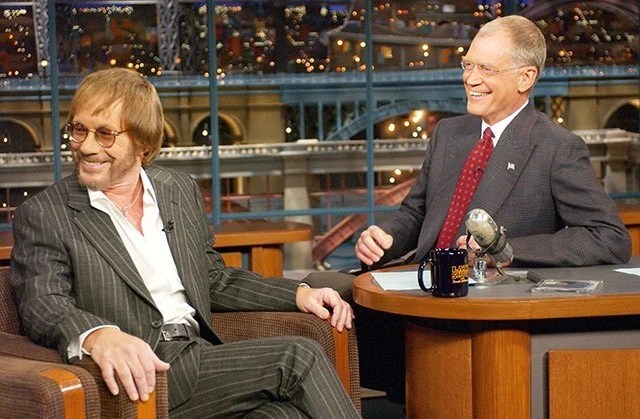
My first introduction to skin cancer came from our longtime friend, former ABA Pacers legend Bob Netolicky, and his family in Austin, Texas. Bob, Elaine, and Nicole have offered support and counsel throughout this journey. Neto has been battling skin cancer since being diagnosed during our first ABA reunion in 1997. Neto says, “I spent a lot of time in the sun when I was younger. Annual checkups are now a part of my routine.” Longtime readers of my column might recall that rocker Warren Zevon has been a constant in our relationship since the beginning. On his last appearance on David Letterman’s Late Show, Zevon, who passed away from cancer in 2003, advised his fans to “Enjoy every sandwich.”
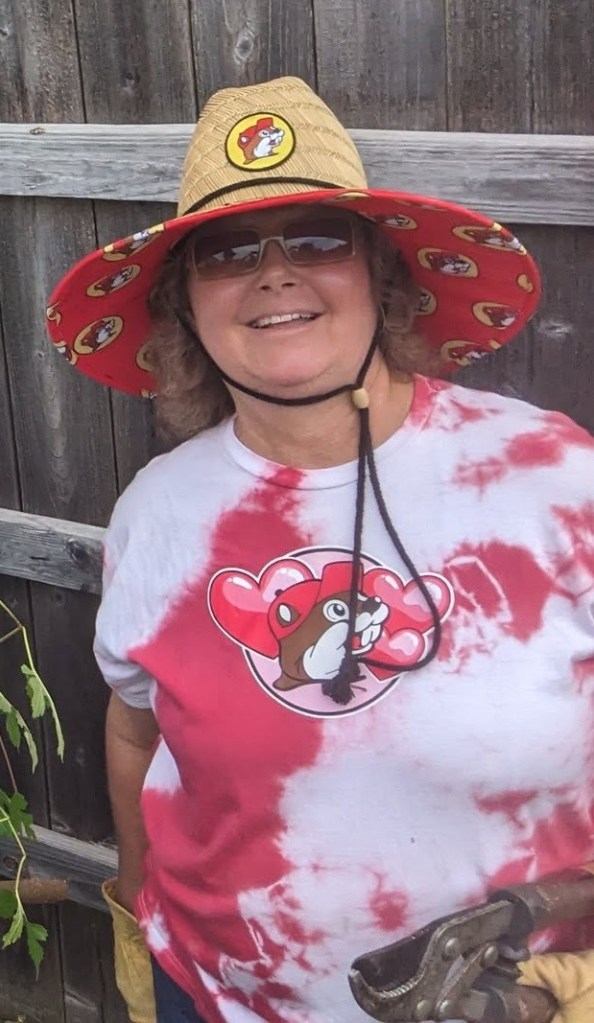
So, I asked Rhonda if she had any advice of her own. “I worry about people like me who had no idea how serious this thing is. Joggers, walkers, golfers, bicyclists, people who work or spend time outdoors professionally or recreationally. Skin cancer can sneak up on you, and it is serious. Don’t take it for granted. If you’re outside, wear a hat and make sunscreen a part of your daily routine. My Buc-ee’s straw hat is now a part of my regular gear. And it looks pretty cool.”

Rhonda’s white lillies presented to her by Patti LaBelle are now framed and hanging in her office alongside an autographed microphone from Ms. LaBelle.
Health & Medicine, Hollywood, Indianapolis, Music, Pop Culture, Television

Warren Zevon — Accidentally Like a Martyr.

Publish Date September 12, 2024. This column first appeared in August 2013.

https://weeklyview.net/2024/09/12/warren-zevon-accidently-like-a-martyr-2/

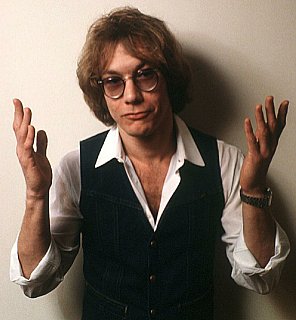
Warren Zevon 1992.

It’s hard to believe it’s been a decade since Warren Zevon died. If the name is not familiar to you, his songs might be: “Werewolves of London,” “Poor, Poor Pitiful Me,” or “Lawyers, Guns and Money” should ring a bell. Zevon was considered the rock star’s rock star, known for his songwriting talents in songs that showcased his quirky, sardonic wit in the dark humor of his ballads. Rock ‘n’ roll royalty like Jackson Browne, Bruce Springsteen, Bob Dylan, and Neil Young praised his talents and called him friend. Born in Chicago, Illinois, on January 24, 1947, he became the quintessential West Coast rocker, literally living the LA lifestyle right up until his death on September 7, 2003.

It’s easy to figure out why musicians thought Warren Zevon was so cool. From his earliest days, his personal pedigree made Warren unique and different. Zevon was the son of Beverly and William Zevon. His mother was from a Mormon family and his father was a Jewish immigrant from Russia whose original surname was “Zivotovsky.” William was a bookie who handled volume bets and dice games for notorious Los Angeles mobster Mickey Cohen. Known as Stumpy Zevon in Cohen’s employ, he was best man at Mickey’s first marriage and worked for him for years.

Warren William Zevon was born on January 24, 1947.

The family moved to Fresno, California when Warren was 13 years old. His British-born mother insisted that Warren take piano lessons. So Zevon started taking his lessons at the home of Igor Stravinsky, the  Russian-American composer, pianist and conductor widely considered to be one of the most important and influential composers of the 20th century. There, Warren briefly studied modern classical music, alongside future American conductor Robert Craft. Zevon’s parents divorced when he was 16 years old and he soon quit high school and moved from Los Angeles to New York to become a folk singer.

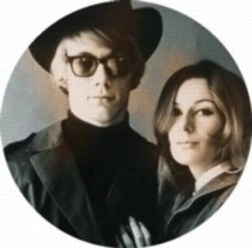
Lyme & cybelle

Zevon got his first taste of success with the song “Follow Me” as the male component of a musical coed duo called Lyme & Cybelle. He left the duo, citing artistic differences, and spent time as a session musician and jingle composer. He wrote several songs for the Turtles and another early composition (“She Quit Me”) was included in the soundtrack for the film Midnight Cowboy (1969). Zevon’s first attempt at a solo album, Wanted Dead or Alive (1969), was well-received but did not sell well. Zevon’s second effort, Leaf in the Wind, went unreleased.

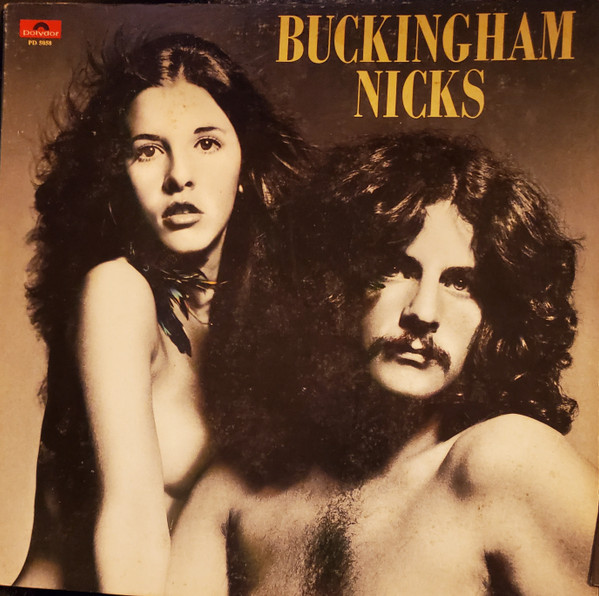
During the early 1970s, Zevon led the touring band for the Everly Brothers, serving as both keyboard player and band leader/musical coordinator. In the latter role Zevon became the first to recognize the talents of guitar player Lindsey Buckingham by hiring him for the band. It was during his time with the Everlys that Lindsey and girlfriend Stevie Nicks left to join Fleetwood Mac. Warren Zevon was a roommate of the famous duo in a Fairfax district apartment in Los Angeles at the time (September 1975). Zevon would remain friends with both for the rest of his life maintaining neutrality during the tumultuous breakups of both the Everly Brothers and Buckingham-Nicks.

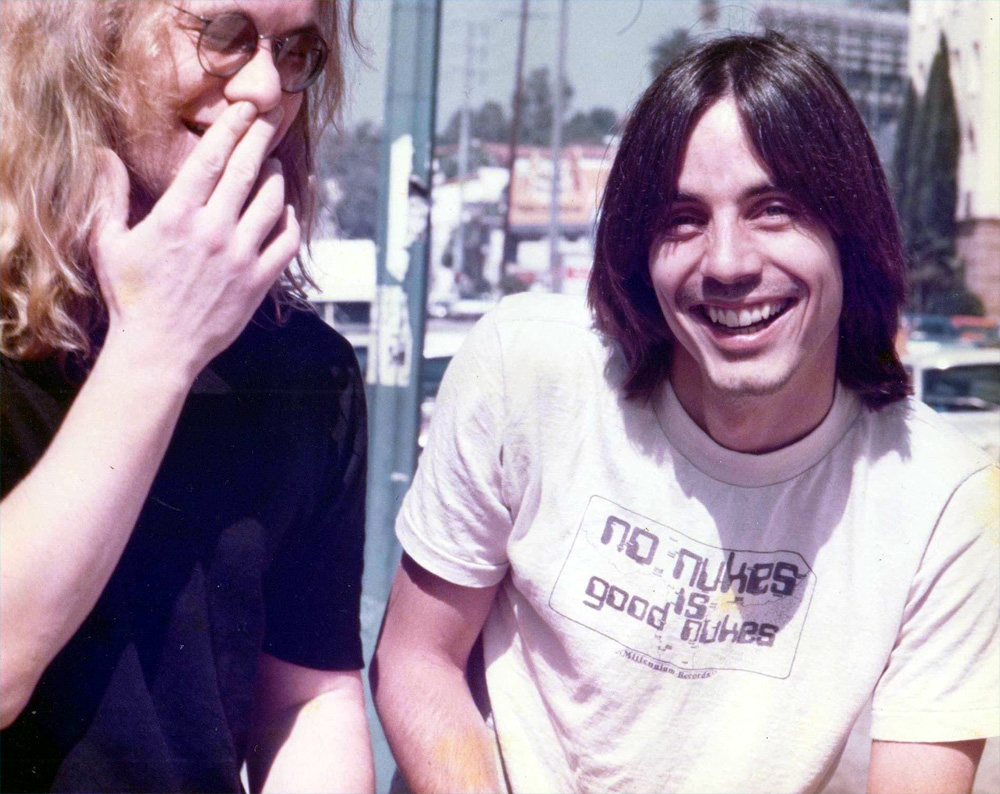
Warren Zevon & Jackson Browne.

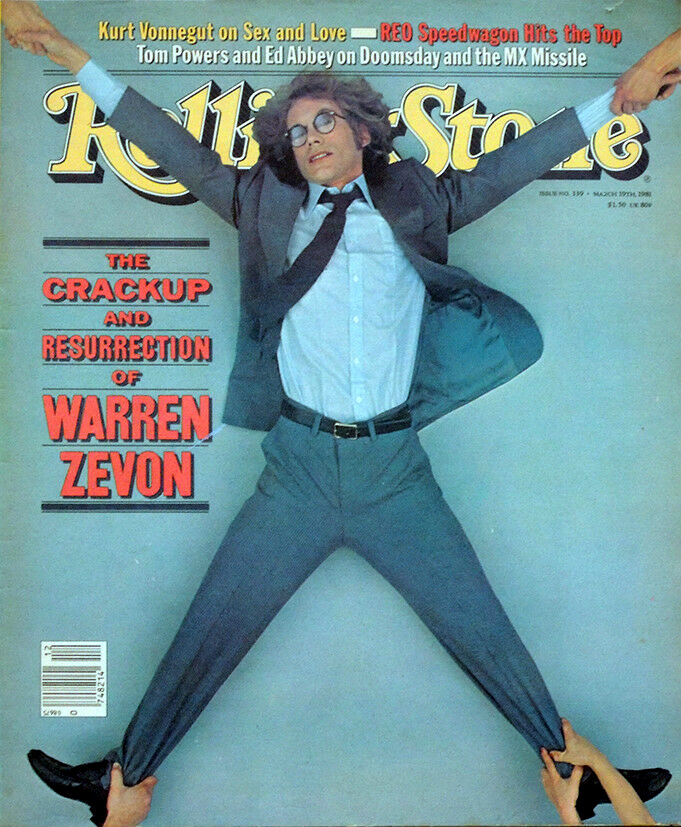
In late 1975, Zevon collaborated with Jackson Browne, who produced and promoted Zevon’s self-titled major-label debut in 1976. Contributors to this album included Nicks, Buckingham, Mick Fleetwood, John McVie, members of the Eagles, Carl Wilson, Linda Ronstadt, and Bonnie Raitt. This first album, although only a modest commercial success, was later recognized by Rolling Stone magazine as a masterpiece. Although  Zevon shared a grounding in earlier folk and country influences with his LA peers, this album brought Zevon to the forefront as a much darker and more ironic songwriter than other leading figures of the era’s L.A.-based singer-songwriter movement. Rolling Stone placed Zevon alongside Neil Young, Jackson Browne, and Bruce Springsteen as one of the four most important new artists to emerge in the decade of the 1970s.

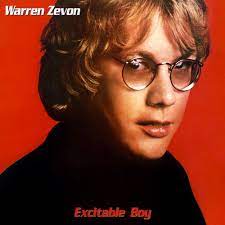
In 1978, Zevon released Excitable Boy to critical acclaim and popular success. This album received heavy FM airplay mostly through the release of the single “Werewolves of London,” featuring Fleetwood Mac’s Mick Fleetwood on bass and John McVie on drums. The song is considered a classic and has been covered by artists ranging from the Grateful Dead to Bob Dylan to comedian Adam Sandler. The song has become a Halloween season staple. For all you trivia buffs out there, The Chinese restaurant mentioned in the song (Lee Ho Fook) is a real location situated on Gerrard Street in London’s Chinatown.

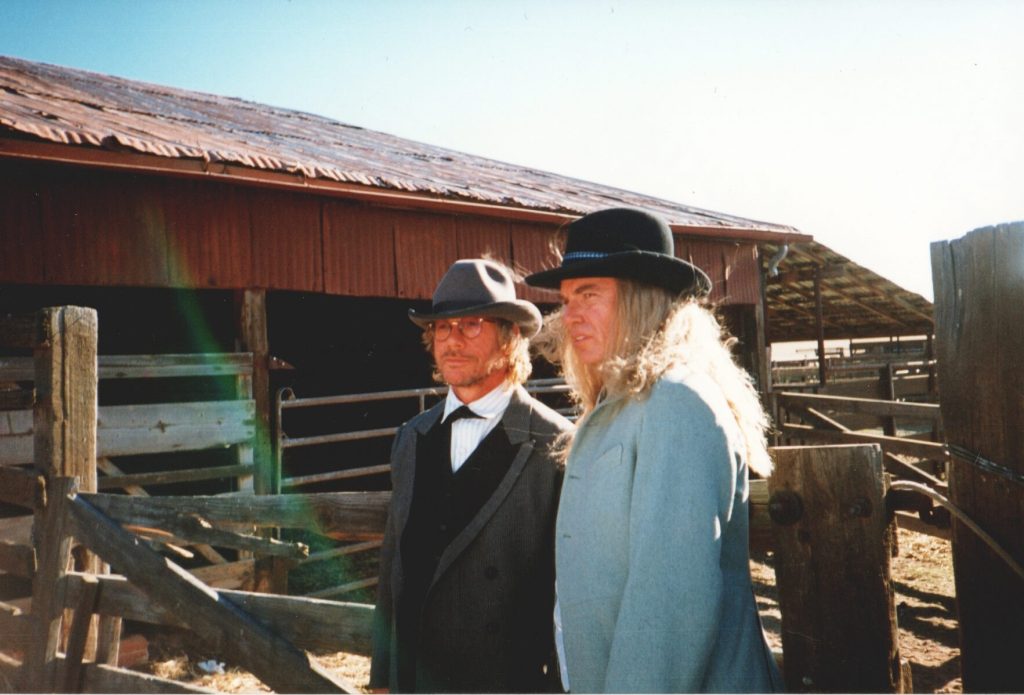
Zevon & Billy Bob Thornton on set of Dwight Yoakam’s 2000 western “South of Heaven, West of Hell”.

Although Zevon never again achieved popular acclaim, he continued to be recognized as an artist’s artist, releasing nine more albums over the next 25 years. It was during that quarter-century that Zevon lapsed in and out of the throes of excess, obsession, and addiction. To say that Warren Zevon suffered from excessive compulsion disorder would be a severe understatement. Warren had a continuing battle with drug addiction and alcoholism and was also a sex addict obsessed with the color gray and personal fame, or lack thereof. During this time, he and actor Billy Bob Thornton formed a close friendship galvanized by a shared obsessive-compulsive disorder and the fact they were neighbors living in the same apartment building.

Warren Zevon is his gray t-shirt.

One of Zevon’s compulsions was collecting identical Calvin Klein T-shirts. Like everything else in his life (his car, his couch, his carpeting and wall paint), the T-shirts were gray. One story relates how Warren insisted upon traveling to every department store carrying Calvin Klein T-shirts while touring on the road. If the store carried Warren’s prized Gray Calvin Klein t-shirt, Warren obsessively purchased every one of them and stowed them in the tour bus. When asked why, Warren replied that the new ones were being made in China and that those still on the shelf had been made in the USA and were “sure to become collector’s items and go up in value.” When he died at age 56, thousands of gray Calvin Klein t-shirts were found in his LA apartment; unopened in their original packaging.

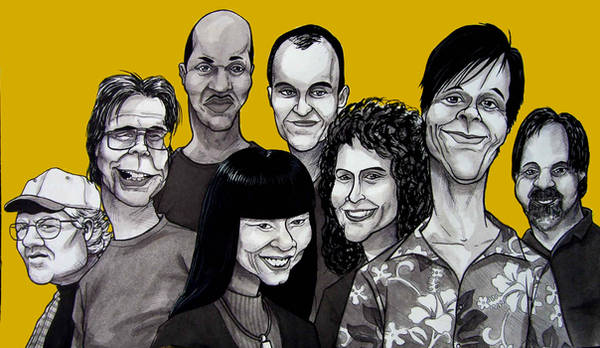
From left to right: Roy Blount Jr., Stephen King, James McBride, Amy Tan, Kathy Kamin Goldmark , Dave Barry, Matt Groening

A voracious reader, Zevon was friendly with several well-known writers who also collaborated on his songwriting during this period, including gonzo author Hunter S. Thompson, Carl Hiaasen, Mitch Albom, Norman Mailer, and Maya Angelou. Zevon served as musical coordinator and occasional guitarist for an ad-hoc rock music group called the Rock Bottom Remainders, a collection of writers performing rock and roll standards at book fairs and other events. This group included Stephen King, Dave Barry, Matt Groening, and Amy Tan, among other popular writers.

Zevon cemented his superstar status by appearing in various TV shows and movies during his career, most often playing himself. Zevon played himself on two episodes of Suddenly Susan in 1999 along with singer/actor Rick Springfield. Warren also appeared as himself on the Larry Sanders Show on HBO, alongside actor John Ritter as talk show guests in the same episode. Ironically, Zevon and Ritter would die within four days of each other.

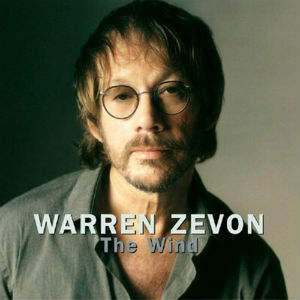
Although highly intelligent, well-read, and obsessive-compulsive in every way, Zevon had a lifelong phobia of doctors. Shortly before playing at the Edmonton Folk Music Festival in 2002, he started feeling dizzy and developed a chronic cough. After a period of suffering with pain and shortness of breath, while on a visit to his dentist, Zevon was ordered under threat of kidnapping to see a physician. A lifelong smoker, he was subsequently diagnosed with inoperable peritoneal mesothelioma (cancer of the abdominal lining commonly associated with asbestos exposure). Refusing treatments he believed might incapacitate him, Zevon instead began recording his final album, The Wind, which includes guest appearances by close friends Bruce Springsteen, Don Henley, Jackson Browne, Timothy B. Schmidt, Joe Walsh, David Lindley, Billy Bob Thornton, Emmylou Harris, Tom Petty, and Dwight Yoakam, among others.

On October 30, 2002, Zevon was featured on the Late Show with David Letterman as the only guest for the entire hour. The band played “I’ll Sleep When I’m Dead” as his introduction. Zevon performed several songs and spoke at length about his illness. Zevon was a frequent guest and occasional substitute bandleader on Letterman’s television shows since Late Night was first broadcast in 1982. He noted, “I might have made a tactical error in not going to a physician for 20 years.” It was during this broadcast that, when asked by Letterman if he knew something more about life and death now, he first offered his oft-quoted insight on dying: “Enjoy every sandwich.” He  took time to thank Letterman for his years of support, calling him “the best friend my music’s ever had.” For his final song of the evening, and his final public performance, Zevon performed “Roland the Headless Thompson Gunner” at Letterman’s request. In the green room after the show, Zevon presented Letterman with the guitar that he always used on the show, with a single request: “Here, I want you to have this, take good care of it.”

Zevon was given only a few months to live after that fall of 2002 diagnosis; however, he lived to see the birth of twin grandsons in June 2003 and the release of The Wind on August 26, 2003. The album reached number 12 on the U.S. charts, Zevon’s highest placement since Excitable Boy. When his diagnosis became public, Zevon told the media that he just hoped to live long enough to see the next James Bond movie, a goal he accomplished. The Wind was certified gold in December 2003, just weeks after Zevon’s death, and Warren received five Grammy nominations, winning two posthumous Grammys, the first of his career.

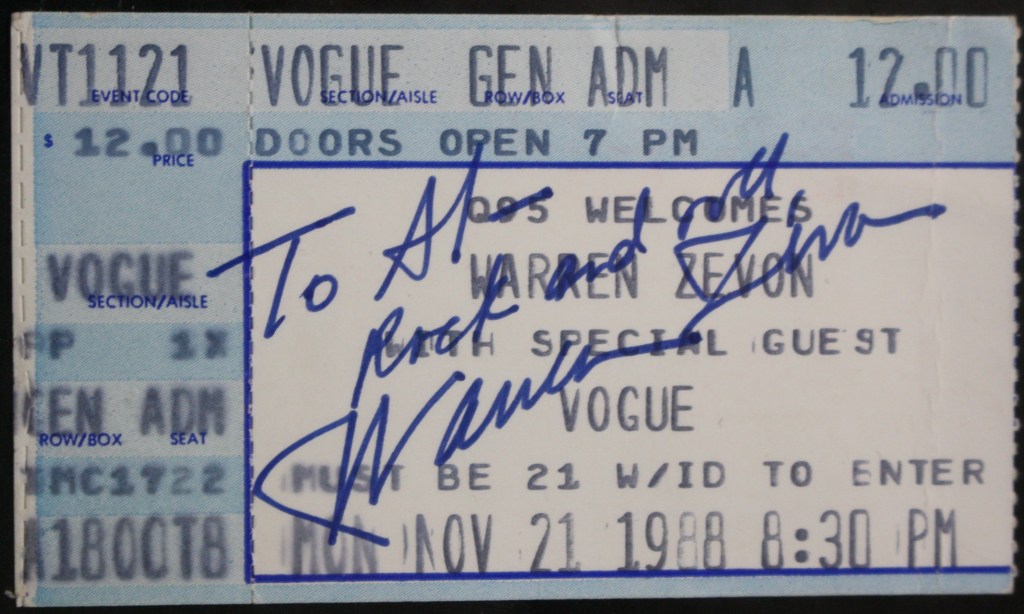
I have a brief personal connection to Warren Zevon. I interviewed him in the pre-holiday winter of 1988 after a concert at the Vogue in Broad Ripple. Zevon was touring with a patchwork band that included Timothy B. Schmidt of the Eagles. He performed all of his expected hits along with a couple covers. I specifically remember an unforgettable version of the Tom Jones standard “What’s New Pussycat?” as well as the Eagles former bass player Schmidt performing his signature song, “I Can’t Tell You Why.”

See if you can pick out Warren Zevon in this clip from the movie…Don’t blink!

After the show, I was led through the music hall to the back of the Vogue and told to wait. Meantime, out walked Schmidt and the rest of the band. Soon, Warren Zevon emerged. With his long blonde curls and John Lennon glasses, he looked more like a professor than a rock star. He maintained a constant smile throughout our session. Luckily, I struck a positive nerve by remarking that I had recognized him from his brief appearance during the closing credits of the 1988 Kevin Bacon film, She’s Having a Baby. Zevon leapt from his perch atop the bumper of his band’s equipment truck and began calling to his bandmates, “Hey guys, he saw me in the movie! I told you I was in it.” His band mates shrugged, but Warren thanked me for confirming what had until then, been just a rumor. As I recall, Zevon’s only word spoken in the film came in the naming the baby segment when he offered the name “Igor”.

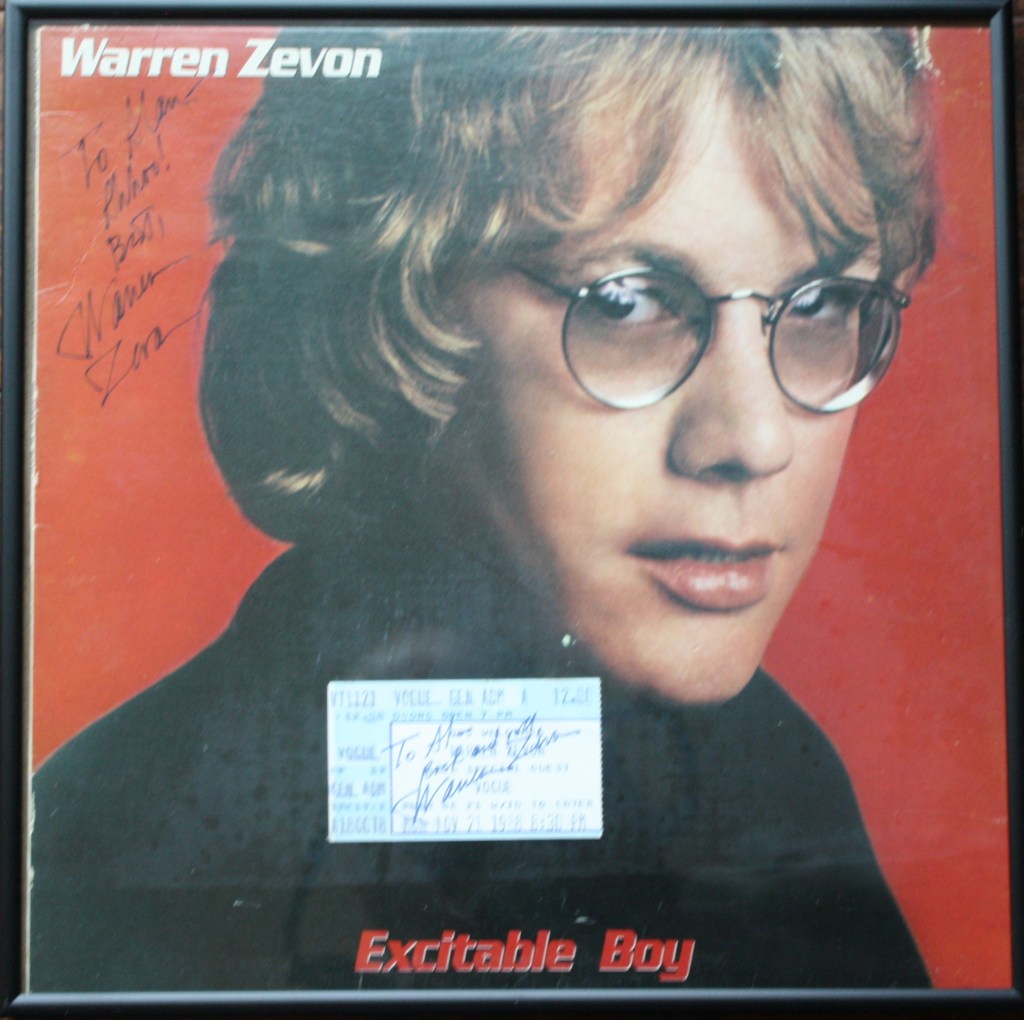
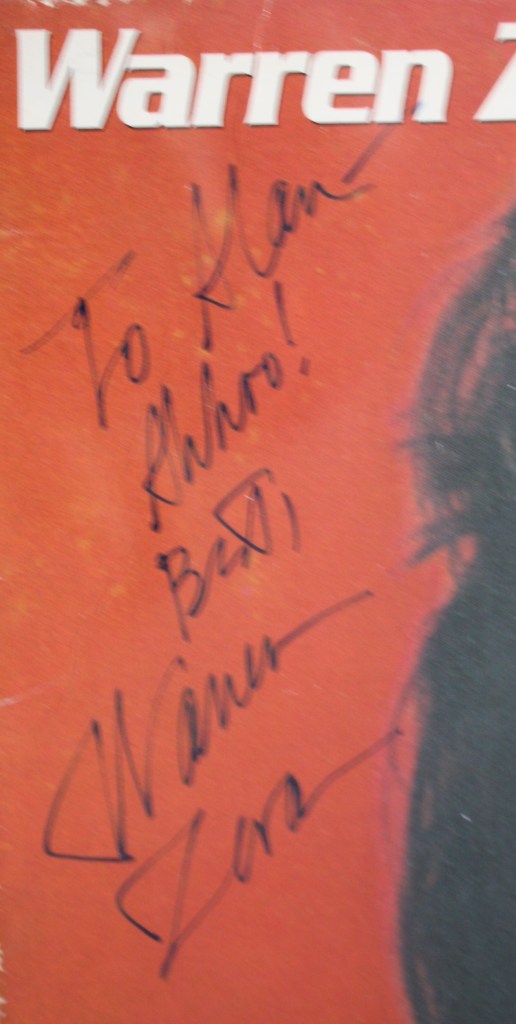
My autographed copy of Excitable Boy from that Vogue encounter.

I really can’t remember much of the encounter after that. I do remember Warren signed my copy of Excitable Boy and the interior paper cassette tape insert for A Quiet Normal Life, relics I still have. But the rest is a blur. There is a more important residual incident connected to that incident. That was the same night that my future wife Rhonda agreed to go out on our first date. Yep, I took her to a Sam Kinison comedy show at the old Indianapolis Tennis Center. Romantic huh?

Signature closeup.
My signed ticket stub from that night.

Two decades after that first date, Rhonda bought me the book, I’ll Sleep When I’m Dead: The Dirty Life and Times of Warren Zevon written and compiled by Zevon’s ex-wife Crystal Zevon (published in 2007 by Ecco Books). The book tore down every “nice guy” image I ever had of Warren Zevon, telling his life story through interviews with those who knew him. I walked away from it thinking “Wow, they had a real hard time finding anything nice to say about this guy.” The book has been described as being “notable for its unvarnished portrayal of Zevon.” Only later did I realize the book was written this way at Warren Zevon’s own request. As the words to Zevon’s song “It ain’t that pretty at all” bounce around in my head, I must say that I am not surprised or disappointed.

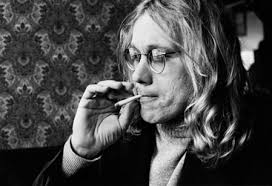
Warren Zevon still smokin’.

food, Politics

Elwood’s Airport Restaurant. The world’s only fly-in / drive-in.

Original publish date March 24, 2022. https://weeklyview.net/2022/03/24/elwoods-airport-restaurant-the-worlds-only-fly-in-drive-in/

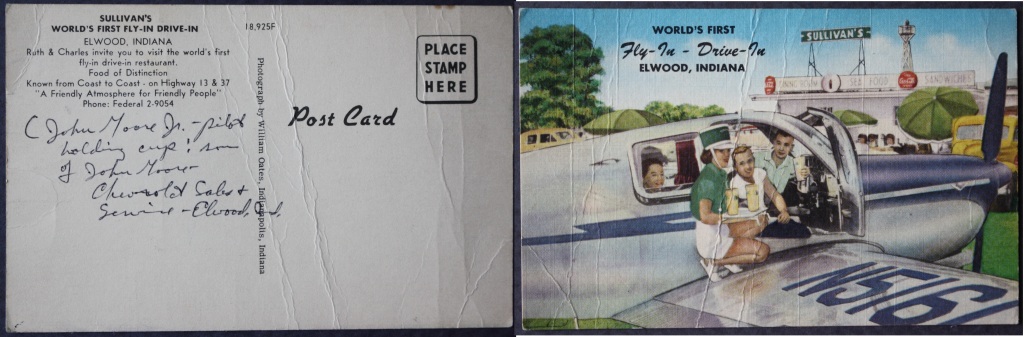
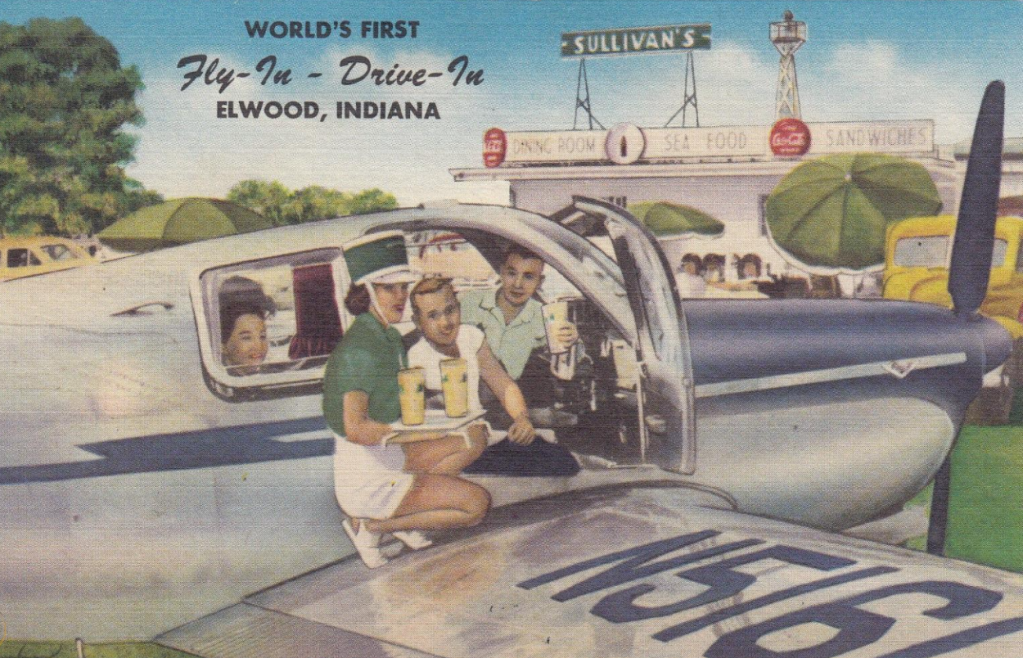
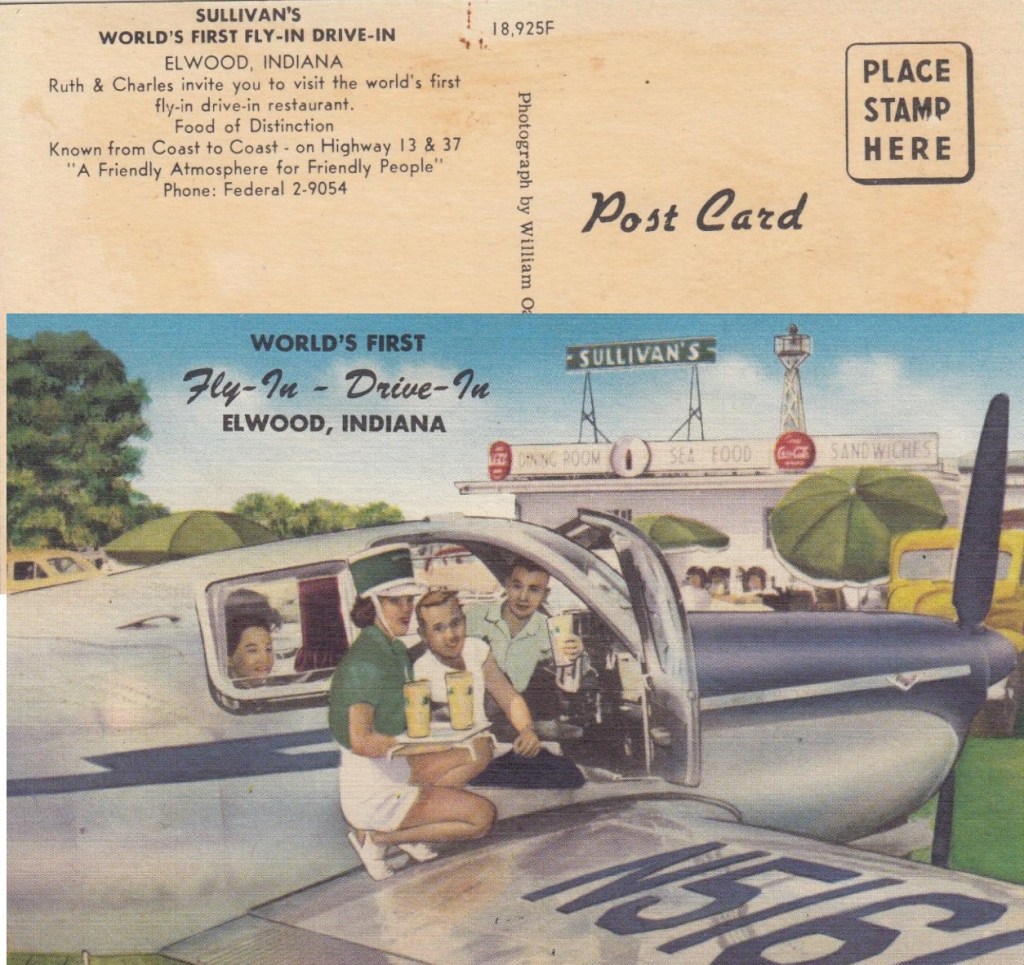
The author’s recent antique show find produced this postcard with the caption: “John Moore, Jr.-pilot holding cup, son of John Moore Chevrolet Sales + Service, Elwood, Ind.” written in vintage ink.

A couple of weeks ago, my wife Rhonda and I drove about 40 miles north of Irvington to Elwood to visit the world’s first (and only) fly-in drive-in restaurant. Resting just northeast of the intersection of Indiana 37 and 13, the Airport Restaurant is located at 10130 State Road 37 on what was once the Elwood Airport. The planes are long gone, and diners no longer rub elbows with pilots, but the Airport Restaurant is still the place where all the locals eat.

The airport was founded just after World War II by Elwood residents Don and Georgia Orbaugh. It featured two grass runways, measuring 2,243 feet and 2,076 feet. The sod landing strips accommodated single-engine planes and their specialty was known as the $100 hamburger. The restaurant did not charge $100 for burgers, but for pilots, that’s what they became. “By the time you get in your airplane, fill it up with gas, and fly a 100 miles, it’s a $100 hamburger,” the old pilot’s joke went. Don and Georgia Orbaugh owned and operated the airport for 56 years before it passed to daughters Ann Brewer and Donna Ewing.

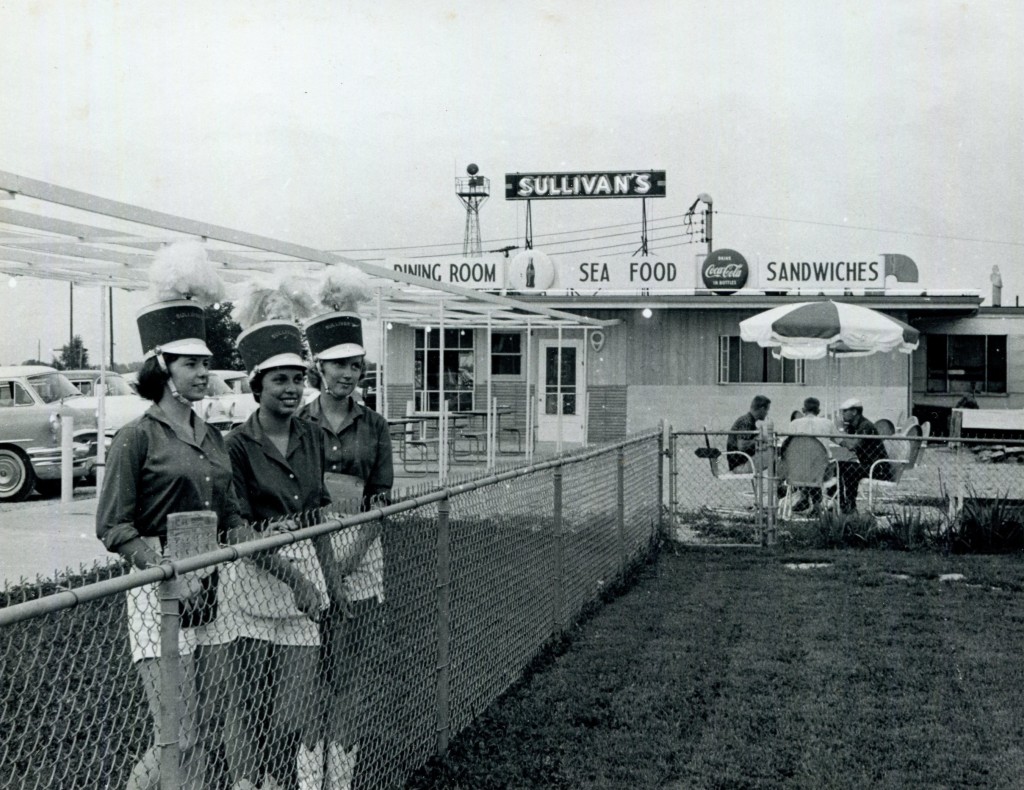
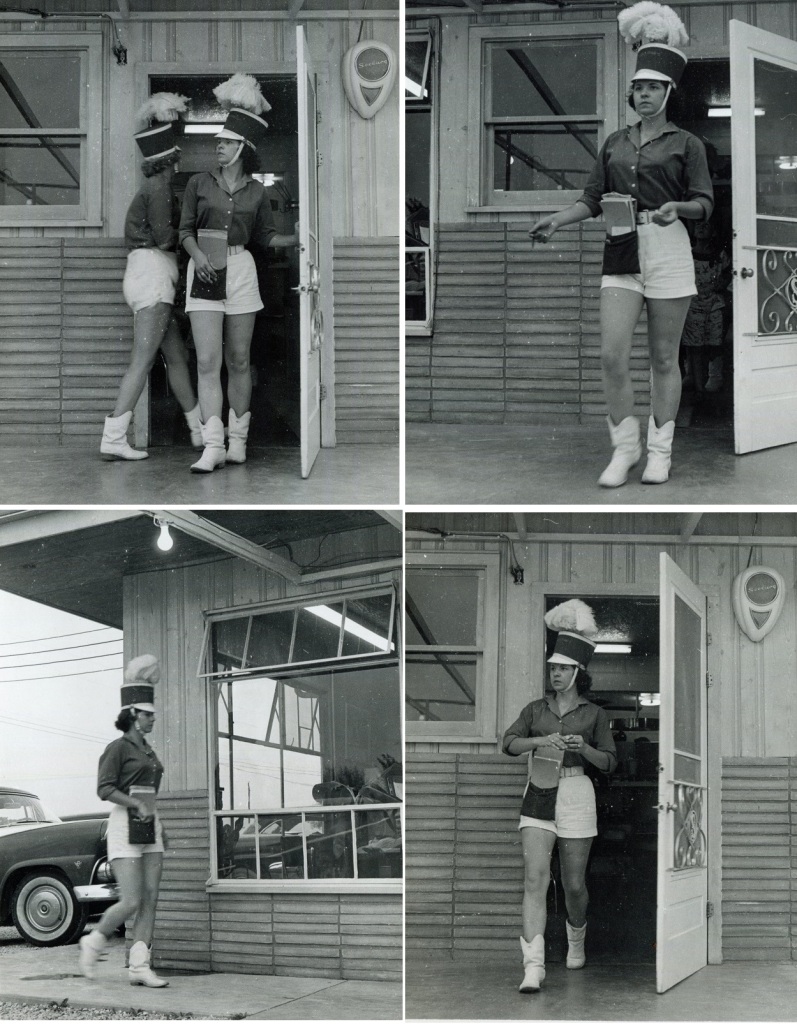
The uniformed carhops at Sullivans Airport Restaurant in Elwood, Indiana.

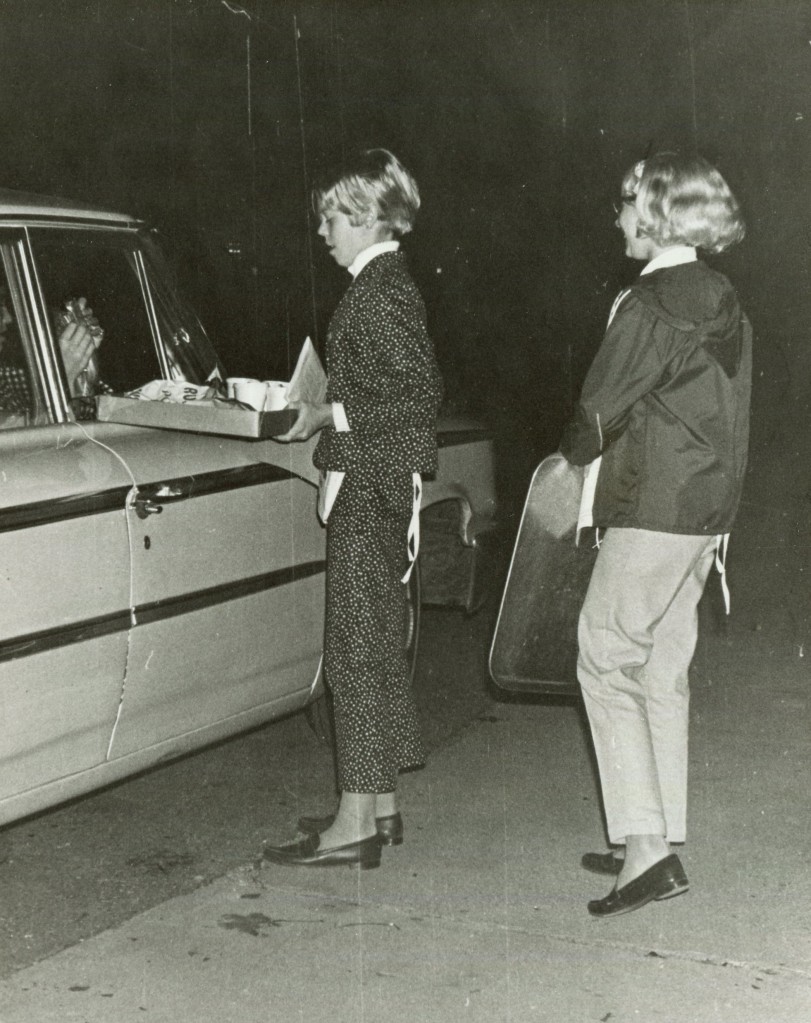
In 1952, “Sullivan’s Airport Restaurant” gained statewide attention when it opened an ice cream shack staffed by pretty young carhops. By 1953, a dining room was added to the shack, and young girls wearing tiny green uniforms with boxy marching band hats served curbside customers in their cars and pilots in their planes. Truth be told, the airport was really a “touch-and-go” facility where pilots practiced their landings and takeoffs. Most pilots only flew into the airport to visit the restaurant and ogle the carhops. By the end of the 50s, the novelty was over. There are a few photos (and at least one postcard) surviving of the Airport Restaurant during its heyday. The photos show the young waitresses in their carhop uniforms and the postcard pictures one of them standing on the wing of an airplane serving food to the pilots inside the cockpit.

Civilian employees serving customers in cars at Sullivan’s Airport Restaurant in Elwood, Indiana.
The carhops at Sullivan’s Airport Restaurant in Elwood, Indiana.

Al Swineforth, the current owner of the Airport Restaurant, has a long history in the restaurant business. “I moved to Elwood in 1970. I was a General Manager for Darden Foods in Anderson for 22 years when I retired,” he stated. For those who don’t know, Darden’s family of restaurants features some of the most recognizable and successful brands in full-service dining — Olive Garden, LongHorn Steakhouse, and Cheddar’s to name a few — serving more than 320 million guests annually in over 1,800 restaurants located across North America. Al smiled wryly, then said, “The day I retired, I was driving north on 13 when I stopped at 37 and saw the old Wheeler’s truck stop. I stayed retired for a total of four hours.”

The author with Holly Fettig and Al Swineforth.

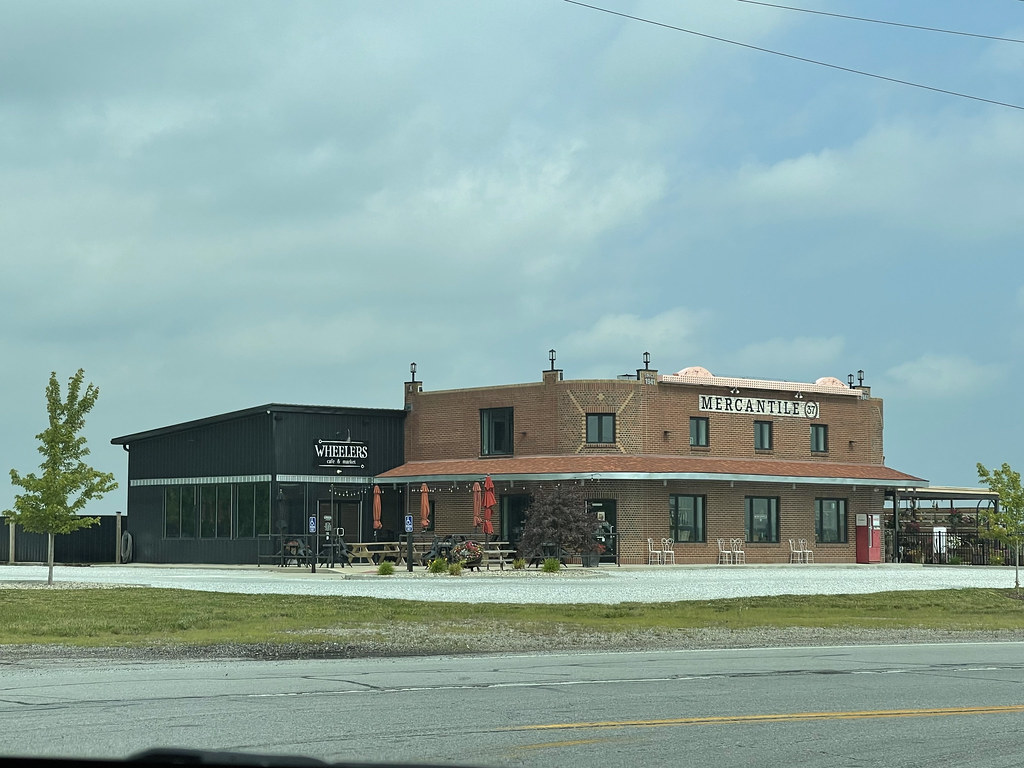
Anyone who has ever driven through northern Hamilton County on State Road 37 knows the old “Wheelers” building. The truck stop opened in 1940 as  “Scotty’s Inn.” This was back when SR 37 was the main route between Fort Wayne and Indy, so Scotty’s became a well-known stop for truckers, local farmers, and travelers alike. It featured gas pumps, a restaurant on the main floor, and “tourist rooms” upstairs. Swineforth reopened the restaurant after it sat derelict for many years following a devastating kitchen fire in the 1970s.

Wheeler’s Restaurant & Mercantile on State Road 37 today.

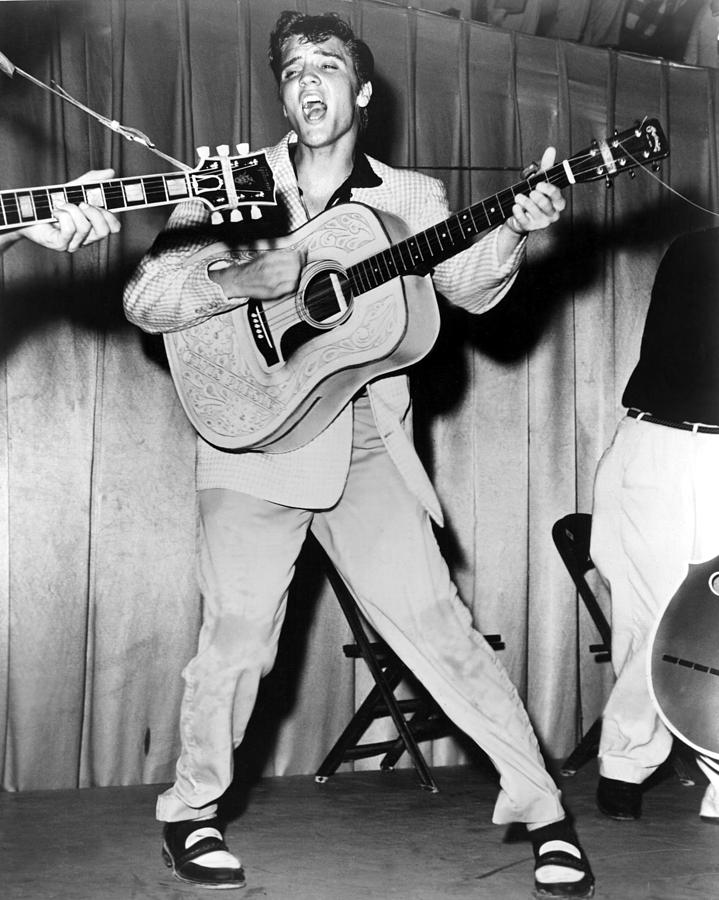
Swineforth recalled that the place was a mess when he took it over. “Oh the stories that building could tell,” he said. “Those rooms upstairs were rented to truckers by the hour,” he whispered with a wink. “You know, Elvis Presley came through there once back in the 1950s.” Swineforth ran his restaurant from 1993 to 1999 before the ancient infrastructure finally forced him to shut it down. The building remained vacant for nearly two decades before it reopened in 2018 as Mercantile 37.

Indiana Governor Frank O’Bannon.

After Swineforth closed his restaurant at the old Wheelers, he landed in Elwood. “I rent the building from the Orbaugh daughters. I own the name and everything within these walls, but the 74-acre airport property remains in the Orbaugh family,” Al noted. “Every Governor since Otis Bowen has stopped in here. Well, except Evan Bayh, he was never here. Mike Pence came in here all the time before he became Vice-President.” Al said, “He used to hold meetings right over there at that corner table.” Swineforth recalls one Governor’s visit in particular. “Frank O’Bannon came in here once for a meet-and-greet. We were running planes then and there were a couple of pilots in here. The Governor’s bodyguards went out and pulled the car up to leave and while they were gone the Governor said that he’d really like to take a plane ride. Pilot John Ward told him his plane was right outside and the Governor took off out the back door and was circling the runways within minutes.” Al closed by saying, “When those bodyguards came back in to get him, you should have seen the looks on their faces when I pointed to the sky and told them ‘there he goes.’ You couldn’t get away with that nowadays.”

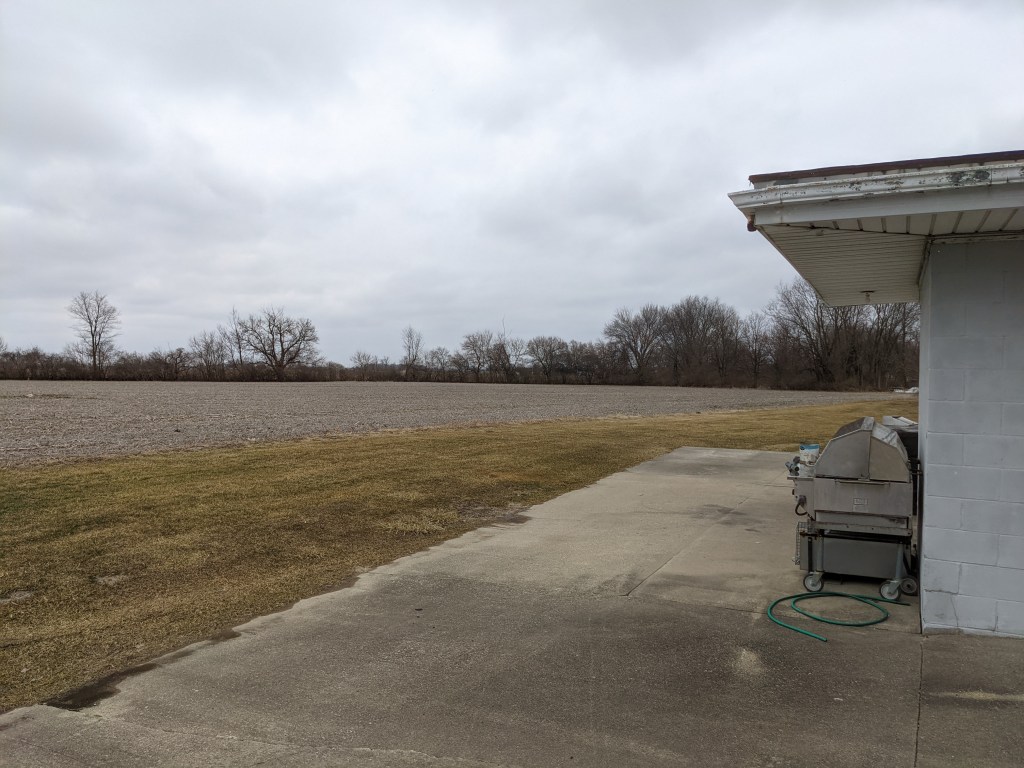
The old runways are a farm field behind the restaurant today.
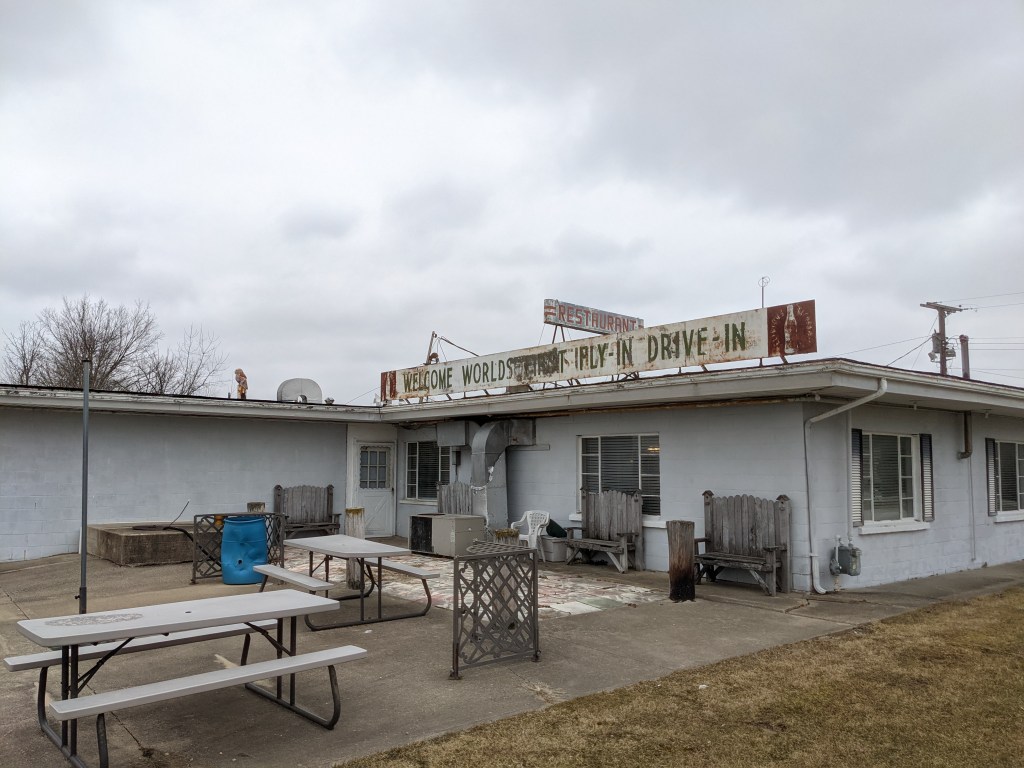
Back of the restaurant today.
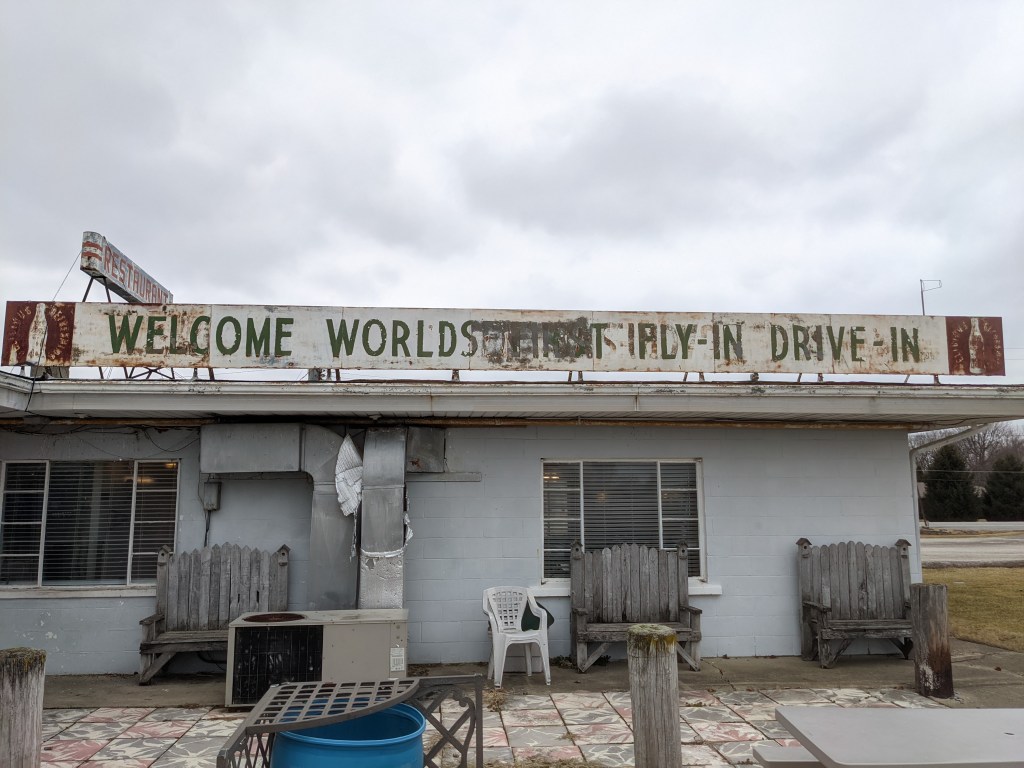
The original welcome sign for the restaurant as seen from the back patio.

The airport closed for good on September 1, 2008. The former runways were leased to a local farmer, who has since planted them in crops. Statistics from the previous year showed that the airport had 2,604 general aviation aircraft operations, an average of 217 per month. When I asked him how it affected his business, Al replied, “I lost $100,000 overnight.” That wasn’t the only calamity Swineforth had to weather. Like most restaurants, the COVID-19 pandemic nearly devastated the Airport Restaurant. “We never closed during COVID,” he stated. “Oh we shuttered the dining room but we were open for curbside and delivery.” It might surprise some to learn that Swineforth thinks the pandemic actually helped his business. “The community really came through for us. I think they appreciated that we never closed. Our business picked up after we reopened.”

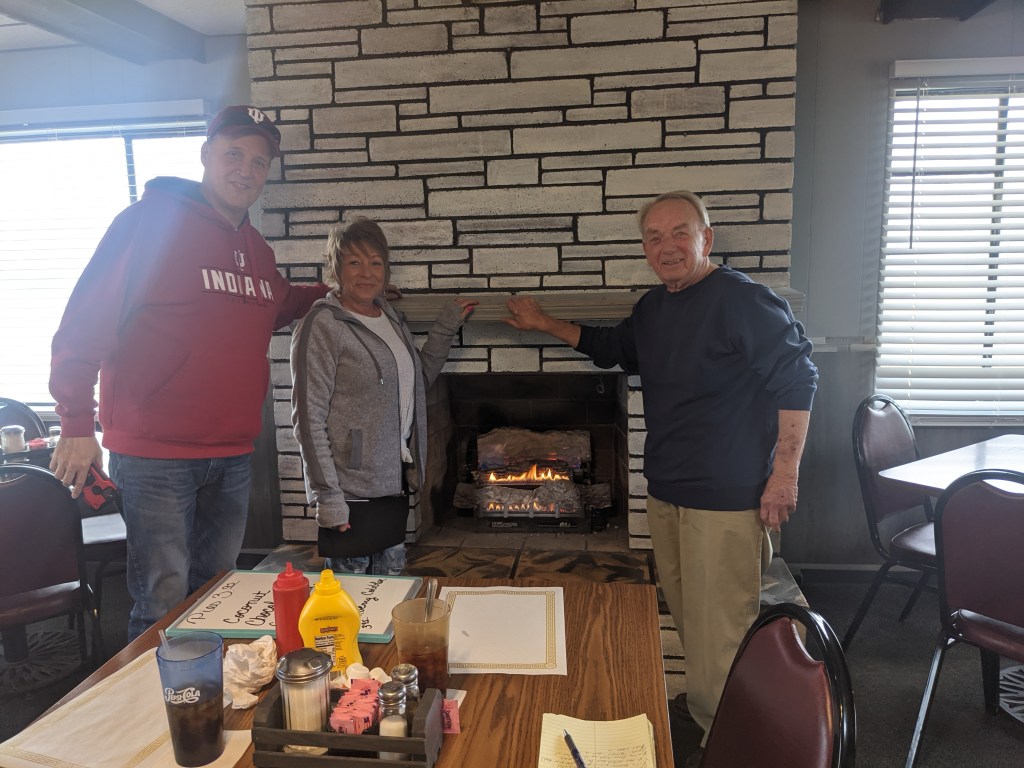
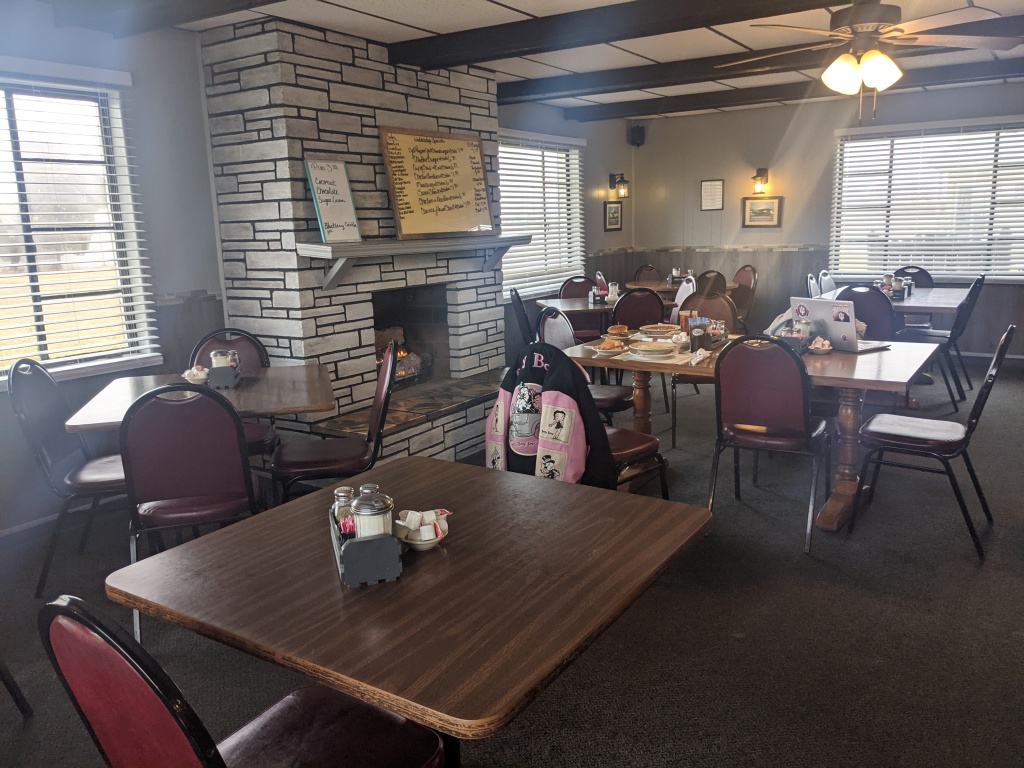
I visited the Airport Restaurant on a weekday and was immediately greeted by owner Al Swineforth. Al insisted that we have lunch before we sat down to chat, his treat. We were seated in the dining room right next to the fireplace. Our waitress Holly Fettig greeted us warmly and informed us that she had worked there since she was 18 years old. “My mom worked here for a few years before I started,” Holly said. “I’ve been here for over 25 years now.” I question that statement because she looks like she would still get carded in any bar she found herself in today.

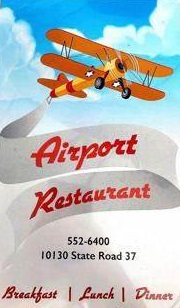
Elwood’s Airport Inn Menu.

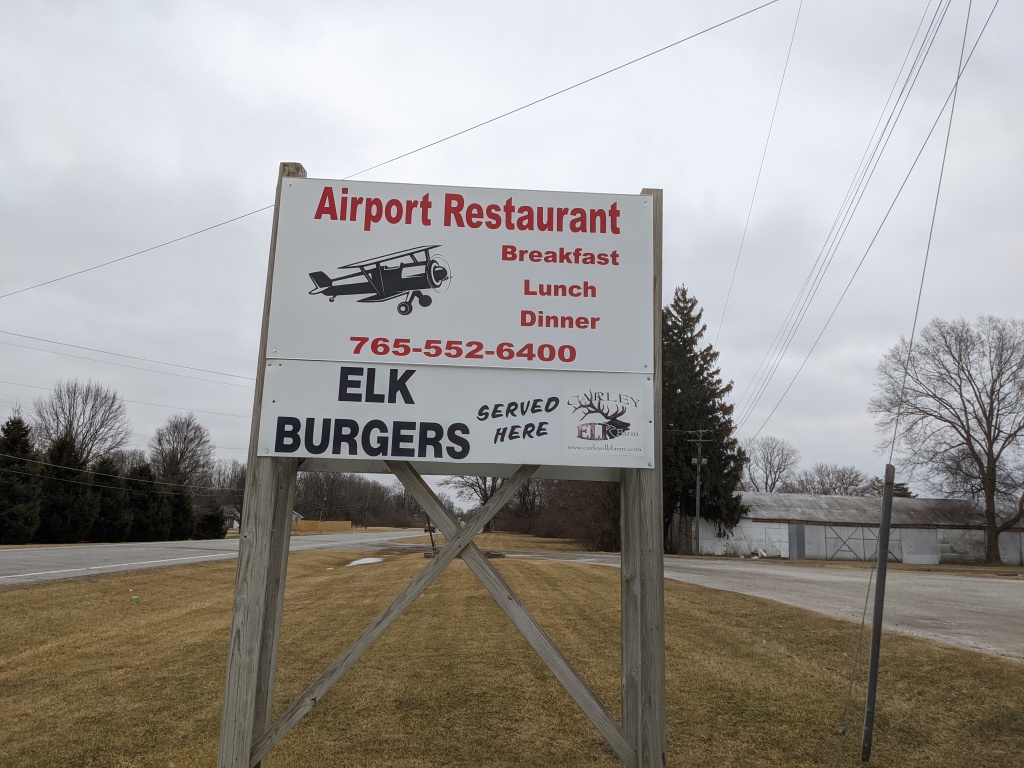
The menu is full of so many different dishes that it is hard to zero in on any one particular selection. The restaurant fare runs the gamut from Hoosier staples like grilled tenderloins, onion rings, fried green tomatoes, and double-decker hamburgers to steak, chicken and noodles, or fish dinners. Holly informed us that they are “famous for our elk burgers.” Rhonda had broccoli cheddar soup and a grilled ham & cheese sandwich and I opted for a giant hamburger, fries, and chili. Next time, I’m trying that elk burger. We were not disappointed. The restaurant serves breakfast, lunch, and dinner with homemade pies also available.

The author’s mother-in-law Kathy Hudson.

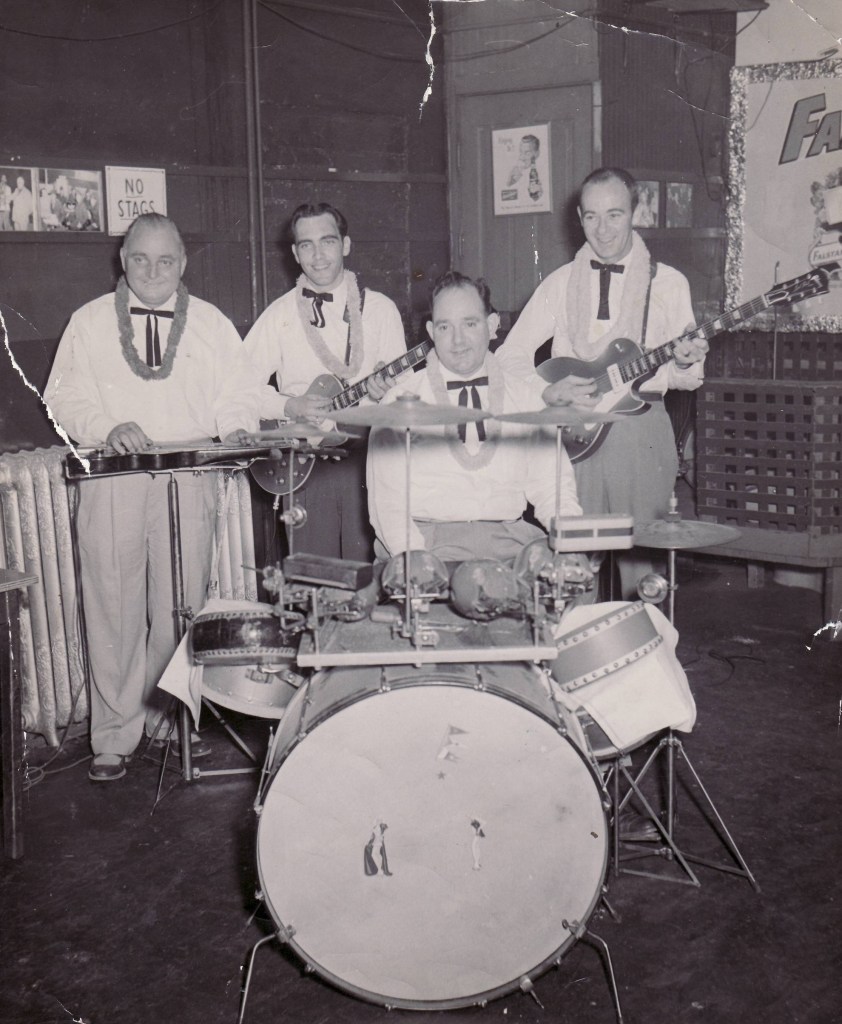
After lunch, we sat down with Al and Holly and explained the reason for our visit. Turns out that the restaurant has a family connection. My mother-in-law, Kathy Hudson, worked at the restaurant in 1968 at a time when it was being managed by my wife’s great-grandfather, Virgil Edgar Musick. Rhonda’s dad, Ron Musick, has told us for years about his grandfather and his restaurant and recalled helping with the bookkeeping when he was in high school. “The restaurant was called Musick’s Airport Restaurant back then. Granddad was a musician. He played slide guitar in a band along with running the restaurant.” Ronnie said, “Seemed like he was playing on the radio every weekend on WOWO up in Fort Wayne. He backed up some pretty big-name musicians in his day.”

Virgil Musick on slide guitar standing at left.

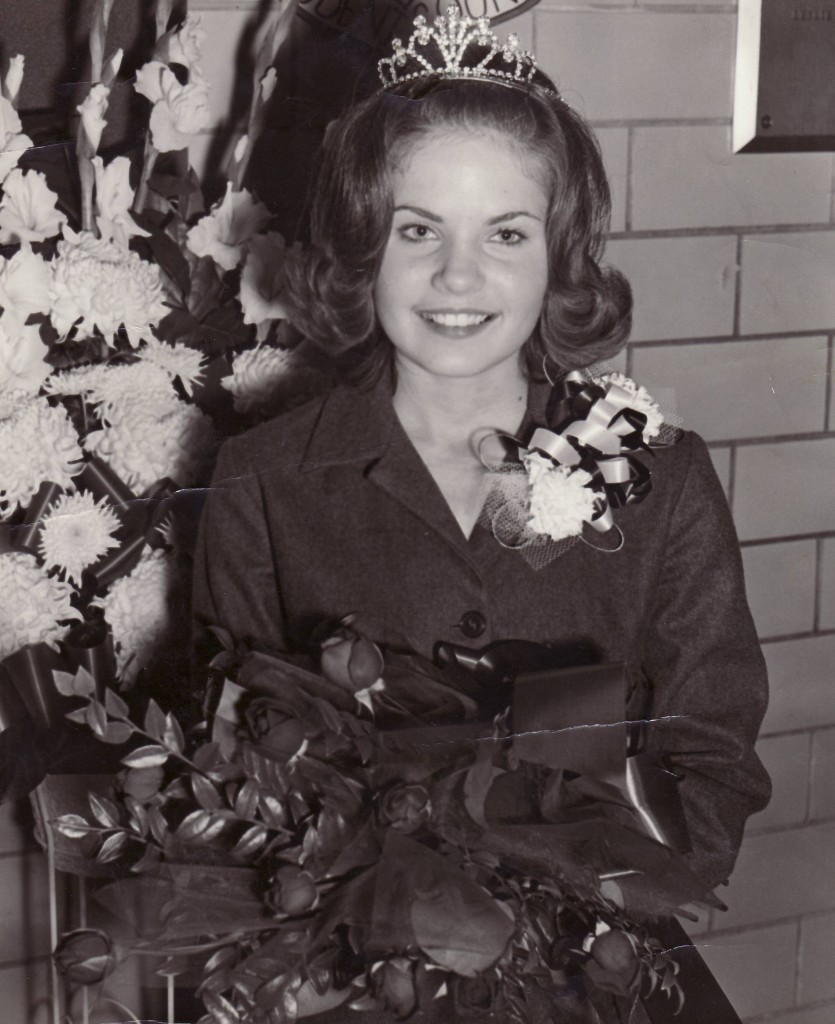
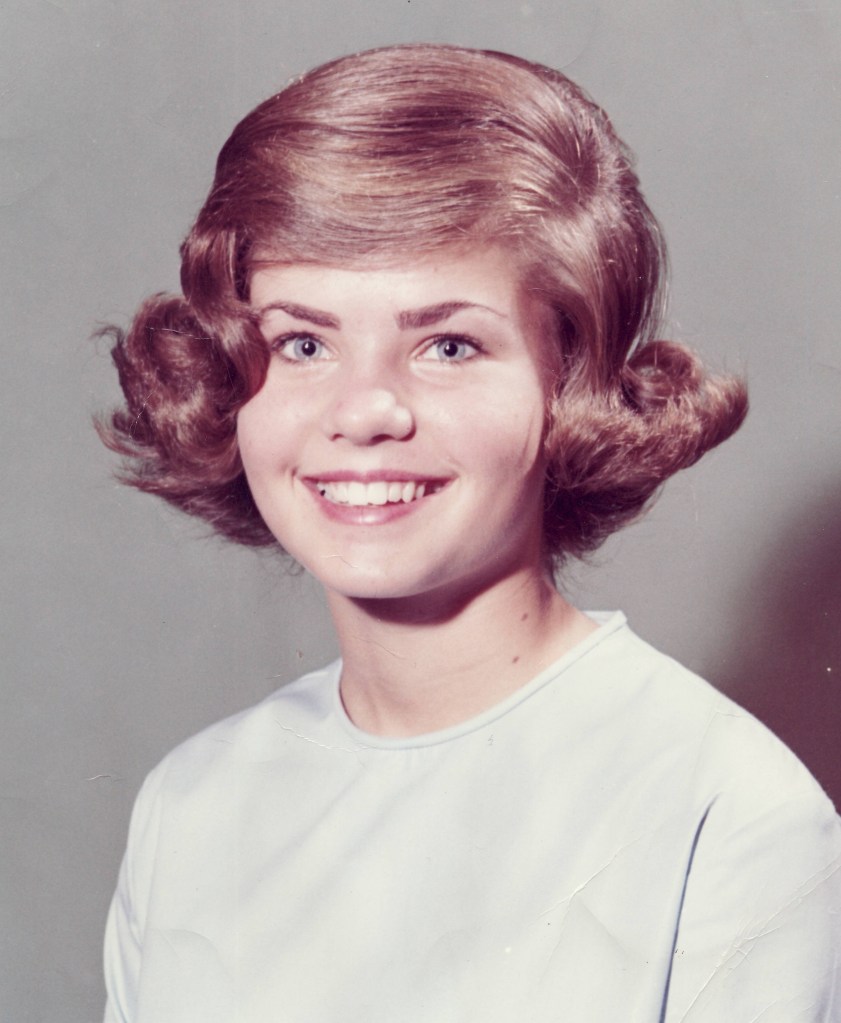
Kathy told us that she was working as a waitress there when Bobby Kennedy’s campaign flew into Elwood in May of 1968. “I don’t remember Bobby being there, but his advance guys were there, all dressed up in suits and dark sunglasses. They asked me if I wanted to go for an airplane ride and I told them, ‘Well, only if my husband can come along.’ The advance men told her, ‘Sure, he can sit on the wing.’ Did I mention that Kathy, former homecoming queen at Anderson Highland High School back in 1964, is quite the looker? The fireplace table was important because Rhonda’s only memory of the restaurant centers around a photo of her and grandmother Nina Pace standing in front of it. Rhonda told Al, “But I remember it as red brick, not white.” Al explained, “Yes it was red but we painted it white when we remodeled the place several years ago.”

The author’s father-in-law Ron Musick at left.

The planes don’t come here anymore and the runways were plowed over years ago. However, evidence of the airport survives in the many pictures of planes, parked on the grassy runways, taken back in the 1960s and 70s that now line the walls of the restaurant. My father-in-law, Keith Hudson, remembered tooling around Elwood back when it was a working airport. “We used to cut through here by driving up the runway back then. I still eat there from time to time.” When I mentioned Hud’s name to Al, he said, “Oh yeah, I know Keith from Bernie’s bar in Frankton.” Turns out that before he ran the Airport Restaurant, Virgil Musick ran the 128-club in Frankton. Seems like Al Swineforth knows everyone in Madison County. And as for those shortcuts through a working airport runway, don’t worry Hud, I think the statute of limitations has run on that by now.

Looking at Kathy, it is easy to understand how she drew the attention of RFK’s security detail in 1968.
The dining room of the Airport Restaurant in Elwood, Indiana as it appears today.

Abe Lincoln, Civil War, Indianapolis, Irvington Ghost Tours

Sons of Union Veterans Ben Harrison Camp # 356.

IMG_3526[1]
Left to right: Dave Wilson, Bob Winters, Mike Beck, Past Department Commander (PDC); Tim Beckman, PDC; Garry Walls, PCC; Bruce Kolb, PDC; Jim Floyd.

Original publish date:  July 11, 2019

Sometimes you just need to step back, relax, reflect awhile and think about what it means to be a Hoosier. The fourth of July seems a perfect time for such reflections. I was born in Indianapolis, as were my parents, grand parents and great-grand parents. Like many of us, I had forefathers who served in the Civil War. In my case, I had gr-gr-grandfathers serving on both sides of the conflict; my maternal forefather was riding with Morgan’s Raiders while my paternal forefather was chasing him. Had one caught the other, I might not be here.
This past Memorial Day, I finally decided to venture out to Crown Hill Cemetery and attend the official ceremonies hosted by the Sons of Union Veterans of the Civil War-Ben Harrison Camp #356. Dave “The King” Wilson had suggested I join a few years back and I just got around to joining recently. I’ve known Camp Commander Jim Floyd for nearly two decades and was delighted to be present as a spectator while Jim and Dave led the ceremonies. Truth is, I joined not only to honor the veterans in my past family but also to honor my muse of the past decade: Osborn Oldroyd.

1917 GAR
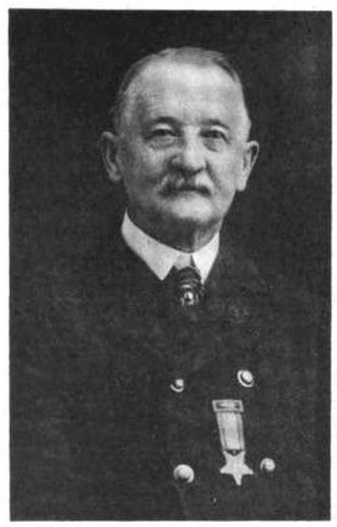
Osborn H. Oldroyd

As many of you know, Oldroyd has been on my mind lately. Not only was he the very first curator of a Lincoln museum, first housed in the Lincoln homestead in Springfield, Illinois for a decade and then in the House Where Lincoln Died in Washington D.C. for over three decades more. Equally importantly, he also served as Assistant Adjutant General of the Grand Army of the Republic in the District for over twenty years. Regardless of how I got there, I got there. And hopefully by the time you’re finished reading this article, you’ll decide you might want to join too.
The Ben Harrison Camp No. 356 SUVCW was originally founded on June 19, 1884 with 46 members, most of whom were “real sons”. After that first camp disbanded, it reorganized on March 8, 1897 with 32 members. It continued meeting into the early 1970’s before it disbanded again. In 1981, the Ben Harrison camp was organized once again and has met continuously ever since. Their mission statement, quite simply, is to “Honor Union Veterans and all who have patriotically served our country in any war, preserving & perpetuating the Grand Army of the Republic, and Patriotic Education.” All with the goal to help America become a better nation by helping to keep the stories and sacrifice of our Civil War ancestors alive.
The Ben Harrison camp “honors the soldiers who fought to preserve the Union and free an enslaved people through activities including: maintaining their graves, teaching patriotism, and ensuring future generations continue to learn from the mistakes of the past.” As for the parent organization, “The Sons of Union Veterans of the Civil War (SUVCW) is the volunteer, non-profit, charitable, fraternal, patriotic and educational organization created by the Grand Army of the Republic (GAR), which was the largest Union Civil War veterans’ organization. The SUVCW is officially recognized as the GAR’s legal successor, and received its Congressional Charter in 1954.”

IMG_3525[1]
Left to right: Dave Wilson, Jim Floyd,  Bob Winters, Jim Floyd.
These fellows truly practice what they preach. In the past few years of outside observation, I’ve watched from afar as these men have repaired, reset, restored, cleaned and replaced the markers of dozens of Hoosier Civil war soldiers; led the charge by decorating soldier’s graves for memorial day at Crown Hill Cemetery and Remembrance Day every November in Gettysburg as well as protecting a Hoosier monument in distress at Vicksburg. This past effort is of particular interest to me as it was on this field that Osborn Oldroyd was wounded three times in battle. I’ve fairly worn out my family, friends and readers over the past several years by rambling on about Oldroyd, so I’ll spare you any further abuse on the Lincoln collector / curator…for now.
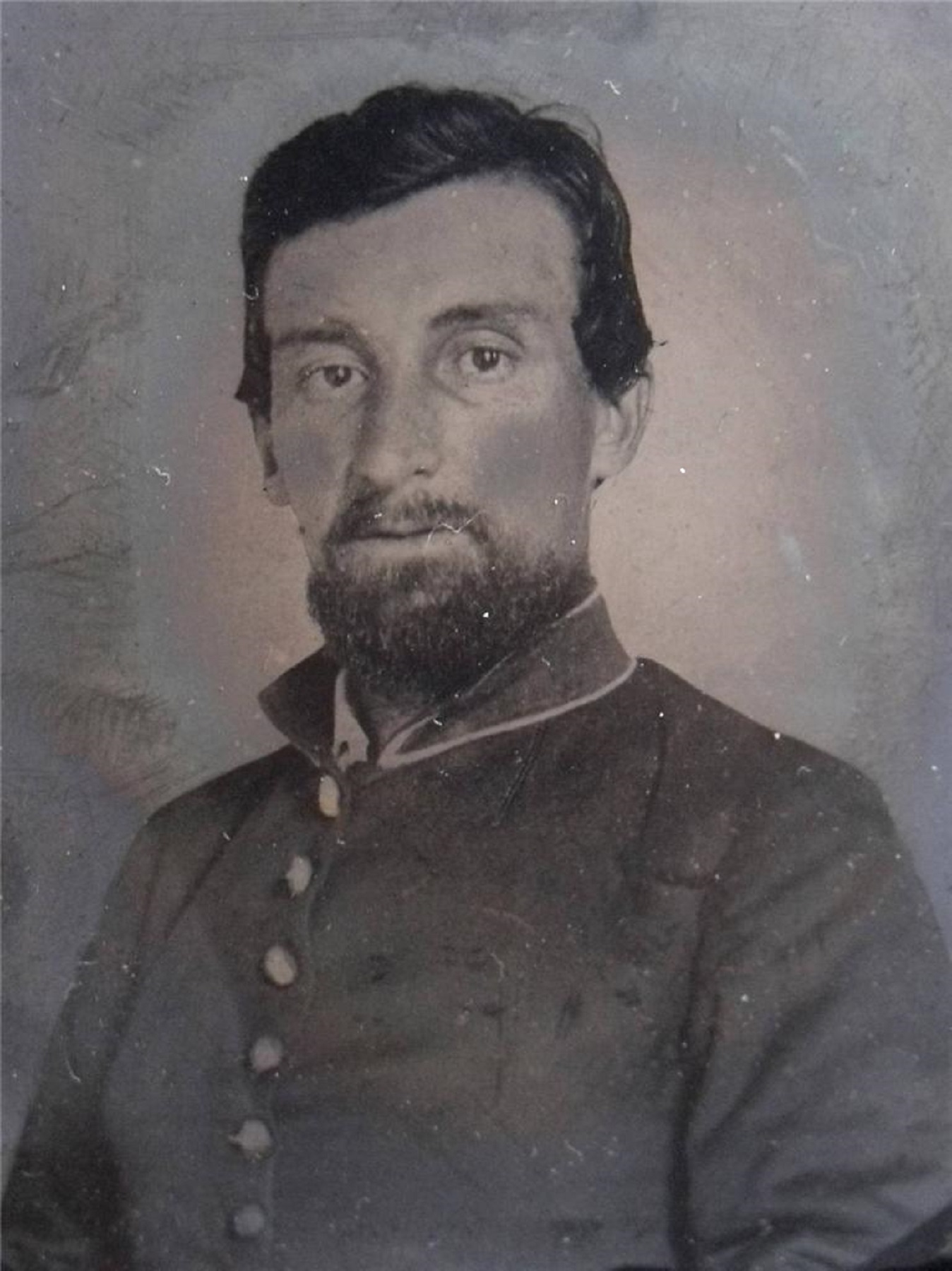
IMG_3521This memorial day, the Ben Harrison camp honored Hoosier Civil War soldier Captain Richard Burns. With temperatures in Indianapolis hovering above or around the 90 degree mark for nearly two months now, Captain Burns’ story seems apropos to the moment. For you see, Captain Richard Burns died of sunstroke. At 5′ 10″ and weighing 143 pounds, Richard Burns was light skinned with piercing blue eyes and prematurely gray hair. Burns first enlisted on September 21, 1861 as a private in Third Battery, Indiana Light Artillery. The unit was organized in Connersville, Indiana, and mustered in at Indianapolis on August 24, 1861. Ironically, the unit would muster out nearly 4 years to the day (August 21, 1865) at the same place.
Within weeks of his enlistment, Burns was appointed corporal on October 1, 1861. From there Burns advanced to squad sergeant then orderly sergeant. On November 25, 1862 he was appointed second lieutenant then rose to first lieutenant on October 25, 1863. On July 25, 1865 Burns was appointed captain, a rank he would retain until his discharge on August 21, 1865. While his rise through the ranks might be described as meteoric, it did not come without cost. During his service, Burns contracted typhoid pneumonia (more commonly known as consumption back then) and was plagued by chronic diarrhea for nearly all of his military service. The latter, while uncomfortable, was temporary. However, the Streptococcus pneumonia remained and slowly invaded and weakened his heart for the remainder of his life.
Before the war, Burns worked in the “burnt district” of Wayne County as a heavy machinist. After his discharge, Burns returned to Cambridge City but was confined to light duty, working as a grocery clerk and a brick mason. Burns relocated to Montana in 1867, presumably chasing gold or cattle alongside other fortune-hunting Civil War veterans, but moved back to Cambridge City the next year. From there, Burns moved to Anderson and finally to Indianapolis.
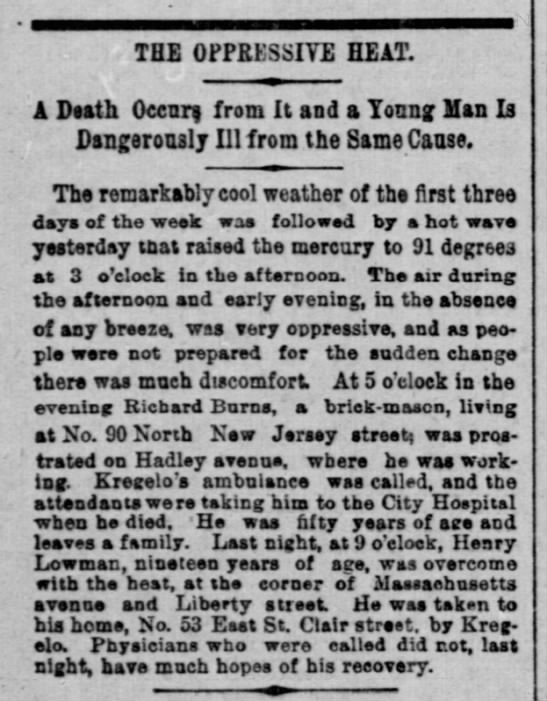
According to an article titled “THE OPPRESSIVE HEAT” found in the August 16, 1888 Indianapolis Journal newspaper (page 8), “The remarkably cool weather of the first three days of the week was followed by a hot wave yesterday that raised the mercury to 91 degrees at 3 o’clock in the afternoon. The air during the afternoon and early evening, in the absence of any breeze, was very oppressive, and as people were not prepared for the sudden change there was much discomfort. At 5 o’clock in the evening Richard Burns, a brick-mason, living at No. 90 North New Jersey street, was prostrated on Hadley avenue, where he was working. Kregelo’s ambulance was called, and the attendants were taking him to the City Hospital when he died. He was fifty years of age.”

img
August 16, 1888 Indianapolis Journal newspaper

The Indianapolis News of that same day, reported “Yesterday afternoon the temperature mounted to an uncomfortable degree, and the heat was very oppressive. Late in the day Captain Richard Burns, residing 90 North New Jersey street and employed on Hadley avenue, was overcome by the heat, and he died while Kregelo’s ambulance was removing him to the hospital. He was aged about fifty, and was a member of Chapman Post, G. A. R., and a pensioner. he leaves a wife, but no children….” He was buried on Lot 49, Section 4 in Crown Hill Cemetery on August 19, 1888 at 2:00.

This memorial day’s ceremony at Crown Hill was solemn, stirring and well organized. However, it wasn’t until afterwards that I learned of a connection between Captain Burns, myself and Irvington. The Third Light Battery was assigned to General John C. Fremont’s Army of the Tennessee and accompanied it in the campaign through southwestern Missouri in the Western Theater. In December, 1863, the battery moved to Columbus, Ky., where it served in the winter campaign through western Tennessee before it moved to Vicksburg and joined Sherman’s army on the expedition to Meridian, Miss., in Feb., 1864. From there, the battery assisted in the storming and capture of Fort De Russy. It then served at Memphis and Tupelo, Miss. In Jan., 1865, the unit moved to New Orleans, where it took part in the siege and capture of Fort Blakely, which resulted in the surrender of Mobile. It next moved to Montgomery, thence to Selma, Ala., where it remained until July 30, 1865, when orders were received to proceed to Indianapolis. It was mustered out Aug. 13, 1865, numbering 3 officers and 71 men, having lost 64 in killed and wounded.

Captain Richard Burns served in in the Third Battery, Indiana Light Artillery alongside fellow Captains James M. Cockefair, Thomas J. Ginn, and Watton W. Frybarger. Capt. Frybarger was promoted major and was wounded in the head during the Battle of Shiloh. After which he was ordered back to Indianapolis to organize all of the state’s artillery units by his pre-war friend, Indiana’s Civil War Governor Oliver P. Morton. It should be noted that Frybarger has the distinction of organizing the Hoosier state’s only artillery battery in place BEFORE the war. Frybarger went to work shoring up the southern border of Indiana by placing guns at several places along the Ohio River. His invasion fears were realized in early July of 1863 when Morgan’s Raiders invaded the state via Kentucky. Yes, Major Frybarger was a born artillerist.

Dave Ring
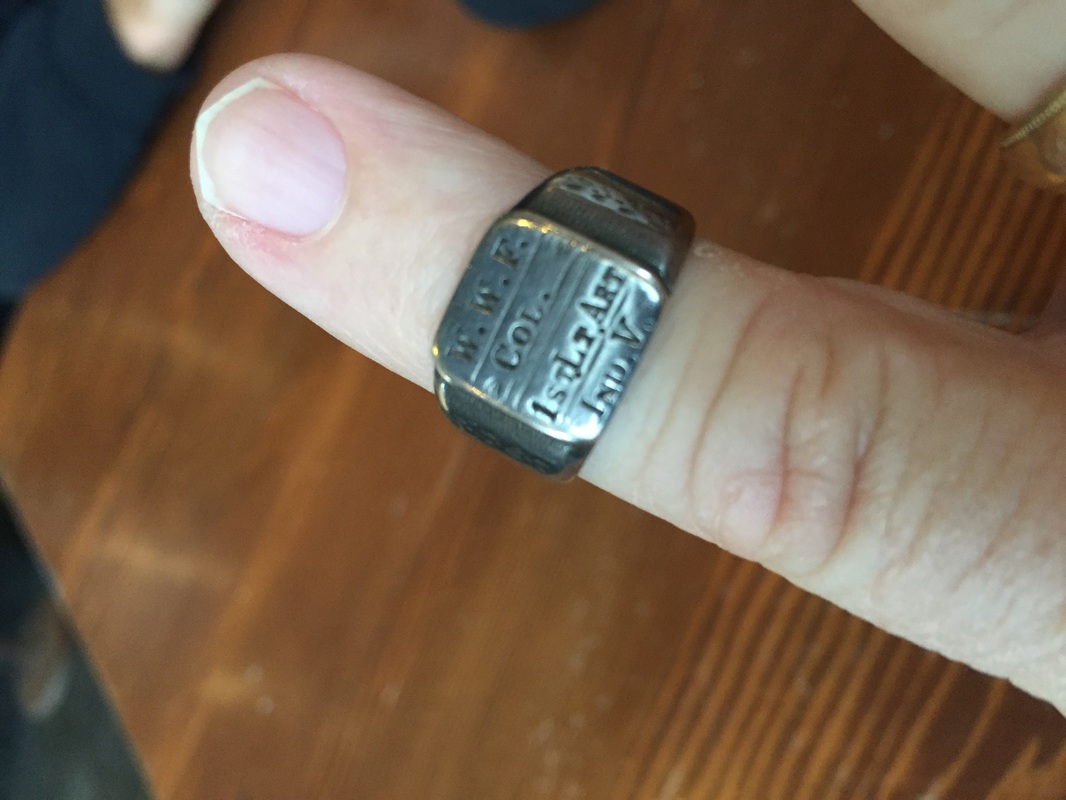
The W.W. Frybarger ring on Dave Wilson’s finger.

If you have taken my October tours of Irvington, then you’ve met Major Frybarger. Well, sort of anyway. I conclude every tour of Irvington with a stop at the spot where Abraham Lincoln’s funeral train slowly steamed past in the pre-dawn hours of April 30th, 1865. As I share with my guests, many years ago I was offered some of the personal effects of Major Frybarger. Among those effects were an ancient leather-bound album full of family tintype and CDV photos, a lock of his hair, a large silver platter, and his regimental ring. The platter, which at 21″ tall and 33″ wide, is quite large. It is inscribed “Presented by the 22nd and 23rd Indiana Mounted Artillery to Mrs Major W.W. Frybarger Indianapolis March 1863” and was given to the Major’s wife by grateful soldiers in thanks to the Major securing the southern Indiana border.

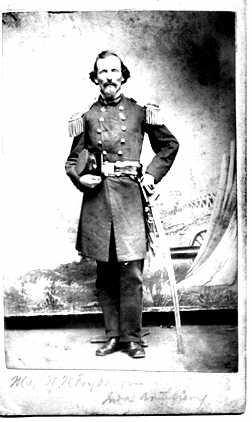
Frybarger redu
Major W.W. Frybarger

Equally important to the Frybarger saga is his role in the Lincoln funeral here in Indianapolis. As every Hoosier student of Lincoln knows, when the martyred President’s remains arrived in Indianapolis, it arrived in the midst of a torrential downpour so strong that the official public ceremonies had to be cancelled. For that evening of April 30th, 1865 Mr. Lincoln’s body remained in the rotunda of the old statehouse. Who was in charge of the decorating and care of the railsplitter’s body that night? Major W.W. Frybarger. I tell October visitors to Irvington that story while placing the ring on the finger of every guest I approach with the admonition that Frybarger’s regimental ring may well have touched the body of Abraham Lincoln.

Frybarger
Major W.W. Frybarger.

Now, thanks to the impeccable research of Sons of Union Veterans Camp Commander Jim Floyd and Eliza E. George Auxiliary No. 356 Secretary / Treasurer Jennifer Thompson, I now have another connection to Frybarger. I should note that by the time you read this article, I will have joined the Sons of Union Veterans Ben Harrison Camp No. 356 as an official member. I am sure that the brothers would be happy to have you in their ranks as well. For more information, contact http://benharrisoncamp.org/ Or drop me an e-mail and I’ll steer you towards this fine organization.


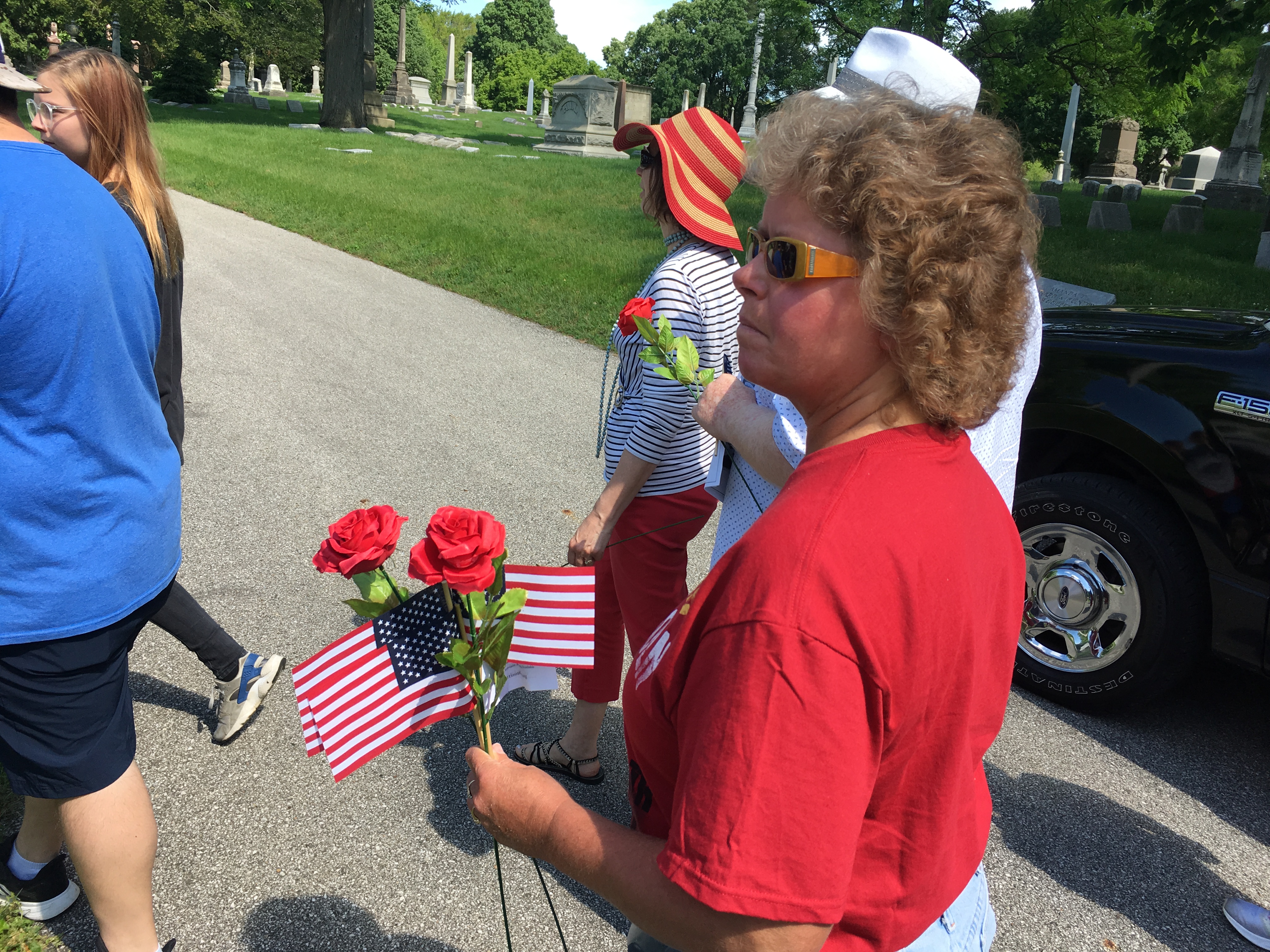
IMG_3515
Rhonda Hunter with flowers at the ceremony.

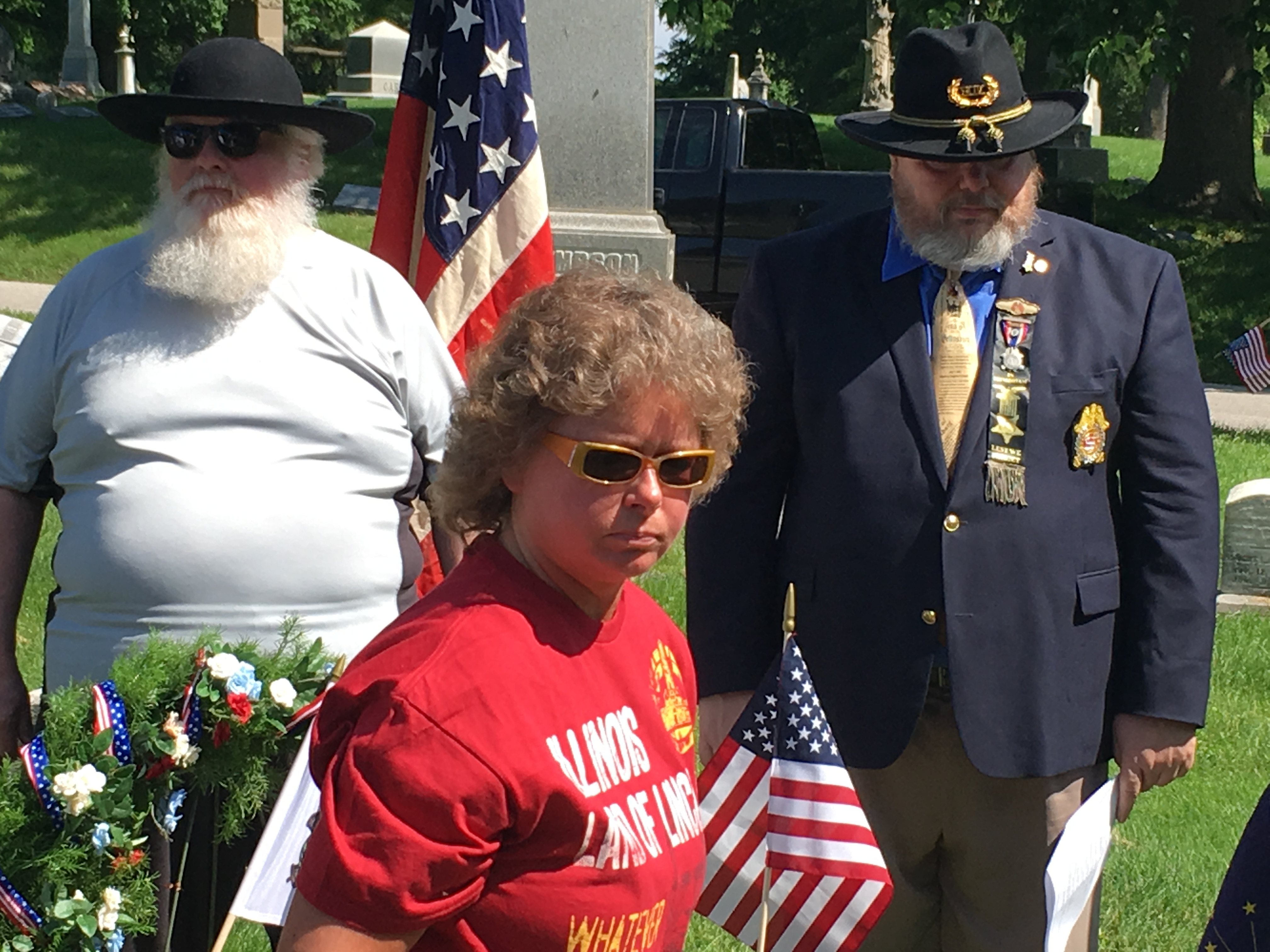
IMG_3519
Dave Wilson, Rhonda Hunter & Jim Floyd.