Health & Medicine, Medicine, Pop Culture

Rhonda Hunter’s Cancer Journey.

Original Publish Date: August 21, 2025.

https://weeklyview.net/2025/08/21/rhonda-hunters-cancer-journey/
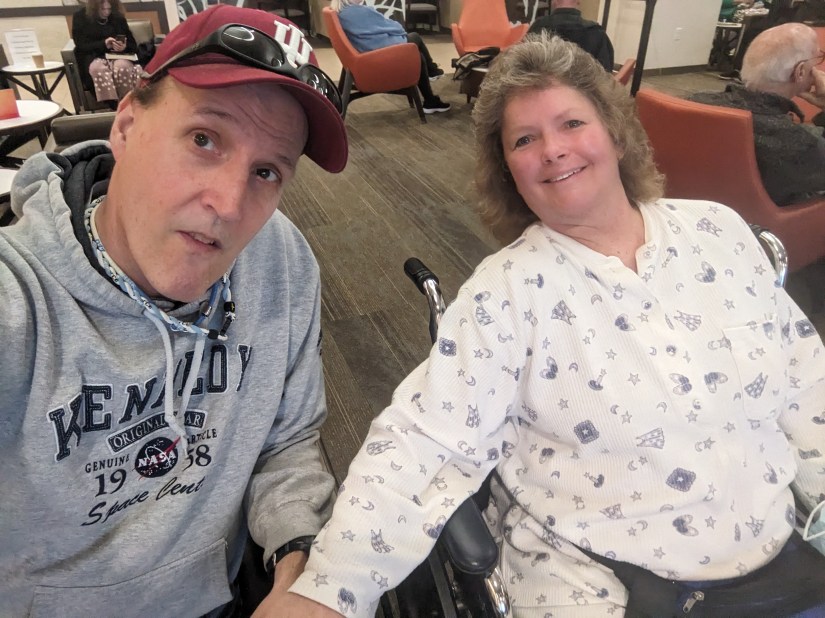
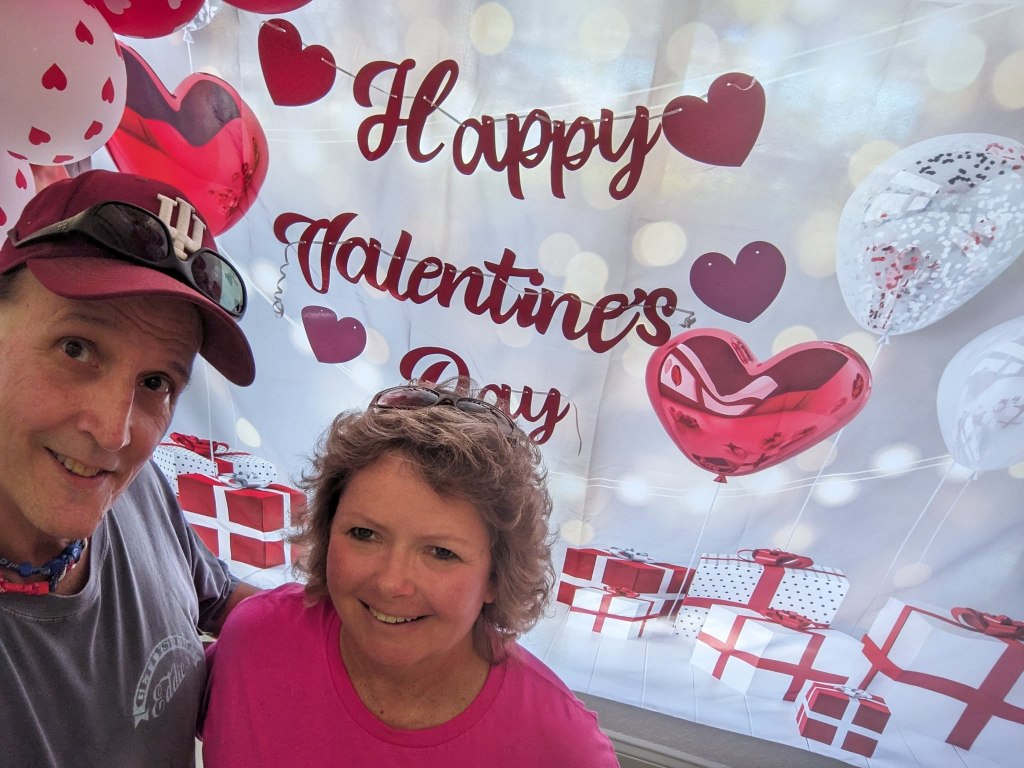
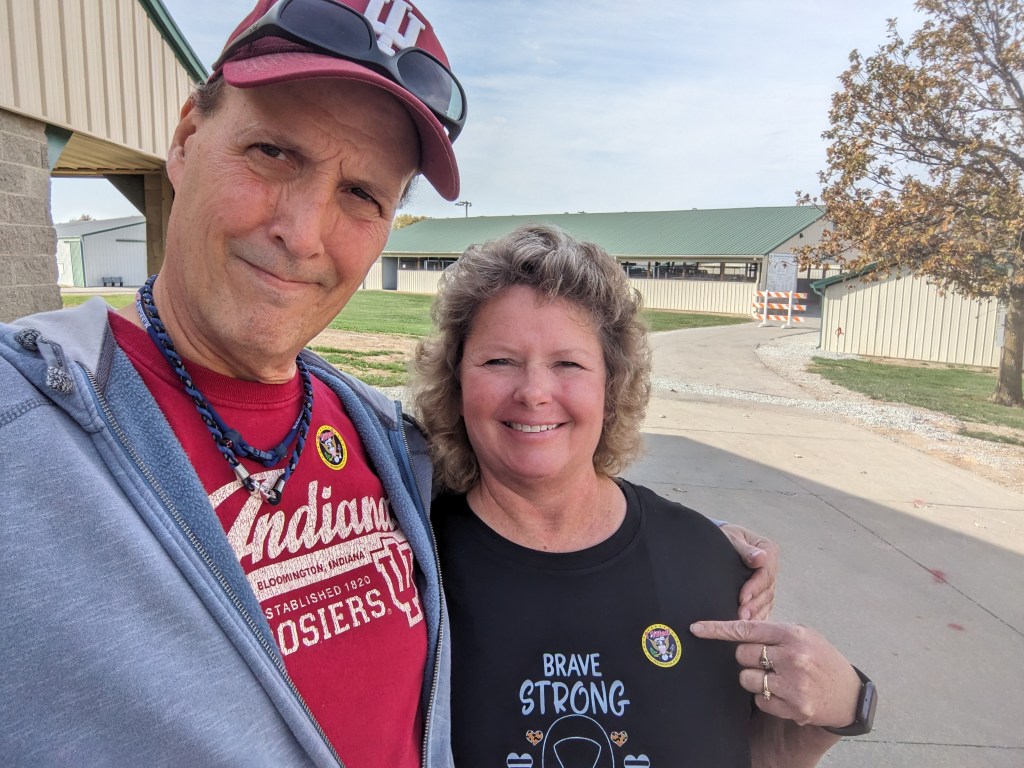
Alan & Rhonda Hunter at MD Anderson Cancer Center.

Warning. This is a self-serving article about my hero (my wife, Rhonda) and her year-and-a-half-long cancer ordeal. During our 2023 Irvington ghost tour season, she discovered a bad spot on one of the toes on her left foot. The ring toe to be specific (the little piggy that got no roast beef). At first, she thought it was a bad case of athlete’s foot. Rhonda called around the Indy area searching for a dermatologist: no openings anywhere until Christmas. She found her savior in the form of Megan Rahn, nurse practitioner at Pinnacle Dermatology in Crawfordsville, Ind. Within two days, they got her in and diagnosed it as one of the worst cases of melanoma they had ever seen. Rhonda recalls, “Megan asked if I wanted her to tell me the truth. I said, yes, and she said, ‘It’s cancer.'” We got that news on the Friday of Halloween festival weekend. Rhonda recalls, “During that weekend, longtime regular tour guests kept coming up to me and asking, ‘What’s the matter with Al? He’s not himself tonight.’ Needless to say, it was a rough weekend.

Patti LaBelle holding the white lillies.

After the tours concluded, we traveled down to our little Ricky and Lucy Ricardo efficiency time share in Daytona Beach, Florida, a luxury we bought ourselves over thirty years ago when we didn’t have two nickels to rub together. Over the years, we discovered that soaking anything in salt water cured almost everything. But this time, it didn’t work. Our trip concluded with a live concert by Patti LaBelle. At the end of the show, Patti walked over to Rhonda and handed her a bouquet of white lilies from a vase on her piano. Traditionally, white lilies symbolize purity and rebirth. Little did we know, it was an omen.
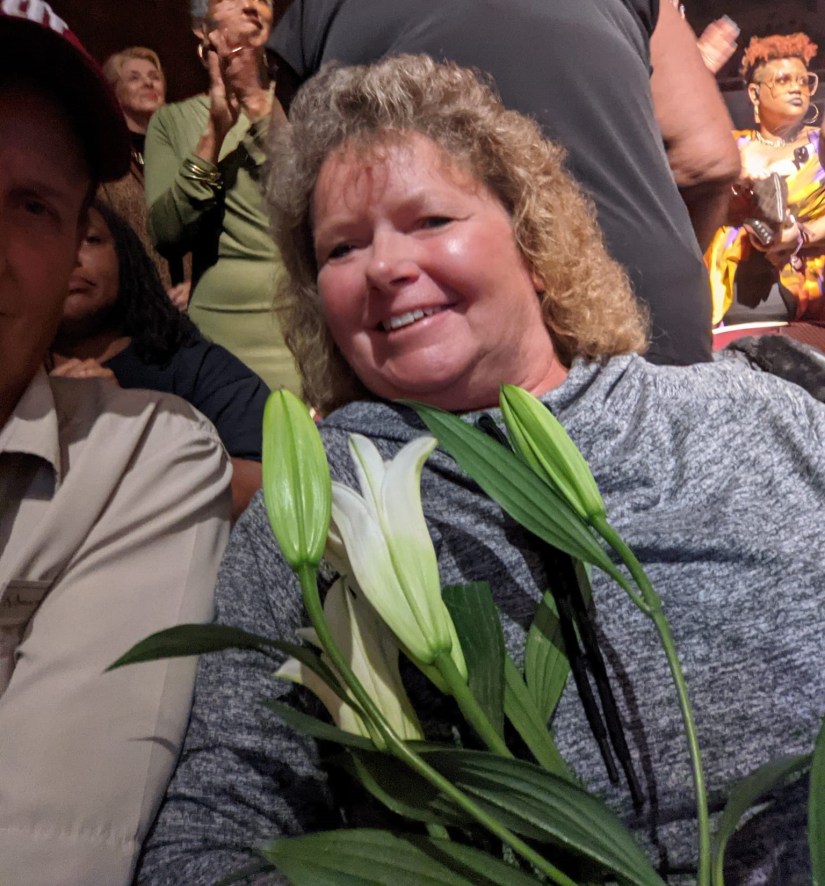
Rhonda with Patti’s gift.

Returning to Indiana, we learned that the good folks at Pinnacle Dermatology had secured an appointment with Dr. Jeffrey Wagner, melanoma reconstruction surgeon at MD Anderson Cancer Center Community North in Indy. By now, the toe was black. Dr. Wagner, who has seen over 20,000 melanoma cases in his decades-long career, said the toe’s gotta go. Her skin cancer was now categorized as a very aggressive form of malignant melanoma, the fastest spreading of all cancers (it can spread to dangerous levels in a month). She went under the knife, and they removed the toe and carved out three more spots, two on the top of her foot and one deep patch on the back of her calf.
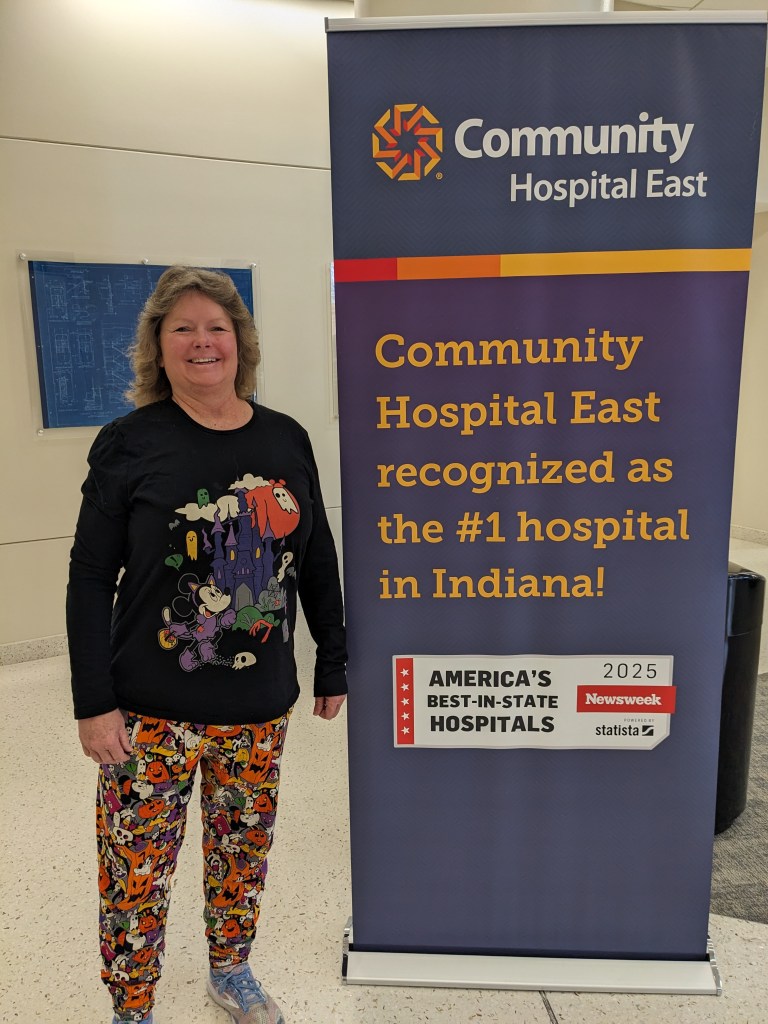
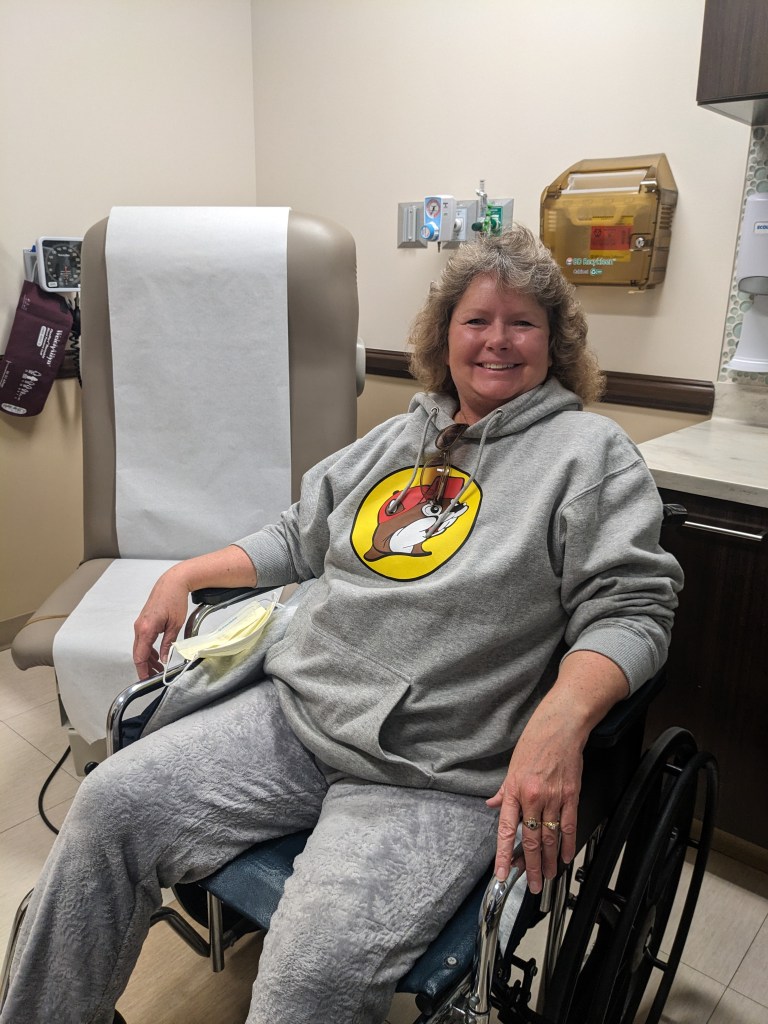
Rhonda at Community East.

They also removed a leaking Lymph Node in the groin. The result was two months in bed and a very uncomfortable Christmas season. We quickly learned that being diagnosed with melanoma is not unlike being an alcoholic, a drug addict, a diabetic, or bipolar: it’s a life sentence. It means a lifetime of treatment, scans, and medical supervision. We are now regulars at Pinnacle Dermatology, where we discovered that more than a few folks from Irvington are regulars. They now refer to Rhonda as “the lady with the toe.”
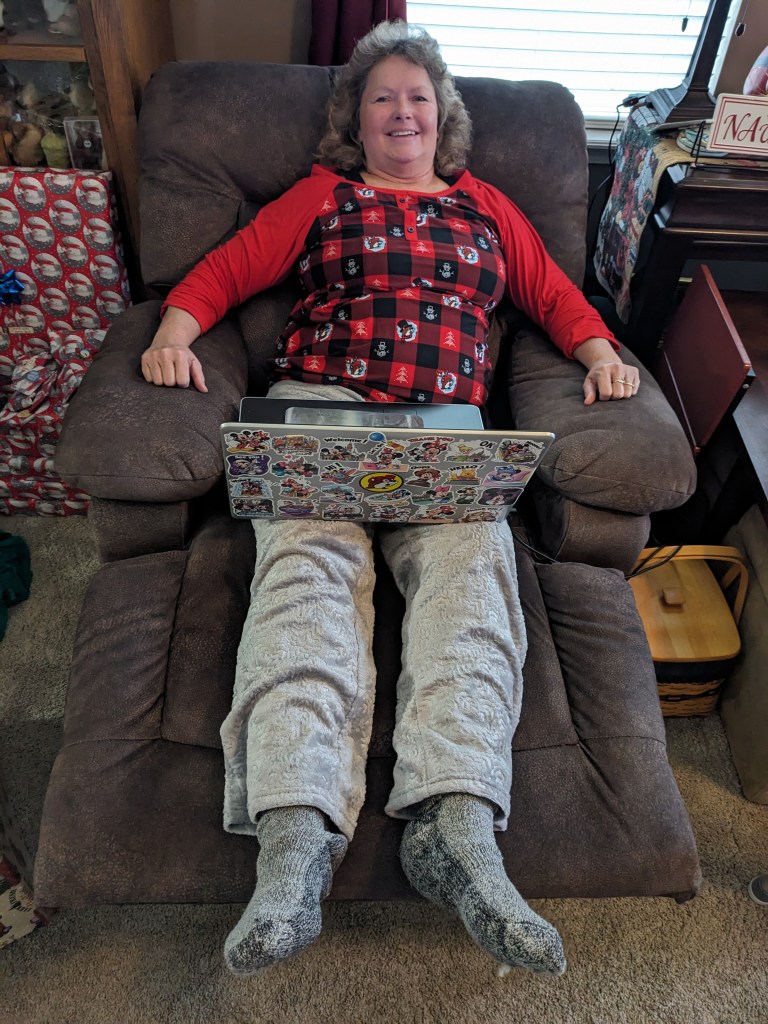
Rhonda at Christmas sans toe.

As pilgrims on this journey, we quickly learned that everyone has a skin cancer story. And, sadly, because of that, skin cancer is often minimized as a passing ailment that elicits a dismissive rejoinder. In our case, nothing could be further from the truth. Once everything was removed, we thought that was the end of it. That is, until we learned that a leaking Lymph Node had been detected and Rhonda needed to see Oncologist Dr. Sumeet Bhatia at MD Anderson. Coming a mere three days before Christmas, this was a devastating surprise; Rhonda wasn’t even out of a wheelchair yet. She was placed on Keytruda, a relatively new medicine used to treat melanoma. These monthly treatments, administered intravenously, were accompanied by endless blood work (that alone will make most readers cringe), and regular scans: PET Scans, CT scans, and MRIs. For all of 2024, we became accustomed to bi-weekly visits to MD Anderson, Community North, and Community East.
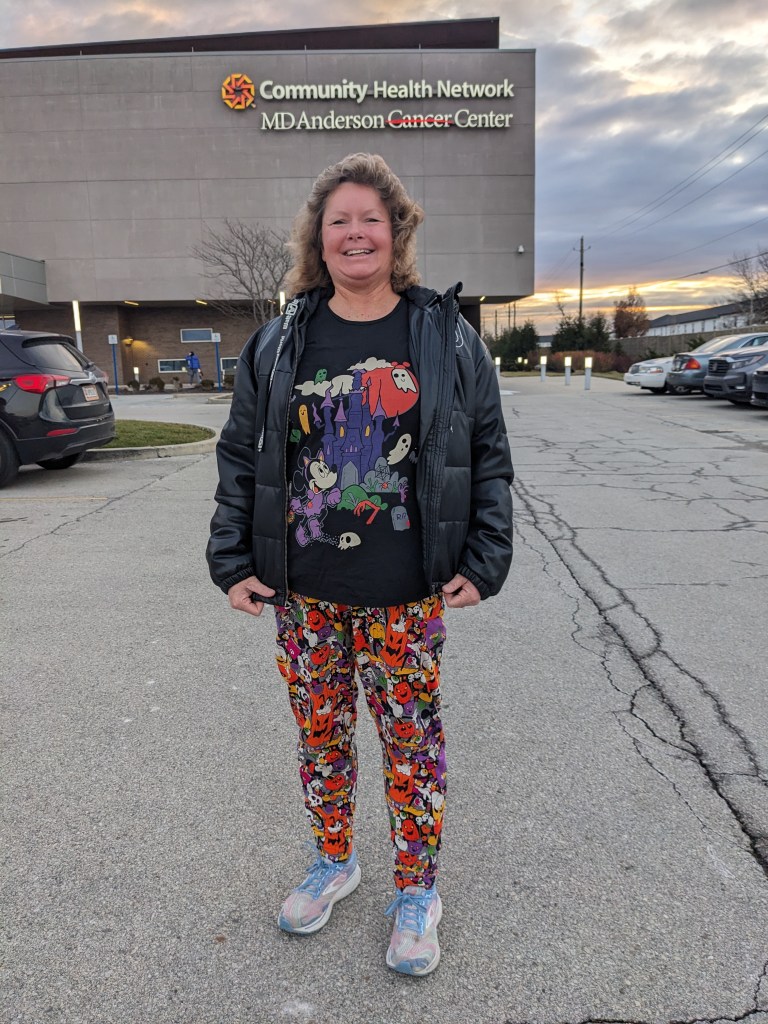
Rhonda at MD Anderson.

Sometimes with Oncology nurse Jennifer Chapman, sometimes with cancer navigator & advocate Andrea Oliver, and sometimes with Dr. Bhatia. As her last treatment concluded, we expected to walk out and ring the cancer-free bell. Suddenly, the treatment room door swung open, and in walked her entire team. The melanoma had now spread to her brain. Game changer.

Within moments, the nurse was crying, the advocate was crying, Rhonda was crying, and the doctor was crying. Surprisingly, the only person not crying was me, which is odd, because I’m the guy who tears up at Bambi, Old Yeller, and Steve Hartman stories. The doctor told us he’d give us time to decide whether we wanted to continue with a new treatment, with the warning not to wait too long because it could be too late. I had only two questions: Are they going to cut her and will she lose her hair? The answer was no. Long story short, our 10:30 checkup turned out to be an 11:30 fitting for a Radiation Therapy Thermoplastic Mask. Whenever I saw that mask, I couldn’t help but think of Boston Bruins goalie Gerry Cheevers. Google his mask and you’ll see what I mean.
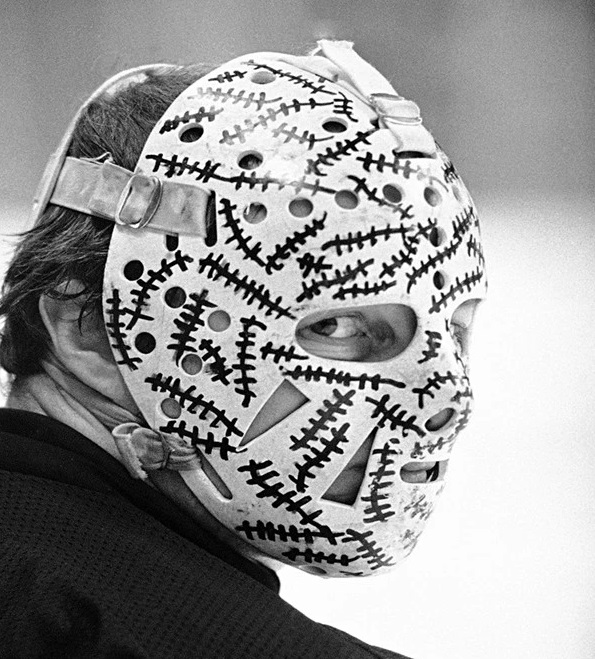
Gerry Cheever’s mask.

Within 1 week, she underwent radiology for one spot on the brain. I expected her to be zapped (pardon the pun) of energy and looking for a long nap. Instead, she came bouncing off that table and insisted on heading to Jockamos Pizza and Midland Antiques Market for the afternoon. A few months later, after another MRI discovered she had three more spots on the brain, she underwent another radiation treatment. This time, she had to be helped off the table and out the door. It was a long procedure extending past regular business hours. I was eerily alone in the cancer center and managed to lock myself out of the office, but that’s another story. She still came out smiling, though.
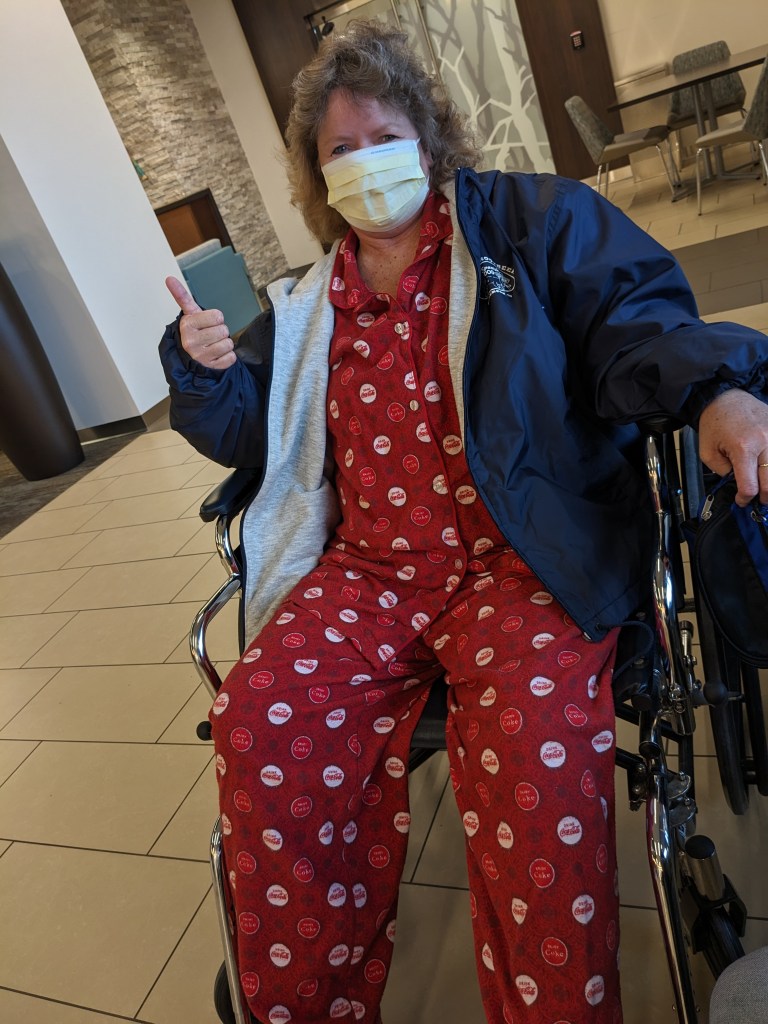
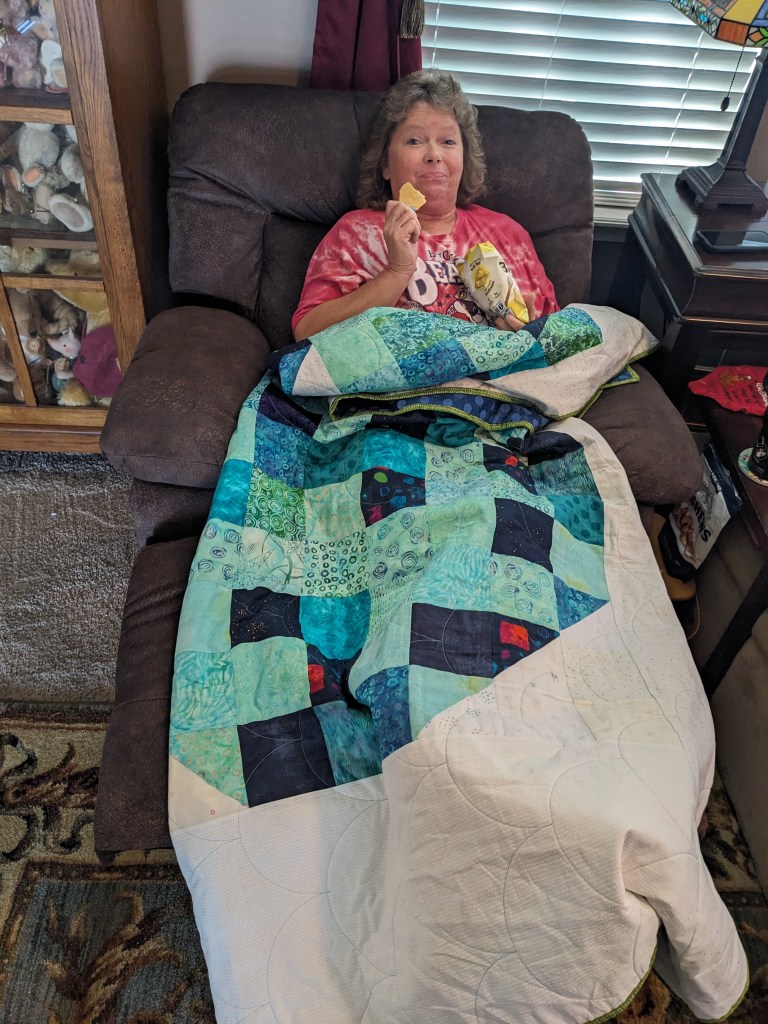
Early summer 2025 was rough as we nervously anticipated a four-month wait for new scan results. Faith & Begorra, the scans were clear! There were other challenges, including an emergency weekend hospitalization for internal bleeding, but it was not cancer-related. Now you know the details of one person’s cancer journey from an observer’s viewpoint. But how about the patient’s view?
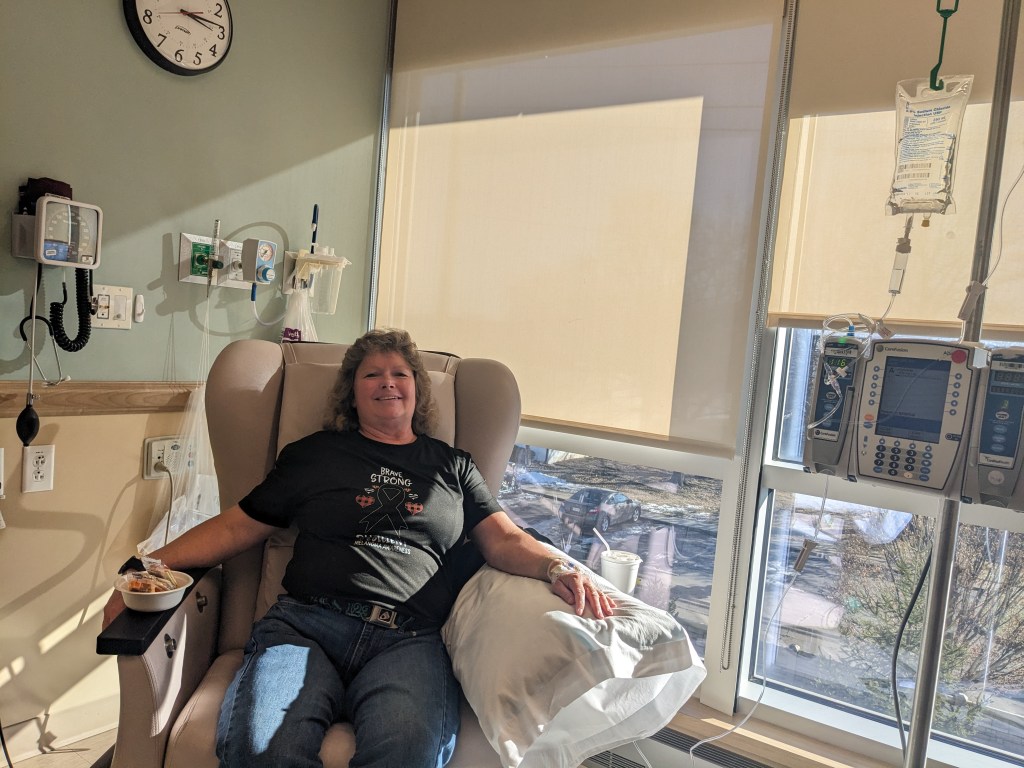
“This is the same cancer that killed Bob Marley, and it started on his toe. It got Jimmy Buffett, too. Jimmy Carter was diagnosed with melanoma on his head and neck at the age of 90 in 2015. It spread to his brain, but after a year of treatment, the spots disappeared.

Bob Marley, Jimmy Buffett, & Jimmy Carter.

He died last year at the age of 100, but he didn’t die of melanoma; he died from bleeding in the brain caused by falls.” Rhonda says. “If you get skin cancer, take it seriously. And above all else, stay out of tanning beds. Tanning beds have been labeled as “carcinogenic to humans” by both the World Health Organization and the International Agency for Research on Cancer (IARC). So, if you must have those tan lines, spray tanning is safer. Or, just rock that Disney Princess skin!”

My wife is a Disco girl and a creature of the eighties (No lie: her office has a mirrored disco ball, movie posters from Grease and Saturday Night Fever, and a velvet painting of Donna Summer). Like most young people of that era, especially girls, she spent a lot of time (and no little money) in tanning beds.
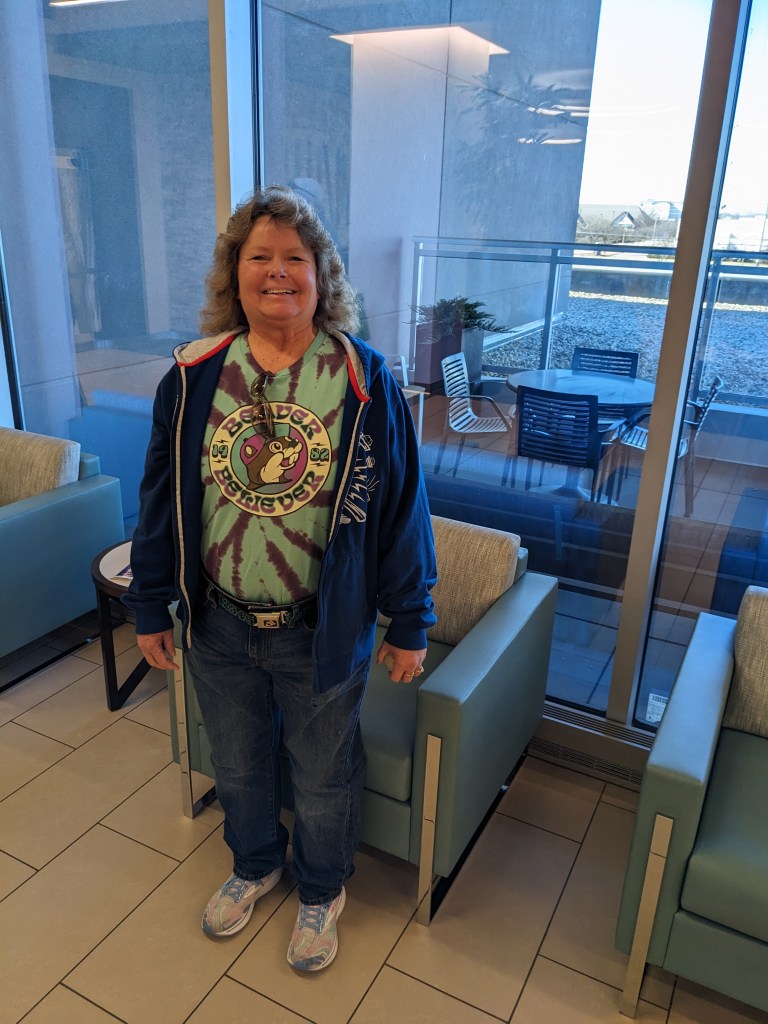
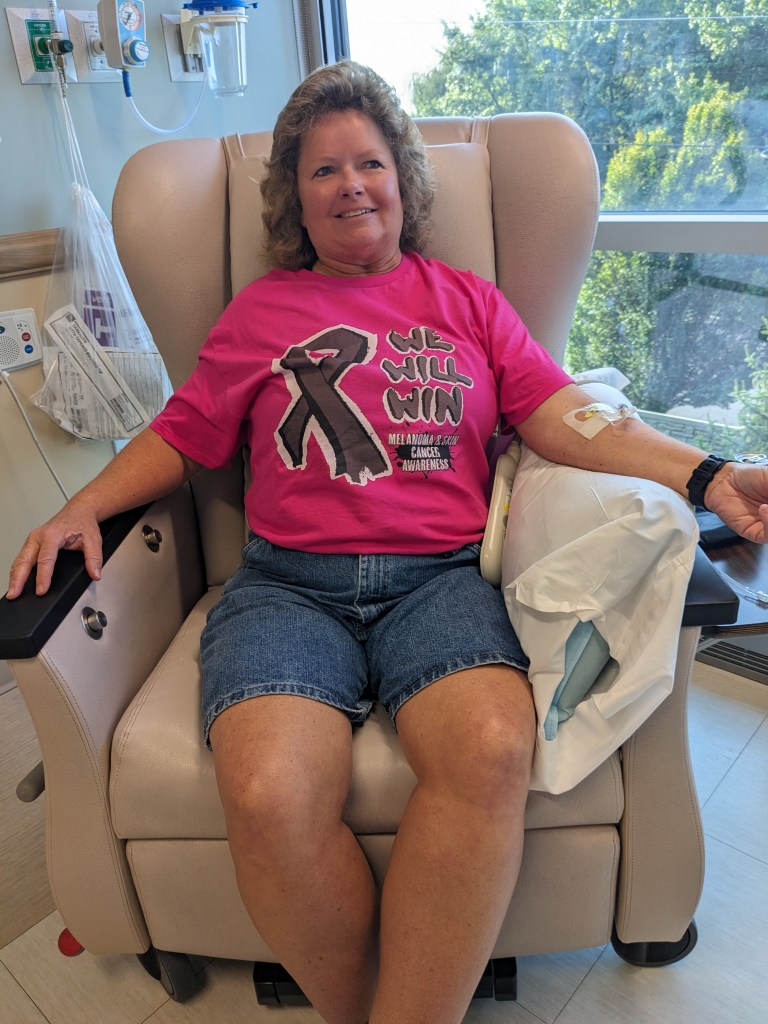
When I point out that I doubt Marley, Buffett, or Carter ever saw a tanning bed their entire lives, she answers, “Very true. Proof that the sun can damage you, too. Additionally, IARC studies show that if you’ve ever had a severe sunburn before the age of 18, you are 60% more likely to have melanoma, and that tanning-bed use before the age of 35 drives up the risk of melanoma by 75%. Worse, 70% of all melanoma travels to the brain. I never knew how aggressive this type of cancer was until I got it. Back then, not only were there tanning huts in every strip mall, but people of our generation remember using baby oil, cocoa butter, and tanning oil with no SPF whatsoever, straight up turkey basting! Even with all the bad publicity about the dangers of tanning bed use over the past quarter century, the Journal of the American Medical Association reports that 30% of white, female high school students and women ages 18 to 34 have used a tanning bed in the past year.”
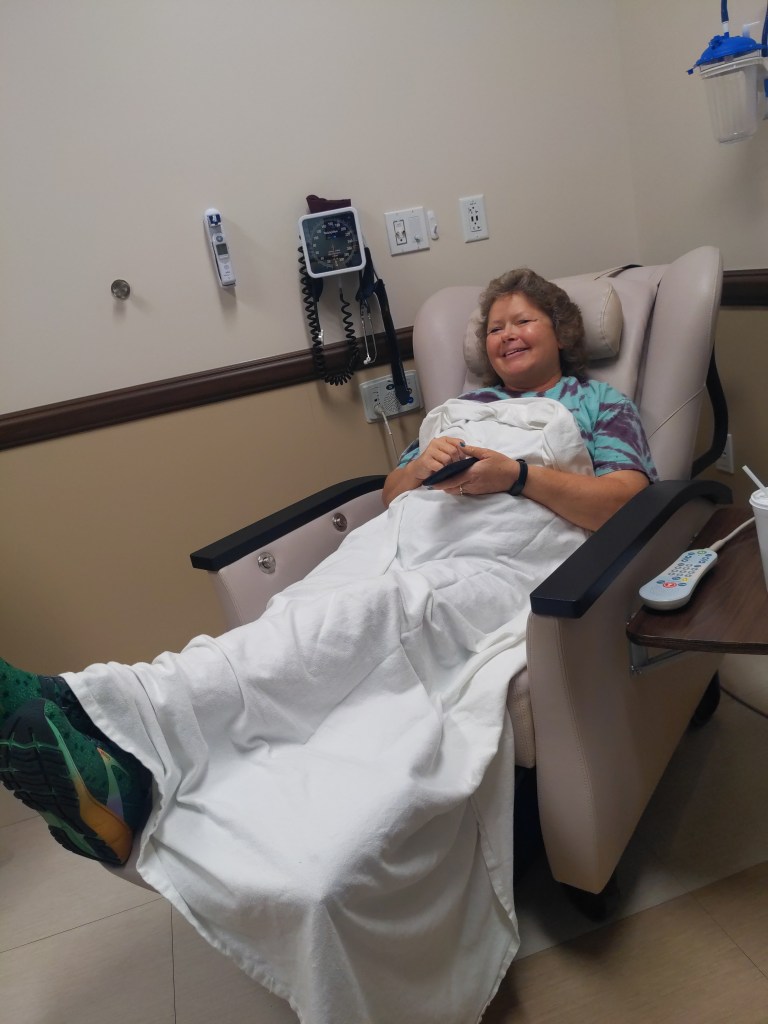
I asked Rhonda to retrace her cancer journey, both highs and lows. She answered, “The lows are pretty much what you would expect: fear, discomfort, and pain. I never smoked. I never did drugs, not even when they were prescribed to me. I don’t drink, so I went through a “Why me?” phase. But you get over all that in time. As for the medications, I did very well on Keytruda for the year I was on it. I was worried about it since I’d heard stories about people doing poorly on it and lasting for only one or two treatments. The Keytruda worked on my body, but not on my brain. So they switched my medication twice. They put me on Opdivo and Yervoy for two months (Jan.-Feb.), but it kicked my tail. I lost feeling in my hands and feet and experienced shortness of breath, flu-like pain all over, and I couldn’t even walk up a short flight of stairs.
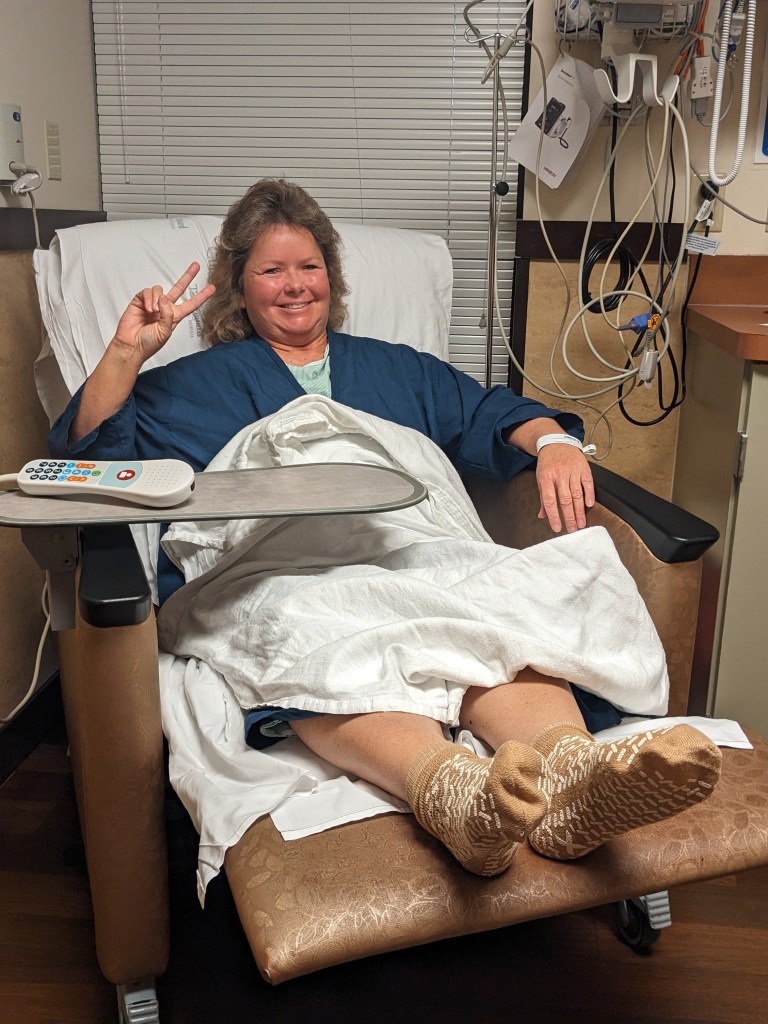
They put me on steroids, which alleviated the pain but pumped me up like the Michelin Man. They weaned me off of them slowly, but it came with an unfortunate side effect. I was tired all the time, with abdominal pain, muscle soreness, nausea, and vomiting. Worse, when I quit steroids, I went through wicked withdrawals; I was dope sick, like an addict. It’s starting to go away, but now the pain and discomfort are coming back. I am now on Braftovi and Mektovi. It makes me nauseous, weak, and tired. I don’t have many good days anymore, and even the good days aren’t great (It hurts to brush my hair). But I know there are many patients in much worse shape than me, so I’m going to keep fighting.”
“I have been blessed with friends and family who love and support me. The value of those connections can’t be understated. My mom, Kathy Hudson, has been there from the beginning; diagnosis, treatment, and home-care. My dad, Ron Musick, has been a constant support, both by phone and in person. My children, Jasmine and Addison, have been better than I ever could have imagined. Addison, my mom, and you were the first faces I saw coming out of surgery. Jasmine, a former IU Med student, has made researching melanoma her new hobby. She discovered a web community on Reddit called “Melahomies” which has been quite helpful and informative. My sister Rennee, who works in the medical industry, has been a fountain of youth and support from Florida. I am equally blessed to have friends to lean on as well.
Thanks to Becky Hodson, Kris Branch, Cindy Adkins, Tim Poynter, Karen Newton, Kathleen Kelly, and Jodie Hall for being there. I am grateful for the continued support of Irvingtonians like Jan and Michelle at the Magick Candle, Adam and Carter at Hampton Designs, Dale Harkins at the Irving Theatre, and, of course, the girls at the Weekly View. Not to mention the support of your friends in the historic field. Barb Adams, Bruce & Deb Vanisacker, our Gettysburg friends and friends in the Lincoln community: Doc Temple (who passed earlier this year), Dr. James Cornelius, Bill and Teena Groves, and Richard Sloan. People like them rarely get the praise they deserve. If you ever find yourself in my position, or any traumatic medical condition for that matter, don’t be afraid to lean on your friends and family. They are as important to your healing process as the doctors and nurses. And of course, you Al, you are my rock.”
My first introduction to skin cancer came from our longtime friend, former ABA Pacers legend Bob Netolicky, and his family in Austin, Texas. Bob, Elaine, and Nicole have offered support and counsel throughout this journey. Neto has been battling skin cancer since being diagnosed during our first ABA reunion in 1997. Neto says, “I spent a lot of time in the sun when I was younger. Annual checkups are now a part of my routine.” Longtime readers of my column might recall that rocker Warren Zevon has been a constant in our relationship since the beginning. On his last appearance on David Letterman’s Late Show, Zevon, who passed away from cancer in 2003, advised his fans to “Enjoy every sandwich.”
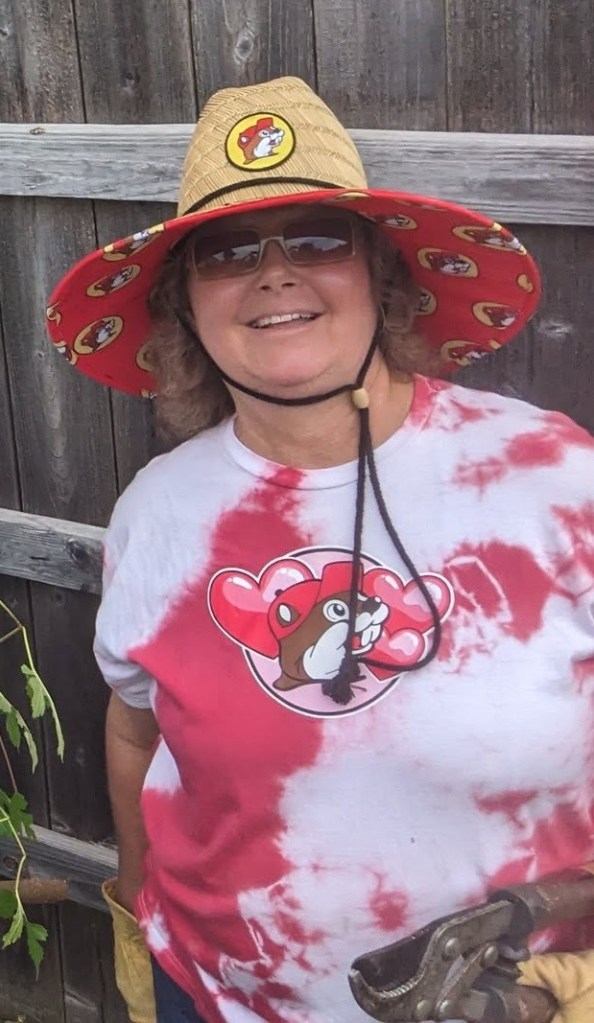
So, I asked Rhonda if she had any advice of her own. “I worry about people like me who had no idea how serious this thing is. Joggers, walkers, golfers, bicyclists, people who work or spend time outdoors professionally or recreationally. Skin cancer can sneak up on you, and it is serious. Don’t take it for granted. If you’re outside, wear a hat and make sunscreen a part of your daily routine. My Buc-ee’s straw hat is now a part of my regular gear. And it looks pretty cool.”

Rhonda’s white lillies presented to her by Patti LaBelle are now framed and hanging in her office alongside an autographed microphone from Ms. LaBelle.
Baseball, Politics, Pop Culture, Presidents, Sports

Foul Ball!

Original publish date May 15, 2025.

https://weeklyview.net/2025/05/15/foul-ball/

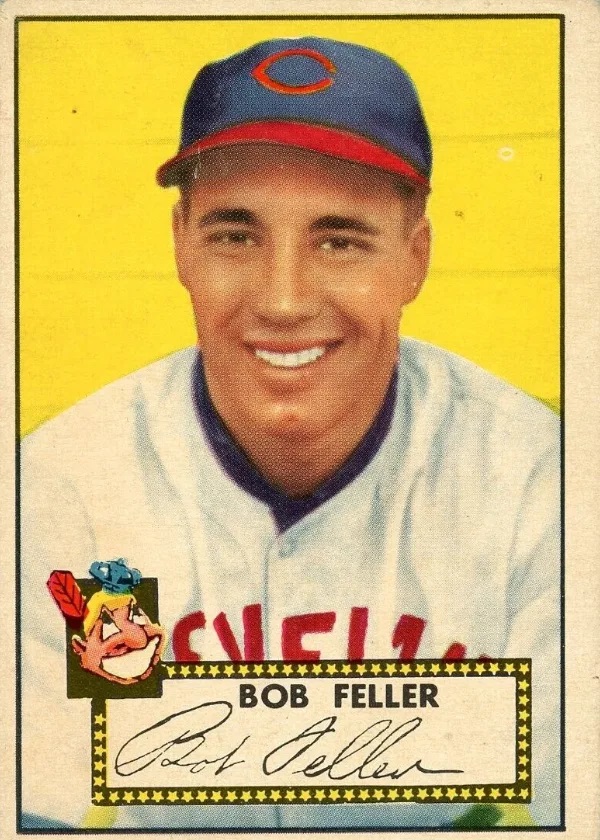
Bob Feller’s 1952 Topps card.

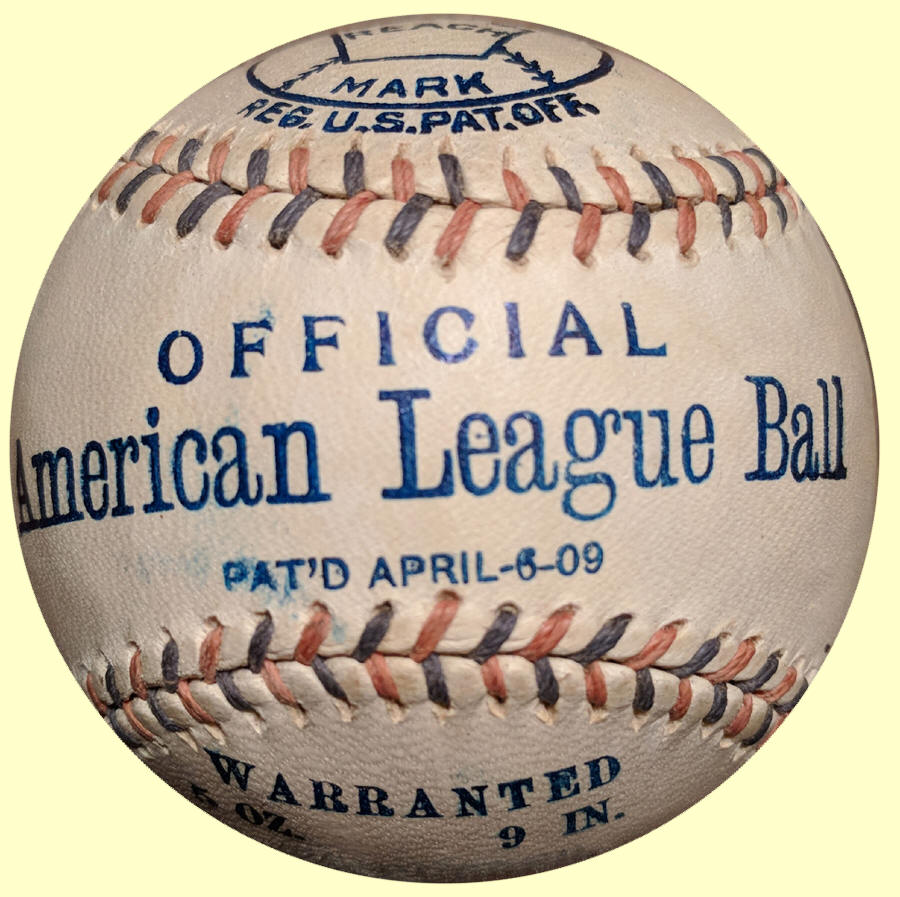
Last week, I ran a story about Cleveland Indians phenom Bob Feller’s pitched foul ball that hit and injured his mother during a game against the White Sox at old Comiskey Park in Chicago. That got me thinking about other foul ball stories and legends I’d heard about. Growing up, I spent a lot of time at old Bush Stadium on 16th Street in Indy. My dad, Robert Eugene Hunter, a 1954 Arsenal Tech grad, had worked there as a kid selling Cracker Jack/popcorn in the stands during the Victory Field years. He recalled with pleasure seeing Babe Ruth in person there and could name his favorites from those great Pittsburgh Pirates farm club teams from the late 1940s/early 1950s. I can’t tell you how many RCA Nights at Bush Stadium he took me to back in the 1970s during the team’s affiliation with the Cincinnati Reds Big Red Machine. During those outings, nothing was more exciting than chasing foul balls.

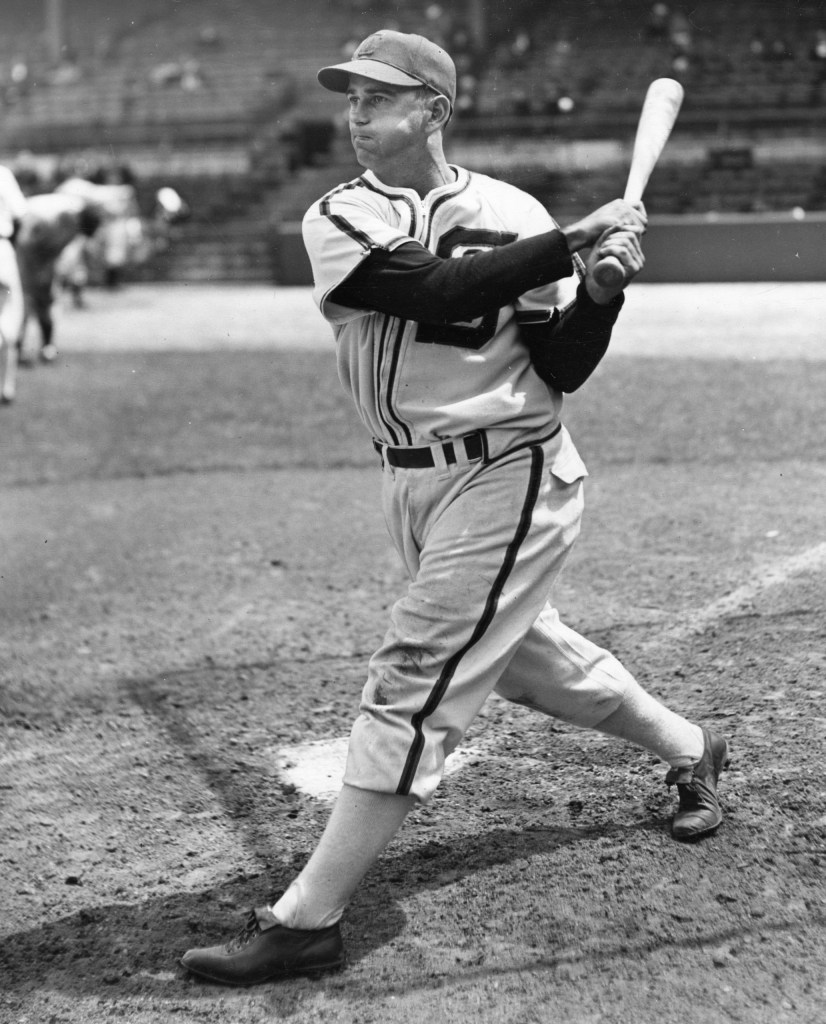
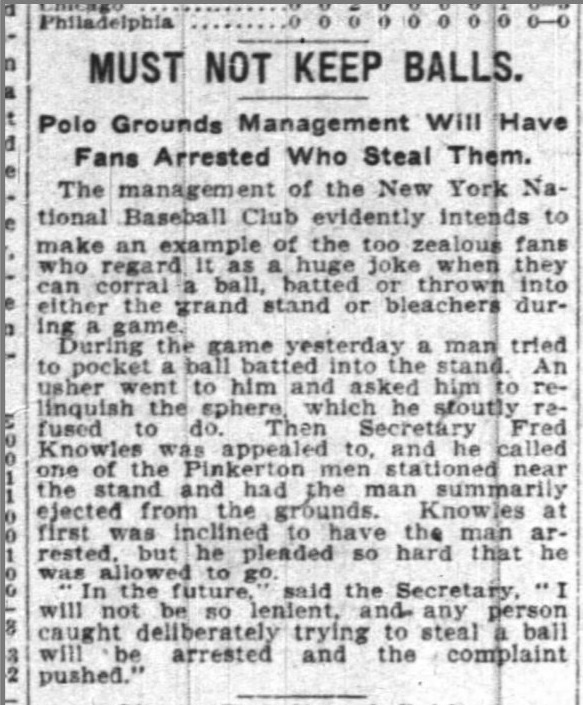
Not all foul balls are fun adventures, though; some are crazy, and others are just plain scary. Growing up, I loved reading about the exploits of those players who played before World War I. Back in those days, baseballs were considered team property and quite expensive. Fans were expected to return any ball hit into the stands (including homeruns), and balls hit out of the stadium were meticulously retrieved. In 1901, the National League rules committee, as a way of cutting costs, suggested fining batters for excessively fouling off pitches. Beginning in 1904, per a newly created league rule, teams posted employees in the stands whose sole job was to retrieve foul balls caught by the fans. Fans had a keen sense of humor, though, and they would often hide them from the “goons” or frustrate the hapless employees by throwing them from row to row. Sometimes, the games of keep-away in the stands were more fun to watch than the ones on the field. But those early WWI stories mostly involved the exploits of the players, not the fans. There were some characters in the league back then. Some of them are long forgotten and some made the Baseball Hall of Fame.

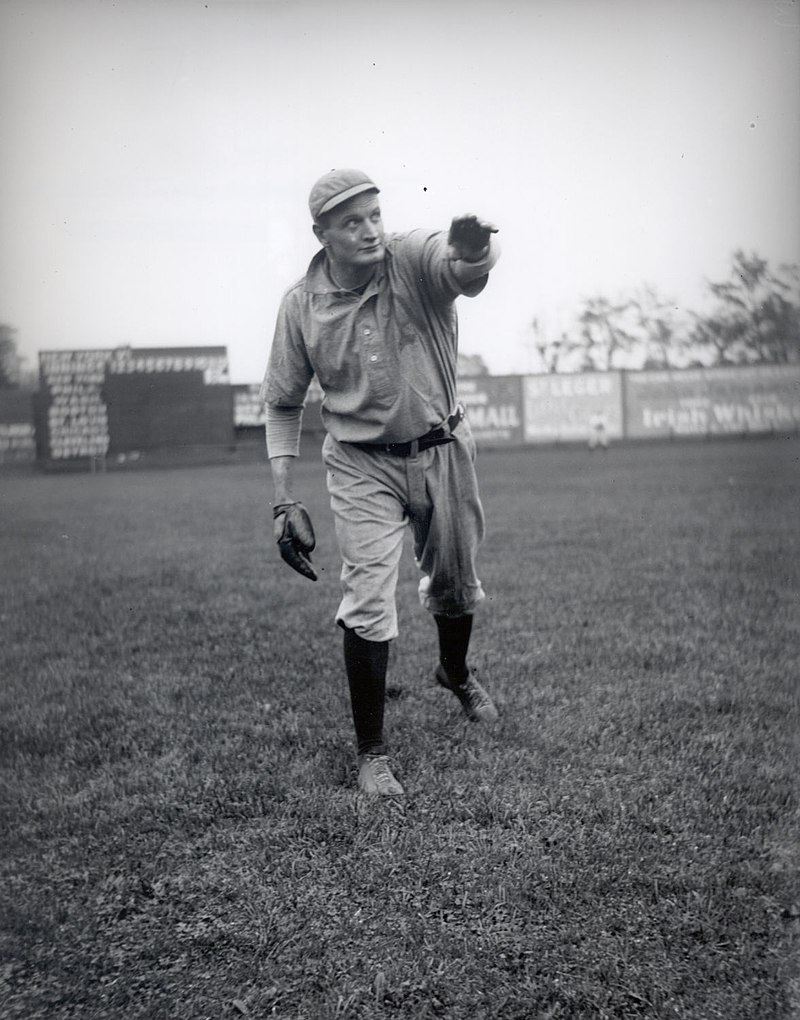
Rube Waddell 1905.

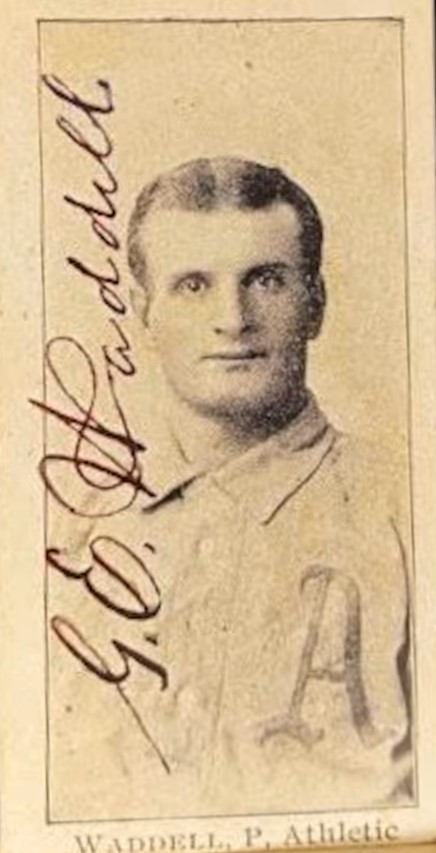
One of my favorite players from that hardball era was a square-jawed eccentric left-handed pitcher from the oil town of Bradford, Pa. named George Edward “Rube” Waddell (1876-1914). Rube played for 5 teams in 13 years. His lifetime 193-143 record, 2,316 strikeouts, and 2.16 ERA landed him in the Hall of Fame. And if there were a hall of fame for flakes in baseball, Rube would have been a first-ballot electee. If a plane flew above the field, Rube would stop in the middle of a game. If Rube heard the siren of a firetruck, he’d drop his glove and chase it. He once left in the middle of a game to go fishing. Opposing fans knew that Rube was easily distracted so they brought puppies to the game and held them up in the stands to throw him off. Rival teams brought puppies into the dugout for the same reason, knowing that Rube would drop his glove and run over to play with them every time. Shiny objects seemed to put Rube in a trance. His eccentric behavior led to constant battles with his managers and scuffles with bad-tempered teammates. Even though he was a standout pitcher, Rube’s foulball stories came off his bat, not out of his hand.

On August 11, 1903, the Philadelphia Athletics were visiting the Red Sox. In the seventh inning, Rube Waddell was at the plate. Waddell lifted a foul ball over the right field bleachers that landed on the roof of a Boston baked bean cannery next door. The ball rolled to a stop and became wedged in the factory’s steam whistle, which caused it to go off. It wasn’t quitting time yet, but the workers abandoned their posts, thinking it was an emergency. The employee exodus caused a giant caldron full of beans to boil over and explode. Suddenly, the ballpark was showered by scalding hot beans. Nine days before, on August 2, another foul ball off the bat of Waddell hit a spectator, supposedly igniting a box of matches in the fan’s pocket and ultimately setting the poor guy’s suit on fire and causing an uproar.

Waddell’s 1903 E107 Card.

George Burns Detroit Tigers.

Still, a foul ball hit by the aptly named George Burns of the Tigers in 1915 is worth mentioning in the same breath. His “scorching” foul liner struck an unlucky fan in the area of his chest pocket, where he was carrying a box of matches. The ball ignited the matches, and a soda vendor had to come to the rescue, dousing the flaming fan with bubbly to put out the fire.

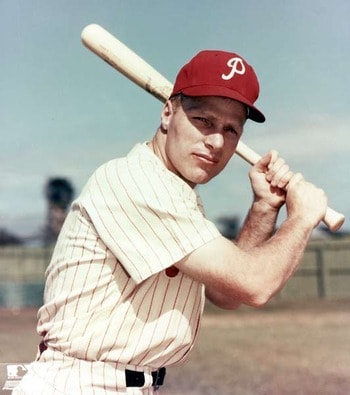
Richie Ashburn Philadelphia Phillies.

Richie Ashburn figures in many of the best foul ball stories in baseball lore. A contact hitter, Ashburn had the ability to foul off many consecutive pitches till he found one he liked. On one occasion, he fouled off fourteen consecutive pitches against Corky Valentine of the Reds. Another time, he victimized Sal “The Barber” Maglie for “18 or 19″ fouls in one at-bat. ”After a while,” said Ashburn, “he just started laughing. That was the only time I ever saw Maglie laugh on a baseball field.” Ashburn’s bat control was such that one day he asked teammates to pinpoint a particularly offensive heckler seated five or six rows back. The next time up, Ashburn nailed the fan in the chest. On another occasion, Ashburn unintentionally injured a female fan who was the wife of a Philadelphia newspaper sports editor. Play stopped as she was given medical aid. Action resumed as the stretcher wheeled her down the main concourse, and, unbelievably, Ashburn’s next foul hit her again. Thankfully, she escaped with minor injuries.

Luke Appling Chicago White Sox.

Another notable foul ball hitter was Luke Appling, the Hall of Fame shortstop with a career batting average of .310. As the story goes, Appling once asked White Sox management for a couple of dozen baseballs, so he could autograph them and donate them to charity. Management balked, citing a cost of several dollars per baseball. Appling bought the balls from his team, then went out that day and fouled off a couple dozen balls, after which he tipped his hat toward the owner’s box. He never had to pay for charity balls again, the legend goes.

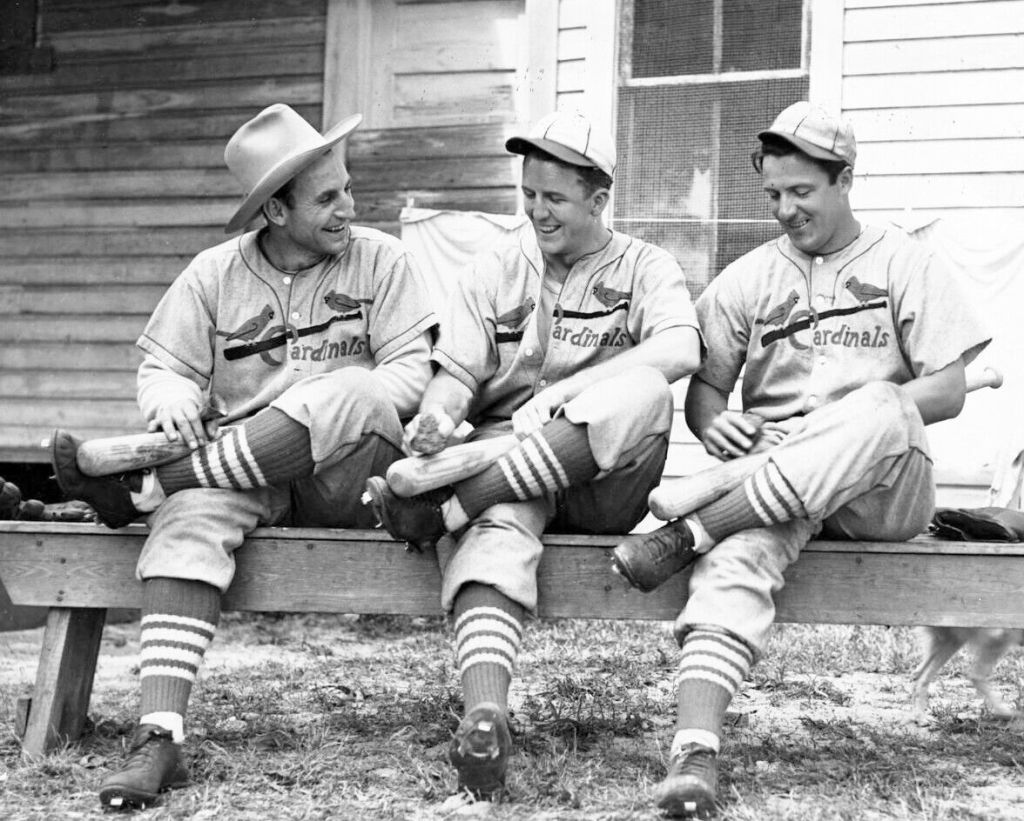
1934 Cardinals The Gashouse Gang:
Pepper Martin, Terry Moore & Ducky Medwick.

Another great foul ball story involves Pepper Martin and Joe Medwick of the St. Louis Cardinals famous Gas House Gang teams of the mid-1930s. With Martin at bat, Medwick took off from first base, intending to take third on the hit-and-run. Martin fouled the ball into the stands, and Reds catcher Gilly Campbell reflexively reached back to home plate umpire Ziggy Sears for a new ball. Then, just for fun, Campbell launched the ball down to third, where Sears, forgetting that a foul had just been hit and that he had given Campbell a new ball, called Medwick out. The Cardinals were furious, but not wanting to admit his error, Sears refused to reverse his call, and Medwick was thrown out-on a foul ball!

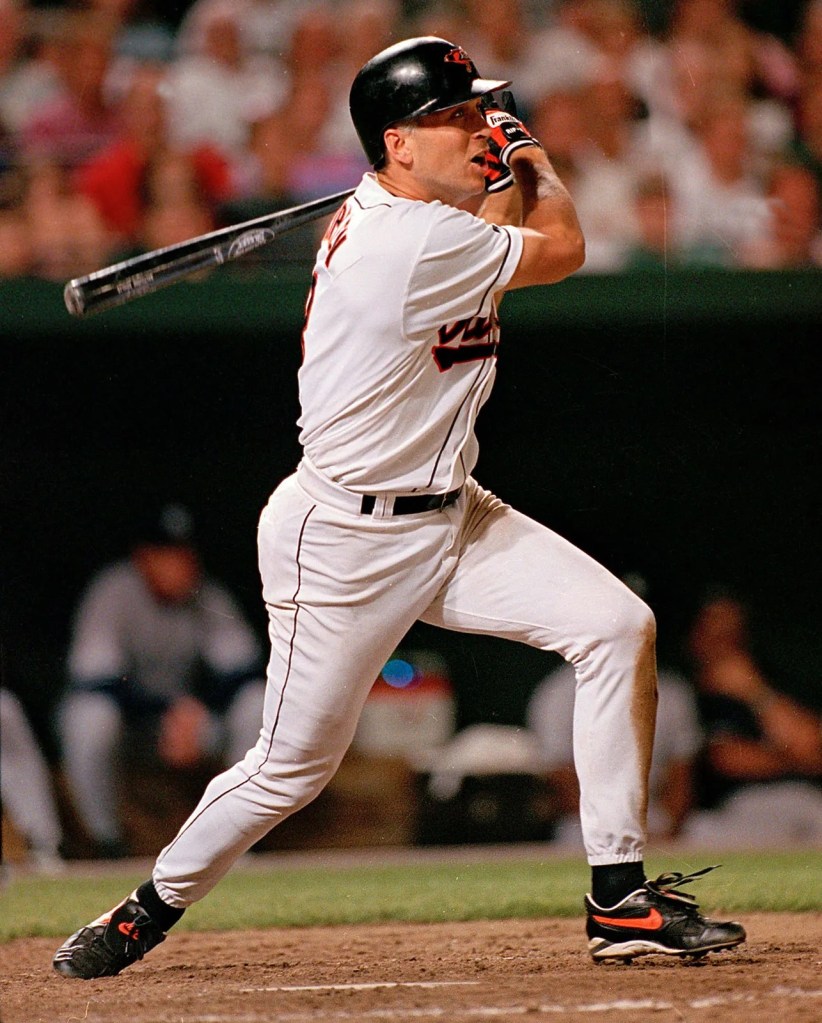
Cal Ripken, Jr.

The great Cal Ripken Jr. made life imitate art with a foul ball in 1998. In the movie The Natural, Roy Hobbs lofts a foul ball at sportswriter Max Mercy, as Mercy sits in the stands drawing a critical cartoon of the slumping Hobbs. Baltimore Sun columnist Ken Rosenthal faced a similar wrath of the baseball gods after he wrote a column in 1998 suggesting that it might be time for Ripken to voluntarily end his streak, at that point several hundred games beyond Lou Gehrig’s old record, for the good of the team. Ripken responded by hitting a foul ball into the press box, which smashed Rosenthal’s laptop computer, ending its career. When told of his foul ball’s trajectory, Ripken responded with one word: “Sweet.”

Another sweet story involves a father and son combination. In 1999, Bill Donovan was watching his son Todd play center field for the Idaho Falls Braves of the Pioneer League. Todd made a nice diving catch and threw the ball back into the second baseman, who returned it to the pitcher. On the next pitch, a foul ball sailed into the outstretched hands of the elder Donovan. “I was like a kid when I caught it,” said the proud papa. “It made me wonder when was the last time that a father and son caught the same ball on consecutive pitches.”

One day in 1921, New York Giants fan Reuben Berman had the good fortune to catch a foul ball, or so he thought. When the ushers arrived moments later to retrieve the ball, Reuben refused to give it up, instead tossing it several rows back to another group of fans. The angered usher removed Berman from his seat, took him to the Giants’ offices, and verbally chastised him before depositing him in the street outside the Polo Grounds. An angry and humiliated Berman sued the Giants for mental and physical distress and won, leading the Giants, and eventually other teams, to change their policy of demanding foul balls be returned. The decision has come to be known as “Reuben’s Rule.”

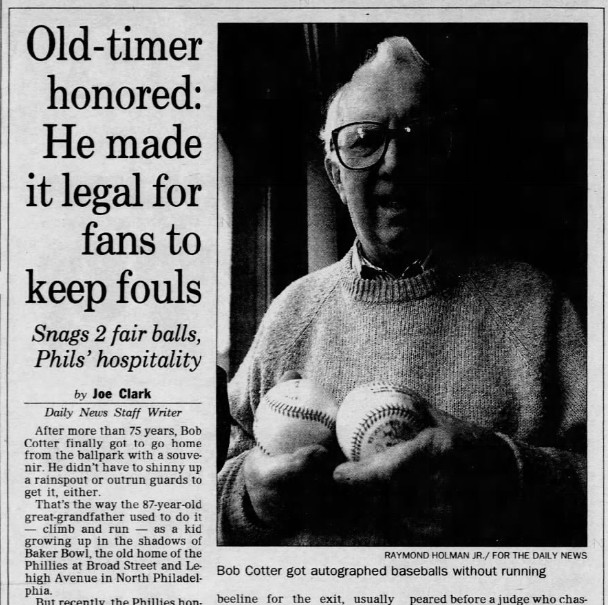
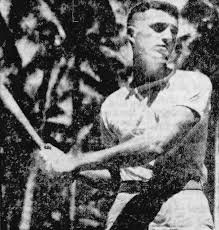
While Berman’s case was influential, the influence had not spread as far as Philadelphia by 1922, when 11-year-old fan Robert Cotter was nabbed by security guards after refusing to return a foul ball at a Phillies game. The guards turned him over to police, who put the little tyke in jail overnight. When he faced a judge the next day, young Cotter was granted his freedom, the judge ruling, “Such an act on the part of a boy is merely proof that he is following his most natural impulses. It is a thing I would do myself.” The tide eventually changed for good, and the practice of fans keeping foul balls became entrenched. World War II was another time when patriotic fans and owners worked together to funnel the fouls off to servicemen. A ball in the Hall of Fame’s collection is even stamped “From a Polo Grounds Baseball Fan,” one of the more than 80,000 pieces of baseball equipment donated to the war effort by baseball by June 1942.

Marine Private First Class George Benson Jr.

One of those baseballs may well have been involved in one of the strangest of all foul ball stories. In a military communique datelined “somewhere in the South Pacific,” the story is told of a foul ball hit by Marine Private First Class George Benson Jr., which eventually traveled 15 miles. Benson’s batting practice foul looped up about 40 feet in the air, where it smashed through the windshield of a landing plane. The ball hit the pilot in the face, fracturing his jaw and knocking him unconscious. A passenger, Marine Corporal Robert J. Holm, muttering a prayer, pulled back on the throttle and prevented the plane from crashing, though he had never flown before. The pilot recovered momentarily and brought the plane to a landing at the next airstrip, 15 miles away.

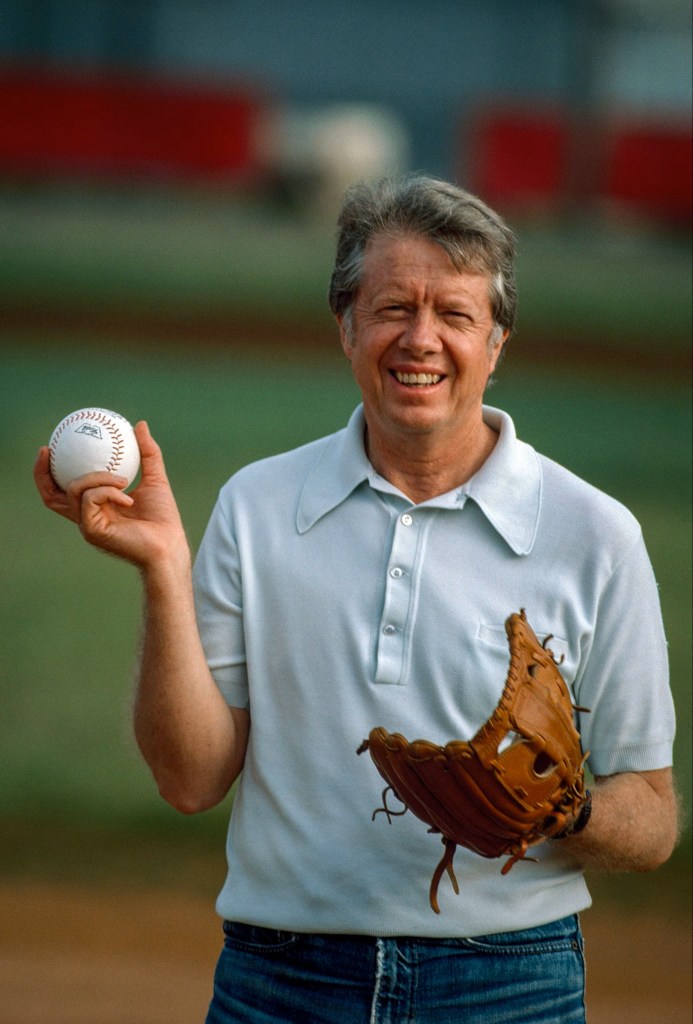
President Jimmy Carter.

In 1996, at the age of 71, former President Jimmy Carter made a barehanded catch of a foul ball hit by San Diego’s Ken Caminiti, while attending a Braves game. “He showed good hands,” said Braves catcher Javy Lopez.

With foul balls by this time an undeniable right for fans at the ballpark, what are your actual chances of catching a foul ball at a game? Well, to start with, the average baseball is in play for six pitches these days, which makes it sound as though there will be many chances to catch a foul ball in each game. While comprehensive statistics are not available, various newspapers have sponsored studies which, uncannily, seem quite often to come down to 22 or 23 fouls into the stands per game.

That seems like a healthy number until you look at average major league attendance at games. In the year 2000, the average game was attended by 29,938 fans. With 23 fouls per game, that works out to a 1 in 1,302 chance of catching a foul ball. With numbers like that, no wonder it feels so special to catch a foul ball. Nevertheless, those who yearn to catch a foul ball can improve their chances. I have listed some tips to help you bring home that elusive foul ball. Good luck!

Politics

Otis Cox. Auditing a lifetime of public service.

Otis article
Otis E. Cox-Indiana State Auditor from 1982 to 1986.

Original publish date:  August 30, 2012

I received a phone call from an old friend the other day with some shocking news. One of my heroes and mentors in life, former Indiana State Auditor Otis E. Cox, called to tell me that he and his lovely wife Pat were moving from Anderson to Fishers. You may wonder, why is THAT shocking? Well, its shocking to me because Otis E. Cox is as much a part of Anderson as the Wigwam gym (home of all those great Anderson Indians basketball teams), Gene’s root beer stand (home of the Spanish Dog with cheese) and Lemon Drop drive-in (home of the legendary onion burger). Otis Cox might as well be “Mr. Anderson,” at least in my mind. No matter where I go or who I meet, seems everyone has ties of some sort to Anderson.

Otis and Pat have lived in Anderson all of their lives. Otis for 71 years and Pat for considerably less than that. He graduated from Anderson high school and followed that up by graduating from the General Motors Institute (now known as Kettering University). Otis, a Democrat, was elected Madison County auditor in 1976 and again in 1980. He was then elected State Auditor in 1981 serving in that post from December 1,1982 to November 30, 1986. Upon leaving office in 1986, Otis went back to his hometown and ran for Mayor of Anderson in 1987 losing by a  mere 94 votes. An astonishingly thin margin in a city of 60,000+, but Otis, true to his humble personality, eschewed a recount on the grounds that “the people had spoken.” Otis would win re-election to the post of Madison County Auditor in 1992, a generation after first attaining the post in 1976. In 1996 and 2000, Otis served as a Madison County Commissioner before retiring in 2004.

IMG_0935
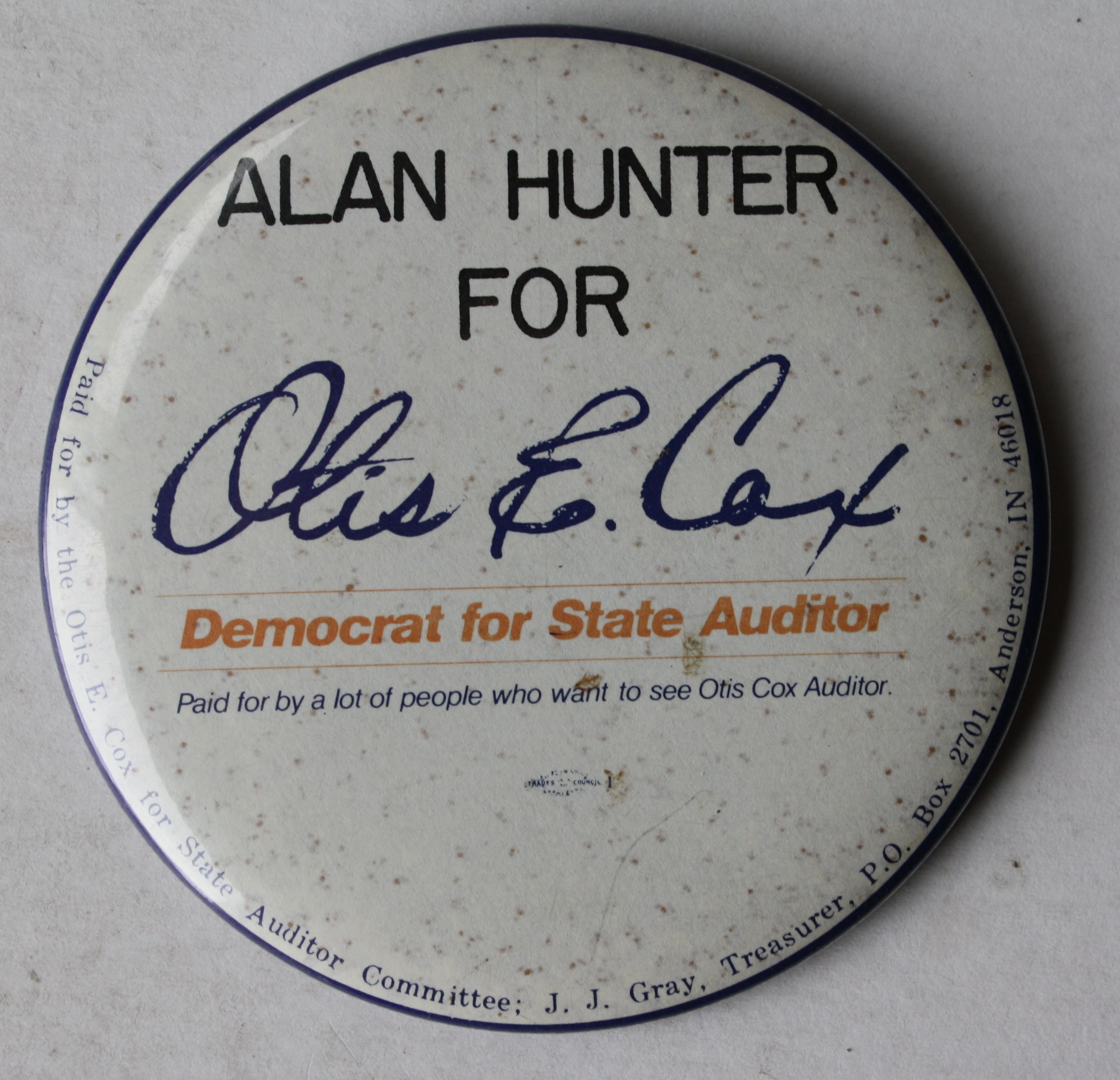
I wore this back in 1982 campaigning with Otis in what seemed like every county in Indiana. Lots of miles, lots of heat and lots of rain on this thing.

I first met Otis as a young collector of political memorabilia just barely after I got my driver’s license. He was always honest, patient and kind with this tinhorn, just learning the ropes of collecting history and participating in the Indiana political process. When he was elected State Auditor, Otis kindly appointed me as one of his deputies at the Indiana Statehouse. A post I held from 1982 to 1985. At that time, Otis E. Cox was 4th in line of succession to the Governor’s seat and the highest ranking Democrat in the state.

Otis counted among his deputy auditors; Mary Moriarty (Adams)-District 17 City Councilwoman, Nancy Michael-former 44th district State Representative and Mayor of Green Castle, & Ed Mahern-longtime 97th district State Representative who holds the singular distinction of being the very first babyboomer born in Indianapolis (arriving two seconds after Midnight on Jan. 1, 1946). Otis Cox helped mold the future of Indianapolis politics for decades to come and his strength of leadership resonates in the Capitol City to this very day. During all those years in office in the State Capitol, Otis dutifully went home each night to Anderson in Madison County.

I drove up to Madison County last week to sit and reminisce with Otis and Pat about old times, politics and their next move in life. Otis is what most would call a loyal “Yellow Dog Democrat”, a political term applied to that part of the electorate who vote solely for Democratic candidates. It is believed that the term originated in the South after Republican president Abraham Lincoln led the Union against the Confederacy to describe those voters who would “vote for a yellow dog before they would vote for any Republican”. The term is now used to describe any Democrat who will vote a straight party ticket under any circumstances.

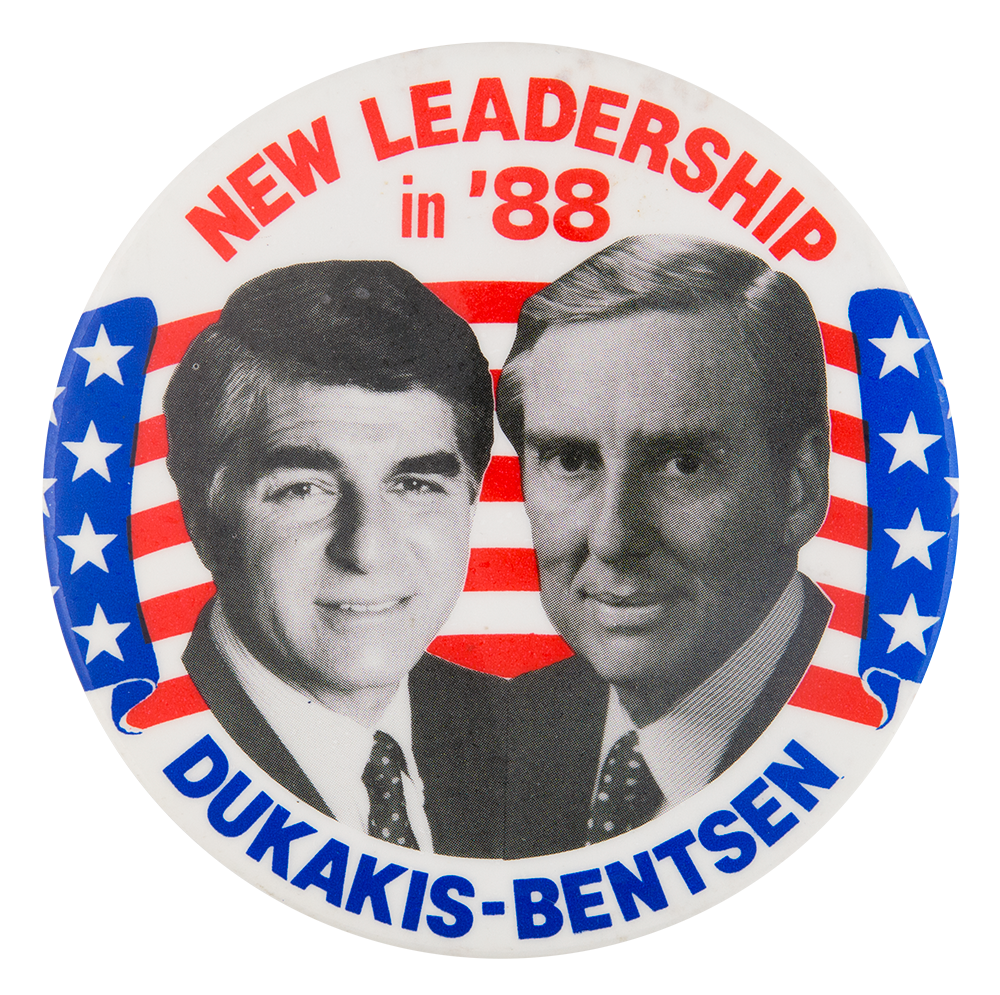
PO-dukakis-bentsen-button_busy_beaver_button_museumI often tell friends that I won my wife Rhonda’s heart back in 1988 when I walked into her store wearing a Dukakis / Bentsen for President campaign pin during the election. She gasped and asked me, “Where did you get that?” to which I reached into my pocket, pulled an identical pin out and presented it to her. Pat tells a similar story about meeting Otis for the first time in the early 1960s. “He walked up to me and asked me if I voted for John F. Kennedy” to which I answered “No.”  He asked me “Well, why not?” and I said, “because I wasn’t old enough.” From that point on, the pair were inseparable while working for LBJ, RFK, McGovern culminating with Otis himself being swept into office with the Jimmy Carter election in 1976.
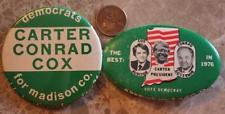
The Cox’s fondly recall that 1976 election, Otis’ first, with several humorous stories about the role Anderson and the state of Indiana played in the Carter victory. “In 1976, there were several people running for the Democratic nomination. Hubert Humphrey, Sargent Shriver, George Wallace, Walter Mondale, Scoop Jackson, Fred Harris, Robert Byrd, Lloyd Bentsen, Birch Bayh, and of course, Jimmy Carter. ” Otis says, “They were all planning to come to Indiana for the primary, back then the Indiana primary really meant something, not like today. All of the candidates advance people were frantically calling Madison County Democrats to find places for these guys to stay. Everyone chose a candidate and Jimmy Carter was the last on the list. A friend of ours took the Carter’s in, (much to the later chagrin of all who’d chosen another candidate), and you know, Jimmy Carter stayed friends with them for decades afterwards. Even invited them to their home in Plains, Georgia whenever the couple traveled down to Florida.”


s-l225
Jimmy Carter-Larry Conrad-Otis Cox 1976 campaign pins.

Otis was a delegate to the Democratic National Conventions in 1976, 1980 & 1984. I asked him about the upcoming conventions to which he replied, “It’s not the same today as it was back then. There are no races anymore. Everything is decided before the convention. It’s more of a formality now than a real convention. In 1980 we had the Carter versus Ted Kennedy fight at the DNC and in 1984 there was the Mondale versus Jesse Jackson delegate fight. Gary Hart was still mixing into that convention as well.” Otis says, “Now its all cut and dried. The Republicans won’t even seat the two delegates pledged to Ron Paul at their convention this week.”

I asked Otis about his time as State Auditor. He smiles that trusting smile that helped sweep him into office back in 1982 and replies simply, “I enjoyed the time I spent there.” When asked if he’d run for office again, he flatly says, “No” then stops and reflects a moment before adding, “Well, if I were twenty years younger, sure.” He talks about the changes he’s seen in the political system during his lifetime of public service. Otis is startled today by the lack of cooperation between members of opposing parties at every level of government. “When I was in the State Auditor’s office both parties worked together, they strive for it. Even though I was the lone Democrat, the other offices bent over backwards to help me. Especially the Governor’s office, whatever we needed, they provided. No questions asked. Mind you, this was on a daily basis. You just don’t see that today at any level.” remarks Otis.

I asked the former State Auditor and his bride how they felt about leaving the only place they’ve ever called home. After all, the Cox’s are moving from a county that many consider to be one of the state’s most economically depressed to a county that is often ranked as one of the most prosperous in the nation. After all, Madison County’s unemployment rate at is nearly 2 points higher than the national average, job growth is 6% lower than the national average, individual income is over $5,000 less than the national average and median household income is over $ 14,000 less than the national average. On the other hand, Hamilton County’s unemployment rate at is nearly 2 1/2 points lower than the national average, job growth is nearly 1% higher than the national average, individual income is over $ 10,000 more than the national average and median household income is a staggering $ 30,000 above than the national average. Although separated by an insignificant distance, that’s a significant lifestyle change.

“Well, we’re not really leaving Madison County,” Pat says “Our friends are here, our bank is here and our doctors are here.” Pat volunteers her time at St. John’s hospital in Anderson (where both of my children and my wife were born). She donates her time making floral arrangements for the patients and plans to continue her duties there. “It’s actually about the same commute for me, 15-20 minutes depending on traffic,” Pat says “Traffic can be bad, but I’m going the opposite direction. I’m going out of Hamilton County when everyone else is coming in.”

Otis Cox will always retain his love for Madison County but laments the loss of industry to the city and county of his birth. “Sadly, the manufacturing industry is gone and I don’t see it coming back.” he says. The automotive industry has a long association with the city; at one time employing some 25,000 auto workers in nearly twenty different General Motors affiliated plants located all around Anderson, trailing only Flint, Michigan in that regard.  Pat chimes in, “We just lost the Emge meat packing plant (on west 8th street), it’s so sad.”  Ever the optimist and booster for his birth county, Otis points out, “But things are looking up, we got the Nestlé’s plant and 300 new jobs a few years back.”

Otis and Pat are moving to be closer to their adult kids, Angie and Chris, who live in the Noblesville / Fishers area. The Cox’s are moving to Britton Falls, a Del Webb adult resort community for ages 55-and-over located near Hamilton Southeastern High School in Fishers. Otis proudly chirps, “It’s just like going on a vacation.” He looks forward to no more yard work and no more stairs in their new ranch style home. He continues, “But Anderson will always be home. I will miss Anderson.”

I asked Otis if he had any regrets from his decades of public service. He pauses, leans back in his chair, places his fingertips together with his index fingers brushing the tip of his nose as his thumbs gently touch his chin, “Yes, I had one regret.” he replies. “When I was commissioner, I was always sorry that I couldn’t get a couple roundabouts built in Anderson at places I felt needed them. But you know, now that I’m spending so much time in Hamilton County (which has well over 100 roundabouts) I’m getting sick of seeing them.” followed by a hearty laugh from the man who was once the most powerful Democrat in the State of Indiana. Well, Otis, if that’s your only regret from all those years of public service, I’d say you’ve served your city, county, and state well. Enjoy your retirement my friend, you’ve earned it.