Original publish date: May 2014 Reissue date: September 26, 2019
Outlaws Bonnie and Clyde have been in the news again lately, nearly 85 years after they died in dramatic fashion on a dusty backroad in Gibsland, Louisiana. I wrote this 3-part series over 5 years ago and have since added an updated part 4 to the saga. So, here are the first 3 parts as written a hemi-decade ago. Stay tuned for the updates just in time for Halloween Festival weekend.
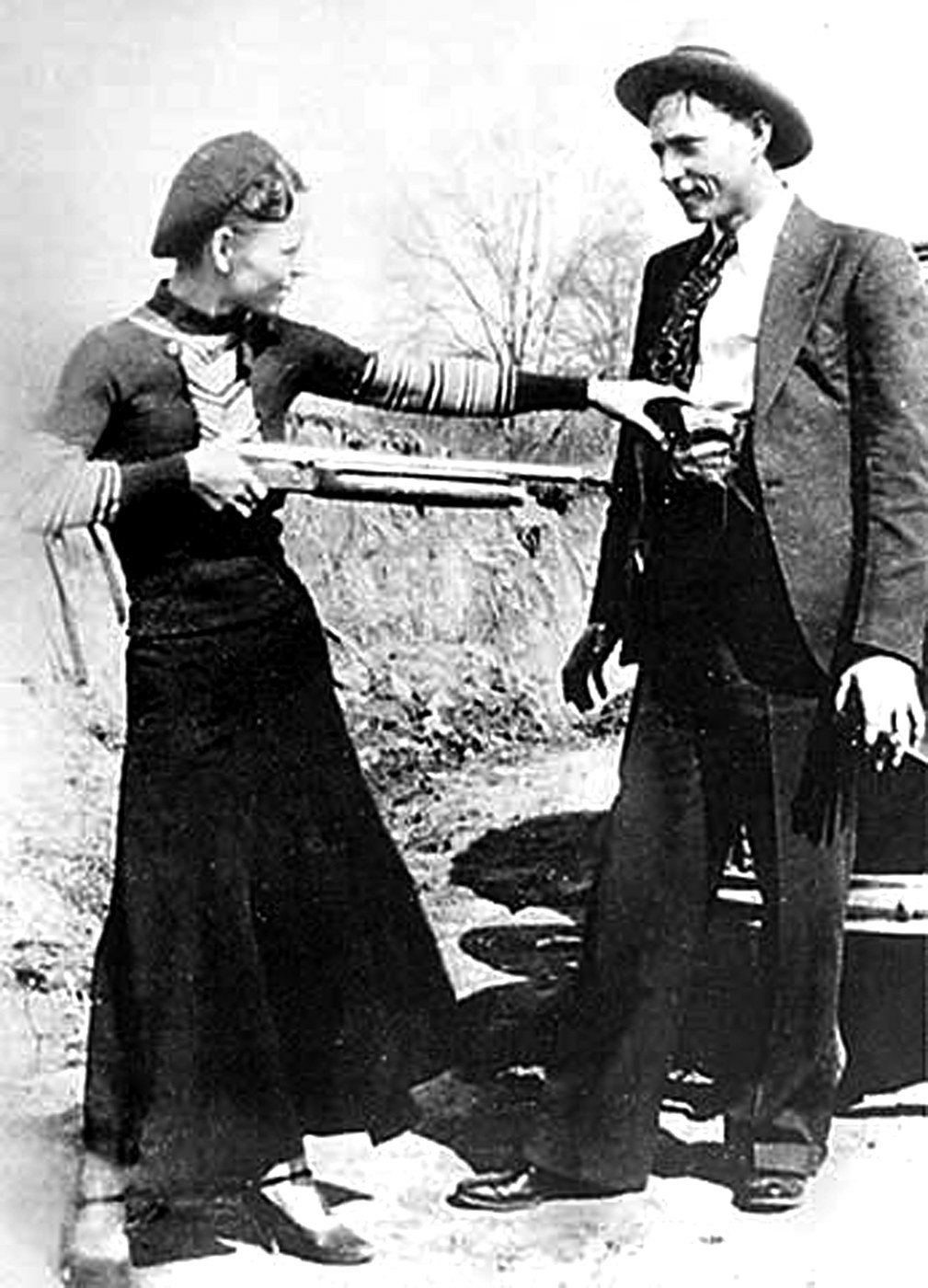
Bonnie and Clyde. Names that evoke different images to different people. Although their image, like those of Billy the Kid , Jesse James and John Dillinger, have been romanticized over the years; the truth is a little bit more complicated. Without doubt, Bonnie Parker and Clyde Barrow are the most famous pair of star crossed outlaws this country has ever seen. On May 23, 1934, 80 years ago this week, they died exactly as they lived: violently. Bonnie was only 23 years old; Clyde a mere 24.
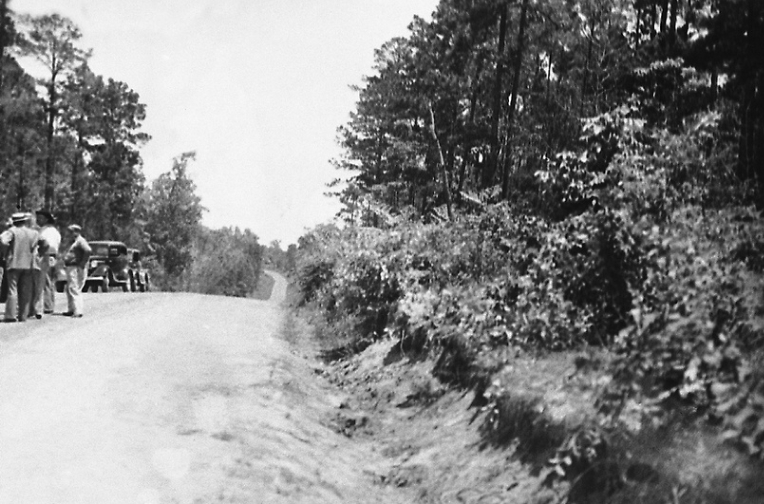
On a dusty, mosquito choked rural road near Gibsland, Louisiana, Bonnie & Clyde were ambushed by a group of six heavily armed hardcore Texas lawmen. The deadly duo never had a chance. When the smoke had cleared, the coroner counted 17 separate entrance wounds on Clyde Barrow’s body and 26 on Bonnie Parker’s. Other accounts say Clyde was shot 23 times and Bonnie 25, either way, they were killed instantly. The wounds included several headshots on each, one bullet snapping Barrow’s spinal column. Undertaker C. F. “Boots” Bailey had difficulty embalming the bodies because of all the bullet holes.
The posse used Browning Automatic Rifles, perhaps better known in gun circles as “BAR’s”, which was ironically also the weapon most favored by the Barrow Gang. The BAR’s were so powerful that some of the bullets went completely through one car door and out the other. A total of 167 bullets were fired, non of which came from either Bonnie or Clyde. The temporarily deafened officers inspected the vehicle and discovered an arsenal of weapons, including stolen automatic rifles, sawed-off semi-automatic shotguns, assorted handguns, and several thousand rounds of ammunition.
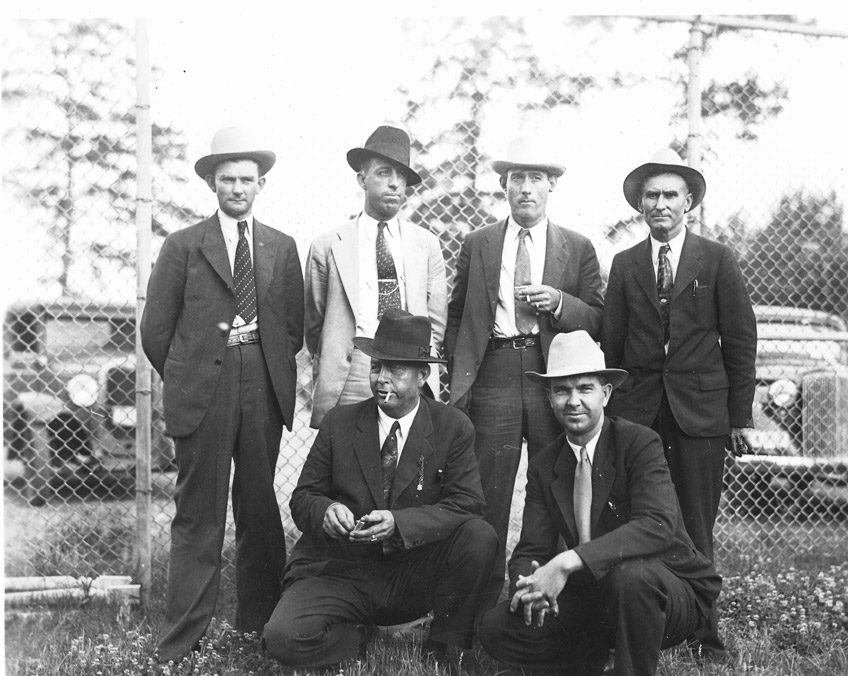
According to statements made by Dallas County Sheriff’s Deputies Ted Hinton and Bob Alcorn (both of whom knew Barrow and Parker by sight): “Each of us six officers had a shotgun and an automatic rifle and pistols. We opened fire with the automatic rifles. They were emptied before the car got even with us. Then we used shotguns … There was smoke coming from the car, and it looked like it was on fire. After shooting the shotguns, we emptied the pistols at the car, which had passed us and ran into a ditch about 50 yards on down the road. It almost turned over. We kept shooting at the car even after it stopped. We weren’t taking any chances.” The lawmen had been hiding in the bushes for a day and a half waiting for the outlaws. They weren’t in a mood to parlay.
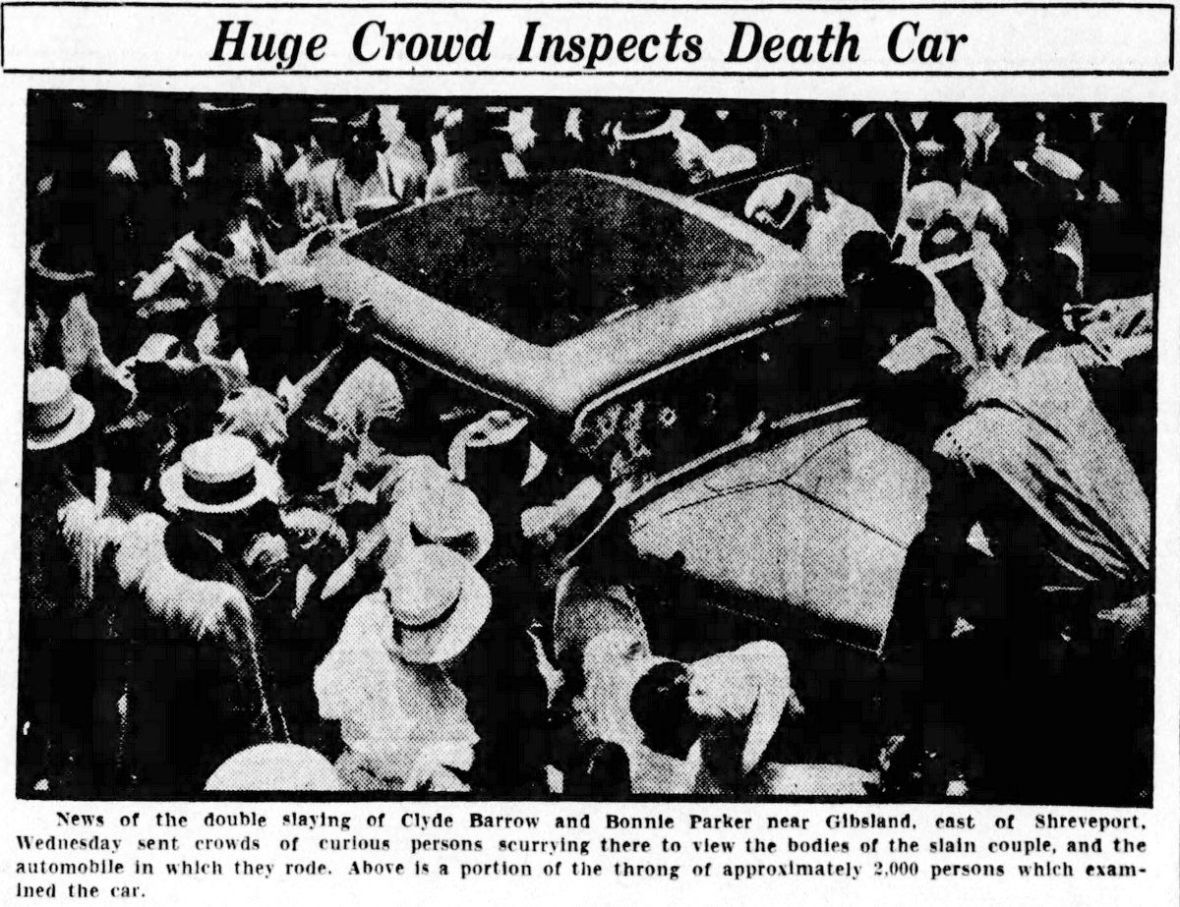 Word of the ambush quickly spread after the officers drove into town to telephone their respective bosses. A raucous crowd soon flooded the death scene and the car that was still resting there. Two members of the posse were left to guard the bodies, but they quickly lost control of the bloodthirsty souvenir hunters. Locals pushed and shoved their way to the death car; one woman cut off bloody locks of Bonnie’s hair and pieces from her dress. She was later seen back in town selling them as grisly souvenirs. Hinton returned just in time to keep a man from cutting off Clyde’s trigger finger. Arriving at the scene, the coroner observed the following: “nearly everyone had begun collecting souvenirs such as shell casings, slivers of glass from the shattered car windows, and bloody pieces of clothing from the garments of Bonnie and Clyde. One eager man had opened his pocket knife, and was reaching into the car to cut off Clyde’s left ear.” The coroner enlisted Hamer for help in controlling the “circus-like atmosphere” and Clyde’s ear remained intact.
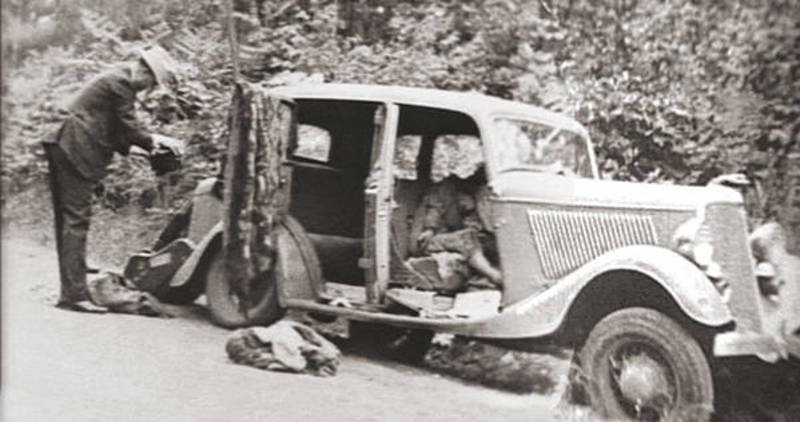
Texas Ranger inspecting death car with Bonnie’s dead body still inside.
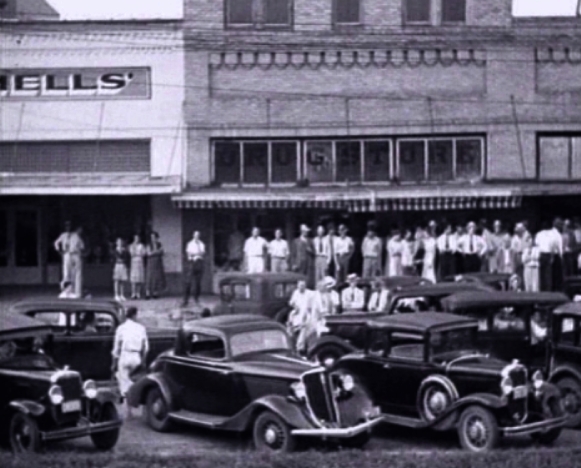
The Ford, with the bodies still inside, was towed to the Conger Furniture Store & funeral parlor located on Railroad Avenue downtown across from the Illinois Central train station (which is now a historical museum containing Bonnie and Clyde artifacts.) The crowds were so unruly, that the caretaker had to squirt embalming fluid on them to keep them back. Preliminary embalming was done by Bailey in a small preparation room in back of the furniture store (it was common for furniture and undertakers to be together back then.) The tiny northwest Louisiana town swelled in population from 2,000 to 12,000 within hours. Curiosity seekers arrived on foot, by train, horseback, buggy, and airplane. Beer, which normally sold for 15 cents a bottle, jumped to 25 cents; ham sandwiches quickly sold out. After identifying his son’s body, Henry Barrow sat in a rocking chair in the furniture section and wept.
H.D. Darby, a young undertaker who worked for the McClure Funeral Parlor in nearby Ruston, and Sophia Stone, a home demonstration agent also from Ruston, came to Arcadia to identify the bodies. They had been kidnapped by the Barrow gang the previous year in Ruston, on April 27, 1933, and released near Waldo, Arkansas. Bonnie reportedly laughed when she asked Darby his profession and discovered he was an undertaker. She remarked that maybe someday he would be working on her. As fate would have it, Darby assisted Bailey in embalming the outlaws.
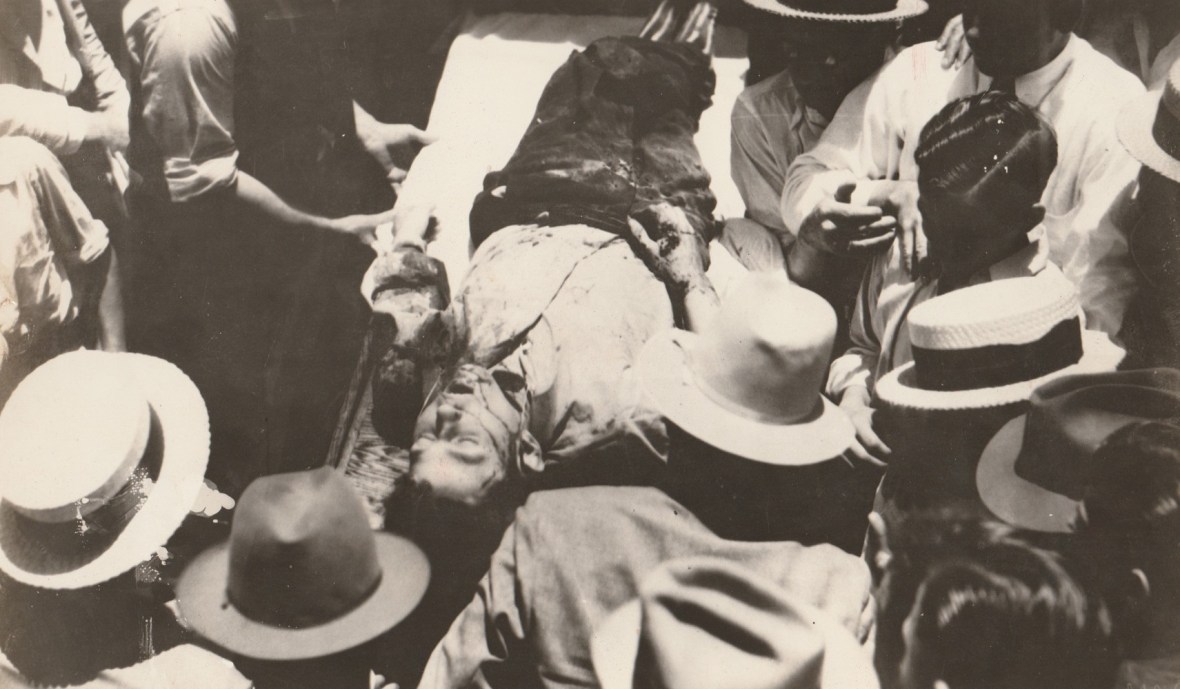
The coroner found $ 500 in cash in Clyde’s pockets and $ 6 and some change in Bonnie’s purse alongside a bullet shattered pocket mirror. All the fingers on Bonnie’s right hand had been shot off, as they laid on a pack of bloody cigarettes. Inside the car, besides the firearms arsenal, other curious items were found, including a saxophone, Hollywood movie magazines, newspapers, a box of fishing tackle and 15 sets of license plates from various states, including Indiana.
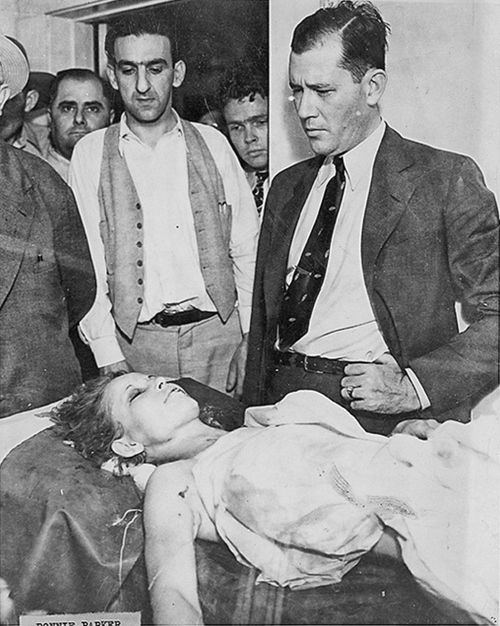
Although Bonnie had famously requested that she and Clyde be buried side by side in her poem “The Story of Bonnie and Clyde”, the Parker family would not allow it. Mrs. Parker was quoted as having said, “Clyde had her for two years and look what he did to her.” Mrs. Parker wanted to grant her daughter’s final wish by bringing the dead outlaw’s body home, but mobs surrounding the Parker house day-and-night made that impossible. Parker’s family used the McKamy-Campbell Funeral Home, located on present day Martin Luther King, Jr. Blvd in Dallas, to conduct her funeral. Bonnie’s mutilated hair was waved and curled into its former neatness. Her nails were manicured. More than 20,000 attended Bonnie Parker’s funeral, and her family had to be escorted by lawmen to her grave site.
Bonnie’s brother, Hubert “Buster” Parker, escorted her body from Arcadia to Dallas in the back of an ambulance. Her services were held on Saturday, May 26, 1934, at 2 pm, in the funeral home. Flowers came from everywhere, including some with cards allegedly from Pretty Boy Floyd and John Dillinger, who were still very much alive and on the run themselves. Curiously, the largest floral tribute was sent by a group of Dallas city newsboys. Seems the issue covering the deaths of Bonnie and Clyde sold 500,000 newspapers in Dallas alone. Although initially buried in the Fishtrap Cemetery, Parker was moved in 1945 to the new Crown Hill Cemetery in Dallas.
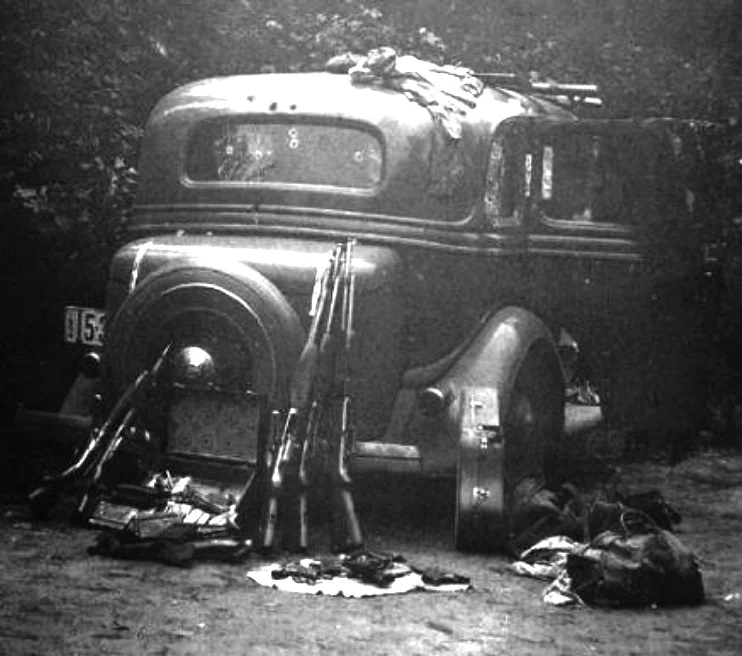
Clyde Barrow’s family used the Sparkman-Holtz-Brand Morticians in downtown Dallas. Thousands of people gathered outside both Dallas funeral homes hoping for a chance to view the bodies. Barrow’s private funeral was held at sunset on Friday, May 25, in the funeral home’s chapel. He was buried next to his brother Buck on a bare slope in a West Dallas Cemetery. The Barrow brothers share a single granite marker with their names on it and a four-word epitaph previously selected by Clyde: “Gone but not forgotten.” As the crowd dispersed, a low-flying plane dropped a gigantic floral wreath near the gravesite.
The life insurance policies for both Bonnie Parker and Clyde Barrow were paid in full by American National of Galveston. Since then, the policy of pay-outs has changed to exclude pay-outs in cases of deaths caused by any criminal act by the insured. Those original life insurance policies, obtained by the mothers of Bonnie and Clyde, are displayed at the American National Insurance Company Building in Galveston, Tx. It has been reported that the families of the outlaws made more off their death than the deadly duo ever made off of their short lives of crime.
The six men of the posse were each to receive a one-sixth share of the reward money. Dallas Sheriff Schmid had promised Ted Hinton this would total some $26,000, but most of the state, county, and other organizations that had pledged reward funds reneged on their pledges. In the end, each lawman earned just $200.23 for his efforts. Hamer promised his barber a lock of Clyde’s hair and delivered on that promise by picking a lock off of Clyde’s shirt that had been shorn off by a BAR bullet. The posse, including Frank Hamer, took and kept for themselves all of the guns that were found in the death car. Personal items such as Bonnie’s clothing and Clyde’s saxophone were also taken, and when the Parker family asked for them back, they were refused.
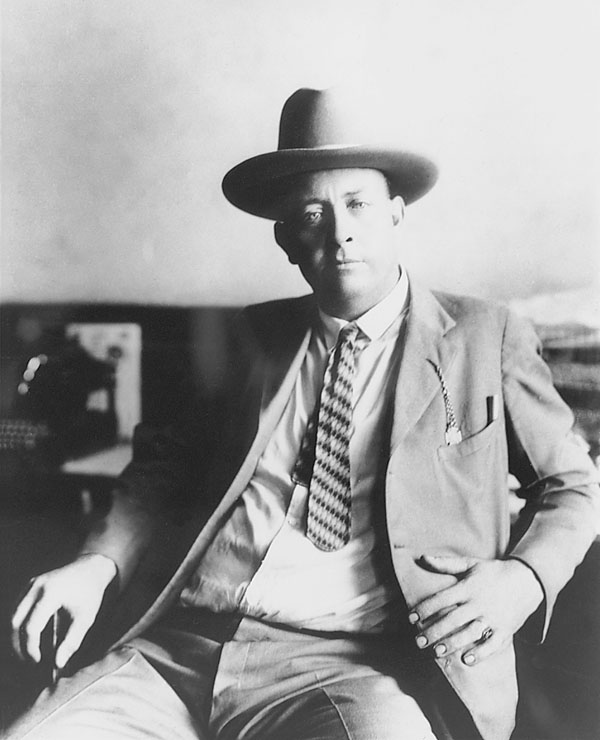
In July, Clyde’s mother wrote to Hamer asking for the guns’ return: “You don’t never want to forget my boy was never tried in no court for murder and no one is guilty until proven guilty by some court so I hope you will answer this letter and also return the guns I am asking for.” The guns were not returned, and remained with the Hamer family. There’s no evidence Hamer ever answered her letter. The guns were later sold as souvenirs.
Bonnie and Clyde are thought of almost exclusively as Southwestern outlaws from the rough-and-tumble areas of Texas, Oklahoma and Louisiana. But did you know that the Barrow gang had ties to Indiana? One of those ties marries one of the grisliest of all blood relics ever collected with an iconic Circle City department store not far from where you are reading this article right now.
Next Week: Part II of Bonnie & Clyde-The Indiana Connection
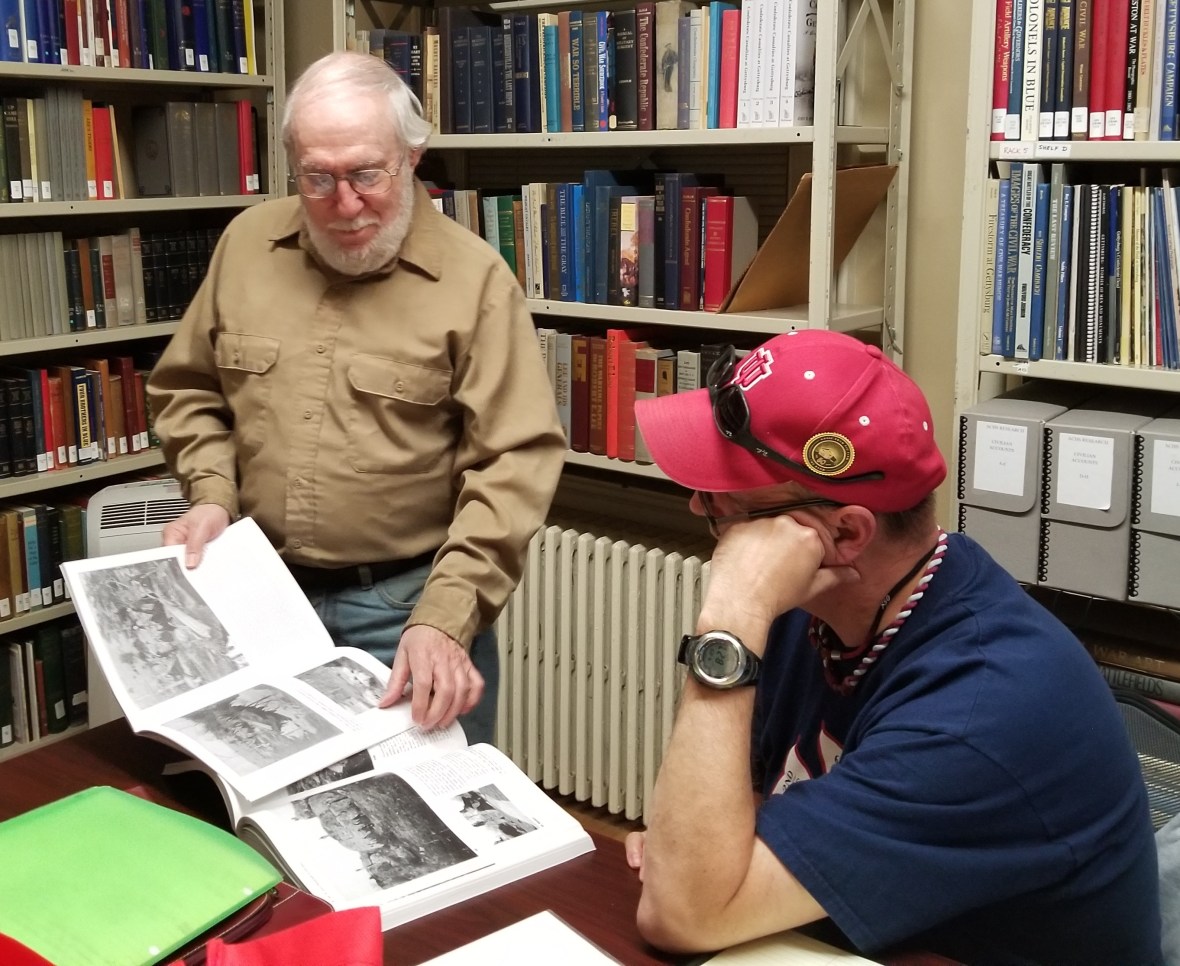
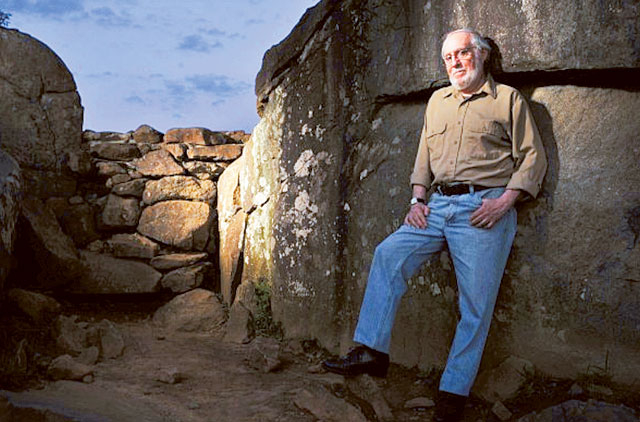
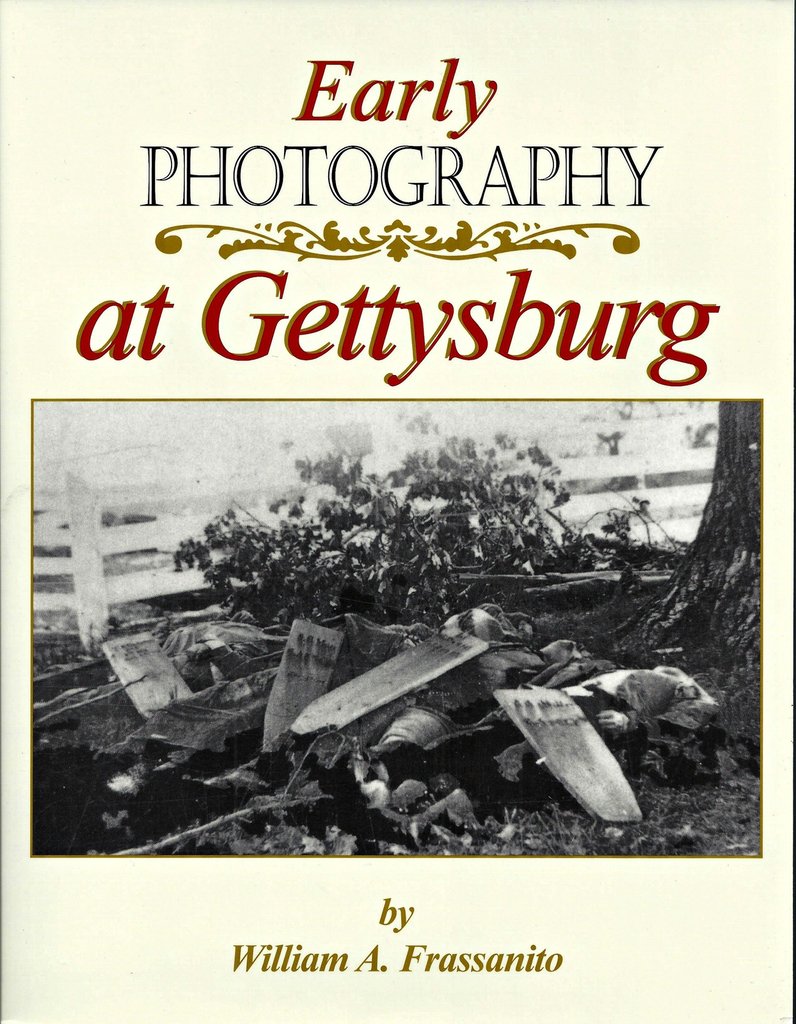 Needless to say, I was pleased with my visit to and pleasantly reminded how invaluable places and people like these are to the preservation and education of history. After the ACHS helped fill in some blanks in my research, I turned my attention to author Bill Frassanito. He is intensely private, yet unassuming and modest in demeanor. Although an author by trade and historian by nature, Mr. Frassanito has the soul of a teacher.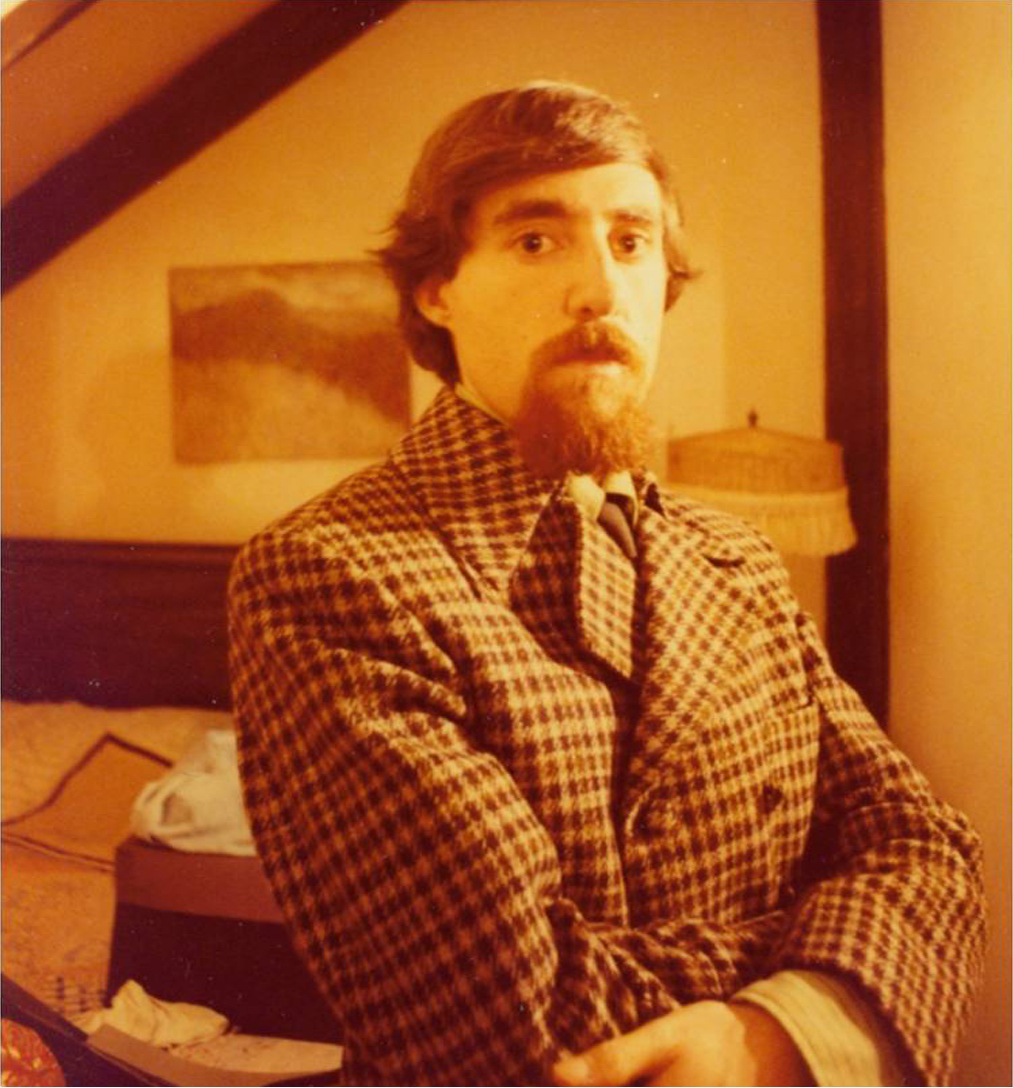
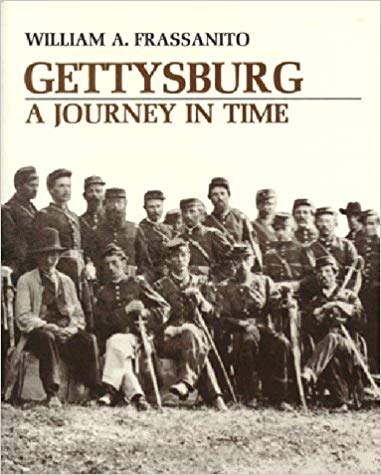 When asked what first drew him to Gettysburg, he explains, “My first trip to Gettysburg was in 1956 when I was nine years old, and I was just awed by all the monuments, cannons and stuff. I started my research when I was a kid and much of the research for Journey in Time was done when I worked it into a Masters thesis (he is a proud Gettysburg College alum). “When you went to Gettysburg College, I was the high school class of ’64, college class of ’68, at that time all the male students had to take either phys ed or ROTC for two years, after that you made the decision whether you continued on to advanced ROTC, then you were a part of the Army and you got paid. From there you are committed to, after graduation, serving for two years as a second lieutenant, then on to grad school.”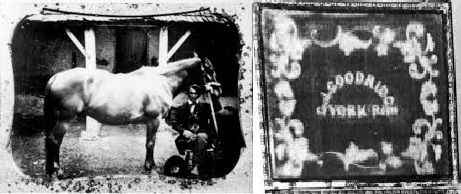
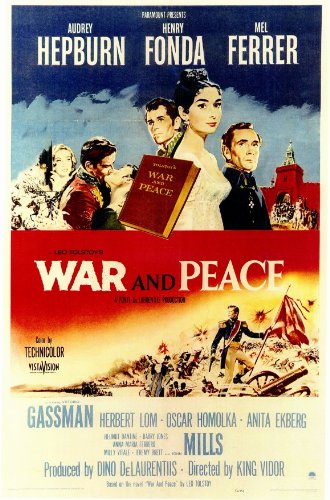 Bill’s collecting interests are not solely confined to Gettysburg. “All of my stuff is going to the Adams County Historical Society. It will be called the Frassanito collection. Including all my stuff that goes beyond Gettysburg and Adams County. My interest in military history includes World War I and Franco Prussian war, it’s very expansive.” Mr. Frassanito’s interest in all things military came when he saw the 1956 movie “War and Peace” starring Audrey Hepburn and Henry Fonda and, he states, “from that time on I’ve been fascinated by Russian history including the Crimean War” (October 1853 to February 1856 in which the Russian Empire lost to an alliance of the Ottoman Empire, France, Britain and Sardinia).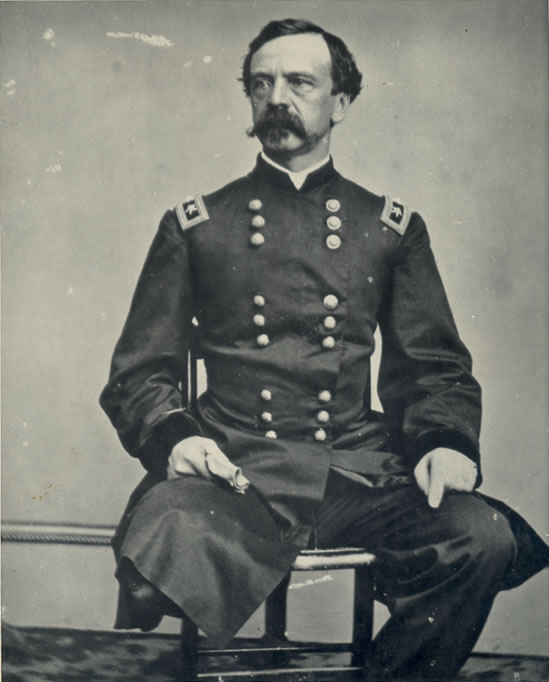
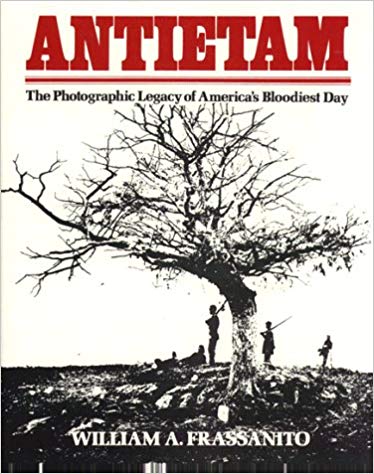 Bill continued, “I fortunately survived Vietnam and I put it (his book research) all together when I got out of the Army. I tried to get a job in the museum field but the book took off when I signed with one of the top publishers, Charles Scribner’s. It was later picked up for the Book-of-the-Month club. That became the first of seven books on Civil War photography. I spent eight years and eight months on that project.” One of Bill’s most important discoveries was the “Slaughter Pen” near Devil’s Den. Bill’s book included detailed maps. Bill explains, “The whole purpose of the book was to enable people to re-experience standing where the photographer was. One of the questions I often get is why I don’t update the modern photographs. I’ll never do that as I see them as sort of a time capsule in themselves and I want people to know what the battlefield looked like when I spent five years looking for these spots.”
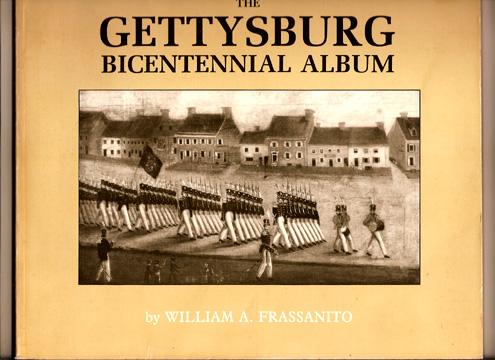 Frassanito notes that the publication of that photo started a search that is still going on 44 years later. There have been two dozen sites that have been suggested as the site of the photograph. “When people make their discoveries it becomes a religious experience. Every one of those sites has major problems. As far as I’m concerned I don’t want to see a faulty location declared the site and have the search end. That’s the biggest mystery for Civil War photography at Gettysburg. And I’m hoping that one day a pristine 1863 version of the original stereoview or negative surfaces.”
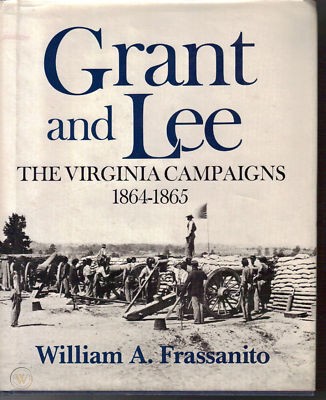 “I lived about 2 miles away in kind of a slum area of Saigon, it was a hotel we rented from the Vietnamese called Horn Hall. On the main floor was a narrow lobby, and there were two shifts requiring a duty officer, you had to spend six hours just sitting there. You had a pistol and if anything happened, you were in charge. One of the shifts was midnight to six. On the 16th of December 1970 I was assigned night duty at MACV headquarters so my name was removed from the night duty at Horne Hall. Later, we got a phone call that a bomb had gone off that night at Horne Hall and the Lieutenant on duty was instantly killed. And I realized that had I been sitting there, all of my discoveries would have gone with me. And these classic photos of the 24th Michigan and 1st Minnesota would still be misidentified.”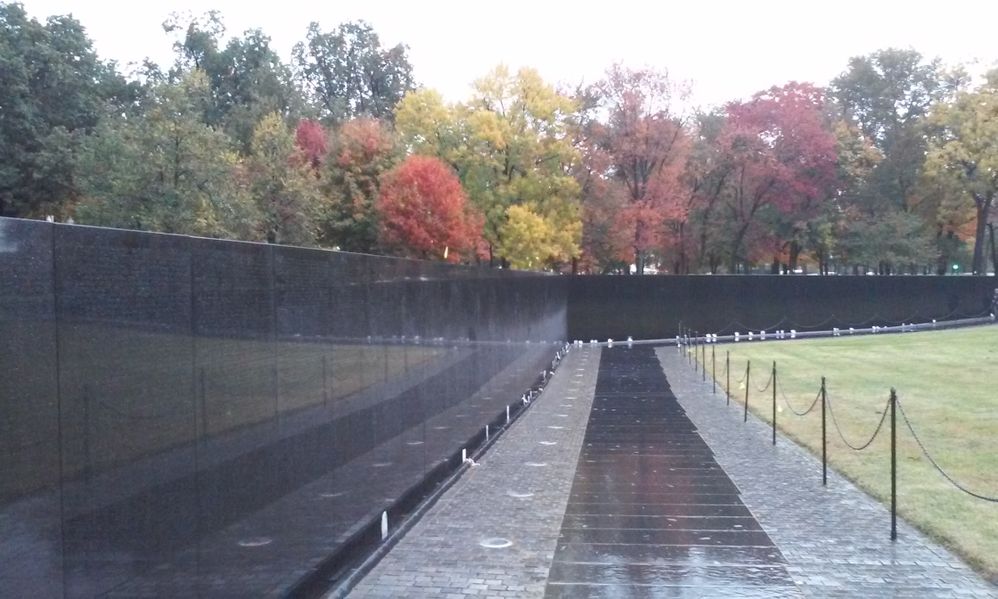
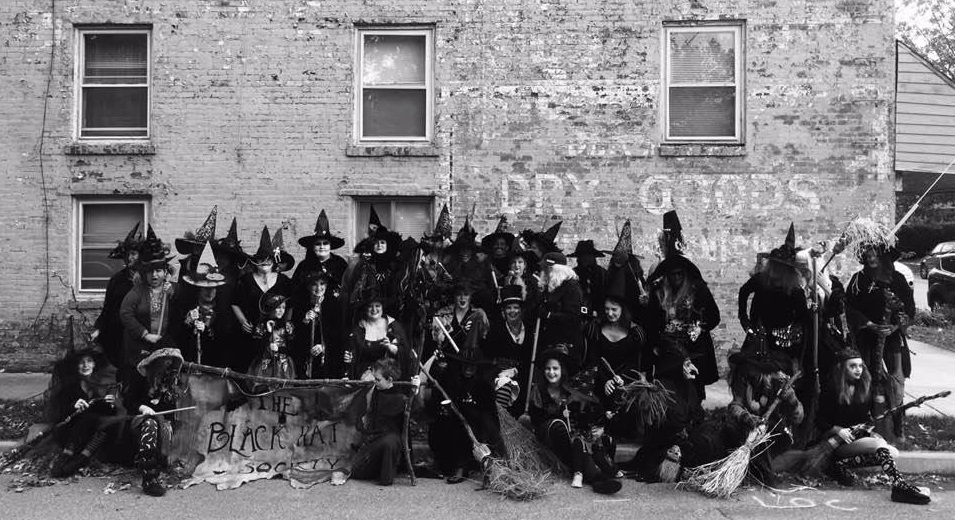
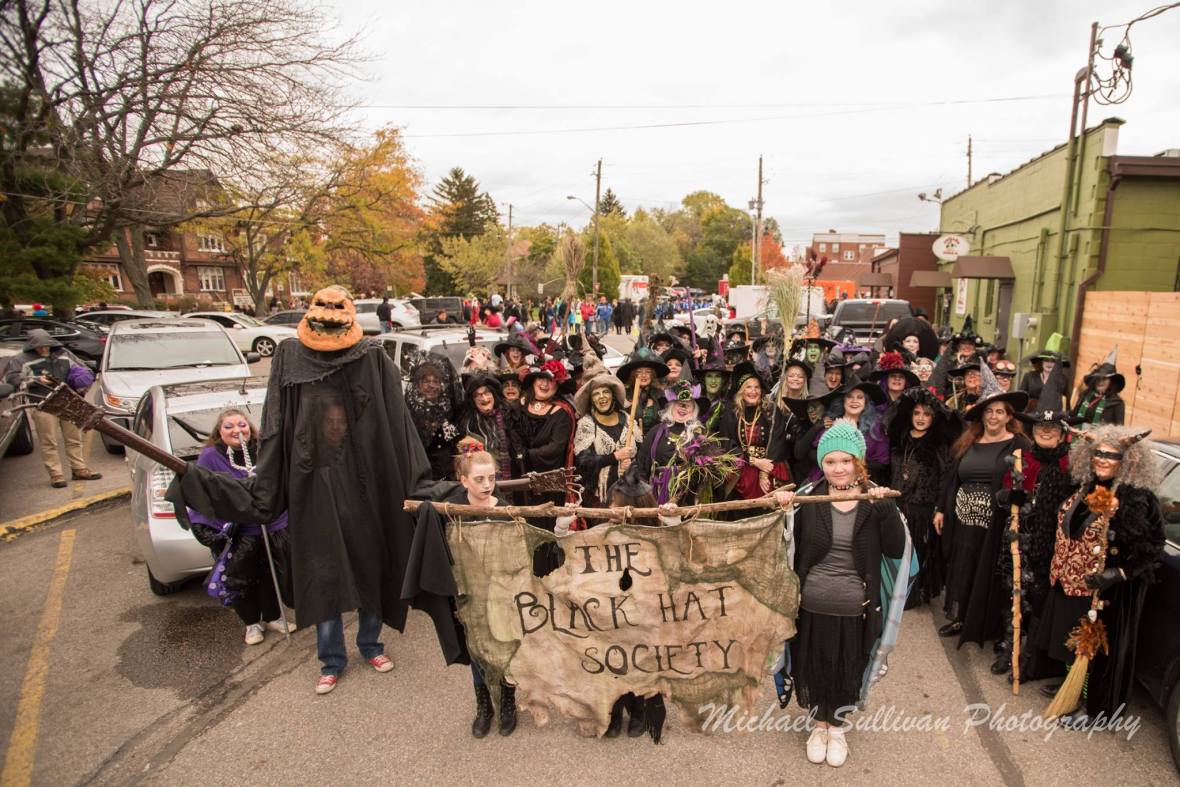
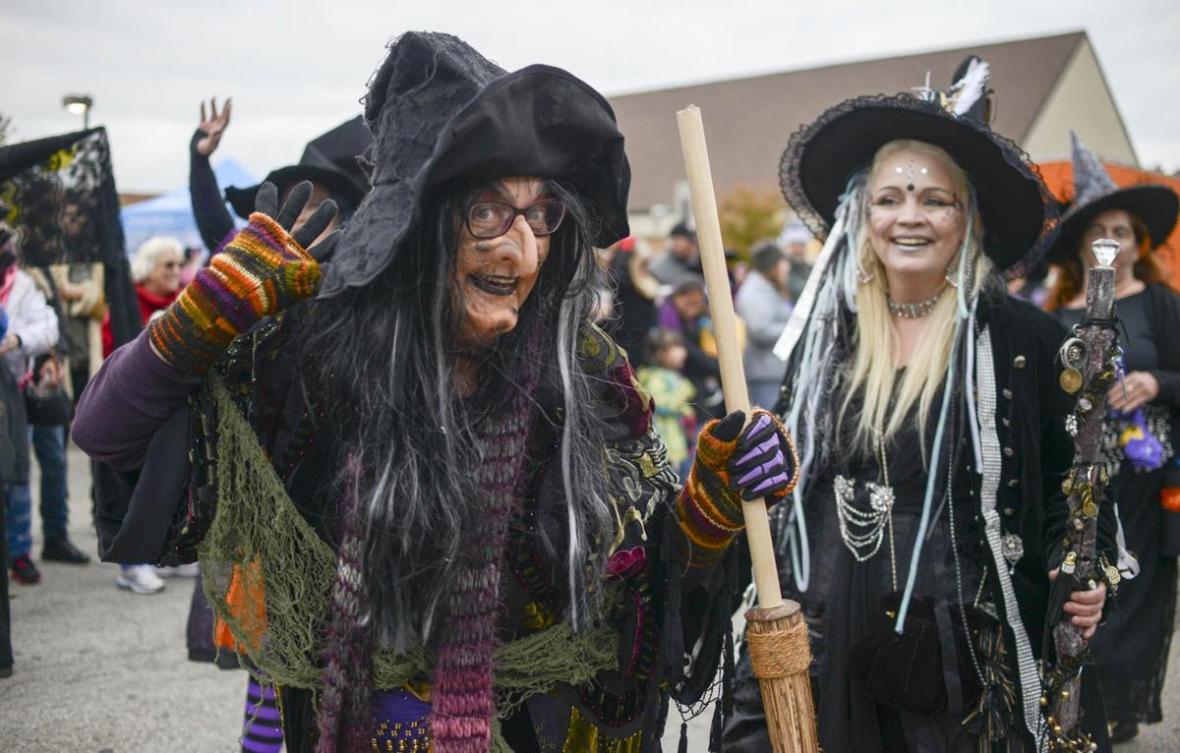 The charities involved are the Diabetes Youth Foundation summer camp in Noblesville, Helping Paws Pet Rescue and The PourHouse Street Outreach Center. The Black Hat Society hopes to raise $ 10,000 for these worthy charities. In addition, there will be a donation box placed at the entrance of the Irving Theatre during the event. The Black Hat Society requests donations of men’s socks, pet food and cleaning supplies, all of which are in almost constant need by these institutions. Karin informs me that Eric Wilson at Irvington Insurance has helped mightily in spearheading the group’s donation efforts.
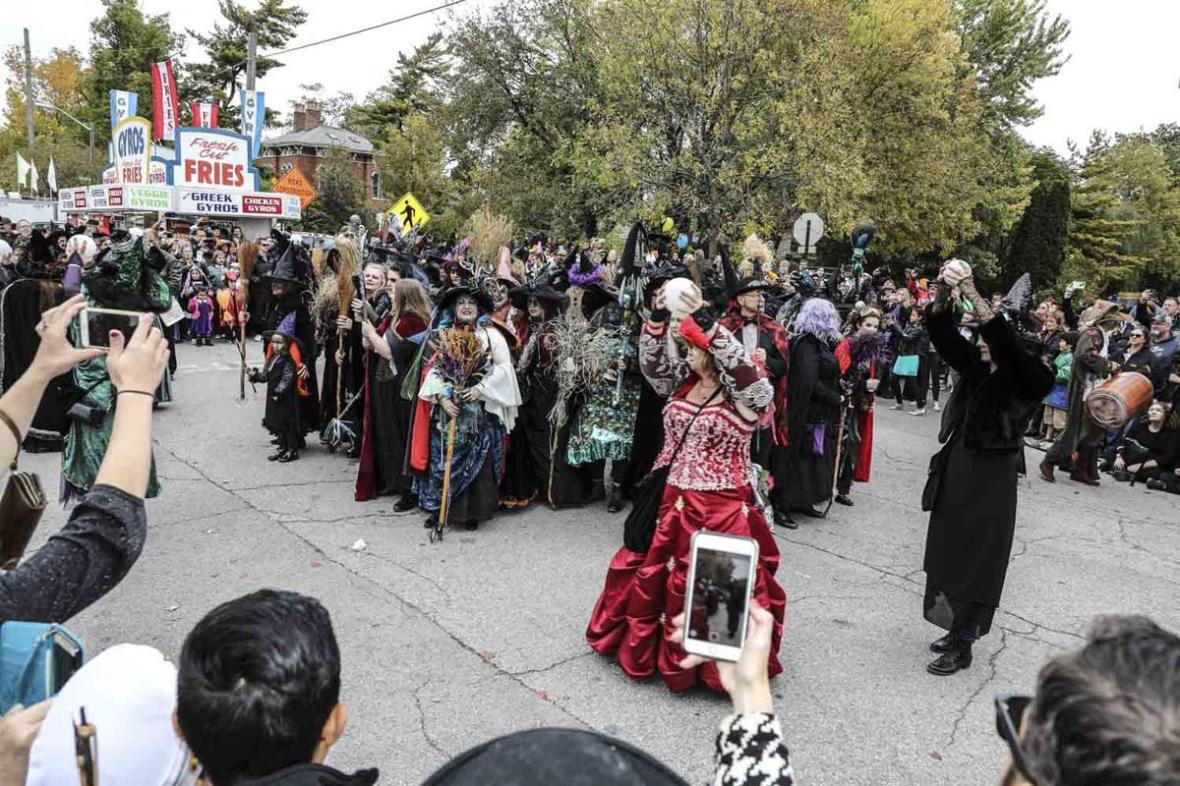 From there, the Black Hat Society marched in the Indy St. Patrick’s Day parade, Pride parade and they recently won a $ 100 prize in a parade in Fountain Square. Should you miss the releases party, never fear, the witches will have their calendars for sale at their booth at the Halloween Festival. The calendars can be ordered on line at theblackhatsociety.org and on their facebook page.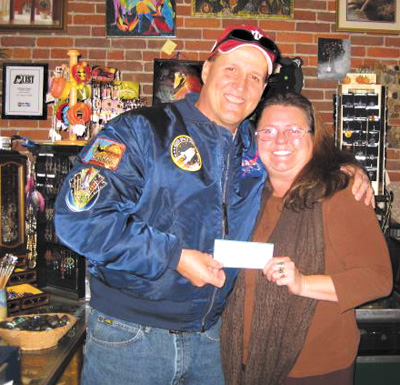
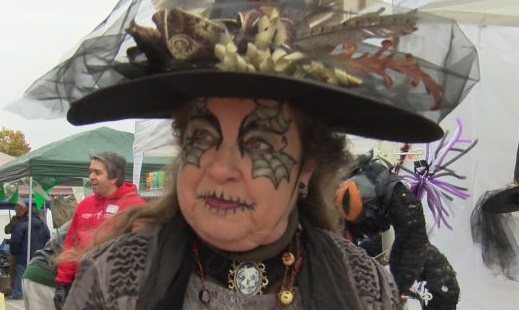
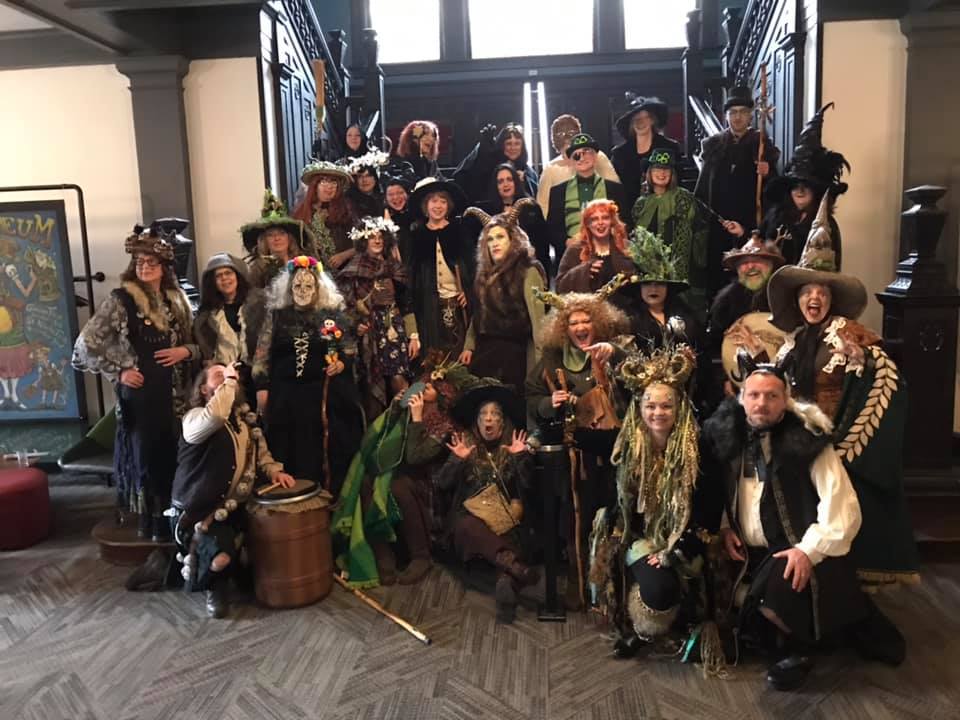 When I asked Craig what it is like to be a male witch surrounded by so many women, he answered succinctly, “It’s lonely.” Craig would like to see more guys join the group. “At last year’s St. Patrick’s Day Parade, I made eight drums for our drum line, but we only had 4 drummers. We need more guys!” Craig is amazed by just how generous the witches in the Black Hat Society are, “If I need something for a prop or help in building a set, I get 30 or 40 responses within minutes.”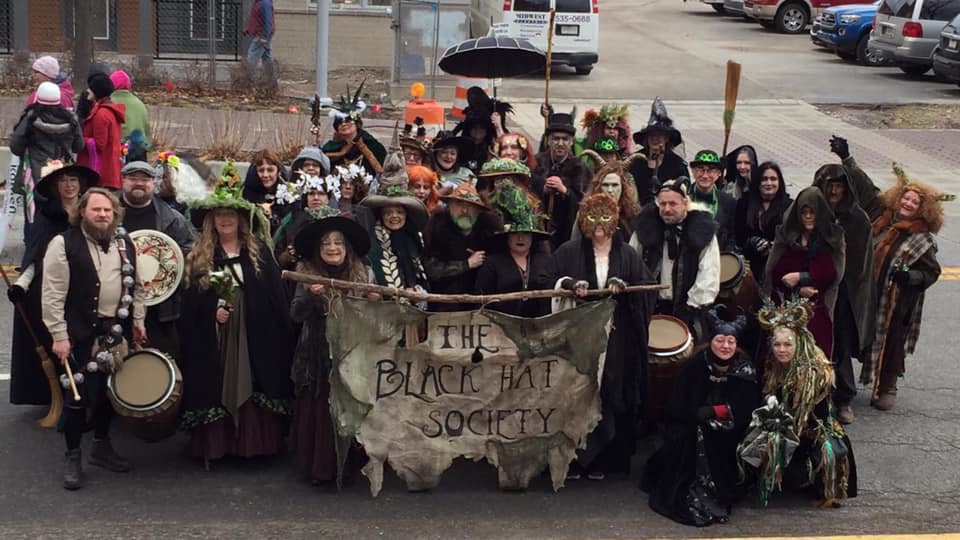
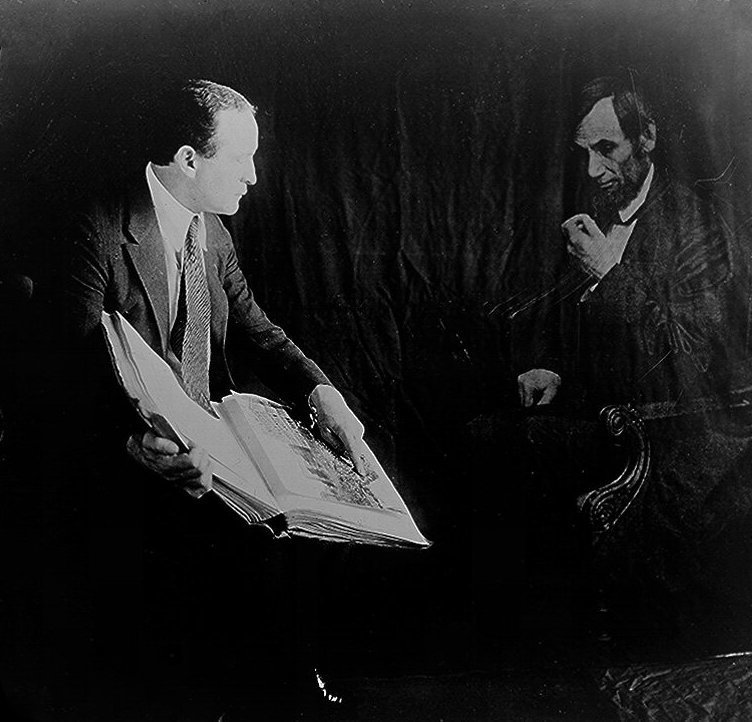
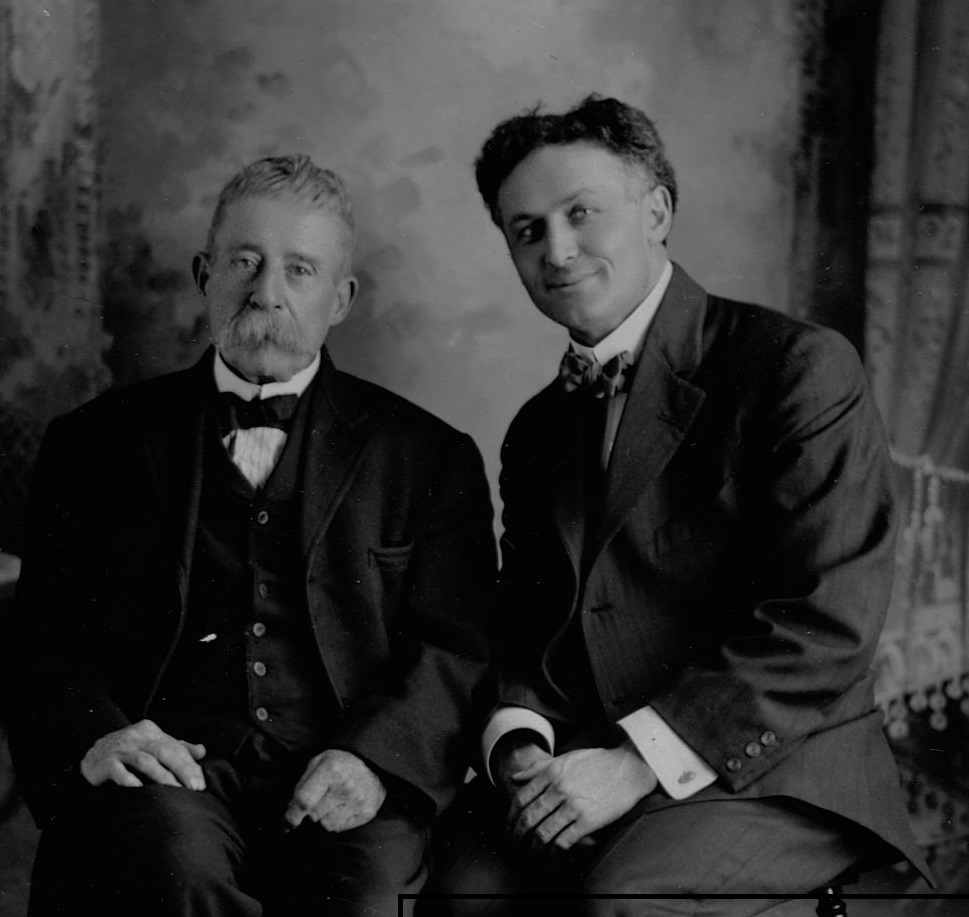
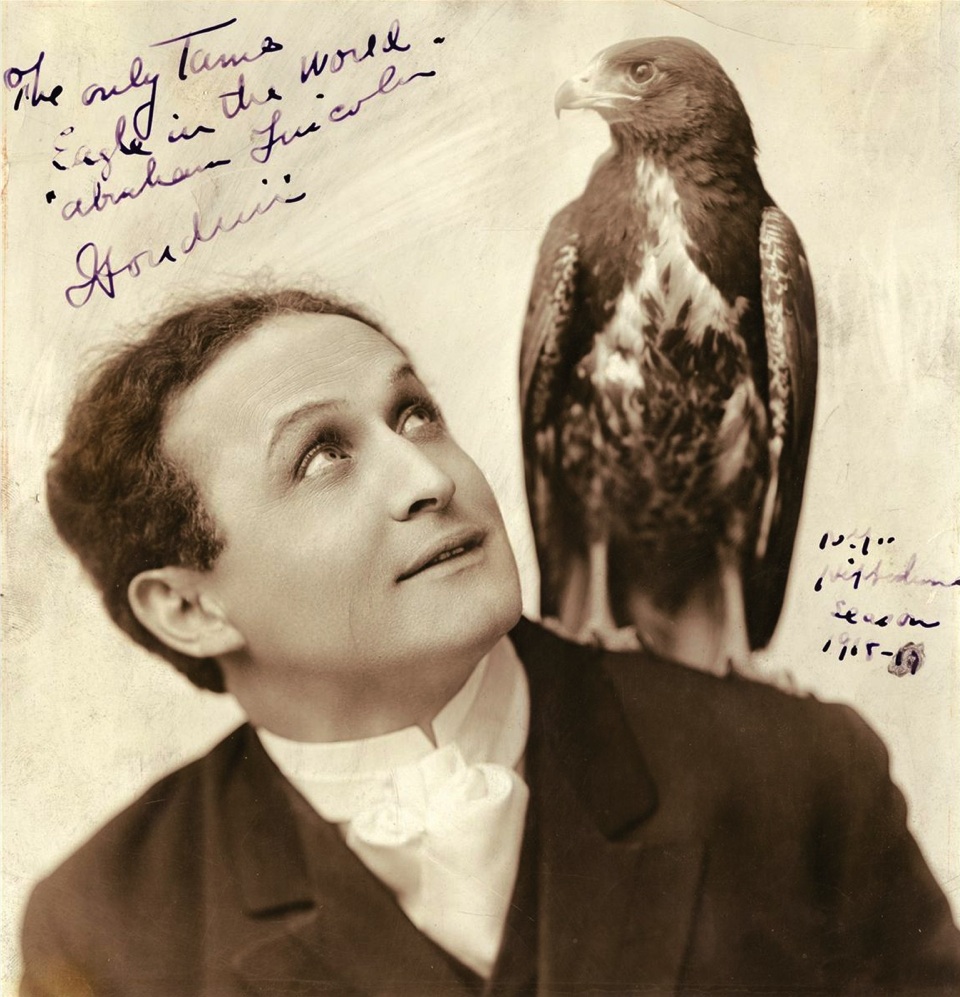 In Kenneth Silverman’s 1996 Biography “Houdini!!!: The Career of Ehrich Weiss : American Self-Liberator, Europe’s Eclipsing Sensation, World’s Handcuff King & Prison Breaker”, the author relays how Houdini referred to Lincoln as “my hero of heroes.” Houdini claimed to have read every book about Lincoln by the time he was a teenager. In William Kalush’s 2006 biography “The Secret Life of Houdini: The Making of America’s First Superhero”, there is a story of young Houdini attending a seance where the medium produced a message from our 16th President. Houdini, Lincoln expert that he was, then asked a question to Lincoln via the medium and was puzzled when the answer that came back was not correct. This encounter led to Houdini’s early discovery that most Spiritualists were fake.
 As he grew older and more financially secure, Houdini began to amass a personal collection of Lincoln memorabilia, particularly letters and autographs of the Great Emancipator. He also collected handwritten letters of every member of the assassin John Wilkes Booths family, several in response to letters sent by Houdini himself. Spending much of his adult life on the road, in hotels and traveling for days on ships and trains, Houdini became a prolific man of letters. One such letter survives that illustrates his desire and devotion to add to his Lincoln collection, despite the constraints of his vagabond lifestyle.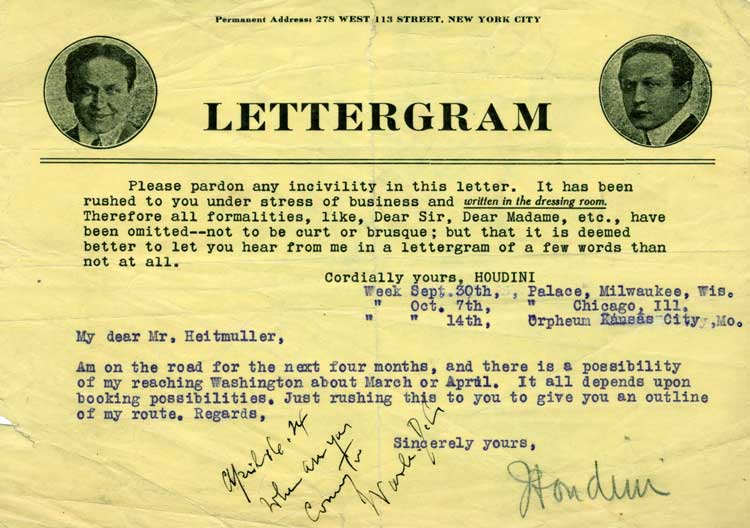
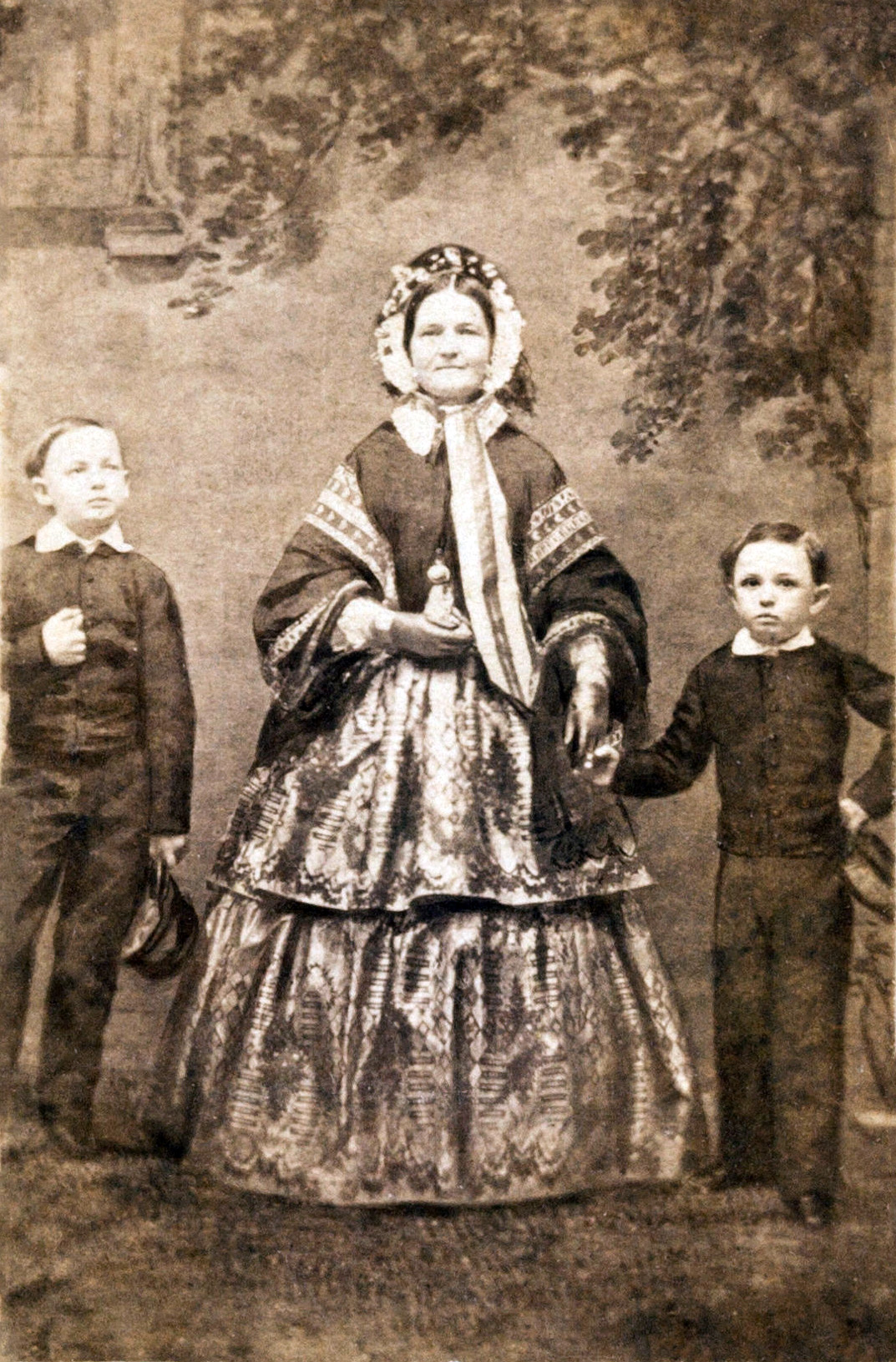
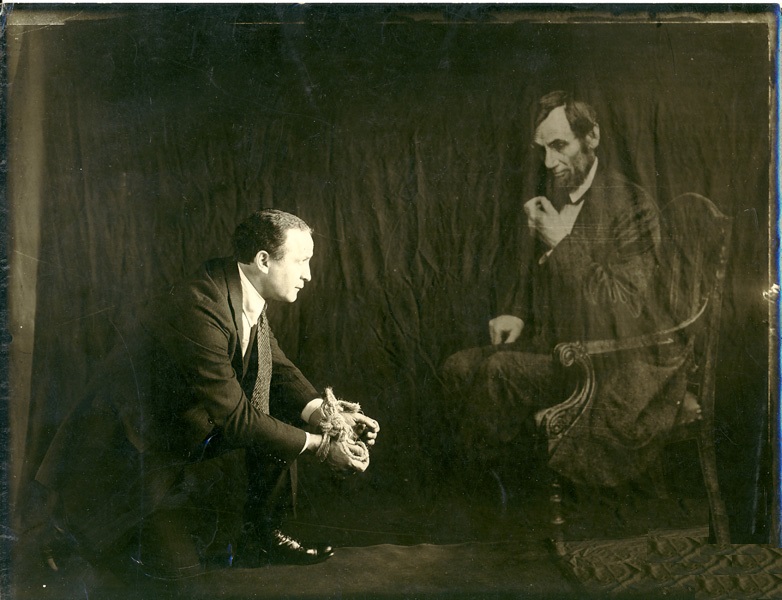 On Feb. 13, 1924, a day after the 115th anniversary of Abraham Lincoln’s birth, Houdini typed out a letter to Mary Edwards Lincoln Brown, the grand-daughter of Ninian and Elizabeth Edwards, Mary Lincoln’s sister. The letter, written from the dressing room of the State Lake Theatre in Chicago, Illinois, reads: “My dear Mrs. Brown: Enclosed you will find a Spirit Photograph of your renowned ancestor, and although the Theomonistic Society in Washington, D.C. claim that it is a genuine spirit photograph, as I made this one, you have my word for it, that it is only a trick effect. Mrs. Houdini joins me in sending you kindest regards, Sincerely yours, Houdini.”
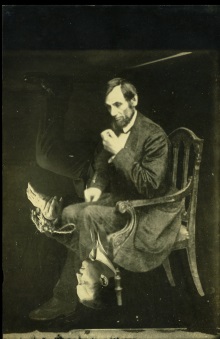 Furthermore, Houdini also produced ‘fake spirit messages’ from Lincoln during his lectures to debunk spiritualism. Many spiritualists attempted to back up their fake photos and messages by claiming that Abraham Lincoln himself was a devoted spiritualist who had held seances in the White House. As proof, they cited a piece of British sheet music, published while Lincoln was President, which portrayed Honest Abe holding a candle while violins and tambourines flew about his head. The piece of music was called The Dark Séance Polka and the caption below the illustration of the president read “Abraham Lincoln and the Spiritualists”.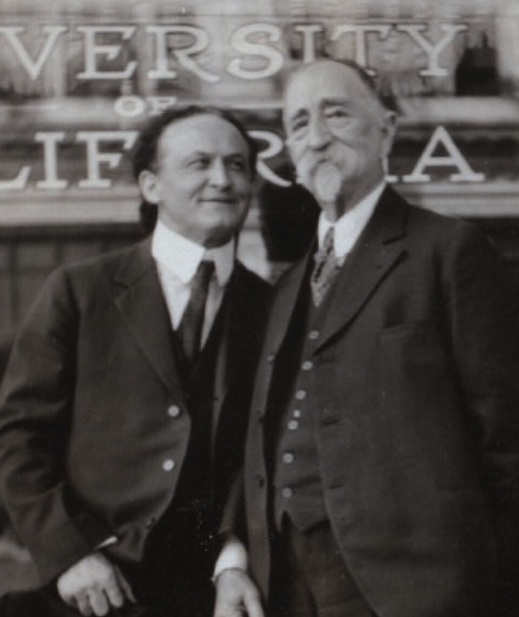
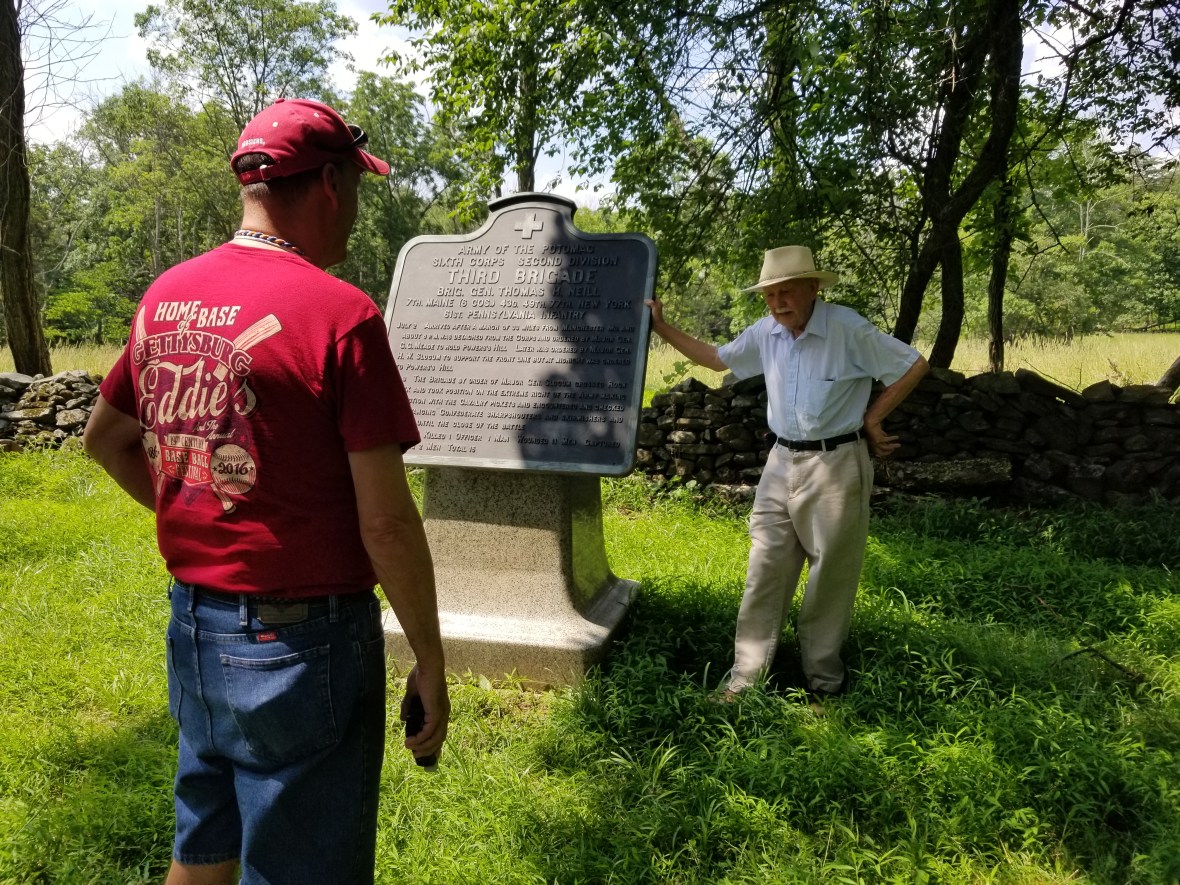
 Our tour guide explains, “The house had been in the Peter Baker family since 1847.” As a youngster, Dean listened to stories under the old tree that is still there near the house. He continues, “This is where the original guides used to gather under the tree and smoke cigars and drink a little whiskey. The Baker boys were bachelors and always had time to tell stories.” Dean has an encyclopedic knowledge of the battle, but also has personal stories told to him by the legendary figures of this battlefield town. As a youngster, Dean recalls visits by “Pappy Rosensteel who had a huge collection of battlefield relics that he took me to on many occasions.” George D. Rosensteel (1884-1971) had a fantastic lifetime collection of battle relics and displays, including the interpretive Battle of Gettysburg map, acquired by the National Park Service for use in the Gettysburg National Military Park museum and visitor center from 1974-2008. “But they didn’t get it all,” Dean says, “They didn’t get it all.”
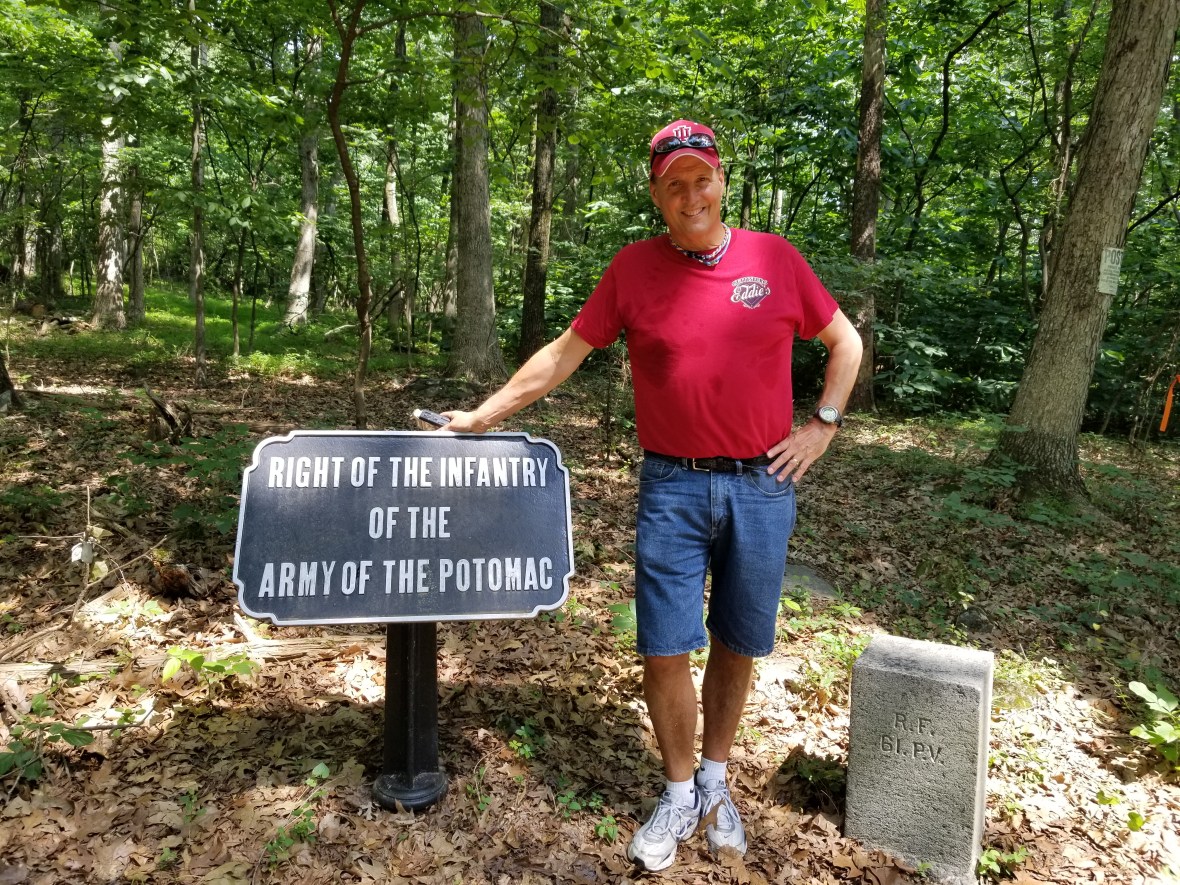
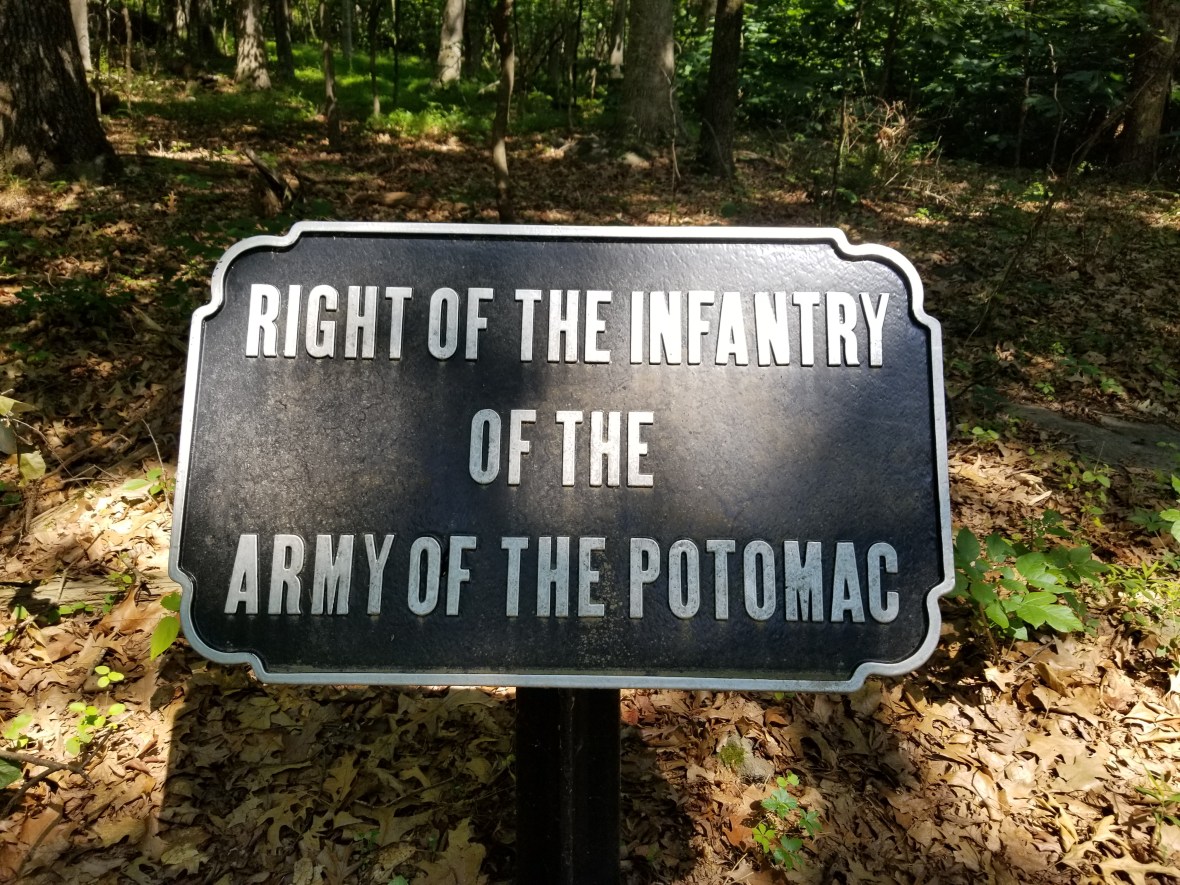
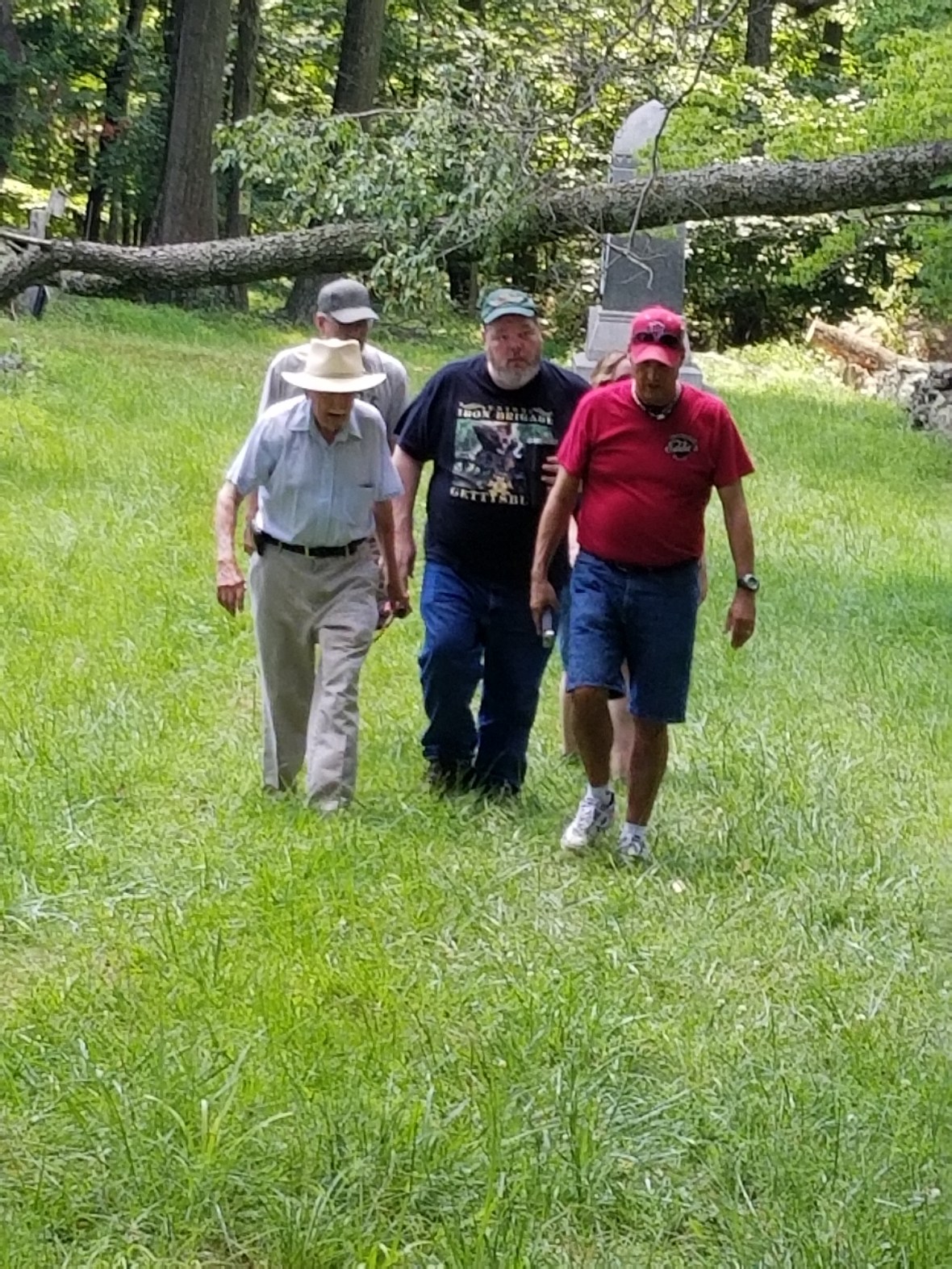
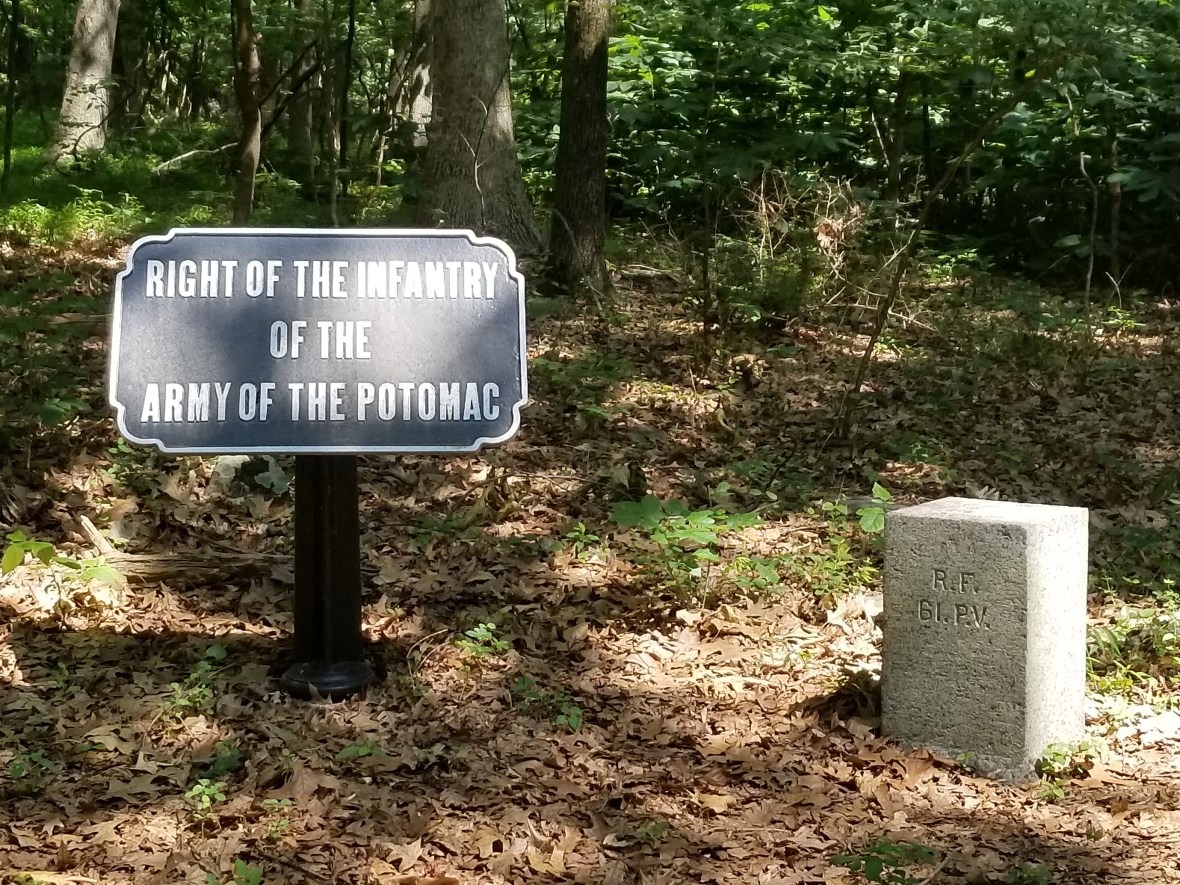
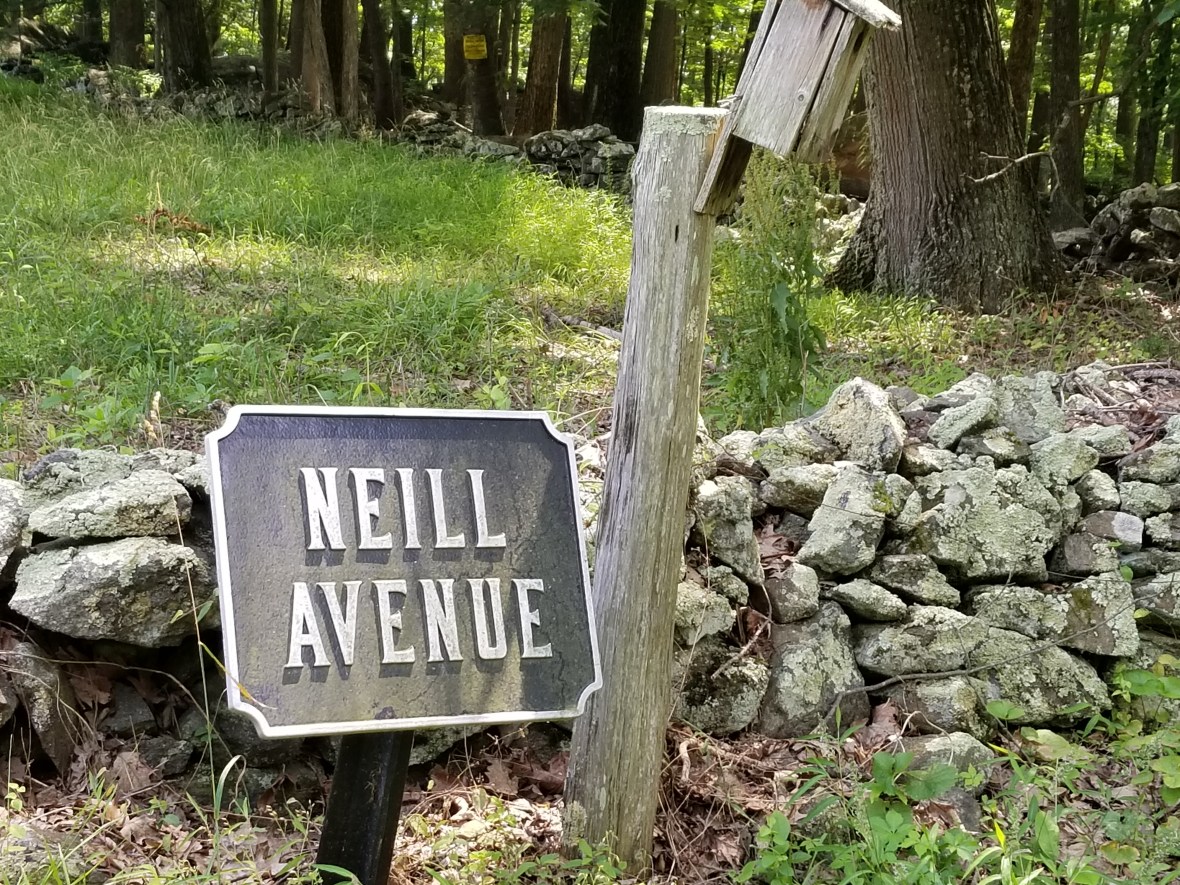 We are standing at the base of Wolf Hill near Rock Creek on the far right of the Union Army infantry line; the sounds of traffic whizzing by us on the Baltimore Pike, but it feels like we have traveled back in time. Dean leads us up the slope, we walk about a football field’s length away as he stops in some shady spot, relights his pipe, and explains about cattle grazing in the woods or points out where soldiers were once temporarily buried. This amazing octogenarian halts often, not for his sake but for ours. He climbs these slopes with the agility of a man half his age. He is not winded, but we are.
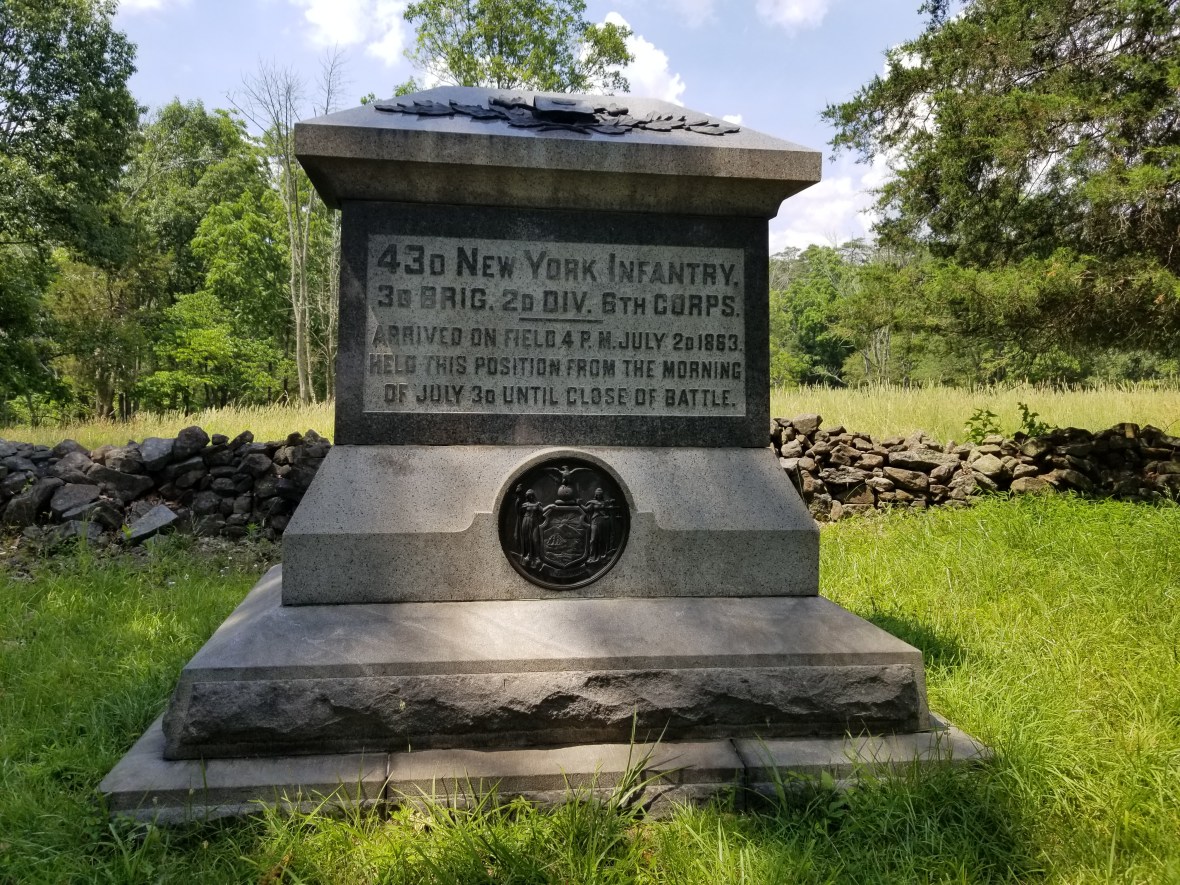 As we reach the entrance to Lost Avenue, Dean explains with a sweep of his hand, “This was an orchard at the time of the battle, the bodies of many soldiers were buried in rows right over there.” Former resident Cora Baker’s (1890-1977) grandmother told how, after the battle as the bodies were picked up for reburial, “the grass just quivered with lice and bugs where they laid and when the soldiers would roll up their bedrolls in the morning, the grass was alive with lice and bugs from the bodies of the living soldiers as well.”
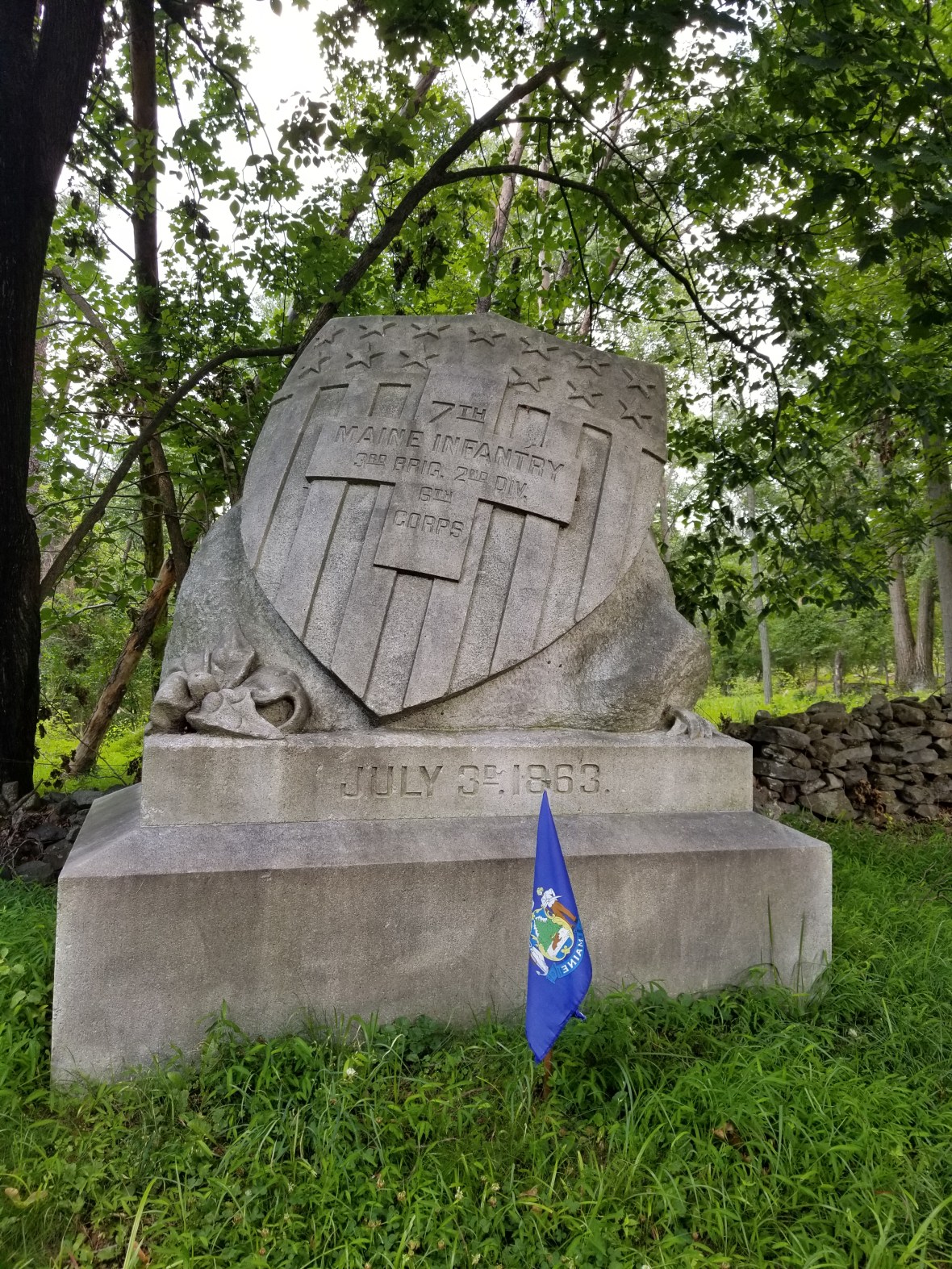 Upon entering Lost Avenue, Dean explains that General Neill was sent here to guard the rear flank of the Union Army and, most importantly, to protect the Baltimore Pike. Dean states, “When I was a boy I used to visit Lost Avenue with Arthur Baker (1893-1970), who as a lad had walked the fields with the old soldiers that visited the property and actually fought over this ground. Arthur would go and grab a bayonet, left here after the battle, from one of the farm buildings. He’d attach it to his walking stick, hide behind the stone wall and charge out screaming the Rebel Yell.”
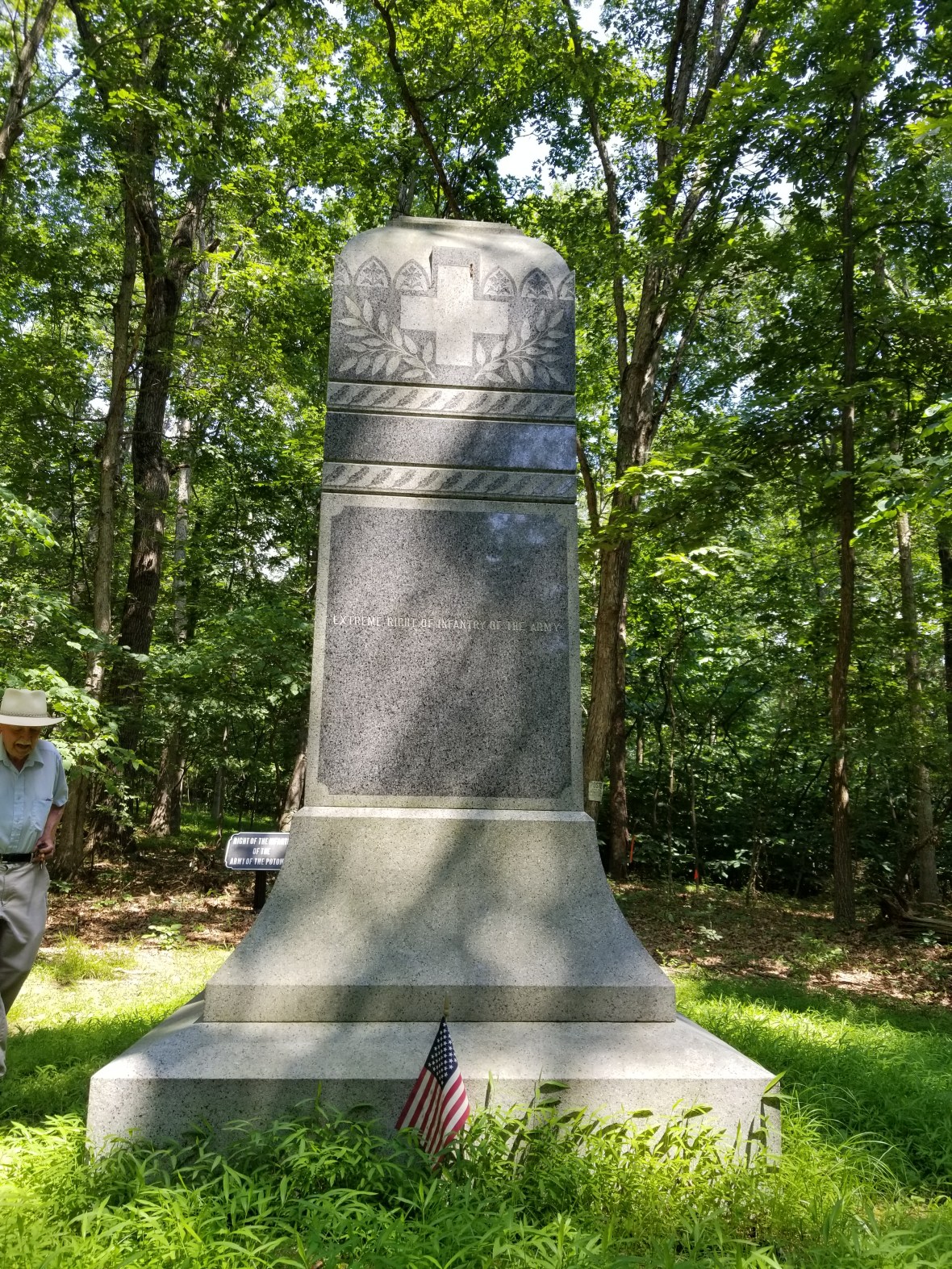 Dean maintains the avenue. “The park service never comes out here. Most of the guides have never been out here. The only one I’ve ever seen up here was Barb Adams.” Lost Avenue is the last section of the battlefield that looks exactly as it did when the soldiers fought, and died, here. Dean further explains, “Monuments were set on grass lined strips with no thought of ever paving them. The roads you know now were paved much later. Lost Avenue is the last “pristine section” of unpaved roadway. The 40 foot wide strip is lined by the original stone fence that the 2nd Virginians & 1st North Carolinians fought behind. It was made of field stones picked up by farmers over the years and predates the battle. The second stone wall, the 1895 section, was built later after Sickles took over.”