Original publish date: July 16, 2020
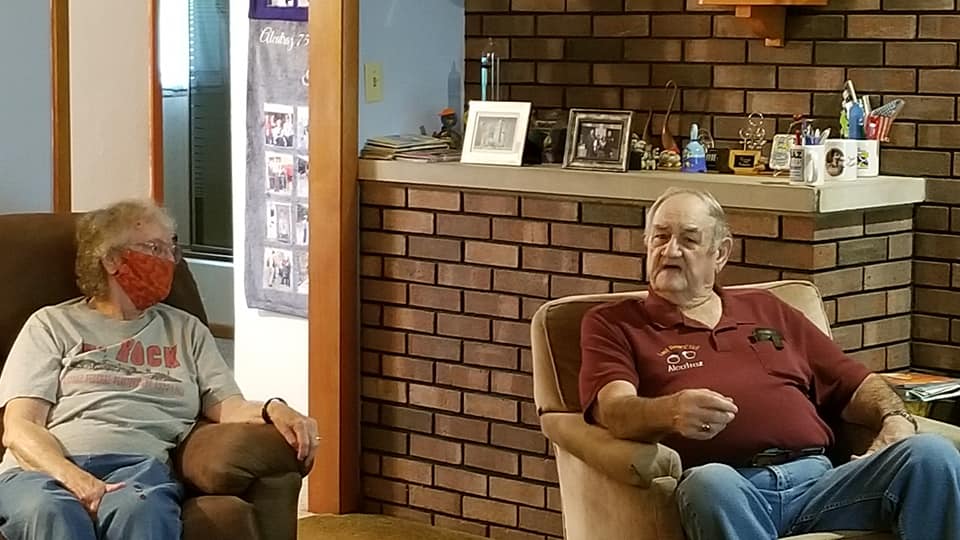
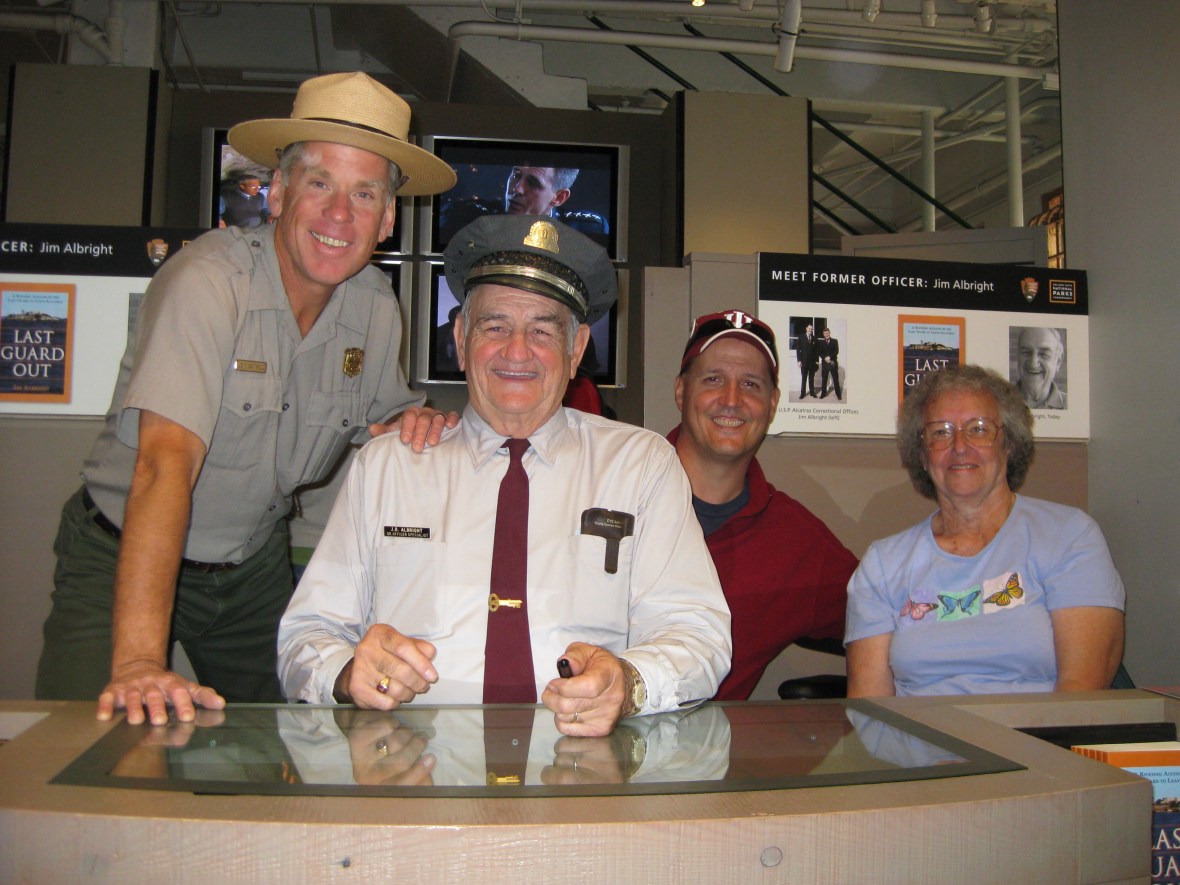
A couple of weeks ago, with Covid-19 restrictions finally easing up, I traveled west on the National Road to Terre Haute with my wife Rhonda and friends Kris and Roger Branch to see a couple of Hoosier legends that I hadn’t seen in almost a decade. Jim and Cathy Albright welcomed our little band of intrepid historians into their home to catch up and listen to stories as only they could tell them. Jim was the last guard off the Island prison in San Francisco Bay known as Alcatraz. No, it doesn’t mean that Jim was the last man to board the final boat off the island when it closed on March 21, 1963, rather, Jim and his wife Cathy remained living on Alcatraz for weeks after it’s closing. As detailed in part one of this series last week, when the prison closed, the Albright’s daughter Donna Sue was only 11 days old and suffering from a foot abnormality that required surgery. The child could not be moved in her fragile condition, so the family remained on the island for 3 more months before leaving on June 22, 1963.
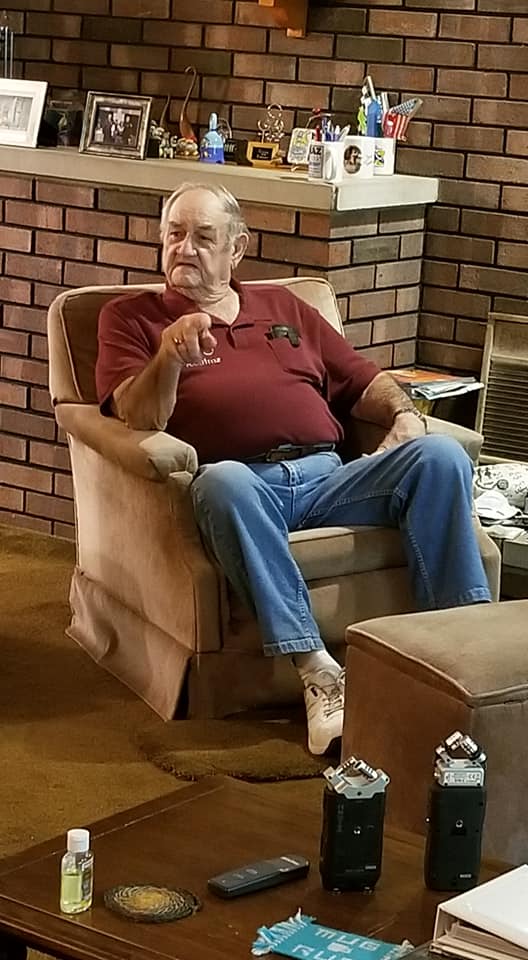
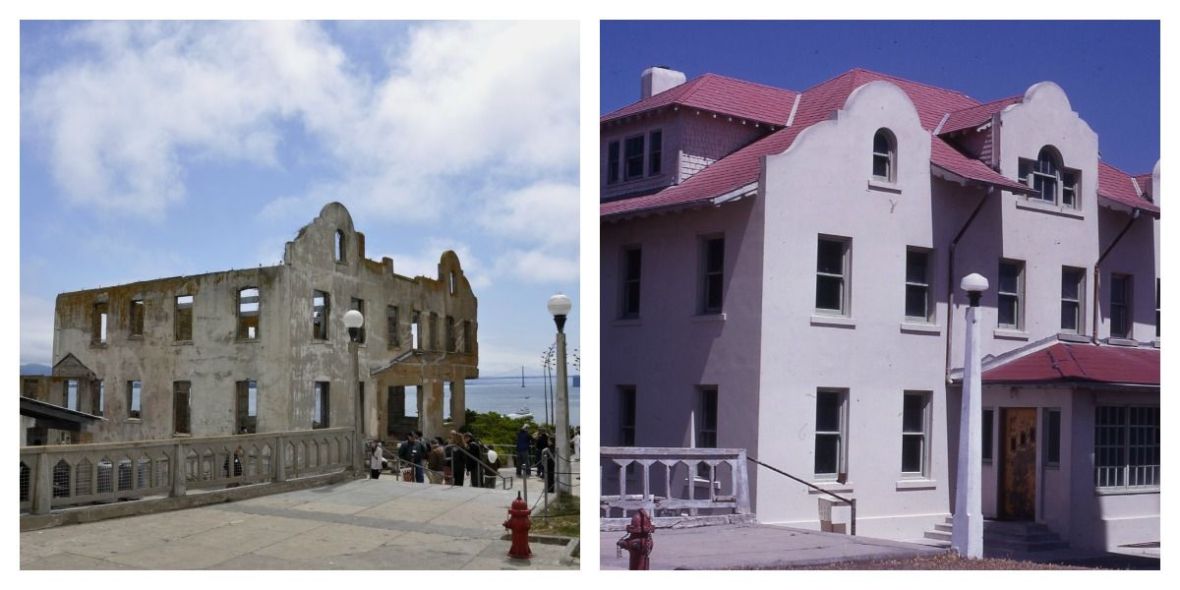
Social distancing guidelines and masks in place, we sat down for a talk about “The Rock.” Ironically, the couple celebrated their 65th anniversary in April during Indiana’s stay at home lockdown period. And Jim Albright knows a thing or tow about lockdown. On their 60th anniversary the couple renewed their vows on Alcatraz, “The biggest surprise I had when we got remarried out there was that she said yes the second time,” Jim says with a smile. Cathy recalls that she can still gaze up at their old apartment in Building 64 and see the curtains she made hanging in the window, although, “You can’t go into the building now, the floors and stairs are all falling apart and it’s not safe,” Cathy says.
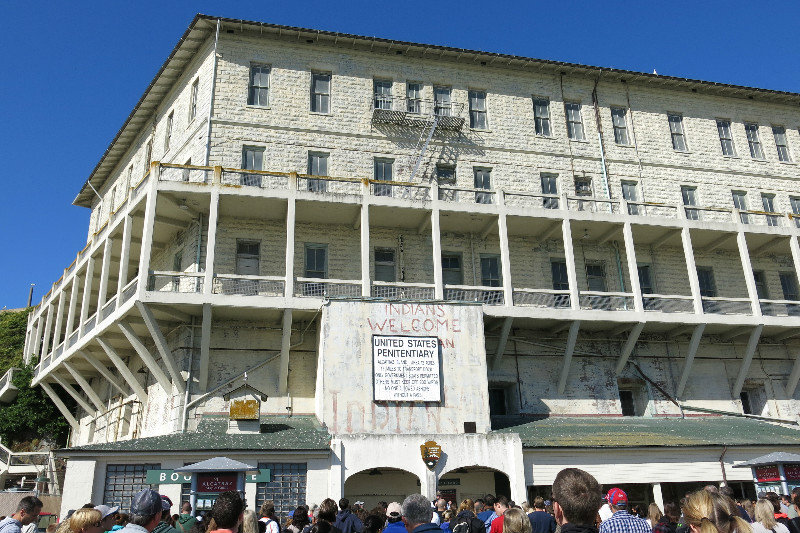
From time-to-time, the couple still visit different civic organizations and talk about their years at Alcatraz. “You name the organization, we’ve spoken to ’em.” Jim says, “We have been going back to Alcatraz every year in August for a long time now. (Cathy recalls that first visit was on the 35th anniversary of the prison’s closing-“to the day”-she says) We take the train out but we are going to cancel this year because of the virus.” Jim recalled his first visit to his old island home so many years ago, “John Cantwell (NPS Ranger) offered to escort us around the island and it turned out to be a six-and-a-half hour tour.” To which Cathy laughs and says, “That’s because you were talking so much.” Jim’s recall of events on the island is remarkable. During that first tour, Jim shared details which Ranger Cantwell had never heard before. According to the former guard, Cantwell remarked, “Jim, we’ve had a lot of guys come back here, but they don’t remember the things that you do.” Jim continued, “That’s because wherever I went on the island, and we went EVERYWHERE; the east gun gallery, up on the roof, the old officer’s dining room, every time that I go somewhere, when I step in it seems to trigger something, and I remember…”
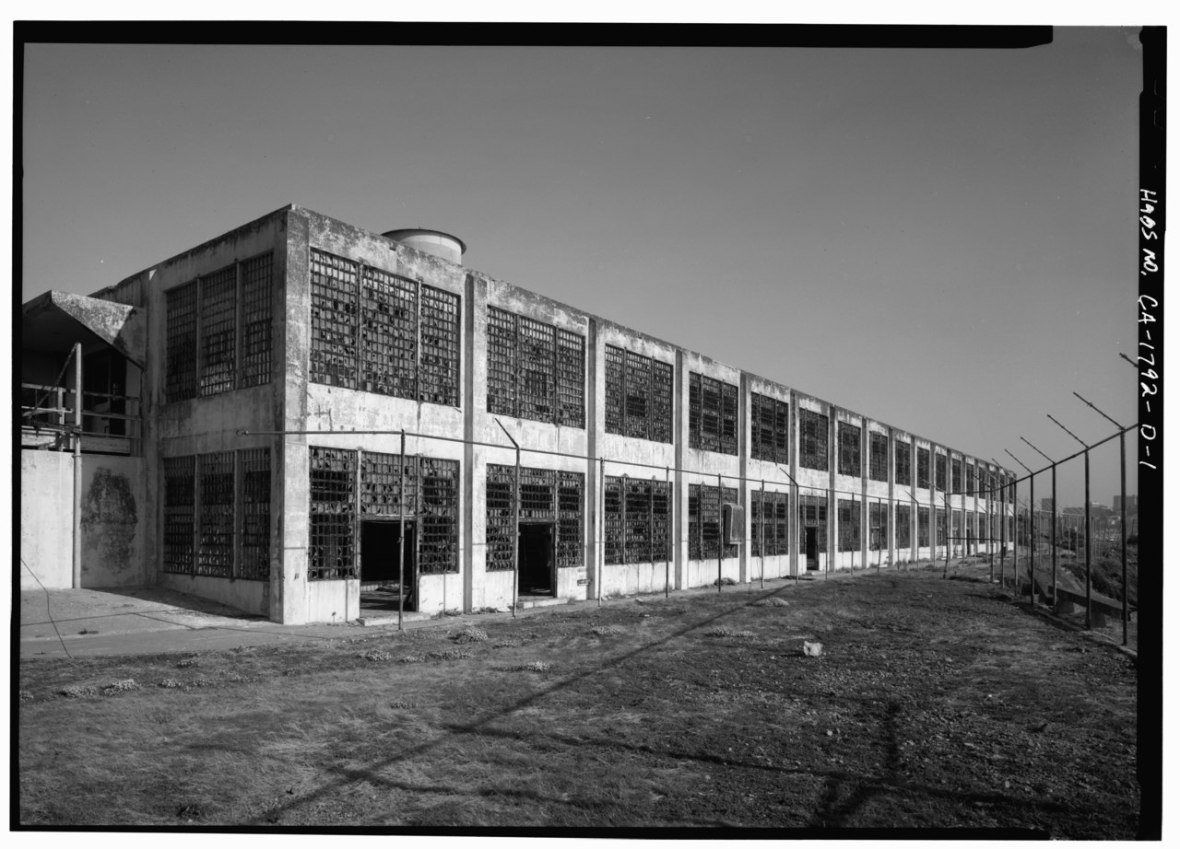
Cantwell took them to the old Industries building where there were “Great big, probably 8 foot by 10 foot, photographs of the prison and Jim was in several of them, so that was neat to go see that.” Jim says with a chuckle. Cathy adds, “He says he remembers stuff all the time, brings it up, he used to be able to tell you every inmate that was in there when he was there…their name, number, where they worked, where they lived.” Jim chimes in, “But I can’t anymore. It’s all gotten away. When I went there on August 24, 1959, that was my original starting date, and the low number of the inmates at that time was a guy named Clark, number 242, and of course when I left, 1576, Frank Weatherman was the high number. So we had not quite that many inmates cause if you came back, you got another number, I can think of one inmate who was there three different times under three different numbers. I come in August of 1959 and left the island June 22 of ’63.”
I asked Jim if he still had relics and souvenirs from his time as a guard and he shared that he still had his uniform but not the jacket. “I had to turn that in. I don’t know why, I was the only one left on the island and I shoulda kept it.” To which Cathy replied, “Then he found out later that they took all of those coats and stuff like that and dumped it out in the bay.” Jim adds, “Lt. Robbins came on the boat with a whole box of keys and dumped ’em into the bay. Fortunately, I was working the control center when it closed up so I have a key to the main gate. Being in the right place at the right time…I’ve also got a key to the main visiting room.”
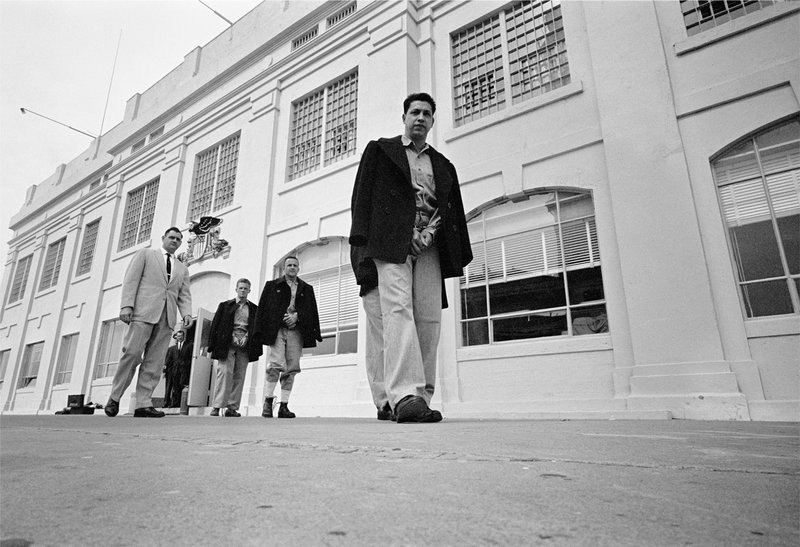
And, since we we all seated in the Albright’s living room, I recalled that Jim had once told me that they also bought much of the de-accessioned furniture from Alcatraz. Cathy giggles as Jim reveals that the chair he is seated in, and that from which Kris was filming from, were all once located in the furnished apartments for guards and officials on the island. Jim points out, “that magazine rack, is off the island.” Cathy reports, “We bought most of it out of the warden’s house, they were selling it, when they closed the island, you could go up there and buy it and we did.” Cathy notes that the furniture is marked with a small metal tag reading “USP Alcatraz Survey” on the bottom. Jim further reports, “that tag has a number stamped on it and they had a book that they could tell exactly what that was and where it was.” He points over his shoulder and states, “That one bedroom down there, most of the furniture is Alcatraz, two or three items in our bedroom are all Alcatraz, the dining room table and chairs, a couple items out here and on the back porch. Red Ball moving company came to the island moved it for us. Everything had to go by barge over to Fort Mason”
Jim recalls that his duties were light during the three months he remained on Alcatraz as the last guard. “There were others there, we weren’t alone on the island. There was a caretaker, a few maintenance workers and the lighthouse operators. I still spent my time patrolling the island with my bullhorn cause everybody wanted to board that island so I ran around yelling ‘you gotta stay off, this is Government property.'” When Jim left Alcatraz, he went to Marion, Illinois. “That was one of the seven places,” Cathy replies. The couple settled in Terre Haute and Jim retired here. “Three miles from my door to the prison gate. Last April I’m retired 35 years and I enjoy every minute of it.” he states. When I asked if his Alcatraz service helped him later on in his career, Jim said, “Because I had worked at Alcatraz, they didn’t even question what I did or how I did it. You know, it really helped as I went to different places.”
I asked how Alcatraz compared to other duty, especially considering that the guards lived with their families alongside the prisoners. Cathy replied, “Well, we could go anywhere but ‘up top’ that’s what we called where the cellhouse was located. The only time we ever went up there was when the warden’s wife had a party and then we were escorted up there and when the party was done, we were escorted back down.” Cathy further stated that the families could travel into San Francisco whenever they wanted. “When we’d go to the grocery store, if they found out we were from Alcatraz, people would just back away from you. They had a big park there and our son would want to go so I’d let him run all over there. When the women found out that we lived on Alcatraz, he couldn’t play with them anymore. The kids didn’t care what the moms said, they’d just play, you know.” Jim recalls, “there was like twelve boats a day” going into San Francisco, “somewhere around here I still have the boat schedule. The last boat ran back at 12:20 am for the guys working midnight shift, if you missed that boat, you were in town all night.”




 When animals huddle together in open fields…when ants travel in straight lines (or are unusually active)…when the “Northern Lights” are visible in the sky…when bats cry much, or attempt to fly into the house…when more bees enter than leave the hive (every notice that bees never get caught in a shower?)…when distant bells sound close…when birds skim close to the ground…when boiling water evaporates more rapidly than usual…when dead branches fall to the ground in calm weather…when bubbles rise from marshy ground or appear on pools of stagnant water…
 If coffee bubbles cling to the cup instead of floating in the center…when corns are more painful than usual… when cottonwood trees turn the undersides of their leaves upward…when a cow thumps its ribs, or attempts to scratch its ear, with its tail…when crabs leave the water and remain on land… when cream or milk sours during the night…an old adage states that a new (crescent) moon with horns tilting downward can’t hold water so…when crickets chirp loudly and more persistently than usual… when crows caw loudly and continuously or when a crow is seen flying alone… when curly hair becomes more unruly than usual…
 When grate fires crackle and throw sparks to a greater degree than usual…when fish jump from the water, or swim close to the surface…when oiled floors “sweat”…when flowers stay open all night (and some say when the fragrance is stronger)… when frogs assume a brownish hue and croak louder and longer…when there are two full moons in a single month…when geese are particularly noisy…when glow worms shine brighter…when goats bleat a great deal…
 And lastly, when ordinary salt begins to lump, cake and clog the saltcellar, get ready for rain. According to Morton’s, their salt is not made this way because, “When it rains it pours.” Morton’s explanation: “Because of its unique cube shaped crystals, which tumble off one another in damp weather instead of sticking together like the flake crystals of ordinary salt…every grain is usable-there are no wasteful lumps to throw away. If you have children between 6 and 18, be sure to use the iodized variety and thus protect them simple goiter.” Goiter is a swelling in the neck resulting from an enlarged thyroid gland. Before iodized salt hit the grocery shelves on May 1, 1924, iodine deficiency was the main cause of goiter in the U.S. and even though it has nothing to do with rain, I couldn’t resist throwing that last part in. So much information packed into such a little brochure.


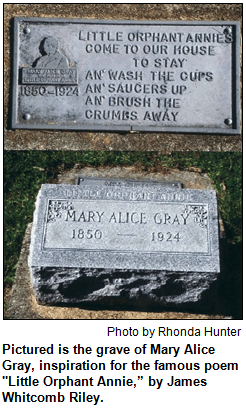 What we don’t know is how Allie came to the Riley home. Depending on who you talk to, Allie was; a friend of the family, a castoff of the Orphan Train movement (1854-1929), or she was brought to the home by her uncle, John Rittenhouse, who brought the young girl to Greenfield where he “dressed her in black” and “bound her out to earn her board and keep”. Ultimately, Mary Alice was taken in by Captain Reuben Riley as a servant to help his wife Elizabeth with the housework and her four children; John, James, Elva May and Alex.
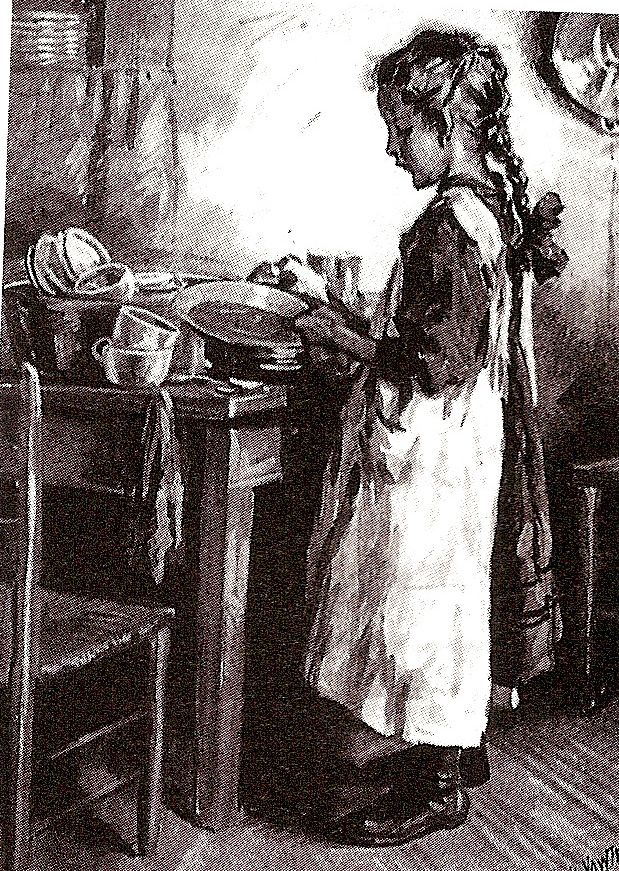 When James was eleven, he asked Allie what he would be when he grew up. “Perhaps you’ll be a lawyer, like your father,” she suggested. “Or maybe someday, you’ll be a great poet.” Allie may have been the first to put this idea in James’ mind, but it is known that his mother and father were both gifted storytellers. Riley often shared his vivid childhood recollection of Allie climbing the stairs every night to her lonesome “rafter room” in the attic. And with every careful step leaning down and patting each stair affectionately as she called them by name.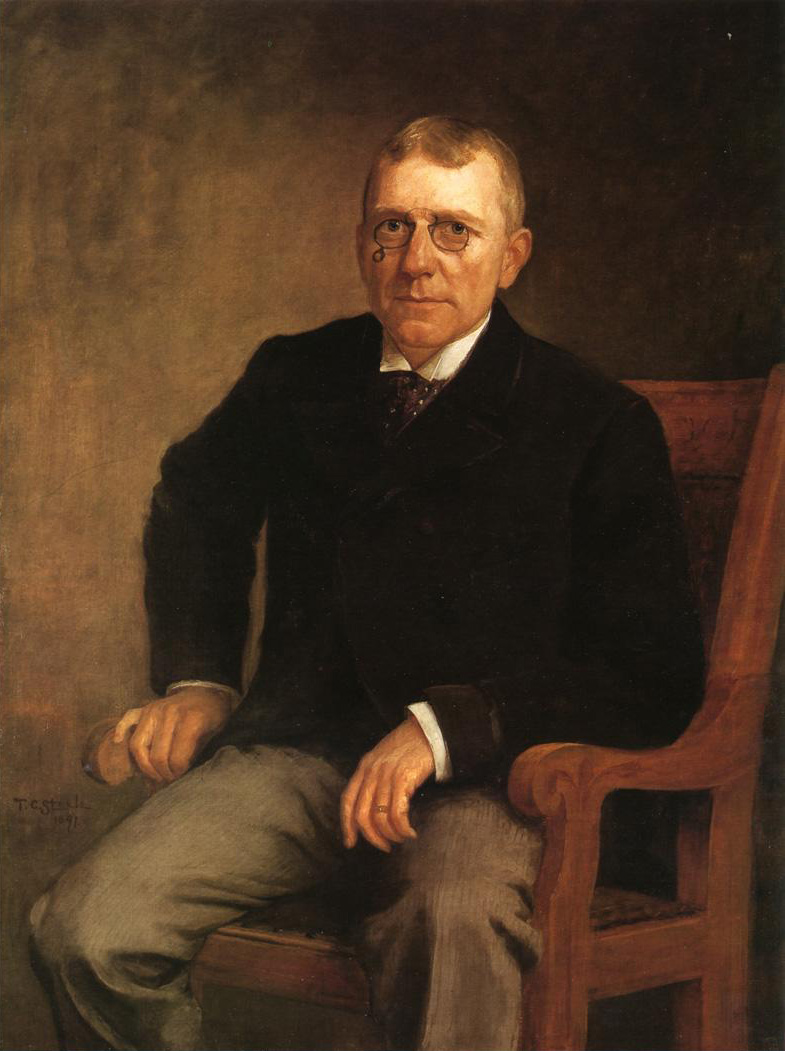
 I, like many fellow Hoosiers, am drawn to this particular poem because it was written to be recited aloud and not necessarily to be read from a page. Written in nineteenth century Hoosier dialect, the words can be difficult to read in modern times. Riley dedicates his poem “to all the little ones,” which immediately gets the attention of his intended audience; children. The alliteration, phonetic intensifiers and onomatopoeia add sing-song effects to the rhymes that become clearer when read aloud. The exclamatory refrain ending each stanza is urgently spoken adding more emphasis as the poem goes on. It is written in first person which makes the poem much more personal. Simply stated, the poem is read exactly as young “Bud” Riley recalled Allie telling it to him when he was a wide-eyed little boy.
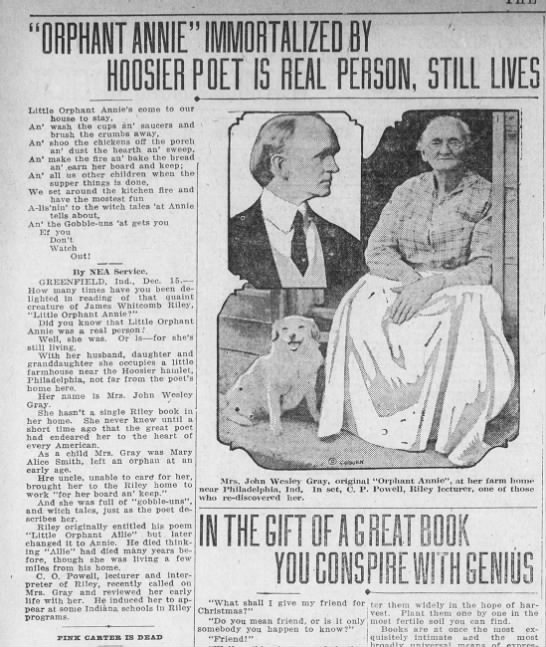 Riley wrote another poem about her titled, “Where Is Mary Alice Smith?” In this poem he depicts the little orphan girl falling in love with a soldier boy who was killed during the war which caused her to die of grief. In truth, after leaving the Riley’s employ, Mary Alice went to work in a Tavern on the National Road in the town of Philadelphia where she met her husband John Gray and their marriage produced seven children.
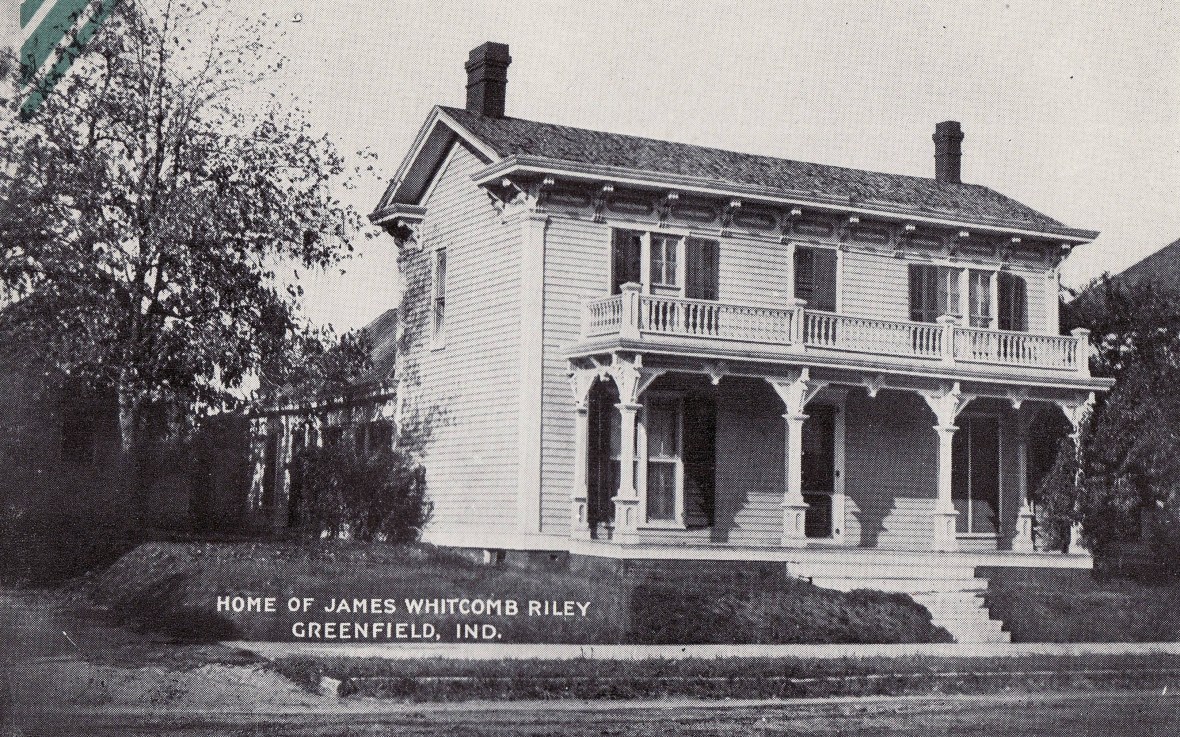 Jut remember, as you travel out to the old Riley home on U.S. Highway 40 (the old National Road) you’re bound to pass through the remains of a little pike town called Philadelphia. The road starts to rise just past the Philadelphia signpost and there on the right is a small cemetery. Stop your car and walk towards the oldest headstones under the tall trees in back of the old burial ground. It is there that you will find the final resting place of Mary Alice Smith Gray, Riley’s beloved “Little Orphant Annie.” Its best you go before twilight though because should you delay past nightfall, “the Gobble-uns ‘at gits you ef you don’t watch out!”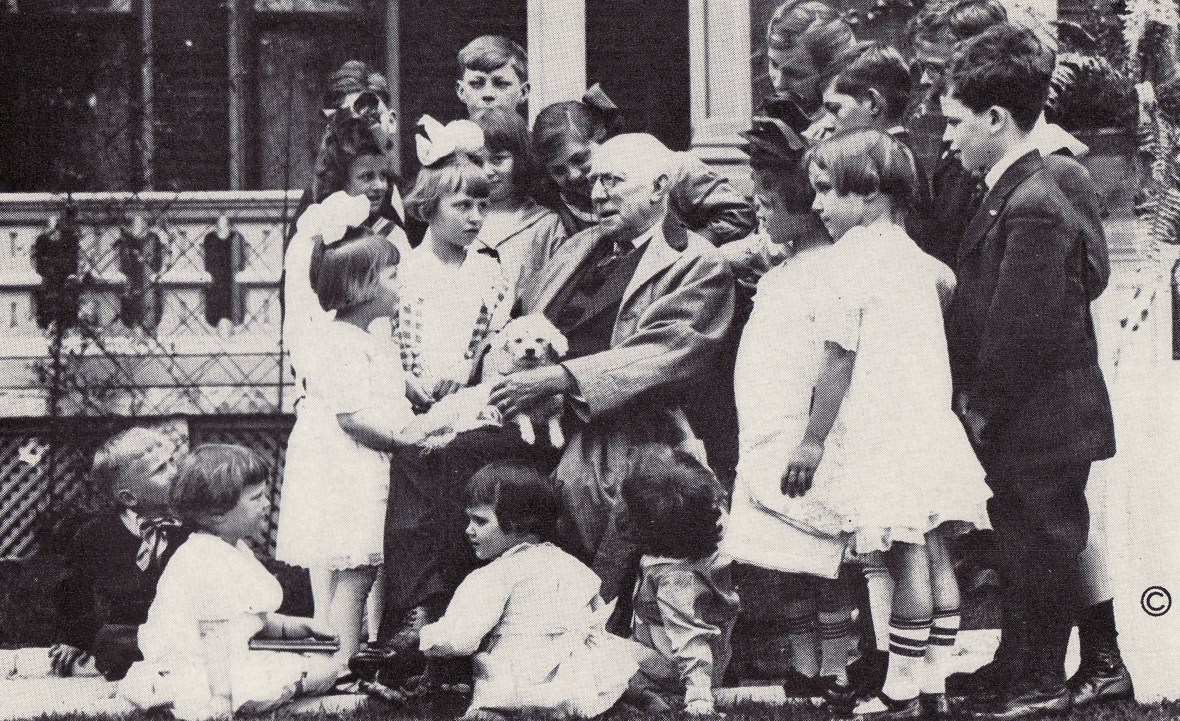

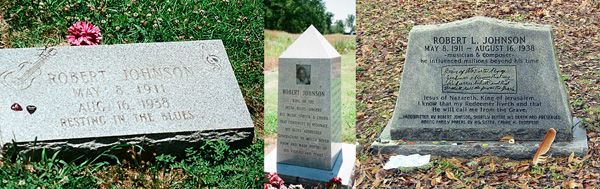
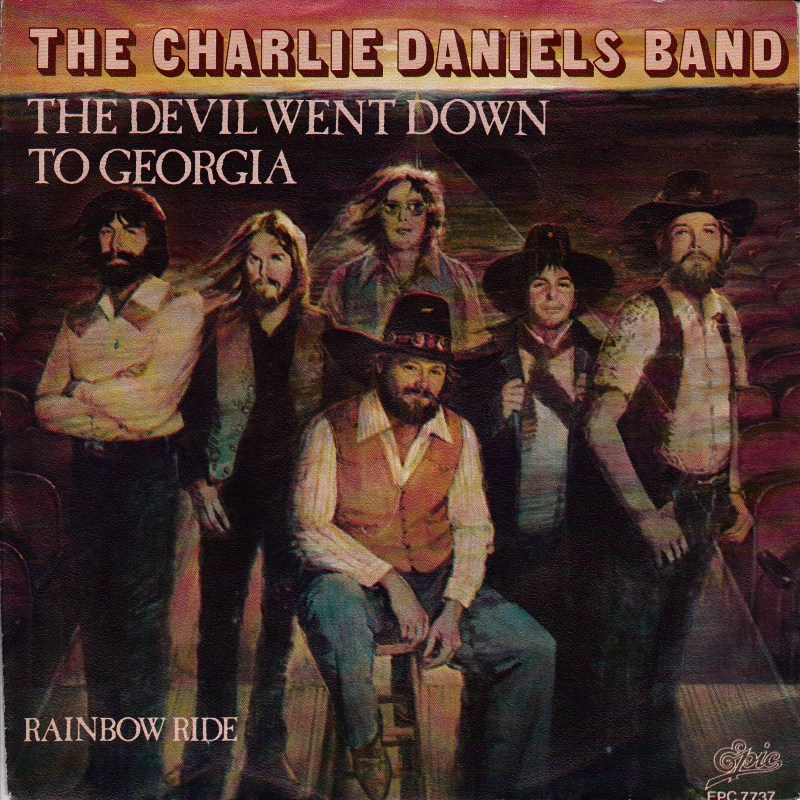 Legend claims this song tells the story of the most famous guitar player you’ve probably never heard of. Robert Johnson was born in Hazelhurst, Mississippi on May 8, 1911. He died under mysterious circumstances 75 years ago this week, on August 16, 1938. Johnson’s life has ascended into legend and it is often hard to separate fact from fiction, where this Mississippi bluesman’s life is concerned.
 Johnson’s haunting, spiritual lyrics survive in songs such as “Cross Road Blues”, “Sweet Home Chicago” and “Me and the Devil Blues”. Robert Johnson’s shortlist of 29 landmark recordings from 1936 & 1937 display a combination of singing, guitar skills, and songwriting talent that influenced future generations of musicians. The American Record Corporation released eleven 78rpm records on their Vocalion label during Johnson¹s lifetime, and one more after his death.
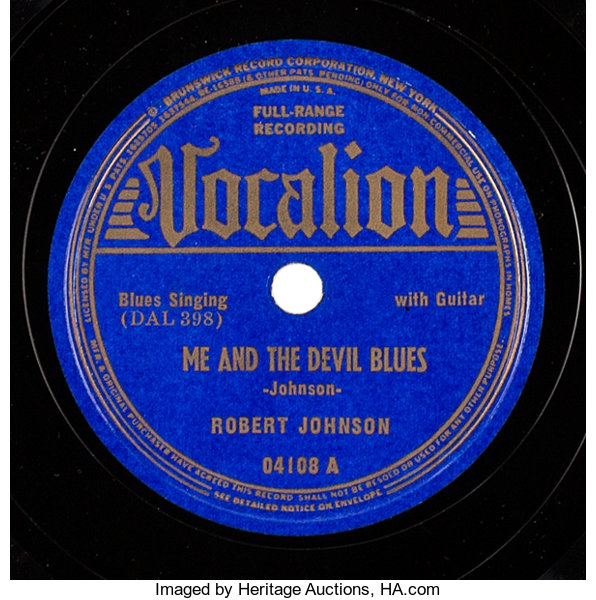 Contemporaries described him as well mannered, soft spoken, and most often, indecipherable. As for his character, everyone seems to agree that, while he was pleasant and outgoing in public, in private he was reserved and liked to go his own way. Musicians who knew Johnson testified that he was a nice guy and fairly average—except, of course, for his musical talent, his weakness for whiskey and women, and his commitment to the road.
 Johnson’s poorly documented life and shadowy death at age 27, fueled the Faustian myth that he sold his soul to the devil to achieve success. This self-perpetuating legend states that sometime in the early-1930s Johnson strolled down a Clarksdale, Mississippi county road and was stopped at the intersection of highways 61 and 49 by Lucifer himself. It was here that he sold his soul to become the best blues guitarist that ever lived. Robert Johnson actually recorded songs alluding to this legend of the devil’s crossroads, and his untimely death only fed the legend.
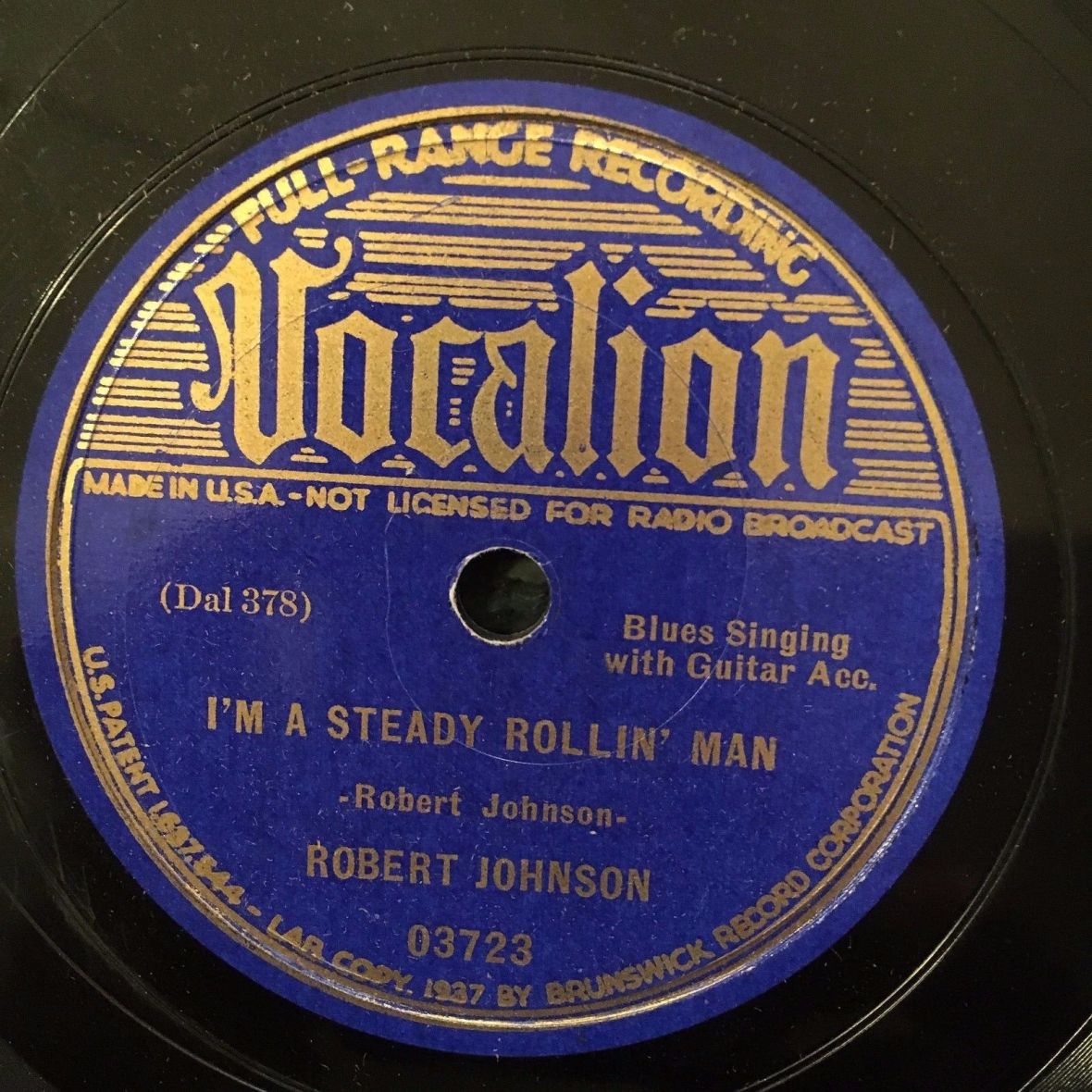 The capstone to Robert Johnson’s legend is cemented by the details of his early death at the age of 27. On the night of Saturday, August 13, 1938, Johnson was playing in a juke joint 15 miles outside of Greenwood, Mississippi when he was allegedly murdered by the jealous husband of a woman with whom he had flirted. In an account by fellow blues legend Sonny Boy Williamson, Johnson had been flirting with a married woman at a dance, where she gave him a bottle of whiskey poisoned (reportedly with strychnine or lye) by her husband. When Johnson took the bottle, Williamson knocked it out of his hand and advised him to never drink from a bottle that he had not personally seen opened. Johnson replied, “Don’t ever knock a bottle out of my hand.”
 Ironically, 75 years ago this week, while Robert Johnson was thrashing back and forth in agony on his deathbed in 1938, Columbia Records producer John H. Hammond was frantically searching for Johnson to book him for the first “From Spirituals to Swing” concert at Carnegie Hall in New York. Robert Johnson’s “Big break” never reached him.