
Original Publish Date August 2012.
https://weeklyview.net/2024/09/05/al-al-alamo-sussudio/
I was born way too late to partake in the coonskin cap craze born of Fess Parker’s Davy Crockett TV show that caused a national sensation for a couple of years in the mid-1950s. But I knew who he was and always thought of him fighting Indians, wrestling bears, and, in general, just being “King of the Wild Frontier.” It wasn’t until much later in life that I realized that Crockett was a United States Congressman from Tennessee who wisely fought against Andrew Jackson’s brutal Indian Removal Act of 1830 and supported the rights of “squatters” who, in most cases, improved the land they lived upon but were barred from buying it because, well, because they didn’t own any land. Both seemed like no-brainers to me, but that support drew the ire of Andrew Jackson and ultimately drove Davy from the state and country by costing him his job.
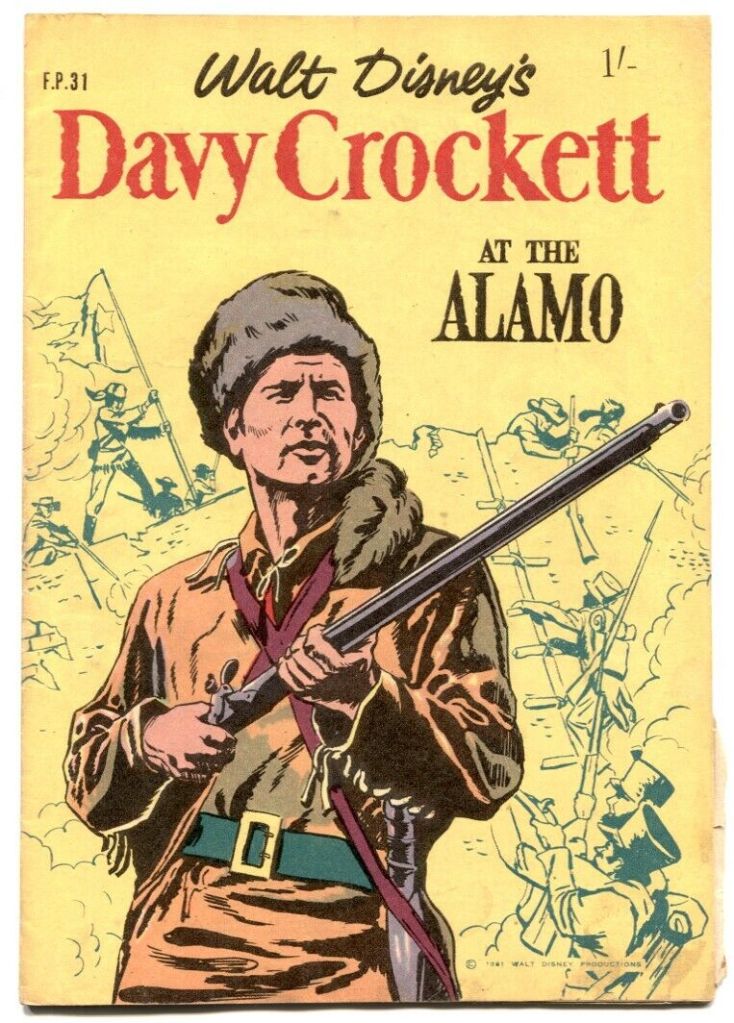
What floored me the most was when the revelation finally set into my grade school mind that Davy Crockett, Walt Disney’s Davy Crockett, fought and died at the Alamo in 1836. I guess I never thought of him in those terms, you know, as a real live human being. In my mind, he was a work of historical fiction in the same class as Paul Bunyan and Babe the Blue Ox. I checked out A book from the Indianapolis Public Library as a kid and read all about the battle at the Alamo. It was for years considered to be the benchmark history of this pivotal event in the fight for Texas independence. But the Alamo was a loss for Americans and I was a Vietnam War Era kid and well, my generation didn’t want to hear anymore about losing.
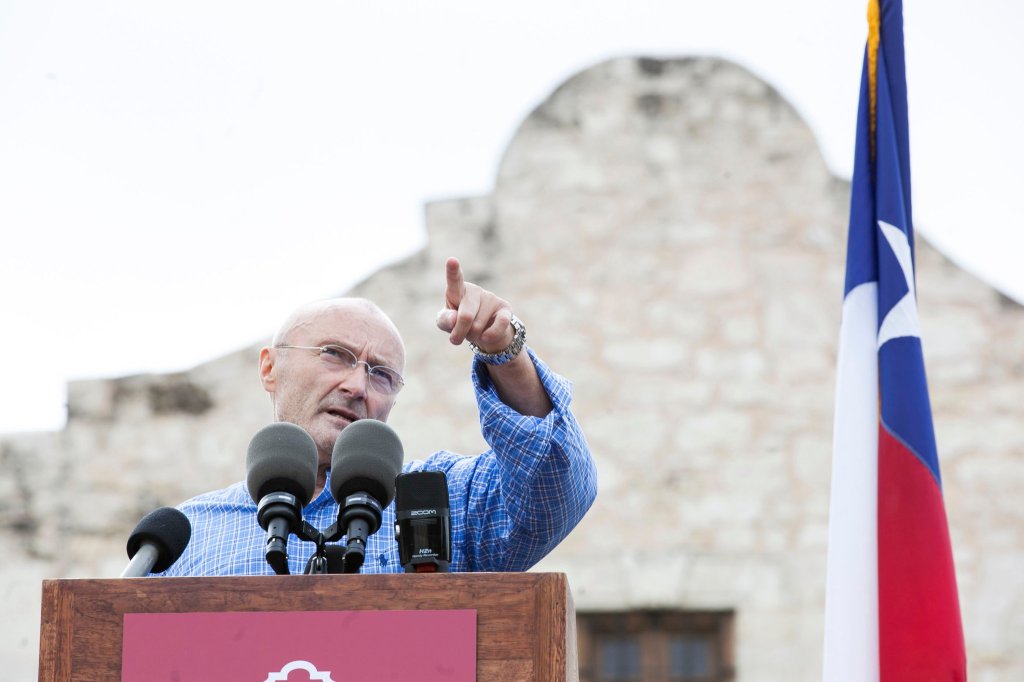
Well, the Alamo just got its hipness back. Do you know who has the largest private collection of artifacts from the Battle of the Alamo? It might surprise you to learn that it’s Englishman Phil Collins — songwriter, drummer, pianist, actor, and lead singer of the rock band Genesis and a successful solo artist all his own. Collins sang lead on several chart-topping hits between 1975 and 2010 ranging from the drum-heavy “In the Air Tonight,” dance pop of “Sussudio,” piano-driven “Against All Odds,” to the political statements of “Another Day in Paradise.” According to Atlantic Records, Collins’ total worldwide sales as a solo artist from 1981 to 2004 were 155 million including 30 hit singles earning him seven Grammy Awards, an Academy Award, and two Golden Globes for his solo work. He was inducted into the Rock and Roll Hall of Fame as a member of Genesis in 2010.
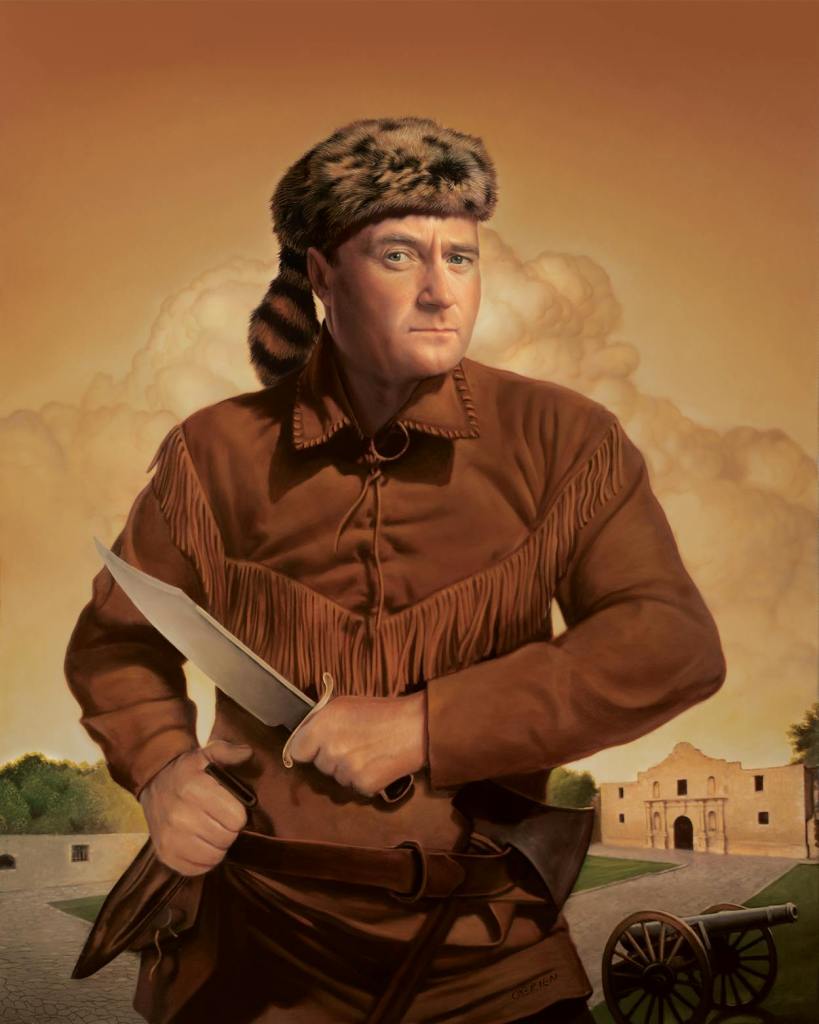
While most Rock stars were burning cash on fast cars, drugs, yachts, or trophy girlfriends, Phil Collins was buying up relics from the Texas Revolution and the Alamo. “It keeps me off the streets. What am I going to do? I don’t want to traipse around the world anymore,” he told a reporter. “I love it. I sit downstairs in my basement looking at and sort of drooling over what I’ve got. It was never my intention to have this huge collection, but one thing led to another and it’s my private thing.” Among his treasures are one of Davy Crockett’s rifles and his post-death receipt from the Texan Army. They share space with Jim Bowie’s knives, verbose William Barret Travis’ letters, Santa Anna items and a snuffbox that Sam Houston gave to a romantic interest. And those are just a few of the pieces from the Texas Revolution’s biggest names.
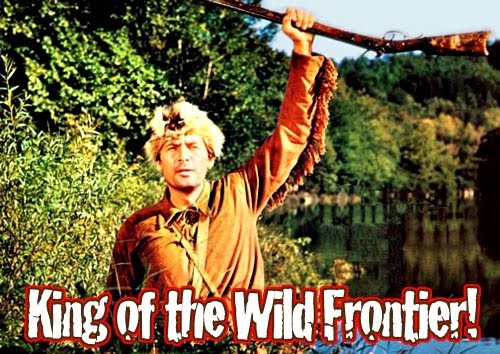
Collins’ Alamo obsession began when he was a 5-year-old boy (who had just got his first drum set) in the London suburb of Chiswick after seeing the Disney series “Davy Crockett, King of the Wild Frontier.” “When I was five or six I started dressing up like Davy Crockett,” Collins recalled. “My sister told me a few months ago that my grandmother cut up her fur coats so I could have a coonskin hat. From there I moved on to the harder stuff, which was John Wayne’s The Alamo.”
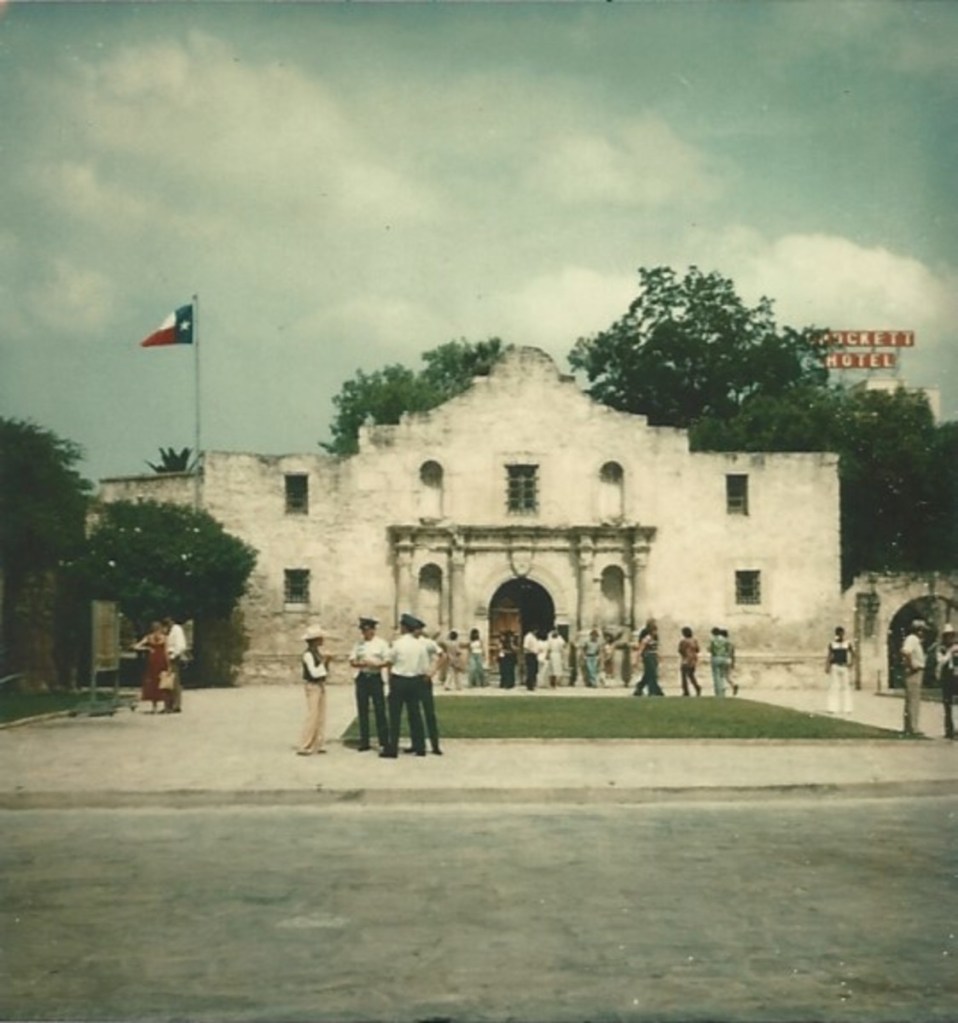
He first visited the Alamo in the early 1970s during a break while touring with Genesis. Then, in the late 1980s, he found himself browsing in an antiquities store in Washington, D.C. looking for Disney animation cels with his wife during a tour with Genesis. “We came across a Davy Crockett letter (he thought it was too expensive at $60,000), and suddenly it occurred to me: My God, this stuff exists! One thinks it’s all burned, dead, buried — you know, history. So the seed was planted.”
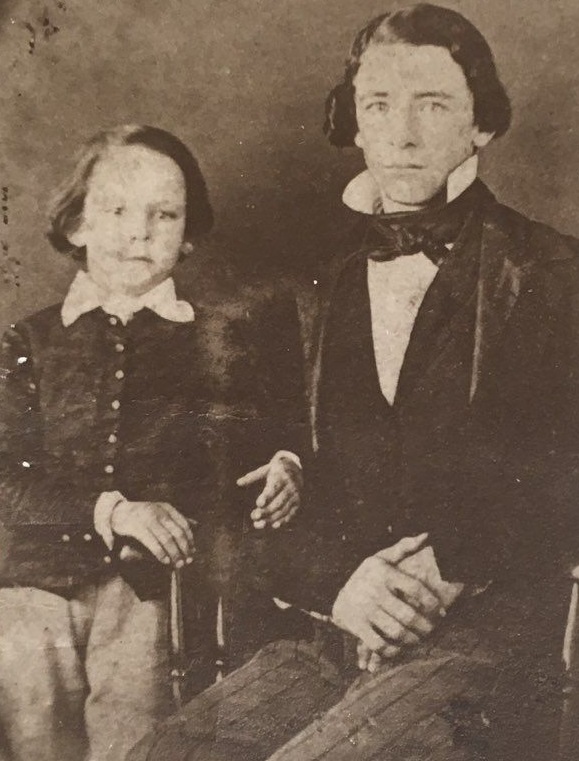
A few years later, someone gave him a framed document as a gift: a receipt for a saddle belonging to John William Smith, the first mayor of San Antonio and one of the couriers Travis dispatched from the Alamo to get aid to the doomed Texans. (A clairvoyant later told Collins that he was Smith reincarnated.) “I just looked at the receipt and marveled at how many miles this saddle must have (been) ridden. “I thought if that’s out there, then let’s see what else is out there,” he said. “And that was the beginning of my collection.”
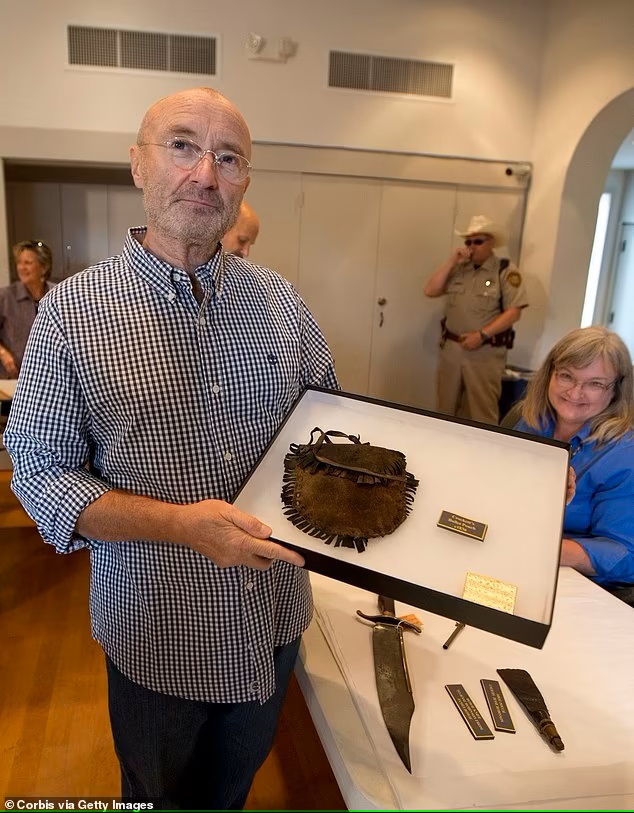
Life and music rolled on and Phil was amassing a respectable personal collection of Alamo artifacts; picking up a piece here or there (mostly for decoration) when in 2004, Collins found himself in San Antonio again, this time on his farewell tour before retiring from music. (An operation to fix some dislocated vertebrae made the decision for him.) By now a seasoned collector, he visited the Alamo for what he thought was his last time before he focused on raising his boys at home overseas. After a private tour (what did you expect? He’s Phil Collins), he stopped in at The History Shop, a store about fifty yards from the mission, where he met the shop’s owner, Jim Guimarin, who offered to scout for artifacts for him. The two became friends, and one night (after a few margaritas) Guimarin pointed out that no one had ever dug beneath his rented storefront. So in 2007, they bought the building, rented another shop space and were soon digging beneath the floorboards.
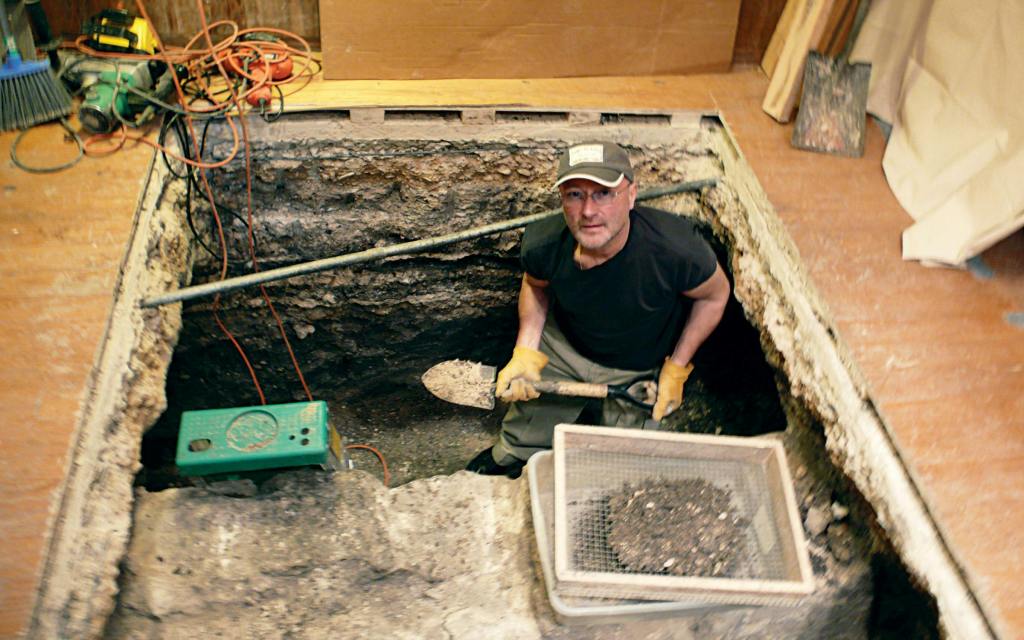
At a depth of 40 inches, “battle level,” they found hundreds of relics, including a rusted over-and-under pistol, musket balls, grapeshot, and personal items like buckles, buttons, and a penknife. “It was incredibly exciting. We found hundreds of horseshoes, but we found things that were in incredible condition,” Collins said, adding that he got an irate letter from an archaeologist about the dig. “She thinks we just went in there with a spade. Nope, it was very well-organized, and everything was looked over,” he said. “There were cannon handles and a flattened cannonball, lots of musket balls, personal effects of soldiers,” Collins said. They also found the remains of three fire pits, which may have been the site of the group that cleaned up after the battle, led by General Andrade.
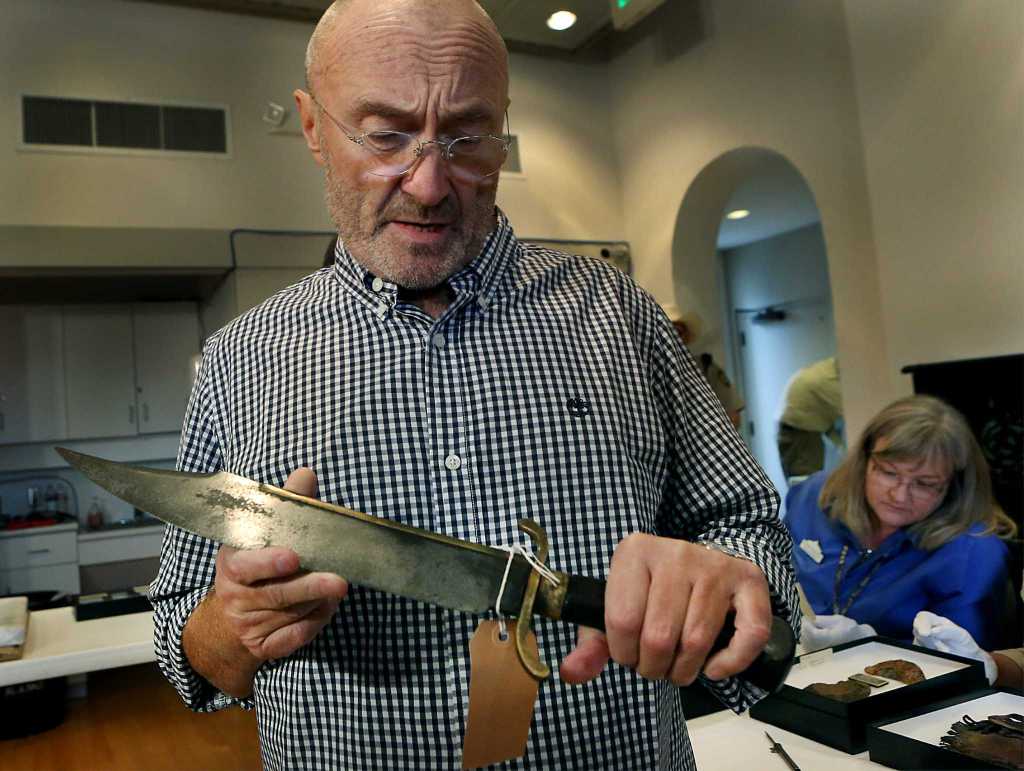
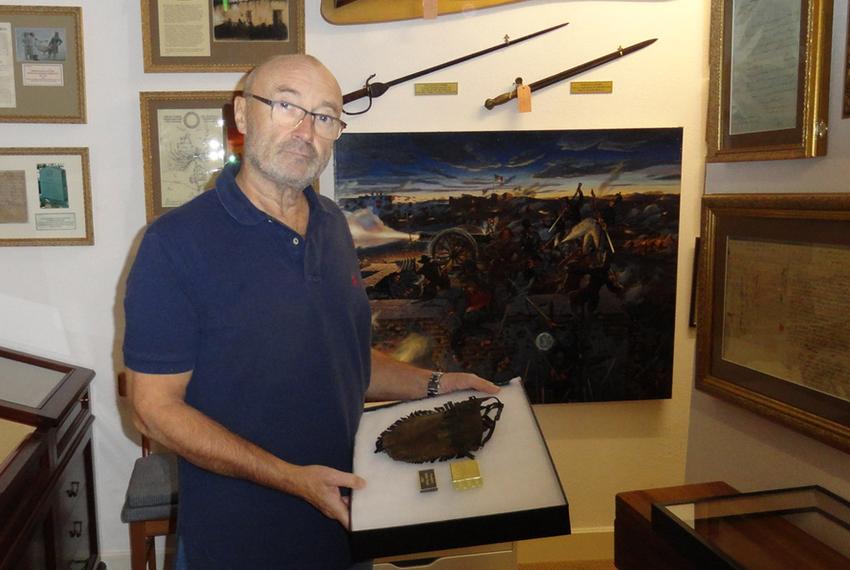
Besides the artifacts from The History Shop, Collins’ collection, which he keeps in the basement of his house in Switzerland, includes Davy Crockett’s musket-ball pouch (complete with five musket balls and two powder horns) that Crockett supposedly gave to a Mexican officer before he was executed, the sword belt that Travis was wearing when he died. a knife belonging to James Bowie (Texan folk hero — no relation to that other British rocker David Bowie), and a sword belonging to the Mexican leader Antonio López de Santa Anna.
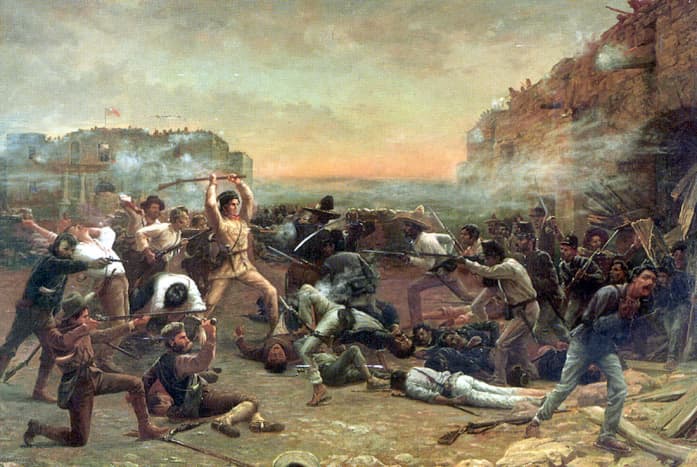
Collins is thrice divorced, with five kids, including two young sons still at home. He says, “The romance is infectious. I’ve got a seven-year-old who watches the John Wayne and the Billy Bob Thornton versions and can name every character, and goes and dresses up as a Mexican,” he said. “It captures him the way it captured me. Now he’s moved on to Napoleon.” Thoughtful, polite, and studiously serious about his passion, Collins, 61, says the Alamo story “changed my life.” It’s no surprise that an Englishman should be captivated by the Alamo. “The fight for freedom speaks to people worldwide,” Collins said, “the fact that you have a rock star who has a love affair with it says it’s everybody’s Alamo.” After all, the San Antonio shrine draws nearly 3 million visitors every year. Collins hopes that his collection will end up in a museum someday for others to enjoy.
As for my part, if you’ve read my columns in the past, you know that I often obsess about collectors, relics, and collections. Most collectors of historic memorabilia share pretty much the same dream. That dream is to save, catalog, preserve, and protect the items they’ve deemed important to the field they have desired to pursue. You will find no greater advocate for collecting than me. In fact, I suggest you visit your local antique shop/show and give it a try. You never know what you might find. Heck, maybe you’ll bump into Phil Collins along the way.




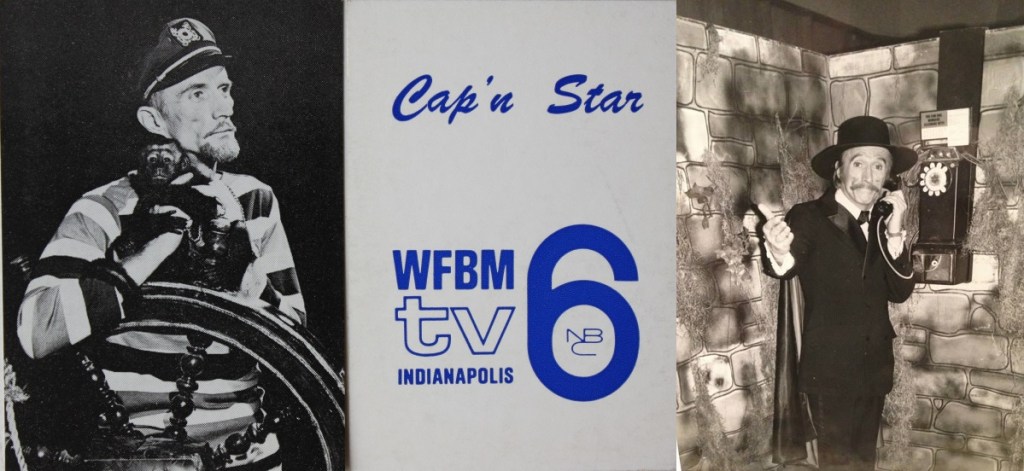
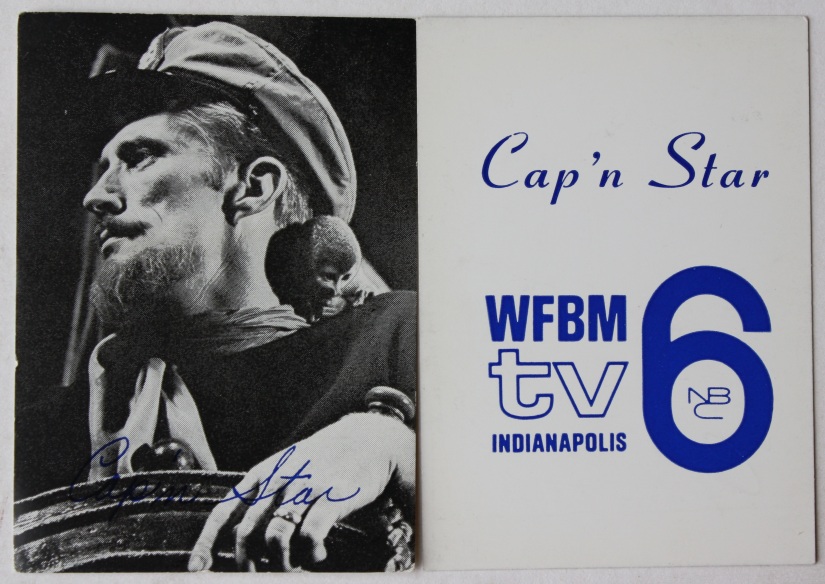
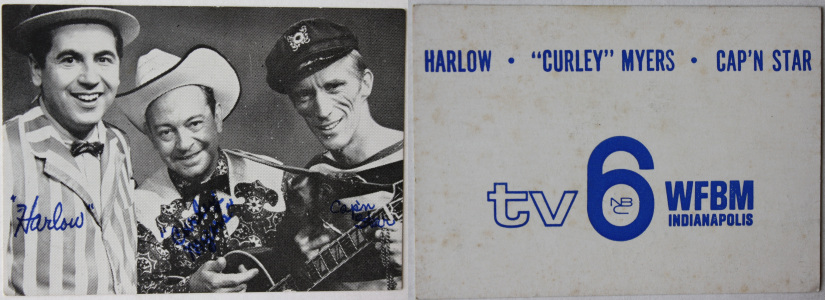


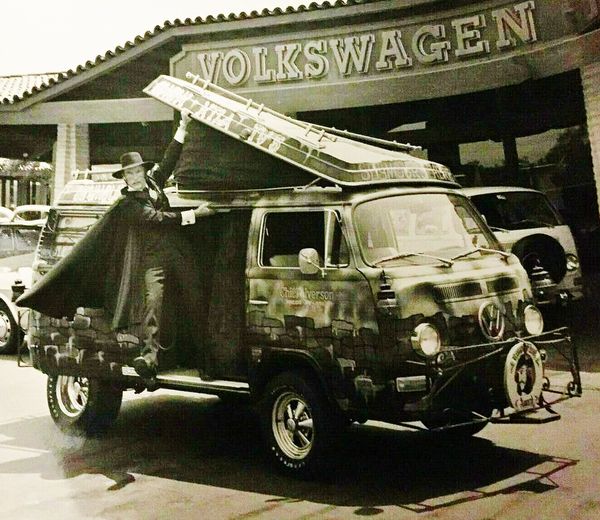
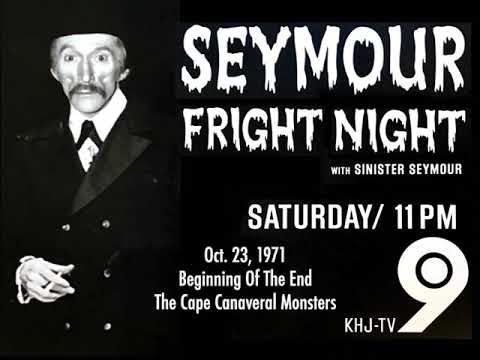
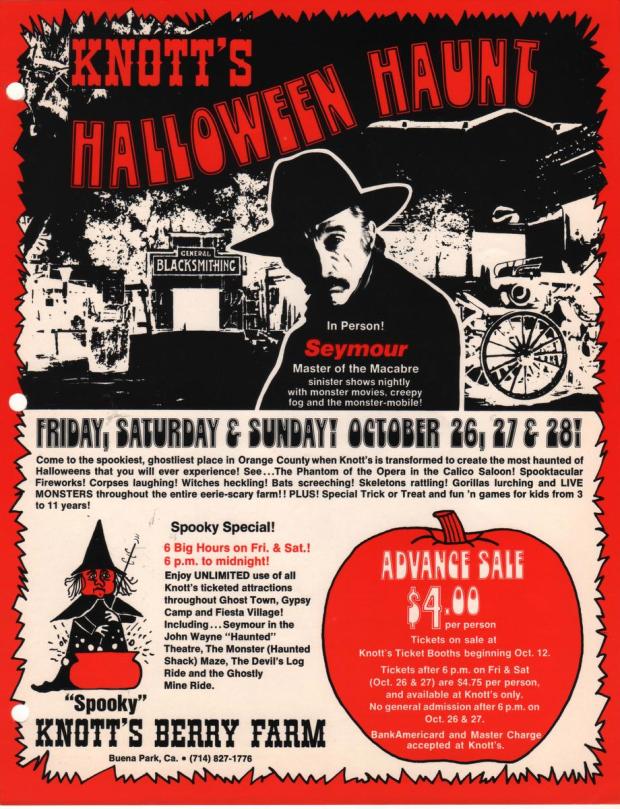


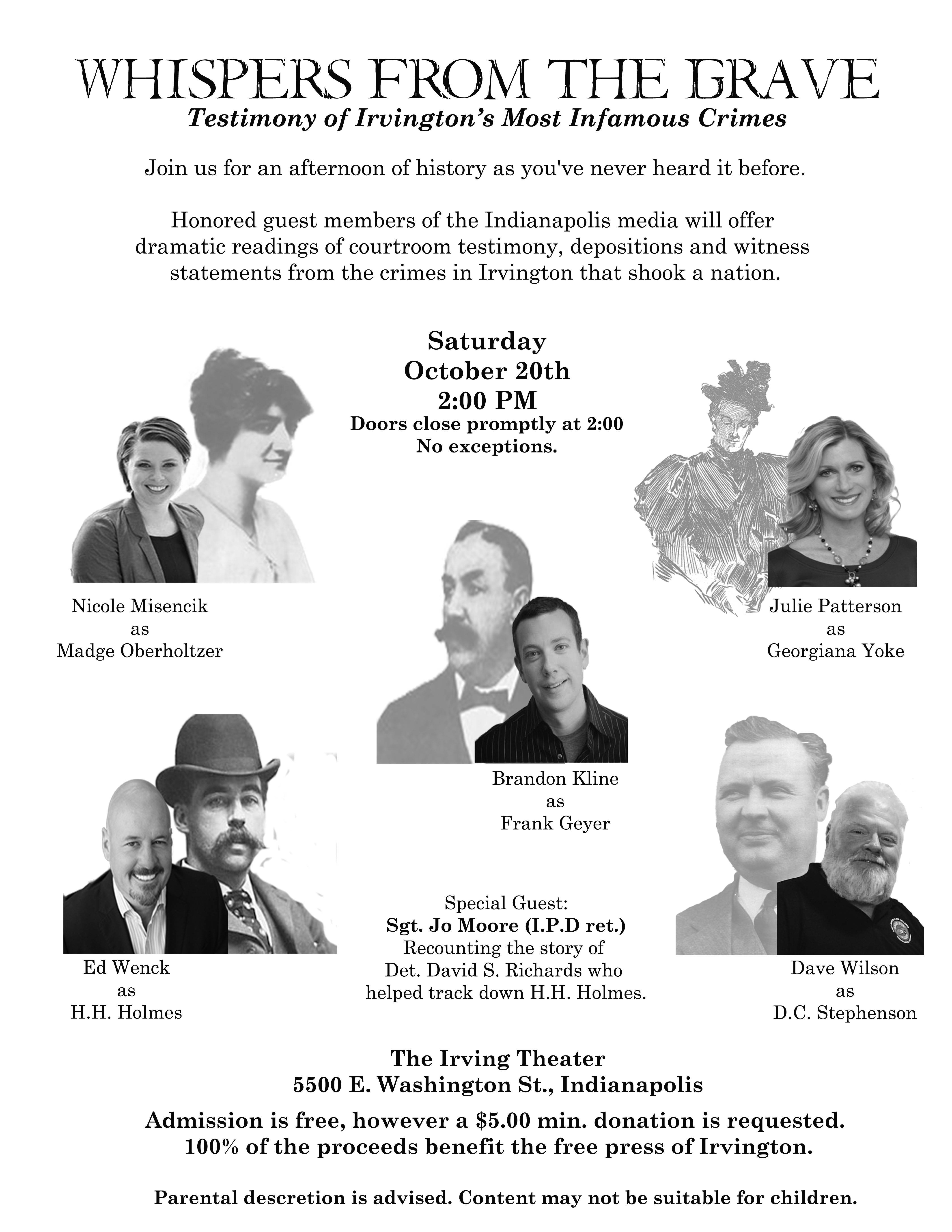
 This coming Saturday, October 20th at 2 PM, several of those famous friends will be here in Irvington at the Irving theater to share their talent with our community in a program I have called, “Whispers from the Grave. Testimony of Irvington’s Most Famous Crimes.” Over the past decade and a half I have gathered testimony, witness accounts, personal statements and personality sketches of the characters, both good and bad, from the stories I share on the tours. This Saturday, local celebrities, journalists and members of the media will lend their talents to the voices of these characters. Much of this spoken word performance will offer accounts that have not been heard for over a century. This testimony, told in its entirety using the words of the subjects themselves, is always poignant, sometimes shocking and often scandalous.
 Joining us Saturday will be long time Q 95 star and stand up comic Dave “the King” Wilson reading the words of DC Stephenson. David Curtis Stephenson was the Grand Dragon of the Indiana Ku Klux Klan who reigned supreme here in central Indiana during The Roaring 20s. Stephenson controlled Indiana politics from the governor’s office to the mayor’s office with Klan money and influence from his University Avenue home here in Irvington. Gathering testimony and statements from Stephenson’s made all the more harder by the fact that after his 1925 trial for murder concluded, the official court papers mysteriously disappeared.
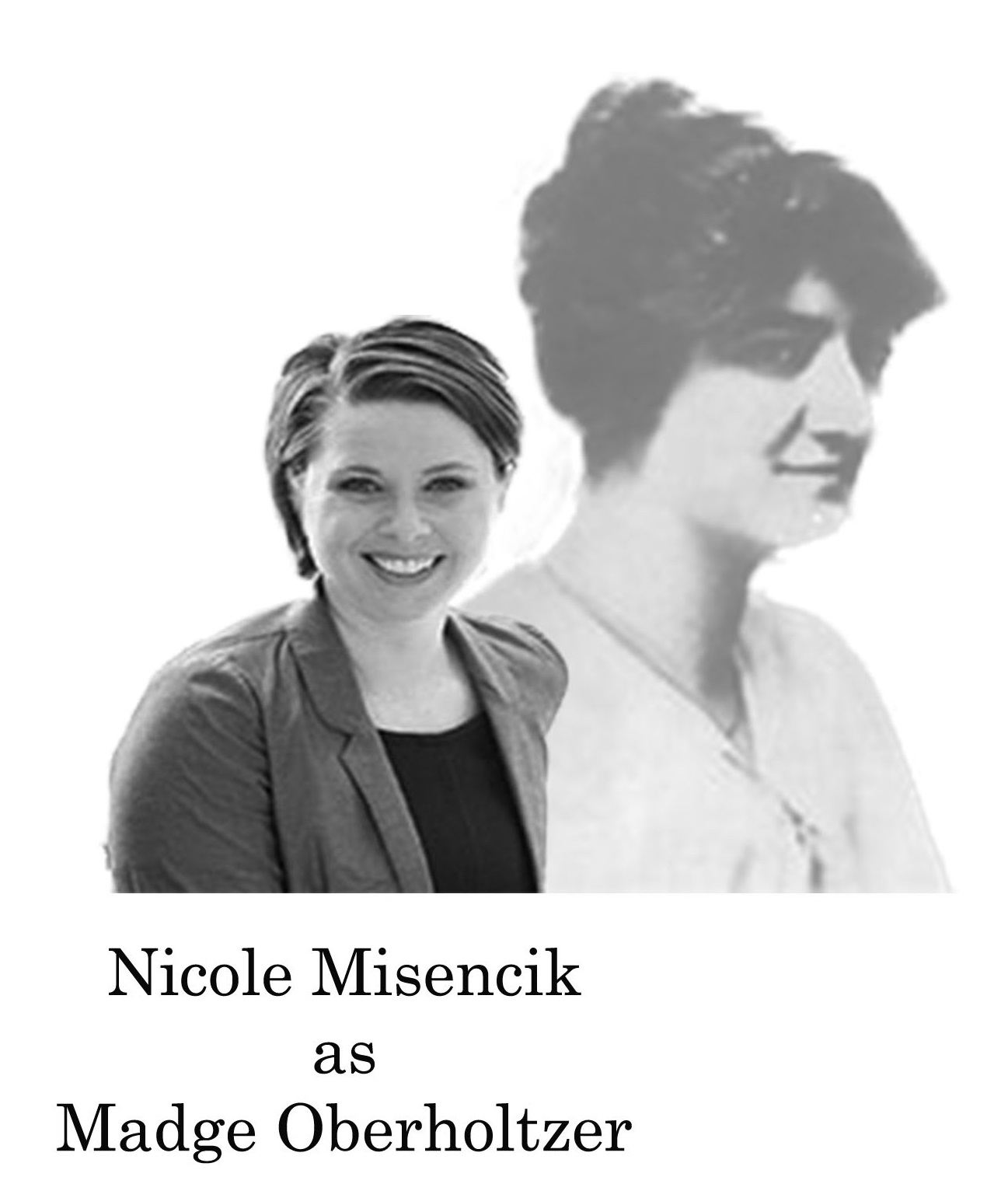 2 – time Emmy award-winning former WTHR on air personality & meteorologist Nicole Misencik who will be voicing Madge Oberholtzer. Tragically, Madge was the undeserving victim of DC Stephenson’s crime in the spring of 1925. Madge was an Irvingtonian and former student at Butler College whose death at the hands of Stephenson brought down the Ku Klux Klan, which was the most powerful organization in the country at the time. Madge’s testimony was so graphically detailed that when it was read aloud in open court in Noblesville Indiana, women fainted and grown men got up and left the room. Nicole will recount Madge’s 9 – page deathbed declaration and its entirety for the first time in public and nearly a century.
 Former WTHR reporter Brandon Kline will be voicing Pinkerton detective Frank Geyer, the man who brought America’s first serial killer to justice. Brandon will wear the hero cape by voicing this legendary Pinkerton agent who is dogged determination alone solved Irvington’s first murder, that of 10-year-old Howard Pitezel. Brandon’s hero duty will be doubled when he also voices Irvingtonian lawyer Asa J Smith who recorded Madge’s deathbed declaration in what promises to be a most memorable exchange with his wife Nicole.
 Boomer TV personality, longtime WZPL radio host and former WISH – TV alumni Julie Patterson will be voicing the last wife of HH Holmes, Georgiana Yoke. Ms. Yoke, a native of Franklin Indiana, is easily the most unknown character in the presentation. Georgiana’s family has deep connections to Indianapolis’east side at both Garfield Park and Holliday Park. Georgiana narrowly escaped death at the hands of her husband and, after his death by hanging, could not escape the cloud of suspicion that hung over her in Indianapolis after her husband’s crimes were revealed. Julie’s interpretation of Georgiana will also include her court testimony, some of which was delivered by her husband HH Holmes while acting as his own counsel.
 Ed Wenck, long time local radio host, journalist, author and on-air television personality, will be voicing America’s first serial killer HH Holmes. Allegedly responsible for over 200 murders, Holmes admitted to killing 27. The arch fiend came to Irvington in October 1894 on the heels of the 1893 Chicago world’s fair. His crimes are numerous, gruesome and unspeakable. Ed will voice America’s first serial killer using Holmes’ own words which are guaranteed to make your skin crawl.
 Alan E. Hunter