
Category: Presidents
Foul Ball!
Original publish date May 15, 2025.
https://weeklyview.net/2025/05/15/foul-ball/
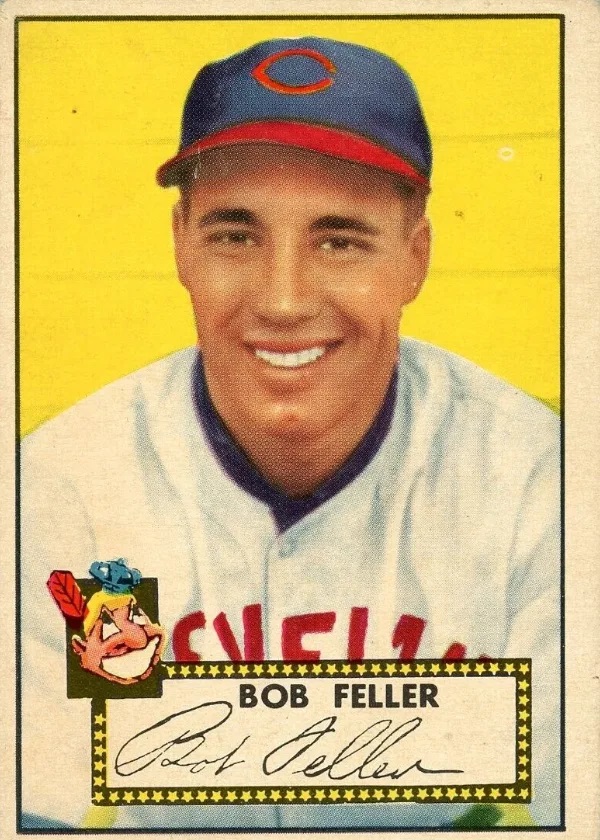
Last week, I ran a story about Cleveland Indians phenom Bob Feller’s pitched foul ball that hit and injured his mother during a game against the White Sox at old Comiskey Park in Chicago. That got me thinking about other foul ball stories and legends I’d heard about. Growing up, I spent a lot of time at old Bush Stadium on 16th Street in Indy. My dad, Robert Eugene Hunter, a 1954 Arsenal Tech grad, had worked there as a kid selling Cracker Jack/popcorn in the stands during the Victory Field years. He recalled with pleasure seeing Babe Ruth in person there and could name his favorites from those great Pittsburgh Pirates farm club teams from the late 1940s/early 1950s. I can’t tell you how many RCA Nights at Bush Stadium he took me to back in the 1970s during the team’s affiliation with the Cincinnati Reds Big Red Machine. During those outings, nothing was more exciting than chasing foul balls.
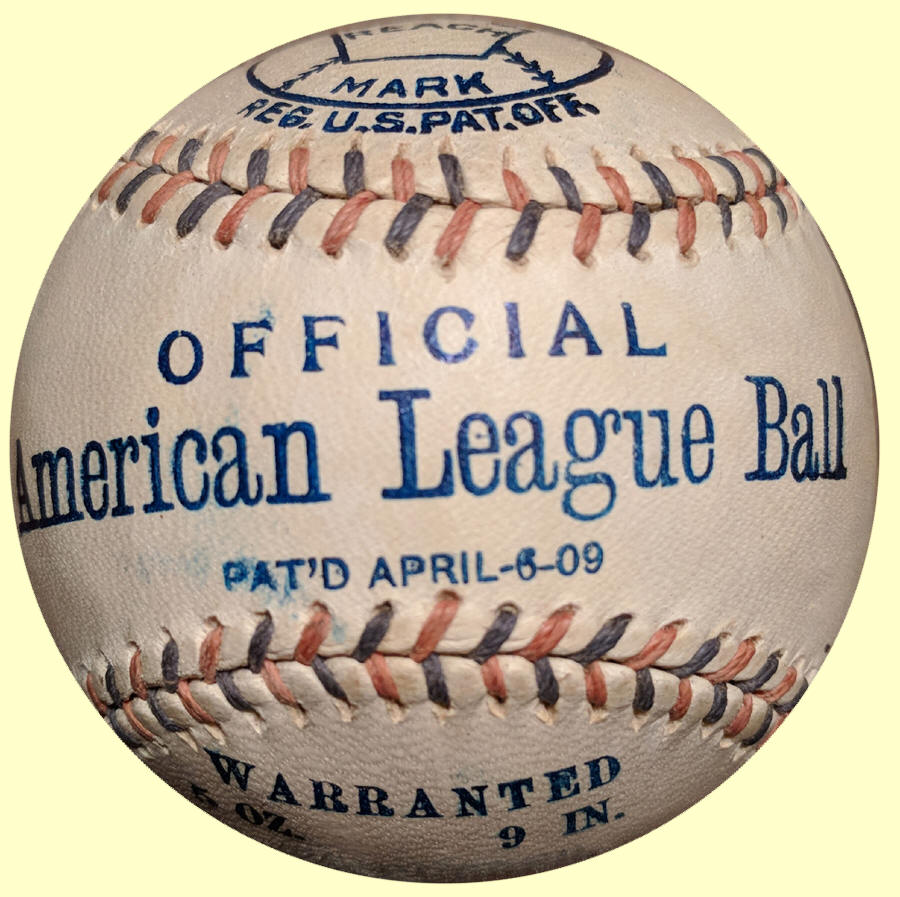
Not all foul balls are fun adventures, though; some are crazy, and others are just plain scary. Growing up, I loved reading about the exploits of those players who played before World War I. Back in those days, baseballs were considered team property and quite expensive. Fans were expected to return any ball hit into the stands (including homeruns), and balls hit out of the stadium were meticulously retrieved. In 1901, the National League rules committee, as a way of cutting costs, suggested fining batters for excessively fouling off pitches. Beginning in 1904, per a newly created league rule, teams posted employees in the stands whose sole job was to retrieve foul balls caught by the fans. Fans had a keen sense of humor, though, and they would often hide them from the “goons” or frustrate the hapless employees by throwing them from row to row. Sometimes, the games of keep-away in the stands were more fun to watch than the ones on the field. But those early WWI stories mostly involved the exploits of the players, not the fans. There were some characters in the league back then. Some of them are long forgotten and some made the Baseball Hall of Fame.
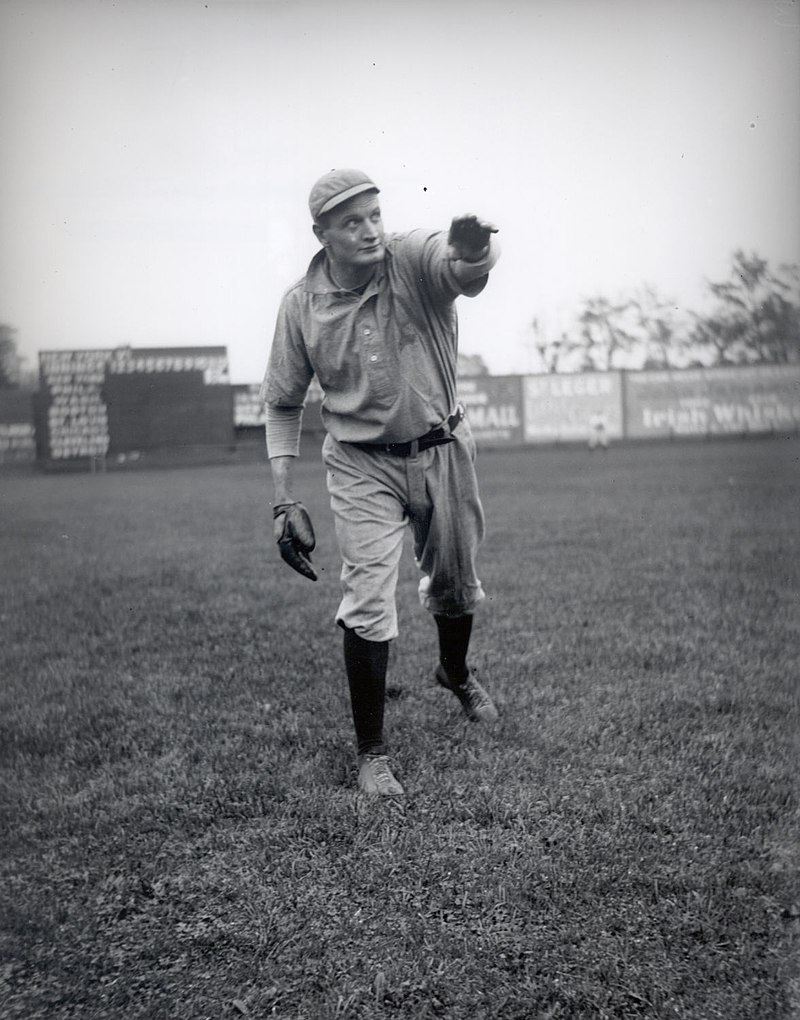
One of my favorite players from that hardball era was a square-jawed eccentric left-handed pitcher from the oil town of Bradford, Pa. named George Edward “Rube” Waddell (1876-1914). Rube played for 5 teams in 13 years. His lifetime 193-143 record, 2,316 strikeouts, and 2.16 ERA landed him in the Hall of Fame. And if there were a hall of fame for flakes in baseball, Rube would have been a first-ballot electee. If a plane flew above the field, Rube would stop in the middle of a game. If Rube heard the siren of a firetruck, he’d drop his glove and chase it. He once left in the middle of a game to go fishing. Opposing fans knew that Rube was easily distracted so they brought puppies to the game and held them up in the stands to throw him off. Rival teams brought puppies into the dugout for the same reason, knowing that Rube would drop his glove and run over to play with them every time. Shiny objects seemed to put Rube in a trance. His eccentric behavior led to constant battles with his managers and scuffles with bad-tempered teammates. Even though he was a standout pitcher, Rube’s foulball stories came off his bat, not out of his hand.
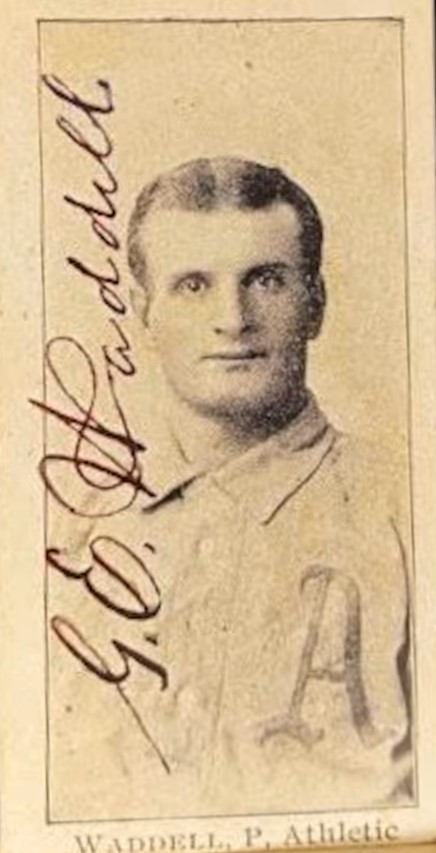
On August 11, 1903, the Philadelphia Athletics were visiting the Red Sox. In the seventh inning, Rube Waddell was at the plate. Waddell lifted a foul ball over the right field bleachers that landed on the roof of a Boston baked bean cannery next door. The ball rolled to a stop and became wedged in the factory’s steam whistle, which caused it to go off. It wasn’t quitting time yet, but the workers abandoned their posts, thinking it was an emergency. The employee exodus caused a giant caldron full of beans to boil over and explode. Suddenly, the ballpark was showered by scalding hot beans. Nine days before, on August 2, another foul ball off the bat of Waddell hit a spectator, supposedly igniting a box of matches in the fan’s pocket and ultimately setting the poor guy’s suit on fire and causing an uproar.
Waddell’s 1903 E107 Card.

Still, a foul ball hit by the aptly named George Burns of the Tigers in 1915 is worth mentioning in the same breath. His “scorching” foul liner struck an unlucky fan in the area of his chest pocket, where he was carrying a box of matches. The ball ignited the matches, and a soda vendor had to come to the rescue, dousing the flaming fan with bubbly to put out the fire.
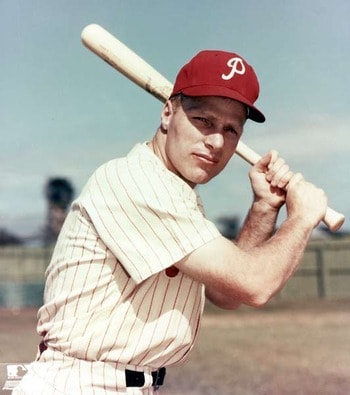
Richie Ashburn figures in many of the best foul ball stories in baseball lore. A contact hitter, Ashburn had the ability to foul off many consecutive pitches till he found one he liked. On one occasion, he fouled off fourteen consecutive pitches against Corky Valentine of the Reds. Another time, he victimized Sal “The Barber” Maglie for “18 or 19″ fouls in one at-bat. ”After a while,” said Ashburn, “he just started laughing. That was the only time I ever saw Maglie laugh on a baseball field.” Ashburn’s bat control was such that one day he asked teammates to pinpoint a particularly offensive heckler seated five or six rows back. The next time up, Ashburn nailed the fan in the chest. On another occasion, Ashburn unintentionally injured a female fan who was the wife of a Philadelphia newspaper sports editor. Play stopped as she was given medical aid. Action resumed as the stretcher wheeled her down the main concourse, and, unbelievably, Ashburn’s next foul hit her again. Thankfully, she escaped with minor injuries.
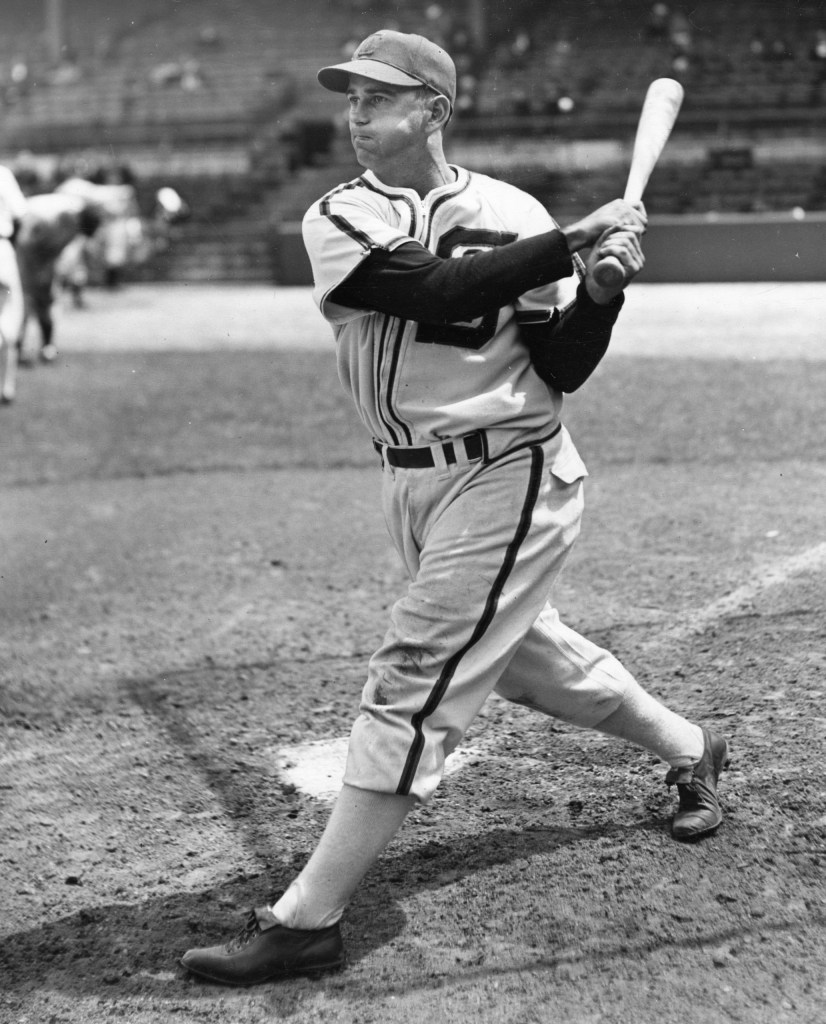
Another notable foul ball hitter was Luke Appling, the Hall of Fame shortstop with a career batting average of .310. As the story goes, Appling once asked White Sox management for a couple of dozen baseballs, so he could autograph them and donate them to charity. Management balked, citing a cost of several dollars per baseball. Appling bought the balls from his team, then went out that day and fouled off a couple dozen balls, after which he tipped his hat toward the owner’s box. He never had to pay for charity balls again, the legend goes.
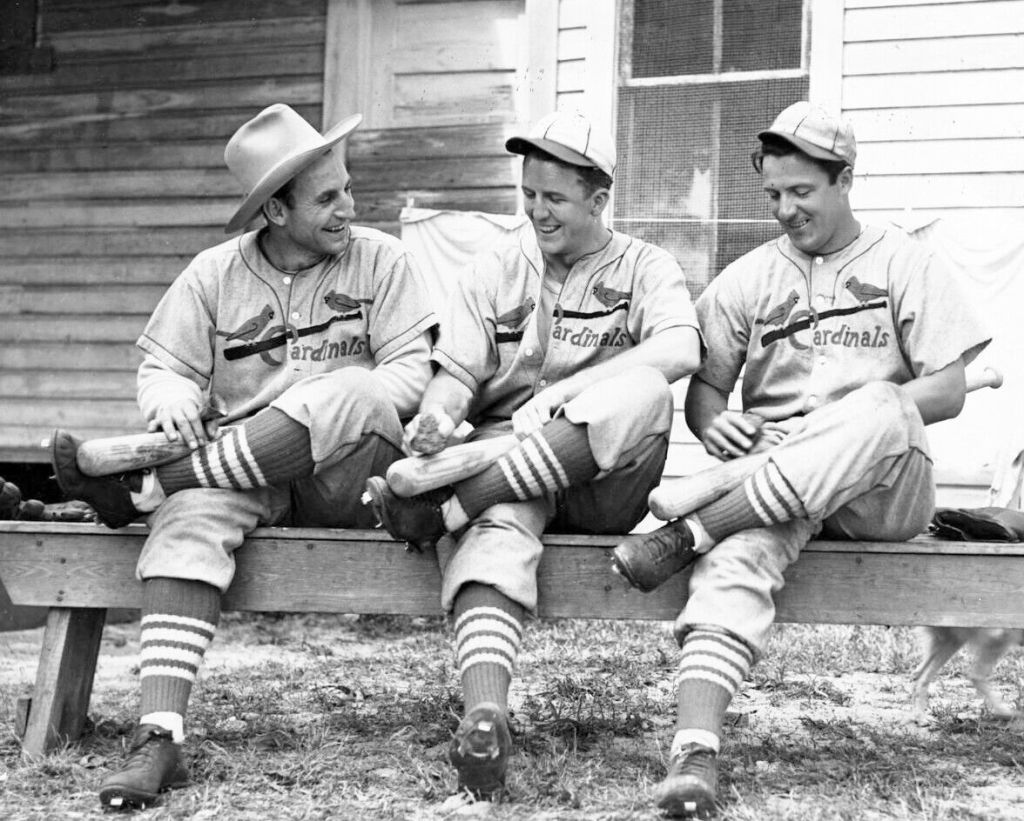
Pepper Martin, Terry Moore & Ducky Medwick.
Another great foul ball story involves Pepper Martin and Joe Medwick of the St. Louis Cardinals famous Gas House Gang teams of the mid-1930s. With Martin at bat, Medwick took off from first base, intending to take third on the hit-and-run. Martin fouled the ball into the stands, and Reds catcher Gilly Campbell reflexively reached back to home plate umpire Ziggy Sears for a new ball. Then, just for fun, Campbell launched the ball down to third, where Sears, forgetting that a foul had just been hit and that he had given Campbell a new ball, called Medwick out. The Cardinals were furious, but not wanting to admit his error, Sears refused to reverse his call, and Medwick was thrown out-on a foul ball!
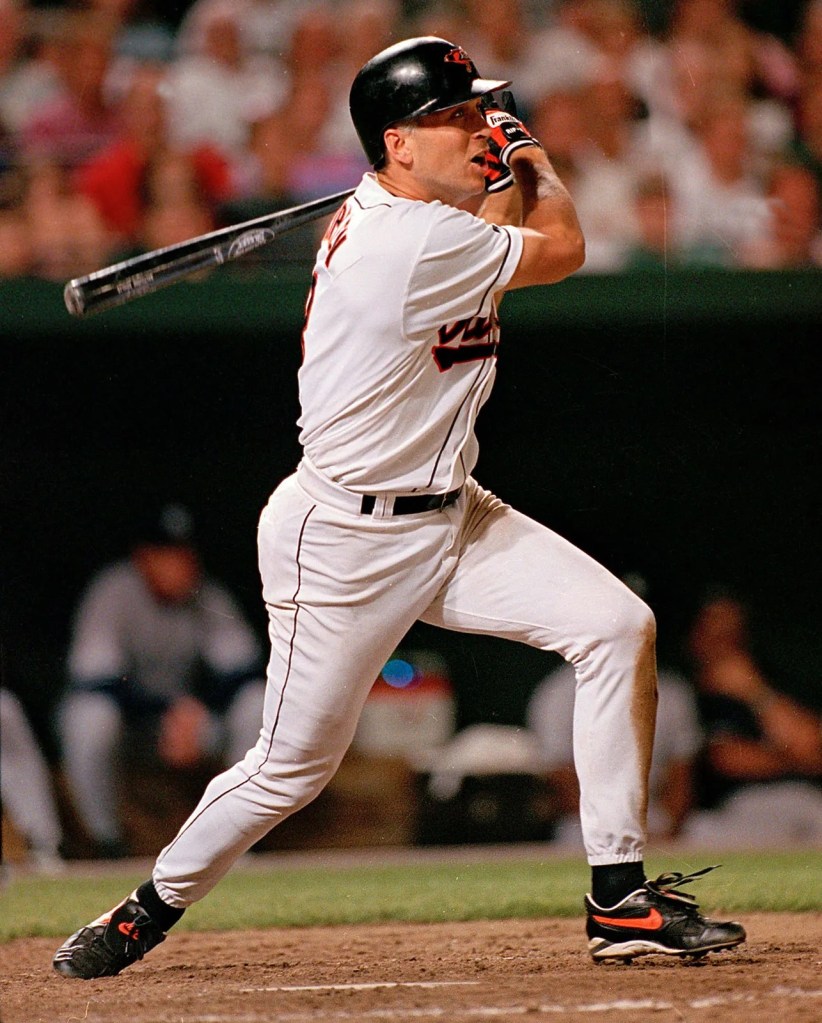
The great Cal Ripken Jr. made life imitate art with a foul ball in 1998. In the movie The Natural, Roy Hobbs lofts a foul ball at sportswriter Max Mercy, as Mercy sits in the stands drawing a critical cartoon of the slumping Hobbs. Baltimore Sun columnist Ken Rosenthal faced a similar wrath of the baseball gods after he wrote a column in 1998 suggesting that it might be time for Ripken to voluntarily end his streak, at that point several hundred games beyond Lou Gehrig’s old record, for the good of the team. Ripken responded by hitting a foul ball into the press box, which smashed Rosenthal’s laptop computer, ending its career. When told of his foul ball’s trajectory, Ripken responded with one word: “Sweet.”
Another sweet story involves a father and son combination. In 1999, Bill Donovan was watching his son Todd play center field for the Idaho Falls Braves of the Pioneer League. Todd made a nice diving catch and threw the ball back into the second baseman, who returned it to the pitcher. On the next pitch, a foul ball sailed into the outstretched hands of the elder Donovan. “I was like a kid when I caught it,” said the proud papa. “It made me wonder when was the last time that a father and son caught the same ball on consecutive pitches.”
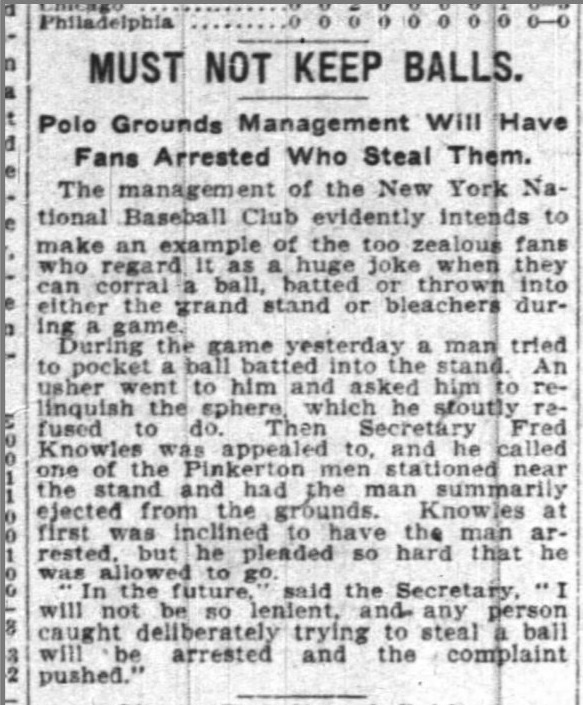
One day in 1921, New York Giants fan Reuben Berman had the good fortune to catch a foul ball, or so he thought. When the ushers arrived moments later to retrieve the ball, Reuben refused to give it up, instead tossing it several rows back to another group of fans. The angered usher removed Berman from his seat, took him to the Giants’ offices, and verbally chastised him before depositing him in the street outside the Polo Grounds. An angry and humiliated Berman sued the Giants for mental and physical distress and won, leading the Giants, and eventually other teams, to change their policy of demanding foul balls be returned. The decision has come to be known as “Reuben’s Rule.”
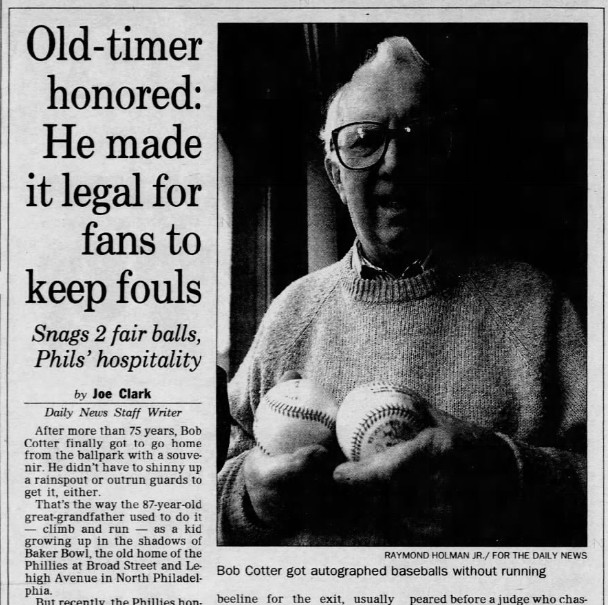
While Berman’s case was influential, the influence had not spread as far as Philadelphia by 1922, when 11-year-old fan Robert Cotter was nabbed by security guards after refusing to return a foul ball at a Phillies game. The guards turned him over to police, who put the little tyke in jail overnight. When he faced a judge the next day, young Cotter was granted his freedom, the judge ruling, “Such an act on the part of a boy is merely proof that he is following his most natural impulses. It is a thing I would do myself.” The tide eventually changed for good, and the practice of fans keeping foul balls became entrenched. World War II was another time when patriotic fans and owners worked together to funnel the fouls off to servicemen. A ball in the Hall of Fame’s collection is even stamped “From a Polo Grounds Baseball Fan,” one of the more than 80,000 pieces of baseball equipment donated to the war effort by baseball by June 1942.
One of those baseballs may well have been involved in one of the strangest of all foul ball stories. In a military communique datelined “somewhere in the South Pacific,” the story is told of a foul ball hit by Marine Private First Class George Benson Jr., which eventually traveled 15 miles. Benson’s batting practice foul looped up about 40 feet in the air, where it smashed through the windshield of a landing plane. The ball hit the pilot in the face, fracturing his jaw and knocking him unconscious. A passenger, Marine Corporal Robert J. Holm, muttering a prayer, pulled back on the throttle and prevented the plane from crashing, though he had never flown before. The pilot recovered momentarily and brought the plane to a landing at the next airstrip, 15 miles away.
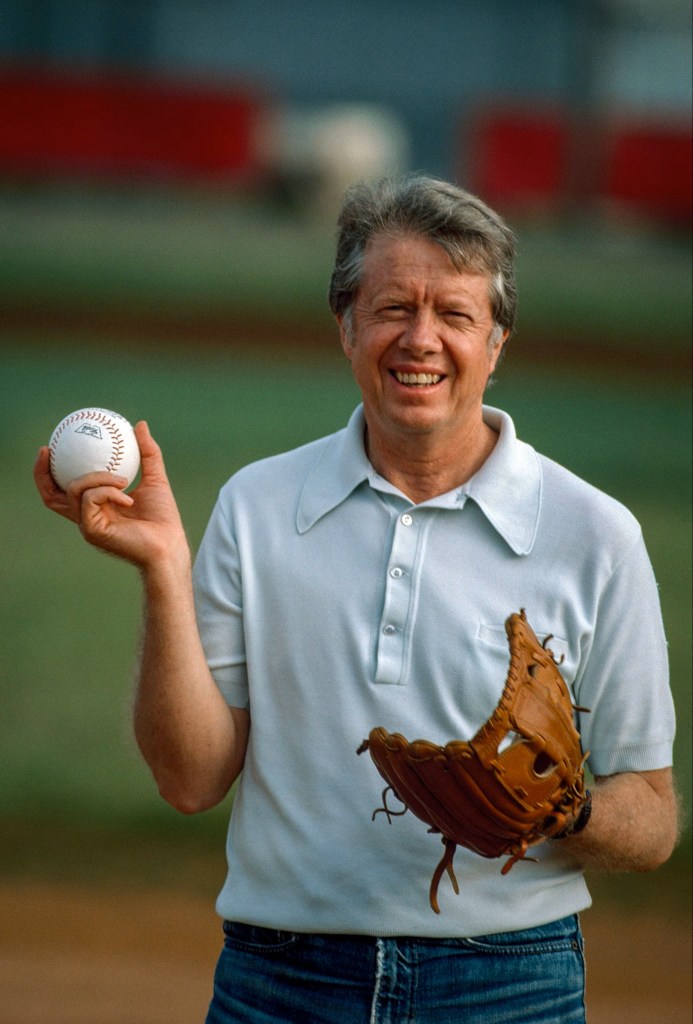
In 1996, at the age of 71, former President Jimmy Carter made a barehanded catch of a foul ball hit by San Diego’s Ken Caminiti, while attending a Braves game. “He showed good hands,” said Braves catcher Javy Lopez.
With foul balls by this time an undeniable right for fans at the ballpark, what are your actual chances of catching a foul ball at a game? Well, to start with, the average baseball is in play for six pitches these days, which makes it sound as though there will be many chances to catch a foul ball in each game. While comprehensive statistics are not available, various newspapers have sponsored studies which, uncannily, seem quite often to come down to 22 or 23 fouls into the stands per game.
That seems like a healthy number until you look at average major league attendance at games. In the year 2000, the average game was attended by 29,938 fans. With 23 fouls per game, that works out to a 1 in 1,302 chance of catching a foul ball. With numbers like that, no wonder it feels so special to catch a foul ball. Nevertheless, those who yearn to catch a foul ball can improve their chances. I have listed some tips to help you bring home that elusive foul ball. Good luck!
Osborn H. Oldroyd’s Greatest Fear.
Original Publish Date March 6, 2025.
https://weeklyview.net/2025/03/06/osborn-h-oldroyds-greatest-fear/
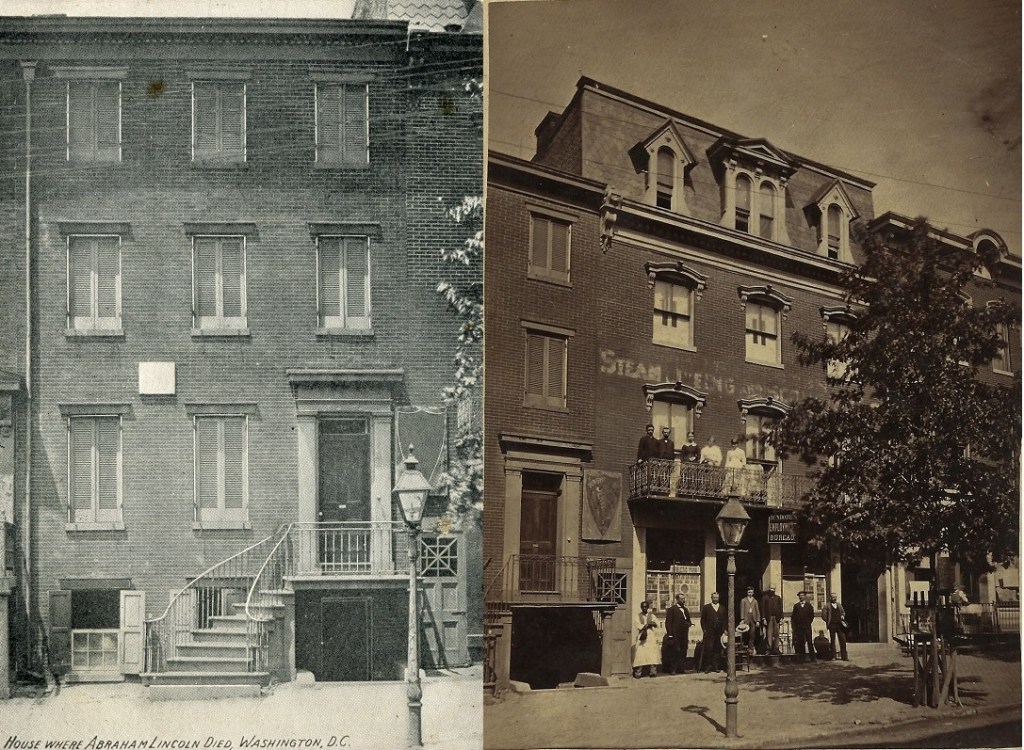
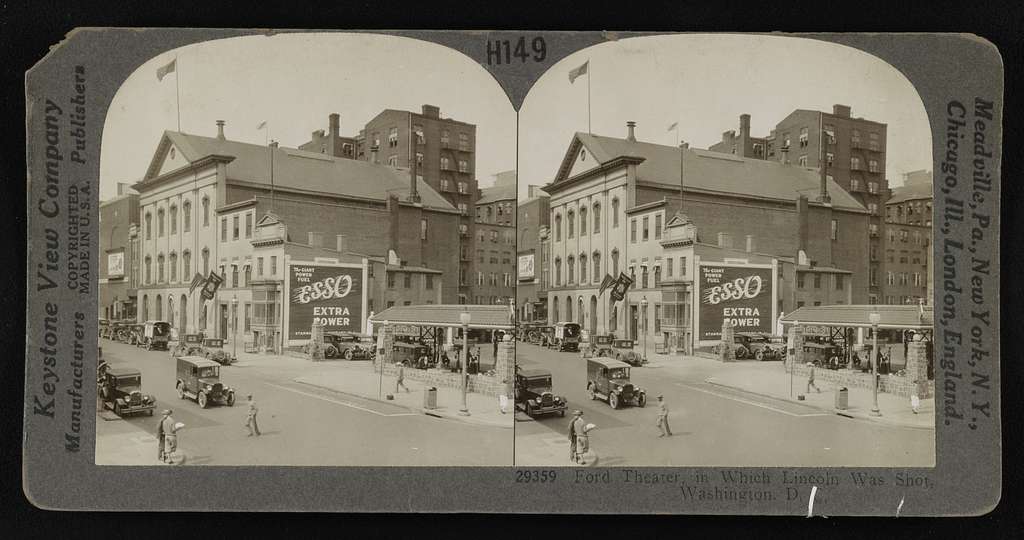
My wife and I recently traveled to Springfield, Illinois for a book release event (actually two books). One book on Springfield’s greatest living Lincoln historian, Dr. Wayne C. “Doc” Temple, and the other on my muse for the past fifteen years, Osborn H. Oldroyd. I have fairly worn out my family, friends, and readers with the exploits of Oldroyd over the years. He has been the subject of two of my books and a bevy of my articles. Oldroyd was the first great Lincoln collector. He exhibited his collection in Lincoln’s Springfield home and then in the House Where Lincoln Died in Washington DC from 1883 to 1926. Oldroyd’s collection survives and forms much of the objects in Ford’s Theatre today.
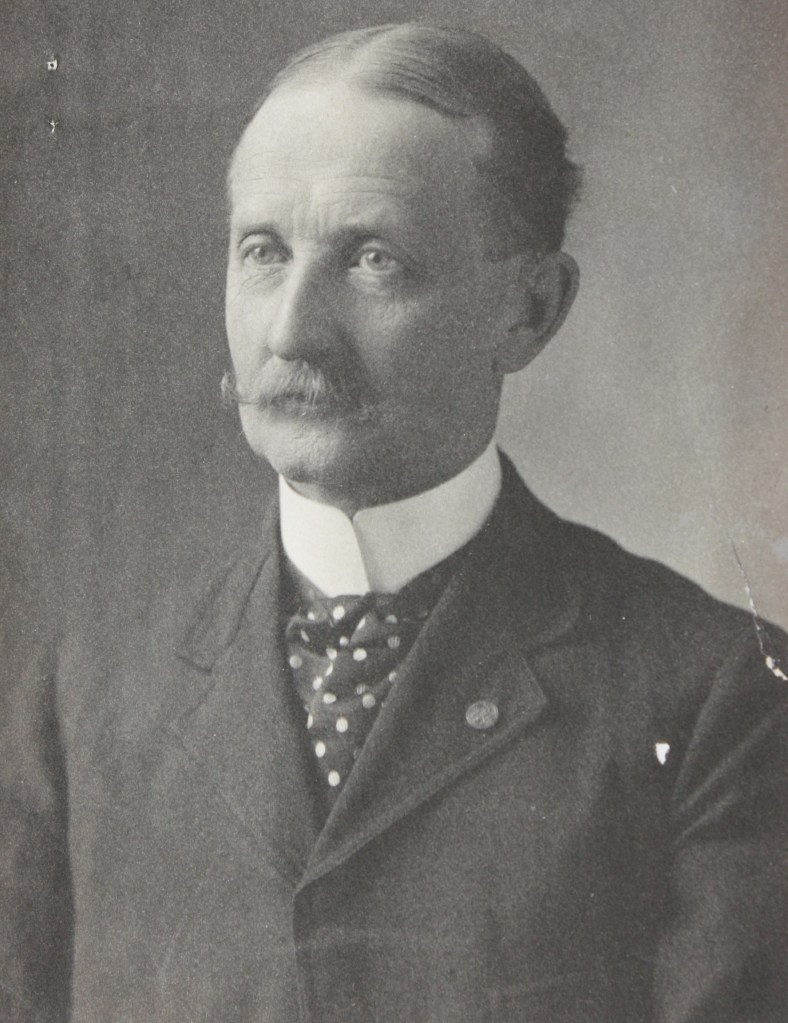
For this trip, we traveled up from the south to Springfield through parts of northwest Kentucky and southeast Missouri. What struck us most were the conditions of the small towns we drove through. Today many of these little burgs and boroughs are in sad shape, littered by once majestic brick buildings featuring the names of the merchants that built them above the doorways, eaves, and peaks of their frontispieces in a valiant last stand. Most had boarded-up windows and doors and some with ghost signs of products and services that disappeared generations ago.
They are tightly packed and many share common walls. We were amazed how many of them have caved-in or worse, burnt down. The caved-in buildings are the work of Father Time and Mother Nature, but the burnt ones look as if the fires were extinguished just recently. My wife deduces that these are likely the result of the many meth labs that blight these long-forgotten, empty buildings. Indeed, a little research reveals that these rural areas do lead the league in these hastily constructed, outlaw drug factories.
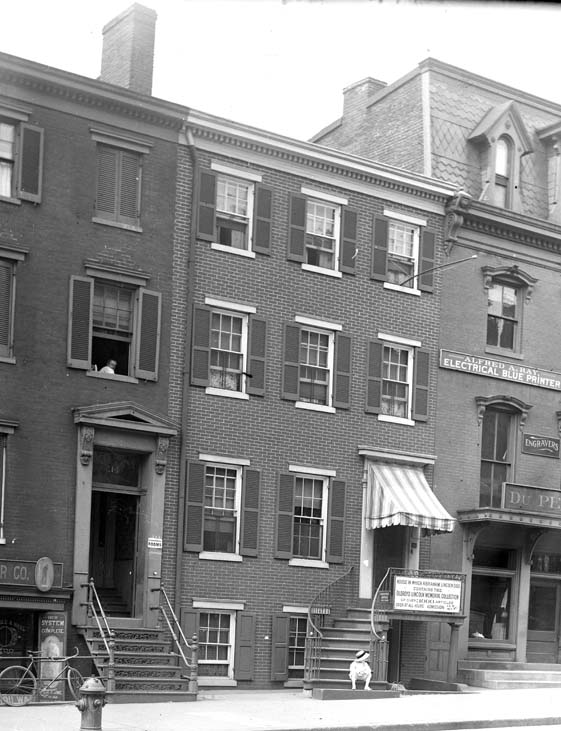
Of course, that got me thinking about Oldroyd’s museum. Oldroyd lobbied for decades to have his collection purchased by the U.S. government and preserved for future generations to explore. The Feds eventually purchased it in 1926 for $50,000 (around $900,000 today). For over half a century while assembling his collection, Oldroyd had one great fear: Fire. Visiting the House Where Lincoln Died today, the building remains unique in size and architecture compared to those around it. In Oldroyd’s day, smoking cigars, pipes, and cigarettes indoors was as prevalent as carrying cell phones and water bottles are today. The threat of fire was very real for Oldroyd.
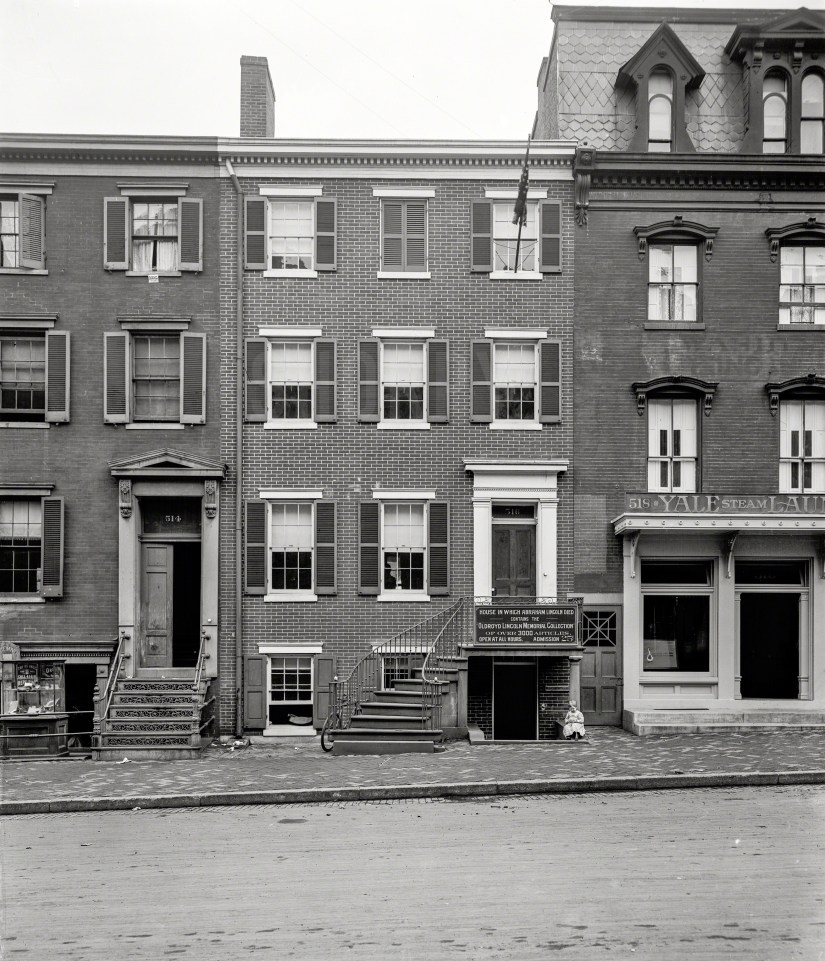
The March 20, 1903, Huntington Indiana Weekly Herald ran an article titled “A Visit to the Lincoln Museum in Washington City.” After describing the relics in the collection, columnist H.S. Butler states, “It is hoped the next Congress will purchase this collection and care for it. Mr. Oldroyd is not a man of means such as would enable him to do all he would like, and it seems to me a little short of criminal to expose such valuable relics, impossible to replace, to the great risk of fire. I understand Congressman [Charles] Landis, of Indiana, is trying to get the collection stored in the new Congressional Library, in itself the handsomest structure, interiorly, in Washington. I hope that his brother, the congressman from the Eleventh District [Frederick Landis], will lend his influence to Senators [Charles] Fairbanks and [Albert] Beveridge to urge forward the same end.”
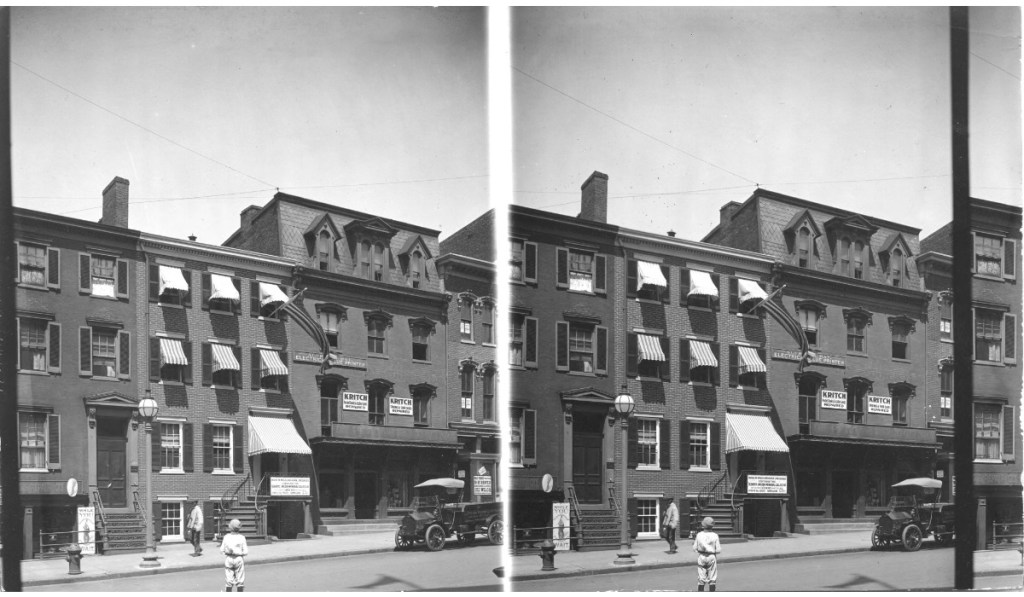
Fifteen years later, the Topeka State Journal described an event that fueled Oldroyd’s concern. “May 21 [1918]-a few days ago the Negro cook in the kitchen of a dairy lunch spilled some fat on the fire and the resulting blaze was extinguished with some difficulty. The unique feature of this trifling accident was that, had the blaze gotten beyond control, it would probably have destroyed a neighboring house in which is the greatest collection in the world of relics, manuscripts, and books bearing upon the life and death of Abraham Lincoln…Sixty feet away from the room in which Lincoln died are three kitchens of restaurants and a hotel. More than one recent fire scare has caused alarm over the danger that threatens these relics.”
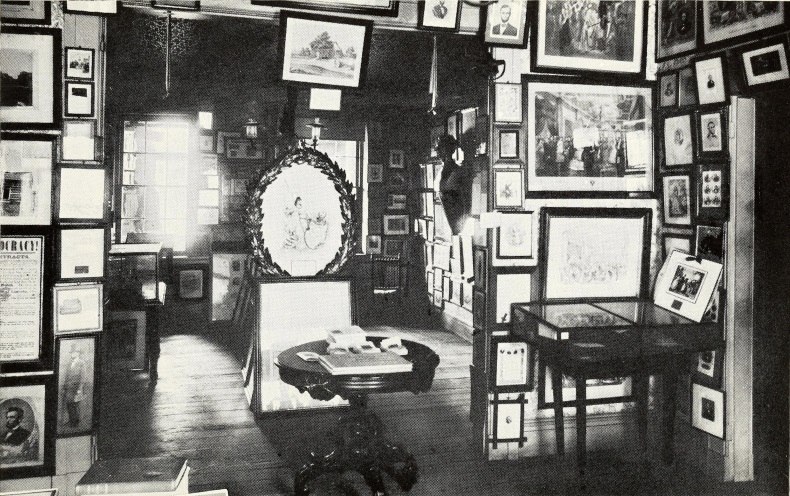
The February 11, 1922, Dearborn [Michigan] Independent reported, “A vagrant spark, a carelessly tossed cigarette or cigar stub, an exposed electric wire might at any time mean the destruction of the collection and the building which, of course, is itself a sacred bit of Lincolniana.” The January 21, 1924, Daily Advocate of Belleville, Ill. reported “The collection is contained in a small and overcrowded room of the house opposite Ford’s Theatre, with two restaurants across a narrow alleyway constituting a constant fire menace…it is likely that the U.S. Government will request that the Illinois Historical Society return the bed in which Lincoln died, that it may again be placed in the room it occupied on that fateful night and the entire setting restored.” Due to that unresolved fire threat the bed was never returned and is today on display at the Chicago History Museum. A 1924 Christmas day article in the Washington Standard 1924 described, “There are a number of restaurants in the block at the rear, and once an oil supply house did business close at hand. On two occasions there have been fires in the neighborhood.”
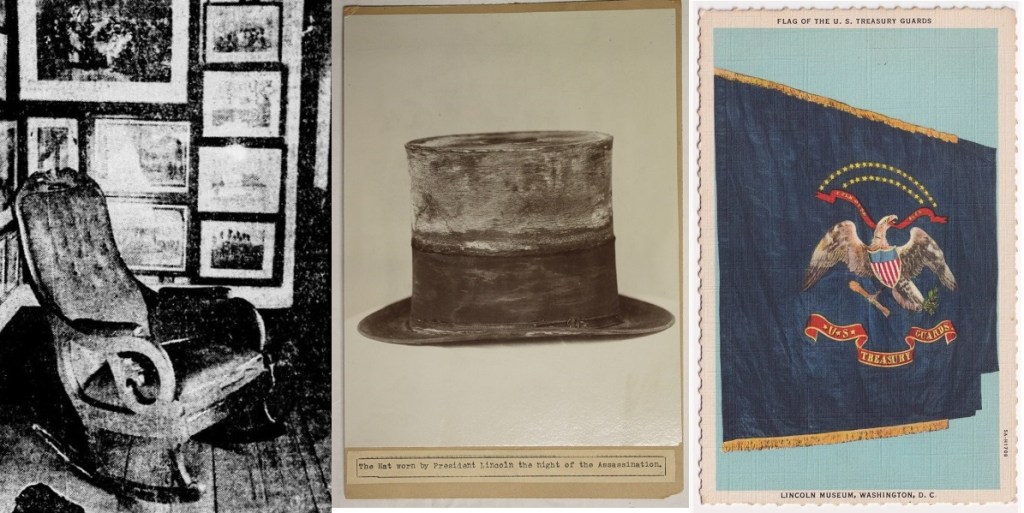
The July 6, 1926, Indianapolis News speculated, “The government will add to the collection the high silk hat Lincoln wore to the theatre that fatal night, the chair in which he sat in the presidential box, and the flag in which Booth’s foot caught. The flag now hangs in the treasury, while the hat and chair are in storage. These articles formerly were in the Oldroyd collection, but after a fire in the neighborhood some years ago, officials of the government took them back, fearing that they might be destroyed.” The February 18, 1927, Greenfield [Indiana] Reporter stated, “The plan proposed by Senator Watson, of Indiana, and Rep. Rathbone of Illinois, is to remodel the building to protect it against the danger of fire and the ravages of age. They would…place in it the famous Oldroyd collection of Lincoln relics.” Fire remained a nightmare for Oldroyd right up to the day he died on October 8, 1930.
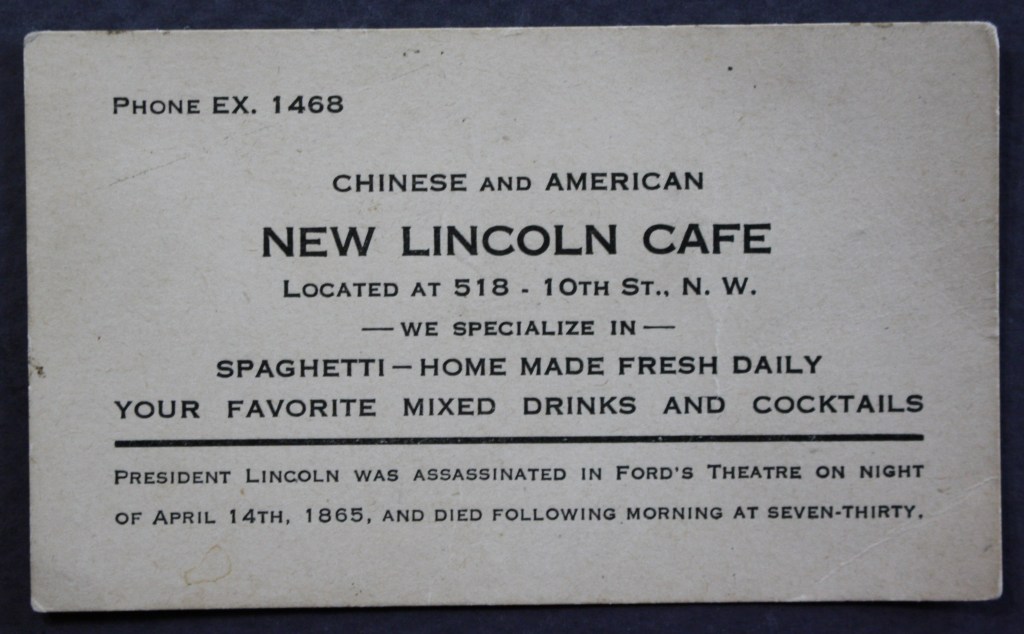
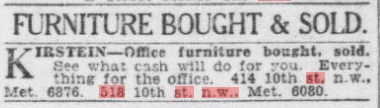
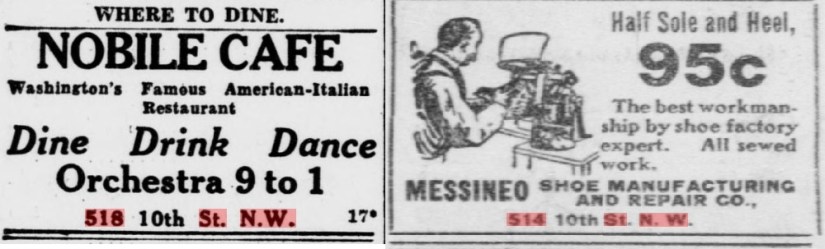
Ironically, after that book signing I found myself browsing the bookstore. I found there a 2 1/2” x 4” business card from the New Lincoln Cafe in the adjoining building to the north of Oldroyd’s Museum (at 516 10th St. NW). Putting aside the fact that I have a personal affinity for old business cards, the item called out to me and made me wonder about the businesses that had been neighbors to this hallowed spot over the generations.
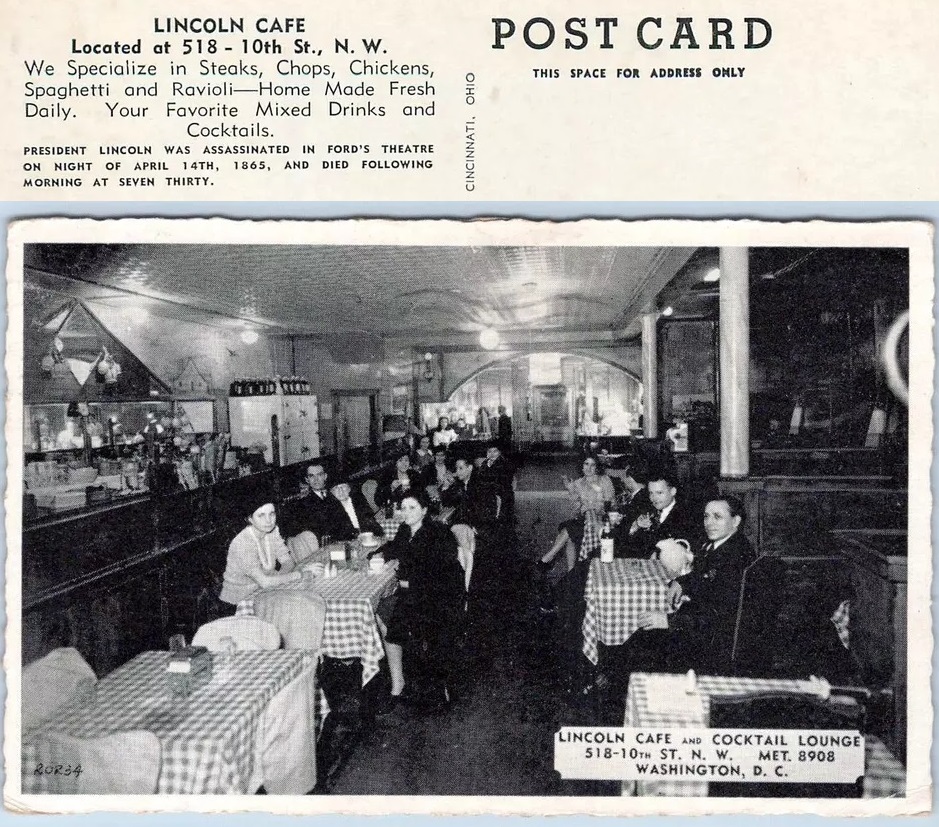
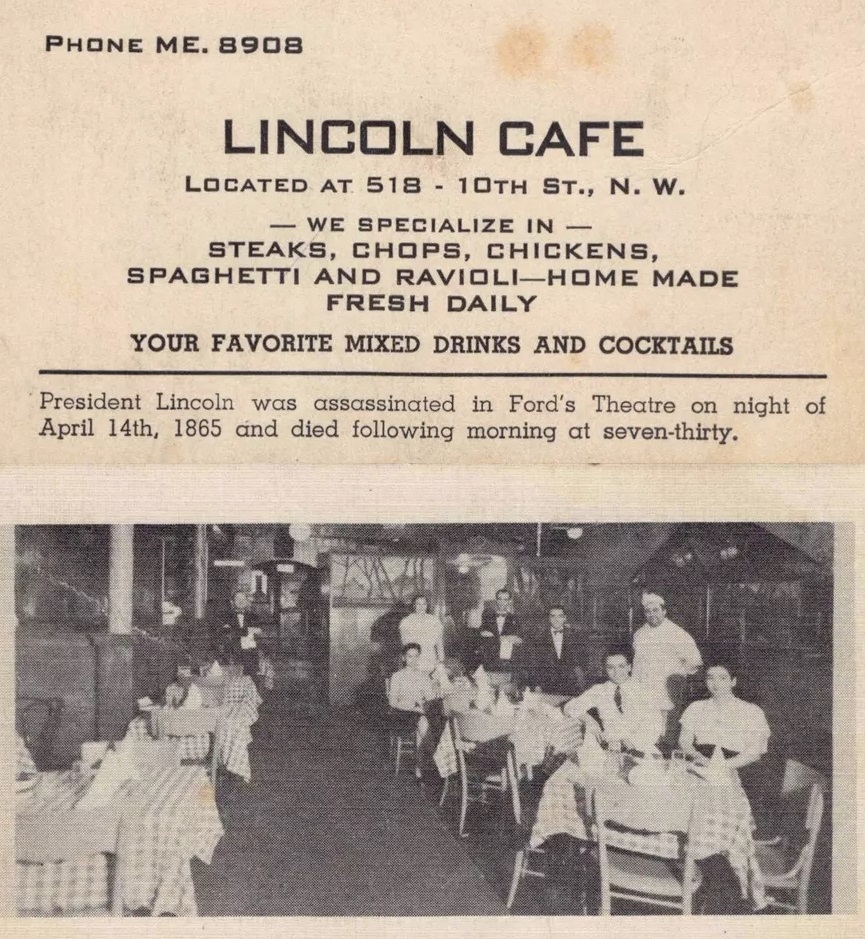
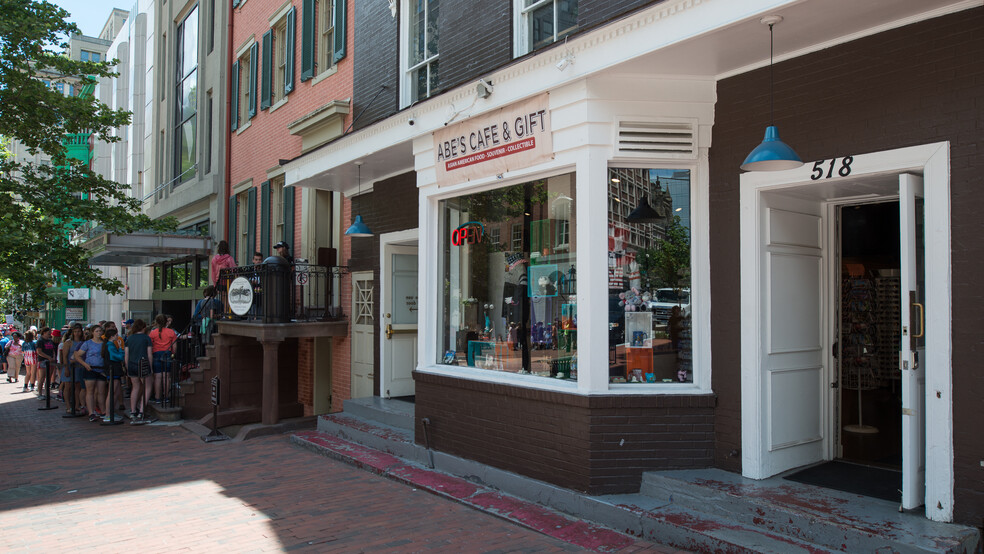
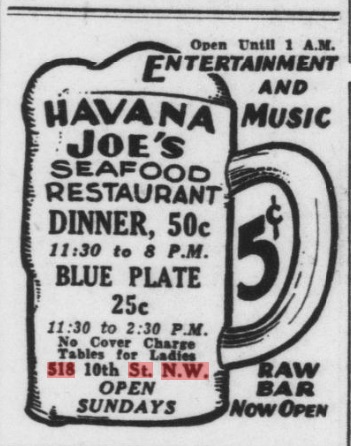
The card reads: “Chinese and American New Lincoln Cafe. Located at 518 10th St., N.W. Phone EX. 1468. We Specialize In Spaghetti-Home Made Fresh Daily. Your Favorite Mixed Drinks And Cocktails. President Lincoln Was Assassinated In Ford’s Theatre On Night Of April 14th, 1865, And Died Following Morning At Seven-Thirty.” A check of the records indicates that this restaurant remained next to the museum from the late 1930s to the early 1960s. This was just one of the businesses to call that space home over the generations.
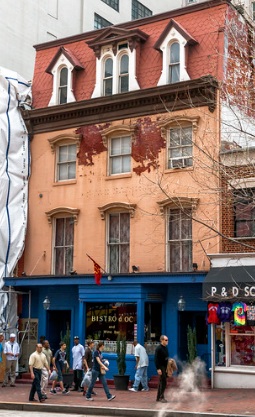
Located in the Penn Quarter section of DC, the building was built sometime between 1865 to 1873. It envelopes the entire north side and part of the northwest back of the HWLD. It is 4 stories tall and features 11,904 square feet of retail space. One of the earliest storefronts to appear there was Dundore’s Employment Bureau which served D.C. during the 1870-90s. Ironically, when Dundore’s moved three blocks south to 717 M Street NW, the agency regularly advertised jobs at businesses occupying their old address for generations to come. Above the Dundore agency was Mrs. A. Whiting’s Millinery, which created specialty hats for women. The Washington Evening Star touted Mrs. Whiting’s “Millinery Steam Dyeing and Scouring” business for their “Imported Hats and Bonnets”. A 3rd-floor hand-painted sign on the bricks of the building advertising Whiting’s remained for years after the business vacated the premises, creating a “ghost sign” visible for many years as it slowly faded from view.
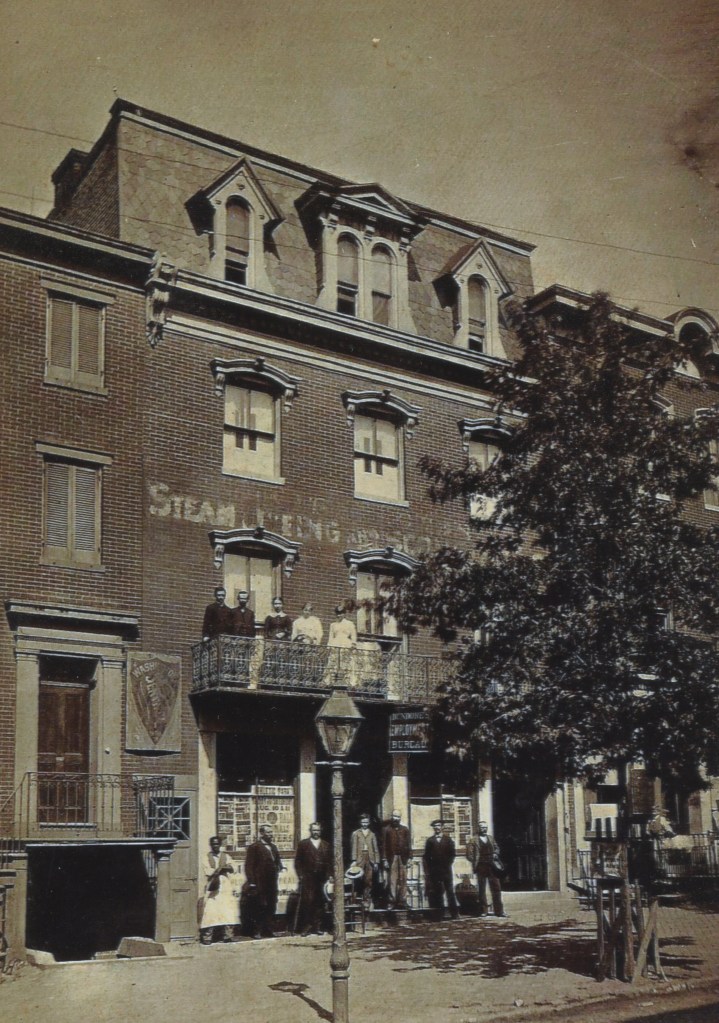
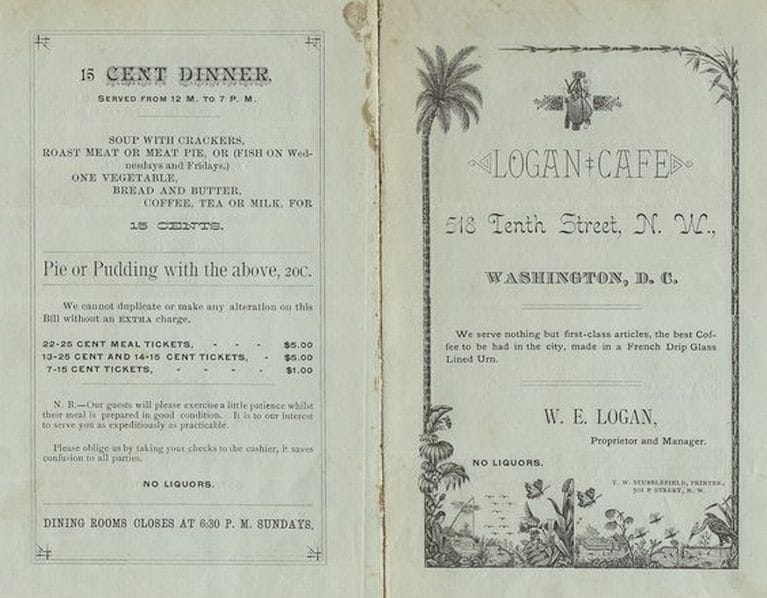
The Forsyth Cafe seems to have been the first bistro to pop up next to the Oldroyd Museum. In late February/March 1885 (in the leadup to Grover Cleveland’s first Presidential Inauguration), DC’s Critic and Record newspaper’s ad for the cafe decries, “Yes, One Dollar is cheap for the Inauguration supper, but what about those excellent meals at the Forsythe Cafe for 15 Cents?” The Forsyth continued to advertise their meals from 15 to 50 cents but by late 1886, they were gone, replaced by the Logan Cafe. The Logan offered 15 and 25-cent breakfasts, “Big” 10-cent lunches, and elaborate 4-course dinners of Roast beef, stuffed veal, lamb stew, & oysters. Proprietor W.E. Logan’s claim to fame was “the best coffee to be had in the city, made in French-drip Glass-Lined Urn” and “Special Dining Rooms for Ladies-Polite waiters in attendance” and his menus warned “No Liquors” served.
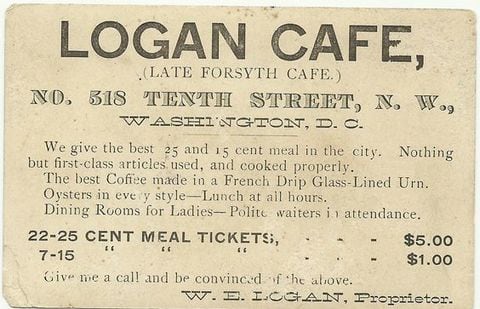
The June 4, 1887, Critic and Record reported on a “friendly scuffle” at the Logan between two “colored” employees when cook Charles Sail tripped waiter William Butler who hit his head on the edge of a table and died the next morning at Freedman’s Hospital. The men were described as best friends and the death was deemed an accident. By late 1887, the Logan disappears from the newspapers. From 1897 to 1897, the building was home to the Yale Laundry. The Jan. 7, 1897, DC Times Herald reported on an event that likely added to Oldroyd’s anxiety. The article, titled “Laundry is Looted” details a break-in next door to the museum during which a couple of safecrackers got away with $85 cash including an 1883 $5 gold piece.
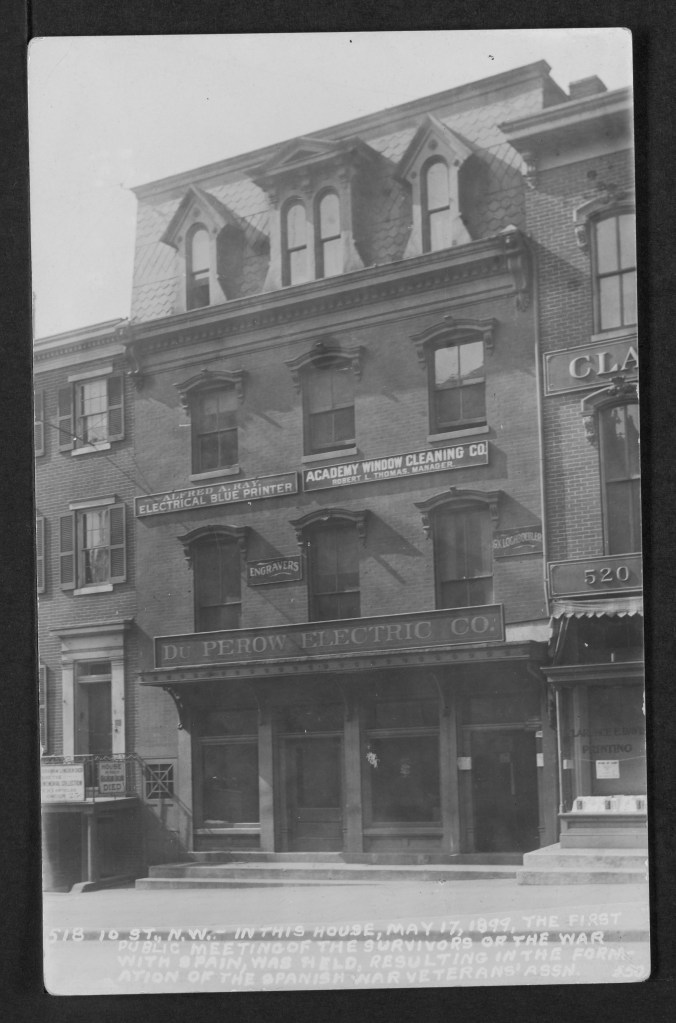
A real photo postcard in the collection of the District of Columbia Public Library pictures the building during Yale Laundry’s tenure captioned, “In this house the first public meeting of the survivors of the war with Spain, was held on May 17, 1899, resulting in the formation of the Spanish War Veterans’ Association.” The Dec. 1, 1900, Washington Star notes the addition of Harry Clemons Miller’s “Teacher of Piano” Studio and by 1903, the “Yale Steam Laundry” appeared in the DC newspapers at the address.
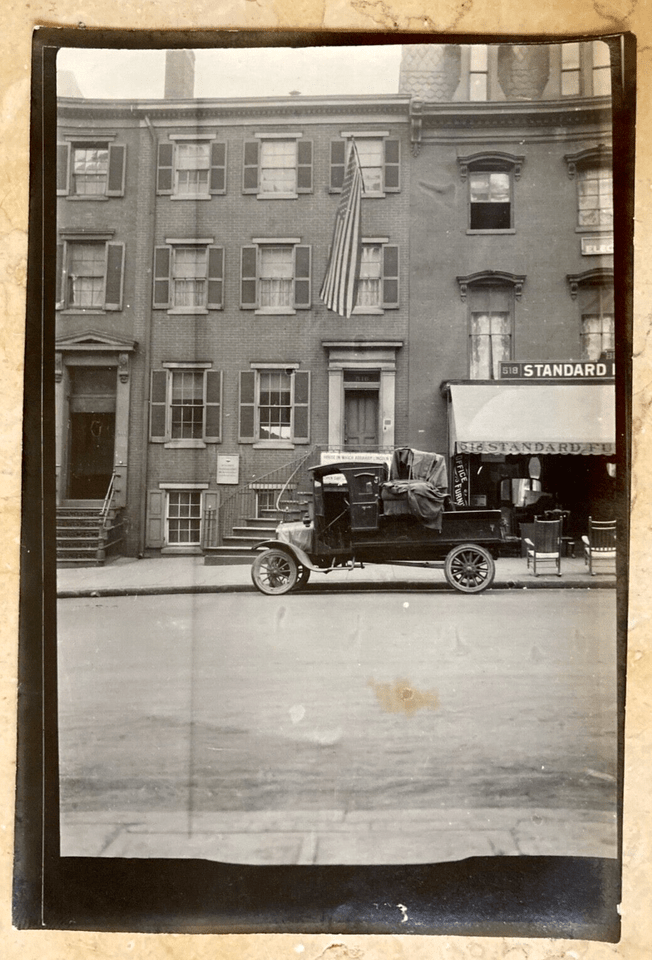
In 1909, Du Perow Electric Co. (AKA as “Du Pe”) and partner Alfred A. Ray “Electrical Blueprints” occupied the building. A window cleaning company occupied room # 9 and a leather goods store was located there during this same period. By 1912, the storefront was occupied by the Standard Furniture Co. At least one photo survives presenting an amusing scene of a furniture truck blocking the entrance to Oldroyd’s museum. Amusing to the viewer today but most assuredly not to the museum curator back in the day. Eventually, the restaurants, bars, and cafes that worried Oldroyd began to come and go, among them, the Lincoln Cafe & Cocktail Lounge, whose sign was dominated by the words “Beer Wine.” It appears that during the 1920-50s, a Pontiac, DeSoto, Plymouth Motor Car dealer known as “News & Company” kept an office in the building, with the car lot and gas station across the street.
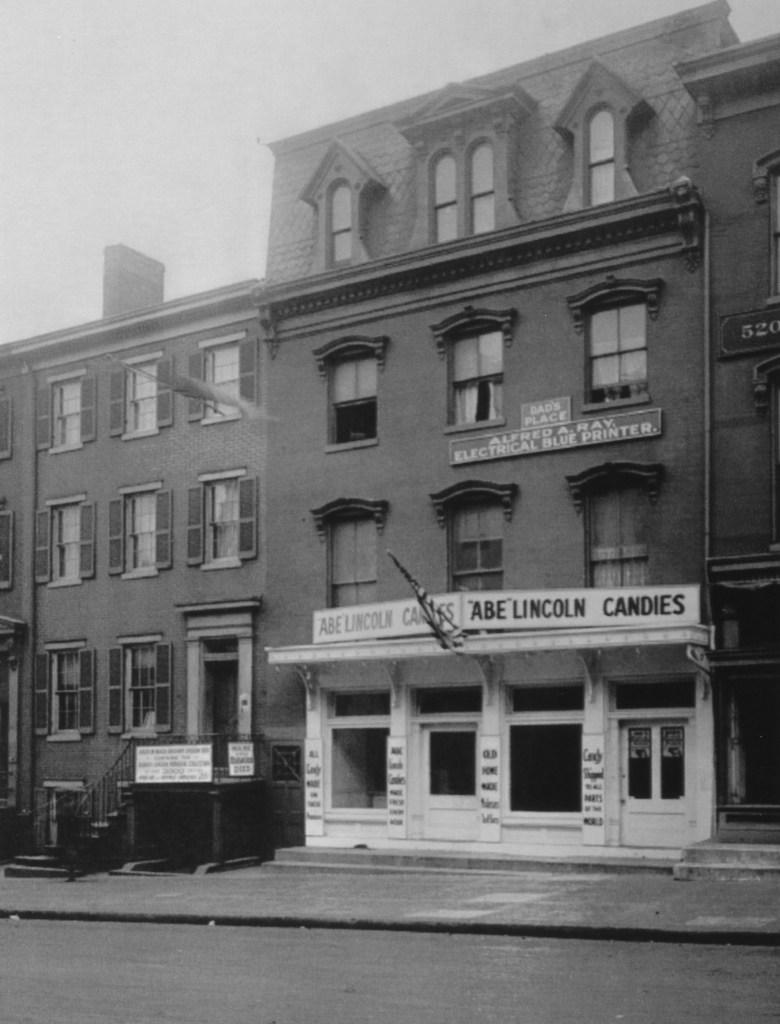
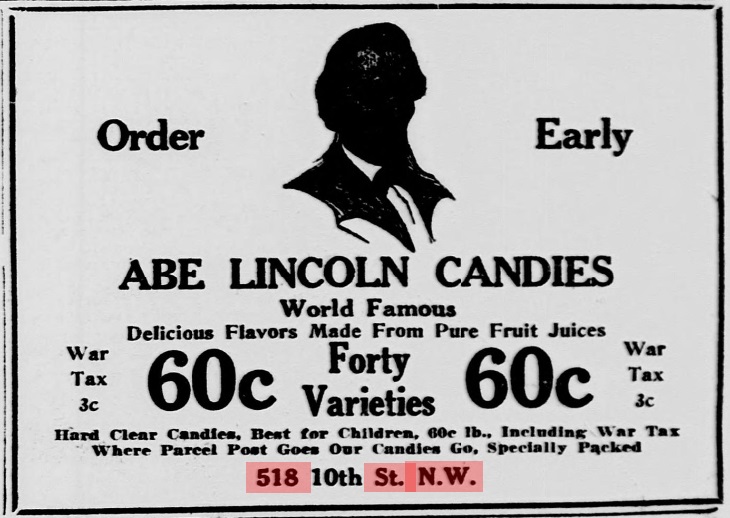
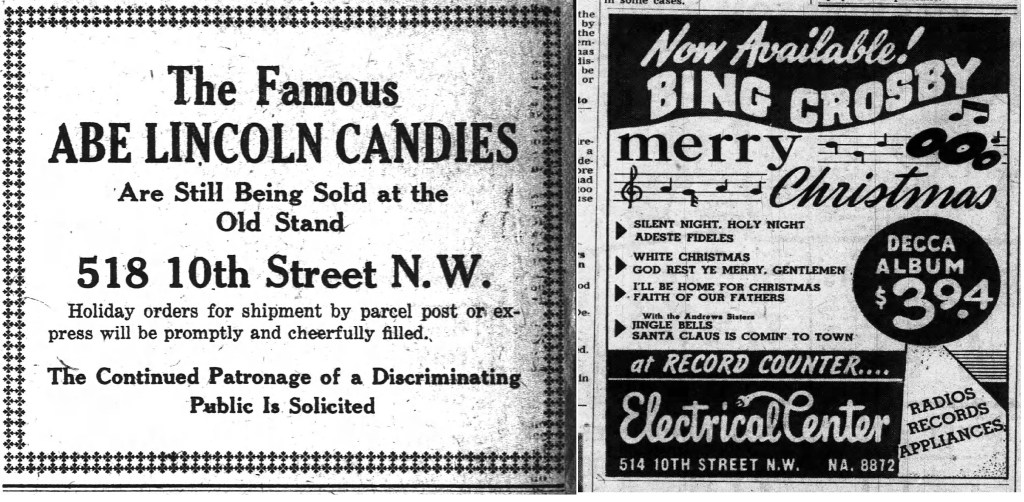
Old-timers remember a long-term tenant known as “Abe Lincoln Candies” that occupied the space from the 1950-70s. Other recent tenants included Abe’s Cafe & Gift Shop, Bistro d’Oc and Wine Bar, Jemal’s 10th Street Bistro, Mike Baker’s 10th St Grill, and the I Love DC gift store, and last year, The Inauguration-Make America Great Again Store, who one Yelp reviewer complained was crowded with outdated, sketchy clothing and that “they make u give them a good review before they give u a refund kinda scummy.”
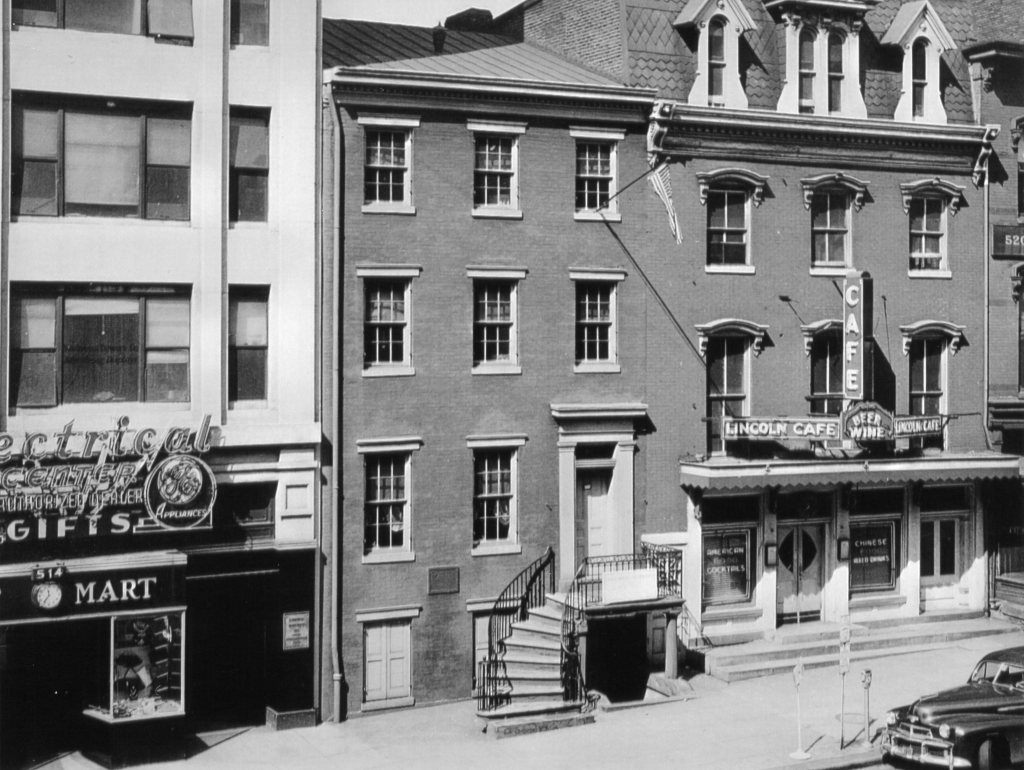
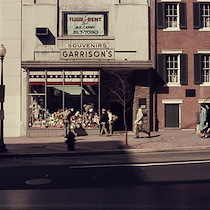
As for the building on the opposite side of Oldroyd’s museum at 514 Tenth St. NW, it remained a residence until 1922 when a $55,000, 10-story concrete & steel building with steam heat and a flat slag roof was built. Designed by architect Charles Gregg and built by Joseph Gant, the sky-scraper, known as the Lincoln Building, dwarfed the Oldroyd Museum. It was home to several businesses, including the Electrical Center (selling General Electric TVs, radios, and appliances) and the Garrison Toy & Novelty Co, its modern construction alleviated any concern of fire.
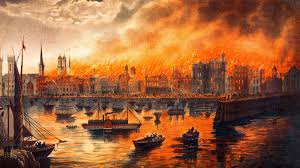
It must be noted that many great collections of Lincolniana fell victim to fire in the century and a half after Lincoln’s death. The Great Chicago Fire of 1871 consumed many Lincoln objects, documents, and personal furniture that had been removed from the Springfield home after the President’s departure to Washington DC. On June 15, 1906, Major William Harrison Lambert (1842-1912), recipient of the Congressional Medal of Honor and one of the Lincoln “Big Five” collectors, lost much of his collection in a fire at his West Johnson St. home in Germantown, Pa. Among the items lost were a bookcase, table, and chair from Lincoln’s Springfield law office and the chairs from Lincoln’s White House library. The threat of fire was a constant waking nightmare in Oldroyd’s life. While he did his best to control what went on inside his museum, he had no control over what happened outside. His life’s work of collecting precious Lincoln objects, over 3,500 at last count, could be gone in the flash of a pan.
ADDITIONAL IMAGES.
The Devils Tower.
Original publish date: September 23, 2021. https://weeklyview.net/2021/09/23/the-devils-tower/
https://www.digitalindy.org/digital/collection/twv/id/4308/rec/153

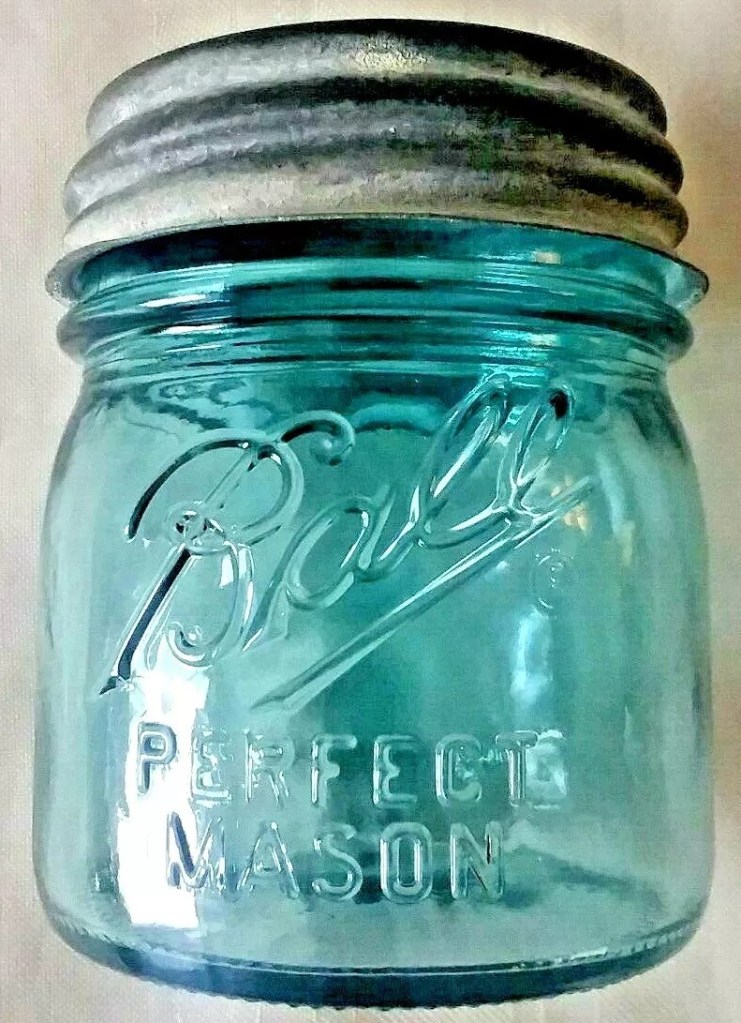
Over the last couple of weeks, I detailed a long-lost Indiana landmark known as the Hoosier Slide in Michigan City. This giant mound of sand became a tourist attraction when visitors discovered that they could slide down its slopes on slices of cardboard or fragments of cloth like a sled on a snow mound. The Hoosier Slide disappeared from the northern Indiana landscape around World War I after it was purchased by the Ball Brothers Corporation in Muncie to furnish the distinctive blue tint for their popular Ball Brand fruit jars.
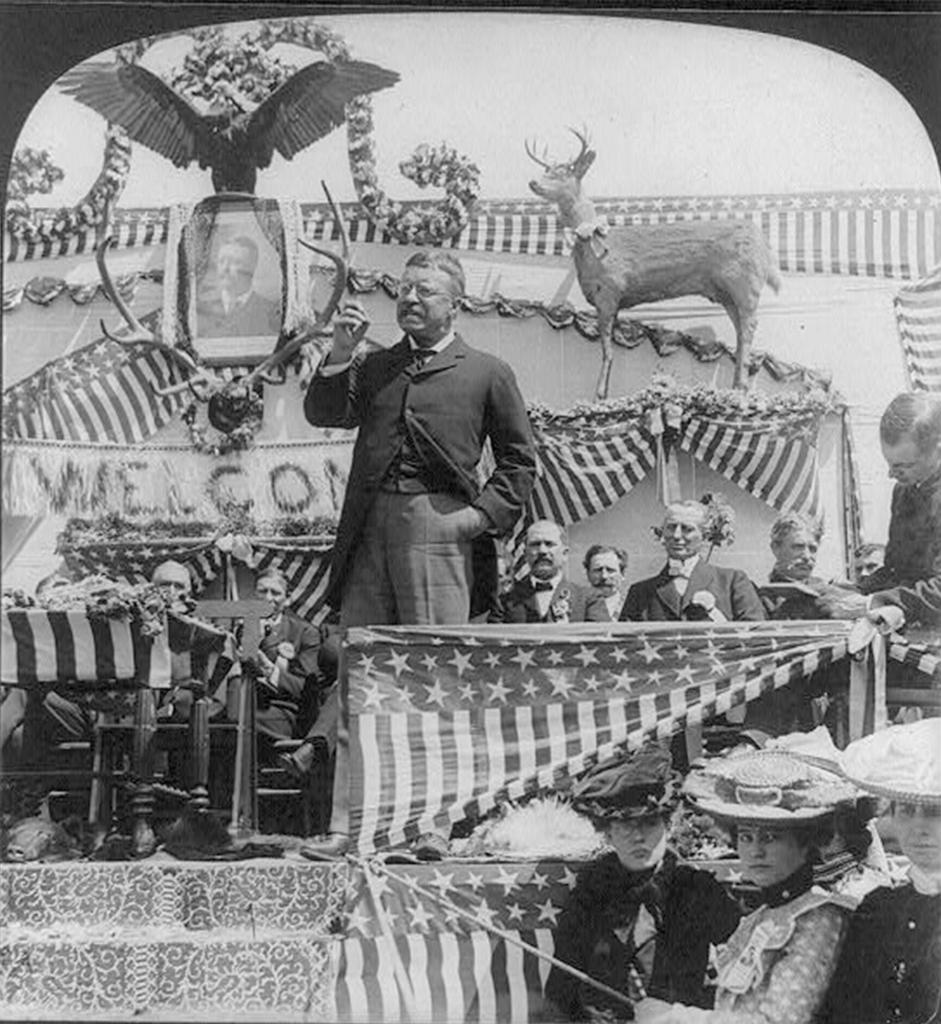
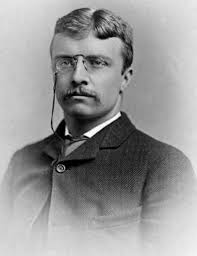
Continuing that theme, it was 115 years ago this week (Sept. 24, 1906) that President Theodore Roosevelt proclaimed Devils Tower in Wyoming as the nation’s first National Monument, under new authority granted to him by Congress in the Antiquities Act. The Antiquities Act resulted from concerns about protecting mostly prehistoric Native American ruins and artifacts (aka “antiquities”) located on federal lands. The United States Congress designated the area a U.S. forest reserve in 1892. However, in the ensuing years, the threat of commercial development and the removal of artifacts from these unprotected lands by private collectors, whom Teddy famously referred to as “pot hunters,” had become a serious problem. Making this a high-priority goal for Teddy’s second term.
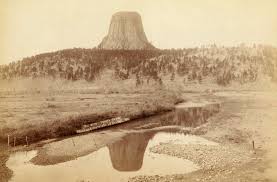
Although Devils Tower (apostrophe purposely omitted) might not ring any bells in your house, it was so important to Roosevelt that he designated it for protection before he established the Grand Canyon Game Preserve by proclamation on November 28, 1906, and the Grand Canyon National Monument on January 11, 1908. Devils Tower, also called Bear Lodge Butte, is part of the Black Hills mountain range located above the Belle Fourche River near Hulett and Sundance in Crook County, northeastern Wyoming. The tower, technically called a “monolith”, was formed from cooled magma exposed through erosion. It stands 1,267 feet tall; 867 feet from summit to base (5,112 feet above sea level) and encloses an area of 1,347 acres.
The oldest rocks visible in Devils Tower National Monument were once part of a shallow sea during the Triassic period 250 million years ago, which saw the rise of reptiles and the first dinosaurs. Devils Tower hails from the Jurassic period, about 200 million years ago, which ushered in birds and mammals. The Tower was here 150 million years before the Rocky Mountains and the Black Hills were formed. It is easy to imagine that the thought of dinosaurs roaming around Devils Tower may well have sparked Teddy Roosevelt’s vivid imagination, thus leading him to designate it as the country’s first National Landmark.
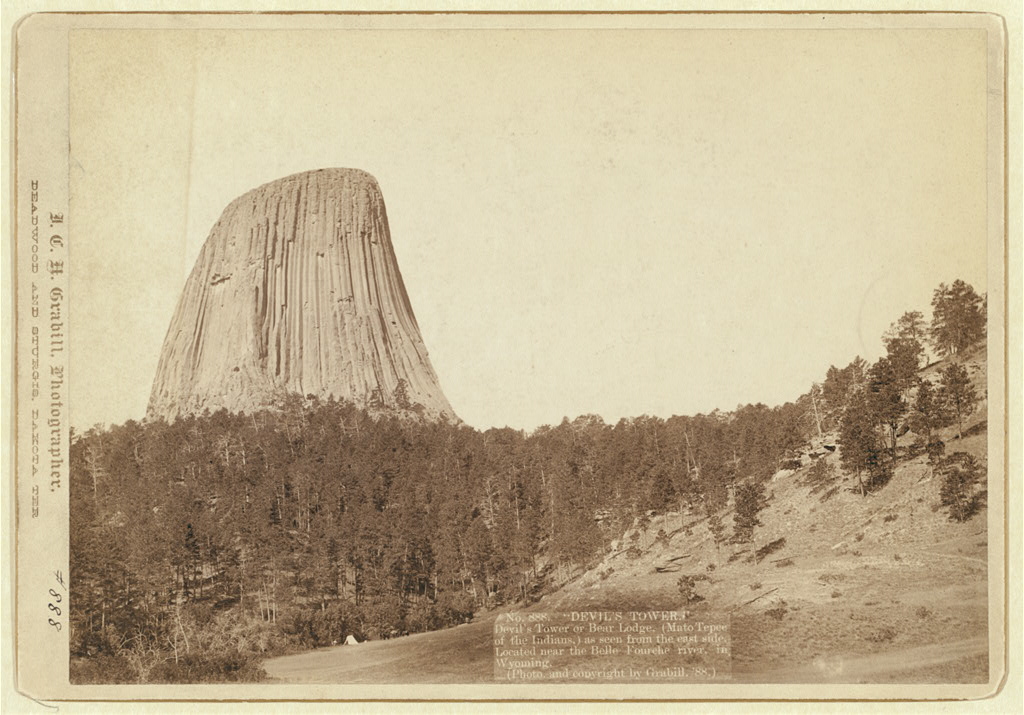
Fur trappers may have visited Devils Tower, but they left no written evidence of having done so. The first documented Caucasian visitors were members of Captain William F. Raynolds’s 1859 expedition to Yellowstone. Sixteen years later, Colonel Richard I. Dodge escorted a US Government Office of Indian Affairs scientific survey party to the massive rock formation and coined the name Devils Tower. The misnomer was created when his interpreter reportedly misinterpreted a native name to mean “Bad God’s Tower”. The Indigenous Native American people had many names for the outcropping including Bear’s House, Grizzly Bear Lodge, Bear’s Tipi, Home of the Bear, Bear’s Lair, Tree Rock, Great Gray Horn, and Brown Buffalo Horn.
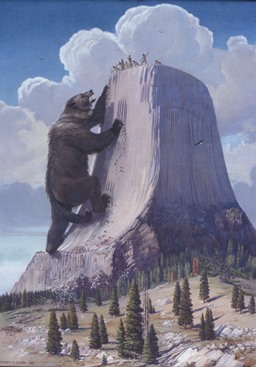
According to the lore of the Lakota tribe, the traditional name for the tower came after a group of girls went out to play and were spotted by several giant bears, who began to chase them. In an effort to escape the bears, the girls climbed atop a rock, fell to their knees, and prayed to the Great Spirit to save them. Hearing their prayers, the Great Spirit made the rock rise from the ground towards the heavens so that the bears could not reach the girls. The bears, in an effort to climb the rock, left deep claw marks in the sides, which had become too steep to climb. Those are the marks that appear today on the sides of Devils Tower. When the girls reached the sky, they were turned into the star formation known as the “Seven Sisters.”
Another version tells that two Kiowa Sioux boys wandered far from their village when Mato the bear, a huge creature that had claws the size of teepee poles, spotted them and wanted to eat them for breakfast. He was almost upon them when the boys prayed to Wakan Tanka the Creator to help them. They rose up on a huge rock, while Mato tried to get up from every side, leaving huge scratch marks as he did. Finally, he sauntered off, disappointed, discouraged, and hungry. The bear came to rest east of the Black Hills at what is now Bear Butte. Wanblee, the eagle, helped the boys off the rock and back to their village. A painting depicting this legend by artist Herbert A. Collins hangs over the fireplace in the visitor’s center at Devils Tower.
In a Cheyenne version of the story, the giant bear pursues the girls and kills most of them. Two sisters escape back to their home with the bear still tracking them. They tell two boys that the bear can only be killed with an arrow shot through the underside of its foot. The boys have the sisters lead the bear to Devils Tower and trick it into thinking they have climbed the rock. The boys attempt to shoot the bear through the foot while it repeatedly attempts to climb up and slides back down leaving more claw marks each time. The bear was finally scared off when an arrow came very close to its left foot. This last arrow continued to go up and never came down.

Wooden Leg, a Northern Cheyenne, related still another legend told to him by an old man as they were traveling together past the Devils Tower around 1866. A Native American man decided to sleep at the base of Bear Lodge. In the morning he found that he had been transported to the top of the rock by the Great Medicine with no way down. He spent another day and night on the rock with no food or water. After he had prayed all day and then gone to sleep, he awoke to find that the Great Medicine had brought him back down to the ground. Devils Tower is still considered to be sacred ground which has caused distress among the Native American tribes who described the Devils Tower designation as offensive. However, the name was never changed.
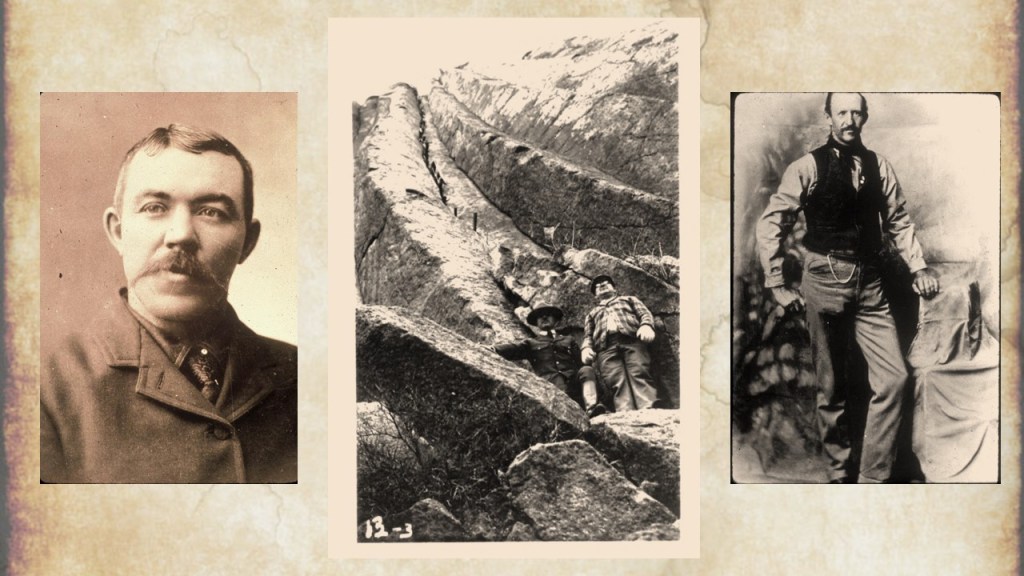
In recent years, climbing Devils Tower is on many a bucket list. The first known ascent of Devils Tower occurred on July 4, 1893. It is credited to a pair of local ranchers, William Rogers and Willard Ripley. They completed this first ascent after constructing a ladder of wooden pegs driven into cracks in the rock face. About 1,000 people came from up to 12 miles away to witness this first formal ascent of the tower. Rogers’ wife Linnie ascended the ladder two years later, becoming the first woman to reach the summit of the tower. An estimated 215 people later ascended the tower using Rogers’ ladder. It was last used in 1927 by stunt climber Babe (”the Human Fly”) White, a roaring twenties daredevil who climbed skyscrapers all over the country for publicity.
Rogers and Ripley’s climb jump-started a sport climbing industry at the tower that continues to the present day. Over thirty years, the ladder, located on the southeast side of Devils Tower, fell into disrepair. Today, what remains of the ladder begins about 100 feet above the ground and ascends from there to the summit. Sources vary on the original length of the ladder, some accounts say it was 350 feet while others say 270 feet. In the 1930s, the decision was made to remove the lower 100 feet of the ladder for safety reasons. The ladder can still be seen from the trails around the monument.
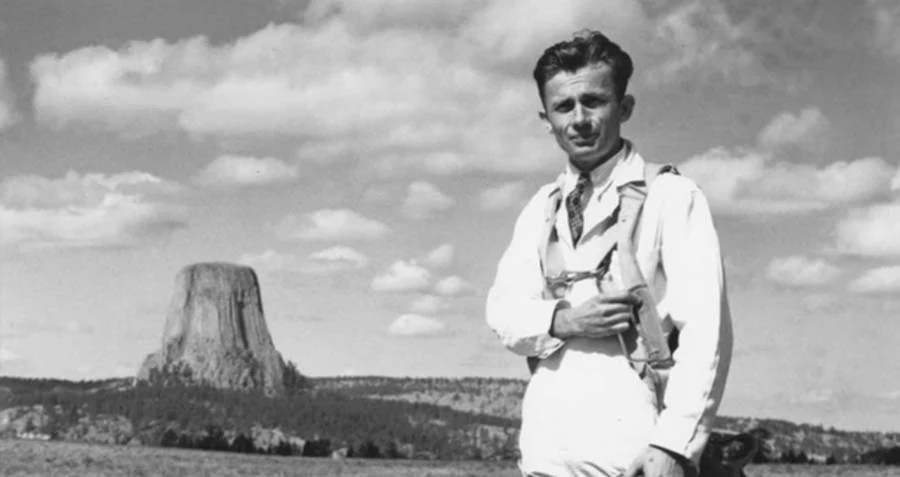
In 1941, Devils Tower became front-page news. Daredevil George Hopkins parachuted onto Devils Tower to settle a bet. His intention was to repel down the slope via a 1,000-foot rope dropped to him after a successful landing on the butte. To Hopkins’ horror, the package containing the rope, a sledgehammer, and a car axle to be driven into the rock as an anchor piton for the rope. As the weather deteriorated, a second attempt was made to drop equipment, but the rope froze in the rain and wind and could not be used. Hopkins was stranded for six days, exposed to frigid temperatures, freezing rain, and 50 mph winds before a mountain rescue team reached him and brought him down.
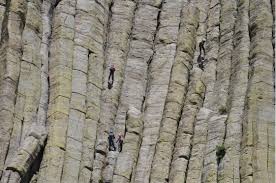
Today, hundreds of climbers scale the sheer rock walls of Devils Tower via climbing routes covering every side of the prehistoric landmark. All of them must check in with a park ranger before and after attempting a climb. No overnight camping at the summit is allowed; climbers return to base on the same day they ascend. Because the Tower is sacred to several Plains tribes, including the Lakota, Cheyenne, and Kiowa, many Native American leaders objected to climbers ascending the monument, considering this to be a desecration. Because of this, a compromise was reached with a voluntary climbing ban during the month of June when the tribes are conducting ceremonies around the monument.
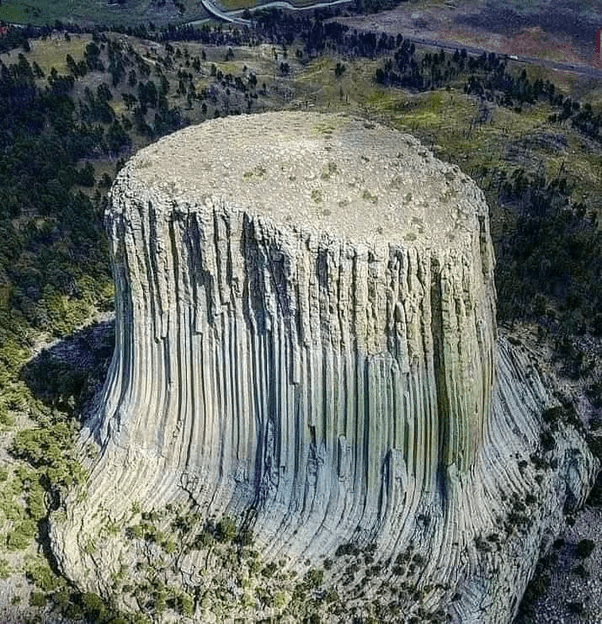
The tower has a flat top covering 1.5 acres and its fluted sides give it an otherworldly appearance. Its color is mainly light gray and buff. Lichens cover parts of the tower, and sage, moss, and grass grow on its top. Chipmunks and birds live on the summit, and a pine forest covers the surrounding countrysides below. Additionally, Devils Tower National Monument protects many species of wildlife, such as white-tailed deer, bald eagles, and prairie dogs, the latter of which maintain a sizeable population at the base of the monument.
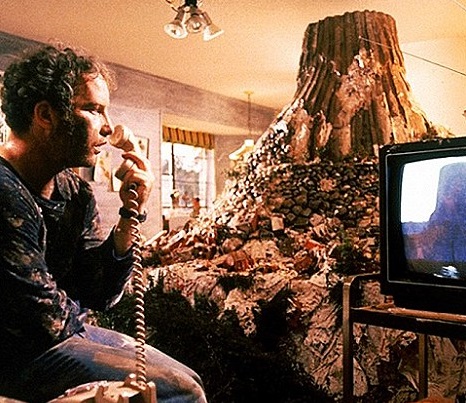
All of this is well and good and obviously, had the Hoosier slide been likewise protected, we may still be sliding down the massive sand dune in northern Indiana today. But movie buffs everywhere recognize Devils Tower for another reason. The 1977 movie Close Encounters of the Third Kind used the formation as the bellwether of its climactic scene. It soon became the film’s trademark logo. Its release caused a large increase in visitors and climbers to the monument. Today, the otherworldly pull and Hollywood fame of Devils Tower has made it a cultural waymark.
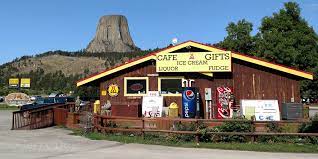
With the funds from the film’s creation, the owners of the surrounding land were able to open a campground and restaurant to host climbers, sightseeing fans of the landscape, and movie buffs. Campers are welcome to hike and climb the tower twenty-four hours a day, and at night they’re treated to a showing of Close Encounters on a screen at the base of the landmark. According to the brochure, “Visitors leave with a new appreciation for the unique rock formation and a deepened curiosity about our place in space.”
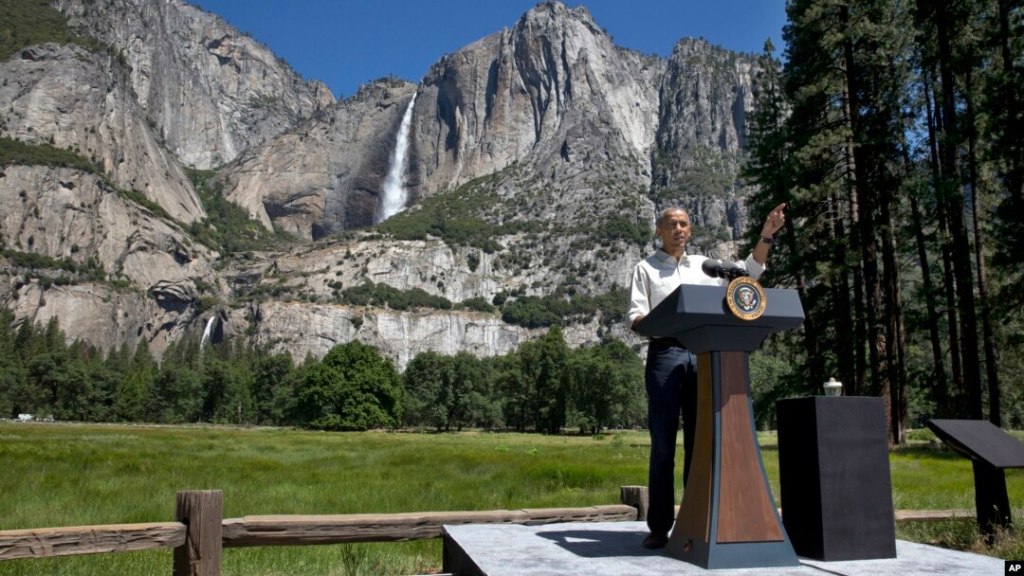
And, for an added “new appreciation”, although Teddy Roosevelt is considered to be the “father” of the National Park System, you might be interested to learn that during his two terms, President Obama established more monuments than any President before him with 26, breaking the previous record held by President Theodore Roosevelt who had 18. In short, on both accounts, it was a bi-partisan land grab for the good.
In Search of Ann Rutledge: Lincoln’s lost love.
Original publish date March 23, 2023. https://weeklyview.net/2023/03/23/in-search-of-ann-rutledge-lincolns-lost-love/
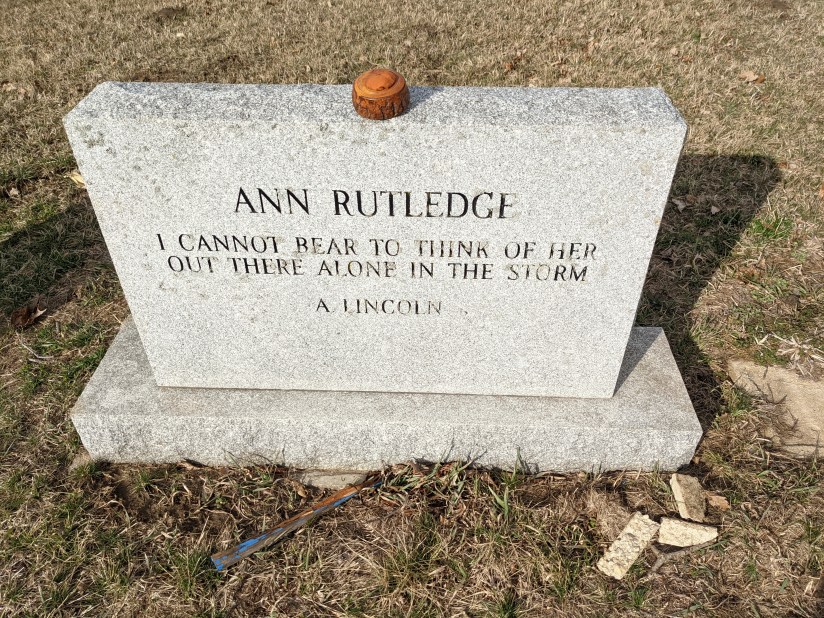
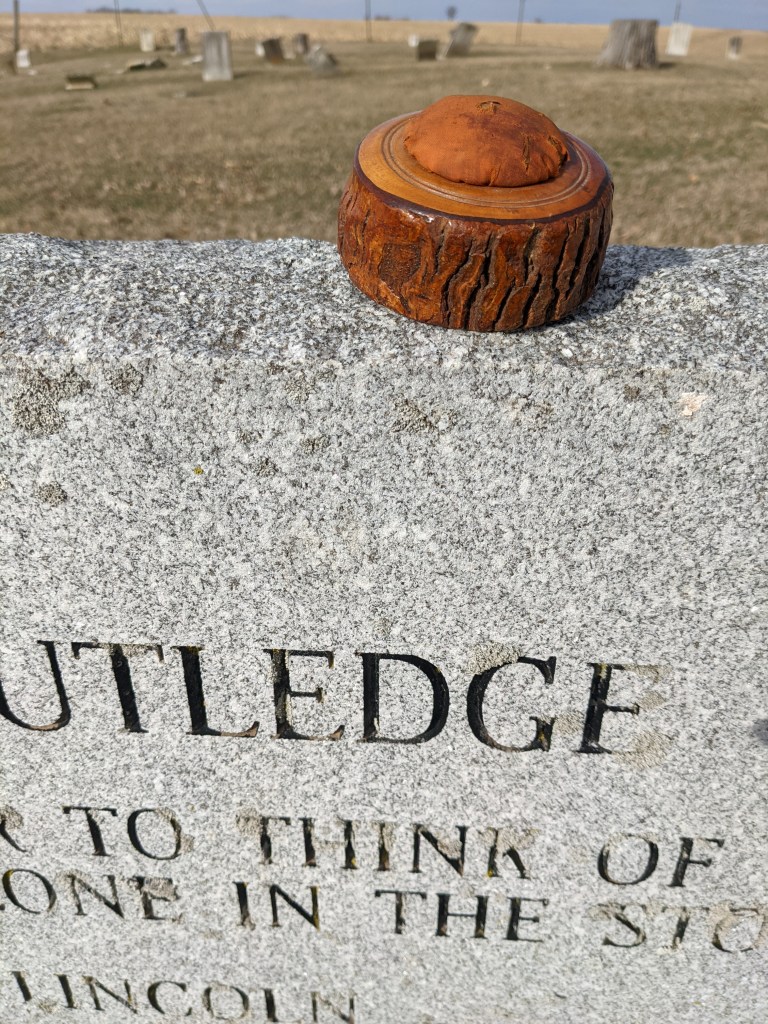
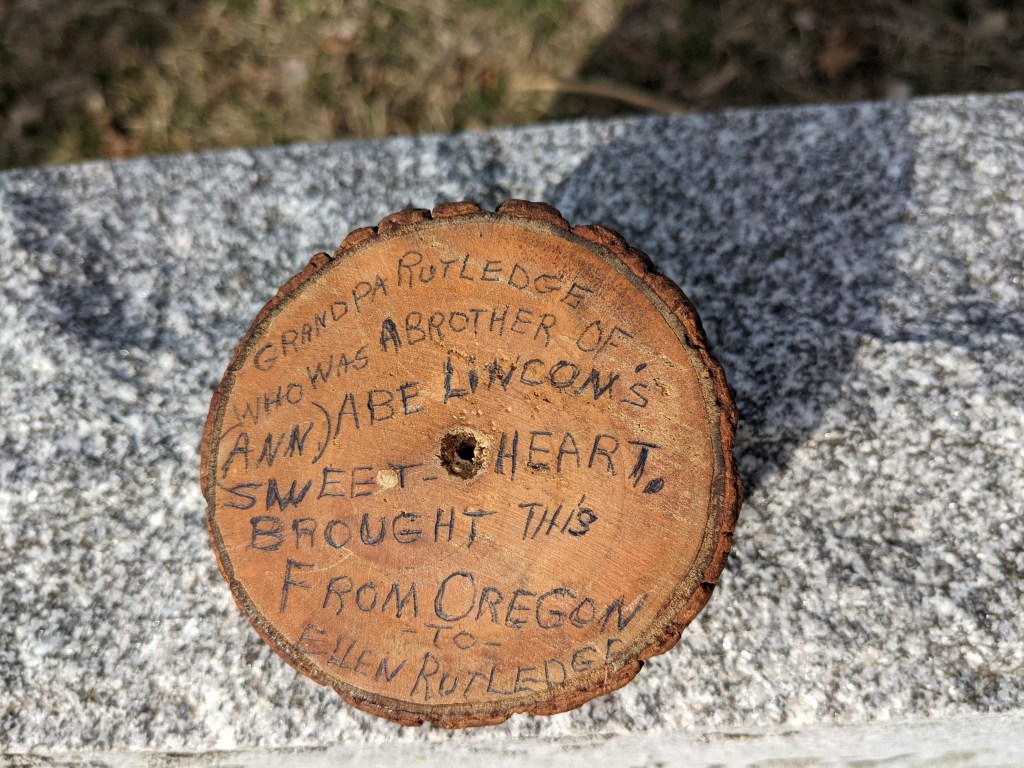
(Author’s trinket explained below)
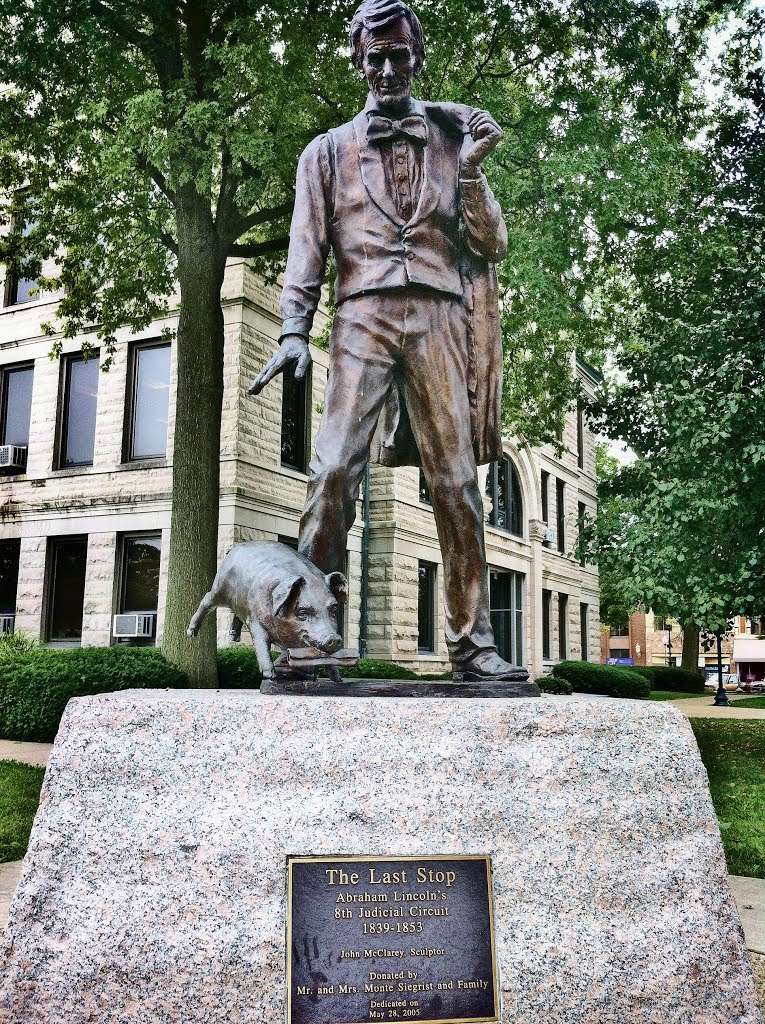
On March 1 I visited Springfield Illinois while working on an ongoing book project. My wife Rhonda wanted me out of the house for a couple of days for heavy spring cleaning. So I took advantage of an opportunity to visit some of the places I had long wished to visit but never seemed to get to. I visited a few of the markers on Lincoln’s 400-mile 8th judicial court circuit that he regularly traveled as a young lawyer during the 1840s and 1850s. I visited the courthouse in Taylorsville, where Lincoln’s court proceedings were often interrupted by the sounds of squealing pigs rooting under the courthouse floor — once so loudly that Lincoln asked the judge for a “writ of quietus” to calm the commotion. As you might imagine, Illinois is full of interesting Lincoln sites off the beaten path.
The place that I longed to see most was the final resting place of Abraham Lincoln’s first love, Ann Mayes Rutledge. She was born on January 7, 1813, near Henderson, Kentucky, the third of ten children born to Mary Ann Miller Rutledge and James Rutledge. In 1829, her father moved to Illinois and became one of the founders of New Salem, a community located 21 miles northwest of Springfield.
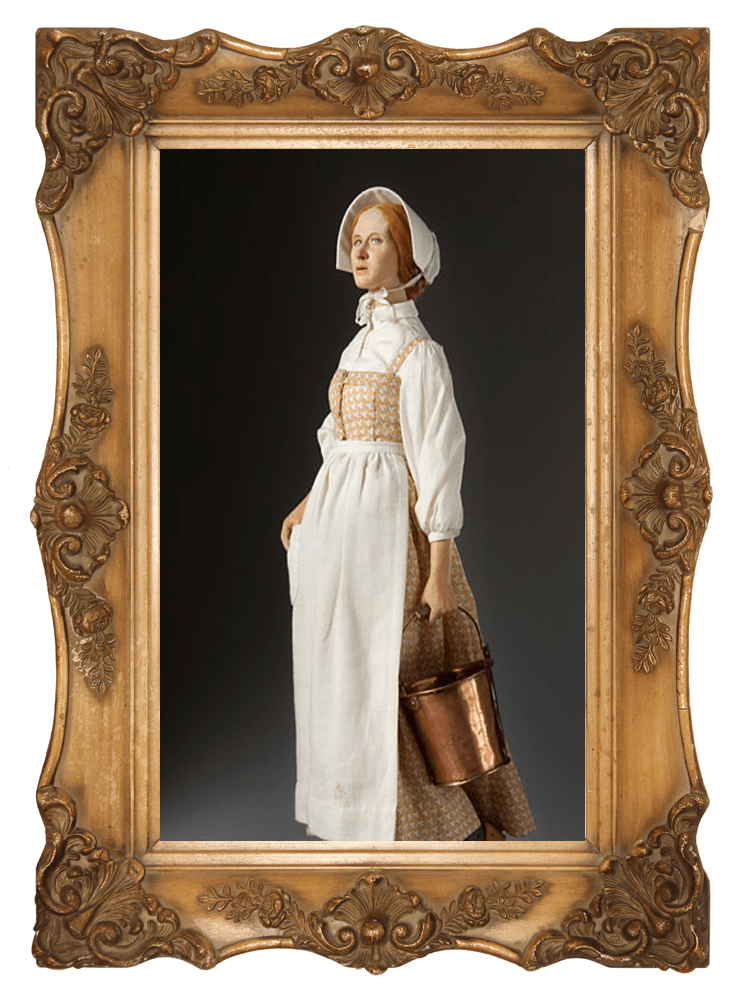
James Rutledge built a dam, sawmill, and gristmill in New Salem and is credited with laying out the town and selling the first lots of land there. In time, he converted his home into a tavern and inn where Ann worked — eventually, she took over the family business. Allegedly, Ann was the first (some say the only) girl to attend New Salem School. She was described as physically beautiful, 5 feet, 3 inches tall, 120 pounds with auburn hair, blue eyes, and a fair complexion. Her attitude was always positive, described as sweet and angelic, beloved by all who knew her. Her schoolteacher, Mentor Graham, described her as beautiful, amiable, kind, and an exceptionally good scholar. In 1832, young Abraham Lincoln boarded at the Rutledge Inn, where he got to know her.
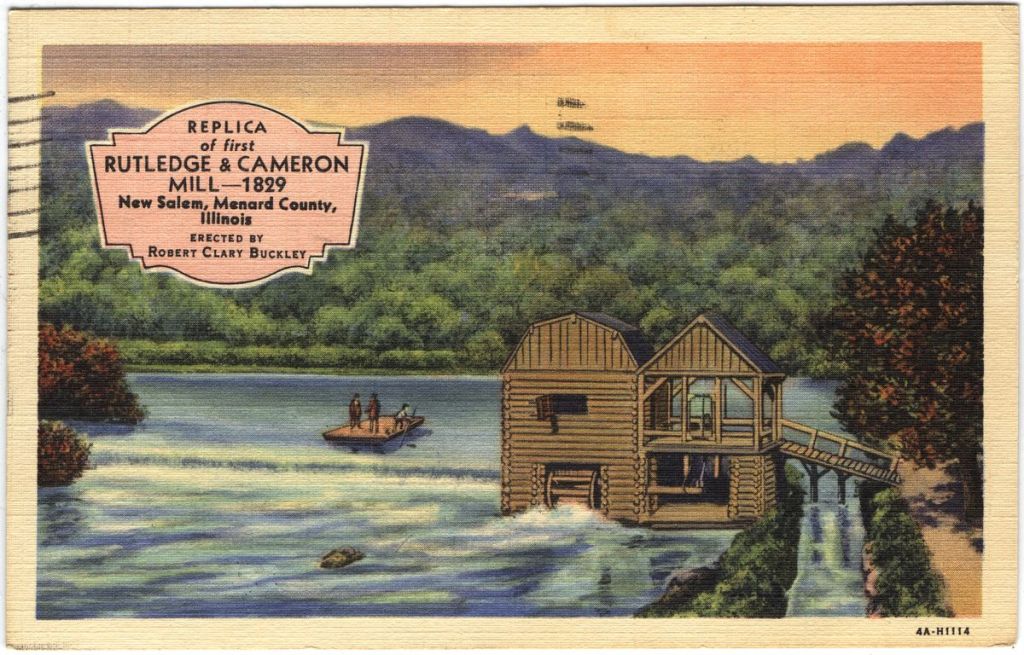
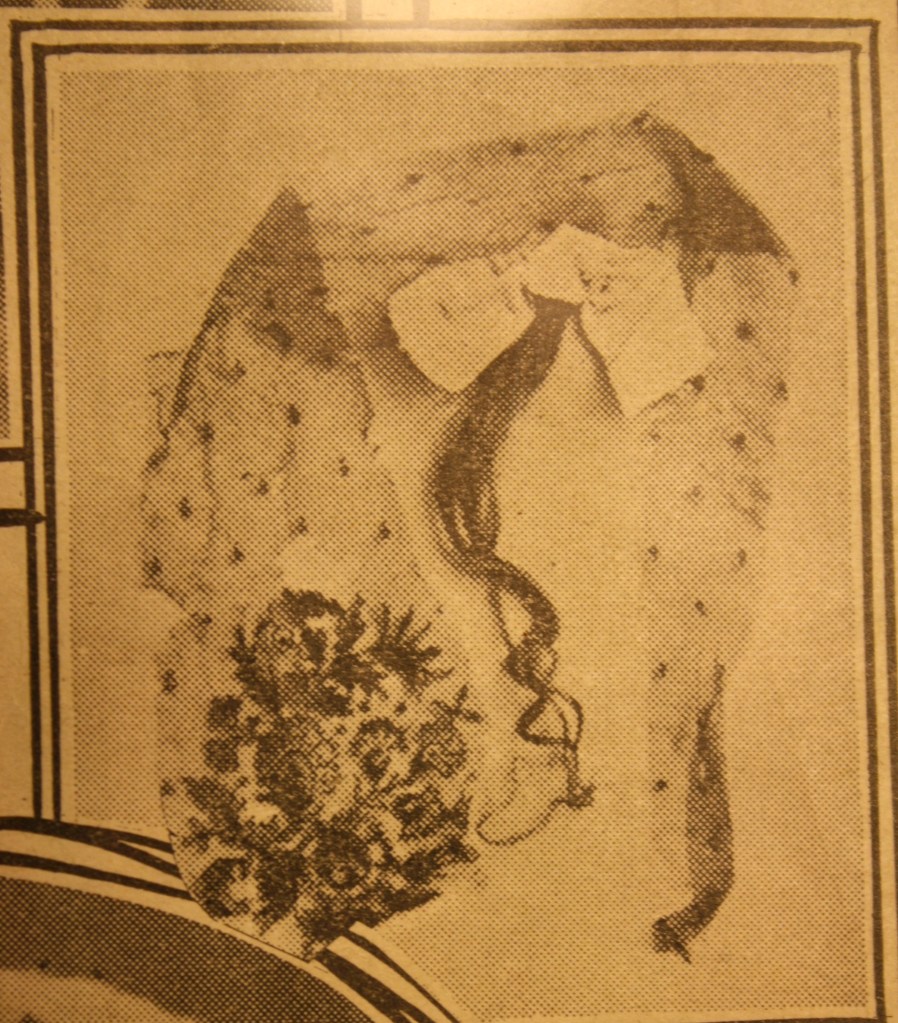
While historians may disagree on the depth of her relationship with the rail splitter, there is no doubt that Ann Rutledge knew Abraham Lincoln. Ann died before the invention of photography, so no photos of her exist and no contemporary drawings of her have ever been found. Little in the way of verifiable data survives about Ann. Most of the details of her life were collected by Lincoln’s law partner of 17 years, former Springfield Mayor William Herndon. Billy was among the first to research those early years of Lincoln. While researching his book on Lincoln, Herndon retraced Lincoln’s tracks through central Illinois and southern Indiana. Billy Herndon did not care for Mary Lincoln and the feeling was mutual. So it comes as no surprise that Herndon was the first to push the relationship between Abraham and Ann.
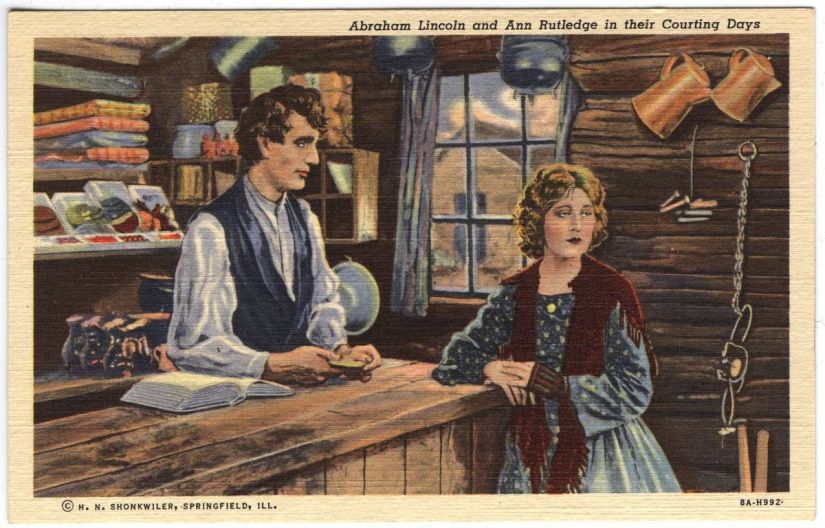
Herndon’s details about Ann’s life came from people that knew Ann in New Salem, witnesses that historians have called “Herndon’s informants.” Rutledge neighbor James Short described Ann as “a good-looking, smart, lively girl, a good housekeeper, with a moderate education.” Likewise, Harvey Lee Ross, a boarder at the Rutledge family tavern in New Salem described Ann as “very handsome and attractive, as well as industrious and sweet-spirited. I seldom saw her when she was not engaged in some occupation – knitting, sewing, waiting on tables, etc…I think she did the sewing for the entire family. Lincoln was boarding at the tavern and fell deeply in love with Ann, and she was no less in love with him. They were engaged to be married, but they had been putting off the wedding for a while, as he wanted to accumulate a little more property and she wanted to go longer to school.” When interviewed by Herndon, Ann’s family testified that Lincoln was certainly smitten with Ann.
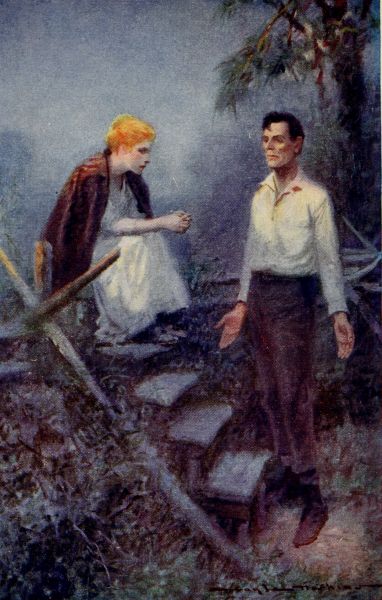
Not only was Lincoln attracted to Ann’s good looks, but he was also intrigued by her intelligence, a rare quality on the frontier. Herndon once said “I believe his very soul was wrapped up in that lovely girl. It was his first love – the holiest thing in life – the love that cannot die.” That all changed on August 25, 1835, when typhoid fever swept through New Salem and 22-year-old Ann Rutledge died. Legend states that Ann called Lincoln to her deathbed for a final goodbye before passing. Ann’s death unhinged Lincoln, leaving him severely depressed, a condition he would battle for the rest of his life. Upon her death, Lincoln confided to Mentor Graham that he felt like committing suicide, but Graham reassured him that “God has another purpose for you.” New Salem resident John Hill later said “Lincoln bore up under it very well until some days afterward when a heavy rain fell, which unnerved him.” Lincoln’s friend, Henry McHenry, testified that after Ann’s passing Lincoln “seemed quite changed, he seemed retired, & loved solitude, he seemed wrapped in profound thought, indifferent, to transpiring events.”
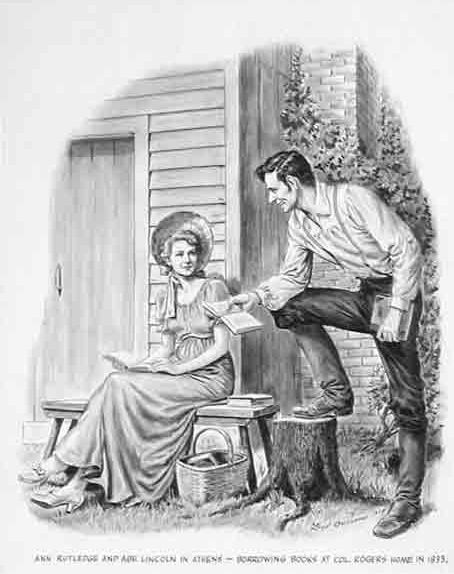
According to author Harvey Lee Ross in his book The Early Pioneers and Pioneer Events of the State of Illinois, Lincoln told friends: ‘My heart is buried in the grave with that dear girl. He would often go and sit by her grave and read a little pocket Testament he carried with him.” Another New Salem neighbor, Isaac Cogdal told Herndon that President-elect Lincoln confessed his love of Ann to him before leaving Springfield for Washington. “I did really – I ran off the track: it was my first. I loved the woman dearly & sacredly: she was a handsome girl – would have made a good loving wife – was natural and quite intellectual, though not highly educated…I did honestly – & truly love the girl & think often – often of her now.”
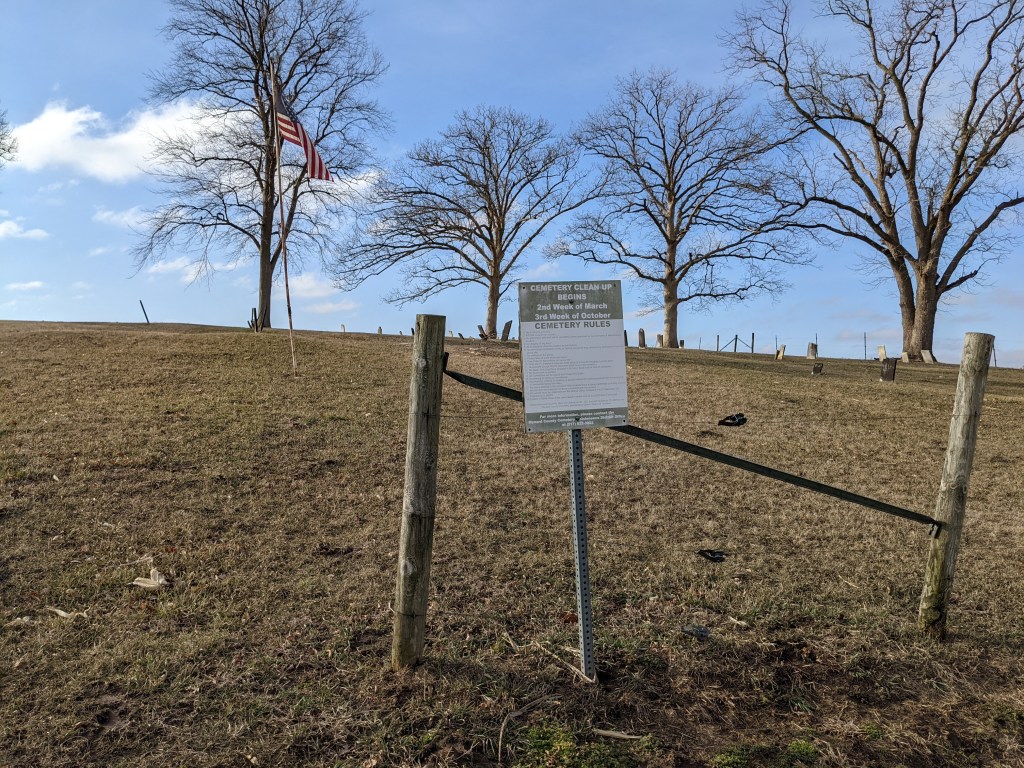
Ann was originally buried at the Old Concord graveyard (sometimes called Goodpasture graveyard) a pioneer cemetery located about seven miles northwest of New Salem. Some 200 people were buried there, many of whom knew Abraham and Ann personally. Today they stand as silent sentinels to the truthfulness of their courtship. Lincoln visited her gravesite frequently. According to Herndon, after Ann’s death, Lincoln “sorrowed and grieved, rambled over the hills and through the forests, day and night. He suffered and bore it for a while like a great man — a philosopher. He slept not, he ate not, joyed not. This he did until his body became emaciated and weak, and gave way. In his imagination he muttered words to her he loved … Love, future happiness, death, sorrow, grief, and pure and perfect despair, the want of sleep, the want of food, a cracked and aching heart, and intense thought, soon worked a partial wreck of body and of mind.”
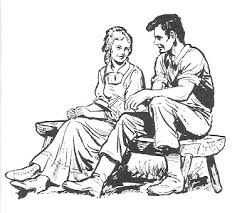
To friends, Lincoln claimed that the thought of “the snows and rains fall(ing) upon her grave filled him with indescribable grief.” For days following her death, damp, stormy days, and gloomy weather triggered a deep depression that sent Lincoln to her gravesite where he lay prostrate over Ann’s grave. Lincoln’s behavior became so alarming that his friends sent him to the house of another kind friend, Bowlin Greene, who lived in a secluded spot hidden by the hills, a mile south of town. According to Herndon, “Here Lincoln remained for weeks under the care and ever-watchful eye of this noble friend, who gradually brought him back to reason or at least a realization of his true condition.” Yes, Abraham Lincoln knew Old Concord Graveyard well.
Here’s where the story takes a strange turn. Many years later, some enterprising citizens of nearby Petersburg, a town located four miles to the north, decided that Ann’s grave could help put their town on the map. Chief among them was Petersburg undertaker Samual Montgomery, ironically an elderly relative of Ann’s, and a cemetery promoter with the improbable name of D.M. Bone. These ad-hoc graverobbers decided it would be financially advantageous to move Rutledge’s remains for fear that their cemetery needed the draw of a famous name to compete with crosstown rival Rose Cemetery.
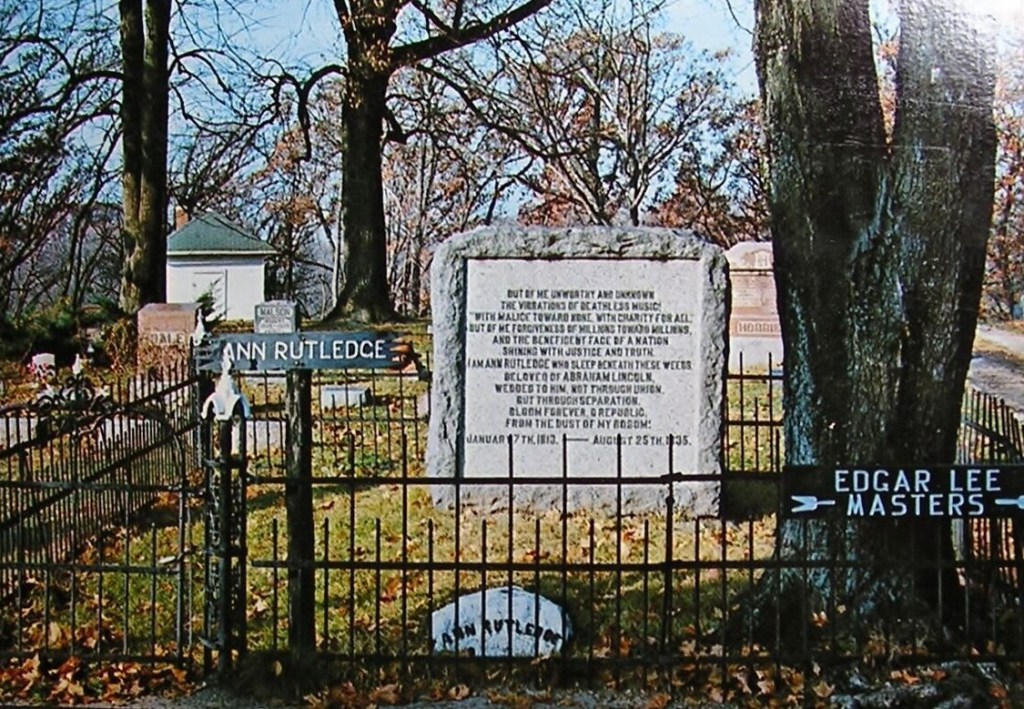
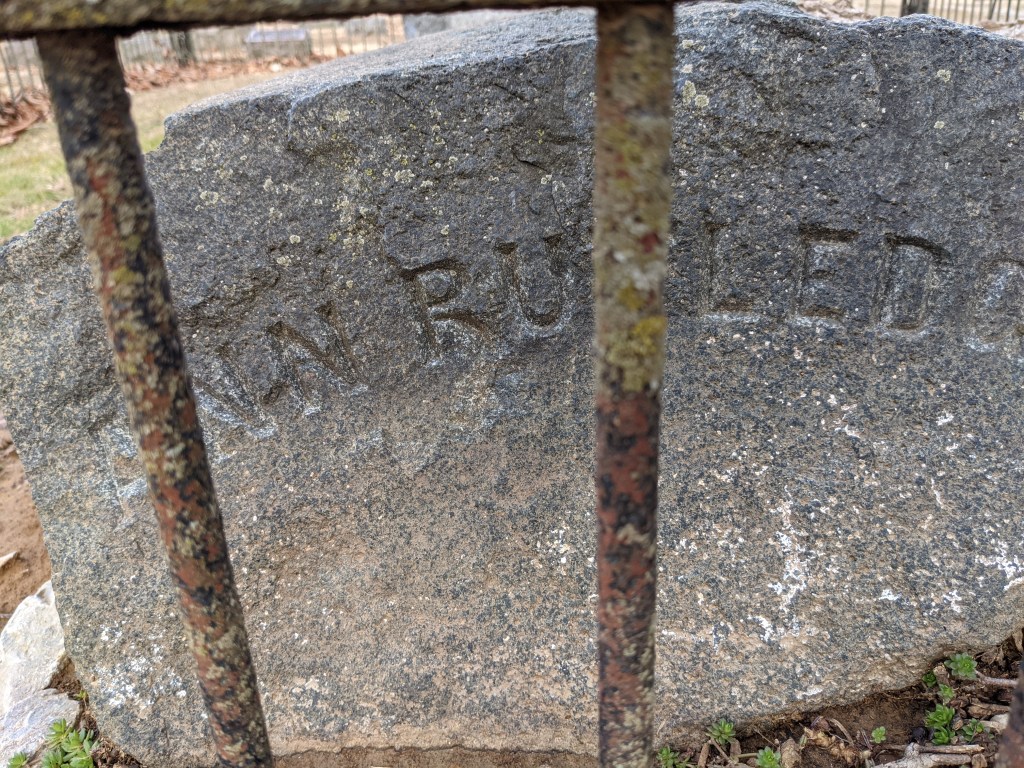
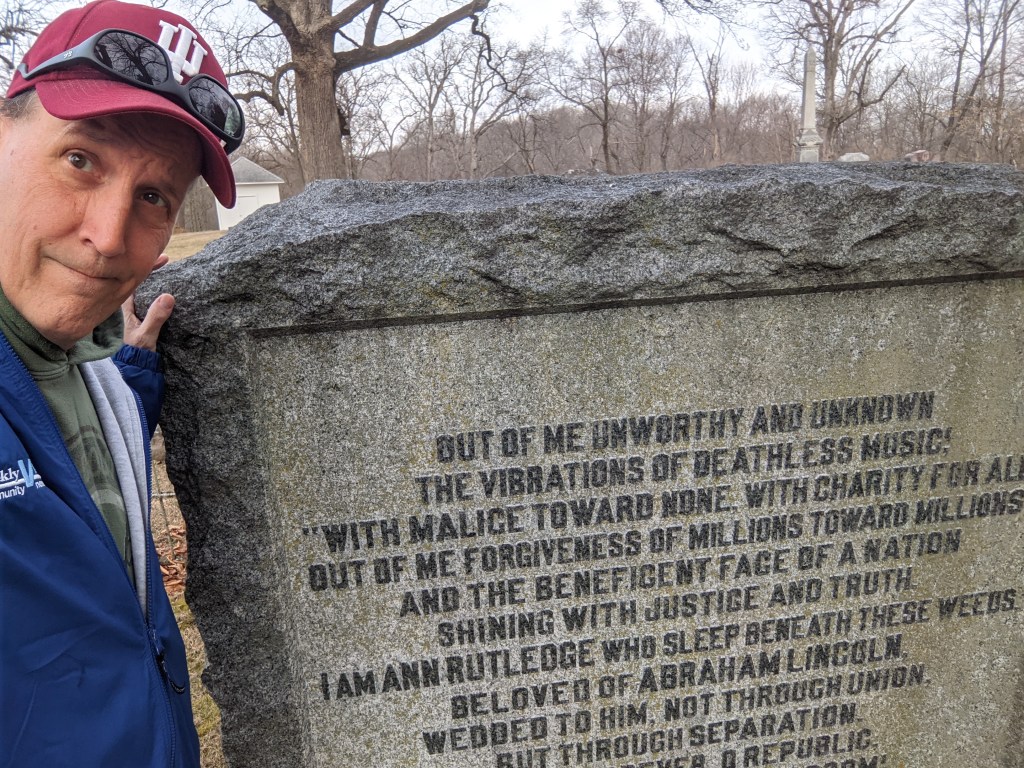
For three decades, all that marked Ann’s grave at the new cemetery was a rough stone with her name emblazoned in white letters on the front. In January 1921, Rutledge’s grave was fitted out with a magnificent granite monument inscribed with the text of the poem “Anne Rutledge,” from Edgar Lee Masters’s Spoon River Anthology. His words, engraved on her cenotaph at Oakland Cemetery are haunting: “I am Ann Rutledge who sleeps beneath these weeds, Beloved in life of Abraham Lincoln, Wedded to him, not through union, But through separation. Bloom forever, O Republic, From the dust of my bosom!” Regardless of the attempts by Lincoln biographers like Herndon, Ward Hill Lamon (Lincoln’s bodyguard), Carl Sandburg, and Indiana Senator Albert Beveridge to legitimize the Lincoln/Rutledge romance as fact, by the 1930-40s, Lincoln scholars expressed increased skepticism of the story. Most biographers agree that Lincoln and Rutledge were close, but several historians point to a lack of evidence of a love affair between them.
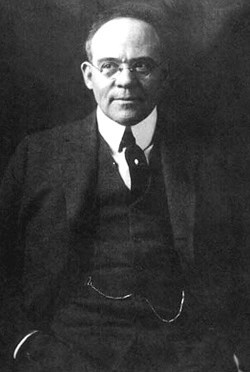
For my part, as a lifelong student of Lincoln, I choose it to be true. It is for that reason that I traveled to Petersburg, Illinois in search of Ann Rutledge’s grave. Finding Oakland Cemetery is an easy task and worth the visit. The massive granite marker is the most impressive memorial in the graveyard. Surrounded by an equally impressive wrought iron fence, the rough stone marker that originally graced her final resting place remains tucked away at the front of the plot although her name is slowly eroding away. Edgar Lee Masters’ epitaph is clear, legible, and easy to read. Master’s grave is only yards away. As impressive as the site may be, if you know the backstory, an overpowering soullessness pervades the spot simply because she is not there.
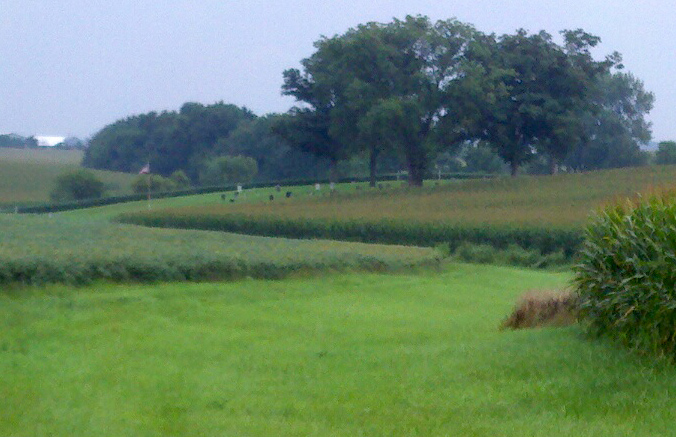
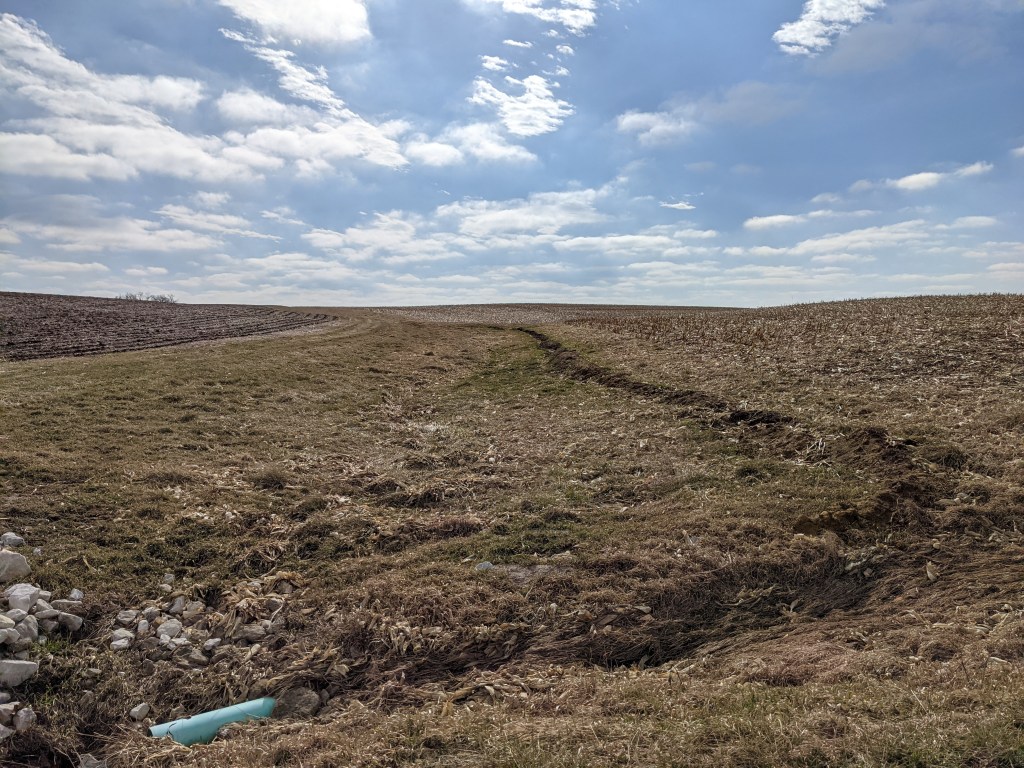
The place I really wanted to find was the Old Concord Graveyard. So I did what every stranger in a strange place does: I consulted Google maps. Oh, the navigator took me there, but just barely. The map directions led me to Route 97 North and the Lincoln Trail Road through the farm fields of Menard County, off the paved highway, and onto a gravel road. Like most midwestern roads, the winding serpentine roadways mimic the buffalo traces of centuries past. They wind through hills cut not by machinery, but by carts pulled by oxen and horses generations ago. Blind hills make the driver wonder if the road continues past each rise and dangerous curves make you tighten your grip on the steering wheel. Along the way, pheasants and quail stroll leisurely along the roadside. This is their domain and they fear no man out here.
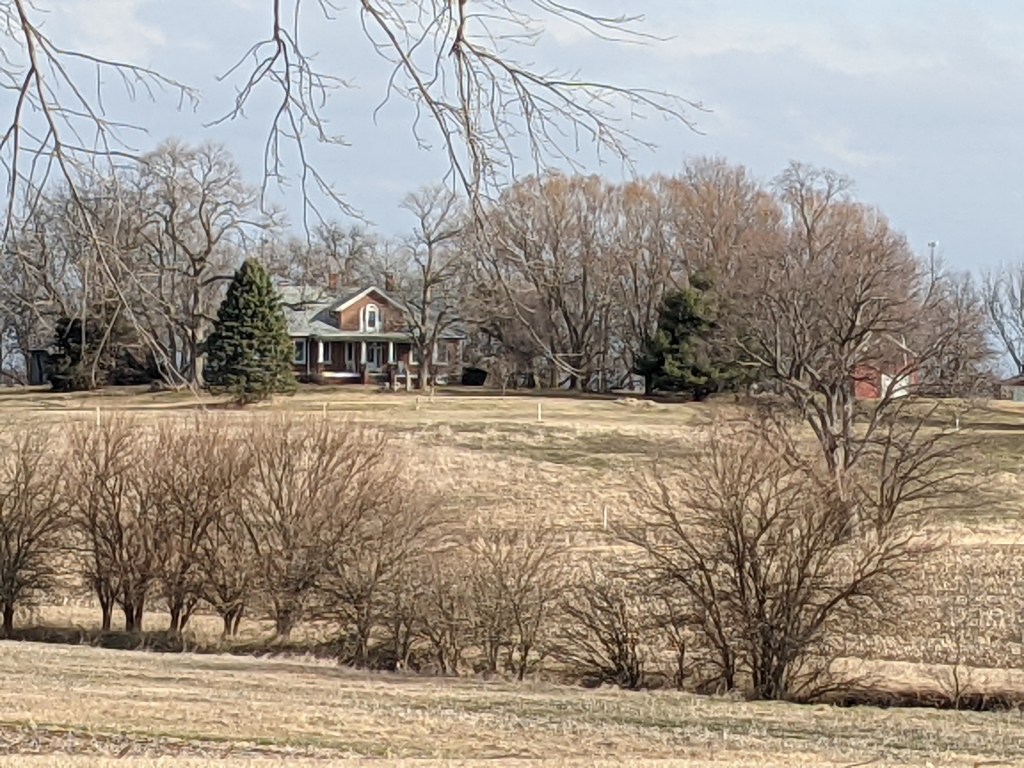
Time and time again, my GPS ended in front of a brick farmhouse proclaiming “You have reached your destination.” This was not a cemetery, so I retraced my route, and five miles later, I found myself in the same spot. Finally, I pulled into the driveway and knocked on the door. My summons was answered by a friendly dog followed by a lovely mature woman. I threw myself upon the mercy of a stranger, apologized for the intrusion, and asked if this was the place. She smiled and said, “Well, you’re close” and led me to the side of the house where she pointed to the cemetery about a half mile in the distance.
She told me to head back out on the county road and keep turning left until I found an abandoned, dried-up waterway through a pair of cornfields. She said, “It is not really a road but the county crews still drive their equipment back there to keep the grass cut, so you should be able to find it,” The cemetery can not be seen from the gravel road, so it took me two passes to find it. When I did, I nervously went offroading about a quarter mile back upon a grassy lane between two cornfields. It had been raining before my arrival and rain was predicted for later that day, so I was less than confident that I could make it without getting stuck. Luckily, I arrived there safely.

The ancient graveyard is filled with veterans of the Revolutionary War like Robert Armstrong from North Carolina who died September 9th, 1834. Next to Robert is the marker of his son, Jack Armstrong of the Clary Grove gang, who famously fought Abe Lincoln to a draw in a wrestling match in New Salem. The battle became the stuff of legend and ultimately got Lincoln inducted into the Wrestling Hall of Fame. It did nothing for Jack Armstrong though. He died in 1854 although his stone incorrectly lists the death date as 1857. Most of the stones have been laid down face up so that they may still be read. Many are broken and rest in pieces strewn about in this ancient burying ground. A flagpole stands guard with a tattered American flag that shows the scars of a constant battle with the rough winds of the Illinois plains.
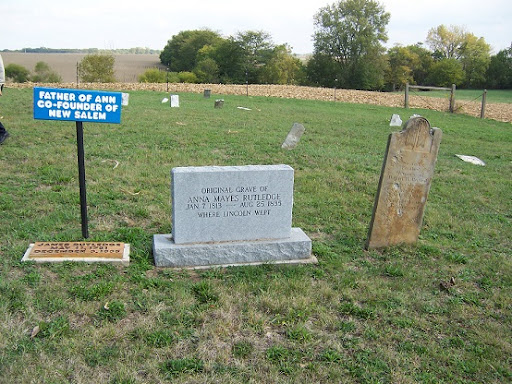
Ann’s grave rests on top of the hill next to that of her father, whose body was not removed to the new cemetery. Also near Ann is the grave of her brother David who died in 1842, a decade after serving with Abraham Lincoln in the Black Hawk War. There are many Rutledges still resting here. It is likely that most, if not all of them, were known by Ann or she by them. From Ann’s grave, I could look over my shoulder and see the farmhouse where I started. I wonder to myself what it would be like to live so close to such a magical place. Talking with the lady she told me they had been living there for 30 years. They had directed a few travelers like me to the spot, but not many. She informed me that her home was built by the Grosbaugh family and that it would have been there in 1835 when Ann drew Lincoln there. She pointed to an ancient natural stone step in the sideyard between her house and the graveyard and stated, “This was the watering trough and buggy turnaround, the start of a path that used to lead directly to the cemetery. It hasn’t been used in over a century.”
I’ve chased Lincoln all over this country. I’m sure I have stepped in his footprints many times. This spot, the Old Concord Cemetery, is the toughest Lincoln site I have ever found. It is impossible to find on your own and no map will lead you here. Here young Abraham Lincoln came day after day to mourn over his lost love. Here he lay upon her grave from autumn to winter, protecting her because he could not bear the thought of it raining or snowing upon her mortal remains. Today, a modern stone rests in Old Concord Graveyard on the spot that reads: “Original Grave of Ann Mayes Rutledge Jan. 7, 1813-August 25, 1835. Where Lincoln Wept.” Lincoln was here and here Ann remains. Her body literally melted into the soil of the central Illinois prairie. Here is the lone individual spot where anyone may visit to experience the raw emotion that was Abraham Lincoln.
 Alan E. Hunter