
Original publish date: June 8, 2018
Visiting Gettysburg has been a constant in my life for nearly 30 years now. If you are a fan of American history, there is no better place for you than Gettysburg. Although it’s been 155 years since the last shots were fired, the landscape of Gettysburg is ever changing and the battle goes on. In the three decades since I first visited the Borough, (in Pennsylvania, they are called Boroughs, not towns) I’ve seen battles over towers, casinos, cycloramas, visitor centers, hotels, railroads, Harley Davidson’s and monuments. And the one thing I’ve learned from all of them is that there’s always a story behind the story.
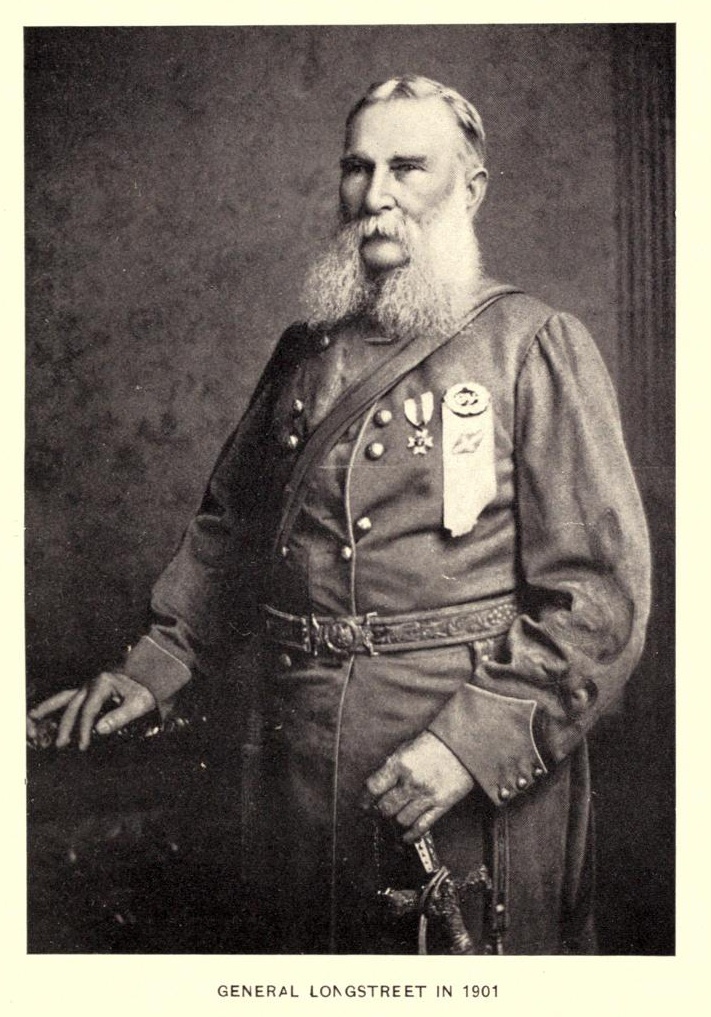
This is a story about a General, a monument, an artist and one of the most interesting women you’ve never heard of. And, like the battlefield itself, this is a story of duty, devotion, romance and controversy. Confederate General James Longstreet is a name familiar to all students of the Civil War. Longstreet, born January 8, 1821, looms large among the luminaries of the Lost Cause of the Confederacy but most likely not in the way you might think. The Lost Cause was a misguided Victorian Era view of the war that downplayed slavery and lionized the Confederate military resulting in a movement to glorify the Confederate cause as a heroic one against great odds despite its defeat. The ideology continues with the modern day Confederate monument debate I’ve written about in past columns.

Longstreet was the principal subordinate to General Robert E. Lee, who called him his “Old War Horse.” He served under Lee as a corps commander in the venerable Army of Northern Virginia, participating in many of the most famous battles of the Civiil War. Longstreet’s most controversial service was at the Battle of Gettysburg in July 1863, where he openly disagreed with General Lee on the tactics used in attacks on Union forces, most notably, the devastation of Pickett’s Charge.
A month after Gettysburg, Longstreet requested and received a transfer to the Western Theatre just in time for the Battle of Chickamauga. Despite the ineptitude of Commanding General Braxton Bragg, Chickamauga became the greatest Confederate victory in the Western Theater and Longstreet deserved and received a good portion of the credit. Longstreet’s enmity towards Bragg ultimately resulted in his return to Lee’s army in Virginia where he soon found himself squared up against his best friend on the Union side, Ulysses S. Grant. Both men served together during the War with Mexico and both served as best man for their weddings. The two men were so close that Longstreet called Grant “Sam” and Grant called Longstreet “Pete”. As further proof of the strong connection between the Generals, Grant married Longstreet’s fourth cousin, Julia Dent, on August 22, 1848.

When Longstreet found out that Grant had been elevated to command of the entire Union Army, he told his fellow officers that “he will fight us every day and every hour until the end of the war.” Longstreet’s attack in the Battle of the Wilderness (May 6, 1864) helped save the Confederate Army from defeat in his first battle back with Lee’s army, but it nearly killed him. The General was wounded during the battle when he was accidentally shot by his own men while reconnoitering between lines. The friendly fire incident took place about 4 miles away from the place where Rebel General Stonewall Jackson suffered the same fate a year earlier.
A bullet passed through Longstreet’s shoulder, severing nerves, and tearing a gash in his throat. General Micah Jenkins, who was riding alongside Longstreet, was also shot and died from his wounds. Longstreet’s wound caused him to miss the rest of the 1864 spring and summer campaign, He rejoined Lee in October 1864 and served admirably during the Siege of Petersburg, the defense of the capital of Richmond, and the surrender at Appomattox. As Lee considered surrender, Longstreet told his commander that he though his friend Grant would treat them fairly, but added, “General, if he does not give us good terms, come back and let us fight it out.” General James Longstreet was a man of contradictions whose story was about to get way more contradictory.

After the close of the Civil War, Longstreet angered his former countrymen by daring to criticize Robert E. Lee, campaigning for Ulysses S Grant and assimilating to life in the Union. In Southern eyes, Longstreet committed blasphemy for critical comments he wrote in his memoirs about General Lee’s wartime performance, by joining Lincoln’s Republican Party and voting for U.S. Grant (twice!) and for accepting work as a diplomat, civil servant, and administrator in the reunified Federal Government of the United States.
However, anti-Longstreet feelings were not just limited to his fellow countrymen. When the “Reconstructed Rebel” applied for a pardon from President Andrew Johnson he was refused, despite a personal endorsement from Union Army General-in-Chief Ulysses S. Grant. Johnson reportedly told Longstreet in a meeting: “There are three persons of the South who can never receive amnesty: Mr. Davis, General Lee, and yourself. You have given the Union cause too much trouble.” Luckily for Longstreet, the Radical Republicans in the US Congress hated Johnson more than Johnson hated Longstreet and they restored the General his rights of American citizenship in June of 1868.

Leaders of the Lost Cause movement cited Longstreet’s actions at Gettysburg as the main reason for the Confederacy’s loss of the war. When Grant appointed Longstreet as surveyor of customs in New Orleans in 1868, his old friend General D.H. Hill said: “Our scalawag is the local leper of the community.” When Northerners moved South for financial gain, they were called Carpetbaggers, Hill wrote that Longstreet “is a native, which is so much the worse.”
In 1868, the Republican governor of Louisiana appointed Longstreet the adjutant general of the state militia and by 1872 he became a major general in command of all militia and state police forces within the city of New Orleans. Longstreet continued his role as an anathema to his former Confederate colleagues when he led African-American militia against an armed force of 8,400 members of the anti-Reconstruction White League at the Battle of Liberty Place in New Orleans in 1874. Longstreet commanded a force of 3,600 Metropolitan Police, city policemen, and African-American militia troops, armed with two Gatling guns and a battery of artillery.
The White League charged, causing many of Longstreet’s men to flee or surrender, the General rode to meet the protesters but was pulled from his horse, shot by a spent bullet, and taken prisoner. Federal troops were sent by President Grant to restore order. There were casualties of 38 killed and 79 wounded. Longstreet’s role in this racial battle sealed his fate among his former countrymen. This sad episode ended his political career and he went into semi-retirement on a 65-acre farm near Gainesville, where he raised turkeys and planted orchards and vineyards on terraced ground that his neighbors derisively named “Gettysburg.” A devastating fire on April 9, 1889 (the 24th anniversary of Lee’s surrender at Appomattox) destroyed his house and most of his possessions, including his personal Civil War documents and memorabilia.
 The attacks on Longstreet began in earnest on January 19, 1872, the anniversary of Robert E. Lee’s birth and less than two years after Lee died. In a speech at Washington College, former Rebel General Jubal Early exonerated Lee for the defeat at Gettysburg: Early said Longstreet was late. Early claimed Longstreet’s delay on the second day somehow led to the debacle on the third. The following year at the same venue, Lee’s artillery chief William N. Pendleton, charged that Longstreet disobeyed an explicit order to attack at sunrise on July 2. Although both allegations were false, Longstreet failed to rebuke them publicly for three years. The delay damaged his reputation, and by 1875, the Lost Cause mythology had taken root.

Perhaps the most astonishing of these Longstreet attacks came from a very unexpected source. The widow of his friend George Pickett. Longstreet and Pickett had enjoyed a long, close association stretching all the way back to their service together in the Mexican War and their association to West Point. Longstreet served with distinction in the Mexican–American War alongside many of the men he would find himself fighting with (and against) at Gettysburg. In the Battle of Chapultepec on September 12, 1847, he was wounded in the thigh while charging up the hill with his regimental colors. As he fell, he handed the flag to his friend, Lt. George E. Pickett, who carried it on to the summit.
In the winter of 1862, during a scarlet fever epidemic in Richmond, Virginia, three of the four Longstreet children (Mary Anne, James and Augustus Baldwin) died within eight days. The blow was almost too much for Longstreet. An aide noted that his “grief was very deep,” while others commented on his change in personality. Because the Longstreets’ were too grief-stricken, it was General George Pickett (and his 16 year-old future bride LaSalle Corbell) who made the burial arrangements. Pickett shared Longstreet’s condemnation of Robert E. Lee’s actions at Gettysburg openly stating “that old man (Lee) had my Division slaughtered.”
Pickett went on to a less than stellar financial career in the insurance business and never forgave Lee for destroying his division (and career). He lived the final years of his life quietly and modestly, farming and battling declining health. Pickett rarely spoke publicly about his war experiences and died on July 30, 1875, at the age of fifty. After Pickett’s death in 1875 Pickett’s third wife LaSalle began to write and lecture about her famous husband. While her general husband had spent his last years brooding about the disastrous charge that bore his name, his financially burdened widow decided to make the most of an opportunity.
In an attempt to revitalize his memory, she traveled around the country lecturing about her famous husband in an attempt to transform him into the hero of Gettysburg by way of the Lost Cause. Often, Pickett’s enhancement came at the cost of Longstreet’s reputation. It is ironic that Pickett should benefit at the expense of his friend and mentor, James Longstreet. Her tales of her husband’s life & times were highly romanticized and exaggerated making it hard to separate fact from fiction.
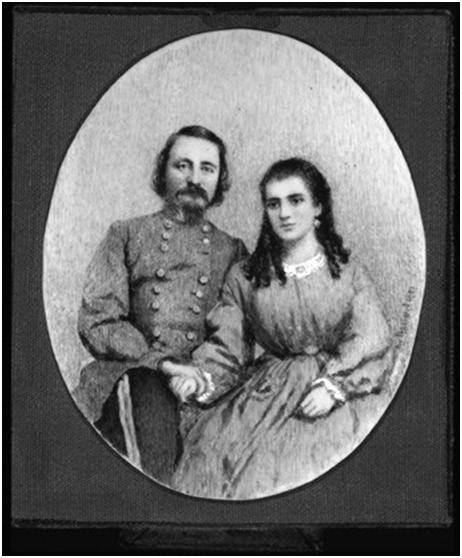
LaSalle Corbell Pickett authored the celebratory history “Pickett and His Men” (1913), which historians claim was plagiarized, and two collections of wartime letters (1913, 1928), which historians claimed were fabricated. Nevertheless, her image of her husband at the moment his charge began—”gallant and graceful as a knight of chivalry riding to a tournament,” whose “long, dark, auburn-tinted hair floated backward in the wind like a soft veil as he went on down the slope of death”—has stuck in the American imagination. And her letters have been cited in works as diverse as Michael Shaara’s Pulitzer Prize–winning novel “The Killer Angels” (1974) and Ken Burns’s documentary “The Civil War” (1990).
It would take a century of slow reassessment by Civil War historians to restore General James Longstreet’s reputation. Michael Shaara’s 1974 novel The Killer Angels, based largely on Longstreet’s memoirs and later made into the film “Gettysburg”, helped restore Longstreet’s reputation. Military historians now consider Longstreet among the war’s most gifted tactical commanders on either side of the Civil War. Part of that reassessment is due and owing to a child bride, a gifted artist and one of Gettysburg National Battlefield’s newest monuments.
NEXT WEEK: PART II of General James Longstreet at Gettysburg.


 I often tell friends that I won my wife Rhonda’s heart back in 1988 when I walked into her store wearing a Dukakis / Bentsen for President campaign pin during the election. She gasped and asked me, “Where did you get that?” to which I reached into my pocket, pulled an identical pin out and presented it to her. Pat tells a similar story about meeting Otis for the first time in the early 1960s. “He walked up to me and asked me if I voted for John F. Kennedy” to which I answered “No.” He asked me “Well, why not?” and I said, “because I wasn’t old enough.” From that point on, the pair were inseparable while working for LBJ, RFK, McGovern culminating with Otis himself being swept into office with the Jimmy Carter election in 1976.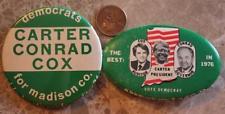
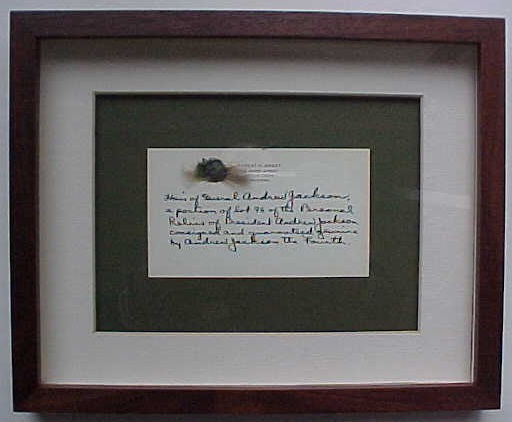
 Long story short, I won the item. Needless to say, I was excited. Hours turned into days and days turned into weeks as I waited for the General’s lock of hair to arrive. It came via the United States postal service and I could hardly wait to get my first peek at it. Turns out, the item was far more attractive than I expected (for a lock of dead guy’s hair that is). The thick lock of reddish grey hair is about 1.5 inches in length and looks to contain somewhere between 25 and 50 strands of hair. The blue wax seal features an “S” initial that was undoubtedly applied by Forest H. Sweet himself. I could hardly wait to reveal the relic to my children. Sadly, the unveiling was less than I expected. “That’s nice daddy” was the general consensus. It was like buying a kid a Christmas present only to find that they are more interested in playing with the shipping box.
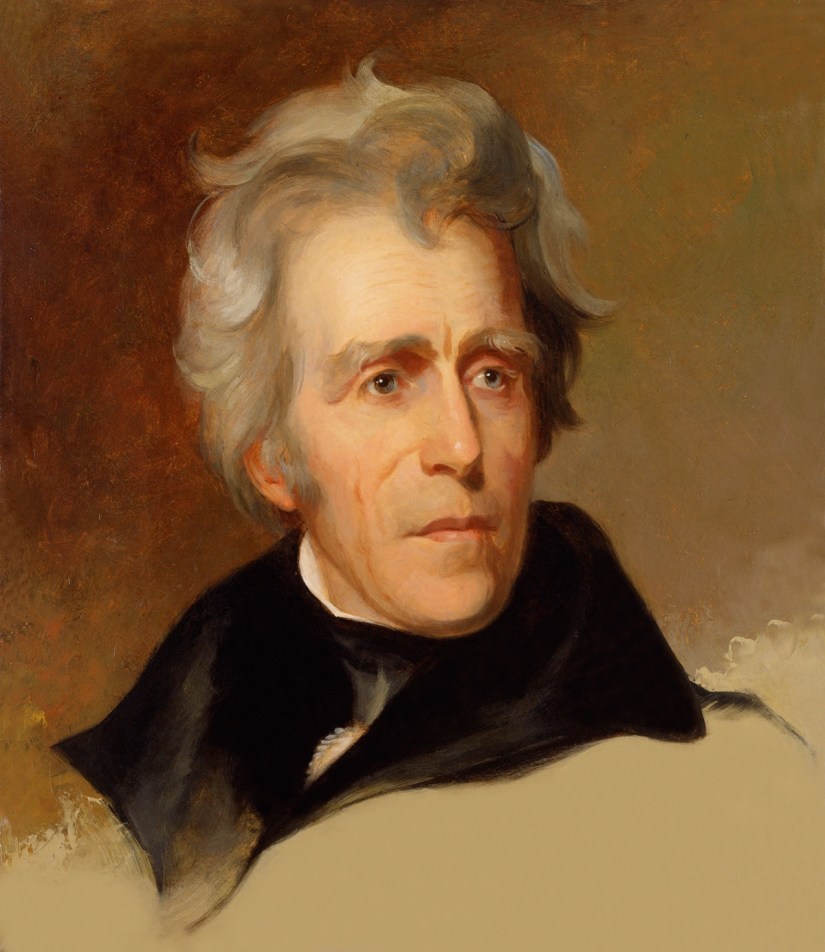 I simply could not resist researching (my wife might say obsessing over) my cherished new relic. Much to my surprise, while searching the net I actually found a website and active blog devoted to “That Glorious Mane“. The website, called “American Lion”, is associated to Andrew Jackson’s hair in name only. But it does touch on the macabre hobby and, more importantly, vindicates my strange purchase by discussing famous locks of hair that have sold recently at auction. In December of 2011, 12 strands of Michael Jackson’s hair, reportedly fished out of a shower drain at New York’s Carlyle Hotel after Jackson stayed there for a charity event during the 1980s, sold at auction in London for around $1,900 to an online gaming casino. The casino plans to use the hair in the construction of a special roulette ball (I don‘t understand it either).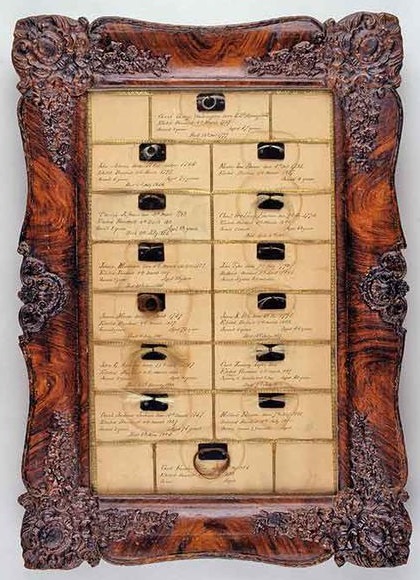
 In addition, Jackson suffered from dysentery and malaria contracted during his military campaigns. He was known to have an addiction to coffee, enjoyed a drink or two on occasion, and incessantly chewed tobacco to the extent that brass spittoons were everywhere in the White House. Despite Doctor’s orders, Jackson refused to give up these three vices, regardless of the fact that they gave him migraines. The afore mentioned bullets undoubtedly caused the General to suffer from lead poisoning, quite literally. Luckily, 19 years after that 1832 duel, the bullet causing the most damage was extracted in the White House without anesthesia. Afterwards, Jackson’s health improved tremendously .
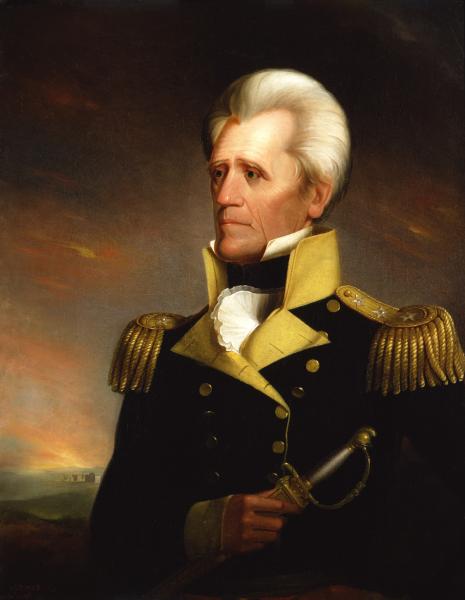 For years, Jackson treated his aches and pains by self-medicating with salts of mercury (often used as a diuretic and purgative in the mid 19th century), as well as ingesting sugar of lead (a lead acetate-used as a food sweetener). Historians have long believed that Andrew Jackson slowly died of mercury and lead poisoning from two bullets in his body and those medications he took for intestinal problems. As proof, historians believe that his symptoms, including excessive salivation, rapid tooth loss, colic, diarrhea, hand tremors, irritability, mood swings and paranoia, were consistent with mercury and lead poisoning. One of Jackson’s doctors liked to give the lead laden sugar to both Andrew and his wife Rachel. They not only ingested it, but used it to bathe their skin and eyes. Jackson’s well-documented, unpredictable behavior were textbook signs of mercury poisoning. Historians described these signs as “thundering and haranguing,” “pacing and ranting” and “at one moment in a towering rage, in the next moment laughing about the outburst. “
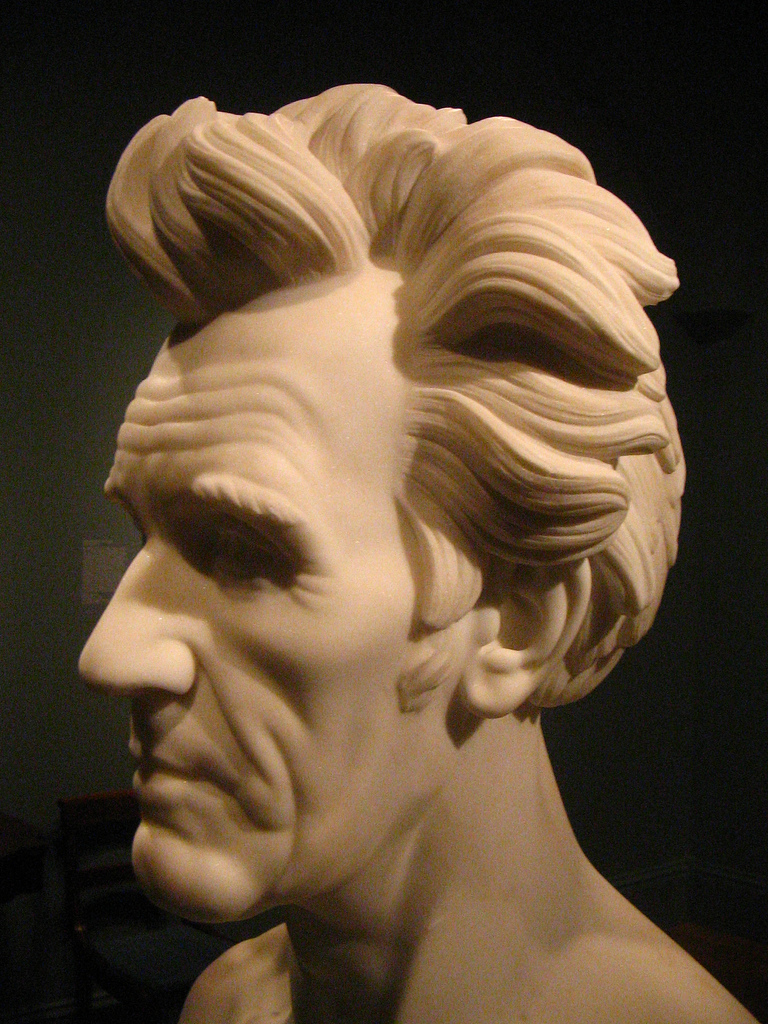 The submitted strands were taken nearly a quarter century apart for better comparison to check for elevated levels of the heavy metals. The first sample was from 1815, the year of Jackson’s victory at the Battle of New Orleans, the second was from 1839, toward the end of Jackson’s life. According to the American Medical Association, while the mercury and lead levels found in the hair samples were “significantly elevated” in both samples, they were not toxic, said Dr. Ludwag M. Deppisch, a pathologist with Northeastern Ohio University College of Medicine and Forum Health. Officially, Andrew Jackson died at The Hermitage on June 8, 1845, at the age of 78, of chronic tuberculosis, dropsy, heart disease and kidney failure. In other words, the General died a natural death after leaving an extraordinarily unnatural life.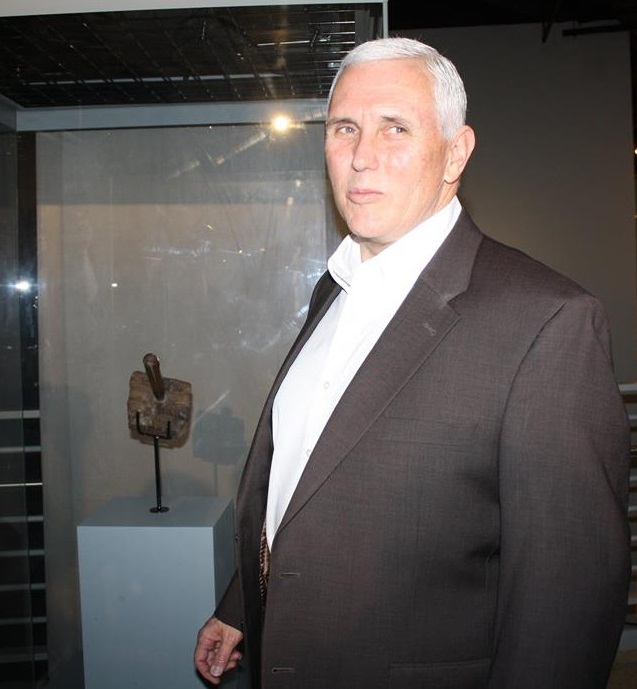
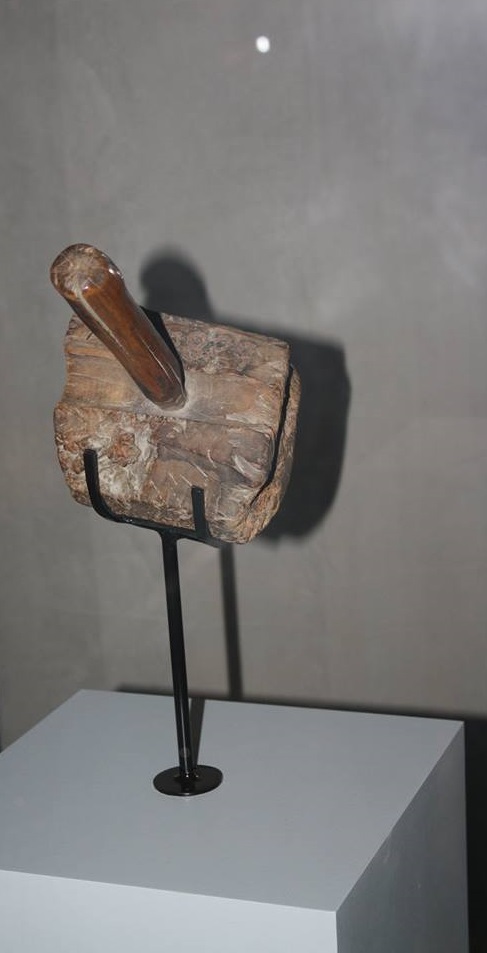 The primitive looking hammer seems perfectly matched to the muscular 20-year-old young man who wielded it back in 1829. The mallet is made from the trunk of a tree cut from the virgin timber forest that once populated Spencer County, Indiana. No doubt Thomas Lincoln cut the tree from the unbroken forest surrounding the family cabin for use by his young son Abraham in splitting wood. Those famous “rail splitting” images we all remember from our history books? Well they all picture Honest Abe using this mallet.
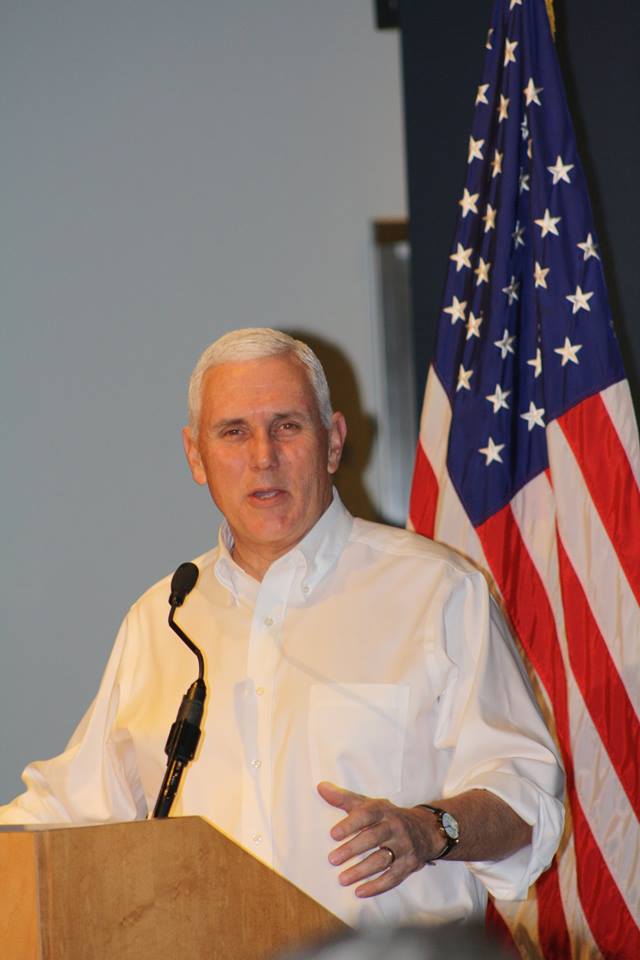 Before Governor Pence dropped the curtain to reveal the relic, he took off his jacket to reveal rolled up shirt sleeves in a workingman’s fashion to honor the Indiana Railsplitter. “I thought it was appropriate for the occasion,” the Governor explained. Staying in the moment, Pence harkens back to a predecessor by repeating Governor Otis Bowen’s quote, “Lincoln made Illinois, but Indiana made Lincoln.” He made sure to mention his trip to Southern Indiana a couple days before to bury another predecessor, Edgar Whitcomb, who died February 6th. Make no mistake about it, Mike Pence loves Indiana history.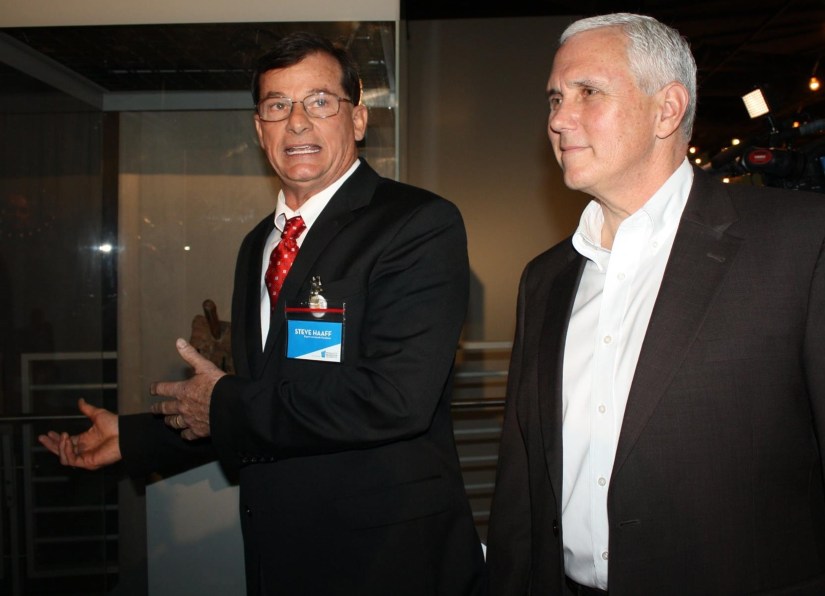
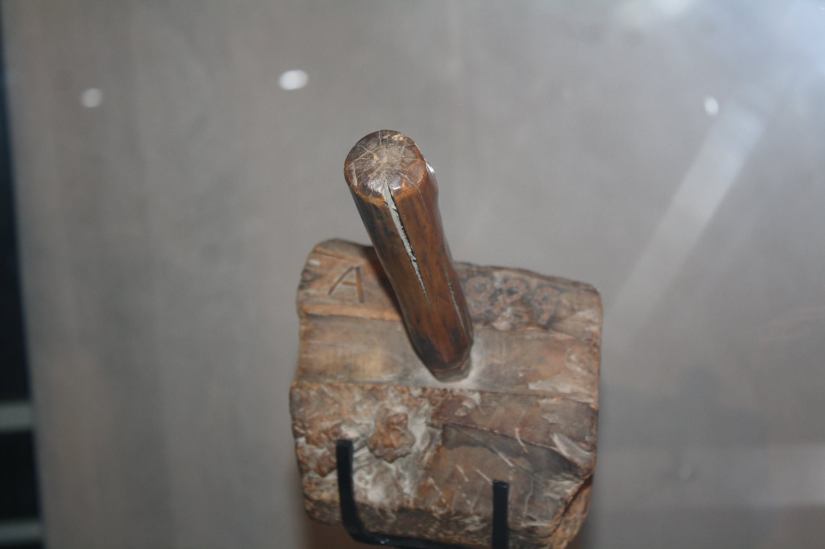 The mallet most closely resembles a carnival strongman’s prop,or Thor’s hammer, but a closer examination immediately reveals it’s cryptic secret. Above the handle’s stem lay the initials “A.L.” with a year date of “1829.” Steve Haaff explains that the initials and date are not carved as one may surmise, but rather they are metal inlays. Haaff states, “Thomas Lincoln was a carpenter and Abe was his only apprentice. Thomas hoped that his young son would follow him into carpentry, but Abe Lincoln wanted to be a blacksmith. These metal pieces were inserted into the mallet by Abe Lincoln himself.”
 ISM’s Ogden further explains, “He didn’t put those initials and that date into the mallet because he was Abraham Lincoln, he put them there to mark the tool as his own. He was just a Hoosier farm-boy at the time with no idea he was on his way to becoming a legend.” Ogden, whose fervor for Lincoln is rivaled by few, explains the mallet’s secret by identifying it as the only known item that ties Abraham Lincoln to Indiana. “The Lincoln’s were Indiana pioneers, they arrived here just a week before we were made a state in the Union. While they were not poor, they were also not wealthy.” says Ogden. “The Lincoln family used everything they owned, in most cases using it all up. When they moved to Illinois in 1830, they couldn’t take everything with them and this mallet was among those things left behind. Whether Abe gave the mallet to his neighbors, or whether the Carter family simply picked it up from the pile of discards is debatable. But we’re certainly glad it survived and are delighted to be able to display it for our guests.”
 Ogden explains that the ISM was fortunate to obtain the collection and although it is vast and comprehensive, he says that the question he got the most from visitors was, “Where is the Indiana material? and I always had to reply, There is no Indiana material. This mallet changes all that. Those railsplitter legends were all we had. This mallet confirms that folklore and brings all of those stories together.”
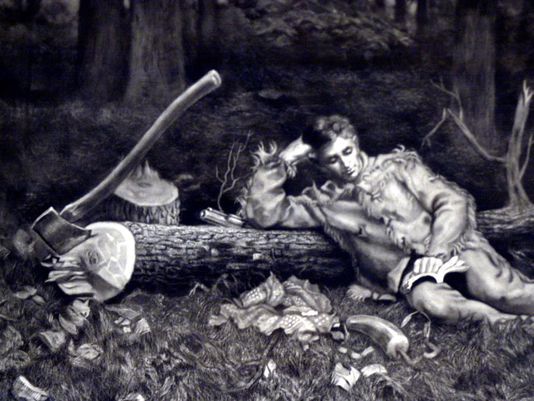 Lincoln’s mother Nancy died of milk sickness in October of 1818. Haaff states that the planks were made from a log from the leftovers pile used to make the family cabin. “Thomas made the coffin while 9-year-old Abe sat nearby and whittled the pegs for his mother’s coffin.” His mother’s death, and that of his beloved elder sister Sarah’s death 10 years later, devastated Lincoln and laid the foundation for the depression that haunted him for the rest of his life. No doubt, Thomas and Abraham made the coffin for Sarah too.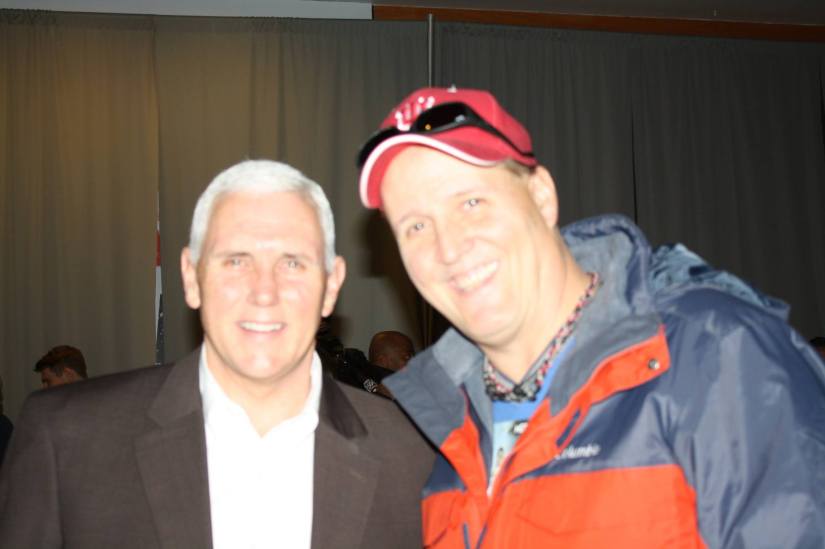

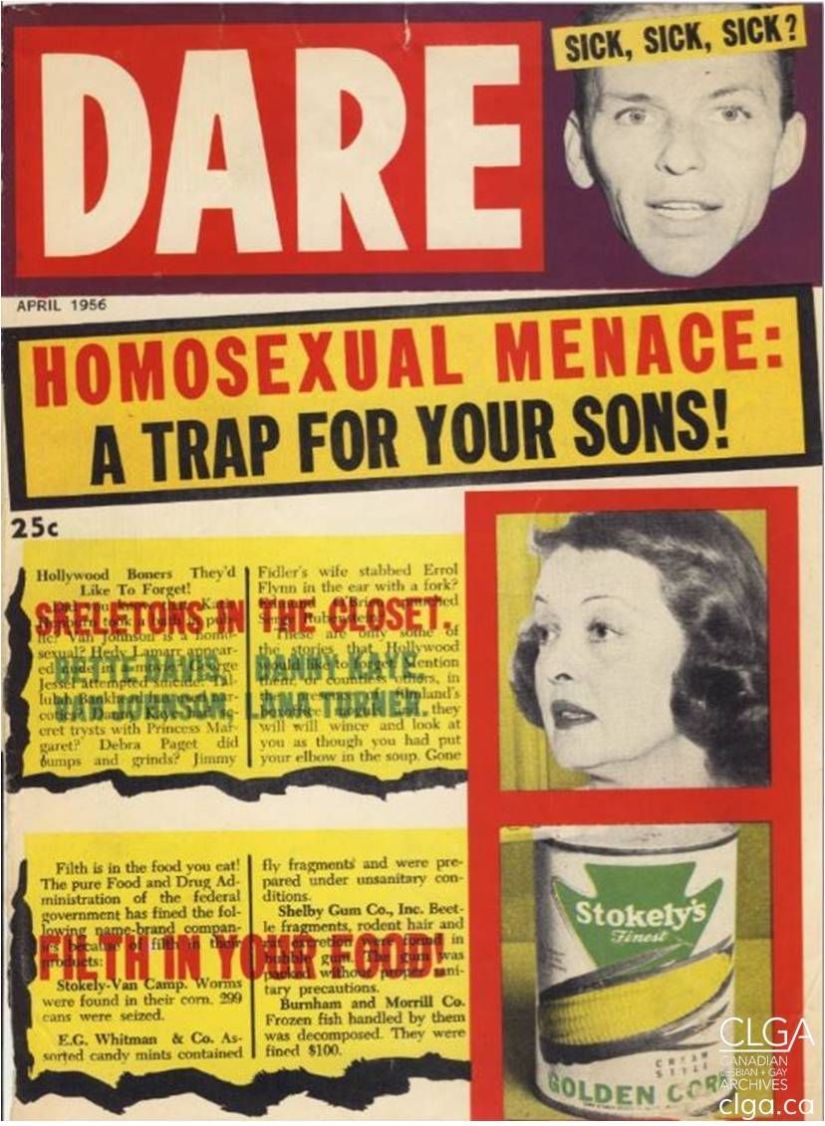
 The media knew a controversy when they saw it and soon newspapers and magazines helped whip the frenzy into a fevered pitch. The New York Times took the lead, running at least seven stories promoting this anti-homosexual campaign in May of 1950. A month later, the Senate authorized an official investigation, the first of its kind in U.S. history. It was popularly dubbed the “pervert inquiry.”
 Nebraska GOP Senator Kenneth Wherry concluded in December, “You can’t hardly separate homosexuals from subversives… Mind you, I don’t say that every homosexual is a subversive, and I don’t say every subversive is a homosexual. But [people] of low morality are a menace in the government, whatever [they are], and they are all tied up together.” In 1950, a Senate investigation chaired by Clyde R. Hoey noted in a report, “It is generally believed that those who engage in overt acts of perversion lack the emotional stability of normal persons.”, and said all of the government’s intelligence agencies “are in complete agreement that sex perverts in Government constitute security risks.”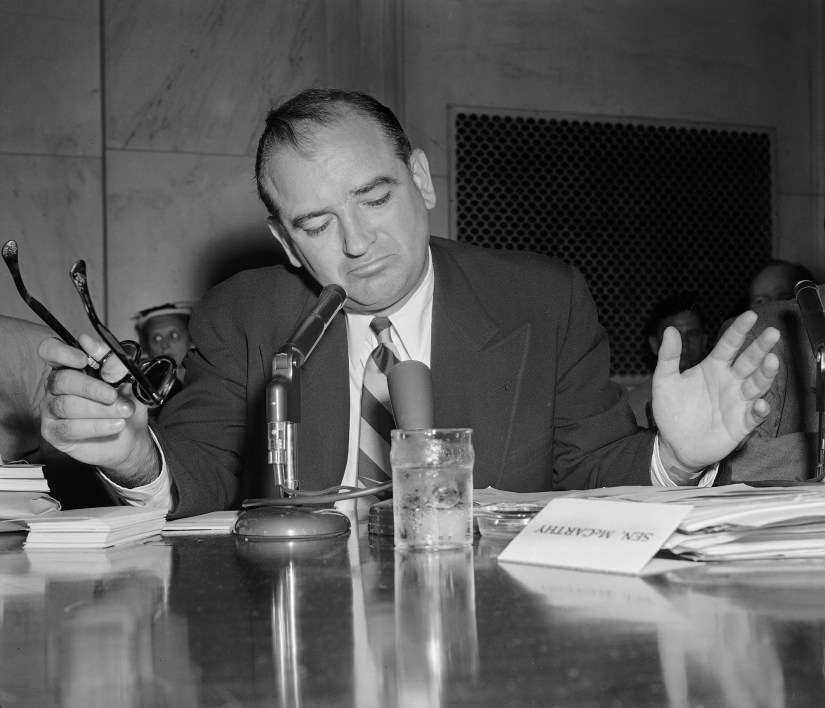

 Until the election of John Fitzgerald Kennedy as President, no other politician of Irish descent had achieved a national impact comparable with McCarthy’s in twentieth century America. McCarthy took a serious issue, undermined it through reckless behavior and destroyed the lives of many people in the process. McCarthy’s Red Scare didn’t come to an end until he dared to attack the Army with his accusations. A very bad idea when the Oval office is occupied by the most famous General of his generation.
 Alan E. Hunter