House Where Lincoln Died and the Logan Cafe next door in the 1880s.
My wife and I recently traveled to Springfield, Illinois for a book release event (actually two books). One book on Springfield’s greatest living Lincoln historian, Dr. Wayne C. “Doc” Temple, and the other on my muse for the past fifteen years, Osborn H. Oldroyd. I have fairly worn out my family, friends, and readers with the exploits of Oldroyd over the years. He has been the subject of two of my books and a bevy of my articles. Oldroyd was the first great Lincoln collector. He exhibited his collection in Lincoln’s Springfield home and then in the House Where Lincoln Died in Washington DC from 1883 to 1926. Oldroyd’s collection survives and forms much of the objects in Ford’s Theatre today.
Osborn H. Oldroyd 1880s.
For this trip, we traveled up from the south to Springfield through parts of northwest Kentucky and southeast Missouri. What struck us most were the conditions of the small towns we drove through. Today many of these little burgs and boroughs are in sad shape, littered by once majestic brick buildings featuring the names of the merchants that built them above the doorways, eaves, and peaks of their frontispieces in a valiant last stand. Most had boarded-up windows and doors and some with ghost signs of products and services that disappeared generations ago.
They are tightly packed and many share common walls. We were amazed how many of them have caved-in or worse, burnt down. The caved-in buildings are the work of Father Time and Mother Nature, but the burnt ones look as if the fires were extinguished just recently. My wife deduces that these are likely the result of the many meth labs that blight these long-forgotten, empty buildings. Indeed, a little research reveals that these rural areas do lead the league in these hastily constructed, outlaw drug factories.
Oldroyd’s Museum before World War I.
Of course, that got me thinking about Oldroyd’s museum. Oldroyd lobbied for decades to have his collection purchased by the U.S. government and preserved for future generations to explore. The Feds eventually purchased it in 1926 for $50,000 (around $900,000 today). For over half a century while assembling his collection, Oldroyd had one great fear: Fire. Visiting the House Where Lincoln Died today, the building remains unique in size and architecture compared to those around it. In Oldroyd’s day, smoking cigars, pipes, and cigarettes indoors was as prevalent as carrying cell phones and water bottles are today. The threat of fire was very real for Oldroyd.
Cramped 10th Street with Oldroyd’s Museum in Center.
The March 20, 1903, Huntington Indiana Weekly Herald ran an article titled “A Visit to the Lincoln Museum in Washington City.” After describing the relics in the collection, columnist H.S. Butler states, “It is hoped the next Congress will purchase this collection and care for it. Mr. Oldroyd is not a man of means such as would enable him to do all he would like, and it seems to me a little short of criminal to expose such valuable relics, impossible to replace, to the great risk of fire. I understand Congressman [Charles] Landis, of Indiana, is trying to get the collection stored in the new Congressional Library, in itself the handsomest structure, interiorly, in Washington. I hope that his brother, the congressman from the Eleventh District [Frederick Landis], will lend his influence to Senators [Charles] Fairbanks and [Albert] Beveridge to urge forward the same end.”
Stereoview of the HWLD with Kritch sign in place next door.
Fifteen years later, the Topeka State Journal described an event that fueled Oldroyd’s concern. “May 21 [1918]-a few days ago the Negro cook in the kitchen of a dairy lunch spilled some fat on the fire and the resulting blaze was extinguished with some difficulty. The unique feature of this trifling accident was that, had the blaze gotten beyond control, it would probably have destroyed a neighboring house in which is the greatest collection in the world of relics, manuscripts, and books bearing upon the life and death of Abraham Lincoln…Sixty feet away from the room in which Lincoln died are three kitchens of restaurants and a hotel. More than one recent fire scare has caused alarm over the danger that threatens these relics.”
Interior of Oldroyd’s crowded museum.
The February 11, 1922, Dearborn [Michigan] Independent reported, “A vagrant spark, a carelessly tossed cigarette or cigar stub, an exposed electric wire might at any time mean the destruction of the collection and the building which, of course, is itself a sacred bit of Lincolniana.” The January 21, 1924, Daily Advocate of Belleville, Ill. reported “The collection is contained in a small and overcrowded room of the house opposite Ford’s Theatre, with two restaurants across a narrow alleyway constituting a constant fire menace…it is likely that the U.S. Government will request that the Illinois Historical Society return the bed in which Lincoln died, that it may again be placed in the room it occupied on that fateful night and the entire setting restored.” Due to that unresolved fire threat the bed was never returned and is today on display at the Chicago History Museum. A 1924 Christmas day article in the Washington Standard 1924 described, “There are a number of restaurants in the block at the rear, and once an oil supply house did business close at hand. On two occasions there have been fires in the neighborhood.”
The Lincoln Rocker, Top Hat, & Treasury Guard Flag from Oldroyd’s Museum.
The July 6, 1926, Indianapolis News speculated, “The government will add to the collection the high silk hat Lincoln wore to the theatre that fatal night, the chair in which he sat in the presidential box, and the flag in which Booth’s foot caught. The flag now hangs in the treasury, while the hat and chair are in storage. These articles formerly were in the Oldroyd collection, but after a fire in the neighborhood some years ago, officials of the government took them back, fearing that they might be destroyed.” The February 18, 1927, Greenfield [Indiana] Reporter stated, “The plan proposed by Senator Watson, of Indiana, and Rep. Rathbone of Illinois, is to remodel the building to protect it against the danger of fire and the ravages of age. They would…place in it the famous Oldroyd collection of Lincoln relics.” Fire remained a nightmare for Oldroyd right up to the day he died on October 8, 1930.
Ironically, after that book signing I found myself browsing the bookstore. I found there a 2 1/2” x 4” business card from the New Lincoln Cafe in the adjoining building to the north of Oldroyd’s Museum (at 516 10th St. NW). Putting aside the fact that I have a personal affinity for old business cards, the item called out to me and made me wonder about the businesses that had been neighbors to this hallowed spot over the generations.
Postcard with an interior view of the Lincoln Cafe.
The card reads: “Chinese and American New Lincoln Cafe. Located at 518 10th St., N.W. Phone EX. 1468. We Specialize In Spaghetti-Home Made Fresh Daily. Your Favorite Mixed Drinks And Cocktails. President Lincoln Was Assassinated In Ford’s Theatre On Night Of April 14th, 1865, And Died Following Morning At Seven-Thirty.” A check of the records indicates that this restaurant remained next to the museum from the late 1930s to the early 1960s. This was just one of the businesses to call that space home over the generations.
Another view of the interior of the Lincoln Cafe.
Located in the Penn Quarter section of DC, the building was built sometime between 1865 to 1873. It envelopes the entire north side and part of the northwest back of the HWLD. It is 4 stories tall and features 11,904 square feet of retail space. One of the earliest storefronts to appear there was Dundore’s Employment Bureau which served D.C. during the 1870-90s. Ironically, when Dundore’s moved three blocks south to 717 M Street NW, the agency regularly advertised jobs at businesses occupying their old address for generations to come. Above the Dundore agency was Mrs. A. Whiting’s Millinery, which created specialty hats for women. The Washington Evening Star touted Mrs. Whiting’s “Millinery Steam Dyeing and Scouring” business for their “Imported Hats and Bonnets”. A 3rd-floor hand-painted sign on the bricks of the building advertising Whiting’s remained for years after the business vacated the premises, creating a “ghost sign” visible for many years as it slowly faded from view.
Photo of 516 W. 10th St. with Whiting’s ghost sign visible and Dundore’s Employment signs in windows.
The Forsyth Cafe seems to have been the first bistro to pop up next to the Oldroyd Museum. In late February/March 1885 (in the leadup to Grover Cleveland’s first Presidential Inauguration), DC’s Critic and Record newspaper’s ad for the cafe decries, “Yes, One Dollar is cheap for the Inauguration supper, but what about those excellent meals at the Forsythe Cafe for 15 Cents?” The Forsyth continued to advertise their meals from 15 to 50 cents but by late 1886, they were gone, replaced by the Logan Cafe. The Logan offered 15 and 25-cent breakfasts, “Big” 10-cent lunches, and elaborate 4-course dinners of Roast beef, stuffed veal, lamb stew, & oysters. Proprietor W.E. Logan’s claim to fame was “the best coffee to be had in the city, made in French-drip Glass-Lined Urn” and “Special Dining Rooms for Ladies-Polite waiters in attendance” and his menus warned “No Liquors” served.
Business card from the Logan Cafe (Late Forsyth Cafe).
The June 4, 1887, Critic and Record reported on a “friendly scuffle” at the Logan between two “colored” employees when cook Charles Sail tripped waiter William Butler who hit his head on the edge of a table and died the next morning at Freedman’s Hospital. The men were described as best friends and the death was deemed an accident. By late 1887, the Logan disappears from the newspapers. From 1897 to 1897, the building was home to the Yale Laundry. The Jan. 7, 1897, DC Times Herald reported on an event that likely added to Oldroyd’s anxiety. The article, titled “Laundry is Looted” details a break-in next door to the museum during which a couple of safecrackers got away with $85 cash including an 1883 $5 gold piece.
Logan Cafe Menu.
A real photo postcard in the collection of the District of Columbia Public Library pictures the building during Yale Laundry’s tenure captioned, “In this house the first public meeting of the survivors of the war with Spain, was held on May 17, 1899, resulting in the formation of the Spanish War Veterans’ Association.” The Dec. 1, 1900, Washington Star notes the addition of Harry Clemons Miller’s “Teacher of Piano” Studio and by 1903, the “Yale Steam Laundry” appeared in the DC newspapers at the address.
Furniture Truck Blocking Front of Oldroyd’s Museum.
In 1909, Du Perow Electric Co. (AKA as “Du Pe”) and partner Alfred A. Ray “Electrical Blueprints” occupied the building. A window cleaning company occupied room # 9 and a leather goods store was located there during this same period. By 1912, the storefront was occupied by the Standard Furniture Co. At least one photo survives presenting an amusing scene of a furniture truck blocking the entrance to Oldroyd’s museum. Amusing to the viewer today but most assuredly not to the museum curator back in the day. Eventually, the restaurants, bars, and cafes that worried Oldroyd began to come and go, among them, the Lincoln Cafe & Cocktail Lounge, whose sign was dominated by the words “Beer Wine.” It appears that during the 1920-50s, a Pontiac, DeSoto, Plymouth Motor Car dealer known as “News & Company” kept an office in the building, with the car lot and gas station across the street.
Esso Gas Station Next to Ford’s Theatre and across from the House Where Lincoln Died.
The Abe Lincoln Candy Store Nextdoor to the HWLD.
Old-timers remember a long-term tenant known as “Abe Lincoln Candies” that occupied the space from the 1950-70s. Other recent tenants included Abe’s Cafe & Gift Shop, Bistro d’Oc and Wine Bar, Jemal’s 10th Street Bistro, Mike Baker’s 10th St Grill, and the I Love DC gift store, and last year, The Inauguration-Make America Great Again Store, who one Yelp reviewer complained was crowded with outdated, sketchy clothing and that “they make u give them a good review before they give u a refund kinda scummy.”
View of the new high-rise building at 514 Tenth St. NW.
As for the building on the opposite side of Oldroyd’s museum at 514 Tenth St. NW, it remained a residence until 1922 when a $55,000, 10-story concrete & steel building with steam heat and a flat slag roof was built. Designed by architect Charles Gregg and built by Joseph Gant, the sky-scraper, known as the Lincoln Building, dwarfed the Oldroyd Museum. It was home to several businesses, including the Electrical Center (selling General Electric TVs, radios, and appliances) and the Garrison Toy & Novelty Co, its modern construction alleviated any concern of fire.
The Great Chicago Fire of 1871.
It must be noted that many great collections of Lincolniana fell victim to fire in the century and a half after Lincoln’s death. The Great Chicago Fire of 1871 consumed many Lincoln objects, documents, and personal furniture that had been removed from the Springfield home after the President’s departure to Washington DC. On June 15, 1906, Major William Harrison Lambert (1842-1912), recipient of the Congressional Medal of Honor and one of the Lincoln “Big Five” collectors, lost much of his collection in a fire at his West Johnson St. home in Germantown, Pa. Among the items lost were a bookcase, table, and chair from Lincoln’s Springfield law office and the chairs from Lincoln’s White House library. The threat of fire was a constant waking nightmare in Oldroyd’s life. While he did his best to control what went on inside his museum, he had no control over what happened outside. His life’s work of collecting precious Lincoln objects, over 3,500 at last count, could be gone in the flash of a pan.
ADDITIONAL IMAGES.
Abe’s Cafe & Gift Shop.
Bistro d’Oc and Wine Bar.
Garrison Toy & Novelty Company at 514 10th Street NW.
New Mexico’s Chaco National Park eclipse petroglyph.
Indiana is firmly ensnared by “Eclipse Fever,” and for the next few weeks, whether you want to or not, you’re caught smack dab in the middle of the path of totality. Step right up, get your viewing tickets, get your t-shirts, get your eclipse glasses, and start humming Bonnie Tyler’s “Total Eclipse of the Heart,” 24/7. Contrary to what you might think, this is not a modern phenomenon. Eclipses (total or otherwise) have been a staple of American society since the First Crusade’s series of religious wars raged in Jerusalem during the medieval period. Ironically, the First Crusade’s objective was the recovery of the Holy Land from Islamic rule. Sound familiar? Well, as Mark Twain once said: “History doesn’t repeat itself, but it often rhymes.”
Eclipse Scene in Ancient Greece.
1758 Eclipse Scene.
According to the National Park Service, the first recorded instance of a total eclipse in America can be traced back to July 11, 1097. As evidence, the NPS sites a petroglyph (a symbol carved into rock) in New Mexico’s Chaco National Park. The petroglyph presents a filled-in circle (representing the sun) with wavy lines emanating from its edges with a small, filled-in circle (representing the planet Venus) visible at its upper left. Scientists hypothesize that this would have been the view in that location at the time of the eclipse. The next instance, recorded in 1758 by an amateur astronomer whose name has been lost to history, happened in Rhode Island, making it the first detailed lunar eclipse recorded by a white man in the Americas.
1805 Lewis & Clark Expedition Eclipse Scene.
On January 14-15, 1805, Lewis and Clark observed a partial lunar eclipse while at Fort Mandan, North Dakota during their Corps of Discovery Expedition of the newly acquired western portion of the U.S, following the Louisiana Purchase. Unsurprisingly, the explorers eagerly recorded details of that eclipse in their journals including start and stop times. Meriwether Lewis wrote: “Observed an eclips (sic) of the Moon…The commencement of the eclips was obscured by clouds, which continued to interrupt me throughout the whole observation…” A year and a half later, on June 16, 1806, Lewis and Clark observed a solar eclipse while encamped in the Great Pacific Northwest in the path of the total solar eclipse which passed over Arizona, through the Midwest, southern New York State, northern Pennsylvania, and over Boston.
Eclipse on concentric circles on stone in a Neolithic tomb in Ireland.
However, far be it from me to assume that eclipse history is notable only from an American point of view. According to NASA “The oldest recorded eclipse in human history may have been on Nov. 30, 3340 B.C.E.” BCE you ask? Well, that means Before Common Era or Before Current Era or Before Christian Era or Before Christ. That is not to say that eclipses were not witnessed by our shared non-white knuckle-dragging ancestors, they just didn’t write it down! Humans struggling through the Stone Ages (Paleolithic, Mesolithic, and Neolithic Eras) surely witnessed eclipses and I suspect that every such occurrence was met with sheer panic. The Vikings believed two wolves would devour the sun or the moon. For the Cherokees, it was a toad. Still, other Native American tribes in northern California believed it was a bear that had swallowed the sun (or moon). Other ancient civilizations believed the Sun was being devoured by planetary monsters: in Siberia, it was a vampire, in Vietnam it was a giant frog, in Argentina it was a jaguar, for indigenous people, and in India and China, it was a dragon. In short, for our pre-Classical Era ancestors, an eclipse meant the world was coming to an end.
Egyptian Pyramids Eclipse.
Modern research proves that eclipses were recorded in ancient Egypt 4,500 years ago and in China, the Mayan Empire, and Babylonia over 4,000 years old. Chinese legend states that imperial astronomers Hsi and Ho were executed because they failed to predict the total solar eclipse in China on October 22, 2134 BC. Emperor Chung K’ang had the two Royal astronomers “decapitated for having failed to predict an eclipse of the sun which took place while the two delinquents were absent and given to debauchery instead of attending to their duties…Hsi and Ho, drunk with wine, had made no use of their talents. Without regard to the obligations which they owed the Prince, they abandoned the duties of their office…for on the first day of the last moon of Autumn, the sun and moon in their conjunction not being in agreement in Fang, the blind one beat the drum, the mandarins mounted their horses, and the people ran up in haste. At that time, Hsi and Ho, like wooden statues, neither saw nor heard anything and by their negligence in calculating and observing the movement of the stars, they violated the law of death promulgated by our earlier Princes.” The account is important because it proves that astronomers were already able to predict eclipses over four centuries ago.
Lest you think the Chinese were the eclipse bosses, our ancient Irish ancestors were also expert astronomers. Irish star-gazers were carving eclipse images on ancient stone megaliths over 5000 years ago. The Irish were the ones who recorded that November 30th, 3340, BC event, making it the world’s oldest known solar eclipse literally chiseled in stone. The megalith (a very large rough stone used in prehistoric cultures as a monument or building block) is situated at Loughcrew in County Meath. Loughcrew is home to twenty ancient tombs from the 4th millennium BC, the highest point in Meath. The Irish Neolithic priests/astronomers recorded eclipses as seen from that location on 3 stones located there. Leave it to the Celts, who created a “festival of light” to welcome an eclipse, proving that they were capable of predicting them. Ain’t no party like a Celtic party.
Christopher Columbus Eclipse.
A popular eclipse story has worldwide appeal with a splash of American interest. The story of the eclipse that saved Christopher Columbus’ life. In 1503, on what would become his final voyage to the new world, Columbus steered his sinking ships towards Santiago (modern-day Jamaica) with his crews in despair. With most of his anchors lost and his vessels worm-eaten enough to be little more than floating sponges, he beached his ships. Columbus’ glory days were behind him and he now found himself and his crew of 90 men and boys stranded on this desolate Caribbean island. The Italian and his Spaniards were initially welcomed by the indigenous Taíno people but, as time went on, the crew clashed with the natives. Fearing both starvation and conflict, Columbus forbade his crew from leaving their base and tentatively traded Spanish trinkets and jewelry for food and water with the people living there.
Christopher Columbus predicts the moon eclipse to the Indians.
The danger was a constant. When investigating Jamaica’s easternmost point. one of his scouting parties was overpowered and captured by hostile locals. In January 1504, some of the crew mutinied, left the base, and spread out onto the island. They abused and mocked the island residents, stole provisions, and “committed every possible excess”, according to one of Columbus’ biographers. The crew had worn out their welcome as tolerance gave way to contempt and hatred. The trade of food and water came to a halt and, facing imminent starvation, Columbus realized that a lunar eclipse was approaching. On March 1, he gathered the chiefs and leaders of the tribal communities, admonished them for withholding provisions, and issued a warning. “The God who protects me will punish you… this very night shall the Moon change her color and lose her light, in testimony of the evils which shall be sent on you from the skies.” The ploy worked and the terrified locals relented, providing food and water once again. In exchange, Columbus promised to perform a rite that would “pardon” them.
The Ships of Christopher Columbus.
Good thing because rescue wouldn’t arrive until June. Thanks to that eclipse, Columbus was able to return to Spain. The remainder of his life was an unhappy story: he returned to Spain in poor physical and mental health and spent his last two years of life lobbying for official recognition and money, which never came. His patrons doubted his mental condition and ignored his demands. He died on May 20, 1506. While lunar eclipses pop up on the pages of history more than solar eclipses for a few different reasons (more people can see them, they last longer, and are visible for more than half the Earth) there was one solar eclipse that did play an important role in U.S. history and it happened right here in pre-statehood Indiana.
Tecumseh
In the early 1800s, Shawnee leader Tecumseh and his brother Tenskwatawa (better known as “The Prophet”) were seeking to unite the Native American people and maintain traditional ways. Instead, the governor of the territory, William Henry Harrison (a future U.S. president and grandfather of Indiana’s only homegrown president, Benjamin Harrison) decided that it was a much better idea to persuade tribal leaders to hand over their land or have it taken from them. Knowing that Tecumseh and his Prophet brother held sway over the tribes, Harrison tried to discredit them by asking them for a sign: if the prophet was so powerful, why not ask him to perform a miracle of biblical proportions? Harrison wrote an open letter to the Indians gathered on the Wabash River: “If he is a prophet, ask him to cause the Sun to stand still or the Moon to alter its course, the rivers to cease to flow or the dead to rise from their graves”. Old Tippecanoe’s stunt backfired.
The Prophet.
The Prophet agreed and requested that all in the village be assembled for him to deliver his response. He emerged from his wigwam to announce that he had consulted with the Great Spirit and that she was unhappy about Harrison’s request. The Great Spirit agreed to give a sign proving that she and the Prophet were besties. The Prophet spoke in a loud and confident voice saying that: “Fifty days from this day there will be no cloud in the sky. Yet, when the Sun has reached its highest point, at that moment will the Great Spirit take it into her hand and hide it from us. The darkness of night will thereupon cover us and the stars will shine round about us. The birds will roost and the night creatures will awaken and stir.” At noon on June 16th, 1806, The Prophet raised his arms to the sky at just the right time, and a total solar eclipse crossed the region. It was a long eclipse with a band of totality reaching from the southern tip of Lake Michigan to Cincinnati and encompassing most of the lands inhabited by Tenskwatawa’s followers.
Tecumseh confronting William Henry Harrison.
The euphoria did not last long. On November 6, Harrison’s forces approached Prophetstown. Accounts are unclear about how the battle began, but Harrison’s sentinels encountered advancing warriors in the pre-dawn hours of November 7. Although slightly outnumbered and low on ammunition, Tenskwatawa’s force of 600 to 700 men attacked Harrison’s soldiers. The attack failed, and after a two-hour engagement that history recalls as the Battle of Tippecanoe, Tenskwatawa’s forces retreated from the field and abandoned Prophetstown to avoid capture. On November 8, Harrison’s army burned the village to the ground. The war would continue for several years and would end only when Tecumseh was killed on October 5, 1813. His prophet brother Tenskwatawa died in November 1836 at his cabin, a site in present-day Kansas City’s Argentine district.
The Blood Moon.
But what about that “Blood Moon” thing in this article’s title? What does that mean? Where did it come from? If you think it sounds Biblical, you’re right. While the Bible doesn’t mention eclipses in particular, there are plenty of verses that can apply. The gospels of Matthew, Mark, and Luke, mention a darkness that lasted three hours after the crucifixion of Jesus, but scientists easily poke holes in those stories. The term originates in the Book of Joel and it designates the blood moon as being a sign of the beginning of the end times: “The sun will turn into darkness, and the moon into blood before the great and terrible day of the Lord comes.” The prophecy is repeated by Peter in Acts during Pentecost, as the fulfillment of Joel’s prophecy. Acts 2:20-38: “The sun shall be turned into darkness, and the moon into blood, before that great and notable day of the Lord.” The blood moon is also prophesied in the Book of Revelation 6:12: “And I beheld when he had opened the sixth seal, and, lo, there was a great earthquake; and the sun became black as sackcloth of hair, and the moon became as blood.” So, ye faithful, the total Solar Eclipse falls on Monday, April 8th this year and if you believe in the prophecy of the blood moon, you’d better be in the pews the day before. Rest easy friends, the blood moon only happens during a Lunar Eclipse. Oh wait, that happens March 25th, so, I guess it still applies. Sounds like the Lunar Eclipse needs a better hype man.
Truth is, the blood moon term is a convenient colloquialism designed to evoke an image simple for people of all races, ages, and religions to understand and to accentuate just how rare and noteworthy total eclipses are. The blood moon happens as the sunlight passes through the earth’s atmosphere and breaks down into several refracted colors from behind the dark of the moon. The scattering of those wavelengths drowns out the blue component of yellow sunlight sending it into the void of space leaving only the red component of light remaining. Contrary to what you may think, the moon is not invisible during a total lunar eclipse but does assume a reddish hue. Despite the ominous connotations, the blood moon is clear proof that the Earth has an atmosphere. The same thing happens at sunrise and sunset as the sunlight travels up or down through the atmosphere, the blue light mostly disappears, leaving the red, orange, and yellow light. Conversely, when the Apollo moonwalkers looked back at the Earth, they saw a dark disk surrounded by a bright, red-hued ring: an eclipse. In short, a blood moon means nothing more than the Moon being eclipsed by the Earth’s shadow.
Centuries of superstition entwined with enigmatic mysticism fuel the interest in eclipses to this day. An eclipse does not discriminate among its viewership. Wealthy or poor, short or tall, male or female, worldly or cloistered, illiterate or learned, anyone and everyone with an interest can witness an eclipse. In the case of Abraham Lincoln, an eclipse in the summer of 1831 would become an early benchmark in the life of the rail-splitter. Next Week: PART II – Abraham Lincoln, the Blood Moon, and History.
Abraham Lincoln, the Blood Moon, and History. PART II
The total eclipse of February 1831 began at 5:21 pm in Cape Cod Massachusetts, swept across the eastern seaboard through Maryland, North and South Carolina, Alabama, and Mississippi, and exited an hour past sunset (6:36 pm) in the Mexico territory that would soon become Texas. The annular solar eclipse (when the Moon passes between the Sun and Earth while it is at its farthest point from Earth) occurred on February 12, 1831. This eclipse is historically important for a few reasons. First, it was the subject of the earliest known eclipse map in the United States, printed in the American Almanac and Repository of Useful Knowledge. Second, it happened on Abraham Lincoln’s twenty-second birthday, and third, because it provided the impetus for Nat Turner’s slave uprising in Virginia. Turner, an enslaved African-American preacher adjudged to be one of the 100 Greatest African Americans by Temple University in 2002, would pay with his life. Lincoln, just over a year after leaving Indiana for Illinois on March 1, 1830, would emancipate Turner’s descendants three decades later and also pay with his life.
Nat Turner
Nat Turner was born into slavery around October 2, 1800, and by his own account, he was born with special powers. In a jailhouse interview published just before he died in 1831, Turner told author Thomas Ruffin Gray for the book The Confessions of Nat Turner that when he was three or four years old, he could provide details of events that occurred before his birth. His mother and other family members believed that Nat was a prophet who was “intended for some great purpose.” Turner learned how to read and write at a young age. He grew up deeply religious and was often seen fasting, praying, or immersed in reading the Bible. Pastor Turner, while preaching to his fellow enslaved people, testified, “To a mind like mine, restless, inquisitive and observant of everything that was passing, it is easy to suppose that religion was the subject to which it would be directed.”
Nat Turner Preaching to his Followers.
Turner had visions that he interpreted as messages from God, believing that God used the natural world as a backdrop for the placement of omens and signs that guided his life. After Turner witnessed the solar eclipse, he took it as a sign from God to begin an insurrection against slaveholders. Turner, convinced that he was destined for greatness, began preparing for a rebellion against local slaveholders. Nat confessed to author Gray that his divine vision was to avenge slavery and lead his fellow enslaved people from bondage. Turner said the most vivid of those visions came on May 12, 1828, when “I heard a loud noise in the heavens, and the Spirit instantly appeared to me and said the serpent was loosened, and Christ had laid down the yoke he had borne for the sins of men, and that I should take it on and fight against the serpent, for the time was fast approaching when the first should be last and the last should be first.”
Turner purchased muskets and enlisted over seventy freed and enslaved men to his cause. On August 22, 1831, they rebelled and swept through the countryside of Southampton County, Virginia, killing whites and freeing upwards of 75 slaves. By the end of the rebellion, one of the largest slave rebellions in American history, over sixty whites were dead. After it was revealed that Turner and his small band of hatchet-wielding enslaved people had killed his master, Joseph Travis, along with his wife, nine-year-old son, and a hired hand as they slept in their beds, the white citizens became incensed. Then, after it was discovered that two of Turner’s men returned to the Travis home and killed “a little infant sleeping in a cradle” before dumping its body in the fireplace, the die was cast. As a result, over 120 Black people, some of whom had nothing to do with the rebellion, were killed.
The Capture of Nat Turner.
Militias were formed and law enforcement was called in to put down the two-day rebellion. Hundreds of federal troops and thousands of militiamen quelled the uprising, capturing most of the participants (except for Turner himself). Nat Turner remained hidden in the woods only a few miles away from the Travis farm for two months. On October 30, 1831, Benjamin Phipps was walking across a nearby farm. He noticed “some brushwood collected in a manner to excite suspicion,” according to a Richmond newspaper, below an overturned pine tree. When Phipps raised his gun, a weak, emaciated Turner emerged from the foxhole, surrendered, and was taken to the Southampton County Jail. Six days after his arrest, he stood trial and was convicted of “conspiring to rebel and making insurrection” and sentenced to death. Turner was hanged from a tree on November 11, 1831. Ironically, his death came in a small town called Jerusalem (present-day Courtland, Virginia). According to many historians, Nat Turner’s revolt contributed to the radicalization of American politics and helped chart the course toward the Civil War.
CONFESSIONS OF NAT TURNER
Equally ironic is that Turner’s revolt brought to an end an embryonic abolitionist movement in Virginia. Following the insurrection, the Virginia legislature narrowly rejected a measure for gradual emancipation that would have followed the lead of the North. About forty petitions, signed by more than 2,000 Virginians, urged the General Assembly to address the troublesome issue of slavery. Some petitions called for outright emancipation, others for repatriation of the enslaved to Africa. Many advocated the removal of free Blacks from the state, seeing them as a nefarious influence. The House established a select committee and the debate finally spilled over into the full body. After vigorous debate, members declined to pass any law. Pro-slavery, anti-abolitionist opinion hardened in Virginia in the years that followed, citing Turner’s intelligence and education as a major cause of the revolt. As a result, measures were passed in Virginia and other southern states making it unlawful to teach enslaved people, or free African Americans for that matter, how to read or write.
Young Lincoln wearing eclipse glasses. Courtesy Abraham Lincoln Presidential Library & Museum Springfield, Ill.
As for Abraham Lincoln, no one knows what the 22-year-old did on his birthday that year. After all, another eclipse, this one a partial eclipse, had occurred over northwest North America at 8:28 pm on Lincoln’s third birthday, February 12, 1812. But for the 1831 total solar eclipse, all that we know for sure is that sometime that year, Lincoln struck out on his own, arriving in New Salem via flatboat and remaining in the village for about six years. The citizens of New Salem first took notice of the lanky fellow when his flatboat became stranded on a nearby milldam in the Sangamon River. A crowd gathered to watch the crew work to free the boat, noticing that Lincoln was obviously in charge. Lincoln directed (and assisted) the other crew members to unload the cargo from the stern which caused the flatboat to free itself from the barrier. Much to the amazement of the gawkers on shore, the flatboat still refused to budge, so Lincoln calmly waded ashore and borrowed an auger from Onstot’s cooper shop. Wading back to the flatboat, auger held high in the sky, Lincoln then drilled a hole in the bow allowing the water to drain out, which caused the flatboat to ease over the dam.
Abe Lincoln and Denton Offutt.
The auger’s owner, Denton Offutt, was so impressed with Lincoln’s handling of the incident, that he offered him a job as a clerk in his store in the flourishing village of New Salem. The store operated from July 1831 to 1832 but the business failed and Offutt moved on. It was at Offutt’s store where the young Lincoln accidentally overcharged a customer six cents (about $1.50 today) and traveled two miles to return the money. Legend states the incident is one of the acts that earned him the nickname “Honest Abe”. It is a great story, but in truth, the fact is that it was Offutt who forced Abe to run those many miles.
Major William Warnick House.
One thing is for sure, around the time of the eclipse, Lincoln nearly lost his feet to frostbite. Midwestern Winters can be brutal, especially in February, and the Winter of 1831 in New Salem is remembered as the “deep snow”. According to the book Lincoln Day by Day. A Chronology 1809-1865, in February of 1831, “While crossing Sangamon River, Lincoln breaks through the ice and gets his feet wet. In going two miles to the house of William Warnick he freezes his feet. Mrs. Warnick puts his feet in snow, to take out frostbite, and rubs them with grease.” The “grease” was likely goose grease, skunk oil, or rabbit fat according to the custom of the day. Lincoln recalled the episode with typical humility and humor recalling that he was “comfortably marooned” for weeks in the cabin belonging to Macon County Sheriff William Warnick.
THE GREAT ECLIPSE OF 1831 BOOKLET.
Lincoln was a voracious reader known throughout his young lifetime to travel miles in search of reading material. So, it is at least plausible to imagine that the young rail-splitter may have got ahold of a copy of an American Almanac and Repository of Useful Knowledge to peruse the map of the eclipse found within its pages. Nothing like it had ever been published and it certainly would have been a topic of conversation and focal point of interest by any inquisitive frontier mind.
After all, everyone knew it was coming. The Philadelphia Saturday Bulletin, citing Ash’s Pocket Almanac, proclaimed, “THE GREAT ECLIPSE OF 1831 will be one of the most remarkable to be witnessed in the United States for a long course of years.” Afterward, newspapers proclaimed that “the darkness was such that domestic fowls retired to roost” and “it appeared as if the moon rode unsteadily in her orbit, and the earth seemed to tremble on its axis.” On the day of the eclipse, Americans from the Atlantic seaboard to Galveston Bay cast their eyes toward the heavens in anticipation of this much-ballyhooed celestial event. One diarist saw “men, women, and children … in all directions, with a piece of smoked glass, and eyes turn’d upward.” The Boston Evening Gazette reported that “this part of the world has been all anxiety … to witness the solar eclipse… Business was suspended and thousands of persons were looking at the phenomena with intense curiosity.” “Every person in the city,” noted the Richmond Enquirer, “was star gazing, from bleary-eyed old age to the most bright-eyed infancy.”
1869 Total Eclipse Waltz Sheet Music.
City crowd watching the Great Eclipse.
The difference with this 1831 was simple. The fears of evil and gloomy predictions of the end of days were mostly absent from big cities. The eclipse was now viewed as a natural atmospheric occurrence aptly explained by science. Rational explanations of atmospheric events, however, offered little solace to many rural Americans. In his book “1831 Year of Eclipse” author Louis P. Masur notes that, “a kind of vague fear, of impending danger-a prophetic presentiment of some approaching catastrophe prevailed” in small towns and “the reasonings of astronomy, or the veritable deductions of mathematical forecast,” did little to diminish the anxiety. One correspondent reported that an “old shoe-black accosted a person in front of our office, the day previous to the eclipse, and asked him if he was not afraid. For, said he, with tears in his eyes, the world is to be destroyed tomorrow; the sun and moon are to meet … and a great earthquake was to swallow us all!—Others said the sun and the earth would come in contact, and the latter would be consumed. Others again, were seen wending their ways to their friends and relations, covered with gloom and sadness; saying that they intended to die with them!”
Children watching the Eclipse.
The day after the eclipse, the world did not end, the sun shone bright again and the eclipse hype subsided. Life returned to normal and newspapers diminished the event, reporting that “The darkness was that of a thunder gust,” and that “The light of the sun was sickly, but shadows were very perceptible.” Edward Everett, a senator from Massachusetts, reported that “a motion was made in the House of Representatives to adjourn over till Monday in consequence of the darkness which was to prevail.” The motion did not pass, and Everett later quipped, “After sitting so frequently when there is darkness inside the House, it would be idle I think to fly before a little darkness on the face of the heavens.” Three decades later, it would be Everett who delivered the speech preceding Lincoln’s Gettysburg Address. It would be hard to find two more disparate men in February 1831. Everett in the U.S. Senate and Lincoln on the dirt paths of New Salem, Illinois.
Route of the Great Eclipse 1831.
Now understood (and survived) eclipses (Solar, Lunar, and partial) would be better understood by the people experiencing them. Just three years later, another total solar eclipse would cross the U.S. territories from Montana to South Carolina, swooping through parts of the American heartland and the South, on Nov. 30, 1834. While in Springfield, Lincoln experienced another annular solar eclipse on February 12, 1850, his 41st birthday. That event began at 5:54 am and lasted 8 minutes and 35 seconds. If Lincoln witnessed the event, he never noted it. What we do know is on that day, another notable American was experiencing the same celestial event on his own special day. For whenever Lincoln experienced an eclipse on his birthday, so did Charles Darwin. Abraham Lincoln was born on Feb.12, 1809, the same day as Charles Darwin.
Next Week: PART III – Abraham Lincoln, the Blood Moon, and History.
Abraham Lincoln, the Blood Moon, and History. PART III
Butler University’s Physics and Astronomy Professor Brian Murphy.
While rare, total solar eclipses have been a part of life on this planet for centuries. Ironically, if the Solar System had formed differently, they wouldn’t happen at all. While what Hoosiers will witness on April 8th is real, the truth is, it is a bit of an optical illusion. The Sun is 400 times larger than the Moon and we are sitting about 400 times further from the Earth, so while the two appear to be the same size in the sky, it’s merely a coincidence. The Moon does not cover the Sun, it only blocks our sightline, causing the moon’s shadow to fall on the Earth’s surface, resulting in temporary darkness during daylight hours. It is a mesmerizing spectacle that has fascinated humans for centuries.
Holcomb Observatory and Planetarium Butler University Campus.
Just how rare is a total solar eclipse? To find the answer, I traveled to the JI Holcomb Observatory and Planetarium on the campus of Butler University in search of Physics & Astronomy Professor Brian Murphy. Murphy, who joined the staff in 1993, has been at Holcomb longer than anyone else on campus. He knows the building like the back of his hand. On Tuesday, March 19, Brian invited me and my trusty photographer Rhonda Hunter to the Observatory for a special behind-the-scenes tour. We were in search of the Irvington connection to this upcoming total eclipse event and Professor Murphy was more than happy to lead the way.
James Irving Holcomb.
In 1888, Butler College built the school’s first observatory while the campus was still located here in Irvington on the east side of Indianapolis. That observatory housed a 6-inch (150 mm) telescope that was purchased from the estate of Robert McKim of Madison, Indiana that year. McKim, born in County Tyrone Ireland on May 25, 1816 (the year of Indiana statehood), was a stonemason by trade who made his money in real estate. His May 13, 1887, obituary stated that he first landed in Philadelphia before moving to Madison, where, “by industry, frugality, and rapid advance in the price of property, he accumulated a large fortune and expended much of it for the public good…He was in every sense a public benefactor.” He died of Bright’s disease at the age of 71 but not before donating $8,000 for the construction and equipping of a new observatory on the campus of DePauw University. That observatory, built in 1884, became known as McKim Observatory, and it still stands today.
Holcomb Observatory Telescope.
The lens for the Holcomb telescope was manufactured by Alvan Clark & Sons in 1883 and was originally part of McKim’s observatory located near his home in Madison. Alvan Clark & Sons of Cambridgeport, Massachusetts became famous for crafting lenses for some of the largest refracting telescopes in the 19th and early 20th centuries. Five times, the firm built the largest refracting telescopes in the world. When Butler moved to the north side of Indianapolis in 1928, the old observatory on the Irvington campus was torn down. Professor Murphy informs me, “I think the concrete foundation still exists in someone’s backyard in Irvington, although I’ve never seen it.” Steve Barnett, Executive Director at the Irvington Historical Society, delineates by saying, “The foundation of the observatory is in the backyard of 214 S. Butler Avenue.”
The Butler College Observatory on the Irvington campus.
While the building was razed, the telescope was saved and removed to the new campus where it was occasionally brought out of storage and placed on the roof of Jordan Hall. The telescope was reconditioned in the 1930s and remounted on the new campus, but sat unused until 1945. In 1953, benefactor James Irving Holcomb (1876-1972) and his wife Sarah (1851-1941) gave $325,000 to construct an observatory as the centennial gift to the university. The couple donated more than $ 4 million to the University in total. Holcomb, who began his business with 25 borrowed dollars as a teenager, sold furniture polish on the streets of Indianapolis. His entrepreneurial hopes were dashed when his bottles of polish exploded in the noonday sun. Thus began a lifetime of interest in Astronomy for JI Holcomb. Along with his philanthropic efforts, Holcomb was a director of the Indiana Lincoln Foundation and the Indiana Lincoln Sesquicentennial Commission.
The space-age “Sputnik” satellite hanging above the 14-foot replica of the zodiac inside Holcomb Observatory.
Professor Murphy points out that Holcomb’s shadow still looms large throughout the building. The first thing one notices upon entering is the lobby, the “showplace” of the building, is the 14-foot replica of the zodiac inset in bright colors on the terrazzo floor. A space-age “Sputnik” satellite chandelier dominates the space above the design and strategically placed spotlights enhance the entire appearance of the lobby. A cantilever stairway of 66 steps, also bearing zodiac and planet signs within the iron handrails, winds upward to the dome and telescope. Along the stairway and on the landings are 20 lighted cases containing images from telescopes and spacecraft. The planetarium is both a laboratory and theater, used to examine celestial objects and follow their motions. In addition to the telescope, the observatory has a clock room displaying times from all over the world, a classroom, and, of course, the planetarium. Murphy explains that the designs were perfected by students from the Herron School of Art and Design. Murphy stands in the center of the Zodiac symbol and proclaims, “This is my favorite spot on campus. You can see all the way to the stoplights at 38th Street.” The front door view glides past the greenspaces of the North Mall, Norris Plaza, and the South Mall. Murphy explains, “Mr. Holcomb specifically requested this view as the center of campus.”
I asked about the plans for the upcoming eclipse at Butler. “We’ve canceled classes for the day and expect about 3,000 people to visit. We will close Sunset Avenue in front of the Observatory and will have telescopes set up all over the greenspaces out front for people to look through.” Murphy continues, “We’re free because we are for the public. Park at Hinkle Fieldhouse or in the Clowes Hall garage and walk over. It is a short walk.” He explains, that the observatory will be open that day from noon to nine o’clock, but “We’ll close for awhile before 3:00 so we can all go out and look at the eclipse. We encourage everyone to get outdoors and see it.” Butler has doubled the number of tours for eclipse weekend, “We had 900 people last weekend, so get reservations!” The professor states specifically, “Irvington is in the path of totality. 2017 was the last big deal but it was only a partial eclipse. This is a total solar eclipse. A partial eclipse, even if it is 99%, is nothing like a total eclipse.”
Professor Brian Murphy in front of Holcomb Observatory.
Professor Murphy’s eyes light up as he explains, “Every state will have a partial eclipse, but we are right in the middle of the path of totality. The eclipse will begin around 3:05 pm on April 8, 2024, and it will last about 3 minutes and 45 seconds. We expect to have media from all over the world here including scientists from the National Center for Atmospheric Research from Boulder Colorado.” Murphy is quick to warn, “Do not stare at the sun and absolutely no binoculars! I think everyone knows that, but still. We will have eclipse glasses here for the public for $2 a pair. There will be a big cheer when it first occurs. The only time you can stare at the sun is during totality. Then, take off your glasses for 3 minutes and 45 seconds. You’ll be able to see the Diamond Ring effect in its last stages and the orange glow of the horizon. The temperature will drop 10 degrees, the birds will roost, bugs will chirp, and animals will get confused. We expect to get all of the Chicago people, and I hope a lot of families since Butler has a strict no alcohol policy, we’re very family friendly.”
As we ascend the 66 steps up to the observatory, Professor Murphy points out many more of the hidden architectural elements of the building. “It was built in 1953 / 1954 on this hill on the north end of the campus. When I started here in 1993, it was still stuck in the 1950s. Frozen in time. I wanted it to retain its 1950s look but bring it up to date in function.” As we reached the top of the stairway we were encouraged to look down at the mosaic on the floor and see how the lights interact with it. The professor opens the door to the observatory to reveal the gem of the building: the Telescope. Murphy states, “Looks like something out of a 1950s Sci-Fi movie doesn’t it?” And indeed, the apparatus would make any steampunk aficionado drool. The metal dome reveals a triangular aperture that opens and closes at will, spinning towards any celestial waymark one’s heart might desire. In October of 1954, a 38-inch (970 mm) reflecting telescope was installed here by J. W. Fecker, Inc. The telescope was, and still is, the largest in the state of Indiana. Murphy notes, “The observatory’s wooden dome was replaced with its current aluminum dome in the early 1980s. The telescope itself was refurbished in 1995 by AB Engineering of Fort Wayne at a cost of approximately $120,000.”
The giant erector set is topped by two telescopes controlled by 16 or 18 motors and is powered by a $60,000 mirror. The smaller Irvington telescope rides piggyback atop the larger, more modern scope. Murphy states, “For my first five years, I had to spin the telescope around by hand with a crank. Sometime around 1997-98, we reset it to computer ops, everything is automated now.” As he circles the black metal skeleton, Murphy points to a shiny steel bolt that looks oddly out of time, “That was a problem. The original bolt sheared off and we had no idea how to fix it. One of our students went down to Sullivan’s Hardware, picked up a five-dollar bolt, and solved the problem. Sometimes we forget the simple stuff.” Updated, but still ancient-looking celestial charts line the walls of the upper chamber and Murphy assures me they are integral to the operation to this day.
Brian Murphy Butler Professor.
Professor Murphy states with a smile, “Your readers will like to hear that the Irvington lens is in use every night. Since it has a smaller scope, it is used to pinpoint stars and planets for better detail. The lens is worth at least $10,000, but it is always available for use by our guests free of charge.” We make our way back down to the lobby and as we stand on the sunspot mosaic, Murphy reveals a chilling discovery. “I learned that in the late-1970s / early-1980s, the building was scheduled to be torn down and the telescope was to be sold to Ball State University. Luckily that never happened.” Professor Murphy further reveals, “This eclipse will be my last official event here at Butler, I am retiring. My last day is August 15th, 2024.” So with that revelation, I urge all Irvingtonians to make the short trip to the campus observatory and spend a little time with Professor Murphy. When I ask if he will remain connected to the observatory after his retirement, he smiles and replies, “Well, I’m not giving back my keys.”
Over the last couple of weeks, I detailed a long-lost Indiana landmark known as the Hoosier Slide in Michigan City. This giant mound of sand became a tourist attraction when visitors discovered that they could slide down its slopes on slices of cardboard or fragments of cloth like a sled on a snow mound. The Hoosier Slide disappeared from the northern Indiana landscape around World War I after it was purchased by the Ball Brothers Corporation in Muncie to furnish the distinctive blue tint for their popular Ball Brand fruit jars.
Blue Ball Jar.
Continuing that theme, it was 115 years ago this week (Sept. 24, 1906) that President Theodore Roosevelt proclaimed Devils Tower in Wyoming as the nation’s first National Monument, under new authority granted to him by Congress in the Antiquities Act. The Antiquities Act resulted from concerns about protecting mostly prehistoric Native American ruins and artifacts (aka “antiquities”) located on federal lands. The United States Congress designated the area a U.S. forest reserve in 1892. However, in the ensuing years, the threat of commercial development and the removal of artifacts from these unprotected lands by private collectors, whom Teddy famously referred to as “pot hunters,” had become a serious problem. Making this a high-priority goal for Teddy’s second term.
President Theodore Roosevelt giving a speech in Wyoming.
Although Devils Tower (apostrophe purposely omitted) might not ring any bells in your house, it was so important to Roosevelt that he designated it for protection before he established the Grand Canyon Game Preserve by proclamation on November 28, 1906, and the Grand Canyon National Monument on January 11, 1908. Devils Tower, also called Bear Lodge Butte, is part of the Black Hills mountain range located above the Belle Fourche River near Hulett and Sundance in Crook County, northeastern Wyoming. The tower, technically called a “monolith”, was formed from cooled magma exposed through erosion. It stands 1,267 feet tall; 867 feet from summit to base (5,112 feet above sea level) and encloses an area of 1,347 acres.
Teddy Roosevelt.
The oldest rocks visible in Devils Tower National Monument were once part of a shallow sea during the Triassic period 250 million years ago, which saw the rise of reptiles and the first dinosaurs. Devils Tower hails from the Jurassic period, about 200 million years ago, which ushered in birds and mammals. The Tower was here 150 million years before the Rocky Mountains and the Black Hills were formed. It is easy to imagine that the thought of dinosaurs roaming around Devils Tower may well have sparked Teddy Roosevelt’s vivid imagination, thus leading him to designate it as the country’s first National Landmark.
1888 Cabinet Photos of Devils Tower or Bear Lodge as seen from the east side.
Fur trappers may have visited Devils Tower, but they left no written evidence of having done so. The first documented Caucasian visitors were members of Captain William F. Raynolds’s 1859 expedition to Yellowstone. Sixteen years later, Colonel Richard I. Dodge escorted a US Government Office of Indian Affairs scientific survey party to the massive rock formation and coined the name Devils Tower. The misnomer was created when his interpreter reportedly misinterpreted a native name to mean “Bad God’s Tower”. The Indigenous Native American people had many names for the outcropping including Bear’s House, Grizzly Bear Lodge, Bear’s Tipi, Home of the Bear, Bear’s Lair, Tree Rock, Great Gray Horn, and Brown Buffalo Horn.
Devils Tower in 1890, 16 years before President Theodore Roosevelt declared it a national monument. The photo is by Black Hills area photographer John Grabill.
According to the lore of the Lakota tribe, the traditional name for the tower came after a group of girls went out to play and were spotted by several giant bears, who began to chase them. In an effort to escape the bears, the girls climbed atop a rock, fell to their knees, and prayed to the Great Spirit to save them. Hearing their prayers, the Great Spirit made the rock rise from the ground towards the heavens so that the bears could not reach the girls. The bears, in an effort to climb the rock, left deep claw marks in the sides, which had become too steep to climb. Those are the marks that appear today on the sides of Devils Tower. When the girls reached the sky, they were turned into the star formation known as the “Seven Sisters.”
Another version tells that two Kiowa Sioux boys wandered far from their village when Mato the bear, a huge creature that had claws the size of teepee poles, spotted them and wanted to eat them for breakfast. He was almost upon them when the boys prayed to Wakan Tanka the Creator to help them. They rose up on a huge rock, while Mato tried to get up from every side, leaving huge scratch marks as he did. Finally, he sauntered off, disappointed, discouraged, and hungry. The bear came to rest east of the Black Hills at what is now Bear Butte. Wanblee, the eagle, helped the boys off the rock and back to their village. A painting depicting this legend by artist Herbert A. Collins hangs over the fireplace in the visitor’s center at Devils Tower.
In a Cheyenne version of the story, the giant bear pursues the girls and kills most of them. Two sisters escape back to their home with the bear still tracking them. They tell two boys that the bear can only be killed with an arrow shot through the underside of its foot. The boys have the sisters lead the bear to Devils Tower and trick it into thinking they have climbed the rock. The boys attempt to shoot the bear through the foot while it repeatedly attempts to climb up and slides back down leaving more claw marks each time. The bear was finally scared off when an arrow came very close to its left foot. This last arrow continued to go up and never came down.
Wooden Leg warrior of the Northern Cheyenne who fought in the Battle of Little Bighorn in 1876.
Wooden Leg, a Northern Cheyenne, related still another legend told to him by an old man as they were traveling together past the Devils Tower around 1866. A Native American man decided to sleep at the base of Bear Lodge. In the morning he found that he had been transported to the top of the rock by the Great Medicine with no way down. He spent another day and night on the rock with no food or water. After he had prayed all day and then gone to sleep, he awoke to find that the Great Medicine had brought him back down to the ground. Devils Tower is still considered to be sacred ground which has caused distress among the Native American tribes who described the Devils Tower designation as offensive. However, the name was never changed.
1893 Devils Tower Stake Ladder Expedition-Left: Willard Ripley, Right: William Rogers, area rancher. The base of the 1893 Stake Ladder in center. Photo Courtesy Rockpile Museum.
In recent years, climbing Devils Tower is on many a bucket list. The first known ascent of Devils Tower occurred on July 4, 1893. It is credited to a pair of local ranchers, William Rogers and Willard Ripley. They completed this first ascent after constructing a ladder of wooden pegs driven into cracks in the rock face. About 1,000 people came from up to 12 miles away to witness this first formal ascent of the tower. Rogers’ wife Linnie ascended the ladder two years later, becoming the first woman to reach the summit of the tower. An estimated 215 people later ascended the tower using Rogers’ ladder. It was last used in 1927 by stunt climber Babe (”the Human Fly”) White, a roaring twenties daredevil who climbed skyscrapers all over the country for publicity.
Rogers and Ripley’s climb jump-started a sport climbing industry at the tower that continues to the present day. Over thirty years, the ladder, located on the southeast side of Devils Tower, fell into disrepair. Today, what remains of the ladder begins about 100 feet above the ground and ascends from there to the summit. Sources vary on the original length of the ladder, some accounts say it was 350 feet while others say 270 feet. In the 1930s, the decision was made to remove the lower 100 feet of the ladder for safety reasons. The ladder can still be seen from the trails around the monument.
Daredevil George Hopkins parachuted onto Devils Tower in 1941.
In 1941, Devils Tower became front-page news. Daredevil George Hopkins parachuted onto Devils Tower to settle a bet. His intention was to repel down the slope via a 1,000-foot rope dropped to him after a successful landing on the butte. To Hopkins’ horror, the package containing the rope, a sledgehammer, and a car axle to be driven into the rock as an anchor piton for the rope. As the weather deteriorated, a second attempt was made to drop equipment, but the rope froze in the rain and wind and could not be used. Hopkins was stranded for six days, exposed to frigid temperatures, freezing rain, and 50 mph winds before a mountain rescue team reached him and brought him down.
Climbers on Devils Tower.
Today, hundreds of climbers scale the sheer rock walls of Devils Tower via climbing routes covering every side of the prehistoric landmark. All of them must check in with a park ranger before and after attempting a climb. No overnight camping at the summit is allowed; climbers return to base on the same day they ascend. Because the Tower is sacred to several Plains tribes, including the Lakota, Cheyenne, and Kiowa, many Native American leaders objected to climbers ascending the monument, considering this to be a desecration. Because of this, a compromise was reached with a voluntary climbing ban during the month of June when the tribes are conducting ceremonies around the monument.
Top of Devils Tower.
The tower has a flat top covering 1.5 acres and its fluted sides give it an otherworldly appearance. Its color is mainly light gray and buff. Lichens cover parts of the tower, and sage, moss, and grass grow on its top. Chipmunks and birds live on the summit, and a pine forest covers the surrounding countrysides below. Additionally, Devils Tower National Monument protects many species of wildlife, such as white-tailed deer, bald eagles, and prairie dogs, the latter of which maintain a sizeable population at the base of the monument.
Richard Dreyfuss re-creating Devils Tower in his living room.
All of this is well and good and obviously, had the Hoosier slide been likewise protected, we may still be sliding down the massive sand dune in northern Indiana today. But movie buffs everywhere recognize Devils Tower for another reason. The 1977 movie Close Encounters of the Third Kind used the formation as the bellwether of its climactic scene. It soon became the film’s trademark logo. Its release caused a large increase in visitors and climbers to the monument. Today, the otherworldly pull and Hollywood fame of Devils Tower has made it a cultural waymark.
Devils Tower Campground Cafe & Gift Store.
With the funds from the film’s creation, the owners of the surrounding land were able to open a campground and restaurant to host climbers, sightseeing fans of the landscape, and movie buffs. Campers are welcome to hike and climb the tower twenty-four hours a day, and at night they’re treated to a showing of Close Encounters on a screen at the base of the landmark. According to the brochure, “Visitors leave with a new appreciation for the unique rock formation and a deepened curiosity about our place in space.”
President Barack Obamas at Yosemite.
And, for an added “new appreciation”, although Teddy Roosevelt is considered to be the “father” of the National Park System, you might be interested to learn that during his two terms, President Obama established more monuments than any President before him with 26, breaking the previous record held by President Theodore Roosevelt who had 18. In short, on both accounts, it was a bi-partisan land grab for the good.
There are many ghost stories associated with Abraham Lincoln. Most revolve around his time in the White House, his assassination at Ford’s Theatre, and his death in the Petersen House across the street. But what was the first ghost story that Abraham Lincoln ever heard? Historian Louis A. Warren, whose 1959 book “Lincoln’s Youth. Indiana Years 1816-1830” is considered to be the definitive work on Lincoln’s early life in the state, does its best to answer that question.
In the fall of 1816, Thomas and Nancy Lincoln packed their belongings and their two children, Sarah, 9, and Abraham, 7, and left Kentucky bound for southern Indiana. Arriving at his 160-acre claim near the Little Pigeon Creek sometime between Thanksgiving and Christmas. Thomas moved his family into a hunter’s half-face camp consisting of three rough-hewn walls and a large fourteen-foot space where a fire was almost always kept burning. Lincoln’s earliest memories of this home were the sounds of wild panthers, wolves, and coyotes howling just beyond the opening.
Typical 18th Century half-face hunting camp.
Once the chores were finished, Thomas would entertain his small family with tales of hunters, wild Indians, and ghosts. None of which was more frightening than the ghost of old Setteedown, mighty chief of the Shawnee tribe. The Shawnees were scattered throughout the region with their main settlement of about 100 wigwams located on the Ohio River near present-day Newburgh.
Shawnee tribe – Wigwams
For the most part, the Indians were friendly and peaceful. Tradition recalls that Chief Setteedown (or Set-te-tah) and settler Athe Meeks were the exceptions to that rule. The Chief accused Meeks, a farmer and trapper, of robbing his traps and Meeks accused Setteedown of stealing his pigs. A feud developed between the two men that would ultimately leave both men dead.
Atha Meeks (1820-1913)
The hatred became bitter and Setteedown decided to settle the matter once and for all. Early on the morning of April 14, 1812, Setteedown, his seventeen-year-old son and a warrior named Big Bones lay in wait outside the Meeks family cabin. The warriors were armed with rifles, knives, and tomahawks. When Atha, Jr. stepped out of the cabin to fetch water from a nearby spring, one of the Indians fired at him, wounding him in the knee and wrist.
In 2016, descendent Anthony Dale Meeks detailed the encounter in his family history. The Indians “crept up behind a fodder stack ten or twelve rods in front of the door and when my brother Athe (Jr.) got out of bed and passed out of the house and turned the corner with his back towards them, they all fired at him. One ball passed through his knee cap, another ball passed through his arm, about halfway from his elbow to his wrist. Another ball passed through the leg of his pants doing no injury.”
When Atha, Sr. heard the shots, he ran out of the cabin where Big Bones shot him as he exited the doorway. Margaret Meeks and another son dragged the dying man into the cabin before the Indians could scalp him. Atha, Sr. died without ever knowing what hit him. That 2016 account continues “Meanwhile father jumped out of bed, ran to the door to see what was up, and met an Indian right at the door who shot him right through the heart. He turned on his heels and tried to say something and fell dead under the edge of the bedstead.”
William Meeks (1815-1877)
Setteedown and his son then ran to the wounded younger man and attacked him with their tomahawks. Meeks Jr. managed to fight his attackers off until his uncle William arrived from his adjacent cabin. William Meeks fired his rifle at the tribesmen, killing Big Bones and chasing the other two away.
Some accounts report that the attack on the Jr. Atha was more of a contest of humiliation than a duel to the death. Chief Setteedown and his son were toying with their prey like a cat with a mouse, throwing tomahawks and knives at the wounded young man from a close distance.
1880s drawing of a mounted Cheyenne warrior counting coup with lance on a Crow warrior.
Among the Plains Indians, counting coup is the warrior tradition of winning prestige in battle by showing bravery in the face of an enemy. It involves shaming a captive with the ultimate goal being to persuade the enemy combatant to admit defeat, without having to kill him. In Native American Indian culture, any blow struck against the enemy counted as a coup. The most prestigious acts included touching an enemy warrior with a hand, bow, or coup stick and escaping unharmed; all without killing the enemy. The tradition of “counting coup”, if true in this instance, ultimately cost the great Chief his life. The gruesome practice allowed armed avengers to bring this “game” to an end by precipitating a hasty retreat.
Some eight hours later, a group of settlers arrived at Setteedown’s village seeking revenge. The vigilantes captured Setteedown, his wife, the son who participated in the attack, and two or three other children. The posse confined them in the cabin of Justice of the Peace Uriah Lamar near Grandview. They were guarded by three men, including the deceased brother William Meeks. Sometime during the night the old chief was shot and killed, presumably by Uncle William Meeks.
Tecumseh.
The remaining family members were banished from the region. Legend claims that they left a treasure behind buried somewhere near Cypress Creek and the Ohio River. Setteedown’s tribe disbanded and reportedly joined Tecumseh to fight in the War of 1812.
And what became of Chief Setteedown’s body? Author Louis Warren notes, “Setteedown was buried in his Indian blanket in a shallow grave close to the Lamar cabin. Mischievous boys were reported to have pushed sticks down through the soil until they pierced the old blanket. (thereby releasing his vengeful spirit) And for many years old Setteedown’s ghost was supposed to be visible at times in the vicinity.”
Local lore claims that old Chief Setteedown roamed the hills, dales, and waterways of Spencer and Warrick County looking for scalps to add to his war belt. Frontier children were warned that Setteedown’s playful spirit was a ruse with deadly intentions. Chief Setteedown was searching for souls to repopulate his lost tribe in the afterlife. In an age when children were often in charge of refilling the household water trough, gathering firewood, or collecting nuts and berries to supplement every meal, it is easy to imagine how ghost stories about bloodthirsty Indians may have sparked young Abe Lincoln’s imagination. The setteedown legend had every element that would have sparked a child’s imagination: Indians, murder and lost treasure.
1870 Century Magazine print titled: “The Killing Of Abraham Lincoln, The Pioneer, 1786.”
The legend takes on added significance when it is remembered that Abraham Lincoln’s namesake grandfather was ambushed and killed by Indians. In May 1786, Abraham Lincoln, Sr. (his Kentucky tombstone lists his surname alternatively as “Linkhorn”) was putting in a crop of corn with his sons, Josiah, Mordecai, and Thomas, when they were attacked by a small war party. He was killed in the initial volley. In referring to his grandfather in a letter to Jesse Lincoln in 1854, Lincoln wrote that “the story of his death by the Indians, and of Uncle Mordecai, then fourteen years old, killing one of the Indians, is the legend more strongly than all others imprinted upon my mind and memory.”
Nancy Hanks Lincoln by Lloyd Ostenddorf.
Although life was generally good for the Lincoln family during their first couple of years in Indiana, like most pioneer families they experienced their share of tragedy. In October 1818, when Abraham was nine years old, his mother, Nancy Hanks Lincoln, died of “milk sickness”. The milk sickness ensued after a person consumed the contaminated milk of a cow infected with the toxin from the white snakeroot plant ( or Ageratina altissima). Nancy had gone to nurse and comfort her ill neighbors and became herself a victim of the dreaded disease.
Lincoln Boyhood Home Marker Indiana.
Thomas and Abraham whipsawed Hoosier Forrest logs into coffin planks, and young Abe whittled wooden pegs with his own hands, pausing only briefly to wipe the tears away that were flowing down his cheeks. Ultimately, Abe’s hand-carved pegs fastened the boards together into the coffin for his beloved mother. She was buried on a wooded hill south of the cabin. For young Abraham, it was a tragic blow. His mother had been a guiding force in his life, encouraging him to read and explore the world through books.
Lincoln with his “Angel Mother” signed by Dayton, Ohio artist Lloyd Ostendorf.
His feelings for her were still strong some 40 years later when he said, “All that I am or hope to be, I owe to my angel mother.” Lincoln’s fatalistic countenance, his famous bouts with melancholy, and his overall sad-faced demeanor could easily be traced back to those “growing-up” days in Southern Indiana. It is easy to imagine that, although terrifying to most children, the Setteedown ghost story was welcome entertainment to the hard reality of life on the Hoosier frontier for young Abe Lincoln.
The author and Jim Albright at the Albright family home in Terre Haute.
Original publish date: July 30, 2020
I asked guard Jim Albright what he remembers about the closing of Alcatraz prison in March of 1963, in particular the visit by Attorney General Robert F. Kennedy. “Oh yeah. I remember. He toured the island and had about 50 bodyguards all around him. He didn’t want any of those bad guys to get near him.” Jim can still recall the names and numbers of the infamous inmates on the island when he was there. “Whitey Bulger # 1428, Alvin Creepy Karpis # 325. Alvin was the lowest number left when I was there. Alvin did more time on the island than any other convict. He did just straight at 26 years.” Jim recalls both Bulger and Karpis as “good cons”, both were “quiet and respectful when they spoke to you.” However Jim does say this about Karpis, a notorious kidnapper with the Ma Barker gang, “He was creepy, oh yeah, he was creepy.” Jim states, “I always treated them like I would have wanted to be treated had I been the convict. My job was not to punish them, my job was security.”
Jim recalls, “Everybody talks about that escape in the Clint Eastwood movie, but I was on duty for the last escape from Alcatraz. John Paul Scott # 1503. December 16, 1962. That was 25 years, almost to the day from the first escape. I was in the control center. I got the call on the red phone, that’s the emergency phone, and you ‘dial the deuces’ as they call it, 222. ‘Jim get me some help, I got a couple missing from the kitchen basement’ was all I heard.” It was Jim Albright’s responsibility to call out the news, order the boat and man the towers for that final escape. Once again displaying his amazing recall after nearly 60 years, Jim says, “Darrel and Don Pickens, they were from Arizona, and they were both red haired and red freckles, red faced…I put them out in # 2 and # 3 towers and every thing’s going along and pretty soon they’re yelling.” They had found Scott’s fellow escapee Daryl D. Parker clinging for life on “Little Alcatraz” (a small rock in San Francisco Bay roughly 80 yards off the northwest side of the Island). Scott, by now naked and battered senseless, came to rest on a rocky outcropping in the bay near Fort Point. He was brought back to the Rock.
Frank Weatherman & Jim Albright (far right)
“I escorted the last inmate off the island, Frank Weatherman # 1576. We never had reporters, they were never allowed on the island but that day (of the closing) we probably had 250 of ’em, from all walks of news. One of ’em almost got in line as we’re heading out and asked me ‘what do you think about this?’ as we’re walking and I said, ‘Hey! I’m still working. My job is going on right now. The biggest thing I gotta watch right now is that one of you damned idiots don’t give ’em something they can escape with. Afterwards, I thought, Jim, keep your big mouth shut.” I asked Cathy where she was during that final prisoner walk down to the dock and she answered, “I was on the balcony watching. I was filming it.” Jim says, “We took the film to get it developed, but never got it back.” Cathy answers, “Somebody’s got it but we don’t.” Cathy also notes, “Well the inmates did not want Alcatraz to close. Some of them cried when they left because where they were going they might have to go to a 4-or-5-man cell, Alcatraz was single cells and they liked that.” Jim adds, “Some of them went, and Creepy Karpis was one of em, to McNeil Island in Washington and they had 10-man cells up there. Creepy, for 25, 26 years almost was used to a one man cell. They finally paroled him and deported him to Canada…from there he went to Spain. I guess he couldn’t take being free, cause he hung himself.”
Inmate # 594: Robert Stroud aka The Birdman of Alcatraz.
Jim missed Robert Stroud, the infamous “Birdman of Alcatraz”, by just a few days. “I went there in August and he left in July. But I heard all the stories about him,” Jim recalls. “He was not liked by inmates or staff, either one. You talk about somebody no good, that was him…He was a weird old, nasty guy.” Jim and Cathy remained on the island for three months after that last inmate was escorted onto the boat by Officer Albright himself. It was only afterwards that the couple allowed themselves a little luxury, “We were there March to June. We moved from 64 building over across the parade ground to the city side…They had what they called B & C apartments, these were nicer apartments, they had fireplaces in them.” Jim smiles as he recalls Alcatraz historian and author Jerry Champion jokingly asking, “You had a fireplace did ya? Where’d you get your firewood?” (There are no trees on Alcatraz island).
Jim Albright returns to Alcatraz.
Jim guesses that there may be a “half a dozen or less” Alcatraz guards still living, and “two of them are in wheelchairs” and the former guard estimates the same for the former convicts. Cathy notes that the inmates used to come to the reunions too and Jim recalls that it took awhile for the inmates to show up because “they were ashamed of what the guards would think, ya know.” But spend five minutes with Jim Albright and you quickly realize that he was never one to hold a grudge. Officer Albright is simply not the judging kind. Jim Albright is a people person. He enjoys meeting people and loves to see their reactions when he shares his story, especially when he reveals that they lived on the island. “As soon as I tell them that and point to my wife, it’s “FWEET!” (he says with a whistle and grin), they go right over to her and I’ve lost ’em.”
For many years, Jim and Cathy traveled by train from Terre Haute to San Francisco, a 2 1/4 day’s travel from nearby Galesburg, Illinois. “There used to be 150 people come out to those reunions, but then it got down to 30 cause there’s just nobody left.” Because of the current situation with Covid-19, the couple’s trip has been postponed. Cathy admits, “Well, we’re all getting older” and Jim chimes in, “And that’s the thing about not going in August, that means that last August was probably our last time going out there. The odds are against us.” Jim and Cathy fear that the alumni association will soon be no more. “There’s just not enough of ’em left,” Cathy says. A week after our visit to Jim and Cathy Albright, the United States Supreme Court lifted the ban on executions at the Terre Haute penitentiary located a mere three miles from their front door. At the time of this writing, there had been three executions in four days. While there were never any State sanctioned executions at Alcatraz, there was not much rehabilitation taking place there either. Convicts were different back then, some actually viewed it as a profession. When asked about the convicts of today, Jim simply shakes his head and says, “They were more like professional convicts ya know ‘I did the crime, I’ll do the time’. It’s just not the same. It’s a different world now.”
In his book, Jim wrote quite eloquently of his feelings on that last day, “Emotions of prison personnel were very strong and it was hard to accept that all the convicts were gone…I boarded the boat for the last time as a guard on Alcatraz. I though to myself, what an experience I had just completed, and how fast the time went by. I felt tears grow in my eyes as the boat went across the water to Fort Mason.” I asked the couple individually, if they could make one statement about the Rock, what would it be? Cathy answered, “Well, I really liked the place. I did not want to leave. It was one big family… It was something special. It was home.” Jim reflected for a few moments, titled his head back as if looking through the mist of time, and replied, “A very enjoyable life living on the island and a very safe place to raise our children.”
The Rock.
Alcatraz Federal Penitentiary has been closed for over 57 years now. During that time it has become more myth than reality. Alcatraz Island encompasses a total of 22 acres in the center of San Francisco Bay. It opened to the public in fall 1973 and since that time has hosted millions of people from every corner of the world. The flood of people who once lived on the island during the time it was the world’s most famous prison has trickled to a slow drip. However, there remains one couple living on the western edge of the Hoosier state who know that sometimes, even if they don’t consider themselves as such, legends are real and history is the foundation of all that is worthy in life.

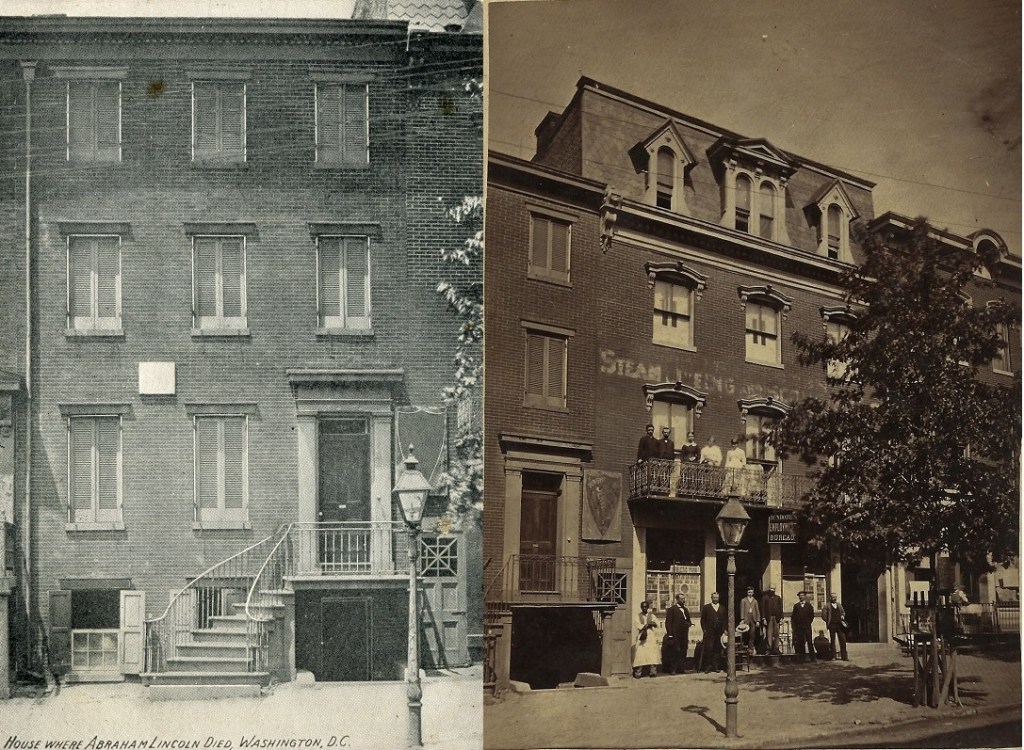
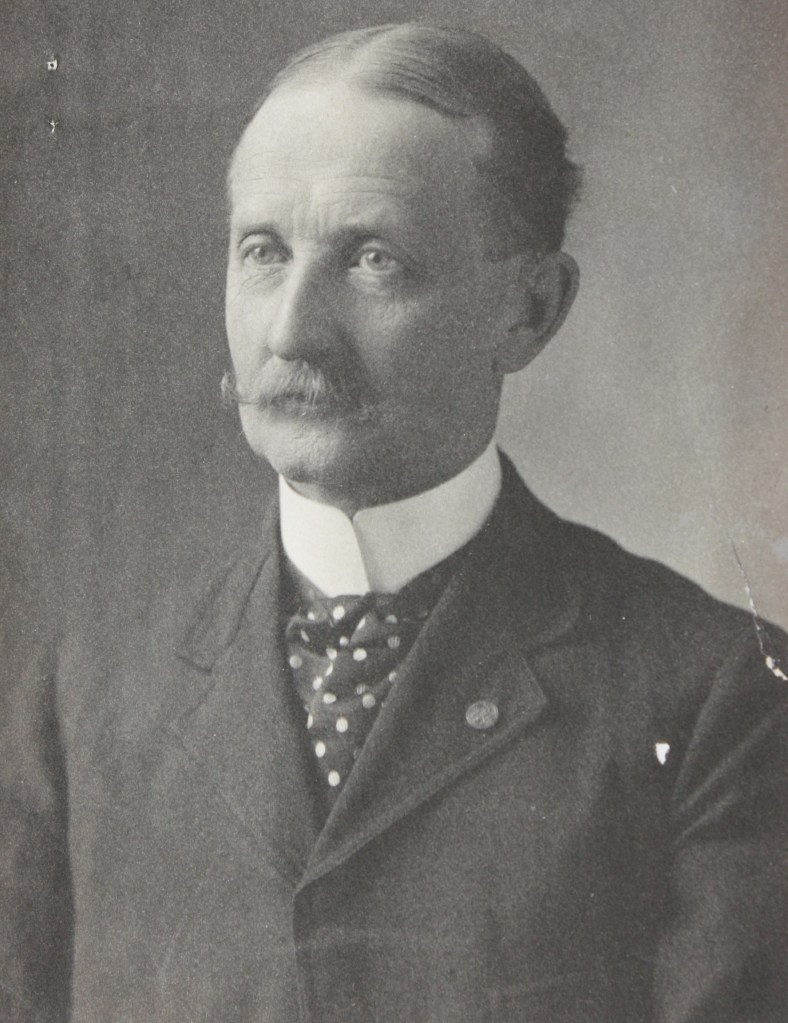
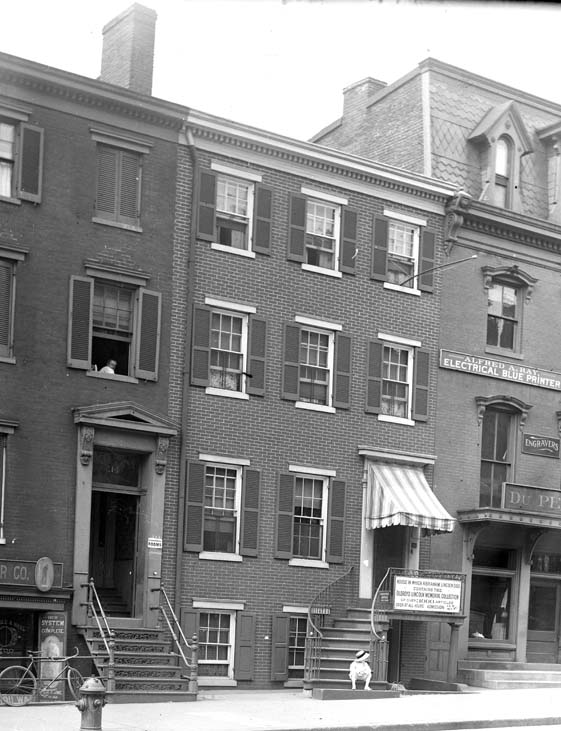
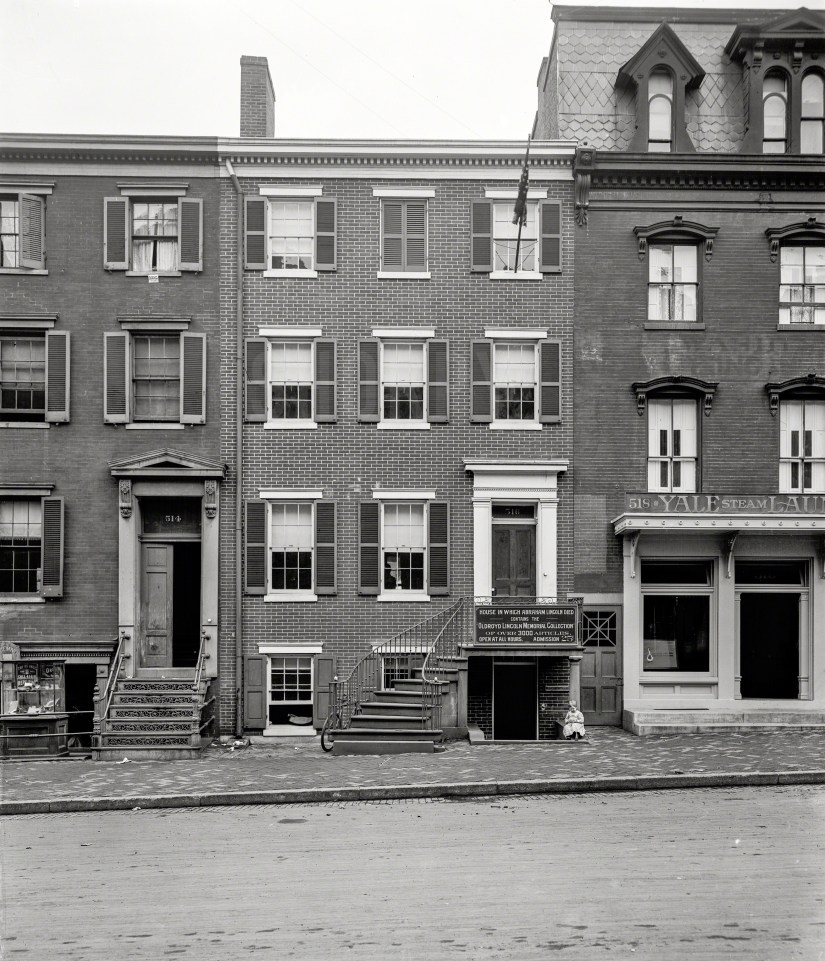
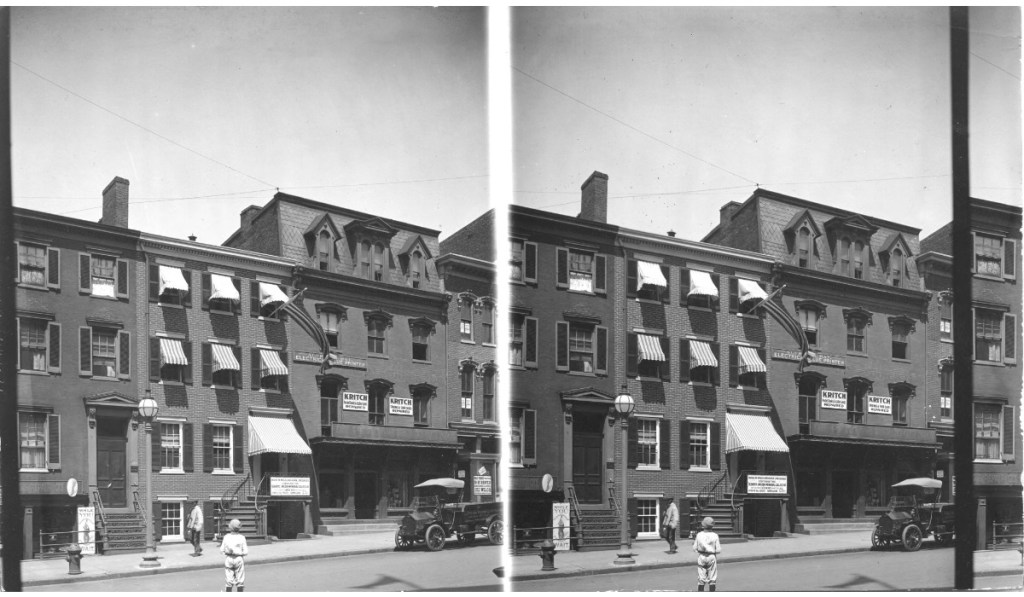
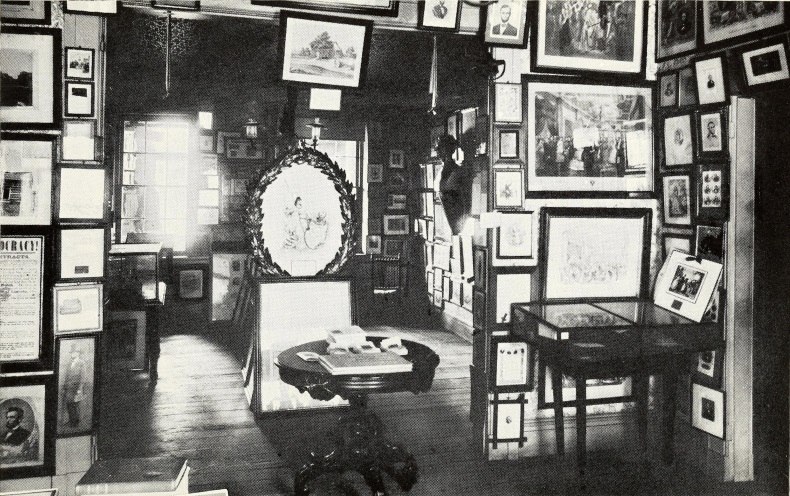
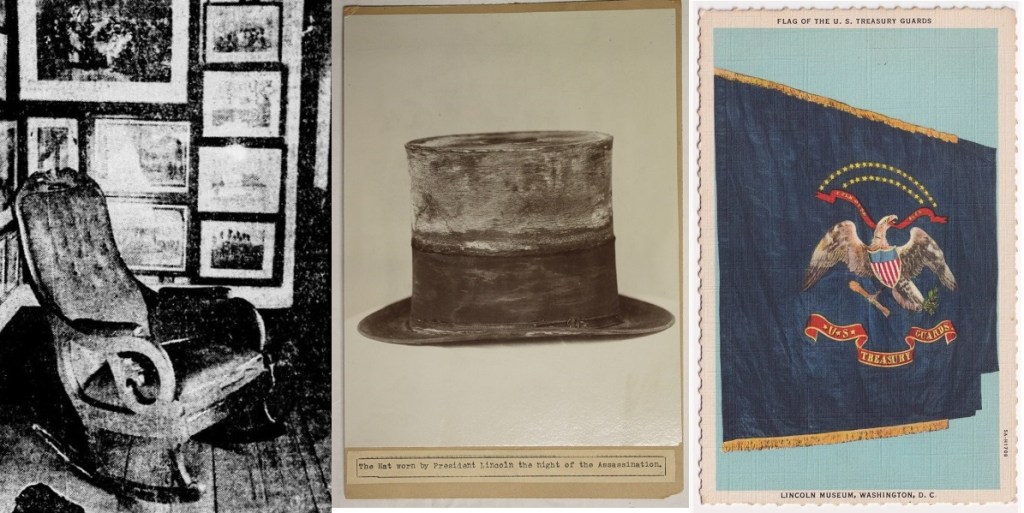
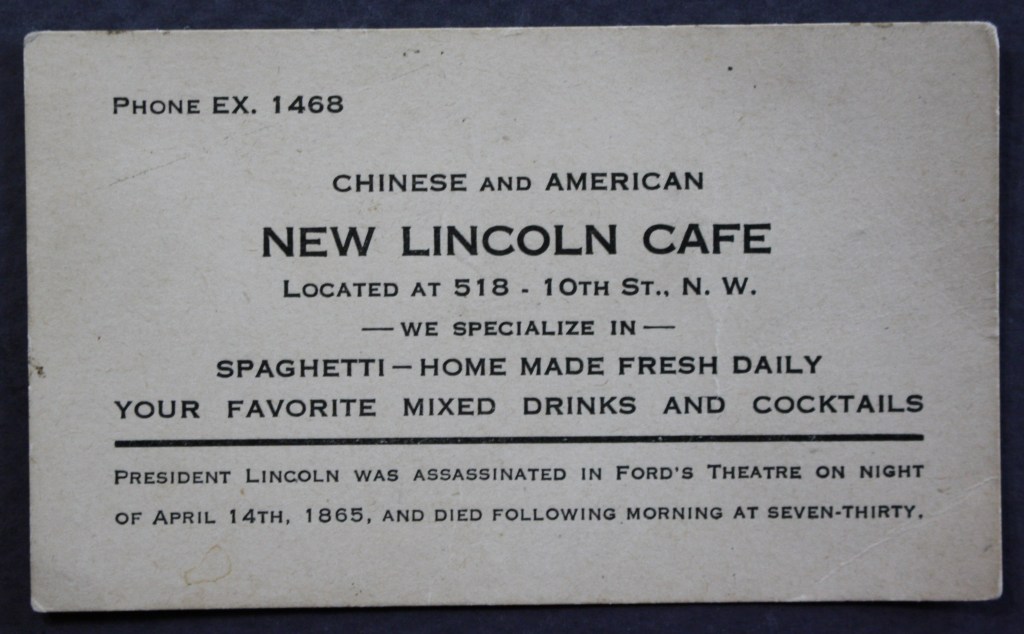
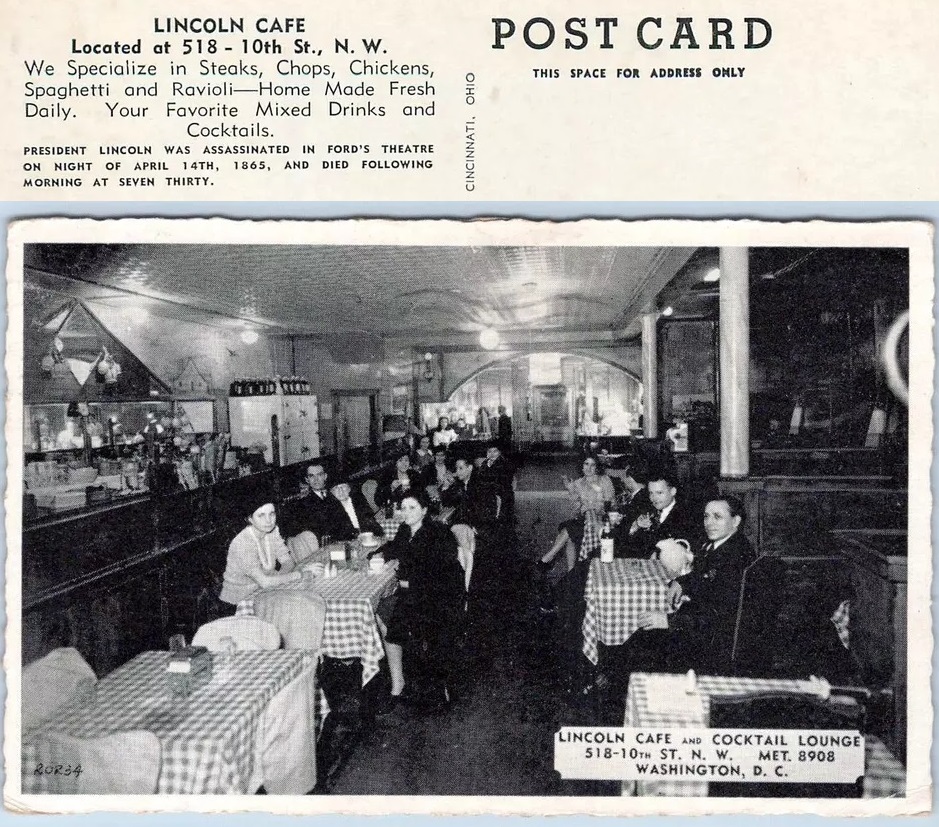
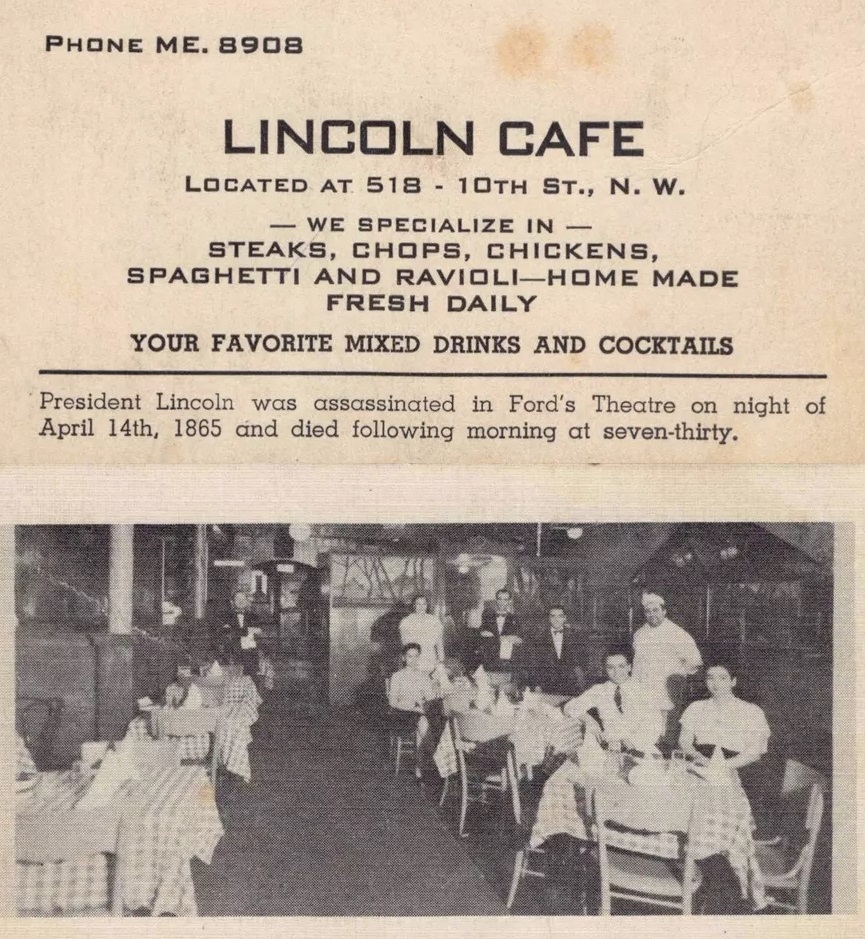
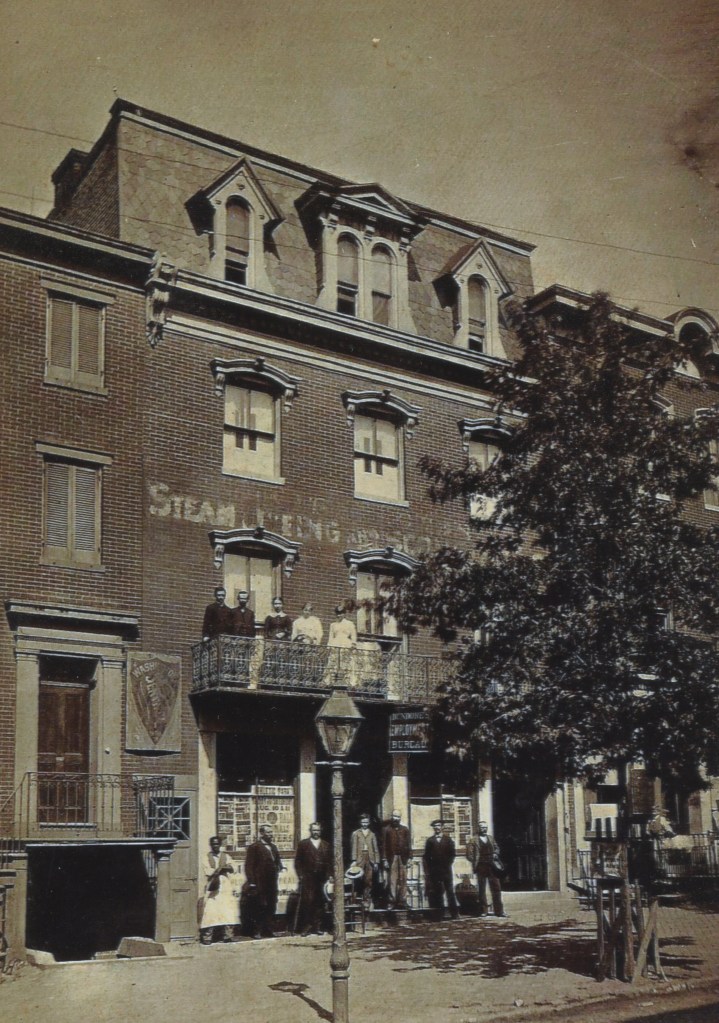
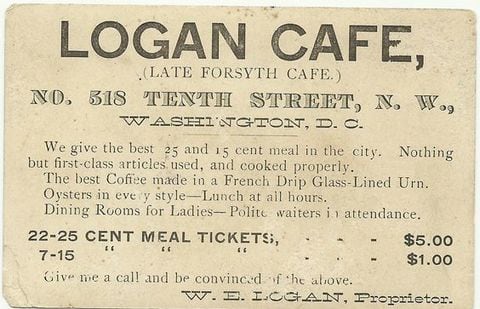
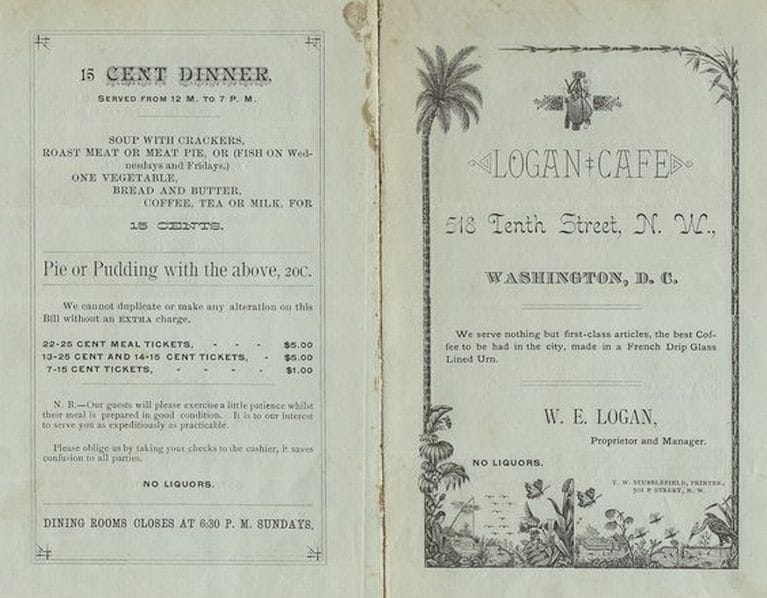
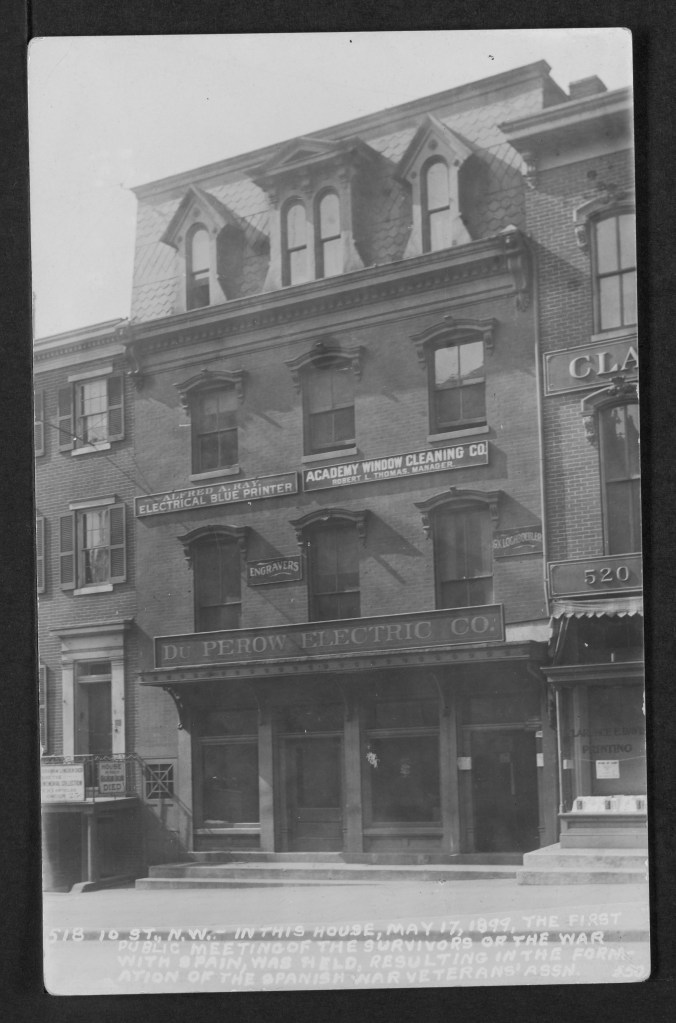
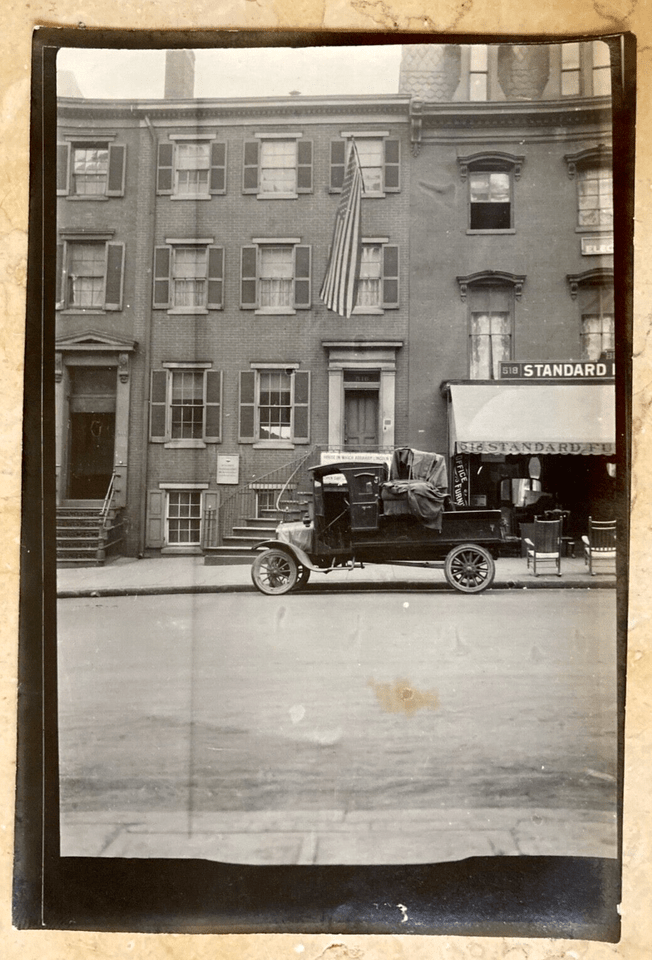
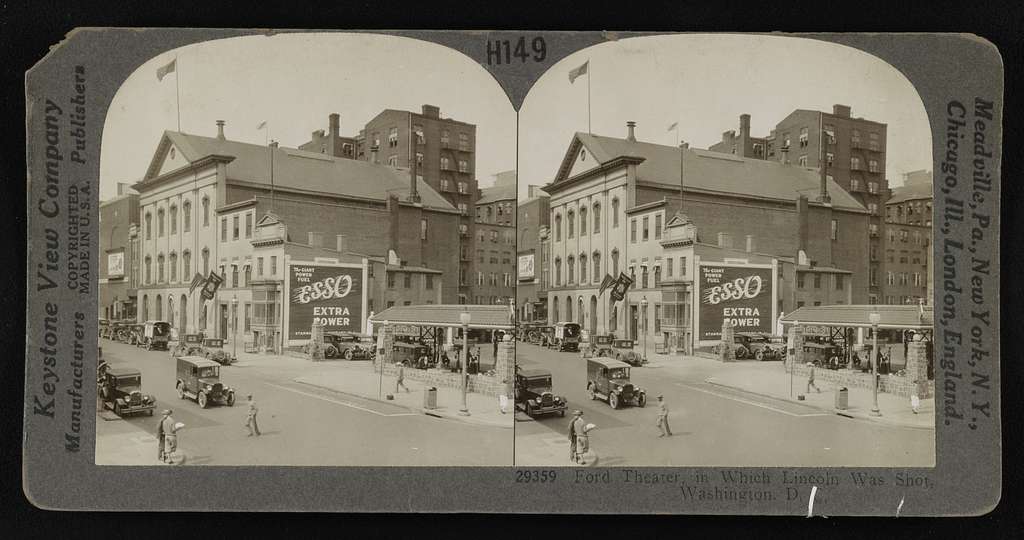
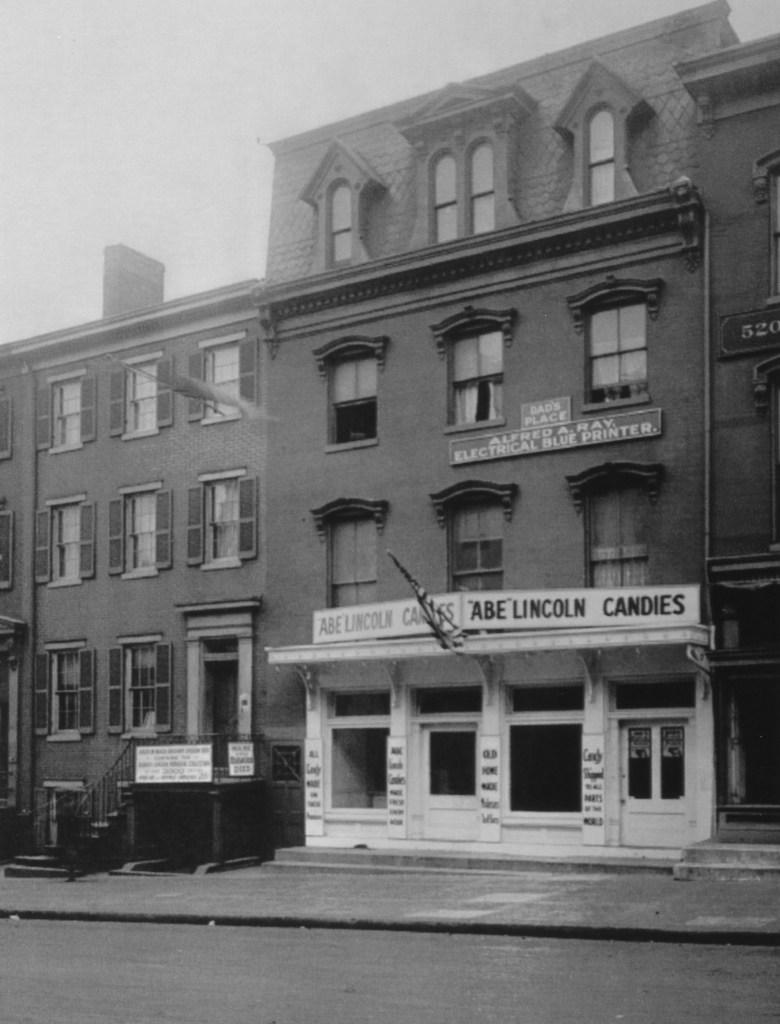
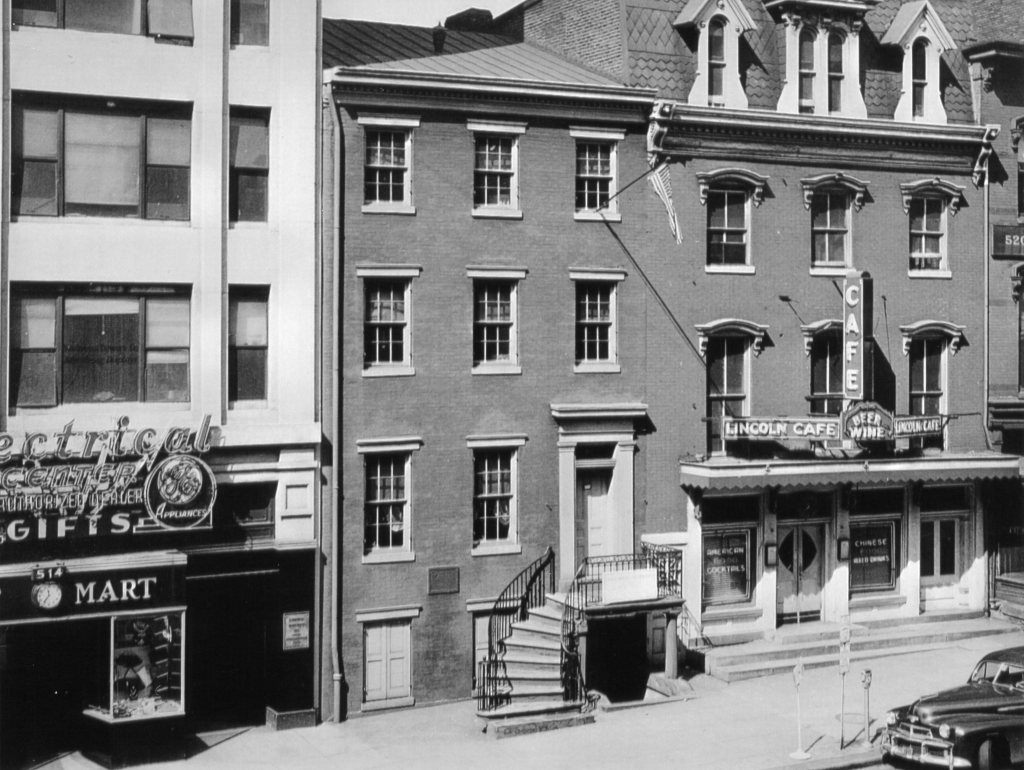
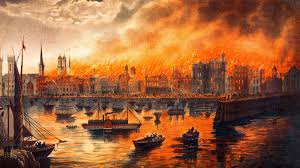
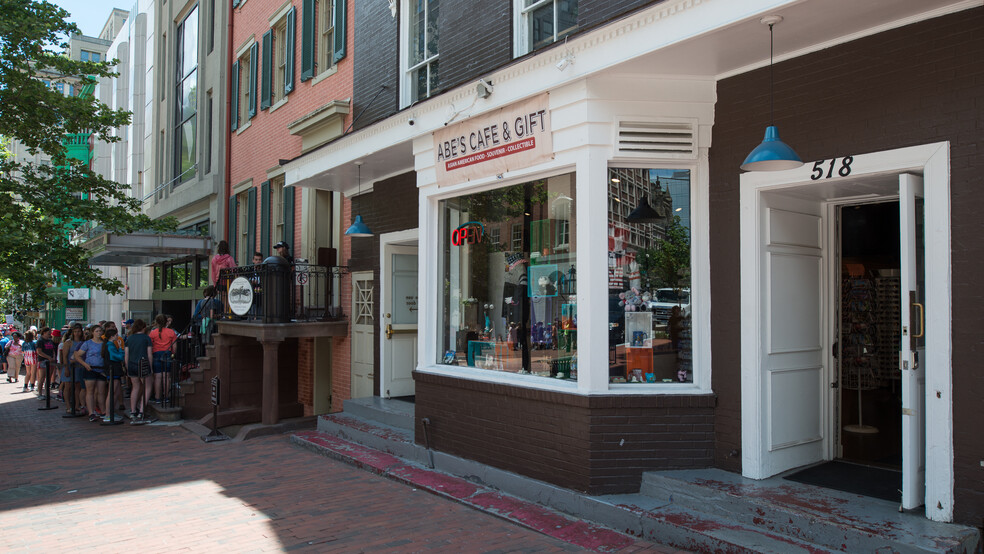
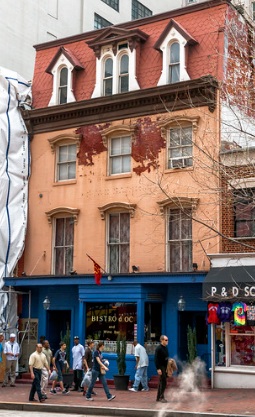
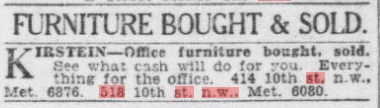
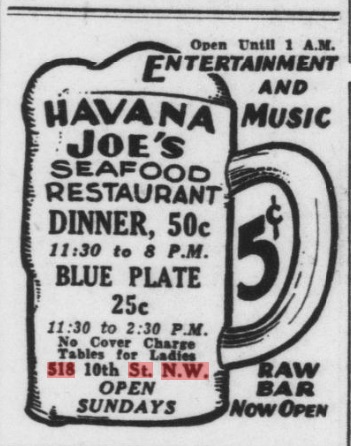
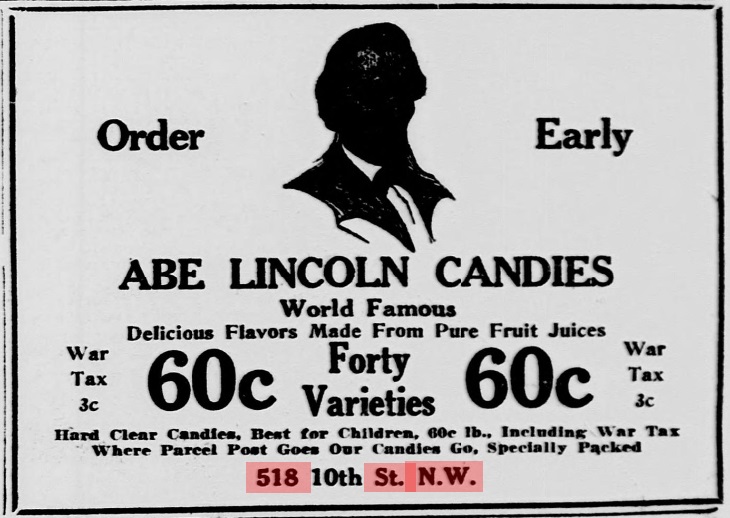
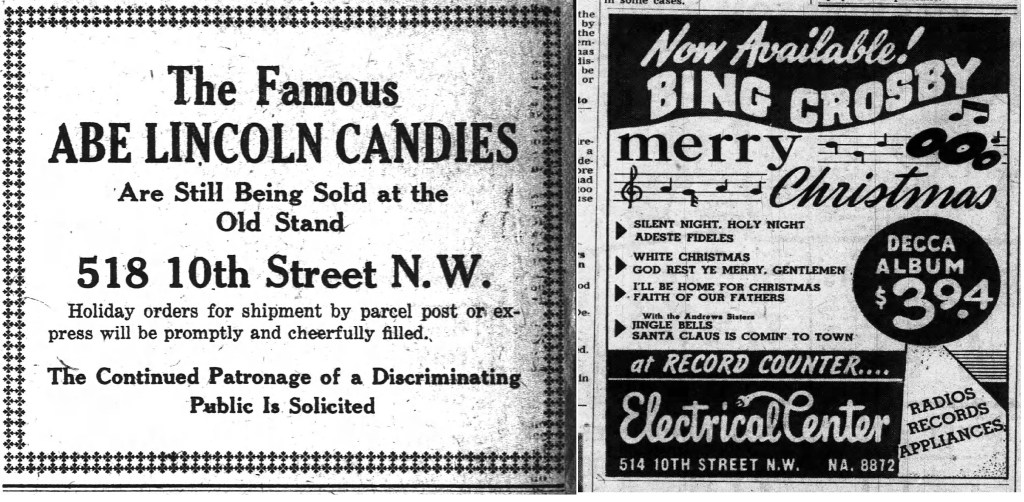
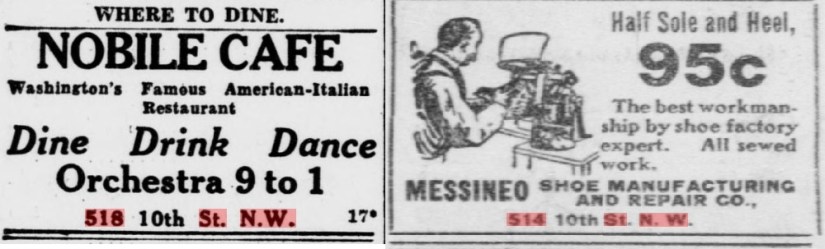
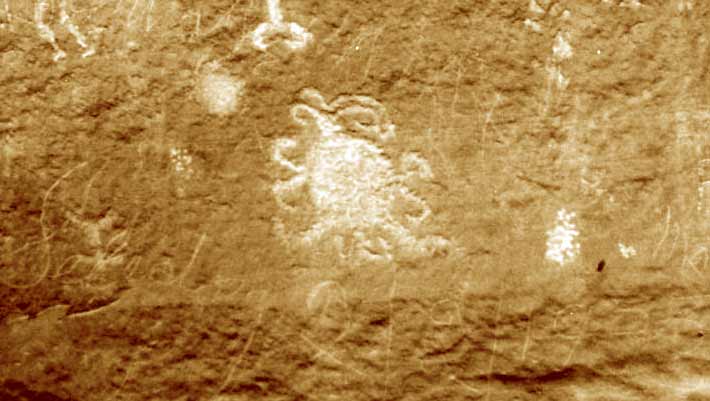
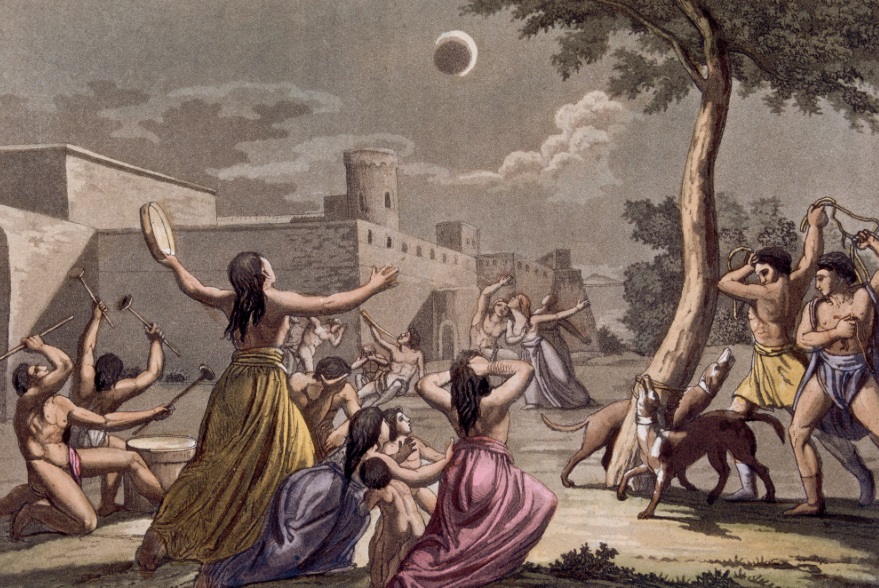
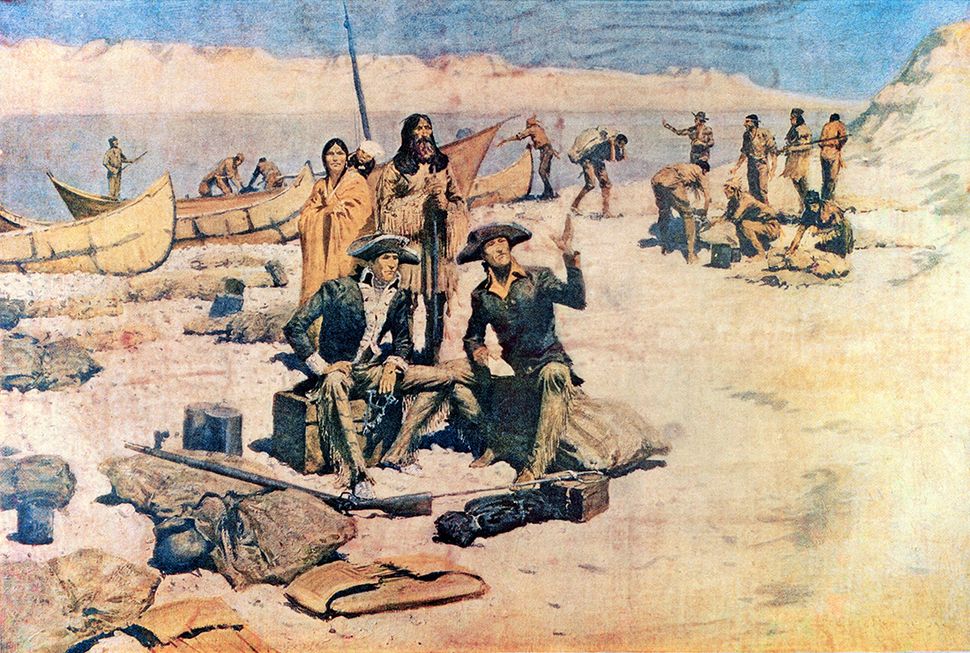
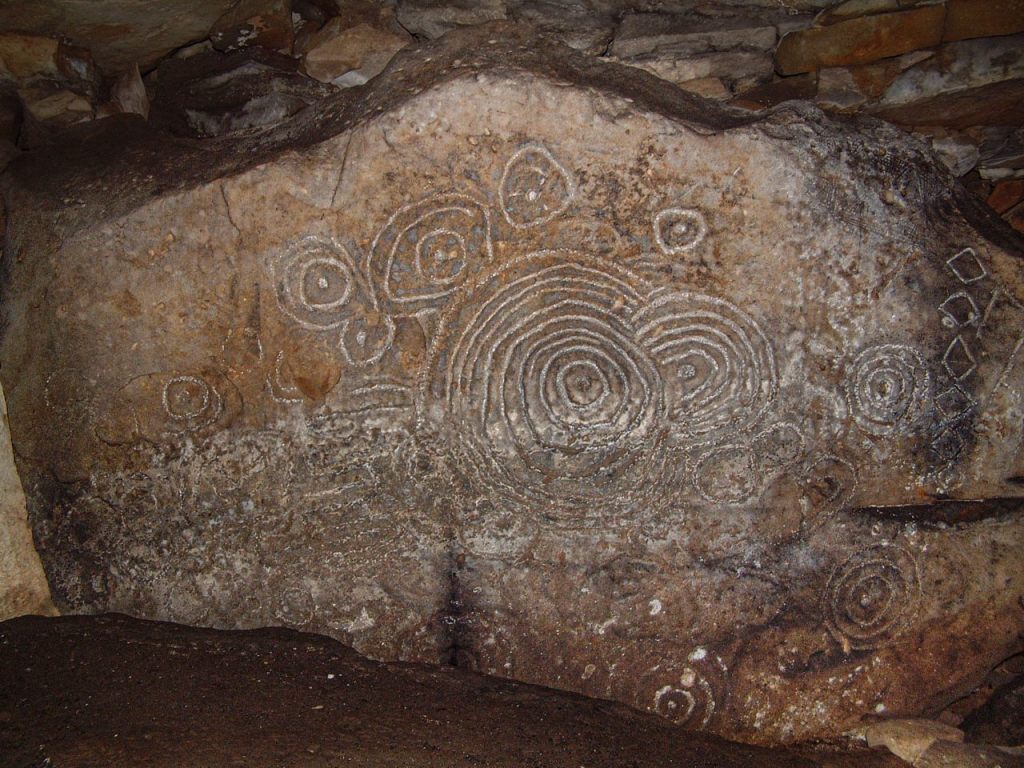

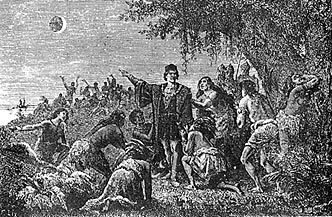
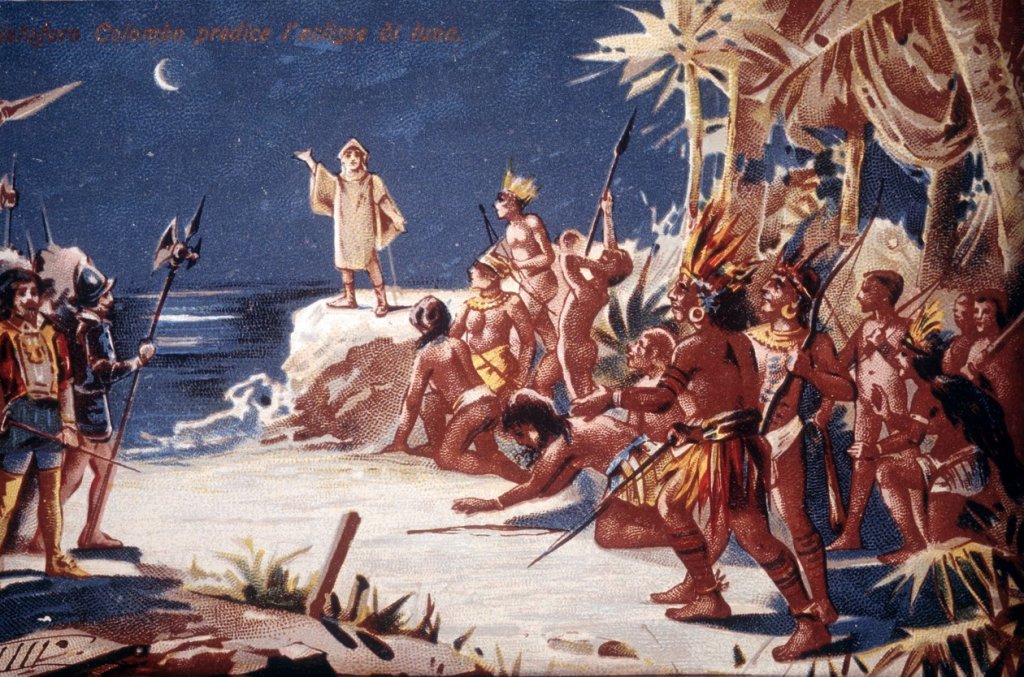
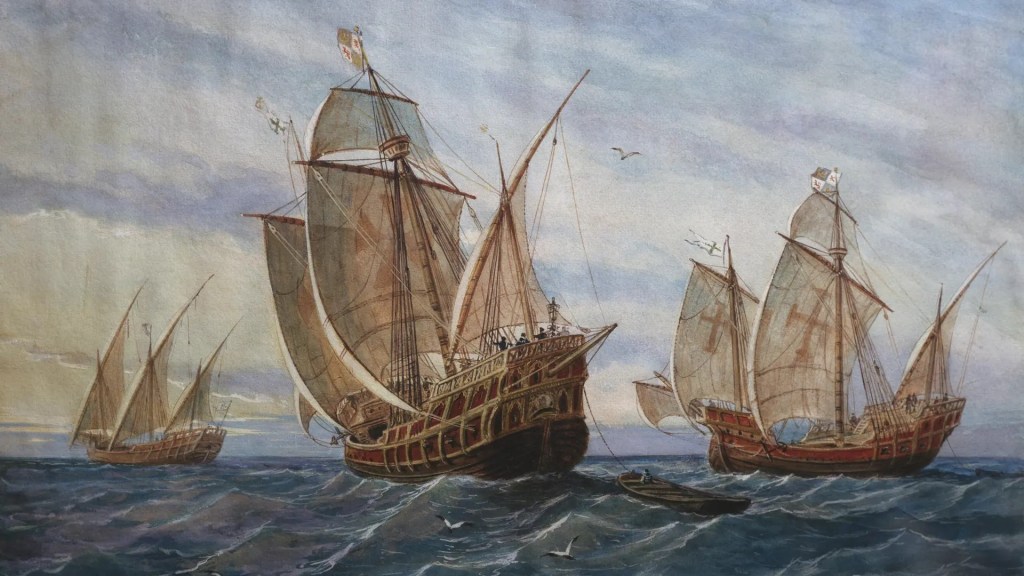
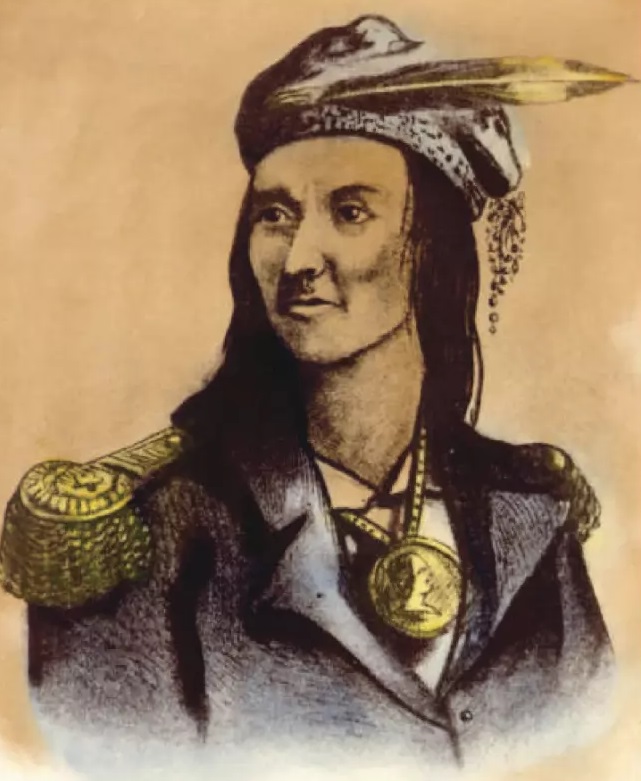
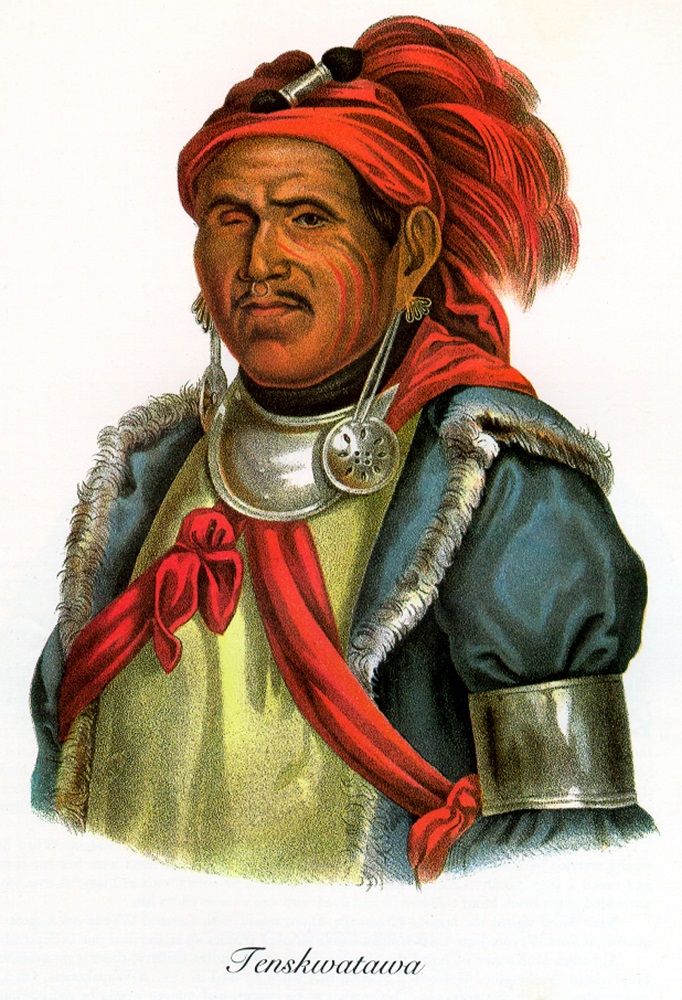
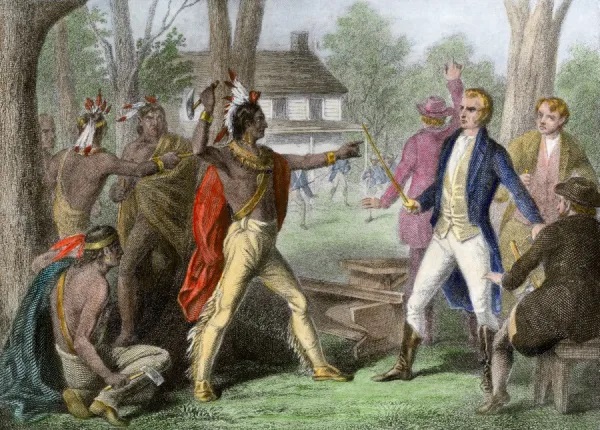
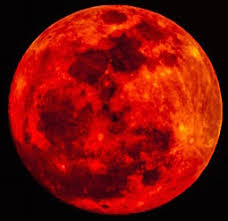
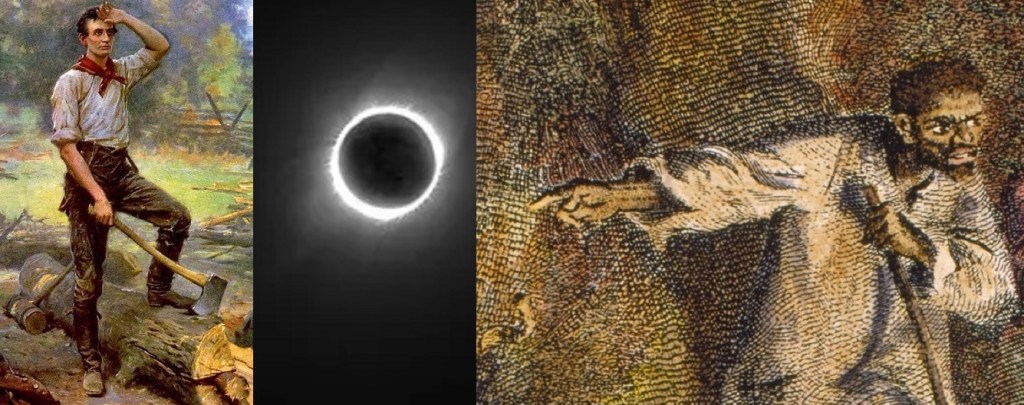
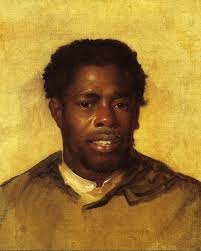
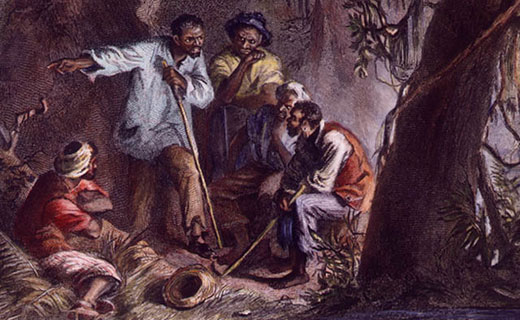
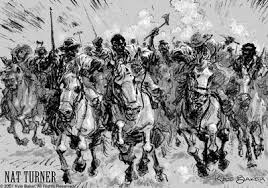
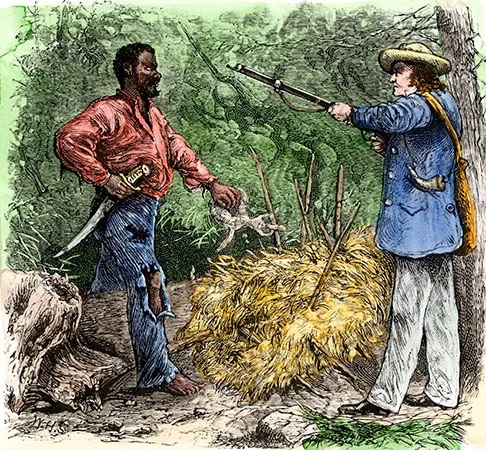
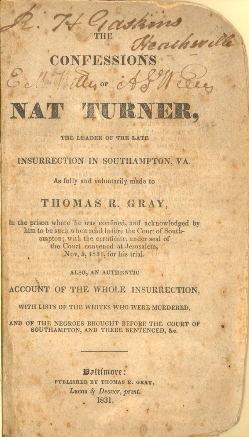
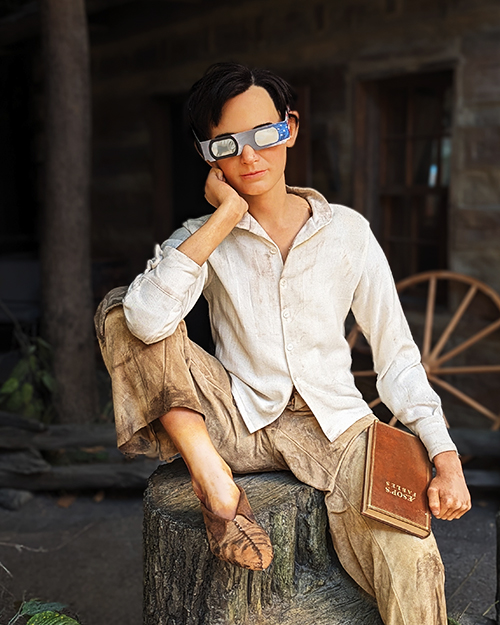
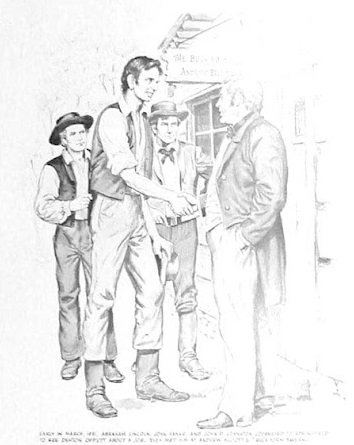
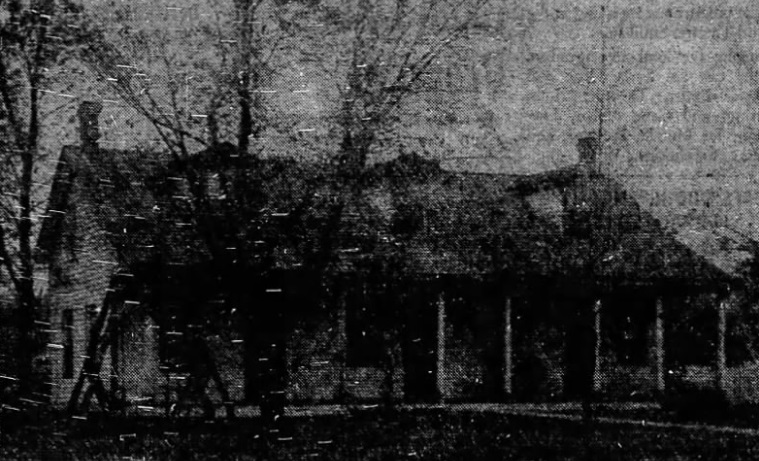
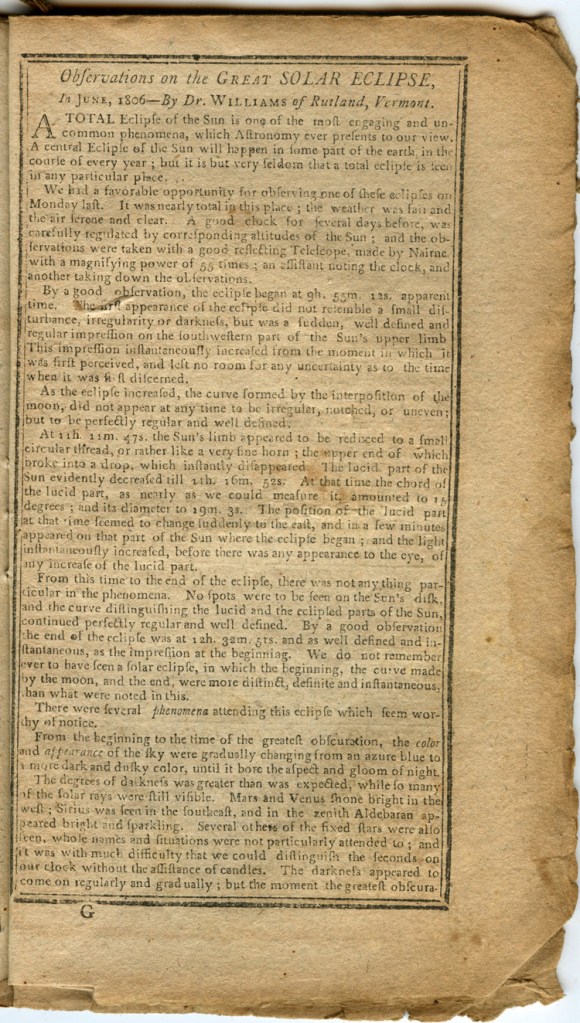
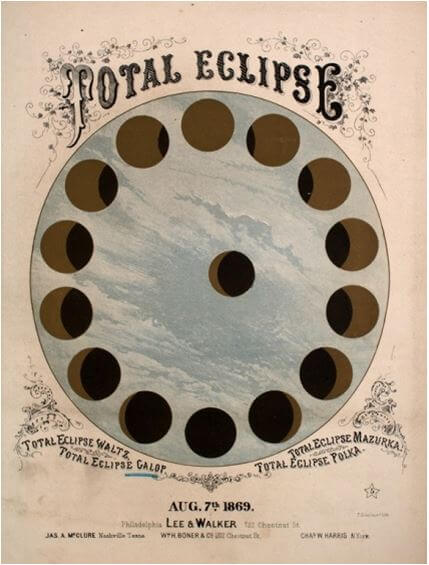
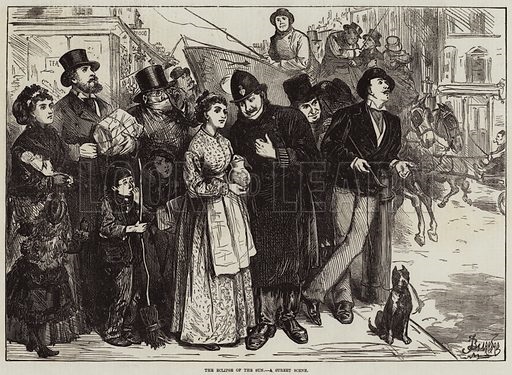
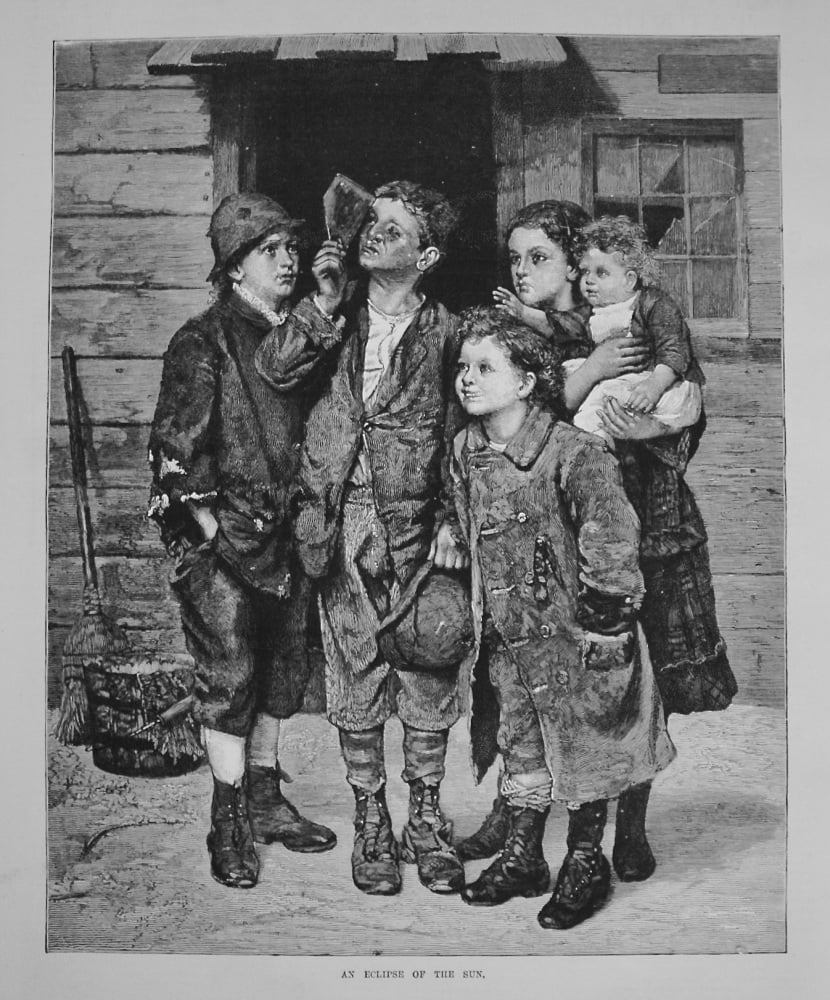
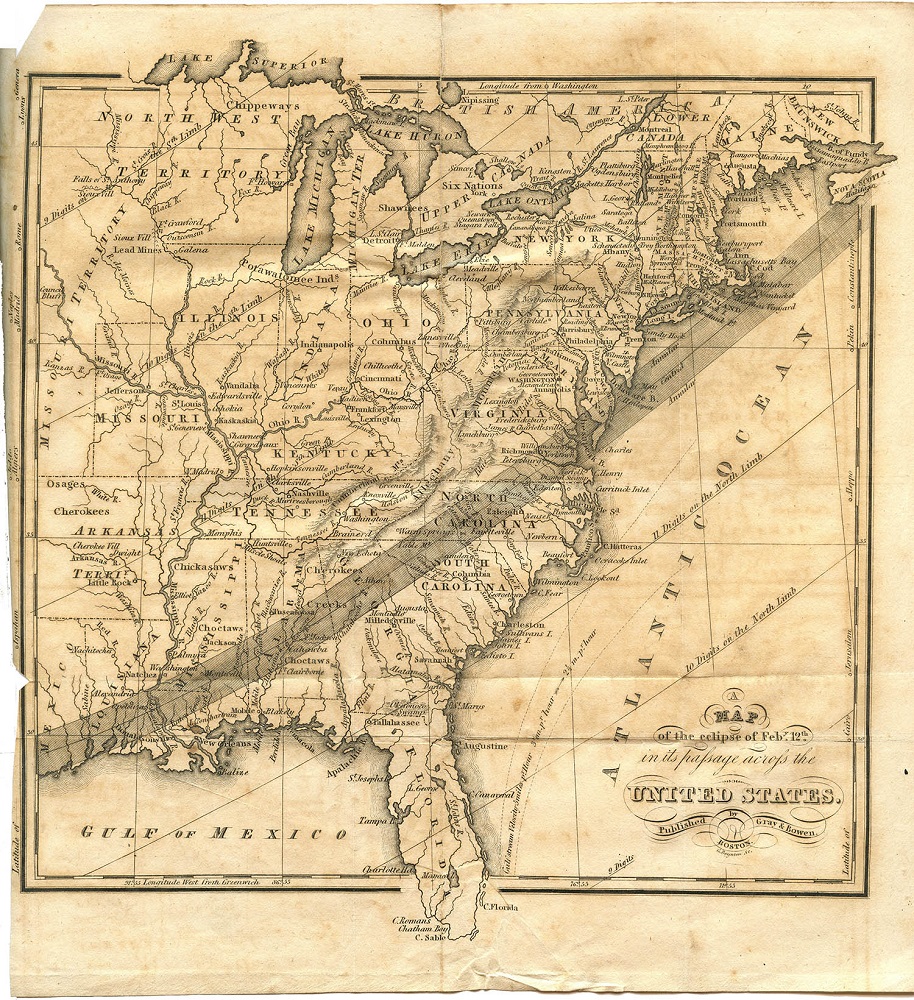
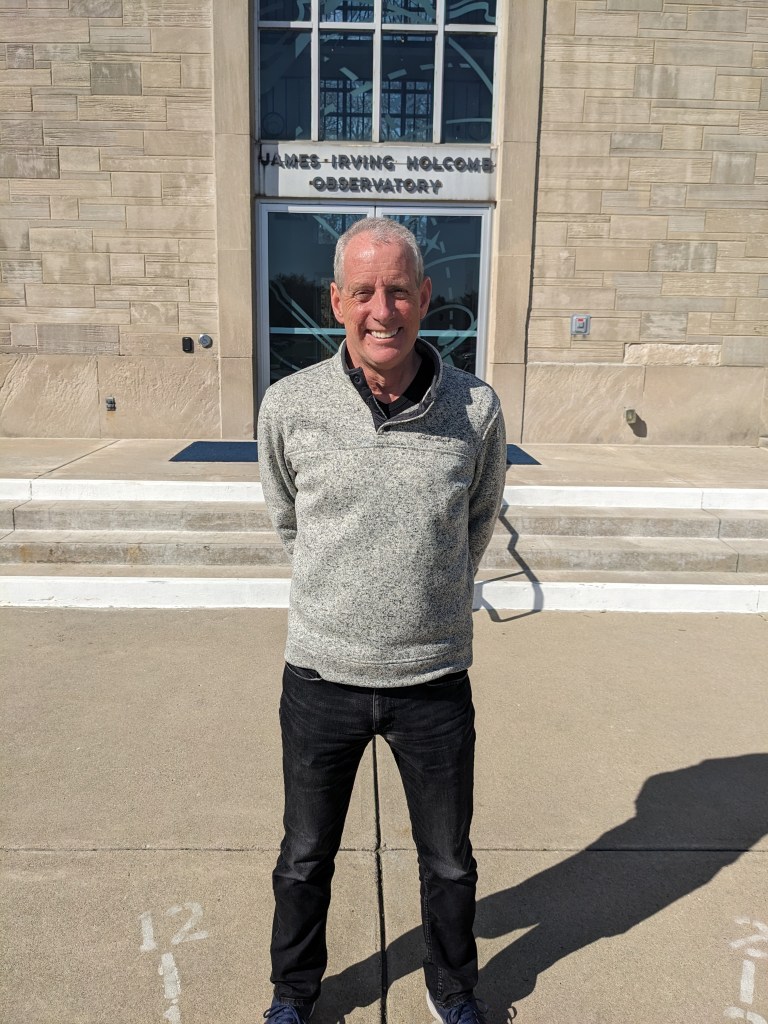
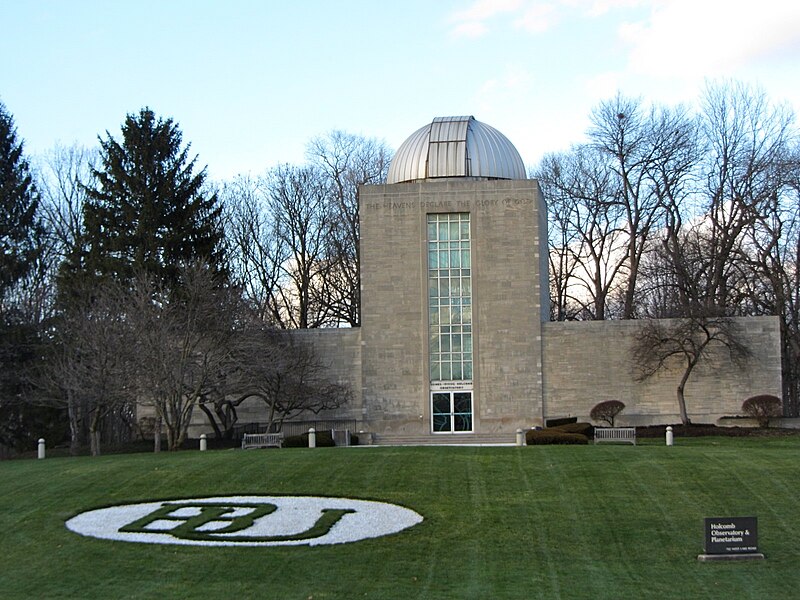
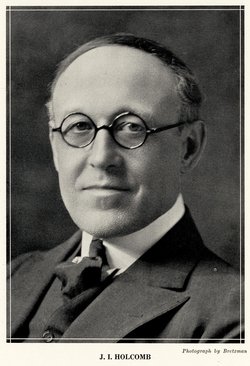
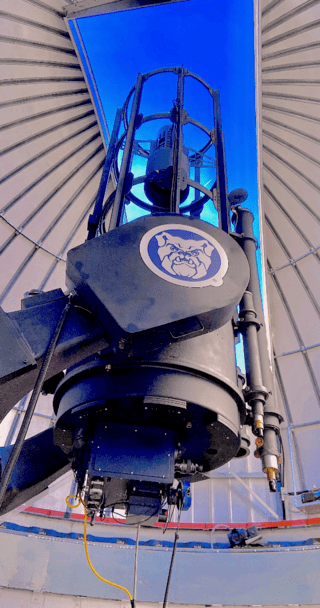
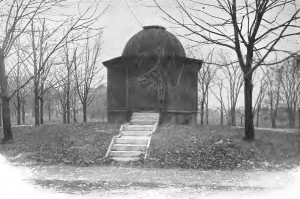
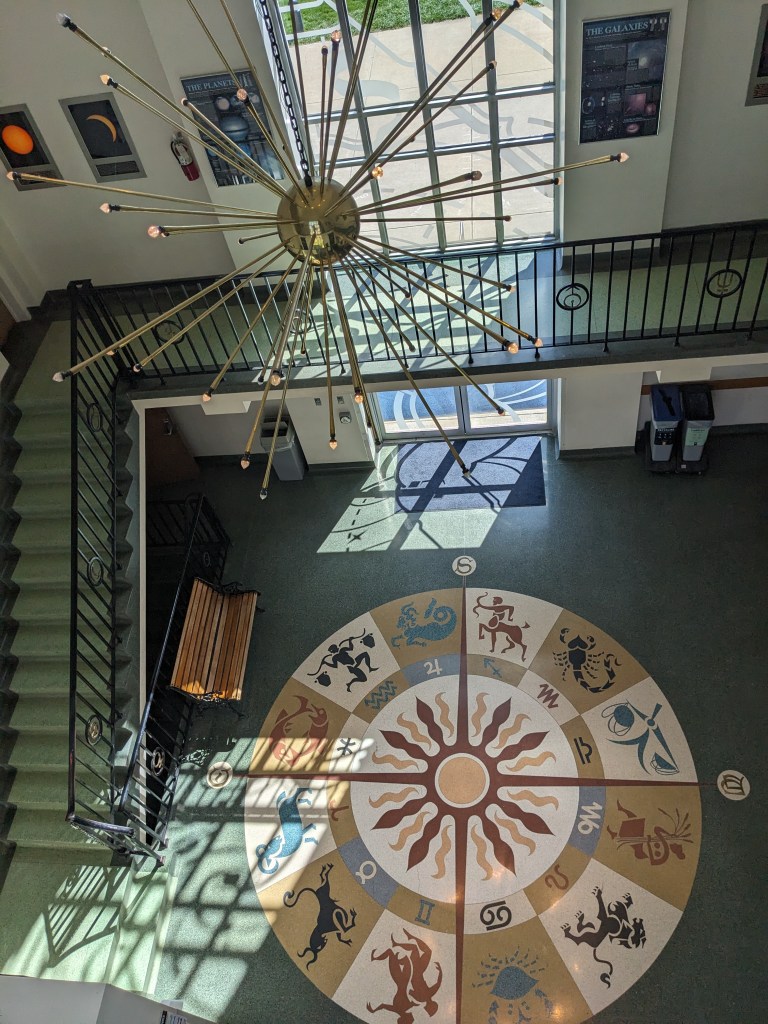
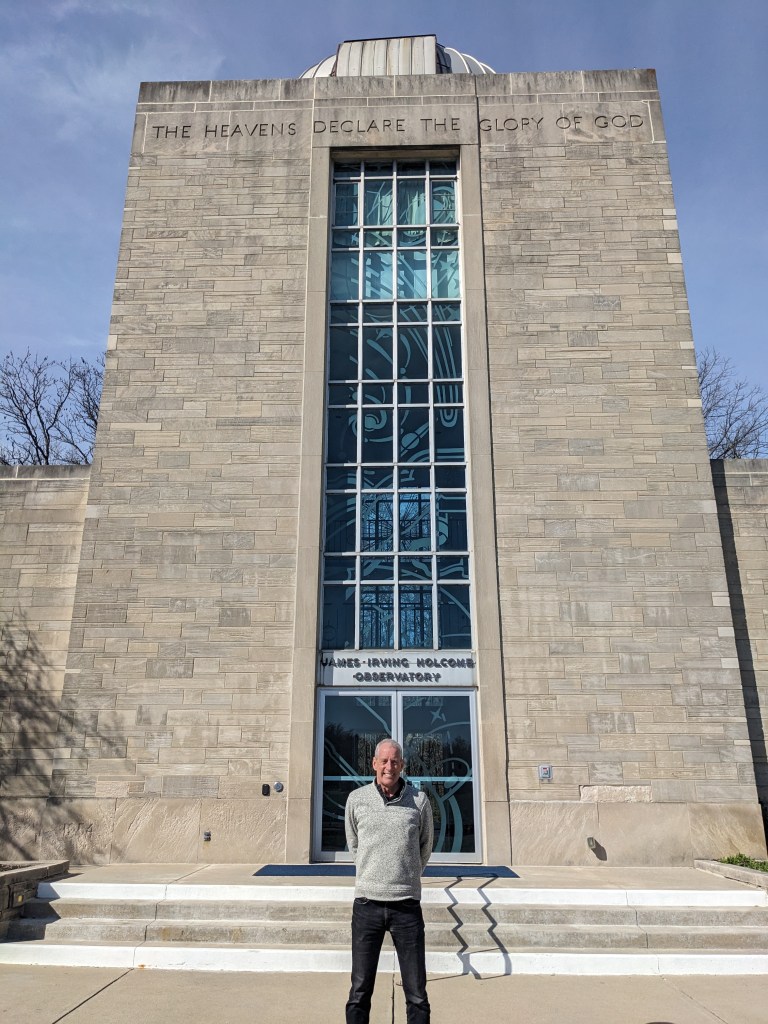
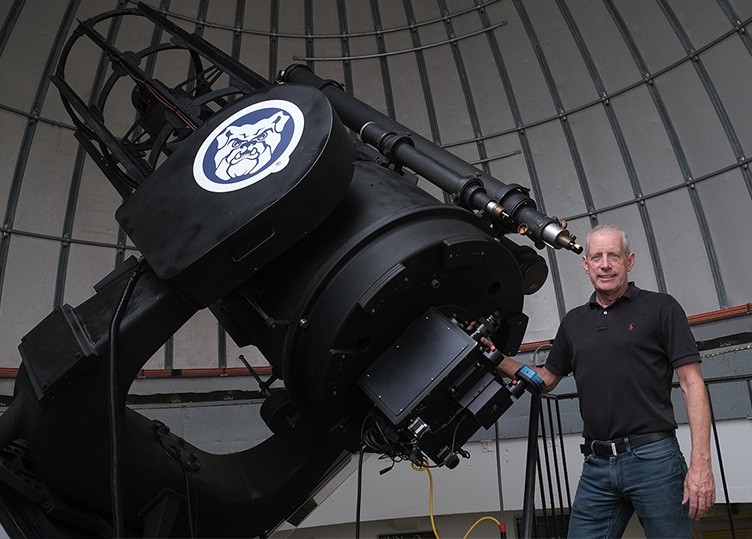
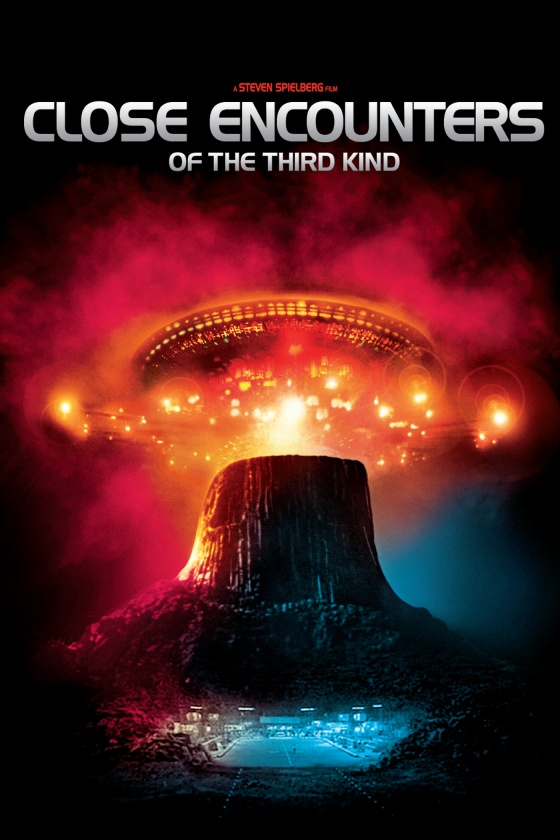

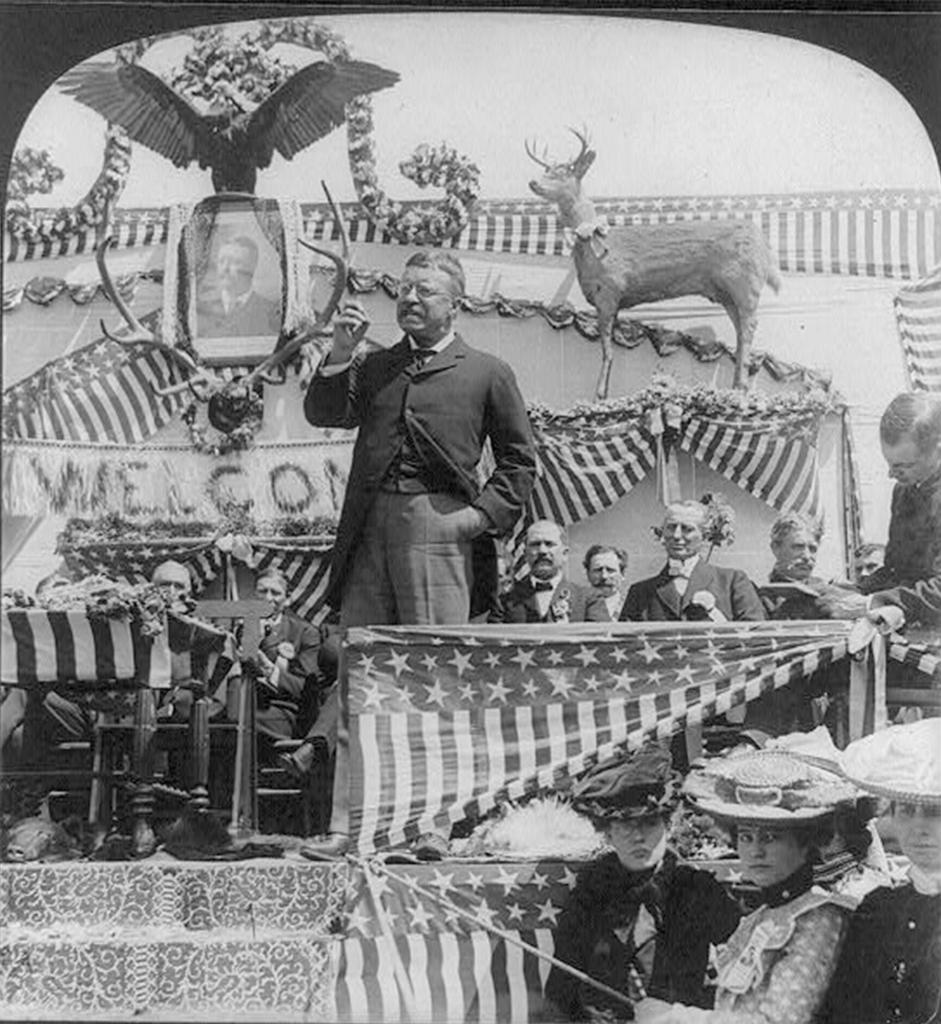
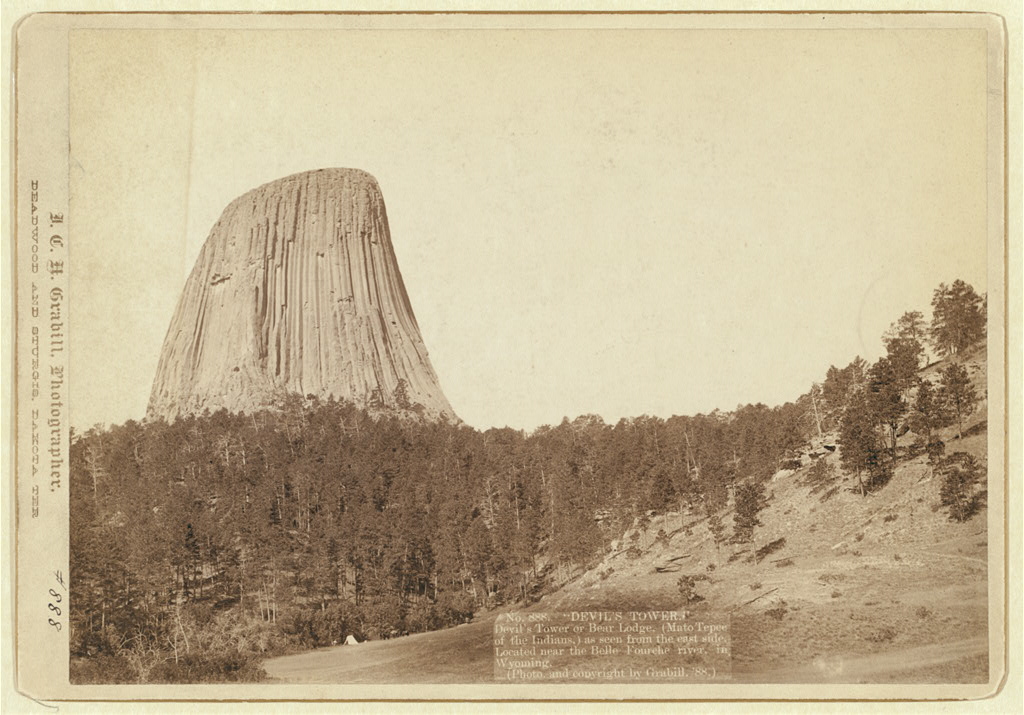
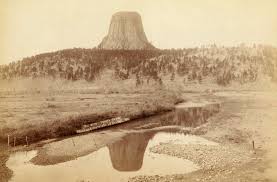
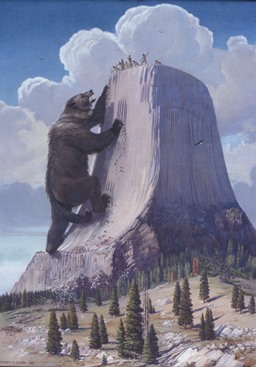

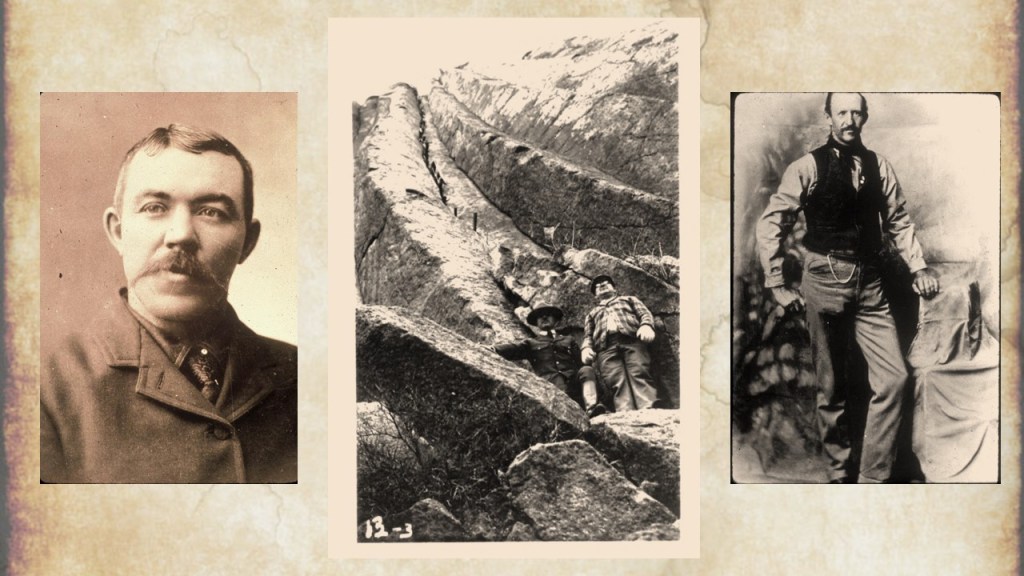
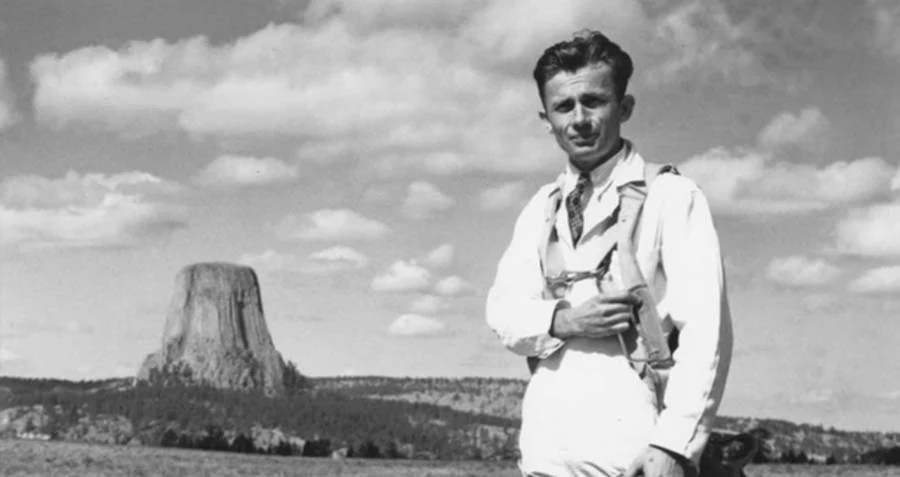
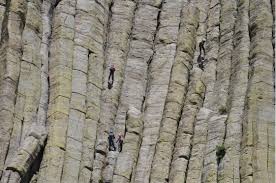
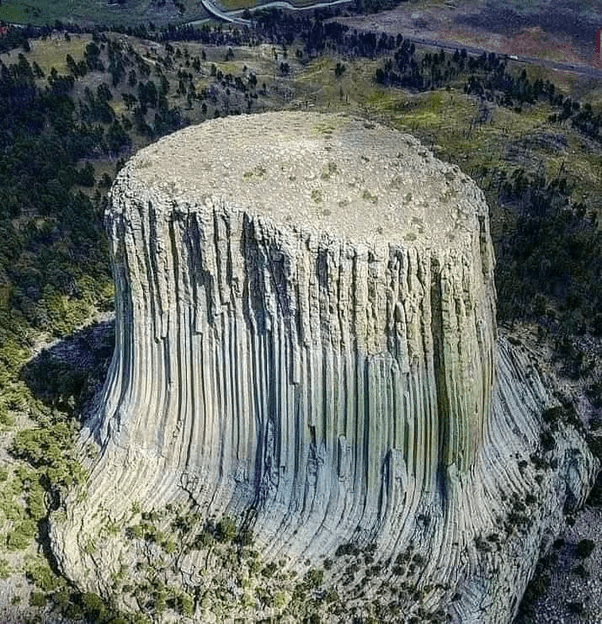
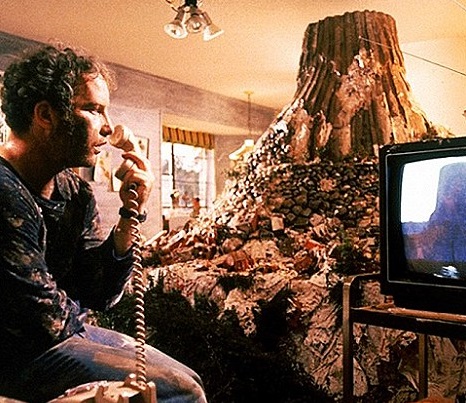
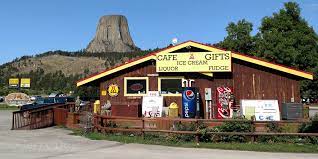
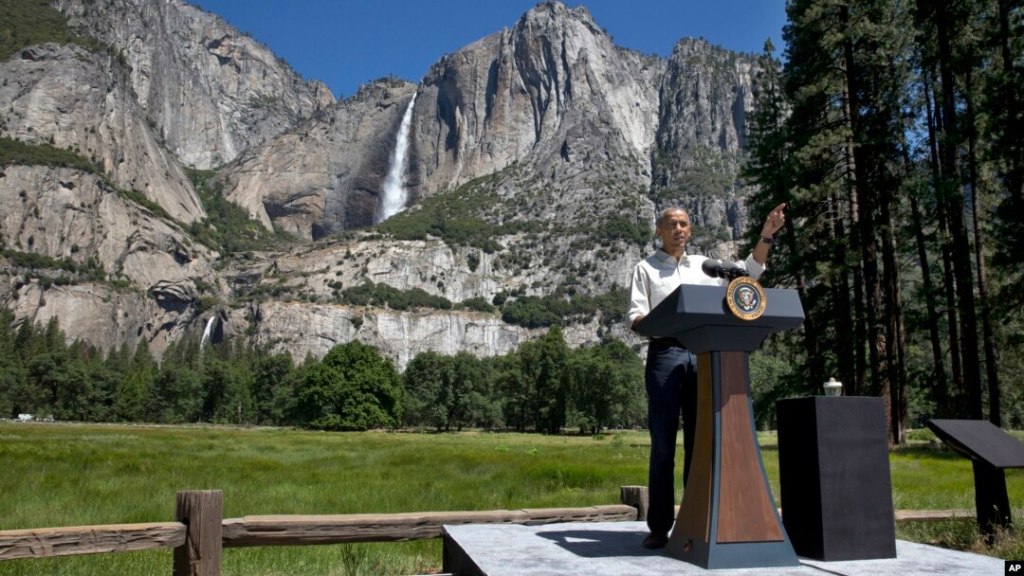
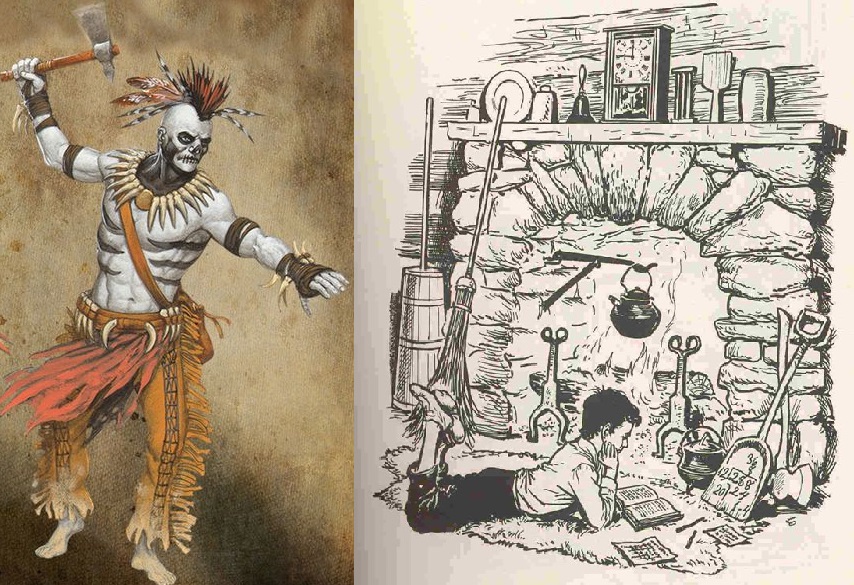
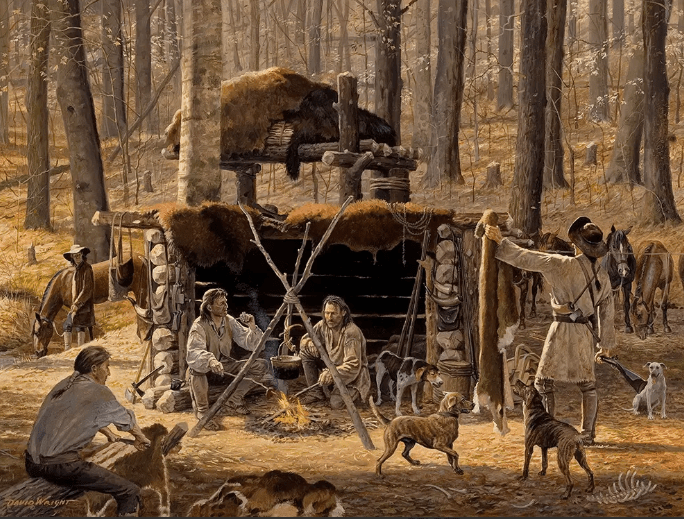
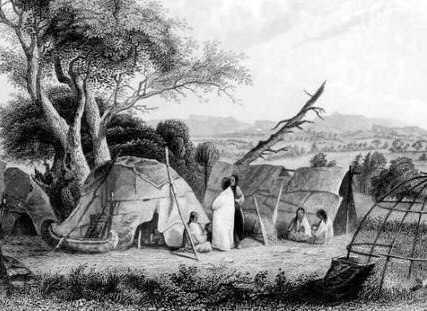
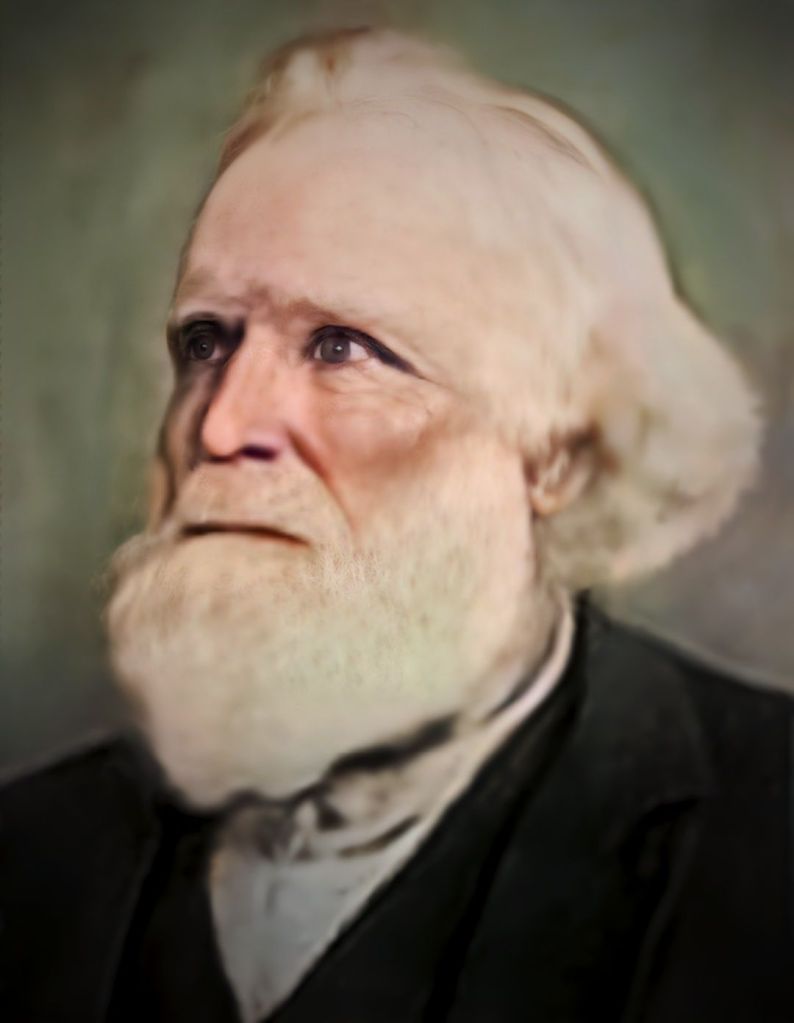
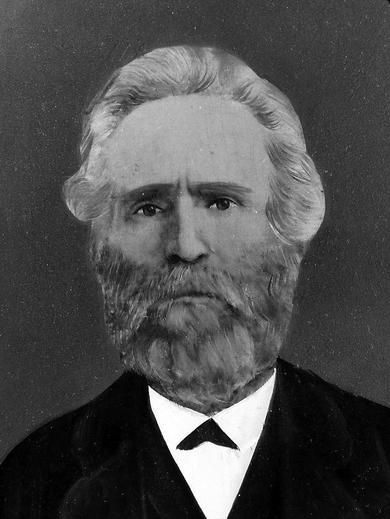
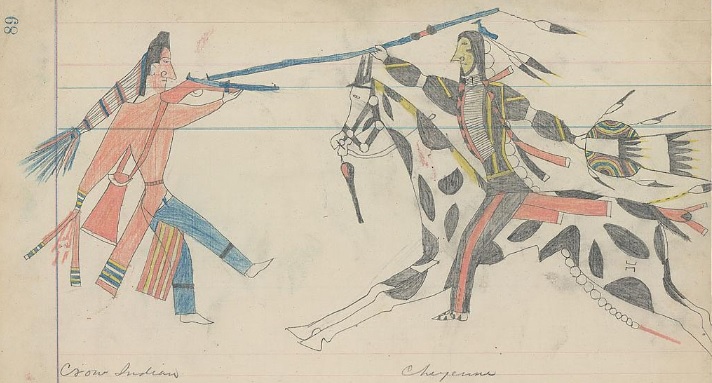
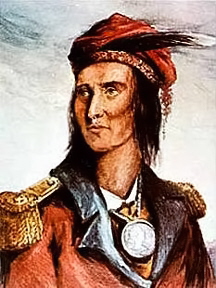
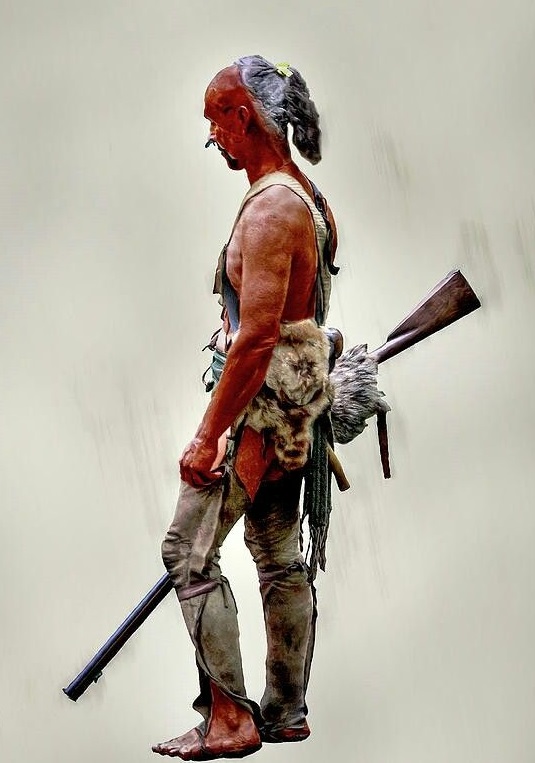
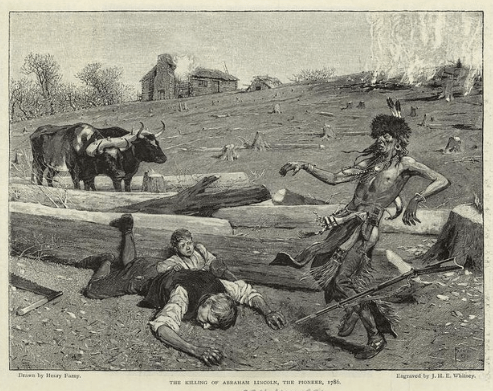
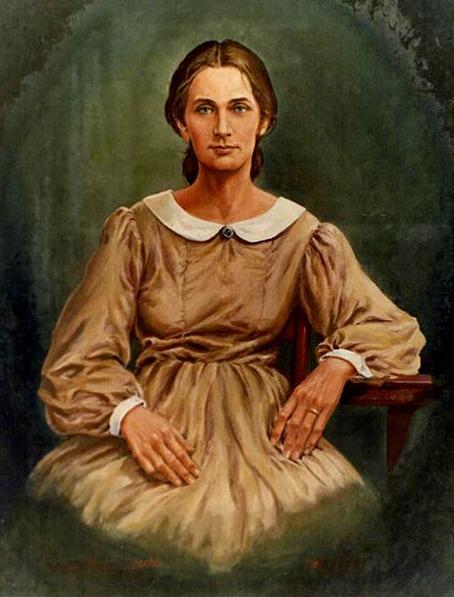
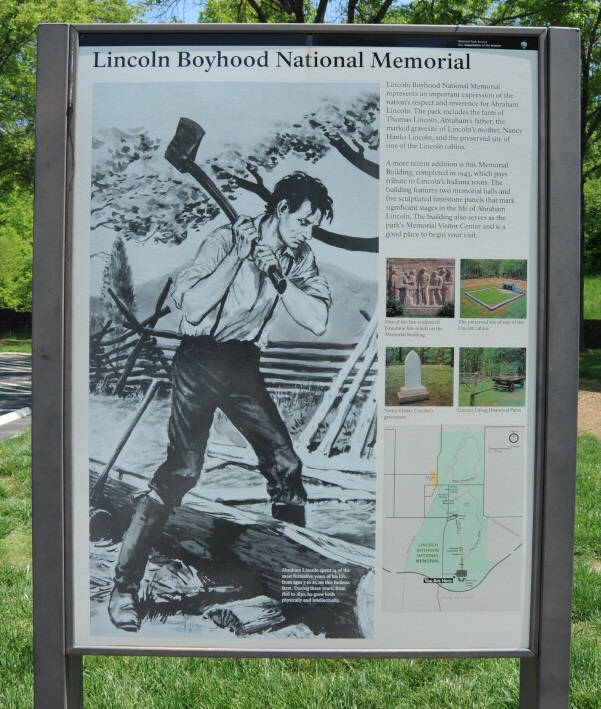
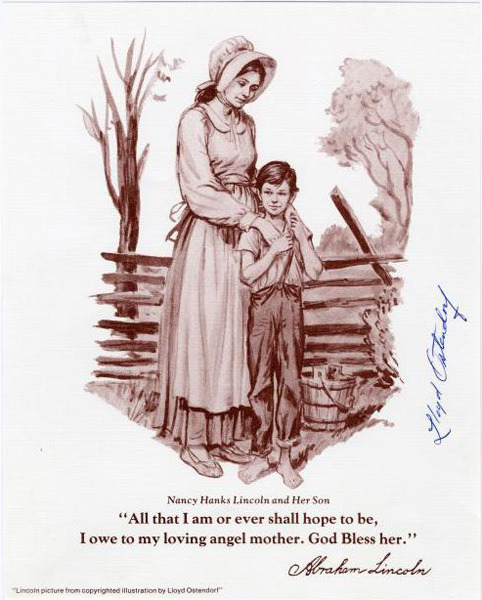
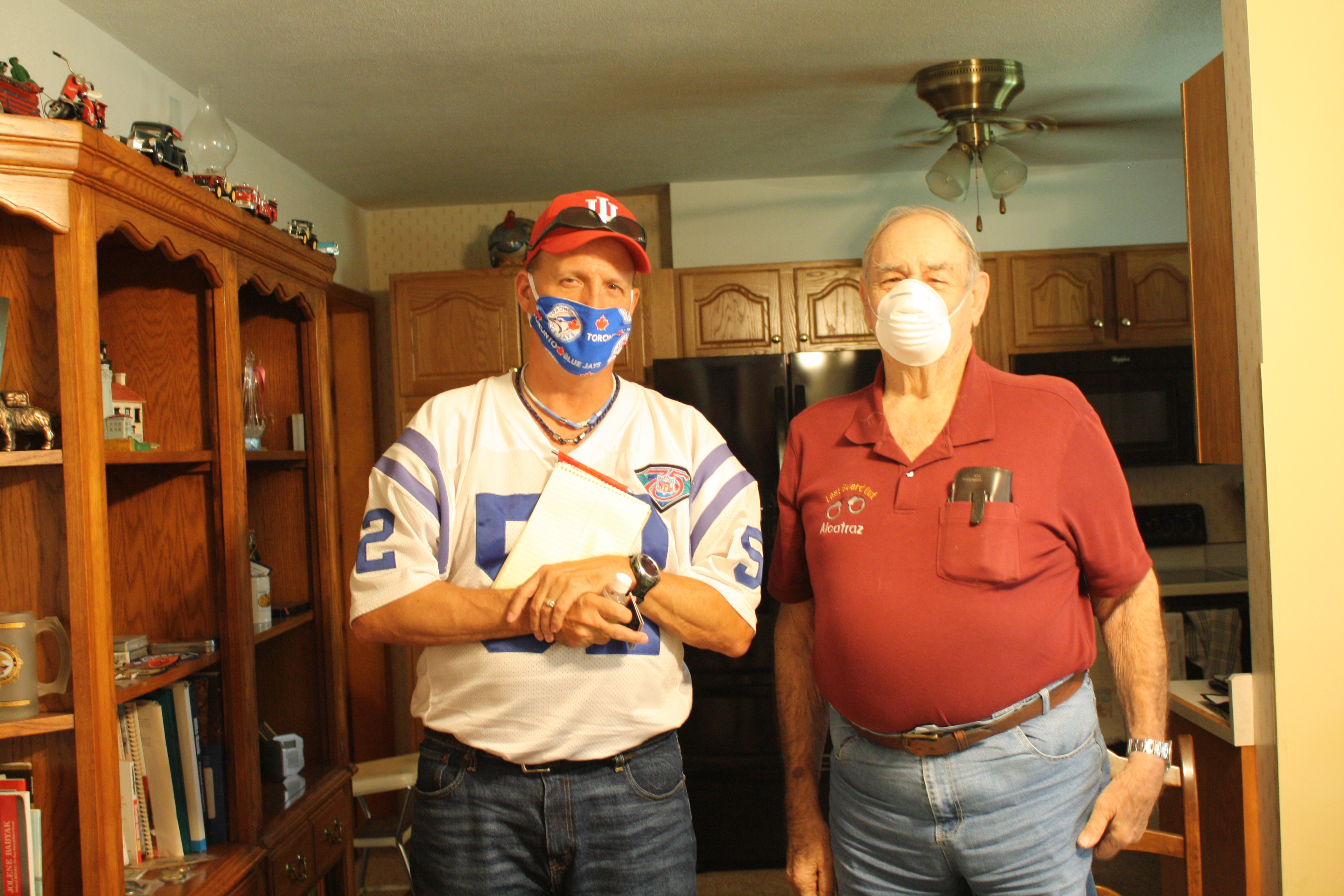

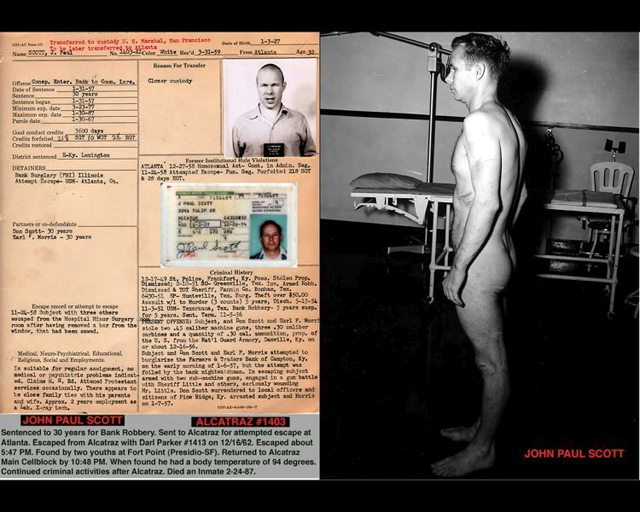
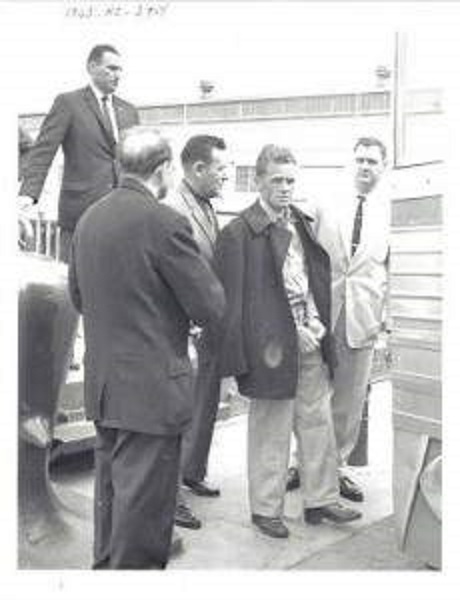

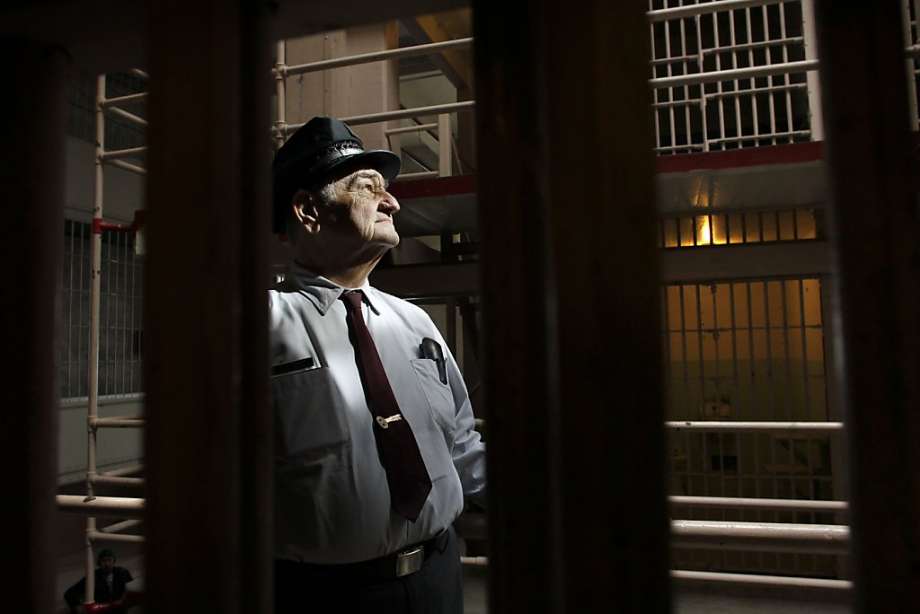
 A week after our visit to Jim and Cathy Albright, the United States Supreme Court lifted the ban on executions at the Terre Haute penitentiary located a mere three miles from their front door. At the time of this writing, there had been three executions in four days. While there were never any State sanctioned executions at Alcatraz, there was not much rehabilitation taking place there either. Convicts were different back then, some actually viewed it as a profession. When asked about the convicts of today, Jim simply shakes his head and says, “They were more like professional convicts ya know ‘I did the crime, I’ll do the time’. It’s just not the same. It’s a different world now.”

 Alan E. Hunter