Creepy history, Criminals, Homosexuality, Museums

Leopold & Loeb A Hundred Years On.

Original publish date June 6, 2024. https://weeklyview.net/2024/06/06/leopold-and-loeb-a-hundred-years-on/
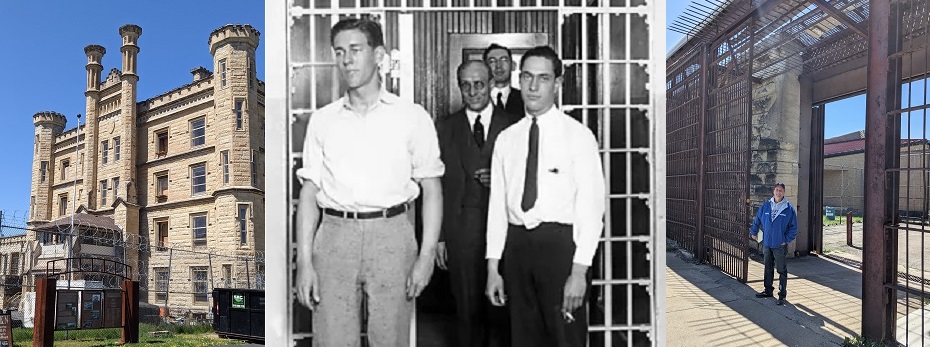
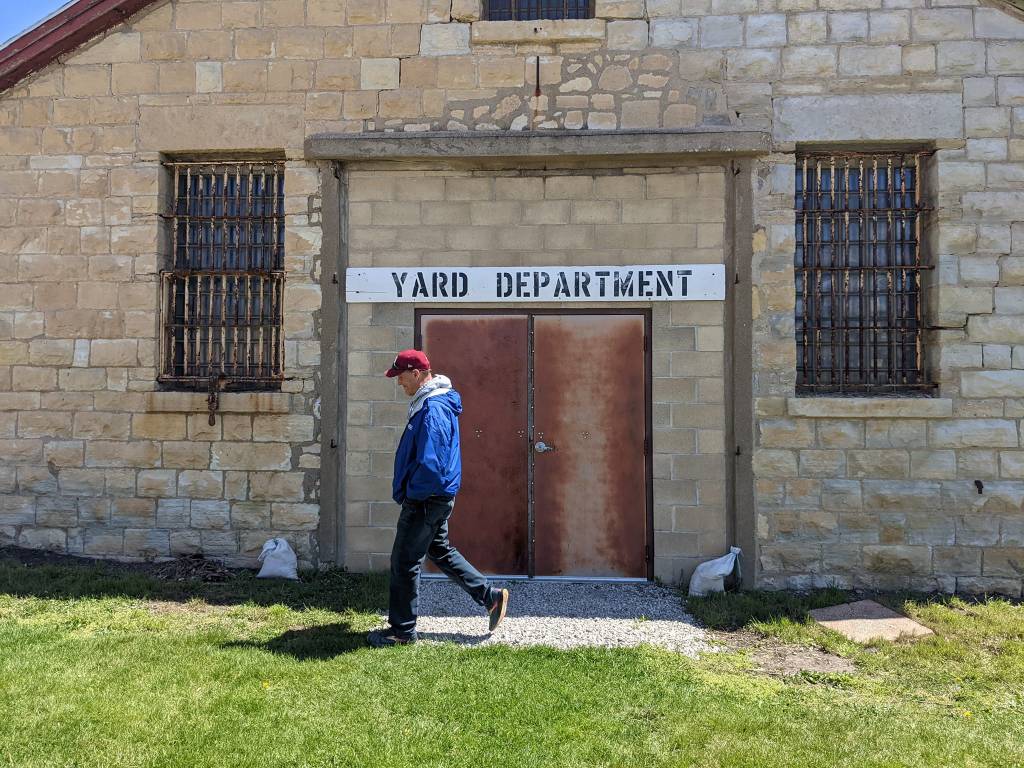
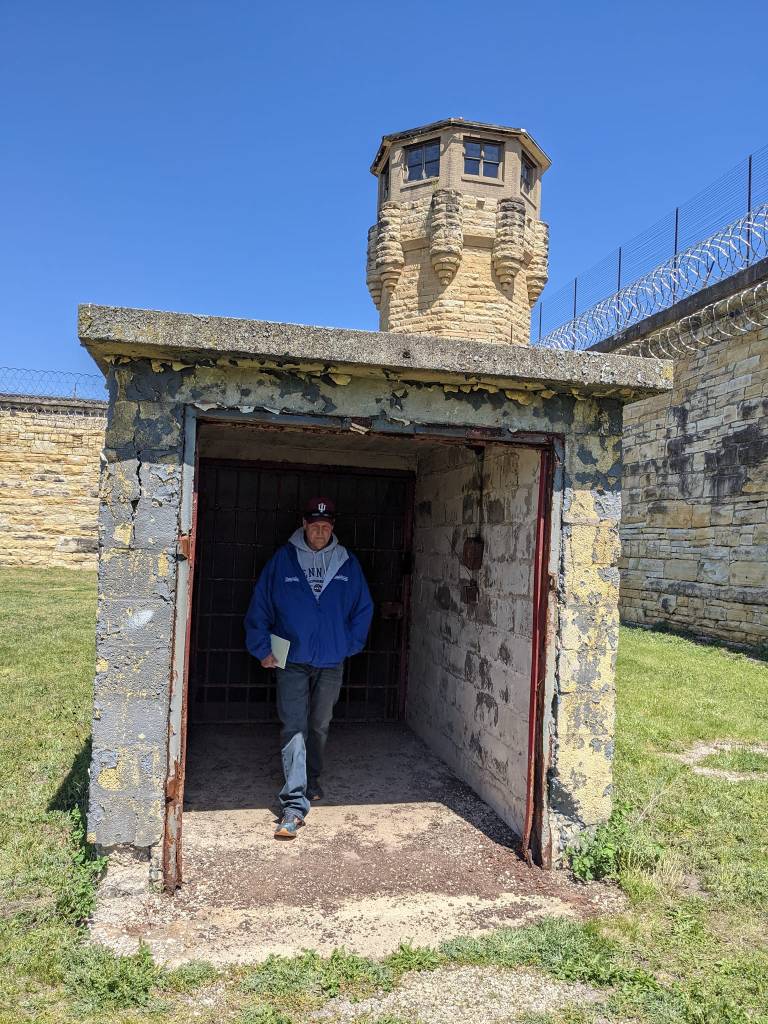
Old Joliet Penitentiary, Leopold & Loeb, and the author at the Blues Brothers gate.

Last month, Rhonda and I drove to the outskirts of Chicago to visit Joliet Prison in Illinois. Like many ancient jails, prisons, and penitentiaries, Joliet has experienced a second life as a tourist attraction. It opened back in 2018. During the summer months (June to September) Joliet is open daily for tours until 6 p.m. For $20 you can go visit the old stomping grounds of notorious inmates like Richard Speck, John Wayne Gacy, James Earl Ray, and Baby Face Nelson. In my case, I was interested in the place because of Leopold and Loeb. Okay, okay, I was also there thinking of the Blues Brothers, but mostly Leopold and Loeb.
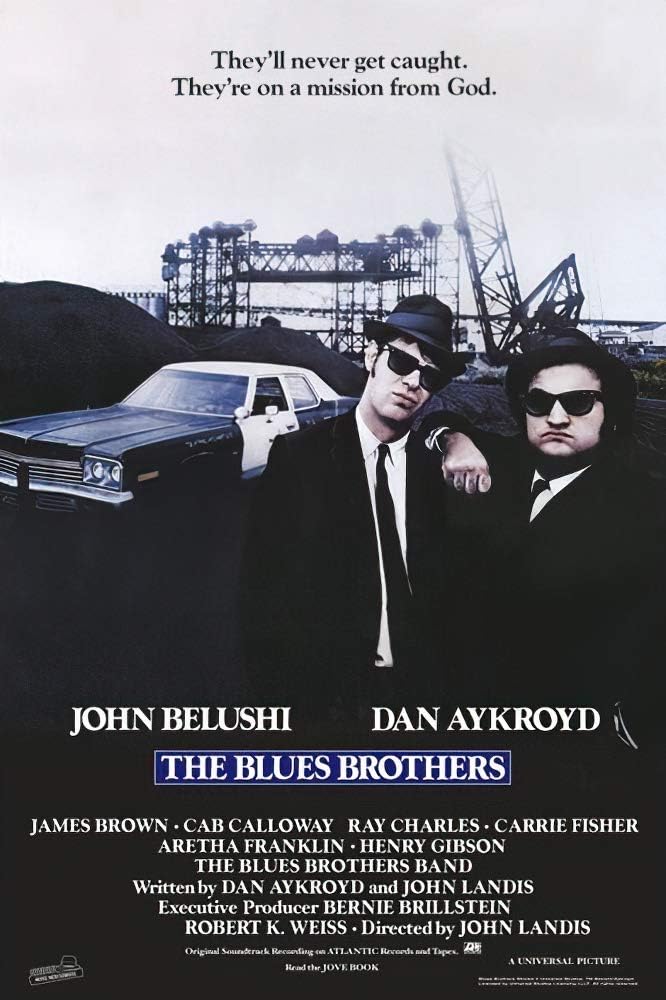
Old Joliet Penitentiary (originally known as Illinois State Penitentiary) opened in 1858 and was a working prison until 2002. In “The Blues Brothers” movie, Dan Aykroyd (Elwood J. Blues) awaits outside the prison gate for the release of John Belushi’s character (“Joliet Jake” Blues). Guests enter through the same gate Belushi exits. If you are sly, you can sneak over and crank the gate open or closed on your own. The prison was also used in the cult classic James Cagney film “White Heat” and the 1957 movie “Baby Face Nelson.”

Like many of these incarceration-as-entertainment venues, Joliet is in a perpetual state of arrested decay. The tours are entirely self-guided and for a double sawbuck, you are handed a map and told to go explore “any door that is open.” We followed instructions and were only chased out of one building: the maintenance building. Which begged the question, “Then why did you leave the door open?” Visitors are warned not to shut the cell doors because they don’t have the keys and, oh, look out for rats. (For the record we saw none.) The women’s prison is still in place across the street but is only used nowadays for Halloween seasonal haunted houses and ghost tours.
Why, you ask, Leopold and Loeb? Well, because it was the 100th anniversary date of a crime that is mostly forgotten today but was the first “Crime of the Century”, the first “Trial of the Century” and the first “Media Circus” this “country-as-world-superpower” ever experienced. Fresh off the victory in World War I and smack dab in the middle of the Jazz Age, everything was bigger, faster, and more important in the US at the time. The crime hit the USA like a Jack Dempsey knockout punch to the jaw.

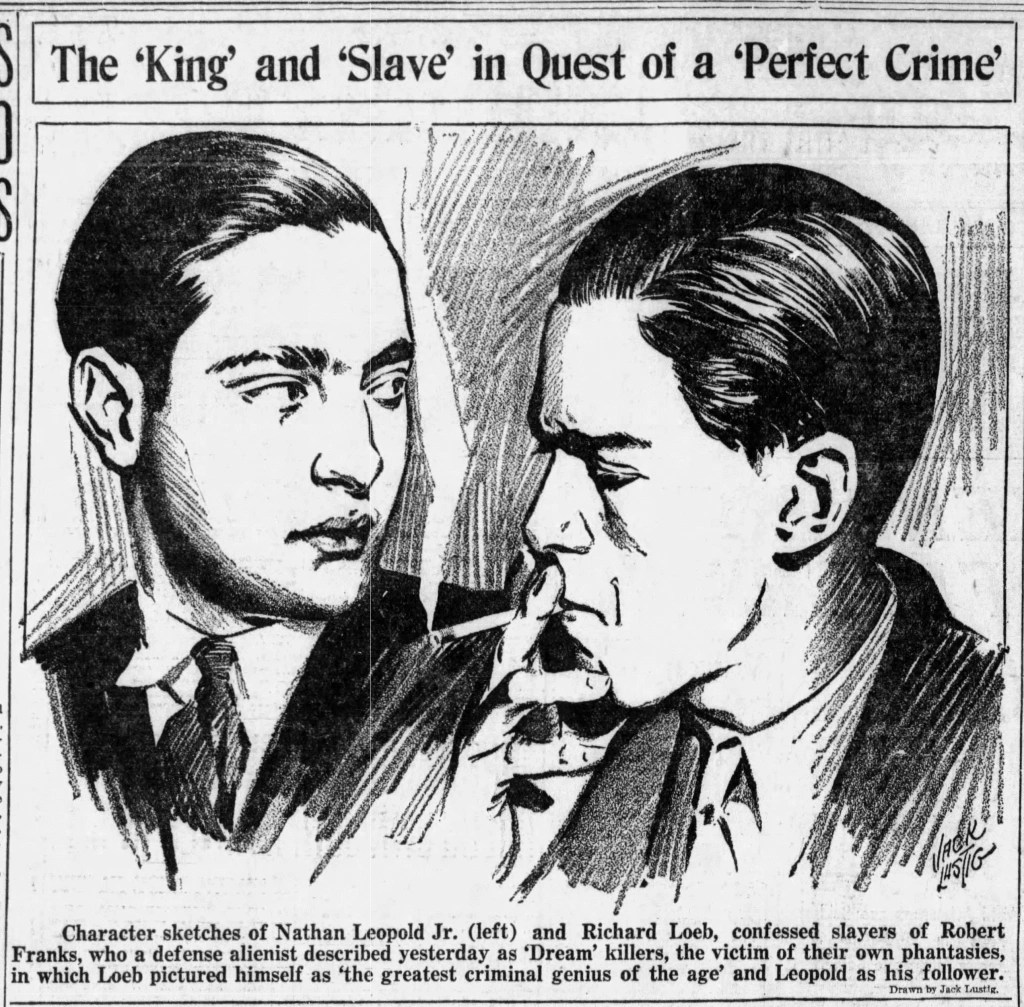
Nathan Freudenthal Leopold Jr. (November 19, 1904 – August 29, 1971) and Richard Albert Loeb (June 11, 1905 – January 28, 1936), were two affluent students at the University of Chicago who kidnapped and murdered a Chicago boy named Bobby Franks on May 21, 1924. They disposed of the schoolboy’s body in a culvert along the muddy shore of Wolf Lake in Hammond, Indiana. The duo committed the country’s first “thrill kill” as a demonstration of their superior intellect, believing it to be the perfect crime without possible consequences.
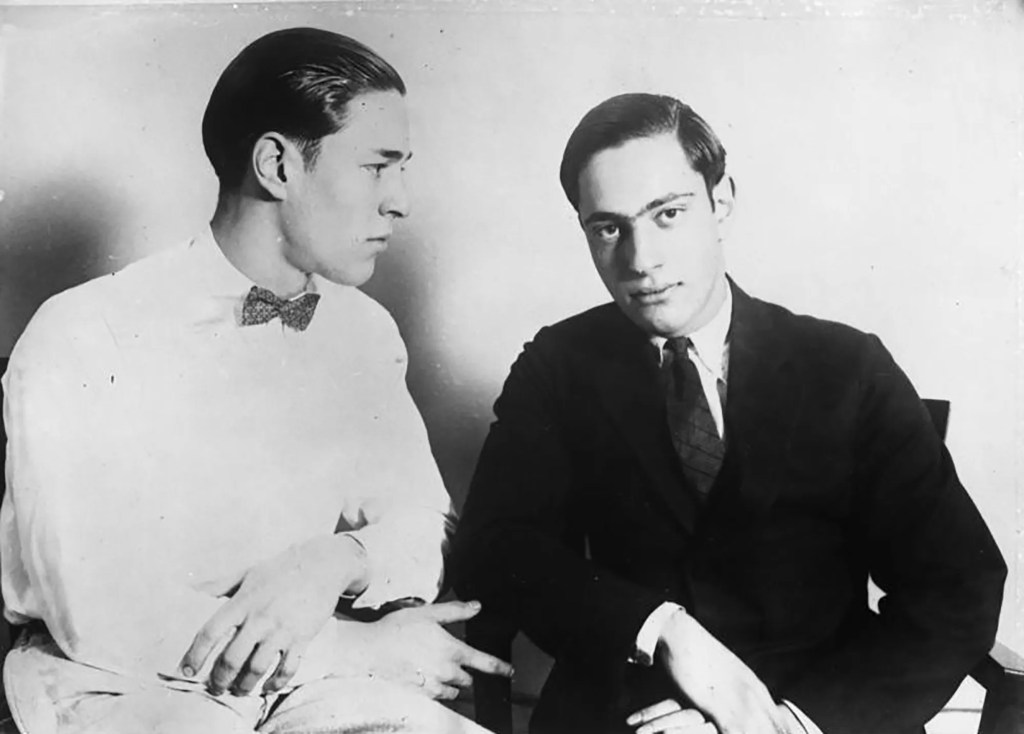
Richard Loeb (1905-1936) & Nathan Leopold (1904-1971).

Leopold (19) and Loeb (18) settled on identifying, kidnapping, and murdering a younger adolescent as their perfect crime. They spent seven months planning everything, from the method of abduction to purchasing rope and a heavy chisel to use as weapons, and to the disposal of the body. To make sure each of them was equally culpable in the murder, they agreed to wrap the rope around their victim’s neck and then each would pull equally on their end, strangling him to death. To hide the casual nature of their “thrill kill” motive, they decided that they had to make a ransom demand, even though neither teenager needed the money.
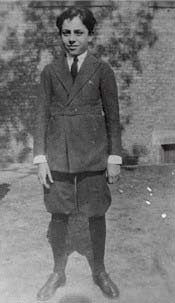
Bobby Franks (1909-1924)

After a lengthy search in the Kenwood area, on the shore of Lake Michigan on the South Side of Chicago, they found a suitable victim on the grounds of the Harvard School for Boys where Leopold had been educated. (Today, Kenwood has received national attention as the home of former President Barack Obama and his family.) The duo decided on 14-year-old Robert “Bobby” Franks, the son of wealthy Chicago watch manufacturer Jacob Franks. Bobby lived across the street from Loeb and had played tennis at the Loeb residence many times before.

Around 5:15 on the evening of May 21, 1924, using a rented automobile, Leopold and Loeb offered Franks a ride as he walked home from school after a baseball game. Since Bobby was hesitant, being less than two blocks from his home (which still stands at 5052 S. Ellis), Loeb told the victim he wanted to talk to Bobby about a tennis racket that he had been using. While the exact details of the crime are in dispute, it is believed that Leopold was behind the wheel of the car with Bobby in the passenger seat while Loeb sat in the back seat with the chisel. Loeb struck Franks in the head from behind several times with the chisel, then dragged him into the back seat and gagged him, where he died.
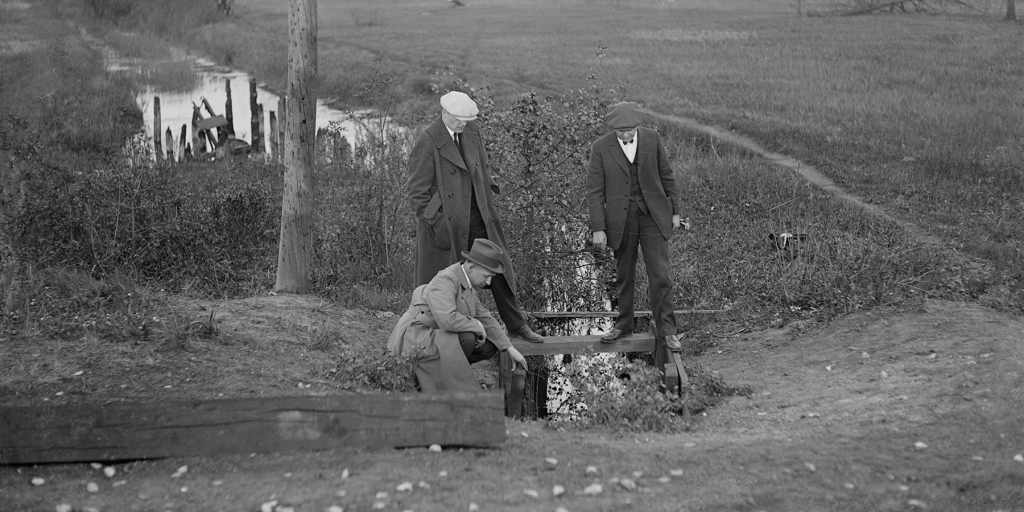
The culvert where Bobby Franks’s body was found. Chicago Daily News collection Chicago History Museum

Loeb stuffed the boy’s body into the floorboards and scrambled over the back of the passenger seat. There is little doubt that the deadly duo’s demeanor was joyous as they exchanged smiles below bulging eyes accentuated with anxious breathing and giggles of laughter. The men drove to their predetermined body-dumping spot near Wolf Lake in Hammond, 25 miles south of Chicago. They concealed the body in a culvert along the Pennsylvania Railroad tracks north of the lake. To hinder identification, they poured hydrochloric acid on the face and body. When they returned to Chicago, they typed a ransom note, burnt their blood-stained clothing, and cleaned the blood stains from the rented vehicle’s upholstery. After which, they spent the remainder of the evening playing cards. They didn’t know that police had found a pair of Leopold’s prescription eyeglasses (one of only three such pairs in the entire city) near Franks’ body.
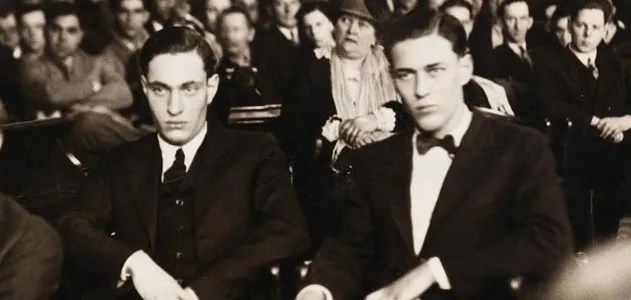
Leopold & Loeb.

Their plan unraveled quickly. When Roby, Indiana, (a now non-existent neighborhood west of Hammond) resident Tony Minke discovered the bundled-up body of Bobby Franks along the shore of Wolf Lake, the gig was up. The thrill killers destroyed the typewriter and burned the lap blanket used to cover the body and then casually resumed their lives as if nothing ever happened. Both of these demented little rich boys enjoyed chatting with friends and family members about the murder. Leopold discussed the case with his professor and a girlfriend, joking that he would confess and give her the reward money. Loeb, when asked to describe Bobby by a reporter, replied: “If I were to murder anybody, it would be just such a cocky little S.O.B. as Bobby Franks.” When asked to explain how the eyeglasses got there, Leopold said that they might have fallen out of his pocket during a bird-watching trip the weekend before. Leopold and Loeb were summoned for formal questioning on May 29. Loeb was the first to crack. He said Leopold had planned everything and had killed Franks in the back seat of the car while he drove. Once informed of Loeb’s confession, Leopold insisted that he was the driver and Loeb the murderer. The confessions were announced by the state’s attorney on May 31, 1924.
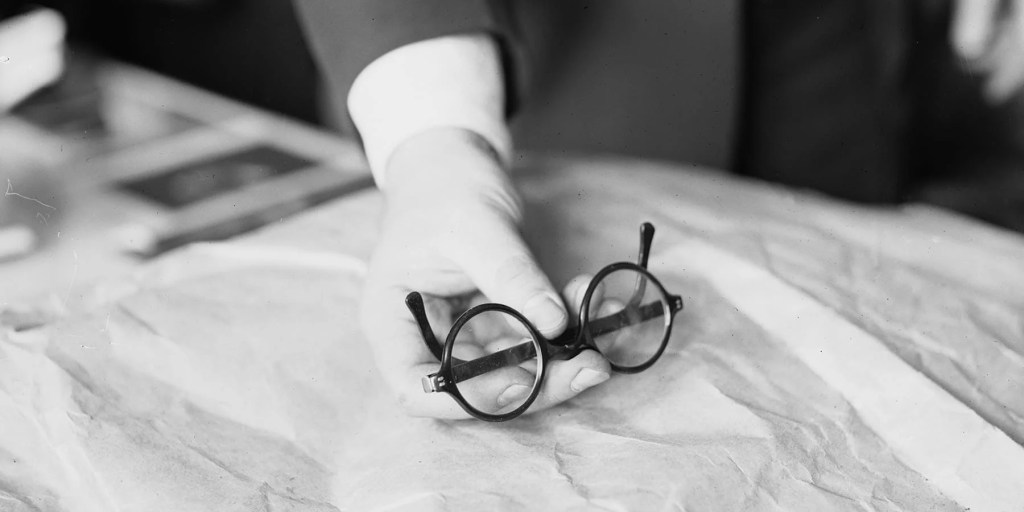
The glasses found near Bobby Franks’s body. Chicago Daily News collection, Chicago History Museum.

Later, both admitted that they were driven to commit a “perfect crime” by Übermenschen (supermen) delusions, and their thrill-seeking mentalities drove a warped interest to learn what it would feel like to be a murderer. While it is true that Leopold and Loeb knew each other only casually while growing up, their relationship flourished at the University of Chicago. Their sexual relationship began in February 1921 and continued until the pair were arrested. Leopold was particularly fascinated by Friedrich Nietzsche’s concept of Übermenschen, interpreting themselves as transcendent individuals possessing extraordinary, superhuman capabilities whose superior intellects would allow them to rise above the laws and rules that bound the unimportant, average populace.
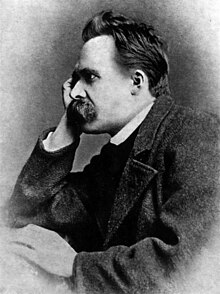
Philosopher Friedrich Nietzsche (1844-1900).

Early in their relationship, Leopold convinced Loeb that if they simply adhered to Nietzsche’s doctrines, they would not be bound by any of society’s normal ethics or rules. In a letter to Loeb, he wrote, “A superman … is, on account of certain superior qualities inherent in him, exempted from the ordinary laws which govern men. He is not liable for anything he may do.” The duo first tested their theory of perceived exemption from normal restrictions with acts of petty theft and vandalism including breaking into a University of Michigan fraternity house to steal penknives, a camera, and the typewriter later used to type the ransom note. Emboldened, they progressed to arson, but no one seemed to notice. Disappointed with the lack of media coverage of their crimes, they began to plan and execute a sensational “perfect crime” to grab the public’s attention and cement their self-perceived status as “supermen”.
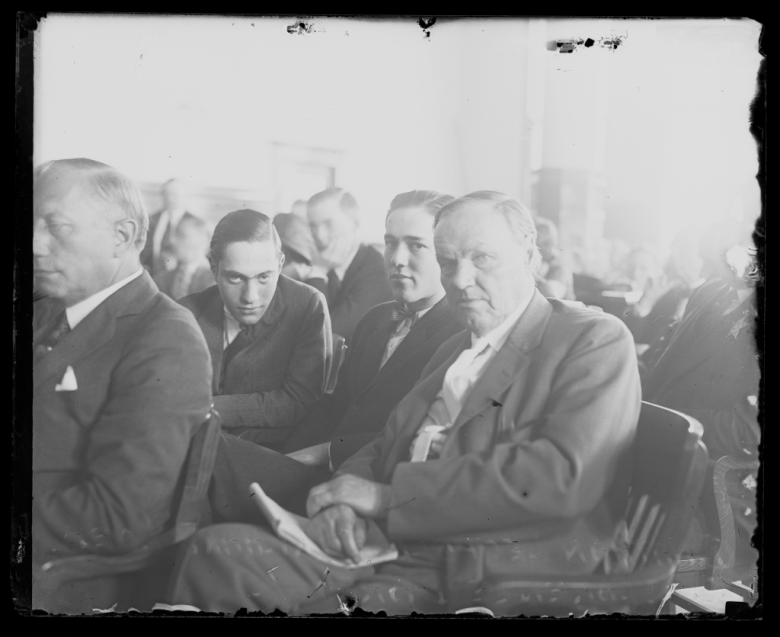
Lawyer Clarence Darrow in court with Leopold & Loeb.

After the two men were arrested, Loeb’s family retained Clarence Darrow as lead counsel for their defense. Clarence Seward Darrow (April 18, 1857 – March 13, 1938) was perhaps the most famous lawyer of the late 19th / early 20th centuries. He was known for his strenuous defense of women, Civil Rights, early trade unions, and the Scopes “monkey” trial. Darrow was also a well-known public speaker, debater, and writer. He took the case because he was a staunch opponent of capital punishment. Darrow’s father was an ardent abolitionist and his mother was an early supporter of female suffrage and women’s rights.
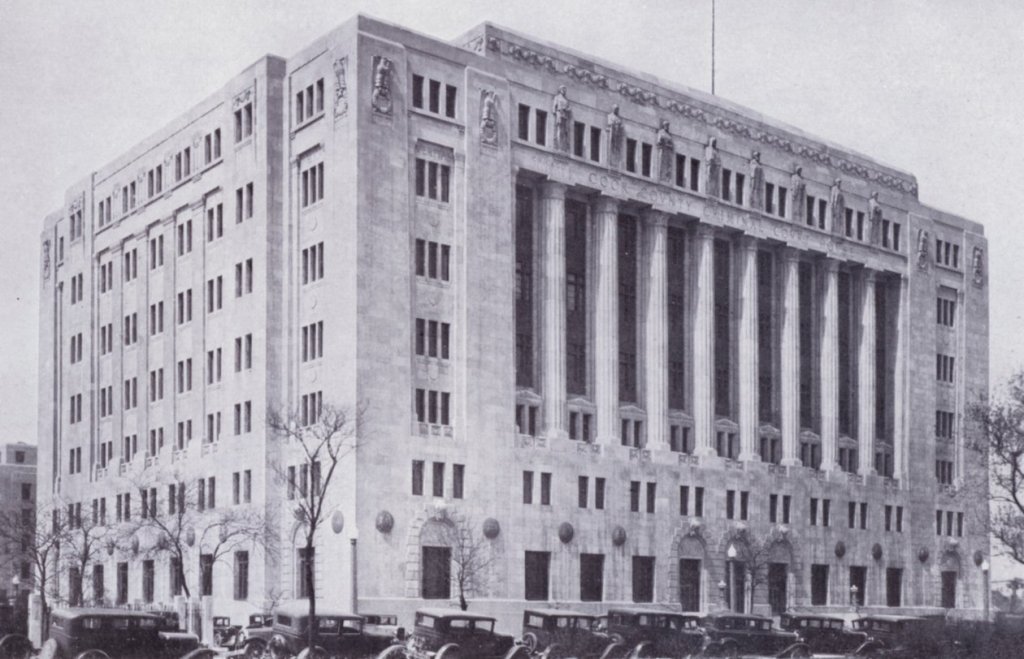
Chicago’s Cook County Criminal Courthouse.

The trial took place at Chicago’s Cook County Criminal Courthouse. For his efforts, Darrow was paid $65,000 (equivalent to $1,200,000 today). Everyone expected the defense would be not guilty because of insanity, but Darrow believed that a jury trial would convict his clients and impose the death penalty regardless of the plea. So Darrow entered a plea of guilty and appealed to Judge John R. Caverly to impose life sentences instead. The sentencing hearing ran for 32 days. The state presented over 100 witnesses, meticulously documenting the crime. The defense presented extensive psychiatric testimony to establish mitigating circumstances, including childhood neglect in the form of absent parenting, and in Leopold’s case, sexual abuse by a governess. But it was Darrow’s impassioned, eight-hour-long “masterful plea” after the hearing (called the finest speech of his career) that saved Leopold and Loeb’s lives. Darrow argued that the methods and punishments of the American justice system were inhumane, and the youth and immaturity of the accused should be considered in their sentencing.
Darrow’s speech, at least in part, is worth revisiting here. “Is any blame attached because somebody took Nietzsche’s philosophy seriously and fashioned his life upon it? It is hardly fair to hang a 19-year-old boy for the philosophy that was taught him at the university…Your Honor knows that in this very court crimes of violence have increased growing out of the war. Not necessarily by those who fought but by those that learned that blood was cheap, and human life was cheap, and if the State could take it lightly why not the boy?…The easy thing and the popular thing to do is to hang my clients. I know it. Men and women who do not think will applaud…(I) would ask that the shedding of blood be stopped, and that the normal feelings of man resume their sway. Your Honor stands between the past and the future. You may hang these boys; you may hang them by the neck until they are dead. But in doing it you will turn your face toward the past. In doing it you are making it harder for every other boy who in ignorance and darkness must grope his way through the mazes which only childhood knows. In doing it you will make it harder for unborn children. You may save them and make it easier for every child that sometime may stand where these boys stand. You will make it easier for every human being with an aspiration and a vision and a hope and a fate. I am pleading for the future; I am pleading for a time when hatred and cruelty will not control the hearts of men. When we can learn by reason and judgment and understanding and faith that all life is worth saving, and that mercy is the highest attribute of man.”
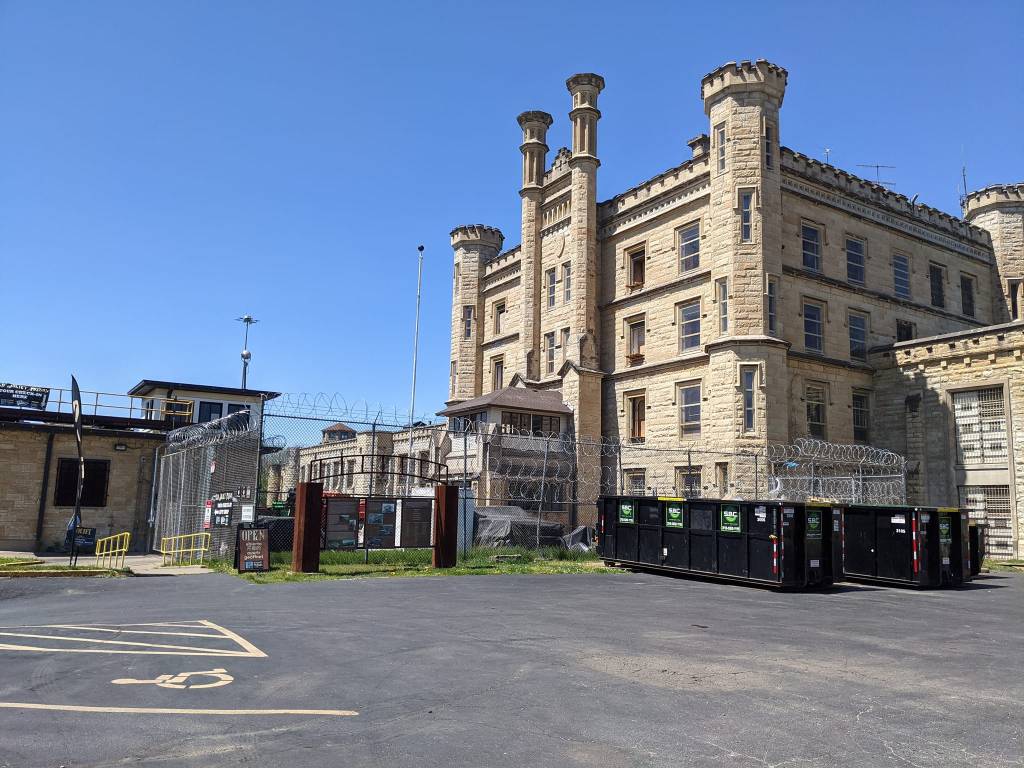
Old Joliet Penitentiary, Joliet, Illinois.

Both men were sentenced to life plus 99 years. During Darrow’s month-long courtroom argument to save their lives, Leopold and Loeb’s families greased the guards with bribes to soften their stay at the Cook County Jail. That abruptly ended when they reached Joliet. The Illinois State Penitentiary was already out of date and seriously overcrowded when they arrived. It had been condemned as unfit for habitation twenty years prior, yet, was still open. According to the Joliet Prison website, “Built in 1858 of limestone quarried on the site by prisoners to house 900 inmates; by 1924 over 1,800 prisoners were incarcerated there. The cells, four feet by eight, were damp, had narrow slits for windows, and possessed no plumbing: prisoners were given a jug of water each morning and made do with a bucket to use as a toilet. Every aspect of life at Joliet was regulated. Prisoners were given two changes of underwear, blue shirts, pants, socks, and heavy shoes to use each week. Contact with the outside world was limited. Inmates could send a single letter and receive visitors every second week. Using funds from their prison accounts, they could purchase tobacco, rolling papers, chewing gum, and candy from the prison commissary. There were no other privileges. A bell awoke prisoners at 6:30 AM and the cell blocks filled with sounds of locks opening, doors slamming shut, and boots marching along the steel flooring. After dressing, inmates grabbed the buckets and carried them into the courtyard, emptying their refuse into a rancid trough. Meals were served in a large dining hall; twice a week prisoners had beef stew for breakfast; other days hash was served. The food was cold and unappealing, sitting in pools of congealed fat on aluminum trays.”
As the Medieval prison loomed before them, its towers bathed in the glow of arc lights shadowing what lay behind the walls, the two convicted killers surely swallowed hard in fear. Thanks to the specialized skills of attorney Darrow, they had escaped the death penalty only to find themselves condemned to life imprisonment in this foreboding fortress. Leopold and Loeb were introduced to their new life at the Illinois State Penitentiary at Joliet on the night of September 11, 1924. Bound in ankle chains tethered by a chain to their handcuffs, the duo shuffled through the front gates of the inmate reception area. By the next day, their heads were shaved; they were photographed and fingerprinted; authorities assigned them prison numbers: Leopold was Inmate No. 9305, and Loeb No. 9306. After processing, they were led to separate cells, disappearing into the penitentiary population. Once they entered regular prison life, they were kept in solitary cells for several months, both because of the publicity of their crime and also because they were among the youngest inmates of the prison. Although kept apart as much as possible, the two managed to maintain their friendship. Leopold and Loeb spent most of their days working in prison shops: Leopold wove rattan chair bottoms in the prison’s Fibre Shop, while Loeb constructed furniture. Between meals, they were allowed two fifteen-minute breaks in which to walk or smoke. After dinner at four, they returned to their cells. At nine, lights out.
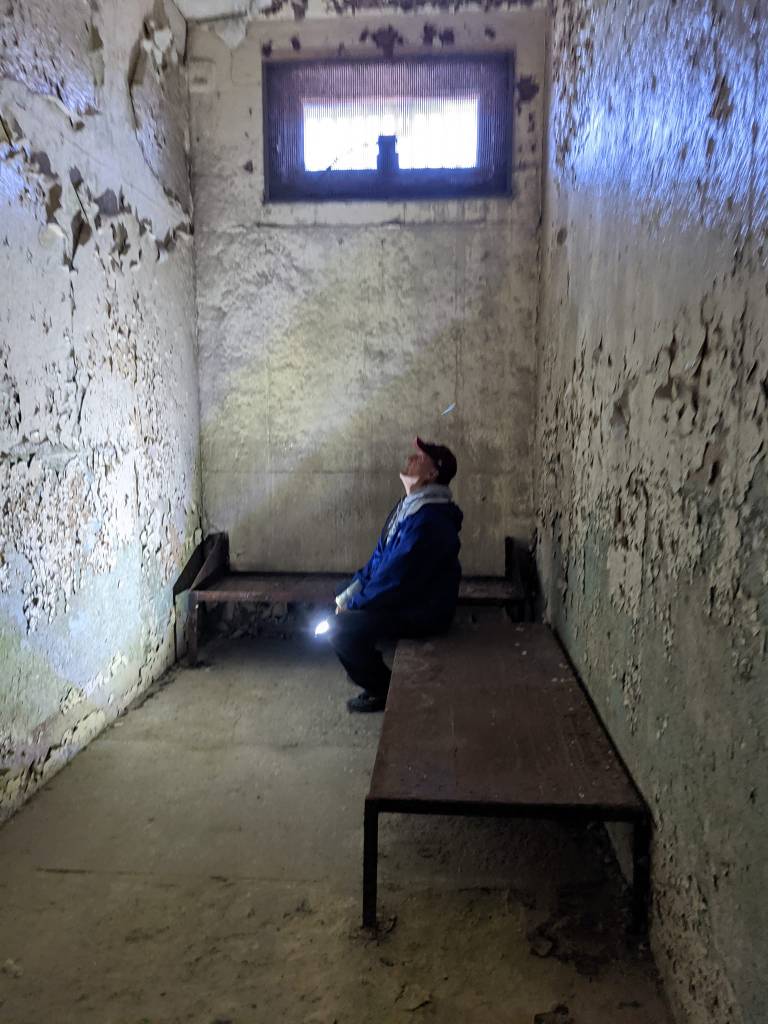
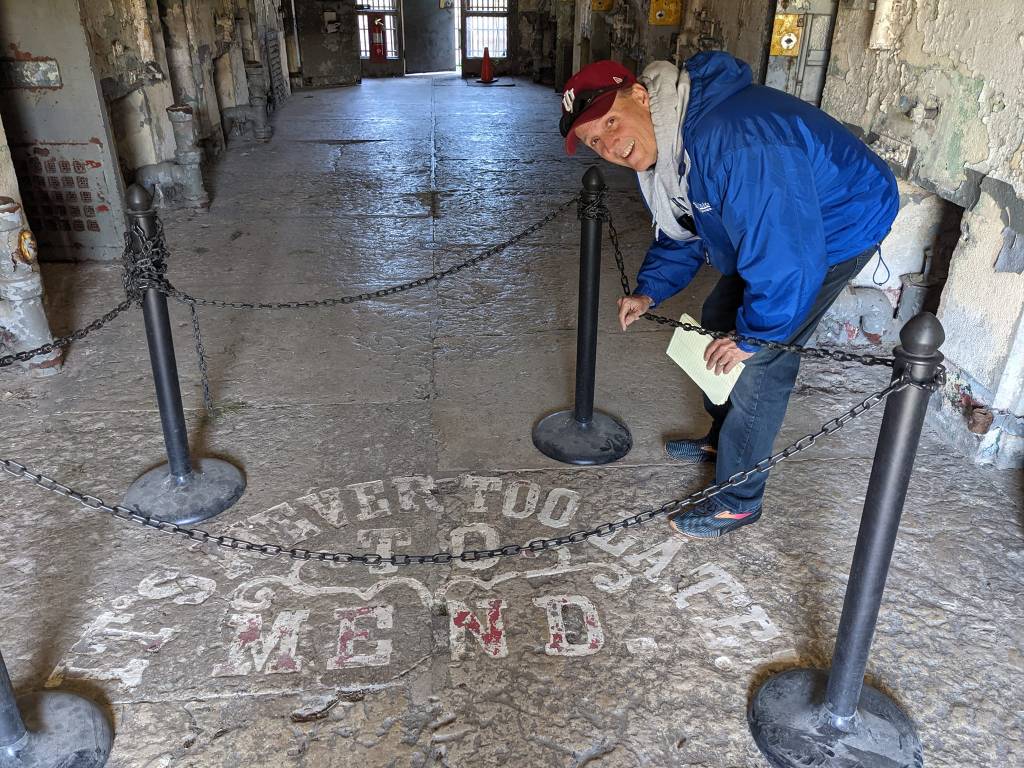
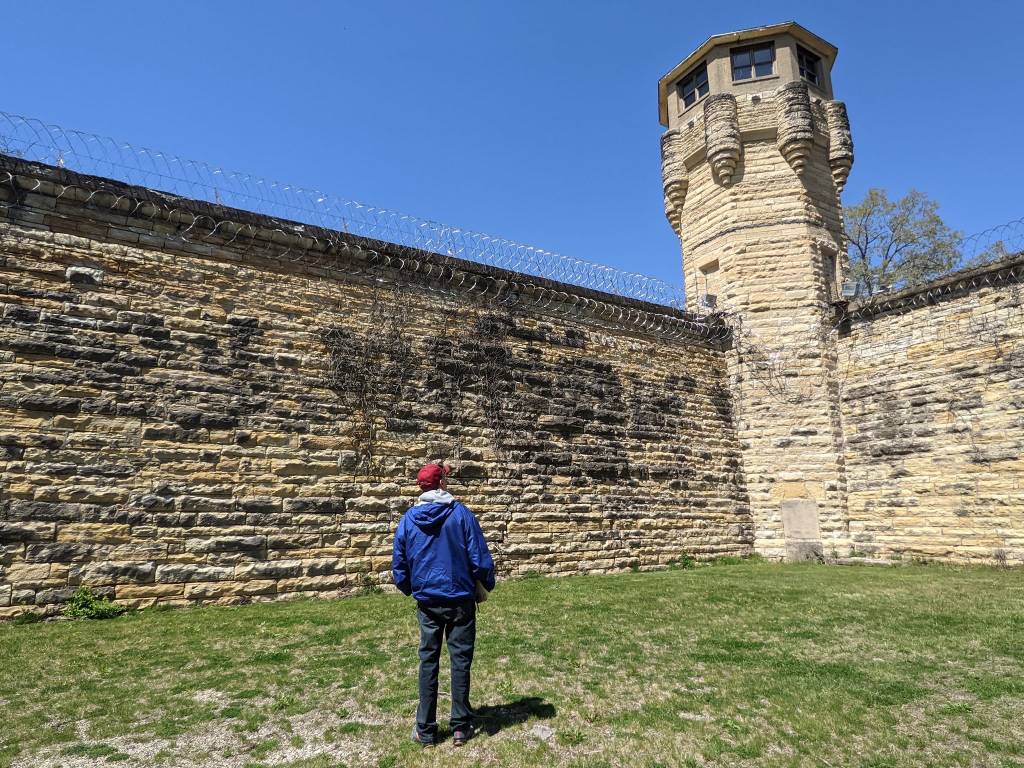
The author in the death house at Joliet.
Criminals, Health & Medicine, Indianapolis, Medicine

THE BREATHALYZER

Original publish date February 22, 2024. https://weeklyview.net/2024/02/22/the-breathalyzer/

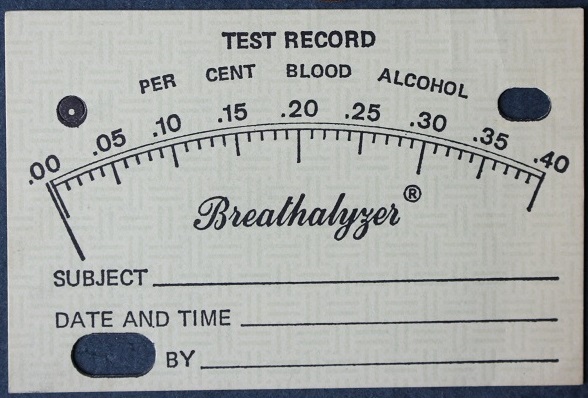
Recently, I found myself at an antique show rummaging through a small box of paper, not unfamiliar territory for me. The usual: postcards, coupons, ads, snapshot photos. Then my fingers danced past a small greenish-colored slip of paper with a frozen gauge chart numbered .00 to .40 and a pair of machine-cut holes in the corners. Titled “Breathalyzer” it was identified as a “Test Meter” to measure “Per Cent Blood Alcohol” with an unused 3-line identifier at the bottom for the “Subject” name, “Date and Time”, and name of the person administering the test. Okay, we all know what it means (some more than others) and if we are smart (or lucky) we have managed to avoid these at all costs in our lifetimes.

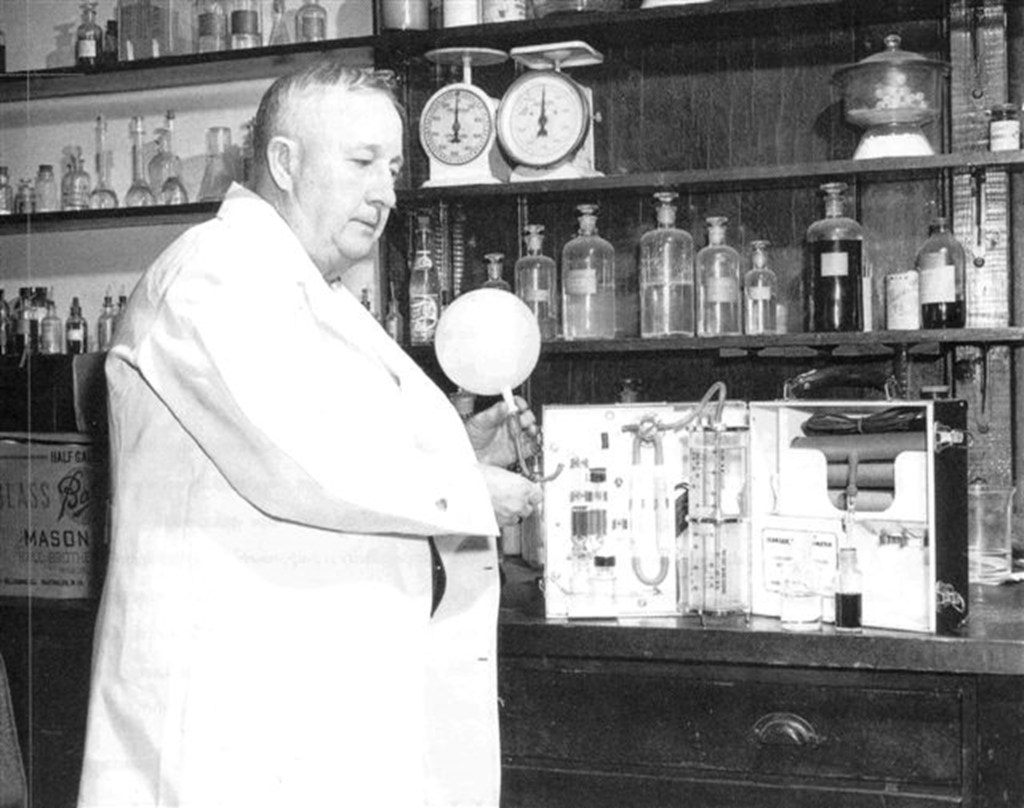
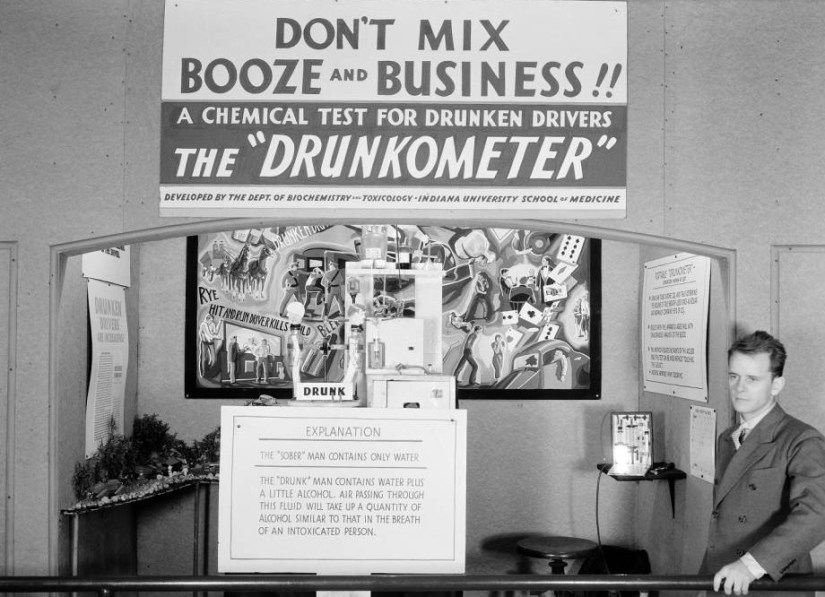
But did you know that the “Breathalyzer” instrument, known around the world as the “Breath of Death”, the “Intoxalock”, or the “Booze Kazoo”, was invented in Indiana? In 1931, a 41-year-old toxicology professor at Indiana University named Rolla Harger invented the first practical roadside breath-testing device called the Drunkometer. He was awarded a patent for it in 1936. The Drunkometer collected a sample of the motorist’s breath when the driver blew directly into a balloon attached to the machine. The breath sample was then pumped through an acidified potassium permanganate solution and if there was alcohol in the sample, the solution changed color. The greater the color change, the more alcohol there was present in the breath.

Rolla Neil Harger (January 14, 1890 – August 8, 1983).

In 1922, Harger became an assistant professor at Indiana University School of Medicine in the newly formed Department of Biochemistry and Pharmacology. He served as the department chairman from 1933 to 1956 and worked continuously in the department until 1960. However, the bulky Drunkometer proved impractical and unportable. The test required the suspected impaired driver to effectively inflate a balloon (a challenging task for some drunk or sober), which was then taken to the machine at police headquarters. This time-consuming, awkward process depended on the visual skills of the technician analyzing the sample-an Achilles heel that defense lawyers were often successful contesting. The Drunkometer eventually fell out of favor with police officers who saw it as complicated and unreliable. Police instead preferred to administer roadside dexterity tests to determine intoxication.

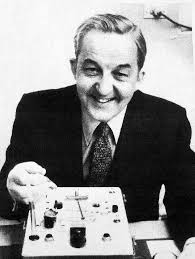
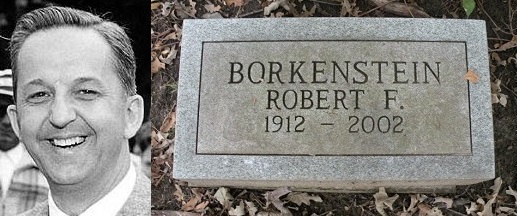
Frank Borkenstein (1912-2002)

Enter Robert Frank Borkenstein. Born August 31, 1912, in Fort Wayne, Borkenstein was a natural-born teacher, researcher, and inventor. Borkenstein was a product of the Great Depression, and like many young Hoosiers of that era, he was unable to attend college. His first job in Fort Wayne was as a photographic technician, where legend claims his expertise in color film led (at least in part) to the invention of the color camera. While that claim is hard to nail down, what we do know is that his skill and creativity were recognized by the Indiana State Police Criminology Laboratory which hired him in 1936. Borkenstein quickly rose through the ranks, he went from working as a clerk to Captain in charge of Laboratory Services to Director of the State Police Criminological Laboratory, one of the first state police laboratories in the US. During his time with the department, Borkenstein helped perfect the use of photography in law enforcement and worked extensively on developing the polygraph, or lie detector. He administered more than 15,000 tests before his retirement in the late 1980s.

Indiana University School of Medicine Dept. of Biochemistry-Toxicology display.

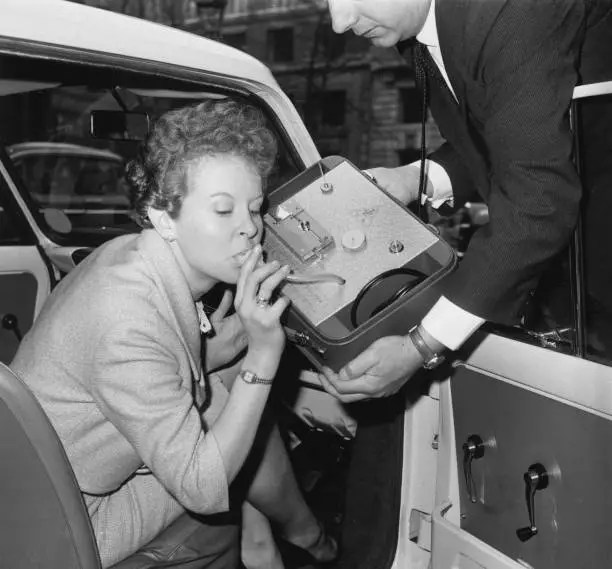
Also while with the department, Borkenstein developed a close professional relationship with IU Professor Rolla N. Harger who was still working to improve his Drunkometer. In the 1950s, Borkenstein attended Indiana University on a part-time basis, eventually earning his Bachelor of Arts in Forensic Science. In February of 1954, IPD Lieutenant Borkenstein, Director of the State police laboratory, developed his first working model of the Breathalyzer (an amalgam of “breath, alcohol and analyze”) in the partially dirt-floored basement of his small Indianapolis home at 6441 Broadway near Broad Ripple. His machine was more compact, easier to operate, and consistently produced reliable results when measuring blood alcohol content. The Breathalyzer substituted a rubber hose for the balloon and featured an automatic internal device to gauge the color changes previously determined by the naked eye. Borkenstein’s Breathalyzer was an inexpensive way to test intoxication and meant that BAC (blood alcohol content) could be quickly collected and analyzed for use as evidence. Upon graduation from IU, Borkenstein retired from the State Police and joined IU as Chairman of the newly-formed Department of Police Administration.

Borkenstein’s updated breathalyzer.

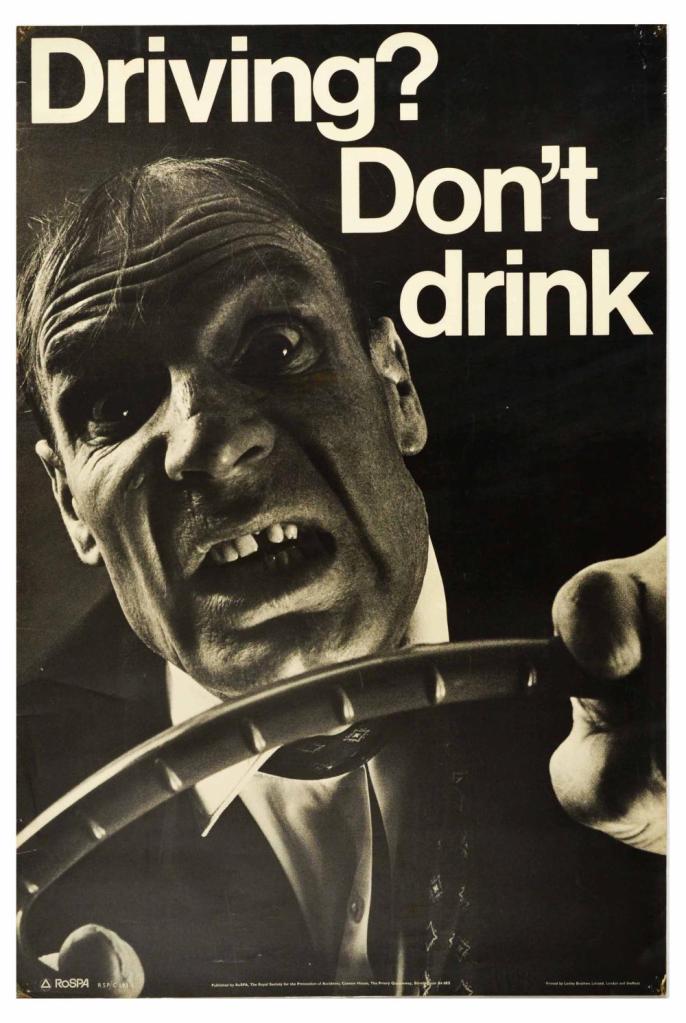
Robert Borkenstein, a convivial fellow known as “Bob” to friends, family, and colleagues, enjoyed listening to Gilbert and Sullivan, entertaining visitors, and serving drinks to his friends. According to one account, ironically Bob “exhibited a Catholic taste in wines and spirits”. But Bob insisted on one rule for himself and anyone consuming alcohol in his presence: No drinking and driving! This, even though he supervised a study, paid for by the liquor industry, that suggested that “the relaxing effect of having drunk less than two ounces of alcohol might produce a slightly better driver than one who had none”.

At I.U., Borkenstein was well-liked and known for his generosity to younger colleagues. He was also a Francophile who traveled extensively to Paris and other parts of France, incorporating the French language into much of his work. Another gadget Borkenstein invented was a coin-operated Breathalyser for use in bars. The idea is that when a customer drops a coin it causes a straw to pop up. When the straw is blown into, a reading of .04 or less would produce a message: “Be a safe driver.” Between .05 and .09, the machine blinked and advised: “Be a good walker.” At .10 or higher, it sounded a small alarm and warned: “You’re a passenger.”

He later became chairman of IU’s Forensic Studies Department and director of the university’s Centre for Studies of Law in Action. The class he established on alcohol and highway safety became a national standard in the United States for forensic science, law enforcement, and criminal justice professionals. Today, it is officially known as the “Robert F. Borkenstein Course on Alcohol and Highway Safety: Testing, Research, and Litigation”, more simply known as the “Borky”. In light of his achievements, Borkenstein was awarded an Honorary Doctor of Science by Wittenberg University in 1963 and an Honorary LL.D. from Indiana University in 1987. In March 1987 Borkenstein retired, though he continued to hold emeritus titles as both a professor and Director of the Center for Studies of Law in Action and was inducted into the Safety and Health Hall of Fame International in 1988. Borkenstein’s mentor Dr. Rolla Neil Harger died on August 8, 1983, in Indianapolis and is buried in Crown Hill Cemetery. Borkenstein’s papers are held at the Indiana University Archives in the Herman B Wells Library in Bloomington, IN.

Robert Borkenstein graveLindenwood Cemetery
Fort Wayne, Allen County, Indiana.

In 1938 Borkenstein married Marjorie K. Buchanan, a children’s book author who died in December 1998. The couple had no children. Robert Borkenstein died on August 10, 2002, at the age of 89. Borkenstein held the Breathalyzer patent for most of his life, finally selling it to the Colorado firm that markets it today. Although the Breathalyzer is no longer the dominant instrument used by police forces to determine alcohol intoxication, its name has entered the vernacular to the extent that it has become a generic name for any breath-testing instrument. Between 1955 and 1999, over 30,000 Breathalyzer units were sold. Without question, Bob Borkenstein’s invention has saved countless lives over the years and has become an irreplaceable tool of the police. And to think, it all started in Indiana.

Assassinations, Creepy history, Criminals, Politics

Charlotte Corday

Original publish date July 18, 2024. https://weeklyview.net/2024/07/18/charlotte-corday/

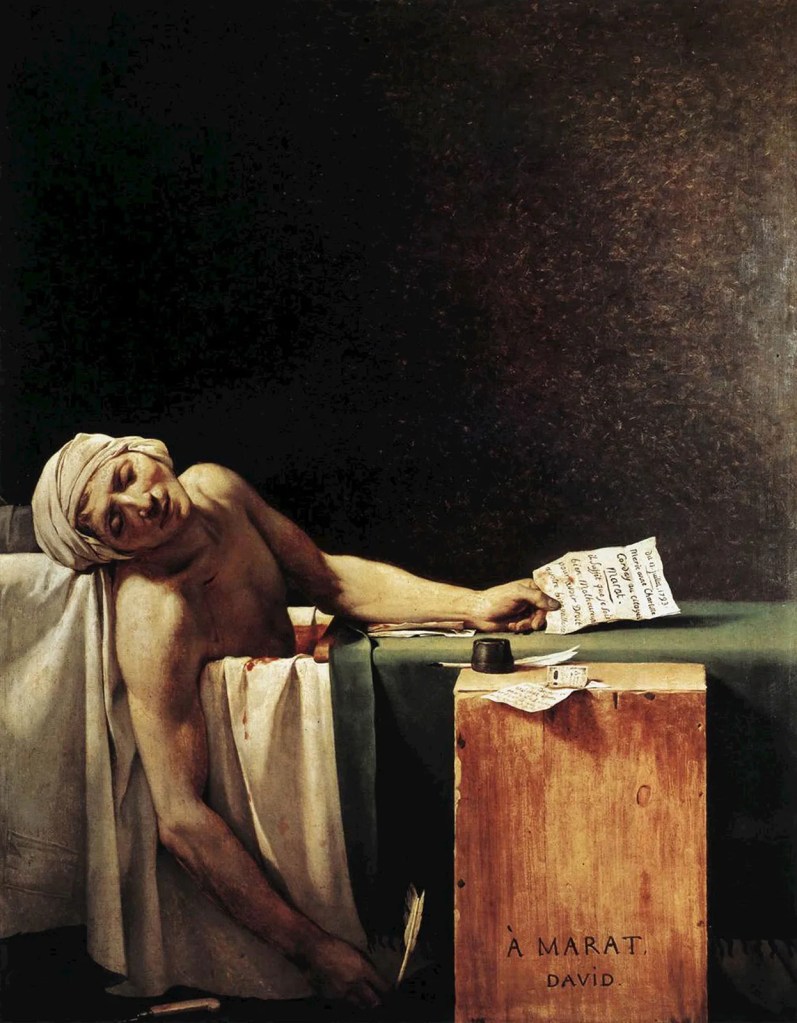
The Death of Marat, 1793 painting by Jacques-Louis David.

This 24-hour news cycle world can be exhausting. As I write this article, we stand at 120 days and counting until our next Presidential election. We are constantly reminded that this will be the most important election in the history of our country and that the end of Democracy is on the line. Since I spend most of my time buried in history of one sort or another, a phrase from the ancients runs on a loop in my head; “What has been will be again, what has been done will be done again; there is nothing new under the sun.” My idiomatic paraphrase is a Biblical verse: Ecclesiastes 1:9, “The thing that hath been, it is that which shall be; and that which is done is that which shall be done: and there is no new thing under the sun.”

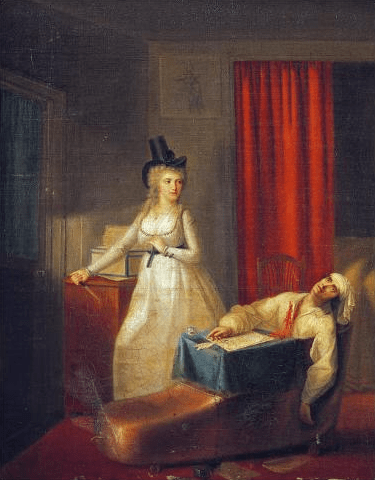
This is the story of Charlotte Corday. It is complicated, shocking, and gory, and does not end well. Her act is immortalized in one of the most famous images from the French Revolution: The Death of Marat, a 1793 painting by Jacques-Louis David. The painting depicts Jean-Paul Marat lying dead in his bathtub after his assassination by Corday on July 13, 1793. It is considered a masterpiece of the highest order and the first modernist work to express just how bad politics can be. The original painting is at the Royal Museum of Fine Arts of Belgium with a replica on display at the Louvre.

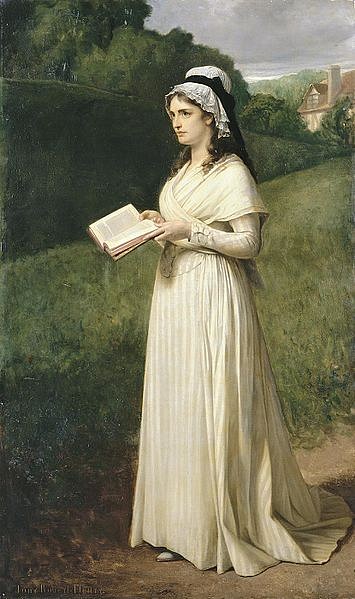
Charlotte Corday.

Marie-Anne Charlotte de Corday d’Armont (July 27, 1768 – 17 July 1793) was born to an aristocratic family in Normandy, France. Corday held Marat responsible for the September Massacres of 1792, a series of executions of prisoners in Paris during the French Revolution. Over 1600 people, most of whom were non-violent political prisoners, were dragged from their cells and killed by guillotine at the hands of the “Committee of Surveillance of the Commune” led by the Montagnards, who advocated a more radical approach to the revolution. As The French Revolution radicalized further and headed towards terror, Corday began to sympathize with the Girondins. The Girondins supported democratic reforms and a strong legislative branch at the expense of much weaker executive and judiciary branches. She regarded the Girondins as a movement that would ultimately save France and that the Revolution was in jeopardy due to the radical course taken by Marat and the Montagnards.

Jean-Paul Marat

On July 13, 1793, Corday traveled to Paris to assassinate Marat. He was not hard to find. Marat was suffering from a debilitating skin disease that left him nearly constantly confined to a bathtub to ease his suffering. Marat had always been a sickly man whom contemporaries described as “short in stature, deformed in person, and hideous in face.” The nature of his skin disease has been debated for centuries, some claimed it was syphilis, though most experts have identified it as “Dermatitis herpetiformis” a chronic, intensely itchy, blistering skin manifestation commonly known as celiac disease, a rash affecting about 10 percent of the population. Marat’s condition, which he had been suffering from for three years, was exacerbated by extreme weight loss, emaciation, and diminished strength. Marat stewed in a soup of various minerals and medicines with a bandana soaked in vinegar wrapped around his head. Marat sat upon a linen sheet for modesty, with the dry corners covering his back and bare shoulders, a board straddled the tub from rim to rim which served as a writing desk.

Charlotte Corday.

Corday is described on her passport as “five feet and one inch…curly auburn hair, eyes gray, forehead high, mouth medium size, chin dimpled, and an oval face”. Based solely on her appearance, Corday was the unlikeliest of assassins. On July 9, 1793, Corday arrived in Paris and took a room at the Hôtel de Providence. She bought a kitchen knife with a 6-inch blade. During the next few days, she wrote a detailed manifesto explaining her motives for assassinating Marat. At noon on July 13, she arrived at Marat’s home claiming to know about a planned Girondist uprising but was turned away. She returned that evening and was admitted. Their interview lasted fifteen minutes. From his bathtub, Marat wrote down the names of the Girondins as Corday crept ever closer to him. As he busily wrote out the list, Marat said, “Their heads will fall within a fortnight.”

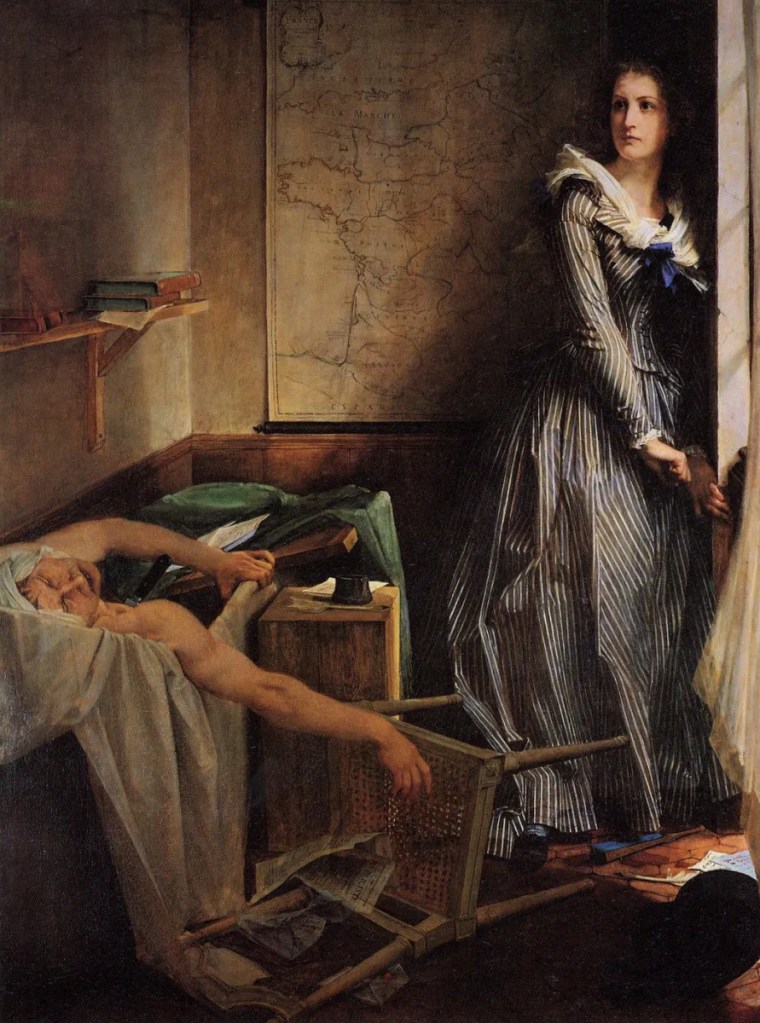
Paul-Jacques-Aime Baudry L’Assassinat de Marat 1861

Now within striking distance, Corday pulled the knife from her corset and plunged it deep into his chest, just under his right clavicle, opening the brachiocephalic artery, close to the heart. Marat, still clutching the list of names, slumped into the tub as he called out his last words: “Aidez-moi, ma chère amie!” (“Help me, my dear friend!”). The wound was fatal. In response to Marat’s cries, his wife Simonne Evrard, and two others rushed into the room and seized Corday. Two neighbors, a military surgeon and a dentist, attempted to revive Marat to no avail. Officials arrived to interrogate Corday and to calm a hysterical crowd who appeared ready to lynch her.

Jean-Joseph Weerts – Marat assassiné – 1880.
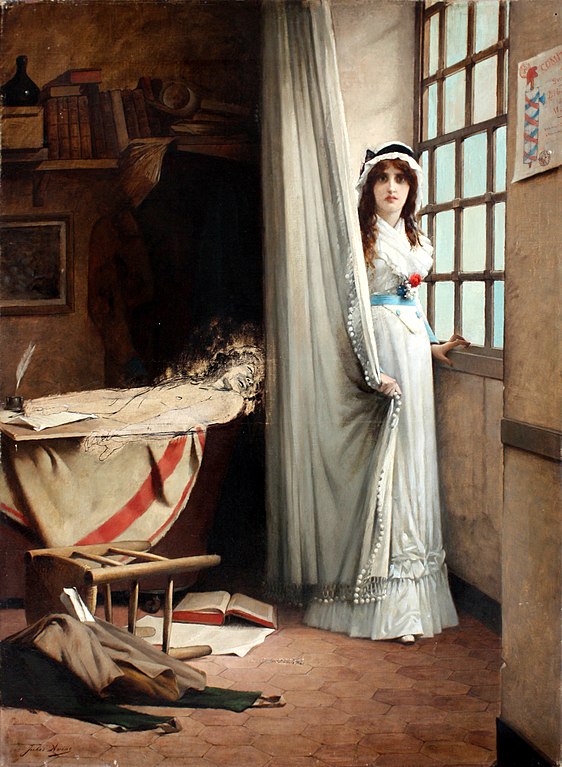
Jules-Charles Aviat-Charlotte Corday et Marat -1880.

Corday’s manifesto claimed: “I have avenged many innocent victims, I have prevented many other disasters. The people, one day disillusioned, will rejoice in being delivered from a tyrant…I rejoice in my fate, the cause is good…I alone conceived the plan and executed it. Crime is shame, not the scaffold!” Corday credited her single-blow knifing of Marat not to skill or practice but to luck. Arrested on the spot, she was tried and convicted by the Revolutionary Tribunal and sentenced to death by guillotine on the Place de la Révolution. On July 17, 1793, four days after Marat was killed, Corday was led to the guillotine via the tumbril, an open cart used to transport its load of condemned prisoners to the guillotine amid the shouts and jeers of bystanders. Corday stood calmly facing the crowd, suddenly, the heavens opened the thousands of curious on-lookers were drenched by a sudden summer rainfall. Corday never flinched.

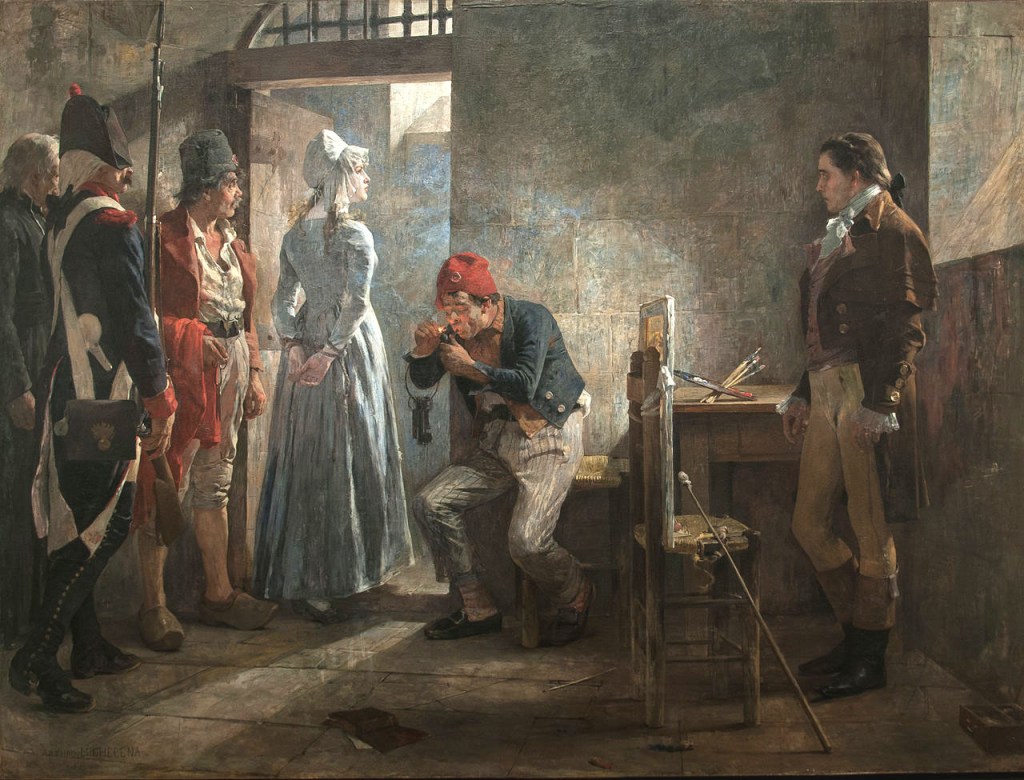
Charlotte Corday, in prison. Charles Louis Lucien Muller, artist. [1900-1912].
“La toilette des morts, Charlotte Corday” (The last toilet of Charlotte Corday) by Edward Matthew Ward The Illustrated London News, volume XLIII, July 25, 1863.
“Charlotte Conducted to the Scaffold” Arturo Michelena July 17, 1893.

Corday strode confidently to the guillotine, curtseyed to the crowd, leaned against the Bascule, and was lowered face down horizontally, her head placed into the Lunette. The Declic (handle) was pulled by the hooded executioner, releasing the heavy Mouton (weight) and blade from the crossbar. A silent swish swept the crowd as Corday’s head tumbled into the basket below. The Bascule, a sort of table, was hinged to make it easier to push the headless body into a larger side basket immediately after the execution. Moments after Corday’s decapitation, a carpenter named Legros leaped from the crowd and lifted her head from the basket. He turned towards the crowd and slapped it on the cheek. Horrified witnesses reported an expression of “unequivocal indignation” on her face when her cheek was slapped and that “Charlotte Corday’s severed head blushed under the executioner’s slap.” Ever since, the incident has fueled the suggestion that victims of the guillotine retain consciousness for a short while after decapitation. For that offense, Legros the carpenter was imprisoned for three months. To make matters worse, believing that there had to be a man sharing her bed who masterminded the assassination plan, officials had her body autopsied after her death to determine if she was a virgin. To their dismay, their non-scientific examination revealed that she was a virgin. Her body was buried in the Madeleine Cemetery, alongside the decapitated corpses of of King Louis XVI, Queen Marie Antoinette, and three thousand other guillotine victims. Legend claims that Corday’s skull was saved and passed from Parisian to Parisian (friend and foe alike) for generations after her execution.

Execution Of Charlotte Corday. Published In 1871.

Corday’s crime did not have the expected outcome and Marat’s assassination did not stop the reign of Terror. Instead, Marat became a martyr. Although the killing of Marat was considered vile, there is no doubt that the murder changed the political role and position of women during the French Revolution. Corday’s action aided in restructuring the private versus public role of women in society at the time. The idea of women as second-class citizens was challenged, and Corday was considered a hero. As the revolution progressed, the Girondins became progressively more opposed to the radical, violent views of the Montagnards espoused by Marat, Robespierre, and others.

Jean-Jacques Hauer – Meurtre de Marat, le 13 juillet 1793, par Charlotte Corday – 1793-94.

However, Corday’s critics quickly elevated Marat to the level of the immortals. His heart was embalmed separately and placed in an urn on an altar erected to his memory. His remains were transferred to the Panthéon where his near messianic role in the Revolution was gaslighted in a eulogy delivered by the Marquis de Sade, who compared Marat to Jesus Christ and idealized him as a man who loved only the people of France. Marat was transformed into a quasi-saint, his bust often replacing crucifixes in the churches of Paris. After the ousting of Maximilien Robespierre a year later, Marat’s reputation plummeted. His busts were knocked off their pedestals, carried away, and dragged through the streets by local children to the chants of ‘Marat, voilà ton Panthéon!’ (Marat, here is your Panthéon) before being dumped into the sewers. The few remaining statues of Marat were melted down during the Nazi occupation of Paris in World War II. Strangely, he continued to be held in high regard in the Soviet Union with many citizens, streets, and even a battleship sharing the name Marat.

Santiago Rebbull – La muerte de Marat – 1875.

Europeans remain split on the legacy of Corday. Some place her alongside Joan of Arc, the patron saint of France, who died 350 years prior, and others dismiss her as an idealistic radical. Corday lives on in popular memory through numerous works of art, poetry, plays, and literature including works by Percy Bysshe Shelley and Oscar Wilde, and her story is referenced variously in Rebecca of Sunnybrook Farm and Les Misérables. Marat’s wife peddled his bathtub to the highest bidder but not very successfully. Reportedly, interested parties included Madame Tussaud’s wax museum and P.T. Barnum, but it ultimately landed in the Musée Grévin, a Paris wax museum, where it remains today. The tub is in the shape of an old-fashioned high-buttoned shoe with a copper lining. However, the most tangible reminder of Marat’s death is Jacques-Louis David’s painting. David was not only the painter but also the man who organized Marat’s funeral. Marat’s disorder accelerated decomposition, making any realistic depiction of the scene impossible. The result was that David’s work beautified the skin that in reality had been discolored and scabbed from his chronic skin disease. The resulting painting was widely criticized as glorifying Marat’s death.

Charlotte Corday the “Angel of Assassination”

As for Corday’s reputation, history recalls her as the “Angel of Assassination” and lauds her as an early pioneer in the annals of women’s rights. After the assassination of Abraham Lincoln, the April 29, 1865, Harper’s Weekly mentioned Corday in a series of articles analyzing the assassination as the “one assassin whom history mentions with toleration and even applause”, but goes on to conclude that her assassination of Marat was a mistake in that she became Marat’s last victim rather than vindicating his thousands of victims. Proving that violence in the interest of “small d” democracy is, was, and always will be, futile and unacceptable.

Abe Lincoln, Assassinations, Civil War, Criminals

Pink Parker and his Monument to John Wilkes Booth.

https://www.digitalindy.org/digital/collection/twv/id/3538/rec/151

Original Publish Date August 26, 2021. https://weeklyview.net/2021/08/26/pink-parker-and-his-monument-to-john-wilkes-booth/

Recently, I ran across an obscure booklet about a little-known episode in the post-assassination chronology of Abraham Lincoln. Surprisingly it was published and distributed by a man named Stewart Winning McClelland (1891-1977) a self-described “Sponsor” of Dale Carnegie courses from Indianapolis. More surprising is the fact that it was published exactly 70 years ago on August 28, 1951. The booklet is titled “A Monument to The Memory Of John Wilkes Booth.” Now THAT got your attention, didn’t it

The booklet tells the story of a cranky old Rebel from Troy Alabama named Joseph Pinckney “Pink” Parker, born August 16, 1839, and died December 12, 1921. Parker, a former police officer and veteran of the Confederate Army, was often described in the local newspaper as “the bitterest Rebel in the South.” Almost immediately after graduating from Springhill Academy in Coffee County Alabama, the Civil War broke out and Pink enlisted in the Confederate Army. He left his family’s well-stocked plantation, a sister, and a bevy of slaves when he left for the front lines.
Parker served in Company A of the Second Georgia Battalion Infantry, Wright’s Brigade, Mohone’s Division of AP Hill’s Corps of the Army of Northern Virginia. During Parker’s four years of service, he rose to the rank of Corporal and fought at the battles of Gettysburg, the Wilderness, Spotsylvania, Cold Harbor, Petersburg, and Appomattox: many of the fiercest battles of the Civil War.
Four years later, when the war ended, Pink returned to find the “farm overgrown with weeds, his stock and slaves disappeared and his sister imbittered by her treatment received at the hands of the northern soldiers.” The family estate was soon “eaten up” by taxes and the former Rebel soldier was forced to take a position as a “walker” on the railroad tracks carrying with him “maul and spikes to keep the tracks repaired.” Parker grew to hate everything “Yankee”, blaming President Abraham Lincoln for the social and economic distress throughout the South and for Reconstruction, which he considered the continued destruction of the South.
Parker married and bought a farm near Inverness, Florida, but found farm life there hard and unforgiving. He moved his wife and three children to a house he bought on Madison Street in Troy. For years he earned a hardscrabble living on his meager salary as a grocery store clerk, policeman, and cotton compress worker. Eventually, he became a schoolteacher in Troy, where he built a comfortable home a short distance from the famed Natchez trace “which Andrew Jackson used in his battles against the Indians in Florida.”

The booklet describes Pink as a well-respected member of his community and a devout member of the Baptist Church with just one single vice: a deep-seated hatred for Abraham Lincoln. As Lincoln’s legend began to move towards secular sainthood, in both the North and the South, Pink Parker’s wrath grew year by year into a compulsion. Whenever Lincoln’s name was mentioned, Pink would burst forth with impassioned flights of profanity that astonished and shocked his friends and family. So bad were these outbursts that his pastor at the Baptist Church removed him from the church roles for his profanity. In a situation that Pink described, “It wasn’t quite fair. I know all the deacons in that church and any one of them can cuss better than I can.”
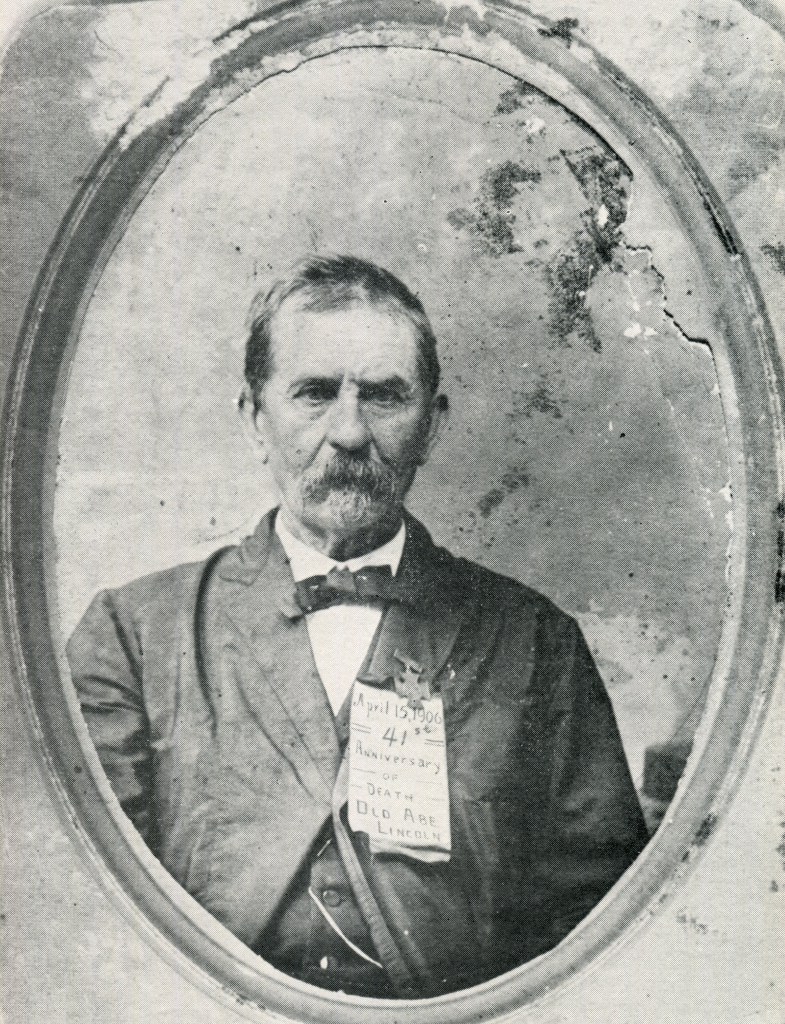
His expulsion from the church proved to be the capstone of Parker’s Lincoln hatred. Parker’s wife died in 1893 and his children moved away. From that point on, every April 15th, Pink would fashion for himself a paper badge and ribbon celebrating the “Anniversary of the Death of old Abe Lincoln.” Occasionally, Pink would memorialize these otherwise sad anniversaries by walking into the local photography studio to have his picture made wearing the offensive badge. As years passed, the idea came into his head that he would erect a monument to the memory of John Wilkes Booth. As unthinkable and repulsive as the idea sounds to our modern ears, Pink indeed put his plan into action.
The monument, standing approximately 4 feet high, resembled a typical graveyard headstone found in any Alabama burying ground around the state. Pink was always quick to note that he never took the oath of allegiance after the Civil War and he personally never surrendered. The stone bore the inscription: “Erected by Pink Parker in honor of John Wilks Booth, for killing old Abe Lincoln.” It is interesting to note that the old Rebel misspelled the cowardly assassin’s name on his memorial, fitting for such an unpopular, shortsighted memorial.

He first offered his ghastly memorial to the city of Troy to be placed in front of the Pike County Courthouse or in a public park. When the city quickly declined his invitation, he installed the monument in his front yard on Madison Street. It wasn’t long before local vandals turned their attention to the stone, defacing it. Soon Parker erected a board fence to protect it. Although newspapers from the 1920s stated that the stone had been erected in 1866, Pink placed the marker in 1906. Pink told his grandsons that he invited President Theodore Roosevelt to the stone’s dedication with a postcard stating that “while I can’t furnish a carriage for you, I could get you a dray hauled by a couple of mules.”
When those same grandsons asked their grandfather how he was going to get along with all those Yankees when he got to heaven, Pink would say, “Well, I don’t suppose I will find enough up there to bother me.” Pink Parker always believed that John Wilkes Booth was still alive, that Booth did not die from Boston Corbett’s shot through the neck in the Garrett tobacco barn. A belief principally subscribed to by only the most avowed skeptics, conspiracy theorists, and carnival sideshow aficionados of the era.

Pink Parker’s House.

Parker became ill and, in 1918, his son, Eugene, moved his father to Sardis, Georgia. Parker deeded his home to his three children. They sold it in 1920. In 1921 emotions over Pink’s distasteful display reached a boiling point. The local president of the Alabama Women’s League of Republican Voters, Mrs. C.D. Brooks, instigated a campaign to have the monument removed permanently. Letters poured in from all over the country supporting her stand. Then sometime around Halloween, a group of local boys pulled down the marker as a prank. The Booth monument lay half-buried in the dirt as weeds slowly overtook it.
In 1921, the Troy Messenger received a large volume of indignant letters and the National Sons of Union Veterans wrote to President Waren G. Harding demanding the monument be removed and destroyed. The added attention and the age of the automobile soon brought souvenir hunters to the little town of Troy. These eager relic collectors began to chip away pieces of the stone. The Troy Messenger reported on July 13, 1921, that the monument had been removed by order of the town council. It was hidden away out of sight and mind in a shed and forgotten.

The recarved Booth Marker.

In the midst of the furor, the half-blind, sick, and forgotten Pink Parker passed away in December of 1921 at the age of 82. His body was brought back to Troy and buried next to his wife. His sons retrieved the stone from cold storage and had it re-carved. The inscription honoring Booth was removed from the monument and it was fashioned into his tombstone, his name and birth/death dates on one side and the details of his service in the Confederate Army listed on the other. Confederate veterans served as his pallbearers.

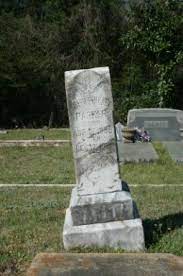
Pink’s Grave Marker Today.

Historians have long realized how much the South lost by the killing of Abraham Lincoln. Lincoln was the one man who might have reunited a broken country. The one man who could have allayed sectional hostilities and rebuilt a nation. Pink Parker was on the wrong side of history. But Pink Parker did not care. Today, the former Booth monument can be seen on Parker’s grave in Oakwood Cemetery, located on North Knox Street in Troy. The gravestone stands on a downward slope in the farthest regions of the cemetery. There is no trace of the former writing, no indication that it ever honored assassin John Wilkes Booth. Perhaps fittingly, Pink Parker’s grave marker lists to the larboard side, forever tilted, just like the man it honors.

Criminals, Indianapolis, Pop Culture, Sports

John Dillinger the ballplayer.

John “Jack Rabbit” Dillinger and the Mooresville “AC’s”

Original publish date:  April 8, 2021

Despite John Dillinger’s meteoric rise to infamy and spectacular headline grabbing death, his Indianapolis boyhood was unexceptional. He attended public schools for eight years in the Circle City and was a typical student. His teachers recalled that he liked working with his hands, was good with all things mechanical and liked reading better than math. He liked hunting, fishing, playing marbles, the Chicago Cubs and playing baseball. He was energetic and got along well with others (although he often bullied younger children), was cocky and quick witted. Dillinger quit school at age 16, not due to any trouble, but because he was bored and wanted to make money on his own.
During World War I, Dillinger tried to get a job at Link Belt in the city but was rejected because he was too young. Instead, he took a job as an apprentice machinist at James P. Burcham’s Reliance Specialty Company on the southwest side of Indianapolis and worked nights and weekends as an errand boy for the Indianapolis Board of Trade. All the while, Dillinger played second base on the company baseball team. One slot on Dillinger’s resume included a four day stint with the Indianapolis Power & Light Company drawing the hefty sum of 30 cents an hour. Just long enough for the “ringer” to help the IPL team win a league title.
In his spare time, Dillinger hung out at the local pool hall where he drank and smoked with the older men and cavorted with the local prostitutes. One of the regulars later recalled, “John would come in, hang up his hat and play pool at a quarter a game. He wasn’t very good, and he frequently lost. When he would lose two dollars, he’d put back the cue, get his cap, and walk out without a word. Never gave anyone any trouble and never said much.”

z Dillinger Sr  John Dillinger, Sr.

In 1920, his father, John Dillinger Sr., believing that the city was corrupting his son, sold his eastside Indianapolis Maywood grocery store property and moved his family to Mooresville. For the next 3 years, young Dillinger split his time between Moorseville, Martinsville and Indianapolis, traveling by interurban or motorcycle nearly every day. The athletic Dillinger quickly caught on with the semipro Mooresville Athletic Club’s “Athletics” baseball team. His reputation on the local sandlots and his quick speed earned him the nickname “The Jackrabbit”.
The 5-foot-7, 150 pound middle infielder batted leadoff and led the Athletics in hitting, for which the team’s sponsor, the Old Hickory Furniture Company, gave him a $25 reward on their way to the 1924 league championship. His game was so tight that other local teams began to pay him to play ball for them and throughout that summer the cash poured in.

z old hickory
Dillinger’s younger sister Frances, who passed away in 2015, insisted that her brother was good enough to draw Major League scouts to tiny Martinsville just to watch him play. Flush with confidence and blinded by the glare of an obviously bright future, Dillinger married Beryl Ethel Hovious in Mooresville on April 12, 1924. The couple moved into his father’s farm house but within a few weeks of the wedding, the groom was arrested for stealing 41 Buff Orpington chickens from Omer A. Zook’s farm on the Millersville Road.
Though his father was able to work out a deal to keep the case out of court, it further strained his relationship between them. Dillinger and Beryl moved out of their cramped bedroom and into Beryl’s parents’ home in Martinsville. There Dillinger got a job in an upholstery shop. All the while, Dillinger continued to play baseball. In between calling balls and strikes during AC Athletics games, umpire Ed Singleton (a web-fingered local drunk and pool shark 11-years his senior) was in the young shortstop’s ear. Singleton said he knew an old man, Frank Morgan, who carried loads of cash in his pockets around the streets of Mooresville.

z john and beryl

Beryl Hovius and John Dillinger


On September 24, 1924, the young and impressionable Dillinger accompanied Singleton on what turned out to be a botched stick-up. After ambushing Morgan with a heavy iron bolt wrapped in a cotton handkerchief and knocking him unconscious, Dillinger fled the scene, thinking he had killed his victim. Turns out the bolt was not heavy enough to render an unconscious blow so Dillinger pistol whipped the old man in the face. The gun went off, firing harmlessly into the ground, unbeknownst to the young hoodlum. The robbery netted just $50 ($750 in today’s money).
Upon hearing the gunshot, Singleton panicked and drove away with the getaway car, stranding Dillinger, who ducked into a pool hall a few blocks away. Dillinger was arrested the next day at his father’s farm and held in the county jail in Martinsville. His father visited him there and told “Junior”, “Johnnie if you did this thing, the only way is to own up to it. They’ll go easy on you and you’ll get a new start.” Dillinger, who did not have a lawyer, pled guilty and received a 10-year prison sentence. His accomplice Ed Singleton hired a lawyer and received just 5 years. John Dillinger had launched himself into the big leagues of professional crime. But again, baseball would play a pivotal role in the young outlaw’s life.z pendleton
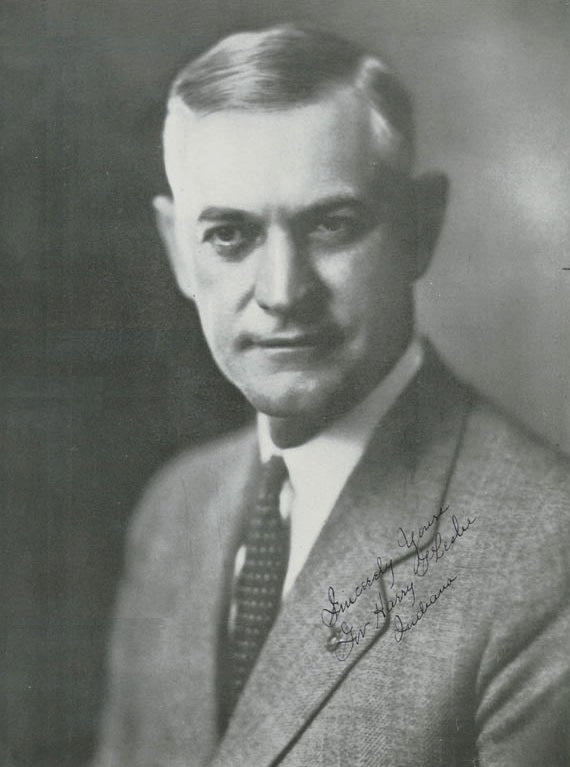
While incarcerated at the Indiana Reformatory in Pendleton, Prison officials recognized his superior ball playing skills and quickly recruited him for the prison ball club. On July 22, 1959, the 25th anniversary of Dillinger’s death, the Indianapolis News ran an article on Dillinger the ballplayer by “Outdoor Columnist” Tubby Toms. “His play was marvelous, both in the field and at bat… He might have been a Major League shortstop the caliber of a Pee Wee Reese or a Phil Rizzuto.” Tubby further mentioned an interaction between Governor Harry G. Leslie and Dillinger. Leslie, who has been detailed in a couple of my past columns, was a legendary athlete at Purdue University. Leslie always made it a point to stop and linger on visits to watch the prison ballplayers in action.
Tubby, who was the News Statehouse reporter at the time, recalls a 1932 visit to the prison with Governor Leslie when both men watched the reformatory’s baseball team take on a local semipro club. The two men couldn’t take their eyes off the shortstop whom fellow inmates were calling “jackrabbit”. Governor Leslie strongly believed in the rehabilitative power of organized competition and took a keen interest in inmates who applied themselves and excelled. So it wasn’t unusual that Dillinger captured his attention.

z 11191_1418241724

Governor Harry Leslie


Later that day, as fate would have it, Governor Leslie presided over Dillinger’s parole hearing. After Dillinger was once again denied parole, the dejected outlaw asked a question of the board. “I wonder if it would be possible to transfer me to the State Prison up at Michigan City? They’ve got a REAL ball team up there.” The Governor then said, “Gentlemen, I saw this lad play baseball this afternoon, and let me tell you, he’s got major league stuff in him. What reason can there be for denying him this request? It may play an important part in his reformation.” His request was granted and to this day, his official records state that he was sent to the big house “so he can play baseball.” It was at Michigan City where John Dillinger, under the tutelage of more seasoned cons, learned how to be a bank robber.
On May 22, 1933, Governor Paul McNutt released Dillinger from State Prison. Within a month, he held up the manager of a thread factory in Monticello, Illinois. A month after that, he held up a drugstore in Irvington. From there, he graduated to robbing banks. Dillinger followed his beloved Cubbies for the rest of his short life. Legend states that he even attended a few games at Wrigley Field while perched atop J. Edgar Hoover’s most wanted list. In fact, while playing toss in the outfield before a game in August of 1933, the bank robber was pointed out to outfielder Babe Herman as he sat with a group in the left field box seats. Cubs Hall of Fame catcher Gabby Hartnett often recalled how Chicago police routinely knew that Dillinger was in the crowd of Cubby faithful at Wrigley Field but never turned him into the G-men. Cubs all-star Woody English was once stopped on his way to the ballpark because he drove the same model of car as the outlaw did.
In a letter to his niece Mary, with whom he used to play catch, Dillinger said he was going to try and head east to see the Giants play the Senators in the 1933 World Series. Unfortunately, he was arrested on Sept. 22, 11 days before the start of the Fall Classic. He did, however, make money betting on the Giants, who won the series in five games. The 1933-1934 hot stove season was a busy one for Dillinger. He busted out of two jails and on June 22, 1934, J. Edgar Hoover’s FBI officially dubbed him Public Enemy No. 1. Dillinger responded by hiding out in plain sight in the city of big shoulders. He went to movies, partied at night clubs, toured the Chicago World’s Fair (more than once), and took in several Cubs games.Dillinger almanac


After a near fatal, botched plastic surgery in May of 1934, Dillinger dyed his hair, grew a mustache, and sported dark sunglasses to attend games at Wrigley to test out his new look out. One of Dillinger’s known hideouts in Chicago was an apartment at 901 W. Addison St., just two blocks east of Wrigley Field. On June 8th, Dillinger watched as his Cubs witness from the season before, Babe Herman, hit a 2-run homer in a loss to Cincinnati 4-3. In a story that made newspapers nation-wide, Dillinger watched from the upper deck as again Babe Herman drove in a pair of runs during a June 26th game as the Cubs defeated the Brooklyn Dodgers 5-2.
Mailman Robert Volk, who was in the garage in Crown Point on March 3, 1934 when Dillinger broke out of jail, instantly recognized the arch-criminal and the robber recognized him too. The outlaw got up and sat down next to the terrified man. After sitting in chilled silence for a while, Volk shakily said “this is getting to be a habit”, to which America’s most wanted bank robber replied “it certainly is.” Dillinger smiled and shook the mailman’s hand, introduced himself as “Jimmy Lawrence”, and left during the 7th inning stretch.

wrigley-z field-vintage-photo-photograph-print-chicago-cubs-baseball-stadium-1930s-artistic-panda
Despite this close call, Dillinger returned to Wrigley again on July 8th to watch the Pirates get pounded by his Cubbies 12-3 (for the sake of continuity, Babe Herman went 1 for 5 in this one). After the blowout, the Cubs left on an extended road trip. They were still on the road against the Phillies on July 22 when Dillinger decided to catch a movie at the Biograph Theatre. The White Sox were in town that afternoon playing a double-header against the Yankees. The Bronx Bombers ‘moidered” the north-siders in both contests. Had Dillinger been a White Sox fan he might have avoided his date with destiny and lived to die another day. He might have been in the bleachers to catch Babe Ruth’s 16th homer that day. Instead he caught a hail of bullets in a damp Chicago alleyway. According to the Cook County coroner, the jackrabbit was only three pounds above his old playing weight.

z vintage-newspaper-headline-gangster_1_20f1aaa899543d25dfae1513df663d3e