Creepy history, Criminals, Homosexuality, Museums

Leopold & Loeb A Hundred Years On.

Original publish date June 6, 2024. https://weeklyview.net/2024/06/06/leopold-and-loeb-a-hundred-years-on/
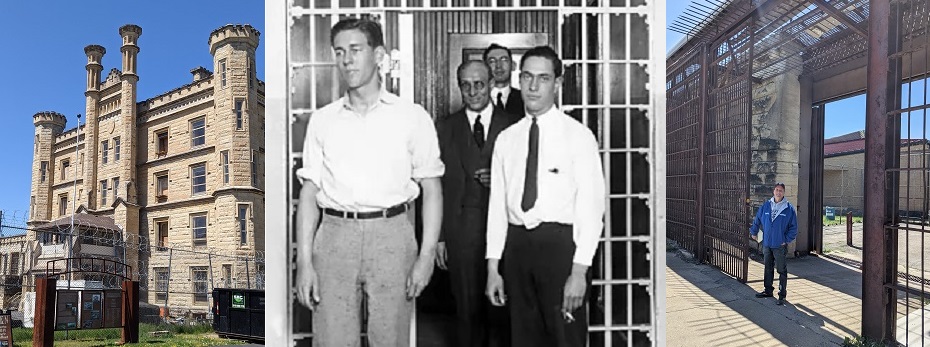
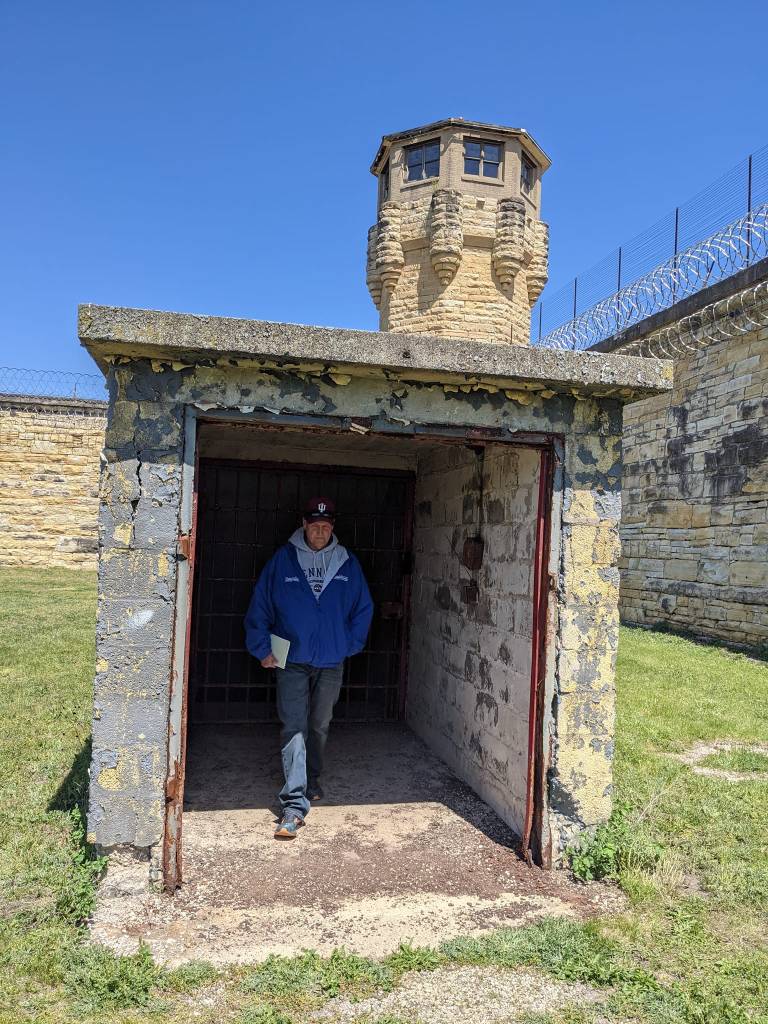
Old Joliet Penitentiary, Leopold & Loeb, and the author at the Blues Brothers gate.

Last month, Rhonda and I drove to the outskirts of Chicago to visit Joliet Prison in Illinois. Like many ancient jails, prisons, and penitentiaries, Joliet has experienced a second life as a tourist attraction. It opened back in 2018. During the summer months (June to September) Joliet is open daily for tours until 6 p.m. For $20 you can go visit the old stomping grounds of notorious inmates like Richard Speck, John Wayne Gacy, James Earl Ray, and Baby Face Nelson. In my case, I was interested in the place because of Leopold and Loeb. Okay, okay, I was also there thinking of the Blues Brothers, but mostly Leopold and Loeb.
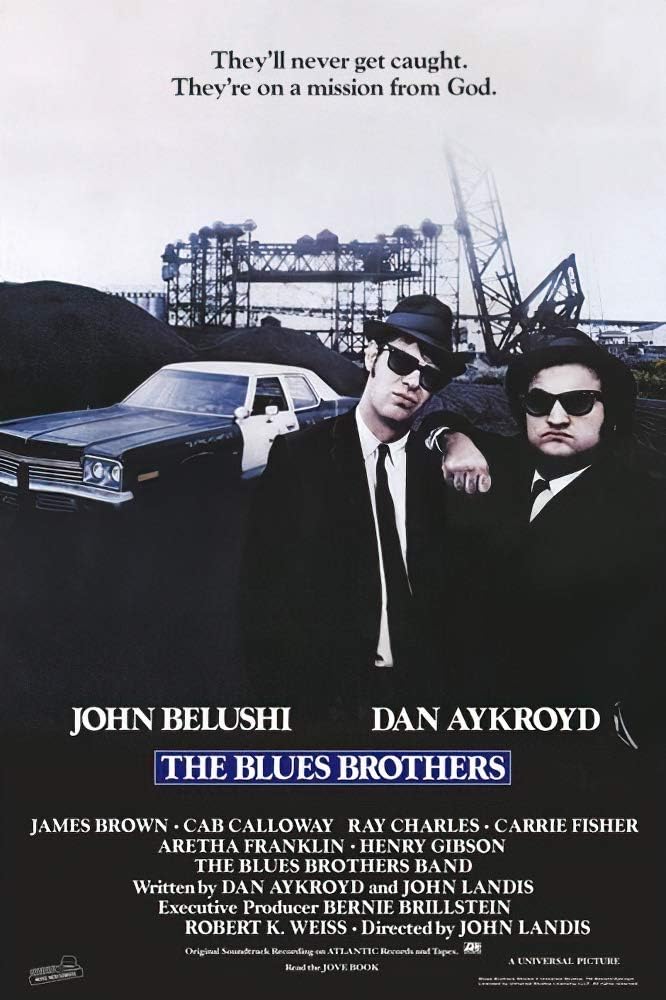
Old Joliet Penitentiary (originally known as Illinois State Penitentiary) opened in 1858 and was a working prison until 2002. In “The Blues Brothers” movie, Dan Aykroyd (Elwood J. Blues) awaits outside the prison gate for the release of John Belushi’s character (“Joliet Jake” Blues). Guests enter through the same gate Belushi exits. If you are sly, you can sneak over and crank the gate open or closed on your own. The prison was also used in the cult classic James Cagney film “White Heat” and the 1957 movie “Baby Face Nelson.”

Like many of these incarceration-as-entertainment venues, Joliet is in a perpetual state of arrested decay. The tours are entirely self-guided and for a double sawbuck, you are handed a map and told to go explore “any door that is open.” We followed instructions and were only chased out of one building: the maintenance building. Which begged the question, “Then why did you leave the door open?” Visitors are warned not to shut the cell doors because they don’t have the keys and, oh, look out for rats. (For the record we saw none.) The women’s prison is still in place across the street but is only used nowadays for Halloween seasonal haunted houses and ghost tours.
Why, you ask, Leopold and Loeb? Well, because it was the 100th anniversary date of a crime that is mostly forgotten today but was the first “Crime of the Century”, the first “Trial of the Century” and the first “Media Circus” this “country-as-world-superpower” ever experienced. Fresh off the victory in World War I and smack dab in the middle of the Jazz Age, everything was bigger, faster, and more important in the US at the time. The crime hit the USA like a Jack Dempsey knockout punch to the jaw.

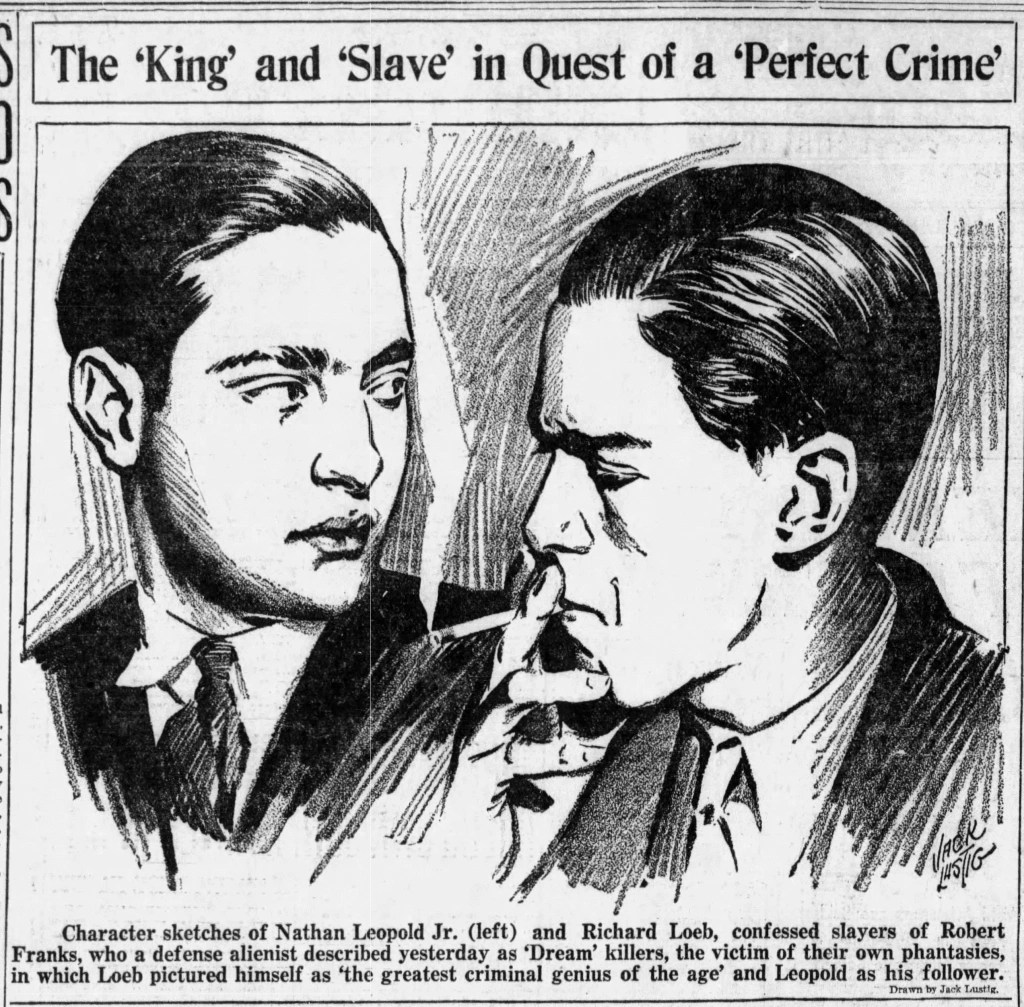
Nathan Freudenthal Leopold Jr. (November 19, 1904 – August 29, 1971) and Richard Albert Loeb (June 11, 1905 – January 28, 1936), were two affluent students at the University of Chicago who kidnapped and murdered a Chicago boy named Bobby Franks on May 21, 1924. They disposed of the schoolboy’s body in a culvert along the muddy shore of Wolf Lake in Hammond, Indiana. The duo committed the country’s first “thrill kill” as a demonstration of their superior intellect, believing it to be the perfect crime without possible consequences.
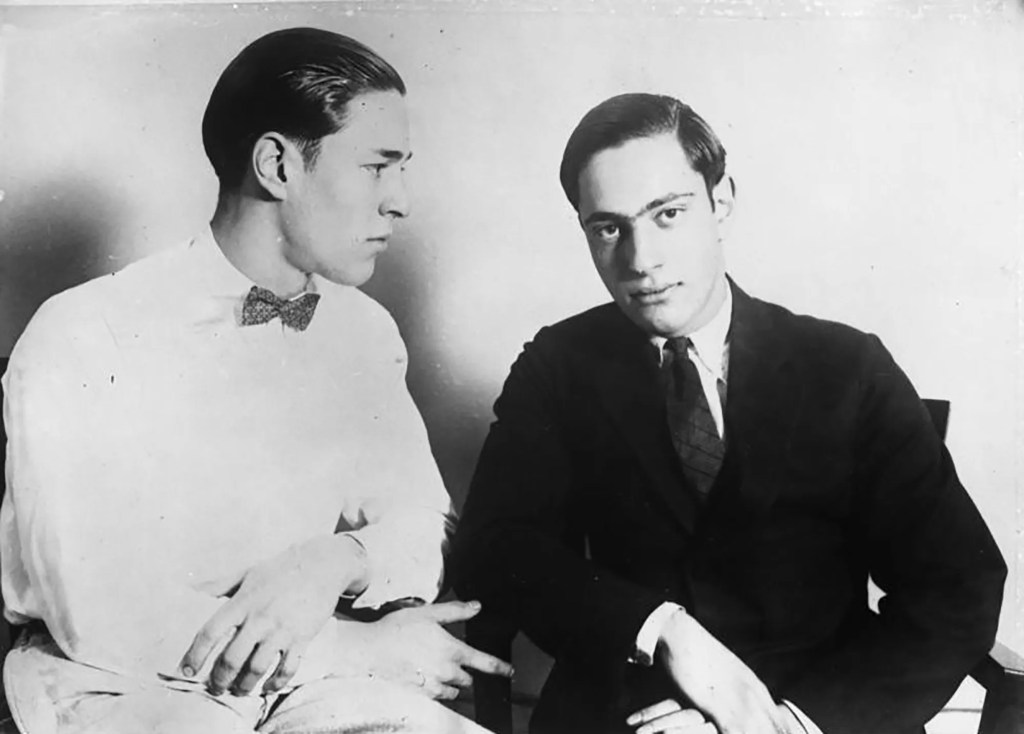
Richard Loeb (1905-1936) & Nathan Leopold (1904-1971).

Leopold (19) and Loeb (18) settled on identifying, kidnapping, and murdering a younger adolescent as their perfect crime. They spent seven months planning everything, from the method of abduction to purchasing rope and a heavy chisel to use as weapons, and to the disposal of the body. To make sure each of them was equally culpable in the murder, they agreed to wrap the rope around their victim’s neck and then each would pull equally on their end, strangling him to death. To hide the casual nature of their “thrill kill” motive, they decided that they had to make a ransom demand, even though neither teenager needed the money.
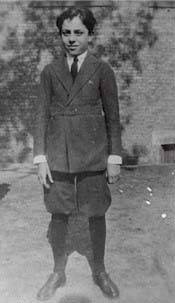
Bobby Franks (1909-1924)

After a lengthy search in the Kenwood area, on the shore of Lake Michigan on the South Side of Chicago, they found a suitable victim on the grounds of the Harvard School for Boys where Leopold had been educated. (Today, Kenwood has received national attention as the home of former President Barack Obama and his family.) The duo decided on 14-year-old Robert “Bobby” Franks, the son of wealthy Chicago watch manufacturer Jacob Franks. Bobby lived across the street from Loeb and had played tennis at the Loeb residence many times before.

Around 5:15 on the evening of May 21, 1924, using a rented automobile, Leopold and Loeb offered Franks a ride as he walked home from school after a baseball game. Since Bobby was hesitant, being less than two blocks from his home (which still stands at 5052 S. Ellis), Loeb told the victim he wanted to talk to Bobby about a tennis racket that he had been using. While the exact details of the crime are in dispute, it is believed that Leopold was behind the wheel of the car with Bobby in the passenger seat while Loeb sat in the back seat with the chisel. Loeb struck Franks in the head from behind several times with the chisel, then dragged him into the back seat and gagged him, where he died.
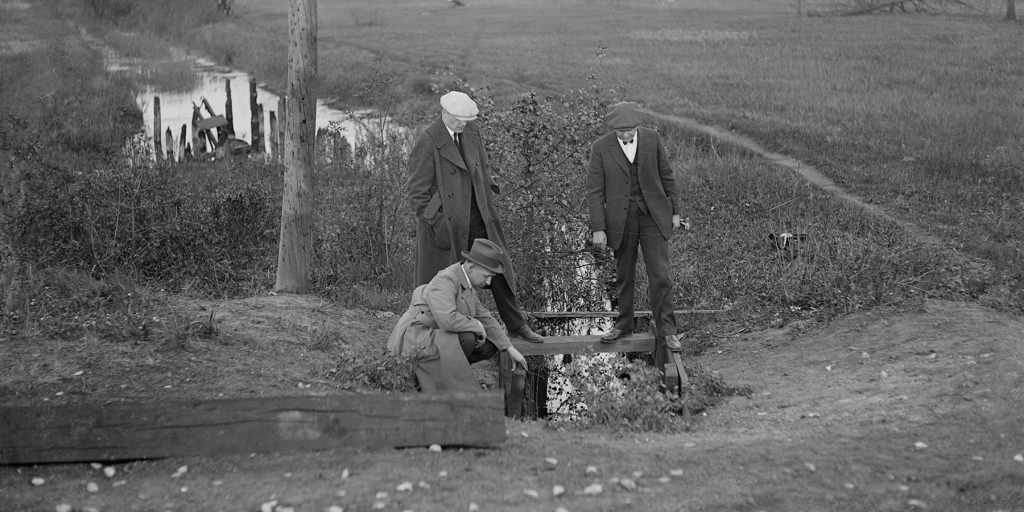
The culvert where Bobby Franks’s body was found. Chicago Daily News collection Chicago History Museum

Loeb stuffed the boy’s body into the floorboards and scrambled over the back of the passenger seat. There is little doubt that the deadly duo’s demeanor was joyous as they exchanged smiles below bulging eyes accentuated with anxious breathing and giggles of laughter. The men drove to their predetermined body-dumping spot near Wolf Lake in Hammond, 25 miles south of Chicago. They concealed the body in a culvert along the Pennsylvania Railroad tracks north of the lake. To hinder identification, they poured hydrochloric acid on the face and body. When they returned to Chicago, they typed a ransom note, burnt their blood-stained clothing, and cleaned the blood stains from the rented vehicle’s upholstery. After which, they spent the remainder of the evening playing cards. They didn’t know that police had found a pair of Leopold’s prescription eyeglasses (one of only three such pairs in the entire city) near Franks’ body.
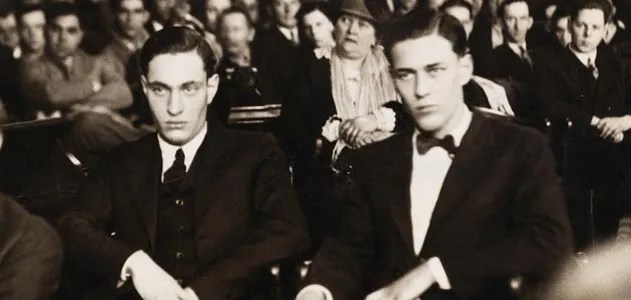
Leopold & Loeb.

Their plan unraveled quickly. When Roby, Indiana, (a now non-existent neighborhood west of Hammond) resident Tony Minke discovered the bundled-up body of Bobby Franks along the shore of Wolf Lake, the gig was up. The thrill killers destroyed the typewriter and burned the lap blanket used to cover the body and then casually resumed their lives as if nothing ever happened. Both of these demented little rich boys enjoyed chatting with friends and family members about the murder. Leopold discussed the case with his professor and a girlfriend, joking that he would confess and give her the reward money. Loeb, when asked to describe Bobby by a reporter, replied: “If I were to murder anybody, it would be just such a cocky little S.O.B. as Bobby Franks.” When asked to explain how the eyeglasses got there, Leopold said that they might have fallen out of his pocket during a bird-watching trip the weekend before. Leopold and Loeb were summoned for formal questioning on May 29. Loeb was the first to crack. He said Leopold had planned everything and had killed Franks in the back seat of the car while he drove. Once informed of Loeb’s confession, Leopold insisted that he was the driver and Loeb the murderer. The confessions were announced by the state’s attorney on May 31, 1924.
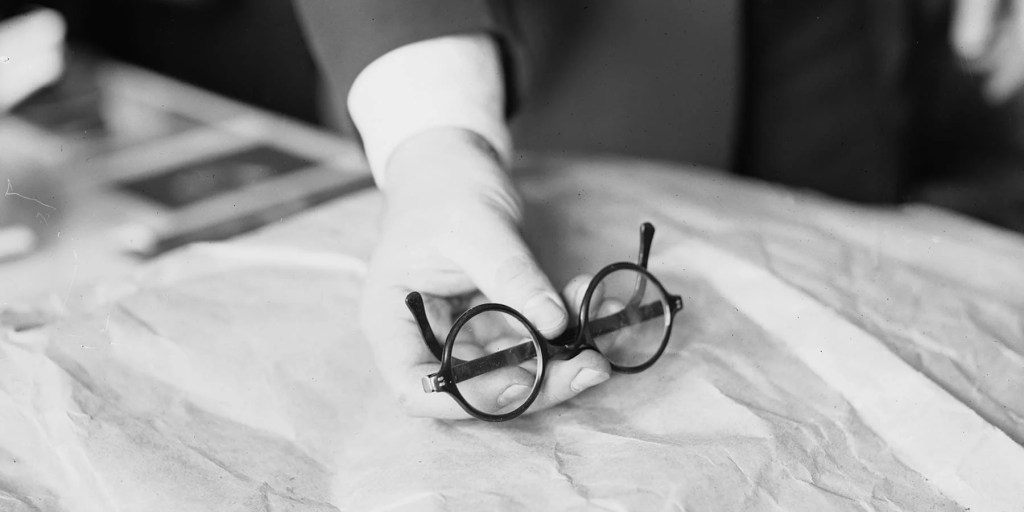
The glasses found near Bobby Franks’s body. Chicago Daily News collection, Chicago History Museum.

Later, both admitted that they were driven to commit a “perfect crime” by Übermenschen (supermen) delusions, and their thrill-seeking mentalities drove a warped interest to learn what it would feel like to be a murderer. While it is true that Leopold and Loeb knew each other only casually while growing up, their relationship flourished at the University of Chicago. Their sexual relationship began in February 1921 and continued until the pair were arrested. Leopold was particularly fascinated by Friedrich Nietzsche’s concept of Übermenschen, interpreting themselves as transcendent individuals possessing extraordinary, superhuman capabilities whose superior intellects would allow them to rise above the laws and rules that bound the unimportant, average populace.
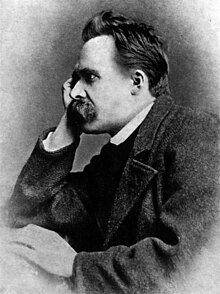
Philosopher Friedrich Nietzsche (1844-1900).

Early in their relationship, Leopold convinced Loeb that if they simply adhered to Nietzsche’s doctrines, they would not be bound by any of society’s normal ethics or rules. In a letter to Loeb, he wrote, “A superman … is, on account of certain superior qualities inherent in him, exempted from the ordinary laws which govern men. He is not liable for anything he may do.” The duo first tested their theory of perceived exemption from normal restrictions with acts of petty theft and vandalism including breaking into a University of Michigan fraternity house to steal penknives, a camera, and the typewriter later used to type the ransom note. Emboldened, they progressed to arson, but no one seemed to notice. Disappointed with the lack of media coverage of their crimes, they began to plan and execute a sensational “perfect crime” to grab the public’s attention and cement their self-perceived status as “supermen”.
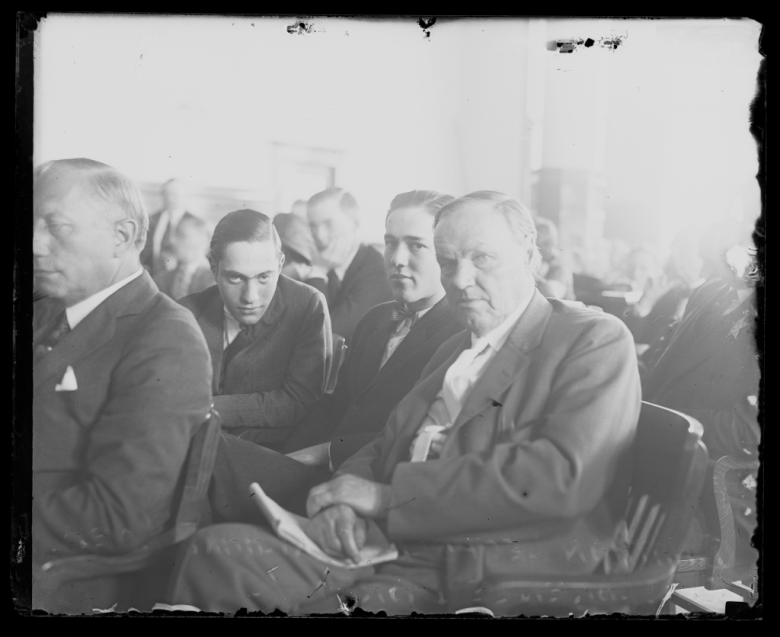
Lawyer Clarence Darrow in court with Leopold & Loeb.

After the two men were arrested, Loeb’s family retained Clarence Darrow as lead counsel for their defense. Clarence Seward Darrow (April 18, 1857 – March 13, 1938) was perhaps the most famous lawyer of the late 19th / early 20th centuries. He was known for his strenuous defense of women, Civil Rights, early trade unions, and the Scopes “monkey” trial. Darrow was also a well-known public speaker, debater, and writer. He took the case because he was a staunch opponent of capital punishment. Darrow’s father was an ardent abolitionist and his mother was an early supporter of female suffrage and women’s rights.
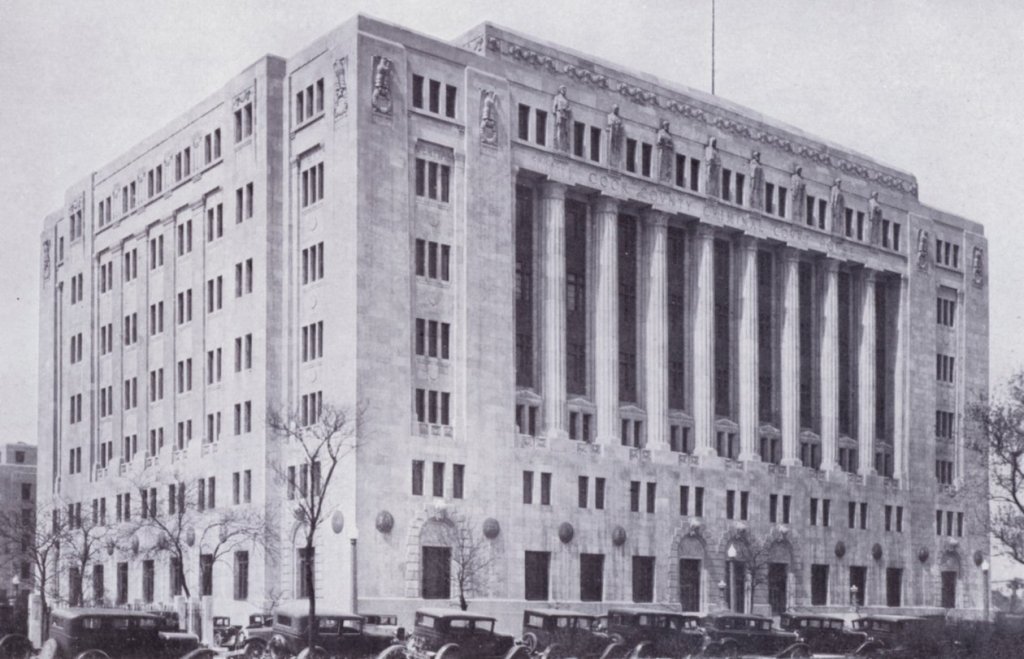
Chicago’s Cook County Criminal Courthouse.

The trial took place at Chicago’s Cook County Criminal Courthouse. For his efforts, Darrow was paid $65,000 (equivalent to $1,200,000 today). Everyone expected the defense would be not guilty because of insanity, but Darrow believed that a jury trial would convict his clients and impose the death penalty regardless of the plea. So Darrow entered a plea of guilty and appealed to Judge John R. Caverly to impose life sentences instead. The sentencing hearing ran for 32 days. The state presented over 100 witnesses, meticulously documenting the crime. The defense presented extensive psychiatric testimony to establish mitigating circumstances, including childhood neglect in the form of absent parenting, and in Leopold’s case, sexual abuse by a governess. But it was Darrow’s impassioned, eight-hour-long “masterful plea” after the hearing (called the finest speech of his career) that saved Leopold and Loeb’s lives. Darrow argued that the methods and punishments of the American justice system were inhumane, and the youth and immaturity of the accused should be considered in their sentencing.
Darrow’s speech, at least in part, is worth revisiting here. “Is any blame attached because somebody took Nietzsche’s philosophy seriously and fashioned his life upon it? It is hardly fair to hang a 19-year-old boy for the philosophy that was taught him at the university…Your Honor knows that in this very court crimes of violence have increased growing out of the war. Not necessarily by those who fought but by those that learned that blood was cheap, and human life was cheap, and if the State could take it lightly why not the boy?…The easy thing and the popular thing to do is to hang my clients. I know it. Men and women who do not think will applaud…(I) would ask that the shedding of blood be stopped, and that the normal feelings of man resume their sway. Your Honor stands between the past and the future. You may hang these boys; you may hang them by the neck until they are dead. But in doing it you will turn your face toward the past. In doing it you are making it harder for every other boy who in ignorance and darkness must grope his way through the mazes which only childhood knows. In doing it you will make it harder for unborn children. You may save them and make it easier for every child that sometime may stand where these boys stand. You will make it easier for every human being with an aspiration and a vision and a hope and a fate. I am pleading for the future; I am pleading for a time when hatred and cruelty will not control the hearts of men. When we can learn by reason and judgment and understanding and faith that all life is worth saving, and that mercy is the highest attribute of man.”

Old Joliet Penitentiary, Joliet, Illinois.

Both men were sentenced to life plus 99 years. During Darrow’s month-long courtroom argument to save their lives, Leopold and Loeb’s families greased the guards with bribes to soften their stay at the Cook County Jail. That abruptly ended when they reached Joliet. The Illinois State Penitentiary was already out of date and seriously overcrowded when they arrived. It had been condemned as unfit for habitation twenty years prior, yet, was still open. According to the Joliet Prison website, “Built in 1858 of limestone quarried on the site by prisoners to house 900 inmates; by 1924 over 1,800 prisoners were incarcerated there. The cells, four feet by eight, were damp, had narrow slits for windows, and possessed no plumbing: prisoners were given a jug of water each morning and made do with a bucket to use as a toilet. Every aspect of life at Joliet was regulated. Prisoners were given two changes of underwear, blue shirts, pants, socks, and heavy shoes to use each week. Contact with the outside world was limited. Inmates could send a single letter and receive visitors every second week. Using funds from their prison accounts, they could purchase tobacco, rolling papers, chewing gum, and candy from the prison commissary. There were no other privileges. A bell awoke prisoners at 6:30 AM and the cell blocks filled with sounds of locks opening, doors slamming shut, and boots marching along the steel flooring. After dressing, inmates grabbed the buckets and carried them into the courtyard, emptying their refuse into a rancid trough. Meals were served in a large dining hall; twice a week prisoners had beef stew for breakfast; other days hash was served. The food was cold and unappealing, sitting in pools of congealed fat on aluminum trays.”
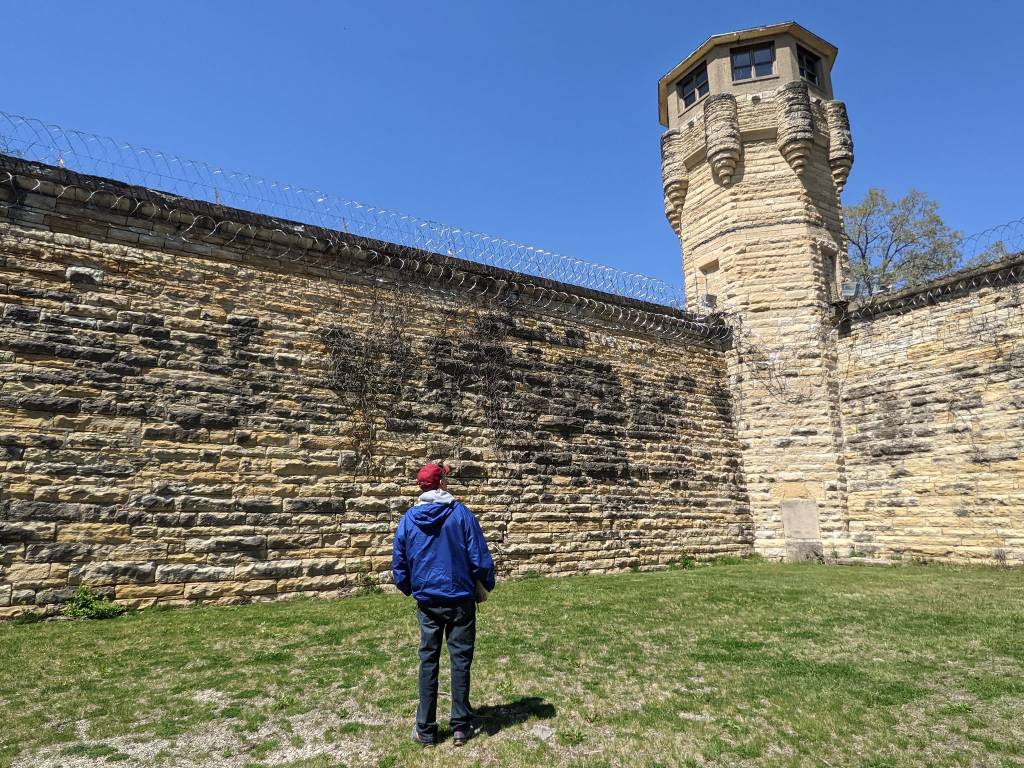
As the Medieval prison loomed before them, its towers bathed in the glow of arc lights shadowing what lay behind the walls, the two convicted killers surely swallowed hard in fear. Thanks to the specialized skills of attorney Darrow, they had escaped the death penalty only to find themselves condemned to life imprisonment in this foreboding fortress. Leopold and Loeb were introduced to their new life at the Illinois State Penitentiary at Joliet on the night of September 11, 1924. Bound in ankle chains tethered by a chain to their handcuffs, the duo shuffled through the front gates of the inmate reception area. By the next day, their heads were shaved; they were photographed and fingerprinted; authorities assigned them prison numbers: Leopold was Inmate No. 9305, and Loeb No. 9306. After processing, they were led to separate cells, disappearing into the penitentiary population. Once they entered regular prison life, they were kept in solitary cells for several months, both because of the publicity of their crime and also because they were among the youngest inmates of the prison. Although kept apart as much as possible, the two managed to maintain their friendship. Leopold and Loeb spent most of their days working in prison shops: Leopold wove rattan chair bottoms in the prison’s Fibre Shop, while Loeb constructed furniture. Between meals, they were allowed two fifteen-minute breaks in which to walk or smoke. After dinner at four, they returned to their cells. At nine, lights out.
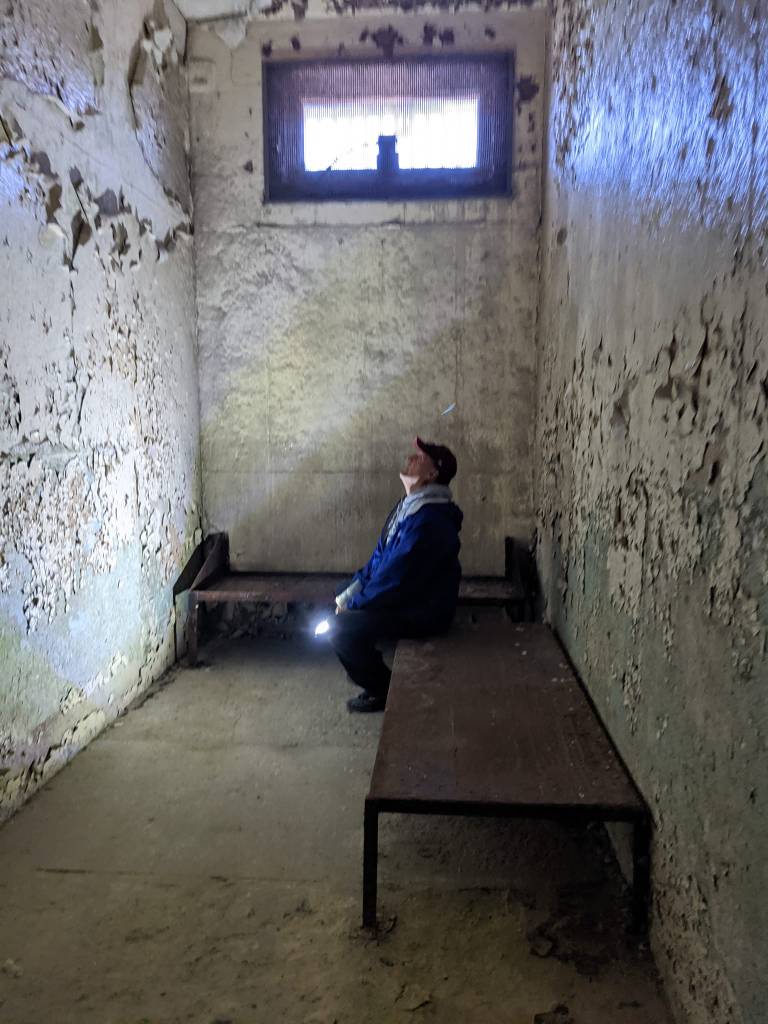
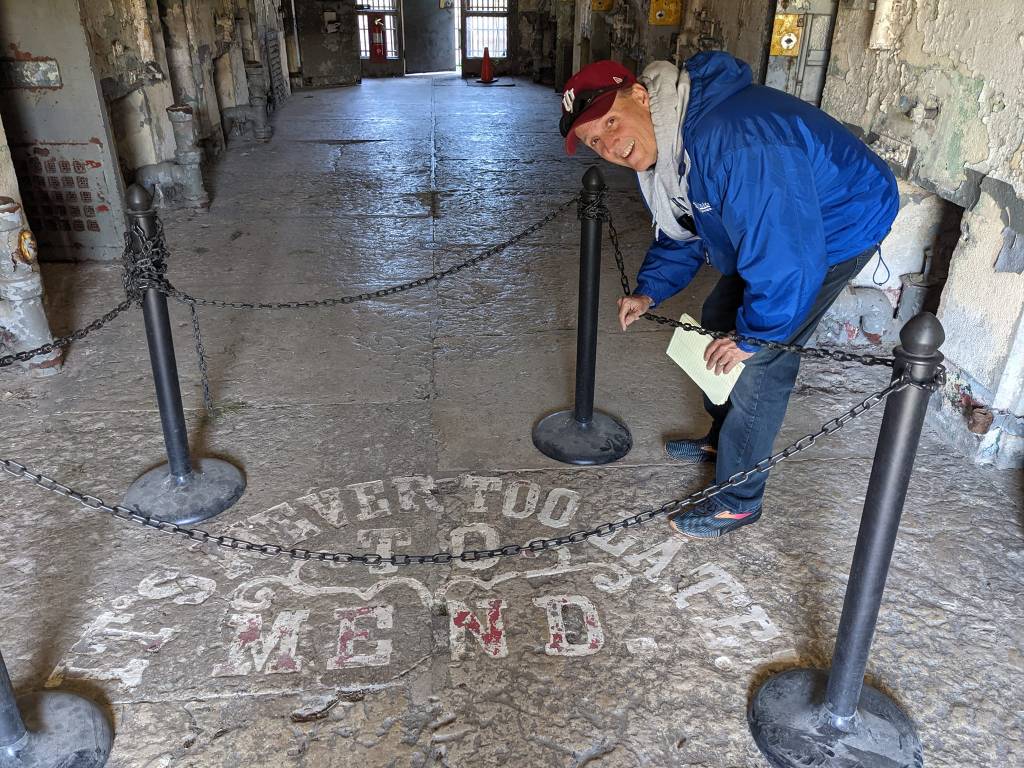
The author in the death house at Joliet.
Assassinations, Creepy history, Criminals, Politics

Charlotte Corday

Original publish date July 18, 2024. https://weeklyview.net/2024/07/18/charlotte-corday/
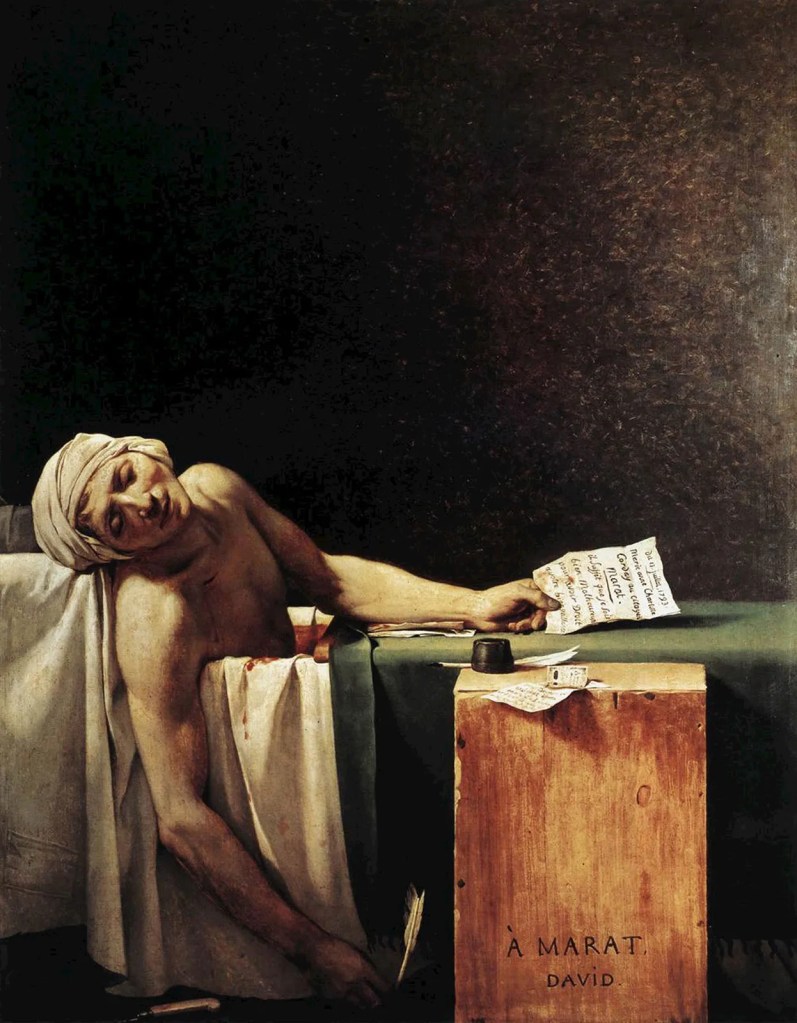
The Death of Marat, 1793 painting by Jacques-Louis David.

This 24-hour news cycle world can be exhausting. As I write this article, we stand at 120 days and counting until our next Presidential election. We are constantly reminded that this will be the most important election in the history of our country and that the end of Democracy is on the line. Since I spend most of my time buried in history of one sort or another, a phrase from the ancients runs on a loop in my head; “What has been will be again, what has been done will be done again; there is nothing new under the sun.” My idiomatic paraphrase is a Biblical verse: Ecclesiastes 1:9, “The thing that hath been, it is that which shall be; and that which is done is that which shall be done: and there is no new thing under the sun.”

This is the story of Charlotte Corday. It is complicated, shocking, and gory, and does not end well. Her act is immortalized in one of the most famous images from the French Revolution: The Death of Marat, a 1793 painting by Jacques-Louis David. The painting depicts Jean-Paul Marat lying dead in his bathtub after his assassination by Corday on July 13, 1793. It is considered a masterpiece of the highest order and the first modernist work to express just how bad politics can be. The original painting is at the Royal Museum of Fine Arts of Belgium with a replica on display at the Louvre.

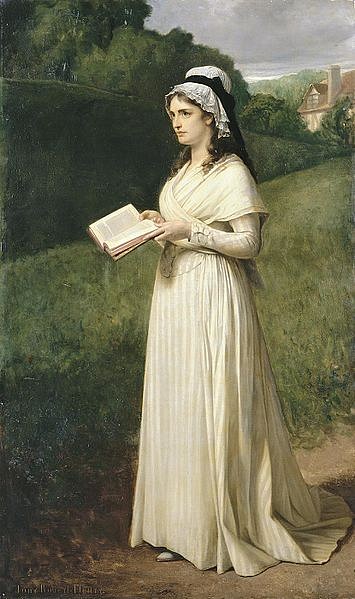
Charlotte Corday.

Marie-Anne Charlotte de Corday d’Armont (July 27, 1768 – 17 July 1793) was born to an aristocratic family in Normandy, France. Corday held Marat responsible for the September Massacres of 1792, a series of executions of prisoners in Paris during the French Revolution. Over 1600 people, most of whom were non-violent political prisoners, were dragged from their cells and killed by guillotine at the hands of the “Committee of Surveillance of the Commune” led by the Montagnards, who advocated a more radical approach to the revolution. As The French Revolution radicalized further and headed towards terror, Corday began to sympathize with the Girondins. The Girondins supported democratic reforms and a strong legislative branch at the expense of much weaker executive and judiciary branches. She regarded the Girondins as a movement that would ultimately save France and that the Revolution was in jeopardy due to the radical course taken by Marat and the Montagnards.

Jean-Paul Marat

On July 13, 1793, Corday traveled to Paris to assassinate Marat. He was not hard to find. Marat was suffering from a debilitating skin disease that left him nearly constantly confined to a bathtub to ease his suffering. Marat had always been a sickly man whom contemporaries described as “short in stature, deformed in person, and hideous in face.” The nature of his skin disease has been debated for centuries, some claimed it was syphilis, though most experts have identified it as “Dermatitis herpetiformis” a chronic, intensely itchy, blistering skin manifestation commonly known as celiac disease, a rash affecting about 10 percent of the population. Marat’s condition, which he had been suffering from for three years, was exacerbated by extreme weight loss, emaciation, and diminished strength. Marat stewed in a soup of various minerals and medicines with a bandana soaked in vinegar wrapped around his head. Marat sat upon a linen sheet for modesty, with the dry corners covering his back and bare shoulders, a board straddled the tub from rim to rim which served as a writing desk.

Charlotte Corday.

Corday is described on her passport as “five feet and one inch…curly auburn hair, eyes gray, forehead high, mouth medium size, chin dimpled, and an oval face”. Based solely on her appearance, Corday was the unlikeliest of assassins. On July 9, 1793, Corday arrived in Paris and took a room at the Hôtel de Providence. She bought a kitchen knife with a 6-inch blade. During the next few days, she wrote a detailed manifesto explaining her motives for assassinating Marat. At noon on July 13, she arrived at Marat’s home claiming to know about a planned Girondist uprising but was turned away. She returned that evening and was admitted. Their interview lasted fifteen minutes. From his bathtub, Marat wrote down the names of the Girondins as Corday crept ever closer to him. As he busily wrote out the list, Marat said, “Their heads will fall within a fortnight.”

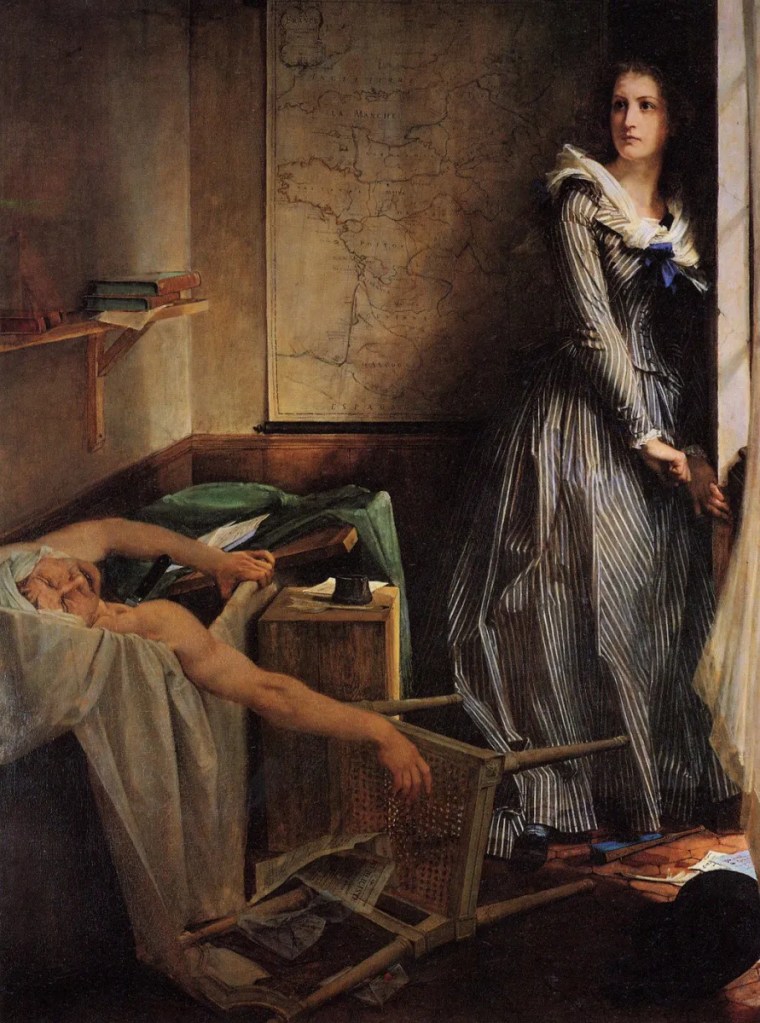
Paul-Jacques-Aime Baudry L’Assassinat de Marat 1861

Now within striking distance, Corday pulled the knife from her corset and plunged it deep into his chest, just under his right clavicle, opening the brachiocephalic artery, close to the heart. Marat, still clutching the list of names, slumped into the tub as he called out his last words: “Aidez-moi, ma chère amie!” (“Help me, my dear friend!”). The wound was fatal. In response to Marat’s cries, his wife Simonne Evrard, and two others rushed into the room and seized Corday. Two neighbors, a military surgeon and a dentist, attempted to revive Marat to no avail. Officials arrived to interrogate Corday and to calm a hysterical crowd who appeared ready to lynch her.

Jean-Joseph Weerts – Marat assassiné – 1880.
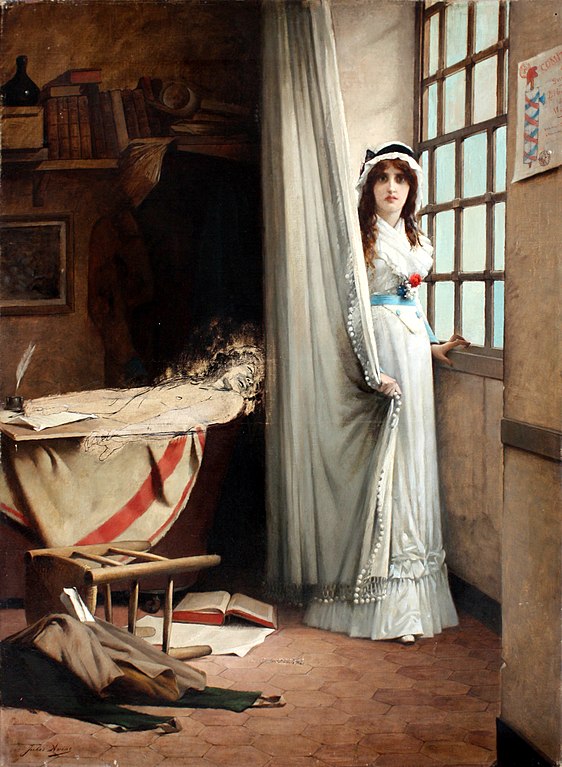
Jules-Charles Aviat-Charlotte Corday et Marat -1880.

Corday’s manifesto claimed: “I have avenged many innocent victims, I have prevented many other disasters. The people, one day disillusioned, will rejoice in being delivered from a tyrant…I rejoice in my fate, the cause is good…I alone conceived the plan and executed it. Crime is shame, not the scaffold!” Corday credited her single-blow knifing of Marat not to skill or practice but to luck. Arrested on the spot, she was tried and convicted by the Revolutionary Tribunal and sentenced to death by guillotine on the Place de la Révolution. On July 17, 1793, four days after Marat was killed, Corday was led to the guillotine via the tumbril, an open cart used to transport its load of condemned prisoners to the guillotine amid the shouts and jeers of bystanders. Corday stood calmly facing the crowd, suddenly, the heavens opened the thousands of curious on-lookers were drenched by a sudden summer rainfall. Corday never flinched.

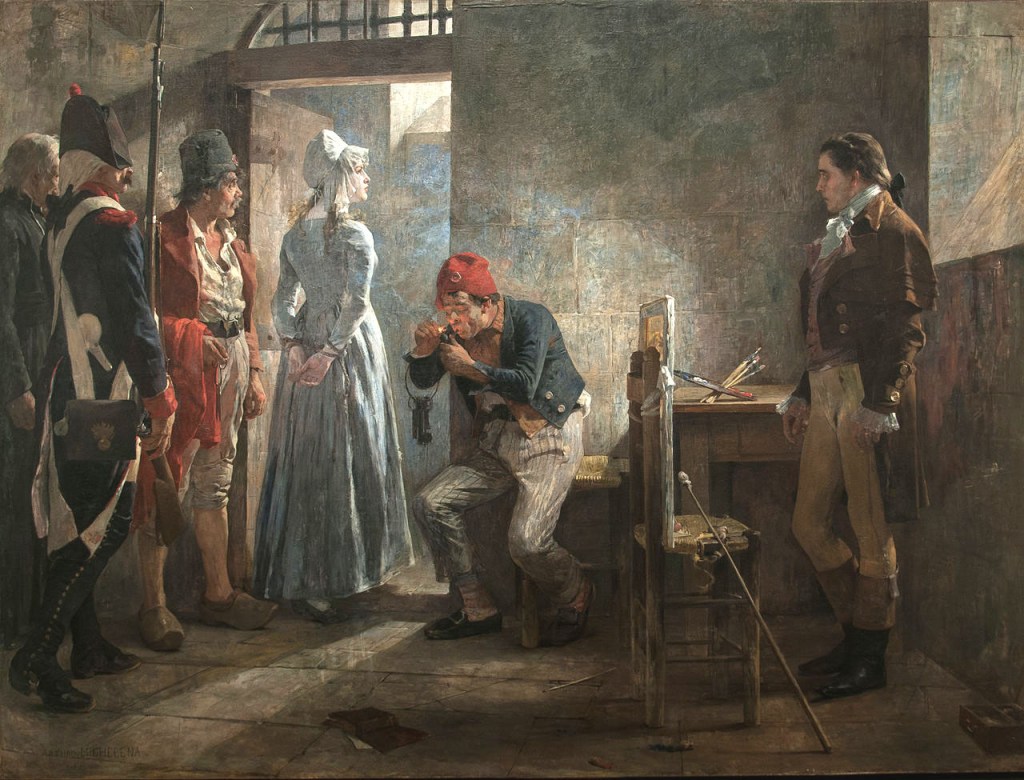
Charlotte Corday, in prison. Charles Louis Lucien Muller, artist. [1900-1912].
“La toilette des morts, Charlotte Corday” (The last toilet of Charlotte Corday) by Edward Matthew Ward The Illustrated London News, volume XLIII, July 25, 1863.
“Charlotte Conducted to the Scaffold” Arturo Michelena July 17, 1893.

Corday strode confidently to the guillotine, curtseyed to the crowd, leaned against the Bascule, and was lowered face down horizontally, her head placed into the Lunette. The Declic (handle) was pulled by the hooded executioner, releasing the heavy Mouton (weight) and blade from the crossbar. A silent swish swept the crowd as Corday’s head tumbled into the basket below. The Bascule, a sort of table, was hinged to make it easier to push the headless body into a larger side basket immediately after the execution. Moments after Corday’s decapitation, a carpenter named Legros leaped from the crowd and lifted her head from the basket. He turned towards the crowd and slapped it on the cheek. Horrified witnesses reported an expression of “unequivocal indignation” on her face when her cheek was slapped and that “Charlotte Corday’s severed head blushed under the executioner’s slap.” Ever since, the incident has fueled the suggestion that victims of the guillotine retain consciousness for a short while after decapitation. For that offense, Legros the carpenter was imprisoned for three months. To make matters worse, believing that there had to be a man sharing her bed who masterminded the assassination plan, officials had her body autopsied after her death to determine if she was a virgin. To their dismay, their non-scientific examination revealed that she was a virgin. Her body was buried in the Madeleine Cemetery, alongside the decapitated corpses of of King Louis XVI, Queen Marie Antoinette, and three thousand other guillotine victims. Legend claims that Corday’s skull was saved and passed from Parisian to Parisian (friend and foe alike) for generations after her execution.

Execution Of Charlotte Corday. Published In 1871.

Corday’s crime did not have the expected outcome and Marat’s assassination did not stop the reign of Terror. Instead, Marat became a martyr. Although the killing of Marat was considered vile, there is no doubt that the murder changed the political role and position of women during the French Revolution. Corday’s action aided in restructuring the private versus public role of women in society at the time. The idea of women as second-class citizens was challenged, and Corday was considered a hero. As the revolution progressed, the Girondins became progressively more opposed to the radical, violent views of the Montagnards espoused by Marat, Robespierre, and others.

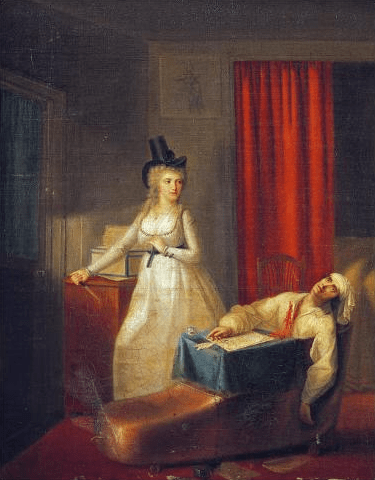
Jean-Jacques Hauer – Meurtre de Marat, le 13 juillet 1793, par Charlotte Corday – 1793-94.

However, Corday’s critics quickly elevated Marat to the level of the immortals. His heart was embalmed separately and placed in an urn on an altar erected to his memory. His remains were transferred to the Panthéon where his near messianic role in the Revolution was gaslighted in a eulogy delivered by the Marquis de Sade, who compared Marat to Jesus Christ and idealized him as a man who loved only the people of France. Marat was transformed into a quasi-saint, his bust often replacing crucifixes in the churches of Paris. After the ousting of Maximilien Robespierre a year later, Marat’s reputation plummeted. His busts were knocked off their pedestals, carried away, and dragged through the streets by local children to the chants of ‘Marat, voilà ton Panthéon!’ (Marat, here is your Panthéon) before being dumped into the sewers. The few remaining statues of Marat were melted down during the Nazi occupation of Paris in World War II. Strangely, he continued to be held in high regard in the Soviet Union with many citizens, streets, and even a battleship sharing the name Marat.

Santiago Rebbull – La muerte de Marat – 1875.

Europeans remain split on the legacy of Corday. Some place her alongside Joan of Arc, the patron saint of France, who died 350 years prior, and others dismiss her as an idealistic radical. Corday lives on in popular memory through numerous works of art, poetry, plays, and literature including works by Percy Bysshe Shelley and Oscar Wilde, and her story is referenced variously in Rebecca of Sunnybrook Farm and Les Misérables. Marat’s wife peddled his bathtub to the highest bidder but not very successfully. Reportedly, interested parties included Madame Tussaud’s wax museum and P.T. Barnum, but it ultimately landed in the Musée Grévin, a Paris wax museum, where it remains today. The tub is in the shape of an old-fashioned high-buttoned shoe with a copper lining. However, the most tangible reminder of Marat’s death is Jacques-Louis David’s painting. David was not only the painter but also the man who organized Marat’s funeral. Marat’s disorder accelerated decomposition, making any realistic depiction of the scene impossible. The result was that David’s work beautified the skin that in reality had been discolored and scabbed from his chronic skin disease. The resulting painting was widely criticized as glorifying Marat’s death.

Charlotte Corday the “Angel of Assassination”

As for Corday’s reputation, history recalls her as the “Angel of Assassination” and lauds her as an early pioneer in the annals of women’s rights. After the assassination of Abraham Lincoln, the April 29, 1865, Harper’s Weekly mentioned Corday in a series of articles analyzing the assassination as the “one assassin whom history mentions with toleration and even applause”, but goes on to conclude that her assassination of Marat was a mistake in that she became Marat’s last victim rather than vindicating his thousands of victims. Proving that violence in the interest of “small d” democracy is, was, and always will be, futile and unacceptable.

Creepy history, Hollywood, Pop Culture

Shrek…For Real?

Original Publish Date: October 24, 2024. https://weeklyview.net/2024/10/24/shrek-for-real/

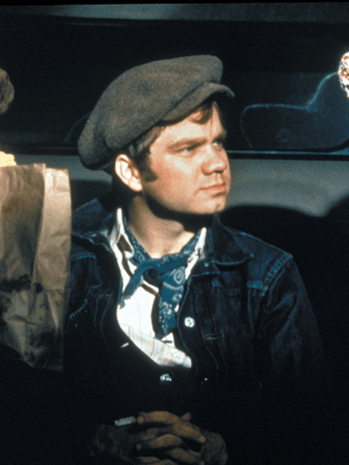
Michael J. Pollard. (1939-2019.)

The low spark of high-heeled boys is the title track from the 1971 album by British rock band Traffic. The 11-minute, 44-second song, was written by Jim Capaldi and Steve Winwood. Capaldi credits diminutive actor Michael J. Pollard (Bonnie & Clyde) for coming up with the term while the two were in Morocco planning a movie (that was ultimately never made). In a 2009 radio interview, Capaldi said, “Pollard and I would sit around writing lyrics all day, talking about Bob Dylan and The Band, thinking up ridiculous plots for the movie…Pollard wrote in my book ‘The Low Spark of High Heeled Boys’. For me, it summed him up. He had this tremendous rebel attitude. He walked around in his cowboy boots, his leather jacket. At the time he was a heavy little dude. It seemed to sum up all the people of that generation who were just rebels.” For this writer, that lyric succinctly sums up the creation of the most iconic cartoon character of our time: Shrek. And since it is Halloween week, I’m going to tell you why.

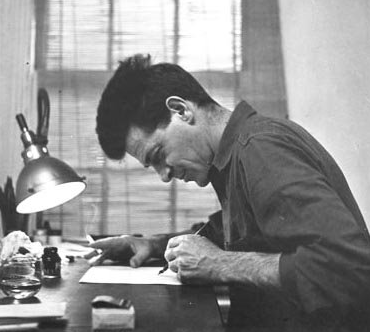
Artist William Steig (1907-2003)

Shrek was created by William Steig (1907-2003) who, during his lifetime, was hailed as the “King of Cartoons.” Steig began drawing illustrations for The New Yorker magazine in 1930, ultimately producing more than 2,600 drawings and 117 covers for the magazine. Steig began his “second career” writing children’s books at the age of 61. In 1990, Steig published his picture book Shrek! which formed the basis for the 2001 DreamWorks Animation film. After the 2004 release of Shrek 2, Steig became the first sole creator of an animated movie franchise to gross over $1 billion after only one sequel. Eventually, three sequels and three spin-offs were produced. When asked his opinion about the movie, Steig responded: “It’s vulgar, it’s disgusting-and I loved it.”

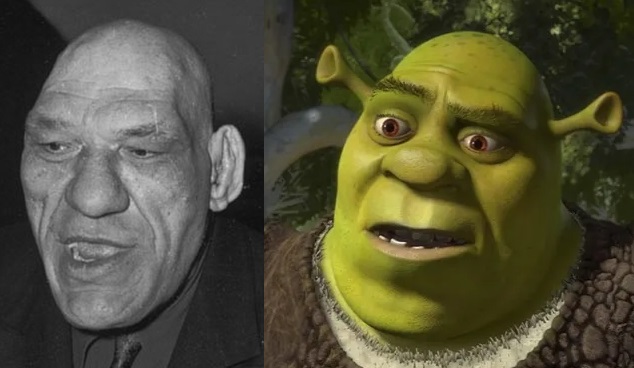
Maurice Tillet “The French Angel” (1903 –1954)

It is widely believed that Steig based his Shrek character on the professional wrestler Maurice Tillet aka “The Angel”, a nickname given to him by his mother when he was a boy. Maurice Tillet (1903-1954), a Russian/French professional wrestler, was a two-time World Heavyweight Champion and a leading box office draw in the early 1940s. Tillet was born in 1903 in St. Petersburg, Russia. His mother was a teacher of languages and his father was a railroad engineer involved in the construction of the Trans-Siberian railroad. Tillet’s father died when he was young. In 1917, Tillet and his mother fled Russia to avoid the Revolution, settling in Reims, France. When Tillet was twenty years old, his feet, hands, and head began to swell uncontrollably. A doctor diagnosed him with acromegaly, a rare condition usually caused by a benign tumor on the pituitary gland, which causes the body to produce too much growth hormone. The condition causes the body tissues and bones to grow rapidly resulting in bone overgrowth and thickening. Over time, acromegaly leads to an abnormally large head, oversized hands and feet, and a wide range of other symptoms. Maurice had a head almost twice the size of normal for a man of his size and he could shuffle three decks of cards at once in his mammoth hands.

“The Angel”

Although Tillet’s acromegaly resulted in an abnormally grotesque appearance, in truth, “The Angel” was a highly intelligent man. He spoke 14 languages, played chess brilliantly, and despite his massive size and frightening face, was known as a modest, gentle, and friendly man. Tillet completed his law degree at the University of Toulouse but felt he would never be successful as a lawyer due to his deep voice and imposing physical appearance. Tillet joined the French Navy and served as an engineer in the submarine service for five years, rising to the rank of Chief Petty Officer. Always a good athlete, Tillet excelled at rugby. After being named to an all-France rugby team in 1926, Tillet earned the honor of shaking hands with King George V. at a game in London, a feat he considered one of his greatest achievements. In February 1937, Tillet met Lithuanian light-heavyweight champion wrestler Karl Pojello in Singapore who talked Tillet to enter the ring. Tillet wrestled for two years in France and England from 1937 to 1939 until World War II forced them to leave for the U.S.

The Angel in profile.

In Boston in 1940, Tillet began wrestling as “The French Angel” and was billed as the closest living specimen of a Neanderthal man known to exist. Tillet went unbeaten for nineteen consecutive months and became an instant attraction in the area. At his American debut at Boston Garden on January 24, 1940, Maurice walked down the aisle, climbed into the ring, leaned over the ropes, and roared at the crowd. The crowds flocked to see this monster of a man who was a throwback to prehistoric times. He was hawked as the unstoppable man and was AWA World Heavyweight Champion from May 1940 until May 1942. Maurice was 5 foot 8.5 inches in height, 276 pounds with a 47-inch chest. The bear hug became his signature move. Tillet reported to the U.S. Army in 1942 to enlist in the war effort but was turned away after being told that he would be a curiosity and distraction.


As a result of his success and unique look, several Angel imitators emerged during World War II, including “Angels” from Sweden, Russia, Canada, Poland, Czechoslovakia, Ireland, and several ubiquitous American versions emerged including the Golden Angel, Black Angel, and Lady Angel, most of whom were also suffering the effects of acromegaly. The most famous imitator was Tor Johnson known as the “Super Swedish Angel.” Johnson is best remembered not as a wrestler, but as an actor who appeared in many B-movies, including the famously bad 1957 Ed Wood movie Plan 9 from Outer Space.

Maurice Tillet in later life.

Maurice proved incredibly strong and highly popular. He staged highly publicized stunts where he would pull a bus or street car with his massive hands. By 1945, after many years of punishment in the ring combined with the fact that most people suffering from acromegaly didn’t live past the age of 30, Maurice Tillet’s health began to fail and he was no longer advertised as unstoppable. He briefly considered a movie career, but the B-movie genre was years away and the Drive-in theatre craze had not yet swept America. The Mid-1940s / Early 1950s were a long, slow ride to irrelevance and the once mighty Angel was little more than a curiosity now billed as the “Ugliest Man in the World.” A highlight came in February 1947 when Maurice took the oath of citizenship to the United States. He was a devout Catholic who attended church every Sunday and that same year he was given an audience with the Pope. In his final wrestling match, in Singapore on Valentine’s Day of 1953, Angel agreed to lose to Bert Assirati, the British World Champion recalled as being one of the strongest men to ever enter the ring.


Suffering from an enlarged heart caused by his acromegaly, Tillet died of a heart attack in Chicago’s County Hospital on September 4, 1954. He was buried at the Lithuanian National Cemetery in Justice, Illinois. As for the “low spark of high-heeled boys” reference, I find it infinitely interesting that Shrek, one of the crudest, yet most beloved animated characters of the past 50 years, was created by the principal artist of one of the most high-brow publications in the country: The New Yorker. And it was all inspired by a highly-intelligent participant in one of the world’s most low-brow professions: Pro wrestling. Things are not always what they seem my friends. Happy Halloween!

The tombstone of Maurice “The French Angel” Tillet is buried next to his trainer, Karl Pojello. Lithuanian National Cemetery in Justice, Illinois.
Creepy history, Hollywood, Indianapolis, Pop Culture, Television

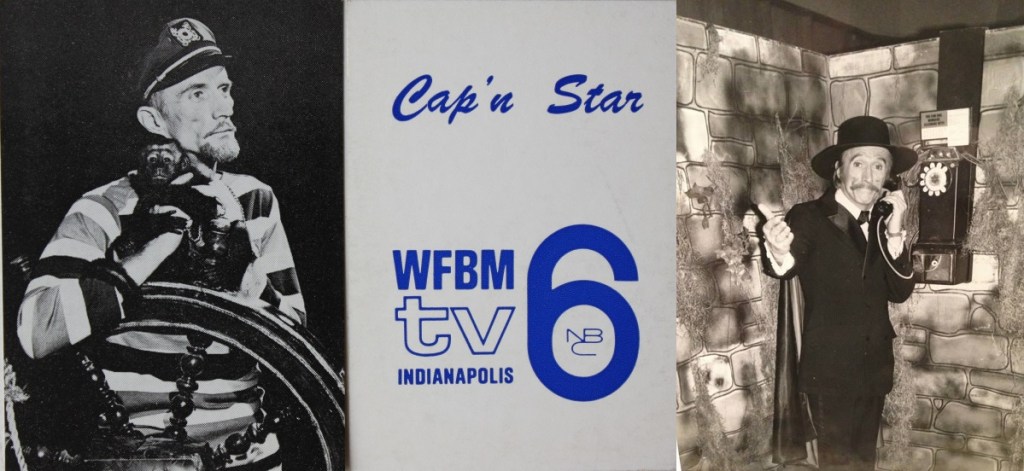
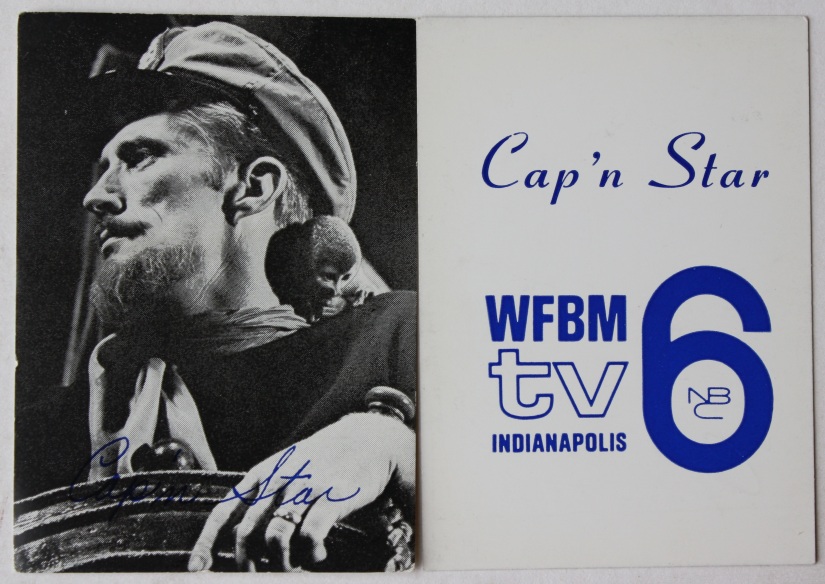
WFBM-TV Cap’n Star a.k.a. Sinister Seymour

Original Publish Date August 19, 2021. https://weeklyview.net/2021/08/19/wfbm-tv-capn-star-a-k-a-sinister-seymour/

https://www.digitalindy.org/digital/collection/twv/id/4271/rec/89

I’ve written about Jerry Vance, a.k.a. Larry Vincent, a.k.a. Cap’n Star, a.k.a. Sinister Seymour in past columns, mostly in conjunction with the late great Hal Fryar a.k.a. Harlow Hickenlooper, a.k.a. Grandpa Harlow. Confused? Well, so am I. However, if ever an Indianapolis children’s TV host from the Circle City’s golden age of television deserved a redux, it’s Jerry, I mean Larry. Bear with me now as we sort out this man of many sobriquets who left Indianapolis to become a Hollywood cult classic legend.
Larry Vincent (a.k.a. Jerry Vance) was born Larry Francis Fitzgerald Vincent on June 14, 1924 in Boston, Massachusetts. After graduating from Bishop-Lee College of Theatre and Radio in Boston, he enlisted in the Merchant Marines during World War II. He first surfaced in the mid-1940s, appearing alongside Kirk Douglas in the Broadway play Kiss and Tell from 1943 to 1945 and then as an understudy for Douglas in the short-lived play Alice in Arms. Both are notable for being Kirk Douglas’ Broadway debuts. For a time, Vincent also performed in the play Life with Father. The Broadway production ran for 3,224 performances over 401 weeks to become the longest-running non-musical play on Broadway, a record that still stands. Vincent changed his name to Jerry Vance and teamed up with Anderson, Indiana native Donald Craig McArt to form a stand-up comedy act that performed in nightclubs all over New York City. Don McArt later appeared in the Walt Disney films Son of Flubber and the Absent Minded Professor and a slew of TV shows.

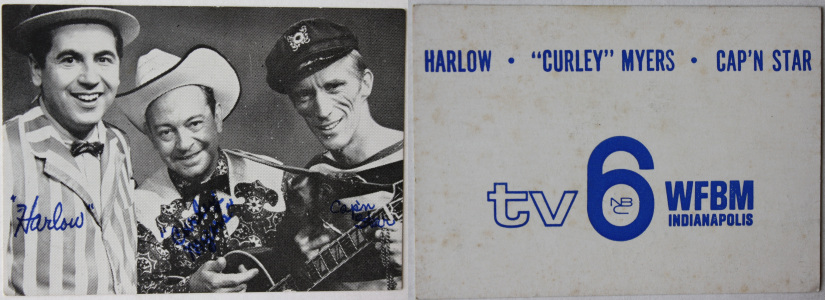
Vance landed in the Circle City in 1951. In the early 1960s, he was working as a producer/director for Indianapolis’ first TV station, WFBM-TV (WRTV Channel 6 nowadays). Vance was among the first wave of Indy television personalities working alongside Howard Caldwell and Tom Carnegie. Since the early television business demanded an “all hands on deck” attitude, Vance created a character he dubbed “Cap’n Star.” Vance’s character appeared in a segment titled “Cap’n Star and Friends” alongside Harlow Hickenlooper and Curley Myers. The segment showcased cartoons and old Three Stooges shorts. Alongside his pet monkey “Davy Jones,” Cap’n Star sang songs and performed skits on the show.

Vance also directed many of Frances Farmer’s shows at the station from 1959 to 1964. The show, known as “Frances Farmer Presents,” aired five days a week, with Farmer doing her inserts live. She showed only the newest available movies from major studios. Farmer’s show was the number one show in its time period from the day it premiered until the day it left the air.

Vance lived in a house at 41st and Graham Avenue on Indy’s east side. Local children remember him as a kind neighbor who always had time for kids, often letting them wear his sailor’s cap from the show and play with the show’s mascot monkey. Vance had a background in Indianapolis theatre, performing as a leading man and directing many productions at the Circle Theatre, Catholic Theatre Guild and Civic Theatre. In 1961 and 1966, he won the city’s best actor award.
While in Indianapolis, Vance led the league in personal appearances. He spent his nights as a stage actor and his days as Cap’n Star. While at WFBM-TV, he handled nearly every chore affiliated with the production of his show, including beating the bushes for sponsorship and commercial advertising. Almost every weekend found Cap’n Star at a local store, restaurant, school, carnival, or fair. The August 30, 1963, Indianapolis Star announced that “Cap’n Star, star of his own WFBM-TV show ‘Cap’n Star’ and ‘Deputy Dawg’ on Channel 6” would be appearing on Saturday morning at 11:00 at the new Eastgate Shopping Center on East Washington Street.
In 1967 he left Indianapolis to become staff director for KHJ-TV in Los Angeles. Utilizing a formula developed in Indianapolis, Vance became a member of the Barbary Coast Theater. In an October 3, 1967 column, well-known Indianapolis showbiz reporter R.K. Shull recalled a perchance encounter with Vance in Hollywood. “Last Spring, Vance left Indianapolis and decided to try his hand at the big-time in Hollywood. So far, he’s done well. He played a scene with Julie Andrews in her upcoming movie, Star. He’s had three guest roles on TV series, the first of which, an I Dream of Jeannie series. Only he isn’t Vance anymore.”
Shull continued, “‘I’m now Larry Vincent,’ he said, exhibiting a briefcase with that name under the handle, as though that proved something. But why Larry Vincent? ‘That’s my real name,’ he explained. Soon, Vance applied for his ‘SAG’ card with the Screen Actors Guild. ‘They already had a Jerry Vance registered as a member… a stunt man,’ he said. ‘So I had to pick another name and I chose my own… I found out about the other Jerry Vance the hard way. They mailed him my check for the work in ‘Star.’ He’s a decent guy though; he sent it back.’”
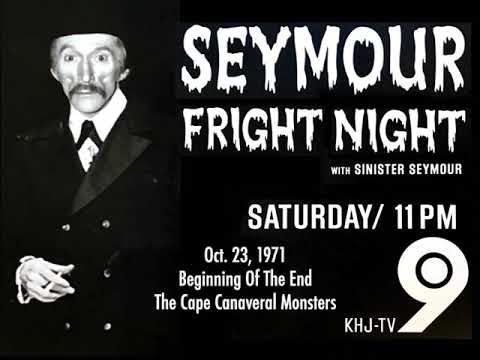
Vincent made guest appearances in other series: The Flying Nun (1967), Mission: Impossible (1969), Get Smart (1968–1969), and Mannix (1970). However, Vincent secured his legend as host for a few Sammy Terry-style Friday night horror show programs in L.A. The first was known as Fright Night and aired from 1969 to 1973 on KHJ-TV, the next, Monster Rally for one season in 1973, and the last was Seymour’s Monster Rally from 1973–1974 (both of the latter shows aired on KTLA TV-5). Although the shows were different in name, they followed roughly the same format.

Vincent’s “Sinister Seymour” character presented low-budget horror and science fiction movies on both local Los Angeles stations. Fans remember Seymour’s “slimy wall” behind which was an ongoing party of ghouls that, try as he might, Seymour was never invited to join. They recall a pay phone from which Seymour was constantly trying to scam “Pizza fella” out of free pizza (on a borrowed dime no less). And they remember Banjo Billy (played by Vincent himself) whose bright orange band uniform matched his cheery disposition and whose one-piece Groucho glasses and nose combo was as bad as his banjo playing, played foil to Seymour on the show.

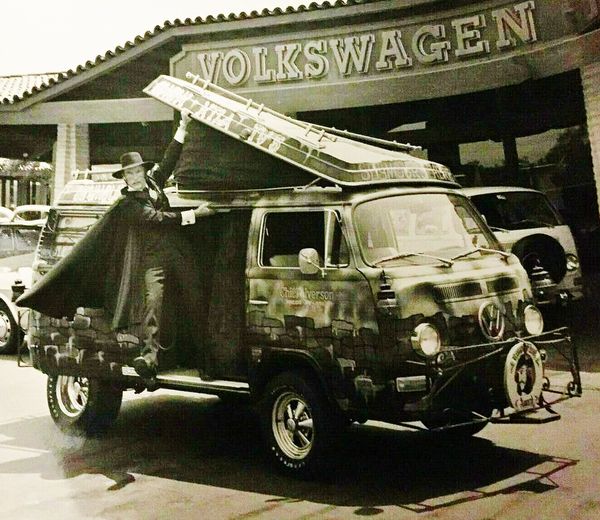
Sinister Seymour advertising Volkswagens back in the day.

He is remembered for his style of criticizing the movies, presented in an offbeat and funny manner, usually appearing in a small window that would pop up in the corner, tossing a quip, before vanishing again. Sometimes he would, using a blue screen, appear in the middle of the movie, apparently interacting with the characters in the film. Seymour called these movies “turkeys” right out of the gate. One need only look at the titles to understand why: Teenage Vampires, Monster from the Surf, The Spider Woman Strikes Back, X-The Man With X-Ray Eyes, The Crawling Eye, The Brain Eaters, Santa Claus Conquers the Martians and Attack of the Mushroom People, which he renamed “Attack of the Bunny Slippers” because of the unfrightening appearance of the film’s furry little parasite protagonists.

Dressed in black with a wide-brimmed gaucho plantation hat and cape, Sinister Seymour stalked his way into the films to openly mock the films as they aired. He equally derided his viewership, calling them “dummies” and “Fringies” while admonishing them for wasting their time by watching his program. No one was immune from Seymour’s insults, which could help explain his cancellations and reinstatements. For the last episode of Fright Night, Seymour ended the show by walking out of the studio, and the first episode of Monster Rally had him breaking into KTLA-5.
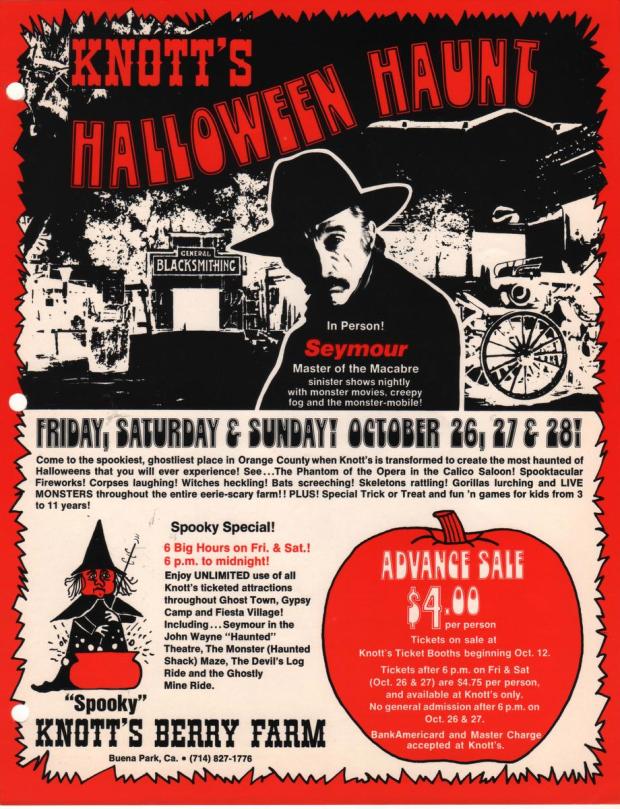
As he had done in Indianapolis, Seymour blanketed Tinseltown with personal appearances. Seymour was the Master of Ceremonies for the costume party at the first annual Witchcraft and Sorcery Convention in Los Angeles in 1971. He hosted “Seymour Day at Marineland” and was the first host of “The Seymour Show” in 1973/1974 — a Halloween Haunt show in the (then) John Wayne Theater at Knott’s Berry Farm. The event has since grown to become the largest and most haunting Halloween experience in California known as “ScaryFarm.”


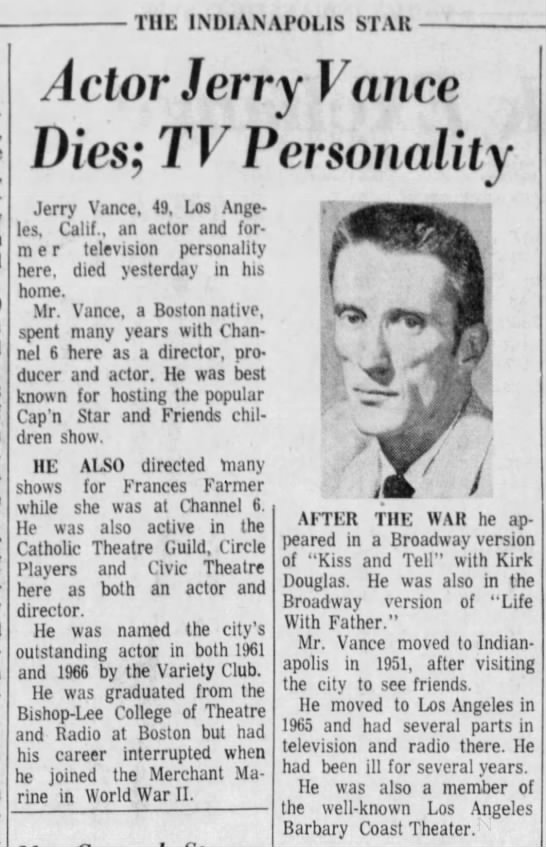
Vincent a.k.a. Seymour’s last show came in 1974. Traditionally, Seymour ended the show by saying, “I’d like to thank you… I’d like to, but it’s not my style! Bad Evening!” But on his final telecast, Seymour eschewed his familiar goodbye and said nothing. He merely waved as the stagehands disassembled the set behind him. His last movie performance was in 1975 in an uncredited role in The Apple Dumpling Gang. For the last years of his life, Mr. Vincent battled stomach cancer. He died on March 9, 1975, at the age of 49.


Several years later, Elvira took over Larry’s place as horror film hostess on Fright Night, which later morphed into her own series, Elvira’s Movie Macabre. And the rest, as they say, is history.

Elvira Mistress of the Dark.
Larry Vincent’s 1975 Obit in the Indy Star.
Abe Lincoln, Creepy history, Ghosts, Politics, Presidents

The Mumler Abraham Lincoln Ghost Photo.

Original publish date:  October 22, 2020. https://weeklyview.net/2020/10/22/the-mumler-abraham-lincoln-ghost-photo/

https://www.digitalindy.org/digital/collection/twv/id/3900/rec/104

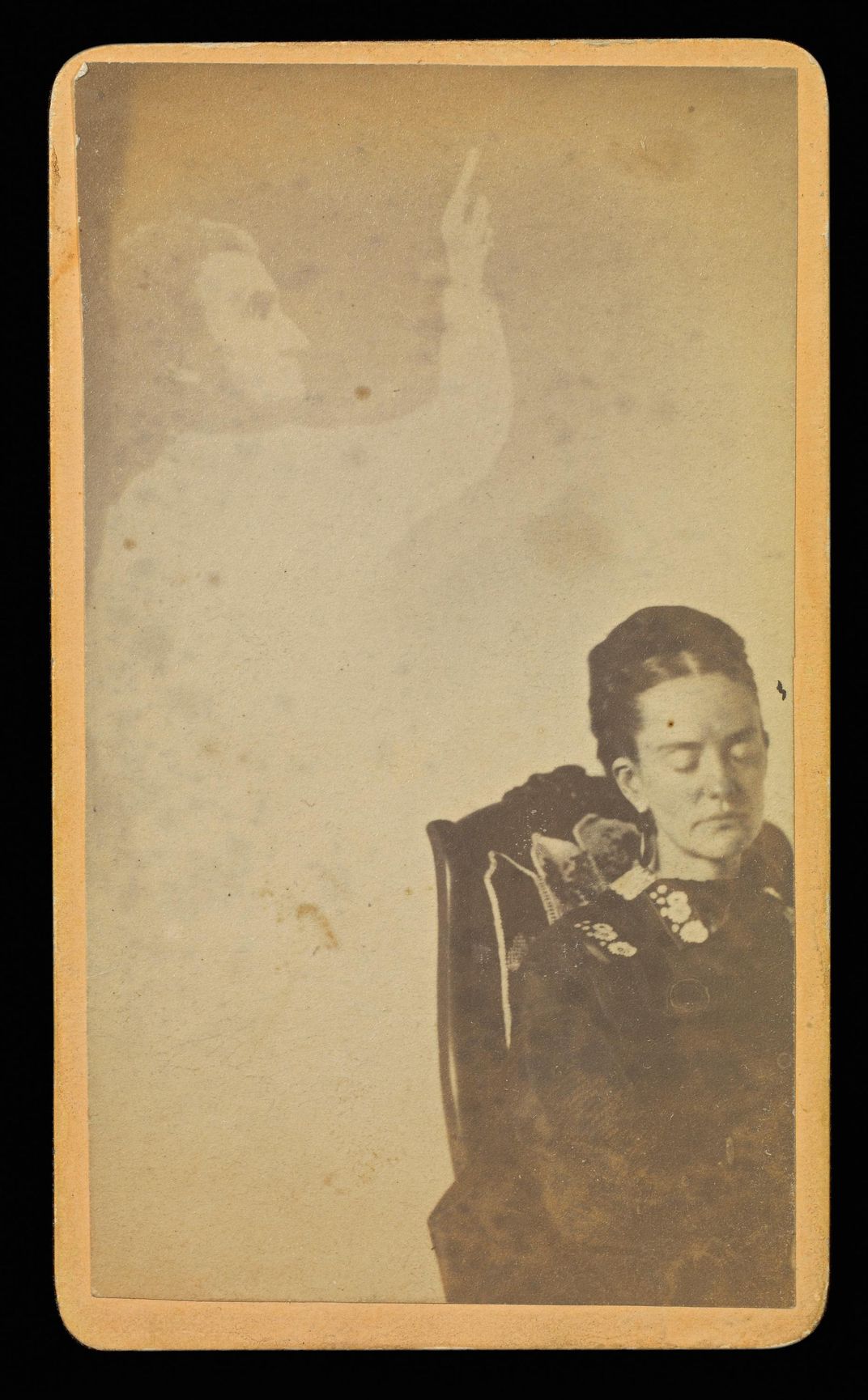
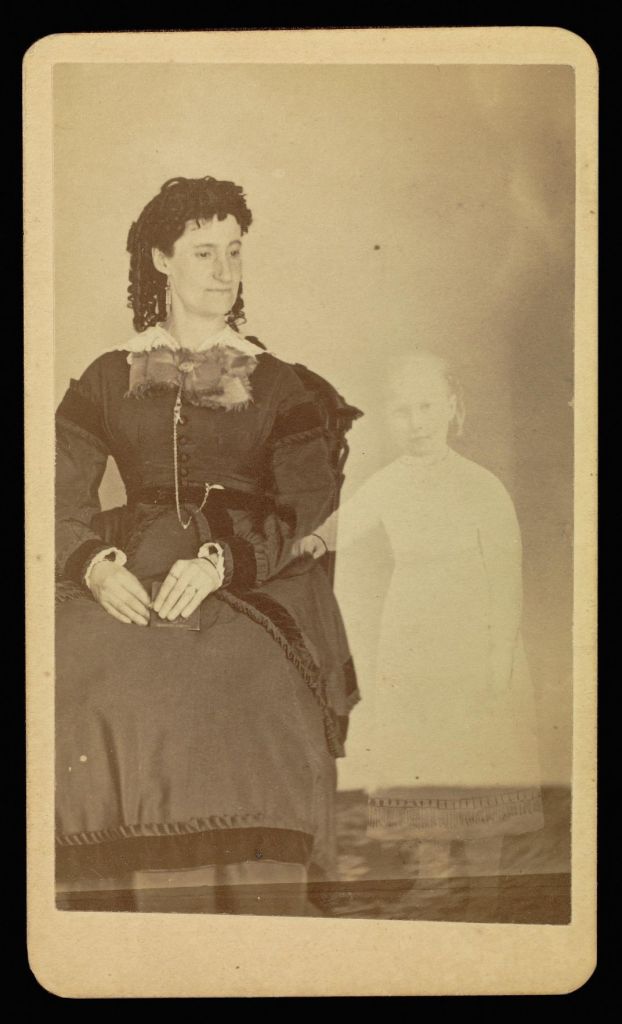
Last Saturday before the Irvington ghost tours, one of our volunteers, Alex McFarland, initiated a conversation that seemed to be a perfect topic for the evening: the Abraham Lincoln ghost photo. Known officially as the “Mumler photos”, these were a series of posed studio photographs, not unlike any old-time photo, usually in Carte de Visite (or CDV) form, that can be found at any antique show, shop, or mall today. The difference is, that Mumler’s photos had the visual image of a ghost in them. The most famous of the Mumler photos features widowed First Lady Mary Lincoln with her deceased husband, President Abraham Lincoln.


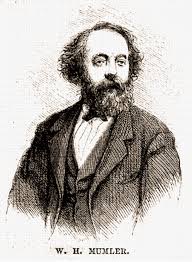
William H. Mumler

William H. Mumler (1832-1884) was a well-known Boston photographer who claimed to be a “medium for taking spirit photographs.” Mumler was part of the growing phenomenon of spiritual manifestations introduced in 1848 by the Fox sisters of Hydesville, N.Y. The three sisters held séances at their home (near Newark, N.J.), that featured spirit rappings and table tippings in response to their queries. Their amazing “abilities” caused a sensation that spread across the country. With its long history of highly-intelligent, intellectually curious populace, Boston became an epicenter for the movement attracting spiritualists, mediums, and psychics from all over to the mysterious world of the “higher plane.”
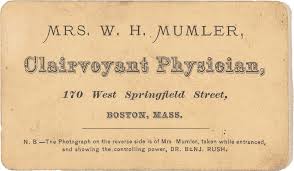
In 1871, the camera was still in its infancy. The technology had graduated from metal to glass to paper photos readily available and affordable to the general public like never before. The country was still mourning from Civil War losses, in some cases having lost entire male lines of families and large portions of towns and communities. The loss of loved ones was still fresh and many turned to any means necessary to see and talk to their loved ones one last time. Mumler’s promise of contact in the form of visual evidence drew flocks of true believers to his studio at 170 West Springfield Street in this city historians called the “Cradle of Liberty.”


In February of 1872, seven years after Lincoln’s assassination, a still grieving Mary Lincoln arrived at William Mumler’s Boston Studio to have her picture made. Dressed in mourning, she gave the photographer a false name (‘Mrs. Lindall”) and kept her face concealed behind a black veil. In 1875, Mumler recalled in his autobiography, “I requested her to be seated, went into my darkroom, and coated a plate. When I came out I found her seated with her veil still over her face. I asked if she intended to have her picture taken with her veil. She replied, ‘When you are ready, I will remove it.’” The widow Lincoln was used to dealing with charlatans and knew how to prevent their tricks.

The reason she landed at Mumler’s studio was because her dead husband had appeared to her at a séance earlier in Boston. The medium told her she should visit Mumler’s studio because the photographer could capture the shadows of the dead on photographic negatives. Mumler always claimed that he did not recognize his subject until after he developed the negative. And then only after he recognized the image of the martyred President did he realize it was Mary Todd Lincoln. His visitor just may have been the most vulnerable woman in America, shattered by death and loss for the past two decades.
Mary never recovered from her husband’s assassination six years before and the loss of three of her four sons, all dead before their 18th birthdays. Even before her husband’s death, Mary Lincoln had embraced spiritualism, the belief that the spirits of the dead can be contacted through mediums. Reputedly going so far as hosting seances in the White House and visiting mediums in Georgetown and D.C., sometimes accompanied by the President himself. So her visit to the studio, today located near historic Frederick Douglass Square in Boston, was unsurprising and predictable. It should also come as no surprise that the photo, the greatest presidential ghost photo ever known, is a fake.


Mary’s visit to William Mumler’s studio (one of five Boston studio locations he occupied during the 1860s-70s and 80s) stands out as one of the grand hoaxes of the Spiritualist period. The distraught first lady must have been satisfied, even consoled by the image, but to our practiced modern eyes, this photograph of Mary Lincoln remains a touching, if sadly preposterous, fake. Nonetheless, it was Mumler’s most famous portrait. Mumler’s Lincoln image is his most reproduced photograph, and it is believed to be the last photo ever taken of Mary before she died in 1882.


The story of Mumler’s spirit photography began as an accident and turned into a joke. In 1861 the 29-year-old jewelry engraver was living in Boston and experimenting with the new art of photography as a hobby. In his autobiography, The Personal Experiences of William H. Mumler in Spirit Photography, Mumler claimed his discovery was made while developing a self-portrait. While the plate was soaking in the tray of toxic chemicals, he noticed the mysterious form of a young girl slowly materialize on the negative. Amused and mystified, Mumler printed this curiosity and showed it around to friends, claiming that it was the ghost of a dead cousin. Mumler, a man of “a jovial disposition, always ready for a joke,” decided to show the photo to his spiritualist friends, pretending that his picture was a genuine impression from beyond the grave.

The Boston psychics fell for the gag and soon Mumler’s ghost photos were circulating around the city. It became an instant sensation and once Mumler’s photo was published in The Banner of Light and other spiritualist newspapers, he became an instant celebrity. The “spirit cousin” was nothing more than the transfer residue of an earlier negative made with the same plate, but it was declared a miracle and Mumler the jeweler became heralded as the “oracle of the camera”. Mumler soon left his job as a jewelry engraver and opened his own photography business full-time.

Here’s the scam. On arrival, the subject of the photo was greeted by William’s wife Hannah, she would chat up the client who would invariably reveal who the spirits were that they wished to appear in their sitting. Hannah had some clairvoyant abilities of her own and she often offered her own intuitions about the spirits surrounding her husband’s clients, resulting in the client’s unwittingly revealing more precise information. All while William Mumler was eavesdropping from the adjoining room. Part of his con included a “vacuum tube” that glowed as an electrical current was run through it which he claimed was a special force he then channeled into the camera. It was P.T. Barnum-style showmanship pure and simple.

For this special ability, Mumler’s fees were extravagant. At the height of his fame, Mumler charged $10 for a dozen photographs, roughly five times the average rate. Worse, there was no guarantee that any spirits would appear. If Mumler or his wife sensed a particular vulnerability in their subject, the spirits would not appear in the photos. Clients were encouraged to make repeated trips to Mumler’s studio before they were blessed with a true spirit photograph. If the high fee was ever questioned, “The spirits,” Mumler answered, “did not like the throng.”


Boston’s other photographers were not impressed by Mumler’s ghost photos. James Black, one of Boston’s premiere photographers famous for his aerial views of the city taken from the perspective of a hot air balloon, was convinced that Mumler was cheating. He set out to catch him at it. Black bet Mumler $50 that he could discover his secret. Black examined Mum­ler’s camera, plate and processing system, and even went into the darkroom with him. In his auto­biography, Mumler described Black’s reaction when a ghostlike image emerged on the negative right before the doubter’s eyes as, “Mr. B., watching with wonderstricken eyes…exclaimed, ‘My God! Is it possible?’”

P.T. Barnum.

Of the incident, Mumler later recalled, “Another form became apparent, growing plainer and plainer each moment, until a man appeared, leaning his arm upon Mr. Black’s shoulder.” The man later eulogized as “an authority in the science and chemistry of his profession” then watched “with wonder-stricken eyes” as the two forms took on a clarity unsettling in its intimacy. Despite the best efforts of countless investigators, no one was able to determine exactly how Mumler created his apparitions. With the photographic elite unable to debunk Mumler’s ghost photos, hoards of desperate souls flocked to Mumler’s studio-including a grieving Mary Lincoln and the master of all hoaxes, P.T. Barnum himself.
Soon Mumler’s pictures became the subject of great speculation among his peers from all over the country. In 1863 noted Boston scientist, physician, and avid photographer Oliver Wendell Holmes not only gave step-by-step instructions on how to obtain a double exposure in an essay for the Atlantic Monthly, but he also contemplated the popularity of Mumler’s pictures. “Mrs. Brown, for instance, has lost her infant, and wishes to have its spirit-portrait taken,” Holmes wrote. “It is enough for the poor mother, whose eyes are blinded with tears, that she sees a print of drapery like an infant’s dress, and a rounded something, like a foggy dumpling, which will stand for a face…An appropriate background for these pictures is a view of the asylum for feeble-minded persons…and possibly, if the penitentiary could be introduced, the hint would be salutary”
Further confounding the experts was the fact that the apparitions seen in a Mumler photograph had human features, lifelike gestures, and filmy interactive forms. They are translucent spirits, not hard-edged ghosts. That was the secret of a Mumler ghost photo. To mediums, psychics, and spiritualists, Mumler’s photos depicted what they believed: that the afterlife was a paradise, simply the next step in human existence, albeit on a higher plain. All questions of process and motives aside, Mumler’s subjects were satisfied with the results. Distraught parents saw visions of children gone for years. Grieving widows saw their husbands one more time and widowers looked into the eyes of deceased wives once again.
Eventually, Mumler was a victim of his own vanity and the third deadly sin of avarice: aka Greed. The more people that showed up, the more Mumler had to perform. Some prominent Boston spiritualists, once avid supporters of Mumler’s ability, began to examine the ghost photos more closely only to discover that some of the “spirits” in the images were still quite alive. The ragman, the butcher, the schoolteacher, the cop. These were normal people walking the streets of Boston, all past subjects of Mumler’s “straight” photo studio sessions utilized by Mumler in the photographs of strangers. Eventually, Mumler’s business in Boston fell off.


He died on May 16, 1884 holding patents on a number of innovative photographic techniques, including Mumler’s Process, which allowed publishers to directly reproduce photographic illustrations in newspapers, periodicals, magazines, and books. Mumler’s skill as a photographer was only rivaled by his talent as a con artist, but he never really experienced any accumulated wealth from his labors. Mumler maintained to the end that he was “only a humble instrument” for the revelation of a “beautiful truth.” To further confuse matters, Mumler destroyed all of his negatives shortly before he died. William Mumler’s photographs may be products of pure hoaxing, but the question of whether technology is capable of catching spirits on film remains with us to this day. Search the web on any given day and you will see photos of every type captured by cameras of every description. Security cameras, ring doorbells, digital images, and cellphones continue to capture photos of mysterious orbs, mists, apparitions, shadows, dancing lights, and unexplainable phenomenon of every description. The allure of capturing a ghost on film, especially that which is invisible to the naked eye, may have begun with William Mumler but it continues to this day.