There is an item on my office desk that calls to me every time my mind wanders, I’m gathering my thoughts, or most often, while I’m waiting for a document to load on the computer. It’s a ticket stub, smaller than an index card, from a Tuesday, February 19, 1957, double feature movie at the Majestic Theatre in Gettysburg, Pennsylvania. I bought the ticket in an antique mall just off the Gettysburg town square while on a trip with friends to the famous Civil War battlefield this past Spring. Native Hoosier that I am, my heart jumps a little whenever I see something with an Indiana connection so far away from home.
The ticket is for a movie touted as being “Direct from Hollywood” (Where else would it be from in 1957?) called “Dracula in House of the Living Dead”. The ticket features the cartoon image of a young woman on her hands and knees crawling away from a house whose disembodied eyes follow her, and oh yeah, she’s in a skimpy bathing suit. I’m not an expert on Dracula movies, but my guess is that this movie was just a rehash of an old well-known film with a brand new title designed to lure unsuspecting people into the theatre believing they were seeing a new release. A despicable practice common amongst studios back in the 1950s Era.
While the Dracula ticket and its promise of an additional unannounced “Thrilling Horror Movie”, were intriguing to be sure, they were not the reason for my purchase. Above the terror-stricken swimsuit-clad woman, there was an eerie floating head of someone very familiar to me and many of my fellow Hoosier baby boomers. It was Fairmount’s own James Dean. The printed promise near his image read: “See…the materialization of James Dean BACK FROM THE GRAVE!” On Stage in Person” Cool, James Dean in Gettysburg, why that’s so…Wait, that’s…impossible. James Dean died in a car crash on September 30, 1956, and this ticket is dated after Valentine’s Day of 1957! How could that be?
James Dean.
After a few minutes, I realized that this surely must be one of the earliest attempts at the exploitation of a dead celebrity ever attempted. Today, Hollywood barely waits for the body to get cold before cranking out biopics and making cable movies about dead celebrities. Anna Nicole-Smith, Heath Ledger, and Michael Jackson are recent examples. But in 1957 Gettysburg, really? One can only imagine the theatre owner dreaming up this stunt to draw a crowd, finding a good looking blonde haired kid from nearby Gettysburg College, paying him a small fee, and instructing him to walk out on stage wearing blue jeans, a white t-shirt, a red cloth jacket, and sunglasses before exiting speedily amid the gasps, squeals and screams of the frenzied teens in attendance.
Gettysburg’s Majestic Theatre in 1953.
Did I mention that the Majestic Theatre is built so close to the historic Lincoln train depot station that you can almost touch it? The very same train depot where Lincoln arrived the night before he delivered his incomparable Gettysburg Address on the battlefield, on November 18, 1863. A spot many consider to be hallowed ground. But how could this be? Was this an isolated incident of gross exploitation or part of a larger movement? A little research reveals that shortly after James Dean’s death on a lonely California highway, a “James Dean Lives” cult was born.
Brochure/leaflet from Magician Kara Kum’s conjuring of James Dean.
The first indication that the “James Dean Lives” cult was getting out of hand appeared in January of 1956, just three months after Dean died on the last day of September of 1955. Since October, Warner Brothers studio had been deluged with frantic fan letters expressing shock and disbelief that the teen idol was really dead. The letters continued to flow into the studio past Thanksgiving, but by December, the letter stream dramatically increased, both in volume and in spiritual tone. It now seemed that fans didn’t believe Jimmy was gone at all. New rumors claimed that he was being kept alive in a California nursing home and that the studios were stalling for time, just waiting for his recovery and a comeback. Hollywood Gossip columnist Walter Winchell printed the rumor that Dean was disfigured but still alive in his column. Other stories insisted that it wasn’t Dean at all who died in the car wreck, but rather a hitchhiker. Still more farfetched was the rumor that the actor was in hiding learning to operate his artificial limbs or that he had been placed in a sanitarium to recover. Three thousand letters came in during January and increased so steadily that by July, that number had increased to seven thousand. By the first anniversary of his death, Warner Brothers had received over fifty thousand fan letters from all over the world.
The automobile crash that killed James Dean on Sept. 30, 1955, in Cholame, California.
However, some of the “Mass hysteria” attributed to the “James Dean Lives” rumors can be rationally explained away. Much of this fan mail came from remote regions of South America, Australia, and Western Europe. While these areas still received the movies, albeit posthumously, they did not receive much news and were most likely unaware that James Dean was dead. Many times, these letters were addressed simply to: “James Dean Warner Brothers Studios Burbank California USA” and contained notes that read “Dear James Dean-I love your movies. Will you send me a picture?” That first year, the studio obliged and sent out the photos as requested, which undoubtedly did little to quell the rumors.
James Dean next to his Porsche 550, a few hours before his death.
But that didn’t explain all of the letters. From the day of his death, it seemed that young people would not let Dean die. Warner Brothers hired a special fan mail agency, the first of its kind in Hollywood, to deal with the deluge of mail that poured into the studio addressed to the dead star. Mattson’s, a Hollywood clothing shop, received hundreds of orders for red jackets identical to the one Dean had worn in Rebel Without a Cause. Griffith Park, where pivotal scenes from the movie were shot, became a tourist attraction overnight. Fans lined up inside the Observatory, hoping for a chance to sit in the same seat Dean had occupied in the film.
Paul Newman 1950s.
Although today’s generations might not be familiar with James Dean, over the years, an impressive list of actors and performers have claimed to have been influenced by him, including Bob Dylan, Al Pacino, Martin Sheen, and the late Jim Morrison, poet and lead singer for the Doors. Humphrey Bogart, who outlived Dean by two years and also knew a thing or two about cool, once said: “Dean died at just the right time. He left behind a legend. If he had lived, he’d never have been able to live up to his publicity.” Eventually, the realization that James Dean was gone set in. The world of cool moved on to others like Elvis Presley, The Beatles, Terre Haute’s own Steve McQueen, and Paul Newman, to name just a few. The Paul Newman comparison is not a random one. Not only will readers of my column recognize my admiration for Newman, but they might also be surprised by the ethereal connection between Newman and Dean.
Fantasy photo of James Dean as Rocky Graziano.
James Dean’s final screen test for East of Eden (1955) was shot with Paul Newman, who also was in the final running for the role of Dean’s character Cal’s fraternal twin brother Aron. At the time of his death, Dean was signed to star as the lead (as Boxer Rocky Graziano) in the 1956 MGM movie “Somebody Up There Likes Me” and the 1958 Warner Brothers movie “The Left Handed Gun” (as Billy the Kid). Both roles subsequently were taken by Paul Newman and both helped make him a star. Some film experts have claimed that Newman’s career may never have gotten off the ground at all if Dean had lived. Both young actors often competed for the same roles and there just weren’t enough scripts to go around. When Dean died, he was signed to play in “The Battler” on the “Playwrights ’56” television series. The role went instead to Paul Newman. To further illustrate the Dean-Newman connection, Jimmy was the front-runner to star alongside Elizabeth Taylor in Cat on a Hot Tin Roof (Released in 1958), when he died, the role went to Paul Newman. The role earned Newman an Academy Award nomination and established Newman as a star once and for all.
The two megastars mug for the camera for a few seconds when Dean says to Newman, “Kiss Me” to which the older Newman replies “Can’t here.” Watch closely and you’ll see that Newman is sweating profussely under his armpits. More importantly, the clip instantly transports the viewer back to a time before James Dean climbed into the driver’s seat of his Porsche Spider and rode towards the California horizon, and immortality.
Just before his death, Dean’s agent, Jane Deacy, negotiated a 9-picture deal over 6 years with Warner Bros. worth $900,000. In 1956, Dean became the first actor to receive an Academy Award nomination posthumously, for his role in East of Eden (1955). He did not win. A year later, in 1957 Jimmy was nominated for his second Oscar for “Giant”, thereby becoming the only actor in history to receive more than one Oscar nomination posthumously. James Dean was nominated for Academy Awards in two-thirds of his films, a record which will probably never be bettered.
The year 2014 has come and gone, and along with it, the passing of many notables whose time on this earth has run out. Lost among them is a woman you may have never heard of. Mae Keane died this year. She was the last of the radium girls.
Marie and Pierre Curie.
Radium was soon all the rage: bottled Radium water was used as a health tonic, Radium-filled facial creams were used to “rejuvenate the skin”; the Radium Institute in New York City was giving Radium injections to all who could pay for them; some toothpaste started to include Radium; high-end spas began adding radium to the water of their pools and some hospitals were using Radium as a treatment for those who had cancer after it was observed that exposing tumors to Radium salts would shrink them. Although the latter sounds admirably feasible, the former should sound shocking when you consider that radium is highly radioactive.
Radium Clock.
Additionally, it was found that when Radium salts were mixed with zinc sulfide and a glue agent, the result was a glow-in-the-dark paint. During World War I the advent of trench warfare necessitated the invention of many things. The trenches were dark, damp, and dirty. A single match lit by a soldier hunkered down in a pitch-dark trench might be the spark to draw enough enemy fire to wipe out an entire company of soldiers. Time dragged on endlessly; when you couldn’t see your own hand in front of your face, you had no hope of seeing the hands of a clock face.
Not only were soldiers crawling and wading around in the mud unable to see their watch dials at night, their pocket watches weren’t suitable for this environment. Soon, watchmakers created men’s watches with straps designed to be worn on a wrist rather than placed in a pocket. Before the Great War, wristwatches were primarily worn only by women, with men favoring pocket watches. By November 1915, British soldiers were putting dots of Radium paint next to the hour numerals to make them visible at night. The dimness of the glow was beneficial as they could tell the time without giving away their position.
1921 Magazine ad for Radium.
Of course, at this time, the dangers of radioactivity were not fully understood. Enter Mary “Mae” O’Donnell Keane and the Radium girls. In the early 1920s, the hot new gadget was a wristwatch with a glow-in-the-dark dial. Their ads extolled “the magic of Radium!” And according to some, Radium was magic. Salesmen promised that it could extend your life, pump up your sex drive, and make women more beautiful. Doctors used it to treat everything from colds to cancer. In the Roaring Twenties, women earned the right to vote, got the urge to smoke, and marched to work in factories alongside their male counterparts.
Radium Girls painting an Ingersoll clock face in 1932.
Young women ranging in age from the mid-teens to the early 20s were employed to apply the paint to clock dials and watch faces. The job was promoted as ideally suited for delicate female hands. The work was easy, the wages high and most dial painters were typically single and living with their parents. Over the first 10 years, about 4,000 women were employed at 3 locations: Orange, New Jersey, Waterbury, Connecticut, and Ottawa, Illinois.
Workers would often lick the paintbrush to achieve a finer point — directly ingesting the Radium.
The first dial painters came from the china painting industry. These seasoned workers used a technique called lip-pointing which involved wetting their camel hair paintbrushes between their lips to bring it to a sharper point. The practice was passed on to the Radium painting industry whose products required fine brushwork. In 1924, 18-year-old Mae Keane was hired at the U.S. Radium Corporation factory in Waterbury Connecticut. The pay was $18 a week for a 40-hour work week, and 8 cents a dial — a pretty good salary for a woman back then.
Twelve numbers per watch, 200 watches per day — and with every glowing digit, the Radium girls swallowed a little bit more poison. Mae said that on her very first day, she decided that she didn’t like the taste of the gritty Radium paint. “I wouldn’t put the brush in my mouth,” she recalled years later. During breaks and at lunchtime, it was a popular pastime of the Radium girls to paint comic faces on each other, and then turn out the lights for a laugh. “The girls sneaked the Radium out of the factory to paint their toenails and teeth to make them glow,” Keane said.
Mae Keane.
Mae couldn’t remember what led her to work at the watch & clock factory but did remember that she disliked the work more than she liked the paycheck. Luckily, she was not as fast as her supervisor wanted her to be. “I made 62 cents one day,” Keane once said, which translates to a high of 8 watches per day. “That’s when my boss came to me and said I better find another job.” That poor performance probably saved her life. She worked in the dial painting room for eight to nine weeks, then transferred to another job at the company. “I often wish I had met him after to thank him,” Keane said, “because I would have been like the rest of them.”
Worcester Democrat and the Ledger-Enterprise (Pocomoke City, MD), March 4, 1938, p. 9.
The dial painters would become some of the earliest victims of radioactive poisoning. By the late 1920s, they were falling ill by the dozens, afflicted with horrific diseases. The Radium they had swallowed was now slowly eating their bones away from the inside out. “We were young,” Mae told The Hartford Courant in 2004. “We didn’t know anything about the paint. I don’t think the bosses even knew it was poison. The foreman would tell us it was very expensive, and to be careful. We had no idea. But when they did find out, they hid it.”
Reports of maladies afflicting the Radium girls began to bubble up to the surface. Dial painters began to suffer from a variety of illnesses, often crippling and frequently fatal as a result of ingesting Radium paint. One account describes a woman (Frances Splettstocher) visiting her dentist to have a tooth pulled only to have her entire jaw yanked out in the process. Soon, her gums and cheek rotted away, ultimately resulting in a hole in her cheek. Her health continued to deteriorate and she died within the month.
Radium Girl Grace Fryer before and after suffering from radium-induced sarcoma.
Other radium girls had their legs snap underneath them and more still had their spines collapse. Dozens of women died, many while still in their 20s. Ingested Radium is known to deposit permanently in bone structures damaging bone marrow. In all, by 1927, more than 50 women had died as a result of Radium paint poisoning. Many of them developed cancerous tumors, honeycombed and fragile bones, and suffered painful amputations. At a factory in New Jersey, five of the women sued the U.S. Radium Corporation for poisoning. The trial would have a profound impact on workplace regulations.
Radium Girl Mollie Maggia’s Radioactive Jawbone After Removal.
Ironically, many in these factory towns blamed the women for the loss of jobs during the Great Depression. Furthermore, it would be discovered that U.S. Radium had paid off doctors and dentists to claim the girls were suffering from the sexually transmitted disease syphilis (often having this listed as the cause of death when the girls died), with the hope that it would not only shield the corporation from litigation but also sully the girls’ reputations.
U.S. Radium Corp. Stock Certificate.
At every turn, U.S. Radium sought to delay the trial as much as possible with the hope that all the women in the case would die before an outcome could be reached (in fact all five of the original Radium girls were dead by the mid-1930s). With the company asking for delay after delay, the trial crawled along at a painful pace. Marie Curie herself chimed in on the issue, but had little comfort to give the radium girls by stating, “I would be only too happy to give any aid that I could, [but] there is absolutely no means of destroying the substance once it enters the human body.” Curie herself would die on July 4th, 1934 from leukemia; likely caused by her long-term exposure to Radium.
By the time the girls finally got a chance to testify in January of 1928, none of them were able to raise their arms to take the oath, and two were bedridden. After their testimonies, the case was once again postponed for a few months for no good reason. The case was settled in the fall of 1928 before it could be deliberated by the jury, and the settlement for each of the Radium girls was $10,000 ($135,000 in 2014 dollars) and a $600 per year annuity while they lived, and all medical and legal expenses would also be paid by the company. Many of the victims would ultimately end up using the money to pay for their own funerals. The lawsuit and resulting publicity were a factor in the establishment of occupational disease labor laws. Most importantly, the trial proved that the injuries suffered by the radium girls were completely preventable.
Abandoned U.S. Radium Corp. building at the southwest corner of High and Alden Streets in Orange, New Jersey.
As part of the settlement, the girls agreed not to hold U.S. Radium liable for their health problems. So what was U.S. Radium’s official position in the aftermath? They stated they didn’t settle because they were wrong, but rather because the public was biased against them and they couldn’t have received a fair trial. U.S. Radium’s president, Clarence Lee, stated: “We unfortunately gave work to a great many people who were physically unfit to procure employment in other lines of industry. Cripples and persons similarly incapacitated were engaged. What was then considered an act of kindness on our part has since been turned against us.”
But these Radium towns’ plight didn’t end when the case was settled in court. The chemical element found its way into the soil and groundwater, contaminating residential and commercial properties around the towns. The dangers of Radium no longer was isolated to those who worked in the Radium dial plant, it now threatened the populace. The factory sites became EPA Superfund cleanup sites in the 1980s. The plight of the Radium girls was now known to, and shared by, everyone.
Mary “Mae” (O’Donnell) Keane (1906 – 2014)
But Mae Keane was a proud survivor. Over the years, she had some health problems: she developed numerous skin ailments and eye problems, suffered from migraines, and had two bouts with cancer. “The doctor wanted to give me chemotherapy,” Keane said. “I told him ‘no.’” Keane lost all of her teeth in her 30s and suffered pain in her gums until the day she died. “I was left with different things, but I lived through them. You just don’t know what to blame,” she said. The only prescription medication she ever took was to control her blood pressure. Despite her ailments, Mae admitted, “I was one of the fortunate ones.”
Keane, a Red Sox fan, was once asked about her secret to longevity. “I’m lazy,” Keane said, adding she never smoked, loved to walk and dance, and enjoyed caramel candy, chocolate, and an occasional apricot sour or Bailey’s Irish Cream. “I didn’t get old until I was 98,” she once said.” She was 107 when she died on March 1 in Middlebury, Connecticut; the last living participant in one of the darkest moments in American industrial history.
I have spent the past 12 years on a quest. A quest to discover a little-known Lincoln collector turned museum curator named Osborn H. Oldroyd. I have written about Oldroyd many times and, sometimes, the mere mention of his name elicits groans from family and friends whom I’ve forced to share my obsession, whether they want to or not. No worries, I’m not going down that road again today. I simply mention him regarding another of my early obsessions: artist Vincent van Gogh. I know, I know, Oldroyd to Van Gogh? Evel Knievel couldn’t have made that jump. Stay with me now.
A few years back, a Paris auction house (Auction Art–Rémy Le Fur) sold the gun that Van Gogh allegedly killed himself with for approximately $182,000 to an unidentified Belgian buyer. The hammer price was almost triple the auction estimate of $44,800 to $67,000 and presumably included the buyer’s premium. Like everything in Van Gogh’s life, the sale was not without controversy. And, like many of the objects in Oldroyd’s collection (for his collection was his life), the provenance of the firearm is the sticking point. If authentic, the auction house’s description of it as “the most famous weapon in the history of art” would be unchallenged. However, let’s examine the event, the discovery, and its ultimate disposition and see what you think.
JImmy Hoffa Labor Union Badge.
As a kid, I spent most of my free time in the library. Like many my age, my first instinct was to discover a much-wished-for connection to some (or any) historical event. I pored through the annual book of Guinness World Records looking for some record (any record) that I could conceivably break. I never found one. Then I tried to prove a genealogical link to anyone of note . . . Please be Lincoln . . . Please be Lincoln. It was not Lincoln. I was descended from a long line of boringly average people. The last hope was a connection to someone/something according to my birthday (July 30th). I found two: Jimmy Hoffa disappeared and Vincent van Gogh was buried. Oh sure, Henry Ford was born, Jamestown was founded, but not much else. So I clung to the Van Gogh square. He’s been a windmill for me to tilt at ever since.
There are so many mysteries surrounding Vincent van Gogh. Was he crazy? Was a visual problem responsible for his unique painting style? Why did his paintings, all acknowledged masterpieces, not sell until after he died? And perhaps most of all, did he REALLY kill himself? Well, he did famously cut off an ear after an argument with fellow artist Paul Gauguin and famously presented it to a prostitute in a nearby brothel. And he was confined to insane asylums more than once in his lifetime. But that gun may fuel the biggest Van Gogh mystery of them all.
Arthur Ravoux’s Inn in Auvers-sur-Oise in France today (at left) & in Van Gogh’s time.
In May of 1890, after one of those asylum stays, Van Gogh moved into Arthur Ravoux’s Inn in Auvers-sur-Oise in France. While living in room number five there, he turned out an average of a painting a day, despite his increasingly unstable mental state. The common theory is that on Sunday, July 27th, 1890, Van Gogh ventured from his château hideaway to a nearby wheat field in the village of Auvers-sur-Oise and shot himself in the chest. The gunshot did not kill him immediately, instead, Van Gogh lost consciousness and, after waking up and in seeming defiance of his mortal injuries, left his easel against a haystack before stumbling back to his modest attic room, lit only by a small skylight, in the Ravoux Inn. He died two days later, his beloved brother Theo by his side.
Lefaucheux pinfire revolver.
According to the auction house, while admitting that it could never be 100% certain that it was the actual gun used by the artist to take his life, circumstantial evidence certainly points to that conclusion. According to museum officials, the rusted skeletal frame of the 7mm Lefaucheux revolver was “discovered where Van Gogh shot it; its caliber is the same as the bullet retrieved from the artist’s body as described by the doctor at the time; (and) scientific studies demonstrate that the gun had stayed in the ground since the 1890s.” Devil’s advocate: Lefaucheux pinfire revolvers were inexpensive and plentiful in the late 19th century. They can be found everywhere all over the world, so finding one in a field under a random tree in France may not constitute proof experts require for authentication. While stories like that may have worked in Oldroyd’s day, it certainly does not live up to modern curatorial standards. However, it does pique one’s imagination.
The story goes that a local farmer found the gun in 1965 after plowing up the very spot in the field where tradition states the artist shot himself in the stomach in July of 1890. The farmer presented the weapon to the owners of an inn in the village, and it was passed down through their family before it was given to the auction consignor’s mother, who put it up for auction. Also weighing in the gun’s favor is the fact that it is a low-power gun, which explains why the gun didn’t kill Vincent instantly. For those subscribing to the theory that Van Gogh did not shoot himself, the auction house explains that even if his death was caused by hoodlums with a grudge against him or after two young boys playing with a gun “accidentally pressed the trigger and wounded Van Gogh by mistake” the gun could still be the weapon responsible for his death. In 2016, the Van Gogh Museum in Amsterdam exhibited the gun as part of the show “On the Verge of Insanity, Van Gogh and His Illness.”
This is an 1887 tintype photo of Vincent Van Gogh (third from left) in conversation with Paul Gauguin, Emile Bernard, Félix Jobbé-Duval. André Antoine is standing between them.
Regardless, Vincent’s myth is so complicated, his art so unattainable to all but the ultra-rich, the thought of owning the pistol that killed him may strike some as irresistible. Imagine owning the ultimate instrument of tortured artistic doom, carried into an otherwise unremarkable wheat field in northern France in late July of 1890 by a man tortured with night terrors and “overwhelmed by boredom and grief.” Did the nightmares of mental illness finally prove too much to bear? Is this the final instrument of self-martyrdom? I’ll leave that for you, the reader, to decide. Shortly before his death, on July 2, writing to his brother Theo, Vincent commented: “I myself am also trying to do as well as I can, but I will not conceal from you that I hardly dare count on always being in good health. And if my disease returns, you would forgive me. I still love art and life very much…” Eight days later, Vincent wrote Theo in French, “Je me sens – raté” (I feel failed), and added: “And the prospect grows darker, I see no happy future at all.” Before his death at 1:30 in the morning, Vincent’s last words to his brother were remembered as “La tristesse durera toujours” (The sadness will last forever).
Theo Van Gogh.
On the afternoon of July 30th, Van Gogh’s body was laid out in his attic room, surrounded by his final canvases and masses of yellow flowers including dahlias and sunflowers. His easel, folding stool, and paintbrushes were placed before the coffin. Van Gogh’s last retreat at the Auberge Ravoux has remained intact since his death, as according to legend a room where a suicide took place must never again be rented out. Legend states that the room remained sealed up for almost a century for fear of bad luck. The room is unfurnished, except for a chair. However, like Oldroyd’s museum in the House Where Lincoln Died in Washington D.C., Van Gogh’s spirit can be felt there, permeating the very floors, joists, ceiling, and walls where he passed.
In July 2023, my wife and I made the 4 1/2 hour drive down to Nashville, Tennessee, for my birthday. After a few stops in Music City, we made an 18-mile side trip to the northeast suburb of Hendersonville and Old Hickory Lake. We traveled to Hendersonville to visit the site of Twitty City (the former home and amusement park complex owned and operated by Conway Twitty in the 1980s and 90s), Marty Robbins’ recording studio that he never used (he died in 1982, the same year it was set to open), Johnny and June Carter Cash’s gravesites, and the Cash family home at 200 Caudill Drive in Hendersonville. Well, what was left of it anyway. As you might imagine, the Cash Home, often described as country music’s Graceland, has an interesting history.
The author at the Twitty City gate.Marty Robbins’ Recording Studio.
Rhonda Hunter at Johnny Cash & June Carter Cash’s Graves.
Johnny Cash fell in love with the house and the sprawling property the moment he saw it. Builder Braxton Dixon was building the home for his family, but Cash convinced him to sell it as a wedding present from Johnny to June. Dixon was no stranger to building celebrity homes, having built homes for Roy Orbison, Tammy Wynette, and Marty Stuart. Johnny bought the seven-bedroom/five full bathroom, 14,000 square foot mansion overlooking Old Hickory Lake in 1967 and lived there with June from 1968 to 2003. The four-lot lakefront property features five acres sitting right on the water, including 1,000 feet of lake frontage. The four large, 35-foot round front rooms featured stunning views of the property. Johnny and June lived there for 35 years and Cash wrote much of his famous music there. It was the only home the couple ever lived in together. Johnny Cash’s parents, Ray and Carrie, lived across the road from his mansion. Johnny’s brother Tommy described the house as “a very unusual contemporary structure. It was built on a solid rock foundation with native stone and wood and all kinds of unusual materials, from marble to old barn wood. I don’t think there was a major blueprint. I think the builder was building it the way he wanted it to look.”
Johnny & June and their home.
It was the spiritual home of Cash and the musical universe he created. The home was visited by nearly every famous country star you can imagine: actors, rock stars, artists, politicians (Jimmy Carter, Ronald Reagan, and Vice President Al Gore), and even Billy Graham. June cooked for them all in the home’s kitchen: eggs, pancakes, and ham in the morning, fried chicken, cornbread, and biscuits all day long. The home hosted Cash family Christmas celebrations, songwriting sessions, and informal jams (Johnny called them guitar pulls) featuring the likes of Bob Dylan, Brooks & Dunn, Joni Mitchell, Graham Nash, and a slew of others. In 1969, legend claims that an upstart songwriter named Kris Kristofferson landed a helicopter on the lawn, in hopes of getting the home’s famous owner to listen to some demos (from which Johnny picked “Sunday Morning Coming Down”). Cash’s late ’60s and early ’70s “guitar pulls” were held in a lakeside room accessed through a hallway and down some stairs from the home’s main family room. Although informal, these star-studded jams were profound, as Johnny writes in his 1997 autobiography, “Kris Kristofferson sang ‘Me and Bobby McGee’ for the first time … and Joni Mitchell’s ‘Both Sides Now.’ Graham Nash sang ‘Marrakesh Express’, Shel Silverstein’s ‘A Boy Named Sue’ and Bob Dylan let us hear ‘Lay Lady Lay” during those sessions.”
Johnny Cash & June Carter Cash Gravesite.
The couple lived happily in their lakefront home until their deaths four months apart in 2003. With Johnny at her bedside, June died on May 15, 2003, at the age of 73, following heart valve replacement surgery. Johnny Cash died on September 12, 2003, at the age of 71, from what doctors said were complications from diabetes, but most believe he died of a broken heart. They are buried at the Hendersonville Memory Gardens near their home. A visit to the cemetery finds the manicured plot of the Cash family, the polished bronze grave ledger of John R. Cash at the left, and June Carter Cash to the right. The markers lay flat against the earth, completely covering the bodies that rest below. The markers usually found peppered with coins and guitar picks, feature facsimile signatures of both artists along with Old Testament Bible quotes from the book of Psalms. June’s mother Maybelle Carter and her sisters Helen and Anita are buried nearby. As are Luther Perkins, the original guitarist of Cash’s “Tennessee Three” band, and country stars Ferlin Husky and Sheb Wooley rest nearby.
June & Johnny Cash inside their home.
The Cash Mansion became an empty shrine to the duo for two years following their deaths. The couple’s furniture and many of their belongings, at least those that June didn’t give away to friends and family during the last years of her life, were still inside the house, but the couple was gone. It was always a tourist spot. Countless Greyhound buses, station wagons, vans, and carloads of people made the trek up that winding, narrow lane every day to lean on the stone and wood fence imagining Johnny and June as they were in life walking the property. To the surprise of many, in 2006, the Bee Gees’ Barry Gibb purchased the Cashes’ home for a mere $2.3 million. The Bee Gees frontman bought the property with plans of renovating, restoring, and making it an artist/writer’s retreat. Although he remodeled the interior, Gibb was determined to preserve the home to honor their memory and even pledged to keep intact whatever furnishings and decorator accents left behind. June was legendary for filling the house with ornate, tasteful objects that she had picked up and shipped home from performances all over the world. The renovations were at their final stage and Gibb was expected to move in that summer.
Cash House Fire Aftermath.
At 1:40 pm on April 10, 2007, a fire broke out outside the stone and wood building and while the fire department was on the scene within five minutes, the structure was already engulfed and the three-story contemporary structure burned to the ground. Only the chimney was still standing. But, a few original parts of the property survived the inferno, including the original garage, a covered boat dock, a bell garden, and a cute 1-bed, 1-bath detached apartment space where June stored her stage costumes. There’s also a tennis court, swimming pool, and a little guardhouse by the gate. The stone walls and steps that surrounded the home are still there as well as the stone/wood fences and gates that surround the property as they have done for half a century. The picturesque hardscaping still frames the trails that once hosted walks near the water from country royalty. The blaze spread quickly due to the flammable materials used in the construction work taking place in the mostly wooden interior. It was later revealed that the exterior structure itself was gutted when a flammable wood preserver that had been applied to the house caught on fire. Firefighters said the unusual multi-level structure of the house made the blaze even tougher to tackle. To his credit, Bee Gee Barry Gibb had removed most of that furniture, like Johnny and June’s bed, during renovation and it was safe and sound in storage.
While much music was written inside the mansion, not much music was made inside its walls. Photos of the Cash mansion can be found all over the internet and there are a couple of well-made videos you can check out too. The home was featured in the movie Walk the Line. In the film, the property is shown when Johnny and June’s families come together for Thanksgiving dinner. But the better view can be found in a 2002 music video filmed before Johnny died for the song “Hurt” which was filmed in the home. The video depicts a weakened, vulnerable Cash looking back at his life while surveying the home he and June shared. The video was largely filmed there, and it shows rare interiors of the home as well as views of the derelict House of Cash museum nearby. It is a must-see. Cash’s final recordings took place within the house as well, when he was too weak to make it to a studio.
Cash Property Fence Still Stands.
If you visit the Cash property today, you can almost feel Johnny’s presence. After all, you can lean against Johnny’s stone & wood fence along Caudill Drive and gaze at the remaining buildings with ease. If you spend any time there, you’re likely to be joined by other pilgrims on the Cash trail. Not much in the way of conversation, just long moments of quiet reflection and an occasional nod of shared reverence. However, if you look over your left shoulder across the street, you can see the house where Johnny died. Johnny spent his final days living in the house at 185 Claudill Drive overlooking his old Lake House. The ranch house, which was built by the same architect, Braxton Dixon, was always referred to as “Mama Cash’s house” because it was where Cash’s parents lived before their passing. The ranch house is expansive, with 4 bedrooms, 3 bathrooms, vaulted ceilings, stone fencing, and 200 feet of road frontage. Johnny spent his last days there when it became harder for him to get around in a wheelchair in the lake house. Both the lake house property and ranch house across the street have been sold (or have been offered for sale) in the years since Cash’s passing. The issue remains unclear and when I reached out to the registered owners for this story a few years back, my e-mails and phone calls were never responded to, so…
Cash Cabin Studio.
Better still, there is another lesser-known living connection to Johnny Cash on Caudill Drive. In 1978, Johnny began building a log cabin, finishing it in 1979. He intended to use it for rest, relaxation, songwriting, and recording. He named it Cash Cabin Studio but friends and family said the man in black called it the Sugarshack. The year the Cabin was built, Elvis Costello and Dave Edmunds along with members of the band Rockpile visited, being some of the first to write their names on the fireplace mantle piece. Tom Petty and the Heartbreakers stopped by in the early 1980’s. In 1982 Johnny’s daughter Kathy and her husband Jimmy were wed there. Television star John Schneider of “The Dukes of Hazard” fame lived in the cabin for some time in the mid-1980s. Other early visitors included actor Robert Duvall, Waylon Jennings, Kris Kristofferson, and Bono and Adam Clayton of U2.
Cash Cabin Studio Interior With Mantel Above Fireplace.Cash Cabin Signed Fireplace Mantel.
According to the website, “In 1991, June’s sister Anita Carter moved into the cabin and made it her home. It was Anita who first recorded in the cabin. Recording gear was brought in and set up and featured some wonderful musicians including Anita’s dear, old friend and master producer/guitarist Chet Atkins. In 1992, Johnny met producer Rick Rubin. Rick had a diverse creative palate, having made recordings for Run DMC, The Beastie Boys, and several other groundbreaking rap and heavy metal artists. Johnny signed up with Rick’s record company and went to California to work with Rick. Although most of Johnny’s first album in the Grammy Award-winning American Recordings series was recorded at Rick’s Los Angeles home, there were a couple of tracks recorded in the Cabin, with a simple tape machine and standard microphones. The magic of the Cabin’s music took off from there. Johnny went on to record almost half of the remainder of the American Recordings series at the Cabin. June Carter Cash also recorded both of her latter life Grammy Award-winning albums Press On and Wildwood Flower at the Cabin. Through this process, John Carter Cash worked intensely with his parents on their music. In the Summer of 2003, Johnny’s last recording, made mere days before his death, was in the Cabin. He recorded two songs in their entirety in those two sessions that day: “Like the 309” early in the day, for the album “American Recordings V, A Hundred Highways”, and “Engine 143” at the end of the day, for an album being produced by John Carter, “The Unbroken Circle, The Musical Heritage of the Carter Family”. But the story doesn’t end there.
Next Week: Part 2 of Johnny and June Carter Cash’s Home: Nashville’s Graceland.
Johnny and June Carter Cash’s Home: Nashville’s Graceland, Part II.
After reading Part 1 of this article, it should come as no surprise that Johnny and June Carter Cash’s beloved Lake House has a mystique all its own. Johnny and June lived happily in the house for some 35 years. When they died (four months apart) in 2003, it sat empty for two years before it was sold by the Cash’s son, John Carter Cash, to Barry Gibb of the Bee Gees. As a bevy of contractors worked to meet the Gibbs’ July 4 deadline, the home caught fire and burned to the ground on April 10, 2007. Then Gibbs built a new house on higher ground, keeping the original Cash home foundations as a testament to the memory of Cash. The new house has been sold a few times but the Cash property remains pretty much the same as it was after the fire. Johnny and June had some famous neighbors too: Marty Stuart (Cash’s former son-in-law) and The Oak Ridge Boys’ Richard Sterban among them. After the fire, Sterban reportedly remarked that “perhaps, after all, no one except Johnny and June Carter Cash were meant to live at the lake house.”
Roy Orbison.
So the Cash presence is strong here. While the Johnny Cash story is complicated, Kris Kristofferson wrote of his friend “John” that “He’s a walking contradiction, partly truth and partly fiction.” Cash struggled mightily with addictions and the only thing that saved him from himself was June Carter Cash. I can appreciate that. All questions of the Cash Lake House’s demise being tied to the passing of Johnny and June Carter Cash aside, Hickory Lake is no stranger to tragedy in its own right. There is an air of mystery that haunts Old Hickory Lake and extends beyond the charred ruins of the Cash mansion. Roy Orbison once owned a home right next to the Lake House. It burned down, killing two of his three sons. Orbison (1936-1988), was best known for his distinctive, natural lyric baritone voice featuring a range from A2 to G4: higher than the standard baritone range on the high end and not as low on the low end. Orbison’s (a.k.a. The Big O) lyric baritone voice was sweeter and lighter than the average baritone, and he could sing faster songs with more vocal agility than an average baritone. Orbison chose complex compositions and dark emotional ballads conveyed a quiet, desperate vulnerability, which led to his “Lonesome Roy” reputation. (Believe me, Roy Orbison was no boy scout. He was famous for his carousing and womanizing on the road and his conquest numbers could match anyone from Elvis to Wilt Chamberlain, but THAT is another story.) Between 1960 and 1964, 22 of his songs were placed on the Billboard Top Forty, including “Only the Lonely,” “Crying,” and “Oh, Pretty Woman.” Orbison’s trademark stage performance was standing still and solitary, lit by a single spotlight, dressed in black clothes and dark sunglasses which only added an air of mystery to his persona.
Anthony King Orbison and Roy DeWayne Orbison with their mother Claudette holding baby Wesley.
While playing a show in Birmingham England on Saturday, September 14, 1968, Orbison received the news that his home in Hendersonville had burned down. This occurred less than two years after the death of his wife Claudette Frady Orbison in a motorcycle accident on June 6, 1966, at the age of 24. It was a tragedy that plunged Orbison so deep into grief that he couldn’t write songs for a year and a half. To make matters worse, Roy received news that his sons Roy Dewayne Orbison, Jr. (age 10) and Anthony King Orbison (age 6) died in the fire. Their baby brother Wesley (age 3) survived. Fire officials stated that the cause of the fire may have been an aerosol can, which possibly contained some kind of lacquer. It was speculated that the boys were playing with a lighter or matches and using the spray can as a makeshift flame thrower when furniture or curtains ignited. The fire spread so quickly that when the boy’s grandparents, Orbie Lee Orbison and Nadine Shultz, opened the door to the room, the resulting blast knocked them to the other side of the house. Even though firefighters responded quickly, the flames were too intense to save the two young boys. By the time Roy made it home, all that was left of the home was the chimney.
Roy Orbison & Sons.
Roy moved in with his parents and became a recluse, refusing to see or talk to anyone. When Johnny Cash visited, he found Roy sitting in his room staring at a television with the sound off. Cash told him that he loved him and was there for him. Orbison said he did not know how to cope with his grief. After the fire, Orbison had to start all over again and he could never bear the thought of rebuilding a home on the property. Roy’s parents helped to raise Wesley while his father was on the road and in the studio. In December 1988 just as his star was on the rise again, Orbison spent the night visiting with Wesley, from whom he had been estranged. The two stayed up all night singing together and writing songs. The following day, Roy died of a sudden heart attack at the age of 52.
Orchard Signage On Hendersonville Site.
Eventually, Johnny Cash bought the lot, promising Orbison that he would never build on the site again and insisting “Only good shall grow on this land.” The Cash family planted fruit trees and cultivated an orchard where the Orbison house once stood. It was not unusual to see Johnny Cash, watering can in hand, tending to the saplings during the early years of the orchard. As the fruit trees and grapevines flourished, they were maintained personally by the Cash family and the orchard came to fruition. Several years after Roy’s death, Johnny saw Wesley standing in the orchard on the lot where his brothers died. Cash asked Wesley why he was there. Wesley replied that it comforted him. Together, they gathered fruit from the orchard that Wesley took with him. Soon afterward, John and June gifted the lot to Wesley, who maintains the orchard to this day. It is ironic that years later, like Orbison’s, Cash’s house burnt, leaving only the chimney.
Luther Perkins Grave Near Johnny & June’s Gravesite.
Not only was Johnny’s 1963 song “Ring of Fire” a hit, staying at No. 1 on the country chart for seven weeks and declared the number one greatest country song of all time by Rolling Stone Magazine, it was written by his wife June Carter years before they were married. Tragically, fire remained an unfortunate theme in Cash’s circle. On Saturday, Aug. 3, 1968, his first “Tennessee Three” guitarist, Luther Perkins, fell asleep on the couch in his den with a lit cigarette in his hand. Luther’s home (at 94 Riverwood Drive) was just a little further down the road from Johnny’s. The accidental fire failed to burn the home but Luther suffered burns over half of his body and never regained consciousness. Two days later, he died at Vanderbilt Hospital of burns sustained in that fire. Perkins had bought the lakeside house just two months earlier and had spent the afternoon of the fire installing a television antenna on the roof. When his wife returned home from a poker party at a friend’s house that night, she found the house filled with smoke, and flames in the den and the kitchen, her husband unconscious on the floor. Perkins had called Cash the night of the fire and asked him to come over. Cash, thinking Perkins’ wife was there to take care of him, begged off. Later, Cash would rank Perkins’ death with that of his brother Jack in terms of the impact it made on his life. “Part of me died with Luther,” Johnny said.
Luther Perkins’ HouseLuther Perkins’ House.
Bandmate Marshall Grant, who along with Cash and Perkins, made up the original “Tennessee Three,” wrote in his autobiography I Was There When It Happened, said, “Luther apparently woke up, realized what was happening, and tried to escape, but he was overcome by dense smoke and couldn’t make it to a sliding glass door leading outside. The house itself never caught fire, but there was terrible smoke damage, the likes of which I’ve never seen. They told us at the hospital that if Luther had lived, the doctors probably would have had to amputate his hands, and I don’t think he could have lived with that.” Luther Perkins is buried only yards away from Johnny and June Carter Cash at the Hendersonville Memory Gardens. Bassist Marshall Grant died on August 7, 2011, at the age of 83, in Jonesboro, Arkansas while attending a festival to restore the childhood home of Johnny Cash.
Marshall Grant & Johnny Cash.
But wait, there’s more. Cash’s longtime friend, Faron Young, known as the ” Hillbilly Heartthrob” for his chart-topping singles “Hello Walls” and “It’s Four in the Morning” has an eerie connection to the Cash property as well. In 1972, Young was famously arrested and charged with assault for spanking a girl in the audience at a concert in Clarksburg, West Virginia, after he claimed she spat on him. Young appeared before a justice of the peace and was fined $24, plus $11 in court costs. Afterward, Young’s life was plagued with bouts of depression and alcoholism. On the night of December 4, 1984, Young fired a pistol into the kitchen ceiling of his Harbor Island home. When he refused to seek help for his alcoholism, Young and his wife Hilda separated, sold their home, and bought individual houses. When asked at the divorce trial if he feared hurting someone by shooting holes into the ceiling, Young answered “Not whatsoever.” The couple divorced after 32 years of marriage in 1986.
Faron Young.
Feeling abandoned by fans and the country music industry and in failing health (he was battling emphysema, and had undergone prostate surgery for cancer), Faron Young penned a suicide note specifically enumerating his health and the decline in his career, shot himself on December 9, 1996. Sadly, Faron didn’t die immediately. Hearing the shot, Young’s long time friend and bandmate, Ray Emmett, rushed into the room to find Faron lying in his bed, still alive. Young was rushed to Nashville’s Summit Medical Center where the next day, December 10, 1996, at 1:07 p.m., he died at the age of 64. Faron Young was cremated, and his ashes were spread by his family over Old Hickory Lake at the house of Johnny and June Cash. In a “Country Music Spotlight” interview with Willie Nelson (who wrote Young’s biggest hit “Hello Walls”), Cash said, “He (Faron) was one of my favorite people, he was one day older than me. He requested that his ashes be distributed on Old Hickory Lake and my property. So they came out there with his ashes…and the wind was blowing…So he’s everywhere, he’s all over my place, my yard, my house, my windows, in my sill, on my car, I turned on my windshield wipers the next day and there’s Faron. There he went, back and forth, back and forth, until he was all gone.” So, the next time you’re heading south, take a side trip to Hendersonville and venture over to 200 Caudill Drive, park your car on the side of the road, put your elbows on Johnny Cash’s fence, and dream.
Two score and six years ago, a pair of hapless unemployed European auto mechanics crept silently into a small country graveyard in Corsier-sur-Vevey, Switzerland under cover of darkness. On the night of Wednesday, March 1, 1978 (and into the early morning of March 2), a 24-year-old Polish refugee named Roman Wardas, and his partner in crime, 38-year-old Bulgarian self-exiled refugee Gantscho Ganev slithered through the small graveyard dressed entirely in black, carrying torches and shovels in search of their prey: Charlie Chaplin. Sir Charles Spencer Chaplin KBE (born April 16, 1889) may only have been 5 foot four inches tall, but he was one of the true giants of the Golden Age of Tinseltown.
Sir Charles Spencer Chaplin (1889 – 1977)
Although today’s fans may think of Chaplin as a uniquely American comic actor, filmmaker, and composer from the silent movie era, in truth, he was born in England, the product of an alcoholic failed actress mother and an absent Ragtime-singing father. Chaplin’s childhood in London was wrought with poverty and hardship. The household constantly struggled financially, as a result, young Charlie was sent to a workhouse twice before the age of nine. At 14, his mother was committed to a mental institution leaving Charlie alone to fend for himself for a time until his older brother Sydney returned from a 2-year stint in the British Navy. Chaplin began performing at an early age (by his recollection at 5 years old) touring music halls and later working as a stage actor and comedian. He dropped out of school at 13 and by the age of 19, he was signed to the Fred Karno company, which took him to the United States. Karno, a British slapstick comedian who played the American Vaudeville circuit, is credited with popularising the custard-pie-in-the-face gag. To circumvent stage censorship in the Victorian Era, Karno developed a form of sketch comedy without dialogue. A skill Charlie Chaplin quickly perfected.
Charles Chaplin’s Tramp Character.
By 1914, Chaplin broke into the film industry with Keystone Studios, where he developed his Tramp persona and quickly attracted a large fan base. By the end of that year, when Chaplin’s contract came up for renewal, he asked for $1,000 a week ($31,000 today), an amount studio head Max Sennett refused, declaring it was too large. The Essanay Film Manufacturing Company of Chicago sent Chaplin an offer of $1,250 ($38,000 today) with a signing bonus of $10,000 ($307,000 today). By 1915, “Chaplinitis” was a cultural phenomenon. Stores struggled to keep up with demand for Chaplin merchandise, his tramp character was featured in cartoons and comic strips, and several songs were written about him. As his fame spread, he became the film industry’s first international star. In December 1915, fully aware of his popularity, Chaplin requested a $150,000 signing bonus (over $4.5 million today) from his next studio, even though he didn’t know which studio it would be.
Chaplin Mutual Studio Movie Adverts.
He received several offers, including Universal, Fox, and Vitagraph, the best of which came from the Mutual Film Corporation at $10,000 a week (about $16 million a year today) making the 26-year-old Chaplin one of the highest-paid people in the world. (For example, President Woodrow Wilson earned $75,000 per year.) Mutual offered Chaplin his own Los Angeles studio to work in, which opened in March 1916. With his new studio came complete artistic control, resulting in fewer films (at one point he had been churning out a “short” per week). His Mutual contract stipulated that he release a two-reel film every four weeks, which he did. But soon, Chaplin began to demand more time and, although his high salary shocked the public and was widely reported in the press, Chaplin upped his game, producing some of his most iconic films during this era. By 1918, he was one of the world’s best-known figures. However, his fame did not shield him from public criticism.
Charles Chaplin Studios at LaBrea and Sunset Blvd.
Chaplin was attacked by the British press for not fighting in the First World War. Charlie countered those claims by stating that he would fight for Britain if called and had registered for the American draft, but he was never called by either country. It helped blunt the critics when it was discovered that Chaplin was a favorite with the troops and his films were viewed as much-needed morale boosters. In January 1918, Chaplin’s contract with Mutual ended amicably. Next, Chaplin signed a new contract, this one with First National Exhibitors’ Circuit, to complete eight films for $1 million (a staggering $22 million today). He built a state-of-the-art studio on five acres of land off Sunset Boulevard, naming it “Charlie Chaplin Studios” and once again Chaplin was given complete artistic control over the production of his films. The slow pace of production frustrated First National and when Chaplin requested more money from the studio, they refused. Defiantly, Chaplin joined forces with Douglas Fairbanks, Mary Pickford, and D. W. Griffith to form United Artists in January of 1919. The name said it all, as it enabled the four partners to personally fund their pictures and maintain complete artistic control. Chaplin offered to buy out his contract with First National but they refused, insisting that he complete the final six films owed.
Lucky for us, Chaplin acquiesced, and after nine months of production, The Kid was released in May of 1920. It is considered a masterpiece and costarred four-year-old Jackie Coogan (Uncle Fester from the Addams Family). At 68 minutes, it was Chaplin’s longest picture to date and one of the first to combine comedy and drama. It was also the first of Chaplin’s films to deal with social issues: poverty and parent-child separation. Chaplin fulfilled his contract with First National and, allegedly after being inspired by a photograph of the 1898 Klondike Gold Rush, and hearing the story of the ill-fated California Donner Party of 1846–1847, he made what may be his most remembered film: The Gold Rush. Chaplin’s film portrays his Tramp as a lonely prospector fighting adversity and looking for love. Filming began in February 1924, costing almost $1 million ($17.5 million today), it was filmed over 15 months in the Truckee mountains (where the Donner Party met their doom) of Nevada with 600 extras, extravagant sets, and special effects. Chaplin considered The Gold Rush his masterpiece, stating at its release: “This is the picture that I want to be remembered by.” Opening in August of 1925, it became one of the highest-grossing films of the silent era, with a U.S. box office of $5 million (almost $89 million today). The comedy contains some of Chaplin’s most iconic scenes; the Tramp eating his leather shoe and the “Dance of the Rolls”.
Over the next few years, Chaplin was one of the few artists to make a successful transition from silent films to “talkies”. At first, Chaplin rejected the new Hollywood craze preferring instead to work on a new silent film. When filming of City Lights began at the end of 1928, Chaplin had been working on the script for nearly a year. City Lights followed the Tramp’s love for a blind flower girl and his efforts to raise money for her sight-saving operation. Filming lasted 21 months, during which time Chaplin slowly adapted to the idea of sound when presented with the opportunity to record a musical score for the film, which he composed himself. When Chaplin finished editing City Lights in December 1930, silent films were fast becoming a thing of the past. Although not a “talkie”, City Lights is remembered for its musical score. Upon its release in January 1931, City Lights proved to be another financial success, eventually netting over $3 million during the Great Depression ($57 million today). Although Chaplin considered The Gold Rush his legacy, City Lights became Chaplin’s personal favorite and remained so throughout his life. Although City Lights had been a rousing success against seemingly insurmountable odds, Chaplin was still unsure if he could make the transition to talking pictures. After all, Chaplin’s stock in trade since his days with the Fred Karno Company had been the art of gesture to tell his stories. And he did it better than anyone else ever.
Charlie Chaplin in Japan, meets with Prime Minister Admiral Makoto Saitō
In 1931, his state of uncertainty led him to take an extended holiday from filmmaking during which Chaplin traveled the world for 16 months, including extended stays in France and Switzerland, and a spontaneous visit to Japan. On May 15, 1932, the day after Chaplin’s arrival, Japanese Prime Minister Inukai Tsuyoshi was assassinated by ultra-nationalists aligned with the Japanese military, marking the end of civilian control over the government until after World War II. Inukai was shot by eleven junior Navy officers (most of whom were not yet twenty years of age) in the Prime Minister’s residence in Tokyo. Inukai’s last words were “If we could talk, you would understand” to which the assassins replied, “Dialogue is useless.” Astonishingly, the original plan included killing Charlie Chaplin-who was Inukai’s guest-in the hopes that this would provoke a war with the United States. Luckily, at that deadly moment, Chaplin was away watching a sumo wrestling match with the prime minister’s son. Chaplin’s vacation abruptly ended and he returned to Los Angeles. But life would never be the same for Chaplin. This political awakening would remain with him for the rest of his life.
Assassination plans notwithstanding, the European trip had been a stimulating experience for Chaplin. It included meetings with several of the world’s prominent thinkers and broadened his interest in world affairs. The state of labor in America had long troubled him. Although not a Luddite by any means, the inequities of life caused him to fear that capitalism and machinery in the workplace would eventually increase unemployment levels. It was these fears that led Chaplin to develop a new film: Modern Times. The film features the Tramp and Hollywood ingénue Paulette Goddard (Charlie’s future bride) as they struggled through the Great Depression. Chaplin intended this to be his first “talkie” but changed his mind during rehearsals. Just like Modern Times, it employed sound effects but almost no dialog. However, Chaplin did sing a song in the movie, which gave his Tramp a voice for the only time on film. Modern Times was released in February 1936. It was one of the first movies to adopt political references and social realism. The film earned less at the box office than his previous features ($1.8 million-$22 million today), but it was released at the height of the Great Depression almost a decade after Al Jolson’s Jazz Singer (the first “talkie”) hit the screens.
The next few years saw Chaplin withdraw from public view amid a series of controversies, mostly in his personal life, that would change his fortunes and severely affect his popularity in the States. Not the least of these was his growing boldness in expressing his political beliefs. Deeply disturbed by the surge of militaristic nationalism in 1930s Europe, Chaplin simply could not keep these issues out of his work. The ever-increasing state of hostile journalism in the US had already drawn tenuous parallels between Chaplin and Adolf Hitler: the pair were born four days apart, both had risen from poverty to world prominence, and Hitler wore the same mustache style as Chaplin. As pushback, Chaplin decided to use these undeserved comparisons and his physical resemblance as inspiration for his next film, The Great Dictator, a stinging satire about Hitler, Mussolini, and their brand of fascism. Chaplin spent two years on the script and began filming in September 1939, six days after Britain declared war on Germany. He decided to use spoken dialogue for his new project, partly because by now he had no other choice, but also because he knew it would be a better method to deliver his political message. Making a comedy about Hitler was of course highly controversial, but Chaplin’s financial independence allowed him to take that risk, stating “Hitler must be laughed at.” Chaplin replaced his Tramp with a Jewish barber character wearing similar attire as a slap at the Nazi Party’s rumor that he was a Jew. As a further insult, he also played the dictator “Adenoid Hynkel”, a parody of Hitler.
The Great Dictator was released in October 1940. The film became one of the biggest money-makers of the era. Chaplin concluded the film with a five-minute speech in which he abandoned his barber character and, while looking directly into the camera, pleaded against war and fascism. As a whole, the critics gave it rave reviews, but it made the public uncomfortable mixing politics with entertainment and although a success, it triggered a decline in Chaplin’s popularity in Hollywood. Nevertheless, both Winston Churchill and Franklin D. Roosevelt liked the film, which they watched at private screenings before its release. FDR liked it so much that he invited Chaplin to read the film’s final speech over the radio during one of his famous “Fireside Chats” before his January 1941 inauguration. Chaplin’s speech became an instant hit and he continued to read the speech to audiences at other patriotic functions during the World War II years. The Great Dictator ultimately received five Academy Award nominations, including Best Picture, Best Original Screenplay and Best Actor. It would turn out to be Charlie Chaplin’s last hurrah.
On March 1 & 2, 1978, 24-year-old Polish refugee Roman Wardas, and his cohort, Bulgarian Gantscho Ganev, aged 38, entered a small country graveyard in Corsier-sur-Vevey, Switzerland to dig up Hollywood movie legend Charlie Chaplin, who had died on Christmas Day of 1977. For this mission, the weather was right out of central casting. At 11:00 pm, the atmosphere was thick with fog, peppered by freezing haar, and plagued by a troublesome mist. As the witching hour approached and into the wee hours, a light rain began to fall augmented by a misty drizzle that morphed into shallow patches of fog. Their search ended at a neat, square, freshly dug plot with remnants of floral memorials still clinging to their rusting stands by tattered ribbons. The only sound present was the rippling of the faded satin ribbons flapping in the damp breeze.
Although they didn’t realize it, at that moment, the woebegone duo were at the zenith of their existence. They stood, staring at the grave, hands clasped atop the shovel handles, chins resting on their perpetually oil-stained knuckles. Like pirates from a bygone era, they knew a treasure was beneath their feet. For a few moments, the luckless pair dreamed of their shared idea of setting up their very own car repair shop. A sleek-looking modern white tile garage fitted with a vehicle lift, an automatic tire changer, and an air compressor equipped with a large bevy of shiny pneumatic tools ready to serve a large affluent clientele. A shared smile appeared slowly on each man’s face as they turned to each other and nodded. The first step was obvious: start digging. Atmospheric conditions aside, the two were already wet with a cold sweat. Soon the slap-sling sound of dueling shovels drowned out the usual sounds of the night. As they sunk ever-lower into the earth, the horizon disappeared around them and the panic of not knowing what was going on above them began to set in.
Chaplin’s coffin unearthed. Getty Images.
Finally, a shovel hit paydirt. A dull thud in the earth signified that they had hit the jackpot. Shovels gave way to hands and hands gave way to fingers as they quickly excavated the object of their grisly search. It was a 300-pound oak coffin which, although dirty, was remarkably intact. The handles still “handled”, and the lid remained closed. These two burly, jobless grease monkeys hefted the coffin out of its eternal resting place and carried it across the cemetery. As they trod, huffing, puffing, and groaning with each labored step, it must have presented an unearthly vision. The men busting through stage curtain sheathes of banks of fog-like characters in a Universal monster movie unkowing what was waiting for them in each clearing from which they emerged. Sliding the coffin into the back of their station wagon, they quickly jumped into the cab and drove off into the darkness of the night. They had done it. They had just stolen the body of the most famous actor in the history of Hollywood. A man so famous that the mere shadow of his waifish tramp-like form was instantly recognizable worldwide: Charlie Chaplin was in the boot of their vehicle.
Police at the desecrated grave of Charlie Chaplin in the cemetery at Corsier-sur-Vevey, Switzerland,
These two resurrectionists were convinced that their treasure was going to make them very rich, very soon. They arrived at a ransom figure: $600,000 US Dollars (over $2.8 million today). There were a couple of things the grave robbers didn’t count on though. The discovery of the theft of the Little Tramp’s mortal remains sparked outrage and spurred an expansive police investigation. Now, the whole world was watching this tiny isolated Swiss village. But why? The beloved actor who had created the iconic “Tramp” figure so associated with the Golden Age of Hollywood had been out of the limelight since World War II. While Chaplin continued to make films after his classic 1940 movie The Great Dictator, his star never shined as bright as it did during the periods between the two World Wars. Nonetheless, despite the sometimes sordid details of his love life (he was married 4 times between 1920 and 1943 and was rumored to have had many affairs) and the sensational amounts of money he commanded (The Great Dictator grossed an estimated $ 5 million during the Great Depression-a staggering $110 million in today’s currency), Chaplin remained a beloved figure to generations of fans worldwide.
Looking back, it is easy to understand why. Social commentary was a recurring feature of Chaplin’s films from his earliest days. Charlie always portrayed the underdog in a sympathetic light and his Tramp highlighted the difficulties of the poor. Chaplin incorporated overtly political messages into his films depicting factory workers in dismal conditions (Modern Times), exposing the evils of Fascism (The Great Dictator), his 1947 film Monsieur Verdoux criticized war and capitalism, and his 1957 film A King in New York attacked McCarthyism. Most of Chaplin’s films incorporate elements drawn from his own life, so much so that psychologist Sigmund Freud once declared that Chaplin “always plays only himself as he was in his dismal youth”. His career spanned more than 75 years, from the Victorian era to the space-age, Chaplin received three Academy Awards and he remains an icon to this day.
Not only did Chaplin change the entertainment industry on film, he changed it in practice as well. At the height of his popularity, wherever he went, Chaplin was plagued by shameless imitators of his Tramp character both on film and on stage. A 1928 lawsuit brought by Chaplin (Chaplin v. Amador, 93 Cal. App. 358), set an important legal precedent that lasts to this day. The lawsuit established that a performer’s persona and style, in this case, the Tramp’s “particular kind or type of mustache, old and threadbare hat, clothes and shoes, decrepit derby, ill-fitting vest, tight-fitting coat, trousers, and shoes much too large for him, and with this attire, a flexible cane usually carried, swung and bent as he performs his part” is entitled to legal protection from those unfairly mimicking these traits to deceive the public. The case remains an important milestone in the U.S. courts’ ultimate recognition of a “common-law right of publicity” and intellectual property protection.
Charlie Chaplin’s last official portrait sitting in his home in SwitzerlandApril 1977.
By October of 1977, Chaplin’s health had declined to the point that he required near-constant care. On Christmas morning of 1977, Chaplin suffered a stroke in his sleep and died quietly at home at the age of 88. The funeral, two days later on December 27, was a small and private ceremony, per his wishes. Chaplin was laid to rest in the cemetery at Corsier-sur-Vevey, not far from the mansion that had been his home for over a quarter century. But as we have discovered, Chaplin’s “eternal rest” did not last long. After the two ghouls exhumed the body, they found themselves with a new problem. What do we do now? After all, where does one store a corpse in anticipation of a ransom delivery? Thanks to press reports, the duo were aware that Oona Chaplin (Charlie’s fourth wife after Mildred Harris, Lita Grey, and Paulette Goddard) was also the daughter of the playwright Eugene O’Neill, who had died a quarter century before. Reportedly, Chaplin had left more than $100 million to his widow ($450 million today). So surely she would not object to snapping off $600,000 to get her dearly departed husband back, right? But how long would it take to collect that payout?
Unidentified man points to the spot where the coffin of Charlie Chaplin was found in a field near the village of Noville, Switzerland, May 19, 1978. (Photo Credit: Getty Images)
The body-snatching duo decided they had to do something with Chaplin’s corpse and quickly. So they found a quiet cornfield outside the nearby village of Noville, near where the Rhone River enters Lake Geneva about a mile away from the Chaplin Mansion. Here they dug a large hole and buried the heavy oak coffin with Chaplin in it. Then they waited until the heat died down. Meantime, rumors were flying. Did souvenir hunters steal the body? Was it a carnival sideshow that stole the Little Tramp? Was Chaplin to be buried in England, as he had once requested? The old Nazi speculation about Chaplin’s Jewish ancestry cropped up theorizing that the corpse had been removed for reburial in a Jewish cemetery. All that was forgotten when the kidnappers called Oona Chaplin demanding a $600,000 ransom for the return of the body. The crooks hadn’t counted on what happened next. Suddenly, the Chaplin family, besieged by people wanting the ransom and claiming they had the body, demanded proof that her husband’s remains were actually in their possession.
Roman Wardas and Gantscho Ganew (Photo Credit: Getty Images)
Yikes! Body snatchers Wardas and Ganev had no choice but to schlep back to that field, dig up the coffin, and take a photograph of it as proof that they were the real graverobbers. They quietly excavated the casket and took a photo of it alongside the hole in that cornfield. Then, the two dim-witted graverobbers called the Chaplin Mansion. Well, at least they tried to call. Turns out the number was unlisted so the numbskulls fished around to local reporters, pretending to be reporters themselves, to get the phone number. Needless to say, when the authorities were informed of the scheme, they did not discourage it. At the request of law enforcement, Chaplin’s widow Oona stalled the criminals as she pretended to acquiesce to their ransom demands. At first, Oona refused to pay the ransom, stating “My husband is in heaven and in my heart” arguing that her husband would have seen it as “rather ridiculous”. In response, the criminals made threats to shoot her children. After which, she directed the fiends to the family’s lawyer, who exchanged several telephone calls with the criminals, supposedly while negotiating a lower ransom demand. These stall tactics worked well enough that the police had time to wiretap the phone and trace where the calls were coming from. The savvy criminals used a different telephone box in the Lausanne area for every call, being careful to never use the same call box twice. Undeterred, the investigators enlisted an army of officers to keep tabs on the over 200 telephone boxes in the area. On May 16 (76 days after the grave robbery) the police finally arrested the two men at one of those call boxes.
Oona & Charles Chaplin’s Graves Today.
When taken back to the station, the foolish crooks couldn’t remember the exact spot in the cornfield where they had hidden the coffin. The police swarmed the area with metal detectors and were eventually able to find Chaplin’s remains thanks to the casket’s metal handles. In December of 1978, Roman Wardas and Gantscho Ganev were facing twenty years on charges of desecration of a corpse and extortion. In court, Wardas stated that he had asked Ganev to help him steal the coffin, promising that “the ransom would help them both survive in an environment where employment had not come so readily to them”. Wardas claimed that both men were political refugees and that he had left Poland in search of work, but was virtually destitute in Switzerland. The deranged duo saw the body theft as a “viable financial decision”. The pair had disinterred the coffin and placed it in Ganev’s car, then drove it to the field. Wardas explained in court that “the body was reburied in a shallow grave“ and that he “did not feel particularly squeamish about interfering with a coffin…I was going to hide it deeper in the same hole originally, but it was raining and the earth got too heavy.” In court, the Chaplin family lawyer, Mr. Jean-Felix Paschoud, asked to speak to “Mr. Rochat”, with whom he had exchanged the ransom calls. Wardas hesitantly stood up from his seat and was wished “good morning” by lawyer Paschoud. Wardas explained that it was he, under the name “Mr. Rochat”, who had made the infamous ransom and threatening phone calls to the family.
Ganev, whom the Swiss court described as “mentally subnormal”, testified coldly that “I was not bothered about lifting the coffin. Death is not so important where I come from.” Ganev testified that he had been imprisoned in Bulgaria after trying to flee to Turkey before finally making his way to Switzerland only to find meager wages working as a mechanic. Ganev claimed that his involvement in the crime was limited only to the excavation, transportation, and reburial of the body, and he had no knowledge of any ransom demand. In testimony, Ganev didn’t think the body snatching was any big deal and acted shocked at the public’s outrage to the crime. When sentencing came down, he was given an 18-month suspended sentence. However, Wardas, whom Ganev had identified as the true mastermind behind the body snatching, was sentenced to 4 ½ years of hard labor. Both men wrote letters to Oona expressing genuine remorse for their actions. Oona accepted their apologies answering, “Look, I have nothing especially against you and all is forgiven.”
Ganev and Wardas faded from view and were never heard from again. The only unanswered question remaining: did they ever open the casket? As for Chaplin’s body, it was reburied in the original plot. This time under an impregnable concrete tomb (reportedly six feet thick) to prevent any future grave robbing attempts. Chaplin’s final resting place is neat and simple and now his beloved Oona (who died on September 27, 1991, at the age of 66) rests alongside him. Just to the left of the Chaplin plot is the simple grey headstone of another movie star of the Golden Age: James Mason, a close friend of Charlie Chaplin who lived nearby and died in Lausanne in 1984.
Chaplin’s legacy extended well into the computer age. His iconic Tramp character was utilized as spokes mascot for the original IBM microcomputer from 1981 to 1987 and reappeared briefly in 1991. Not to be outdone, Apple Macintosh utilized Chaplin’s Tramp for their Macintosh 128K (aka “The MacCharlie”) made by Dayna Communications. Although the ad campaign only lasted a couple of years (1985-87) it remains as a testament to the staying power of a century-old mascot created by one man: Charlie Chaplin.

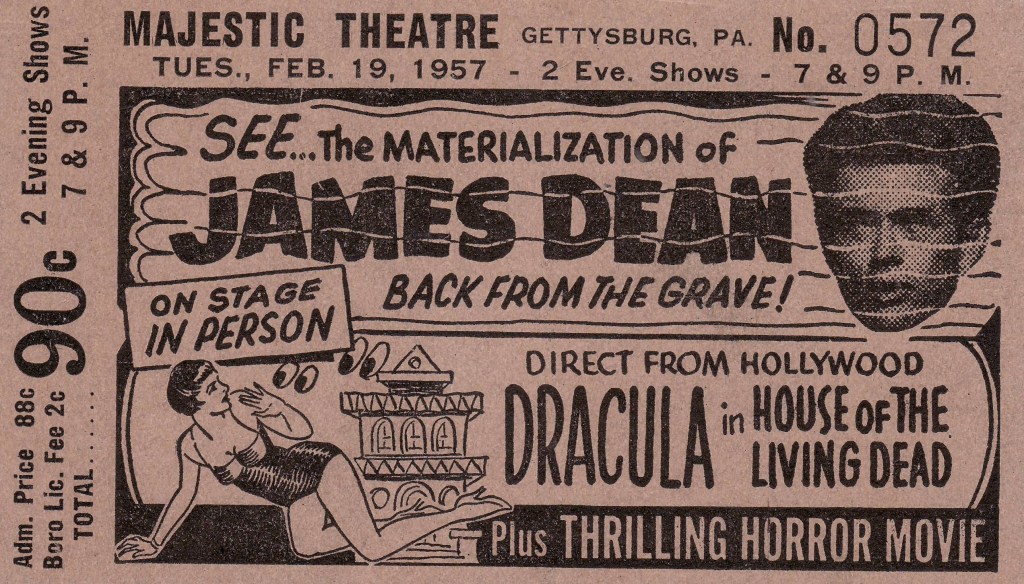
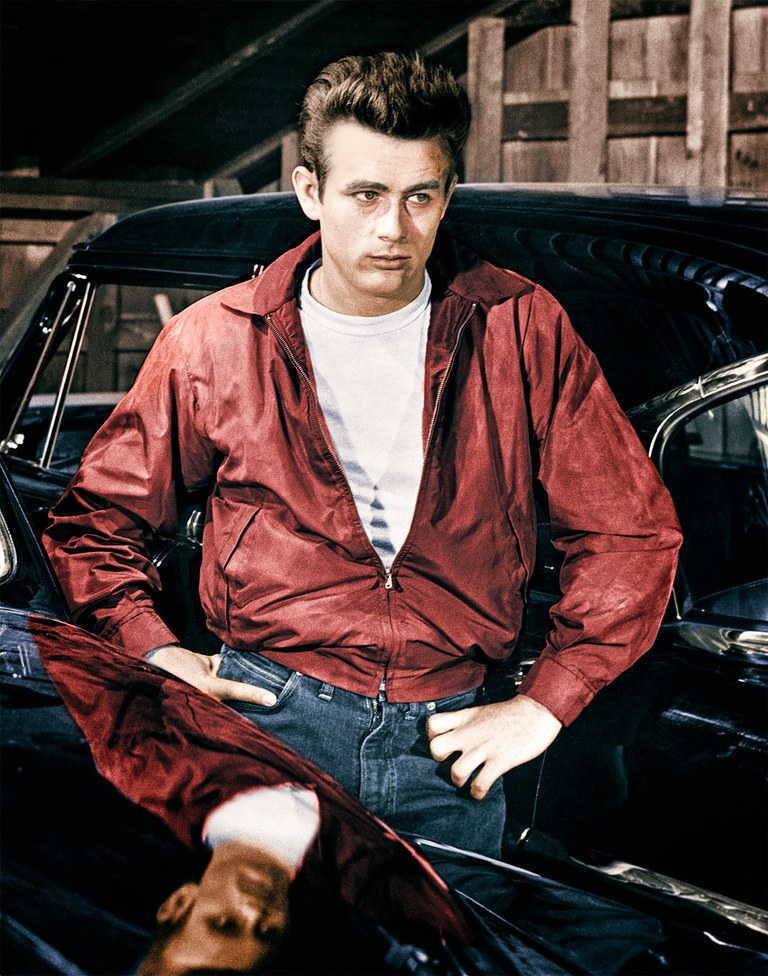
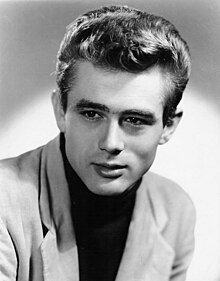
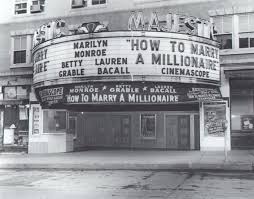
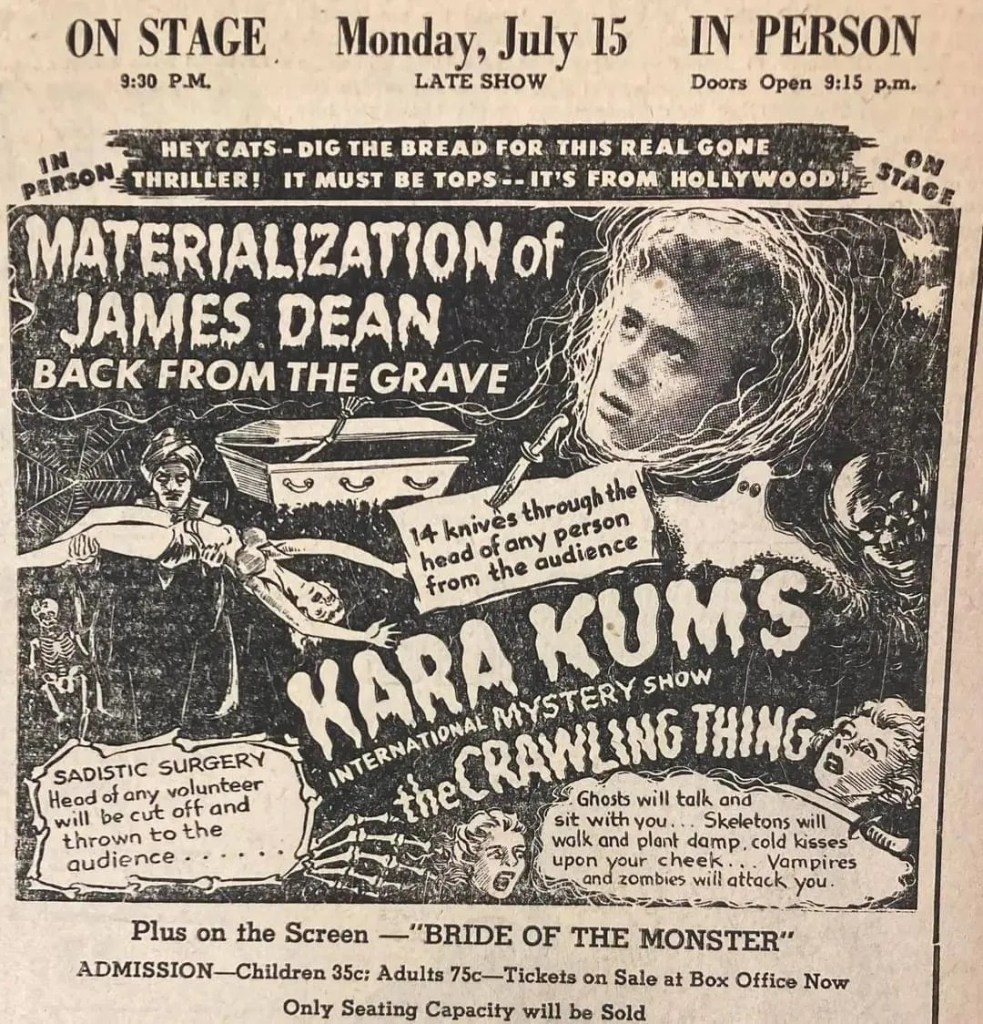
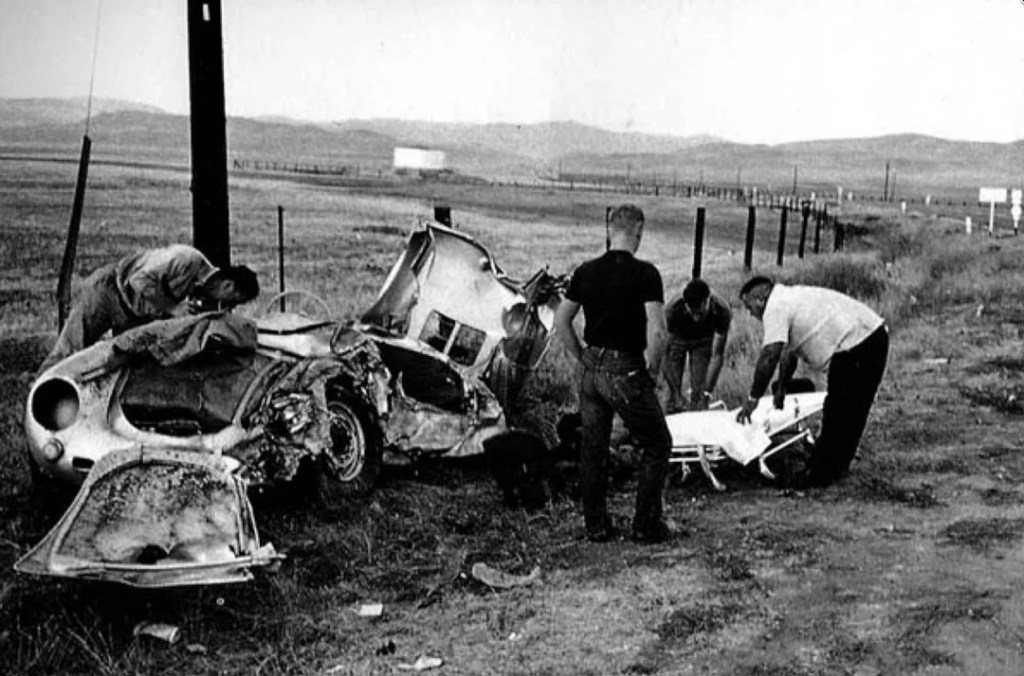
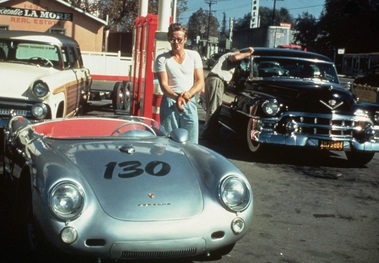
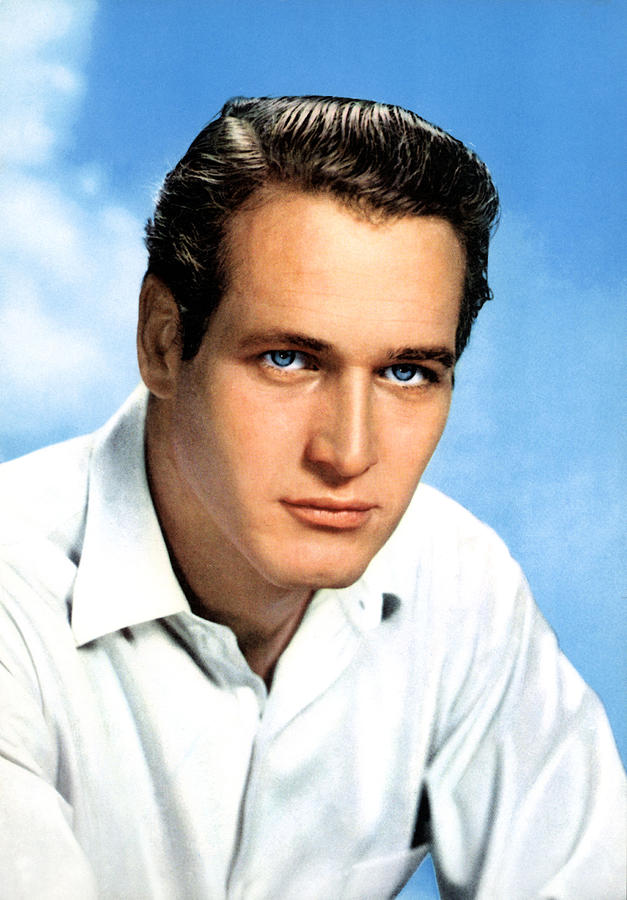
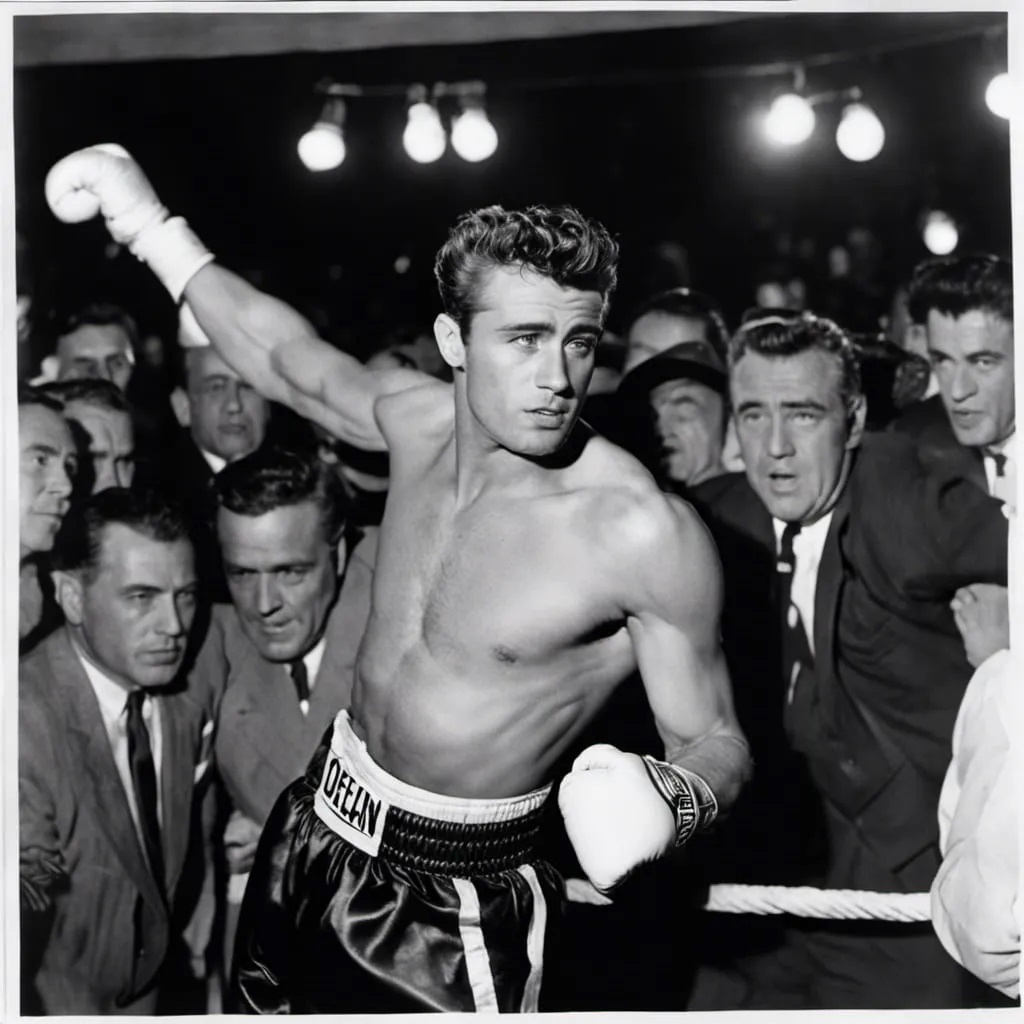

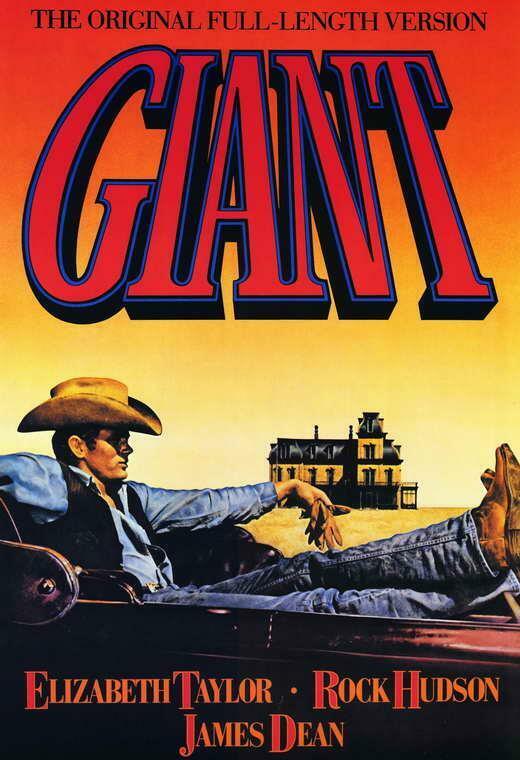
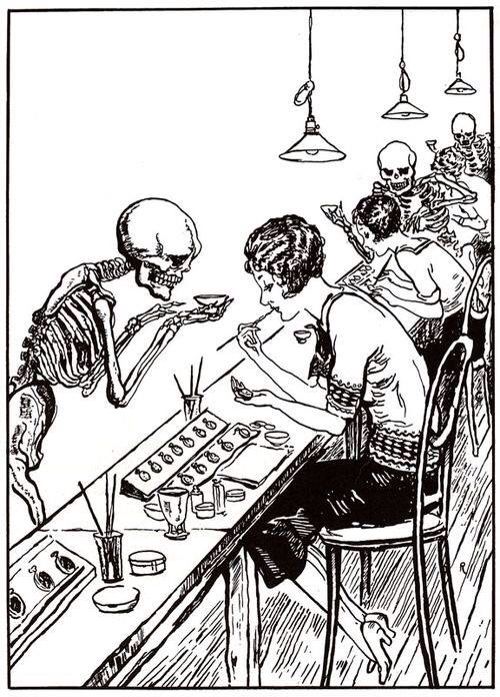
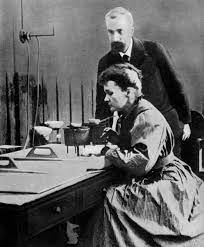


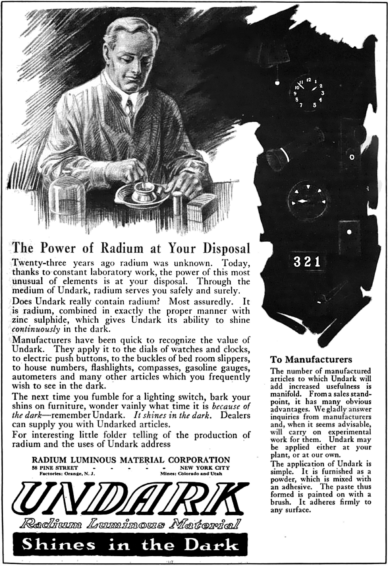
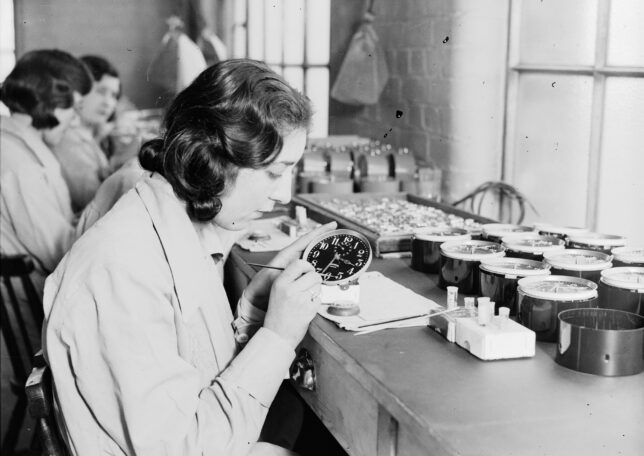
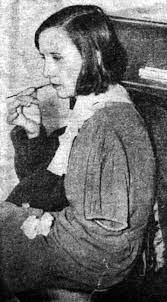
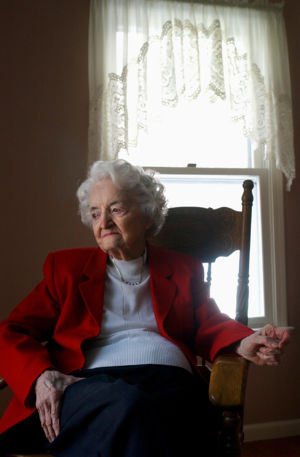
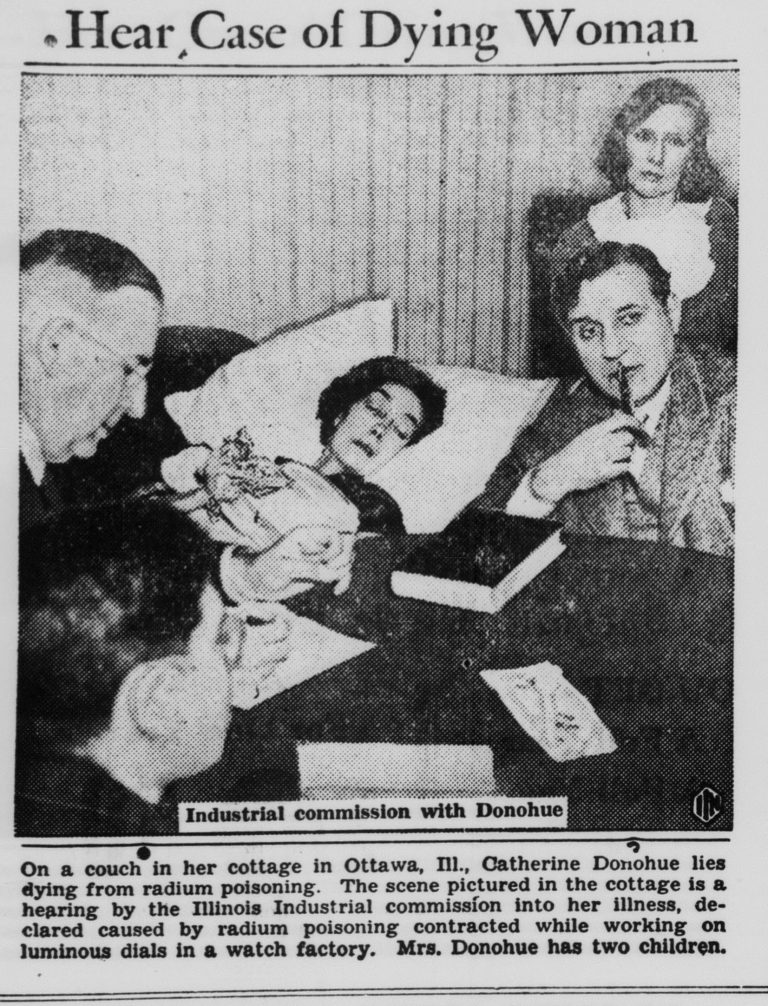
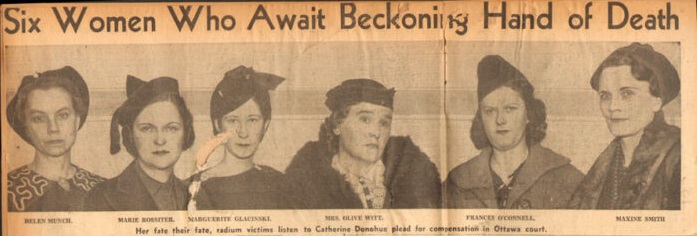
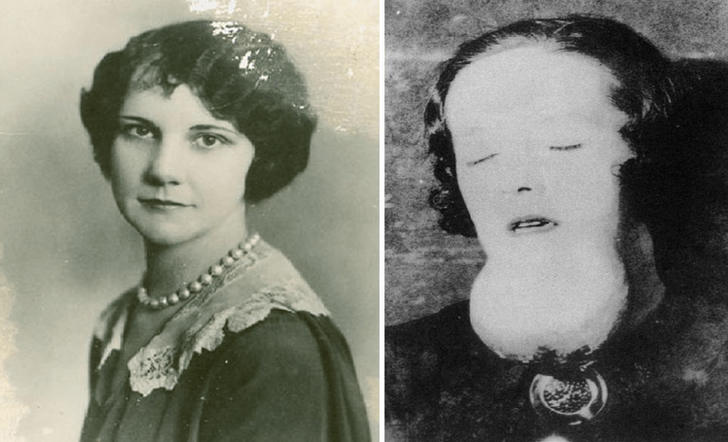
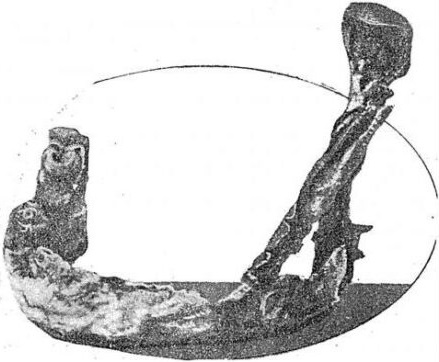
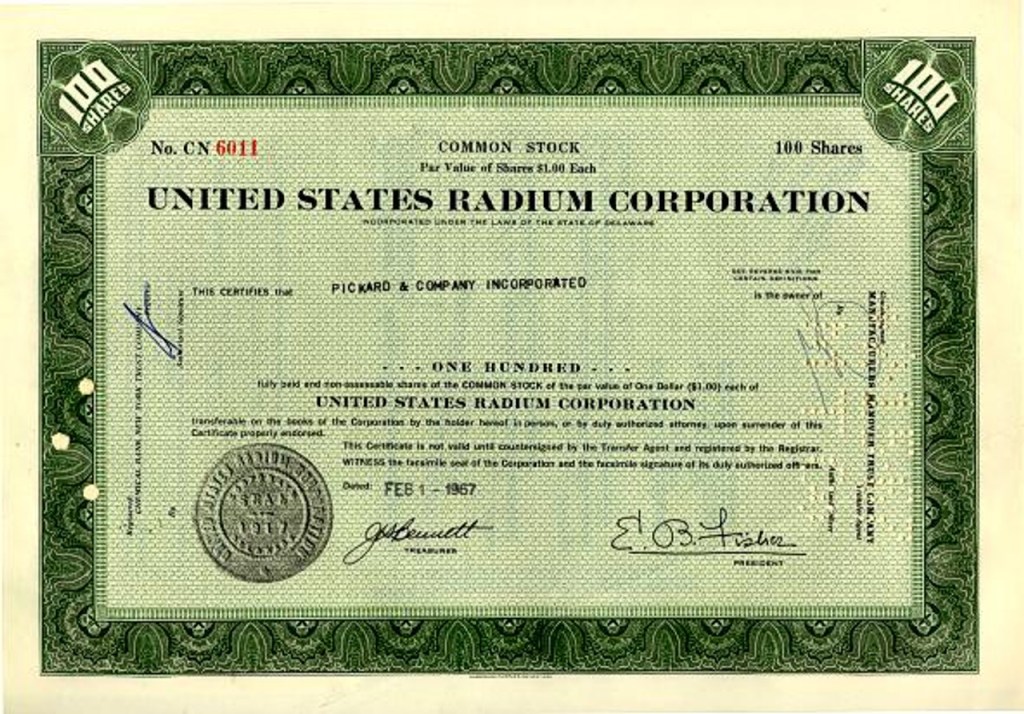
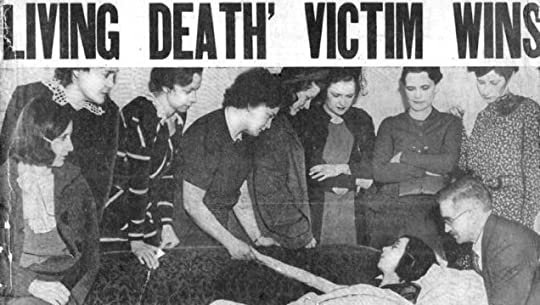
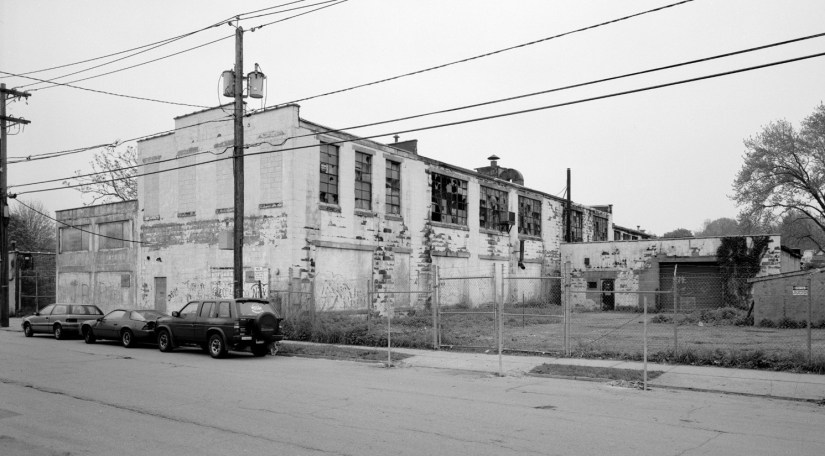
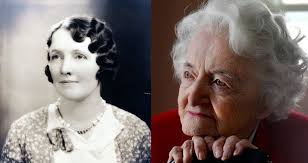
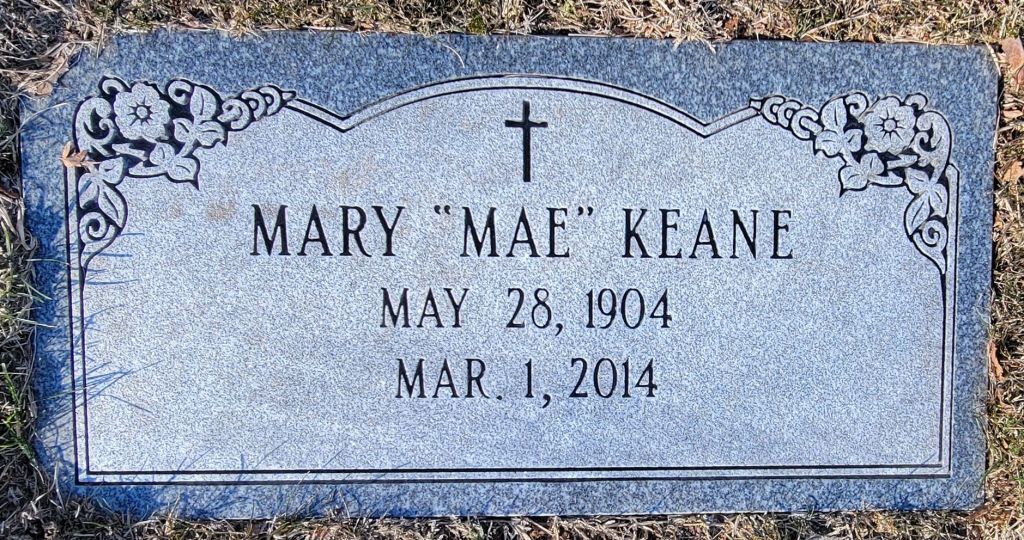
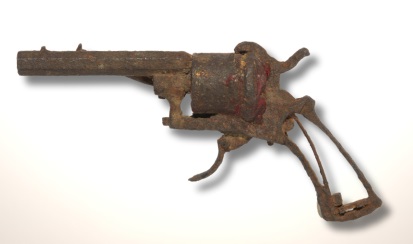

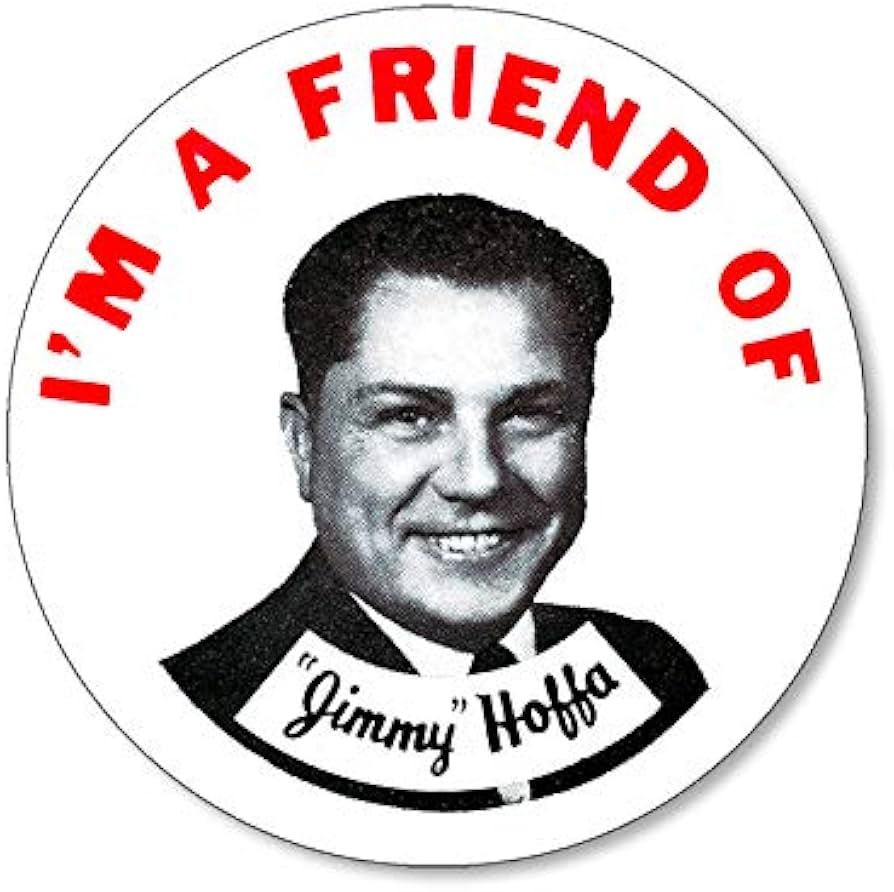
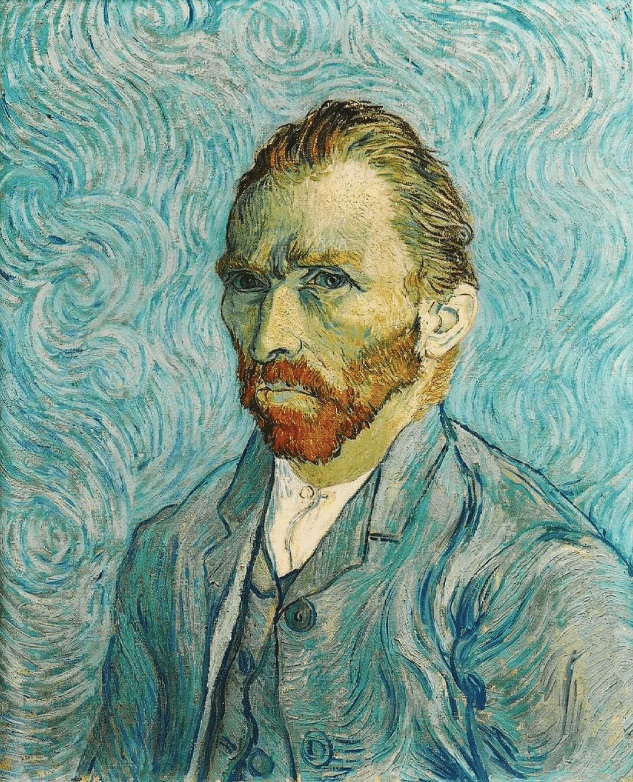
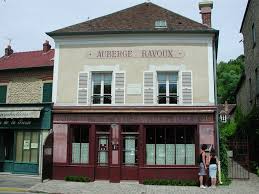
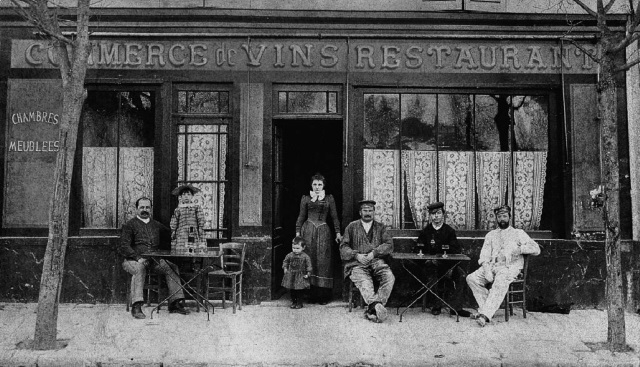
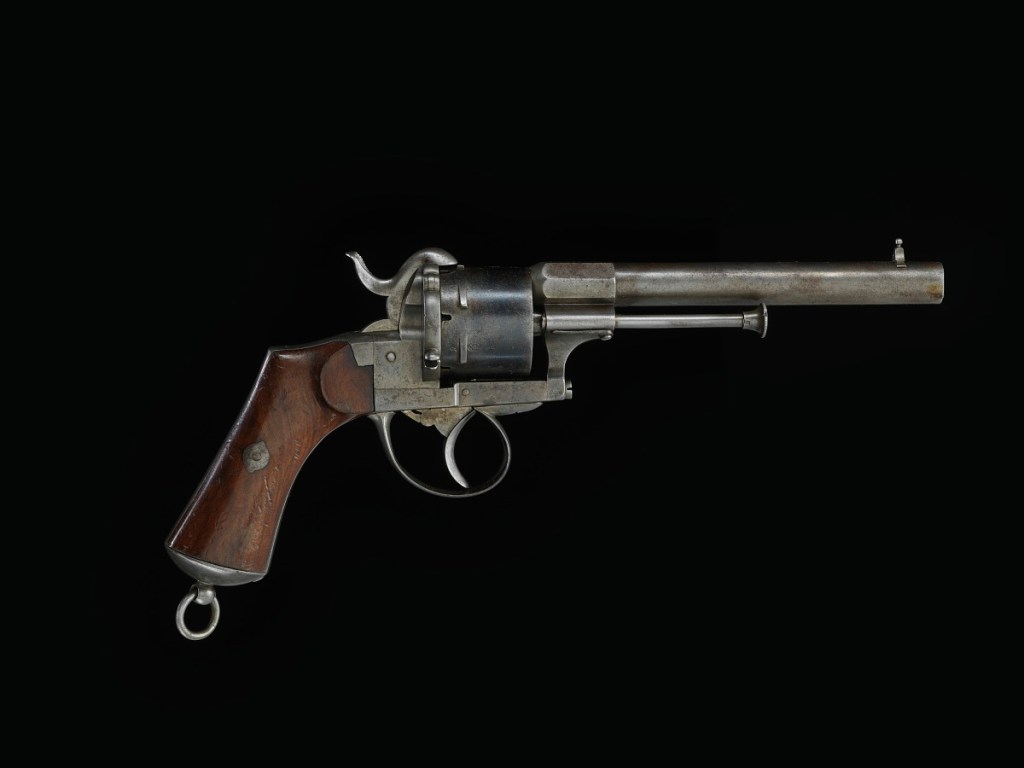

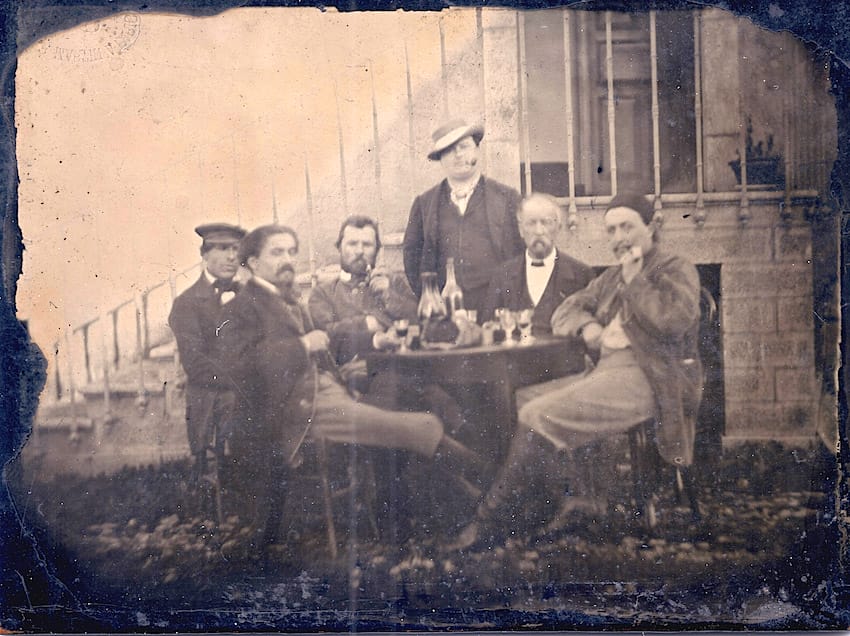
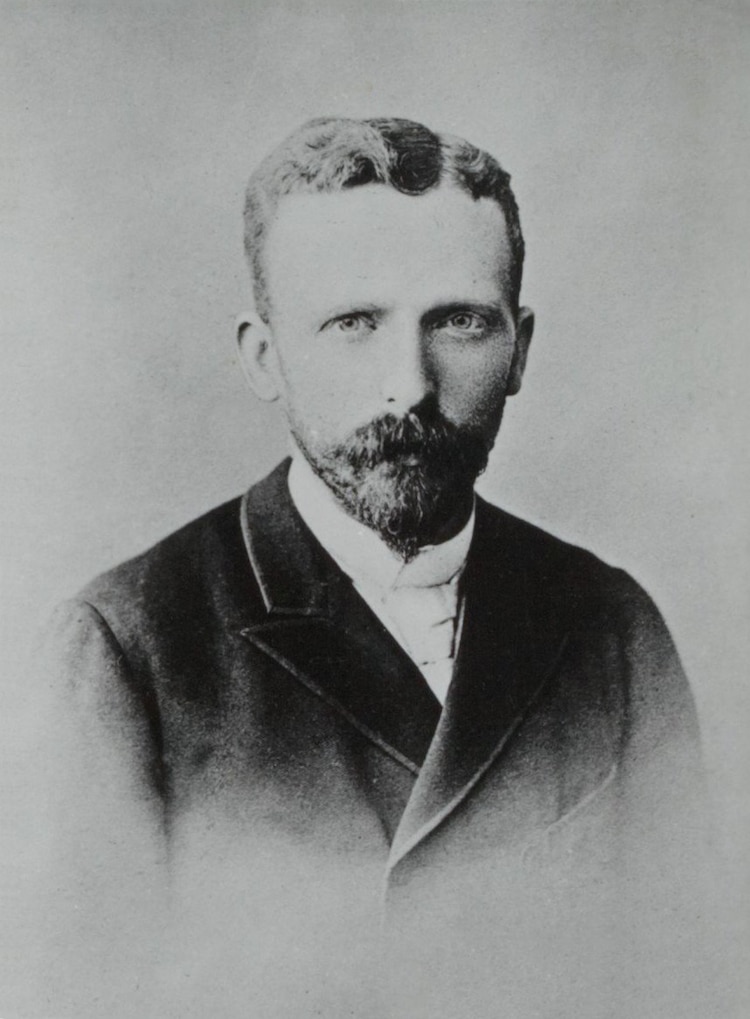

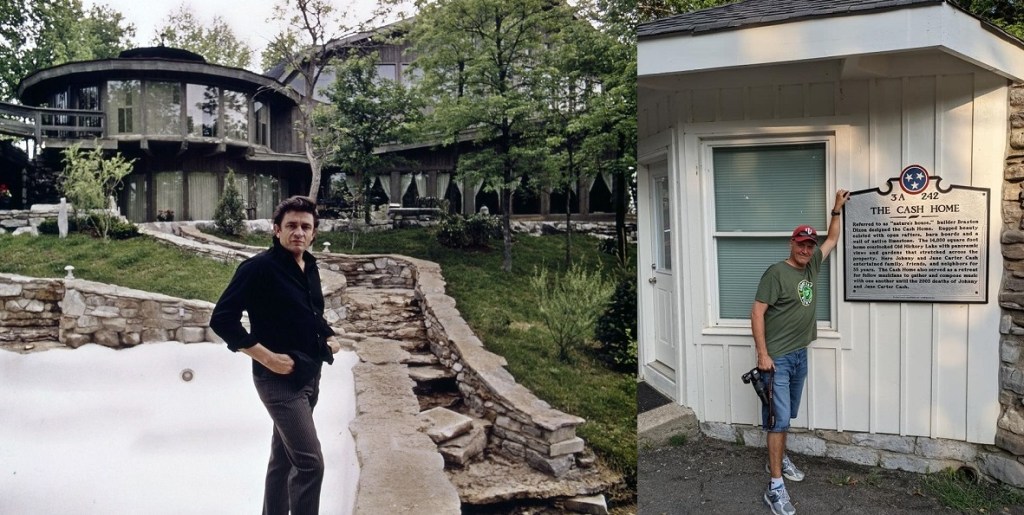


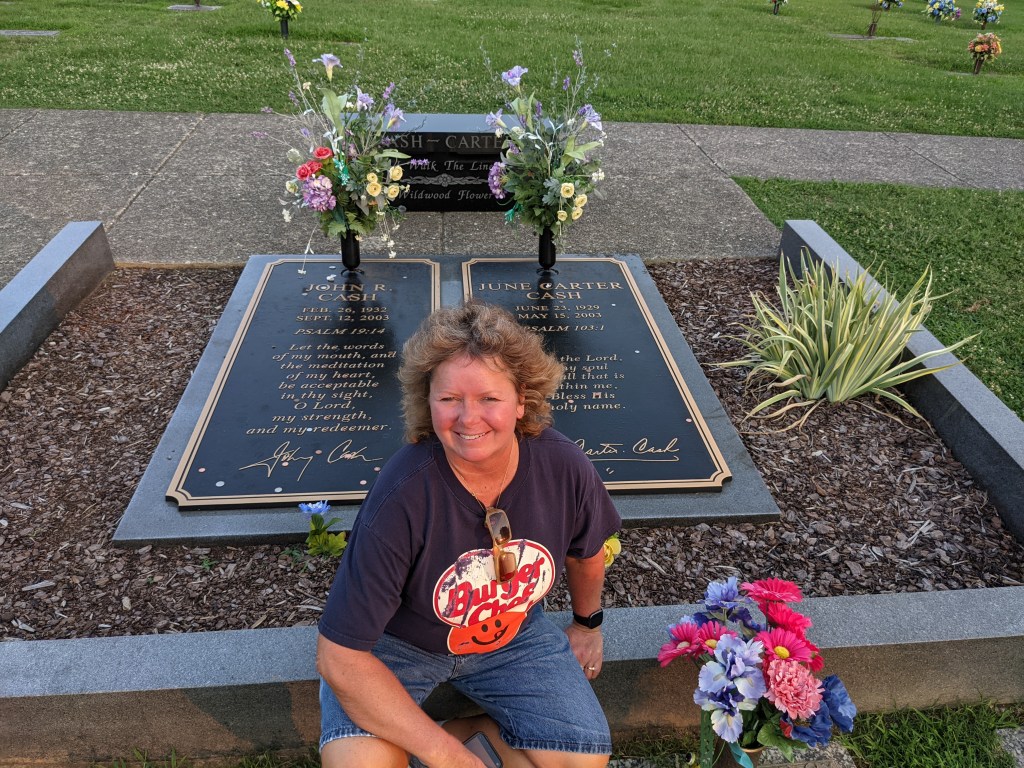


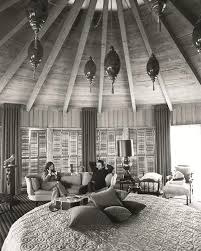
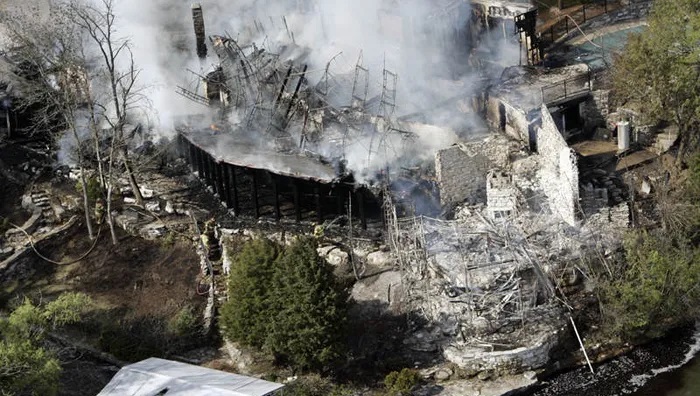


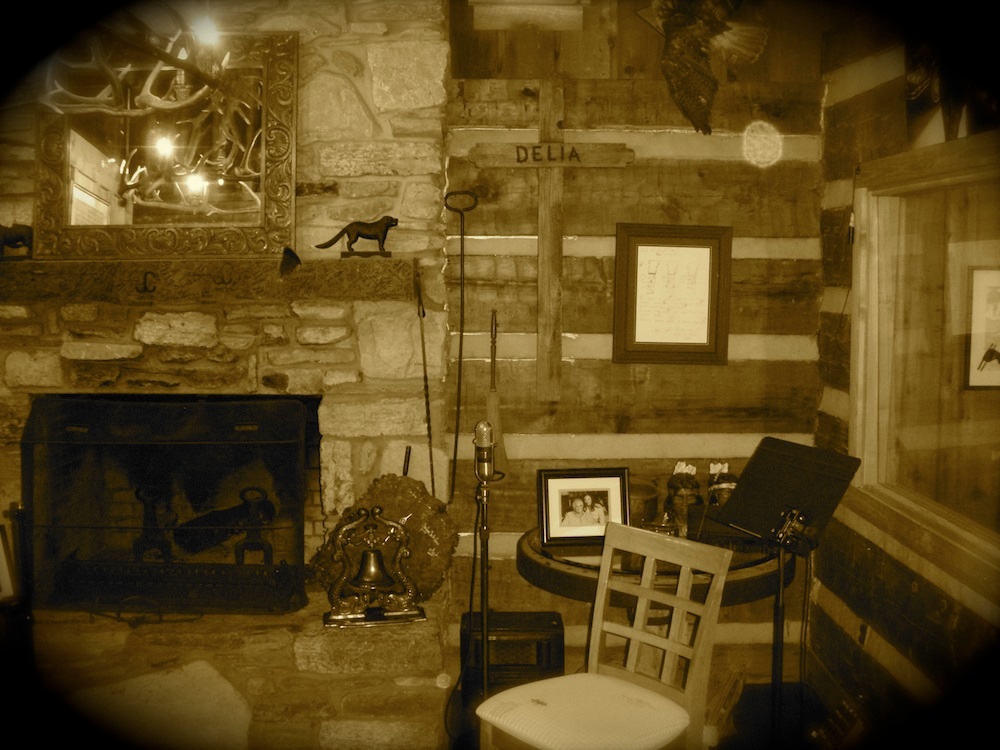
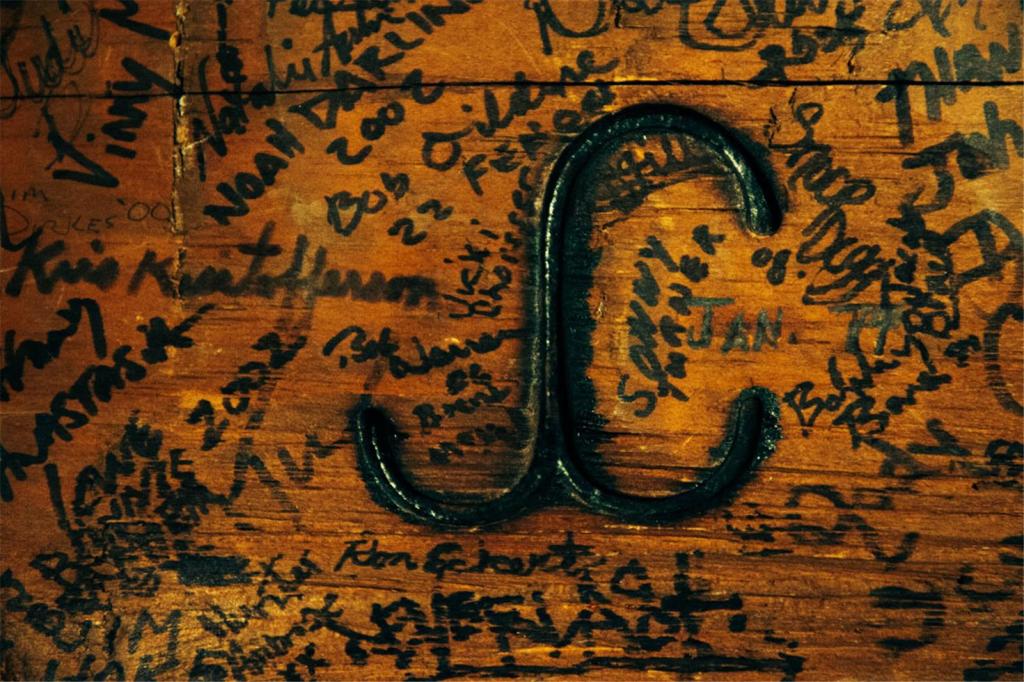
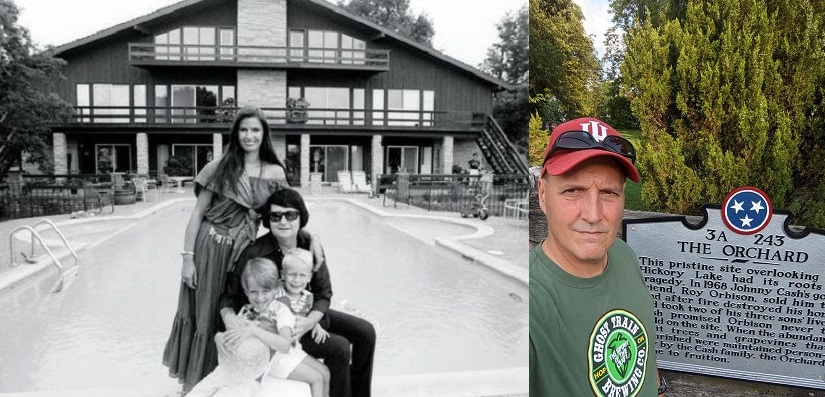


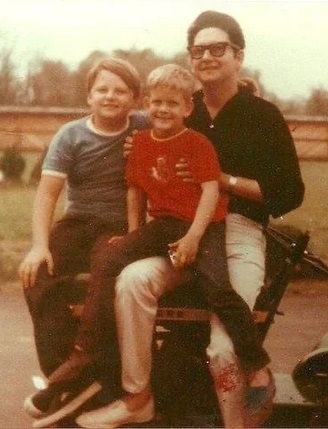
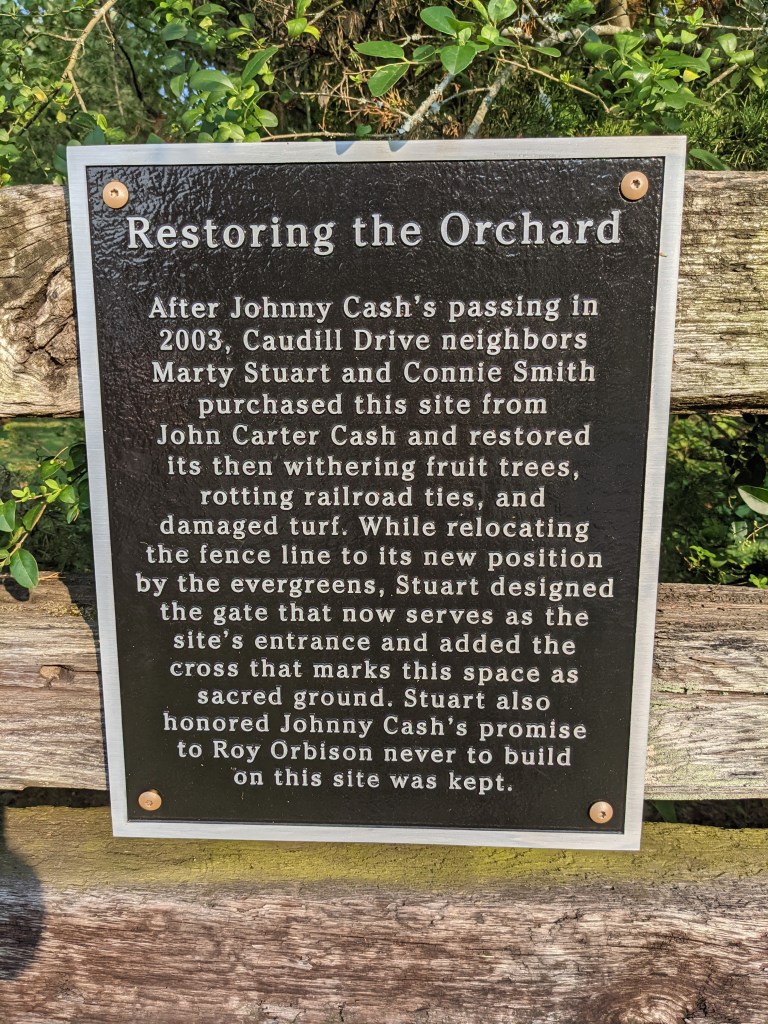
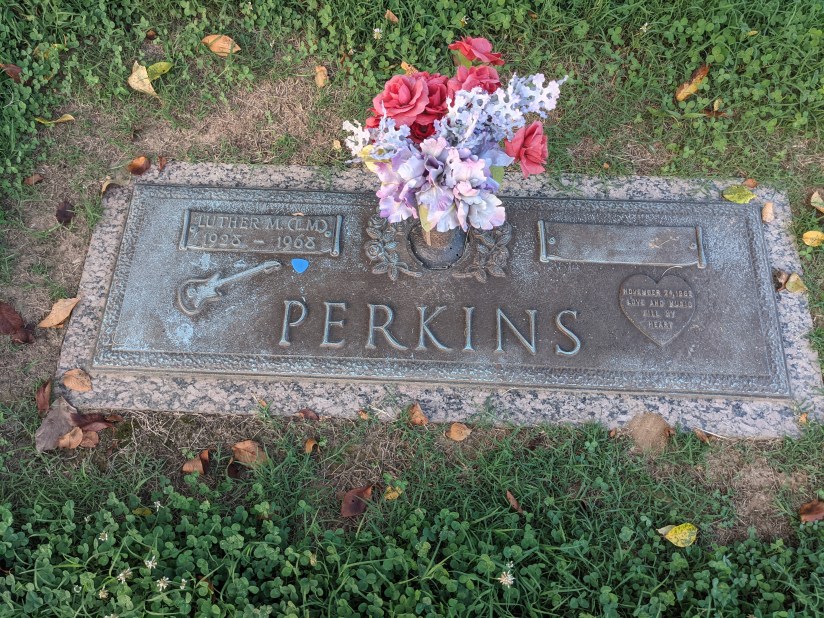


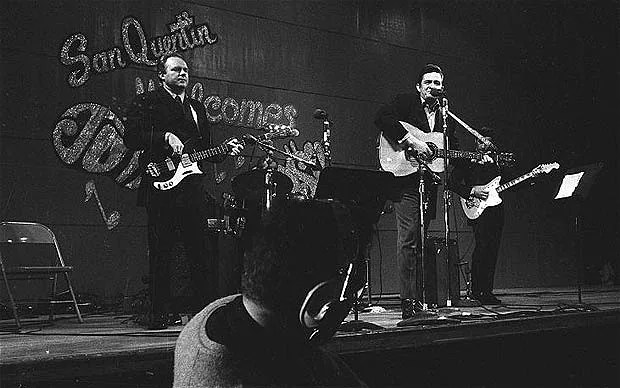


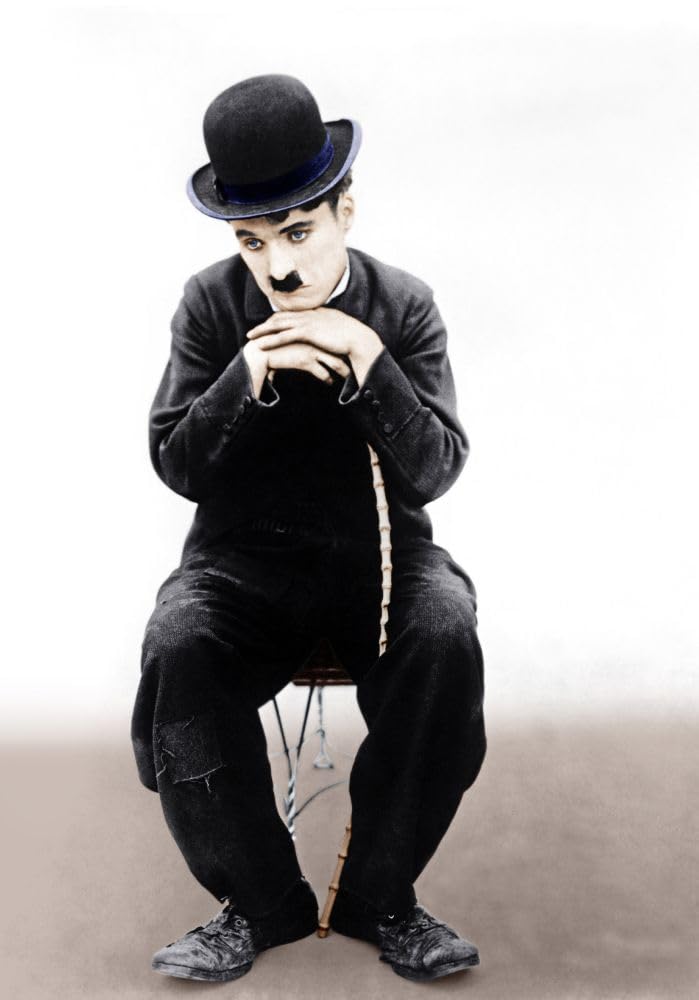
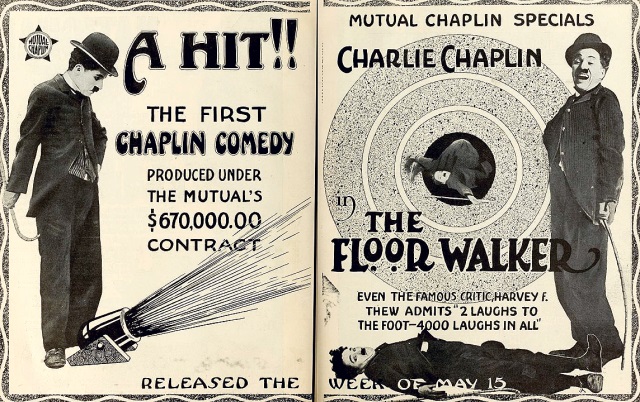


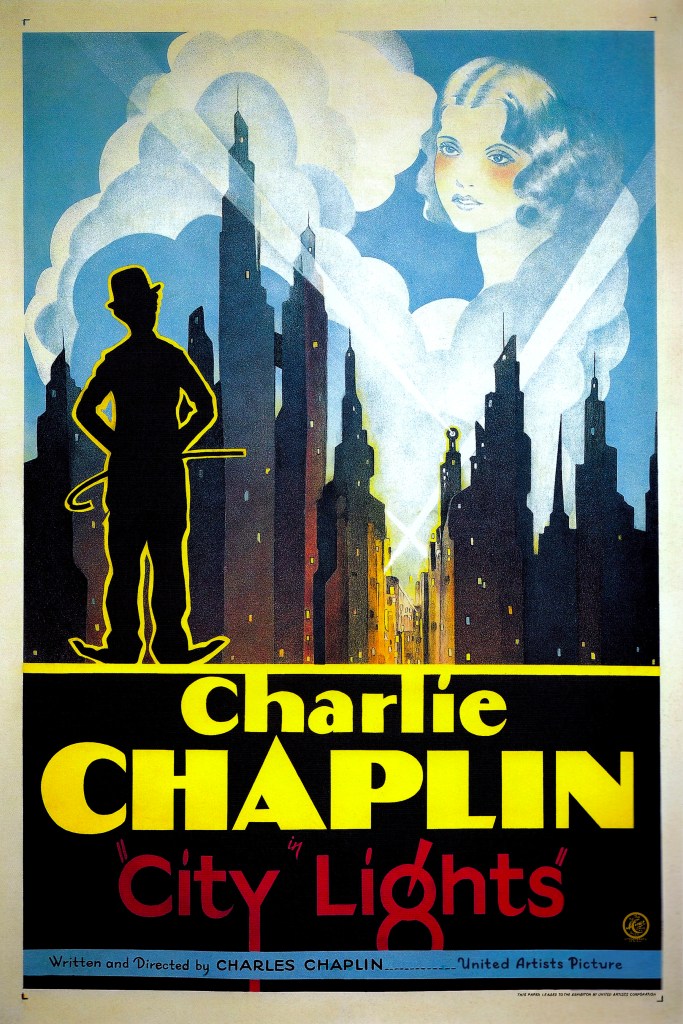

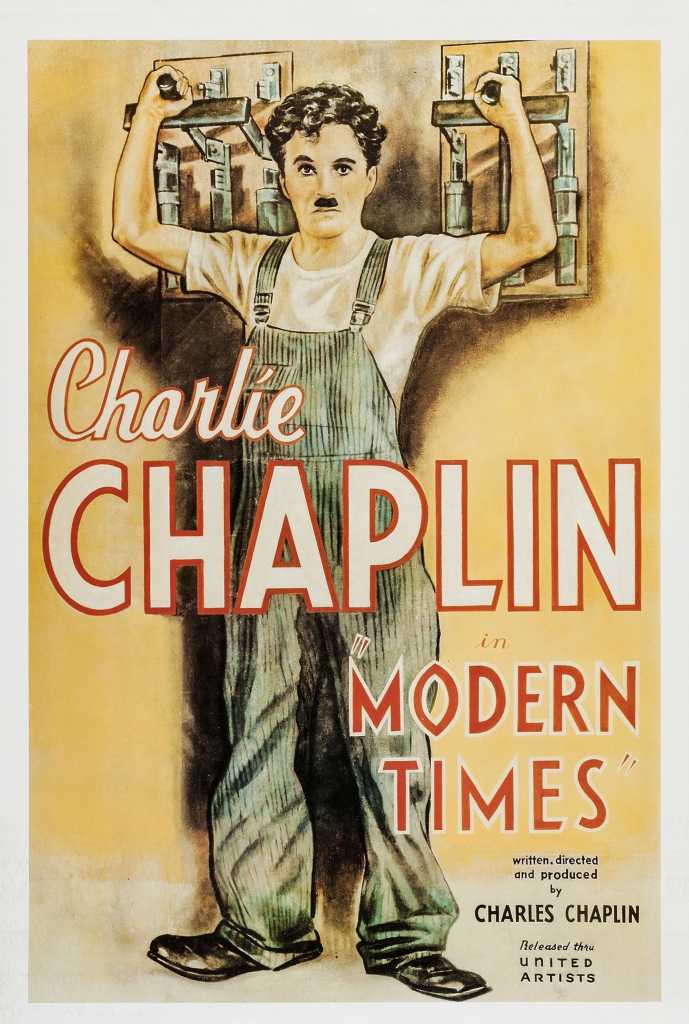
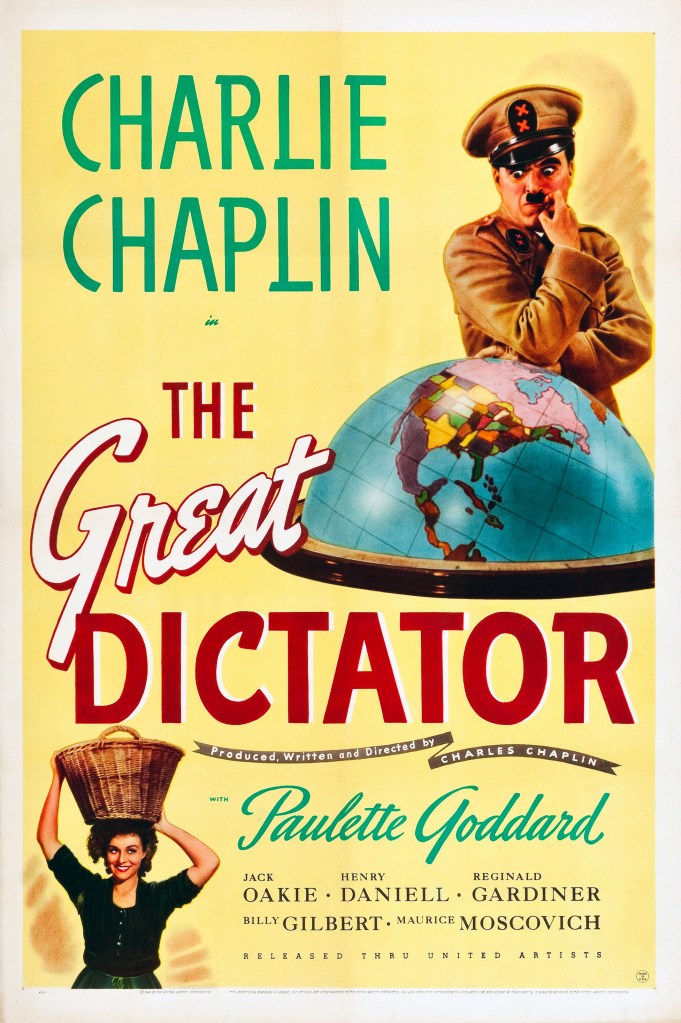
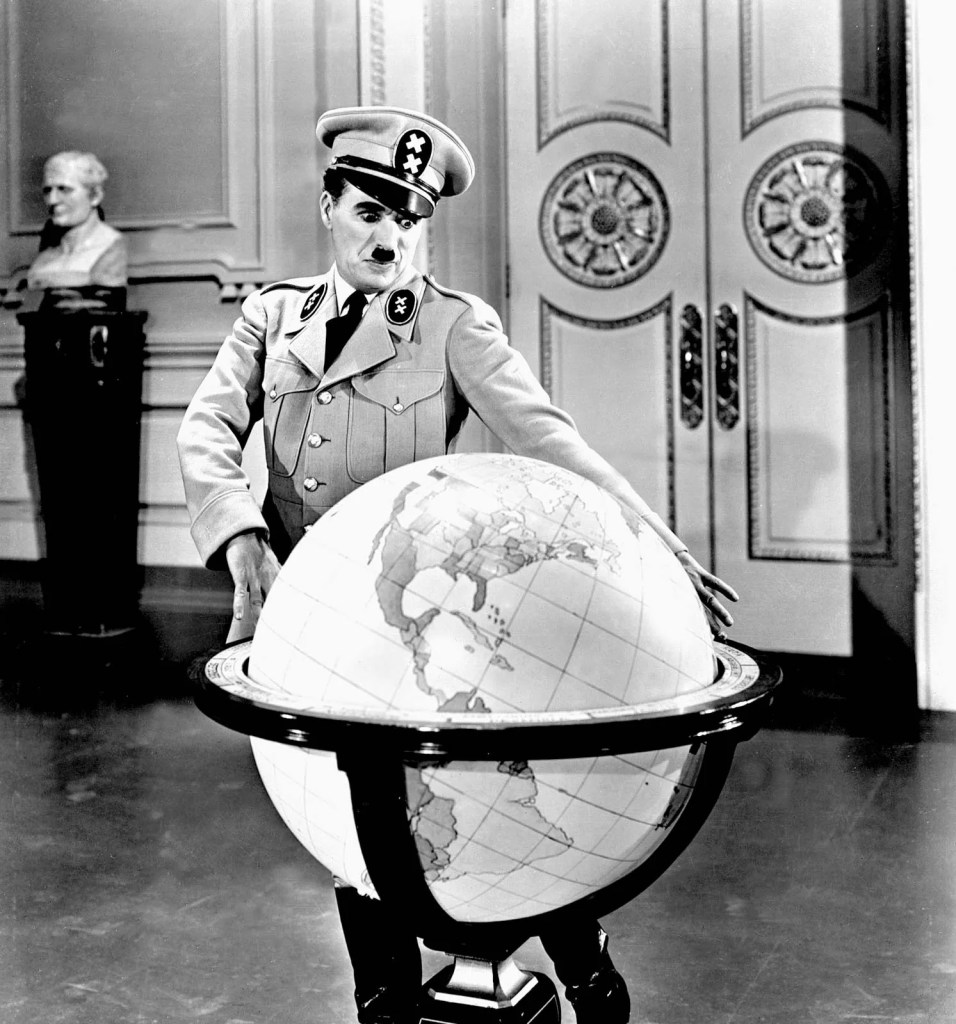


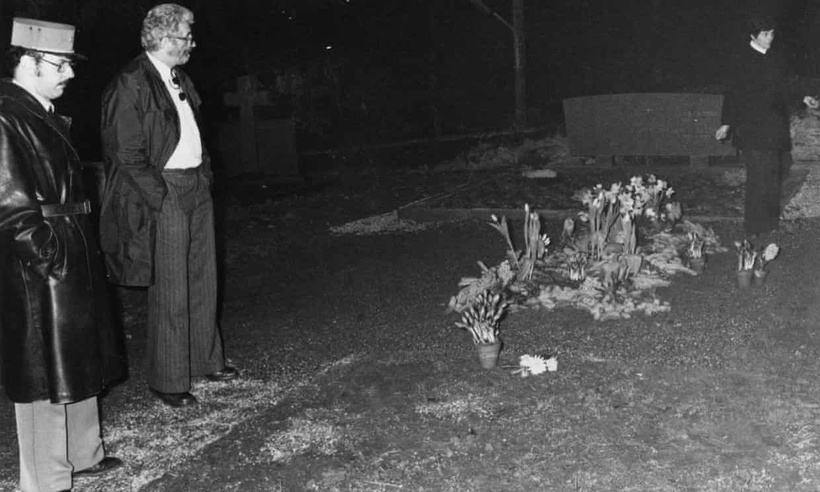

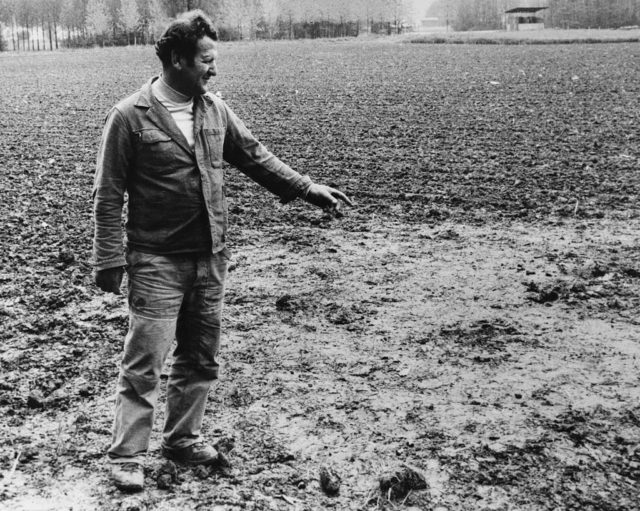
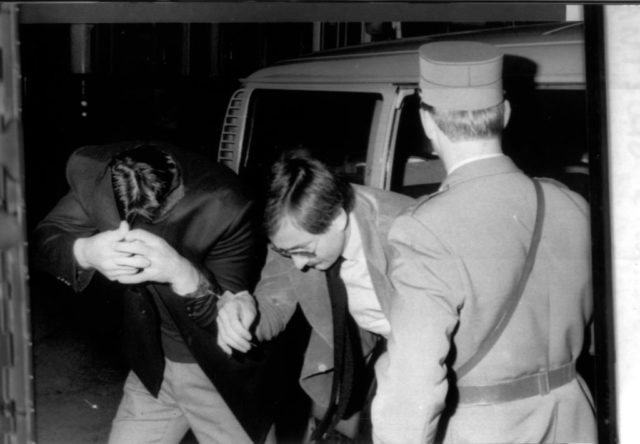


 Alan E. Hunter