Health & Medicine, Hollywood, Indianapolis, Music, Pop Culture, Television

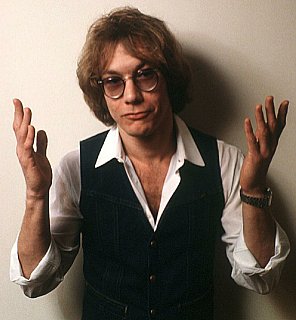
Warren Zevon — Accidentally Like a Martyr.

Publish Date September 12, 2024. This column first appeared in August 2013.

https://weeklyview.net/2024/09/12/warren-zevon-accidently-like-a-martyr-2/

Warren Zevon 1992.

It’s hard to believe it’s been a decade since Warren Zevon died. If the name is not familiar to you, his songs might be: “Werewolves of London,” “Poor, Poor Pitiful Me,” or “Lawyers, Guns and Money” should ring a bell. Zevon was considered the rock star’s rock star, known for his songwriting talents in songs that showcased his quirky, sardonic wit in the dark humor of his ballads. Rock ‘n’ roll royalty like Jackson Browne, Bruce Springsteen, Bob Dylan, and Neil Young praised his talents and called him friend. Born in Chicago, Illinois, on January 24, 1947, he became the quintessential West Coast rocker, literally living the LA lifestyle right up until his death on September 7, 2003.

It’s easy to figure out why musicians thought Warren Zevon was so cool. From his earliest days, his personal pedigree made Warren unique and different. Zevon was the son of Beverly and William Zevon. His mother was from a Mormon family and his father was a Jewish immigrant from Russia whose original surname was “Zivotovsky.” William was a bookie who handled volume bets and dice games for notorious Los Angeles mobster Mickey Cohen. Known as Stumpy Zevon in Cohen’s employ, he was best man at Mickey’s first marriage and worked for him for years.

Warren William Zevon was born on January 24, 1947.

The family moved to Fresno, California when Warren was 13 years old. His British-born mother insisted that Warren take piano lessons. So Zevon started taking his lessons at the home of Igor Stravinsky, the  Russian-American composer, pianist and conductor widely considered to be one of the most important and influential composers of the 20th century. There, Warren briefly studied modern classical music, alongside future American conductor Robert Craft. Zevon’s parents divorced when he was 16 years old and he soon quit high school and moved from Los Angeles to New York to become a folk singer.

Lyme & cybelle

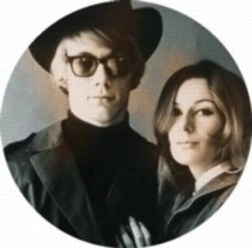
Zevon got his first taste of success with the song “Follow Me” as the male component of a musical coed duo called Lyme & Cybelle. He left the duo, citing artistic differences, and spent time as a session musician and jingle composer. He wrote several songs for the Turtles and another early composition (“She Quit Me”) was included in the soundtrack for the film Midnight Cowboy (1969). Zevon’s first attempt at a solo album, Wanted Dead or Alive (1969), was well-received but did not sell well. Zevon’s second effort, Leaf in the Wind, went unreleased.

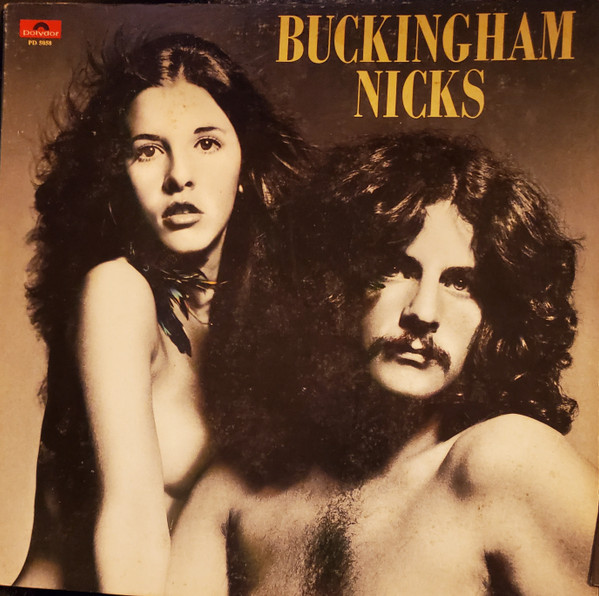
During the early 1970s, Zevon led the touring band for the Everly Brothers, serving as both keyboard player and band leader/musical coordinator. In the latter role Zevon became the first to recognize the talents of guitar player Lindsey Buckingham by hiring him for the band. It was during his time with the Everlys that Lindsey and girlfriend Stevie Nicks left to join Fleetwood Mac. Warren Zevon was a roommate of the famous duo in a Fairfax district apartment in Los Angeles at the time (September 1975). Zevon would remain friends with both for the rest of his life maintaining neutrality during the tumultuous breakups of both the Everly Brothers and Buckingham-Nicks.

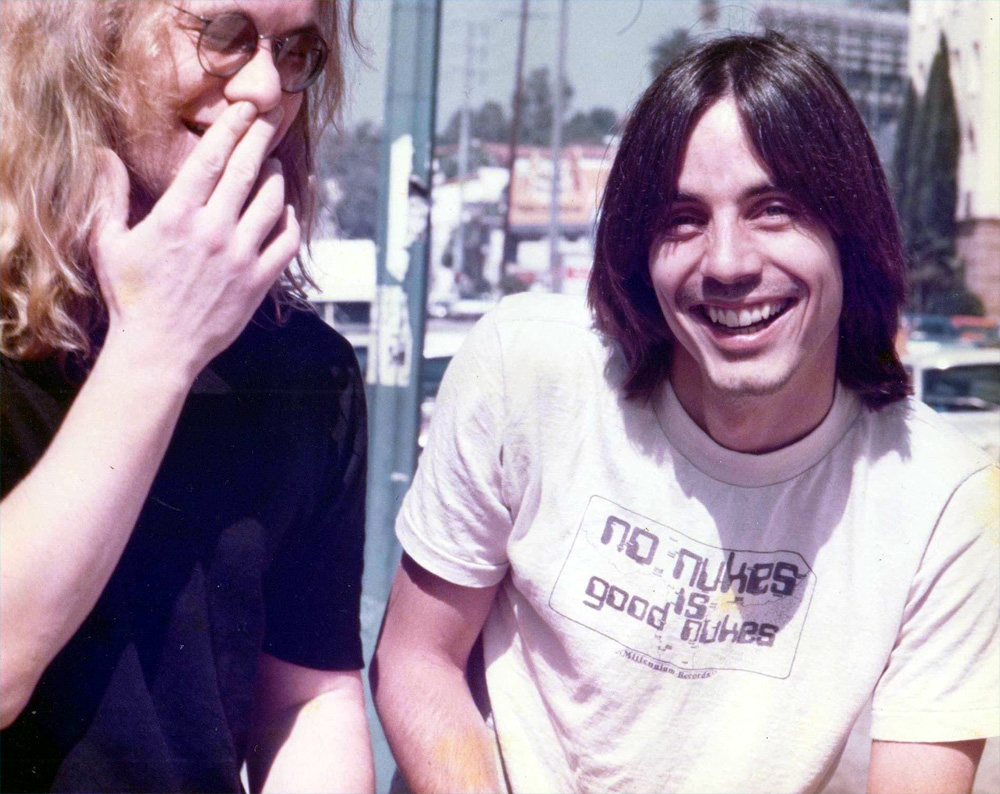
Warren Zevon & Jackson Browne.

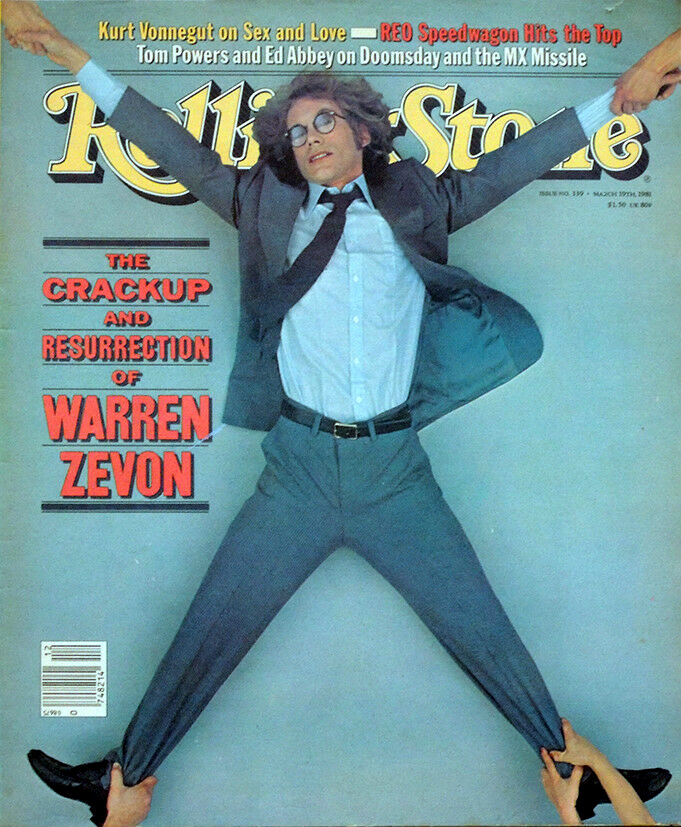
In late 1975, Zevon collaborated with Jackson Browne, who produced and promoted Zevon’s self-titled major-label debut in 1976. Contributors to this album included Nicks, Buckingham, Mick Fleetwood, John McVie, members of the Eagles, Carl Wilson, Linda Ronstadt, and Bonnie Raitt. This first album, although only a modest commercial success, was later recognized by Rolling Stone magazine as a masterpiece. Although  Zevon shared a grounding in earlier folk and country influences with his LA peers, this album brought Zevon to the forefront as a much darker and more ironic songwriter than other leading figures of the era’s L.A.-based singer-songwriter movement. Rolling Stone placed Zevon alongside Neil Young, Jackson Browne, and Bruce Springsteen as one of the four most important new artists to emerge in the decade of the 1970s.

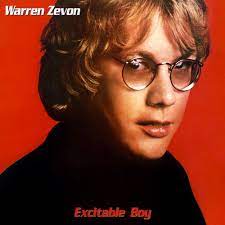
In 1978, Zevon released Excitable Boy to critical acclaim and popular success. This album received heavy FM airplay mostly through the release of the single “Werewolves of London,” featuring Fleetwood Mac’s Mick Fleetwood on bass and John McVie on drums. The song is considered a classic and has been covered by artists ranging from the Grateful Dead to Bob Dylan to comedian Adam Sandler. The song has become a Halloween season staple. For all you trivia buffs out there, The Chinese restaurant mentioned in the song (Lee Ho Fook) is a real location situated on Gerrard Street in London’s Chinatown.

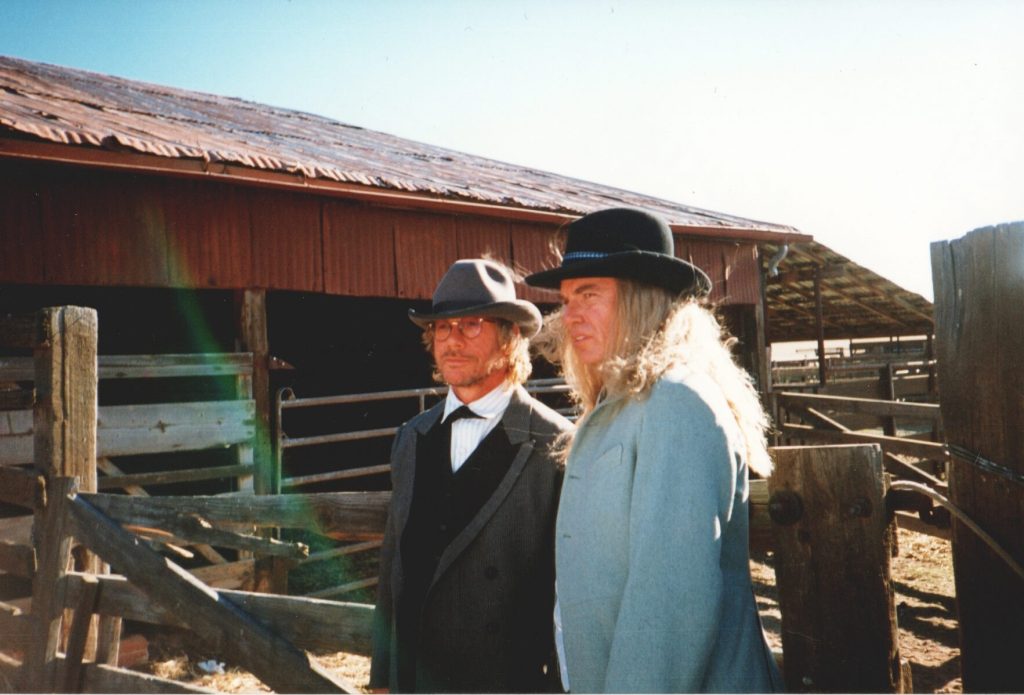
Zevon & Billy Bob Thornton on set of Dwight Yoakam’s 2000 western “South of Heaven, West of Hell”.

Although Zevon never again achieved popular acclaim, he continued to be recognized as an artist’s artist, releasing nine more albums over the next 25 years. It was during that quarter-century that Zevon lapsed in and out of the throes of excess, obsession, and addiction. To say that Warren Zevon suffered from excessive compulsion disorder would be a severe understatement. Warren had a continuing battle with drug addiction and alcoholism and was also a sex addict obsessed with the color gray and personal fame, or lack thereof. During this time, he and actor Billy Bob Thornton formed a close friendship galvanized by a shared obsessive-compulsive disorder and the fact they were neighbors living in the same apartment building.

Warren Zevon is his gray t-shirt.

One of Zevon’s compulsions was collecting identical Calvin Klein T-shirts. Like everything else in his life (his car, his couch, his carpeting and wall paint), the T-shirts were gray. One story relates how Warren insisted upon traveling to every department store carrying Calvin Klein T-shirts while touring on the road. If the store carried Warren’s prized Gray Calvin Klein t-shirt, Warren obsessively purchased every one of them and stowed them in the tour bus. When asked why, Warren replied that the new ones were being made in China and that those still on the shelf had been made in the USA and were “sure to become collector’s items and go up in value.” When he died at age 56, thousands of gray Calvin Klein t-shirts were found in his LA apartment; unopened in their original packaging.

From left to right: Roy Blount Jr., Stephen King, James McBride, Amy Tan, Kathy Kamin Goldmark , Dave Barry, Matt Groening

A voracious reader, Zevon was friendly with several well-known writers who also collaborated on his songwriting during this period, including gonzo author Hunter S. Thompson, Carl Hiaasen, Mitch Albom, Norman Mailer, and Maya Angelou. Zevon served as musical coordinator and occasional guitarist for an ad-hoc rock music group called the Rock Bottom Remainders, a collection of writers performing rock and roll standards at book fairs and other events. This group included Stephen King, Dave Barry, Matt Groening, and Amy Tan, among other popular writers.

Zevon cemented his superstar status by appearing in various TV shows and movies during his career, most often playing himself. Zevon played himself on two episodes of Suddenly Susan in 1999 along with singer/actor Rick Springfield. Warren also appeared as himself on the Larry Sanders Show on HBO, alongside actor John Ritter as talk show guests in the same episode. Ironically, Zevon and Ritter would die within four days of each other.

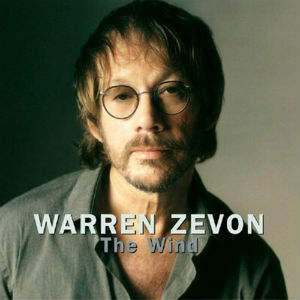
Although highly intelligent, well-read, and obsessive-compulsive in every way, Zevon had a lifelong phobia of doctors. Shortly before playing at the Edmonton Folk Music Festival in 2002, he started feeling dizzy and developed a chronic cough. After a period of suffering with pain and shortness of breath, while on a visit to his dentist, Zevon was ordered under threat of kidnapping to see a physician. A lifelong smoker, he was subsequently diagnosed with inoperable peritoneal mesothelioma (cancer of the abdominal lining commonly associated with asbestos exposure). Refusing treatments he believed might incapacitate him, Zevon instead began recording his final album, The Wind, which includes guest appearances by close friends Bruce Springsteen, Don Henley, Jackson Browne, Timothy B. Schmidt, Joe Walsh, David Lindley, Billy Bob Thornton, Emmylou Harris, Tom Petty, and Dwight Yoakam, among others.

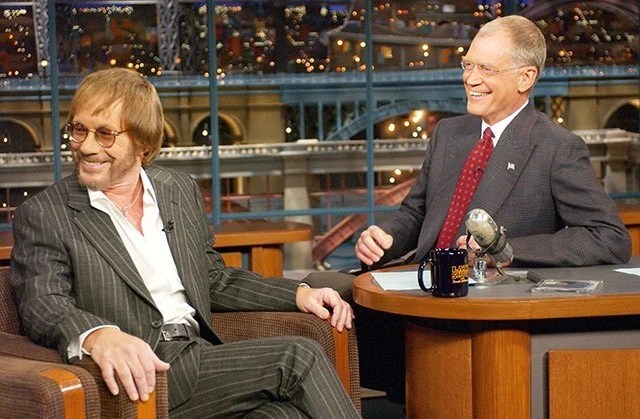
On October 30, 2002, Zevon was featured on the Late Show with David Letterman as the only guest for the entire hour. The band played “I’ll Sleep When I’m Dead” as his introduction. Zevon performed several songs and spoke at length about his illness. Zevon was a frequent guest and occasional substitute bandleader on Letterman’s television shows since Late Night was first broadcast in 1982. He noted, “I might have made a tactical error in not going to a physician for 20 years.” It was during this broadcast that, when asked by Letterman if he knew something more about life and death now, he first offered his oft-quoted insight on dying: “Enjoy every sandwich.” He  took time to thank Letterman for his years of support, calling him “the best friend my music’s ever had.” For his final song of the evening, and his final public performance, Zevon performed “Roland the Headless Thompson Gunner” at Letterman’s request. In the green room after the show, Zevon presented Letterman with the guitar that he always used on the show, with a single request: “Here, I want you to have this, take good care of it.”

Zevon was given only a few months to live after that fall of 2002 diagnosis; however, he lived to see the birth of twin grandsons in June 2003 and the release of The Wind on August 26, 2003. The album reached number 12 on the U.S. charts, Zevon’s highest placement since Excitable Boy. When his diagnosis became public, Zevon told the media that he just hoped to live long enough to see the next James Bond movie, a goal he accomplished. The Wind was certified gold in December 2003, just weeks after Zevon’s death, and Warren received five Grammy nominations, winning two posthumous Grammys, the first of his career.

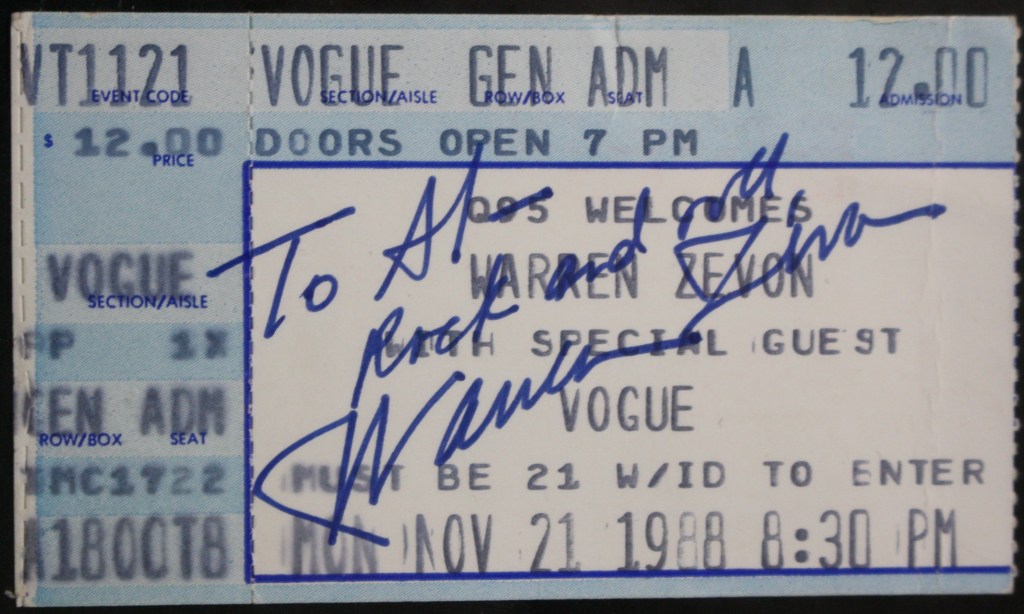
I have a brief personal connection to Warren Zevon. I interviewed him in the pre-holiday winter of 1988 after a concert at the Vogue in Broad Ripple. Zevon was touring with a patchwork band that included Timothy B. Schmidt of the Eagles. He performed all of his expected hits along with a couple covers. I specifically remember an unforgettable version of the Tom Jones standard “What’s New Pussycat?” as well as the Eagles former bass player Schmidt performing his signature song, “I Can’t Tell You Why.”

See if you can pick out Warren Zevon in this clip from the movie…Don’t blink!

After the show, I was led through the music hall to the back of the Vogue and told to wait. Meantime, out walked Schmidt and the rest of the band. Soon, Warren Zevon emerged. With his long blonde curls and John Lennon glasses, he looked more like a professor than a rock star. He maintained a constant smile throughout our session. Luckily, I struck a positive nerve by remarking that I had recognized him from his brief appearance during the closing credits of the 1988 Kevin Bacon film, She’s Having a Baby. Zevon leapt from his perch atop the bumper of his band’s equipment truck and began calling to his bandmates, “Hey guys, he saw me in the movie! I told you I was in it.” His band mates shrugged, but Warren thanked me for confirming what had until then, been just a rumor. As I recall, Zevon’s only word spoken in the film came in the naming the baby segment when he offered the name “Igor”.

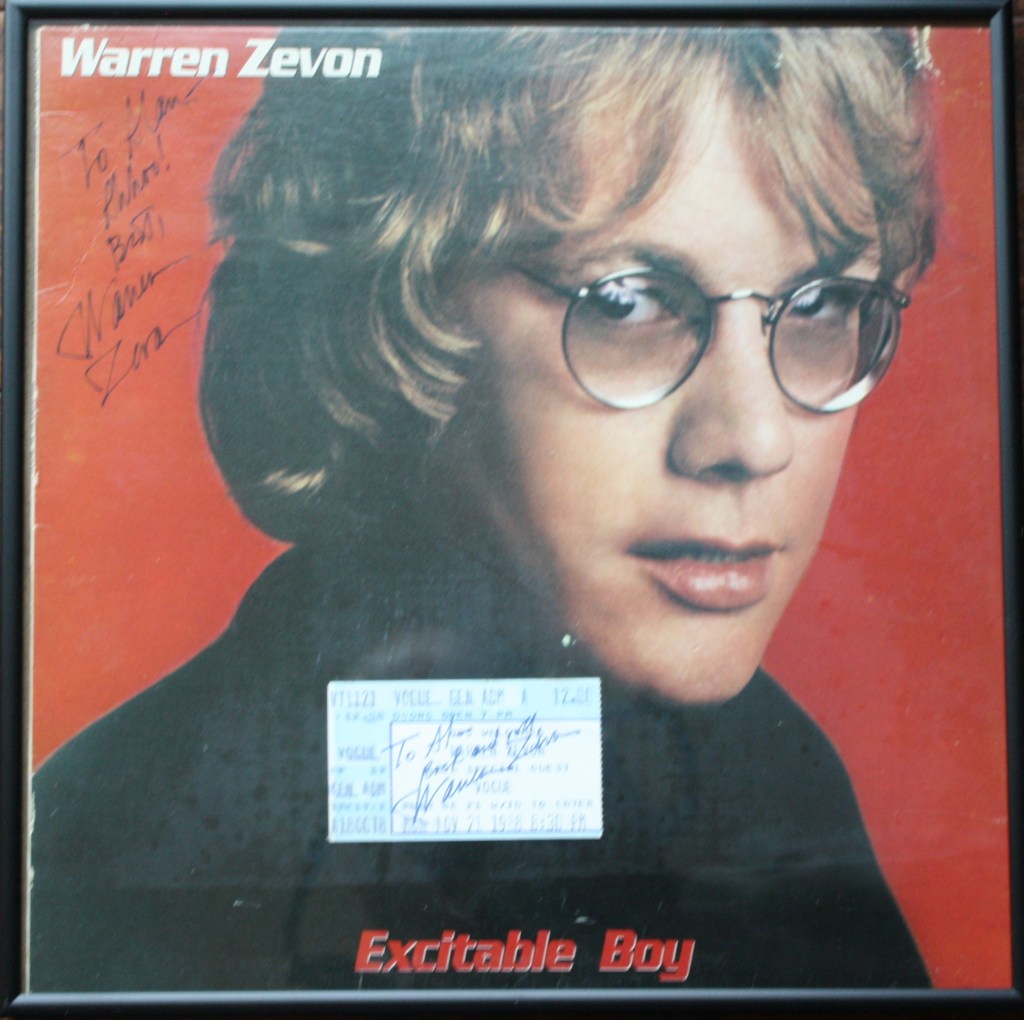
My autographed copy of Excitable Boy from that Vogue encounter.

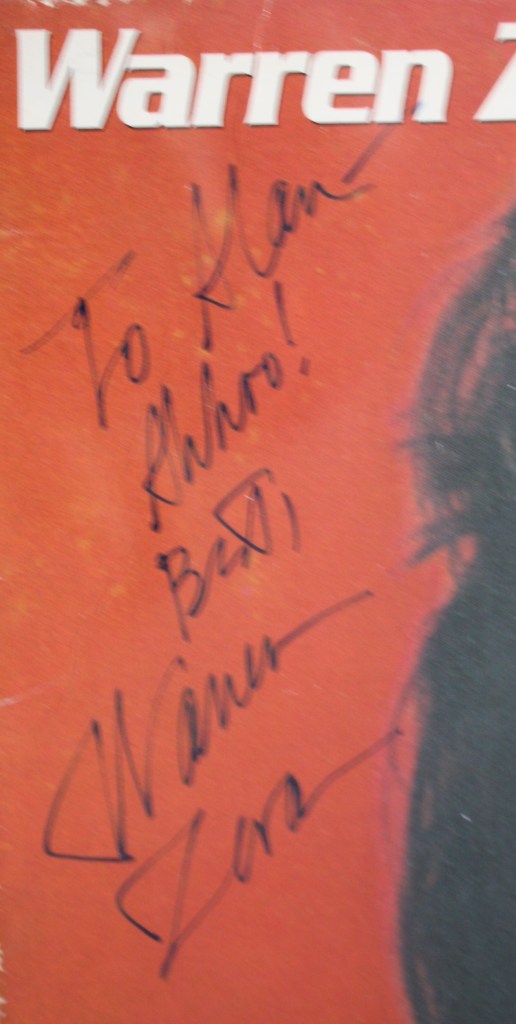
I really can’t remember much of the encounter after that. I do remember Warren signed my copy of Excitable Boy and the interior paper cassette tape insert for A Quiet Normal Life, relics I still have. But the rest is a blur. There is a more important residual incident connected to that incident. That was the same night that my future wife Rhonda agreed to go out on our first date. Yep, I took her to a Sam Kinison comedy show at the old Indianapolis Tennis Center. Romantic huh?

Signature closeup.
My signed ticket stub from that night.

Two decades after that first date, Rhonda bought me the book, I’ll Sleep When I’m Dead: The Dirty Life and Times of Warren Zevon written and compiled by Zevon’s ex-wife Crystal Zevon (published in 2007 by Ecco Books). The book tore down every “nice guy” image I ever had of Warren Zevon, telling his life story through interviews with those who knew him. I walked away from it thinking “Wow, they had a real hard time finding anything nice to say about this guy.” The book has been described as being “notable for its unvarnished portrayal of Zevon.” Only later did I realize the book was written this way at Warren Zevon’s own request. As the words to Zevon’s song “It ain’t that pretty at all” bounce around in my head, I must say that I am not surprised or disappointed.

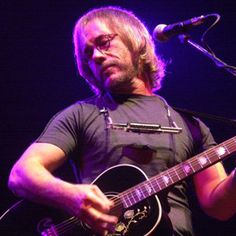
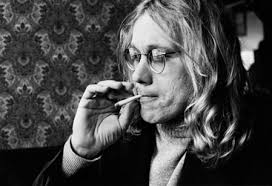
Warren Zevon still smokin’.

Indianapolis, Music, Pop Culture

“PeeWee the Piccolo” born in Indianapolis

Original publish date January 30, 2025.

https://weeklyview.net/2025/01/30/peewee-the-piccolo-born-in-indianapolis/

Okay all you Irvington audiophiles, quick, name the first song ever released on a 45 record. If you said it was the “Texarkana Baby” by Eddy Arnold, pat yourself on the back for remembering that lost gem. But you’re wrong. The first commercial 45rpm was “PeeWee the Piccolo” by Russ Case and his Orchestra on RCA Victor records (#47-0146 and b-side #47-0147) released on Feb. 1st, 1949. And it was born right here on the eastside of Indianapolis. Ironically Russ Case (1912-1964), a trumpet player and bandleader, led a few jazz and light music orchestras, including Eddy Arnold’s.

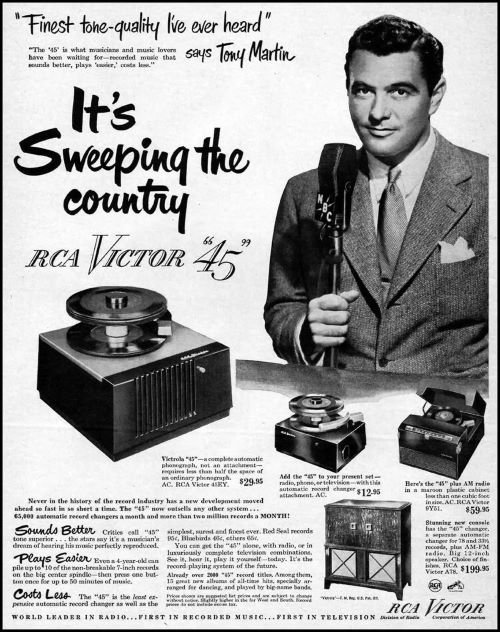
RCA Magazine ad for their new 45 record player.

RCA introduced the 45 rpm single to the world on December 7th, 1948 (seven years to the day after the Pearl Harbor attack), at the Sherman Avenue plant in Indianapolis. The confusion among the public comes from the fact that RCA released several commercial 45 singles on March 31st, 1949, including Arnold’s “Texarkana Baby.” The irony is that while “Pee Wee the Piccolo” is largely forgotten, “Texarkana Baby” topped Billboard’s country chart for three weeks, reaching #18 on the Best Selling Popular Retail Records chart. And it was the b-side of the single for Arnold’s standard hit “Bouquet of Roses.”

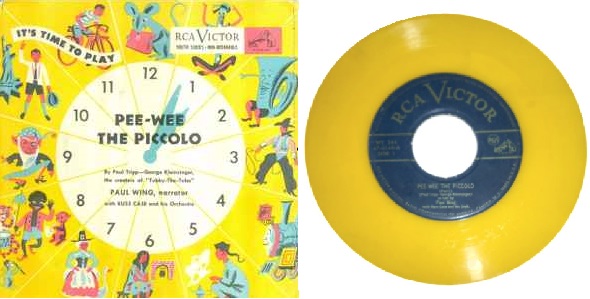
Pee Wee The Piccolo record.
Paul Wing.

“Pee-Wee The Piccolo” is a children’s record narrated by Academy Award winner Paul Wing (1892-1957). Wing was captured by the Japanese in the Philippines in 1942, survived the Bataan Death March, and was held prisoner in the World War II prisoner of war camp portrayed in the 2005 film The Great Raid. “Pee-Wee The Piccolo” was written by Paul Tripp and George Kleinsinger, who also created Tubby The Tuba. RCA color-coded their singles, pressing children’s 45-rpm records on yellow vinyl, popular music on black vinyl, country on green vinyl, classical on red vinyl, instrumental music on blue vinyl, and R&B and gospel on orange vinyl, international music was light blue, and musicals midnight blue. Eventually, they would all be pressed in black.

The 45′s tie-in to World War II is not without purpose. The 45 rpm single can trace its earliest origins to that conflict. Like many fields, World War II put a major dent in the music industry. Most homefront record and phonograph makers retooled their factories for the manufacture of products for the war effort. A wartime blockade stopped the import of shellac, the material from which .78 records were made. With that supply cut off, manufacturers scrambled for a new material to make records. The industry had been experimenting with synthetic PVC (polyvinyl chloride) since the 1930s, but it was more expensive to produce than shellac. CBS (Columbia Broadcasting System) engineers realized that PVC’s material properties meant that a vinyl record could be made thinner and stronger than a shellac record and that the grooves could be cut thinner, allowing more music to fit on each side. More music meant more money, outweighing the cost of the more expensive material. So the 33 rpm format was born.

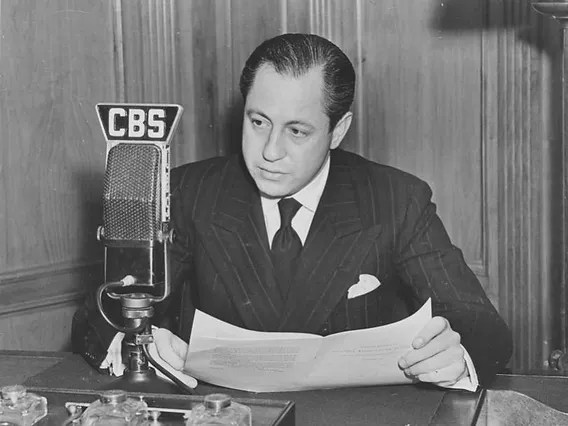
William Paley of CBS.

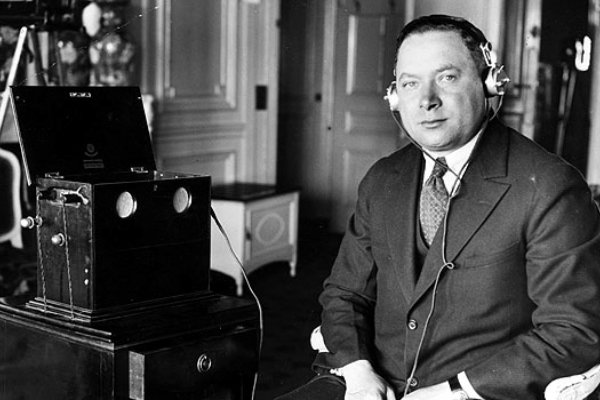
Around September of ’48, William Paley at CBS offered RCA’s David Sarnoff the rights to the 33 technology at no cost. Paley thought that sharing his secret with his chief competitor would help boost the 33 format record sales for both companies. Sarnoff adroitly thanked Paley and told him he would think about it. Paley hadn’t realized that RCA had already perfected it’s secret 45 project. Paley was shocked and CBS miffed when RCA rolled out the 45 a few months later. The 45 rpm record became RCA’s answer to Columbia’s 33 1/3 rpm long-playing disc. The two systems directly competed with each other to replace 78 rpm records, bewildering consumers, and causing a drop in record sales. In media the period from ’49 to ’51 was referred to as “the war of the speeds” years.

David Sarnoff of RCA-Victor.

A myth persists that the single’s designation of “45″ came from subtracting Columbia’s new 33 rpm format speed from the old 78: equaling 45. According to “Vinyl: A History of the Analogue Record” by Richard Osborne, “the speed was based upon calculations made by the best balance between playing time and signal-to-noise ratio given by a groove density of 3 minutes per radial inch, and also that the innermost groove of a disc should be half the diameter of the outermost groove. Given the 6 7/8 diameter of the record it was found that 45 rpm provided the desired playing time within the designated bandwidth.” No wonder the 78 minus 33 urban legend remains so persistent — it’s easier to remember.

The sprawling campus of RCA at Michigan & Sherman.

Engineers from both companies had been working on a replacement for the 78 since before the war, experimenting with speeds ranging from 30 to 50 RPM. They were balancing the playing time (5 minutes – the same as a 12″ 78) with disk diameter, to get the most compact format that would have a surface velocity and lack of “pinch effect” so that the sound would not degrade as the stylus reached the inner diameter. In fact, for all but the outer inch or so, the 45 has a higher surface velocity than a 12″ LP. Both Edison and Victor had tried to introduce long-playing records in the 1920s and failed. In 1949 Capitol and Decca started issuing the new LP format, and RCA relented and issued its first LP in January 1950. While the LP could comfortably hold a large selection of music on each side, the 45, with its large central hole, worked better on automatic changers (like jukeboxes).

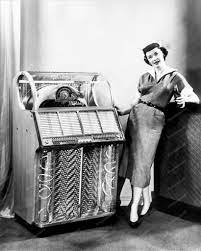
Wurlitzer Jukebox Model 1700.

However the 45 rpm was gaining in popularity, and Columbia issued its first 45s in February 1951. Soon, other record companies saw the mass consumer appeal the new format allowed. By 1954 more than 200 million 45s had been sold. According to the New York Times, the peak year for the seven-inch single was 1974, when 250 million were sold. In the end, the war of the speeds ended without a decisive winner. By the early Eighties, the 45 began dying a slow, humiliating death. The number of jukeboxes in the country declined, stadium rock fans increasingly gravitated toward albums, and the cassette format (and even the wasteful “cassette single” and “mini-CD” format) began overtaking vinyl 45s.

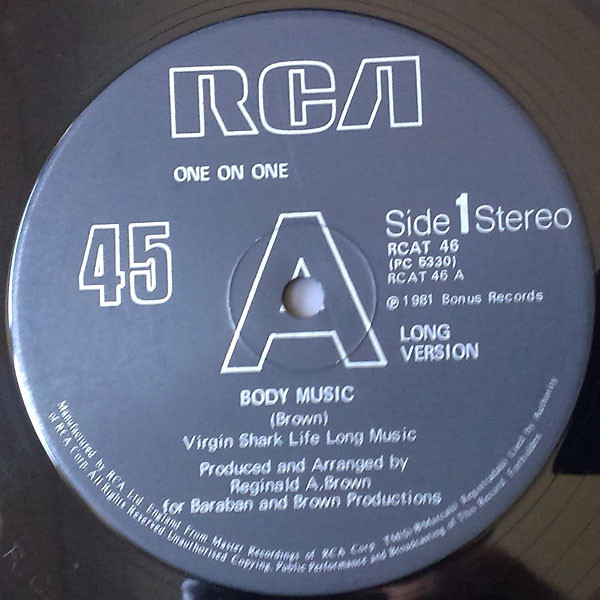
The RCA label.

Like most people my age, I fell in love with 45s in the early 1970s. Mostly because they fit into my limited allowance budget as a kid. That was, until about 1975 when the companies all raised the price of a 45 from $0.99 to $1.49! Then I had to be choosy. In most cases, the best song from an album would make it onto the 45 and, if I was lucky, there could be a b-side that was an unexpected bonus, sometimes a song not even on the album. Bingo, bonus track! Many of those 45s were made right here in Indianapolis. What’s more, back in the late 1960s/early 1970s it seemed like everyone in my family worked at that RCA plant on Sherman Ave. I remember that Mom and Dad got to pick out 2 or 3 free records every quarter, so I had a leg up on the competition (my sisters).

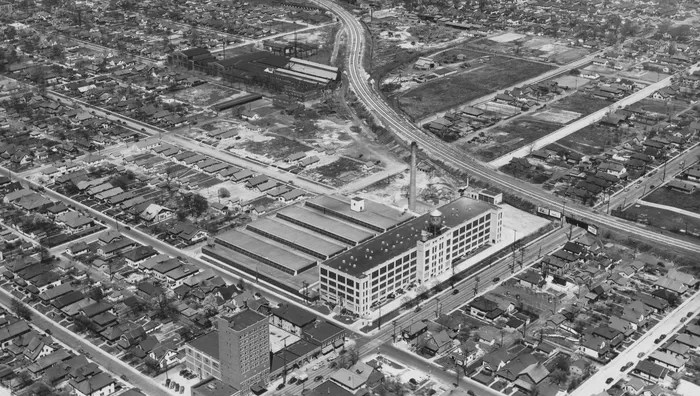
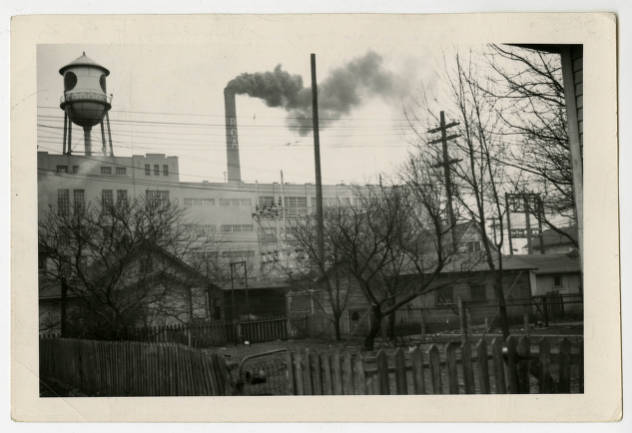
The R.C.A. manufacturing plant located at 3324 East Michigan Street. Courtesy Indiana State Library Photograph Collections.

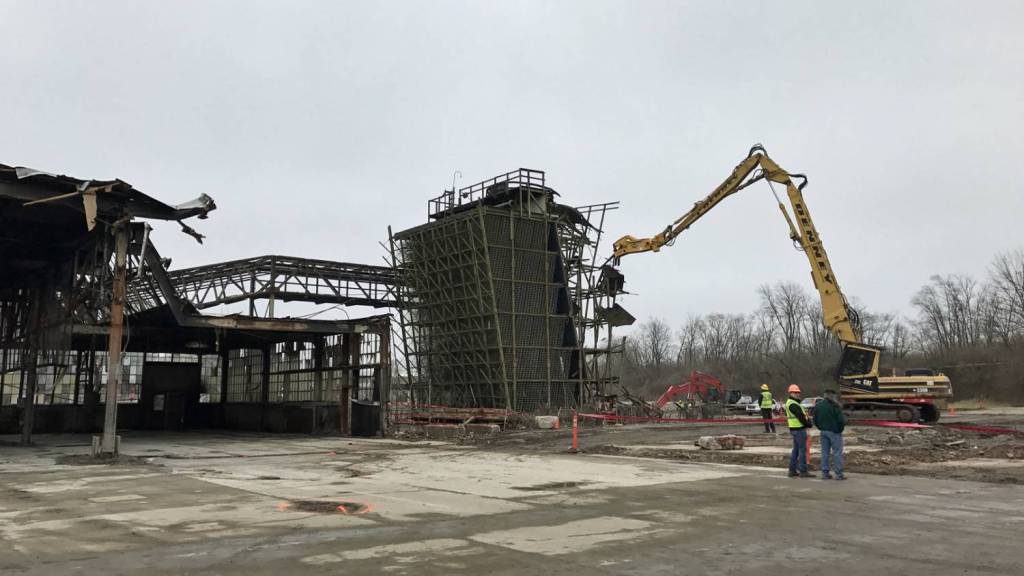
Built in the 1920s, the RCA plant on the near eastside was a massive site that, during its heyday in the 1950s, employed over 8,000 people. RCA featured over 20 buildings on its 50-acre site, and aside from making records, the plant produced electronics like televisions, stereos, and radios. A gradual decline in business began in the 1970s, eventually leading to RCA being sold to GE in 1986. The Sherman Ave. plant operated for a few more years before closing in 1995. A heavy machinery and storage company operated in a small portion of the plant and a recycling nonprofit operated in the main building along Michigan St. for years before leaving in 2012. The RCA Sherman Plant was ultimately demolished in late January/early February 2017.

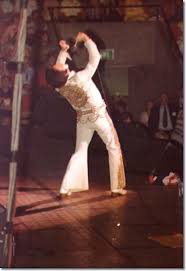
Elvis Presley on stage at Market Square Arena 8.30pm June 26, 1977.

Elvis Presley and Dolly Parton were two of the bigger names that toured the plant, although many bands and artists made the trip to the RCA plant to see how their records were made. One of the more famous records made there was Elvis Presley’s “Moody Blue” record, a special presentation copy of which was given to Elvis during his final concert at Market Square Arena on June 26, 1977. As it happens, the stage where Elvis stood when he received that gold record now rests inside the Irving Theatre.

Robert E. Hunter. My dad.

Dad, who was trained as a draftsman in the service, worked in the relatively new computer processing area at the Sherman Ave. facility. He would take a sweater or zipper-pull fleece with him every day regardless of the season because back then the computers ran pretty hot and the room was kept so cold. They let employees smoke back in those days in the computer room and Dad smoked a pipe. I remember he worked with IBM cards back then. Those punchcards sorted all the info for the RCA record club members, which numbered in the hundreds of thousands.

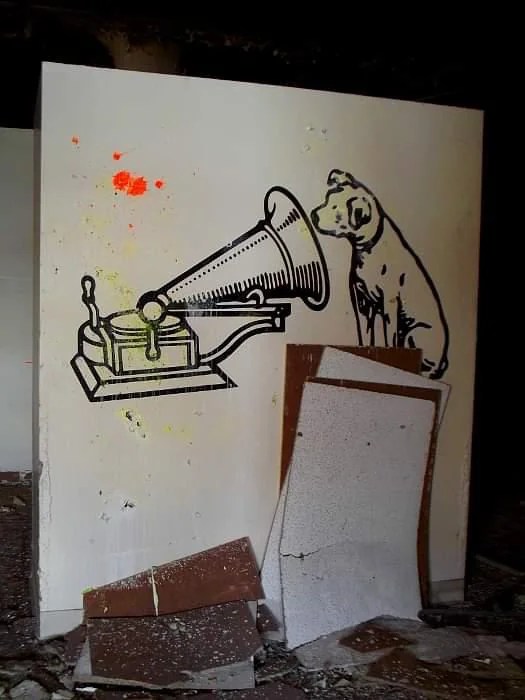
Nipper “His Master’s Voice”in wrecked interior of the abandoned RCA factory.

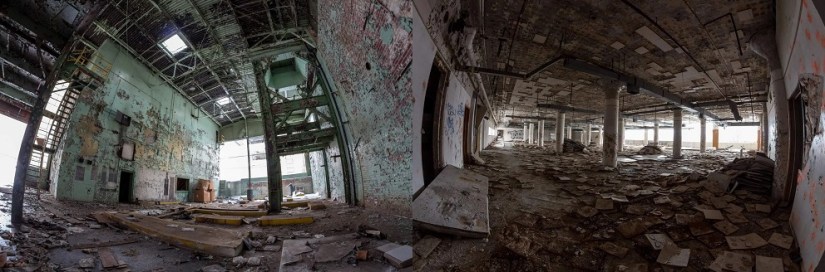
My father lived for many years across the street from the plant on Sherman Avenue. He relished the idea of walking to and from work and eating lunches at home. The plant was an awesome sight to see when it was still standing. After it was vacated in the early 2000s, it became the largest abandoned place in Indy (besides the coke plant). There were some reminders of its former life throughout the building (the RCA dog could still be found in the main building) and leftover remnants from the other companies that operated there.

During those derelict years, I may (or may not) have surreptitiously ventured into the empty building. It was pretty sketch back then and you were likely to run into other people, mostly vagrants, scrappers, and other neighborhood kids. The attics had catwalks from which one could access various rooms/areas throughout the building via small doors. I remember one door in the back of the men’s room. There were muddy raccoon footprints all over the bathroom tile floors: proof that the critters would come in at night to drink out of the toilets. Some rooms were lined with meshed steel Faraday cages. The level beneath the main offices had large mounds of dirt reportedly earmarked for a BMX track that never materialized. When Thomson Consumer Electronics moved north to their new sparkling aqua green and blue paneled building at I-465 and Meridian, RCA left a ton of office furniture and obsolete audio-visual equipment behind in the building.

The RCA plant coming down.

My dad worked in that building for over three decades. He died in 1997 just months away from retirement. My grandparents and my mother worked there in the 1960s. And it was in that lobby where I saw my stepmother Bonnie for the last time in 1997 before she left for Tennessee never to return. Back then RCA had a notary public in residence just inside the door. Tens of thousands of Hoosiers worked at that plant during its 75-year lifespan. Now, the vacant space is just a large patch of overgrown weeds and wild grass. My dad’s house sits empty, the doors and windows boarded up. Life goes on, the world still turns, and soon anyone with memories of working in that plant will fade away as well. Like phone booths, inspection stations, long-distance operators, and most of the products made in that building, RCA is just a distant memory now.

ABA-American Basketball Association, Sports

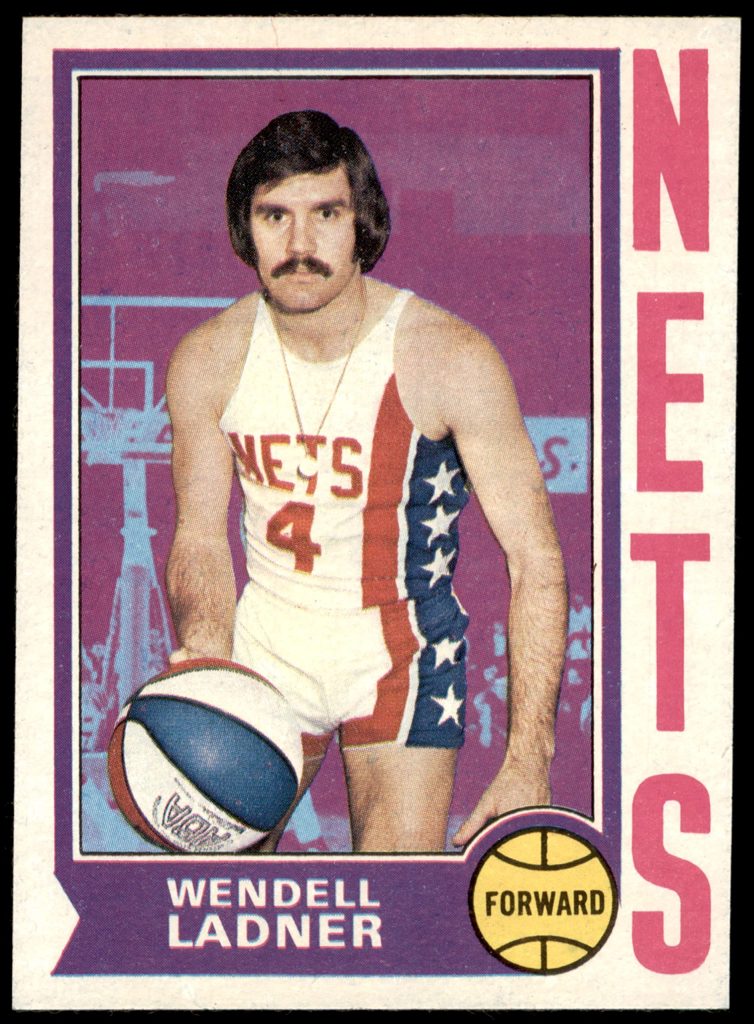
Wendell Ladner. The ABA’s Brawling Burt Reynolds. Part 2.

Original publish date January 26, 2023. https://weeklyview.net/2023/01/26/wendell-ladner-the-abas-brawling-burt-reynolds-part-2/

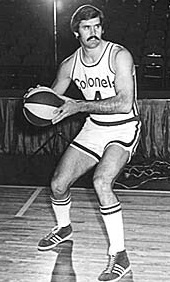
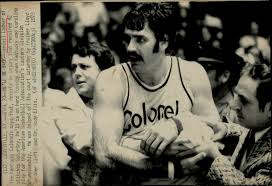
Wendell Ladner Kentucky Colonels.

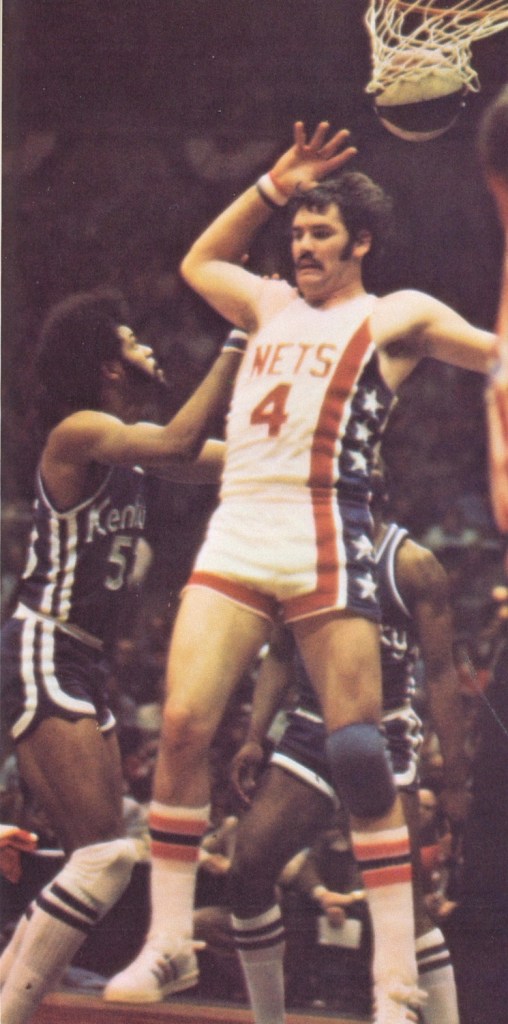
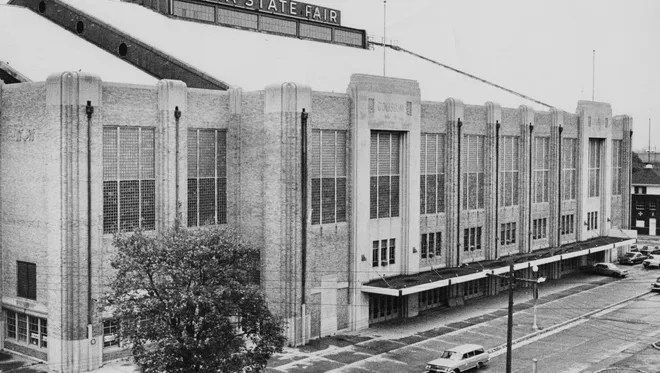
I grew up a gym rat. I’ve mentioned before how my parents used to take me down to the Fairgrounds, drop me off at the player entrance at the State Fairgrounds Coliseum, and leave me there for an hour or so while they traveled over to the TeePee Restaurant for pie and coffee. That’s when this reporter, then a 10-year-old with a Hollywood burr, first encountered a muscular, burly 6-foot-5, 220-pound guy who was a dead ringer for Burt Reynolds. His name was Wendell Ladner, and even though for much of his career he wasn’t even a starter, he always hustled, threw himself after any loose ball, and elbowed his way to every rebound. He was an important cog for a New York Nets team that won an ABA championship and a Kentucky Colonels team that thumped up on my beloved Indiana Pacers often enough that I held a grudge. But he was always nice enough to stop, smile, and talk for a minute to a shy buck-toothed kid when I asked him for an autograph.

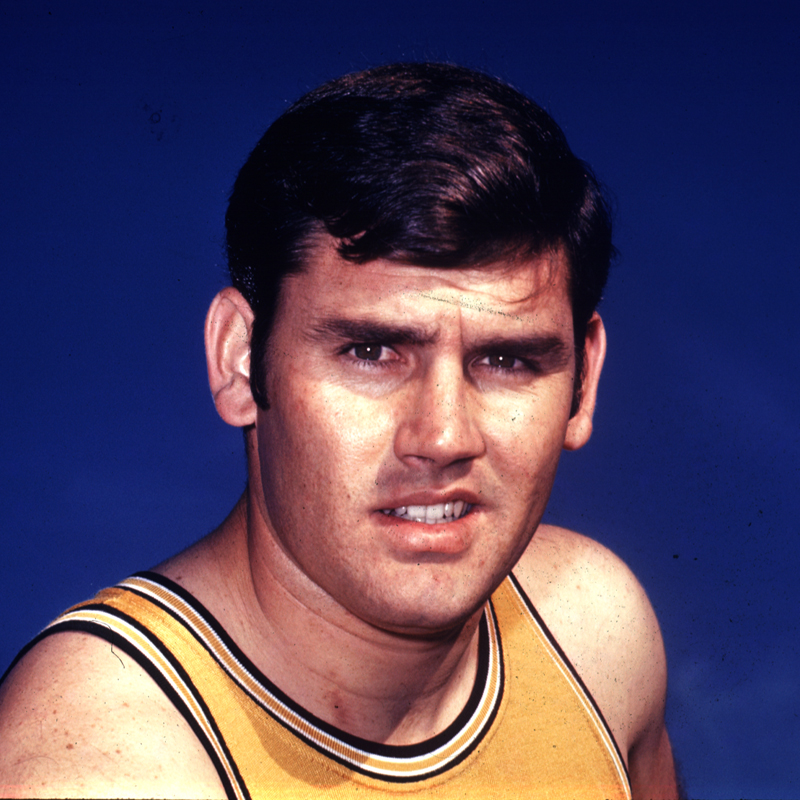
Wendell Ladner.

Things changed for Wendell Ladner midway between the 1972-73 season when he joined Southport High School’s “Little” Louie Dampier, “The Horse” Dan Issel, and the “A-Train” Artis Gilmore as a member of Pacer’s arch-rival Kentucky Colonels. His numbers weren’t his best with the Colonels, falling to 7.3 ppg and 4.9 rpg the first season and 9.9 ppg and 7.9 rpg that second season. Despite those numbers, he quickly became one of the most popular players on the Colonels roster — “expecially” with the ladies. However, if you were ever privileged enough to see a Pacers vs. Colonels game in person back then, you know that Colonels fans are tough. So Wendell had to win the male fans over first.

Today, they would call Wendell Ladner a “defensive specialist” for the Colonels. But what that really meant was Ladner was an enforcer whose job it was to hack the hell out of anyone who dared foul Dan Issel or Artis Gilmore. He was involved in more than one Pacers fistfight during his tenure with the Colonels. While fight stats in the ABA were never kept, I would be willing to bet that Ladner got in a “spirited scuffle” with players on every team in the league. Rumor has it that the Dallas Cowboys once invited Ladner to try out for the team. Colonels minority owner Bill Boone called him “the toughest SOB I’ve ever seen . . . a rebounding fool and hatchet man.”

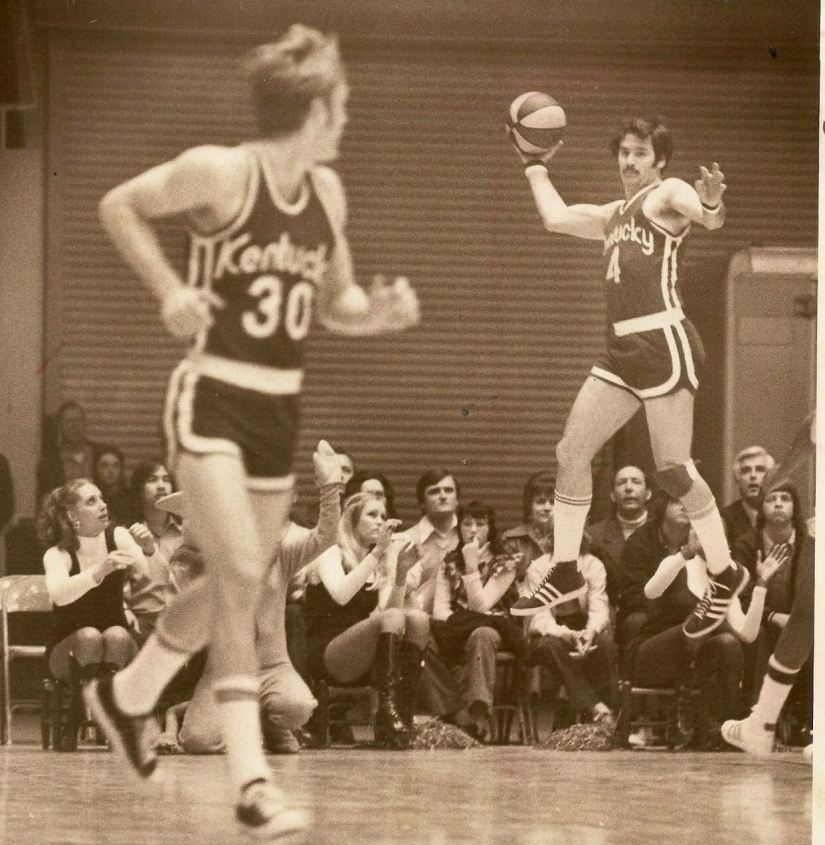
Wendell Ladner Kentucky Colonels.

During the 30th ABA reunion in 1997, Bob Netolicky and I traveled down to do a radio show in Louisville with longtime Colonels trainer Lloyd “Pink” Gardner. After the show, we retreated to the radio station breakroom for some after-hour storytelling. Pink was the team trainer for all nine seasons of the ABA (1967-1975) so he knew everyone. He remembered Wendell’s habit of fussing over his hair constantly. Pinky said, “Wendell had a habit of never adding the ‘ed’ suffix to his words when he talked. He’d say things like ‘I don’t want to get my hair all mess up.’ or ‘I’m going out tonight so I gotta get all dress up.’ One night Ladner had a terrible game, lost us the game actually. Dan Issel came into the locker room and saw Wendell primping in the mirror with his hairbrush getting ready to scoot out for a hot date. Dan yelled, ‘Watch out everybody, Wendell’s game was all foul up so don’t say nothin’ to him or you’ll get him all peeve off.’ (Only Issel didn’t say foul or peeve if you know what I mean.) Next thing you know Issel and Ladner were throwing punches while the whole locker room was rolling on the floor laughing.”

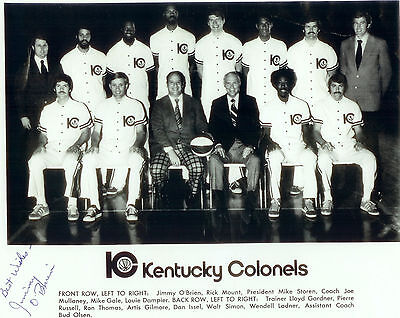
1972-73 Kentucky Colonels. Lloyd Gardner back row far left. Wendell Ladner back row 2nd from right.

In his book Kentucky Colonels: Shots from the Sidelines, Pink explained: “Wendell always played with reckless abandon, always diving after loose balls, jumping over press tables, always hoping that he would come down in the lap of some beautiful lady.” Pink recalled one game “with 3:09 left in the game and the Colonels with a sizable lead, Wendell went airborne over the Cougars bench, crashing into a five-gallon glass water cooler.” The bottle smashed to the floor and Wendell landed on the shards of broken glass. He jumped up quickly and tried to get back to the floor, but the trainer stopped him because he was bleeding profusely from gashes in his arm. Pink continued, “He wanted to go back out and play. Dr. Rudy Ellis said no. We took him to the hospital and stitched him up, 37 stitches in all.

Lloyd Gardner (left) wrapping Wendell Ladner’s lacerated arm.

It was April 21st, 1973, game 6 of the ABA Eastern Division finals against the Carolina Cougars at Freedom Hall and the Cougars were up in the series 3 games to 2. Play was stopped while Wendell was led to the locker room dripping in blood while the crowd watched in stunned silence. Thirty minutes later, here comes Ladner sprinting back to the bench, a bandage encasing his left forearm. The Colonels were losing and Ladner begged to re-enter the game, but sanity prevailed and Mr. Excitement was placed at the end of the bench for his own protection.” Pink noted, “but Wendell never missed a practice or game.” Kentucky would win that game and then another to take the series. But they lost the ABA Championship to the Indiana Pacers 4 games to 3. The Pacers became the first team to win a third ABA championship while the Colonels became the first team to lose two separate ABA championship series. Complete disclosure: The Pacers would eventually lose two, too.

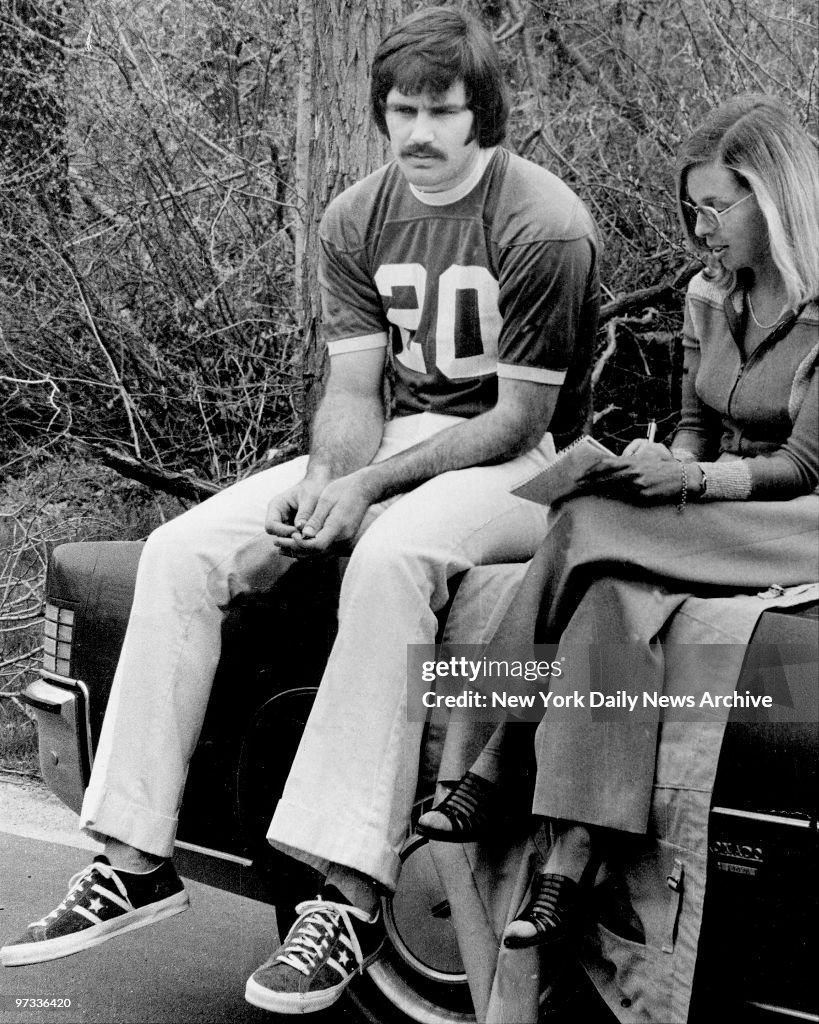
Wendell Ladner talks to reporter Kay Gilman. Getty images.

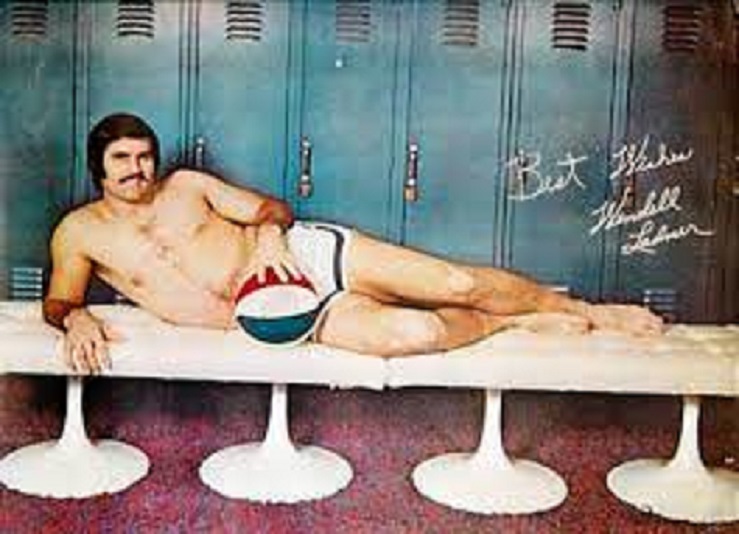
Also in 1973, Wendell pulled off the stunt he is most remembered for to this day. Ladner did his best imitation of Burt Reynolds infamous Cosmopolitan magazine nude pose in a shirtless beefcake poster that sold out in hours. Wendell is posed stretched out on the Colonels’ locker room bench at Freedom Hall in Louisville wearing only his “tighty-whitey” home uniform trunks (players didn’t wear the baggy trunks they wear today) with a Red, White, & Blue ABA basketball strategically positioned to hide his naughty bits. Ladner flashed a million-dollar smile for the female Colonel faithful. Oh, and the poster has a “Best Wishes” facsimile autograph in the upper right corner. After that poster came out, Ladner really played up to that image. During timeouts, women jockeyed for position behind the Colonels bench to giggle and shout sweet nothings to their favorite as he brushed the hair away from his eyes and smiled back at them.

Dan Issel and Ladner go at it.

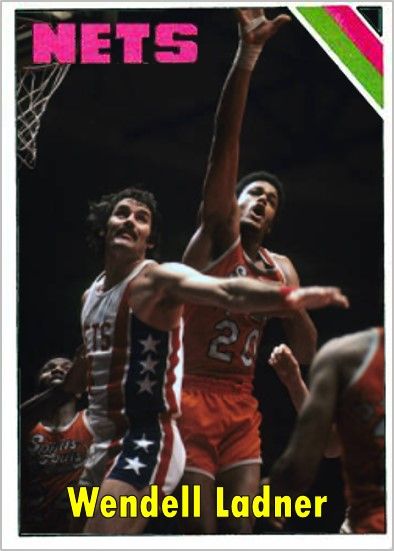
The next season (January of 1974), Ladner was traded to the New York Nets, a trade KFC magnate and Colonels owner John Y. Brown, Jr. later said he regretted. The Colonels traded Ladner and Mike Gale to the Nets for John Roche, pronounced “Ouch” by Colonels fans. At the time of the trade New York trailed Kentucky in the Eastern Division standings, but after adding Ladner, the Nets surged past the Colonels to win the Eastern Division championship and the 1974 ABA championship beating his old team. During that series, Ladner and his old teammate Dan Issel exchanged punches in one game: Issel wound up with three stitches under one eye.

Former ABA Virginia Squires and Cincinnati Reds broadcaster Marty Brennaman called it “the worst trade ever in professional basketball.” Maybe not the worst pro basketball trade ever, but it sure was a bad one. The next year, Little Louie Dampier busted his hand wide open during a game and asked Colonels team doctor Rudy Ellis to stitch up his hand “in a hurry so I can get back into the game” to which the Doctor replied, “I thought Wendell Ladner was the only person that crazy.” In New York, Ladner’s job with the Nets was to protect Julius Erving. Dr. J called Wendell his wackiest teammate ever because “he wanted to be Burt Reynolds with a basketball”.

Eastern Air Lines Flight 66.

After winning his one and only ABA Championship, on June 24, 1975, Ladner boarded Eastern Air Lines Flight 66 from New Orleans to New York City. The plane, a Boeing 727 trijet tail number N8845E, departed from Moisant Field (Louis Armstrong International Airport today) without any reported difficulty at 1:19 PM EDT with 124 people on board, including 116 passengers and a crew of 8. A severe thunderstorm hit JFK airport just as Flight 66 was approaching the New York City area. At 3:52, the approach controller warned all incoming aircraft that the airport was experiencing “very light rain showers and haze” with zero visibility and that all approaching aircraft would need to perform instrumental landings. At 3:53, Flight 66 was approaching Runway 22L.  6 minutes later, the controller warned all aircraft of “a severe wind shift” on the final approach, the aircraft encountered a microburst or wind shear environment caused by the severe storms.

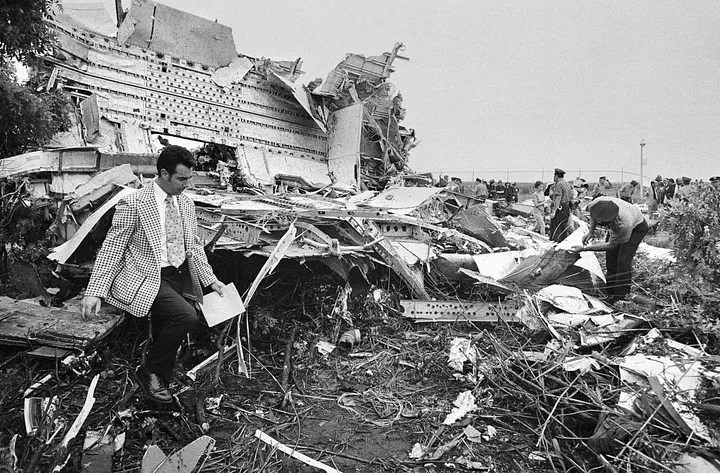
The wreckage of Eastern Airlines flight 66 after it crashed on approach to JFK Airport. (AP)

The plane continued its descent until it began striking the approach lights approximately 2,400 feet from the start of the runway. Upon the first impact, the plane banked to the left. It continued striking the approach lights until it burst into flames and scattered the wreckage along Rockaway Boulevard, which runs along the northeast perimeter of JFK airport. Of the 124 people on board, 107 passengers and six crew members (including all four flight crew members) were killed. The other 11 people on board, including nine passengers and two flight attendants, were injured but survived. Wendell Ladner was not among them.

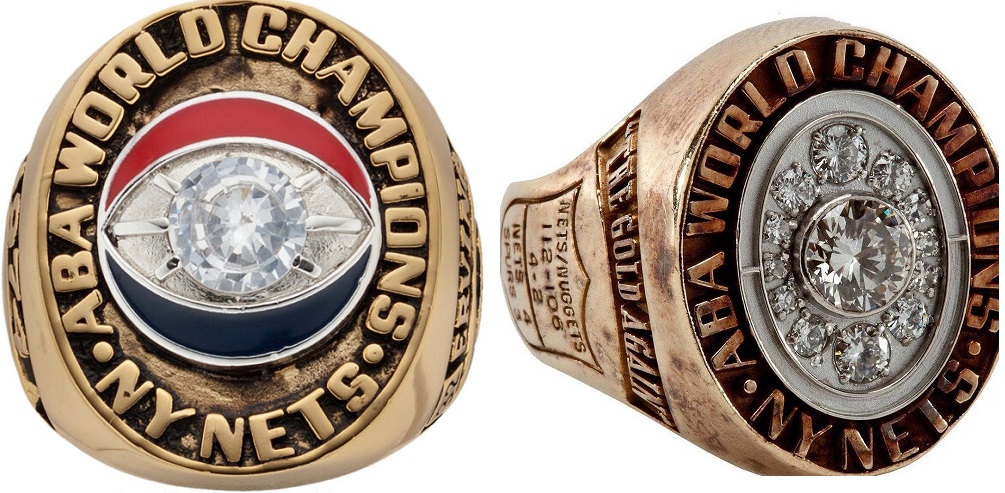
Ladner died at the age of 26. His body was identified by medical examiners only because he was wearing his charred Nets ABA championship ring. At the time, the crash was the deadliest in United States history. For many years, the Nets included his name and uniform number in their list of retired numbers, though Ladner’s No. 4 did not hang in the rafters with the other retired numbers. Out of respect to Ladner, Fritz Massmann, Nets trainer from 1970 to 1992, never issued No. 4 to any other player for 17 years after Ladner’s death. When Fritz retired, the New Jersey Nets issued Wendell’s number 4 to Rick Mahorn which he wore for the next 4 years.

Wendell Ladner finished his 300-game ABA career with 3,474 points and 2,481 rebounds. He also played in 40 ABA playoff games and a pair of ABA all-star games. Ladner also has a road in Perkinston, Mississippi, named after him in his honor. The crash of Flight 66 led to the development of the first low-level wind shear alert system by the U.S. Federal Aviation Administration in 1976. The accident also led to the discovery of downbursts, a weather phenomenon that creates vertical wind shear and poses dangers to landing aircraft, which ultimately sparked decades of research into downburst and microburst phenomena and their effects on aircraft. ABA fans might find it ironic that the term for the natural phenomenon that took Wendell Ladner’s life became known as a microburst. If Mother Nature had nicknamed this masculine mauler from the Magnolia State herself, she quite likely would have reserved the name microburst for him. Because, make no mistake about it, Wendell Ladner was a true force of nature.

ABA-American Basketball Association, Sports

Wendell Ladner. The ABA’s Brawling Burt Reynolds. Part 1.

Original publish date January 19, 2023. https://weeklyview.net/2023/01/19/wendell-ladner-the-abas-brawling-burt-reynolds-part-1/

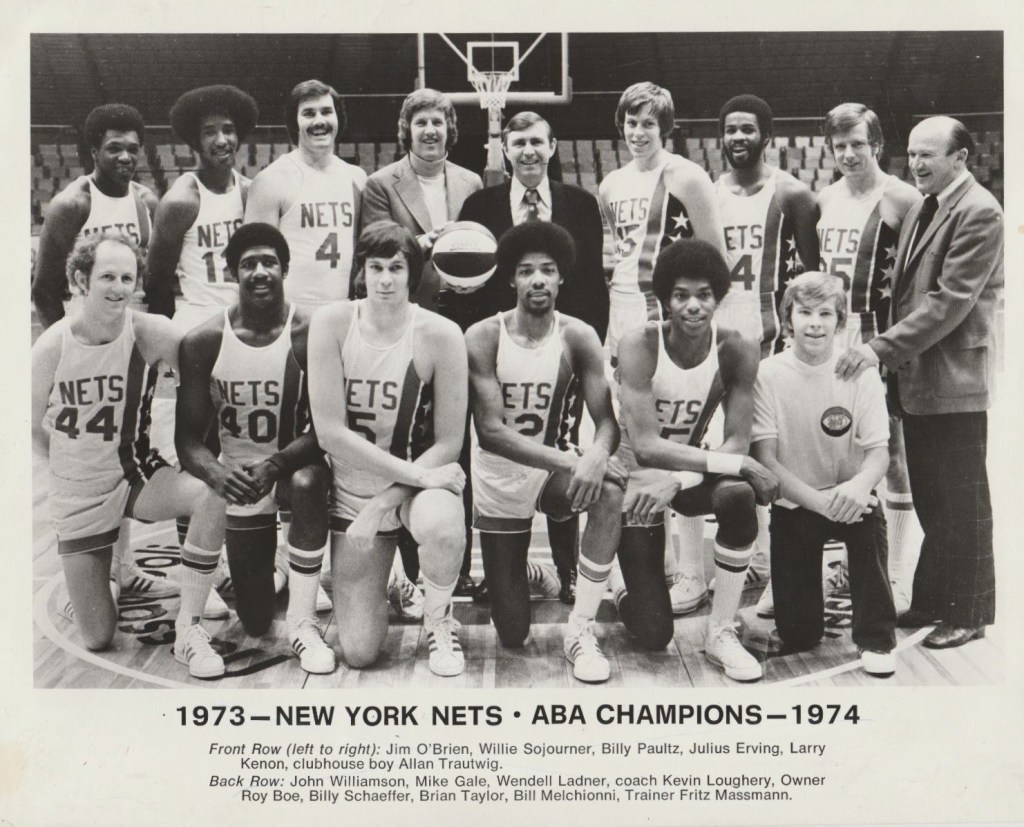
1973-74 ABA Champion New York Nets. Wendell Ladner # 4 standing baw row 3rd from left.

Rhonda and I headed down to the Indiana State Fairgrounds for the Greater Indianapolis Garage Sale this weekend. We hadn’t been to that show in a couple of years, mostly due to Covid-19 concerns. We enjoy that show simply because it is one of the true flea market-style gatherings left in the Circle City. We always find something. It might be a tchotchke for the kids or a treasure for the wife, you never can tell. Me, I like diving into boxes of old paper. You never know what you’re going to find.

This time, as I thumbed through a box of old paper goods and tickled my way past maps, old greeting cards, receipts, family photos, and travel brochures, I found a hidden treasure. A treasure to my eyes anyway. Folded up into quarters wedged between a couple of totally dissimilar items was a photo of the 1973-74 ABA New York Nets. I was (and always will be) an Indiana Pacers kid. But I always had a healthy respect for three rival teams: The Kentucky Colonels, Utah Stars, and the New York Nets. It always seemed that when the Pacers weren’t winning championships, it was because of one of those damned teams stole one from us. It was a thrill to find the photo just a few hundred yards away from the building where they actually played.

State Fairgrounds Coliseum. Home of the ABA Pacers.

So here they were, dressed in those classic home white uniforms with the stars and stripes ribbon bursting out of their heart and flowing down the side. Julius “Dr. J” Erving was front and center (right where he should be) flanked by Billy “Whopper” Paultz, “Super John” Williamson (who spent some time as a Pacer), Mike “Sugar” Gale, Willie “Rainbow” Sojourner (who gave his teammate the nickname “Dr. J”), Larry “Mr. K” Kenon, Bill “Cyclops” Melchioni, Brian Taylor (who didn’t have a nickname but was so good he deserved one) and a teenaged clubhouse boy named Allan Trautwig. Yes — the same Al Trautwig from MSG Network, ABC, NBC, NBC Sports Network, and USA Network and the pre-game/post-game shows/sometime play-by-play man for the New York Knicks and Rangers during his Emmy Award-winning career.

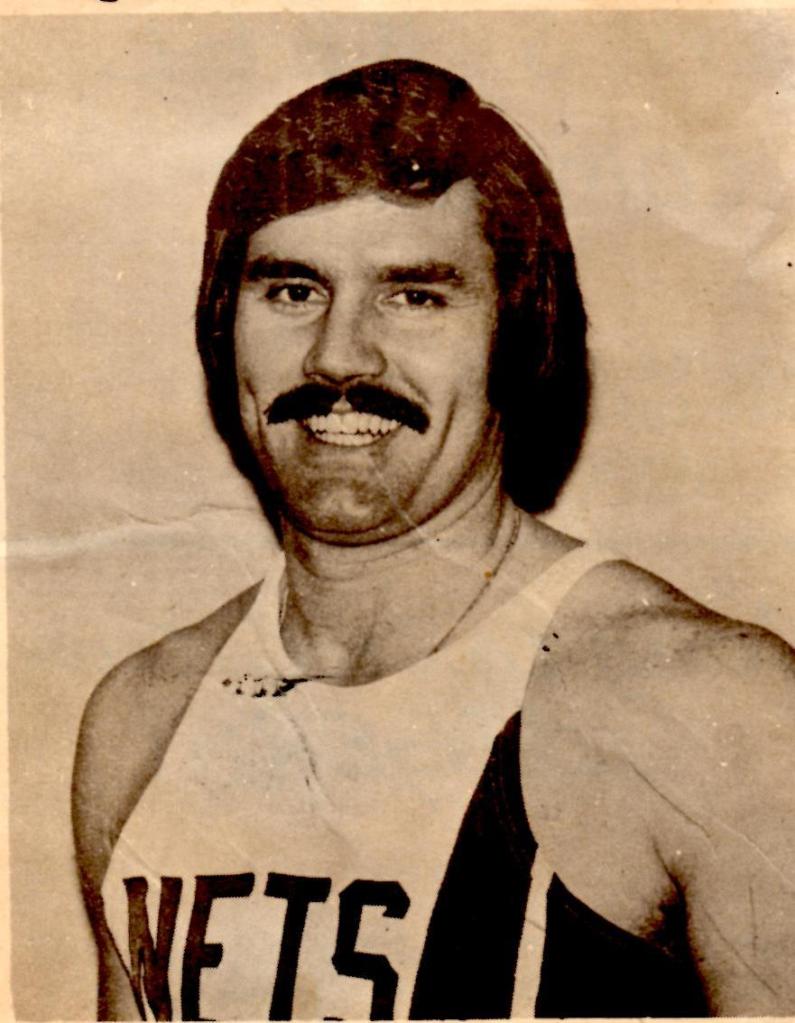
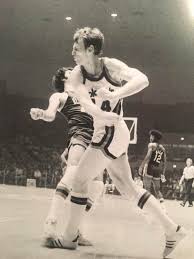
Wendell Ladner.

But the man in that photo that drew my interest was standing in the back row, third from the left. It was “Mr. Excitement” Wendell Ladner. If you are a fan of the ABA, you remember Wendell Ladner. Ladner was born on October 6, 1948, in Necaise Crossing, a tiny, unincorporated town in Hancock County, Mississippi, the far southwest corner of the state. Ladner’s birth seems to be the only noteworthy thing that ever happened there. Ladner played prep ball for the Hancock North Central High School Hawks in Kiln, Mississippi. The school opened in 1959 and for a quarter century, Wendell was the school’s star athlete until Green Bay Packers quarterback Brett Favre came along in 1985.

Jim O’Brien.

Legendary ABA beat writer (and friend) Jim O’Brien was one of the first to recognize Ladner’s talent. Writing about him in 1972 in the book ABA All-Stars, O’Brien said, “Ladner likes to talk about his town, which he says had about 600 people living in it. The nearest big town was Gulfport, about 32 miles away. ‘None of my friends had driver’s licenses, so without transportation, we couldn’t go to town very often. I’d never been around a town a lot. Necaise Crossing, to me, was a lot of fun. I grew up there and might’ve played basketball from the time I was 9 ‘til I was 17 and went away to college. We’d shoot basketball all day and into the night. We didn’t have any lights, so we’d go out into the woods with axes and cut us some logs. It was no big thing. We’d cut up oak trees that had fallen. We’d chop them up good, and use the splinters to start the fire. We’d have one big fire and it’d light the area so we could play. The only other thing you did was milk cows and ride horses. We raised hogs, too. My family had a dairy barn. We had no heat in the house, except for the big fireplace, and no bathroom. We’d get a wagonload of wood and pile it by our house. We were over at our grandmother’s house killing hogs one day when our house burned down. Some ashes hadn’t gone out, my sister said, and they started a fire again and it caught on some drapes and the whole place went up in smoke.’”

A young Wendell Ladner.

Of his college years, Ladner told the sportswriter, “‘I never watched my weight in college. I just ate all the time. I never trained like I should have. This is a lot different from college. It’s a lot rougher. In college, I had to go against guys my size, but now most of the people I play against are a lot bigger.’ O’Brien added, “That’s how he got started. Now Ladner would like to improve his play and help the Pros to build a winner in Memphis. ‘I think I’ll be a lot better,’ he said at the start of his second season in the ABA. ‘I’m still making too many fouls and lots of mistakes, but I know when to take a shot now. You know, I really was surprised I had a rookie season like I did. I just wanted to make the team. I didn’t think I’d make it. But in the first exhibition game, I scored 17 points and grabbed 15 rebounds, and it surprised me that I could do something like that. The biggest surprise, of course,’ he continued, ‘was making the All-Star team. It was an honor to make it…the only rookie on the West team. That was a big thrill.’ Brute strength and a desire to excel are among his most recognizable traits. He has good basketball instincts and is unusually quick for a man his size. ‘I like the way he rebounds and gets the ball out in a hurry,’ said (coach) Babe McCarthy. ‘He could be a big asset in a fast-break attack.’ ‘I’m not going to live on my first-year reputation,’ Ladner told us. ‘I have to prove it this year again and get back into that All-Star game.’”

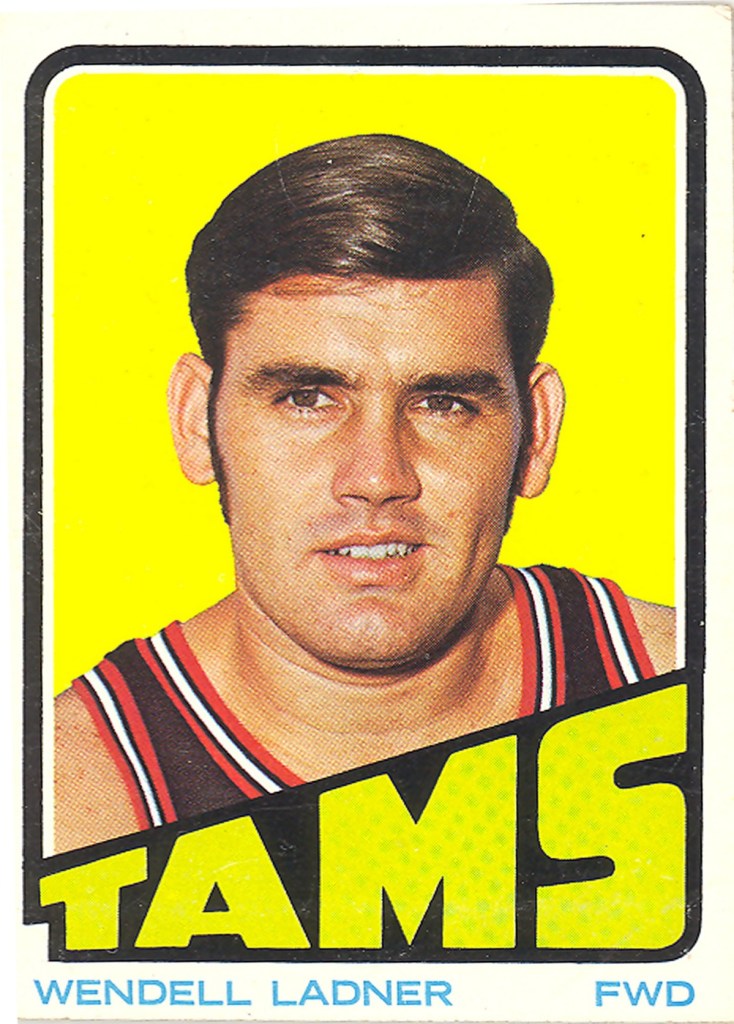
Ladner was a star at the University of Southern Mississippi from 1966 to 1970 averaging 20.5 ppg and 16.5 rpg for his career. His 1,256 career rebound mark is still the second-highest in USM history and the highest among 3-season players. His SMU career stats: 650 out of 1,410 Field Goals, and 261 out of 390 Free Throws for a total of 1,561 points place him 11th all-time in scoring at Southern Miss and his career scoring average of 20.5 is still the best in school history. He owns 14 of the top 16 rebounding performances in Southern Miss history including a school record 32 rebounds against Texas-Pan American, 31 against Old Dominion, and 30 against Louisville during the 1969-70 season. Ladner was drafted in the second round of the American Basketball Association draft by the Memphis Tams and was signed prior to the NBA draft, where he was projected to be one of the top 20 prospects.

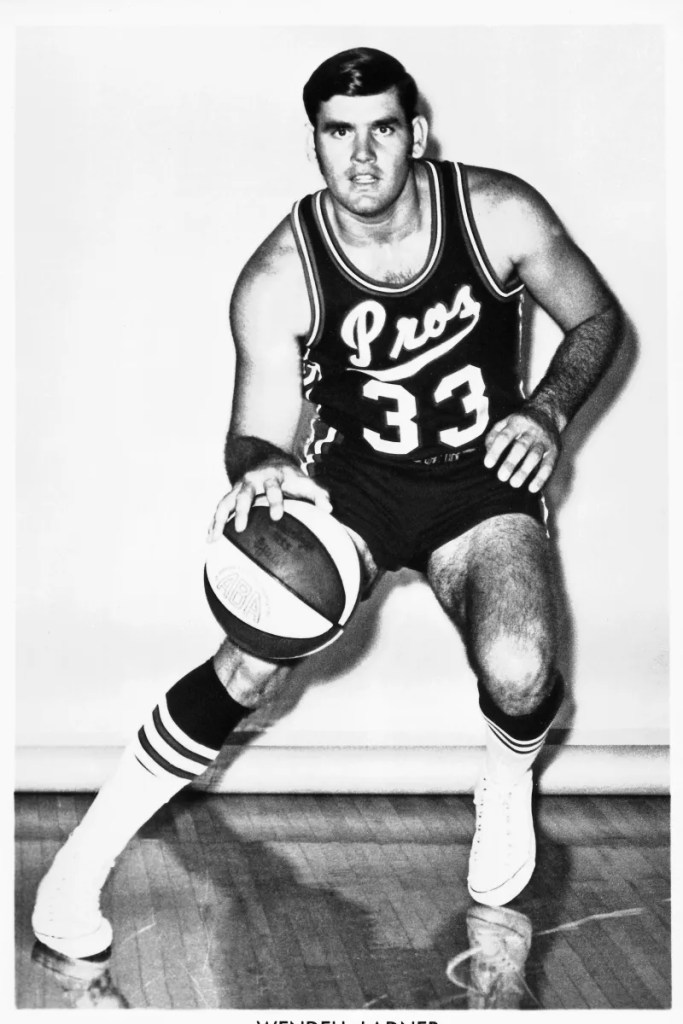
Wendell Ladner Memphis Pros.

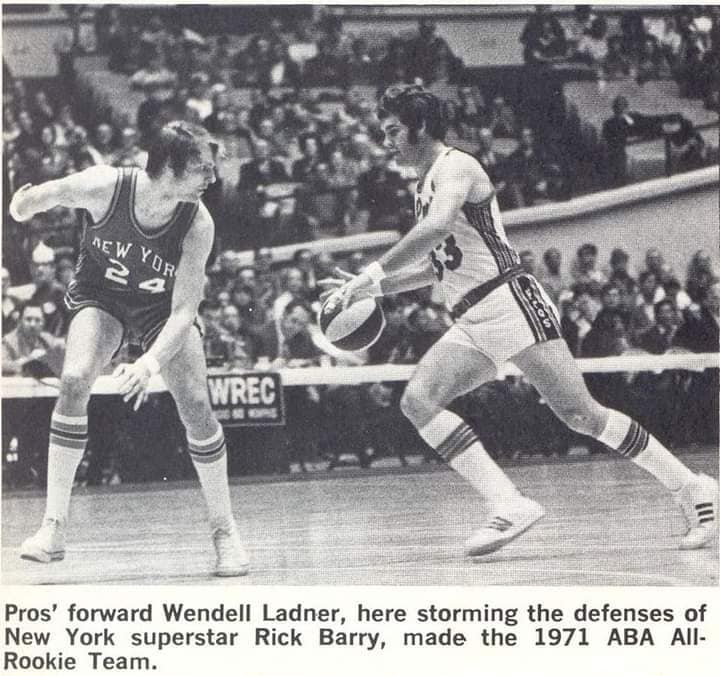
From 1970 to 1973, Wendell played for the Memphis Pros, Carolina Cougars, and Memphis Tams, all utterly forgettable teams. Ladner was named to the 1971 ABA All-Rookie team, and selected to the ABA all-star game his rookie season alongside Dan Issel and Charlie Scott, the ABA’s Co-Rookies of the Year. That year, on January 24, he set his career-high points total of 34 in a Memphis win over The Floridians. During those years, the 6 ft. 5 inch, 220-pound power forward developed into one of the league’s toughest enforcers while averaging 16 points and 10 rebounds per game. Unsurprisingly, he also averaged over 4 fouls per game during that time, leading the league in 2 out of his first 3 seasons, in both of those foul-leading seasons, he made the all-star team. He was the enforcer for five ABA teams during his career, which lasted from 1970 to 1975. His job was to protect his star teammates like Dr. J and Dan Issel by roughing up anyone he viewed as playing too rough.

Early in the 1971-72 season, playing against the Nets in New York, Ladner was ejected from the game during an overtime period for what an official termed “a malicious foul” on superstar Rick Barry. Ladner said it was necessary for him to play Barry aggressively, but insisted he didn’t mean to hurt him. “I sure wouldn’t want to break his leg and put him up in bed with his family,” said the good old boy from Mississippi. He said it wasn’t a dirty play, and even stopped by the Nets dressing room to explain it to Barry. “I know one thing,” said Barry. “If you were trying to hurt me, you would have done a better job of it.”

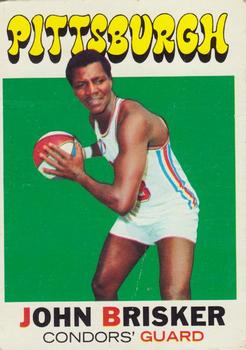
One of the great stories about Ladner involves a former ABA player named John Brisker whom I profiled years ago in a Weekly View story that actually led to my appearance in a Beyond the Paint documentary on ESPN (I appeared sandwiched in between Rick Barry and Julius Erving no less!). Ladner regularly squared off against Brisker, widely considered to be the meanest, roughest, toughest player in the history of the ABA. Legend claims that Ladner once marched into the Pittsburgh Condors’ locker room before the game started yelling, “Hey, John, you wanna fight right now or wait for the game?” Brisker and Ladner often beat each other bloody on the court, only to hang out together at a local bar afterward. Those were the kind of stories that made Wendell Ladner a legend and Wendell Ladner was the kind of player that made the ABA legendary.

Next Week: Part 2

National Park Service, Presidents, Travel

The Devils Tower.

Original publish date: September 23, 2021. https://weeklyview.net/2021/09/23/the-devils-tower/

https://www.digitalindy.org/digital/collection/twv/id/4308/rec/153

Over the last couple of weeks, I detailed a long-lost Indiana landmark known as the Hoosier Slide in Michigan City. This giant mound of sand became a tourist attraction when visitors discovered that they could slide down its slopes on slices of cardboard or fragments of cloth like a sled on a snow mound. The Hoosier Slide disappeared from the northern Indiana landscape around World War I after it was purchased by the Ball Brothers Corporation in Muncie to furnish the distinctive blue tint for their popular Ball Brand fruit jars.

Blue Ball Jar.

Continuing that theme, it was 115 years ago this week (Sept. 24, 1906) that President Theodore Roosevelt proclaimed Devils Tower in Wyoming as the nation’s first National Monument, under new authority granted to him by Congress in the Antiquities Act. The Antiquities Act resulted from concerns about protecting mostly prehistoric Native American ruins and artifacts (aka “antiquities”) located on federal lands. The United States Congress designated the area a U.S. forest reserve in 1892. However, in the ensuing years, the threat of commercial development and the removal of artifacts from these unprotected lands by private collectors, whom Teddy famously referred to as “pot hunters,” had become a serious problem. Making this a high-priority goal for Teddy’s second term.

President Theodore Roosevelt giving a speech in Wyoming.

Although Devils Tower (apostrophe purposely omitted) might not ring any bells in your house, it was so important to Roosevelt that he designated it for protection before he established the Grand Canyon Game Preserve by proclamation on November 28, 1906, and the Grand Canyon National Monument on January 11, 1908. Devils Tower, also called Bear Lodge Butte, is part of the Black Hills mountain range located above the Belle Fourche River near Hulett and Sundance in Crook County, northeastern Wyoming. The tower, technically called a “monolith”, was formed from cooled magma exposed through erosion. It stands 1,267 feet tall; 867 feet from summit to base (5,112 feet above sea level) and encloses an area of 1,347 acres.

Teddy Roosevelt.

The oldest rocks visible in Devils Tower National Monument were once part of a shallow sea during the Triassic period 250 million years ago, which saw the rise of reptiles and the first dinosaurs. Devils Tower hails from the Jurassic period, about 200 million years ago, which ushered in birds and mammals. The Tower was here 150 million years before the Rocky Mountains and the Black Hills were formed. It is easy to imagine that the thought of dinosaurs roaming around Devils Tower may well have sparked Teddy Roosevelt’s vivid imagination, thus leading him to designate it as the country’s first National Landmark.

1888 Cabinet Photos of Devils Tower or Bear Lodge as seen from the east side.

Fur trappers may have visited Devils Tower, but they left no written evidence of having done so. The first documented Caucasian visitors were members of Captain William F. Raynolds’s 1859 expedition to Yellowstone. Sixteen years later, Colonel Richard I. Dodge escorted a US Government Office of Indian Affairs scientific survey party to the massive rock formation and coined the name Devils Tower. The misnomer was created when his interpreter reportedly misinterpreted a native name to mean “Bad God’s Tower”. The Indigenous Native American people had many names for the outcropping including Bear’s House, Grizzly Bear Lodge, Bear’s Tipi, Home of the Bear, Bear’s Lair, Tree Rock, Great Gray Horn, and Brown Buffalo Horn.

Devils Tower in 1890, 16 years before President Theodore Roosevelt declared it a national monument. The photo is by Black Hills area photographer John Grabill. 

According to the lore of the Lakota tribe, the traditional name for the tower came after a group of girls went out to play and were spotted by several giant bears, who began to chase them. In an effort to escape the bears, the girls climbed atop a rock, fell to their knees, and prayed to the Great Spirit to save them. Hearing their prayers, the Great Spirit made the rock rise from the ground towards the heavens so that the bears could not reach the girls. The bears, in an effort to climb the rock, left deep claw marks in the sides, which had become too steep to climb. Those are the marks that appear today on the sides of Devils Tower. When the girls reached the sky, they were turned into the star formation known as the “Seven Sisters.”

Another version tells that two Kiowa Sioux boys wandered far from their village when Mato the bear, a huge creature that had claws the size of teepee poles, spotted them and wanted to eat them for breakfast. He was almost upon them when the boys prayed to Wakan Tanka the Creator to help them. They rose up on a huge rock, while Mato tried to get up from every side, leaving huge scratch marks as he did. Finally, he sauntered off, disappointed, discouraged, and hungry. The bear came to rest east of the Black Hills at what is now Bear Butte. Wanblee, the eagle, helped the boys off the rock and back to their village. A painting depicting this legend by artist Herbert A. Collins hangs over the fireplace in the visitor’s center at Devils Tower.

In a Cheyenne version of the story, the giant bear pursues the girls and kills most of them. Two sisters escape back to their home with the bear still tracking them. They tell two boys that the bear can only be killed with an arrow shot through the underside of its foot. The boys have the sisters lead the bear to Devils Tower and trick it into thinking they have climbed the rock. The boys attempt to shoot the bear through the foot while it repeatedly attempts to climb up and slides back down leaving more claw marks each time. The bear was finally scared off when an arrow came very close to its left foot. This last arrow continued to go up and never came down.

Wooden Leg warrior of the Northern Cheyenne who fought in the Battle of Little Bighorn in 1876.

Wooden Leg, a Northern Cheyenne, related still another legend told to him by an old man as they were traveling together past the Devils Tower around 1866. A Native American man decided to sleep at the base of Bear Lodge. In the morning he found that he had been transported to the top of the rock by the Great Medicine with no way down. He spent another day and night on the rock with no food or water. After he had prayed all day and then gone to sleep, he awoke to find that the Great Medicine had brought him back down to the ground. Devils Tower is still considered to be sacred ground which has caused distress among the Native American tribes who described the Devils Tower designation as offensive. However, the name was never changed.

1893 Devils Tower Stake Ladder Expedition-Left: Willard Ripley, Right: William Rogers, area rancher. The base of the 1893 Stake Ladder in center. Photo Courtesy Rockpile Museum.

In recent years, climbing Devils Tower is on many a bucket list. The first known ascent of Devils Tower occurred on July 4, 1893. It is credited to a pair of local ranchers, William Rogers and Willard Ripley. They completed this first ascent after constructing a ladder of wooden pegs driven into cracks in the rock face. About 1,000 people came from up to 12 miles away to witness this first formal ascent of the tower. Rogers’ wife Linnie ascended the ladder two years later, becoming the first woman to reach the summit of the tower. An estimated 215 people later ascended the tower using Rogers’ ladder. It was last used in 1927 by stunt climber Babe (”the Human Fly”) White, a roaring twenties daredevil who climbed skyscrapers all over the country for publicity.

Rogers and Ripley’s climb jump-started a sport climbing industry at the tower that continues to the present day. Over thirty years, the ladder, located on the southeast side of Devils Tower, fell into disrepair. Today, what remains of the ladder begins about 100 feet above the ground and ascends from there to the summit. Sources vary on the original length of the ladder, some accounts say it was 350 feet while others say 270 feet. In the 1930s, the decision was made to remove the lower 100 feet of the ladder for safety reasons. The ladder can still be seen from the trails around the monument.

Daredevil George Hopkins parachuted onto Devils Tower in 1941.

In 1941, Devils Tower became front-page news. Daredevil George Hopkins parachuted onto Devils Tower to settle a bet. His intention was to repel down the slope via a 1,000-foot rope dropped to him after a successful landing on the butte. To Hopkins’ horror, the package containing the rope, a sledgehammer, and a car axle to be driven into the rock as an anchor piton for the rope. As the weather deteriorated, a second attempt was made to drop equipment, but the rope froze in the rain and wind and could not be used. Hopkins was stranded for six days, exposed to frigid temperatures, freezing rain, and 50 mph winds before a mountain rescue team reached him and brought him down.

Climbers on Devils Tower.

Today, hundreds of climbers scale the sheer rock walls of Devils Tower via climbing routes covering every side of the prehistoric landmark. All of them must check in with a park ranger before and after attempting a climb. No overnight camping at the summit is allowed; climbers return to base on the same day they ascend. Because the Tower is sacred to several Plains tribes, including the Lakota, Cheyenne, and Kiowa, many Native American leaders objected to climbers ascending the monument, considering this to be a desecration. Because of this, a compromise was reached with a voluntary climbing ban during the month of June when the tribes are conducting ceremonies around the monument.

Top of Devils Tower.

The tower has a flat top covering 1.5 acres and its fluted sides give it an otherworldly appearance. Its color is mainly light gray and buff. Lichens cover parts of the tower, and sage, moss, and grass grow on its top. Chipmunks and birds live on the summit, and a pine forest covers the surrounding countrysides below. Additionally, Devils Tower National Monument protects many species of wildlife, such as white-tailed deer, bald eagles, and prairie dogs, the latter of which maintain a sizeable population at the base of the monument.

Richard Dreyfuss re-creating Devils Tower in his living room.

All of this is well and good and obviously, had the Hoosier slide been likewise protected, we may still be sliding down the massive sand dune in northern Indiana today. But movie buffs everywhere recognize Devils Tower for another reason. The 1977 movie Close Encounters of the Third Kind used the formation as the bellwether of its climactic scene. It soon became the film’s trademark logo. Its release caused a large increase in visitors and climbers to the monument. Today, the otherworldly pull and Hollywood fame of Devils Tower has made it a cultural waymark.

Devils Tower Campground Cafe & Gift Store.

With the funds from the film’s creation, the owners of the surrounding land were able to open a campground and restaurant to host climbers, sightseeing fans of the landscape, and movie buffs. Campers are welcome to hike and climb the tower twenty-four hours a day, and at night they’re treated to a showing of Close Encounters on a screen at the base of the landmark. According to the brochure, “Visitors leave with a new appreciation for the unique rock formation and a deepened curiosity about our place in space.”

President Barack Obamas at Yosemite.

And, for an added “new appreciation”, although Teddy Roosevelt is considered to be the “father” of the National Park System, you might be interested to learn that during his two terms, President Obama established more monuments than any President before him with 26, breaking the previous record held by President Theodore Roosevelt who had 18. In short, on both accounts, it was a bi-partisan land grab for the good.