
Original publish date: May 17, 2018
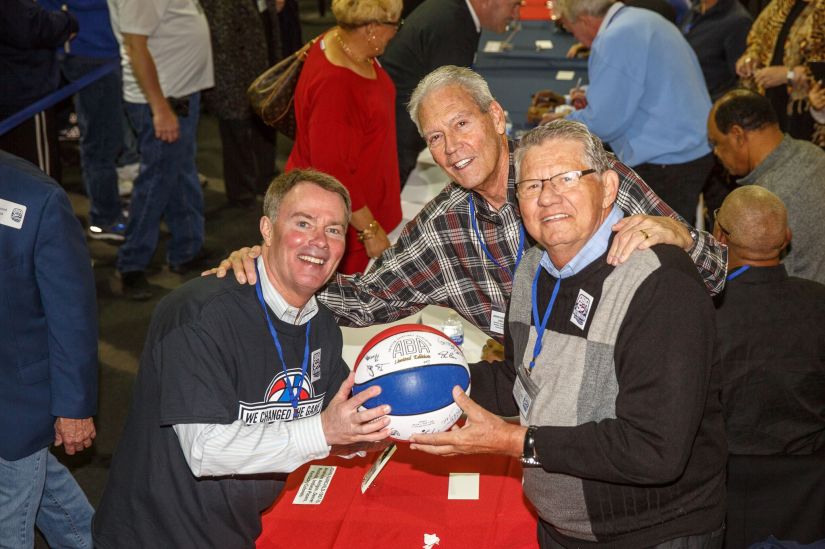
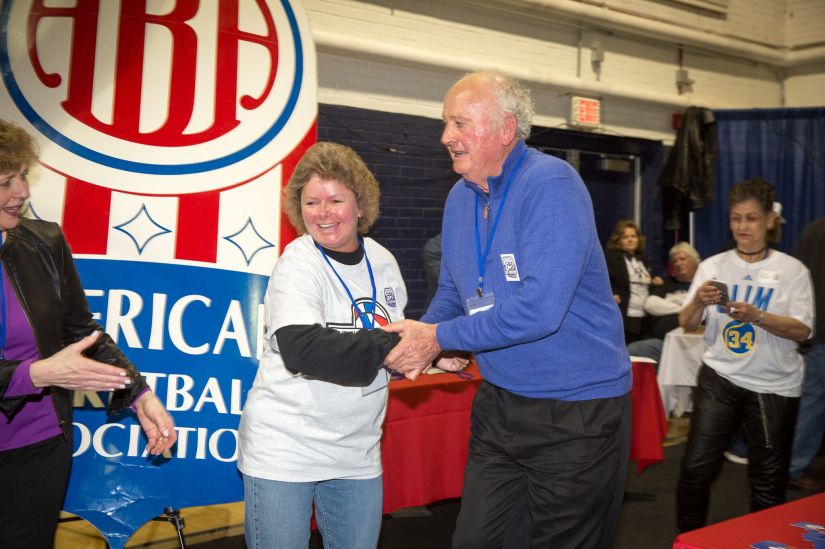
On Saturday April 7, 2018, Indianapolis was the setting for the 50th anniversary reunion of the American Basketball Association hosted by the Dropping Dimes Foundation. A special Saturday event was held at historic Hinkle Fieldhouse on the campus of Butler University. The choice of venue was not by accident. Hinkle had hosted the first ABA All-Star game on January 9, 1968. The East team, led by Pacers stars Roger Brown, Mel Daniels, Bob Netolicky and Freddie Lewis, defeated the West team by a score of 126 to 120. Despite being on the losing side, somehow Larry Brown was named MVP of the game, even though he wasn’t even the leading scorer on the west squad and was outscored by 3 members of the winning east squad. I should also mention that Brown didn’t show up for the reunion either but somehow got a ring.
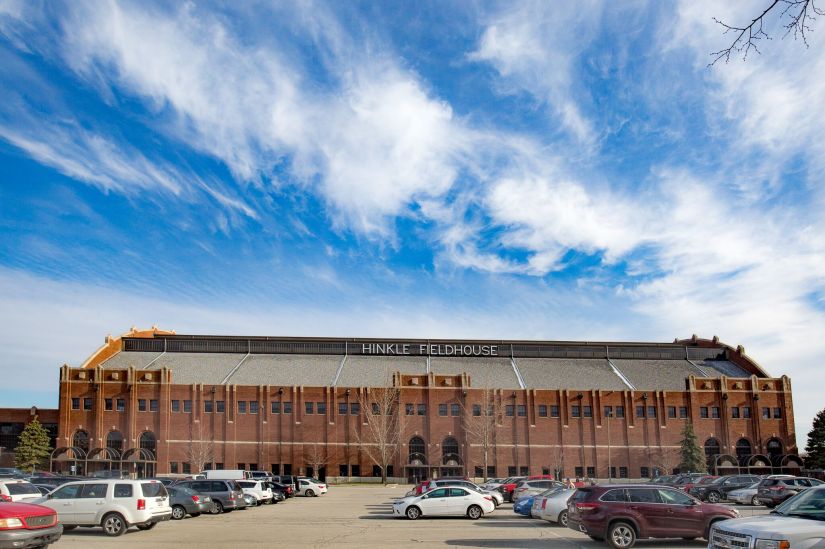
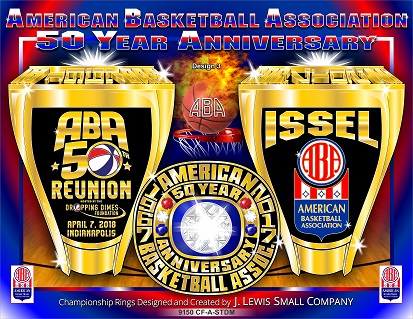
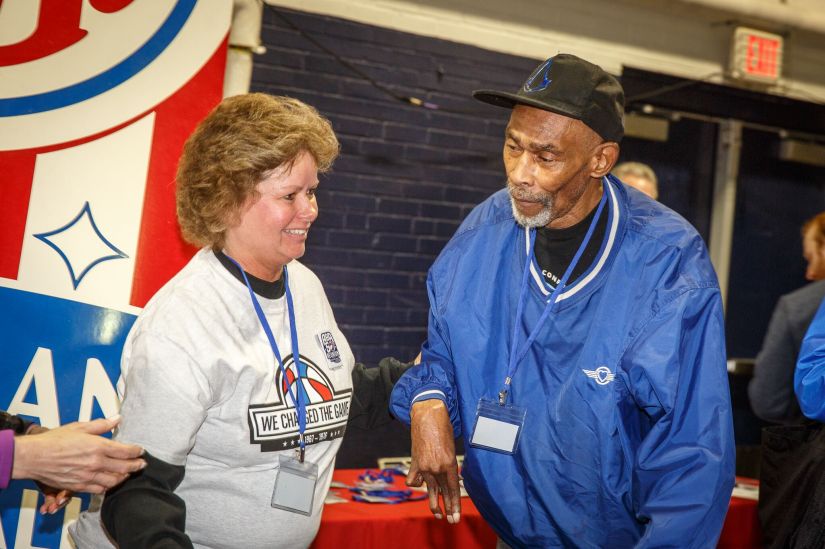
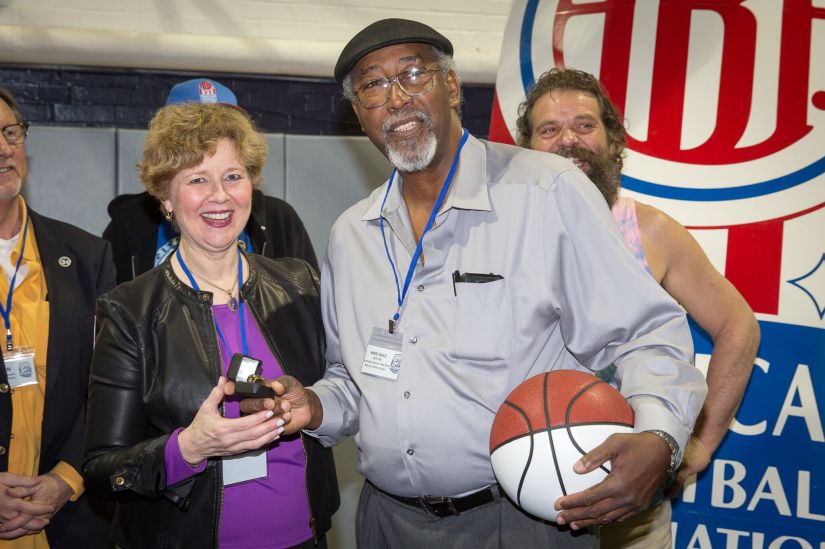
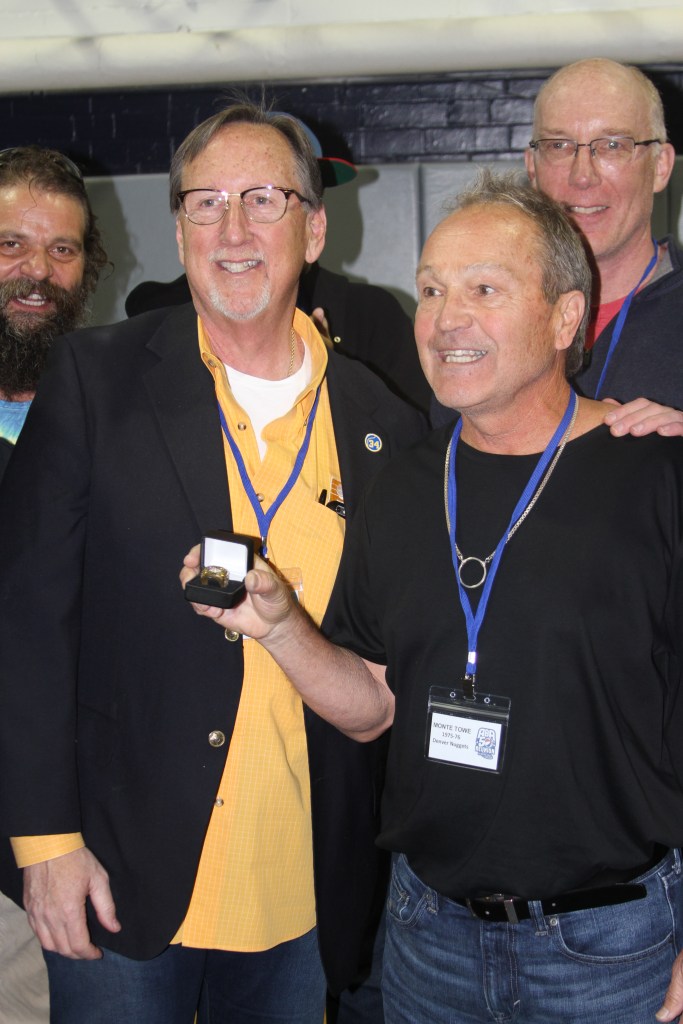
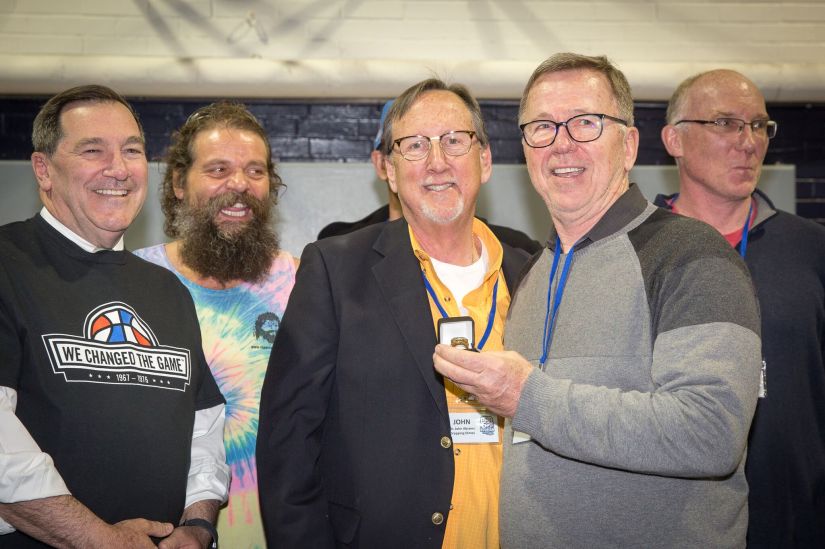
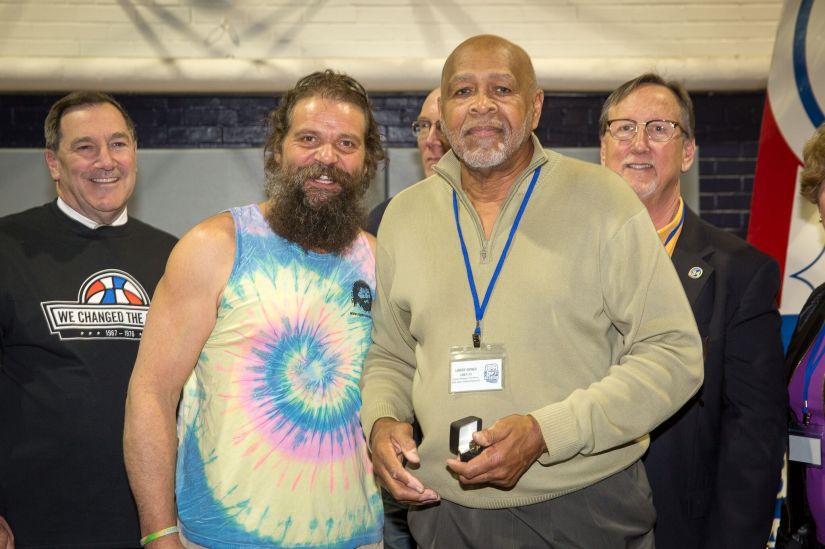
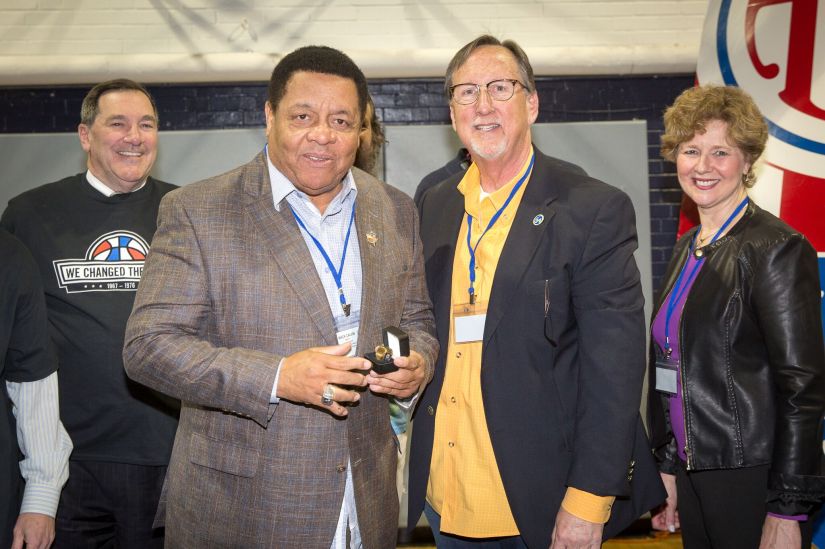
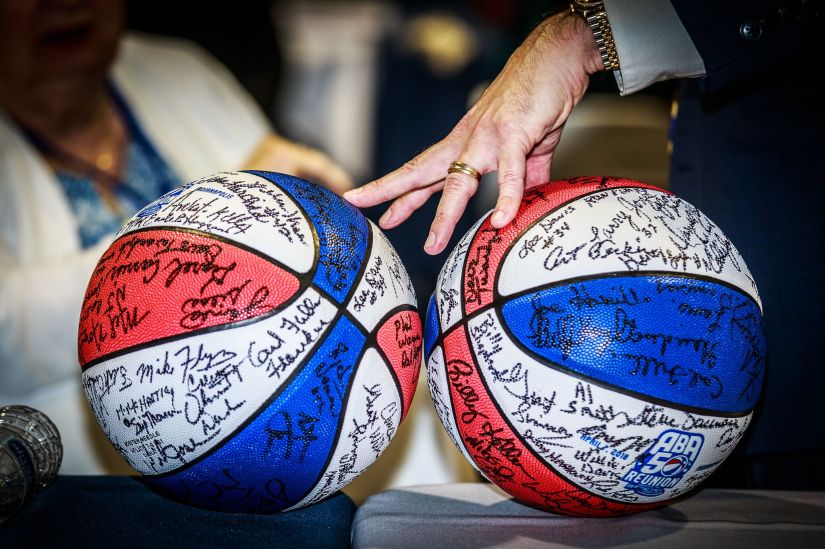
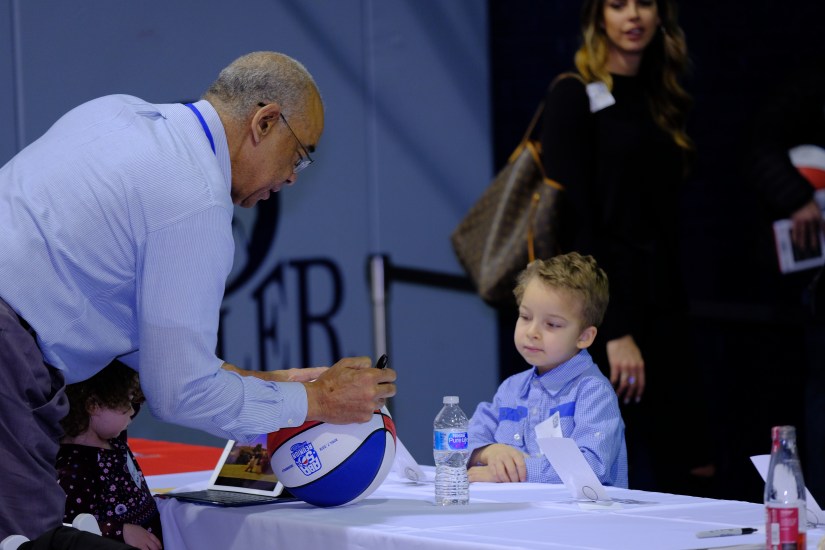
The Hinkle event included a card & memorabilia show hosted by J & J All-Star Sports cards and an autograph signing featuring over 90 former players and alumni of the ABA league. But the highlight of the day’s events was the ring presentation ceremony. As detailed in part I of this story, Bob Netolicky, Slick Leonard and I designed and created a special 50th anniversary ABA ring to be presented to league alumni in attendance that day. The road to the ceremony was not an easy one.
When Neto & I, who, along with ABA Pacers co-founder Richard P. Tinkham Jr., planned, created and hosted the 30 year ABA reunion two decades before, agreed to help out with the 50th reunion we were roughly six weeks out. The desire was still there, the ABA flame still burned and the passion of 20 years before was unwaning. But was there enough time to pull it off?
The ring design was finalized and approved during a late February Board meeting of the Dropping Dimes foundation. The meeting took place in the top floor conference room of the Bose, McKinney & Evans law firm in the Sales Force Tower on Monument Circle. The sample ring was passed around the room hand-to-hand by those assembled. For those few moments, we band of dreamers watched in awe as the ring floated above the clouds of the city that created the dynasty franchise of the ABA. It would be hard to imagine a more fitting setting for the big reveal.
One detail remained: we still needed a ring sponsor. Neto and Dr. Abrams did their level best to seek out a willing benefactor, including two noteworthy Circle-City car dealers who consistently run ads with local sports stars touting their community support. They both declined. But the rings were in production, players were sending in ring sizes and, sponsor or not, we were going ahead with the rings. As you might expect, the ring sizes varied and were all over the board. Bob Costas, who started his career in broadcasting with the Spirits of St. Louis, wore the smallest at 6 7/8 while Carolina Cougars / Miami Floridians / Dallas Chaparrals 7-footer Rich Niemann wore the largest ring at 18.
Kentucky Colonels legend Artis Gilmore, who at 7′ 2″ tall is the biggest man I’ve ever met, wore a size 15. Believe me, shaking the A-train’s hand is like putting your hand in a vice. It will bring you to your knees. Fellow Colonels Hall of famers Dan Issel wore a 13 1/2 and Louie Dampier a 10 1/2. The remaining ABA Hall of famers checked in at: George Gervin & Ricky Barry-13, Spencer Haywood-12 1/2, George McGinnis-12 and Bobby “Slick” Leonard a size 9 1/2. These Hall of Famer’s ring size information has no real historical value, but it sure makes for fun trivia. When all was said and done, nearly 100 player rings were ordered. But still, no sponsor.
The week before the reunion, event emcee Bob Costas called dropping Dimes co-founder Scott Tarter to confirm the final details and to ask if there was anything else he could do to help make the reunion a success. Scott asked if Costas could put him in touch with Bob’s old boss, Spirits owner Dan Silna. Tarter explained the need for a ring sponsor and within a few hours, Dan Silna agreed to sponsor the rings. Mr. Silna has been the subject of a past column, google him to learn his amazing story.
Meantime, Bob Netolicky was working on finding a ring sponsor on his own. Neto contacted his old San Antonio Spurs boss, Red McCombs. The 90-year-old McCombs, who attended the 30 year reunion but could not attend the 50th, not only owned the ABA Spurs, but also the NBA Denver Nuggets and NFL Minnesota Vikings. Neto secured a ring co-sponsorship from Red as well. So, after weeks with no sponsor, we now found ourselves with two. The rings were completed and delivered on Friday April 6th, mere hours before the players arrival.
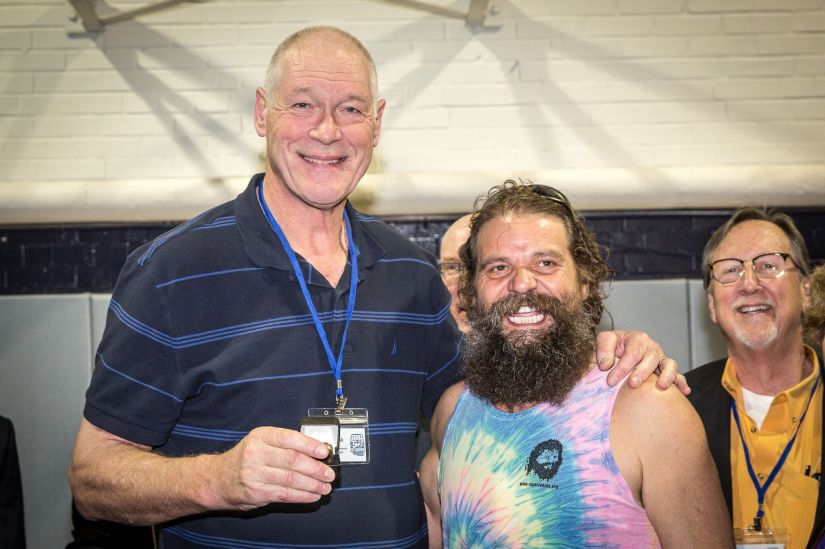
To make the event even more meaningful for the players and fans in attendance, several local dignitaries volunteered as honorary guest ring presenters. Senator Joe Donnelly, Congresswoman Susan Brooks, Mayor Joe Hogsett, City Councillors Vop Osili and Michael McQuillen, newscaster Dick Wolfsie, Trip III (the Butler “Blue” Bulldog) and even Rupert Boneham from Survivor showed up to pass out the iron. Former Q-95 regular Dave “The King” Wilson announced each player individually to the delight of the estimated 1,000 friends, fans and family of the ABA honorees.

Rhonda Hunter and Kris Branch secured, double-checked and delivered the rings to the dignitaries. “It was fun to watch the dignitaries jockey for position and compete to present a ring to their favorite player.” said Rhonda. “The Pacer players were in high demand but it was great to see how much all of the players enjoyed themselves.” Kris added, “I’ll always remember the expressions of pure joy on the faces of those legends as they received their rings and I will always remember that I had the once-in-a-lifetime honor of handling every ring.”

Roger Branch, Steve Hunt and Keith Hudson served as security for the rings. Tim and Cecelia Poynter, Christy McAbee, Cindy Adkins, Trudy Rowe and Kerry Hooker pitched in wherever needed. Brandon Kline and Nicole Misencik were invaluable to the day’s proceedings making sure gaps were filled wherever needed. My lovely mother-in-law Kathy Hudson and everybody’s favorite Irvingtonion Dawn Briggs served as hostesses for the event. Several troops of Indianapolis Girl Scouts were on hand to aid the alumni players throughout the day. It was hectic but fun for everyone involved. Since all of these folks were volunteering their time and services to help out in this once-in-a-lifetime event, I cannot thank them enough.

The Dropping Dimes trio of Scott Tarter, Dr. John Abrams and Ted Green served their worthy foundation majestically during the ring presentation ceremony by greeting every player as they received their rings. Tarter later remarked that he believed the ring ceremony made the day unforgettable. After the reunion weekend hoopla subsided, Tarter told me, “You know, when you originally brought up the ring idea, at first I wasn’t sure about it. But now I realize that the ring was the thing. You knocked it out of the park with that one Al.”
Dr. John Abrams, a former ABA Pacers ball-boy who is now one of the most successful eye doctors in the Circle City, remarked, “I still can’t believe how many of the former players came up and hugged me with tears in their eyes telling me how much that ring meant to them. That is the memory I will take away from the event.” For many of the players, those rings were the only official recognition they ever got for their service in a league left forgotten and unacknowledged by the NBA for three decades after the merger. The Saturday ring presentation at Hinkle Fieldhouse went off without a hitch but the saga of the rings was not over yet.

The Hinkle event concluded at 3:00 pm as the players boarded the bus transports back to the hotel. There were some twenty rings left over, made for players who were scheduled to attend but, for whatever reason, were not present to receive them. The rings were secured in the back of the Hunter van as Rhonda & I headed back home to prepare for that night’s gala at Banker’s Life Fieldhouse. We were to pick up Bob and Elaine Netolicky and drive down together to the event and deliver the rest of the rings. At least, that was the plan.
Problem was, when we arrived home, the rings were gone. It is hard to describe the level of panic that set in, but it was bad. Keep in mind, among the missing rings were those belonging to Julius “Dr. J” Erving, George McGinnis, Bobby “Slick” Leonard and Bob Costas. I called Neto and informed him the rings were gone. For once Neto was speechless.

The idea that the rings were gone left us thunderstruck. Needless to say, it was a long ride down to the Fieldhouse that night. The one bright spot of the mostly silent car ride was a phone call from Bob & Elaine’s daughter Nicole. When she learned about the missing rings, Nicole said, “Don’t worry, they’ll turn up somewhere daddy.” At that moment, I appreciated the sentiment but doubted the prediction. An hour long cocktail party preceded the banquet. Word had gotten out about the missing rings and during that happy hour I was approached time and time again by players expressing their heartfelt concern and support about the situation. Indiana basketball Hall of Famer Monte Towe chief among them.

The banquet concluded, complete with the presentation of a “dummy” ring on stage to emcee Bob Costas. Fueled by the excitement of the evening, the ride home was more jovial. The ring situation was on the back burner until Neto began to rub his chin and stare off in space before remarking, “How could someone have gotten in your locked car? You’re gonna find those rings. You know what happened, you hit a chuckhole and they fell out of the box. They’re under the seat in the back floorboard of your car.” I mumbled something in polite incredulity and dropped our guests off for the night.
During the final leg of our journey home I tried to think positive and buy in to Neto’s theory. We pulled in the driveway and I dashed into the house to retrieve the keys to the van, which had remained parked and loaded with supplies from the Hinkle Fieldhouse event. I was careful not to tell Rhonda simply because I didn’t want her to get her hopes up. I looked behind the driver’s seat where the empty boxes were found, but found nothing. I searched the back of the van, nothing. As a last ditch effort, I removed some empty plastic bags behind the passenger’s seat, certain the rings could never have ended up there. Faith and Begorrah, there they were. The missing rings had been found, just as Neto theorized.
I called Bob even before I told Rhonda. I have never heard Neto laugh so long and so loud. Neto called Rhonda as I gathered the rings and before I had the chance to go in and tell her. The next morning, Rhonda & I headed down to the J.W.Marriott to get the rings safely into the hands of the Dropping Dimes guys and also to get the rings to a few of the players before they left town. Nets great and Dropping Dimes Board member Brian Taylor met Tarter, Abrams and I in the lobby and took Julius his ring while Dr. J was eating breakfast in the restaurant. Tarter got McGinnis his ring and the rest were mailed. Finally, all rings were delivered.
I managed to drop Bob Costas off his ring just minutes before he left town. He was staying at the Conrad. I left the ring with the front desk and made my way back home, secure that all but one of the rings were safely out of my hands once and for all. Neto and I went to Slick Leonard’s house that Sunday morning and Neto gave me the honor of presenting Slick his ring. All’s well that ends well.
Later that day, I discovered that Pacers media guy Mark Montieth wrote an article about the event mentioning me (by name) and the missing ring situation. Not exactly how you want to see your name in print. Luckily, Montieth’s story was not the final note on the ABA ring affair. Later that afternoon, I received a voicemail from Bob Costas. The message said, “Hi Al, this is Bob Costas. I just wanted to call and thank you for delivering my ring and let you know how much I appreciate your bringing it down here for me. Take care and thanks again.”

Now you know the true and accurate story of the ABA 50th anniversary rings. I wanted to set the record straight for posterity once and for all. The rings started out as an idea, developed into reality and came together only through the efforts of many people sharing the same vision. The rings will outlive us all. Someday they may be the only reminder of that one special weekend in April of 21018 when the Golden anniversary of the American Basketball Association was celebrated here in Indianapolis. Proof positive that dreams really can come true.

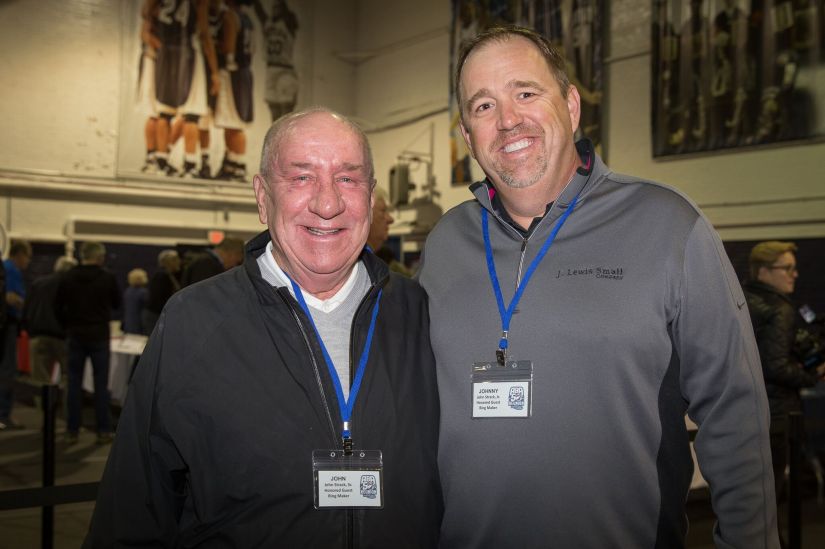


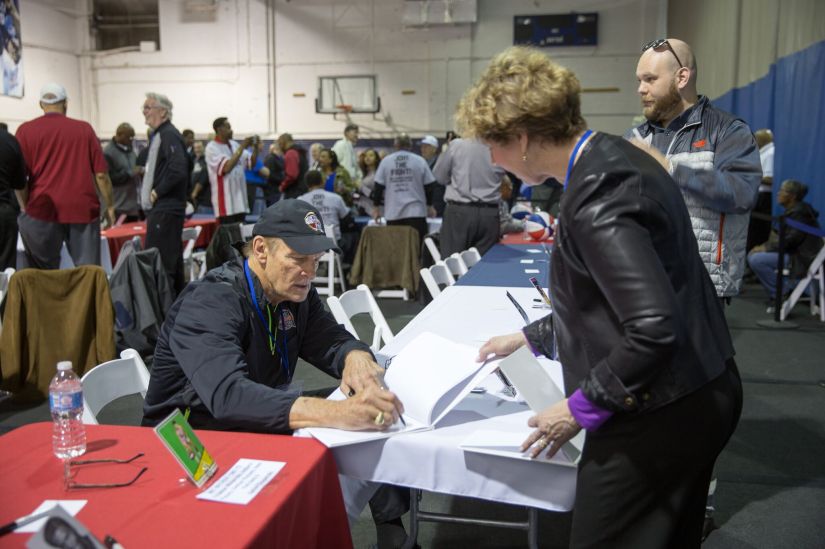

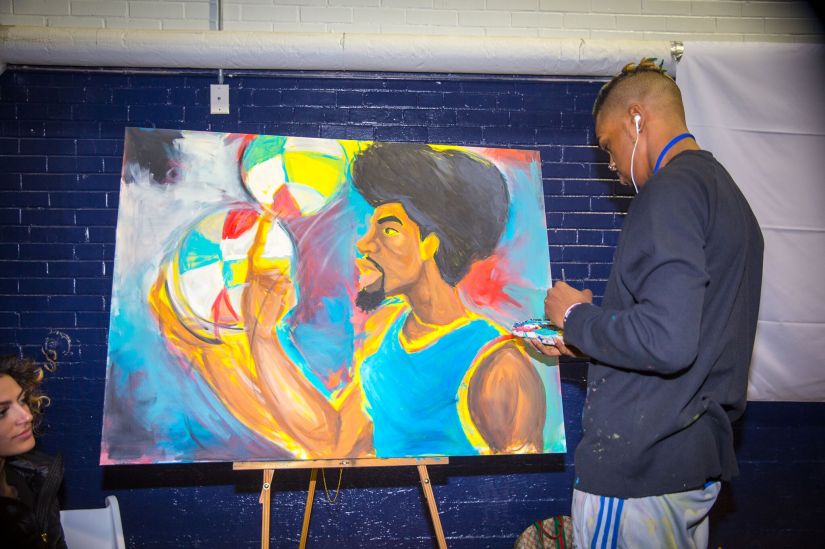


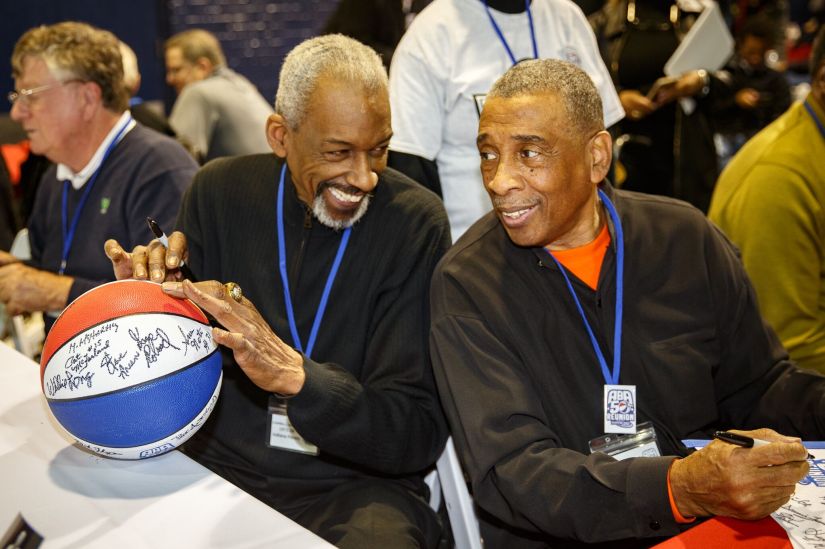















Julius Erving and Rick Barry. Photo by Lauri Mohr of Imagine Mohr Photography.

Indiana Pacers Hall of Famer George McGinnis. Photo by Lauri Mohr of Imagine Mohr Photography.




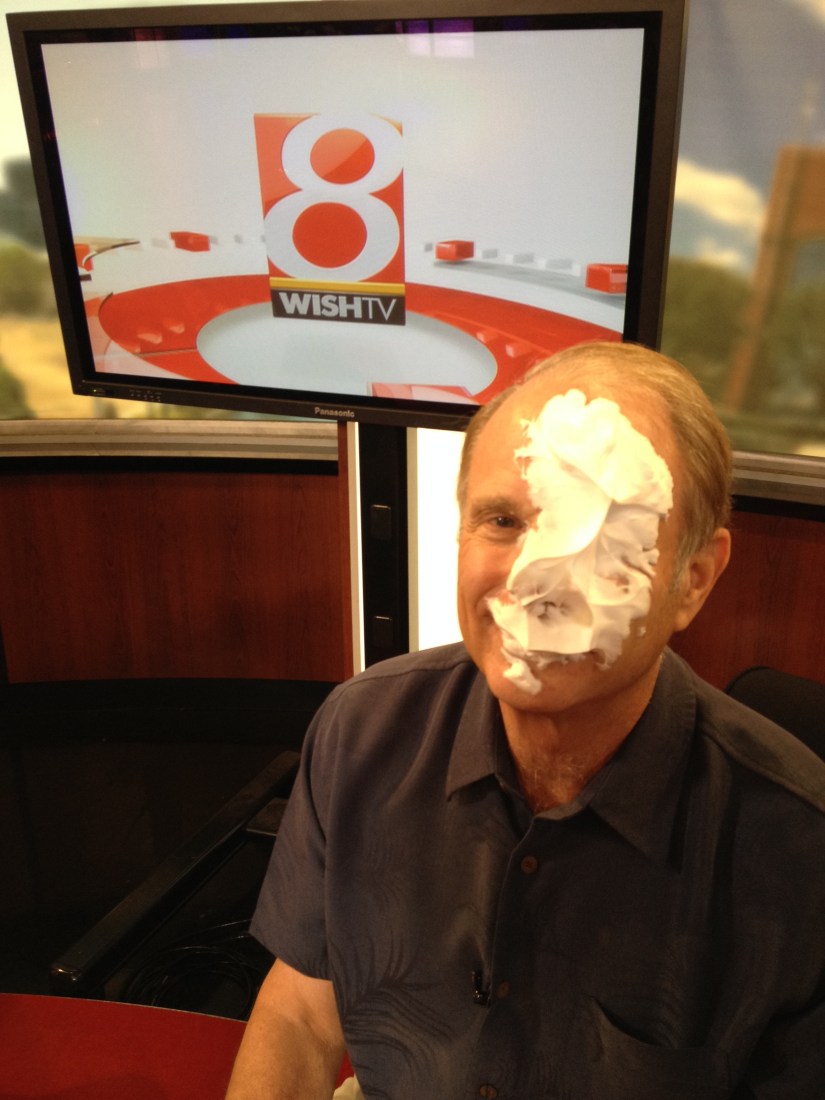


 Early in 1955 WFBM channel 6 began airing the Indiana Hoedown, starring entertainers who had been on WLW in Cincinnati. In addition to working the Hoedown, Curley had Curley’s Cowboy Theater for seven or eight years, then did a Saturday morning kids show with Cap’n Star and Harlow Hickenlooper. Altogether, Curley spent over 15 years there as the “Saturday Morning Cowboy”. In May, 1972 the TV station was sold and the new owners planned a change of programming formats and personalities.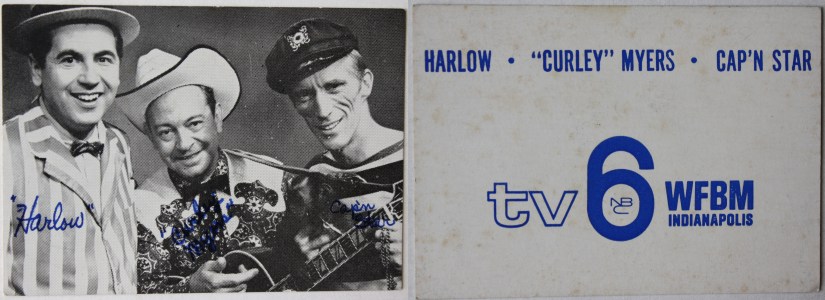


 When you hear the term “Gypsy”, what comes to mind? A vagabond road wanderer? A classic motorcycle? Maybe a Sonny and Cher song? Well, let me share with you a real gypsy story from a century ago that happened just up the National Road in Terre Haute. On May 16, 1914 three bodies were interred in “Terry Hot’s” Highland Lawn cemetery. According to newspaper accounts of the day, at the burial site “strange balls of incense” were placed around the graves. As the caskets were slowly lowered into the ground, veiled women wailed, tore at their clothing and pounded their chests. Their grief cut through the thick sickly sweet smoke hovering over the graves like a switchblade. When the graves were closed wine bottles were opened and their contents pored atop each grave in the shape of a cross.
 The May Day visit began like any other visit to town by the Gypsies. But Sunday May 3rd would prove to be an especially raucous day in camp. No-one knows what the Gypsies were celebrating, but celebrating they were. During the day (and through most of the night) 8 kegs of beer, wine and ale were consumed in camp. Neighbors reported the “camp was a scene of brawling and hilarity.” Eventually, most of the Gypsies passed out cold in their bunks. But in the predawn hours of Monday, one man still stalked the camp: John Demetro.
 Camp residents warned officers to be careful as Demetro was still stalking around the camp, most likely armed with his 16-shot Remington rifle, and was sure not to go down without a fight. Officers found him sitting in front of his tent, gun laid across his lap, staring blankly at the ground. Policemen cautiously approached, guns drawn, ready for a gunfight. But instead of resisting, Old John placidly handed over his gun and calmly surrendered. When they drew back the tent flap, they learned that Demetro had first bludgeoned, then shot, his wife to death. He then turned the gun on her father Bob Riska and shot Joe Riska in the face. Socca and Bob were DOA but Joe, despite missing half of his head, was still clinging to life. They took John to jail and Joe to the hospital were he died of his awful shotgun wound the next day.
 John Demetro’s wife and other victims lay in a Terre Haute Cemetery far from the lands of their birth. In Terre Haute’s Highland Cemetery Gypsies make almost annual pilgrimages to visit the graves each summer. Of course, there are numerous reports that the gravesites are haunted by “Gypsy Ghosts”, but most consider these stories as mere folklore designed to scare girlfriends and make kids nervously giggle. But, like every historical ghost story, there is truth behind the legend.
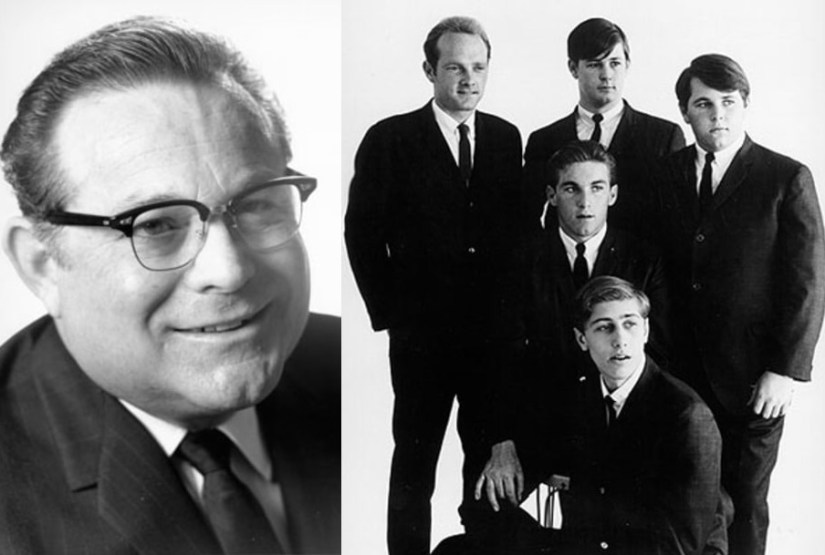
 The banter among the bandmates and “Wrecking Crew” studio musicians is typical witty chatter with hints of the Era in which the recording was made scattered thourhgout. Mike Love saying “I got Vietnam-itus in here.” Al Jardine replying with a giggle: “I was just thinking of that, you know that?” Mike: “What?” Al: “Vietnam…for some reason, I don’t know why…” and Brian yelling from the booth: “Get in the front of the mic, Carl!”
 At this point, Murry departs with the boy’s mother Audree in tow and the Beach Boys continued on with the session. Emotionally devastated by the evening’s drama, the Boys called it a night, returning the next day to redo the vocals. Brian would have the last laugh in this battle by sneaking the song “I’m Bugged At My Ol’ Man” onto the album at the last minute. It would be another three years before Murry again attended a Beach Boys recording session. Legend claims that from that point on, the band purchased a fake audio console for their sessions, so Murry could twiddle knobs on the fake mixing board to his heart’s delight without destroying anything.
 In 1964, Murry Wilson’s wife Audree left him and they separated. The marriage ended in divorce in 1966. In a letter written on May 8, 1965, just a few months before Brian recorded what is arguably the band’s masterpiece, “Pet Sounds”, Murry gives a glimpse into the complicated, psychologically messed up relationship with his son.
 I am over the big hurt of losing my three sons as a manager for their benefit and good fortune, but I am not over the fact that I have lost my three sons’ love, and I mean real love, because you are all in a distorted world of screams, cheers and financial success. The money will not mean a damn thing to any of my sons if they are not happy when the job is done and it is a sad thing for three young beautiful sons to place their life’s success on the success of a record album or a 45 RPM disc or to how successful they are in the eyes of the music world from how many seats they sell in a live concert. I hope to God that you and your brothers review your thinking now before it is too late, because only more damage can arise from this temporary, fleeting image of success known as The Beach Boys.
 Although a marginally successful songwriter and musician, the self-aggrandizing and ostensibly talented Murry Wilson’s primary claim to fame was as the patriarch of the Beach Boys. Once the Beach Boys established themselves, Murry managed to finagle a solo album deal for himself in 1967; “The Many Moods of Murry Wilson.” It was not commercially successful. Murry Wilson died on June 4, 1973 after suffering a heart attack at the age of 55.
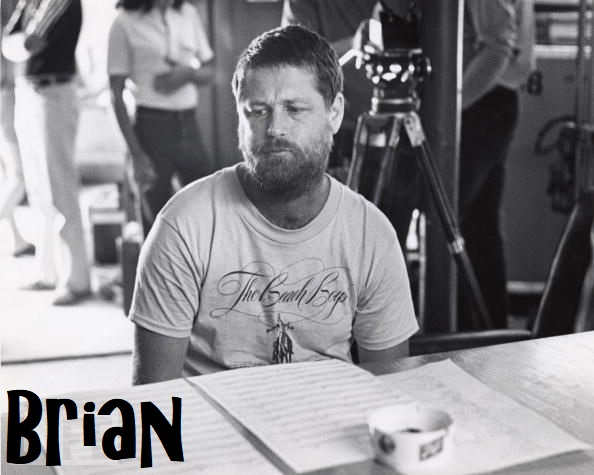 Brian Wilson spent the bulk of the two years after his father’s death hiding in the chauffeur’s quarters of his home; sleeping, abusing alcohol, taking drugs (including heroin), overeating, and exhibiting self-destructive behavior. He attempted to drive his vehicle off a cliff, and at another time, demanded that he be pushed and buried into a grave he had dug in his backyard. Although reclusive during the day, Wilson spent his nights fraternizing with Hollywood colleagues known as the “Vampires” including Alice Cooper, Iggy Pop, Harry Nilsson, John Lennon, Ringo Starr, and Keith Moon. The Monkees Micky Dolenz recalls dropping LSD with Wilson, Lennon, and Nilsson, while Wilson “played just one note on a piano over and over again.” During this period, his voice deteriorated significantly as a result of his mass consumption of cocaine and incessant chain smoking.
 On December 28, 1983, three weeks after his 39th birthday, Dennis Wilson drowned at Marina Del Rey in Los Angeles. After drinking all day, he dove into the Marina searching for items he had thrown overboard from his yacht three years before. He never resurfaced. Carl Wilson died of cancer in Los Angeles on February 6, 1998, just two months after the death of his mother, Audree.
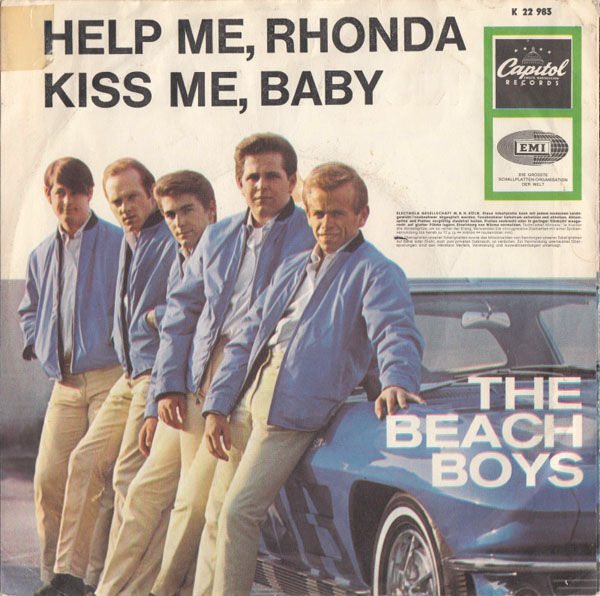 “Help Me, Rhonda” came at a time of amazing creativity and overwhelming psychological turmoil for Brian Wilson and the Beach Boys. Wilson was trying to come up with enough material to fill three albums and four singles per year, material good enough to compete with the Beatles, all while undertaking grueling tours with the band. In December 1964, Wilson suffered a nervous breakdown and stopped touring with the Beach Boys, but the relentless schedule of record releases did not let up. Just two months later, the “Help Me Rhonda” sessions took place. Who knew such turmoil and drama could surround such a catchy little tune?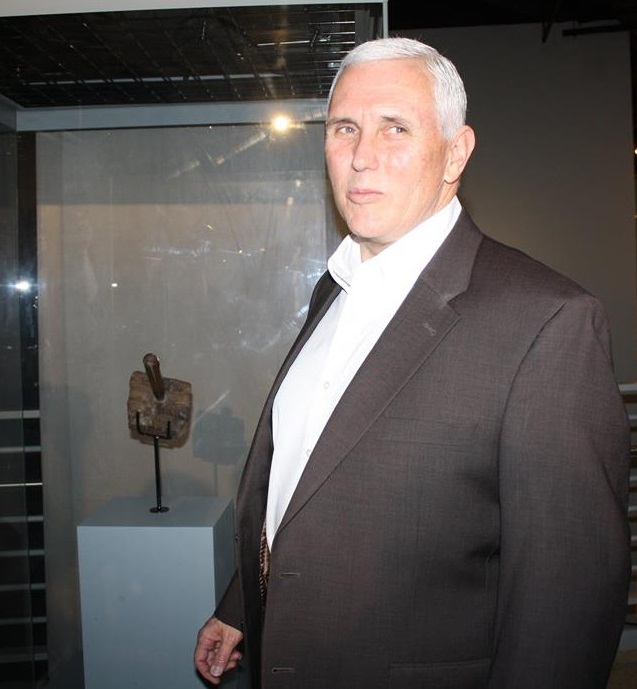
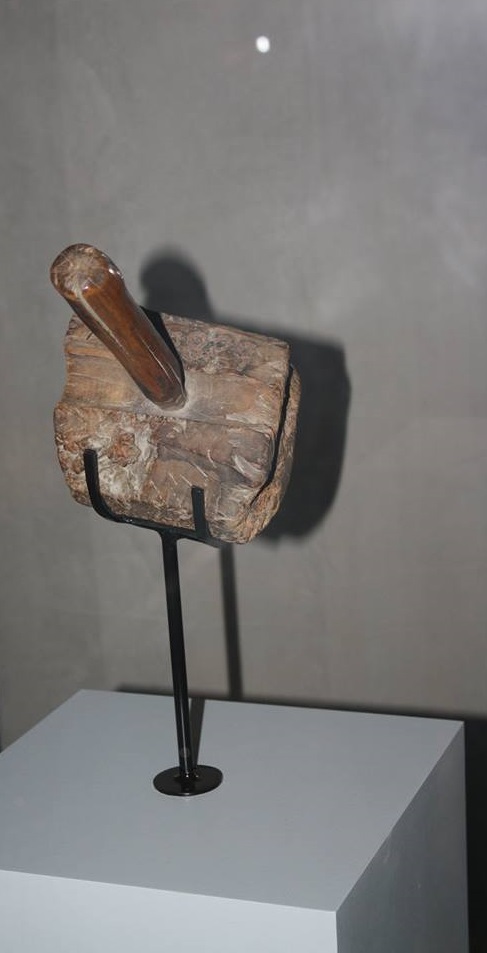 The primitive looking hammer seems perfectly matched to the muscular 20-year-old young man who wielded it back in 1829. The mallet is made from the trunk of a tree cut from the virgin timber forest that once populated Spencer County, Indiana. No doubt Thomas Lincoln cut the tree from the unbroken forest surrounding the family cabin for use by his young son Abraham in splitting wood. Those famous “rail splitting” images we all remember from our history books? Well they all picture Honest Abe using this mallet.
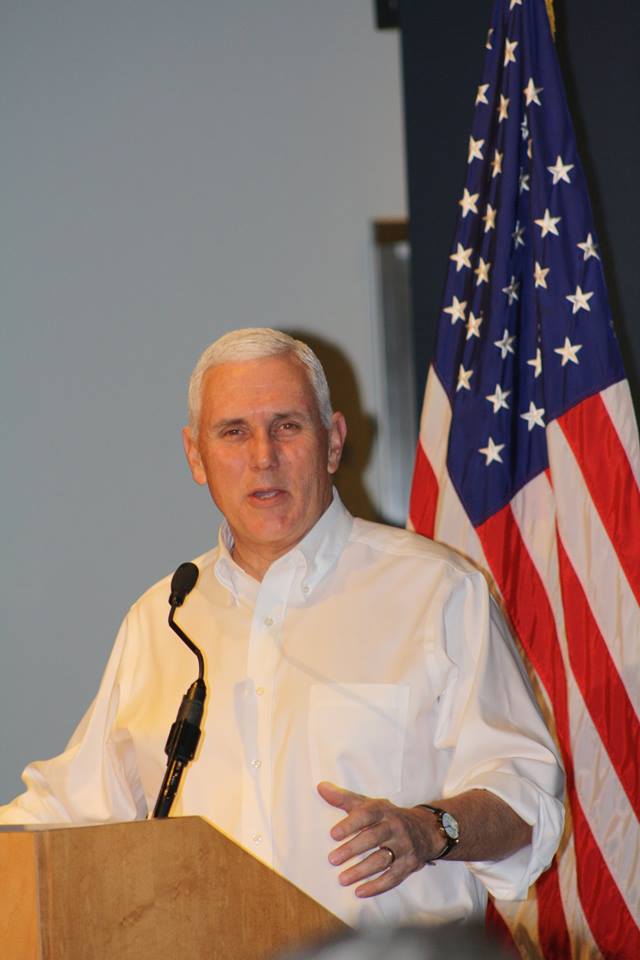 Before Governor Pence dropped the curtain to reveal the relic, he took off his jacket to reveal rolled up shirt sleeves in a workingman’s fashion to honor the Indiana Railsplitter. “I thought it was appropriate for the occasion,” the Governor explained. Staying in the moment, Pence harkens back to a predecessor by repeating Governor Otis Bowen’s quote, “Lincoln made Illinois, but Indiana made Lincoln.” He made sure to mention his trip to Southern Indiana a couple days before to bury another predecessor, Edgar Whitcomb, who died February 6th. Make no mistake about it, Mike Pence loves Indiana history.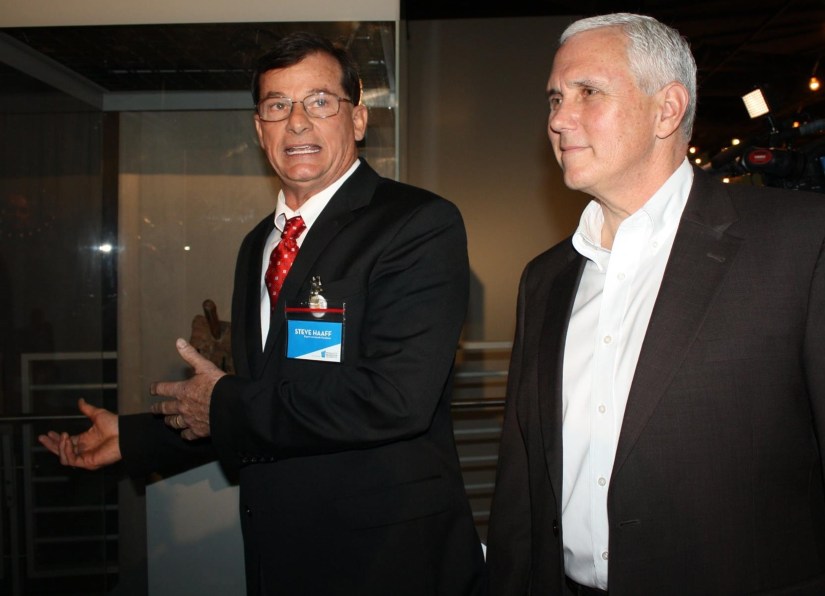
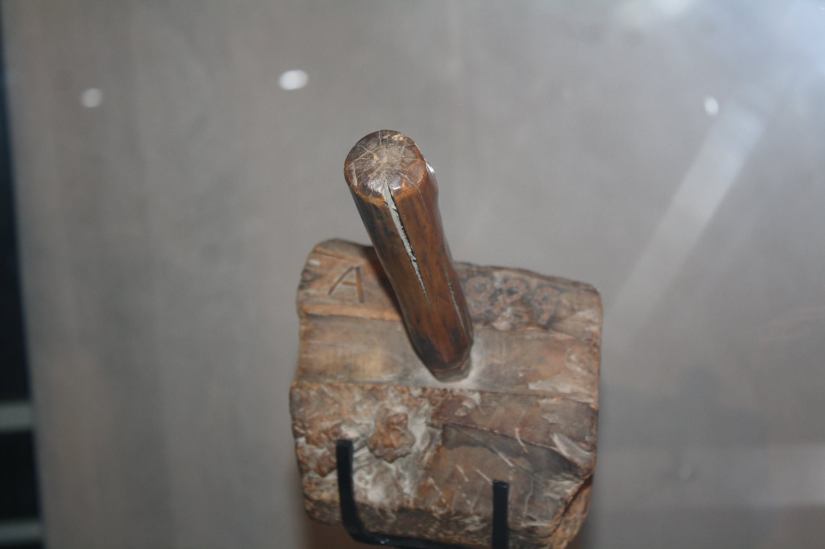 The mallet most closely resembles a carnival strongman’s prop,or Thor’s hammer, but a closer examination immediately reveals it’s cryptic secret. Above the handle’s stem lay the initials “A.L.” with a year date of “1829.” Steve Haaff explains that the initials and date are not carved as one may surmise, but rather they are metal inlays. Haaff states, “Thomas Lincoln was a carpenter and Abe was his only apprentice. Thomas hoped that his young son would follow him into carpentry, but Abe Lincoln wanted to be a blacksmith. These metal pieces were inserted into the mallet by Abe Lincoln himself.”
 ISM’s Ogden further explains, “He didn’t put those initials and that date into the mallet because he was Abraham Lincoln, he put them there to mark the tool as his own. He was just a Hoosier farm-boy at the time with no idea he was on his way to becoming a legend.” Ogden, whose fervor for Lincoln is rivaled by few, explains the mallet’s secret by identifying it as the only known item that ties Abraham Lincoln to Indiana. “The Lincoln’s were Indiana pioneers, they arrived here just a week before we were made a state in the Union. While they were not poor, they were also not wealthy.” says Ogden. “The Lincoln family used everything they owned, in most cases using it all up. When they moved to Illinois in 1830, they couldn’t take everything with them and this mallet was among those things left behind. Whether Abe gave the mallet to his neighbors, or whether the Carter family simply picked it up from the pile of discards is debatable. But we’re certainly glad it survived and are delighted to be able to display it for our guests.”
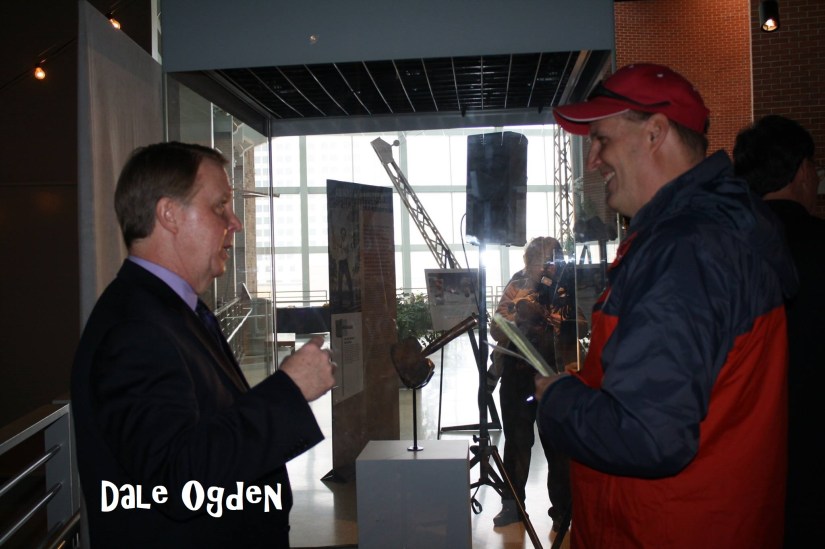 Ogden explains that the ISM was fortunate to obtain the collection and although it is vast and comprehensive, he says that the question he got the most from visitors was, “Where is the Indiana material? and I always had to reply, There is no Indiana material. This mallet changes all that. Those railsplitter legends were all we had. This mallet confirms that folklore and brings all of those stories together.”
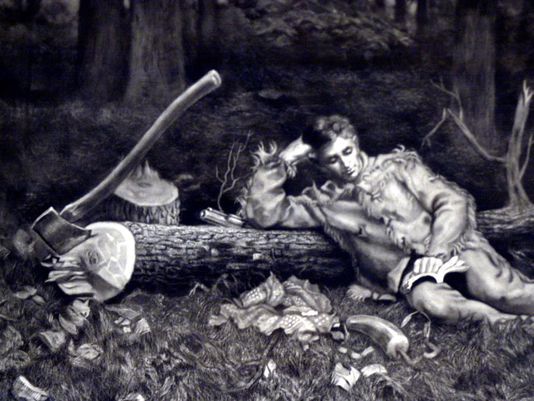 Lincoln’s mother Nancy died of milk sickness in October of 1818. Haaff states that the planks were made from a log from the leftovers pile used to make the family cabin. “Thomas made the coffin while 9-year-old Abe sat nearby and whittled the pegs for his mother’s coffin.” His mother’s death, and that of his beloved elder sister Sarah’s death 10 years later, devastated Lincoln and laid the foundation for the depression that haunted him for the rest of his life. No doubt, Thomas and Abraham made the coffin for Sarah too.