Amusement Parks, Music, Pop Culture

Janis Joplin at Indiana Beach. Part I.

August 14, 1968 Janis Joplin Indiana Beach Part One August 18, 2014 picture

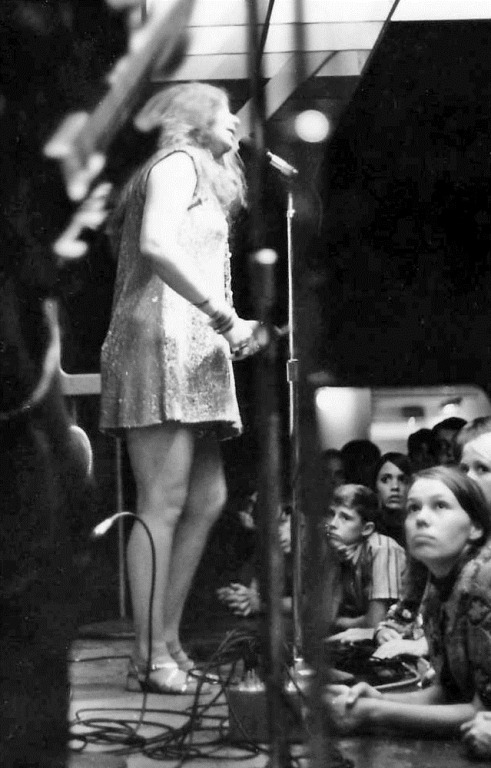
Janis Joplin on stage at Indiana Beach August 14, 1968.

Original publish date:  August 18, 2014 Reissue date: August 13, 2020

As the last gasps of summer slowly wheeze out of our lungs, I wanna take you back to 1968. America seemed to be coming apart at the seams. It was a presidential election year in the United States. The nation was divided by disputes about civil rights and the war in Vietnam. This seminal year became the backdrop for a confluence of independent yet related phenomena. It marked the end of LBJ’s “Great Society”, the country was ensnared in an unpopular war, campuses were alive with dissent, years of racial unrest were reaching a boiling point, women were burning bras, divorce was on the rise and the youth of the nation were finding their collective voice.


The culture was getting younger, like it or not. Styles and indulgences were taken to revolutionary status; drugs, music, clothing, sexual liberties, you name it and it was changing. There wasn’t a single institution left unchallenged by the nation’s youth. To top it all off, Martin Luther King, Jr. and Bobby Kennedy were tragically removed from the National stage at at time when both were needed most. In the critical year of 1968, as the atmosphere of threats, distrust, and violence poisoned the nation’s politics and public life, “Don’t trust anyone over 30” became the mantra. The blows to the national psyche were catastrophic, and were only exacerbated by the urban violence that accompanied both major parties’ political conventions that August.
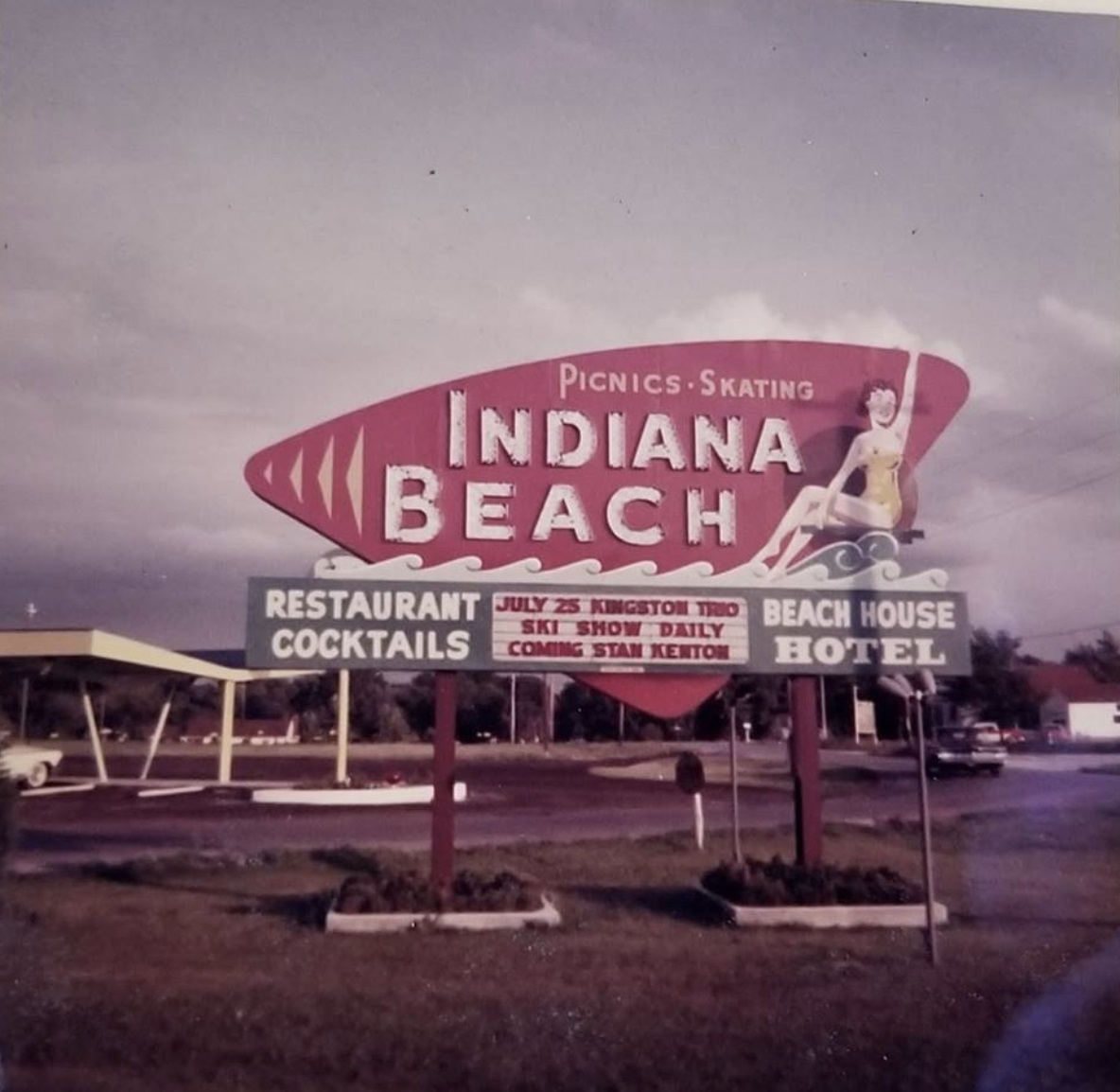
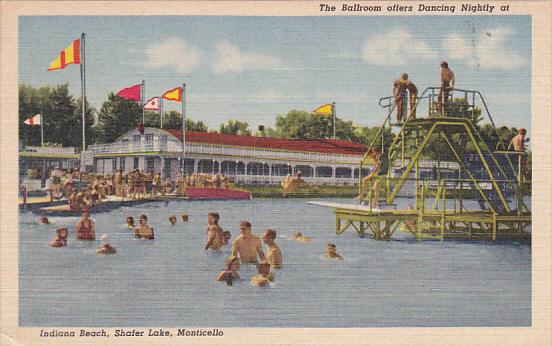
But 1968 was a golden age for music..artistic expression..and political thesis. On August 14, 1968, 46 years ago this week, an iconic symbol of the sixties was breezing through Indiana. Was it Richard Nixon? Hubert Humphrey? The Beatles? No, it was Janis Joplin and she was rockin’ the main stage in the “Beach Ballroom” at Indiana Beach. Yes, Indiana Beach in Monticello, Indiana.


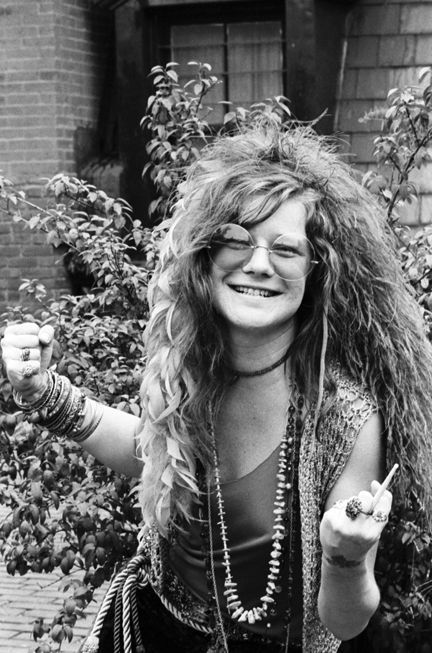
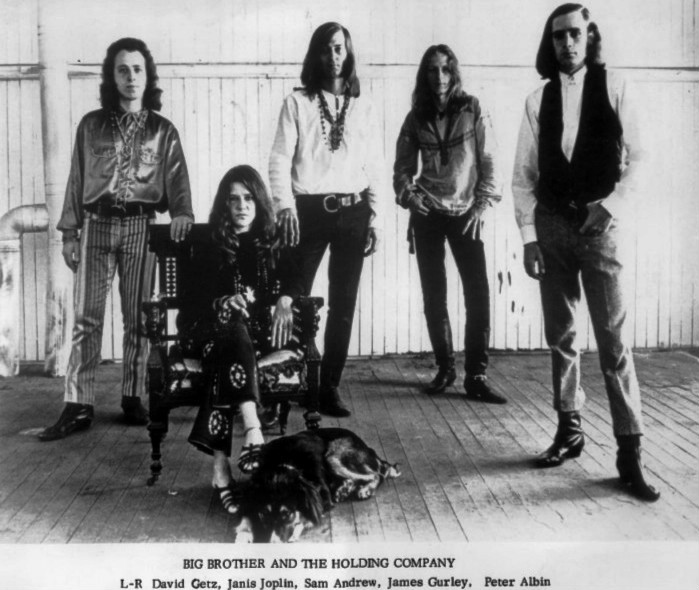
At the time, 25-year-old Janis Lyn Joplin was the lead singer of the psychedelic-acid rock band Big Brother and the Holding Company. Her performance at Indiana Beach came a year after her breakthrough performance at the Monterey Pop Festival and a year and 3 days before she stormed Woodstock with the Kozmic Blues Band on her way to becoming an American Rock n’ Roll legend.
Janis and Big Brother played for a crowd of about 100 people on that Wednesday night. Before the show, while the roadies were setting up the equipment, Janis casually strolled the midway through the games and rides and none of the park visitors bothered her. She later told friends that she “was just having a good old time.” No-one hassled Janis, no-one asked her for autographs, no-one screamed or hollered or caused a scene. Half the people didn’t even know who she was.


For the show, Janis and the band performed on the north stage that faced south. Although no playlist from that particular show exists, the Indiana Beach concert came just two days after the band released their second album, “Cheap Thrills” on August 12, 1968. So it is reasonable to deduce that Janis belted out classics like “Down on me” and “Easy Rider” from their self titled 1967 debut album along with new standards like “Summertime”, “Ball and chain” and “Piece of my heart” from the new album.
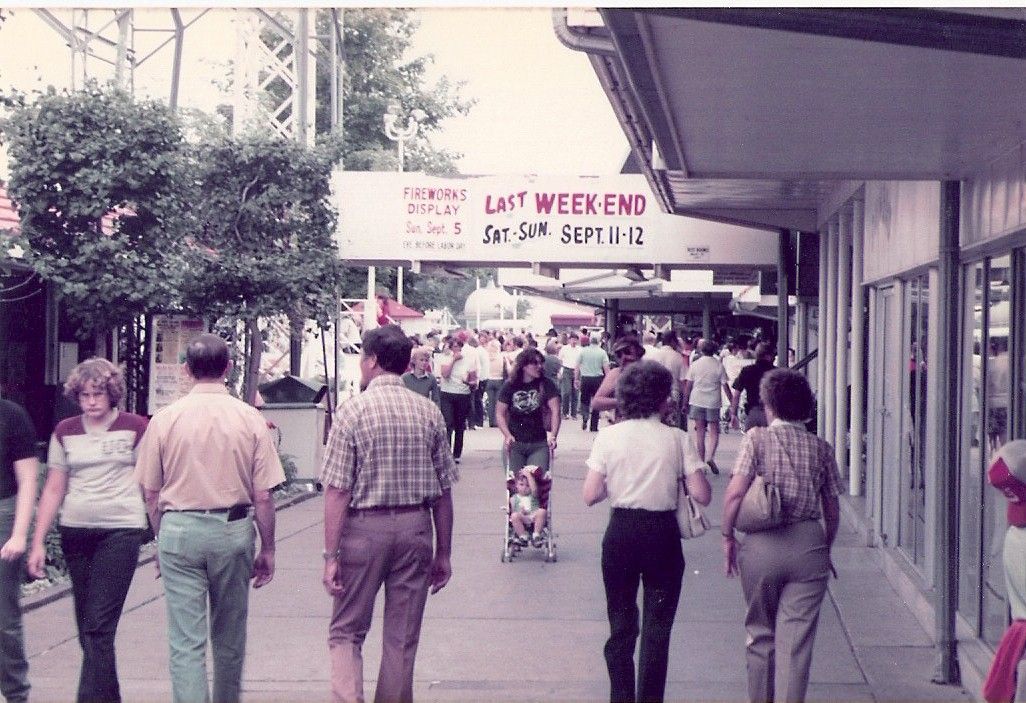
A concert at Indiana Beach in the 1960s was like going to the State Fair with the smell of grilling burgers and popping popcorn wafting in from the midway. “It had that carnival atmosphere,” one fan remembered. “It was like going to a big party.” Those who had front-row seats left with unforgettable memories. But with the passage of time, physical evidence has faded away and memorabilia has been long ago tossed in the trash or stowed away in long-forgotten boxes in the attics of Northern Indiana.


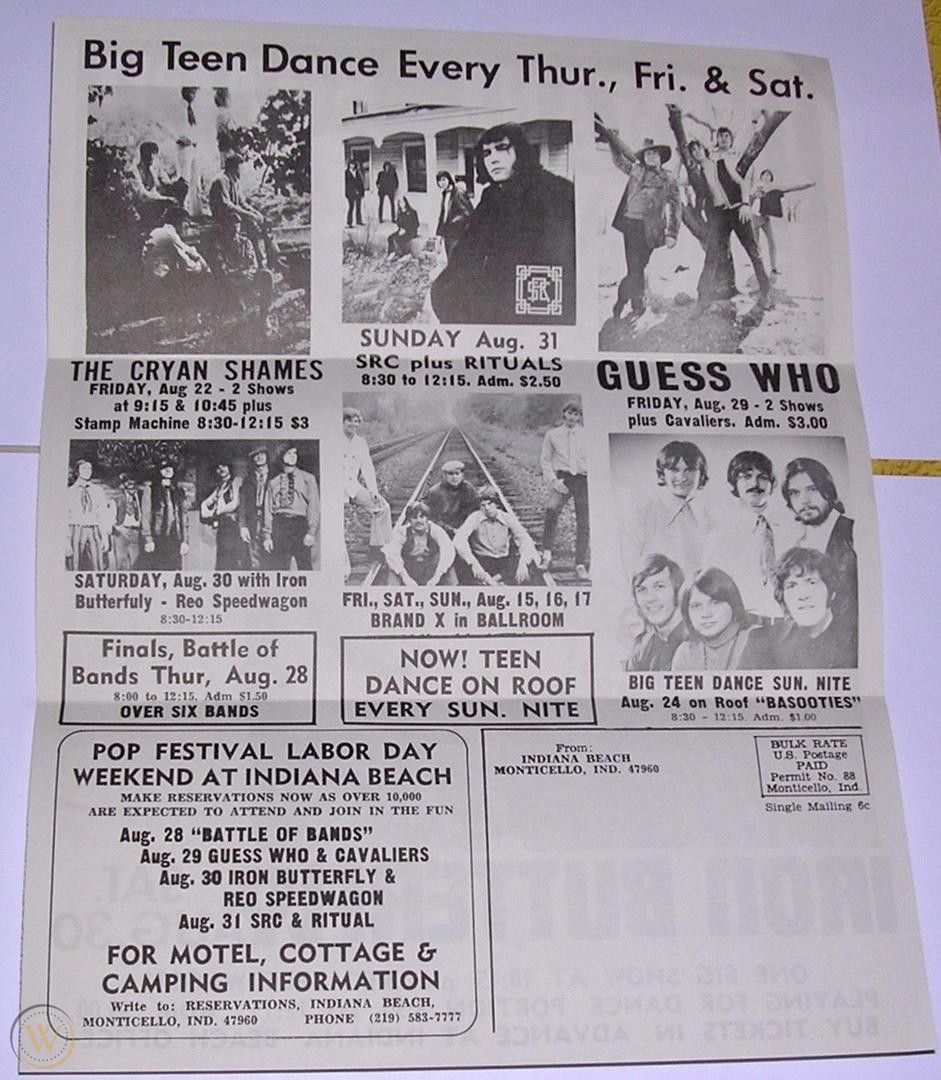
The White County Historical Museum is one of the very few places where memorabilia from Indiana Beach Concerts may be found. The museum has a collection of 1960s Era newsletters from the venue known as the “Indiana Beach Preview” and later “Happenings”. Even these newsletters change tone as the decade marches on with the early versions promoting what the park rather innocently called “Dance-In Experiences”. By the late 1960s, these same events were being called a “Psychedelic Experience & Musical Explosion”. Browse through these newsletters today and you will find bubblegum acts like Brenda Lee (I’m sorry, Sweet Nothin’s, Rockin around the Christmas Tree) to Big Bands to Beach Boy look-alike garage bands to the Beach Boys themselves. In these newsletters, music trends and styles change before the reader’s eyes. By 1968, psychedelic and hard rocker bands sporting mutton chops, long hair and wearing dashikis were showing up at Indiana Beach.

Some concert photographs and ticket stubs survive, but posters, contracts and other documentation have essentially vanished. Not even the Spackman family, former owners of Indiana Beach, know where such memorabilia can be found. Nobody was thinking in terms of posterity or Rock ‘n Roll history back then, they were just trying to get more kids into the amusement park to spend money on rides, midway games and food. Had they realized back then that today, those contracts and memorabilia would sell for a day’s receipts at auction, they most certainly would have saved them. By the way, a ticket to see Janis Joplin with Big Brother and the holding company sold for $ 3.10. Amazing huh?
Today, the Beach ballroom sits quietly behind the Indiana Beach arcade never betraying the Rock n’ Roll history it once held sway over. Few people enter the ballroom or even take notice of it. Inside, there’s an odd mix of outdated furniture as well as the old DJ booth. The cement floor remains that once withstood thousands of feet each summer all dancing to the sounds of rock ‘n’ roll royalty. The old stage stood on the north side of the ballroom allowing for a large space for standing room only crowds. The walls opened up to allow people from the outside as well as those docked on their boats, to see and hear the bands if necessary. (Did I mention only 100 people showed up to see Janis?) The ballroom can still be reserved for events, but most live bands now choose to play in the Rooftop Lounge, a bar just a short walk from the historic ballroom. A newer stage was built in the 1970s long after Janis Joplin’s raw, emotional voice pierced the summer air along Lake Shafer.


By the time Janis Joplin finished her set at Indiana Beach, she was on her way to becoming a legend. Big Brother and The Holding Company left Indiana for a gig at the Aragon ballroom in Chicago on August 16-17. By now publicists and media were calling the band “Janis Joplin and Big Brother and The Holding Company”, which led to dissension among the band. The other members thought that Joplin was on a “star trip”, while others were telling Joplin that Big Brother was a terrible band and that she ought to dump them. On August 18 Big Brother played the Tyrone Guthrie Theater in Minneapolis. On August 23 they were playing the Singer Bowl in New York City and just over 2 weeks after performing at Indiana Beach, Big Brother was playing the Palace of Fine Arts in San Francisco. It was at this show where Janis Joplin announced that she will leave the band at the end of fall tour.
In 1968, Time magazine called Joplin “probably the most powerful singer to emerge from the white rock movement”, and Richard Goldstein wrote for the May issue of Vogue magazine that Joplin was “the most staggering leading woman in rock… she slinks like tar, scowls like war… clutching the knees of a final stanza, begging it not to leave… Janis Joplin can sing the chic off any listener.” Her final show as a member of Big Brother was December 1, 1968 at the Family Dog Benefit in San Francisco. She had been a member of the band for two and a half years. From that day on, although she toured with a backup band, she would become Janis Joplin. By early 1969, Joplin was allegedly shooting at least $200 worth of heroin per day. But for that one brief shining moment in Monticello, Indiana, Janis Joplin innocently strolled the carnival midway as just another average kid. The rest, as they say, is history.

If this article about Indiana Beach “blows your mind”, wait til next week when I tell you about some other big name acts that played there. It will be groovy man. Tune in, turn on, tune out…next week.


Next Week: Indiana Beach Part II

Civil War, Creepy history, Ghosts, Irvington Ghost Tours, Travel

Haunted Antique Mall.

549b01d3e7296.image

Original publish date:  October 5, 2010              Reissue / Updated: August 6, 2020

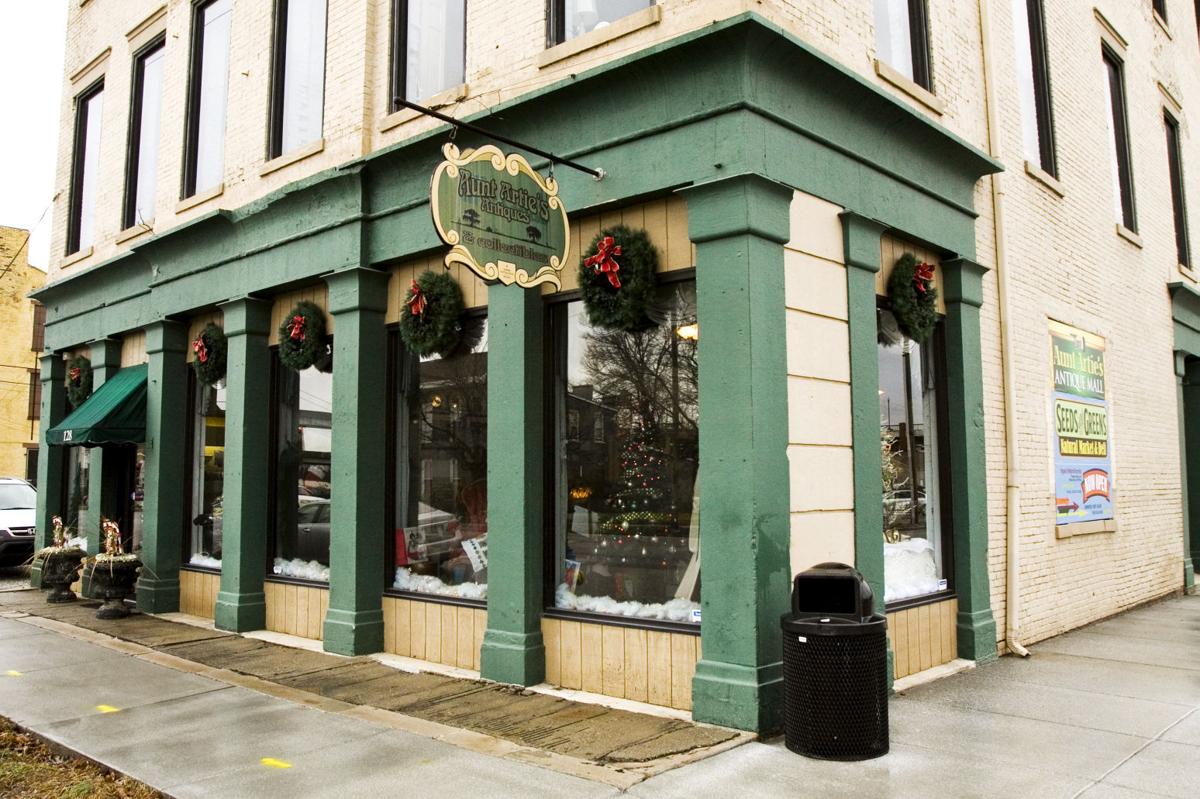
Here’s a one tank trip that might just help make your autumn season a little bit better. It combines many things that I like and perhaps a couple of things you might fancy as well; History, Antiques and ghosts! Recently my wife Rhonda and I took a trip down to New Albany, Indiana (just a stones throw from Louisville) to visit a place I’d long heard about but had yet to visit, Aunt Arties Antique Mall at 128 W. Main Street in New Albany.
Judy Gwinn is the owner of the old Ohio River Opera House and has turned the stately old building into one of the nicest antique malls in Southern Indiana. For antiquers, it is like stepping a decade back in time to a multi-dealer co-op with 3 floors of collectibles that would please most any collector. In short, it’s a mall full of quality merchandise the likes of which we all used to find in the days before Ebay.
“There are a lot of strange things that go on in this old building,” Judy says, “It has a vibe all its own.” Gwinn has operated the antique mall for nearly 10 years now and has witnessed many unexplained occurrences over the past decade. Lucky for Judy and her dealers, the ghosts of Aunt Arties aren’t poltergeists so breakage has not been a problem, “Although they sometimes move things around the building.”

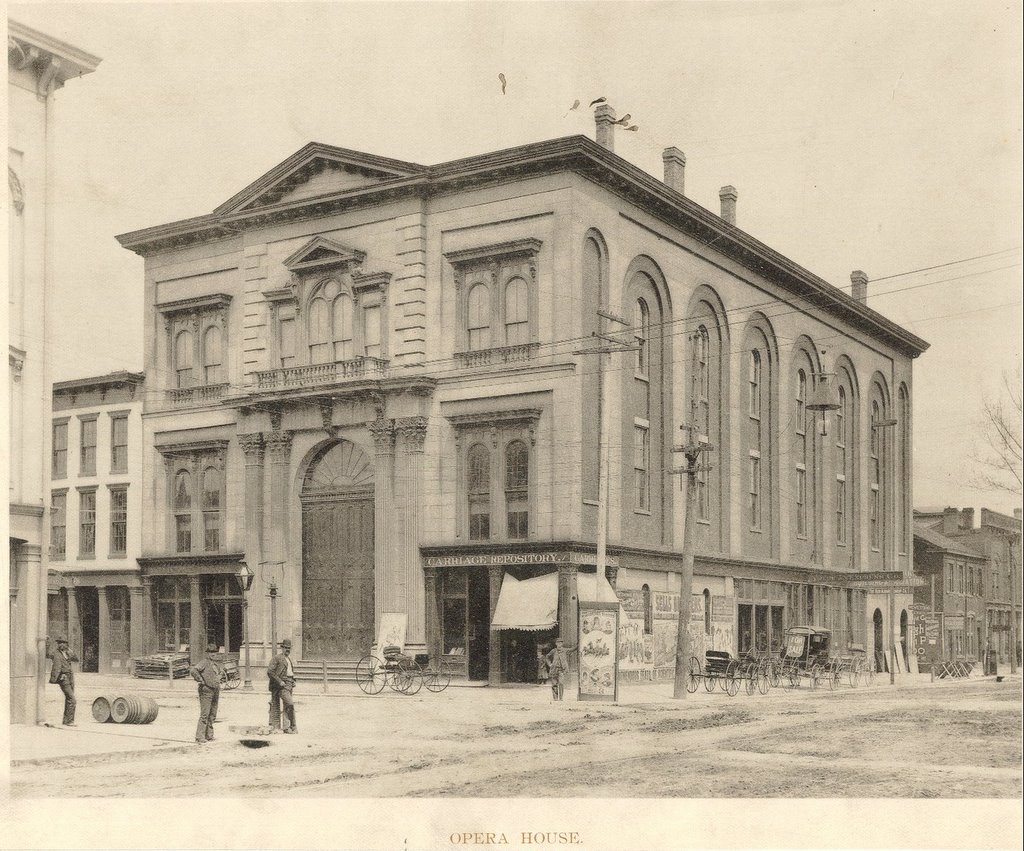
z Opera
Woodward Hall New Albany, Indiana

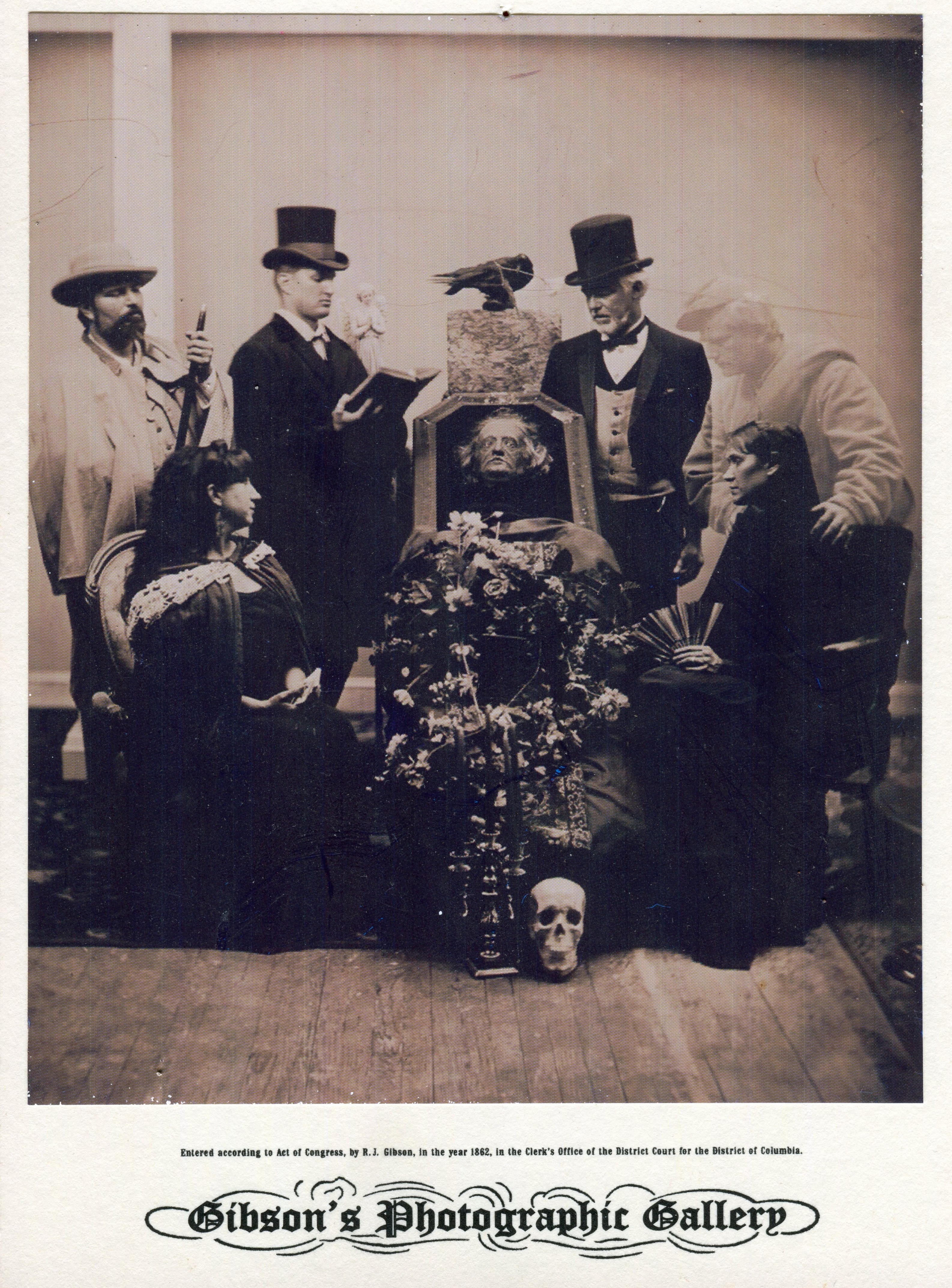
The building, originally known as Woodward Hall, was built in 1853 and purposely situated a block from the river on the corner of State and Main, “J.K. Woodward built it so that his wife and kids did not have to deal with the drunks and neer-do-wells that often prowled the docks down by the river in the years before the Civil War. He wanted a safe place for his family to enjoy themselves.” said Judy. In its lifetime just about every famous person who passed through New Albany appeared on the 3rd floor Opera House including the famed Siamese twins Eng and Chang, P.T.Barnum’s diminutive protege Tom Thumb and his friend, Commodore Foote, Opera star Adelina Patti, Philosopher/Poet Ralph Waldo Emerson, and self taught former slave turned master musician Blind Tom who was billed as the “Negro piano prodigy.” Not every performer to grace the stage of old Woodward Hall was famous though. The venue attracted countless numbers of minstrel shows, political debates, religious revivals, social lectures and dramatic productions.
The lower 2 levels housed a dry goods / department store well into the 20th century in what was once the largest city in the state before the Civil War. Although Judy is responsible for its current look, it has been used as an antique store since the late 1980s. Along with the city’s reputation as a river community, New Albany also has a rich history as a factory town and will celebrate its 200th anniversary in 2013.
z utc posterThe Opera House hosted the first performance of the inflammatory anti-slavery play “Uncle Tom’s Cabin” and its location straddling the North-South boundary caused quite a stir in the days leading up to the Civil War. During the “War of the Rebellion”, the building was used as “Hospital No. 9” and soldiers from both sides of the conflict could often be found lying side-by-side within its walls. In April of 1862, the steamer “H.J. Adams” delivered 200 wounded soldiers to the converted Opera House fresh from the killing fields of Shiloh. In these years before sterilization set the standard of hospital care, a wounded soldier sent to Hospital No. 9, as with any hospital North or South of the Mason-Dixon line, might as well have been handed a death sentence. Many a soldier in Hospital No. 9 would write letters telling friends and family that he was on the mend from a minor battle wound one day, only to die unexpectedly the next day from disease.
Judy and the girls that work in the mall feel that some of these performers and soldiers have never left the building. “I never believed in ghosts until I bought this building. Neither did my husband, but after all of the strange things we’ve experienced in this building, We have changed my minds,” Judy Gwinn said. However, she is no longer afraid of being thought of as a crackpot because she is not the only person to witness these unexplained happenings.
z 5c05d88edef32.imageJudy recalls how in 2001, her youngest son David was down in the building’s cellar “fishing” for old bottles in a cistern that he had removed the concrete covering from. “He was laying on his stomach down there alone when he suddenly felt someone tap him on the shoulder” she says, “he looked around expecting to see the source of the poking, but saw that he was still down there alone. Since that time, David does not like to be in the basement by himself.”
Judy recalls one time when she and her sister were walking down the stairway from the second to the first floor when she suddenly lost her balance and began to fall. “Something pulled me back and saved me from falling and serious injury. I shook for several minutes after that one.” says Judy.
img485Spirits of a Civil War soldier and a woman in an old fashioned Antebellum Era dress have been seen lounging around the cafe area by a few folks. “Every once in awhile, we’ll get a psychic coming through here telling us that they see the spirits of several Civil War soldiers around the entire building and sense sadness in the basement area.” says Gwinn.
On one occasion, Judy was down in the cellar with a group of 4 people when the youngest person down there, an 11-year-old girl wandered a few feet away from the group. “We all watched as a bright white orb of light appeared and went right through that little girl.” she says, “I have seen shadows go through walls and felt the tapping on my own shoulder. Whatever it is, I’m not scared of it anymore.”
Judy Gwinn might not be afraid of the ghosts that linger within the walls of Aunt Arties Antique Mall, but others might have a different opinion. Judy confesses that some people have walked in the doors and turned around and walked right back out. She’s seen more than a few people start walking up the stairs only to suddenly stop and walk carefully back down the stairway. When asked about the basement, Judy says, “Oh my, I don’t think we could ever use this area for anything more than storage. Its just too creepy and I’m not even sure that the employees want to come down here.”

z 10672416_798739180182771_6158681886050951161_n
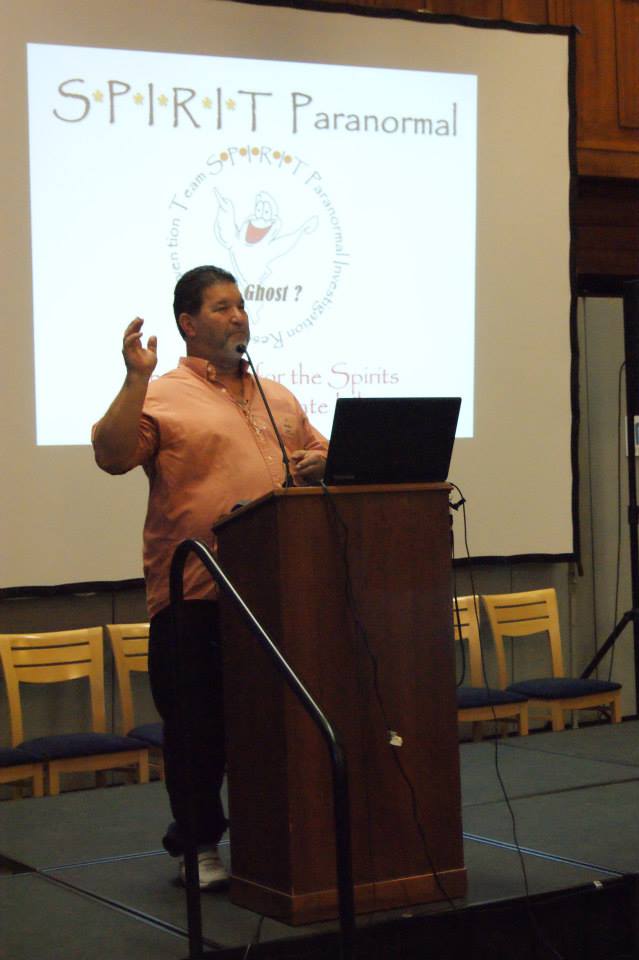
Tim Poynter delivering a presentation at the Indiana State Library in Indianapolis.

Update: This article originally ran 10 years ago. Aunt Arties closed its doors on New Years Eve of 2014 and the remaining contents were auctioned off in February of 2015. After Rhonda and I visited the store in the Fall of 2010, we took another trip down with several intuitives, including Tim Poynter and Jill Werner. My decision to rerun this story came after the following facebook post from Tim: “Aunt Arties was once a stop on the underground railroad with a reputation of being haunted by a Lady in blue/gray. When we arrived the spirit of a young soldier started following one of the group around. He was very smitten with Jill and had big puppy dog eyes. I noticed the lady spirit on the stairway overseeing our groups investigation. We spent some time on each floor looking for spirits. Near the end of our visit I noticed several spirits of slaves that had been buried on the property still residing in the basement even after all those years. They has perished from injuries received from their perilous journey to freedom. They were still very afraid of our attention to their being there. I remember being overwhelmed with their fear and mistrust. The connection with spirit often comes with much more than we expect. After understanding that we were not a threat they became more forth-giving of their trip to freedom. Even though they had died, they died as free men. I helped them understand that the only thing holding them there was their own energy and off they went. We that were born to freedom seldom understand it’s true value. Those that restrict the freedom of others don’t understand the mark they leave on their own soul.” Well said, Tim, well said.

Criminals, Indianapolis, Museums, National Park Service, Pop Culture

A Hoosier Guard on Alcatraz PART IV

Albright Part IV
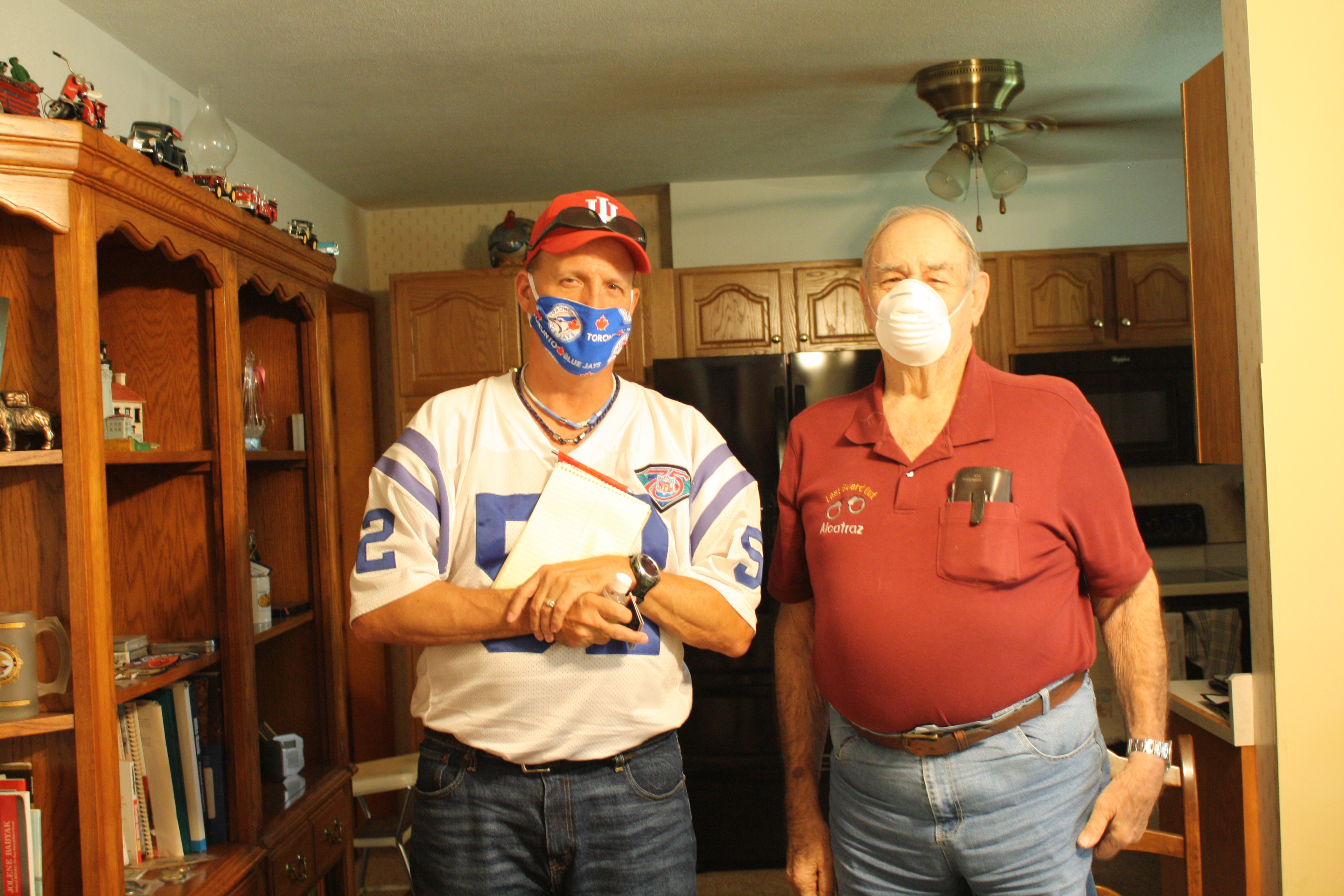
The author and Jim Albright at the Albright family home in Terre Haute.

Original publish date:  July 30, 2020

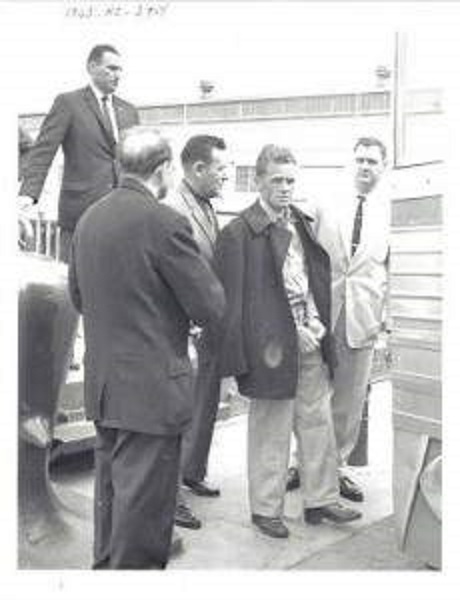
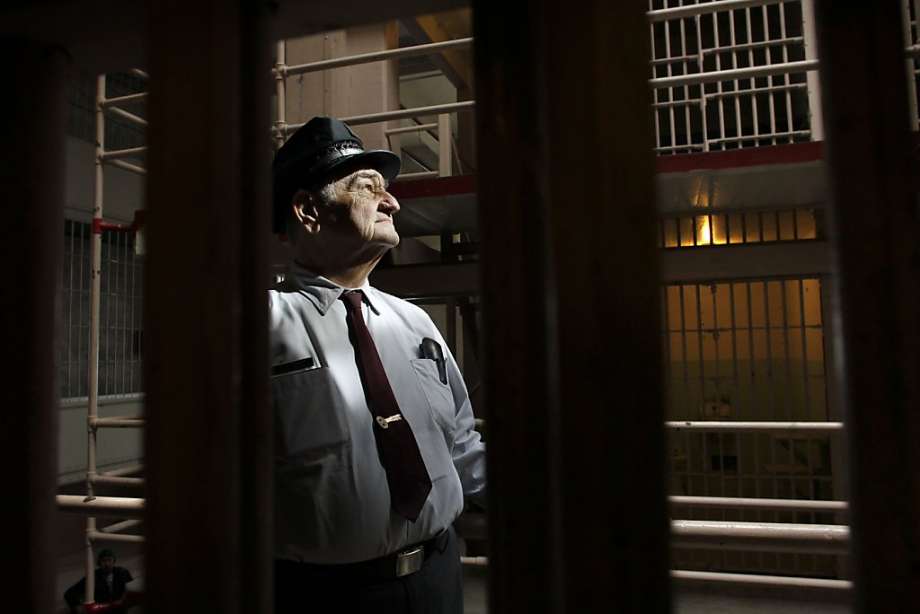
I asked guard Jim Albright what he remembers about the closing of Alcatraz prison in March of 1963, in particular the visit by Attorney General Robert F. Kennedy. “Oh yeah. I remember. He toured the island and had about 50 bodyguards all around him. He didn’t want any of those bad guys to get near him.” Jim can still recall the names and numbers of the infamous inmates on the island when he was there. “Whitey Bulger # 1428, Alvin Creepy Karpis # 325. Alvin was the lowest number left when I was there. Alvin did more time on the island than any other convict. He did just straight at 26 years.” Jim recalls both Bulger and Karpis as “good cons”, both were “quiet and respectful when they spoke to you.” However Jim does say this about Karpis, a notorious kidnapper with the Ma Barker gang, “He was creepy, oh yeah, he was creepy.” Jim states, “I always treated them like I would have wanted to be treated had I been the convict. My job was not to punish them, my job was security.”z ce unnamed
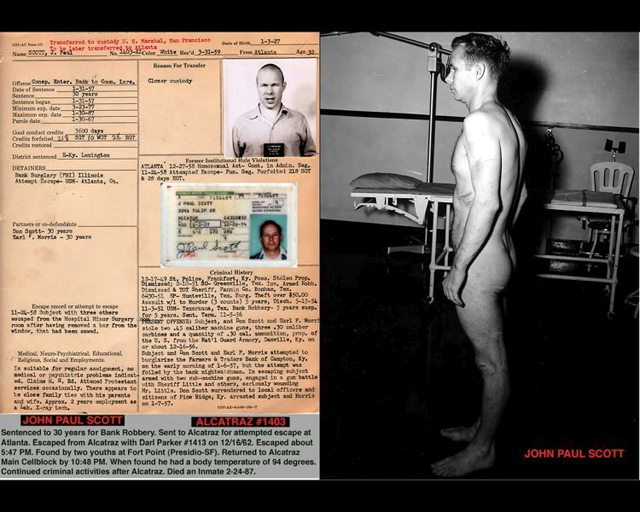
Jim recalls, “Everybody talks about that escape in the Clint Eastwood movie, but I was on duty for the last escape from Alcatraz. John Paul Scott # 1503. December 16, 1962. That was 25 years, almost to the day from the first escape. I was in the control center. I got the call on the red phone, that’s the emergency phone, and you ‘dial the deuces’ as they call it, 222. ‘Jim get me some help, I got a couple missing from the kitchen basement’ was all I heard.” It was Jim Albright’s responsibility to call out the news, order the boat and man the towers for that final escape. Once again displaying his amazing recall after nearly 60 years, Jim says, “Darrel and Don Pickens, they were from Arizona, and they were both red haired and red freckles, red faced…I put them out in # 2 and # 3 towers and every thing’s going along and pretty soon they’re yelling.” They had found Scott’s fellow escapee Daryl D. Parker clinging for life on “Little Alcatraz” (a small rock in San Francisco Bay roughly 80 yards off the northwest side of the Island). Scott, by now naked and battered senseless, came to rest on a rocky outcropping in the bay near Fort Point. He was brought back to the Rock.z JOHN PAUL SCOTT L

z ja fw
Frank Weatherman & Jim Albright (far right)

“I escorted the last inmate off the island, Frank Weatherman # 1576. We never had reporters, they were never allowed on the island but that day (of the closing) we probably had 250 of ’em, from all walks of news. One of ’em almost got in line as we’re heading out and asked me ‘what do you think about this?’ as we’re walking and I said, ‘Hey! I’m still working. My job is going on right now. The biggest thing I gotta watch right now is that one of you damned idiots don’t give ’em something they can escape with. Afterwards, I thought, Jim, keep your big mouth shut.” I asked Cathy where she was during that final prisoner walk down to the dock and she answered, “I was on the balcony watching. I was filming it.” Jim says, “We took the film to get it developed, but never got it back.” Cathy answers, “Somebody’s got it but we don’t.” Cathy also notes, “Well the inmates did not want Alcatraz to close. Some of them cried when they left because where they were going they might have to go to a 4-or-5-man cell, Alcatraz was single cells and they liked that.” Jim adds, “Some of them went, and Creepy Karpis was one of em, to McNeil Island in Washington and they had 10-man cells up there. Creepy, for 25, 26 years almost was used to a one man cell. They finally paroled him and deported him to Canada…from there he went to Spain. I guess he couldn’t take being free, cause he hung himself.”

z stroud-1b
Inmate # 594: Robert Stroud aka The Birdman of Alcatraz.

Jim missed Robert Stroud, the infamous “Birdman of Alcatraz”, by just a few days. “I went there in August and he left in July. But I heard all the stories about him,” Jim recalls. “He was not liked by inmates or staff, either one. You talk about somebody no good, that was him…He was a weird old, nasty guy.” Jim and Cathy remained on the island for three months after that last inmate was escorted onto the boat by Officer Albright himself. It was only afterwards that the couple allowed themselves a little luxury, “We were there March to June. We moved from 64 building over across the parade ground to the city side…They had what they called B & C apartments, these were nicer apartments, they had fireplaces in them.” Jim smiles as he recalls Alcatraz historian and author Jerry Champion jokingly asking, “You had a fireplace did ya? Where’d you get your firewood?” (There are no trees on Alcatraz island).

z 920x920
Jim Albright returns to Alcatraz.

Jim guesses that there may be a “half a dozen or less” Alcatraz guards still living, and “two of them are in wheelchairs” and the former guard estimates the same for the former convicts. Cathy notes that the inmates used to come to the reunions too and Jim recalls that it took awhile for the inmates to show up because “they were ashamed of what the guards would think, ya know.” But spend five minutes with Jim Albright and you quickly realize that he was never one to hold a grudge. Officer Albright is simply not the judging kind. Jim Albright is a people person. He enjoys meeting people and loves to see their reactions when he shares his story, especially when he reveals that they lived on the island. “As soon as I tell them that and point to my wife, it’s “FWEET!” (he says with a whistle and grin), they go right over to her and I’ve lost ’em.”
For many years, Jim and Cathy traveled by train from Terre Haute to San Francisco, a 2 1/4 day’s travel from nearby Galesburg, Illinois. “There used to be 150 people come out to those reunions, but then it got down to 30 cause there’s just nobody left.” Because of the current situation with Covid-19, the couple’s trip has been postponed. Cathy admits, “Well, we’re all getting older” and Jim chimes in, “And that’s the thing about not going in August, that means that last August was probably our last time going out there. The odds are against us.” Jim and Cathy fear that the alumni association will soon be no more. “There’s just not enough of ’em left,” Cathy says.
z DYwvoC_VAAABixRA week after our visit to Jim and Cathy Albright, the United States Supreme Court lifted the ban on executions at the Terre Haute penitentiary located a mere three miles from their front door. At the time of this writing, there had been three executions in four days. While there were never any State sanctioned executions at Alcatraz, there was not much rehabilitation taking place there either. Convicts were different back then, some actually viewed it as a profession. When asked about the convicts of today, Jim simply shakes his head and says, “They were more like professional convicts ya know ‘I did the crime, I’ll do the time’. It’s just not the same. It’s a different world now.”
In his book, Jim wrote quite eloquently of his feelings on that last day, “Emotions of prison personnel were very strong and it was hard to accept that all the convicts were gone…I boarded the boat for the last time as a guard on Alcatraz. I though to myself, what an experience I had just completed, and how fast the time went by. I felt tears grow in my eyes as the boat went across the water to Fort Mason.” I asked the couple individually, if they could make one statement about the Rock, what would it be? Cathy answered, “Well, I really liked the place. I did not want to leave. It was one big family… It was something special. It was home.” Jim reflected for a few moments, titled his head back as if looking through the mist of time, and replied, “A very enjoyable life living on the island and a very safe place to raise our children.”

z EBT-L-ALCATRAZ-0813-10
The Rock.

Alcatraz Federal Penitentiary has been closed for over 57 years now. During that time it has become more myth than reality. Alcatraz Island encompasses a total of 22 acres in the center of San Francisco Bay. It opened to the public in fall 1973 and since that time has hosted millions of people from every corner of the world. The flood of people who once lived on the island during the time it was the world’s most famous prison has trickled to a slow drip. However, there remains one couple living on the western edge of the Hoosier state who know that sometimes, even if they don’t consider themselves as such, legends are real and history is the foundation of all that is worthy in life.

519kJvKIU8L._SL500_

Criminals, Museums, National Park Service, Pop Culture, Travel

A Hoosier Guard on Alcatraz PART III

Albright Part III
The author and Jim Albright-Indiana National Road Meeting at Brazil Lodge in 2010.

Original publish date:  July 23, 2020

Jim Albright was on duty the night the most famous escape from Alcatraz took place. On June 11, 1962, Frank Morris, Clarence Anglin and his brother John escaped through a hole in the back of their cells, the details of which were chronicled in Clint Eastwood’s 1979 film, “Escape From Alcatraz.” Albright recalled the escape in his 2008 book, “Last Guard Out. A Riveting Account By The Last Guard To Leave Alcatraz” (available at Amazon), “The movie showed them escaping off Broadway and that is not correct. In real life they escaped off Seedy Avenue (outside of B Block).” Jim also points out that the movie showed Eastwood stealing a pair of fingernail clippers off the Warden’s desk, “This would not have been necessary as each inmate was issued a pair when they first arrive at the prison.”

z 1962-Alcatraz-prison-break-1249788
The Anglin Brothers, Morris & a dummy head.

On the night of the escape, Jim recalled, “I had been over in town playing ball and I stepped in a gopher hole and twisted my knee, so they give me some crutches. The next morning (after the escape was discovered), I’m crutching up the hill when I run into the Lieutenant and he says ‘we got some missing’ and orders me to watch the back of the cell house.” Later, Jim went inside the cellhouse to “see what was going on.” He looked in Anglin’s cell and saw the false head. “They got dummy heads up there now that look like I made them. The dummy head I saw that morning looked very real. They did a good job, in fact, when I saw it I thought I had the wrong cell, it looked that real.”
Also in his book, Jim vividly remembers the events leading up to the bustout (“I told them those blankets should not be there”), the escape (“After the escape I was placed on roof detail after night fell, with a pistol and flashlight. I couldn’t flash very often because of limited mobility with crutches.”) and the aftermath (“The inmates had a field day teasing, laughing, comments, etc., toward the guards in the immediate time after the escape.”). “John Anglin was the older brother and John worked for me in the clothing room, so I knew John real well,” Jim believes, “I strongly feel the Anglin brothers probably killed (Frank) Morris to lesson the weight of the raft, and they in turn drowned and washed out to sea…I think about it even after all these years and realize that I too was a part of all of this.” The after effects are still visible. Several times during the story, Jim would stop, shake his head, and say “Them damn blankets.”
Likewise, Cathy recalls the escape from her unique perspective. “I was downstairs with the kids visiting with Betty Miller and we heard this alarm go off. Well, that means you don’t leave where you’re at and I’m down there and I’ve got two kids in diapers and didn’t have any extra diapers so we used towels for diapers until I could go. They searched Betty’s place and then they searched my apartment. But as far as being afraid, I never was, I really felt safer there than I did some other places.”

z 14492243666_6a483a88fc_c
Tom Reeves, Jr.’s reconstructed water tower on Alcatraz.

When I asked Jim about the current trend of tearing down monuments, he recalled the Native American Indian occupation of Alcatraz that took place from 1969 to 1971, years after the Albrights’ left the island. “When the original water tower was replaced after it was rusting away and pieces were falling off of it, they hired a guy, a former kid named Tom Reeves, Jr. who was teenager living on the island when I was there, his dad worked in the hospital as an MTA, his stepmom worked in town as a nurse.” the old guard chuckles as a memory bubbles up, “Tom had a little scheme going when he was in high school, everybody wanted to go to Alcatraz. All of his buddies, everybody in the school wanted to go to Alcatraz. Tom would say ‘I will take you to Alcatraz for two bucks’ so he’d get 3 or 4 guys, get two bucks a piece, bring ’em over and show ’em the island and take ’em back. The Warden found out about it and he wasn’t happy.”

IMG_0117
Cathy and Jim Albright.

After the laughter died down, Jim continued, “Tom grew up and became an engineer. He has an office in San Francisco, Seattle and somewhere in Hawaii, he was that big. So he engineered the repair of that water tower to make it look just as it did when we were there so that it would hold up. And it looked like new. And then they went and put Indian Graffiti back on it. And I asked (National Park Service Ranger) John Cantwell why they did that and Cantwell’s answer was, ‘Jim, love it or hate it, that is part of our history.'” Jim points out that Reeves, Jr. and his company restored the water tower and helped preserve several of the decaying buildings, including the steel tie-rods used to shore up the Warden’s House that was burnt during the Indian occupation, “at no charge, he did all that for free, he didn’t charge ’em a dime.” Jim and the Alcatraz alumni association wanted to place a plaque near the water tower thanking Reeves, Jr., as a former resident and benefactor, but the Park Service wouldn’t let them.
z Ghiradeli_54_990x660Jim’s recollections about his time on the island are limitless, he can affirm or deny legends about the island with ease. He relates details as if they happened yesterday. “The best cell placement on the island was the second tier because you could look out to see and hear San Francisco. On New Years especially, you could hear the parties and watch the party boats go past. When I was there, Ghiardelli Chocolate factory was still operational and you could smell that chocolate cooking when the breeze was just right.” He continues, “Al, you’ll like this, when I was in the tower, if one of those boats got too close to the island, I’d warn them with a bullhorn and if they didn’t listen, I could fire a shot across their bow. They moved then,” says the veteran guard. The prisoners were aware of the rumor that the island was patrolled by sharks, “Well the prisoners heard the rumor that the guards went down and caught all the sharks and cut the left fin off to make them swim in a circle around the island and we guards didn’t do anything to change their mind.”
z shutterstock_743324311.0Jim recalls patrolling the perimeter of the island and occasionally finding relics left over by military personnel during the time Alcatraz was in operation as a military fort guarding the bay from the Civil War up into World War II. Jim would see the old tokens gleaming in the moonlite at water’s edge, “I found script, I guess you’d call it. I think I’ve still got a dime, a fifty cent piece and a quarter around here somewhere.” He continues, “the guys would fish, there was a bout a half a dozen of them, down below the industries building. When you were dock and patrolman, there was a list, when you walked into the dock office, and when you saw the stripe bass running, you looked on that list and you’d call those guys who wanted to fish, anytime day or night, and you could make another round and when yo came back there could be anywhere from ten to thirty guys down there fishing. They made a Formica chute where they’d filet them right there on the spot and give the scraps to the seagulls. Quite often, you could help yourself to as many filets as you wanted. The head chef loved it cause they’d catch enough to feed the whole main line of prisoners.” I asked Jim if he ate the same meals the convicts ate. “When I first started there, I went thru the line and took my food back to a table in the kitchen. then they built us an officer’s dining room upstairs. The food was good.” Jim says the Alcatraz convicts, “had the best food in the prison service. Good food keeps trouble down.”

Screenshot (163)
Alcatraz “script” tokens.

Cathy chuckles as she recalls Blackie Audett (a longtime convict who worked in the kitchen). “Whenever I baked cookies, I’d lay them out on the window sill to cool. Every time I baked cookies, there would be 3 or 4 officers, I counted 10 one time, that would knock on the door and say, ‘Hey you’re making cookies, I want a few.’ And I asked Jim how did they know? Well, come to find out, that Blackie Audett could look out of that dining room window into my kitchen and see my cookies. Well, that scared the heck out of me. I wondered if he can see in the kitchen window, can he see into the living room window or the bedroom window.” Jim, forever on guard, says, “Yeah, Blackie was there (incarcerated) three times.” Jim also confirms another bit of trivia from Clint Eastwood’s movie, “We had a guy named Ianelli. He was a weightlifter and he had muscles on top of his muscles. I always shook him down extra special and teased him that he was getting lax. They called him Wolf.” Albright confirms that Wolf was a sexual predator as portrayed in the movie and recalled that Wolf was after a young inmate named Robbins who worked back in the “dishtray room”. Jim recalls Wolf was after “Robbie”. “One day Robbie got a pipe and came up behind Wolf hit in the back of the head and damn near killed him. If he (Wolf) had not been in such good shape he would have died. He was sent to our hospital upstairs and brought him about a third of the way back before they shipped him to our medical hospital in Springfield, Missouri. I don’t know if he’s still alive or not but he sure was never the same.”

519kJvKIU8L._SL500_